Viewing entries tagged
actor

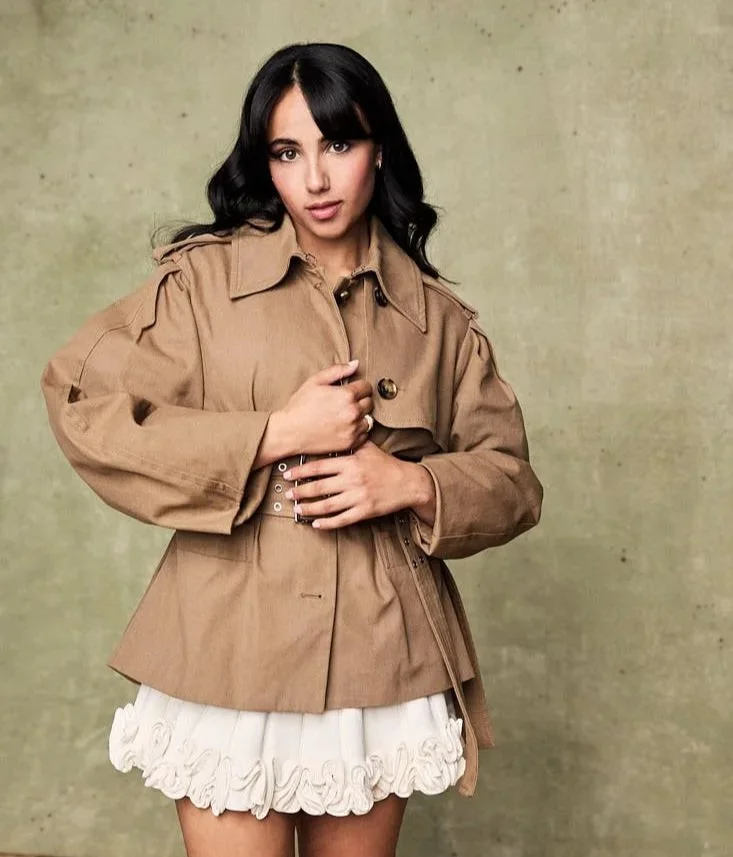
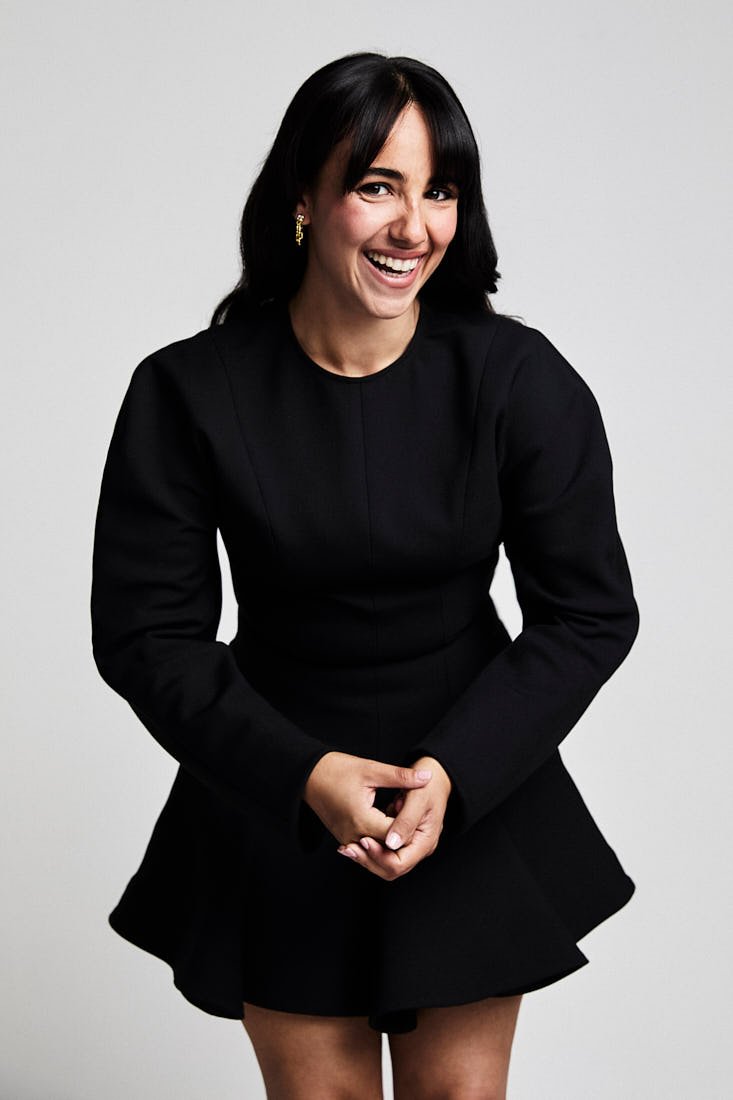
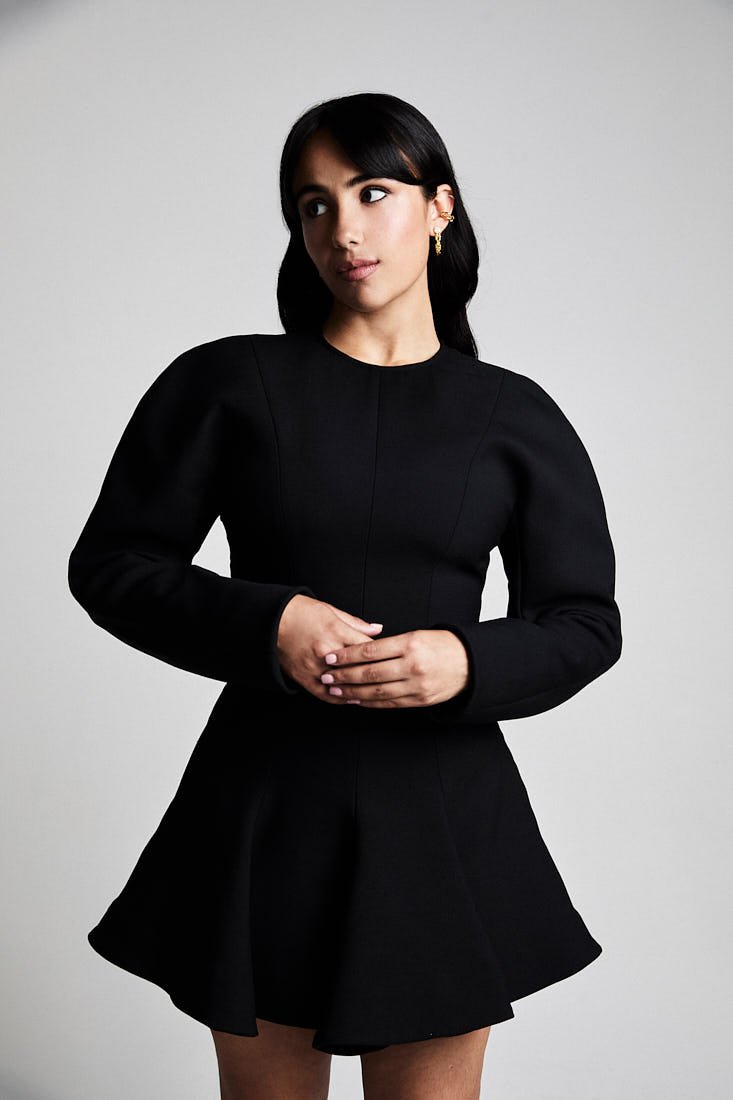
Annabel Scholey on Winter and Rivals

Annabel Scholey on Winter and Rivals

An interview with Annabel Scholey

Why Lauren Bell puzzled Annabel Scholey


interview + written MONICA DE LUNA


Annabel Scholey asked to repeat a couple of takes on Winter after watching herself back and questioning what she was doing with her body. Playing DI Lauren Bell meant looking as though she knew how to raid a house, right down to what she did with her arms. She has already smashed a car window for the role and would happily take on more stunts.
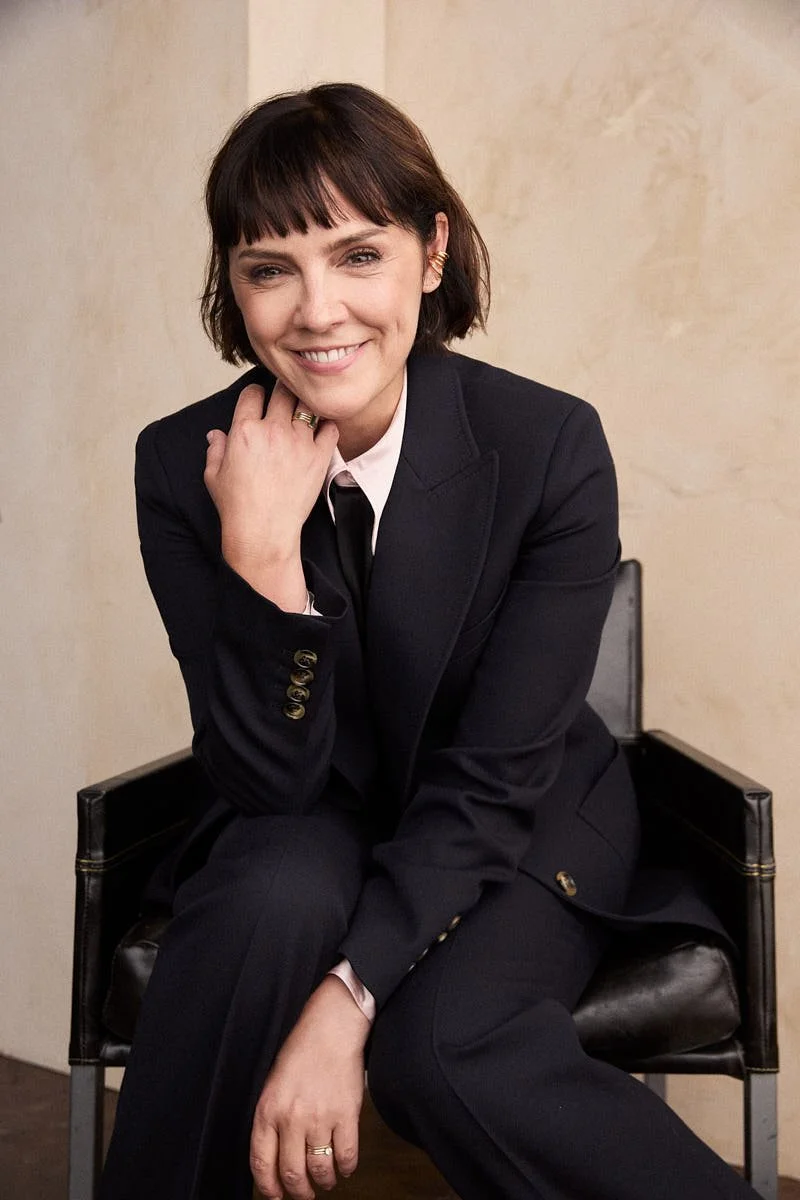
 
 
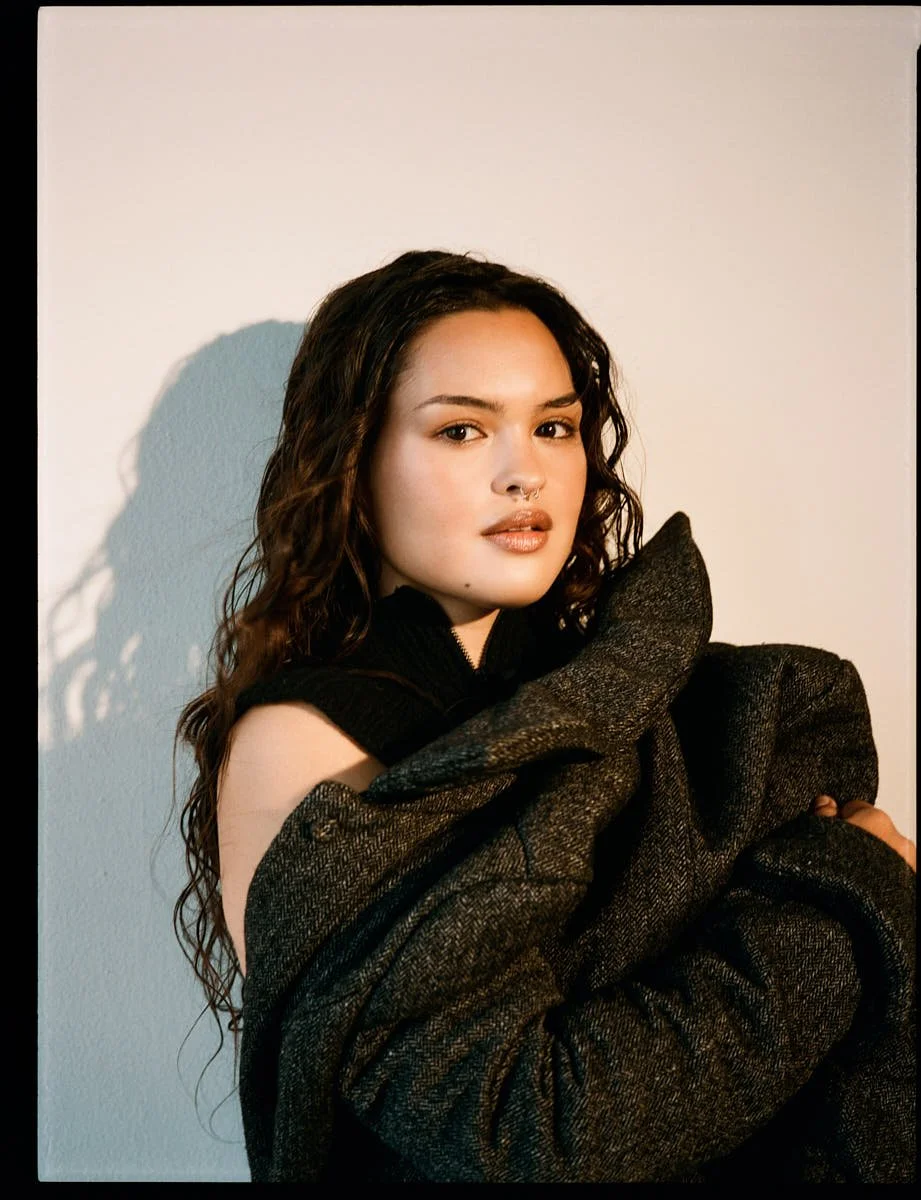
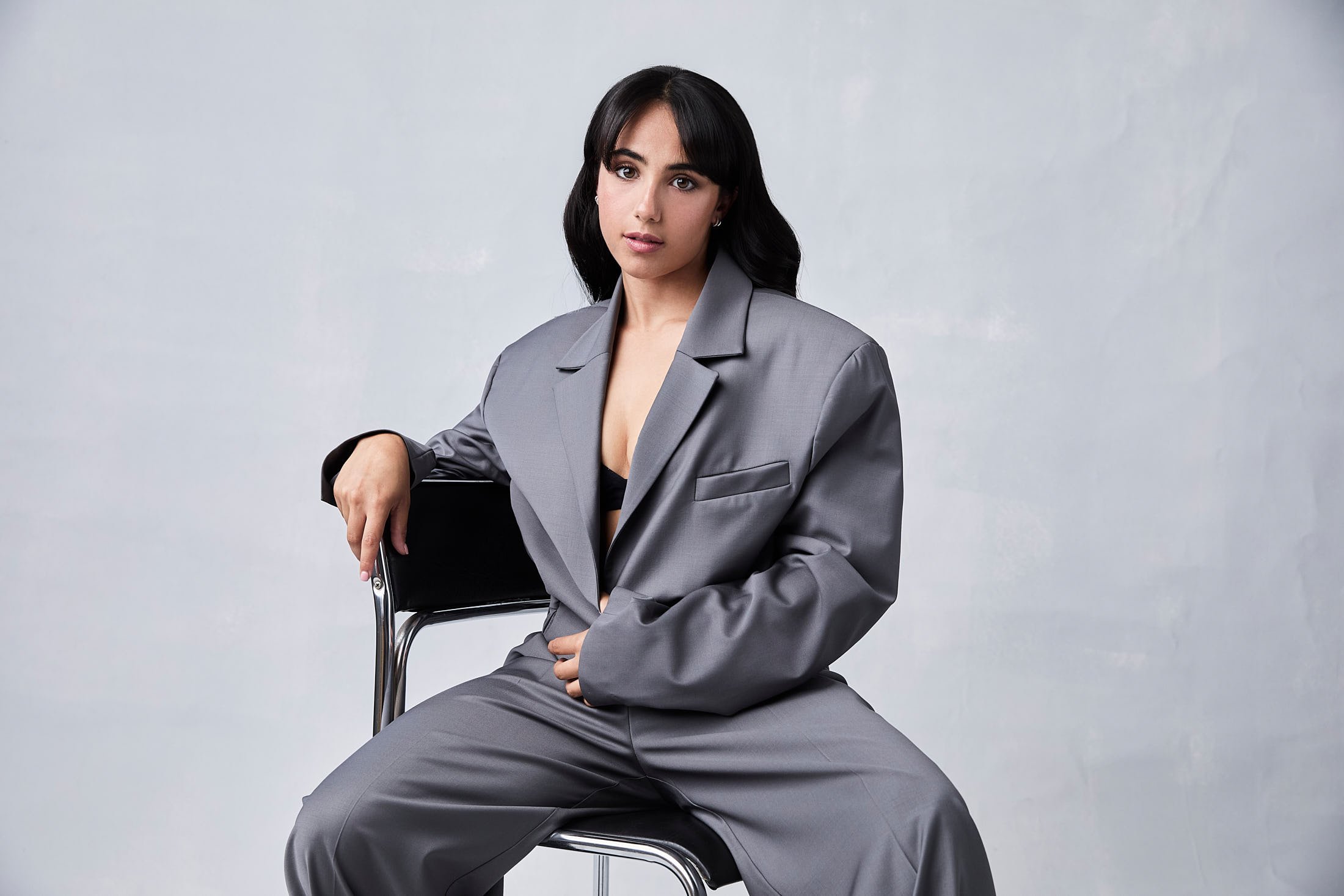
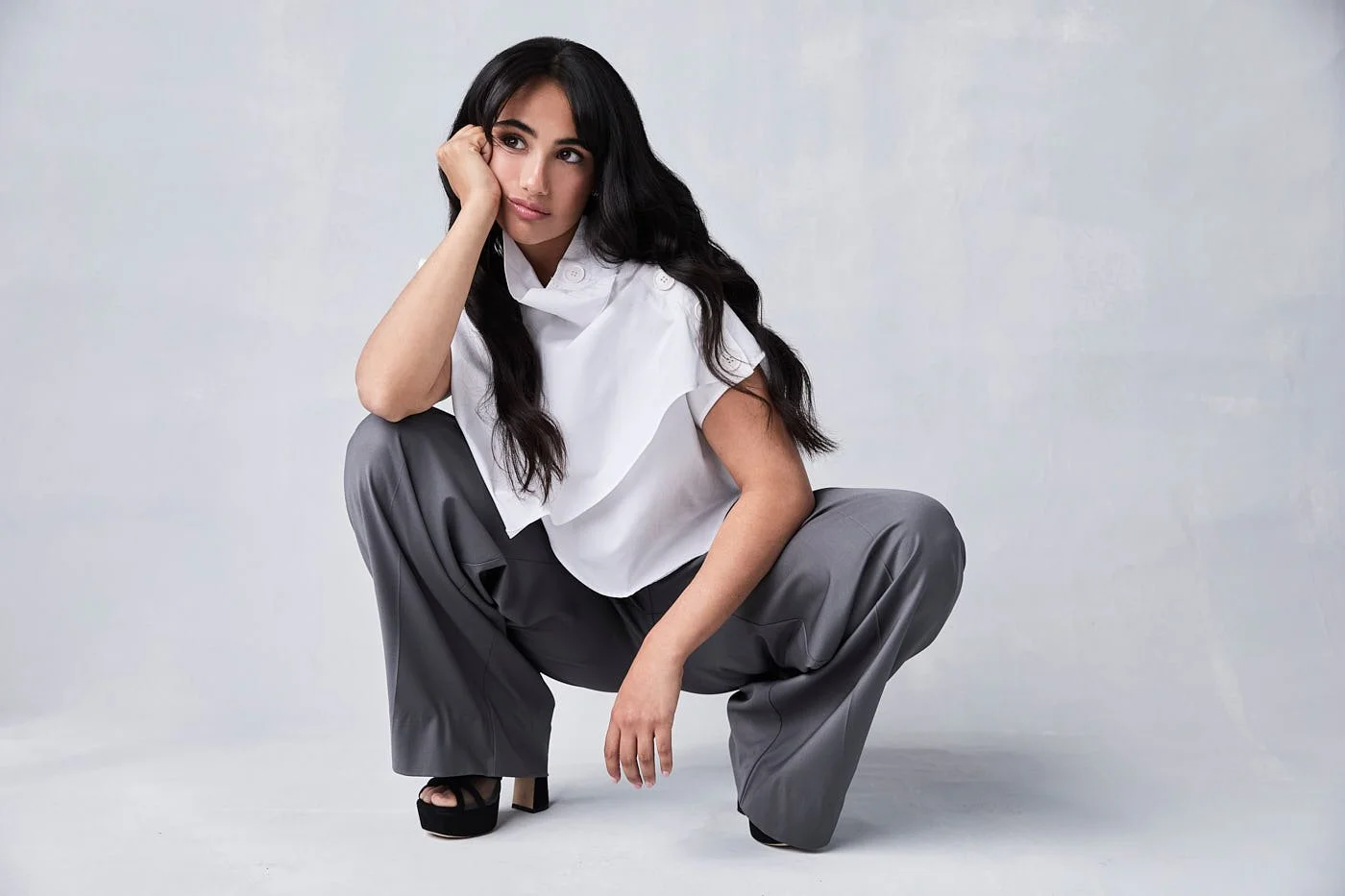
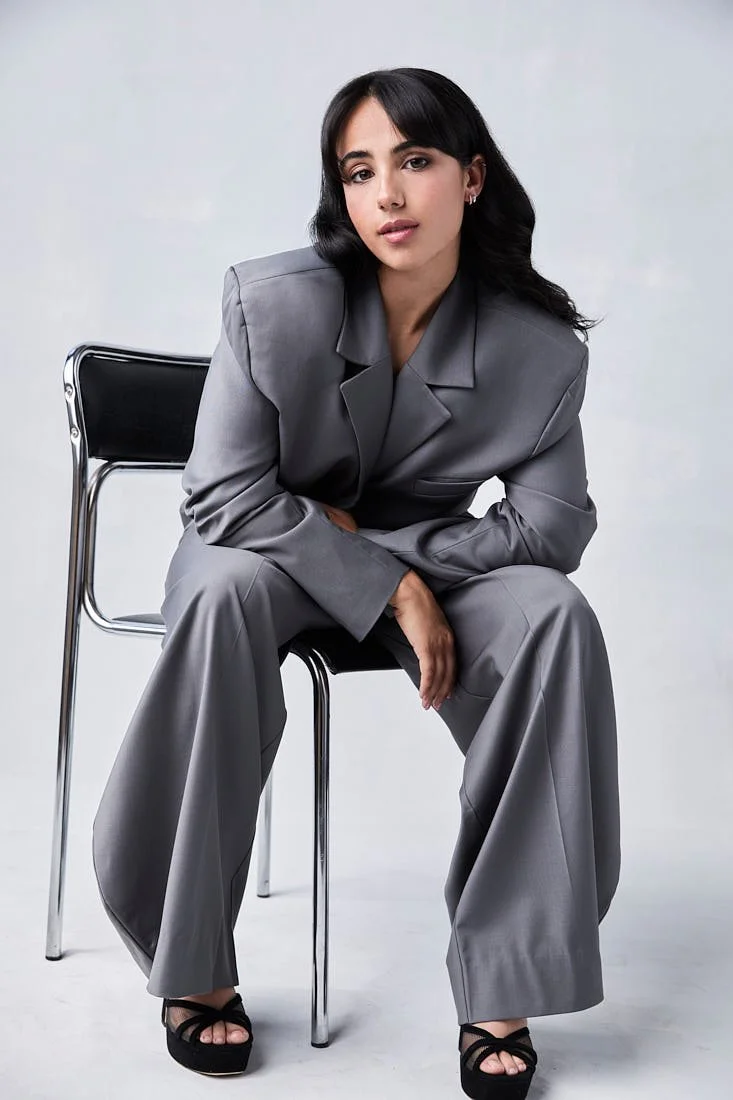
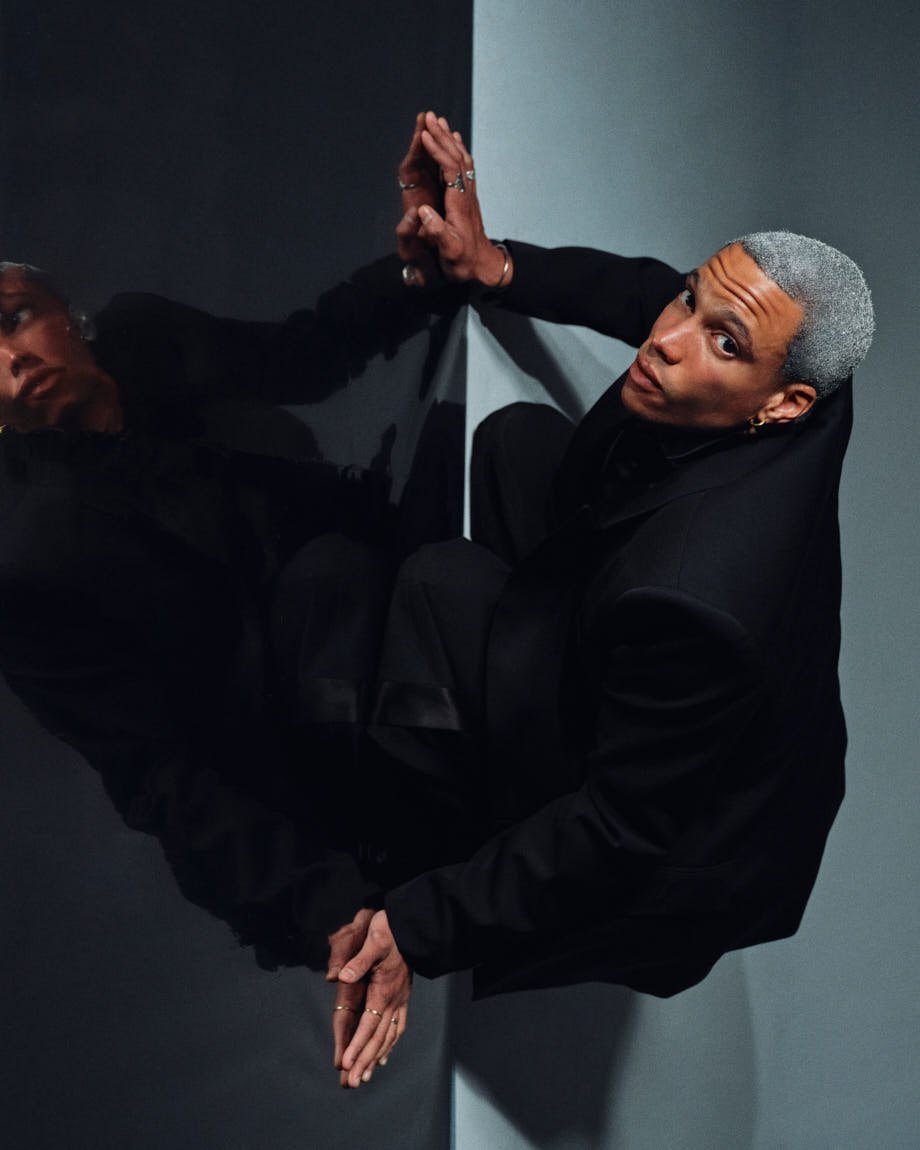
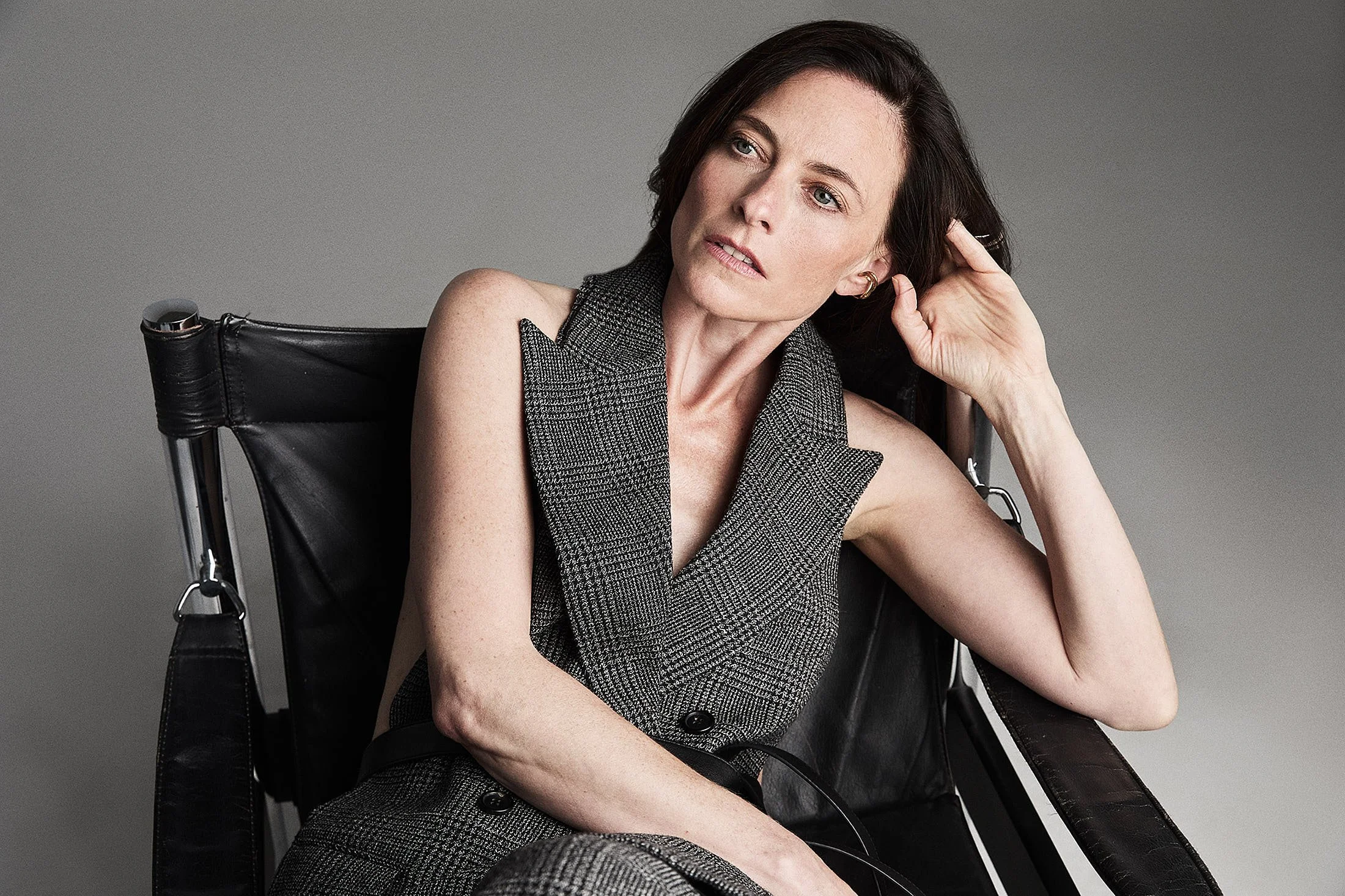
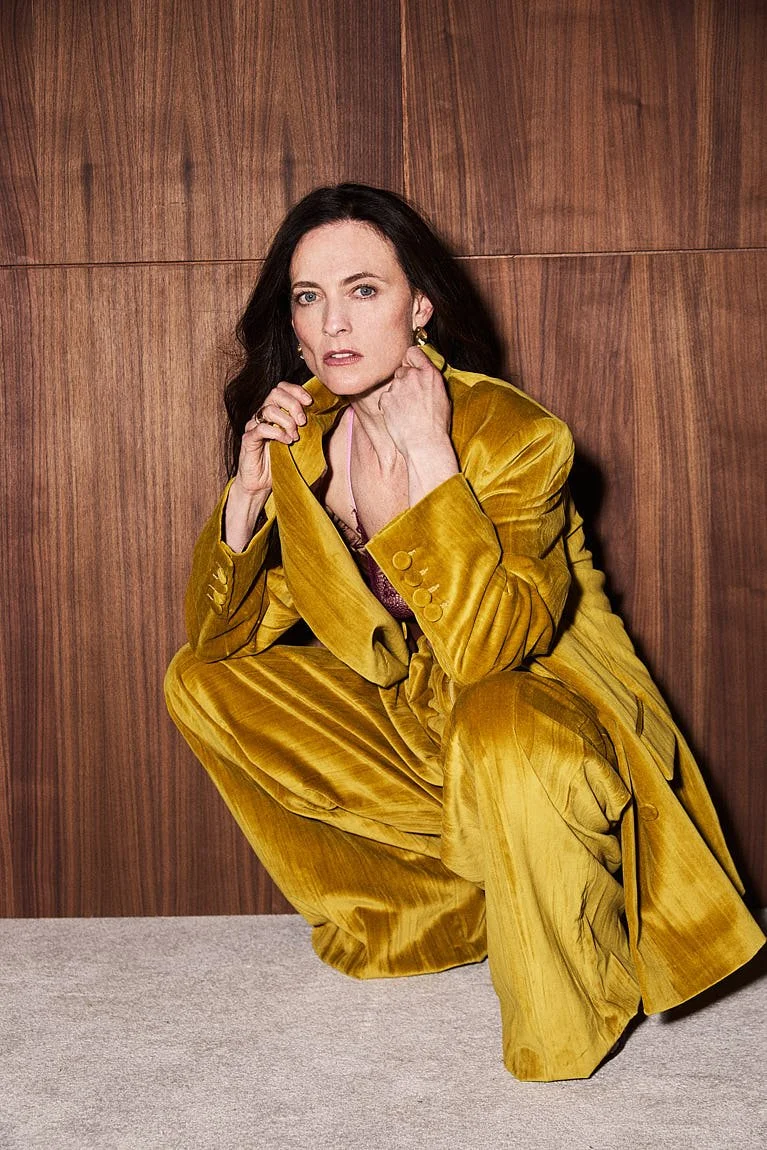
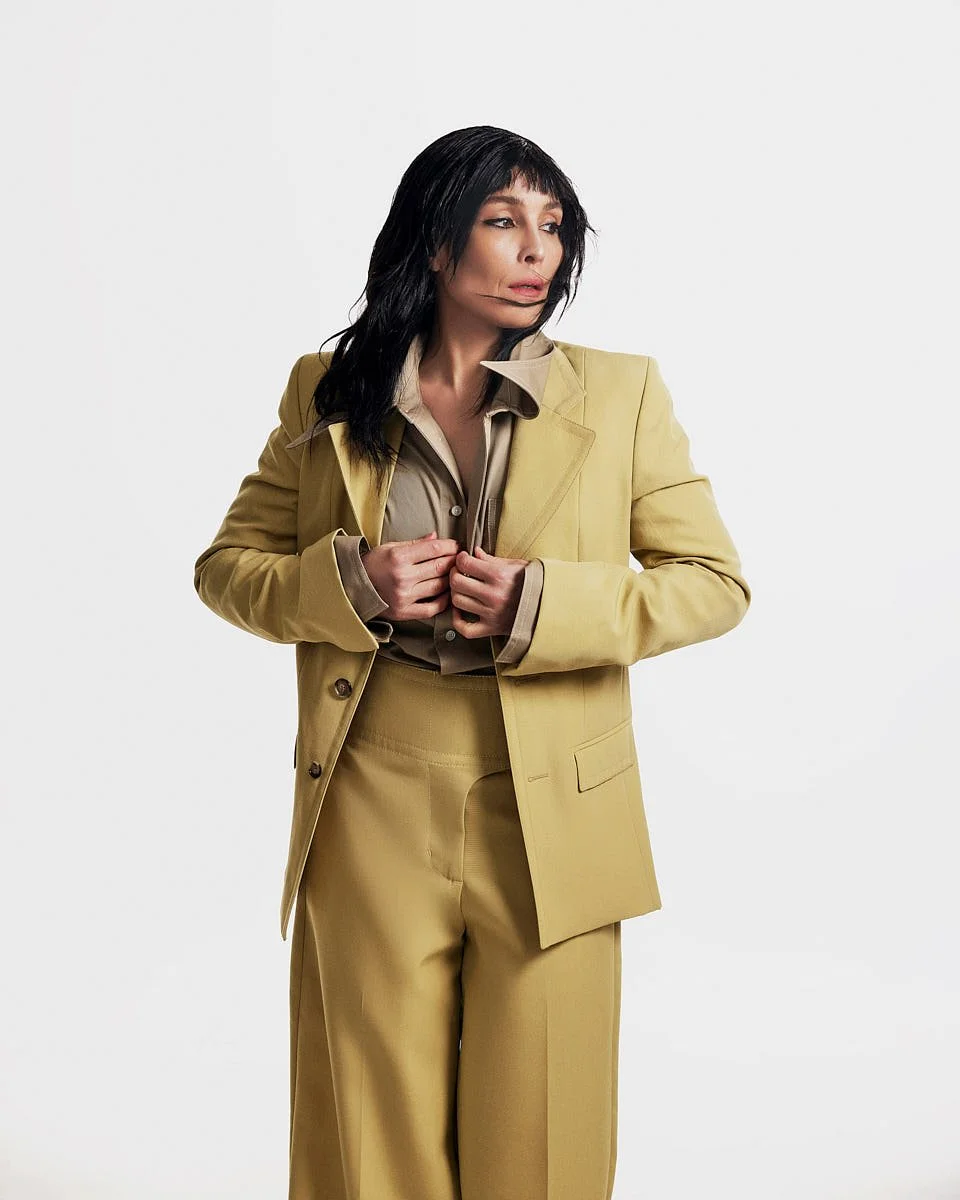
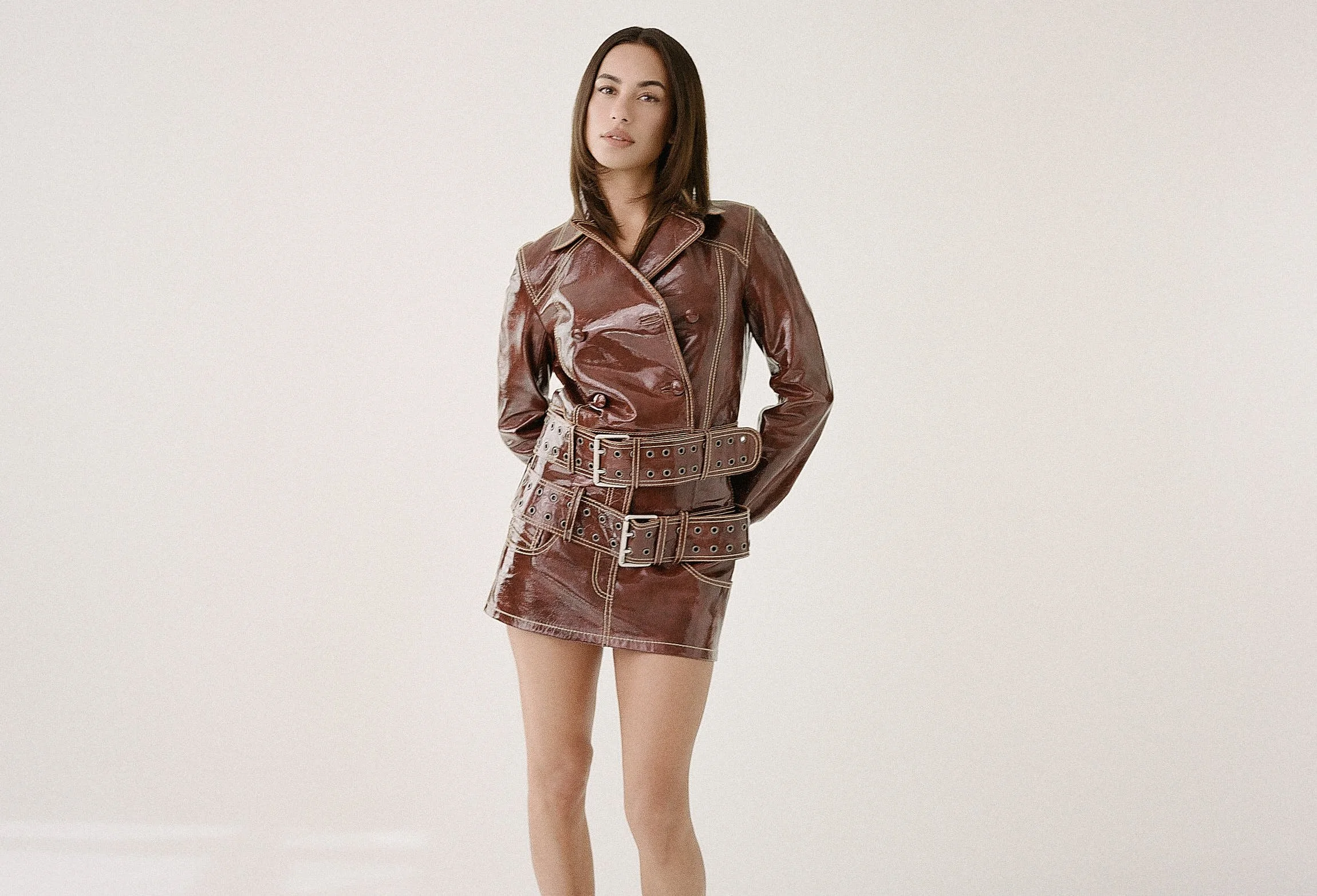
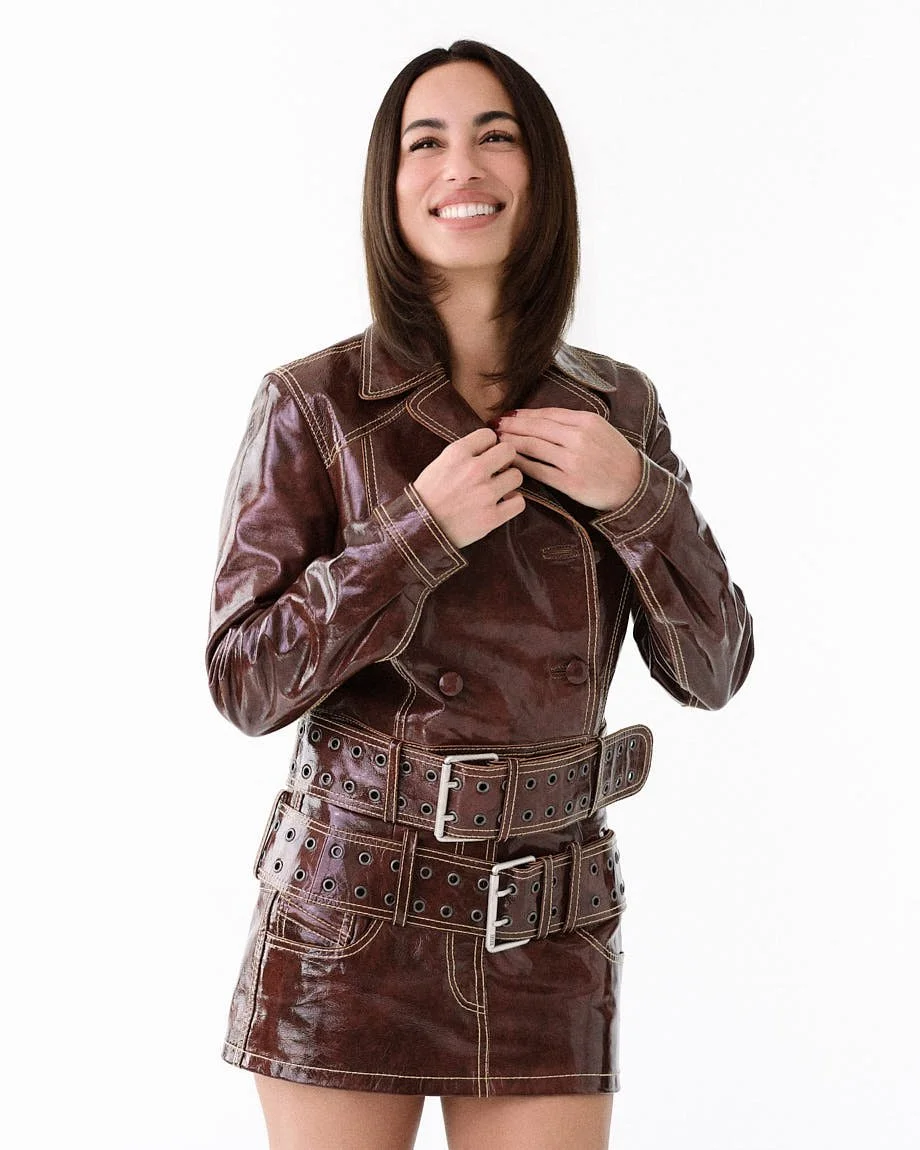
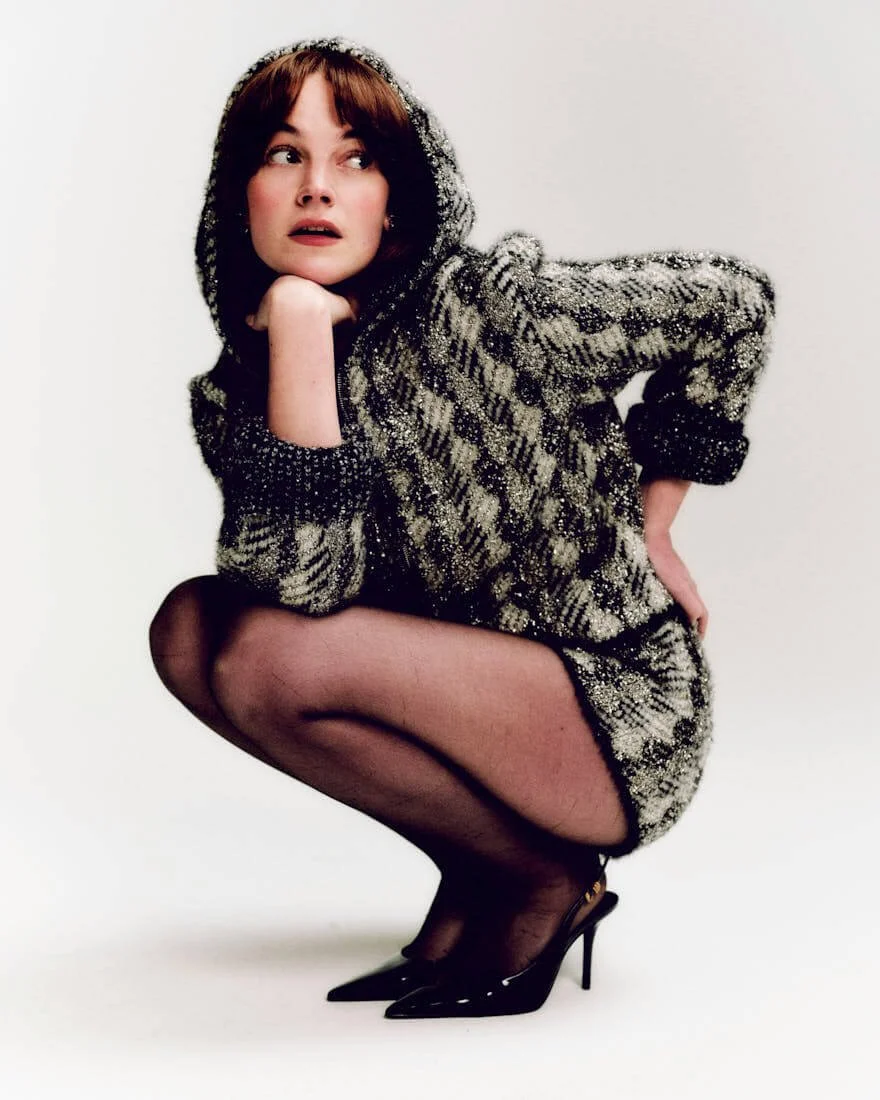
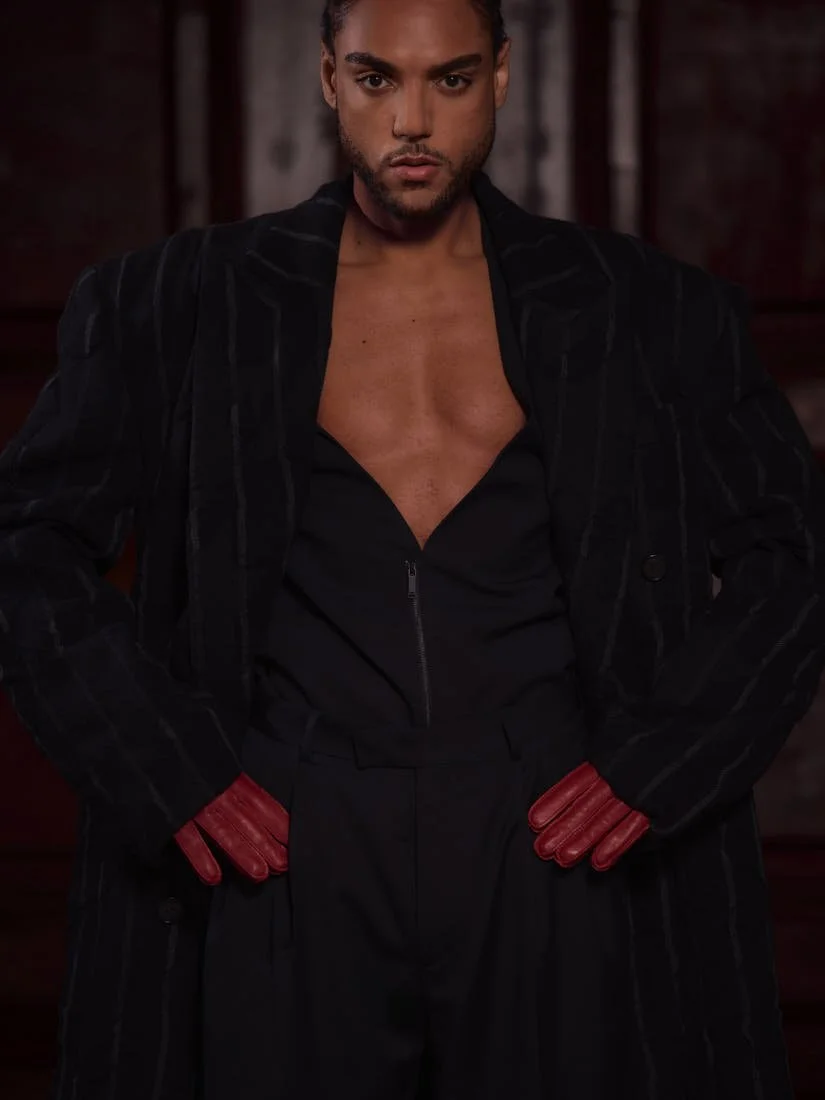
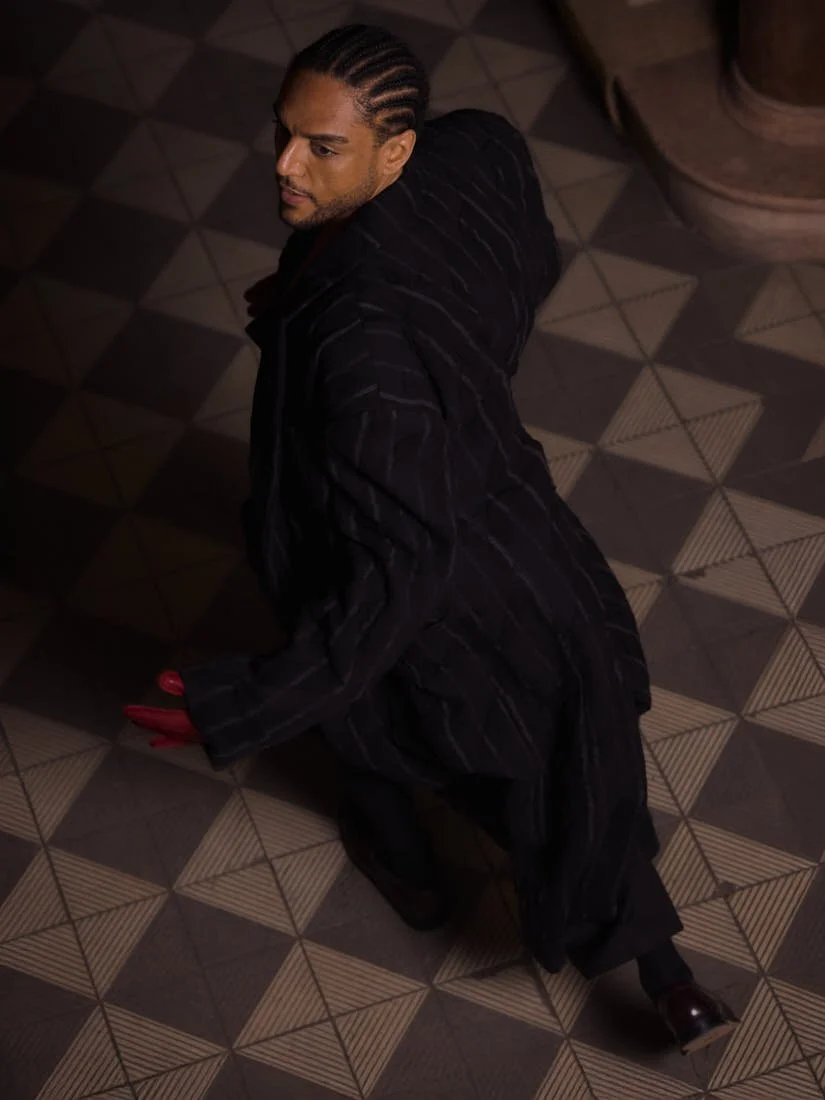
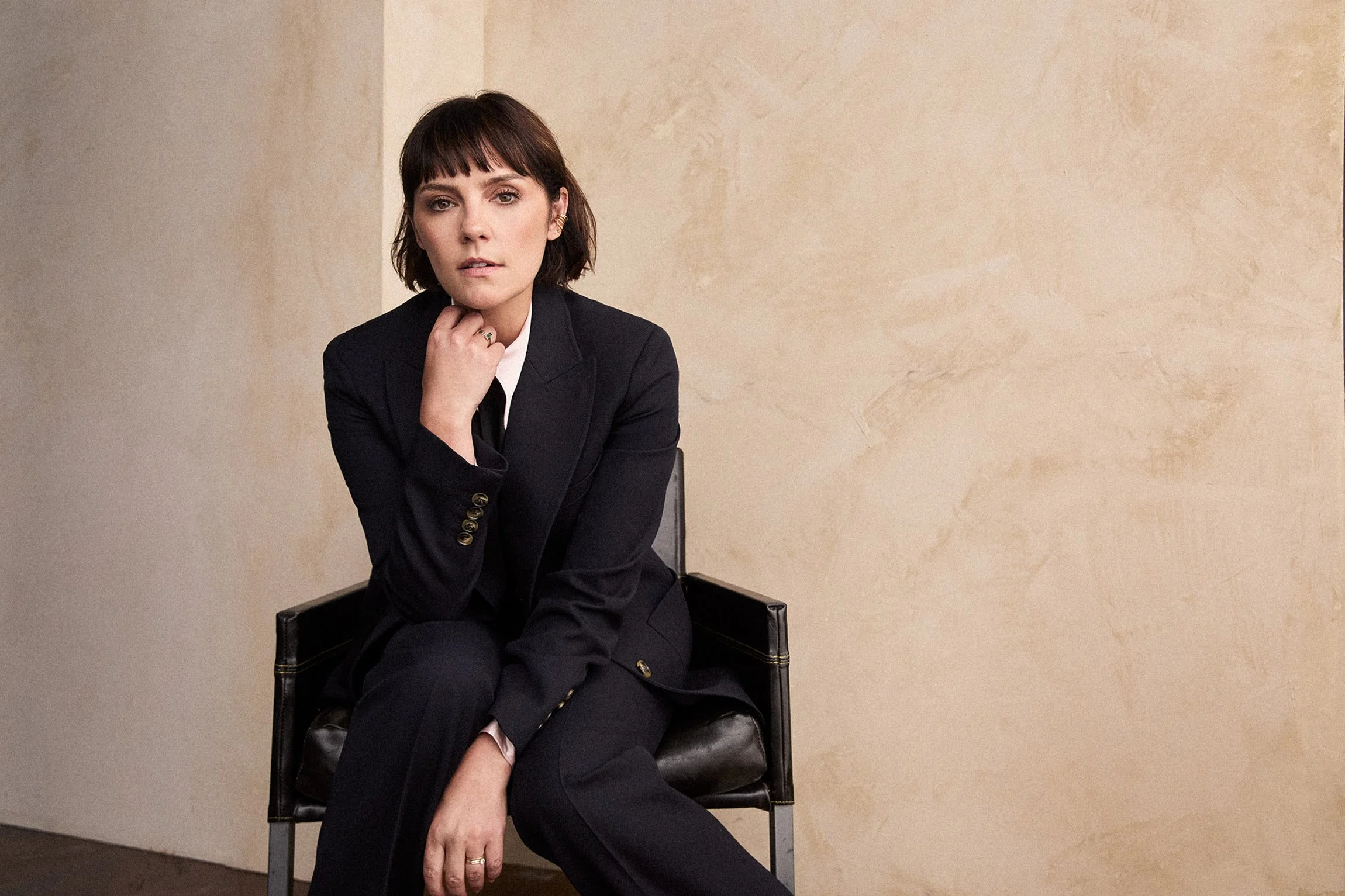
Annabel wears a total look by BELLA FREUD for LE MILE Magazine. A black suit.

Annabel wears a total look by BELLA FREUD


In the ITV drama, Lauren works alongside Richard Armitage’s forensic pathologist Ethan Winter while grieving a father she idolised. Scholey imagined the child who followed him everywhere, then the police officer still trying to make him proud. Much of their relationship remains unwritten, so she supplied a history herself. The difficulty was letting the audience recognise Lauren’s hurt in a woman who would rarely volunteer it. Nina Defoe, the divorce lawyer she played in The Split, had been much easier to read. As Scholey puts it, Nina “vomited up emotion everywhere”. Beattie Johnson, her journalist in Disney+’s Rivals, gives her another kind of licence. Even Tony Baddingham can be shocked by Beattie, and Scholey suspects she is capable of going further still.


At twenty-one, Scholey had absorbed the warning that an actress needed to make it by thirty. Her more interesting work began arriving when she reached that age. She wishes she had questioned some other advice, particularly letting her Yorkshire accent go while learning RP. People sometimes fail to place where she is from, and she is still waiting for Yorkshire to claim her.
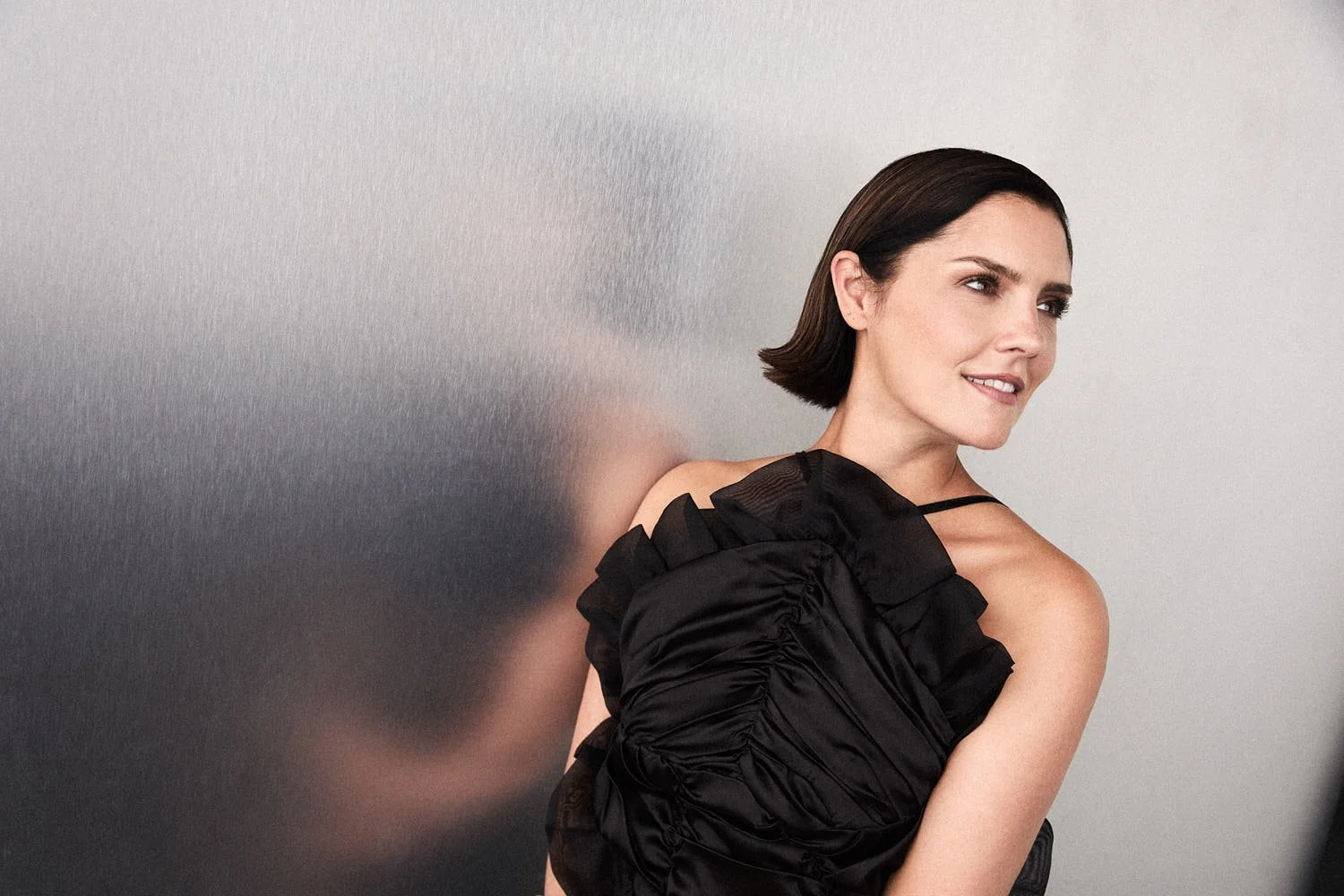
 
 
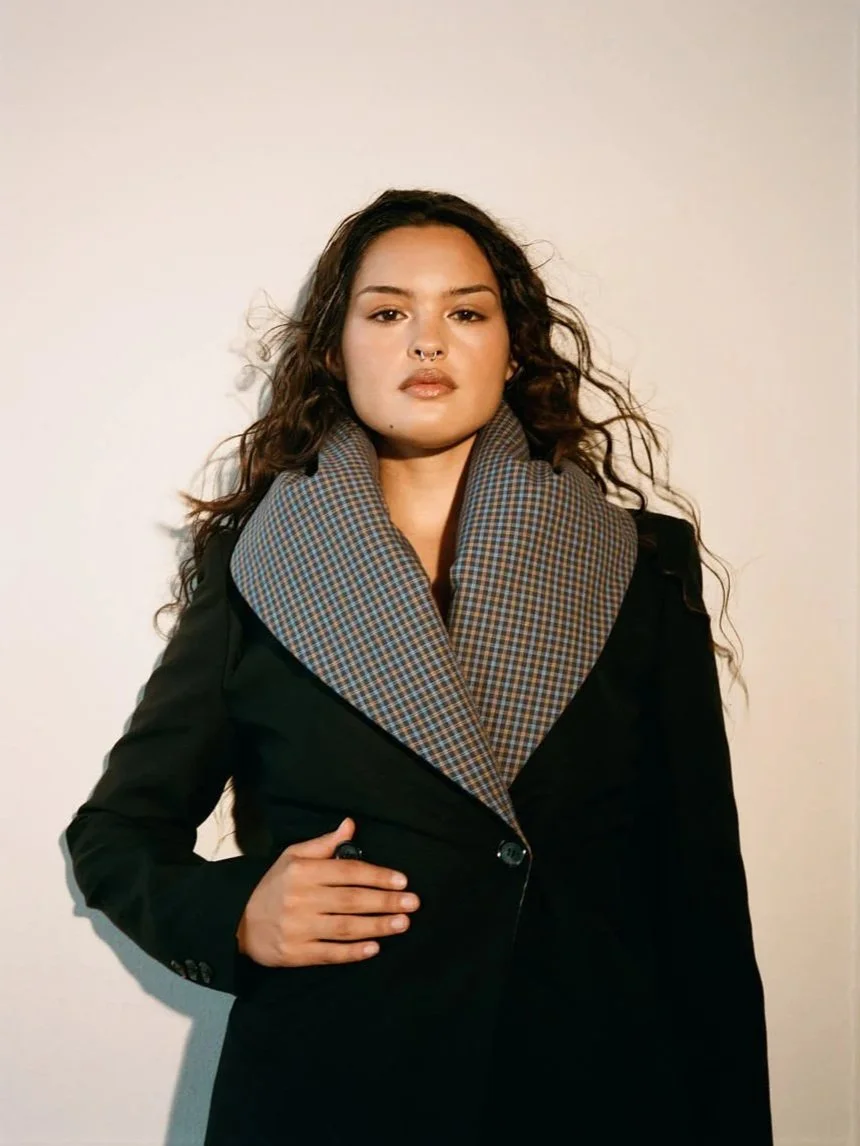
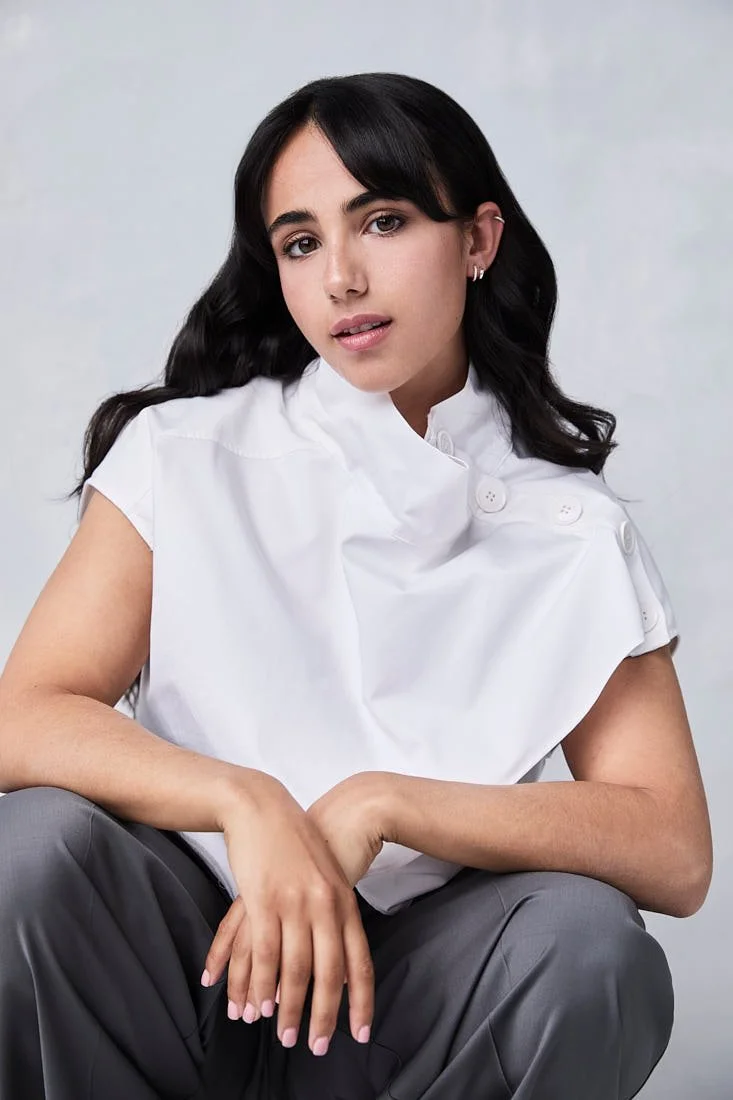
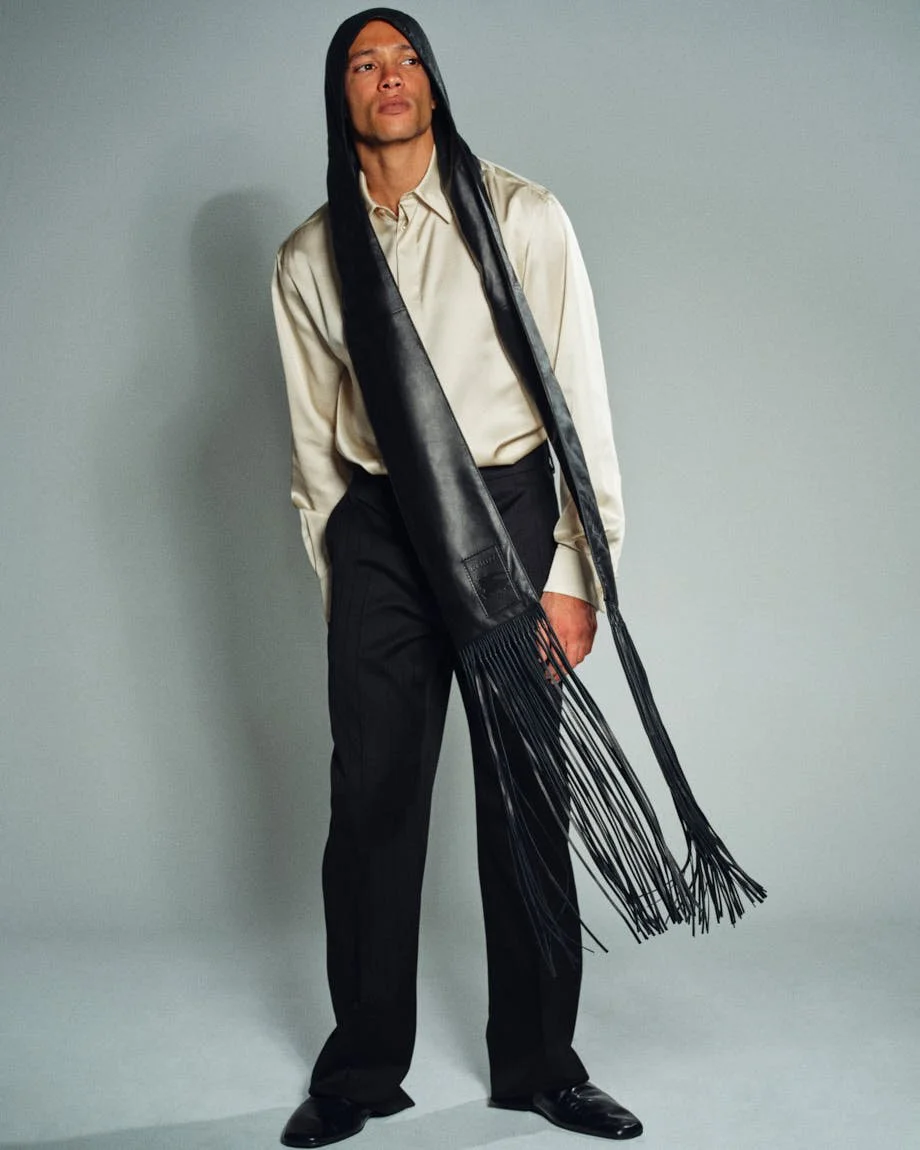
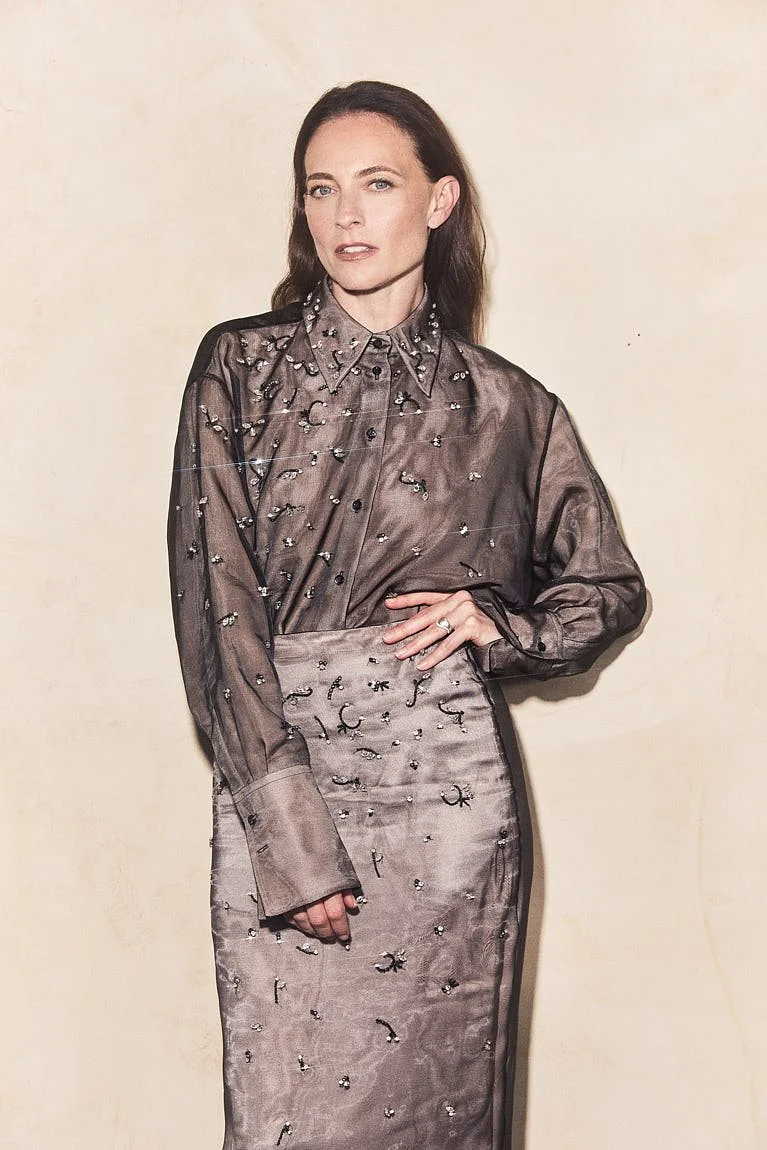
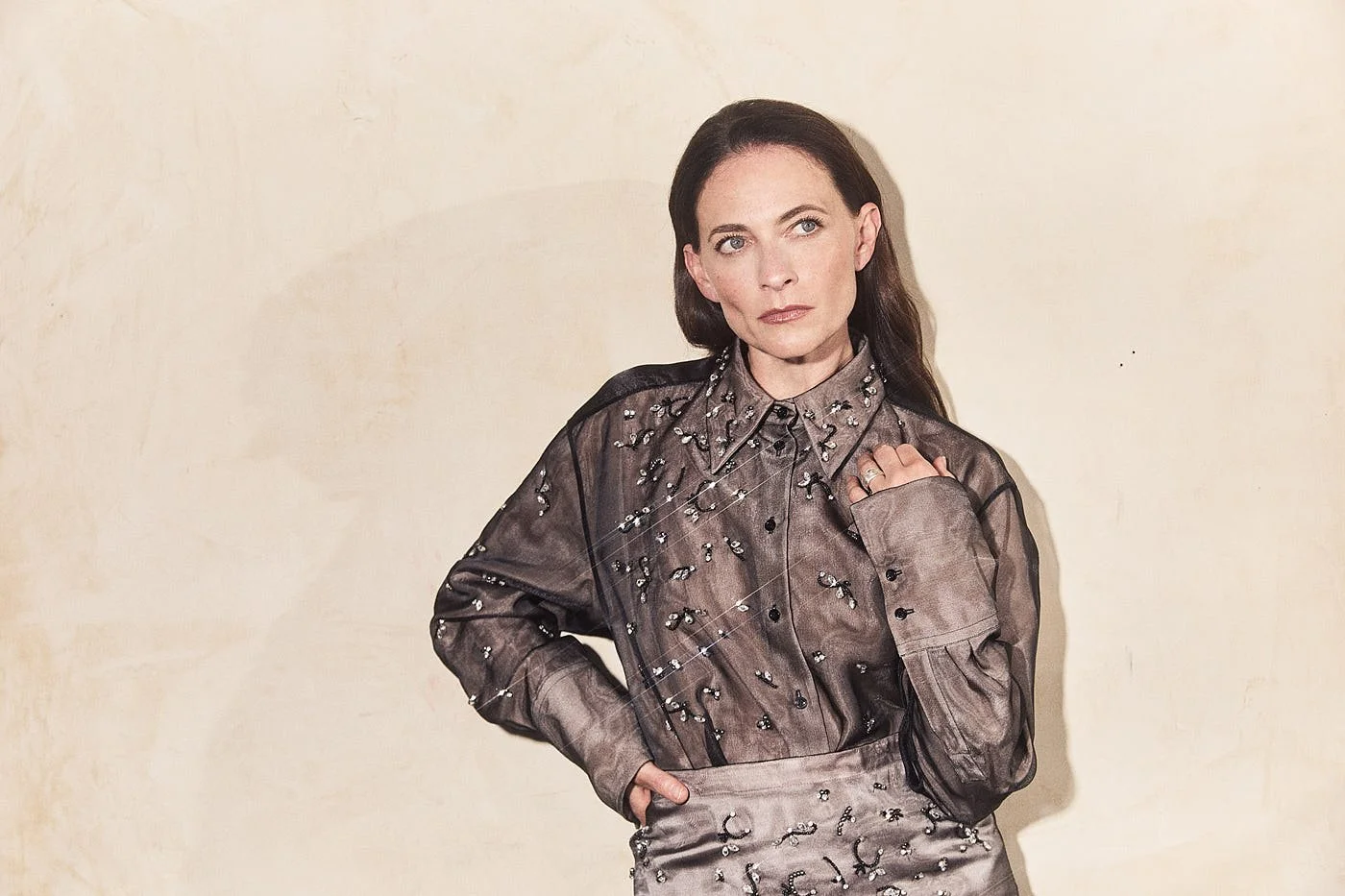
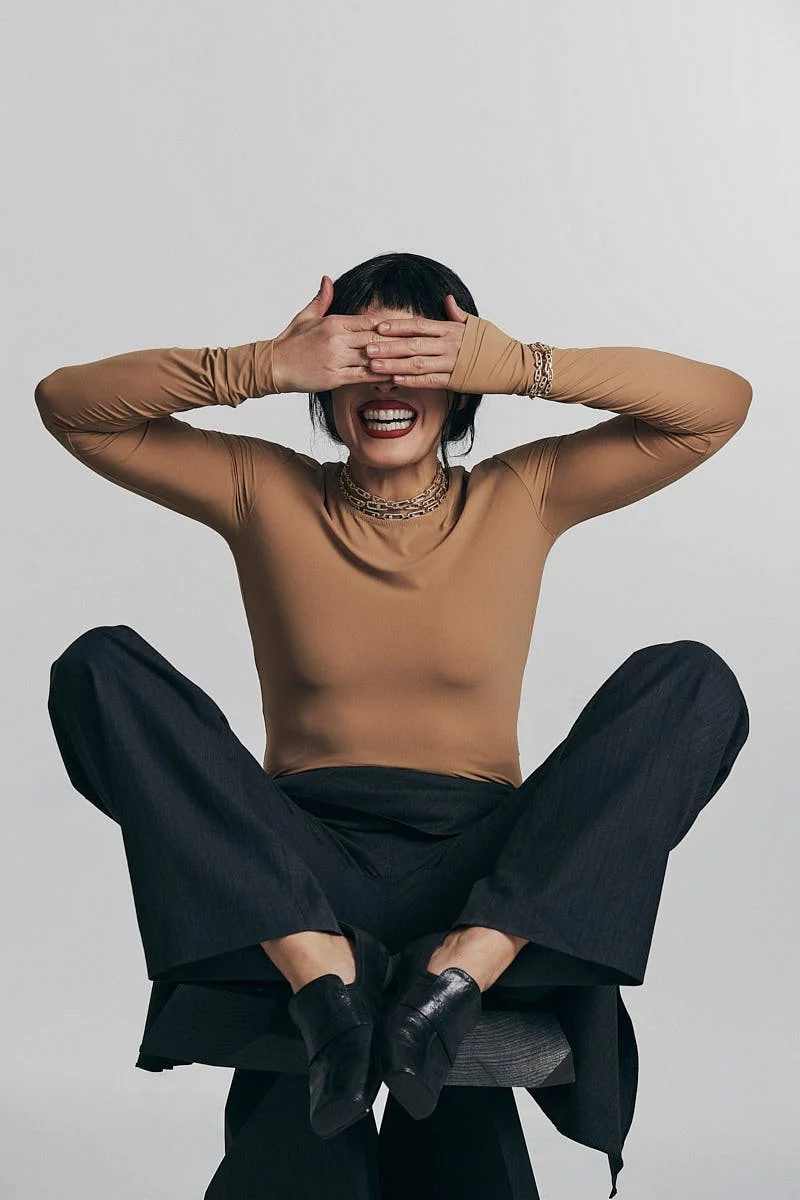
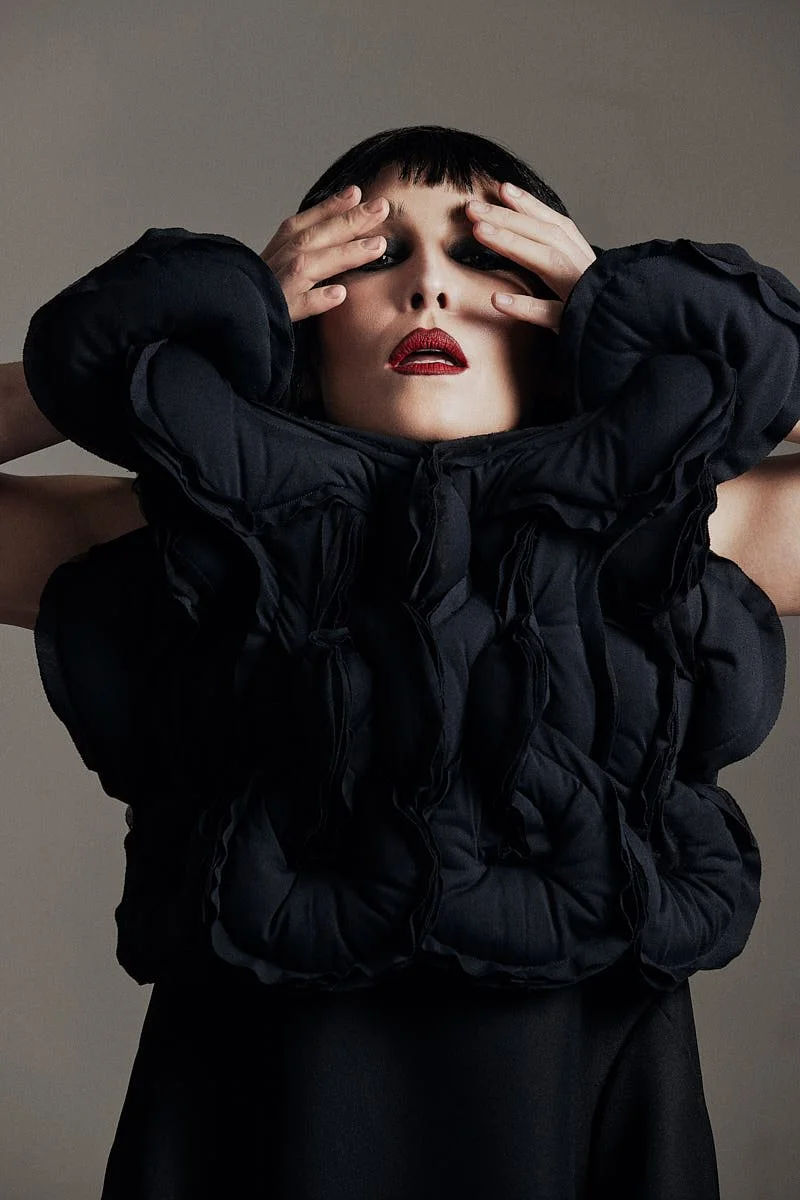
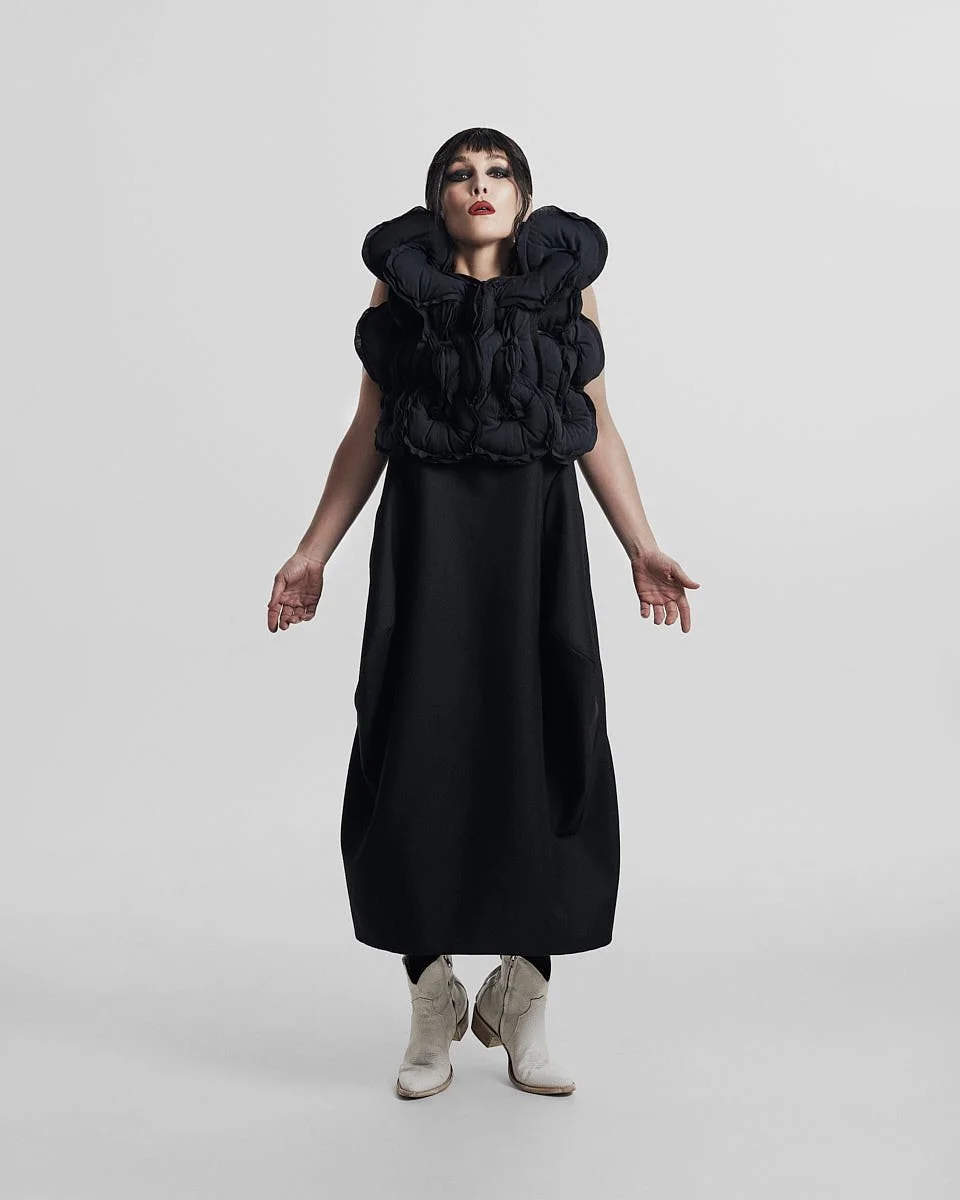
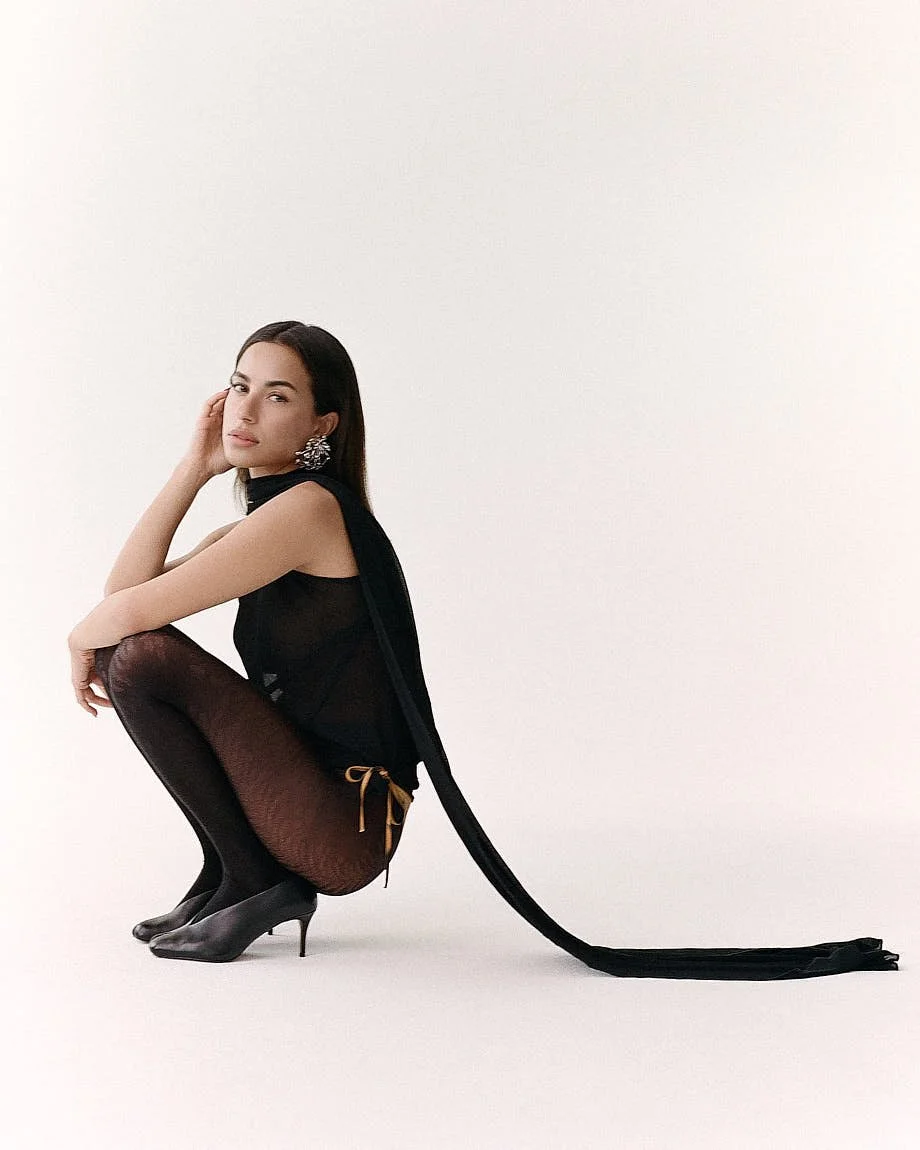
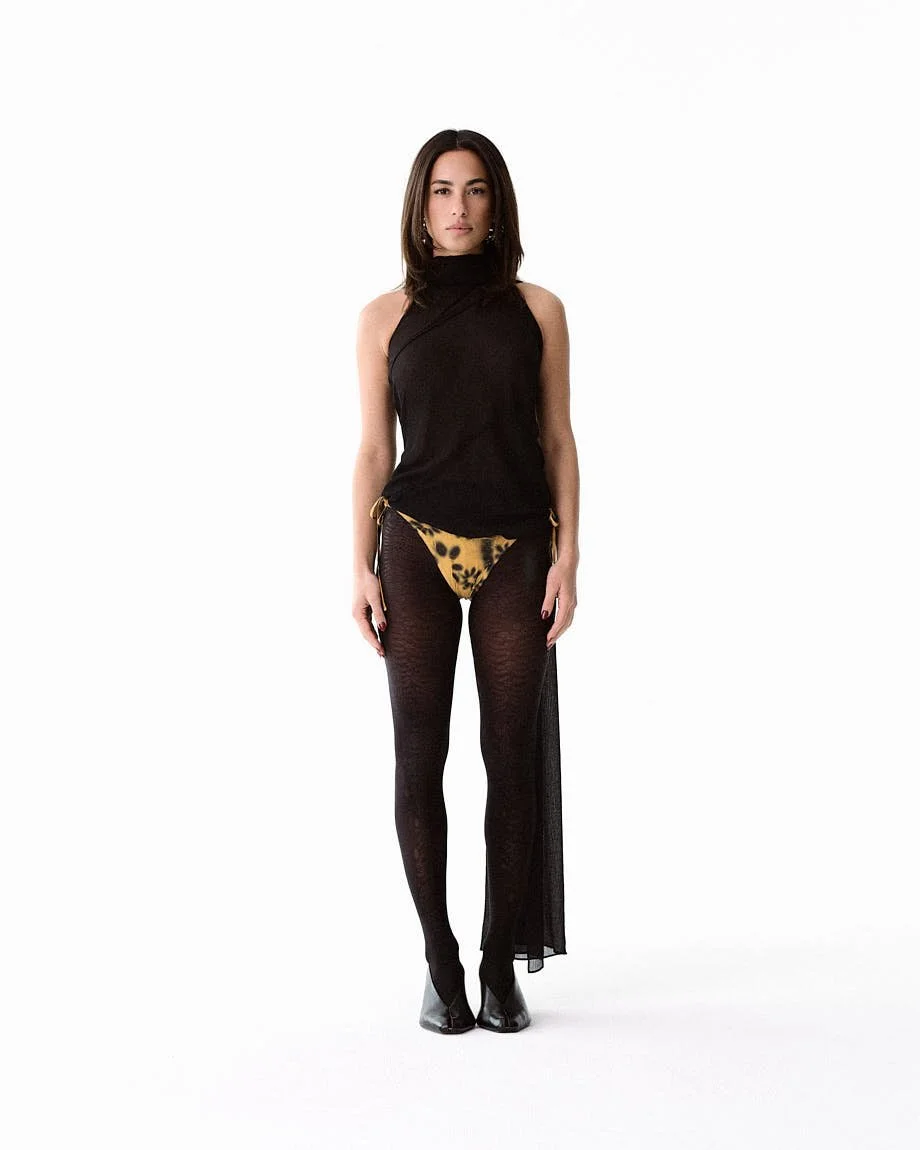
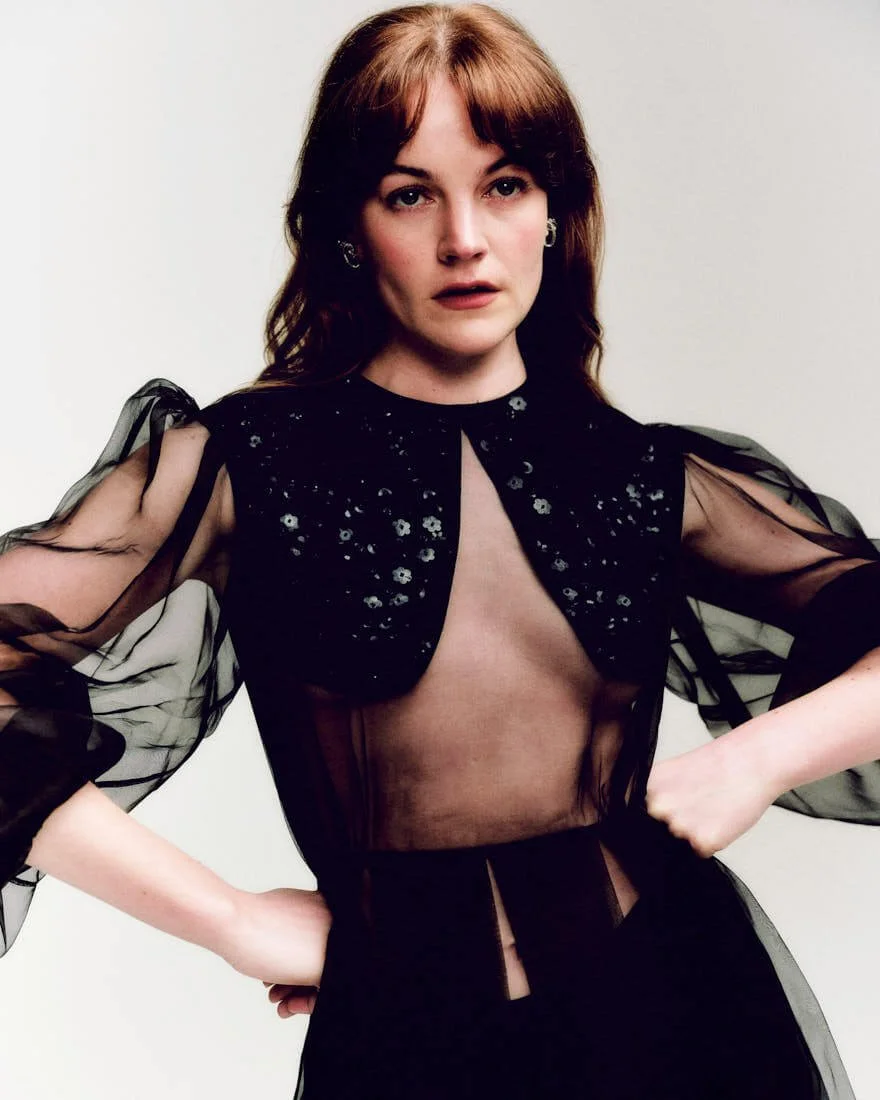
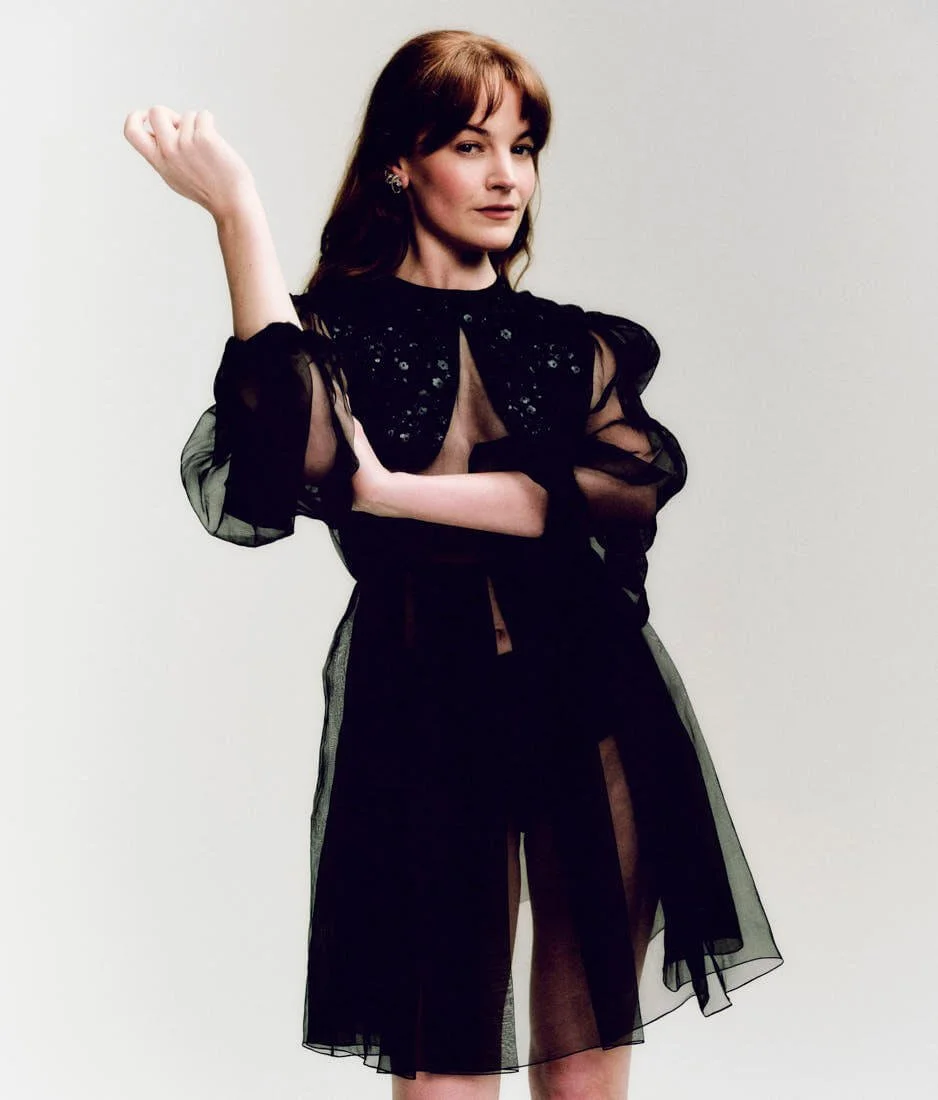
Annabel wears a silk top by VIOLANTE NESSI  for LE MILE Magazine. A black top.

Annabel wears a silk top by VIOLANTE NESSI


Monica de Luna
How quickly did you understand Lauren Bell in Winter?

Annabel Scholey
This was a character that perplexed me the first time I read the scripts because she isn’t outwardly emotional. She’s very closed and can be perceived as quite cold. It took me a while to work out how to play her with some warmth and find her hidden depths. She communicates differently to the characters I’ve played before. Usually I play characters who wear their heart on their sleeve and explode emotion everywhere, but actually she was the first character I’ve played who’s very reserved and holds everything close to her chest. Now and again there’s a crack and you see that she’s not okay and she is off-centre, but she is very mysterious. But I did enjoy finding those tiny cracks and it was one of the main reasons I wanted to play the role.

Do you think Lauren is still trying to make her father proud?

Absolutely, I think it’s at the heart of everything. It’s the reason she became a police officer. She’s been in his shadow but we haven’t heard much about that relationship but I’m hoping that will be explored some more if we get another series. I think they were extremely close. She was his shadow growing up, she would have gone to work experience with him. I think she absolutely worshipped and idolised him, but he also came with this formidable reputation and she is a woman in a still largely male workforce, which is still very sensitive to nepotism. So she has had to work very hard to get to where she is. And having a powerful, impressive dad like that has possibly been a hindrance to her because there are people who don’t like her - we hint at it in episode one - she didn’t get on with her supervisor. I filled in the blanks in my head that maybe that was to do with the fact that she had a famous dad and it annoyed somebody. But she’s still trying to make him proud. She’s lost him recently so there is an enormous amount of pressure she feels.

In a police procedural like Winter, what was hardest to make feel real?

For me, I wanted to physically look right. So, when we were raiding the houses, I wanted to know how to move because there’s nothing worse than somebody pretending to be a police officer but they’re tiptoeing around or their arms are flapping about. I actually did re-do a couple of takes because I watched myself back and thought ‘my god, what am I doing?’. The physicality was definitely something I wanted and needed to work on.

Was smashing the car window enough, or do you want more stunts next time?

I would like so many more stunts please! I want to match winter, he got some cracking stunts. It would be realistic! She’s all hands on deck, she’s a vital person and she doesn’t hold back.

After playing Nina in The Split for so long, did Lauren’s restraint feel strange?

Yes it did, but it was a very welcome new challenge. Nina just vomited up emotion everywhere, most of the time inappropriately, which is fantastic to play. When she was drinking in series one and trying to give up in series two, that was brilliant to delve into. With Lauren, I felt there was less obvious emotions on the surface to go on. This is a woman who doesn’t share, who actually draws strength from stillness and being quiet. You don’t really know what’s going on inside her head. Even though there is a lot going on and she’s hurt and vulnerable and afraid but she doesn’t show it. So I had to find another way of bringing that to the screen so that the audience could see it and not just see her as two-dimensional and cold. I wanted audiences to warm to her, so it was a completely different challenge and it did feel strange.
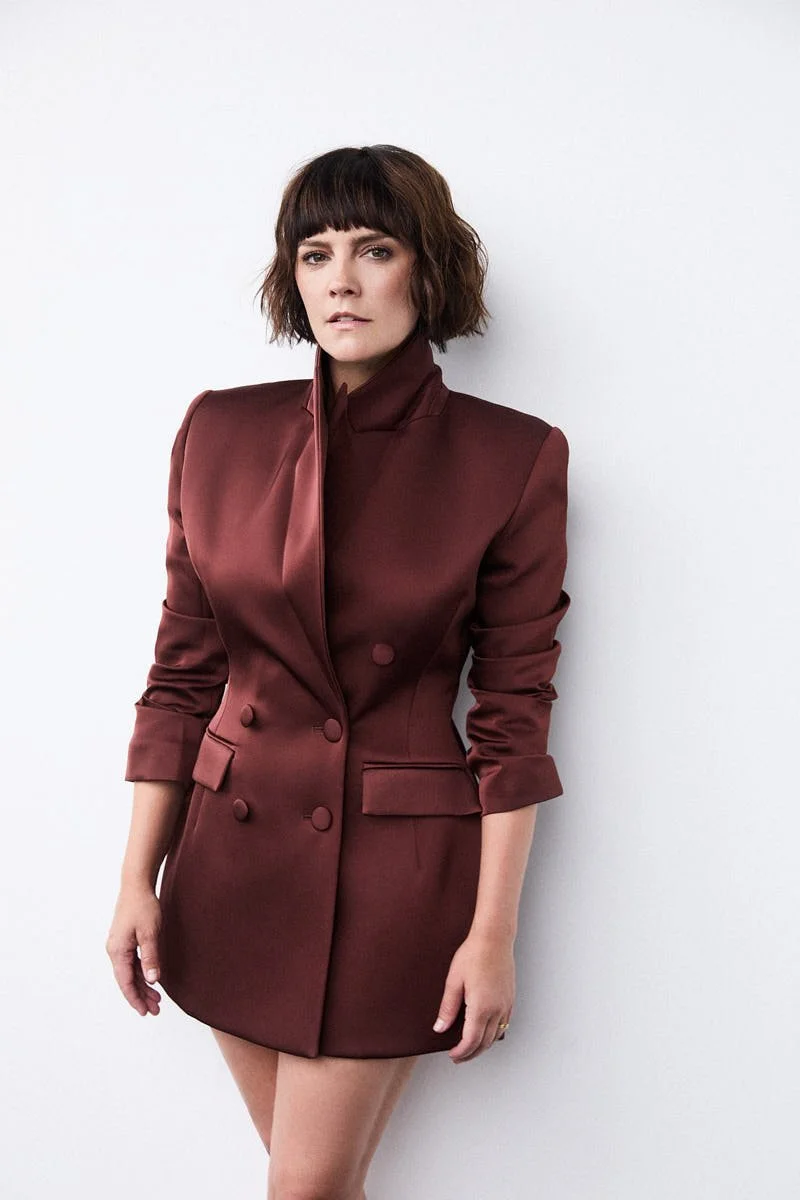
 
 
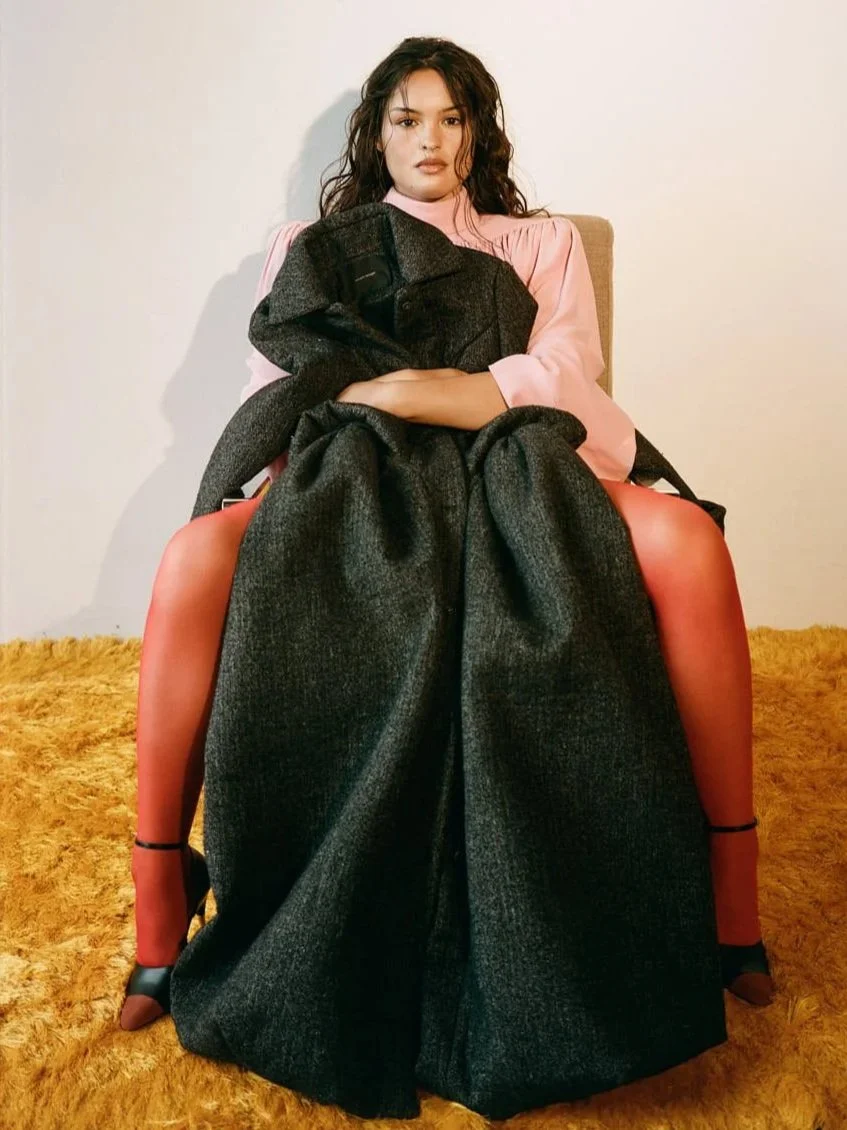
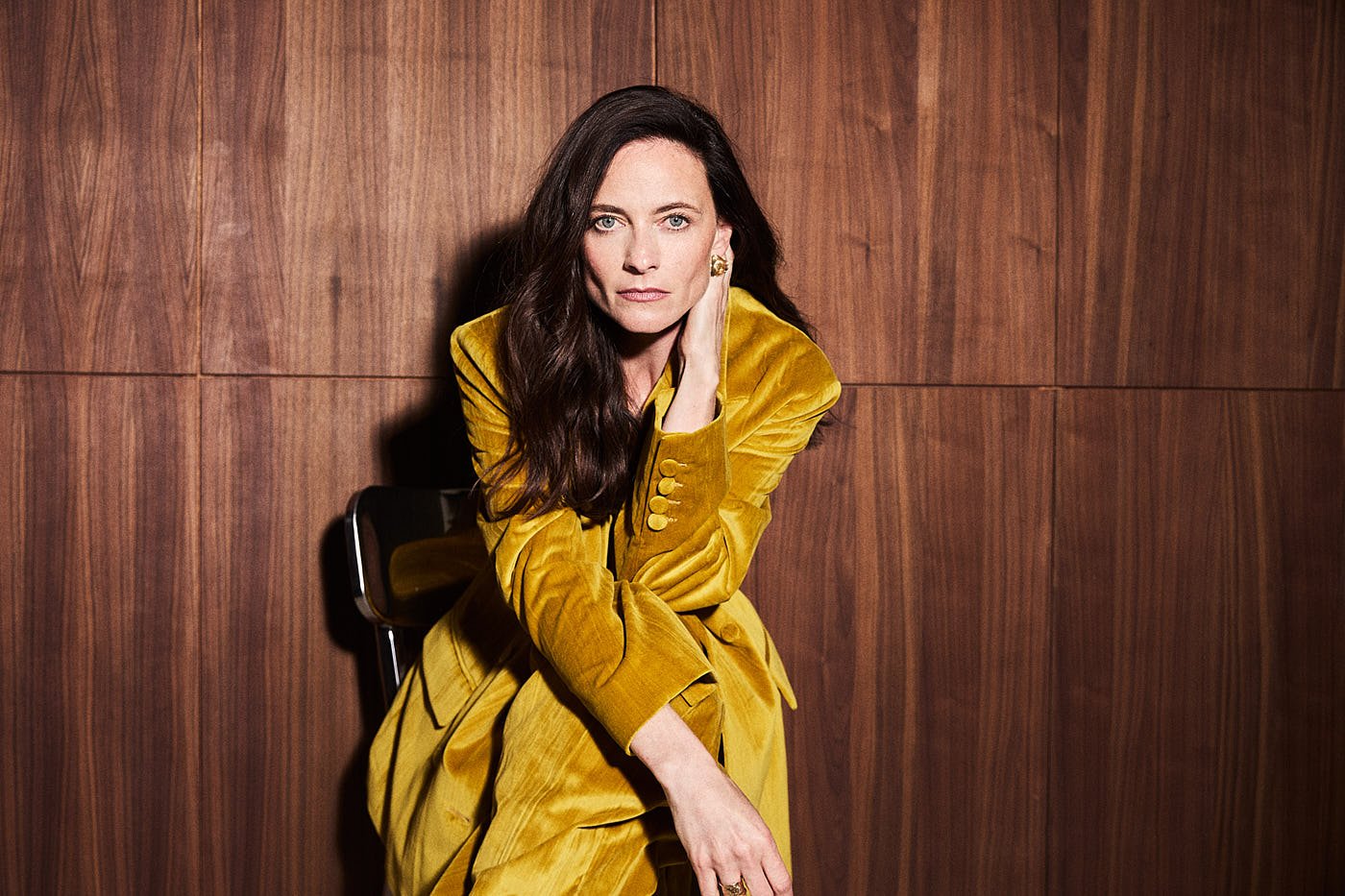
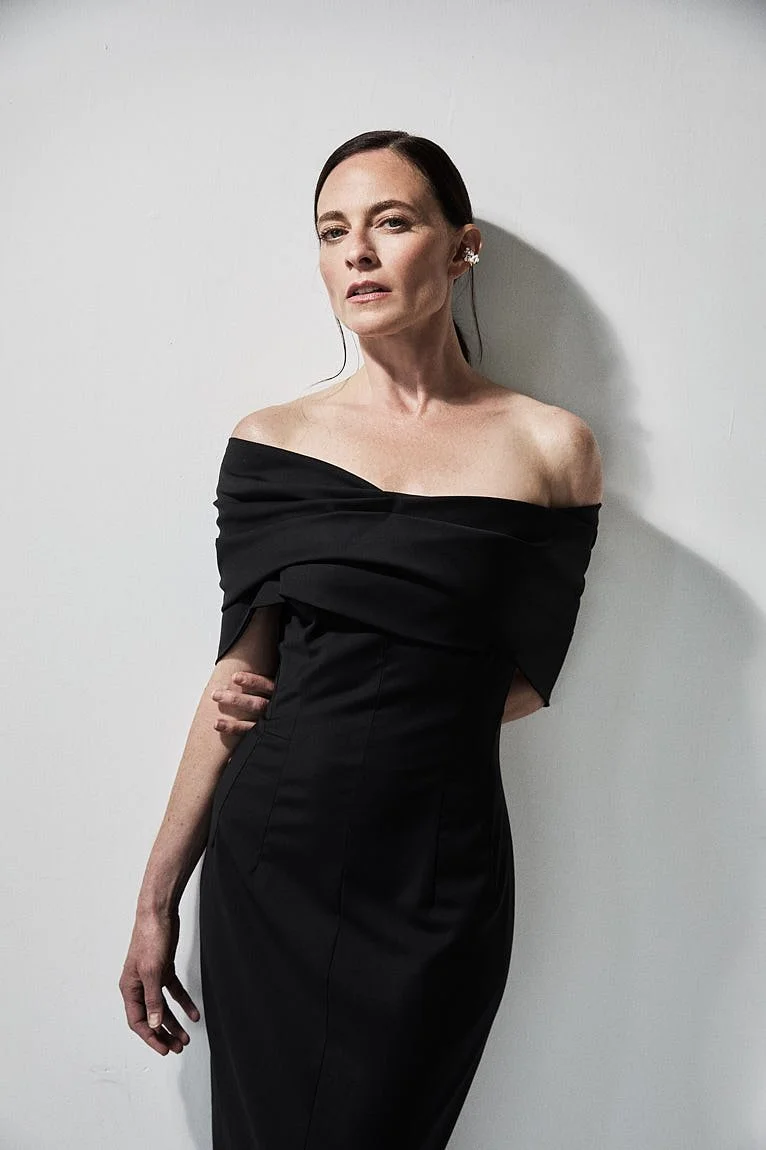
Annabel wears a red blazer dress by NADINE MURABI for LE MILE Magazine.

Annabel wears a blazer dress by NADINE MURABI


At 29, you described yourself as “not the woman and not the girl.” Did turning 40 make the roles more interesting?

The roles I get to play now usually have a couple of teenagers, which is actually something I haven’t experienced yet. I’m often handed roles that are professionally impressive, often quite powerful women which is great! I get given quite a lot of baddies actually, which has always been a lot of fun. I think there’s room for improvement. Yes, there are still good roles. I see a lot of articles about women over 45 saying that the roles aren’t coming and I do sometimes feel frustrated because you have to fill in a lot of blanks with scripts and find nuance. But that’s probably the same for both sexes. I think there’s always room for improvement. There are definitely still roles coming for me at the moment, thank goodness. Actually, when I graduated at 21, people were still selling the notion that if you haven’t made it by 30 you’re washed up, and there was a real fear of that for me, so I’m delighted to have had it the opposite way around. When I turned 30 I started getting the more interesting roles and I have been very lucky. I’ve played very complicated, very brilliant women in different periods, different classes, different parts of the country, so I feel very blessed. But there is always room for improvement.

You were trained to lose your Yorkshire accent. Do you ever wish you hadn’t been?

I do wish I hadn’t just dropped it. I think it started before drama school. I had verse speaking lessons. I’m not entirely sure why, I think I had a drama tutor who was very good at RP and she taught me how to speak with an RP accent which was actually really useful because I’ve done a lot of that in my career. So, it wasn’t just lost at drama school but I do remember them saying at that point, 2002 - 2005, that RP was what people were looking for and I definitely didn’t fight that. I went with their advice. But really I should have nailed the RP as well as keeping my authentic accent. I was all over the shop! I was only just 18 when I started drama school. I was the youngest in my year and did what I was told. And that isn’t a reflection on the school, I just didn’t really know who I was. I’ve worked with Jodie Whittaker who grew up just up the road from me and she never lost her accent. She’s always worked in her accent and it’s glorious. Sometimes people don’t realise I’m from Yorkshire and I’m waiting to be claimed!

Jilly Cooper came to set to meet the cast. Did that make you nervous?

She did say to me over the lunch table ‘oh I wanted to see who was playing Beattie’. She really wanted to know who I was, but it didn’t make me nervous, it absolutely thrilled me! She was an iconic powerhouse of a woman and I was just delighted to get to know her a little bit. I wish I could have got to know her better before we sadly lost her.

Who makes the other worse in Rivals, Beattie or Tony?

I would say they rival each other in evil. I definitely think they encourage each other in the wrong direction. But even Tony is shocked by Beattie. He calls her a cockroach. His moral compass is dubious at the best of times. I don’t think we’ve seen Beattie’s darkest hour just yet, and so I would bet on Beattie being the one who would push things the furthest, but let’s see!
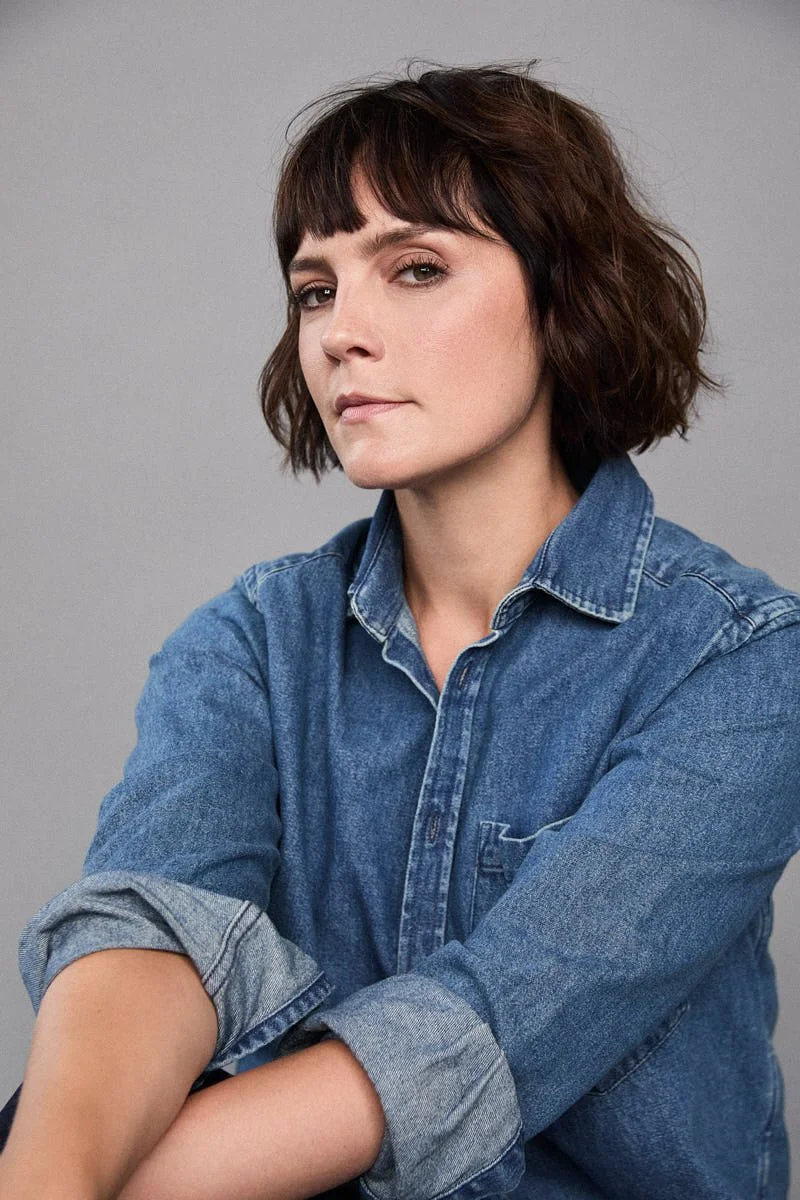
 
 
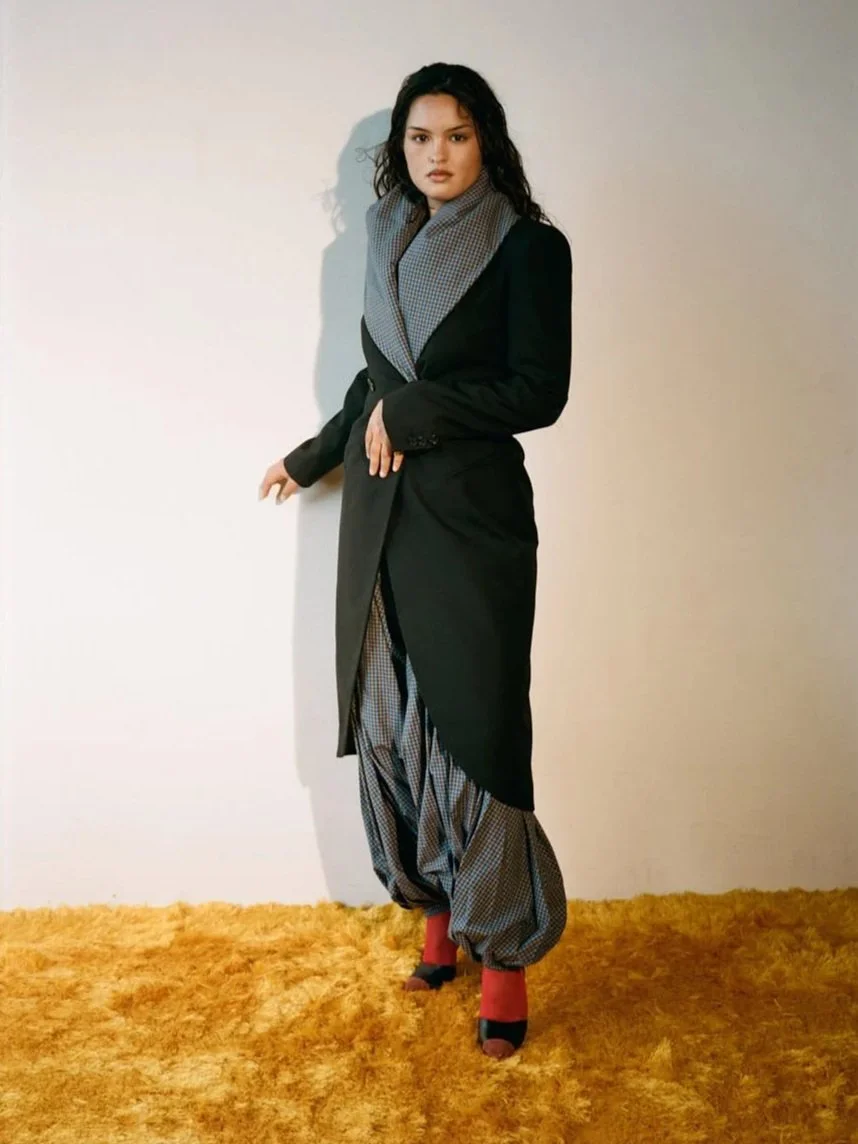
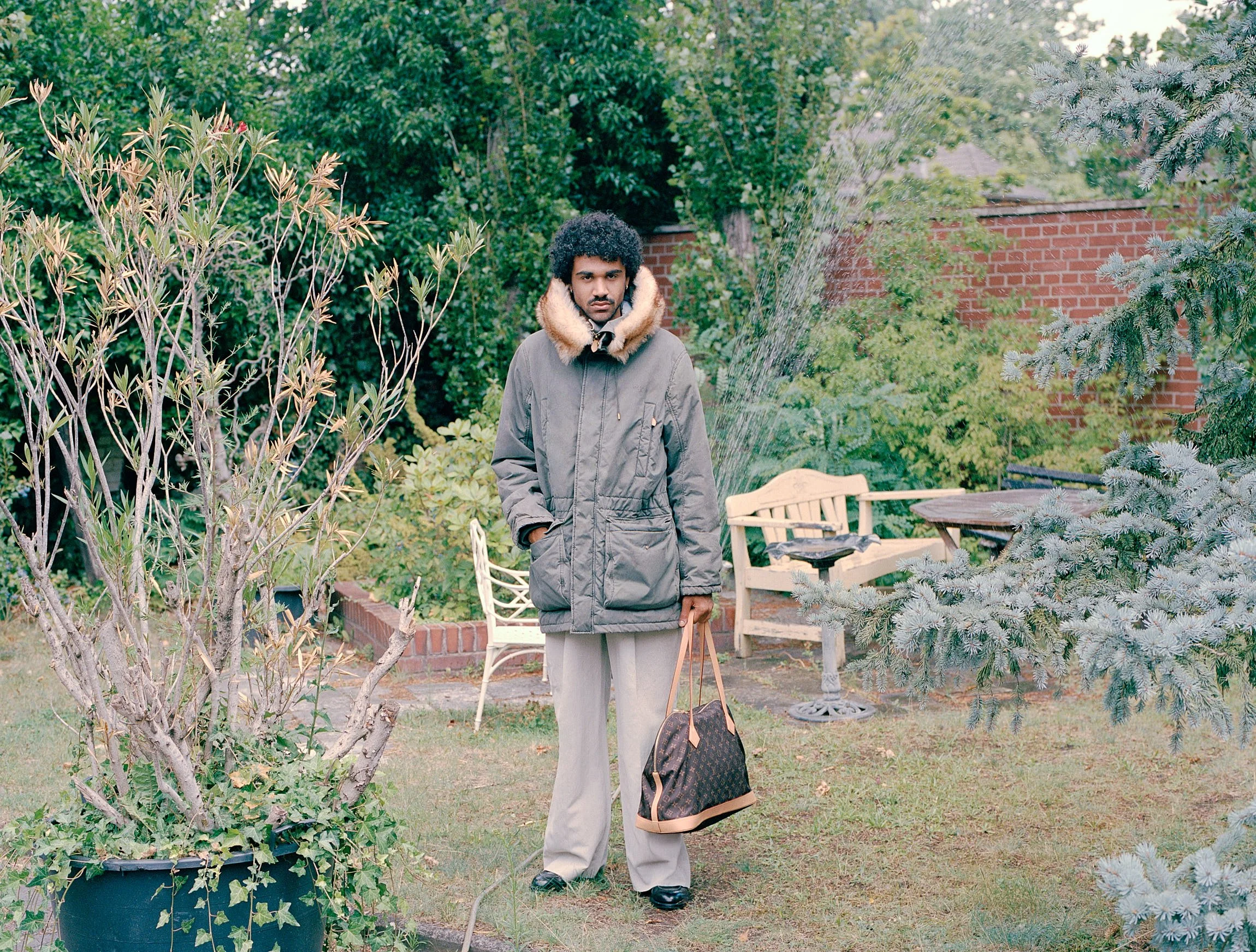
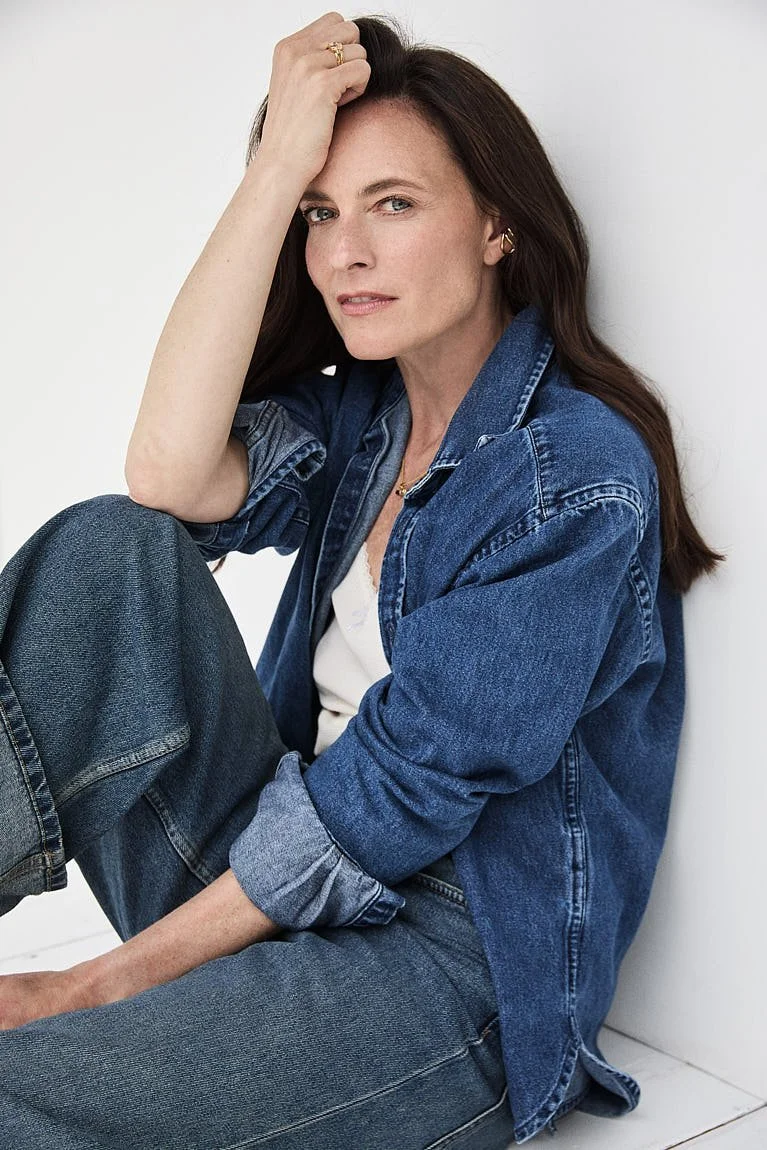
Annabel wears a denim shirt by With Nothing Underneath for LE MILE Magazine.

Annabel wears a denim shirt by With Nothing Underneath


photo   DAVID REISS
styling   ROSIE ARKELL-PALMER
make up   BROOKE SIMONS
hair   SVEN BAYERBACH
copyright LE MILE Magazine / David Reiss

Christopher Hall on Pizazz, Comedy and Nostalgia

Christopher Hall on Pizazz, Comedy and Nostalgia

An interview with Christopher Hall

Why Christopher Hall Still Loves the Noughties


interview + written TAGEN DONOVAN


Christopher Hall has a fondness for the peculiarities of human behaviour. With a background in dance and musical theatre, he has developed an almost forensic eye for the mannerisms that distinguish one person from another. Behind his impressions is a genuine curiosity about people; he seems to take as much pleasure in getting to know them as he does in bringing their idiosyncrasies to life, often finding an entire character in the smallest of gestures.


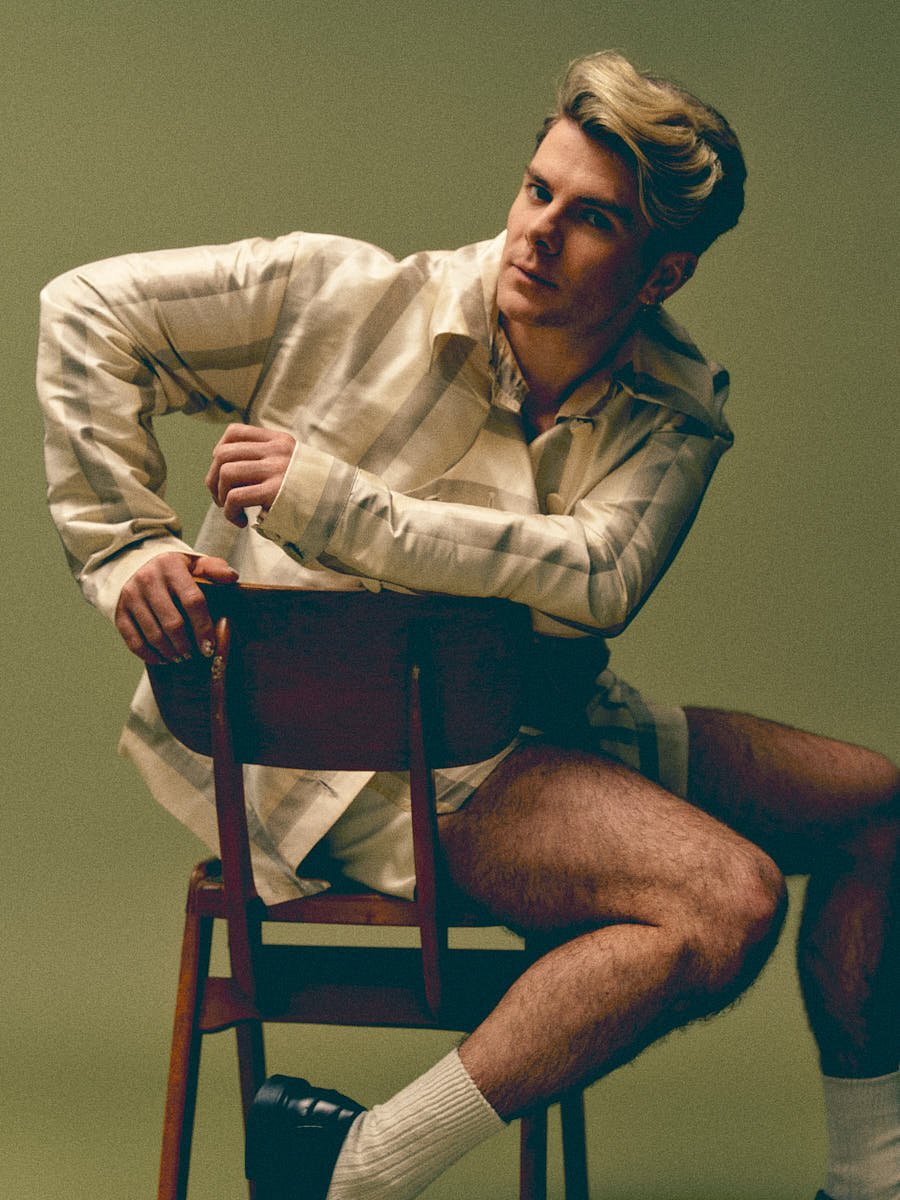
Christopher Hall sits backwards on a wooden chair wearing a cream shirt, shorts, white socks and black loafers.

Christopher Hall
/ by Olivia Spencer


Steeped in the cultural glow of the noughties, Hall's sketches have found an audience who recognise something of themselves in his characters. Nostalgia, however, is not the main character. Much of Hall’s material begins with an observation or passing thought, left to marinate through improvisation until he discovers what he calls the destination of the joke. Getting there, one suspects, is half the fun. With Pizazz, his latest live show, the observational lens turns a little closer to home. Drawing on his own experiences, Hall brings the spontaneity of his sketches into the less predictable territory of live performance, where each room brings its own particular energy. The audience becomes his scene partner; an unexpected turn one night may well become part of the performance the next.


Christopher Hall is on tour with his brand new show Pizazz until 18th November 2026. Tickets available HERE.

 
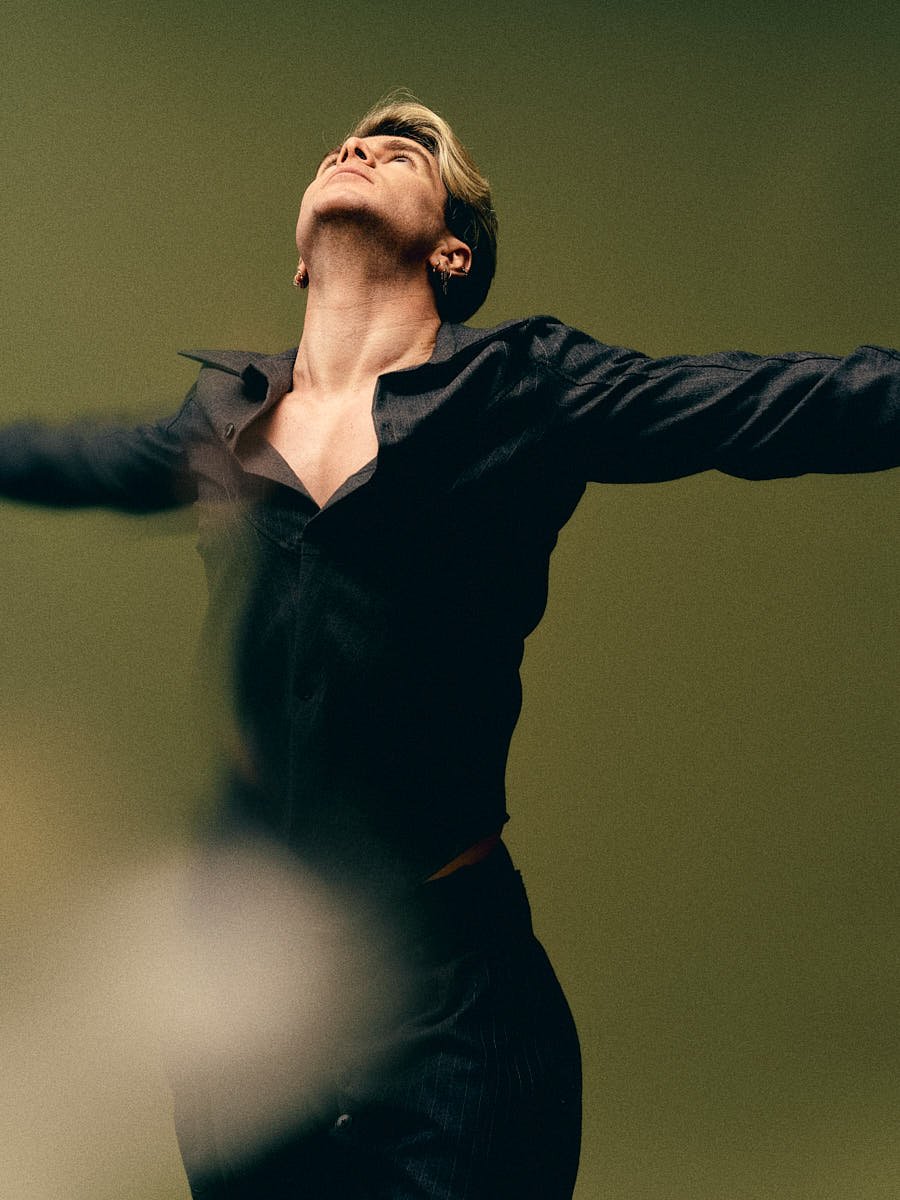
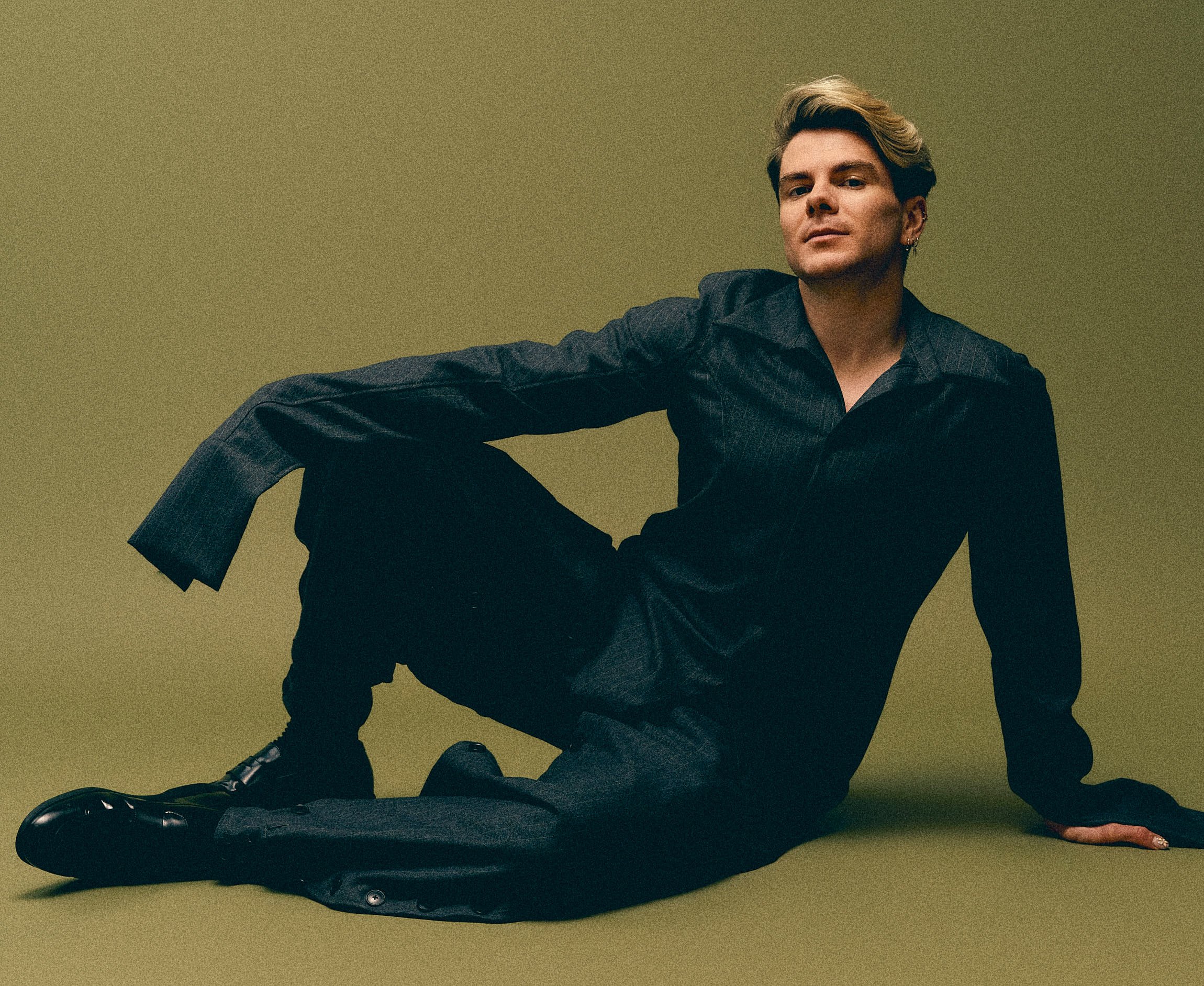
Christopher Hall stretches his arms wide and tilts his head back in a black shirt against an olive-green studio backdrop.

Christopher Hall
/ by Olivia Spencer

 
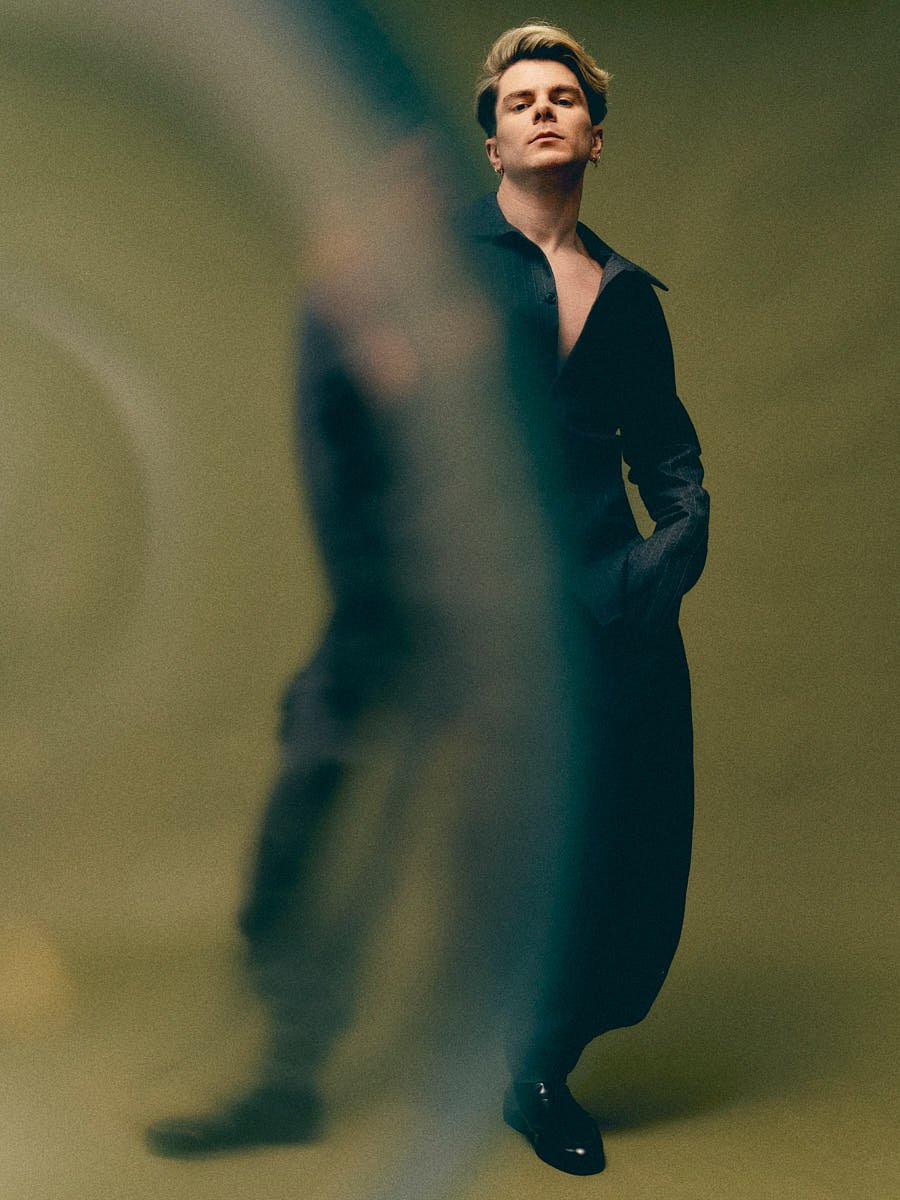
Christopher Hall poses in a black outfit against a muted green background, partially obscured by a blurred foreground.

Christopher Hall
/ by Olivia Spencer


Tagen Donovan
Before comedy became the path, where did you grow up and what were you drawn to? When did performing start to feel like something you might actually pursue?

Christopher Hall
I grew up in Essex and Cambridgeshire with a 2 year period in Philadelphia where my little sister was born. I was always drawn to dancing and performing, I knew every ‘Steps’ dance routine and would entertain anyone who would sit still for long enough to be coerced into being an audience member. After a couple of phases of wanting to be a teacher or a vet, I made the decision to try and give dancing a shot at around 15.

Watching your skits, there seems to be an encyclopaedic understanding of people and their mannerisms behind them. Which details in people tend to stay with you?

I’ve always enjoyed and loved perfecting impressions. I love finding the affectations and intonations that make someone somebody. I’m sociable and enjoy being with and getting to know people so reading them and finding out what makes them tick and connect is something I think I have always been good at. There’s so much humour in big out-of-this-world characters but possibly even more in the everyday, as that is the common human experience that we can all share.

You trained as a dancer and musical-theatre performer long before moving into comedy. How much of that training still sits in your body when you perform now?

I carry a lot of my training with me. I am very physical on stage and often have choreographed movements to accompany certain bits and punchlines. It also helped with my endurance during festivals like Edinburgh and Melbourne, doing numerous shows in close proximity.

When something you’ve observed starts to become a character, how much are you consciously shaping and how much comes instinctively?

A lot of my material starts as improvisation. I can take something from real life and mull it over in my head for a little while, but the best thing to do is give myself a starting off point and then just keep filming until I find the destination of the joke.

You can move from yourself into a character and back again almost instantaneously. What’s actually happening in your head during that switch - are you thinking ahead, or does it happen before you’ve consciously decided to do it?

There’s a certain amount of preparation that happens before but then in the doing is when the character comes mostly. I’m very practical in my learning and creating so performing the character, even if it isn’t perfect at first, is the best way to realise it. When it’s there, it’s there and it can happen pretty instantaneously.

Lockdown gave you an unusual kind of creative freedom: you were making things before anyone really knew what to expect from you. Do you ever miss creating without an audience in mind?

Sometimes I do. Sometimes I think it would be nice to put a new idea out without so many eyes watching, but I’m very lucky my audience have been very loyal and supportive. Even if the whole follower count doesn’t love a particular video, someone out there always seems to, and I think, ‘well Claire, this one was just for us’, and I move on to tomorrow’s idea.


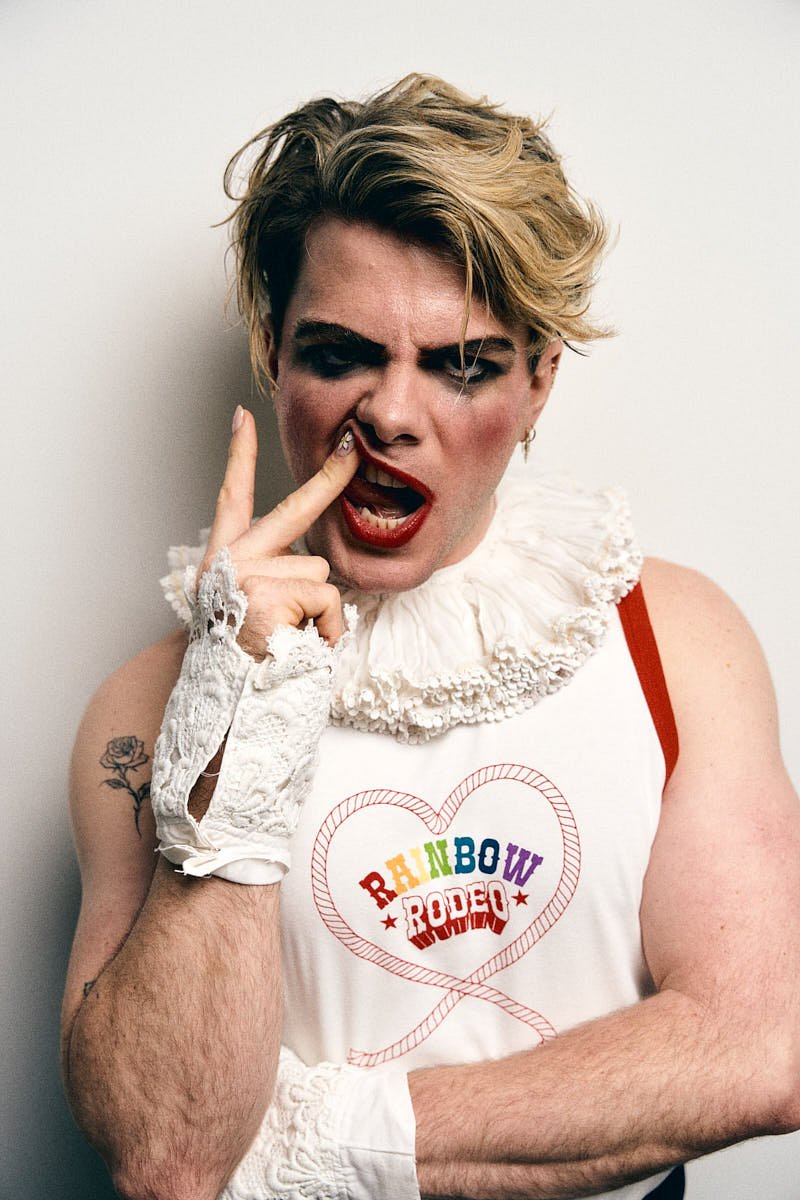
Christopher Hall wears theatrical makeup and a white ruffled Rainbow Rodeo top, pulling at his mouth in an expressive portrait.

Christopher Hall
/ by Olivia Spencer


There’s an immediacy to your video sketches. How important is preserving that spontaneity when you’re editing and putting them together?

I think it’s good to evolve what you put out but always keep a hint of what made you unique in the first place. I am always trying to find new elevated ways of creating and entertaining, but sometimes coming back to my original style is a great way of grounding and giving a nod to your long-standing original audience. The beauty of spontaneity and immediacy I believe is it spurs great creativity. The idea is quick and you can exercise it and release it into the wild, and that makes room for the next one. It’s a muscle that you need to use. Sitting on ideas and not nourishing them is a way to a writer’s block.

Your comedy often returns to the cultural touchstones you grew up with. What is it about that period that keeps pulling you back - and what from today do you think we’ll be nostalgic for in twenty years?

I think nostalgia is a wonderful way to connect with your inner child. The comedy and culture that shaped me as a child will always be special. I think as well the nineties and naughties were peak monoculture, something we have less of these days, so it’s a brilliant way to unite people, of my age and above. I’m not sure what will be nostalgic about the 2020s in 20 years. I feel we still talk about the C-word and 2020, ‘did that really happen?’, so maybe we’ll be telling the young’uns about that, although I hope there’s something more interesting. I find it quite hard to pinpoint as it feels life and culture and trends are changing and evolving quicker than they ever have before. I’ll personally always think about The Girls Aloud Show Reunion Tour of 2024 with fond memories.

Online, you can construct exactly what the audience sees; on stage, you surrender some of that control to the room. Does that unpredictability become part of the comedy?

Absolutely, the audience is my scene partner at a live show. I take a lot of inspiration and energy from the different crowds. It’s what makes live performance so special!

You’re about to take Pizazz around the UK, performing the same show to very different rooms. How might those different audiences shape the show as the tour unfolds?

Different material can work better in different rooms and cities. Something that really resonates with a London audience might not work in other cities. The more playful a show is, the more asides and tangents I can go on, and the more adlibs could make it into the show permanently as we go, so it's really exciting. The show is never perfect or completely finished, it can evolve as the tour unfolds.

For someone whose comedy is so often built around observing other people, Pizazz turns some of that attention back onto yourself. Was that a comfortable place to look?

It’s definitely comfortable, I don’t mind revealing details about myself to the audience. All the stories in this show are often me in a situation with my friends or family, so they are still observational. The trick is taking a personal story or private joke and making it funny for everyone in the room.

We’ve talked about nostalgia and looking back, but on a more personal level, what have you found yourself unexpectedly sentimental about?

I definitely can get sentimental for a time without as much technology, and without as much streaming. Physically owning your CDs and books and DVDs I think is more special and I knew every lyric, scene and word of my favourites. These days I’m finding I can have less of a connection to artists and their work as everything streams in and streams out of a device.

If Pizazz is, in part, a snapshot of life in your mid-30s, what about the world around you now do you think will give the 60-year-old Christopher the most material?

Who knows. Hopefully he’ll be around then and still able to get on stage. Surely he’ll still be getting into ridiculous situations with his friends and able to rinse them for material. I’ve done material about being a guncle, o maybe there’ll be some great-guncle jokes in the pipeline!

 
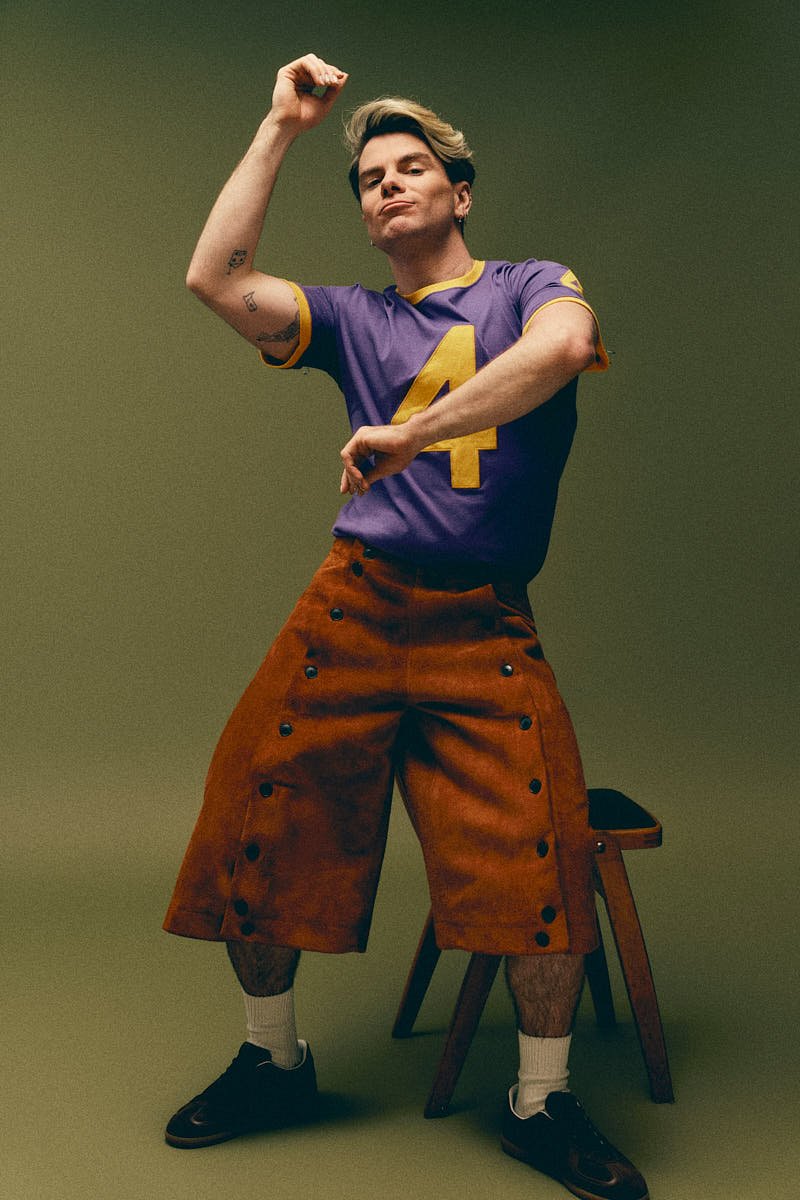
Christopher Hall strikes a playful pose with one arm raised, wearing a purple numbered T-shirt and rust-brown shorts.

Christopher Hall
/ by Olivia Spencer

 
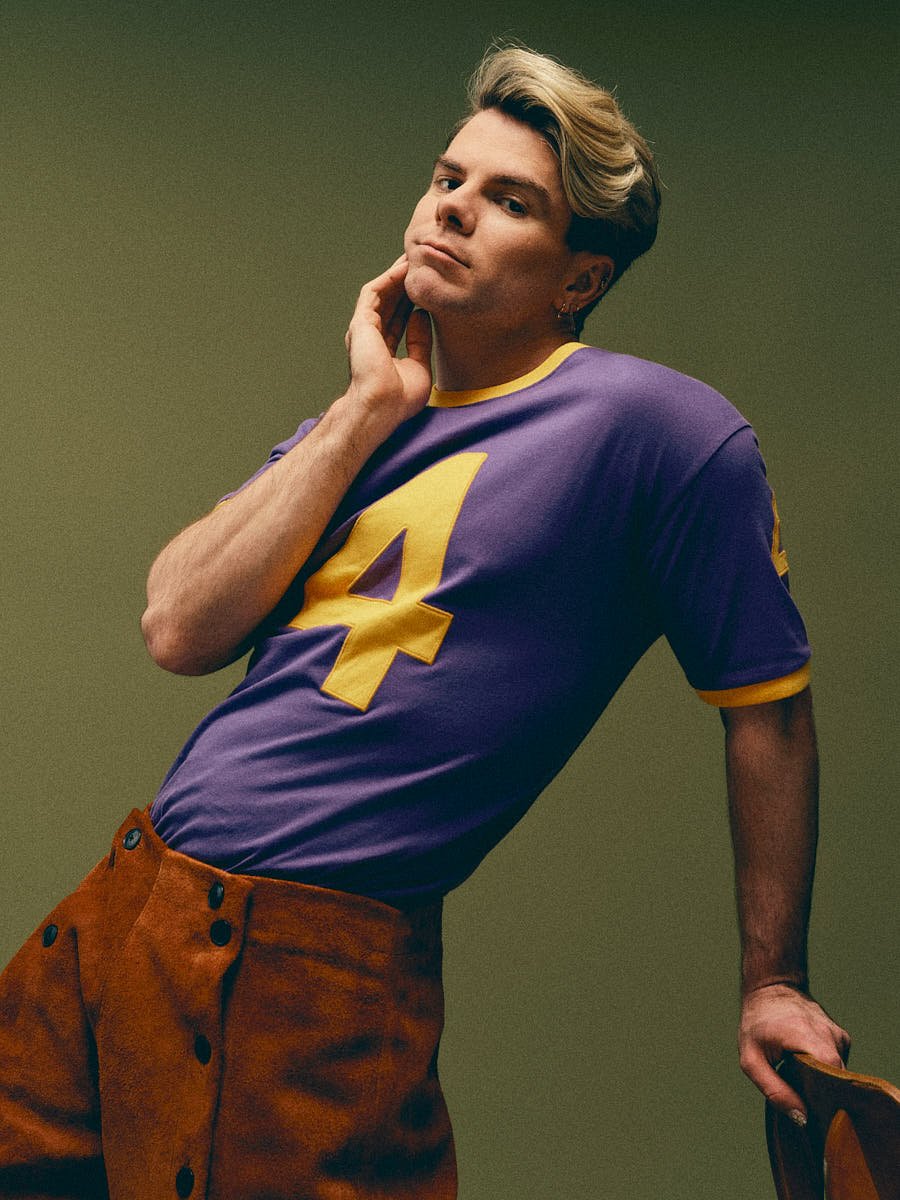
Christopher Hall leans against a chair in a purple T-shirt with a yellow number four and rust-brown shorts.

Christopher Hall
/ by Olivia Spencer


talent   CHRISTOPHER HALL
photo   OLIVIA SPENCER
editor   TAGEN DONOVAN

copyright LE MILE Magazine / Olivia Spencer

Why Anna Lambe is Keeping One Film to Herself

Why Anna Lambe is Keeping One Film to Herself

North of North’s Anna Lambe on Who Gets to Tell Inuit Stories


interview + written ALBAN E. SMAJLI


Anna Lambe’s first short film remains in her laptop’s downloads folder, where she plans to keep it because it still feels “too vulnerable to share”. Her recent acting work includes In Heart of the Beast, alongside Brad Pitt, and a film with Aaron Sorkin. The Inuk actor from Iqaluit leads North of North as Siaja, a young mother finding work and somewhere to live after leaving her husband. The comedy is filmed in her hometown, with its second season premiering on Netflix on November 5. Two seasons of performing Siaja’s more embarrassing scenes have made Lambe less guarded in her own life. She singles out howling like a dog in her underwear as one experience that helped her become more willing to be silly. She also contributes to Siaja’s wardrobe, suggesting Inuit designers and naming Laura Pia Churchill’s amauti-style pink parka among her favourite pieces.


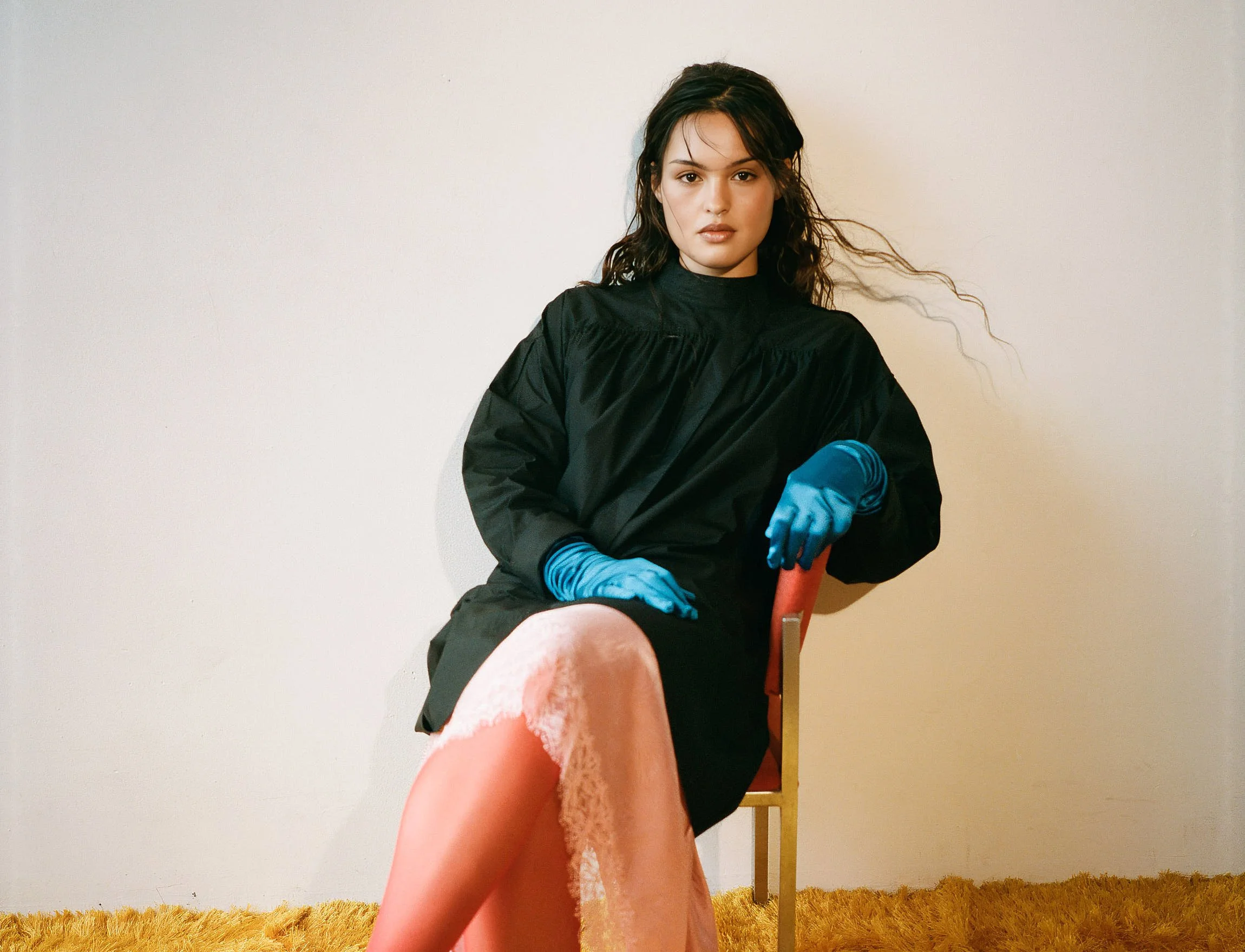
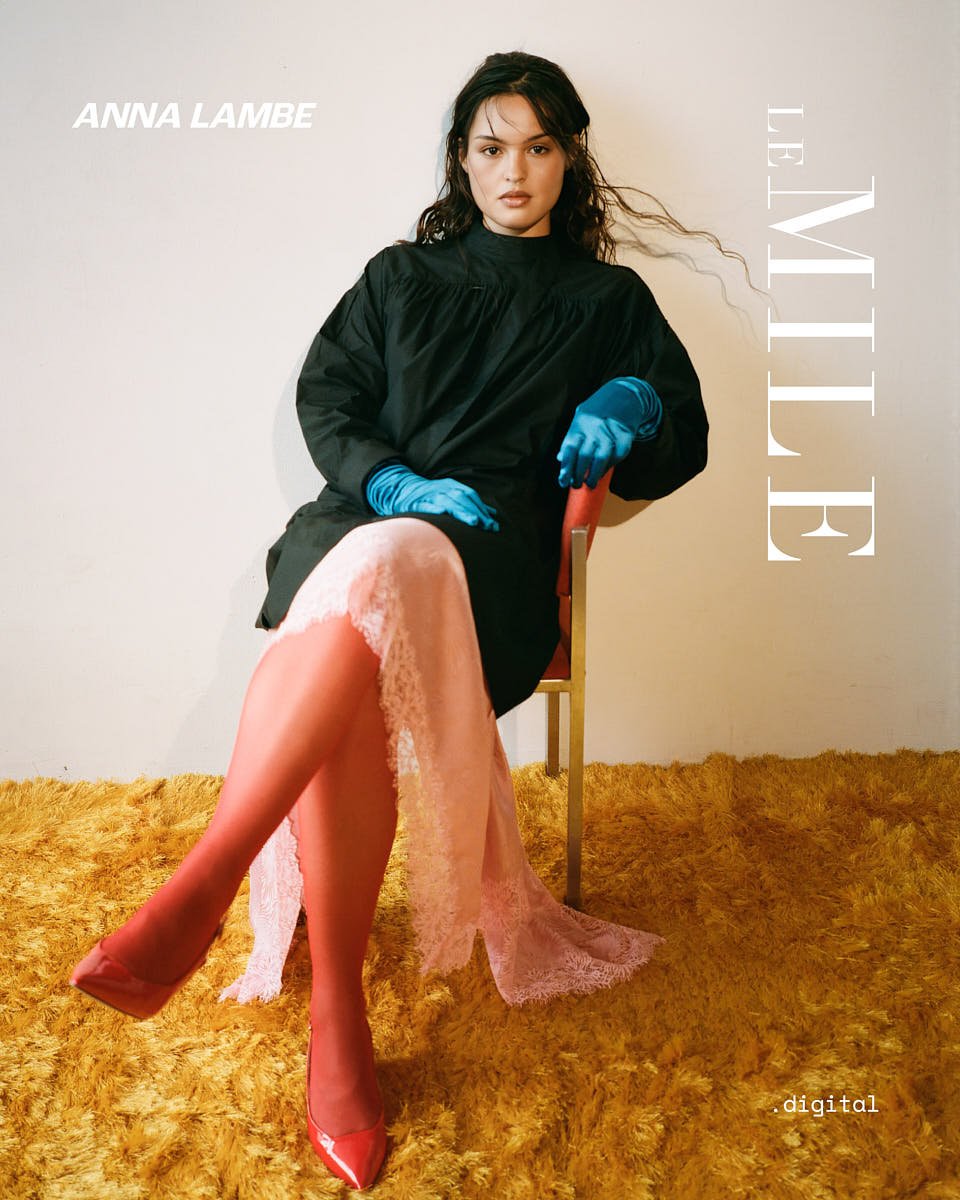
Anna Lambe sits on a wooden chair wearing a black and pale-pink ensemble by 3.1 Phillip Lim, bright blue gloves and red heels, surrounded by a golden shag carpet. Cover look.

Anna wears a total look by 3.1 PHILLIP LIM and heels by COUTGO


Lambe previously hesitated to describe herself as an actor, a reluctance she now attributes to imposter syndrome. Over the past eighteen months, projects that allowed her to make her own performance choices have helped her feel confident in her work. She favours television’s pacing for the time it gives her to understand a character and develop their story. “Even if my work sucked, it no longer dictates my sense of self-worth as Anna,” she says.


Her character Yura in In the Heart of the South takes somebody else’s story to further her career. Producers regard Yura’s background as permission to access the community’s experiences through her. Lambe challenges the idea that belonging to a community automatically gives someone the authority to depict its trauma. “Basic representation should no longer be the baseline,” she says. She describes the experience of playing Yura as “sitting in the skin of someone that I could become, but never want to”.

 
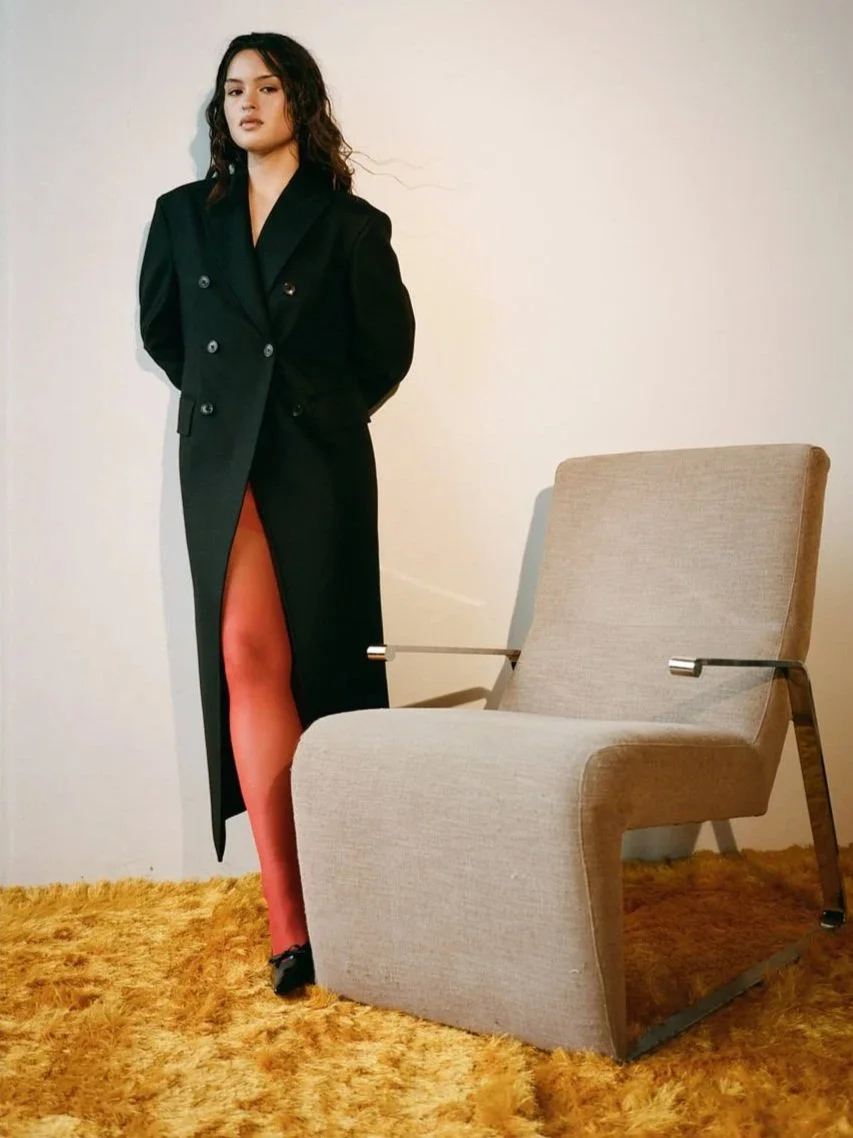
Anna Lambe stands beside a grey armchair wearing a long black double-breasted coat by HYKE, paired with red tights and heels by Coutgo.

Anna wears a coat by HYKE and heels by COUTGO

 
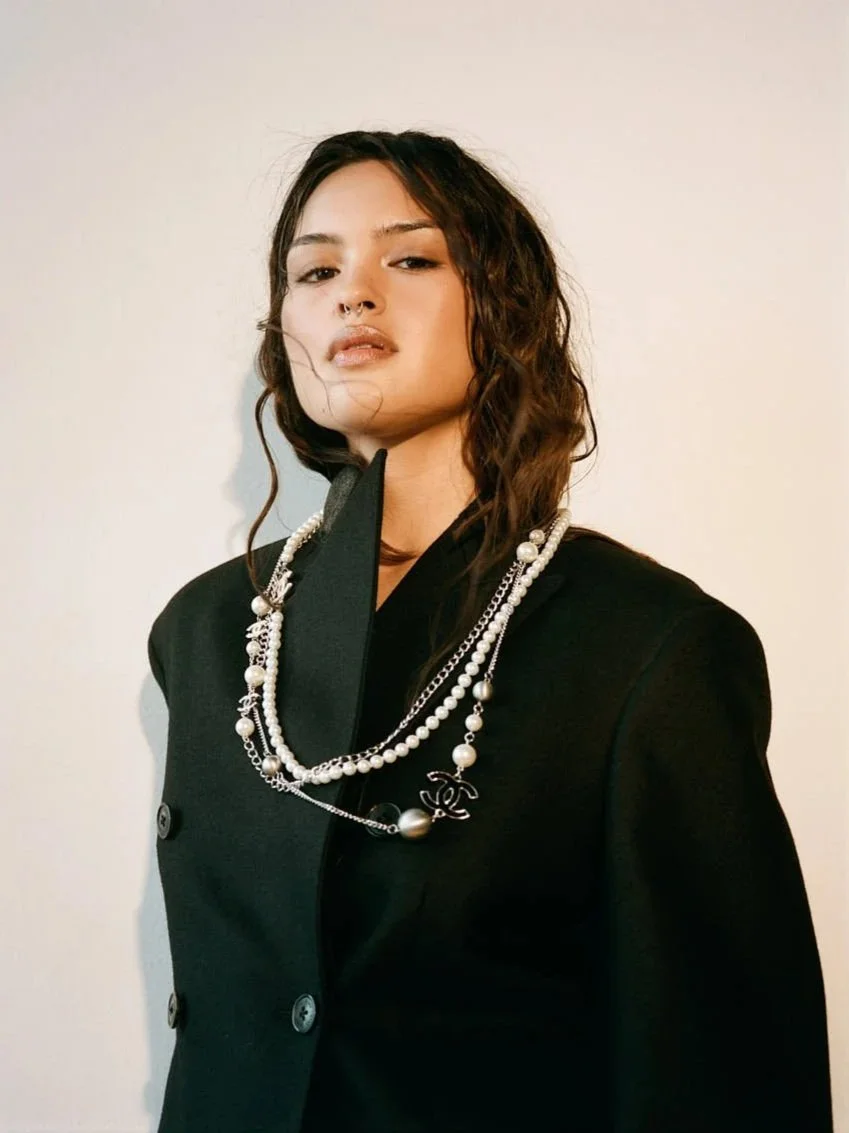
Anna Lambe stands beside a grey armchair wearing a long black double-breasted coat by HYKE with necklace by Chanel.

Anna wears a coat by HYKE, heels by COUTGO and a necklace by Chanel


Alban E. Smajli
Let’s start with a fun fact. You once said you made a short film yourself sitting in the downloads folder of your laptop but never released it. Is it still there?

Anna Lambe
My short film is still sitting in the downloads folder of my laptop! And she will remain there a while more. I am grateful for what making my first short taught me about filmmaking, about patience, and about the logistical feat that is every production ever made, but it still feels too vulnerable to share.

You used to call yourself “someone who acted”. Where are you with the word “actor” these days?

I think my confidence as an actor has definitely grown in the past 18 months. I have done a few projects that have pushed me as an artist and have given me a lot of creative freedom to make fun choices. After watching these projects and digesting them as an audience member, I feel much bolder in calling myself an actor. All that being said, the expectations I have for myself and the point at which I finally feel like I can “call myself an actor” are purely based on my insecurities and imposter syndrome. I don’t think there’s a moment in which any actor earns the title “actor”; simply acting makes you an actor.

The fact that this grace hasn’t extended to me until now is purely internal. It’s not something I project onto anyone else, and I encourage others not to limit themselves in the same way I have.

You also called yourself “deeply unfunny”. Two seasons of North of North must have tested that theory.

I think through North of North, I have become a lot more expressive, including in my sense of humour. Before North of North, I was incredibly shy and introverted and struggled with expressing myself openly and vulnerably in social settings, which I think contributed to finding myself deeply unfunny. I was always poised, thoughtful, and observant, which are good qualities to have, but I think it was a protective mechanism out of fear of people finding me annoying, unfunny, or disruptive.
After two seasons of North of North and having every vulnerability broken open and broadcast for millions to see, including howling like a dog in my underwear and kissing my TV dad, I definitely feel much more willing to be silly in my personal life.

How much say do you get in what Siaja wears?

I get some say in Siaja’s wardrobe on North of North, but our costume department is amazing. In season two, we had Alex Reda as our head costume designer, surrounded by a great team, and Laura Pia Churchill, who was our Inuk costume designer and worked on and designed many items seen throughout the show, including my wolf mitts and my fur trapper hat. They lead the vision, and I add input on what I think makes sense for Siaja, and then costumes build on that vision and we collaborate to find the perfect wardrobe. I also always try to name-drop Inuit designers I love and want to wear, and sometimes we end up getting their pieces, which is thrilling.

Some of my favourites have been jewelry by Heather Dickson Designs worn in the winter ball finale, a raspberry Dias Designs parka I wore in episode 5, an amauti-style pink parka made by our Inuk costume designer Pia Churchill in episode 4, and so, so many more!


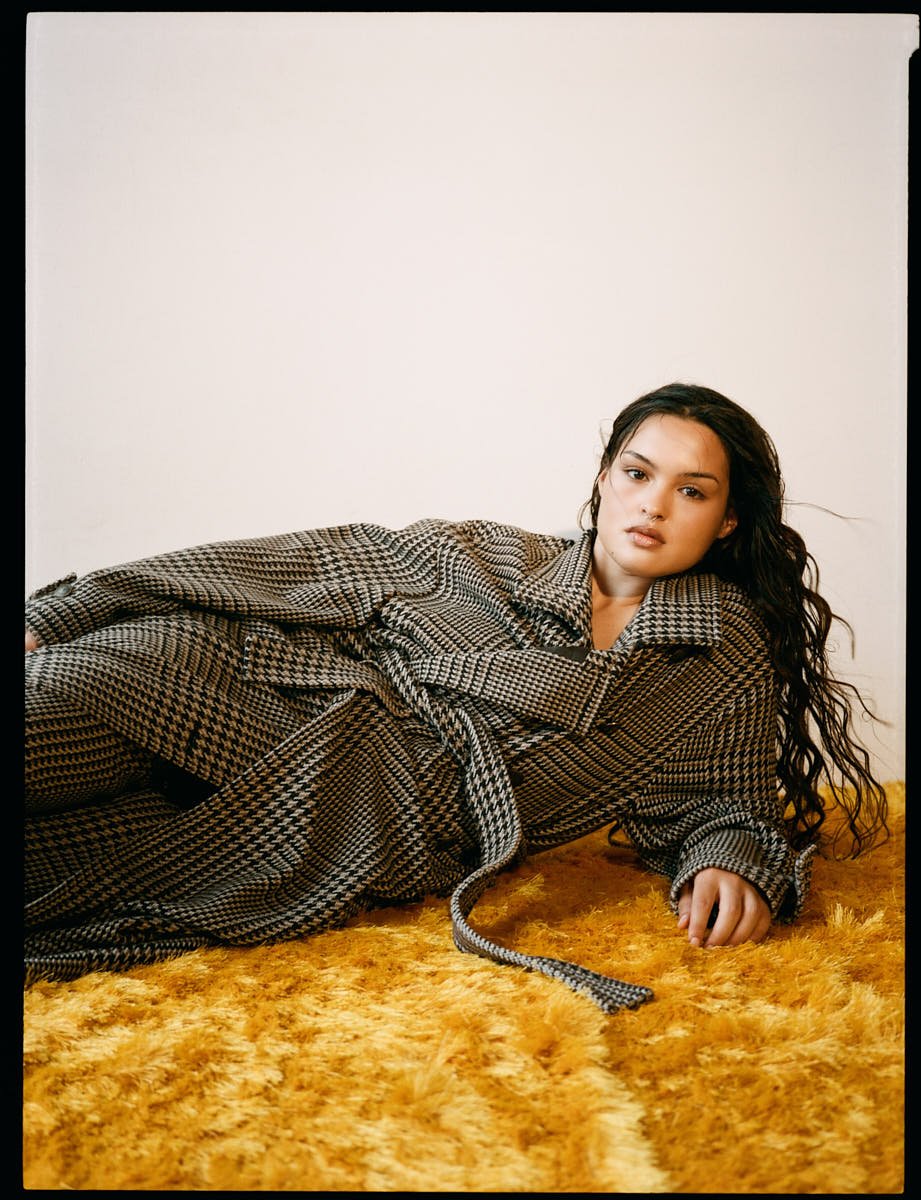
Anna Lambe reclines on a golden shag carpet wearing an oversized, belted checkered coat by Emporio Armani, with her dark wavy hair falling over one shoulder.

Anna wears a total look by EMPORIO ARMANI


And off set, it feels as though a film’s press run now comes with its own fashion campaign.

I think fashion and film are having a really interesting and fun crossover right now that feels reflective of the 50s and 60s era of designers creating costumes for actors in film. Jonathan Anderson doing costuming for Challengers, the way attending fashion week for any of the major houses goes hand in hand with film or TV press runs, and actors’ press photoshoots being opportunities to endorse fashion brands and build relationships with them. They have always been deeply connected, but I think the scale at which it is happening now is interesting and reflective of everyone’s desire for prestige and exclusivity.

How much of yourself did you recognise in Yura when you read In the Heart of the South?

From the moment I read the script, I felt both seen and called out by Yura. As an actor, I am frequently reading scripts about identity, culture, and community and trying to navigate when I have the right to take up space or opportunity in telling a story and what that even means. I think there is a huge grey area that needs to be explored in storytelling regarding privilege, access, and exploitation of identity and culture for social or financial gain.

I think that, across many minority communities, we have spent the years since the creation of film and television fighting for representation and the right to tell our own stories. We have made leaps and bounds in representation, and now we are at an interesting point where basic representation should no longer be the baseline, and navigating how privilege and access play into how we tell stories is necessary. Just because someone belongs to a community does not mean they have the right to create poverty porn, or stories centred around trauma they do not understand but think audiences will respond to. We, too, as people who are part of the communities we are trying to represent, can flatten our own people into two-dimensional characters, or caricatures, or misrepresent them entirely.

Yura is guilty of this – taking someone else’s story and making it her own in an attempt to gain opportunities and further her career. Can she tell this story? Technically, yes. And production companies want her to because they feel that, because of her background, she has the right to a well of specific cultural and identity-based stories that they can only access with somebody of that background. Yura, to them, is an opportunity for something fresh, and they, to Yura, are an in to the industry.
This results in a moral compromise from Yura, with the end goal being a step further into the industry.

I feel like I am constantly navigating this dance, trying to be the best community member I can and avoiding compromising my beliefs about trying to build on every win we have in representation to be able to tell stories that are multidimensional, thoughtful, and meaningfully representative of the community at the centre. Walking away from In the Heart of the South felt like walking away from a cautionary tale of what could happen if I am not careful, and playing Yura felt like sitting in the skin of someone that I could become, but never want to.

 
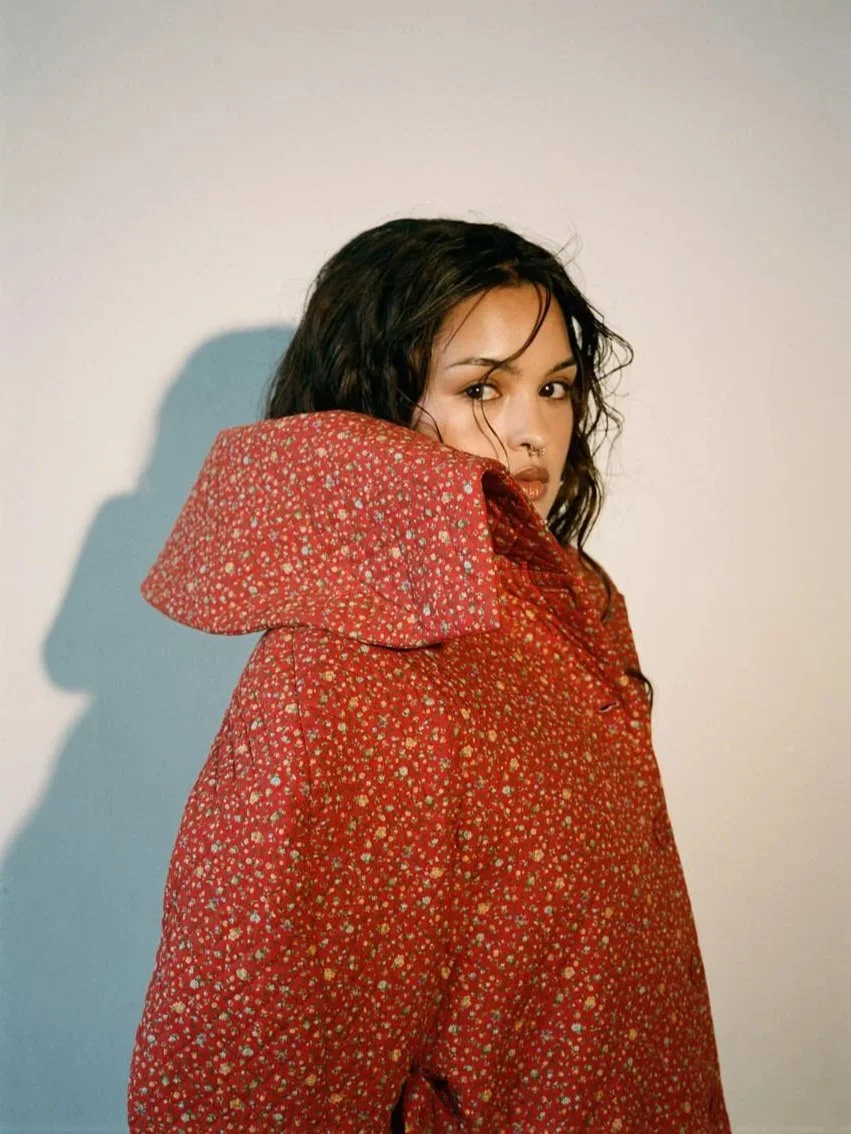
Anna Lambe wears an oversized rust-red coat by AKKI and shoes by Ferragamo, posing in a minimalist studio with a golden shag carpet and wooden sculptures.

Anna wears a coat by AKKI

 
Anna Lambe wears a sculptural dark brown coat dress by Meruert Tolegen and heels by Coutgo, posing beside wooden sculptures in a minimalist studio.

Anna wears a coat dress by MERUERT TOLEGEN

Anna wears a dress and heels by VALENTINO and a coat by MERUERT TOLEGEN


What caught you off guard on Heart of the Beast?

I have been fortunate enough to work on some large television productions that have helped me understand what working on a set of that size is like, the logistical feats that they are, and how quickly the machine moves to get things done. The most unfamiliar thing, for sure, was working with a dog as my scene partner for all of my scenes. It ended up being a wonderful lesson in being present as an actor, though. When you’re performing, the goal is to always be as present as possible to capture the real feeling of the character and the scene, and when you’re working with an animal, the only thing you can be is present. They will give you as much as you give them, and they will do things that are unexpected, and you have to be ready to react to anything, including crawling across your lap and licking your face while you’re driving into the sunset, which Uber, who played Odin, was fond of doing.

And how did you feel walking onto Aaron Sorkin’s set?

Working with Aaron Sorkin was a dream. I was incredibly nervous for this project – uncharacteristically so – because it was a Sorkin film with an incredibly star-studded cast and a great script. From the moment I came to set, Aaron was so warm, the cast was lovely, and Vancouver crews are always great. Aaron was very patient with me while I worked through my nerves, and then I found my groove. I am so grateful for the opportunity and the patience that I experienced on this set and will always look back on it fondly.

Where do you feel most at home as an actor?

As an actor, I definitely feel like I have found my footing in comedy, and tend to thrive in that setting. I love working in television and the pacing of filming – there’s a lot more time to find your rhythm and a lot more material to sink your teeth into, which helps me understand building out characters and arcs better. As an audience member, I love thrillers and horror; they have always been my favourite genres to watch because of how primal the feelings they bring out are.

They are also genres that have huge footprints in the indie space, which is a great space for creativity and exploring concepts, so horror and thrillers can be great places to find fresh and exciting things to watch. I want to keep exploring genres to see where else I might thrive – I haven’t gotten to do anything sci-fi or action-y yet, and definitely want to give it a go.

So you trust yourself now.

Absolutely. I’ve gone through so many life events and changes in the past 18 months, both career-wise and personally, that have made me a lot more confident and sure of myself as a person, and I think that has translated into my perception of myself as an actor. More than ever, I feel capable of good work; I feel like I have done good work, and even if my work sucked, it no longer dictates my sense of self-worth as Anna. All of that together makes me feel like I 100% trust myself as a newly self-identifying “actor”.

 
Anna Lambe wears a black tailored Moschino ensemble with oversized grey lapels and draped fabric, standing against a neutral studio backdrop with a golden shag carpet.

Anna wears a total look by MOSCHINO and heels by COUTGO

 
Anna Lambe wears a black tailored Moschino ensemble with oversized grey lapels and draped fabric, standing against a neutral studio backdrop with a golden shag carpet as a crop.

Anna wears a total look by MOSCHINO


talent   ANNA LAMBE
photo   BRENT CHUA
styling   JUNGLE LIN
editor   ALBAN E. SMAJLI
hair   WESLEY O’MEARA (HONEY ARTISTS)
make up    AYA TARIQ (THE WALL GROUP)

copyright LE MILE Magazine / Brent Chua

Leila Khan — On Adultery and Growing Up Too Fast

Leila Khan — On Adultery and Growing Up Too Fast

Leila Khan Wants to Taste a Little Bit of Everything


interview + written AMANDA MORTENSON


Leila Khan first read Jess through a few audition pages for Adultery and immediately recognised someone trying to outrun the fact that she had been forced to grow up too quickly. The rebelliousness was there, but so was the need to make Jess and Ollie feel young, playful and uncomplicated before the story begins putting pressure on them. School follows Jess home, her mother tightens the rules around her social life, and Khan describes the result as an “avalanche effect” that felt recognisable to the teenage experience. Preparing Jess meant building a playlist and thinking about the books she might read, a very different process from Crookhaven, where Khan returned to Amira through diary entries and scripts she read until she could recite them word for word.


LEILA KHAN for LE MILE Magazine photo by David Reiss Leila wears a total look by MY BEST FRIEND and shoes by MALONE SOULIERS

Leila wears a total look by MY BEST FRIEND and shoes by MALONE SOULIERS


That attention to detail has sharpened since Heartstopper, Khan’s first professional acting job and the set where she says she made friends for life. She now asks “why” far more often when reading a script, sometimes down to something as small as why a character sighs in a scene. The habit makes sense for an actor already thinking beyond her own performance.


Khan wants to direct one day and spends time on set watching other departments work, asking questions and noticing how directors handle a room. For now, she is still interested in range rather than narrowing herself too quickly. She wants to “taste a little bit of everything,” although theatre is beginning to pull more strongly. Between Adultery, Crookhaven and the final Heartstopper film, Khan is still early enough in her career for each project to change the process, and experienced enough to know that no two characters should be prepared in exactly the same way.

 
LEILA KHAN for LE MILE Magazine photo by David Reiss

Leila wears a total look by MY BEST FRIEND

 
LEILA KHAN for LE MILE Magazine photo by David ReissLEILA KHAN for LE MILE Magazine photo by David Reiss

Leila wears a total look by MY BEST FRIEND and shoes by MALONE SOULIERS


Amanda Mortenson
When you first read Adultery, what did you know about Jess from the first few pages?

Leila Khan
From the initial audition sides I got a real sense of Jess’ youthful spirit and desire to be free from whatever she’s gone through before we meet her. There’s a rebellious nature to her but it was clear to me that this stemmed from the fact that she had to mature pretty quickly at a young age.

What did you need to get right about Jess and Ollie’s relationship for the rest of the story to work?

It was really important for their relationship to feel playful and new. The authenticity of young uncomplicated love is something Johnny and I spoke about quite often. They’re just two kids that are in love, which makes what happens to them even more devastating.

Of the pressures around Jess — class, school, social media — which one affects her most directly?

The pressure of Jess’ school life bleeds into her home life throughout the show and I think those two things become a combined issue for her. Hannah, her mum, is overprotective and restricts her social life because of her behaviour at school. So it all just comes crashing down causing an avalanche effect which is something that is quite authentic about the teenage experience.

Heartstopper was your first professional acting job. What habit from that first set do you still carry into every job?

I really did make friends for life on that show and I learned quite quickly how collaborative and creative your work can be when you form that level of trust. It’s a really vulnerable experience for everyone on set and while there’s so many departments, we are inevitably all working towards one goal. So going on to any production, it is definitely a priority of mine to form strong connections with cast and crew so that we can all work hard, communicate well but have fun while we’re doing it.


Leila wears a jacket by GANNI, a dress by SANDRO, shoes by MALONE SOULIERS and jewellery by MISSOMA


The final Heartstopper film closes something that began with an open casting call, what was hardest to leave behind?

I suppose all of it! It hasn’t quite sunk in yet because we always come back each year. Next year when we don’t step back onto that set is when it’ll hit me. When I really think about it though, the thing I’ll miss the most is working with my family.

What do you notice in a script now that you might have missed when you first started acting?

From a young age I’ve always had a keen eye for literature and tearing texts apart so nothing really gets past me but I definitely ask WHY a lot more when I’m reading a script. Especially when a character behaves in a way that doesn’t align with me (Leila), asking why constantly - even asking why a character is sighing in a scene is something I’ve definitely done a lot more over the years.

And what is the first thing you do when you return to Amira for a new season of Crookhaven?

Returning to Crookhaven felt exactly the same as being cast in season one. We all put so much love and passion into that project so it was a genuine pleasure to hear we get to do it again. The first thing I do is read the scripts until I can recite them word for word and then for Amira I made diary entries to track where we left her in season one and where you find her in season two. Every role I take on is a different process. With Jess I made a playlist and thought about the kind of books she would read, with Amira it was a lot of diaries and introspection.

Has playing Amira made you more conscious of what an actor can communicate without dialogue?

100%. Amira absorbs and evaluates everything around her before she acts and so when playing her it’s a lot of listening and internalising. In hindsight, this really helped prepare me for stepping into Jess for Adultery.

You’ve spoken before about wanting to direct. What do you pay attention to on set now beyond your own performance?

I would love to direct whether that be TV, Film or Theatre I’m not sure yet. I’ve got a lot of time and experiences to be had before I work it out. At the moment I’ve got the privilege of working with really talented people across all departments and picking their brains. I do take note of what I like about the way the directors work. Most days I’m hanging around on set when I’m not needed and just absorbing what’s going on around me.

What are you looking for in the next role that you haven’t had the chance to explore yet?

To be completely honest I just want to do everything. I want to stretch myself as an actor and taste a little bit of everything. At the moment though I’ve definitely got my eye on theatre.


LEILA KHAN for LE MILE Magazine photo by David Reiss Leila wears a dress by STELLA MCCARTNEY and earrings by ALEXIS BITTAR

Leila wears a dress by STELLA MCCARTNEY and earrings by ALEXIS BITTAR

Leila wears a dress by STELLA MCCARTNEY and earrings by ALEXIS BITTAR

Leila wears a dress by STELLA MCCARTNEY and earrings by ALEXIS BITTAR


talent   LEILA KHAN
photo   DAVID REISS
styling   PRUE FISHER
hair + make up   CHARLOTTE YEOMANS

copyright LE MILE Magazine / David Reiss

Corentin Fila on The White Lotus, Memory and Acting

Corentin Fila on The White Lotus, Memory and Acting

perspectives

Finally, Corentin Fila Is Just Acting


written + interview ALBAN E. SMAJLI


“Finally I’m just acting.” Corentin Fila remembers thinking it five minutes into his first day on The White Lotus, after months of hearing everyone else talk about the project before he had even started filming it. Fila came to the profession without much of a plan. At 24, after seeing a Peter Brook production with South African actors at the Bouffes du Nord, he enrolled at Cours Florent. Two years later, he was making his first film with André Téchiné. Before that came boxing, an injury, three years of economics he readily admits left him with very little knowledge of economics, and a long list of jobs including construction and bartending.

 
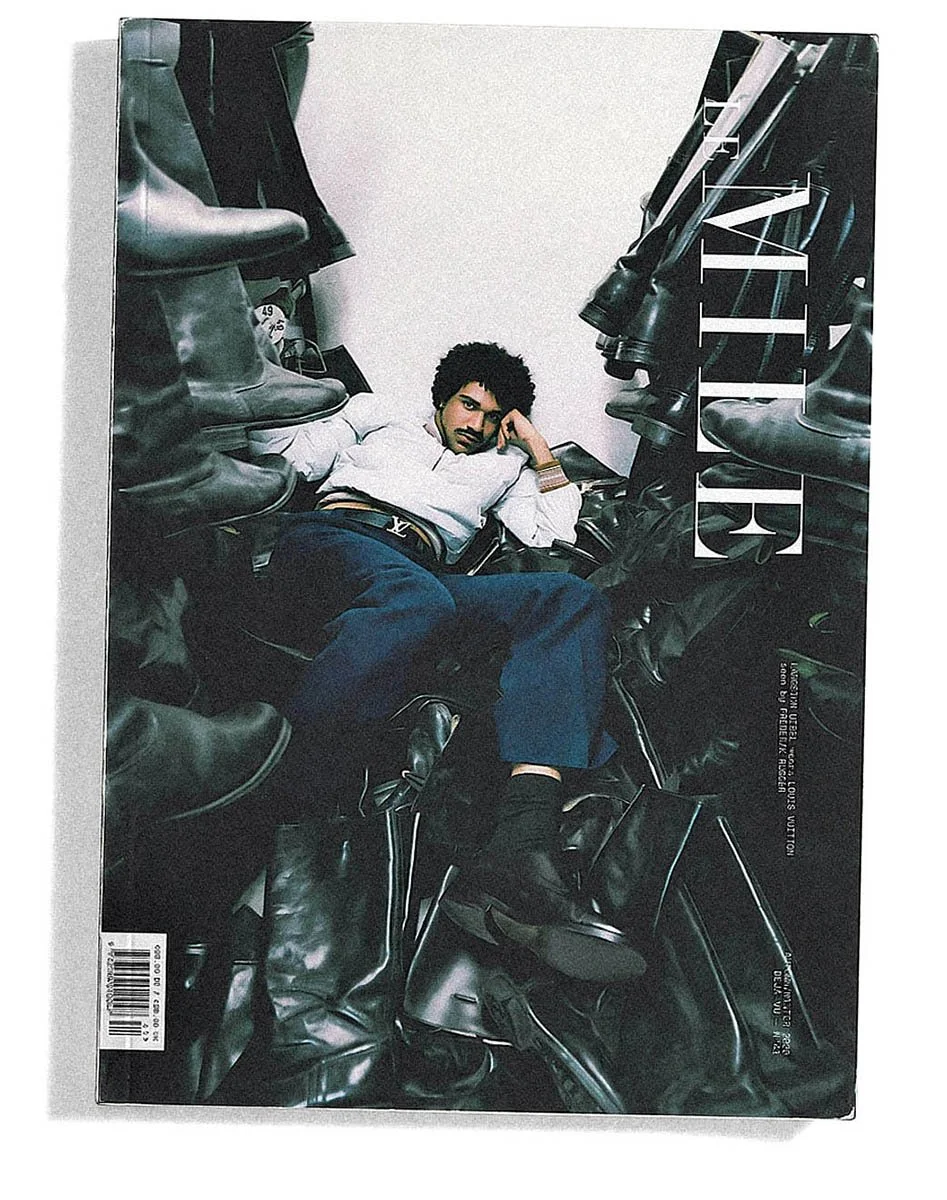
Actor Corentin Fila on The White Lotus Season 3 LE MILE Magazine FW26 Deja Vu Edition Nr41 Corentin wears a full look by GUCCI, a jacket by LA MASKARADE and a ring by TANT D’AVENIR

Corentin wears a full look by GUCCI, a jacket by LA MASKARADE and a ring by TANT D’AVENIR

 
Actor Corentin Fila on The White Lotus Season 3 LE MILE Magazine FW26 Deja Vu Edition Nr41 Corentin wears a full look by GUCCI, a jacket by LA MASKARADE and a ring by TANT D’AVENIR

Corentin wears a jacket by LA MASKARADE


Fila prepares differently for every role, sometimes doing extensive research and sometimes deliberately leaving room for surprise. For The White Lotus, he met people who reminded him of his character, occasionally inviting friends of friends for coffee and observing their behaviour, their values and mood. He calls it “stealing” from them. Music is another tool: he can spend hours building playlists and using them to think through a character before filming begins.

Directors have repeatedly seen melancholy in Fila, even though his friends would not necessarily describe him that way. He recognises it too, tracing some of it back to childhood, and notes with some amusement that he has also been cast as “the object of desire” more than once. That overlap between performance and lived experience also shapes the way Fila thinks about DÉJÀ VU, with a breakup scene sometimes drawing on something he has actually lived and the feeling still being there hours later, when he goes to bed and thinks, “Wow, it feels like I’ve already lived this moment in my life.”


Actor Corentin Fila on The White Lotus Season 3 LE MILE Magazine FW26 Deja Vu Edition Nr41 Corentin wears a coat and blazer by OTTOLINGER

Corentin wears a coat and blazer by OTTOLINGER


Alban E. Smajli
You're currently filming The White Lotus. Without revealing too much, has there been a moment during production when you suddenly understood the scale of what you had stepped into?

Corentin Fila
I would say it started before production, months before I began to shoot it. It was everywhere because it’s such a big project. Every day, someone was talking to me about The White Lotus. And it was insane. It was the first time in my life that I had to talk about a project every day, months before filming. It was really, I would say, difficult to prepare for this role with this amount of pressure beforehand. And finally, after maybe five minutes on set on my first day, I thought, “Wow, finally I’m just acting, and it’s something I can do.” And now I’m part of this adventure. Before, it was just something really far from me that everyone was talking to me about. And now I’m really part of it.

When acting suddenly became a serious possibility for you, did it take longer to find the craft or to recognise yourself in it?

No, honestly, it didn’t. I think I’ve been really lucky because it was really quick and really natural for me. I was 24 when I saw a theatre play with Black actors from South Africa. It was a play by Peter Brook at the Bouffes du Nord. Before watching this play, becoming an actor was not in my mind. I saw this play, and then I decided to go to Cours Florent. And two years later, I was filming my first movie with André Téchiné. So it was very, very quick, I would say.

Before acting, you studied economics and worked a string of different jobs. What stayed with you from that period?

I studied economics, but it was kind of by mistake. I was in sports studies. I was really good at boxing and I wanted to become a coach or something of that kind. Then I got injured during my first year. And so that’s when I thought of doing something else at the same university. There was a possibility to switch to economics, and that’s how I got into it. But I’m really bad at economics and I have a degree. I did three years of it, but I was working while I was studying, doing small jobs, every kind of job. So I would say I know almost nothing about economics.

But the fact that I worked all those jobs — in construction, as a barman, and many, many different ones — was definitely a huge school of life, I would say.

Looking back at your first roles, do you notice recurring themes or character types that continue to find their way back to you?

Yes, I would say I’ve played many melancholic characters. And it’s funny because my friends and people don’t really know me for that. But I would say I have a big melancholic side to me since childhood. And it’s funny that I play so many melancholic characters because in my life it’s like a little secret, that I carry maybe some sadness from my childhood. And it looks like directors sometimes see it. So yeah, I would say melancholic characters. And I’ve also played “the object of desire” many times. I’ve had many sex scenes in my career.

 
Actor Corentin Fila on The White Lotus Season 3 LE MILE Magazine FW26 Deja Vu Edition Nr41 Corentin wears a total look by CELINE

Corentin wears a shirt by CELINE

 
Actor Corentin Fila on The White Lotus Season 3 LE MILE Magazine FW26 Deja Vu Edition Nr41 Corentin wears a total look by CELINE

Corentin wears a total look by CELINE


Has all the waiting that comes with acting changed your relationship to patience?

I think it’s a job where you wait a lot, and I love it. I think you learn to live in the moment. I think there are two ways to be in this job. When you wait, many actors become nervous. They become really frustrated. And others take that time to cultivate some wisdom and enjoy the present moment.

hat do you usually do while you wait?

I’m just in my head. I’m watching the set, speaking to the team. I’m just in the moment.

Did your father’s work in film ever feel connected to your own path once you became an actor?

It’s very weird because I’m not close to my father as an adult. I grew up with him as a kid, but as an adult, I’m not. We’re not close. We don’t see each other. And I never had the feeling that I was living like my dad. But definitely, in a way, I am. And I have lots of admiration for him, and the artistic side of me, in my blood, comes from him. The first time I did a TV interview, my sister sent me a video of him doing one too, and we were moving the same way. Our faces looked the same. And I was like, “What the fuck? It’s so weird.” I’m definitely proud to be his son.

When you first read a script, what usually makes you want to spend months living with a character?

Usually, it’s not only the character. I think I need to be moved by the story and to think, “I want this story to exist and to be a part of it because I’m moved by it.” Even in a spiritual way, I want it to exist and to be part of it. And if you do it, it’s going to exist for the world to experience it.


Actor Corentin Fila on The White Lotus Season 3 LE MILE Magazine FW26 Deja Vu Edition Nr41 Corentin wears trousers and a jacket by 3.PARADIS, a tank top by GMBH, shoes by ROMBAUT, a necklace and ring by D’HEYGERE and glasses by IC! BERLIN

Corentin wears trousers and a jacket by 3.PARADIS, a tank top by GMBH, shoes by ROMBAUT, a necklace and ring by D’HEYGERE and glasses by IC! BERLIN


Actor Corentin Fila on The White Lotus Season 3 LE MILE Magazine FW26 Deja Vu Edition Nr41 Corentin wears a total look by DIOR

Corentin wears a total look by DIOR

Actor Corentin Fila on The White Lotus Season 3 LE MILE Magazine FW26 Deja Vu Edition Nr41 Corentin wears a full look by DAVID KOMA, shoes by PRADA and a ring by D’HEYGERE

Corentin wears a total look by DAVID KOMA, shoes by PRADA and a ring by D’HEYGERE


And how do you prepare for one?

It depends on the project. I have so many different ways. Sometimes I don’t do a lot of preparation because I feel like I just want to be surprised on set. Sometimes it’s a really long preparation. I do research. I love to meet people and be inspired by them. I work a lot with music too. For hours and hours, I build playlists and I just like to dream while listening to them. Sometimes I read books, watch movies — many different ways.

How did you prepare for your character in The White Lotus without giving anything away?

It’s hard not to spoil anything, but I can say I met with many people. People who made me think about the character through the way they live their lives. And I was also really trying to rely on what I carry within me and where the character and I meet. Sometimes I would ask friends of friends to have coffee with me, without really explaining why. Other times I would tell them. I was trying to steal things from them — their mood, the way they are, their values — that I could see were similar to the character’s. And I thought to myself, “Wow, I want to be like that. I want to act like them.”

What's the worst advice young actors constantly receive?

It’s a good question. I think the worst advice is to pretend like there is one particular way to do this job. Like in life, there are so many different paths you can take, so many different ways to get there. There isn’t one way to do this job. It really depends on your personality, on who you are. So I think the wrong advice would be to say that it has to be done in one way.

Has a scene ever felt like DÉJÀ VU because it brought you back to something you had already lived?

I would say all the time because, as actors, we play with our emotions, and all those emotions are based on things we’ve lived through, experiences we’ve had in life. For example, if you’re acting in a scene where you’re breaking up with your wife or girlfriend, we all know that feeling, you know? And sometimes you go back to bed after set and you’re really sad. I would say on every project you have this kind of moment where you think, “Wow, it feels like I’ve already lived this moment in my life.”


watch the film
/ with Corentin Fila for LE MILE Digital by Artem Sadovnikov

Actor Corentin Fila on The White Lotus Season 3 LE MILE Magazine FW26 Deja Vu Edition Nr41  Corentin wears a total look by JUUN.J and shoes by GMBH
Corentin wears a total look by JUUN.J

 
Actor Corentin Fila on The White Lotus Season 3 LE MILE Magazine FW26 Deja Vu Edition Nr41 Corentin wears a total look by BURBERRY and shoes by GUCCI

Corentin wears a total look by BURBERRY and shoes by GUCCI


talent   CORENTIN FILA
photography   BOYAN LI
creative direction   BOYAN LI
styling   CHIARA BOTTIN
hair   PIERRE GINSBURG
make up artist   JINDIAN YANG using ARMANI BEAUTY
first photography assistant   THOMAS LAPORTE
second photography assistant   HAN ZIXU
styling assistant   JULIETTE TANGUY
video   ARTEM SADOVNIKOV
production   MARIA VICTORIA RUSSO
location   HOTEL LES BAINS PARIS
special thanks to   STUDIO LA BRIQUE ROUGE

copyright LE MILE Magazine / Boyan Li

Langston Uibel - Acting, Identity and Louis Vuitton FW26

Langston Uibel - Acting, Identity and Louis Vuitton FW26

.cover story

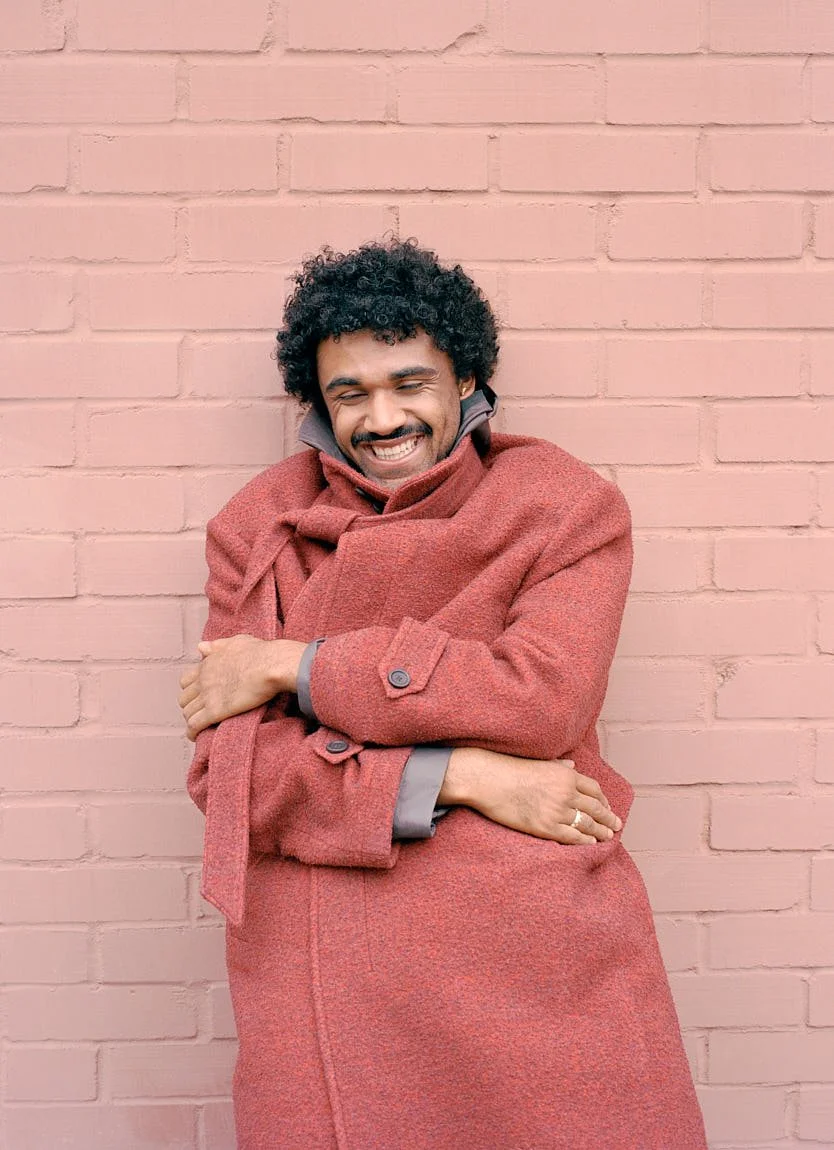
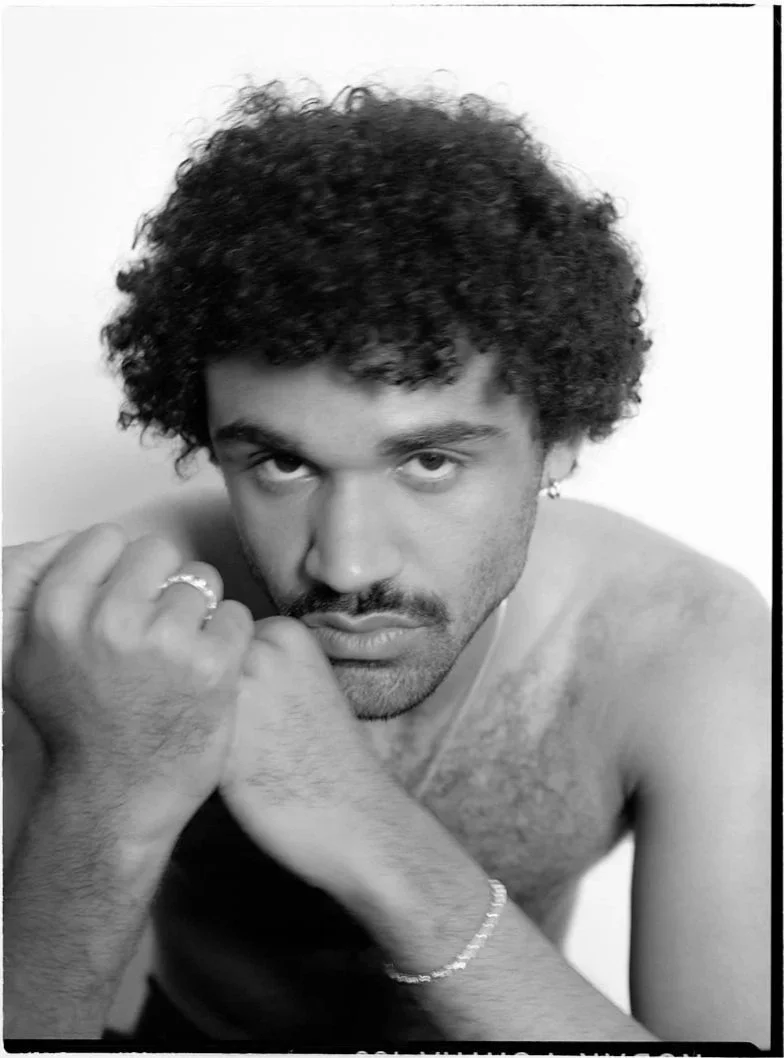
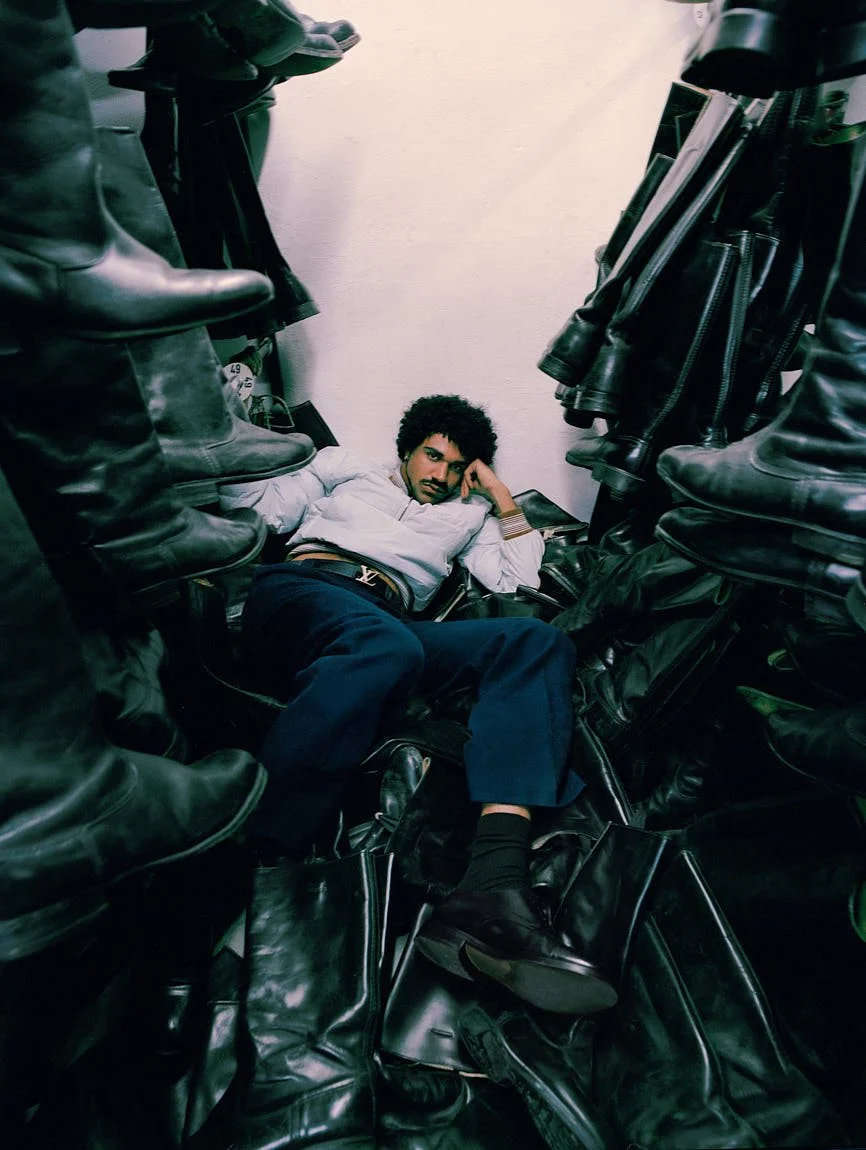
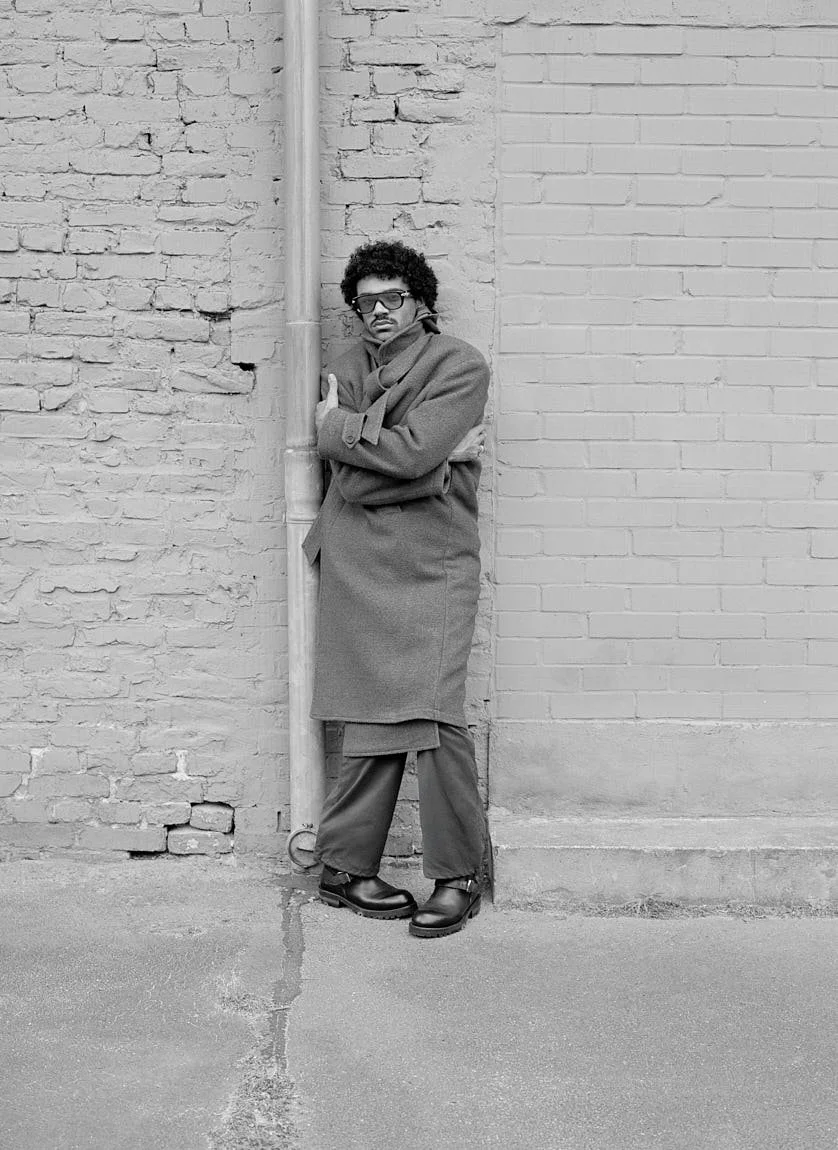
Langston Uibel and the Reason Behind the Role


written + interview ALBAN E. SMAJLI


There is a moment in our conversation when Langston Uibel says that a project needs a clear reason to exist. He is speaking about the people behind the work, the perspective they bring and the commitment required to carry an idea through. The sentence lands almost casually, yet it explains much of the path he has taken across cinema, streaming and theatre, and his growing involvement in producing projects of his own.

 
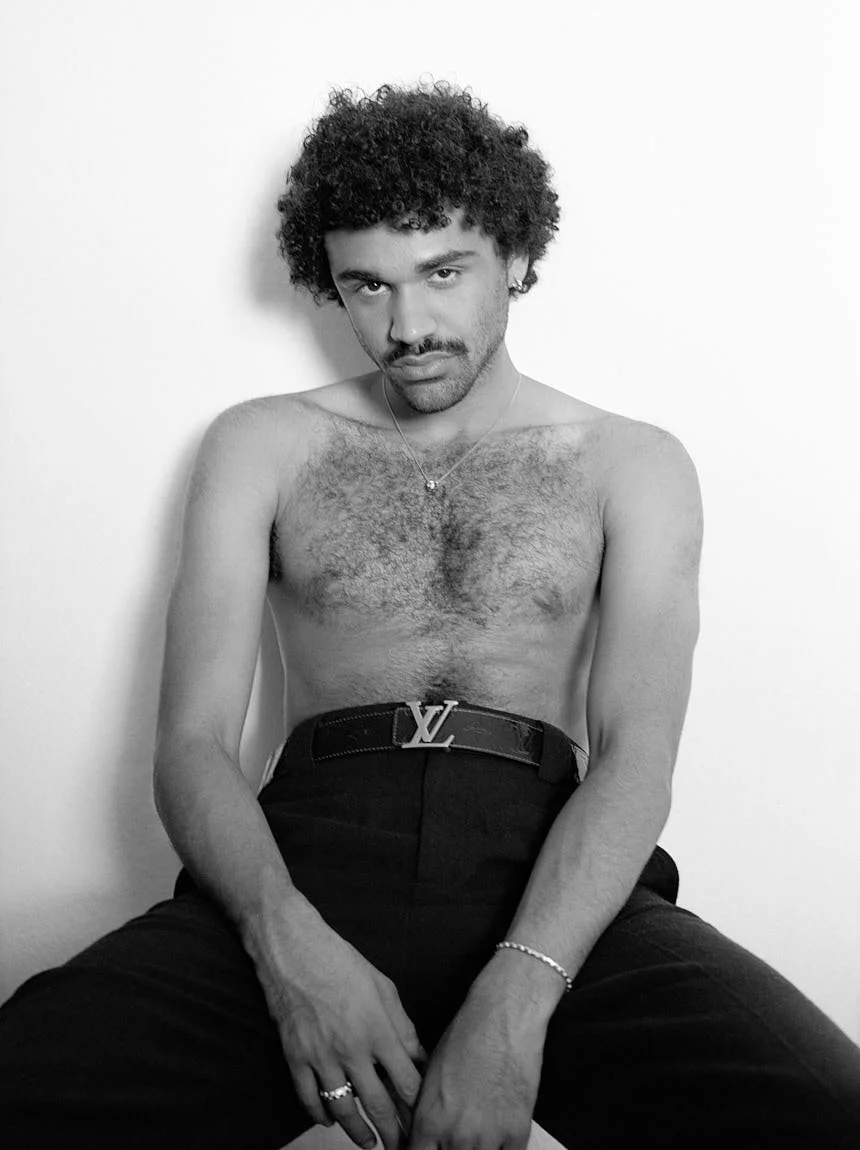
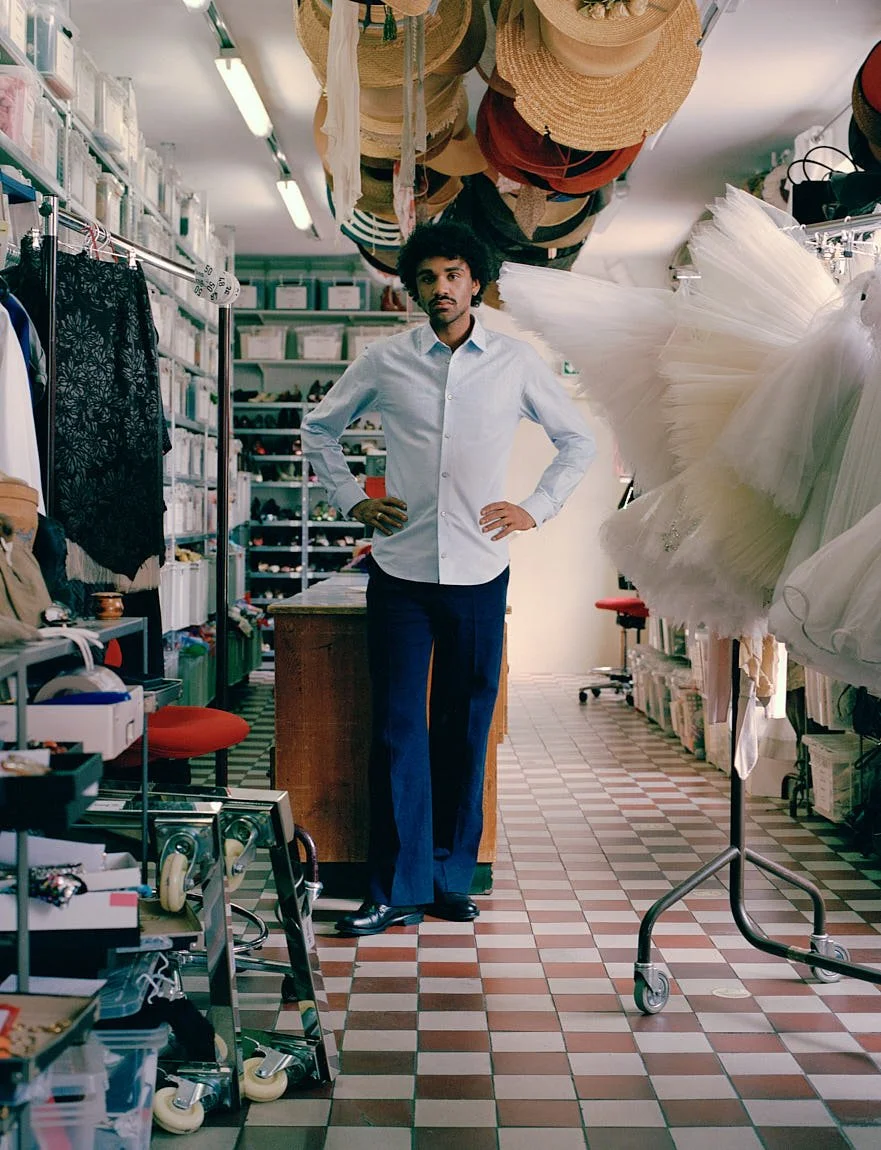
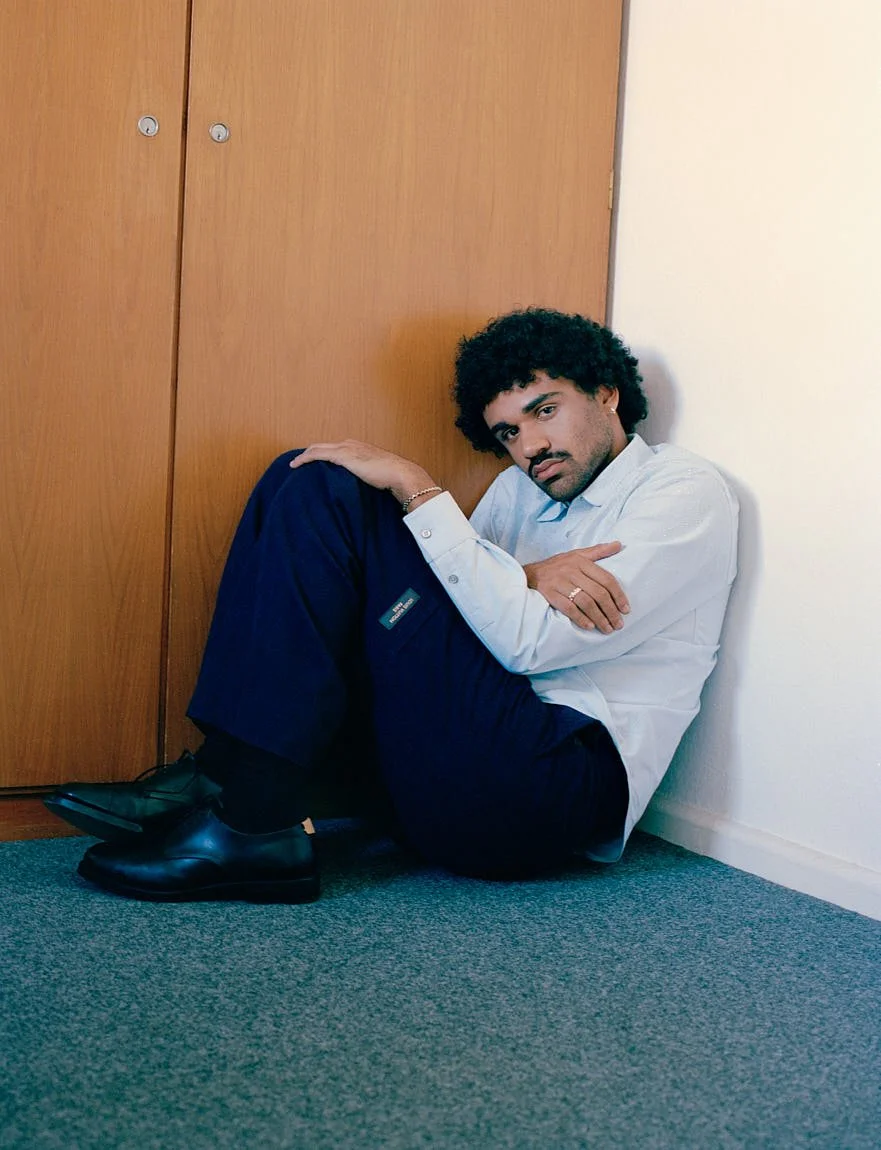
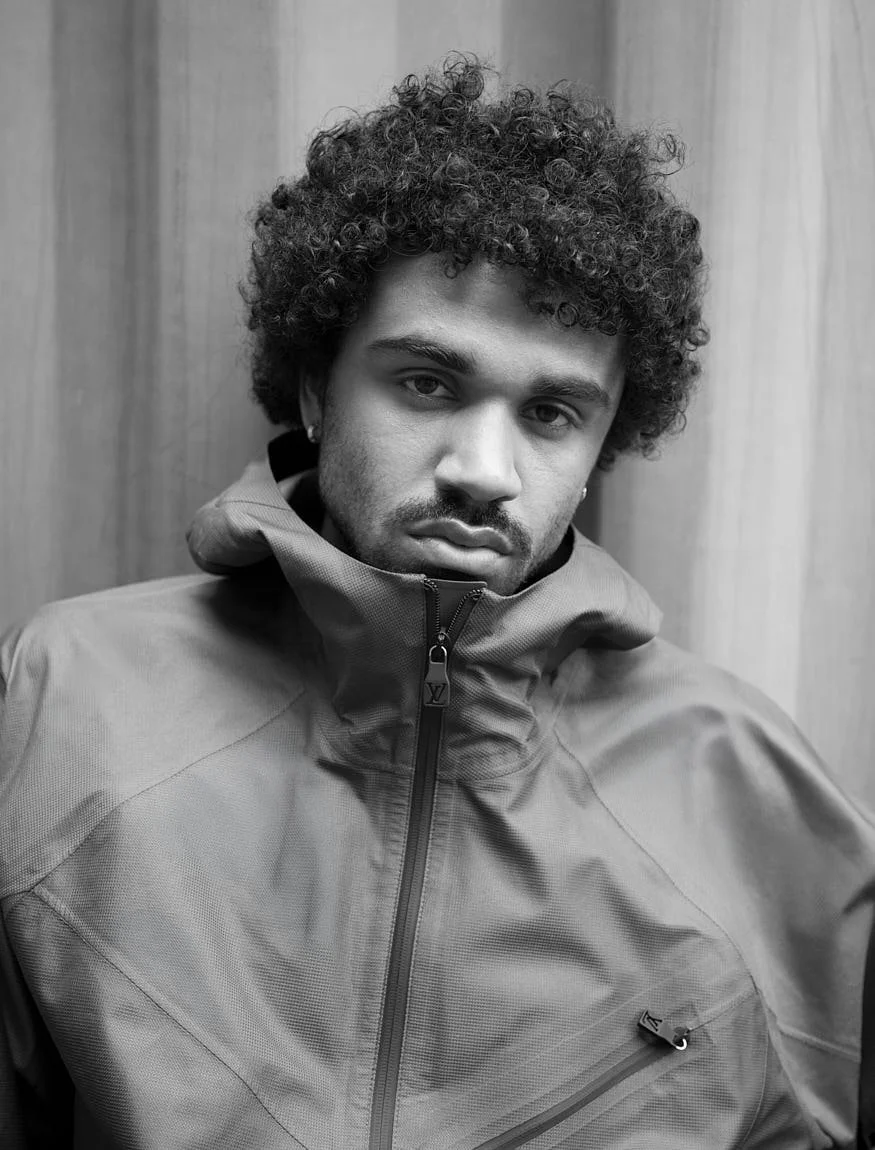
Langston Uibel wearing Louis Vuitton FW26 for LE MILE Magazine photo by Frederik Rügger


At 28, Uibel is already testing how much responsibility an actor can take for the work around him. He speaks openly about early performances he would approach differently today, the assumptions that follow certain roles and the need to keep moving before a career begins to repeat itself. What emerges is an actor becoming increasingly precise about where he places his energy, and increasingly determined to help shape what comes next.


Langston Uibel wearing Louis Vuitton FW26 for LE MILE Magazine photo by Frederik Rügger

coat, jacket + ring LOUIS VUITTON

Langston Uibel wearing Louis Vuitton FW26 for LE MILE Magazine photo by Frederik Rügger

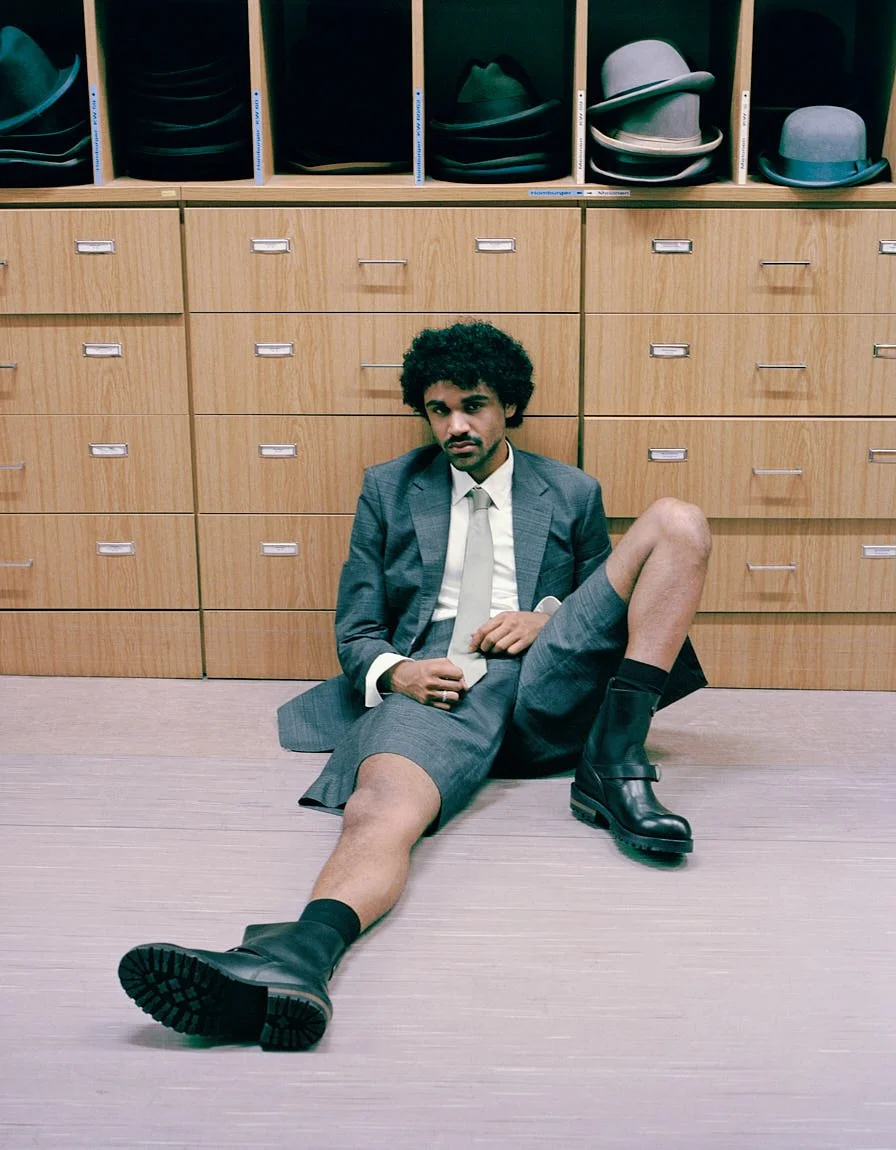
jacket, shirt, tie, shorts, socks, boots + ring LOUIS VUITTON


Alban E. Smajli
What holds your work together when every new project takes you into a completely different creative environment?

Langston Uibel
I had to learn on the job. I never had a classical education. So I was lucky enough to have these three Netflix shows: Dogs of Berlin, Unorthodox, and How to Sell Drugs Online Fast. I basically always had the opportunity to work with showrunners and creators who have a very distinguished approach to their respective projects.

And I think throughout my career, what holds everything together is that I’m always looking for somebody behind the project who has an absolute perspective and a concrete idea of what they want to do and a reason why they’re saying it. That’s always necessary for me. I don’t have to be on exactly the same page as everybody, but there has to be a subject to discuss. If somebody doesn’t know why we’re doing something, I’m not interested.

I always need to have people who feel like they need to do this, that there is a necessity behind this story and a necessity behind their vision. And that’s where collaboration starts, because that’s the way I approach it. I always come in with 150 percent. Nothing is ever blatant. There is nothing that doesn’t matter. Everything matters so much. And that’s what I need to have with the creators that I work with. At the moment, I feel like I’ve found that most in theatre and cinema. With Christian Petzold, but also with young directors like Jasmin Baumgartner and Romina Küper, as well as my mentor in theatre, Barbara Frey.

Has there ever been a role that felt like it completely disrupted the direction your career was taking?

Well, funny enough, I tend to see myself as quite a serious guy. I mean, I laugh with my friends, but in general I think people laugh way too easily. Everything is not always that fucking funny. Especially when people think they’re funny. Let the others be the judge of that. That also goes for comedies. If we’re talking about something disruptive, actually my next move is that I’m going to be in a children’s movie, Bibi Blocksberg. And I think these classic German children’s film productions have a certain vibe and a certain taste, which I really wanted to be part of.

One of my first film experiences was being an extra in the children’s movie Hanni & Nanni. And now to come back as a proper actor in Bibi Blocksberg, an absolutely legendary German children’s story, is a dream come true.

Have you ever thought twice about a role because of what it might lead to afterwards?

I feel like I grew up in a world where people would still say absolutely outrageous stuff, like you wouldn’t want to play a queer character too often because you would then only get cast as a queer person. I mean, even if that is true, I couldn’t care less. I try to have versatility in my characters, but people sometimes lack the concentration to really look at what makes a character different, the nuances of characters.

People will actually have the cheek to use things like skin colour, sexuality, or style as the differences between characters. Maybe my characters all happen to have a certain swagger, but underneath there are differences. I sometimes feel like that’s a problem in general. People have to understand that you are made of so many little particles and that you can be so many things at once.

After Roter Himmel, did you notice people expecting something different from you as an actor?

Well, working on Roter Himmel, English title Afire, was my absolute home run, because I knew I needed to exist within this kind of space. I needed to meet a director like Christian Petzold to be reassured that my take on art is valid and that it makes sense to dive even deeper and really find out. He gave me that last bit of self-esteem that I needed to know that I can create art and that I can be impactful. I want to develop my own taste.

That work was absolutely pivotal, and I took it into my work on Hijack now and also into everything I do in the future. For me, he will be a mentor. I hope we get to work together again, but even if not, this will be one of my most important experiences. The way he works and the way he sees art is just very similar to mine, and I’m absolutely thankful for that time in my life. But that was three years ago, and we have to move on.


earring, ring + bracelet LOUIS VUITTON

Langston Uibel wearing Louis Vuitton FW26 for LE MILE Magazine photo by Frederik Rügger

jacket, t-shirt, trousers, belt, socks, shoes + earring LOUIS VUITTON


What makes you trust a director enough to show them a side of your acting you haven’t explored yet?

One of my teachers in primary school said everybody’s best is different, but I think you should always try for the best. As long as everybody wants to try and people aren’t sloppy or lazy about things, things can happen. Things can go wrong. I’m 28, what do I know? But I’ve had experiences with directors who just don’t care, and I think it’s okay. In a capitalist society, you can have people who are not as ambitious, and it’s also fine to just do the bare minimum. I don’t judge that. But I just feel that if you’re only willing to do the bare minimum, then maybe being an artist doesn’t make that much sense.

What did your first season at the Burgtheater ask of you that film hadn’t prepared you for?

I just had to realise that film and theatre have more differences than similarities. In film, if you’re lucky enough, the director will be able to catch something while you’re living in the world that is set in front of the camera. The camera just passes by. The world should already exist. Theatre, for me, can only happen with the audience there. So you have to acknowledge the audience somehow. That doesn’t mean being loud and screaming and big, but you have to acknowledge the audience, even if it’s just through a thought.

I come from film. Film is the thing that I know more about. But I’m now about to do my second play with the same director, The Seagull by Chekhov at the Düsseldorfer Schauspielhaus. I just can’t wait to get back on stage. If I can do a play a year, that would be the perfect balance. And in general, the Burgtheater, where I’m still playing and where we’ve been renewed for a fourth season, has just reassured me that I can do it.

Did producing the KaDeWe film change the way you walk onto a set as an actor?

I just try to limit my commercial activities, but when I do something, I try to take it into my own hands and make sure that whatever I do, even if it’s commercial, shows my take on art, shows my perspective, and gives me the opportunity to express myself.

With KaDeWe, as well as now with the new film I’m about to release for Dr. Martens, which I executive produced, it has been a really nice school for me. It’s been preparation for my first feature film that I’m going to produce together with Jünglinge Film, where I will be playing one of the leads as well as being one of the executive producers. I think we’re looking to shoot in 2028 or 2029, so it will take a while. I am also working with C/O Berlin, where I’ll be producing an intervention performance for the exhibition of Carrie Mae Weems.

I have this notion that I want to take responsibility in the future as an actor, to bring these films into the world and to make my projects successful. Successful doesn’t only mean numbers. I want to make sure they’re relevant, connected to the zeitgeist, connected to debates, and that they make sense. I want to take that responsibility.

 
Langston Uibel wearing Louis Vuitton FW26 for LE MILE Magazine photo by Frederik Rügger

coat, jacket, trousers, shoes + eyewear LOUIS VUITTON

Langston Uibel wearing Louis Vuitton FW26 for LE MILE Magazine photo by Frederik Rügger

trousers, belt, earring, necklace, bracelet + rings LOUIS VUITTON


You work in both German and English. Does switching between the two change the rhythm of a character for you at all?

Oh, not really.

My main base is Berlin. My father has a bar called Dalston Jazz Bar in London, where I am a lot. I was incredibly lucky to shoot Hijack Season 2, the Apple TV series produced by Idris Elba, in London for around eight months last year, which was wonderful because I could work in my other home. For me, English and German are not something where I need to choose. I don’t need to choose one of these. Both are part of me.

Sometimes one language makes more sense. There are specific words that work better in one language, and I have people that I speak English with and use these specific words with, and then I have a German context where I speak German. I’m proud to be both, and I don’t have to choose.

When you look back at one of your earliest films, do you recognise anything in your acting that’s still there today?

No, sometimes I feel a little bit of shame because I started so young. I think I needed the time to understand the importance of my job. I never went to acting school, and my family doesn’t have any connection to the industry. You have to learn certain codes. You have to learn how to talk about it. And I wish I had given myself more time to learn before jumping into projects.

There are some projects where I feel I could have done better, and that hurts sometimes.

If we jump ten years ahead, what would you like audiences to say about the range of roles you chose?

Oh, I don’t know about the range.

In ten years, I just really want to make sure that the dreams I have and keep in my heart sometimes come true. It needs to work. I need this. And I hope that I can just play my part in this world somehow. Even if it’s a small one, I really hope that I can leave an impact.

 
Langston Uibel wearing Louis Vuitton FW26 for LE MILE Magazine photo by Frederik Rügger

shirt, trousers, shoes, earring, bracelet + ring LOUIS VUITTON

Langston Uibel wearing Louis Vuitton FW26 for LE MILE Magazine photo by Frederik Rügger

jacket + earring LOUIS VUITTON

 
Langston Uibel wearing Louis Vuitton FW26 for LE MILE Magazine photo by Frederik Rügger

bag LOUIS VUITTON

Langston Uibel wearing Louis Vuitton FW26 for LE MILE Magazine photo by Frederik Rügger

sweater, shirt, tie, trousers, shoes + bag LOUIS VUITTON


talent LANGSTON UIBEL
photography FREDERIK RÜGGER
styling KLAAS HAMMER
hair + make up ILYA FESENKO
editor ALBAN E. SMAJLI
special thanks to THEATERKUNST
 

credits
all Images (c) LE MILE
and Federik Rügger

Lara Pulver On MobLand and The Riders

Lara Pulver On MobLand and The Riders

Lara Pulver on Why Bella Feels Different in MobLand Season 2


interview + written MONICA DE LUNA


On MobLand, the first step back into Bella is usually a fitting with costume designer Rebecca Hale, literally getting back into the character’s shoes before her dry wit and directness follow. Season two gives Lara Pulver more time inside the larger ensemble, bringing her together more often with Helen Mirren, Pierce Brosnan, Tom Hardy and Paddy Considine. Those days, she says, are among the most enjoyable on set, while Guy Ritchie’s method keeps the work unusually precise. Scenes are rehearsed properly, he knows when he has what he needs, and very few takes are wasted.


LARA PULVER from MOBLAND Season 2 for LE MILE Magazine seen David Reiss

Lara Pulver
/ seen by David Reiss


Eight performances a week as Golde in Fiddler on the Roof gave Pulver the stamina and concentration that later proved useful on long shooting days, although she sees a fundamental difference in how much control an actor keeps in each medium. A film, in her view, effectively exists three times, first on the page, then in what the actors and director make during filming, and finally in the edit, where the result can change considerably again. On stage, she remains responsible for the performance for the full length of the evening. That experience also feeds into new characters in less obvious ways. Sometimes an earlier role returns through physical memory, with a gesture or quality surfacing during preparation. Pulver describes all of those characters as still being somewhere inside her, available to draw from until the homework is finished and instinct takes over.


That process became particularly interesting with Jennifer in Edward Berger’s The Riders, a character Pulver describes as an enigma. Her task was to work out what could make Brad Pitt’s character spend an entire film trying to find her, without removing the uncertainty that makes Jennifer compelling in the first place. Pulver is equally unsentimental about what happens once the work is finished. The projects that become what she calls “golden nuggets,” creatively satisfying work that also connects far beyond expectations, are rare. And when asked what she would still like to be trusted with, she does not name another screen character. She wants to be back on stage, singing.

 
LARA PULVER from MOBLAND Season 2 for LE MILE Magazine seen David Reiss

Lara Pulver
/ seen by David Reiss

 
LARA PULVER from MOBLAND Season 2 for LE MILE Magazine seen David Reiss

Lara Pulver
/ seen by David Reiss


Monica de Luna
When you return to a character after time away, what comes back first?

Lara Pulver
First day back on MobLand, is usually for fittings with our costume designer Rebecca Hale which is hugely helpful to literally get back into Bella’s shoes. We have a lot of fun creating the character’s wardrobe for the show. Bella’s dry witted directness follows closer after! 

What have you learned about Guy Ritchie’s way of directing on MobLand by watching how he handles an ensemble this large?

Guy knows exactly what he wants/needs from a scene and he knows when he's got it. This often means it's well rehearsed, and then we do very few takes.

Working alongside Helen Mirren, Pierce Brosnan, Tom Hardy and Paddy Considine, what do you find yourself paying closest attention to between takes?

We laugh a lot as a group. It’s actually quite rare that we’re all in a scene together - more so in season two. We relish those big ensemble scenes. They’re enormously fun days.

Do characters from earlier in your career ever return to you unexpectedly when you’re preparing something new?

Sometimes a physical memory is triggered - like muscle memory.  I guess they’re all in me somewhere because they’re all essentially from me, just jumbled up inside. It can be useful to refer back to the quality or essence of a previous character. It’s like a receipe piecing a character together, and then once the homework is done, you let instinct take over.


LARA PULVER from MOBLAND Season 2 for LE MILE Magazine seen David Reiss

Lara Pulver
/ seen by David Reiss


What did playing Golde in Fiddler on the Roof sharpen in you that you carried back to the camera?

It’s exhausting and exhilarating doing eight shows a week onstage in front of a live audience. The focus and discipline it requires and the stamina it takes - it sets you up well for long days on film sets. 

After moving so often between stage and screen, what part of acting still feels least controllable to you?

What ends up appearing on screen, is completely out of an actor's hands. There's essentially three movies made. The script is the first version - the writer’s vision. There’s the actor and director's combined interpretation, but that’s also dictated by what the camera actually captures and how, and then the final edited version which can change hugely from the previous two. On stage, for two and a half hours - or however long the play is - you are in complete control of how you tell that story every night. 

What interested you about the character you play in The Riders when you first encountered her on the page?

Jennifer is an enigma. It was up to me to decide what it was about her that would make Brad Pitt’s character go on a movie long odyssey to find her. 

What did you discover about Edward Berger’s way of directing once you were actually working together?

Edward is an artist. Enormously collaborative and an extraordinary film maker. He was all over every detail of The Riders movie. He is the ultimate caretaker of a story. 

Is there something you understand about acting now that you could only have learned by staying with it for this long?

Golden nuggets are rare. A golden nugget being, the combination of incredibly creatively fulfilling work that really lands with an audience… that just hits a moment, and is propelled into the zeitgeist. Exceeding any expectations. 

Which kind of role are you still waiting to be trusted with?

I can’t wait to get back on stage singing again.

 
LARA PULVER from MOBLAND Season 2 for LE MILE Magazine seen David Reiss

Lara Pulver
/ seen by David Reiss

 
LARA PULVER from MOBLAND Season 2 for LE MILE Magazine seen David Reiss

Lara Pulver
/ seen by David Reiss


talent   LARA PULVER
photo   DAVID REISS
styling   ROSIE ARKELL PALMER
hair   LEWIS STANFORD
make up artist   NEIL YOUNG

copyright LE MILE Magazine / David Reiss

The Parts You Haven’t Met Yet with Araloyin Oshunremi

The Parts You Haven’t Met Yet with Araloyin Oshunremi

.digital

Araloyin Oshunremi and the Parts You Haven’t Met Yet


written LEMILE


Araloyin Oshunremi has spent the years since Top Boy making sure the role that introduced him does not become the one that defines him. At 22, that has already meant moving between sharply different registers: Heartstopper, Steve and, most recently, MOMO, Christian Ditter’s English-language adaptation of Michael Ende’s novel, in which Oshunremi plays Gino alongside Martin Freeman, Laura Haddock and Claes Bang.


For Oshunremi, that range begins with the idea that a character is never entirely foreign, he describes each role as a part of his own personality that has not yet been accessed, then builds outward from there through observation: speaking to people whose lives resemble the character’s, studying their mannerisms and mentality, and testing what can be carried into his own performance without losing its credibility.


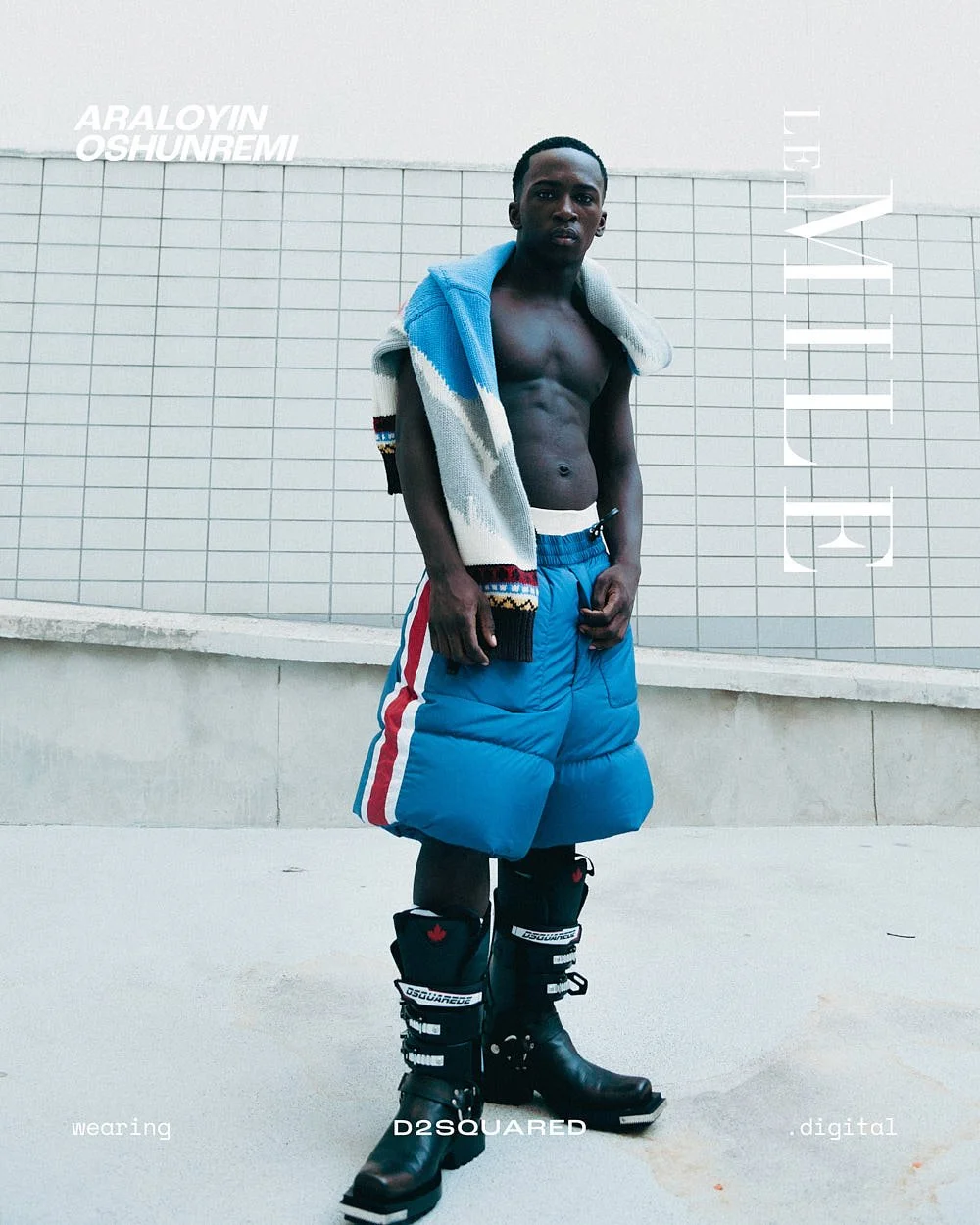
Araloyin Oshunremi for LE MILE Magazine Digital Cover


Voice, perhaps more than anything else, reveals how long those characters stay with him. Accents are the habit he finds hardest to leave behind, and they now sit at the centre of two very different challenges: mastering an American register as he prepares for Los Angeles, and speaking in a Nigerian accent for BBC production WAHALA, something that connects the work directly to the way he speaks with his mother at home. The next phase of his career is opening outward, but its most interesting question may be how much of home travels with him.


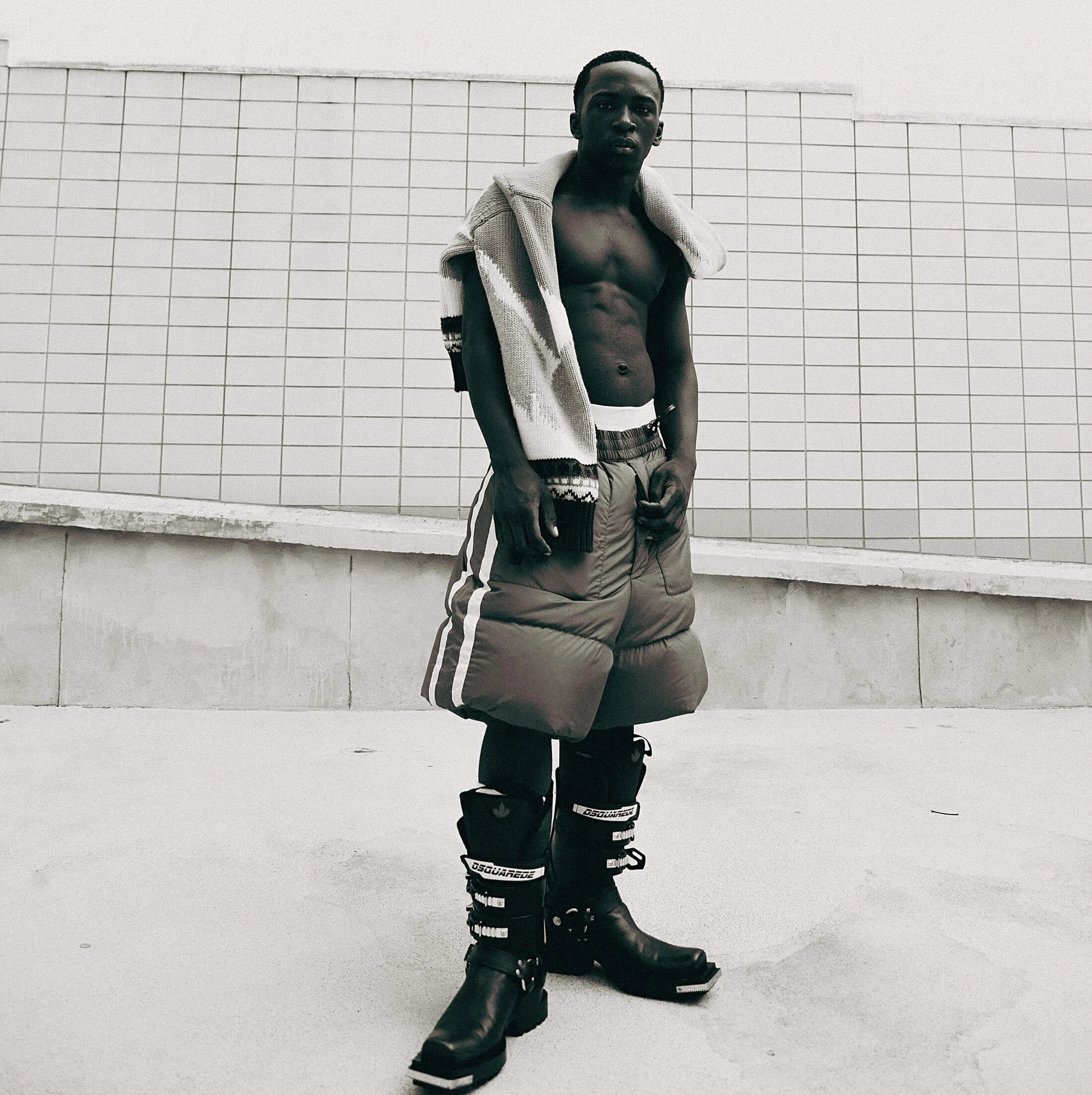
ARALOYIN OSHUNREMI for LE MILE Magazine Araloyin wears a shirt and shorts by VLISCO with a belt by HEREU STUDIO

Araloyin wears a shirt and shorts by VLISCO with a belt by HEREU STUDIO


LE MILE
Top Boy made people associate you with a very specific kind of realism; what did you have to do afterwards to avoid being placed in one lane?

Araloyin Oshunremi
I had to do roles completely different to Top boy after finishing top boy for example MoMo, heartstopper and Steve just to show my versatility. At the same time I’ve also made sure my fashion is completely outside the box and different from what people would expect showing range in my personality.

What did you understand about acting on Top Boy that no acting class could have taught you?

That each role or character you play is a part of you however you just haven’t unlocked it yet. So you’re never acting as someone else but instead unlocking another version of your personality you never knew you had.

When a role is far from your own life, what is the first practical thing you do to make it believable?

I do my research on people who have lived that role in real life, if some are close to home then I ask them questions just to understand how they would act in certain situations. I study them to see how their mannerisms are how their mentality is and then adopt that into my performance. But I also look within deep and see if I have any traits similar to the character.

What is the hardest habit to lose when you move from one character to the next?

The way the character talks for me is the hardest thing to lose only because your used to one accent for a long period of time that sometimes it sticks with you for a long time.

 
ARALOYIN OSHUNREMI for LE MILE Magazine Araloyin wears a vest, trousers and belt by DOLCE & GABBANA with shoes by DIESEL

Araloyin wears a vest, trousers and belt by DOLCE & GABBANA with shoes by DIESEL

ARALOYIN OSHUNREMI for LE MILE Magazine Araloyin wears a leather jacket, cream trousers and black-and-brown shoes by BERLUTI

Araloyin wears a leather jacket, cream trousers and black-and-brown shoes by BERLUTI


Momo is a major shift in tone and scale; what felt unfamiliar about acting inside that kind of world?

Having to use my imagination to see things that wasn’t there but also having to have a young soul was quite hard for me. With Momo a lot of the world was fantasy and some of the things weren’t actually there in real life but got added in the edit so when acting I had to imagine it being there and genuinely believe it was there so the performance felt real and natural.

You are 22 and already moving between British TV, international film, and now Los Angeles; where do you feel most tested right now?

For me I feel more tested in LA I feel like it’s a whole different world of acting in America and as a Brit acting in America I feel like a lot of eyes are on us. But also having a good American accent so the audience don’t recognise we are a Brit is very important and hard to do but is needed.

When you work with actors who have much more experience, what do you watch most closely?

How they prepare for a role. The difference between experienced actors and new actors is the prep for a role. Experience actors are in character or in the mindset of the character a month before even entering rehearsals, they do their study on the character so that when they’re on set they don’t find it hard to get into character.

 
ARALOYIN OSHUNREMI for LE MILE Magazine Araloyin wears floral knitwear, blue denim and boots by DIESEL

Araloyin wears floral knitwear, blue denim and boots by DIESEL


What kind of note from a director actually helps you?

When a director tells me to be free and explore on the next take. Being told that pushes me to think in a different way but also take risks that I wouldn’t usually on a normal take and usually the risky takes are the best ones for the scene.

With WAHALA coming next, what are you interested in showing that audiences have not yet seen from you?

Me playing a character in a Nigerian accent, being from Nigeria getting to play a Nigerian is one of my dreams and because I speak in that accent when I’m with my mum at home it feels surreal to see it on screen.

What do you want your move to Los Angeles to change, and what do you not want it to change?

I want my move to LA to push me in my acting but also make me learn new styles of acting. I want it to have a positive change on my mindset on how I approach roles and hopefully I’m able to adopt skills from some LA actors. And what i don’t want it to change is my london culture I feel like being from london is an amazing thing because of how diverse and multicultured we are.


ARALOYIN OSHUNREMI for LE MILE Magazine Araloyin wears a jacket and vest by RALPH LAUREN
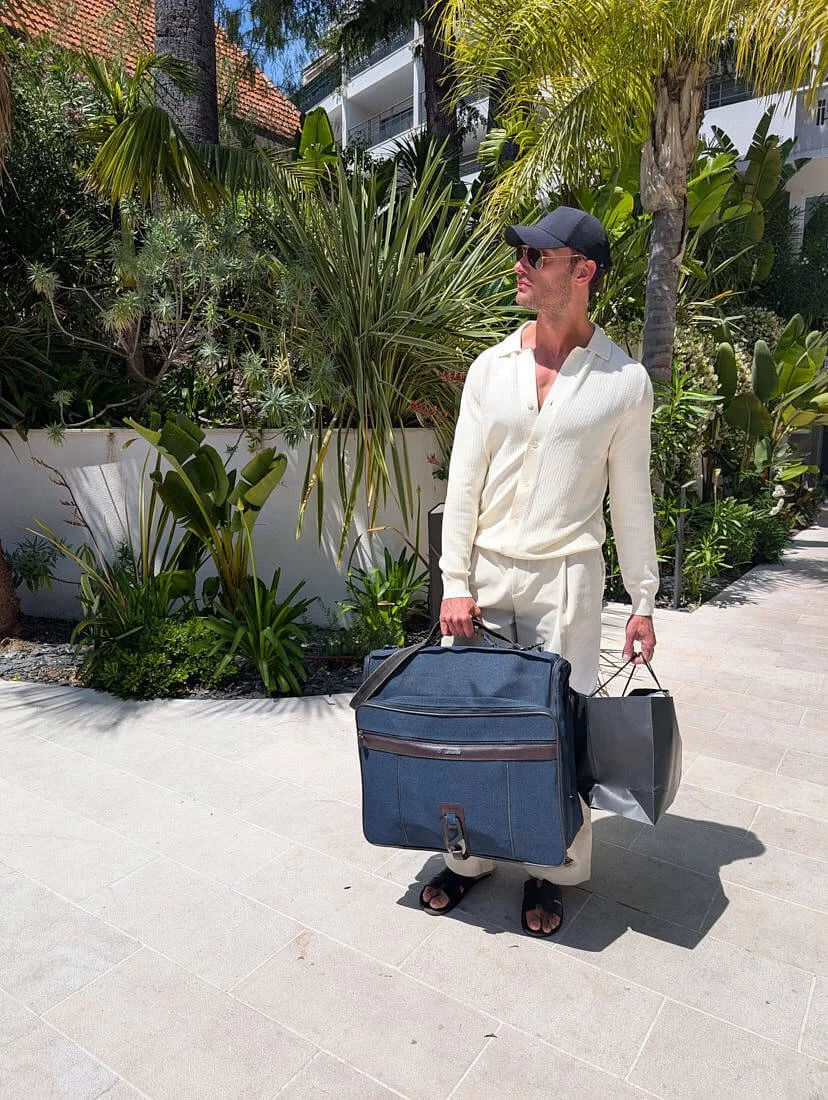
Araloyin wears a jacket and vest by RALPH LAUREN


talent ARALOYIN OSHUNREMI
photography JULIEN LENTIN
fashion WILOW DIALLO
hair SOLINE DE MEDEIROS
make up DIVINE M
casting director MARVIN LATOURNALD
casting MODELS LANE
fashion assistant WISSAL TOUMA
 

credits
all Images (c) LE MILE
and Julien Lentin

Beyond Maxton Hall With Harriet Herbig-Matten

Beyond Maxton Hall With Harriet Herbig-Matten

Harriet Herbig-Matten Beyond Maxton Hall


interview + written KLAAS HAMMER


Who am I when no one is watching? Am I myself when I’m grocery shopping or working? Do I adapt, perform, put on a role? There are countless theories of identity, from Leibniz to Locke to Kant. Kant, for example, describes identity as a distinction between the transcendental self, the one that gives structure, and the empirical self, shaped by experience. From the influences we are born with to those we encounter throughout life, everything contributes to shaping who we are.


Harriet Herbig-Matten by Frauke Joana for LE MILE Magazine Issue 40 Cover Story Harriet wears a dress by MORPHSTUDIO, shoes by SCAROSSO, rings by ALAN HAMILKO and earrings ARCHIVE

Harriet wears a dress by MORPHSTUDIO, shoes by SCAROSSO, rings by ALAN HAMILKO and earrings ARCHIVE


I sat down with actress Harriet Herbig-Matten to talk about identity.
I first met Harriet briefly five years ago at a Fashion Week event in Berlin. What stayed with me was a single thought: what a positive presence. In the years since, the young actress has worked her way up to become one of the most successful German actors of her generation, gaining international recognition through her leading role in the Amazon series Maxton Hall.


Has success, or the industry, changed her? No. When we meet again for this interview, her infectious smile is instantly there. Harriet knows what she wants and, more importantly, who she is. You sense her gratitude: for her success, but also for her family, who have supported her unconditionally from the very beginning.

The years ahead hold much to look forward to: new roles, new facets, while remaining unmistakably Harriet. She lives firmly in the present, yet one day, someday, she will turn her back on the big city. A farm, perhaps a few chickens, and still, without a doubt, a deep love for the profession she calls her own.


Harriet Herbig-Matten by Frauke Joana for LE MILE Magazine Issue 40 Cover Story Harriet wears a coat by YASPIS, tights by FALKE, shoes by AEYDE and jewelry by ALAN HAMILKO

Harriet wears a coat by YASPIS, tights by FALKE and jewelry by ALAN HAMILKO


Klaas Hammer
What does identity mean to you?

Harriet Herbig-Matten
Identity is a very big word for me. It’s about how you express yourself in different ways – through fashion, art, or the way you choose to live your life. Of course, what you receive from your family also plays a huge role. For me, identity is closely connected to experimenting and personal growth. It’s not something set, but something that constantly evolves.

You became well known at a very young age. Did being judged by others so early on influence how you see yourself?

Definitely, although I think much of it happened subconsciously. I started acting when I was twelve, and at that time it actually gave me a lot of confidence, because I already knew very early on what I wanted to do. So I don’t think it made me insecure in the beginning. Only now, with the increasing attention (especially through Maxton Hall) and with social media, I notice how easy it is to feel like you have to live up to a certain “image” people have of you. That’s why I believe social media can be dangerous for young people. When I was younger, I didn’t really notice it at all.
With every negative comment, you start doubting yourself and questioning things. That’s why having a strong support system is so important. I’m very lucky to have friends and family who support me and are there for me.

How much of Harriet is visible in the roles you play? Is that something you think about when reading a script?

I think you inevitably give every role a part of yourself. At the same time, you also take something away from each role. That’s what I love about my job – you get to live a character and give them your own interpretation.
On the other hand, I often feel like I learn something from every role. Right now, it’s actually a goal of mine to play characters that, at first glance, are completely different from who I am – to create more separation between myself and the role. That’s not a negative thing at all; I think it can be very enriching.

Fans often don’t see Harriet, but the characters you play. Does fully immersing yourself in a role make it harder to let go afterward?

Yes, absolutely. When we started shooting Maxton Hall, I was 18. If you’re filming for months and fully immerse yourself in that world, it becomes everything for that period of time. But that’s also something really beautiful – you get to escape into an almost unreal world for a while.


Harriet Herbig-Matten by Frauke Joana for LE MILE Magazine Issue 40 Cover Story Harriet wears a headpiece by THEATERKUNST

Harriet wears a headpiece by THEATERKUNST


Have there been roles where you felt you discovered a side of yourself you didn’t know before?

Honestly, with almost every project. You’re constantly pushed to different limits and learn how resilient you really are. You also meet new people every time. A film set is huge – from fellow actors to set design, hair and make-up, catering, production, and so on. All these different characters and energies come together. That makes it exciting, but also challenging. Actors are just human beings, and if someone is having a bad day, you can’t simply cancel everything.

With Schwarzes Gold, I felt a lot of respect for the role because it’s set in a completely different historical context – a time we can hardly comprehend in our privileged society, where people were fighting for survival every single day. The character was filled with a lot of rage, and understanding that rage – where it comes from and why it exists – taught me a lot.

Does it comfort you to already be so successful at the beginning of your career, or does it create pressure to live up to that success?

Somewhere in between. The paradox of being human is that you always want more and are rarely fully satisfied. But what is the actual goal, and where are you right now? I believe the journey itself should bring a sense of fulfillment, not just the destination.

I’ve moved away from the idea that everything I do has to be as successful as Maxton Hall. I want to takes on roles that genuinely interest and challenge me, regardless of the size of the project. I think that’s a healthy approach, and it can be very healing to focus on what a project gives you personally. Of course, I’m incredibly grateful that Maxton Hall reached so many people. But to truly realize what that means – that hasn’t fully sunk in yet.

When you look at yourself ten years from now, do you think identity will feel even more “settled,” or will it always remain a process?

I’ve always been pretty clear about what I want and who I am. I had that sense of stability quite early on, partly because my family always gave me a lot of support and encouraged me in everything I wanted to do. I grew up very protected, and I think that gives a child a lot – confidence and a strong sense of self.
For a long time, I didn’t take opinions outside my family too seriously – it was more of a “whatever happens, happens” attitude. That has changed now, and I find myself doubting more. But I think it’s healthy to accept life as it is. That can bring a lot of inner calm. I’m not a child anymore; I feel more settled in myself and in my life. Some things simply can’t be controlled. With success comes a growing respect for the next steps — for the roles you choose and the paths you take. Looking ten years ahead, I hope to have found my way back to more inner peace and a stronger trust in life.
Right now, everything feels very intense and fast, which is probably typical for your twenties – you’re caught in a whirlwind, trying to avoid certain things while also trying to control everything at the same time. And yet, there’s also this quiet longing inside me for a calmer life.

Maybe a farm one day, with chickens?

Exactly. Still doing the job I love, of course – but alongside that, I’d really like a simple life as well.


Harriet Herbig-Matten by Frauke Joana for LE MILE Magazine Issue 40 Cover Story Harriet wears a dress by VALENTINO and a ring by ALAN HAMILKO
Harriet Herbig-Matten by Frauke Joana for LE MILE Magazine Issue 40 Cover Story Harriet wears a dress and shoes by VALENTINO and a ring by ALAN HAMILKO

Harriet wears a dress and shoes by VALENTINO and a ring by ALAN HAMILKO

 
Harriet Herbig-Matten by Frauke Joana for LE MILE Magazine Issue 40 Cover Story Harriet wears a dress by Sylvio Giardina

Harriet wears a dress by Sylvio Giardina

Harriet Herbig-Matten by Frauke Joana for LE MILE Magazine Issue 40 Cover Story Harriet wears a dress by Ferragamo

Harriet wears a dress by Ferragamo

Harriet Herbig-Matten by Frauke Joana for LE MILE Magazine Issue 40 Cover Story Harriet wears a dress by ETRO and jewelry by TOM WOOD

Harriet wears a dress by ETRO and jewelry by TOM WOOD


talent   HARRIET HERBIG-MATTEN
photo + creative direction   FRAUKE JOANA
styling + interview   KLAAS HAMMER
production   MAXINE SCHALL
set design lead   EUGENIO PERAZZO
make up artist   PHILIPP VERHEYEN using TWEEZERMAN
hair   ATTILA KENYERES
light tech   EDGAR SCHERWINSKI
photo assistant   JOHANNA SUSTMANN
set assistants   NATHAN LEWI-LEVÉEL and NATALIA DNES
make up assistant   EVA HERBOHN
hair assistant   LOUISA BOCA
styling assistant   LOTTA MICHELS
talent management   MALVE FIEDLER

copyright LE MILE Magazine / Frauke Joana

Acting, Folklore and the Dark Side With Noomi Rapace

Acting, Folklore and the Dark Side With Noomi Rapace

Noomi Rapace Has A Thing For The Underworld


interview + written ALBAN E. SMAJLI


We meet on Zoom. Noomi Rapace logs in from her London home — a former blacksmith in West London where horses were once shod. She has just come from training, preparing for her next role, and joins the call in a worn hoodie reading “TOPPER Baseball.” There is a physical alertness about her, even through the screen — as if she is already halfway inside another character.


Noomi Rapace Cover Story for LE MILE Magazine Interview with Alban E. Smajli Noomi wears a dress by COMME DES GARÇONS and shoes by COMME DES GARÇONS X MEXICANA

Noomi wears a dress by COMME DES GARÇONS and shoes by COMME DES GARÇONS X MEXICANA


She moves to a quieter room and settles at a desk. The house, she tells me, carries history. Growing up on a farm with horses in Sweden, she immediately felt connected to the space. “You always feel what’s been happening in a place before you came there,” she says. It’s a sentence that could describe her entire career — sensing what lingers beneath the surface.

Rapace has built her body of work on intensity. Women under pressure. Characters on the edge of survival, identity, transformation. There is something unguarded in the way she speaks — direct, curious, emotionally present. She meets discomfort directly. When I introduce myself as the founding Editor-in-Chief of LE MILE, she smiles and says she has followed the magazine for some time. “It feels consistent,” she notes. “It doesn’t feel like it’s selling out. In this era where everything feels controlled by big machineries and politics, that’s rare.”

With that, we begin.


Noomi Rapace Cover Story for LE MILE Magazine Interview with Alban E. Smajli Noomi wears a total look by AMI PARIS

Noomi wears a total look by AMI PARIS


Alban E. Smajli
Let’s start with a fun fact. In Germany, you’re voiced by Sandra Schwittau, also the German voice of Bart Simpson. Did you know that?

Noomi Rapace (laughs)
That’s amazing. Really?

Yes. It’s a sharp, slightly husky voice with cool intensity — very close to yours.

Bart Simpson and me. That’s amazing.

Have you ever watched yourself dubbed in another language and felt a voice was very close to you?

I once heard myself speaking Italian during interviews years ago. It was very girly and very different from my voice.

In Sweden we don’t dub — everything is original language with subtitles — so it’s not part of our culture. 

The first time I heard myself dubbed was with The Girl with the Dragon Tattoo. It was quite a shock. Now I’m used to it. And soon, with AI, there won’t even be a different voice. They’ll just use mine. That’s a bit frightening. I have a voice in Germany, one in France, one in Spain. It’s remarkable that an actress in each country interprets the whole performance.

If you could swap lives with one of your characters for a day, who would it be?

I loved playing the evil elf in Bright. She’s completely dark, a sociopath with magical powers. Embracing the dark side was fun. But on a deeper note, the character in Constellation. I would love to be an astronaut for a day — to be up in space and look down at my life.

Is there a place in Lisbon where you go to reconnect with yourself?

I go to the ocean. The beach is about 25 minutes from my house, and I go even if it’s windy or raining. For me, the ocean is really cleansing. I actually speak to it. I’m like, “Hello, I’m here again.”
There’s something about standing there, feeling the wind, the salt — it resets me. And I have a favorite beach club where I eat lunch and dinner, where I celebrate my birthday. It’s nothing spectacular, very low-key, but I love the owner. It’s right on the beach. That’s really my spot.

What part of your identity has most influenced your choice of roles?

Curiosity. I’m very curious about people. I love asking questions and going deep into people’s lives.

I also have this sense of not belonging to one place or language. I adapt easily. I can become whatever my surroundings are. A bit like a chameleon. That allows me to lend myself to many different characters. I can identify with many people because I have them in me.


Noomi Rapace Cover Story for LE MILE Magazine Interview with Alban E. Smajli Noomi wears a top and trousers by MAISON MARGIELA and a necklace and bracelet by MESSIKA. Sculpture by Jean-Guillaume Mathiaut.

Noomi wears a top and trousers by MAISON MARGIELA and a necklace and bracelet by MESSIKA. Sculpture by Jean-Guillaume Mathiaut.


You’ve worked across large productions and smaller films. What excites you most right now?

Directors excite me the most. It doesn’t really matter whether it’s a big studio production, a streaming production — which is the new studio — or a small German indie film. That part isn’t what drives me. It’s always about the people involved. And especially the director. I’m very director-driven. For me, it’s about who I’m collaborating with — who is leading the vision.

If you could direct your own film, no budget limits, what story would you tell?

I’m very intrigued by gods and half-gods, by the underworld — folklore, vampires, elves, trolls. I love that mythology. I’m fascinated by what happens when you mix folklore with the present day. Like Nordic gods living in London today. Or something ancient colliding with something very modern.
I’m drawn to contradictions. When things clash, when they’re not harmonious or perfectly synchronized — that tension is exciting to explore. That’s where something interesting can happen.

Have you ever taken a prop from a set?

When I did Prometheus in Iceland, I had all these armor pieces on me — loads of bits and details attached to the suit. One day we were shooting on a lava field. I was running up this hill, full speed, with a spaceship chasing me. And I lost one piece of the armor. We searched everywhere but couldn’t find it. It was just gone. Years later, when I came back to Iceland to shoot Lamb, the director, Valdimar Jóhannsson, came to me with a small package. He said, “This belongs to you.”

He had been part of the Icelandic visual effects team on Prometheus. He had found the missing piece and kept it all those years — and brought it back to me. It felt almost surreal. Like something completing a circle.

In Mother, what was the most emotionally challenging moment?

There were many difficult days. But there was one night in Kolkata — we were filming the train scene with hundreds of extras. It was around three in the morning. I was completely exhausted emotionally. We had been shooting for months, and I could feel how the environment, the poverty of the city — which hasn’t changed much — was affecting me deeply. I had never seen that level of poverty before. Seeing all the children, all the families… I felt very fragile.

We were waiting for the train for hours. When it finally came, we did a couple of takes. Then the director came to me and asked if I had one more take in me. And I just started crying. I said, “No. I don’t have anything left.” There were moments during that shoot where I felt like Mother Teresa had moved into me. There was no distance between me and her. No cushion. It felt like I was hitting hard surfaces with my emotions.

Some actors talk about “shedding” a role after filming. Have you struggled to leave characters behind?

After Prometheus, I remember sitting alone in a hotel in Iceland and not really knowing who I was. I felt quite lost. It was like I had been in space — and I hadn’t fully come back yet. It took about a week before I felt grounded again. After Lisbeth Salander, it was even harder. When we finished filming, the producers came with a big bottle of champagne to celebrate. And I just ran to the bathroom and started vomiting. It felt like my body was expelling the character. Almost like an exorcism. For weeks I was just walking around the city, feeling like I was in limbo — caught between something. Sometimes the landing is softer. Sometimes it’s brutal. I haven’t found one technique that works every time. Every character lives differently in me.

How do you reset?

I work out a lot. I have my routines. I meditate. I brush my body every day. It’s about reconnecting physically.

I try to stay close to people I feel safe with — my sister, my son, my family, my friends. I don’t travel. I don’t put myself into unknown situations the first couple of weeks after filming. I stay in my cocoon, with people who know me and allow me to be all these strange versions of myself. I’m normally quite emotional, so all the vulnerable reactions are embraced by them. I simplify my life after filming. The physical aspect is very important. Movement. Cold plunges. Shocking the system. Anything that brings me back into my body. That normally helps me reconnect.

Lastly, if you stepped into another profession for a month?

I’d probably run a ranch with loads of horses. Very Yellowstone style. I’d be out riding in big open fields, collecting the animals, living that farm life. I love horses. I grew up with them. There’s something about that life — being outdoors, being close to animals — that feels very grounding to me. So maybe I’d be a horse trainer.


Noomi Rapace Cover Story for LE MILE Magazine Interview with Alban E. Smajli Noomi wears a dress by COMME DES GARÇONS and shoes by COMME DES GARÇONS X MEXICANA

Noomi wears a dress by COMME DES GARÇONS and shoes by COMME DES GARÇONS X MEXICANA


talent   NOOMI RAPACE
image consultant   NICOLAS AKSIL
photography   ISMAËL NEBCHI
photography assistant   JACOPO MARCONI
stylist   AURORE DONGUY
styling assistant   SILOÉ
hair   HENRY OLIVIER with DYSON & ELEVEN AUSTRALIA
make up artist   JEANNE SCHNEIDER
edit   ABDEL KEBDANI
location   STUDIO A23
production   MEDIA UP PRODUCTION
production manager   YOUMNA BECHOUEL
sculptures   JEAN-GUILLAUME MATHIAUT

copyright LE MILE Magazine / Ismaël Nebchi

Gizem Emre On Identity, Confidence, and Staying True to Yourself

Gizem Emre On Identity, Confidence, and Staying True to Yourself

Why Gizem Emre Is Done Measuring Herself Through Other People’s Eyes


interview + written THINLEY WINGEN


For years, Gizem Emre has been a familiar face on screens, red carpets, and across Germany’s cultural landscape. Yet despite growing up in the public eye, the actress describes herself as much quieter than many people might expect.


LE MILE Magazine Interview with Gizem Emre photographed by Nic Schoppet Gizem wears top, pants and jewelry by IOANNES, tights by FALKE and shoes by H&M Studio

Gizem wears top, pants and jewelry by IOANNES, tights by FALKE and shoes by H&M Studio


"I think many people are surprised when they meet me in person because privately I'm much calmer and more reserved," she tells LE MILE. Born and raised in Berlin, Emre grew up between cultures and learned early on how to navigate different expectations while staying connected to herself. Over the years, she has developed a stronger sense of confidence, letting go of constant comparison and placing greater value on how she feels rather than how she is perceived. "I think the older you get, the more important it becomes how you feel about yourself instead of constantly thinking about how you appear to others." Below, the actress reflects on public perception, belonging, self-confidence, and finding moments of calm in an increasingly noisy world.

 
LE MILE Magazine Interview with Gizem Emre photographed by Nic Schoppet Gizem wears look by ELISABETTA FRANCHI and shoes by IOANNES

Gizem wears look by ELISABETTA FRANCHI and shoes by IOANNES

 
LE MILE Magazine Interview with Gizem Emre photographed by Nic Schoppet Gizem wears a dress by DIESEL

Gizem wears a dress by DIESEL


Thinley Wingen
Many people feel like they already know you before you've even said a word. How do you experience the difference between public perception and who you actually are?

Gizem Emre
Because I play many different roles and show different sides of myself through them, I’m not even sure if people have one specific image of me. I actually think many people are surprised when they meet me in person because, privately, I’m much calmer and more reserved than some might expect at first glance. As a viewer, you often only see fragments, a role, an appearance, or an interview, but not necessarily the person behind it.


You have been in the public eye for many years. What has changed about being a woman who is constantly seen and judged?

A lot has changed over the years. I’ve become much more confident, I know myself and my body better, and over time, I’ve learned not to compare myself to others all the time. You grow up with certain beauty ideals, and especially in the public eye, you are constantly being judged, consciously or unconsciously. It used to affect me more, but today I see things much more calmly. I think the older you get, the more important it becomes how you feel about yourself instead of constantly thinking about how you appear to others.


LE MILE Magazine Interview with Gizem Emre photographed by Nic Schoppet Gizem wears a dress by DIESEL

Gizem wears a dress by DIESEL


You often come across as very confident and present. Are there still moments when you feel misunderstood or reduced to a certain image?

Being able to speak freely also means allowing yourself to be seen without filters, and I think the fear of being misunderstood or not being taken seriously has been with me for a very long time. Especially when you enter the public eye at a young age, you quickly develop the feeling that you constantly have to prove yourself.


How has growing up in Berlin and as a Turkish-German woman shaped your understanding of belonging, strength, and identity?

I grew up between two cultures, and I see that as a gift. Of course, it can also come with a certain sense of being torn between different expectations or perspectives. But I was lucky enough to grow up in a very liberal family, which meant I never felt like I had to choose one side over the other.

What has helped you stay true to yourself over the years, despite public attention, social media, and outside expectations?

Above all, spending time with myself. I think it’s incredibly important to keep coming back to yourself and sorting through your own thoughts. Especially in a world where so much is constantly coming at you from the outside, you need that sense of calm to stay grounded.


LE MILE Magazine Interview with Gizem Emre photographed by Nic Schoppet Gizem wears top, pants and jewelry by IOANNES, tights by FALKE and shoes by H&M Studio

Gizem wears top, pants and jewelry by IOANNES, tights by FALKE and shoes by H&M Studio


talent GIZEM EMRE
photography NIC SCHOPPET
hair + make up FINA BOATENG
styling KLAAS HAMMER
interview THINLEY WINGEN
management BTA / CAROLINA DACHS

The Personal Edit of Callum Scott Howells: Behind the Scenes of Madfabulous

The Personal Edit of Callum Scott Howells: Behind the Scenes of Madfabulous

#ThePersonalEdit

Callum Scott Howells Opens His Camera Roll From the Making of Madfabulous


written LE MILE


For this edition of The Personal Edit, Callum Scott Howells shares a selection of personal images taken during the making of Madfabulous, in which he takes on the lead role of Henry Paget, the eccentric fifth Marquess of Anglesey whose extravagant life became the subject of one of Britain’s most remarkable true stories.

Known to many for his BAFTA-winning performance in It's a Sin, Howells spent months inhabiting a character whose life moved between aristocratic privilege, excess and self-invention. The images collected here sit alongside that process, capturing moments on set, between takes and during the production of a film that brings Paget’s singular world back into view. Shared directly from his camera roll and accompanied by his own captions, The Personal Edit offers a personal record of the journey behind Madfabulous, arriving as the film reaches cinemas June 5.


The Personal Edit of Callum Scott Howells Behind the Scenes film Madfabulous for LE MILE Magazine Meet the 5th Marquess of Anglesey and his big old ship folks

Meet the 5th Marquess of Anglesey and his big old ship folks

 
The Personal Edit of Callum Scott Howells Behind the Scenes film Madfabulous for LE MILE Magazine Extra curricular cast + crew trip to Zip World

Extra curricular cast + crew trip to Zip World


The Personal Edit of Callum Scott Howells Behind the Scenes film Madfabulous for LE MILE Magazine Just your average, every day Victorian mother and son

Just your average, every day Victorian mother and son


The Personal Edit of Callum Scott Howells Behind the Scenes film Madfabulous for LE MILE Magazine “I placed this warm coat on the chair here next to me to save it for you Mr Everett” “I’ll sit here thanks”

“I placed this warm coat on the chair here next to me to save it for you Mr Everett”

“I’ll sit here thanks”


The Personal Edit of Callum Scott Howells Behind the Scenes film Madfabulous for LE MILE Magazine Nothing to see here apart from my slippers

Nothing to see here apart from my slippers

The Personal Edit of Callum Scott Howells Behind the Scenes film Madfabulous for LE MILE Magazine On a serious note, Nadia Stacey is a genius and the GOAT fr

On a serious note, Nadia Stacey is a genius and the GOAT fr


The Personal Edit of Callum Scott Howells Behind the Scenes film Madfabulous for LE MILE Magazine Tom holding Nadia’s Oscar (just to officially back up my above statement)

Tom holding Nadia’s Oscar (just to officially back up my above statement)


The Personal Edit of Callum Scott Howells Behind the Scenes film Madfabulous for LE MILE Magazine As Founder of the Ruby Stokes Fan Club, I’m delighted to inform you she’s the real deal

As Founder of the Ruby Stokes Fan Club, I’m delighted to inform you she’s the real deal


The Personal Edit of Callum Scott Howells Behind the Scenes film Madfabulous for LE MILE Magazine “First position please Mr Scott Howells”

“First position please Mr Scott Howells”


The Personal Edit of Callum Scott Howells Behind the Scenes film Madfabulous for LE MILE Magazine Believe it or not, this was actually a job

Believe it or not, this was actually a job


all images
(c) Callum Scott Howells

Aurelien Muller Shares His Camera Roll — Inside Aurelien Muller’s First Cannes Film Festival

Aurelien Muller Shares His Camera Roll — Inside Aurelien Muller’s First Cannes Film Festival

#ThePersonalEdit

Aurelien Muller Opens His Camera Roll From Cannes 2026


written LE MILE


For this edition of The Personal Edit, Aurelien Muller shares a glimpse into his personal camera roll from his first visit to the Cannes Film Festival. Moving between hotel moments on the Côte d’Azur, fittings, red carpets and late-night celebrations, the images document the rhythm and atmosphere surrounding one of cinema’s most visible annual gatherings.


The Personal Edit of Aurelien Muller at Cannes 2026 for Le Mile Magazine. Arriving in the sunny Riviera for my first ever Cannes Film Festival.

Arriving in the sunny Riviera for my first ever Cannes Film Festival.


Known for his recent appearance in Emily in Paris, Muller approached Cannes through a mix of film, fashion and personal observation. Across the festival, he attended events hosted by brands including Chopard, Ray-Ban and HFC Parfums, while stepping onto the Cannes red carpet for the very first time. Shot on his phone and paired with his own captions, The Personal Edit follows the days from arrival to closing night through Muller’s perspective.

 
The Personal Edit of Aurelien Muller at Cannes 2026 for Le Mile Magazine. A moment of peace at Chatea de Theoule before the excitement begins!

A moment of peace at Chatea de Theoule before the excitement begins!

 
The Personal Edit of Aurelien Muller at Cannes 2026 for Le Mile Magazine. A moment of peace at Chatea de Theoule before the excitement begins.
 
The Personal Edit of Aurelien Muller at Cannes 2026 for Le Mile Magazine. Looking out for any finishing touches before I walk the Cannes red carpet for the first time.

Looking out for any finishing touches before I walk the Cannes red carpet for the first time.

 
The Personal Edit of Aurelien Muller at Cannes 2026 for Le Mile Magazine. Then come those special Côte d'Azur nights. This evening celebrating HFC parfums was unforgettable.

Then come those special Côte d'Azur nights. This evening celebrating HFC parfums was unforgettable.


The Personal Edit of Aurelien Muller at Cannes 2026 for Le Mile Magazine. Talking all things HFC Parfums with this incredible team.

Talking all things HFC Parfums with this incredible team.

 
The Personal Edit of Aurelien Muller at Cannes 2026 for Le Mile Magazine. Talking all things HFC Parfums with this incredible team.
 
 
The Personal Edit of Aurelien Muller at Cannes 2026 for Le Mile Magazine. Another day of fittings, grooming, and a special night with Chopard ahead.

Another day of fittings, grooming, and a special night with Chopard ahead.


The Personal Edit of Aurelien Muller at Cannes 2026 for Le Mile Magazine. My view before heading into Chopard’s The Miracle Gala.

My view before heading into Chopard’s The Miracle Gala.

 
The Personal Edit of Aurelien Muller at Cannes 2026 for Le Mile Magazine. A memorable evening with great company.

A memorable evening with great company.


The Personal Edit of Aurelien Muller at Cannes 2026 for Le Mile Magazine. What a pleasant surprise!

What a pleasant surprise!


The Personal Edit of Aurelien Muller at Cannes 2026 for Le Mile Magazine. Back in the chair for a refresh ahead of a busy day at Cannes.

Back in the chair for a refresh ahead of a busy day at Cannes.

 
The Personal Edit of Aurelien Muller at Cannes 2026 for Le Mile Magazine. Celebrating Ray-Ban in an all-white ensemble.

Celebrating Ray-Ban in an all-white ensemble.

The Personal Edit of Aurelien Muller at Cannes 2026 for Le Mile Magazine. The glasses. Ray-Ban Meta.

The glasses.


The Personal Edit of Aurelien Muller at Cannes 2026 for Le Mile Magazine. A moment for the many outfits of Cannes!

A moment for the many outfits of Cannes!

The Personal Edit of Aurelien Muller at Cannes 2026 for Le Mile Magazine. A moment for the many outfits of Cannes!
 
The Personal Edit of Aurelien Muller at Cannes 2026 for Le Mile Magazine. One of the final outfits of the trip, for a very special closing night!

One of the final outfits of the trip, for a very special closing night!

 
The Personal Edit of Aurelien Muller at Cannes 2026 for Le Mile Magazine. A special moment on the carpet with Daria Strokous for EE72’s celebration of Film and Fashion.

A special moment on the carpet with Daria Strokous for EE72’s celebration of Film and Fashion.


all images
(c) Aurelien Muller

Jacob Greenway Shares His Camera Roll — Prepared to Play Jude Bellingham in Dear England

Jacob Greenway Shares His Camera Roll — Prepared to Play Jude Bellingham in Dear England

#ThePersonalEdit

Jacob Greenway Opens His Camera Roll From Dear England


written LE MILE


For this edition of The Personal Edit, Jacob Greenway shares a glimpse into his personal camera roll during the making of Dear England, the BBC adaptation of James Graham’s acclaimed stage production about Gareth Southgate and the England national football team. In the series, Greenway steps into the role of Jude Bellingham, one of the defining young players of England’s current generation.


LE MILE Magazine Personal Edit of Jacob Greenway making of Dear England playing Jude Bellingham

Read throughs are special because it’s the first time you see the script come to life. I was consumed with excitement, gratitude, and trying to look calmer than I actually felt.


Moving between training grounds, set moments and the atmosphere surrounding a production shaped by football culture and national expectation, Jacob´s photos document a period balancing performance, preparation and the intensity surrounding one of the country’s most closely watched stories. Alongside Joseph Fiennes as Gareth Southgate, the series revisits the emotional pressure, ambition and scrutiny surrounding modern English football. Shot on his phone and paired with his own captions, The Personal Edit offers a direct look into the experience from Greenway’s perspective.


LE MILE Magazine Personal Edit of Jacob Greenway making of Dear England playing Jude Bellingham

The only photo i’ve got from a base. The amount of hours we spent playing football at base was breathtaking. Some of my fondest memories are from kicking ball with the lads.


LE MILE Magazine Personal Edit of Jacob Greenway making of Dear England playing Jude Bellingham

My first day filming. Energy was high. Vibes were immaculate.

 
LE MILE Magazine Personal Edit of Jacob Greenway making of Dear England playing Jude Bellingham

Pre-training scene in my trailer. We spent a lot of time in these kits over the shoot, but this specific kit was always the standout for me.


LE MILE Magazine Personal Edit of Jacob Greenway making of Dear England playing Jude Bellingham

Wondering round the pitch trying to get an aesthetic pic when I probably should’ve been paying attention.

 
LE MILE Magazine Personal Edit of Jacob Greenway making of Dear England playing Jude Bellingham

A quick break with Roman Kemp and The BBC One Show during my stunt rehearsal. I was lucky to have Tyson with me throughout the process - if I broke my leg best believe he’d step in as my stunt double - had a wig on standby!


LE MILE Magazine Personal Edit of Jacob Greenway making of Dear England playing Jude Bellingham Tottemham Hotspur

Rented out Tottenham Hotspur’s, as you do.


LE MILE Magazine Personal Edit of Jacob Greenway making of Dear England playing Jude Bellingham

To many people’s surprise this was my first time inside a football stadium.

 
LE MILE Magazine Personal Edit of Jacob Greenway making of Dear England playing Jude Bellingham

Sir Paul Whittington watching one of the overhead kick takes - The expression on his face was priceless. It felt good pulling that off.


LE MILE Magazine Personal Edit of Jacob Greenway making of Dear England playing Jude Bellingham

Action shot from the Switzerland penalties scene. I spent the best part of two weeks making sure my run up was identical to Jude’s - only to get to set and find out they were only shooting my feet. still had to deliver the whole performance though.


all images
(c) Jacob Greenway

The Personal Edit of Samuel Bottomley — From Dundee to the Barras

The Personal Edit of Samuel Bottomley — From Dundee to the Barras

#ThePersonalEdit

Samuel Bottomley Opens His Camera Roll From California Schemin’


written LE MILE


For this edition of The Personal Edit, Samuel Bottomley shares a glimpse into his personal camera roll from the making of California Schemin'. Shot between Dundee, Glasgow and later festival stops, the images follow the intensity of a production built around performance, music and a tight-knit cast and crew.

Based on the true story of Scottish rap duo Silibil N’ Brains, the film moves between high-energy stage moments and the quieter reality of long shooting days, preparation and collaboration. Bottomley, who takes on one of the lead roles, documents that rhythm from within: first days on set, rehearsals, live crowd scenes, and the atmosphere shared with co-star Séamus McLean Ross and director James McAvoy. Shot on his phone and paired with his own captions, The Personal Edit stays close to the process — on set, on stage and in between.


Le Mile Magazine The Personal Edit with Samuel Bottomley Opens His Camera Roll From California Schemin’

This was the first day on set I think, definitely the first week up in Dundee and the first time I’d seen a proper directors chair with the directors name on it, so I had to get a pic. All the crew working hard in the background. It was such an exciting set to be on and all the crew really believed in the job too. I was working on a job in Scotland before this and, talking to some of the crew on that, it sounded like everyone up there was buzzing about the project.

 
Le Mile Magazine The Personal Edit with Samuel Bottomley Opens His Camera Roll From California Schemin’

Séamus McLean Ross outside the Barrowland. This was, for both of us, the most surreal and daunting time of our lives.

 
Le Mile Magazine The Personal Edit with Samuel Bottomley Opens His Camera Roll From California Schemin’

On stage at the Barras. As you can see, I’m so burnt out. Rapping in time while jumping around on stage and trying to give the biggest energy we could to hype up the audience was tough. However, being directed while being in front of 2000 people and having to perform “Superhero” is one of the coolest things I’ve ever done. Felt like a rockstar.


Le Mile Magazine The Personal Edit with Samuel Bottomley Opens His Camera Roll From California Schemin’

This was once we had finished and got all the shots we needed. James promised the crowd a big photo at the end and everyone had refrained from using their phones during the takes to keep it authentic to the period. We got this great picture to show for it.


Le Mile Magazine The Personal Edit with Samuel Bottomley Opens His Camera Roll From California Schemin’

This is me on the Easyrig. The DOP and I really got along, I had worked with his wife around a year or so before. I was being cheeky and asked if I could try it out in between a set up. I wasn’t expecting him to say yes and as you can see, I’m buzzing.

Le Mile Magazine The Personal Edit with Samuel Bottomley Opens His Camera Roll From California Schemin’

We walked into a room full of cardboard cut outs of ourselves. It’s mental just looking around seeing your face everywhere. Some of the stuff in there made great souvenirs to take home though, loads of CDs with our faces on, stickers, pens, hats, packets of Silibil n Brainz sweets. The set designers actually brought the cardboard cut outs to the wrap party and we took them around the next few pubs with us. On my way home I left one cut out of me lifting my skateboard up over my head like a weapon right outside my apartment and it stayed there for a few weeks after.


Le Mile Magazine The Personal Edit with Samuel Bottomley Opens His Camera Roll From California Schemin’

Séamus and I trying to get a cool pic of us from the monitor while the camera pointed at us.


Le Mile Magazine The Personal Edit with Samuel Bottomley Opens His Camera Roll From California Schemin’ crew photo

Big pic. Kudos to all the incredibly talented and hard working crew, they brought it 100% everyday and I have so much respect for all of them. I’ve learned so much about film through just watching what they do and asking questions.

 
Le Mile Magazine The Personal Edit with Samuel Bottomley Opens His Camera Roll From California Schemin’

Lucy Halliday and James McAvoy leaving a breakfast spot in Toronto the day after our film premiered at the Toronto International Film Festival. So glad that I got this photo - these two just look so cool.

 
Le Mile Magazine The Personal Edit with Samuel Bottomley Opens His Camera Roll From California Schemin’

“Hey Lucy” what are the chances? Lucy put that jumper on after breakfast and it made my day.


Le Mile Magazine The Personal Edit with Samuel Bottomley Opens His Camera Roll From California Schemin’

Séamus and I after picking up a special mention award at Rome Film Festival for our performances in the film. It’s a massive honour to receive something like that and we were both so shocked, we didn’t expect it at all.


all images
(c) Samuel Bottomley

Between Television and Independent Film
 With Izzy Meikle-Small

Between Television and Independent Film
 With Izzy Meikle-Small

Izzy Meikle-Small
Between Television and Independent Film


interview + written SARAH ARENDTS


Joining Outlander in its penultimate season places Izzy Meikle-Small inside a production that has been running for years, with an established cast, a fixed workflow on set, and an audience that follows the series closely. She appears as Rachel Murray, a character whose decisions are guided by her Quaker faith, which led Meikle-Small to spend time researching the community in detail and understanding how belief informs everyday behaviour. That work translates directly into the performance, shaping how the character speaks, how she reacts in conflict, and how she holds her position within scenes that carry multiple timelines and intersecting storylines.


Izzy Meikle-Small Outlander actress interview with LE MILE Magazine portraits of actor
 
Izzy Meikle-Small Outlander actress interview with LE MILE Magazine portraits of actor
 

Alongside this role, Meikle-Small continues to develop her own projects through producing. EMIKO JONES, a short film she produced, combines a bilingual narrative with elements of musical storytelling and was developed together with writer and director Hanako Footman. The production process required close involvement in creative and practical decisions, from structuring dialogue across two languages to managing the limitations of a low-budget shoot, resulting in a project that reflects her growing interest in shaping stories from the ground up.

This direction extends into her plans to direct her own short film while continuing to act, with a clear focus on independent productions where she can remain closely involved in performance and development. Feature-length work is part of that trajectory, with the intention to build projects that allow for sustained creative control across all stages of production.

Outlander episodes are being released weekly on Starz and MGM+.


Sarah Arendts
Looking back at your early years as a child actor, which experiences from that time still shape the way you approach your work today?

Izzy Meikle-Small
I think that stepping on your first set at such a young age inherently changes how you experience it. As a kid you still see acting as ‘going to work’ but it’s ultimately much more playful and less self conscious. Something in that remains in how I work. I wouldn’t say I was an unselfconscious person, but when I’m on set I do feel like that falls away in a specific way. I think that must be because of how I first experienced the environment.

With the eighth season of Outlander marking the end of a very long cultural phenomenon, how did it feel to step into such an established world and find your own space within it?

It’s definitely a little daunting to join later on in a series. They already had six seasons in the can so you know everyone will have very established relationships in the cast and crew, and that fans are very engaged and will have specific expectations. But to be honest, it couldn’t have been a better experience for me, on both sides. On set I was welcomed in with open arms, and made to feel at home very quickly, and the fans have been incredibly supportive, even from my casting announcement. It’s been a real privilege to get to join such an iconic show and be part of that story. 

What aspects of Rachel Murray’s worldview were most interesting for you to explore as an actor?

Rachel’s faith is hugely important to her character. It’s the core of who she is, how she makes her decisions, how she chooses to move through life. I didn’t know much about Quakers before starting the show, so getting to dig into researching the community was really interesting. Quakers are very cool! They were very progressive. Ultimately I think that her faith and her moral compass define her, almost moment-to-moment, and I’d never played a character who had such an external force influencing their decision making, so that was very interesting to balance.

With your upcoming guest lead appearance in Call the Midwife, what continues to draw you toward historical storytelling and period drama?

I think period dramas seem to choose me! I do love them, but I would love to wear a pair of jeans for a job one day… No but seriously, for Call the Midwife, I actually was drawn in by my character, Thelma. Her story arc is pretty gnarly, but ultimately ends in hope. I think that’s generally what draws me to a job, the character and their specific emotional arc. Call The Midwife is amazing at having guest roles that are very well rounded with very satisfying pay off.

Beyond acting, you are actively producing your own projects. At what point did you start feeling the need to shape stories from behind the camera as well?

I think it links back to me being a child actor. I grew up on sets, surrounded by all these people who were experts at their various crafts. I was in awe of them all, but didn’t really understand what any of them did. I wanted to understand filmmaking at every level, and I decided the best way to do that was to start making projects myself. While I was at University I helped out some friends on a couple of short films and then really got addicted. In the end, acting or producing, its all storytelling - it’s just different input & output.


Izzy Meikle-Small Outlander actress interview with LE MILE Magazine portraits of actor
 
Izzy Meikle-Small Outlander actress interview with LE MILE Magazine portraits of actor


With your short film Emiko Jones exploring a musical format across two languages, what interests you about projects that experiment with form or cultural perspective?

Emiko Jones got sent to me while I was filming the final season of Outlander. I remember thinking that I’d never read a short like it, and I had to do it. I knew it would be an ambitious short, especially on a low budget, but I just had to make it. Growing up I loved watching old school musicals, and I loved that this story was reclaiming that traditional genre for a more inclusive take. Bilingual films are becoming more and more popular, which I think is amazing. Being able to showcase different cultures in the mainstream is very important - and this film is all about feeling seen and understood, even if imperfectly. But for me the main draw to make this film, was the writer/director, Hanako Footman. She’s become a very close friend, and I think she’s a special talent. 

With Bedcrumbs approaching a failing relationship through queer comedy, what do you think humour can reveal about emotional situations that drama sometimes cannot?

Ross O’Donnellan the writer, is very good at black comedy and acerbic wit. His scripts fling dialogue back and forth like a tennis match. However, left in the wake of that humour is a very particularly sense of vulnerability. I think it’s well known that people use humour to deflect - whether that be sadness, insecurity, whatever! I think that the use of humour in this particular story, reveals more honesty of emotion than if it had been a straight drama. I always think it’s more interesting to let an audience figure out how they feel about something, rather than being told how to feel - and I think comedy is the perfect tool for that. Make them laugh, and then deliver a real gut punch.

As someone who moves between acting and producing, do you feel that one role changes the way you approach the other on set?

Definitely. I think now that I understand how a set runs, I can feel much more settled in my role as an actor. Sometimes it’s hard in the business of set to understand what’s happening - why we are delayed, why a camera change is taking a long time, why we’ve done 20 takes of the wide - and often in the not knowing you end up thinking it’s your fault - especially as a kid! It’s very freeing to understand when it is and isn’t you to blame. And then with producing, I’m made to think of the whole production from a perspective of serving the creative. It’s about the story, and telling it right. Rather than putting budget first, it’s always the creative for me (and also obviously coming in on budget!).

What kinds of stories or creative collaborations are currently exciting you the most as you think about the next phase of your work?

I’m looking to direct a short this year. It’s been on my mind for a while, and I feel like I’m ready to make that jump. I have another short I’m set to produce that we are currently seeking funding for too. But ideally I’d love to level up to something bigger scale. I’m not sure what that looks like yet. Maybe a feature? We will have to see. On the acting front, I’d love to do an independent feature. I think that’s where my heart lies as an actor and  as a producer. I started in films as a kid - long form TV has been an amazing learning curve, and I’d love to continue to do more - but I would really love to do a feature sometime soon.


talent   IZZY MEIKLE-SMALL
photography   BRENNAN BUCANNAN
styling   GRACE RADHAKRISHNAN
make up   NOHELIA REYES
pr   PROSPER PR

copyright LE MILE Magazine / Brennan Bucannan

Lamin Leroy Gibba On The Twins at Maxim Gorki Theater

Lamin Leroy Gibba On The Twins at Maxim Gorki Theater

Lamin Leroy Gibba Reframes Storytelling as a Question of Power and Inclusion


interview + written KLAAS HAMMER


Lamin Leroy Gibba stepped into the spotlight with „Schwarze Früchte“, a series he wrote himself and in which he also played the lead. Honest & Radical. „Schwarze Früchte“ is exactly that. With remarkable ease, it portrays what is still too often treated as an exception: queer and black lived realities.


Lamin Leroy Gibba stylist Klass Hammer photo Leon Nevill Gallagher LE MILE Magazine Lamin wears a total look by Juun.J with shoes by COS

Lamin wears a total look by Juun.J

Lamin Leroy Gibba stylist Klass Hammer photo Leon Nevill Gallagher LE MILE Magazine Lamin wears a total look by Juun.J with shoes by COS
 

Yet as effortless as it may appear on screen, the journey behind it was anything but simple. The series was the result of years of planning, patience, and an almost obsessive perfectionism - the kind of dedication only someone who truly feels their art can sustain. Sadly, the acclaimed show will not return for another season. But Lamin is far from standing still. Telling stories that create connection — between people, perspectives, and experiences. Yet despite his enthusiasm, he remains realistic about the industry. Representation is important, he says, but inclusion is even more important. “Who produces, who writes, who casts — all of that is crucial.” Diversity in front of the camera alone is not enough if the same decisions are still being made behind the scenes. “It’s about not only showing lived realities, but truly understanding them.”


Lamin Leroy Gibba stylist Klass Hammer photo Leon Nevill Gallagher LE MILE Magazine Lamin wears a total look by GmbH

Lamin wears a total look by GmbH


Klaas Hammer
Your new play The Twins is currently running at Berlin’s Maxim Gorki Theater. What is it about, and what kind of response were you hoping to evoke in the audience?

Lamin Leroy Gibba
The play centers on the murder between twin brothers and a screenwriter who becomes fascinated by the case. She wants to turn it into a film because she sees in it an allegory for structural violence. Beyond my interest in the characters themselves, I wanted to explore questions of truth and fiction — how both are constructed, artistically and socially. The play also looks at ideas around interpretive authority and regimes of perception.

With everything I make, I try to create spaces where audiences can engage with themselves and larger questions, while hopefully feeling both challenged and entertained by it. I’m not aiming for one specific reaction. Ideally, there are as many interpretations as there are audience members.

You were part of the “Jury of the Berlinale Talents Mastercard Enablement” at the Berlinale — what was that experience like for you, especially considering that you’re still very young and, in a sense, a talent yourself?

It felt very special to be part of this year's jury. The selected filmmakers are all building pathways for change within their communities, through educational programs, improving access to resources, or film production opportunities.

Meeting them and learning about their projects was a reminder of how naturally storytelling, organizing, and community-building intersect. Both the projects and the program itself also highlight the profound inequalities that many communities around the world are affected by.

What do you hope for in 2026 — personally and for society as a whole?

In a time marked by multiple global crises, I believe the work and voices of artists are evermore important. Storytelling and art have always been ways to reflect on the world, to question oppressive structures, and to imagine alternative futures. Showing up and engaging in that work to the best of my ability feels meaningful to me.

As for society — that’s a big question. I’m wary of sounding cliché. But in the face of increasing division and dehumanizing rhetoric, I think it’s vital to remind ourselves of our shared humanity. To stay curious about experiences and realities that differ from our own. Art — both creating it and experiencing it — can be a powerful tool in that process.

 
Lamin Leroy Gibba stylist Klass Hammer photo Leon Nevill Gallagher LE MILE Magazine Lamin wears a coat by Juun.J, a blazer and pants by Karl Lagerfeld, and gloves by H&M Studio

Lamin wears a coat by Juun.J, a blazer and pants by Karl Lagerfeld, and gloves by H&M Studio

 
Lamin Leroy Gibba stylist Klass Hammer photo Leon Nevill Gallagher LE MILE Magazine Lamin wears a coat by Juun.J, a blazer and pants by Karl Lagerfeld, and gloves by H&M Studio
 
 
photography   LEON NEVILL GALLAGHER
styling + words   KLAAS HAMMER
talent   LAMIN LEROY GIBBA
assistant   IVA COŞKUN

copyright LE MILE Magazine / Leon Nevill Gallagher for LE MILE Magazine

The Personal Edit of Henry Ashton — Between Westeros and London

The Personal Edit of Henry Ashton — Between Westeros and London

#ThePersonalEdit

Henry Ashton Opens His Camera Roll From A Knight of the Seven Kingdoms


written LE MILE


For this edition of The Personal Edit, Henry Ashton opens his personal camera roll during the release of A Knight of the Seven Kingdoms. Stepping into the role of Daeron Targaryen, a greenseer navigating visions of past and future, Ashton enters the expanding world of Game of Thrones at a decisive narrative moment.

Between filming days, costume fittings, late-night script sessions and the anticipation surrounding the weekly episodes, his images document the atmosphere from within. Shortly after, he returns to screens in A Good Girl's Guide to Murder, marking another key chapter in his trajectory.

Built from spontaneous snapshots on his phone and paired with his own captions, The Personal Edit offers an intimate, behind-the-scenes glimpse into a rising actor’s world at the height of release momentum.


Henry Ashton actor the personal edit camera roll LE MILE Magazine sword training

Unfortunately I never got to do any sword training on the project, due to Daeron being a pretty ineffectual knight. But, during a horse ridding lesson, I got to see Pete and C.C do their thing.

 
Henry Ashton actor the personal edit camera roll LE MILE Magazine mould face

This is me getting a mould of one side of my face. Turns out getting your ear chopped off is quite an involved process.

 
Henry Ashton actor the personal edit camera roll LE MILE Magazine daeron look kurt cobain hair

We went through quite a few different looks for Daeron, mostly with shorter hair. But eventually Pippa Woods decided on this one. I thought the greasy, long, Kurt Cobain-esque hair was perfect for him.


Henry Ashton actor the personal edit camera roll LE MILE Magazine Ser Steffon Fossoway Edward Ashely dragon puppet

Ser Steffon Fossoway, played by the incredible Edward Ashely, getting up close and personal with the dragon puppet.


Henry Ashton actor the personal edit camera roll LE MILE Magazine pete and his weights

Pete and his weights.

Henry Ashton actor the personal edit camera roll LE MILE Magazine finn bennett party berlin look

This photo of the amazing Finn Bennett makes me laugh. From the waist down he’s ready to ride into battle. But up top, he’s ready for party party in Berlin.


Henry Ashton actor the personal edit camera roll LE MILE Magazine shaun and pete practising lines

Shaun and Pete practising lines. I love this photo as it sums up their relationship on and off camera. Just two friends helping each other out.


Henry Ashton actor the personal edit camera roll LE MILE Magazine ear

Quite simply, the best wrap gift I have ever been given.

Henry Ashton actor the personal edit camera roll LE MILE Magazine ed and finn game of chess

Ed and Finn deep in a very tense game of chess. I forget who won. Probably Ed. The man’s a menace.


all images
(c) Henry Ashton

The Personal Edit of Justus Riesner — Berlinale 2026

The Personal Edit of Justus Riesner — Berlinale 2026

#ThePersonalEdit

Justus Riesner Opens His Camera Roll From Berlinale 2026


written + styled KLAAS HAMMER


For this edition of The Personal Edit, Justus Riesner shares a glimpse into his personal camera roll from the Berlinale 2026. In Germany’s capital, he moved between film premieres, Prime Video’s “A Night to Remember” event, agency meetings, and an afterparty with Charli XCX, collecting impressions along the way and crossing paths with colleagues as well as international stars.

Having trained at the USC School of Dramatic Arts in Los Angeles, he first gained wide recognition through the hit series Maxton Hall – The World Between Us. A devoted film lover, he enjoys not only watching movies but also debating them and he clearly thrives in his profession. Maxton Hall was just the beginning for Justus - let’s see what this year will bring for him.  Built from spontaneous snapshots on his phone and combined with his reflections, The Personal Edit becomes an intimate chronicle of the Berlinale — capturing fleeting encounters, quiet in-between moments, and the unmistakable atmosphere of the festival through his own lens.


Justus Riesner Camera Roll From Berlinale 2026 The Personal Edit LE MILE Magazine selfie
Justus Riesner Camera Roll From Berlinale 2026 The Personal Edit LE MILE Magazine fitted in Margiela

fitted in mm6 margiela for my first event with prime video


posed on red carpets and flirted with the press

Justus Riesner Camera Roll From Berlinale 2026 The Personal Edit LE MILE Magazine talented friends

everything is accompanied by my talented friends


Justus Riesner Camera Roll From Berlinale 2026 The Personal Edit LE MILE Magazine bling bling

and lots of bling bling
/@benfelipe


Justus Riesner Camera Roll From Berlinale 2026 The Personal Edit LE MILE Magazine klaas got me Margielas

klaas got me margielaaaasssss

Justus Riesner Camera Roll From Berlinale 2026 The Personal Edit LE MILE Magazine good for the SOUL

bad for the body, good for the soul. berlin in february demands controversial ways to remain sane

 
Justus Riesner Camera Roll From Berlinale 2026 The Personal Edit LE MILE Magazine cos meets Chimmy Choo

cos meets jimmy choo

Justus Riesner Camera Roll From Berlinale 2026 The Personal Edit LE MILE Magazine uberXLs

this week’s form of transport consists of uber XLs and mini vans
/with @benfelipe + @runa_goes_luna


Justus Riesner Camera Roll From Berlinale 2026 The Personal Edit LE MILE Magazine arthouse armani beauty event berlin

where arthouse auteurs meet haute couture

Justus Riesner Camera Roll From Berlinale 2026 The Personal Edit LE MILE Magazine themoment afterparty

attended „the moment“ after party with charli xcx and a special appearance by the one and only gaspar noé omggg


header image
seen by @hustlebush

all other images
(c) Justus Riesner

The Personal Edit of Ewens Abid — Paris Fashion Week FW26

The Personal Edit of Ewens Abid — Paris Fashion Week FW26

#ThePersonalEdit

Ewens Abid Opens His Camera Roll From Paris Fashion Week FW26


written LE MILE


For this edition of The Personal Edit, Ewens Abid opens his personal camera roll from Paris Fashion Week FW26. Moving between fashion shows, late-night gatherings and long walks through the city, Abid documents Paris as he experiences it: attentive, curious and instinctive.

Known for his roles in Andor and as Jonathan Harker in Dracula directed by Luc Besson, he shifts seamlessly between cinema and fashion culture, carrying the same sensitivity into both worlds.
Presented through images taken directly from his phone and paired with his own captions, The Personal Edit becomes a visual diary of fleeting moments, encounters and atmospheres that define Paris during Fashion Week — intimate, unfiltered and entirely his own.


EWENS ABID Paris Fashion Week FW26 Private Camera Roll LE MILE Magazine The Personal Edit Rue Leon Paris Streets

When wandering through the streets of Paris and getting lost, the walk unexpectedly led to art and a small coincidence: Rue Léon. Léon: The Professional, starring one of my favourite actors, Jean Reno, directed by Luc Besson, whom I happened to work with not long ago on Dracula.


EWENS ABID Paris Fashion Week FW26 Private Camera Roll LE MILE Magazine The Personal Edit

First event done, it was time to relax and enjoy a good old catch-up with friends, while admiring passers-by in their Paris Fashion Week best.

EWENS ABID Paris Fashion Week FW26 Private Camera Roll LE MILE Magazine The Personal Edit cafe

Madly in love with Paris’ café culture. Just know that when you order a coffee here, a single espresso lands on your table. Espresso. What else?


EWENS ABID Paris Fashion Week FW26 Private Camera Roll LE MILE Magazine The Personal Edit food

Let’s just say that one hit the spot just right.


EWENS ABID Paris Fashion Week FW26 Private Camera Roll LE MILE Magazine The Personal Edit

The red carpet at a fashion event, like the TATRAS AW26 Paris Fashion Week presentation, carries its own kind of charge. You simply step into it.

EWENS ABID Paris Fashion Week FW26 Private Camera Roll LE MILE Magazine The Personal Edit

I always like to go to the Basilique du Sacré-Cœur de Montmartre. The architecture, the view, the sense of calm — a perfect place after a busy day.

 
EWENS ABID Paris Fashion Week FW26 Private Camera Roll LE MILE Magazine The Personal Edit

It wouldn’t feel like Fashion Week without a party or two. Cutting shapes with friends, soaking up the vibrant atmosphere of Paris by night.

EWENS ABID Paris Fashion Week FW26 Private Camera Roll LE MILE Magazine The Personal Edit

The Magliano FW26 show was jaw-dropping. The excitement and suspense before it began gave way to a strong, elegant, dynamic performance — and within ten minutes, months of preparation, hard work, and chaotic commitment came to a close.


EWENS ABID Paris Fashion Week FW26 Private Camera Roll LE MILE Magazine The Personal Edit

Coming home to a Shiba Inu, one-on-one. First, the side-eye of “Where have you been?”, then an hour of attitude, and finally a little “I’ll cuddle, but I’m still mad at you.”

I had the chance to meet photographer Cedric Terrell for a street shoot, and we had a blast. For me, the best part of any shoot is the casual conversation along the way. I find meeting new people fascinating — everyone has a different story to tell.

photo: Cedric Terrell


all images
(c) Ewens Abid

header image Cedric Terrell