Viewing entries tagged
photographer

MYRIAM BOULOS *The Photographic Worlds

MYRIAM BOULOS *The Photographic Worlds

The Photographic Worlds of Myriam Boulos
Pas de mode d’emploi pour le chaos


interview + written ALBAN E. SMAJLI


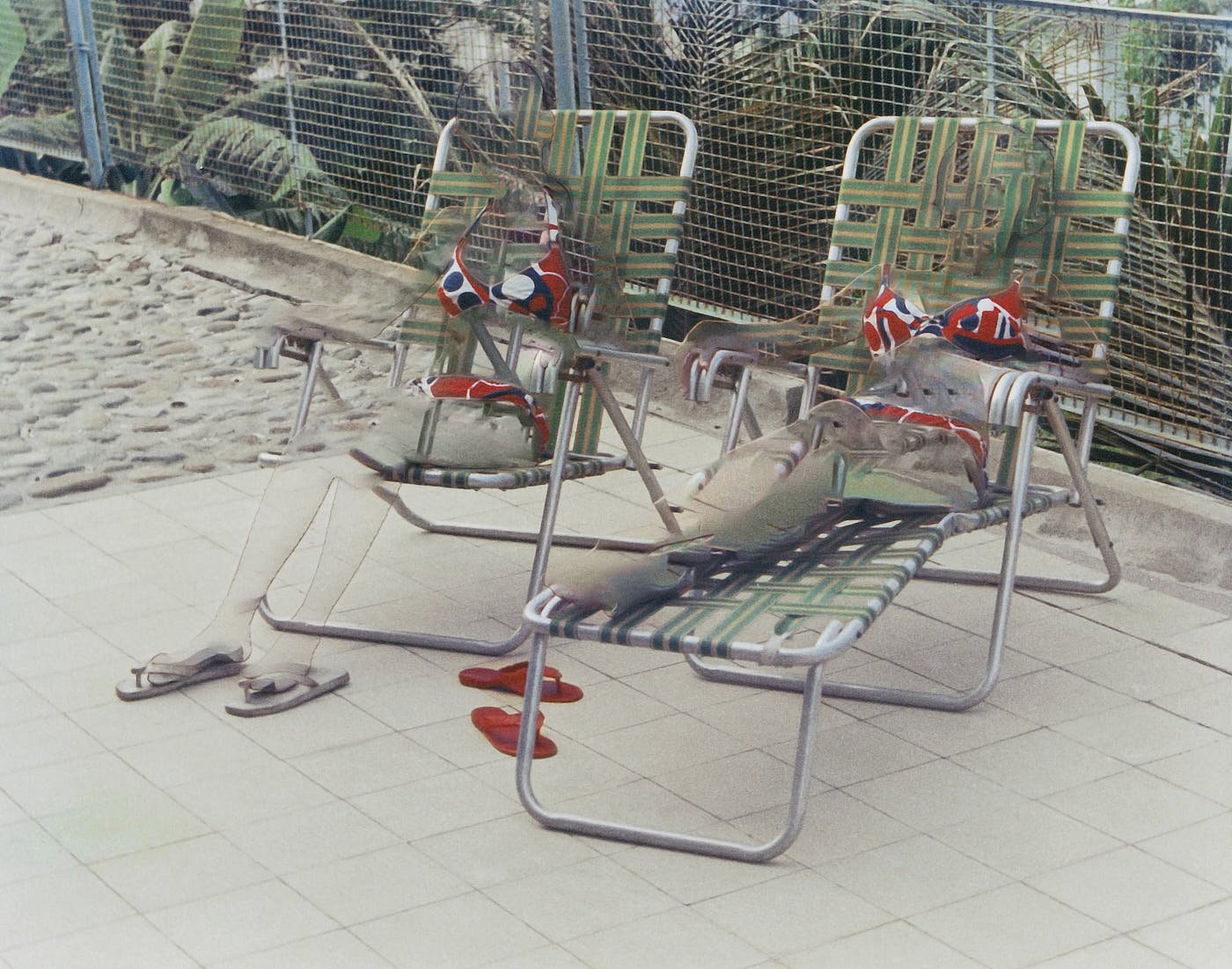
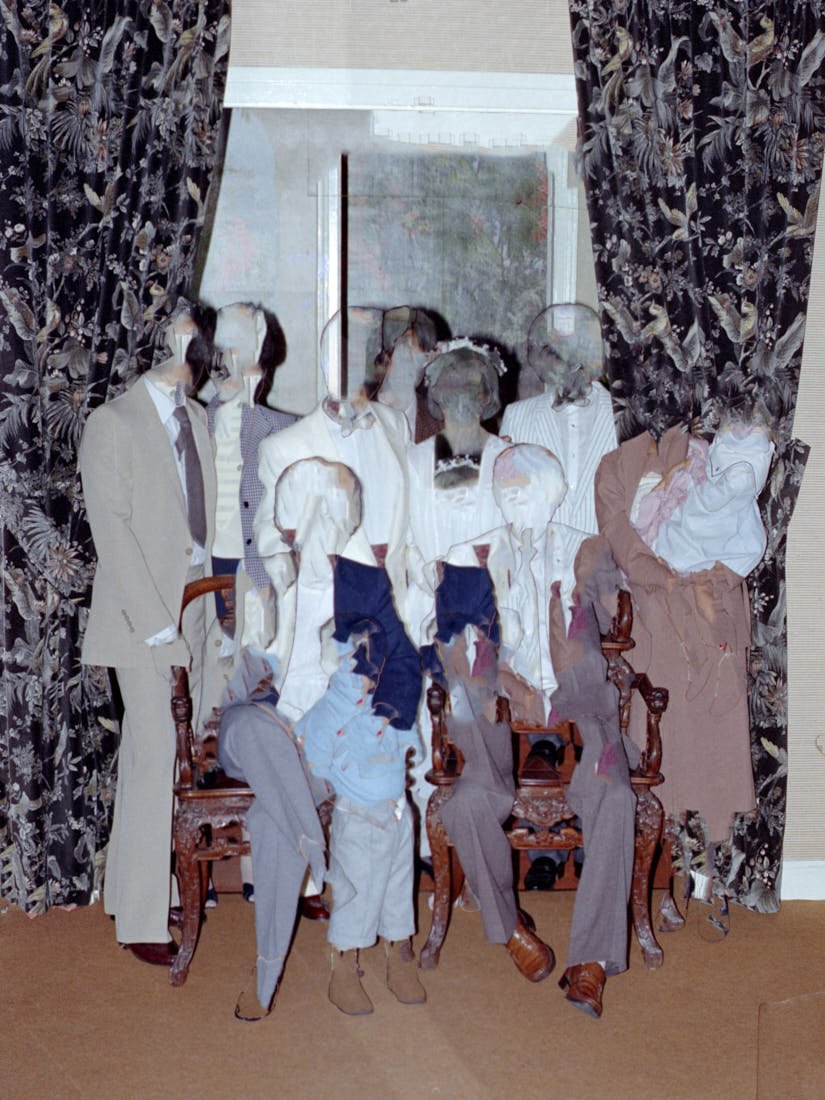
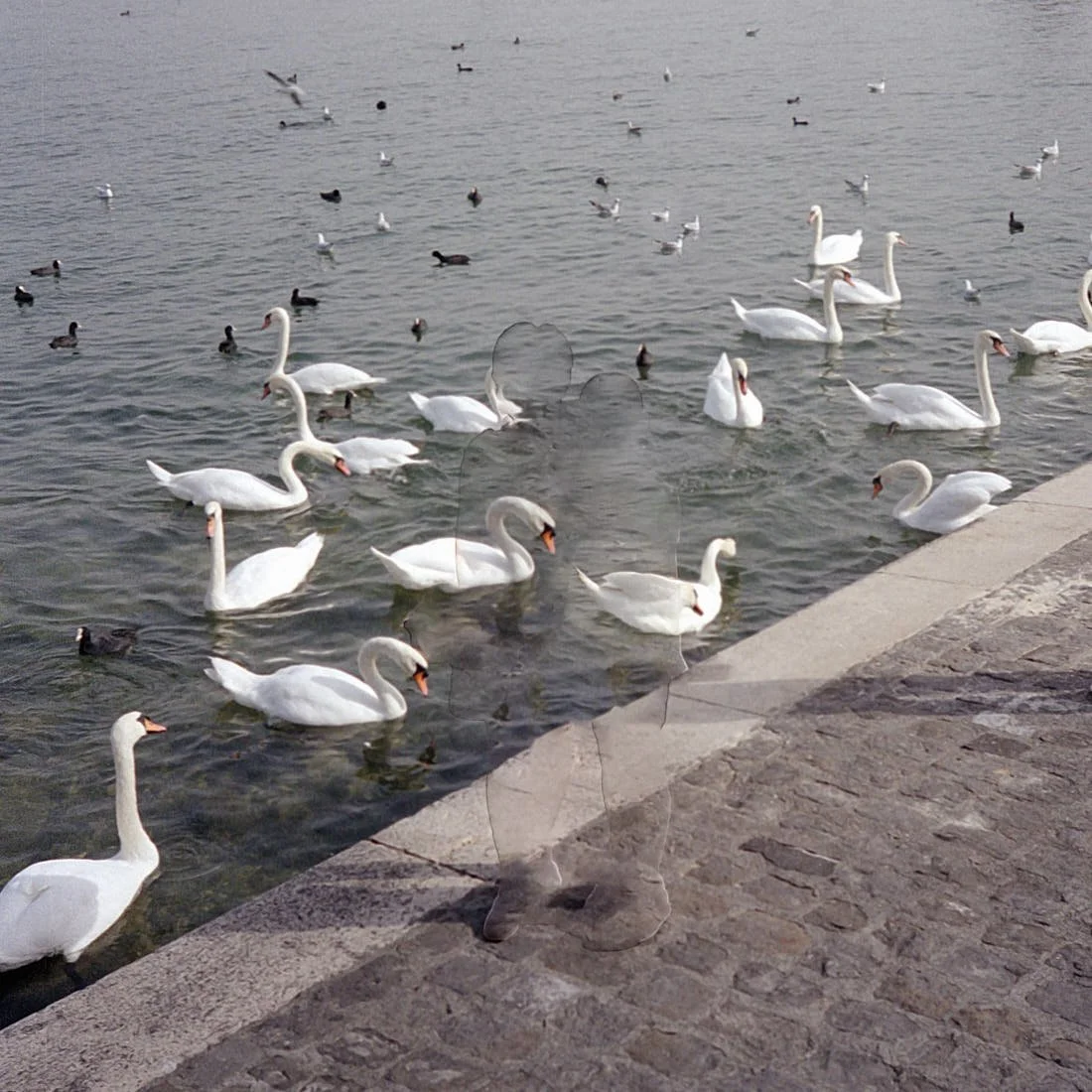
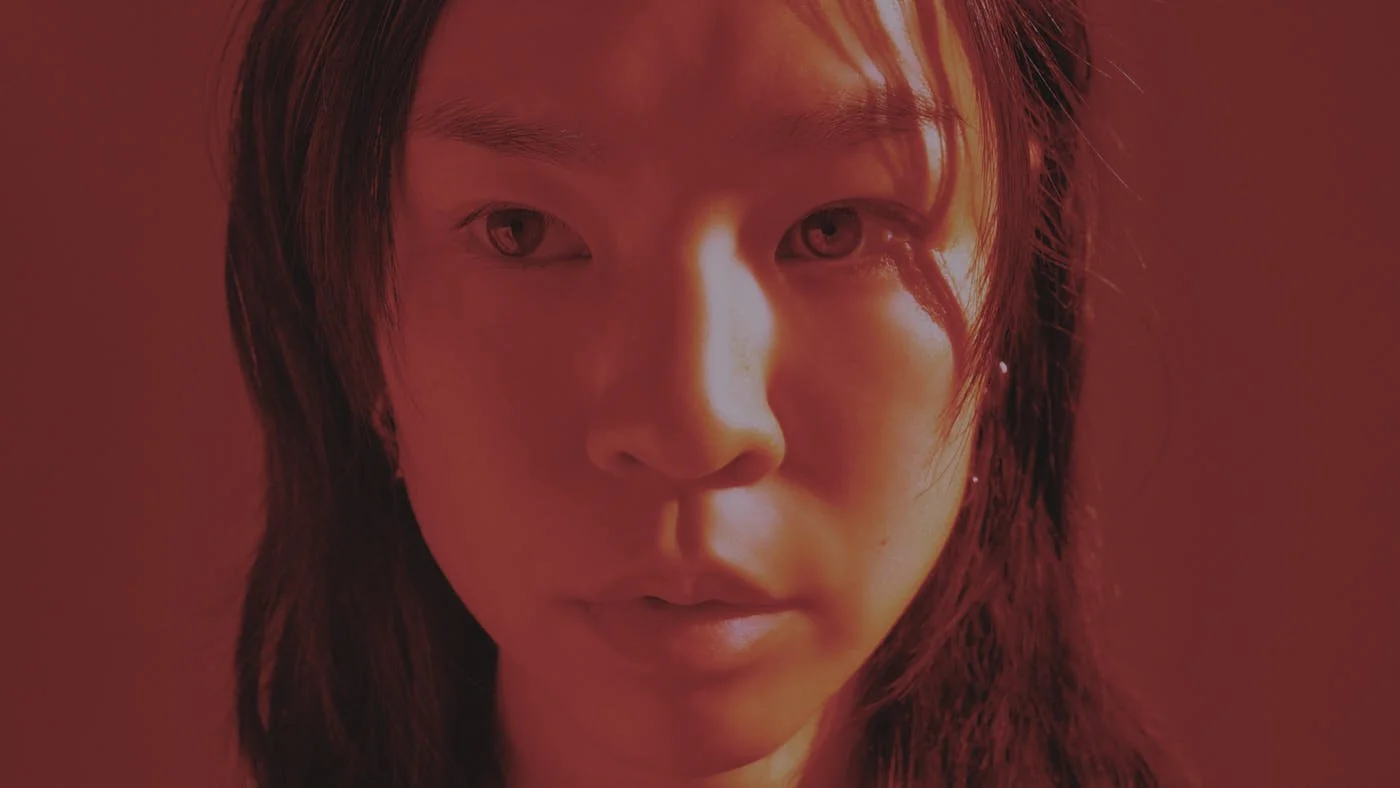
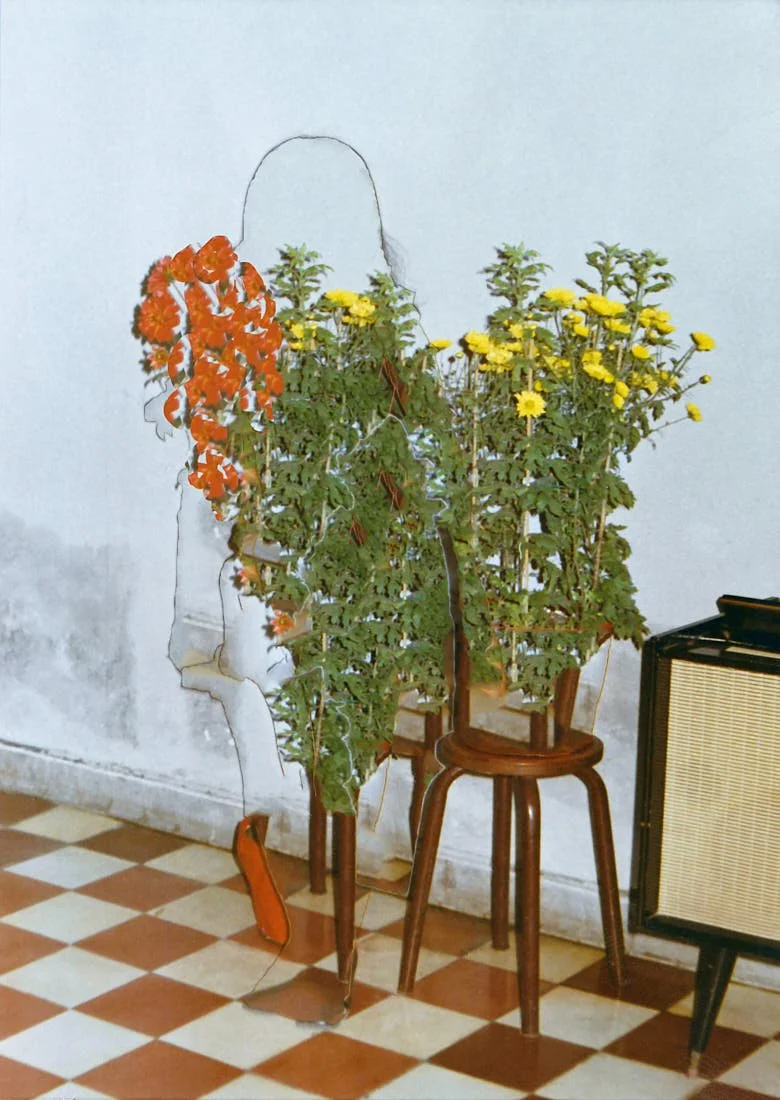
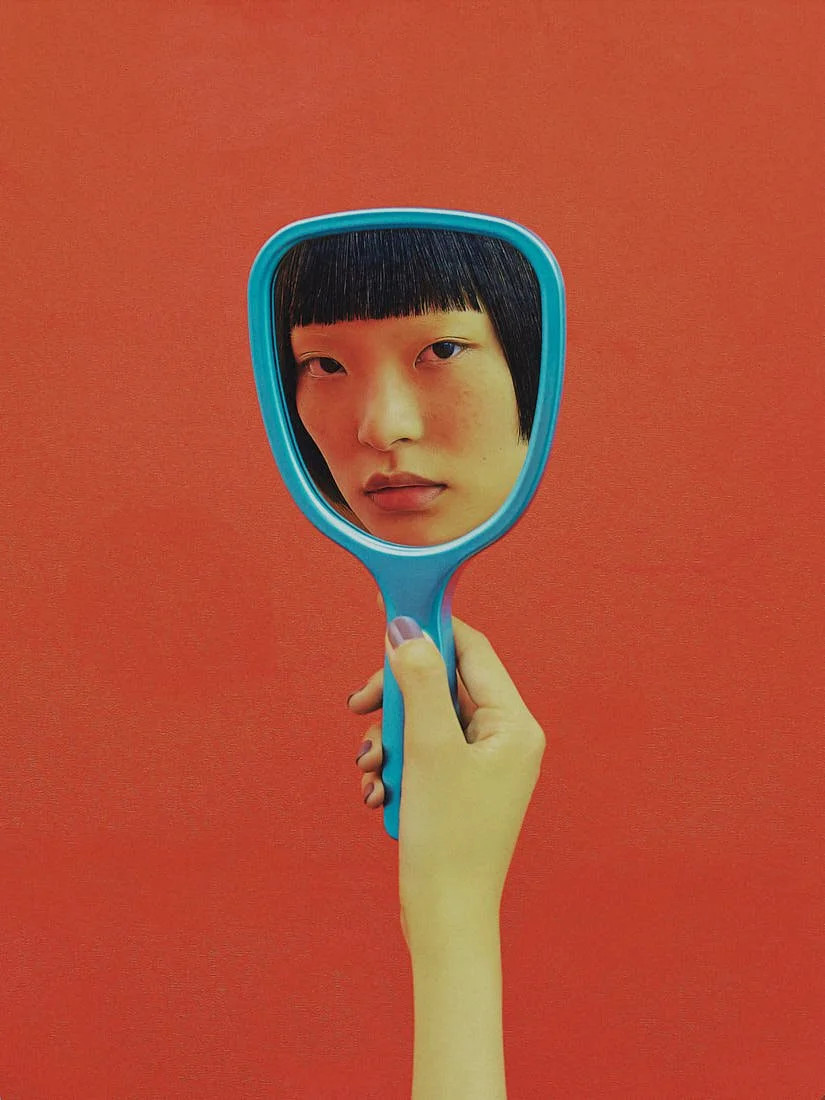
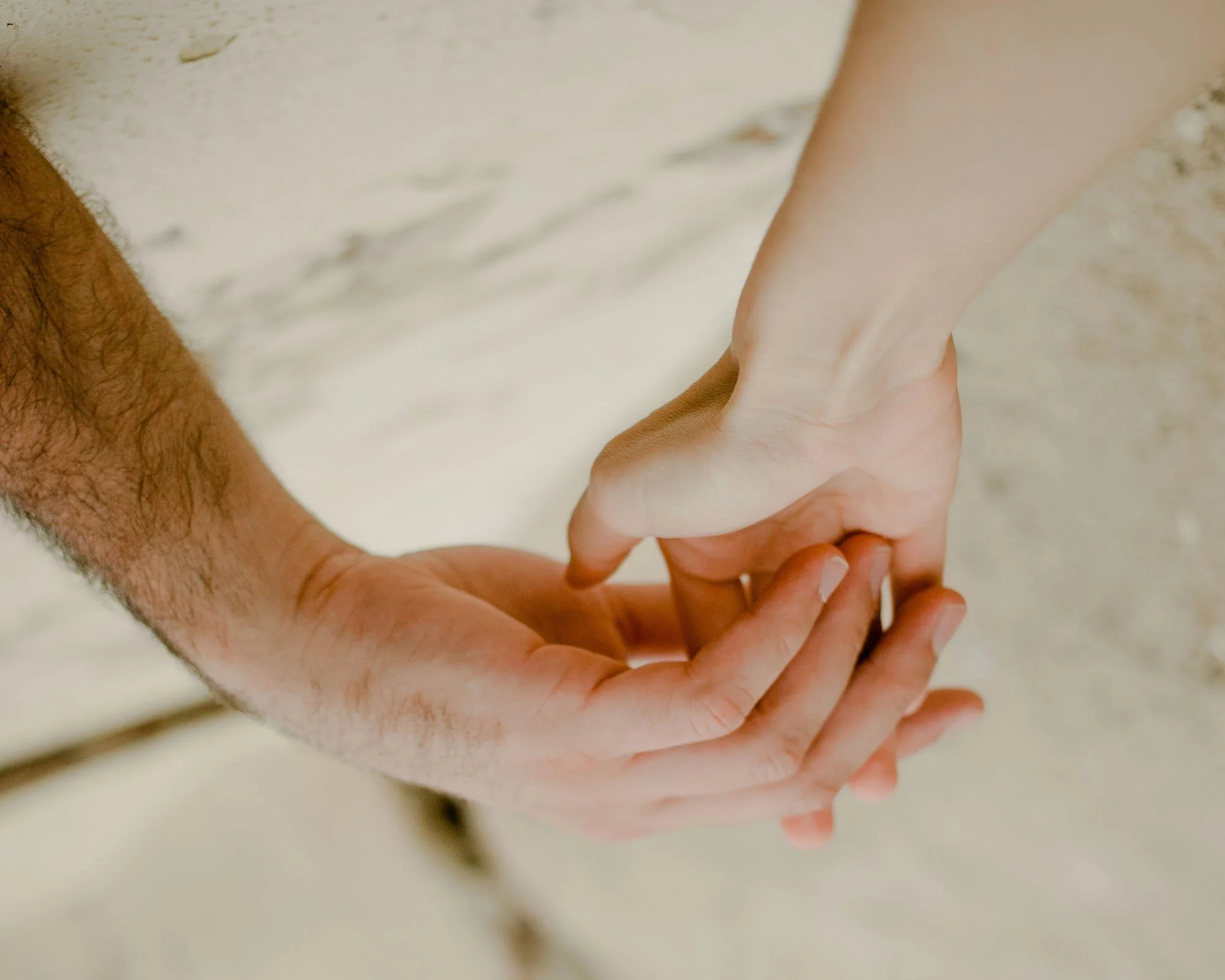
A city simmers beneath its own legends, the flavor of diesel and cardamom mixing with the hum of aftershocks and the slow unfurling of light across battered facades, and it is here that Myriam Boulos lifts her camera, not in search of the dramatic or the picturesque but to gather the residue of touch, the quiet accumulation of moments that cling to walls, slip through open doors, and root themselves in skin.


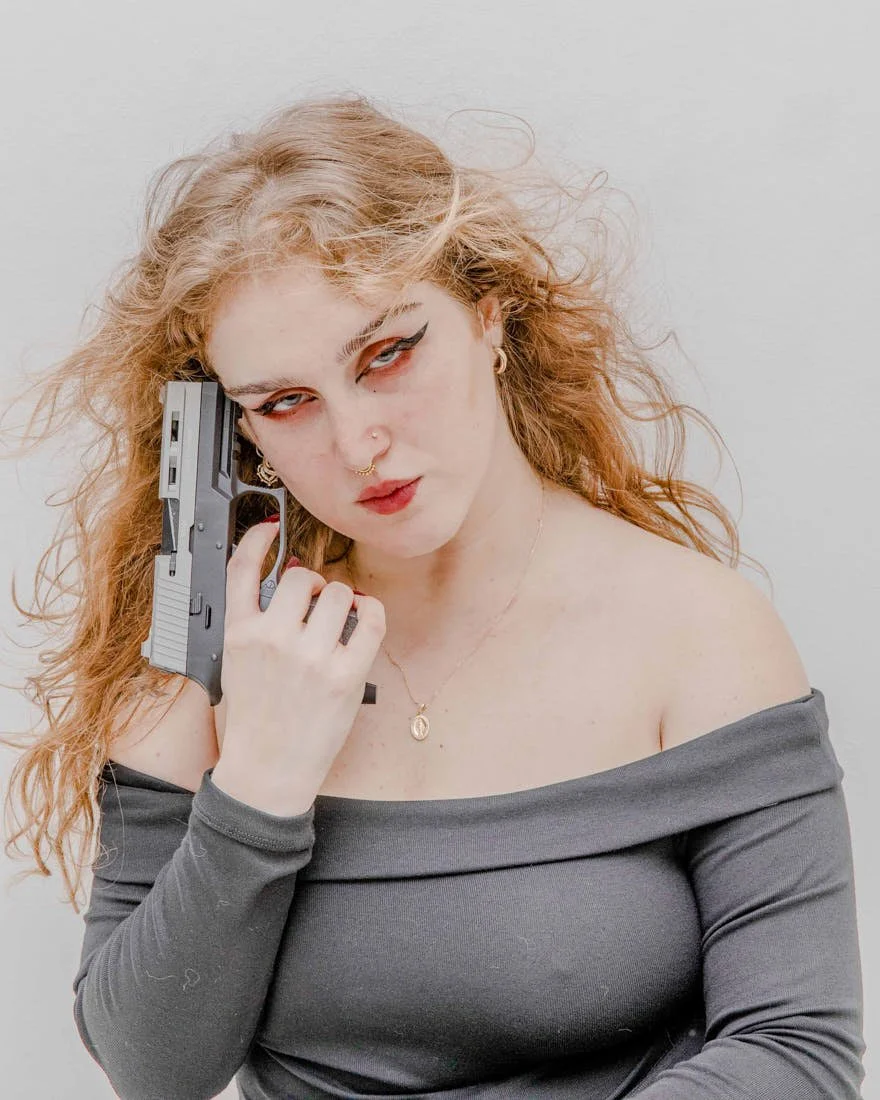
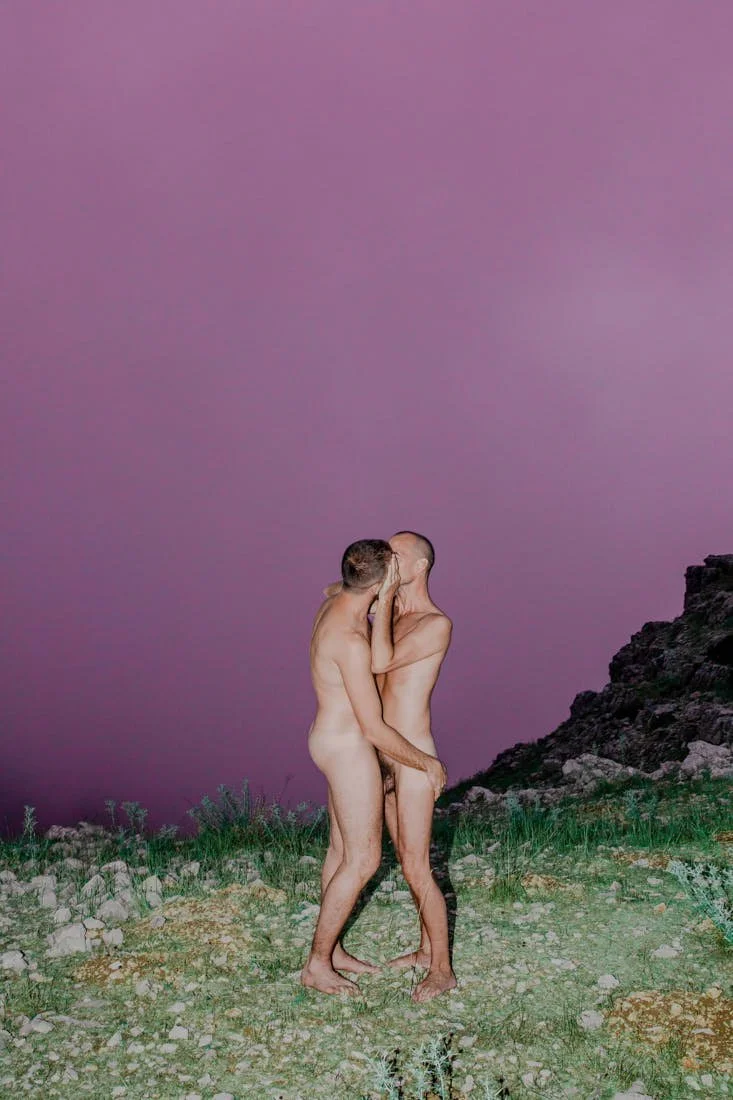
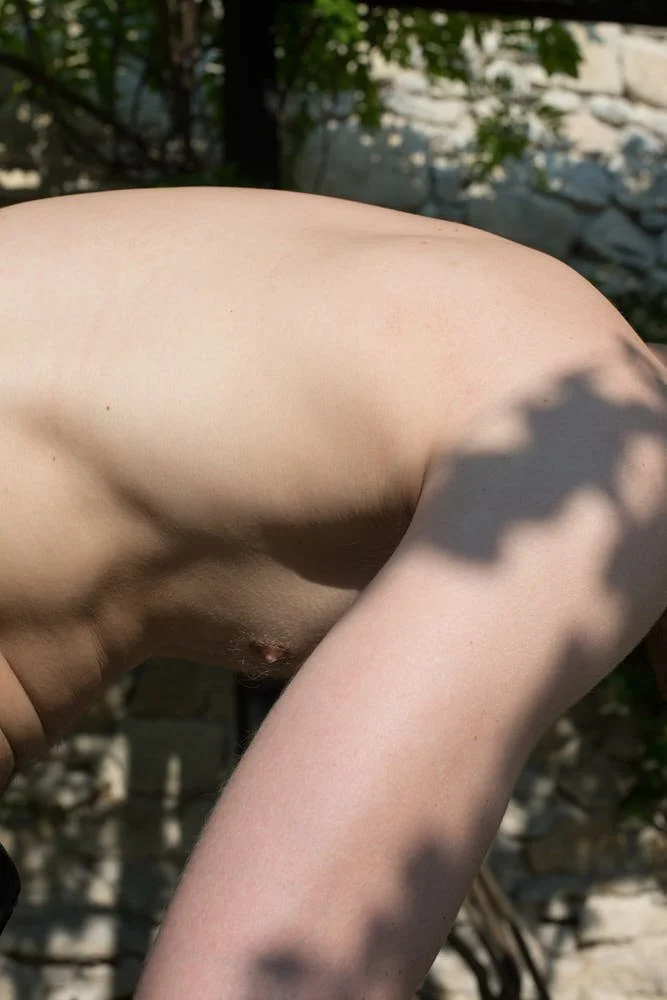
Sexual Fantasies 2023 photographed by Myriam Boulos LE MILE Magazine

Myriam Boulos
Sexual Fantasies 2023

 
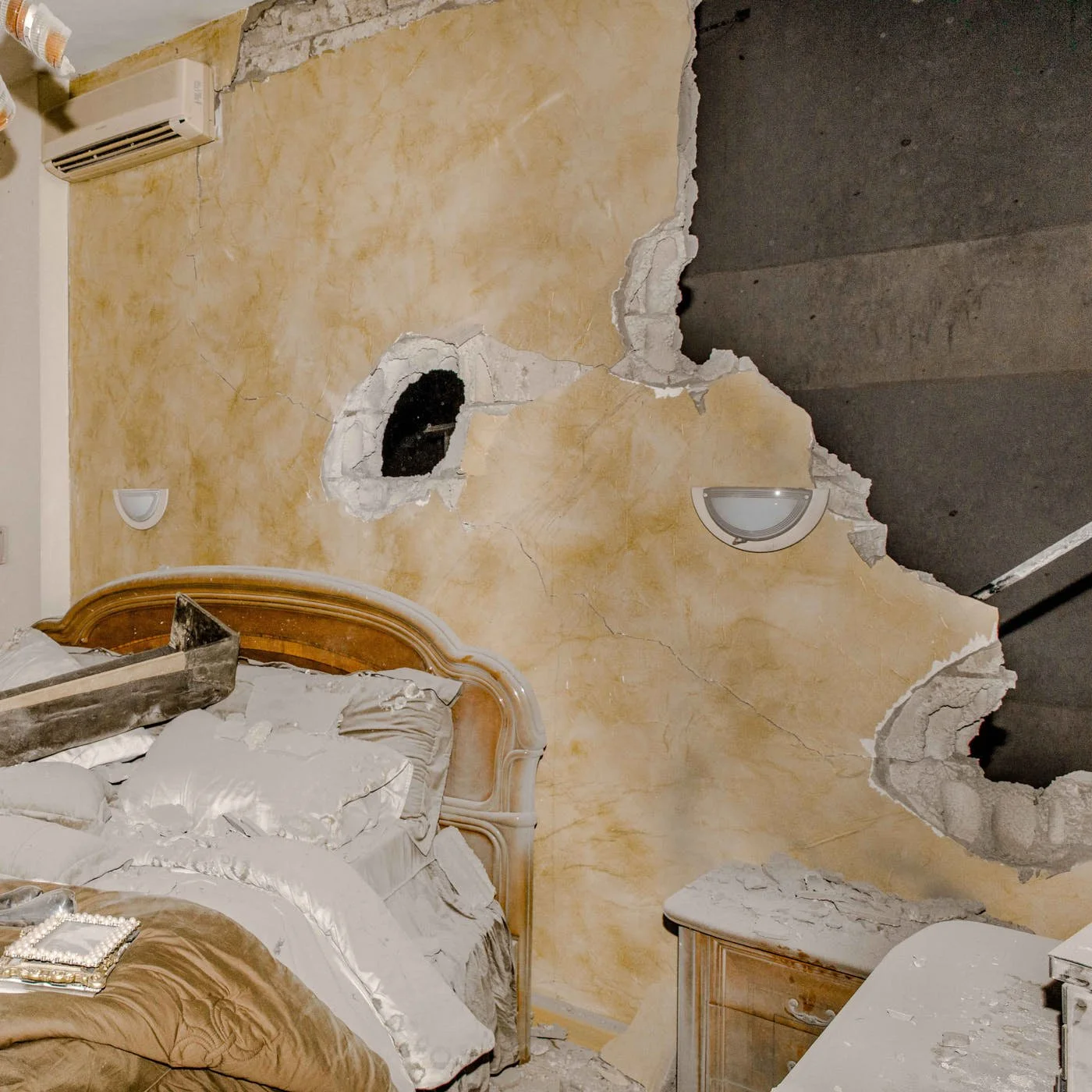
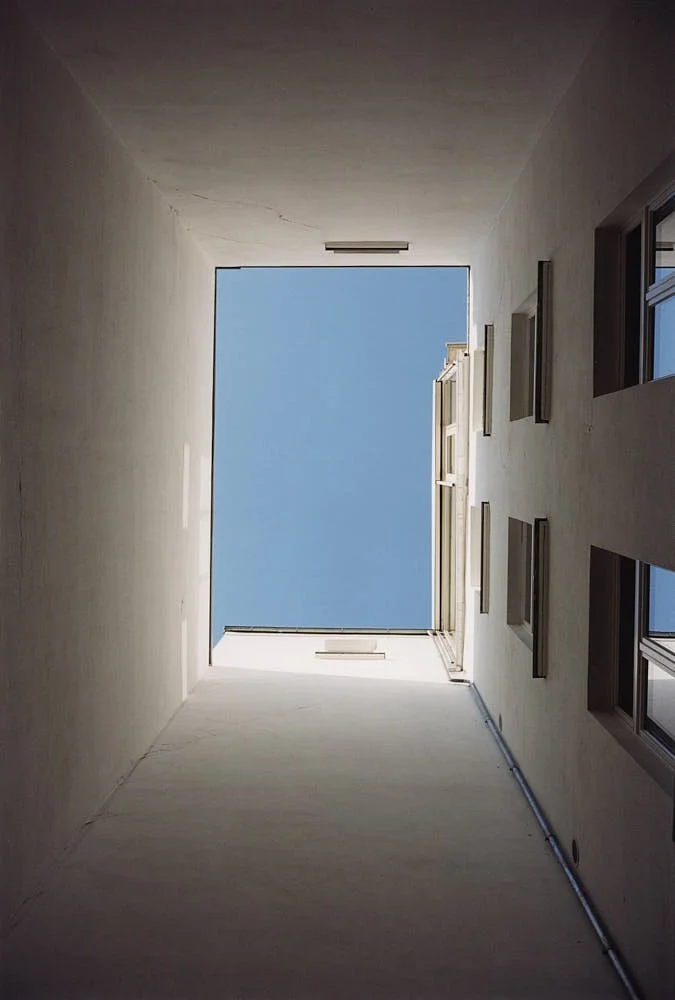
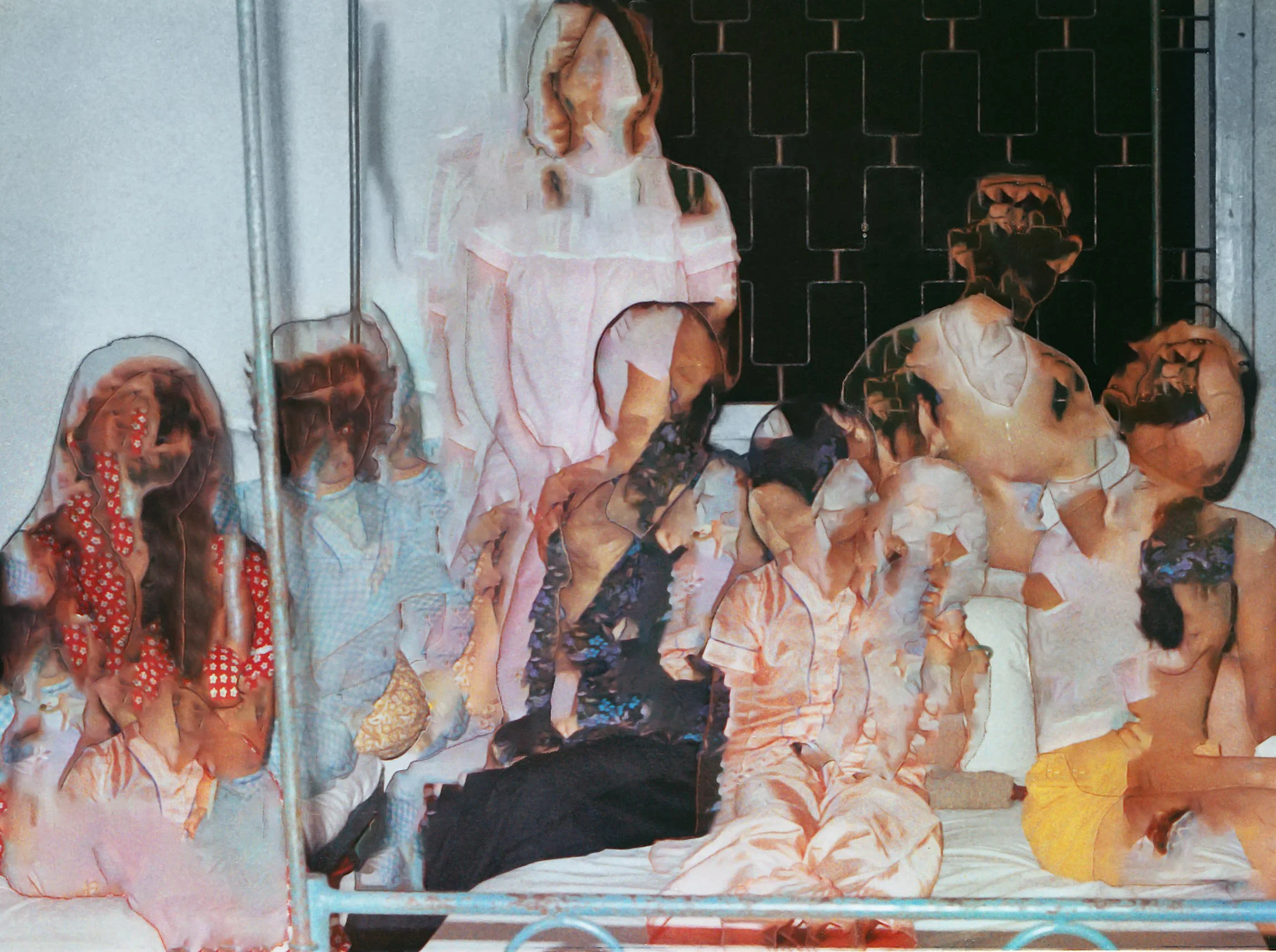
Ongoing War, 2024 photographed by Myriam Boulos LE MILE Magazine

Myriam Boulos
Ongoing War, 2024


Beirut, compass and constant, shapes her visual language—a grammar built on light leaking around corners, voices echoing in courtyards, the thick air bending time, bodies weaving through memory and anticipation. Each photograph absorbs the density of this world, carrying the textures and temperatures of lived experience without the urge to isolate or resolve, every frame a continuous exchange, a movement toward feeling without the pressure of conclusion.

The Foam Paul Huf Award, long established as an amplifier for new photographic perspectives, acknowledges Boulos not through ceremony or simple recognition but by making space, a shift in the ongoing geography of the medium, allowing a current to pass from the streets of Beirut into the global bloodstream of image-making. The work circulates as a living archive, a collective diary shaped by encounters, complicity, and the urge to bear witness without reducing complexity to explanation.

Myriam Boulos moves with a certainty shaped by intuition, the city’s sound and temperature anchoring her practice even as the images begin to travel—entering new rooms, new languages, new ways of seeing. As she prepares her solo exhibition at Foam, the work assembles itself as an ecosystem, layering tenderness, unrest, desire, and refusal into a sequence that resists summary and insists on being felt. In these images, the right to feel is inhabited, lived, and sustained, and the city—her city—never steps outside the frame. The conversation that follows steps into this territory, unfolding through a landscape shaped by accumulation, intuition, and the enduring presence of feeling that moves steadily through each image and word.


Alban E. Smajli
You shoot in chaos, but your images feel calm. Is that contradiction intentional?

Myriam Boulos
Ouf, I never thought of my images as calm! It is funny because people also perceive me as a calm person, but in my head, things are anything but calm. Maybe my images are a way of exteriorizing and organizing my internal chaos?

Offline—does that word feel like a refuge, or a threat?

Both. It makes me dream of the idea of refuge, because I think most of us are addicted to the online world, but it also makes me think of the minutes right after the Beirut port explosion, when we were forcibly offline without understanding what was happening and without being able to reach our loved ones. It also makes me think of Gaza, which is forcibly offline on the worst nights of Israeli bombings during the ongoing genocide.

Offline can also suggest being disconnected from dominant systems or structures. Do you see your practice as a conscious step outside of what photography is "supposed" to be?

Honestly, I am not trying to fit or not fit into anything when I create images; I am just trying to be honest with myself. The images are encounters between my internal world and the universes of the people I photograph. But I do consciously and constantly deconstruct the medium of photography, which is historically colonial and patriarchal.

How do you decide what to show, and what to protect?

Being aware of the power of images and our responsibility as photographers, when I take risks, it is hand in hand with the people in the images: they are the ones who choose what they want to show or hide. From there, I usually follow my gut; I know when a picture is a big crush for me or not. I know if I want to share it with the world or not.

You mention that your images are also about the right to feel, to desire, and not be defined by normalized pain. What emotional truths are you most committed to revealing?

It is important for me to take space with our emotions in general. As a highly sensitive person, I always feel a lot, and this comes with the bad habit of trying to hide my emotions in order not to be “too much.” Photography is a way of channeling my emotions without feeling any shame. It is also important for me to document different types of emotions and realities as a way of defying Western media’s often stereotyped, reductive, and harmful representations of our region.


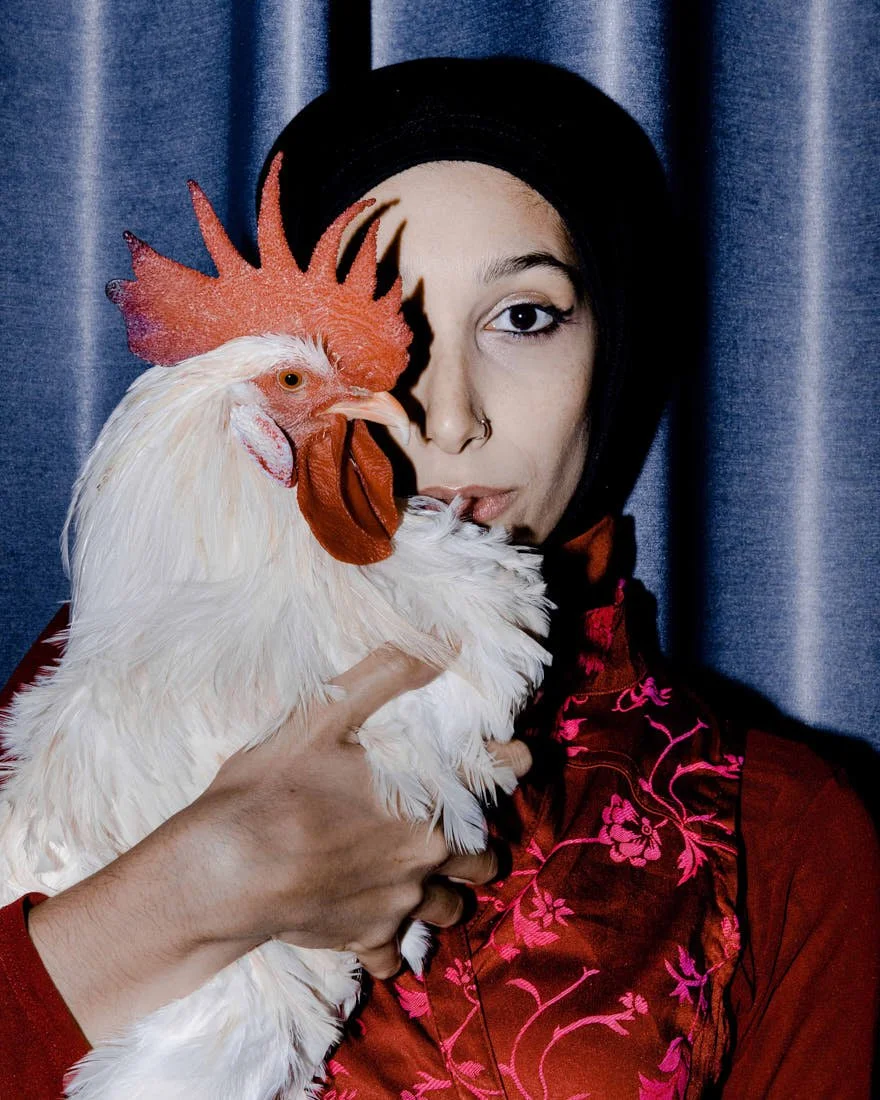
Whats Ours 2019 photographed by Myriam Boulos LE MILE Magazine

Myriam Boulos
Whats Ours 2019


Who are you photographing for?

For myself, for the people in the images, for people who will find themselves in these pictures, and for people who do not think like me.

Sexual fantasies, war, neuro divergence—your work isn’t afraid of complexity. What’s the one thing people always get wrong about it?

Complexity makes it difficult for people to put me in boxes. I think the person behind the images is one thing people tend to get wrong!

What’s the most fragile thing you’ve ever captured and what’s a picture you couldn’t take?

Wolfgang Tillmans said, “If one thing matters, everything matters.” I think everything is fragile and should be handled and photographed with care, tenderness, and consideration. The pictures I couldn’t take are the ones I take in my dreams. It is a particularly frustrating feeling to wake up and not have a trace or a proof. Max Kozloff said, “With photographs, we have concrete proof that we have not been hallucinating.” But dreams are real to me, and I wish I could keep pictures from this world, too.

Being the first artist from the Middle East to win the Foam Paul Huf Award is groundbreaking and makes you part of a global art conversation. Do you care about that? And what does it mean to take up space as a Lebanese artist—right now, in this global frame?

I am so grateful to be part of this global conversation. I think it’s the photography industry’s role to engage with as many photographers as possible from our region. There are so many talented photographers in the Middle East, and it is necessary to see our part of the world from different perspectives and not only through a few photographers.

 
Whats Ours 2019 photographed by Myriam Boulos LE MILE Magazine

Myriam Boulos
Whats Ours 2019

 
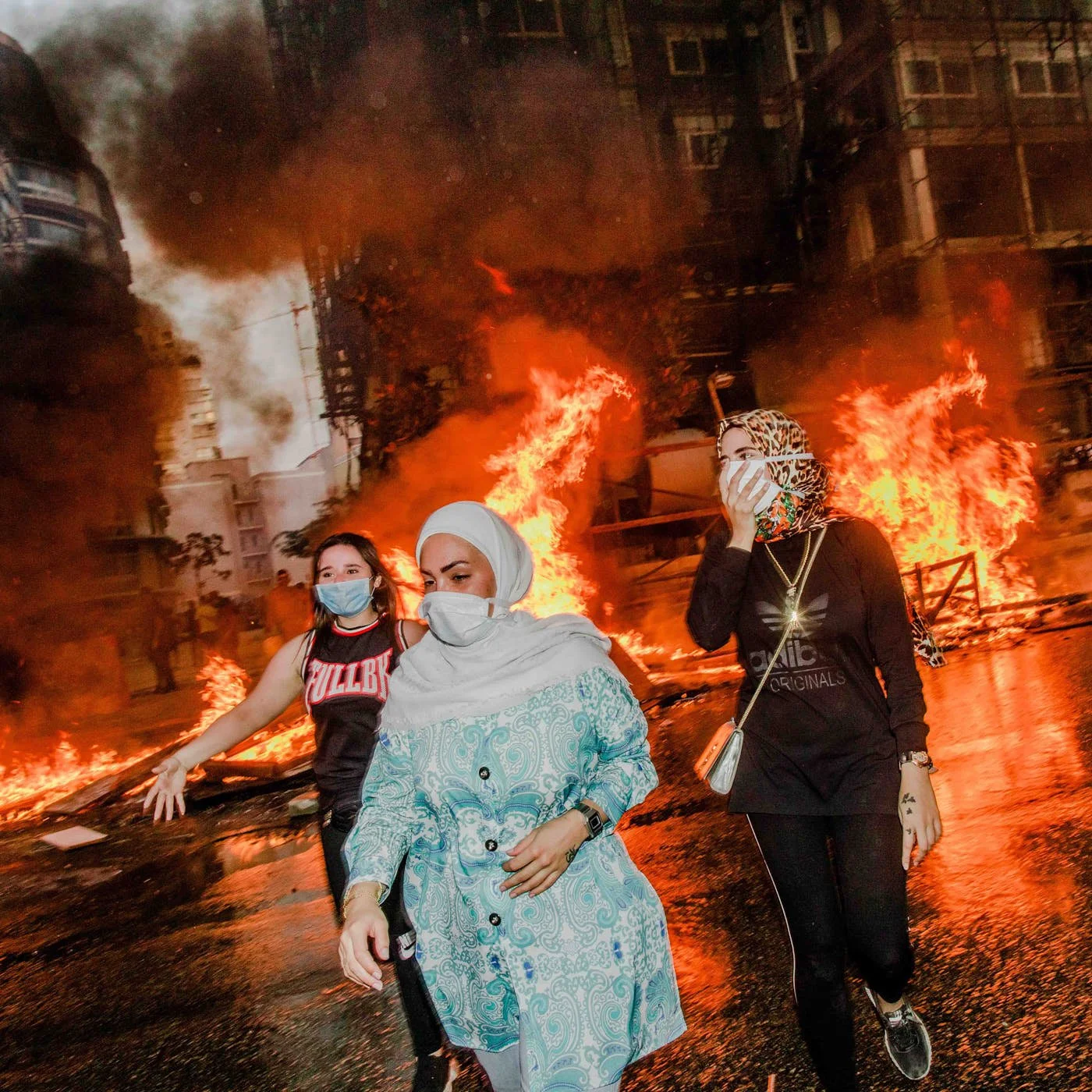
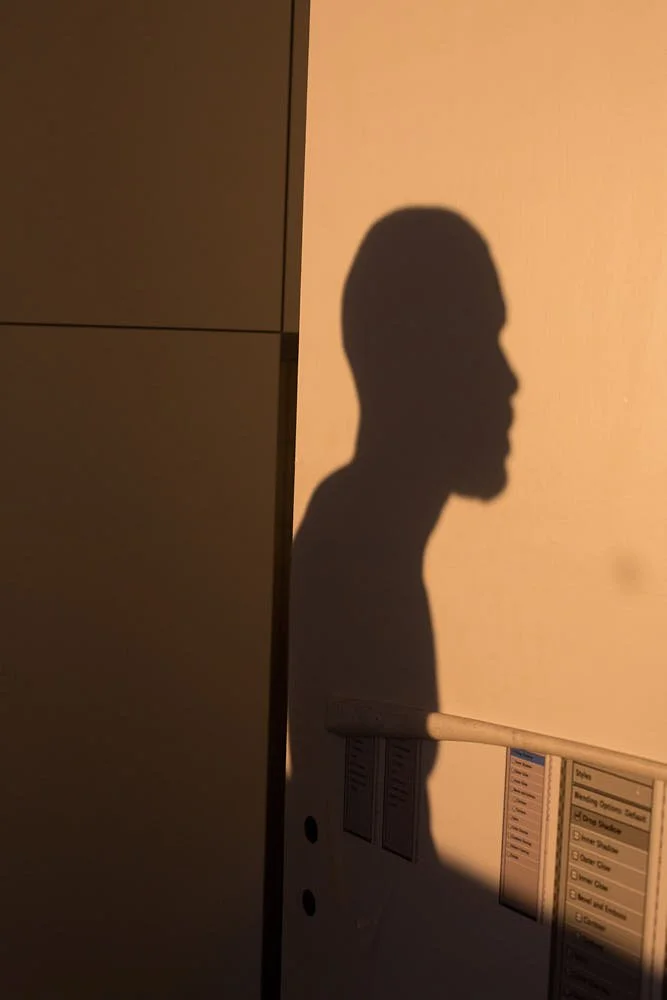
Ongoing War 2023 photographed by Myriam Boulos LE MILE Magazine

Myriam Boulos
Ongoing War 2023


Beirut is always present. Is it your subject, your background, or your collaborator?

I think Beirut is more like my anchor. I always feel like a little alien, but in Beirut I feel more grounded. The thick air, the contrasted light, the landmarks—my body feels at home here. I feel like this is where my roots are, this is where life is, and this is where I want to understand myself and share love with others.

You once said your photos are about tenderness. Has that changed?

I think tenderness is what I will always look for—in myself, in other people, in images.

You’ve been called a storyteller. Do you feel like one or more like a collector of moments?

I feel like I am more of a collective diary-teller, if that is a word! Or a collector of diaries in the context of collective histories and experiences. But I usually call myself a documentarist.

As you prepare for your solo exhibition at Foam in 2026, what kind of visual or emotional narrative are you hoping to construct?

I hope to put together already existing work in a new way, one that will make me learn things about myself, if that makes sense.

What do you hope someone 20 years from now will feel when they look at your work?

I just hope they will feel. Anything. I can’t choose what I provoke in people, but I would be sad if my images did not provoke anything. I also hope that it brings new perspectives to people who are not informed about some realities but still have preconceived ideas about them.


First published
LE MILE Offline Edition No. 39 FW25/26

courtesy for all images (c) Myriam Boulos
header image Ongoing War, 2024 photographed by Myriam Boulos

WOLFGANG TILLMANS *Passages Silencieux, Espace Louis Vuitton München

WOLFGANG TILLMANS *Passages Silencieux, Espace Louis Vuitton München

WOLFGANG TILLMANS
*Passages Silencieux, Espace Louis Vuitton München


written AMANDA MORTENSON


At Espace Louis Vuitton München, the exhibition Passages Silencieux opens as an expansion of Wolfgang Tillmans’ long meditation on seeing — an installation where the act of looking becomes a physical experience, drawn across space through quiet momentum.


The artist arranges his photographs as if tracing the rhythm of time itself, building a choreography that extends from wall to wall, where perception gathers and disperses in intervals of silence. Every print, whether held by glass or left exposed to air, carries its own pulse, its own measure of gravity within a larger constellation of reflections and correspondences.

 
LE MILE Magazine WOLFGANG TILLMANS PASSAGES SILENCIEUX Escape Louis Vuitton HIMMELBLAU 2005

HIMMELBLAU, 2005
C-Print, 61 x 50,8 cm

© Courtesy Galerie Buchholz; Maureen Paley, London; David Zwirner, New York and Fondation Louis Vuitton, Paris

 
LE MILE Magazine WOLFGANG TILLMANS PASSAGES SILENCIEUX Escape Louis Vuitton IN THE MORNING 2015

IN THE MORNING, 2015
Inkjet print, 40,6 x 30,5 cm

© Courtesy Galerie Buchholz; Maureen Paley, London; David Zwirner, New York and Fondation Louis Vuitton, Paris


The works span more than thirty years of practice, moving through portraits, abstractions, still lifes, fragments of cities, gestures of intimacy, and the mutable surfaces of nature. Tillmans dissolves the distance between these categories, allowing each image to breathe within the next. There is no direction or hierarchy in the room, only an open field of vision where light itself becomes connective tissue. The viewer walks through an environment that unfolds without announcement, where each picture transmits its own frequency — sometimes barely perceptible, sometimes charged with intensity.


Tillmans’ engagement with materiality remains central, since his earliest experiments with a photocopier in the late 1980s, his fascination has turned around the transformation of image into surface, and the subtle instability of reproduction. The works gathered here trace this continuum, from the photocopied beginnings to the camera-less abstractions of the Einzelgänger series, where exposure becomes event, and chemistry performs as both subject and form. The paper carries evidence of touch, of dust, of manipulation — every imperfection rendered luminous through repetition. In certain works, like Berlin (2006), the texture of ink and fiber becomes as vivid as skin. The print is alive, a terrain where the physical and the optical merge.


“The image is a good starting point for thinking about the world,”

Wolfgang Tillmans

 
Wolfgang Tillmans à la Bpi, janvier 2025 © Centre Pompidou LE MILE Magazine

Wolfgang Tillmans à la Bpi, janvier 2025
© seen by Florian Ebner / Courtesy Galerie Buchholz


Across the two floors of Espace Louis Vuitton, the installation builds a rhythm that resists narrative. The absence of chronology allows the images to exist as fragments of a continuous present, drawing together past and recent works into a single movement. Portraits from the 1990s coexist with abstractions made decades later, their proximity generating a quiet energy that pulses through the exhibition. Time feels suspended — neither archival nor contemporary, but circular, returning upon itself through the gaze of the viewer.
The Munich space introduces its own temperature, a clarity of light that sharpens perception and gives volume to the surrounding air. Tillmans’ installation responds to it with precision, letting the architecture act as a membrane for the photographs’ frequencies. The rooms are rather tuned, the sequence of walls, angles, and voids composes a subtle resonance between image, surface, and reflection. The encounter unfolds through duration rather than direction — a process of immersion rather than observation.


Passages Silencieux extends the Fondation Louis Vuitton’s Hors-les-murs programme, which carries works from its Paris collection into other cultural contexts. Within this framework, Tillmans’ exhibition reads as a continuation of his evolving dialogue with the image — a dialogue that began in motion and remains unfinished. The works gathered here propose a language of stillness that is never static, an equilibrium in which perception moves freely through the quiet intervals between images. The exhibition feels less like a retrospective than a moment of suspension — a passage between past and what is still unfolding. The silence in the title echoes through the space as atmosphere and method, shaping the experience of looking into something almost physical. The images remain open, breathing within the architecture, waiting for the viewer to step close enough to feel their pulse. Enjoy Yourself!

Passages Silencieux is on view at Espace Louis Vuitton München, Maximilianstraße 2a, from 17 October 2025 to 14 March 2026, presenting a selection of works by Wolfgang Tillmans from the Fondation Louis Vuitton Collection as part of its Hors-les-murs programme.

 
LE MILE Magazine WOLFGANG TILLMANS PASSAGES SILENCIEUX Escape Louis Vuitton WET ROOM (BARNABY) 2010

WET ROOM (BARNABY), 2010
Inkjet print, 40,6 x 30,5 cm

© Courtesy Galerie Buchholz; Maureen Paley, London; David Zwirner, New York and Fondation Louis Vuitton, Paris

 
LE MILE Magazine WOLFGANG TILLMANS PASSAGES SILENCIEUX Escape Louis Vuitton TORSO 2013

TORSO, 2013
Inkjet print on paper, 207,5 x 138 cm

© Courtesy Galerie Buchholz; Maureen Paley, London; David Zwirner, New York and Fondation Louis Vuitton, Paris


Banner Image
PLAYGROUND LUXEMBOURG (DOS 2005), 1986
C-Print, 30,5 x 40,6 cm

© Courtesy Galerie Buchholz; Maureen Paley, London; David Zwirner, New York and Fondation Louis Vuitton, Paris

Gerhard Richter *Six Decades of Images at Fondation Louis Vuitton

Gerhard Richter *Six Decades of Images at Fondation Louis Vuitton

Gerhard Richter
*Six Decades of Images at Fondation Louis Vuitton


written MONICA DE LUNA


Gerhard Richter enters Paris once again, the Fondation Louis Vuitton opening its entire body of galleries to his universe, six decades unfolded in a single itinerary, from the trembling blur of Uncle Rudi to the last abstractions where color collapses into silence.


Two hundred and seventy works march through the halls, oil and glass, graphite and ink, water and fire, every surface pressed by the restless hand of an image maker who once said, “I’m a picture maker.” The retrospective, running from October 17, 2025 to March 2, 2026, refuses containment. It drifts through photography’s ghostly echoes, slips into the monumentality of color fields, twists into the cold sharpness of steel and mirrored panes. In the words of Suzanne Pagé, Artistic Director of the Fondation Louis Vuitton: “Gerhard Richter – a painter who defines himself as a maker of images based on subjects that he is constantly probing.”

 
Gerhard Richter, Ema (Akt auf einer Treppe) [Ema (Naked in a staircase)], 1966 (CR 134) Oil on canvas, 200 x 130 cm Museum Ludwig, Cologne / Donation Ludwig Collection 1976 © Gerhard Richter 2025 (18102025)

Gerhard Richter, Ema (Akt auf einer Treppe), [Ema (Naked in a staircase)], 1966 (CR 134)
Oil on canvas, 200 x 130 cm
Museum Ludwig, Cologne / Donation Ludwig, Collection 1976
© Gerhard Richter 2025 (18102025)


Gerhard Richter, Lesende [Woman reading], 1994 (CR 804)
Oil on canvas, 72 x 102 cm
Collection SFMOMA, Purchase through the gifts of Mimi and Peter Haas and Helen and Charles Schwab, and the Accessions Committee Fund: Barbara and Gerson Bakar, Collectors Forum, Evelyn D. Haas, Elaine McKeon, Byron R. Meyer, Modern Art Council, Christine and Michael Murray, Nancy and Steven Oliver, Leanne B. Roberts, Madeleine H. Russell, Danielle and Brooks Walker, Jr., Phyllis C. Wattis, and Pat and Bill Wilson
© Gerhard Richter 2025 (18102025)


From the early 1960s photo-paintings to the 1972 48 Portraits that hung in Venice, the show stages each decade as an island of vision. Blurred faces, dissolved saints, nurses with spectral eyes. The 1980s roar with vast abstractions, their squeegeed surfaces layered like geological strata. Candle flames rise against blackened grounds, his daughter’s face hovers in light, Venice is held still in paint. The 1990s open toward chance, toward the mathematical color blocks of 4900 Farben, toward the meditative hum of the Cage Paintings.

Then the rupture: 2014’s Birkenau. Four canvases, born from four clandestine photographs of extermination, overpainted into a veil of abstraction. Richter confessed, “It was like an old debt that I finally had to repay (…) I felt like I was fulfilling a mission.” The cycle faces itself across mirrored panels, forcing the viewer into an architecture of reflection and erasure.


Richter declared painting complete in 2017, withdrawing into drawing, letting graphite and wash occupy the space that once belonged to oil. Pages marked by hesitation, frottage, compass arcs. The retrospective ends here, in the modest scale of paper, an act of stripping down after the enormity of canvas. Nicholas Serota and Dieter Schwarz, curators of the exhibition, present Richter as an accumulation of acts. Serota recalls, “Everything that he does is very deliberate. To declare a painting as painting no. 1, as he did with Table, is a powerful act of will.” That will saturates every room. It lingers in the gray paintings, indifferent yet charged, and in the strips of digitally stretched color that seem to run beyond the eye’s grasp.

 
Gerhard Richter, Selbstportrait [Selfportrait], 1996 (CR 836-1) Oil on linen, 51 x 46 cm The Museum of Modern Art, New York. Gift of Jo Carole and Ronald S. Lauder and Committee on Painting and Sculpture Funds, 1996 © Gerhard Richter 2025 (18102025)

Gerhard Richter, Selbstportrait [Selfportrait], 1996 (CR 836-1)
Oil on linen, 51 x 46 cm
The Museum of Modern Art, New York. Gift of Jo, Carole and Ronald S. Lauder and Committee on, Painting and Sculpture Funds, 1996
© Gerhard Richter 2025 (18102025)

 
Gerhard Richter, Venedig (Treppe) [Venezia (stairs)], 1985 (CR 586-3) Oil on canvas, 51,4 x 71,8 cm The Art Institute of Chicago. Gift of Edlis Neeson Collection © Gerhard Richter 2025 (18102025)

Gerhard Richter, Venedig (Treppe) [Venezia (stairs)], 1985 (CR 586-3)
Oil on canvas, 51,4 x 71,8 cm
The Art Institute of Chicago. Gift of Edlis, Neeson Collection
© Gerhard Richter 2025 (18102025)


The Fondation Louis Vuitton, which first showed Richter in its inaugural 2014 exhibition, now turns over every wall to him. It is an atlas of fragments, a cartography of images remade, erased, blurred, overpainted. Richter once wrote, “In the first place, the basis is an intention – that of giving an image of the world.”

Here the image swells into multiplicity. A lifetime, distilled into 270 works, an exhibition that breathes intimacy and monument.


The Fondation Louis Vuitton in Paris will host a major retrospective of Gerhard Richter from October 17, 2025 to March 2, 2026. Spanning more than sixty years of work, the exhibition brings together 270 pieces including paintings, drawings, sculptures, and overpainted photographs. Curated by Dieter Schwarz and Nicholas Serota, the project offers an unparalleled view of Richter’s artistic journey from 1962 to 2024.


credit for header image:
Gerhard Richter, Apfelbäume [Appletree], 1987 (CR 650-1)
Oil on canvas, 67 x 92 cm, Private collection
© Gerhard Richter 2025 (18102025)

Lines of Sight, Layers of Sound *The Total Language of Wolfgang Tillmans

Lines of Sight, Layers of Sound *The Total Language of Wolfgang Tillmans

Lines of Sight, Layers of Sound
*The Total Language of Wolfgang Tillmans


written Amanda Mortenson


A library breathes differently when an artist takes over. Pages stay still, but the light shifts. The Centre Pompidou hands over 6,000 m² to Wolfgang Tillmans, and the result is neither retrospective nor installation, but something in between—an unfolding.


Rien ne nous y préparait – Tout nous y préparait. The title of the exhibition stretches like a refrain, unresolved and cyclical. From June 13 to September 22, 2025, the Public Information Library (Bpi) becomes the surface of this phrase. And Tillmans, in his full fluency, draws a language across it—photographic, sonic, sculptural, political.

 
Moon in Earthlight, 2015 Courtesy Galerie Buchholz, Galerie Chantal Crousel, Paris, Maureen Paley, London, David Zwirner, New York

Moon in Earthlight, 2015

Courtesy Galerie Buchholz, Galerie Chantal Crousel, Paris, Maureen Paley, London, David Zwirner, New York

 
Echo Beach, 2017 Courtesy Galerie Buchholz, Galerie Chantal Crousel, Paris, Maureen Paley, London, David Zwirner, New York

Echo Beach, 2017

Courtesy Galerie Buchholz, Galerie Chantal Crousel, Paris, Maureen Paley, London, David Zwirner, New York


The exhibition arrives at a rare juncture. The Pompidou prepares to close for major renovation, and this final show is summation and offering. In a space usually devoted to silent reading and public access, Tillmans constructs a new form of visibility—one that includes what is seen and how.
The selection spans four decades of practice. Photographs are placed without chronology. Stillness meets print meets rhythm. The work is assembled with and against the building’s original structure, transforming the library into an environment that breathes with energy and tension. Archival material sits beside new compositions. Laser light pulses. Loudspeakers relay sound works. A sense of immersion replaces the convention of looking.


This is about an artist choosing a place with high foot traffic, open structures, and constant flux—and turning it into a medium.

What emerges is an exhibition as summary and space. The Bpi becomes a working model for how images live among us. The ceilings, walls, carpets, and shelves are absorbed into the visual syntax. Tillmans’ “Truth Study Center” unfolds across tables. Posters, zines, and publications are stacked with intention. HIV education materials rest beside press photographs, club ephemera beside celestial charts.

Tillmans brings all media. Music plays a constant role. His sonic compositions occupy the same register as his images—cut, repeated, looped. Film works are arranged in rooms that stay open to the larger pulse of the building. There’s only the ambient flow of ideas moving through form.


Wolfgang Tillmans à la Bpi, janvier 2025 © Centre Pompidou LE MILE Magazine

Wolfgang Tillmans à la Bpi, janvier 2025
(c) Centre Pompidou


At the core of this gesture is a belief in space as knowledge. The Bpi, a place of shared information and open presence, aligns with the artist’s long-standing interest in visibility, collectivity, and also intimacy. His work has always layered personal and public registers: bodies, cities, protests, pages, light. Here, those layers reach architectural scale.

CELINE enters the frame not through clothing or installation, but through Accès Libre par CELINE, a rare gesture of sponsorship that expands access. Four days of open admission stretch across the exhibition’s life—offering time, and plenty of it, to wander, stay, return. This collaboration moves with clarity. CELINE enters the art space through gesture. The house aligns with the architecture of presence and steps forward with precision. As a partner, the house marks its first-ever project with the Centre Pompidou. The exhibition unfolds under the creative direction of Michael Rider, who took on the role of artistic director in January 2025.


Tillmans returns to Paris with a wide-spanning institutional presence. Photographs travel across tables, suspend from ceilings, glow through projection. They live among books and browsers, headsets and desks. Artwork and infrastructure move as one, folding into a shared spatial rhythm.

The architecture of the Bpi becomes part of the work. In close collaboration with scenographer Jasmin Oezcebi, the exhibition develops its own spatial logic. Library furniture shifts position. Walls open new lines. Light acts as a tool for memory.

Every visual element follows a larger score. Materials speak together. The viewer moves through atmosphere, guided by rhythm and tone. The Pompidou moves toward transition. Tillmans shapes a moment with weight. The building gathers light. Images echo. Colors shift. Layouts change. Each element stays present.

Banner Image
(c) The State We’re In, A, 2015
Courtesy Galerie Buchholz, Galerie Chantal Crousel, Paris, Maureen Paley, London, David Zwirner, New York


its only love give it away, 2005 Courtesy Galerie Buchholz, Galerie Chantal Crousel, Paris, Maureen Paley, London, David Zwirner, New York LE MILE Magazine

its only love give it away, 2005

Courtesy Galerie Buchholz, Galerie Chantal Crousel, Paris, Maureen Paley, London, David Zwirner, New York


Katinka Bock + Nick Mauss at Espace Louis Vuitton *The Architecture of Resonance

Katinka Bock + Nick Mauss at Espace Louis Vuitton *The Architecture of Resonance

Katinka Bock + Nick Mauss at Espace Louis Vuitton
*The Architecture of Resonance


written Alban E. Smajli


Espace Louis Vuitton München unveils RESONANCE, an incisive convergence of Katinka Bock's material meditations and Nick Mauss’s enigmatic visual narratives.


The exhibition crystallizes Fondation Louis Vuitton's ongoing mission of recontextualizing its collection, extending beyond its Paris epicenter into global territory. Katinka Bock shapes vulnerability into strength. Her sculptures, raw and exacting, manipulate elemental materials—clay, paper, stone, metal—each piece a quiet interrogation of balance and impermanence. The deliberate exposure of her work to natural processes results in forms saturated with the unpredictability of experience, echoing the human condition's nuanced complexities.

 
LE MILE Magazine Louis Vuitton Escape Munich München KATINKA BOCK A AND I 2013

KATINKA BOCK
A AND I, 2013
Eiche, Bronze, Keramik, Stahl/Oak, bronze, ceramics, steel
180 x 55 x 80 cm
Courtesy of the artist and Fondation Louis Vuitton
Photo (c) Primae / Louis Bourjac

 
LE MILE Magazine Louis Vuitton Escape Munich München NICK MAUSS DOUBLE MOTIF 2016

NICK MAUSS
DOUBLE MOTIF, 2016
9 Tafeln mit Hinterglasmalerei, Farbe/9 mirror panels, paint
221 x 160 cm
Courtesy of the artist and Fondation Louis Vuitton
Photo (c) Primae / Marc Domage


Nick Mauss articulates ambiguity. His practice dissolves distinctions between drawing, sculpture, performance, and text, producing works that are fragmented, ephemeral, and hauntingly precise. Layered transparencies, mirrored reflections, and delicate lines converge into compositions that resist static interpretation, continuously evolving as viewers interact with their spatial reality.

RESONANCE is a deliberate act of curation—two artists, distinct yet inherently aligned, exploring histories embedded in material and memory. Bock’s sculptures embody temporalities; each crack or fold a record of interaction between artist, environment, and time. Mauss reconfigures histories through intricate gestures, archival echoes transformed into immersive realities. The exhibition reframes historical narratives, stripping them from fixed contexts, releasing their latent energies into the gallery's architecture.


Experimental methodology defines RESONANCE. Bock’s materials—humble, potent, unpredictable—are elevated through her meticulous manipulation, becoming potent symbols of transformation and endurance. Mauss, meanwhile, perpetually reinvents his creative language, effortlessly transitioning between forms, mediums, and references, crafting immersive encounters that envelope viewers in reflective possibility.

The spatial dynamics of Espace Louis Vuitton München are integral to RESONANCE. Both Bock and Mauss actively harness and reshape architectural space, inviting their visitors into a choreography of movement and contemplation. The gallery becomes a resonant chamber, an activated stage for engagement, intimacy, and reflection.

 
LE MILE Magazine Louis Vuitton Escape Munich KATINKA BOCK ZARBA LONSA, POMPEI 2015 sculpture

KATINKA BOCK
ZARBA LONSA, POMPEI, 2015
Keramik, Stahl, Eisen/Ceramics, steel, iron
85 x 70 x 100 cm
Courtesy of the artist and Fondation Louis Vuitton


Fundamental to RESONANCE is Fondation Louis Vuitton’s commitment to disrupting the boundaries of contemporary art's accessibility. The exhibition is emblematic of the Foundation’s ethos—architecturally expressed through Frank Gehry’s iconic Paris structure and conceptually through global "Hors-les-murs" interventions. It underscores art's radical potential as a participatory and democratic force.

RESONANCE offers viewers an encounter with complexity distilled into form, materials eloquent in their silence, histories refracted through contemporary sensibilities. It is a provocation, an insistence on the vitality of dialogue within and beyond artistic boundaries.


RESONANCE runs from March 21 to September 6, 2025, at Espace Louis Vuitton München. Entry is open and complimentary.

(c) Katinka Bock & Nick Mauss
Espace Louis Vuitton Munich, 2025

 
LE MILE Magazine Louis Vuitton Escape Munich KATINKA BOCK ALASKA 2014

KATINKA BOCK
ALASKA, 2014
Keramik, Holz, Stahl/Ceramics, wood, steel
426 x 198 x 142 cm
Courtesy of the artist and Fondation Louis Vuitton
Photo (c) Primae / Louis Bourjac

 
LE MILE Magazine Louis Vuitton Escape Munich KATINKA BOCK HORIZONT MIT LOT UND ZITRONE 2011 sculpture

KATINKA BOCK
HORIZONT MIT LOT UND ZITRONE, 2011
Stahlstange, Filz, Holz, Plastikball, Zitrone, Stahldraht, Sand/Steel bar, felt, wood, plastic ball, lemon, steel wire, sand
250 x 600 x 10 cm
Courtesy of the artist and Fondation Louis Vuitton
Photo (c) Primae / Claude Germain


header image
NICK MAUSS, PROCESSION, 2017

15 Tafeln mit Hinterglasmalerei, verspiegelt / 15 panels with reverse glass painting, mirrored
159 x 365 cm
Courtesy of the artist and Fondation Louis Vuitton
Photo credits: (c) Primae / Marc Domage

LAVAZZA 2025 *by Omar Victor Diop

LAVAZZA 2025 *by Omar Victor Diop

LAVAZZA 2025 Calendar
*Celebrating 130 Years of Blending


written Alban E. Smajli


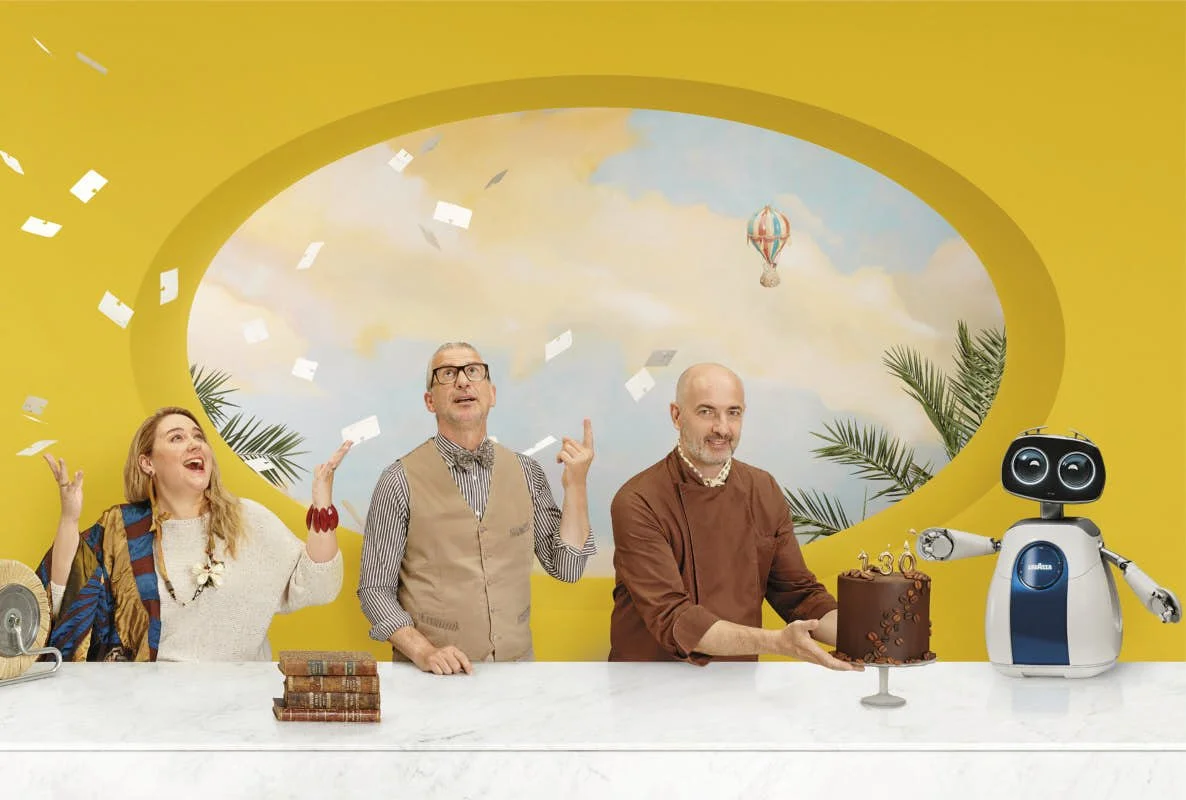
The Lavazza 2025 calendar is a living work. Its pages carry a rhythm, shaped by 130 years of blending.


It moves through color, energy, and form, holding stories that stretch across time. Omar Victor Diop creates four acts, each unfolding with precision and intention. The frames capture motion, moments, and layers that reflect connection.

Blending Cultures begins in winter. Blues fill the space, drawing focus to Whoopi Goldberg. Her presence forms the axis, surrounded by gestures and movements that echo outward. The frame holds lives, histories, and expressions, each one adding weight to the composition. Spring emerges in Blending Times. Jannik Sinner steps forward, his energy defining the tone. Arne Anker stands within the frame, his stance precise, his presence calm. Props and textures align with the figures, extending the narrative into the space they occupy. The image holds movement, grounded in craft and care.


LAVAZZA Calendar 2025 Omar Victor Diop Vienna Event LE MILE Magazine Whoopi Goldberg

(c) Omar Victor Diop
LAVAZZA Calendar 2025, February


“A day, a week, a month, a year – for me, it’s always Lavazza!”

Whoopi Goldberg


Summer shifts into Blending Roots. Omar Victor Diop steps into the frame, central to the story. The tones deepen into green, reflecting origins and connections. The composition expands, pulling threads of identity and place into focus.

Autumn closes with Blending Minds. Julia Nordhaus enters the frame, her energy focused and deliberate. Ochre tones fill the space, creating a sense of thought and creation. The composition feels open, inviting reflection and engagement. Every detail contributes to the narrative, holding its place within the whole.

The calendar moves through these acts, carrying the philosophy of blending into its imagery. The bar counter repeats across frames, forming a thread of exchange and connection. Props, shadows, and textures create depth, adding layers to the story. The energy of blending continues in every element, carrying the vision forward.

Blending began in 1895. Luigi Lavazza worked among sacks of coffee beans, each carrying whispers of the land it came from. Aromas clashed, mixed, and settled into something unified. The act grew into an idea, shaping how Lavazza created and connected with the world. Every blend carried stories, people, and places.


Francesca Lavazza - Vorstandsmitglied der Lavazza Group LAVAZZA Calendar 2025 Omar Victor Diop Vienna Event LE MILE Magazine


“The end result is much more than the sum of individual parts: the result is the Lavazza Group, a family of over 5,500 people, celebrating its 130th anniversary—a long, pioneering journey oriented toward responsibility for people and the environment.”

Francesca Lavazza
Member of the Board of the Lavazza Group


The 2025 calendar transforms this philosophy into visual form. Omar Victor Diop’s lens captures blending as an act of energy, movement, and stillness. Each tableau unfolds with precision, drawing the viewer into its layers. Blending Cultures reveals the winter blues. Whoopi Goldberg holds the center. Around her, figures interact, each one carrying its own weight within the scene. The composition speaks to exchange and the coexistence of traditions.

Spring emerges in Blending Times. Tennis-star Jannik Sinner and Arne Anker take the lead. Sinner brings a sense of vitality, while Anker reflects the artistry of craft. The rhythm of the scene resonates through objects and gestures. Blending Roots shifts into green, where Diop steps into the frame. His stance anchors the image in the concept of shared origins.

In Blending Minds, Julia Nordhaus of Lavazza Germany becomes the focal point. The ochre tones of autumn surround her, carrying the energy of collaboration and the pursuit of ideas. Her gaze suggests a vision forward, rooted in creativity and innovation.

Blending defines each frame. It appears in the arrangement of subjects, in the textures, and in the spaces where people and objects converge. The recurring bar counter emphasizes gathering and exchange, while the costumes and props bring layers of context and meaning into focus. Every element contributes to the overall narrative.


read more: Let´s Blend! Calender 2025!


(c) Omar Victor Diop
LAVAZZA Calendar 2025, August

 
LAVAZZA Calendar 2025 Omar Victor Diop Vienna Event LE MILE Magazine Portrait Artist

(c) Omar Victor Diop
Artist portrait


“I depicted the concept of blend through the use of color—universal yet deeply personal. My intent was to create a multifaceted fresco that united identities, origins, and skills in a unique symposium.”

Omar Victor Diop


scroll the calendar


Arne Anker brought his perspective as Lavazza’s Ambassador of Indulgence for Germany. His Berlin restaurant, BRIKZ, reflects the blending ethos through its evolving menu. Coffeetails, a centerpiece of his work, reimagine coffee as a living ingredient, constantly adapted to new contexts.

Anker’s approach embodies the spirit of blending, creating moments that move beyond the static and into the experiential. Francesca Lavazza spoke of the calendar as a reflection of shared values. Her words grounded the project in the brand’s ongoing mission to connect people and ideas. Julia Nordhaus, whose presence in Blending Minds highlights Lavazza’s commitment to forward-thinking innovation, underscored the importance of collaboration within and beyond the company.


The 2025 calendar extends Lavazza’s heritage into new dimensions, transforms blending into a framework for thinking, one that bridges art, culture, and identity. Its unveiling in Vienna emphasized this movement, reinforcing Lavazza’s role as a catalyst for connection and creativity. The project shows how blending, born in coffee, continues to shape the way the brand engages with the world.


A Brewed Vision shared with Lavazza

(c) Omar Victor Diop for LAVAZZA
2024

Gregory Crewdson *Dreamscapes of a Haunted America

Gregory Crewdson *Dreamscapes of a Haunted America

Gregory Crewdson at Espace Louis Vuitton
*Dreamscapes of a Haunted America


written Monica de Luna


Gregory Crewdson’s photographs are a punch to the gut, and the latest exhibit at Espace Louis Vuitton München doesn’t hold back.


As part of the Fondation Louis Vuitton’s bold Hors-les-murs program, Crewdson’s series Dream House (2002) and Cathedral of the Pines (2014) are unleashed upon the Munich audience, exposing the fractures beneath the pristine surface of middle-class America. The exhibition pulls you into a world where the familiar dissolves into the surreal, where dreams blur into nightmares, and where small-town life becomes a stage for unsettling cinematic narratives.

 
Gregory Crewdson Espace Louis Vuitton München LE MILE Magazine

(c) Gregory Crewdson, Cathedral of the Pines
at Espace Louis Vuitton Munich

 
Gregory Crewdson Espace Louis Vuitton München LE MILE Magazine

(c) Gregory Crewdson, Cathedral of the Pines
at Espace Louis Vuitton Munich


Crewdson doesn’t just photograph—he directs. His large-scale works, meticulously staged like movie stills, turn ordinary scenes into eerie tableaus. The deserted streets, the muted lighting, the frozen moments—they all draw from the visual lexicon of film noir and psychological thrillers, leaving you hanging in the quiet dread of what might come next. The characters are caught in the eye of a storm you can’t see, their stillness heavy with a tension that won’t break.

This latest showcase at Espace Louis Vuitton Munich goes deeper into that dissonance. Dream House is a series that pulls back the curtains on domestic spaces, revealing the lurking darkness that fills the cracks of suburban life. Crewdson’s use of twilight and nighttime settings floods each photograph with the same unease you get from waking up in a dream you can’t shake. Cathedral of the Pines, on the other hand, feels more intimate, more introspective. Shot in the forests of rural Massachusetts, these images are quieter, more meditative—yet no less haunting. You feel the weight of isolation, of lives lived on the fringes, of nature encroaching on the fragile constructs of human existence.


What sets Gregory Crewdson apart is the way he plays with time. In his world, nothing moves. There’s no before, no after—just the moment. This cinematic suspension freezes the characters and the viewer, locking you in an unresolved narrative. That sense of unsettling calm, of a story half-told, is why his work lingers long after you’ve left the gallery. Every photograph is a secret waiting to be uncovered, but Crewdson isn’t offering answers. He’s here for the mystery!

In Cathedral of the Pines, the mystery becomes more personal. The forested backdrop and the desolate interiors of small-town homes mirror Crewdson’s own journey—of dislocation, personal reflection, and a return to the woods of his youth. This series marks a shift, a softer but more emotionally charged tone that contrasts the colder precision of Dream House. Here, the silence is almost deafening, but it’s the kind that invites you to listen closely—to the rustling leaves, the creaking floorboards, and the whisper of unsaid thoughts.

 
Gregory Crewdson Espace Louis Vuitton München LE MILE Magazine

(c) Gregory Crewdson, Dream House
at Espace Louis Vuitton Munich


There’s no escaping the comparison to David Lynch. Like Lynch, Crewdson captures the dark underbelly of the American dream. Both artists are fascinated with what lies beneath the surface of manicured lawns and polite smiles. In Crewdson’s world, the perfect façade is just that—a cover for something far more disturbing. It’s no accident that his images feel like stills from a movie that could sit comfortably between Blue Velvet and Twin Peaks. The suburban dread, the unease in the everyday—Crewdson’s lens finds the uncanny in what most would overlook.

And yet, despite the cinematic scale of his work, there’s something deeply personal about Crewdson’s exploration of these themes. Whether through the stark portrayal of loneliness in Cathedral of the Pines or the visual claustrophobia of Dream House, there’s a sense that Crewdson is constantly searching for a way out—of both the frame and himself.


His images require you to stop, stare, and confront the unease that rises from the edges of the frame. They are moments from a story you’ll never fully understand, but one you won’t be able to forget.

(c) Gregory Crewdson
Espace Louis Vuitton Munich, 2024

 
Gregory Crewdson Espace Louis Vuitton München LE MILE Magazine

(c) Gregory Crewdson, Dream House
at Espace Louis Vuitton Munich