Viewing entries tagged
rimowa

RIMOWA Design Prize 2026 - How Young Designers Are Reframing Mobility

RIMOWA Design Prize 2026 - How Young Designers Are Reframing Mobility

RIMOWA Design Prize 2026
How Young Designers Are Reframing Mobility


written KLAAS HAMMER


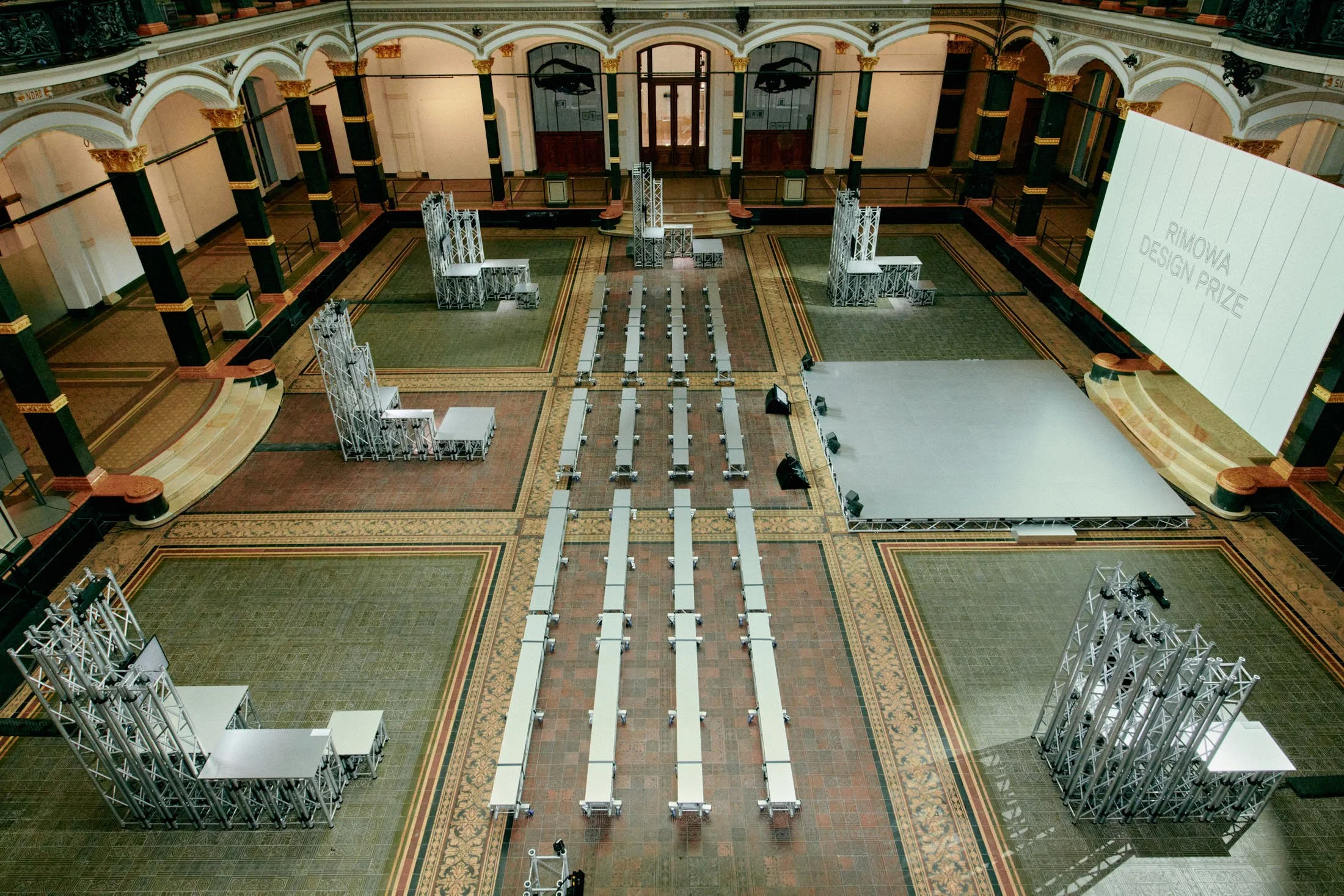
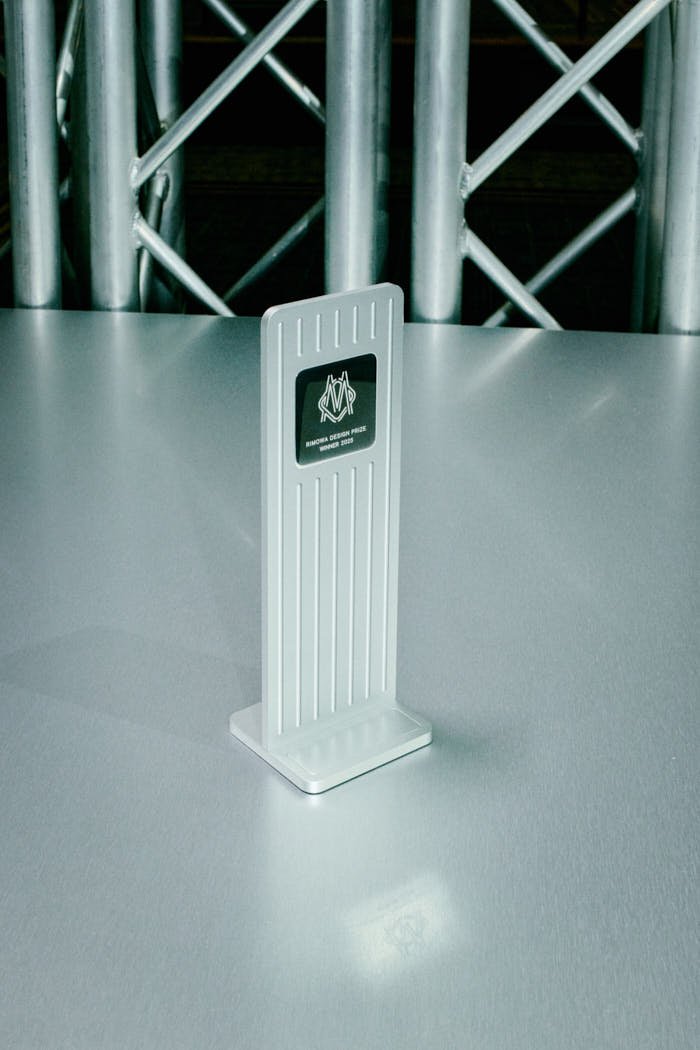
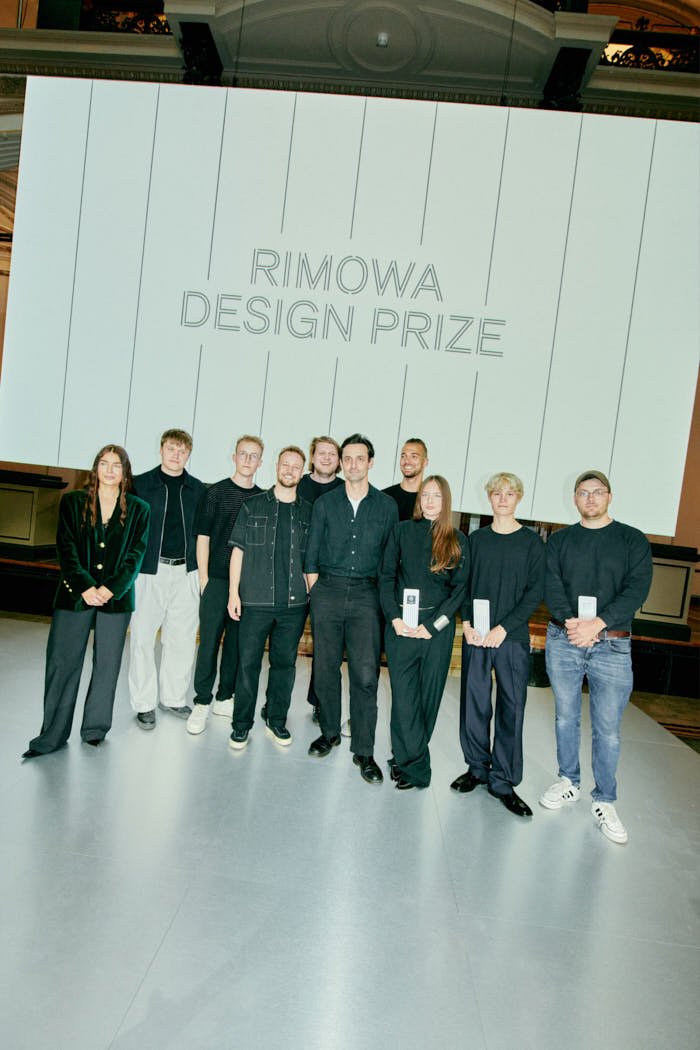
The future of German design is in good hands - a fact once again proven by this year’s RIMOWA Design Prize 2026. On May 11, seven finalists from universities across Germany presented their projects to an international audience in Berlin, showcasing a new generation of designers driven by innovation, purpose, and social impact.


First launched in 2023, the RIMOWA Design Prize was created to support emerging creative talent and champion the future of German design. Rooted in values such as innovation, inclusivity, and global transformation, the award once again centered this year around the theme of mobility - encouraging young designers to translate visionary ideas into tangible projects capable of creating lasting, sustainable impact on global challenges. And the finalists delivered. Their concepts demonstrated that mobility is about far more than movement alone; it is deeply connected to freedom, accessibility, resilience, and human connection. At the same time, the projects reflected the core principles long associated with RIMOWA - durability, excellence, and purposeful design.
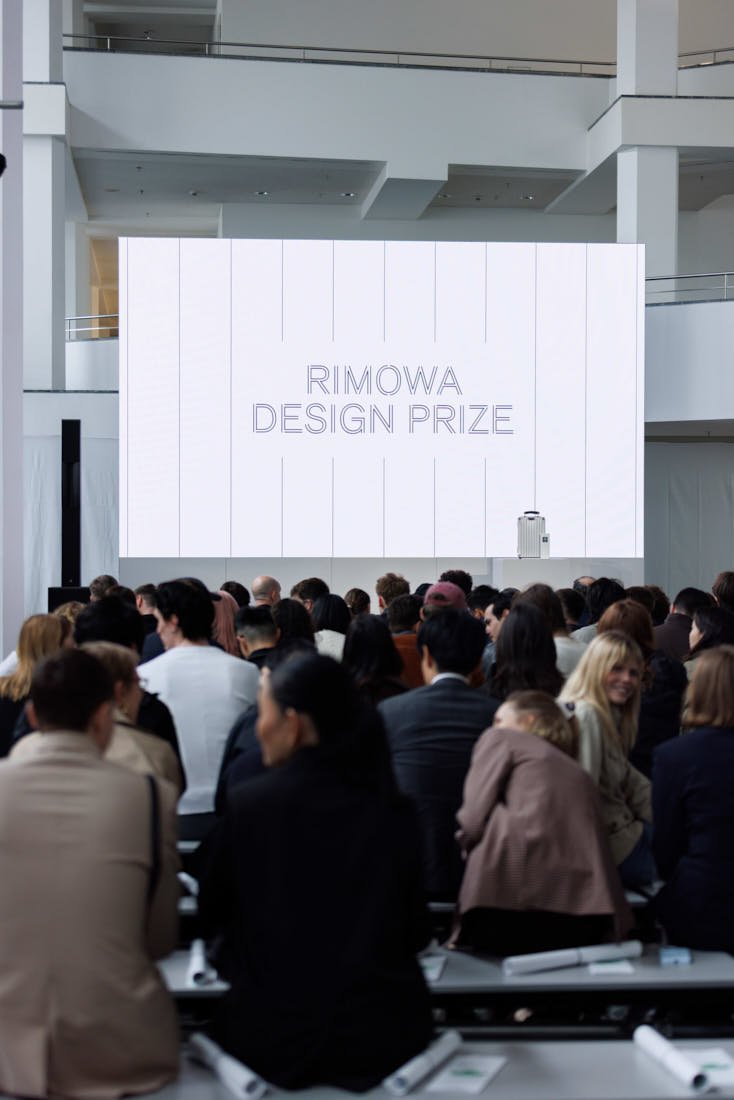
 
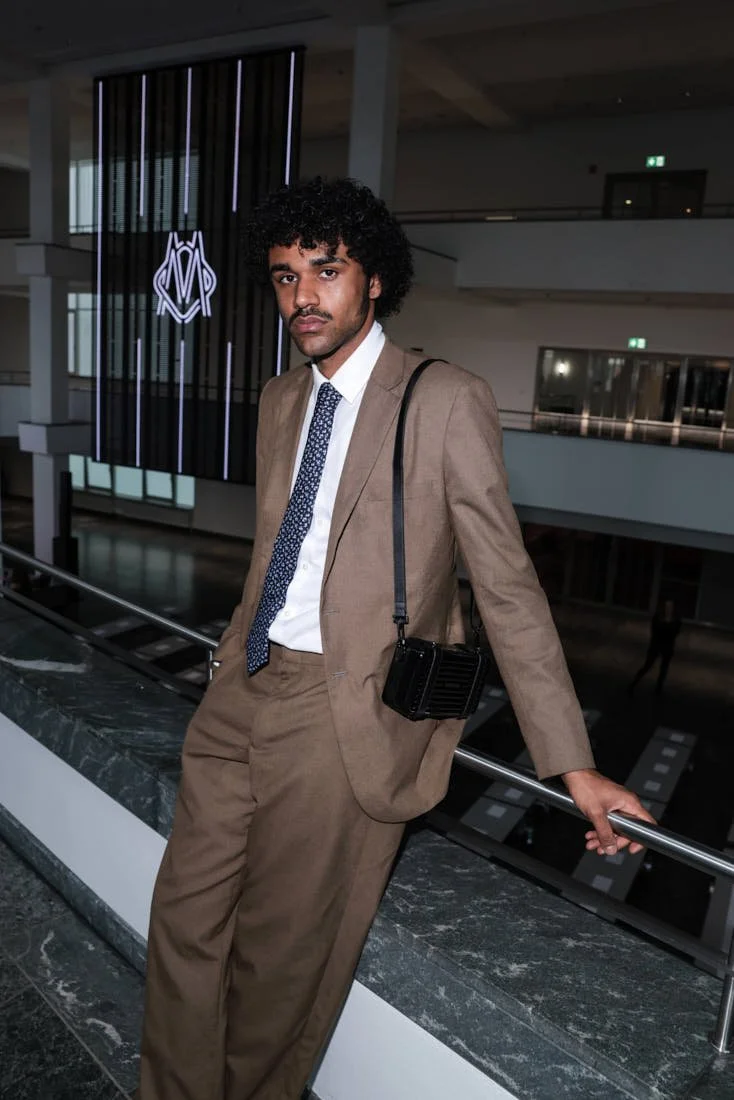
Guests at the RIMOWA Design Prize 2026 ceremony in Berlin for LE MILE Magazine
Guests at the RIMOWA Design Prize 2026 ceremony in Berlin

 
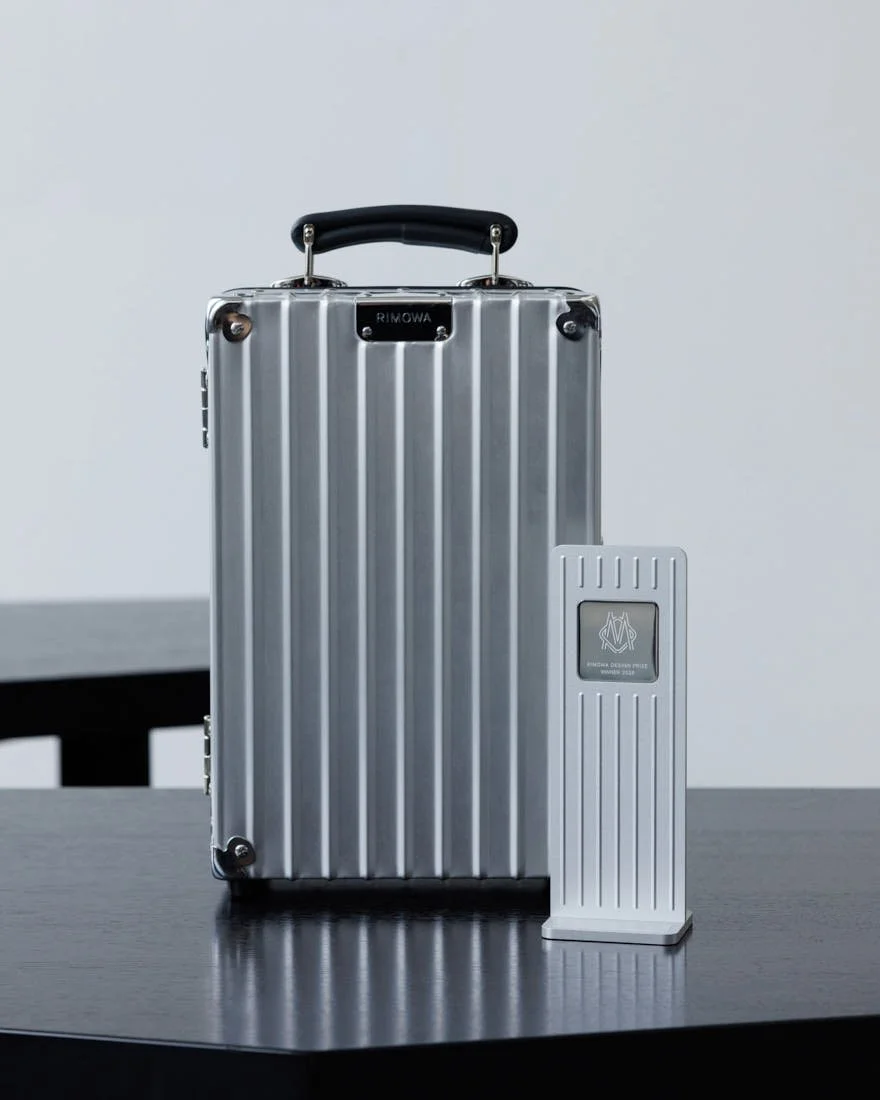
The award presentation at the RIMOWA Design Prize 2026 ceremony in Berlin for LE MILE Magazine
The award presentation at the RIMOWA Design Prize 2026

 
Langston Uibel at the RIMOWA Design Prize 2026 ceremony in Berlin for LE MILE Magazine
Langston Uibel at the RIMOWA Design Prize 2026

 
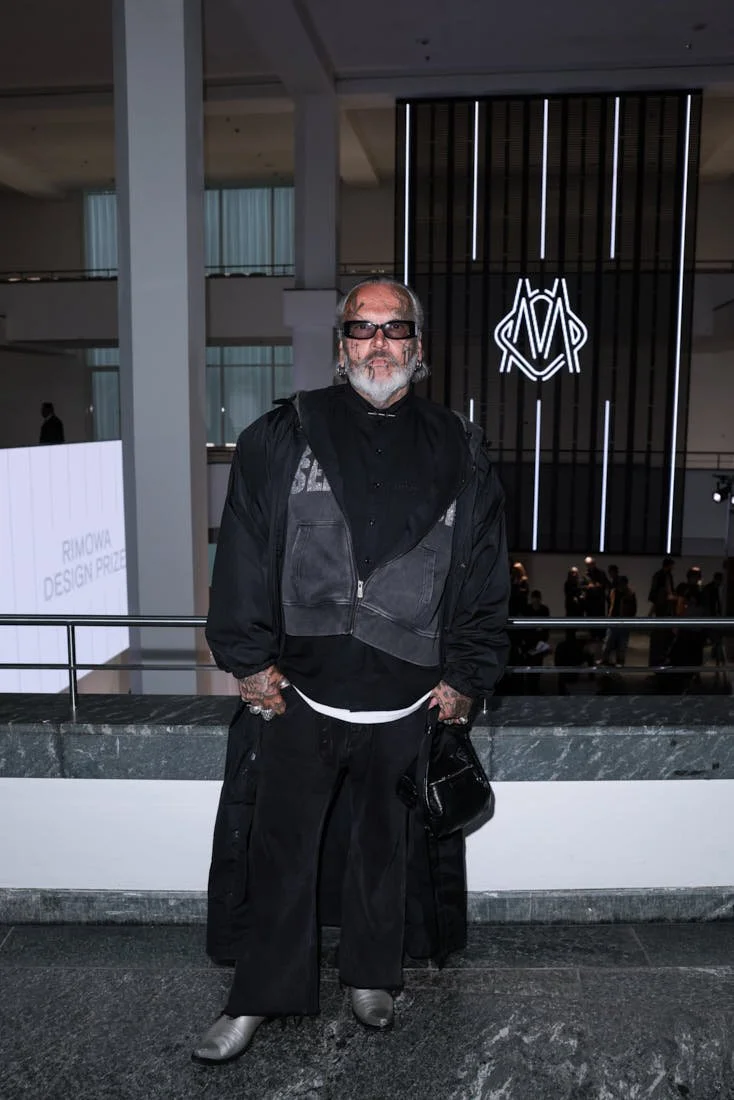
Sven Marquardt at the RIMOWA Design Prize 2026 ceremony in Berlin for LE MILE Magazine
Sven Marquardt at the RIMOWA Design Prize 2026


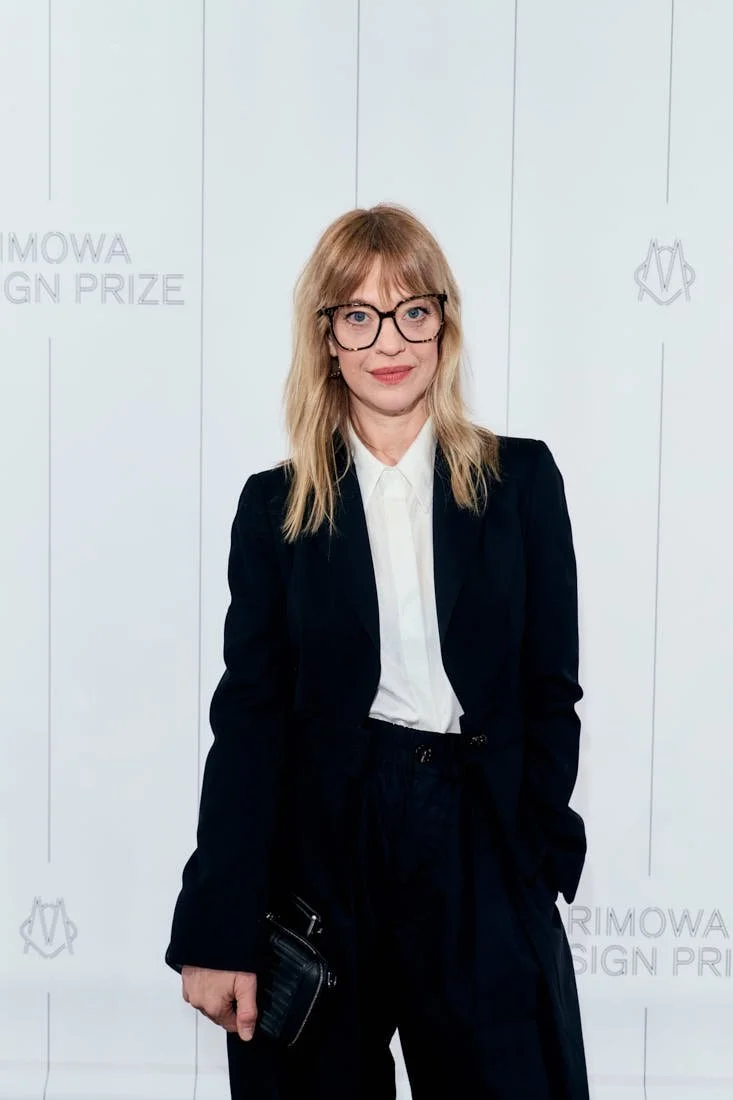
Heike Makatsch at the RIMOWA Design Prize 2026 in Berlin for LE MILE Magazine

Heike Makatsch at the RIMOWA Design Prize 2026


Set against the striking backdrop of Berlin’s Kulturforum, journalist Valerie Präkelt guided guests through both the press preview and the evening’s award ceremony, attended by Berlin creatives, talents such as Heike Makatsch, Langston Uibel, Justus Riesner, Paula Hartmann, industry professionals, and members of the international press. Also present was newly appointed RIMOWA CEO Beatrice Monguidi, who described the event as a meaningful introduction to her new role at the company, one that celebrates young creative voices and offers them real opportunities to shape the future. Monguidi, previously President of Louis Vuitton for Europe, the Middle East and Africa, succeeds Hugues Bonnet-Masimbert, who is stepping down after leading the company since 2021.

The finalists’ projects spanned a remarkable range of disciplines and ideas. Valerio Sampognaro, for example, presented ultra-lightweight furniture inspired by kite construction. Using sailcloth and aluminum tubing, he transformed principles of aerodynamics into functional everyday objects designed for a more mobile lifestyle. Meanwhile, Jakob Schlenker introduced “PIP,” a portable bird-shaped companion created for elderly people experiencing loneliness. Supported by AI technology, PIP encourages movement and social interaction through subtle prompts and emotional engagement. One of the evening’s most discussed projects, particularly due to its urgent real-world relevance, came from Tobias Kremer and Yannick Stilgenbauer. Their concept, A.R.C., proposes a portable cooling system for food and medicine designed for use in hot, arid crisis regions where infrastructure has collapsed.
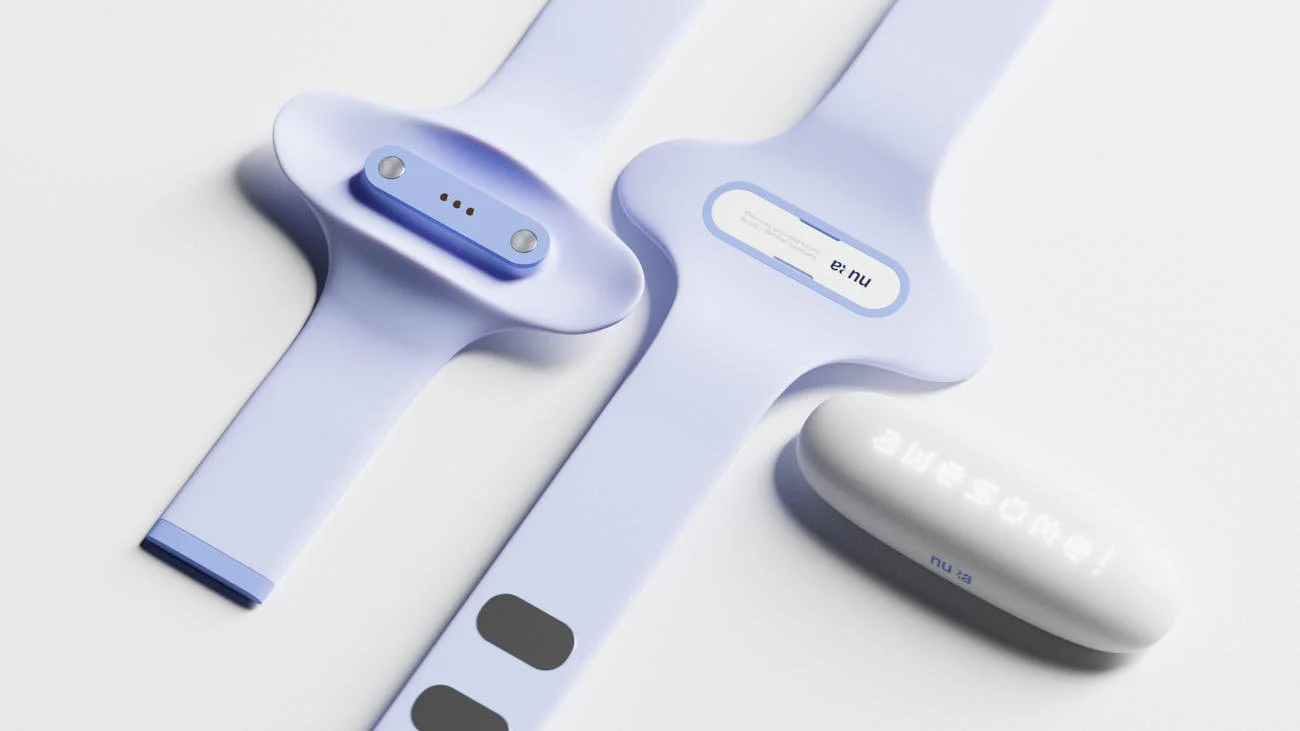
 
 
Samuel Nagel and Paul Feiler with their project NURA for the RIMOWA Design Prize 2026, featured by LE MILE Magazine

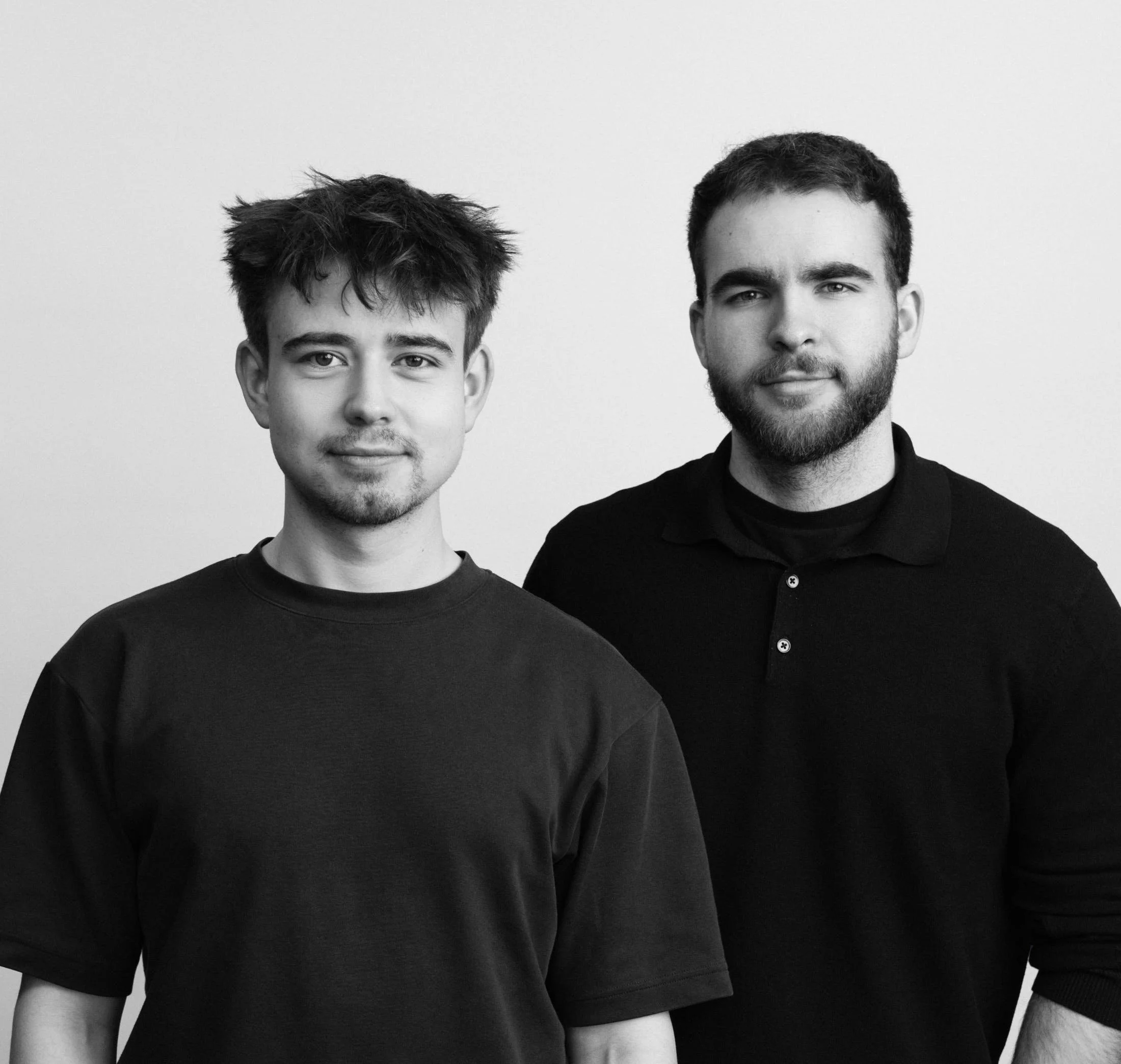
Samuel Nagel and Paul Feiler with their project NURA for the RIMOWA Design Prize 2026
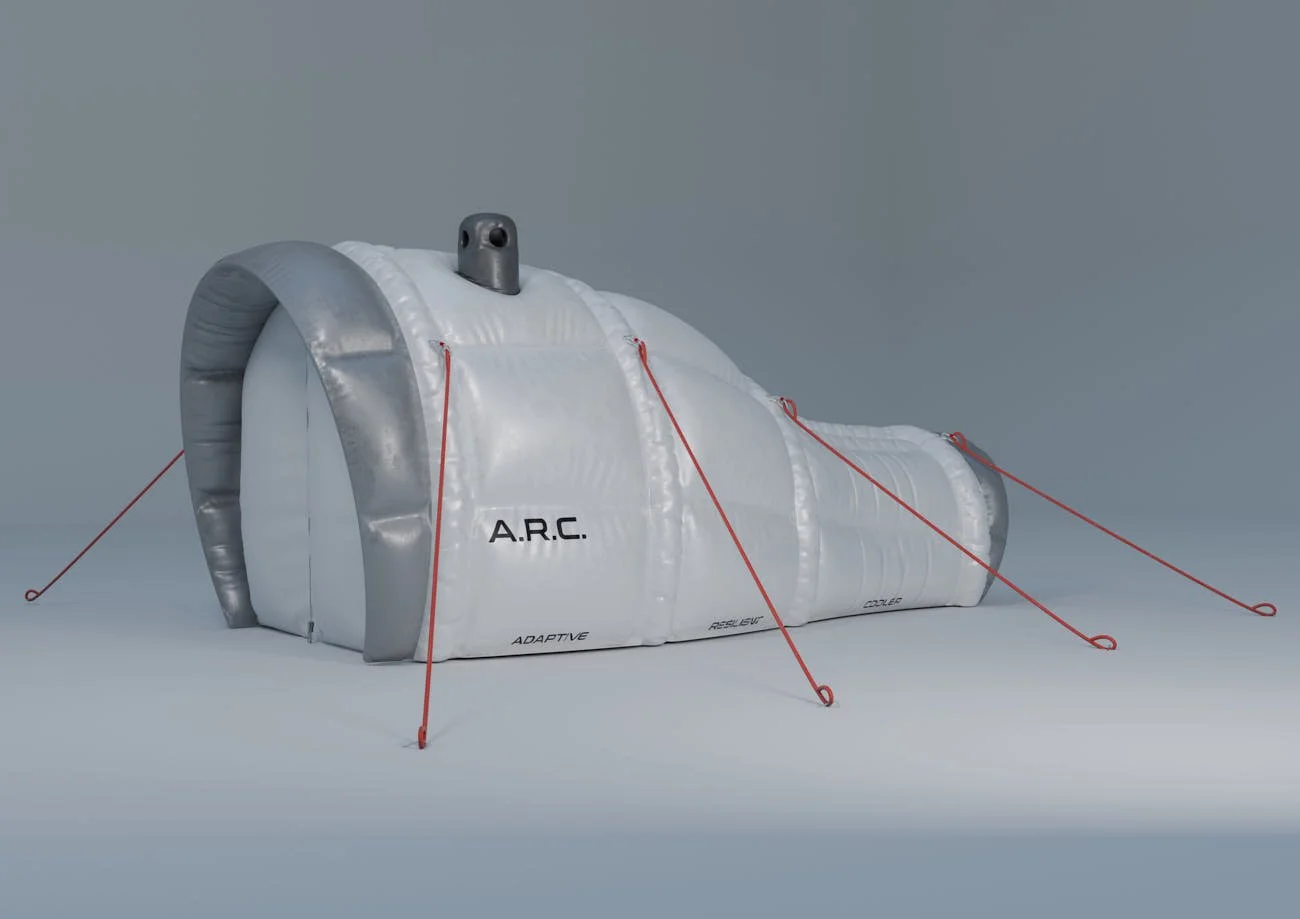
Tobias Kremer and Yannick Stilgenbauer’s A.R.C. project for the RIMOWA Design Prize 2026, featured by LE MILE Magazine

Tobias Kremer and Yannick Stilgenbauer’s A.R.C. project for the RIMOWA Design Prize 2026
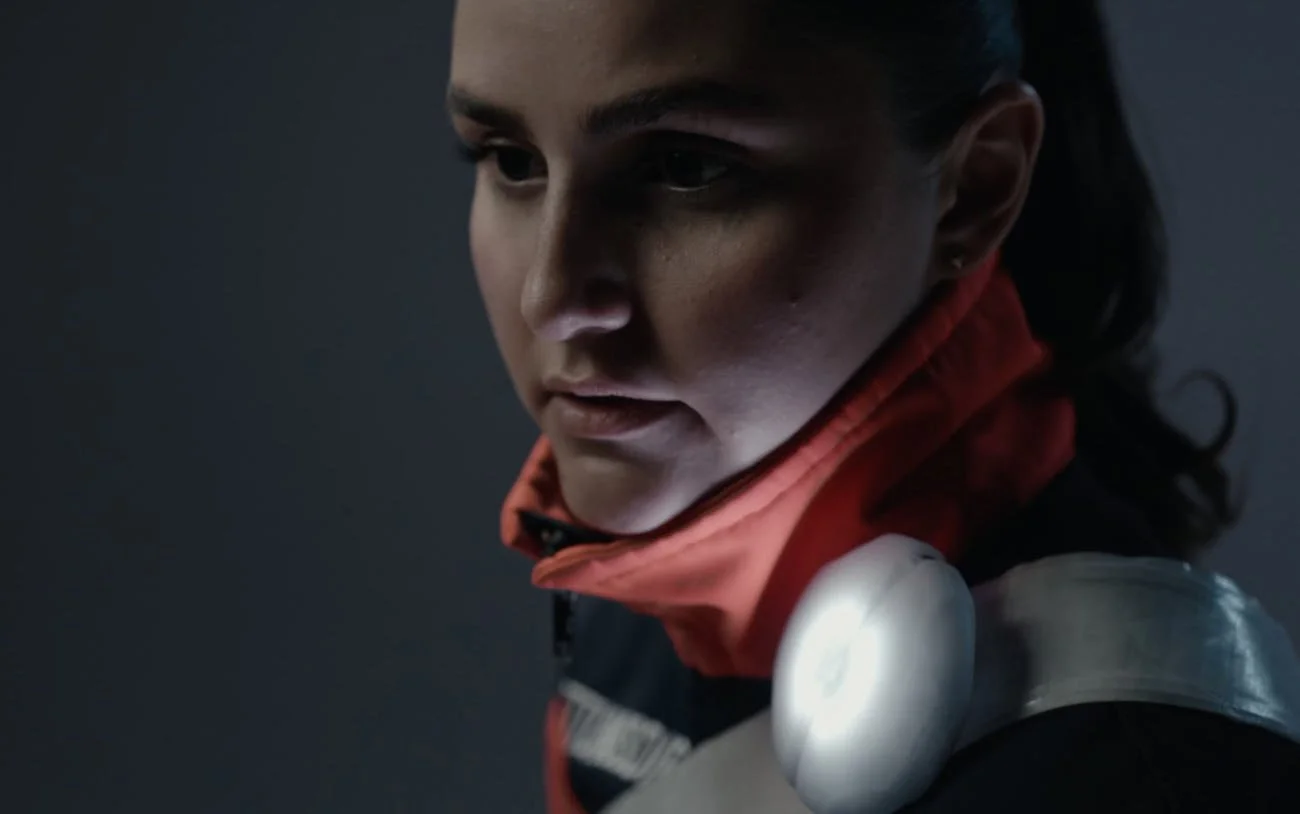
 
Tim Kipper and John Roller’s Compassion Aid project for the RIMOWA Design Prize 2026, featured by LE MILE Magazine

Tim Kipper and John Roller’s Compassion Aid project for the RIMOWA Design Prize 2026
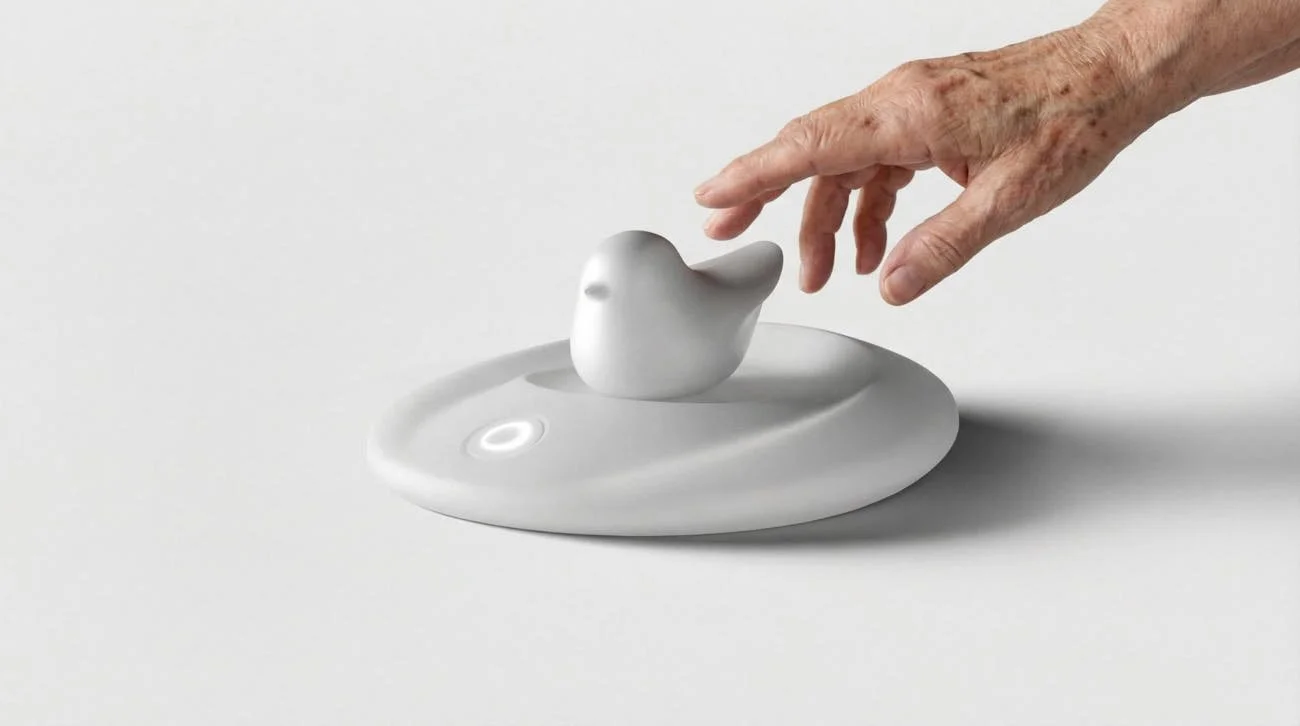
Jakob Schlenker’s PIP project for the RIMOWA Design Prize 2026, featured by LE MILE Magazine

Jakob Schlenker’s PIP project for the RIMOWA Design Prize 2026
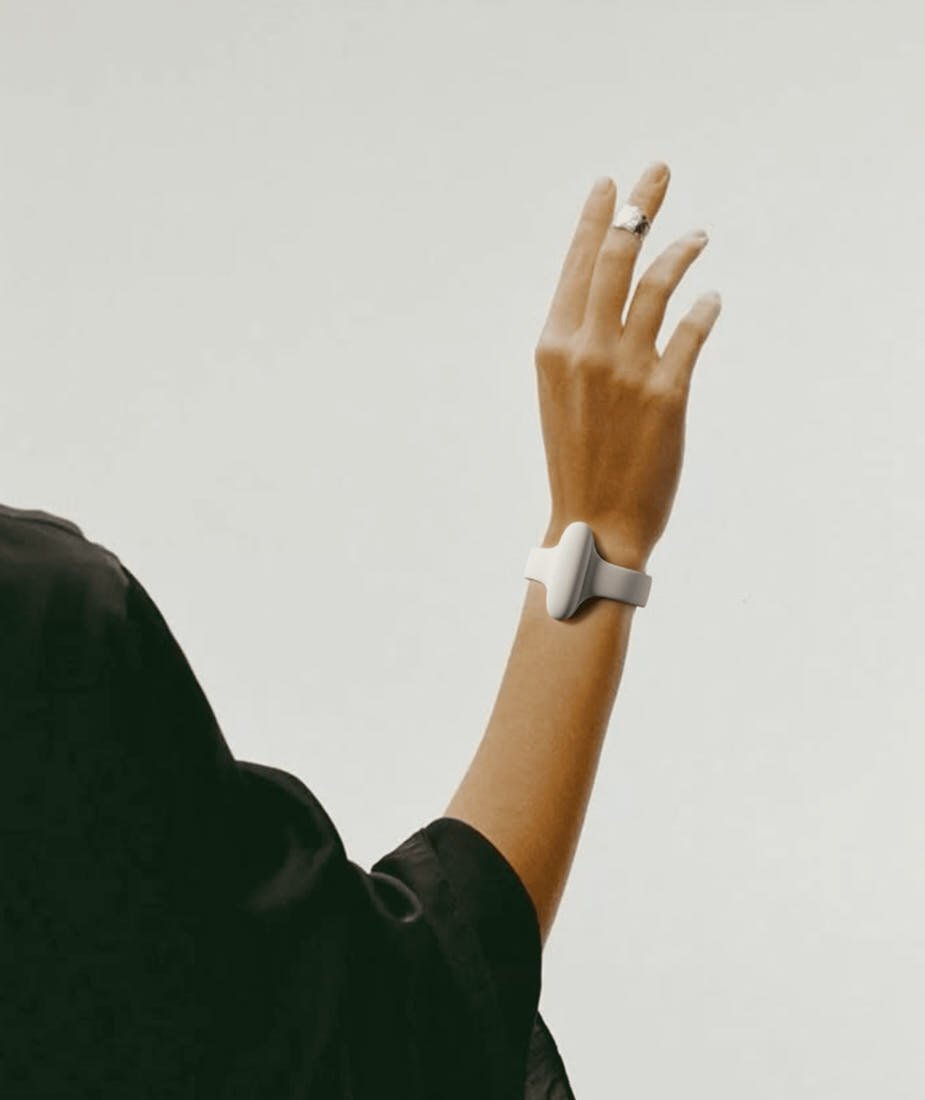
 
Samuel Nagel and Paul Feiler’s NURA project for the RIMOWA Design Prize 2026, featured by LE MILE Magazine

Samuel Nagel and Paul Feiler’s NURA project for the RIMOWA Design Prize 2026
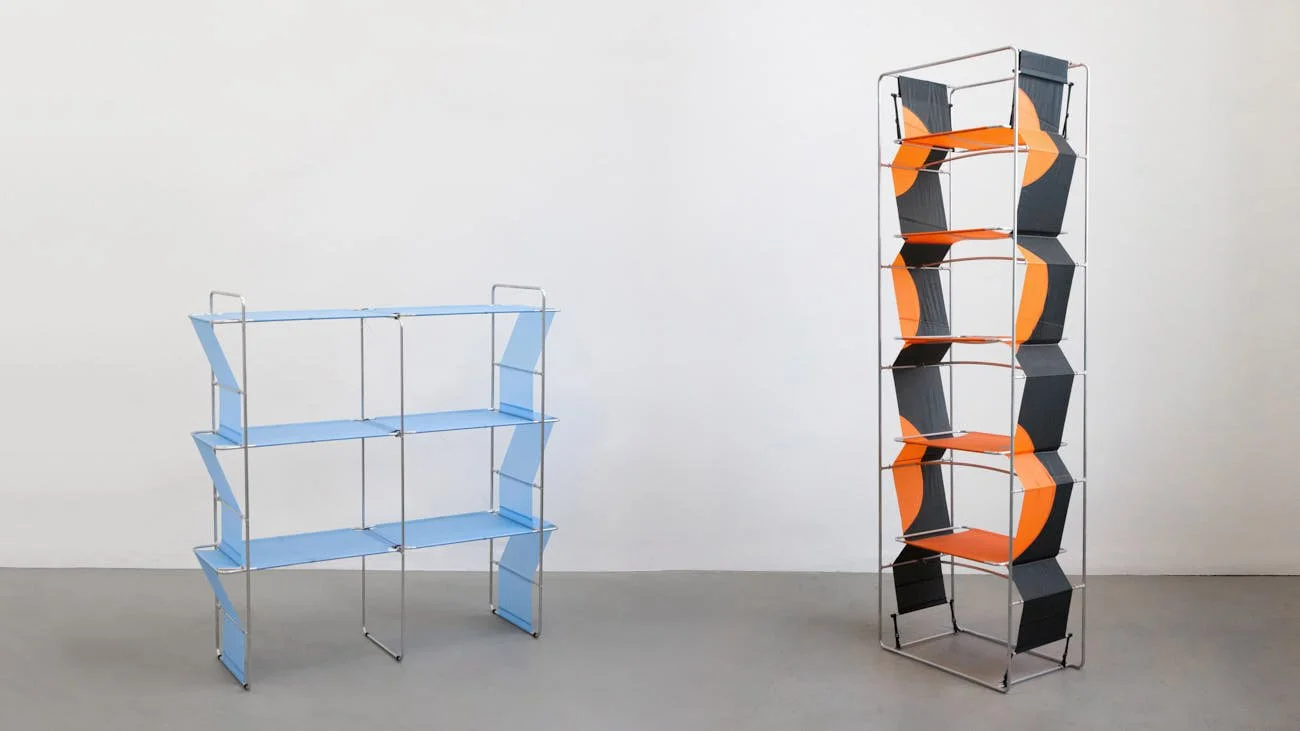
 
Valerio Sampognaro’s Aerodomestics project for the RIMOWA Design Prize 2026, featured by LE MILE Magazine

Valerio Sampognaro’s Aerodomestics project for the RIMOWA Design Prize 2026
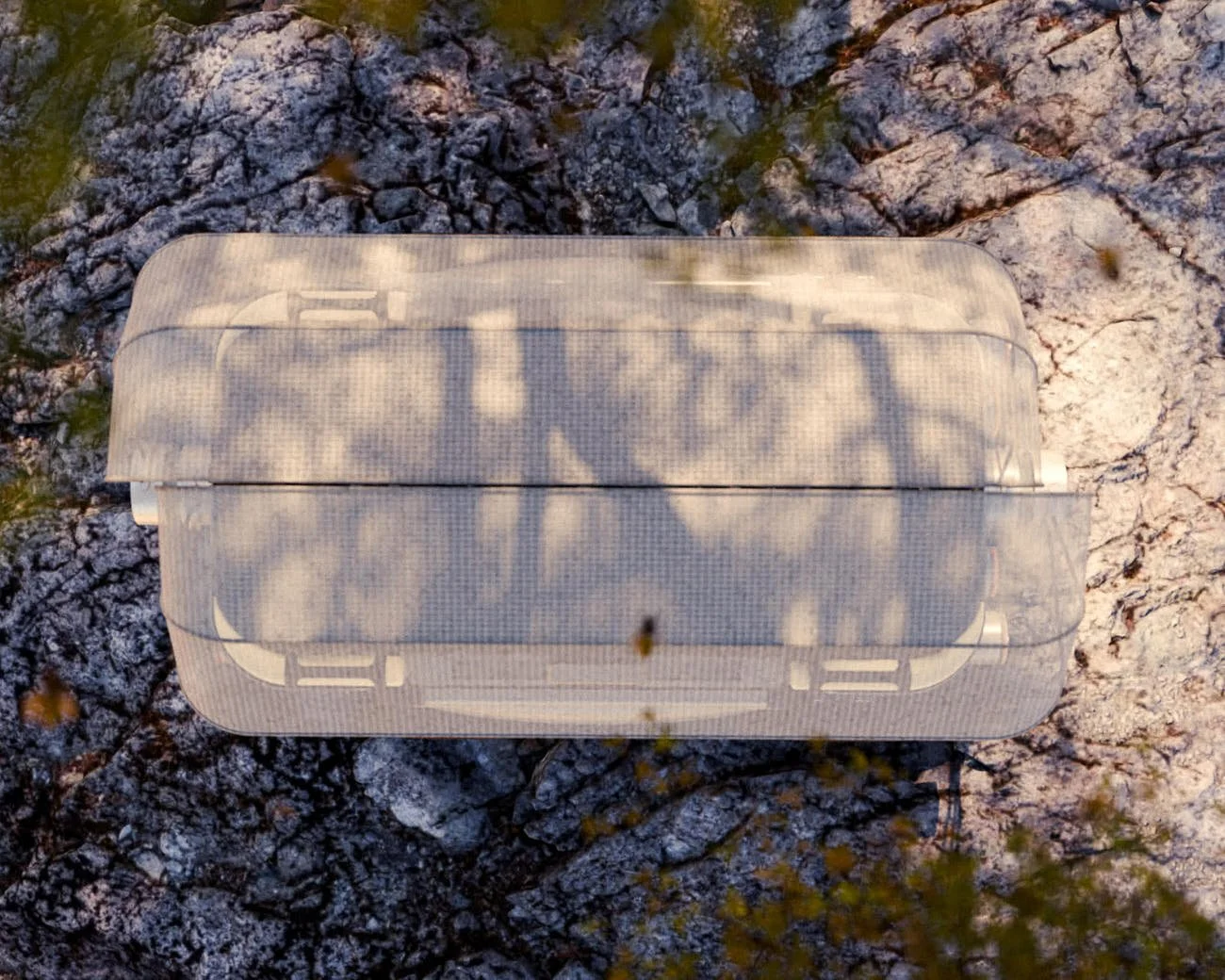
 
Nicolas Nielsen’s HYVE project for the RIMOWA Design Prize 2026, featured by LE MILE Magazine

Nicolas Nielsen’s HYVE project for the RIMOWA Design Prize 2026
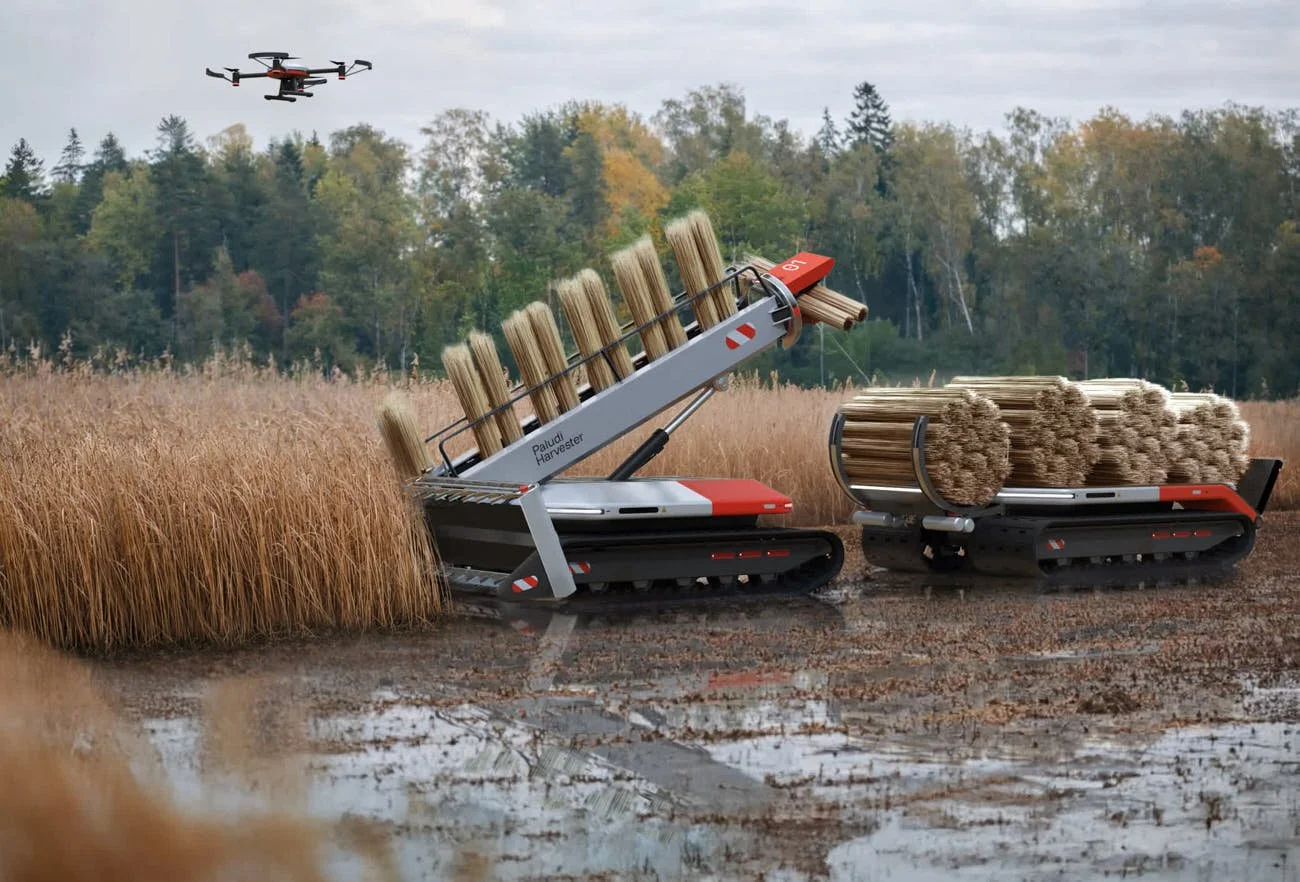
Niklas Henning’s Paludi Harvesters project for the RIMOWA Design Prize 2026, featured by LE MILE Magazine

Niklas Henning’s Paludi Harvesters project for the RIMOWA Design Prize 2026


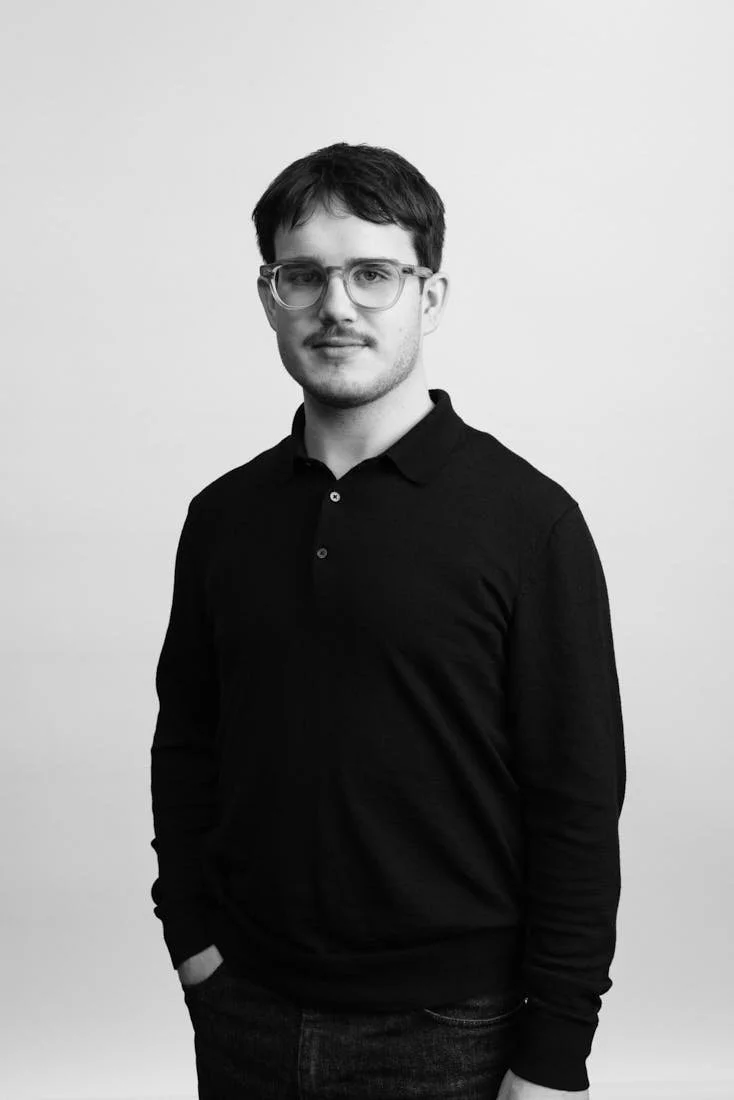
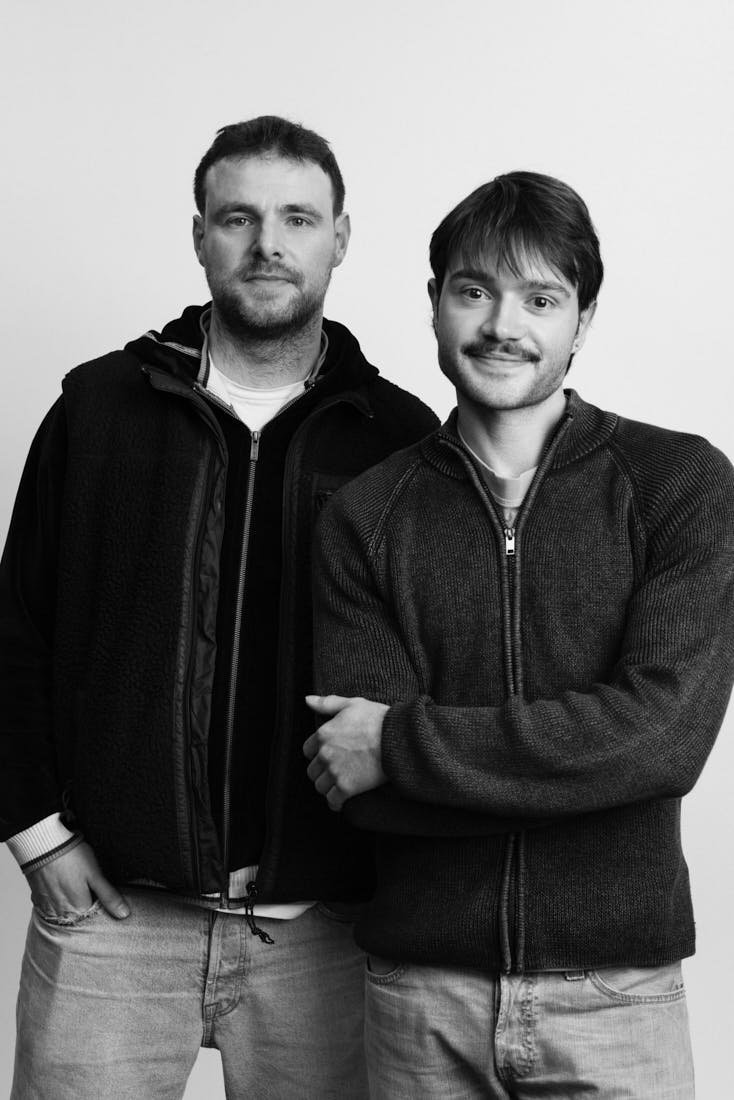
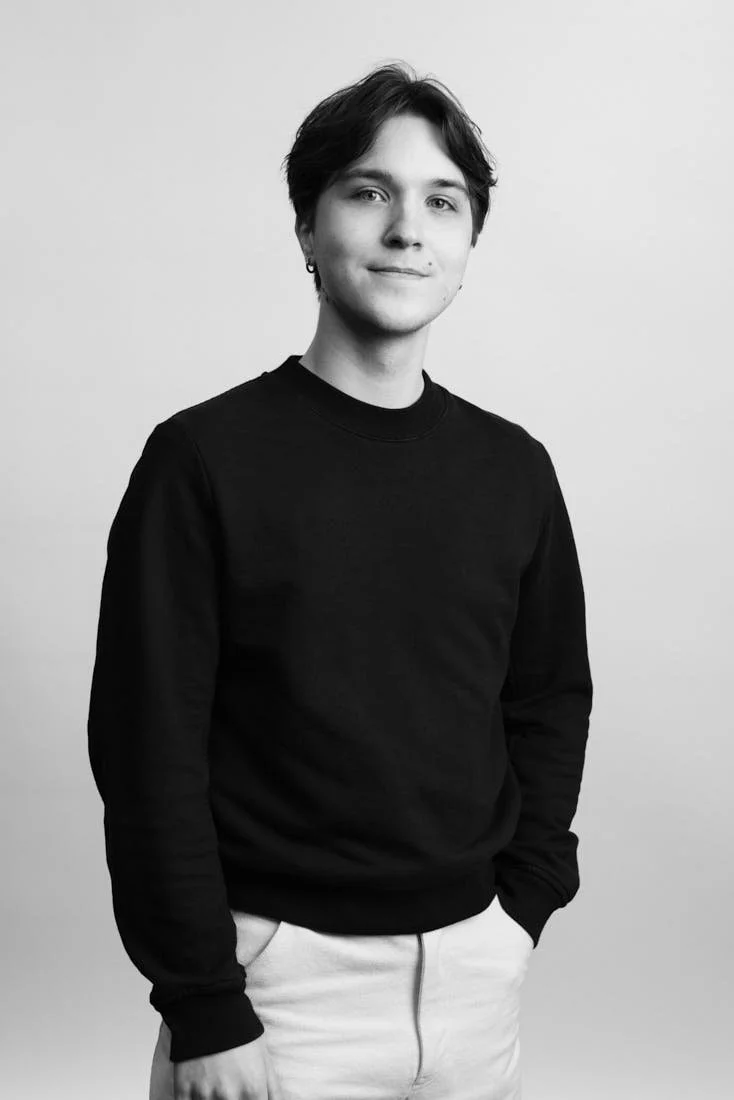
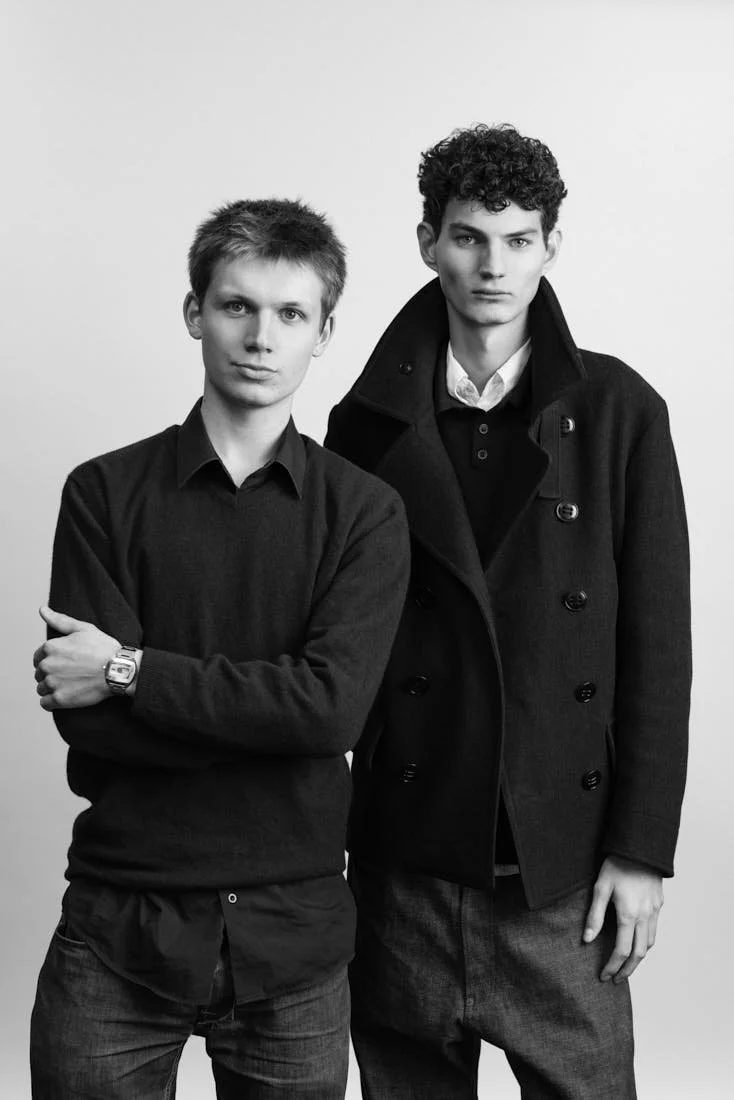
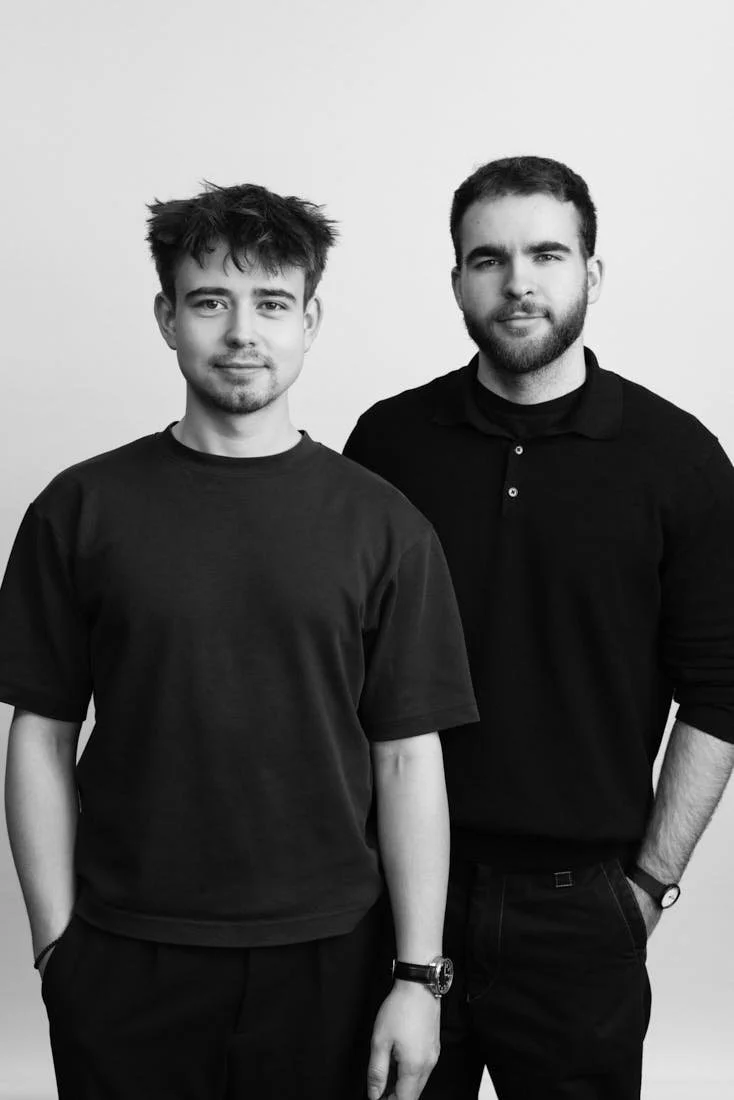
meet the finalists
 

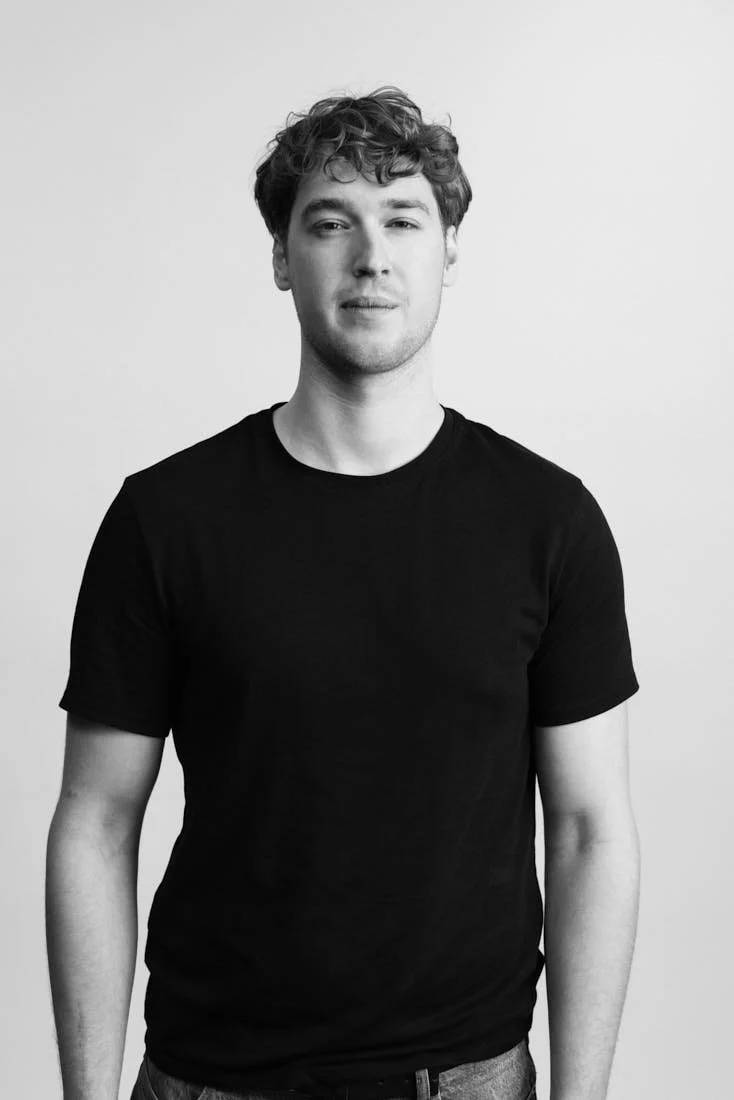
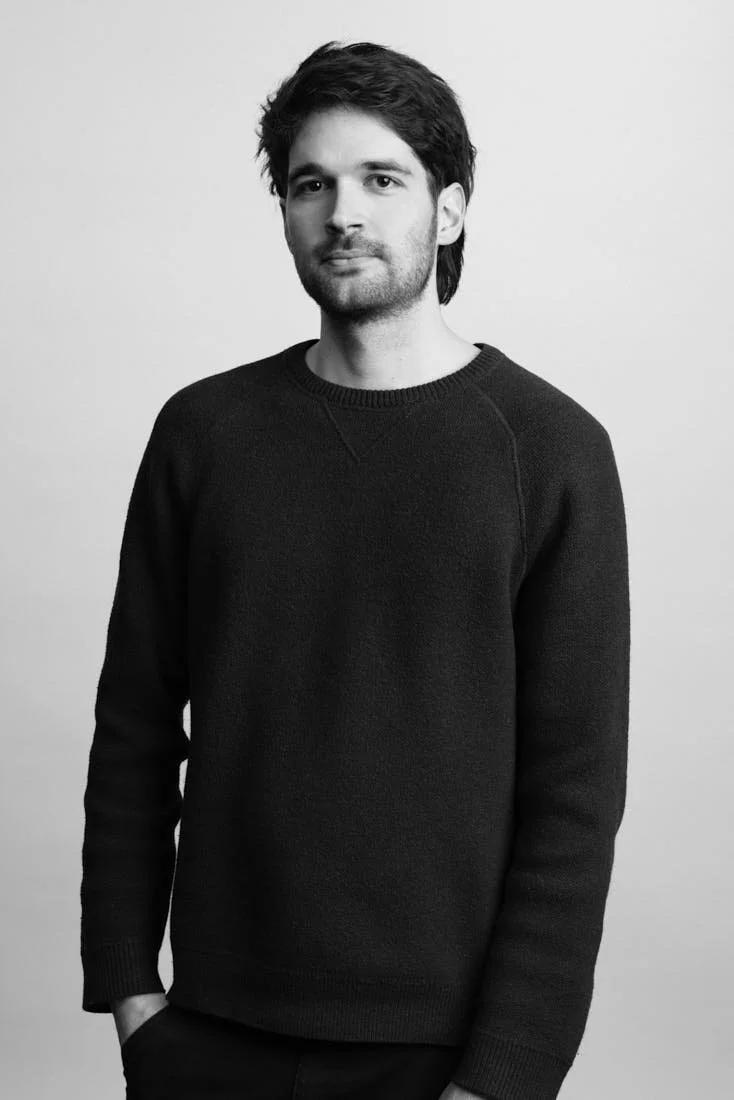
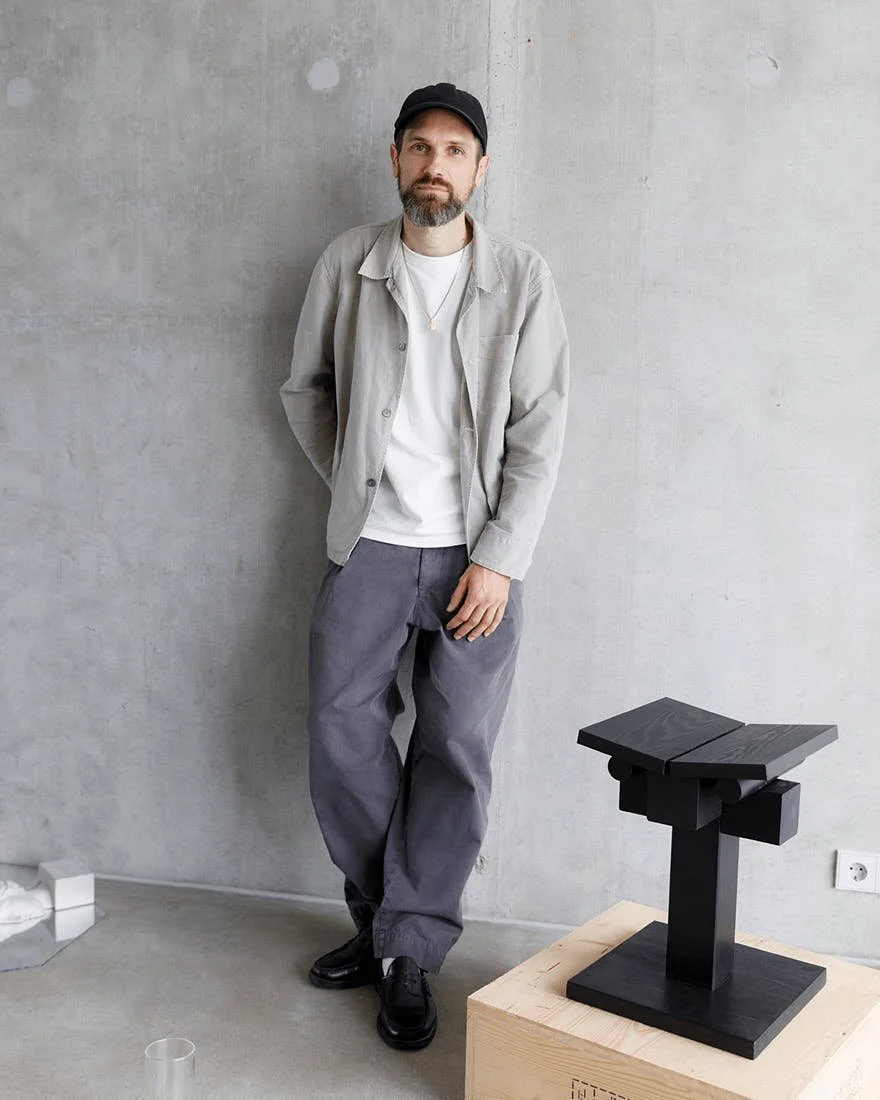
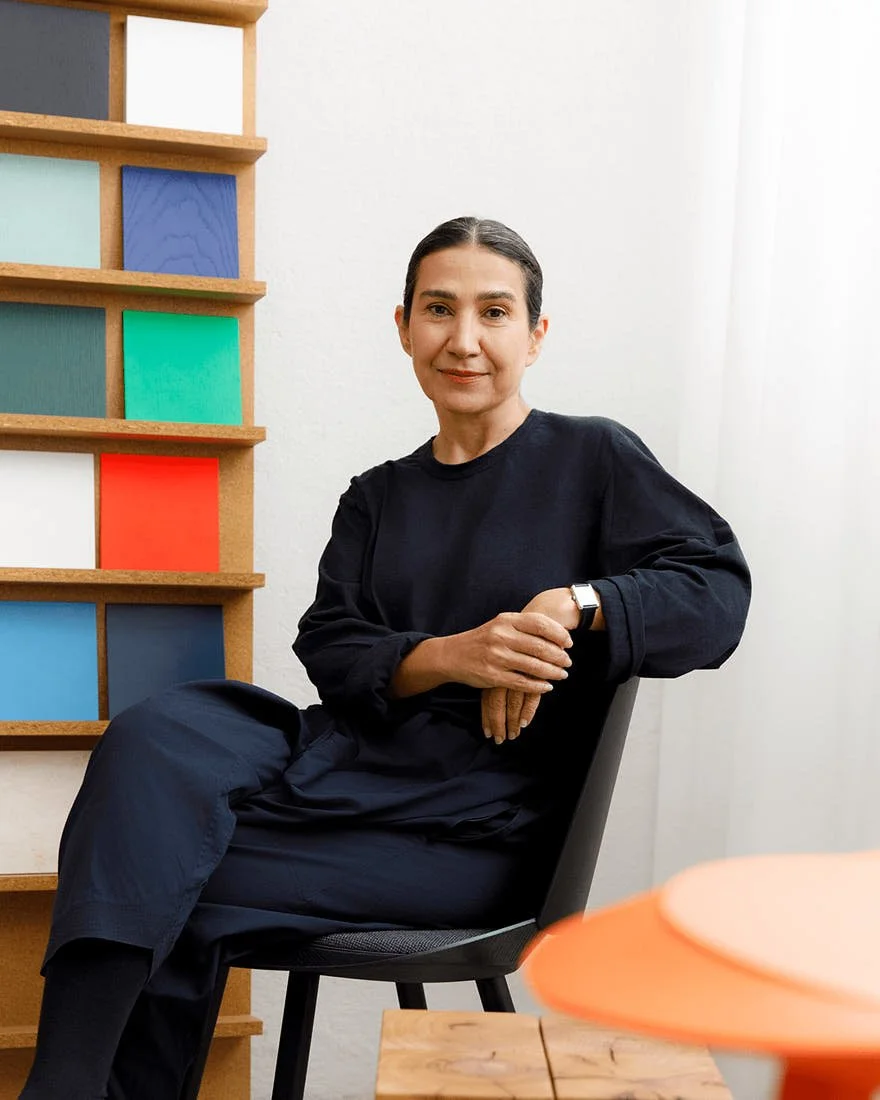
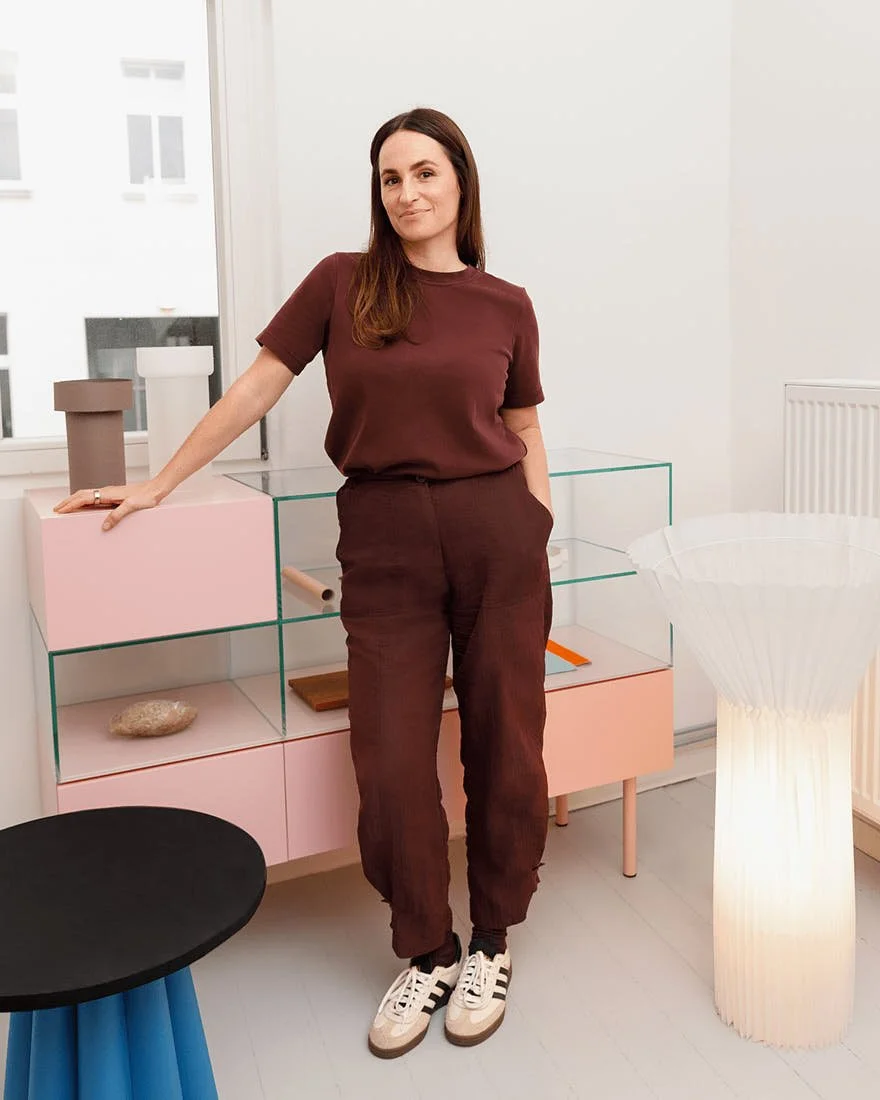
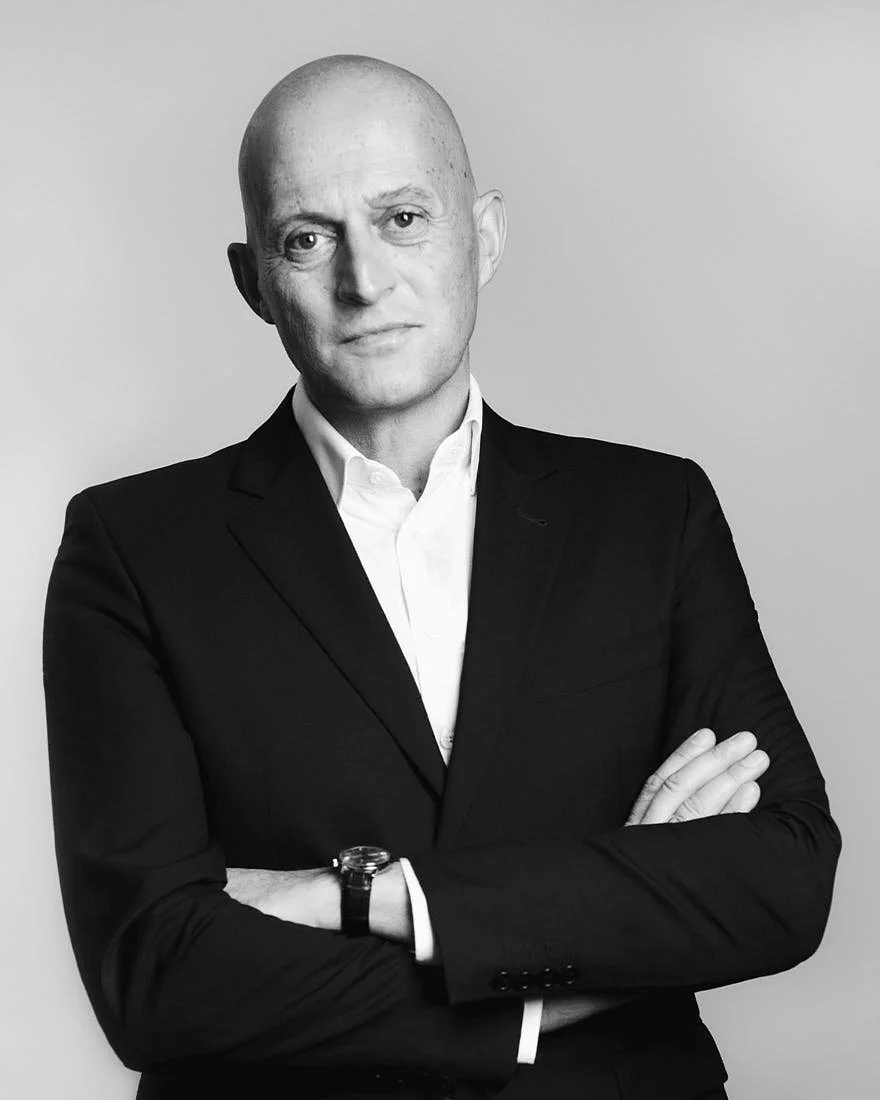
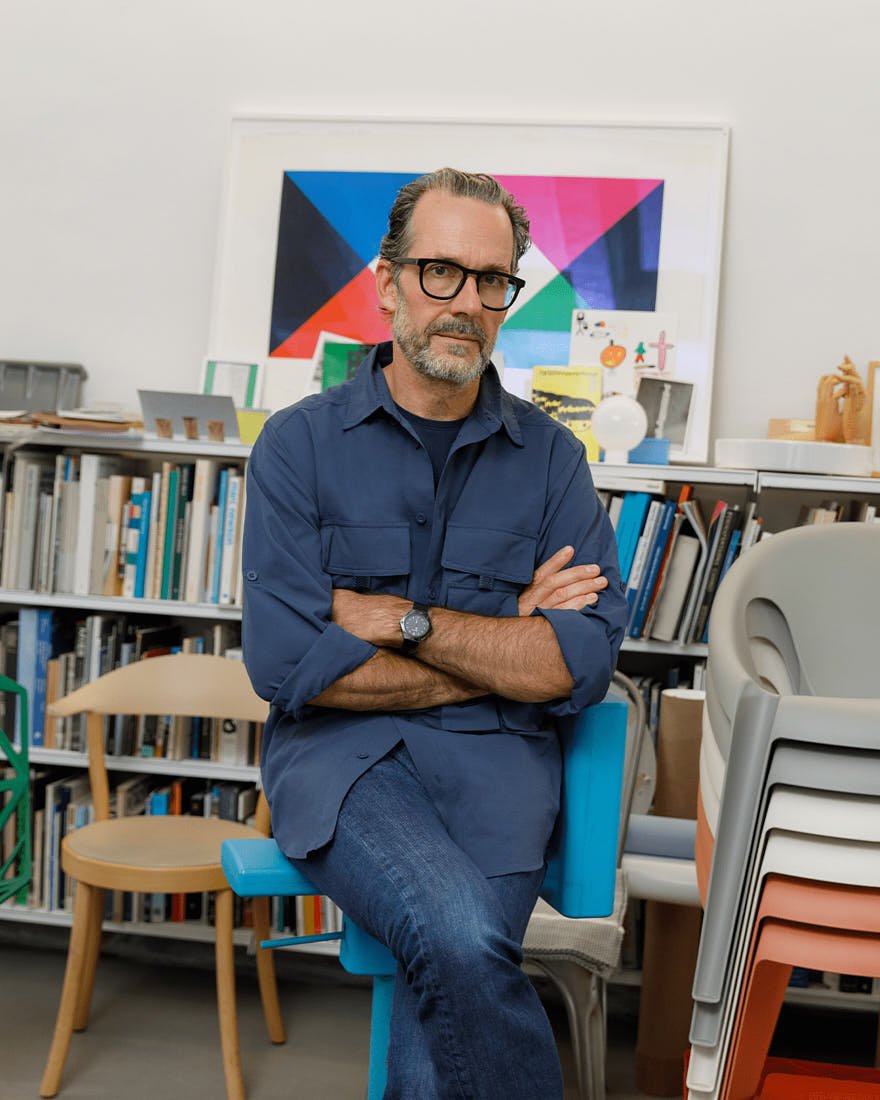
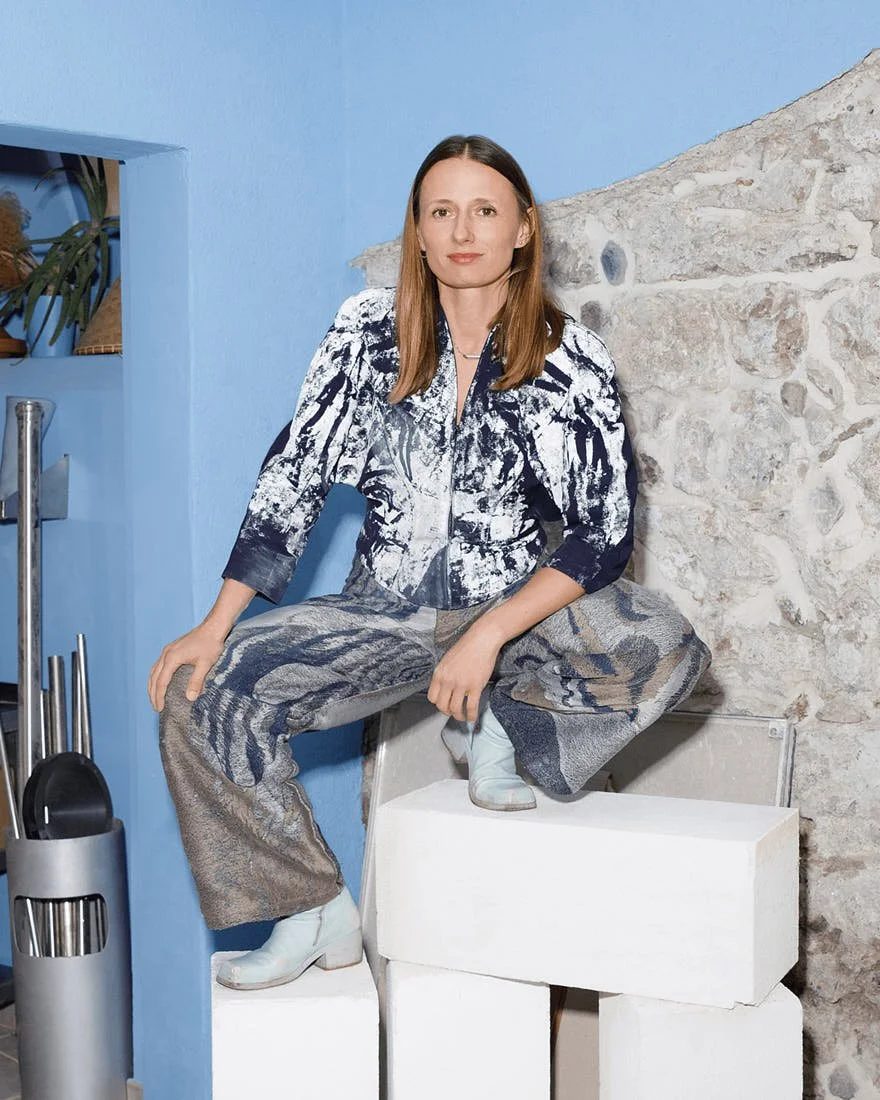
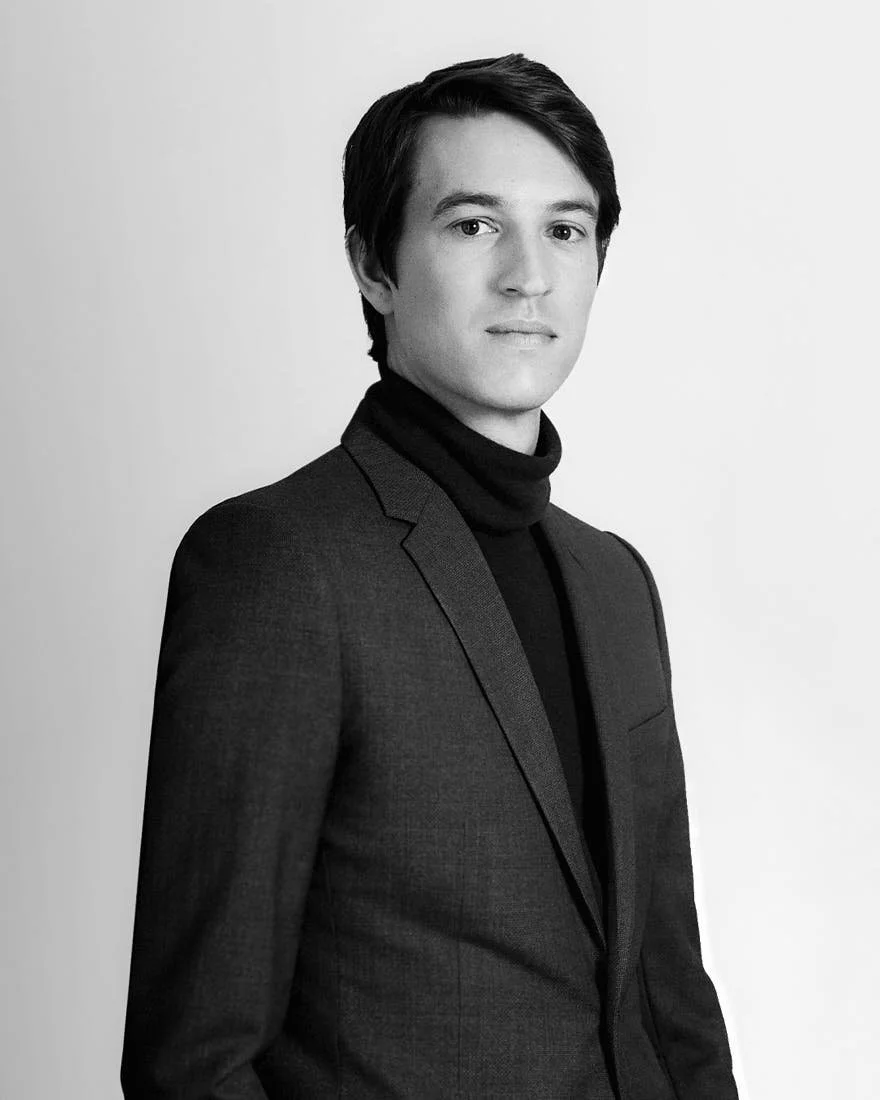
meet the jury
 

Designers Tim Kipper and John Roller developed an intuitive communication device for emergency responders. Combining voice and visual input, the system enables clearer communication between rescue teams and patients in dense urban environments. Another standout was “HyVe,” created by Nicolas Nielsen, a nomadic home for bees aimed at restoring urban biodiversity. By reconnecting isolated green spaces, HyVe helps reactivate pollination systems and strengthen ecological networks within cities.

The evening’s first award, the “Special Mention,” went to Niklas Henning for “Paludi Harvesters,” an autonomous reed-harvesting machine designed for climate-positive agriculture. The project contributes to peatland preservation while simultaneously creating sustainable sources of income through ecological insulation materials.

The overall winners of the 2026 RIMOWA Design Prize, and recipients of €20,000 in funding, were Samuel Nagel and Paul Feiler with their invention “Nura.” The wearable device uses EMG technology to translate sign language into speech and spoken language into text in real time. With Nura, the students aimed to create an elegant accessory that empowers rather than stigmatizes its users. According to the Deutscher Gehörlosen-Bund, approximately 0.1 percent of Germany’s population - around 83,000 people - are deaf. Innovations like Nura therefore have the potential to significantly improve communication and accessibility in everyday life. Nura is undoubtedly a deserving winner. Yet perhaps the true success of the evening lies in the fact that every finalist had already been given something invaluable: the opportunity to develop their ideas, present them on an international stage, and collaborate with renowned mentors through the support of RIMOWA.


What remains now is the exciting question of where these projects will go next and whether the concepts presented in Berlin may soon become part of our everyday lives and working environments.

Der Eigene by RIMOWA

Der Eigene by RIMOWA

RIMOWA´s Queer Magazine
*300 Copies, 15 Portraits, Zero Apologies


written AMANDA MORTENSON


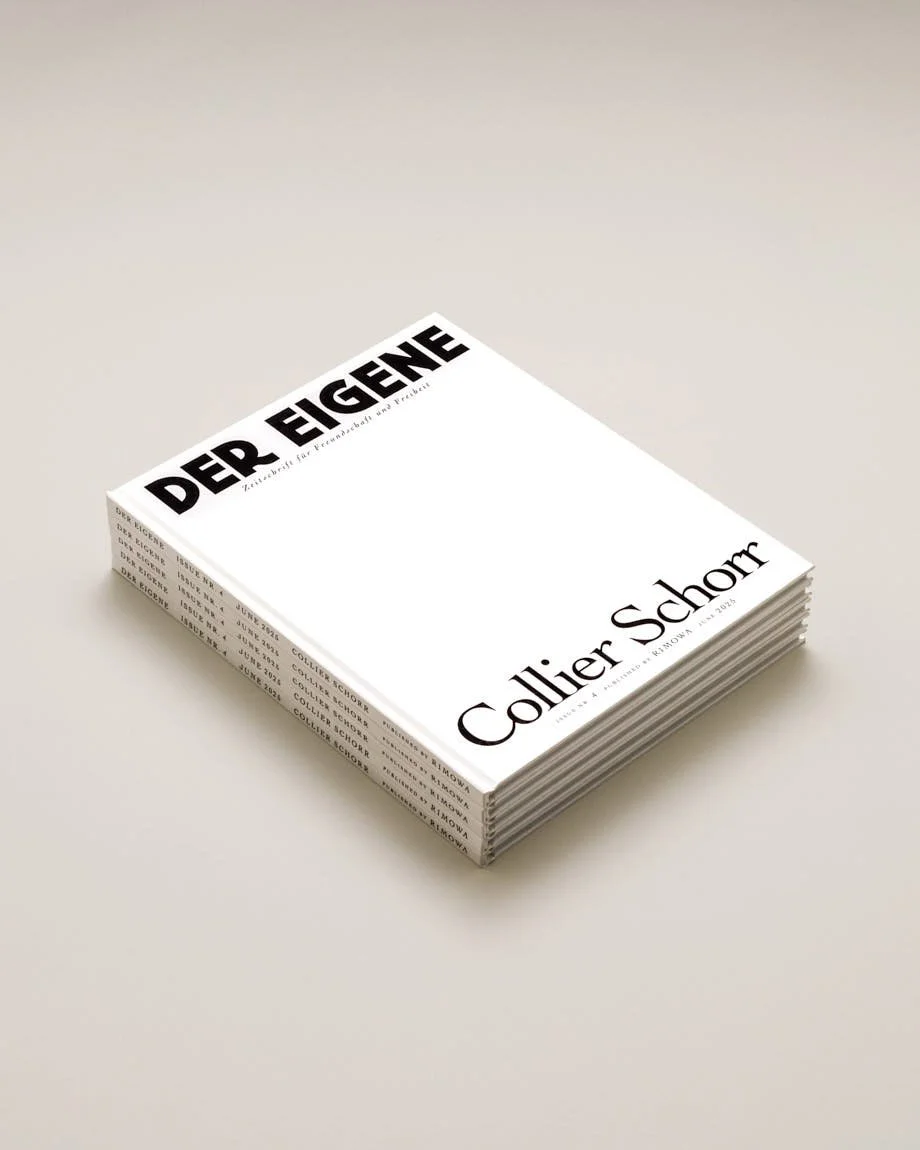
RIMOWA is publishing a magazine again. Because why just make suitcases when you can resurrect a 19th-century queer publication and throw it into a spiral of black-and-white portraits, quiet rebellion, and people called Shikeith.


It’s called Der Eigene (which translates, sort of, like The One Who Packs Their Own Bags and Also Doesn’t Explain Themselves) and it was born in 1896, two years before RIMOWA started making boxes for rich people who fear scratches. Now it’s on its fourth issue, back from the dead and better lit, thanks to photographer Collier Schorr who knows how to make identity look like a slowly smudged pencil line on expensive paper.

 
RIMOWA Der Eigene Collier Schorr LE MILE Magazine lemilestudios mag

Collier Schorr, Self-Portrait
(c) RIMOWA

 
RIMOWA Der Eigene Collier Schorr LE MILE Magazine lemilestudios

Issue Nr. 4, Der Eigene
(c) RIMOWA

 
RIMOWA Der Eigene Collier Schorr LE MILE Magazine lemilestudios

Lío Mehiel
(c) RIMOWA

 
RIMOWA Der Eigene Collier Schorr LE MILE Magazine lemilestudios

Roberta Colindrez
(c) RIMOWA

RIMOWA Der Eigene Collier Schorr LE MILE Magazine lemilestudios

Shikeith
(c) RIMOWA


For this new edition, fifteen humans selected with casting director Nicola Kast—artists, dancers, lawyers, dreamers, possibly a Gemini or two—shot in classic Collier grayscale, two photos each, because one is never enough but three would be indulgent. There are questions too. The kind you answer while lying on a hotel bed in a towel, thinking about gender and snacks. Names drop like sequins: Amber Later, Chase Strangio, Lío Mehiel, Shikeith, and a Charlie Porter essay to send you home smarter (or at least with something to quote at brunch).


Limited to 300 copies because scarcity is sexy and so is paper. You can find it in places with intimidating staff and tasteful lighting: BookMarc in NYC, Andreas Murkudis in Berlin, Yvon Lambert in Paris, and Climax Books in London, which honestly sounds like a drag king in itself.

A magazine that side-eyes you while you pretend not to stare. The kind that travels light, carries heavy. Out June 24. Don’t run. Float.

RIMOWA Design Prize III

RIMOWA Design Prize III

The Future in Form
*RIMOWA and the Rise of a New Creative Vanguard


written SARAH ARENDTS


At the historic Gropius Bau in Berlin, the third edition of the RIMOWA Design Prize brought together emerging talents, mentors, and established voices in a shared moment of creativity and clarity.


The event honored human-centered design and celebrated the many ways design shapes experience, care, and connection. Presented by Valerie Präkelt, the event underscored RIMOWA’s ongoing commitment to nurturing the next generation of designers. Since its inception, the prize has championed students from leading German design schools, connecting them with established creatives and honoring work that seeks to improve lives in tangible ways.

This year’s first prize went to Elisabeth Lorenz and Marc Hackländer of the Hochschule für Gestaltung Schwäbisch Gmünd. Mentored by Nic Galway, their project, hottie, reimagines how we care for the body, specifically, those who experience menstrual pain. A discreet wearable device that combines TENS technology (Transcutaneous Electrical Nerve Stimulation) with adjustable heat therapy, hottie empowers its users with relief and autonomy. The project also confronts societal stigmas, creating space for empathy and visibility.

 
LE MILE Magazine RIMOWA Design Prize III Ceremony Marc Krause for RIMOWA

RIMOWA Design Prize III Ceremony
seen by Marc Krause

 
LE MILE Magazine RIMOWA Design Prize III Ceremony Marc Krause for RIMOWA Prize
LE MILE Magazine RIMOWA Design Prize III Ceremony Marc Krause for RIMOWA Karen and Christian Boros

Karen Boros + Christian Boros

LE MILE Magazine RIMOWA Design Prize III Ceremony Marc Krause for RIMOWA
LE MILE Magazine RIMOWA Design Prize III Ceremony Marc Krause for RIMOWA Herbert Hoffmann Highsnobility

Herbert Hoffmann


“Each project presented a perspective rooted in care and function. These are works shaped by awareness and a deep sense of purpose.”

Alban E. Smajli, Editor-in-Chief LE MILE


A special mention was awarded to Tom Kemter and Niels Cremer from the Bauhaus-Universität Weimar for their project Standalone. Mentored by Pierre Jorge Gonzalez and Judith Haase, the design transforms the classic forearm crutch into a sleek, ergonomic tool that stands on its own, literally and metaphorically. With its fold-out legs and elegant finish, Standalone promotes functionality and dignity, rethinking assistive design as something aspirational. The remaining five finalists—all of whom received monetary awards—brought forward bold, human-centric ideas grounded in sustainability and accessibility.

Each of the finalists received financial support for their work: €20,000 for the winner, €10,000 for the special mention, and €5,000 each for the other participants. Beside funding, the RIMOWA Design Prize offers visibility, mentorship, and a platform from which these ideas can grow into real-world solutions.

And while the projects themselves were impressive, what truly stood out at the event was the energy in the room, a sense of shared purpose, of mutual respect between generations of designers, and of hope for a more inclusive, thoughtful future.

The jury, comprised of respected figures from design, academia, and industry, including Niklas Bildstein Zaar, Dr. Mahret Ifeoma Kupka, Moritz Krueger, Ute Meta Bauer, Katharina Janku, and RIMOWA’s own CEO Hugues Bonnet-Masimbert, provided mentorship, context, and a meaningful connection between established design values and emerging perspectives.

As a brand long associated with precision and modern craftsmanship, RIMOWA continues to push its legacy forward—through its products and through cultural investment. With the Design Prize, it cements its role as a maker of iconic luggage and as a thoughtful patron of contemporary design innovation in Germany.


LE MILE Magazine RIMOWA Design Prize III Ceremony Marc Krause for RIMOWA The Jury

RIMOWA Design Prize III
Jury


LE MILE was proud to witness the beauty of this moment: creativity at its most purposeful, and design as an act of generosity. What we saw last night at Gropius Bau was a gathering of bold thinkers who dare to imagine tools for a better life and who now have the support to build them.

And that, in essence, is what design should do.

RIMOWA and Rick Owens

RIMOWA and Rick Owens

PATINA + POWER
*RIMOWA x Rick Owens Collaboration


written AMANDA MORTENSON


Travel has a new edge. The RIMOWA x Rick Owens collaboration introduces a suitcase that reshapes the language of movement.


The Original Cabin Bronze emerges from the hands of two visionaries, each committed to pushing the limits of material and meaning. At its core, the collaboration fractures the traditional notions of luxury. Rick Owens’s unmistakable aesthetic—dark, unapologetic, and raw—melds with RIMOWA’s century-long mastery of aluminium craftsmanship. The bronzed exterior, achieved through a meticulous pigment process, becomes a surface alive with its own imperfections and evolution.

 
LE MILE Magazine RIMOWA x RICK OWENS Michèle Lamy shot by Matteo Carcelli lemilestudios

RIMOWA x RICK OWENS
Michèle Lamy seen by Matteo Carcelli

 
LE MILE Magazine RIMOWA x RICK OWENS Michèle Lamy shot by Matteo Carcelli lemilestudios


“I wanted the outside finish to recall a bronze from Giacometti or Serra, and I wanted the interior to feel like the touch of a black leather glove.”

Rick Owens


Inside, Owens alters the language of travel interiors. The fully leather-lined design—a first for RIMOWA—invitates to engage with texture. The aluminium shell merges seamlessly with Rick Owens’s leather, creating a unified tactile experience. Flex Dividers, reimagined in this material, showcase Owens’s meticulous craftsmanship, redefining their function within the space.
The inclusion of a handcrafted luggage tag in coarse, hair-on cowskin disrupts the polished sheen of modernity. It speaks of primal connection, of an object meant to be held and experienced. Owens’s choice of material shifts the narrative from travel as convenience to travel as ritual.

Branding is minimal, emphasizing subtlety and intention. The emblems of both RIMOWA and Rick Owens whisper rather than announce, etched subtly into the surfaces. These marks, understated and deliberate, align with the collection’s ethos: an homage to form and material, unburdened by excess.

Owens’s voice is ever-present. He describes the suitcase as a tribute to the elemental and the eternal: “I wanted the outside finish to recall a bronze from Giacometti or Serra, and I wanted the interior to feel like the touch of a black leather glove.” His vision extends beyond the physical, layering memory and emotion into the object’s very fabric.

 
LE MILE Magazine RIMOWA x RICK OWENS Michèle Lamy shot by Matteo Carcelli lemilestudios
 
LE MILE Magazine RIMOWA x RICK OWENS Michèle Lamy shot by Matteo Carcelli lemilestudios
 

The new Original Cabin Bronze commands attention, forcing a reexamination of what it means to carry, to move, to possess. Its patina speaks in textures, rejecting order and expectation. RIMOWA and Rick Owens deliver an object of rebellion.