Viewing entries in
design

Louis Vuitton - Trunk Edition as a complete men’s wardrobe for FW 2026

Louis Vuitton - Trunk Edition as a complete men’s wardrobe for FW 2026

Why Louis Vuitton’s Fall-Winter 2026 Trunk Edition focuses on trans-seasonal menswear


written LE MILE


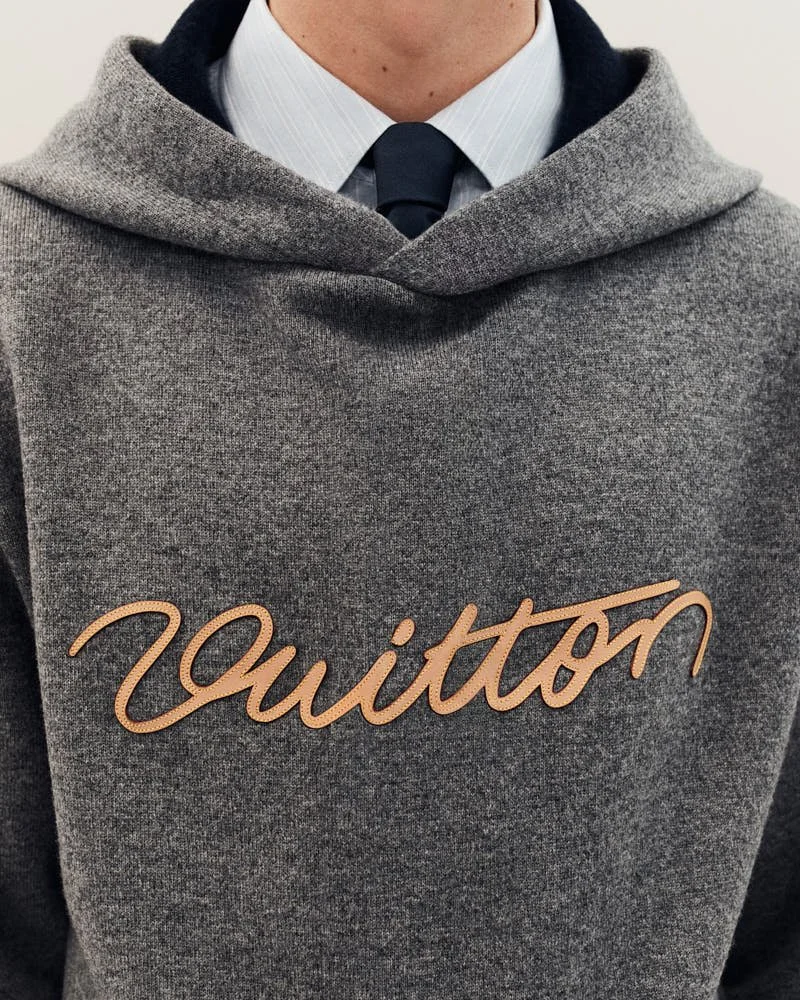
Louis Vuitton will launch the Fall-Winter 2026 Men’s Trunk Edition on 5 February 2026. The project is developed under Men’s Creative Director Pharrell Williams and introduced as a complete men’s wardrobe designed for extended use across seasons. The initiative arrives at a moment when large fashion houses are consolidating menswear around durability, material performance, and long-term relevance as central design priorities.

 
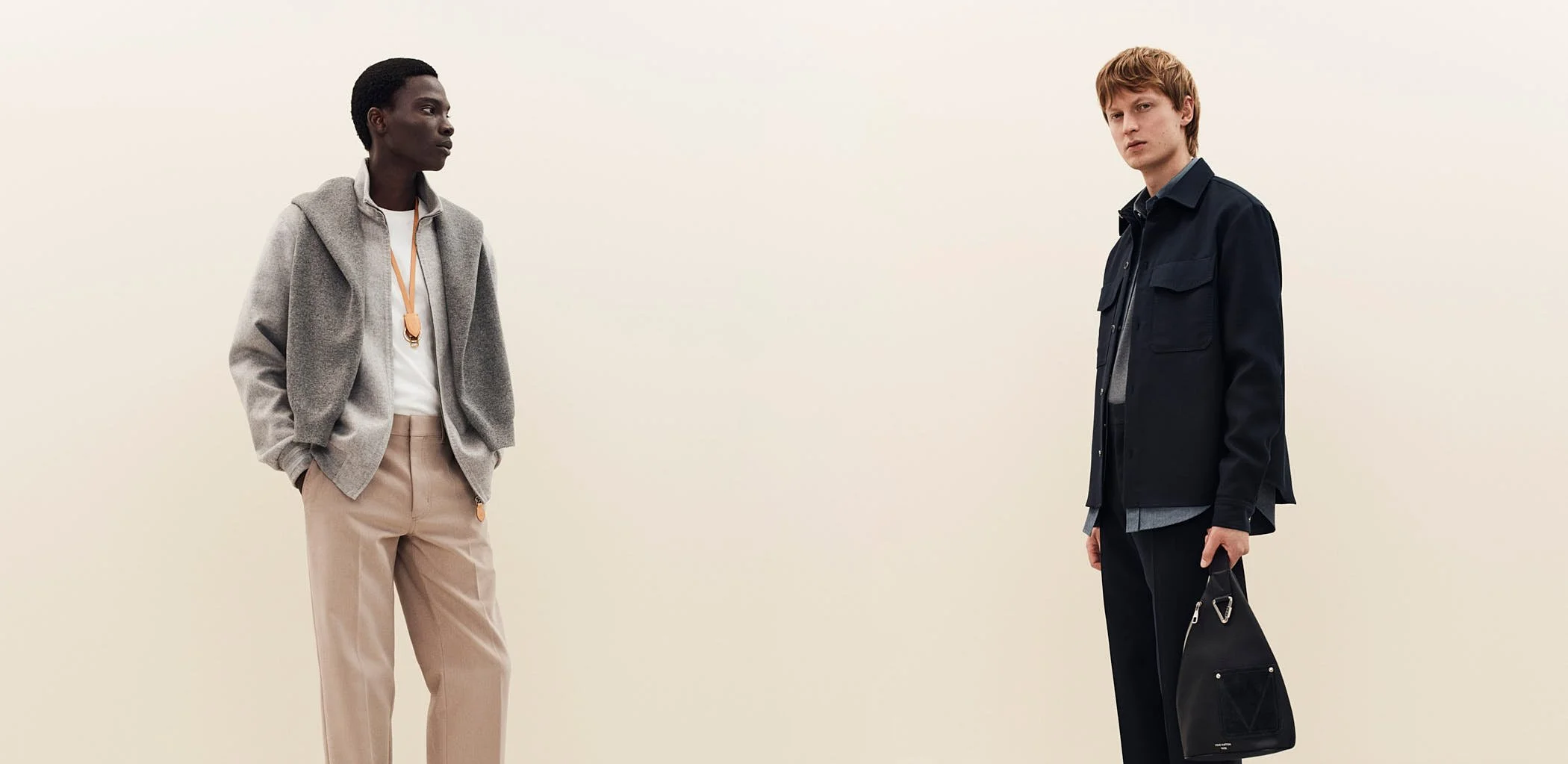
Louis Vuitton Fall-Winter 2026 Men’s Trunk Edition by Pharrell Williams LE MILE Magazine Alban E. Smajli
 
Louis Vuitton Fall-Winter 2026 Men’s Trunk Edition by Pharrell Williams LE MILE Magazine Alban E. Smajli
 

Since his appointment in 2023, Williams has overseen menswear at Louis Vuitton with an emphasis on coherence across product categories. His role operates at the scale of an institution, where creative direction intersects with manufacturing, global retail, and legacy product codes. The Trunk Edition sits within this framework, focusing on how menswear functions as a system of use.

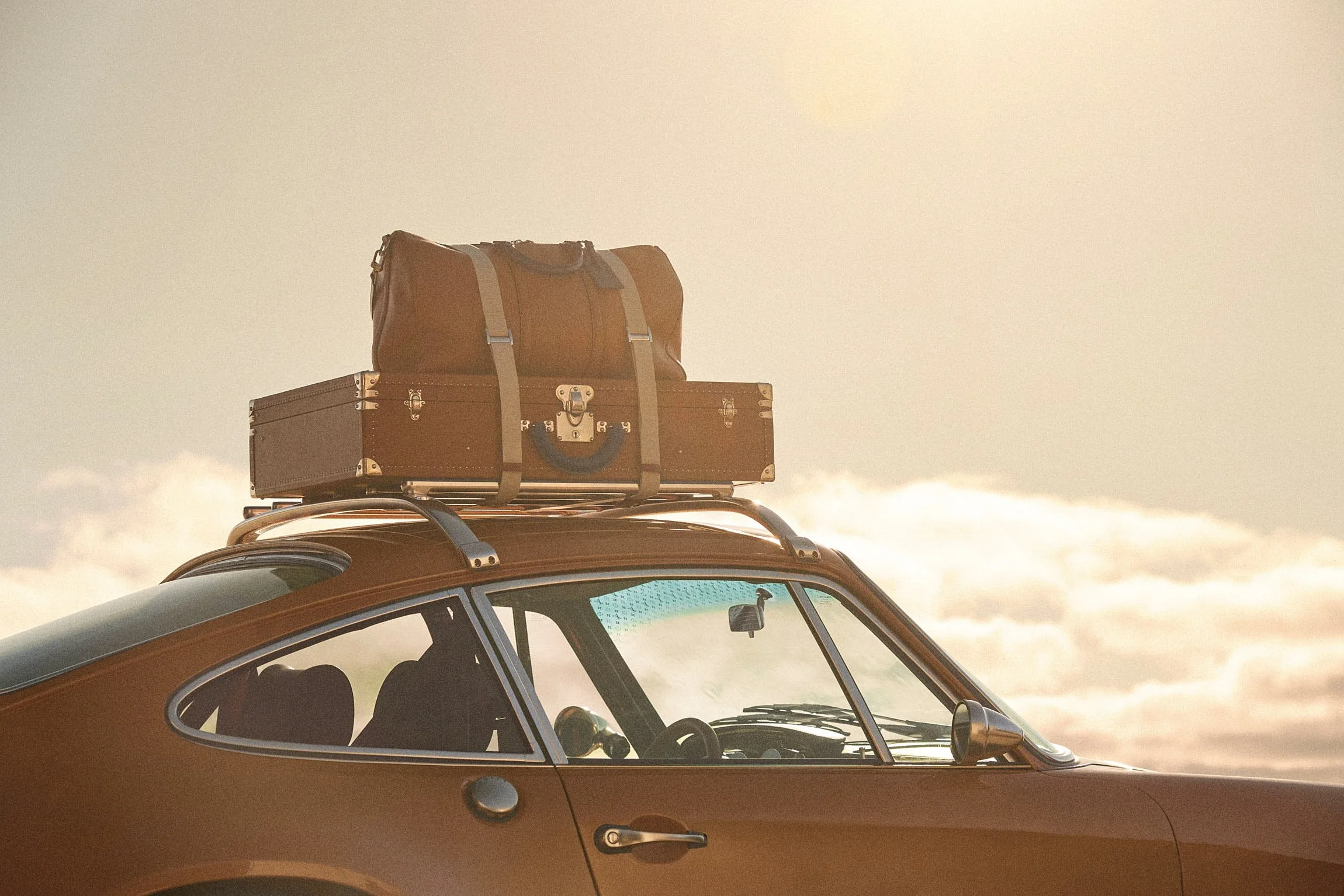
The name Trunk Edition references the canvas trunk introduced by Louis Vuitton in 1854, the company’s first commercial product. Historically, the trunk was conceived as a modular object engineered for transport, storage, and repeated handling. Within the Fall-Winter 2026 collection, this reference establishes a functional lineage. The trunk serves as a model for organizing clothing and accessories around adaptability, construction, and sustained wear.


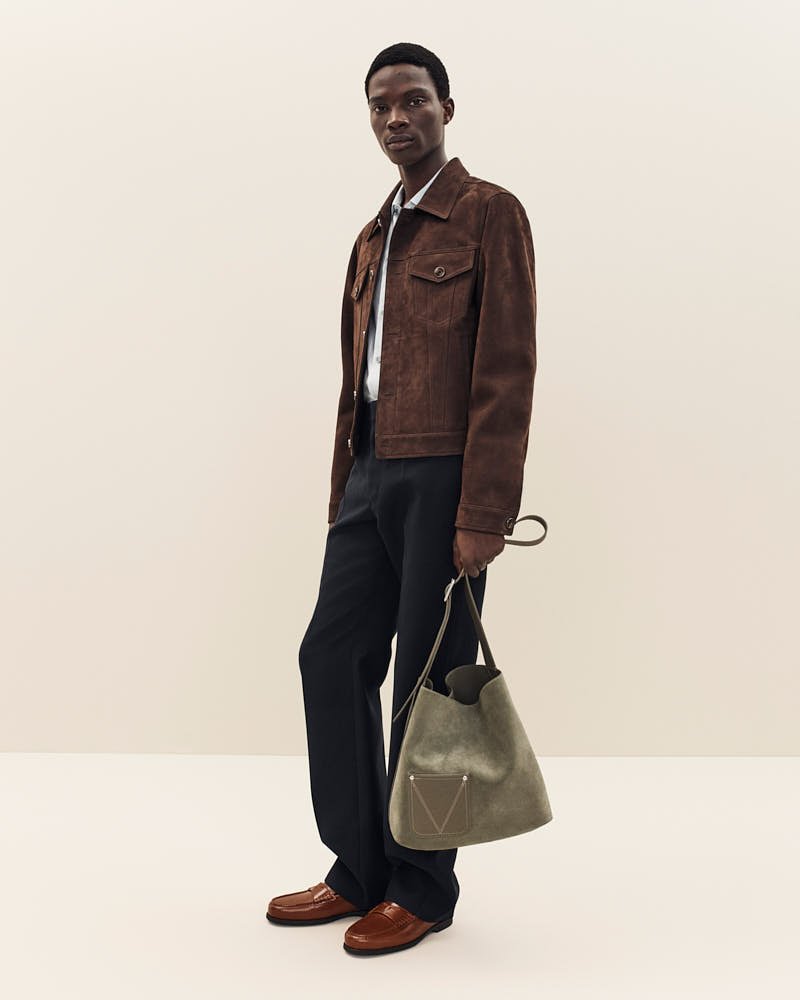
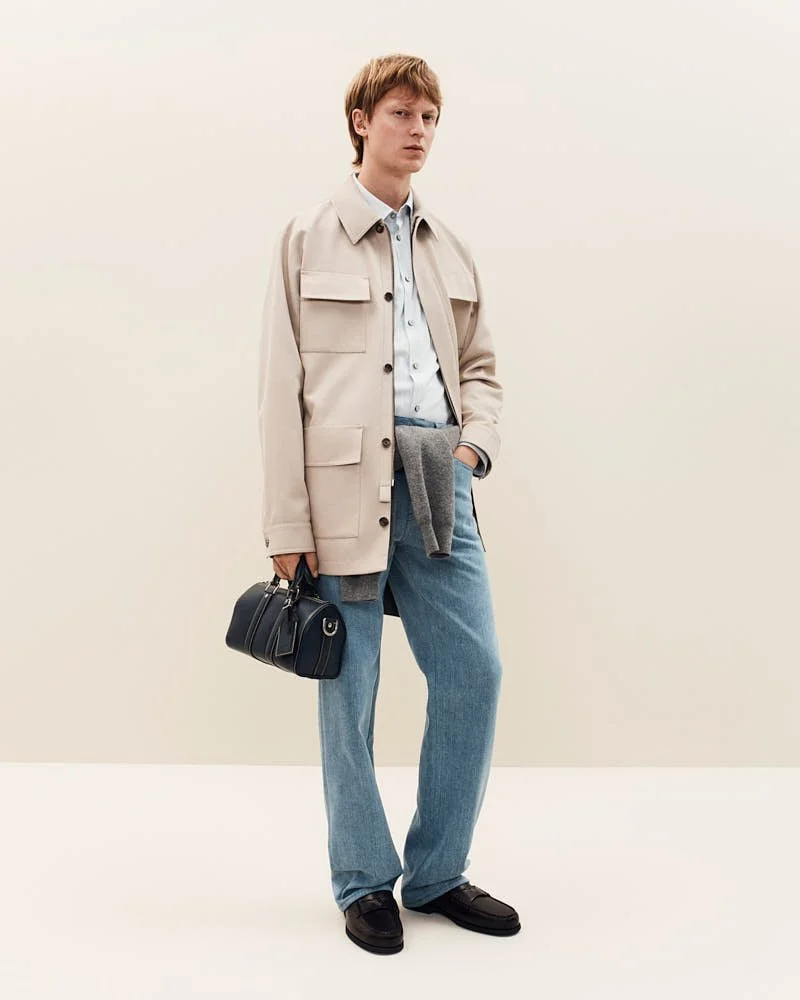
Louis Vuitton Fall-Winter 2026 Men’s Trunk Edition by Pharrell Williams LE MILE Magazine Alban E. Smajli


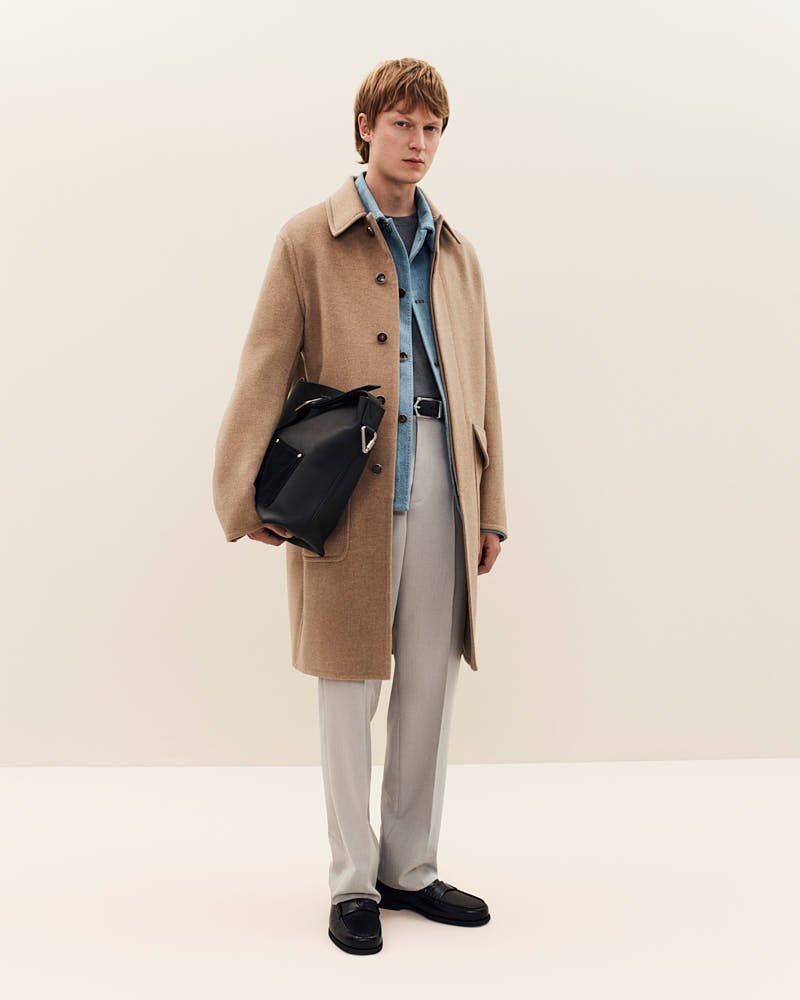
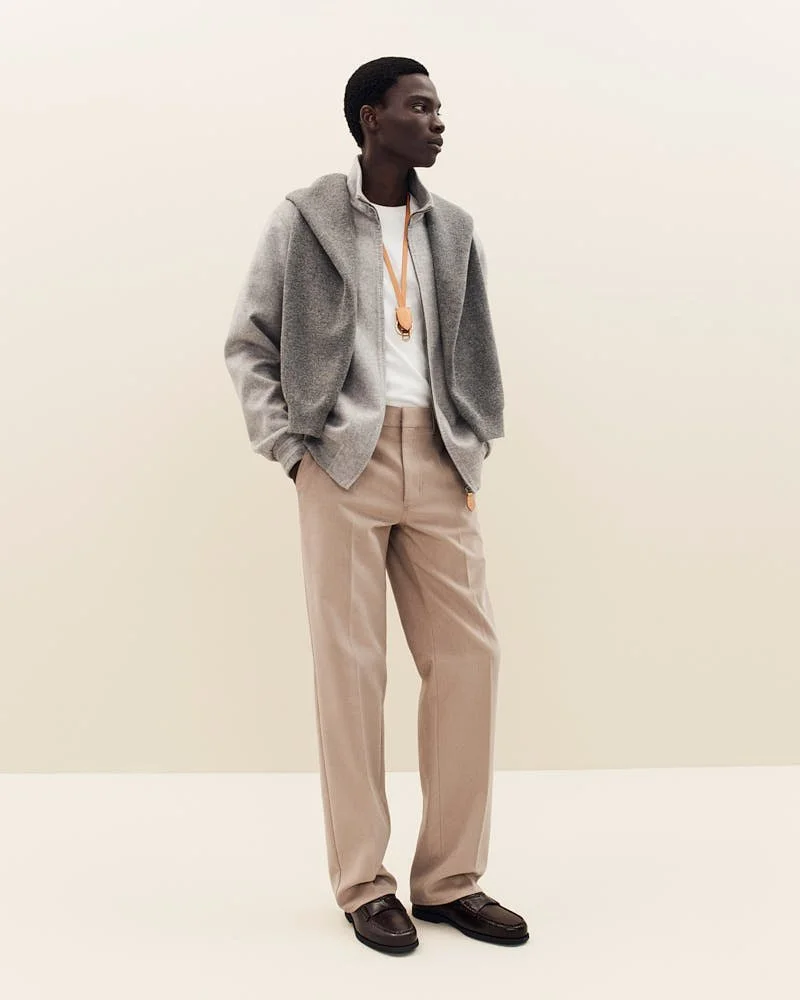
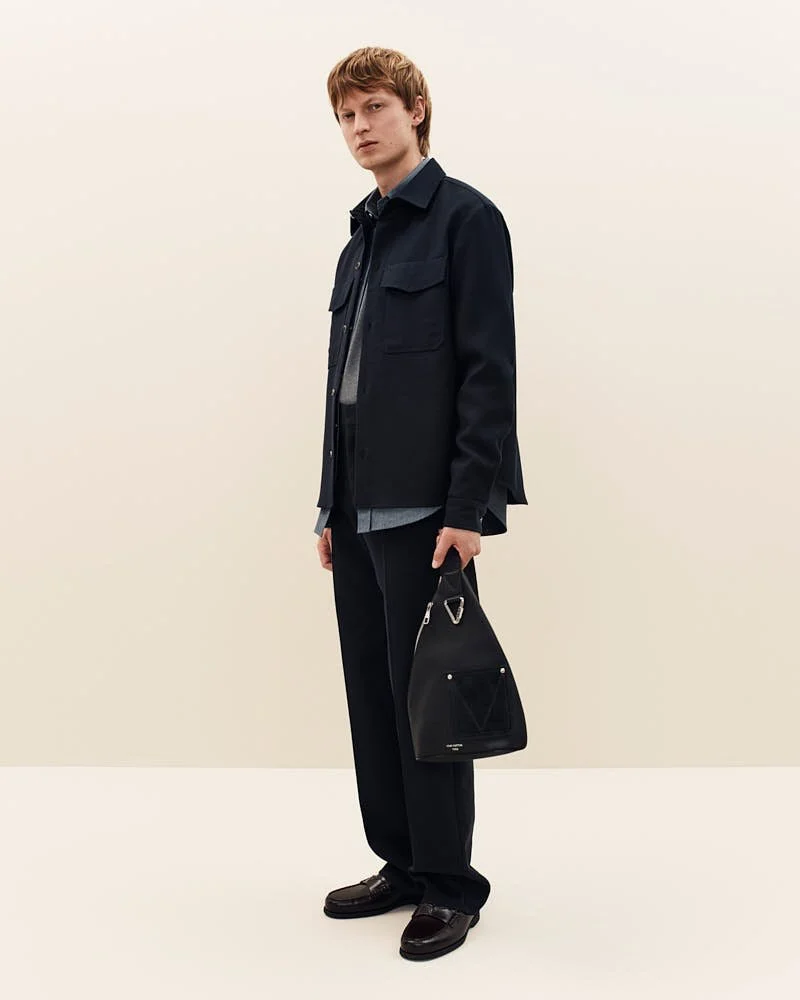
What Louis Vuitton proposes with the Trunk Edition is a deliberately finite wardrobe. Ready-to-wear, footwear, and leather goods are treated as interdependent elements, organized to cover daily use. The materials selected, silk-wool, cashmere blends, cotton-silk fabrics, nubuck, suede, signal an investment in textile behavior and wear over time. Construction choices such as double-face garments and unlined tailoring indicate an interest in how clothing moves, layers, and adapts across conditions. The muted palette of beige, blue, brown, black, and khaki reinforces this logic, limiting visual disruption within the wardrobe.

The same discipline applies to accessories. Footwear is restricted to three models, establishing a narrow but intentional range of use. Leather goods appear through the LV Touch line, where bags function as tools of movement. References to historical forms like the Steamer bag operate at the level of structure and purpose, anchoring contemporary formats in a long-standing logic of transport and daily carry.


Within contemporary menswear, the emergence of projects framed as complete wardrobes signals a shift in how value is articulated at the upper end of the market. Emphasis moves toward coherence, material decision-making, and garments designed to remain in circulation across multiple seasons. These priorities respond to practical changes in how menswear is bought, stored, and worn, particularly at the scale of global luxury houses, where continuity increasingly carries economic and cultural weight.

The Fall-Winter 2026 Men’s Trunk Edition enters this context as a concrete proposal. Its global release on 5 February 2026 positions it as a working wardrobe available through Louis Vuitton boutiques and retail channels, encompassing ready-to-wear, footwear, and leather goods within a single framework. At Louis Vuitton, this logic is implemented at institutional scale, where menswear, footwear, and accessories are planned together as a durable wardrobe. The Trunk Edition functions as a reference point for how the house structures menswear development beyond the seasonal cycle.


Louis Vuitton Fall-Winter 2026 Men’s Trunk Edition by Pharrell Williams LE MILE Magazine Alban E. Smajli
 
Louis Vuitton Fall-Winter 2026 Men’s Trunk Edition by Pharrell Williams LE MILE Magazine Alban E. Smajli


LOUIS VUITTON FALL–WINTER 2026 MEN’S TRUNK EDITION
collection by PHARRELL WILLIAMS / men’s creative director LOUIS VUITTON / launch 5 February 2026

content and imagery courtesy of LOUIS VUITTON Press

Prada Spring Summer 2026 campaign - Anne Collier

Prada Spring Summer 2026 campaign - Anne Collier

PRADA frames Fashion Advertising as an Object through Anne Collier’s Spring Summer 2026 Campaign


written LE MILE


The Spring Summer 2026 Prada campaign marks a new collaboration between Prada, its creative directors Miuccia Prada and Raf Simons, and the American artist Anne Collier. Released for the Spring Summer 2026 season, the campaign examines the form and function of fashion advertising at a time when images circulate primarily through digital systems.

 
PRADA SS26 advertising campaign by MIUCCIA PRADA and RAF SIMONS photography ANNE COLLIER with images by OLIVER HADLEE PEARCH LE MILE Magazine
 
PRADA SS26 advertising campaign by MIUCCIA PRADA and RAF SIMONS photography ANNE COLLIER with images by OLIVER HADLEE PEARCH LE MILE Magazine
 

Collier’s work since the early 2000s has focused on re-photographed and appropriated imagery from magazines, record sleeves, and advertising, consistently questioning how images are handled, consumed, and recontextualised. Her work has been shown at institutions including the Museum of Modern Art in New York, Tate Modern in London, and LACMA. Prada’s commission places this practice directly inside a global fashion campaign, extending Collier’s long-standing inquiry into a commercial context without shifting its focus.

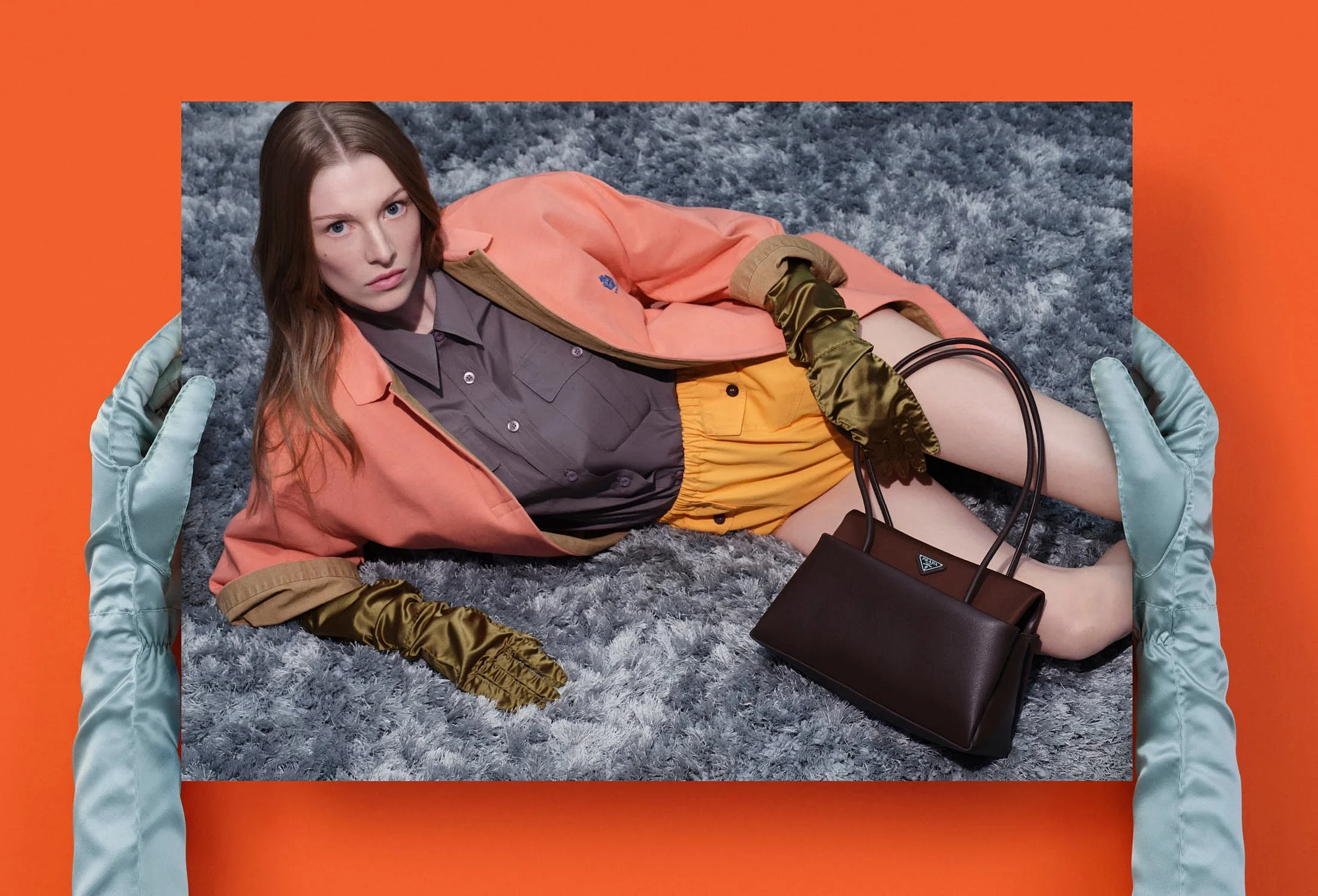
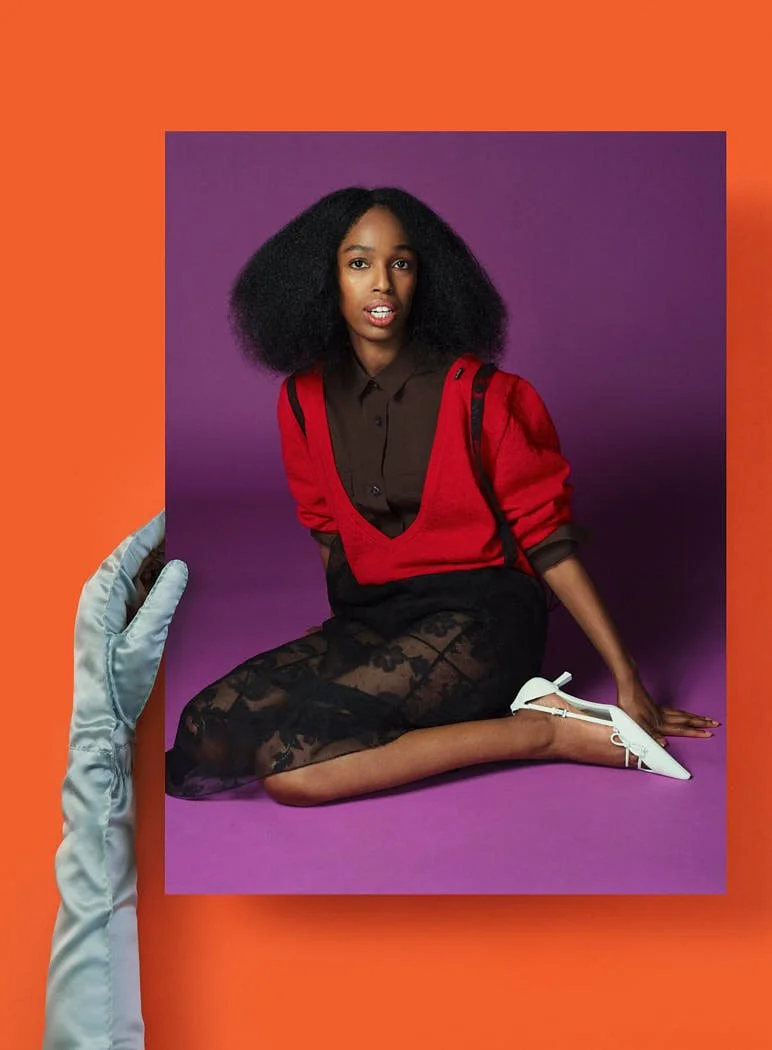
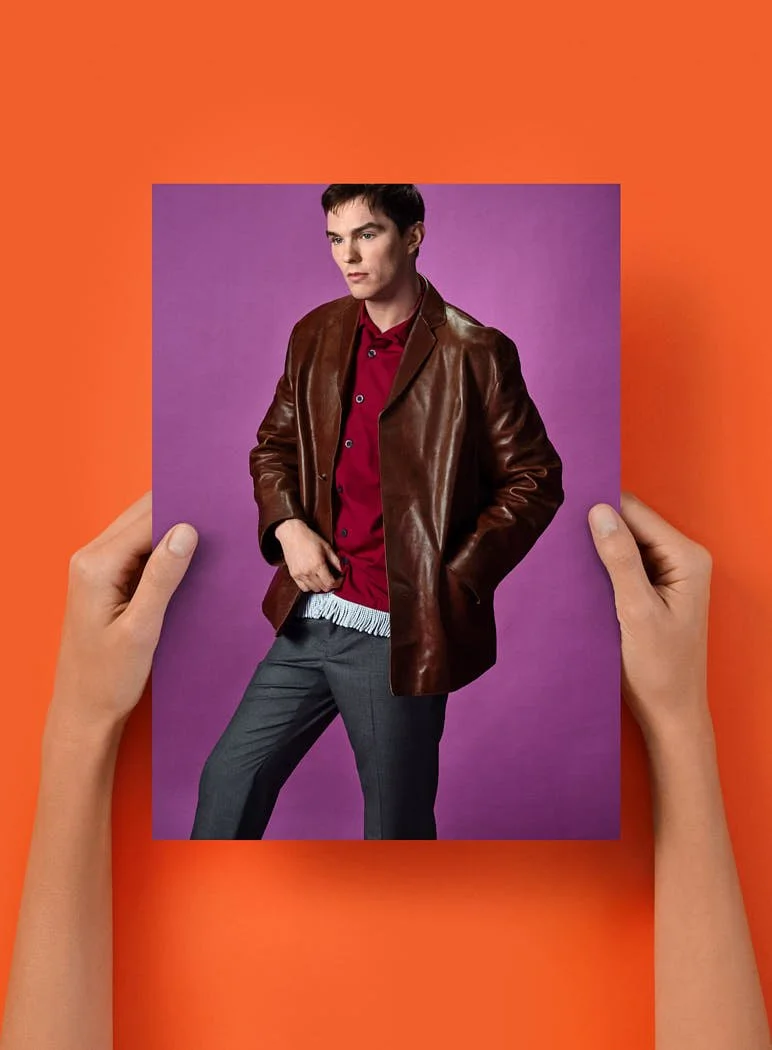
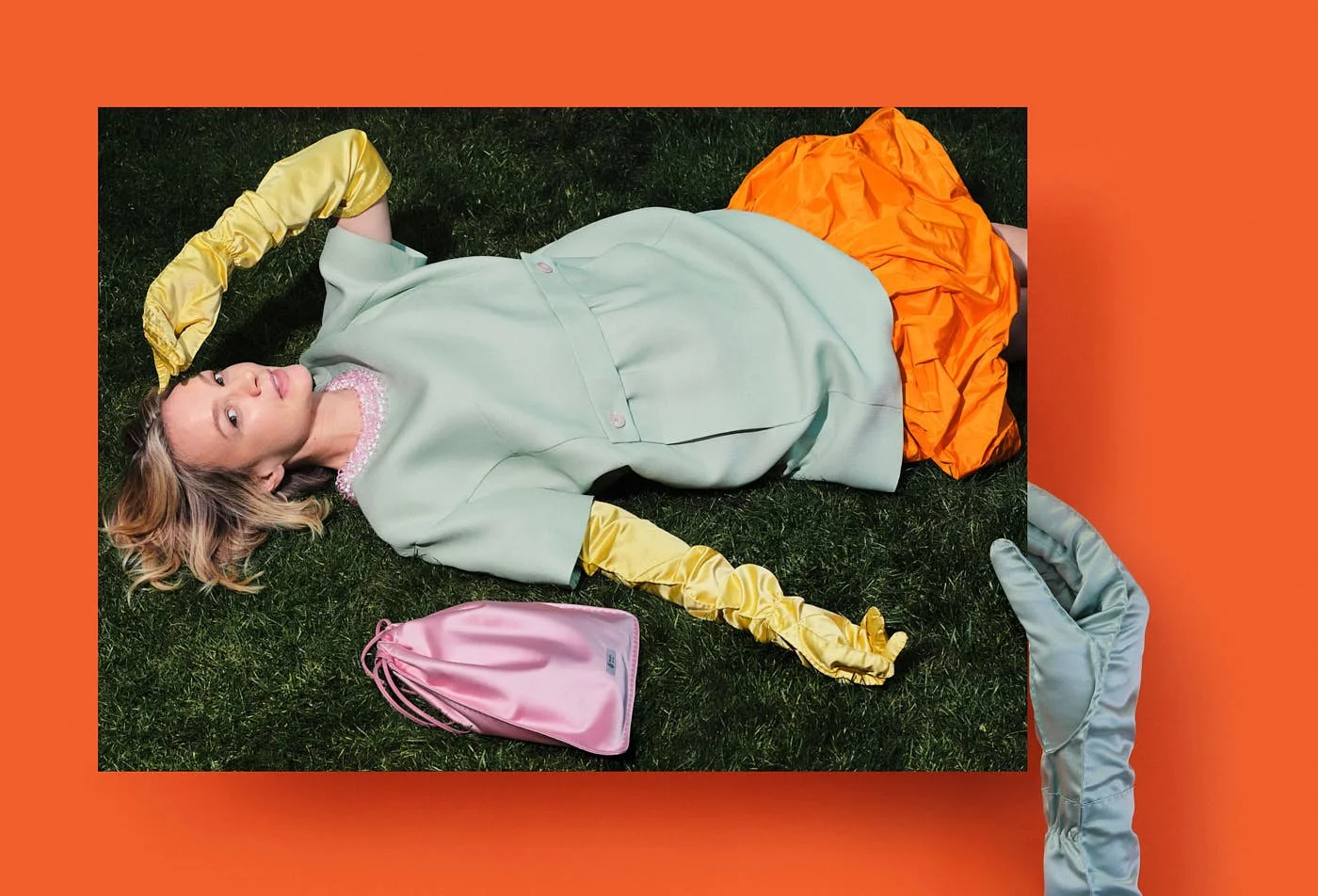
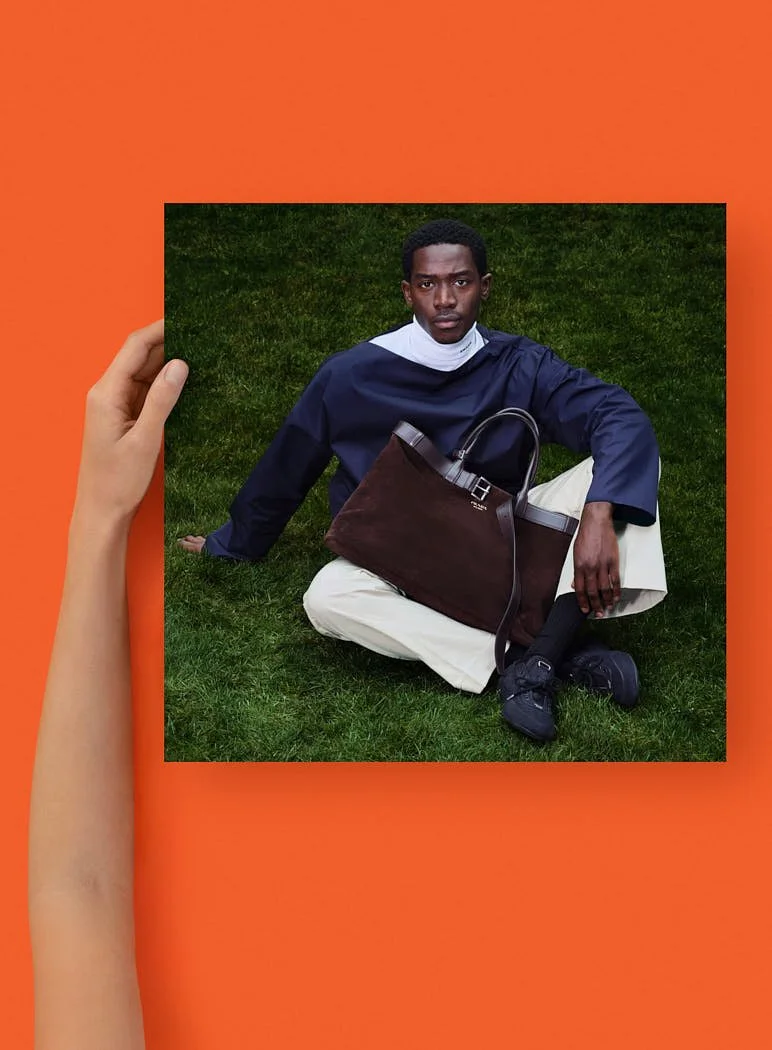
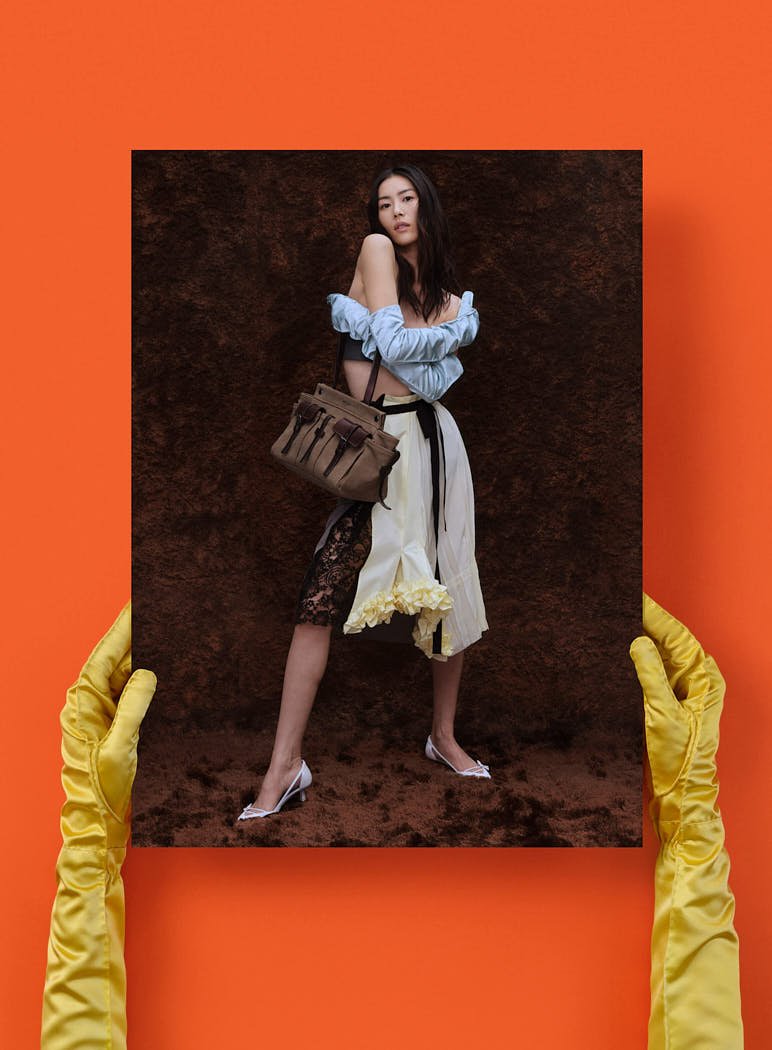
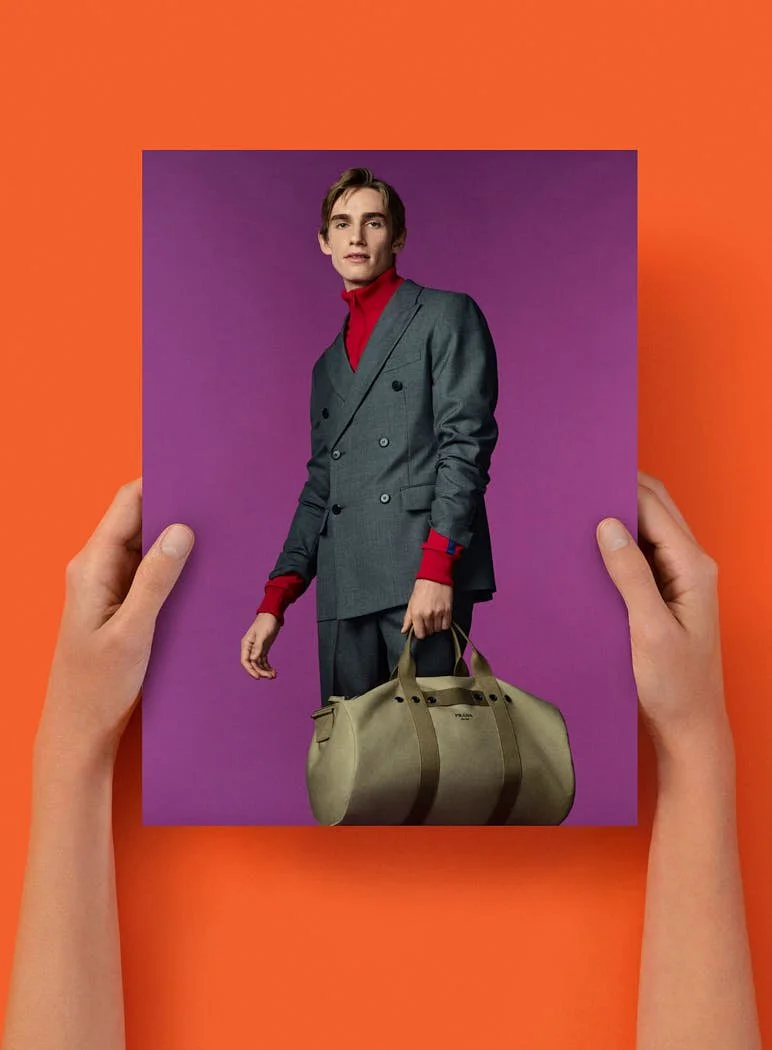
The campaign consists of still-life images in which physical photographs of the Prada collection are held by visible hands. These inner photographs, shot by Oliver Hadlee Pearch, depict Prada looks worn by a cast that includes Levon Hawke, Nicholas Hoult, Damson Idris, Carey Mulligan, Hunter Schafer, John Glacier, and Liu Wen. Collier’s outer image reframes these photographs as objects, introducing a second level of observation that foregrounds the act of looking itself.


PRADA SS26 advertising campaign by MIUCCIA PRADA and RAF SIMONS photography ANNE COLLIER with images by OLIVER HADLEE PEARCH LE MILE Magazine
 

This structure shifts attention away from immediacy and consumption toward materiality. The photograph appears as something held, examined, and mediated by another presence. The hands function as a proxy for the viewer, situating the audience alongside the image, so advertising becomes visible as a mechanism.
Within Prada’s wider cultural programme, the campaign aligns with the brand’s sustained engagement with contemporary art through exhibitions, commissions, and long-term collaborations. It also enters a broader industry moment shaped by image saturation, renewed interest in print, and questions around authorship and attention. By insisting on the photograph as a physical object, the campaign introduces friction into a system built on speed and circulation.


The Prada Spring Summer 2026 campaign is released globally across Prada’s platforms. Credits list creative direction by Ferdinando Verderi, photography by Anne Collier with images by Oliver Hadlee Pearch, and the named cast. The project positions advertising as a site of reflection, placing visual authorship and material presence at the centre of Prada’s seasonal communication.

 
PRADA SS26 advertising campaign by MIUCCIA PRADA and RAF SIMONS photography ANNE COLLIER with images by OLIVER HADLEE PEARCH LE MILE Magazine
 
PRADA SS26 advertising campaign by MIUCCIA PRADA and RAF SIMONS photography ANNE COLLIER with images by OLIVER HADLEE PEARCH LE MILE Magazine


PRADA SPRING SUMMER 2026 Campaign

campaign conceived by MIUCCIA PRADA and RAF SIMONS / photography ANNE COLLIER with images by OLIVER HADLEE PEARCH / campaign creative direction FERDINANDO VERDERI / talents JOHN GLACIER, LEVON HAWKE, NICHOLAS HOULT, DAMSON IDRIS, CAREY MULLIGAN, HUNTER SCHAFER, LIU WEN

(c) all images PRADA Press

Lady Dior Rewritten - Jonathan Anderson

Lady Dior Rewritten - Jonathan Anderson

Jonathan Anderson Rewrites the Lady Dior for Spring Summer 2026


written LE MILE


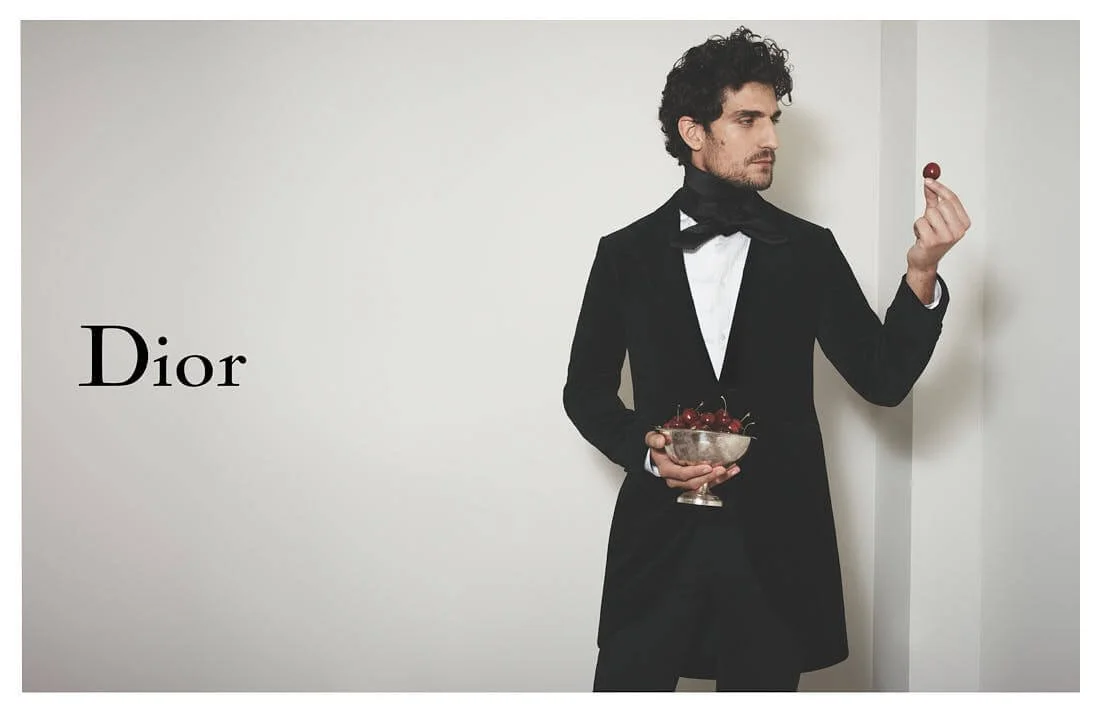
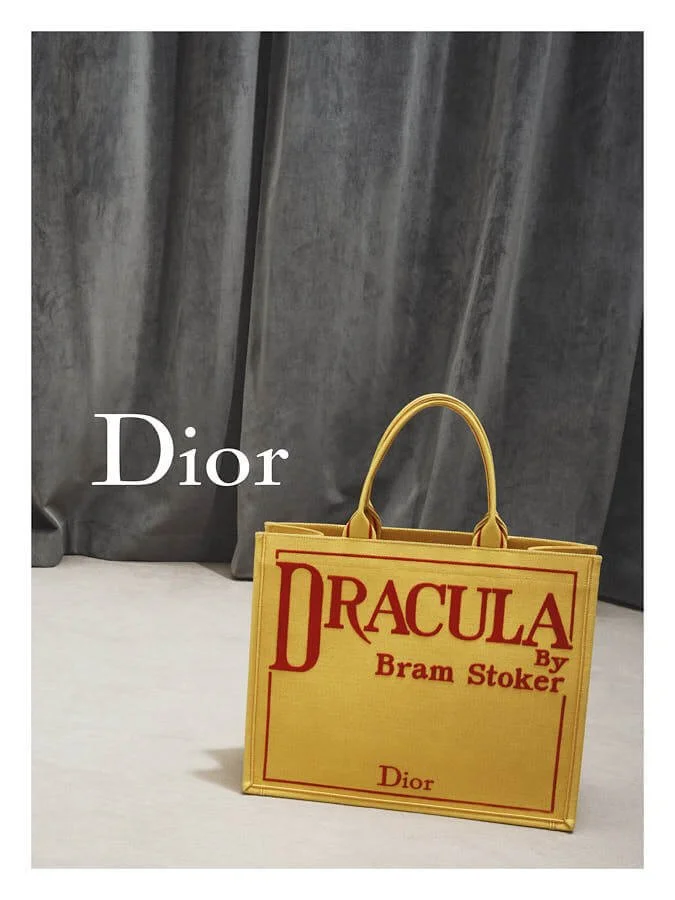
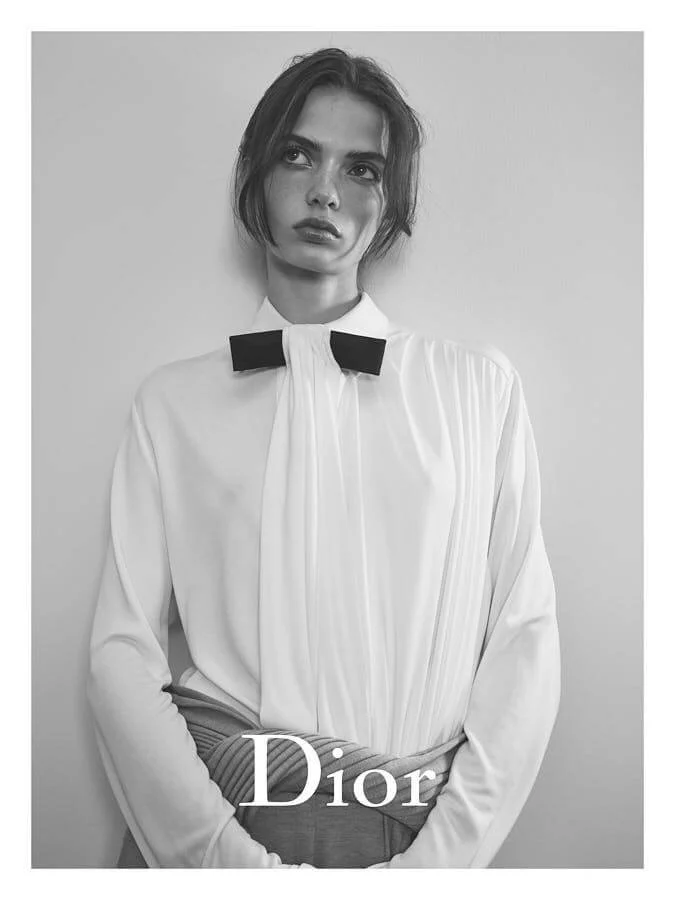
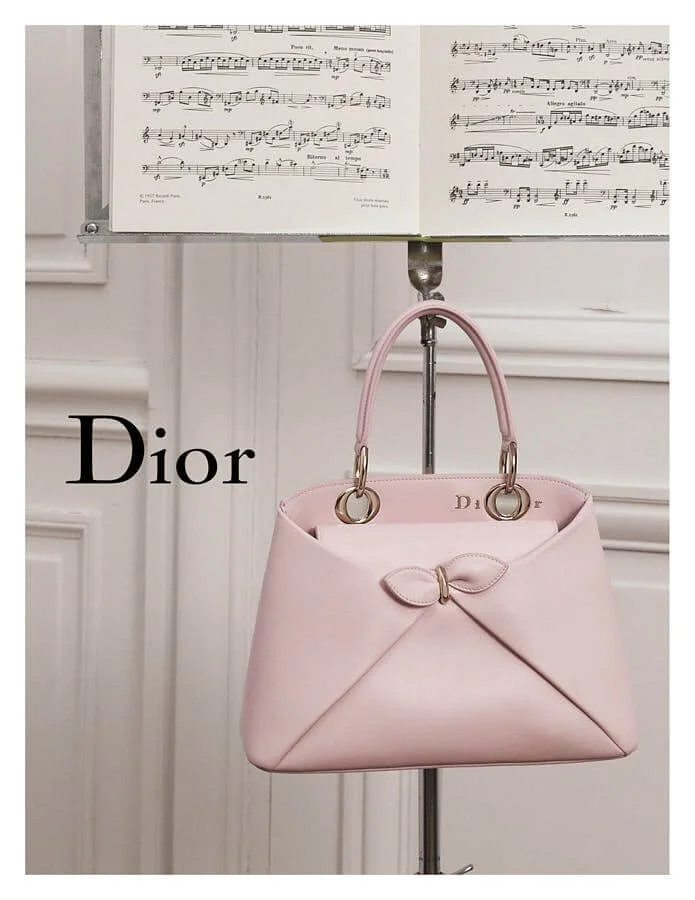
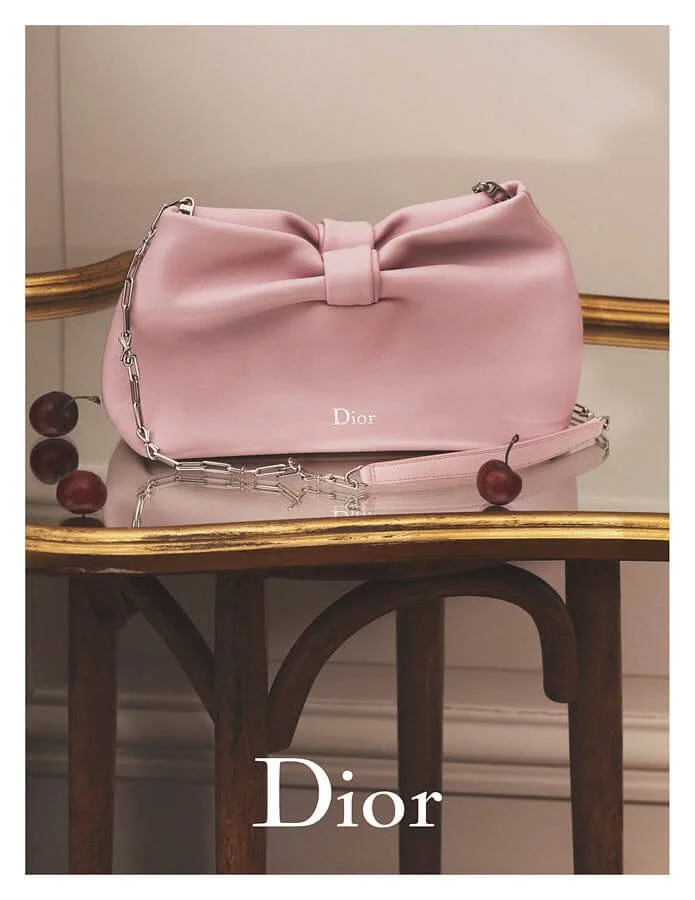
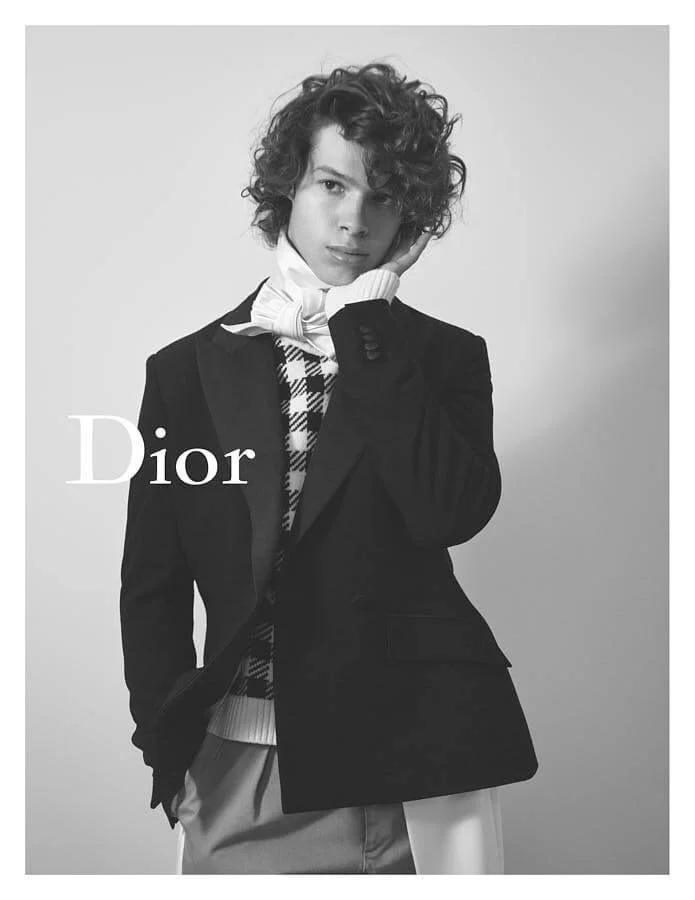
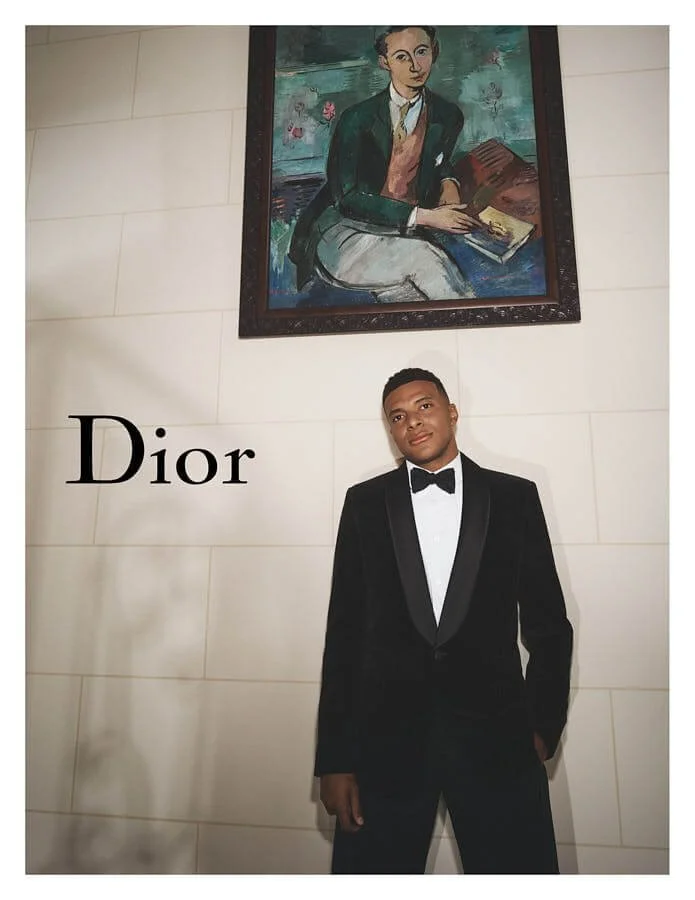
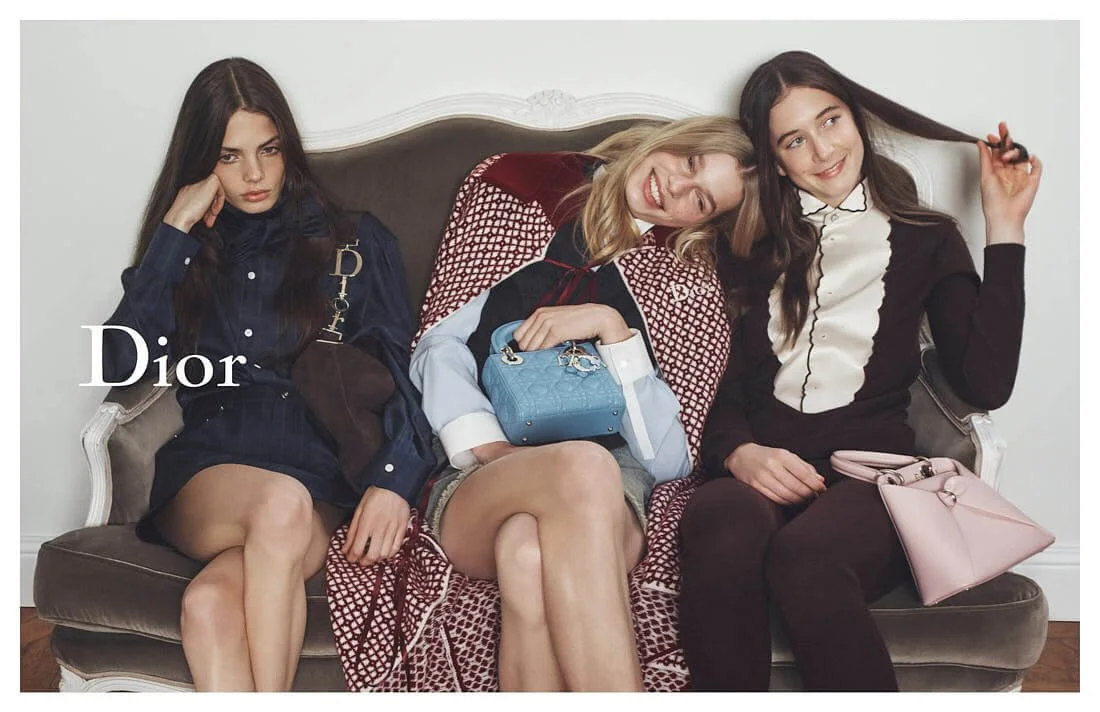
For Spring Summer 2026, Dior presents a new series of Lady Dior handbags designed by Jonathan Anderson, introduced alongside the House’s Spring Summer 2026 ready to wear collection. The bags are scheduled to arrive in Dior boutiques from January 2026 and form part of Anderson’s first full accessories proposition for the season. The release coincides with a broader repositioning of Dior’s codes under Anderson, who draws directly on specific elements of the brand’s founder Christian Dior’s personal symbolism and his own background.

 
LADY DIOR CAMPAIGN 2025 by DAVID SIMS LE MILE Magazine
 
LADY DIOR CAMPAIGN 2025 by DAVID SIMS LE MILE Magazine
 

Jonathan Anderson is a Northern Irish designer who founded JW Anderson in 2008 and became creative director of Loewe in 2013, where he led a sustained focus on craft, material research, and heritage references. He was appointed creative director at Dior with responsibility for women’s, men’s, and accessories collections, marking a structural shift within the House. The Lady Dior bag itself was introduced in 1995 and has since been repeatedly reinterpreted by successive creative directors as a fixed product line within Dior’s leather goods category.

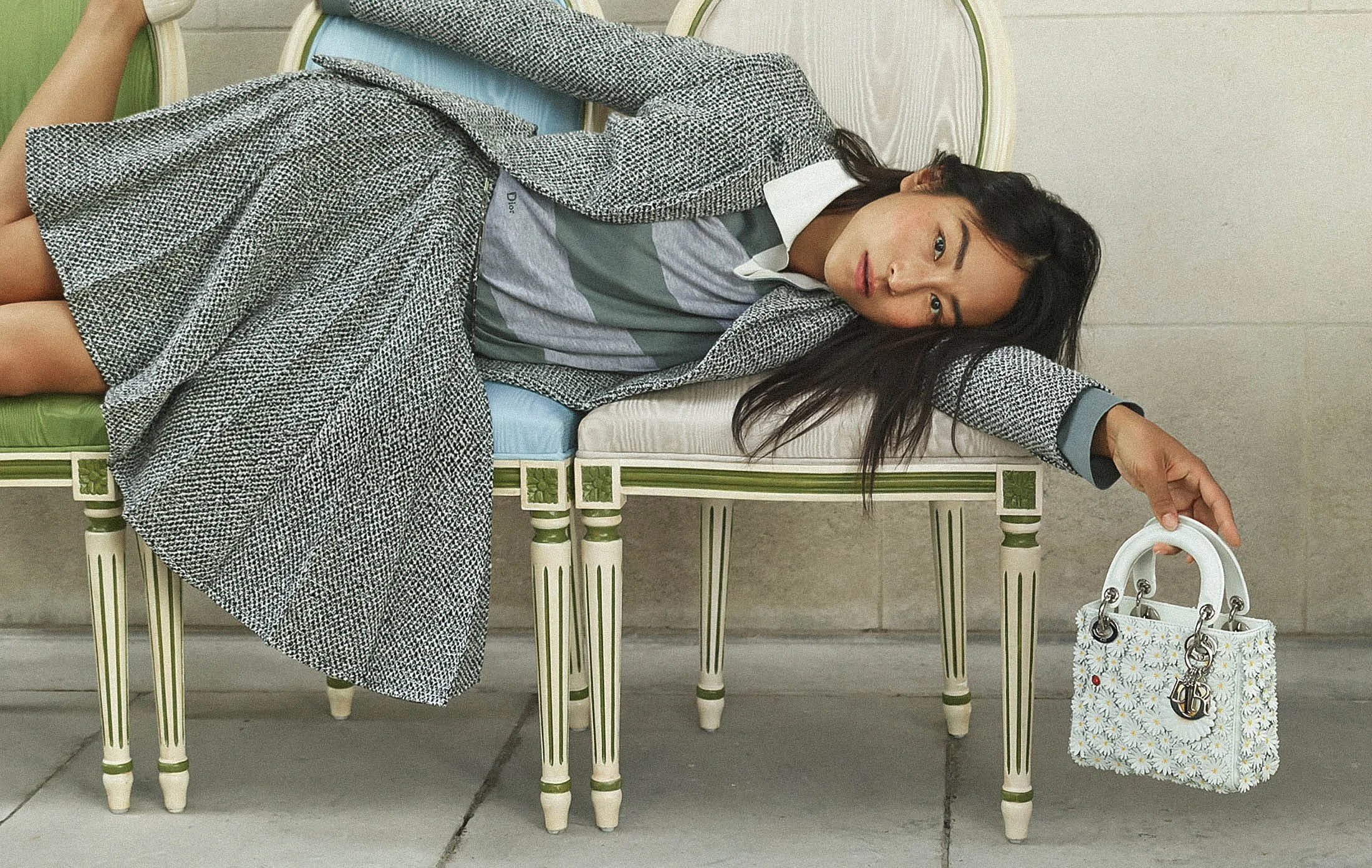
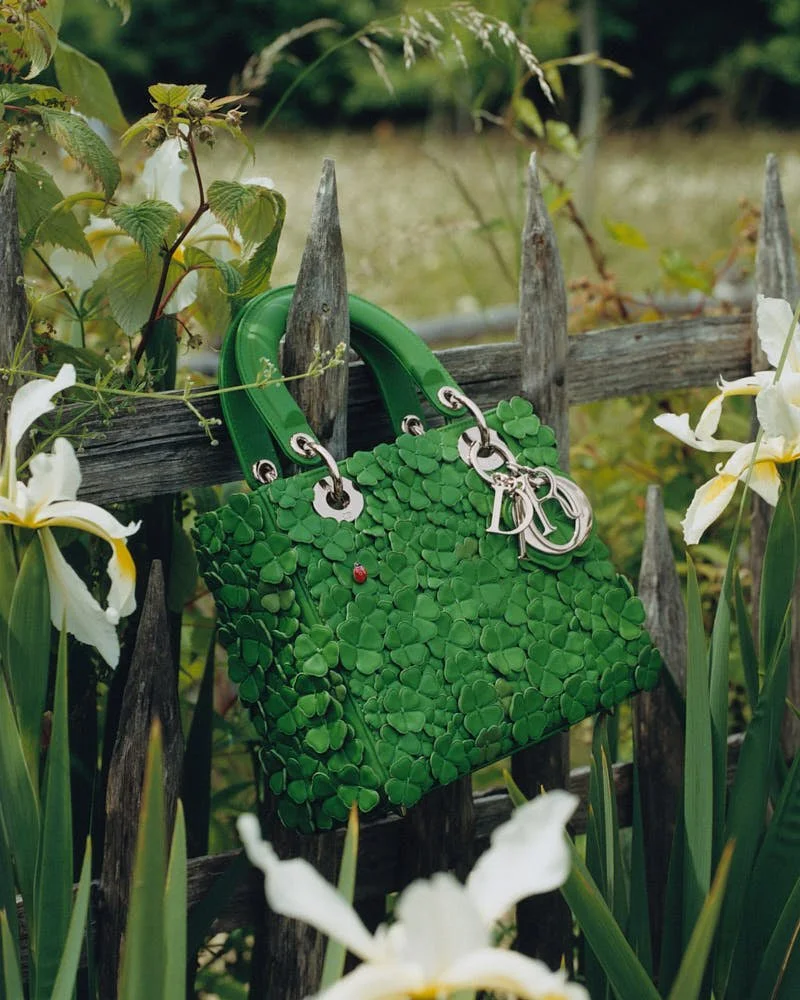
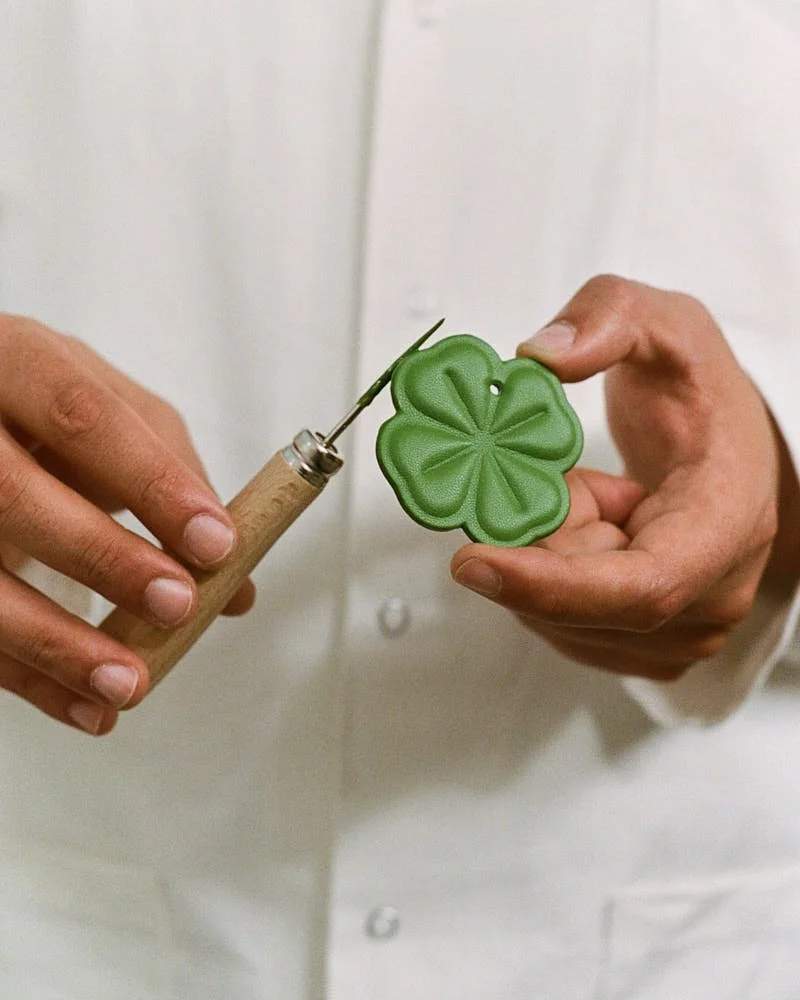
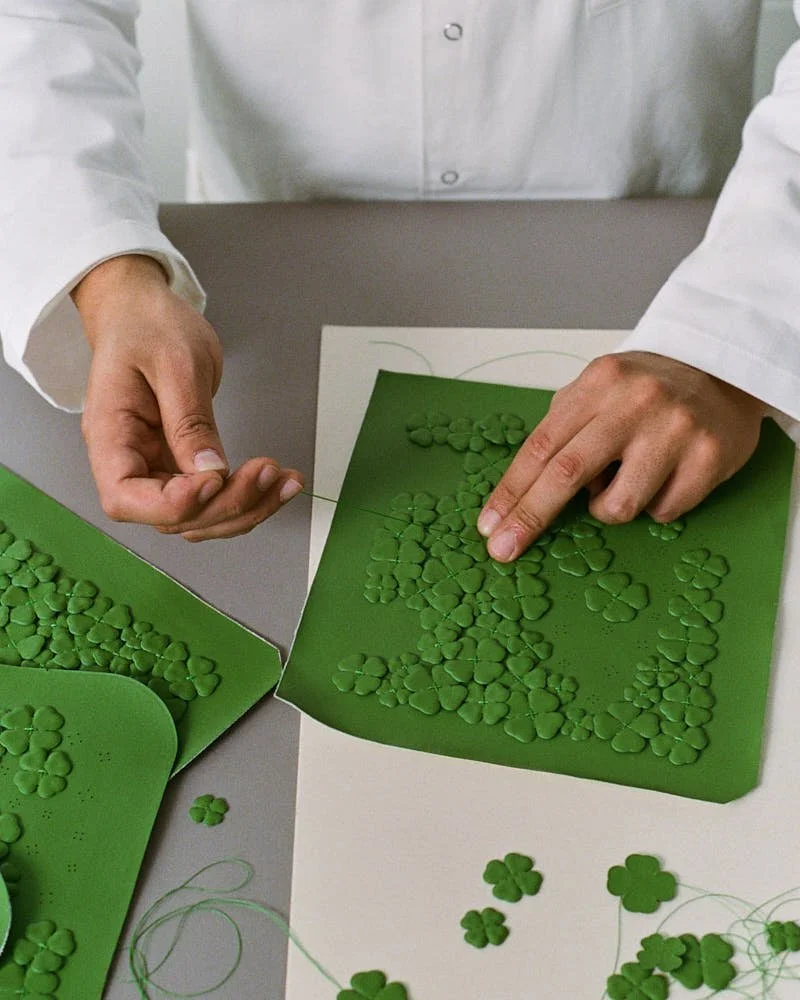
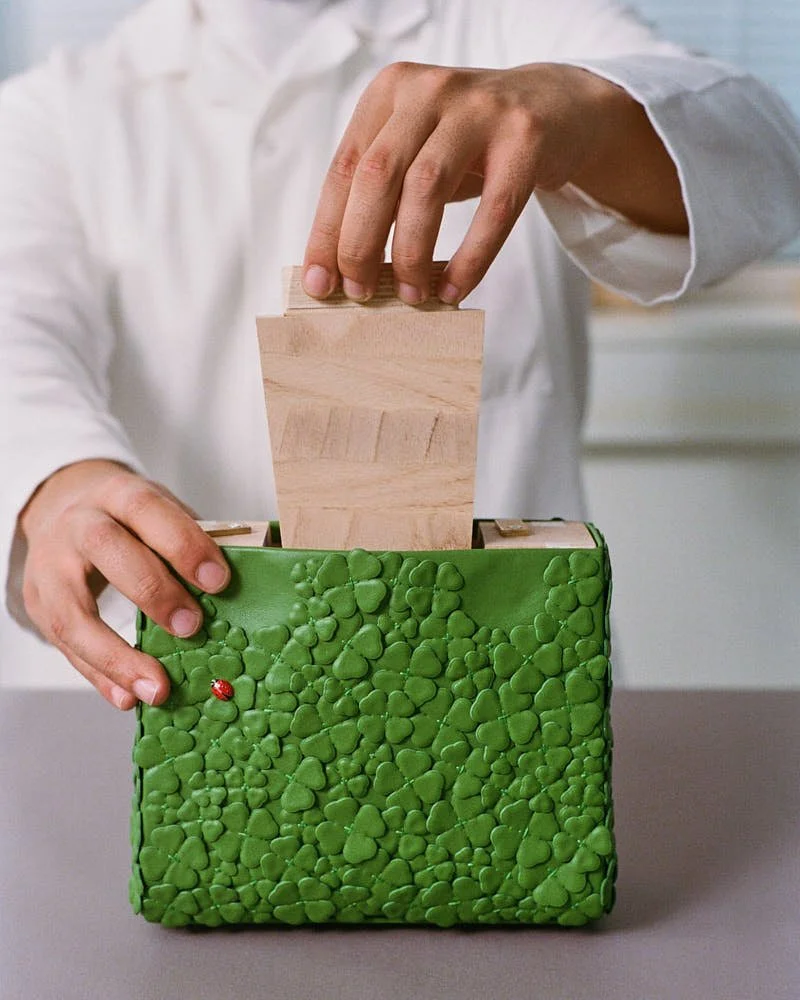
The Spring Summer 2026 Lady Dior proposals consist of two primary models: the Mini Lady Dior Clover and the Mini Lady Dior Buttercup. The Clover version is embroidered with four leaf clovers and incorporates a red ladybug motif, while the Buttercup version features three dimensional buttercup flowers in bright yellow tones, accompanied by a small bee detail. Both bags retain the Lady Dior’s architectural form and metal “D I O R” letter charms, with additional talisman shaped elements added to the hardware. The Clover model is produced in three colorways: green, black, and rose soupir.

 
LADY DIOR CAMPAIGN 2025 by DAVID SIMS LE MILE Magazine
 
Lady Dior Clover CAMPAIGN 2025 LE MILE Magazine


Christian Dior was known for personal superstitions, including the use of lucky charms such as four leaf clovers and symbolic animals, which appeared in his couture practice from the late 1940s onward. The Lady Dior itself became globally recognizable after being carried publicly by Diana, Princess of Wales, in 1995, establishing its association with formal elegance and public visibility. Anderson’s use of clovers and talismanic motifs places the Spring Summer 2026 bags within this established lineage of symbolic ornamentation rather than introducing a new product typology.


Within the wider Spring Summer 2026 collection, Dior positions history as a set of elements to be selectively retrieved and reorganized, rather than continuously displayed. The accessories operate as condensed carriers of this approach, concentrating narrative and craft within a portable object. The emphasis on embroidery, appliqué, and hand finishing reflects ongoing investment in Dior’s ateliers, while the overt symbolism aligns with a broader industry trend toward legible icons in luxury accessories, particularly in the mini bag segment, which remains commercially significant across global markets.

 
LADY DIOR CLOVER SS26 LE MILE Magazine
 
LADY DIOR CLOVER SS26 LE MILE Magazine
 

The Mini Lady Dior Clover and Mini Lady Dior Buttercup bags will be available in Dior boutiques worldwide from January 2026. Production involves hot stamping followed by individual hand embroidery of the clover motifs, with additional custom metal charms developed specifically for this release.

By grounding the Spring Summer 2026 Lady Dior in named symbols, documented craft processes, and an established product architecture, Dior under Jonathan Anderson reinforces continuity within the House. The resulting objects draw on identifiable references and labor intensive techniques, situating the Lady Dior as a deliberate extension of a long established luxury system.


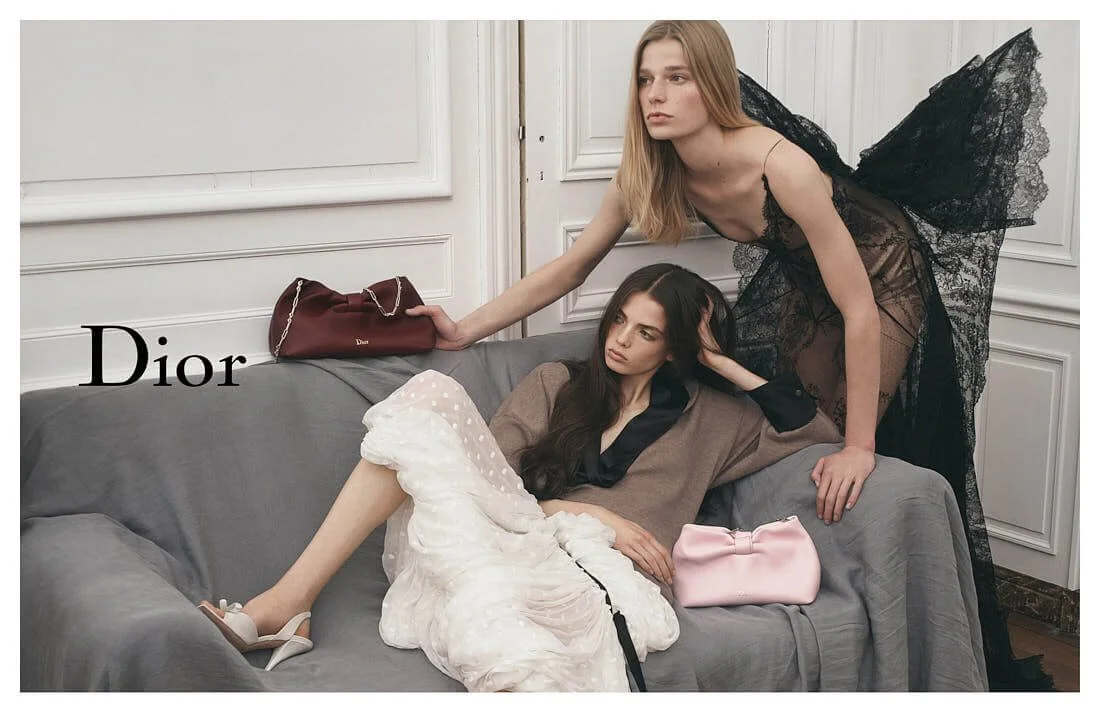
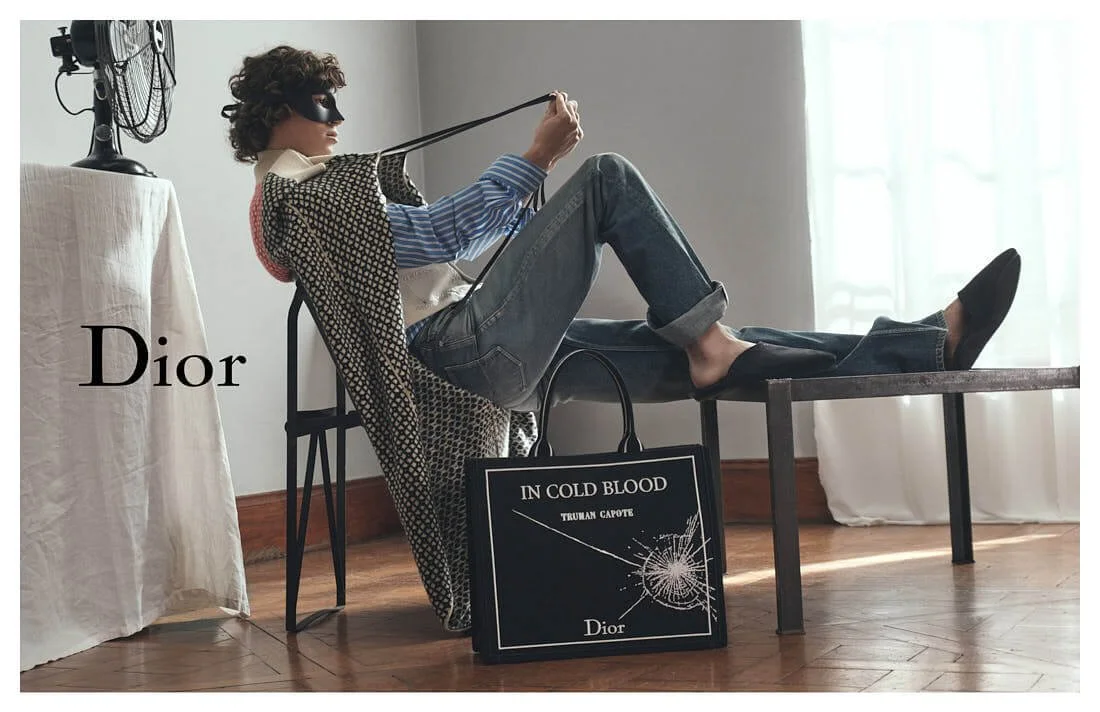
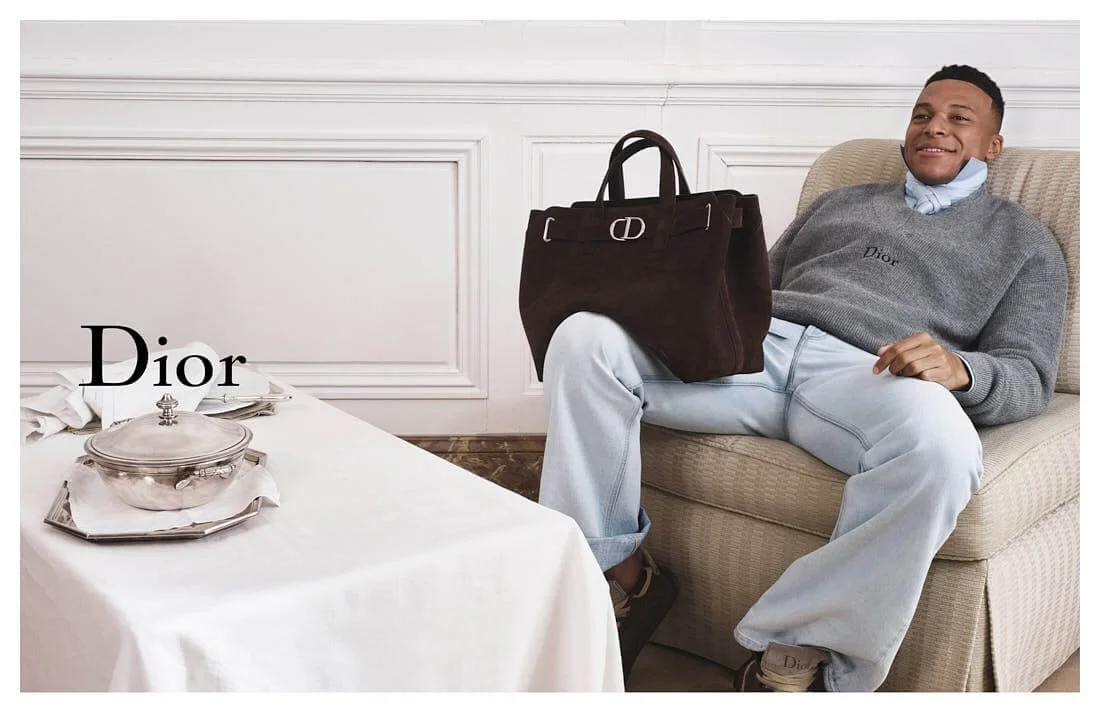
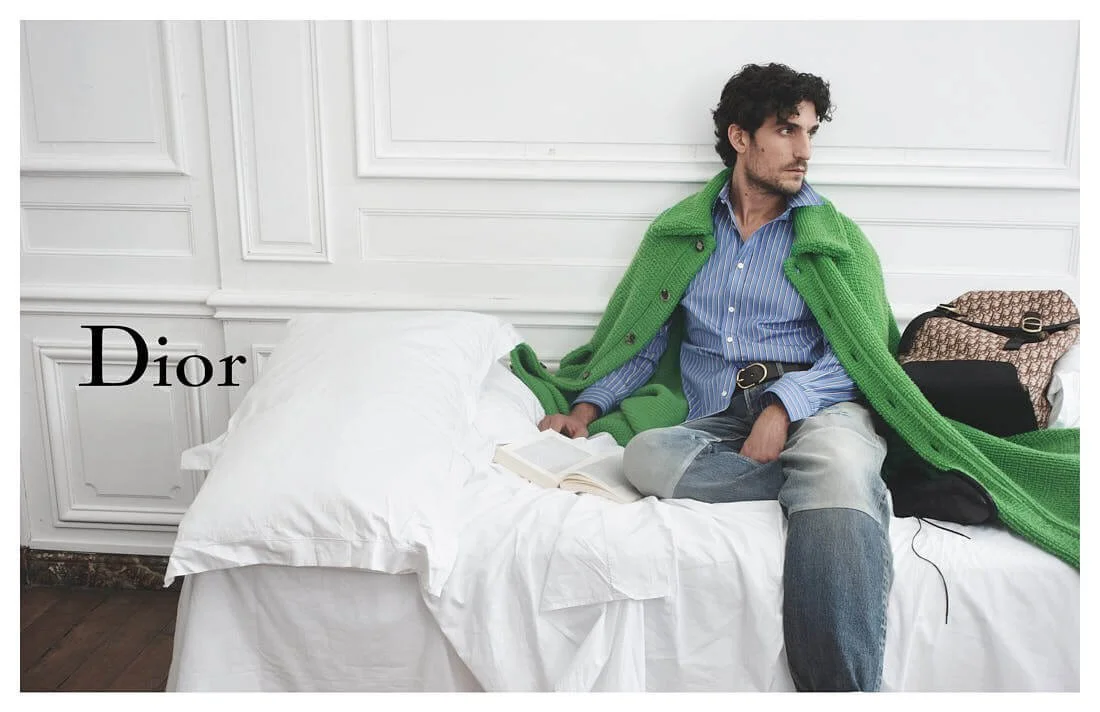
DIOR SPRING SUMMER 2026 Campaign

LADY DIOR Campaign Images seen by DAVID SIMS

styled BENJAMIN BRUNO / set design POPPY BARTLETT / talents KYLIAN MBAPPÉ, LOUIS GARREL, PAUL KIRCHER, GRETA LEE / models LAURA KAISER, SAAR MANSVELT BECK, SUNDAY ROSE

(c) all images DIOR Press

Ludovic de Saint Sernin - Leather Chair

Ludovic de Saint Sernin - Leather Chair

.new collaboration
Ludovic de Saint Sernin Brings Intimacy Into the Room


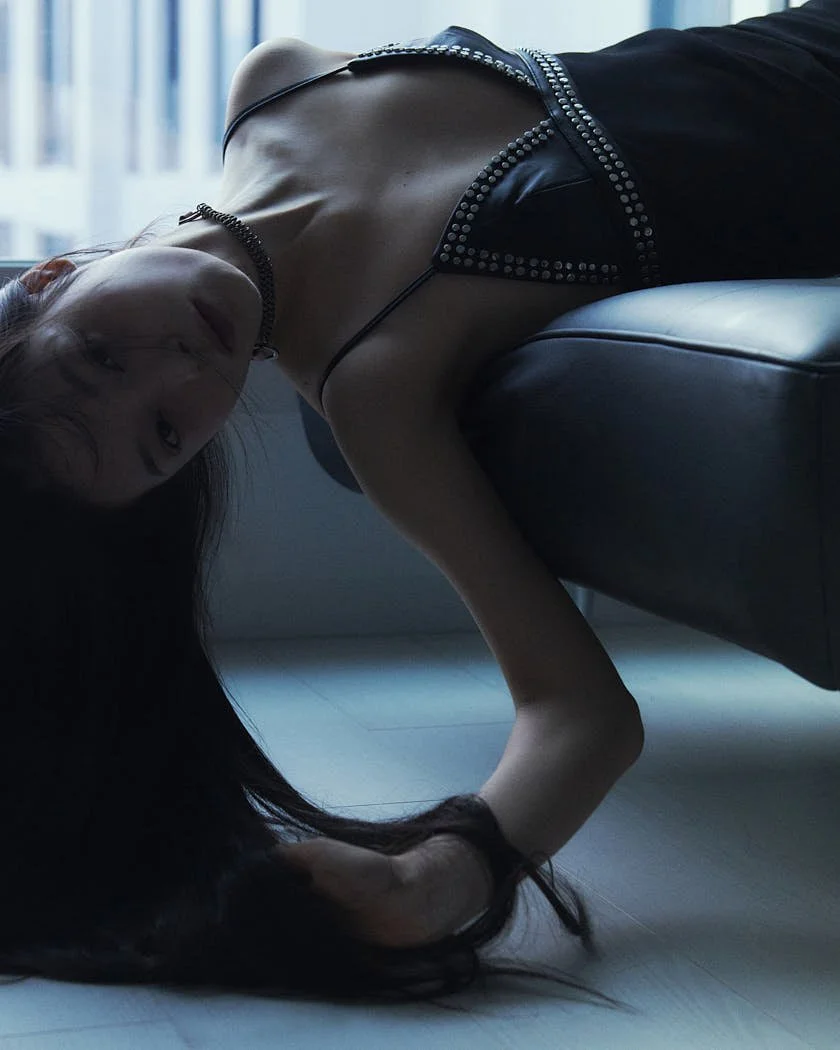
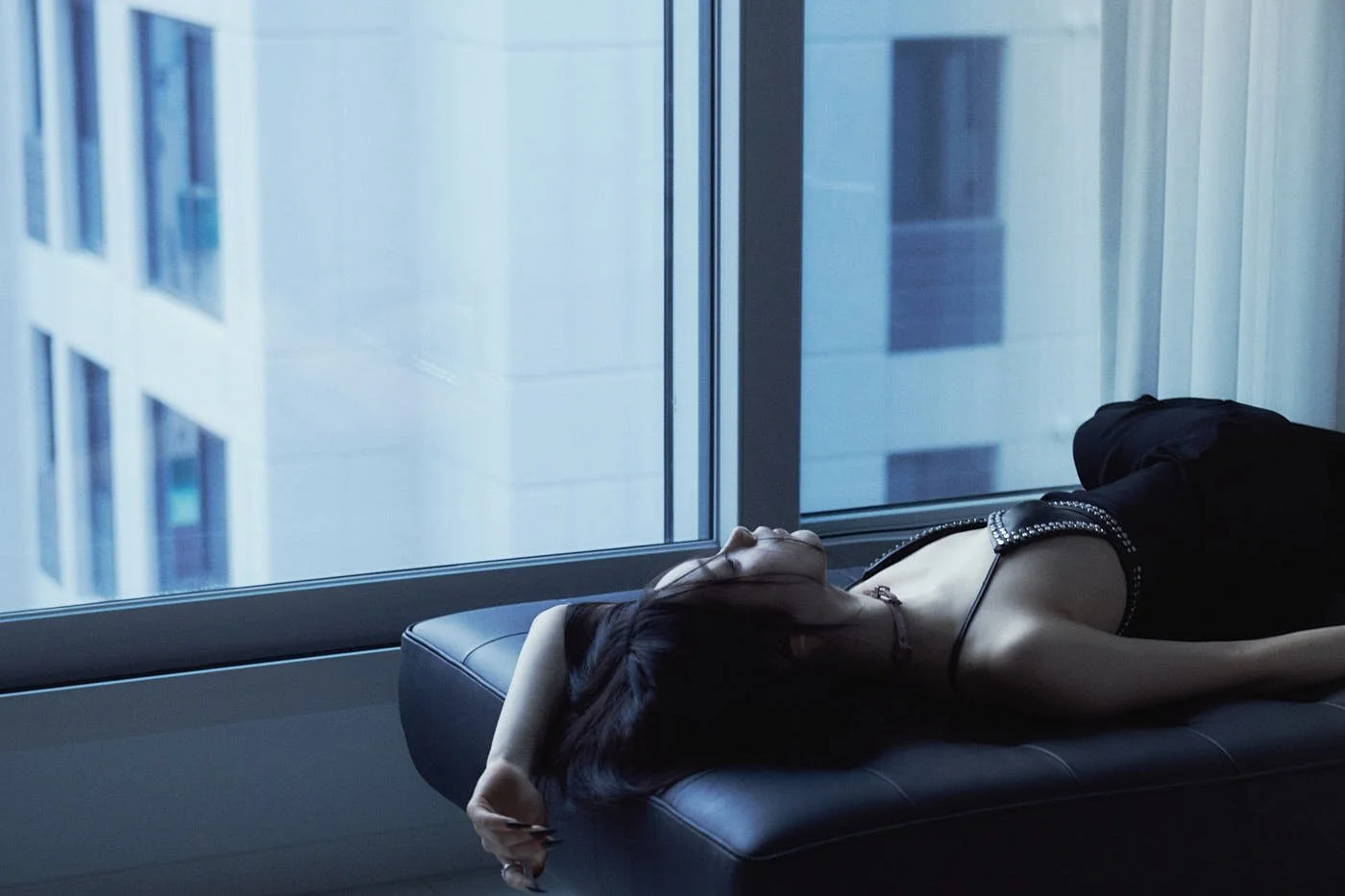
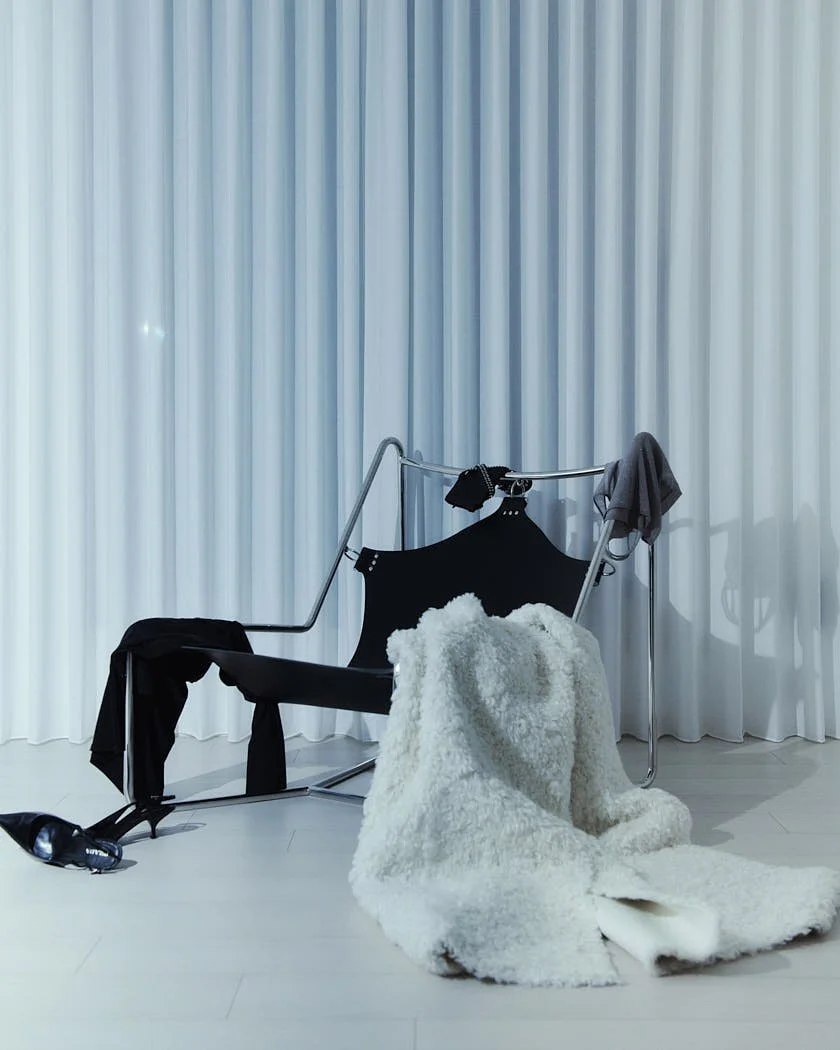
The first time you notice the chair, it sits in the room with quiet certainty, present without asking to be looked at, holding a kind of tension that registers before you understand why. Black leather curves into itself, suspended within a chromed frame, carrying an atmosphere familiar to anyone who knows and loves Ludovic de Saint Sernin’s work.

 
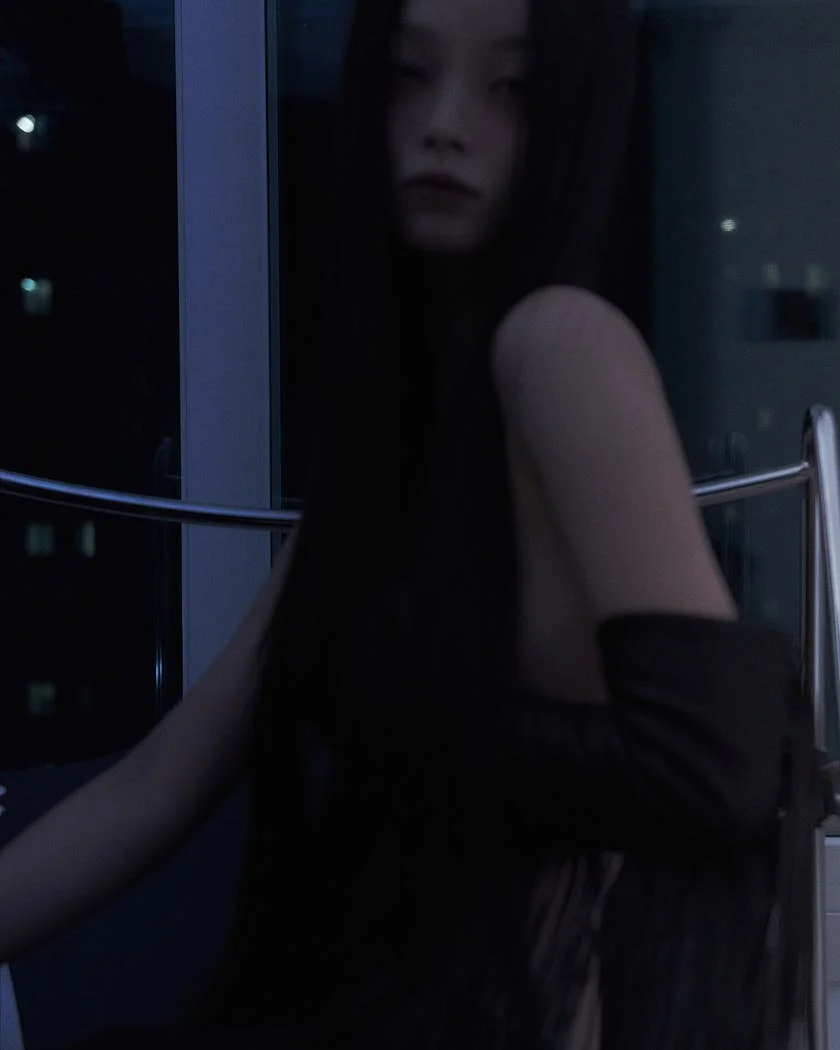
Ludovic de Saint Sernin Zara Leather Chair LE MILE Magazine dress LUDOVIC DE SAINT SERNIN X ZARA choker MEG KIM  jewerly BVLGARI
 
Ludovic de Saint Sernin Zara Leather Chair LE MILE Magazine Chen Zi wears a dress by LUDOVIC DE SAINT SERNIN x ZARA, a choker by MEG KIM and jewellery by BVLGARI

Chen Zi wears a dress by LUDOVIC DE SAINT SERNIN x ZARA, a choker by MEG KIM and jewellery by BVLGARI


De Saint Sernin has always worked close to the body, attentive to skin, exposure, and the emotional charge that gathers around them. His designs speak about intimacy without explaining it, allowing sensation and structure to do the work. Translating that language into an object feels like a natural progression, one that shifts the conversation from wearing to inhabiting.

 
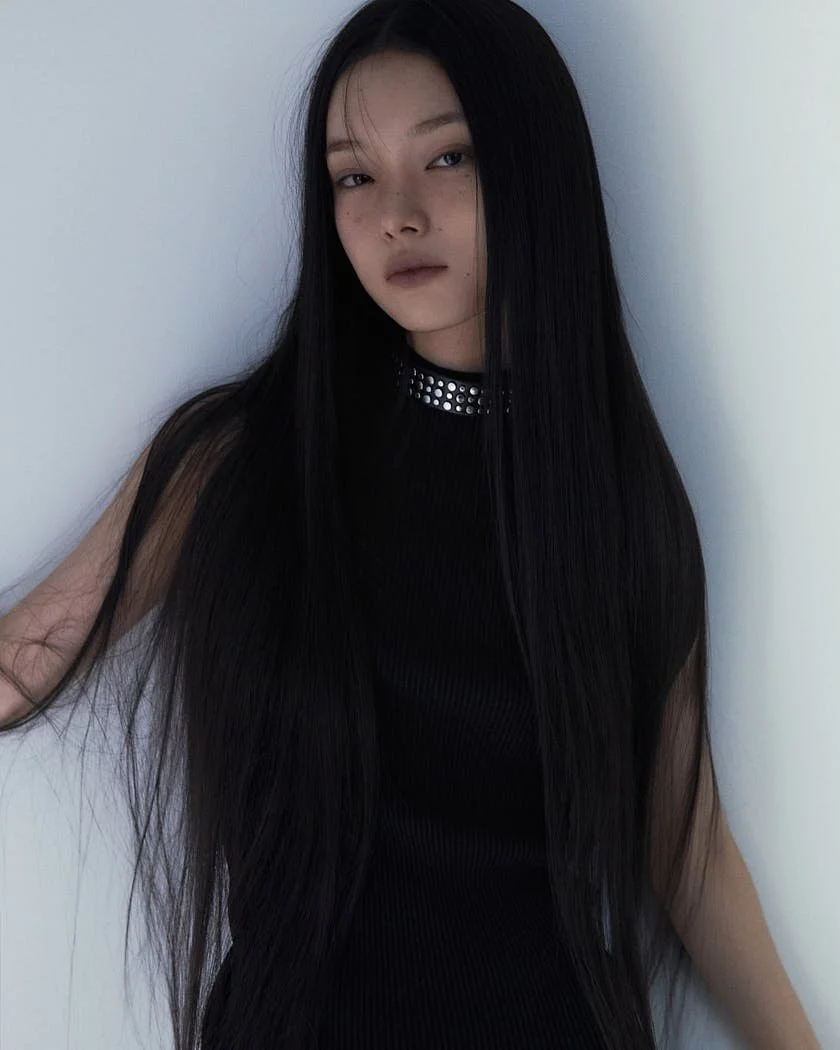
Ludovic de Saint Sernin Zara Leather Chair LE MILE Magazine Chen Zi wears a total look by CFCL and a choker by LUDOVIC DE SAINT SERNIN x ZARA

Chen Zi wears a total look by CFCL and a choker by LUDOVIC DE SAINT SERNIN x ZARA


Spending time with the chair changes how it reads and sitting down slows the room, weight settles and posture becomes conscious. The object holds the body with clarity and intention. There is a sense of being aware of oneself, of how one occupies space, of how stillness can feel charged.


References to erotic culture are present, though they never announce themselves. They exist in the discipline of the form, in the way tension is maintained, in the quiet authority of restraint. Intimacy emerges through trust and what remains is an atmosphere, something that lingers longer than description.

 
Ludovic de Saint Sernin Zara Leather Chair LE MILE Magazine Chen Zi wears a total look by SIMONE ROCHA

Chen Zi wears a total look by SIMONE ROCHA

 
Ludovic de Saint Sernin Zara Leather Chair LE MILE Magazine Chen Zi wears gloves by SPORTMAX

Chen Zi wears gloves by SPORTMAX

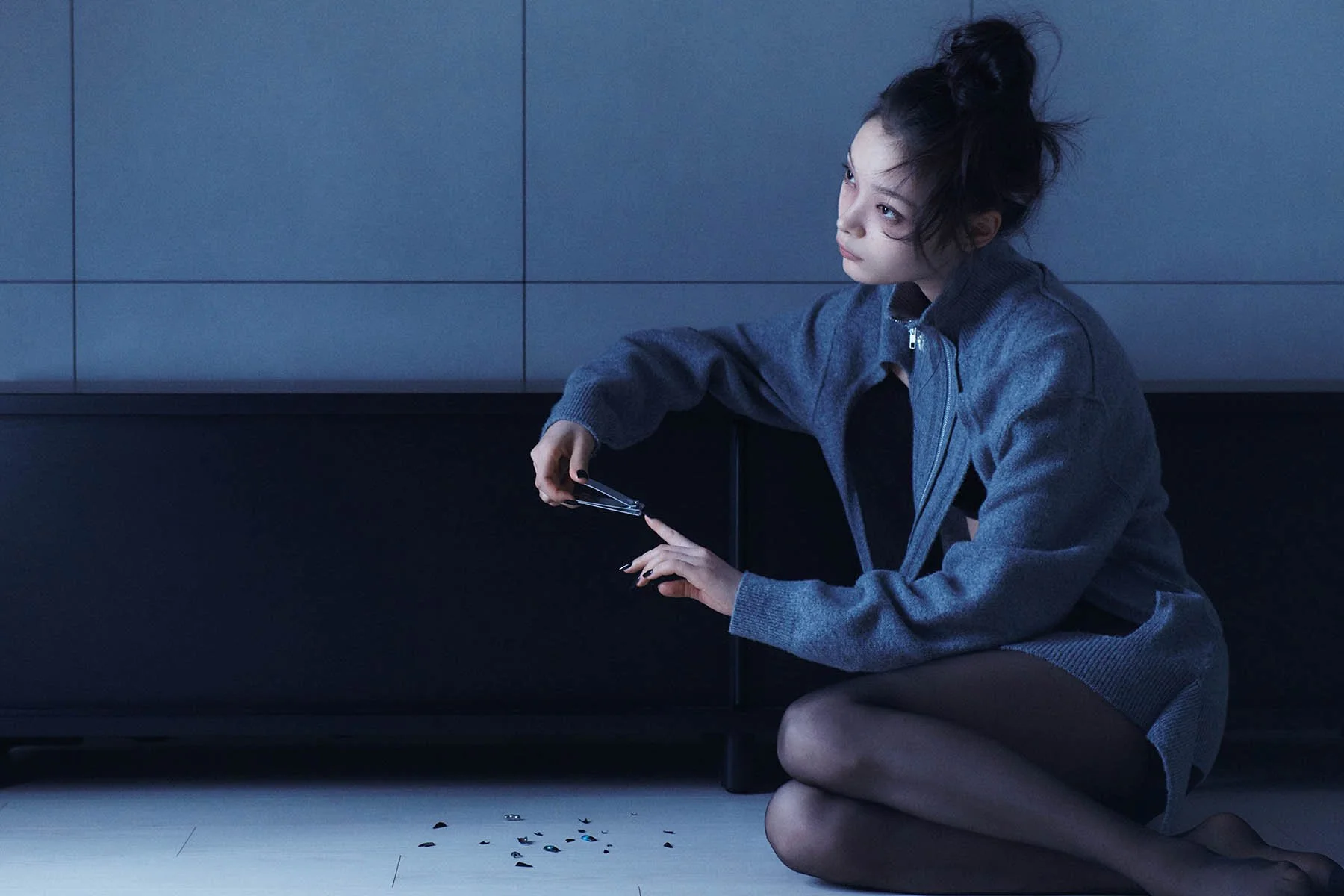
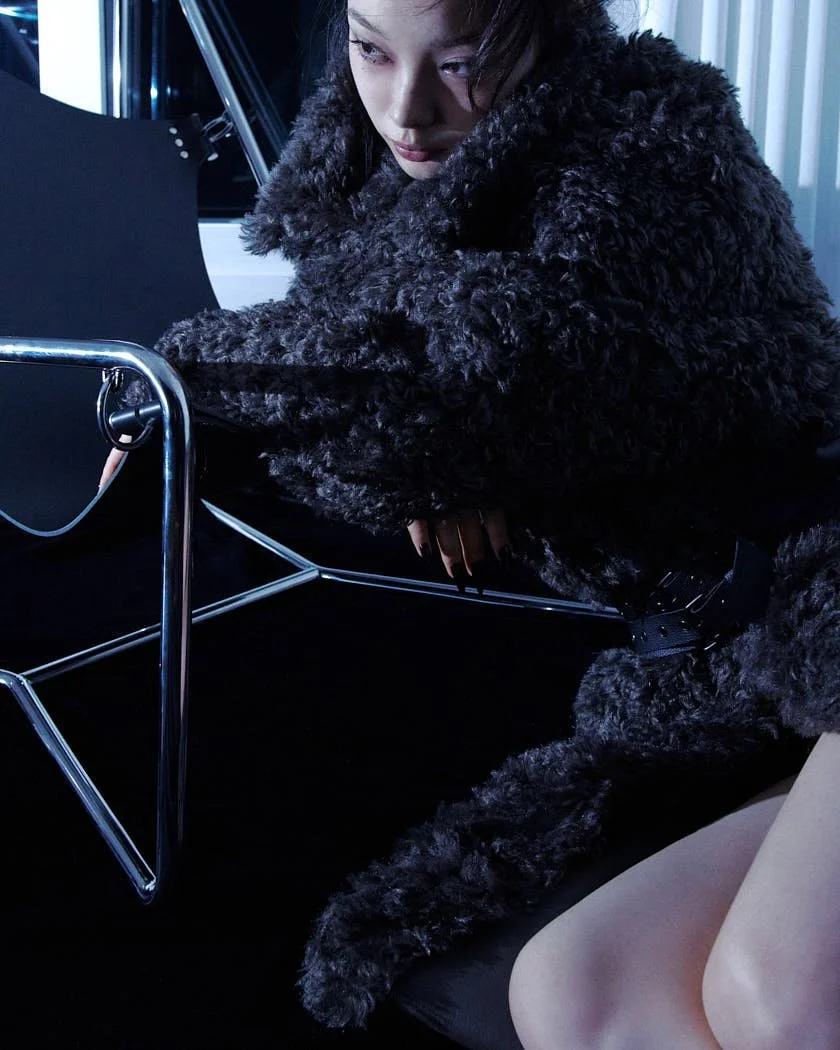
Ludovic de Saint Sernin Zara Leather Chair LE MILE Magazine Chen Zi wears a coat by LUDOVIC DE SAINT SERNIN x ZARA

Chen Zi wears a coat by LUDOVIC DE SAINT SERNIN x ZARA


The chair resists behaving as an accessory, since it holds its place in a room the way certain garments hold their place in memory. It feels designed to be lived with, to gather time, to accumulate meaning slowly through use and proximity.
Each piece is signed by the designer in black ink on white, the line fluid and finished with a small heart. The gesture reads as disarmingly direct, a reminder that behind the discipline and control sits a human hand, a personal mark, an act of closeness. All profits from the limited collection support the Women’s Earth Alliance, an organization working at the intersection of environmental protection and women’s leadership. It is a quiet extension of the project’s logic, grounding intimacy in responsibility.


Seen in the context of an urban night, alongside a model dressed in black leather and denim, the chair feels at home. The scene suggests a world that understands presence, confidence, and self-awareness with no spectacle. The object belongs to that world naturally, carrying the same sense of calm intensity that defines de Saint Sernin’s universe.


Ludovic de Saint Sernin Zara Leather Chair LE MILE Magazine
creative direction PHOEBE LEE
seen SOJUNG LEE
styled PHOEBE LEE + YUNYEONG YANG
model CHEN ZI
production coordination YUNYEONG YANG
hair JUYEOP OH
make up JEONGIN LIM
make up assistant SOYEON KIM
nails SEOHYUN LEE
video ZHANG KE
special thanks SUNKYUNG HWANG
 

SavoirFaire 2025 *Fair for Interior Design

SavoirFaire 2025 *Fair for Interior Design

SavoirFaire 2025
*A Living Showcase of Architectural Precision and Material Beauty


written SARAH ARENDTS


From October 23 to 26, 2025, Knokke-Heist becomes a destination for design professionals and aesthetes. At the Grand Casino Knokke, the second edition of SavoirFaire brings together over fifty interior design studios, architectural producers, and emerging voices. The format honors built quality, refined material processes, and advanced craftsmanship.


LE MILE Magazine joins as a proud media partner of SavoirFaire 2025, reflecting the shared focus on form, process, and thoughtful execution. The fair takes place in a spatially curated format. Exhibitors receive individual attention, and each presentation serves as a standalone architectural fragment. The expanded format includes returning pioneers such as Inti, known for sculptural lighting that defines presence in space, and Lanssens, a heritage studio specializing in historically rooted window systems.

New exhibitors include Baswa, a Swiss acoustic expert working at the intersection of silence and surface, and DeltaLight, whose innovations in lighting explore scale and integrated architecture. These participants present material concepts that function as structural components. Antwerp-based Slag-werk offers dense, architectural furniture works that explore proportion and edge. Their output emphasizes surface depth and volume. Isabel Gomez Studio, active internationally, contributes interior environments defined by calm geometry and tonal precision.

 
LE MILE Magazine SavoirFaire 2025 Partnership design  RV ARCHITECTS seen by Charlotte Lauwers

RV ARCHITECTS
seen by Charlotte Lauwers

 
LE MILE Magazine SavoirFaire 2025 Partnership design ISABEL GOMEZ Penthouse Office Ruth Maria

ISABEL GOMEZ Penthouse Office
seen by Ruth Maria


A curated shuttle service connects visitors to real-time reference projects throughout Knokke-Heist. Guests move from the Grand Casino into finished homes and architectural interiors that apply the materials, objects, and systems featured at the fair. This direct experience bridges concept with completed space. It introduces scale, light, and atmosphere in real-world contexts.

The exhibition inside the Casino is constructed with intention. Each participating brand or studio receives space to articulate its approach. Every contributor offers its own clarity. Architectural finishes, bespoke hardware, precision lighting, and handmade furniture create an environment shaped by integrity and transparency. SavoirFaire’s reach extends across multiple disciplines. Architects, interior designers, builders, gallerists, and collectors will engage directly with the exhibitors. Over 2,500 professionals and more than 7,000 design-conscious visitors are expected. Conversations emerge around longevity and sensory quality.


The fair presents design as spatial language. Shapes hold stillness. Textures communicate presence. Acoustic panels, limestone slabs, and engineered joinery appear in settings that allow material weight to settle. Furniture pieces align with structural grids and light plans. Each element integrates with the others. Across the event, visual cohesion plays a central role. Curators focus on slow design, architectural logic, and reduction without absence. Bold pieces exist in balance with quieter statements. Ceramic objects and large-format textiles extend the material range while preserving spatial discipline.

LE MILE Magazine’s partnership amplifies this narrative. With its emphasis on form, clarity, and atmosphere, the magazine contributes editorial presence during and after the fair. Photography and reports will follow the event, tracing its spatial insights and its material contributions to the international design landscape.

 
LE MILE Magazine SavoirFaire 2025 Partnership BOMAT The ArchiScape Lina Burnt Brick

BOMAT
The ArchiScape Lina Burnt Brick


“At LE MILE, we look for vision and integrity in design. SavoirFaire gathers both. Collaborating with them allows us to deepen our commitment to spaces and objects that carry intention.”


Alban E. Smajli, Editor-in-Chief + Founder LE MILE Magazine


LE MILE Magazine SavoirFaire 2025 Partnership design LES CONFIDENTS Invisible Collection Lison De Caune Glenn Sestig Rive Gauche

LES CONFIDENTS Invisible Collection

 
LE MILE Magazine SavoirFaire 2025 Partnership design Mercedes Maybach Shuttle

Mercedes Maybach Shuttle

 
LE MILE Magazine SavoirFaire 2025 Partnership design ISABEL GOMEZ Penthouse Living Ruth Maria

ISABEL GOMEZ Penthouse Living
seen by Ruth Maria


Tickets are available via savoirfaire.be. The program includes guided visits, presentations, and architectural moments across Knokke-Heist. The fair opens daily during its run at the Grand Casino and includes reserved access for professionals and collectors. SavoirFaire 2025 offers a full encounter with space, object, and method. The material decisions on display affect surface, structure, light flow, and echo. These elements interact quietly, forming environments grounded in precision and discipline.
Each participating studio contributes work rooted in continuous refinement. The outcome serves residential, institutional, and cultural applications. Every item reflects advanced production and studied proportion.


This second edition affirms SavoirFaire’s intention: to gather voices across architecture, interiors, and object design under one roof, with attention to process, place, and depth. From custom flooring systems to marble detailing, from modular cabinetry to integrated fixtures, each decision adds to a larger architecture of clarity.

With the support of LE MILE Magazine, SavoirFaire continues to highlight designers and producers who work with care, scale, and awareness. October in Knokke-Heist brings these principles into view — through form, through presence, and through the lived experience of space.


discover more www.savoirfaire.be