Viewing entries tagged
art

New Year in Lugano - Holiday Season Guide 2025

New Year in Lugano - Holiday Season Guide 2025

New Year in Lugano
How Lugano Sets the Tone for the 2026


written SARAH ARENDTS


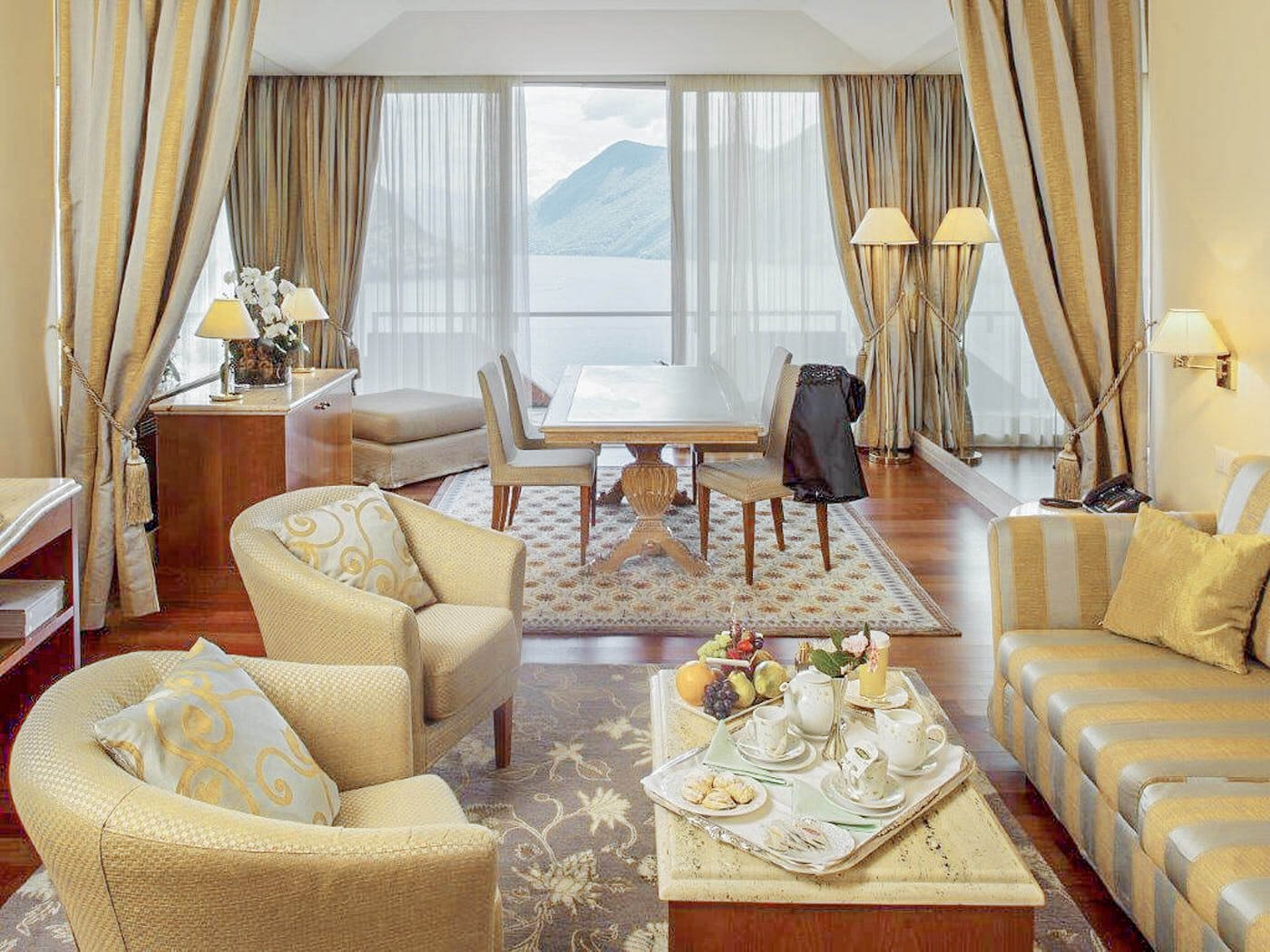
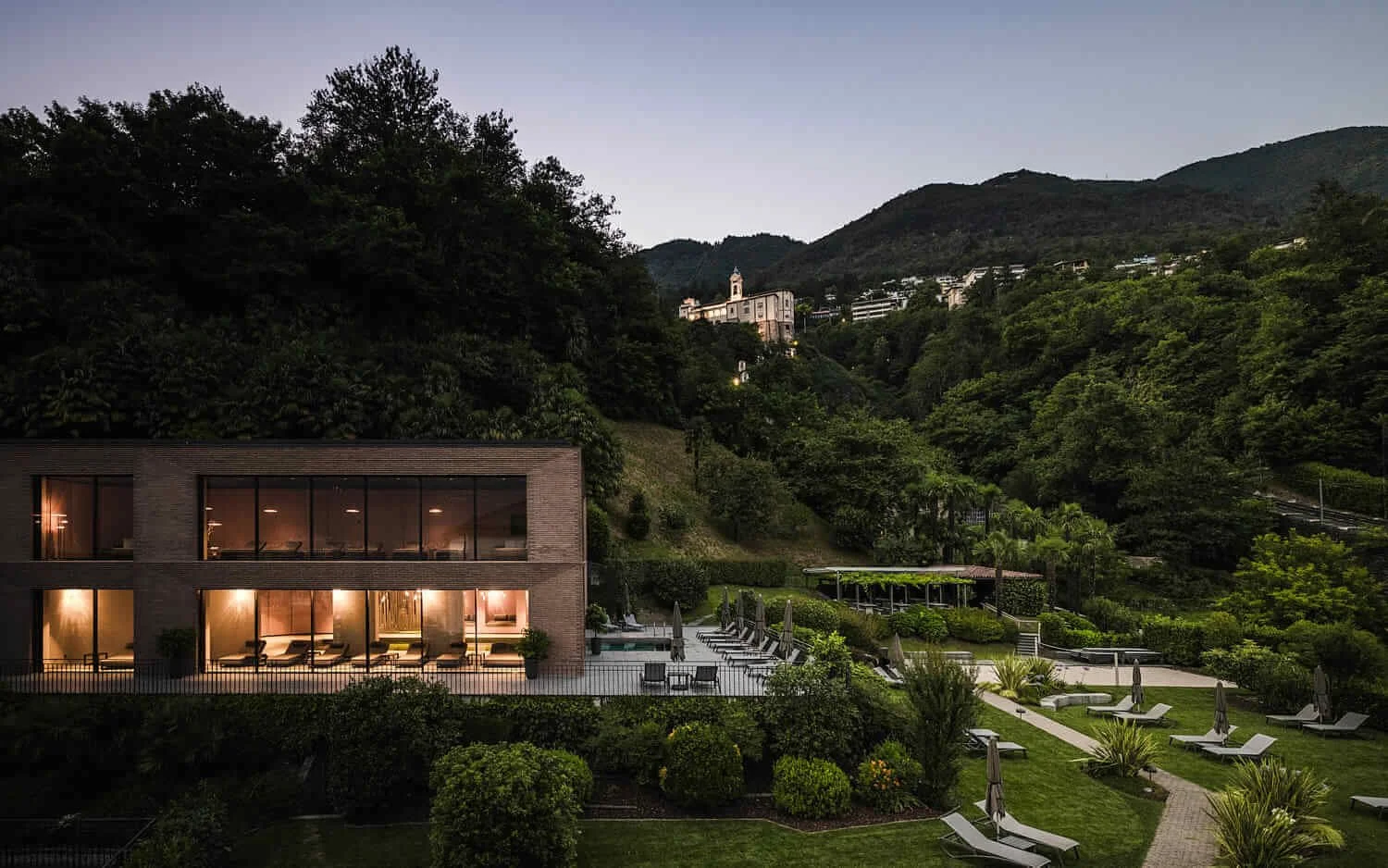
The days leading into the new year often carry a quiet expectation. People look for places that allow them to reset, to shift into the next chapter with intention. In Lugano, the hotels of the DOT Lifestyle Collection create exactly that kind of environment. Each property approaches hospitality from a different angle, yet they share a sense of ease and clarity that feels right for the holiday season. Their locations above and around the lake give guests an immediate connection to light, stillness, and the rhythm of the city in winter.

 
LE MILE Magazine Villa Principe Leopoldo New Years Eve Lago di Lugano

Villa Principe Leopoldo
Lago di Lugano

 
LE MILE Magazine Villa Principe Leopoldo New Years Eve Lago di Lugano

Villa Principe Leopoldo
Lago di Lugano

 
LE MILE Magazine Villa Principe Leopoldo New Years Eve Lago di Lugano

Villa Principe Leopoldo
Lago di Lugano


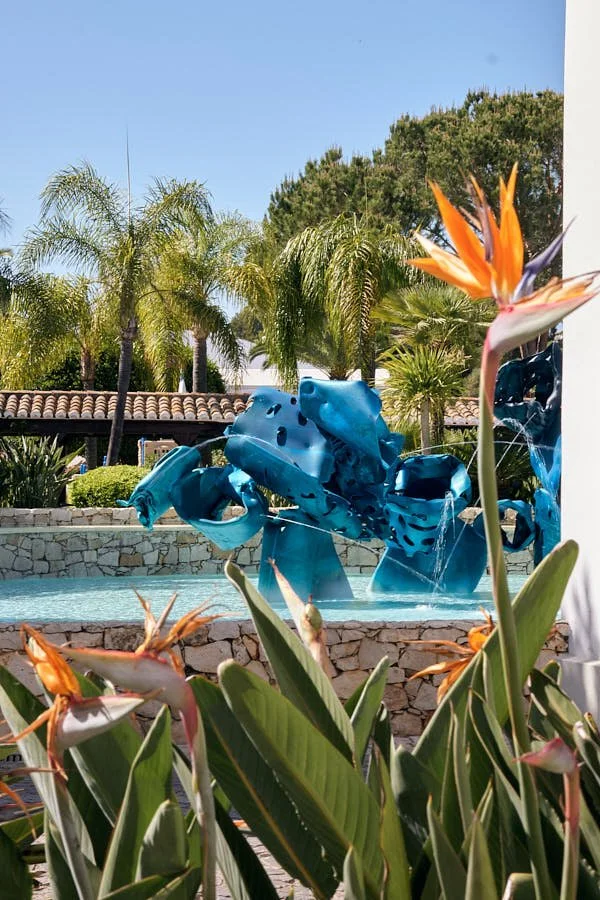
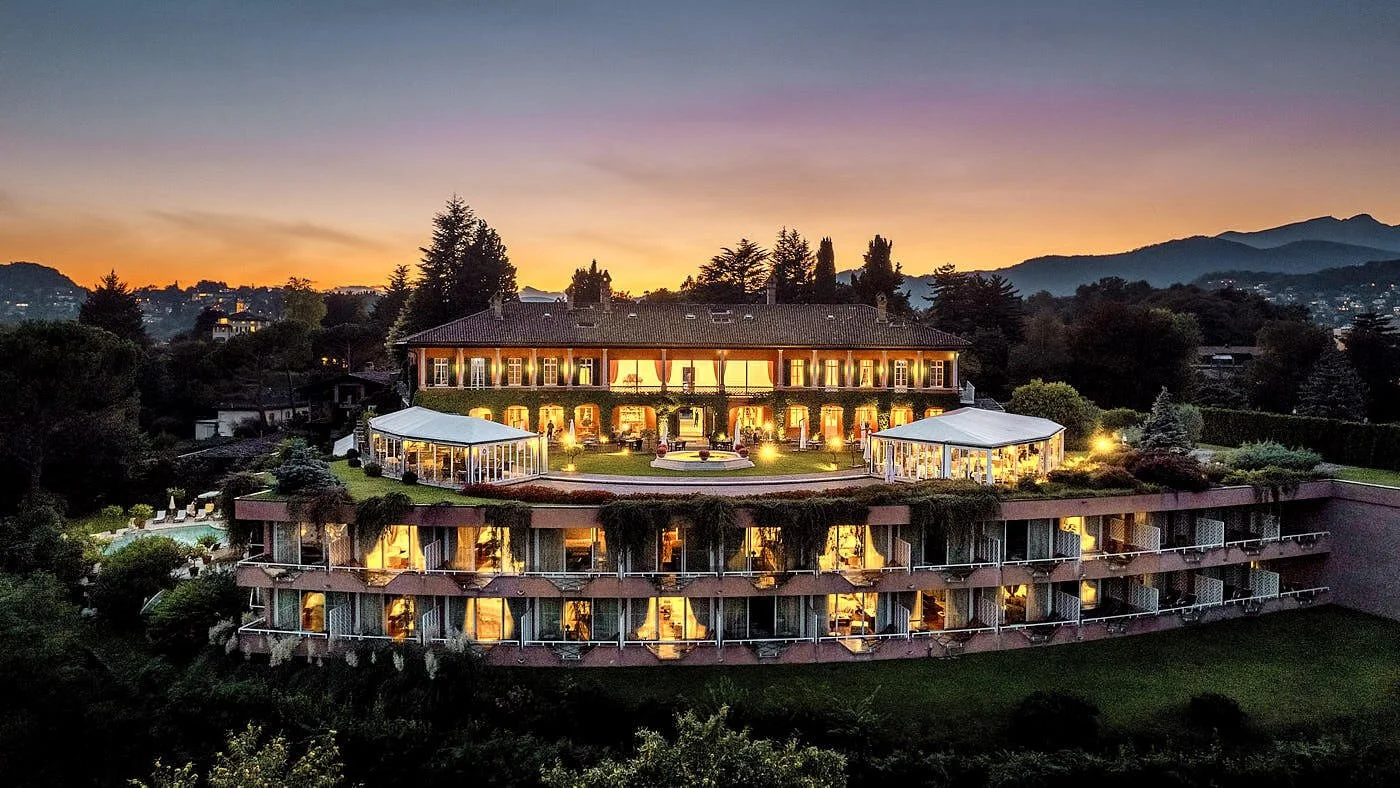
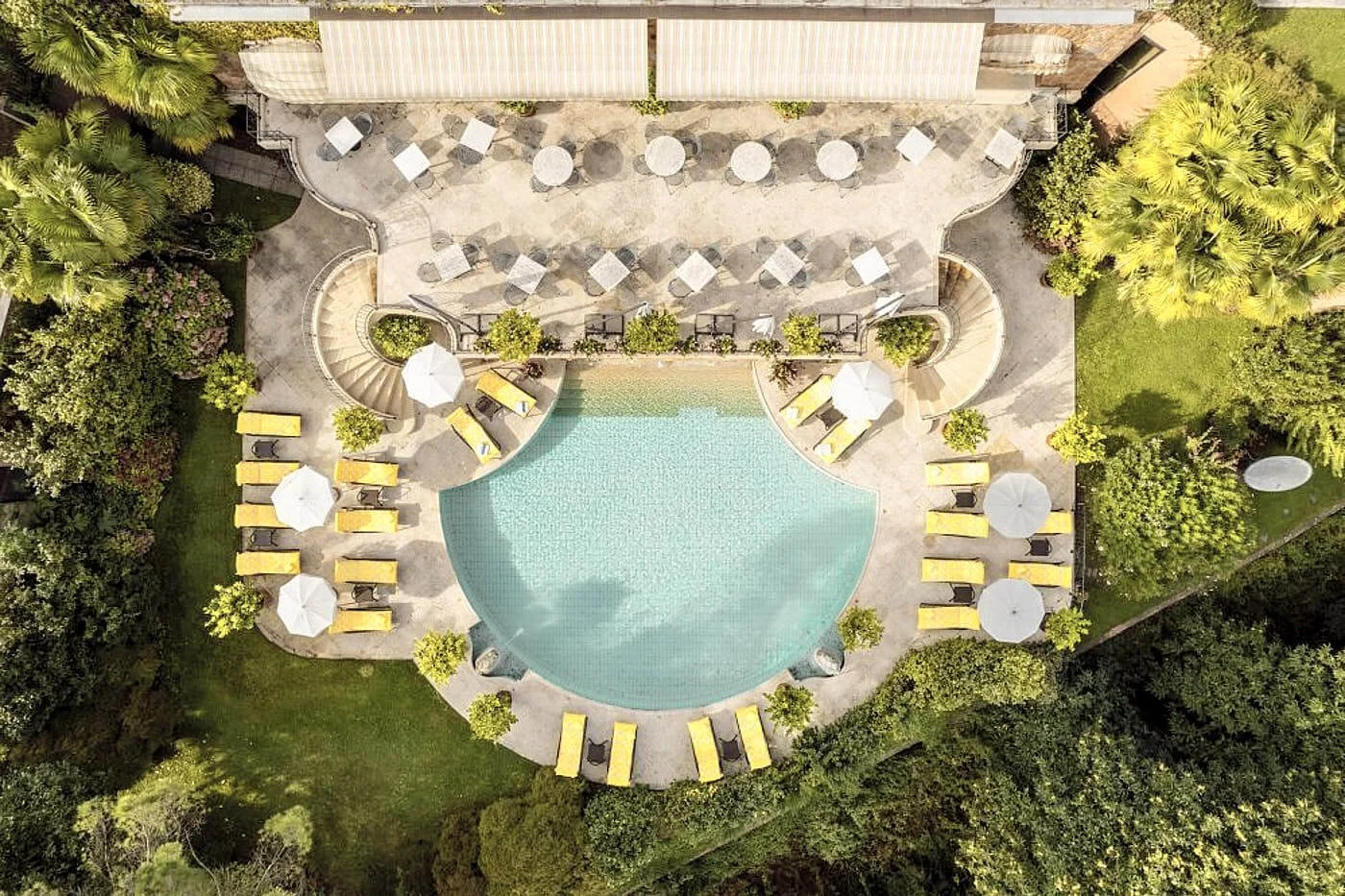
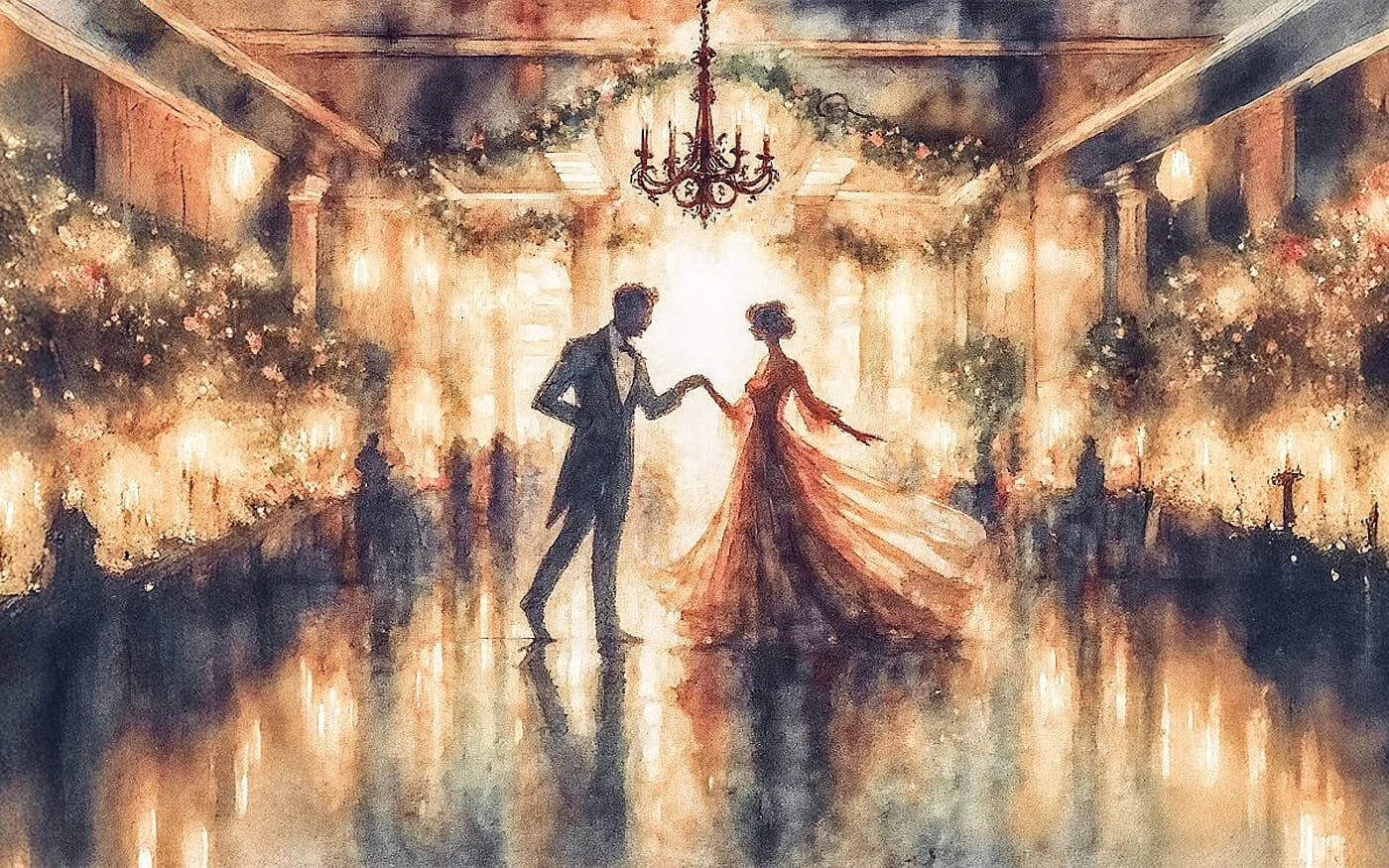
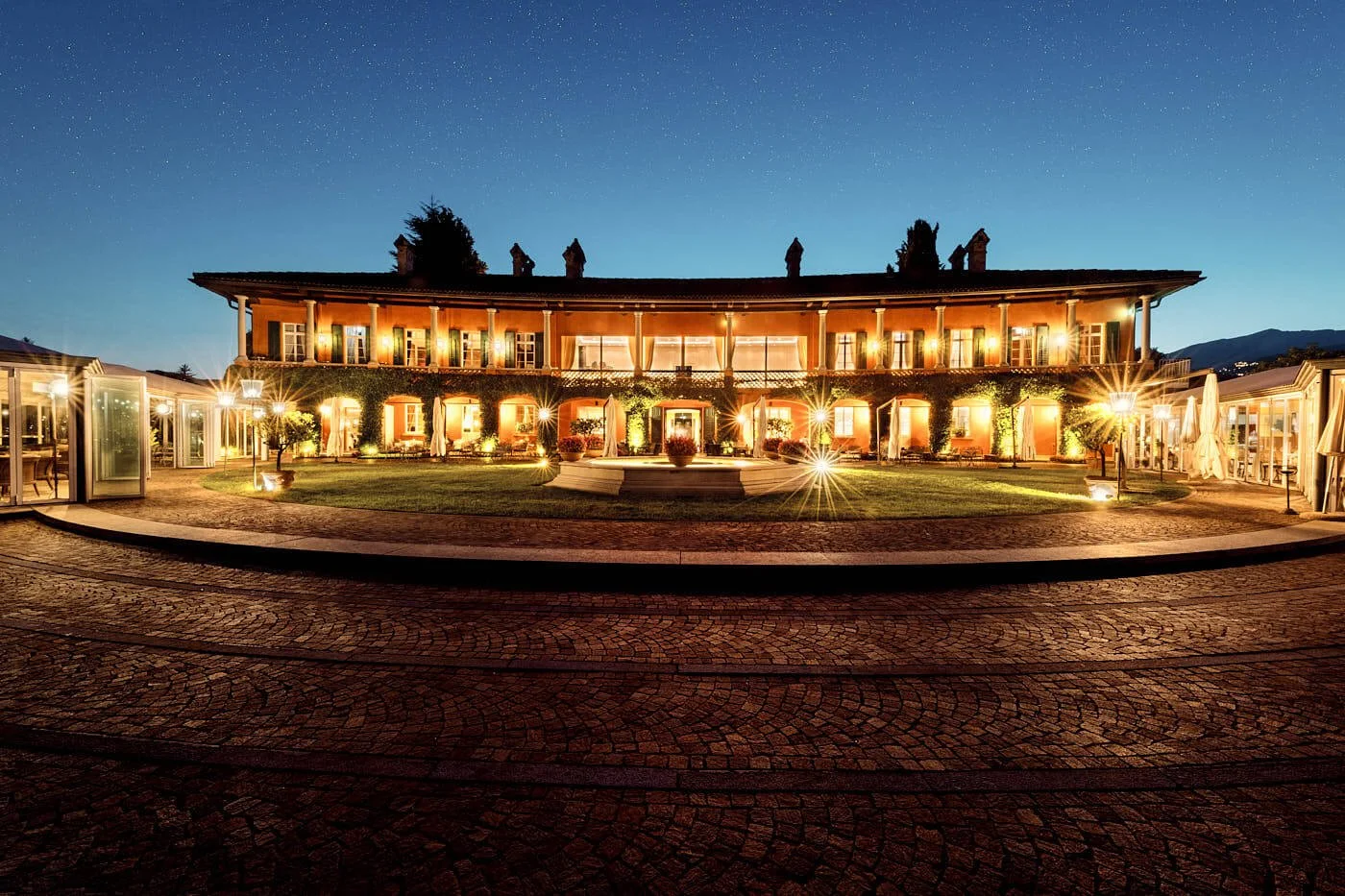
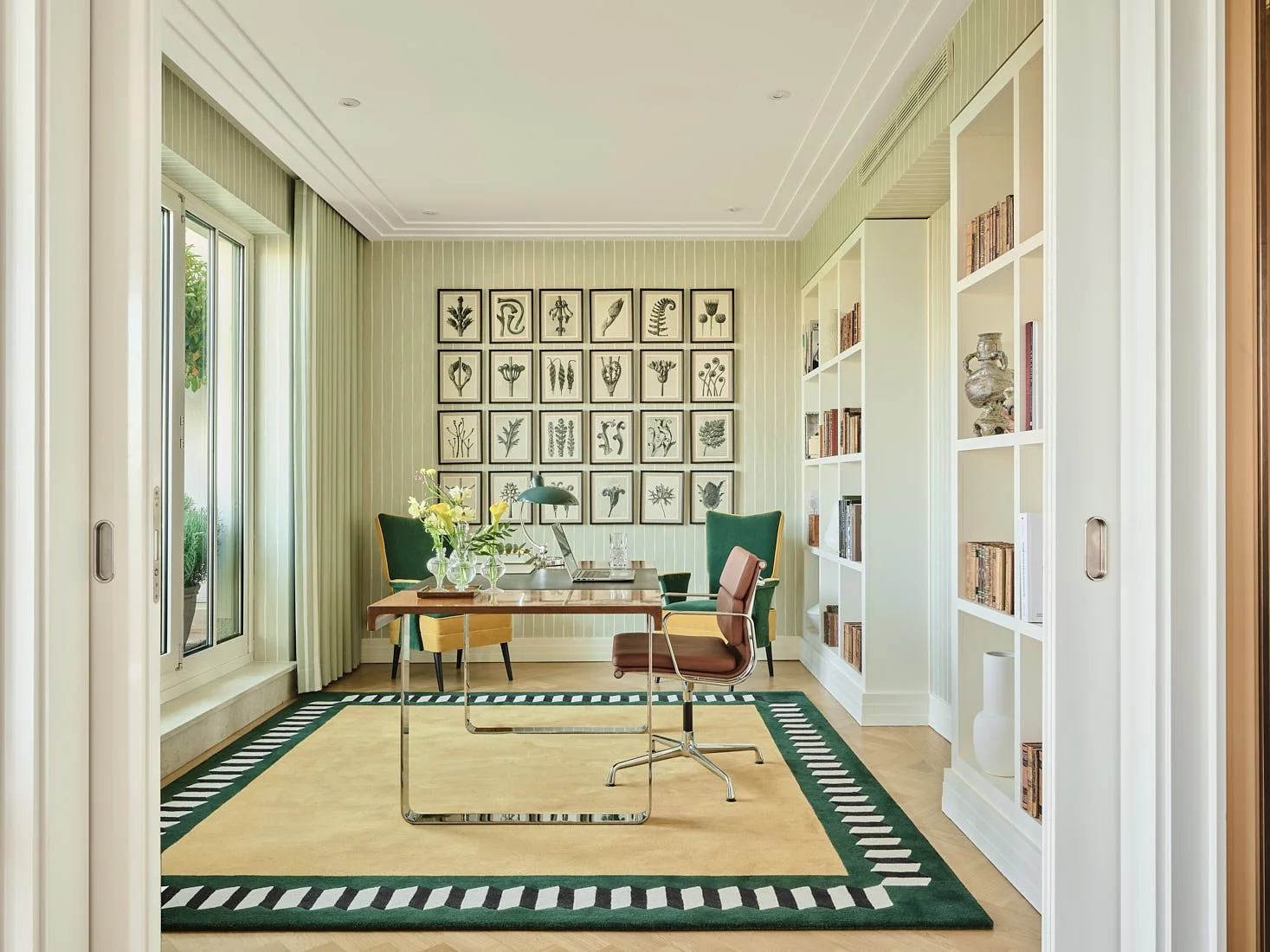
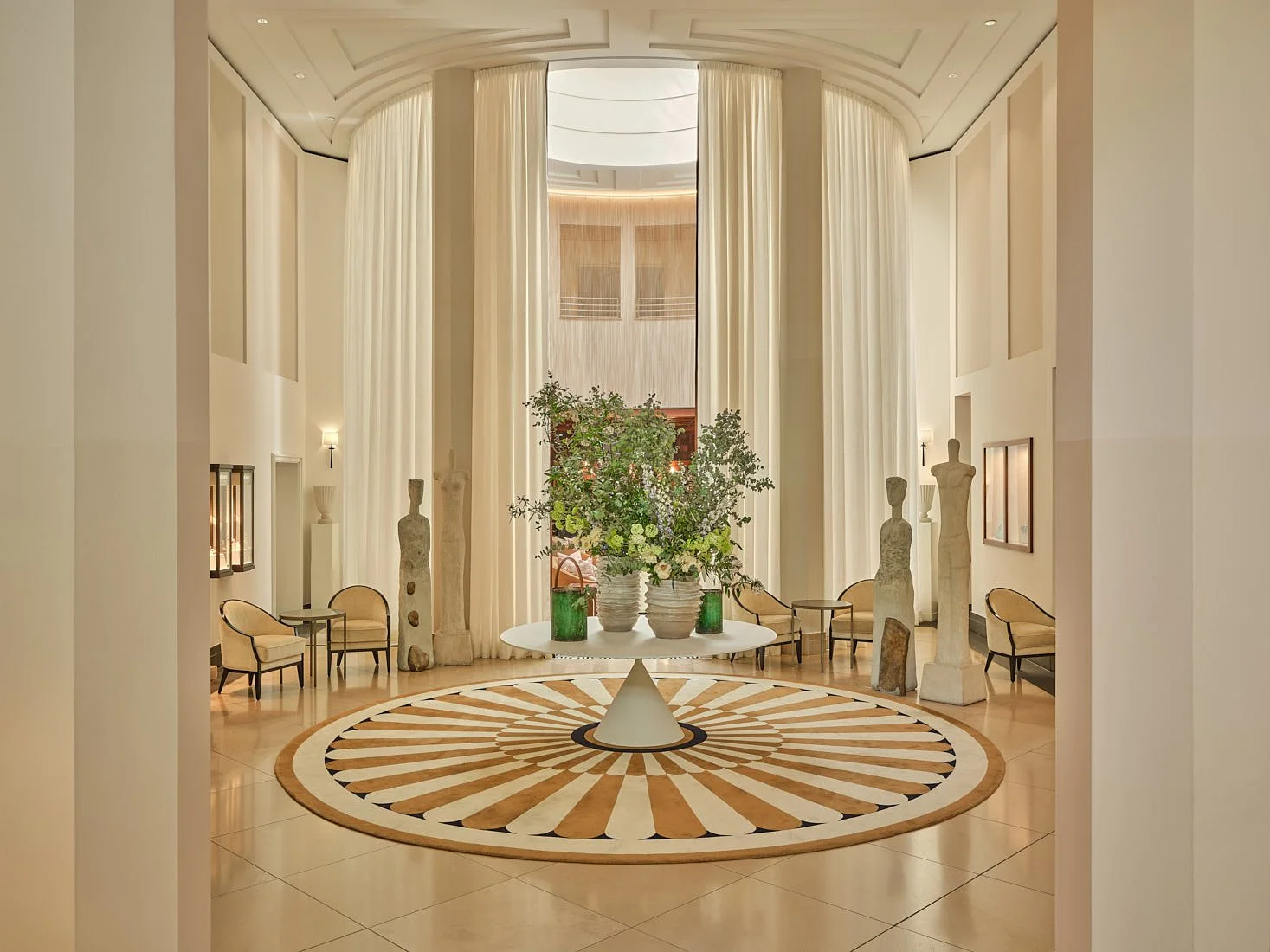
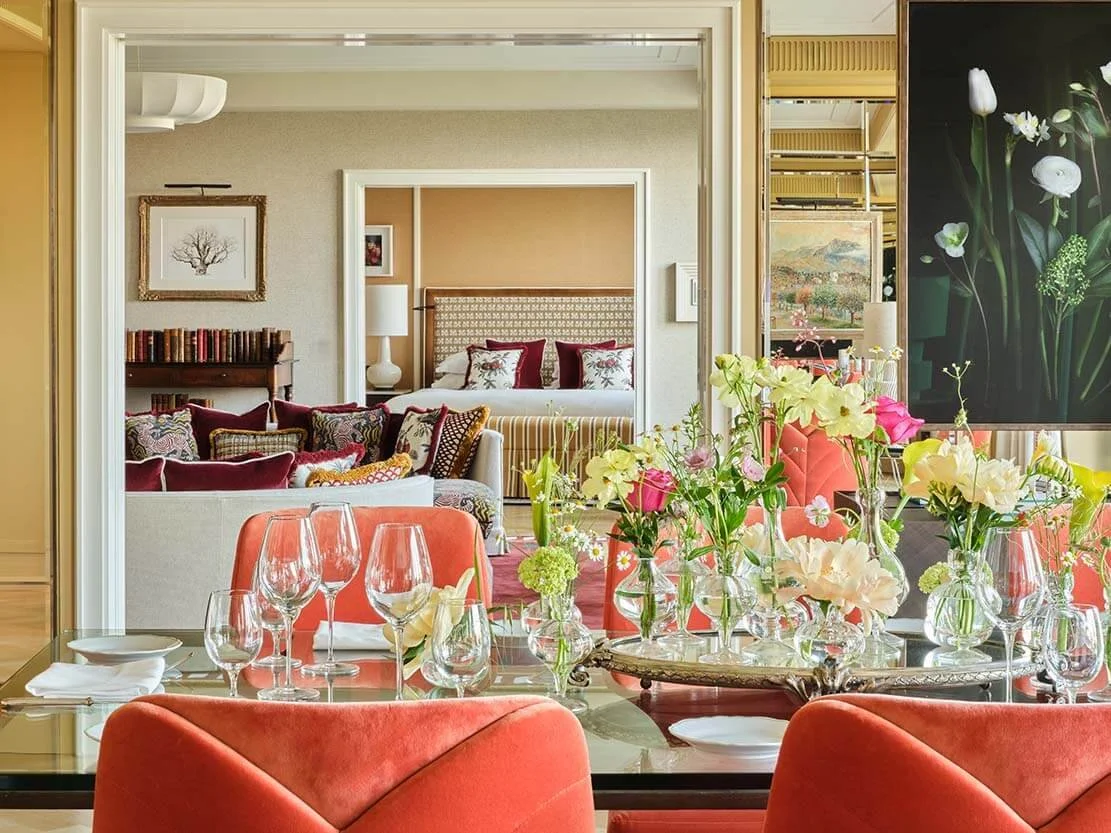
Villa Principe Leopoldo has a presence shaped by its history and by its position overlooking Lake Lugano. The building once served as a private residence; today it offers a setting where the final days of the year feel spacious and grounded. Guests arrive to a house that moves at its own pace. The team focuses on creating an atmosphere that supports long dinners, conversations that extend into the evening, and mornings that unfold gradually. New Year’s Eve here is structured around time spent together at the table. The kitchen develops a menu that reflects Italian technique and local ingredients, and the evening becomes a sequence of moments. On New Year’s Day, breakfast on the terrace or in one of the salons sets a calm tone for the year ahead.

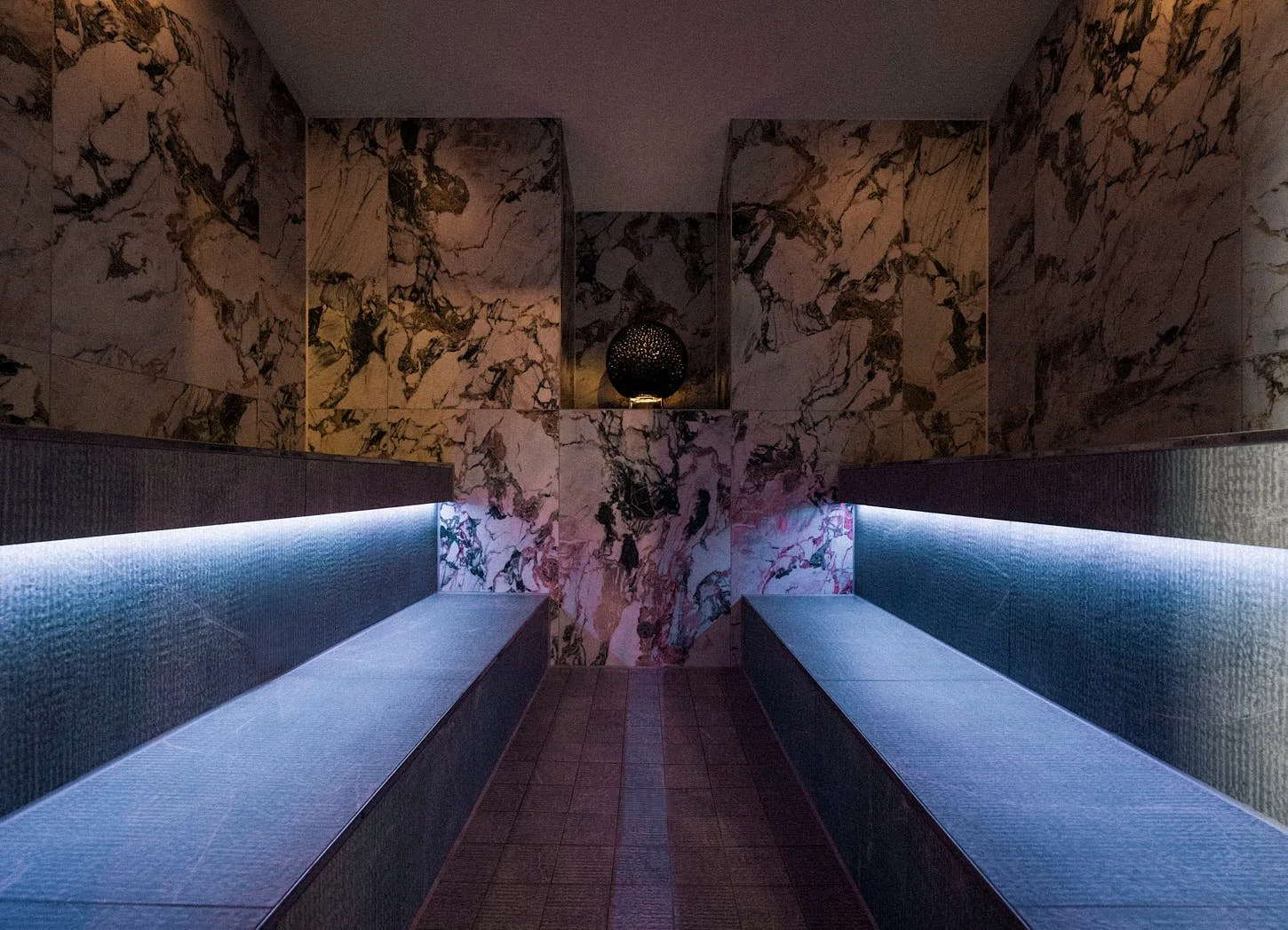
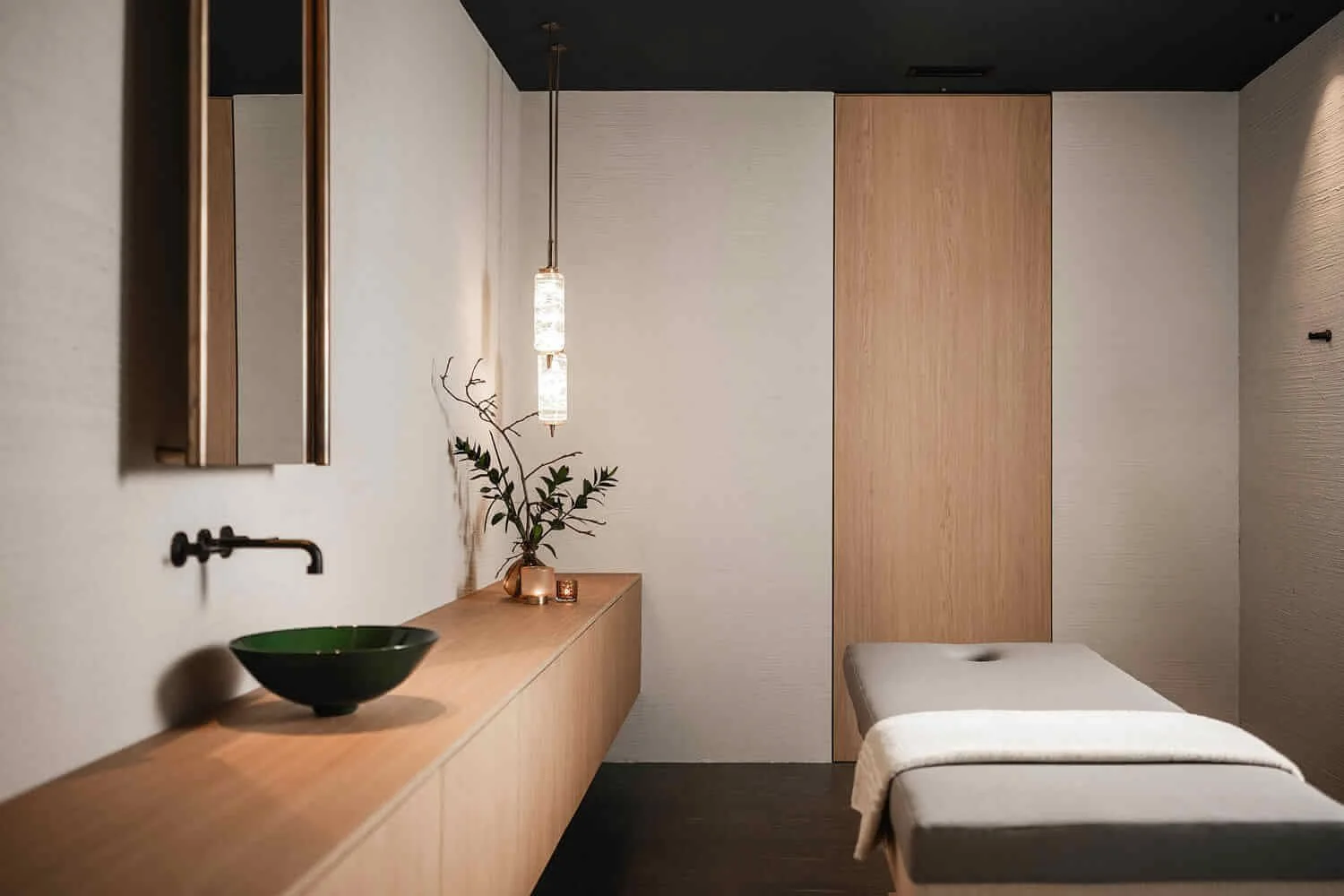
Higher up in the hills, the Kurhaus Cademario offers a different rhythm. The property is known for its wellness focus, and it becomes especially relevant in late December when people look for quiet and clarity. The indoor and outdoor spa areas create long stretches of time where guests can detach from the usual pace. The view across the valley and the lake adds to that sense of distance from daily life. Dinner on New Year’s Eve follows a refined but understated approach. The cooking centers on regional products, seasonal flavors, and a style that feels aligned with the house’s emphasis on balance. For guests who want to start the year with intention rather than intensity, the Kurhaus becomes a fitting choice.


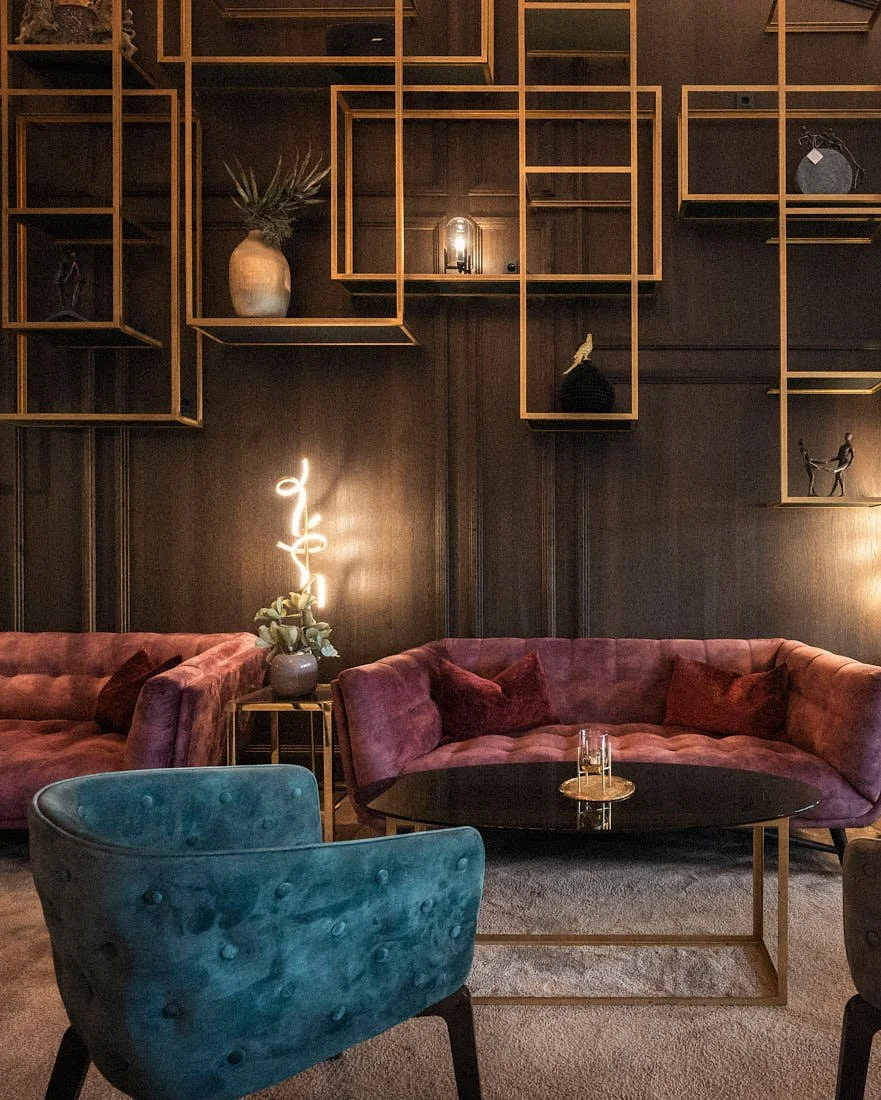
Back in Lugano, the Villa Sassa sits closer to the center and carries a more urban energy. The hotel brings together people who want movement, light, and a social environment while still staying within a relaxed setting. Evenings here often stretch into small gatherings at the bar or on the terrace when weather allows. For the holiday season, the atmosphere becomes slightly more festive without losing its sense of ease. New Year’s Eve is lively, shaped by music and a more dynamic dinner service. On the first morning of the year, the long brunch with a view of the lake gives the experience a calm finish.

 
LE MILE Magazine Villa Principe Leopoldo New Years Eve Lago di Lugano painting of a dancing couple
 
LE MILE Magazine Villa Principe Leopoldo New Years Eve Lago di Lugano

Villa Principe Leopoldo
Lago di Lugano

 
LE MILE Magazine Villa Principe Leopoldo New Years Eve Lago di Lugano

Villa Principe Leopoldo
Lago di Lugano


Taken together, the three hotels form a clear recommendation for anyone planning the holiday season or the transition into the new year. Villa Principe Leopoldo for presence and elegance, Kurhaus Cademario for quiet restoration, and Villa Sassa for a more social and energetic stay. Lugano in winter has a specific charm, and the DOT Lifestyle Collection offers three distinct ways to experience it—with time, space, and attention to detail. Enjoy!


discover more Villa Principe Leopoldo


Wellnesshotel Wittelsbach - A Steady Wellness Stay

Wellnesshotel Wittelsbach - A Steady Wellness Stay

.culture vulture
Days of Quiet Rhythm in the Sky Spa
at Wellnesshotel Wittelsbach


written ALBAN E. SMAJLI


The arrival in Bad Füssing forms a particular first impression, because the town consists mainly of hotels and wellness facilities, and the atmosphere settles once the entrance of Wellnesshotel Wittelsbach comes into view with its fresh interior and the sense that the stay can unfold entirely inside this building.


The lobby opens with warm colors, soft materials and a balanced light that eases the transition from the road into the steady rhythm of the hotel. Our experience took place in autumn during bright days, and the sunlight shaped the interior in a way that made every surface feel warm and calm, especially because the colors and textures supported long stretches of rest without distraction. The room contained thoughtful furniture, and we settled into it quickly because it felt immediately comfortable.

 
Hotel Wittelsbach Review Bad Füssing Alex Filz Hotel Room LE MILE Magazine

Hotel Wittelsbach
Interior Design, Superior Room seen by Alex Filz

 
Hotel Wittelsbach Review Bad Füssing Alex Filz Hotel Room LE MILE Magazine

Hotel Wittelsbach
Interior Design, Superior Room seen by Alex Filz

 
Hotel Wittelsbach Review Bad Füssing Alex Filz Lobby LE MILE Magazine

Hotel Wittelsbach
Lobby seen by Alex Filz


The Sky Spa forms the center of the entire experience, and the placement on the highest level of the building creates a feeling of being slightly lifted above the town. The saunas, the quiet zones and the view toward the Alps form a setting that encourages slow movement and long pauses. One evening stands out with particular clarity, because the moon appeared in a size and brightness that felt rare, and the moment after sunset when we stepped into the relaxation area showed the landscape in a very steady alignment of mountains, sky and soft light. The warmth of the sauna, the cool evening air on the terrace and the quiet inside the room formed a sequence that shaped the entire night. The indoor thermal pool on the ground floor carries the warm regional water in a way that supports quiet floating and slow swimming, while the outdoor pool creates a refreshing shift when the air turns cooler. The massage area offers full body treatments, ayurveda sessions and various options for guests who want a deeper form of rest, and the atmosphere inside the cabins remains consistent with the calm design language found throughout the spa.


The days follow a gentle structure, and the hotel supports this with a clear culinary rhythm. Breakfast includes a wide selection with regional influences, and the dining room maintains a balanced tone through warm colors and soft materials. In the evening, dinner unfolds with a buffet for the starters, and guests create their own beginning to the meal before choosing a main course from the menu, which includes dishes built around fish, meat or vegan options. The combination feels flexible and easy, and the thoughtful preparation gives the meals a steady continuity throughout the stay. Desserts arrive with a calm sense of order, and the wines available at dinner support the courses without drawing attention away from the relaxed atmosphere. During the afternoon, the café O´Lala offers pastries and small dishes from the in-house patisserie, which creates a small moment of indulgence within the daily flow of spa and rest.

 
Hotel Wittelsbach Review Bad Füssing Alex Filz Sky Spa Sauna LE MILE Magazine

Hotel Wittelsbach
Sky Sauna seen by Alex Filz

 
Hotel Wittelsbach Review Bad Füssing Alex Filz Spa Sauna LE MILE Magazine

Hotel Wittelsbach
Steam Sauna seen by Alex Filz

 
Hotel Wittelsbach Review Bad Füssing Alex Filz Restaurant LE MILE Magazine

Hotel Wittelsbach
Restaurant seen by Alex Filz


Bad Füssing carries a particular character, because the town stands almost entirely on wellness traditions, and this influences the surroundings through quiet streets, open paths and a slow pace. At first, this setting feels unusual, and the Wellnesshotel Wittelsbach benefits from this through its complete offering inside the building, which creates an environment where every part of the day unfolds within walking distance and without planning. Walks around the area follow flat routes through small parks and calm streets, and bicycles extend the reach toward the fields and wider landscapes. The hotel’s design brings a sense of clarity into this environment, and the atmosphere inside the property remains steady from morning to night.


The overall experience at Wellnesshotel Wittelsbach grows from the alignment of architecture, thermal tradition and a comprehensive wellness program that fills each day with quiet presence. The Sky Sauna shapes this rhythm with its broad views and warm interiors, while the pools, the treatments and the resting zones hold the pace throughout the building. The rooms provide space for slowing down, and the culinary structure supports the day with a clear and gentle sequence. Our stay carried a personal sense of ease, and the brightness of the season, the calm water, the thoughtful meals and the view toward the mountains created a continuous flow of rest that stayed with us long after leaving.


Hofgut Hafnerleiten - A Calm Retreat Story

Hofgut Hafnerleiten - A Calm Retreat Story

.culture vulture
Architecture, Landscape and Rest
at Hofgut Hafnerleiten


written ALBAN E. SMAJLI


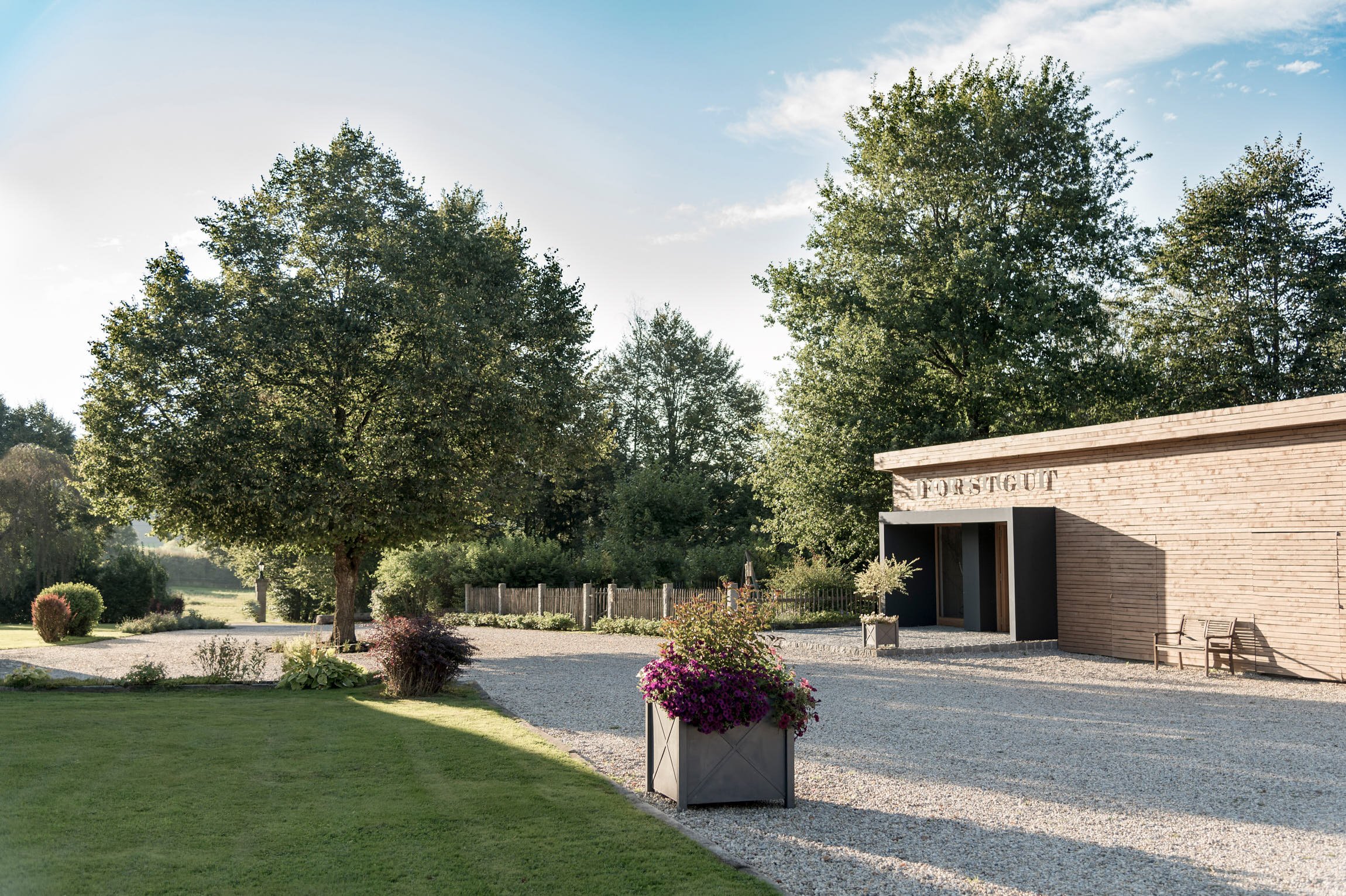
The arrival at Hofgut Hafnerleiten creates a steady shift in atmosphere, because the property sits within a wide landscape that gives every structure generous space and a clear relationship to its surroundings.


The road from Bad Birnbach passes open fields and forest edges, and the entrance to the Hofgut introduces a calm rhythm that shapes the entire experience from the very beginning. The first steps through the Brunnenhaus lead into the courtyard, and this small transition helps guests enter the mindset that the location invites.

 
Hofgut Hafnerleiten Baumhaus Hafnerleiten photo Julian Garuzzi  LE MILE Magazine

Hofgut Hafnerleiten
Baumhaus seen by Joschija Bauer

 
Hofgut Hafnerleiten Haus am Feld Hofgut Hafnerleiten photo Joschija Bauer LE MILE Magazine

Hofgut Hafnerleiten
Haus am Feld seen by Joschija Bauer

 
Hofgut Hafnerleiten Sauna am See Hofgut Hafnerleiten photo Joschija Bauer LE MILE Magazine

Hofgut Hafnerleiten
Sauna seen by Joschija Bauer


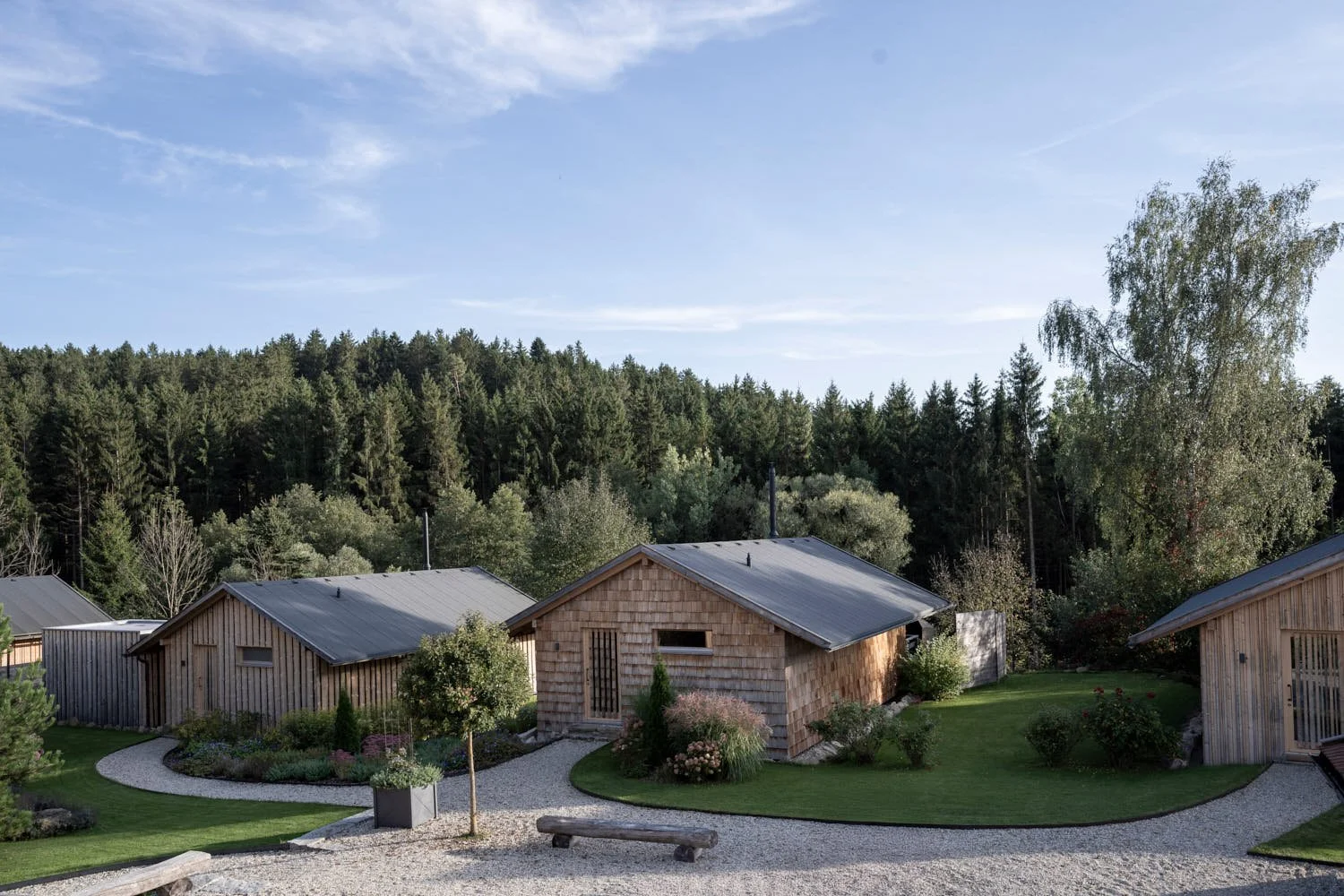
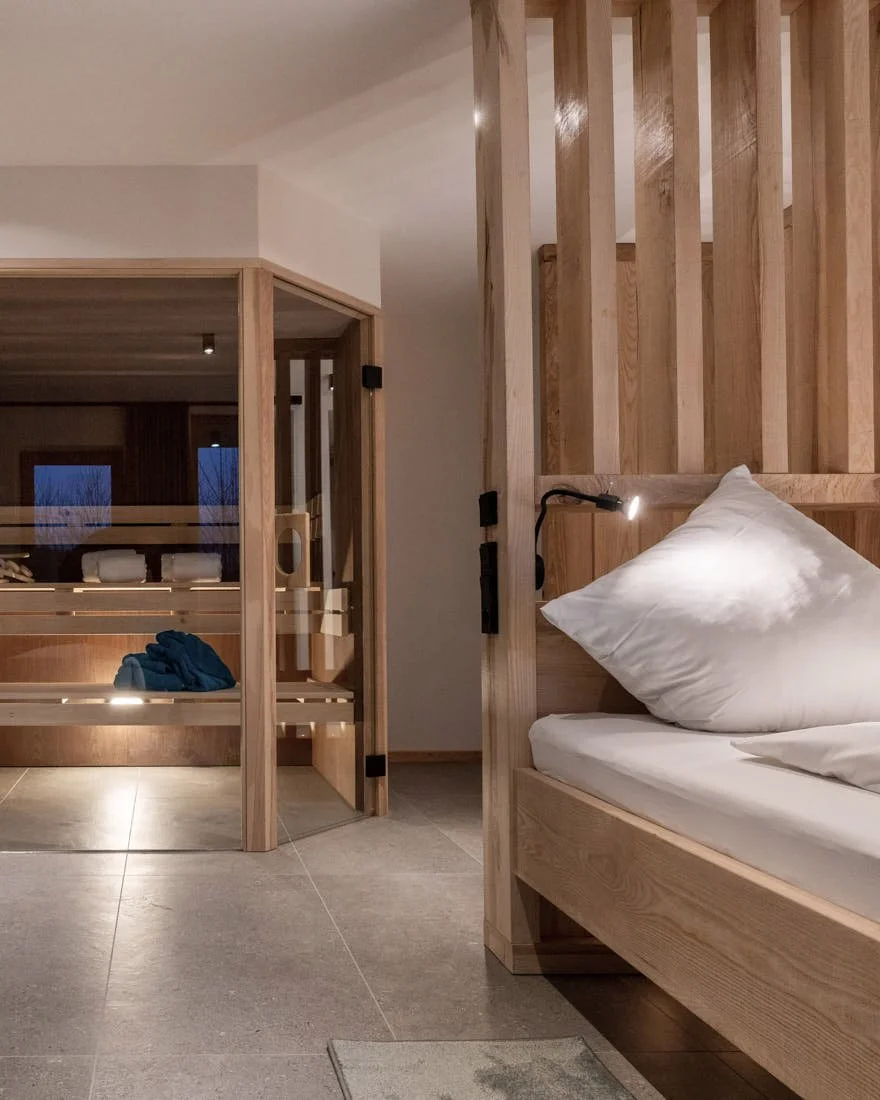
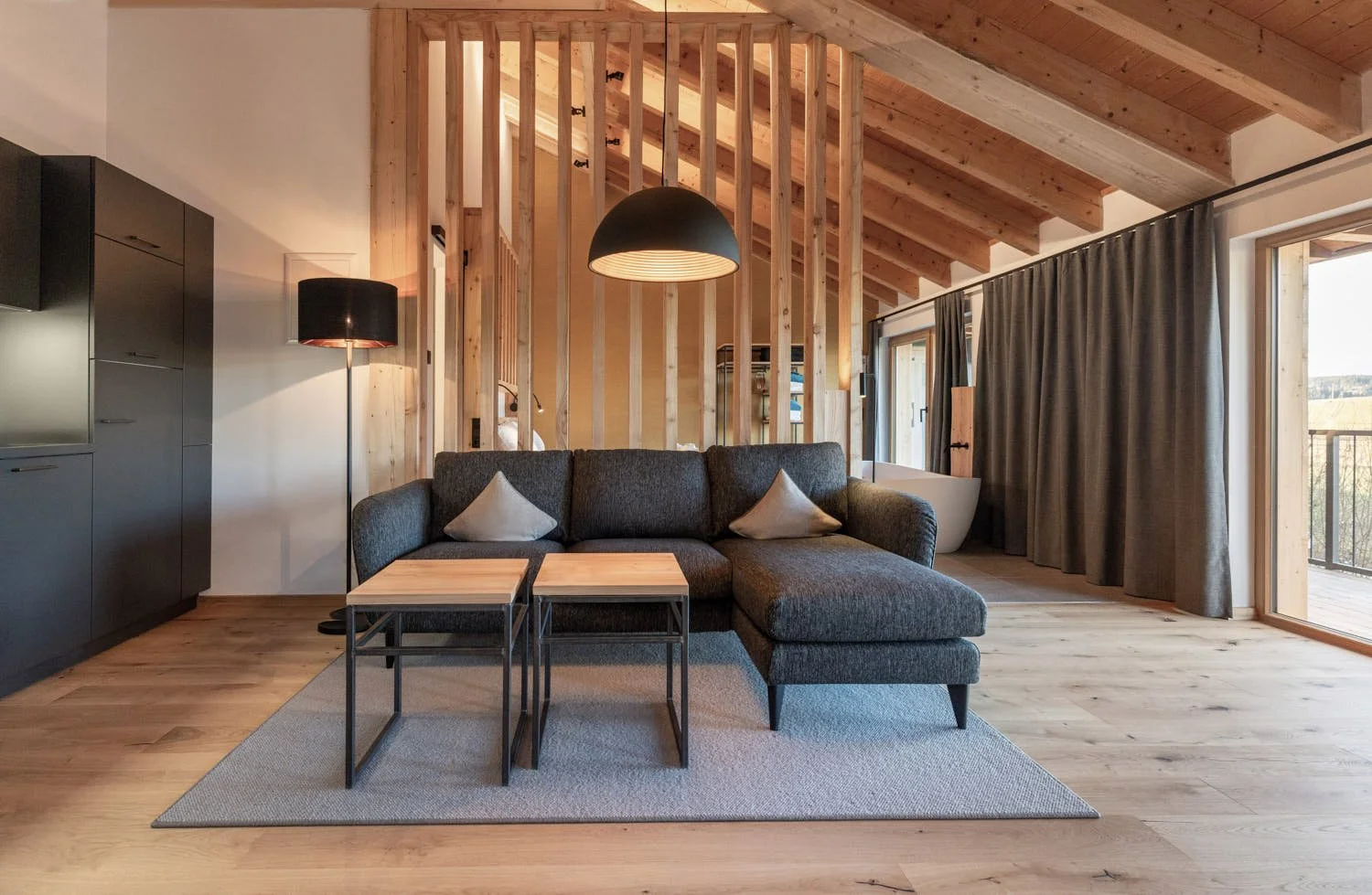
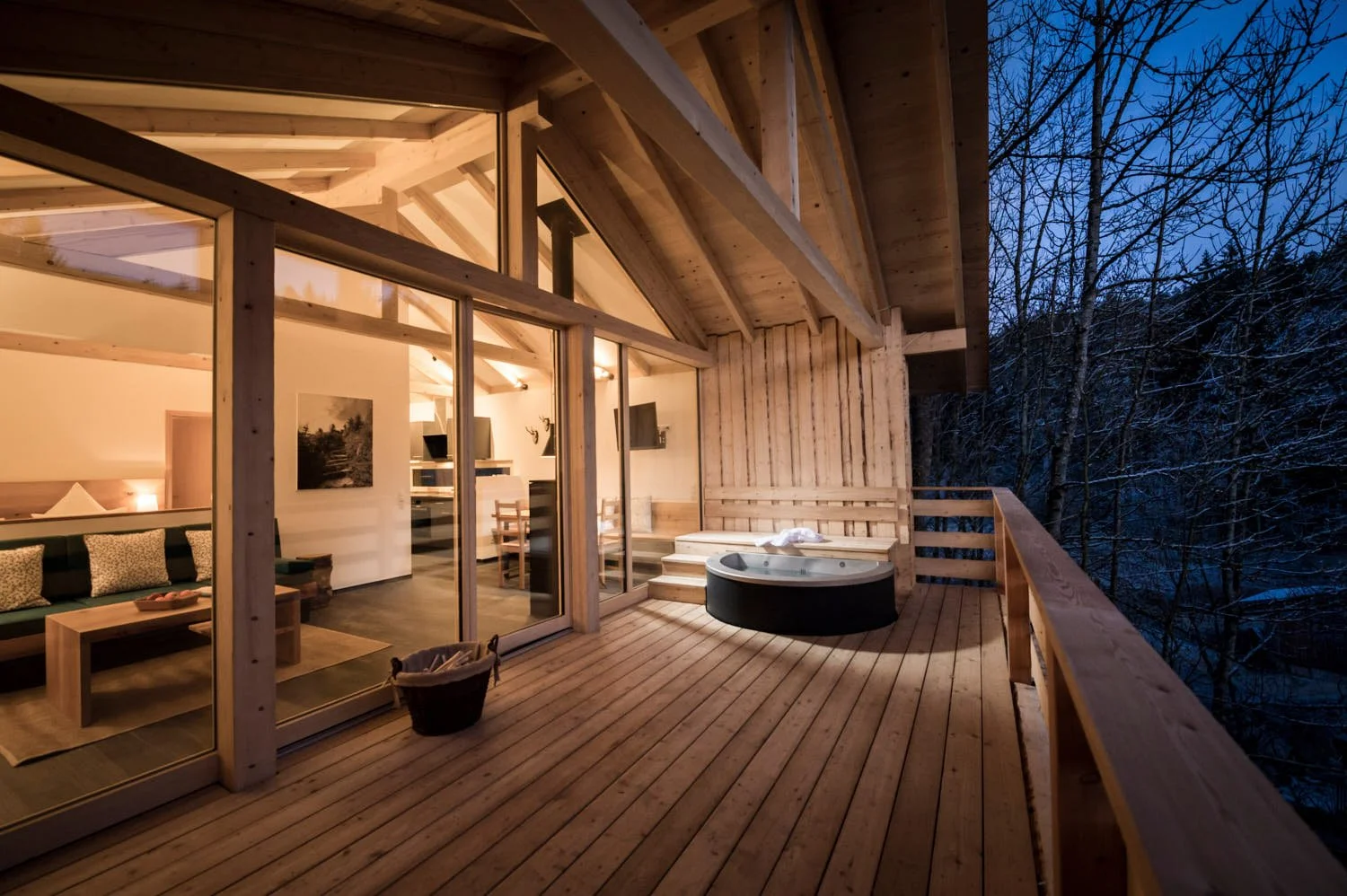
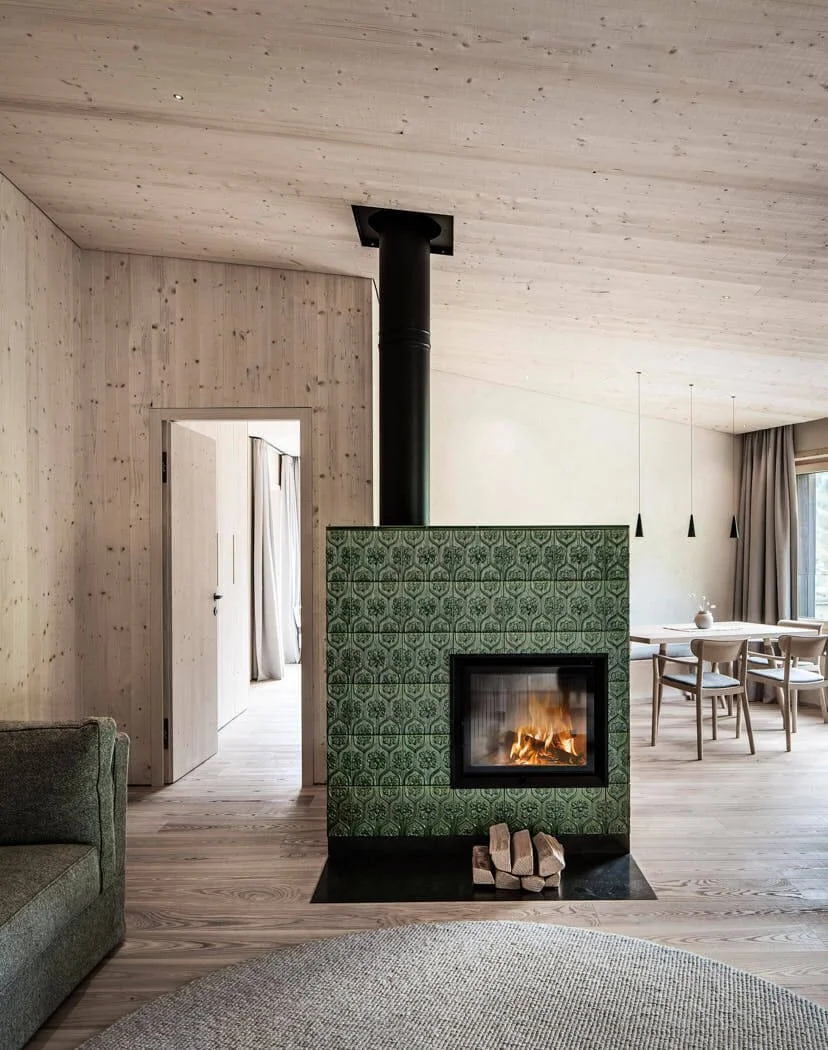
During our visit, we stayed in the Wiesenhaus, which features a planted roof, a large window front, a fireplace and a private sauna. The house stands slightly raised above a meadow, and this setting creates a very steady sense of privacy throughout the day. The interior supports long stretches of rest, because the living area flows naturally into the outdoor view and into the warm zones around the sauna and the fire. The days unfolded in autumn, marked by continuous rain and low temperatures, and the Wiesenhaus offered an environment that allowed long hours of reading, thinking and quiet activities without any pressure to leave the house. The absence of a television strengthened this quality, because the interior stayed free from digital noise and encouraged an unhurried rhythm.

The structure of the day at the Hofgut follows a gentle sequence. In the morning, the team delivers a breakfast basket directly to the house, and the selection inside the basket forms a balanced and refreshing start to the day. During the afternoon, the property remains peaceful, and guests move between their themed houses, the wellness cubes and the surrounding paths. At six in the evening, the team hosts an aperitif in the courtyard, and this moment allows short conversations with other guests and introduces the evening with an easy sense of togetherness.


Dinner happens either in the GenussHOF at one long communal table, where guests share the evening in a relaxed and open setting, or inside the individual houses for those who prefer a fully private atmosphere. The kitchen team cooks with a very clear focus on seasonal ingredients, and every course arrives with thoughtful combinations that highlight the quality of the produce. The meals follow a steady rhythm with a warm starter, a carefully prepared main dish and a dessert that completes the sequence with balance and precision. The flavors feel clean and direct, and the presentation reflects the same calm and confident approach found throughout the property. The team presented each course with steady precision, and the structure of the menu created an experience that carried a quiet sense of care. The atmosphere inside the Wiesenhaus shaped every dinner in a consistently pleasant way, because the food aligned beautifully with the calm interior and the view into the garden. During dinner, we enjoyed the Iphöfer Kronsberg Scheurebe from the Brennfleck winery, which complemented the menu with a fresh and balanced profile.

 
Hofgut Hafnerleiten Baumhaus Inside Hafnerleiten photo Mona Ortner LE MILE Magazine

Hofgut Hafnerleiten
Baumhaus seen by Mona Ortner

 
Hofgut Hafnerleiten Wiesenhaus Sauna Hafnerleiten photo Mona Ortner  LE MILE Magazine

Hofgut Hafnerleiten
Wiesenhaus Sauna seen by Mona Ortner

 
Hofgut Hafnerleiten Wiesenhaus Hafnerleiten photo Mona Ortner LE MILE Magazine

Hofgut Hafnerleiten
Wiesenhaus seen by Mona Ortner


The surroundings of the Hofgut include forest paths, meadows and a quiet rural setting that encourages long walks without planning. The proximity to nature becomes part of the day in a steady and unobtrusive way. The Hofgut’s four cats appear at various moments with an easy familiarity, and these small encounters create warm moments without seeking attention. The staff maintains a consistently friendly presence, and each interaction carries a clarity that shapes the relaxed rhythm of the place.
The overall experience at Hofgut Hafnerleiten comes from a combination of architecture, landscape and hospitality that work together without excess or distraction. The themed houses, the culinary structure, the spacious grounds and the calm rhythm create a stay that supports rest, presence and personal focus in a very steady way.


discover more HOFGUT HAFNERLEITEN


A Trip to Hamburg with Kids at Barceló Hotel

A Trip to Hamburg with Kids at Barceló Hotel

.culture vulture
City Days and Quiet Evenings
*Our Family Story at Barceló Hamburg


written AMANDA MORTENSON


We arrived in Hamburg on a Monday morning, the air cool and a little damp, the streets wrapped in that early-week calm that cities only have when the weekend rush has passed.


The train slid into the main station, and within minutes we stood at the entrance of Barceló Hotel Hamburg, our suitcases rolling over cobblestones, the children half-awake but already pointing at the boats drifting on the Binnenalster. The hotel’s glass façade caught the light in a quiet way, and stepping inside felt like exhaling — warm air, soft colors, an easy welcome.

Our Family Junior Suite became home almost immediately. A long window stretched across the room, framing the city like a slow-moving film. The children ran from bed to sofa, testing every corner, while we unpacked and made coffee, grateful for the stillness that comes after travel. The room carried an understated elegance — wooden floors, neutral tones, thoughtful details that made sense for families: enough space for toys and jackets, a large table that turned into a drawing station, a bathroom big enough for the entire bedtime routine without chaos.

 
BARCELO Hotel Hamburg building LE MILE Magazine

Barceló Hotel, Hamburg
Exterior

 
Barcelo Hotel Hamburg Junior Family Suite LE MILE Magazine

Barceló Hotel, Hamburg
Family Junior Suite


By midday we were already out, walking toward the Binnenalster, the lake only a few minutes away. The children watched boats pass under the bridges, and stopped at every kiosk that sold roasted nuts. The hotel’s location placed us exactly where the city opened in all directions — toward the shopping streets, the old arcades, the parks, and the harbor. Everything was reachable on foot or by a short U-Bahn ride, which quickly became part of the adventure.

That first day set the tone. Each morning began in the hotel restaurant, where the buffet became an event of its own — pancakes, fruit, small pastries, and the quiet hum of travelers starting their day. The children discovered that the orange juice machine could be operated without help, a small victory that defined their mornings. After breakfast we planned loosely, letting the weather decide: a visit to the Miniatur Wunderland, hours spent watching tiny trains cross landscapes; an afternoon at the Planten un Blomen Park, where autumn leaves turned the ground into a soft mosaic; short stops for coffee and cocoa in between, always ending with a slow walk back to the hotel.


Evenings carried their own rhythm and sometimes we ate at the B-Lounge, the hotel’s restaurant with its open design and calm lighting, where the children shared pasta while we tried local fish and a glass of Riesling. Other nights we brought back sandwiches from a bakery nearby and turned the suite into a small picnic, the city lights glowing through the window. The sense of ease came from the balance the hotel created — close enough to everything, yet quiet enough to feel completely private.

Halfway through the week the weather changed, rain sweeping across the city, but even that felt part of the experience. We spent that afternoon inside, the children building Lego cities on the carpet while we watched the clouds shift over Hamburg. The large window turned into a screen of light and sound, the rain rhythmic, the city still visible through it.

 
Barceló Hotel Hamburg Restaurant

Barceló Hotel, Hamburg
B Lounge

 
Barceló Hotel Hamburg Restaurant

Barceló Hotel, Hamburg
B Lounge


By day three the children already called the hotel “our house.” They knew every corridor, every shortcut to the elevator, and where to find the best spot in the lobby for people-watching. On Thursday morning, before leaving, we walked once more around the Alster. The air felt crisp, the trees golden, and the city moved at a slow pace that matched our own.

Back in the suite, we packed slowly, looking out at Hamburg’s skyline one last time. The stay had unfolded without hurry — days filled with small discoveries, moments of calm, and the comfort of a place that understood families without turning family travel into routine. Barceló Hamburg held all of it, the light of the city, the rhythm of daily life, and a quiet sense of belonging that stayed even after we left. Thanks for having us!


discover more > BARCELÓ HAMBURG


The Charles Hotel - A Munich Story

The Charles Hotel - A Munich Story

.culture vulture
THE CHARLES HOTEL
*Rooms of Art, Gardens of Light


written ALBAN E. SMAJLI


Munich in late light, the park leaning against the city like a velvet cushion, and in the middle of that green hush stands The Charles Hotel, big shouldered yet strangely gentle, all windows and reflections, with rooms that look across trees that refuse to bow to glass and steel.


You arrive, and it feels less like checking into a hotel and more like slipping into a frame already painted, the old botanical garden at your feet, the towers of the city humming somewhere behind, the soundtrack softened by leaves. The thing about staying here is that you start walking and suddenly the city is yours. Five minutes to Königsplatz, a drift down to Marienplatz, a shortcut into museums and markets, all by foot, as if Munich has been tailored to your pace. Yet when you turn back, when you push open the doors again, you’re greeted by the stillness of a park. It’s an odd and satisfying trick—the ability to hold pulse and pause in the same space.

 
LE MILE Magazine The Charles Hotel The Charles Hotel Monforte suite study

Rocco Forte Hotels
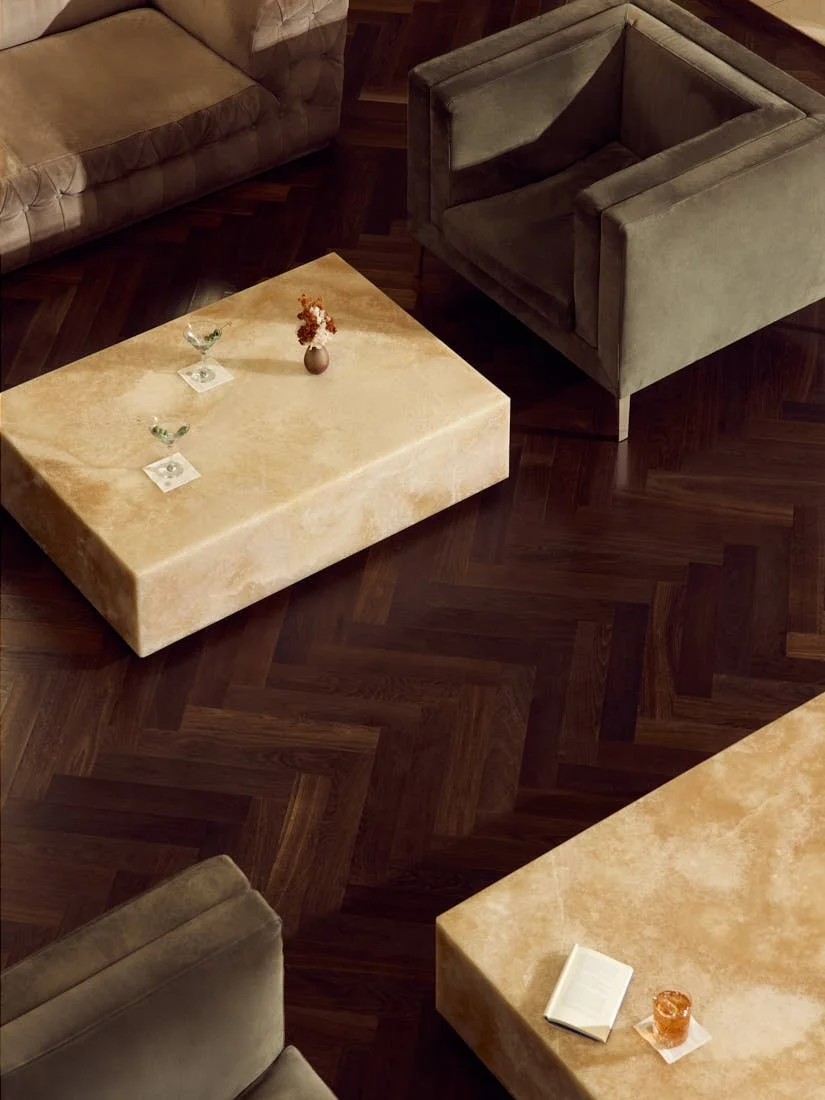
The Charles Hotel, Monforte Royal Suite

 
LE MILE Magazine The Charles Hotel The Charles Hotel Monforte Suite study room

Rocco Forte Hotels
The Charles Hotel, Monforte Royal Suite


Inside, it unravels in layers. The spa first, an entire floor given over to water and steam and that pool—long, luminous, unapologetically generous. Munich rarely gives you this. You float, and the ceiling seems to rise with every stroke, a cathedral of chlorinated air. Saunas, treatments, therapists who seem to know where the tension hides before you’ve even said a word. It is a sanctuary disguised as a hotel amenity.

Then the interiors you notice them before you even try. Furniture that insists on being touched, wood that looks like it could still whisper, velvet that soaks up the light, patterns that converse. Someone here has a hand for colour and a memory for detail. Olga Polizzi’s design eye, precise and idiosyncratic, lives in the upholstery, in the rhythm of the corridors, in the way each suite is its own little manifesto.


And then the art, everywhere, quietly, loudly, unashamedly: paintings, photographs, sculptures, even prints tucked into the suites, waiting on side tables like letters from someone you admire. It feels curated not in the stiff museum way but in the sense of a friend with impeccable taste who fills their home with things you secretly wish were yours. Contemporary, bold, and varied. A hotel that collects art not to live with it.

The Charles opened in 2007, a child of Berlin architects Hilmer & Sattler and Albrecht, a modern gesture standing by nineteenth-century gardens. The building has already won its share of awards for stone and form, but what lingers is atmosphere. One hundred and sixty rooms, suites that open to balconies and light, bathrooms with heated floors and long baths that want you to linger until you prune. At the very top, the Monforte Royal Suite, a sundeck lifted above Munich, a stage for morning espresso or midnight wine.

 
LE MILE Magazine The Charles Hotel RFH The Charles Hotel New Lobby

Rocco Forte Hotels
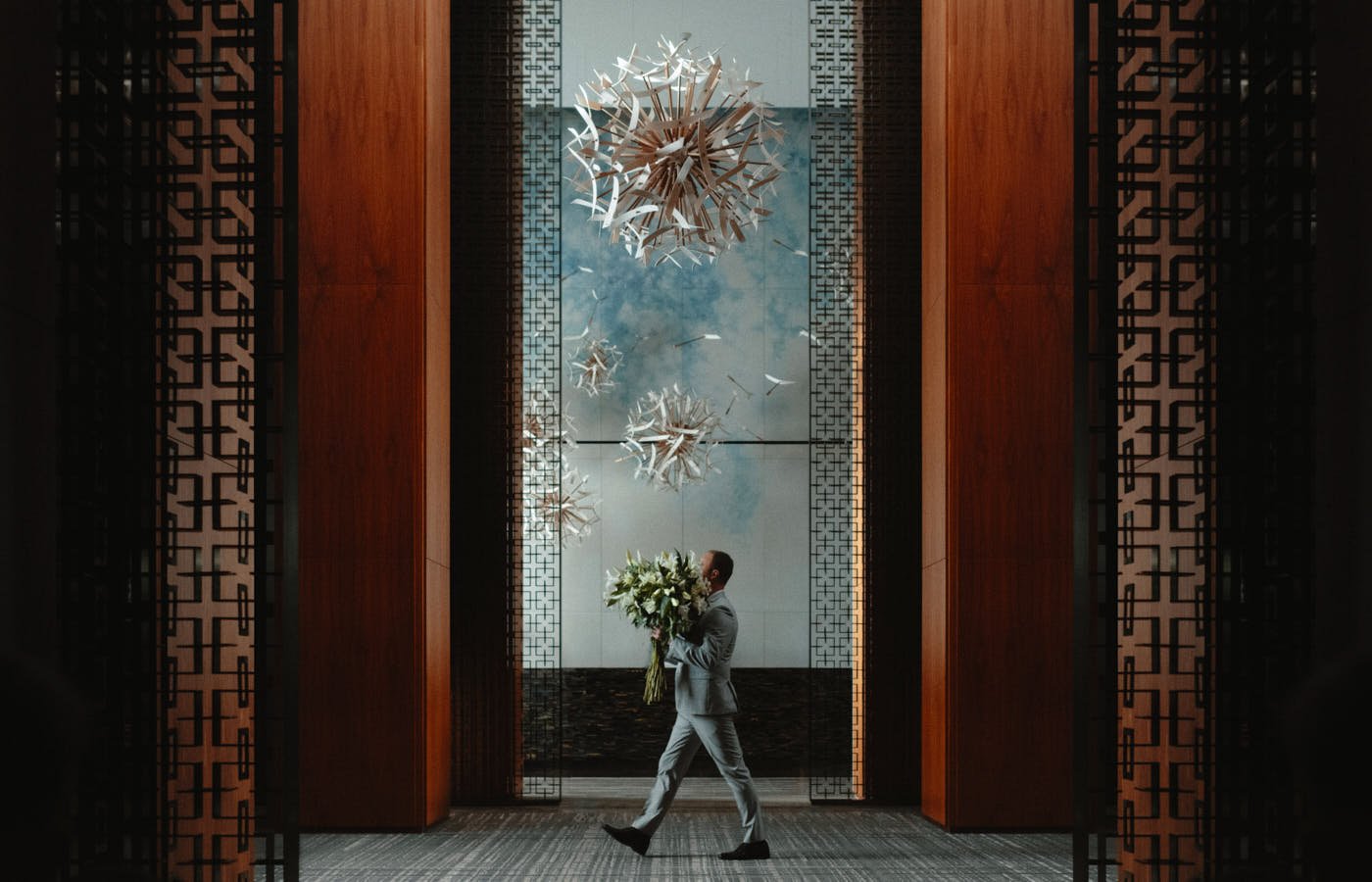
The Charles Hotel, Lobby

 
LE MILE Magazine The Charles Hotel Monforte Suite

Rocco Forte Hotels
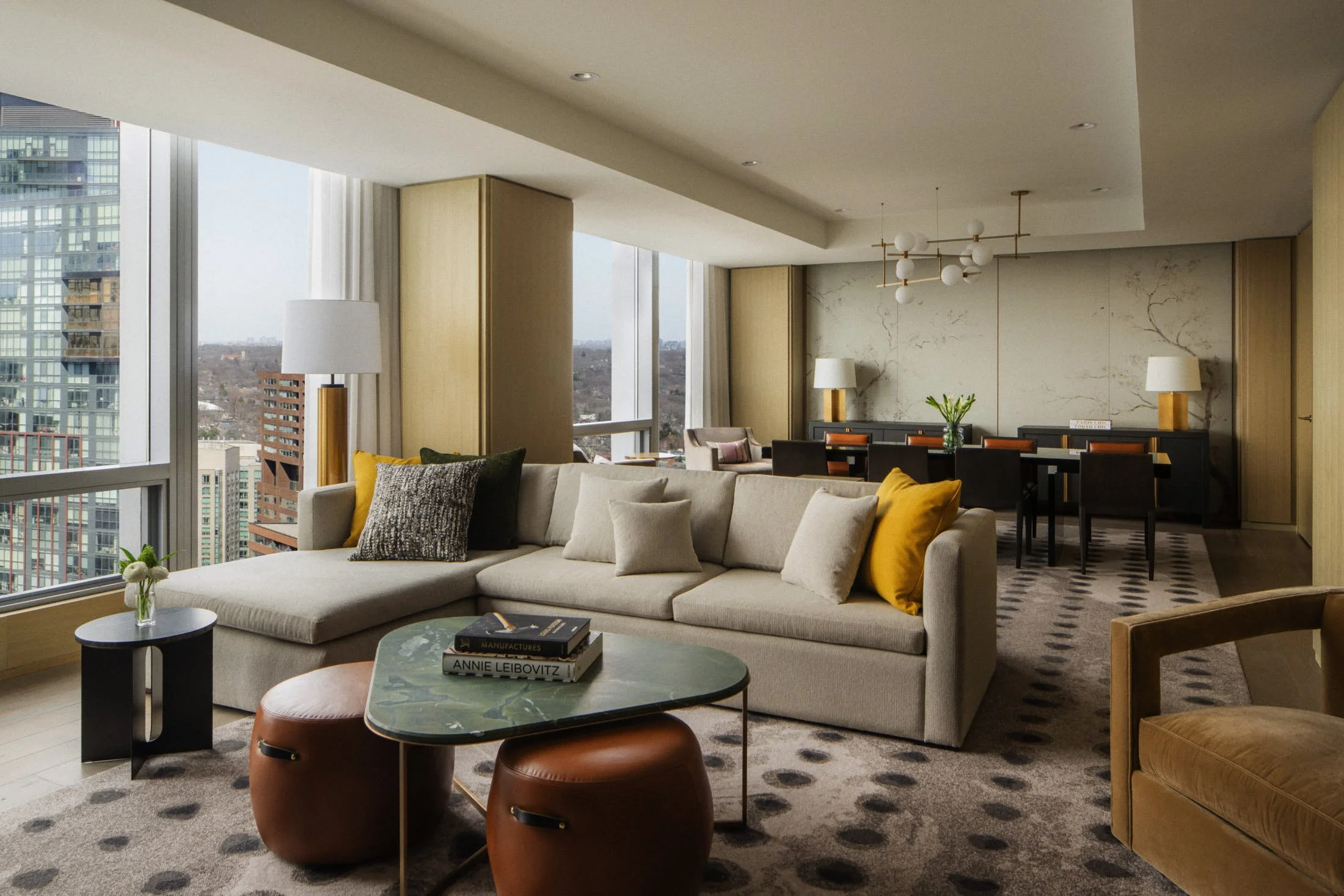
The Charles Hotel, Monforte Royal Suite


None of this stands alone. The Charles is part of the Rocco Forte constellation, a family of hotels scattered across Europe—Sicily, London, Rome, Palermo, Florence, Brussels, Edinburgh—each one stitched into its city with personality, each one guided by the same family hand. Founded in 1996 by Sir Rocco Forte and his sister Olga Polizzi, the group has built a reputation less on empire and more on intimacy, places that feel designed not produced, hotels that wear their locations like bespoke suits. The Charles carries that ethos in Munich, central yet calm, crafted yet lived-in, a hotel that belongs here. Enjoy yourself!

discover more THE CHARLES HOTEL


A Trilogy of Sanctuary in Dubai and Abu Dhabi

A Trilogy of Sanctuary in Dubai and Abu Dhabi

.culture vulture
ANANTARA Dubai

*A Trilogy of Sanctuary in Dubai + Abu Dhabi


Three locations, each an assertion of presence. Anantara is a series of spaces where design, texture, and stillness hold weight.


Every structure absorbs its surroundings, channeling them into a physical language of light, shadow, and material. From the shifting tides of Palm Jumeirah to the concealed solitude of the World Islands and the sharp precision of Abu Dhabi’s coastline, these spaces occupy their landscapes without hesitation.

The Palm unfolds, an engineered silhouette on water. Anantara The Palm Dubai Resort emerges from it, a sequence of overwater villas hovering above the Arabian Gulf. Lagoon-access rooms dissolve the separation between built and natural, leading directly into stillness. Mekong orchestrates flavors in precise balance—chili, tamarind, lemongrass, each note exact. The Beach House moves with the tide, a rhythm of salt air and slow conversation. The infinity pool holds its place in the horizon, a reflective line of movement. The Anantara Spa shifts perception through Hammam rituals, gemstone steam rooms, and Ayurvedic recalibration.

 
LE MILE Magazine Anantara Hotels Dubai_Anantara_The_Palm_Dubai_Resort_One_Bedroom_Over_Water_Villa_Seating_Area © Anantara Hotels, Resorts & Spas
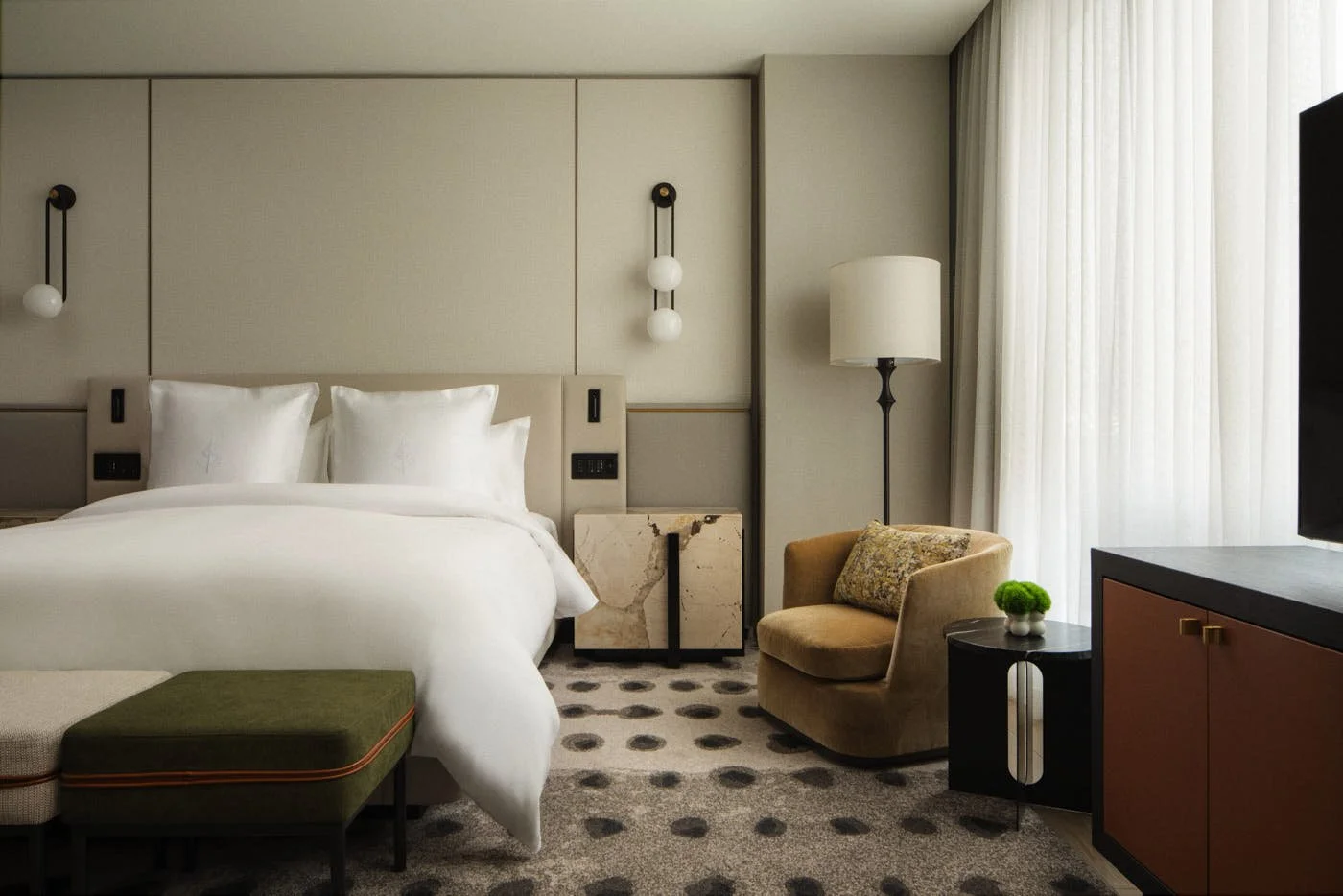
Anantara The Palm Dubai Resort
© Anantara Hotels, Resorts & Spas

 
LE MILE Magazine Anantara Hotels Dubai Anantara World_Islands_Dubai_Resort_Guest_Room_Junior_Beach_Access Suite Living Area © Anantara Hotels, Resorts & Spas

Anantara World Islands Dubai Resort
© Anantara Hotels, Resorts & Spas


Anantara World Islands Dubai ResortRestaurant Qamar Terrace View© Anantara Hotels, Resorts & Spas

Anantara World Islands Dubai Resort / Restaurant Qamar Terrace View
© Anantara Hotels, Resorts & Spas


A vessel glides from the city, cutting through water, delivering guests to something unseen from the shore. Anantara World Islands Dubai Resort holds space in the silence, its edges dissolving into sky. Seventy accommodations—rooms, suites, villas—each defined by texture, proportion, and air. Beachfront Pool Villas stretch into the sand, Ocean View Suites catch the glow of the city at dusk. Qamar composes Middle Eastern and Indian influences into a singular expression. Helios captures Mediterranean elements without imitation. Luna’s rooftop turns the skyline into an unfolding sequence of reflection and shadow.


Suspension shapes experience. Hammocks drift above water, their rhythm dictated by the wind. A cinema at the water’s edge shifts perception, the moving image aconversation with the night. The Anantara Spa moves inward—Lava Shell Massage, Thai Salt Pot Therapy, weight, release, recalibration. Abu Dhabi’s coastline becomes a canvas, a composition of white forms against deep blue. Anantara Santorini Abu Dhabi Retreat is not a replica, but a study of volume, proportion, and light. Twenty-two rooms and suites, each an articulation of space.

 
LE MILE Magazine Anantara Santorini Abu Dhabi Retreat Royal Santorini Duplex Suite

Anantara Santorini Abu Dhabi Retreat / Duplex Suite
© Anantara Hotels, Resorts & Spas

 
LE MILE Magazine Anantara Santorini Abu Dhabi Retreat Royal Santorini Exterior Beach Gerry O'Leary

Anantara Santorini Abu Dhabi Retreat / Exterior Beach
© Gerry O'Leary

 
LE MILE Magazine Anantara Santorini Abu Dhabi Retreat Royal Santorini Duplex Suite Bedroom

Anantara Santorini Abu Dhabi Retreat / Duplex Suite Bedroom
© Anantara Hotels, Resorts & Spas


Walls curve, negating sharp divisions. Infinity pools extend forward, tracing invisible thresholds. Thalassa refines Mediterranean culinary philosophy, an exercise in restraint. Oia Oasis breathes in mezze, coffee, the slow movements of evening. Time flows without measure. The spa envelops guests in sensation—Himalayan salt therapy, Hammam rituals, deep immersion in warmth. A movement inward, a fusion of body and space. These spaces exist in form, texture, and light. Surfaces shift, absorbing and releasing, shaping perception without effort. Water carries its weight with quiet certainty. Air moves unhindered, expanding into every corner. The journey follows no path.


Anantara crafts a unified experience, where each destination extends into the next, connected by a rhythm of design and presence. The Palm, the World Islands, Abu Dhabi’s coastline—each location carries its own energy, shaped by landscape, architecture, and atmosphere. The flow between them is seamless, an uninterrupted immersion into place and sensation.


Hotel Belvedere Locarno

Hotel Belvedere Locarno

.culture vulture
Hotel Belvedere Locarno

*A House of Art, Light, and Quiet Grandeur


Belvedere Locarno reads like a living collection, scenes arranged for calm, curiosity, and return.


The house carries a long arc—15th-century origins, hospitality since the late 19th—and the tone remains personal, shaped by a host family culture that prizes genuine welcome over performance. The city’s Piazza Grande sits within walking distance; the lake is always in the frame. Art steers the rhythm from the ground floor onward. Antonio Guanse’s L’art est Genèse (1962) holds the hall like a prologue, across from Georg Fischhof’s romantic cycle—twenty late-19th-century canvases joined into a single narrative field, restored and composed in 2007. A poised Cycliste de la Belle Époque glides by; Felice Filippini’s self-portrait brings a Ticino accent. Everyday museum, everyday movement.

Faces carry the story forward—Jean Talbot’s expressionist studies, a gentleman by Horace Richebé, and the elegant Peintre gentilhomme by René Thomsen. At bar level, photographs nod to the city’s cinephile heartbeat with portraits of illustrious guests from more than seventy editions of the Locarno Film Festival. This is the hotel’s soft bridge between garden hush and Piazza nights on the giant screen. Dining works like a miniature curation. La Fontana Ristorante & Bar carries 14 Gault&Millau points and a kitchen that thinks in Mediterranean lines with local detail. The walls chart the neighborhood through Claudio da Firenze (Claudio Domenici): views of Ascona, the Piazza Grande, and the Madonna del Sasso; a painted Belvedere from the early 1900s; a carved, polychrome wooden ceiling with mythic motifs. Summer steps outside to Grotto al Sasso for gelato, snacks, and an aperitivo under vines. Mornings begin generous; autumn folds in chestnuts, mushrooms, and game, with terraces that keep their warmth deep into October.

 
LE MILE Magazine Hotel Belvedere Locarno Colazione 2 Ristorante La Fontana Hotel Belvedere Locarno

Ristorante La Fontana
Hotel Belvedere Locarno

 
LE MILE Magazine Hotel Belvedere Locarno Bar Sigar Menu 3 Hotel Belvedere Locarno
 

Some rooms feel like chapters you want to re-read. Sala Affresco layers a monumental Renaissance stone fireplace—telamons, masks, garlands—with an 18th-century ceiling fresco of Persephone, a clear seasonal metaphor. Still lifes by Eugène Petit, Edmond Céria, Constantin Le Roux, and Joseph Villeclèr gather nearby; a mid-century Matterhorn view finishes the arc. Sala Veranda glows with Louis Wilmet’s L’Aurore, a dawn that quietly lifts the floor.

Corridors act like local atlases. Casa Sole moves through historical images of the Belvedere, Locarno, the Madonna del Sasso, Verzasca gorges, the Maggia, and Mario Botta’s churches. Casa Luna lines the walls with posters—originals and reproductions—from the Locarno Film Festival, while Casa Stella assembles “Ticino in European Painting,” a pocket survey of how this landscape echoes across centuries of art.


Wellness follows the same curatorial logic. The corridor to OASI BELVEDERE Spa • Wellness • Beauty features eight large panels by V. P. de Cayeux, Vence-inspired homages to Picasso, Matisse, Renoir, and Chagall—color grammar before water. Inside: 2,200 m² of calm with indoor and outdoor pools, saunas, steam, a Kneipp path, a bright gym, and four treatment rooms. Adults-only windows secure quiet. Treatments meet the guest where they are—Guinot facials, alpine Alpeor formulas, and rituals using camellia oil pressed from the hotel’s own garden. Yoga, meditation, crystal therapy, and Pilates in the green stretch the day without rush.

Guest rooms—ninety in total—open to light; many step onto balconies with lake views. Suites offer an intimate scale of collecting: Hannes Portmann lithographs, landscapes by Max Goviet, Raymond Quibel, and Charles Verbrugghe, and floral still lifes in quiet dialogue with the view. The effect is domestic and deliberate, a private edit for each stay.

 
LE MILE Magazine Hotel Belvedere Locarno Garden Oasi Belvedere Spa Wellness Beauty

Garden Oasi Belvedere Spa Wellness
Hotel Belvedere Locarno

 
LE MILE Magazine Hotel Belvedere Locarno Treatment Room Oasi Belvedere Spa Wellnes _Beauty

Treatment Room
Oasi Belvedere Spa Wellnes & Beauty

LE MILE Magazine Hotel Belvedere Locarno Oasi Belvedere Spa  Wellness Beauty  Piscina e idromassaggio

Oasi Belvedere Spa Pool
Hotel Belvedere Locarno

 
LE MILE Magazine Hotel Belvedere Locarno Oasi Belvedere Spa Wellness Centre by night

Oasi Belvedere Spa Wellness Centre by night
Hotel Belvedere Locarno


The garden edits the pace again. Two crystalline-marble works by Alex Näf—Lamusir and Ovaloid—trace smooth, tactile lines among the paths; Ernst Schneider’s granite figure, L’ospite (“The Guest”), stands as a sentinel to arrivals and returns. Benches, fountains, bocce lanes, and tucked terraces turn the grounds into a sequence of scenes.
Connection stays elegant and literal. A funicular stops at the hotel: upward to the Madonna del Sasso for a panoramic pause, downward into the old town and along the promenade. From here the itinerary draws itself—alleys and arcades, boats on Lago Maggiore, vineyards in Malcantone, autumn trails under copper beech and chestnut. The Belvedere sits at the hinge of refuge, culture, and city life; an address that filters noise and amplifies experience.


What endures is the human temperature. Professional, warm, and unforced, the team moves with a reader’s eye for detail and a host’s sense of timing. Breakfast tastes like holiday, the spa understands time, the garden rewards wandering, La Fontana serves clarity rather than show. People return because the house remembers how to receive them—an everyday museum, a working home, a view that settles in and stays. Enjoy Yourself!


visit Hotel Belvedere Locarno Website for more info www.belvedere-locarno.com
all images (c) Hotel Belvedere Locarno

A Retreat into WALD.WEIT - Rheingau Review

A Retreat into WALD.WEIT - Rheingau Review

.culture vulture
WALD.WEIT

*Where the Forest Breathes and the Vine Whispers


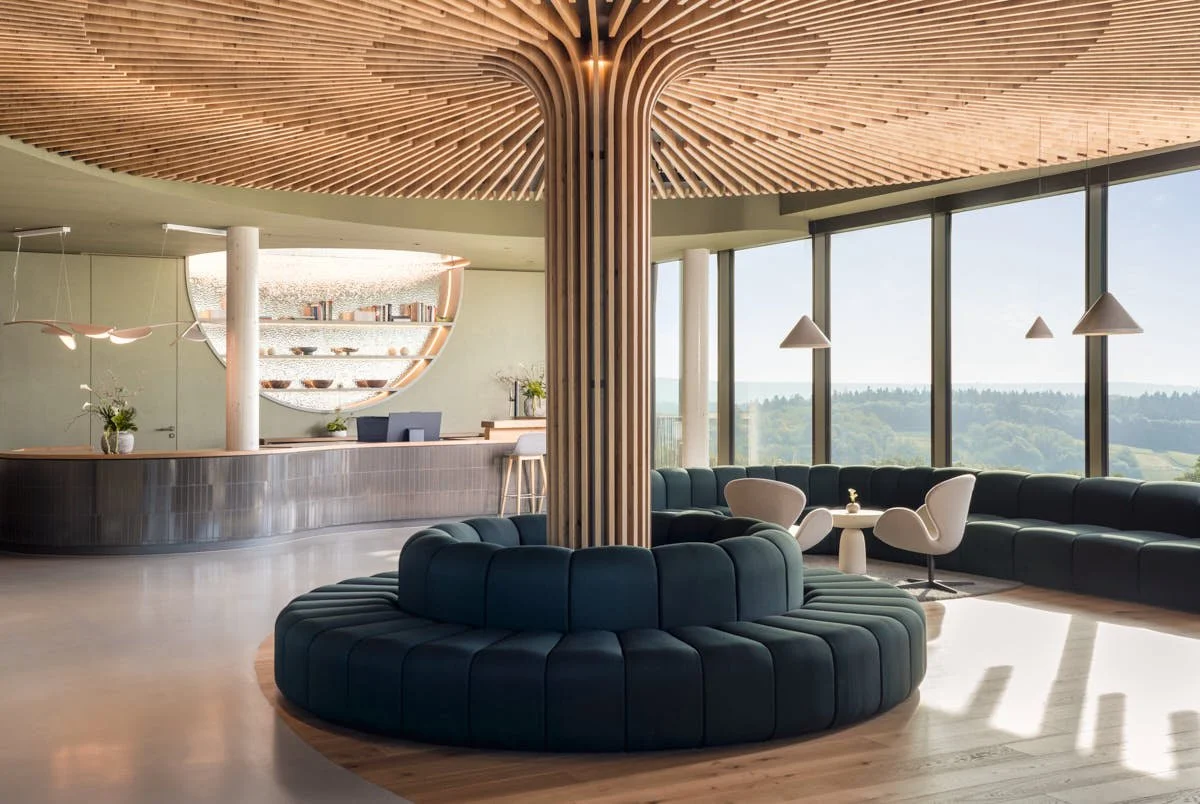
High above the Rheingau valley, somewhere between the sacred silence of the forest and the poised rows of Riesling vines, lies WALD.WEIT, a sanctuary designed to hold you.


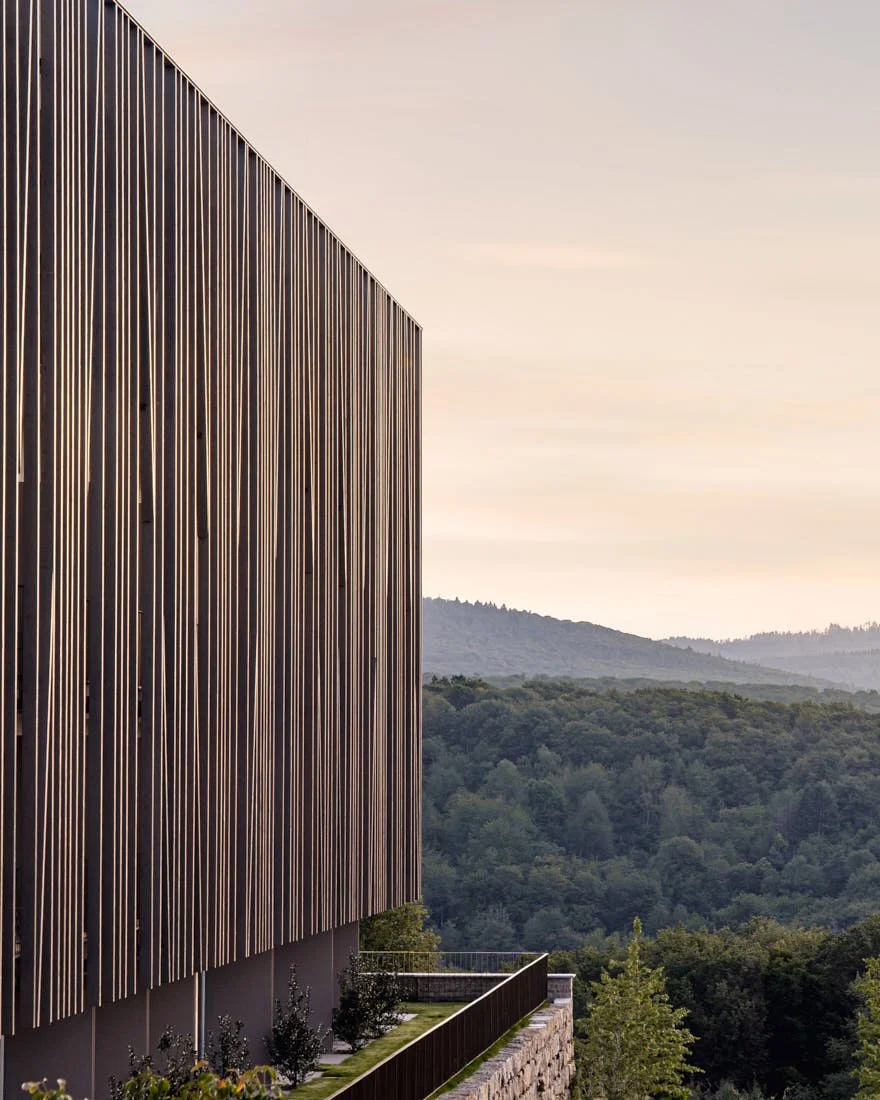
The architecture emerges as a tribute to nature, shaped by its rhythm and presence. A rhythm of vertical wood, floor-to-ceiling glass, and gentle curves echoes the tall stillness of the Hahnwald that surrounds the property. Every line seems drawn from the land.

 
WALD.WEIT Lobby © Tim Karapetian LE MILE Magazine

WALD.WEIT Rheingau Hotel & Retreat, Lobby
seen Tim Karapetian

 
WALD.WEIT Nature © WALD.WEIT Rheingau Hotel & Retreat LE MILE Magazine

WALD.WEIT Rheingau Hotel & Retreat
Architecture


From our first step onto the elevated plateau near Kiedrich – a town that feels too poetic to be real – WALD.WEIT invites breath, real breath. That kind that expands your ribs, your pace, your presence.

The hotel’s design speaks in quiet textures. Neutral tones, tactile materials, and forms that feel shaped by the land itself. Inside the WALD.WEIT Suite, nature enters fully—through floor-to-ceiling windows, through the scent of wood, through stillness that fills the room like light. Every surface feels deliberate and every detail rests. Beds are oriented toward the treetops, terraces suspend you above the canopy, and silence is full of birdsong and stillness.


Then there’s the spa. Panoramic rooftop saunas, the hands of a massage team whose intuition needs no words, and treatments that seem to tap into the landscape’s own wisdom. Inhale fir, exhale fatigue. The upcoming 6,500m² spa extension promises an infinity pool that slips into a natural swimming pond, a body of water that mirrors sky and self.

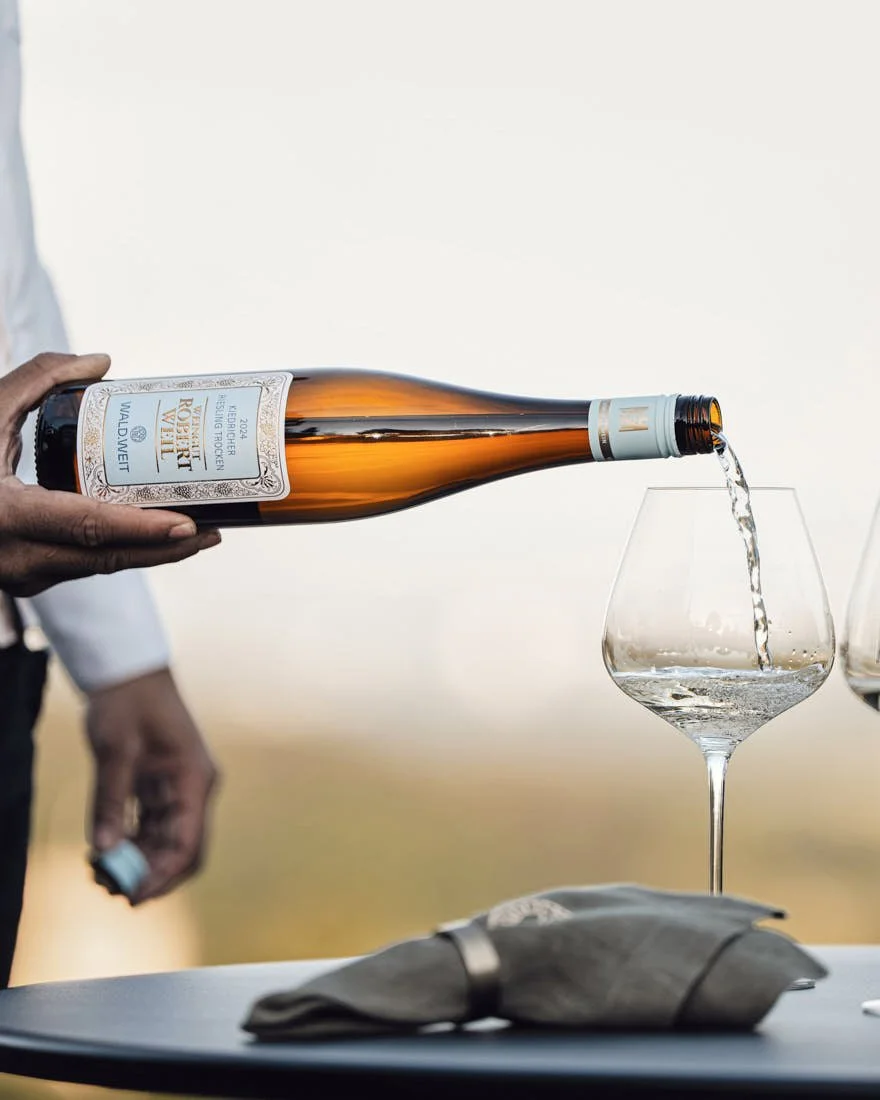
At WALD.FEIN, the restaurant, the forest arrives again, but this time as flavor. Chef Falk Richter distills the region’s essence into each course, foraging aesthetics into the plate: fermented cauliflower, gold trout with dandelion and topinambur, and venison with birch bark pasta. Each ingredient local, each dish a dialogue. We sipped Robert Weils Riesling as a continuation of the story outside. With 300 labels to explore, each bottle unfolds its own complete tale.

 
WALD.FEIN Wine Robert Weil Riesling LE MILE Magazine

Robert Weil Riesling at WALD.FEIN Restaurant

WALD.WEIT seen by Tim Karapetian LE MILE Magazine

WALD.WEIT Rheingau Hotel & Retreat
seen Tim Karapetian

 
WALD.WEIT Suite Woman on Sofa enjoying nature view Thomas Ott

WALD.WEIT Suite
seen Thomas Ott

WALD.WEIT Suite Deserts seen by Tim Karapetian LE MILE Magazine

WALD.WEIT Suite
seen Tim Karapetian

 
WALD.WEIT Suite seen by Tim Karapetian Hotel Room

WALD.WEIT Suite
seen Tim Karapetian


WALD.WEIT carries its strength in the quiet continuity between indulgence and intention. Sustainability lives in every layer, from the geothermal system beneath the earth to the timber sourced from local forests, from smart automation that regulates warmth and light to architectural decisions rooted in ecological responsibility. The result is a place that speaks fluently in the language of longevity, where the air feels as considered as the materials, and where presence becomes part of the rhythm.

Beyond the retreat, the landscape opens into centuries of cultivated beauty. A forest path leads to Kloster Eberbach, where stone and silence hold Gothic history with grace. Further through the valley, the Weingut Robert Weil invites you into a world where Riesling is understood and where the process behind every vintage is shared with the joy, passion, and precision it deserves. A visit here is essential, as an immersion into the aesthetic and spirit of the Rheingau.


Time at WALD.WEIT stretches gently and days move between walking trails and mountain paths, between spa rituals and quiet forest air, between meals that nourish and views that still the mind. The garden welcomes you back after movement, after discovery, and after reflection. There’s only a returning to something grounded, deliberate, and whole.

This place resonates and every detail, from architecture to atmosphere, extends an invitation to dwell in balance—with the land, with time, with yourself. Enjoy your stay!


visit WALD.WEIT Hotel Website www.wald-weit.com
follow on Instagram @wald.weit.retreat


all images (c) WALD.WEIT

DAS.GOLDBERG Hotel - Bad Hofgastein Review

DAS.GOLDBERG Hotel - Bad Hofgastein Review

.culture vulture
A Family Journey to DAS.GOLDBERG

*Where Silence, Stone, and Sky Gather


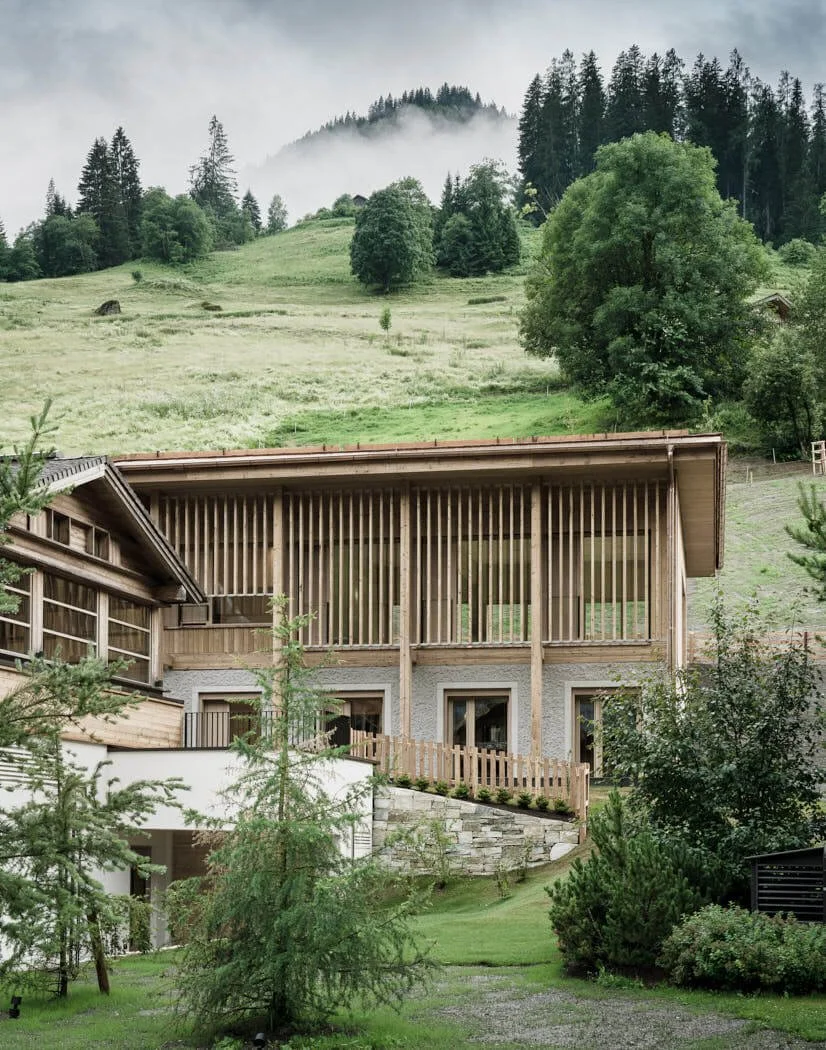
Above the rooftops of Bad Hofgastein, DAS.GOLDBERG rests on a plateau that opens wide to sky and valley.


The air holds a kind of hush, broken only by the movement of fir trees and the sound of water from the natural lake below. Stone, glass, wood, and gold-toned light structure this place, a rhythm that repeats across its suites, pathways, and spa.

Arrival is through a drawbridge. Inside, patterns form in a bed of sand beneath a suspended pendulum. The lobby’s air tastes of roasted beans from the in-house coffee roastery. Each object here is chosen: leather, linen, light, all part of a quiet design language shaped by Austrian hands and alpine sensibility. Our family—two adults, two children—stepped into this rhythm without resistance. Mornings began with homemade granola and spelt breads; evenings closed with five thoughtful courses and the warmth of herbal tea. In between we had slow walks through tall grass, long views from the terrace, moments of immersion in the infinity pool and whirlpool that catch the last of the sun.

 
Das Goldberg Hotel Review LE MILE
 
LE MILE Magazine DAS.GOLDBERG Hotel garden with pool
 

The design of DAS.GOLDBERG speaks through materials, it´s aged oak, alpine wool, slate, and handblown glass. The rooms open fully to the mountains, with large windows and balconies that stretch into the air. A swing chair waits beside the fireplace, while golden accents trace through the neutral tones of each suite. The silence is soft, not empty, it´s full of breath and light.

In the spa, the hotel´s guests move through warmth and water. A golden Caldarium made of 420,000 kilograms of stone recalls the region’s history of healing and gold. A natural lake, heated by the earth, lies below. The scent of pine from the saunas and the warmth of the stone underfoot invite long pauses. Guests rest in quiet rooms lined with pine wood. There, heart and breath settle into something slower.


The philosophy of DAS.GOLDBERG carries through every detail. “Wald.Wiese.Wertvolles” is their framework. The kitchen works closely with local farmers and foragers. Grains from Pongau, herbs from the garden, trout from the hotel’s own pond. Flavors stay close to the land and a separate menu each evening opens with plant-based dishes drawn from meadow and forest.

Children move through the hotel like small explorers. The landscape offers everything, streams to follow, stones to stack, fields to cross barefoot. Indoors, the architecture holds calm, designed more for stillness than play. There is no room of noise or toys, so families who travel with very young children may find fewer structured spaces. Here, the invitation leans to wander, collect flowers and feel the shape of time unfold without schedule.

 
LE MILE Magazine DAS.GOLDBERG Hotel Spa area with beds
LE MILE Magazine DAS.GOLDBERG Hotel Wellness Spa Günter Standl

DAS.GOLDBERG Hotel, Wellness Spa
(c) Günter Standl (cropped)

 
LE MILE Magazine DAS.GOLDBERG Hotel natural lake to swim
LE MILE Magazine DAS.GOLDBERG Hotel Cusine Food
 
LE MILE Magazine DAS.GOLDBERG Hotel Restaurant DAS.GOLDBERG Guenter Standl

DAS.GOLDBERG Hotel, Restaurant
(c) Günter Standl


The staff move with intention, gliding through the space with a presence that feels attentive and unobtrusive, shaping each encounter into something intuitive. There is a sense of ease in the way requests are anticipated before they are spoken, in the way names are remembered without rehearsal, and in the way Vera and Georg Seer remain part of the hotel’s living rhythm. They appear not as distant figures behind the concept, but as active hosts who share morning coffee, recommend walking paths, and offer small moments of connection that feel sincere.

The experience shifts with the seasons. In the colder months, snow gathers along the spa’s edge and softens the views beyond the infinity pool. Skiers arrive and depart directly from the hotel’s slope-side location, stepping into the day with no delay. Inside, the warmth of wood, water, and steam creates a kind of cocoon, while outside the world is white and still. When the snow fades and the air warms, trails open in every direction. Guests move outward into the hills, toward lakes that mirror the sky and forests that breathe in silence.


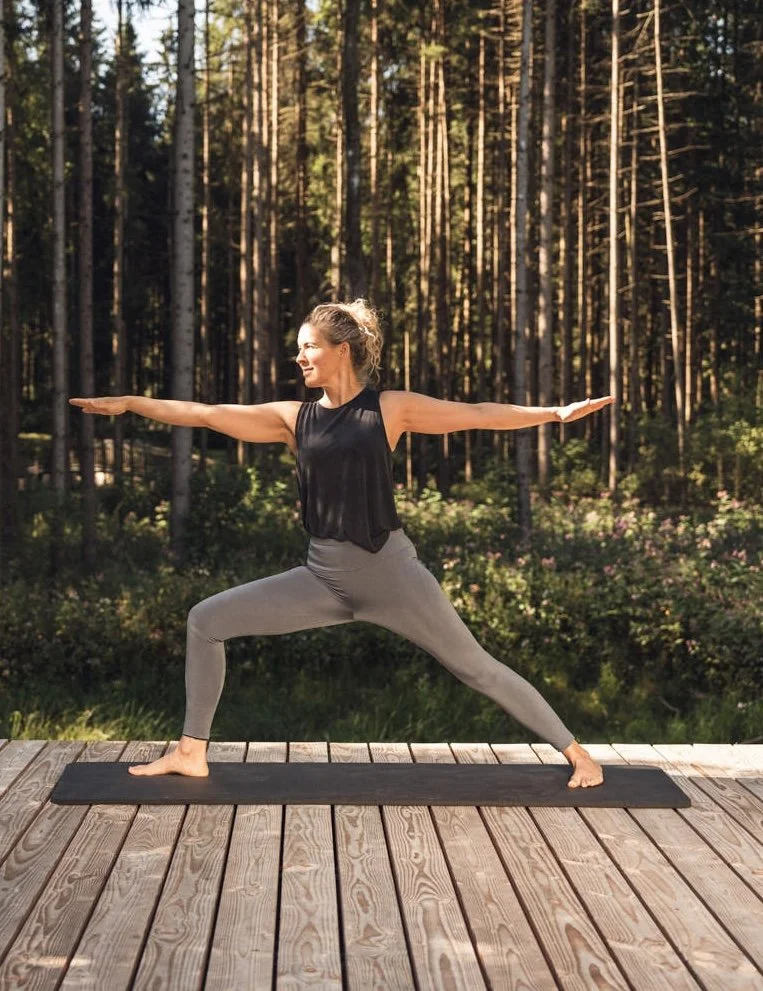
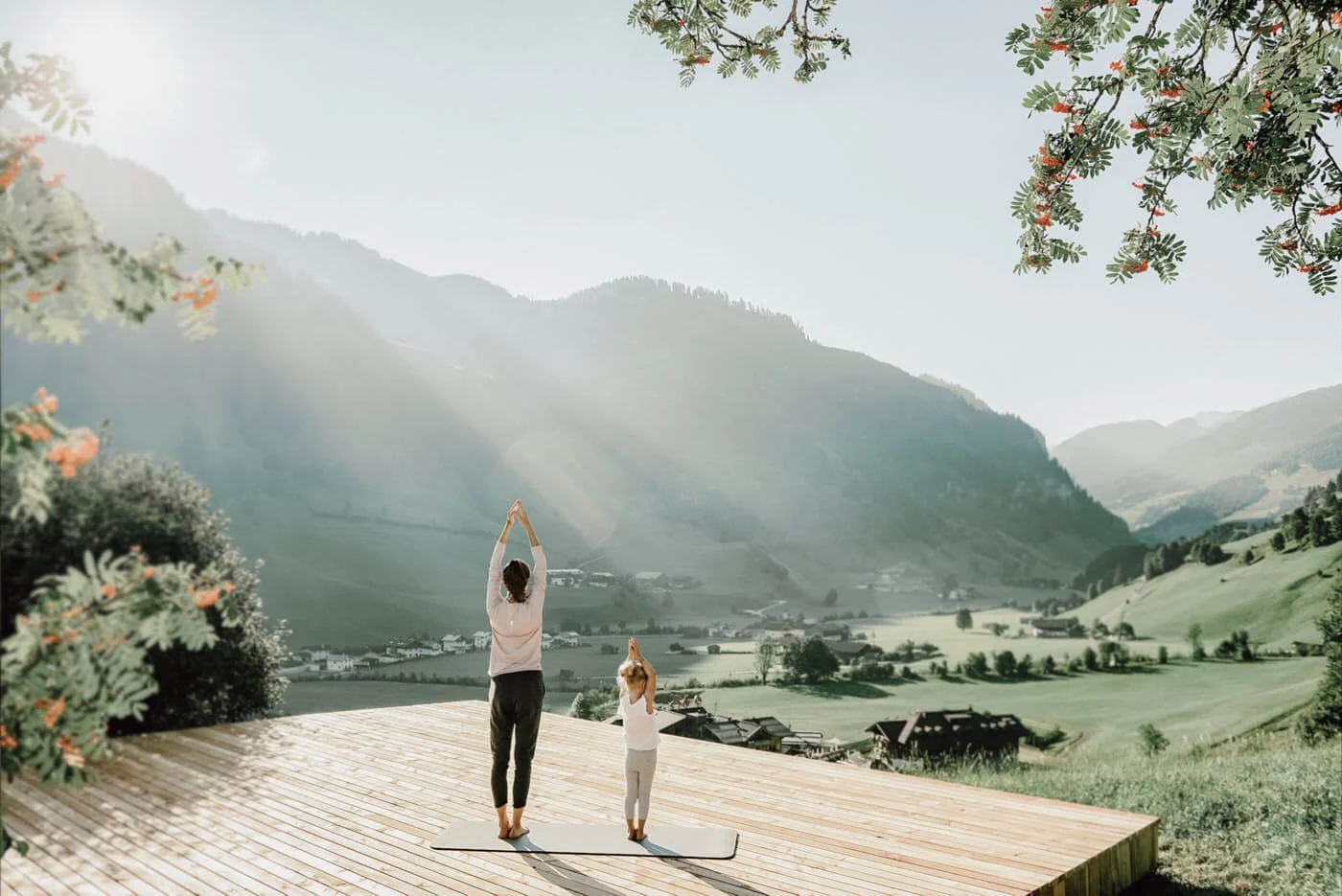
The yoga space stands with quiet dignity, shaped from darkened timber and framed by the peaks beyond. Its walls carry the weight of sun and weather, and its floor feels grounded, connected to the hillside. With each movement, the room becomes a shelter for breath and stillness. Nothing interrupts, nothing pulls the attention away.

Throughout DAS.GOLDBERG, the experience unfolds without rush. The architecture offers balance, the materials speak softly, and the food aligns with the rhythm of the day. Each element holds its place without seeking notice. There is no division between what is offered and what is needed. Families find their own pace among meadows and pine, couples sink into quiet rituals, and those traveling alone move with freedom through rooms, trails, and moments of pause. The landscape, the design, and the intention behind every detail form a complete expression of presence, not as a performance but as a way of being. Enjoy your stay!


visit DAS.GOLDBERG Hotel Website www.dasgoldberg.at
follow on Instagram @dasgoldberg


all images (c) DAS.GOLDBERG

Engelwirt Hotel & Apartments *Artful Living in Berching

Engelwirt Hotel & Apartments *Artful Living in Berching

.culture vulture
Engelwirt Hotel & Apartments

*A Space for Creativity, Comfort, and Culture

reviewed Alban E. Smajli


Berching, surrounded by rolling landscapes and historical architecture, offers a setting of quiet energy. At its center stands Engelwirt Hotel & Apartments, a collection of restored and newly built spaces developed by Stephanie and Michael Zink. Each room tells a story shaped by architecture, art, and attention to detail.


The hotel consists of 15 apartments and suites, some housed in baroque buildings from 1686, others created through contemporary craftsmanship. Guests find antique doors, preserved ceilings, and restored floors. Elements from the past continue through handpicked vintage furniture, while newer additions add depth and warmth. Materials, tones, and surfaces are arranged with calm precision, forming interiors that carry elegance and a lived-in sense of comfort.

 
LE MILE Magazine Engelwirt Hotel and Apartments Berching Erich Spahn_Großes Gartenapartment_Engelwirt © Erich Spahn

Engelwirt Hotel & Apartments, Berching
Large Garden Apartment Engelwirt
© Erich Spahn

 
LE MILE Magazine Engelwirt Hotel and Apartments Berching Erich Spahn_Balkonzimmer_Engelwirt © Erich Spahn

Engelwirt Hotel & Apartments, Berching
Balcony Room Engelwirt
© Erich Spahn


Stephanie Zink developed each interior with the hand of a designer and the eye of a collector. Her experience in fashion and material design guides the color schemes—deep red-oranges, light blues, and gentle greys—layered onto antique wood, terrazzo, linen, and stone. The furniture includes selected pieces from Moroso, Moooi, Moormann, Wegner, Thonet, and Prouvé. Lighting by Ingo Maurer and Artemide highlights artwork and architectural detail without distraction.

Each apartment holds original works by established artists such as Michael Sailstorfer, Gregory Forstner, Rinus Van de Velde, Paul Kooiker, or Matías Sánchez. Paintings, photographs, and sculptures are present in every room, hallway, and common area. Guests share space with these pieces—at the kitchen table, across from the bed, near the desk. The atmosphere reflects the Zinks’ philosophy of living with art rather than observing it at a distance.


Work-friendly amenities are built into many apartments. Desks, natural lighting, and strong connectivity allow guests to extend their stays, combining travel and work without disruption. Fully equipped kitchens support longer visits. Several apartments are maisonettes, offering additional space for writing, reading, or creative focus. Twelve apartments include kitchens, allowing complete independence.

Just beyond the hotel, the Zink Gallery welcomes visitors by appointment and is open to the public on Sundays. Located in Waldkirchen, 15 minutes from Berching, the gallery presents international contemporary artists in a building designed by Atelier Dimanche. The architects also planned the Engelwirt restoration and new buildings. Their work integrates preserved baroque elements and modern geometry with exacting continuity. The gallery also houses the Engelwirt’s own distillery, further anchoring the hotel in a world of craftsmanship and process.

 
LE MILE Magazine Engelwirt Hotel and Apartments Berching Erich Spahn_Probstapartment 1_Engelwirt © Erich Spahn

Engelwirt Hotel & Apartments, Berching
Probstapartment 1
© Erich Spahn

LE MILE Magazine Engelwirt Hotel and Apartments Berching Erich Spahn_Salon_Engelwirt © Erich Spahn

Engelwirt Hotel & Apartments, Berching
Salon Engelwirt
© Erich Spahn

 
LE MILE Magazine Engelwirt Hotel and Apartments Berching Erich Spahn Justizia Apartment Engelwirt © Erich Spahn

Engelwirt Hotel & Apartments, Berching
Justizia Apartment Engelwirt
© Erich Spahn

LE MILE Magazine Engelwirt Hotel and Apartments Berching Erich Spahn_Maisonette Stadtmauer_Engelwirt © Erich Spahn

Engelwirt Hotel & Apartments, Berching
Maisonette City Wall Engelwirt
© Erich Spahn


Gallery Zink Waldkirchen
© Erich Spahn


The Engelwirt interiors speak through harmony rather than statement. The courtyard invites quiet gatherings. A café and concept store showcase regional wines, handmade soaps, ceramics, books, and specialty foods. Seasonal events and local collaborations add to the rhythm of daily life.

For those seeking focused time with teams or partners, Engelwirt offers spaces for meetings, planning sessions, and creative exchanges. The salon, the winter garden, and select apartments accommodate small gatherings. The setup includes kitchen access, regional catering, and on-site coordination. Gallery visits, cooking classes, and guided walks through Berching extend the experience beyond the meeting space.


Berching itself offers a rhythm that suits the Engelwirt mindset. Streets remain calm, the preserved town wall encircles history without excess. Music events such as the Gluck Festival, artist talks, and farmers markets draw locals and guests into quiet interaction. The nearby canal, trails, and woodlands invite stillness and movement without effort.

At Engelwirt, nothing interrupts the flow of time. The surroundings, the interiors, the artworks, and the services operate with the same intention: to provide a grounded, generous place to stay, to work, to think, to feel. Enjoy!


visit Engelwirt Website www.engelwirt.com
follow on Instagram @engelwirtapartments