Viewing entries tagged
menswear

SALZWASSER - Lennart Henze on Sustainable Fashion

SALZWASSER - Lennart Henze on Sustainable Fashion

.specials
From the Coast to the Studio

*How SALZWASSER Turns Simplicity Into a Design Language


written SARAH ARENDTS


SALZWASSER was born where the wind carries salt across the shore and the horizon never ends. Founded in 2019 on the North Sea island of Norderney, SALZWASSER marks its sixth anniversary. What began on the coast has grown into a Hamburg-based studio that continues to work within Europe, maintaining short production routes and close collaborations.


Each piece starts with material selection: Merino wool, organic cotton, linen. Natural fibers chosen for their quality and origin. Production takes place in Italy, Portugal, and Germany, where every step is clearly defined and carried out with consistency. The result is clothing designed to last, made without synthetics, focused on fit, proportion, and longevity. The current collection continues this approach with knitwear made entirely from Merino wool — soft, breathable, and structurally stable for years of wear.

 
E MILE Magazine SALZWASSER sustainable fashion hamburg herren troyer aus merinowolle in dunkelblau
 
LE MILE Magazine SALZWASSER sustainable fashion hamburg Lennart Henze

SALZWASSER
founder: Lennart Henze


Sarah Arendts
What was the starting point for the special quality that defines the brand today?

Lennart Henze
For me, it all begins with a deep love for good products — for things that stay with you for a long time and get better every day. I realized early on that true quality is never a coincidence; it comes from patience, care, and the courage to leave nothing to chance.
I’m fascinated by materials, construction, and tactile experiences — how a fabric falls, how a knit breathes. SALZWASSER was born out of this dedication: the ambition to create clothing that feels substantial, is impeccably crafted, and is not designed for just one season but for a life full of good moments.

The new knit styles made from 100% Merino wool expand your core collection. How did the idea for this collection develop?

The collection emerged from the desire to use natural materials in their purest form.
Merino comes with natural properties: temperature-regulating, soft, breathable — and without any synthetics, it performs better than many technical fibers.
After our more distinctive, technical-looking half-zip sweaters, we wanted to create knits that are even more reduced: simple crewnecks with subtle knit structures — understated and timeless.
Once again, made as a mono-material: no synthetics, 100% Merino wool. For us, this was a logical step — moving away from synthetics and towards a pure, natural material world that harnesses the best performance nature has to offer.

Your half-zip sweaters have long become synonymous with SALZWASSER. When did you realize they were more than just a classic pullover?

When I noticed that we hadn’t just adapted a classic half-zip — we had reimagined it.
The half-cardigan structure, used inside-out, the modern, slightly looser cut — that’s what made it unique. Bolder, more contemporary. And then came the decision to produce entirely without synthetics and even achieve GOTS certification — something rare in this category.
The fact that the sweater was so well received and that we were able to expand it twice through crowdfunding showed us that people value the full package: natural fibers and sustainability, quality, and European production.

Italy, Germany, Portugal — what connects these places for you?

First of all: quality and craftsmanship. Each of these countries has its own textile handwriting, and we value them all. Germany is our home, where everything began — on Norderney, in the far north. Portugal is a place of longing and inspiration for me — the coast, the light, the calm. Italy brings its own warmth and elegance — and a precise textile tradition.
And, of course, there’s something else connecting them: a transparent European supply chain.
Shorter routes, more personal relationships, responsible production. These places are part of our identity — reflected in our colors, our aesthetics, and our sense of nature and timelessnes.

 
LE MILE Magazine SALZWASSER sustainable fashion hamburg nachhaltige mode
 
LE MILE Magazine SALZWASSER sustainable fashion hamburg nachhaltige mode


How do you prevent sustainability from becoming rhetoric?

By not treating it as marketing, but as a mindset. And by enabling people to understand what real responsibility means: natural materials, European manufacturing, transparency. For us, sustainability isn’t a concept — it’s our starting point.

Where does design begin for you?

Design begins for us with reduction and responsibility. We follow a circular textile design approach, focusing on mono-materials, natural fibers instead of synthetics, and long-lasting construction. At the same time, we aim to create a stronger emotional connection to each piece — through timeless, minimalist forms that people can truly live with.
We don’t think in seasonal cycles or collections, but work on a continuous range. Our vision is clear: Focus on Essentials. Design evolves through subtraction — until only what is meaningful, beautiful, and lasting remains.

Timelessness — more about endurance or calm?

For me, timelessness is calm — and from that, endurance follows. A calm cut, reduced details, natural tones that never shout.

What role do places play — sea, light, the North?

SALZWASSER was born on the rough northern coasts. Coasts have always been places of longing and calm. Traditionally, people living by the sea have mastered a slow, minimalist, and simple way of life. They value durable gear and meaningful experiences with nature — they focus on what truly matters. With a contemporary design approach, SALZWASSER translates this lifestyle and mindset into modern everyday clothing — for city, countryside, and coast. It reminds people of moments of longing and allows a return to what’s essential. Focus on Essentials.

What should people feel when they wear SALZWASSER?

Freedom.

Calm.

And focus on what truly matters.


LE MILE Magazine SALZWASSER sustainable fashion hamburg nachhaltige mode pullover
LE MILE Magazine SALZWASSER sustainable fashion hamburg nachhaltige mode pullover and jeans
 
LE MILE Magazine SALZWASSER sustainable fashion hamburg nachhaltige mode salzwasser fw25
 

SALZWASSER
www.salzwasser.eu

based in Hamburg, Germany
designing timeless essentials from natural fibers — all made in Europe


At SALZWASSER, sustainability means durability, repairability, and transparent production within Europe. Every decision, from the yarn to the finished garment, follows this logic. The aesthetic remains consistent, defined by quiet lines, natural tones and functional clarity. As the brand enters its sixth year, SALZWASSER reaffirms its commitment to creating garments built for purpose and time.

 
LE MILE Magazine SALZWASSER sustainable fashion hamburg nachhaltige mode salzwasser fw25
 
LE MILE Magazine SALZWASSER sustainable fashion hamburg nachhaltige mode salzwasser fw25

Inside Shop Like You Give a Damn - Sustainable Fashion

Inside Shop Like You Give a Damn - Sustainable Fashion

.specials
SHOP LIKE YOU GIVE A DAMN
*A Department Store for the Future of Compassion


written AMANDA MORTENSON


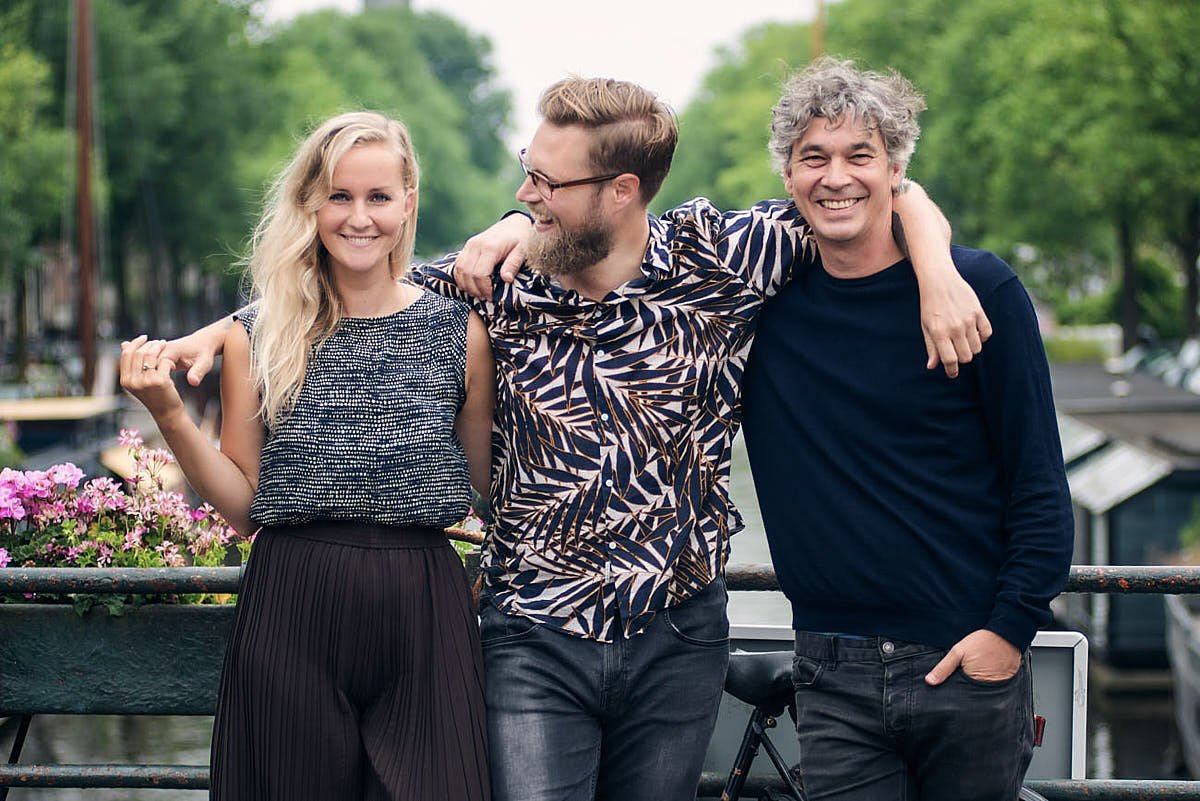
Shop Like You Give a Damn was founded by Alex Jansen, Kim van Langelaar, and Stephan Stegeman to make ethical choices straightforward. Early on, the team tried to verify the ethical claims of brands they admired and discovered that reliable data to separate intention from reality was missing.


Together with a tech partner, they built an AI-supported assessment framework and tested it on a selection of the most ethical brands, but none met every criterion. The lesson became their principle of better, not perfect. The platform has been 100 percent vegan since day one and curates brands around three non-negotiable pillars of animals, people and planet. Its goal is progress backed by proof, with transparency throughout the production chain, fair labour and a smaller footprint. The team has assessed thousands of labels, works closely with more than 150 of them and continues to raise the bar through dialogue, evidence and clear standards.

 
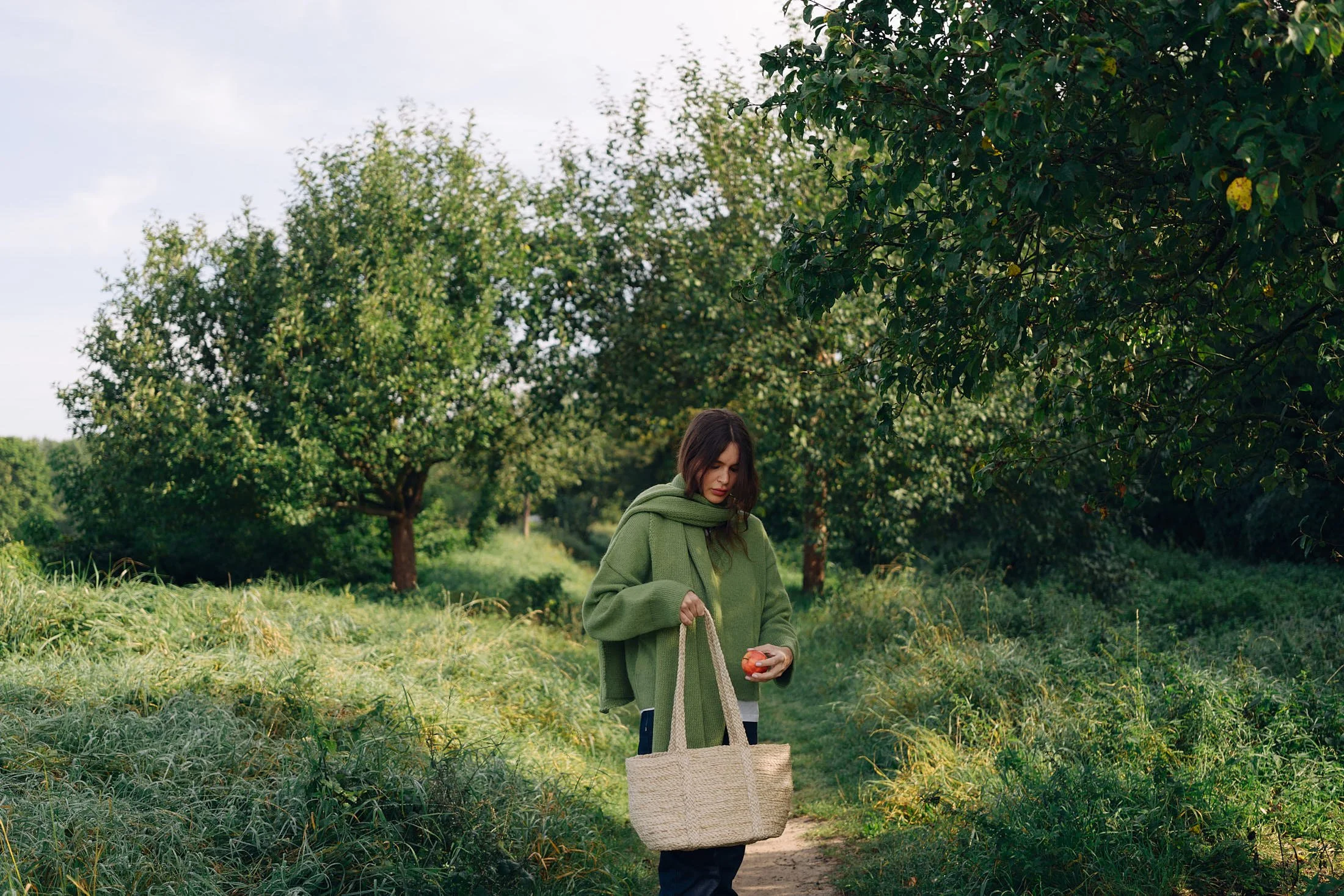
LE MILE Magazine Shop Like You Give A Damn Brand DAWN FW25

DAWN


Shop Like You Give A Damn founding team Kim van Laar, Stephan Stegeman, and Alex Jansen

Shop Like You Give A Damn
founding team: Kim van Langelaar, Stephan Stegeman, and Alex Jansen


Amanda Mortenson
“Better, not perfect” is a central idea behind what you want to communicate. How did this become a guiding philosophy for Shop Like You Give a Damn, and how do you embody it in your decisions?

Stephan Stegeman
“Better, not perfect” became our mantra after an eye-opening experience early in our journey. About five years ago, we set out to verify every ethical claim our brands were making. We give a damn about animals, people and the planet, so it was crucial to ensure every brand on our platform truly aligned with our values — always vegan, fair and as sustainable as possible.

But we quickly hit a roadblock: there wasn’t enough reliable information to say with confidence which brands were genuinely better than conventional fast fashion. That uncertainty kept us up at night. Then a tech startup approached us with an AI-driven tool to verify sustainability claims. We worked together for six months to build a framework and tested it on what we thought were the hundred most ethical brands. The results were humbling — not a single one met all our criteria.

That experience crystallised our philosophy. If we chased perfection, we’d have no brands left to support, and that helps no one. So we decided to champion progress — brands that are proudly vegan, treat workers fairly and work to minimise their environmental impact. Every decision we make starts with asking: is this better for animals, people and the planet? If yes, it’s on the right path. We’ve now assessed over two thousand brands, using that knowledge to keep raising the bar and helping good ones get even better.

In your view, what are the biggest misconceptions people have about “sustainable fashion” and veganism?

One of the biggest misconceptions about sustainable fashion is that it’s actually sustainable. It isn’t — at best, it’s a less harmful version of regular fashion. Producing new clothing always consumes materials, water and energy, and generates waste and emissions. The fashion industry still accounts for around ten percent of global carbon emissions — more than all international flights and shipping combined.

The most sustainable choice is not buying new clothes at all. Using what you already have longer and consuming less is the best way to reduce impact. After that comes reusing, swapping or buying second-hand. If you must buy new, choose responsible brands that use better materials and fair production.

When it comes to vegan fashion, many people don’t realise it’s more than diet — it’s also about what we wear. Materials like wool, silk and leather all involve animal suffering and serious environmental costs. Wool, for instance, often involves painful procedures like mulesing and enormous water use. Leather isn’t just a by-product of meat — it’s its own industry, with chemical-heavy tanning that harms both workers and ecosystems. True vegan fashion means avoiding all animal materials and choosing plant-based or innovative alternatives, from organic cotton to apple, mushroom or cactus leather. It’s not impact-free, but it’s far less harmful.

When you look at materials, what trade-offs do you see most often, and which ones surprise people the most?

When you start really looking into materials, you realise there’s no such thing as a perfect one. Every fabric comes with trade-offs — it’s about choosing what does the least harm while moving the industry in a better direction.
Many people are surprised to learn that most vegan leathers still include some form of plastic, like polyurethane. That’s not ideal, but compared to animal leather — which involves suffering, toxic tanning and high emissions — a responsibly made PU- or bio-based leather is still a better choice.

The same goes for plant-based fabrics. Cotton sounds sustainable because it’s natural, but conventional cotton is extremely water- and pesticide-intensive. Organic cotton is better, but not perfect. Recycled fibres and low-impact blends help, yet they depend on proper recycling systems that don’t exist at scale.

What surprises people most is that natural doesn’t automatically mean sustainable, and synthetic doesn’t always mean bad. A “natural” fibre like wool or silk can have major animal rights and environmental issues, while a recycled polyester might have a smaller footprint if it’s kept in circulation.

At Shop Like You Give a Damn, we try to navigate those grey areas honestly. We look for what’s vegan, fair and more sustainable — accepting imperfection while supporting innovation. Real progress happens not when we find one flawless material but when the entire industry shifts its mindset from exploitation to responsibility.

How do you draw the line between what’s “good enough” and what’s still too problematic?

For us, the line starts with being 100 percent vegan — that’s non-negotiable. From there, we ask whether something is genuinely better than the mainstream alternative. That means no greenwashing, no empty buzzwords — just real, evidence-based improvement.

We have clear internal guidelines on what materials we accept. Products must be made from fabrics that are not harmful to animals and significantly less harmful to people and the planet. On labour, it gets more complex. Ideally, every worker earns a living wage, but not every region is there yet. Sometimes a verified minimum wage plus transparent progress toward a living wage can be acceptable for now. The key word is progress.

So “good enough” doesn’t mean perfect; it means effort, transparency and direction. If a brand is vegan, pays fairly and uses better materials, we’re happy to stand behind them. But if any of those pillars — animals, people or the planet — are missing, it’s not good enough.

You require sellers to adhere to your values. How do you support them in improving over time?

When we assess brands, we ask a lot of difficult questions and explain why certain choices don’t meet our standards yet. Even if a brand isn’t ready to join us right away, we often see them come back after improving.

We’re now working with over 150 brands, so we have a good understanding of where they tend to struggle and what helps them grow. Our goal is to use that shared knowledge to bring brands together, because this isn’t a competition. If we want to change the fashion industry, we need to do it collectively. One twig breaks easily, but a bundle doesn’t. That’s how we see ethical fashion — as a community. In the near future, we want to invest even more in that network, helping brands learn from each other and expand our collective impact.

 
LE MILE Magazine Shop Like You Give A Damn Brand KnowledgeCotton Apparel

KnowledgeCotton Apparel

 
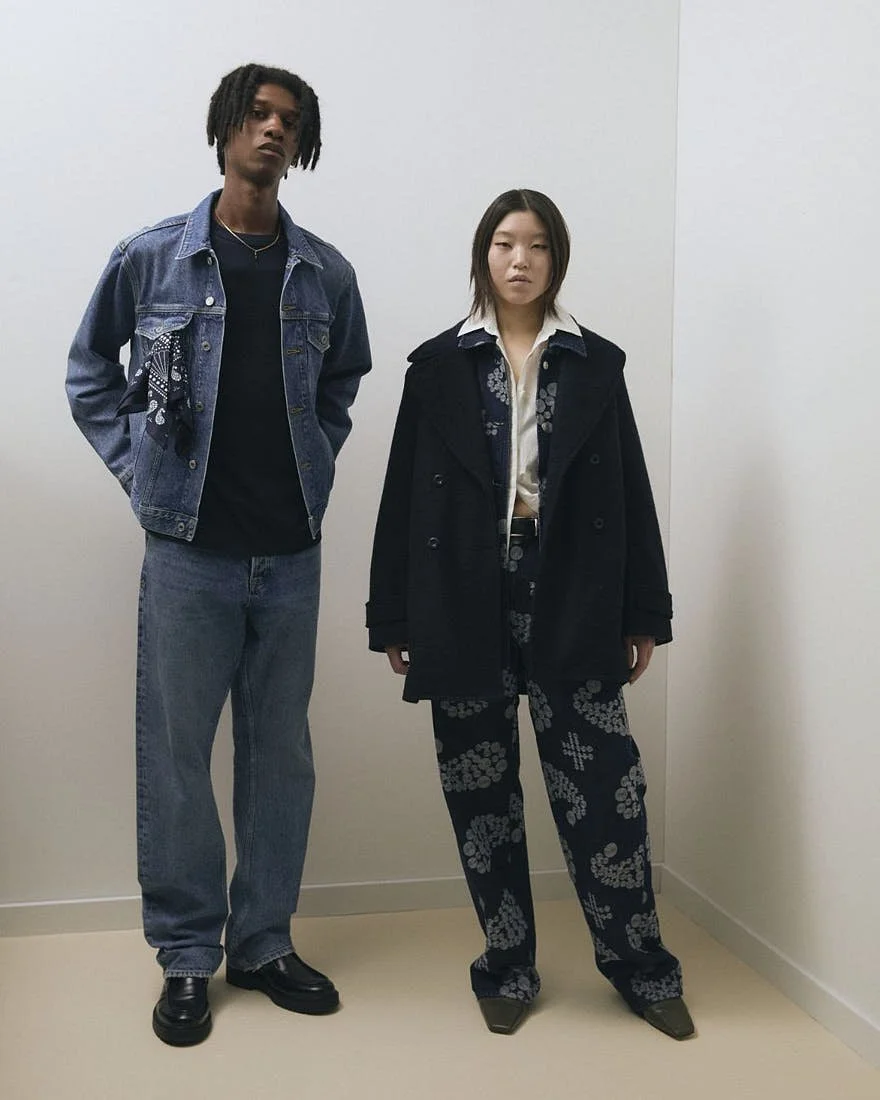
LE MILE Magazine Shop Like You Give A Damn Brand Kings of Indigo AW25

Kings of Indigo


How do you communicate nuance or “imperfection” to your customers, without alienating or confusing them?

We try to be as factual and transparent as possible. That means saying we’re “more sustainable,” not “sustainable.” It might sound small, but it matters. Every product has an impact, and the goal is to make that impact smaller — not to pretend it doesn’t exist.

We remove vague or misleading claims like “eco-friendly” unless there’s real proof. And we make sure our language never excludes or offends anyone. Ethical shopping should feel approachable, not moralising. When people buy from us, we want them to know they’re making one of the best choices available — not a perfect one, but a conscious one that’s better for animals, people and the planet.

Recently, Shop Like You Give a Damn acquired the website of NOAH Italian Vegan Shoes. What motivated that move, and how will you integrate its legacy?

Our decision came from deep respect for NOAH’s pioneering role in vegan fashion and a shared desire to carry its mission forward. Founded in 2009, NOAH spent sixteen years proving that high-quality design can be completely vegan and ethical. It was one of the first brands we partnered with after our launch in 2018 and had long been a pillar of the community.

When NOAH announced its closure, we didn’t want that legacy to disappear. By acquiring its website, we can ensure that everything it built continues — its vision of compassionate, high-quality vegan fashion will live on and reach new audiences.

As you scale, what are the hardest tensions you face?

One of the hardest parts of running a sustainable company is making choices that are good for sustainability but bad for business. We’ve onboarded brands that customers love but later had to remove because they no longer met our standards.

It’s tough, because building a truly ethical business is difficult. Many brands and platforms have disappeared for that reason. But to make a real impact, a company also needs to earn enough to sustain its team. Only then can it continue to drive change. Balancing credibility and survival is never easy, but it’s essential.

What keeps you and your team motivated?

Most people in our company are vegan for the animals, and that shapes everything we do. It’s about compassion — making sure we don’t exploit people or destroy the planet. Even in hard times, when resources are tight or things get complicated, those values keep us inspired and focused on why we started this in the first place.

Looking ahead five to ten years, what do you dream Shop Like You Give a Damn could become?

I hope that in the next decade we’ll be the leading vegan, fair and sustainable fashion marketplace in the world. I want us to continue raising awareness about the problems in fast fashion while offering people an easy, enjoyable and trustworthy alternative.


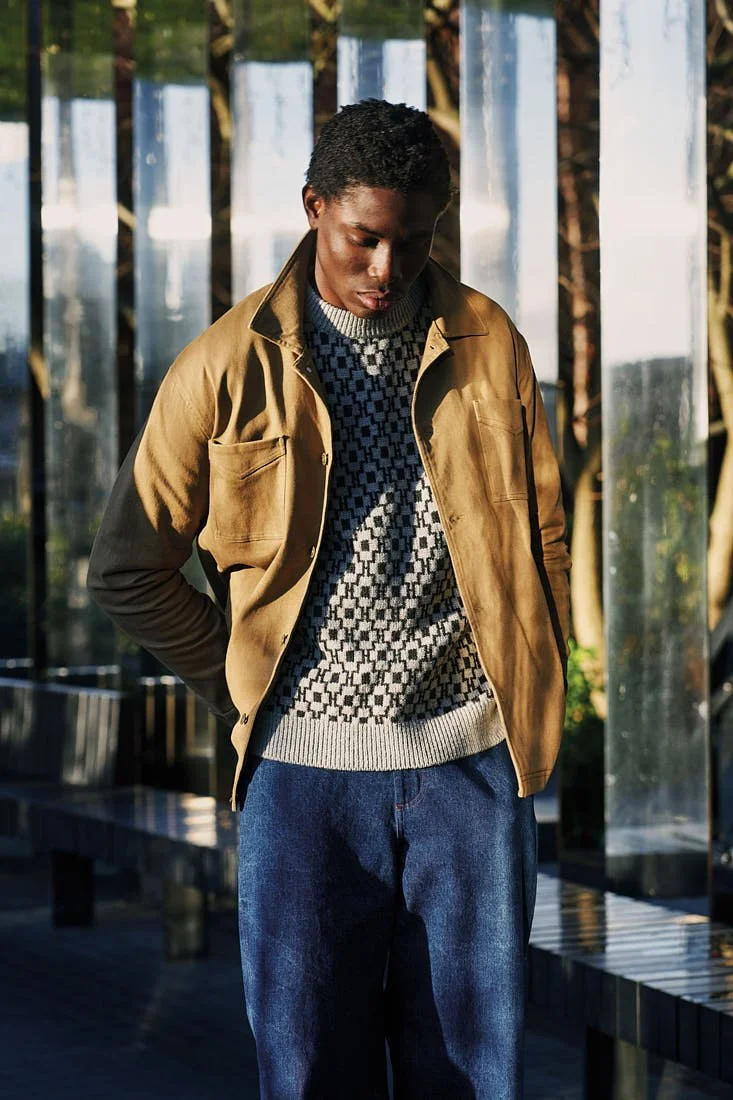
LE MILE Magazine Shop Like You Give A Damn Brand KOMODO AW25

KOMODO

 
LE MILE Magazine Shop Like You Give A Damn Brand SUITE13LAB

SUITE13LAB


SHOP LIKE YOU GIVE A DAMN
www.shoplikeyougiveadamn.com

based in Amsterdam, The Netherlands
offering over 20,000 vegan, fair and sustainable products


A recent step reflects that approach with the acquisition of the website of NOAH Italian Vegan Shoes, preserving the legacy of a pioneer in vegan fashion and keeping its mission accessible. For Stephan, it comes down to building a credible way to buy with less harm, buy better and keep compassion at the center of commerce.

 
LE MILE Magazine Shop Like You Give A Damn Brand Kuyichi

Kuyichi

 
LE MILE Magazine Shop Like You Give A Damn Brand Thinking MU AW25

Thinking MU

LE MILE Magazine Shop Like You Give A Damn Brand Rotholz AW25

Rotholz