Viewing entries tagged
travels

New Year in Lugano - Holiday Season Guide 2025

New Year in Lugano - Holiday Season Guide 2025

New Year in Lugano
How Lugano Sets the Tone for the 2026


written SARAH ARENDTS


The days leading into the new year often carry a quiet expectation. People look for places that allow them to reset, to shift into the next chapter with intention. In Lugano, the hotels of the DOT Lifestyle Collection create exactly that kind of environment. Each property approaches hospitality from a different angle, yet they share a sense of ease and clarity that feels right for the holiday season. Their locations above and around the lake give guests an immediate connection to light, stillness, and the rhythm of the city in winter.

 
LE MILE Magazine Villa Principe Leopoldo New Years Eve Lago di Lugano

Villa Principe Leopoldo
Lago di Lugano

 
LE MILE Magazine Villa Principe Leopoldo New Years Eve Lago di Lugano

Villa Principe Leopoldo
Lago di Lugano

 
LE MILE Magazine Villa Principe Leopoldo New Years Eve Lago di Lugano

Villa Principe Leopoldo
Lago di Lugano


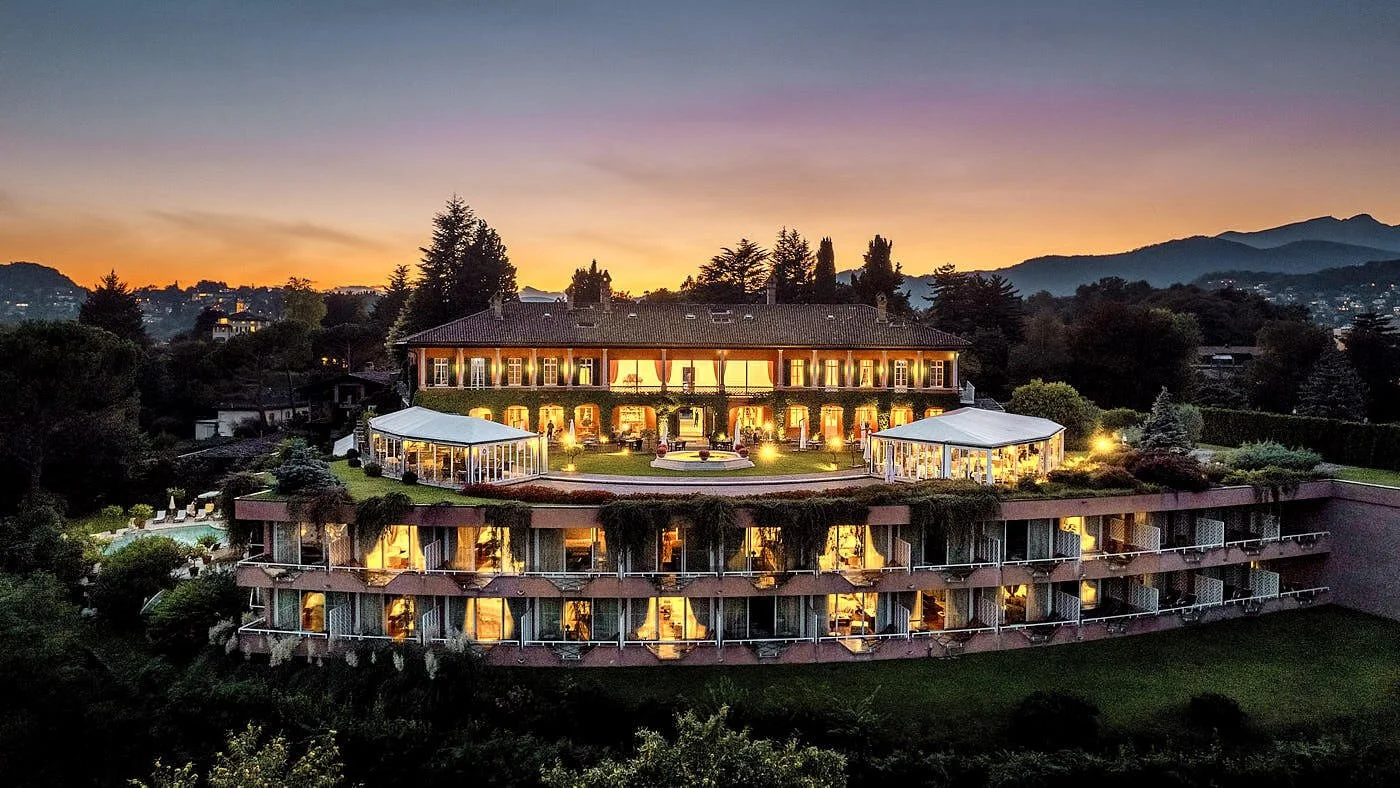
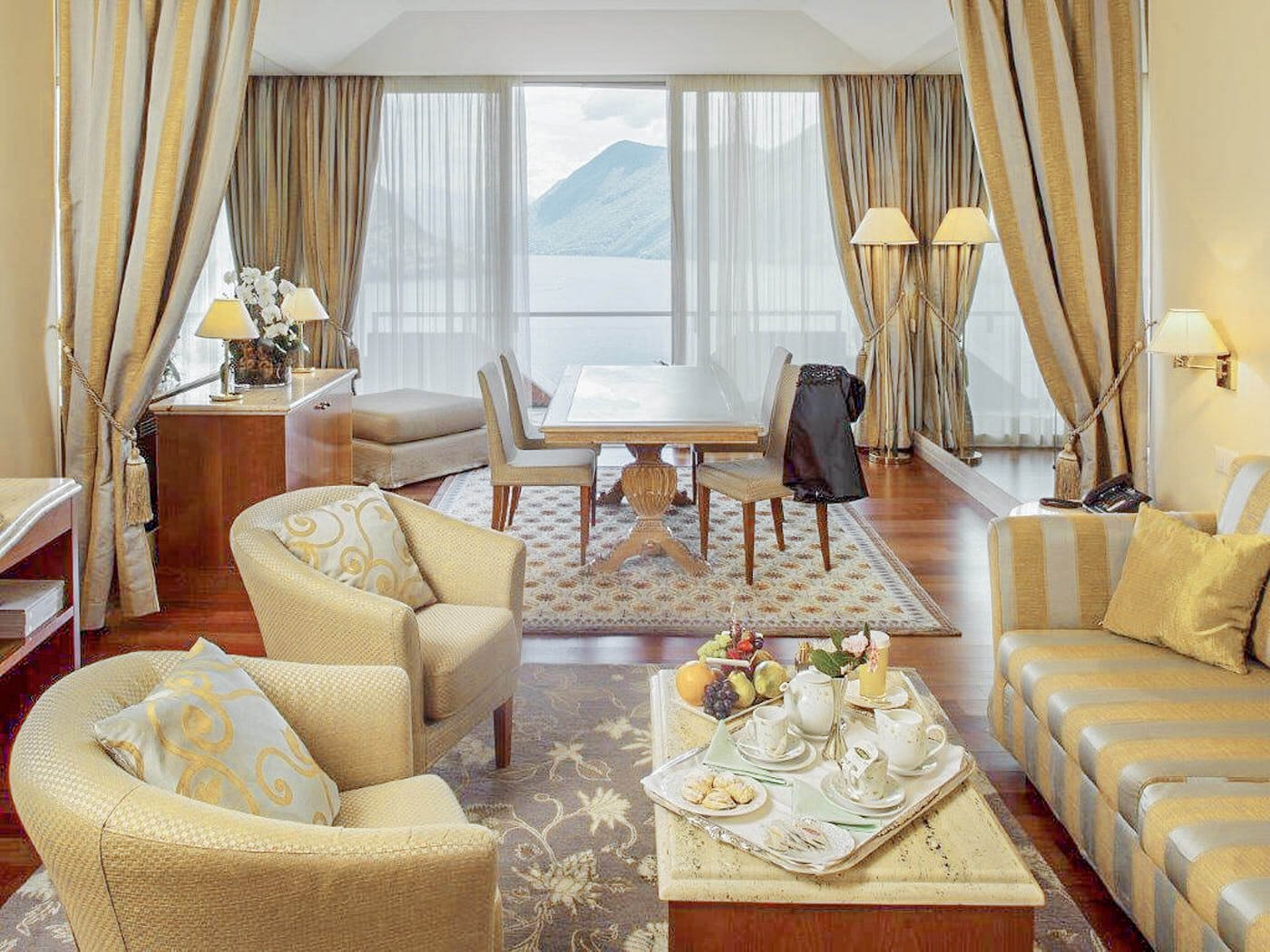
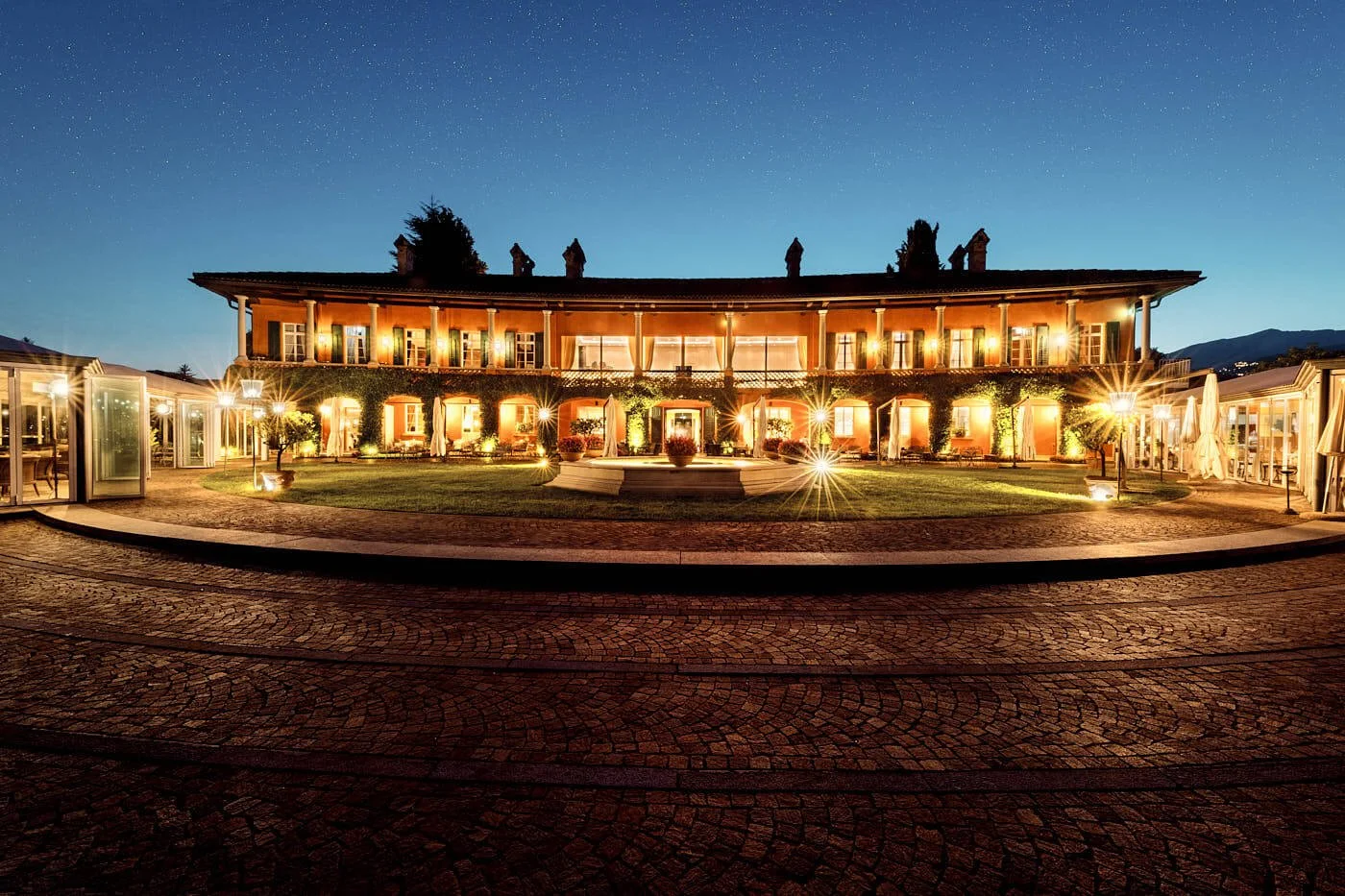
Villa Principe Leopoldo has a presence shaped by its history and by its position overlooking Lake Lugano. The building once served as a private residence; today it offers a setting where the final days of the year feel spacious and grounded. Guests arrive to a house that moves at its own pace. The team focuses on creating an atmosphere that supports long dinners, conversations that extend into the evening, and mornings that unfold gradually. New Year’s Eve here is structured around time spent together at the table. The kitchen develops a menu that reflects Italian technique and local ingredients, and the evening becomes a sequence of moments. On New Year’s Day, breakfast on the terrace or in one of the salons sets a calm tone for the year ahead.

Higher up in the hills, the Kurhaus Cademario offers a different rhythm. The property is known for its wellness focus, and it becomes especially relevant in late December when people look for quiet and clarity. The indoor and outdoor spa areas create long stretches of time where guests can detach from the usual pace. The view across the valley and the lake adds to that sense of distance from daily life. Dinner on New Year’s Eve follows a refined but understated approach. The cooking centers on regional products, seasonal flavors, and a style that feels aligned with the house’s emphasis on balance. For guests who want to start the year with intention rather than intensity, the Kurhaus becomes a fitting choice.


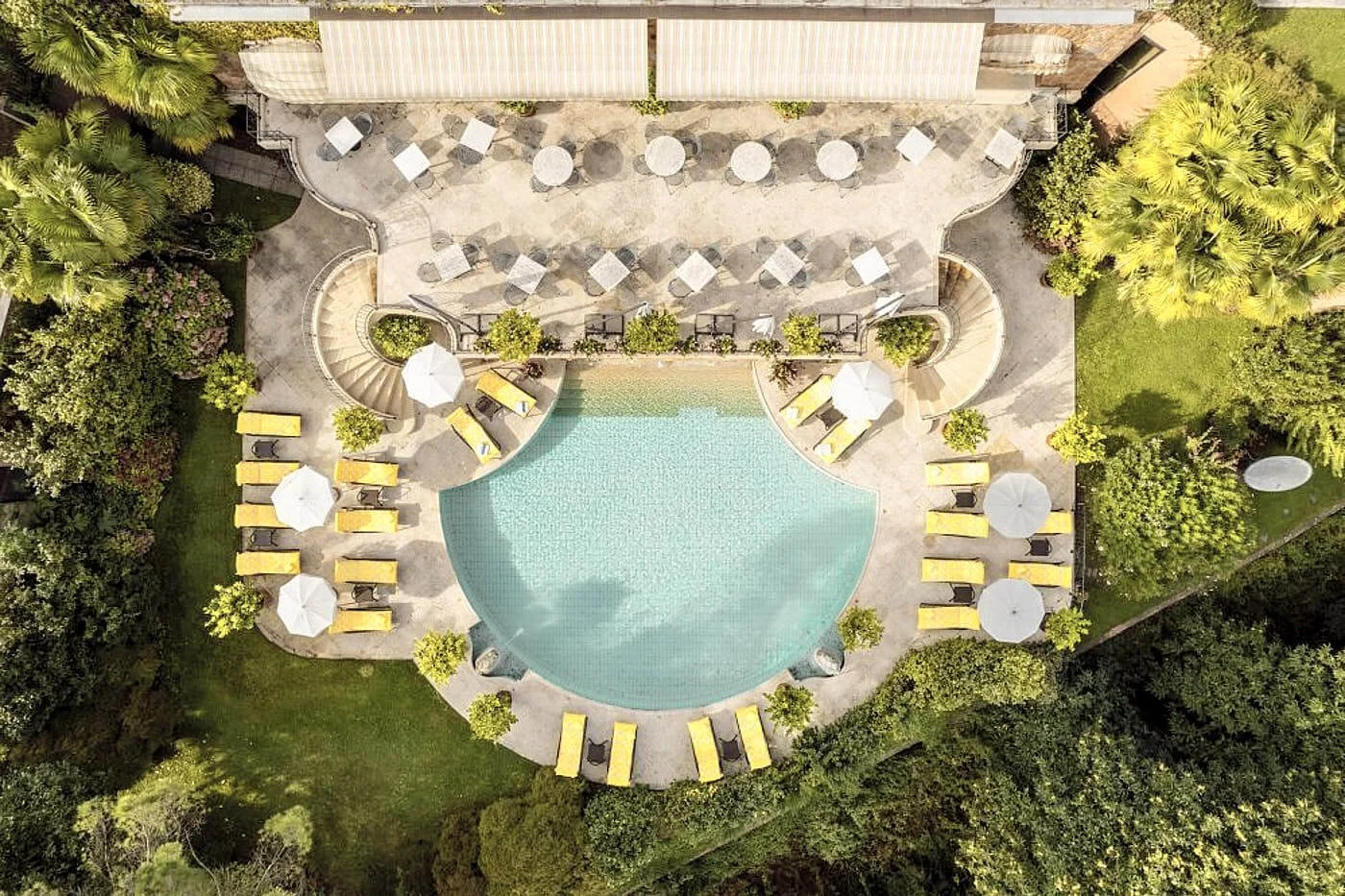
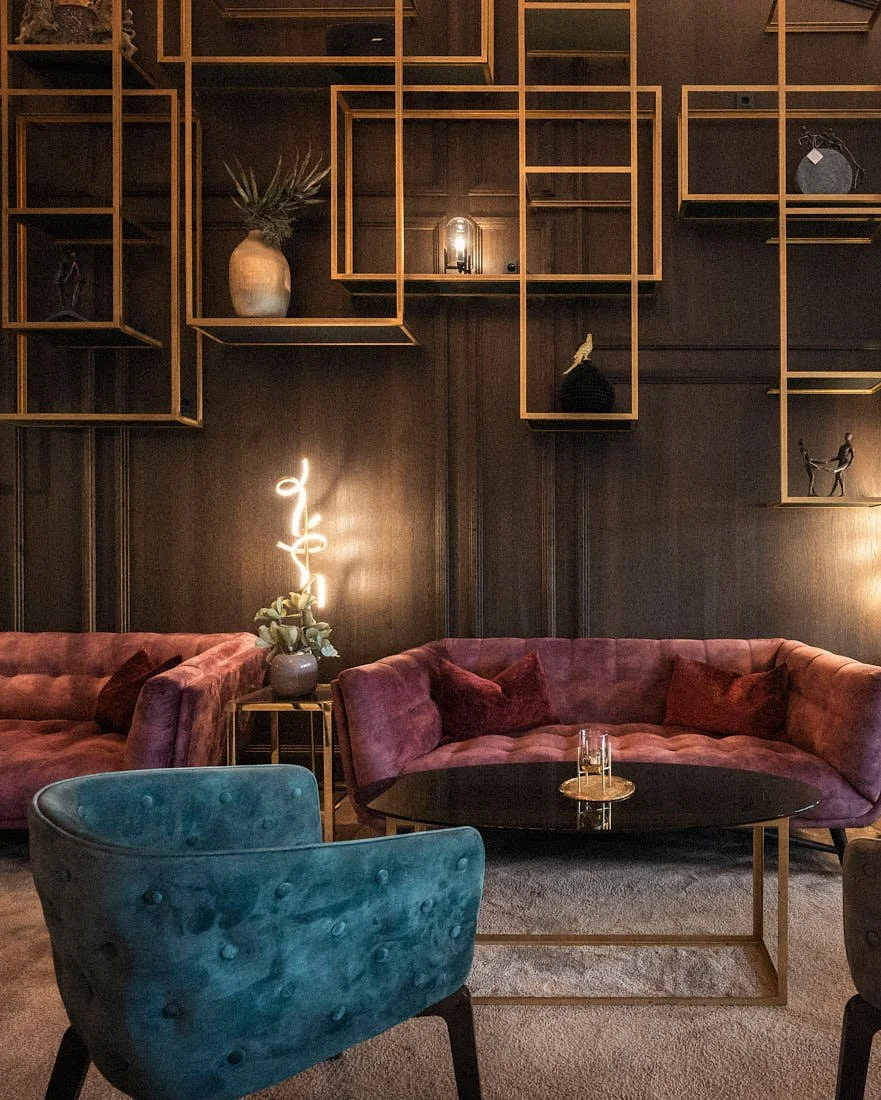
Back in Lugano, the Villa Sassa sits closer to the center and carries a more urban energy. The hotel brings together people who want movement, light, and a social environment while still staying within a relaxed setting. Evenings here often stretch into small gatherings at the bar or on the terrace when weather allows. For the holiday season, the atmosphere becomes slightly more festive without losing its sense of ease. New Year’s Eve is lively, shaped by music and a more dynamic dinner service. On the first morning of the year, the long brunch with a view of the lake gives the experience a calm finish.

 
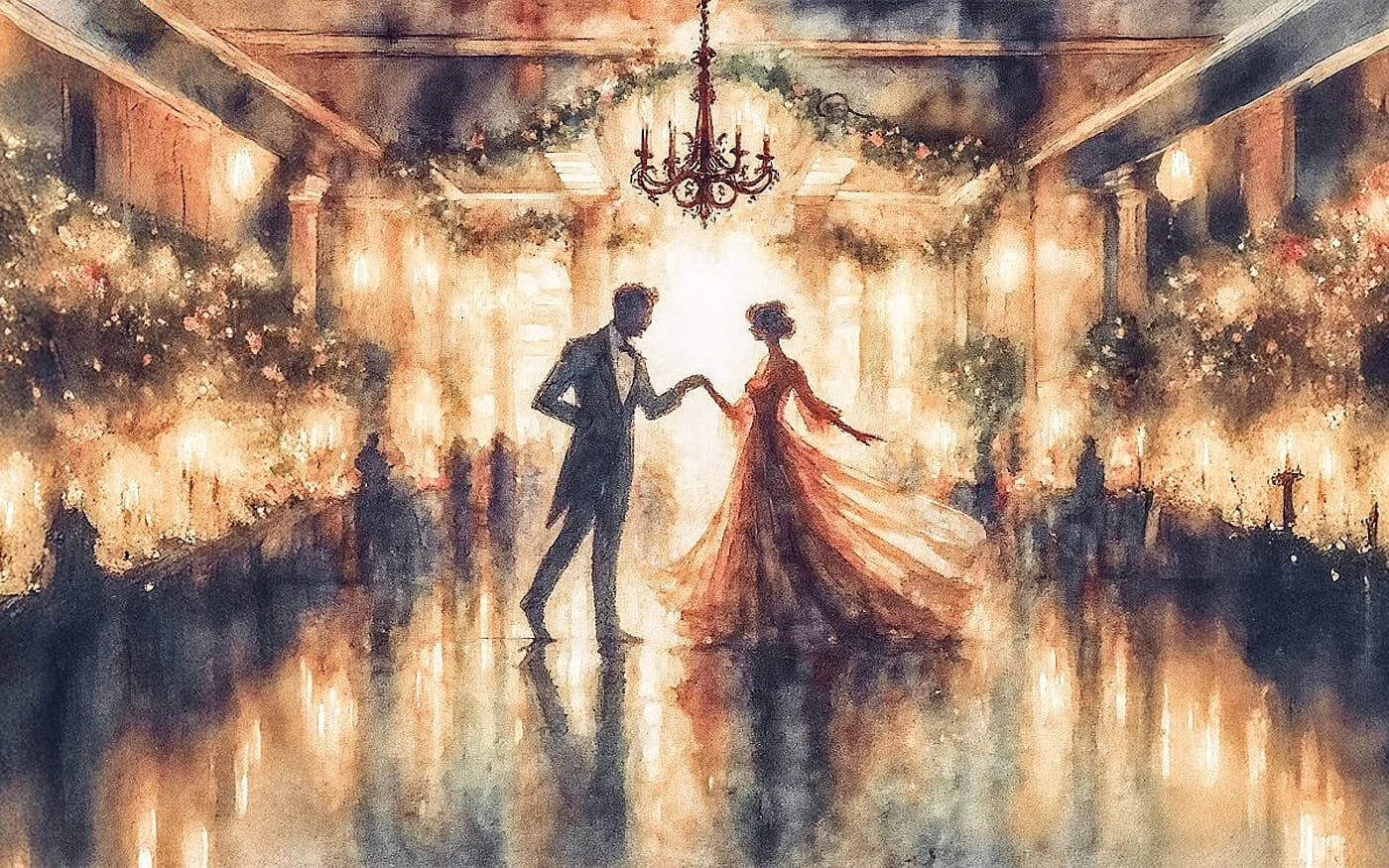
LE MILE Magazine Villa Principe Leopoldo New Years Eve Lago di Lugano painting of a dancing couple
 
LE MILE Magazine Villa Principe Leopoldo New Years Eve Lago di Lugano

Villa Principe Leopoldo
Lago di Lugano

 
LE MILE Magazine Villa Principe Leopoldo New Years Eve Lago di Lugano

Villa Principe Leopoldo
Lago di Lugano


Taken together, the three hotels form a clear recommendation for anyone planning the holiday season or the transition into the new year. Villa Principe Leopoldo for presence and elegance, Kurhaus Cademario for quiet restoration, and Villa Sassa for a more social and energetic stay. Lugano in winter has a specific charm, and the DOT Lifestyle Collection offers three distinct ways to experience it—with time, space, and attention to detail. Enjoy!


discover more Villa Principe Leopoldo


Wellnesshotel Wittelsbach - A Steady Wellness Stay

Wellnesshotel Wittelsbach - A Steady Wellness Stay

.culture vulture
Days of Quiet Rhythm in the Sky Spa
at Wellnesshotel Wittelsbach


written ALBAN E. SMAJLI


The arrival in Bad Füssing forms a particular first impression, because the town consists mainly of hotels and wellness facilities, and the atmosphere settles once the entrance of Wellnesshotel Wittelsbach comes into view with its fresh interior and the sense that the stay can unfold entirely inside this building.


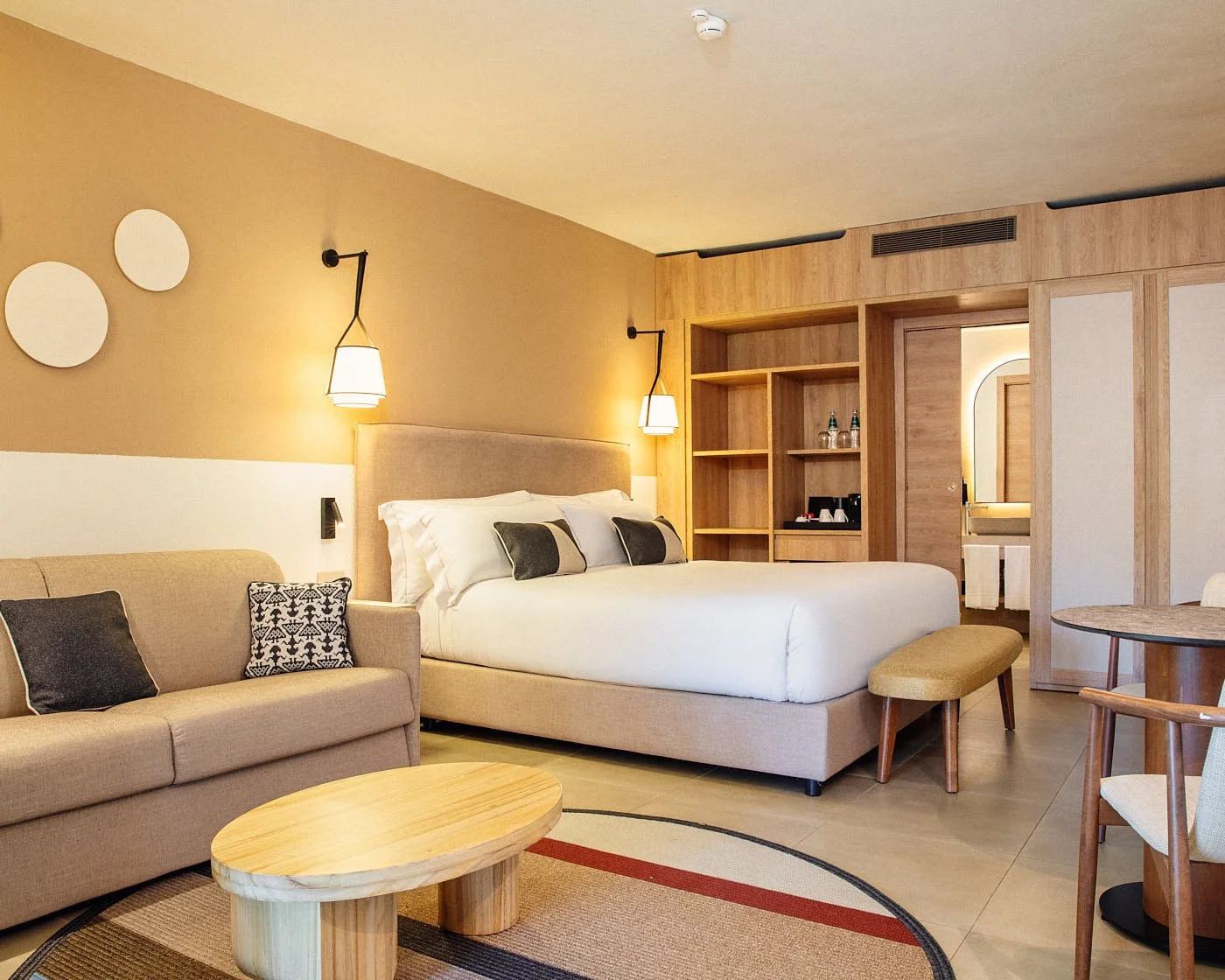
The lobby opens with warm colors, soft materials and a balanced light that eases the transition from the road into the steady rhythm of the hotel. Our experience took place in autumn during bright days, and the sunlight shaped the interior in a way that made every surface feel warm and calm, especially because the colors and textures supported long stretches of rest without distraction. The room contained thoughtful furniture, and we settled into it quickly because it felt immediately comfortable.

 
Hotel Wittelsbach Review Bad Füssing Alex Filz Hotel Room LE MILE Magazine

Hotel Wittelsbach
Interior Design, Superior Room seen by Alex Filz

 
Hotel Wittelsbach Review Bad Füssing Alex Filz Hotel Room LE MILE Magazine

Hotel Wittelsbach
Interior Design, Superior Room seen by Alex Filz

 
Hotel Wittelsbach Review Bad Füssing Alex Filz Lobby LE MILE Magazine

Hotel Wittelsbach
Lobby seen by Alex Filz


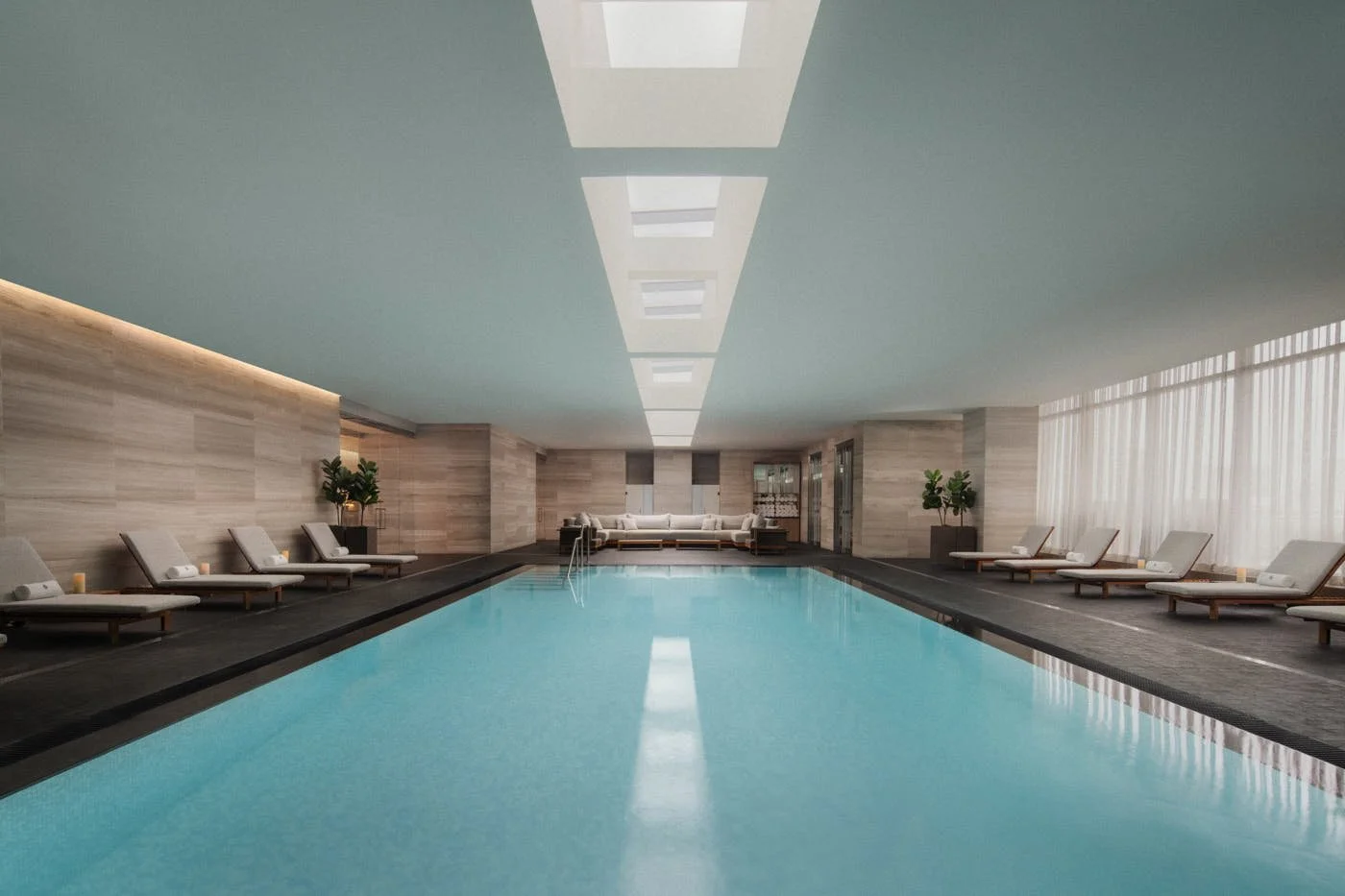
The Sky Spa forms the center of the entire experience, and the placement on the highest level of the building creates a feeling of being slightly lifted above the town. The saunas, the quiet zones and the view toward the Alps form a setting that encourages slow movement and long pauses. One evening stands out with particular clarity, because the moon appeared in a size and brightness that felt rare, and the moment after sunset when we stepped into the relaxation area showed the landscape in a very steady alignment of mountains, sky and soft light. The warmth of the sauna, the cool evening air on the terrace and the quiet inside the room formed a sequence that shaped the entire night. The indoor thermal pool on the ground floor carries the warm regional water in a way that supports quiet floating and slow swimming, while the outdoor pool creates a refreshing shift when the air turns cooler. The massage area offers full body treatments, ayurveda sessions and various options for guests who want a deeper form of rest, and the atmosphere inside the cabins remains consistent with the calm design language found throughout the spa.


The days follow a gentle structure, and the hotel supports this with a clear culinary rhythm. Breakfast includes a wide selection with regional influences, and the dining room maintains a balanced tone through warm colors and soft materials. In the evening, dinner unfolds with a buffet for the starters, and guests create their own beginning to the meal before choosing a main course from the menu, which includes dishes built around fish, meat or vegan options. The combination feels flexible and easy, and the thoughtful preparation gives the meals a steady continuity throughout the stay. Desserts arrive with a calm sense of order, and the wines available at dinner support the courses without drawing attention away from the relaxed atmosphere. During the afternoon, the café O´Lala offers pastries and small dishes from the in-house patisserie, which creates a small moment of indulgence within the daily flow of spa and rest.

 
Hotel Wittelsbach Review Bad Füssing Alex Filz Sky Spa Sauna LE MILE Magazine

Hotel Wittelsbach
Sky Sauna seen by Alex Filz

 
Hotel Wittelsbach Review Bad Füssing Alex Filz Spa Sauna LE MILE Magazine

Hotel Wittelsbach
Steam Sauna seen by Alex Filz

 
Hotel Wittelsbach Review Bad Füssing Alex Filz Restaurant LE MILE Magazine

Hotel Wittelsbach
Restaurant seen by Alex Filz


Bad Füssing carries a particular character, because the town stands almost entirely on wellness traditions, and this influences the surroundings through quiet streets, open paths and a slow pace. At first, this setting feels unusual, and the Wellnesshotel Wittelsbach benefits from this through its complete offering inside the building, which creates an environment where every part of the day unfolds within walking distance and without planning. Walks around the area follow flat routes through small parks and calm streets, and bicycles extend the reach toward the fields and wider landscapes. The hotel’s design brings a sense of clarity into this environment, and the atmosphere inside the property remains steady from morning to night.


The overall experience at Wellnesshotel Wittelsbach grows from the alignment of architecture, thermal tradition and a comprehensive wellness program that fills each day with quiet presence. The Sky Sauna shapes this rhythm with its broad views and warm interiors, while the pools, the treatments and the resting zones hold the pace throughout the building. The rooms provide space for slowing down, and the culinary structure supports the day with a clear and gentle sequence. Our stay carried a personal sense of ease, and the brightness of the season, the calm water, the thoughtful meals and the view toward the mountains created a continuous flow of rest that stayed with us long after leaving.


Hofgut Hafnerleiten - A Calm Retreat Story

Hofgut Hafnerleiten - A Calm Retreat Story

.culture vulture
Architecture, Landscape and Rest
at Hofgut Hafnerleiten


written ALBAN E. SMAJLI


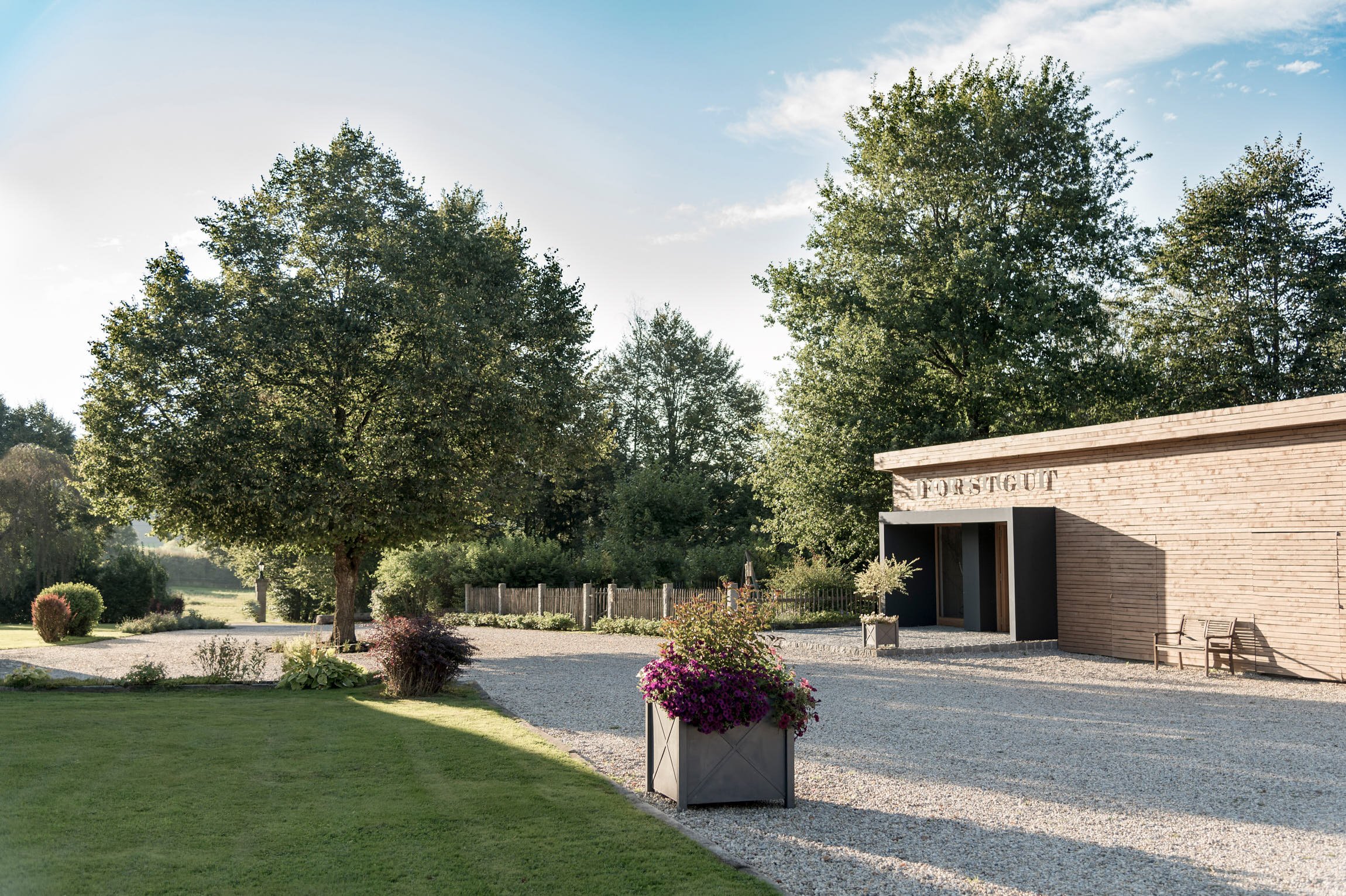
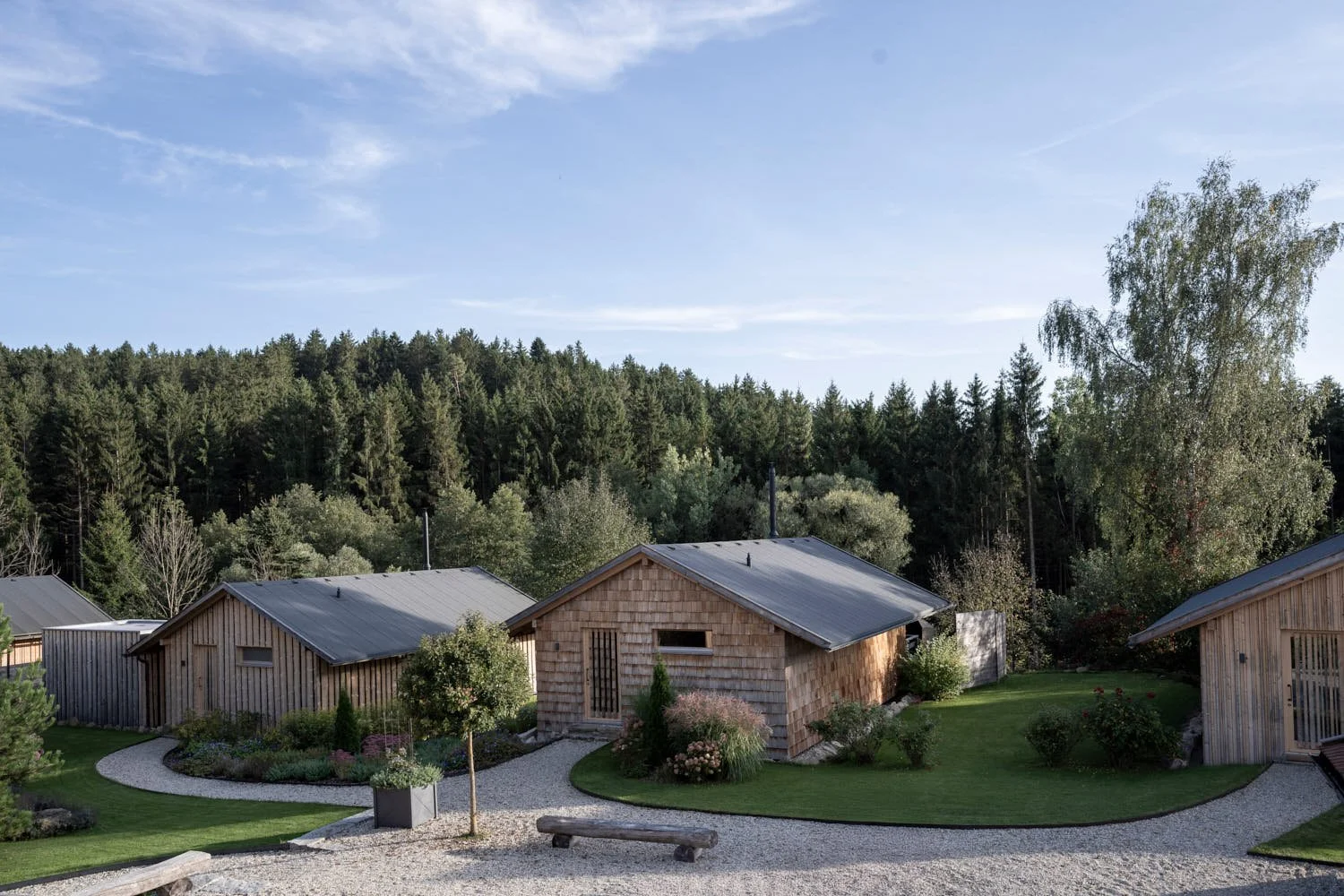
The arrival at Hofgut Hafnerleiten creates a steady shift in atmosphere, because the property sits within a wide landscape that gives every structure generous space and a clear relationship to its surroundings.


The road from Bad Birnbach passes open fields and forest edges, and the entrance to the Hofgut introduces a calm rhythm that shapes the entire experience from the very beginning. The first steps through the Brunnenhaus lead into the courtyard, and this small transition helps guests enter the mindset that the location invites.

 
Hofgut Hafnerleiten Baumhaus Hafnerleiten photo Julian Garuzzi  LE MILE Magazine

Hofgut Hafnerleiten
Baumhaus seen by Joschija Bauer

 
Hofgut Hafnerleiten Haus am Feld Hofgut Hafnerleiten photo Joschija Bauer LE MILE Magazine

Hofgut Hafnerleiten
Haus am Feld seen by Joschija Bauer

 
Hofgut Hafnerleiten Sauna am See Hofgut Hafnerleiten photo Joschija Bauer LE MILE Magazine

Hofgut Hafnerleiten
Sauna seen by Joschija Bauer


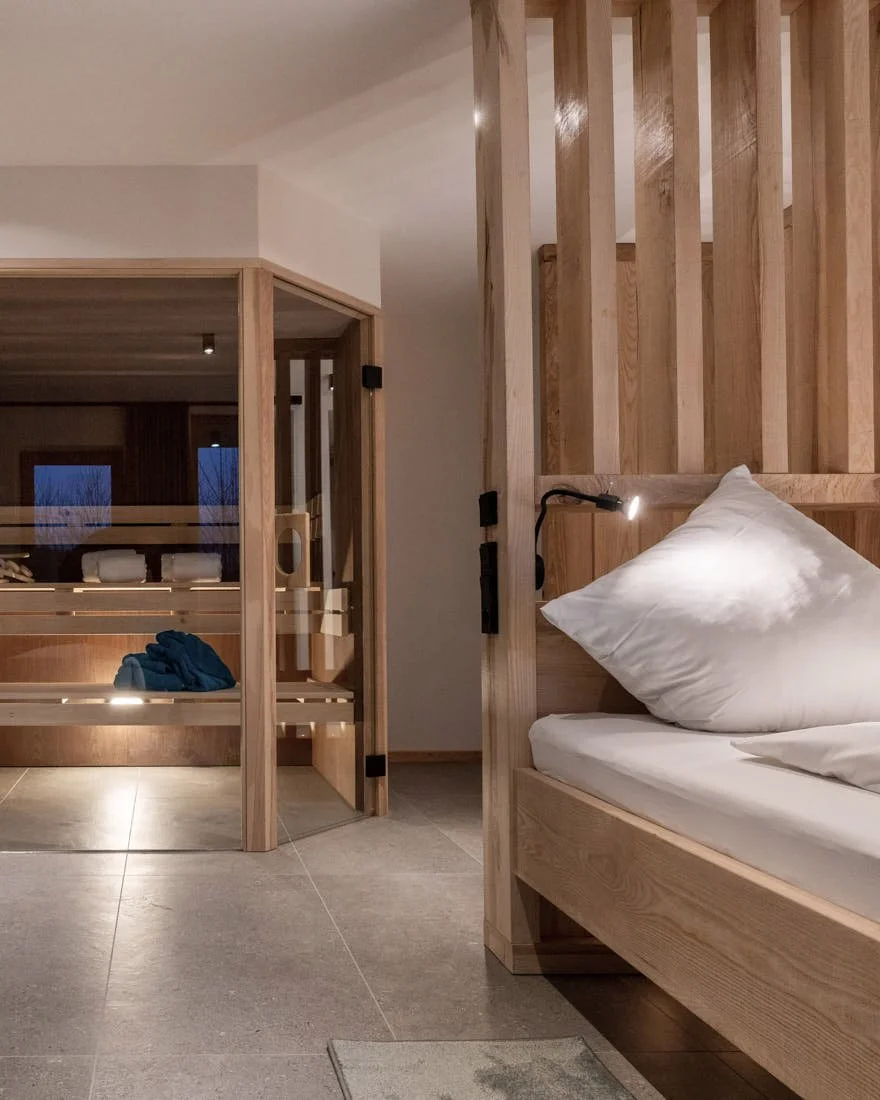
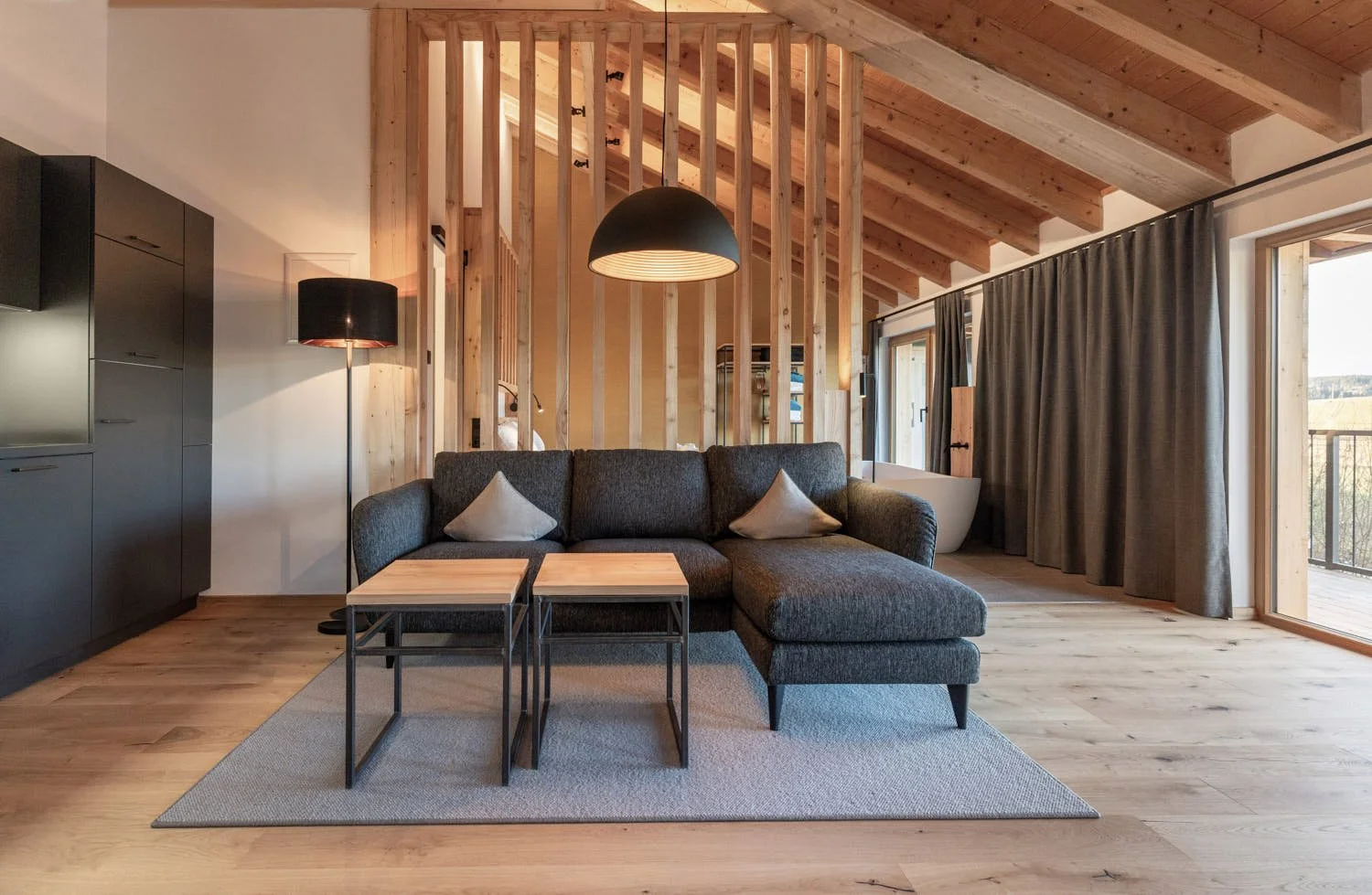
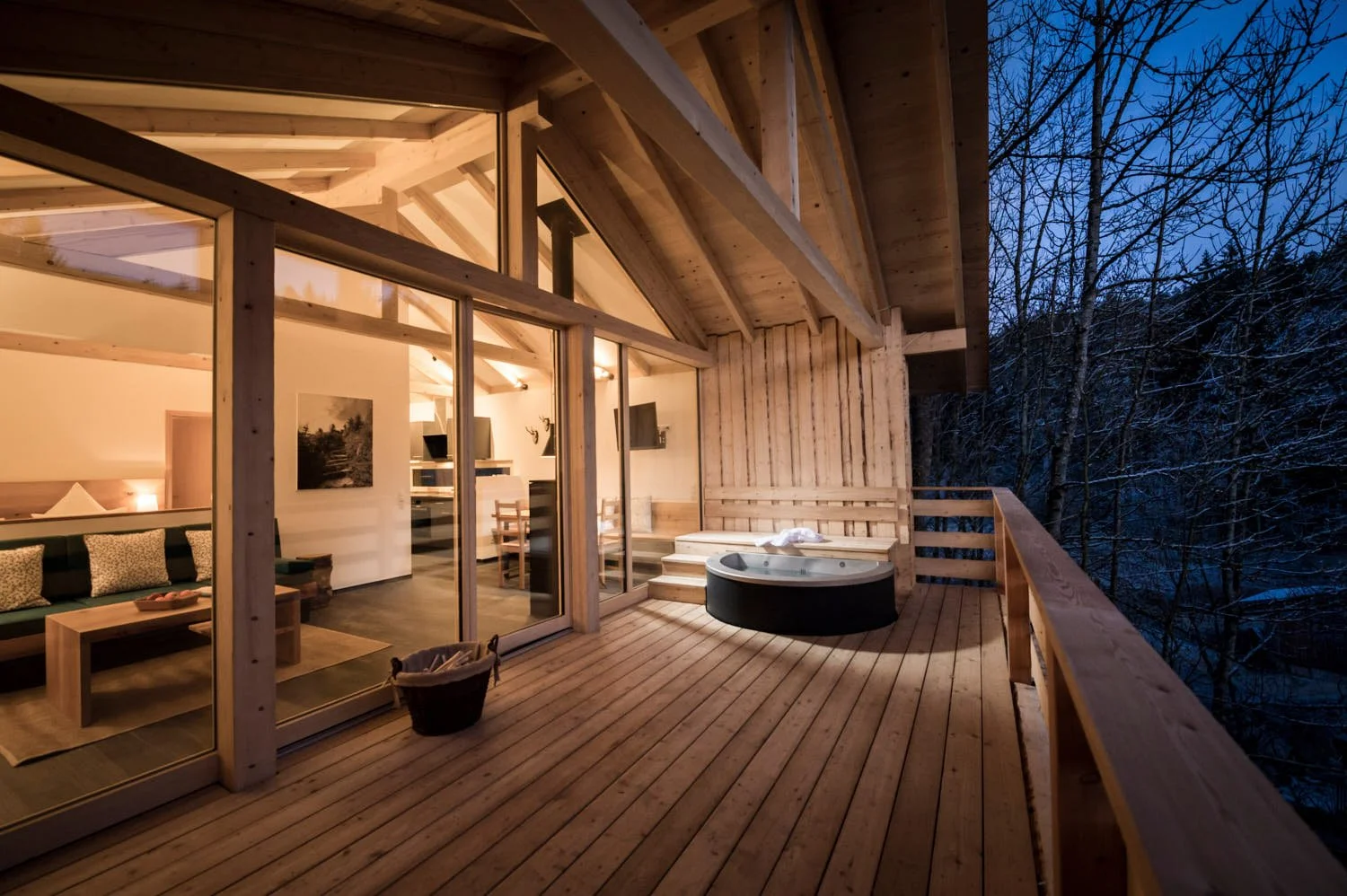
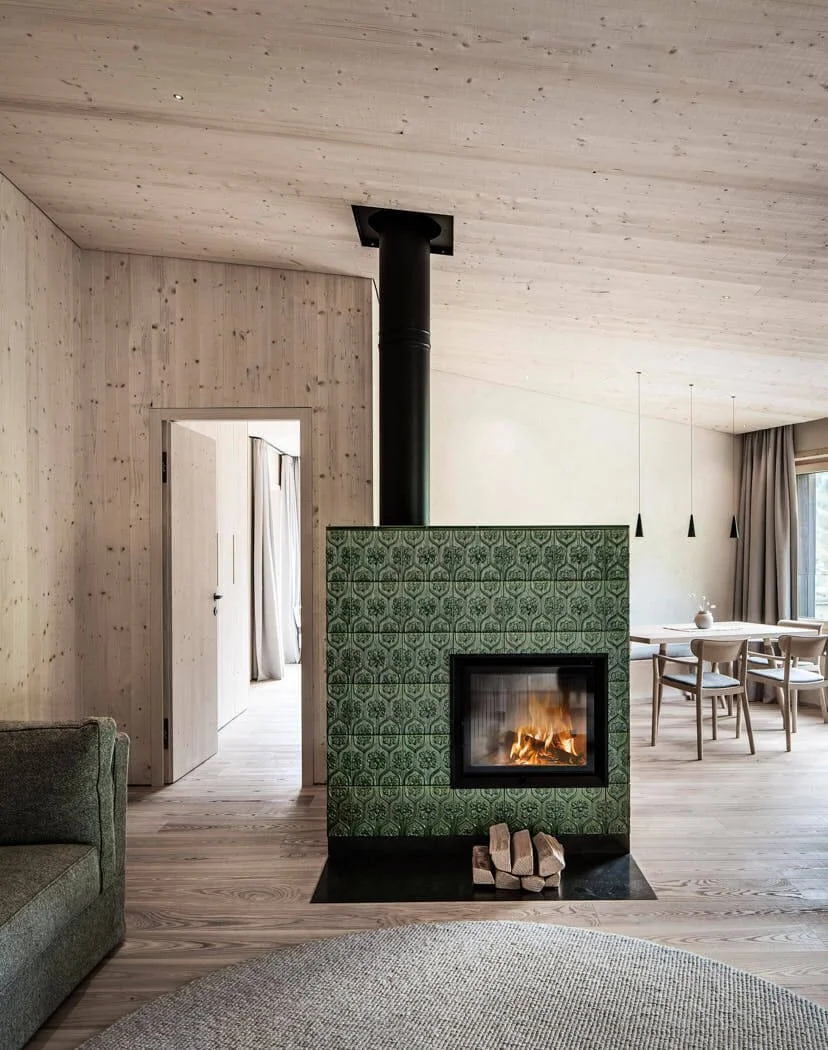
During our visit, we stayed in the Wiesenhaus, which features a planted roof, a large window front, a fireplace and a private sauna. The house stands slightly raised above a meadow, and this setting creates a very steady sense of privacy throughout the day. The interior supports long stretches of rest, because the living area flows naturally into the outdoor view and into the warm zones around the sauna and the fire. The days unfolded in autumn, marked by continuous rain and low temperatures, and the Wiesenhaus offered an environment that allowed long hours of reading, thinking and quiet activities without any pressure to leave the house. The absence of a television strengthened this quality, because the interior stayed free from digital noise and encouraged an unhurried rhythm.

The structure of the day at the Hofgut follows a gentle sequence. In the morning, the team delivers a breakfast basket directly to the house, and the selection inside the basket forms a balanced and refreshing start to the day. During the afternoon, the property remains peaceful, and guests move between their themed houses, the wellness cubes and the surrounding paths. At six in the evening, the team hosts an aperitif in the courtyard, and this moment allows short conversations with other guests and introduces the evening with an easy sense of togetherness.


Dinner happens either in the GenussHOF at one long communal table, where guests share the evening in a relaxed and open setting, or inside the individual houses for those who prefer a fully private atmosphere. The kitchen team cooks with a very clear focus on seasonal ingredients, and every course arrives with thoughtful combinations that highlight the quality of the produce. The meals follow a steady rhythm with a warm starter, a carefully prepared main dish and a dessert that completes the sequence with balance and precision. The flavors feel clean and direct, and the presentation reflects the same calm and confident approach found throughout the property. The team presented each course with steady precision, and the structure of the menu created an experience that carried a quiet sense of care. The atmosphere inside the Wiesenhaus shaped every dinner in a consistently pleasant way, because the food aligned beautifully with the calm interior and the view into the garden. During dinner, we enjoyed the Iphöfer Kronsberg Scheurebe from the Brennfleck winery, which complemented the menu with a fresh and balanced profile.

 
Hofgut Hafnerleiten Baumhaus Inside Hafnerleiten photo Mona Ortner LE MILE Magazine

Hofgut Hafnerleiten
Baumhaus seen by Mona Ortner

 
Hofgut Hafnerleiten Wiesenhaus Sauna Hafnerleiten photo Mona Ortner  LE MILE Magazine

Hofgut Hafnerleiten
Wiesenhaus Sauna seen by Mona Ortner

 
Hofgut Hafnerleiten Wiesenhaus Hafnerleiten photo Mona Ortner LE MILE Magazine

Hofgut Hafnerleiten
Wiesenhaus seen by Mona Ortner


The surroundings of the Hofgut include forest paths, meadows and a quiet rural setting that encourages long walks without planning. The proximity to nature becomes part of the day in a steady and unobtrusive way. The Hofgut’s four cats appear at various moments with an easy familiarity, and these small encounters create warm moments without seeking attention. The staff maintains a consistently friendly presence, and each interaction carries a clarity that shapes the relaxed rhythm of the place.
The overall experience at Hofgut Hafnerleiten comes from a combination of architecture, landscape and hospitality that work together without excess or distraction. The themed houses, the culinary structure, the spacious grounds and the calm rhythm create a stay that supports rest, presence and personal focus in a very steady way.


discover more HOFGUT HAFNERLEITEN


A Trip to Hamburg with Kids at Barceló Hotel

A Trip to Hamburg with Kids at Barceló Hotel

.culture vulture
City Days and Quiet Evenings
*Our Family Story at Barceló Hamburg


written AMANDA MORTENSON


We arrived in Hamburg on a Monday morning, the air cool and a little damp, the streets wrapped in that early-week calm that cities only have when the weekend rush has passed.


The train slid into the main station, and within minutes we stood at the entrance of Barceló Hotel Hamburg, our suitcases rolling over cobblestones, the children half-awake but already pointing at the boats drifting on the Binnenalster. The hotel’s glass façade caught the light in a quiet way, and stepping inside felt like exhaling — warm air, soft colors, an easy welcome.

Our Family Junior Suite became home almost immediately. A long window stretched across the room, framing the city like a slow-moving film. The children ran from bed to sofa, testing every corner, while we unpacked and made coffee, grateful for the stillness that comes after travel. The room carried an understated elegance — wooden floors, neutral tones, thoughtful details that made sense for families: enough space for toys and jackets, a large table that turned into a drawing station, a bathroom big enough for the entire bedtime routine without chaos.

 
BARCELO Hotel Hamburg building LE MILE Magazine

Barceló Hotel, Hamburg
Exterior

 
Barcelo Hotel Hamburg Junior Family Suite LE MILE Magazine

Barceló Hotel, Hamburg
Family Junior Suite


By midday we were already out, walking toward the Binnenalster, the lake only a few minutes away. The children watched boats pass under the bridges, and stopped at every kiosk that sold roasted nuts. The hotel’s location placed us exactly where the city opened in all directions — toward the shopping streets, the old arcades, the parks, and the harbor. Everything was reachable on foot or by a short U-Bahn ride, which quickly became part of the adventure.

That first day set the tone. Each morning began in the hotel restaurant, where the buffet became an event of its own — pancakes, fruit, small pastries, and the quiet hum of travelers starting their day. The children discovered that the orange juice machine could be operated without help, a small victory that defined their mornings. After breakfast we planned loosely, letting the weather decide: a visit to the Miniatur Wunderland, hours spent watching tiny trains cross landscapes; an afternoon at the Planten un Blomen Park, where autumn leaves turned the ground into a soft mosaic; short stops for coffee and cocoa in between, always ending with a slow walk back to the hotel.


Evenings carried their own rhythm and sometimes we ate at the B-Lounge, the hotel’s restaurant with its open design and calm lighting, where the children shared pasta while we tried local fish and a glass of Riesling. Other nights we brought back sandwiches from a bakery nearby and turned the suite into a small picnic, the city lights glowing through the window. The sense of ease came from the balance the hotel created — close enough to everything, yet quiet enough to feel completely private.

Halfway through the week the weather changed, rain sweeping across the city, but even that felt part of the experience. We spent that afternoon inside, the children building Lego cities on the carpet while we watched the clouds shift over Hamburg. The large window turned into a screen of light and sound, the rain rhythmic, the city still visible through it.

 
Barceló Hotel Hamburg Restaurant

Barceló Hotel, Hamburg
B Lounge

 
Barceló Hotel Hamburg Restaurant

Barceló Hotel, Hamburg
B Lounge


By day three the children already called the hotel “our house.” They knew every corridor, every shortcut to the elevator, and where to find the best spot in the lobby for people-watching. On Thursday morning, before leaving, we walked once more around the Alster. The air felt crisp, the trees golden, and the city moved at a slow pace that matched our own.

Back in the suite, we packed slowly, looking out at Hamburg’s skyline one last time. The stay had unfolded without hurry — days filled with small discoveries, moments of calm, and the comfort of a place that understood families without turning family travel into routine. Barceló Hamburg held all of it, the light of the city, the rhythm of daily life, and a quiet sense of belonging that stayed even after we left. Thanks for having us!


discover more > BARCELÓ HAMBURG


The Charles Hotel - A Munich Story

The Charles Hotel - A Munich Story

.culture vulture
THE CHARLES HOTEL
*Rooms of Art, Gardens of Light


written ALBAN E. SMAJLI


Munich in late light, the park leaning against the city like a velvet cushion, and in the middle of that green hush stands The Charles Hotel, big shouldered yet strangely gentle, all windows and reflections, with rooms that look across trees that refuse to bow to glass and steel.


You arrive, and it feels less like checking into a hotel and more like slipping into a frame already painted, the old botanical garden at your feet, the towers of the city humming somewhere behind, the soundtrack softened by leaves. The thing about staying here is that you start walking and suddenly the city is yours. Five minutes to Königsplatz, a drift down to Marienplatz, a shortcut into museums and markets, all by foot, as if Munich has been tailored to your pace. Yet when you turn back, when you push open the doors again, you’re greeted by the stillness of a park. It’s an odd and satisfying trick—the ability to hold pulse and pause in the same space.

 
LE MILE Magazine The Charles Hotel The Charles Hotel Monforte suite study

Rocco Forte Hotels
The Charles Hotel, Monforte Royal Suite

 
LE MILE Magazine The Charles Hotel The Charles Hotel Monforte Suite study room

Rocco Forte Hotels
The Charles Hotel, Monforte Royal Suite


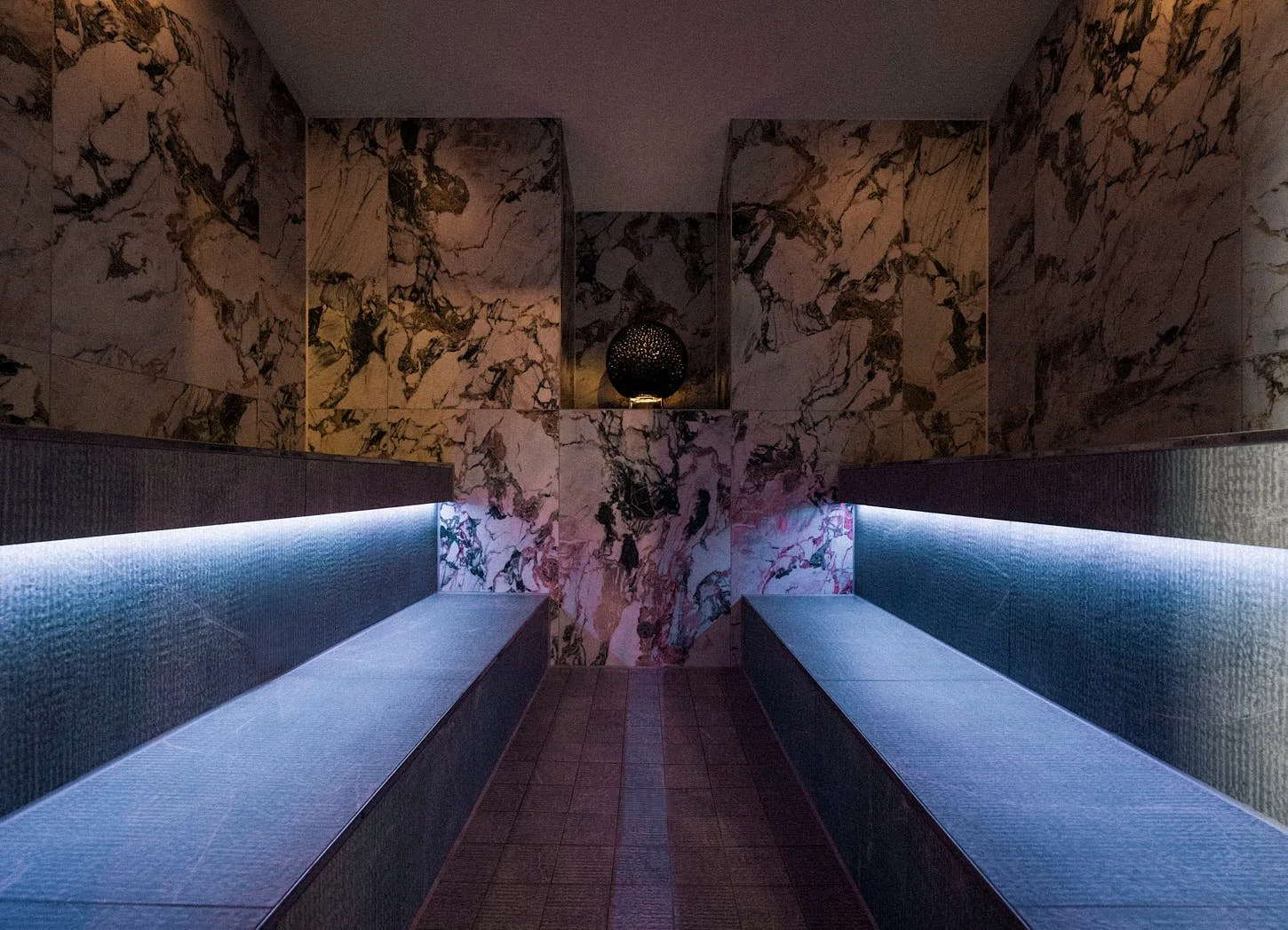
Inside, it unravels in layers. The spa first, an entire floor given over to water and steam and that pool—long, luminous, unapologetically generous. Munich rarely gives you this. You float, and the ceiling seems to rise with every stroke, a cathedral of chlorinated air. Saunas, treatments, therapists who seem to know where the tension hides before you’ve even said a word. It is a sanctuary disguised as a hotel amenity.

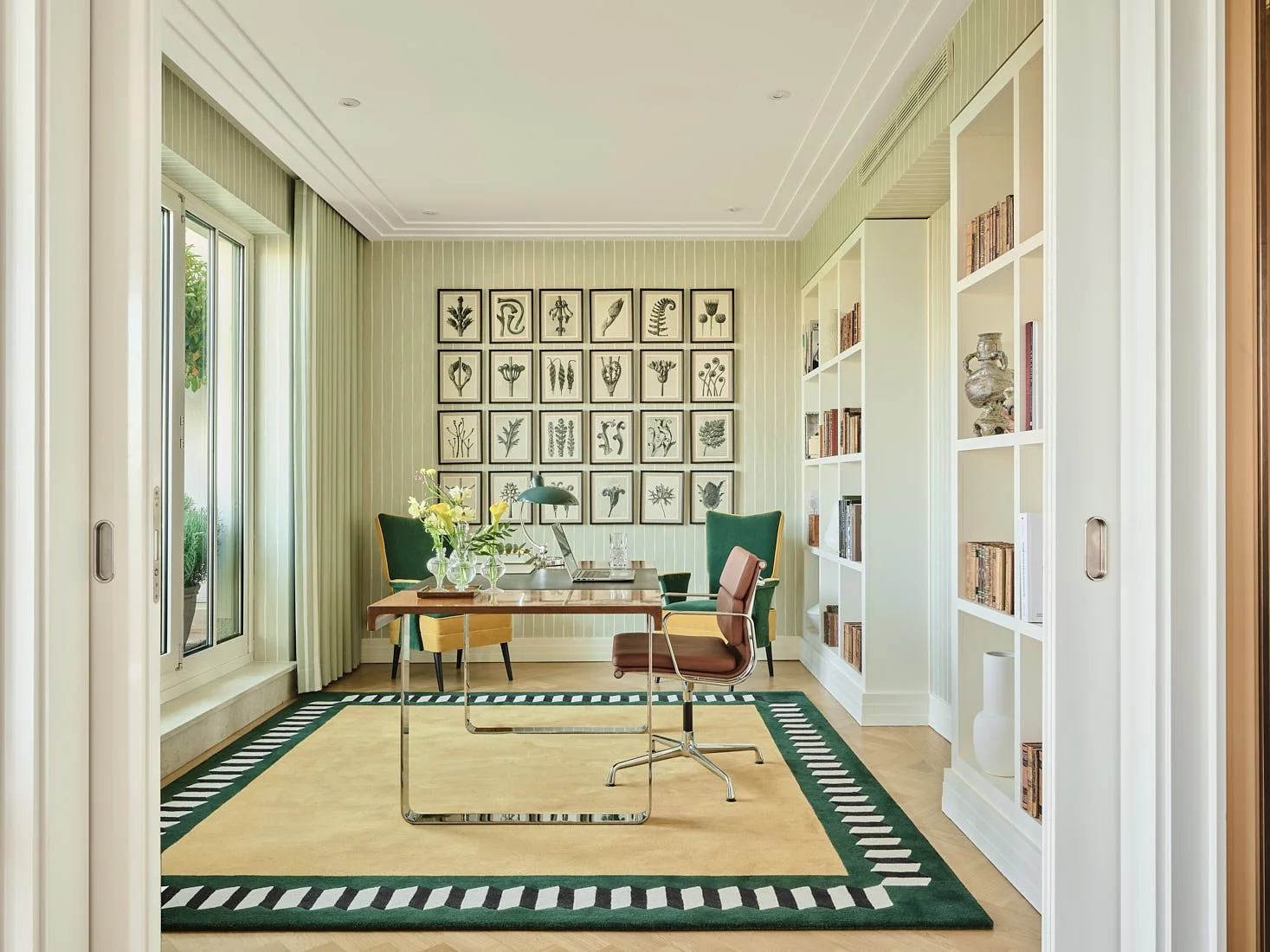
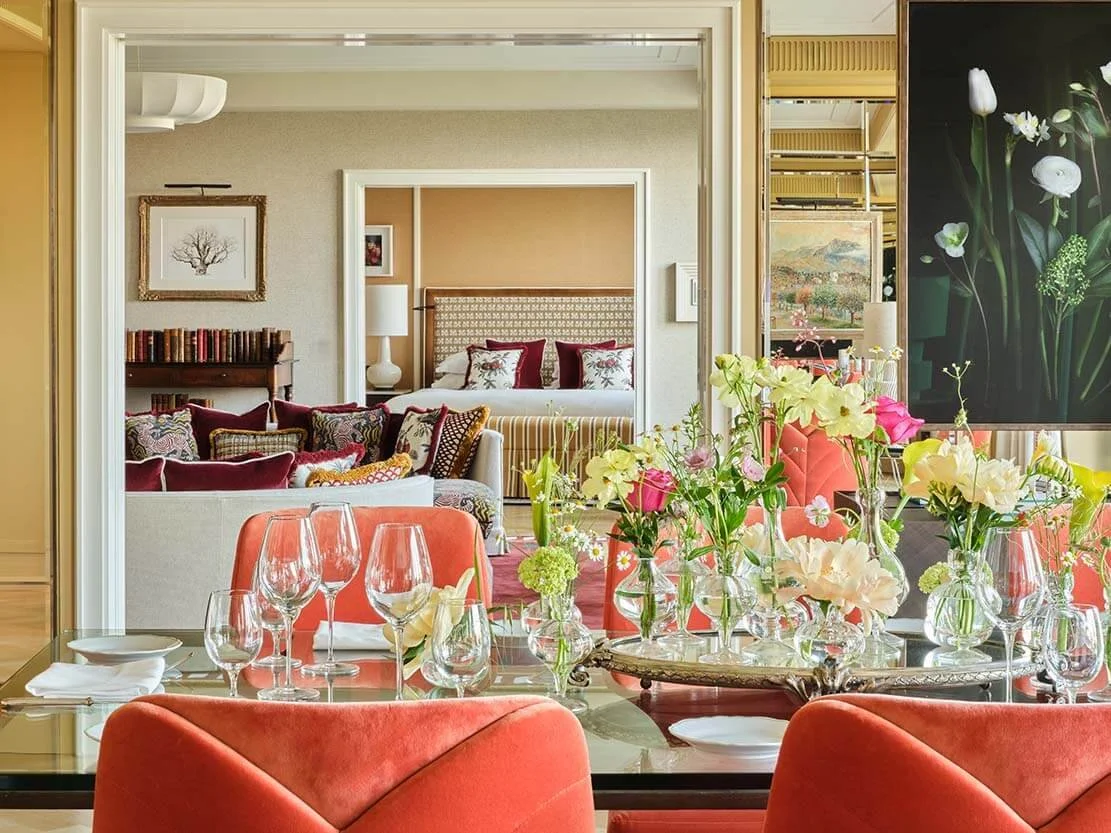
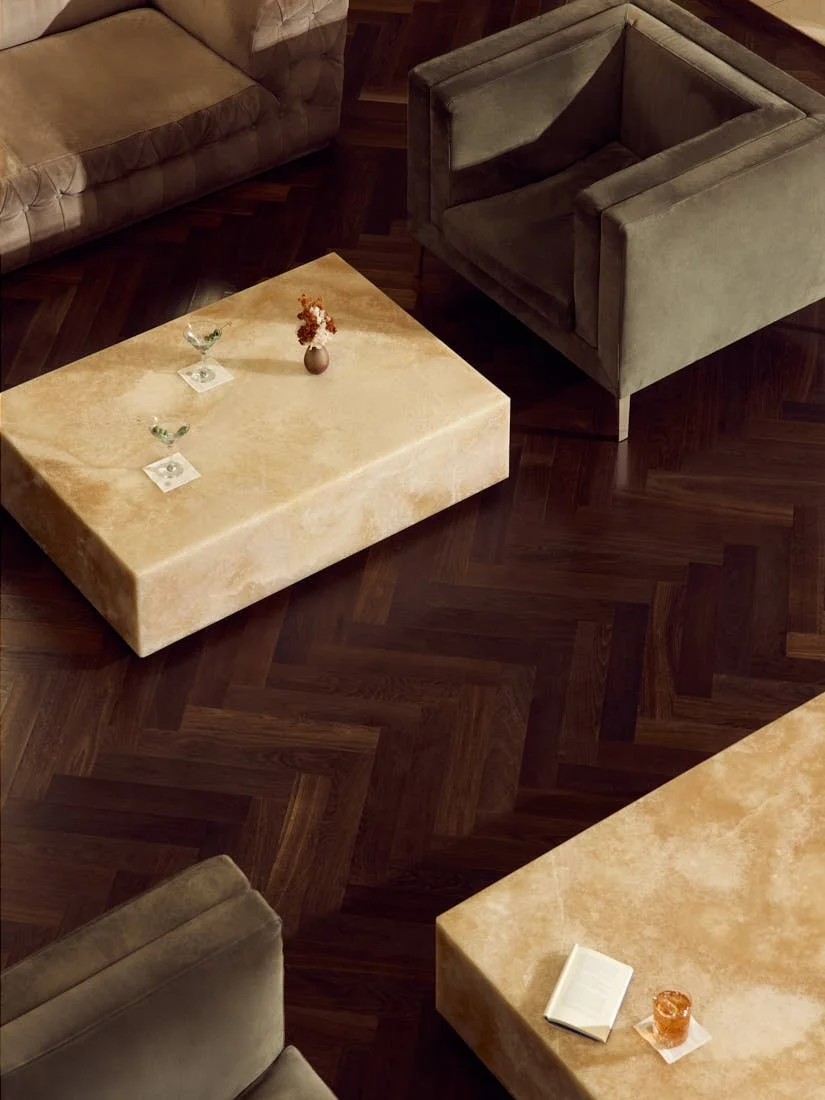
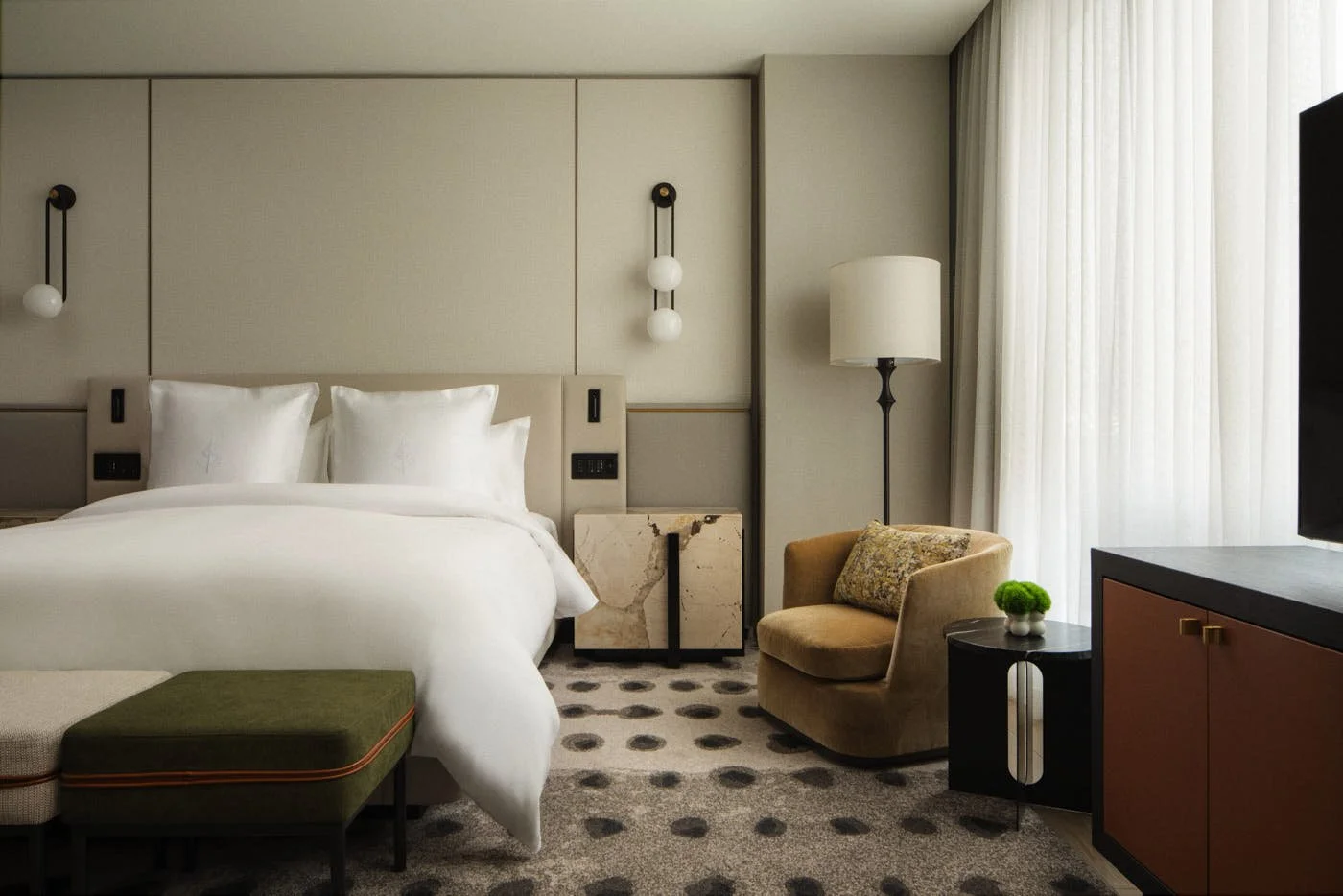
Then the interiors you notice them before you even try. Furniture that insists on being touched, wood that looks like it could still whisper, velvet that soaks up the light, patterns that converse. Someone here has a hand for colour and a memory for detail. Olga Polizzi’s design eye, precise and idiosyncratic, lives in the upholstery, in the rhythm of the corridors, in the way each suite is its own little manifesto.


And then the art, everywhere, quietly, loudly, unashamedly: paintings, photographs, sculptures, even prints tucked into the suites, waiting on side tables like letters from someone you admire. It feels curated not in the stiff museum way but in the sense of a friend with impeccable taste who fills their home with things you secretly wish were yours. Contemporary, bold, and varied. A hotel that collects art not to live with it.

The Charles opened in 2007, a child of Berlin architects Hilmer & Sattler and Albrecht, a modern gesture standing by nineteenth-century gardens. The building has already won its share of awards for stone and form, but what lingers is atmosphere. One hundred and sixty rooms, suites that open to balconies and light, bathrooms with heated floors and long baths that want you to linger until you prune. At the very top, the Monforte Royal Suite, a sundeck lifted above Munich, a stage for morning espresso or midnight wine.

 
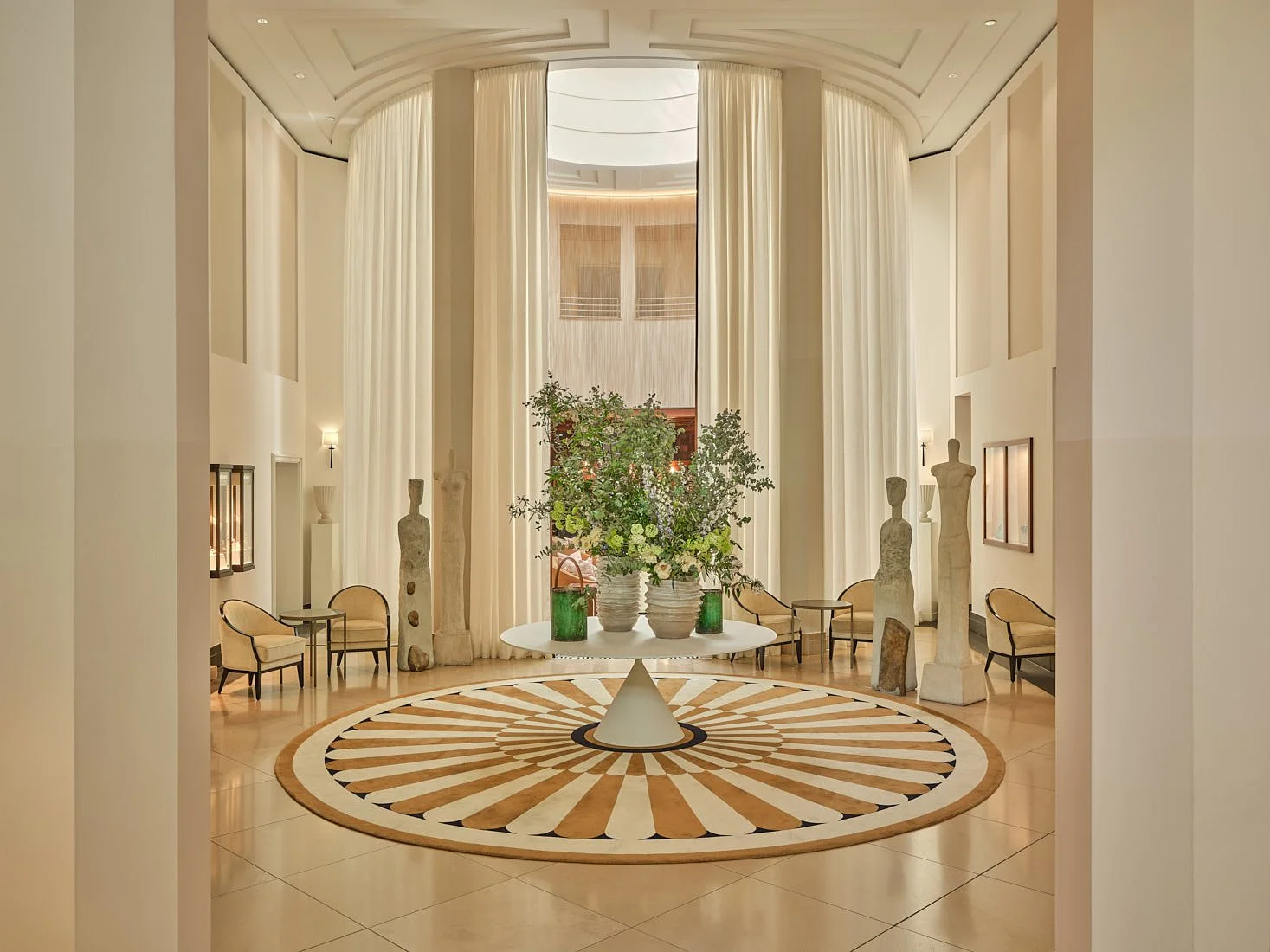
LE MILE Magazine The Charles Hotel RFH The Charles Hotel New Lobby

Rocco Forte Hotels
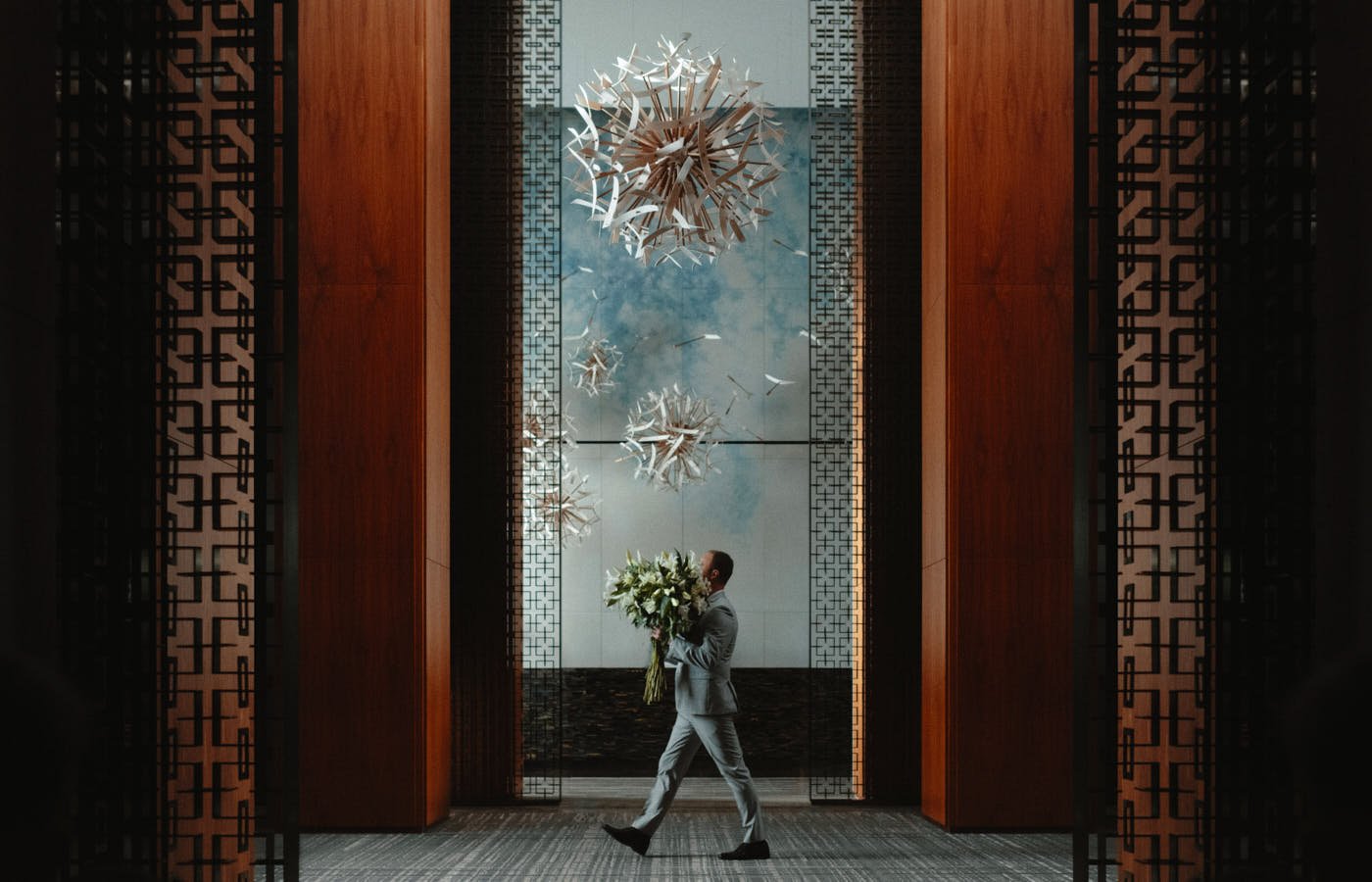
The Charles Hotel, Lobby

 
LE MILE Magazine The Charles Hotel Monforte Suite

Rocco Forte Hotels
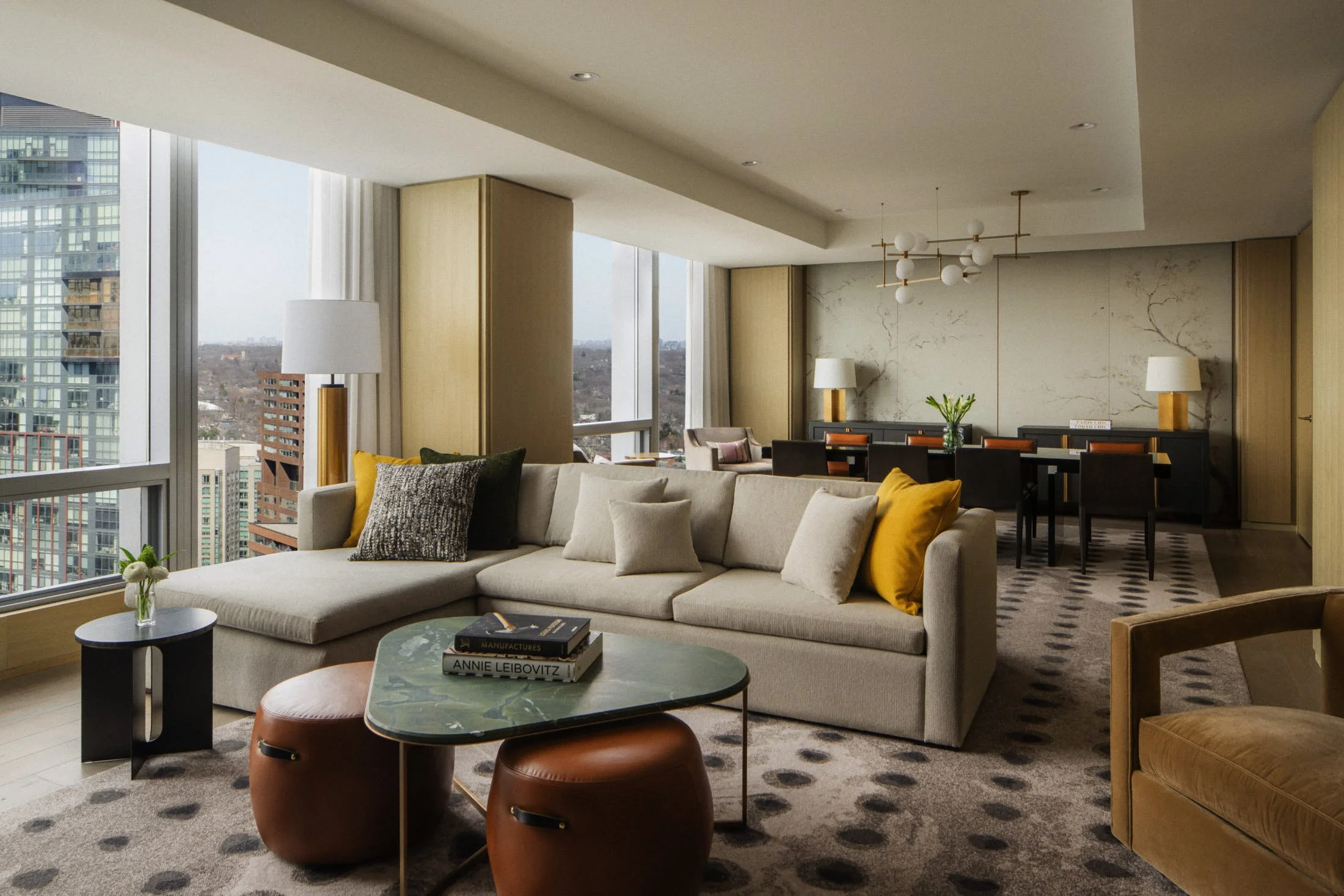
The Charles Hotel, Monforte Royal Suite


None of this stands alone. The Charles is part of the Rocco Forte constellation, a family of hotels scattered across Europe—Sicily, London, Rome, Palermo, Florence, Brussels, Edinburgh—each one stitched into its city with personality, each one guided by the same family hand. Founded in 1996 by Sir Rocco Forte and his sister Olga Polizzi, the group has built a reputation less on empire and more on intimacy, places that feel designed not produced, hotels that wear their locations like bespoke suits. The Charles carries that ethos in Munich, central yet calm, crafted yet lived-in, a hotel that belongs here. Enjoy yourself!

discover more THE CHARLES HOTEL