Viewing entries in
furniture

Muller Van Severen - Inside the Belgian Design Duo

Muller Van Severen - Inside the Belgian Design Duo

.specials
How Muller Van Severen Built One of Today’s Most Influential Furniture Studios


Fien Muller and Hannes Van Severen began working together in 2011, bringing two independent artistic backgrounds into a shared studio. Fien trained as a photographer, developing a precise understanding of composition, surface, and colour, while Hannes studied sculpture and focused on spatial structure and the behaviour of materials in three dimensions. The partnership formed through ongoing conversations about objects and through a gradual interest in how furniture could serve as a direct extension of their artistic processes.

 
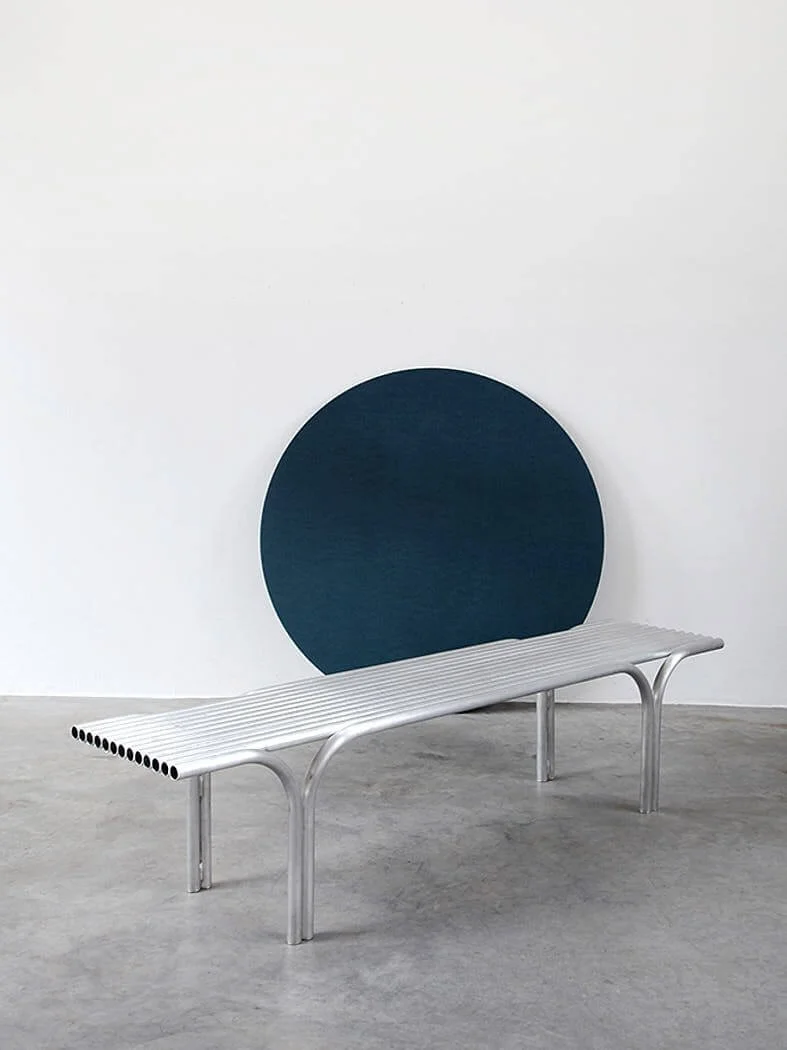
LE MILE Magazine furniture design by Muller Van Severen images round aluminium tubes bench

ALLTUBES Bench by Muller Van Severen, part of the ALLTUBES series
(c) Muller Van Severen

 
LE MILE Magazine Belgian artists Fien Muller and Hannes Van Severen Muller ALLTUBES cabinet high

ALLTUBES Cabinet High + Chair 2 by Muller Van Severen
(c) Muller Van Severen

 
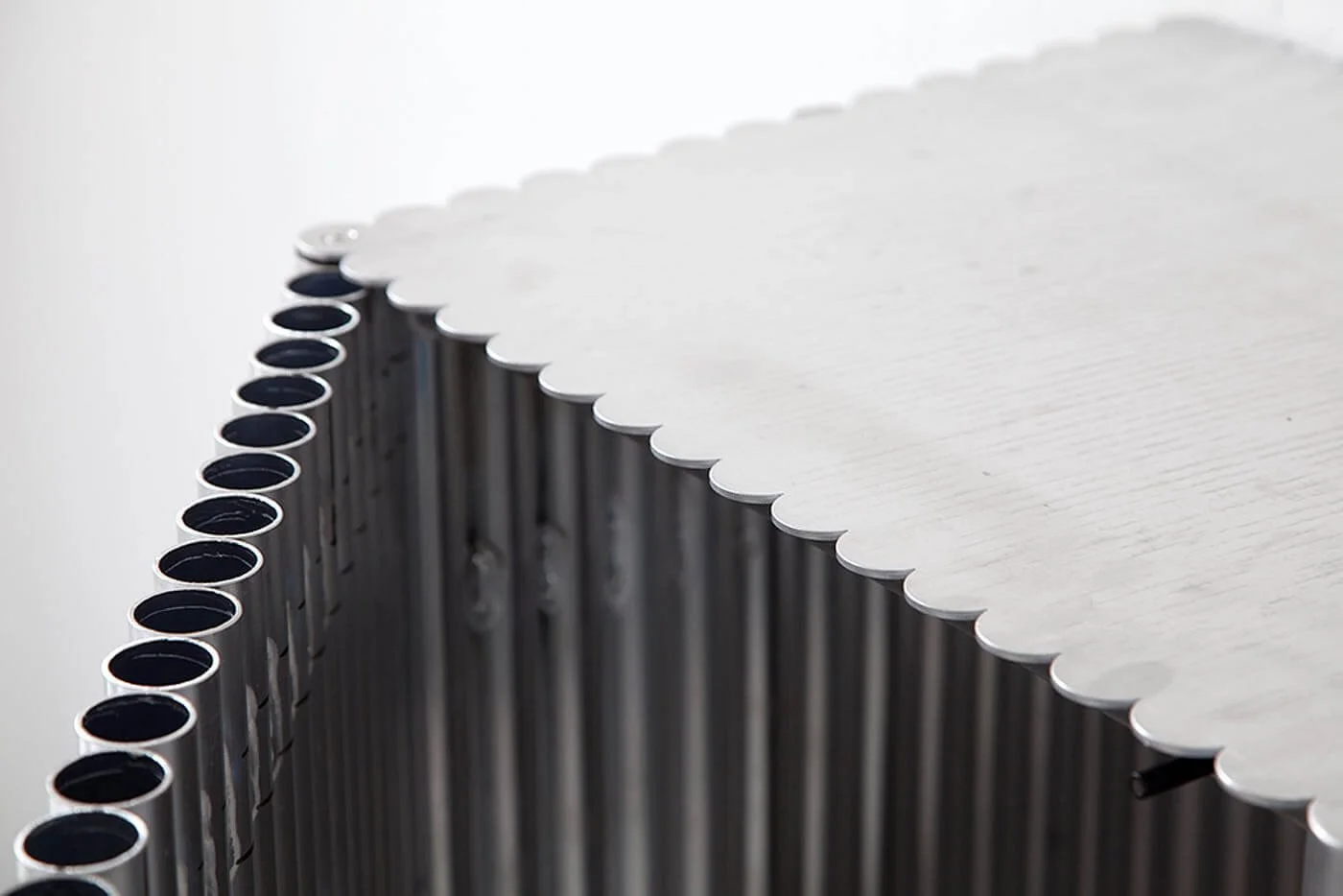
LE MILE Magazine furniture design by Muller Van Severen images round aluminium tubes detail of storage

Detail of the ALLTUBES Wall Cabinet L by Muller Van Severen
(c) Muller Van Severen


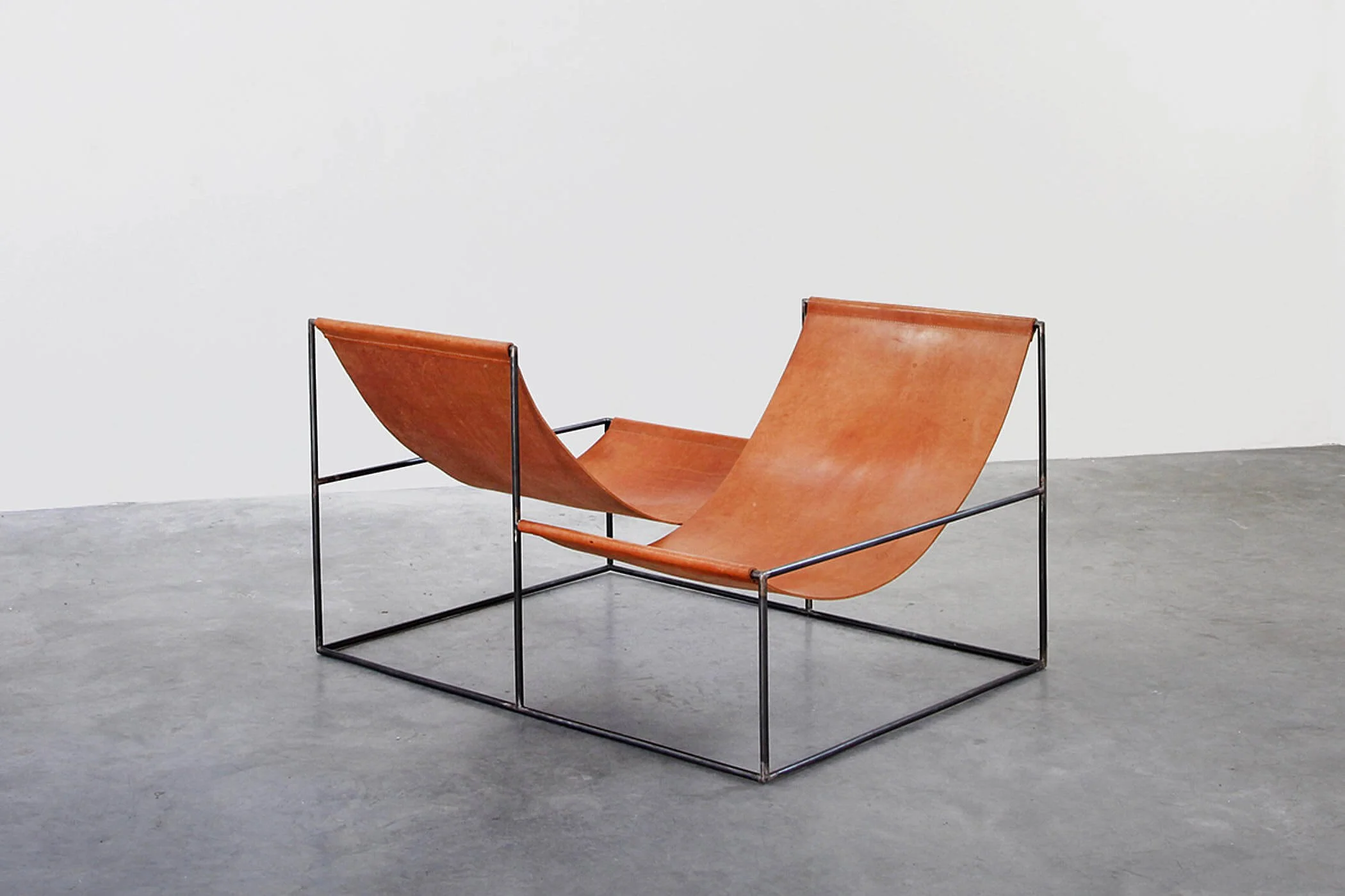
The development of each piece begins with material examination and simple construction tests. Metal rods are bent or joined to explore tension, leather is suspended to understand curvature, and polyethylene sheets are evaluated for their stability and chromatic presence. Decisions emerge from these practical studies rather than from conceptual narratives. Lines, joints, and surfaces remain visible because every part of the object reflects the steps that shaped it. This approach creates furniture that carries the clarity of studio experimentation without decorative additions or concealed elements.

Colour selection follows the same principle of directness. Polyethylene retains the industrial tones originally used for classification in food-processing environments; metals age at their natural pace; leather develops patina through use. These properties guide the design process and influence the proportions and combinations of materials. Instead of treating colour as a secondary layer, the duo integrates it at the earliest phase of development, allowing it to act as a structural element within the work.


Diversity within their oeuvre arises from the range of functional questions they address. Seating pieces examine how minimal surfaces can maintain comfort through tension alone. Tables often incorporate lighting, creating merged objects that organise spatial arrangements through a single construction. Shelving systems explore vertical extension and load distribution, while carpets translate the duo’s sense of balance into textile form. Variations come from the specific technical requirements of each task, not from shifts in style. The relationship between Fien and Hannes remains central to the evolution of their work. Drawings, scale models, and continuous dialogue form the basis of their process, with both artists contributing to each stage until a coherent solution emerges. The studio functions as a place for daily testing and refinement, and this environment shapes the calm, straightforward presence found in their finished pieces.


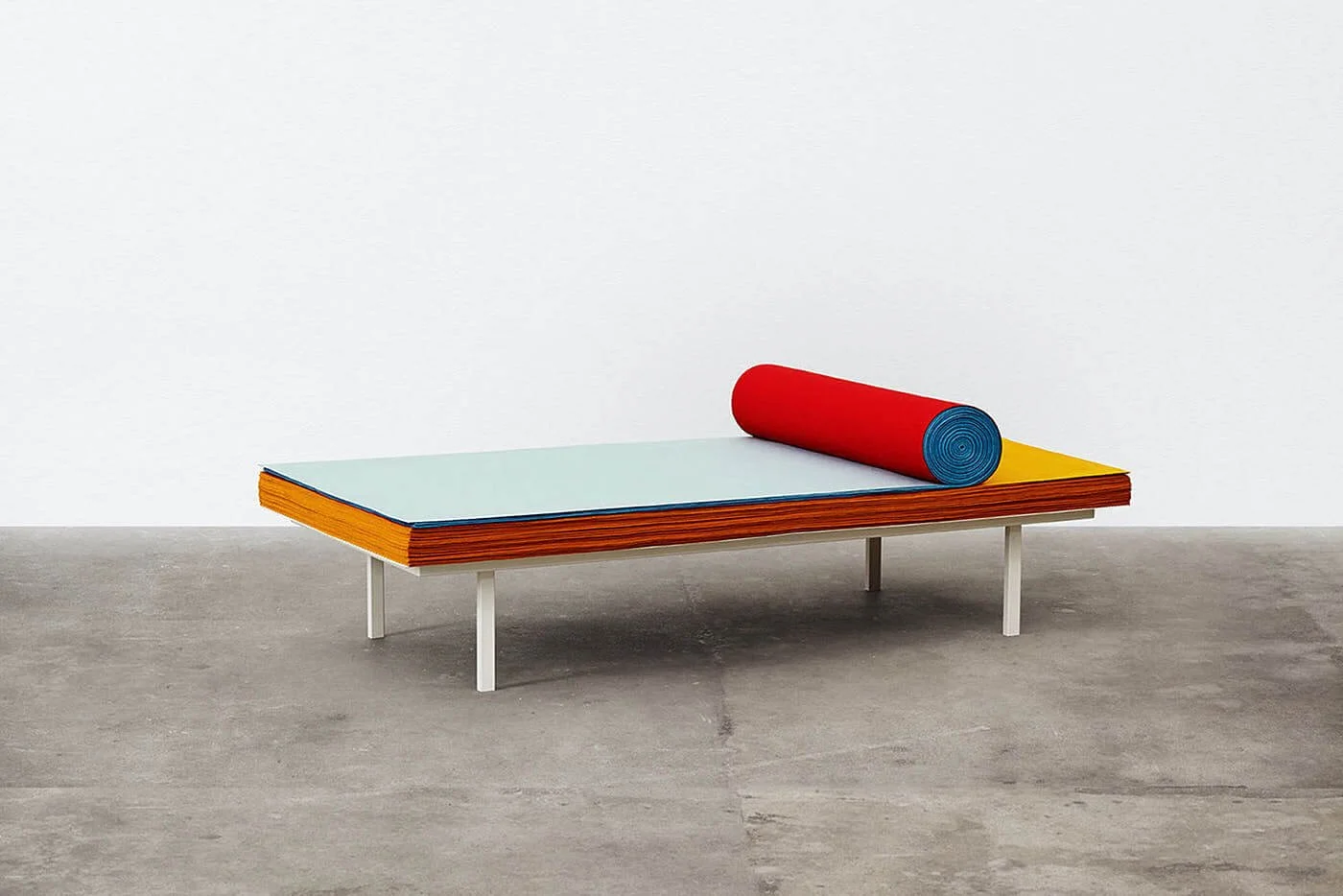
LE MILE Magazine furniture design by Muller Van Severen images day bed creative and colorful

Daybed designed by Muller Van Severen for Kvadrat’s “Divina: Every Color Is Divine” exhibition, 2014
(c) Muller Van Severen

 
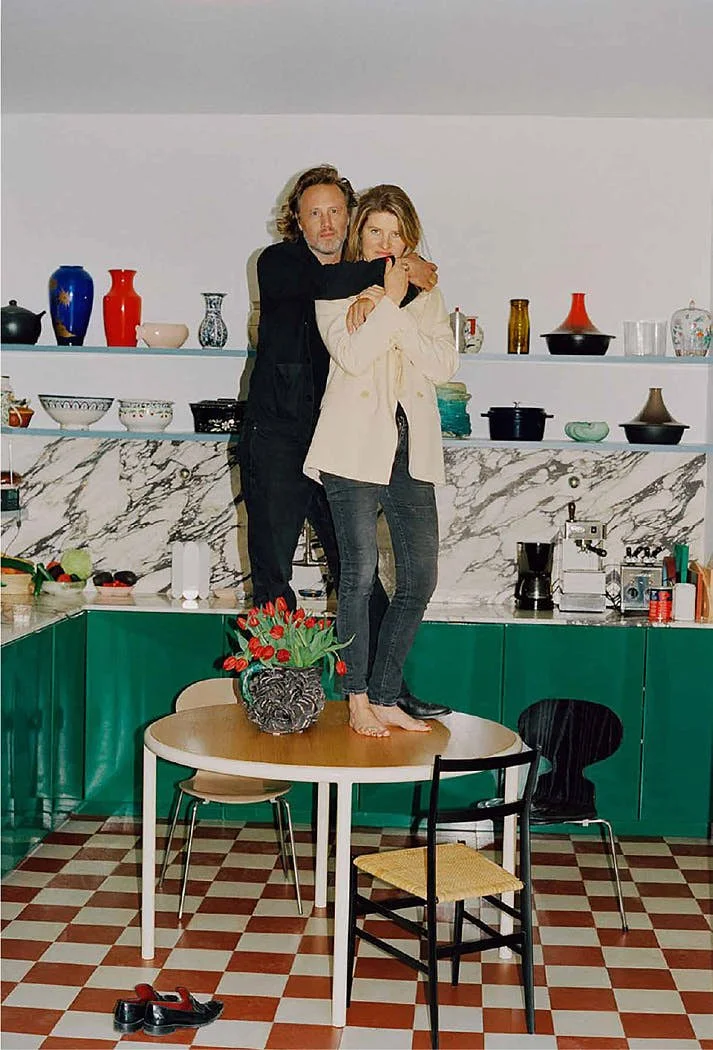
LE MILE Magazine furniture design by Muller Van Severen portrait image of Belgian artists Fien Muller and Hannes Van Severen

Hannes Van Severen + Fien Muller
Muller Van Severen


A recent development in their practice is the opening of a dedicated showroom near Ghent, accessible by appointment. This space allows architects, collectors, and design professionals to encounter the work in a precise and controlled setting. The showroom presents their furniture in a scale and context aligned with its intended use, giving visitors the opportunity to study materials, proportions, and constructions directly. This addition extends the studio’s reach without altering its foundational methods, and it offers a clear view of the ongoing investigations that anchor their work.


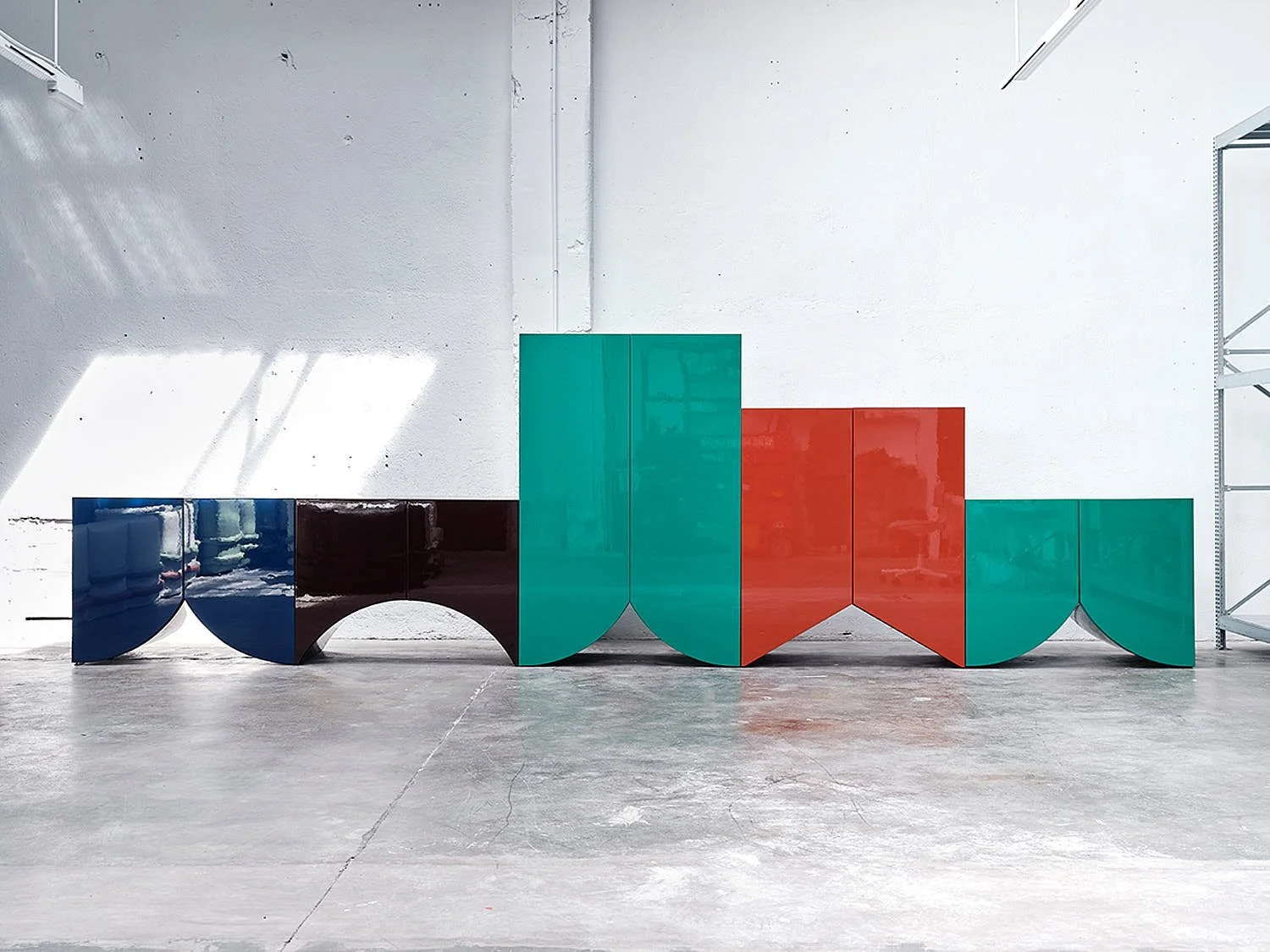
LE MILE Magazine Sculptural cabinet from Muller Van Severen’s Bridges collection for BD

Bridges cabinet series by Muller Van Severen for BD Barcelona
(c) Muller Van Severen


Collaborations with production partners, including long-term work with valerie_objects, extend their designs into international contexts while preserving the essential principles of the studio. Manufacturers follow material guidelines that reflect the duo’s priorities: clearly defined geometries, unaltered surfaces, and structural transparency. These partnerships allow the work to circulate more widely without shifting the foundation of the practice.


Muller Van Severen continues to build a body of furniture that reflects an uninterrupted engagement with material behaviour, proportion, and the practical demands of construction. Every object contributes to an ongoing exploration of how form and function can be approached with artistic precision, and the resulting work introduces a steady presence to interiors through disciplined use of colour, material, and structure.


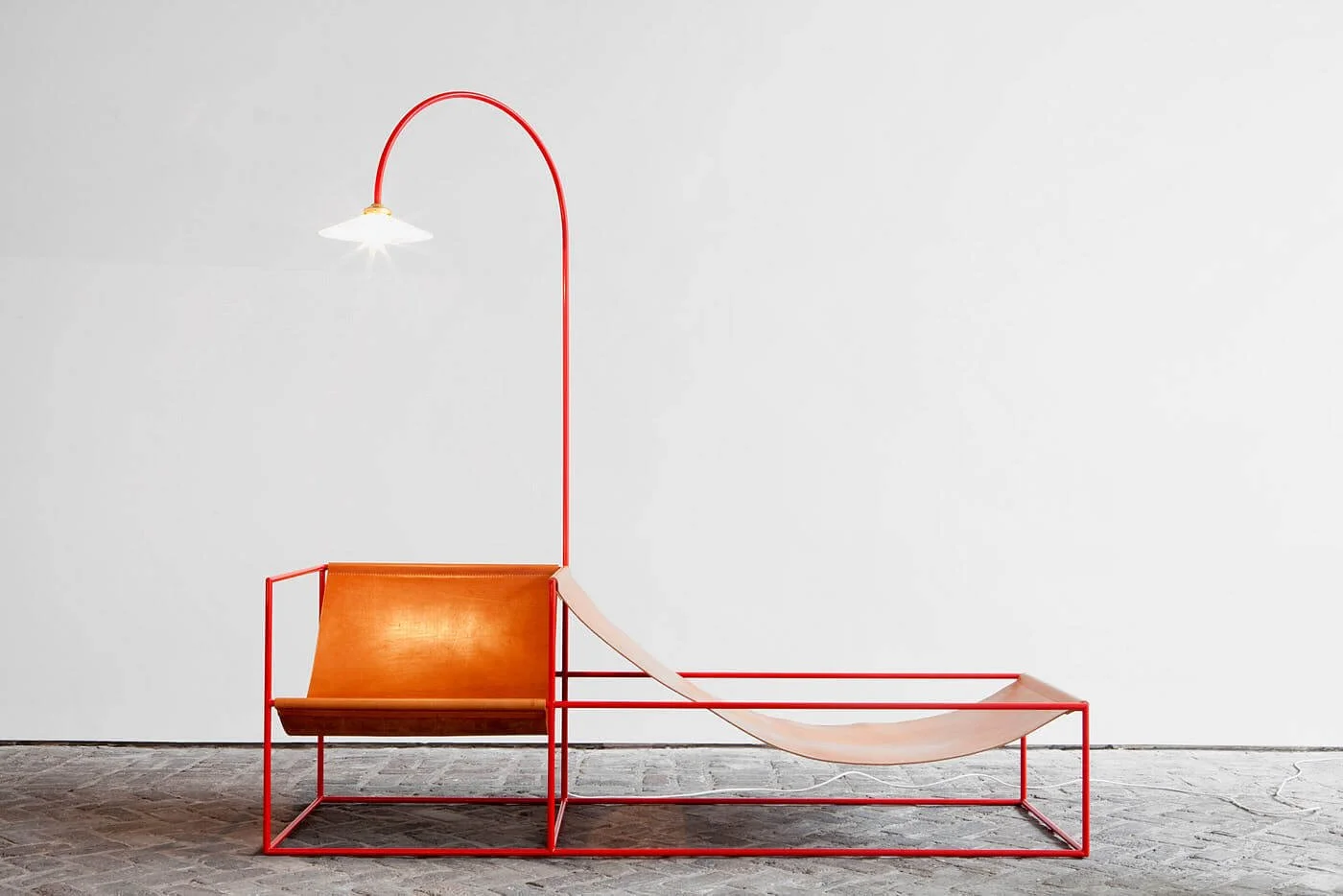
LE MILE Magazine furniture design by Muller Van Severen images two-seater with lamp light

Duo Seat + Lamp by Muller Van Severen, presented at Design Brussels in 2011
(c) Muller Van Severen

 
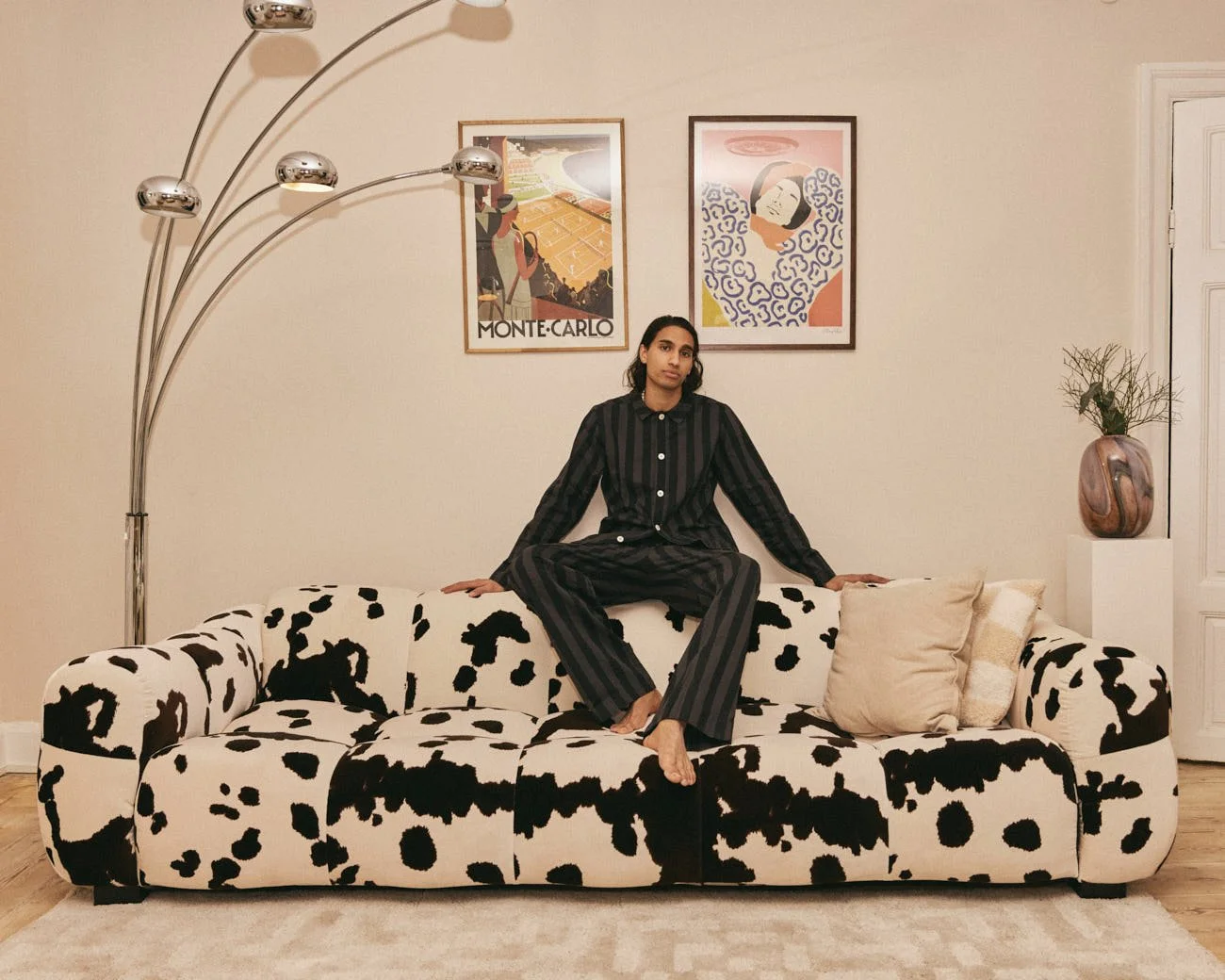
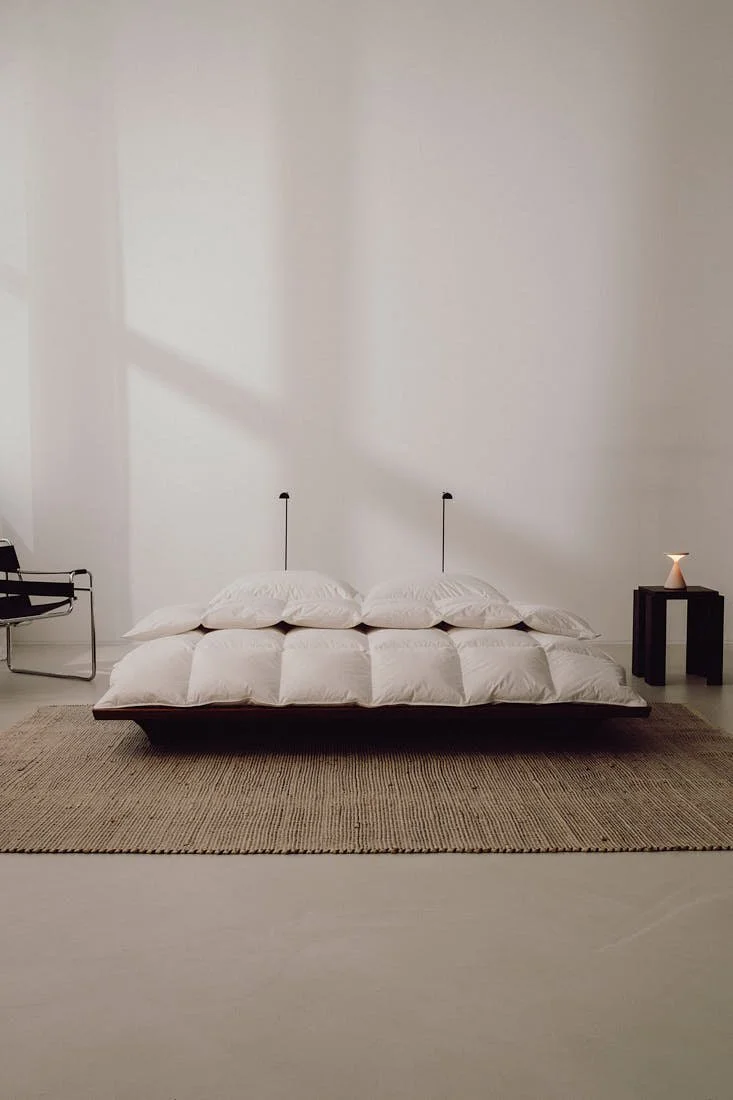
LE MILE Magazine LE MILE magazine Belgian artists Fien Muller and Hannes Van Severen Muller Van Severen lacquer cotton pillow sofa

Pillow Sofa designed by Muller Van Severen, created with KASSL Editions and reimagined by BD Barcelona
(c) Muller Van Severen


header image credit

Crossed Double Seat (2012), designed by Muller Van Severen for the Future Primitives series at Biennale Interieur
(c) Muller Van Severen

OKM - The Heritage of Sleep

OKM - The Heritage of Sleep

.specials
The Heritage of Sleep with OKM 

*Eight Decades of German Bedding Craftsmanship


written SARAH ARENDTS


For almost eighty years, OKM has stood for precision, craftsmanship, and enduring quality in the production of bedding. Founded in 1946 and based in Altenberge, in Germany’s Münsterland region, the family-run manufacturer continues to operate where it began, guided by values of responsibility, transparency, and mastery of the craft. Every of their products is made in-house, by hand, combining traditional expertise with advanced manufacturing processes.


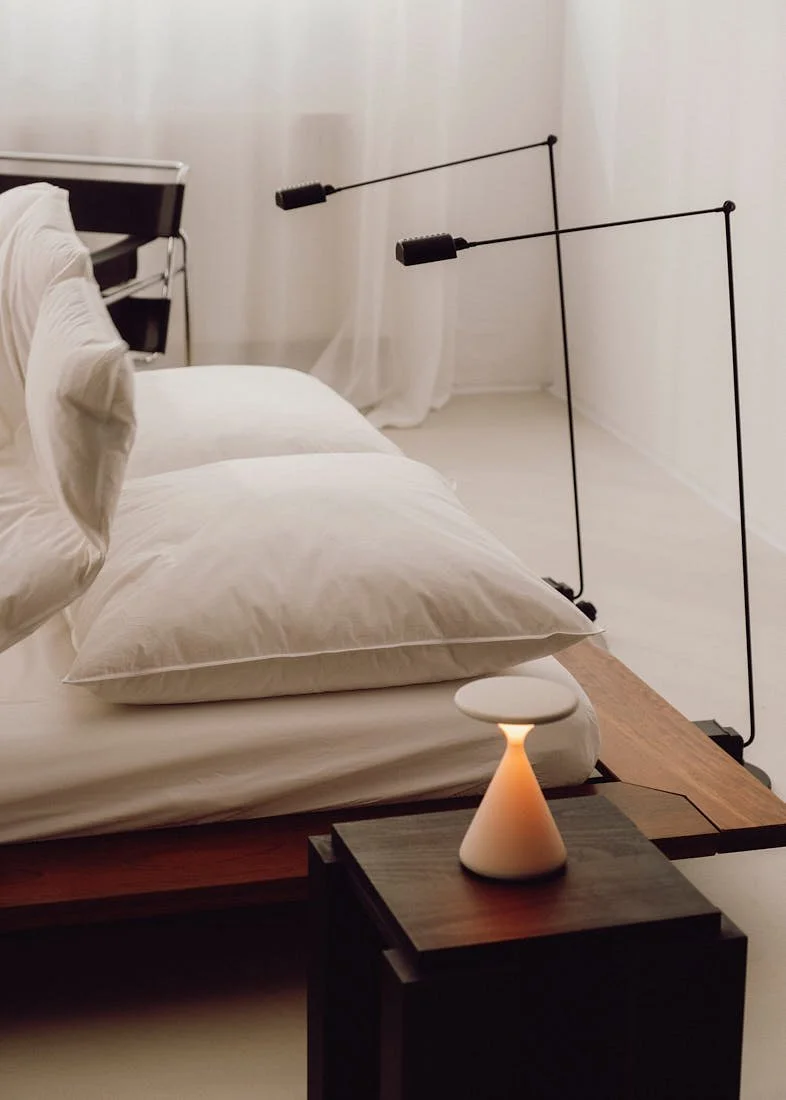
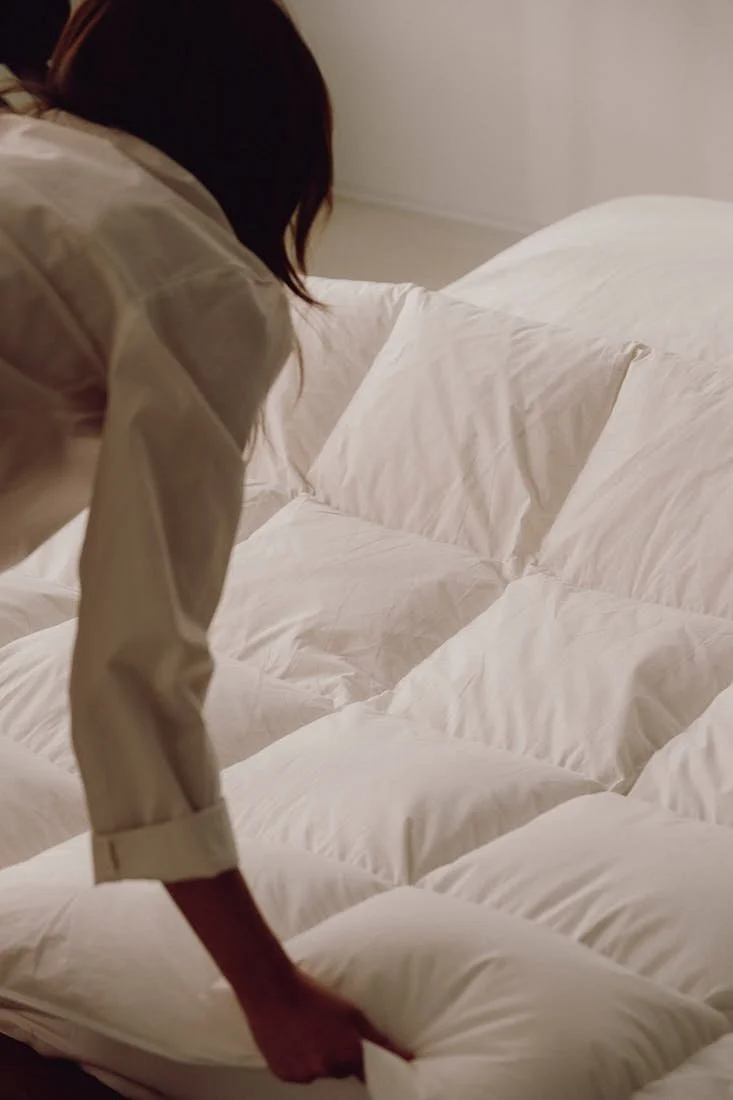
OKM luxury handcrafted down and feather bedding le mile magazine
 
OKM luxury handcrafted down and feather bedding le mile magazine

OKM pillows bring handcrafted comfort and quiet precision to contemporary interiors.

OKM luxury handcrafted down and feather bedding le mile magazine
 

The company’s history reflects continuity and dedication to excellence. Over the decades, OKM has cultivated a clear identity focused on bedding that meets the highest technical and sensory standards. Each duvet and pillow is cut, filled, and finished under one roof through a sequence of precise manual steps. Quality accompanies every stage of production, supported by a controlled process that ensures consistency and reliability.

At the core of OKM’s philosophy lies an uncompromising approach to materials. The company works exclusively with new, Class I goose down and feathers from certified, traceable sources that comply with the DOWNPASS standard for ethical sourcing and full transparency. The fabrics that encase the fillings are tightly woven cotton of the highest grade, certified according to OEKO-TEX® Standard 100 and suitable for sensitive skin. The dense weave of the cotton covers meets NOMITE® criteria, creating an environment ideal for people prone to allergies and ensuring lasting purity in daily use.


This focus on material integrity defines OKM’s idea of quality. Each product is created with precision, technical skill, and attention to long-term performance. The brand’s visual language follows the same clarity: calm, refined, and functional. Every piece is conceived for comfort, tactile harmony, and durability.

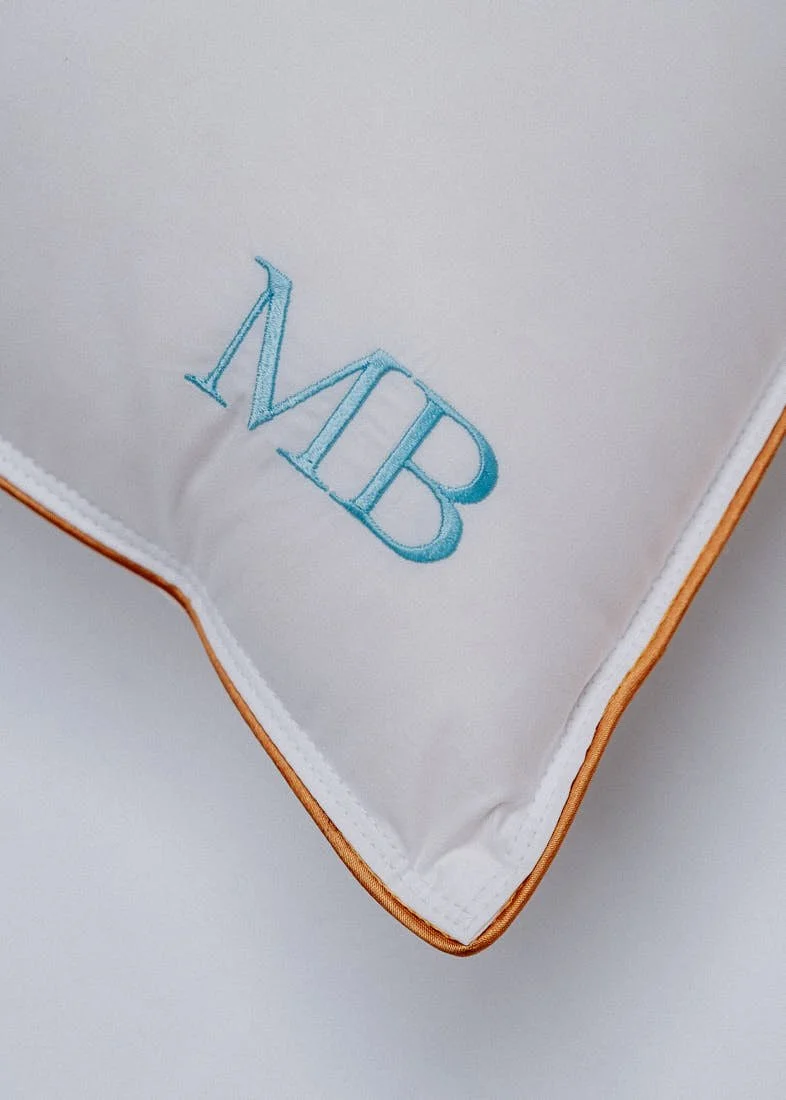
OKM’s collection consists of two lines, Signature and Bespoke. The Signature line represents the essence of the brand — superior materials, handmade precision, and immediate availability within a few days. The Bespoke line extends the experience through full customization. Customers can configure every element of their bedding, from size and firmness to piping color and embroidered initials. This personal detail echoes the atmosphere of luxury hotel bedding and introduces a sense of individual refinement to the home.


The process of personalization turns bedding into an individual composition of comfort and identity. Each configuration allows the user to select their preferred balance of softness and support, adapting the product precisely to their sleeping habits. The Bespoke service brings together the principles of craftsmanship and hospitality, translating artisanal expertise into a contemporary form of service.
Behind every piece lies a clear vision, to combine traditional handcraft with sustainability and transparency. OKM works with natural, renewable materials and maintains European production standards that favor longevity and ethical responsibility. The company operates with measured scale, ensuring full control of production and maintaining a level of quality that reflects its heritage.

 
OKM luxury handcrafted down and feather bedding le mile magazine

Down filling being measured by hand. Each pillow is precisely filled with ethically sourced down to achieve the desired softness.

 
OKM luxury handcrafted down and feather bedding le mile magazine

Essential materials for OKM’s handcrafted pillows — fine cotton fabric, pure down, feather filling, and sewing tools prepared for precise hand assembly in the Altenberge manufactory.


OKM
www.o-k-m.com

based in Altenberge, Germany

producing handcrafted down and feather bedding — made from certified natural materials in their own manufactory

 
OKM luxury handcrafted down and feather bedding le mile magazine

Custom-made 3-chamber pillows by OKM. Each piece combines a supportive feather core with soft down layers and can be personalized with size, firmness, and embroidered details.

OKM luxury handcrafted down and feather bedding le mile magazine
 

Today, OKM continues to uphold its reputation for precision and trustworthiness. All product leaving the factory in Altenberge carries a distinct signature of German handcraft, attention to detail, and a dedication to lasting comfort. The brand stands for refined bedding that performs to the highest standard and preserves a tradition of excellence passed through generations. Enjoy restful nights with OKM.

One House - Art of Modular Homes

One House - Art of Modular Homes

.specials
ONE HOUSE
*Crafting Modular Living with Precision and Purpose


written SARAH ARENDTS


Form and precision meet in silence as ONE HOUSE unfolds its idea of how furniture should live with people. The German brand shapes a language of modular design, where every line and material decision grows from clarity and calm.


From its workshops in Germany, ONE HOUSE carries a spirit of Dutch-inspired minimalism through regional craft, building sofas, tables, and chairs that feel considered, measured, and alive. The phrase Dutch Design made in Germany describes a method where design is aesthetic and ethical, an approach that holds production and thought within the same gesture.

 
LE MILE Magazine One House Design Furniture Maatje Lounge Chair

ONE HOUSE
Maatje Lounge Chair

 
LE MILE Magazine One House Design Furniture Meester Sofa

ONE HOUSE
Meester Sofa


The foundation rests on three principles—local production, original design, and transparent pricing. Together they form a system that resists haste and honors the slow rhythm of making. Each piece feels like an open surface waiting for its owner’s life to fill it. The restraint of its forms creates room for rhythm, conversation, and quiet occupation.

The modular sofa collections trace this logic in movement. Every element connects through proportion, expanding and reducing with ease. A living space becomes many rooms inside one, shifting with the needs of work, rest, or gathering. The construction is meticulous, the seams deliberate, the volumes soft yet precise. The language of ONE HOUSE remains visible in these alignments, where comfort becomes composition and the gesture of sitting holds structure and care.


Ethics are woven into every layer of production. The principle of No Fast Furniture moves through the workshops like a silent code. Materials are sourced through local networks, every decision tied to the idea of longevity and traceable making. Dining tables hold the weight of daily life with grace, their wooden or metal frames shaped for continuity. Chairs stand nearby, attentive to their surroundings. Rugs and accessories add small changes of tone, creating rooms that breathe easily and hold light.

The identity of ONE HOUSE builds gradually through repetition and attention. Each action in the company, from the way fabrics are presented to how spare parts are supplied, speaks through openness. The showrooms in Hamburg and Munich extend that clarity into space, offering a kind of lived transparency. The furniture can be touched, reconfigured, and understood without distance.

 
LE MILE Magazine One House Design Furniture Hoogland Dining Table and Mattje Chairs

ONE HOUSE
Hoogland Dining Table + Mattje Chairs

 
LE MILE Magazine One House Design Furniture Maatje Chairs

ONE HOUSE
Maatje Chairs


Among the collections, the Bolder sofa has become emblematic of the brand’s sense of proportion and restraint. The design has received recognition from design institutions, yet the work inside ONE HOUSE continues with the same steady rhythm. Every new project returns to the same questions of scale, material, and structure. The home remains the field where design and use meet in quiet collaboration.

The word house carries more than architectural meaning. It holds belonging, continuity, and presence. ONE HOUSE turns this word into practice, creating furniture that forms part of the daily choreography of life. Sofas that shift with time, tables that anchor memory, chairs that translate rest into geometry. The pieces align with the lives around them, forming small frameworks of stability inside movement.


To sit on a ONE HOUSE sofa is to sense the intelligence of the joinery, the balance of the stitching, the calm held in its weight. Each surface has been thought through until it reaches stillness. The result is a furniture language that values patience over noise and persistence over novelty. This patience becomes its own form of elegance, measured not by spectacle but by duration.

ONE HOUSE exists inside the rhythm of everyday life. The furniture follows that rhythm, adjusting to it quietly. The designs speak in proportion and tactility. They reward attention, not urgency. They invite touch, not display.

For readers of LE MILE, the appeal lies in this ongoing conversation between craft and presence. ONE HOUSE creates pieces that grow with the people who use them, furniture that welcomes time rather than resists it. Every surface, joint, and contour speaks the same language of grounded modernity.


The collection includes adaptable sofas, dining tables, and chairs built with precision and longevity in mind. Every piece follows the brand’s No Fast Furniture ethos, crafted in Germany with traceable materials and calm design logic.

Prices from: sofa modules €790, dining chairs €320, dining tables €1,290, accessories €95.

Explore the full collection: www.onehouse.de

 
LE MILE Magazine One House Design Furniture Marbe Table

ONE HOUSE
Marble Side Table

LE MILE Magazine One House Design Furniture ONE HOUSE Marble Side Table
 

The idea of one house extends through every decision. It brings together maker and dweller, production and experience, design and use. The result is a home that feels both structured and free, a place that carries memory while remaining open to change. In this rhythm, design becomes a state of attention. Rooms unfold with purpose. Life arranges itself around lines that endure. This is ONE HOUSE—a study in clarity, movement, and the calm persistence of form.

MOEBE - Pivoting Lamps 2025 Design

MOEBE - Pivoting Lamps 2025 Design

MOEBE
*Pivoting into Radiance

written MONICA DE LUNA


Yellow moves straight through the room, undiluted, unfiltered, an immediate surge of brightness that anchors everything around it.


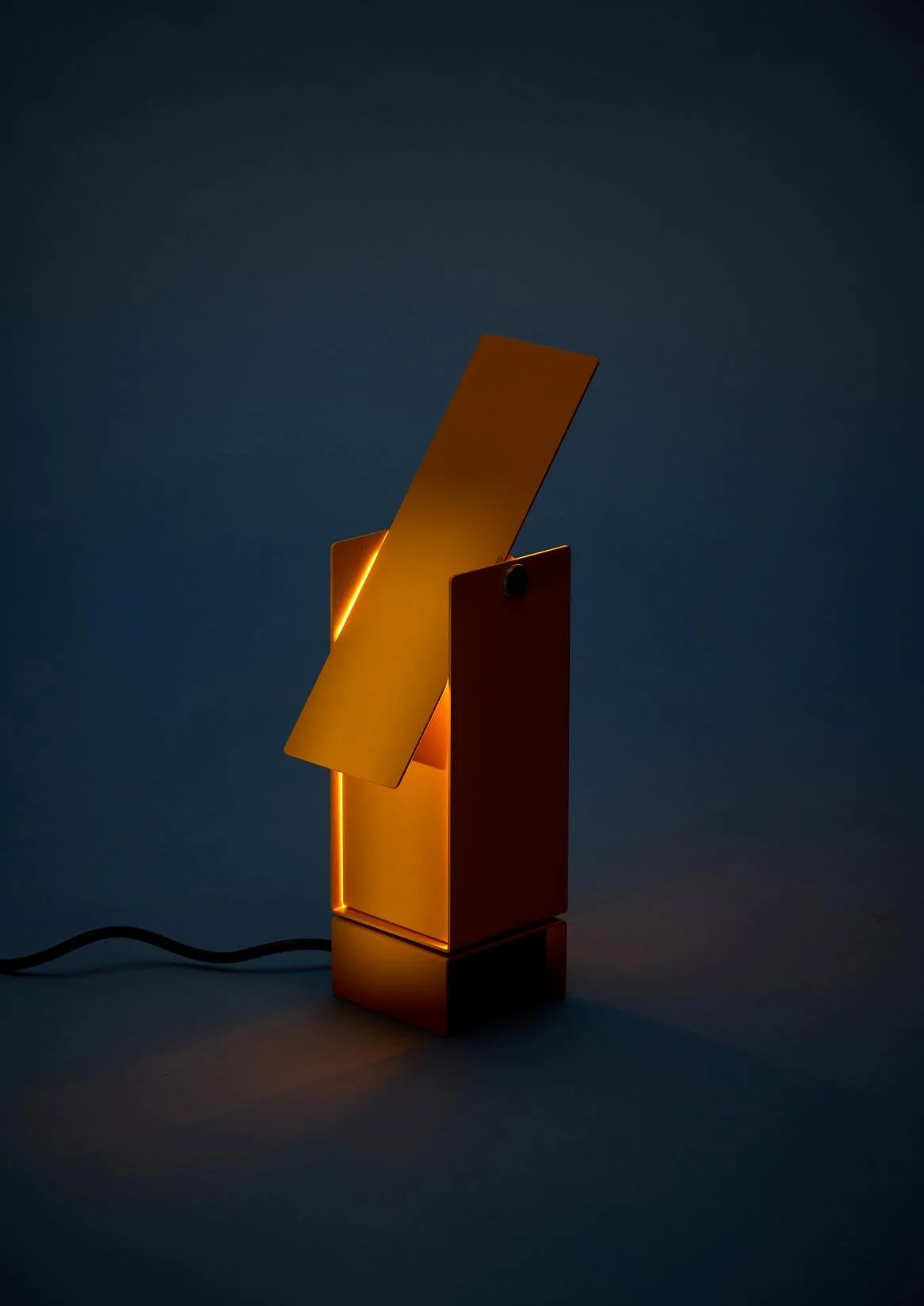
The Pivoting Lamps by MOEBE in yellow unfold like punctuation marks written in steel, setting the rhythm of a space with their uncompromising geometry. The Pivoting Table Lamp arrives as an object of precision and weight. Four steel sheets shape its form: three folded into interlocking U-shapes, bound at the center, and a fourth stretched across the top as a deflector, redirecting the flow of light. A sculpture with a pulse, a light instrument that encourages constant adjustment. Ambient glow bends and reshapes through every pivot, producing a choreography of angles, shadows, reflections.

 
MOEBE Pivoting Table Lamp IC Yellow PTLYE LE MILE Magazine design lighting

MOEBE
Table Lamp

 
MOEBE Pivoting Table Lamp IC Yellow PTLYE LE MILE Magazine design lighting detail
MOEBE Pivoting Table Lamp IC Yellow PTLYE LE MILE Magazine design lighting

MOEBE
Table Lamp


On the wall, its sibling performs a lean gesture of equal strength. Two sheets define its structure, one fixed, the other free at the waist. The pivot guides light upward, downward, or split across both directions, creating lines of illumination that frame the architecture around it. The switch hides in the body, leaving the gesture intact, the movement pure.

MOEBE brings steel into focus as raw matter, the lamps carry clarity of form, material, and function. Every cut and fold speaks of the Copenhagen workshop where architects and a cabinet maker refine their vocabulary into lasting design. A practice of reduction, a practice of endurance, a practice where utility turns sculptural.

In yellow, the lamps evolve into declarations. Sand offers quietness, stainless steel offers clarity, yellow offers radiance. The color functions as an event in itself, transforming lamp and space into theatre. A table lamp becomes punctuation, a wall lamp becomes cadence, each marking the room with energy that shifts across hours of the day.

The Pivoting Table Lamp measures 225 x 80 x 225 mm, a cube undone and redrawn, compact yet expansive in its effect. The Pivoting Wall Lamp stretches to 48 x 320 x 85 mm, a slender line of steel that extends across the surface like a precise incision. Both carry the G9 LED bulb, 2700K glow, an energy source contained yet expansive.

 
MOEBE Pivoting Wall Lamp IC Yellow PTLYE LE MILE Magazine design lighting

MOEBE
Wall Lamp

 
MOEBE Pivoting Wall Lamp IC Yellow PTLYE LE MILE Magazine design lighting

MOEBE
Wall Lamp


MOEBE, established in 2014, continues its exploration of modularity, longevity, and the honesty of visible construction. Every element can be assembled, repaired, or recycled, ensuring endurance over time. The Pivoting Lamps expand this philosophy into objects of light, creating atmospheres that grow with their surroundings. Yellow serves as the recommended color for the season, a direction from LE MILE toward bold clarity in interiors. The choice extends beyond palette into statement, beyond accent into anchor. Yellow speaks of light as presence, of steel as rhythm, of design as punctuation. Spring 2025 belongs to light that articulates space and pivoting lamps arrive as sculptural companions, folding steel into radiance, yellow as the emblem of the season. Enjoy!


discover more www.moebe.dk

DETJER - Storage Cabinets

DETJER - Storage Cabinets

DETJER
*The Architecture of Silence

written MONICA DE LUNA


Noise and novelty flood the visual field. DETJER responds with clarity. The brand's philosophy orbits around stillness, line, and the essence of material. Every object exists to endure. Rooted in a language of form that feels ancient yet precise, DETJER creates presence through design.


The Storage Cabinets are a meditation in symmetry and grain. Suspended with intention, it levitates above ground—a gesture of weightlessness, achieved not through illusion, but through structure. It opens with a quiet rhythm. The wooden fronts conceal rather than announce. Behind them: space, aligned.

This is furniture that listens. Built by hand, the cabinet reflects DETJER's intense relationship with wood—an understanding honed through time and tactile knowledge. The choice of darkened teak is deliberate. A wood that holds its age well, it carries the patina of presence. As light plays across its surface, the finish reveals depth rather than gloss, movement rather than noise.

 
Detjer Cabinet Closet LE MILE Magazine Review
 
Detjer Cabinet Closet LE MILE Magazine Review
 

The cabinet has no handles; access is integrated through subtle recesses along the edge of the front panels. The shape is straightforward—vertical and angular, marked by a balanced silhouette. The linear grain of the teak guides the eye and reinforces the structure’s visual clarity.

DETJER approaches design through a clear architectural mindset. Each object begins with a drawing, then takes shape in the workshop. The Cabinet is designed to be mounted on the left, directing the motion of the hand and offering a thoughtful interaction with its use.

Over time, the surface develops character. The darkened teak is finished with natural oil, which highlights the movement in the wood grain and gently responds to light. The surface quietly records touch and time. Its design avoids decorative distractions and focuses on coherence.


The brand, founded in the Netherlands, works closely with skilled artisans in Indonesia. Every surface, edge, and connection is refined manually. The result is an object that holds its shape with confidence. The Storage Cabinet reflects an interest in balance and proportion. It integrates easily into spaces of various scales—private interiors, transitional zones, or curated environments.

Its functionality is straightforward. Adjustable shelves allow for flexible organization. Whether used for books, clothing, devices, or objects, the interior adapts without forcing a system. The doors operate smoothly. Hinges are recessed and silent. The solid teak adds structure and warmth. The piece contributes a calm and steady rhythm to the space.

 
Detjer Cabinet Closet LE MILE Magazine Review
 
Detjer Cabinet Closet LE MILE Magazine Review
 

DETJER follows a design ethos grounded in long-term thinking and careful production. Their Storage Cabinets illustrate this approach through their precision and material honesty. The non-toxic oil used for the darkened teak maintains breathability and tactile depth. The result is a storage piece that settles into its environment and matures gradually. The form is not reduced to aesthetics. It invites daily use and rewards repeated interaction. Surfaces are made to be touched.


Within the broader collection, the Cabinets reflect DETJER’s ongoing dialogue between design, and function. Every piece shares a consistent attitude and material logic. Whether installed individually or as part of a larger spatial arrangement, the cabinet offers a visual pause and a place of order. Its darkened teak finish brings depth without distraction. It remains steady and deliberate. DETJER continues its exploration of design through materials and scale.


discover more www.detjer.com