
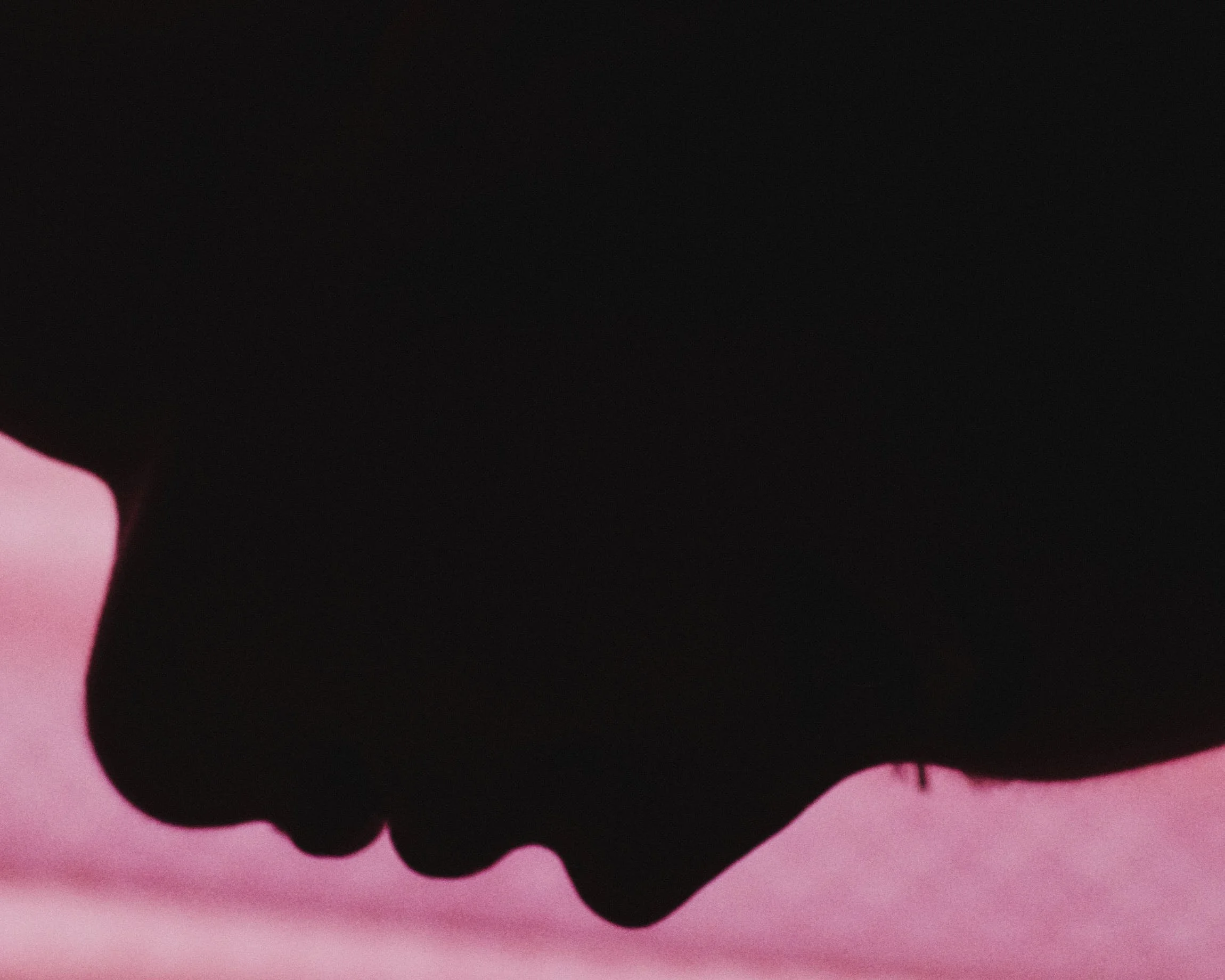
The Childhood Dessert behind Claire Duc’s Jelly Memories
LE MILE
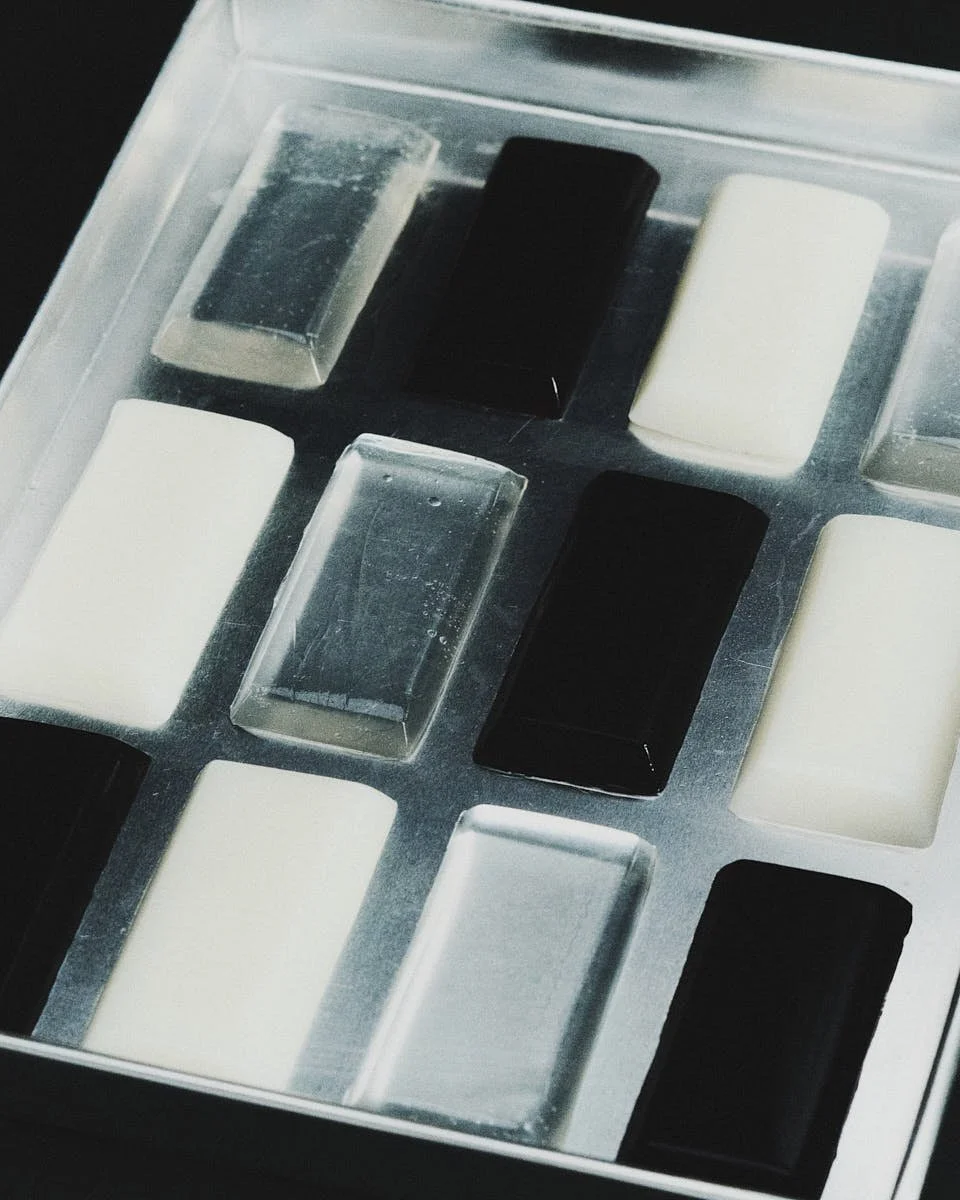
Claire Duc remembers eating her grandmother’s Vietnamese fruit jellies on a patio, sitting on a small red stool beneath electric lights. Given between meals as a reward for good behaviour, they seemed like a secret shared between the two of them. After growing up in France and moving to Saigon, Duc encountered the same dessert at a Vietnamese family celebration. The favourite flavours disappeared first; the others stayed behind. What she had understood as a family tradition was part of everyday Vietnamese culture. She had grown up barely speaking or understanding the language. The discovery made her recognise how much of her father’s Vietnamese culture she had absorbed without knowing.
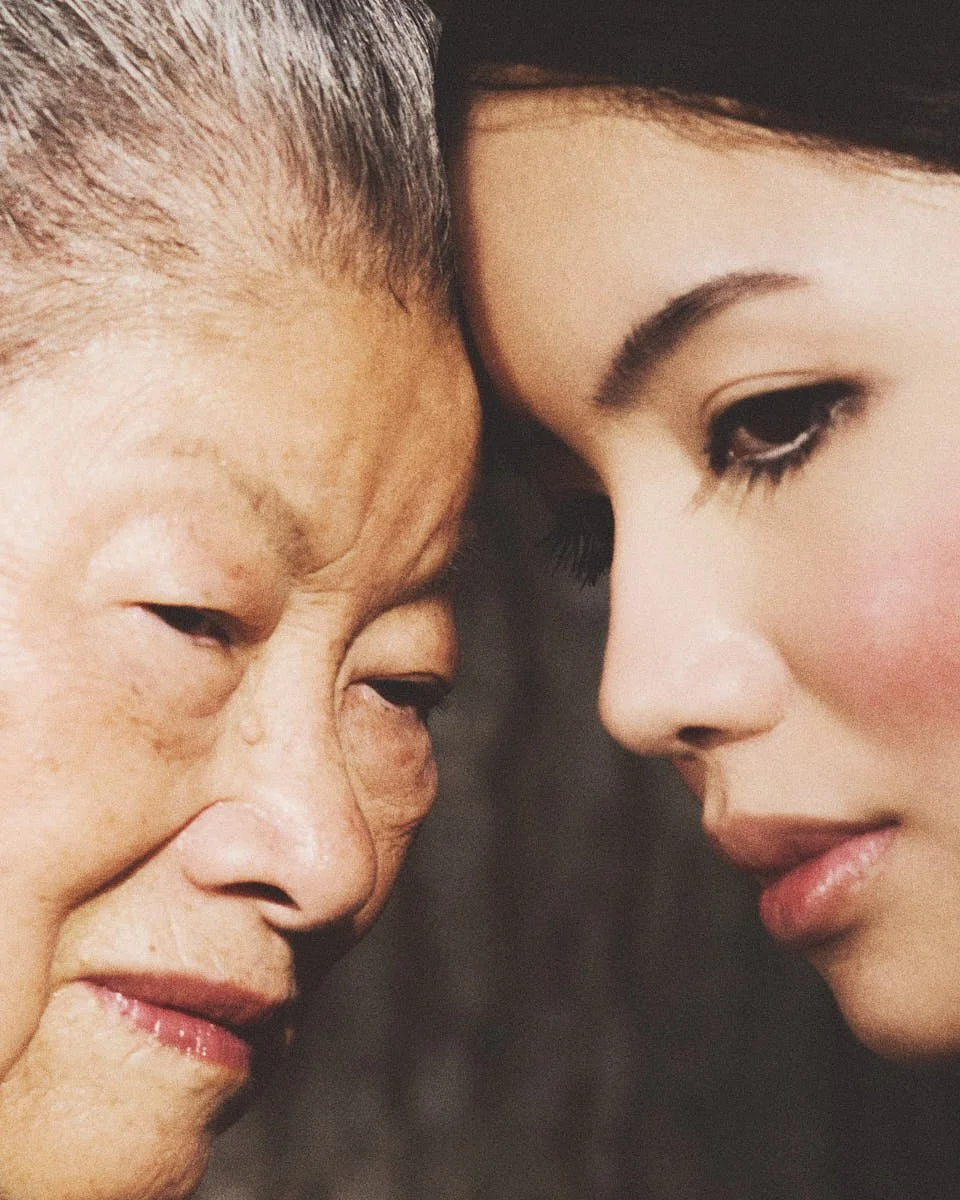
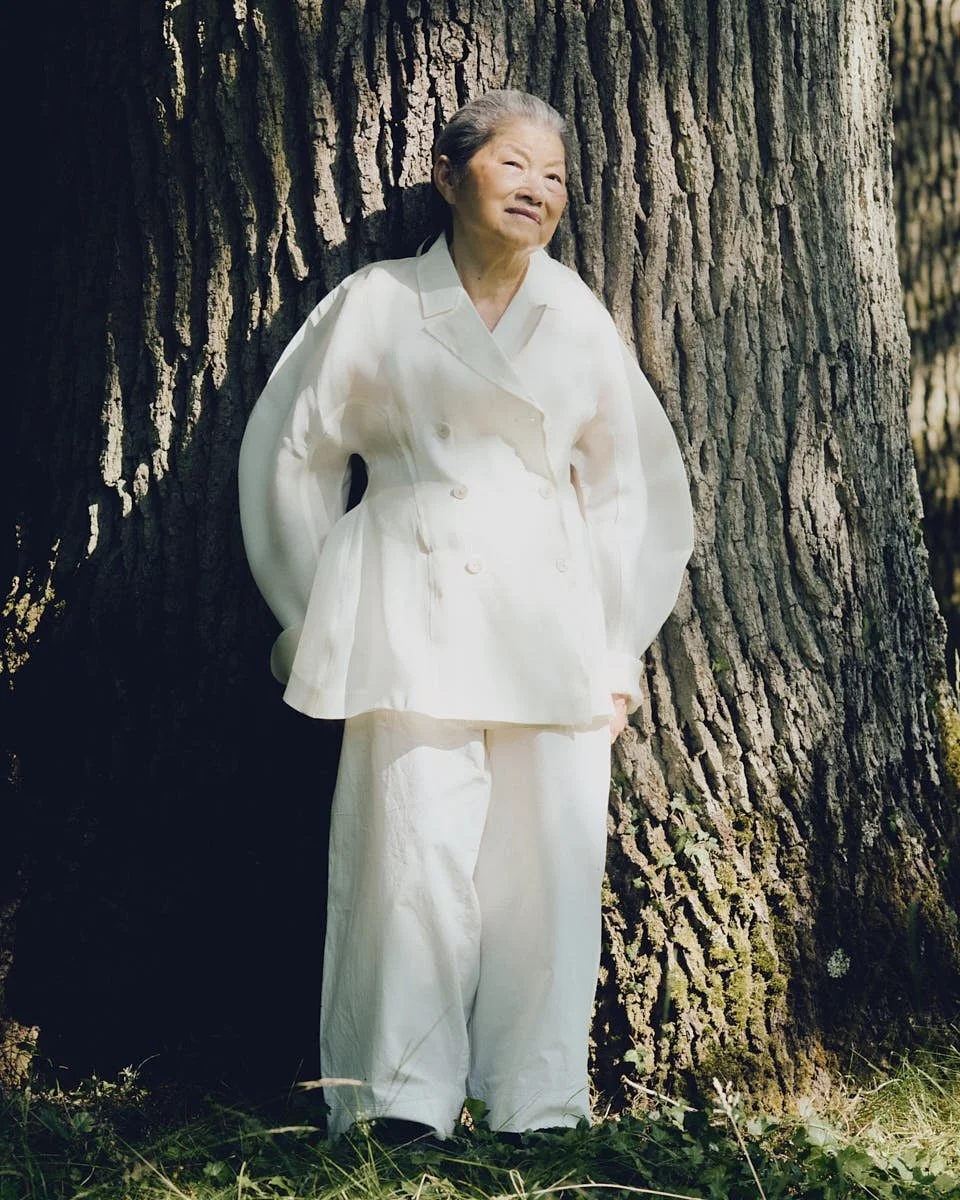
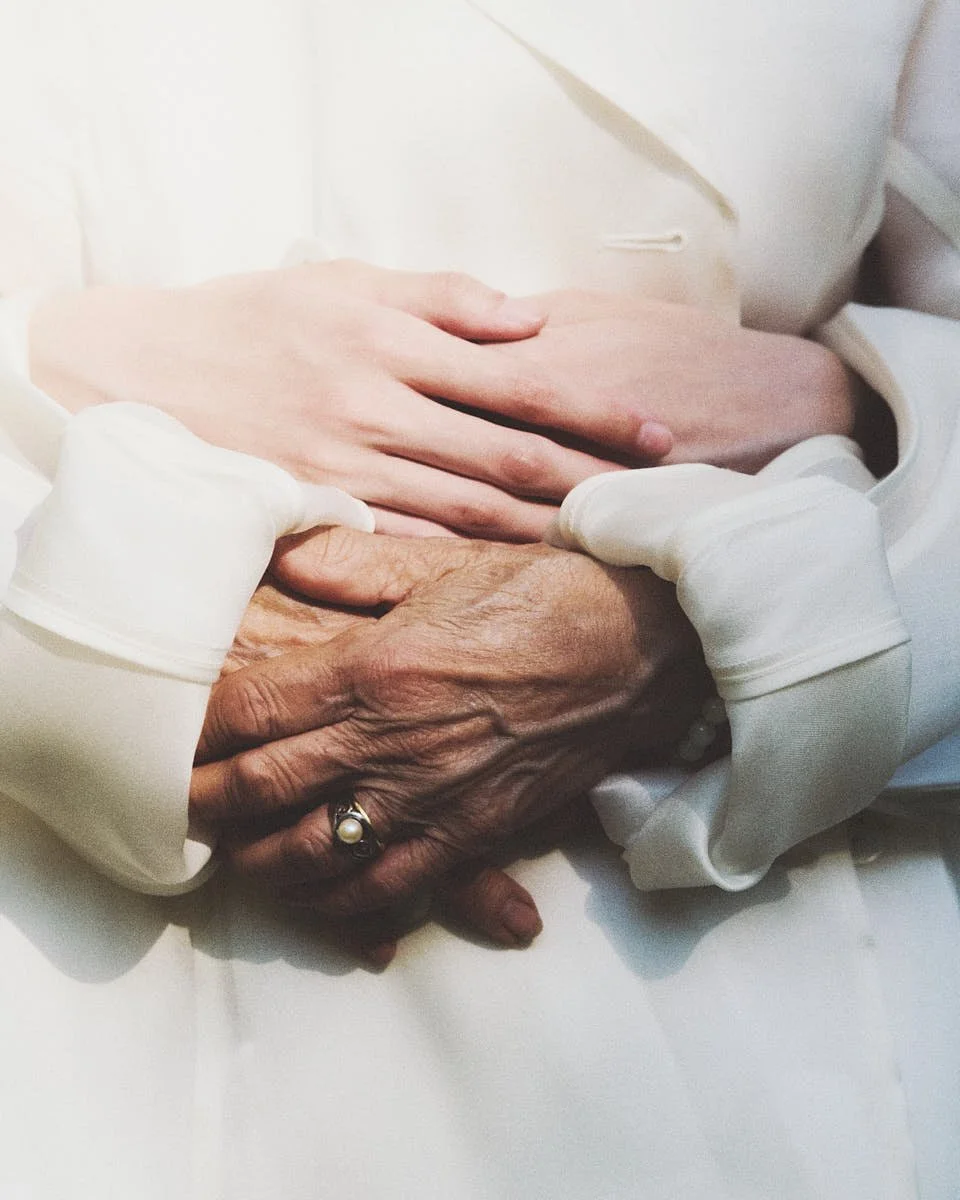
Duc remembers the feeling of the jelly hitting her tongue, firm yet soft, and the small red stools she only later understood to be Vietnamese. As a child, she had known where to sit and what a treat between meals meant. The customs had reached her through being looked after, long before she could explain where they came from. When Duc asked her aunt to take part, she received the warmth she had always known from her. Her grandmother had died when Duc was young, and her aunt had long held that place in her life. Now she would be playing her own mother, returning to a memory her niece had carried since childhood. Duc remains reserved about her feelings, describing these exchanges as “a dance of words and silence”. “I’m not even sure I told her upfront,” she says.
You grew up in France before moving to Saigon. How familiar did Vietnam feel when you got there?
Claire Duc
I’ve spent almost my entire life in France. I grew up in a French household with some Vietnamese touches. At home and with my extended family, we celebrated Vietnamese traditions, especially at gatherings and Lunar New Year, and always around food. Besides being home to my dad’s culture and a language I barely understood or spoke, Vietnam has always had a strong hold on me through food and tastes, which were the only tangible access I had to this heritage. Or at least that’s what I thought when I was in France.
When I arrived almost two years ago, I discovered that what I thought were family traditions were actually a cultural heritage, something embedded in day-to-day behaviors: how you sit, how you share, or what you don’t talk about. And the jellies were part of this. What I thought was a sweet treat from my grandmother’s household was actually a popular one. When I spent time with a Vietnamese family at a celebration, I realized that it was a colorful treat every family has, always the same flavors, with the less popular ones left behind in favor of the favorites. At that precise moment, it gave me a new reading of this particular memory and of how deeply I’ve been imbued with my Vietnamese background. I can’t claim to be fully Vietnamese, but I can say that I’m more mixed-race than I thought.
And do you remember the last time your grandmother made you jelly? Have you ever managed to recreate that taste?
More than the last time, I remember the context: the room, the light, and the feeling of the jelly touching and hitting my tongue. Most of the time, it was a treat between meals, something special given to acknowledge our good behavior.
We were sitting on the patio, on traditional Vietnamese stools — back at that time, I didn’t know that those red mini stools were Vietnamese — under the electric lights, and I was enjoying these juicy, fruity jellies, firm yet soft, convinced it was a secret between Bà Ngoại (grandma in Vietnamese) and me. In the project, I translated this feeling through the idea of caring and transmission.
Your aunt plays your grandmother in the film. How did that conversation go when you asked her?
My aunt is the eldest of my dad’s siblings, and there is probably a 40-year gap between her and the youngest. My grandmother passed away when I was quite young, so for me, my aunt has always held the role of a grandmother figure. She reacted with a lot of warmth and respect, as usual. She is an actress and a dancer herself, and has been for a long time, so it was an obvious choice for me to have her. I’m still quite reserved about expressing my feelings, so it’s always a dance of words and silence. I’m not even sure I told her upfront that she was playing her own mother, but she obviously knows this was a piece inspired by my personal memories.
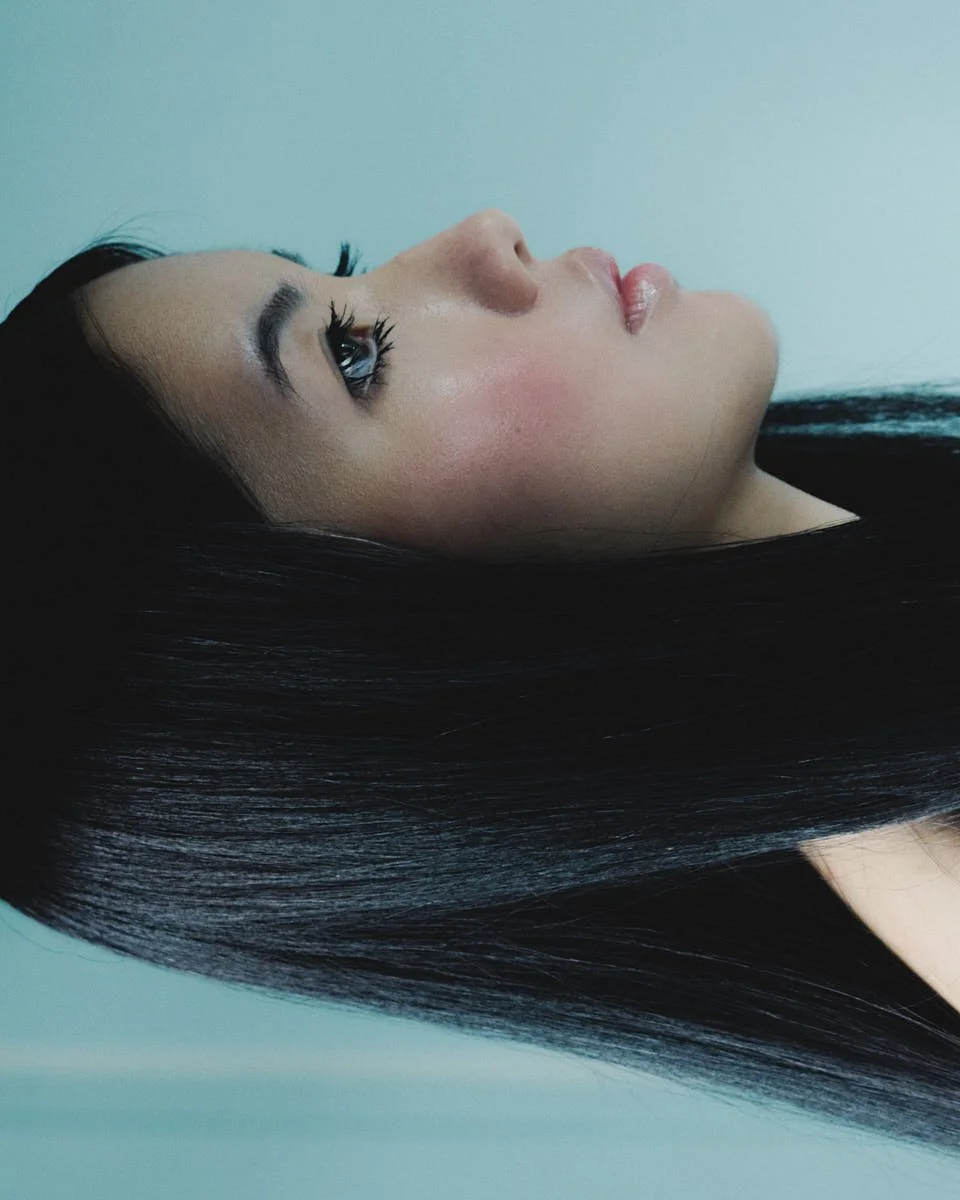
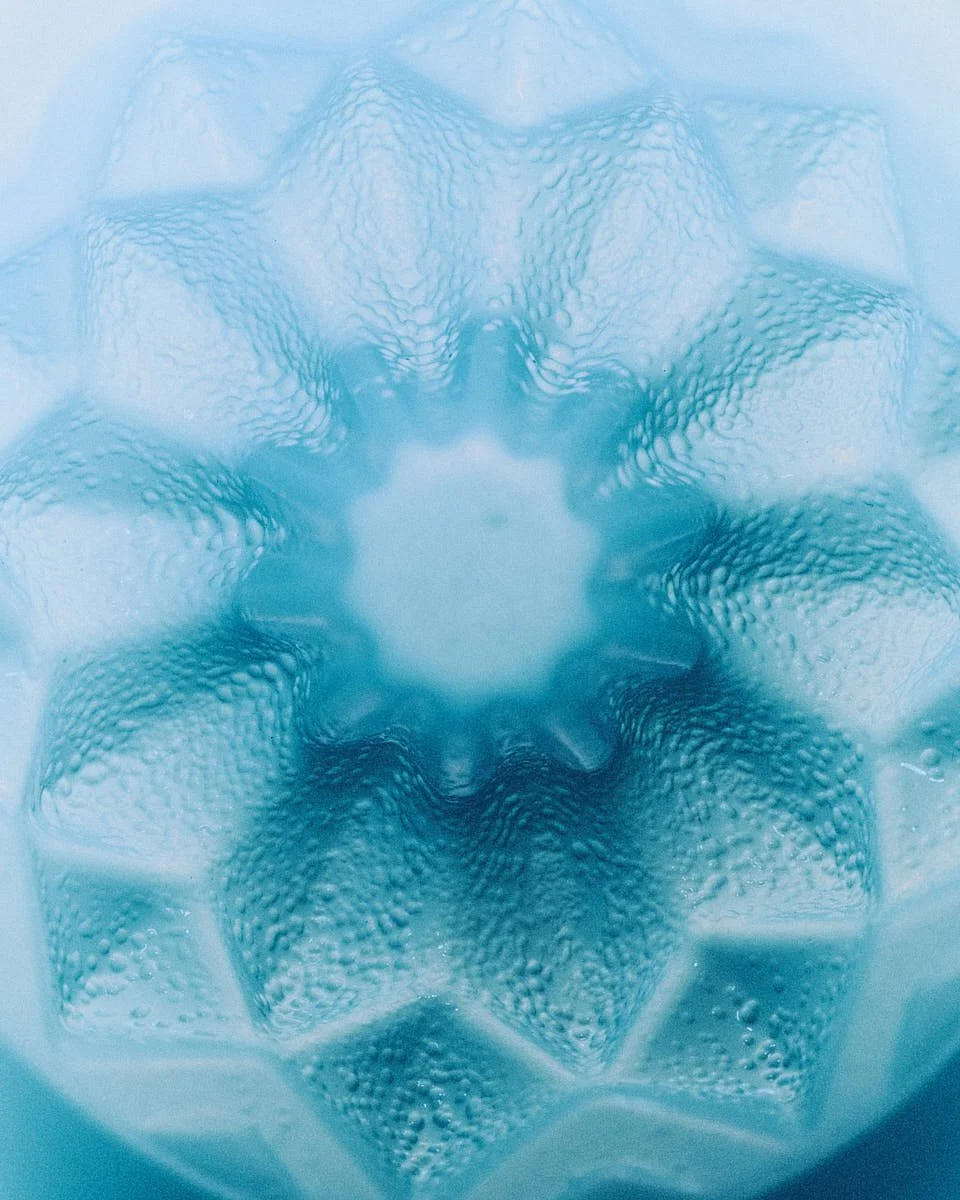
What was it like filming those memories in both Paris and Saigon?
We filmed in Paris in a house I know deeply because I spent a lot of time there when I was younger. My aunt and my cousin were there, two of my loved ones. The set in Paris really felt like home. In Saigon, a city I’m still getting to know, it felt more unfamiliar, but it holds possibilities and future perspectives.
By filming this piece, I felt as if I was able to bring both parts of me together by gathering the two cities in one film and confronting the past with the future. In a broader sense, it also brings together parts of me: instead of choosing between this and that, it’s about coexisting with these two faces and opening up a dialogue.
You’ve spent years working in fashion. What made you want to draw so directly on your own life here?
Actually, for every piece of work I do, most of the time I recall my memories and try to convey the feelings I want to express. In my work, creating in the present doesn’t mean we can’t feel anything. I tend to give access to my work through common or familiar feelings rather than pure aesthetics. However, it’s the first time I’ve made a film so heavily inspired by my life.
In recent years, because I’ve shifted my approach to work and life, I’ve had the chance to shine a light on the peculiar things that make me who I am, in a non-egocentric way that offers me the freedom of simply being.
Now that the film is finished, do you see your childhood or your family any differently?
Definitely! Making this project, which is so far the most personal and private one in many ways, gave me the opportunity to reflect on my life in France and here in Vietnam, and on what I thought was common but is not, or vice versa. Taking a step back and shaking up perspectives make life take different paths, which are often the most interesting ones!
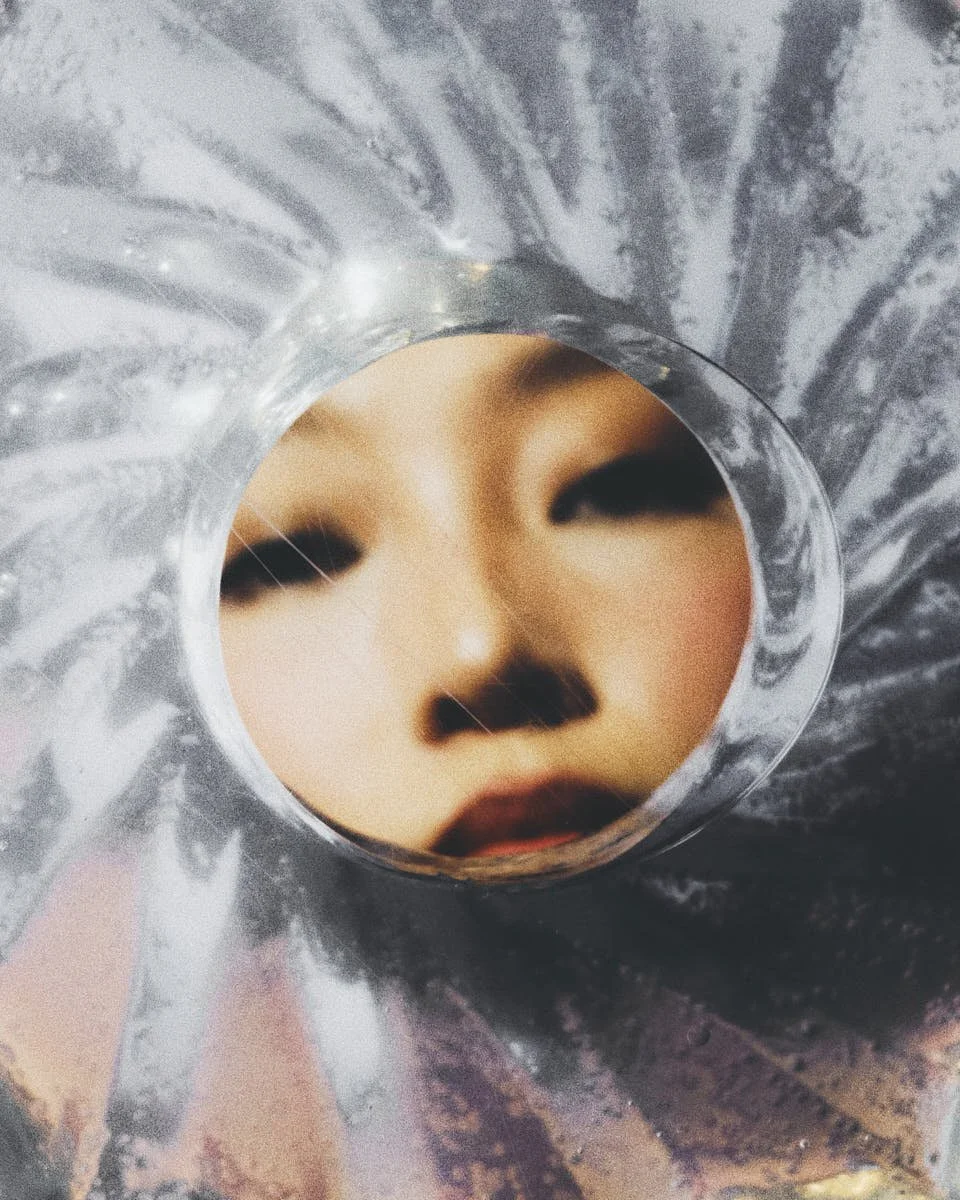
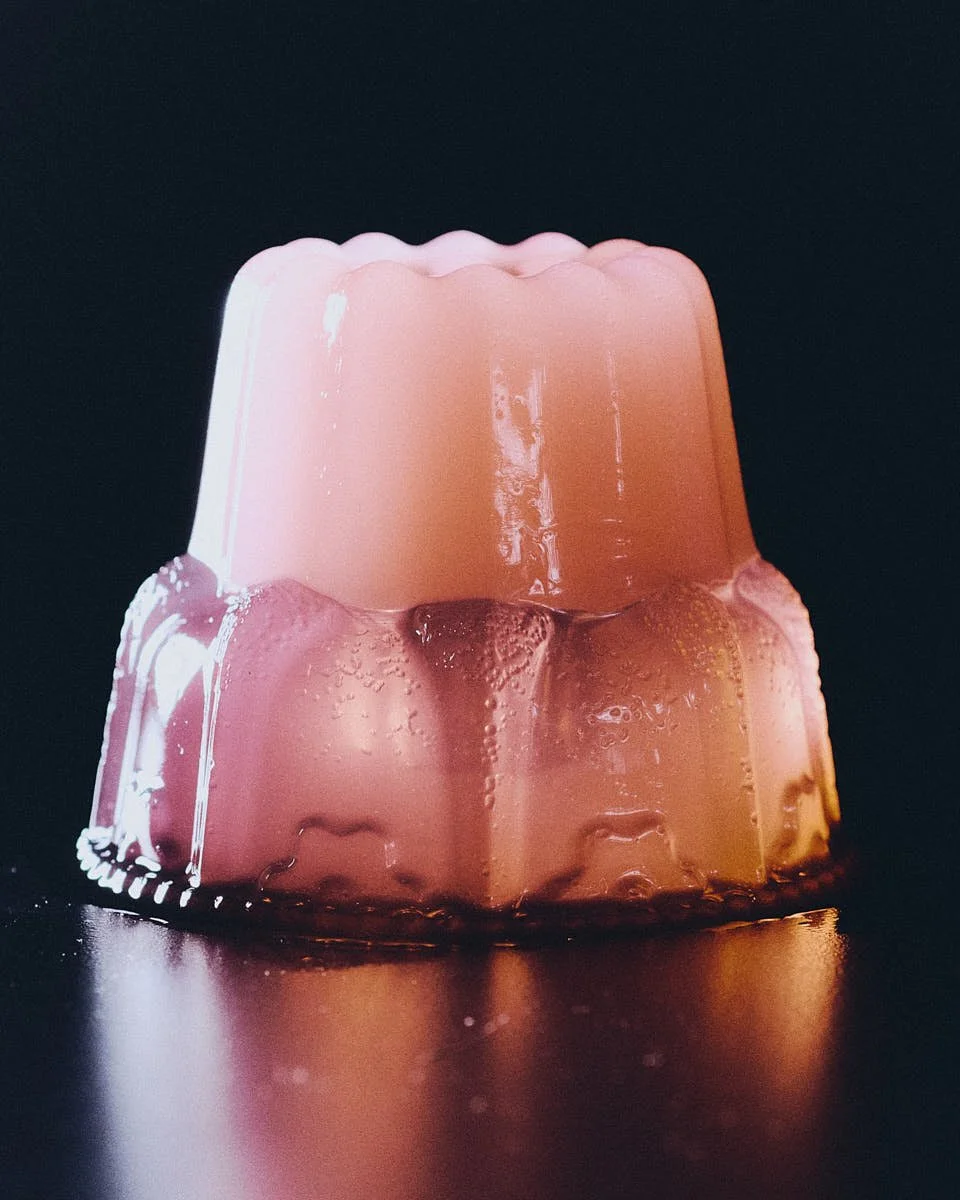
director + creative director CLAIRE DUC
photo PABLO DE PASTORS
director of photography ELLIOTT BANKS + CESAR CADENE
1st assistant camera + focus puller TRẦN BẢO NGỌC + BÉRÉNICE FARGES
2nd assistant camera AUSTIN LE
editor ELLIOTT BANKS
colour grading MARTHE PITOUS
FX editor HOANG FILMS
hair + make up VÂN THU LÊ + MORGANE GAUTIER
models MARIE-THÉRÈSE PRIOU + NGỌC ÁNH + WENDY
set design assistant ALOZIA VIRET
music composition + sound design GIUSEPPE GRAZIANO
sound design NGUYEN PHAM THÀNH CÔNG
graphic design VINCENT DUC
digital art direction PASCAL GAUTIER
production VINCENT AMSELLE + VY DONG NHAT
production assistant VU LÊ
wardrobe PALOMINO + SUBTLE LE NGUYEN