Editing the Language of Images at Loose Joints
written LE MILE
Around the world, photographers continue to return to the book as a place where images can gather, unfold and remain in conversation with one another over time. Within that landscape, Loose Joints has become one of the most attentive independent publishers shaping how contemporary photographic work enters the world as a physical object.
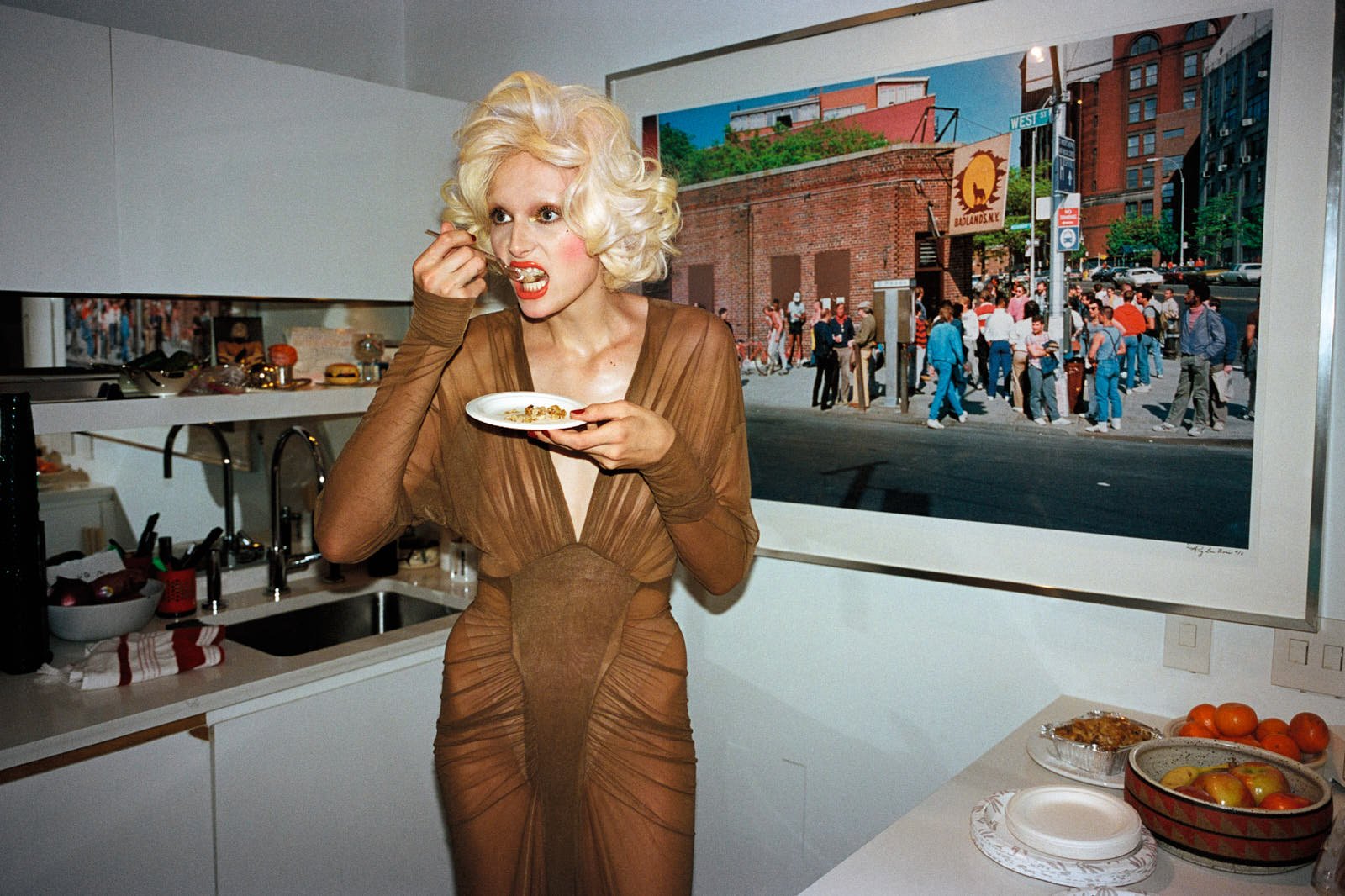
You Are What You Do by Daniel Arnold
Published by Loose Joints
© Daniel Arnold, 2025. Courtesy of Loose Joints
Founded in 2014 by Lewis Chaplin and Sarah Piegay Espenon, Loose Joints emerged during a moment of renewed energy around independent publishing, when new forms of self-publishing, book fairs and specialist bookshops began creating momentum around the photobook again. Rather than responding to a defined gap, the project grew organically from that atmosphere. The ambition was simple and precise, to publish the kinds of books the founders themselves wanted to see in the world and to work closely with artists whose practices demanded a carefully considered editorial form.
At the centre of Loose Joints lies a sustained conversation with artists, with each publication developing through an extended process that moves from editing and sequencing to design, production and distribution, all handled within the publishing house itself. This continuity allows the structure of the book to emerge slowly, with the pacing of images, the scale of the format and the tactile qualities of paper and binding becoming part of the work’s meaning.
The photobook becomes a space where visual thinking takes shape across pages. The rhythm of the sequence carries the reader through a field of images that gradually reveals its internal logic. Chaplin and Espenon reflect on that editorial process through a selection of recent titles: Roe Ethridge’s Rude in the Good Way, Hicham Benohoud’s The Classroom, Daniel Arnold’s You Are What You Do and Tealia Ellis Ritter’s The Model Family. Each project approaches identity, memory and authorship from a different angle while revealing the quiet intensity with which Loose Joints continues to shape contemporary photographic publishing.
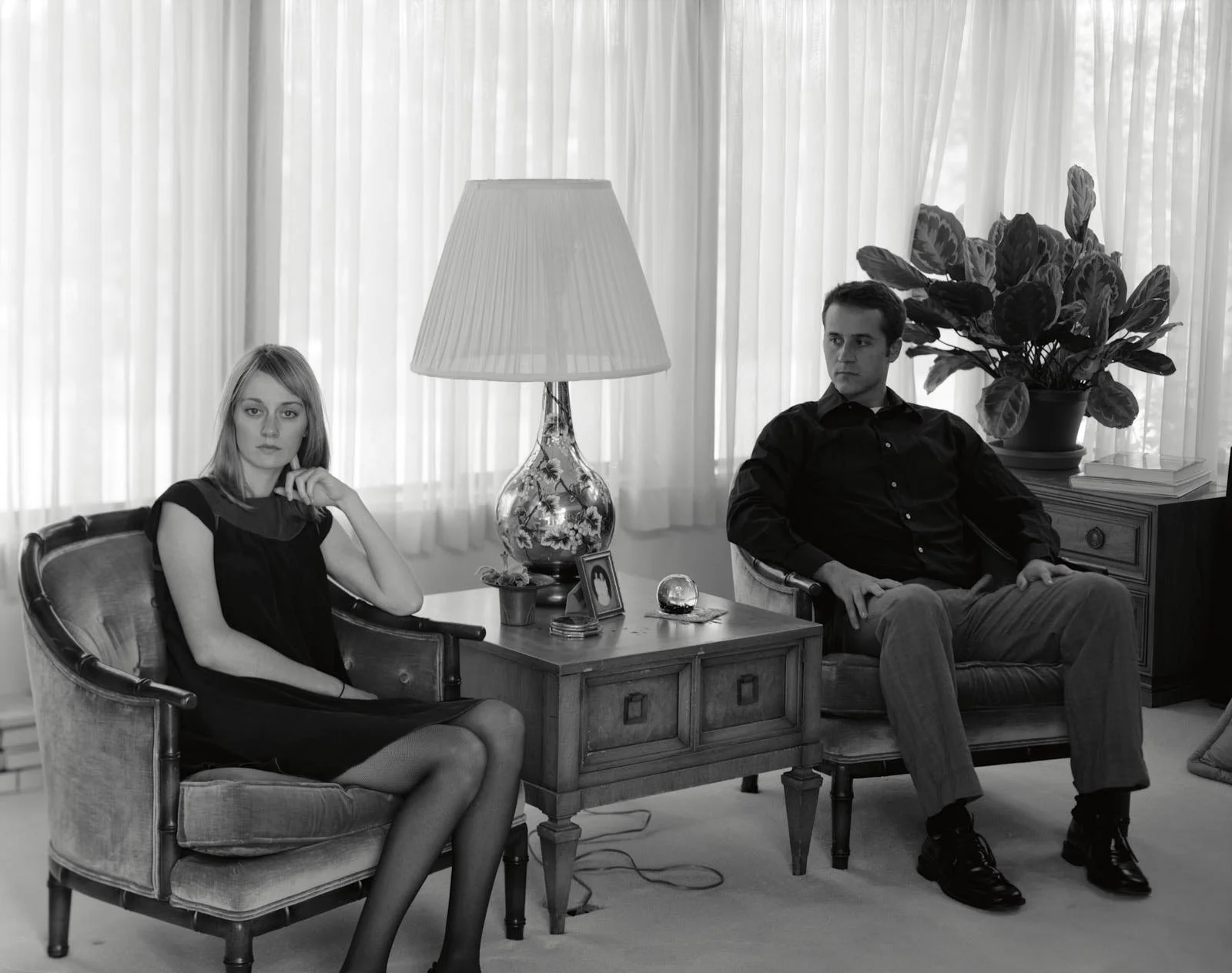
The Model Family by Tealia Ellis Ritter
Published by Loose Joints
© Tealia Ellis Ritter, 2021. Courtesy of Loose Joints
LE MILE
Loose Joints was founded in 2014, at a moment when photography books were already abundant but attention was fragmenting. Looking back, what gap did you feel urgently needed to exist then, and how has that original intuition shifted over time?
Loose Joints
I wouldn’t describe 2014 as a moment of fragmentation in a negative sense. If anything, it was a moment of expansion. From around 2010 onwards, there was a significant resurgence of interest in independent photographic publishing — driven by new models of self-publishing, greater online accessibility, and a network of bookfairs and bookshops that created momentum around the format. Loose Joints emerged organically from that context. We didn’t start with a mission to fill a gap, but rather to make the kinds of books we wanted to see in the world by artists whose work wasn’t always finding a home in mainstream publishing. That early experimental impulse has remained central, but the scale and depth of what we do has grown with time.
What does independence actually mean on an editorial level, in the day-to-day decisions around selection, sequencing, scale, and pacing?
For us, editorial independence means being closely involved at every stage of the process. We rarely work with external editors or designers. Every book is the result of a direct and sustained conversation with the artist. Beyond the editorial side, we also handle our own production, distribution, fulfilment and press, which allows us to remain flexible and responsive. Independence isn’t just about content. It’s about being able to adapt and make decisions quickly and thoughtfully, from concept through to delivery.
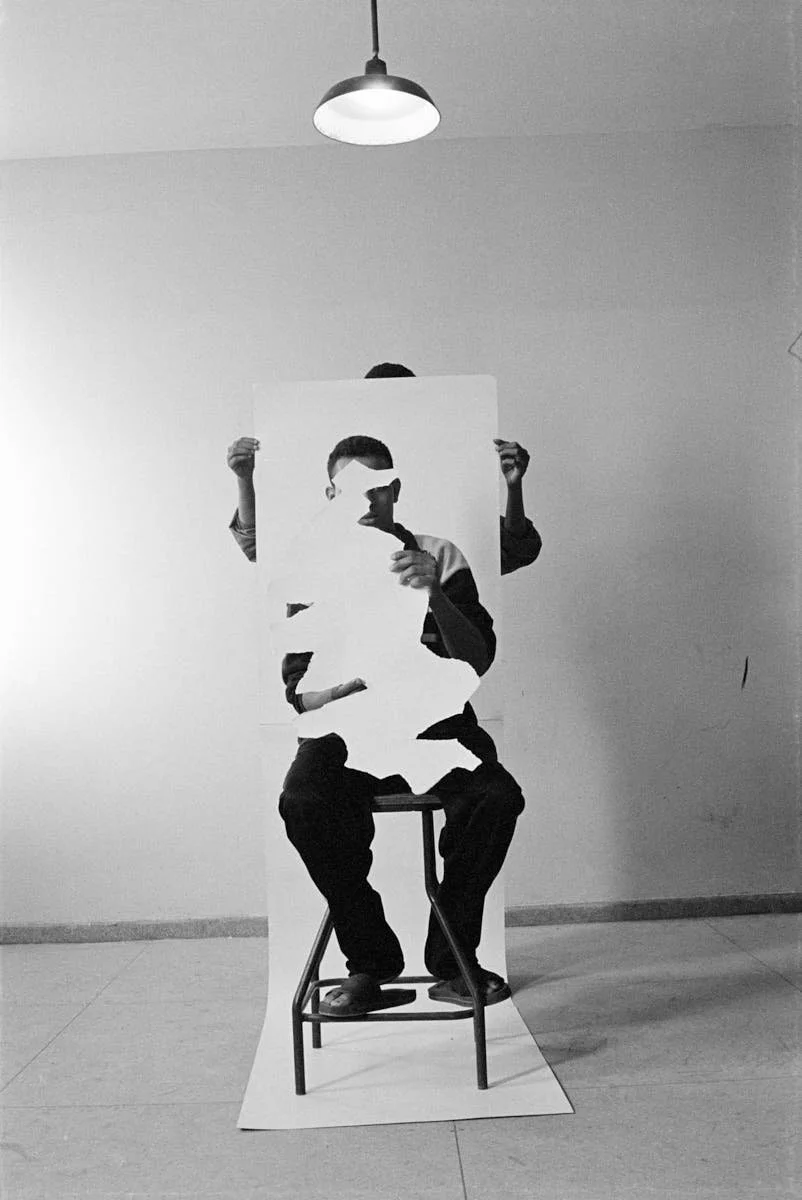
The Classroom by Hicham Benohoud
Published by Loose Joints
© Hicham Benohoud. Courtesy of Loose Joints
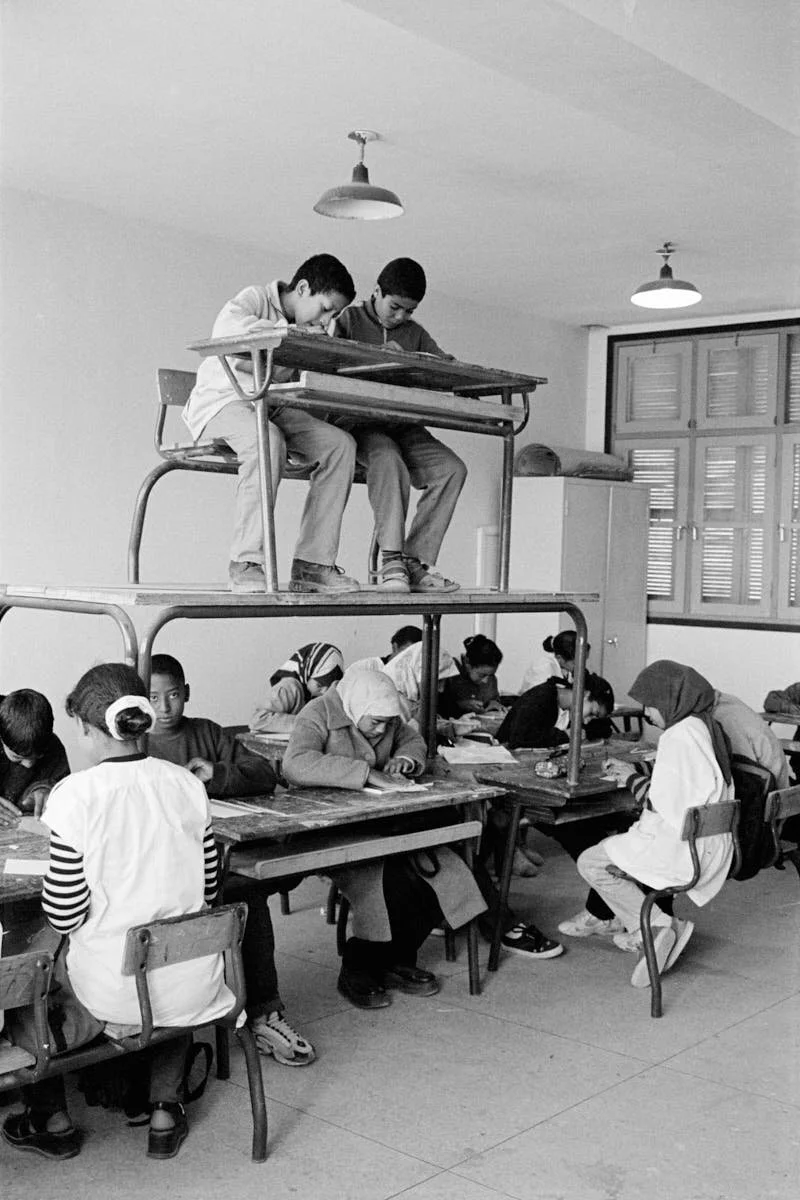
The Classroom by Hicham Benohoud
Published by Loose Joints
© Hicham Benohoud. Courtesy of Loose Joints
What signals tell you that a body of work is ready to become a book rather than remain an exhibition, an archive, or a loose constellation of images?
We rarely approach books as translations of exhibitions. Most of what we publish has never been shown in a gallery context, and if it has, the book tends to take a different form entirely. We’re interested in work that feels like it belongs on the page, where the rhythm of the book adds something to the experience of the images. That often means the project has a certain internal coherence or narrative potential, but we also respond to a sense of urgency or necessity in the artist’s voice.
How do you balance editorial authorship with restraint, especially when the work touches on identity, politics, or intimacy?
It’s about building trust. Some projects require more input from us, others are already quite fully formed. But we always take time to understand the artist’s perspective and what they’re trying to communicate. When the subject matter is personal or political, our role is often to help create space for the work to speak clearly and with intention, without over-framing or reducing its complexity. That balance comes from knowing when to support and when to step back.
What does the book still offer that digital circulation cannot, particularly in relation to memory and authorship?
Books and digital platforms serve different purposes, and we see them as complementary rather than oppositional. We invest heavily in how our books are communicated online, through press materials, photography, video, and digital previews, because the majority of people will encounter the work that way. But the book remains a unique medium. It offers a structure, a rhythm, and a physical experience that can’t be replicated digitally. It allows for a sustained engagement with the work, and for many photographers, it remains the most meaningful and durable way of presenting their ideas.
The Classroom by Hicham Benohoud revisits work made decades ago but reads as sharply contemporary. What drew you to this project now, and how do you approach reactivating historical material without flattening its original context?
We had seen a small selection from The Classroom years earlier and were immediately struck by its visual language, a bold use of performance, politics and the body that felt surprisingly current. The work was created in the 1990s in Morocco by a self-taught photographer working with his students, using a darkroom he built next to the classroom. It was ahead of its time in many ways. For this new edition, we worked closely with Hicham to access the full archive of negatives, many of which had never been printed. Sarah Chaplin Espenon edited directly from the contact sheets, allowing us to revisit the material at its source and present a fuller, more nuanced reading of the work.
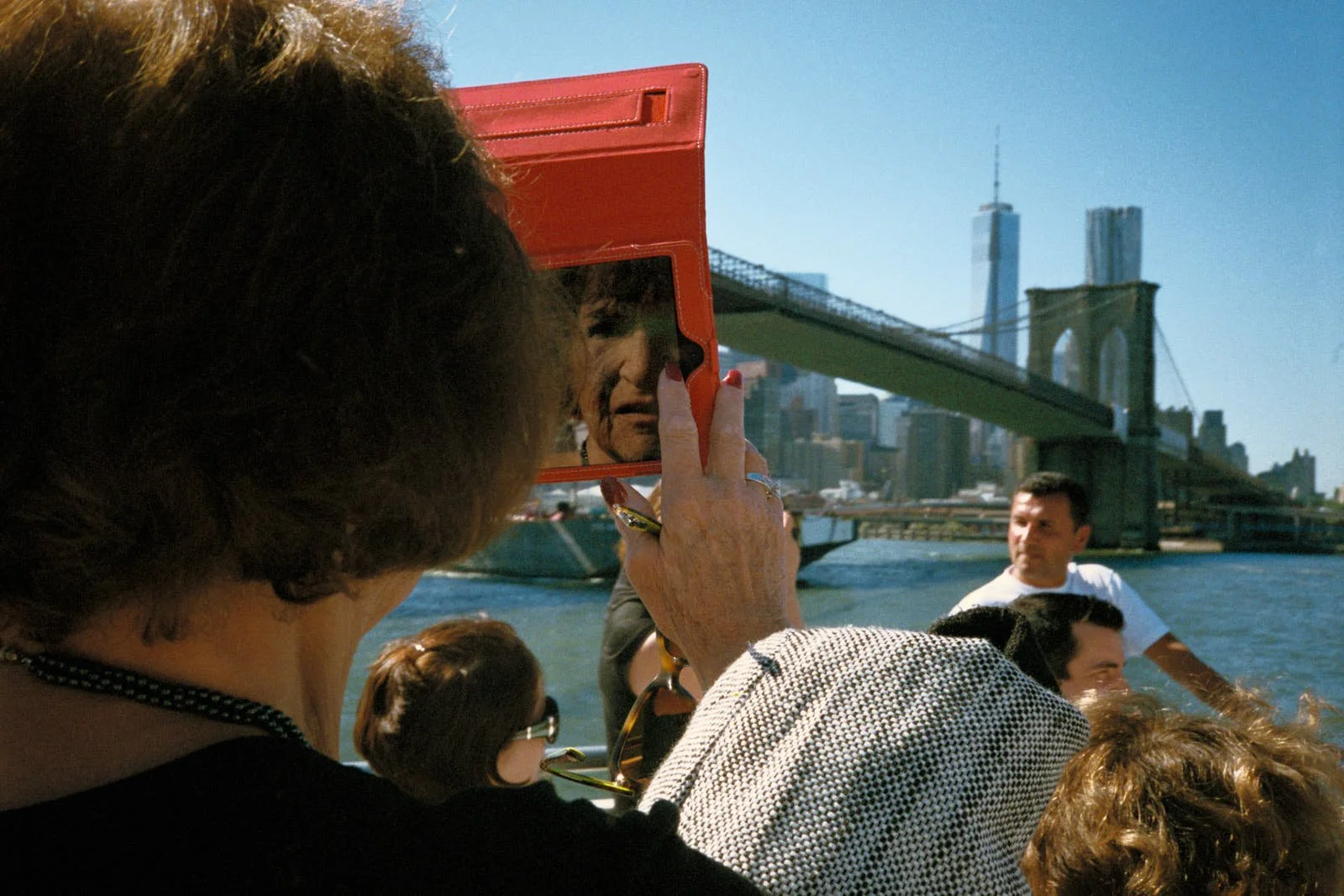
You Are What You Do by Daniel Arnold
Published by Loose Joints
© Daniel Arnold, 2025. Courtesy of Loose Joints
Daniel Arnold’s You Are What You Do draws from an immense archive of street photography. When editing a body of work drawn from such an immense archive, how do you decide what ultimately shapes the book?
Daniel’s working method is compulsive and nonlinear — he doesn’t build in series, so it was important to establish an internal logic that felt true to the work. Sarah and Daniel went through thousands of images, looking for visual threads and emotional contrasts that could shape the structure of the book. The aim was to reflect the depth and spontaneity of Daniel’s photography, while creating a form that gave the reader room to breathe. Compared to his earlier work, this book feels more reflective. it shows the full range of his practice, from the loud and absurd to the quiet and intimate.
How do you think about taste, desire, and discomfort when editing Rude in the Good Way by Roe Ethridge, where commercial, personal, and art photography intersect?
Rude in the Good Way began as a small idea — a fourth book to sit alongside Roe’s three earliest self-published titles, which we were reissuing as a set (In the Beginning). But over time it expanded into a standalone project, as Roe began exploring themes of sexuality and desire and we encouraged him to take this further. The editing process was about embracing the friction in his work — between polished and lo-fi, humour and vulnerability, image and intent. Roe’s practice is inherently layered, and this book allowed us to surface a different register within it.
The Model Family by Tealia Ellis Ritter deals with proximity, family, and long-term looking. How does editing change when the photographer is so deeply entangled with their subject, and when time itself becomes the main material?
Tealia’s work is emotionally complex: it’s about family, but it doesn’t romanticise. The photographs span decades and blend personal material with more inscrutable images, so part of the challenge was finding a structure that could reflect that fluidity. We deliberately avoided a chronological approach. The captions, placed along the bottom edge of the pages, create a kind of fractured timeline that shifts across generations. The aim was to build a book that reflects the instability and ambiguity of memory without simplifying the work’s emotional landscape.
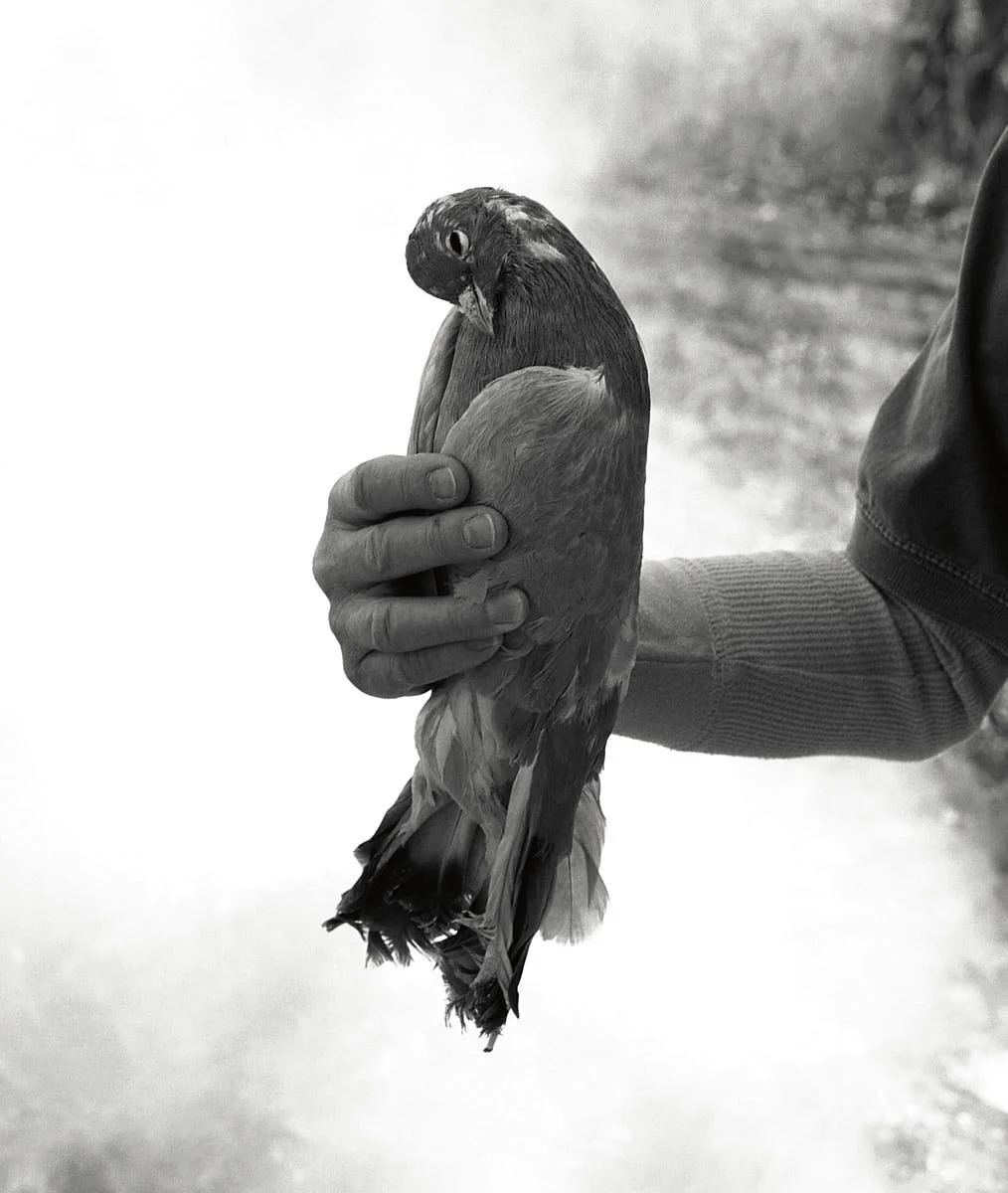
The Model Family by Tealia Ellis Ritter
Published by Loose Joints
© Tealia Ellis Ritter, 2021. Courtesy of Loose Joints
Across these four books, identity appears as something unstable, negotiated, and often unresolved. How do you approach projects where identity is central but resists clear definition?
The projects we respond to tend to hold tension, or ambiguity, or complexity. In those cases, our role is to ensure the book holds space for those qualities without flattening them. That requires time and sensitivity — and often means spending extended periods with the artist to understand how the work relates to their broader practice and background.
Your books are immediately recognisable as objects, so how early do material decisions such as format, binding, or paper enter your process, and how closely are they tied to the psychological register of the work?
Those decisions are made early, often in parallel with the edit. We begin each project by thinking through its material and tactile qualities, as well as practical questions like scale, pricing, and durability. We design all our books ourselves, and for us, production is never a decorative layer, it’s an extension of the concept. The format, binding, and finish should all deepen the reader’s experience and reflect something essential about the work.
Many younger photographers look to independent publishers as cultural gatekeepers, so how do you remain open to new voices without reproducing a fixed aesthetic or house style?
We keep our submissions open, and over half our projects each year are initiated by us reaching out to artists whose work we’ve discovered or admired. We’re not interested in cultivating a house aesthetic. Our list is diverse by design, and what links the books we publish is a sense of urgency, clarity, and commitment. We look for work that feels essential to the artist, and for artists who see the book as a meaningful stage in the life of the work, not just a credential or endpoint.
Finally, when you imagine Loose Joints ten years from now, what do you hope will feel continuous, and what do you actively hope will have changed?
What I hope remains is the focus: a number of carefully developed projects each year, produced with care and rigour. We do not believe that growth is a sustainable model for both the world and for a publisher. What I’d like to see change is the level of structural support available to publishers. Production costs have risen dramatically in recent years — we’ve seen increases of over 40% since 2019 — and these increases create more reliance on outside funding to make books happen at the level and scope we set for our releases. Meanwhile, the wider photography ecosystem continues to lean heavily on independent publishers to support emerging voices and take creative risks and reveal the artists of tomorrow, often without commensurate funding. If that doesn’t shift, we’ll start losing the very publishers that play crucial roles in making the contemporary photography landscape as rich as it is.
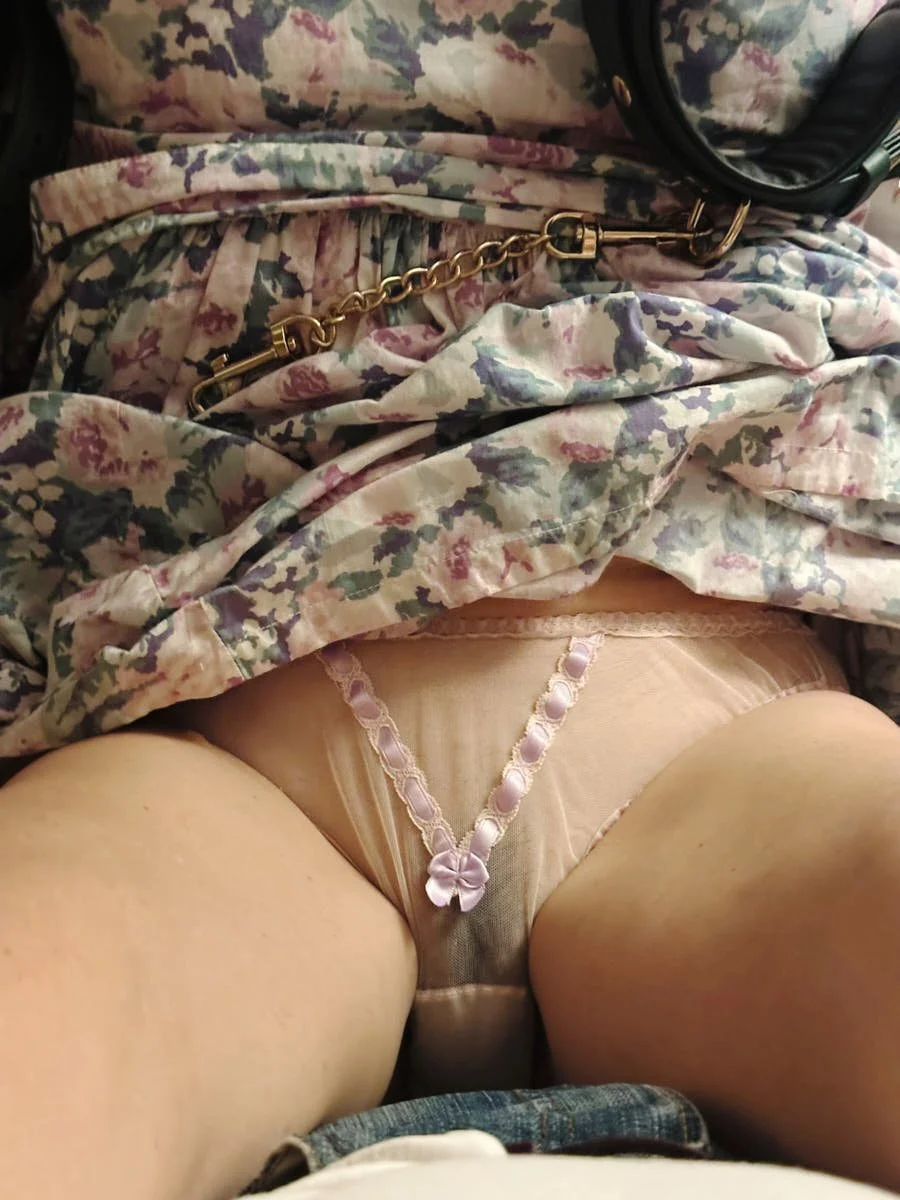
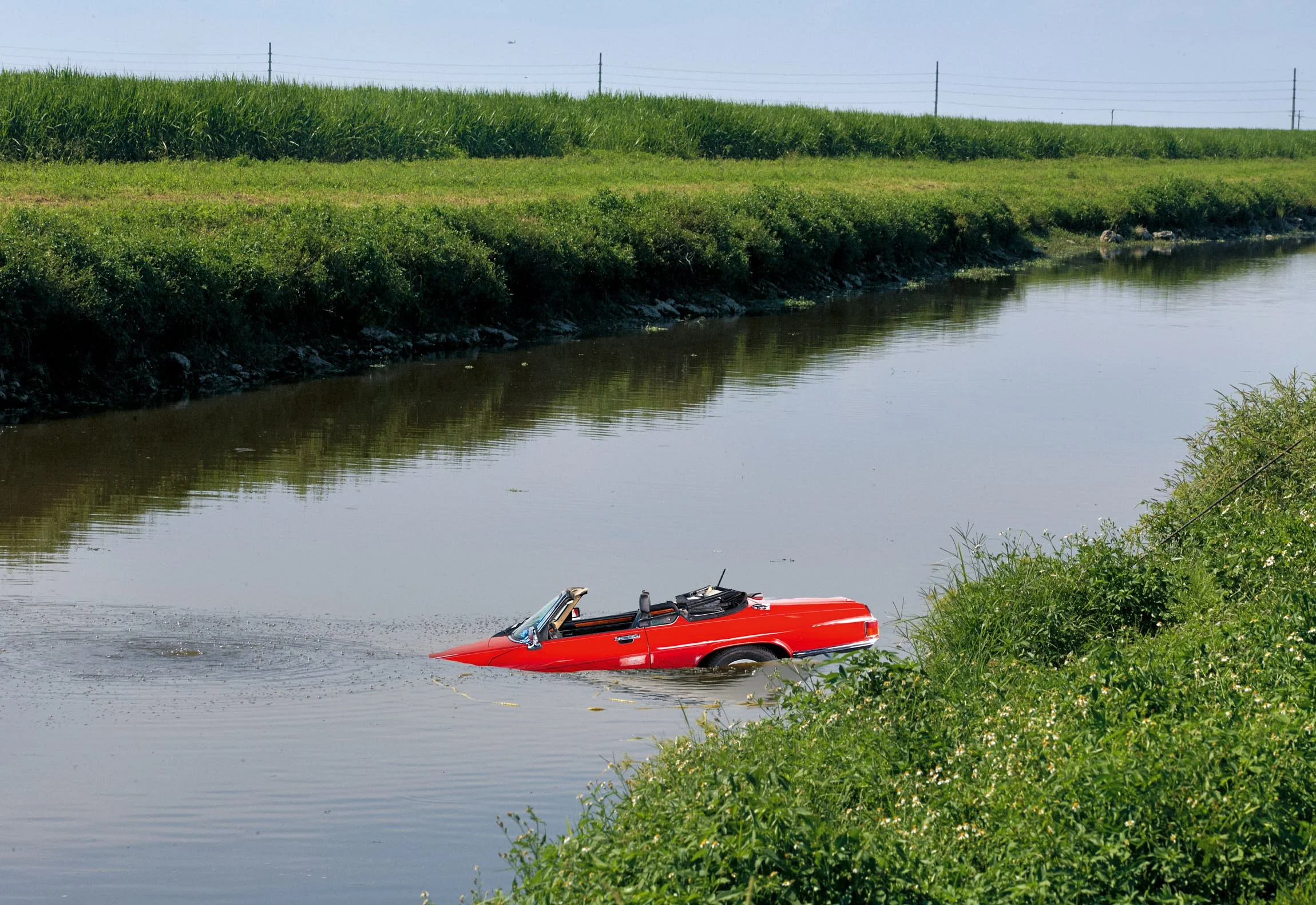
Rude in the Good Way by Roe Ethridge
LuLu With Pink Bow Panties
Published by Loose Joints
© Roe Ethridge. Courtesy of Loose Joints
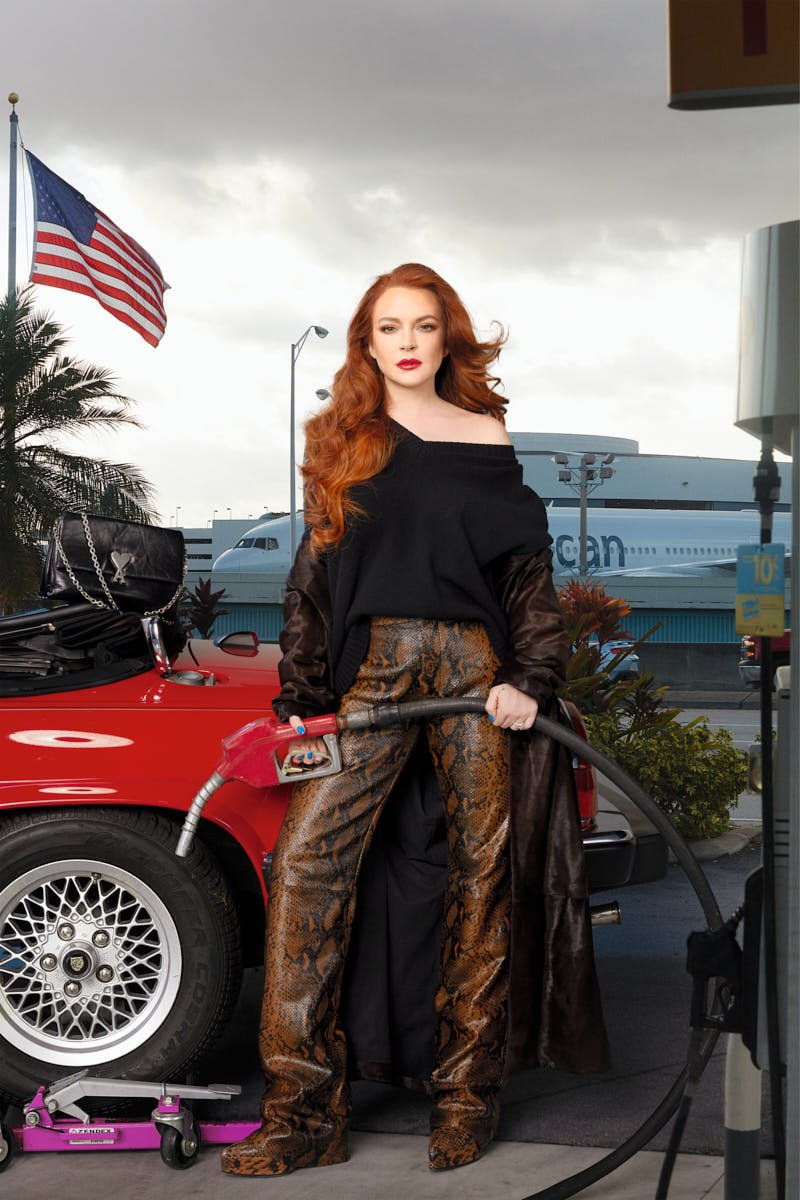
Rude in the Good Way by Roe Ethridge
Lindesey Lohan at a Gas Station in Miami for Interview Magazine
Published by Loose Joints
© Roe Ethridge. Courtesy of Loose Joints
credits
header image: Rude in the Good Way by Roe Ethridge, Published by Loose Joints, ©Roe Ethridge, 2025. Courtesy of Loose Joints