
87 Metres of Possibility with (1/1)SAMPLE
interview KLAAS HAMMER
What would fashion be without its countless young creatives who constantly turn new ideas, sustainable concepts, and extraordinary designs into reality, often with limited resources (money!). LE MILE spoke to one such young creative. Jakob Wirtz, a fashion student at „Hochschule Pforzheim“ currently in his fifth semester, has already completed an internship at Adidas in Herzogenaurach.He tells us what inspires him, where the name of his own label, (1/1)Sample, comes from and all about his latest collection.
(c) (1/1)SAMPLE
Klaas Hammer
What originally motivated you to study design, and what motivates you in your work today?
Jakob Wirtz
creating. I often set myself goals that scare me. I want to constantly evolve and push myself further. But in the end, it should always come back to a place where I feel comfortable and enjoy the process. Believing that the responsibility of introducing new fashion into today’s world should be approached with sensitivity, I think deeply beforehand about whether my work can live up to that responsibility, and then I give it everything I have.
What is the meaning behind the name of your brand?
A sample is an experiment, not something intended for sale. It is the first step an idea takes towards becoming reality. This is where you have to be brave, and where there is room to try things out. I like the perspective of also understanding the final garments of the brand as samples. Everything is a foundation for further development and something new that comes after it.
How would you describe your design (language) to someone discovering your work for the first time?
Simplicity and clarity are my top priorities. I strongly believe that the more general something is, the more personal it can become. I try to be creative within a very precisely defined framework set by the initial concept for a collection. My dream is to create something that a lot of different people can connect with. It doesn’t have to be the same connection. Creating inclusive access to fashion is a great challenge.
(c) (1/1)SAMPLE
(c) (1/1)SAMPLE
What was the starting point for your latest collection, and what idea or story do you want to convey through it?
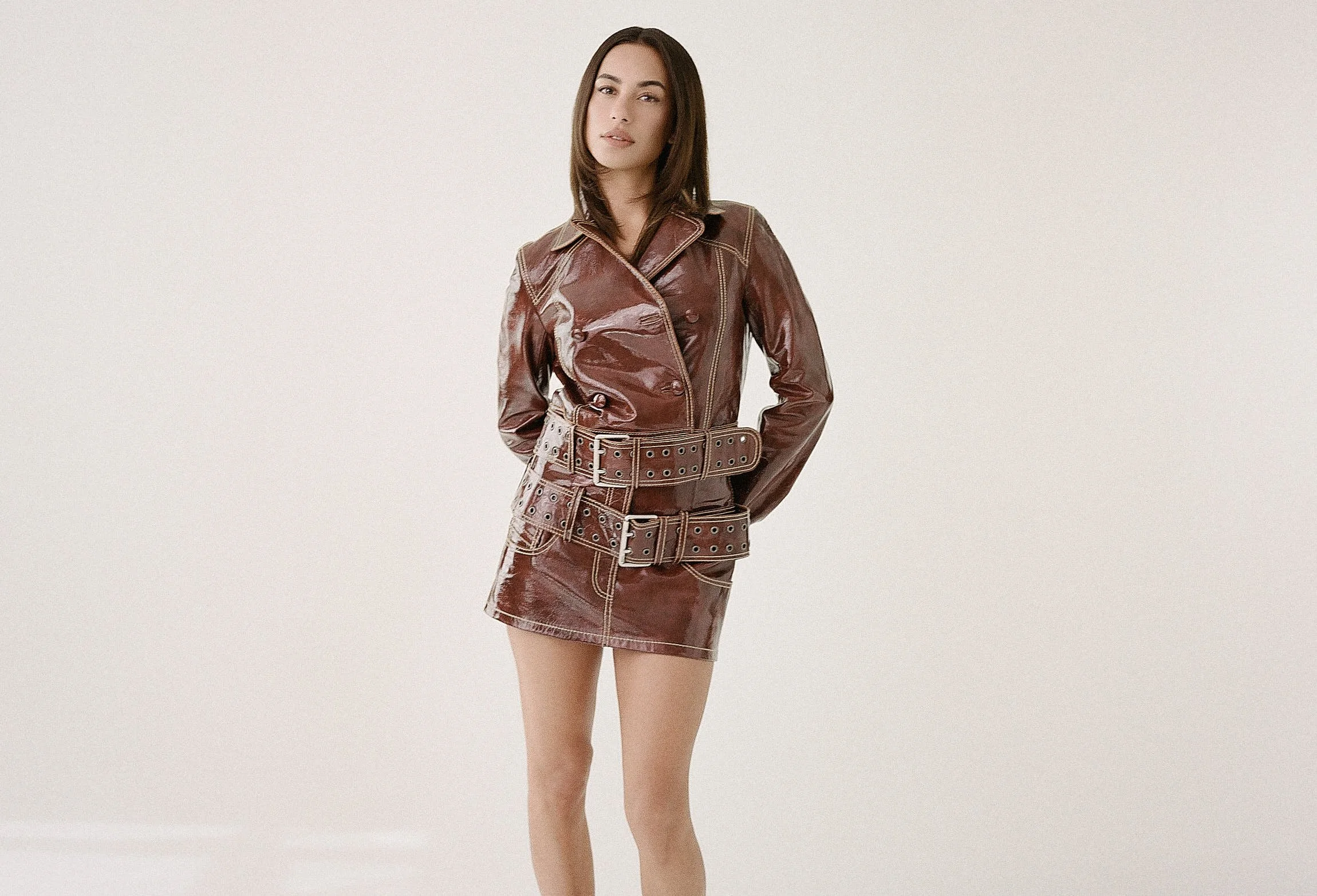
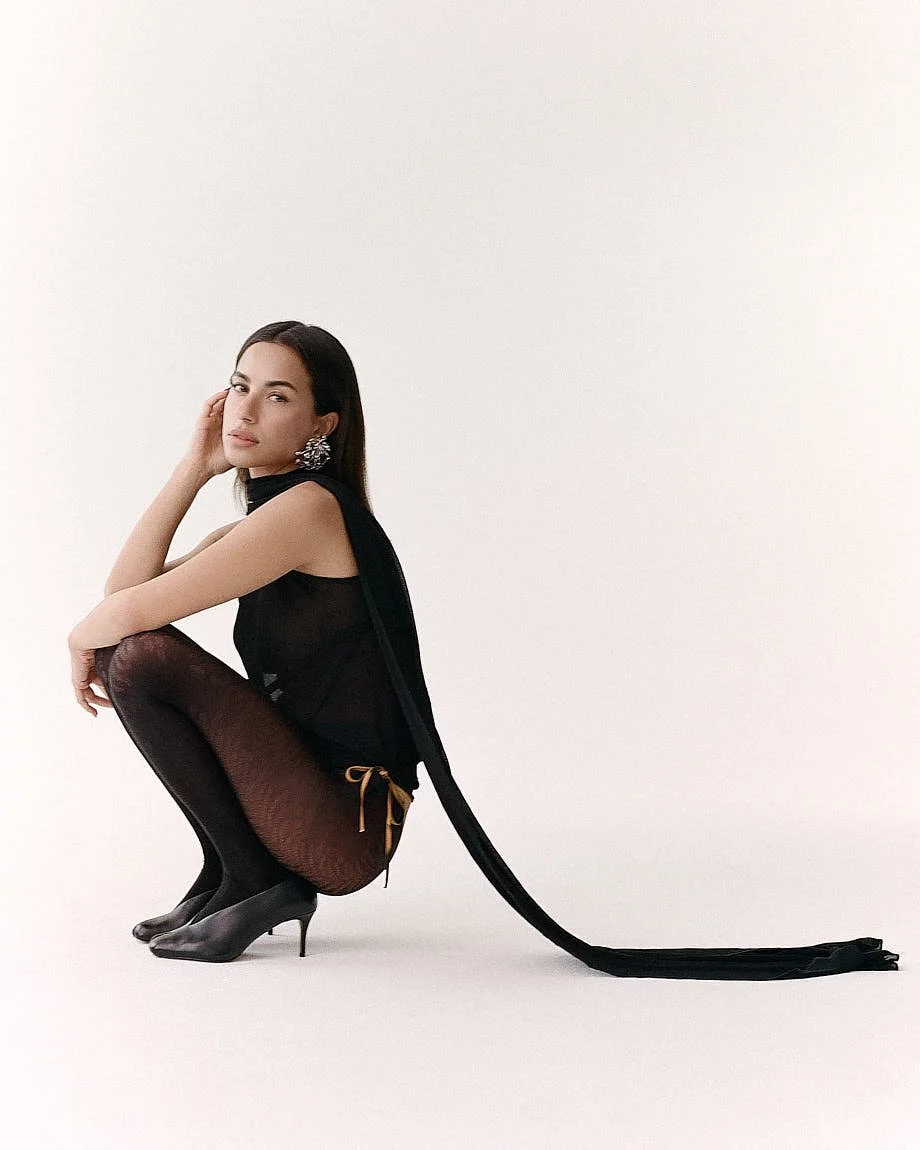
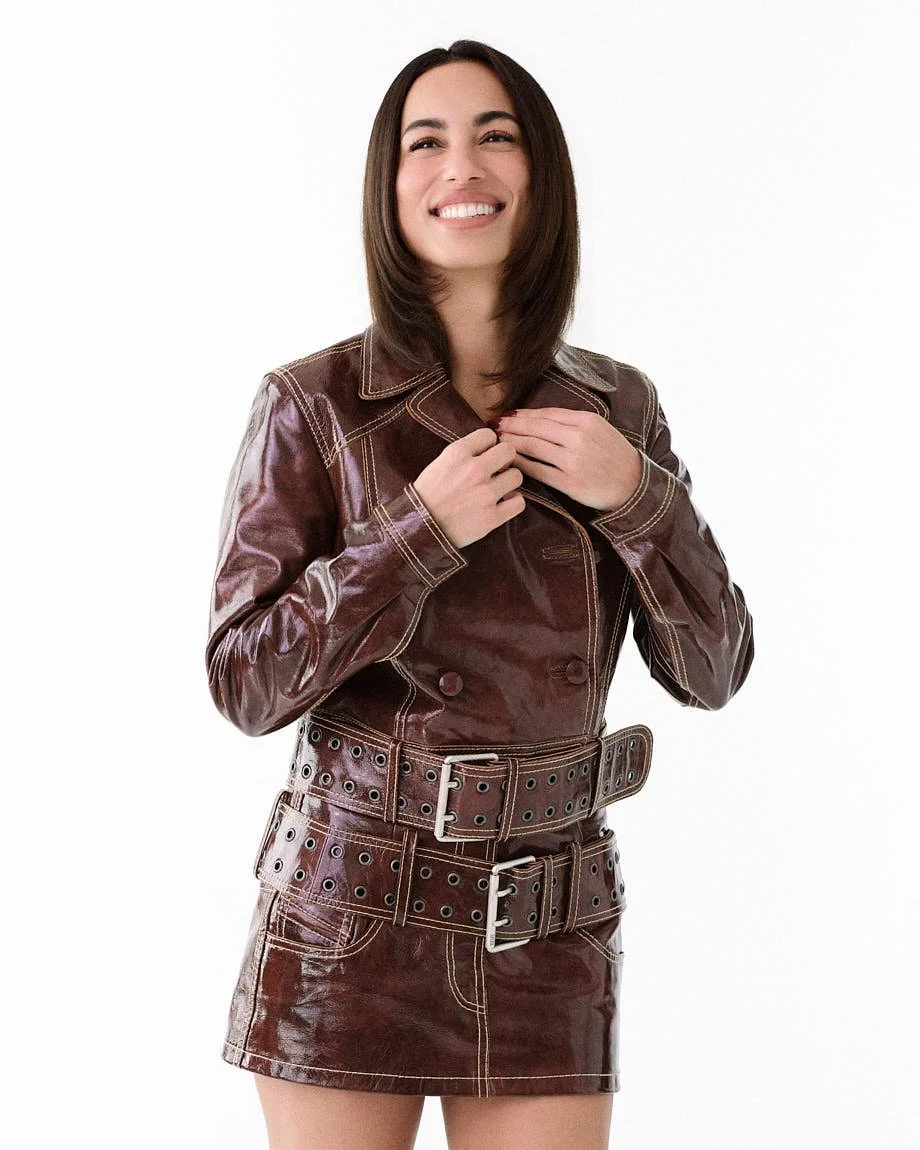
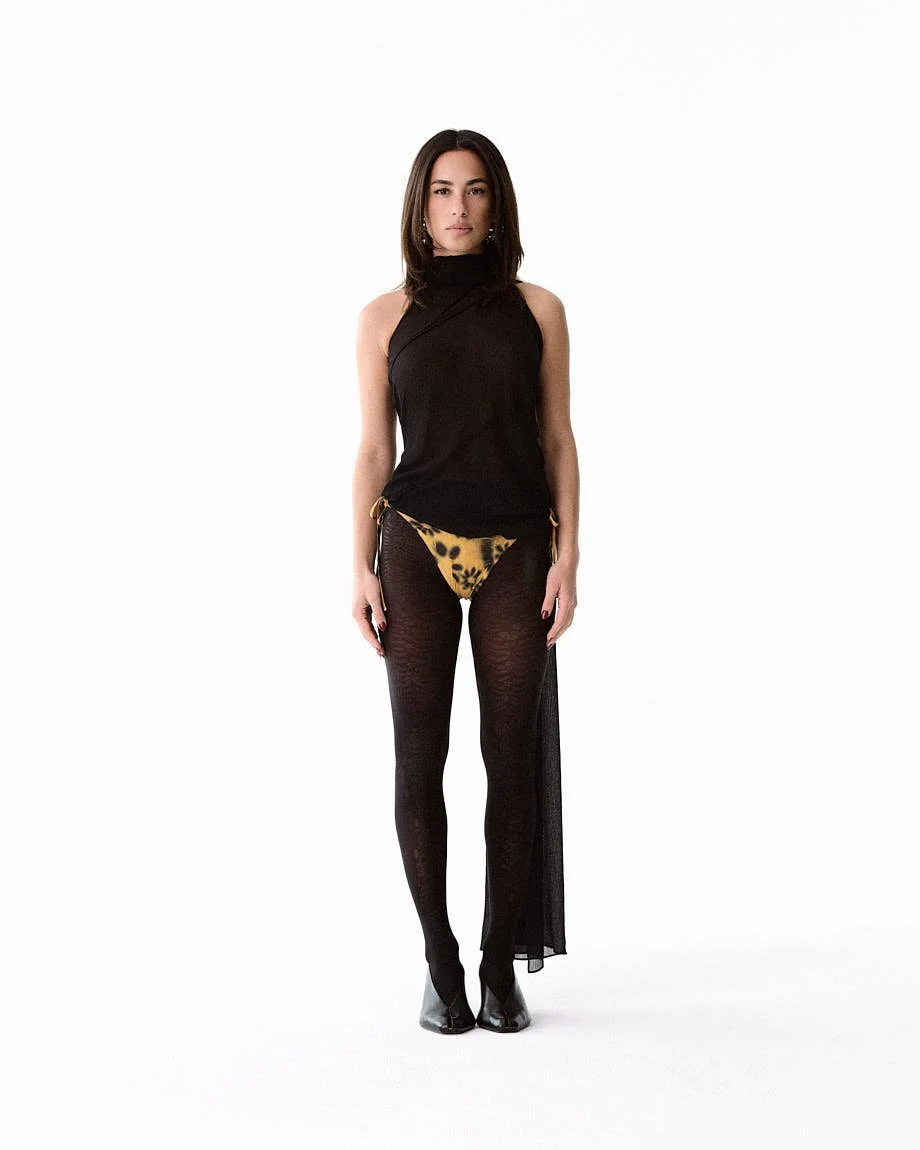
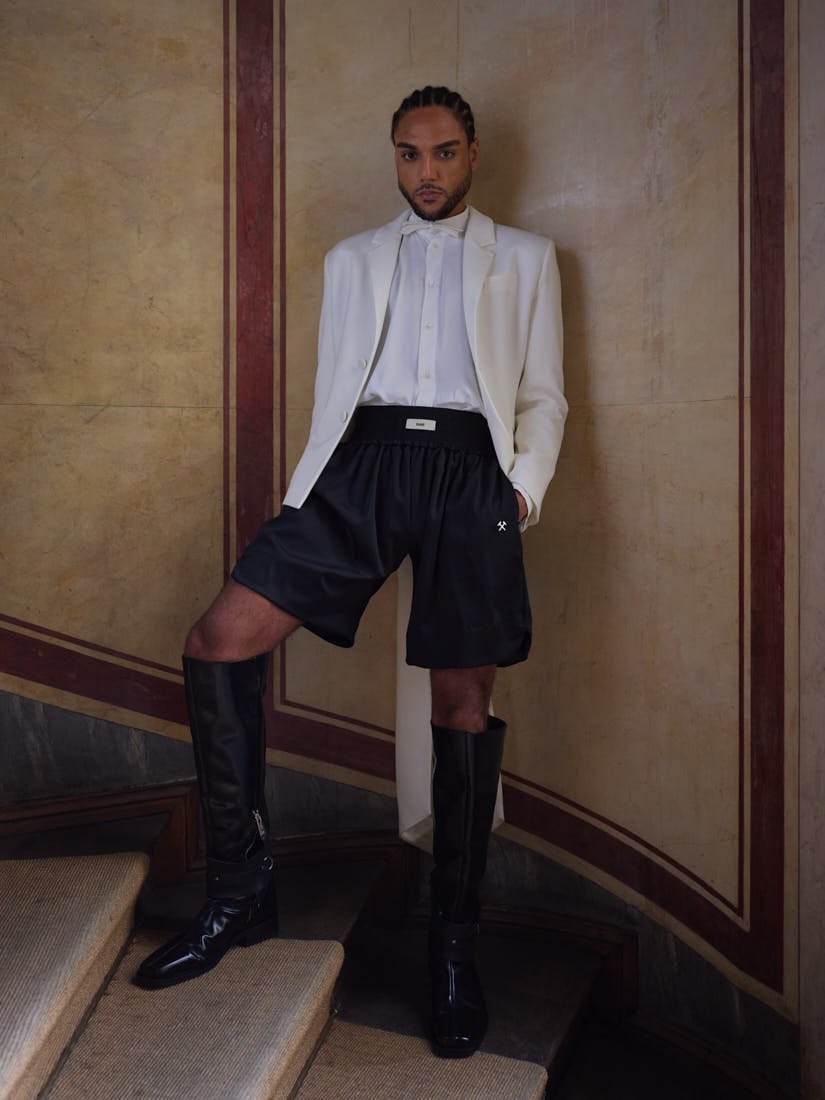
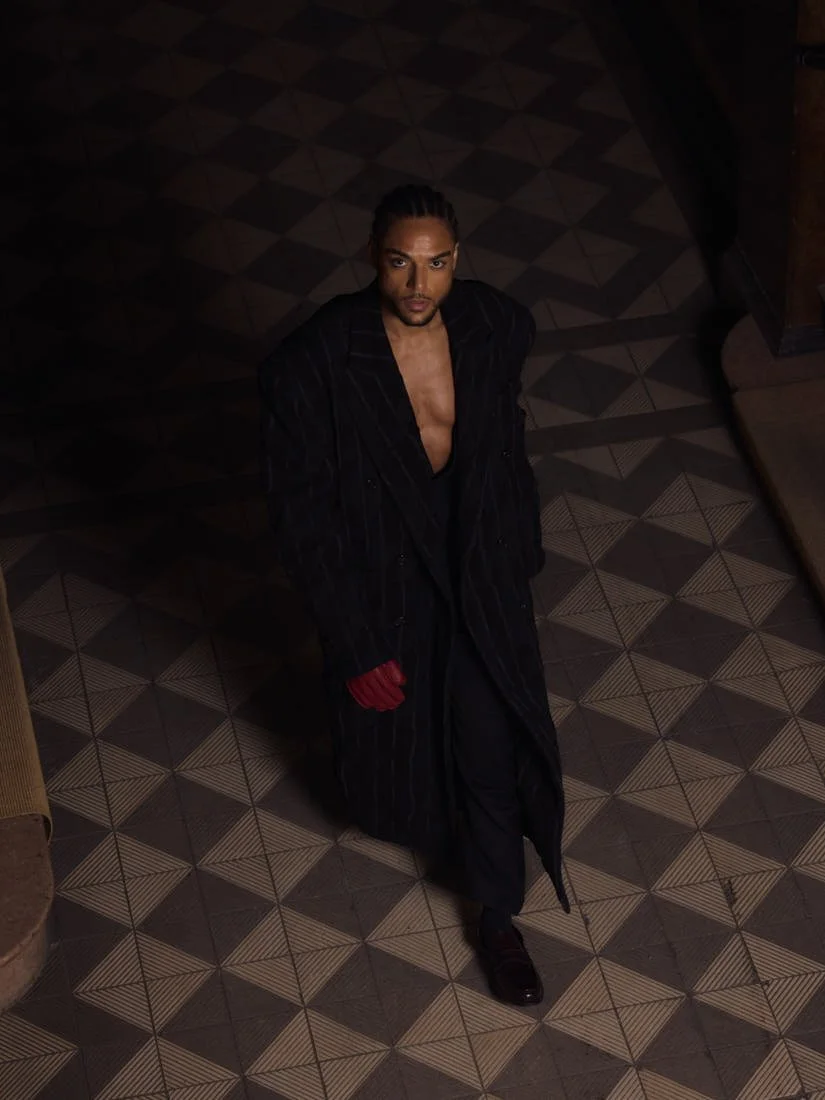
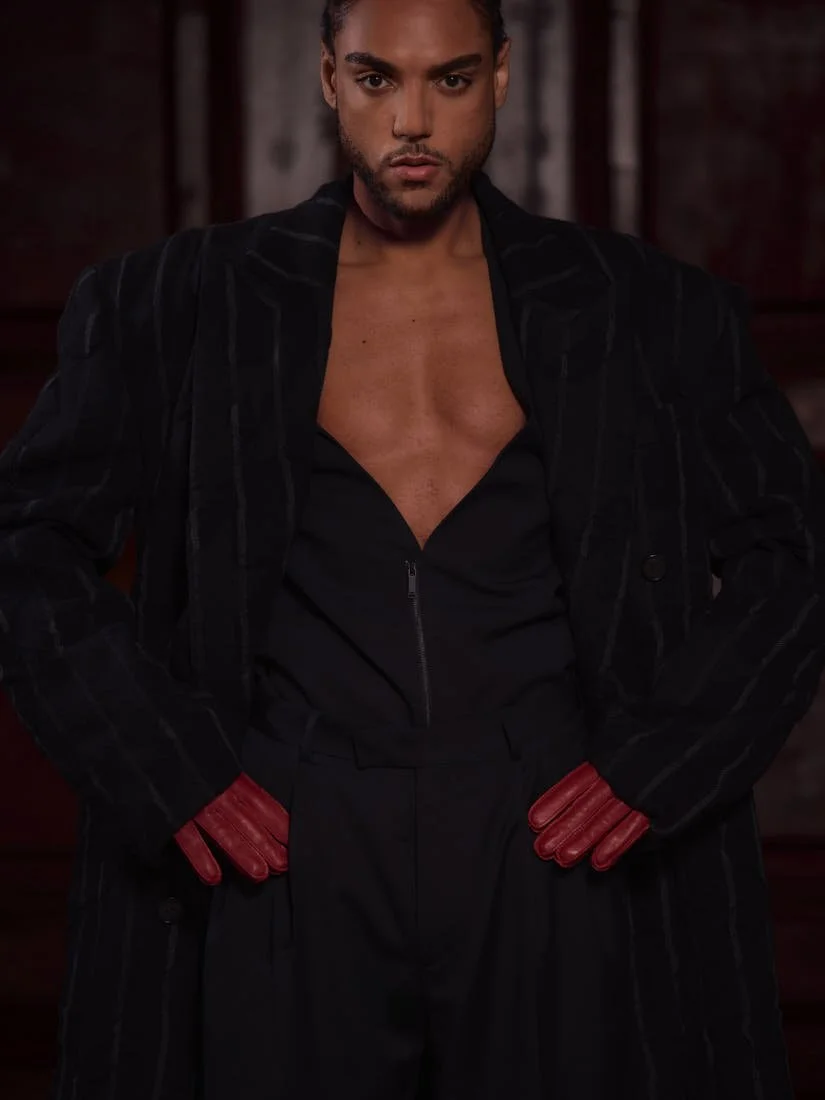
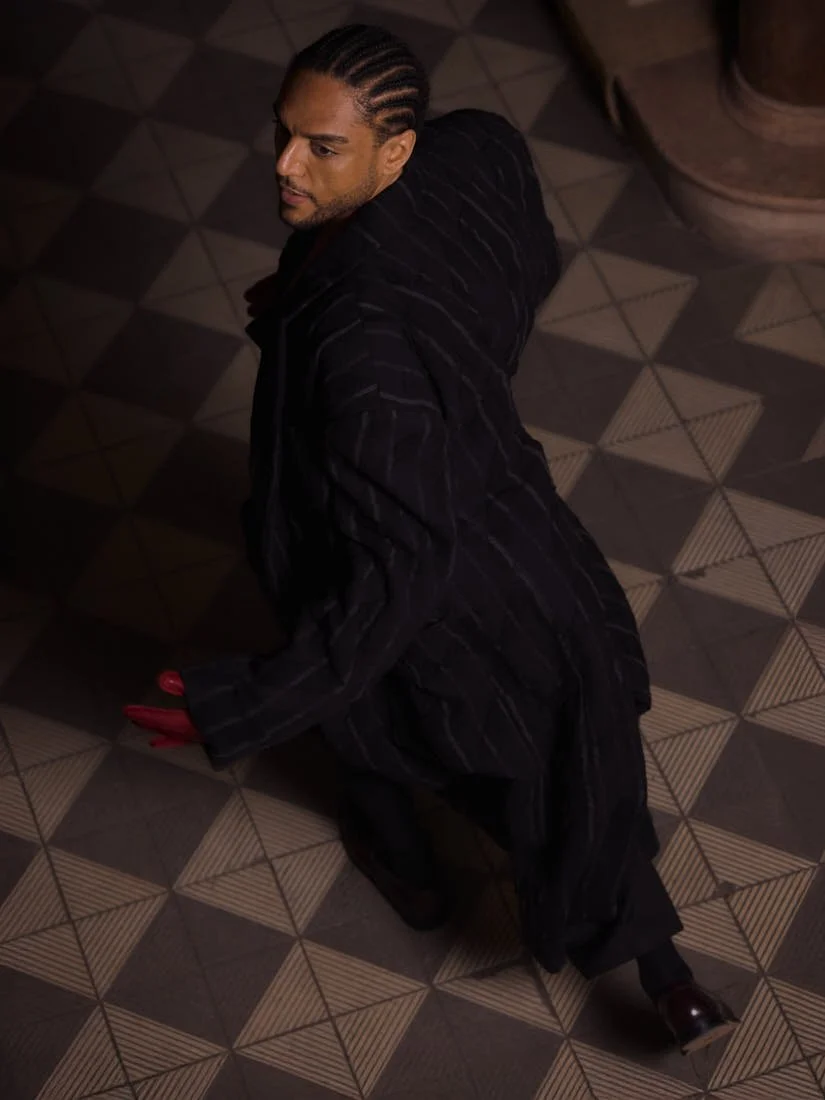
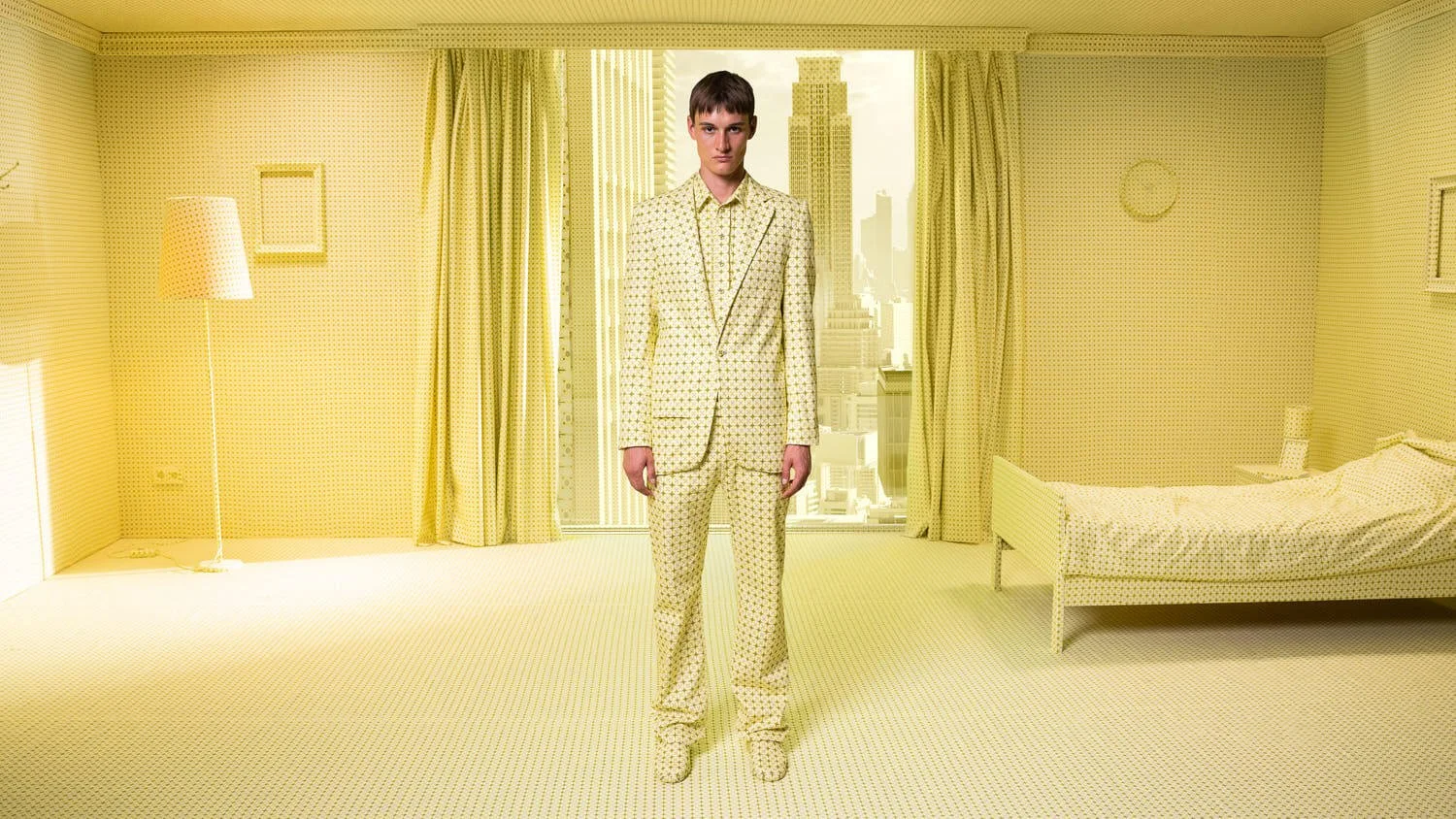
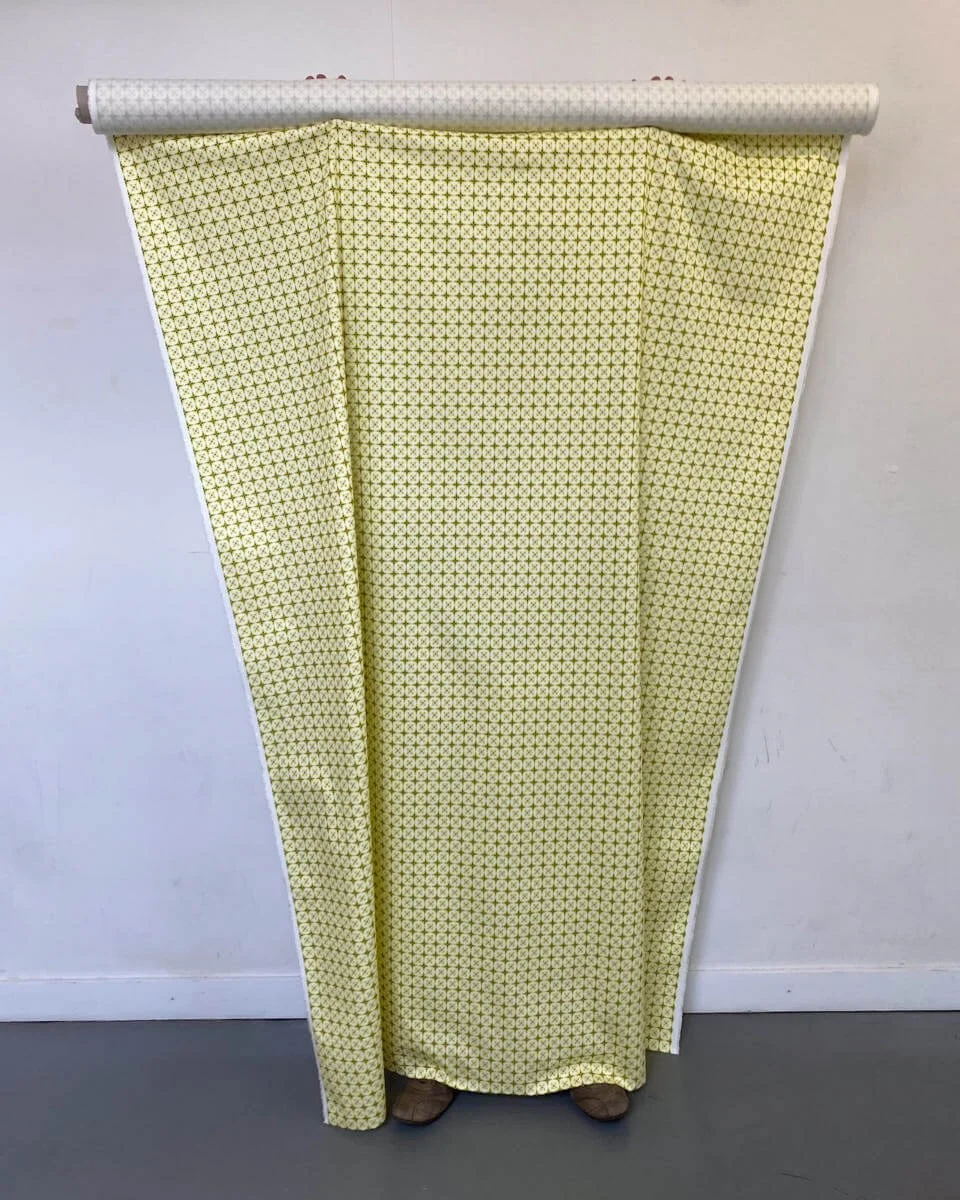
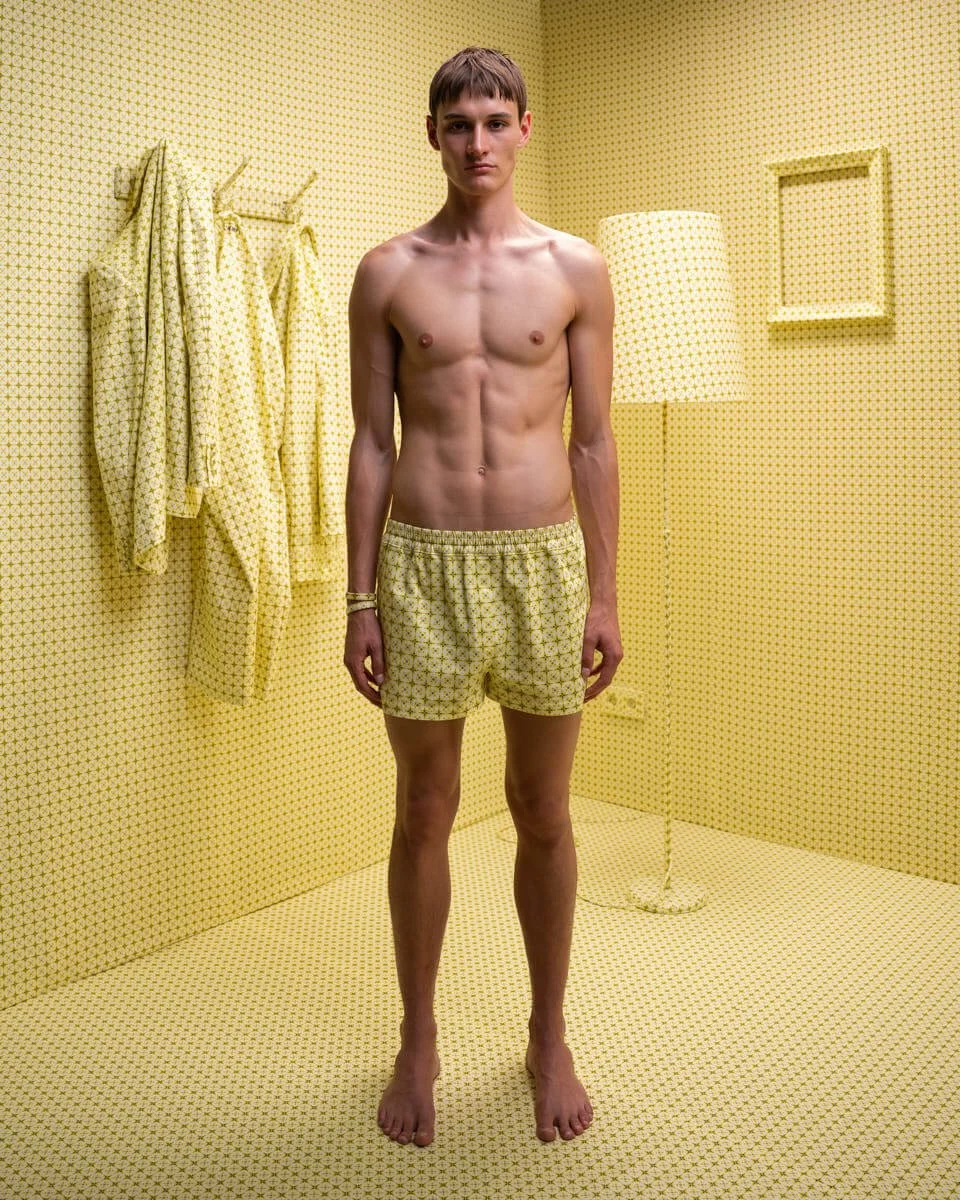
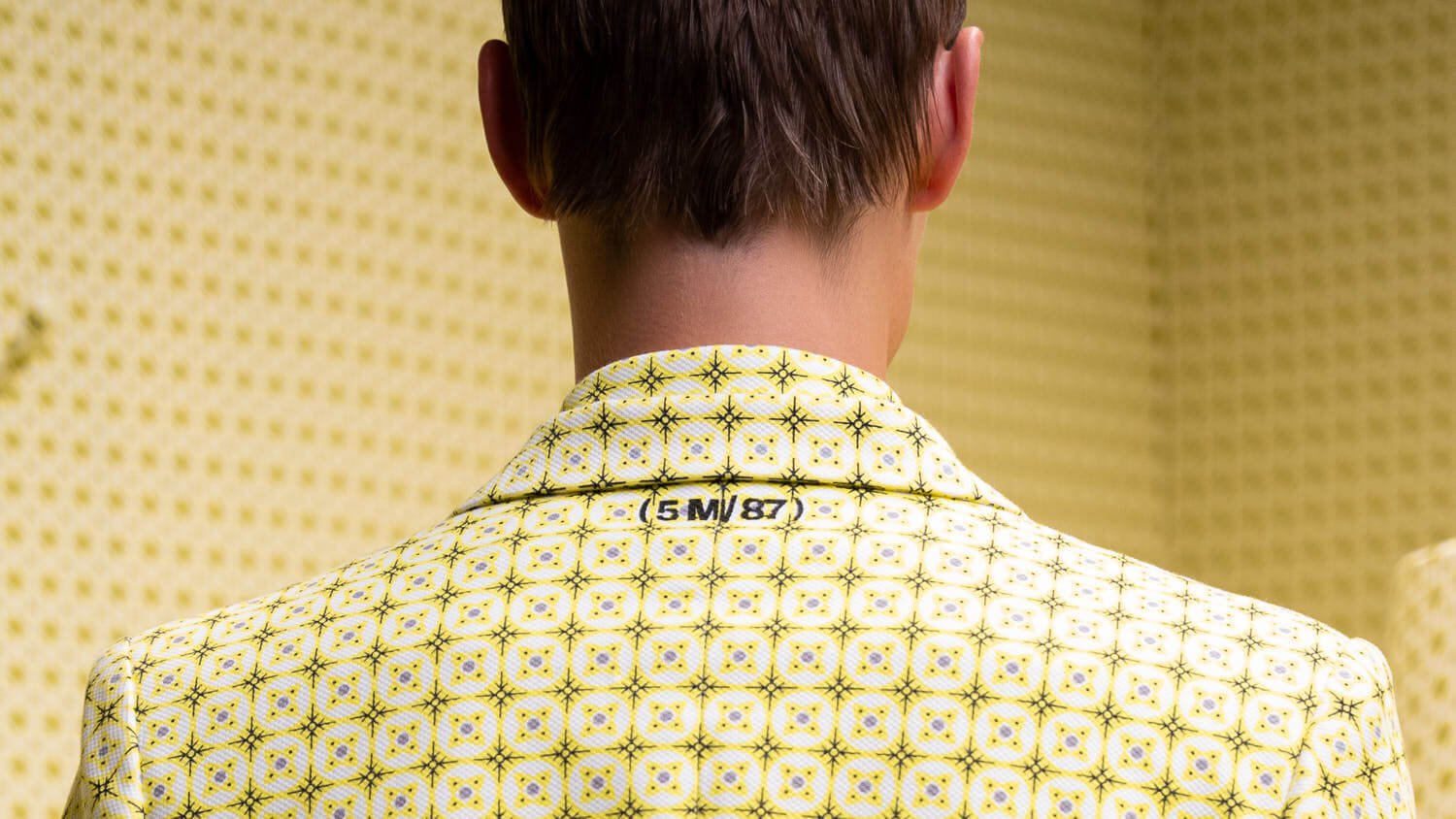
A reality made entirely from a single fabric. The only individuality comes from the subject itself. Maximum minimalism. Minimalist maximalism. An attempt to find something exciting in between. The material we used is the entire remaining 87 meters of one of the worst-selling deadstock fabrics from a large deadstock company I have worked with. Together with them, I searched for a suitable fabric that many people would initially have considered ugly and undesirable. This fabric is used for the collection, the interior, and the set for the presentation. The set is designed based on the width of the fabric, meaning the fabric did not have to be cut and can be used in its entirety to produce the collection. Each piece has a label indicating the amount of fabric used to make it. I wanted to prove to myself that context alone can be enough to turn surplus into something limited.
Who are your fashion role models and your biggest sources of inspiration?
The list of fashion designers I admire is long, and there’s no one I would single out above the others. Fashion is so multifaceted that there isn’t anyone who excels in every discipline at the same time. It’s the diversity that truly brings beauty. I’m constantly discovering new fashion role models from whom I can learn something.
Inspiration literally comes from everywhere. Often, the greatest sources of inspiration are the impressions I get from real life. It can be anything. That’s why I try to always stay attentive and notice every little detail in the moment. I also share ideas with my friends, most of whom are creatives as well, and we work on them together.
(c) (1/1)SAMPLE
creative direction + design
JAKOB WIRTZ
set design FELIX STÖHR, JAKOB WIRTZ
commercial TIM KREISEL, SIMON BAKENECKER, JAKOB WIRTZ
lookbook TIM KREISEL, JAKOB WIRTZ
talent MARLON BOSSE TITUS PREIS
label SALMA SARAH BENAMAR, JAKOB WIRTZ
fabric FABRICHOUSE
special thanks to JOHN KURZ, FINN SCHÖN, HOCHSCHULE PFORZHEIM
fashion (1/1)SAMPLE
set design FELIX STÖHR, JAKOB WIRTZ
commercial TIM KREISEL, SIMON BAKENECKER, JAKOB WIRTZ
lookbook TIM KREISEL, JAKOB WIRTZ
talent MARLON BOSSE TITUS PREIS
label SALMA SARAH BENAMAR, JAKOB WIRTZ
fabric FABRICHOUSE
special thanks to JOHN KURZ, FINN SCHÖN, HOCHSCHULE PFORZHEIM
fashion (1/1)SAMPLE