Viewing entries tagged
le mile magazine

Langston Uibel - Acting, Identity and Louis Vuitton FW26

Langston Uibel - Acting, Identity and Louis Vuitton FW26

.cover story

Langston Uibel and the Reason Behind the Role


written + interview ALBAN E. SMAJLI


There is a moment in our conversation when Langston Uibel says that a project needs a clear reason to exist. He is speaking about the people behind the work, the perspective they bring and the commitment required to carry an idea through. The sentence lands almost casually, yet it explains much of the path he has taken across cinema, streaming and theatre, and his growing involvement in producing projects of his own.
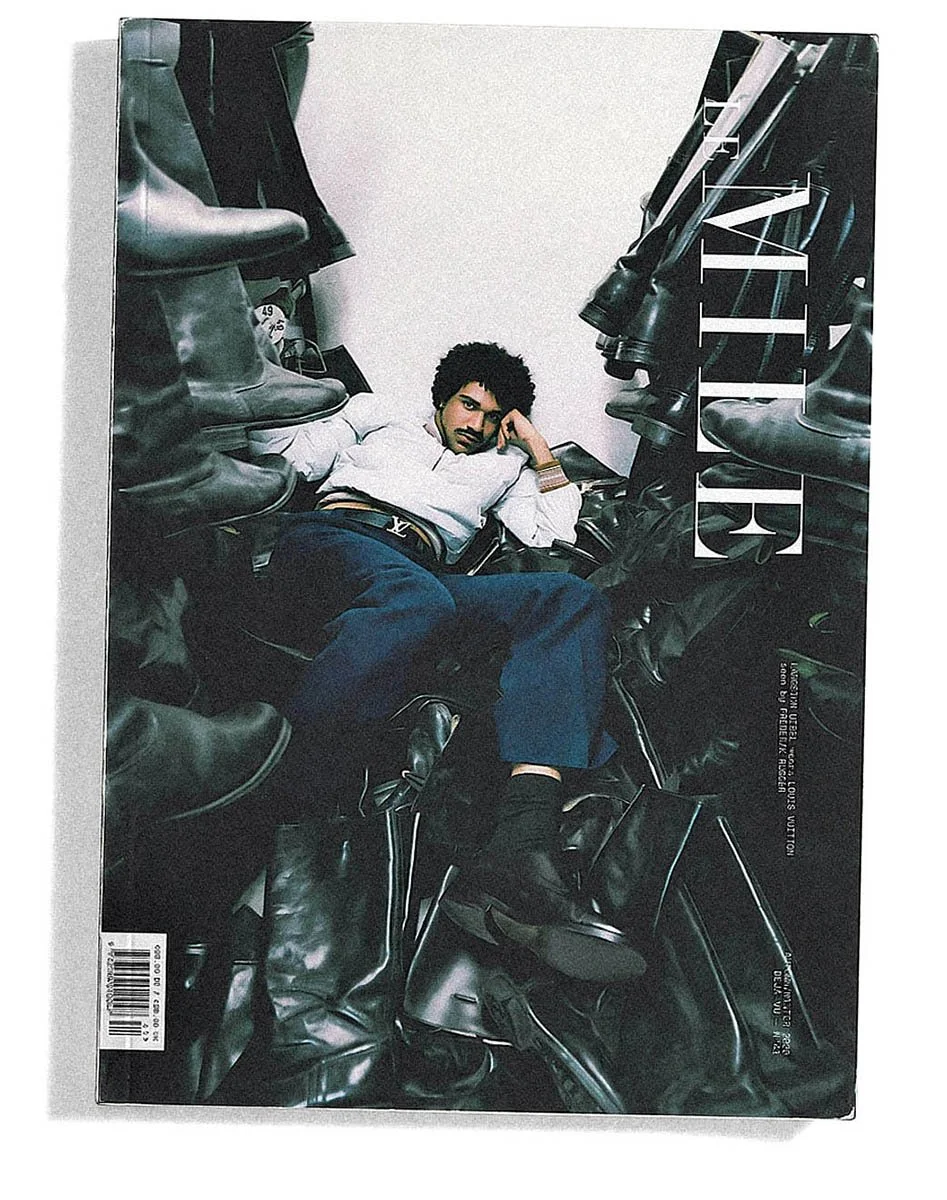
 
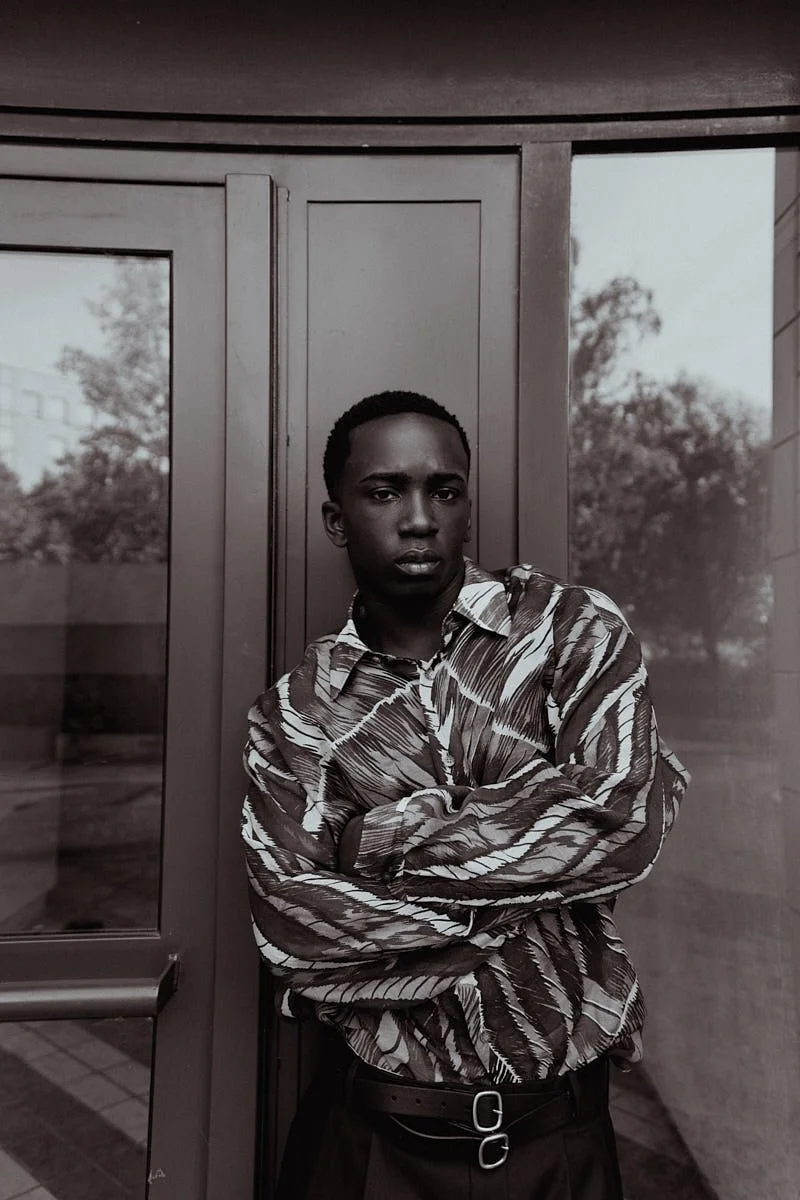
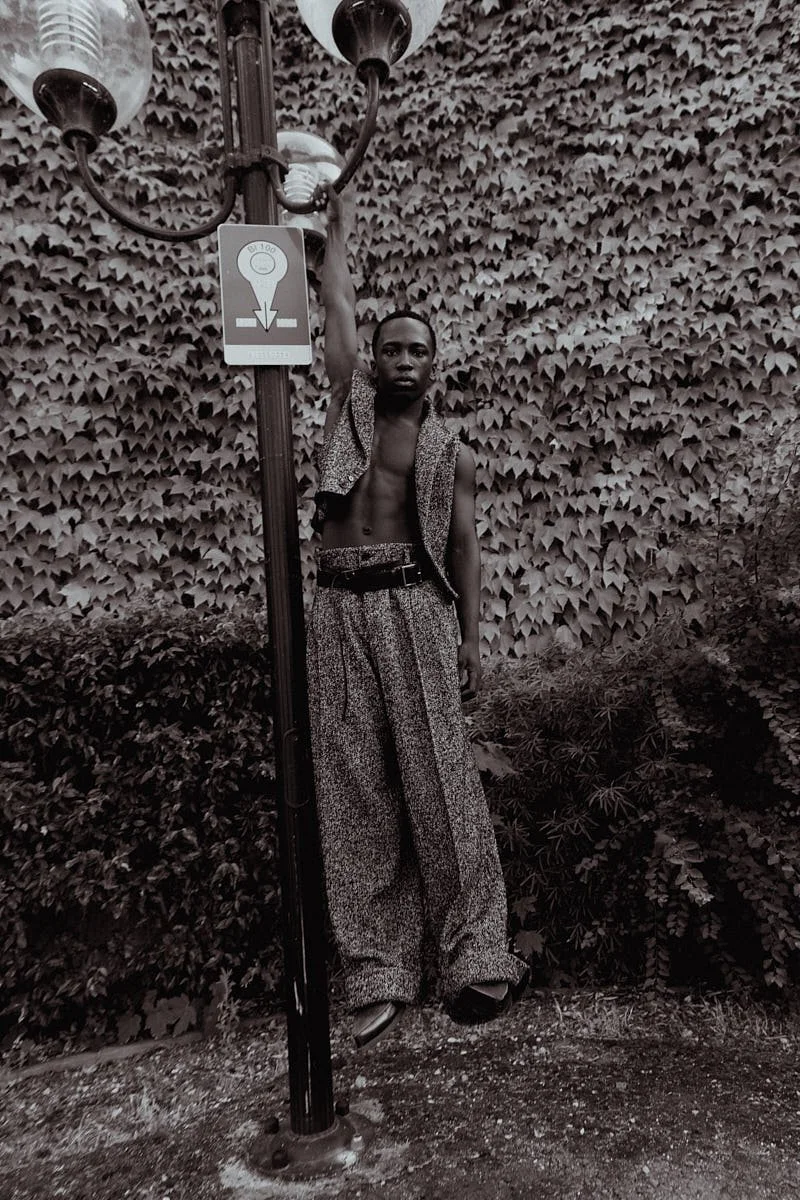
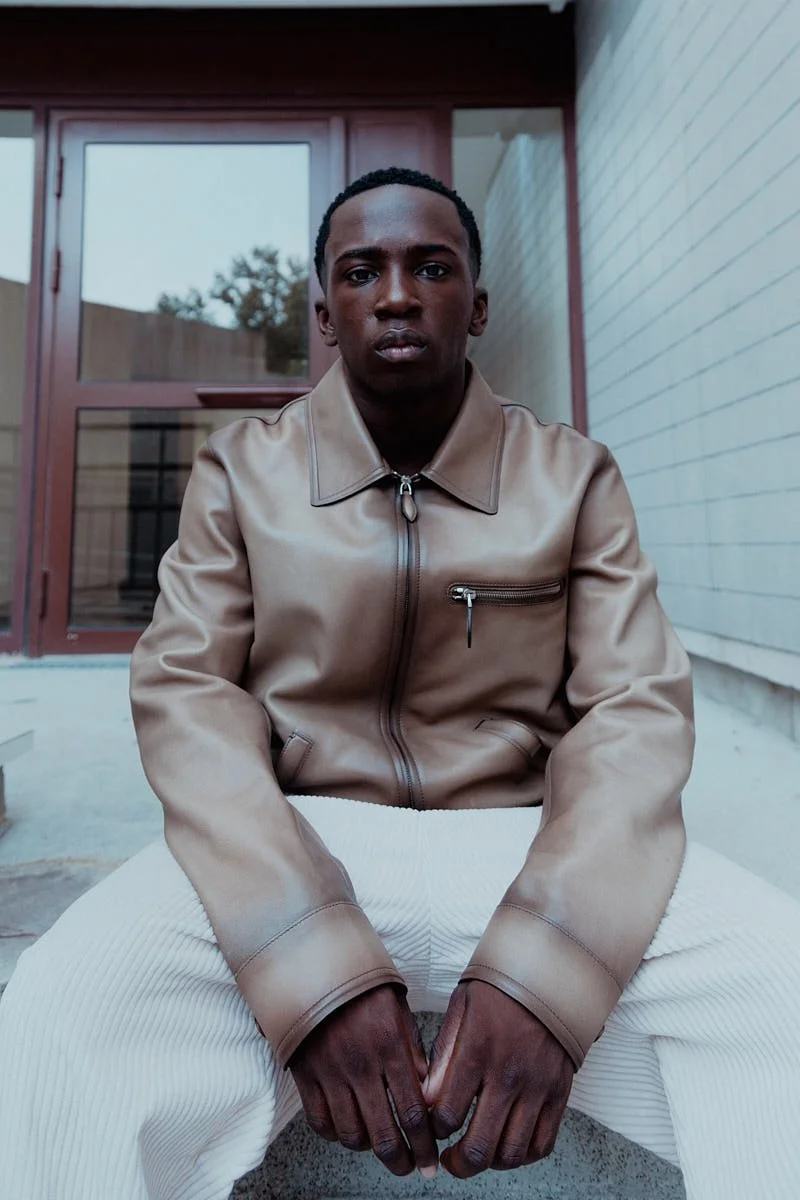
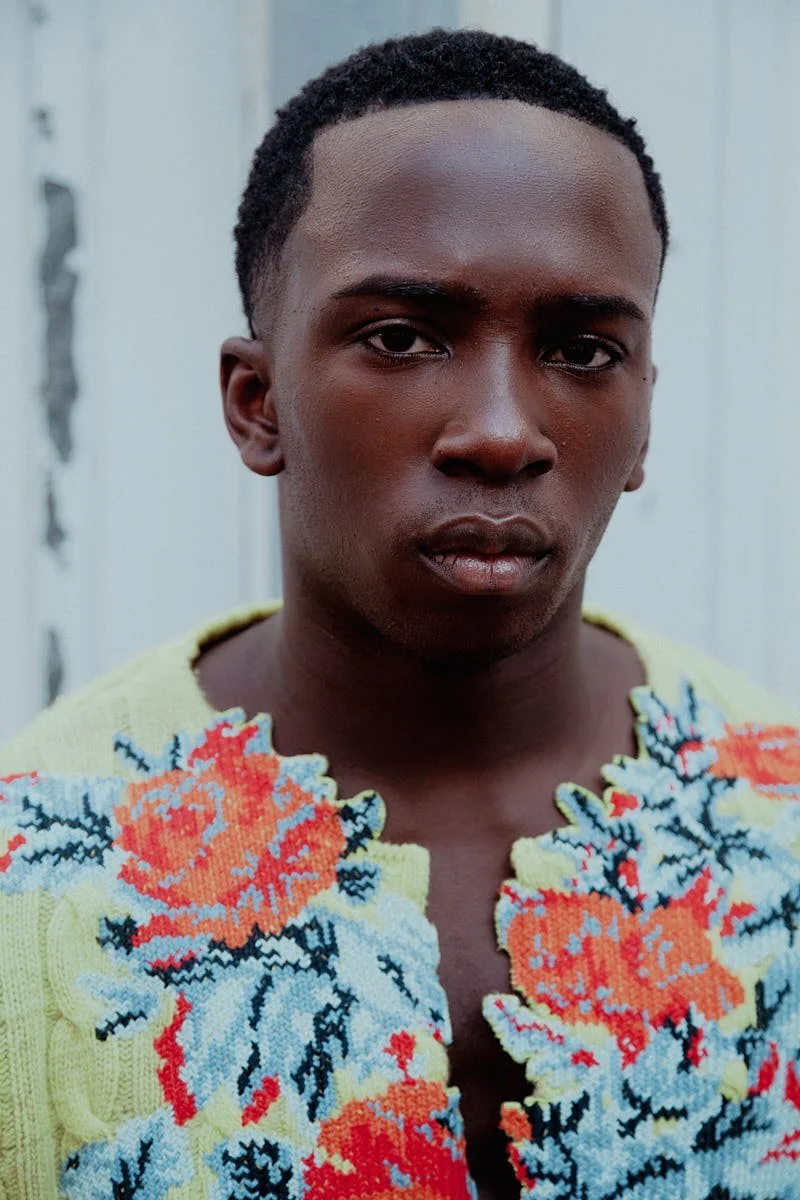
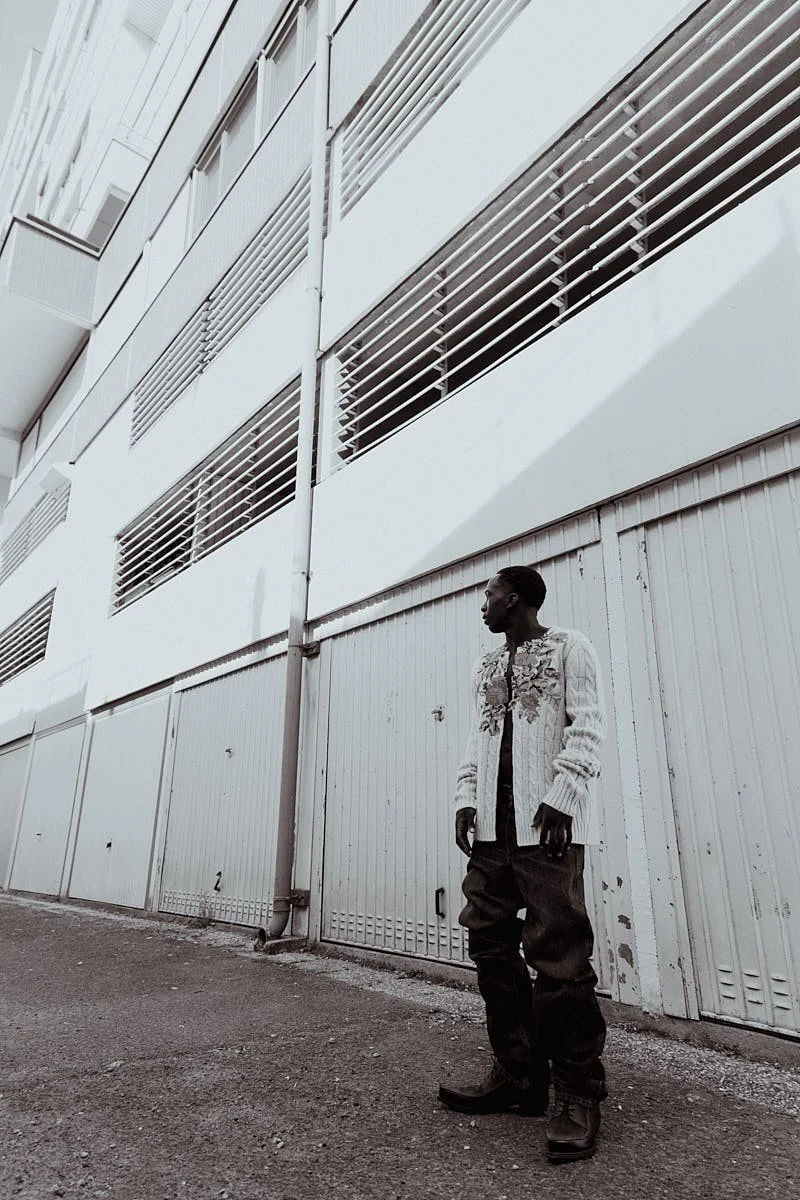
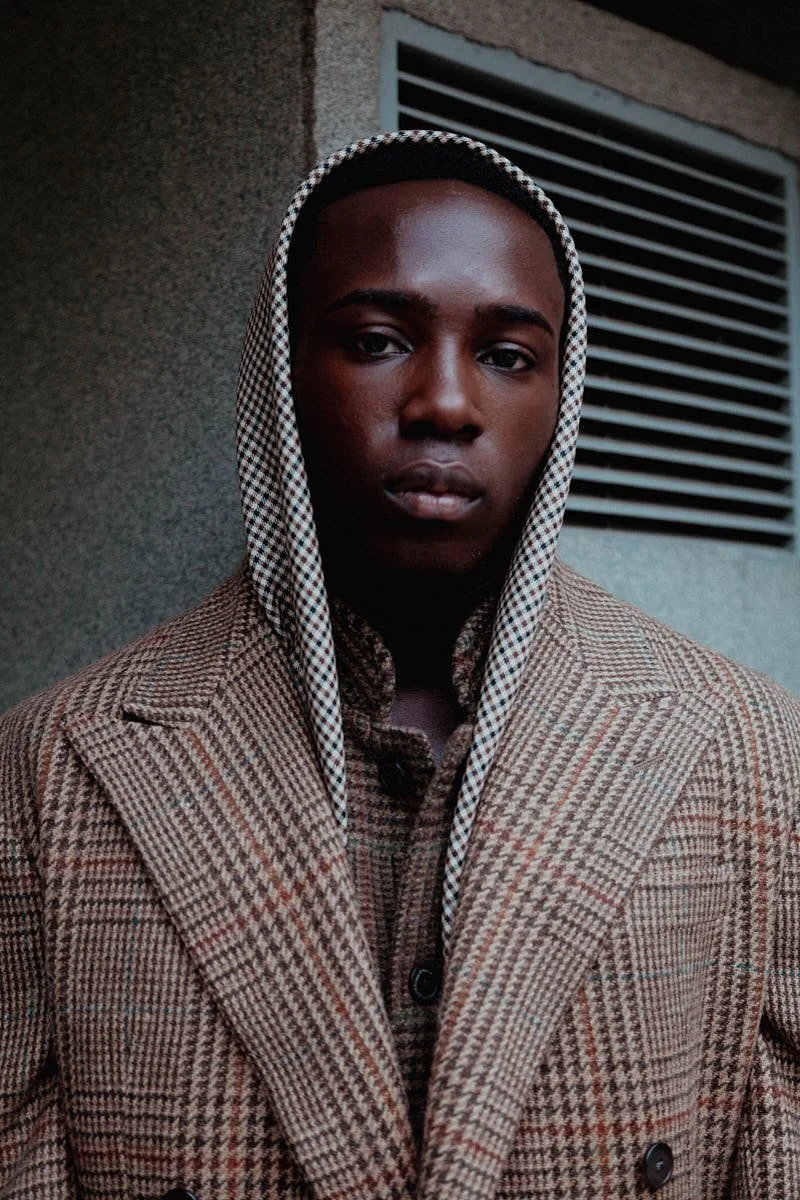
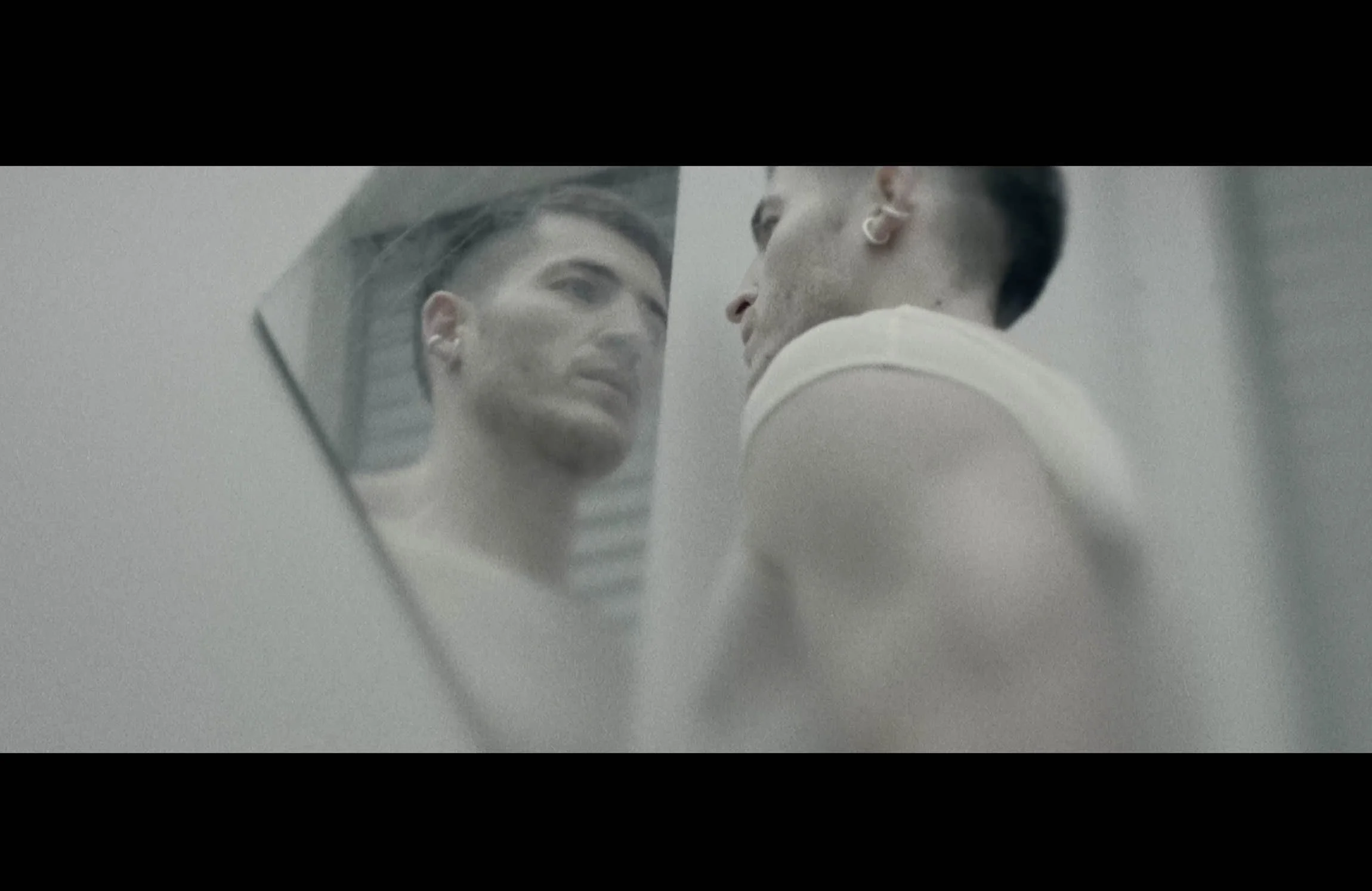
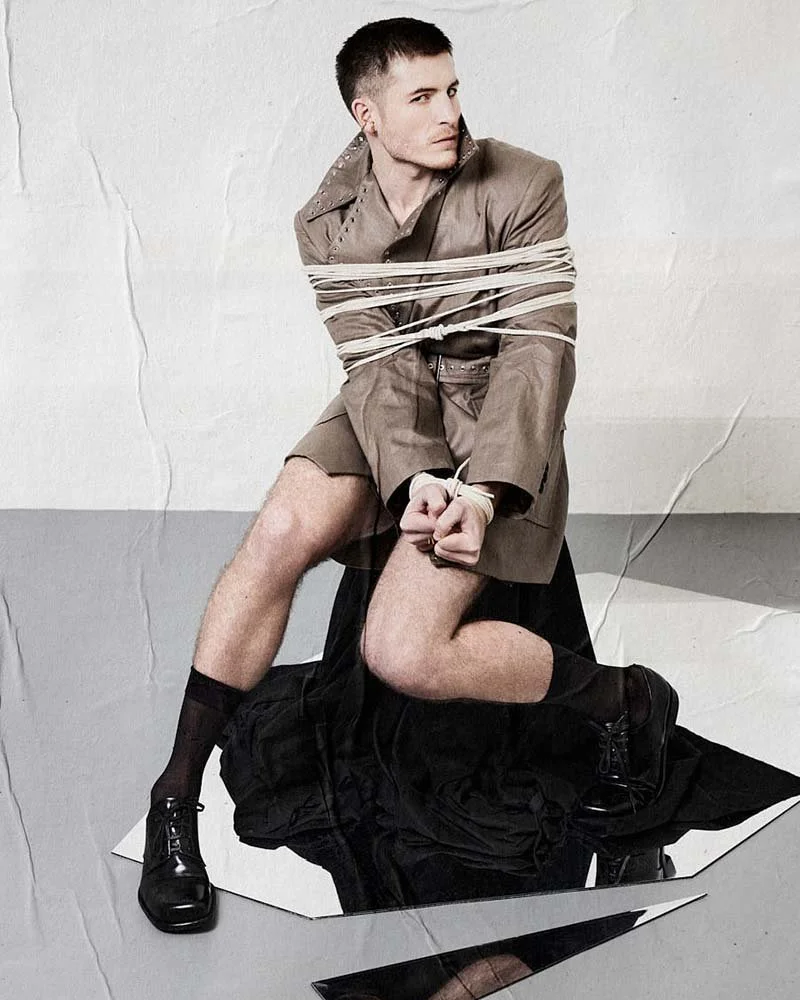
Langston Uibel wearing Louis Vuitton FW26 for LE MILE Magazine photo by Frederik Rügger


At 28, Uibel is already testing how much responsibility an actor can take for the work around him. He speaks openly about early performances he would approach differently today, the assumptions that follow certain roles and the need to keep moving before a career begins to repeat itself. What emerges is an actor becoming increasingly precise about where he places his energy, and increasingly determined to help shape what comes next.
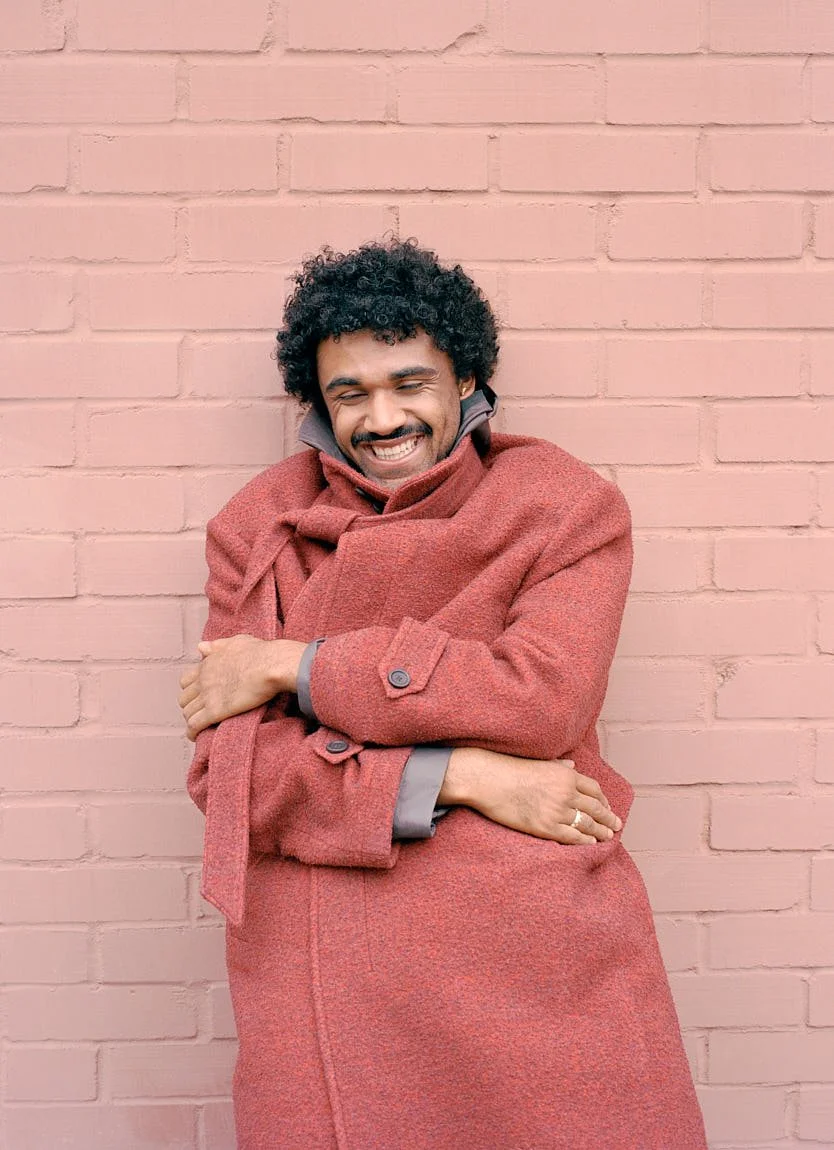
 
 
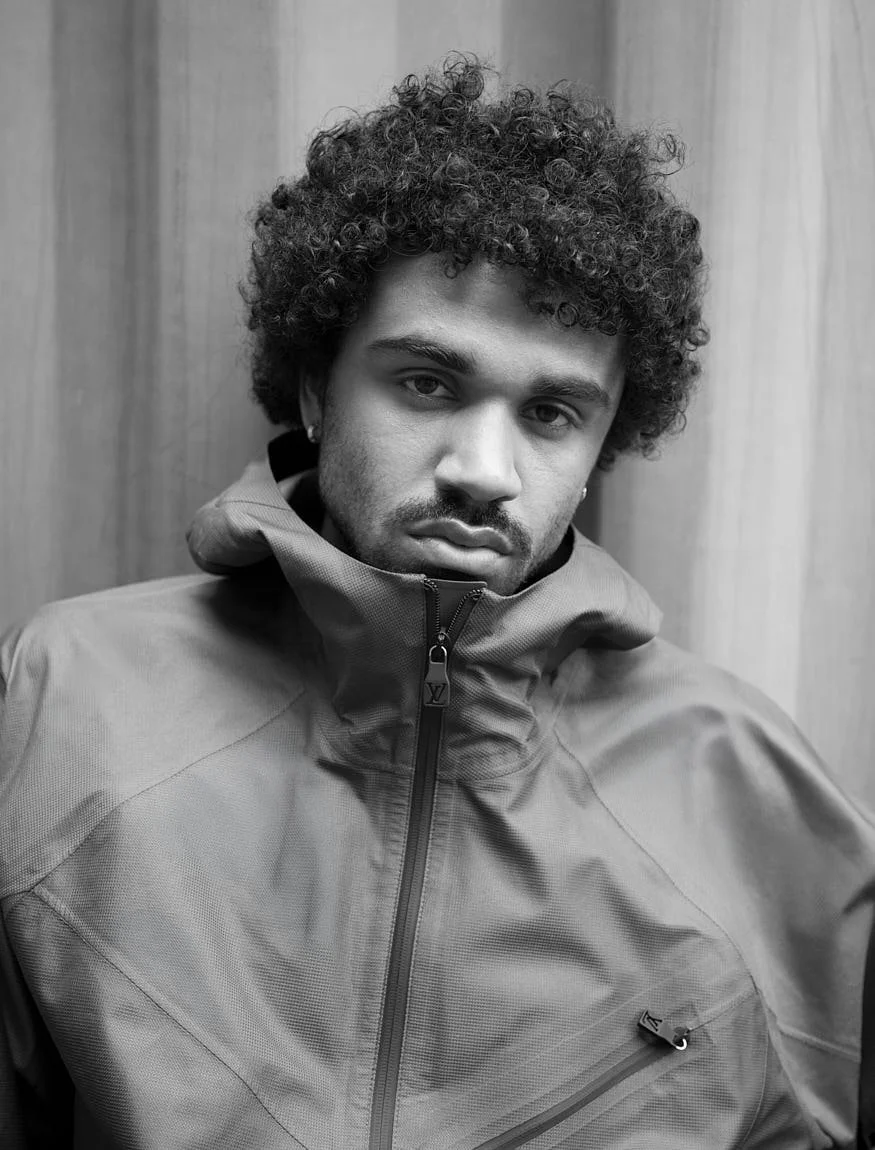
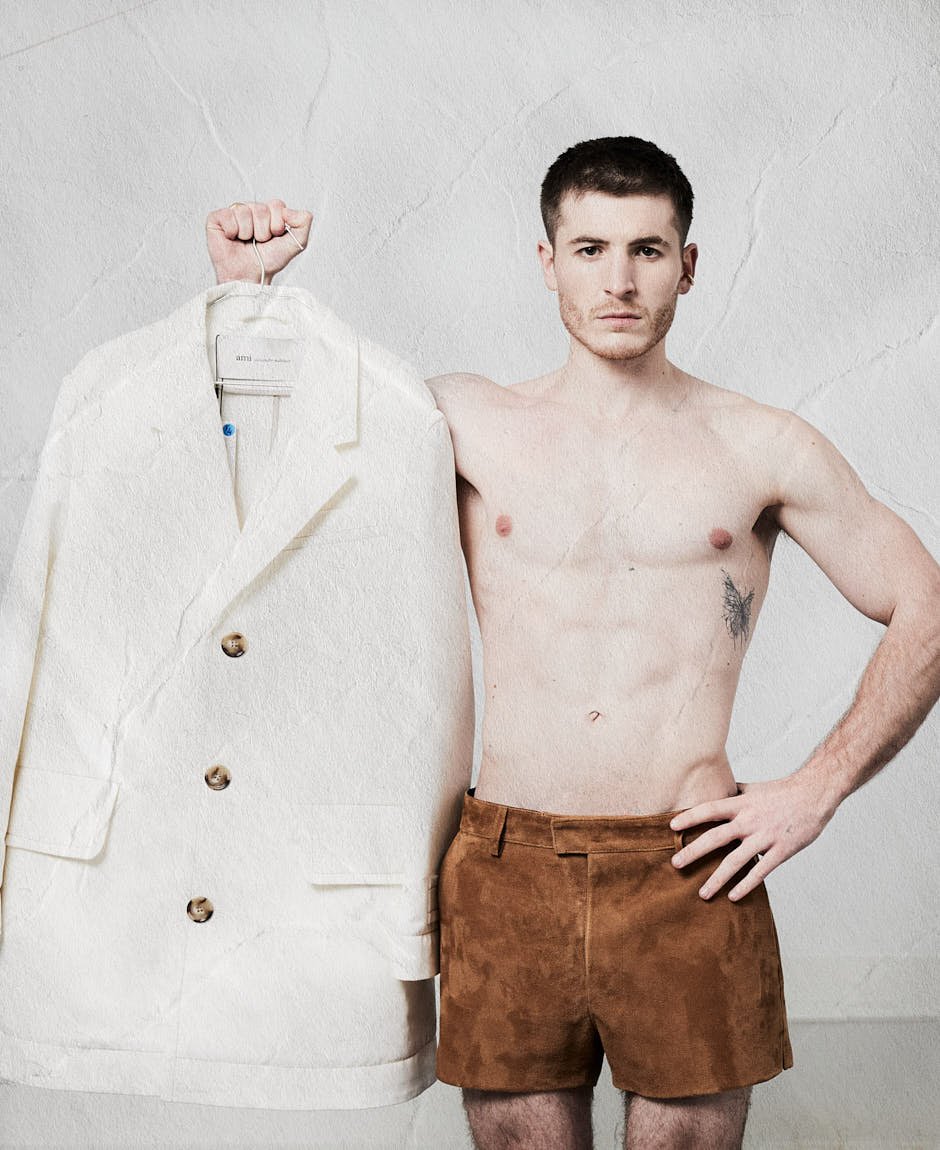
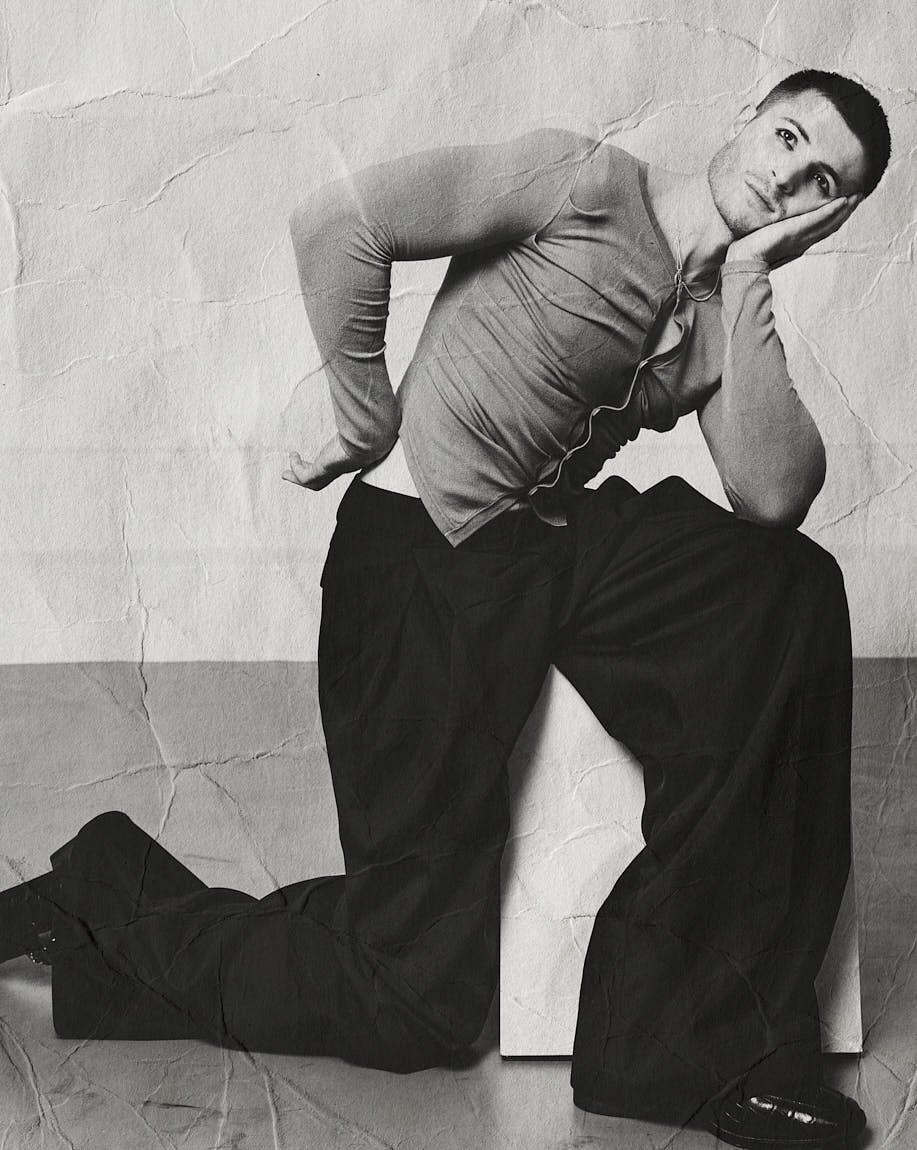
Langston Uibel wearing Louis Vuitton FW26 for LE MILE Magazine photo by Frederik Rügger

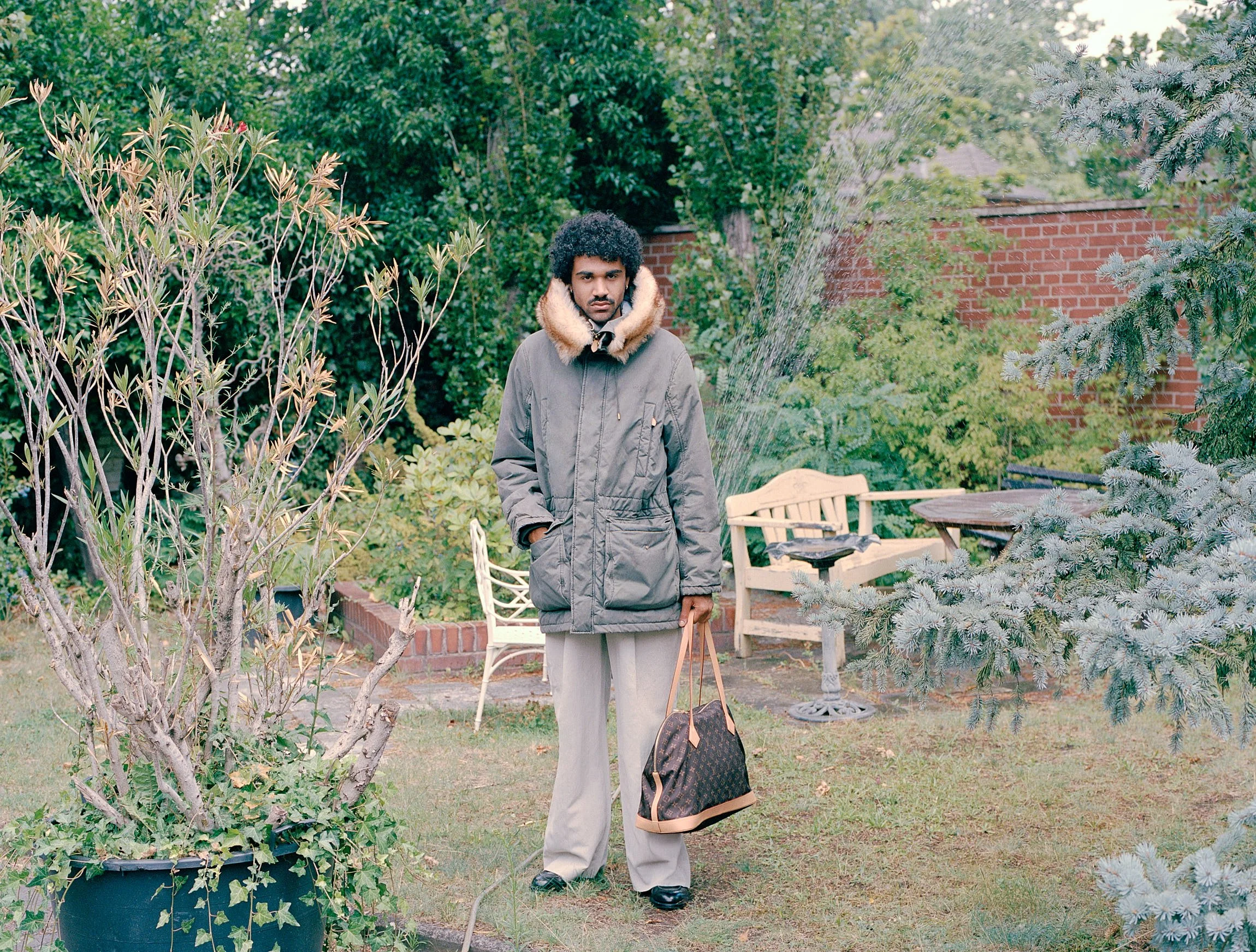
coat, jacket + ring LOUIS VUITTON

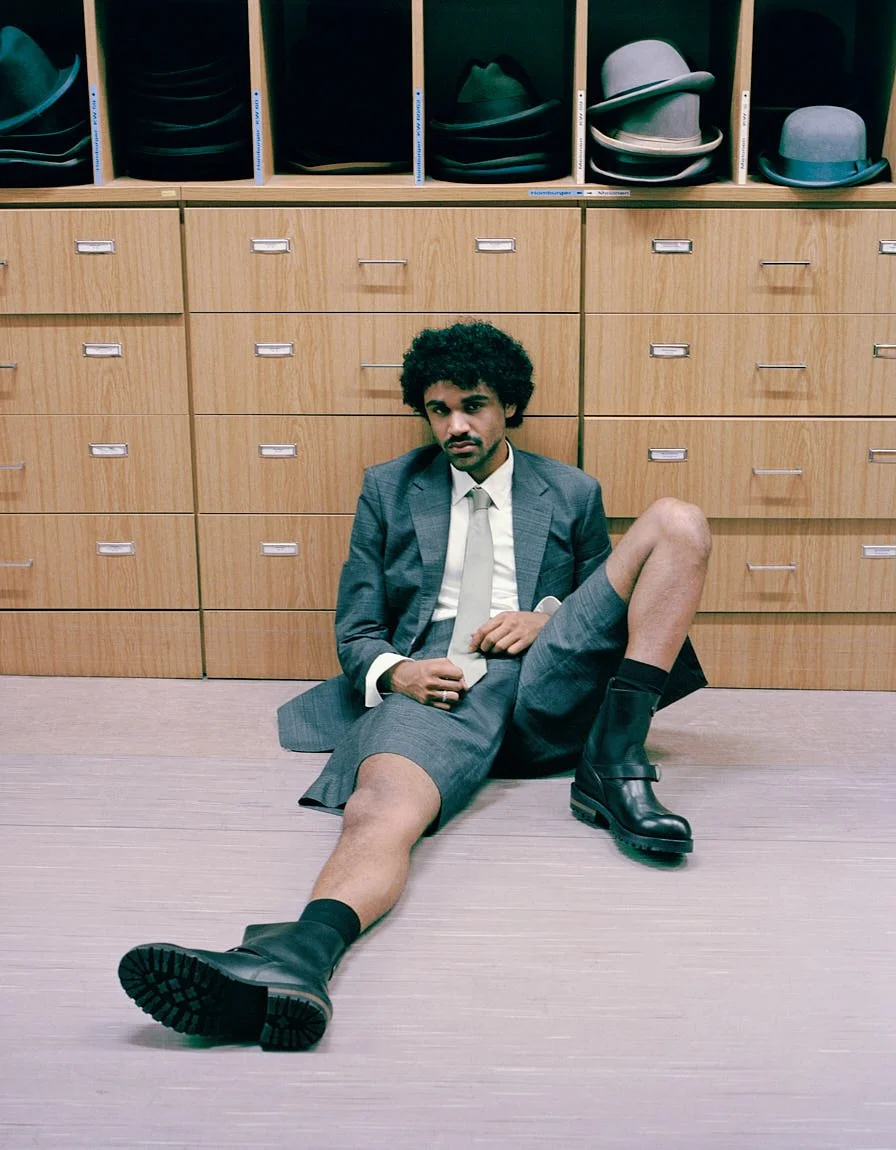
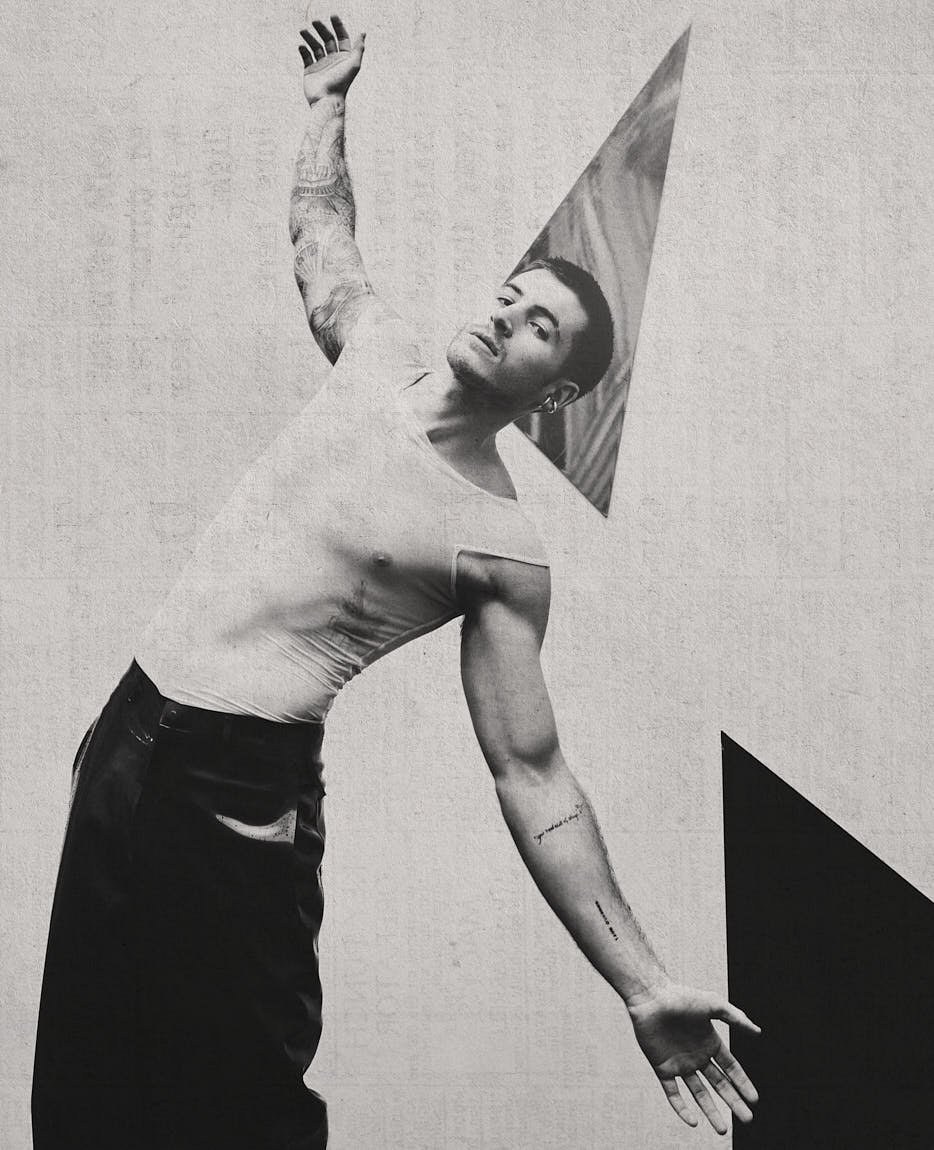
Langston Uibel wearing Louis Vuitton FW26 for LE MILE Magazine photo by Frederik Rügger

jacket, shirt, tie, shorts, socks, boots + ring LOUIS VUITTON


Alban E. Smajli
What holds your work together when every new project takes you into a completely different creative environment?

Langston Uibel
I had to learn on the job. I never had a classical education. So I was lucky enough to have these three Netflix shows: Dogs of Berlin, Unorthodox, and How to Sell Drugs Online Fast. I basically always had the opportunity to work with showrunners and creators who have a very distinguished approach to their respective projects.

And I think throughout my career, what holds everything together is that I’m always looking for somebody behind the project who has an absolute perspective and a concrete idea of what they want to do and a reason why they’re saying it. That’s always necessary for me. I don’t have to be on exactly the same page as everybody, but there has to be a subject to discuss. If somebody doesn’t know why we’re doing something, I’m not interested.

I always need to have people who feel like they need to do this, that there is a necessity behind this story and a necessity behind their vision. And that’s where collaboration starts, because that’s the way I approach it. I always come in with 150 percent. Nothing is ever blatant. There is nothing that doesn’t matter. Everything matters so much. And that’s what I need to have with the creators that I work with. At the moment, I feel like I’ve found that most in theatre and cinema. With Christian Petzold, but also with young directors like Jasmin Baumgartner and Romina Küper, as well as my mentor in theatre, Barbara Frey.

Has there ever been a role that felt like it completely disrupted the direction your career was taking?

Well, funny enough, I tend to see myself as quite a serious guy. I mean, I laugh with my friends, but in general I think people laugh way too easily. Everything is not always that fucking funny. Especially when people think they’re funny. Let the others be the judge of that. That also goes for comedies. If we’re talking about something disruptive, actually my next move is that I’m going to be in a children’s movie, Bibi Blocksberg. And I think these classic German children’s film productions have a certain vibe and a certain taste, which I really wanted to be part of.

One of my first film experiences was being an extra in the children’s movie Hanni & Nanni. And now to come back as a proper actor in Bibi Blocksberg, an absolutely legendary German children’s story, is a dream come true.

Have you ever thought twice about a role because of what it might lead to afterwards?

I feel like I grew up in a world where people would still say absolutely outrageous stuff, like you wouldn’t want to play a queer character too often because you would then only get cast as a queer person. I mean, even if that is true, I couldn’t care less. I try to have versatility in my characters, but people sometimes lack the concentration to really look at what makes a character different, the nuances of characters.

People will actually have the cheek to use things like skin colour, sexuality, or style as the differences between characters. Maybe my characters all happen to have a certain swagger, but underneath there are differences. I sometimes feel like that’s a problem in general. People have to understand that you are made of so many little particles and that you can be so many things at once.

After Roter Himmel, did you notice people expecting something different from you as an actor?

Well, working on Roter Himmel, English title Afire, was my absolute home run, because I knew I needed to exist within this kind of space. I needed to meet a director like Christian Petzold to be reassured that my take on art is valid and that it makes sense to dive even deeper and really find out. He gave me that last bit of self-esteem that I needed to know that I can create art and that I can be impactful. I want to develop my own taste.

That work was absolutely pivotal, and I took it into my work on Hijack now and also into everything I do in the future. For me, he will be a mentor. I hope we get to work together again, but even if not, this will be one of my most important experiences. The way he works and the way he sees art is just very similar to mine, and I’m absolutely thankful for that time in my life. But that was three years ago, and we have to move on.
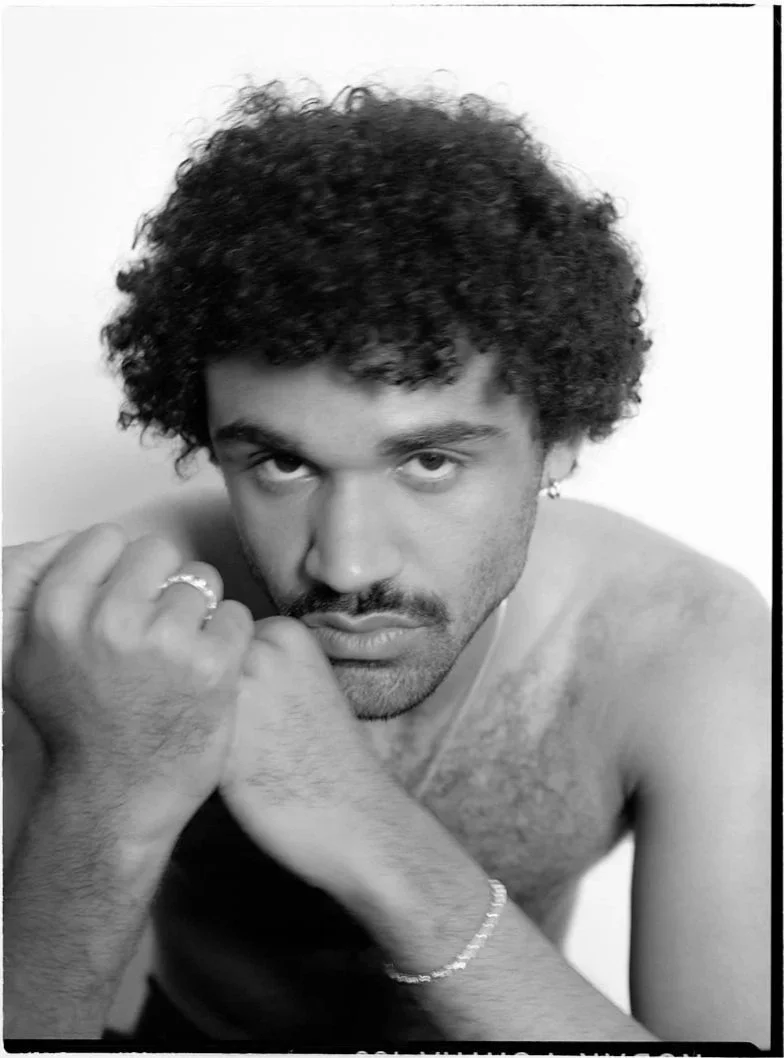
 

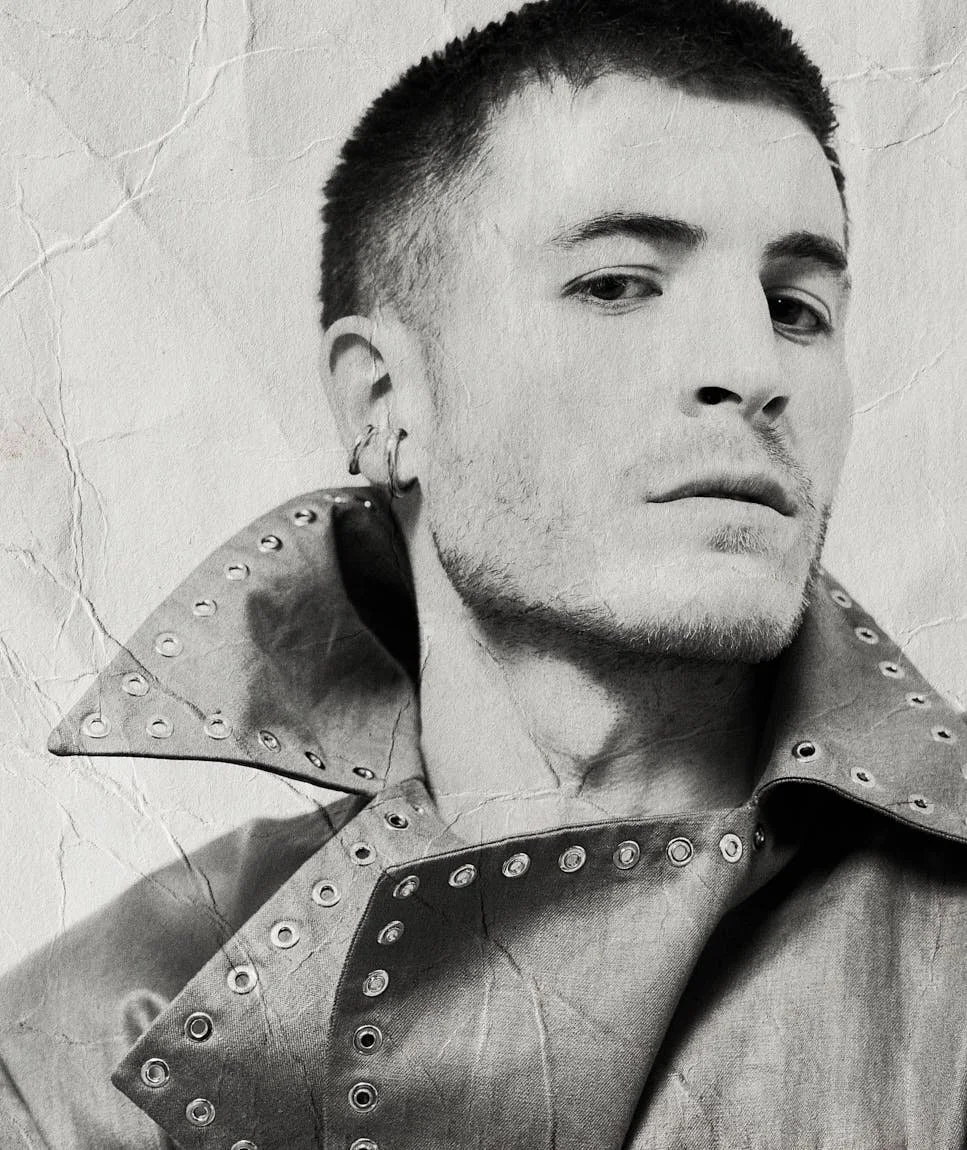
earring, ring + bracelet LOUIS VUITTON
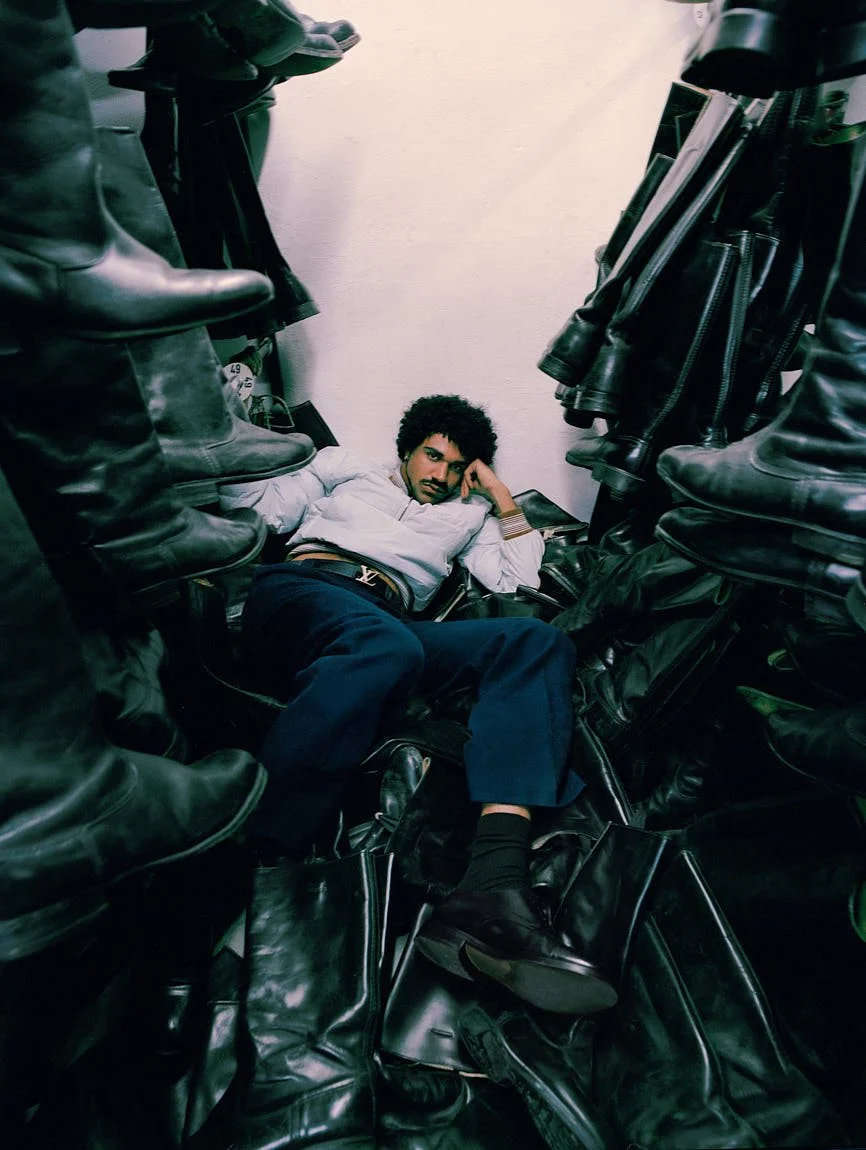
Langston Uibel wearing Louis Vuitton FW26 for LE MILE Magazine photo by Frederik Rügger

jacket, t-shirt, trousers, belt, socks, shoes + earring LOUIS VUITTON


What makes you trust a director enough to show them a side of your acting you haven’t explored yet?

One of my teachers in primary school said everybody’s best is different, but I think you should always try for the best. As long as everybody wants to try and people aren’t sloppy or lazy about things, things can happen. Things can go wrong. I’m 28, what do I know? But I’ve had experiences with directors who just don’t care, and I think it’s okay. In a capitalist society, you can have people who are not as ambitious, and it’s also fine to just do the bare minimum. I don’t judge that. But I just feel that if you’re only willing to do the bare minimum, then maybe being an artist doesn’t make that much sense.

What did your first season at the Burgtheater ask of you that film hadn’t prepared you for?

I just had to realise that film and theatre have more differences than similarities. In film, if you’re lucky enough, the director will be able to catch something while you’re living in the world that is set in front of the camera. The camera just passes by. The world should already exist. Theatre, for me, can only happen with the audience there. So you have to acknowledge the audience somehow. That doesn’t mean being loud and screaming and big, but you have to acknowledge the audience, even if it’s just through a thought.

I come from film. Film is the thing that I know more about. But I’m now about to do my second play with the same director, The Seagull by Chekhov at the Düsseldorfer Schauspielhaus. I just can’t wait to get back on stage. If I can do a play a year, that would be the perfect balance. And in general, the Burgtheater, where I’m still playing and where we’ve been renewed for a fourth season, has just reassured me that I can do it.

Did producing the KaDeWe film change the way you walk onto a set as an actor?

I just try to limit my commercial activities, but when I do something, I try to take it into my own hands and make sure that whatever I do, even if it’s commercial, shows my take on art, shows my perspective, and gives me the opportunity to express myself.

With KaDeWe, as well as now with the new film I’m about to release for Dr. Martens, which I executive produced, it has been a really nice school for me. It’s been preparation for my first feature film that I’m going to produce together with Jünglinge Film, where I will be playing one of the leads as well as being one of the executive producers. I think we’re looking to shoot in 2028 or 2029, so it will take a while. I am also working with C/O Berlin, where I’ll be producing an intervention performance for the exhibition of Carrie Mae Weems.

I have this notion that I want to take responsibility in the future as an actor, to bring these films into the world and to make my projects successful. Successful doesn’t only mean numbers. I want to make sure they’re relevant, connected to the zeitgeist, connected to debates, and that they make sense. I want to take that responsibility.
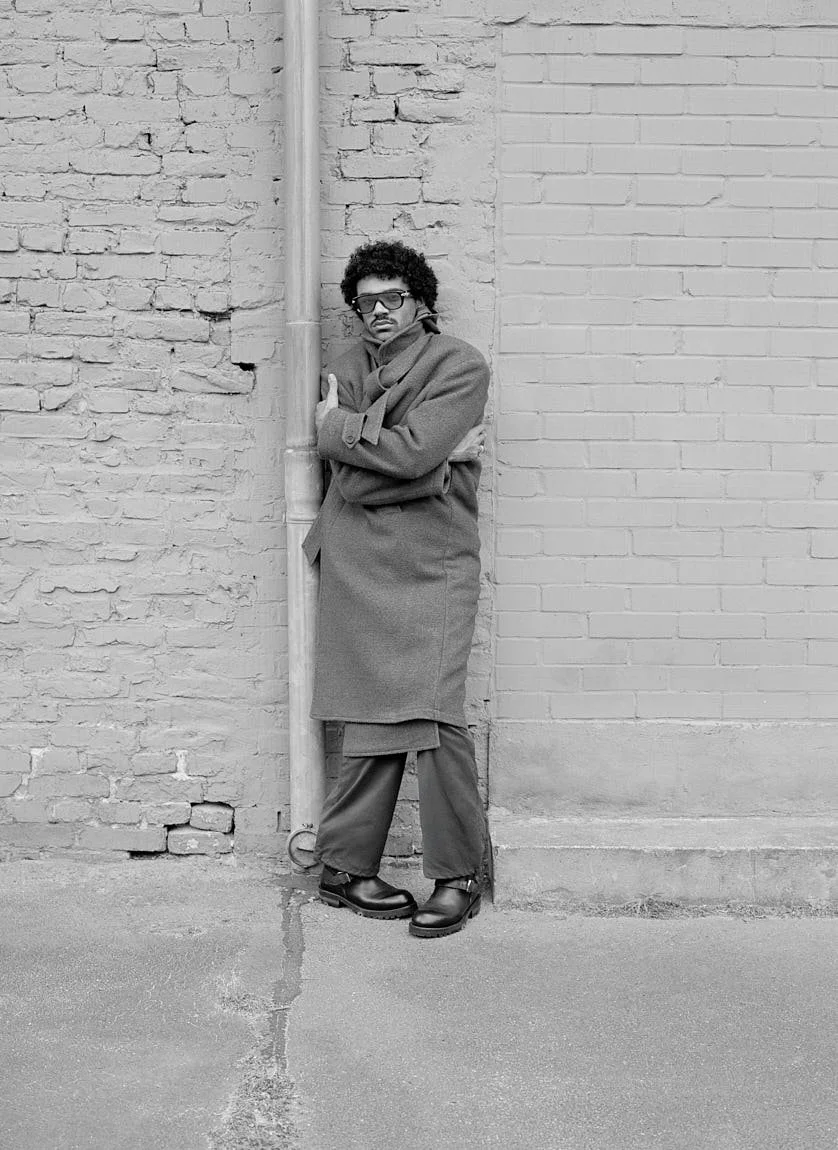
 
Langston Uibel wearing Louis Vuitton FW26 for LE MILE Magazine photo by Frederik Rügger

coat, jacket, trousers, shoes + eyewear LOUIS VUITTON
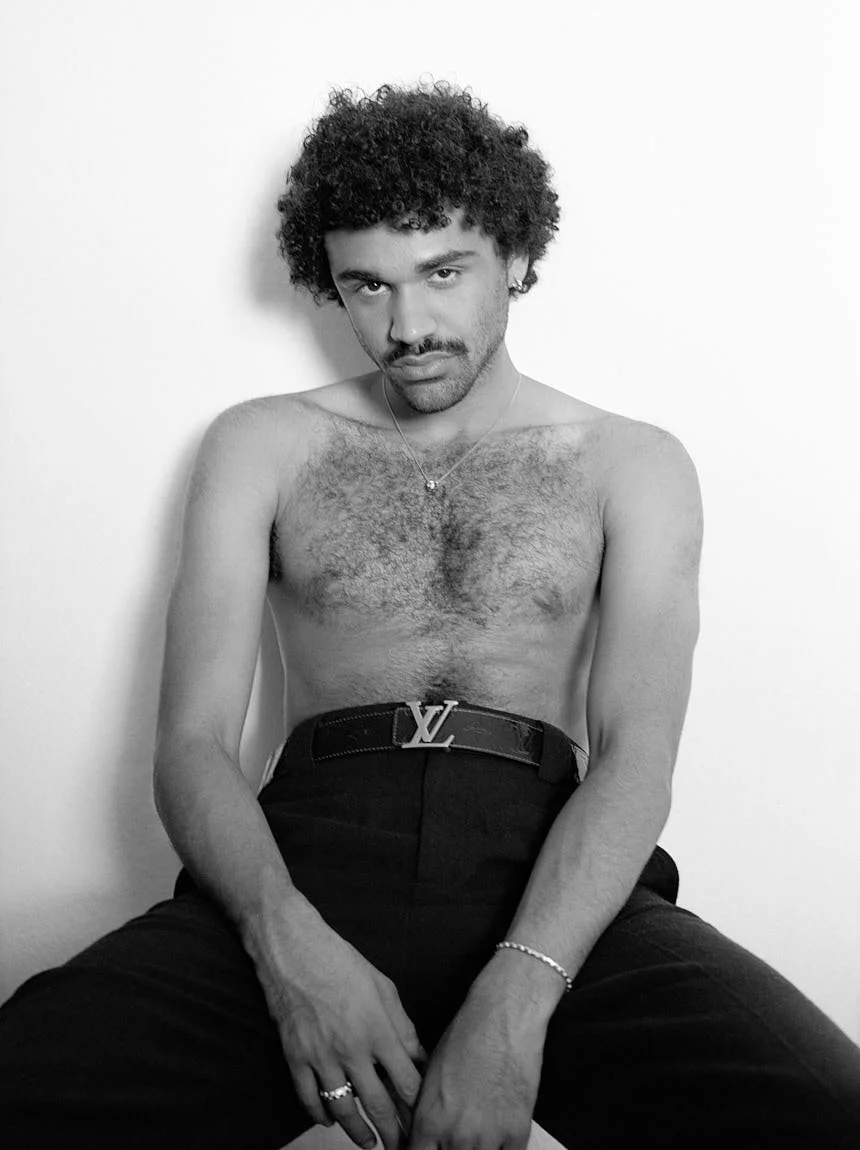
Langston Uibel wearing Louis Vuitton FW26 for LE MILE Magazine photo by Frederik Rügger

trousers, belt, earring, necklace, bracelet + rings LOUIS VUITTON


You work in both German and English. Does switching between the two change the rhythm of a character for you at all?

Oh, not really.

My main base is Berlin. My father has a bar called Dalston Jazz Bar in London, where I am a lot. I was incredibly lucky to shoot Hijack Season 2, the Apple TV series produced by Idris Elba, in London for around eight months last year, which was wonderful because I could work in my other home. For me, English and German are not something where I need to choose. I don’t need to choose one of these. Both are part of me.

Sometimes one language makes more sense. There are specific words that work better in one language, and I have people that I speak English with and use these specific words with, and then I have a German context where I speak German. I’m proud to be both, and I don’t have to choose.

When you look back at one of your earliest films, do you recognise anything in your acting that’s still there today?

No, sometimes I feel a little bit of shame because I started so young. I think I needed the time to understand the importance of my job. I never went to acting school, and my family doesn’t have any connection to the industry. You have to learn certain codes. You have to learn how to talk about it. And I wish I had given myself more time to learn before jumping into projects.

There are some projects where I feel I could have done better, and that hurts sometimes.

If we jump ten years ahead, what would you like audiences to say about the range of roles you chose?

Oh, I don’t know about the range.

In ten years, I just really want to make sure that the dreams I have and keep in my heart sometimes come true. It needs to work. I need this. And I hope that I can just play my part in this world somehow. Even if it’s a small one, I really hope that I can leave an impact.
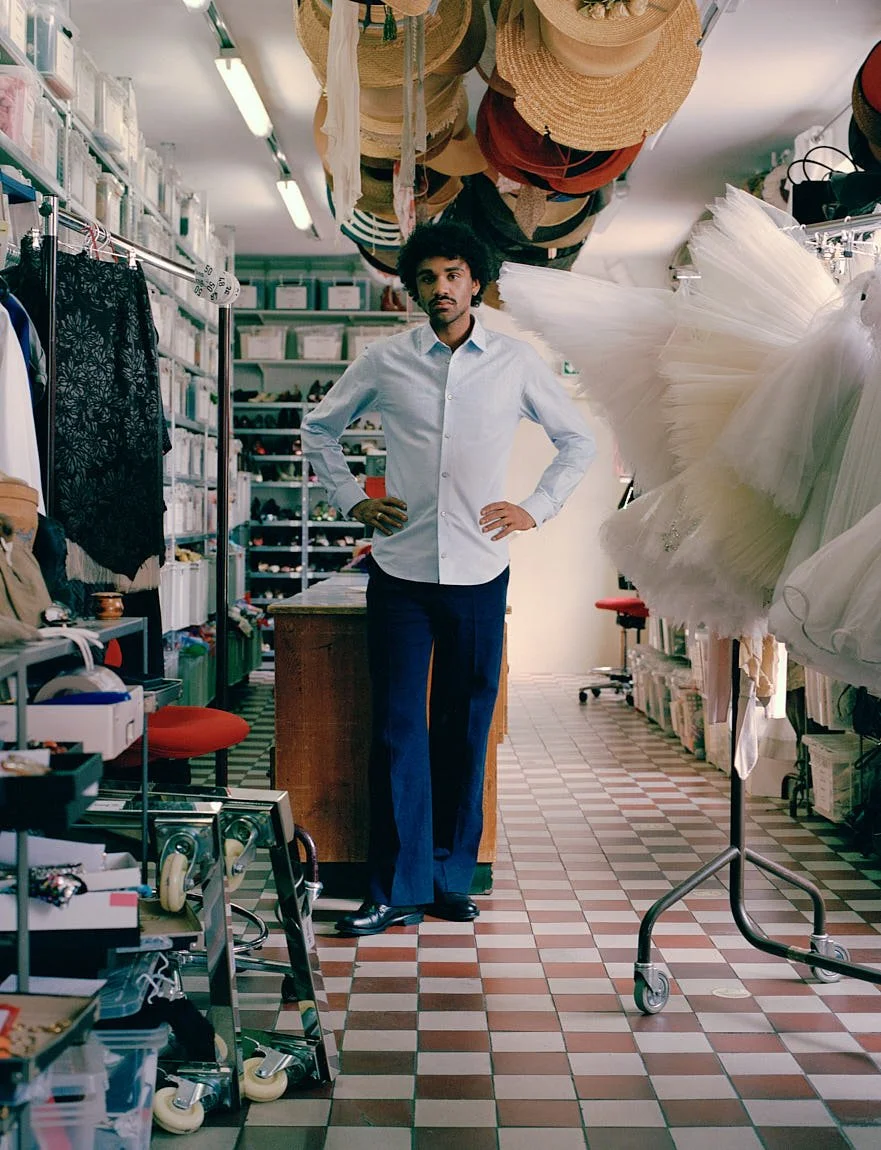
 
Langston Uibel wearing Louis Vuitton FW26 for LE MILE Magazine photo by Frederik Rügger

shirt, trousers, shoes, earring, bracelet + ring LOUIS VUITTON
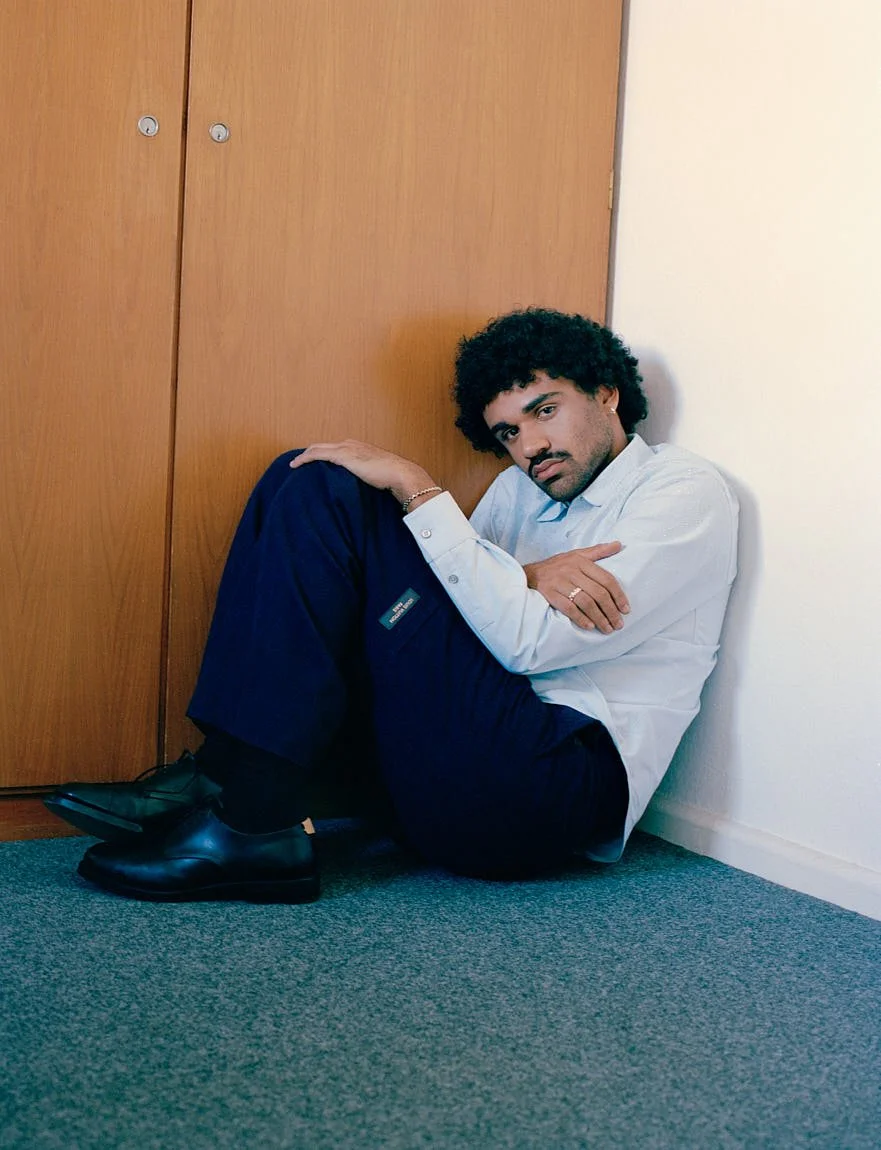
Langston Uibel wearing Louis Vuitton FW26 for LE MILE Magazine photo by Frederik Rügger

jacket + earring LOUIS VUITTON

 
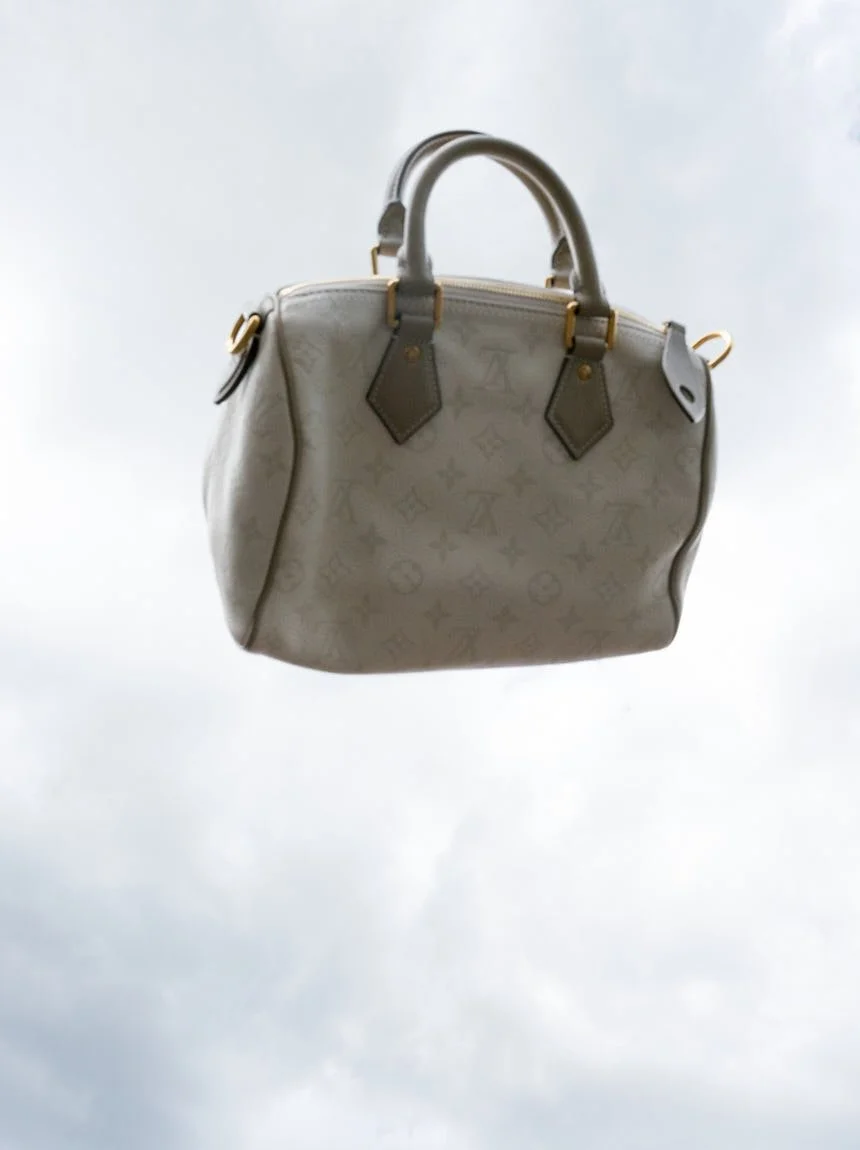
Langston Uibel wearing Louis Vuitton FW26 for LE MILE Magazine photo by Frederik Rügger

bag LOUIS VUITTON

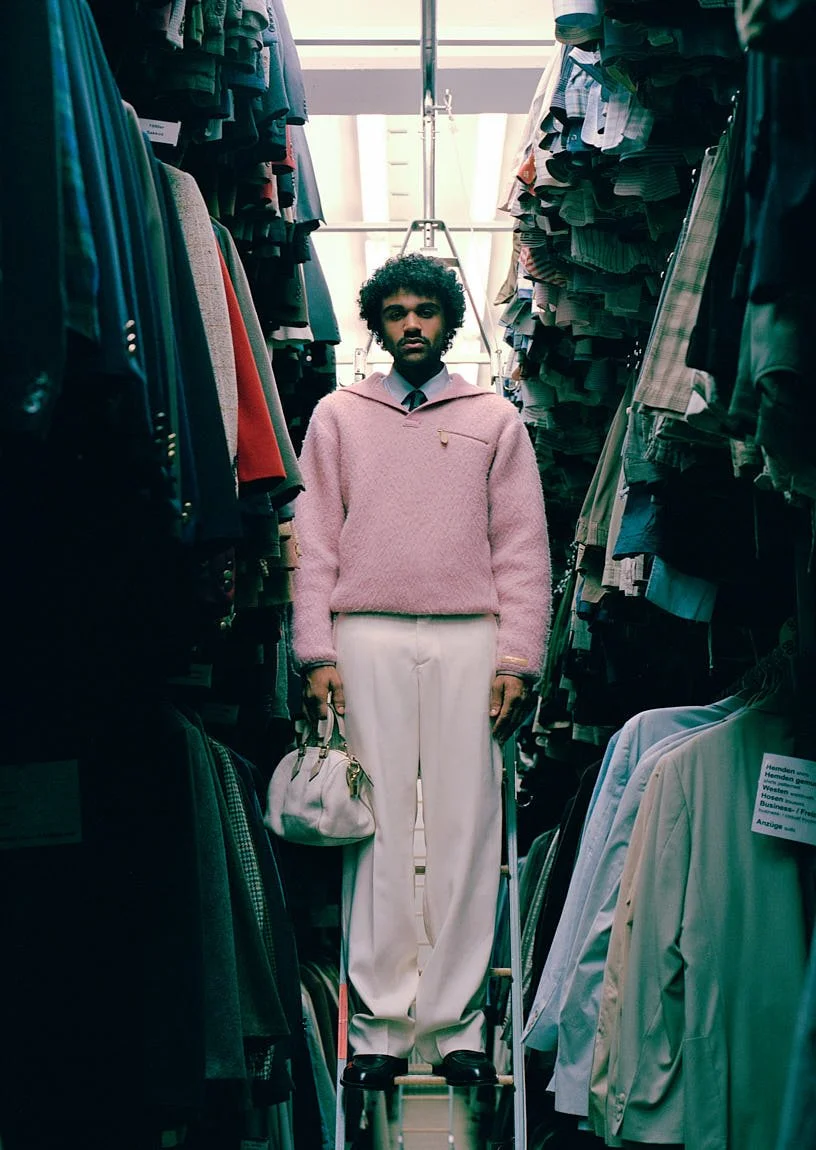
Langston Uibel wearing Louis Vuitton FW26 for LE MILE Magazine photo by Frederik Rügger

sweater, shirt, tie, trousers, shoes + bag LOUIS VUITTON


talent LANGSTON UIBEL
photography FREDERIK RÜGGER
styling KLAAS HAMMER
hair + make up ILYA FESENKO
editor ALBAN E. SMAJLI
special thanks to THEATERKUNST
 

credits
all Images (c) LE MILE
and Federik Rügger
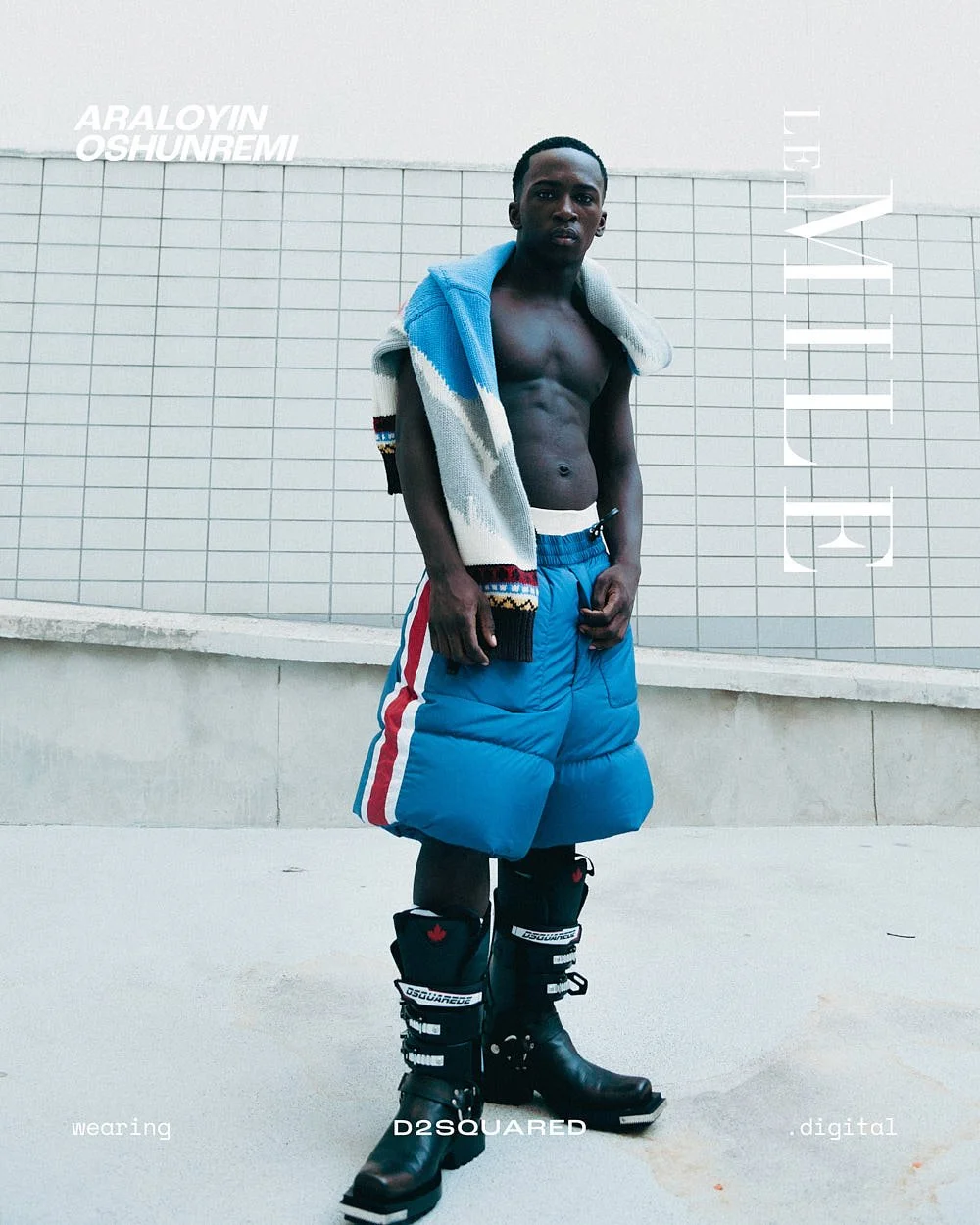
The Parts You Haven’t Met Yet with Araloyin Oshunremi

The Parts You Haven’t Met Yet with Araloyin Oshunremi

.digital

Araloyin Oshunremi and the Parts You Haven’t Met Yet


written LEMILE


Araloyin Oshunremi has spent the years since Top Boy making sure the role that introduced him does not become the one that defines him. At 22, that has already meant moving between sharply different registers: Heartstopper, Steve and, most recently, MOMO, Christian Ditter’s English-language adaptation of Michael Ende’s novel, in which Oshunremi plays Gino alongside Martin Freeman, Laura Haddock and Claes Bang.


For Oshunremi, that range begins with the idea that a character is never entirely foreign, he describes each role as a part of his own personality that has not yet been accessed, then builds outward from there through observation: speaking to people whose lives resemble the character’s, studying their mannerisms and mentality, and testing what can be carried into his own performance without losing its credibility.


Araloyin Oshunremi for LE MILE Magazine Digital Cover


Voice, perhaps more than anything else, reveals how long those characters stay with him. Accents are the habit he finds hardest to leave behind, and they now sit at the centre of two very different challenges: mastering an American register as he prepares for Los Angeles, and speaking in a Nigerian accent for BBC production WAHALA, something that connects the work directly to the way he speaks with his mother at home. The next phase of his career is opening outward, but its most interesting question may be how much of home travels with him.


ARALOYIN OSHUNREMI for LE MILE Magazine Araloyin wears a shirt and shorts by VLISCO with a belt by HEREU STUDIO

Araloyin wears a shirt and shorts by VLISCO with a belt by HEREU STUDIO


LE MILE
Top Boy made people associate you with a very specific kind of realism; what did you have to do afterwards to avoid being placed in one lane?

Araloyin Oshunremi
I had to do roles completely different to Top boy after finishing top boy for example MoMo, heartstopper and Steve just to show my versatility. At the same time I’ve also made sure my fashion is completely outside the box and different from what people would expect showing range in my personality.

What did you understand about acting on Top Boy that no acting class could have taught you?

That each role or character you play is a part of you however you just haven’t unlocked it yet. So you’re never acting as someone else but instead unlocking another version of your personality you never knew you had.

When a role is far from your own life, what is the first practical thing you do to make it believable?

I do my research on people who have lived that role in real life, if some are close to home then I ask them questions just to understand how they would act in certain situations. I study them to see how their mannerisms are how their mentality is and then adopt that into my performance. But I also look within deep and see if I have any traits similar to the character.

What is the hardest habit to lose when you move from one character to the next?

The way the character talks for me is the hardest thing to lose only because your used to one accent for a long period of time that sometimes it sticks with you for a long time.

 
ARALOYIN OSHUNREMI for LE MILE Magazine Araloyin wears a vest, trousers and belt by DOLCE & GABBANA with shoes by DIESEL

Araloyin wears a vest, trousers and belt by DOLCE & GABBANA with shoes by DIESEL

ARALOYIN OSHUNREMI for LE MILE Magazine Araloyin wears a leather jacket, cream trousers and black-and-brown shoes by BERLUTI

Araloyin wears a leather jacket, cream trousers and black-and-brown shoes by BERLUTI


Momo is a major shift in tone and scale; what felt unfamiliar about acting inside that kind of world?

Having to use my imagination to see things that wasn’t there but also having to have a young soul was quite hard for me. With Momo a lot of the world was fantasy and some of the things weren’t actually there in real life but got added in the edit so when acting I had to imagine it being there and genuinely believe it was there so the performance felt real and natural.

You are 22 and already moving between British TV, international film, and now Los Angeles; where do you feel most tested right now?

For me I feel more tested in LA I feel like it’s a whole different world of acting in America and as a Brit acting in America I feel like a lot of eyes are on us. But also having a good American accent so the audience don’t recognise we are a Brit is very important and hard to do but is needed.

When you work with actors who have much more experience, what do you watch most closely?

How they prepare for a role. The difference between experienced actors and new actors is the prep for a role. Experience actors are in character or in the mindset of the character a month before even entering rehearsals, they do their study on the character so that when they’re on set they don’t find it hard to get into character.

 
ARALOYIN OSHUNREMI for LE MILE Magazine Araloyin wears floral knitwear, blue denim and boots by DIESEL

Araloyin wears floral knitwear, blue denim and boots by DIESEL


What kind of note from a director actually helps you?

When a director tells me to be free and explore on the next take. Being told that pushes me to think in a different way but also take risks that I wouldn’t usually on a normal take and usually the risky takes are the best ones for the scene.

With WAHALA coming next, what are you interested in showing that audiences have not yet seen from you?

Me playing a character in a Nigerian accent, being from Nigeria getting to play a Nigerian is one of my dreams and because I speak in that accent when I’m with my mum at home it feels surreal to see it on screen.

What do you want your move to Los Angeles to change, and what do you not want it to change?

I want my move to LA to push me in my acting but also make me learn new styles of acting. I want it to have a positive change on my mindset on how I approach roles and hopefully I’m able to adopt skills from some LA actors. And what i don’t want it to change is my london culture I feel like being from london is an amazing thing because of how diverse and multicultured we are.


ARALOYIN OSHUNREMI for LE MILE Magazine Araloyin wears a jacket and vest by RALPH LAUREN

Araloyin wears a jacket and vest by RALPH LAUREN


talent ARALOYIN OSHUNREMI
photography JULIEN LENTIN
fashion WILOW DIALLO
hair SOLINE DE MEDEIROS
make up DIVINE M
casting director MARVIN LATOURNALD
casting MODELS LANE
fashion assistant WISSAL TOUMA
 

credits
all Images (c) LE MILE
and Julien Lentin

A Lot of Feelings, No Solutions with Tove Lo

A Lot of Feelings, No Solutions with Tove Lo

.digital

TOVE LO
A Lot of Feelings, No Solutions


interview + written THINLEY WINGEN


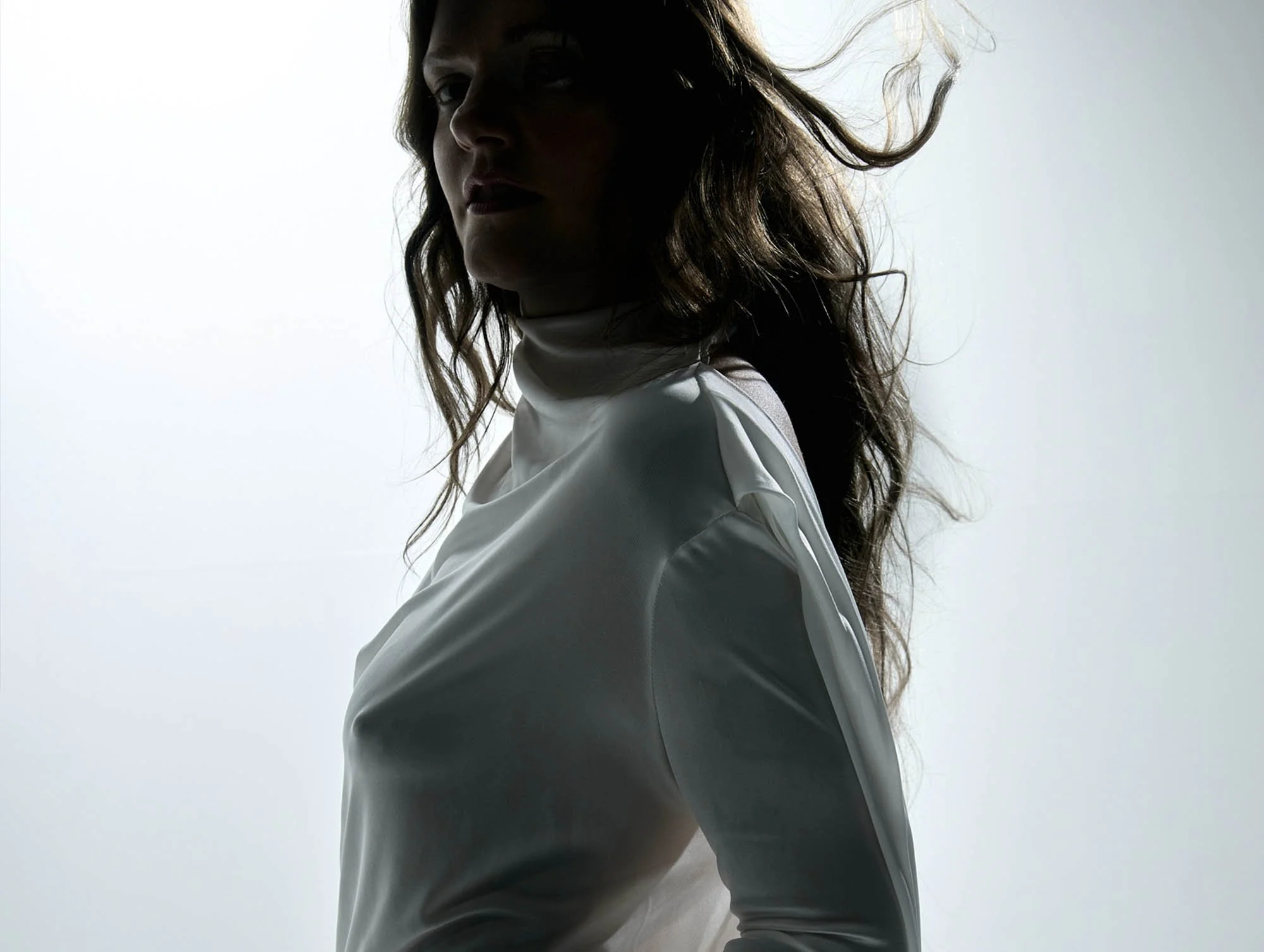
Tove Lo is back with ESTRUS: her sixth studio album, born somewhere between instinct, anxiety, desire and a body that seems to have plans of its own. LE MILE spoke with the Swedish pop icon about having no answers, writing what you need, black cats and keeping the fire burning. There is something wonderfully inconvenient about wanting something your brain hasn’t agreed to yet. Tove Lo knows the feeling.


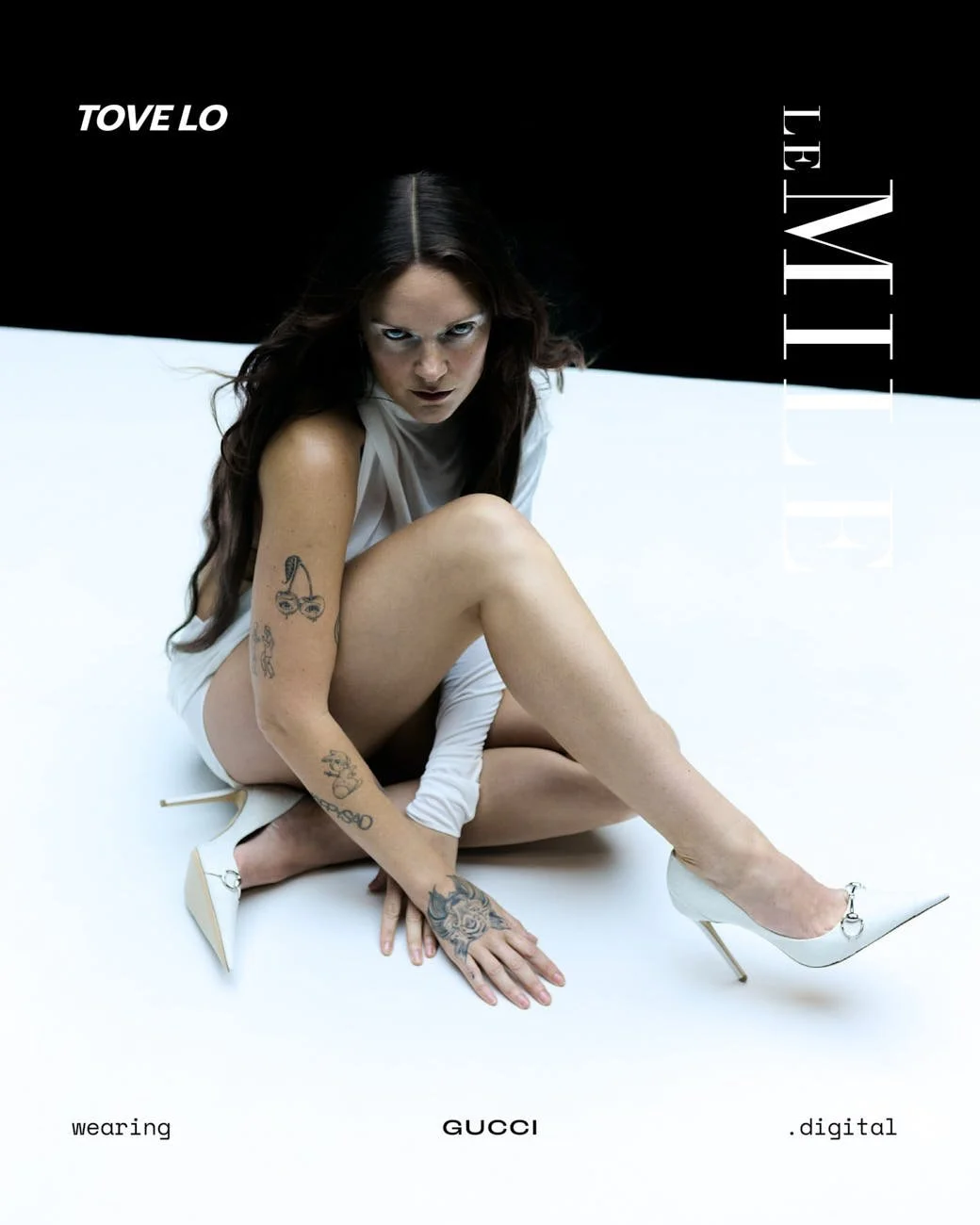
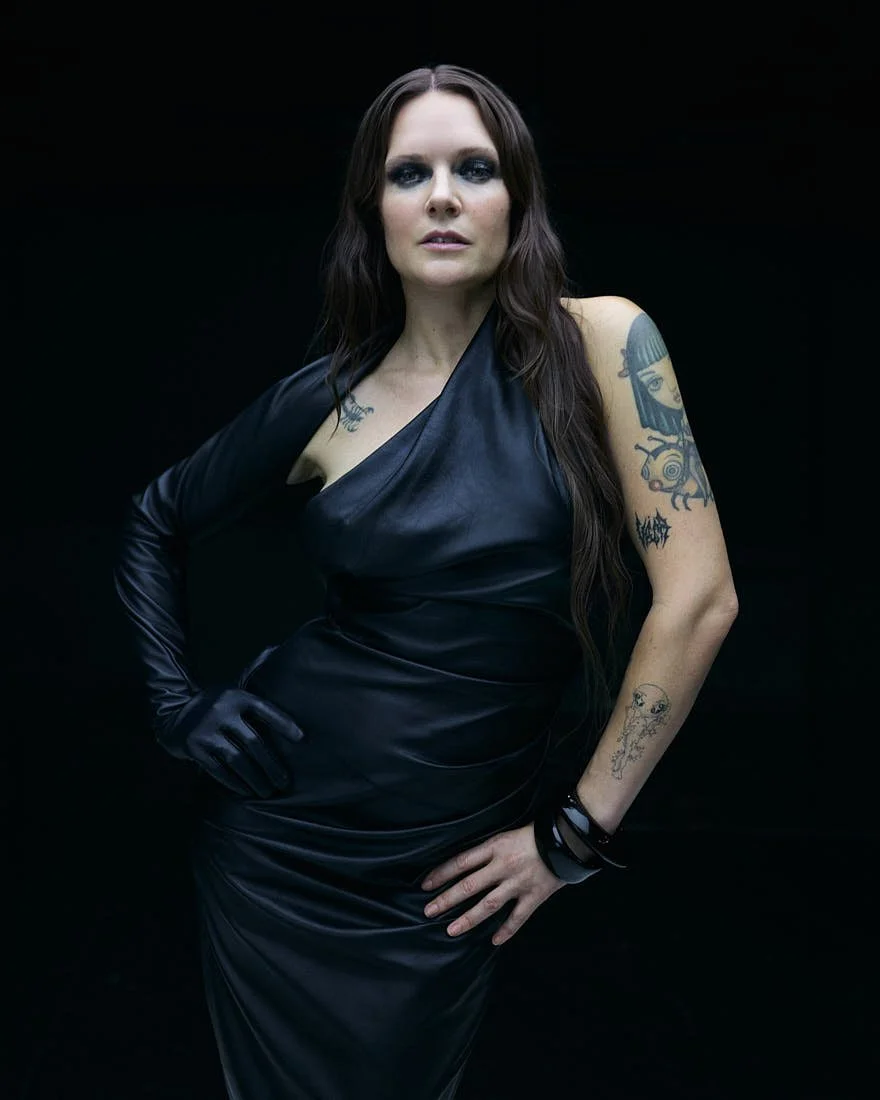
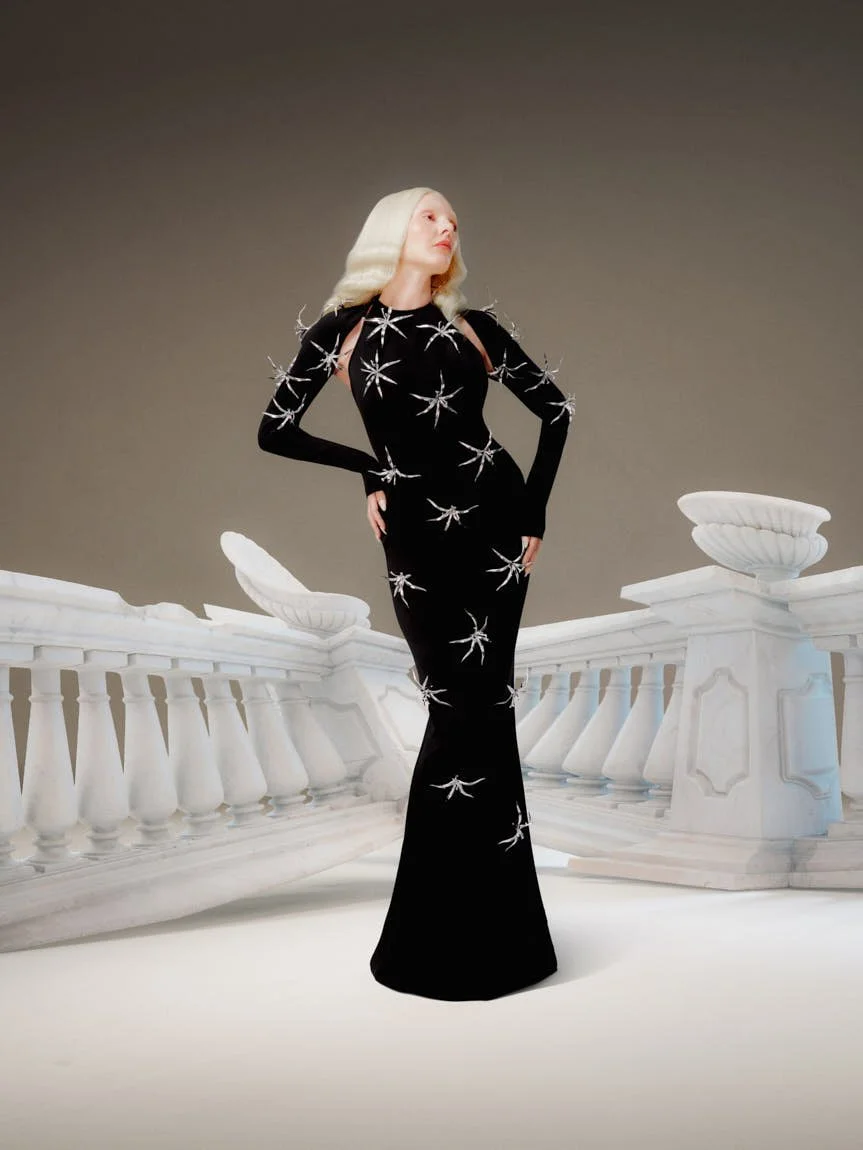
Tove Lo Cover for LE MILE Magazine wearing FW26 GUCCI dress and shoes all white


On ESTRUS, her sixth studio album arriving September 18, the body is loud, the mind is still catching up, and nobody seems particularly interested in pretending otherwise. The title itself is wonderfully unsubtle. Estrus is the biological term for the period when a female mammal is in heat. An animal ready to mate. Instinct taking over. Tove Lo takes that very physical idea and lets everything else rush in with it: anxiety, vulnerability, sex, doubt, appetite, fear, and all those feelings that tend to arrive at exactly the wrong time.
Some of the record took her back to a small Swedish fishing village where she spent her summers growing up and later worked on parts of Dirt Femme. Going back opened a few doors. Childhood. Depression. Her eating disorder. Breakups. Family drama. Loss. The younger, messier version of herself was apparently still there somewhere. The music looks backwards too, towards The Knife, Robyn and the Swedish indie dance she grew up with, then pushes those references through the sweaty electronic pop Tove Lo does so well. Longtime collaborator Ludvig Söderberg returns alongside Elvira Anderfjärd and Luka Kloser, with Stromae appearing on the album as well.


And then there is the cat.
While putting ESTRUS together, Tove Lo kept seeing a black cat in her head. Independent, nocturnal, unpredictable, happily uninterested in behaving. It became the starting point for the album’s cultish visual world: candles, ceremony, darkness, and just enough weirdness to make the whole thing feel slightly dangerous. She doesn't particularly care whether we read it the way she intended. Quite the opposite.

Maybe that is also the nicest way into ESTRUS. Don’t look for a lesson. The album literally opens with A Lot of Feelings, No Solutions. By the time we speak, Tove Lo hasn’t magically found any either. What she does have are questions, desires, and one piece of advice that sounds suspiciously close to a life philosophy: “If you don’t have desire in life, that’s when you get old. It should always be burning for something, whether you get it or not.”
Fair enough. Keep burning.

 
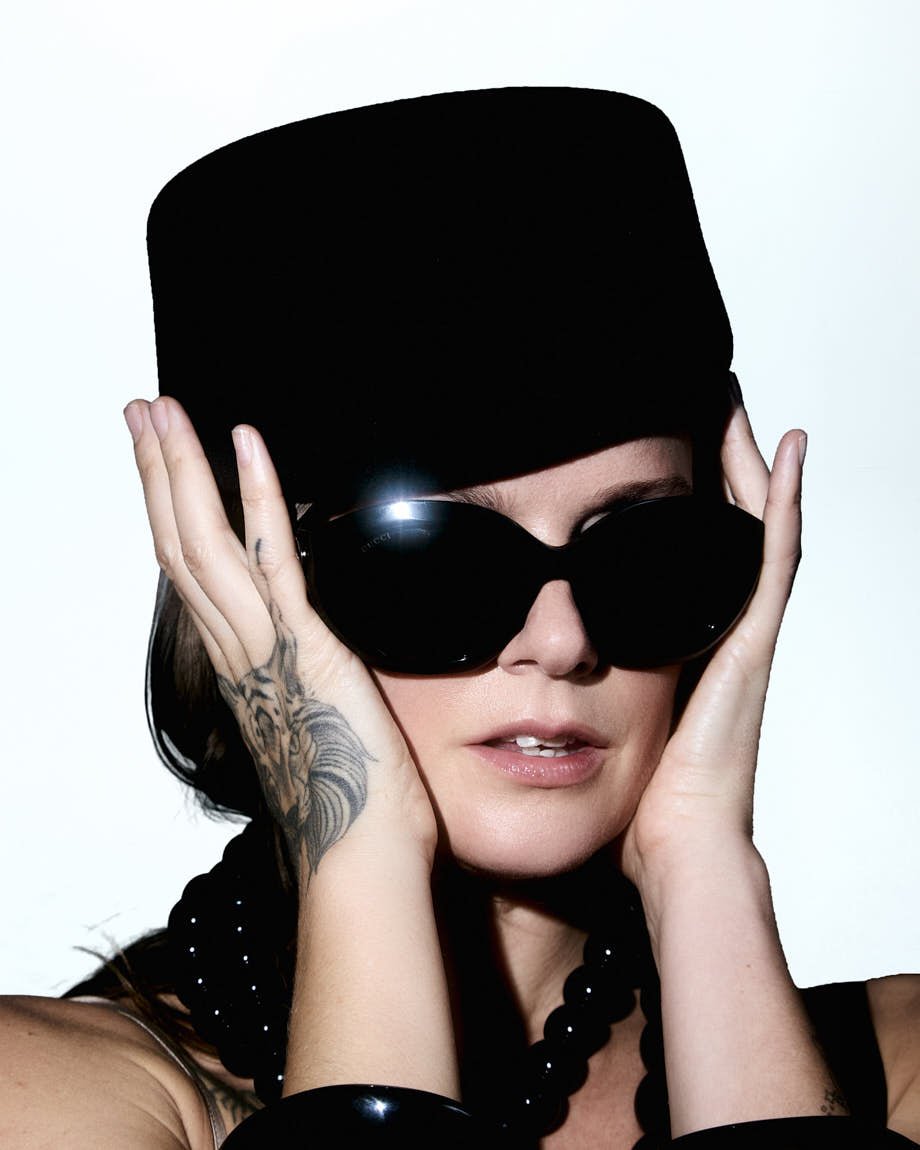
Tove Lo Cover for LE MILE Magazine wearing FW26 Tove Lo wears sunglasses by GUCCI, a hat by H&M and jewelry from FASHION ARCHIVE

Tove Lo wears sunglasses by GUCCI, a hat by H&M and jewelry from FASHION ARCHIVE

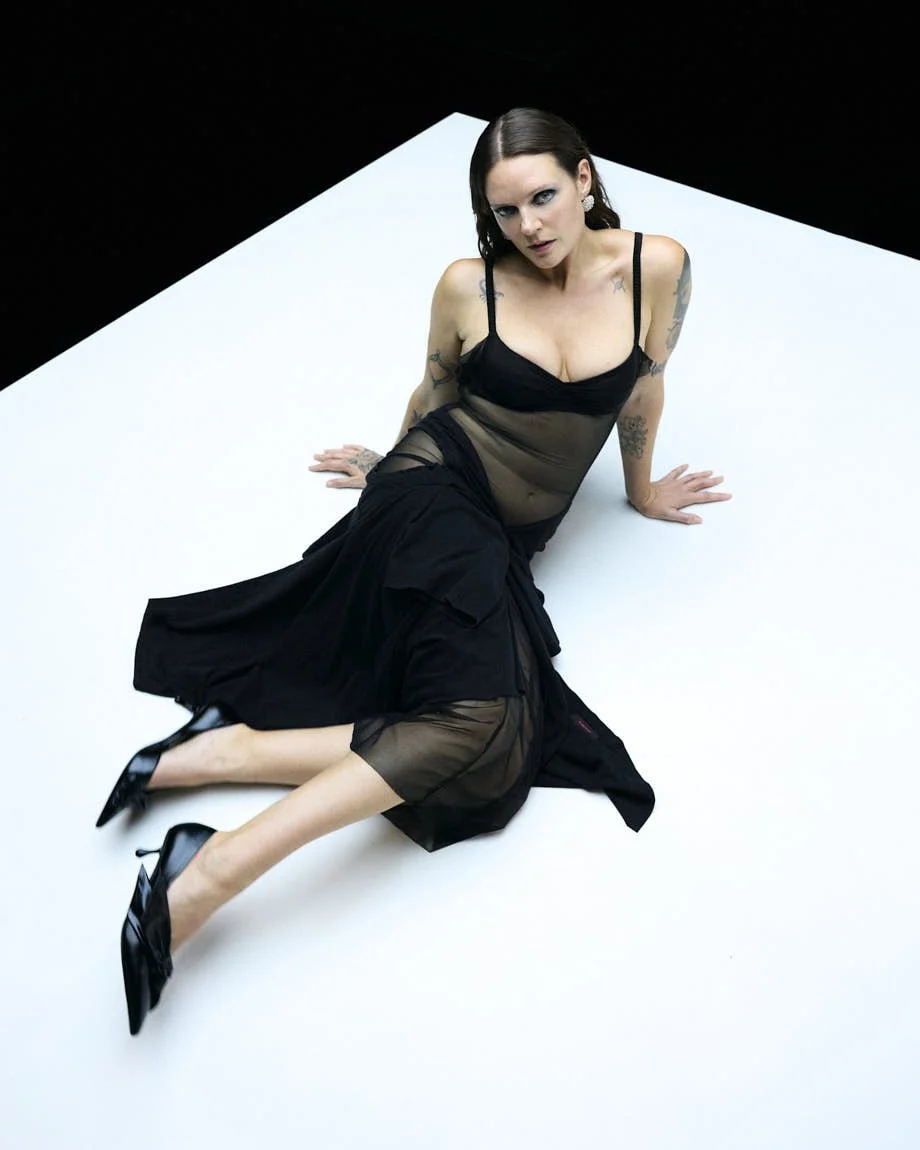
Tove Lo Cover for LE MILE Magazine wearing FW26 Tove Lo wears a dress by LAURA GERTE, shoes by JIMMY CHOO and earrings by ALAN HAMILKO

Tove Lo wears a dress by LAURA GERTE, shoes by JIMMY CHOO and earrings by ALAN HAMILKO


Thinley Wingen
The title Estrus carries biological, emotional, and cultural associations all at once. What did that word allow you to explore that another title couldn't?

Tove Lo
It’s funny because it’s a very biological term, but it really does include all the vulnerable, fragile, and anxious emotions that usually come with animalistic intensity, in my opinion. It really sums up the contradictory place I’ve been in the last year.

There seems to be a recurring tension between the body and the mind throughout your work. How has that relationship evolved while making Estrus?

I think with Estrus it’s the most aware I’ve been of my mind and body battle. It’s a different one than it’s been in the past, and it’s freaking me out a little bit. It’s my body calling for something my mind isn’t ready for.

The opening track is called A Lot of Feelings, No Solutions. What conversations were you hoping to open by starting the record there?

I think just the freedom in not having answers for everything and accepting that. Nothing in life is for certain or 100%; things and you are forever gonna change and that is okay.

Is there a song on the album that feels closest to your heart?

It changes every day, but right now F.A.M.T is hitting hard because I’m not doing what I’m supposed to be doing.


Tove Lo Cover for LE MILE Magazine wearing FW26 Tove Lo wears a jacket by DIESEL and accessories by H&M STUDIO

Tove Lo wears a jacket by DIESEL and accessories by H&M STUDIO


Tove Lo Cover for LE MILE Magazine wearing FW26 Tove Lo wears a dress by Vautrait

Tove Lo wears a dress by Vautrait, bracelet is ARCHIVE


Your songwriting has always felt remarkably unfiltered. Looking back today, what has changed about the way you're willing to reveal yourself through music?

I think I always fight my way back to “make sure you write what you need, not how you wanna be perceived”. It’s the weird thing about being so personal in your songs; every album process I have to shut out the thought that a bunch of people are gonna hear these very intimate stories. If I think about that while writing, I find it very hard to be authentic.

The visual world around Estrus feels almost ceremonial. How did the visual language of this record grow alongside the music?

It was a very fluid ongoing process as I put the album together. I kept seeing a black cat, like an independent, unpredictable night creature that had broken free from conformity. That’s where the cult imagery kinda sparked from. I love making the visuals this dark and a bit twisted; let people interpret it however they want, which might be very different from my intention. I love seeing it through different eyes.

You have spent more than a decade writing about desire from your own perspective. How has your understanding of desire changed over time?

If you don’t have desire in life, that’s when you get old. It should always be burning for something, whether you get it or not.

Looking back now, what feels different about the person who finished Estrus compared to the one who began it?

Honestly, the same. I still have no answers or good advice… only feelings, questions, and desires.

 
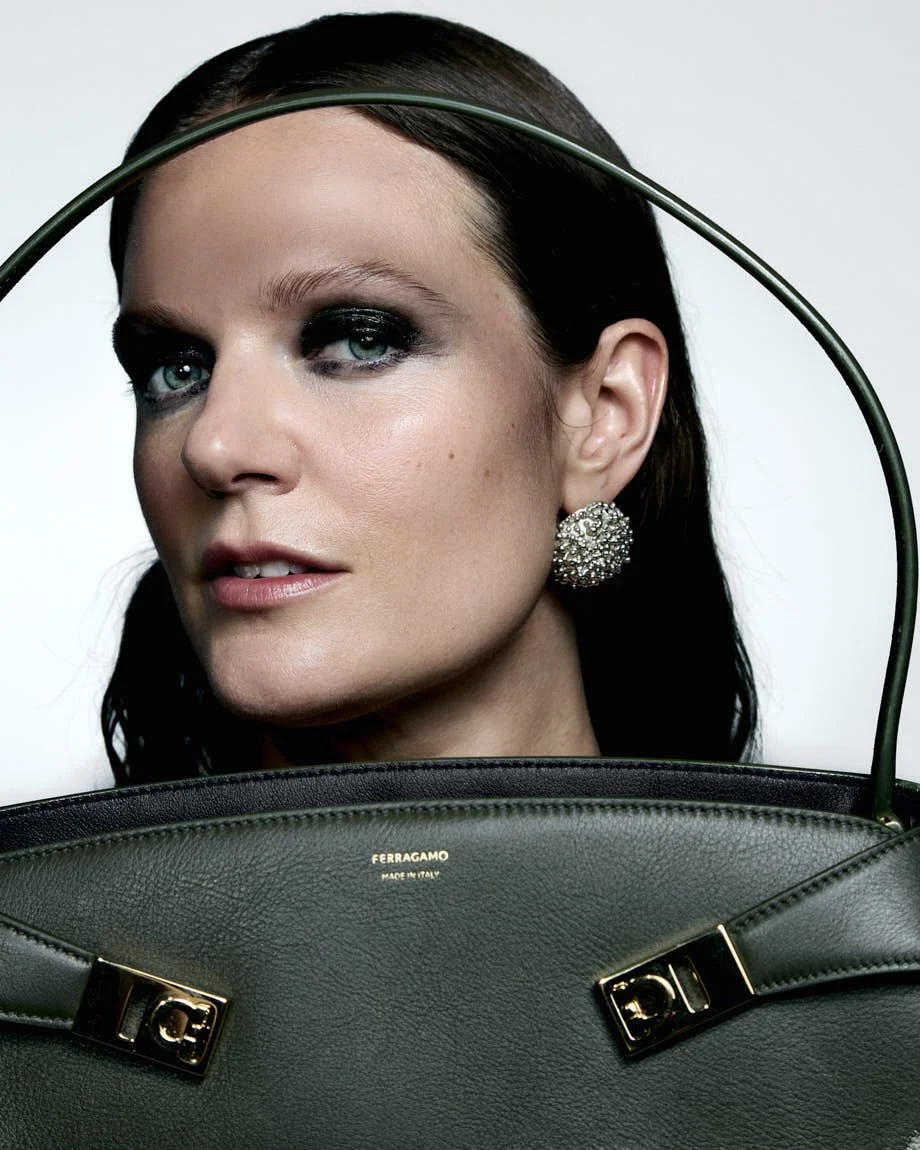
Tove Lo Cover for LE MILE Magazine wearing FW26 Tove Lo wears earrings by ALAN HAMILKO and carries a bag by FERRAGAMO

Tove Lo wears earrings by ALAN HAMILKO and carries a bag by FERRAGAMO

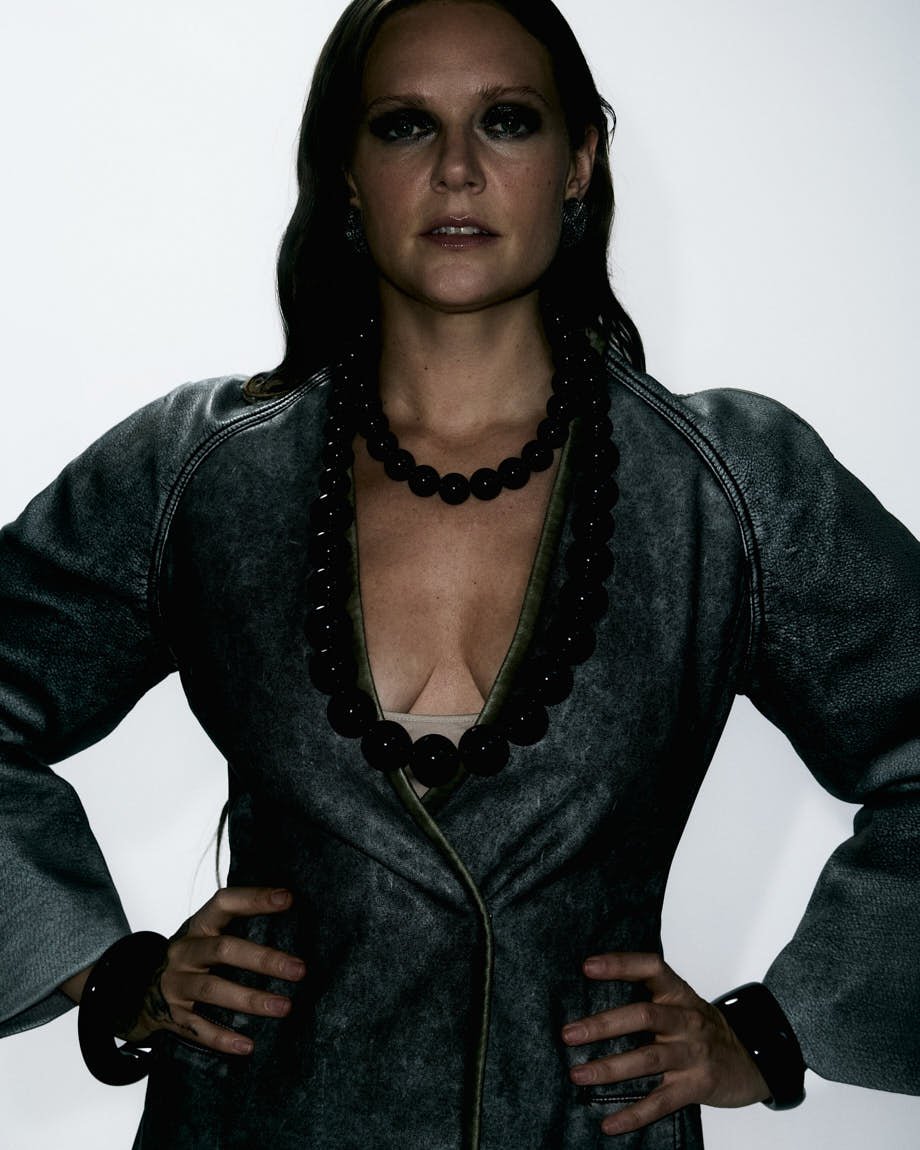
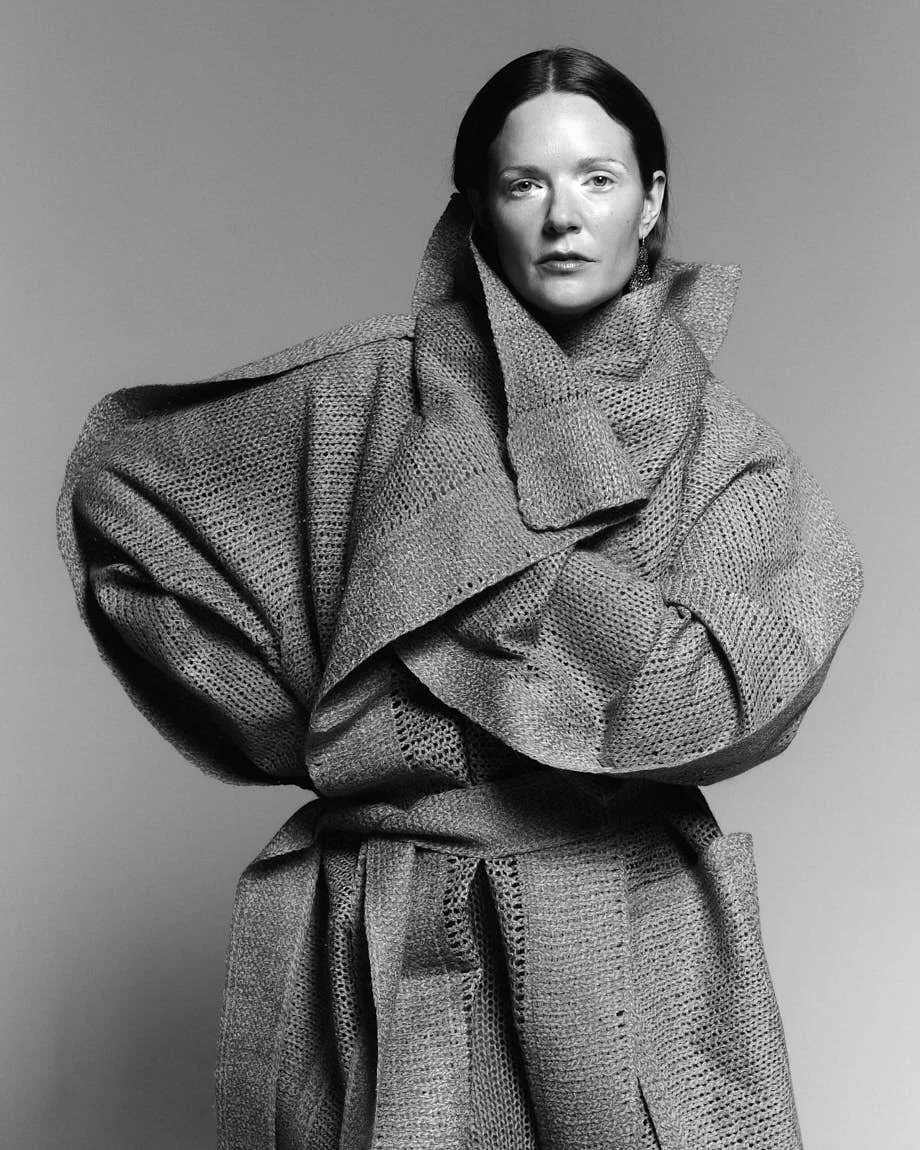
Tove Lo Cover for LE MILE Magazine wearing FW26 Tove Lo wears a coat by ISSEY MIYAKE and earrings by PORTUGAL JEWELS

Tove Lo wears a coat by ISSEY MIYAKE and earrings by PORTUGAL JEWELS


watch
behind the scene


photographer SZYMON STĘPNIAK
fashion editor KLAAS HAMMER
make up JOHANNA NORDLANDER
hair LEO STERN using ORIBE
light assistant ALEX FORREST
camera assistant FRANCISCO RAMOS
styling assistant LOUISA EDOGUN
BTS video SERGEY KUCHIN
interview THINLEY WINGEN
talent TOVE LO
 

credits
all Images (c) LE MILE
and Szymon Stepniak

Kieron Moore Interview | From Boots to Poetry, Between Character and Self

Kieron Moore Interview | From Boots to Poetry, Between Character and Self

.perspectives

From Boots to Poetry With Kieron Moore


written + interview ALBAN E. SMAJLI


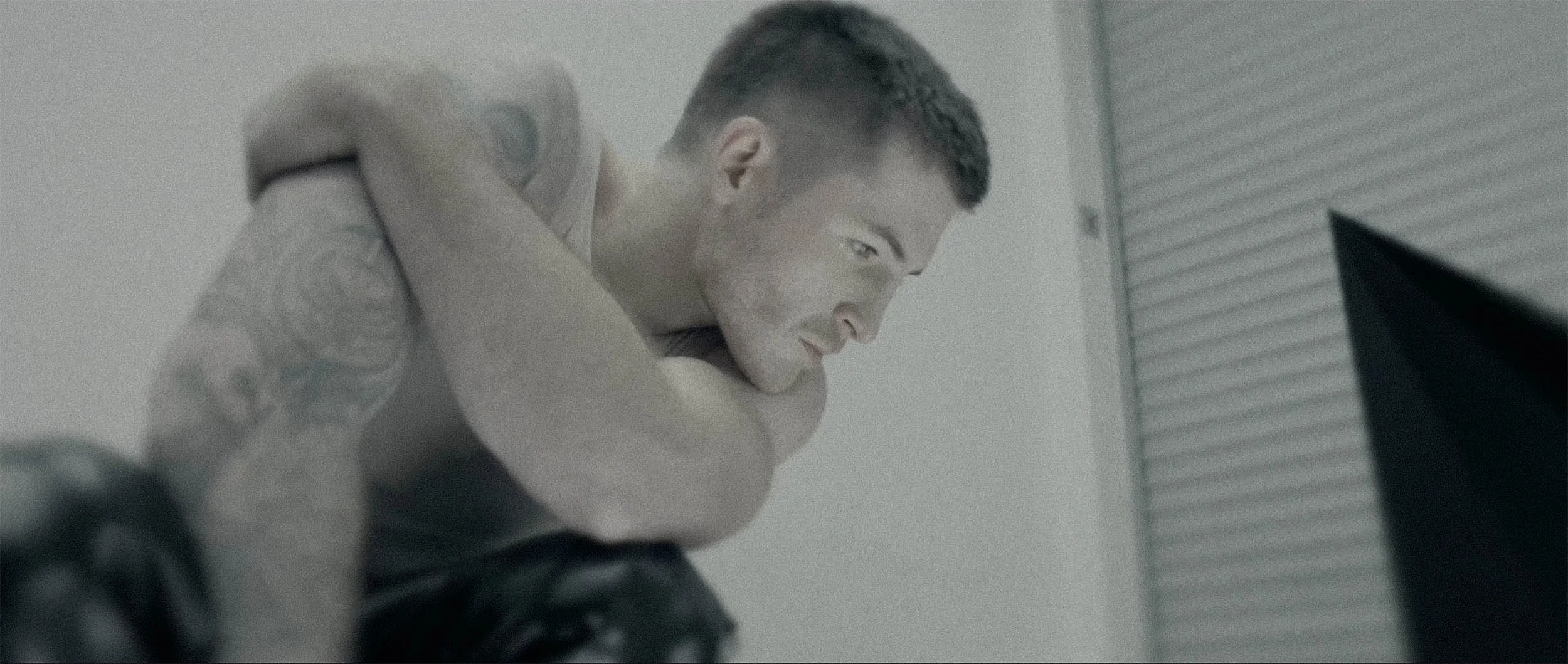
Kieron Moore begins 2026 with a sharpened profile. The British actor reached a wider global audience through Boots, the recent Netflix production in which he plays Slovacek, a volatile young American shaped by environment and impulse, marking his first on-screen American role at a moment when his career is expanding across genre. The series aligns with further shifts, including drama in Blue Film, horror in Crave, and an upcoming poetry publication that extends his practice beyond performance.


Born in England and trained through years of competitive boxing before fully committing to acting, Moore brings a physical discipline that continues to inform his work. Boxing, he has often said, structured his thinking. On screen, that control translates into characters who oscillate between restraint and eruption. In Boots, Slovacek operates through bravado and emotional bluntness, yet Moore anchors him in recognisable vulnerability. The role positions him within a lineage of young British actors crossing into American television at scale, navigating accent, cultural nuance, and expectation.

Across recent projects, Moore gravitates toward morally complex material. Blue Film explores ethically charged terrain; Crave leans into horror’s heightened emotional register. In parallel, his photography and poetry suggest a sustained interest in self-examination. A recurring thread runs through all of it, identity as construction, negotiation, and ongoing revision. His own words echo that stance. “Kieron is just an idea,” he reflects, framing the self as plural and in motion.


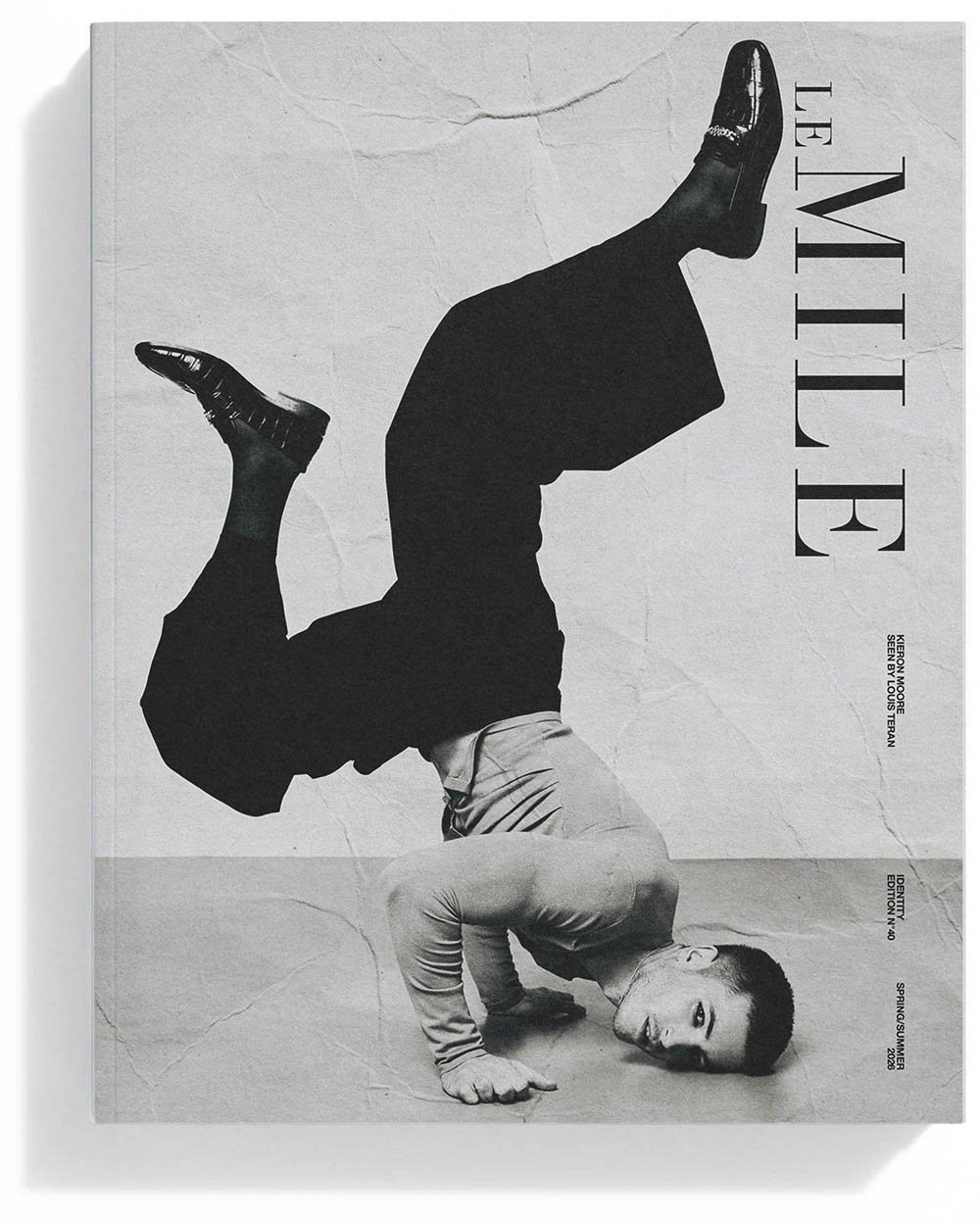
LE MILE Magazine Kieron Moore SS26 Identity Issue Cover Louis Teran SS26 interview with Alban E. Smajli


Alban E. Smajli
Let’s start with Boots. What was it about this role that made you say yes and who is your character in Boots at his core?

Kieron Moore
Boots was my first opportunity to play an American on screen. That in itself was quite the incentive. I had something to prove. If I want to have the career I desire, I have to reach audiences near and far. Boots was a real opportunity to deliver something people had not seen from me. It seems to have worked too, some of my favourite interactions are people mind blown that I’m British.

Slovacek was a misguided young man, moulded by his environment and upbringing. I fell in love with the idea of his unseen potential. What lurks beneath all that testosterone and bravado. So many young men are counted out, and disregarded of before they have a chance to shine. Sometimes all we need is a little bit of direction and discipline to find our footing, and above all, love. I think Boots gave us a real insight into how people from all walks of life can come together, and how our differences are outweighed by our human similarities, if we just pay attention and give them the space to bloom. Growing up where I grew up, in the environments I did, I knew first hand boys like Slovacek. I’m known for being quite sentimental, and I seek that in all my jobs, this one was kind of a healing experience for me, how to understand everyone that bullied me growing up.

Also, one of my best friends was already booked for the show, every job comes with memories to cherish but that made this one extra sweet.

What did the role in Boots ask you to question about yourself?

I don’t really know how to answer this, it’s unheard of for me to be at a loss for words aha, but answering in hindsight is tough. I’ve changed so much since we filmed Boots, and further since its release. Who was I when I played Slovacek?

I always say it’s impossible to play similarities with characters, if we have anything in common I don’t need to lean into it. So I focus on the differences, and with Slovacek there were a lot. What fascinated me was his wiring, this absolute balls to the wall brutishness, his ability to say what he was thinking regardless of consequence, yet underneath that was just a kid trying to make sense of it and survive.

When I review him now, it reminds me that somewhere deep in us all we have a desire to connect. We just go about it in different ways. And I question whether I am being patient and understanding enough to notice that in others. It also highlights how timid I can be. I do not desire to be anything like him, but a fraction of his confidence and fearlessness would be powerful at times.

 
Kieron Moore LE MILE Magazine Cover Interview with Alban E. Smajli Kieron wears jumper and trousers by BOSS, shoes by PAUL SMITH and belt stylist’s own

Kieron wears jumper and trousers by BOSS, shoes by PAUL SMITH and belt Fashion Archive

 
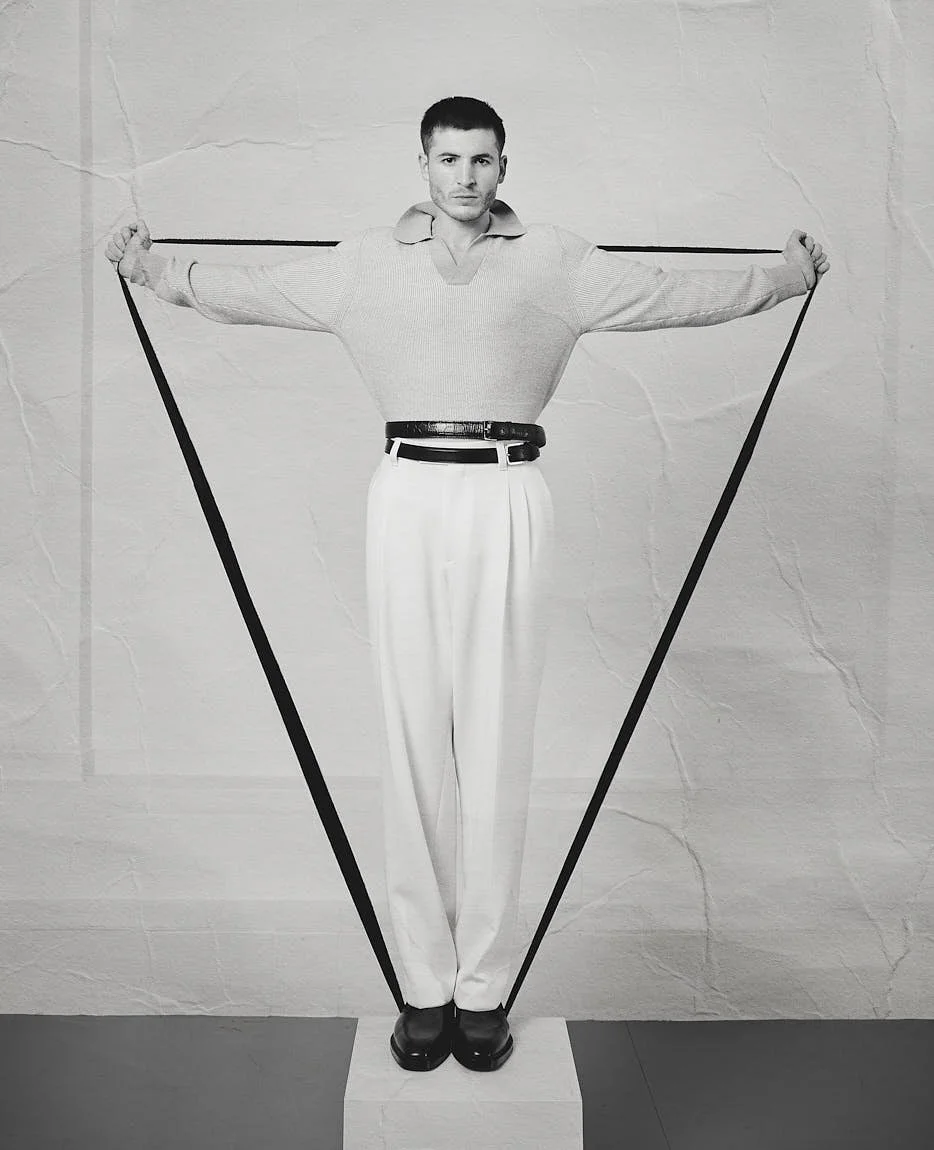
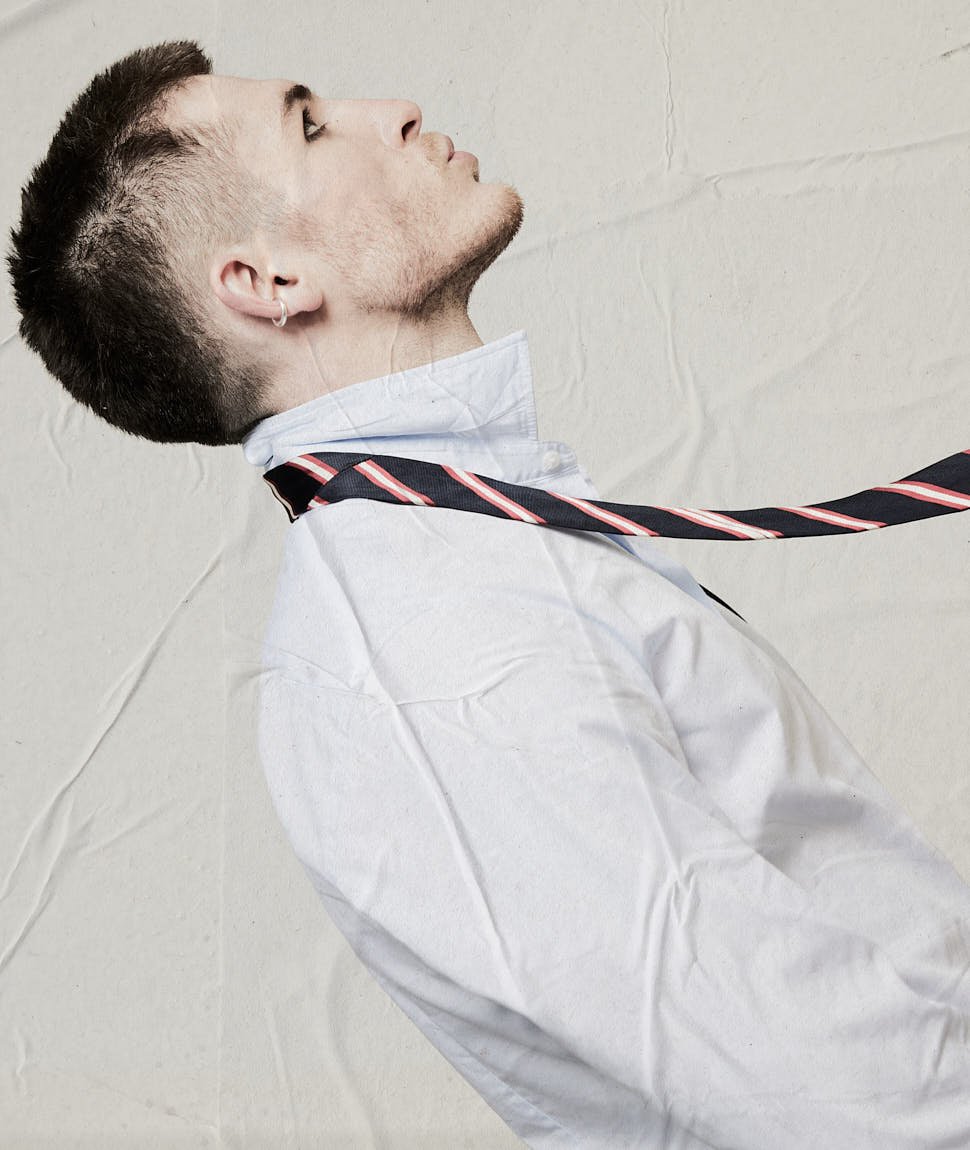
Kieron Moore LE MILE Magazine Cover Interview with Alban E. Smajli Kieron wears shirts and ties by FURSAC and ear cuffs by ALT PARIS

Kieron wears shirts and ties by FURSAC and ear cuffs by ALT PARIS


You’ve spoken about boxing shaping you for years. Did that physical discipline influence how you approached Boots?

The discipline I acquired from boxing has influenced everything that I do in life, and always will. It’s drilled into me. I approach my life through an athletes lens, and roles are no different.

With Slovacek though, I drew from less disciplined individuals I had been surrounded with in gyms growing up. The kids who had raw, undeniable talent but a defiance to them. An uncontainable roguishness. For the first half of Boots I got to be naughty, Slovacek is a naughty kid. And that was so fun, to break away from all the refinement I had been taught.

When you prepare for a role, do you work through language first, or through feeling?

I guess they fight, good wiring will always inspire deep feeling. But I have a lust for language and what works for me is reliance on the script. How much information can I gather from what is in front of me? I’ve found feelings can’t be trusted in preparation. They’re fleeting. I never want to arrive on set knowing how I should feel, it’s in the word isn’t it, feel. I want to feel it out as it’s happening.

I use the language to gather as much information as I can, to deepen my understanding. Then I hear action, surrender, and trust that the feelings will figure themselves out.

The words, the words, the words. ‘The limits of my language are the limits of my world’ — nothing can affect me when it matters if I don’t have a deep understanding of the text, and hopefully with that comes further emotional capacity.

Blue Film moves into uncomfortable territory, so what attracts you to stories that don’t offer easy moral ground?

Life is hard. The arts can offer consolation, an escape, or highlight the difficulties that exist. I believe we can develop without necessarily experiencing everything first hand, which is why empathy matters. In listening to others’ accounts and stepping into these characters, I broaden my horizons, test my boundaries, and pick at my conscience.

We only know the limits of our beliefs if we question them, and in my view the questions are more important than the answers. We do not grow in comfort. If we ignore things and leave them in the dark, they fester and become uncontrollable. We have to attack life’s difficulties head on. I’ve said this many times about Blue Film, but it’s the truth. I was terrified of the subject matter and scared of being insufficient in that role, but nothing scared me more than the idea of another actor doing it. That is attractive to me. Fear. You can’t be brave unless you’re scared.


watch film


Kieron Moore LE MILE Magazine Cover Interview with Alban E. Smajli Kieron wears full look by AMI and ear cuffs by ALT PARIS

Kieron wears full look by AMI and ear cuffs by ALT PARIS

Kieron Moore LE MILE Magazine Cover Interview with Alban E. Smajli Kieron wears total look by LOUIS GABRIEL NOUCHI and ear cuffs by ALT PARIS

Kieron wears total look by LOUIS GABRIEL NOUCHI and ear cuffs by ALT PARIS


What drew you toward horror in Crave?

I want to do all the genres. I read the script and fell in love with the idea of playing Eric. It’s always about the character for me, what can I bring to it, what does it give me in exchange? Horror gives a heightened sense of feeling, and I wanted to see if I had the minerals. Eric is less subtle, borderline immoral, and I wanted to see if I could make people sympathise with someone like him.

I also felt drawn to the directors, David and Justin. When we first connected, I felt seen. They believed in me immediately and gave me the space to make Eric my own. Hopefully audiences enjoy what we’ve created.

What happens to your own sense of self after inhabiting different identities again and again?

Not to sound crazy, but Kieron is just an idea. There are different versions of me in different perspectives, and all of them are right. I can’t control them, nor do I wish to. I’m changing day by day, each character just speeds that up.

All I know is my intention, to come out of this as a better person. A more understanding, patient, empathetic and kind human being. I’m getting to know myself, and that is a gift.

You also photograph to “capture time.” Does photography change the way you observe people when you’re preparing for a role?

I like trying to make moments tangible. That’s where my love for photography comes from. I take polaroids so I can hold a memory in my hands. Life is lived in the between, and a photograph can capture that and fill it with feeling. We project onto it. We make it ours.

I’ve never really drawn a link between photography and preparing for characters. Polaroids have always been a very Kieron thing, maybe an anchor for myself through it all. But acting is just anthropology, a deep interest in human beings. I’m a thief when it comes to preparing a character. If it’s an expression or a quirk in someone’s behaviour, whatever is interesting, whatever is human, I’m banking it for future use.

You’re preparing to publish your poetry — is there a poem you would be willing to share that connects to our theme of IDENTITY?

Ah, testing me … I’m keeping a lot of poems under wraps but I have attached two shorter ones that may or may not fit the theme, they aren’t very strong though. I can’t give the goodies away yet!

 
Kieron Moore LE MILE Magazine Cover Interview with Alban E. Smajli Kieron wears jacket and shorts by LUDOVIC DE SAINT SERNIN and ear cuffs by ALT PARIS
 
Kieron Moore LE MILE Magazine Cover Interview with Alban E. Smajli Kieron wears jacket and shorts by LUDOVIC DE SAINT SERNIN and ear cuffs by ALT PARIS

Kieron wears jacket and shorts by LUDOVIC DE SAINT SERNIN and ear cuffs by ALT PARIS


the red moon looks up at me tonight
i look down at myself
all the things I said no to
made me who I am
I used to think they made me little
but now I realise they make me Moore

I drift through clouds of colours again
street lights
car lights
that red moonlight
no lights inside the people
but i’m connected to them for once

I look at them with smiles
I don’t want to be held
or to hold
or to be close to anyone
i feel myself again

touch departed
significantly hardened
but soft again

something’s changed
or something has been reclaimed
I don’t know which I prefer to call it
I just try to feel it for once
i don’t try to coin it
for once I just feed it

falling forward my feet carve my way
down the road i’ve walked many times before
these new eyes see something
I wish I saw sooner

I see past
past myself
past all of the things I thought I wanted

poem by Kieron Moore


Kieron Moore LE MILE Magazine Cover Interview with Alban E. Smajli Kieron wears cardigan by CAMPER LAB, trousers and shoes by AMIRI and necklace by ALT PARIS

Kieron wears cardigan by CAMPER LAB, trousers and shoes by AMIRI and necklace by ALT PARIS


actor KIERON MOORE
photographer LOUIS TERAN
stylist SIMON NGO NDJOCK
set design EL MEHDI LARGO
make up NAFIK BOUCHAREB
nails MAHARA DIARTE-ZEROUALI
casting director MARVIN LATOURNALD with MODELS LANE
producer MARIA SHAKOLINA
special thanks to MEUTES STUDIO
 

credits
all Images (c) LE MILE
and Louis Teran

Tamta Rewrites Greek Pop

Tamta Rewrites Greek Pop

.digital

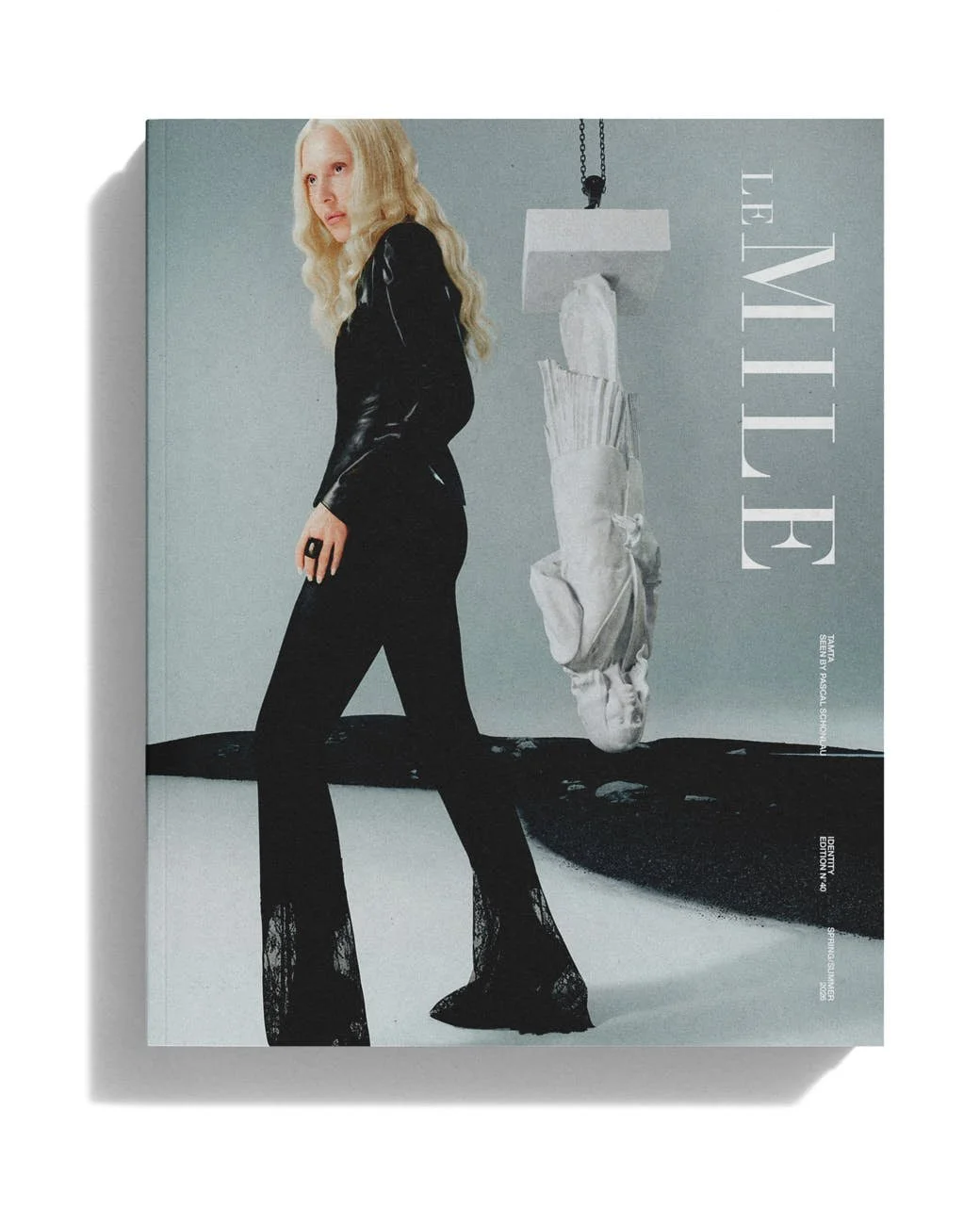
Tamta expands the Grammar of Greek Pop


written ALBAN E. SMAJLI


Tamta operates in a state of permanent transformation. The Georgian-born singer, who built her career in Greece after arriving there as a teenager, has spent years shifting the coordinates of what Greek pop can look and sound like. What began inside a commercial framework gradually moved toward a more self-directed practice where authorship, visual identity and sonic experimentation intersect.


Her recent albums Identity Crisis (2023) and The Villain Heroine (2025) mark a decisive turning point. Both projects step away from formula-driven pop and lean into instinct, control and narrative construction. Electronic textures, sharper visual codes and a willingness to occupy contradiction run through the work.
Tamta’s biography has often dominated the way her career is framed, particularly the story of leaving Georgia and rebuilding a life in Greece. The facts remain part of the context, yet her current work moves beyond origin stories. Identity here becomes a system in motion, shaped through cultural layering, instinct and experimentation.

 
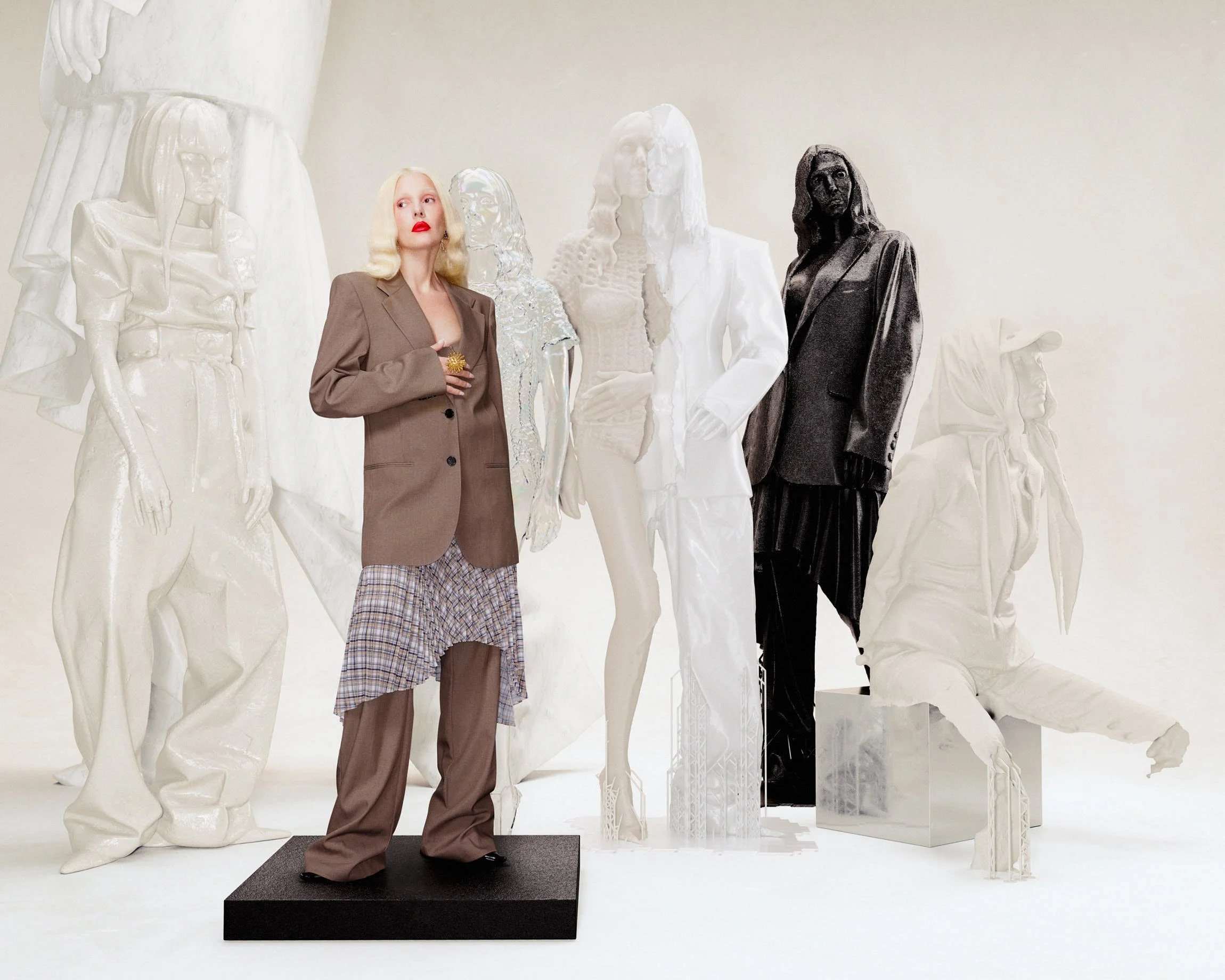
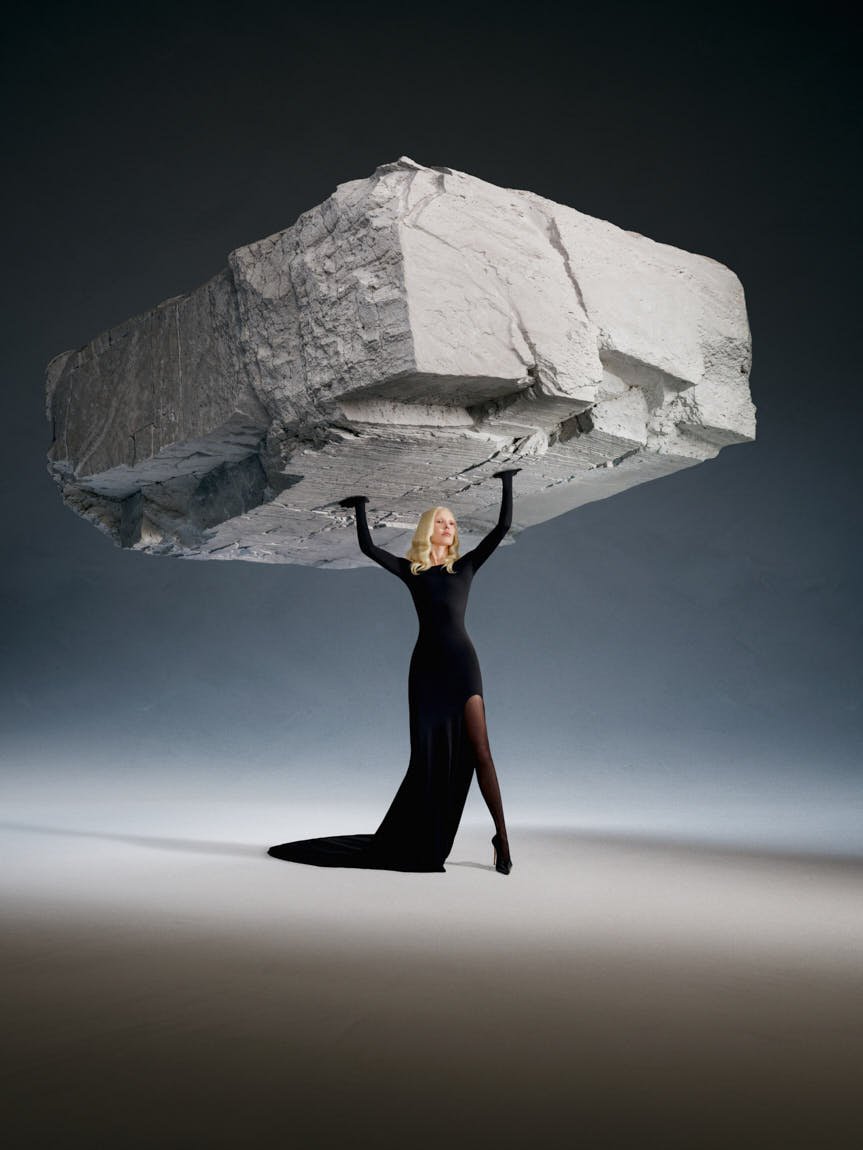
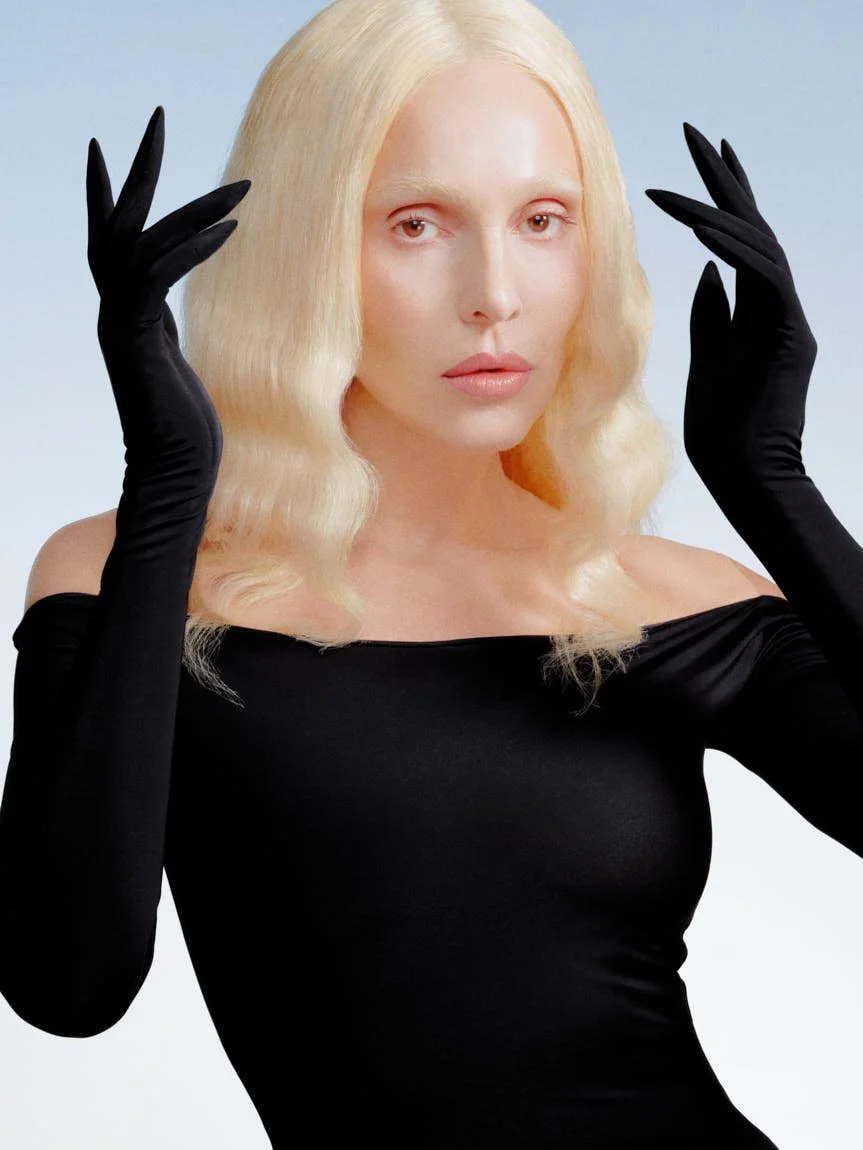
Tamta for LE MILE Magazine photo by Pascal Schonlau Issue 40 SS26 Tamta wears a total look by MILÓ MARIA


Alban E. Smajli
What do people misunderstand about you because they think they already know your story?

Tamta
I see myself as someone who has always been in motion. Experimentation & curiosity have shaped both my life and my music for as long as I can remember. I don’t experience change as a rupture, it rather feels continuous, almost quiet.

What often gets misunderstood is that people read this evolution as a reaction, as if I woke up one day and decided to reinvent myself out of nowhere. In reality, I’ve been exploring quietly for years. The difference now is visibility. I’m allowing my instincts, my curiosity, and even my contradictions to exist out in the open. What appears sudden from the outside is simply me removing the filter.

Finish this sentence without thinking too long:
My identity collapses when...

My identity collapses when I stop listening to my instinct and I start performing to expectations. My instinct allows me to express my art as I see fit & be authentic. I think this authenticity is an element that is deeply appreciated by my fanbase.

When you made IDENTITY CRISIS (2023) and later THE VILLAIN HEROINE (2025), what changed most in how you saw yourself?

Both of these LPs mark a period where I stopped relying on commercial formulas as a way of survival and started following my own instincts instead. I allowed myself to explore what I personally love, what excites me, and what truly expresses me, without limits or expectations.
I took full creative control of my music and built a trusted team of passionate minds who share my drive. Through this process, I began to see myself more clearly, and that clarity translates into power and into music that can move people and spark emotion. What I’ve been doing over the past few years, without idealizing it, brings me genuine joy, fulfilment, and a sense of alignment that feels deeply personal.

Do you remember the first moment you realized reinvention could be a weapon?

I’ve always known there’s strength in reinvention. It’s not something exclusive to music, we all do it constantly, often without realizing it. That’s how we evolve and grow. For me, reinvention isn’t the weapon itself; it’s the power to decide when and how to use one to fight for your art and your personal evolution.
I don’t believe things are meant to stay the same for too long. Stagnation drains meaning, and I’m not someone who feels fulfilled by repeating what already exists.

If your next album had to erase one thing people associate with “Tamta,” what would it remove?

I wouldn’t want to erase anything. What people associate with “Tamta” forms the context through which my artistic vision is read. It’s all part of me, interconnected, and removing one part would inevitably shift the balance.

When you walk on stage, what do you want the audience to feel before the music starts?

Before anything else, I want to feel present myself. The stage is a safe space for me, a place where I can express parts of myself that don’t always have room in everyday life. I feel free there, unfiltered, able to move through emotion honestly and without effort. Everything begins from within, and once I’m grounded in that state, the rest can unfold naturally.
For the audience, I hope that translates into curiosity and openness, a sense that something real is about to happen. I want them to be fully in the moment with me. This isn’t meant to be consumed from a distance or behind a screen: it’s a shared experience that only exists while it’s happening.


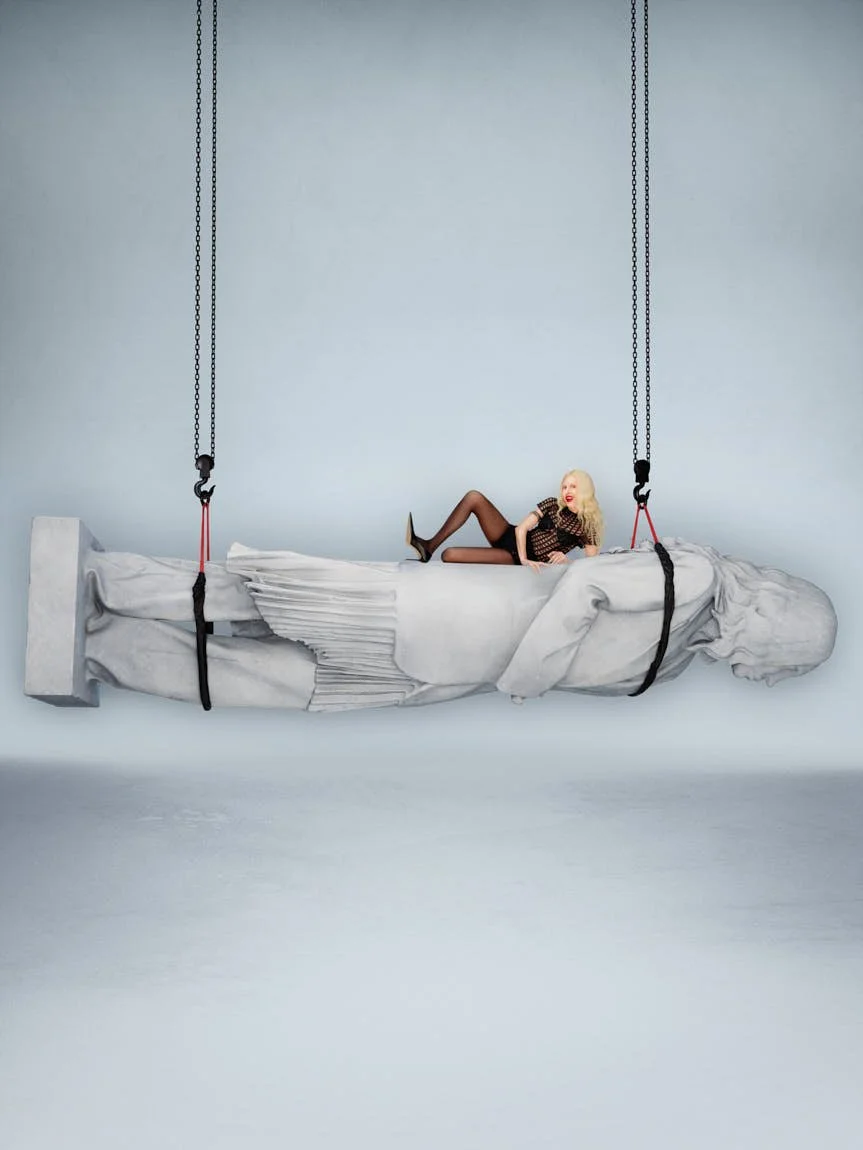
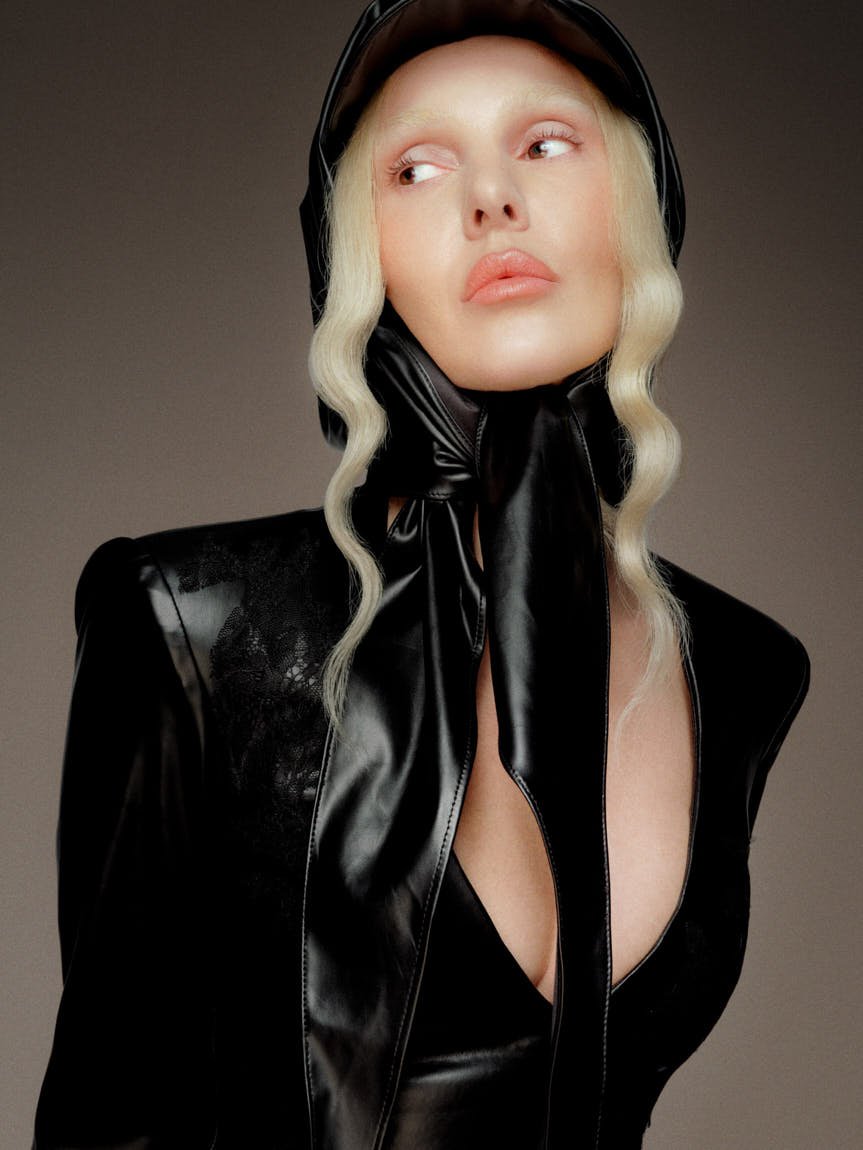
Tamta for LE MILE Magazine photo by Pascal Schonlau Issue 40 SS26 Tamta wears dress by CRITTER and shoes by MAISON MARGIELA

Tamta wears dress by CRITTER and shoes by MAISON MARGIELA

 
Tamta for LE MILE Magazine photo by Pascal Schonlau Issue 40 SS26 Tamta wears dress by CRITTER


Silence, spectacle, or control — which one scares you most?

None of them truly scare me. Silence and control are both essential tools in my work, silence keeps me connected to my inner world, and control allows me to protect my vision. If I had to choose, I’d say spectacle is the one I approach with the most awareness. I don’t see it as something shallow or negative. Shock and intensity can be powerful ways to reach people, depending on the intention behind them. For me, spectacle only matters when it serves the emotion and the idea, not when it exists on its own.

Where did you feel more free to take risks — as the villain or the heroine?

As the Villain Heroine. The two aren’t opposites — they feed and complete each other. As long as I’m allowed to exist in both, risk becomes natural. That tension is where my freedom comes from.

Is there a genre or visual aesthetic that doesn’t feel right for you, even if they might work commercially?

I can’t quite pick a genre but what never felt right to me was a purely commercial approach: visually or musically. For many years, I was trying to balance my own creative instincts with the need to survive within a commercial system, without losing myself in the process.
Most of my discography is in the Greek language, while I have also worked in English at times—through fully English songs or by blending English lyrics into Greek ones. In recent years, I’ve allowed other elements that feel deeply personal to enter my work, especially Georgian influences, sometimes in the production, sometimes in the way I approach vocals, particularly when I sing in Georgian.
At the same time, the music I’ve been creating in Greek might not be considered disruptive on a global scale, but within the local context, I believe it represents something genuinely forward-thinking for the Greek pop scene. Now that I’m no longer creating from a place of survival, I feel freedom in my expression. That freedom has brought me a deeper sense of fulfilment, one that matters to me more than conventional ideas of success.

Which part of your biography comes up again and again in interviews?

The beginning of my story comes up again and again, especially my life in Georgia before moving to Greece, and then the moment of starting over in a new country. I understand why journalists return to it; the idea of someone arriving under difficult circumstances and building a place in the music industry is a compelling narrative.
At the same time, after so many years, returning to the same questions can feel limiting. I’m more interested in who I’m becoming now and where I’m headed. That’s why I appreciate interviews like this one, they allow space for evolution rather than repetition.

Imagine someone copying your aesthetic perfectly. What would they still get wrong?

In a world where images and sounds circulate constantly and are accessible to everyone, it’s natural that references overlap. We’re all exposed to the same stimuli, often unconsciously, and traces of existing work can surface without intention. That has always been the case, even before everything lived on a screen.
Of course, there are moments when imitation is intentional and obvious, and that can feel unfair to the depth of someone’s creativity and to the artist behind it. But for me, the real distinction isn’t about copying, it’s about approach. Inspiration can be respectful and even honouring, but it only becomes meaningful when it’s filtered through something personal. What matters is how you transform what you’ve absorbed, how much of yourself you allow into it, and whether it becomes something truly your own.

My aesthetic is rooted in spontaneity and instinct and it often comes together in the moment and reflects where I am emotionally at that time. By the time something could be replicated, I’ve already moved on. If my work ends up inspiring other artists, I see that as something positive. It can only be taken as a compliment.

If identity is a performance, who or what are you performing against right now?

I am performing against staticness. My work lives in movement, change, and constant reinvention, where nothing is meant to settle for too long.

Looking ahead to 2026, what can you say about the direction of your next album — and whether it will revolve around a new identity or character?

I’m very excited about what’s coming next. I can’t say much yet, but I can say that this time we’re going harder and more aggressive, while expanding into new genre territory. The next album will be primarily in English, but it will still carry elements that are deeply part of my Greek and Georgian influences, woven naturally into the sound.

It’s not about creating a new character as much as revealing more layers of myself.

 
Tamta for LE MILE Magazine photo by Pascal Schonlau Issue 40 SS26 Tamta wears top and briefs by ONATERI and shoes by MARTINE ROSE

Tamta wears top and briefs by ONATERI and shoes by MARTINE ROSE

 
Tamta for LE MILE Magazine photo by Pascal Schonlau Issue 40 SS26 Tamta wears total look by MILÓ MARIA

Tamta wears total look by MILÓ MARIA


Tamta for LE MILE Magazine photo by Pascal Schonlau Issue 40 SS26 Tamta wears dress by RAY CHU and shoes by MAISON MARGIELA

Tamta wears dress by RAY CHU and shoes by MAISON MARGIELA


Tamta wears top and trousers by ISSEY MIYAKE and shoes by MARTINE ROSE


Tamta wears a total look by ACNE STUDIOS


credits
all Images (c) LE MILE
and Pascal Schonlau