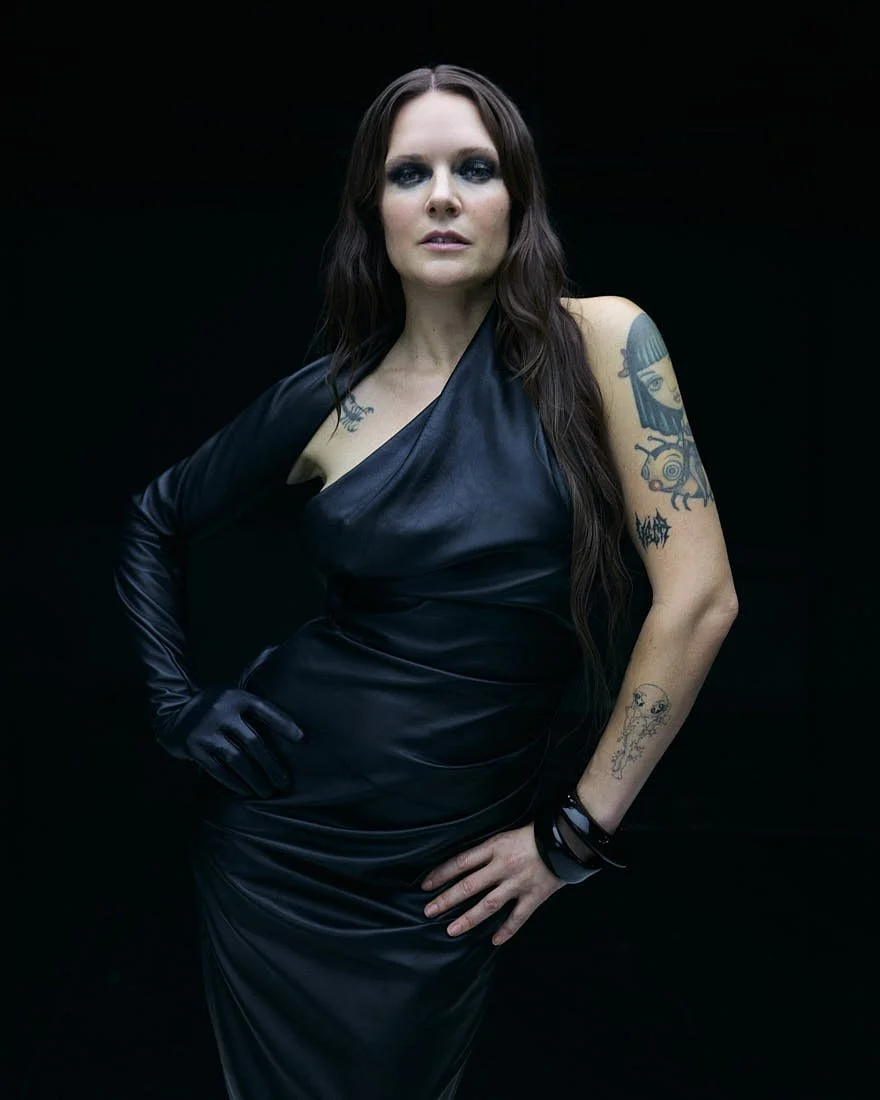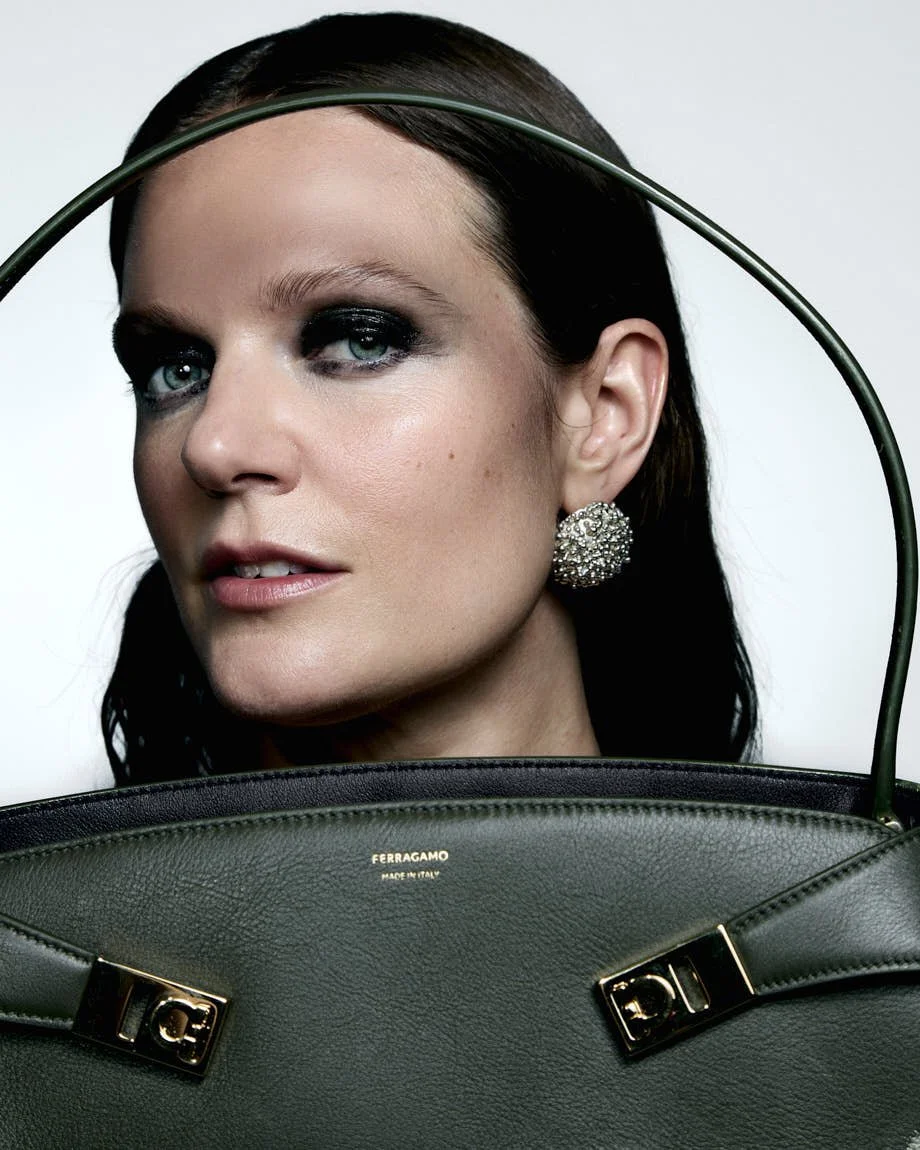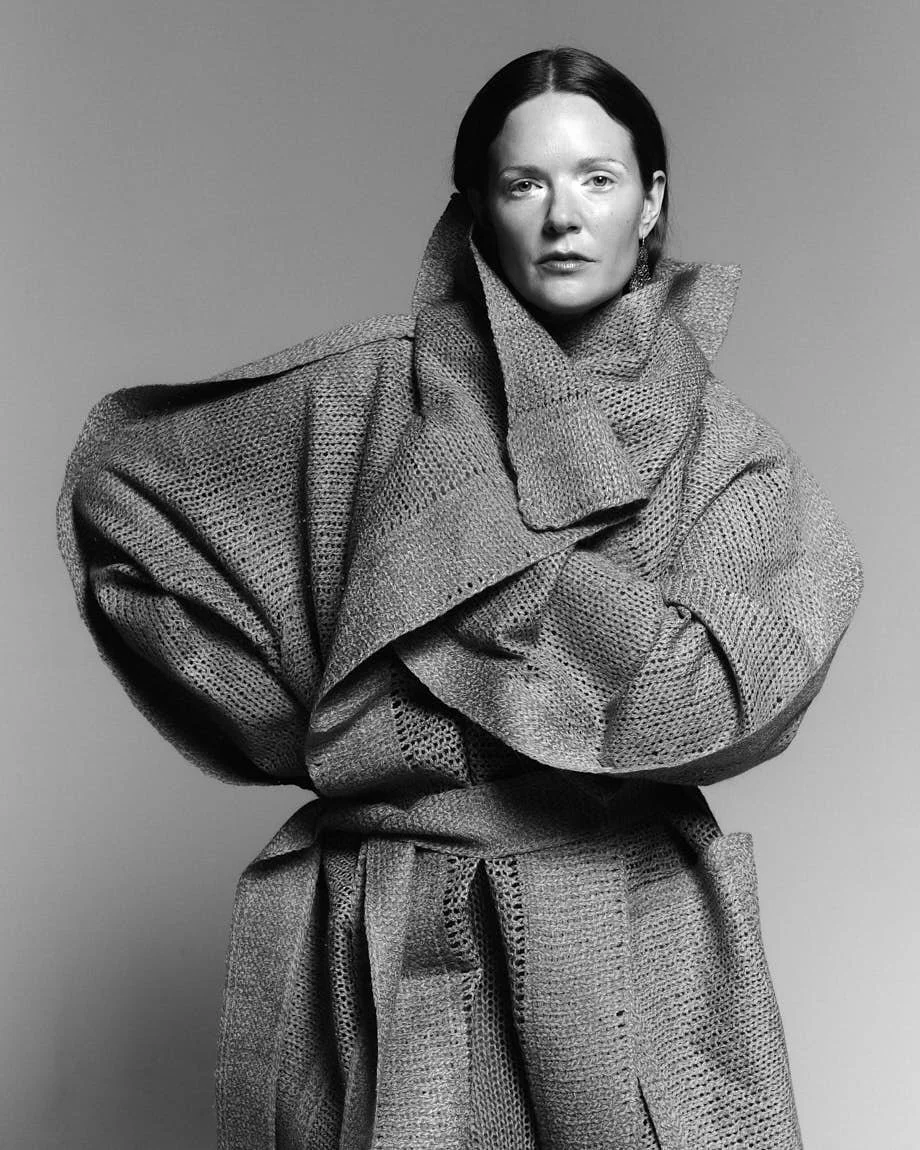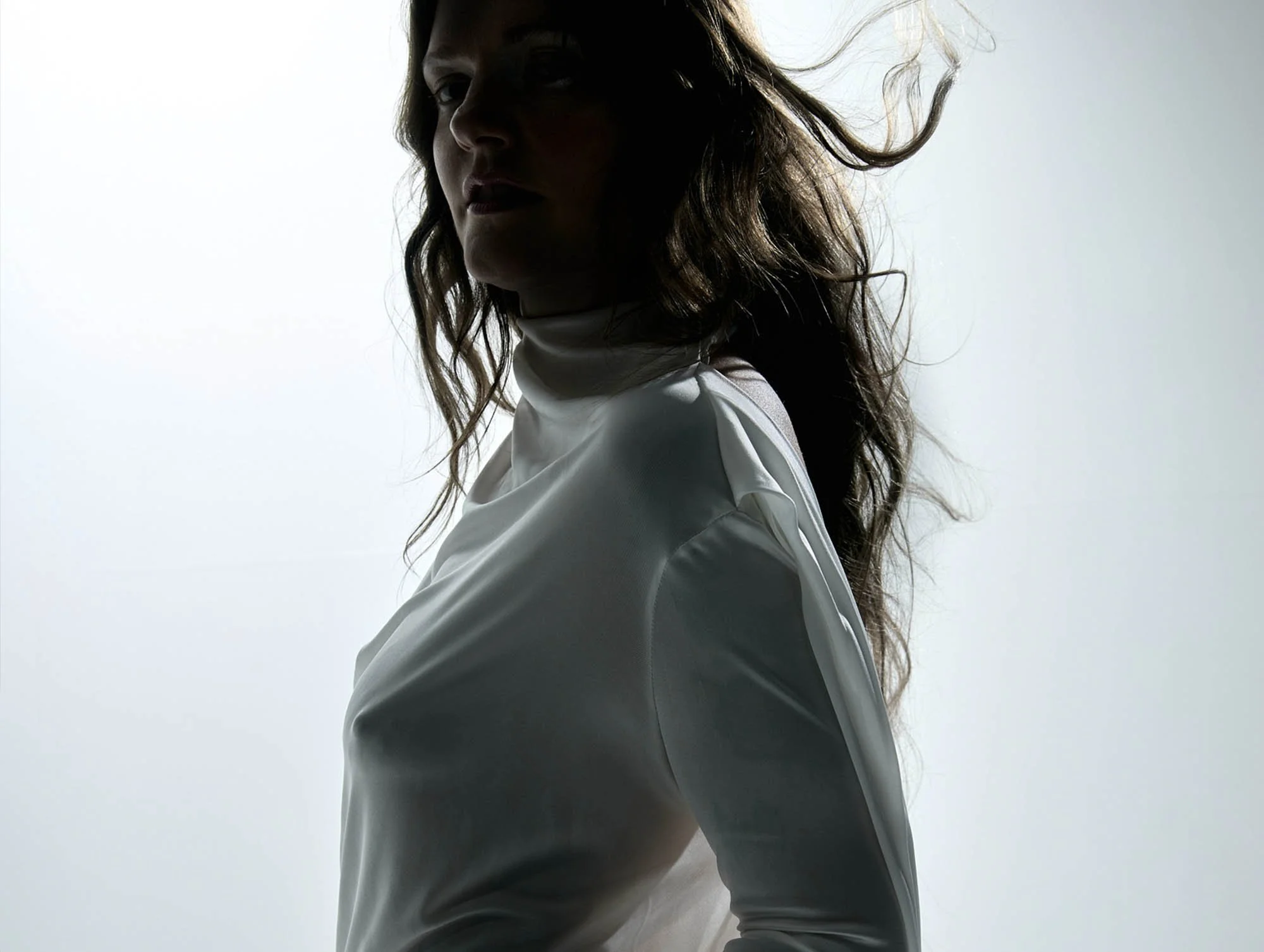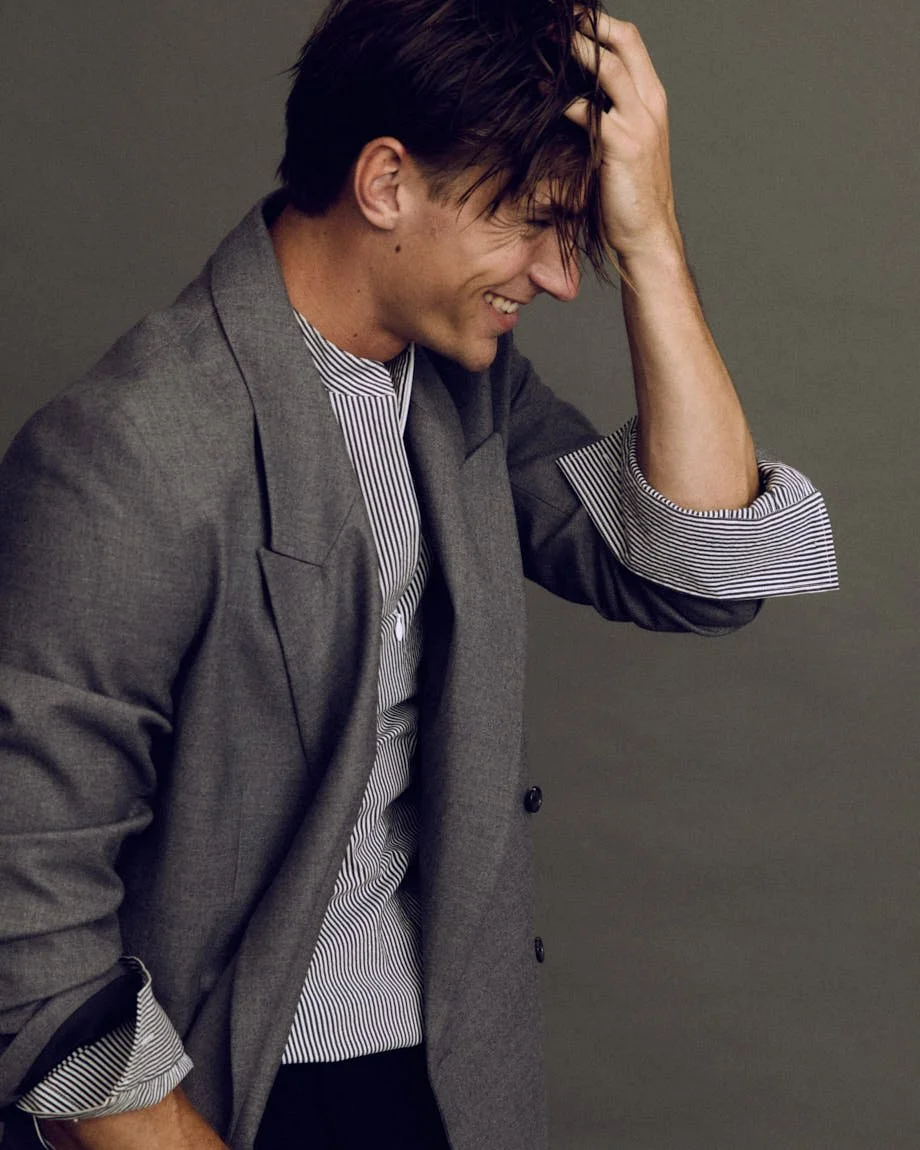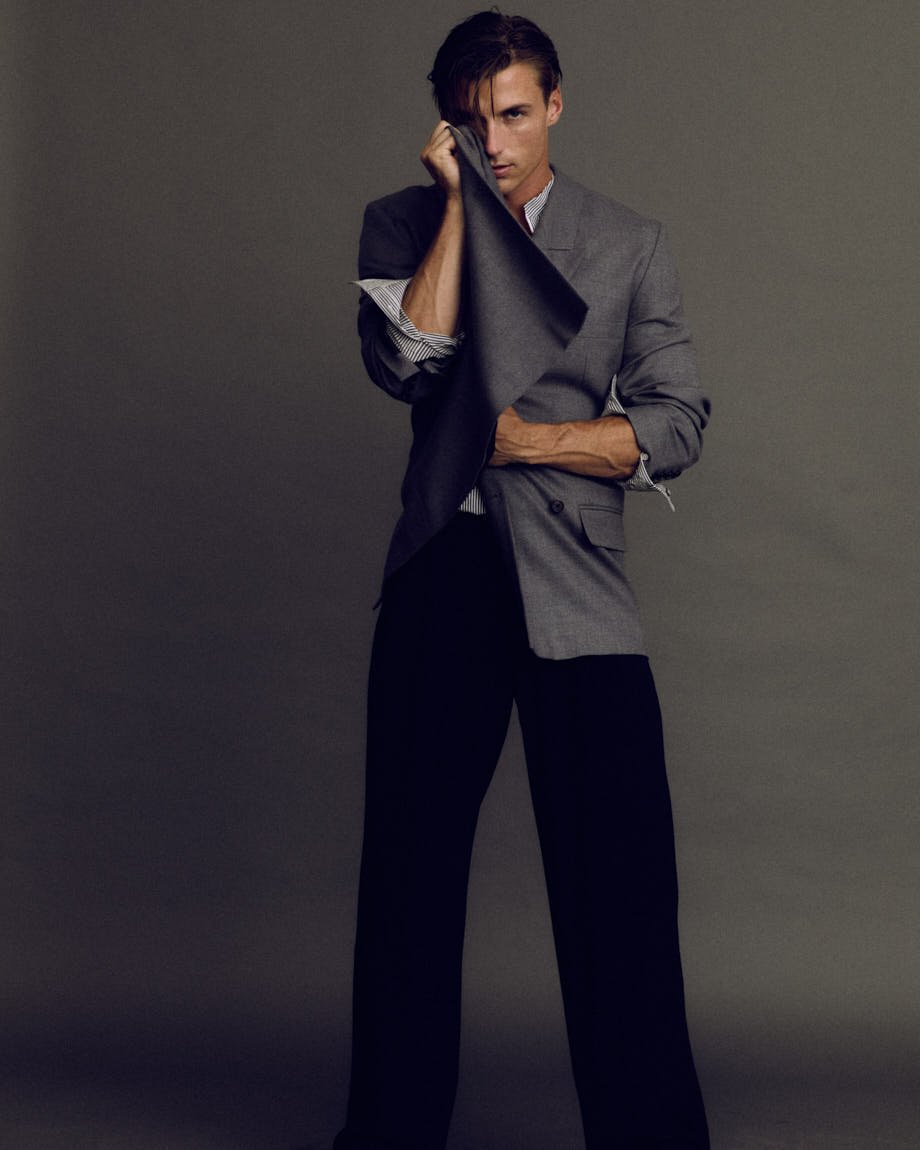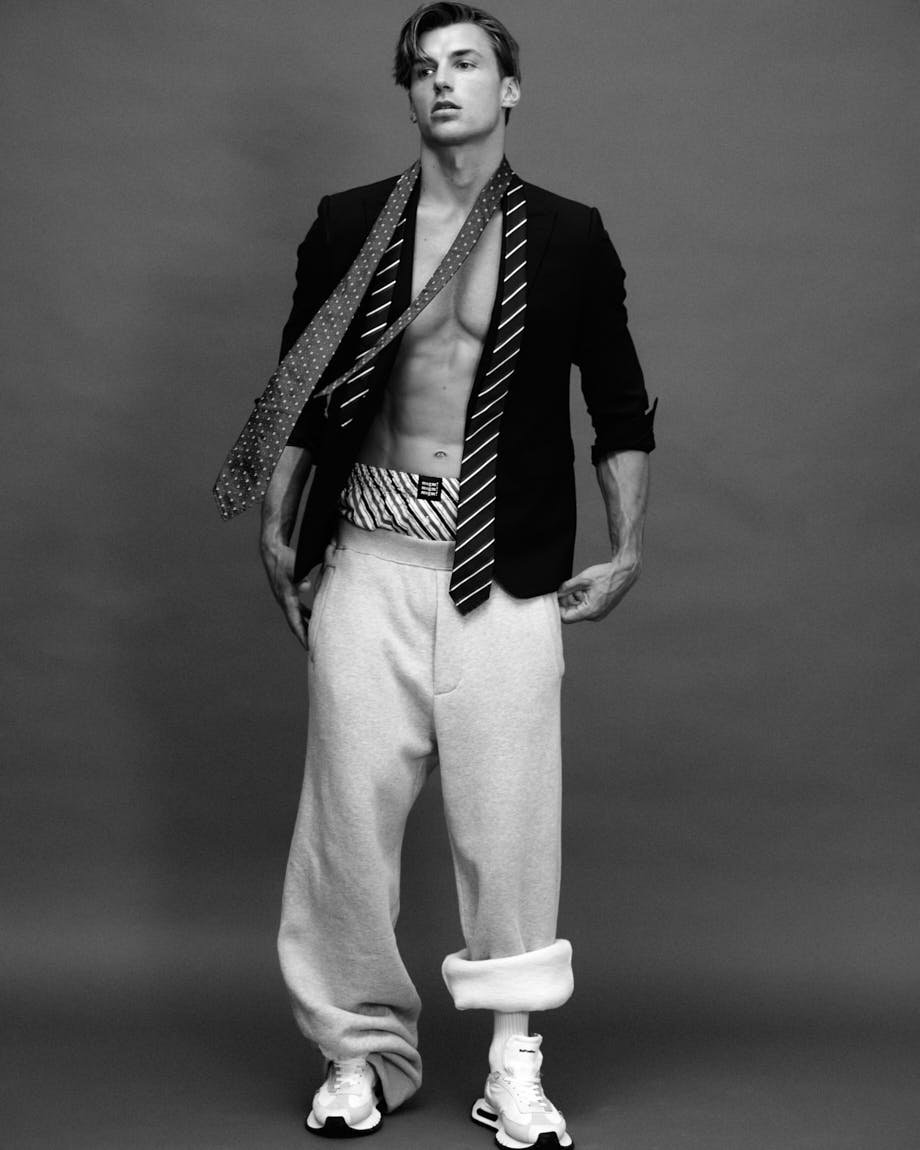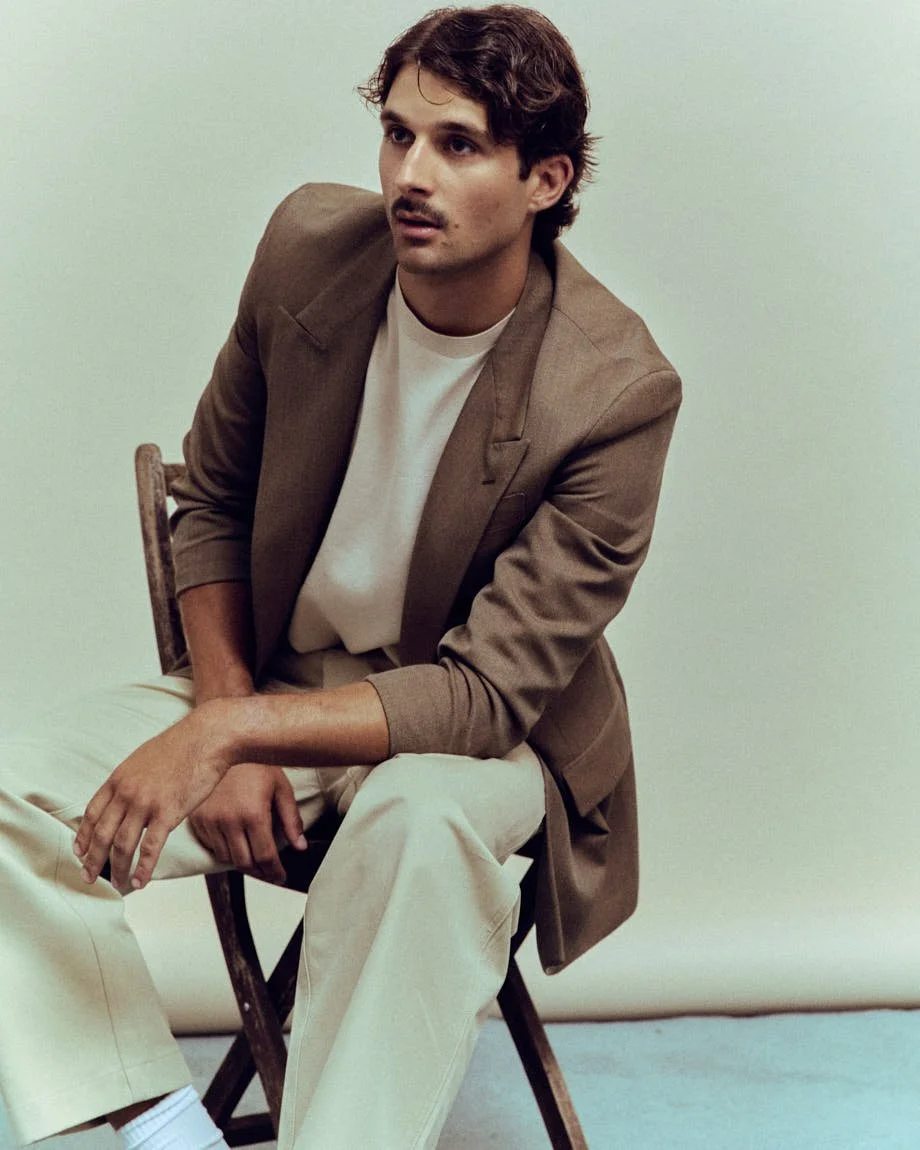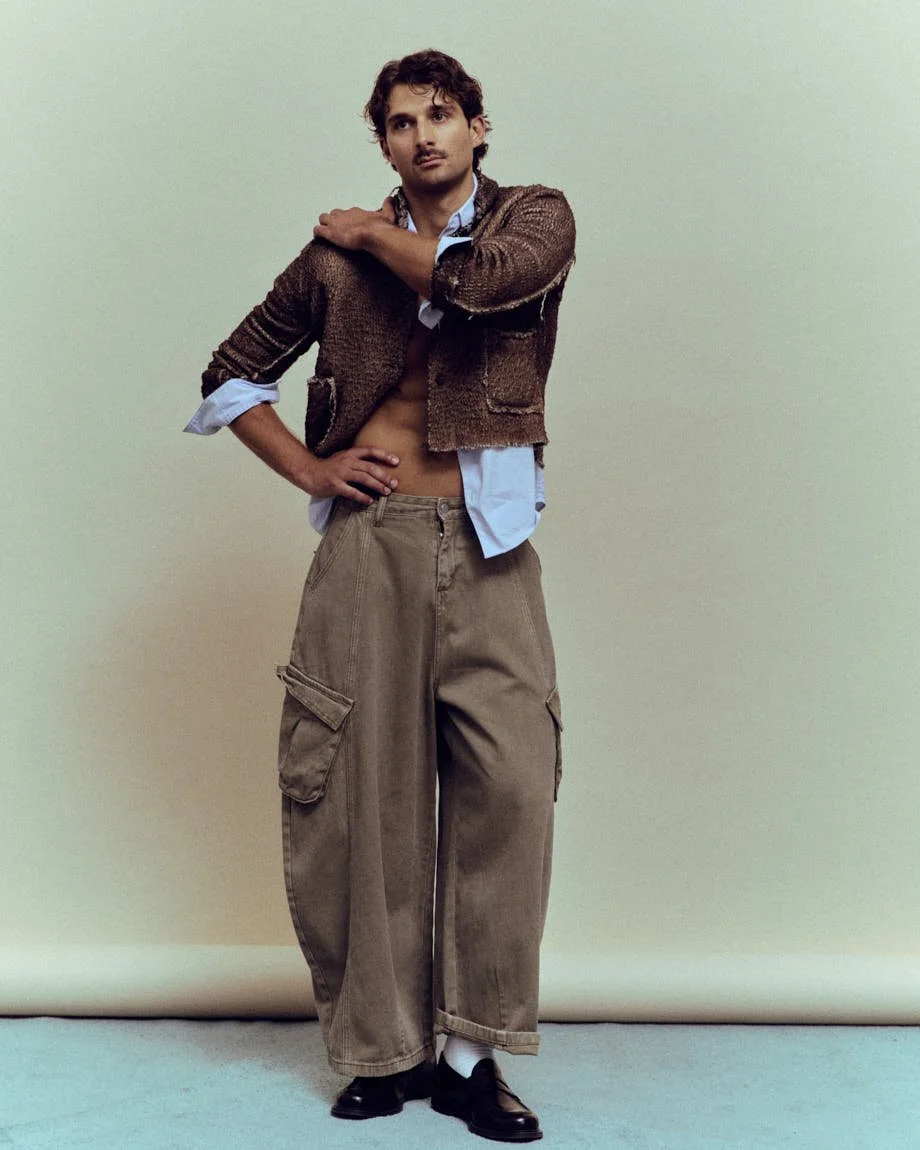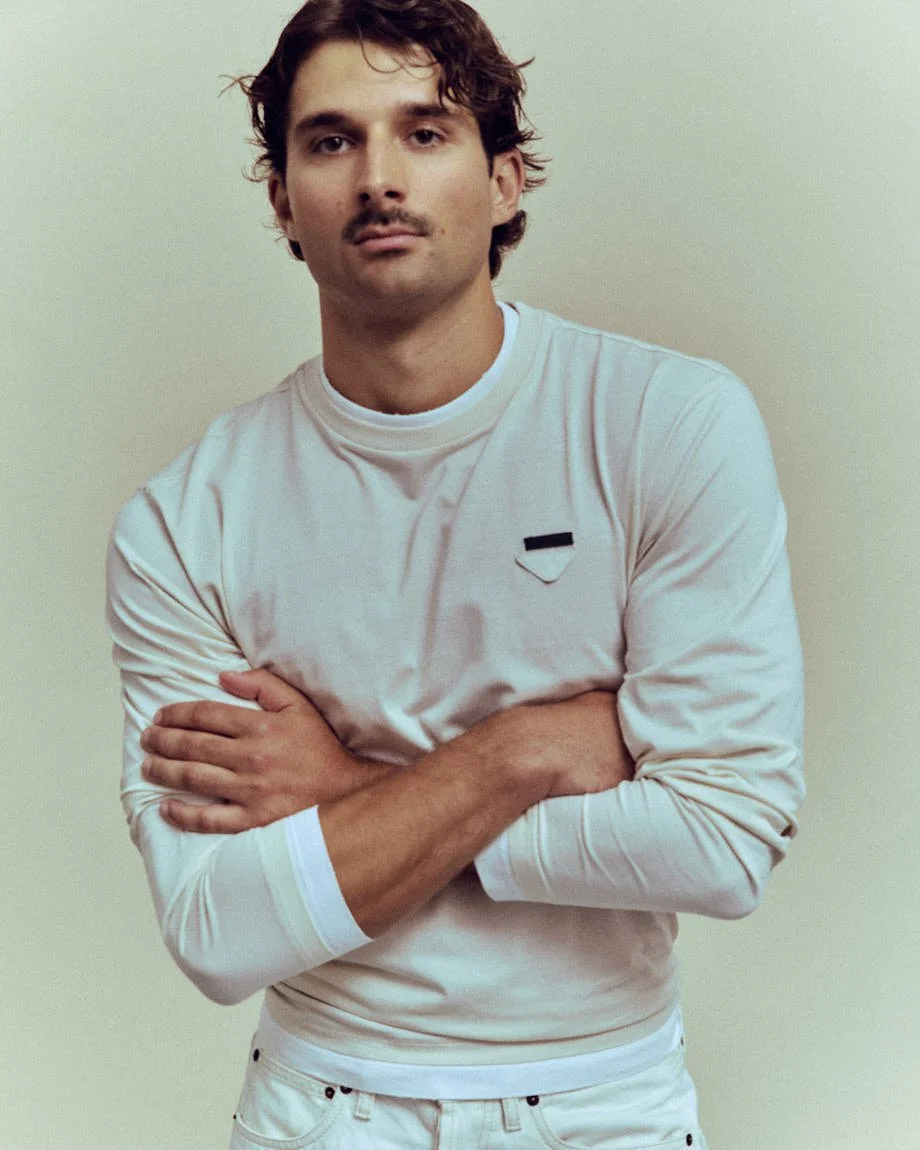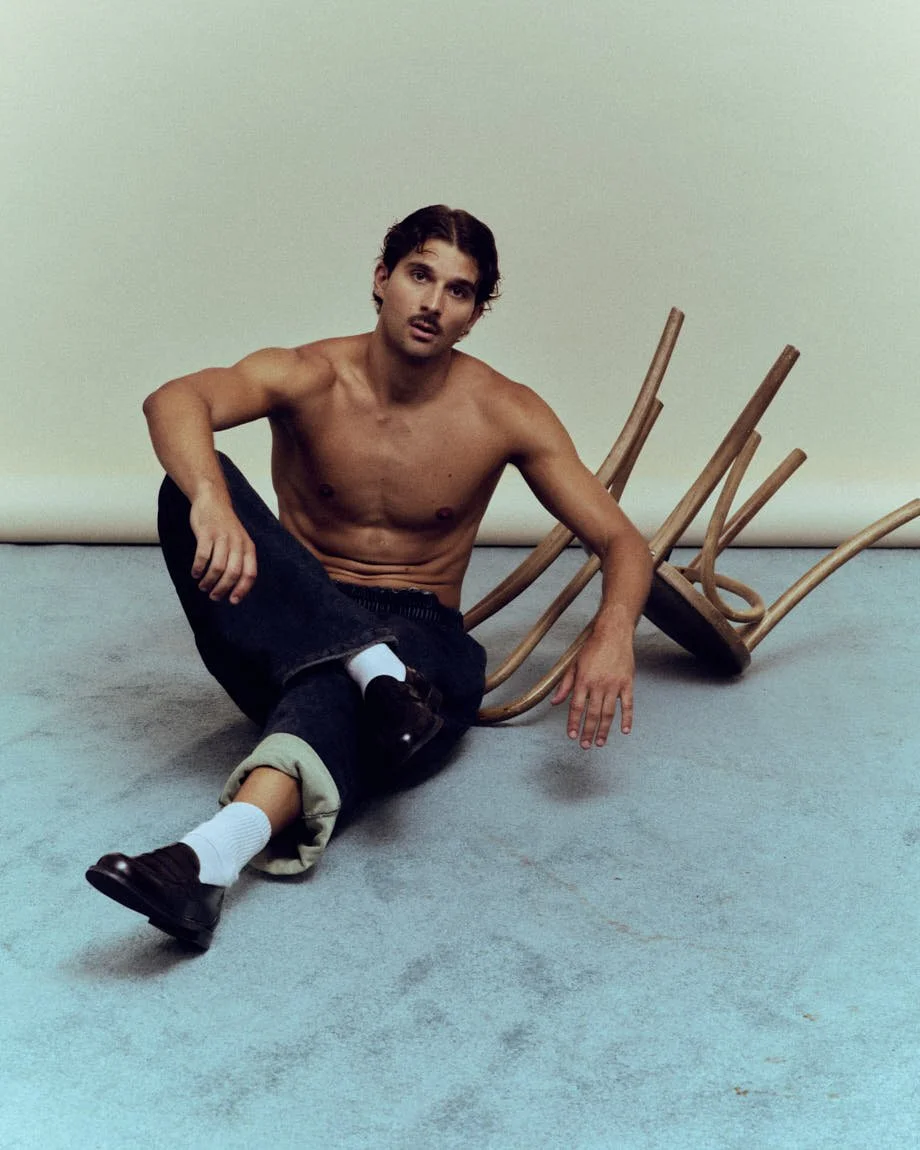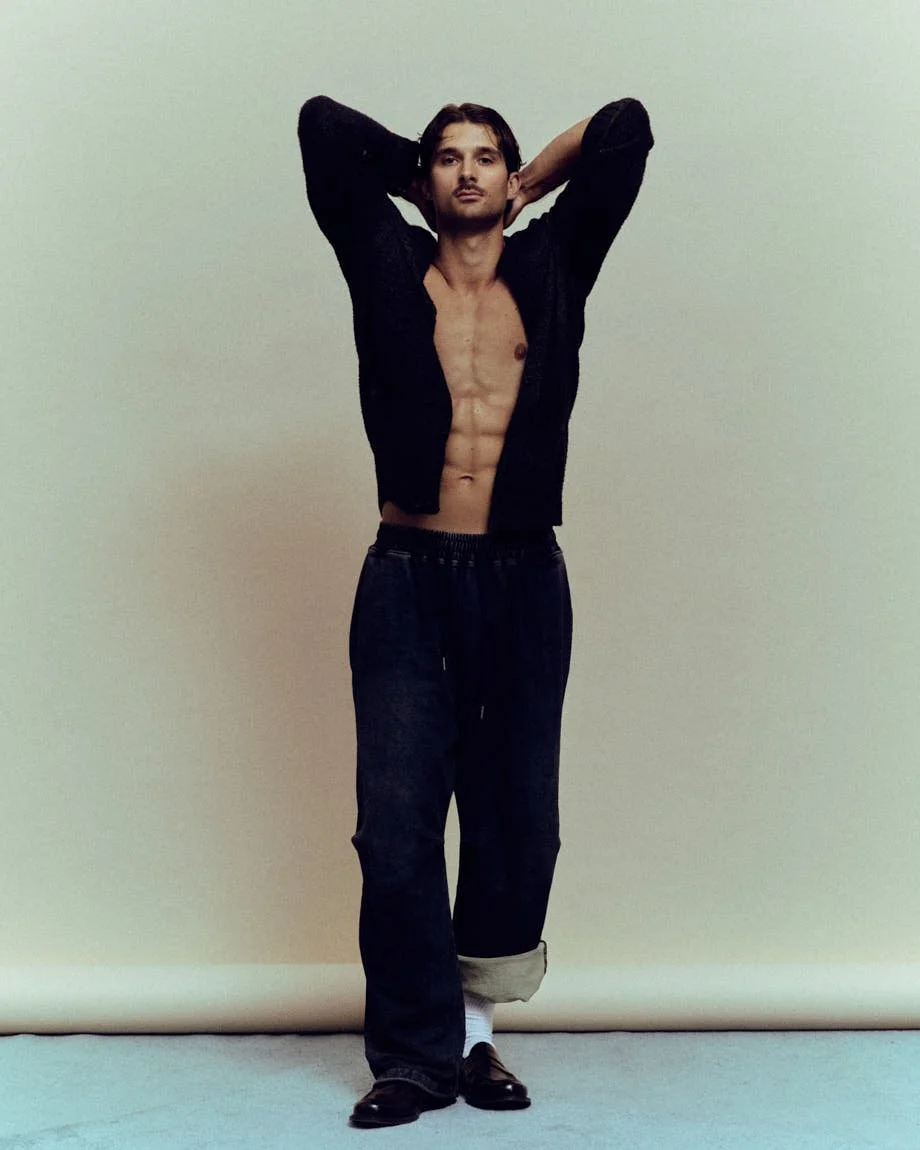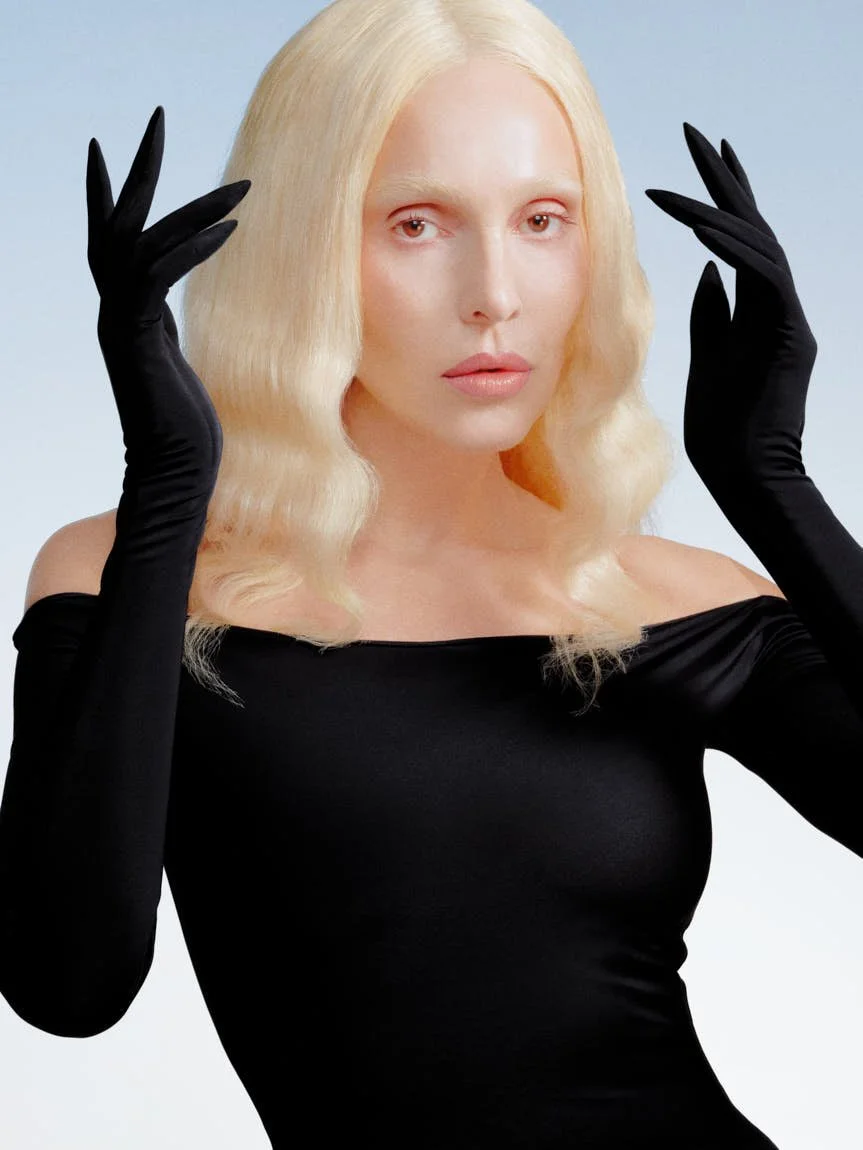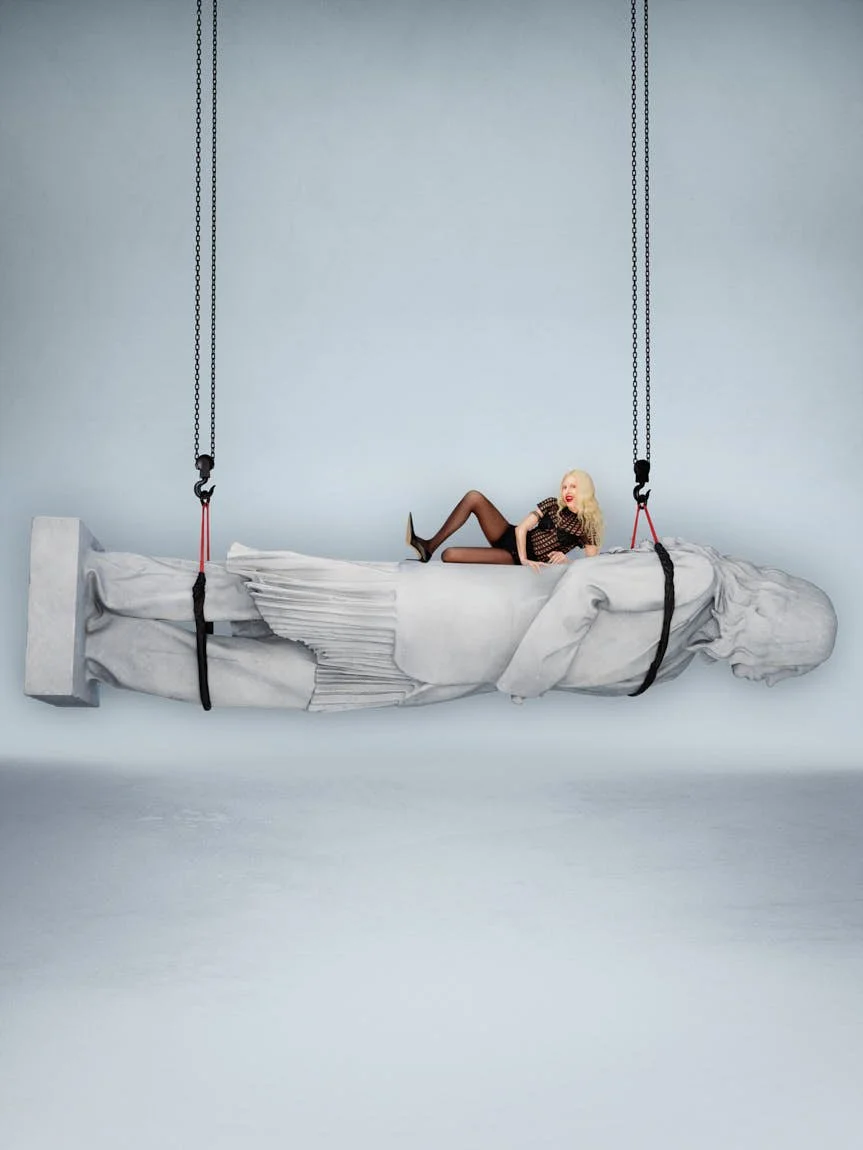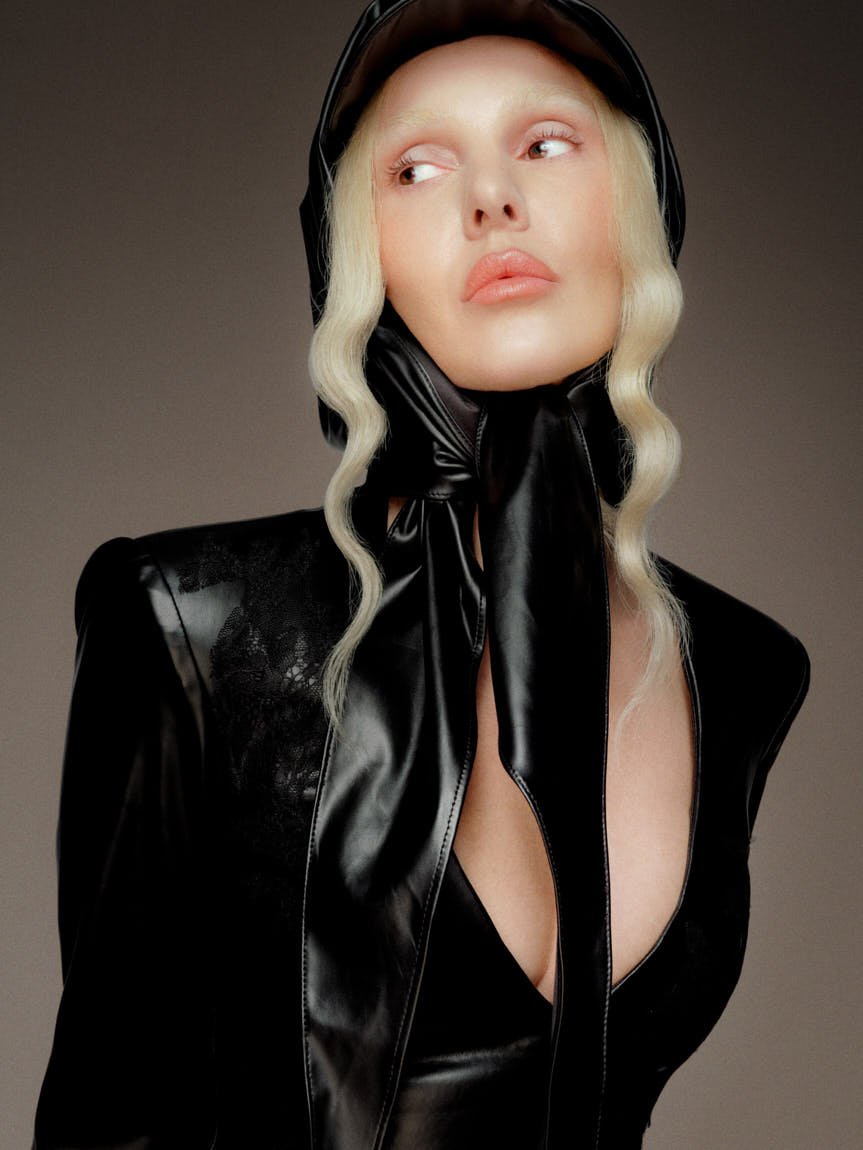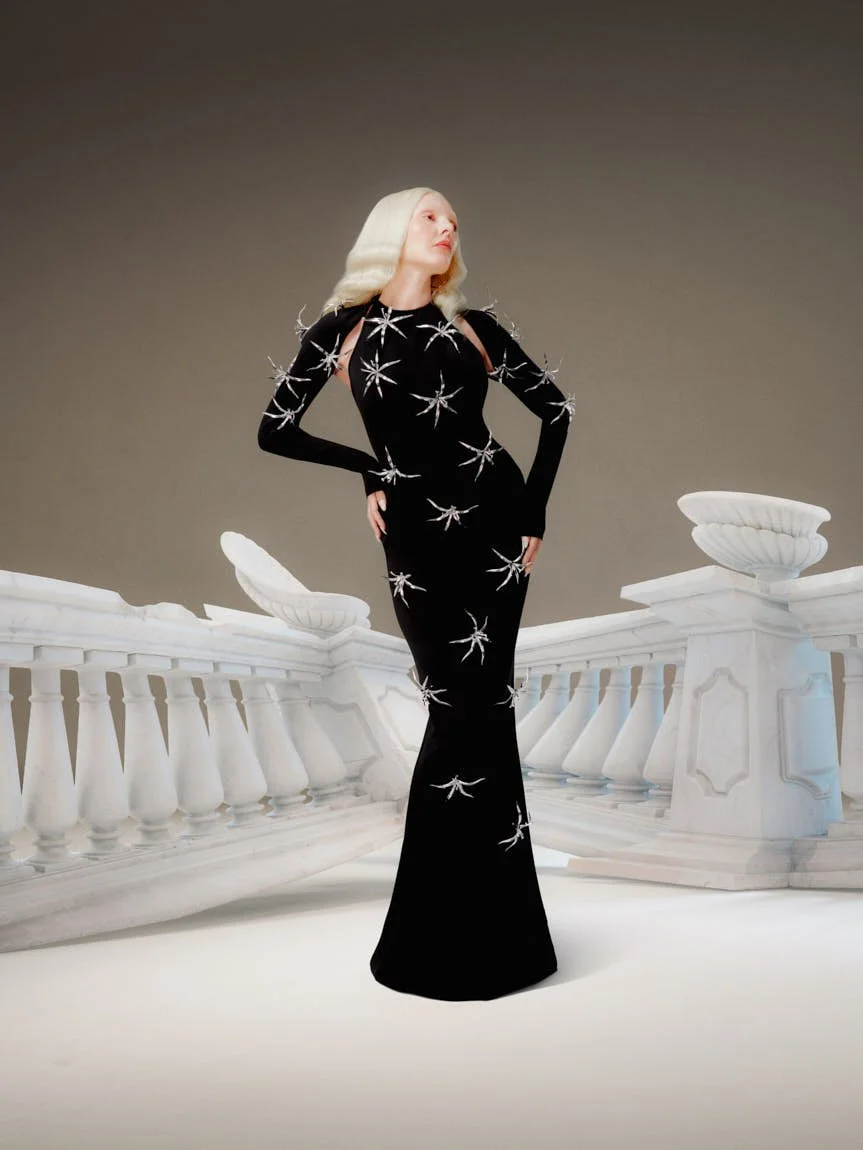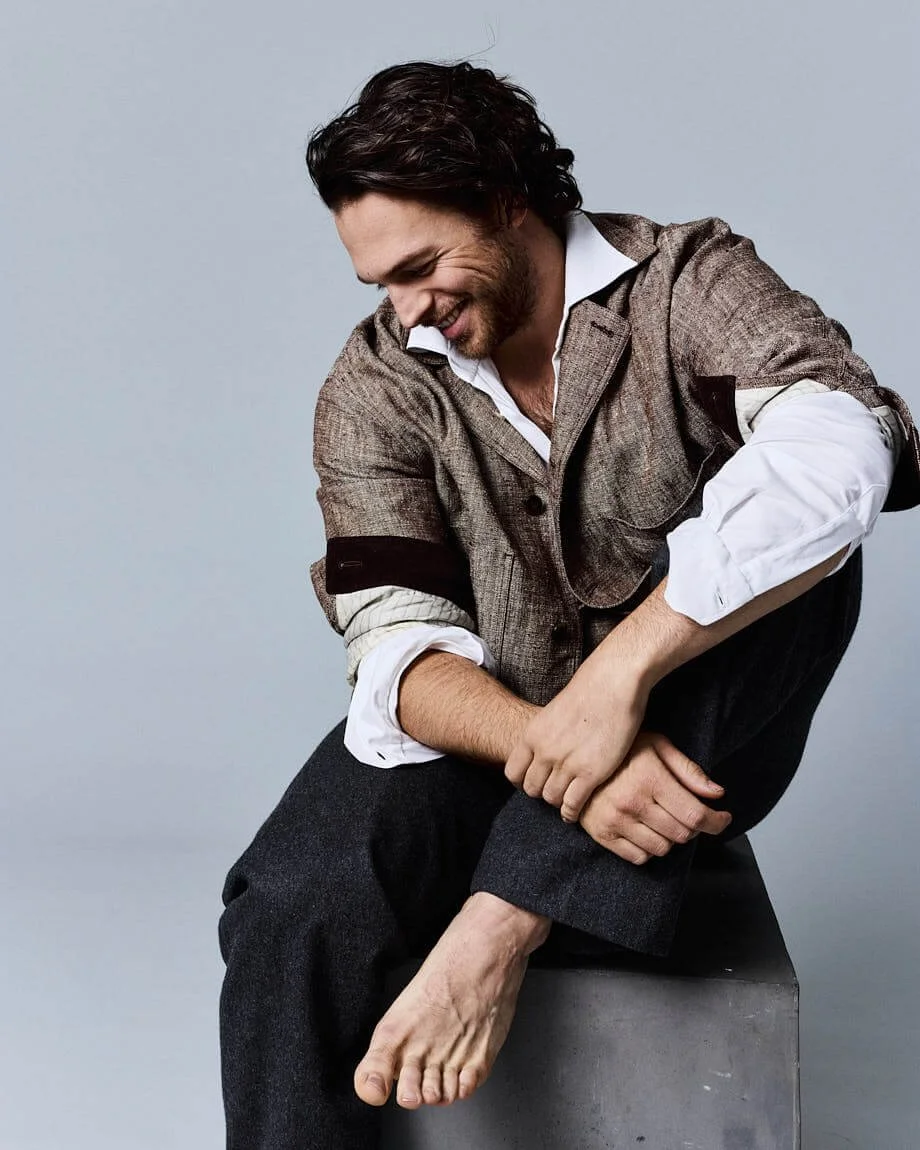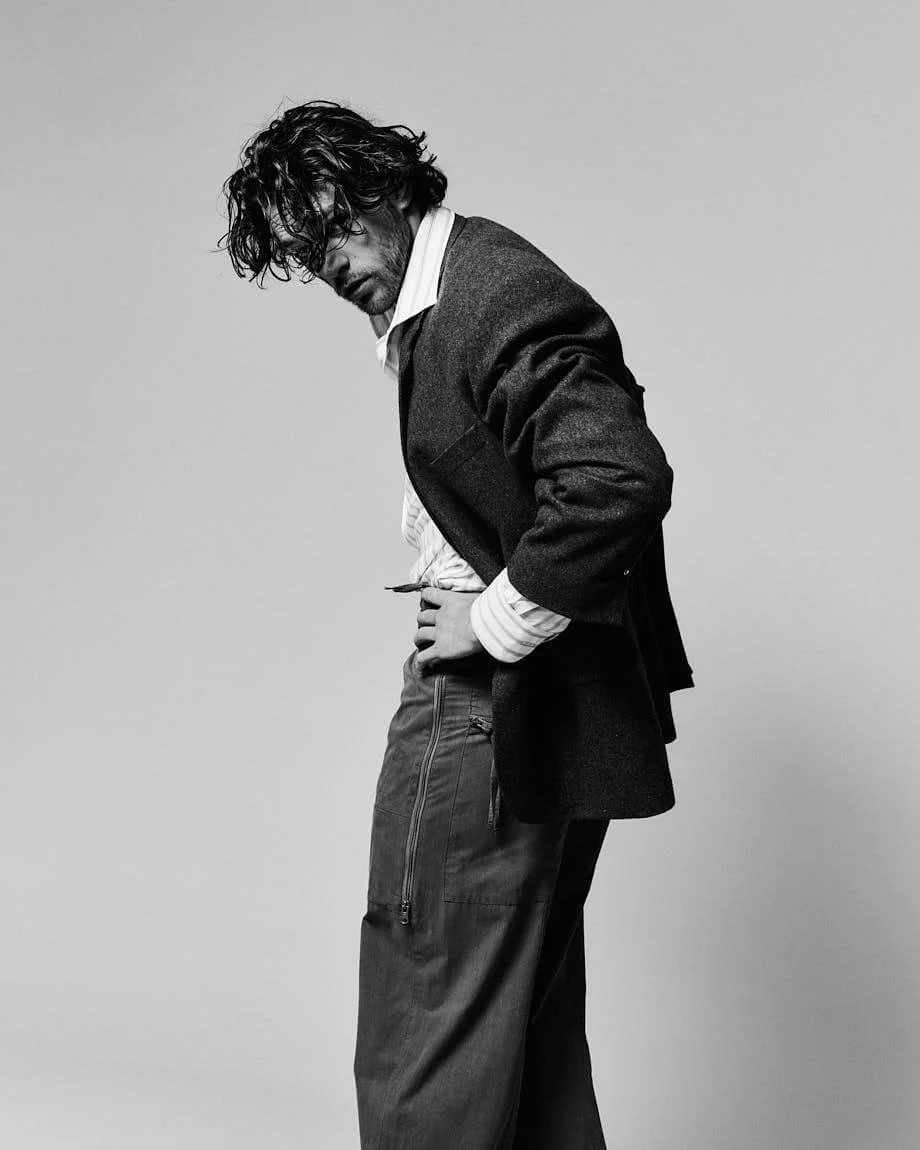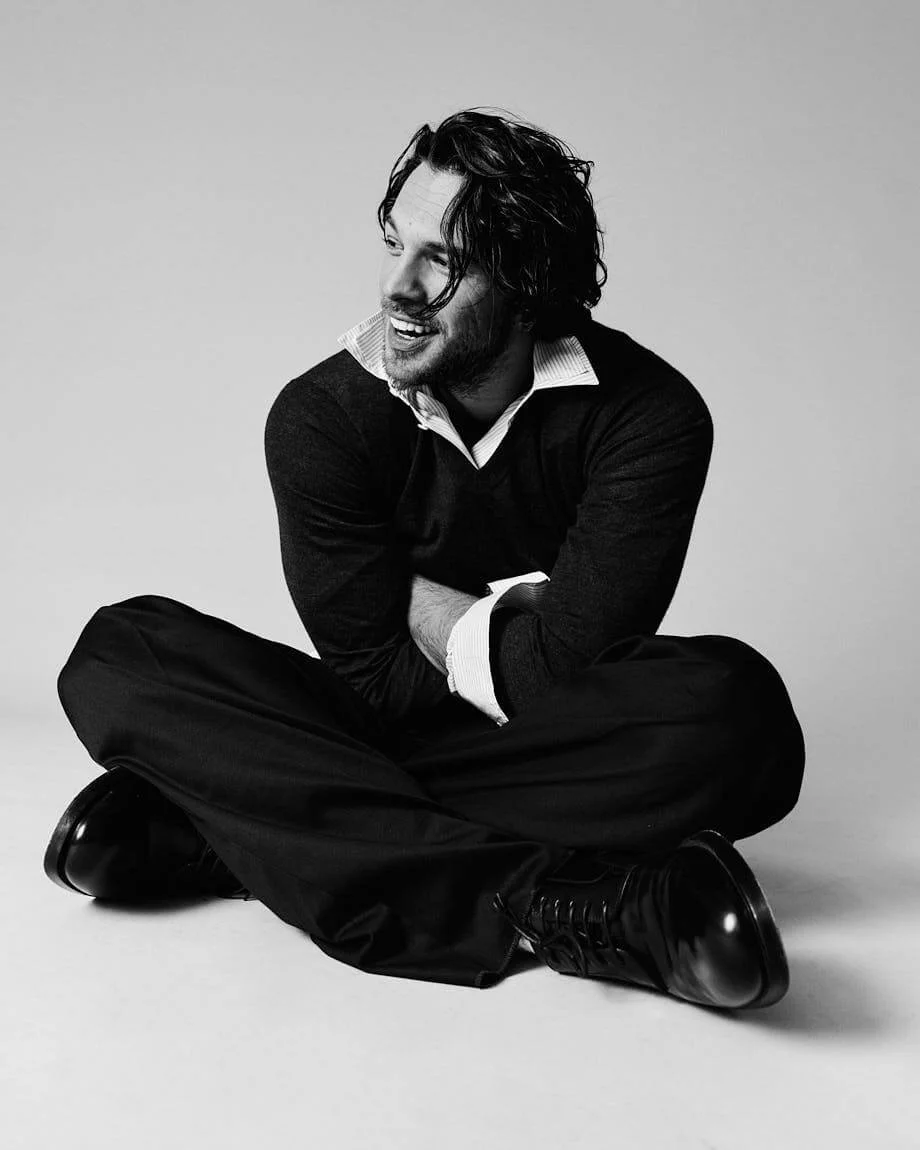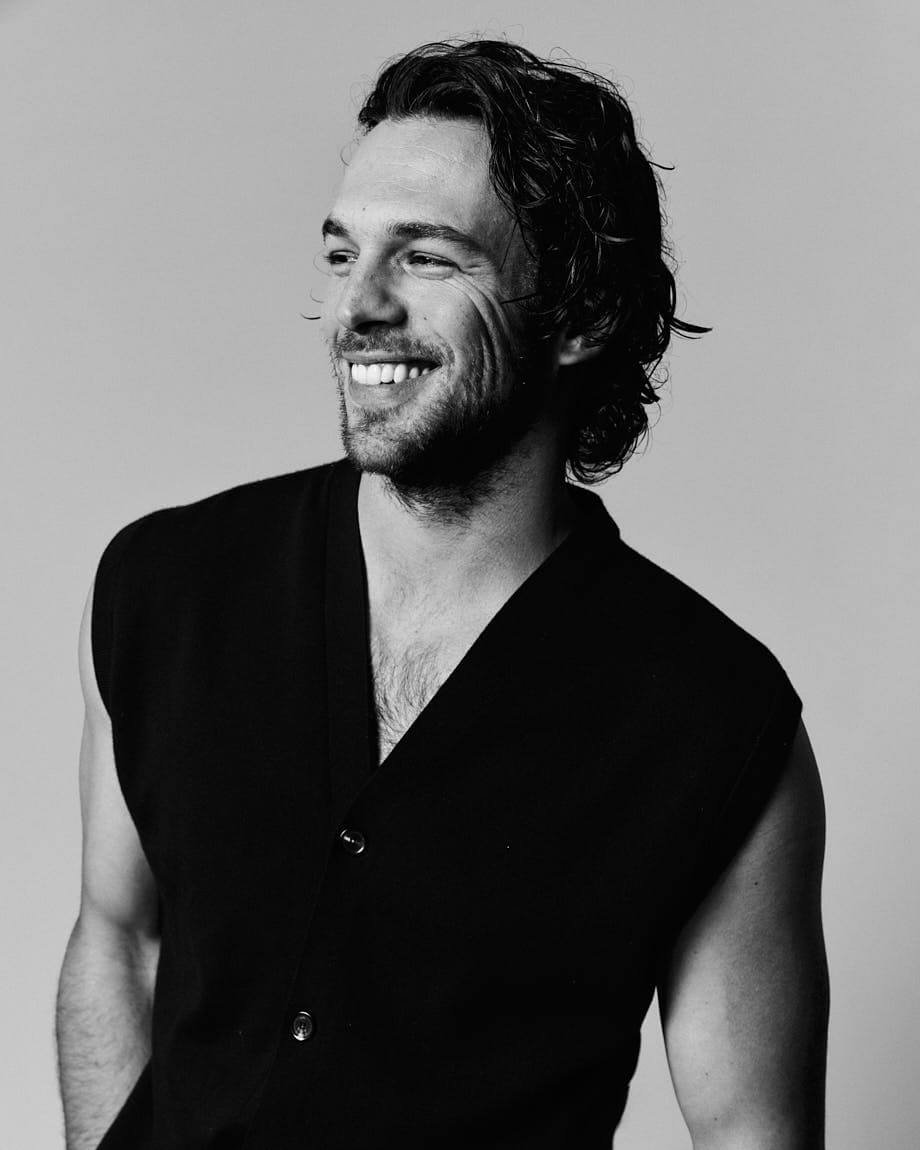
Viewing entries tagged
perspectives

Kieron Moore Interview | From Boots to Poetry, Between Character and Self

Kieron Moore Interview | From Boots to Poetry, Between Character and Self

.perspectives

From Boots to Poetry With Kieron Moore


written + interview ALBAN E. SMAJLI


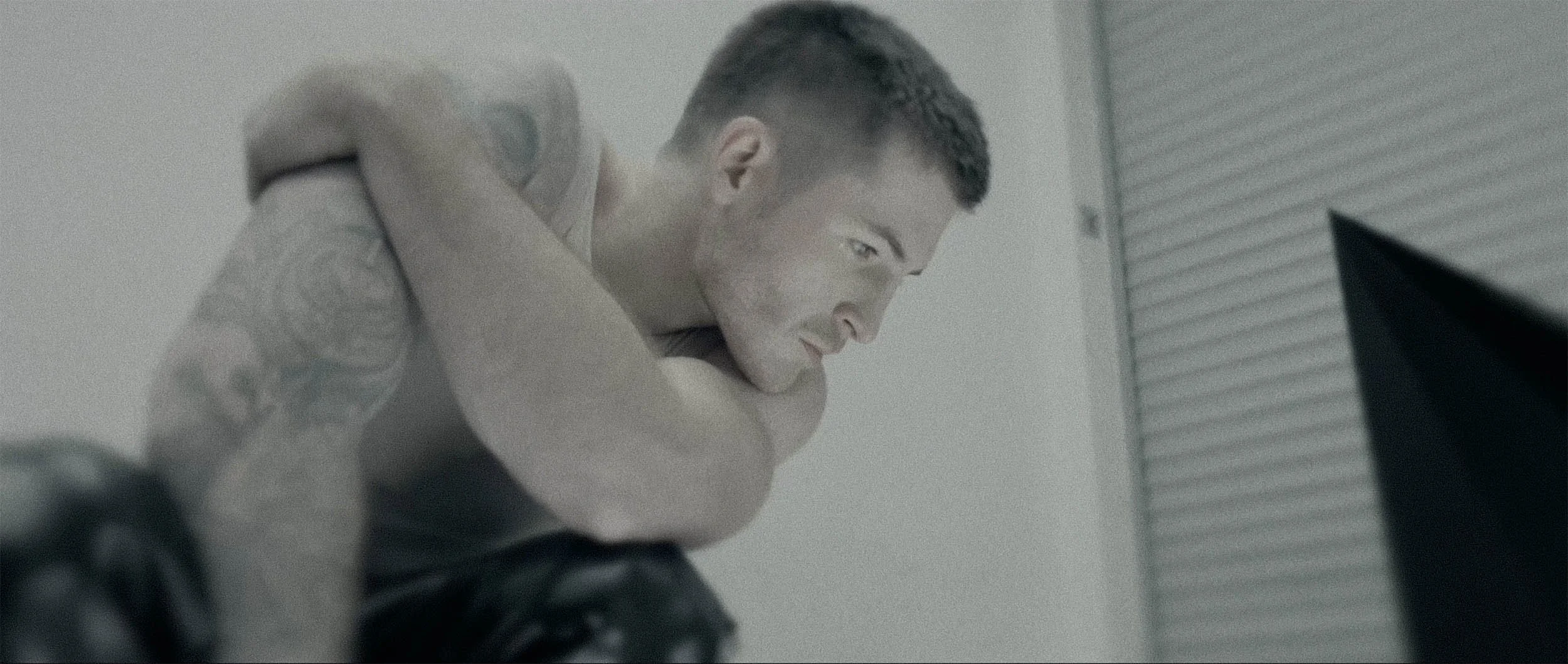
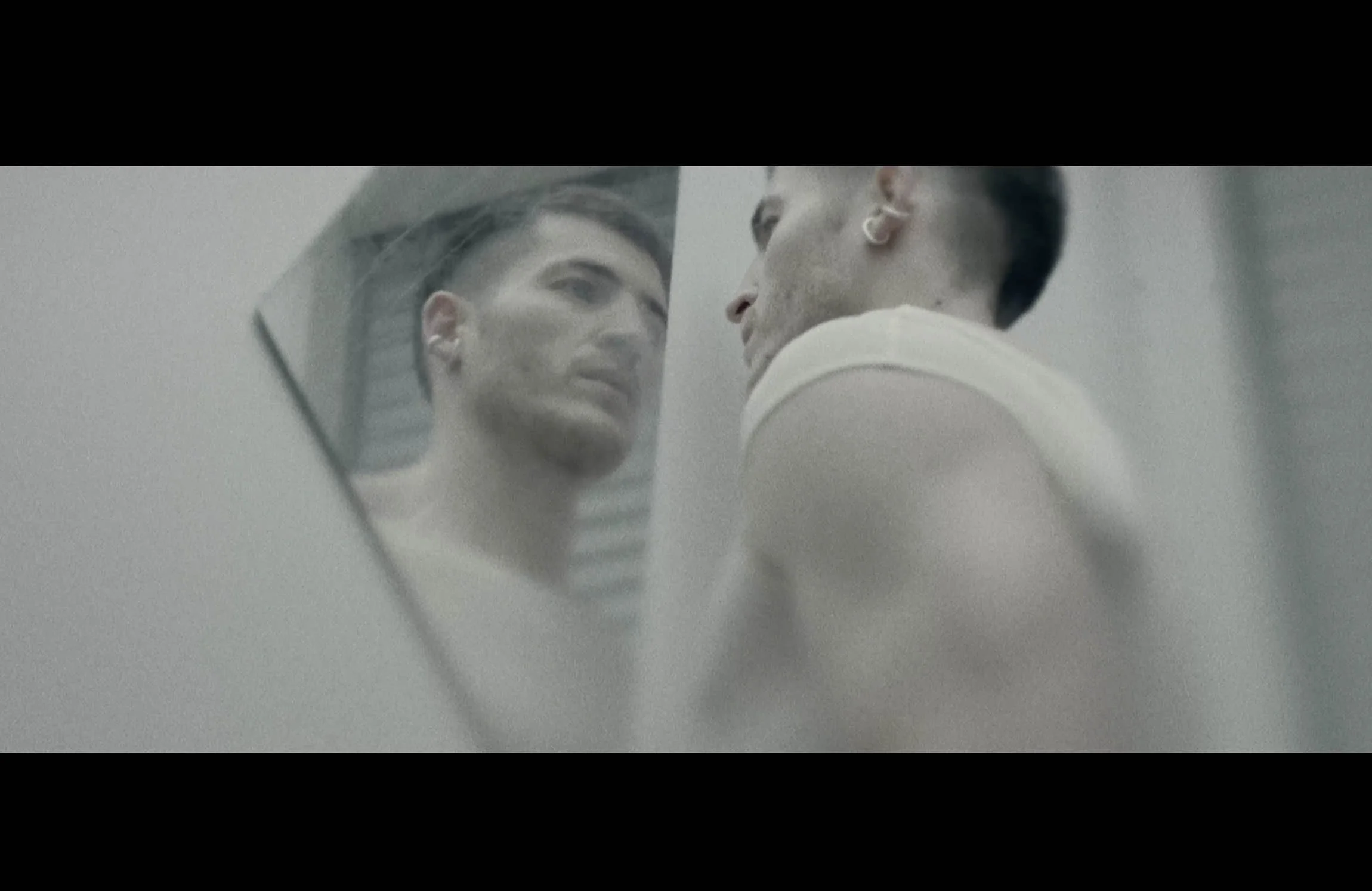
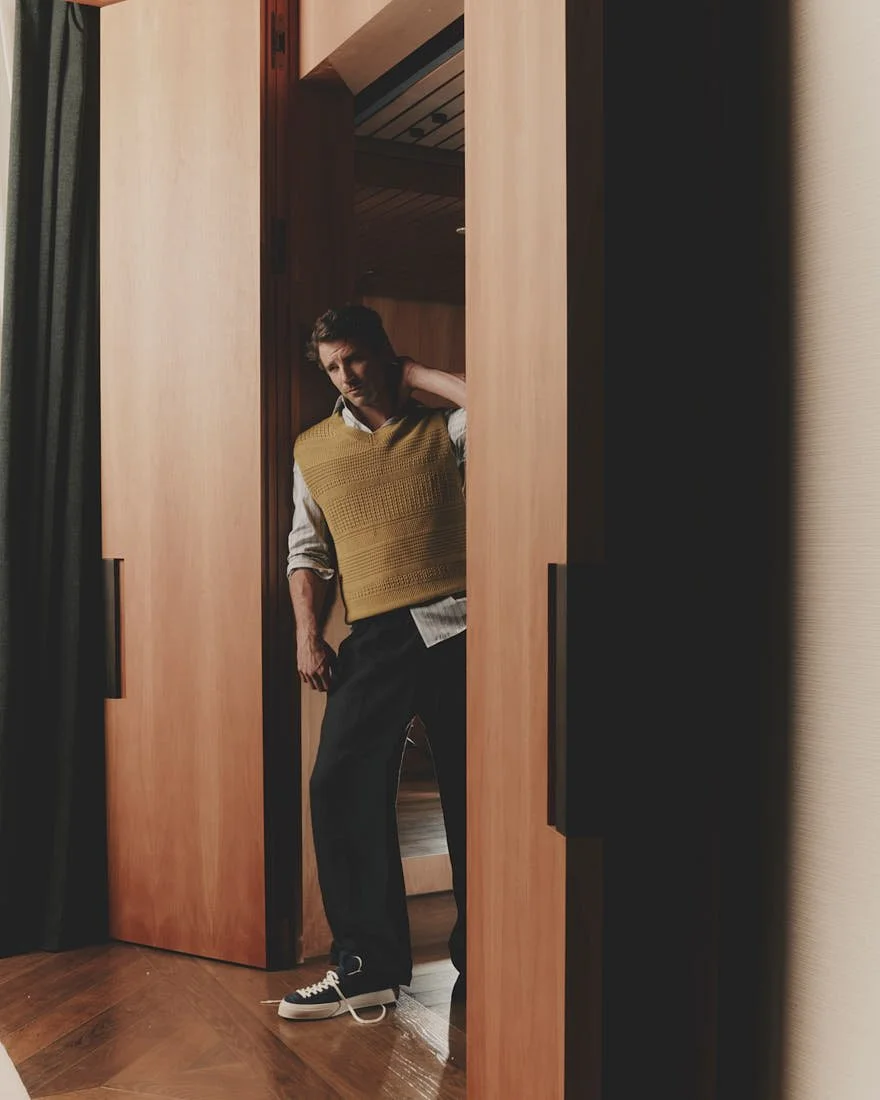
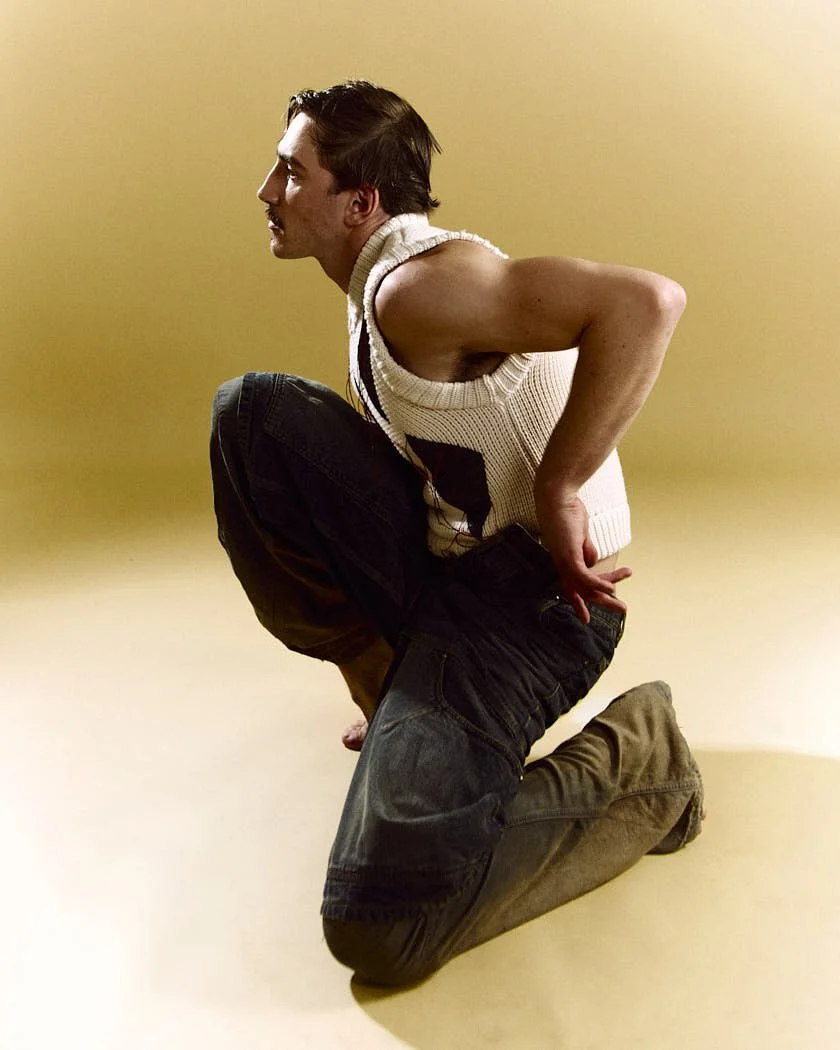
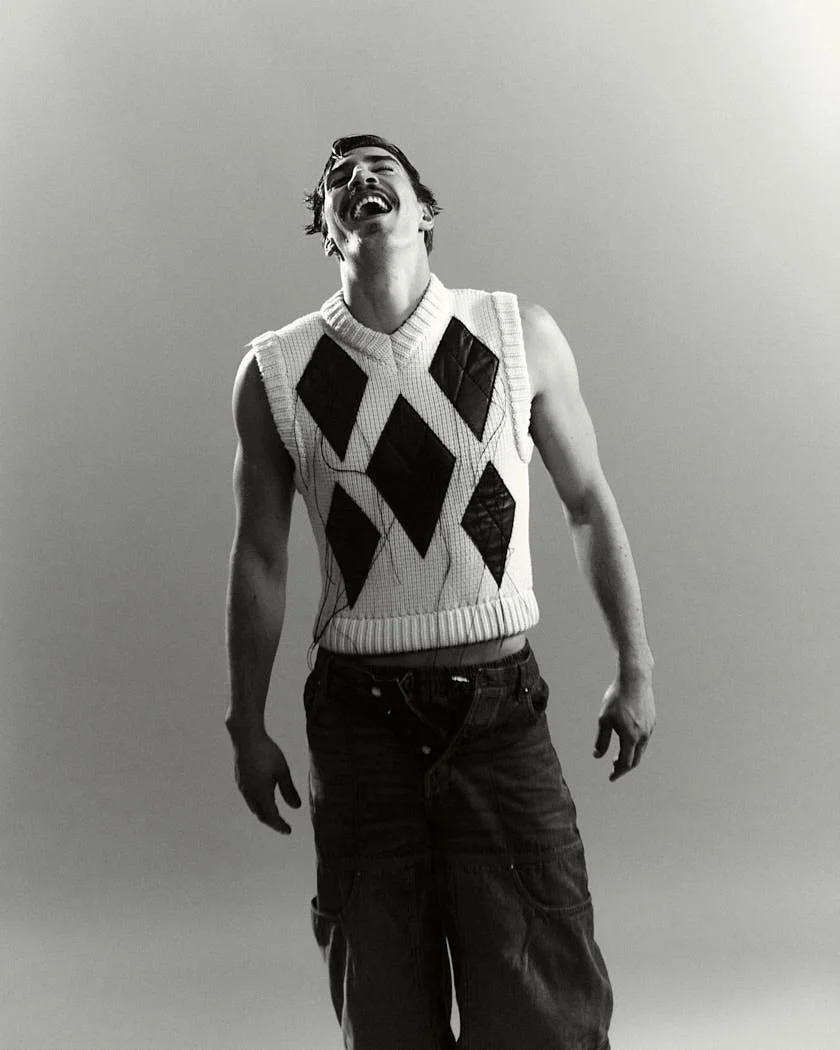
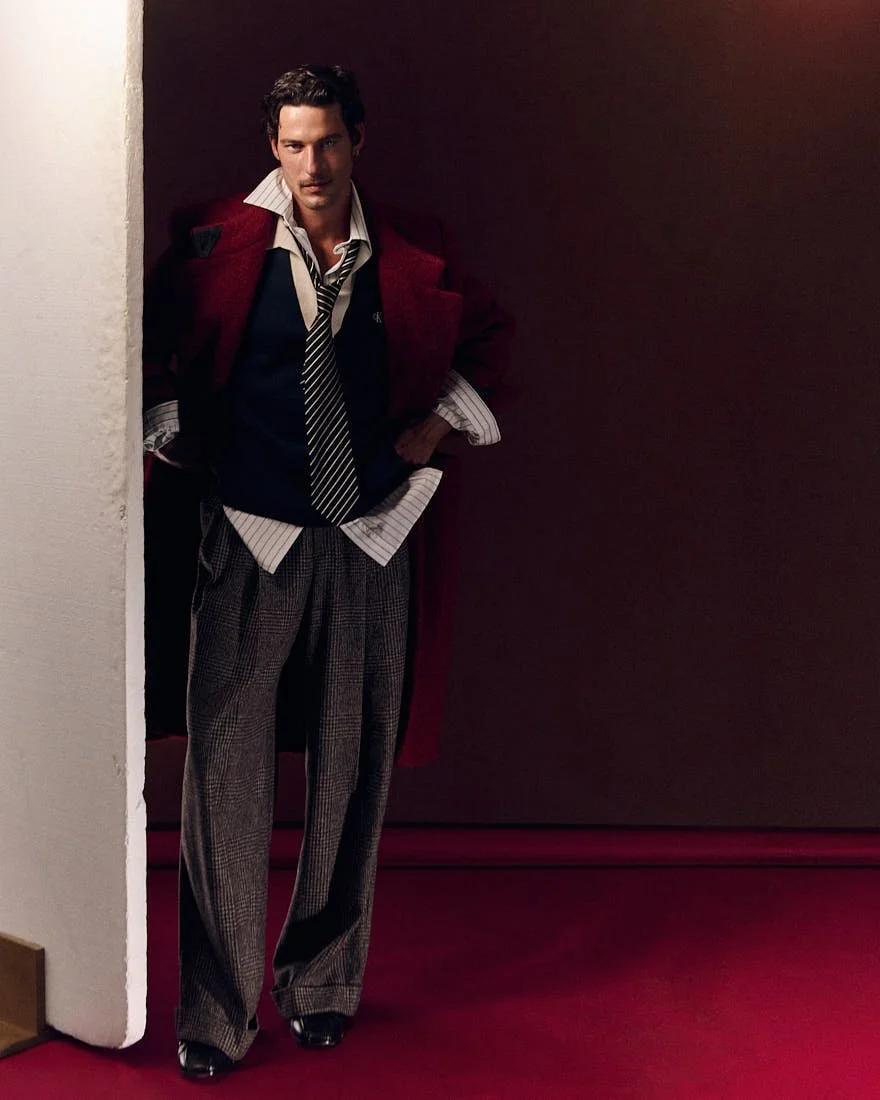
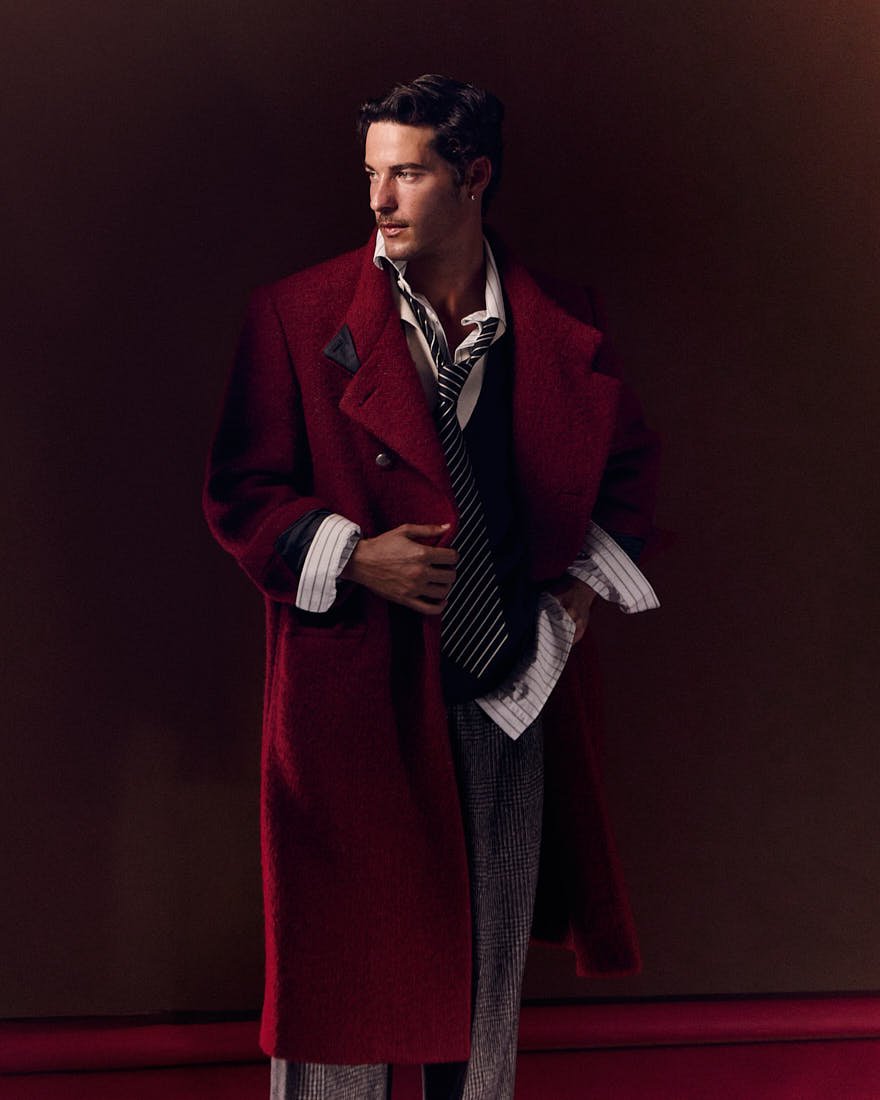
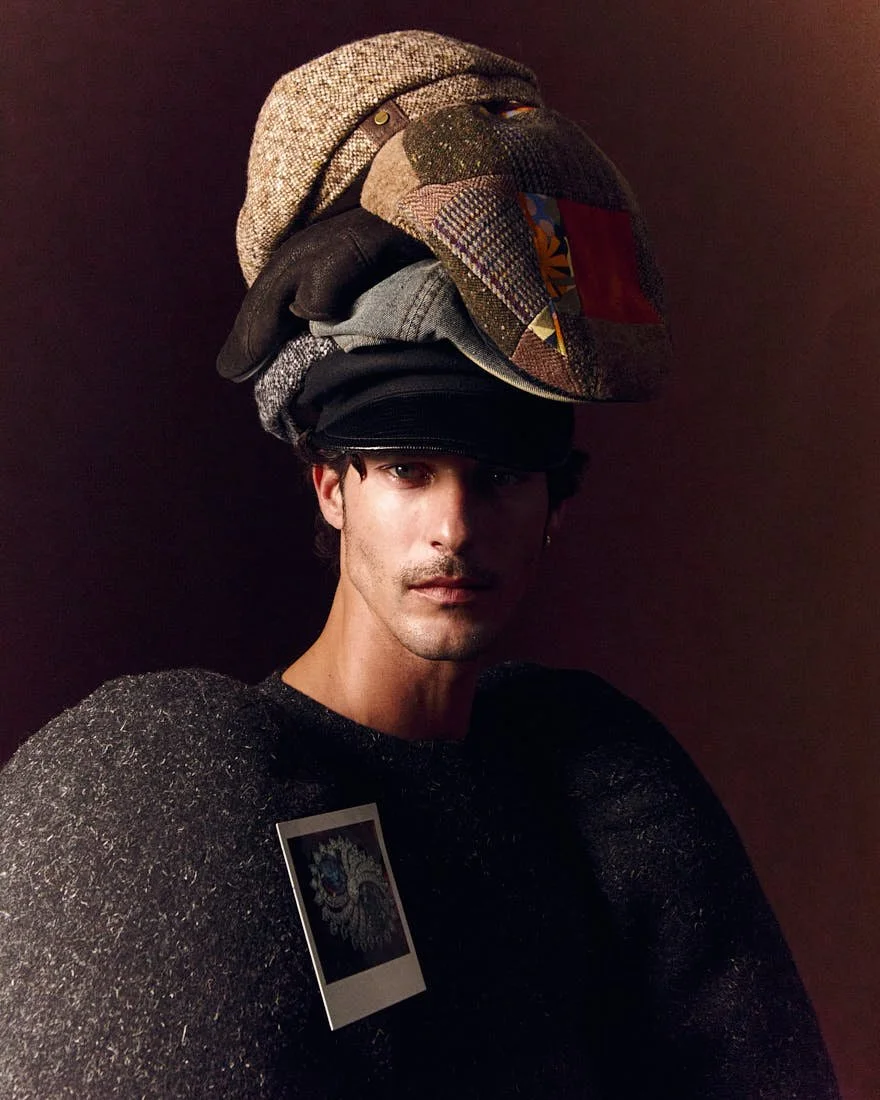
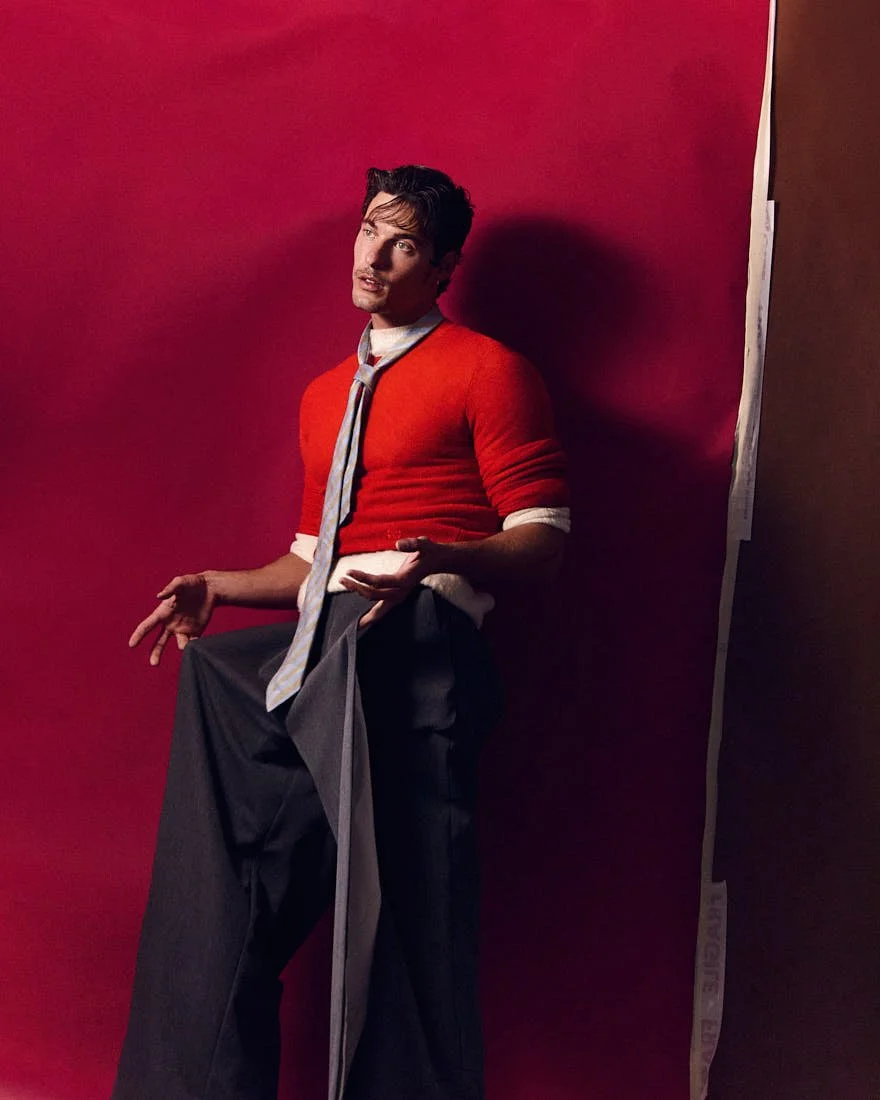
Kieron Moore begins 2026 with a sharpened profile. The British actor reached a wider global audience through Boots, the recent Netflix production in which he plays Slovacek, a volatile young American shaped by environment and impulse, marking his first on-screen American role at a moment when his career is expanding across genre. The series aligns with further shifts, including drama in Blue Film, horror in Crave, and an upcoming poetry publication that extends his practice beyond performance.


Born in England and trained through years of competitive boxing before fully committing to acting, Moore brings a physical discipline that continues to inform his work. Boxing, he has often said, structured his thinking. On screen, that control translates into characters who oscillate between restraint and eruption. In Boots, Slovacek operates through bravado and emotional bluntness, yet Moore anchors him in recognisable vulnerability. The role positions him within a lineage of young British actors crossing into American television at scale, navigating accent, cultural nuance, and expectation.

Across recent projects, Moore gravitates toward morally complex material. Blue Film explores ethically charged terrain; Crave leans into horror’s heightened emotional register. In parallel, his photography and poetry suggest a sustained interest in self-examination. A recurring thread runs through all of it, identity as construction, negotiation, and ongoing revision. His own words echo that stance. “Kieron is just an idea,” he reflects, framing the self as plural and in motion.


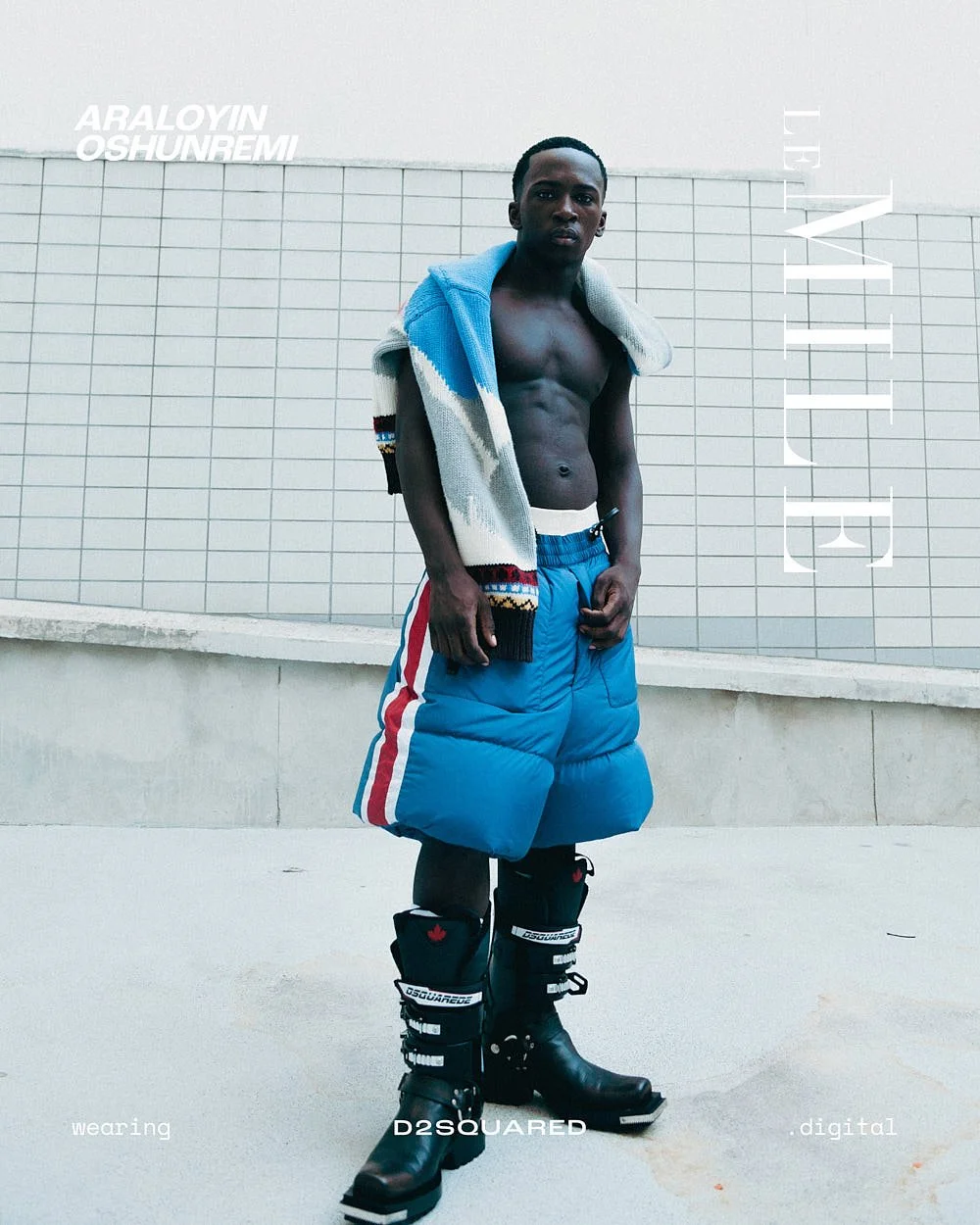
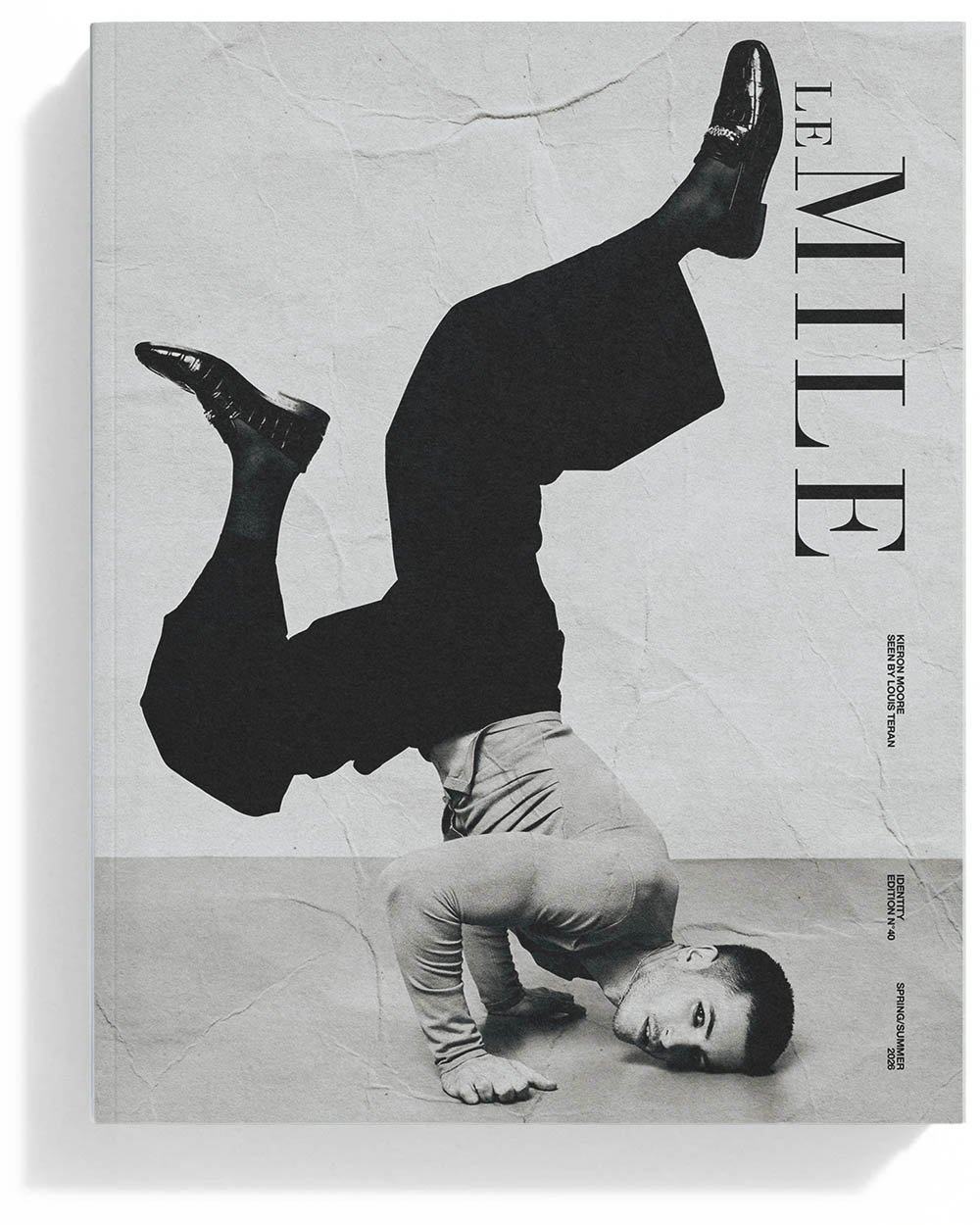
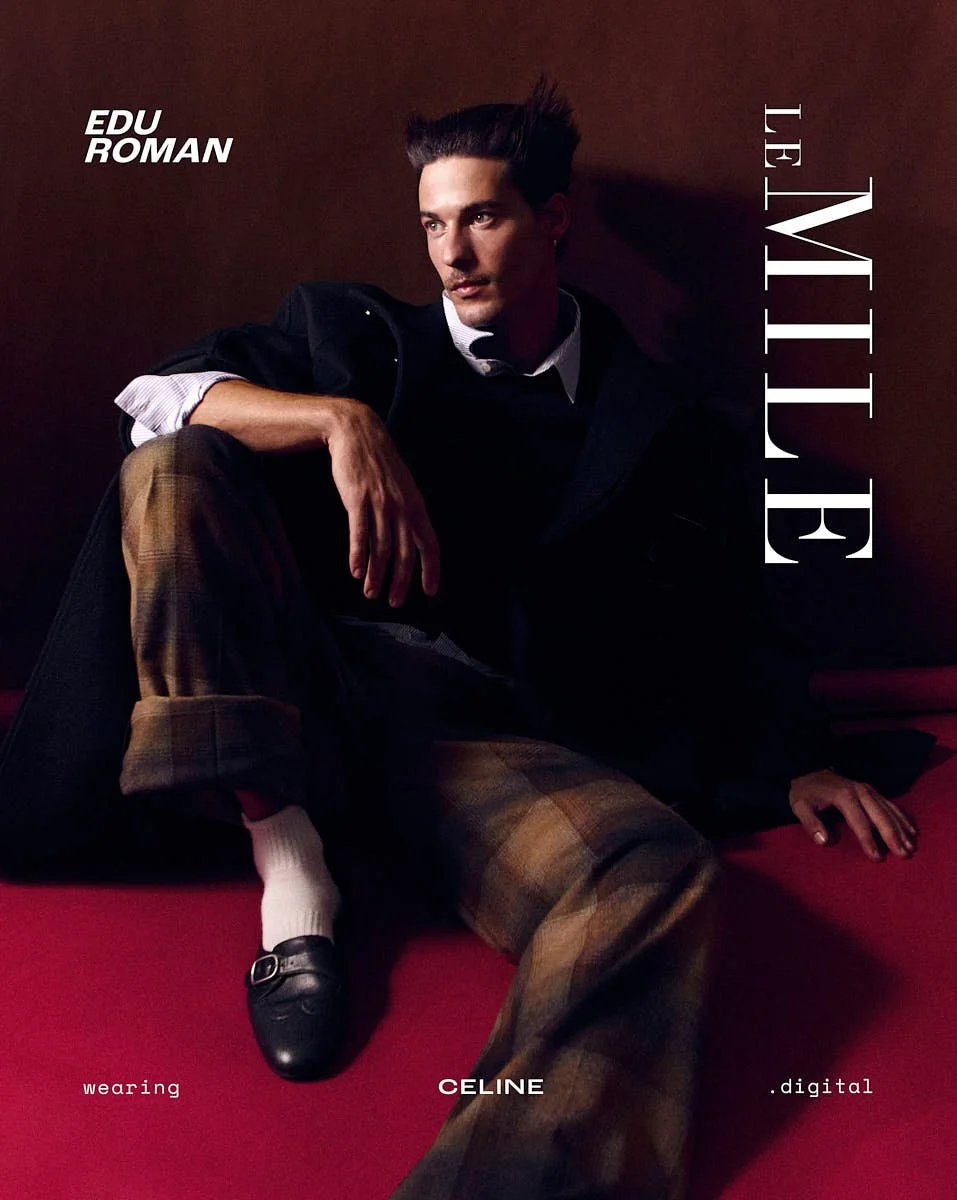
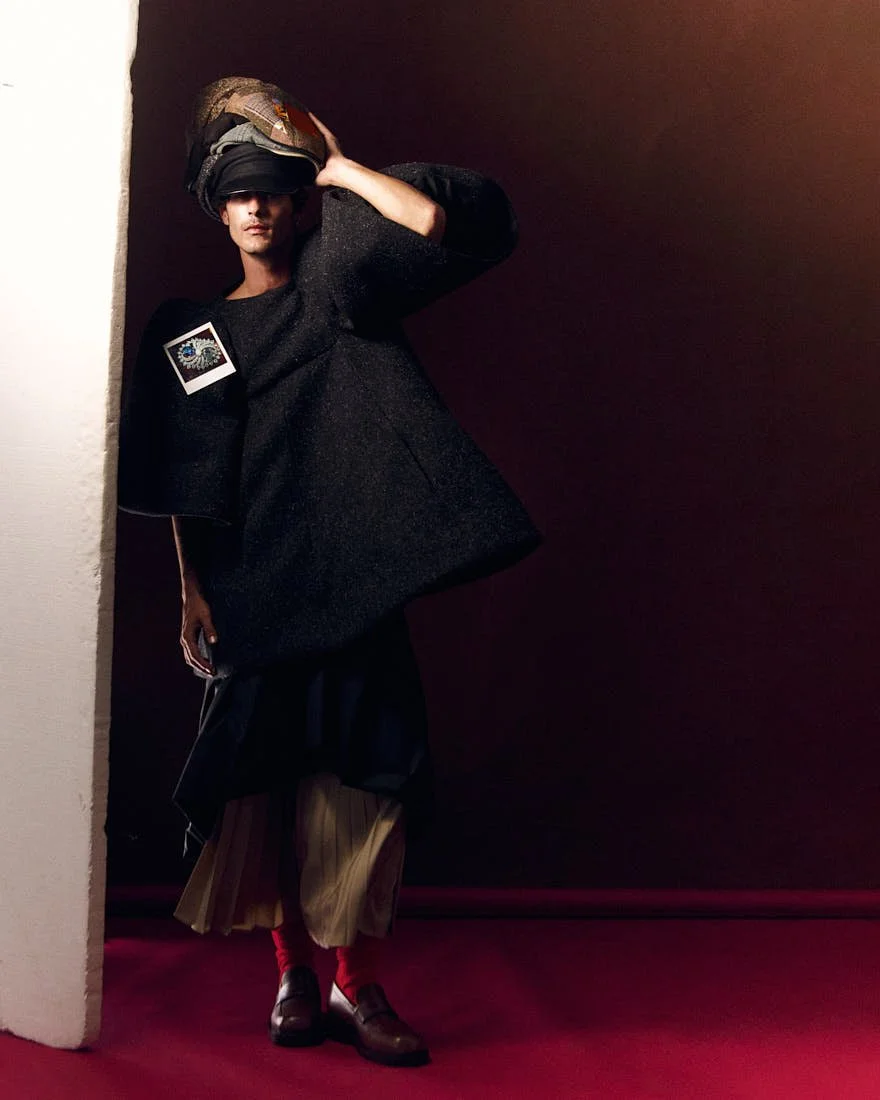
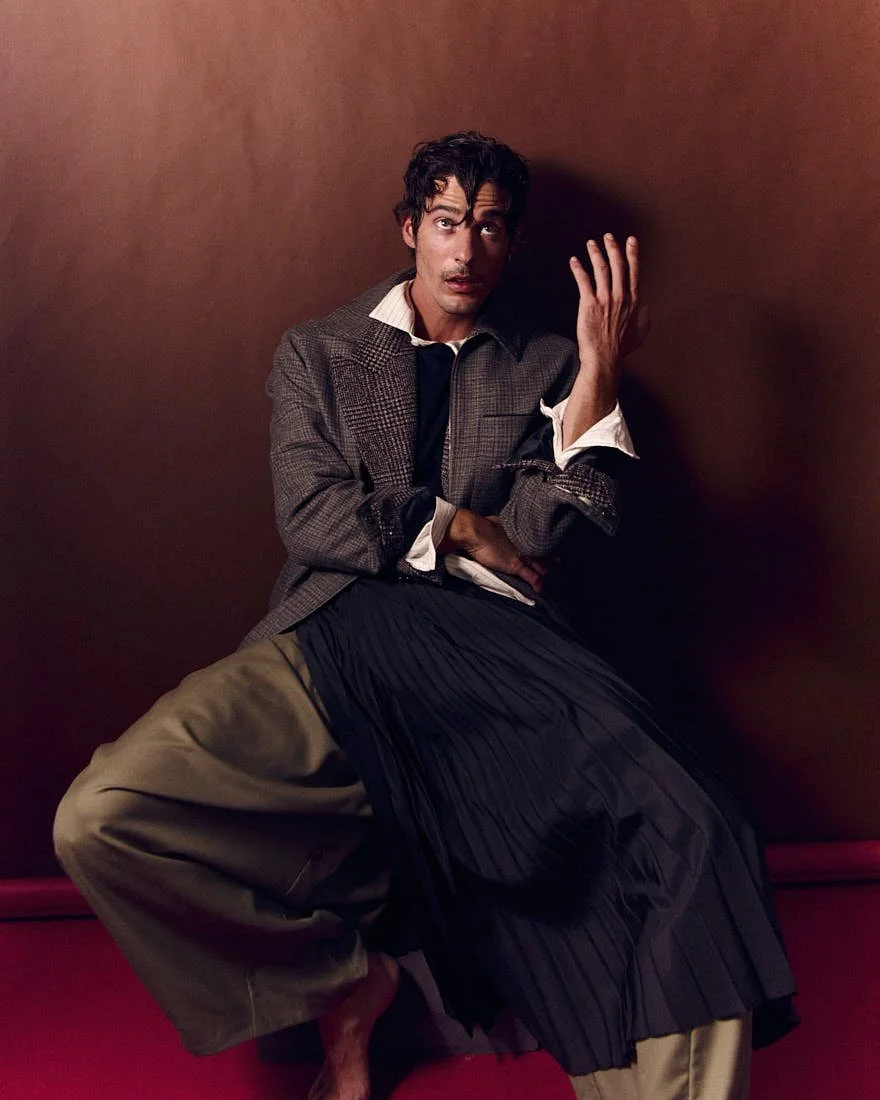
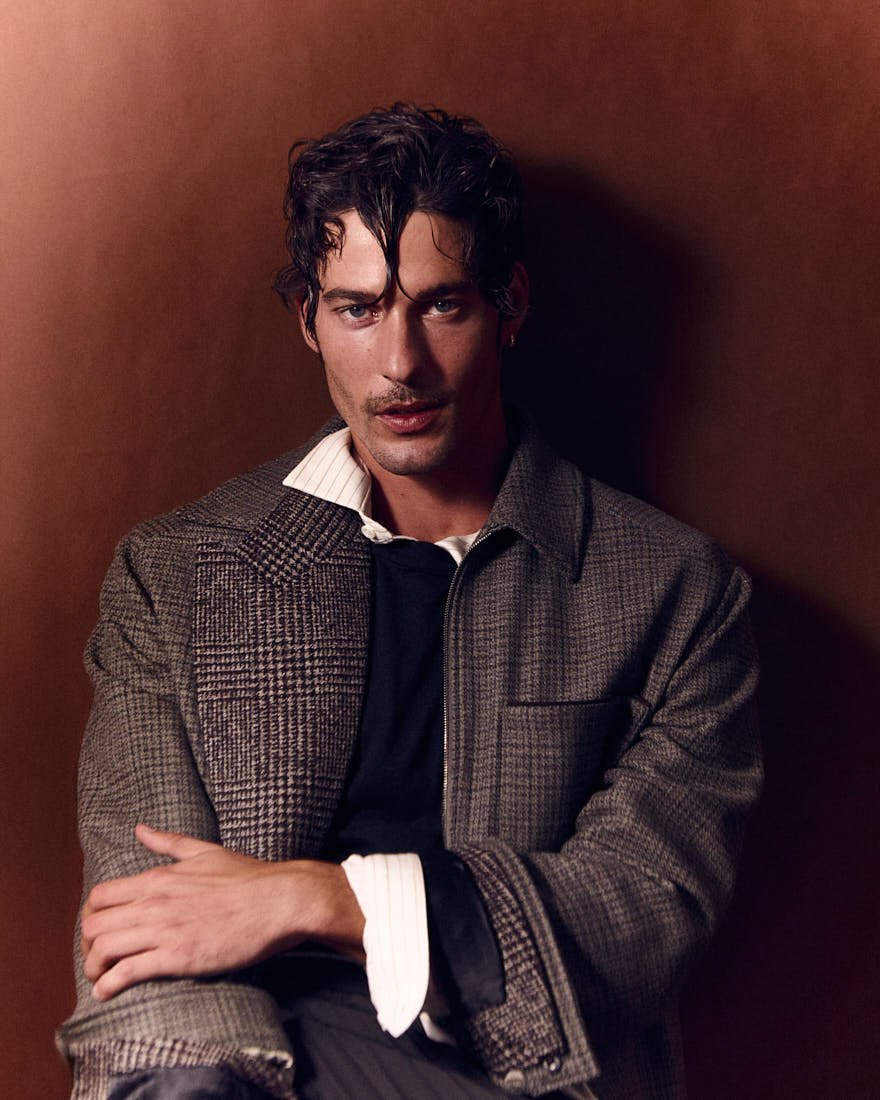
LE MILE Magazine Kieron Moore SS26 Identity Issue Cover Louis Teran SS26 interview with Alban E. Smajli


Alban E. Smajli
Let’s start with Boots. What was it about this role that made you say yes and who is your character in Boots at his core?

Kieron Moore
Boots was my first opportunity to play an American on screen. That in itself was quite the incentive. I had something to prove. If I want to have the career I desire, I have to reach audiences near and far. Boots was a real opportunity to deliver something people had not seen from me. It seems to have worked too, some of my favourite interactions are people mind blown that I’m British.

Slovacek was a misguided young man, moulded by his environment and upbringing. I fell in love with the idea of his unseen potential. What lurks beneath all that testosterone and bravado. So many young men are counted out, and disregarded of before they have a chance to shine. Sometimes all we need is a little bit of direction and discipline to find our footing, and above all, love. I think Boots gave us a real insight into how people from all walks of life can come together, and how our differences are outweighed by our human similarities, if we just pay attention and give them the space to bloom. Growing up where I grew up, in the environments I did, I knew first hand boys like Slovacek. I’m known for being quite sentimental, and I seek that in all my jobs, this one was kind of a healing experience for me, how to understand everyone that bullied me growing up.

Also, one of my best friends was already booked for the show, every job comes with memories to cherish but that made this one extra sweet.

What did the role in Boots ask you to question about yourself?

I don’t really know how to answer this, it’s unheard of for me to be at a loss for words aha, but answering in hindsight is tough. I’ve changed so much since we filmed Boots, and further since its release. Who was I when I played Slovacek?

I always say it’s impossible to play similarities with characters, if we have anything in common I don’t need to lean into it. So I focus on the differences, and with Slovacek there were a lot. What fascinated me was his wiring, this absolute balls to the wall brutishness, his ability to say what he was thinking regardless of consequence, yet underneath that was just a kid trying to make sense of it and survive.

When I review him now, it reminds me that somewhere deep in us all we have a desire to connect. We just go about it in different ways. And I question whether I am being patient and understanding enough to notice that in others. It also highlights how timid I can be. I do not desire to be anything like him, but a fraction of his confidence and fearlessness would be powerful at times.

 
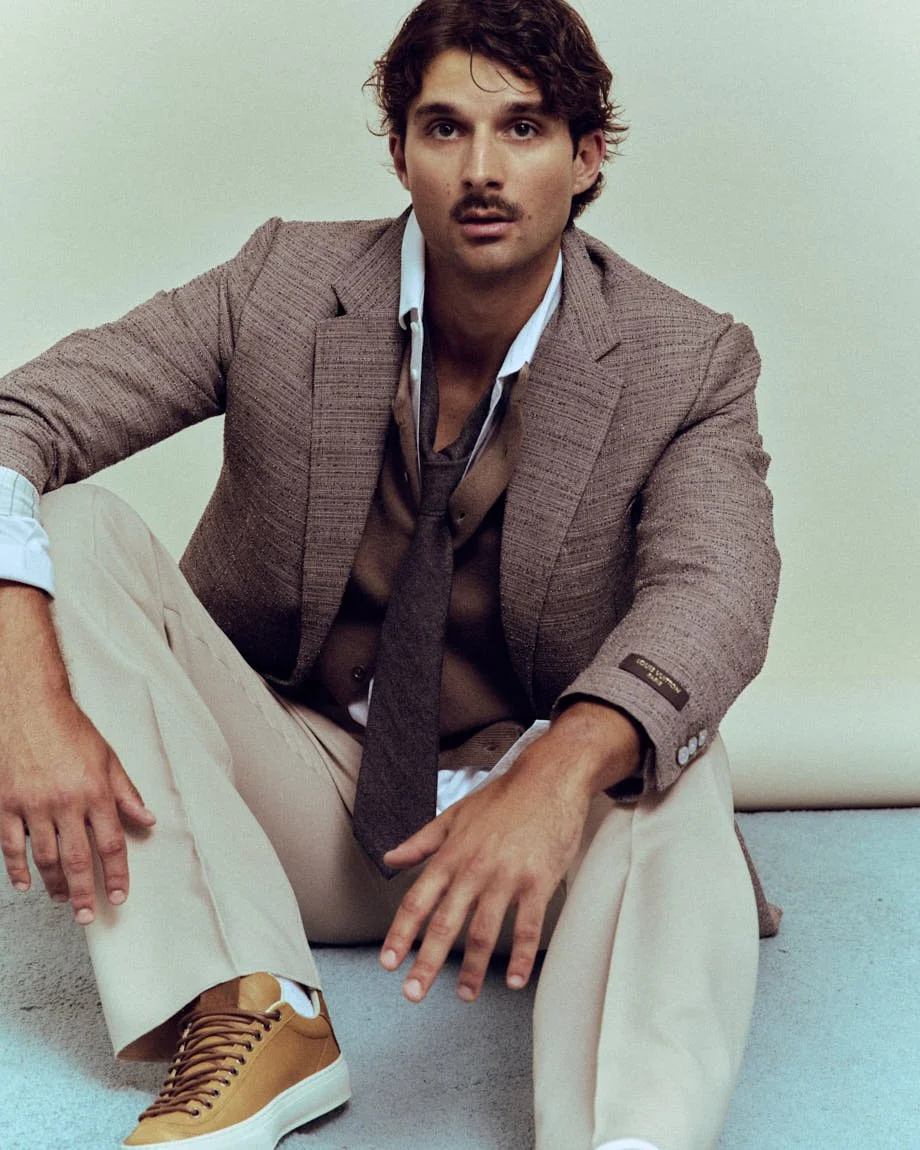
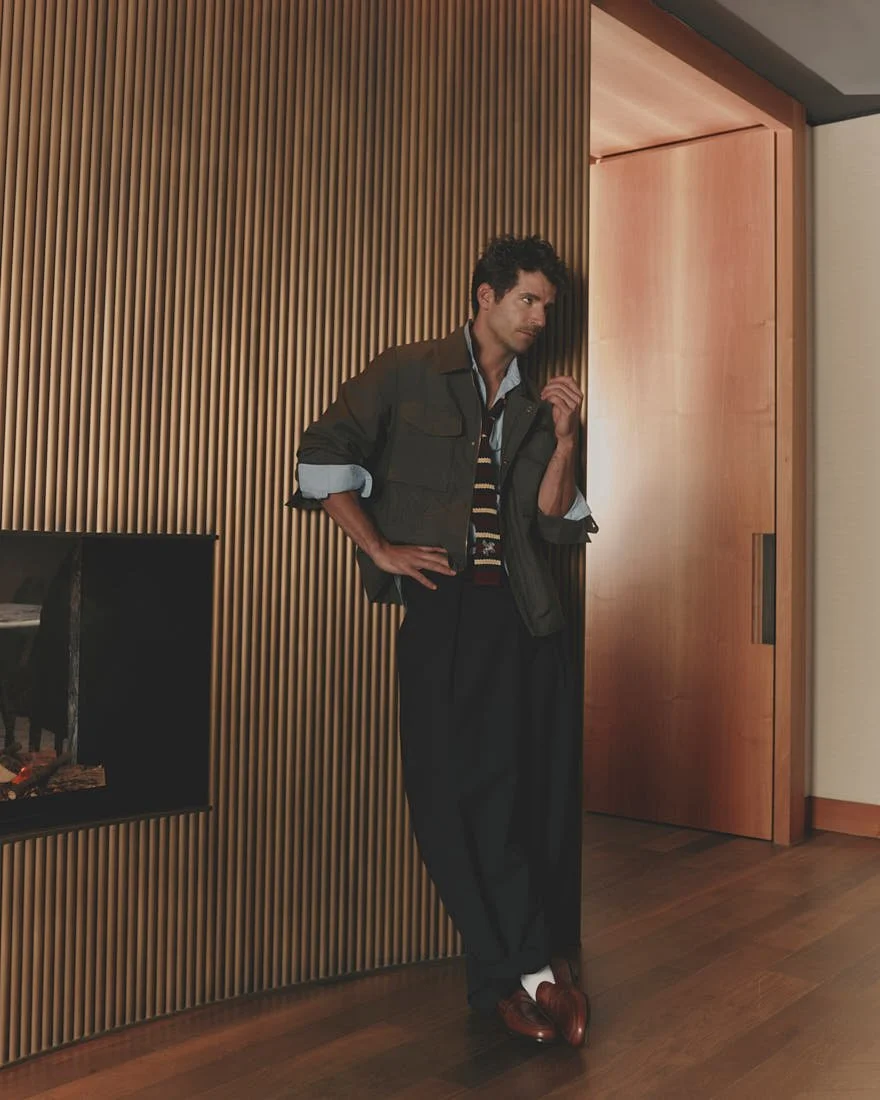
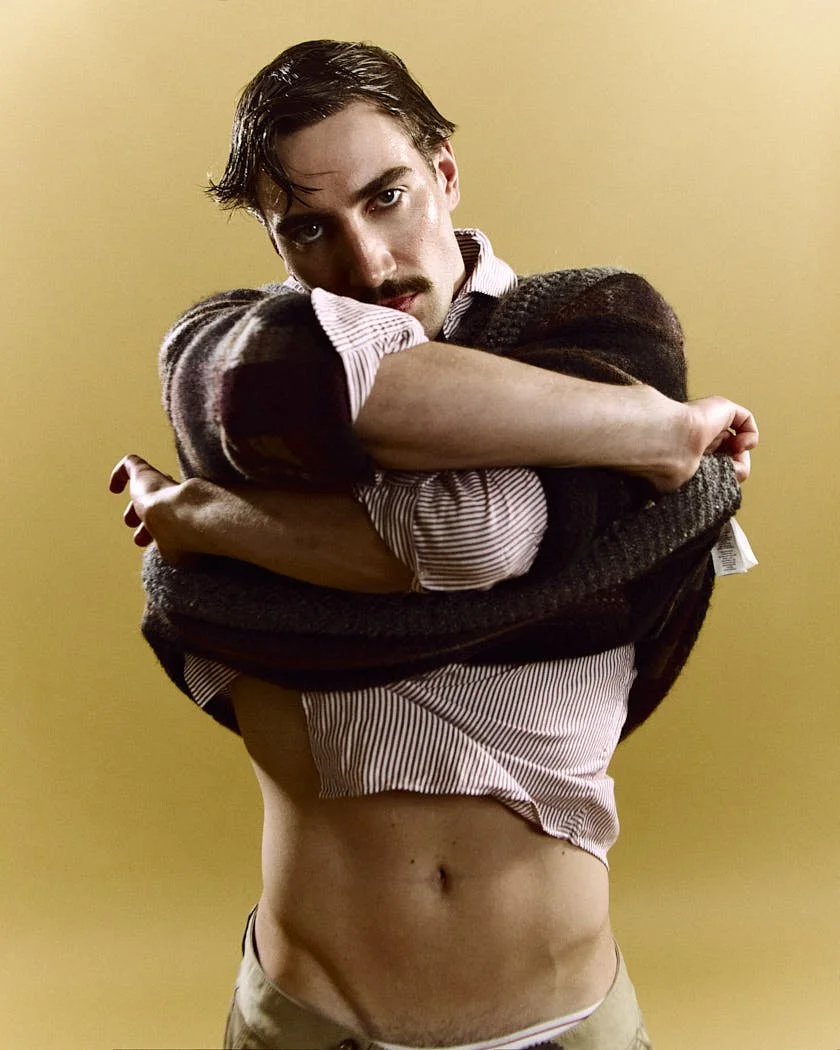
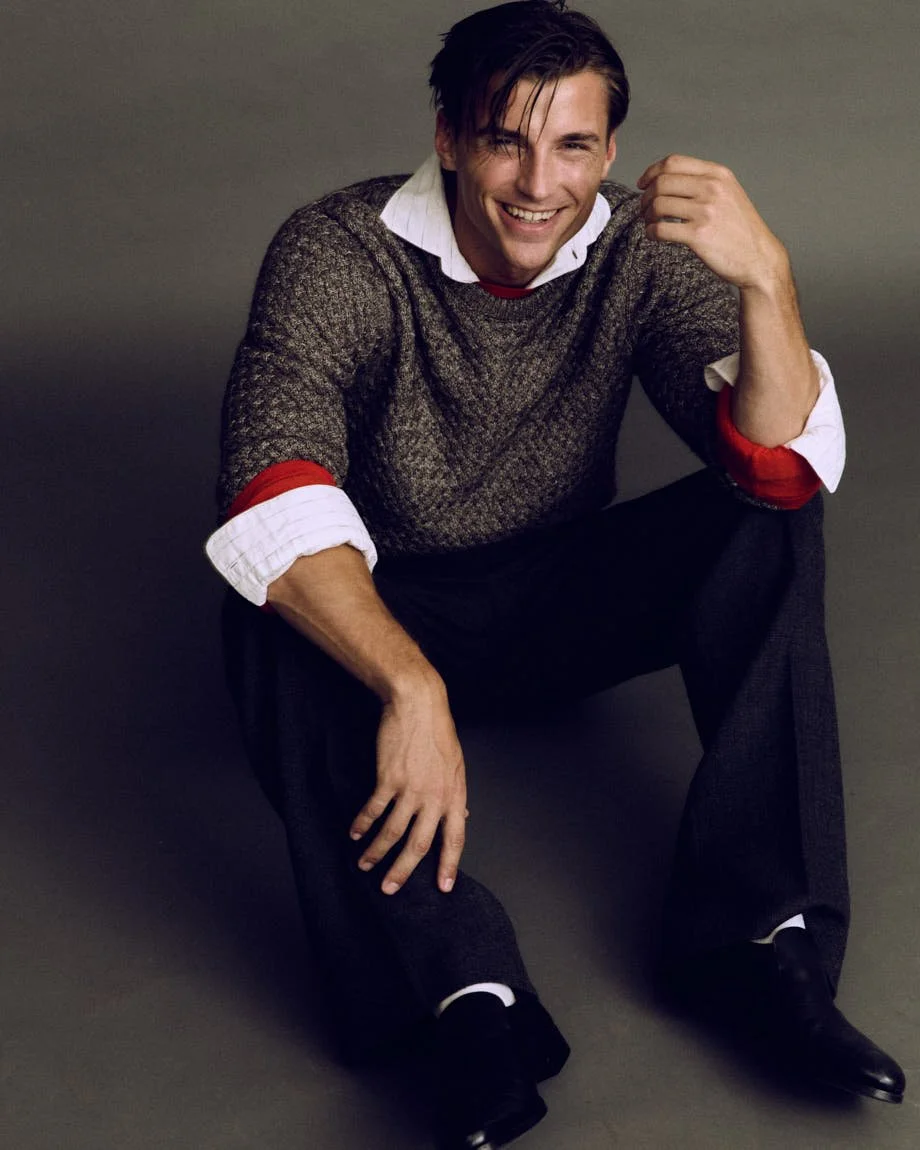
Kieron Moore LE MILE Magazine Cover Interview with Alban E. Smajli Kieron wears jumper and trousers by BOSS, shoes by PAUL SMITH and belt stylist’s own

Kieron wears jumper and trousers by BOSS, shoes by PAUL SMITH and belt Fashion Archive

 
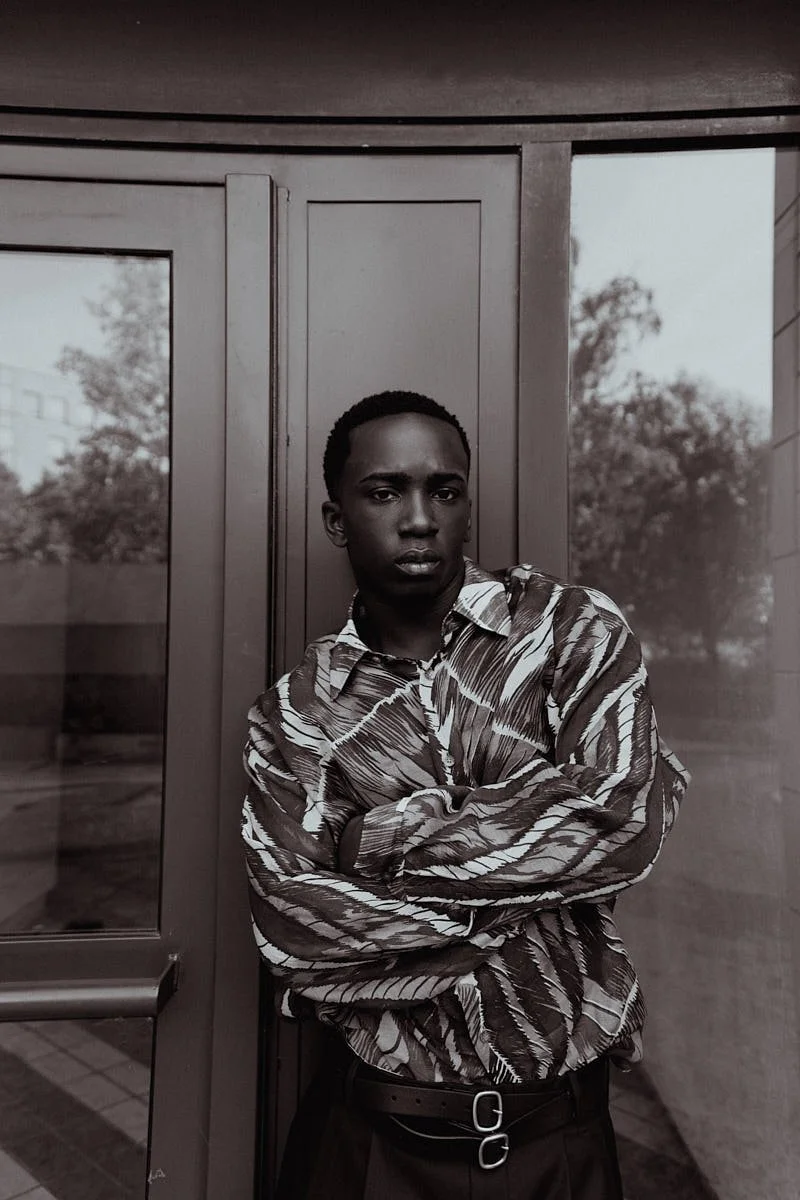
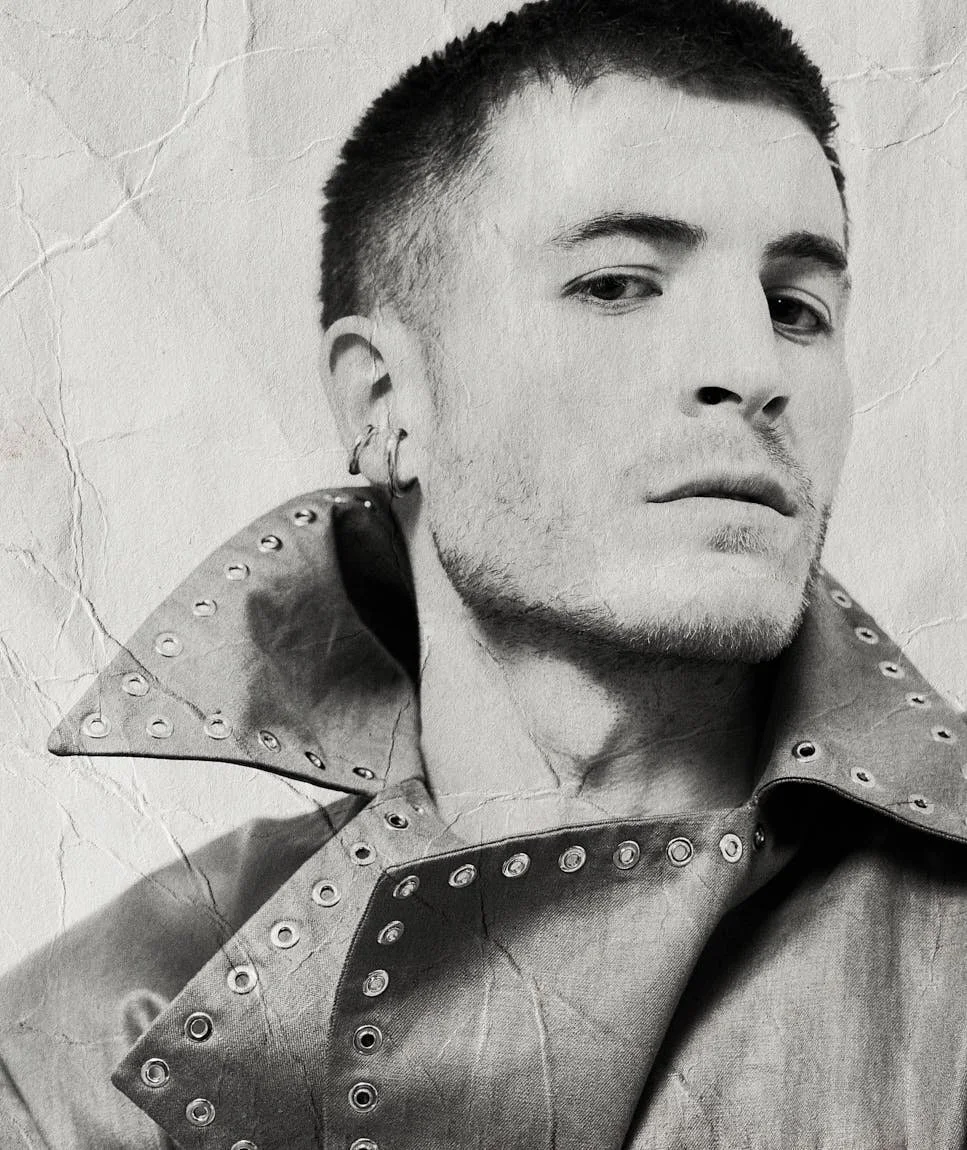
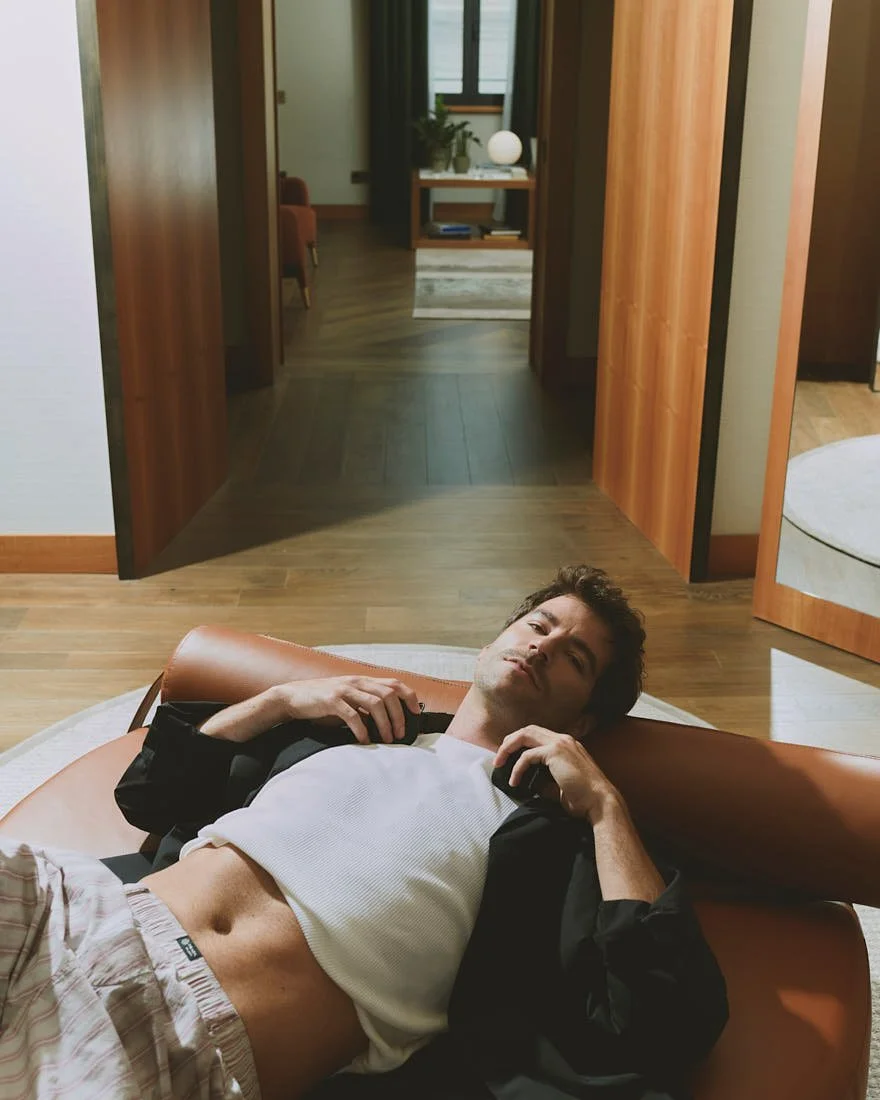
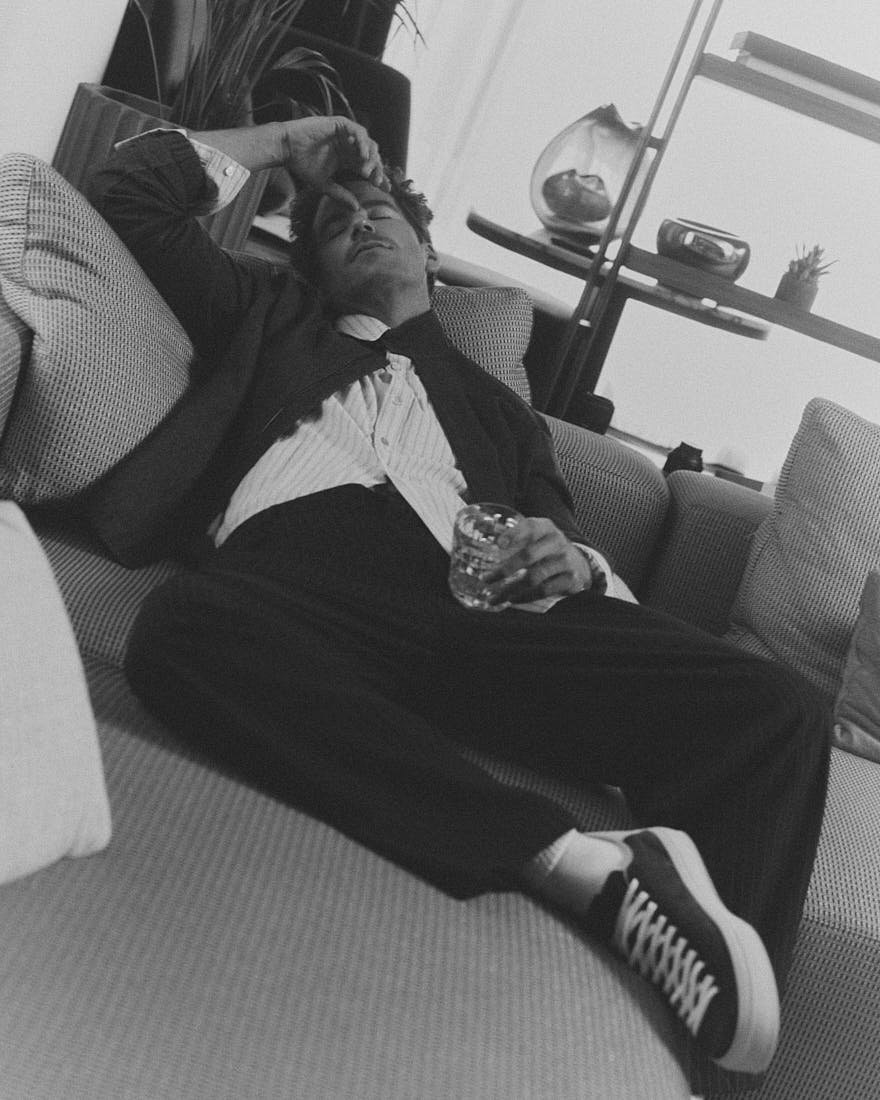
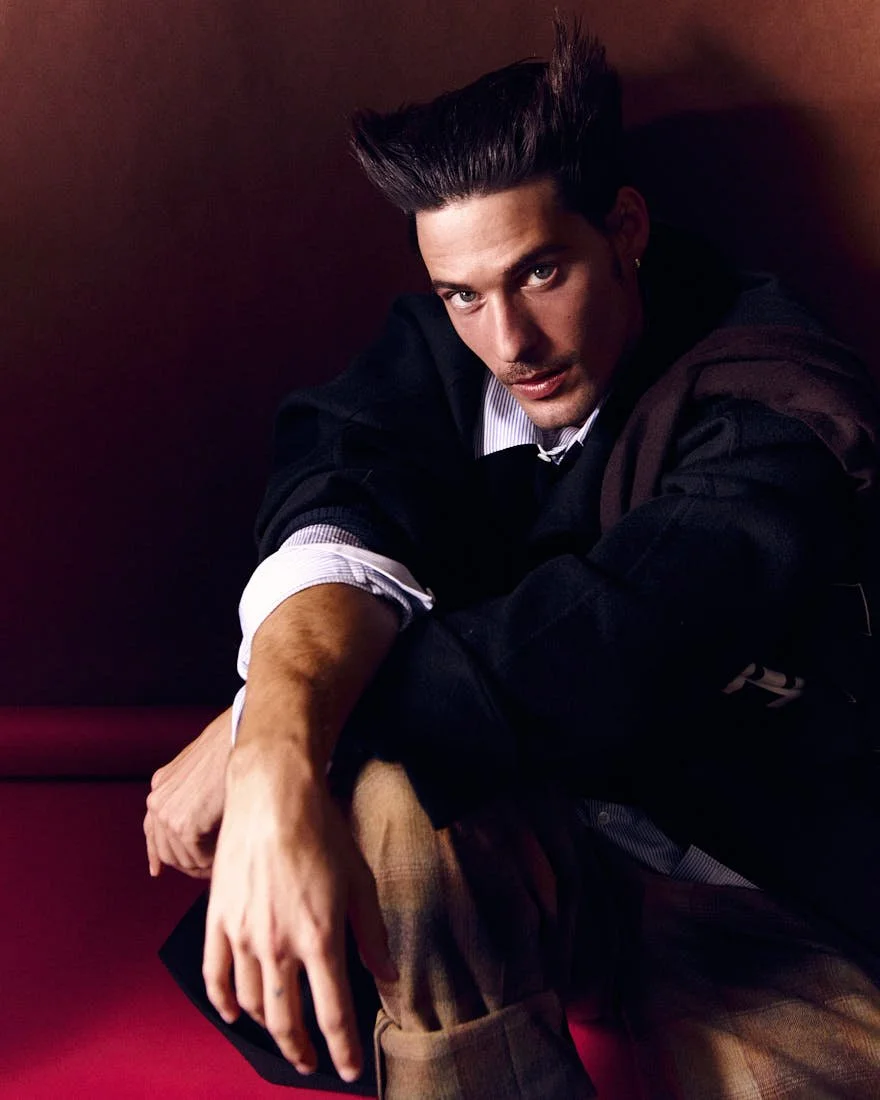
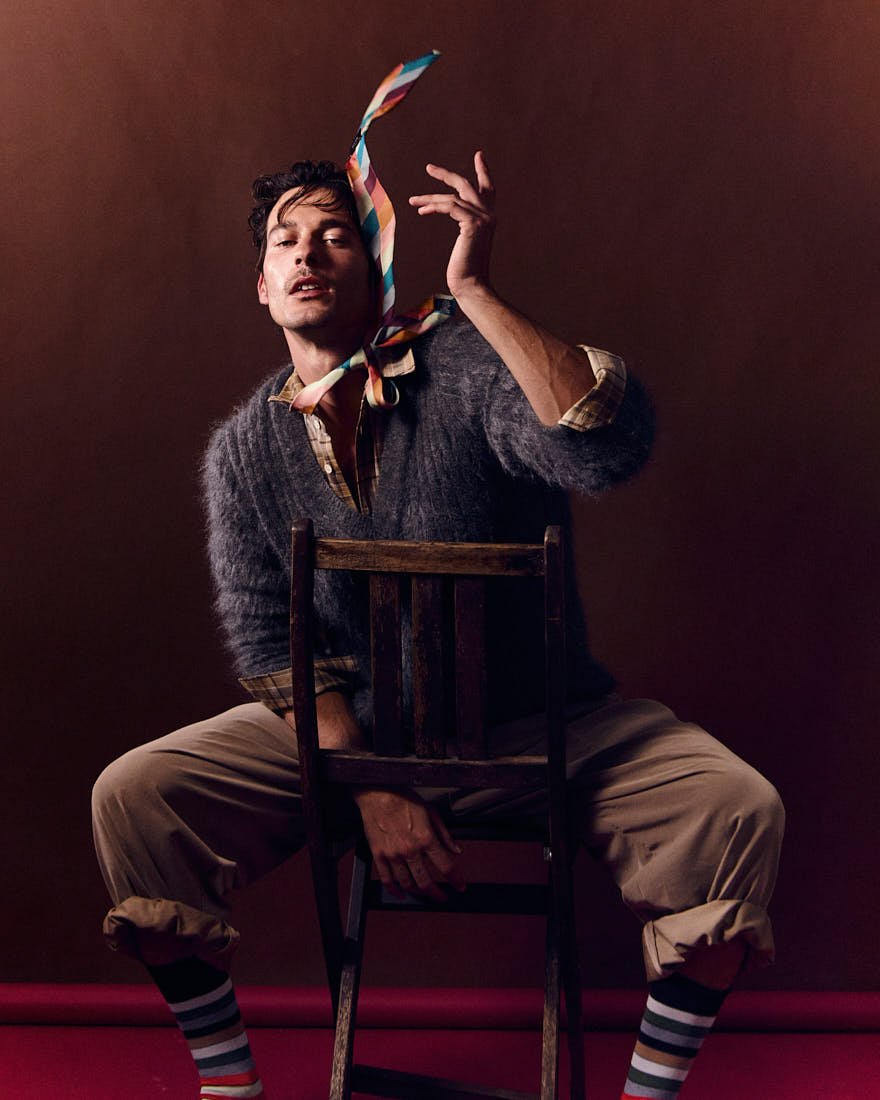
Kieron Moore LE MILE Magazine Cover Interview with Alban E. Smajli Kieron wears shirts and ties by FURSAC and ear cuffs by ALT PARIS

Kieron wears shirts and ties by FURSAC and ear cuffs by ALT PARIS


You’ve spoken about boxing shaping you for years. Did that physical discipline influence how you approached Boots?

The discipline I acquired from boxing has influenced everything that I do in life, and always will. It’s drilled into me. I approach my life through an athletes lens, and roles are no different.

With Slovacek though, I drew from less disciplined individuals I had been surrounded with in gyms growing up. The kids who had raw, undeniable talent but a defiance to them. An uncontainable roguishness. For the first half of Boots I got to be naughty, Slovacek is a naughty kid. And that was so fun, to break away from all the refinement I had been taught.

When you prepare for a role, do you work through language first, or through feeling?

I guess they fight, good wiring will always inspire deep feeling. But I have a lust for language and what works for me is reliance on the script. How much information can I gather from what is in front of me? I’ve found feelings can’t be trusted in preparation. They’re fleeting. I never want to arrive on set knowing how I should feel, it’s in the word isn’t it, feel. I want to feel it out as it’s happening.

I use the language to gather as much information as I can, to deepen my understanding. Then I hear action, surrender, and trust that the feelings will figure themselves out.

The words, the words, the words. ‘The limits of my language are the limits of my world’ — nothing can affect me when it matters if I don’t have a deep understanding of the text, and hopefully with that comes further emotional capacity.

Blue Film moves into uncomfortable territory, so what attracts you to stories that don’t offer easy moral ground?

Life is hard. The arts can offer consolation, an escape, or highlight the difficulties that exist. I believe we can develop without necessarily experiencing everything first hand, which is why empathy matters. In listening to others’ accounts and stepping into these characters, I broaden my horizons, test my boundaries, and pick at my conscience.

We only know the limits of our beliefs if we question them, and in my view the questions are more important than the answers. We do not grow in comfort. If we ignore things and leave them in the dark, they fester and become uncontrollable. We have to attack life’s difficulties head on. I’ve said this many times about Blue Film, but it’s the truth. I was terrified of the subject matter and scared of being insufficient in that role, but nothing scared me more than the idea of another actor doing it. That is attractive to me. Fear. You can’t be brave unless you’re scared.


watch film


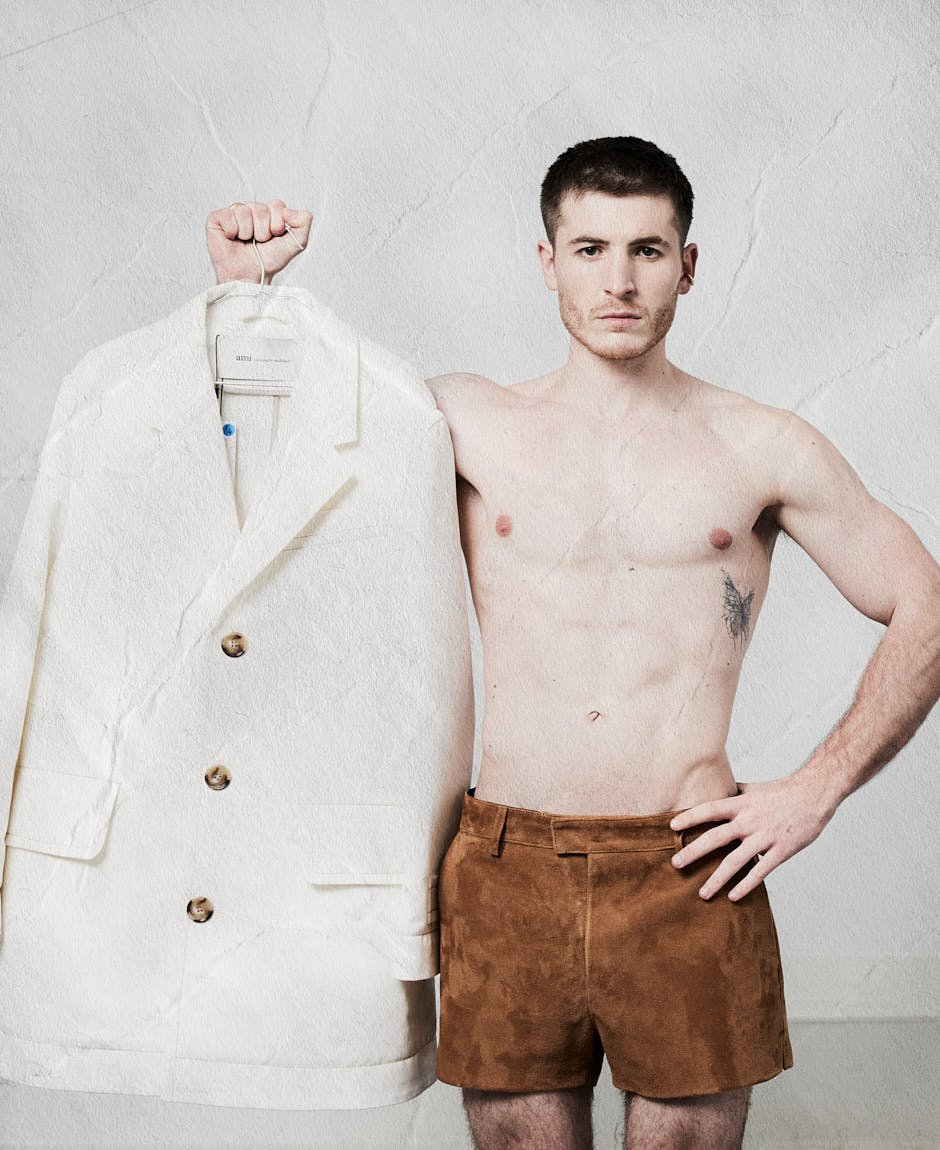
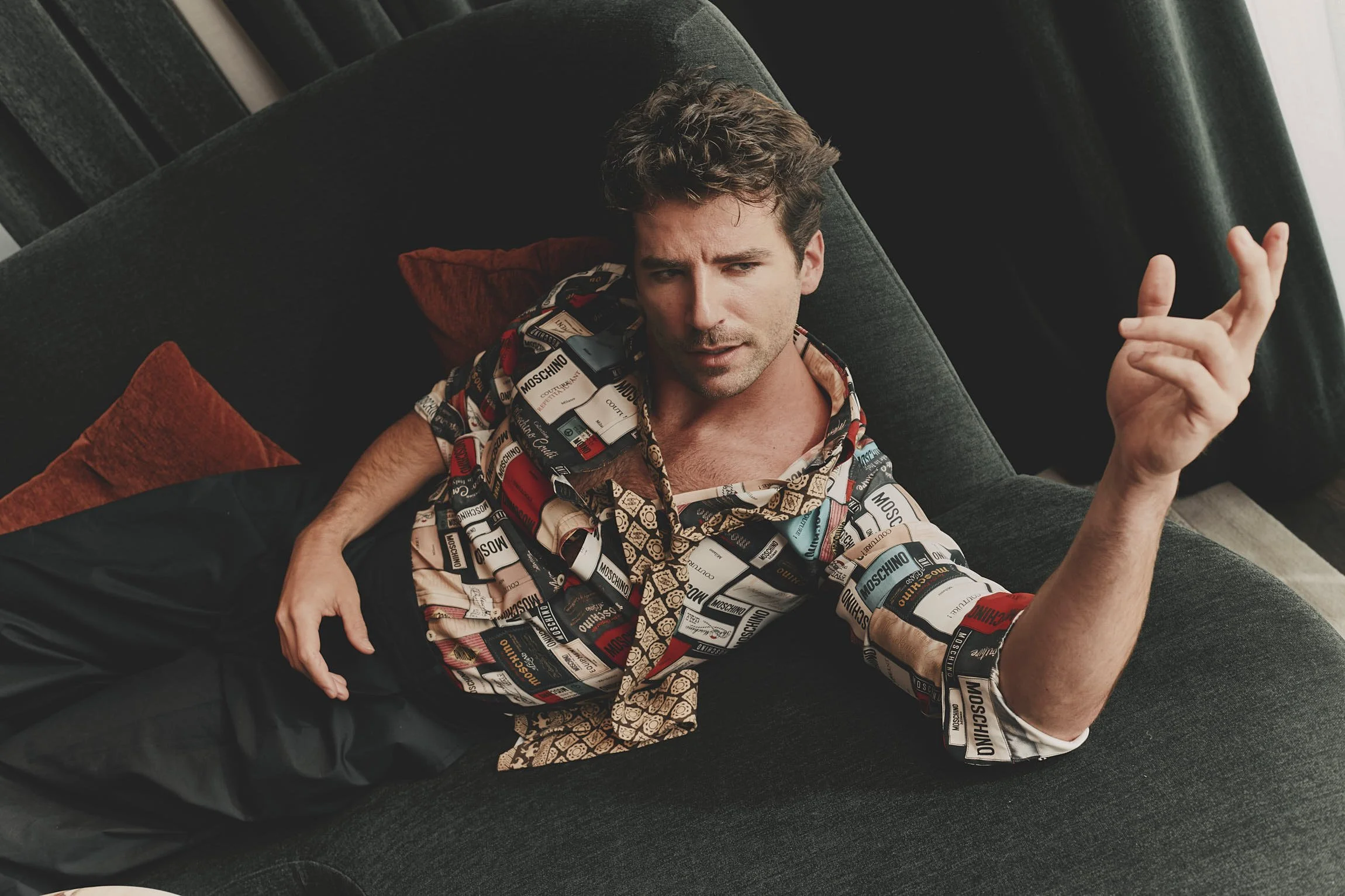
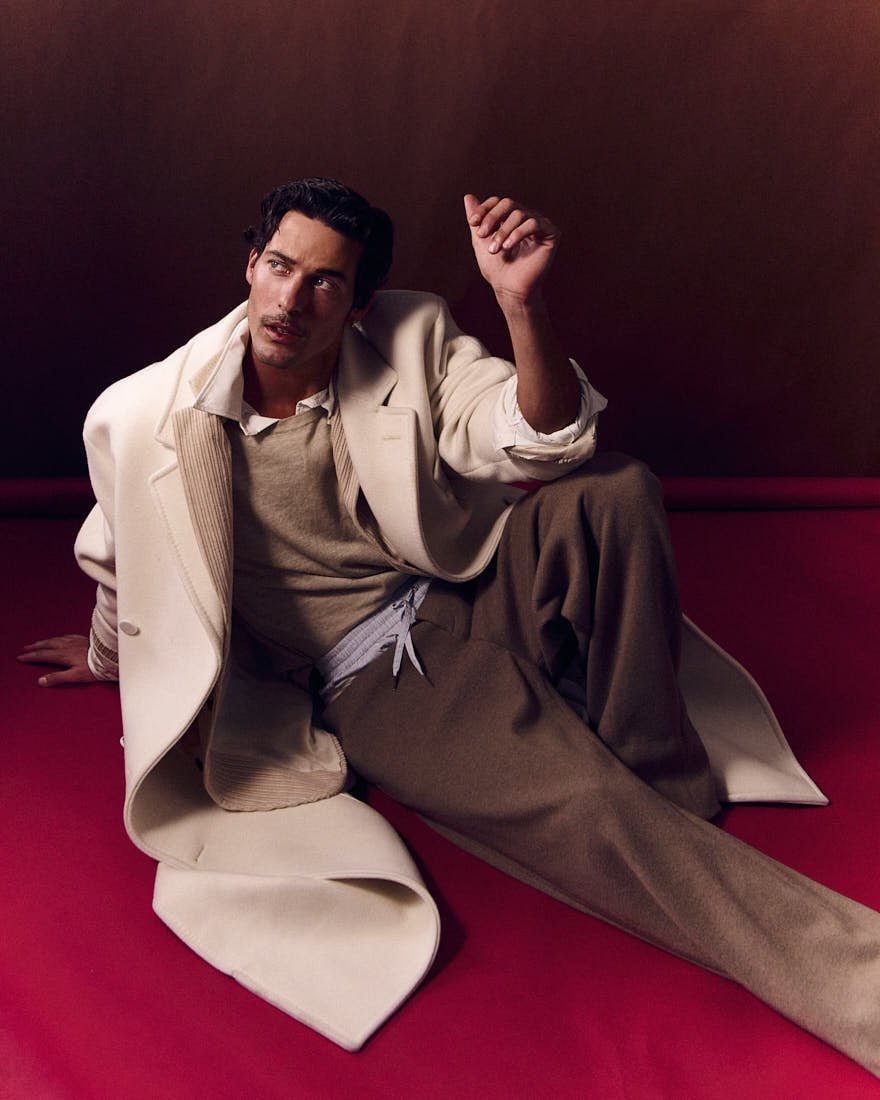
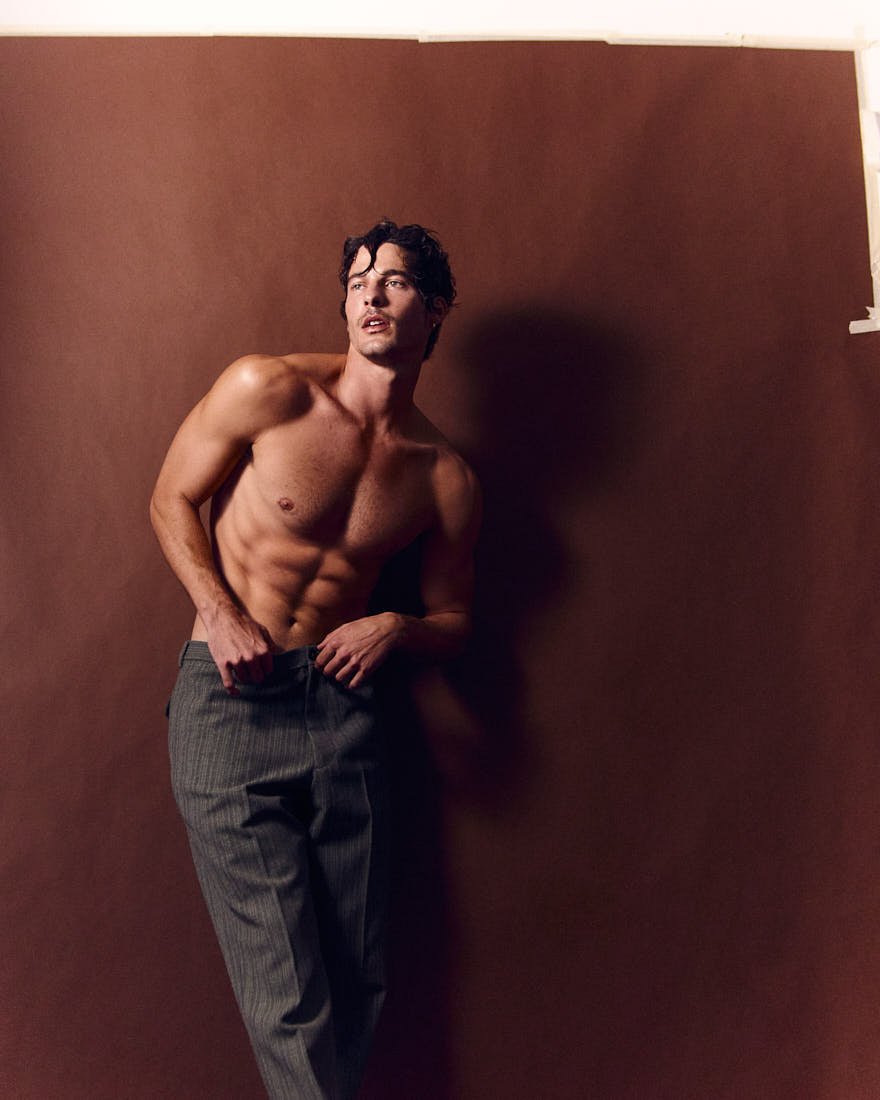
Kieron Moore LE MILE Magazine Cover Interview with Alban E. Smajli Kieron wears full look by AMI and ear cuffs by ALT PARIS

Kieron wears full look by AMI and ear cuffs by ALT PARIS

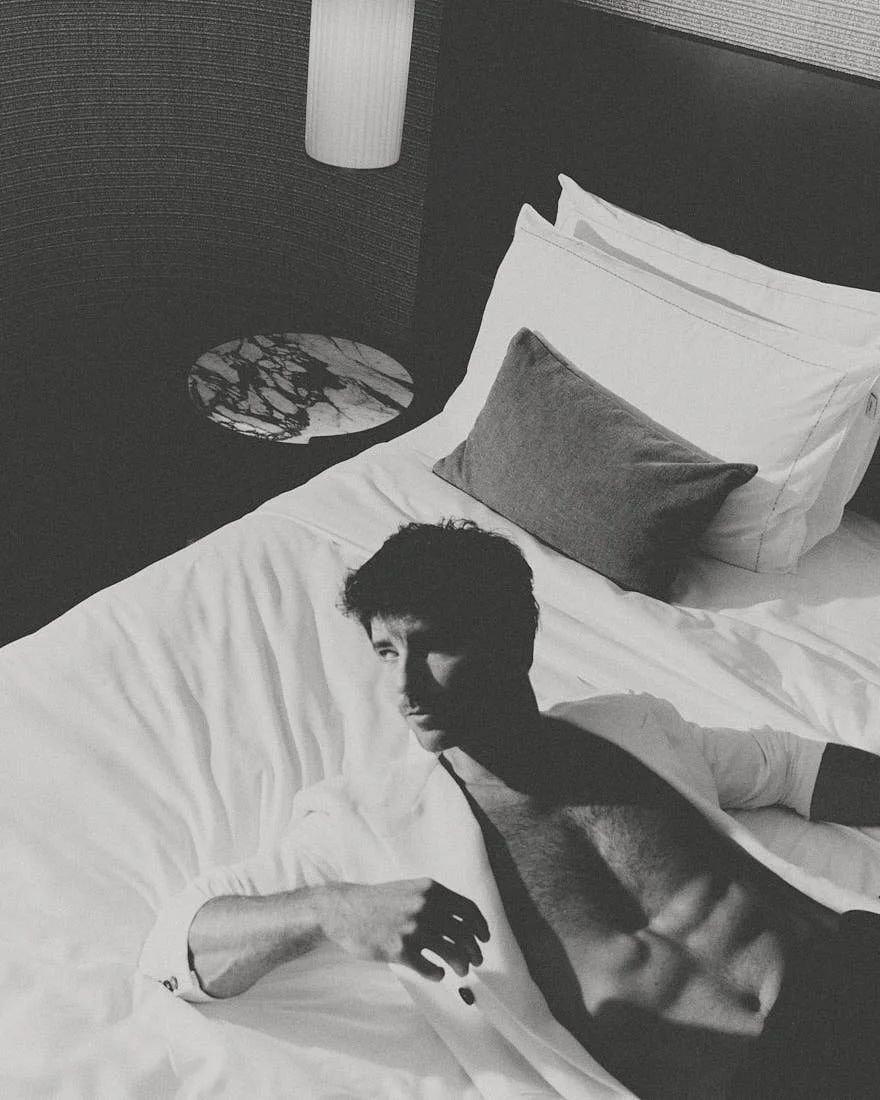
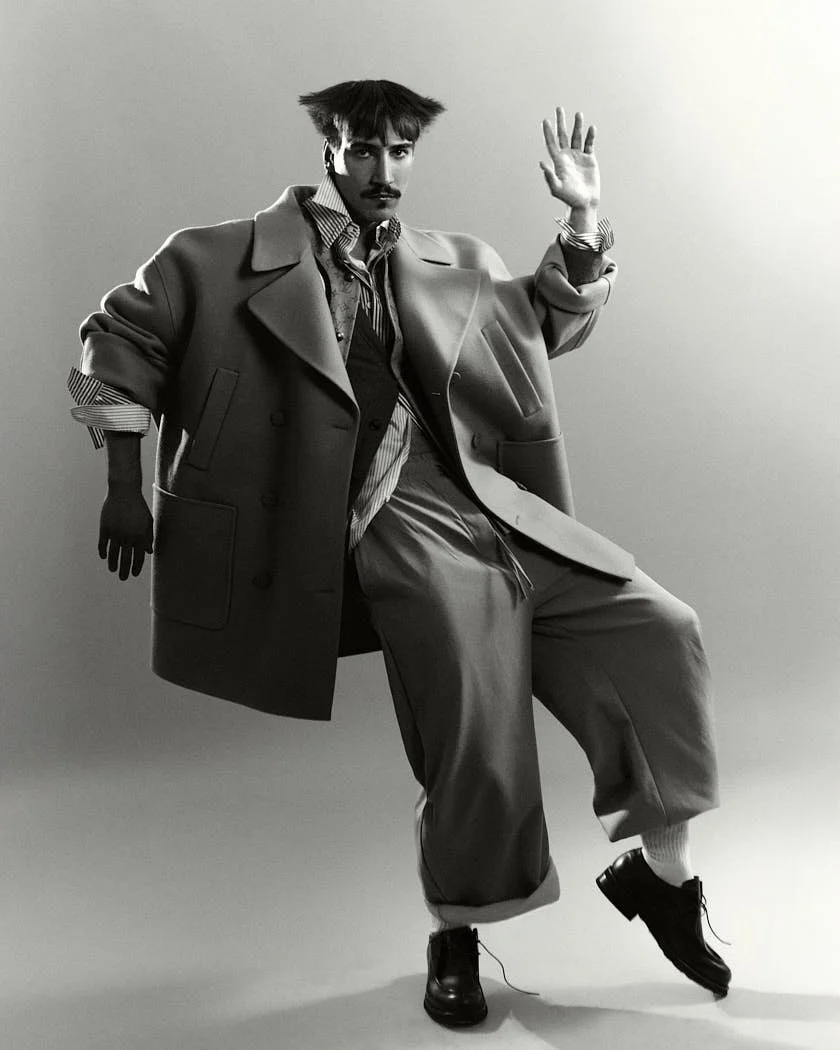
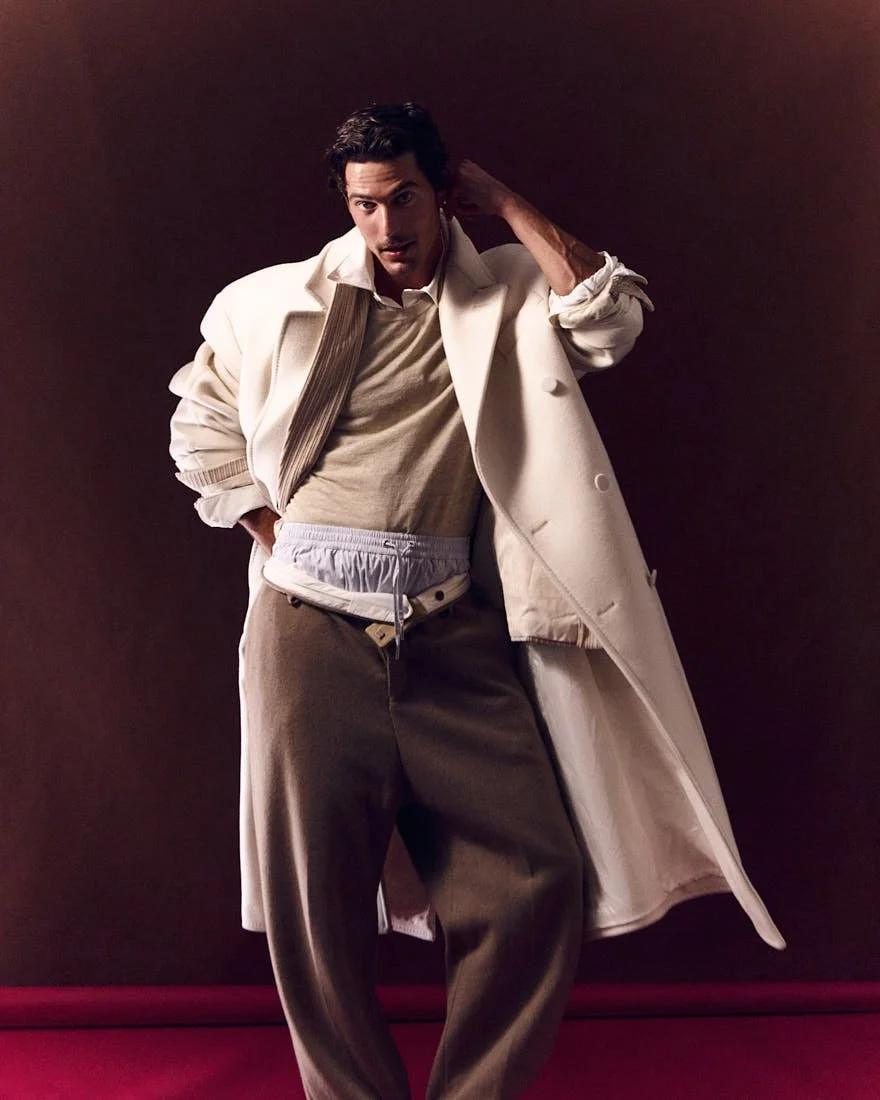
Kieron Moore LE MILE Magazine Cover Interview with Alban E. Smajli Kieron wears total look by LOUIS GABRIEL NOUCHI and ear cuffs by ALT PARIS

Kieron wears total look by LOUIS GABRIEL NOUCHI and ear cuffs by ALT PARIS


What drew you toward horror in Crave?

I want to do all the genres. I read the script and fell in love with the idea of playing Eric. It’s always about the character for me, what can I bring to it, what does it give me in exchange? Horror gives a heightened sense of feeling, and I wanted to see if I had the minerals. Eric is less subtle, borderline immoral, and I wanted to see if I could make people sympathise with someone like him.

I also felt drawn to the directors, David and Justin. When we first connected, I felt seen. They believed in me immediately and gave me the space to make Eric my own. Hopefully audiences enjoy what we’ve created.

What happens to your own sense of self after inhabiting different identities again and again?

Not to sound crazy, but Kieron is just an idea. There are different versions of me in different perspectives, and all of them are right. I can’t control them, nor do I wish to. I’m changing day by day, each character just speeds that up.

All I know is my intention, to come out of this as a better person. A more understanding, patient, empathetic and kind human being. I’m getting to know myself, and that is a gift.

You also photograph to “capture time.” Does photography change the way you observe people when you’re preparing for a role?

I like trying to make moments tangible. That’s where my love for photography comes from. I take polaroids so I can hold a memory in my hands. Life is lived in the between, and a photograph can capture that and fill it with feeling. We project onto it. We make it ours.

I’ve never really drawn a link between photography and preparing for characters. Polaroids have always been a very Kieron thing, maybe an anchor for myself through it all. But acting is just anthropology, a deep interest in human beings. I’m a thief when it comes to preparing a character. If it’s an expression or a quirk in someone’s behaviour, whatever is interesting, whatever is human, I’m banking it for future use.

You’re preparing to publish your poetry — is there a poem you would be willing to share that connects to our theme of IDENTITY?

Ah, testing me … I’m keeping a lot of poems under wraps but I have attached two shorter ones that may or may not fit the theme, they aren’t very strong though. I can’t give the goodies away yet!

 
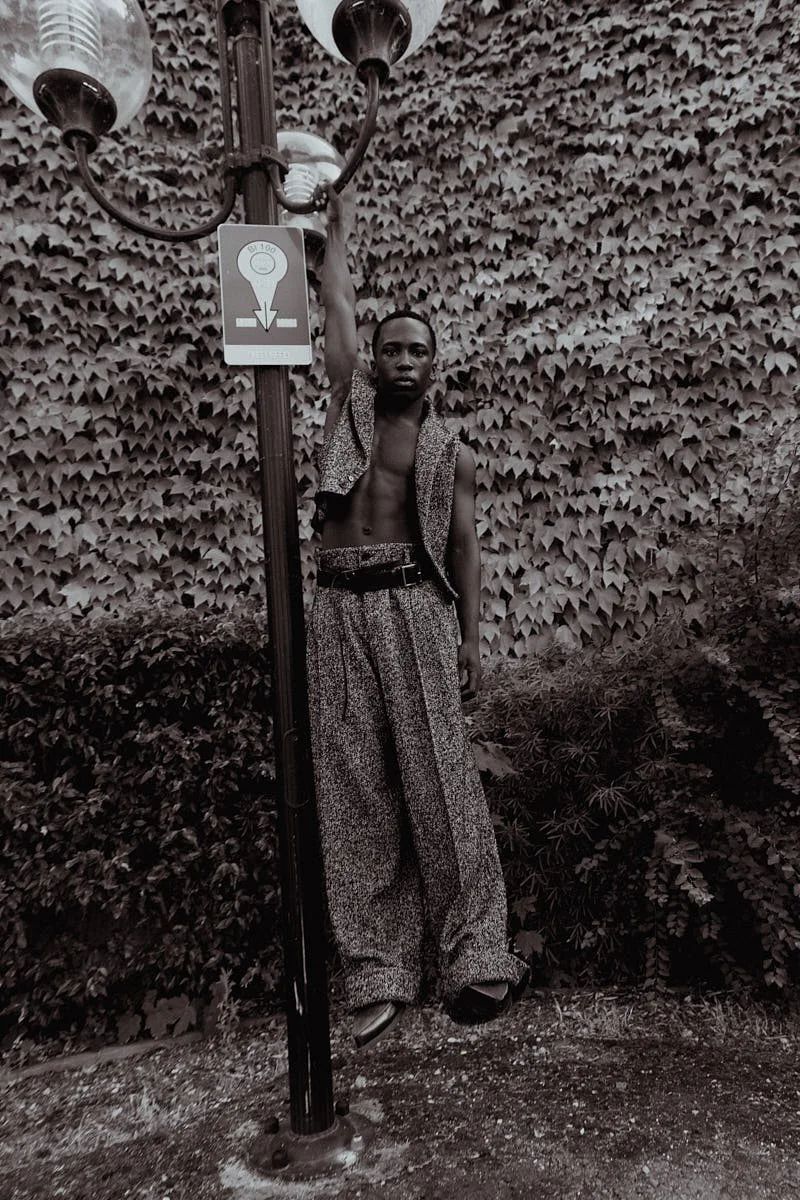
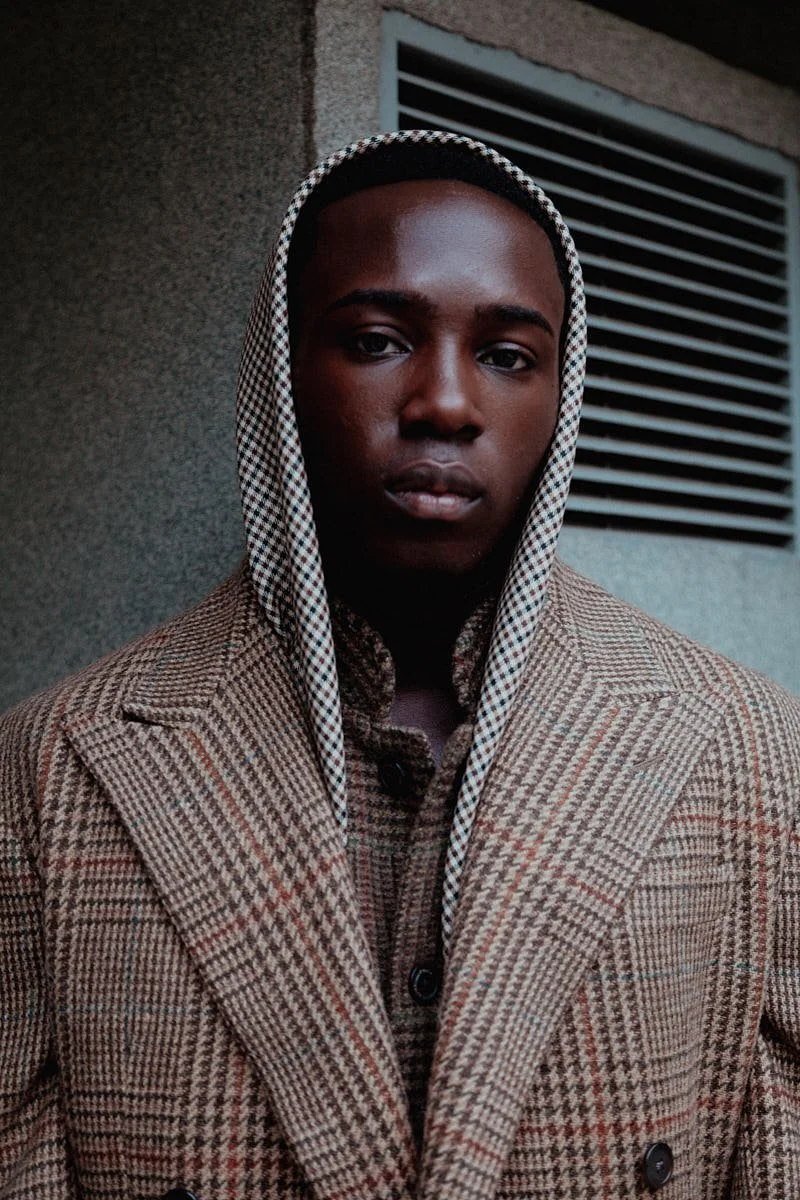
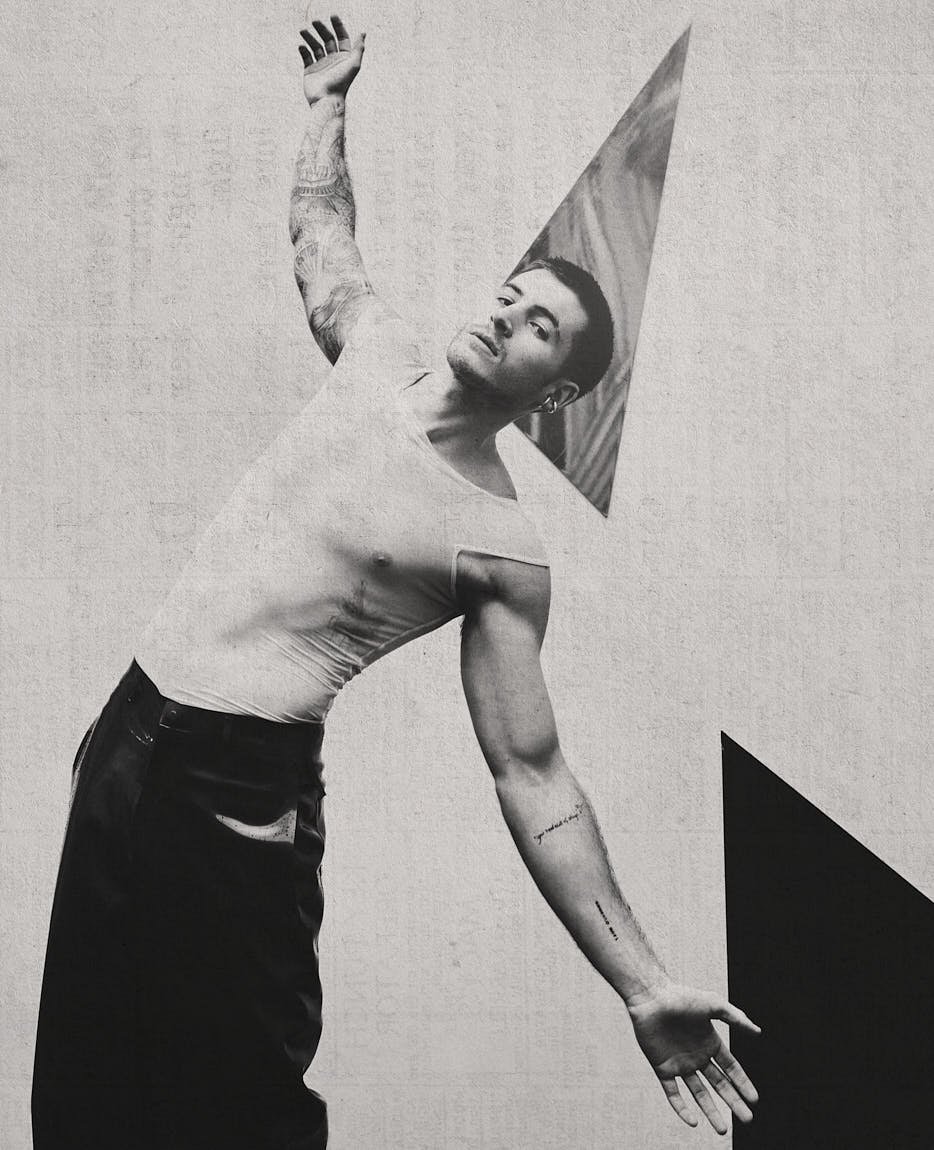
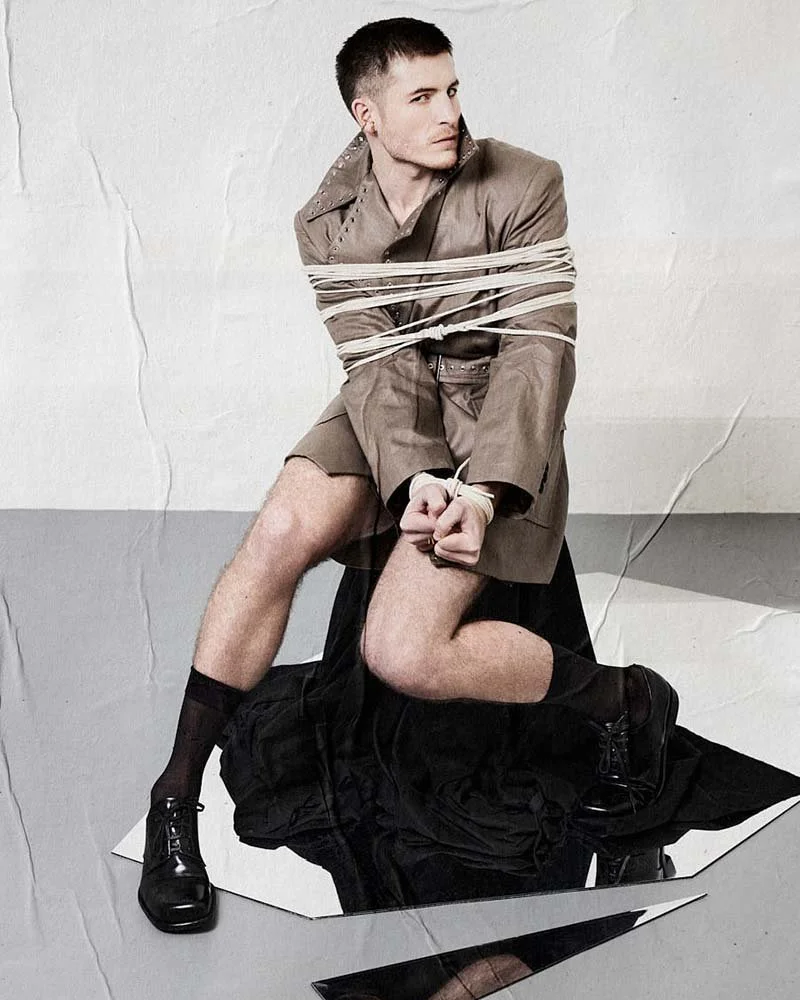
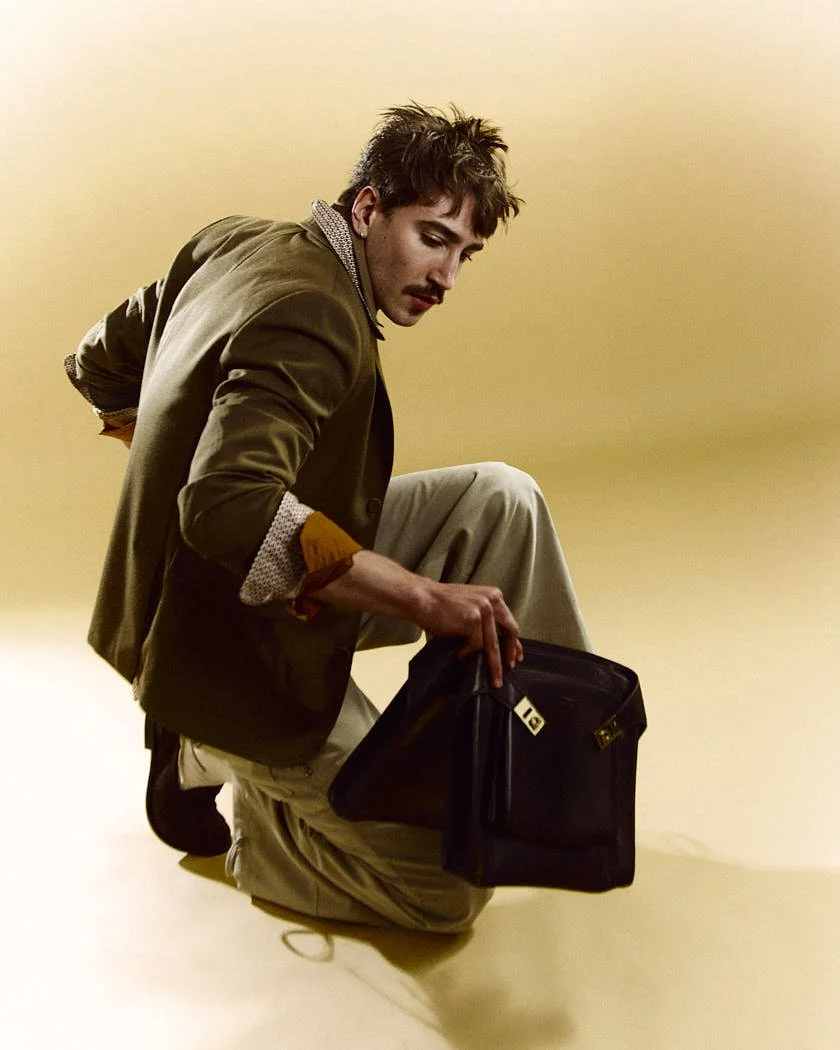
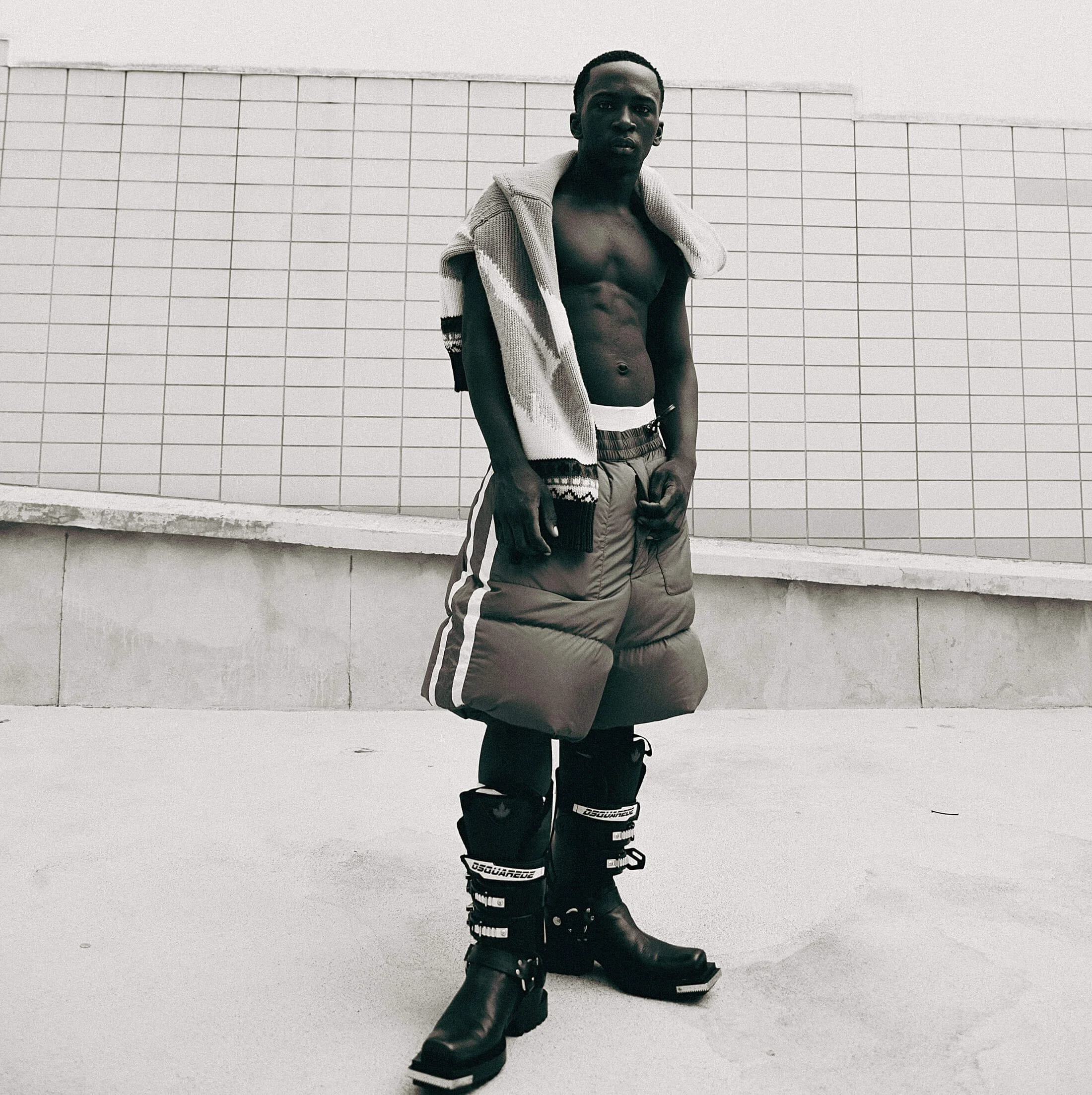
Kieron Moore LE MILE Magazine Cover Interview with Alban E. Smajli Kieron wears jacket and shorts by LUDOVIC DE SAINT SERNIN and ear cuffs by ALT PARIS
 
Kieron Moore LE MILE Magazine Cover Interview with Alban E. Smajli Kieron wears jacket and shorts by LUDOVIC DE SAINT SERNIN and ear cuffs by ALT PARIS

Kieron wears jacket and shorts by LUDOVIC DE SAINT SERNIN and ear cuffs by ALT PARIS


the red moon looks up at me tonight
i look down at myself
all the things I said no to
made me who I am
I used to think they made me little
but now I realise they make me Moore

I drift through clouds of colours again
street lights
car lights
that red moonlight
no lights inside the people
but i’m connected to them for once

I look at them with smiles
I don’t want to be held
or to hold
or to be close to anyone
i feel myself again

touch departed
significantly hardened
but soft again

something’s changed
or something has been reclaimed
I don’t know which I prefer to call it
I just try to feel it for once
i don’t try to coin it
for once I just feed it

falling forward my feet carve my way
down the road i’ve walked many times before
these new eyes see something
I wish I saw sooner

I see past
past myself
past all of the things I thought I wanted

poem by Kieron Moore


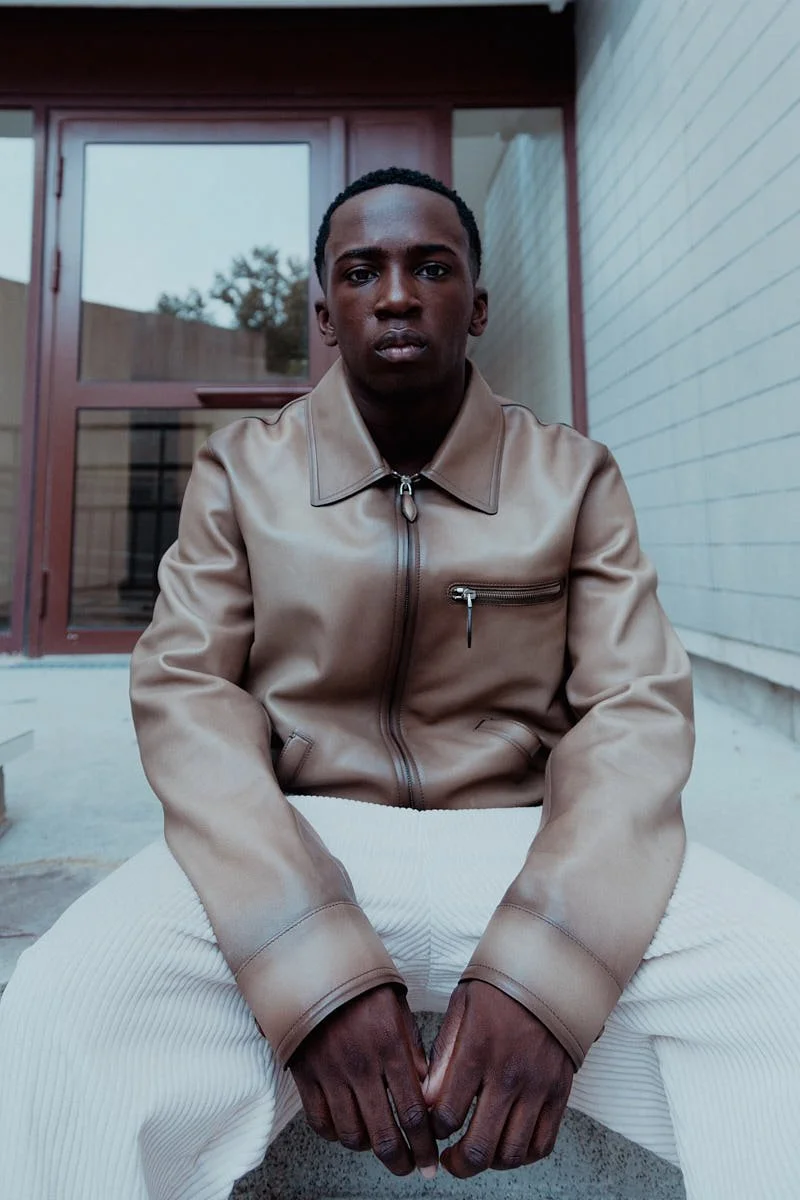
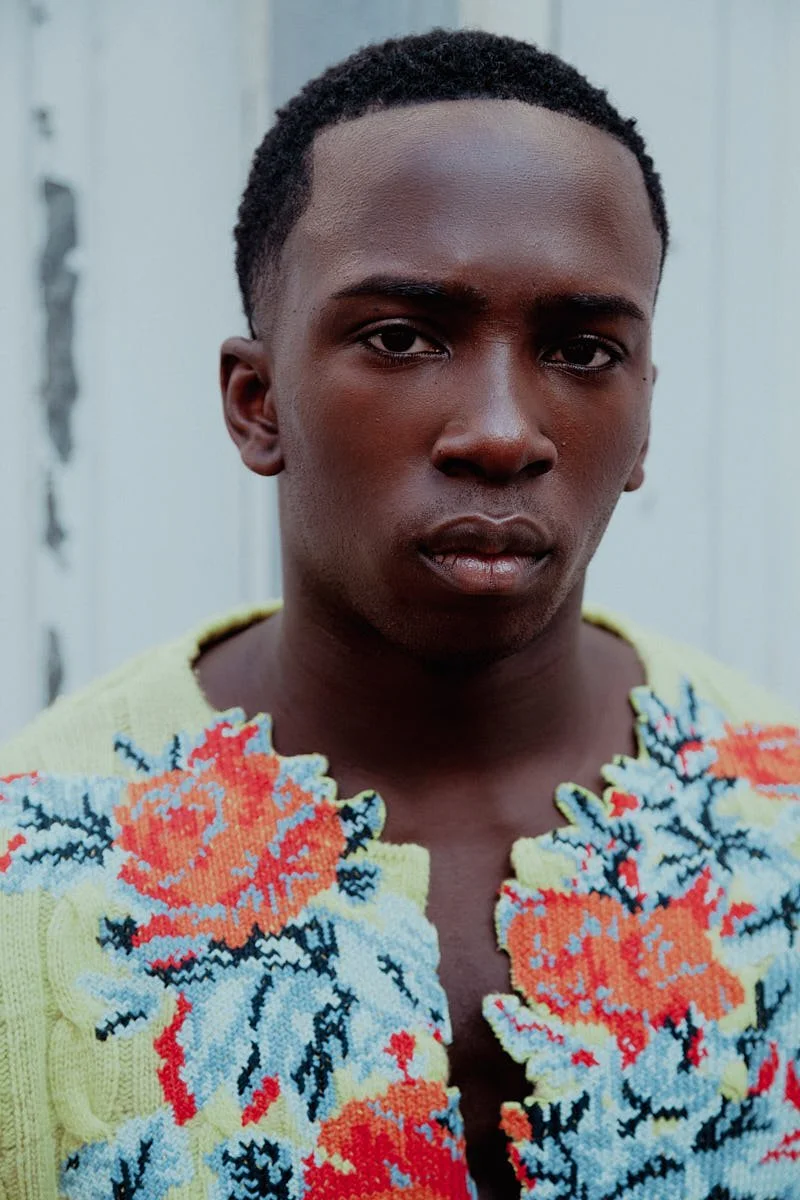
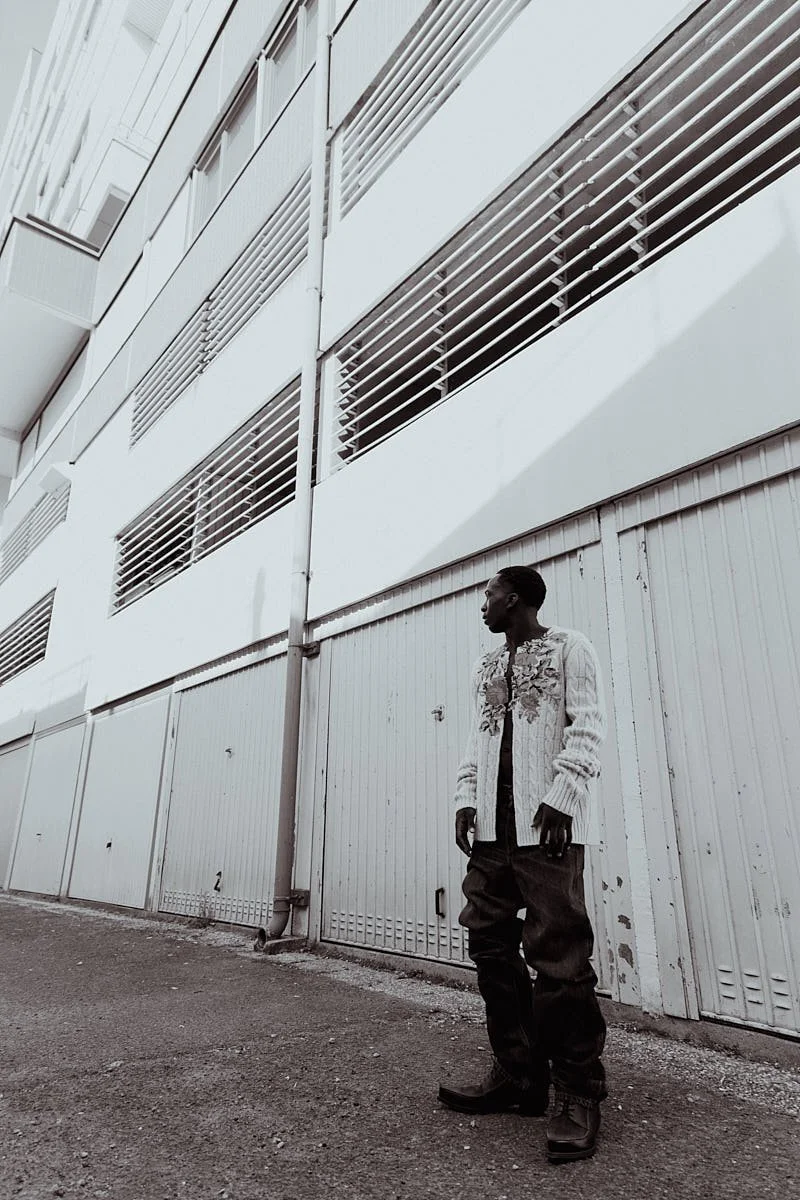
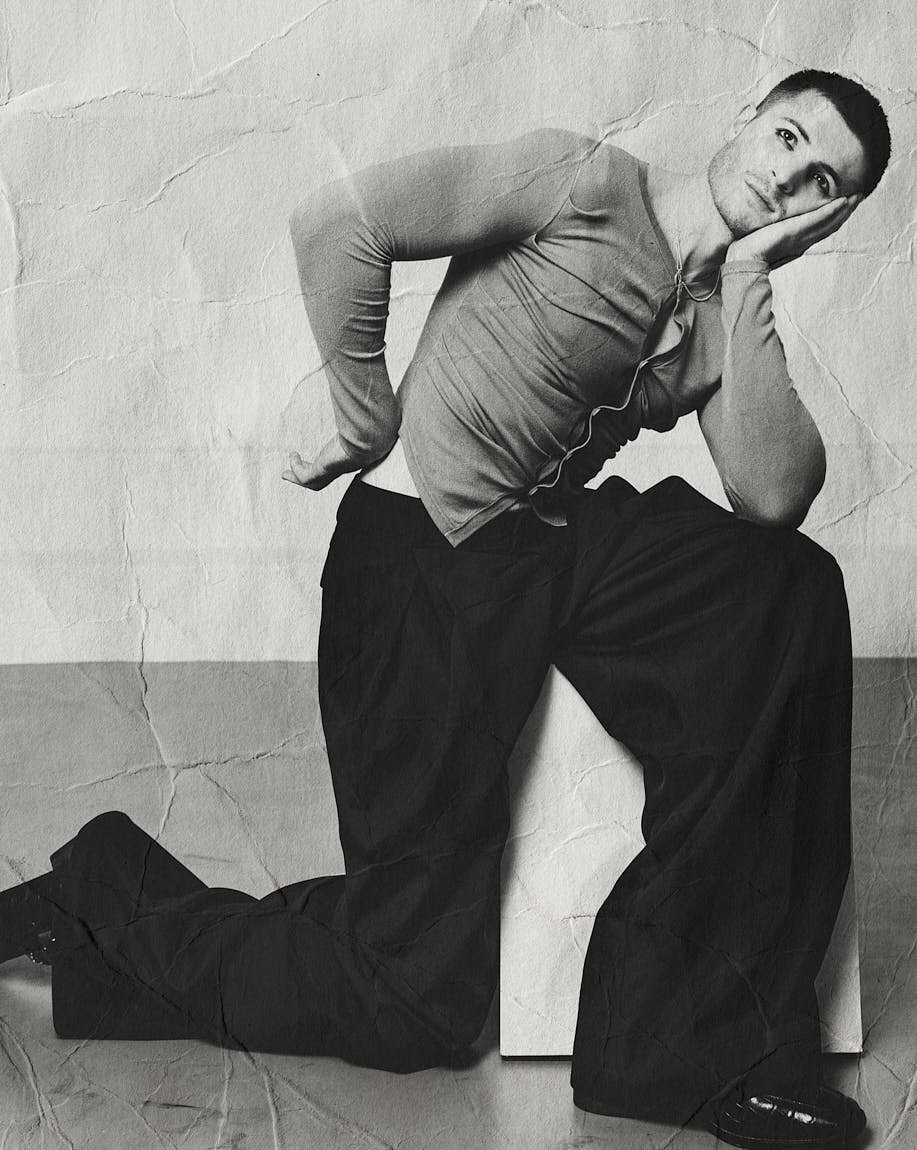
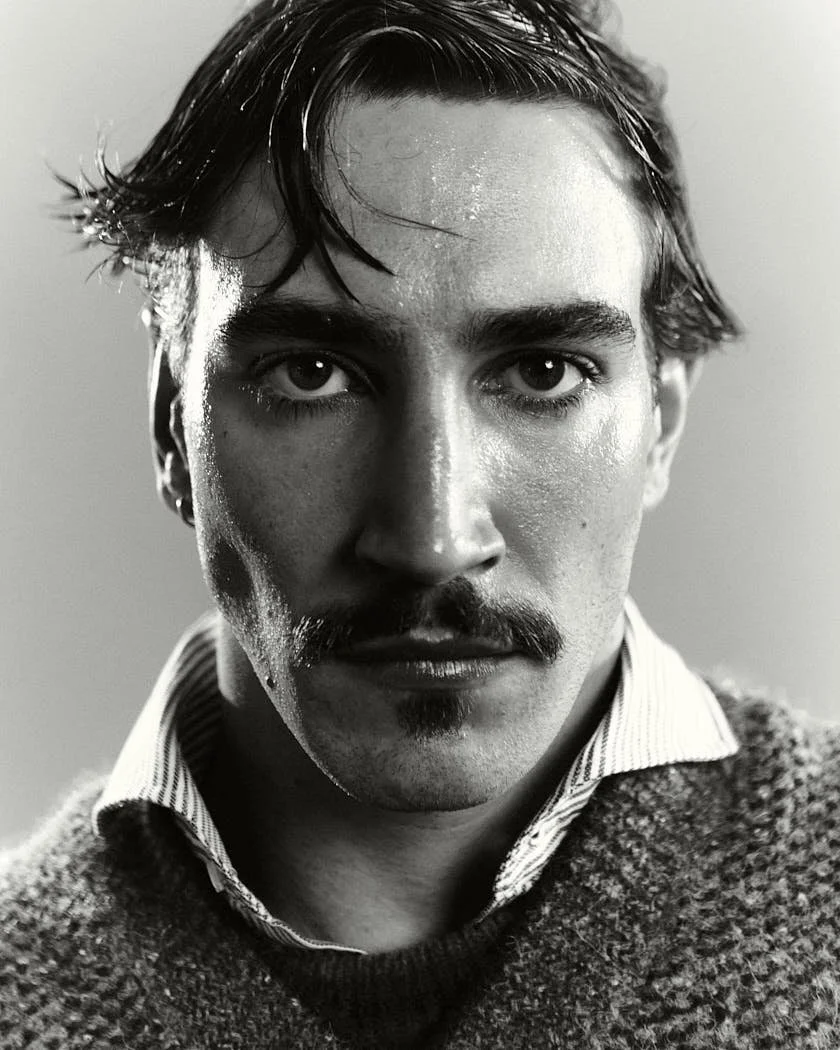
Kieron Moore LE MILE Magazine Cover Interview with Alban E. Smajli Kieron wears cardigan by CAMPER LAB, trousers and shoes by AMIRI and necklace by ALT PARIS

Kieron wears cardigan by CAMPER LAB, trousers and shoes by AMIRI and necklace by ALT PARIS


actor KIERON MOORE
photographer LOUIS TERAN
stylist SIMON NGO NDJOCK
set design EL MEHDI LARGO
make up NAFIK BOUCHAREB
nails MAHARA DIARTE-ZEROUALI
casting director MARVIN LATOURNALD with MODELS LANE
producer MARIA SHAKOLINA
special thanks to MEUTES STUDIO
 

credits
all Images (c) LE MILE
and Louis Teran

Lisa Vicari Interview | On Acting and Intuition

Lisa Vicari Interview | On Acting and Intuition

.perspectives

Inside the Moment of Action with Lisa Vicari


written + interview ALBAN E. SMAJLI


Lisa Vicari’s work takes place inside unfolding situations. Her roles often require immediate decisions and sustained attention. This has informed how she approaches acting and how she understands responsibility within a scene.


In this conversation, Vicari reflects on shifts that developed gradually and remained private. She speaks about intuition as a practice that involves awareness and self-questioning, formed through experience over time. Acting is described as a way of staying present within uncertain situations. The conversation that follows focuses on decision-making, attention, and responsibility, tracing how these elements shape her work in practice.


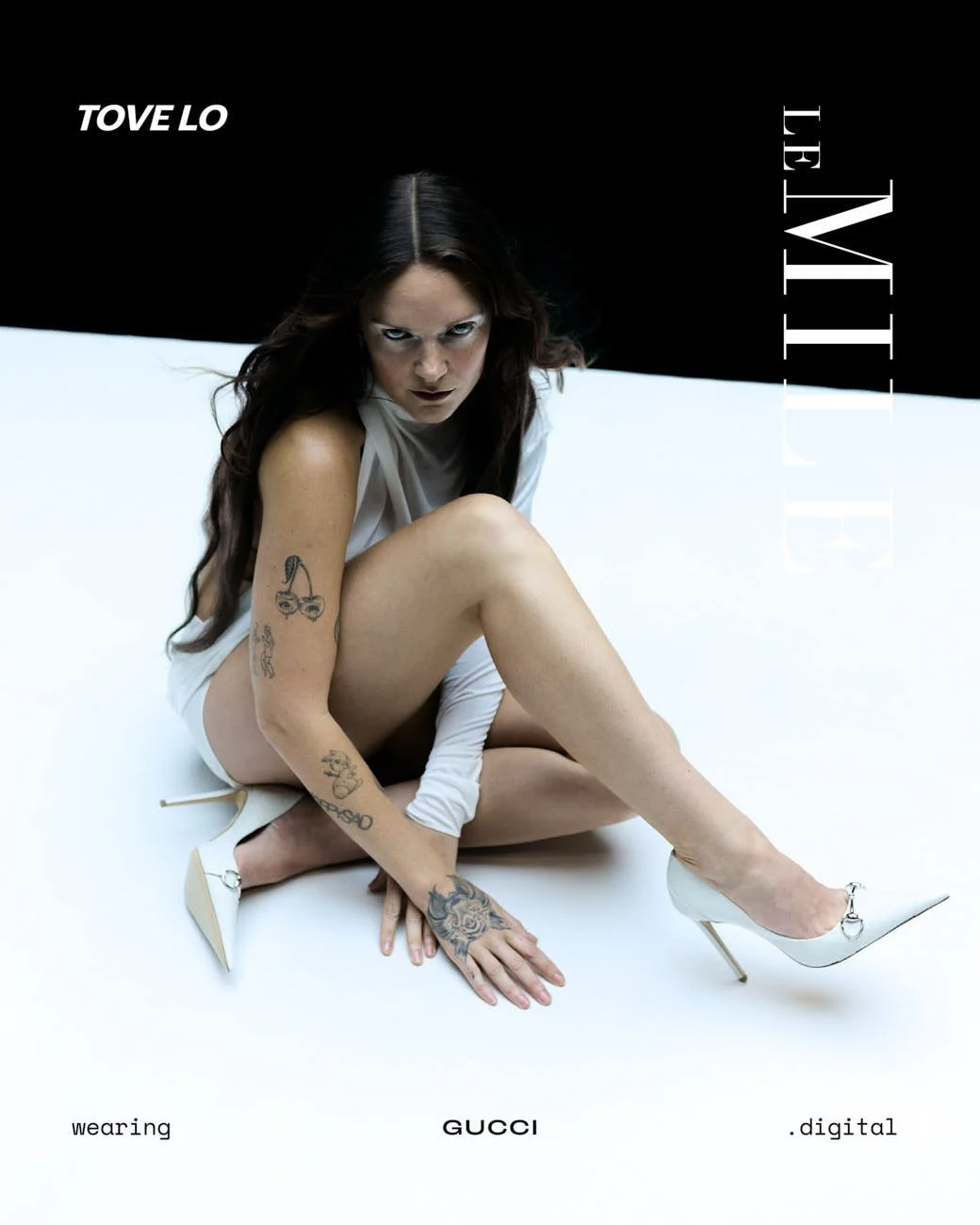
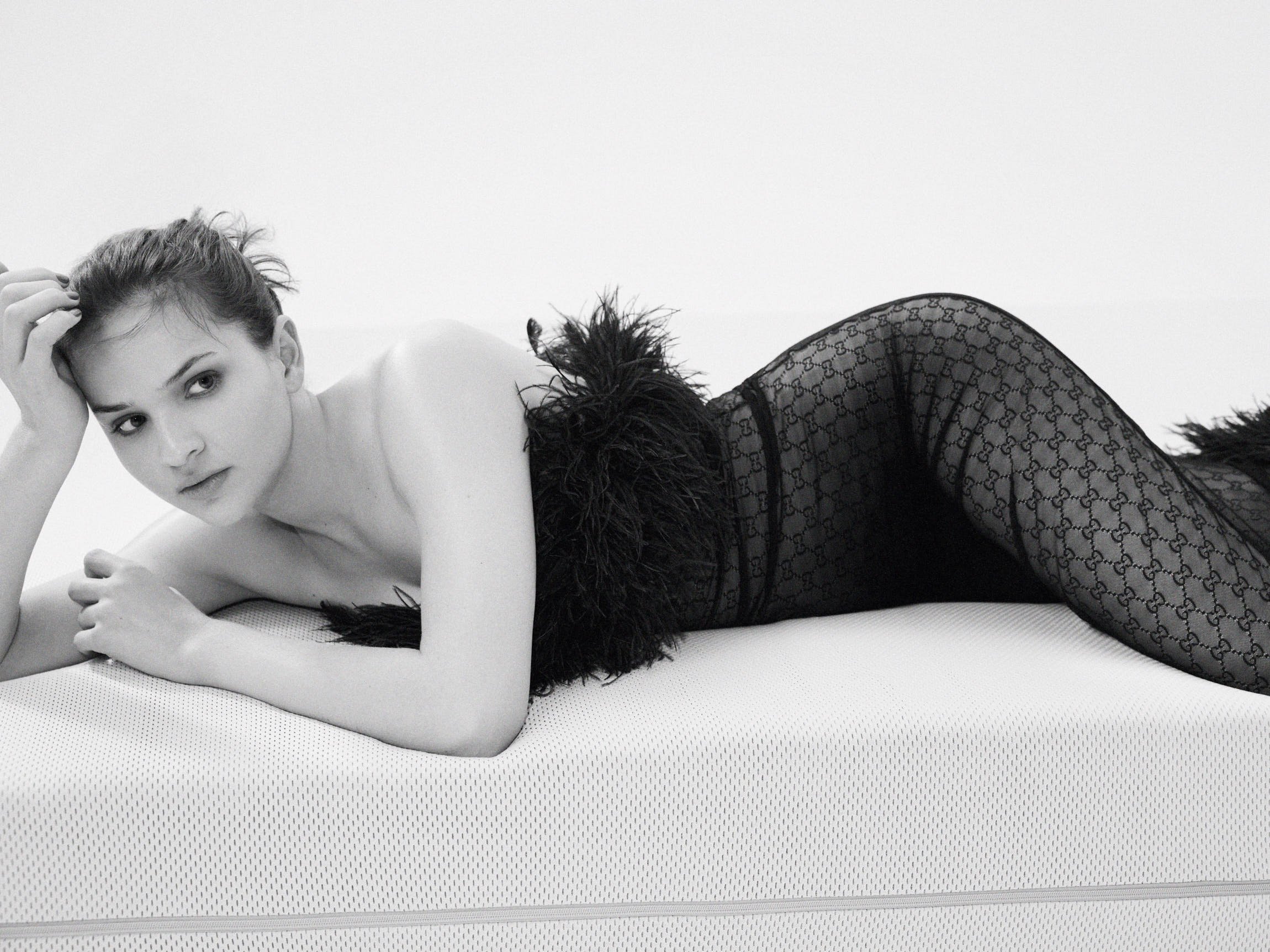
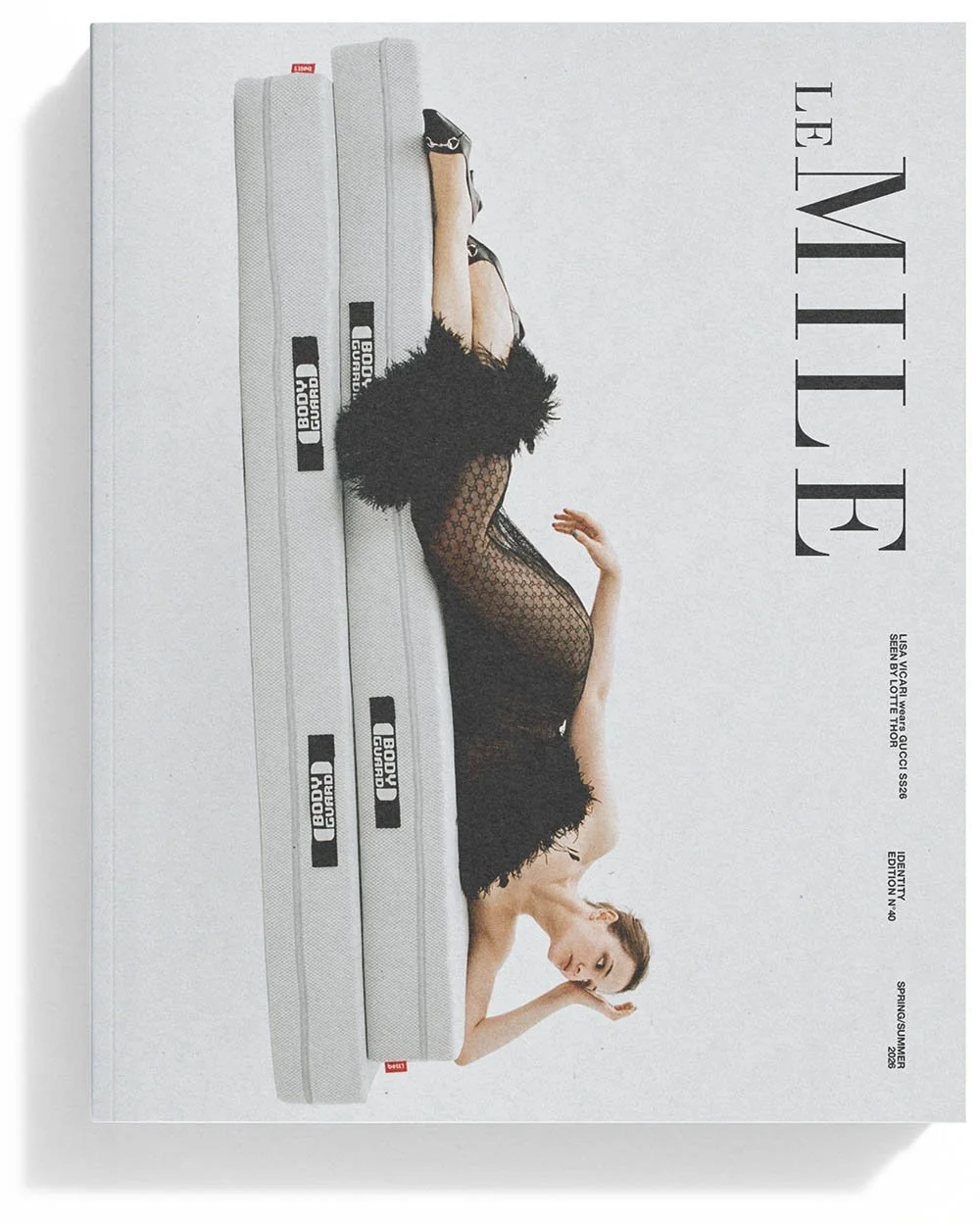
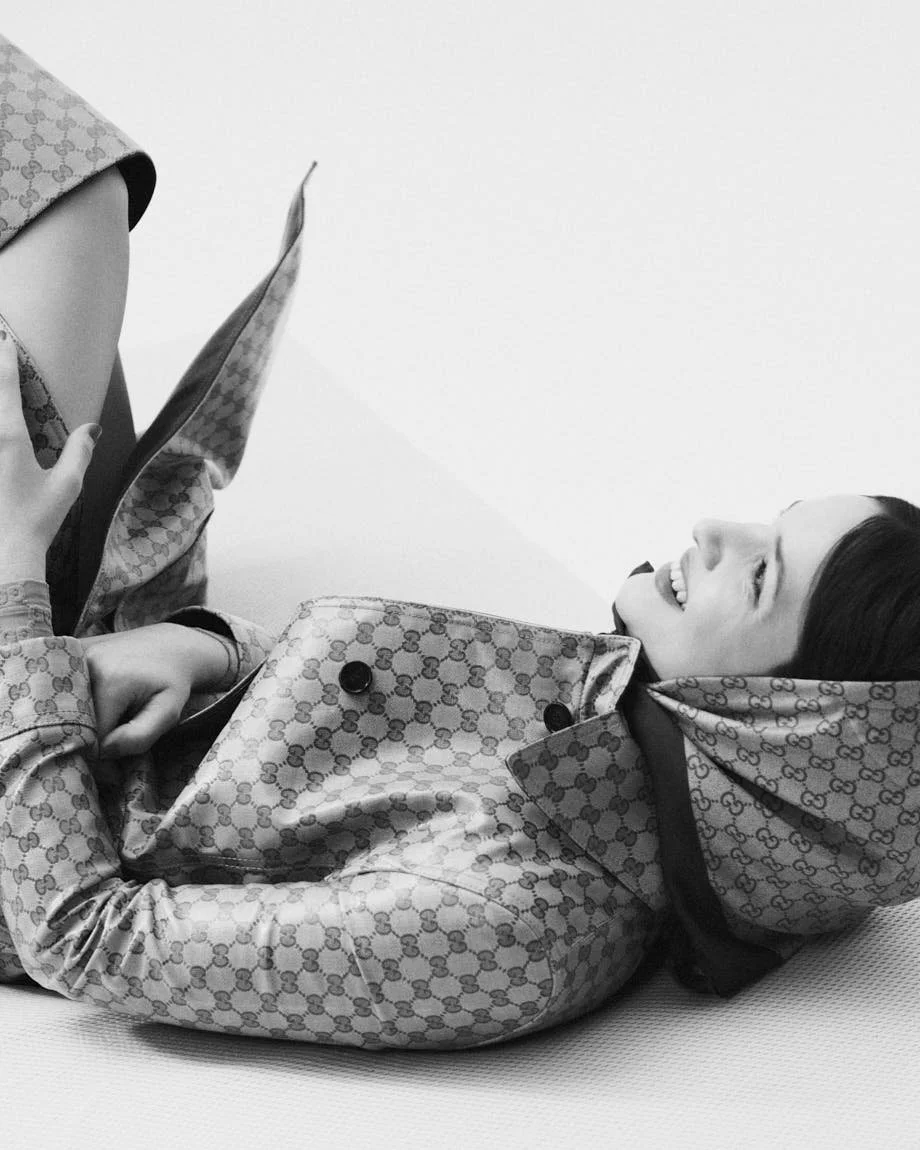
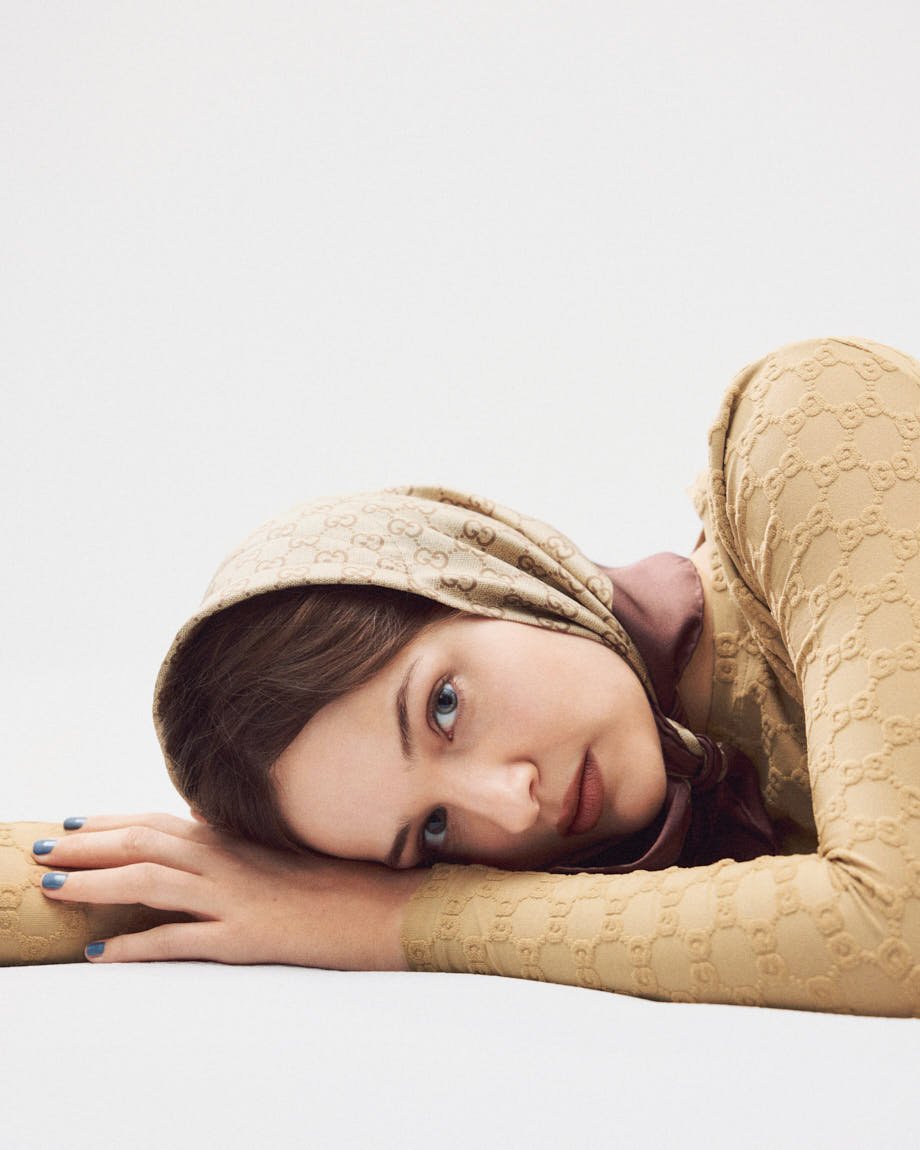
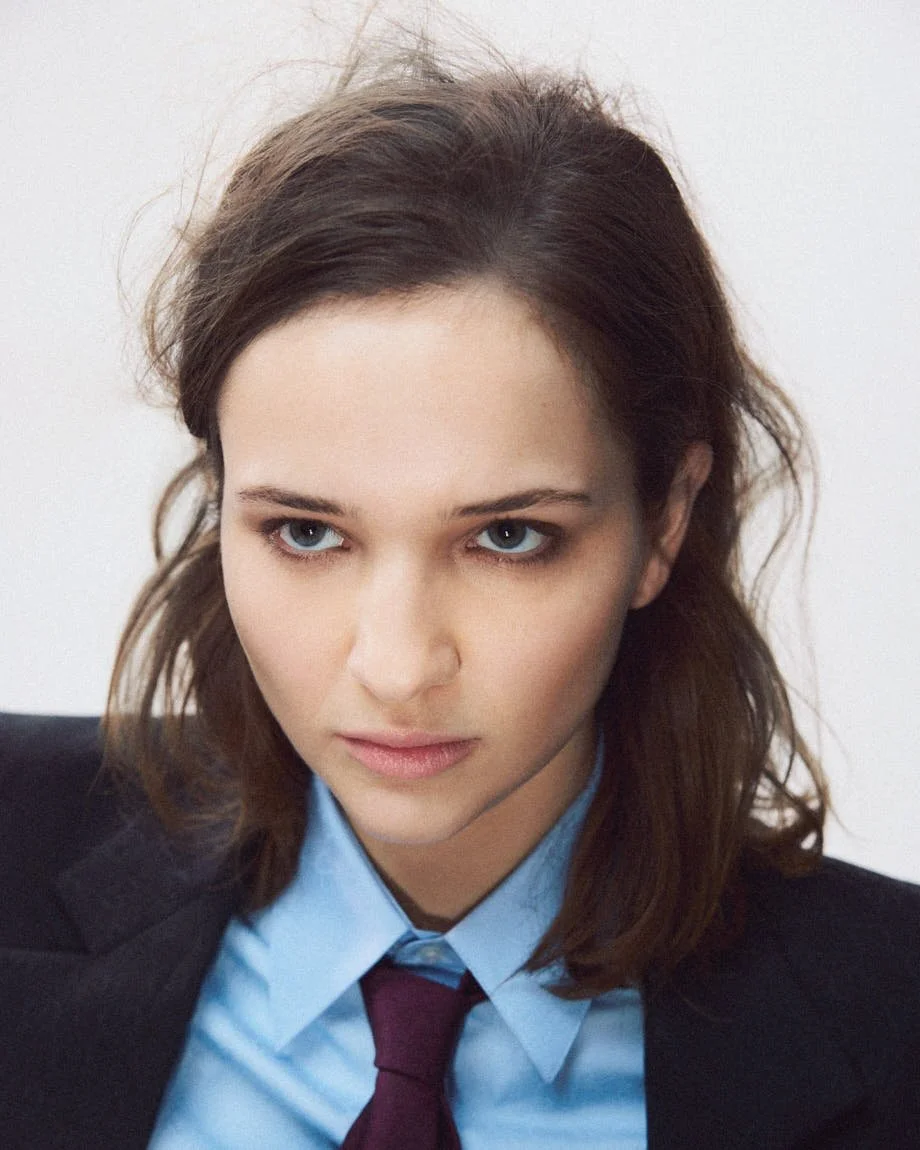
LE MILE Magazine Lisa Vicari SS26 Identity Issue Cover Lotte Thor Cover wearing GUCCI SS26 by Demna

Gucci La Famiglia It Girl


Alban E. Smajli
When you think about Hijack season 2 and where the story takes you, which part of this role challenged or expanded your sense of self the most?

Lisa Vicari
One of the most challenging and transformative parts of playing Clara was stepping into a situation where she has absolutely no preparation, no roadmap. She’s thrown into this extreme crisis that unfolds right in front of her eyes, and she has to respond in real time. I loved exploring that moment-to-moment evolution in her. Clara doesn’t start this season as someone who believes she’s capable of handling something so high stakes. But she’s forced to grow into the challenge, to tap into instincts she didn’t know she had.

Identity in film is often shaped by expectation, and sometimes by resistance. Where do you locate yourself between those two forces?

I think I exist somewhere in the tension between the two. Expectation can be a powerful guide. It pushes you to rise to the level a story or a character demands. But resistance is just as important, because it’s often where originality and honesty live. In my work, I try to listen to both.

Which moment in your journey so far felt like a shift — not publicly, but internally?

I think the biggest internal shift happened in my early to mid-twenties, when my perspective on life finally broadened. It felt like my frontal lobe had clicked into place and suddenly I was seeing the world in a more outward, less self-centered way. I really welcomed that shift. It made me reflect more intentionally on my choices, but it also brought a sense of calm. The understanding that not everything is within my control, and all I can ever do is make the best of the situation I’m in.

You’ve spoken in the past about intuition. How does intuition guide the choices you make now?


I love being led by intuition, but only once I understood how to listen to it. The tricky part is that sometimes what feels like intuition is really fear in disguise. So these days, I try to check in with myself - is this a warning or am I just going outside of my comfort zone? The more honest I am in that process, the better my decisions become.

When you look ahead, what kind of cinema feels necessary to you?


To me, all cinema is necessary. Whether it’s intimate or epic, experimental or classic, it all contributes to how we understand ourselves and each other. Cinema, like all art forms, is a mirror to the time we are currently living in. The challenges our society faces, the voices that need to be heard. The more diversity we have in the stories being told, the better.

 
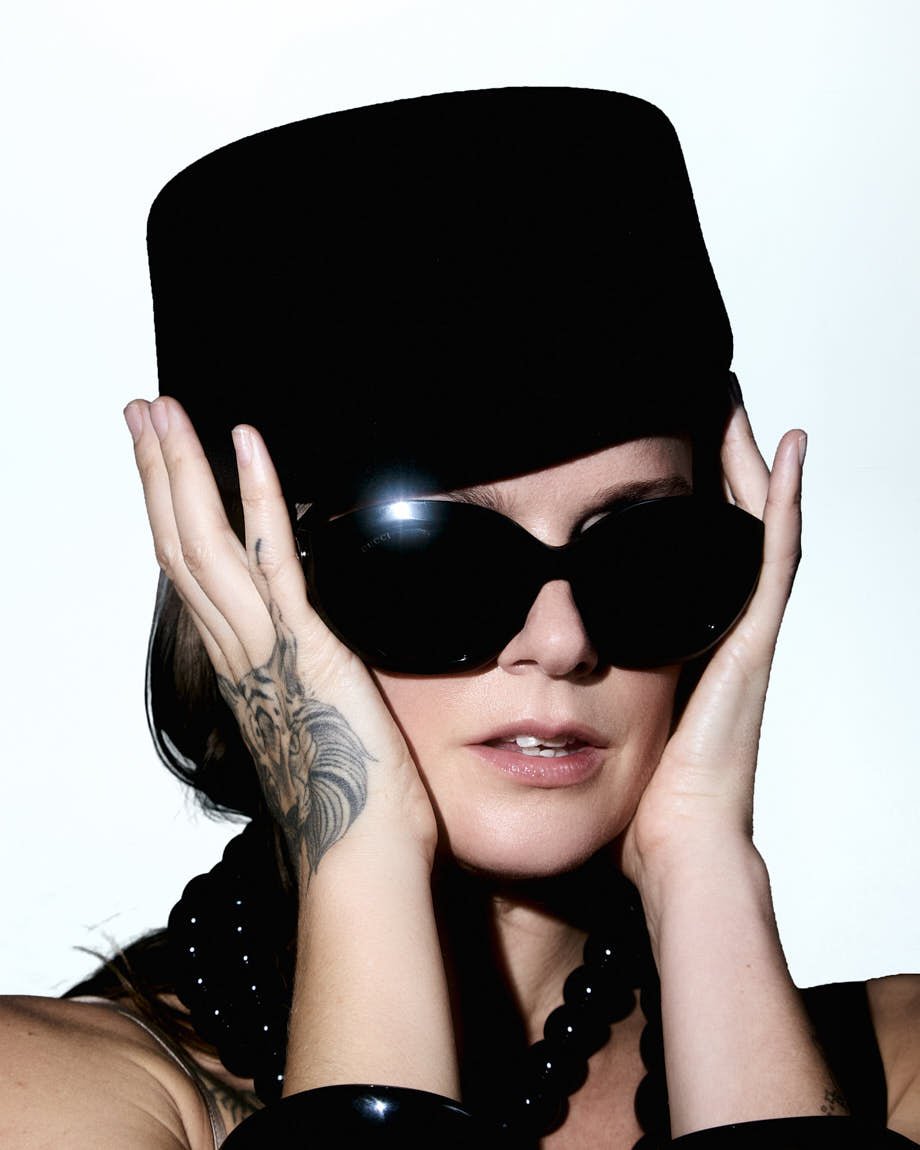
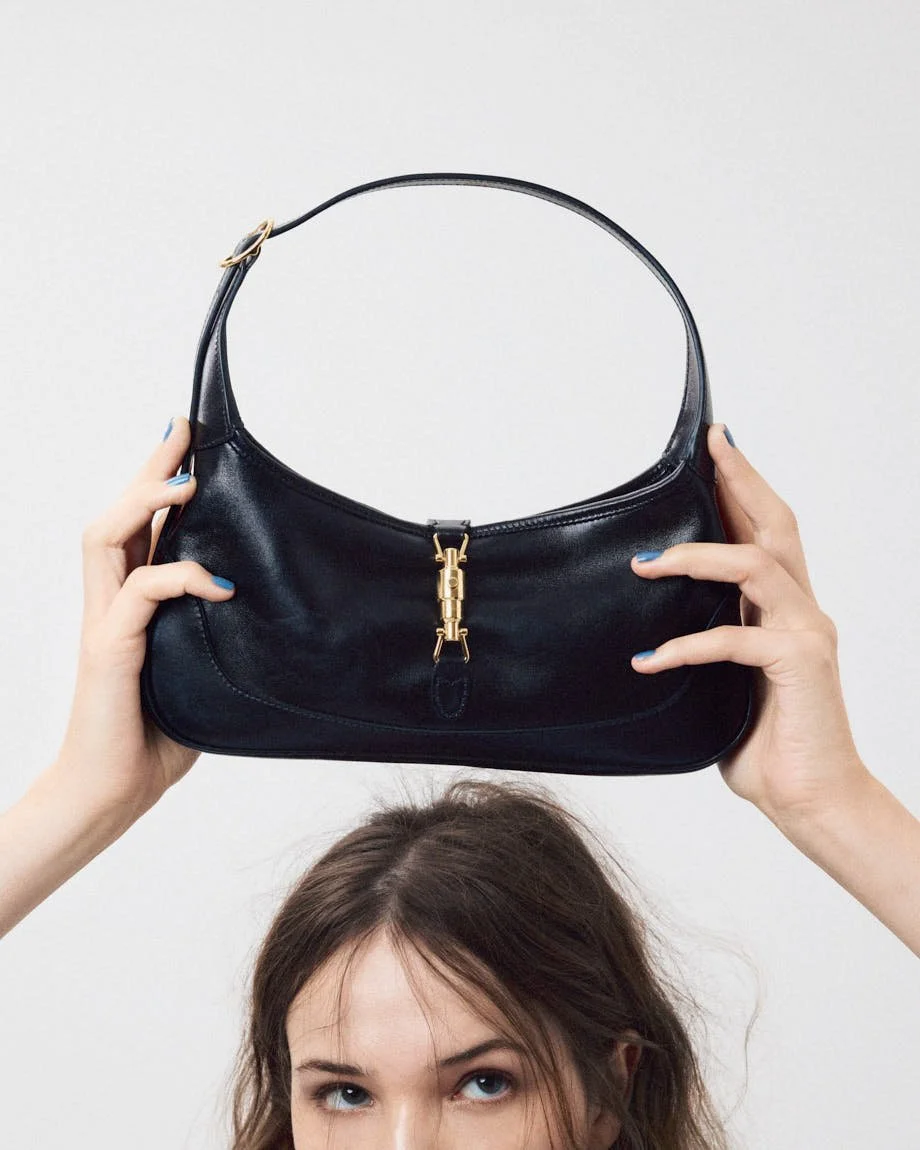
LE MILE Magazine Lisa Vicari SS26 Identity Issue Cover Lotte Thor Cover wearing GUCCI SS26 by Demna

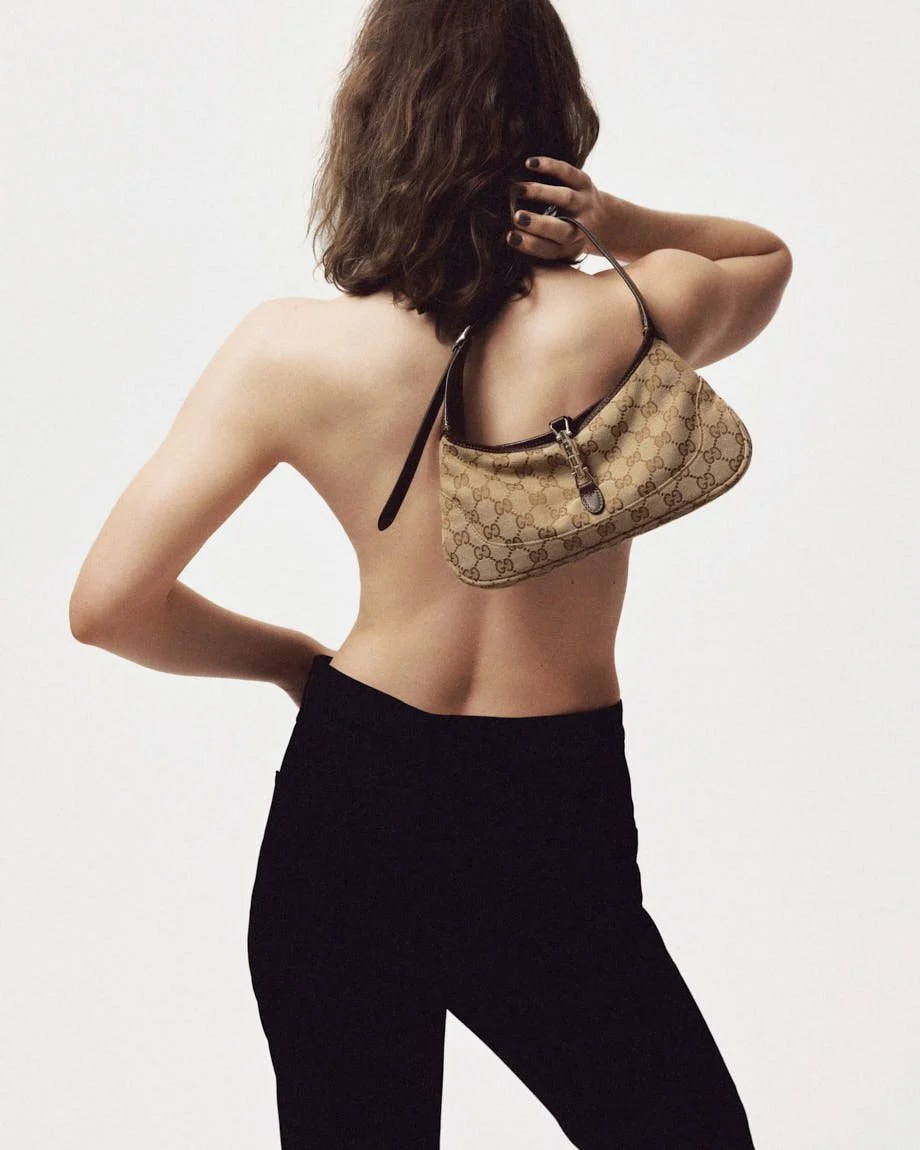
Gucci Jackie 1961

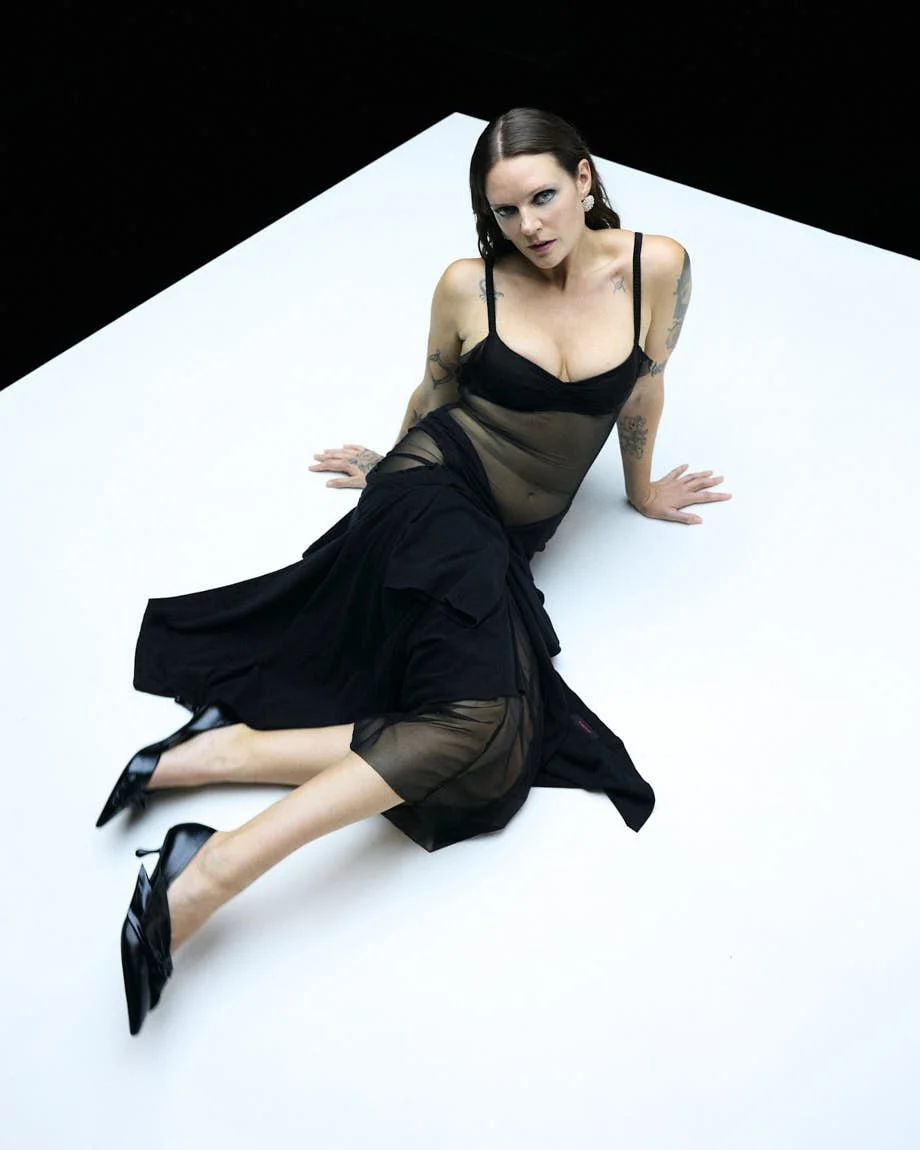
LE MILE Magazine Lisa Vicari SS26 Identity Issue Cover Lotte Thor Cover wearing GUCCI SS26 by Demna

Gucci La Famiglia Look La V.I.C.


What quality in a character makes you want to follow her, even before you agree to play her?


I don’t chase specific qualities, I follow whatever feels true. If a character feels authentic, I’m drawn to her. And I like choosing roles that differ from one another, I don’t enjoy repeating myself.

The migration of major film actors into streaming series has changed the rhythm of storytelling for everyone. When you choose your projects now, what draws you more, the long arc of a series or the distilled focus of a film.

I’ve been working more on series in the past few years, and it feels like a real privilege to spend so much time with a character, exploring them over a long period. But there’s also a unique beauty in films, where you glimpse a shorter moment or a pivotal event in a character’s life. I love both ways of working, and I hope to do more films again in the future.

Is there a story or genre you feel you haven’t touched yet, but you keep circling around it privately?


I’m drawn to intimate films that explore relationships, inner worlds, love, and the quiet complexities of life. Cinema from the Nouvelle Vague or Scandinavian filmmakers, in particular, has always fascinated me. It’s the kind of storytelling that truly excites me, and I hope to explore it one day.


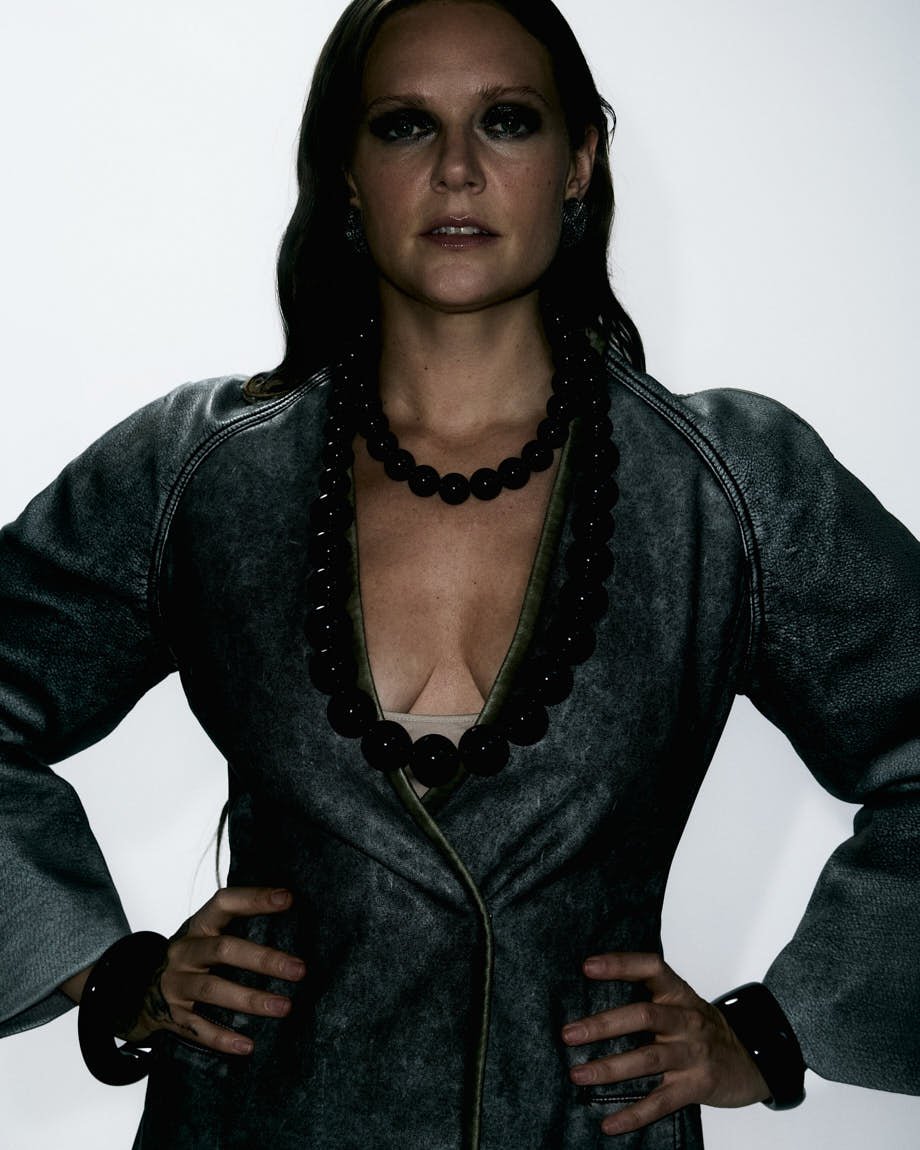
LE MILE Magazine Lisa Vicari SS26 Identity Issue Cover Lotte Thor Cover wearing GUCCI SS26 by Demna Gucci Jackie 1961

Gucci Jackie 1961

LE MILE Magazine Lisa Vicari SS26 Identity Issue Cover Lotte Thor Cover wearing GUCCI SS26 by Demna La Famiglia Look La V.I.C.

Gucci La Famiglia Look La V.I.C.

 
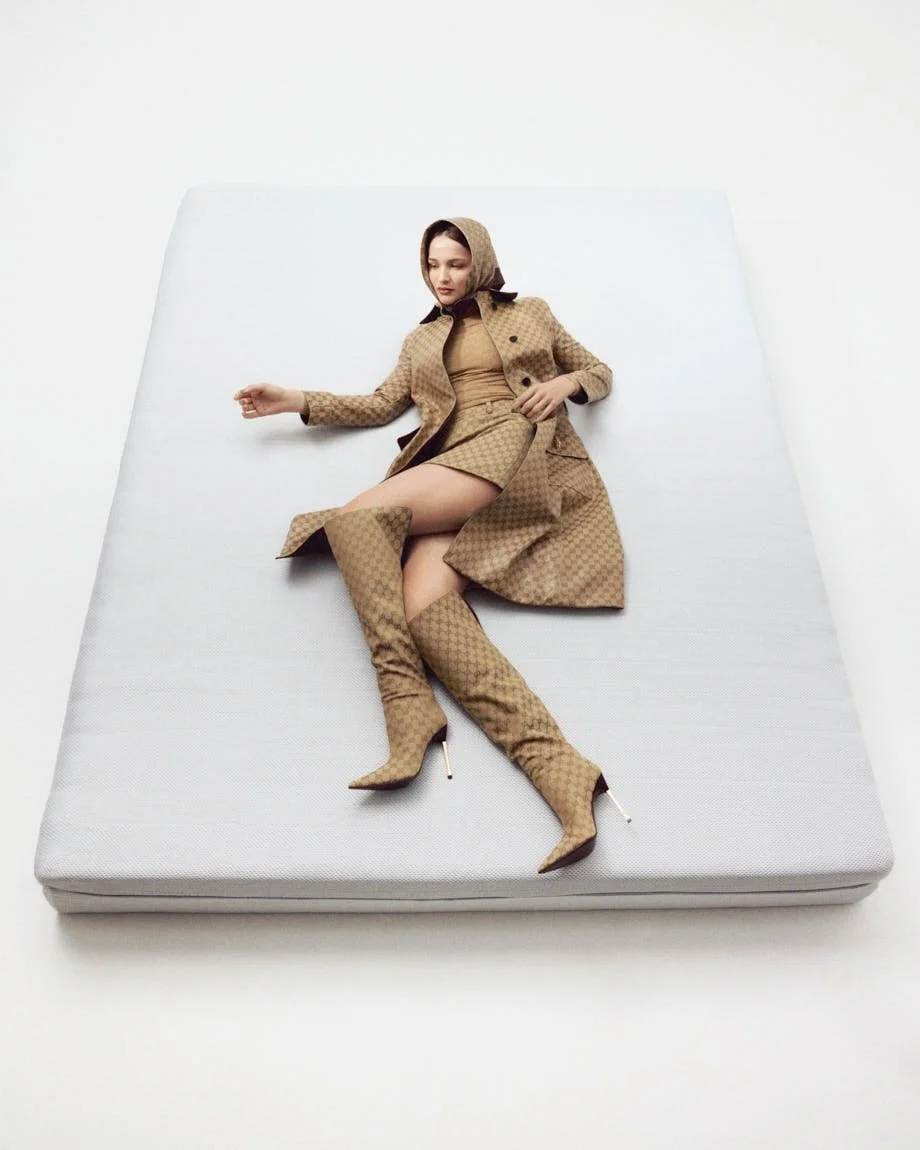
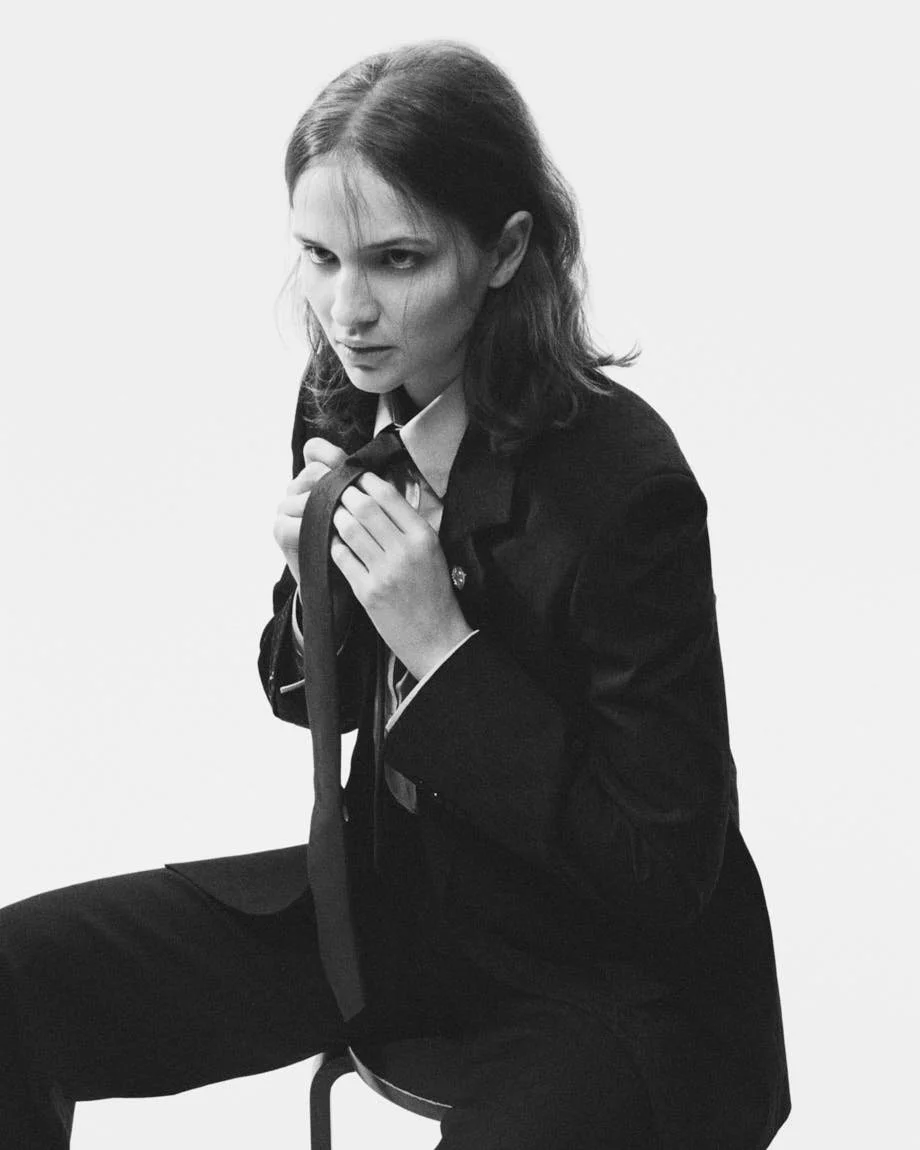
LE MILE Magazine Lisa Vicari SS26 Identity Issue Cover Lotte Thor Cover wearing GUCCI SS26 by Demna

Gucci La Famiglia Look Direttore

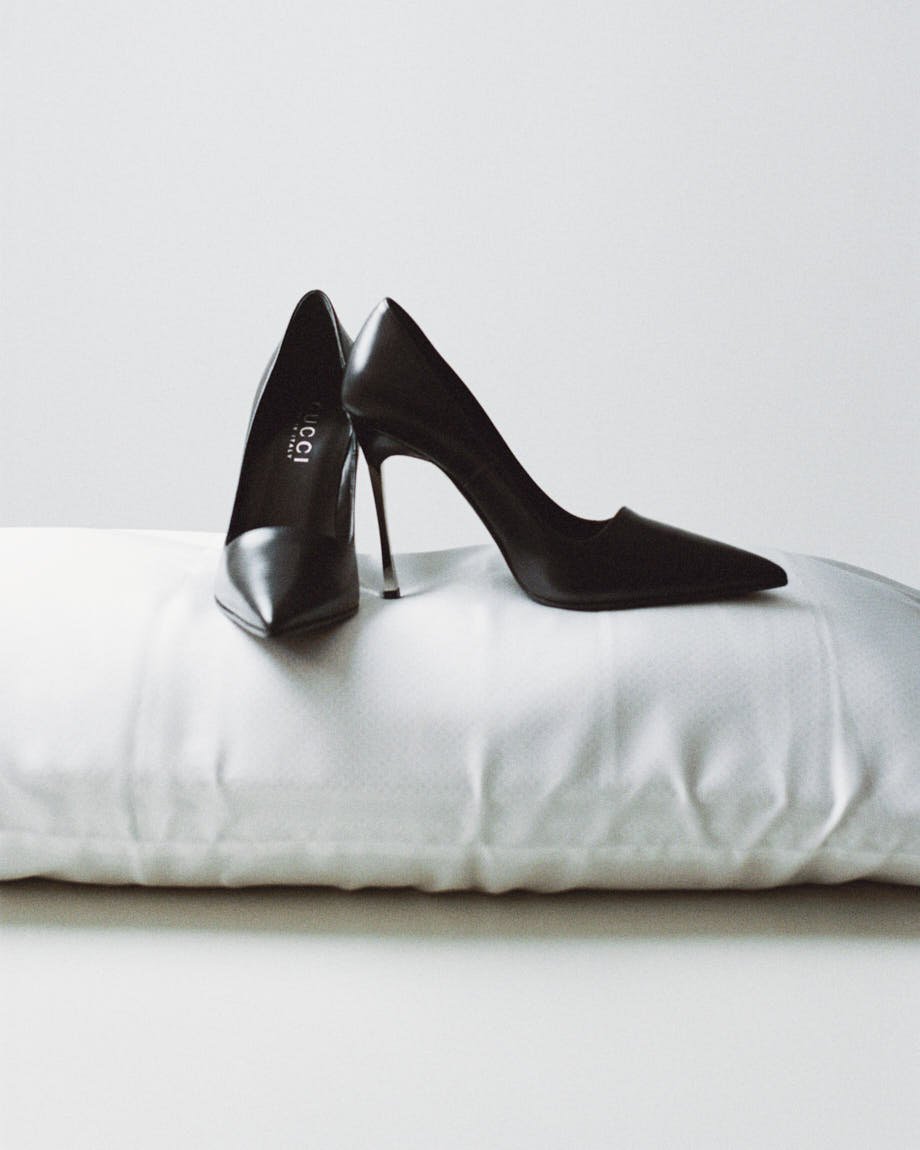
LE MILE Magazine Lisa Vicari SS26 Identity Issue Cover Lotte Thor Cover wearing GUCCI SS26 by Demna Gucci Bombshell Heels

Gucci Bombshell Heels

LE MILE Magazine Lisa Vicari SS26 Identity Issue Cover Lotte Thor Cover wearing GUCCI SS26 by Demna

Gucci La Famiglia Look Direttore


For our cover shoot you chose to move fluidly between GUCCI’s womenswear and menswear under Demna’s first collection. What made this fluidity feel right for you?


Over time, the line between menswear and womenswear has become more and more blurry, and fortunately, rigid gender roles are fading too. I love experimenting with menswear. Suits, especially, have become a staple in my wardrobe for evening events, they’re the pieces I reach for when I want to feel particularly confident.

If you imagine your identity five years from now — not career, but identity — what do you hope remains unchanged?

A big part of my identity is shaped by the people I surround myself with - my friends and my family. I hope these connections remain in my life and continue to challenge me, love me, and embrace me as I grow.

Identity quick fire, no commas


- a place you return to in your mind: the Alpes

- a feeling that shaped you: Familiarity with the people I love

- a memory you protect: If I protect it, I keep it to myself

Work quick fire, no commas

- a role you still carry: all of them

- a line you never forgot: “Wir passen perfekt zusammen.”

- a character you wish you could meet: Natassja Kinskis’ character Jane from Paris, Texas


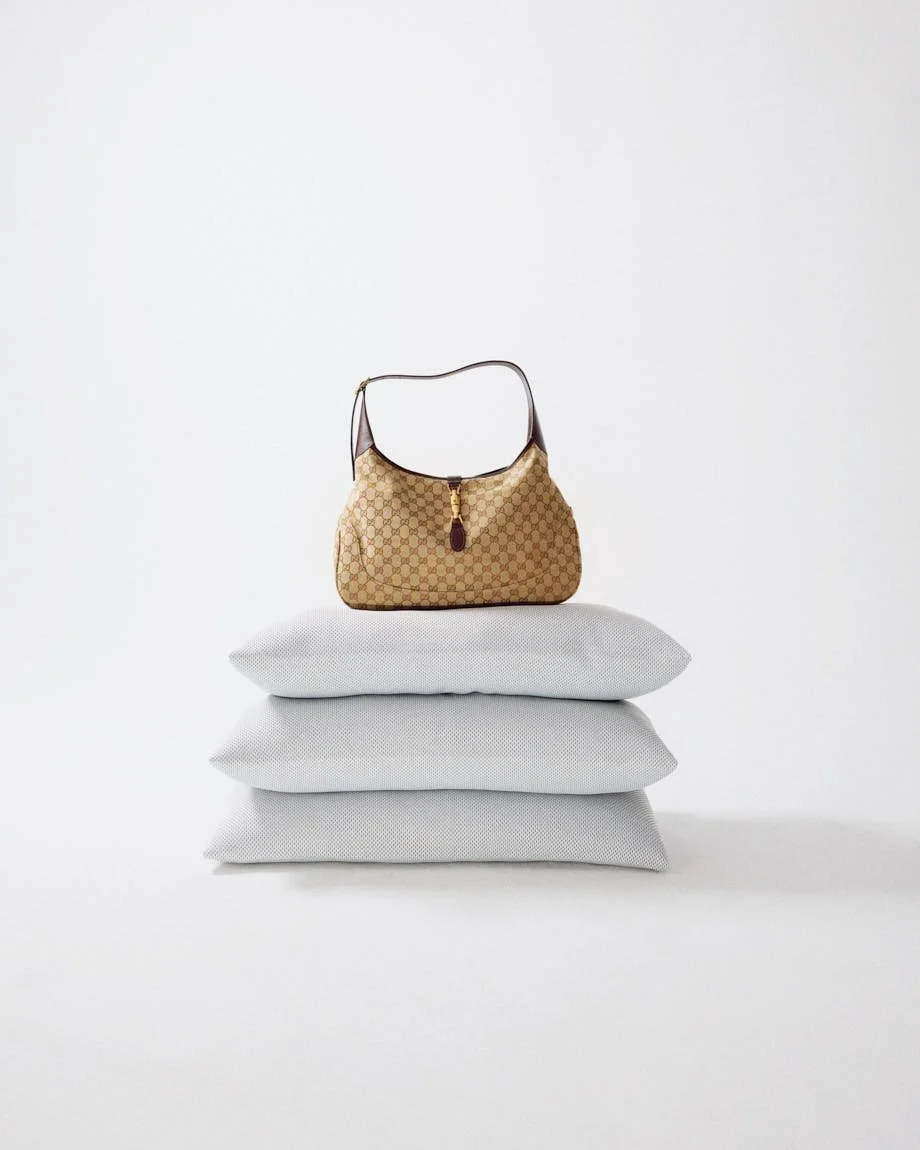
LE MILE Magazine Lisa Vicari SS26 Identity Issue Cover Lotte Thor Cover wearing GUCCI SS26 by Demna Gucci Jackie 1961

Gucci Jackie 1961

LE MILE Magazine Lisa Vicari SS26 Identity Issue Cover Lotte Thor Cover wearing GUCCI SS26 by Demna Gucci La Famiglia Look Introverso

Gucci La Famiglia Look Introverso


featuring talent LISA VICARI
interview + editor ALBAN E. SMAJLI
photography LOTTE THOR via XO STUDIO
styling SASKIA JUNG
make up DENISE GRUNDMANN
hair DENNIS BRANDT
photo assistant SOPHIA BORZILLERI
styling assistant LENA LAUER
retouch NITTY GRITTY BERLIN

Lisa Vicari wears pieces from Gucci’s first collection under Demna.
In collaboration with GUCCI. All mattresses and pillows by Bett1.


credits
all Images (c) LE MILE
and Lotte Thor

SS26 Menswear -  It's About Finding Perspective with Ted Pullin

SS26 Menswear - It's About Finding Perspective with Ted Pullin

.digital

Life According To Ted Pullin


written CHIDOZIE OBASI


Striking in expression and poignant to the core, there are not many talents whose presence and resonance sprawlingly stretch beyond fashion’s mere fixtures like that of Ted Pullin. Raised in the countryside of Oxfordshire, his personality telegraphs into two contrasting sides. “On the one hand I’m very social, I love people, and get so much energy from being out with my mates,” he confesses, “on the other, I need time alone, and one can see this in my hobbies.” Pullin’s dearest pursuit is performing stand up comedy.


The pressure of entertaining and the interactions with the audience are hugely extroverted,” he says. One of his other passions is fishing, which is as far away on the spectrum of social activities as possible. “I fish to have time alone amid nature, and I rarely let anyone else come along; it would defeat the point otherwise,” he says. “It gives my brain time to do whatever it wants, its proper space to think.” As the middle child, he deems his two brothers “the best friends in the world.” But there’s more to that story. “We lost our father eleven years ago, which meant our only real male influence in our lives were each other,” he shares, with unguarded honesty. “If the bond of brotherhood was strong before, going through that loss together has made it completely indestructible. I’m a proud university drop out, and that was the best decision I’ve ever made: there were a million reasons why I decided to leave, also a couple of reasons to stay,” he says. “My life would look so different now had I chosen to stay, but I wouldn’t change a thing about it now.” Pullin’s a sports pundit, with rugby being chief among them. “It’s given me a framework for life now that influences my decision making every day.”As for the rest? You’ll probably read it here first. You’re welcome.


TED PULLIN LE MILE Magazine SS26 Runner Interview Fashion Editorial Luxury Brands Ted wears total look by LORO PIANA

Ted wears total look by LORO PIANA


Chidozie Obasi
How has the past year been for you?

Ted Pullin
In a word: explorative, both in a literal and geographical sense, as well as more inwardly. 27 has felt like a year of figuring the world, and my place in it, out. How can I build a world around me that looks the way I want it to for both myself and my future family? What am I putting my time and energy into and why? Am I happy? And is that happiness intrinsic or extrinsic? People talk about your late teens and early twenties as the period of your life where you start to figure things out, but I’m learning more and more that there isn’t an end to that ‘figuring out’ process. This year has topped the charts in many metrics for me. It's been the most fun, the scariest, the most exciting, most tiring, and the year in which I’ve taken the most risk. I’m aware not all of those sound positive, but it's all added up to this being arguably the best year of my life so far.

Could you cite the biggest influences or references you had and looked up to, while growing up?

Honestly, the biggest influence on who I am today comes from the sport of rugby. It instilled a moral framework in my life that has been invaluable to me every day, even though I was forced to step away from the sport over ten years ago. I think sport in general is a great teacher, but rugby in particular, both on and off the field. If I were to detail everything I’ve learnt from the sport here then this would be the longest issue of any magazine published in the last ten years; but exposure to the combination of respect, discipline, taxing physicality, comradery, nuanced and subtle problem solving amongst violent (and often painful) chaos, healthy hardship and the need to just ‘get up and go again’, from such a young age has shaped my approach to life today. It's very rare that I come across an issue in life more immediately stressful than having an angry 120kg Samoan man running at me full tilt, with the sole intention of putting me on my arse. And the solution to this, although very clear, is not one that many would find massively appealing. That in particular has been a helpful lesson of late. Tackling problems head on (pardon the pun) is always the best course of action, and is also rarely as painful as you’d expect. Grit your teeth and get on with it.

Any special activities you’ve taken on as an adult?

I started doing stand-up comedy a few years ago and I’ve become completely obsessed with it. I grew up watching comedy with my dad as he was a writer and producer for some major players in the TV comedy show space (one of his BAFTA trophies is in my bathroom), so it was only a matter of time before I began writing and performing myself. I love it for so many reasons. The brutality of it is amazing: something is either funny, or it's not. There’s also a subtlety to it, you can take a joke from terrible to hilarious just by changing one or two words, or the pacing, or the intonation. The feeling of making a room full of strangers belly laugh with material that I’ve written and performed myself is my favourite thing in the world. And when a joke doesn’t land, it becomes a problem solving exercise. What can I change about the wording, the delivery, the structure of the joke? It keeps my brain working in a fun way off stage as well. I get ideas from absolutely anywhere. It could be a conversation I am in or overhear, something I see at an airport or while driving, or something might simply hit my brain out of nowhere that I’ll think is a good premise for a joke. Lastly, the only true way of practicing is by actually getting on stage and performing. You can say your material in the mirror over and over, imagining laughs where you’ve planned them to be, but until you get under the spotlight and present what you think is funny to an audience of strangers, you don’t truly know if you’ve solved the puzzle.

How did you fall into the fashion space?

When asked ‘What do you want to be when you grow up?’ I rarely had a clear answer. In my late teens my scope somewhat narrowed to a career as a rugby player, but once I was forced to give up the game that I love through injury (7 concussions in 2 years is enough to make any developing brain reconsider its path) I was left wondering again. The one thing I did know was that whatever I ended up doing, I wanted to be doing it for myself. I did not want to be employed. Shortly after stopping rugby I was approached by the parents of a child that I went to primary school with, asking me to come into the agency that I am currently signed with to have some photos taken. After two test shoots and a magazine editorial, they decided that I wasn’t a good fit for their agency, which was a disappointment at the time. It had, however, left me with something of a portfolio which I could take to other agencies with a view to getting signed there. I’d enjoyed my few days working as a model, although making the move from one of the most testosterone fueled environments possible (the rugby world) to essentially prancing around in my underwear for a living, in the space of two weeks was a major shock to the system. I recognised that this was something I could turn into a full time career, and that also checked the box I had of working entirely for myself. So I took my photos to another agency in London who signed me on the spot and became my representatioon in modelling for the first five years of my career.

When did you realise you wanted to make a professional career out of it?

Modelling ticked the boxes of what I wanted in a career. Self-employment, competition, exploration, freedom, and most of all: not having to sit at a desk for 10hrs a day. I enjoyed it from the start. I am fascinated by people, and it became very clear from the off that this industry houses just about every extreme of every personality type you can think of. That's an arena I wanted to be operating in.

 
TED PULLIN LE MILE Magazine SS26 Runner Interview Fashion Editorial Luxury Brands Ted wears blazer by MICHAEL KORS, shirt by RANDOM IDENTITIES by Stefano Pilati, pants by N21

Ted wears blazer by MICHAEL KORS, shirt by RANDOM IDENTITIES by Stefano Pilati, and pants by N21


Could you unpack any minor or major downturn you encountered?

Well, my dad killed himself when I was sixteen, which wasn’t that cool. Obviously at the time, and for a long time afterwards, life was rough. That might be the strangest age to lose your father as a boy because you’re starting to become a man, and learn what it means to be one, and the main teacher and role model for me would have been my father. Now, I wouldn’t say that going through that was a positive in many ways, but it has left me with a few things. Firstly, perspective. When you’ve had to deal with the news that your father has died suddenly, it makes things like exam stress or break-ups feel like an absolute cakewalk. It taught me the importance of setting a good example for those who look up to you. My younger brother was only thirteen when we lost our father, and with my older brother away at university, I had to take up a semi-paternal role in his life. I found the best course of action was just to lead by example, something I’d also learned from captaining various rugby teams over the years. I honestly believe that everyone will learn the same lessons over the course of their lives. Everyone will lose a loved one at some point, and learn the lessons that come with that level of grief. It's just that some people are forced to learn them earlier than others.

Oftentimes, being a model is marked by an emotionally-wrenching component that takes a toll on mental health: having the perfect body, meeting the highest standards and, lest we forget, being at one's best at any given time. Have you had any moments of self-doubt, when you felt like abandoning your career or felt belittled in some capacity?

Honestly, I feel like this industry gets a bad wrap from those who aren’t involved. I think fashion is seen to normalise Devil Wears Prada levels of sass and bitchiness, when in reality that could not be further from my experience. I think self-doubt would come up whatever I chose to do, and I don’t see it as a bad thing. We set standards for ourselves and it's important to strive to meet those standards. I see self-doubt as a good sign that those self-imposed standards are set at a good level. I love exercise, so the ‘perfect body’ goal is one I’d be striving for anyway, and having been training for 15 years now, I’ve been able to get as close to that as I need in a way that doesn’t feel restrictive at all. Being on one's best form at any given time is a skill everyone should be trying to grasp. I don’t think there’s a facet of life where that isn’t useful!

How have you managed to stay afloat, in such a frantic industry?

I’ve learnt that success in this industry is just as much about who you are as a person as how you look on camera. At the end of the day you can be the most photogenic person on the planet but if you’re a nightmare to work with, you’re not going to get booked, or at least you’re going to struggle to get repeat clients. Modesty, and respect for the professional creative process as a whole are so important. Just because, as a model, you’re the one on camera, you’re the one appearing in the final product, you’re hilariously referred to as the ‘talent’ on set, you have someone fixing your hair for you, at the end of the day you’re just another cog in the creative machine. So thinking you’re the most important is going to get you nowhere. It's a team game, played for the team.

You’re also very into traveling! Name your top three places you’ve visited and that took your breath away.

Australia, specifically Sydney, where I spent the first five months of this year. Sydney has everything. The Australian lifestyle is one that I’ve fallen in love with. In the UK, most of us get up, go to work, then head straight back home. That’s not the case over there; people are up for sunrise, and have more often than not spent an hour or two doing something before work, whether it's going down the beach, running, walking. Work becomes just one part of your day over there, not the main event! I arrived on December 2nd 2025 and was only meant to be there for 6 weeks. I stayed for 6 months, and really the only reason I came home is that I’d promised my mum that I wouldn’t miss her 60th birthday. Secondly, Los Angeles. I couldn’t quite believe just how much I loved going to LA for the first time. Having grown up in the countryside I need to be around nature, so the thought of such a booming ‘bright lights’ type of city wasn’t hugely appealing to me going in. I’ve worked in more than 20 different countries and visited nearly 40, but America, and particularly LA was the first place that I got to and thought ‘I could see myself living here for a while’. Which was surprising considering how very different it is to Oxford. The energy there is crazy, there’s so much going on, it almost feels like you’re walking around in a video game. Lastly, Mexico. I spent two weeks there with my two brothers in 2021. It was a rare trip abroad where it had nothing to do with work. The food, the people, the scenery are all incredible. I loved it so much that I actually went back on my own two weeks later.

How do you cope with rejections?

Honestly, having been working full time as a model for 10 years now, I’ve been rejected so many times for jobs that emotionally it barely moves the needle now. I never saw rejection as losing, or as failure, it's just a sign that something about what I offer isn’t in line with what that particular client wants at that time. You’ve just got to crack on.


TED PULLIN LE MILE Magazine SS26 Runner Interview Fashion Editorial Luxury Brands Ted wears blazer, pants, and ties by DSQUARED2, shorts by MSGM, and shoes by BEPOSITIVE

Ted wears blazer, pants, and ties by DSQUARED2, shorts by MSGM, and shoes by BEPOSITIVE

TED PULLIN LE MILE Magazine SS26 Runner Interview Fashion Editorial Luxury Brands Ted wears knits by MICHAEL KORS and EXTREME CASHMERE, shirt by CANALI, pants by DURAZZI, and shoes by CHURCH'S

Ted wears knits by MICHAEL KORS and EXTREME CASHMERE, shirt by CANALI, pants by DURAZZI, and shoes by CHURCH'S


TED PULLIN LE MILE Magazine SS26 Runner Interview Fashion Editorial Luxury Brands Ted wears blazer and pants by SETCHU, shirt by LABO.ART, shoes by CHURCH'S, and ties by LORO PIANA and BRUNELLO CUCINELLI

Ted wears blazer and pants by SETCHU, shirt by LABO.ART, shoes by CHURCH'S, and ties by LORO PIANA and BRUNELLO CUCINELLI


photography ANTONIO CROTTI
fashion market director + stylist CHIDOZIE OBASI
contributing fashion editor EDWARD PUSCA
head of production JESSICA LOVATO
fashion coordinator ALBERTO MICHISANTI
make up DIANA DJURDJEVSKI via STUDIO REPOSSI
hair FUJIWARA TAKAHASHI
model TED PULLIN via STORM MODELS
fashion assistants SIMONA VERNAZZA + DAIANA EDOSA + SALMA + ZEYNEP PEHLIVANOGLU
 

credits
all Images (c) LE MILE
and Antonio Crotti

SS26 Menswear -  Federico Piccin on Sport, Style & Quiet Confidence

SS26 Menswear - Federico Piccin on Sport, Style & Quiet Confidence

.digital

Why Federico Piccin Never Stopped Moving


written CHIDOZIE OBASI


Blending warm-tinged aestheticism with sporty nuances, 25-year-old Federico Piccin—born in Treviso and hailed in Milan—is grateful. “It’s been an incredibly stimulating year,” he tells LE MILE’s Fashion Market Director, Chidozie Obasi, as he settles in. “I started this journey on social media, and I’m really happy with how it’s going, because it opened up some genuinely exciting opportunities.”


Beyond the content itself, what’s meant the most to him has been the experiences and the people met along the way, both professionally and personally. Piccin, who’s resided in Milan for the past seven years and took a first plunge due to his Engineering degree, works in consulting while building a presence on social media around lifestyle and fashion communication. “It’s a space that keeps pushing me to grow, meet people from completely different worlds than the one I trained in, and that contrast has been really enriching,” he shares. Beyond that, sport has always been a huge part of who he is. “I played basketball for most of my life until I stopped two years ago, but I’m still deeply attached to physical activities,” he says. Below, the talent unpacks all-things influences, sports and future hopes. You’re welcome.


FEDERICO PICCIN LE MILE Magazine SS26 Runner Interview Fashion Editorial Luxury Brands Federico wears total look by LORO PIANA

Federico wears total look by LORO PIANA


Chidozie Obasi
Could you cite the biggest influences you had and looked up to, while growing up?

Federico Piccin
Growing up, my biggest inspirations came from the world of sport, basketball especially — and the NBA played a huge role in that, even from across the ocean. That’s where my passion for the Jordan world and streetwear culture came from during my teenage years. Over time, that style has evolved: partly through the influence of Milan’s fashion scene, partly out of necessity, since consulting comes with its own dress code. I’ve ended up landing on a hybrid style: something between streetwear and a more elevated, refined look.

As a trained engineer who’s now softly pivoting to the fashion space, how are you navigating the tides of the creative industry?

Consulting keeps me busy full-time, but living in Milan means there’s no shortage of opportunities in fashion if you’re willing to go looking for them. I think my engineering background actually helps here: it gives me a structured, almost analytical way of approaching things, even in a world as fluid as fashion. It’s mostly about organization: fitting everything into the calendar, showing up as much as I can to build a real network in this space, one relationship at a time. And through all of it, sport stays non-negotiable: I always find the time for it, because it’s still the backbone of my everyday life.

Was there a particular moment you realised you wanted to integrate this aspect into your path?

There wasn’t really one single defining moment. That said, meeting Marco Scomparin and joining the MASC agency was definitely a turning point. I started posting more consistently in the final months of 2025, and a few pieces of content ended up getting more engagement than I expected — which made things grow fairly quickly. More than the numbers themselves, though, it's what that gave me: a sense that this could actually become something real, and the confidence to believe I could build a path for myself in this world.

At a time permeated by saturation and excess, how are you hoping to shape your presence in the digital world?

Being one of the later arrivals in this space, I’d like to be recognized as someone put-together and intentional, but who still brings a fun, dynamic edge to everything; that’s what I hope sets me apart from the noise: keeping it fun without overdoing it. And even though my profile leans heavily into style and fashion, I want it to always carry sport, the mountains, and the landscapes I grew up around, which are the environment that shaped me, and it’s still where my core passions live.

You’re also a very sporty guy! Could you talk me through how that passion began?

As a kid I did skiing, tennis, and swimming, until fifth grade, when I finally convinced my mom to sign my brother and me up for basketball. That’s when a real love affair began, one that lasted for years, until I had to step away two years ago because of work. These days it’s the gym and running, but honestly I love sports in general. I like putting myself out there in all kinds of settings, whether it’s competitive or just a casual game with friends. It never felt like a burden; if anything, it’s one of the most grounded, consistent parts of my routine, and it’s what keeps me balanced.

 
FEDERICO PICCIN LE MILE Magazine SS26 Runner Interview Fashion Editorial Luxury Brands Federico wears cardigan by AVANT-TOI, shirt by CALVIN KLEIN, pants by THE FRANKIE SHOP, and shoes by CHURCH'S

Federico wears cardigan by AVANT-TOI, shirt by CALVIN KLEIN, pants by THE FRANKIE SHOP, and shoes by CHURCH'S

FEDERICO PICCIN LE MILE Magazine SS26 Runner Interview Fashion Editorial Luxury Brands Federico wears a total look by PRADA

Federico wears a total look by PRADA


How has sport influenced you throughout your life?

Sport teaches you discipline and dedication, especially once you start competing at a certain level, and that mindset carried over directly into university: it was a demanding path, but having already trained myself mentally through sport, I was able to handle the tough periods and stay focused when it mattered. It works the other way around too: the analytical thinking I developed through my studies changed how I approach sport itself. I plan things in a more structured way now, starting from a clear set of conditions and building toward specific goals. The two worlds end up feeding into each other.

What’s the guiding principle you follow when training?

After years of doing sport, listening to my body has become more and more central; an awareness that only grows with time. When it comes to injuries especially, you learn to read the early signs and often catch what might turn into a problem before it happens. The same goes for nutrition: eating well and staying in shape matters to me just as much as training itself. The two run in parallel: sport and a diet that isn’t rigid, but balanced and healthy, are what give you the energy to face everything else with a clear head, whether it’s relationships or work. At the end of the day, we’re machines: maintenance matters just as much as fueling up with the right stuff.

Would you ever consider merging both fields — fashion and sport — to make something bigger in the future?

For sure. I think sports today are shaped more and more by fashion. Just look at running or Pilates, where emerging brands are recognized specifically for the outfits, to the point where the look itself becomes the real center of attention. As a creator who loves both worlds, I find myself right in the middle of that: I have a daily need to train, but also a genuine desire to stand out, to leave a mark. And I think outfit matters in every context now, not just on the runway. Thanks to how technical fabrics have evolved, you can build something clean and stylish that still performs, whether you're in the gym, out on a run, or up in the mountains. That fusion, where performance and aesthetic stop being separate things, is exactly where I’d love to build something bigger down the line.

Any exciting projects in the pipeline?

Nothing set in stone for now, but there’s a real hunger to grow, to do things well, and to keep having new experiences and meeting new people. It’s a genuinely dynamic environment that has a lot to offer from different angles. I won’t rule out that, hopefully not too far down the line, I’d love to have something of my own: something that lets me fully express myself and bring together every side of who I am. But it’s early days for that. Hopefully there'll be a second chapter to this story someday, so stay tuned.

Do you have any future hopes or any final reflections?

A few years from now, I hope to have hit as many milestones as possible, staying ambitious but grounded at the same time. I love my life, and I’ll keep facing it with enthusiasm, trying to make the most of every opportunity that comes my way. I think everyone should throw themselves into the opportunities they believe in without fear. Saying yes to something that scares you is often exactly what ends up changing your life.

 
FEDERICO PICCIN LE MILE Magazine SS26 Runner Interview Fashion Editorial Luxury Brands Federico wears pants by THE FRANKIE SHOP, and shoes by CHURCH'S
FEDERICO PICCIN LE MILE Magazine SS26 Runner Interview Fashion Editorial Luxury Brands Federico wears cardigan by AVANT-TOI, pants by THE FRANKIE SHOP, and shoes by CHURCH'S

Federico wears cardigan by AVANT-TOI, pants by THE FRANKIE SHOP and shoes by CHURCH’S


Federico wears blazer by LOUIS VUITTON, cardigan by EXTREME CASHMERE, shirt by DSQUARED2, pants by RANDOM IDENTITIES by Stefano Pilati, shoes by AQVA ALTA, and tie by CANALI


photography ANTONIO CROTTI
fashion market director + stylist CHIDOZIE OBASI
contributing fashion editor EDWARD PUSCA
head of production JESSICA LOVATO
fashion coordinator ALBERTO MICHISANTI
make up DIANA DJURDJEVSKI via STUDIO REPOSSI
hair FUJIWARA TAKAHASHI
talent FEDERICO PICCIN via MASC AGENCY
fashion assistants SIMONA VERNAZZA + DAIANA EDOSA + SALMA JABRY + ZEYNEP PEHLIVANOGLU
 

credits
all Images (c) LE MILE
and Antonio Crotti

SS26 Womenswear -  Tamta Rewrites Greek Pop

SS26 Womenswear - Tamta Rewrites Greek Pop

.digital

Tamta expands the Grammar of Greek Pop


written ALBAN E. SMAJLI


Tamta operates in a state of permanent transformation. The Georgian-born singer, who built her career in Greece after arriving there as a teenager, has spent years shifting the coordinates of what Greek pop can look and sound like. What began inside a commercial framework gradually moved toward a more self-directed practice where authorship, visual identity and sonic experimentation intersect.


Her recent albums Identity Crisis (2023) and The Villain Heroine (2025) mark a decisive turning point. Both projects step away from formula-driven pop and lean into instinct, control and narrative construction. Electronic textures, sharper visual codes and a willingness to occupy contradiction run through the work.
Tamta’s biography has often dominated the way her career is framed, particularly the story of leaving Georgia and rebuilding a life in Greece. The facts remain part of the context, yet her current work moves beyond origin stories. Identity here becomes a system in motion, shaped through cultural layering, instinct and experimentation.

 
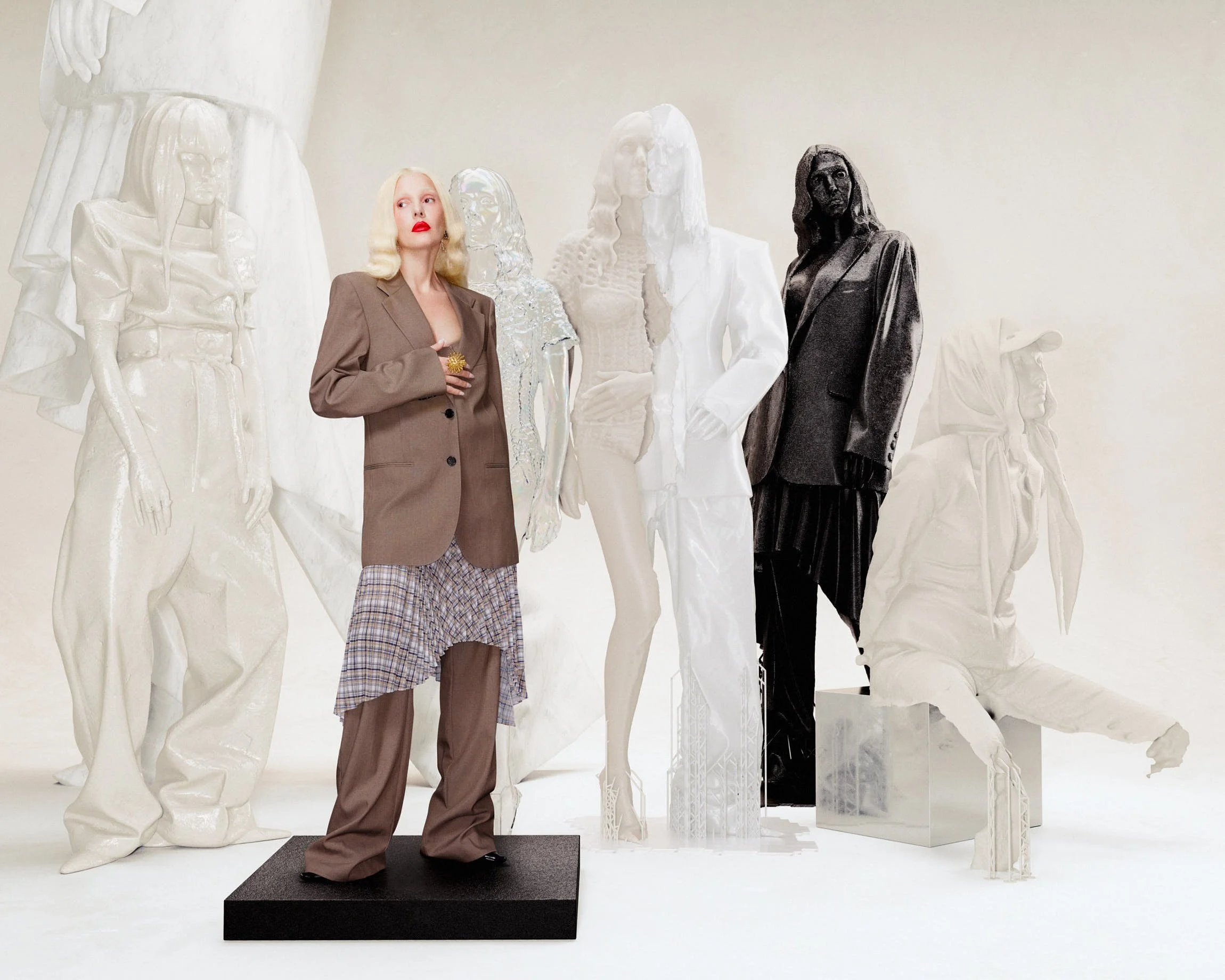
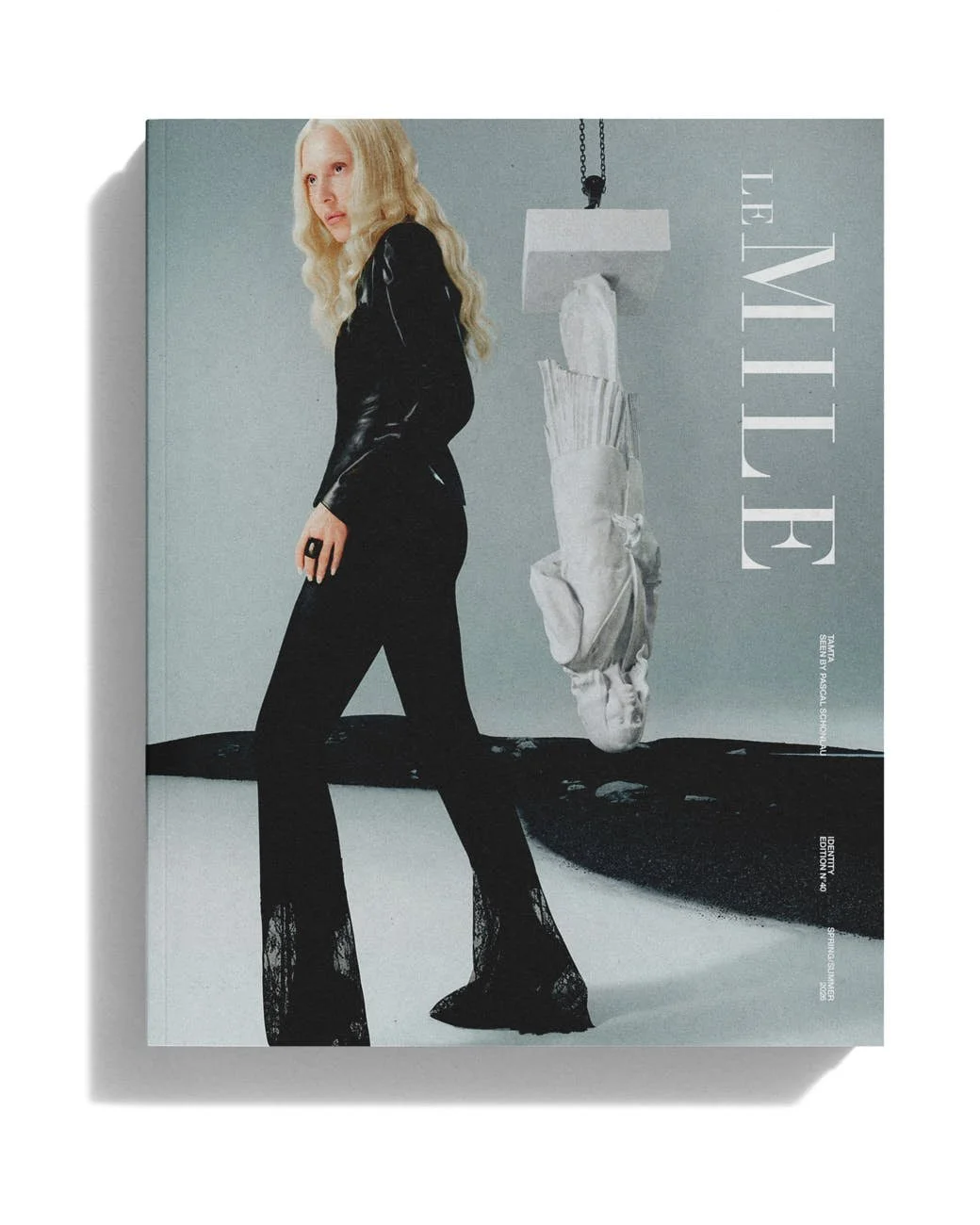
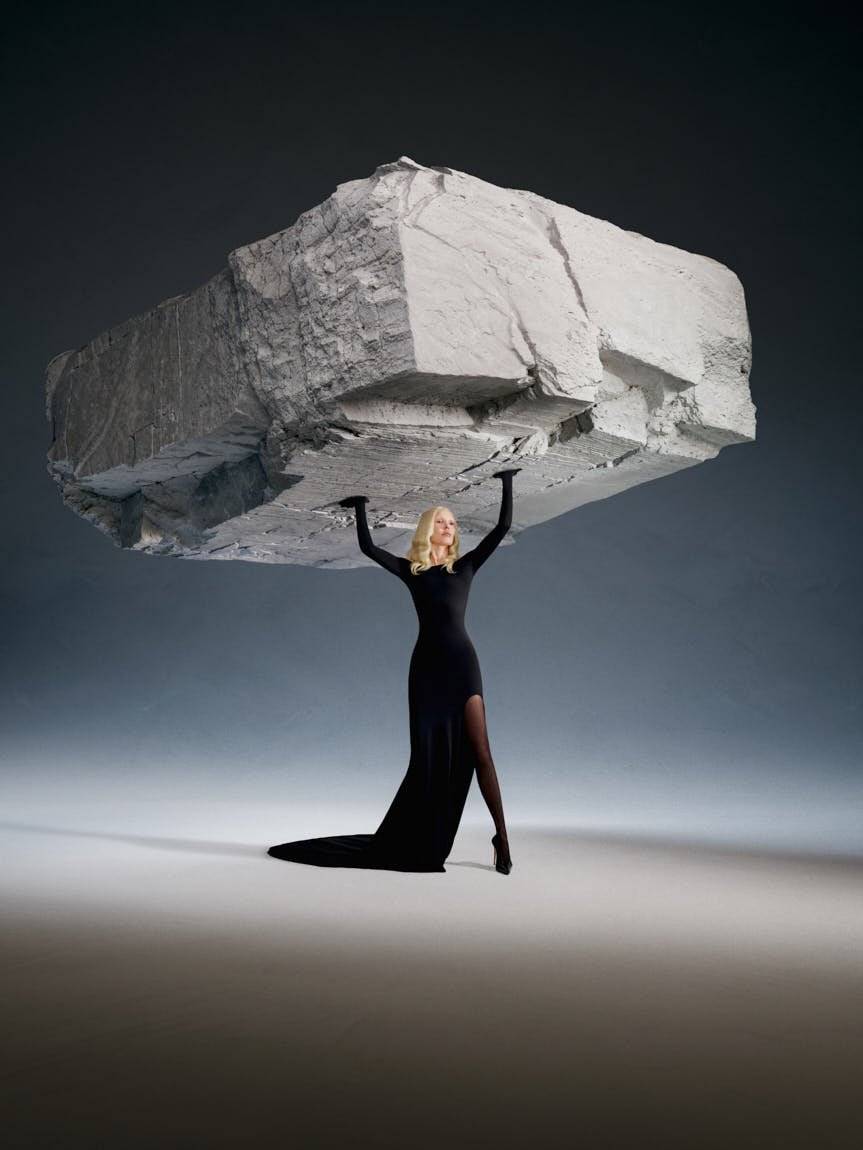
Tamta for LE MILE Magazine photo by Pascal Schonlau Issue 40 SS26 Tamta wears a total look by MILÓ MARIA


Alban E. Smajli
What do people misunderstand about you because they think they already know your story?

Tamta
I see myself as someone who has always been in motion. Experimentation & curiosity have shaped both my life and my music for as long as I can remember. I don’t experience change as a rupture, it rather feels continuous, almost quiet.

What often gets misunderstood is that people read this evolution as a reaction, as if I woke up one day and decided to reinvent myself out of nowhere. In reality, I’ve been exploring quietly for years. The difference now is visibility. I’m allowing my instincts, my curiosity, and even my contradictions to exist out in the open. What appears sudden from the outside is simply me removing the filter.

Finish this sentence without thinking too long:
My identity collapses when...

My identity collapses when I stop listening to my instinct and I start performing to expectations. My instinct allows me to express my art as I see fit & be authentic. I think this authenticity is an element that is deeply appreciated by my fanbase.

When you made IDENTITY CRISIS (2023) and later THE VILLAIN HEROINE (2025), what changed most in how you saw yourself?

Both of these LPs mark a period where I stopped relying on commercial formulas as a way of survival and started following my own instincts instead. I allowed myself to explore what I personally love, what excites me, and what truly expresses me, without limits or expectations.
I took full creative control of my music and built a trusted team of passionate minds who share my drive. Through this process, I began to see myself more clearly, and that clarity translates into power and into music that can move people and spark emotion. What I’ve been doing over the past few years, without idealizing it, brings me genuine joy, fulfilment, and a sense of alignment that feels deeply personal.

Do you remember the first moment you realized reinvention could be a weapon?

I’ve always known there’s strength in reinvention. It’s not something exclusive to music, we all do it constantly, often without realizing it. That’s how we evolve and grow. For me, reinvention isn’t the weapon itself; it’s the power to decide when and how to use one to fight for your art and your personal evolution.
I don’t believe things are meant to stay the same for too long. Stagnation drains meaning, and I’m not someone who feels fulfilled by repeating what already exists.

If your next album had to erase one thing people associate with “Tamta,” what would it remove?

I wouldn’t want to erase anything. What people associate with “Tamta” forms the context through which my artistic vision is read. It’s all part of me, interconnected, and removing one part would inevitably shift the balance.

When you walk on stage, what do you want the audience to feel before the music starts?

Before anything else, I want to feel present myself. The stage is a safe space for me, a place where I can express parts of myself that don’t always have room in everyday life. I feel free there, unfiltered, able to move through emotion honestly and without effort. Everything begins from within, and once I’m grounded in that state, the rest can unfold naturally.
For the audience, I hope that translates into curiosity and openness, a sense that something real is about to happen. I want them to be fully in the moment with me. This isn’t meant to be consumed from a distance or behind a screen: it’s a shared experience that only exists while it’s happening.


Tamta for LE MILE Magazine photo by Pascal Schonlau Issue 40 SS26 Tamta wears dress by CRITTER and shoes by MAISON MARGIELA

Tamta wears dress by CRITTER and shoes by MAISON MARGIELA

 
Tamta for LE MILE Magazine photo by Pascal Schonlau Issue 40 SS26 Tamta wears dress by CRITTER


Silence, spectacle, or control — which one scares you most?

None of them truly scare me. Silence and control are both essential tools in my work, silence keeps me connected to my inner world, and control allows me to protect my vision. If I had to choose, I’d say spectacle is the one I approach with the most awareness. I don’t see it as something shallow or negative. Shock and intensity can be powerful ways to reach people, depending on the intention behind them. For me, spectacle only matters when it serves the emotion and the idea, not when it exists on its own.

Where did you feel more free to take risks — as the villain or the heroine?

As the Villain Heroine. The two aren’t opposites — they feed and complete each other. As long as I’m allowed to exist in both, risk becomes natural. That tension is where my freedom comes from.

Is there a genre or visual aesthetic that doesn’t feel right for you, even if they might work commercially?

I can’t quite pick a genre but what never felt right to me was a purely commercial approach: visually or musically. For many years, I was trying to balance my own creative instincts with the need to survive within a commercial system, without losing myself in the process.
Most of my discography is in the Greek language, while I have also worked in English at times—through fully English songs or by blending English lyrics into Greek ones. In recent years, I’ve allowed other elements that feel deeply personal to enter my work, especially Georgian influences, sometimes in the production, sometimes in the way I approach vocals, particularly when I sing in Georgian.
At the same time, the music I’ve been creating in Greek might not be considered disruptive on a global scale, but within the local context, I believe it represents something genuinely forward-thinking for the Greek pop scene. Now that I’m no longer creating from a place of survival, I feel freedom in my expression. That freedom has brought me a deeper sense of fulfilment, one that matters to me more than conventional ideas of success.

Which part of your biography comes up again and again in interviews?

The beginning of my story comes up again and again, especially my life in Georgia before moving to Greece, and then the moment of starting over in a new country. I understand why journalists return to it; the idea of someone arriving under difficult circumstances and building a place in the music industry is a compelling narrative.
At the same time, after so many years, returning to the same questions can feel limiting. I’m more interested in who I’m becoming now and where I’m headed. That’s why I appreciate interviews like this one, they allow space for evolution rather than repetition.

Imagine someone copying your aesthetic perfectly. What would they still get wrong?

In a world where images and sounds circulate constantly and are accessible to everyone, it’s natural that references overlap. We’re all exposed to the same stimuli, often unconsciously, and traces of existing work can surface without intention. That has always been the case, even before everything lived on a screen.
Of course, there are moments when imitation is intentional and obvious, and that can feel unfair to the depth of someone’s creativity and to the artist behind it. But for me, the real distinction isn’t about copying, it’s about approach. Inspiration can be respectful and even honouring, but it only becomes meaningful when it’s filtered through something personal. What matters is how you transform what you’ve absorbed, how much of yourself you allow into it, and whether it becomes something truly your own.

My aesthetic is rooted in spontaneity and instinct and it often comes together in the moment and reflects where I am emotionally at that time. By the time something could be replicated, I’ve already moved on. If my work ends up inspiring other artists, I see that as something positive. It can only be taken as a compliment.

If identity is a performance, who or what are you performing against right now?

I am performing against staticness. My work lives in movement, change, and constant reinvention, where nothing is meant to settle for too long.

Looking ahead to 2026, what can you say about the direction of your next album — and whether it will revolve around a new identity or character?

I’m very excited about what’s coming next. I can’t say much yet, but I can say that this time we’re going harder and more aggressive, while expanding into new genre territory. The next album will be primarily in English, but it will still carry elements that are deeply part of my Greek and Georgian influences, woven naturally into the sound.

It’s not about creating a new character as much as revealing more layers of myself.

 
Tamta for LE MILE Magazine photo by Pascal Schonlau Issue 40 SS26 Tamta wears top and briefs by ONATERI and shoes by MARTINE ROSE

Tamta wears top and briefs by ONATERI and shoes by MARTINE ROSE

 
Tamta for LE MILE Magazine photo by Pascal Schonlau Issue 40 SS26 Tamta wears total look by MILÓ MARIA

Tamta wears total look by MILÓ MARIA


Tamta for LE MILE Magazine photo by Pascal Schonlau Issue 40 SS26 Tamta wears dress by RAY CHU and shoes by MAISON MARGIELA

Tamta wears dress by RAY CHU and shoes by MAISON MARGIELA


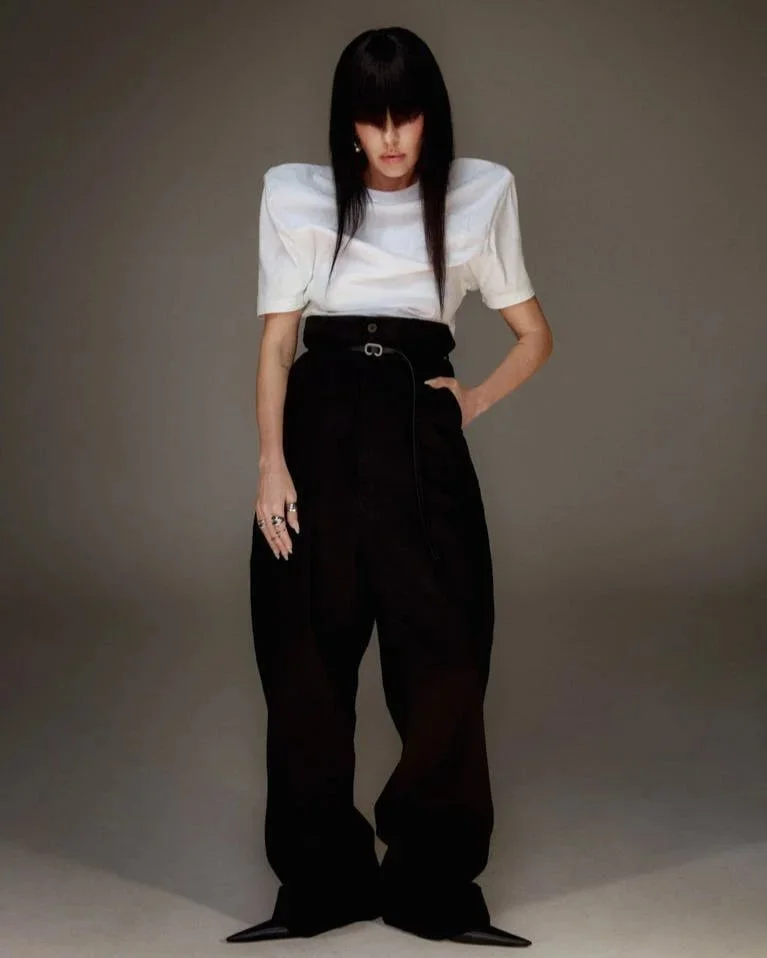
Tamta wears top and trousers by ISSEY MIYAKE and shoes by MARTINE ROSE


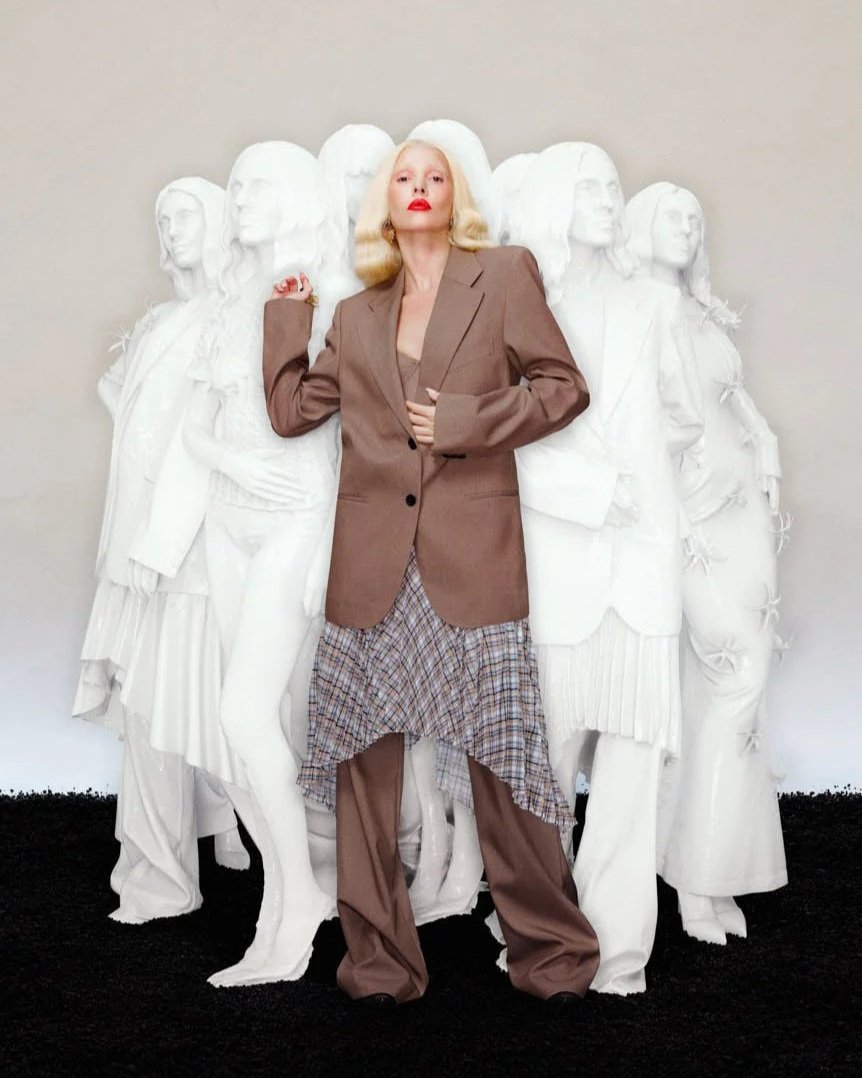
Tamta wears a total look by ACNE STUDIOS


credits
all Images (c) LE MILE
and Pascal Schonlau

SS26 Menswear -  Old Spin, New Classics with Taylor Phillips

SS26 Menswear - Old Spin, New Classics with Taylor Phillips

.digital

After Roaming On The Digital Aether, Taylor Phillips Now Walks On Solid Ground


written CHIDOZIE OBASI


In a world permeated by downturns and saturation that shape society with increasingly ferocious pace, carving out a personal lane with fierce, unapologetic demeanour is no mean feat. However, one’s journey may be shaped with hard-hitting and defiant steps, which, in turn, lead to thematically varied outcomes. Such is the case with Taylor Phillips, the New York city multihyphenate who’s worn a lot of hats over the years.


“I’ve spent more than a decade sharing my life online,” he tells LE MILE’s Fashion Market Director, Chidozie Obasi, the moment they settle into conversation. “What started as a kid from a small Midwestern town moving to New York to pursue modeling eventually evolved into a career built around storytelling,” he confesses. “Along the way, I’ve shared everything from coming out publicly and navigating relationships to building a business and creating a life that feels authentic to who I am.” Over that time, Phillips built a broad community across his platforms, and that has shaped the way he approaches everything he undertakes. “Whether it’s content, creative direction, or brand building, I’m always thinking about connection first,” he says. “That’s ultimately what led me to launch GoodPark. In many ways, the brand feels like a culmination of everything I’ve learned over the last ten years—about storytelling, community, identity, and creating experiences that people want to be part of.” But there’s more to the story, which you’ll probably read here first. You’re welcome.


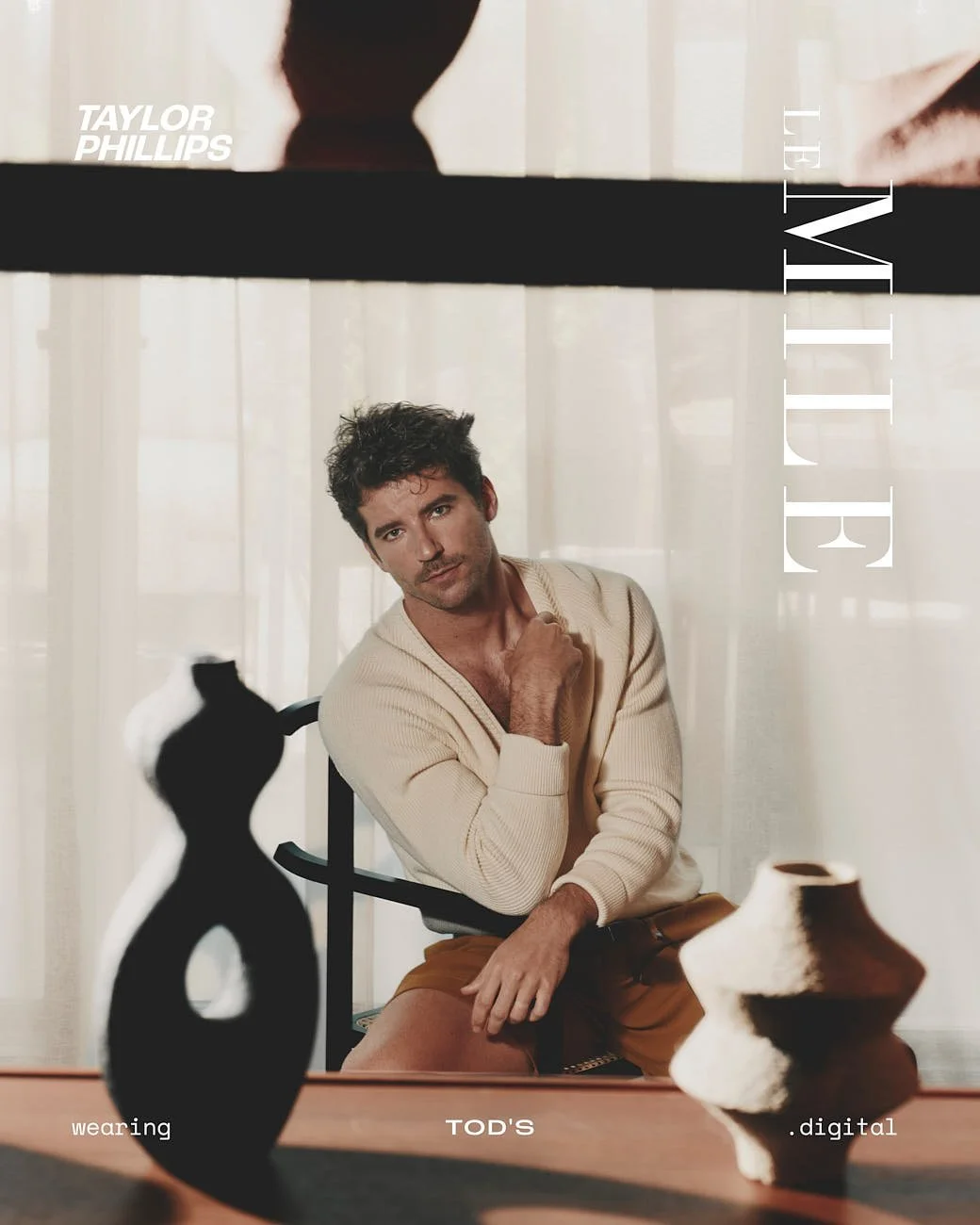
Taylor Phillips LE MILE Magazine Digital Cover SS26 wearing Tods


Chidozie Obasi
How’s the past year been for you?

Taylor Phillips
The past year has been both exciting and transformative. Last year, GoodPark launched its first swim collection and the response exceeded anything we could have hoped for. Since then, we’ve spent the year expanding the brand, refining our point of view, and building something that feels much bigger than swimwear. What excites me most is that GoodPark has evolved into a lifestyle brand with a very clear perspective. We’ve expanded our product offering, strengthened our community, and spent a lot of time defining what we want the brand to stand for. On a personal level, it’s also been a year of reflection. After spending more than a decade creating content online, I’ve become increasingly interested in building something lasting. Social media moves incredibly fast. A post exists for a day, maybe a week if you’re lucky. Building a brand feels different. You’re creating something people can physically experience and hopefully carry with them for years.

When did you first realise you wanted to go into the fashion space?

It happened in a pretty roundabout way. I don’t think I fell in love with fashion first—I fell in love with imagery. I was fascinated by photography long before I ever considered fashion as a career. Growing up in the late ‘90s and early 2000s, I remember waiting for catalogues to arrive in the mail. J.Crew, Lands’ End, Abercrombie & Fitch—they weren’t just selling clothes, they were selling worlds. Their campaigns felt like moments I wanted to step into. At the same time, I was obsessed with pop culture. I grew up watching America’s Next Top Model and the Victoria’s Secret Fashion Show. I still remember seeing Gisele Bündchen in Taxi and being completely captivated by her presence. Fashion entered my life through modeling, but what kept me interested wasn’t necessarily the clothing. It was storytelling.Modeling exposed me to branding, photography, creative direction, and the way great brands create emotional connections with people. I became fascinated by the idea that a product could be a vehicle for something much bigger than itself. That’s ultimately what pulled me into such a space.

Could you unpack any key reference points you look at when finding inspiration, and talk us through the influences you had while growing up?

Honestly, most of the influences that shaped me came later in life. I grew up in a very blue-collar, industrial town, and my exposure to the creative world was fairly limited. It was often the little things—a catalogue arriving in the mail, a magazine, eventually getting access to the internet—that made my world feel bigger. We had an Abercrombie & Fitch at our local mall, and I was obsessed with those campaigns. I used to save the shopping bags and hang them on my bedroom walls because I was so drawn to photography. Looking back, that was probably one of the first signs that I was interested in visual storytelling. As I’ve gotten older, my sources of inspiration have shifted. I’m endlessly fascinated by people and the stories they carry with them. I love hearing what someone remembers about their childhood, a place they grew up, a summer they can’t forget, a song that reminds them of someone. Those small details often inspire me more than traditional fashion references. That’s very much the world GoodPark lives in. We’re not interested in nostalgia for nostalgia’s sake. We’re interested in memory—how certain moments stay with us and continue shaping who we become.

If your path had to be described in a manifesto or summed up as a story, how would you best go about it?

I’d describe it as a story about becoming comfortable taking up space and staying open to possibility. For a long time, I was trying to fit into versions of myself that other people expected—professionally, personally, creatively. The biggest turning point in my life happened when I stopped doing that and I’ll be the first to admit it’s something I could be better at. Coming out publicly, sharing my relationship online, leaving a traditional career path, starting a business—each of those moments required becoming more comfortable being seen. If there’s a common thread throughout everything I’ve done, it’s the belief that authenticity compounds. The more honest you become about who you are, the more opportunities you create for meaningful connection with other people.

Speaking of your brand, what urged you to create it in the first place and where did the initial concept come from?

GoodPark started from a desire to create community. Years ago, I launched a small collection of apparel with positive messages and affirmations. What surprised me wasn’t the products themselves—it was how strongly people responded to the feeling behind them. People weren’t buying a t-shirt because they needed another t-shirt. They were buying into a sense of belonging and shared values. That idea stayed with me. Over time, it evolved into GoodPark.

Today, the brand is inspired by the feeling of summer—not necessarily a season, but a state of mind. Long days with friends, spontaneous adventures, human connection, and the freedom to be fully yourself. The products matter, but they’re really vehicles for a bigger emotional experience. At its core, GoodPark is about creating things that help people feel moreconnected—to themselves, to each other, and to the moments they’ll remember years from now.

 
Taylor Phillips LE MILE Magazine Digital Cover SS26 Taylor wears a jacket by LOUIS VUITTON, shirt by CELINE, pants by DSQUARED2, shoes by CHURCH’S and tie by ETRO

Taylor wears a jacket by LOUIS VUITTON, shirt by CELINE, pants by DSQUARED2, shoes by CHURCH’S and tie by ETRO

Taylor Phillips LE MILE Magazine Digital Cover SS26 Taylor wears a total look by PRADA

Taylor wears a total look by PRADA


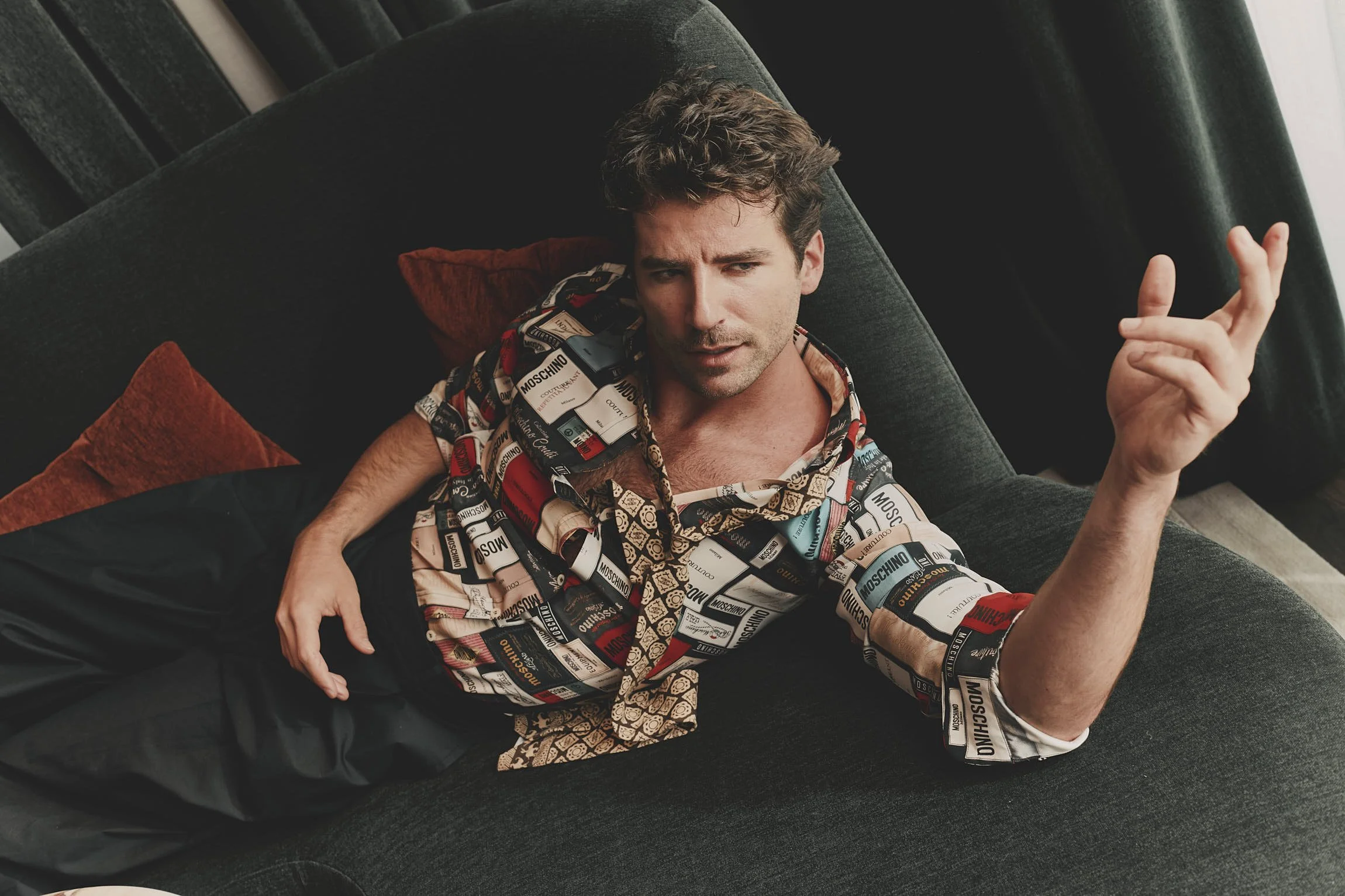
Taylor Phillips LE MILE Magazine Digital Cover SS26 Taylor wears shirt and pants by MOSCHINO and tie by CELINE

Taylor wears shirt and pants by MOSCHINO and tie by CELINE


Walk me through your creative process, or even your own background in branding and design.

I don’t come from a traditional design background, which I actually think has been an advantage. My background is in content creation and audience building. For more than ten years, I’ve spent every day paying attention to what captures people’s attention, what creates emotion, and what makes someone feel connected to an idea. When I’m developing something for GoodPark, I almost never start with the product. I start with a feeling. I’ll ask questions like: What memory does this evoke? What does this moment feel like? Who is this person? Where are they? What are they listening to? Who are they spending time with? I like to zoom out and build the entire world before focusing on the individual pieces inside it.

Once I understand that world, everything else starts to fall into place—the photography, the copy, the colors, the casting, the product design. I try to design from inside the experience rather than from the outside looking in.

Among a highly saturated market of both independent and established labels, what strategies do you adopt to stay afloat and continue carving out space to develop your own practice?

I think the biggest advantage smaller brands have is clarity. Large brands often have to appeal to everyone. We don’t. We have a very specific perspective on masculinity, community, memory, and self-expression. The goal isn’t to be everything to everyone. The goal is to create something so distinct that the right people immediately recognize themselves in it. I also think being a small brand gives us permission to experiment. Some things work, some things don’t, and that’s okay. I’ve spent most of my career online, where adaptation is part of survival. The digital landscape changes constantly. Algorithms change. Platforms change.

Consumer behavior changes. You learn to stay curious and keep moving. Community has also been a huge advantage. Because I spent years building an audience before launching GoodPark, the brand didn’t start from zero. There was already trust, conversation, and shared values. We launched with built-in support, and that’s something I’ll never take for granted.

And are you hoping to scale the brand further?

Absolutely. The long-term vision has never been limited to swimwear. I see GoodPark becoming a complete lifestyle brand that extends into apparel, hospitality, experiences, and community. The brands I admire most aren’t simply selling products—they’re creating worlds that people genuinely want to be part of. That’s what we’re building. I don’t necessarily measure success by how many products we sell or how quickly we grow. I measure it by whether we’re creating something meaningful enough that people want to keep coming back to it. If we can do that, growth tends to follow naturally.

Any exciting projects for the future?

We’re currently expanding beyond our core swim category while continuing to refine GoodPark’s identity and visual world. I’m also incredibly excited about bringing thecommunity together in real life. Some of the most meaningful connections happen offline, and I think there’s a huge opportunity to create experiences that feel just as intentional and memorable as the products themselves. That said, there will always be another project. There will always be another launch, another idea, another thing on the horizon. What I’m actually trying to get better at is slowing down enough to appreciate what’s happening right now. I’ve spent most of my life with my foot firmly on the gas pedal. I’m always looking ahead, thinking about what’s next, chasing the next goal. Lately, I’ve been learning the value of pausing and taking it all in. So while I’m excited for what’s coming, I’m equally excited about becoming better at appreciating what’s already here.

 
Taylor Phillips LE MILE Magazine Digital Cover SS26 Taylor wears a total look by LORO PIANA

Taylor wears a total look by LORO PIANA

Taylor Phillips LE MILE Magazine Digital Cover SS26 Taylor wears vest by PAUL SMITH, shirt by ETRO, pants by SETCHU and shoes by AQV A ALTA

Taylor wears vest by PAUL SMITH, shirt by ETRO, pants by SETCHU and shoes by AQVA ALTA


Taylor Phillips LE MILE Magazine Digital Cover SS26 Taylor wears jacket by CANALI, shirt by ISABEL MARANT, pants by RANDOM IDENTITIES by Stefano Pilati and shoes by AQV A ALTA

Taylor wears jacket by CANALI, shirt by ISABEL MARANT, pants by RANDOM IDENTITIES by Stefano Pilati and shoes by AQVA ALTA


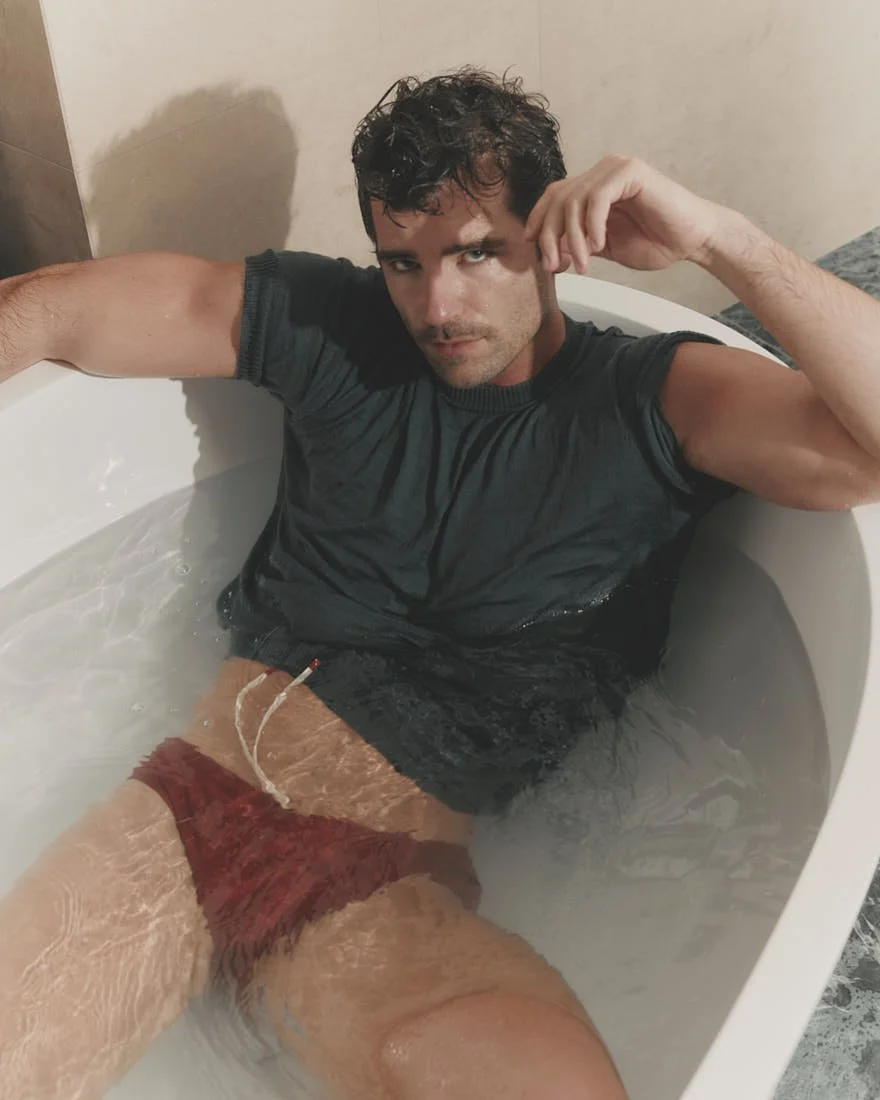
Taylor Phillips LE MILE Magazine Digital Cover SS26 Taylor wears t-shirt by SON OF A TAILOR and swimwear by GOODPARK

Taylor wears t-shirt by SON OF A TAILOR and swimwear by GOODPARK

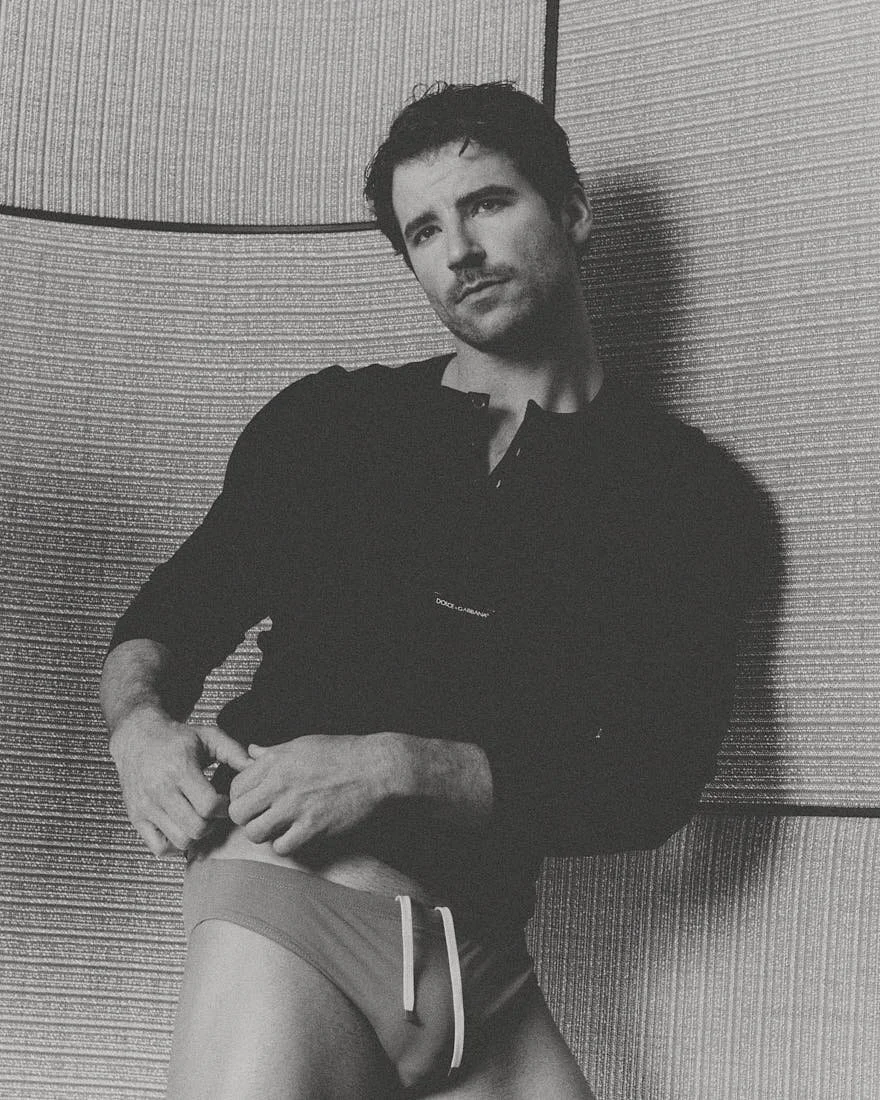
Taylor Phillips LE MILE Magazine Digital Cover SS26 Taylor wears henley shirt by DOLCE&GABBANA and swimwear by GOODPARK

Taylor wears henley shirt by DOLCE&GABBANA and swimwear by GOODPARK


PARK HYATT MILAN
Located in the heart of Milan’s historic centre, Park Hyatt Milano has stood for Italian luxury hospitality for over two decades. Recently refurbished by Flaviano Capriotti Architetti, the hotel combines contemporary Italian design with bespoke experiences and refined suites inspired by the city’s landmarks. The Montenapoleone Suite looks out directly onto the Milan skyline thanks to its spacious panoramic terrace, spanning 180 square metres with an outdoor area of 35 square metres.

— visit Hyatt.com for more information.


photography STEFANO SCIUTO
fashion market director + stylist CHIDOZIE OBASI
contributing fashion editor EDWARD PUSCA
head of production JESSICA LOVATO
fashion coordinators FILIPPO CANCELLIER + ALBERTO MICHISANTI
make up MARTA CUPAIOLI via MKS MILANO
hair FUJIWARA TAKAHASHI via MKS MILANO
talent TAYLOR PHILLIPS
photography assistant GENNARO ANDREOLI
fashion assistants ISABELLA RUIZ + CHARISSE ORDINARIA + ANGELINA PERSIANI + LOUIS VEDERE
 

credits
all Images (c) LE MILE
and Stefano Sciuto

SS26 Menswear -  Why Sebastiano Pigazzi Keeps It Private

SS26 Menswear - Why Sebastiano Pigazzi Keeps It Private

.digital

Why Sebastiano Pigazzi Keeps It Private


written CHIDOZIE OBASI


Sebastiano Pigazzi is busy. Perhaps it’s the grind of travel and time zones. The script-scanning and the self-tapes. Or maybe it’s the time commitments of interviews like this one, done over the past year. “I try not to think about it too much, but I did things that I haven’t done before,” Pigazzi reflects.


“For example, I put up my own play that I wrote, directed and starred in along with nine other cast members: It was an enthralling experience that taught me so much,” he confesses. One might imagine that his current career reality is the result of some meticulously devised strategy: oscillating between characters, networks, and cast types to showcase a very well-honed creative range. But there’s more to the story: The Boston-born, Rome-hailed actor — raised between New York and Los Angeles — made his screen debut in Luca Guadagnino's We Are Who We Are (2020), where he played Enrico, before joining as Steve in Elisa Amoruso's Time Is Up (2021). Below, LE MILE’s Fashion Market Director grabs five with the actor, unpacking all things creativity and future hopes. You’re welcome.


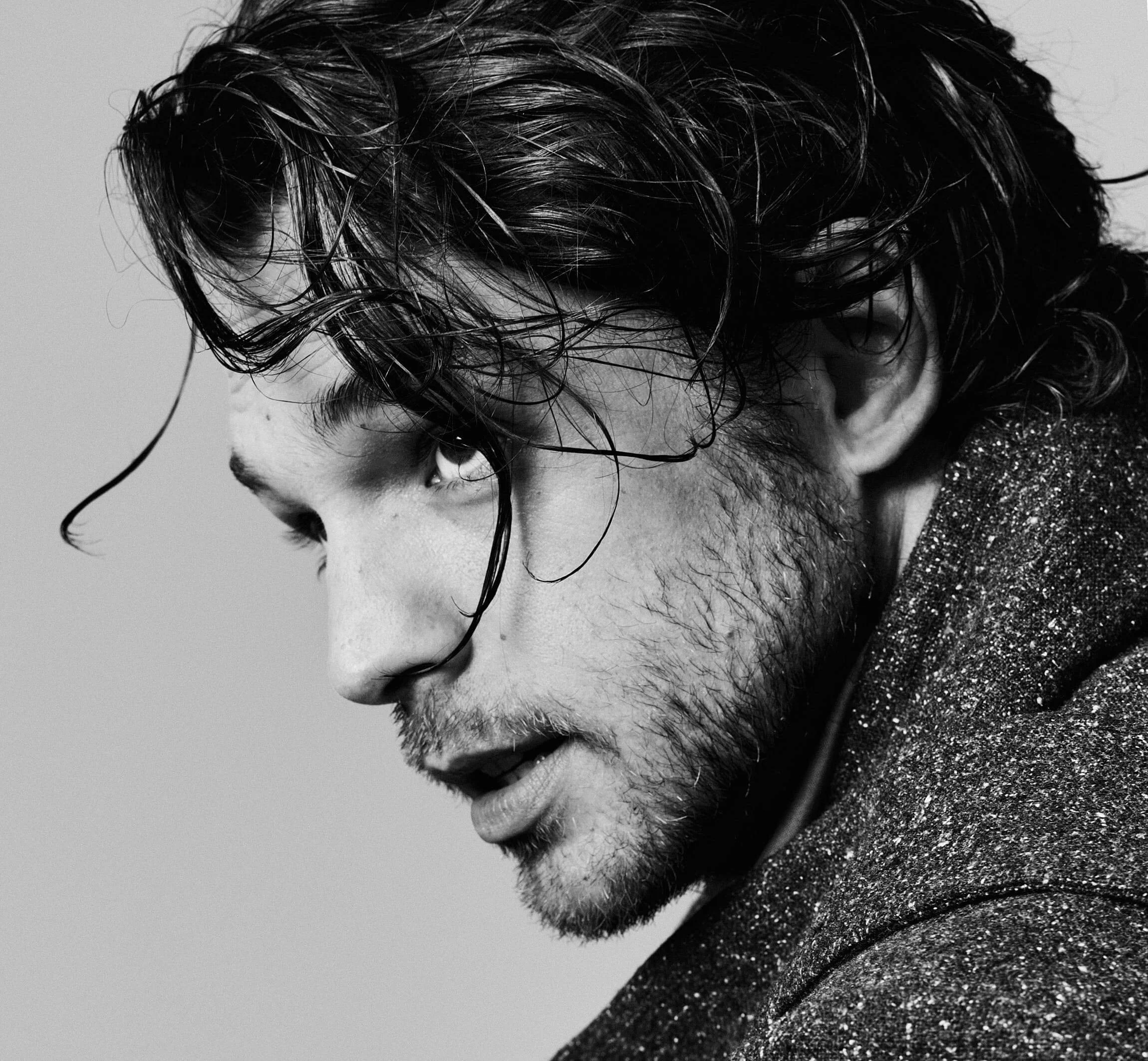
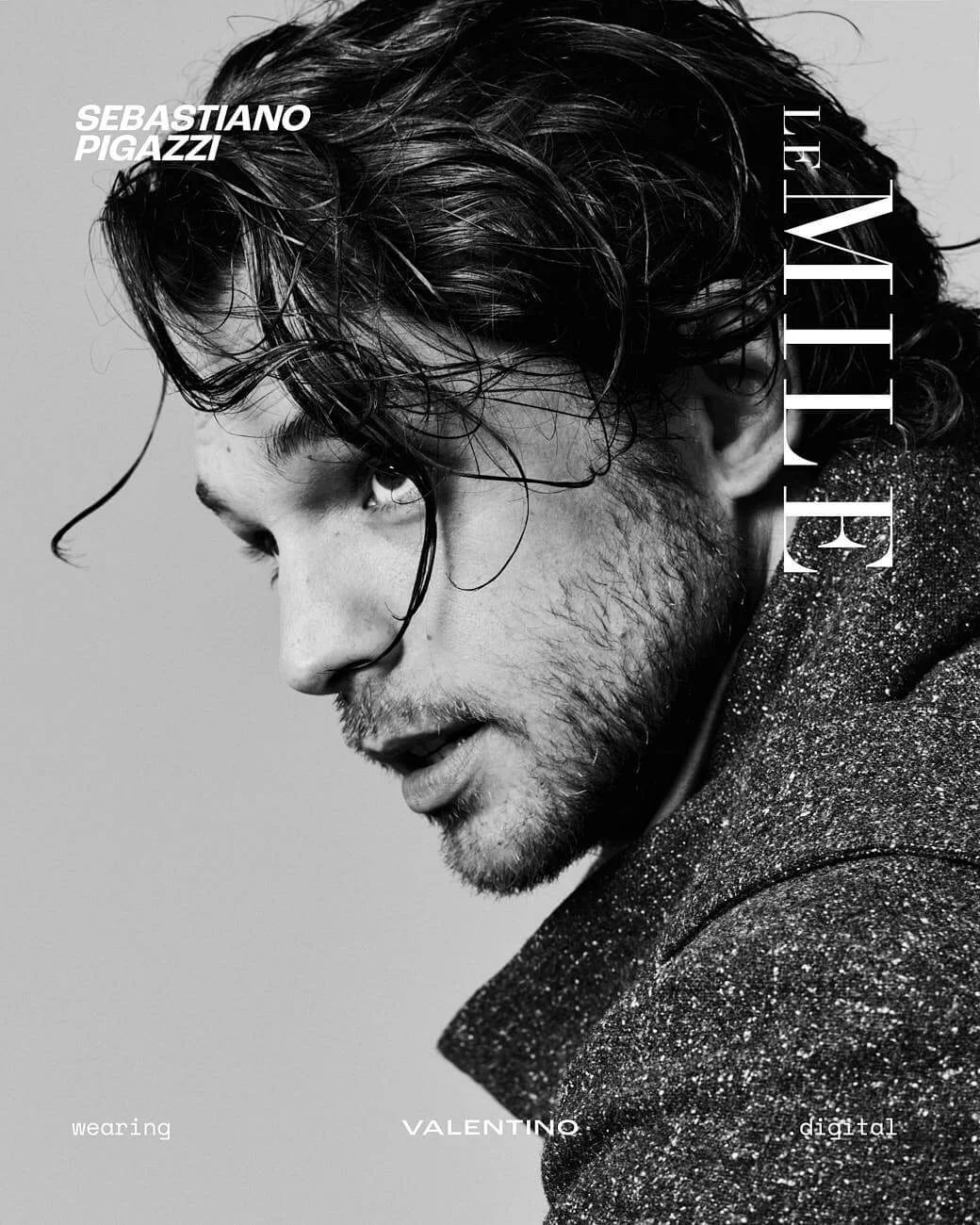
SEBASTIANO PIGAZZI Actor Interview with LE MILE Magazine SS26 fashion digital cover Sebastiano wears a total look by VALENTINO
 
SEBASTIANO PIGAZZI Actor Interview with LE MILE Magazine SS26 fashion digital cover Sebastiano wears a total look by VALENTINO

Sebastiano wears a total look by VALENTINO


Chidozie Obasi
Could you recall the first moment that you felt drawn to the creative realm?

Sebastiano Pigazzi
After watching the movie, Tootsie with Dustin Hoffman.
Leaning on to the crucial moment that changed your path forever: could you unpack it with us?

Going to college on my own and leaving my family house made me grow up very quickly and helped me understand myself better.

At a time when the social and cultural phenomena are wreaked by havoc at an increasingly ferocious pace, how do you navigate the system and stay afloat?

Use it sparingly and keep some sense of privacy.

Could you unpack your most ‘complex’, dare I say, moment of your journey?

Well, when you work, you’re happy when you don’t, you’re not. The most complex times are when there’s nothing motivating or stimulating around and I have done my best to avoid those moments.

What’s the most exciting production that you took part in?

Every production is exciting and interesting for different reasons. I don’t want a single one of them out in the fear that others might feel excluded.
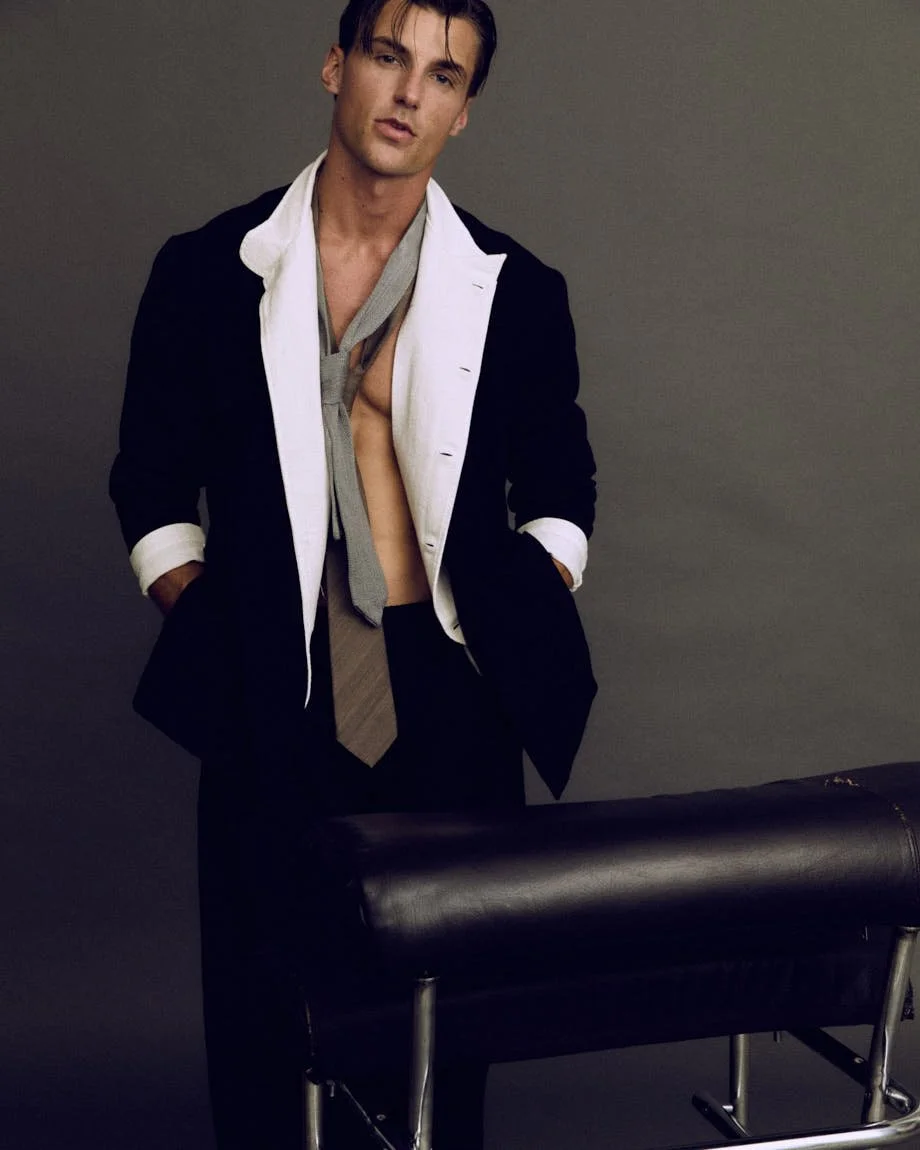
Any dream roles you’d like to have under your belt?

The ones people don’t think I can pull off.
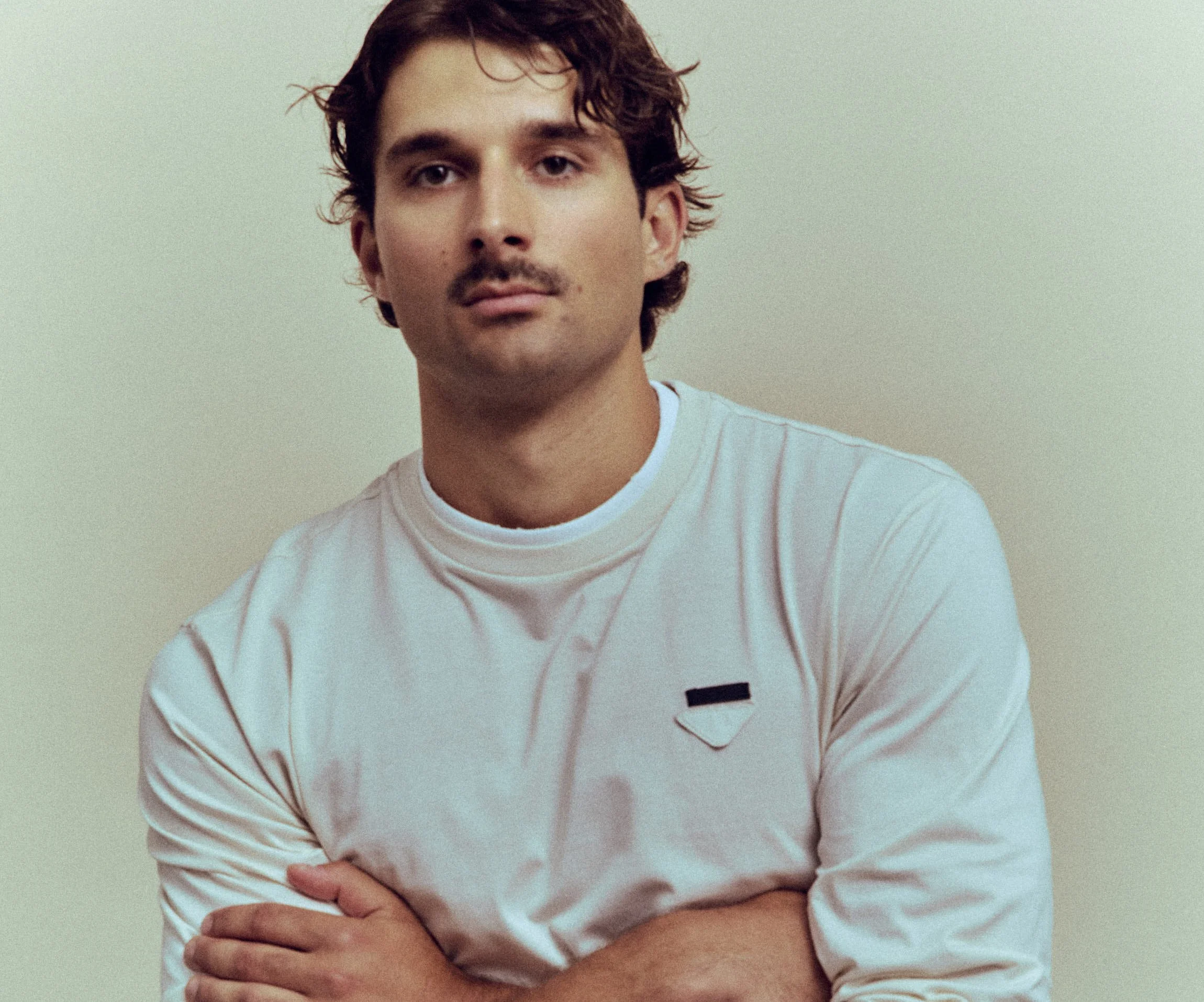
What's next for you, and where are you hoping to take your career in time to come?

I’m hoping to take my career in surprising different directions.

 
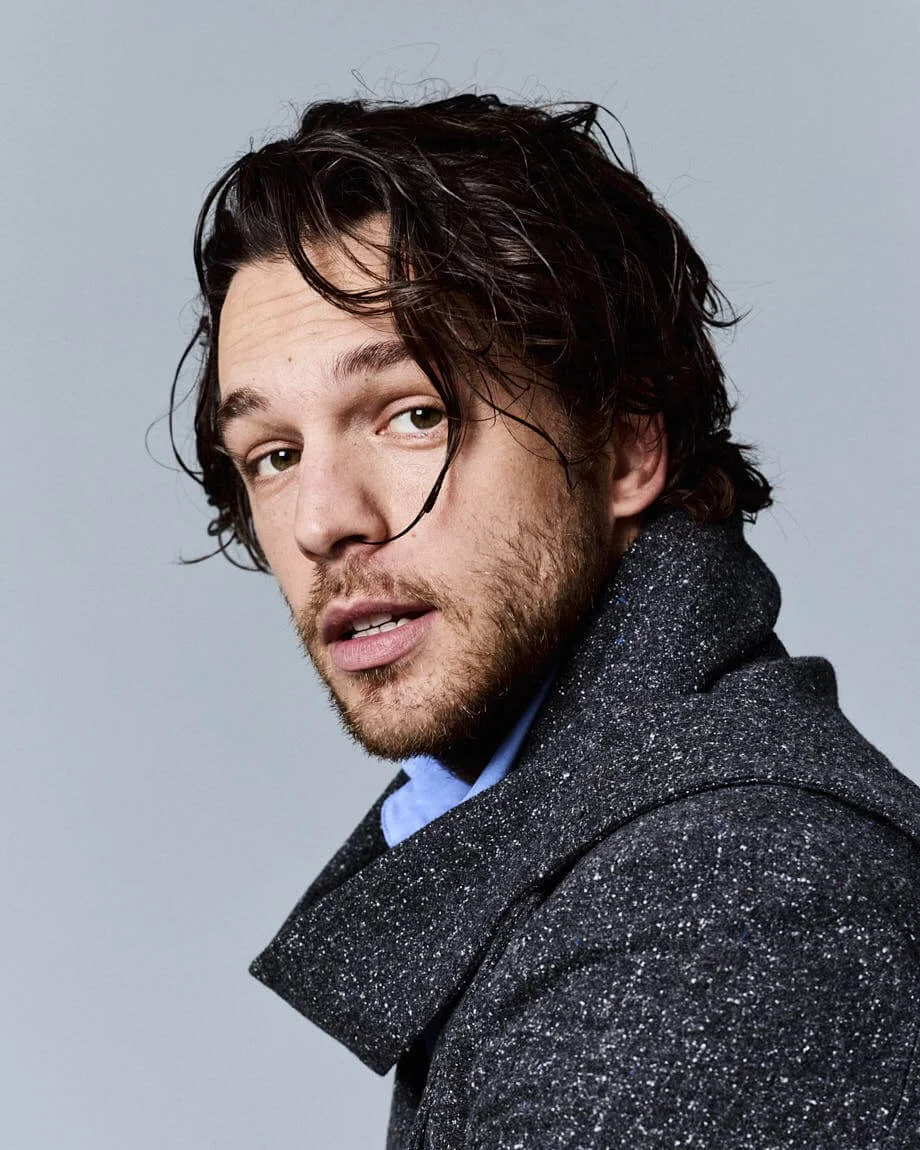
SEBASTIANO PIGAZZI Actor Interview with LE MILE Magazine SS26 fashion digital cover Sebastiano wears a blazer by TOD’S, shirt by KITON and pants by RANDOM IDENTITIES by Stefano Pilati

Sebastiano wears a blazer by TOD’S, shirt by KITON and pants by RANDOM IDENTITIES by Stefano Pilati

SEBASTIANO PIGAZZI Actor Interview with LE MILE Magazine SS26 fashion digital cover Sebastiano wears a blazer by RANDOM IDENTITIES by Stefano Pilati, shirt by PAL ZILERI and pants by QUARTO ATTO

Sebastiano wears a blazer by RANDOM IDENTITIES by Stefano Pilati, shirt by PAL ZILERI and pants by QUARTO ATTO


SEBASTIANO PIGAZZI Actor Interview with LE MILE Magazine SS26 fashion digital cover Sebastiano wears a total look by DOLCE&GABBANA

Sebastiano wears a total look by DOLCE&GABBANA


SEBASTIANO PIGAZZI Actor Interview with LE MILE Magazine SS26 fashion digital cover Sebastiano wears a total look by LORO PIANA

Sebastiano wears a total look by LORO PIANA

SEBASTIANO PIGAZZI Actor Interview with LE MILE Magazine SS26 fashion digital cover Sebastiano wears a blazer by MICHAEL KORS, shirt and pants by DIOR, shoes by BEPOSITIVE and tie by PAL ZILERI

Sebastiano wears a blazer by MICHAEL KORS, shirt and pants by DIOR, shoes by BEPOSITIVE and tie by PAL ZILERI


SEBASTIANO PIGAZZI Actor Interview with LE MILE Magazine SS26 fashion digital cover Sebastiano wears a total look by BRIONI

Sebastiano wears a total look by BRIONI


seen COSIMO BUCCOLIERI via STUDIO REPOSSI
fashion market director + stylist CHIDOZIE OBASI
head of production JESSICA LOVATO
fashion coordinator EDWARD PUSCA
make up KIM GUTIERREZ via STUDIO REPOSSI
hair GIUSEPPE LORUSSO via MKS MILANO
talent SEBASTIANO PIGAZZI
photography assistant ANTONIO CROTTI
fashion assistants DAIANA EDOSA + ANGELINA PERSIANI + LUIZA ANGELOVA + FILIPPO CANCELLIER + ALICE GAVIN
 

credits
all Images (c) LE MILE
and Cosimo Buccolieri

FW25 Menswear - He’s Fine & Classy with Jonathon Luke Baker

FW25 Menswear - He’s Fine & Classy with Jonathon Luke Baker

.digital
HE´S FINE & CLASSY
*with Jonathon Luke Baker


written + interview CHIDOZIE OBASI


It’s often hard to admit, but generally, the Italians do it better. However, one’s gotta admire the Brits for their wild romanticism and ingrained sense of cool. They’ve got the London look on lock for sure and they’re proud to often be pioneering the ‘wilder the better’ attitude, but their Italian and French counterparts tend to fall into a more poised category. On fashion terms, Brits do creative ramshackles, Italians do superfine spectacles.


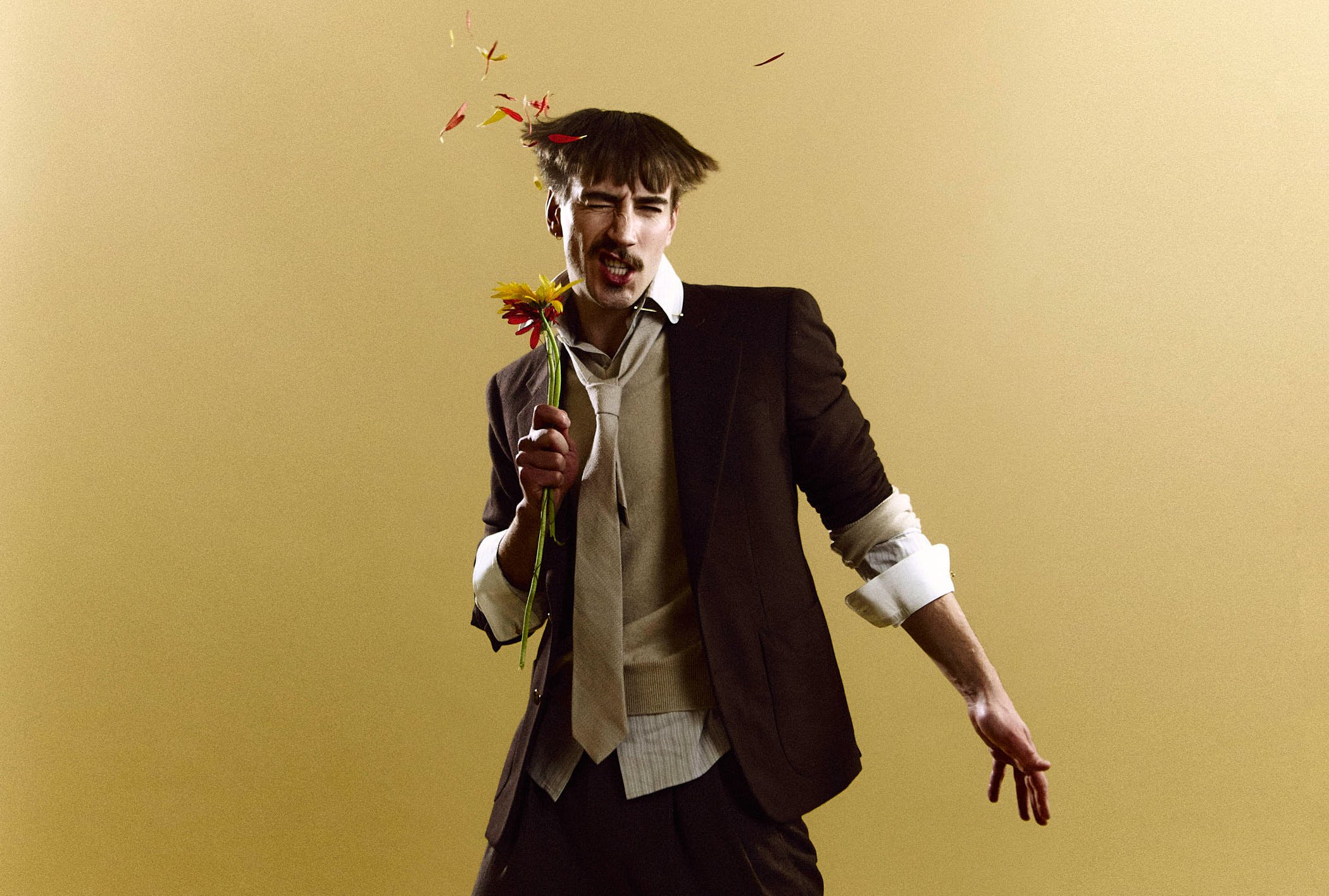
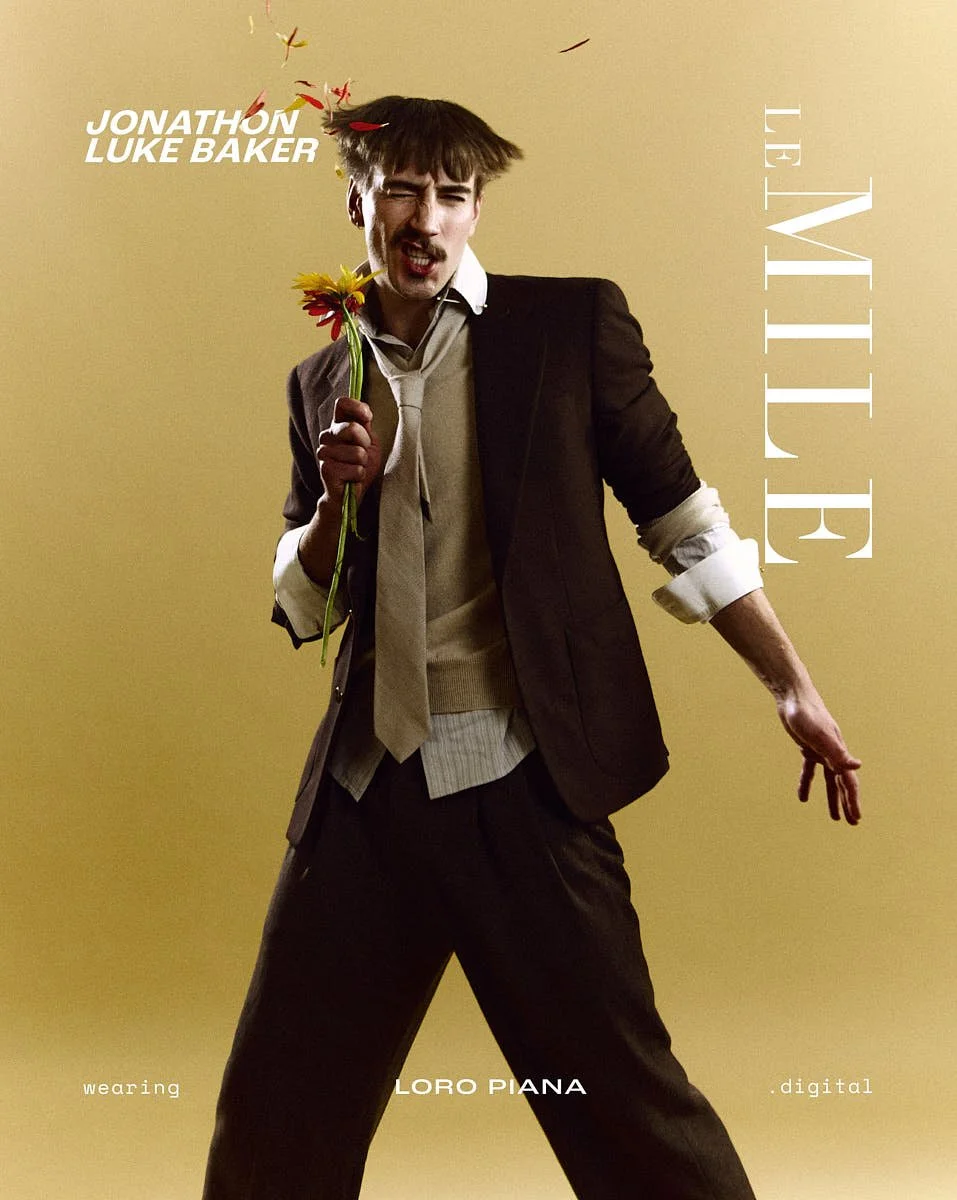
JONATHON LUKE BAKER LE MILE Magazine Digital COVER photo Cosimo Buccolieri FW25 Loro Piana

Jonathon Luke Baker wears a total look by LORO PIANA


It’s only fitting then that in this shoot, Jonathon Luke Baker — a multihyphenate based in East London — mixes his charisma and attitude with a pared-back style that veers on the edge of the familiar, with dashes of wear-anywhere coolness. If you’re not already impressed, bear in mind Baker has worked with some of the world’s most talented artists and culturally exciting figures such as Sir Matthew Bourne, Sir Bob Cohen, Arlene Phillips DBE, Wayne McGregor CBE and Sam Smith, to name a few.

Not an art fan? Shame on you. Or, better, brush up on your contemporaries through Baker’s list. In this story, fashion highlights to look out for include Valentino, Loro Piana, and Louis Vuitton. And lastly, brace yourself: LE MILE’s Fashion Director grabbed five with the artist to chat all-things career, mental health and future hopes. You’ve probably heard it here first.

 
JONATHON LUKE BAKER LE MILE Magazine Digital COVER photo Cosimo Buccolieri FW25  total look by VALENTINO

Jonathon Luke Baker wears a total look by VALENTINO

 
JONATHON LUKE BAKER LE MILE Magazine Digital COVER photo Cosimo Buccolieri FW25 blazer DIOR MEN, patterned shirt RANDOM IDENTITIES by Stefano Pilati, beige shirt FENDI, sweater EXTREME CASHMERE pants QUARTO ATTO, bag FERRAGAMO, shoes PREMIATA

Jonathon Luke Baker wears a blazer by DIOR MEN, a patterned shirt by RANDOM IDENTITIES by Stefano Pilati, a beige shirt by FENDI, a sweater by EXTREME CASHMERE, pants by QUARTO ATTO, a bag by FERRAGAMO, and shoes by PREMIATA


Chidozie Obasi
First things first: could you introduce yourself to us?

Jonathon Luke Baker
I’m Jonathon Luke Baker, a dancer and movement director based in East London. I’ve spent the past ten years performing in contemporary works, but more recently I’ve transitioned into the more commercial side of dance. When I’m not working, you’ll probably find me thrifting around Brick Lane or trying my hand at clay sculpting.


How has the past year been for you?

It’s been a year of growth. I’ve experienced the loss of loved ones, which has been a difficult but deeply human reminder to stay grateful and cherish the beauty of connection. Professionally, it’s been a blessing — I’ve been touring across Europe and the U.S. with Jessie Ware, who I adore, and I’ve continued my relationship with Jean Paul Gaultier, performing in his Fashion Freak Show in Tokyo. Creatively, it’s been a year of refinement — understanding more about my own movement language and how I like to explore the body’s potential for expression. 


What’s your earliest memory of dance?

Throwing my body around to Basement Jaxx! I’ve been twirling for as long as I could walk, but my earliest memory is forcing my family to watch me, my older brother, and my cousin perform our partially choreographed, mostly improvised, but fully committed dance shows to Basement Jaxx.


When did you realise that you wanted to make this craft a professional career?

Very early on — dance was all I ever wanted to do. The idea of growing up and actually getting paid to move my body to music was the ultimate dream. Of course, I had no real idea what the job would entail, nor did I imagine it would take me around the world. I’m grateful to have parents who had blind faith in me pursuing a path they also knew nothing about, yet supported me completely.

What would you say have been the best moments of your path thus far?

One of the most meaningful moments in my journey so far has been building a connection to Francis Menuge, Jean Paul Gaultier’s late partner, whom I portray in Jean Paul Gaultier’s Fashion Freak Show. Francis was not only Gaultier’s lover but also his creative partner — together they built the brand and presented the very first Jean Paul Gaultier collection. In the show, I even wear the original suit Francis wore in that debut in 1976. There’s a solo that depicts his death from AIDS-related complications, exploring the persistence of the disease as it consumes the body and the spirit’s struggle to keep fighting. Although my connection to him is ultimately parasocial, I feel a deep sense of care and responsibility to honour his life and death with authenticity and respect.

And how about the most challenging ones?

The hardest part of this path is maintaining closeness with my life and relationships at home. I’ve spent most of the last few years touring or on location, and I can get completely absorbed by the project I’m working on. It’s something I’m working on actively: being more intentional about staying connected to the people I love. It also makes romantic relationships tricky. On the surface, the lifestyle can look beautiful and cinematic, but in practice it can make it really difficult to build long-term intimacy.


JONATHON LUKE BAKER LE MILE Magazine Digital COVER photo Cosimo Buccolieri FW25 sweater PAUL SMITH, vest CANALI, shirt TOMMY HILFIGER, underwear DSQUARED2, shorts DSQUARED2
 
JONATHON LUKE BAKER LE MILE Magazine Digital COVER photo Cosimo Buccolieri FW25 sweater PAUL SMITH, vest CANALI, shirt TOMMY HILFIGER, underwear DSQUARED2, shorts DSQUARED2

Jonathon Luke Baker wears a sweater by PAUL SMITH, a vest by CANALI, a shirt by TOMMY HILFIGER, underwear by DSQUARED2, and shorts by DSQUARED2


After stints in ballet, you pivoted to a more commercial route… Do you feel nostalgic about your ballet background?

I love ballet deeply, but it feels like another lifetime. As I grew into myself, I realised the way ballet often tells stories didn’t align with the kind of emotional language I wanted to express. The discipline required to pursue ballet at a high level didn’t match the way I like my life and art to breathe and move. Getting to be in the audience to watch loved ones dancing leading roles at the Royal Opera House fills me with so much pride — it’s a joy to appreciate the art form intimately without needing to live inside it anymore.

Is there anything you’d do differently? Do you feel you’re where you wanted to be?

My biggest real regret is not taking GCSE French! My teacher discouraged me because she thought I’d lower her average grade, which still makes me laugh. Now, after spending so much of my career in Paris and performing at Folies Bergere in a Circus Erotica show called Fantasma, I wish I’d cared less about her statistics. I’ve just started learning again on Duolingo, so redemption is happening slowly! My career has never followed the path I imagined, but it has led me to experience my younger self couldn’t have dreamed of. Tomorrow I land in New York to perform Quadrophenia on Broadway with Pete Townshend and Ansel Elgort. That was never on any five-year plan. But I’ve learned that the most beautiful parts of this career are often the detours.

Have you always maintained stable mental health, or were there doubts and difficult times?

I’ve definitely had low periods. I work mostly in dance and fashion and both are visual worlds — you spend so much time in front of a mirror or surrounded by models who are impossibly beautiful. It’s very easy to slip into comparison. And comparison really is the thief of joy, though she has a way of feeling seductive. Over time, I’ve learned to focus on what I uniquely bring to the room — the perspective, the expression, the humanity — rather than trying to match or mirror what someone else is.

In a world shaped by downturns and social unrest, how do you see the future of the arts?

I think creativity becomes even more vital in times of uncertainty. Art helps us feel less alone, and sometimes it allows us to escape long enough to breathe. In a changing world of social tension, I hope the arts can continue to bring people back to each other — to remind us that every person deserves to be valued, especially those who are pushed to the margins because of their identities.


JONATHON LUKE BAKER LE MILE Magazine Digital COVER photo Cosimo Buccolieri FW25 coat by FENDI, a jacket by LOUIS VUITTON, a cardigan by BRIONI, a shirt by ZEGNA, a shirt by ISSEY MIYAKE, pants by ANDREADAMO, and shoes by FABI

Jonathon Luke Baker wears a coat by FENDI, a jacket by LOUIS VUITTON, a cardigan by BRIONI, a shirt by ZEGNA, a shirt by ISSEY MIYAKE, pants by ANDREADAMO, and shoes by FABI


JONATHON LUKE BAKER LE MILE Magazine Digital COVER photo Cosimo Buccolieri FW25 vest DSQUARED2, shorts LOUIS VUITTON, jeans DIESEL
 
JONATHON LUKE BAKER LE MILE Magazine Digital COVER photo Cosimo Buccolieri FW25 vest DSQUARED2, shorts LOUIS VUITTON, jeans DIESEL

Jonathon Luke Baker wears a vest by DSQUARED2, shorts by LOUIS VUITTON, and jeans by DIESEL


credits
all Images (c) LE MILE /
Cosimo Buccolieri


photography COSIMO BUCCOLIERI
fashion direction + styling CHIDOZIE OBASI
head of production JESSICA LOVATO
fashion coordination ALBERTO MICHISANTI + EDWARD PUSCA
make up DIANA DJURDJEVSKI via STUDIO REPOSSI
hair DAVIDE NUCARA
film SARA FINEZZO
model JONATHON LUKE BAKER

FW25 Menswear - Soft Rebellion
 with Edu Roman

FW25 Menswear - Soft Rebellion
 with Edu Roman

.digital
SOFT REBELLION 

*with Edu Roman


written + interview CHIDOZIE OBASI


Hot on the heels of his first TV show and a sweeping modeling career under his belt, the model and entrepreneur peels back the curtain on life, path and future hopes—all while becoming the embodiment of what makes a public figure beloved: a rare mix of kindness, grace and warmth.


In simple words, Edu is a breath of fresh air in an industry that, at times, feels bone-dry. So dive into the conversation below, as he speaks with LE MILE’s Fashion Director. You’re welcome.

 
LE MILE Magazine FW25 editorial model Edu Roman photo Cosimo Buccolieri lemilestudios coat ISABEL MARANT, polo shirt CALVIN KLEIN, shirt ZEGNA, pants DOLCE&GABBANA, tie ARCHIVE, shoes FABI

Edu Roman wears a coat by ISABEL MARANT, a polo shirt by CALVIN KLEIN, a shirt by ZEGNA, pants by DOLCE&GABBANA, a tie from the ARCHIVE, and shoes by FABI

 
LE MILE Magazine FW25 editorial model Edu Roman photo Cosimo Buccolieri lemilestudios coat ISABEL MARANT, polo shirt CALVIN KLEIN, shirt ZEGNA, pants DOLCE&GABBANA, tie ARCHIVE, shoes FABI
 
 
LE MILE Magazine FW25 editorial model Edu Roman photo Cosimo Buccolieri lemilestudios Edu Roman wears a total look by CELINE
 
LE MILE Magazine FW25 editorial model Edu Roman photo Cosimo Buccolieri lemilestudios Edu Roman wears a total look by CELINE

Edu Roman wears a total look by CELINE


Chidozie Obasi
First things first: could you introduce yourself to us?

Edu Roman
I’m the father of a beautiful daughter and the husband of a beautiful woman. I see myself as someone who’s always evolving and trying to adapt to every situation life puts in front of me — always with a smile on my face.


How has the past year been for you?

It’s been hectic! My baby was just a newborn when the year started, and I was living in Tenerife — a beautiful place in the Canary Islands — mixing parenting with my professional work. It’s been an awesome year, and it’s not over yet…There's still so much to do and enjoy. 


Taking a trip down memory lane: where did you grow up?

I grew up in a beautiful place called Cambrils, a small town by the Mediterranean Sea. It’s tiny, but it always gives me this magical feeling. Still, I’ve always been ambitious, and I knew the world had great things waiting for me. Nothing grows in your comfort zone, but it’s always nice to have one, just in case you need to go back.


You have a twin brother! Did you have a happy upbringing? And do you have any other siblings?

Yes! Having a twin brother has always been the best. Growing up with Jorge has been amazing: he’s not just my best friend; I like to say he’s my right arm. Only twins will understand this, because it’s a different kind of bond. He’s always there to give me the other side of the story, to keep me grounded, and to make sure I don’t become someone I don’t want to be. We keep each other on the right path and, as you can imagine, we have a lot of fun together. I also have two younger sisters whom I love with all my heart, and we try to be a great example for them.

Did you always know that you wanted to work in the creative industry, or did that come later?

Actually, I studied Economics! [Laughs]. But creativity has always been part of my life. I have an entrepreneurial mind that’s always looking for ways to add value. For me, creativity is everywhere; you just have to connect the dots and stay curious. I freaking love learning about anything, anytime.

When did you realize that you wanted to pursue this path as your main career?

As always, life had some surprises for me. I was discovered on the street and started modeling. I’ve always liked adapting to new situations, and modeling is all about that: new teams, different people, brands, creative ideas; and you’re the one who has to deliver. And I’ve always loved to deliver. 

In a world shaped by global crises and social change, the role of a model, talent, or creator is often seen as ‘trivial’. What does influence mean to you today?

Be the kind of person you’d love to have close to you. Nowadays, “influencing” is often misunderstood — people think it’s just about posting content and having followers. But for me, influence is about being the person others enjoy spending time with. That’s what creates a kind of virtuous circle that makes the world a better place. Be as happy as you can, and make the people around you feel warm and safe — that, to me, is a real influence.

 
LE MILE Magazine FW25 editorial model Edu Roman photo Cosimo Buccolieri lemilestudios coat TOM FORD, shirt RANDOM IDENTITIES by Stefano Pilati, sweater MICHAEL KORS , , blazer ZEGNA, blue pants CELINE, beige pants FERRAGAMO

Edu Roman wears a coat by TOM FORD, a shirt by RANDOM IDENTITIES by STEFANO PILATI, a sweater by MICHAEL KORS, a blazer by ZEGNA, blue pants by CELINE, and beige pants by FERRAGAMO

LE MILE Magazine FW25 editorial model Edu Roman photo Cosimo Buccolieri lemilestudios coat TOM FORD, shirt RANDOM IDENTITIES by Stefano Pilati, sweater MICHAEL KORS , , blazer ZEGNA, blue pants CELINE, beige pants FERRAGAMO


Could you talk me through your biggest career feats?

Honestly, my biggest feat is still being alive in this industry! I built an international modeling career from scratch: I’ve worked with some of the best brands and photographers in the world. I’m really proud of that, but I never take anything for granted. Staying humble and working hard is key. Thanks to this industry, I’ve met some of the most amazing people — including my wife — and my business partners. I’m the co-founder of a marketing and AI agency called IMMORAL, which has a division dedicated to growing fashion businesses. Everything I know comes from modeling and this outrageous curiosity that defines me.

Have you ever had moments of self-doubt or personal struggle?

Of course. We all have self-doubt, because we’re human. We’re not meant to handle this crazy amount of attention; we’re meant to hunt and grow with our people. But as you grow up, you realize there’s always an excuse — either “you’re not the one they’re looking for,” or “you’re perfect for the job.” As models, and as humans, we hear “no” ten times more often than “yes.” The faster you learn not to be defeated by that, the less you’ll suffer. I always tell young models and people in the industry: keep going, keep your head up. You’re loved by the ones you love, and that will never change.

Being in the public eye isn’t easy. How do you take care of your mental health?

I went to therapy a lot as a kid and a teenager. I’ve always liked to express myself, and I’m not afraid to talk openly about my problems. I believe that when you can say out loud what’s happening to you, you’re forcing yourself to truly understand your emotions — and that’s already halfway to solving the problem. And of course, it’s so important to have people who love you and will always take the time to listen, even if they don’t fully understand what you’re going through. 

Tell us more about your company! How did it start, and how is it going?

When I finished my Economics degree, I started a company with my brother and some partners. It was basically a directory of marketing agencies, web developers, and design studios. We had a great database, but then the government changed the data management laws, and we lost about 80% of our clients. So we decided to sell the database, and I focused on my modeling career. A few years later, my current partner, Marco, built a new business helping brands grow online. We’ve always had a great friendship and mutual respect, and one day he reached out to me and my brother with an idea: to create a new division called IMMORAL FASHION. We combined our experience in fashion and our network with his expertise in scaling e-commerce. Now we’re focusing on AI, because it’s changing everything, and we want to stay at the forefront of new technologies. It’s been a fantastic journey — and I hope it lasts a long time and keeps bringing us joy.

Tell us about the TV show you’re working on! What’s it about, and how do you feel about it?

I’ve never done TV before, but as I always say, when opportunity knocks, you have to adapt and step out of your comfort zone. I’m still filming, and I have a non-disclosure agreement, but I can tell you a bit: it’s a competition featuring 12 Spanish celebrities, where we compete to become the Master of Sewing. We design, choose fabrics, and craft our own pieces. It’s basically the Spanish version of The Great British Sewing Bee. It’s been intense, but super fun. It will air on Spanish public television this coming January.

What are your hopes for the future?

I just want to become the man I’ve always wanted to be — and I think I’m on my way. I want to have fun, build genuine relationships, love the people around me, and spread love everywhere I go.

 
LE MILE Magazine FW25 editorial model Edu Roman photo Cosimo Buccolieri lemilestudios du Roman wears a dress and black skirt by MOSCHINO, a plissé skirt by MEIMEIJ, socks by VALENTINO, shoes by JIMMY CHOO, and hats by VALENTINO and STATSEN

Edu Roman wears a dress and black skirt by MOSCHINO, a plissé skirt by MEIMEIJ, socks by VALENTINO, shoes by JIMMY CHOO, and hats by VALENTINO and STETSON

LE MILE Magazine FW25 editorial model Edu Roman photo Cosimo Buccolieri lemilestudios du Roman wears a dress and black skirt by MOSCHINO, a plissé skirt by MEIMEIJ, socks by VALENTINO, shoes by JIMMY CHOO, and hats by VALENTINO and STATSEN
 
LE MILE Magazine FW25 editorial model Edu Roman photo Cosimo Buccolieri lemilestudios Edu Roman wears a shirt by PAUL SMITH, a vest by EXTREME CASHMERE, a blazer by DOLCE&GABBANA, a jacket by TOD’S, pants by ACT N1, and a skirt by MEIMEIJ

Edu Roman wears a shirt by PAUL SMITH, a vest by EXTREME CASHMERE, a blazer by DOLCE&GABBANA, a jacket by TOD’S, pants by ACT N1, and a skirt by MEIMEIJ

LE MILE Magazine FW25 editorial model Edu Roman photo Cosimo Buccolieri lemilestudios Edu Roman wears a shirt by PAUL SMITH, a vest by EXTREME CASHMERE, a blazer by DOLCE&GABBANA, a jacket by TOD’S, pants by ACT N1, and a skirt by MEIMEIJ
 
LE MILE Magazine FW25 editorial model Edu Roman photo Cosimo Buccolieri lemilestudios Edu Roman wears a red sweater by CELINE, a white sweater by TOM FORD, pants by MORDECAI, and a tie by PAUL SMITH

Edu Roman wears a red sweater by CELINE, a white sweater by TOM FORD, pants by MORDECAI, and a tie by PAUL SMITH

LE MILE Magazine FW25 editorial model Edu Roman photo Cosimo Buccolieri lemilestudios Edu Roman wears a sweater by FENDI, a shirt by CELINE, a tank top by DSQUARED2, pants by QUARTO ATTO, and socks and a tie by PAUL SMITH

Edu Roman wears a sweater by FENDI, a shirt by CELINE, a tank top by DSQUARED2, pants by QUARTO ATTO, and socks and a tie by PAUL SMITH

 
LE MILE Magazine FW25 editorial model Edu Roman photo Cosimo Buccolieri lemilestudios Edu Roman wears pants by PRADA

Edu Roman wears pants by PRADA


credits
all Images (c) LE MILE / Cosimo Buccolieri


photography COSIMO BUCCOLIERI
fashion direction + styling CHIDOZIE OBASI
head of production JESSICA LOVATO
fashion coordination ALBERTO MICHISANTI + EDWARD PUSCA
make up DIANA DJURDJEVSKI via STUDIO REPOSSI
hair DAVIDE NUCARA
film SARA FINEZZO
model EDU ROMAN via NEXT