Viewing entries tagged
Steinway

Nick Woltemade Interview - World Cup 2026, Adidas and Football Fashion

Nick Woltemade Interview - World Cup 2026, Adidas and Football Fashion

Nick Woltemade and the New Shape of Football Culture


written + interview KLAAS HAMMER


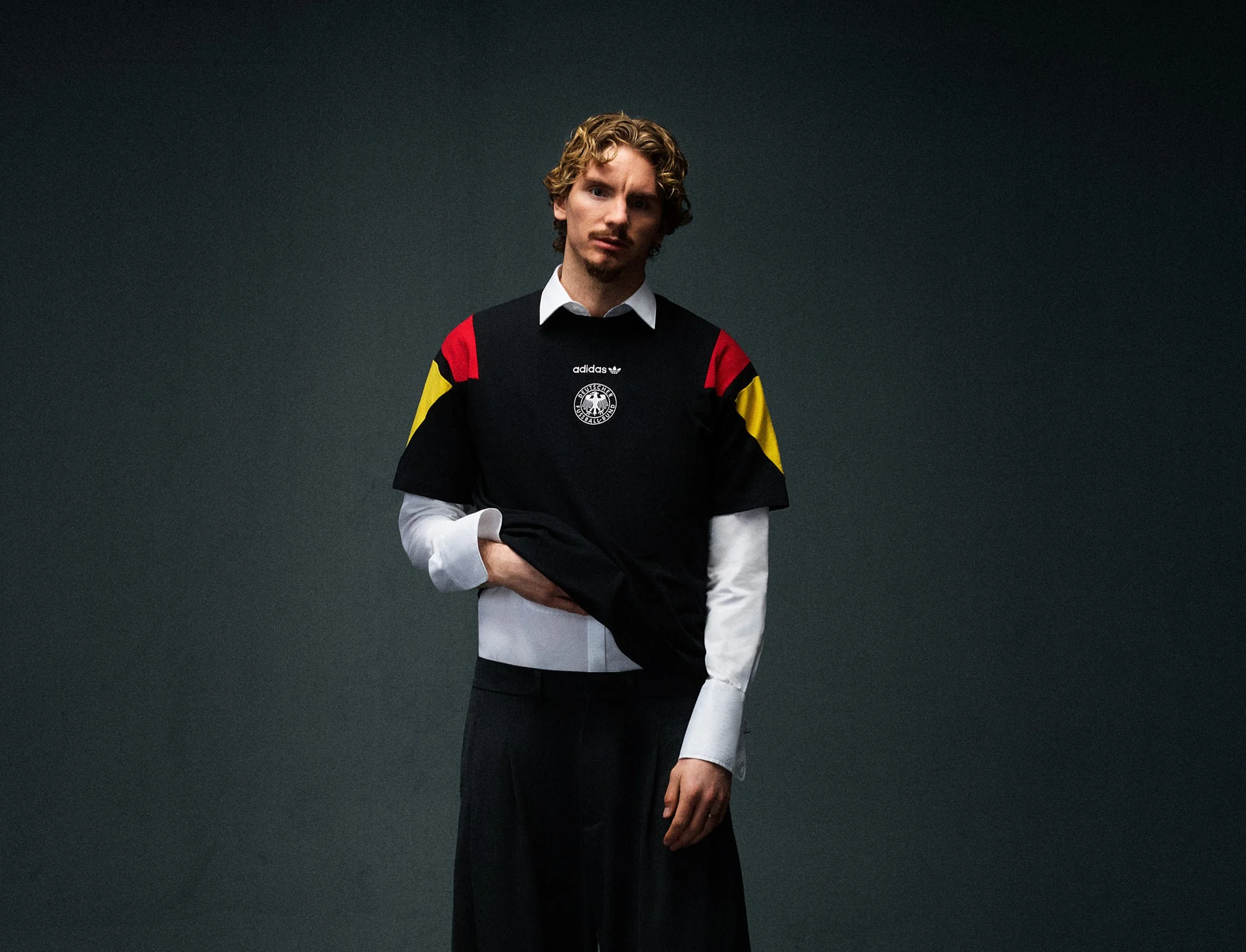
Nick Woltemade is hard to miss. There is the 6-foot-6 frame, of course, and the unusually light feet for a player of his size. Now at Premier League side Newcastle United, the young German international is part of the national team heading into the World Cup, which kicks off on June 11 across Canada, Mexico and the United States.
In conversation with LE MILE, he reflects on fan culture, the growing overlap between football and fashion, and what it means to arrive on the game’s biggest stage.
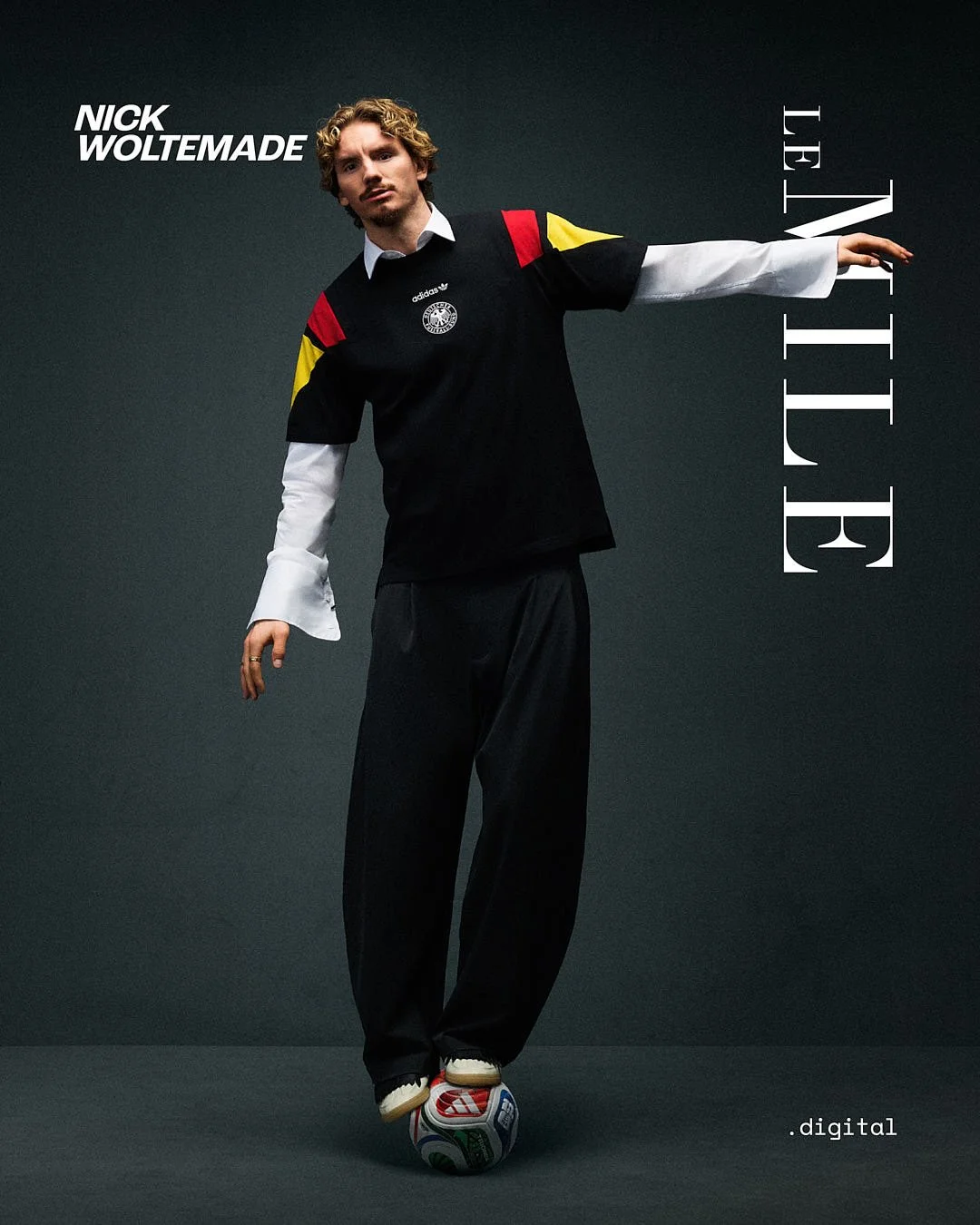
 
 
LE MILE Magazine Nick Woltemade Cover Digital Adidas Original Bringback Collection COVER


Klaas Hammer
A lot of fans see you as approachable and authentic. Do you notice that a community is starting to form around you? And when you hear chants like “Woltemade Ole Ole Ole” in Newcastle, what does that feel like?

Nick Woltemade
It’s something that has grown over the past year, and even more since I moved to England, where the fan culture is a bit different. I’ve always loved fashion, and I’d say it’s a little easier to express that in England than in Germany. People seem more open to it. I enjoy experimenting and finding my own style. Since not many footballers do that yet — compared to basketball, for example — it probably stands out more with me. But I’m happy when people respond positively to it — both football fans and people beyond the sport.


Footballers used to be seen mainly as athletes. Today, many of them also move through culture, fashion and entertainment. Do you feel that shift yourself?

Yes, I do. You can see it in the way football is consumed now — everything has become bigger, more professional, more visible. At the same time, fashion and sport are moving closer together. It feels cooler, more open, more relatable. We’re doing some really nice projects with adidas, and I’m happy to have them as a partner. Clubs are becoming more open to it as well. Newcastle, for example, are very open to new ideas and modern developments. A lot of it probably comes from basketball, especially the NBA, which is much further ahead in that sense. I don’t know if football will go in exactly the same direction, but the industry is definitely evolving. People are starting to understand that how you dress off the pitch has nothing to do with how you perform on it. At the end of the day, what matters is the performance on the pitch.


Has there been a moment with a fan that stayed with you — something that reminded you how emotional football can be for people?

My personal life has definitely changed, especially over the past year since I’ve been playing in England. Even when I was on holiday in New York, people recognized me and wanted pictures, which I hadn’t expected at all. In Bremen, my hometown, it’s probably the most relaxed. People know I’m at home there, so they also respect my privacy there. But the kids are always special.
When you see how much it means to them, and that you can make their day or even their week just by taking a picture or signing an autograph, that still means a lot. You do get used to it in some ways, but I always try to remind myself what it might mean to the fans.
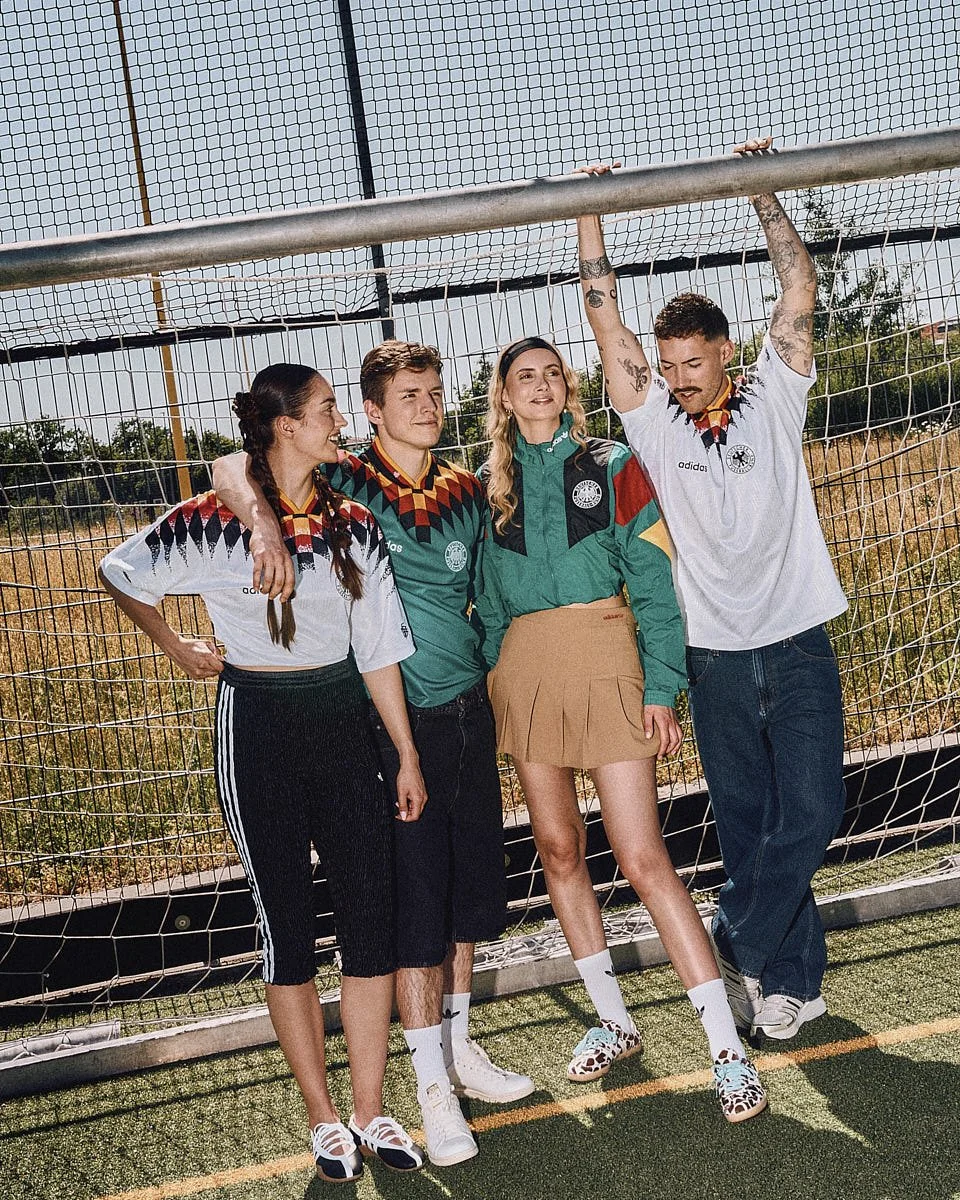
 
 
Four models wear pieces from the adidas Originals Germany EQT Bringback Collection in front of a football goal for LE MILE Magazine

adidas Originals Bringback Collection & EQT
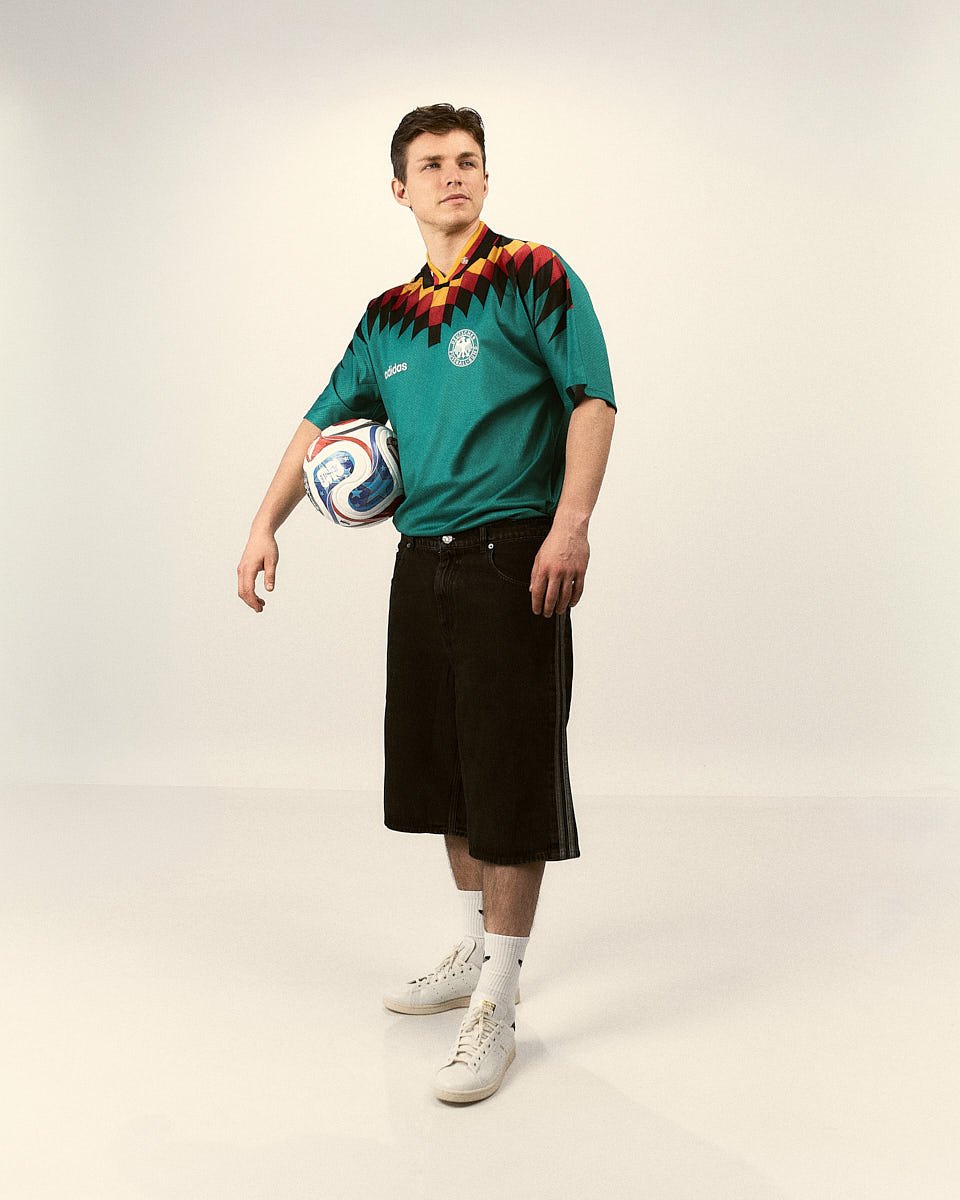
A footballer wears an adidas Originals Germany EQT shirt with black shorts and holds a football in a studio portrait

adidas Originals Bringback Collection
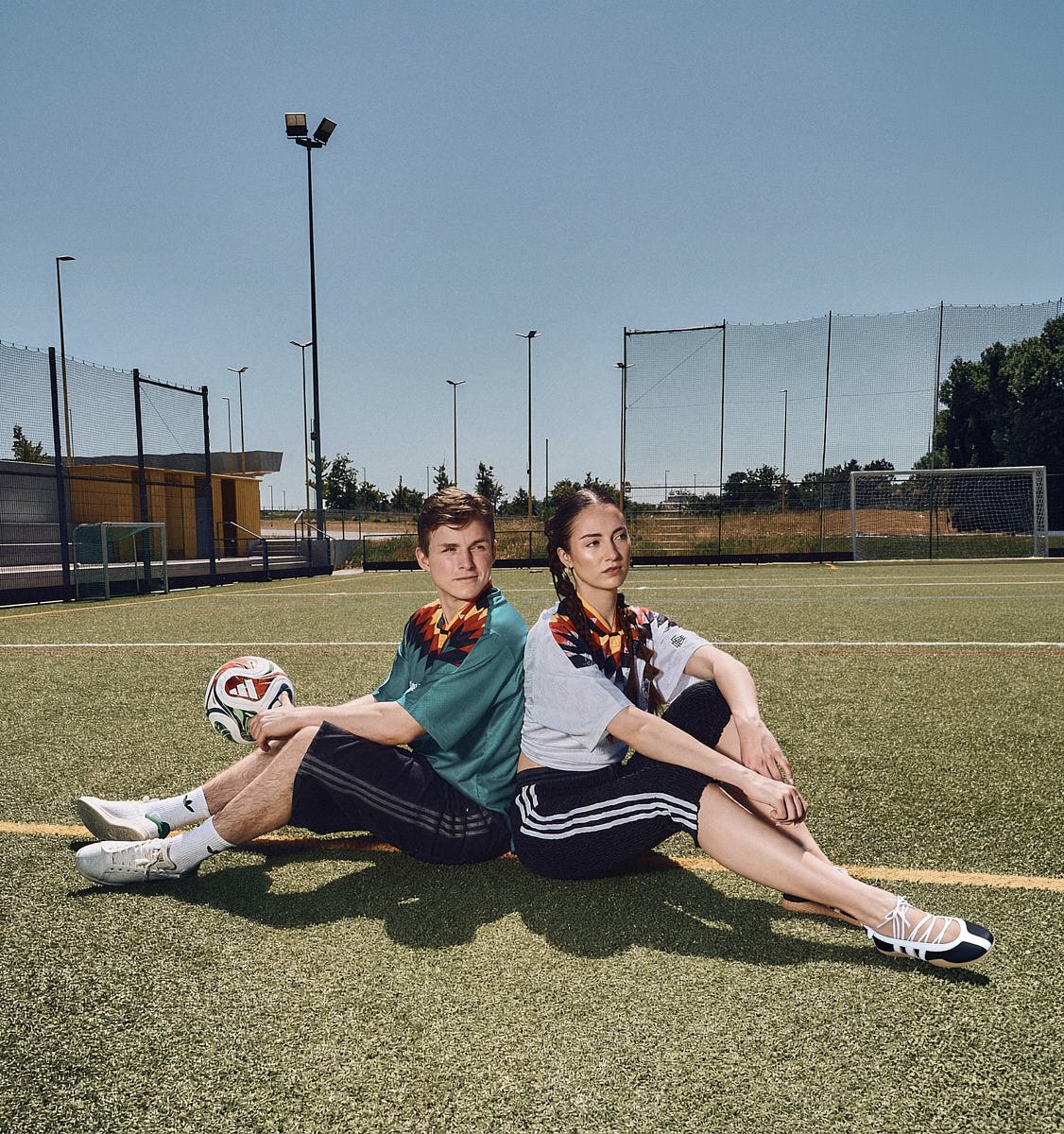
 
 
Two models sit back to back on a football pitch wearing adidas Originals Germany EQT football shirts and casual sportswear

adidas Originals Bringback Collection
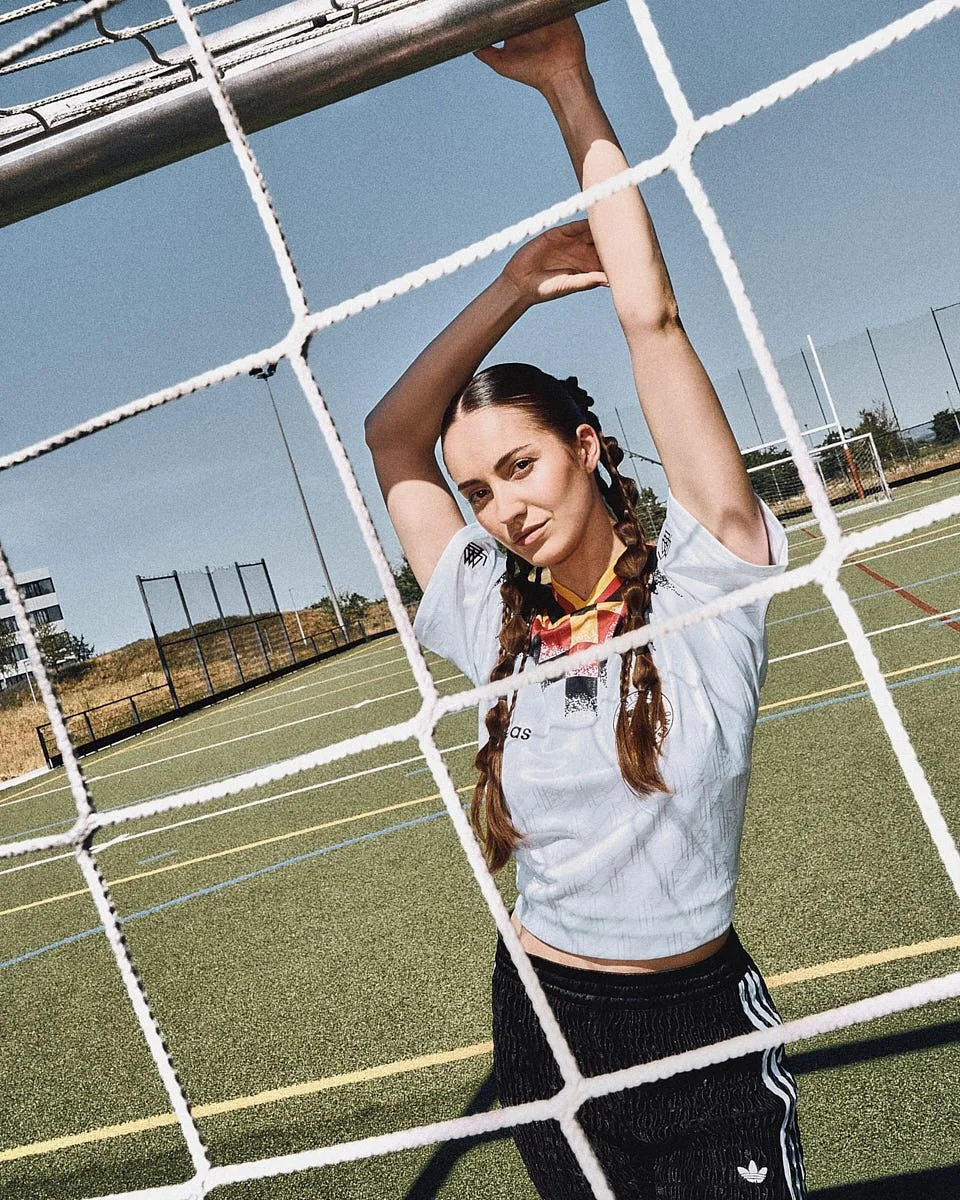
 
A model wears an adidas Originals Germany EQT football shirt while posing behind a goal net on a sunny football pitch

adidas Originals Bringback EQT Collection


When you think about your development as a player and as a person, who has shaped your style the most — on or off the pitch?

In football terms, Kai — Kai Havertz — was my role model, but I don’t really want to say that now because he’s here with the national team too and we play together (laughs). As a person, I always thought Neymar was cool, but football-wise, his style is completely different from mine. I’m also very tall, so there haven’t been many players in my position I could really compare myself to.
That’s why I never really had one specific role model.


Football and fashion are more connected than ever. What role does fashion play for you, and where do you look for inspiration?

I’m a huge NBA fan, and I watch a lot of the tunnel fits. I think Shai Alexander is really cool — he’s definitely my favorite player to watch in terms of style.


The World Cup is football’s biggest stage. What does it mean to be part of it for the first time?

I’ve answered this a few times now, but somehow it’s still hard to find the right words. It’s such a huge thing. It’s always been a dream, something I imagined for myself, something I always wanted to achieve. And when you’re actually in that moment and think about it, it’s still difficult to fully grasp. I still don’t think I can describe it in a way that really does it justice. I’m very, very proud, and I think everyone in the team feels that. But it’s not something you can easily put into words.


What are you hoping for from the World Cup — on and off the pitch?

I’m not a big fan of expectations, because if you don’t meet them, you’re always left disappointed. I usually try to keep an open mind and let myself be surprised by what happens. But obviously, I want to achieve the best possible results for the team and for myself. I want to play, I want to score goals, and I want to be successful with the team.
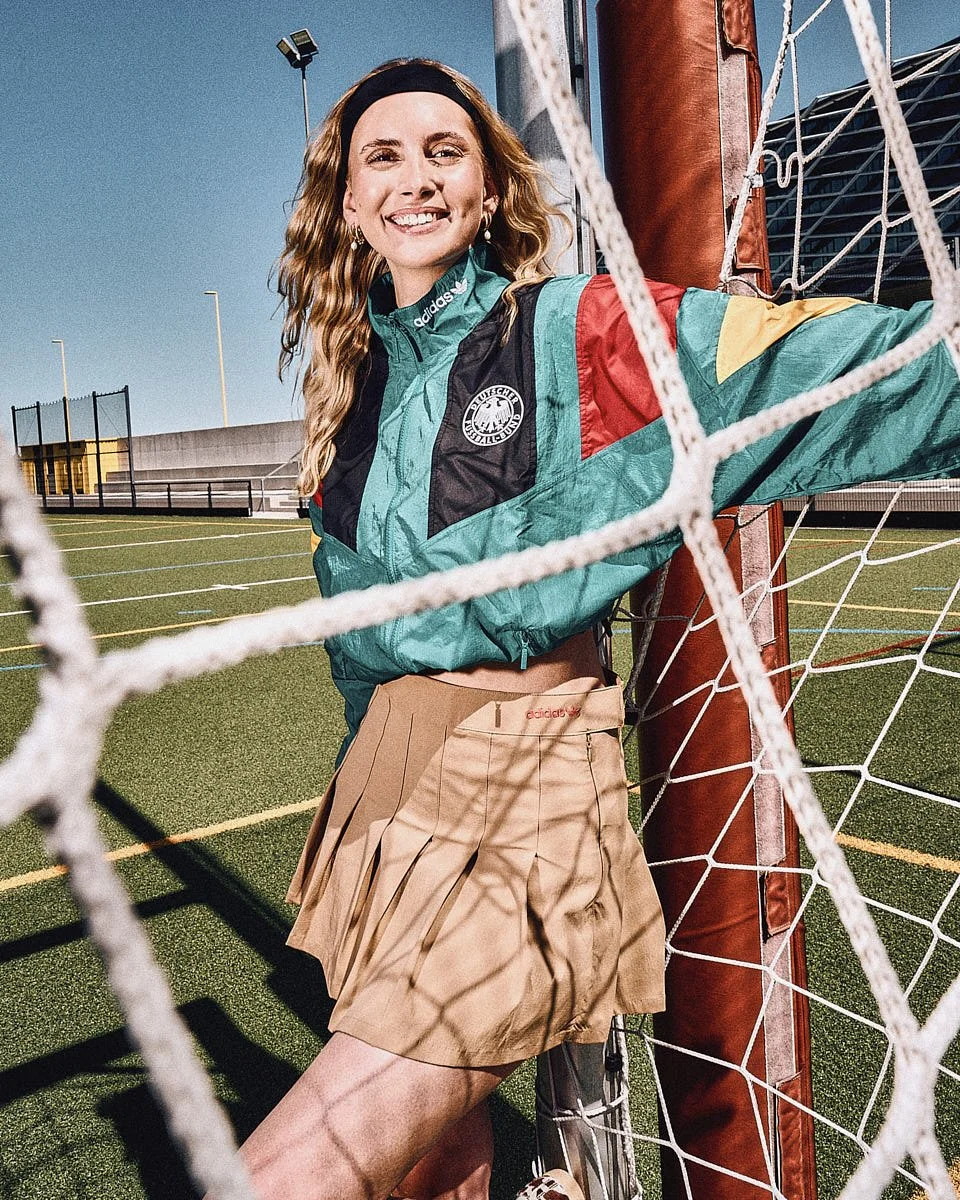
 
A model wears an adidas Originals Germany EQT track jacket and pleated skirt while standing inside a football goal on a sunny pitch

adidas Originals Bringback EQT Collection
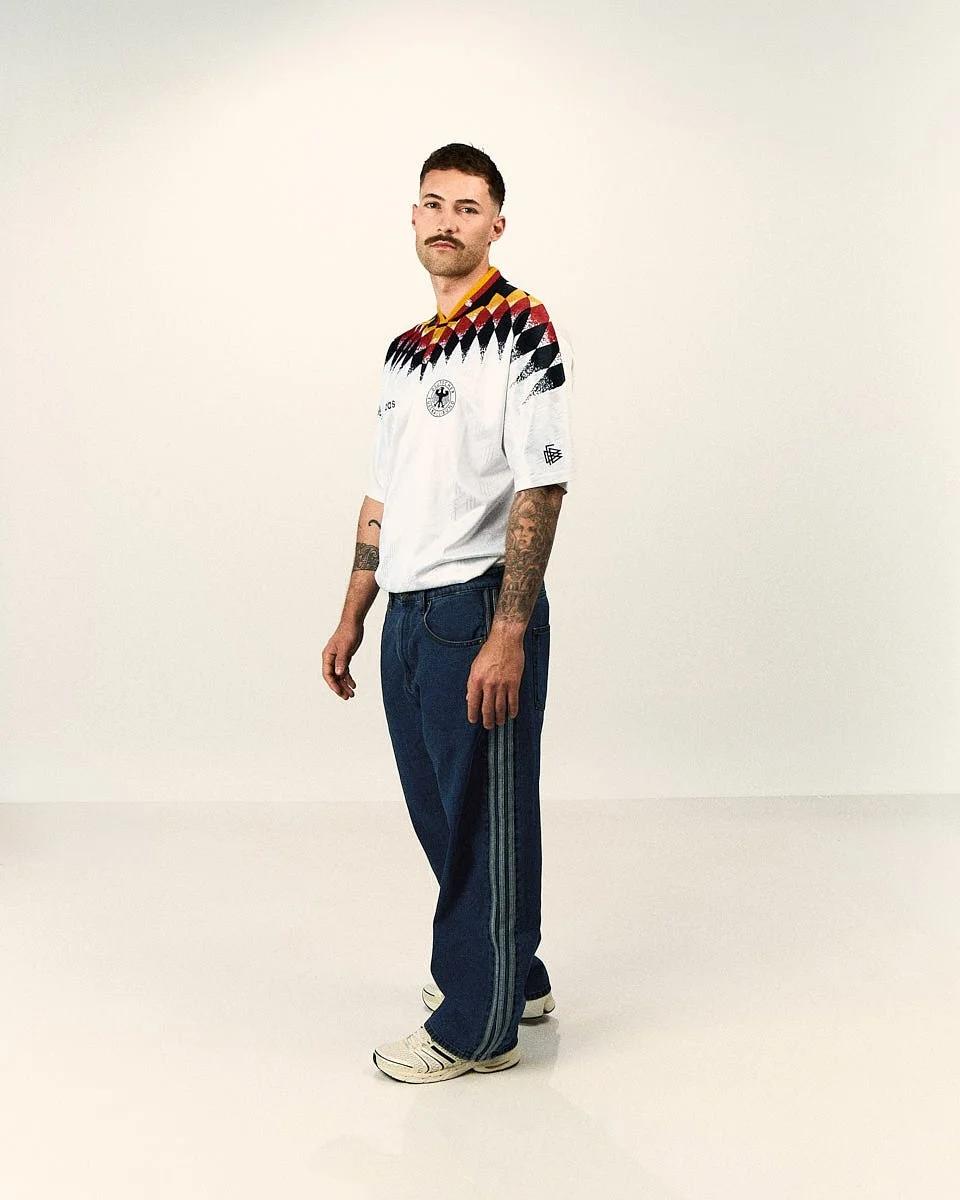
A model wears a white adidas Originals Germany EQT football shirt with wide-leg denim pants in a studio portrait

adidas Originals Bringback Collection
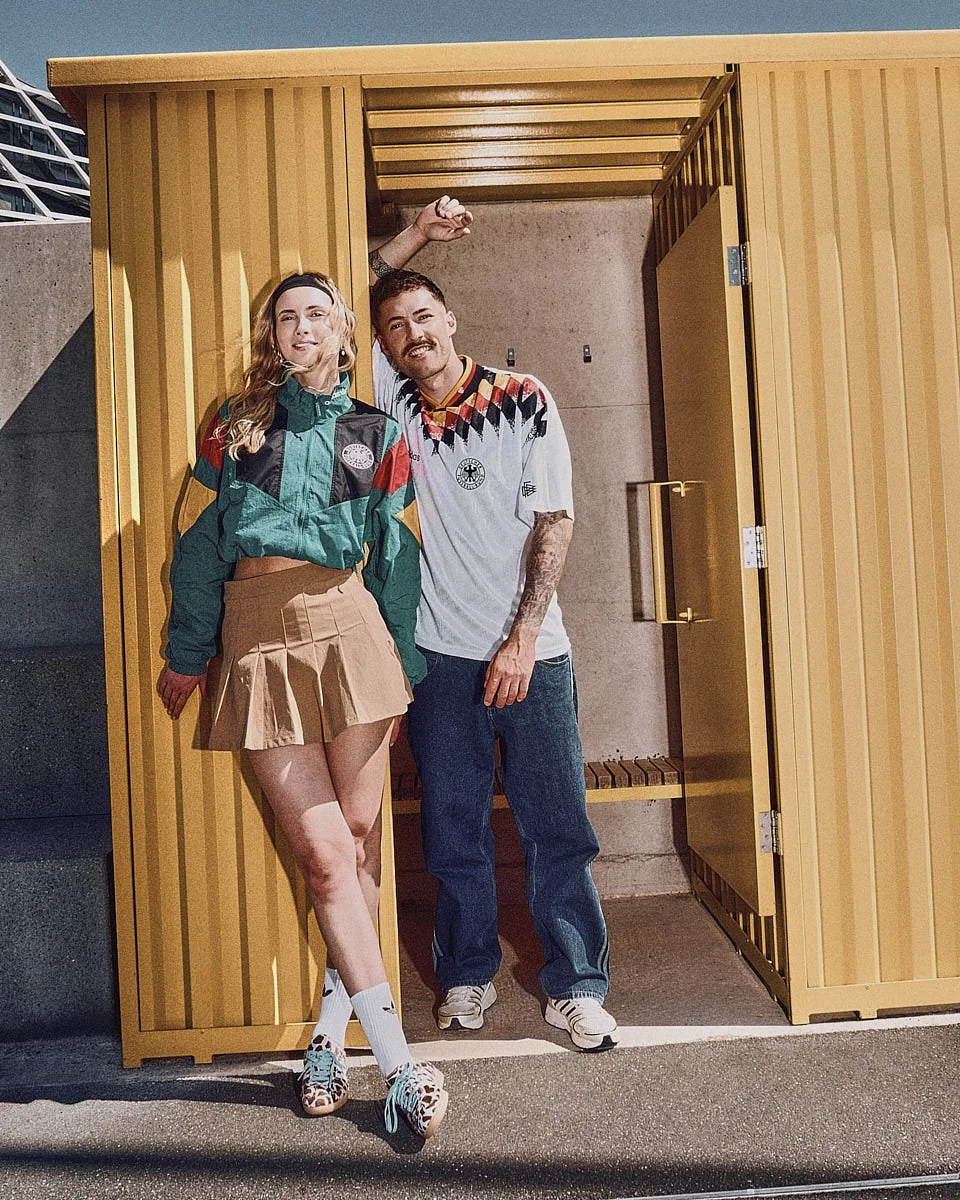
 
Two models wear adidas Originals Germany EQT pieces while standing in front of a yellow structure near a football pitch

adidas Originals Bringback & EQT Collection


The adidas FIFA World Cup 2026 Germany EQT Collection begins with the 1990s. There are the football codes, of course, and the Equipment clarity that made tracksuits, shoulder stripes and colour blocks feel inseparable from the game. Reworked through the colours of the German national team, the collection brings back the kind of football style that starts before kick-off, outside the stadium, in the crowd and on the way home.


photographer SIMEON ASENOV
styling KLAAS HAMMER
make up and hair LISA FALK
talent NICK WOLTEMADE
models NINA IMERI + SAM THEIN + ALBAN IMERI + JOSHUA FEES
production coordination ALBAN E. SMAJLI
thanks to adidas + ALBINA IMERI
Steinway and Studio Paelis - Bringing Straw Marquetry Into Sound


Steinway and Studio Paelis - Bringing Straw Marquetry Into Sound


How Steinway and Studio Paelis Bring Straw Marquetry Into Sound


written ALBAN E. SMAJLI


Inside the Steinway & Sons factory in Hamburg, sound begins long before anyone touches a key. It begins in the way wood is selected, bent, left to rest, carried from one station to the next. It sits in the smell of lacquer and timber, in the concentration of people who seem to know exactly how much pressure a material can take before it stops cooperating. The place has its own tempo, shaped by patience, repetition and the quiet understanding that every surface, joint and invisible adjustment will eventually become part of a sound.


During a visit to the manufactory, what stays with you first is the intimacy of the place. The factory carries the weight of an institution and still moves with the rhythm of a family workshop, where people greet each other across rooms filled with half-built instruments and where every station seems connected to the next through a chain of knowledge passed from hand to hand. A grand piano becomes itself slowly here, through many specialists, many materials, many moments of judgement that remain invisible once the instrument reaches a concert hall or a private home.

 
Le Mile Magazine Steinway & Son Straw Marquetry Piano in collaboration with Studio Paelis by Manon Bouvier-Toth

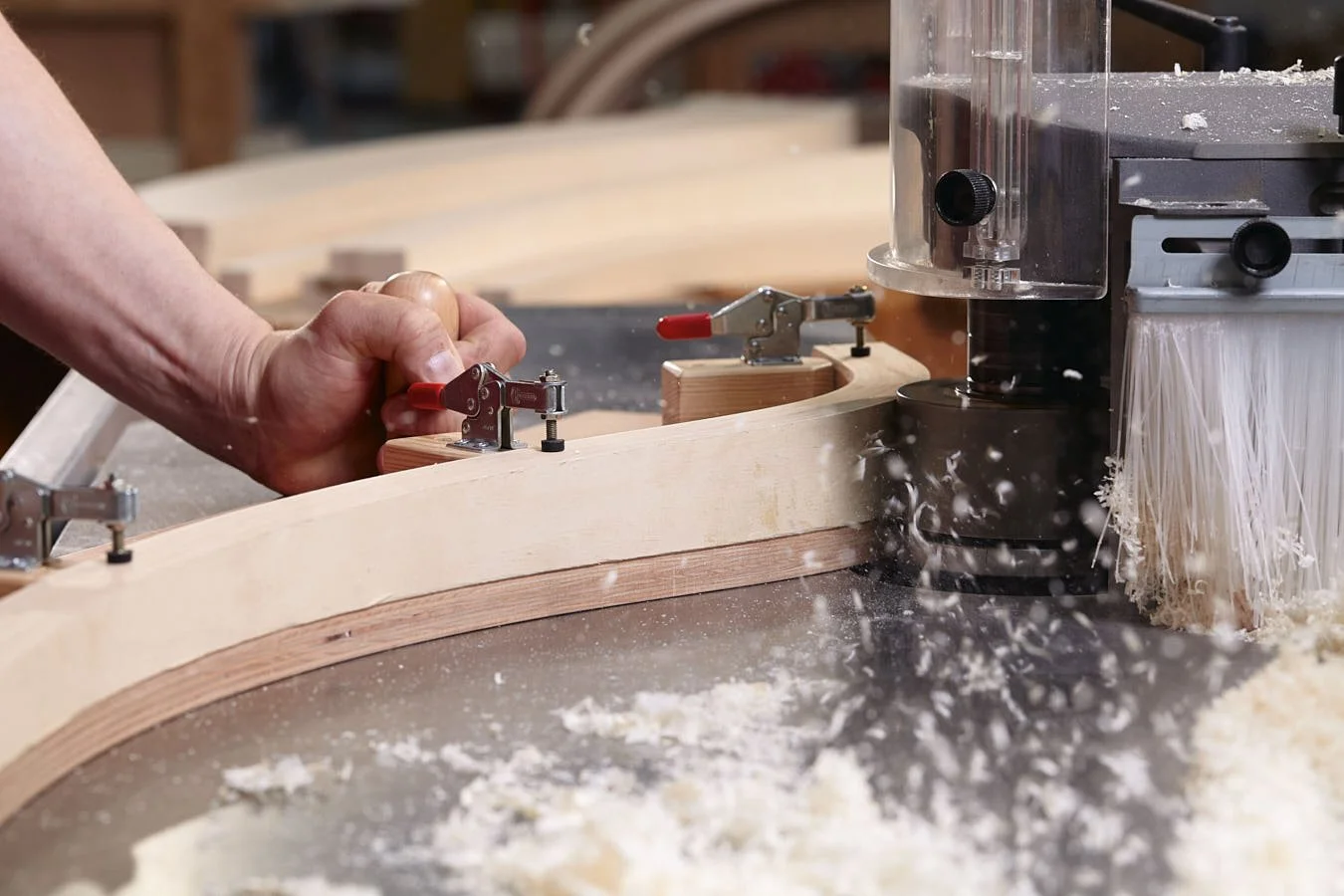
Inside the Steinway workshop, the piano begins with pressure, movement and wood dust, as each curve is guided into shape before the instrument takes form.

 
Le Mile Magazine Steinway & Son Straw Marquetry Piano in collaboration with Studio Paelis by Manon Bouvier-Toth

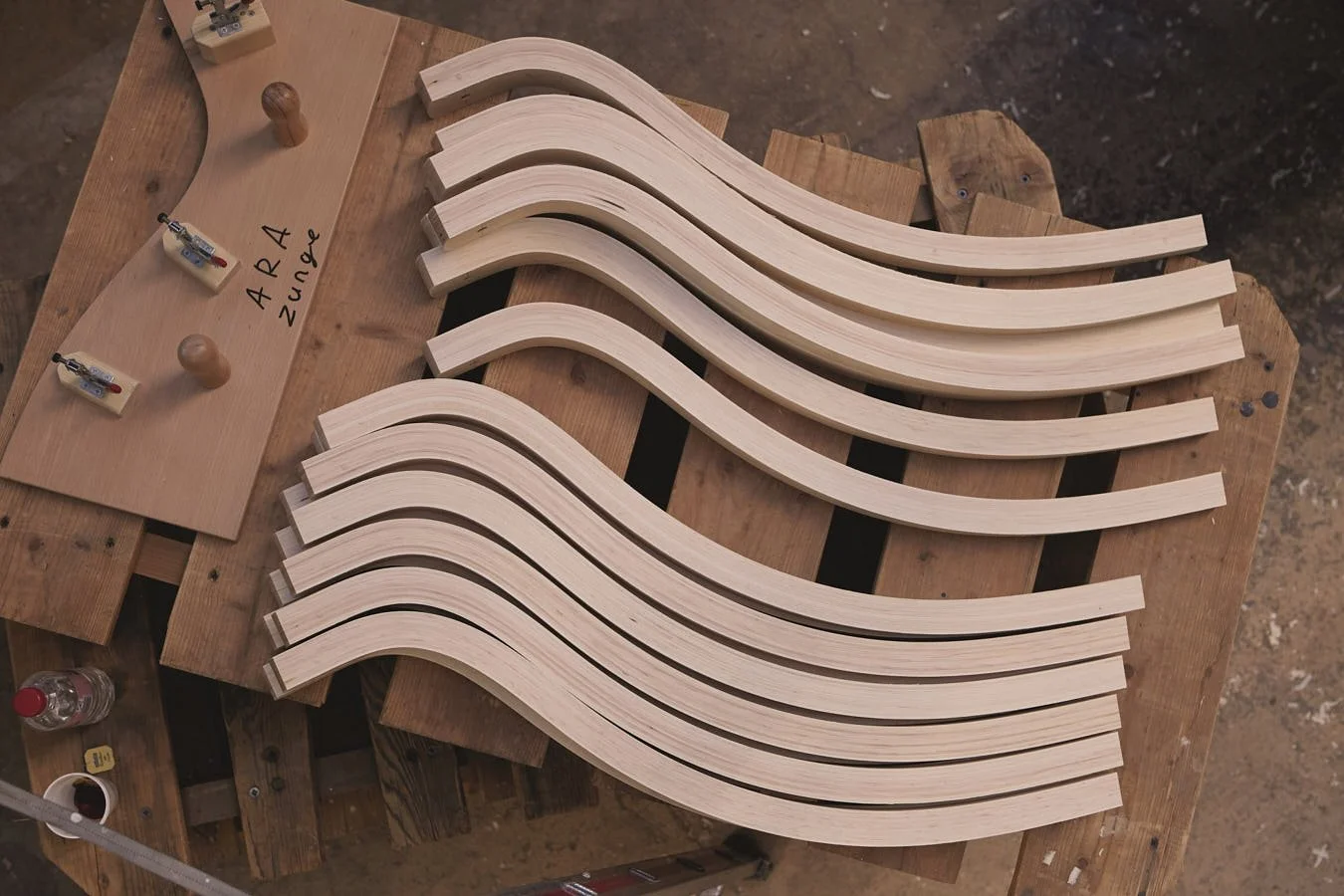
Curved wooden elements for the ARA Lounge piano are laid out in sequence, showing the quiet precision behind a form that later appears almost fluid.


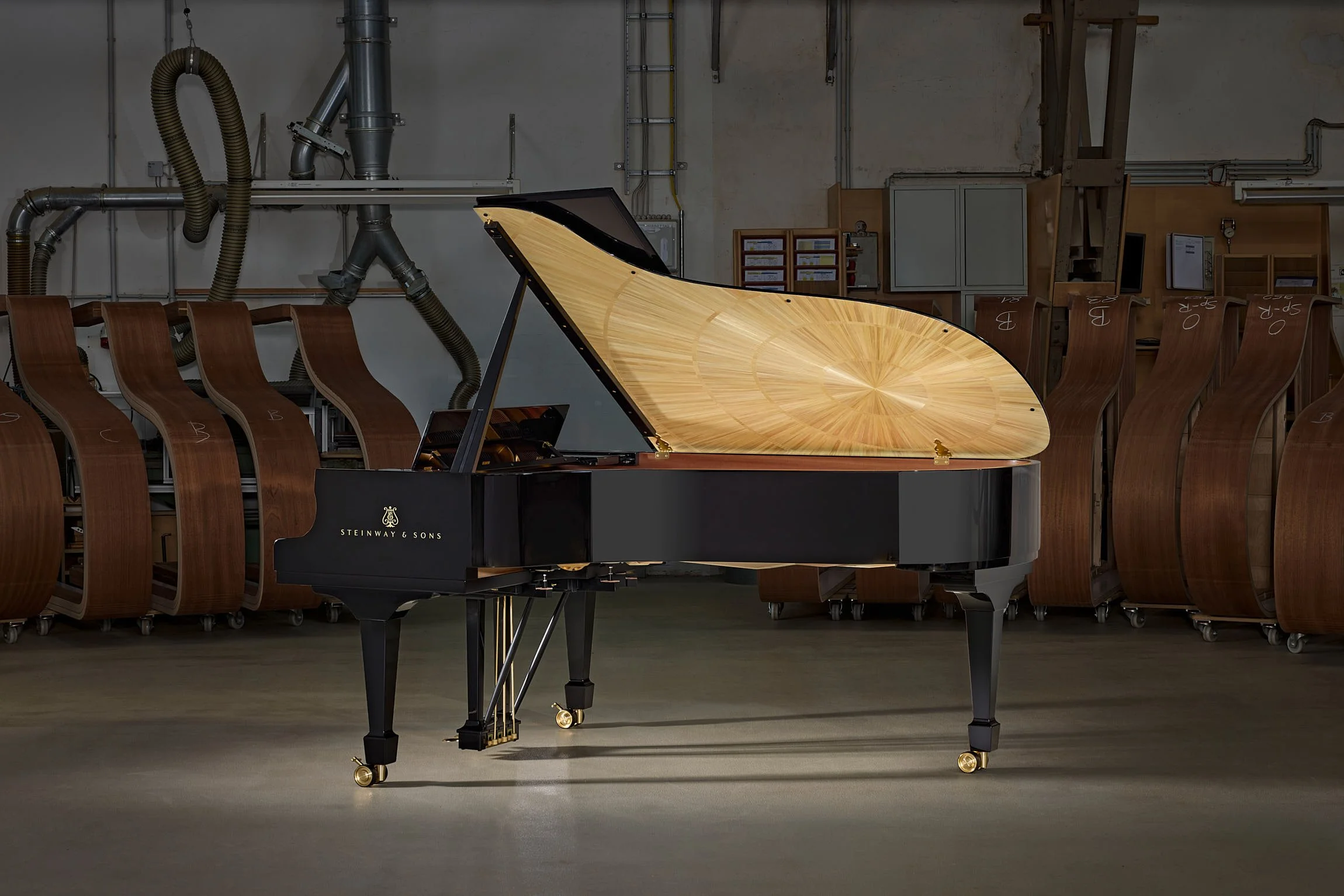
It felt almost inevitable, then, that Manon Bouvier-Toth would bring straw into this world with such precision. The new Steinway & Sons x Studio Paelis Masterpiece Straw Marquetry Collection marks Steinway’s first collaboration with an artist working in straw marquetry, a technique that reached prominence in Europe in the early 17th century and was long used to refine furniture and rare objects with a surface that behaves almost like light itself. Straw marquetry carries a natural shimmer, a silky glow, a way of shifting under the smallest movement of the eye. In the hands of Bouvier-Toth and her Lyon-based atelier, Studio Paelis, this historical craft feels immediate, sharp and alive.

Bouvier-Toth founded Studio Paelis in 2016 and has since shaped it into one of the rare contemporary ateliers dedicated to rye straw marquetry. Her work moves through bespoke interiors, exceptional objects, wall panels and commissions for design professionals, interior architects and luxury clients, always with a language that feels precise, sensual and quietly architectural. In her hands, straw becomes a material of quiet precision, guided into surfaces that seem to shift with the room around them.

 
Le Mile Magazine Steinway & Son Straw Marquetry Piano in collaboration with Studio Paelis by Manon Bouvier-Toth

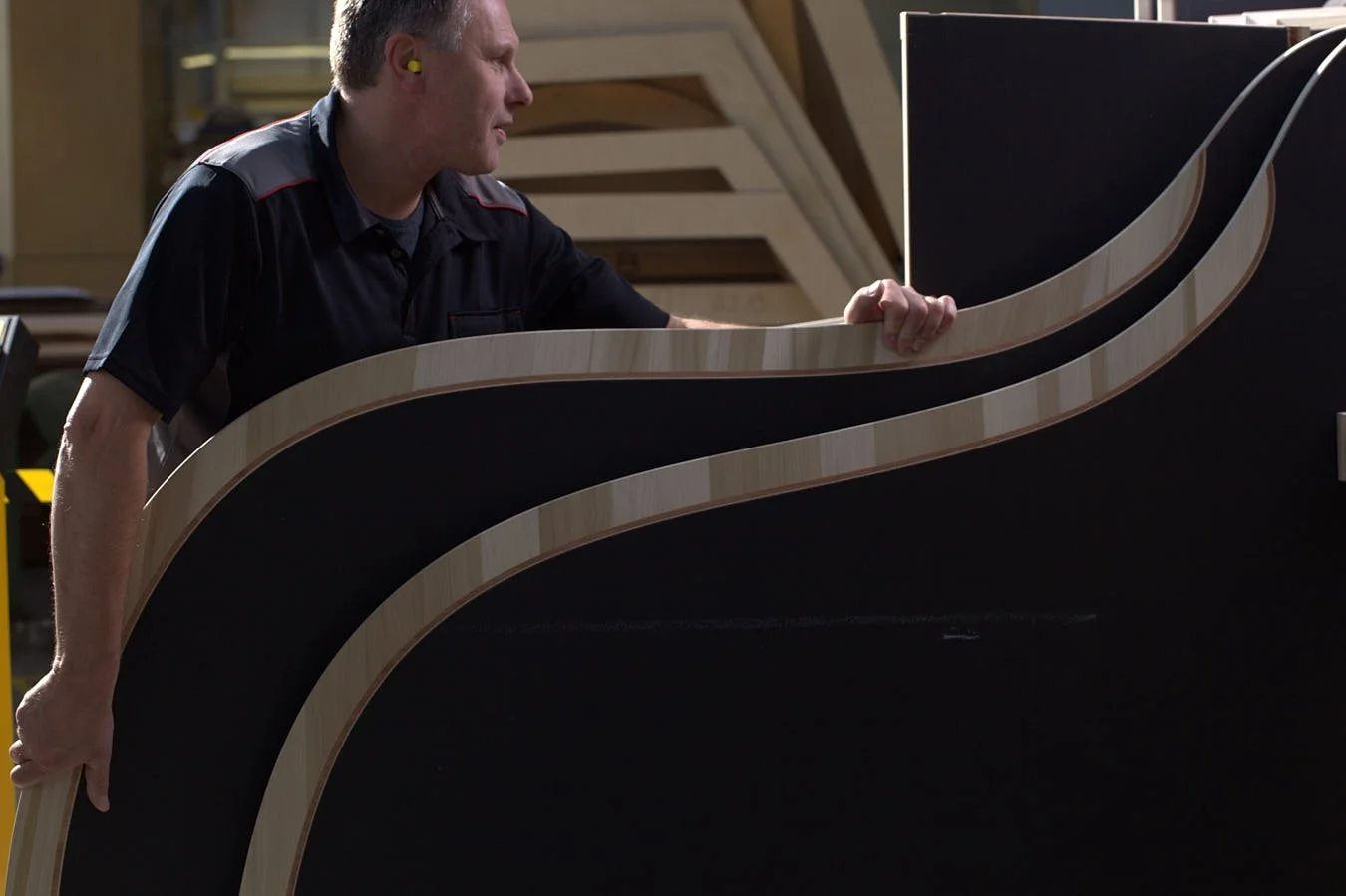
The piano’s body takes shape in the workshop, where the long wooden lines are held, checked and guided before disappearing beneath the final surface.


Le Mile Magazine Steinway & Son Straw Marquetry Piano in collaboration with Studio Paelis by Manon Bouvier-Toth

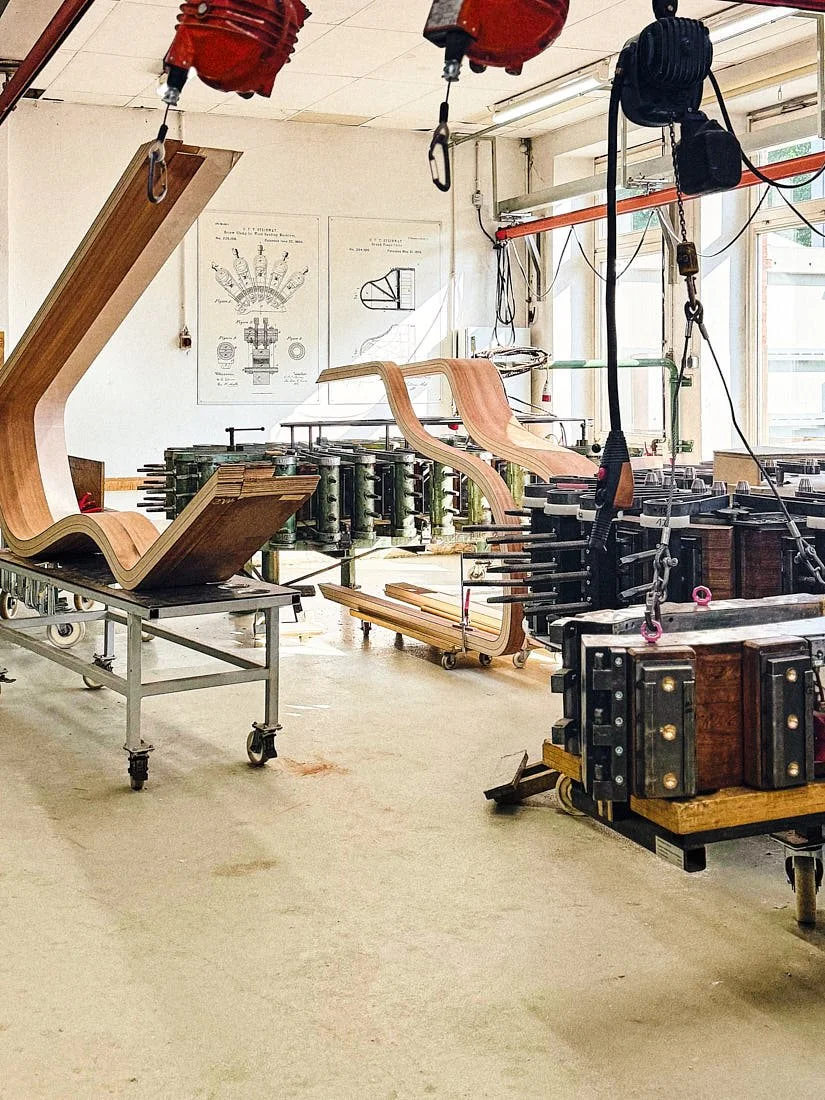
The frame of the piano moves through the workshop in open stages, with its sculptural lines already visible before the final body is closed.

Image by LE MILE


Le Mile Magazine Steinway & Son Straw Marquetry Piano in collaboration with Studio Paelis by Manon Bouvier-Toth

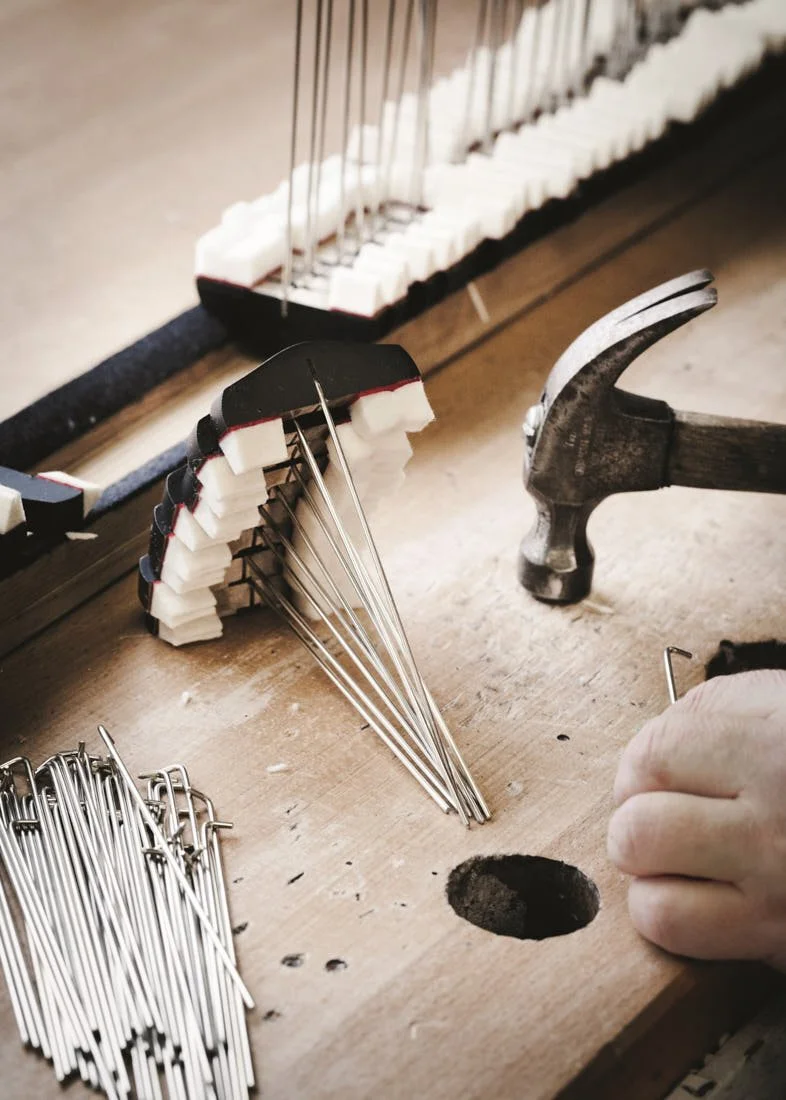
Inside the action, strings, hammers and felt are set into exact relation, bringing the piano’s hidden mechanics close to the hand.

Le Mile Magazine Steinway & Son Straw Marquetry Piano in collaboration with Studio Paelis by Manon Bouvier-Toth

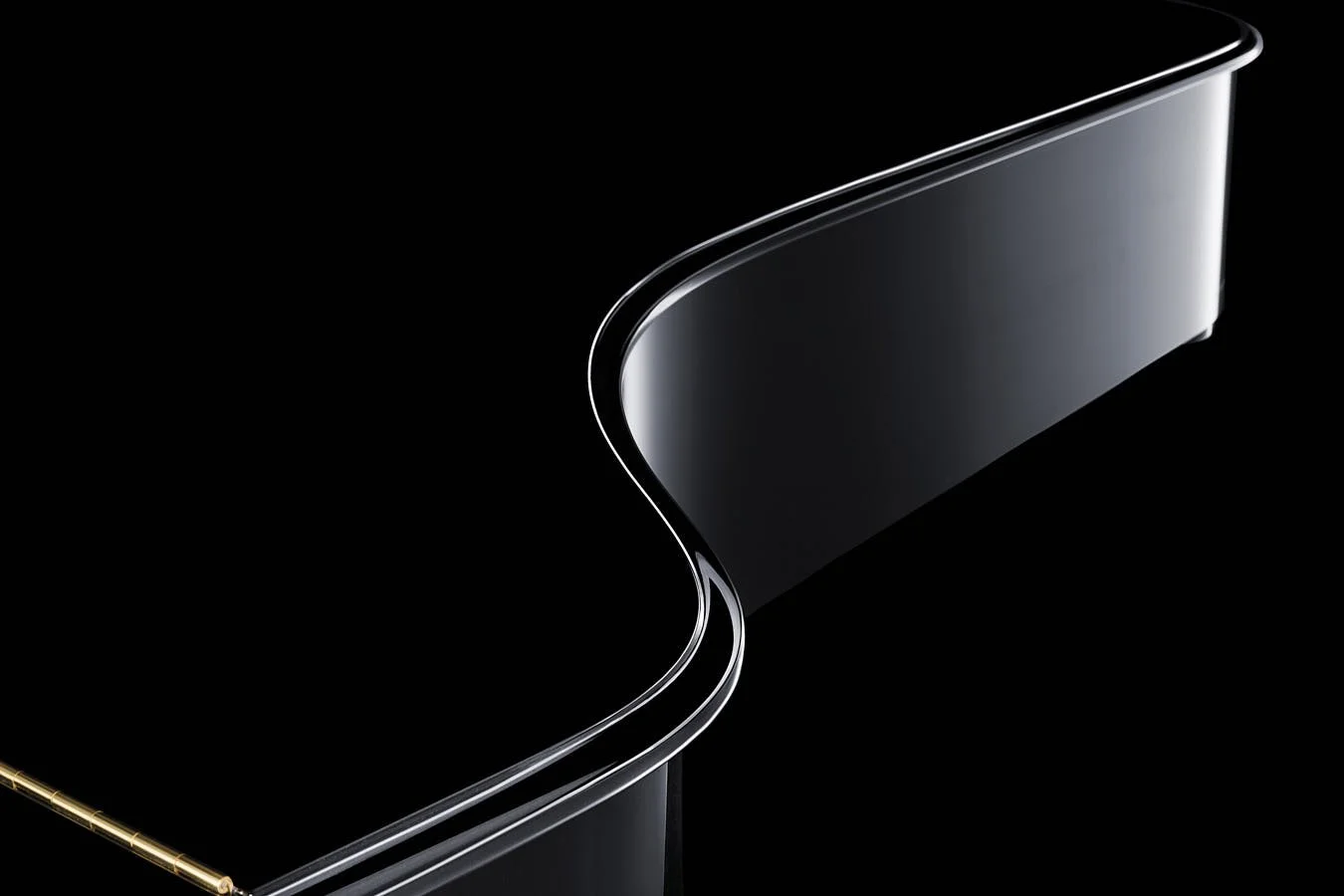
A finished curve of the Steinway piano catches the light, turning construction into a dark, almost liquid line.


For Steinway, the collaboration opens a new chapter in its long history of limited editions and artistic partnerships, because the grand piano already belongs to a world of extreme making. Every Steinway carries engineering, memory, acoustic intelligence and status in one body, and the straw marquetry appears at one of the instrument’s most intimate points. It covers the inner lid and music desk, the space a pianist sees while playing, where the piano opens itself to the room and where the visual experience becomes part of listening.

The first sight of the finished piano came on the evening before the factory visit, during dinner inside Steinway’s Hamburg world, with glasses on the table, voices moving through the room and the instrument already holding the attention before anyone had fully gathered around it. Then the keys began to move by themselves. The piano started playing into the room with a strange, precise intimacy, as if it had kept someone’s touch inside its body. Steinway’s SPIRIO technology captures and reproduces the finest movements of a performance, from the force of the hammers to the movement of the pedals, giving the instrument a second presence that feels almost bodily when experienced up close. As the straw inside the lid caught in small flashes, the collaboration stopped feeling like an idea and became something physical in the room. A historic craft, a living instrument, an absent hand made present again.

 
Le Mile Magazine Steinway & Son Straw Marquetry Piano in collaboration with Studio Paelis by Manon Bouvier-Toth

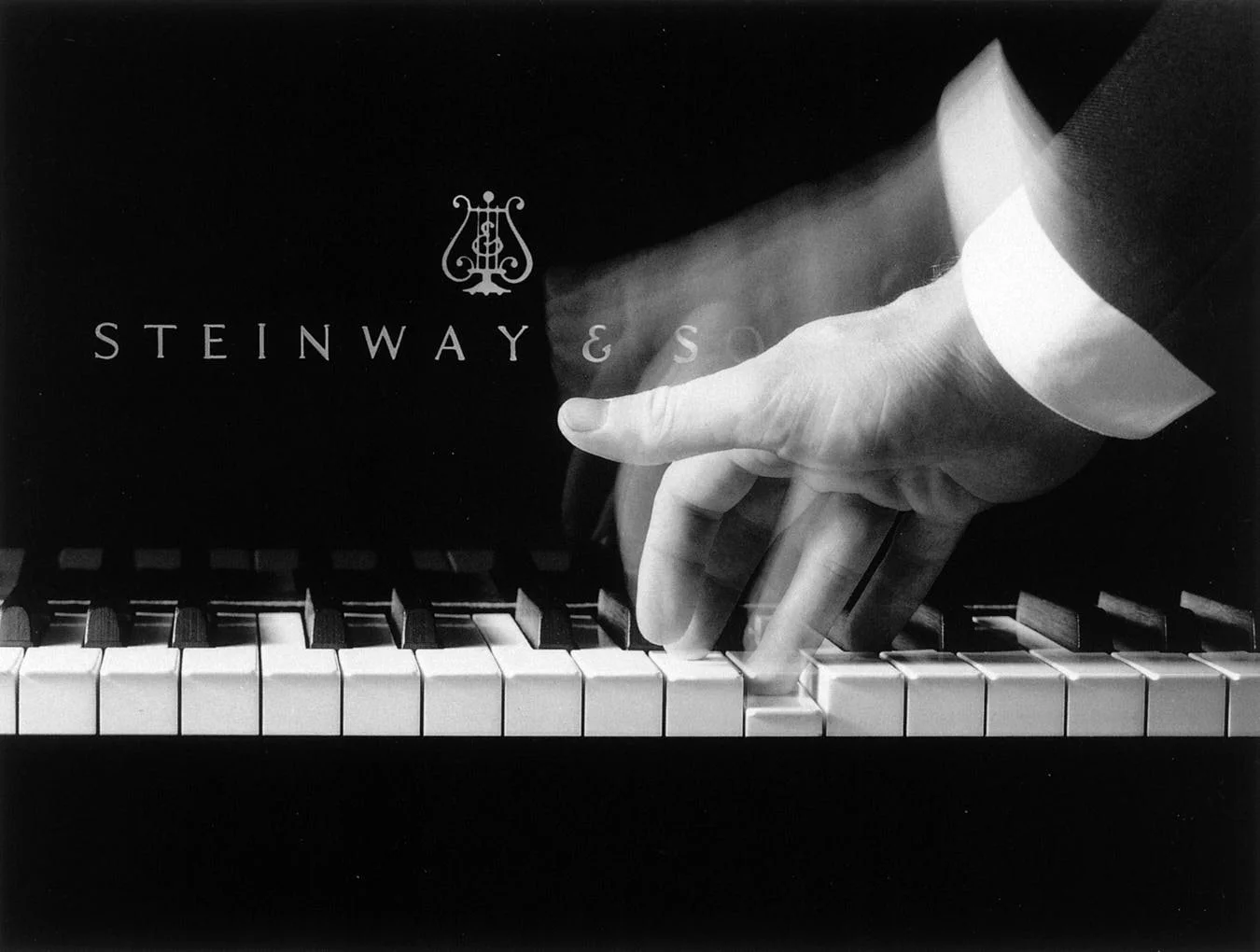
The hand disappears, but the touch remains inside the instrument.

 
Le Mile Magazine Steinway & Son Straw Marquetry Piano in collaboration with Studio Paelis by Manon Bouvier-Toth

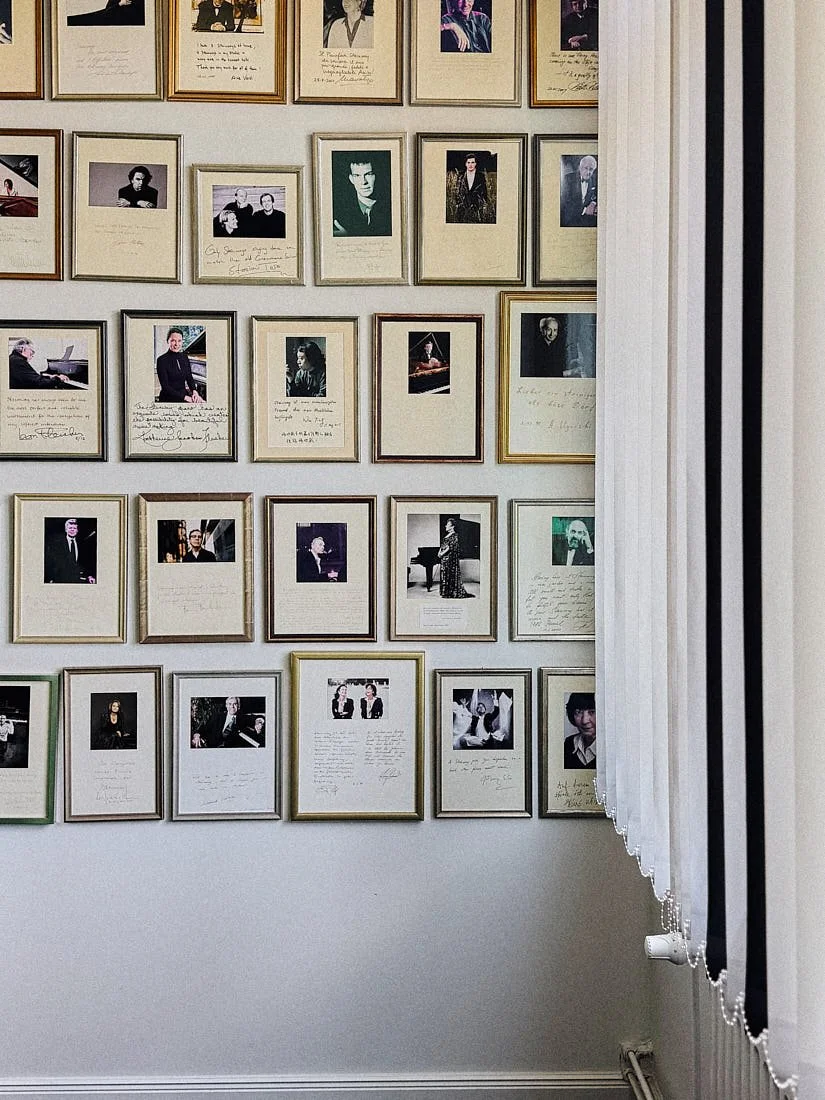
Inside Steinway’s Hamburg world, the wall of portraits holds a quiet record of the musicians who have passed through the house.

Image by LE MILE


Studio Paelis works with rye straw sourced from Burgundy, prepared by hand until the material becomes thin enough to follow light with extraordinary precision. Applied fibre by fibre across the piano’s inner surfaces, the straw gives the instrument a quiet luminosity that shifts with every angle and movement in the room.

Across the piano’s interior, the straw behaves differently depending on how it has been laid. In one version, the fibres open from a centre point and pull the eye outward with a quiet, almost solar tension. In another, they move in softer rings, closer to the way sound seems to leave the instrument and remain in the air for a moment. The names of the designs matter less than the sensation they create, precise, restrained and strangely alive. For Bouvier-Toth and her atelier, the piano changed the scale of the gesture. The straw had to move across a body that curves, opens, closes and still remains an instrument before anything else. What remains is a surface that seems to belong there, quietly intensifying the space a pianist sees before the first note is played.


Le Mile Magazine Steinway & Son Straw Marquetry Piano in collaboration with Studio Paelis by Manon Bouvier-Toth

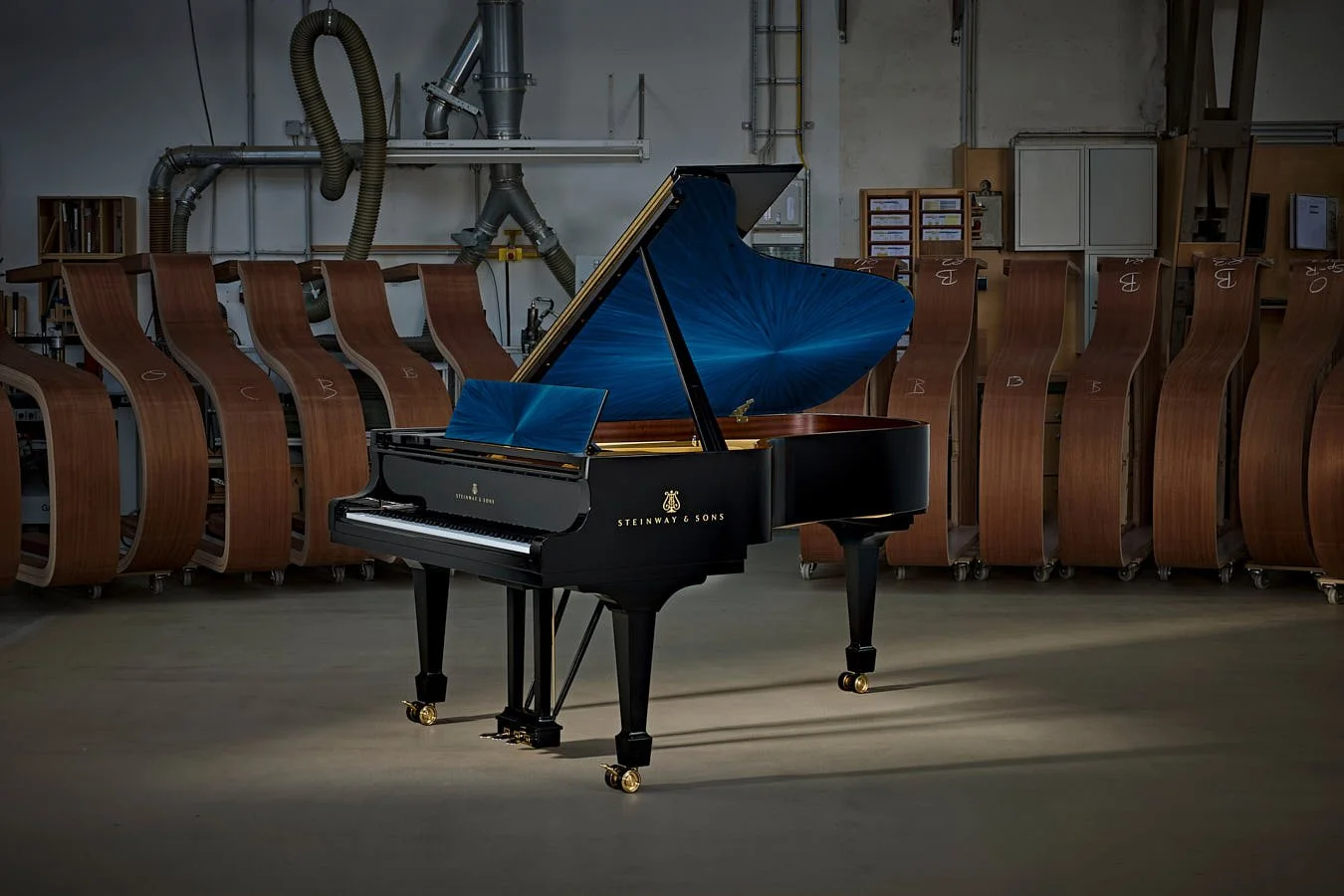
The finished Steinway piano stands inside the workshop, with the blue straw marquetry opening across the lid like a concentrated field of light.


Because Steinway has been building in Hamburg since the late 19th century, the factory carries its history through the movement of work, through materials being handled, surfaces being checked and gestures repeated with the calm of people who know exactly where their part of the instrument begins and where another hand will continue. A small adjustment, a surface checked again, a detail hidden deep inside the body of the piano, all of it belongs to a chain of decisions that eventually becomes sound.

During the factory visit, this sense of shared responsibility became one of the strongest impressions, because the work moved through conversations, glances, familiar gestures and routines carried by people who seemed deeply aware of how their own task would continue in someone else’s hands. The instruments were handled with a concentration that felt personal, almost familial, built from training, trust and the quiet awareness that every decision would eventually reach another bench, another hand, another ear.

Seen from the Hamburg factory, the collaboration with Studio Paelis gains its force through a shared belief in craft as something carried by hand, memory and exacting attention. In Bouvier-Toth’s hands, straw marquetry carries historical memory through a surface that feels alert, tactile and completely present, shaped by time, pressure and an exact understanding of surface. On the Steinway grand, that language settles into the inner architecture of the instrument and gives it another sensorial layer before the first note is played. Between the Hamburg manufactory and the Lyon atelier, the idea of a masterpiece becomes something quieter and more precise, held in the patience of people who understand how much presence an object can carry when it is made properly.


credits
all images (c) Steinway & Son