Viewing entries tagged
collaboration

Nick Woltemade Interview - World Cup 2026, Adidas and Football Fashion

Nick Woltemade Interview - World Cup 2026, Adidas and Football Fashion

Nick Woltemade and the New Shape of Football Culture


written + interview KLAAS HAMMER


Nick Woltemade is hard to miss. There is the 6-foot-6 frame, of course, and the unusually light feet for a player of his size. Now at Premier League side Newcastle United, the young German international is part of the national team heading into the World Cup, which kicks off on June 11 across Canada, Mexico and the United States.
In conversation with LE MILE, he reflects on fan culture, the growing overlap between football and fashion, and what it means to arrive on the game’s biggest stage.
 
 
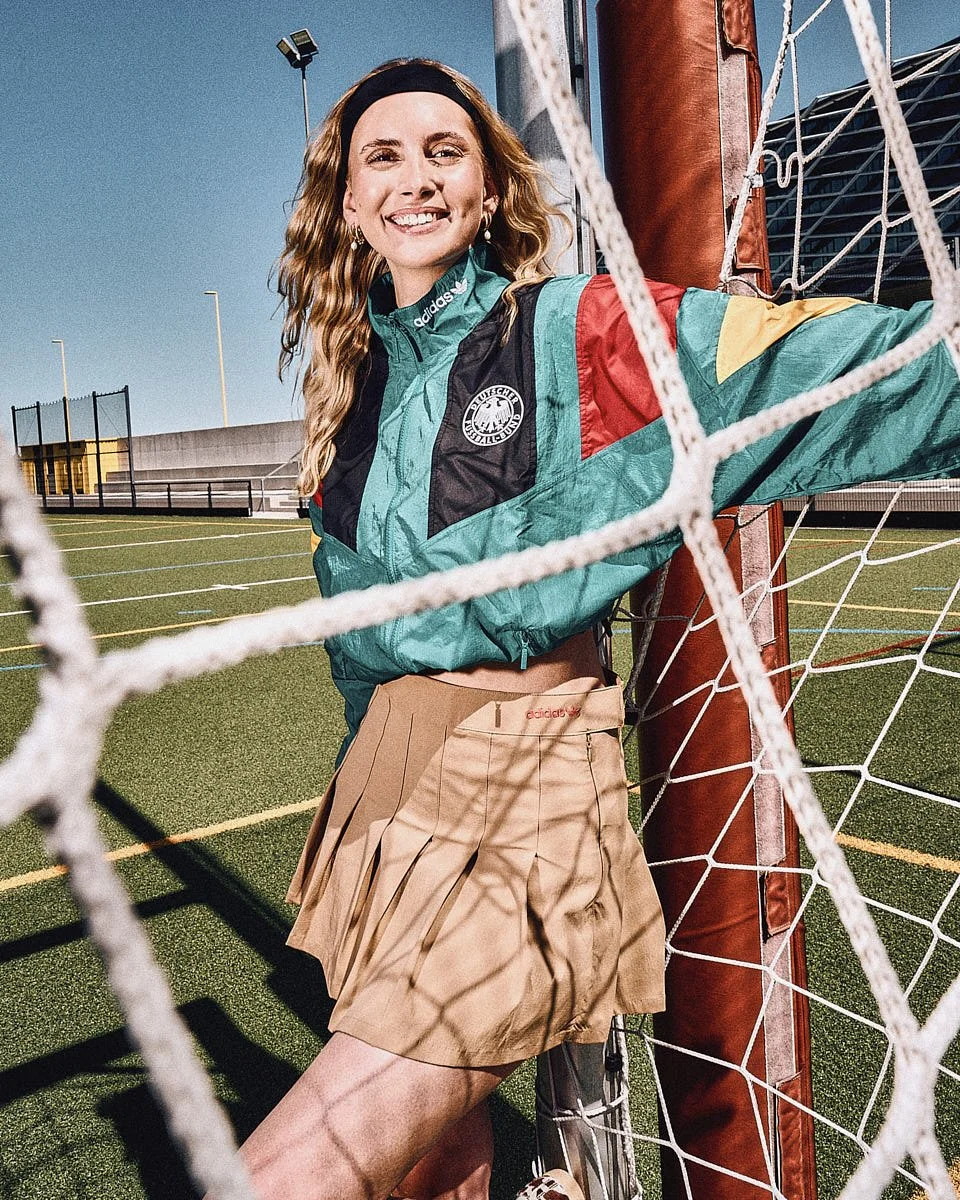
A model wears an adidas Originals Germany EQT track jacket and pleated skirt while standing inside a football goal on a sunny pitch

adidas Originals Germany EQT Bringback Collection

 
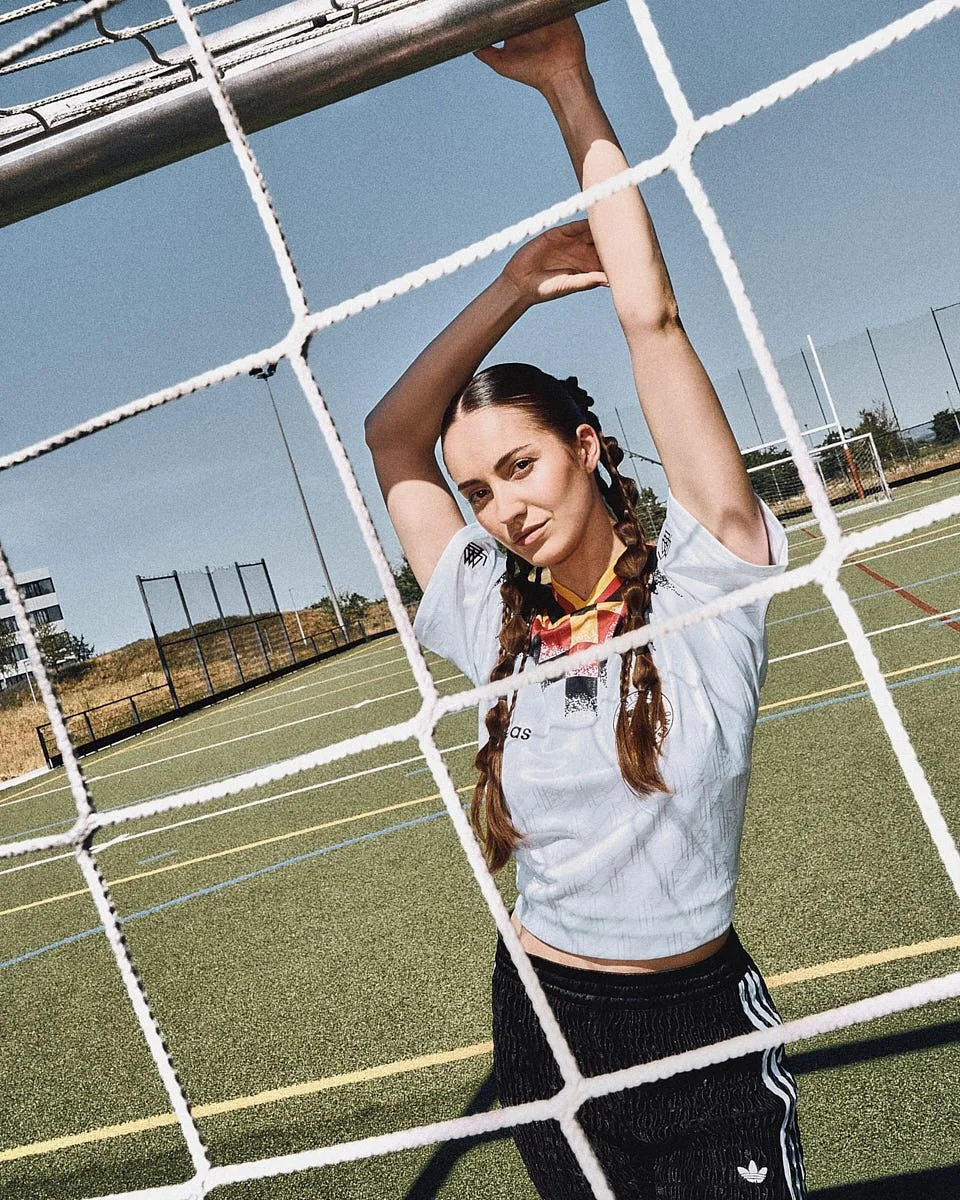
A model wears an adidas Originals Germany EQT football shirt while posing behind a goal net on a sunny football pitch

adidas Originals Germany EQT Bringback Collection


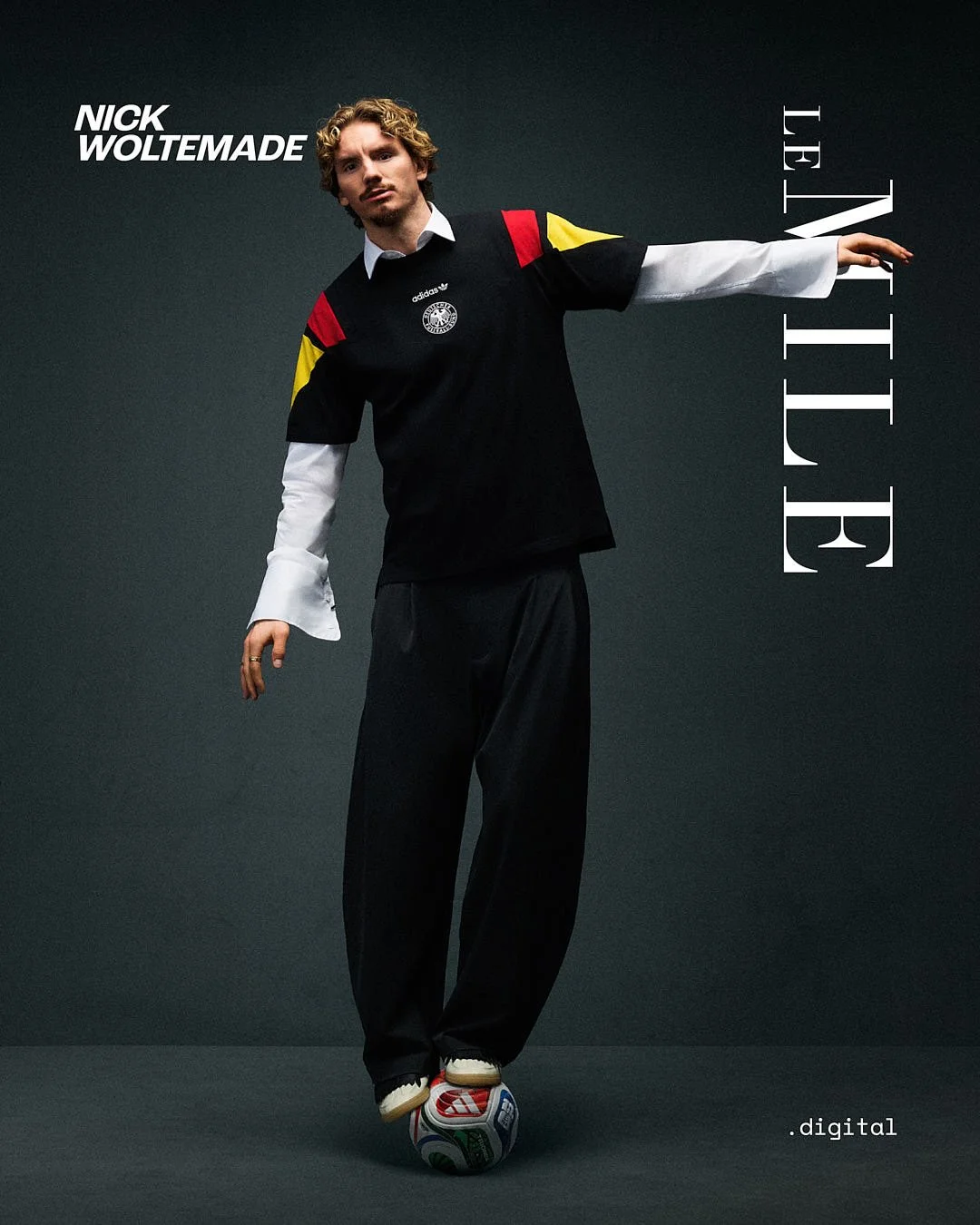
LE MILE Magazine Nick Woltemade Cover Digital Adidas Original Bringback Collection COVER


Klaas Hammer
A lot of fans see you as approachable and authentic. Do you notice that a community is starting to form around you? And when you hear chants like “Woltemade Ole Ole Ole” in Newcastle, what does that feel like?

Nick Woltemade
It’s something that has grown over the past year, and even more since I moved to England, where the fan culture is a bit different. I’ve always loved fashion, and I’d say it’s a little easier to express that in England than in Germany. People seem more open to it. I enjoy experimenting and finding my own style. Since not many footballers do that yet — compared to basketball, for example — it probably stands out more with me. But I’m happy when people respond positively to it — both football fans and people beyond the sport.


Footballers used to be seen mainly as athletes. Today, many of them also move through culture, fashion and entertainment. Do you feel that shift yourself?

Yes, I do. You can see it in the way football is consumed now — everything has become bigger, more professional, more visible. At the same time, fashion and sport are moving closer together. It feels cooler, more open, more relatable. We’re doing some really nice projects with adidas, and I’m happy to have them as a partner. Clubs are becoming more open to it as well. Newcastle, for example, are very open to new ideas and modern developments. A lot of it probably comes from basketball, especially the NBA, which is much further ahead in that sense. I don’t know if football will go in exactly the same direction, but the industry is definitely evolving. People are starting to understand that how you dress off the pitch has nothing to do with how you perform on it. At the end of the day, what matters is the performance on the pitch.


Has there been a moment with a fan that stayed with you — something that reminded you how emotional football can be for people?

My personal life has definitely changed, especially over the past year since I’ve been playing in England. Even when I was on holiday in New York, people recognized me and wanted pictures, which I hadn’t expected at all. In Bremen, my hometown, it’s probably the most relaxed. People know I’m at home there, so they also respect my privacy there. But the kids are always special.
When you see how much it means to them, and that you can make their day or even their week just by taking a picture or signing an autograph, that still means a lot. You do get used to it in some ways, but I always try to remind myself what it might mean to the fans.
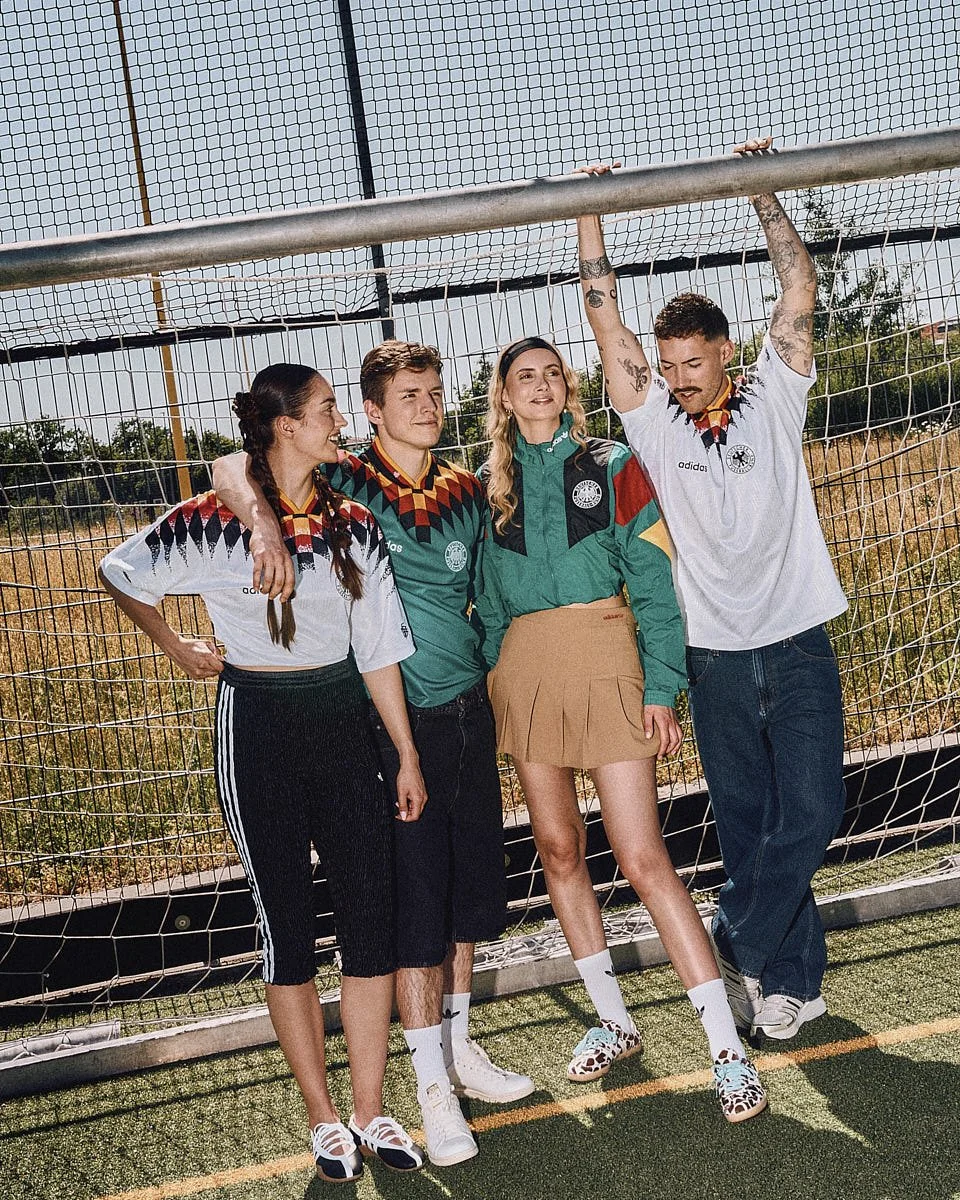
 
Four models wear pieces from the adidas Originals Germany EQT Bringback Collection in front of a football goal for LE MILE Magazine

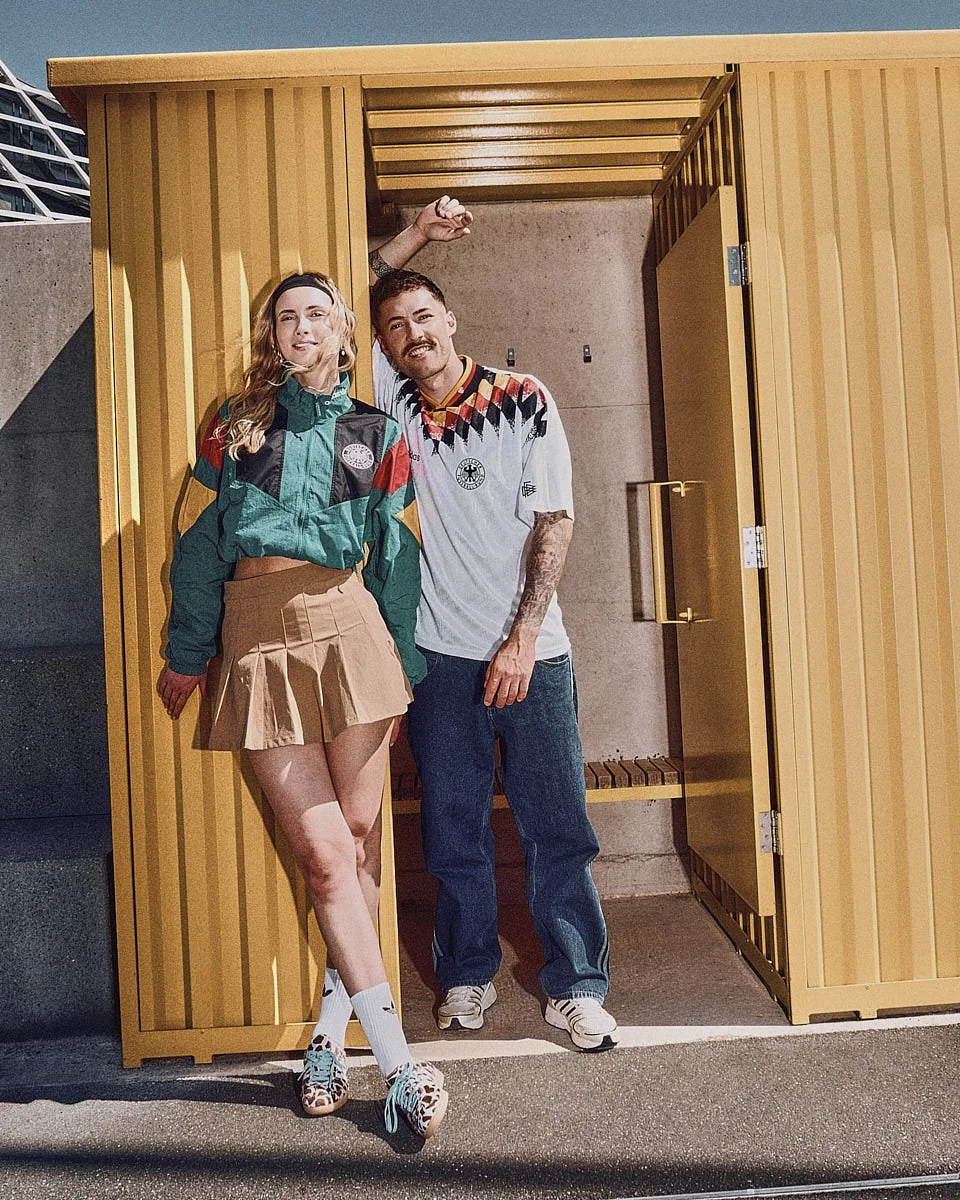
The adidas FIFA World Cup 2026 Germany EQT Collection begins with the 1990s. There are the football codes, of course, and the Equipment clarity that made tracksuits, shoulder stripes and colour blocks feel inseparable from the game. Reworked through the colours of the German national team, the collection brings back the kind of football style that starts before kick-off, outside the stadium, in the crowd and on the way home.

 
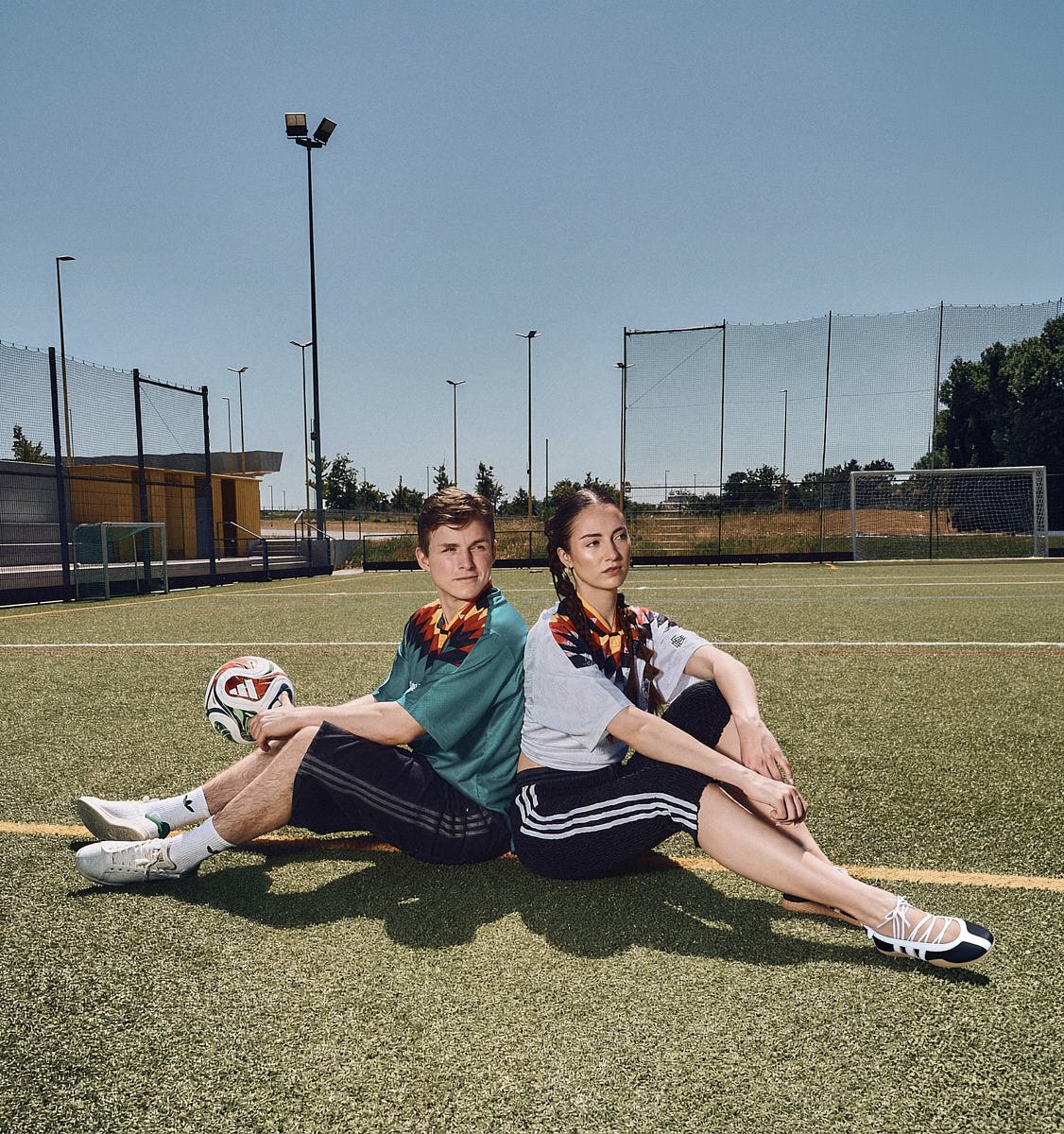
Two models sit back to back on a football pitch wearing adidas Originals Germany EQT football shirts and casual sportswear

adidas Originals Germany EQT Bringback Collection

Two models wear adidas Originals Germany EQT pieces while standing in front of a yellow structure near a football pitch

adidas Originals Germany EQT Bringback Collection


When you think about your development as a player and as a person, who has shaped your style the most — on or off the pitch?

In football terms, Kai — Kai Havertz — was my role model, but I don’t really want to say that now because he’s here with the national team too and we play together (laughs). As a person, I always thought Neymar was cool, but football-wise, his style is completely different from mine. I’m also very tall, so there haven’t been many players in my position I could really compare myself to.
That’s why I never really had one specific role model.


Football and fashion are more connected than ever. What role does fashion play for you, and where do you look for inspiration?

I’m a huge NBA fan, and I watch a lot of the tunnel fits. I think Shai Alexander is really cool — he’s definitely my favorite player to watch in terms of style.


The World Cup is football’s biggest stage. What does it mean to be part of it for the first time?

I’ve answered this a few times now, but somehow it’s still hard to find the right words. It’s such a huge thing. It’s always been a dream, something I imagined for myself, something I always wanted to achieve. And when you’re actually in that moment and think about it, it’s still difficult to fully grasp. I still don’t think I can describe it in a way that really does it justice. I’m very, very proud, and I think everyone in the team feels that. But it’s not something you can easily put into words.


What are you hoping for from the World Cup — on and off the pitch?

I’m not a big fan of expectations, because if you don’t meet them, you’re always left disappointed. I usually try to keep an open mind and let myself be surprised by what happens. But obviously, I want to achieve the best possible results for the team and for myself. I want to play, I want to score goals, and I want to be successful with the team.
 
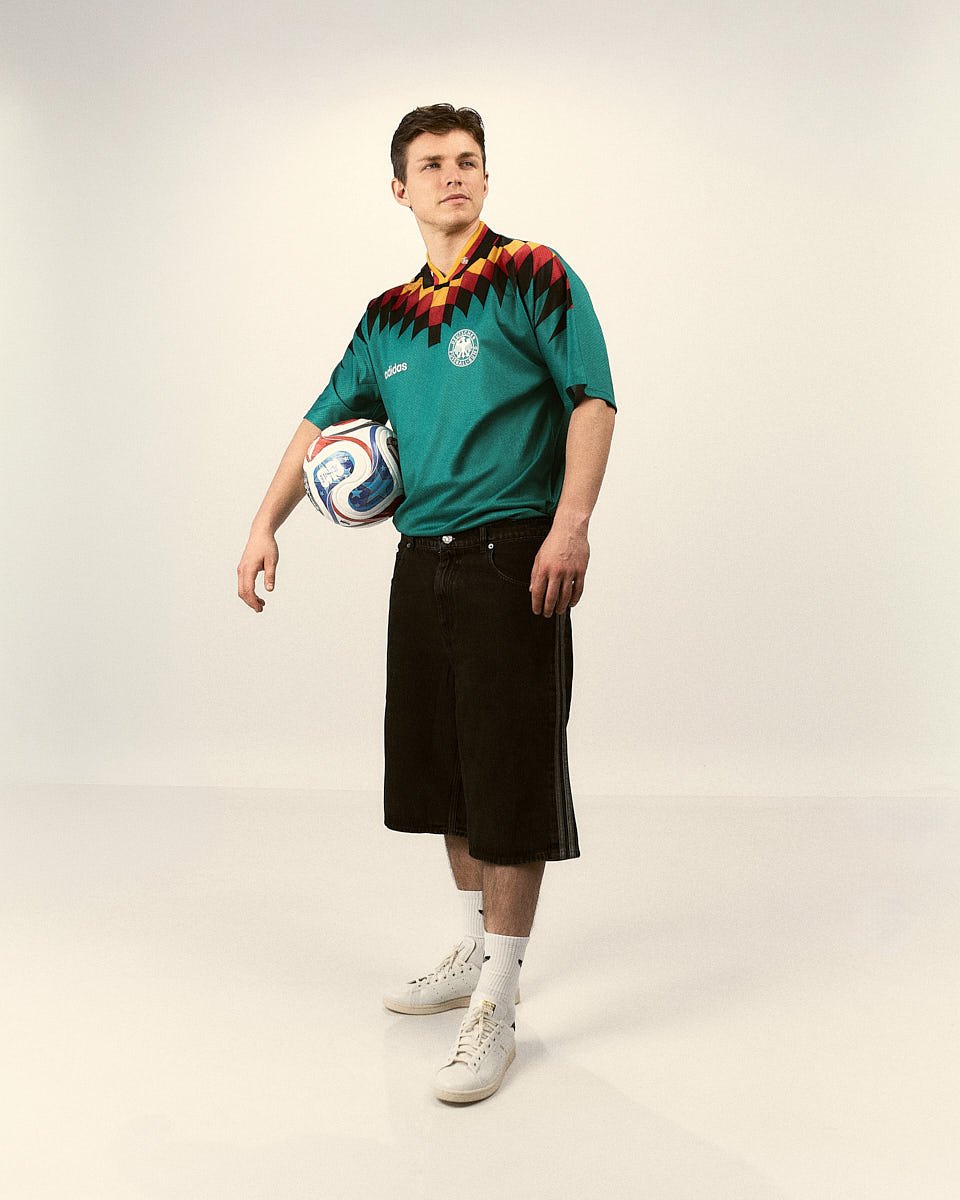
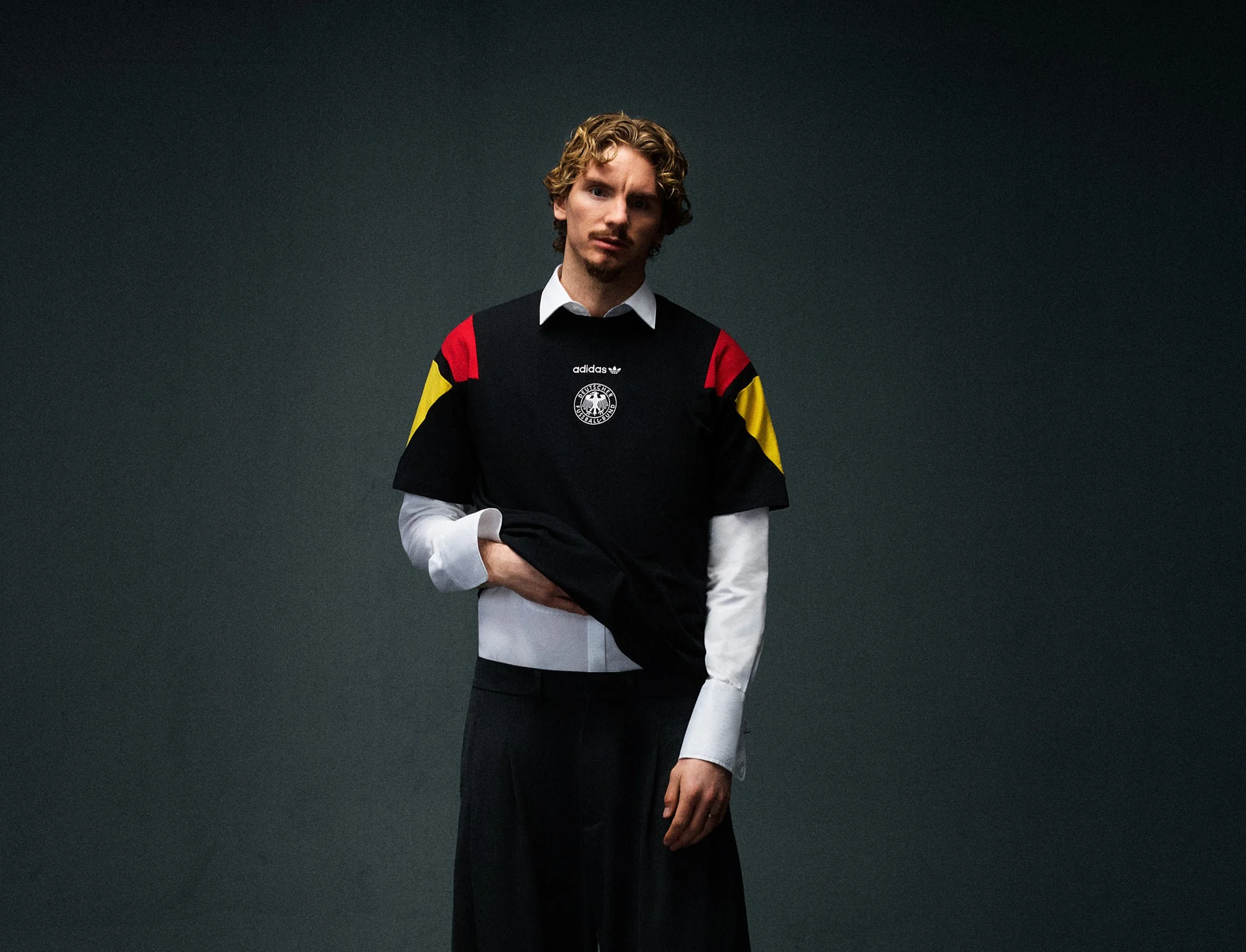
A footballer wears an adidas Originals Germany EQT shirt with black shorts and holds a football in a studio portrait

adidas Originals Germany EQT Bringback Collection

 
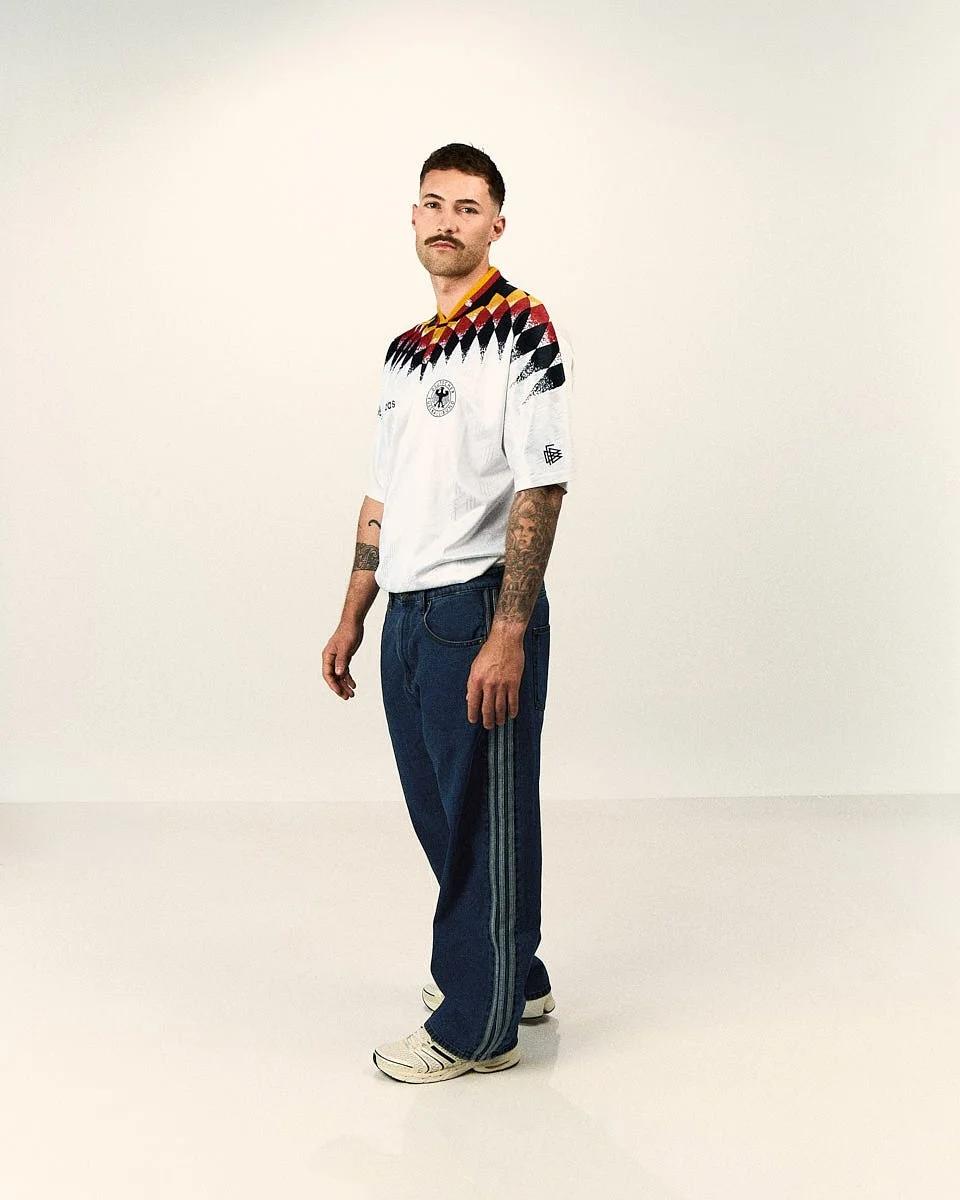
A model wears a white adidas Originals Germany EQT football shirt with wide-leg denim pants in a studio portrait

adidas Originals Germany EQT Bringback Collection


photographer SIMEON ASENOV
styling KLAAS HAMMER
make up and hair LISA FALK
talent NICK WOLTEMADE
models NINA IMERI + SAM THEIN + ALBAN IMERI + JOSHUA FEES
production coordination ALBAN E. SMAJLI
thanks to adidas + ALBINA IMERI
Steinway and Studio Paelis - Bringing Straw Marquetry Into Sound


Steinway and Studio Paelis - Bringing Straw Marquetry Into Sound


How Steinway and Studio Paelis Bring Straw Marquetry Into Sound


written ALBAN E. SMAJLI
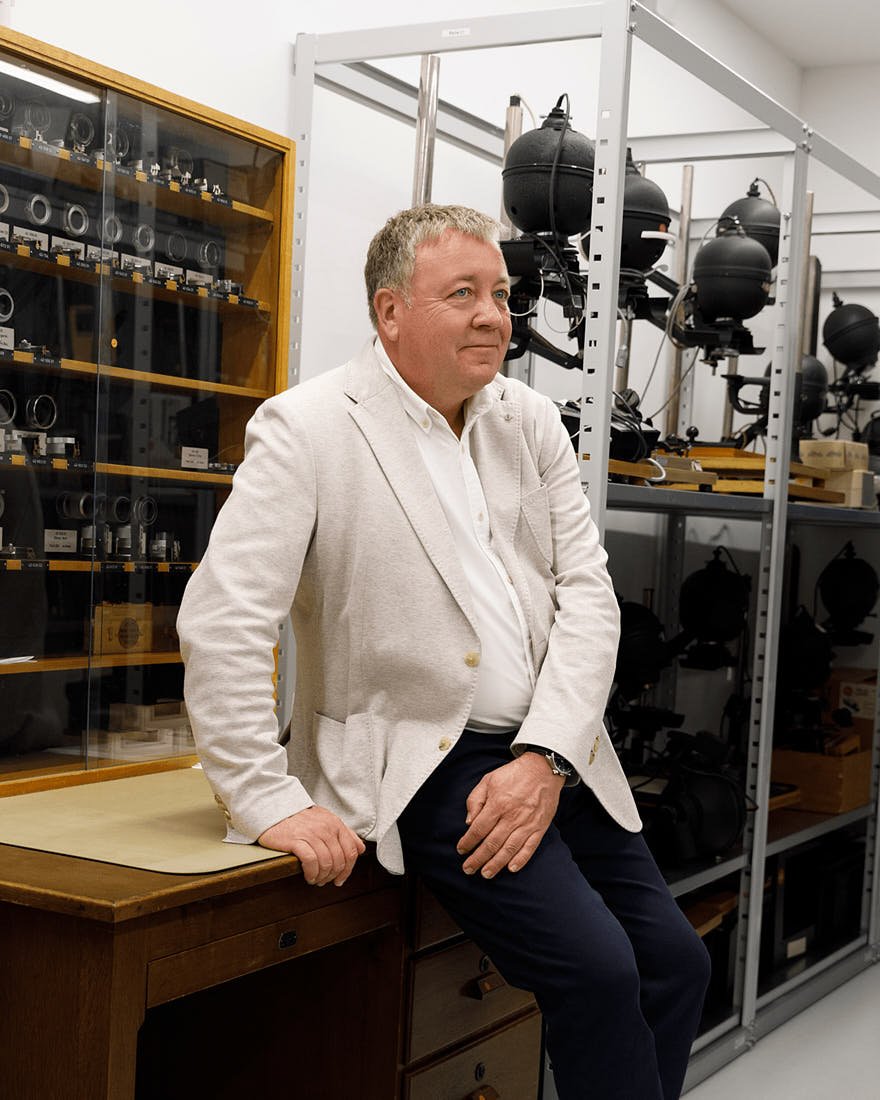
 

Inside the Steinway & Sons factory in Hamburg, sound begins long before anyone touches a key. It begins in the way wood is selected, bent, left to rest, carried from one station to the next. It sits in the smell of lacquer and timber, in the concentration of people who seem to know exactly how much pressure a material can take before it stops cooperating. The place has its own tempo, shaped by patience, repetition and the quiet understanding that every surface, joint and invisible adjustment will eventually become part of a sound.


During a visit to the manufactory, what stays with you first is the intimacy of the place. The factory carries the weight of an institution and still moves with the rhythm of a family workshop, where people greet each other across rooms filled with half-built instruments and where every station seems connected to the next through a chain of knowledge passed from hand to hand. A grand piano becomes itself slowly here, through many specialists, many materials, many moments of judgement that remain invisible once the instrument reaches a concert hall or a private home.

 
Le Mile Magazine Steinway & Son Straw Marquetry Piano in collaboration with Studio Paelis by Manon Bouvier-Toth

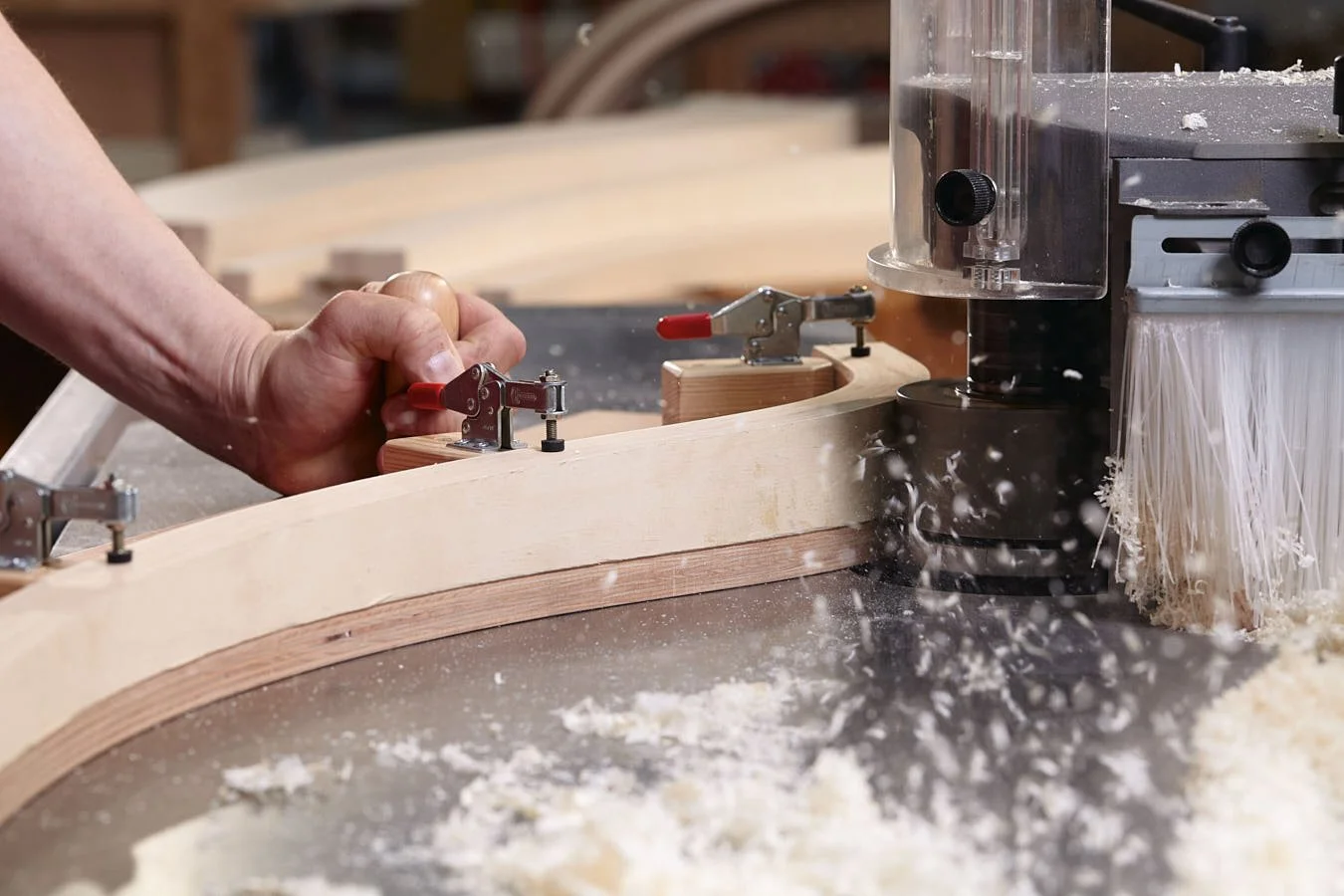
Inside the Steinway workshop, the piano begins with pressure, movement and wood dust, as each curve is guided into shape before the instrument takes form.

 
Le Mile Magazine Steinway & Son Straw Marquetry Piano in collaboration with Studio Paelis by Manon Bouvier-Toth

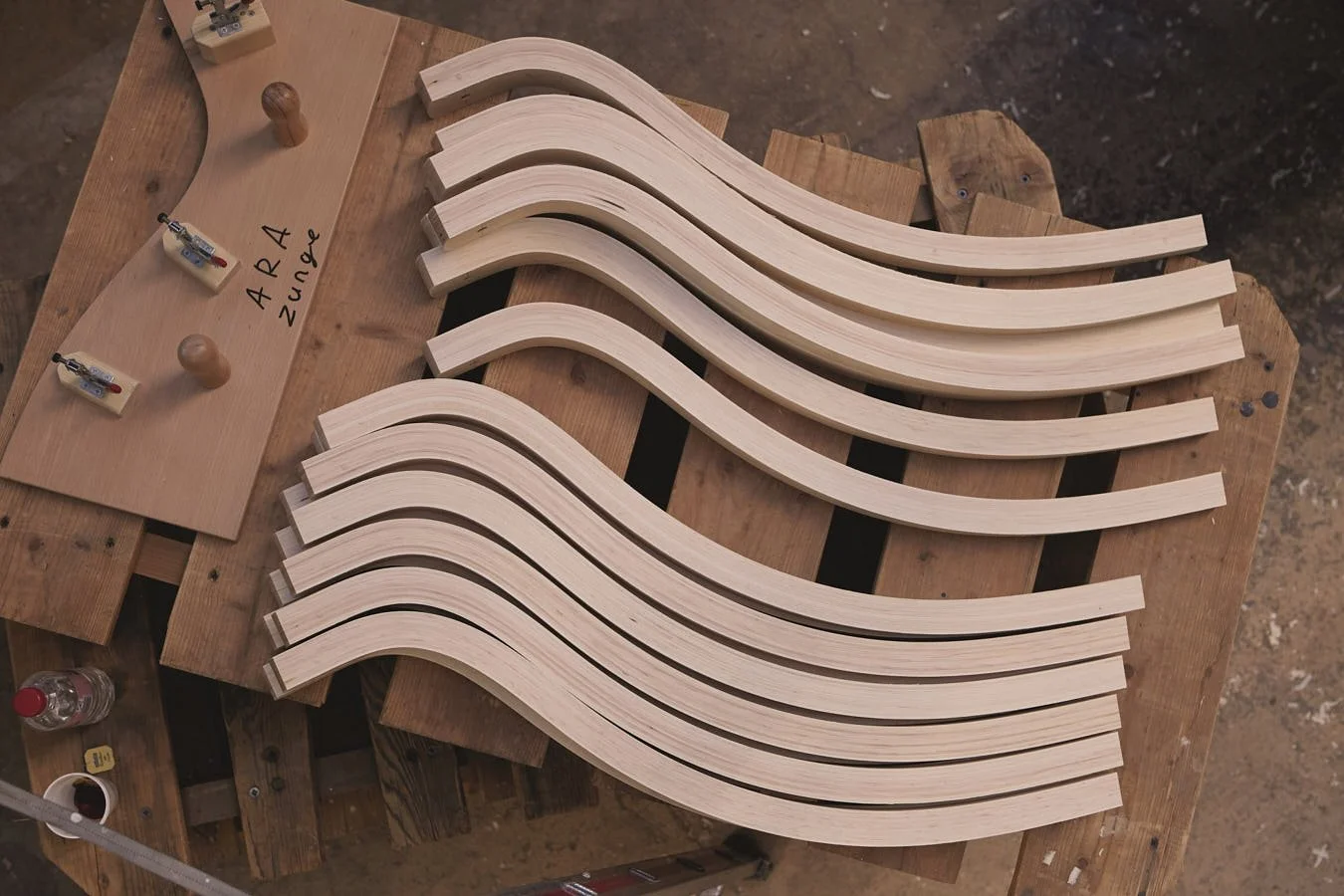
Curved wooden elements for the ARA Lounge piano are laid out in sequence, showing the quiet precision behind a form that later appears almost fluid.


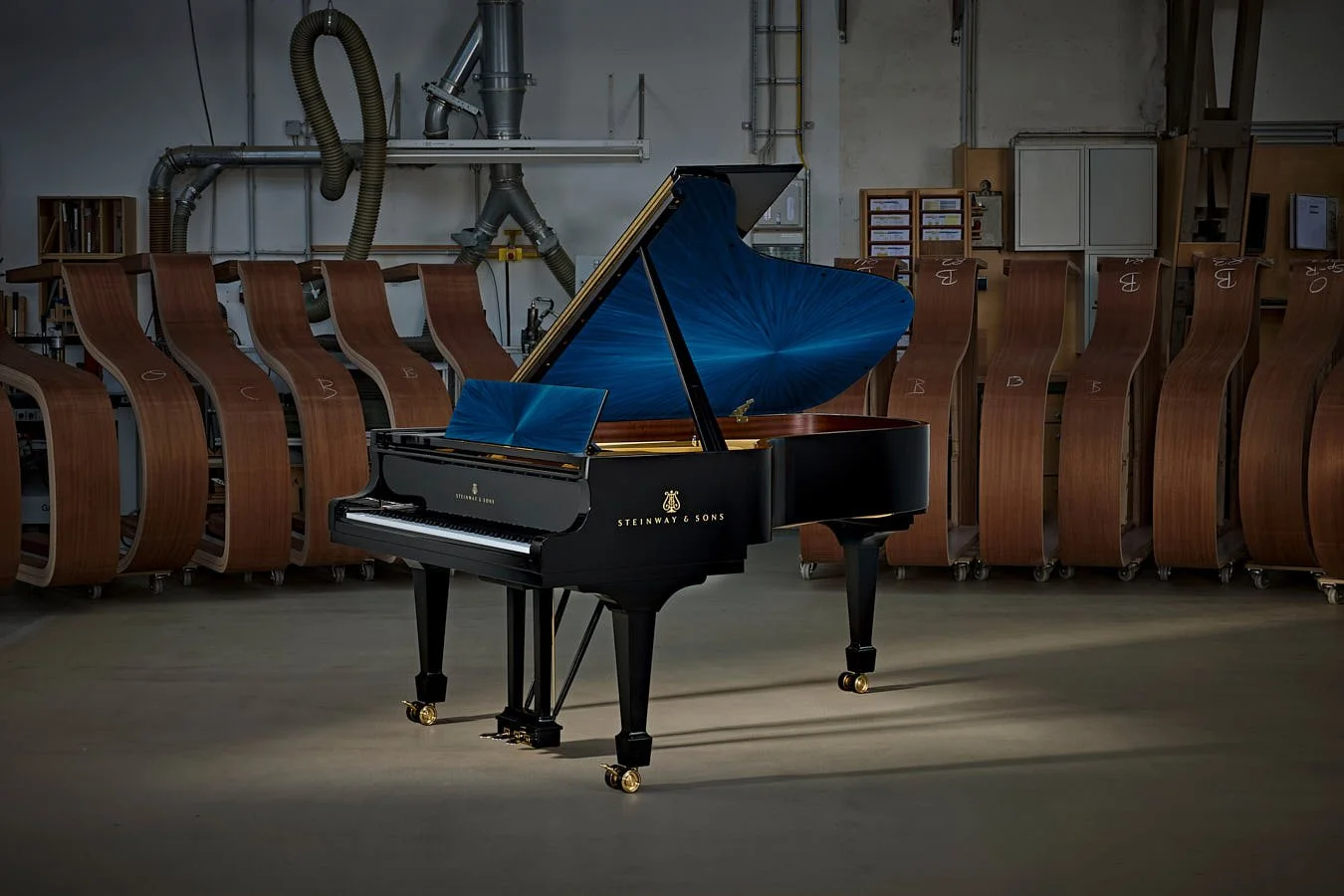
It felt almost inevitable, then, that Manon Bouvier-Toth would bring straw into this world with such precision. The new Steinway & Sons x Studio Paelis Masterpiece Straw Marquetry Collection marks Steinway’s first collaboration with an artist working in straw marquetry, a technique that reached prominence in Europe in the early 17th century and was long used to refine furniture and rare objects with a surface that behaves almost like light itself. Straw marquetry carries a natural shimmer, a silky glow, a way of shifting under the smallest movement of the eye. In the hands of Bouvier-Toth and her Lyon-based atelier, Studio Paelis, this historical craft feels immediate, sharp and alive.

Bouvier-Toth founded Studio Paelis in 2016 and has since shaped it into one of the rare contemporary ateliers dedicated to rye straw marquetry. Her work moves through bespoke interiors, exceptional objects, wall panels and commissions for design professionals, interior architects and luxury clients, always with a language that feels precise, sensual and quietly architectural. In her hands, straw becomes a material of quiet precision, guided into surfaces that seem to shift with the room around them.

 
Le Mile Magazine Steinway & Son Straw Marquetry Piano in collaboration with Studio Paelis by Manon Bouvier-Toth

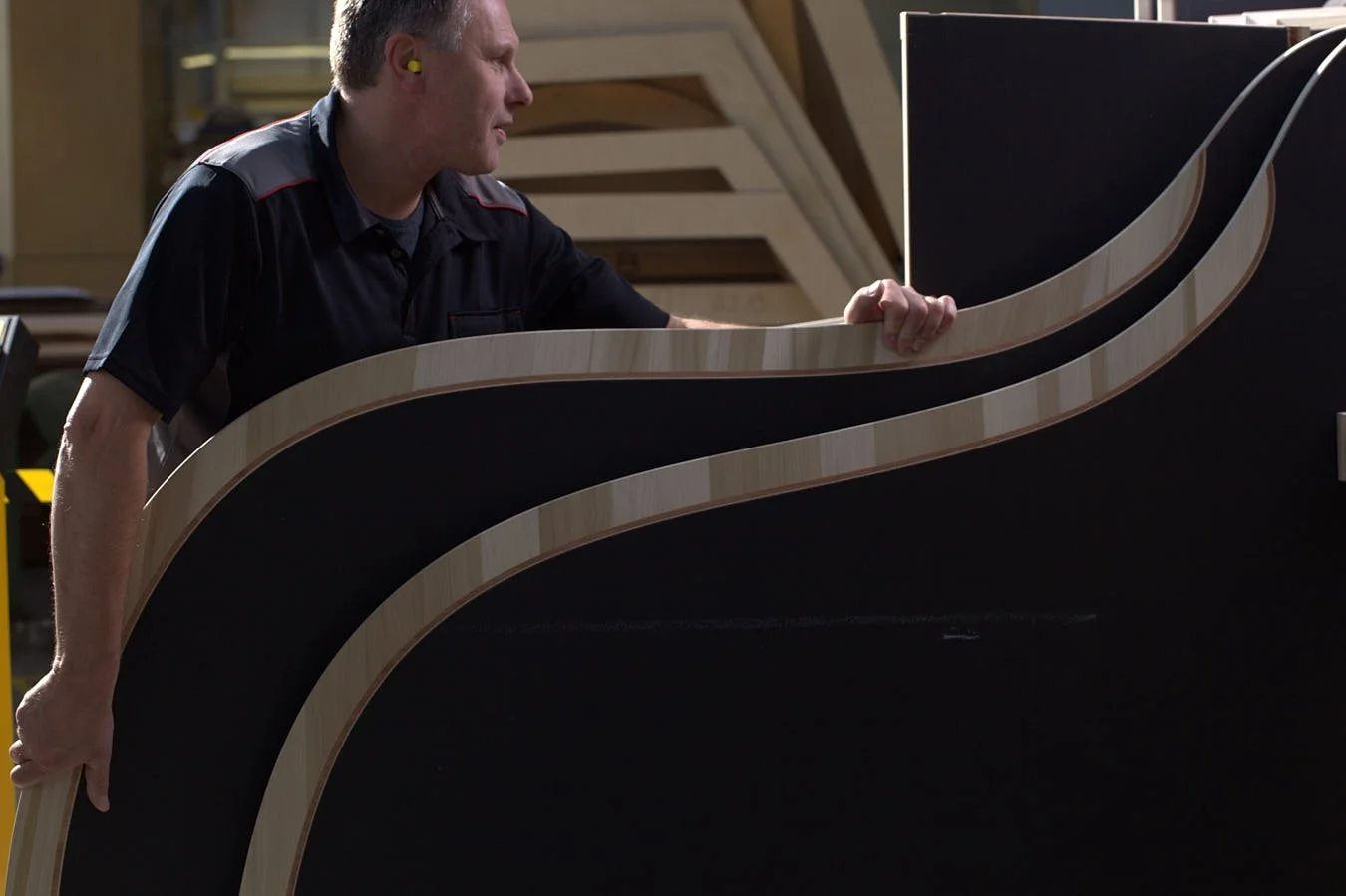
The piano’s body takes shape in the workshop, where the long wooden lines are held, checked and guided before disappearing beneath the final surface.


Le Mile Magazine Steinway & Son Straw Marquetry Piano in collaboration with Studio Paelis by Manon Bouvier-Toth

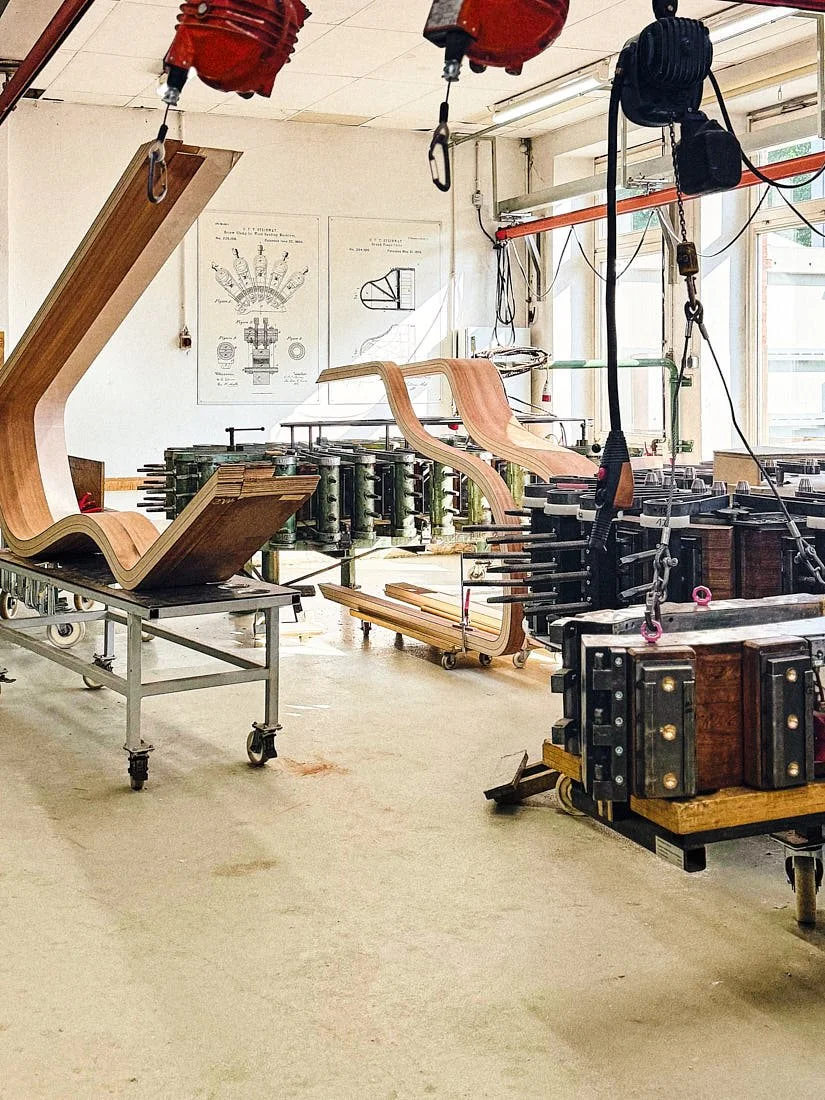
The frame of the piano moves through the workshop in open stages, with its sculptural lines already visible before the final body is closed.

Image by LE MILE


Le Mile Magazine Steinway & Son Straw Marquetry Piano in collaboration with Studio Paelis by Manon Bouvier-Toth

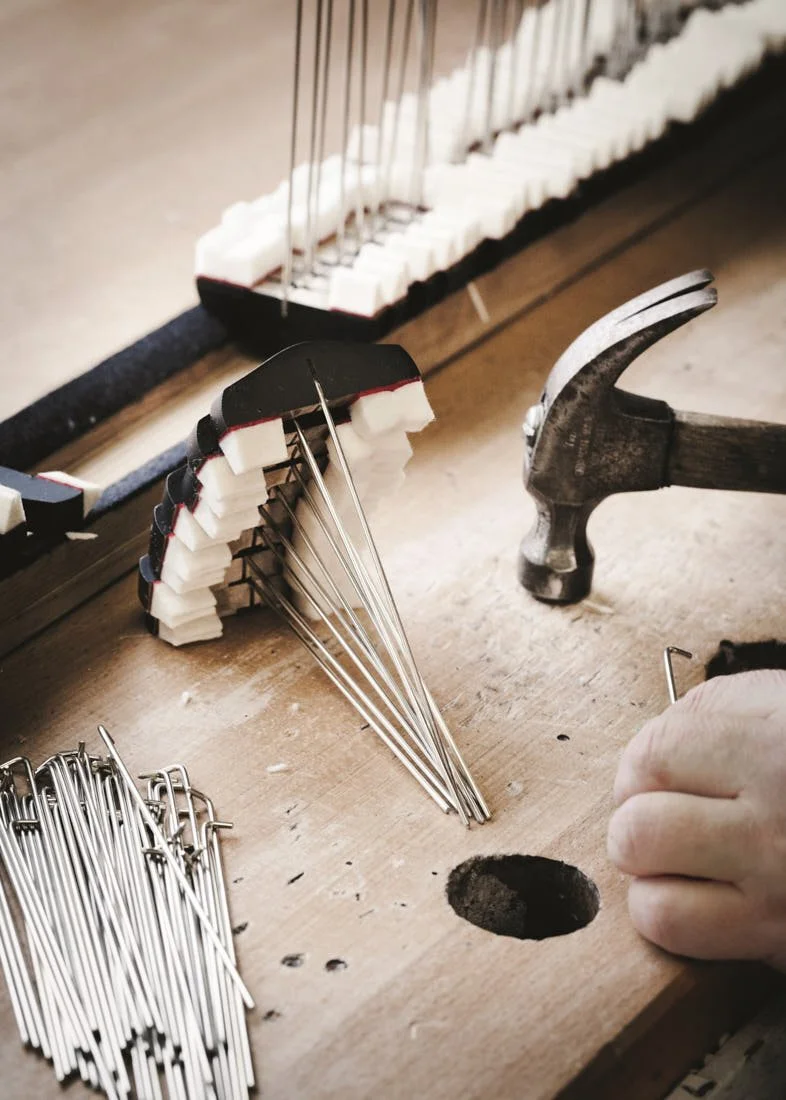
Inside the action, strings, hammers and felt are set into exact relation, bringing the piano’s hidden mechanics close to the hand.

Le Mile Magazine Steinway & Son Straw Marquetry Piano in collaboration with Studio Paelis by Manon Bouvier-Toth

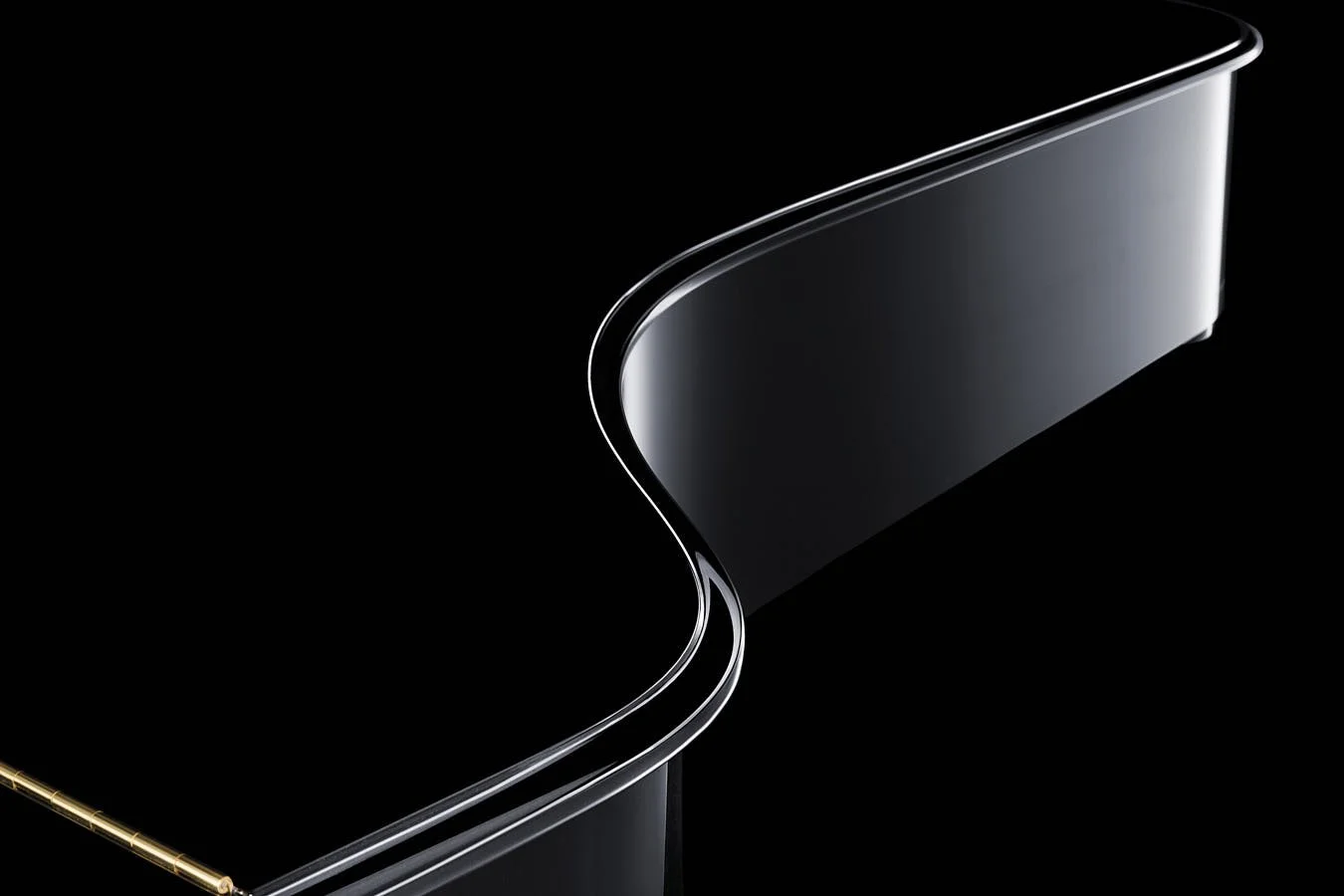
A finished curve of the Steinway piano catches the light, turning construction into a dark, almost liquid line.


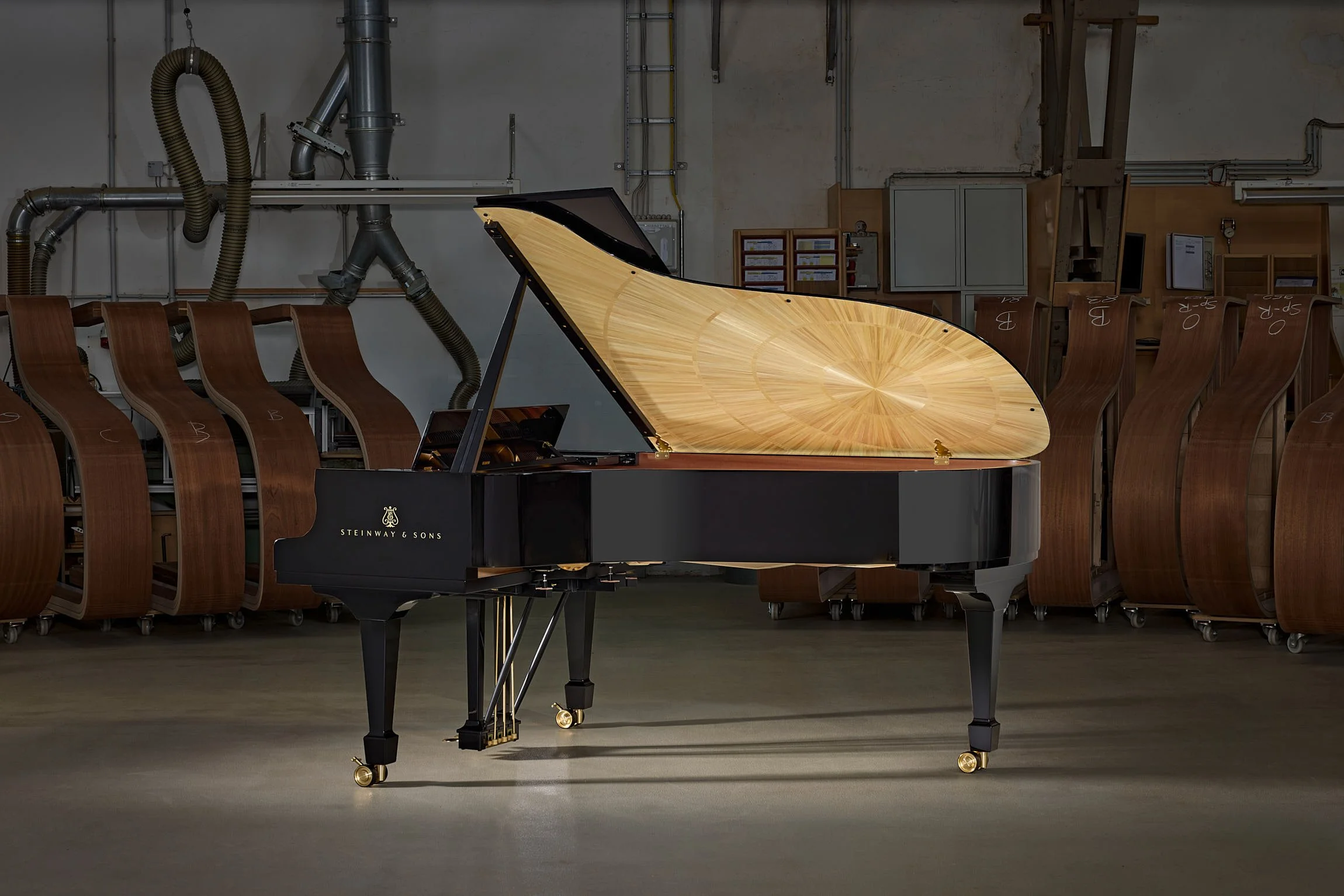
For Steinway, the collaboration opens a new chapter in its long history of limited editions and artistic partnerships, because the grand piano already belongs to a world of extreme making. Every Steinway carries engineering, memory, acoustic intelligence and status in one body, and the straw marquetry appears at one of the instrument’s most intimate points. It covers the inner lid and music desk, the space a pianist sees while playing, where the piano opens itself to the room and where the visual experience becomes part of listening.

The first sight of the finished piano came on the evening before the factory visit, during dinner inside Steinway’s Hamburg world, with glasses on the table, voices moving through the room and the instrument already holding the attention before anyone had fully gathered around it. Then the keys began to move by themselves. The piano started playing into the room with a strange, precise intimacy, as if it had kept someone’s touch inside its body. Steinway’s SPIRIO technology captures and reproduces the finest movements of a performance, from the force of the hammers to the movement of the pedals, giving the instrument a second presence that feels almost bodily when experienced up close. As the straw inside the lid caught in small flashes, the collaboration stopped feeling like an idea and became something physical in the room. A historic craft, a living instrument, an absent hand made present again.

 
Le Mile Magazine Steinway & Son Straw Marquetry Piano in collaboration with Studio Paelis by Manon Bouvier-Toth

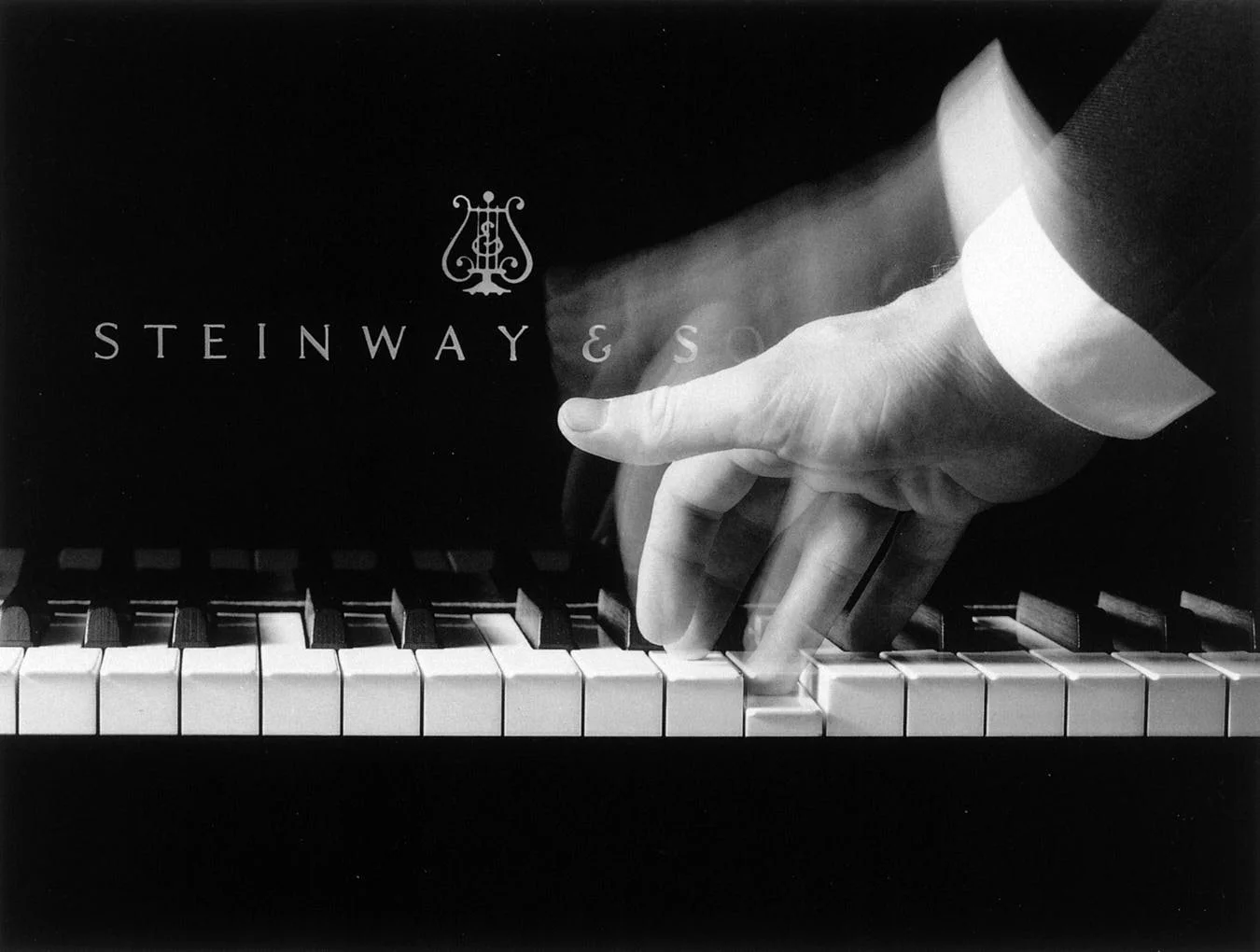
The hand disappears, but the touch remains inside the instrument.

 
Le Mile Magazine Steinway & Son Straw Marquetry Piano in collaboration with Studio Paelis by Manon Bouvier-Toth

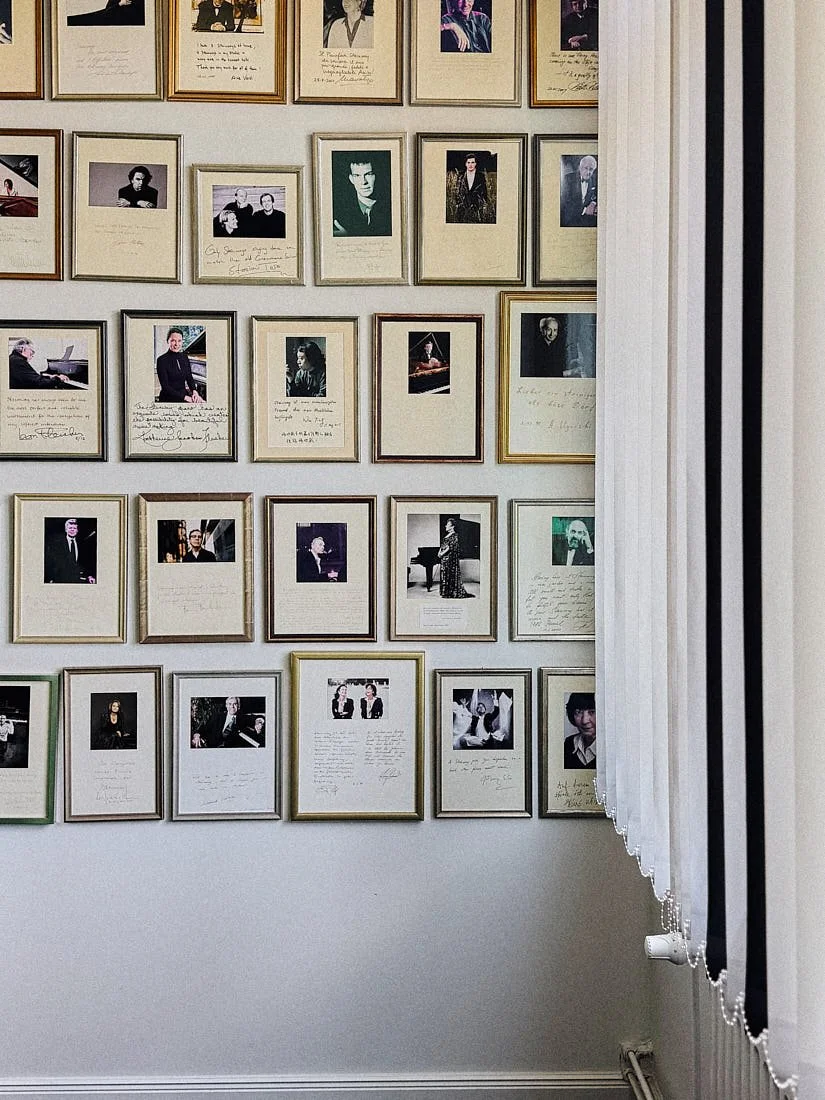
Inside Steinway’s Hamburg world, the wall of portraits holds a quiet record of the musicians who have passed through the house.

Image by LE MILE


Studio Paelis works with rye straw sourced from Burgundy, prepared by hand until the material becomes thin enough to follow light with extraordinary precision. Applied fibre by fibre across the piano’s inner surfaces, the straw gives the instrument a quiet luminosity that shifts with every angle and movement in the room.

Across the piano’s interior, the straw behaves differently depending on how it has been laid. In one version, the fibres open from a centre point and pull the eye outward with a quiet, almost solar tension. In another, they move in softer rings, closer to the way sound seems to leave the instrument and remain in the air for a moment. The names of the designs matter less than the sensation they create, precise, restrained and strangely alive. For Bouvier-Toth and her atelier, the piano changed the scale of the gesture. The straw had to move across a body that curves, opens, closes and still remains an instrument before anything else. What remains is a surface that seems to belong there, quietly intensifying the space a pianist sees before the first note is played.


Le Mile Magazine Steinway & Son Straw Marquetry Piano in collaboration with Studio Paelis by Manon Bouvier-Toth

The finished Steinway piano stands inside the workshop, with the blue straw marquetry opening across the lid like a concentrated field of light.


Because Steinway has been building in Hamburg since the late 19th century, the factory carries its history through the movement of work, through materials being handled, surfaces being checked and gestures repeated with the calm of people who know exactly where their part of the instrument begins and where another hand will continue. A small adjustment, a surface checked again, a detail hidden deep inside the body of the piano, all of it belongs to a chain of decisions that eventually becomes sound.

During the factory visit, this sense of shared responsibility became one of the strongest impressions, because the work moved through conversations, glances, familiar gestures and routines carried by people who seemed deeply aware of how their own task would continue in someone else’s hands. The instruments were handled with a concentration that felt personal, almost familial, built from training, trust and the quiet awareness that every decision would eventually reach another bench, another hand, another ear.

Seen from the Hamburg factory, the collaboration with Studio Paelis gains its force through a shared belief in craft as something carried by hand, memory and exacting attention. In Bouvier-Toth’s hands, straw marquetry carries historical memory through a surface that feels alert, tactile and completely present, shaped by time, pressure and an exact understanding of surface. On the Steinway grand, that language settles into the inner architecture of the instrument and gives it another sensorial layer before the first note is played. Between the Hamburg manufactory and the Lyon atelier, the idea of a masterpiece becomes something quieter and more precise, held in the patience of people who understand how much presence an object can carry when it is made properly.


credits
all images (c) Steinway & Son

RIMOWA Design Prize 2026 - How Young Designers Are Reframing Mobility

RIMOWA Design Prize 2026 - How Young Designers Are Reframing Mobility

RIMOWA Design Prize 2026
How Young Designers Are Reframing Mobility


written KLAAS HAMMER


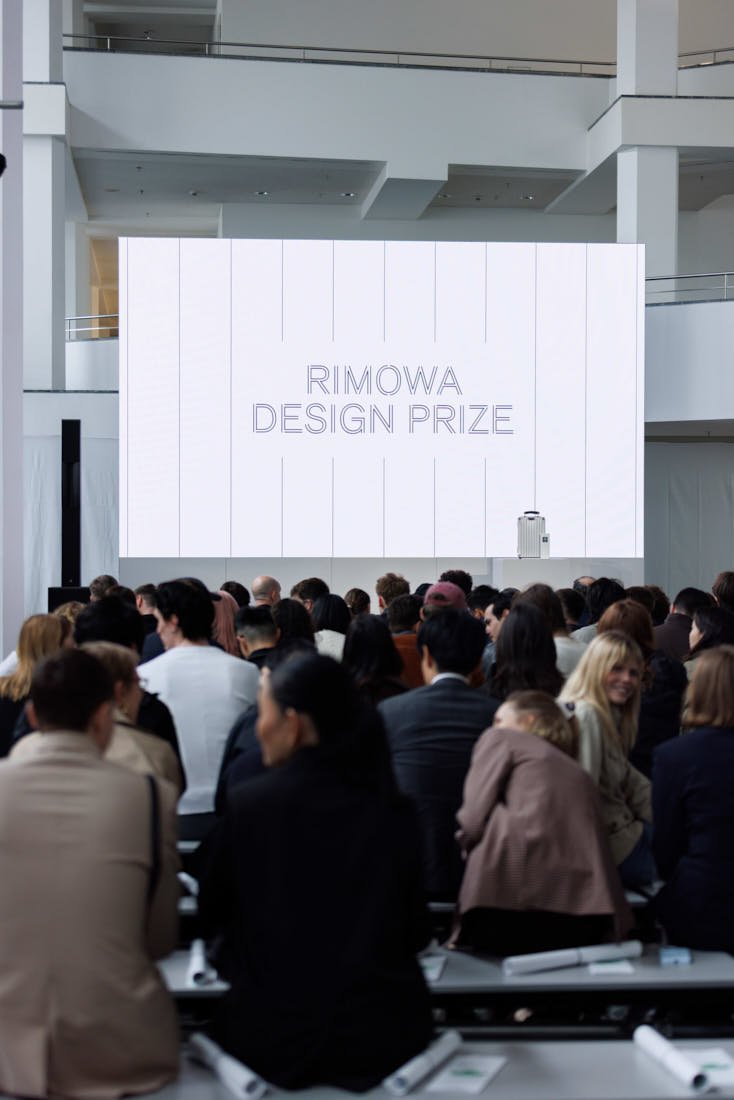
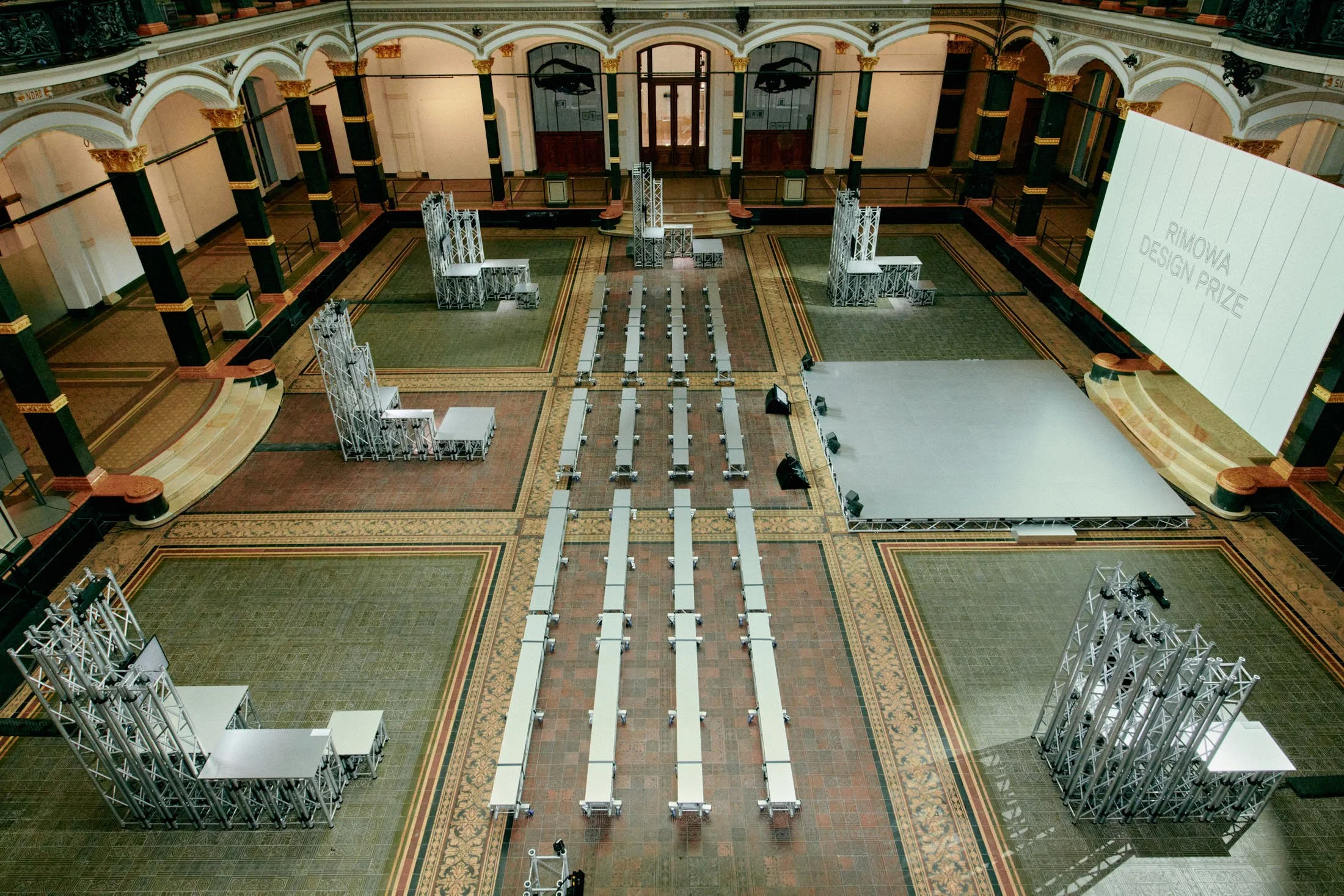
The future of German design is in good hands - a fact once again proven by this year’s RIMOWA Design Prize 2026. On May 11, seven finalists from universities across Germany presented their projects to an international audience in Berlin, showcasing a new generation of designers driven by innovation, purpose, and social impact.


First launched in 2023, the RIMOWA Design Prize was created to support emerging creative talent and champion the future of German design. Rooted in values such as innovation, inclusivity, and global transformation, the award once again centered this year around the theme of mobility - encouraging young designers to translate visionary ideas into tangible projects capable of creating lasting, sustainable impact on global challenges. And the finalists delivered. Their concepts demonstrated that mobility is about far more than movement alone; it is deeply connected to freedom, accessibility, resilience, and human connection. At the same time, the projects reflected the core principles long associated with RIMOWA - durability, excellence, and purposeful design.

 
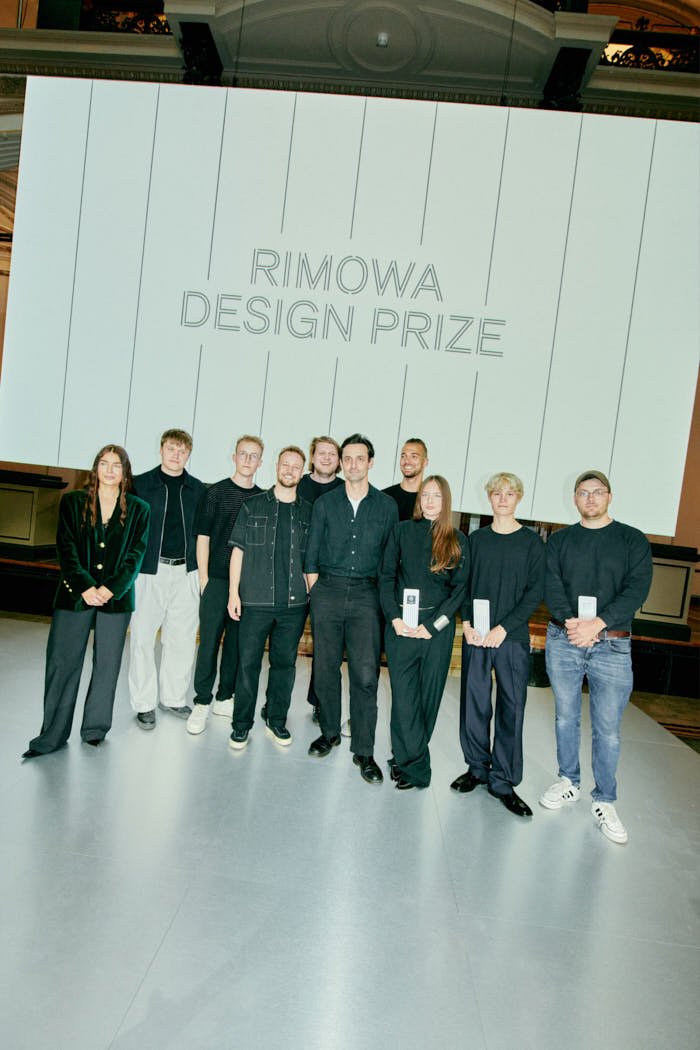
Guests at the RIMOWA Design Prize 2026 ceremony in Berlin for LE MILE Magazine

Guests at the RIMOWA Design Prize 2026 ceremony in Berlin

 
The award presentation at the RIMOWA Design Prize 2026 ceremony in Berlin for LE MILE Magazine

The award presentation at the RIMOWA Design Prize 2026

 
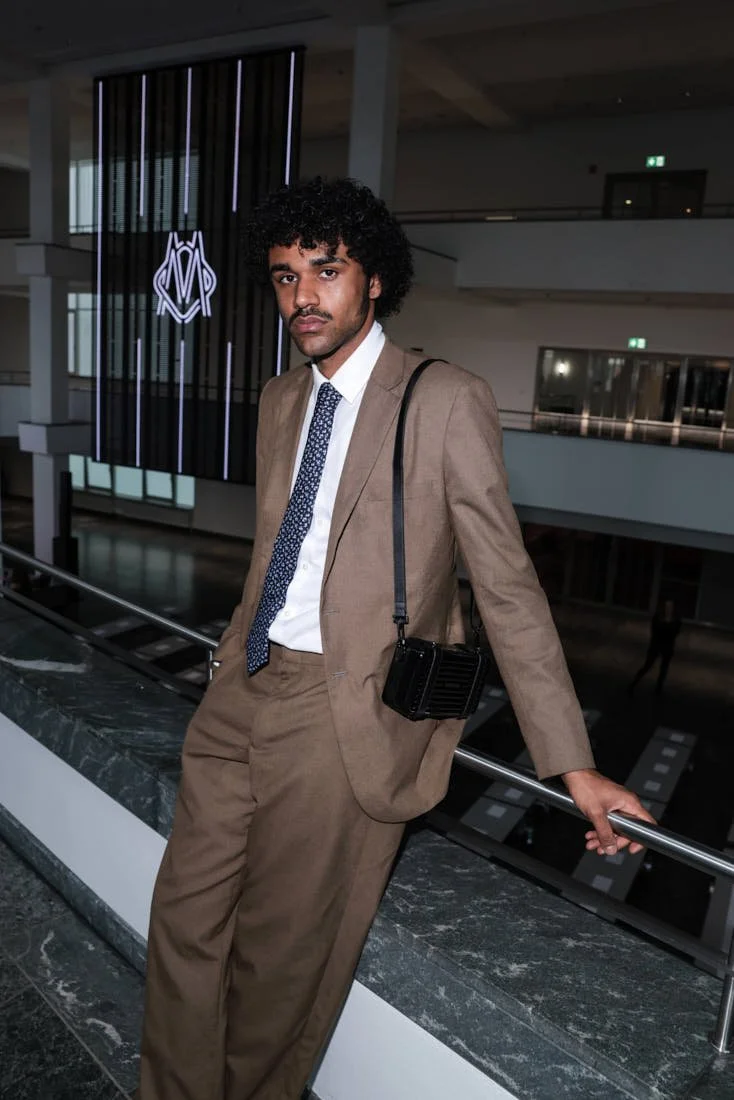
Langston Uibel at the RIMOWA Design Prize 2026 ceremony in Berlin for LE MILE Magazine

Langston Uibel at the RIMOWA Design Prize 2026

 
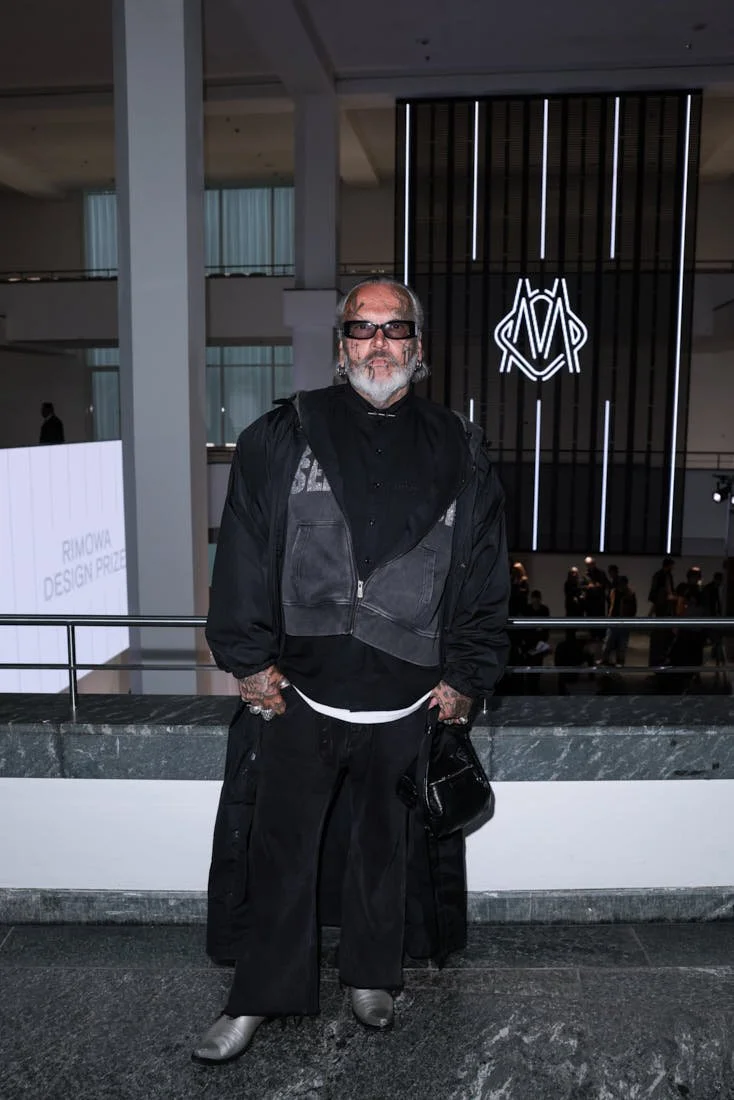
Sven Marquardt at the RIMOWA Design Prize 2026 ceremony in Berlin for LE MILE Magazine

Sven Marquardt at the RIMOWA Design Prize 2026


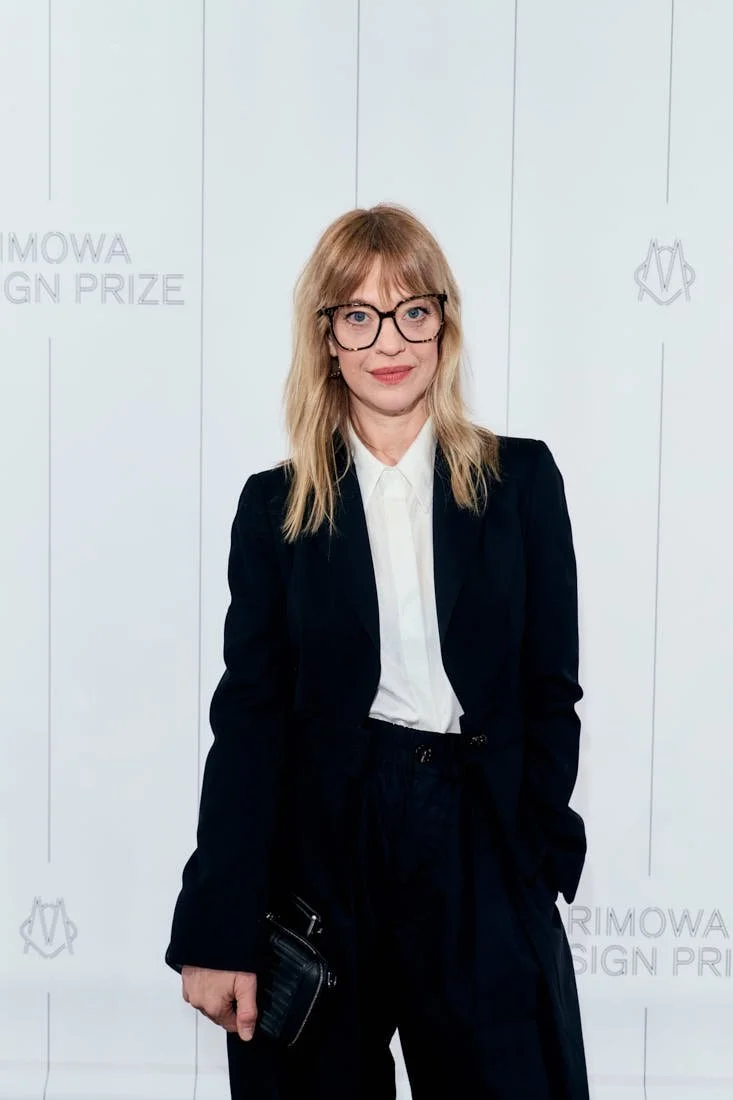
Heike Makatsch at the RIMOWA Design Prize 2026 in Berlin for LE MILE Magazine

Heike Makatsch at the RIMOWA Design Prize 2026


Set against the striking backdrop of Berlin’s Kulturforum, journalist Valerie Präkelt guided guests through both the press preview and the evening’s award ceremony, attended by Berlin creatives, talents such as Heike Makatsch, Langston Uibel, Justus Riesner, Paula Hartmann, industry professionals, and members of the international press. Also present was newly appointed RIMOWA CEO Beatrice Monguidi, who described the event as a meaningful introduction to her new role at the company, one that celebrates young creative voices and offers them real opportunities to shape the future. Monguidi, previously President of Louis Vuitton for Europe, the Middle East and Africa, succeeds Hugues Bonnet-Masimbert, who is stepping down after leading the company since 2021.

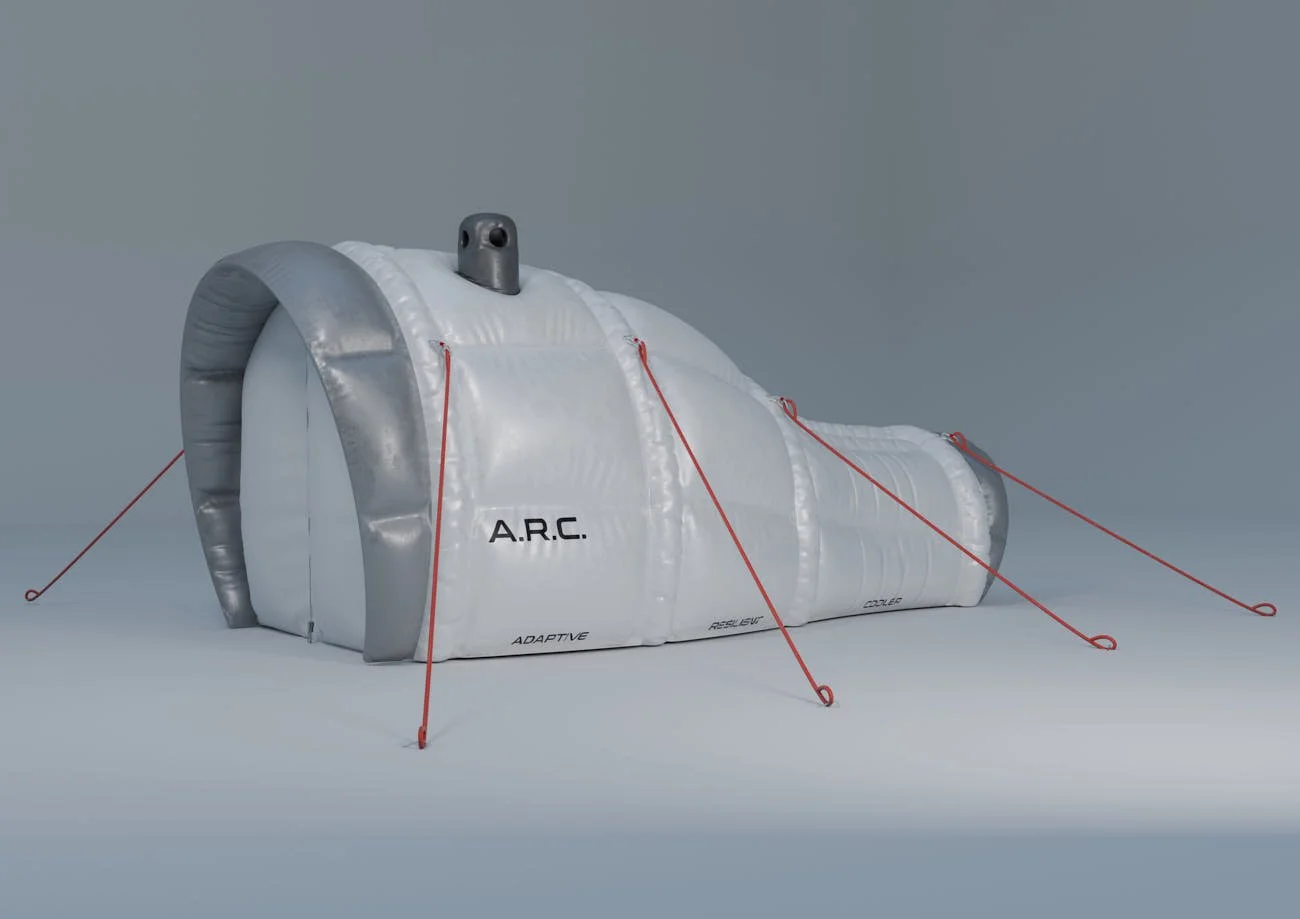
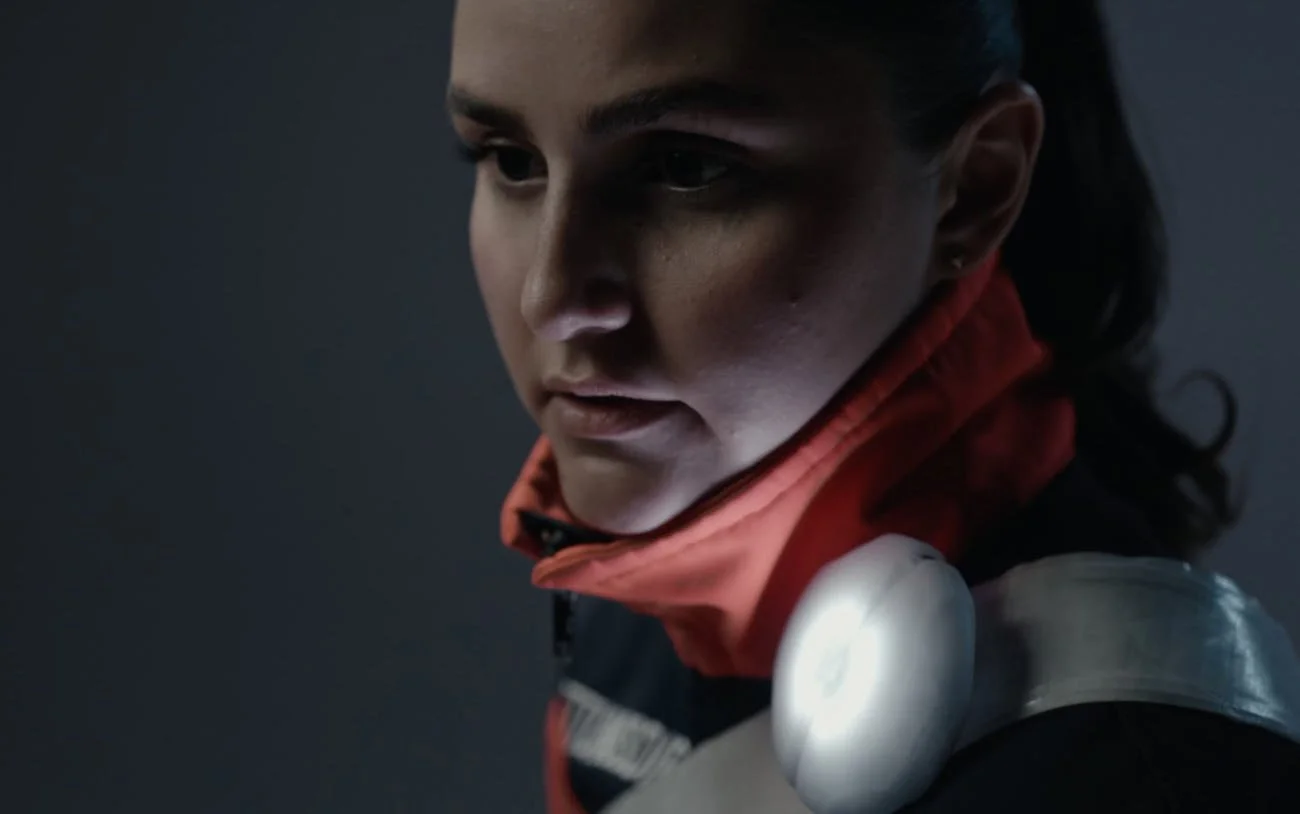
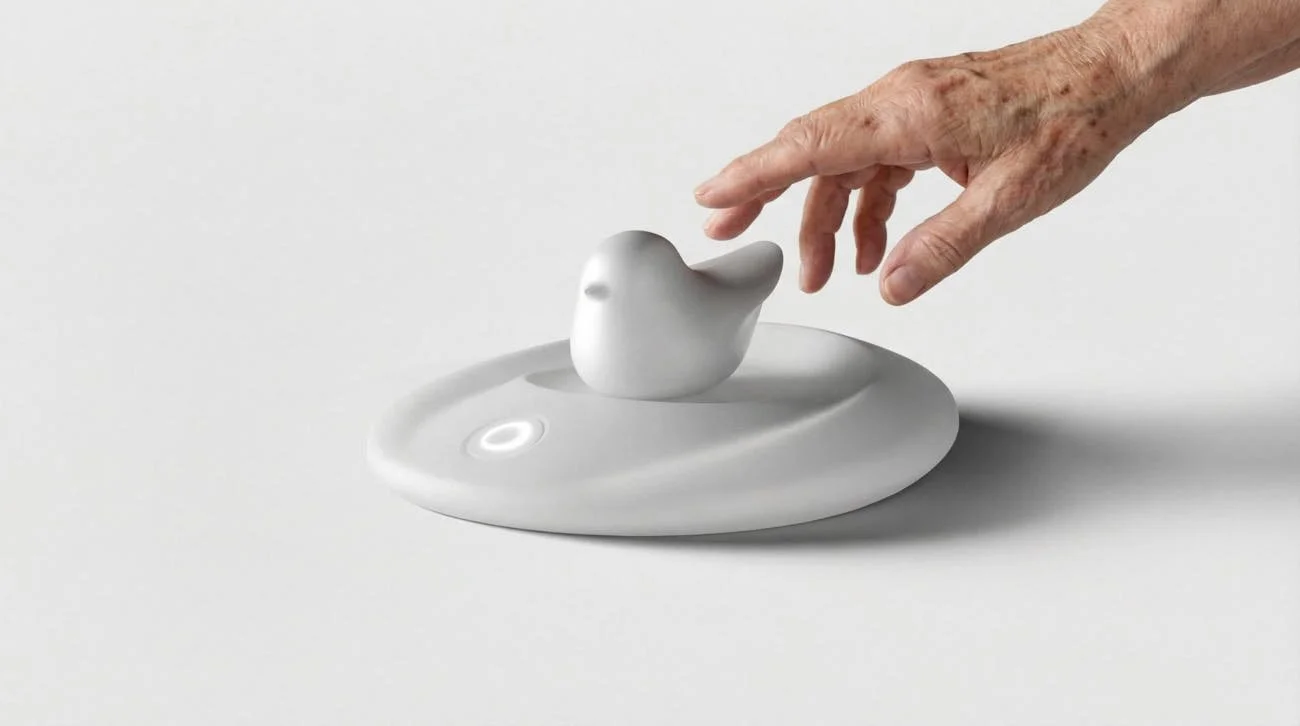
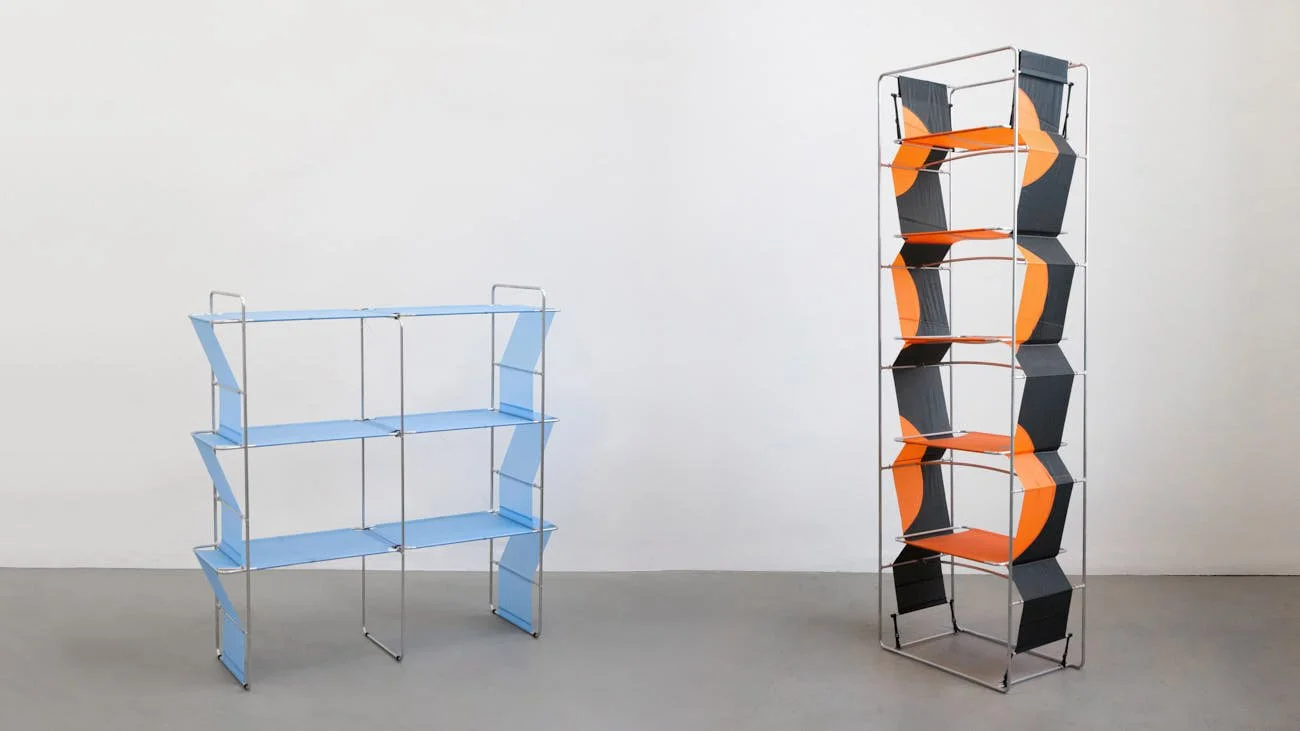
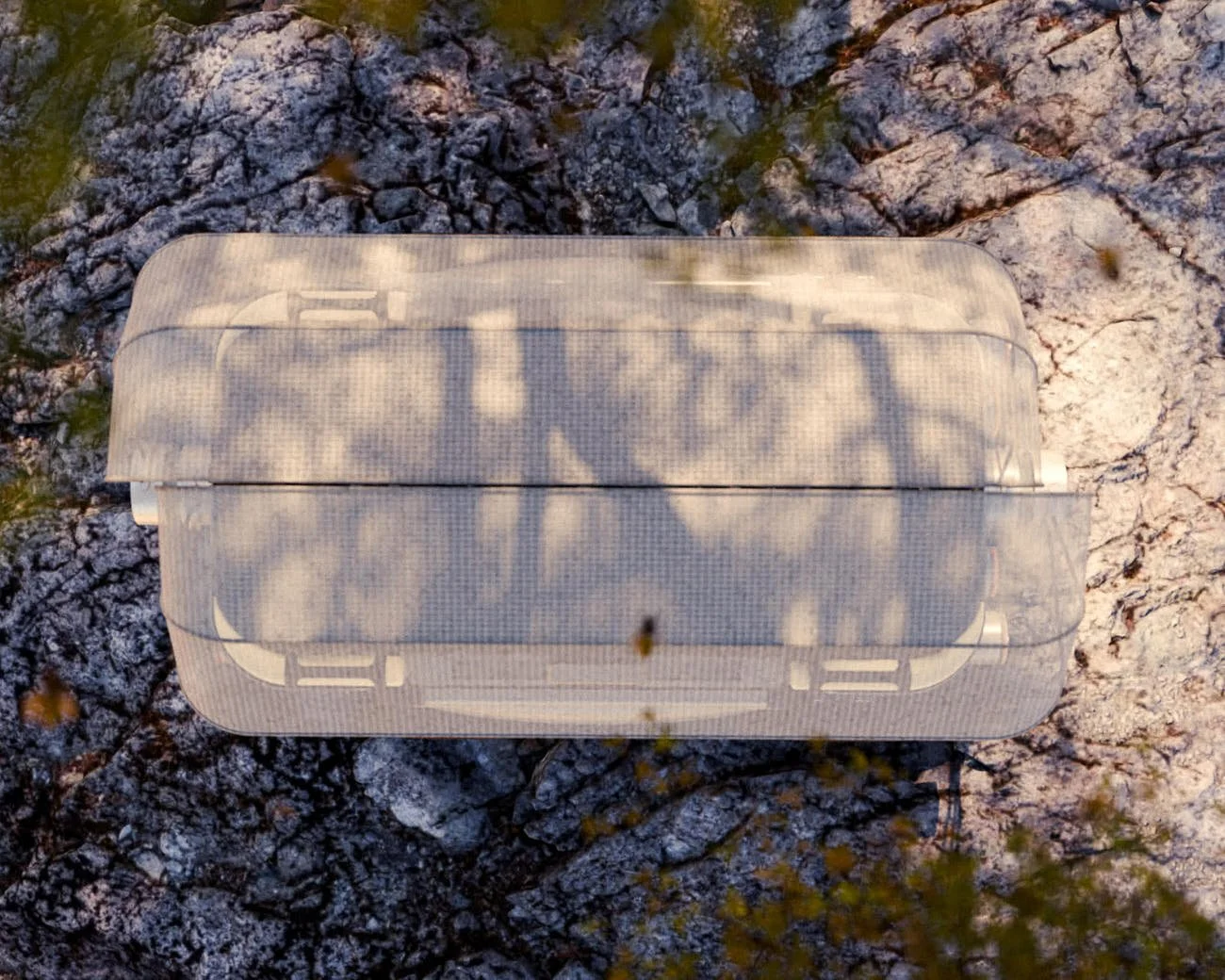
The finalists’ projects spanned a remarkable range of disciplines and ideas. Valerio Sampognaro, for example, presented ultra-lightweight furniture inspired by kite construction. Using sailcloth and aluminum tubing, he transformed principles of aerodynamics into functional everyday objects designed for a more mobile lifestyle. Meanwhile, Jakob Schlenker introduced “PIP,” a portable bird-shaped companion created for elderly people experiencing loneliness. Supported by AI technology, PIP encourages movement and social interaction through subtle prompts and emotional engagement. One of the evening’s most discussed projects, particularly due to its urgent real-world relevance, came from Tobias Kremer and Yannick Stilgenbauer. Their concept, A.R.C., proposes a portable cooling system for food and medicine designed for use in hot, arid crisis regions where infrastructure has collapsed.


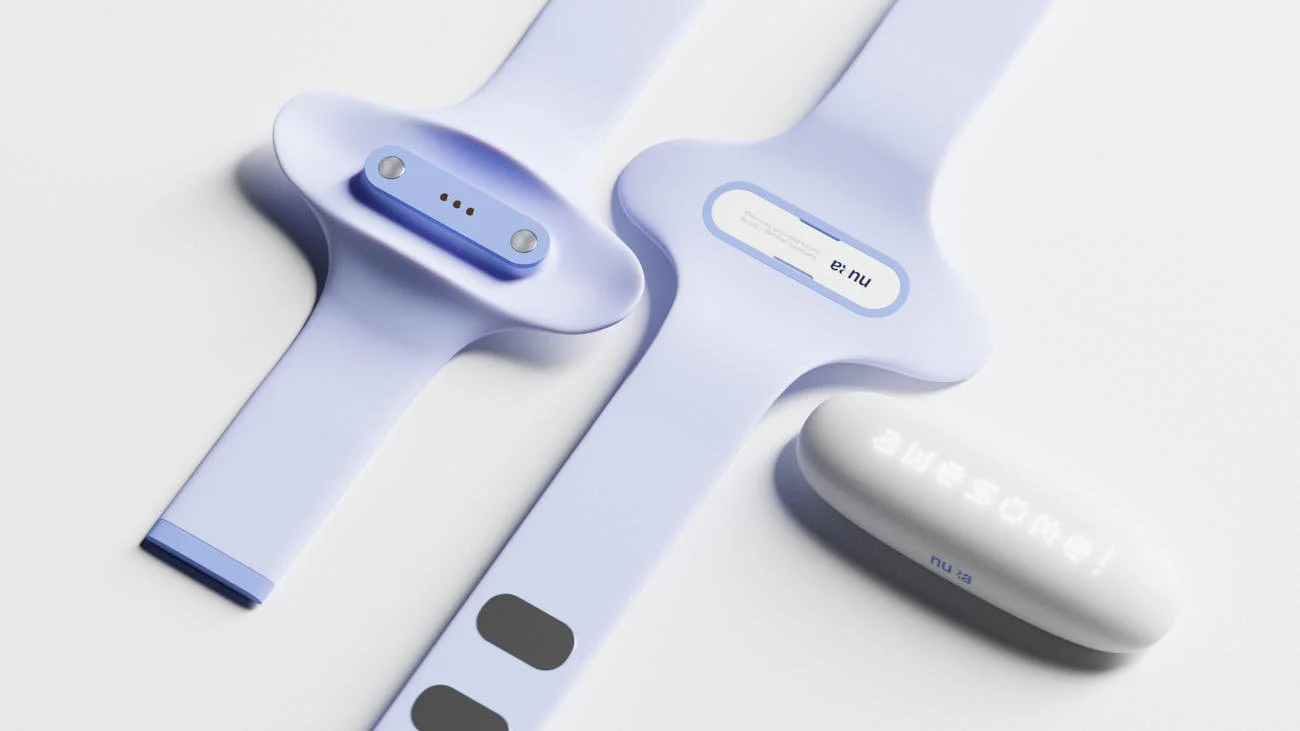
Samuel Nagel and Paul Feiler with their project NURA for the RIMOWA Design Prize 2026, featured by LE MILE Magazine

Samuel Nagel and Paul Feiler with their project NURA for the RIMOWA Design Prize 2026

Tobias Kremer and Yannick Stilgenbauer’s A.R.C. project for the RIMOWA Design Prize 2026, featured by LE MILE Magazine

Tobias Kremer and Yannick Stilgenbauer’s A.R.C. project for the RIMOWA Design Prize 2026

 
Tim Kipper and John Roller’s Compassion Aid project for the RIMOWA Design Prize 2026, featured by LE MILE Magazine

Tim Kipper and John Roller’s Compassion Aid project for the RIMOWA Design Prize 2026

Jakob Schlenker’s PIP project for the RIMOWA Design Prize 2026, featured by LE MILE Magazine

Jakob Schlenker’s PIP project for the RIMOWA Design Prize 2026

 
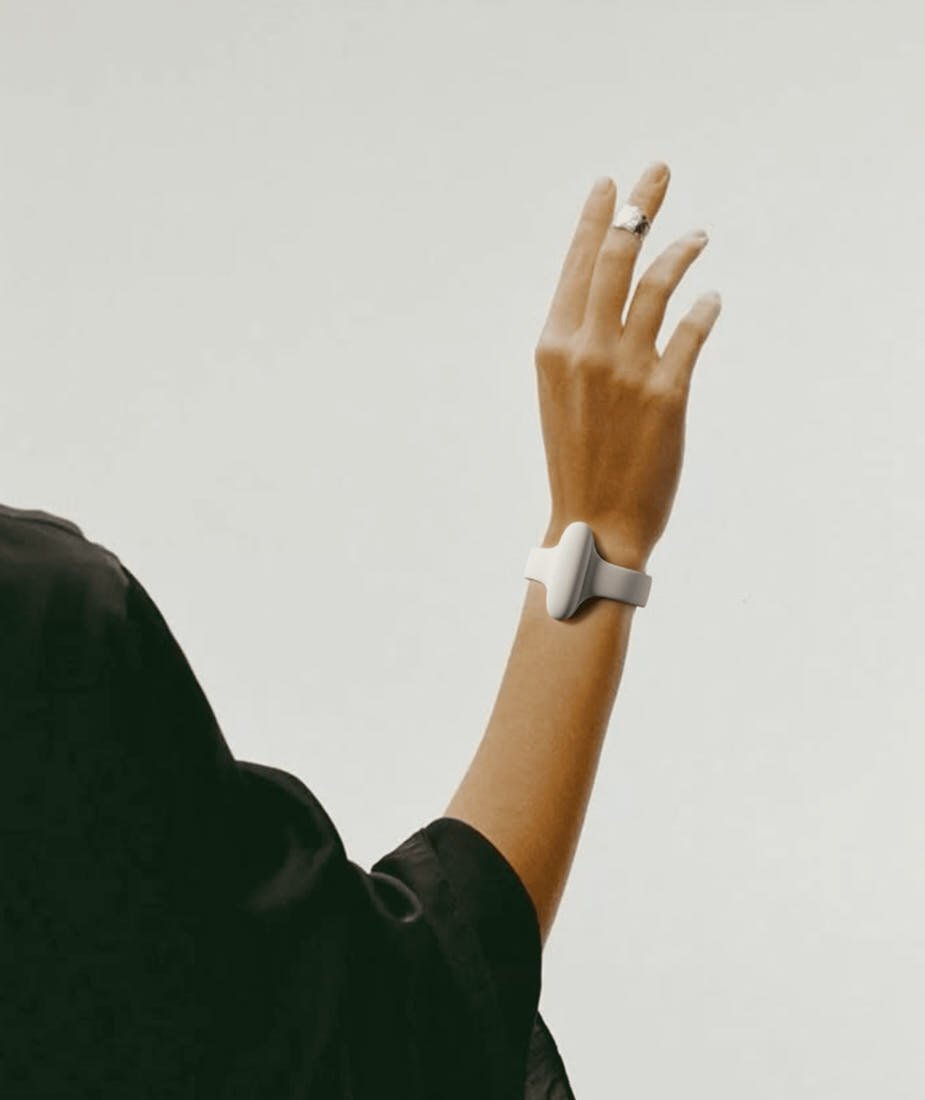
Samuel Nagel and Paul Feiler’s NURA project for the RIMOWA Design Prize 2026, featured by LE MILE Magazine

Samuel Nagel and Paul Feiler’s NURA project for the RIMOWA Design Prize 2026

 
Valerio Sampognaro’s Aerodomestics project for the RIMOWA Design Prize 2026, featured by LE MILE Magazine

Valerio Sampognaro’s Aerodomestics project for the RIMOWA Design Prize 2026

 
Nicolas Nielsen’s HYVE project for the RIMOWA Design Prize 2026, featured by LE MILE Magazine

Nicolas Nielsen’s HYVE project for the RIMOWA Design Prize 2026

Niklas Henning’s Paludi Harvesters project for the RIMOWA Design Prize 2026, featured by LE MILE Magazine

Niklas Henning’s Paludi Harvesters project for the RIMOWA Design Prize 2026


meet the finalists


meet the jury


Designers Tim Kipper and John Roller developed an intuitive communication device for emergency responders. Combining voice and visual input, the system enables clearer communication between rescue teams and patients in dense urban environments. Another standout was “HyVe,” created by Nicolas Nielsen, a nomadic home for bees aimed at restoring urban biodiversity. By reconnecting isolated green spaces, HyVe helps reactivate pollination systems and strengthen ecological networks within cities.

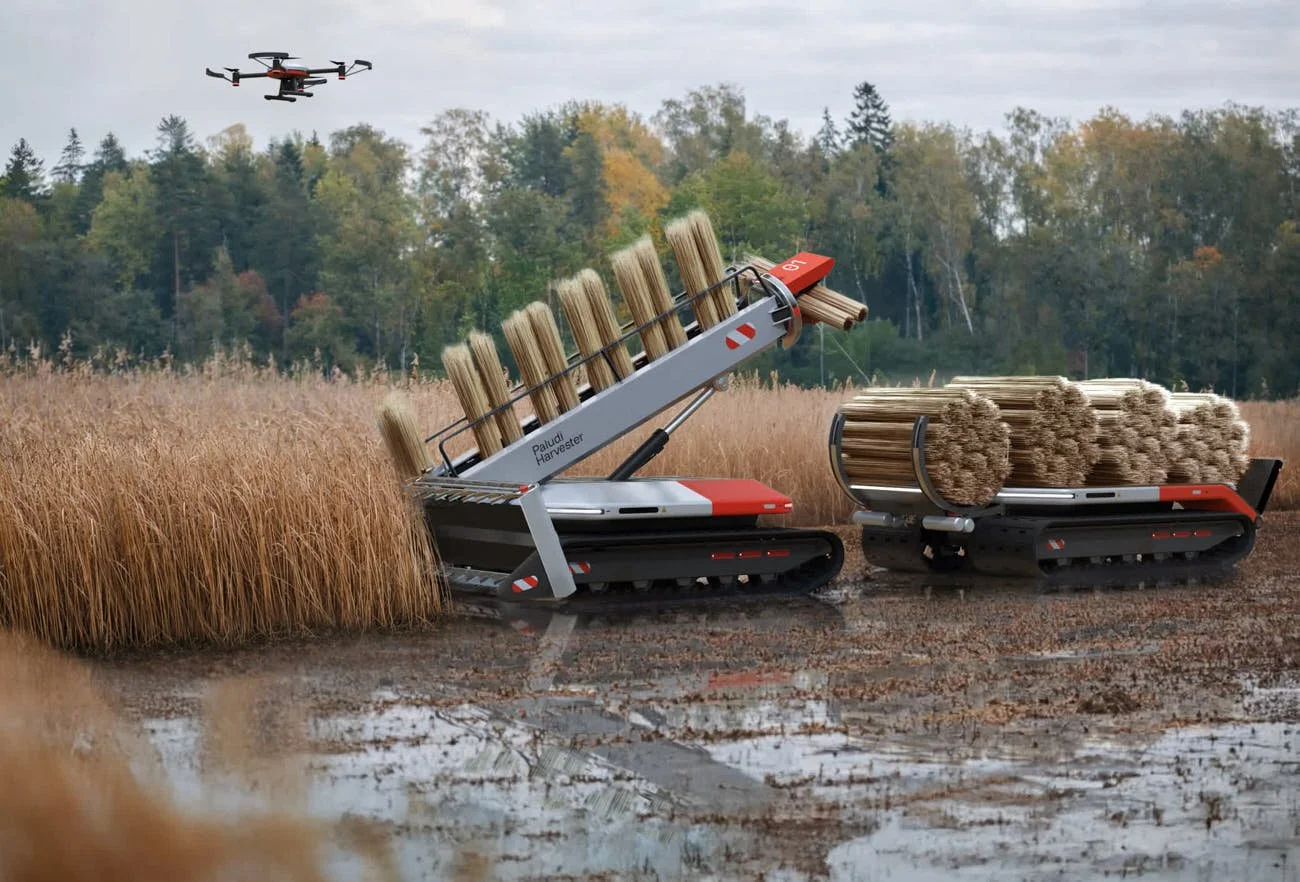
The evening’s first award, the “Special Mention,” went to Niklas Henning for “Paludi Harvesters,” an autonomous reed-harvesting machine designed for climate-positive agriculture. The project contributes to peatland preservation while simultaneously creating sustainable sources of income through ecological insulation materials.

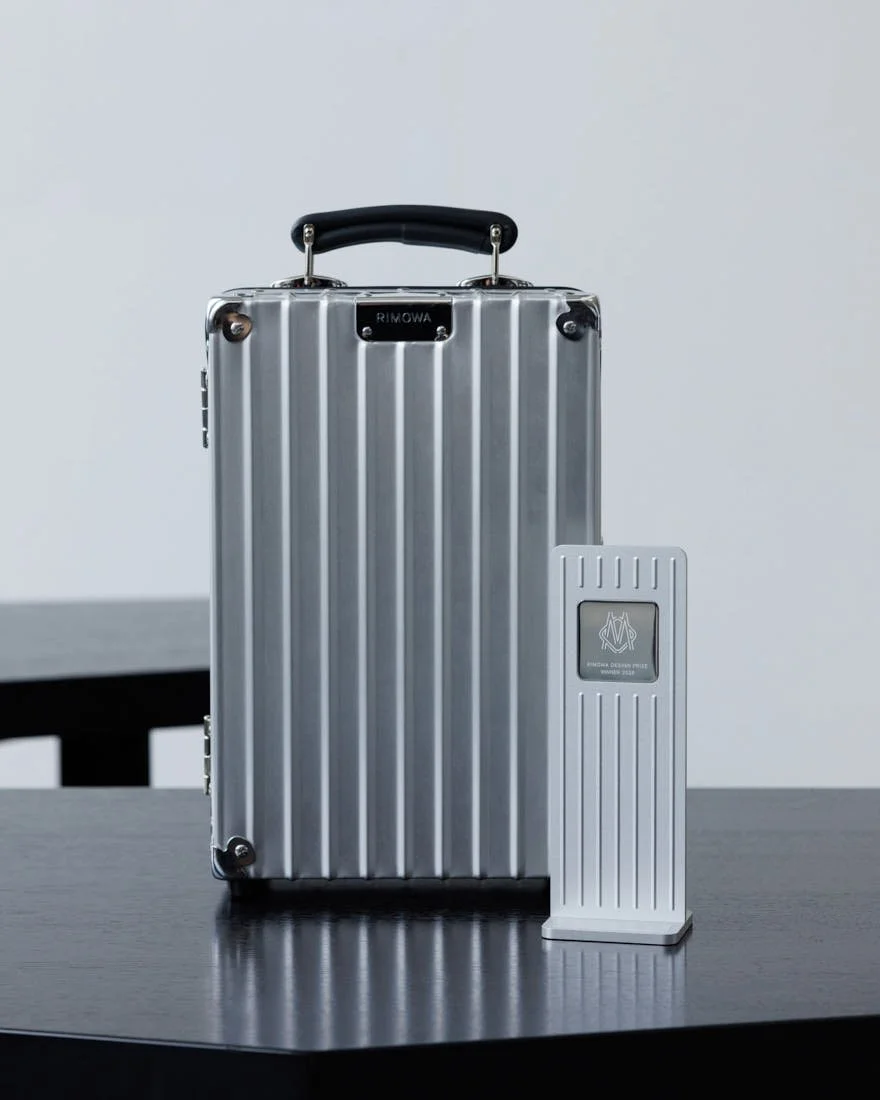
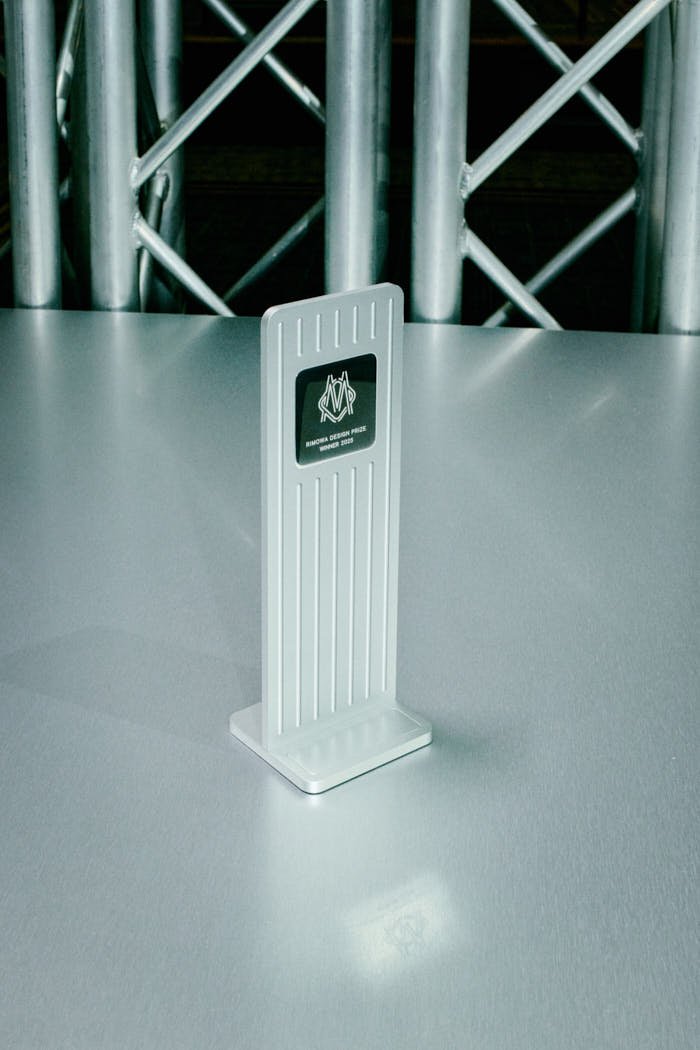
The overall winners of the 2026 RIMOWA Design Prize, and recipients of €20,000 in funding, were Samuel Nagel and Paul Feiler with their invention “Nura.” The wearable device uses EMG technology to translate sign language into speech and spoken language into text in real time. With Nura, the students aimed to create an elegant accessory that empowers rather than stigmatizes its users. According to the Deutscher Gehörlosen-Bund, approximately 0.1 percent of Germany’s population - around 83,000 people - are deaf. Innovations like Nura therefore have the potential to significantly improve communication and accessibility in everyday life. Nura is undoubtedly a deserving winner. Yet perhaps the true success of the evening lies in the fact that every finalist had already been given something invaluable: the opportunity to develop their ideas, present them on an international stage, and collaborate with renowned mentors through the support of RIMOWA.


What remains now is the exciting question of where these projects will go next and whether the concepts presented in Berlin may soon become part of our everyday lives and working environments.

RIMOWA Design Prize III

RIMOWA Design Prize III

The Future in Form
*RIMOWA and the Rise of a New Creative Vanguard


written SARAH ARENDTS


At the historic Gropius Bau in Berlin, the third edition of the RIMOWA Design Prize brought together emerging talents, mentors, and established voices in a shared moment of creativity and clarity.


The event honored human-centered design and celebrated the many ways design shapes experience, care, and connection. Presented by Valerie Präkelt, the event underscored RIMOWA’s ongoing commitment to nurturing the next generation of designers. Since its inception, the prize has championed students from leading German design schools, connecting them with established creatives and honoring work that seeks to improve lives in tangible ways.

This year’s first prize went to Elisabeth Lorenz and Marc Hackländer of the Hochschule für Gestaltung Schwäbisch Gmünd. Mentored by Nic Galway, their project, hottie, reimagines how we care for the body, specifically, those who experience menstrual pain. A discreet wearable device that combines TENS technology (Transcutaneous Electrical Nerve Stimulation) with adjustable heat therapy, hottie empowers its users with relief and autonomy. The project also confronts societal stigmas, creating space for empathy and visibility.

 
LE MILE Magazine RIMOWA Design Prize III Ceremony Marc Krause for RIMOWA

RIMOWA Design Prize III Ceremony
seen by Marc Krause

 
LE MILE Magazine RIMOWA Design Prize III Ceremony Marc Krause for RIMOWA Prize
LE MILE Magazine RIMOWA Design Prize III Ceremony Marc Krause for RIMOWA Karen and Christian Boros

Karen Boros + Christian Boros

LE MILE Magazine RIMOWA Design Prize III Ceremony Marc Krause for RIMOWA
LE MILE Magazine RIMOWA Design Prize III Ceremony Marc Krause for RIMOWA Herbert Hoffmann Highsnobility

Herbert Hoffmann


“Each project presented a perspective rooted in care and function. These are works shaped by awareness and a deep sense of purpose.”

Alban E. Smajli, Editor-in-Chief LE MILE


A special mention was awarded to Tom Kemter and Niels Cremer from the Bauhaus-Universität Weimar for their project Standalone. Mentored by Pierre Jorge Gonzalez and Judith Haase, the design transforms the classic forearm crutch into a sleek, ergonomic tool that stands on its own, literally and metaphorically. With its fold-out legs and elegant finish, Standalone promotes functionality and dignity, rethinking assistive design as something aspirational. The remaining five finalists—all of whom received monetary awards—brought forward bold, human-centric ideas grounded in sustainability and accessibility.

Each of the finalists received financial support for their work: €20,000 for the winner, €10,000 for the special mention, and €5,000 each for the other participants. Beside funding, the RIMOWA Design Prize offers visibility, mentorship, and a platform from which these ideas can grow into real-world solutions.

And while the projects themselves were impressive, what truly stood out at the event was the energy in the room, a sense of shared purpose, of mutual respect between generations of designers, and of hope for a more inclusive, thoughtful future.

The jury, comprised of respected figures from design, academia, and industry, including Niklas Bildstein Zaar, Dr. Mahret Ifeoma Kupka, Moritz Krueger, Ute Meta Bauer, Katharina Janku, and RIMOWA’s own CEO Hugues Bonnet-Masimbert, provided mentorship, context, and a meaningful connection between established design values and emerging perspectives.

As a brand long associated with precision and modern craftsmanship, RIMOWA continues to push its legacy forward—through its products and through cultural investment. With the Design Prize, it cements its role as a maker of iconic luggage and as a thoughtful patron of contemporary design innovation in Germany.


LE MILE Magazine RIMOWA Design Prize III Ceremony Marc Krause for RIMOWA The Jury

RIMOWA Design Prize III
Jury


LE MILE was proud to witness the beauty of this moment: creativity at its most purposeful, and design as an act of generosity. What we saw last night at Gropius Bau was a gathering of bold thinkers who dare to imagine tools for a better life and who now have the support to build them.

And that, in essence, is what design should do.

RIMOWA and Rick Owens

RIMOWA and Rick Owens

PATINA + POWER
*RIMOWA x Rick Owens Collaboration


written AMANDA MORTENSON


Travel has a new edge. The RIMOWA x Rick Owens collaboration introduces a suitcase that reshapes the language of movement.


The Original Cabin Bronze emerges from the hands of two visionaries, each committed to pushing the limits of material and meaning. At its core, the collaboration fractures the traditional notions of luxury. Rick Owens’s unmistakable aesthetic—dark, unapologetic, and raw—melds with RIMOWA’s century-long mastery of aluminium craftsmanship. The bronzed exterior, achieved through a meticulous pigment process, becomes a surface alive with its own imperfections and evolution.

 
LE MILE Magazine RIMOWA x RICK OWENS Michèle Lamy shot by Matteo Carcelli lemilestudios

RIMOWA x RICK OWENS
Michèle Lamy seen by Matteo Carcelli

 
LE MILE Magazine RIMOWA x RICK OWENS Michèle Lamy shot by Matteo Carcelli lemilestudios


“I wanted the outside finish to recall a bronze from Giacometti or Serra, and I wanted the interior to feel like the touch of a black leather glove.”

Rick Owens


Inside, Owens alters the language of travel interiors. The fully leather-lined design—a first for RIMOWA—invitates to engage with texture. The aluminium shell merges seamlessly with Rick Owens’s leather, creating a unified tactile experience. Flex Dividers, reimagined in this material, showcase Owens’s meticulous craftsmanship, redefining their function within the space.
The inclusion of a handcrafted luggage tag in coarse, hair-on cowskin disrupts the polished sheen of modernity. It speaks of primal connection, of an object meant to be held and experienced. Owens’s choice of material shifts the narrative from travel as convenience to travel as ritual.

Branding is minimal, emphasizing subtlety and intention. The emblems of both RIMOWA and Rick Owens whisper rather than announce, etched subtly into the surfaces. These marks, understated and deliberate, align with the collection’s ethos: an homage to form and material, unburdened by excess.

Owens’s voice is ever-present. He describes the suitcase as a tribute to the elemental and the eternal: “I wanted the outside finish to recall a bronze from Giacometti or Serra, and I wanted the interior to feel like the touch of a black leather glove.” His vision extends beyond the physical, layering memory and emotion into the object’s very fabric.

 
LE MILE Magazine RIMOWA x RICK OWENS Michèle Lamy shot by Matteo Carcelli lemilestudios
 
LE MILE Magazine RIMOWA x RICK OWENS Michèle Lamy shot by Matteo Carcelli lemilestudios
 

The new Original Cabin Bronze commands attention, forcing a reexamination of what it means to carry, to move, to possess. Its patina speaks in textures, rejecting order and expectation. RIMOWA and Rick Owens deliver an object of rebellion.