

.specials
Inside HACOY
the Munich Brand Shaping Comfort with Restraint
Fashion has learned to keep desire slightly unfinished. A new season, a new cart, a new reason to feel almost complete. HACOY enters that cycle with a quieter proposition, shaped around what founder Maximilian Rupp calls “a sense of enough.” Founded in Munich, with Romana Tricoli leading the design side, the brand looks at clothing through contact, habit and restraint, from silk underwear and a unisex cupro pajama to swimwear and bamboo T-shirts made for the city that first gave the project its pace.

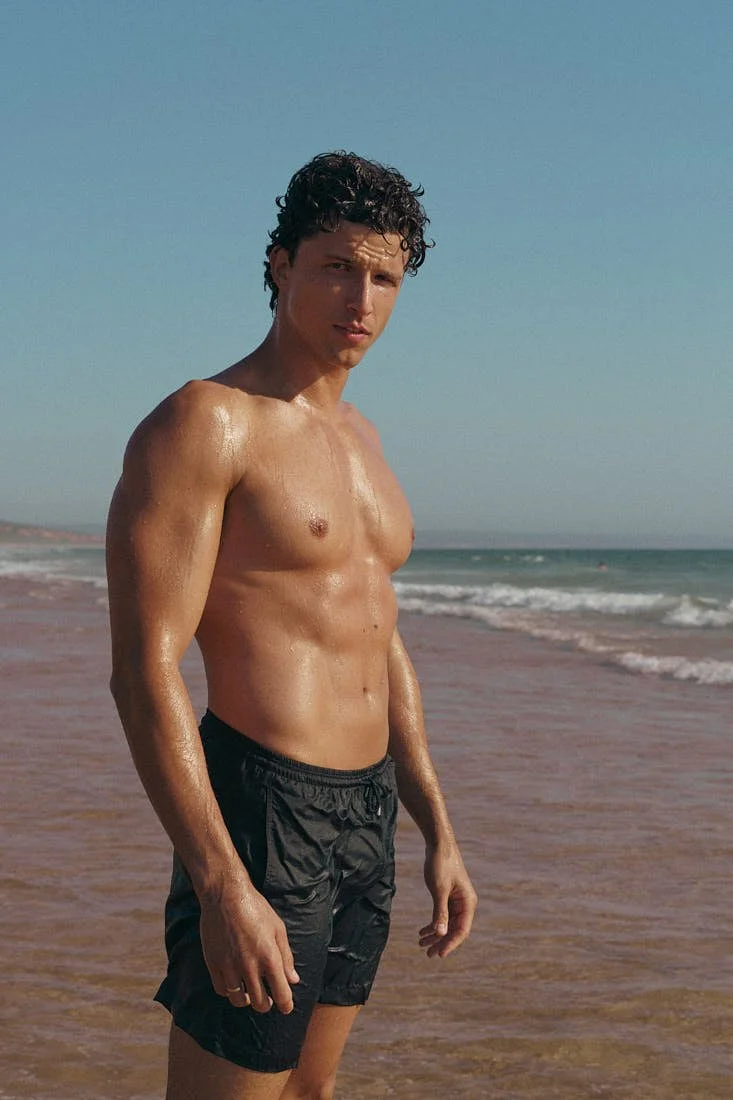
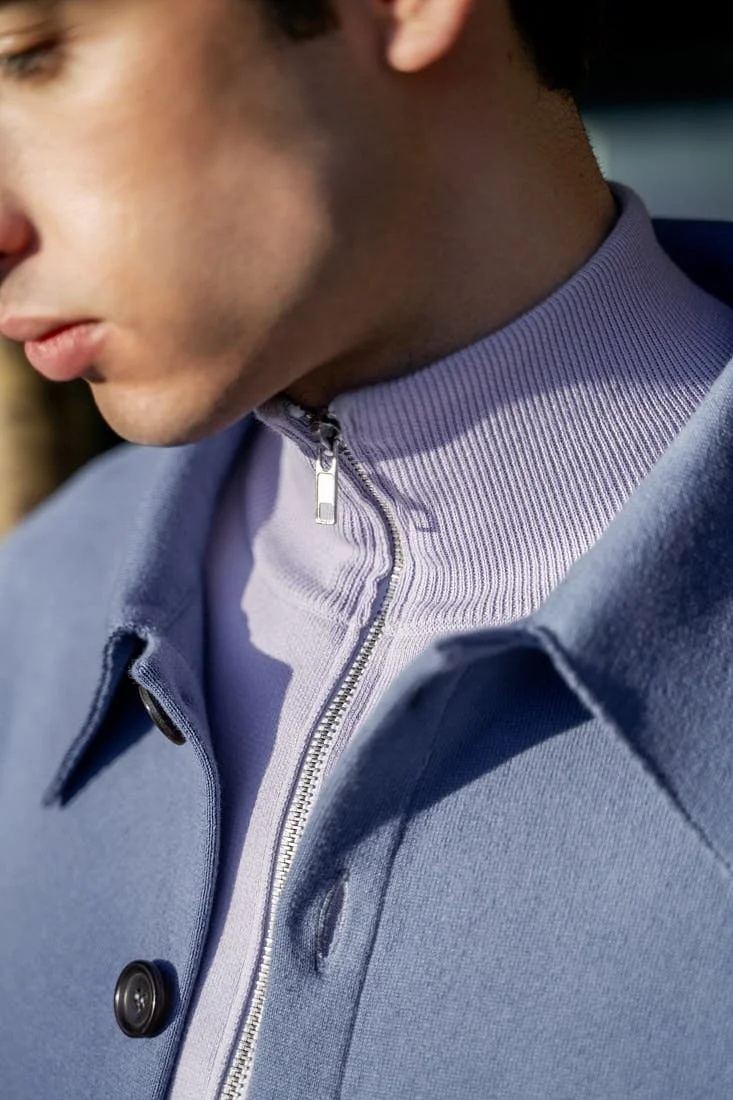
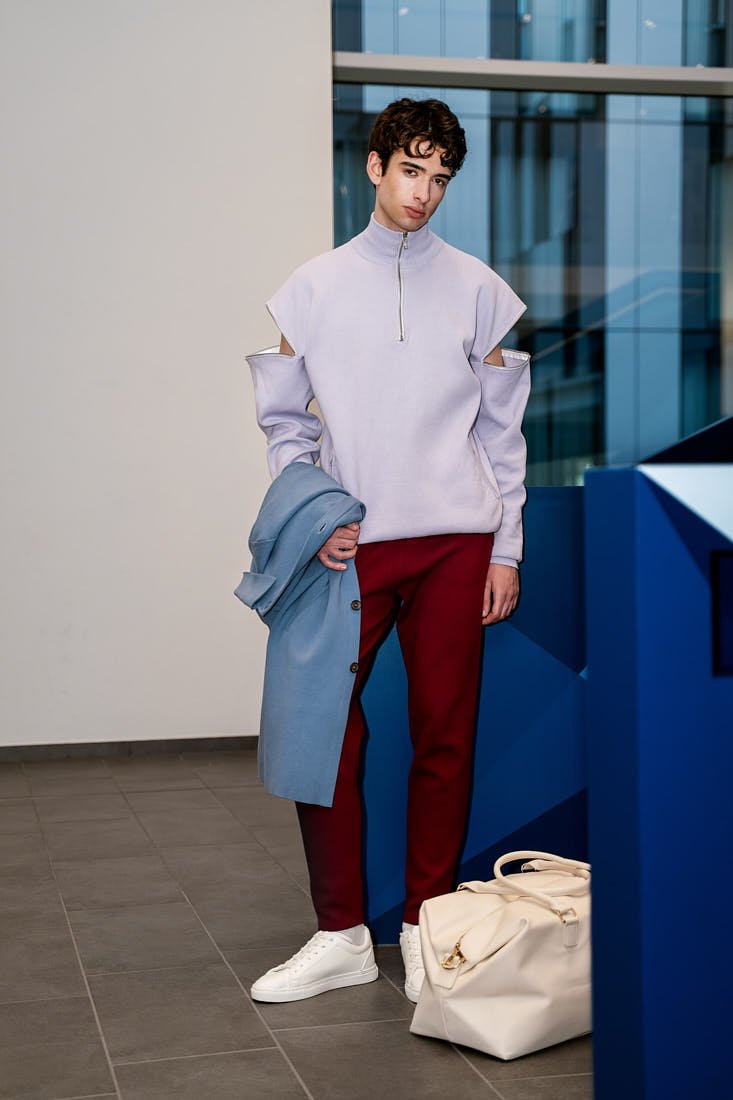
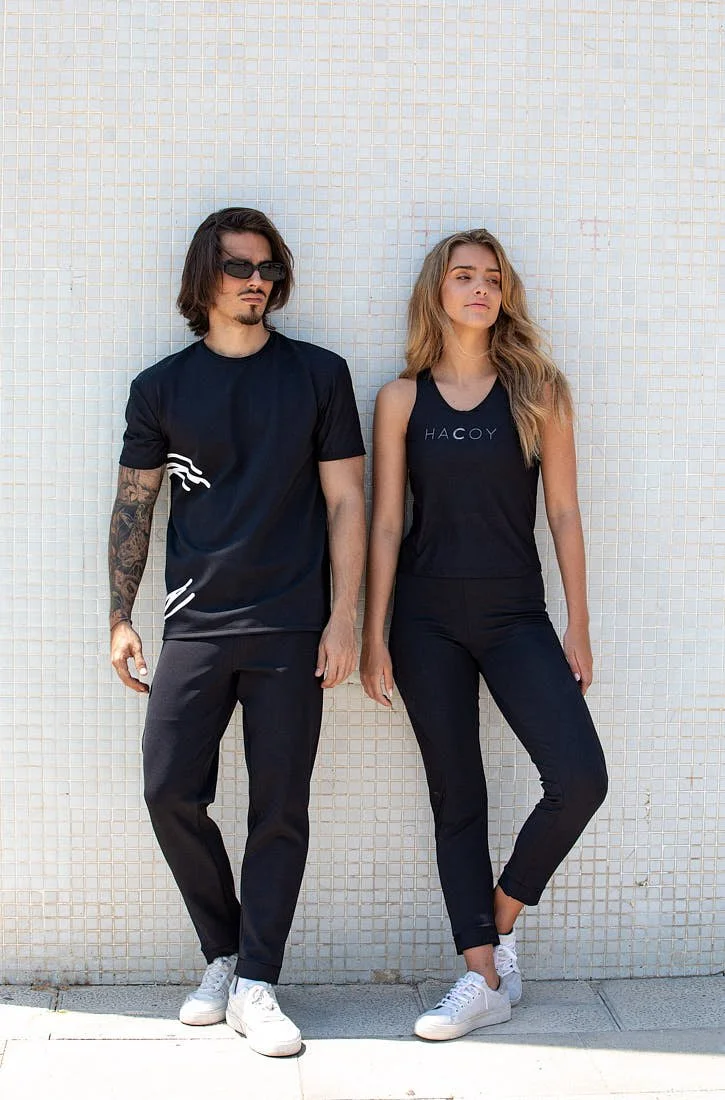
The focus sits close to the body, where a garment has very little space to pretend. A waistband, a seam, a collar, fabric after several hours of wear. These are small decisions, but they determine whether comfort remains an idea or becomes something lived with. HACOY develops its pieces with long-term manufacturing partners in Italy and Lithuania, where material, fit, production realities and responsibility enter the process early, before a garment can become part of the range.
In conversation with LE MILE, Rupp speaks about refusal, everyday desire, material honesty and the discipline required to let a young independent brand grow from one city without outgrowing the restraint it was built on.
LE MILE
HACOY seems to begin with a simple promise: clothing should make daily life feel less loud, less forced and less disposable. What did you feel was missing in fashion before you started building the brand?
Maximilian Rupp
A sense of enough. Most of the industry is built to keep you slightly dissatisfied, because that is what makes you buy the next thing. I wanted clothes that do the opposite, clothes that you stop thinking about once you own them. What was missing, for me, was restraint. Pieces that don't perform, don't shout, and don't expire in your head after one season.
What has "Better, not more" already made you refuse?
Discounts, for one. We don't do sales, and we've turned down the big seasonal sale events even when the maths looked good, because a brand that is "better, not more" can't also be "40% off." We've passed on collaborations that would have given us reach but not meaning, and on expanding the range just to have more to show. The hardest refusals are the reasonable-sounding ones: another drop, another category, another channel. Most of them I say no to.
Where does comfort usually fail in a garment?
At the points of contact. The waistband, the collar, the seam against the skin, the label that scratches after an hour. Comfort fails when it is treated as something you add at the end, after the look is decided. The body is honest about it. It just takes a few hours to tell you.
HACOY is currently focusing on silk underwear, a unisex cupro pajama and swimwear, all categories that sit close to the body and private daily routines. Why did this intimate layer of dressing feel like the right place to move into now?
Because if "less loud" is going to mean anything, it has to start where no one is watching. These are the clothes for waking up, resting, being alone. There is nothing to hide behind: no styling, no occasion, no audience. You can't fake quality in a piece that is only ever experienced privately. That felt like the most honest place to be.
Romana Tricoli leads the design side, while you shape the broader system around it. Where do strategy and design have to agree before a garment can move forward?
On whether the piece earns its place. Romana can take an idea further than I can on the design side. My job is to hold the constraints: the material, the price it can honestly carry, whether we can make it the way we say we make things. We have to agree on the why before the what. If a piece is beautiful but we can't produce it responsibly, it doesn't move. If it is responsible but says nothing, same answer. The agreement is almost always about restraint.
You studied business psychology and fashion brand management, which is an unusual combination for a founder working with clothing so closely tied to feeling and routine. What did that attention to human behavior teach you about fashion?
That almost no one buys clothes rationally. People buy a feeling, and a small story about who they are. You can exploit that or you can respect it. I chose to design for the everyday self rather than the aspirational one, the person getting dressed on an ordinary Tuesday, not the imagined version of them. Behavior also taught me that habit beats novelty. The pieces people actually love are the ones they reach for without deciding to.

HACOY
portrait of founder Maximilian Rupp
When does function become more important than material purity?
When purity would fail the person wearing it. A "purer" fiber that pills, shrinks, or falls apart in two years is not the responsible choice just because it sounds clean. The material is a means, not the point. If a considered blend lasts ten years and a single fiber lasts two, the blend is the more sustainable garment. I would rather be honest about that than perform purity.
HACOY works with long-term manufacturing partners in Italy and Lithuania, giving the brand a concrete European production geography. What did these partners change about your original idea of the brand?
They made it slower and more honest. I came in with an idea of the brand. They taught me the reality of making: minimums, lead times, what a fabric will actually do, what is genuinely possible. You can't bluff your way through a workshop. Working with the same people over years turns production from a transaction into a relationship, and that changes what you are willing to put your name on.
"Hyper local, global" begins with one city first, not a global rollout. What becomes clearer when a brand grows from a place instead of from a market plan?
Who it is actually for. The idea is local hubs, city by city, where over time each city produces its own clothing rather than everything flowing out of a single source. Italy is where we hold the standard today, but it is a starting point, not a permanent anchor. The longer goal is production that lives where the people who wear it live. When you grow from a place, you have real people and real context giving you feedback, not an abstract target group on a slide. A market plan tells you where the demand should be. A city tells you who is actually showing up, and what they actually need. The second one is harder to argue with.
The new bamboo T-shirts are planned as a Munich-only launch, which makes locality part of the product itself. What has to happen for a garment to feel connected to a city without turning into merchandise?
Merchandise is when you print the city's name on a shirt and call it belonging. Connection is when the city actually shaped the thing: where it is made, who tried it first, the fact that it exists at this scale because of this place. It has to come from a real constraint and a real relationship, not a graphic. If you removed the word "Munich" entirely and it still felt of Munich, you have done it right.
Alongside the brand, you work on MAR, your personal painting practice. What kind of space does MAR give you, and what can it hold that would become too private inside a fashion brand?
MAR has no brief and no customer. Nothing has to be useful, coherent, or finished. It can hold doubt and mess, the things that don't resolve, which a brand is not allowed to show. HACOY has to be legible to other people. MAR doesn't have to be legible to anyone, including me. I need both, and I think they protect each other.
You mentioned ADHD and mental health as subjects you care about. Has that influenced how you build a working environment around the brand?
Yes. I've tried to build the brand around how I actually work rather than how I am supposed to. That means fewer, deeper focuses instead of many shallow ones, being honest about capacity, and a structure that bends rather than punishes. I am not interested in a culture that treats a different kind of attention as a flaw to be managed. If anything, the way my mind works is part of why HACOY looks the way it does.
Fashion still depends on real bodies, real fabric and people making decisions together. How do you prevent AI from making an independent brand look larger or smoother than it really is?
By using it for the work, not the front. I run a lot of the brand alone, and AI lets one person do what used to take a team. But the temptation is to use that to look bigger and more polished than we are. I try not to. A startup magazine once decided not to feature us because they assumed we were already a big company. I took it as a compliment, because at most we are three people. It told me the work was landing, but it also reminded me how easily the surface can outrun the truth. So the decisions that matter stay human, the texture stays human, and the brand is allowed to look exactly as small and handmade as it is. The danger is not the tool. It is letting the surface outrun the substance.
If HACOY's first phase is about proving the model in Munich, what would tell you that the brand is ready for another city?
Pull instead of push. Not a single revenue number, but the quieter signs: people coming back, rewearing, telling other people without being asked, a community that holds together when I am not actively feeding it. The day the model runs in Munich without me pushing on it constantly, and there is genuine demand coming from somewhere else, that is the signal. Until then, moving would just be ambition pretending to be readiness.
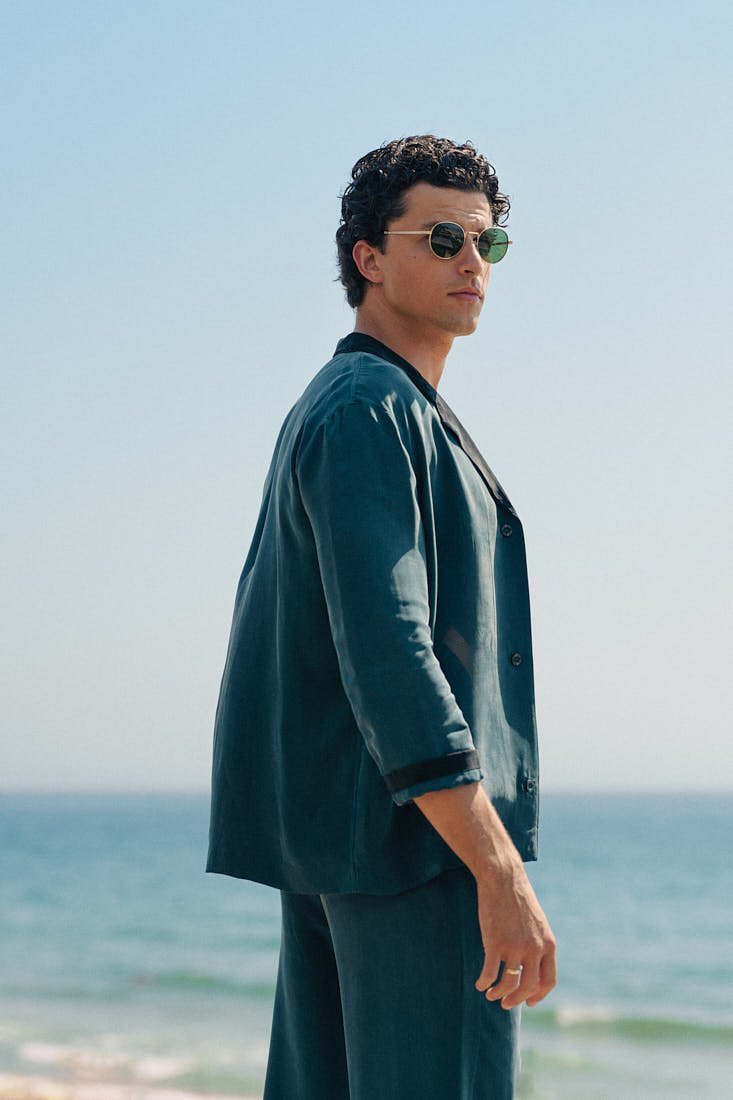
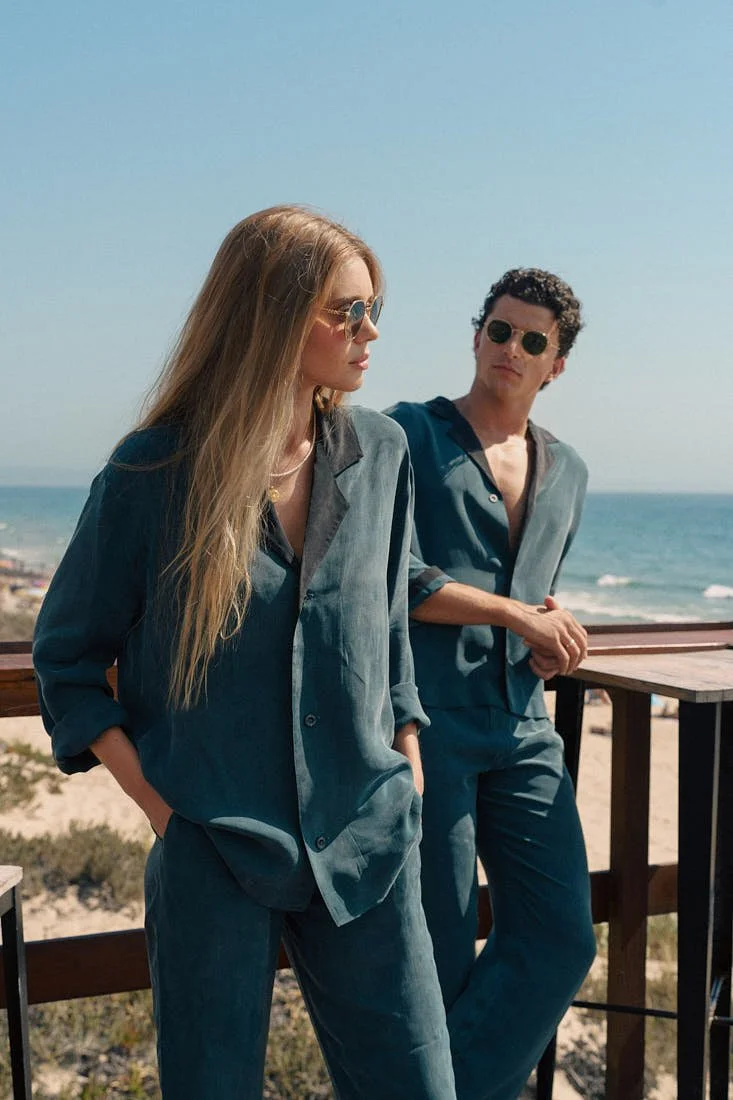
— Explore the Full Collection at www.hacoy.com
all images HACOY Press