Viewing entries tagged
ceramics

Portofino Ceramica - The Structure of Contemporary Tableware

Portofino Ceramica - The Structure of Contemporary Tableware

.specials
Where Objects take their Place

Portofino Ceramica and the Structure of Contemporary Tableware


Ceramic objects rarely stand alone as they enter use immediately, shaping how food is placed, held, and perceived, and defining situations through weight, proportion, and surface. At Portofino Ceramica, that condition informs the work from the beginning.
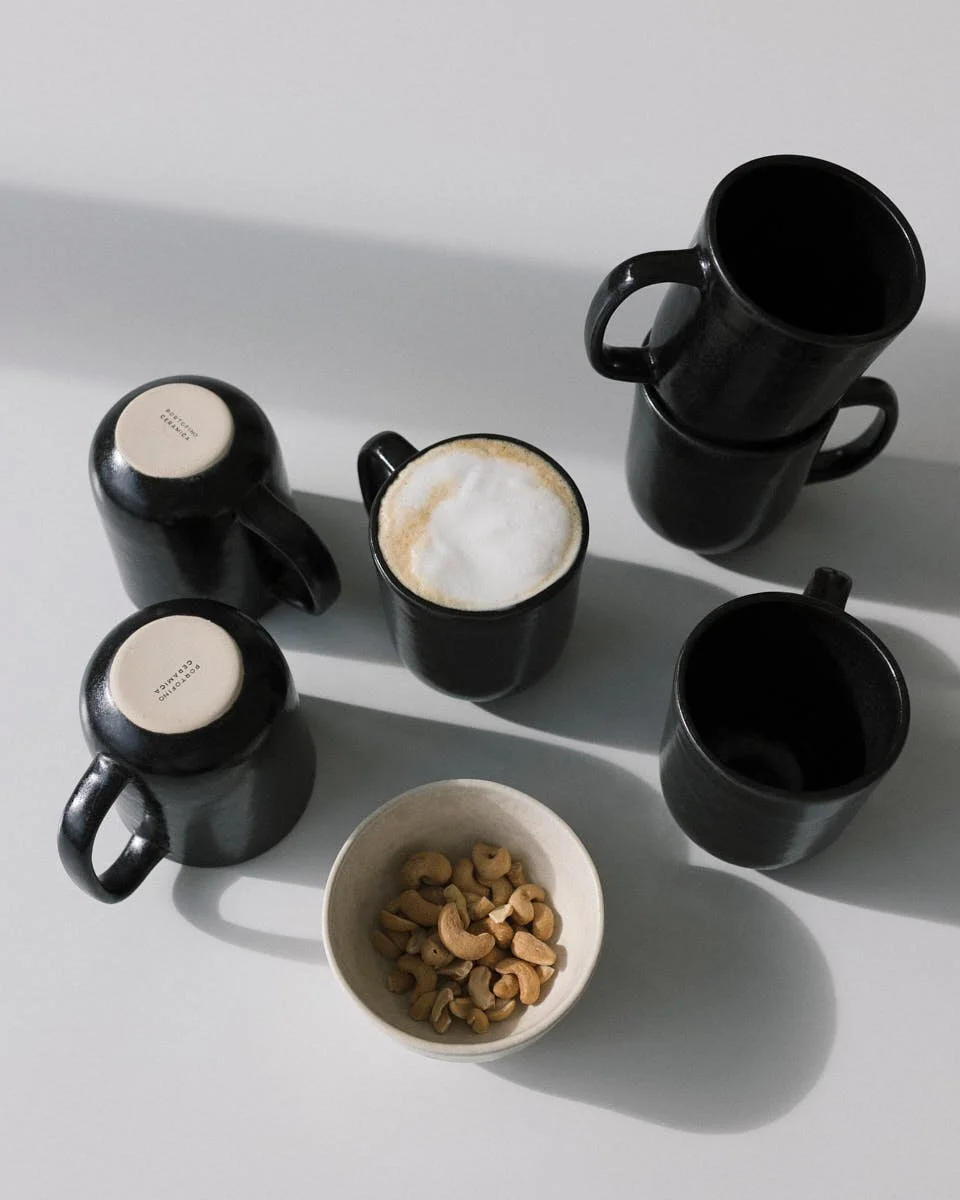
 
Tablewear by Portofino Ceramica LE MILE Magazine Coffee Bento Cups

Portofino Ceramica
Bento Cups

 
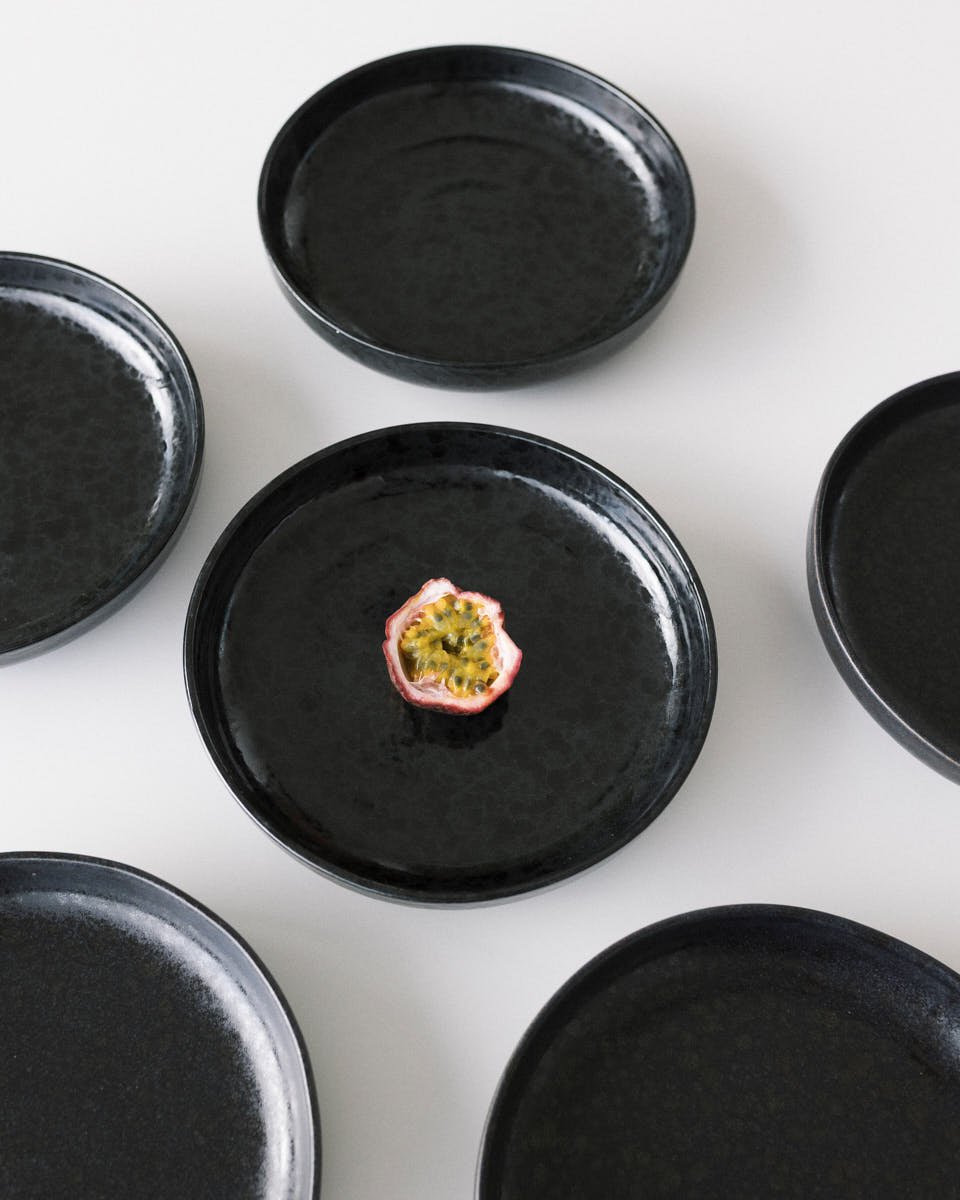
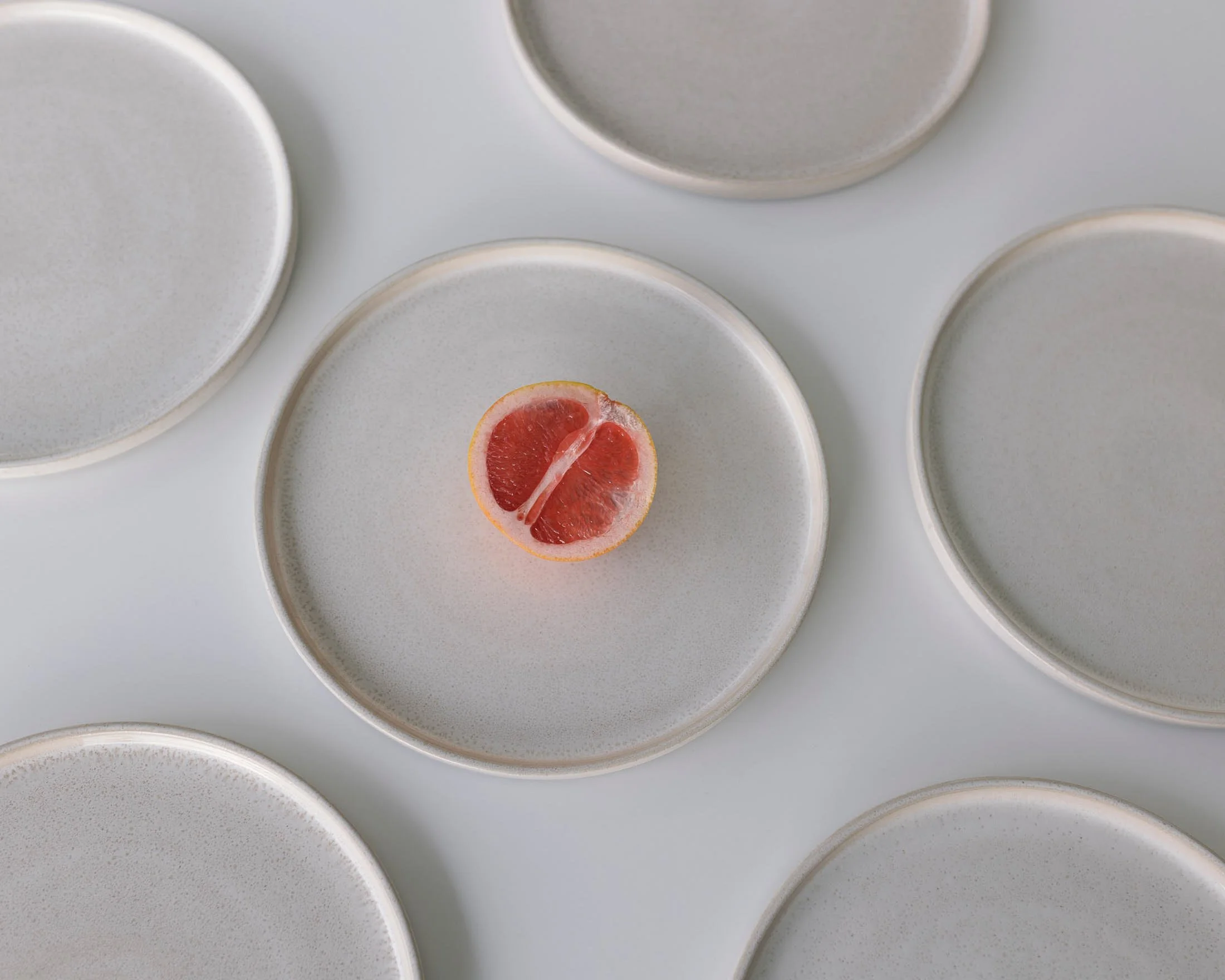
Tablewear by Portofino Ceramica LE MILE Magazine black Bento Diner Plates

Portofino Ceramica
Bento Diner Plates
Portofino Ceramica
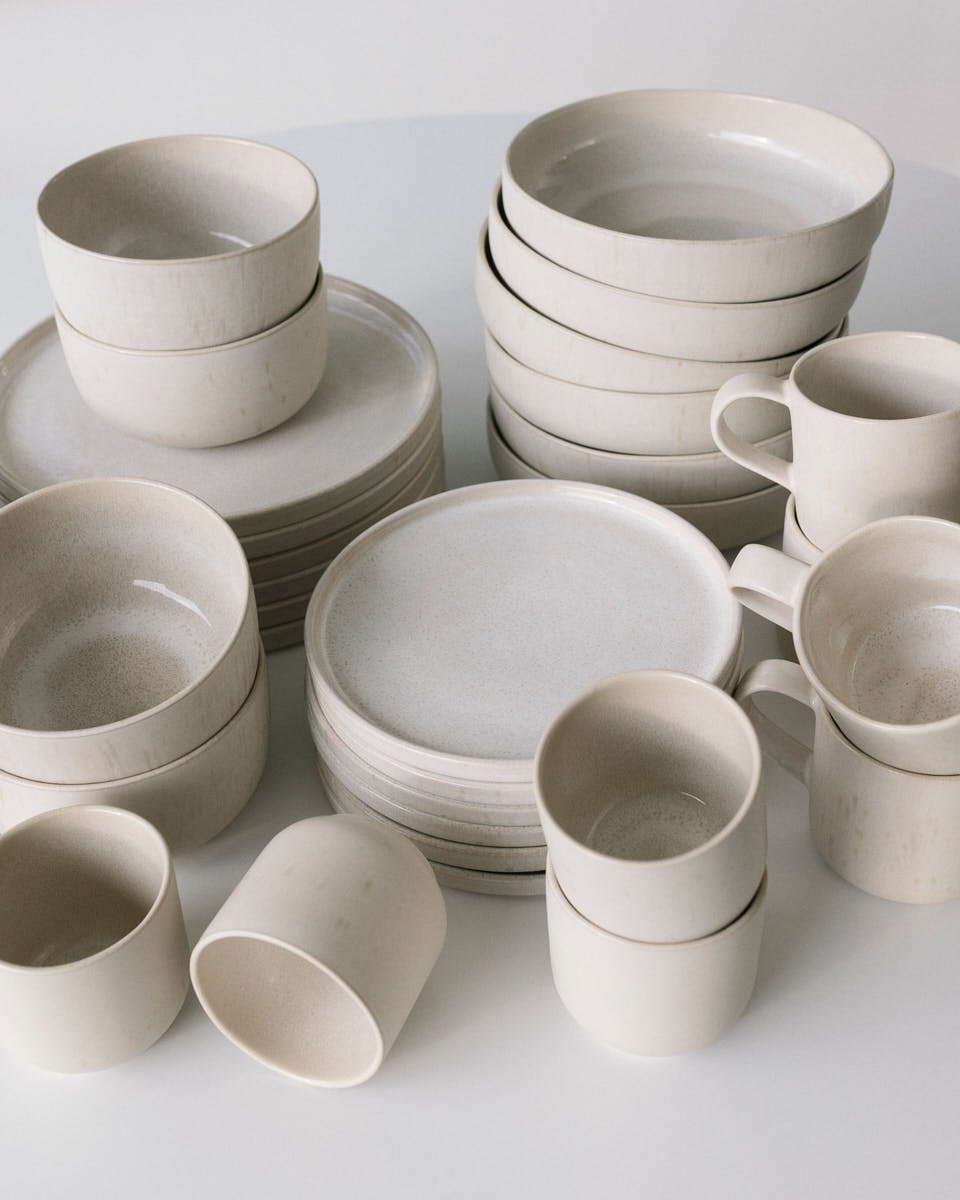
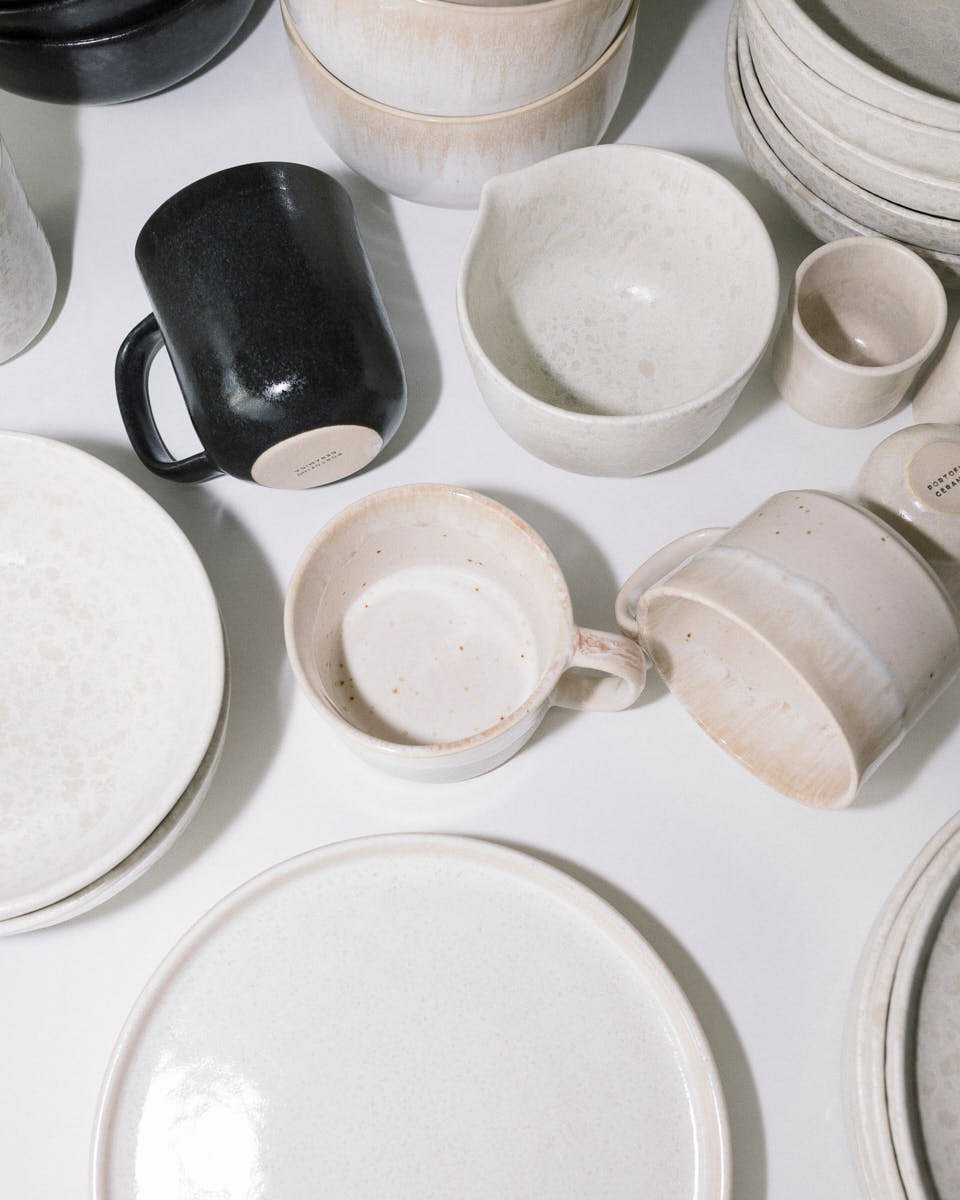
Elsa & Bento Tablewear


The brand traces back to a family business founded around thirty years ago, originally centred on the trade of Italian ceramics. Now led in second generation by Phil and Zoi, the company continues its family structure while gradually redefining its design direction. Production moved to Portugal as the European ceramic landscape evolved, placing the work within a production context shaped by technical precision and long-standing ceramic know-how. What defines the process is gradual refinement, with forms adjusted over time and decisions building on what already exists.

Design takes shape through close exchange with the producers, as ideas originate within the brand and develop further through technical knowledge and an understanding of clay that shapes proportion, feasibility, and finish. Form does not arrive fully resolved but stabilises between intention and material behaviour, shaped by both.


This dynamic continues directly in production, where material behaviour determines each stage. The initial forms are cut from clay plates and shaped by hand, giving each piece its slightly irregular contour. Stoneware is then refined and finished by hand, dried to stabilise its structure, then fired at high temperatures to establish durability. In some cases, drying takes place under natural conditions before firing. Glazes are applied manually and reach their final state only in the second firing, where surface, tone, and texture settle. Subtle variations remain visible in colour and reflection, with the overall character remaining consistent.
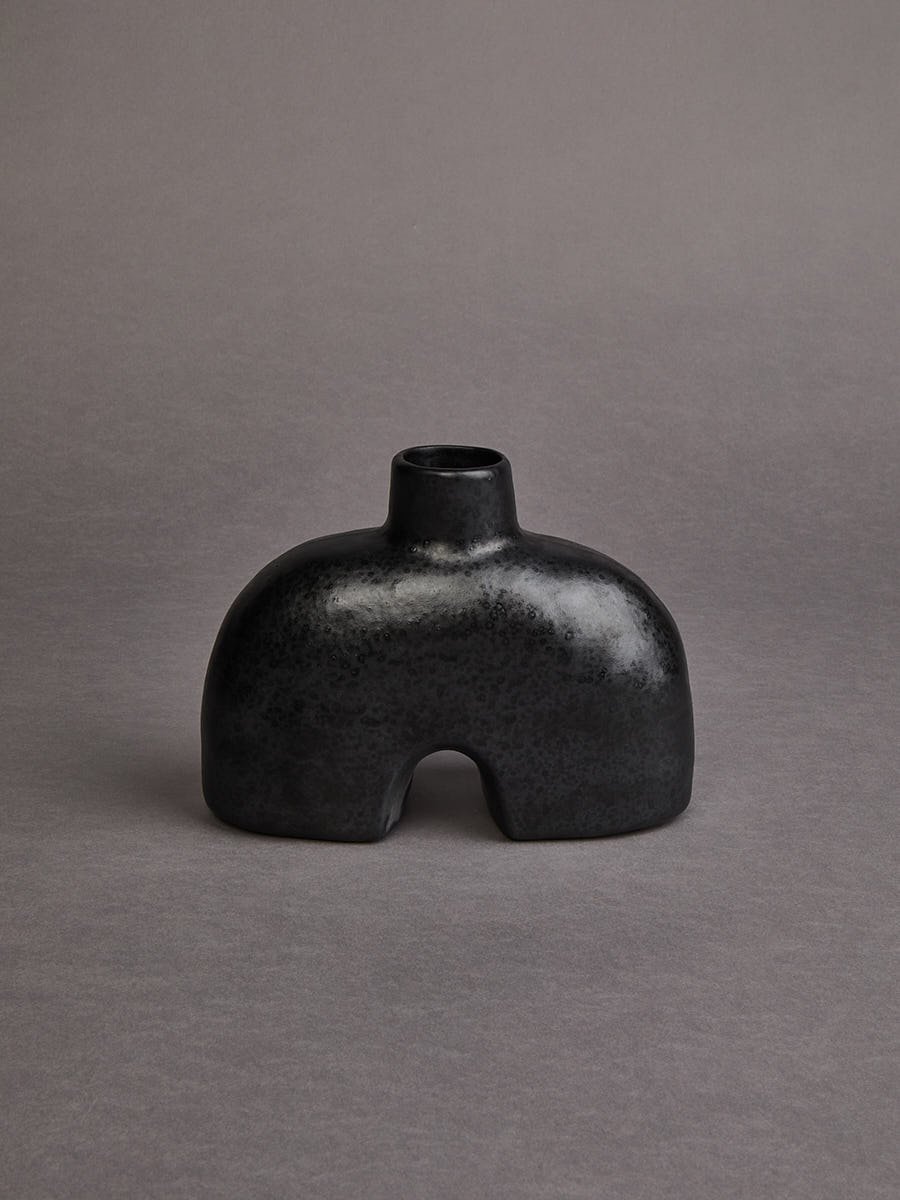
 
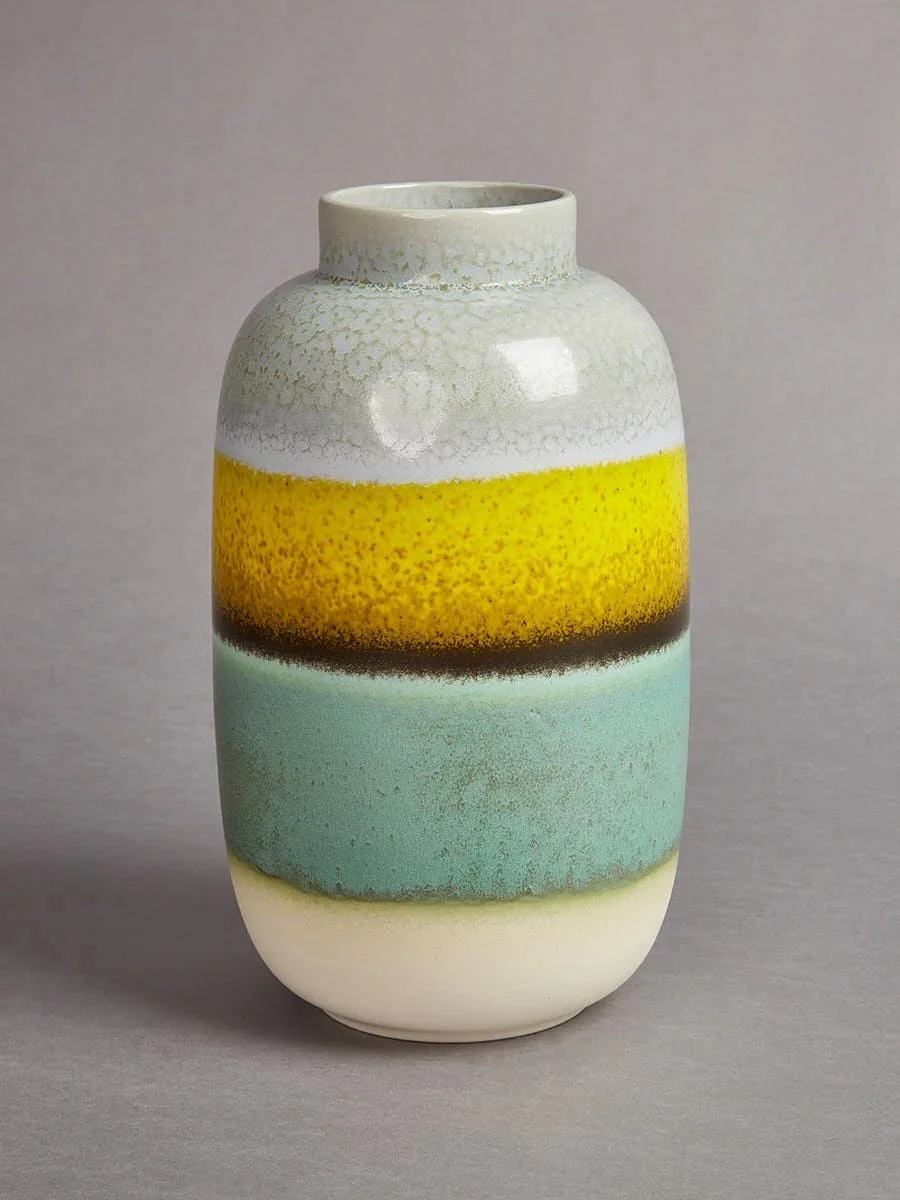
LE MILE Magazine Portofino Ceramica Alvo Vase

Portofino Ceramica
Alvo Vase


Tablewear by Portofino Ceramica LE MILE Magazine Rio Vase

Portofino Ceramica
Rio Vase


These differences give the collection variation within a coherent whole, reflecting the nature of hand-applied processes and raw material behaviour. They become perceptible in handling and light, allowing objects to exist together without becoming identical. In the Elsa series, this approach translates into a precise, tactile form. The matte exterior absorbs light and stabilises the object visually, while the reactive glaze inside introduces depth and variation. Its qualities are most evident in use, in the way heat is retained, the surface responds, and the object settles in the hand.

Bento shifts the emphasis towards surface interaction, where matte and glossy glazes meet within each piece and shift with movement and light. Reflections change, edges soften or sharpen, and the surface remains active while retaining its restraint. The palette of beige and black reinforces this direction.
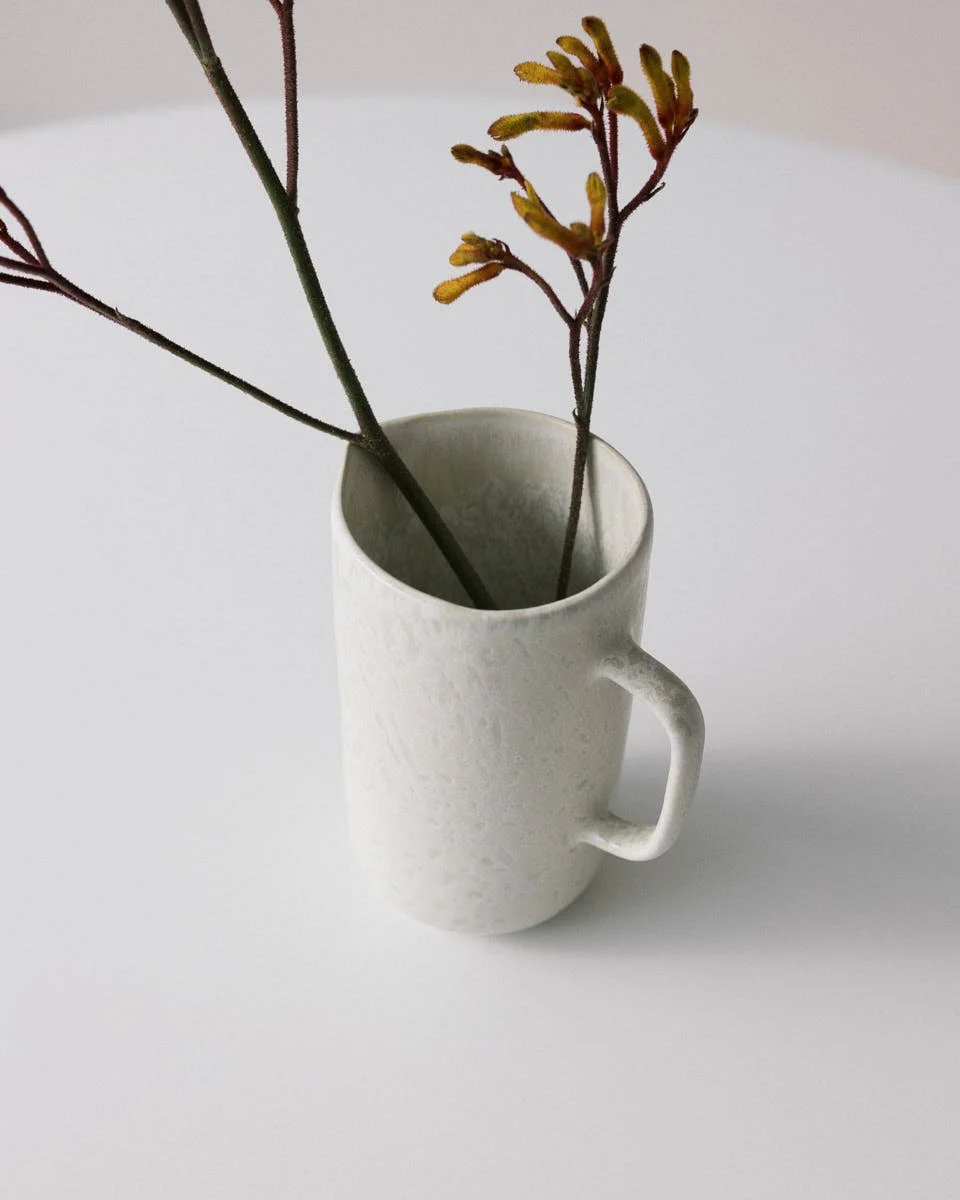
 
 
Tablewear by Portofino Ceramica LE MILE Magazine Bento jug

Portofino Ceramica
Bento Jug


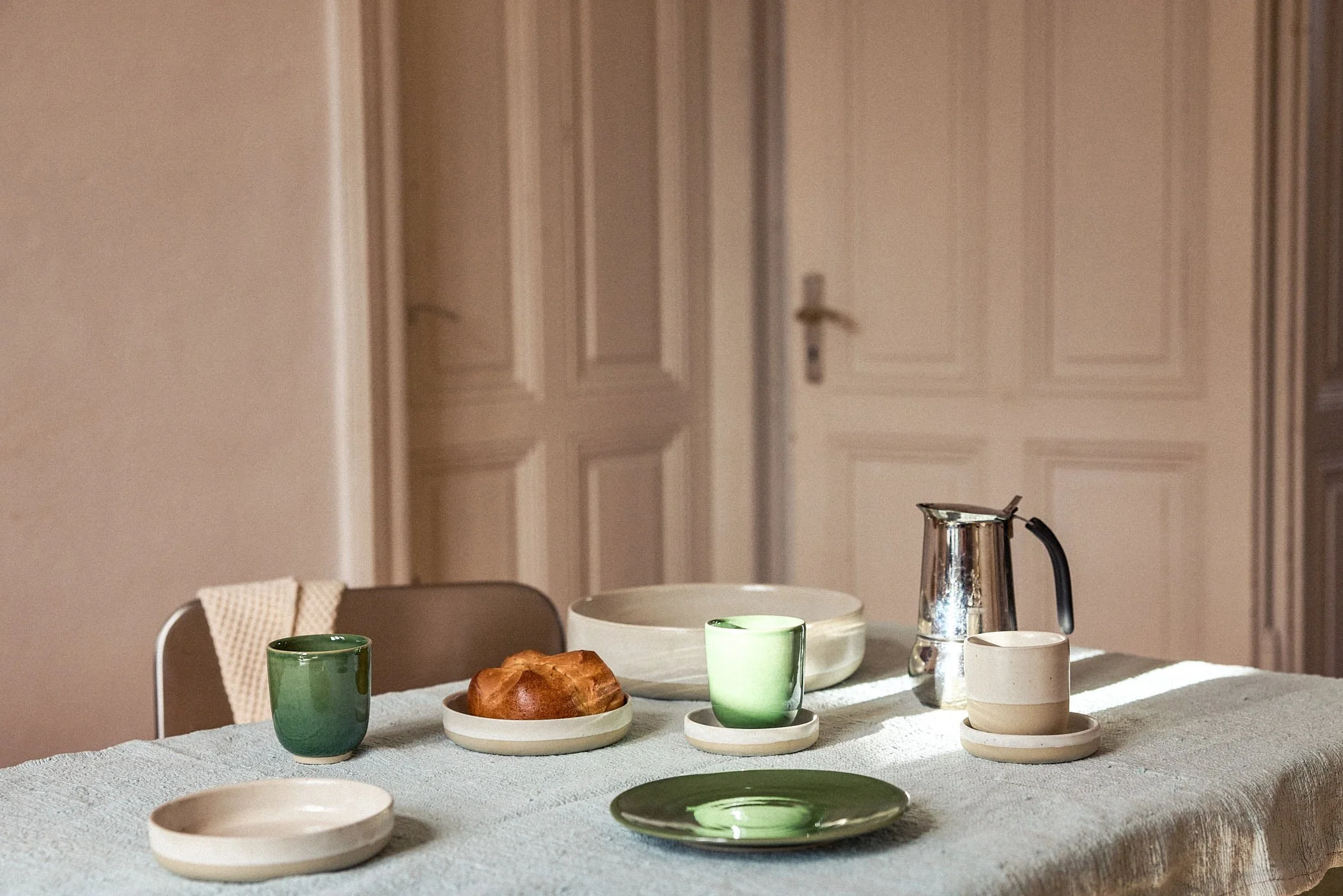
On the table, the pieces relate through proportion and spacing, with plates, bowls, and vessels aligning without hierarchy and allowing arrangements to emerge from context. They remain adaptable, moving between everyday use and more composed settings without adjustment.
This flexibility is sustained by a material structure designed for continuity in use, as high firing temperatures ensure durability and resistance to regular handling, including dishwashing, while weight, edge definition, and surface remain perceptible, allowing the objects to continue registering physically in use.

The same thinking extends to sourcing, packaging, and logistics. Manufacturing in Portugal concentrates specialised knowledge and keeps material sourcing regional, while packaging and distribution in Germany maintain control over handling and reduce plastic use, with a focus on durability, responsible production, and reduced material waste. They form part of the same overall approach.


A different emphasis appears in the vases, where use becomes less central and silhouette takes on greater presence. In pieces such as Rio, Alegra, or Alvo, vertical proportions and more pronounced forms define space more directly, allowing material and surface to be read without mediation.
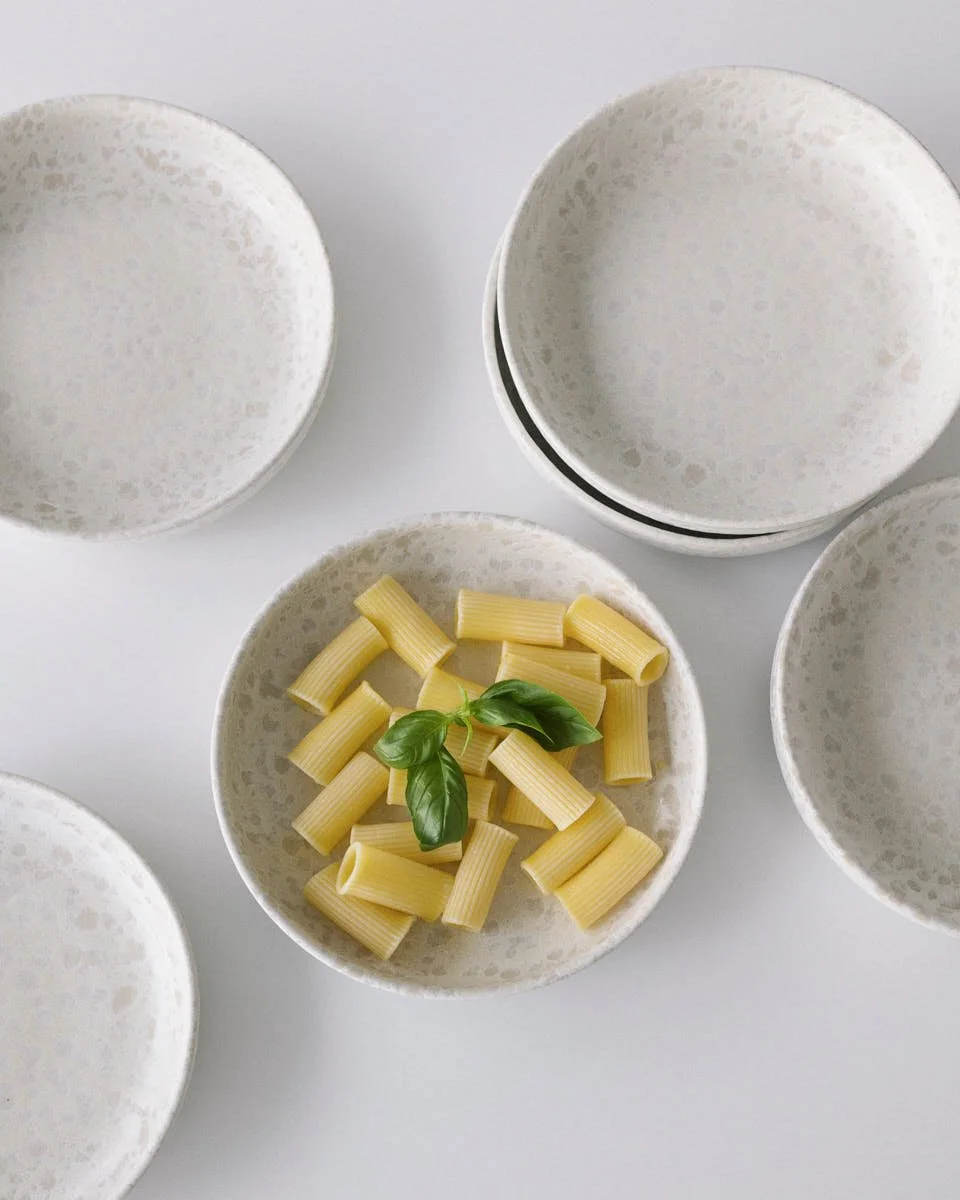
 
 
Tablewear by Portofino Ceramica LE MILE Magazine Dining Bento Bowl

Portofino Ceramica
Bento Bowl

 
Tablewear by Portofino Ceramica LE MILE Magazine Dining Tablewear Elsa

Portofino Ceramica
Elsa Tablewear


Across the collection, refinement remains continuous, with forms reduced until they hold, surfaces calibrated until they stabilise in light and use, and variation contained within a narrow range.

The collection settles into everyday contexts through repetition and continued handling, carrying a clear identity through proportion and material presence. Its coherence lies in how pieces relate in use, through scale, spacing, and surface, forming a system that can be extended over time. In practice, the system stays open, shaped by how it is arranged, adapted, and lived with over time.


images (c) Portofino Ceramica seen by Aimilia Theofilopoulos

DISCOVER PORTOFINO CERAMICA: portofino-ceramica.com
Explore contemporary tableware, stoneware ceramics, and handmade collections including plates, bowls and vases.
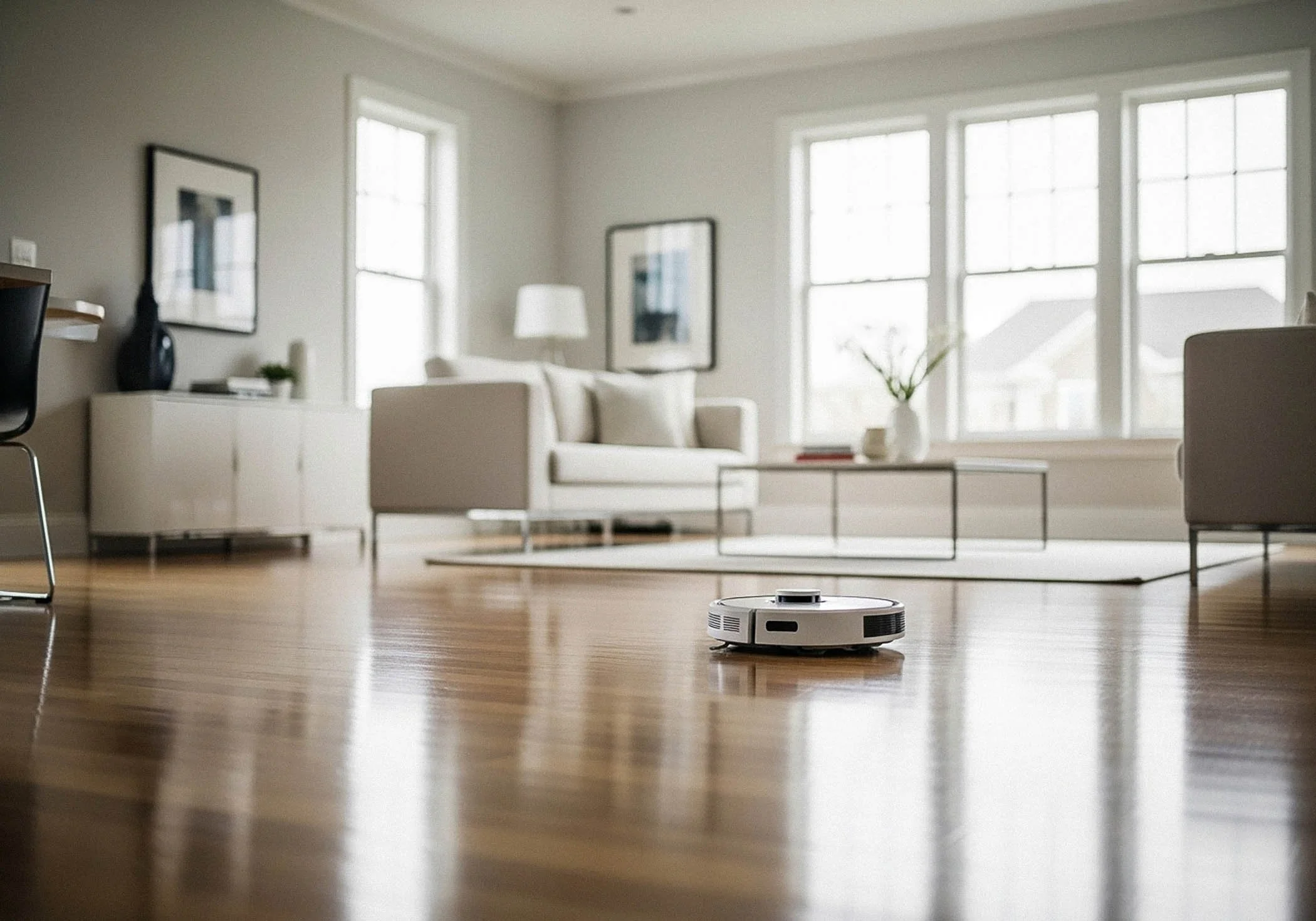
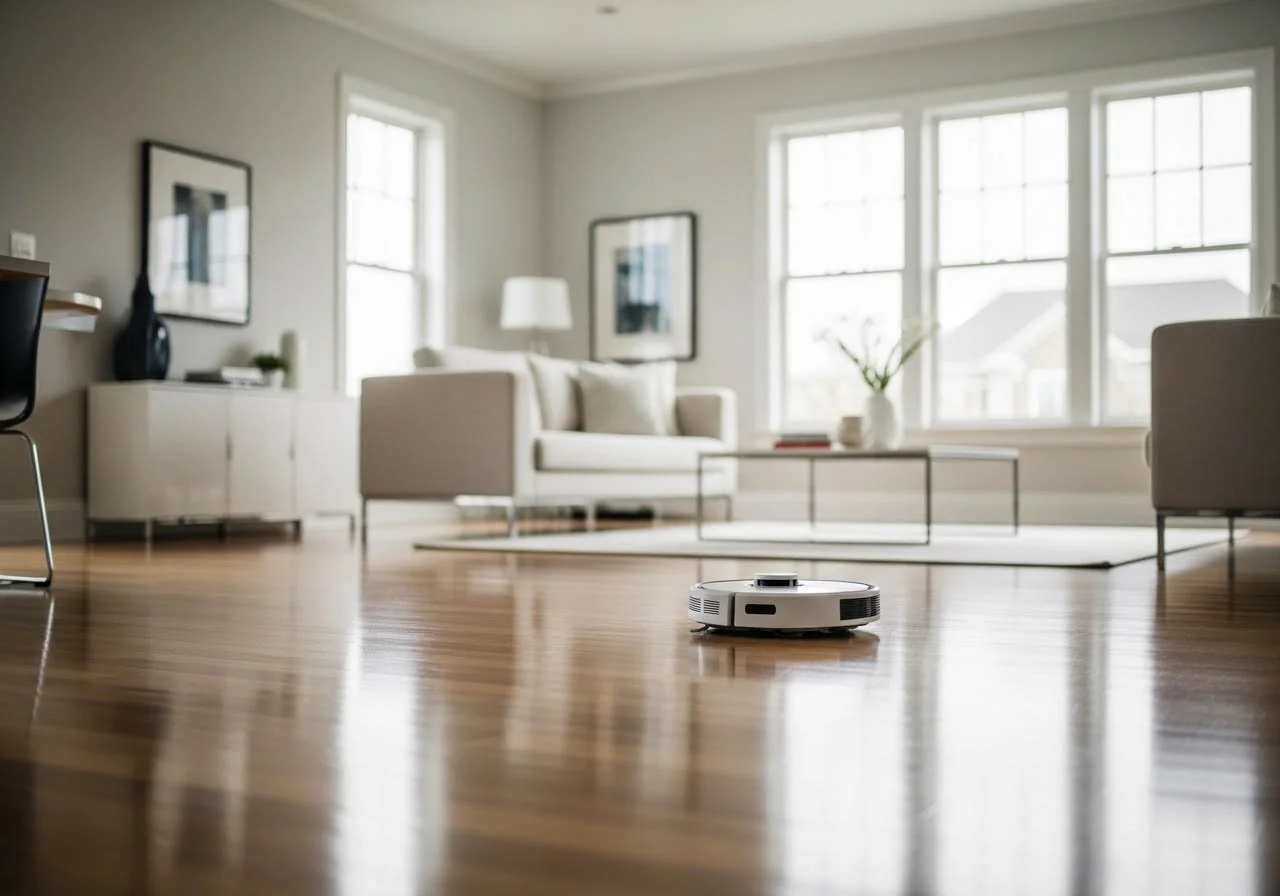
Maintaining Clean Floors in Modern Homes: A Comprehensive Guide to Floor Care Strategies

Maintaining Clean Floors in Modern Homes: A Comprehensive Guide to Floor Care Strategies

.specials
Maintaining Clean Floors in Modern Homes:
A Comprehensive Guide to Floor Care Strategies


Clean floors serve as the foundation of any healthy, welcoming home, yet countless homeowners find themselves caught in an endless cycle of ineffective cleaning routines. The real challenge isn't just the physical act of cleaning—it's understanding how different methods work in harmony to deliver lasting results. Success hinges on finding the right balance of techniques, equipment, and timing that matches your unique flooring and lifestyle demands.


Different Floors, Different Care: Tailoring Your Cleaning Approach

Whether you're wielding a traditional broom, operating a cordless vacuum, or experimenting with other cleaning tools, grasping the complete picture of floor care empowers you to make smarter decisions about your cleaning approach.

Your flooring material dictates everything about how you should clean it. Hardwood floors demand a delicate touch—gentle, pH-neutral cleaners and minimal moisture are essential to prevent warping and preserve those protective finishes you've invested in. Tile and stone surfaces can withstand more aggressive cleaning, but those grout lines become magnets for dirt and bacteria that require special attention.

Laminate and vinyl flooring might seem bulletproof, but moisture control becomes critical since water can seep through seams and cause irreversible damage. Carpet and area rugs present their own puzzle—wool fibers need gentler care than synthetic materials, while plush, high-pile carpets trap debris in ways that low-pile options simply don't.

Each flooring type has its Achilles' heel, and recognizing these vulnerabilities shapes your entire maintenance strategy. Think of material identification as your roadmap—without it, you're cleaning blind.


Prevention First: Reducing Dirt and Damage Before Cleaning Becomes Necessary

The smartest floor care strategy starts at your front door, not your cleaning closet. Strategic doormat placement inside and outside every entrance can slash tracked-in debris by up to 80%—a simple investment that pays dividends daily. Taking it a step further with a shoes-off policy in high-traffic zones keeps outdoor contaminants from ever reaching your floors.

Furniture pads and protective barriers act as insurance policies for hardwood and laminate surfaces, preventing those heartbreaking scratches and dents that seem to appear overnight. Meanwhile, immediate spill response isn't just good housekeeping—it's damage control that prevents stains from becoming permanent fixtures.

Families with pets or children can benefit enormously from designated eating and play zones equipped with washable rugs. These contained spaces turn inevitable messes into manageable cleanup tasks rather than floor-wide disasters. Don't underestimate the power of regular walk-throughs either. Catching potential problems early—when they're still small and inexpensive to fix—beats dealing with major damage later.

 
Dyson Floor Care Guide LE MILE special article

(c) Dyson Press


Cleaning Techniques: From Traditional Methods to Modern Equipment

The most effective floor cleaning isn't about choosing between old-school and high-tech methods—it's about knowing when to use each approach. Manual cleaning techniques like sweeping and mopping remain irreplaceable, especially for delicate surfaces that need a gentle human touch. Master the art of systematic sweeping by working from room edges toward the center, and match your broom type to your surface for optimal results.

Mechanical cleaning equipment brings efficiency and consistency to the table. Upright vacuums excel at extracting deep-seated dirt from carpets, while robotic cleaners handle daily maintenance for time-strapped households. Handheld devices shine where their larger cousins can't reach—stairs, tight corners, and around furniture legs.

The secret lies in strategic deployment rather than blind loyalty to one method. High-traffic areas might need daily mechanical attention, while your grandmother's antique hardwood might prefer gentle weekly hand-cleaning.

Selecting Appropriate Cleaning Solutions: Safety, Effectiveness, and Sustainability

pH levels aren't just chemistry class trivia—they're the difference between clean floors and damaged ones. Alkaline cleaners slice through grease like nobody's business, but they'll wreak havoc on natural stone. Acidic solutions dissolve mineral deposits beautifully, yet they can permanently etch marble surfaces.

Natural cleaning solutions crafted from pantry staples like white vinegar and baking soda offer powerful, safe alternatives for many cleaning challenges. But don't assume "natural" means "foolproof"—even these gentle giants need proper dilution and application to avoid unintended consequences.

Safety becomes non-negotiable in homes with children and pets. Always test new products in hidden spots first, and never skimp on ventilation when using any cleaning chemicals, natural or otherwise.


Creating a Maintenance Routine: Balancing Frequency and Effectiveness

Sustainable floor care thrives on consistent daily habits paired with strategic deep-cleaning sessions. Your daily routine might include sweeping high-traffic zones and tackling spills the moment they happen. Weekly deep cleans address every floor surface, while monthly intensive sessions target those areas that need specialized care.

Seasonal flexibility keeps your routine realistic—muddy spring months and holiday entertaining seasons naturally demand more frequent attention. Pet owners and parents typically need tighter cleaning schedules, while empty nesters might stretch intervals between major cleaning sessions without consequence.

Bringing It Together: Your Path to Consistently Clean Floors

Mastering floor maintenance means recognizing how prevention, proper techniques, suitable products, and smart scheduling work together as a unified system. The most successful homeowners don't rely on any single miracle solution—they blend multiple strategies that fit their specific circumstances.

Start small by implementing one or two preventative measures and watch how they transform your cleaning routine. Clean floors dramatically enhance your home's health and comfort, making every effort you invest in proper care practices worthwhile. Remember, there's no universal "best" approach—evaluate your unique situation and adapt these strategies to create a system that actually works for your lifestyle.

onomao - Handcrafted Ceramics

onomao - Handcrafted Ceramics

.specials
onomao

*within Portuguese Craft Culture


written SARAH ARENDTS


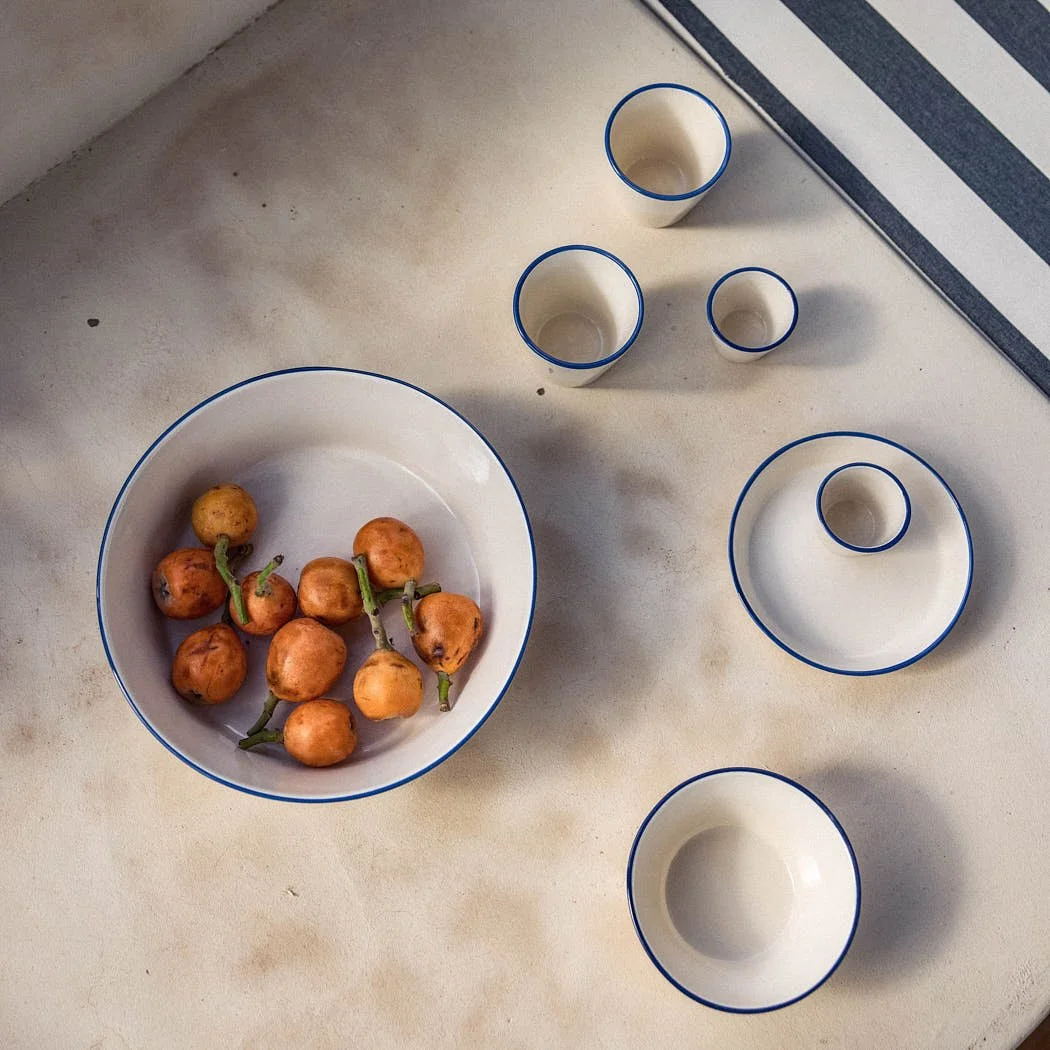
onomao began in 2018 with a clear intention to bring traditional Portuguese craftsmanship into a contemporary context. The brand collaborates with small manufactories that work with regional clay and long-established production methods.


Every piece is shaped, glazed, and finished by hand, which creates subtle variations in surface and form. These variations are part of the identity of the objects and underline the direct connection to the people who make them. Packaging materials are reused, and shipments remain free of plastic.


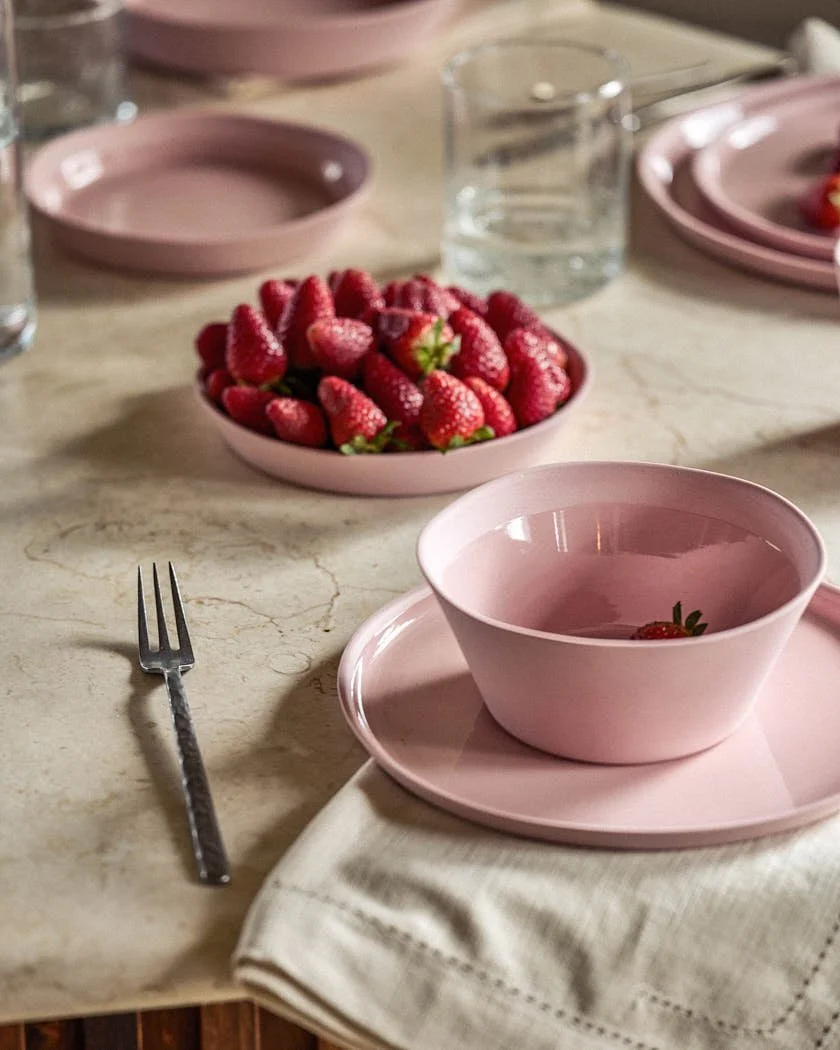
onomao LE MILE Magazine small bowl pura rosa

onomao
small bowl pura rosa

 
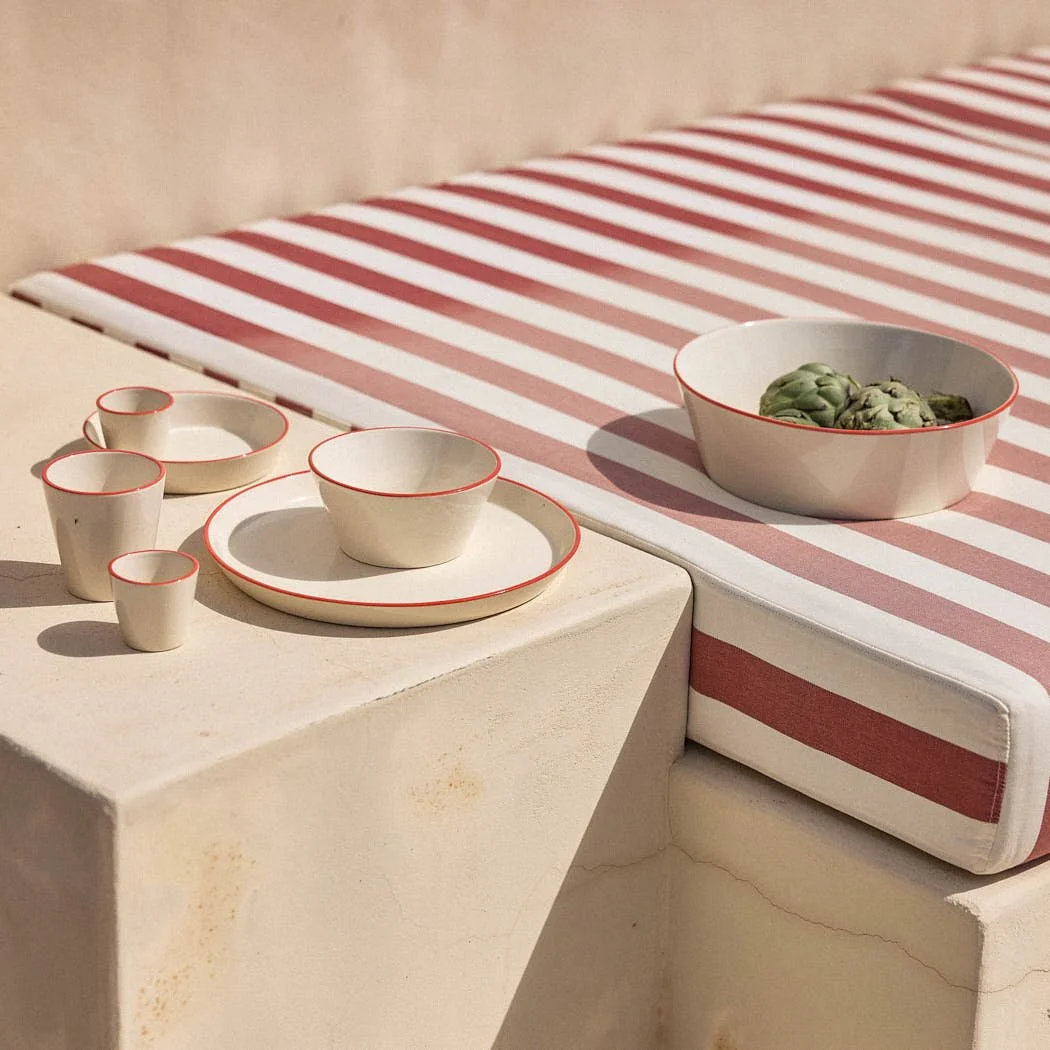
onomao LE MILE Magazine aberta hand-painted orange

onomao
aberta hand-painted orange


The founders Arthur and Felix Wystrychowski grew up in Munich and developed an early interest in Portugal. Their regular travels for surfing brought them into contact with local workshops and with the atmosphere of regions where craft is part of everyday life. Arthur studied landscape architecture in Berlin and strengthened his interest in materiality, spatial order, and quiet design solutions. Felix trained as a cook in Portugal, later moved toward graphic design, and gained experience in visual communication. Their combined perspectives shaped the direction of the brand and guided their search for small manufactories that value continuity, responsibility, and fairness.


The collections show a broad range of forms and colors. onomao does not work with a single design language. Instead, the assortment includes tableware with sculptural silhouettes, soft curves, and straight lines, depending on the collection. The best-known line is called Traditional. It features pieces with a clear structure, balanced proportions, and glazes that reflect the character of Portuguese ceramic traditions. Other collections explore different approaches. Some use matte surfaces in warm earthy tones. Others bring in more saturated colors or glossy textures that highlight the material. The diversity in the assortment allows each piece to stand on its own while still fitting into a cohesive visual family.


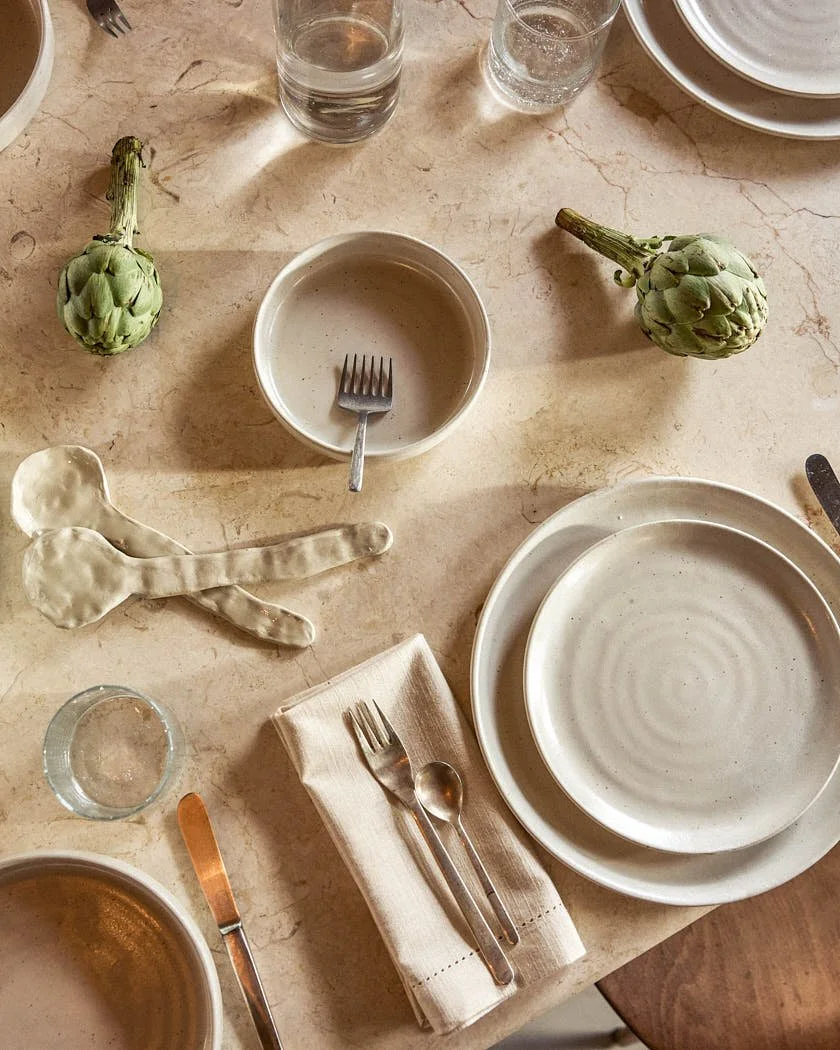
onomao LE MILE Magazine large bowl deep plate natural white

onomao
large bowl deep plate natural white


onomao
www.onomao.com

based in Cologne, Germany and working with small Portuguese manufactories to produce handcrafted ceramics and homeware

onomao Traditional Collection average price range: 12 € – 45 €


onomao understands tableware as part of the everyday situations in which people pause, cook, and sit together. Meals often form the central moments of a household, and the founders see ceramics as one of the elements that quietly supports these routines. The collections differ in shape, color, and finish, yet they share a steady and unobtrusive presence that works in simple weekday settings as well as in larger gatherings. Forms range from strict lines to softer curves, and the glazes include muted tones, natural textures, and more saturated colors. This variety reflects the different ways kitchens function and how people choose to organize their daily rhythm.


It also reflects the founders’ interest in creating objects that remain practical while offering a sense of calm and order on the table.
Their collaboration with small Portuguese workshops follows the same principles. The manufactories work with regional clay and long-established methods, and the production decisions are shaped by continuity, material awareness, and respect for craft. These relationships have grown over time and form the foundation of onomao’s approach to design. New pieces are introduced carefully, without compromising the pace and structure of the workshops. This approach allows the assortment to evolve in a steady and deliberate way, keeping a clear connection to the people and regions involved in the production.

 
onomao LE MILE Magazine small and large plate natural white

onomao
small and large plate natural white

 
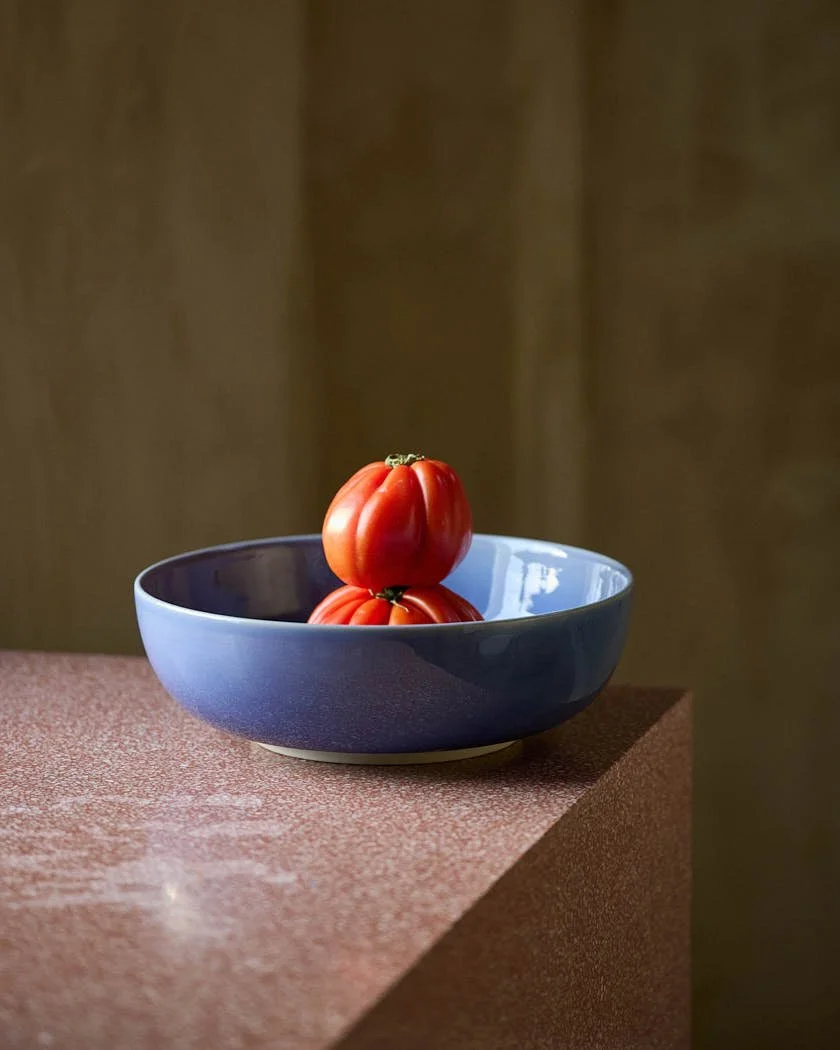
onomao LE MILE Magazine salad bowl sapphire blue classic

onomao
salad bowl sapphire blue classic

 
onomao LE MILE Magazine aberta hand-painted blue

onomao
aberta hand-painted blue