
.specials
Anna Schäfer Bachtadze
Defines a Slower Couture Rhythm Between Berlin and Paris
written SARA DOUEDARI
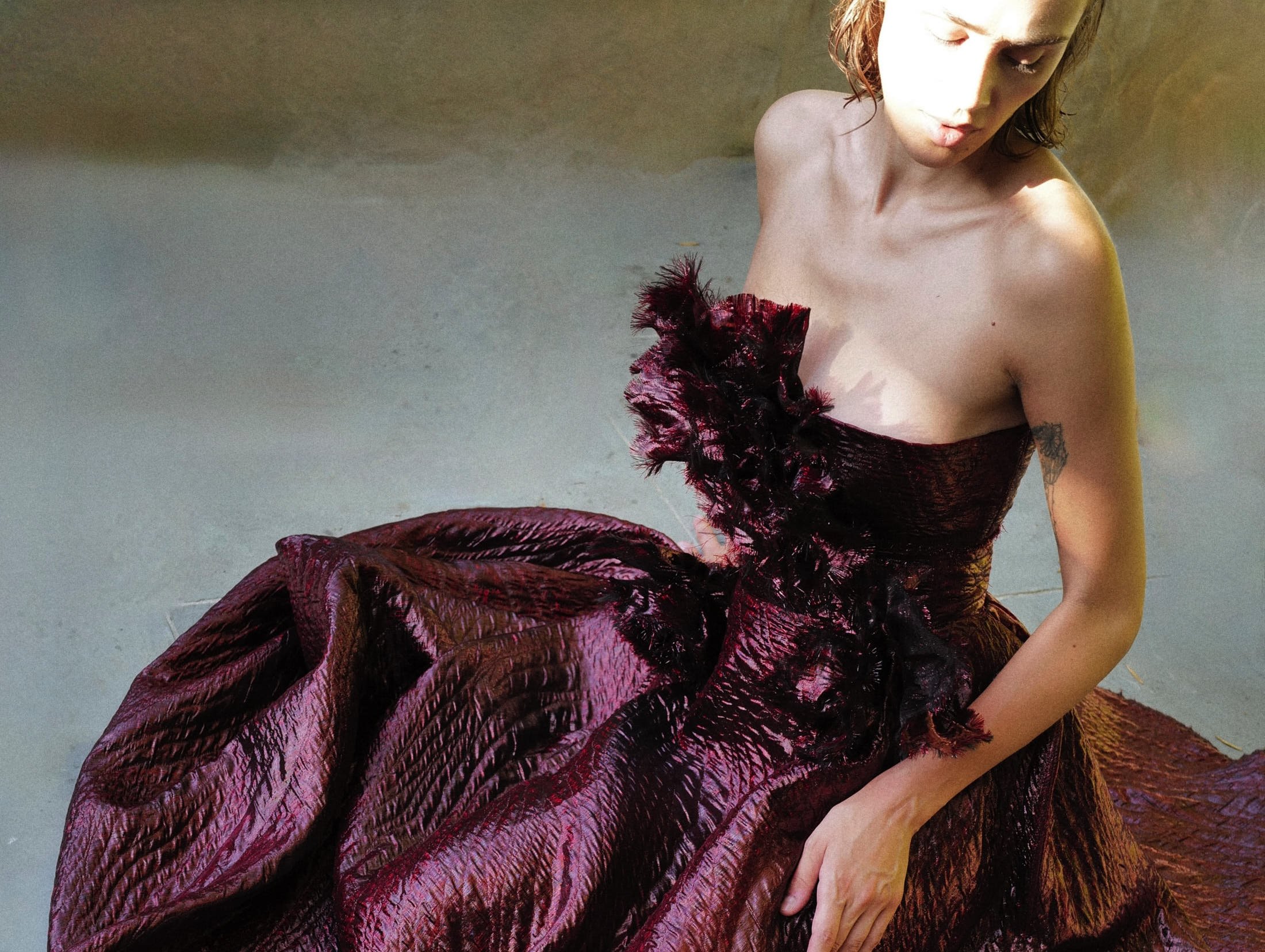
Anna Schäfer Bachtadze creates couture with a quiet kind of conviction. Between Berlin and Paris, she has shaped a practice that values time, sensitivity and the intimate dialogue between garment and woman. Her designs do not chase attention — they unfold gently, revealing their strength through craftsmanship, comfort and care. In this conversation, she reflects on transformation, longevity and the beauty of choosing a slower, more conscious path in fashion.
BACHTADZE
seen by Anna Schaefer Bachtadze
BACHTADZE
seen by Anna Schaefer Bachtadze
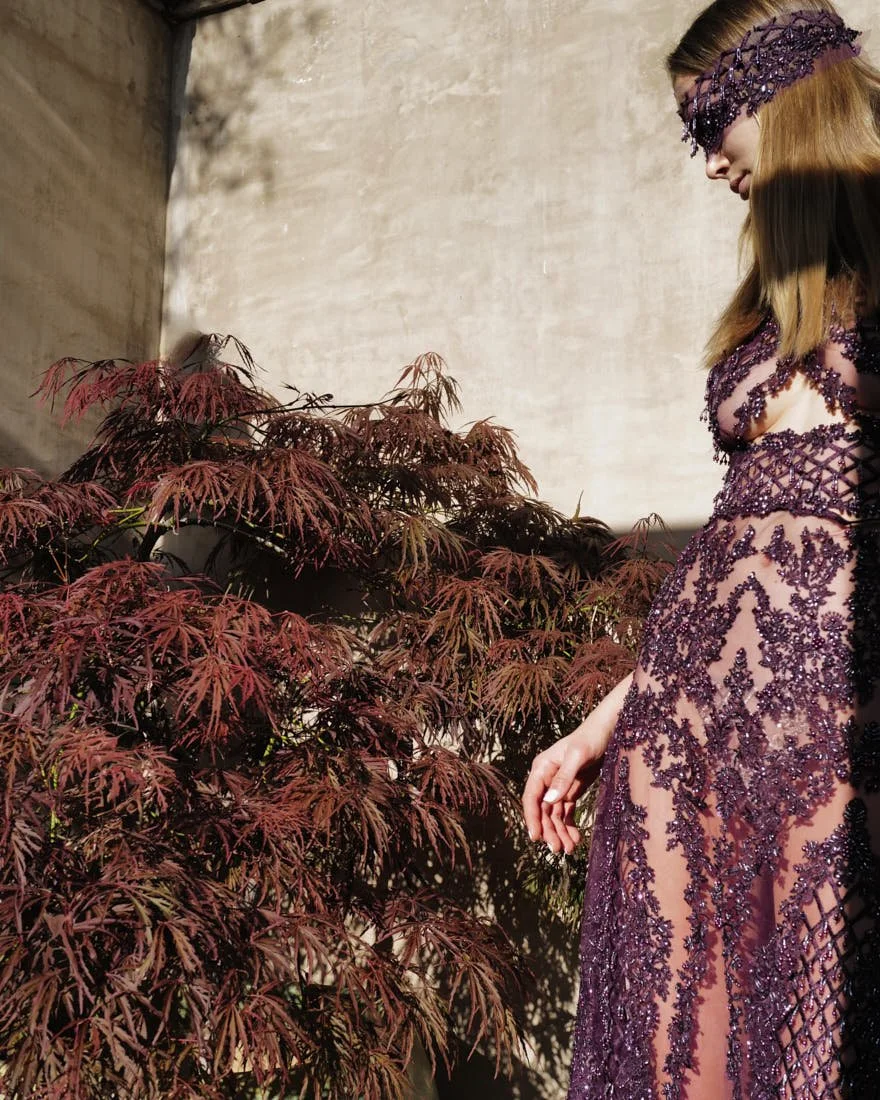
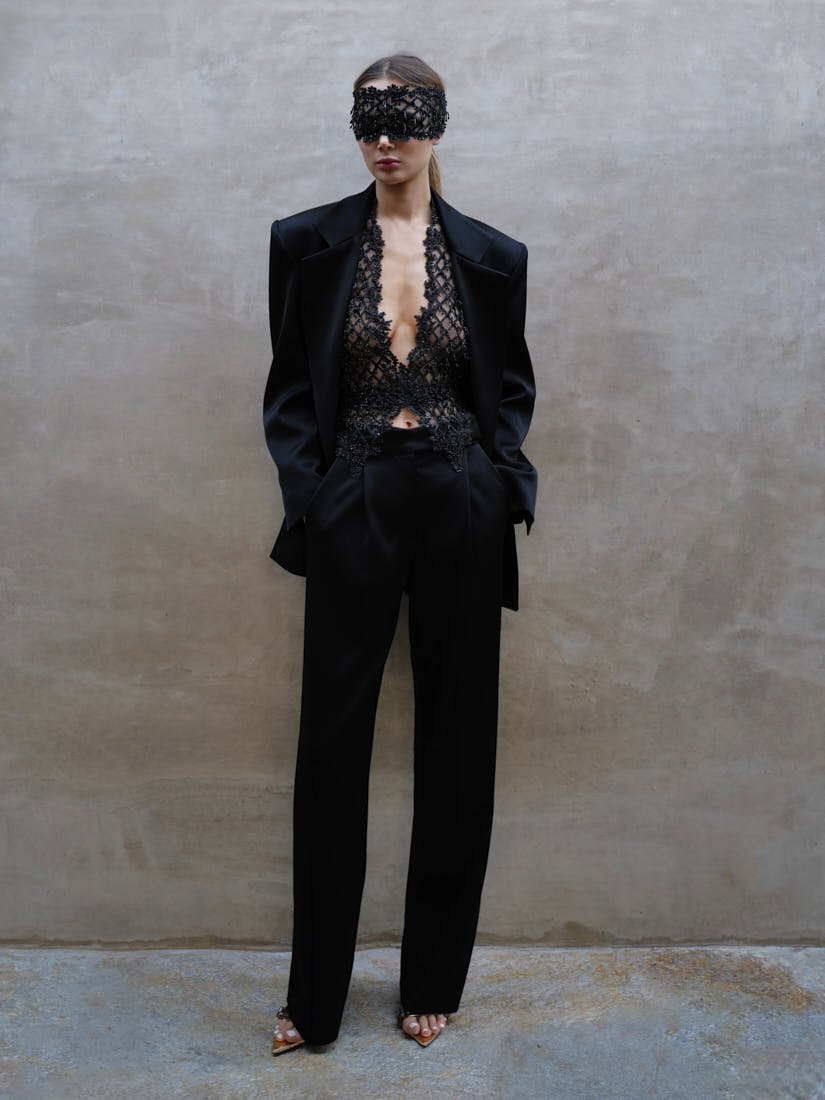
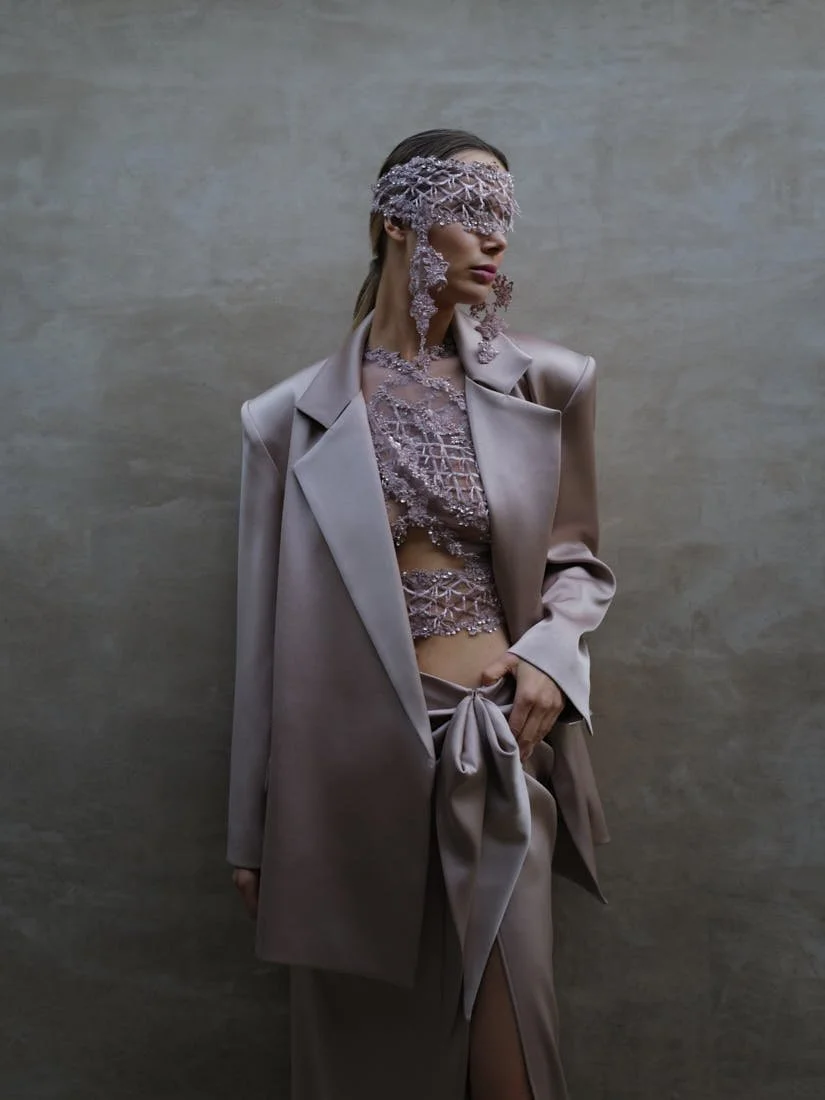
Born in 1980 in Tbilisi, Georgia, Anna grew up in a deeply artistic environment that shaped her early understanding of aesthetics and discipline. Ballet was her first great love; although she did not pursue it professionally, the weightlessness of stage costumes and the emotional intensity of performance continue to influence her work. Fine lace, fluid silhouettes and a sense of movement remain signatures of her design language.
BACHTADZE
seen by Anna Schaefer Bachtadze
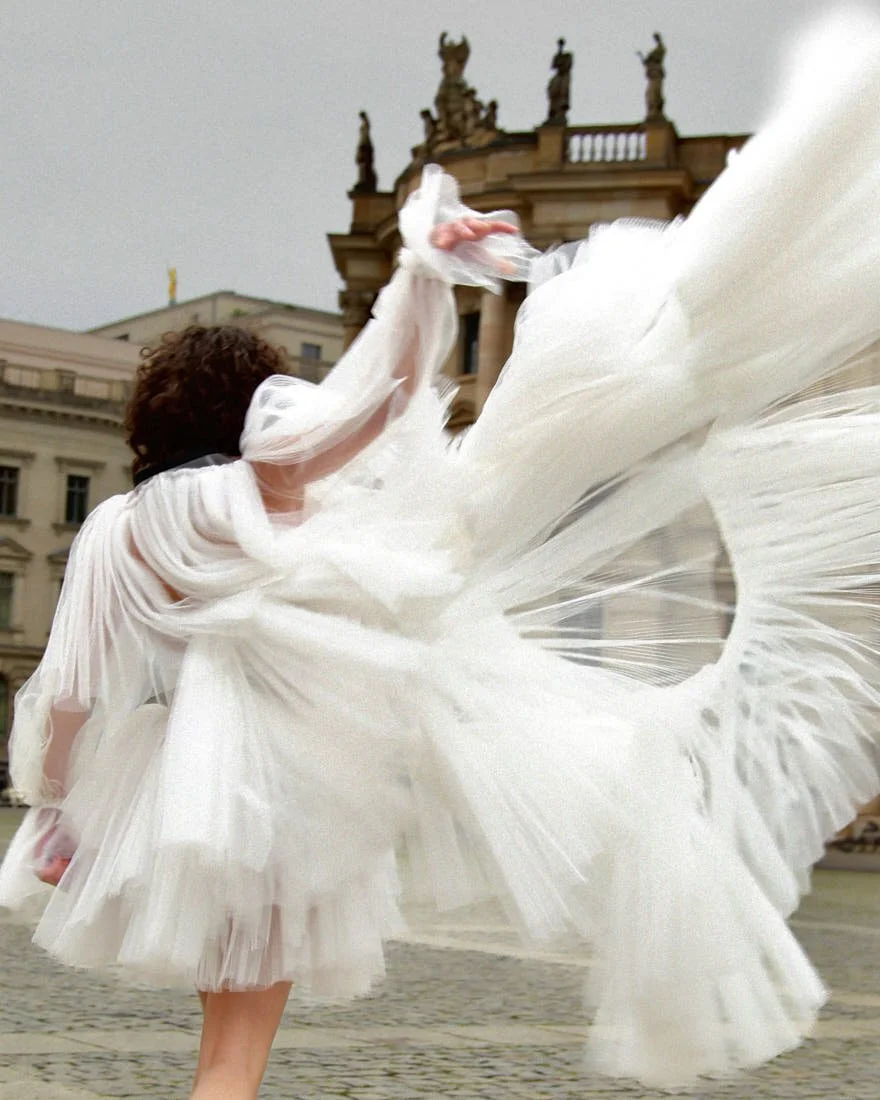
BACHTADZE
seen by Elizaveta Belyaeva
After moving to Berlin at the age of fifteen — where she acquired the nickname “Bibi” — she later studied fashion design at HTW Berlin, graduating magna cum laude. Professional experience in management and marketing at international luxury houses such as Louis Vuitton and Céline provided her with the strategic foundation to establish her own label in 2009.
Originally operating within the traditional fashion calendar, she made a decisive shift in 2019, stepping away from wholesale and overproduction to reposition her brand as Concept Couture. Today, she works exclusively made-to-order, creating modular eveningwear designed to transform and endure. For Anna Schäfer Bachtadze, couture is not about seasons or spectacle — it is about responsibility, precision and pieces meant to accompany a woman for years, even generations.
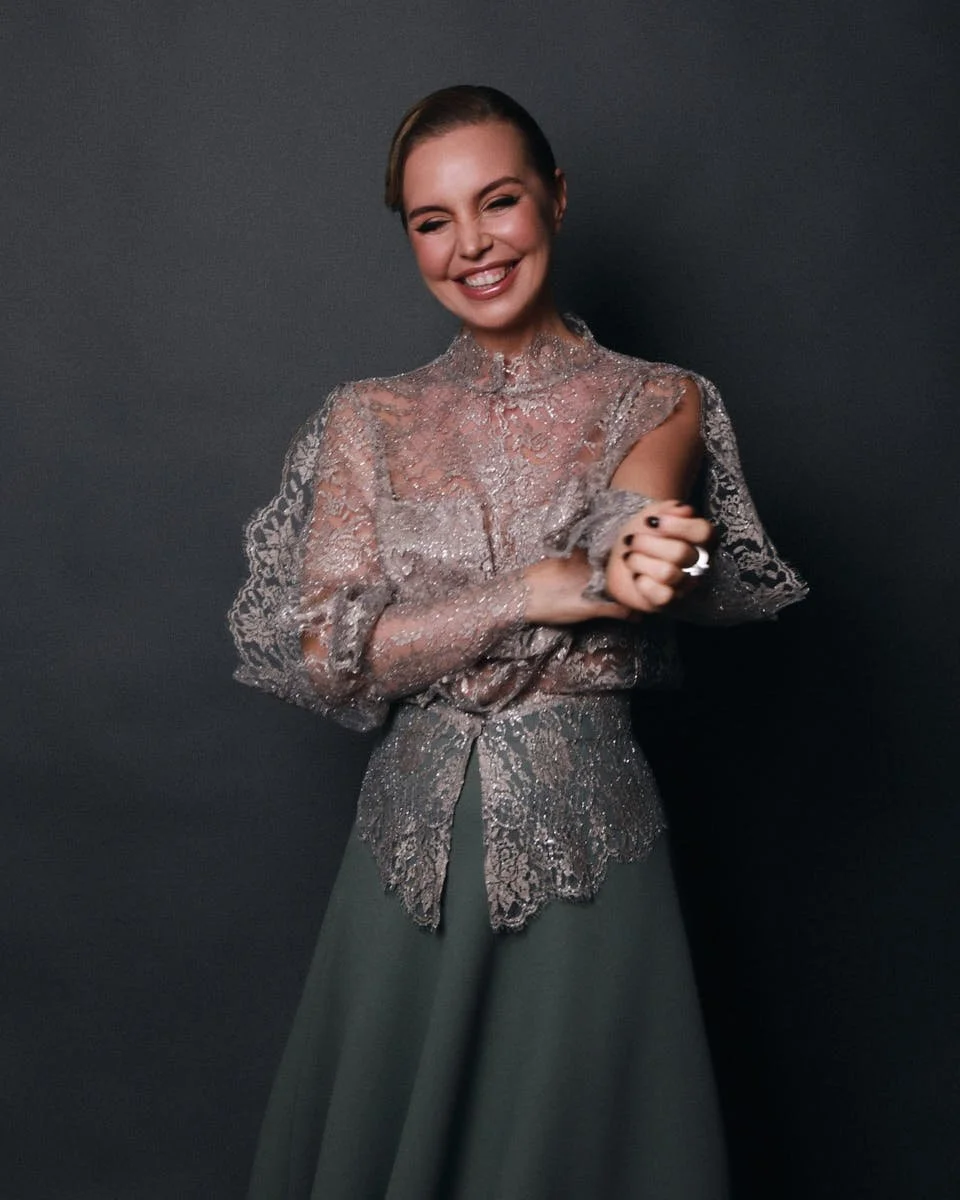
Anna Schäfer Bachtadze, founder + creative director
seen by Elizaveta Belyaeva
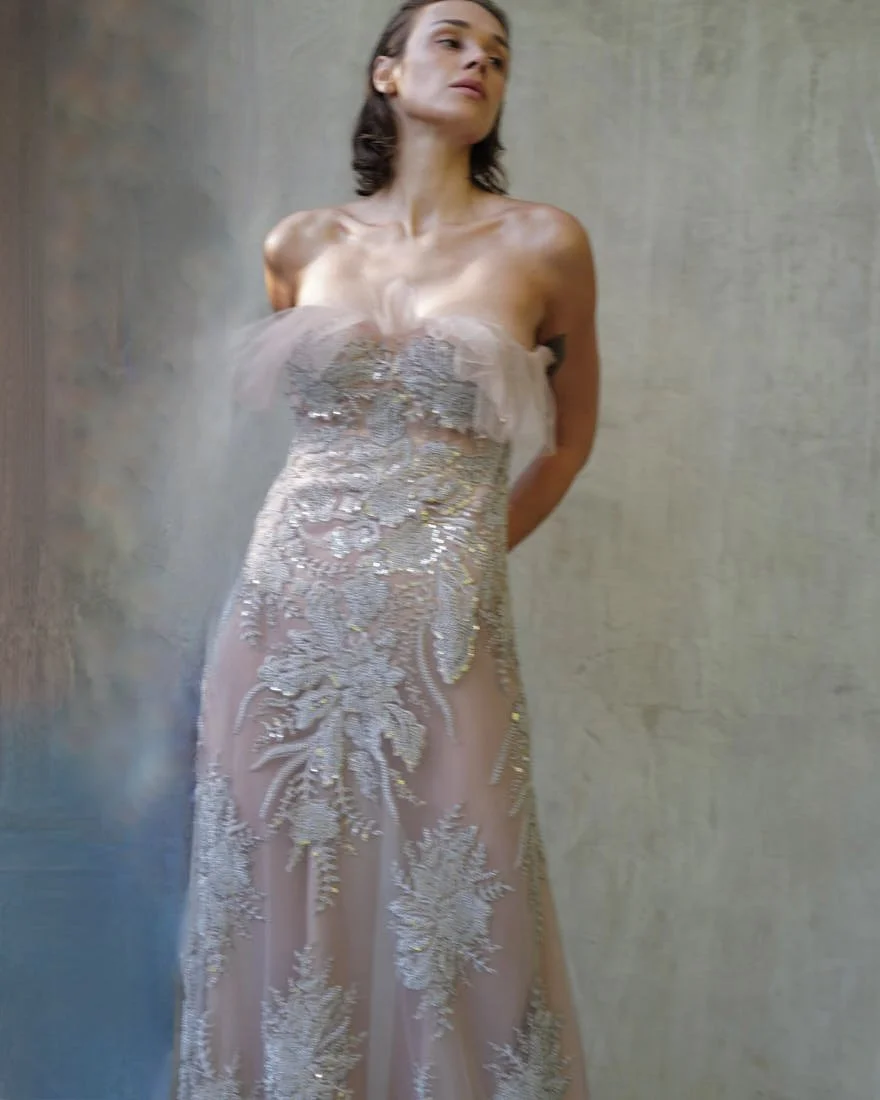
BACHTADZE
seen by Anna Schaefer Bachtadze
Sara Douedari
Are you a romantic or a realist when it comes to fashion?
Anna Schäfer Bachtadze
It depends on my mood. I don’t like to define myself within rigid categories. In terms of aesthetics, I feel closer to a mystic than to a romantic — I am drawn to atmosphere, intuition, and subtle emotion. Yet when it comes to construction and wearability, I am very pragmatic. I design gowns that feel effortless on the body, so a woman can fully inhabit the experience of wearing them.
What was the exact moment you decided: I refuse to produce fashion that doesn’t last?
It wasn’t a single moment — but rather a process. When you run a small brand with a direct connection to your clients, there is no space for compromise or for failure in the form of a bad product. You cannot hide behind marketing. Your clients experience your work up close — they judge you by your quality. They don’t buy a logo; they buy your expertise. And loyalty only comes through real satisfaction.
Fashion has always been my life, not a trend or a strategy. If I was building something that would define my path, it had to have longevity. I didn’t create this brand for recognition or visibility. I created it because it was the only language that felt true to me.
Saying no to overproduction sounds powerful - but what did it cost you?
In fact, nothing. Quite the opposite. When I was operating within the traditional fashion system — producing up to six collections a year simply to fill the calendar — that was the most stressful period of my career. High risks, high investments, constant pressure to sell.
Stepping away from overproduction didn’t cost me financially or creatively. It only cost me my ego — and that was a very healthy exchange.
When you say „Made to Transform“, is it the garment that transforms - or the women wearing it?
Both.
The garment is engineered to allow transformation. Each dress is built from several modular elements that can be combined in different ways, allowing a woman to shift her look — from black tie to cocktail — with ease.
But “Made to Transform” also refers to the awareness of the client. Stepping out of the traditional fashion system was a necessary evolution for me. Yet transformation is never one-sided. It is a mutual story between the creator and the consumer.
To move beyond habitual consumption patterns requires a certain level of consciousness. True transformation happens when both sides are ready to evolve
Craft takes time. The market demands speed. Where do you draw the line - and have you been tempted to cross it?
I don’t design in response to market pressure — I design in response to my clients. If a woman comes to me with an urgent and meaningful occasion, we will do everything possible, even work through the night if necessary. But urgency must remain the exception, not the norm.
I will never again push my team into constant stress simply to compete within a system that has lost its sense of proportion. Craft requires time, precision, and respect — both for the garment and for the people who create it.
That is where I draw the line.
I also made a structural decision: I stopped working with wholesale. I now sell directly or online. This allowed me to step out of the pressure of buying seasons and production calendars dictated by the market. After Covid, selling luxury online became normal — even expected. So this transition felt organic, almost inevitable.
Between Berlin and Paris - who understands your work faster?
No one understands my work quickly. My dresses don’t scream like Instagram fashion. They reveal themselves when you try them on — when you feel the construction, the comfort. That takes time.
But Paris has a long-standing culture of couture and craftsmanship. There is a certain sensitivity here — an understanding that subtlety can be powerful.
Ten years form now, when one of your garments is still in someone closet - what will that prove?
In fact, many of my clients already own dresses that are ten years old or more — and they still wear them, or even pass them on to their daughters.
What does that prove? That true style exists beyond trends and seasons. And that I have done my work well.