Viewing entries in
design

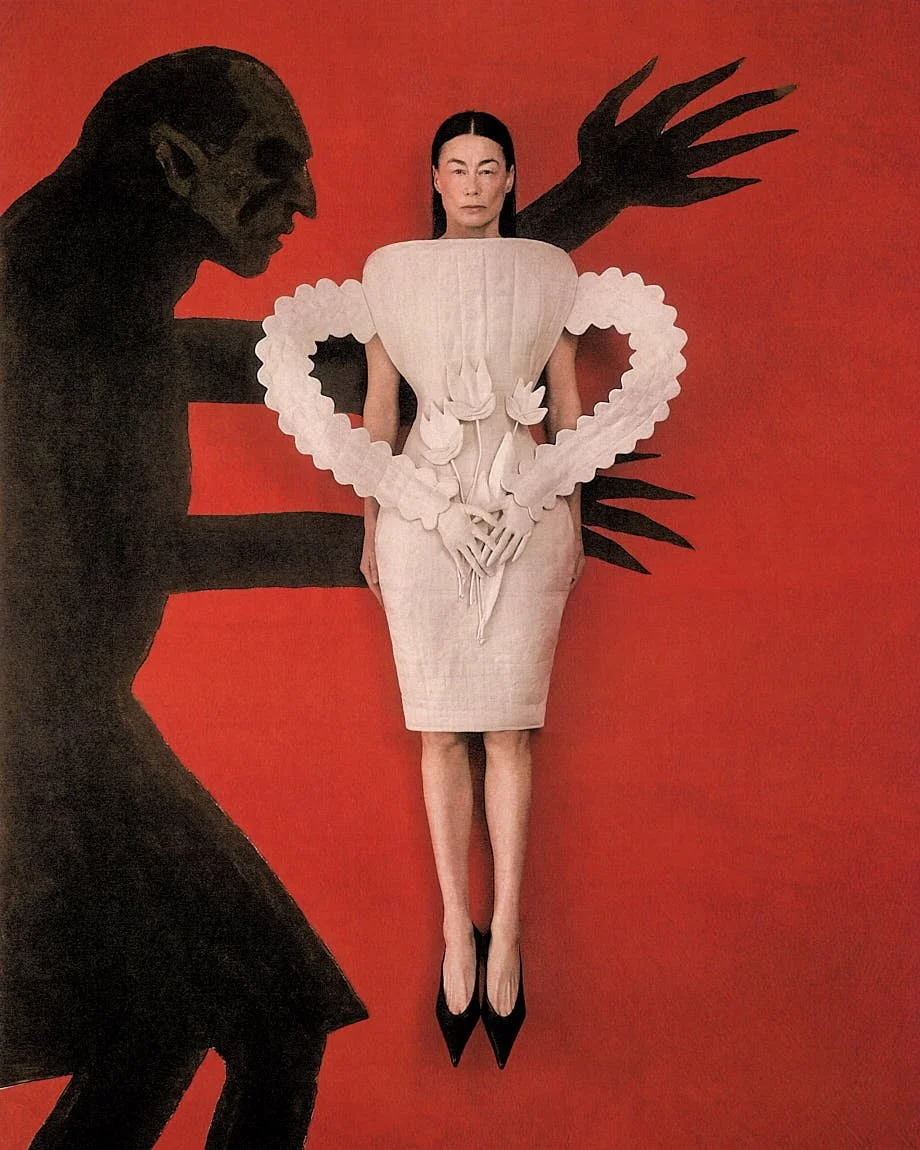
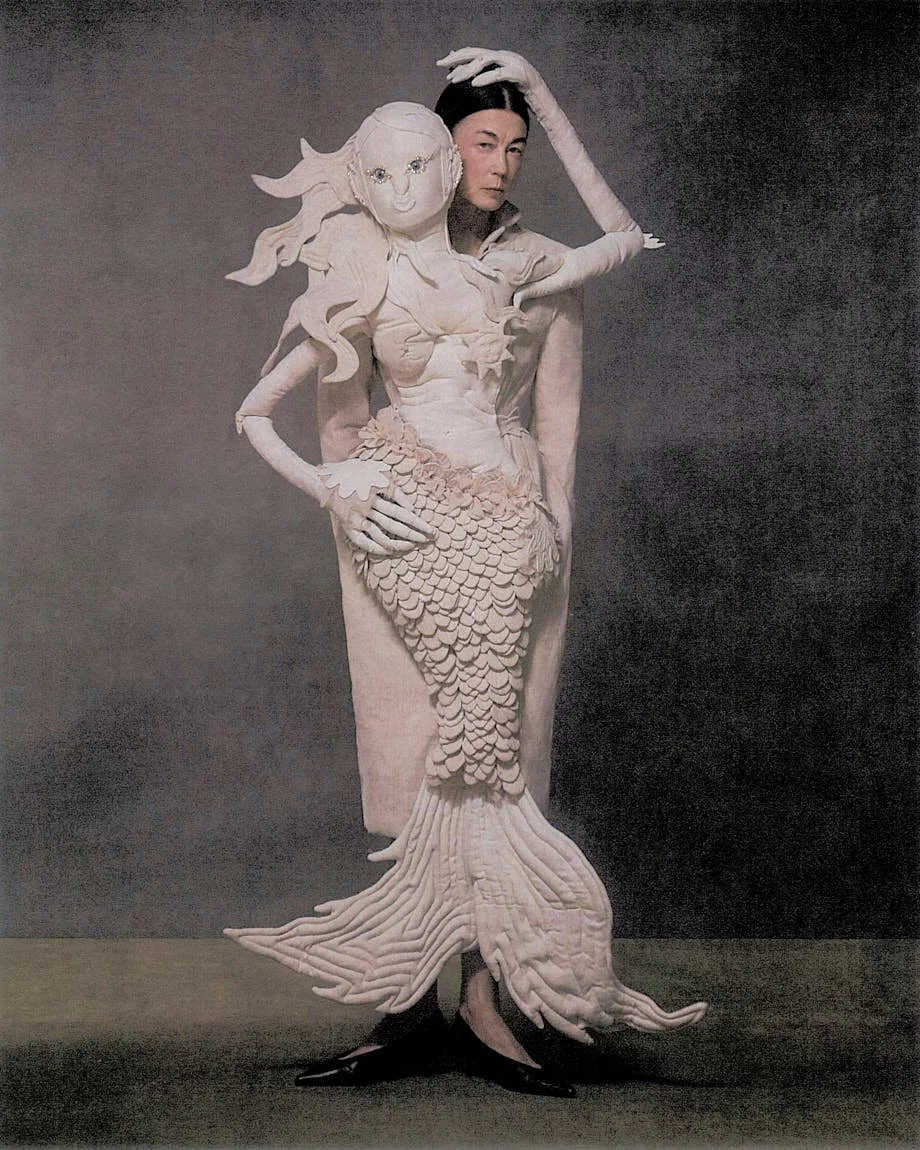
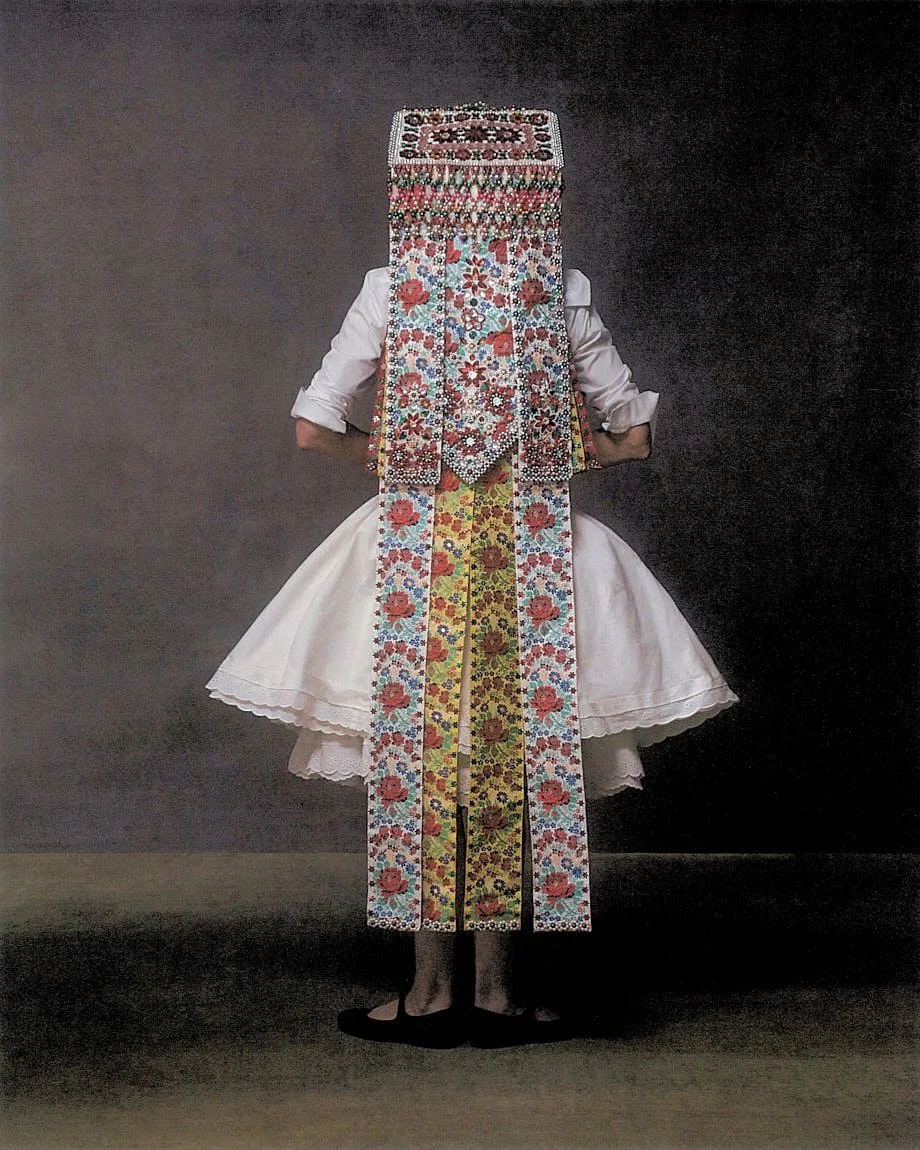
Dora Abodi *ABODI Transylvania and The Chronicles

Dora Abodi *ABODI Transylvania and The Chronicles

As It Stands
The Chronicles of Dora Abodi


interview with DORA ABODI
story by HANNAH ROSE PRENDERGAST


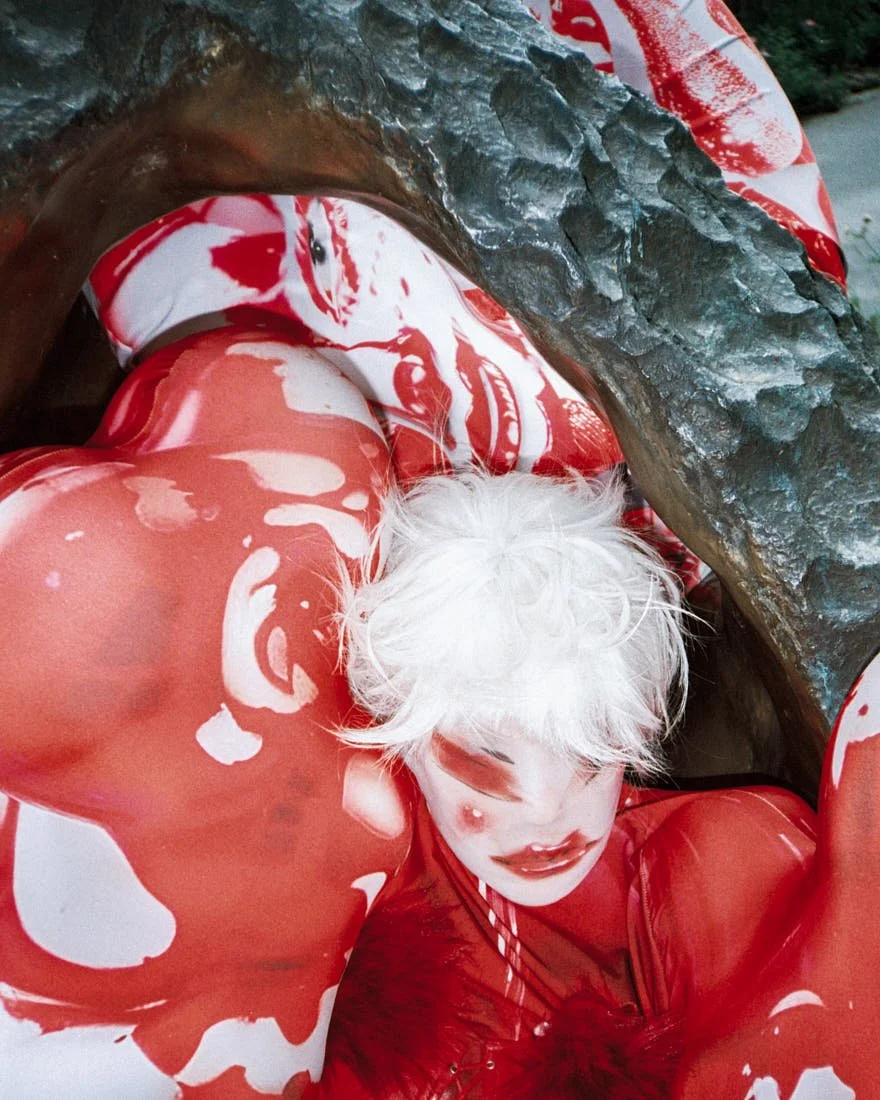
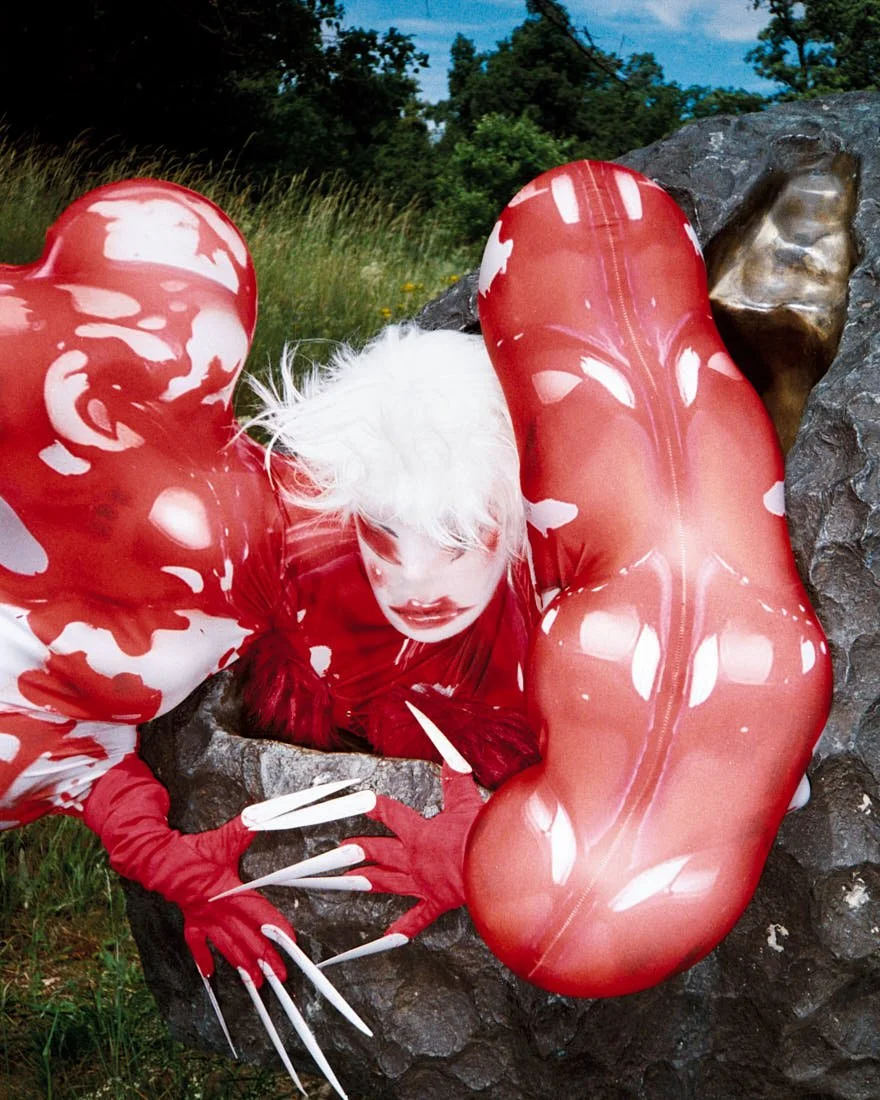
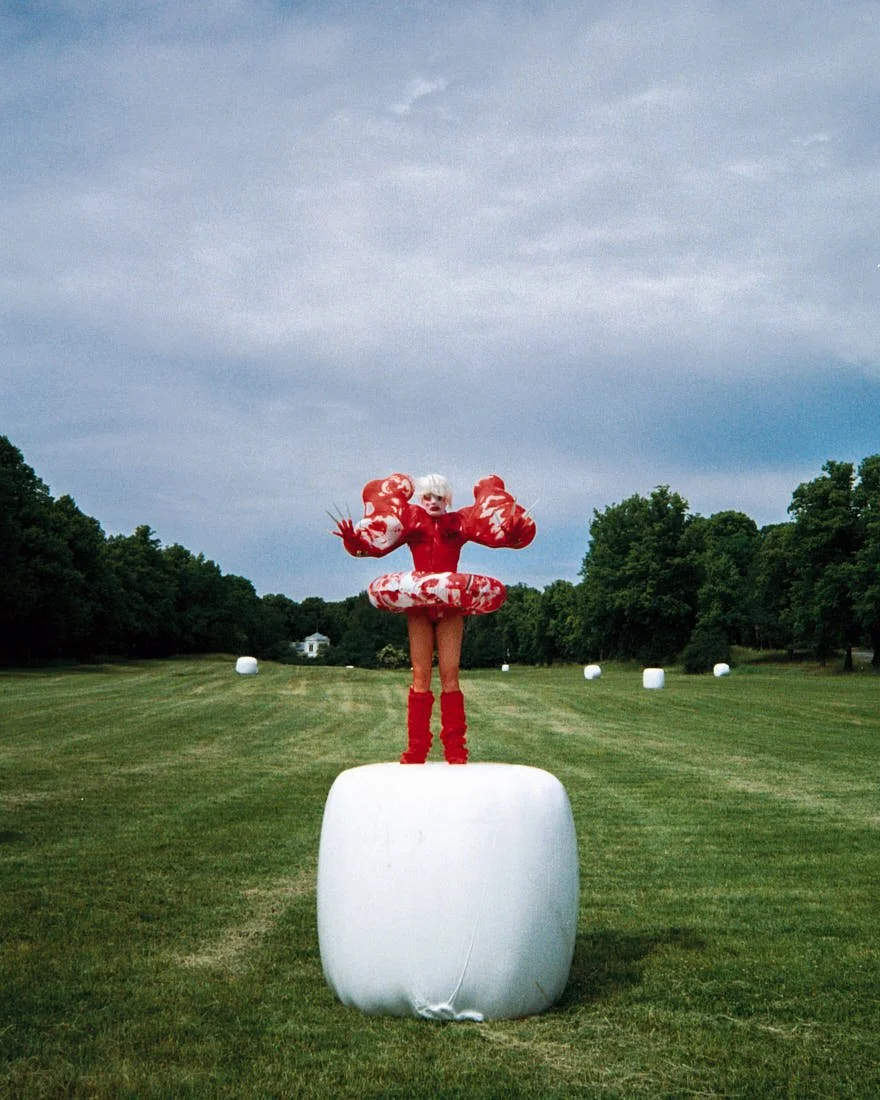
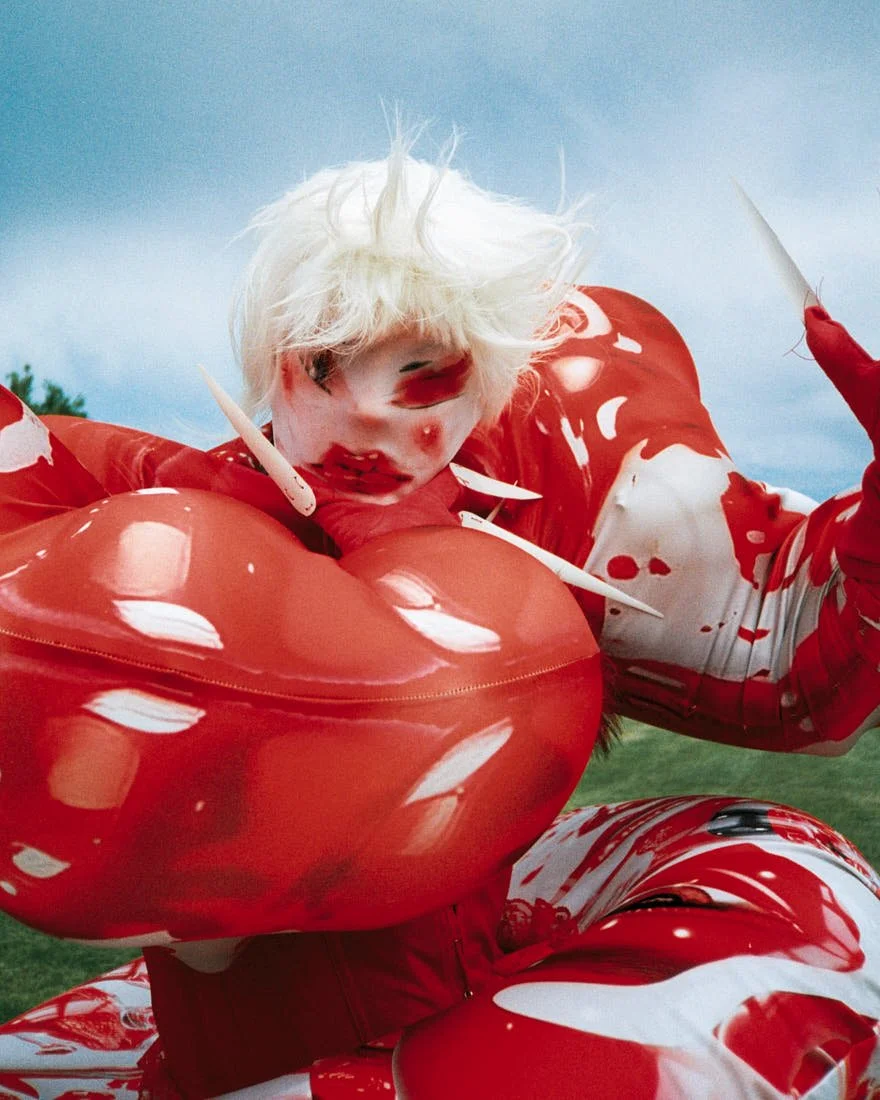
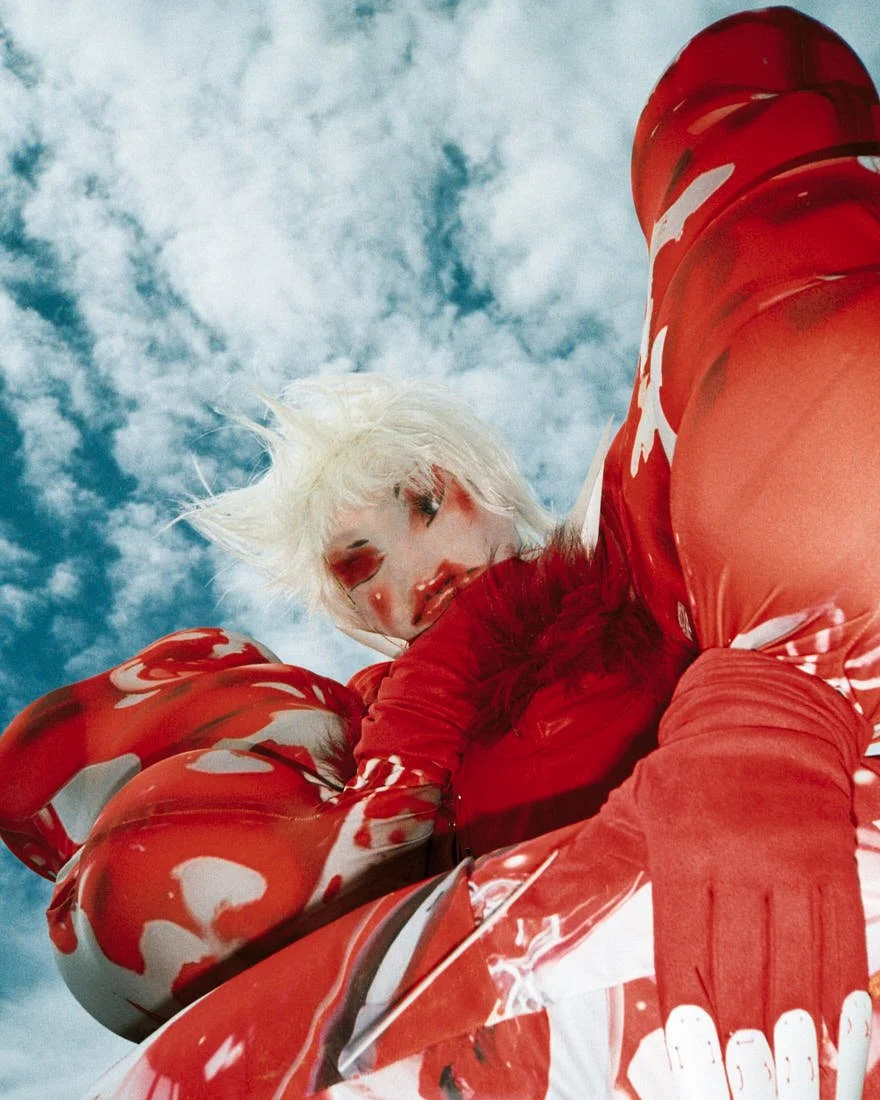
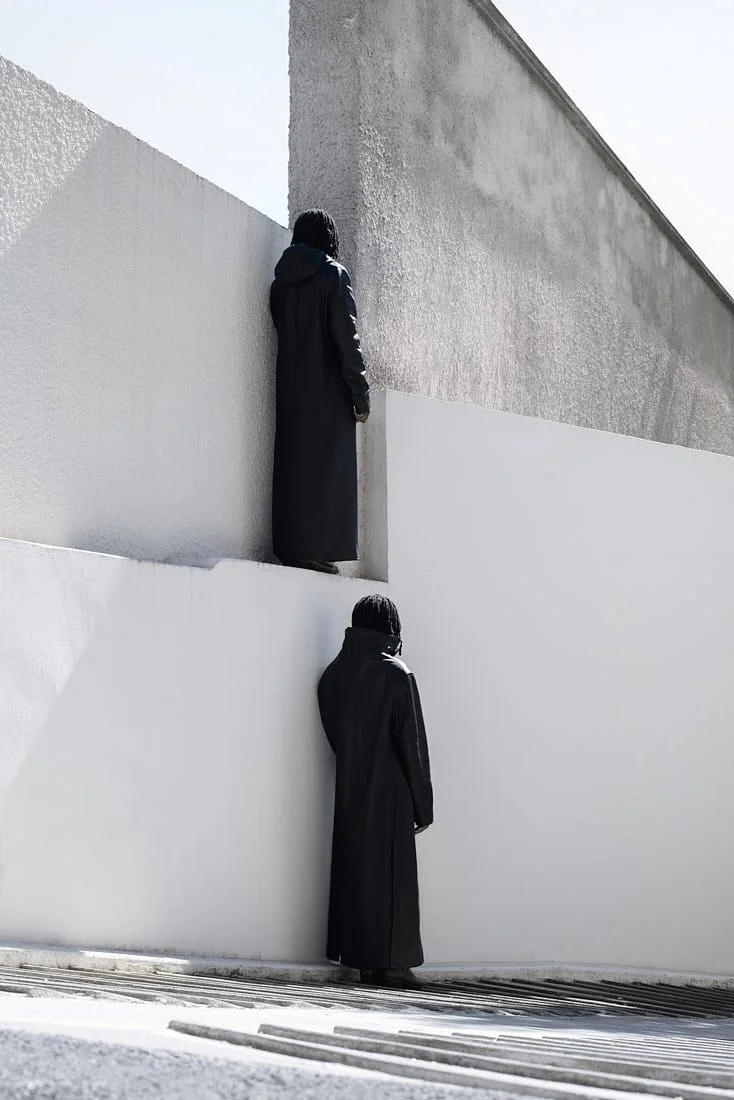
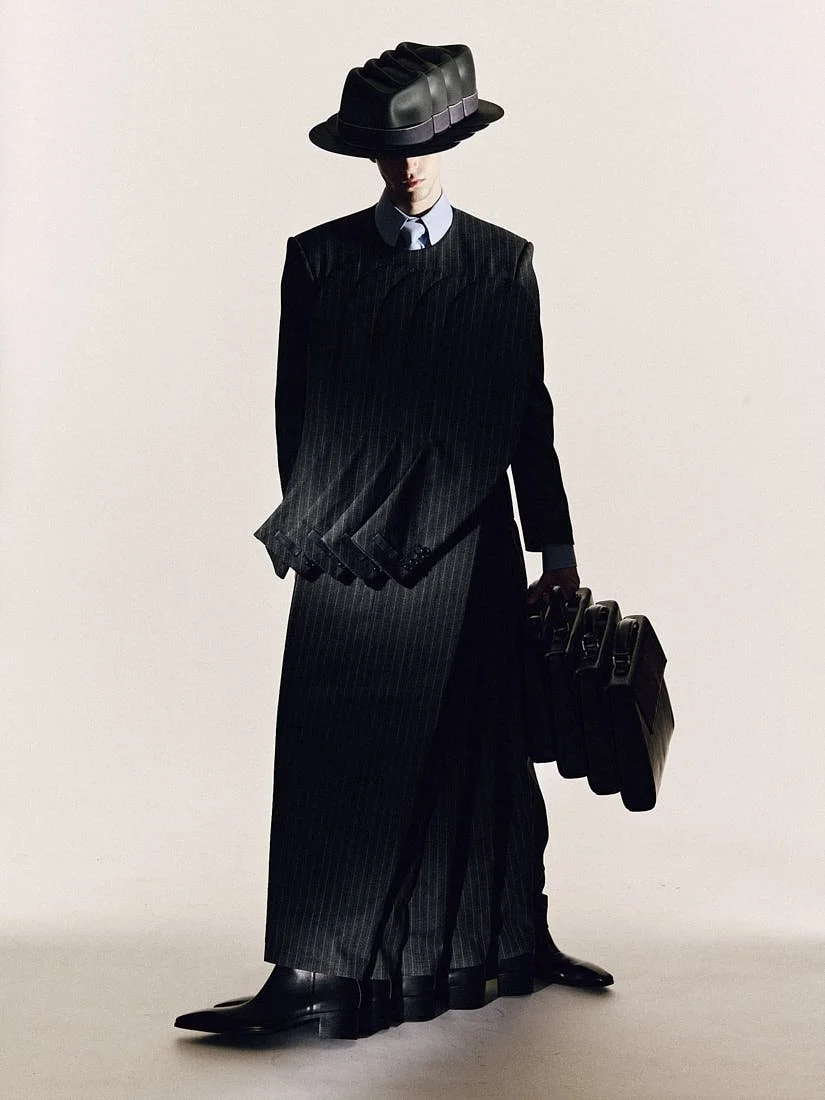
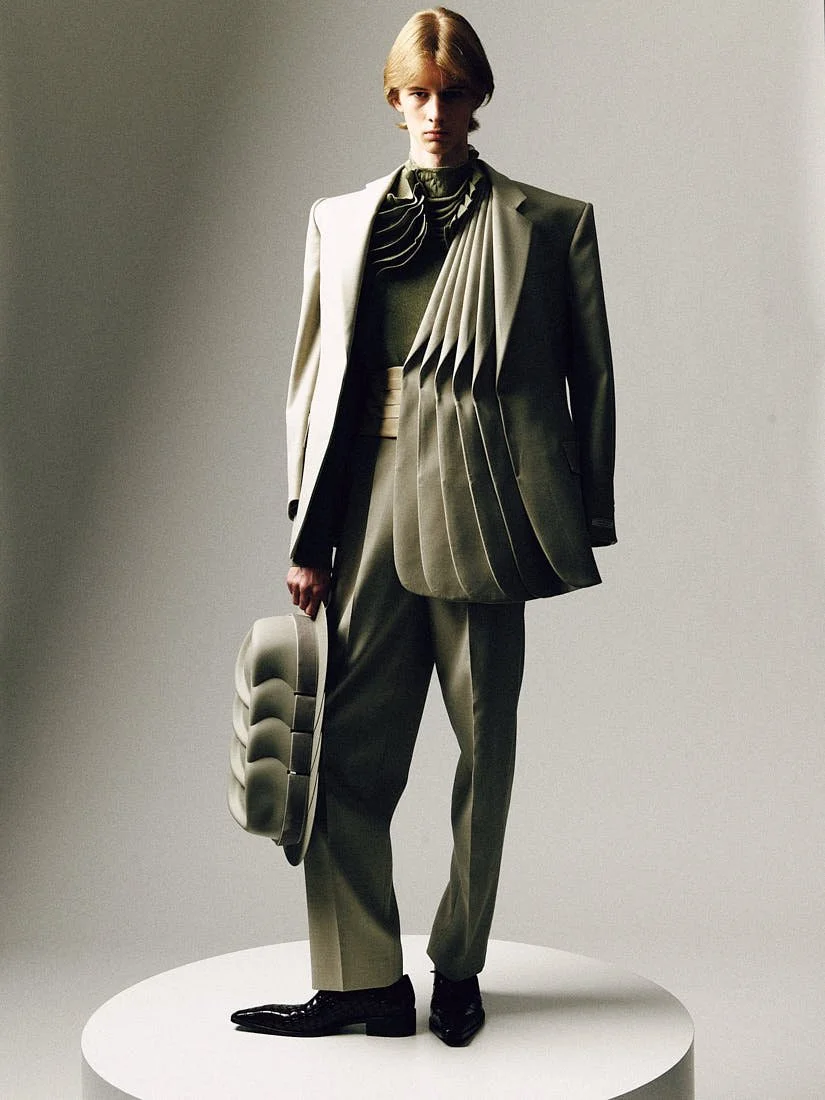
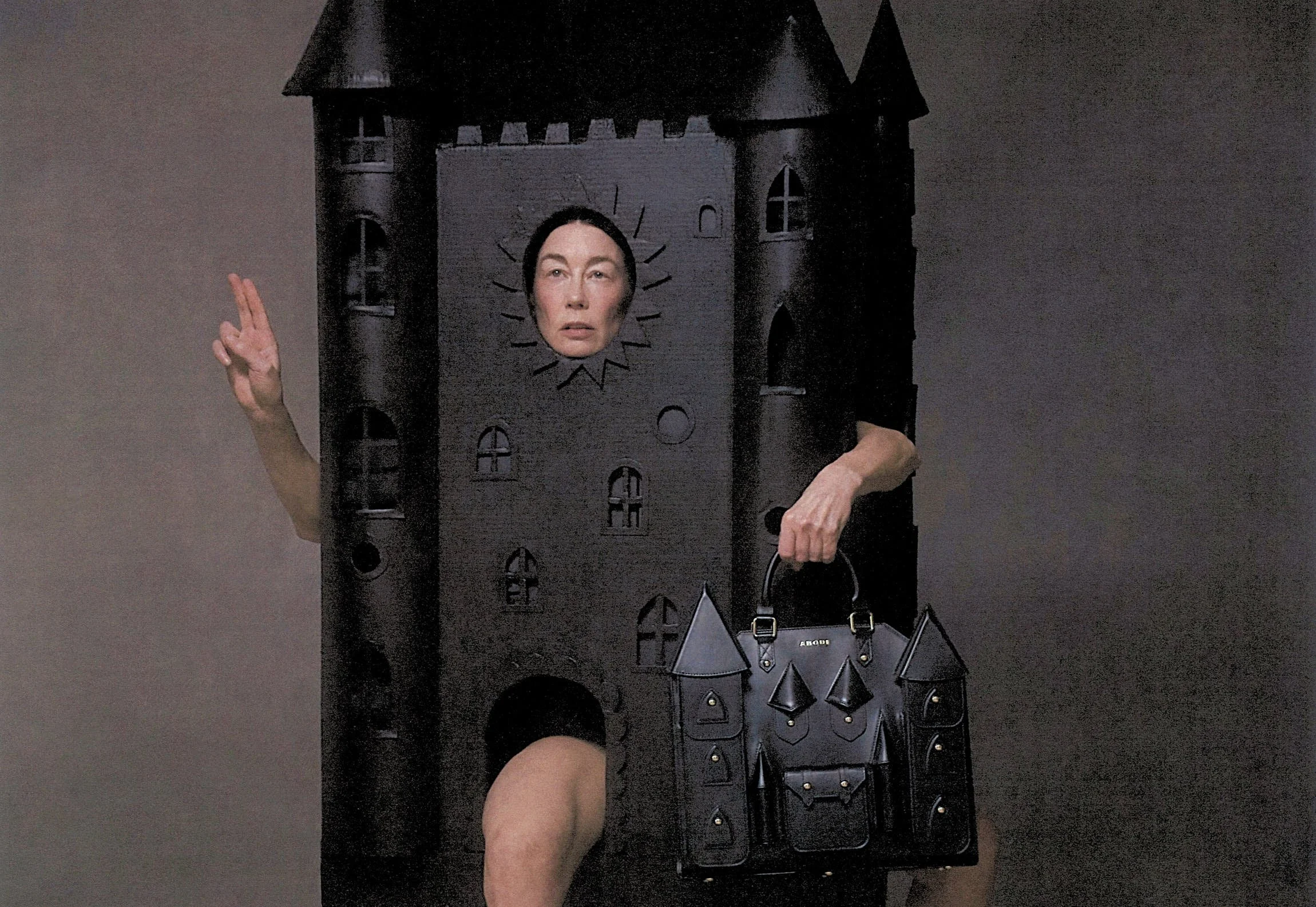
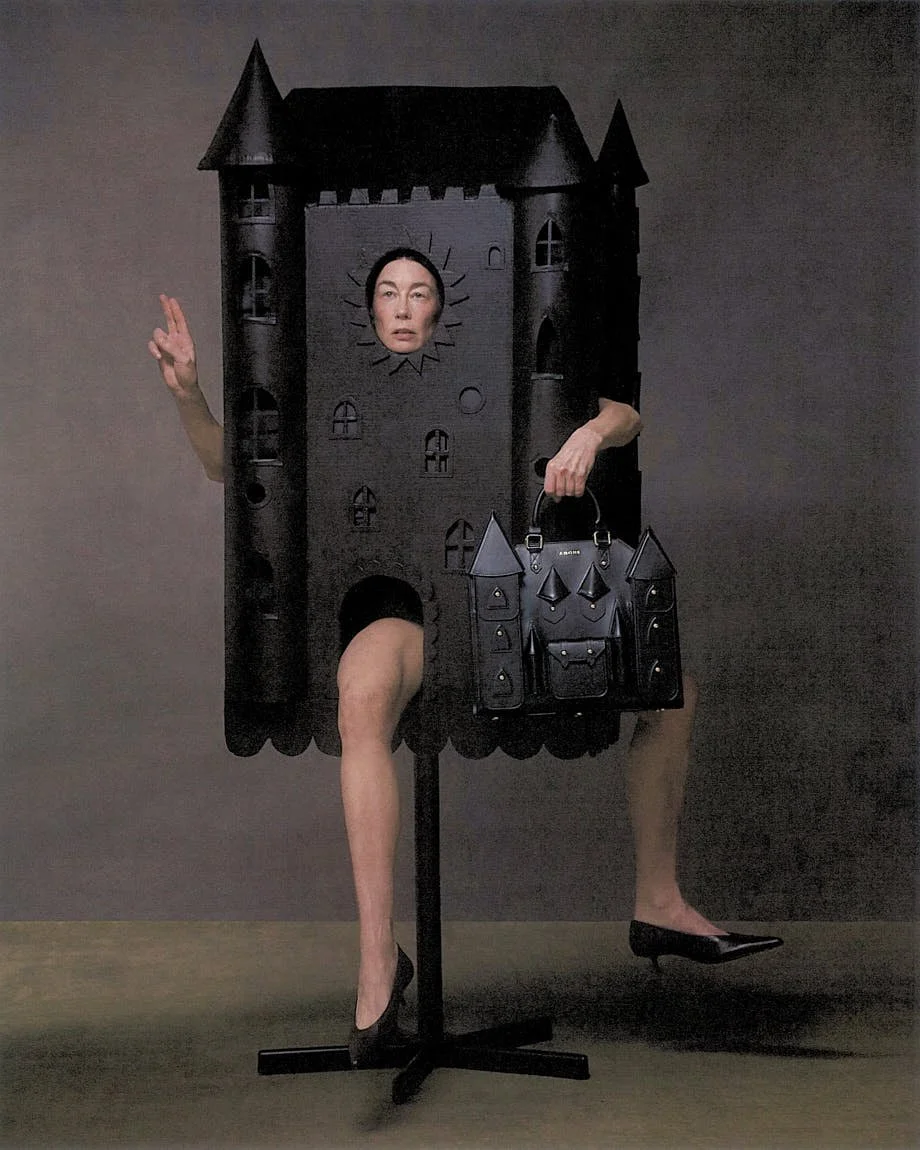
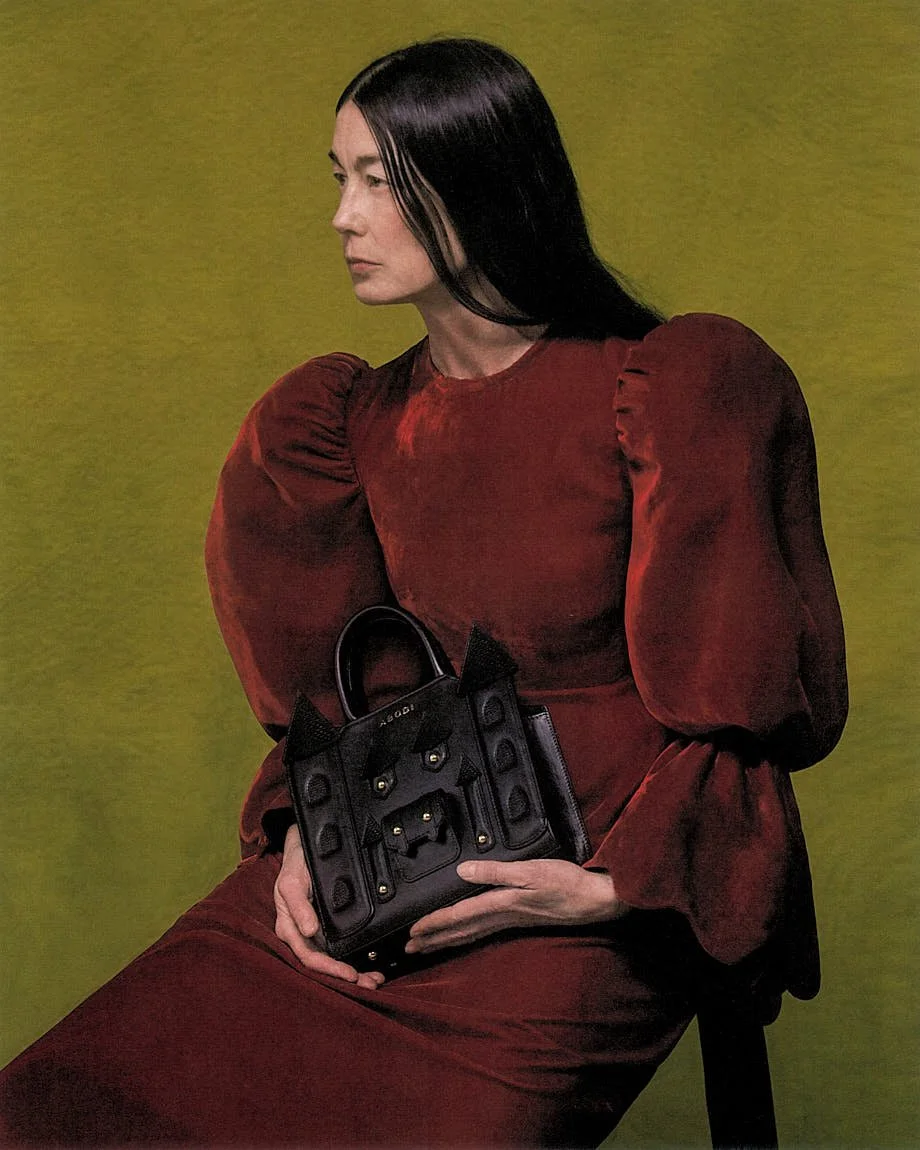
ABODI Transylvania Chronicles photographed by Szilveszter Mako LE MILE Magazine writer Hannah Rose Prendergast

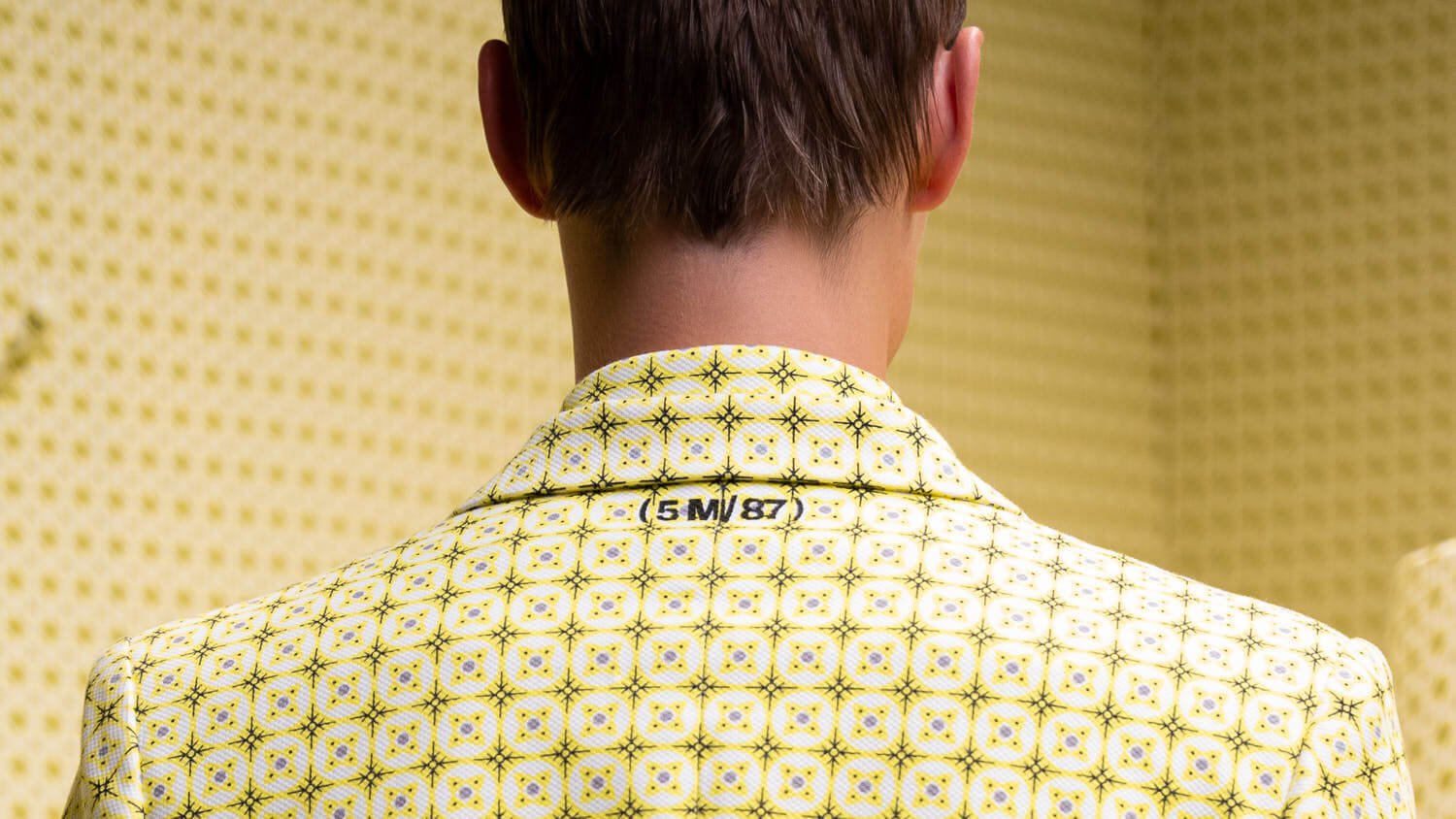
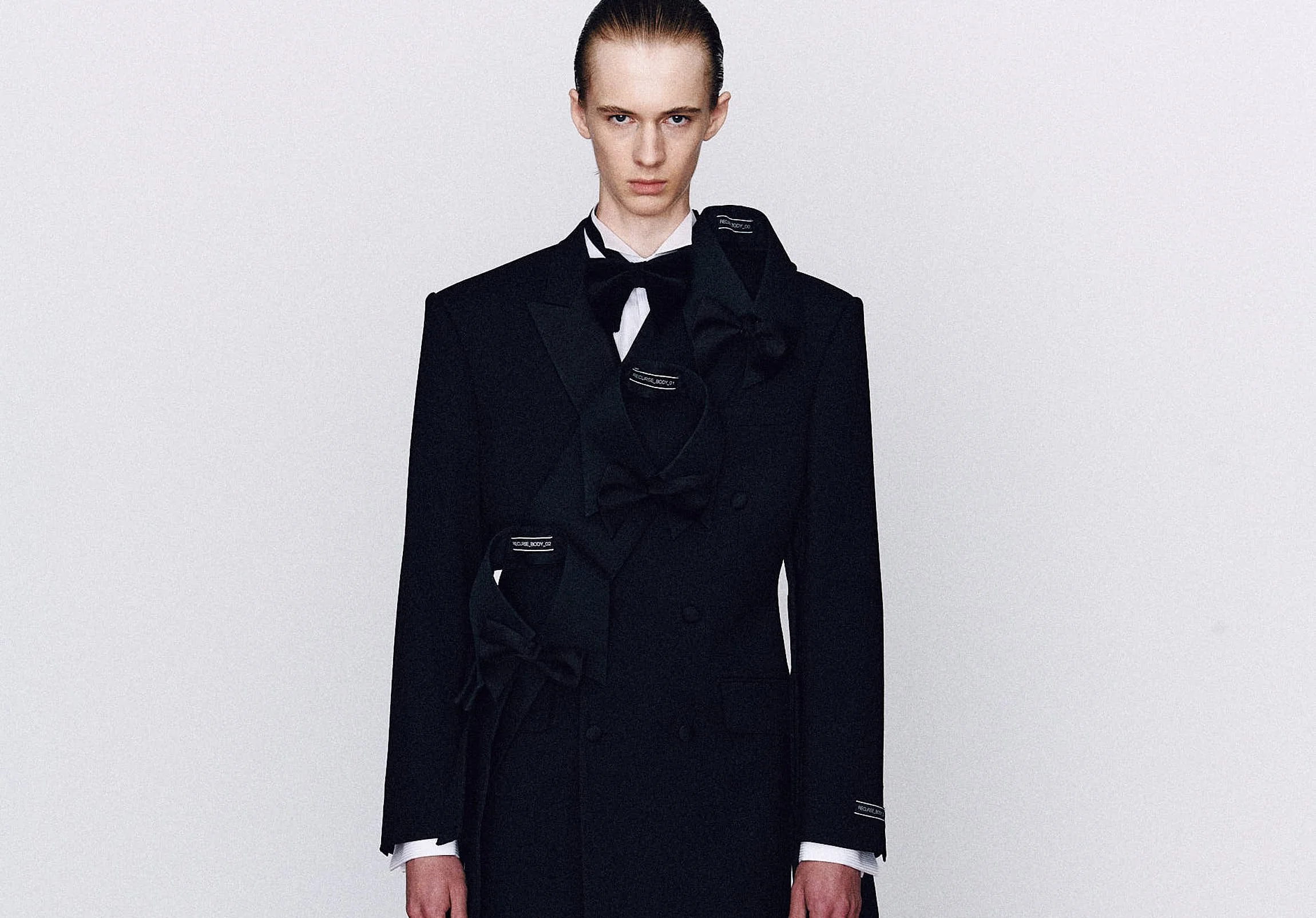
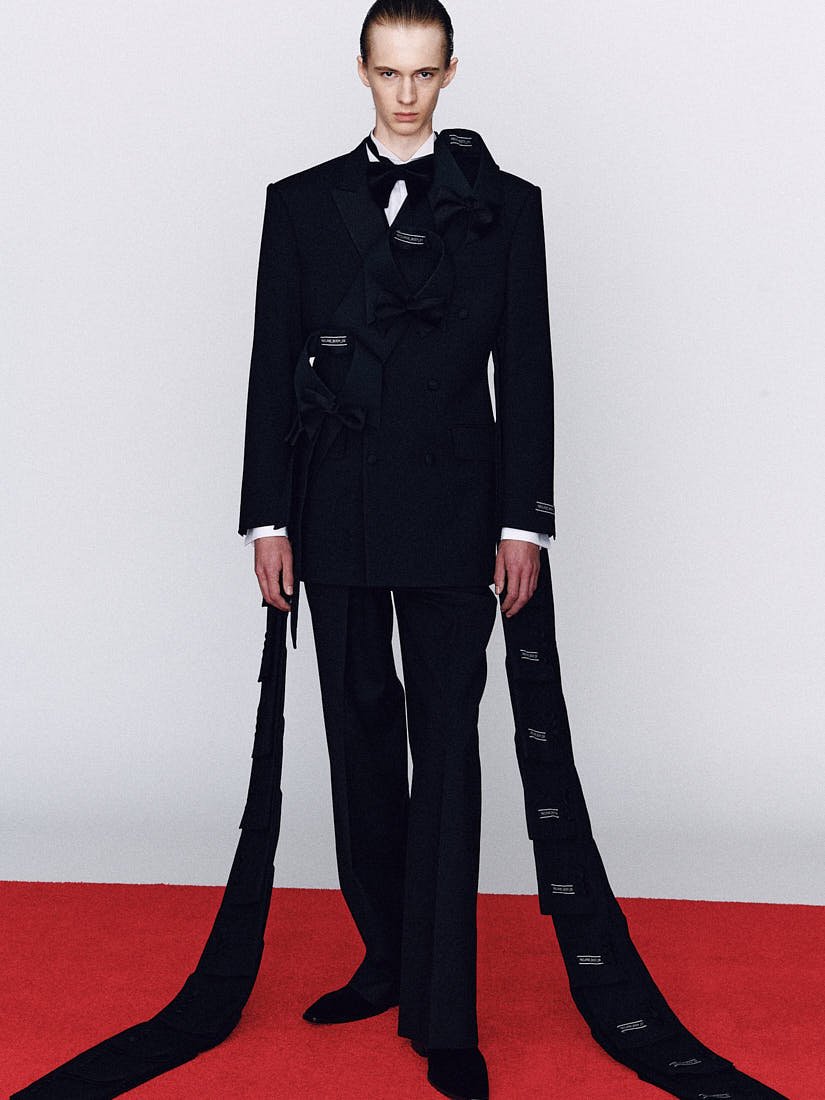
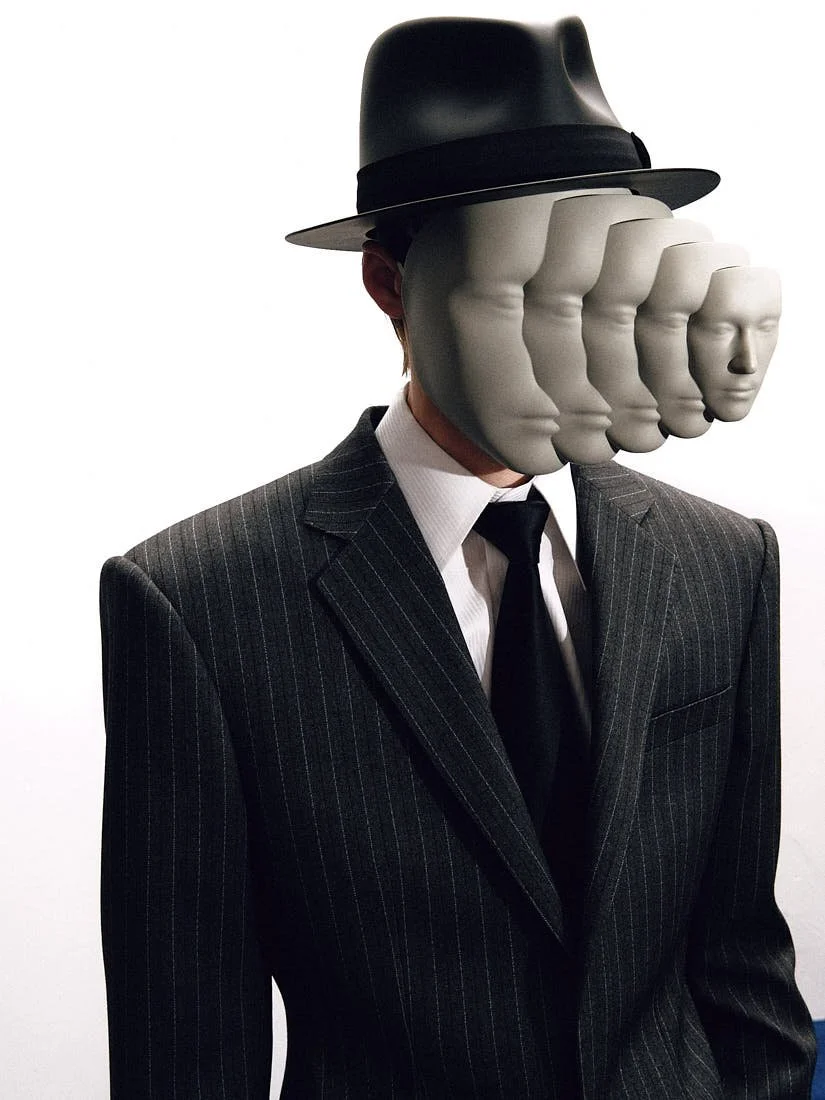
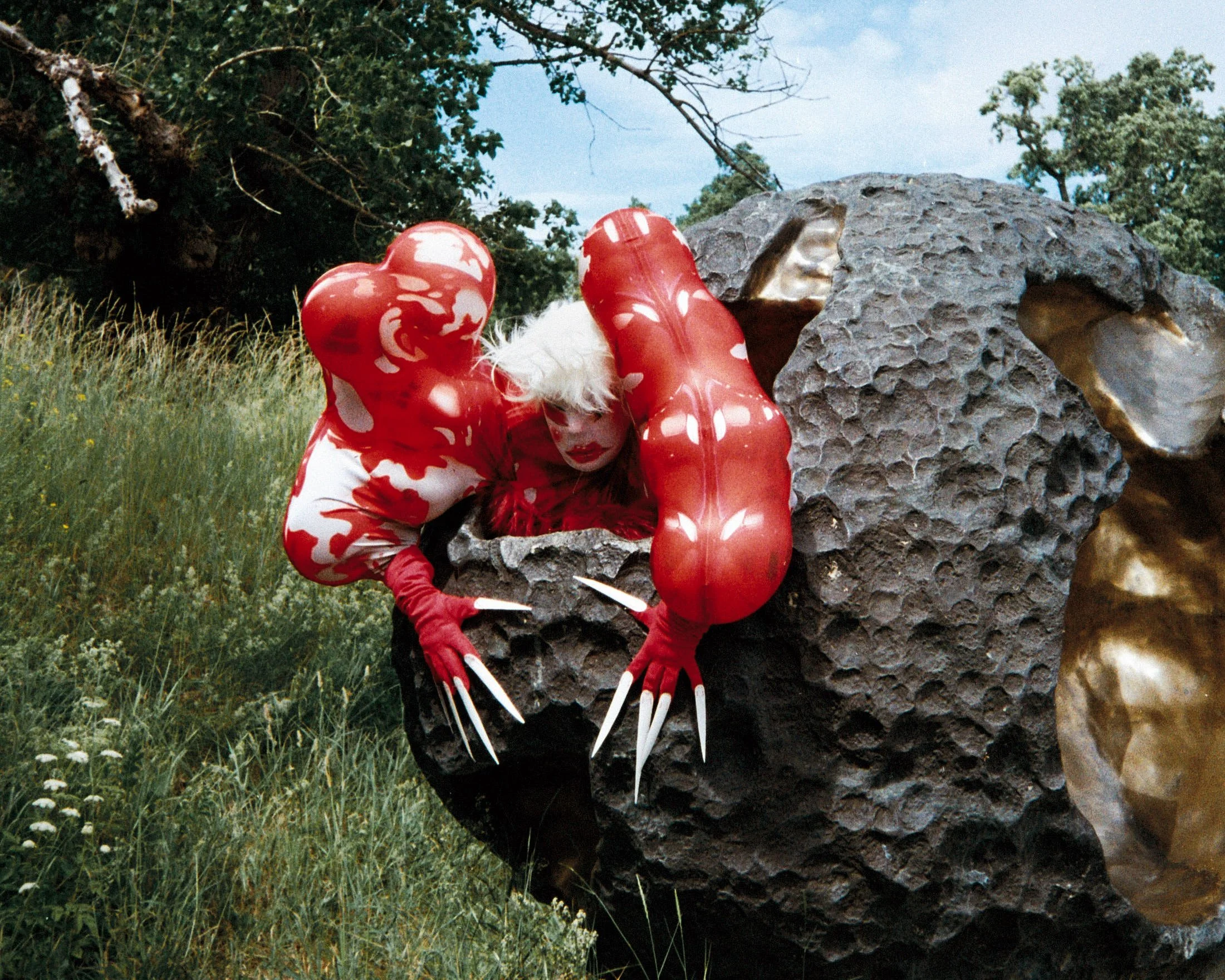
ABODI Transylvania Wearable Art Collection: Chronicles 1


At the core of ABODI Transylvania is a world of stories.
Forms evolve, but the narratives endure.

My work has a literary dimension.
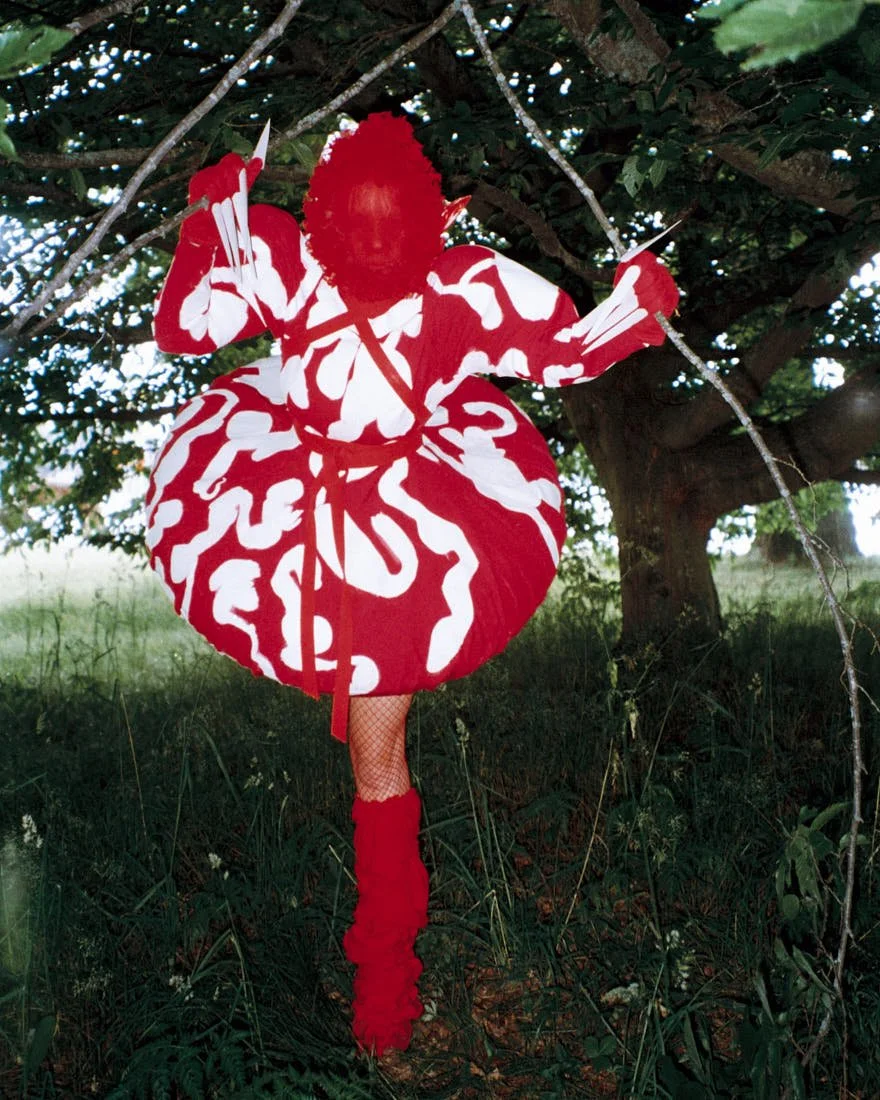
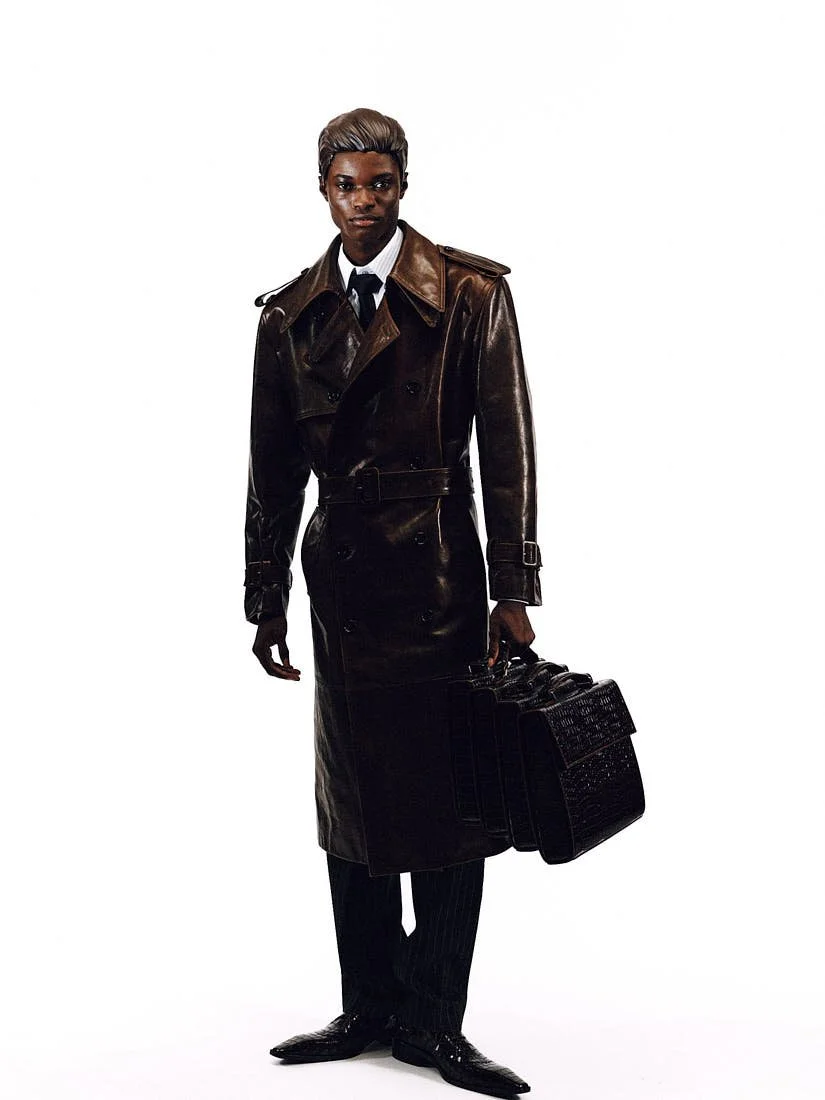
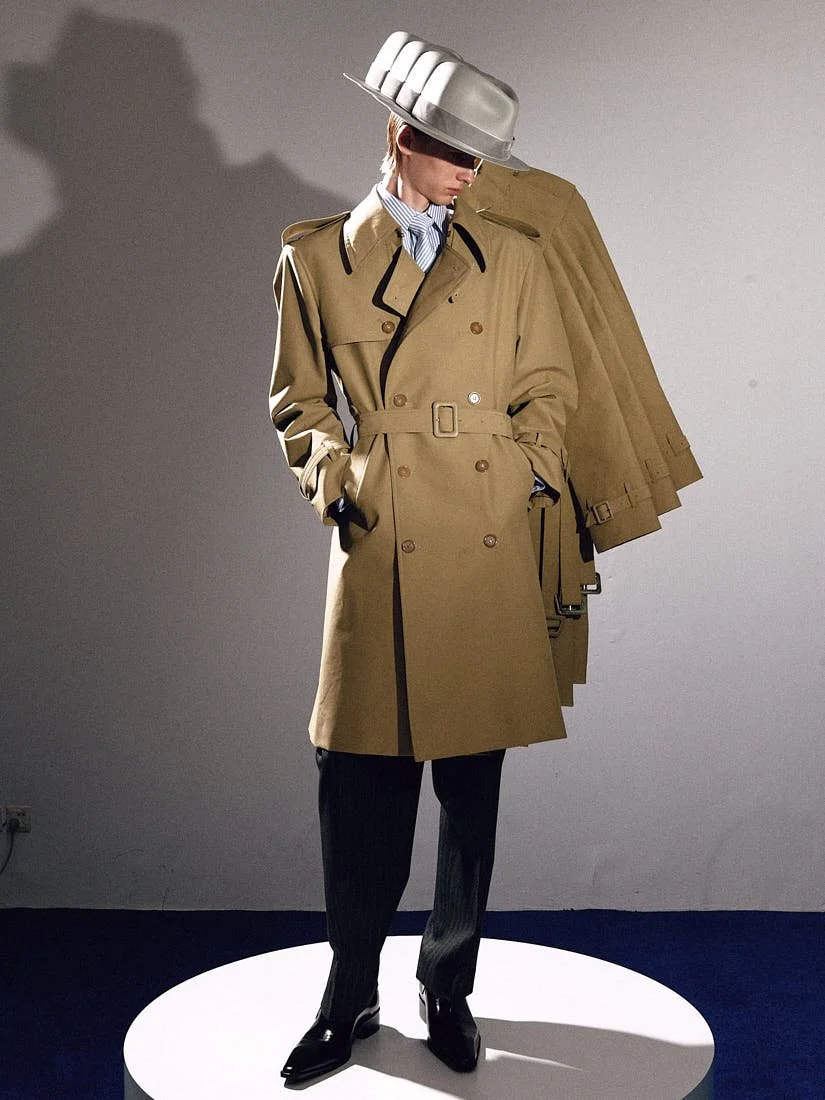
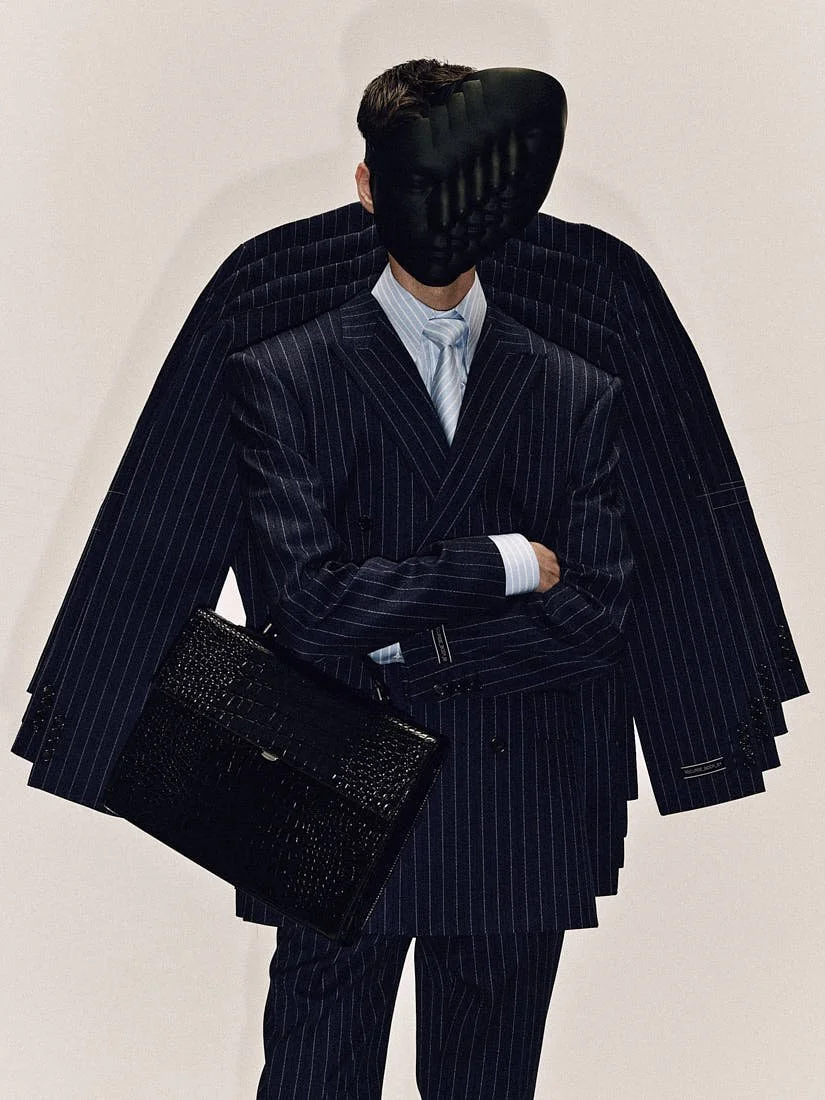
I create characters that inhabit each silhouette.

The Chronicles mirror the present.
Dracula embodies fear of the outsider and the cost of eternal youth.
Ancient gods represent natural forces we have lost touch with.

Antique hemp, handwoven fabrics, and vintage lace carry the passage of time.


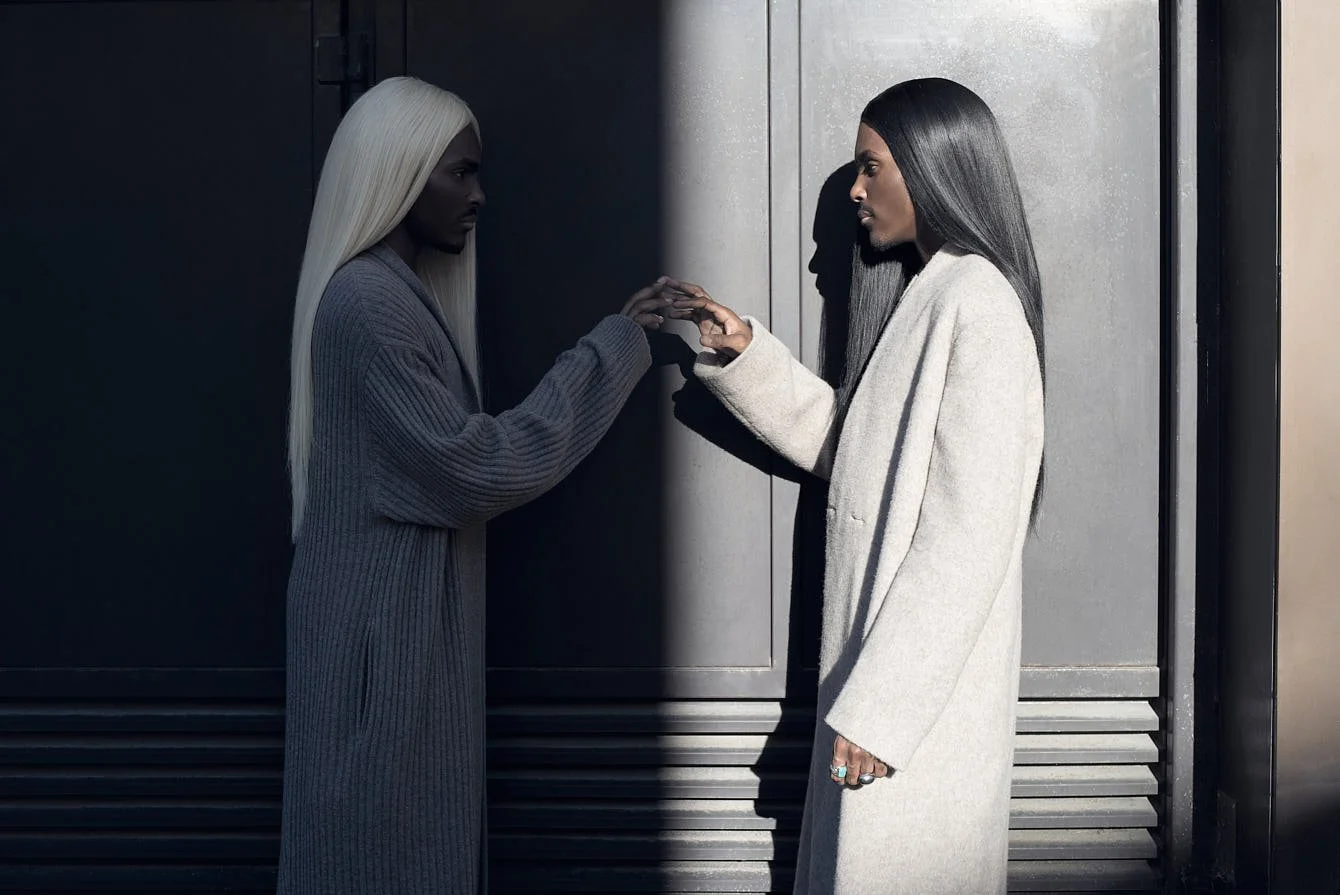
ABODI Transylvania Chronicles photographed by Szilveszter Mako LE MILE Magazine writer Hannah Rose Prendergast

ABODI Transylvania Wearable Art Collection: Chronicles 1

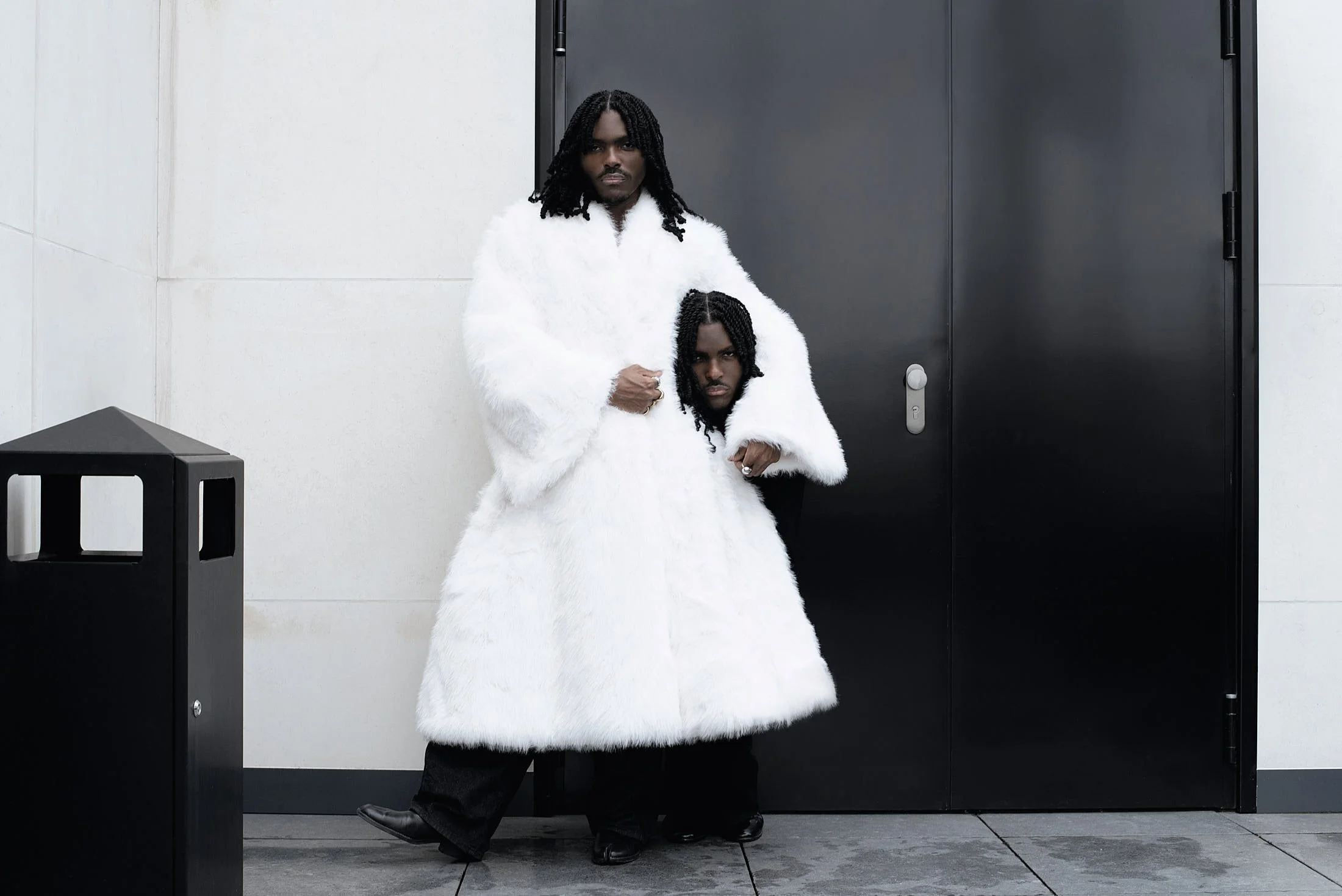
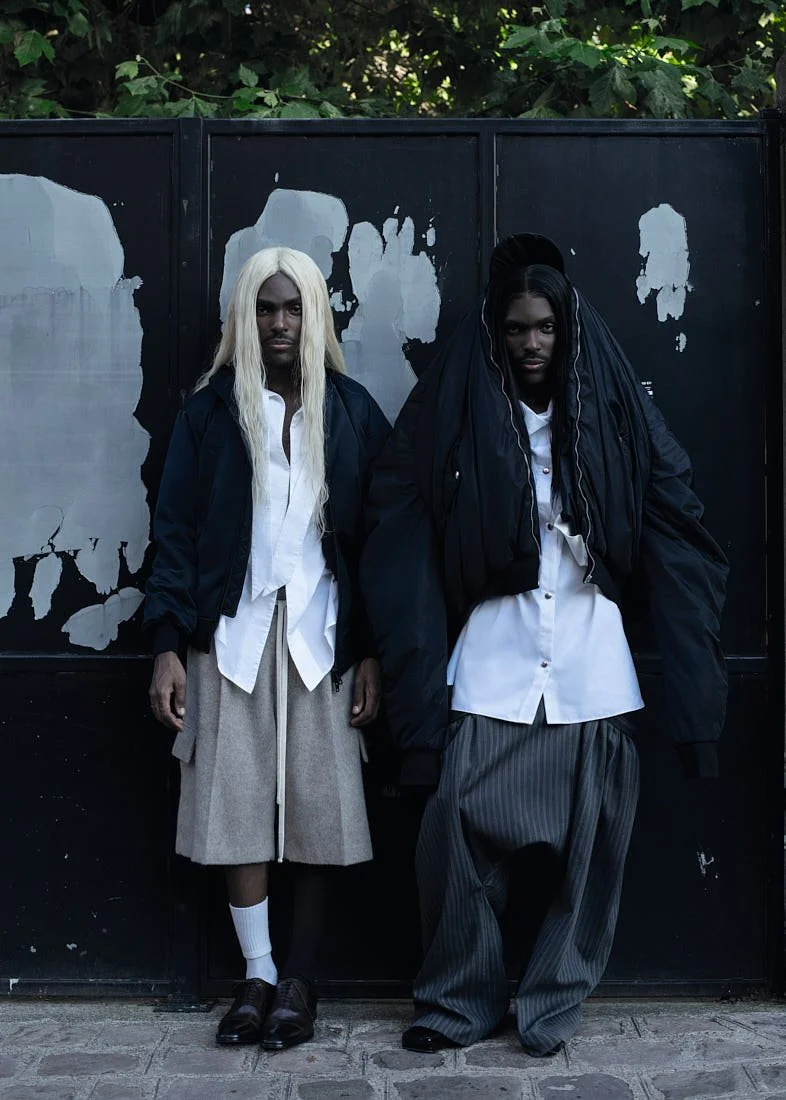
ABODI Transylvania Chronicles photographed by Szilveszter Mako LE MILE Magazine writer Hannah Rose Prendergast

ABODI Transylvania Wearable Art Collection: Chronicles 1


The collection took a year and a half.
Two principal seamstresses and one pattern maker.
I sculpt the ceramic elements.

Wearable art is an autonomous object.
On the body, it transforms.

Elisabeth Báthory fascinates me.
She managed her own estates and was labelled a bloodthirsty monster.

When an idea feels right, I follow it, even if opinions differ.
I release only what I consider excellent, refusing to compromise on integrity.

Even the simplest garment, like a T-shirt, should be passed down through generations.


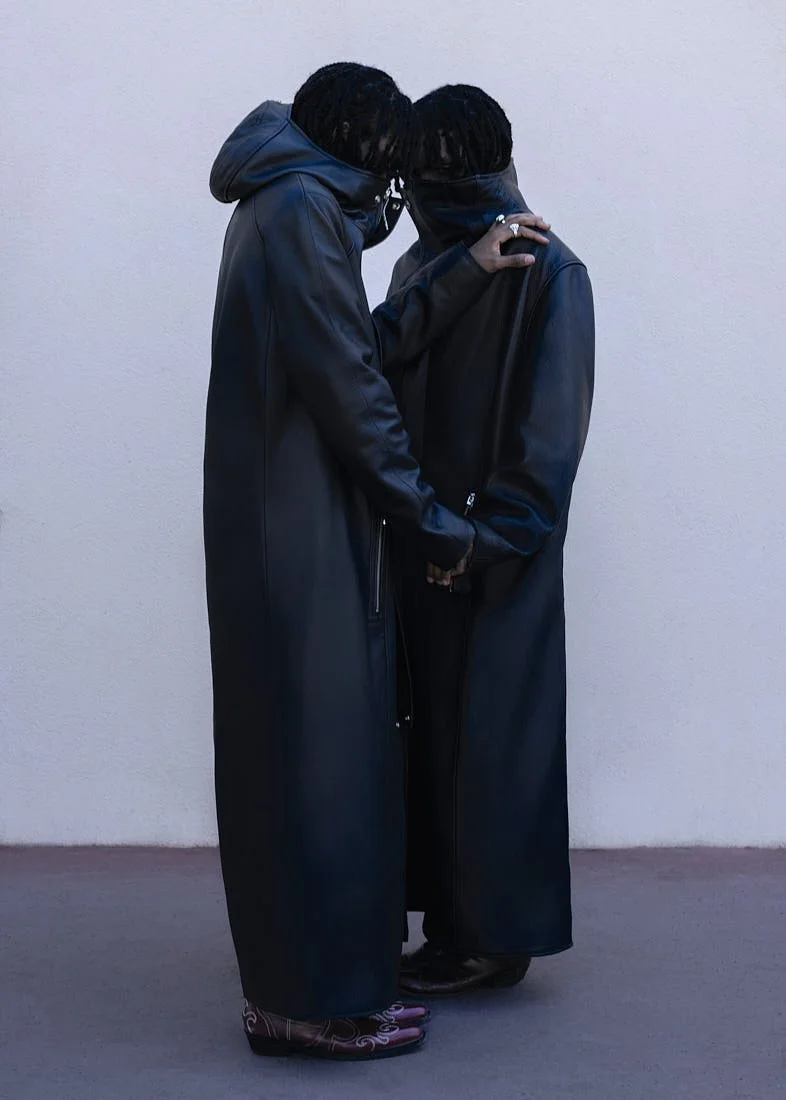
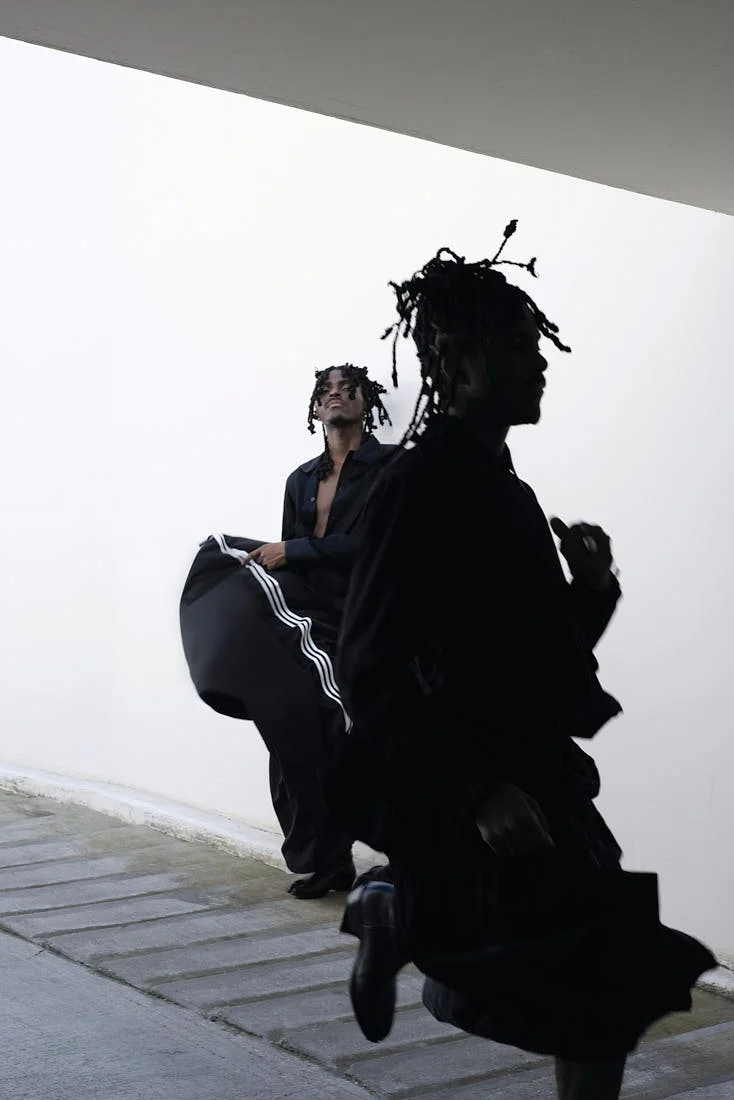
ABODI Transylvania Chronicles photographed by Szilveszter Mako LE MILE Magazine writer Hannah Rose Prendergast

ABODI Transylvania Wearable Art Collection: Chronicles 1

ABODI Transylvania Chronicles photographed by Szilveszter Mako LE MILE Magazine writer Hannah Rose Prendergast

ABODI Transylvania Wearable Art Collection: Chronicles 1


ABODI Transylvania Wearble art collection Chronicles 1
creative director at ABODI Transylvania Dora Abodi
photograper Szilveszter Makó
talent Ursula Wångander

set design + illustrations Obsidian Lune
executive producer Siyan Chen
grooming Chiara Giangrossi
strategic consultant Peter Szurszabo


Tom Ducarouge *Industrial Design and Craftsmanship

Tom Ducarouge *Industrial Design and Craftsmanship

Shaping the Future of Industrial Design with Tom Ducarouge


written + interview MELANIA MUSCI


Tom Ducarouge has shaped his creative identity between London and Paris. In the former, he began his studies and first approached the world of industrial design; in the latter, his birthplace, he returned to establish his own creative studio. Although several collaborations brought him back to London after his time at Central Saint Martins, Ducarouge found himself missing Paris’s decorative heritage. Those influences, combined with the professional network he had begun building in France before moving to London, became the springboard for a series of collaborations that positioned his name among the most notable in today’s international industrial design landscape.


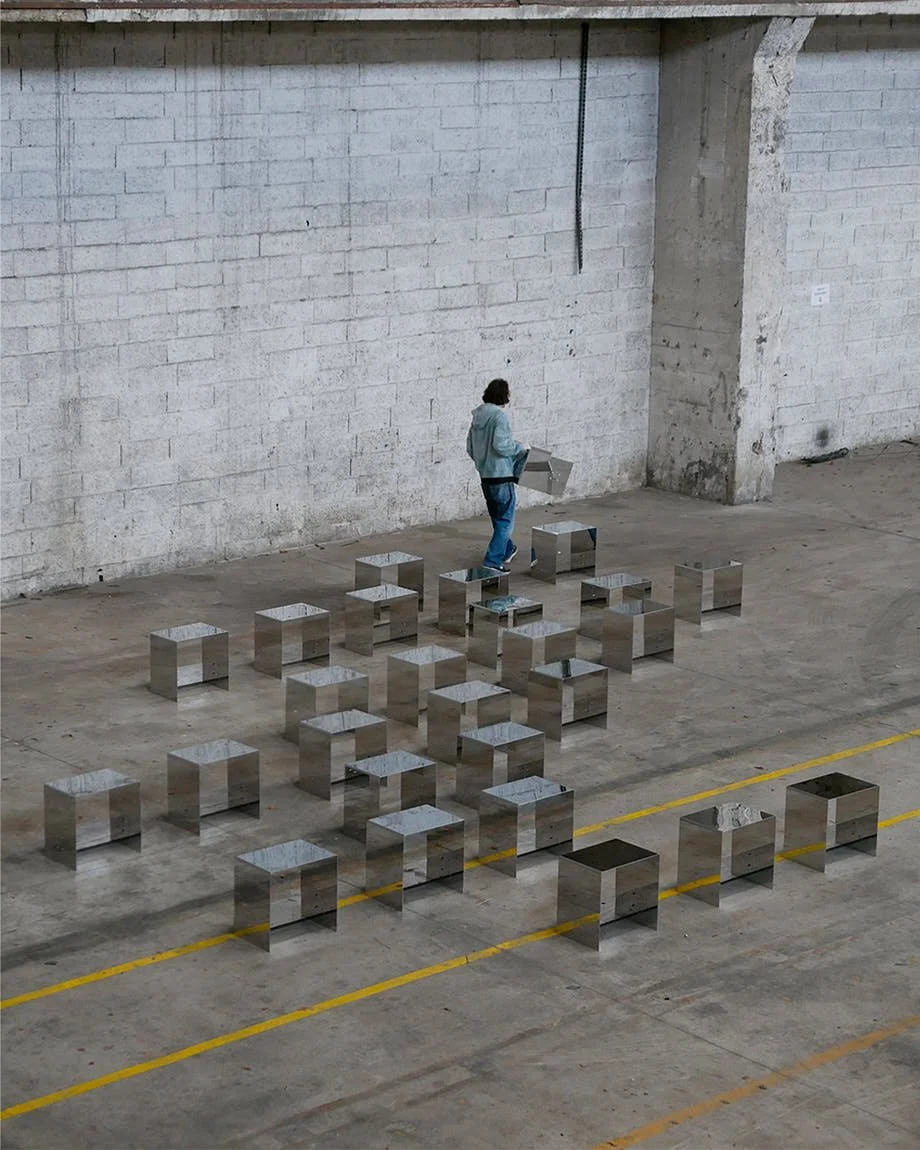
Industrial Designer Fashion Tom Ducarouge Interview Talk LE MILE Magazine GUCCI show stools

stool design for GUCCI
/created by Tom Ducarouge


One of the defining traits of his work is the synergy between digital processes and craftsmanship. The world of craft and the stories it carries fascinates him more and more each day, pushing him to learn traditional techniques and explore how they can evolve to enhance the functionality of each object. Rimowa, On Running, New Balance, and many others are among the brands he has collaborated with so far, always managing to express his vision within each project. In a landscape where creating pieces for brand activations has become an increasingly compelling niche, Tom Ducarouge navigates it while remaining true to himself, designing pieces built to last.


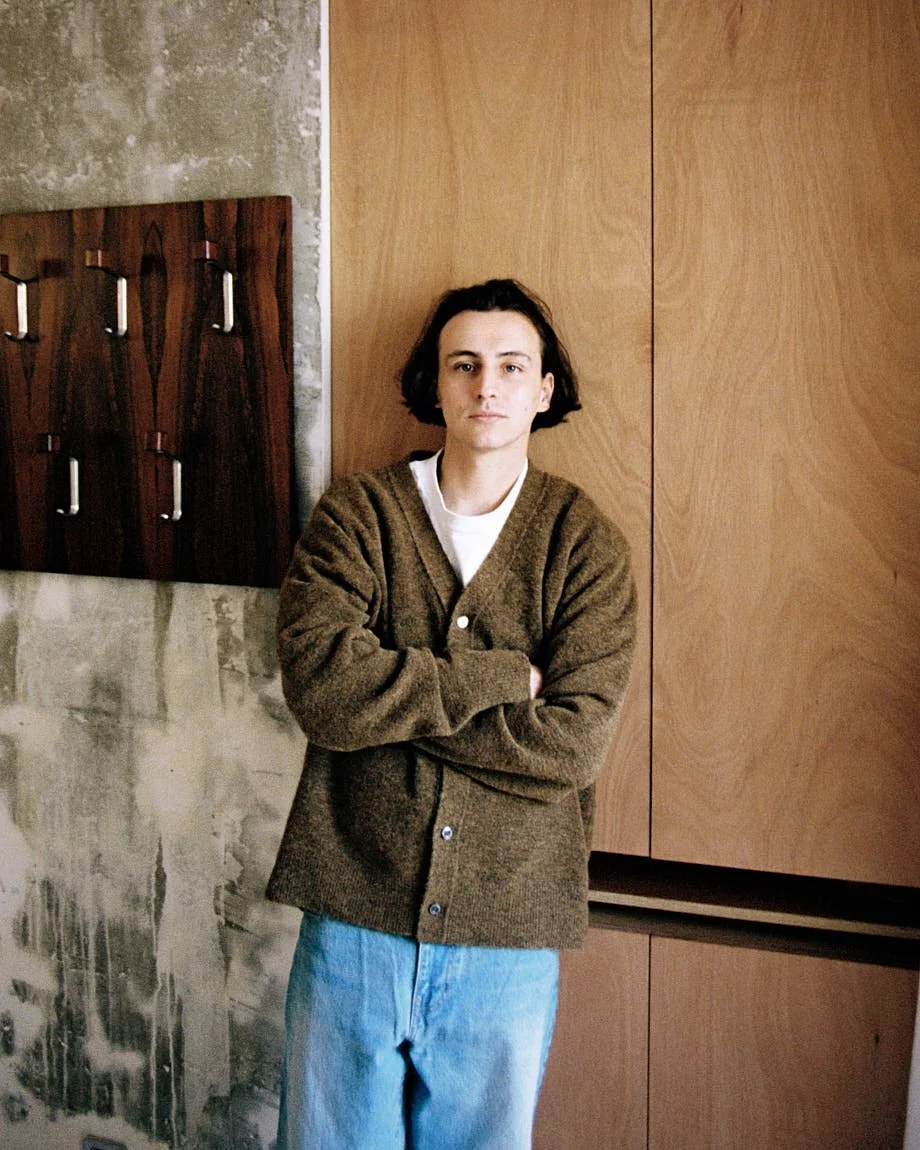
Industrial Designer Fashion Tom Ducarouge Interview Talk LE MILE Magazine Portrait Tom Ducarouge photographed by Alfie Whiteman

portrait of Tom Ducarouge
/ photographed by Alfie Whiteman


Melania Musci
What sparked your initial interest in design, and what convinced you that this was the direction you wanted to pursue?

Tom Ducarouge
I trace my first real encounter with design back to the 2012 World Expo in Shanghai. It was the first time I understood how design could take shape within society. I remember being struck by the UK Pavilion designed by Thomas Heatherwick, a structure that combined thousands of seeds collected from around the world, each encased in optical fibers so that light passing through the building revealed them from within. It was an extraordinary fusion of architecture and design, and it remains one of my strongest memories of what creativity can achieve when supported by true technical mastery.

After that experience, I pursued a BA and then an MA in product and industrial design, which allowed me to explore the full spectrum of the discipline. Over time, I began to understand which direction within this world resonated most with me. Quite early, at the very beginning of my studies, I found myself naturally drawn toward design direction. Step by step, through specific installations and projects I encountered along the way, I reached the moment of clarity where I thought: this is exactly what I want to do.


After completing your studies in London, what ultimately drew you back to France? Was it a personal impulse, a professional opportunity, or something rooted in your creative identity?

Returning to France was, above all, a matter of identity. I grew up in Paris, and the city’s decorative heritage, its mouldings, parquet floors, and the way these classical elements can be reinterpreted through contemporary materials, has always been a strong source of inspiration for me. I’ve always felt a deeper connection to French decorative codes than to the British ones.
Paris was also where my personal and professional network was rooted. Even though our field increasingly operates across borders and new connections emerge in many cities, the community I felt most confident building my studio with was the one I already knew in France. Starting my practice in a place where I understood the ecosystem, and where people understood me, made the transition natural.
When I left London, I continued collaborating with the city for another year and a half through a project with Alexander McQueen, designing textile textures intended to support relaxation through breathing exercises. So I remained closely linked to London, and I still travel there often. I feel very connected to the city but my heart belongs to Paris.


What was the very first material you experimented with when you began designing? Do you still work with it today, or has your practice gradually shifted toward different material territories?

The first material I ever worked with was wood. It’s the most accessible starting point for any designer, because most workshops are equipped for woodworking, and it teaches the fundamentals: how to assemble and how to understand structure. At Central Saint Martins I spent a great deal of time in the wood workshop, learning those basics.
When I began working professionally, however, I shifted toward metal. It offered greater efficiency, shorter production times, and a level of strength and precision that allowed me to deliver projects within budget and with the clean finish I wanted. Wood is beautiful, but it’s more expensive and requires more time to handle properly. Metal became the practical solution, especially once I found an excellent workshop in France that I still collaborate with today.

Metal remains central to my practice, but over time our material palette has expanded. At my studio we now work with stone, glass, coloured glass, mirrors, and of course wood as well. Different materials coexist in our practice, each chosen for what it can express within a given project.

 
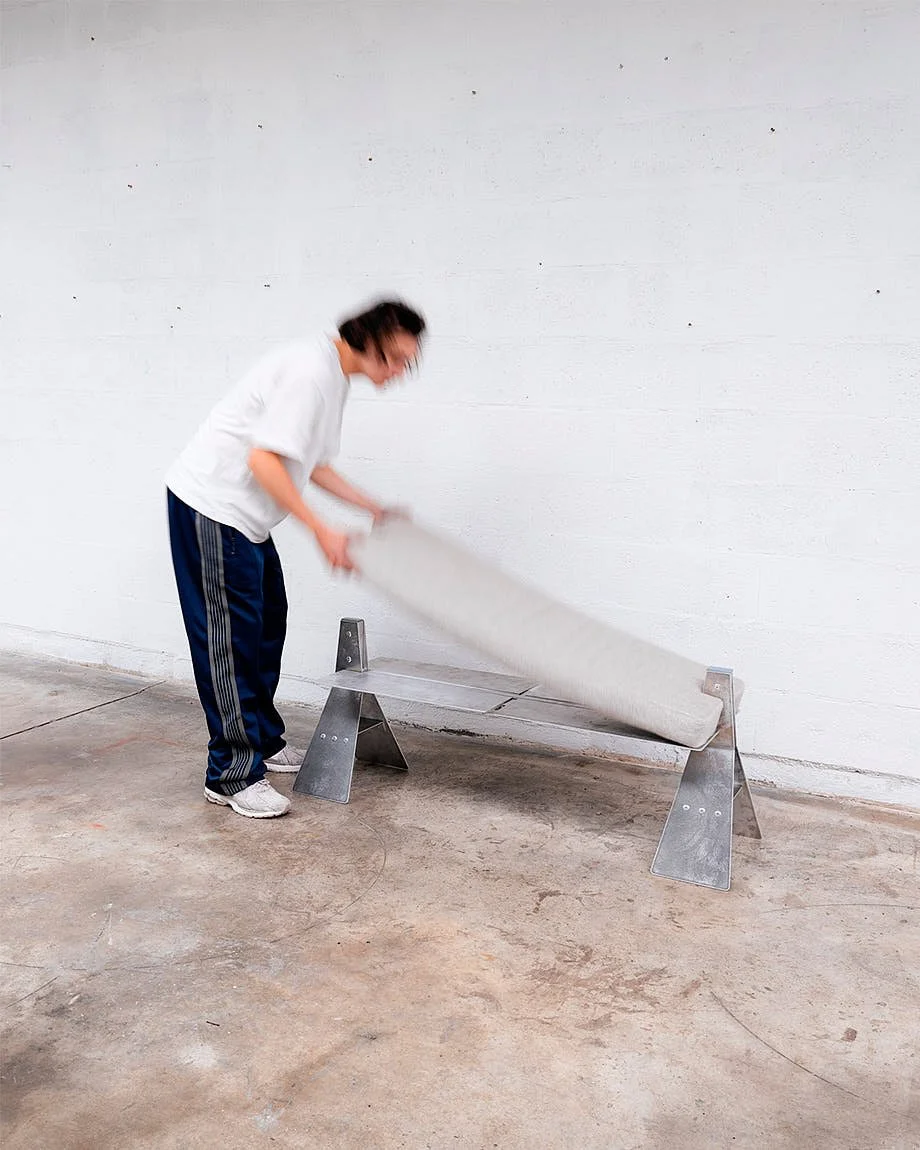
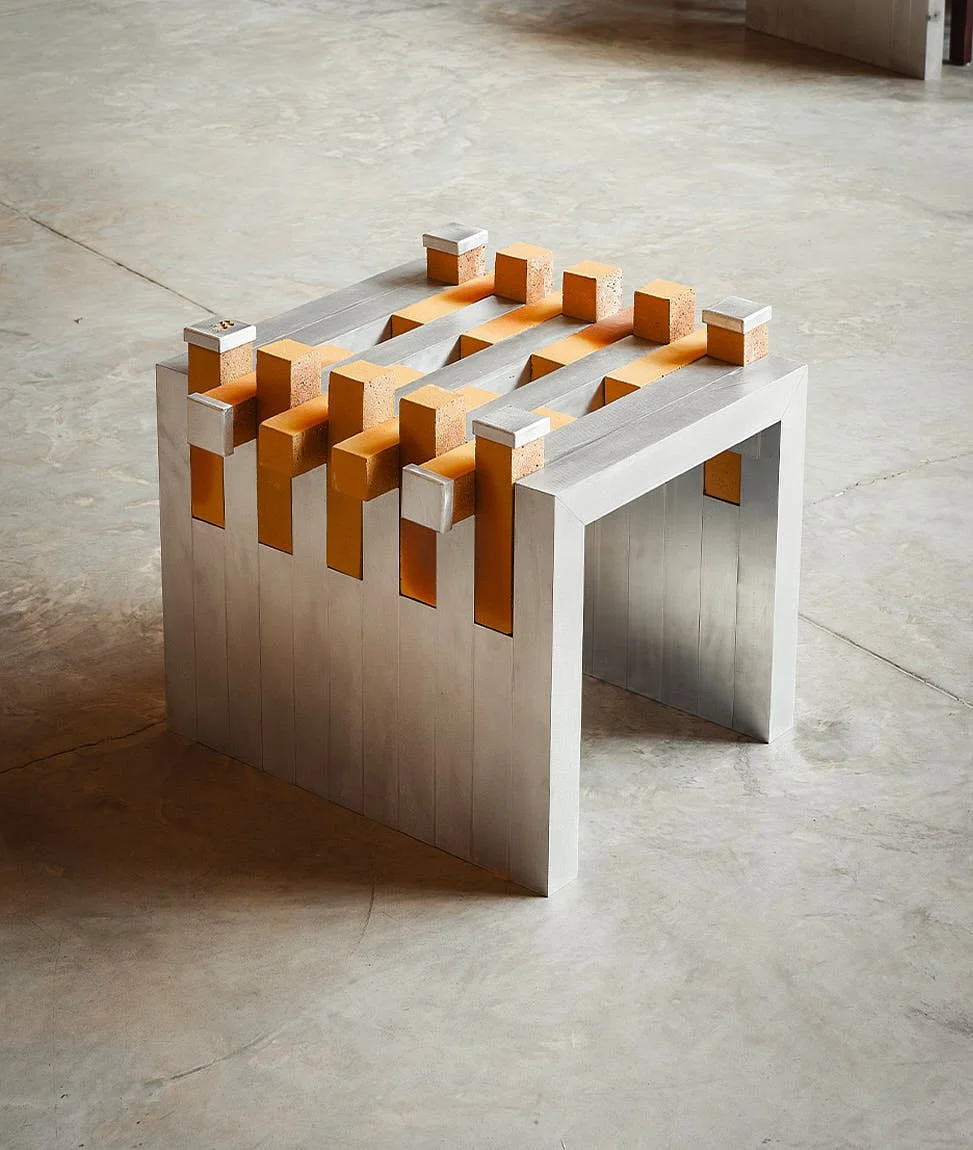
Industrial Designer Fashion Tom Ducarouge Interview Talk LE MILE Magazine Amel Bench reinterprets the classic Egyptian camel seat in an aluminum brutalist form secured with rivets, photographed by Charles Michalet.

Amel Bench
/created by Tom Ducarouge + photographed by Charles Michalet

 
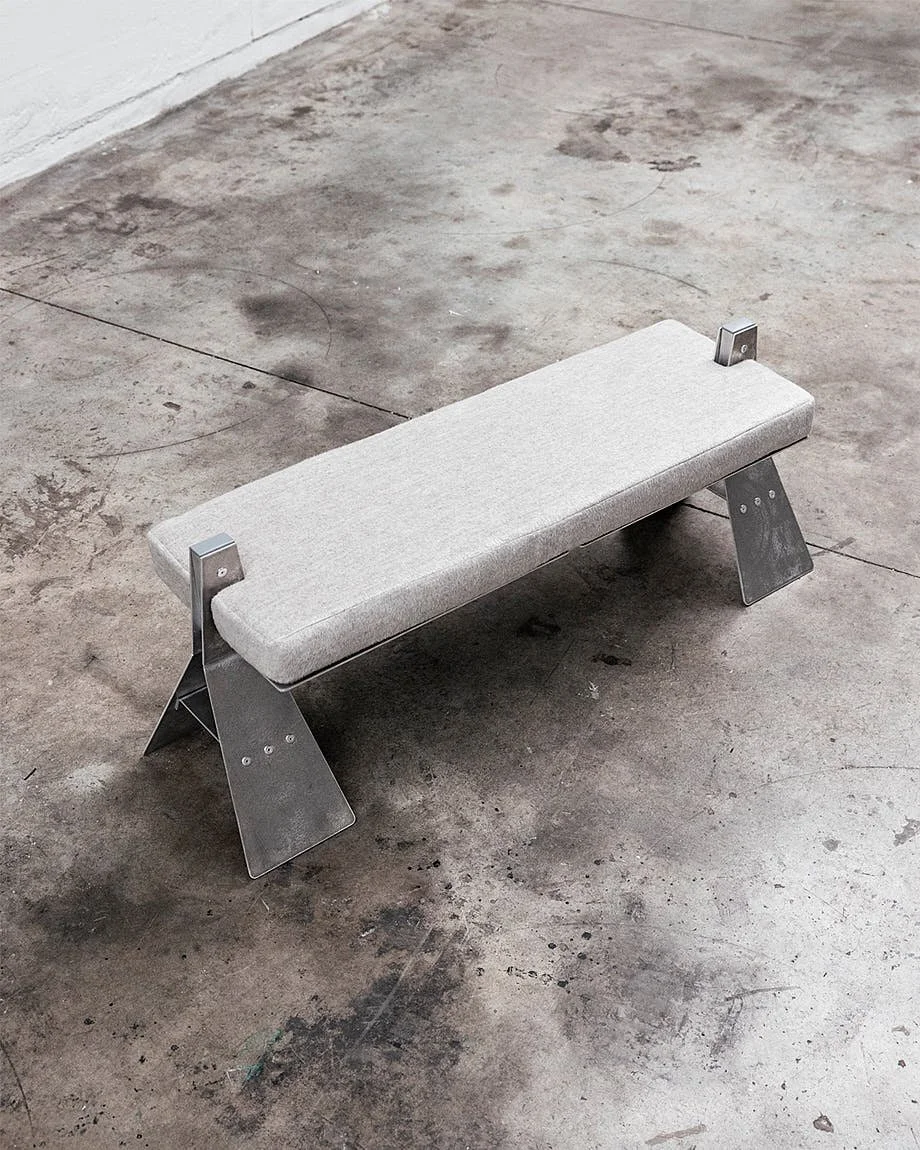
Industrial Designer Fashion Tom Ducarouge Interview Talk LE MILE Magazine Amel Bench reinterprets the classic Egyptian camel seat in an aluminum brutalist form secured with rivets, photographed by Charles Michalet.

Amel Bench
/created by Tom Ducarouge + photographed by Charles Michalet


Your practice blends digital tools and handcraft in a remarkably fluid way. Digital processes come naturally to someone of your generation, but what about craftsmanship? Was it something passed down to you by someone, or did you seek it out independently?

For me, craftsmanship has always been tied to a love of learning. When I was a child, my favorite subject at school was history, because every day brought a new story. Working with craftsmen feels very similar: each encounter reveals a new story about a material or a technique that discovery process is what I enjoy most.

Industrial manufacturing is efficient, rational, and fast, and as professionals we rely on that. But I’ve always valued maintaining a balance between industry and craft. Taking the time to understand how things are made, meeting the people behind the techniques, and learning from them is a fundamental part of my practice.
Over the years I’ve built a kind of internal toolbox: the machines I like to use, the materials I know well, and others I’m still discovering. Working with recurring materials and techniques naturally creates a continuity in my design language. Whether I’m designing a small ring, a piece of packaging, or a large-scale installation for Louis Vuitton or New Balance, there are shared codes, finishes, shapes, gestures that come from that toolbox. In a way, that’s where my identity as a designer truly lies.

And which material from your toolbox do you find yourself returning to most often?

prefer not to single out one material, because every project has its own logic and its own constraints. Sometimes stone is the right answer: it’s heavy, stable, and ideal for outdoor pieces that need to remain in place and withstand time and weather. In other cases, aluminium becomes the most efficient solution, especially when a project requires a metal finish but must remain extremely lightweight, for example when it needs to be shipped by air or carried in a bag. In those situations, steel wouldn’t make sense, but aluminium would. So the choice always depends on the brief and on the final function of the object.

For your project with On Running, you created a heat‑sensitive table that shifts in tone upon touch, while your Jagged Chair was shaped through sand‑casting and surely you’ve explored many other techniques. Which process or method has been the most eye‑opening for you, the one that opened doors to new worlds?

There are many, but one of the first processes that truly struck me was hand‑riveting. It allowed me to assemble metal components without heavy machinery, just a simple rivet gun, which gave me a lot of freedom in the studio.

My work with heat‑sensitive materials also opened an entirely new field. Before the On Running table, I had already experimented with thermoreactive pigments for two commissions in London, creating cushions and seating pieces that changed tone upon touch. Translating that effect from fabric to metal, however, was a real challenge: fabric absorbs pigment, while metal doesn’t, so we had to develop a surface treatment that was durable, non‑scratch, and responsive despite the material’s natural temperature shifts. The On Table pushed the technique further than ever, and although it was demanding, the outcome and the feedback made the entire process incredibly rewarding.


You’ve already collaborated with major brands such as Gucci, Rimowa, New Balance, and Arc’teryx. These projects that exposed you to audiences and contexts far beyond traditional industrial design. Is there a field or world you haven’t explored yet that you would like to engage with in the future?

Absolutely. My long‑term goal has always been to work with proper furniture companies. Designing furniture is what I studied, and it’s what I still do every day in the studio. But when I entered the professional world, I quickly realised that the market for independent furniture designers is extremely small. Many brands rely on their existing catalogues, re‑editions, or simple colour updates, and they rarely take risks on new voices.

For a while, this was frustrating since I had imagined a different path after my studies. Then I found a niche that allowed me to keep designing furniture, but in a different context: creating pieces for brand activations. The stools we made for Gucci, the table for Louis Vuitton, the furniture for New Balance; these pieces are all kept, used, and circulated, which is incredibly rewarding, even if it’s not traditional retail design.
Still, my ambition remains the same: to collaborate with a furniture company like Vitra or Knoll and develop a line that enters production and stays in the world. That’s a life goal for me, and it’s the direction I’m actively working toward.

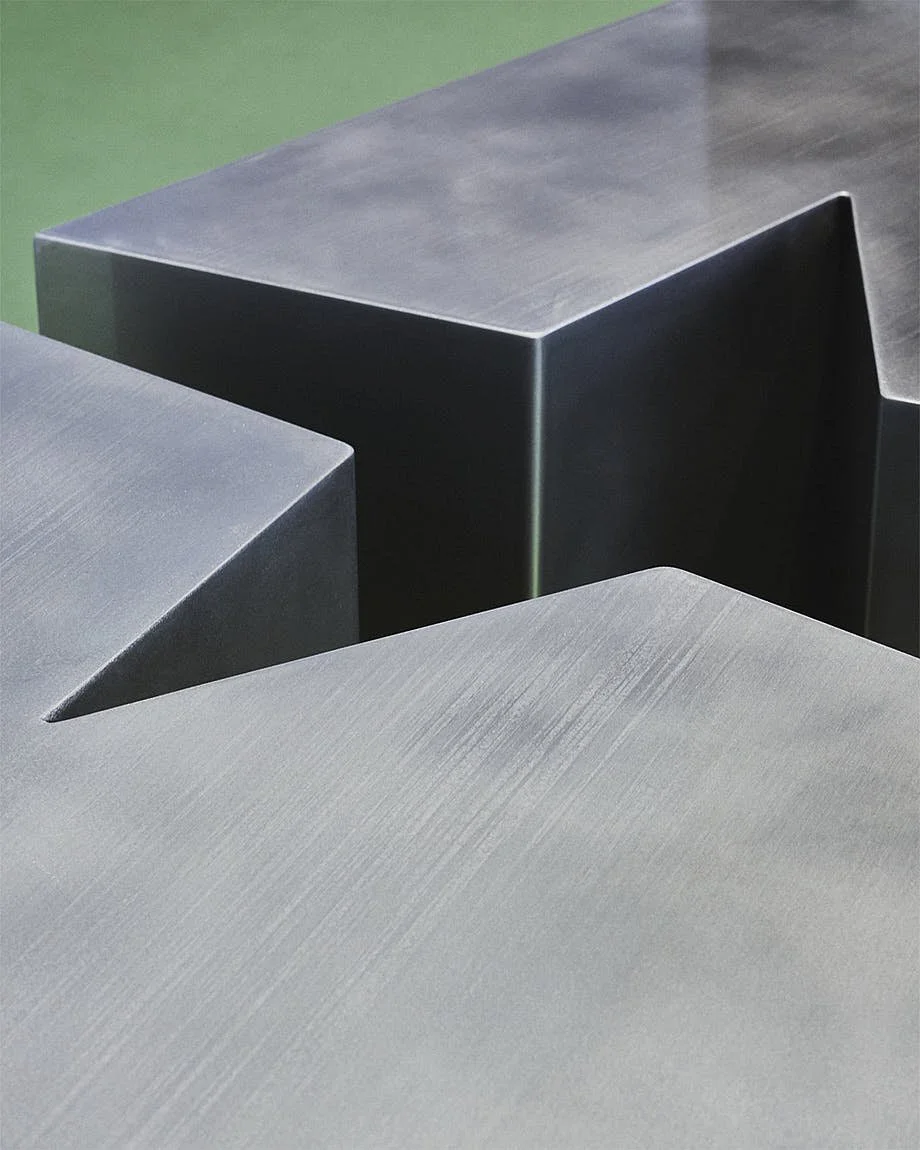
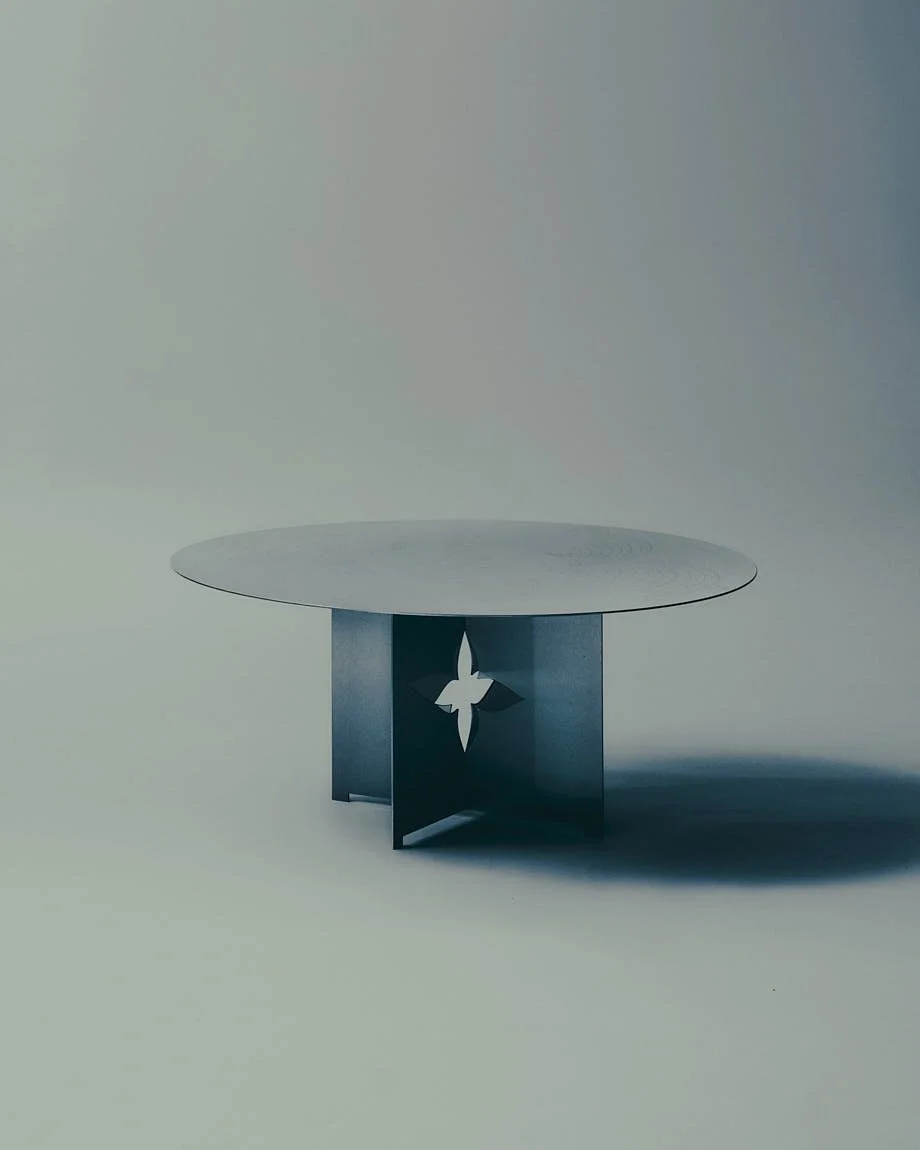
Industrial Designer Fashion Tom Ducarouge Interview Talk LE MILE Magazine LVMH prize 2025 tables design

LVMH prize 2025 tables design
/ created by Tom Ducarouge

 
Industrial Designer Fashion Tom Ducarouge Interview Talk LE MILE Magazine Louis Vuitton tables created by Tom Ducarouge for a cocktail event in Palma

Louis Vuitton tables for a cocktail event in Palma
/ created by Tom Ducarouge


This issue of LE MILE revolves around the theme of identity. When working with global brands - projects that inevitably involve broader commercial frameworks - how do you preserve your own design identity? How do you balance your personal signature with the narrative of a large‑scale client?

In the beginning it was more challenging, because I still had to prove that I could deliver something aligned with what these brands were looking for. But today the dynamic is very different. Clients come to my studio because they trust my team’s vision and mine. They want our creative input, and that’s the core of the collaboration. We handle the manufacturing, of course, but the creative direction is the main reason they reach out.

What matters most is understanding the brief with absolute clarity. We need to meet the functional expectations of the project, but creatively there is no real struggle. That part is actually the most enjoyable moment of the process: we receive the brief, we respond with several creative options, and the dialogue begins. The real challenge usually lies in producing the piece at the highest quality within very tight timelines.

In what ways does sustainability shape the identity of your projects? Do you have practical examples of how this dimension influences your design decisions?

Sustainability is part of our process, but we don’t present ourselves as a “sustainable studio”. If we were truly sustainable, we wouldn’t produce anything new at all. What we do instead is make conscious decisions at every stage. For events, for example, we often combine what we manufacture with vintage or rental pieces. Over time we’ve built a strong network of galleries across Europe, which allows us to avoid remaking furniture for every project.
As our studio grows, we also work with more recurring clients, which means we can design pieces to be dismantled, stored, and reused. A good example is the furniture we created for ROA Hiking, an Italian brand part of Slam Jam. It was first used in Paris, then reused in Munich, and it will be adapted again for their next showroom. Around 90% of that collection is reusable, and we can keep modifying elements as needed. We apply the same logic with New Balance, designing pieces that can travel from one activation to another.

Material choices follow the same mindset. We often use raw aluminium or untreated wood so that components can be easily recycled or repurposed after an event. For me, this isn’t a separate “sustainability strategy”; it’s simply part of designing responsibly and avoiding unnecessary production whenever possible.


How do you imagine the evolution of your design identity in the coming years?

In the next few years, I’d love to develop more retail projects. We already have a few in progress, and it’s a direction that feels very natural for us; designing pieces that are meant to stay, not just serve a temporary activation. At the same time, as the studio grows, it becomes harder to carve out time for our own experiments, but keeping that space alive is essential. I want us to continue developing our own objects every year, not only client work. Another important direction is working abroad. Designing only for France feels too limited. What I learned at Central Saint Martins, being surrounded by dozens of nationalities, showed me how much richer design becomes when it’s shaped by different cultures and perspectives. That’s something I want to keep applying to the way we build the studio.

So the evolution I imagine is this: more retail, more international collaborations, more local manufacturing close to each project, and always the possibility to experiment. That balance is what will keep our identity growing.


Industrial Designer Fashion Tom Ducarouge Interview Talk LE MILE Magazine Side table created for New Balance in Valencia as part of a custom furniture

Side table created for New Balance in Valencia as part of a custom furniture
/ created by Tom Ducarouge


Paloceras Method with Mika Matikainen

Paloceras Method with Mika Matikainen

The Paloceras Method
Eyewear That Remembers Your Dreams


written + interview MONICA DE LUNA


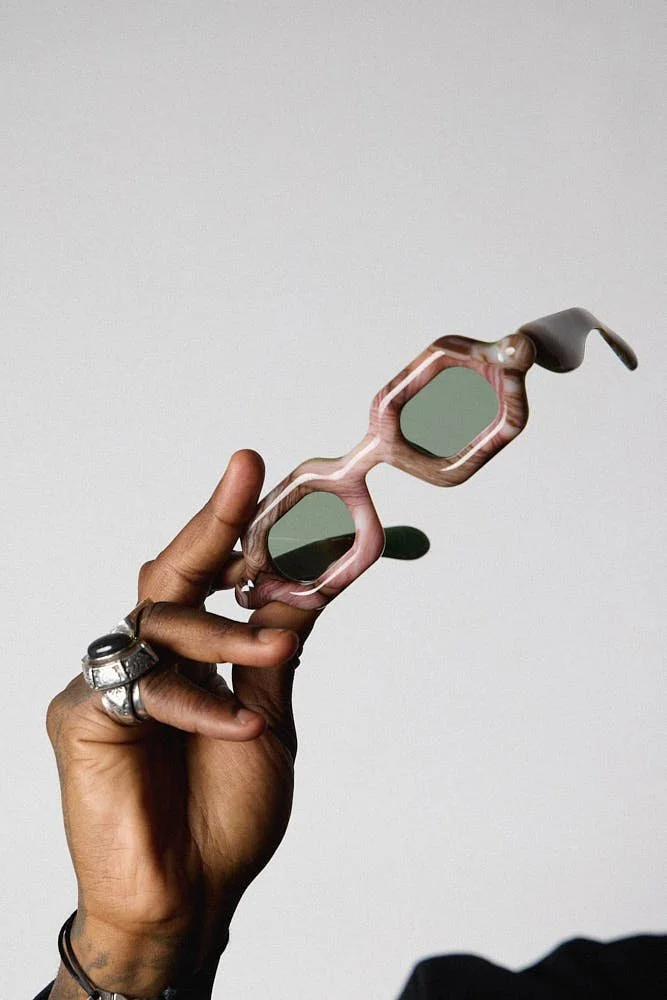
Paloceras spreads across the table as frames bloom from sketches and colors press against translucent daylight. At the center, Mika Matikainen, co-founder and creative force behind the brand, shapes eyewear that grows in his hands, each form a quiet hallucination, a new skin for identity.


The old stable turned studio gathers objects with stories—large sheets of paper, bamboo handles, a loyal Olivetti typewriter humming, sculptures from vanished journeys. Every shelf leans toward experiment, every corner pulses with possibility.

Lines gather mythic form, softening at the edges while lenses shimmer with the quiet promise of change. Mika drifts between drafts, old ideas, bursts of color, textures pulled from the edges of the seasons. Candlelight flickers next to stacked books, loose archives of obsession and plans. Pebble, Velvet Rouge VX, translucent blue, wild honey—each frame gives off a subtle current, a pulse charging the everyday.

Paloceras, named for butterflies and lost afternoons, gathers light and memory in a single gesture. The process moves at its own rhythm, tuned to curiosity and the feel of weight and absence. Limited editions drift out of the stable-studio, carried by collaborations and the slow choreography of design, always searching for a new edge, another fiction, another face. Mika’s practice fills space with resonance, objects settling in the psyche and gently nudging the face toward the unreal. Frames move past accessory, falling into ritual, calling for a new kind of gaze at the reflection in glass. Paloceras skips across language and function, alive in the space between hand and dream, echo and artifact. Eyewear dreams up its own mythology and writes new bodies, all in the flash it takes for a stranger to see themselves—shifted, for a moment, by the promise of another form.


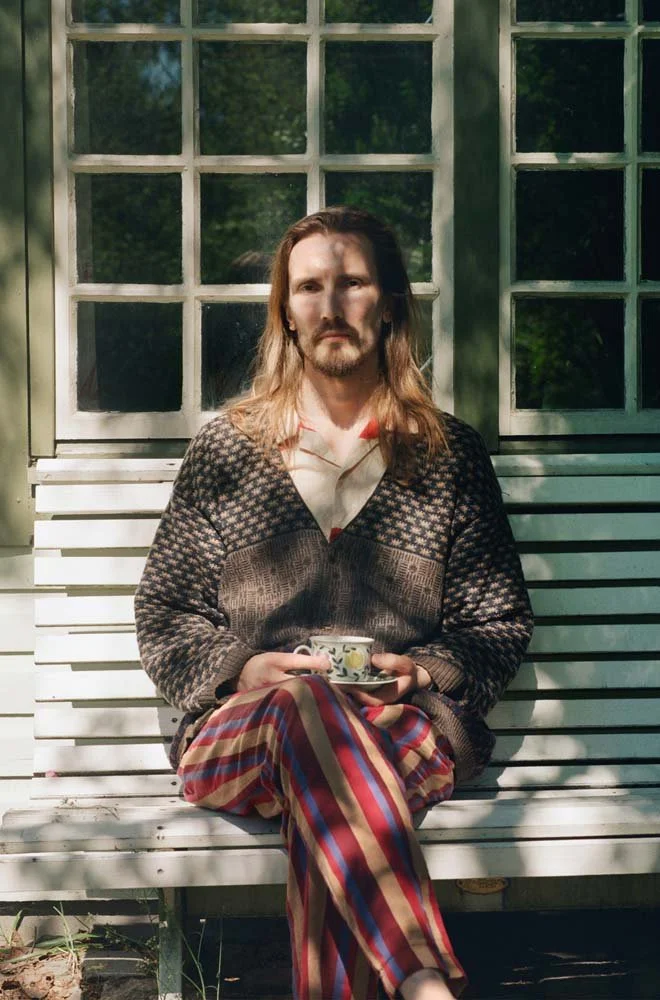
Paloceras Mika Matikainen photographed by Carl Bergman

Mika Matikainen
seen by Carl Bergman


“It’s in our DNA. We imagined something magnetic without limitations, then found ways to make it real. It’s believing in self-transformative distortion in the ordinary. If you feel it, you go for it.”

Mika Matikainen speaks with Monica de Luna
for LE MILE Offline Edition - FW 2025 Nr. 39


LE MILE Magazine Paloceras Eyewear Red


LE MILE Magazine Paloceras Eyewear Red


Monica de Luna
You design objects that sit on people’s noses and rewrite their entire sense of self in under four seconds. At what point did you realise that glasses are less about vision and more about fiction?

Mika Matikainen
Straight from the beginning, so I would say it’s in our DNA. When it comes to eyewear, it’s all just repeating the same, and to us as outlier designers it felt appalling, so we took a step back, imagined something magnetic without any physical limitations, then scratched our heads finding ways to make it physically possible. But I believe it was worth the hassle for the good of people’s excitement. I really like that you paired fiction and vision, because that’s exactly what it is: believing in magical self-transformative distortion in the ordinary. If you feel it, you go for it.


There’s something about your frames that feels allergic to branding, or drama, even allergic to anything that moves too fast. How do you keep things quiet without making them disappear?

What a question! Maybe by revisiting older drafts, ideas, and concepts quite occasionally with Alexis, my co-founder, and trying to intuitively embrace or focus on details that feel relevant after they’ve had a beauty nap in our design archives. When it comes to a physical design object like eyewear, there are some limitations (that we don’t respect) that set the table for something in which a few creative key decisions define the product. If you just nail the details, it’s not enough.


Do you believe good design should leave a mark, or is it more like perfume, something people can’t quite name but keep turning their heads for anyway?

I’m not a big fan of perfumes, even though I love the conceptual thinking behind them, so yes, definitely a perfume-like floating shadow that absorbs into your psyche when you least expect it.


LE MILE Magazine Paloceras Eyewear Marble


“Anything that comes from within is genuine and interesting. Time is a subjective pocket of life for each person. Focus on what resonates instead of seeking validation. Resonance to the max.”

Mika Matikainen speaks with Monica de Luna
for LE MILE Offline Edition - FW 2025 Nr. 39


A Paloceras customer walks past their own reflection and forgets it’s them for a second. Is that the point?

Exactly, the whole point is about embracing the paradox of multiple realities simultaneously. I see this as a bigger societal issue when people rationalise themselves into their fact-based truth bubbles. We need imaginary spikes piercing the imaginary bubbles between individuals, thus making life less imaginary through real presence. Those spikes can and should be used also on yourself. PUFF!


Walk us through your studio, what’s always within reach? What’s broken but never thrown out? And what’s there just to remind you that not everything needs a purpose?


Recently, a journalist who visited my studio called this space a Stable Studio, since this used to be a stable for three racehorses. Now, more boringly, it’s a set of two large desks with a lot of shelf space for objects of interest, a repository for ideas. Always within reach: large sheets of paper, ink, brushes, markers, pencils, candles, books. An old, fully functional Olivetti typewriter that just inspires by its presence. A bit broken but not thrown away is a set of bamboo handles and their parts for a bag project that’s been way too long on a to-do list. Objects without purpose are small statues or sculptures from adventures; they light up something in me even though I can’t remember the origins of all of them.


People keep romanticising analog, but most of them still refresh their inbox with two fingers. What’s your relationship with being unreachable/offline?


Love it. Still waiting for the era when it’s possible to transform sensations more directly into something tangible. A small, bitter forest cherry into a frame, or the feeling of wet moss after rain under bare feet as the haptic feel for a product. When you think about it, using digital devices is basically tapping glass or plastic with your fingers for hours. Numbing. Anything else is easily more interesting as a sensory experience. Respecting offline moments alone and with friends, and always having Do Not Disturb mode on.


LE MILE Magazine Paloceras Eyewear Blue
 
LE MILE Magazine Paloceras Eyewear Blue model


Do you think your glasses look better on people who don’t smile?

Whatever makes people more themselves is desirable; then it’s up to them if they feel like smiling, writing, observing, or whatever connects them more with themselves. Our dopamine systems are so entertained by external stimuli that we should wear eyewear with mirrors on the inside of lenses to highlight what’s in there. Not AR but AS—as in augmented self.

How do you feel about people calling things “timeless”? It usually sounds like something you say when you’re afraid of death or passing trends. What do you call it instead?

If one is after trends then it’s acceptable to be afraid of death. Anything that comes from within is more genuine and interesting and “timeless”. What is timeless, or time, is a different thing. It’s a subjective pocket of life on each person’s own timeline and means something different for each individual. Briefly, our time is limited so why settle for something ordinary? But to answer the question, I’d focus on sensing what resonates on an individual level instead of relying on external validation points. Resonance to the max!


You live in Finland, does the weather there teach you anything about surfaces?

I’ve also lived elsewhere in Europe—in the UK, Switzerland, Portugal—and what I really appreciate back here in Finland is the stillness, especially outside the urban areas in real connection with nature. Maybe because Finland has one of the oldest bedrocks on the planet, more than three billion years old. Maybe it’s the silent grounding effect it evaporates if one’s open to it. Weather-wise, we have all the seasons quite clearly, so there’s the possibility of experiencing all surfaces with different additions such as water, slush, ice, snow, all in different light and air density conditions. I believe it’s the layer of details and conditions paired with experiences of similar things in other places, through different cultural and climatic lenses.

What do your eyes look for when they’re tired of being fed?

As far as possible, looking at the horizon, the sky, the sea, the leaves of trees. Also just looking around and pausing auto-labeling of what the eyes communicate, and sensing visual surfaces just as they are.


all visuals (c) PALOCERAS

MOEBE *Rewriting the Rules of Design

MOEBE *Rewriting the Rules of Design

MOEBE
*Rewriting the Rules of Design


written + interview Monica de Luna


MOEBE is rewriting the language of design. With Martin de Neergard Christensen, Nicholas Oldroyd, and Anders Thams leading the charge, this Copenhagen studio is all about pushing boundaries.


Their latest project, the Modular Sofa, premiered at 3daysofdesign 2024, embodies a new era of design thinking— modular, sustainable, and unapologetically forward-looking.
MOEBE’s design philosophy challenges conventions, blending modular innovation with an uncompromising focus on sustainability. Each piece is carefully thought out, designed for flexibility, and built to endure, reflecting a future where furniture adapts to life’s changes.

In the AGE OF CHANGE, Fall/Winter 2024 edition, we sit down with the visionaries behind MOEBE to explore the ideas and processes driving their work. This is design that moves with you, built for the ever-shifting rhythms of modern living.

 
LE MILE Magazine MOEBE Modular Sofa 2025 Martin de Neergard Christensen, Nicholas Oldroyd and Anders Thams

Martin de Neergard Christensen, Nicholas Oldroyd and Anders Thams


“Versatility and sustainability are a compound subject at MOEBE, and all of our designs adhere to these principles in one way or another, whether it’s through their construction or their adaptability.”

Martin de Neergard Christensen, Nicholas Oldroyd and Anders Thams
speaking with Monica de Luna

first published
LE MILE Magazine, AGE OF CHANGE Nr. 37 Edition, Fall/Winter 2024

 
LE MILE Magazine MOEBE Modular Sofa 2025 green
 
 
LE MILE Magazine MOEBE Modular Sofa 2025 cappucino


Monica de Luna
The Modular Sofa made its debut at 3daysofdesign 2024. What was the core inspiration behind creating such a versatile and eco-friendly piece?

MOEBE
Versatility and sustainability are a compound subject at MOEBE, and all of our designs adhere to these principles in one way or another, whether it’s through their construction or their adaptability. Our commitment to designing in this way has only strengthened over the years as our collection grows, and the Modular Sofa is really a natural extension of this design philosophy.

MOEBE is renowned for its modular design approach. How does the Modular Sofa elevate this concept in the world of adaptable furniture?

The Modular Sofa is a continuation of that modular, component-based thinking, perhaps even taking it a step further. Of course we are not the first to have the idea of a sofa split into sections, but we have tried to push the boundaries of what modular design can do and what a modular sofa can be.
For example, not only is the sofa constructed from individual modules, but the modules themselves can be separated even further to their constituent parts. Modules can be easily reconfigured, the cushions can be changed out without affecting the rest of the sofa, and everything is designed to arrive flat-packed. You have more choice when it comes to colour and form, and you are not tied to one specific configuration. When most people think of modular design they tend to think of flexibility, but we are just as interested in its other benefits, such as how easy it is to assemble, and how parts can be repaired without needing to be replaced. All of this can be found in the Modular Sofa.

Sustainability seems to be a cornerstone for the Modular Sofa, with certified oak and EU Ecolabel- compliant foam. How crucial is sustainability in MOEBE’s overall design philosophy?

Sustainability is really important to us, and something we consider through every step of the design process. That said, it’s also an incredibly broad area, and sustainability means different things to different people. So we decided to build our own framework to operate in, and we came up with six guiding design principles that feed in to everything we do, and help keep us in the right direction.

For example, we also have a commitment to producing spare parts for all of our designs. We believe that it should always be easier to repair than to replace, so this commitment is our way of helping people keep their furniture for longer, instead of always having to buy something new. It sounds simple enough, but it actually takes a lot of work to make sure that our designs are made in such a way that they can be repaired. Looking again at Modular Sofa, the way it is constructed and put together means that it can be shipped flat- packed, which has the environmental advantage of reducing the carbon footprint of shipping, and the component-based design lets us focus on producing a set number of parts, which helps avoid overproduction.


Flat-packed and easy to assemble – what were the biggest challenges in designing a piece that balances simplicity, durability, and style?

Aside from the technical challenges that come with designing any piece of furniture, we really wanted to create something that could stand by itself, without needing to rely on its label as ‘flat-packed’, or ‘easy to assemble’ to be attractive. In short, we wanted to create a sofa that people fall in love with because of how it looks, as well as how it is built.
When you design a sofa to be as modular as possible, with modules that work in any angle and configuration, you are really challenging yourself. You have to put that extra bit of effort in to make it look just as sharp. To make sure that the corner module works just as well on the left or the right side, and so that the middle section can turn both ways. It needs to look good as a pouf, or as a two-seater sofa, or as a much larger configuration that can turn corners and even accommodate people sitting at opposing angles. It’s a challenge for us as designers, but it’s also an opportunity to show what modular design could do. All of this flexibility from four basic modules, without compromising visual appeal. Now that’s a challenge!

Your Modular Sofa is the first large-scale seating option. What does this launch signify for MOEBE's growth and future direction?

It underlines our commitment to our design principles, as we continue to grow into a full-scale design studio. MOEBE started over ten years ago, and in that time we have gone from making small accessories and design items through to bigger interior and furniture pieces. We design everything in-house, and we only add products to our permanent collection that we fully believe in.

Everything needs to be born of the MOEBE design philosophy, whether it’s a small Key Ring or a Shelving System that spans a whole room. The Modular Sofa will definitely not be the last big piece, but rather the start of the next phase of MOEBE. Perhaps we’ll push even further into architecture and finally build that little shed in the woods we always dreamt about?


“We really wanted to create something that could stand by itself, without needing to rely on its label as ‘flat-packed’, or ‘easy to assemble’ to be attractive.”

Martin de Neergard Christensen, Nicholas Oldroyd and Anders Thams
speaking with Monica de Luna

first published
LE MILE Magazine, AGE OF CHANGE Nr. 37 Edition, Fall/Winter 2024

 
LE MILE Magazine MOEBE Modular Sofa 2025 Martin de Neergard Christensen, Nicholas Oldroyd and Anders Thams

Martin de Neergard Christensen, Nicholas Oldroyd and Anders Thams


LE MILE Magazine MOEBE Modular System Sofa 2025


From single pouffes to multi-angled sofas with integrated tables, the Modular Sofa’s flexibility is impressive. How do you see this versatility fitting into modern living spaces?

We designed the Modular Sofa to work in many different situations, and we thought a lot about how it could help facilitate a more modern, dynamic lifestyle. We see two main scenarios where the flexibility can help achieve this. To start with, the modules can be added and changed over time, meaning that you can start with a single chair or pouf and add it to at a later time. You don’t need to start with a four-seater sofa from the beginning, but instead you can slowly work up to it as your living situation changes and evolves. Secondly, we wanted the modules to be adaptable in real-time, meaning that you can re-arrange and re- configure when the need arises.

We think the sofa looks beautiful in a big empty space, but we know that most of us live in smaller spaces or apartments where there is always the challenge of shared spaces. You want a comfortable sofa to watch TV, but perhaps you also want a more spread-out seating arrangement for when guests come over for coffee. With the Modular Sofa, you can simply break up the modules and move them around, easily adapting it to different needs at different times. It can do all of these things, and we think that’s super nice, especially over a long period of time. It’s a system you can build on, but you can also use its flexibility on a daily basis.

The smart construction of the Modular Sofa becomes evident in the details. What were the key considerations in ensuring the piece remains both easy to assemble and durable?

We think a lot about construction and how we put things together, so we love that you can see it. As designers, of course we are interested in forms, shapes, and colours, but it’s also incredibly important to remember that a sofa needs to be durable, hard-wearing, and suitable for years of everyday use. The requirement we set ourselves to make it both robust and easy to assemble was perhaps the real challenge of designing the Modular Sofa. Without getting into too much technical detail, we tested out hundreds of different construction methods in the design stage, and ended up finding elegant solutions that facilitated both of these demands.


Even if some of the details are hidden from view, you can see the constructional simplicity of the modules when you turn them upside down. The construction is easy to understand and never gets in the way, which is what we’re always aiming for.

How do you see the Modular Sofa challenging traditional furniture design and impacting future innovations?

Danish design has a unique heritage, and when we started MOEBE ten years ago we wanted to build on that, demonstrating that it can be done differently, with more focus given to making things that are easy to repair, and can adapt to changes in how we live. And this of course has an impact on future innovations too. We are part of a movement showing how sustainable thinking can be designed in from the start, and the Modular Sofa is our biggest statement yet of that way of thinking. It’s proof that you can make a sofa that follows these design principles, that is flat- packed and component-based, but is also beautiful, functional, and comfortable. We are always seeking out better materials or design solutions, and we know that our customers are too. The more designers that are active in pushing for these things, the more chance there is that the rest of the industry will move in the same direction. That’s our hope for the future.

 
LE MILE Magazine MOEBE Modular Sofa mustard detail wood 2025
 
MOEBE Modular Sofa LE MILE Magazine


“We are part of a movement showing how sustainable thinking can be designed in from the start, and the Modular Sofa is our biggest statement yet of that way of thinking.”

Martin de Neergard Christensen, Nicholas Oldroyd and Anders Thams
speaking with Monica de Luna

first published
LE MILE Magazine, AGE OF CHANGE Nr. 37 Edition, Fall/Winter 2024


William Fan *Crafting Futures

William Fan *Crafting Futures

William Fan
*Crafting Futures


written + interview ALBAN E. SMAJLI


William Fan is scripting a new narrative in modern design, fusing his rich cultural heritage with an avant-garde approach to fashion.


His designs emerge as an eloquent dialogue between architectural rigor and fluid dynamism, boldly questioning the industry's entrenched norms. With each collection, Fan weaves together Asian heritage and European design sensibilities, crafting a sartorial rebellion that defies traditional boundaries and celebrates sustainability. Through his latest endeavors, Fan explores themes of gender fluidity and inclusivity, pushing the boundaries of conventional fashion. Fan's staunch commitment to using dead-stock materials and partnering with family-run businesses underscores his devotion to ethical fashion practices.

This journey sets a bold new standard for what it means to be a designer today but also cements Fan’s status as a visionary and a profound storyteller in the ever-evolving fashion landscape.


William Fan Portrait by Clemens Poloczek LE MILE Magazine Interview

William Fan
seen by Clemens Poloczek


“I feel the most empowered when I work close to my heritage because it feels the most authentic.”

William Fan speaks with Alban E. Smajli
LE MILE Magazine TRANCE, Nr. 36


Alban E. Smajli
William, your journey in fashion has been inspirational and transformative. Could you share how your cultural heritage influences your design philosophy and how it has evolved over the years?

William Fan
When I started my brand, and also during my studies, I wanted my collections to be personal and close to my identity. I feel the most empowered when I work close to my heritage because it feels the most authentic. The many travels to Hong Kong influenced my perspective on beauty, craftsmanship, and tradition. I look for the balance between Asia and Europe in every season. In the beginning, the contrasts were more hard and visible. Nowadays, it has become a grey zone where you can hardly see the lines. It's more diffused now, like we work on the theme of unisex. You hardly notice which gender it's meant to be.

In your creative process, how do you enter a state of flow or "trance" to conceptualize and bring your visions to life?

I like to build up a storyline. At first, we started with a party night, 'THE DAY AFTER' came as a consequence. Then we had an afternoon in Chinatown and ended up in a karaoke bar. You know, it’s almost like a biographical film book; I try to visualize every occasion.
Now we've entered the 'CEREMONY' era, which is the current collection. Every season has a theme, and from that feeling, we create a full-vision world. From the set design to the music, we want to escape with our community and dive into 15 minutes of dreaming.

Your designs are known for their unique blend of architectural precision and fluidity. How do you balance these elements, and how has this signature style evolved in your SS24 collection?

I like to think about a functional wardrobe with a twist—things you can wear and be real about. Our garments are built to function and always have a little twist in color, texture, and material. I think clothing needs to move and flow and give the customer enough space between the body and the garment itself. I’m not a big fan of a very tight fit. If so, it’s knit where you still have the stretch element. I like to empower with simplicity and precise tailoring. Sometimes more formal, sometimes more playful. This season was a lot about textures and fabrics. The colors were mainly inspired by the LGBTQI+ Flag, which is mainly represented in monotone, single-color block looks. Furthermore, we questioned how we dress for ceremonial occasions and which general rules are given.

Can you give us a glimpse into the making of the SS24 collection? What were the key inspirations, challenges, and breakthrough moments during its development?

The SS24 collection was named 'CEREMONY,' and it's all about the special days we celebrate in our lives. Big Birthdays or Weddings. I got married myself in 2022 and was quite critical of what you have to do and all the rules you need to follow. We started researching Asian and European traditions—for example, for marriage. The red wedding in China and the white wedding in Europe. I wanted to be inclusive and make a statement through the rainbow color flag from the LGBTQI+ community. I wanted to put a sign out that everybody should have the same rights to celebrate, for example, a wedding independently of your sexuality. I gave a male model the veil or the final bride look a black short-sleeve tuxedo with feathers. For me, it felt very adult and emancipated.

Sustainability is a critical conversation in fashion today. How are you integrating sustainable practices into your work, particularly with the SS24 collection?

We work exclusively with dead-stock materials. I like that way of using non-wanted resources and having a limited choice. That also means that most of the products are limited in their availability. All the manufacturers I am working with are visited personally a few times a year. I'm lucky to build up great relationships with family-owned businesses.
Everyone is very innovative when developing new styles. We don’t overproduce our products, and we never go on sale. I want to create a value that is hopefully long-lasting and sustains many trends and decades.

 
William Fan Portrait by Clemens Poloczek LE MILE Magazine Interview

William Fan
seen by Clemens Poloczek

 
William Fan Portrait by Clemens Poloczek LE MILE Magazine Interview

William Fan
seen by Clemens Poloczek


“I feel privileged to be able to have the runway medium and the city of Berlin, which offers so many monumental spaces.”

William Fan speaks with Alban E. Smajli
LE MILE Magazine TRANCE, Nr. 36


Reflecting on your career, who has been your most significant mentor, and what was the most valuable lesson you learned from them?

I had many people supporting me from the beginning. To be honest, I would say my parents. They always taught me to be bold and proud, regardless of where and who you are at the moment. I always keep saying: Fake it till you make it. This helped me through many moments :)

Fashion shows can be mesmerizing, almost trance-like experiences for the audience. How do you aim to evoke this sense of immersion and emotion in your runway presentations?

I feel privileged to be able to have the runway medium and the city of Berlin, which offers so many monumental spaces. From the TV Tower to the Underground, I've tried all levels in Berlin to express my emotions through many spectacular locations. I love to tell a story when it comes to runway presentations. Mostly, I'm looking for a space that has a certain power and an interesting history to tell. I also like to work with all senses. The moment you come into the venue, you will immediately experience a certain smell, texture, or lighting. Then the music starts, and I have 15 minutes to tell the concept of more than 6 months of intensive work.

From all the pieces you've created for the SS24 collection, is there one that stands out to you as a personal favorite or holds a special meaning? If so, why?

I’m a big fan of the 'Are you a friend of Dorothy?' jumper. A "friend of Dorothy" (FOD) is a euphemism for a gay man, first used in LGBT slang. Stating that, or asking if someone is a friend of Dorothy, is a furtive way of suggesting sexual orientation while avoiding hostility. I like the way to use historical references to hopefully remember we never need to talk in euphemisms again to express our sexuality.

What's next for William Fan? Are there any new projects, collaborations, or directions you're particularly excited about exploring in the near future?

Many new product groups will be added, and our new gift shop 'FAN PLAZA' just opened its doors a few months ago. We now have spaces for new visuals in partnership with artists, partners, and friends. I like the idea of bringing networks together that share the same love for small details and art.


follow artist @studiowilliamfan
discover online www.williamfan.com

all images (c) Clemens Poloczek

Studio GdB *Transforming Clay Tiles into Art

Studio GdB *Transforming Clay Tiles into Art

Studio GdB
*Transforming Clay Tiles into Art


written Benjamin Schiffer

Tiles are rarely the first object you notice when entering a room. Not so with the designs of Studio GdB - the Dutch design studio makes clay tiles the absolute center of attention.


The two founders and former graphic designers Gilles de Brock and Jaap Giesen challenged the status quo within the tile industry after realising that their ideas could not be translated with any of the conventional methods out there. Consequently, the duo created their very own custom digital printer allowing for a computer-controlled application of liquid glazes. The results are vibrant, unique and customizable tiles in a range of uplifting colours and extraordinary patterns.


LE MILE Magazine Studio GdB Gilles de Brock and Jaap Giesen Interview Portrait

Studio GdB
Gilles de Brock + Jaap Giesen

 
LE MILE Magazine Studio GdB Gilles de Brock and Jaap Giesen Interview art tiles


“There was never really a particular reason or planning behind working with tiles. It was more or less the instant idea ´Let's make tiles´. Apparently, we both thought that this was a really good idea.”

Jaap Giesen speaks with Benjamin Schiffer
LE MILE Magazine ISSUE, Nr. 35


Benjamin Schiffer
Your backgrounds are similar, right? Tell us about how you both met.
Jaap Giesen
We met in graphic design school eight years ago and since then our friendship has matured.
After that we decided to do an internship in Antwerp together, we moved there together. Gilles decided to keep on studying in Den Haag, so I went to Rotterdam. Luckily, the two cities are not too far apart from each other, so we got to meet every weekend.

When did you develop your first interest in interior design?
JG
We are both trained graphic designers and I started to grow a great interest in vintage furniture design. Gilles was more interested in technology and building machines. Looking at it now, it is the perfect collaboration and we found a middle way bringing together contemporary designs and technology.
Gilles de Brock
There was never really a particular reason or planning behind working with tiles. It was more or less the instant idea ´Let's make tiles´. Apparently, we both thought that this was a really good idea.

…and you successfully found your niche in the market. Congratulations!
JG
All by accident though! It started as a blind passion. Once the business started developing, our fascination also grew and we became very dedicated.
GdB
During the process, we developed an entrepreneurial understanding. We were always self-employed before. You are not really a business owner then. If you want to sell a product it will have to entail certain qualities and all these qualities that we needed were just there. We could pretend that it was a super calculated move and that we are very business-savvy. If it did not work out, we´d probably still do it, but be broke. We were lucky that everything worked out.

JG: There were surely many obstacles that we needed to overcome. Tiles are very heavy, so the question arose on how we would ship them around the world without breaking. Luckily, we got to solve most problems. At the beginning we did not think everything through. Youtube tutorials definitely helped us a lot in the beginning! We did not really have people that had the level of expertise that we wished for. We still do not know much about ceramic glazes, everything is more or less a trial and error procedure that takes time.

When did you realise that conventional methods would not work for your ideas?
JG
When Gilles was working as a graphic designer for a client, he wanted to print some ceramic goods.
GdB
In an arts and crafts store we saw these beautiful glazed samples. We just thought that it would be enough to use those ceramic glazes, but it turned out to be much harder than we thought. We quickly found out that what we had in mind was not realisable with the conventional methods. That's when we had to come up with our own.

I could personally scroll through your Instagram feed forever. The number of colour and pattern combinations seems infinite. Which designs are particularly difficult or impossible to realise?
GdB
We definitely have tiles that are hard to produce, but we don´t put those on Instagram, because then everybody would ask for those. We have a set infrastructure of production, therefore experimenting within that system is not the easiest and not the most efficient. Certain things just do not work in it. This does not necessarily mean that they are objectively more complicated, they just do not fit into the regular production line. It also does not mean that they won't become available at a later point. For now, we want to keep things simple and organised.


Do you guys have a personal favourite colour/pattern combo?
GdB
It's so funny, it is always the designs that we put on Instagram that get the least response. Everybody just seems to like the same patterns. It's not like we don't like them, but it's comparable to listening to the same song over and over again.
JG
I personally love the classic striped patterns with the moody colours. Everybody seems to love the rain and the marble pattern. At this point we start curating some designs a bit more carefully, combining different tiles together.

I assume there are little to no marketing budgets at this point. How do you get your product out there?
JG
We indeed have no marketing budgets. The only thing we do is post things on Instagram. Maybe we will spend money on marketing in the future. For now, what comes in through this organic method, we are fully booked. We never needed to invest in proper marketing - this is an incredible luxury. As soon as we were ready to manufacture the tiles, we put them on Instagram and people started to immediately order them - it sounds almost too good to be true.

 
LE MILE Magazine Studio GdB Gilles de Brock and Jaap Giesen Interview art tiles work process

(c) John Tods

LE MILE Magazine Studio GdB Gilles de Brock and Jaap Giesen Interview art tiles


“In an arts and crafts store we saw these beautiful glazed samples. We quickly found out that what we had in mind was not realizable with the conventional methods. That's when we had to come up with our own.”

Gilles de Brock speaks with Benjamin Schiffer
LE MILE Magazine ISSUE, Nr. 35


LE MILE Magazine Studio GdB Gilles de Brock and Jaap Giesen Interview art tiles  atelier
 

Which artists or artistic epochs inspire you?
JG
Sean Scully! He is the best!
GdB
He makes nice paintings with interesting colour combinations.We are inspired by some of the Dutch designers who also have innovative ways of production. It is less their outcome, but rather their principle of creating machines to do what has not been done before.

I assume your bathrooms and kitchens are also tiled with your own designs. How do you decide which designs can move into your homes?
JG
I have to ask the wife! I prefer the more classic styles with a modern interpretation and more muted colours.
GdB
To be honest, I have a hard time choosing, even though my kitchen actually needs some tiles. It is scary to put tiles in my own house, I might grow too tired of them too quickly.

In what way do you consider your work approach typically Dutch?
JG
t´s very straightforward. If we decide on doing something, we are going to make it work and we are going to make it fast.


Let's talk about interior trends in general. What trend do you think we'll see everywhere next year?
JG
I think that things can be a bit more fun, less serious. Warmer and brighter colours could be a thing.

Where would you like to see your tiles?
GdB
At the very beginning we wanted to do tiles for metro tunnels and hotel lobbies. I guess that this is still the goal. Those metro stations in NYC seriously need renovation. What we also learned is that you can actually use tiles on the exterior of buildings such as facades.
JG
Yes, having tiles on a skyscraper would be amazing! Very high on our priority list.

What advice would you give to someone who is seeking to make a career from their creativity?
JG
Commit to one thing and keep on doing it very well!

 
LE MILE Magazine Studio GdB Gilles de Brock and Jaap Giesen Interview art tiles
 

follow artist @studio.gdb
discover online www.studiogdb.nl

all images (c) Studio GdB