Viewing entries in
music

CHARLOTTE DAY WILSON
 *That Version that Stays Untouched

CHARLOTTE DAY WILSON
 *That Version that Stays Untouched

That Version of Charlotte Day Wilson that Stays Untouched

 

interview + written ALBAN E. SMAJLI


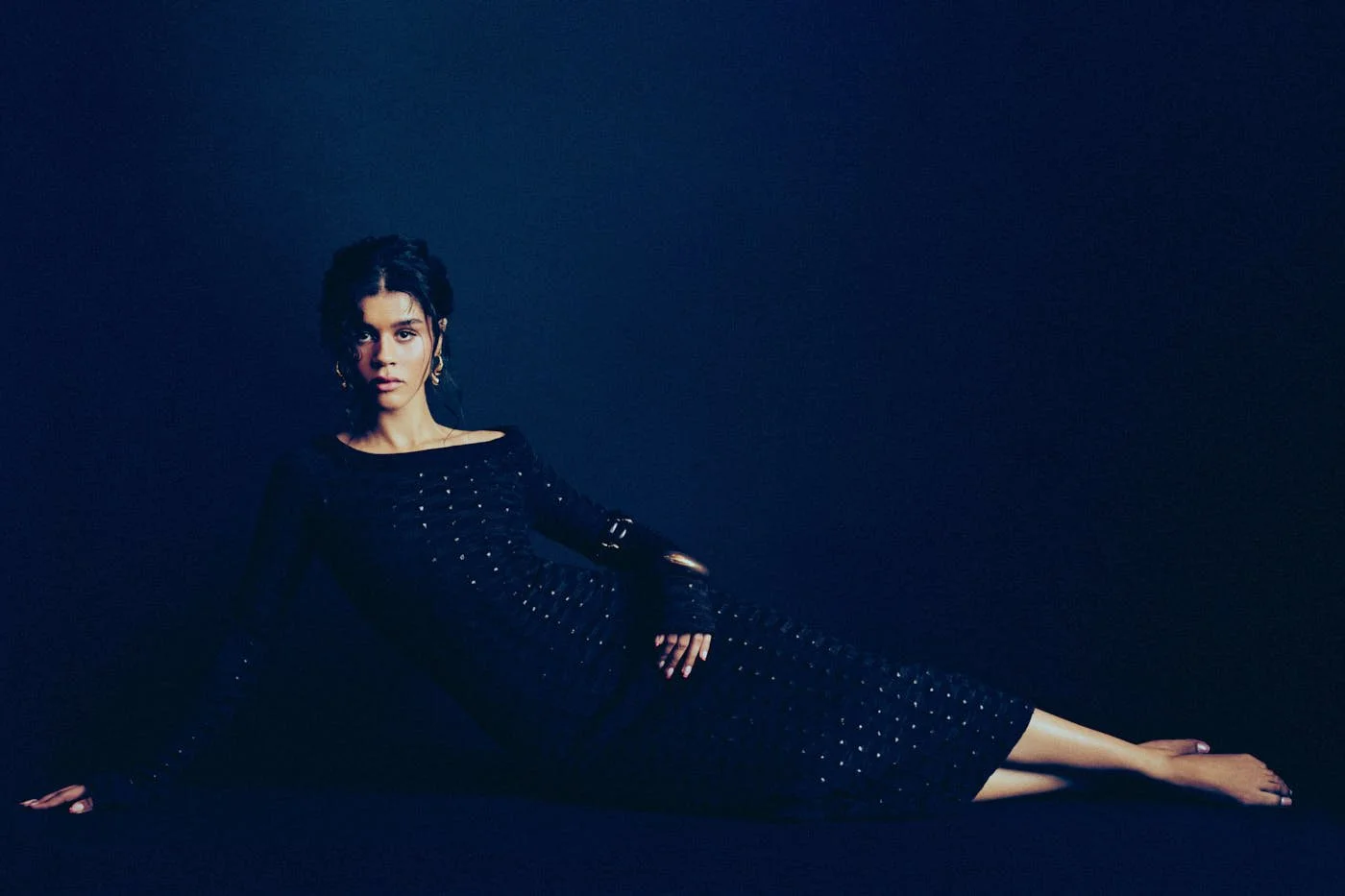
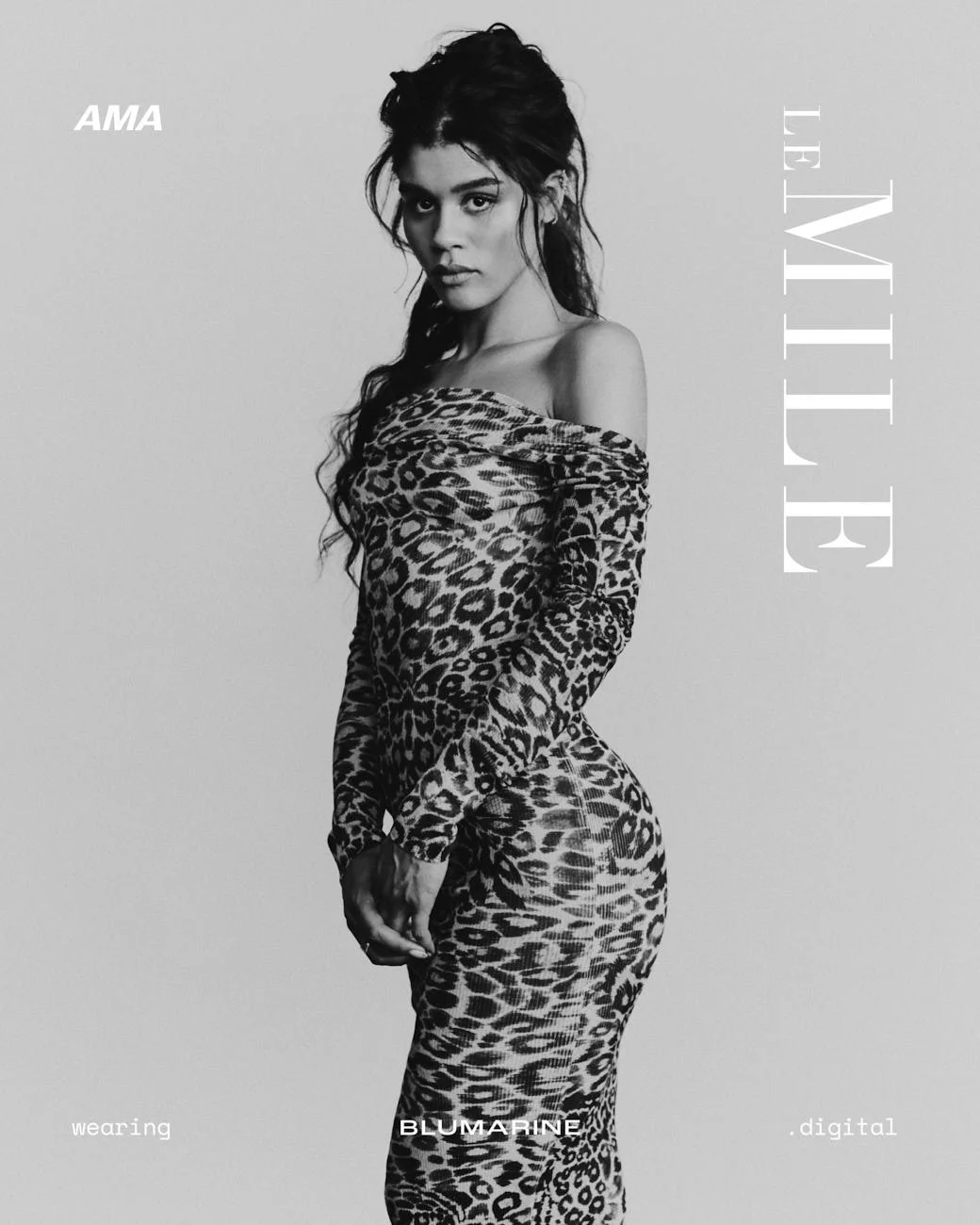
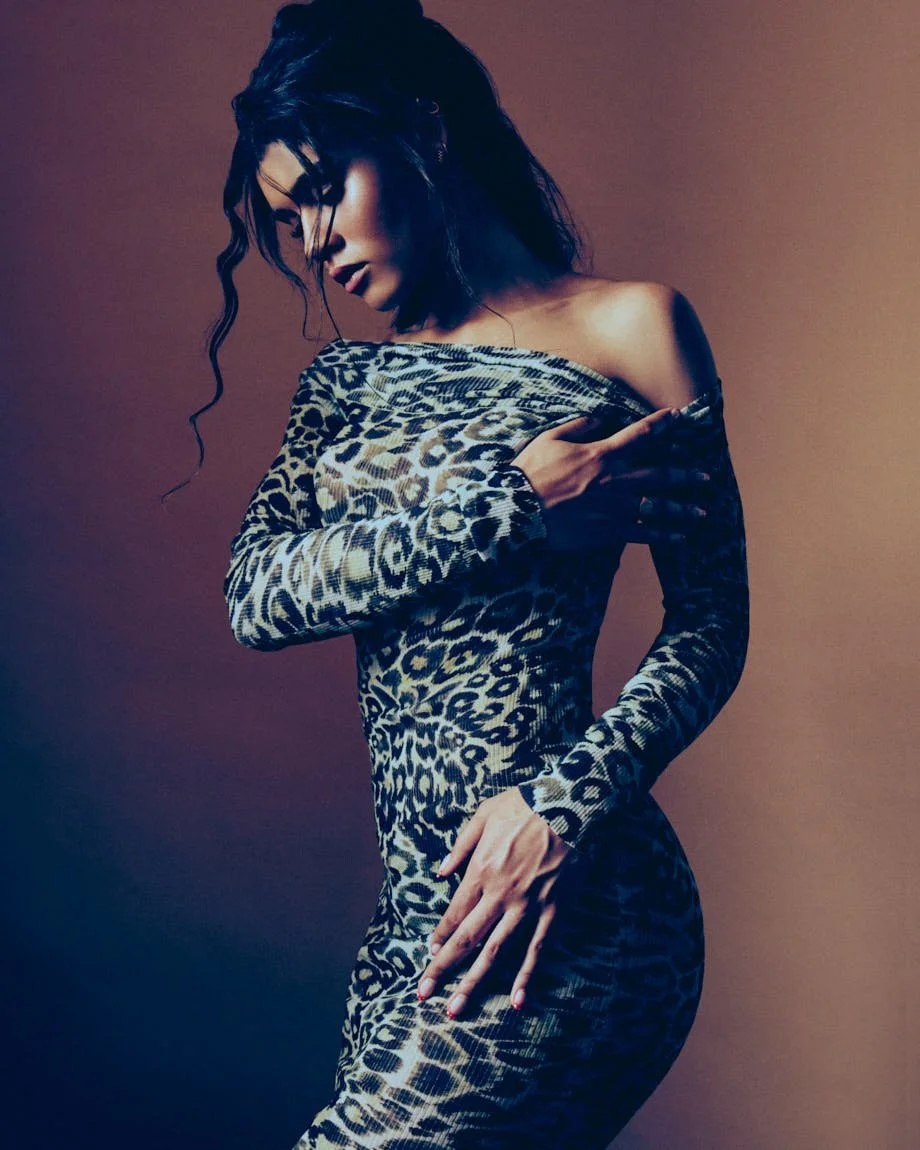
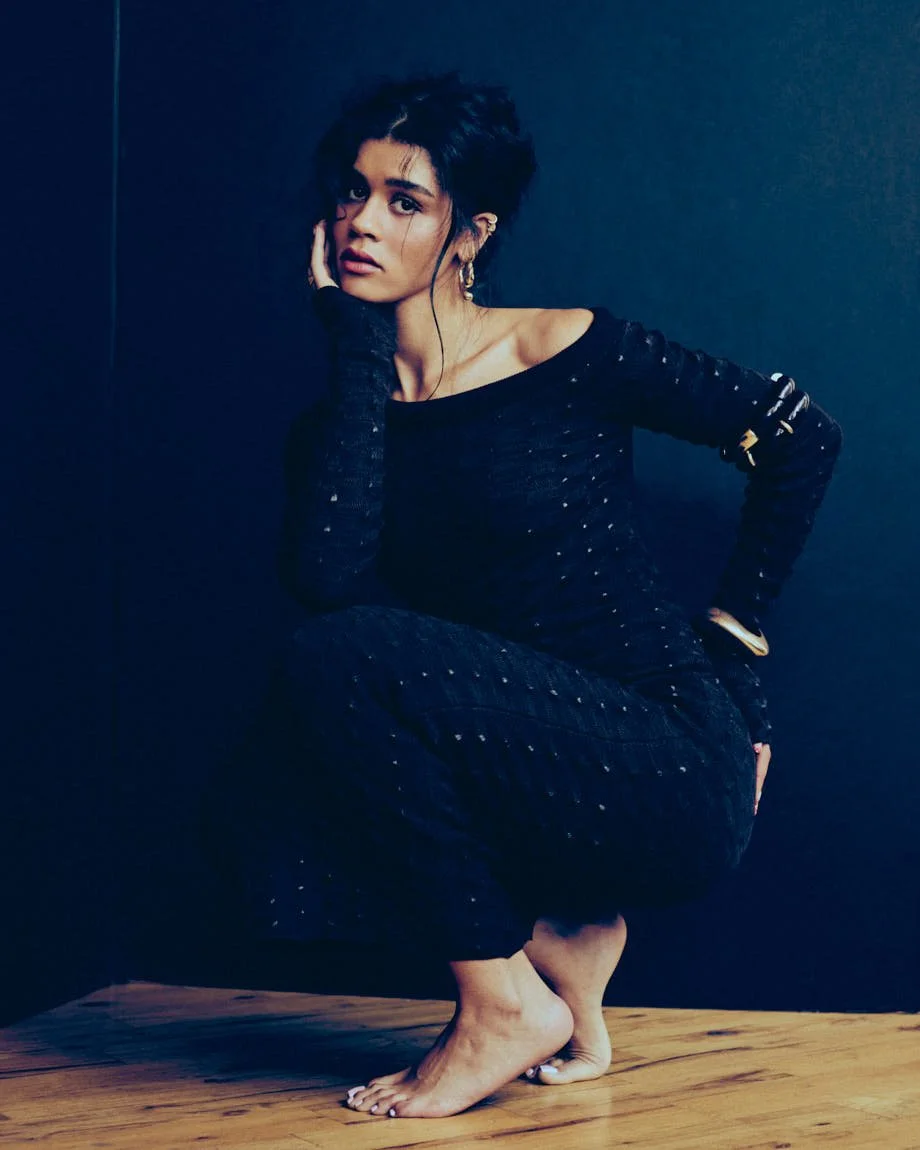
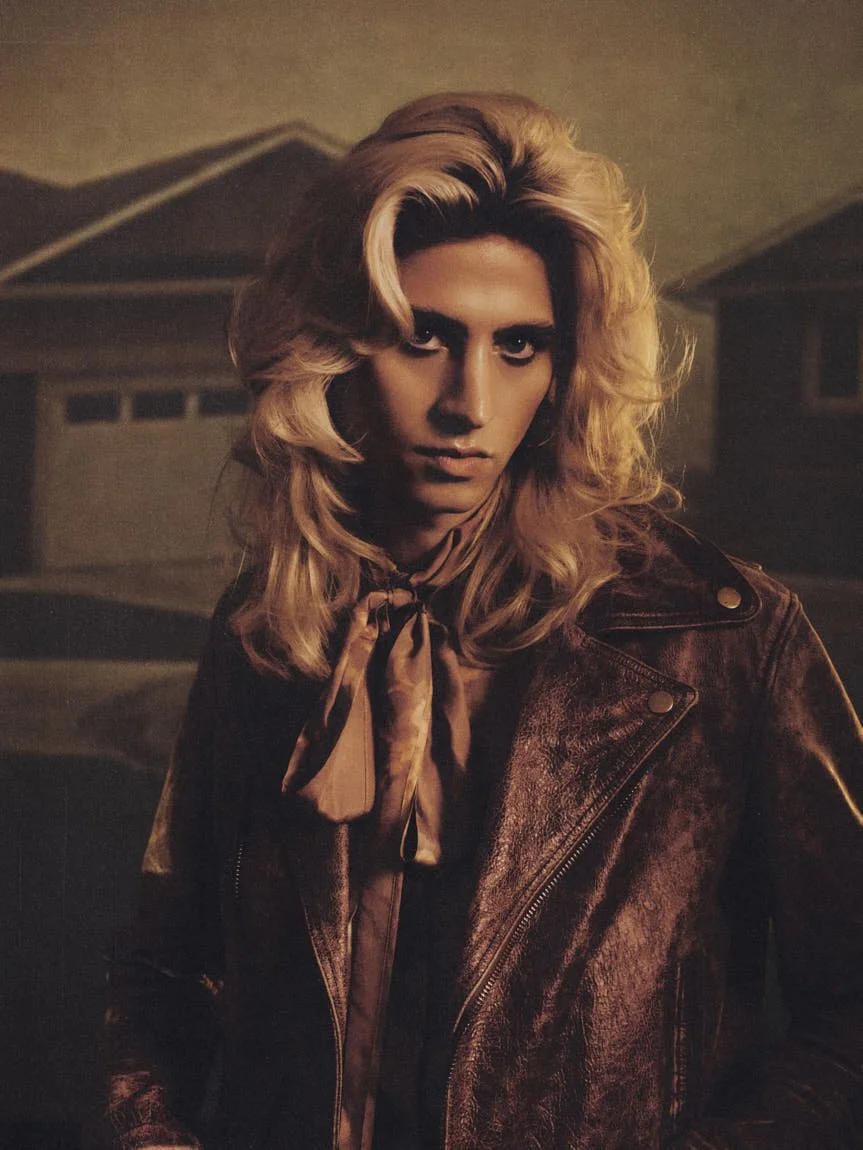
Charlotte Day Wilson continues to work from a place that remains closely connected to how she began, building songs in isolation and protecting that condition as a necessary part of her process. What started as a private space to explore her voice and identity without interruption still defines how she approaches music, requiring a level of focus where outside noise, expectations, and constant communication are pushed aside in order to reach a state where decisions come from within.


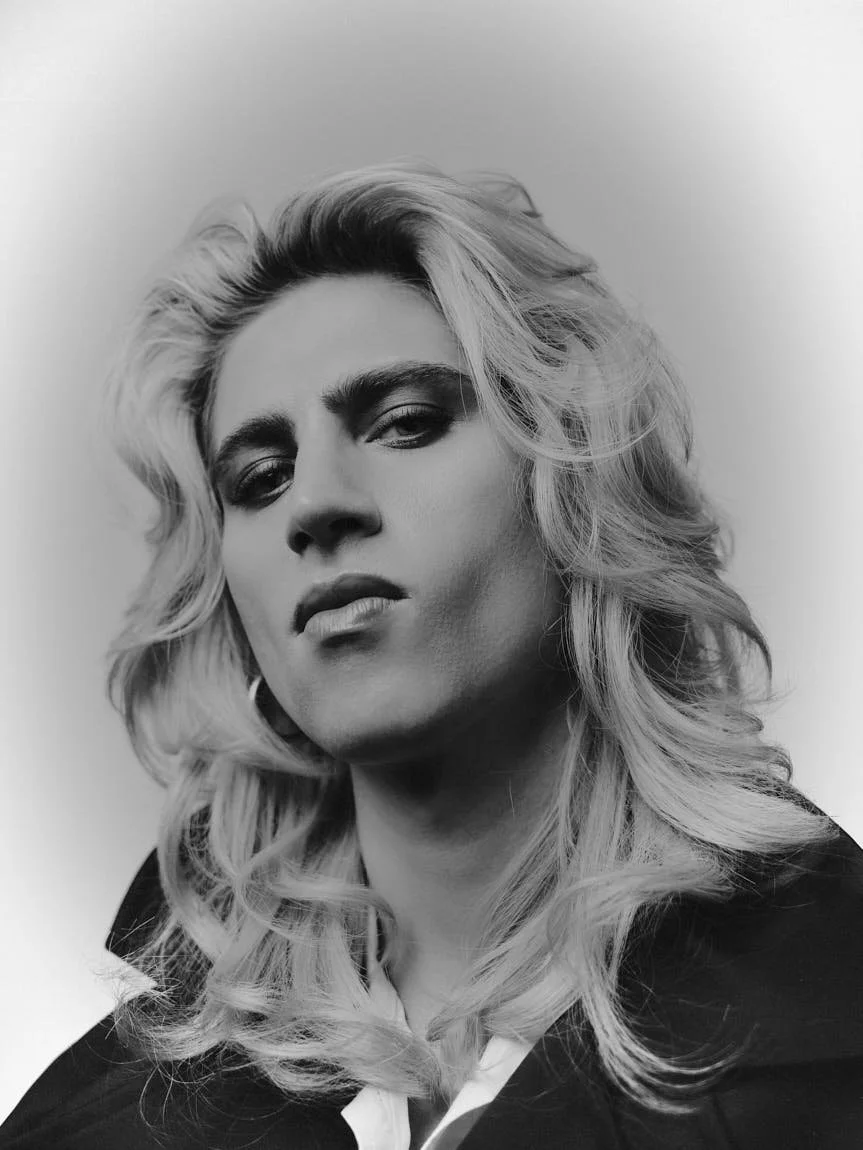
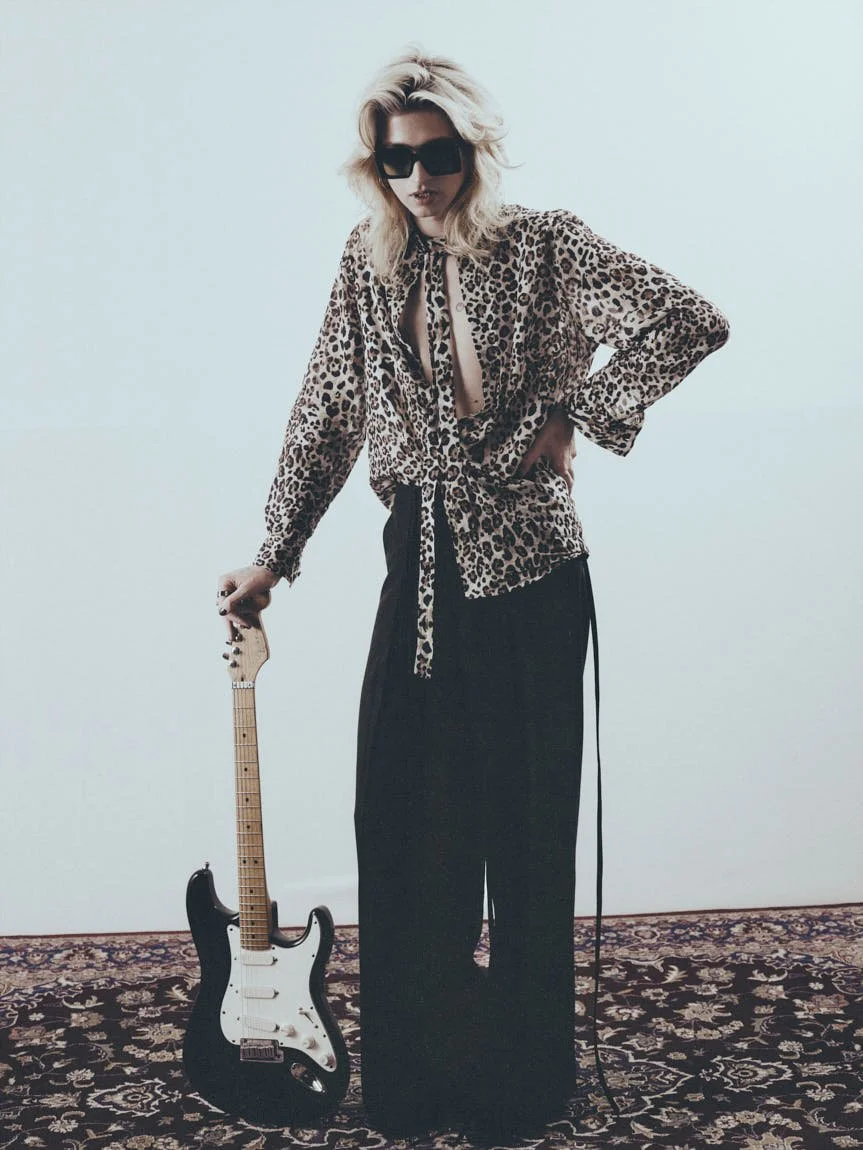
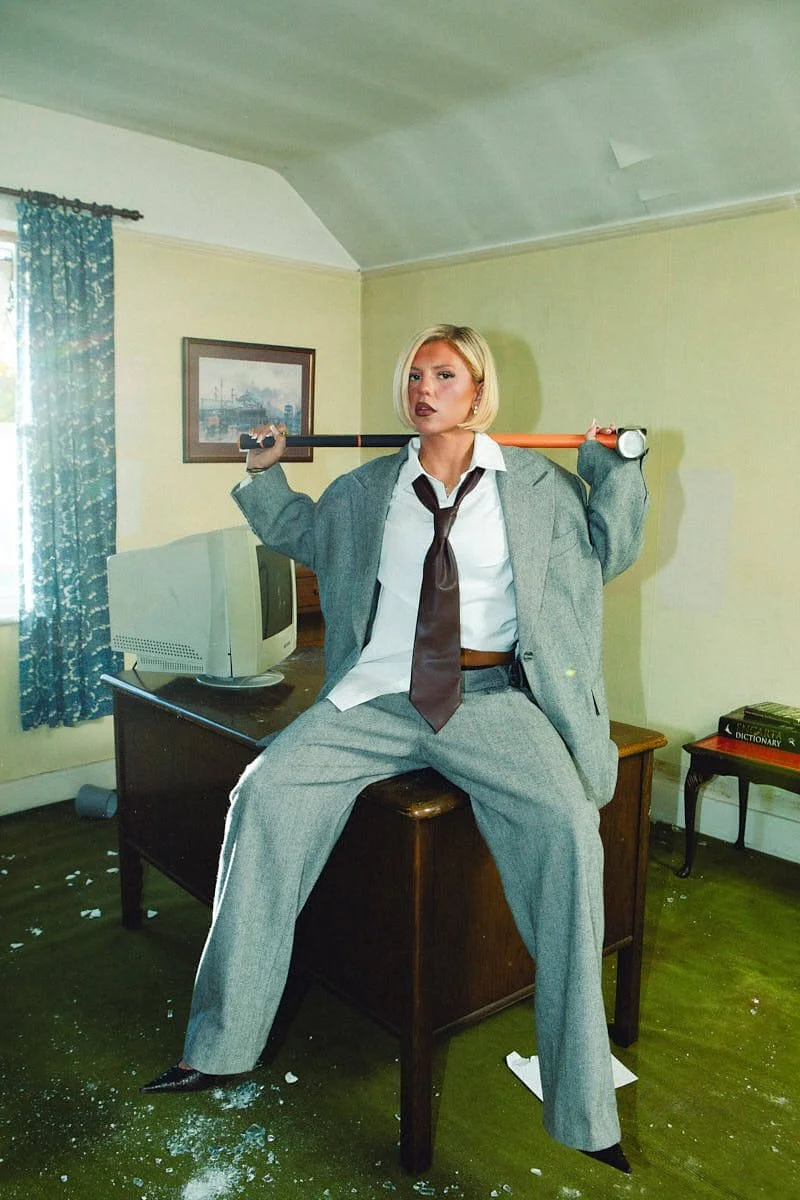
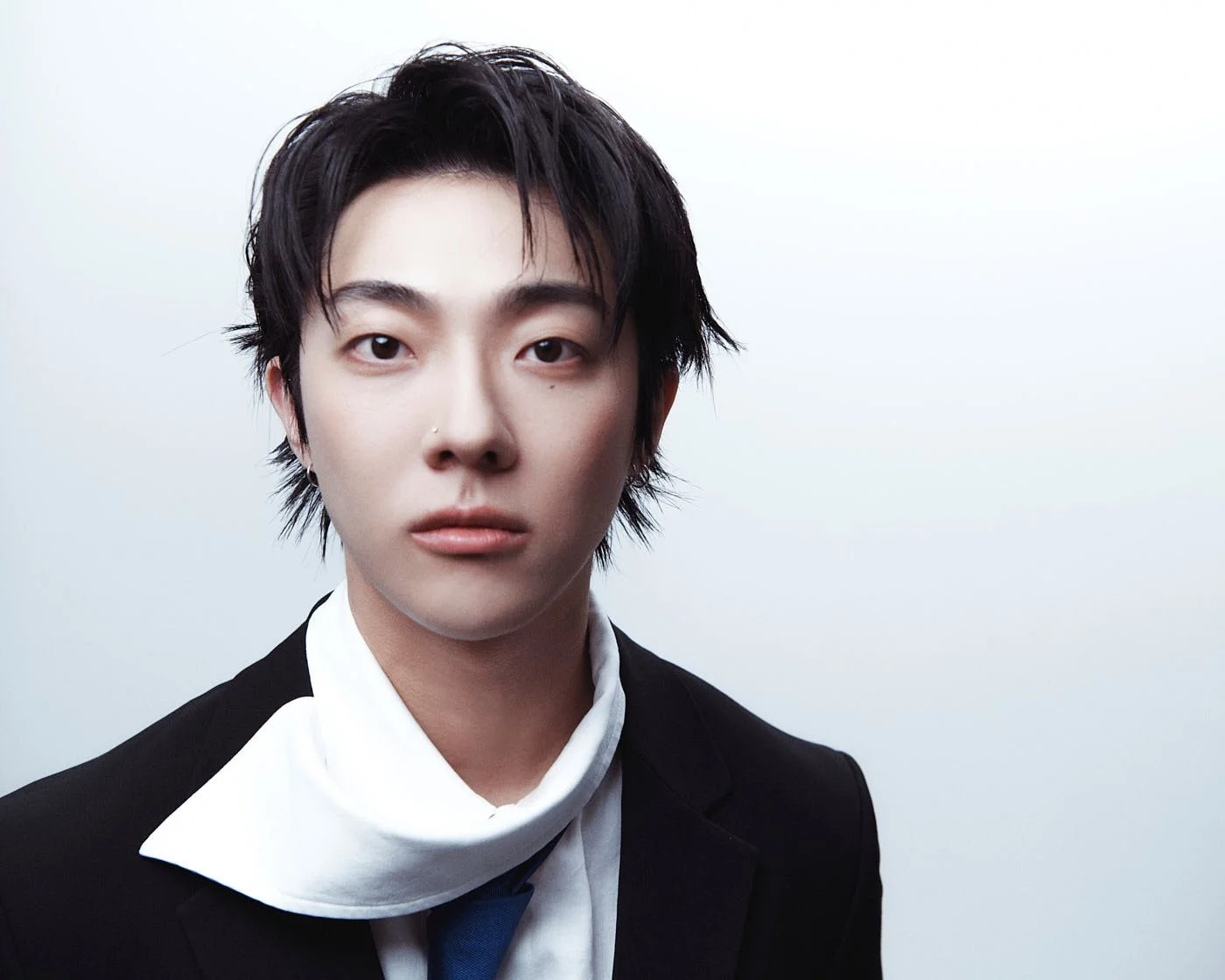
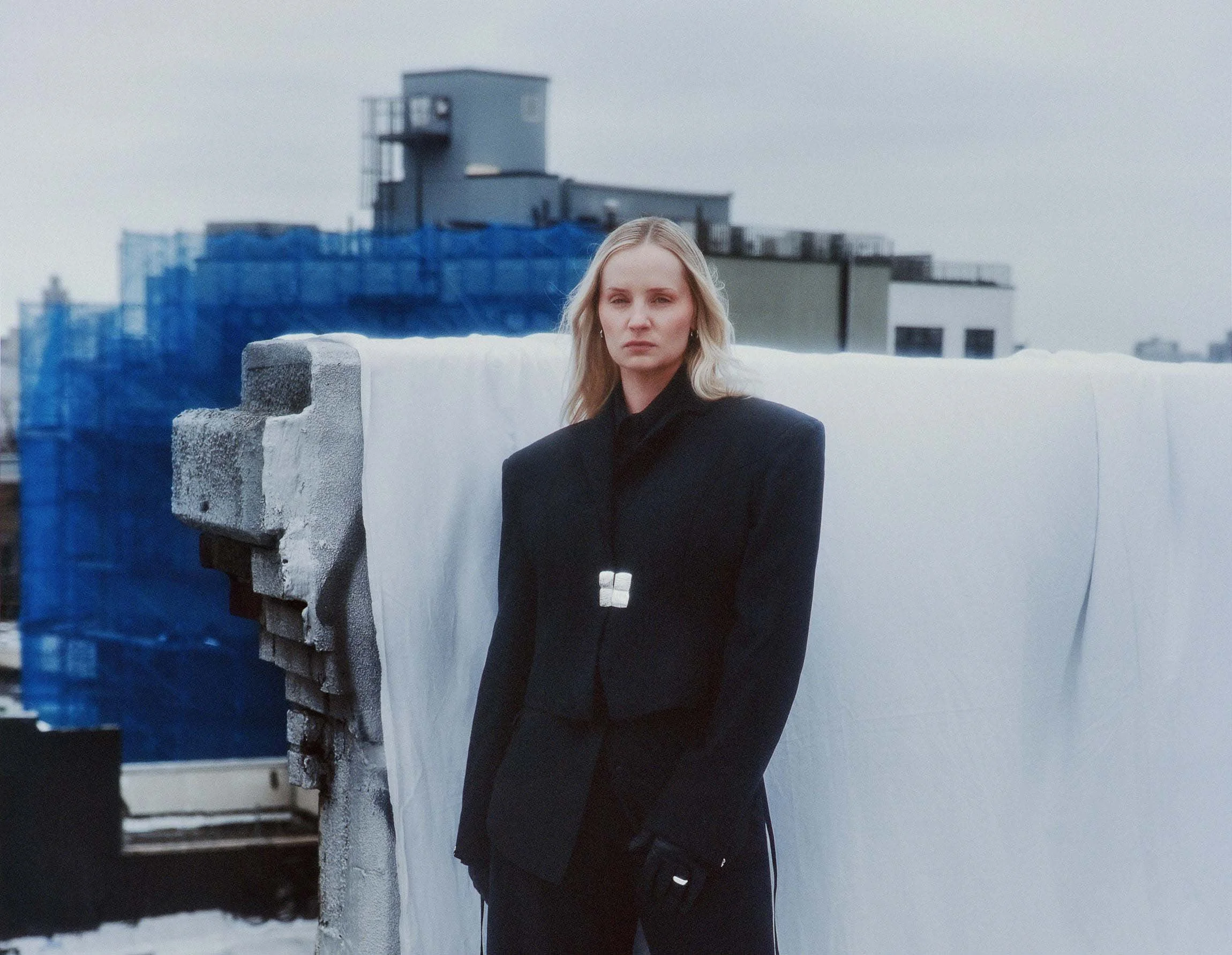
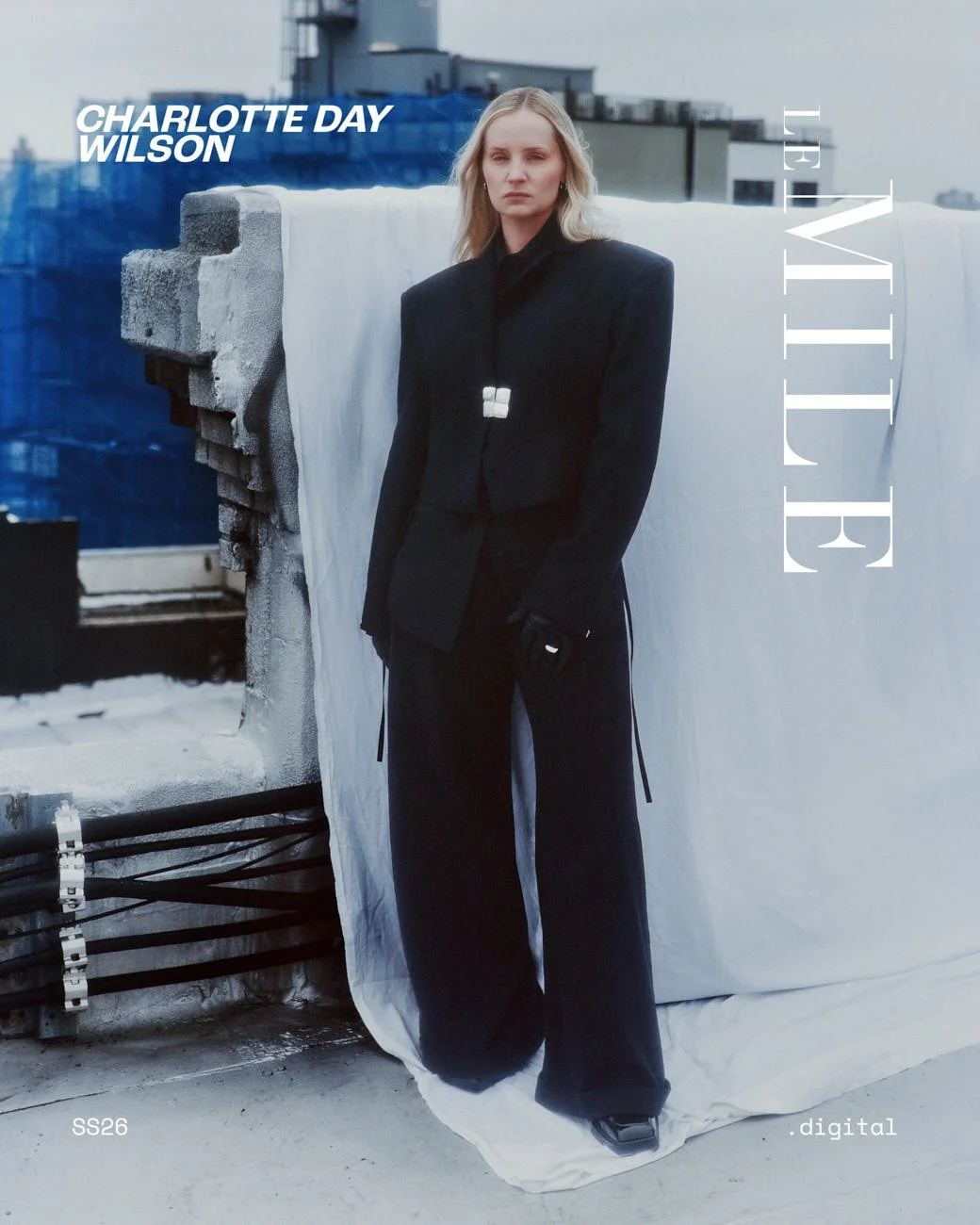
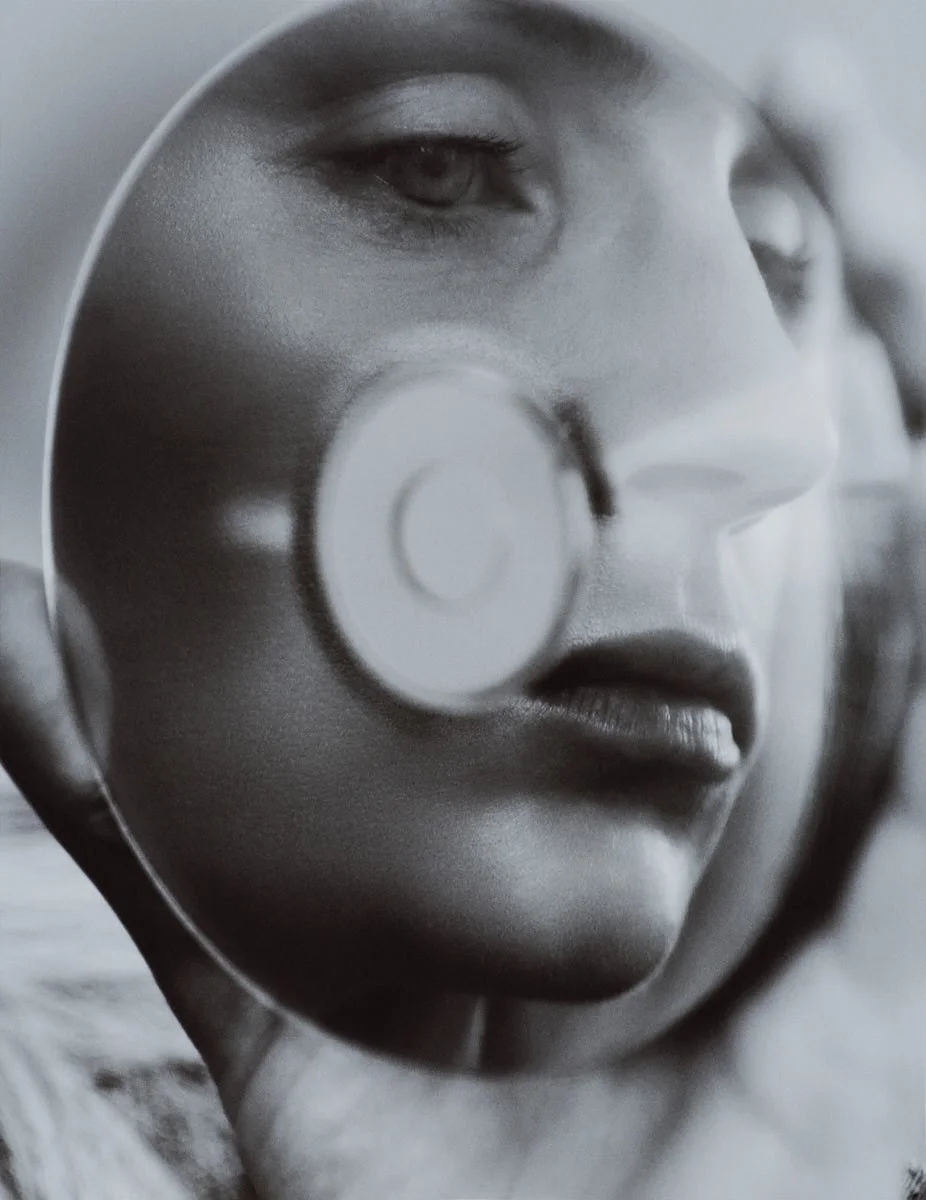
CHARLOTTE DAY WILSON LE MILE Magazine Digital Cover SS26 April Edition Charlotte wears a Vector jacket by CAMPILLO, a shirt and pants by WANGDA, a ring by AGMES, earrings by GRISÉ, and shoes by TWOGAA

Charlotte wears a Vector jacket by CAMPILLO, a shirt and pants by WANGDA, a ring by AGMES, earrings by GRISÉ, and shoes by TWOGAA


For Patchwork, this way of working becomes more deliberate through repetition and revision, moving away from immediacy and toward a process that involves returning to songs multiple times, adjusting details, and testing whether they reach a point that feels fully resolved. Her earlier releases, including CDW, Stone Woman, Alpha, and Cyan Blue, already established a clear direction, but the most significant shift comes through her role as a producer, where growing confidence replaces previous doubt and allows her to define structure, pacing, and final decisions without relying on external validation. This position enables her to recognise that she is best suited to produce her own work, reinforcing a process that remains internally guided.

Collaboration stays part of her process, grounded in ease, mutual awareness, and working with people who know when to contribute and when to step back, creating a space where trust supports the work. Visual elements follow the music, with imagery and clothing developing from its tone, turning style into an extension of her language shaped by identity, perception, and the way she chooses to present herself in public. Her current direction moves toward a more reduced approach, with an interest in creating space within recordings and limiting the number of elements involved, allowing each sound to carry more weight without relying on density. This shift continues the logic that has defined her work so far, refining it through a more concentrated and controlled use of sound.

 
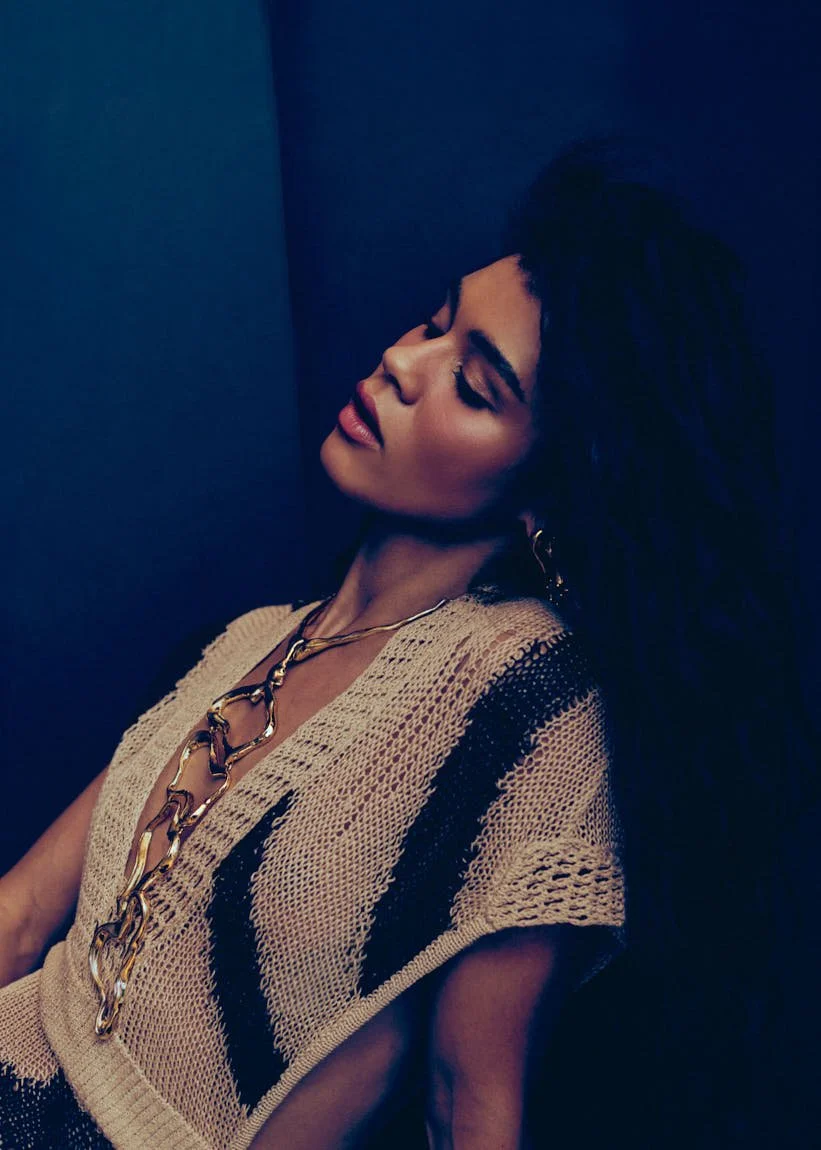
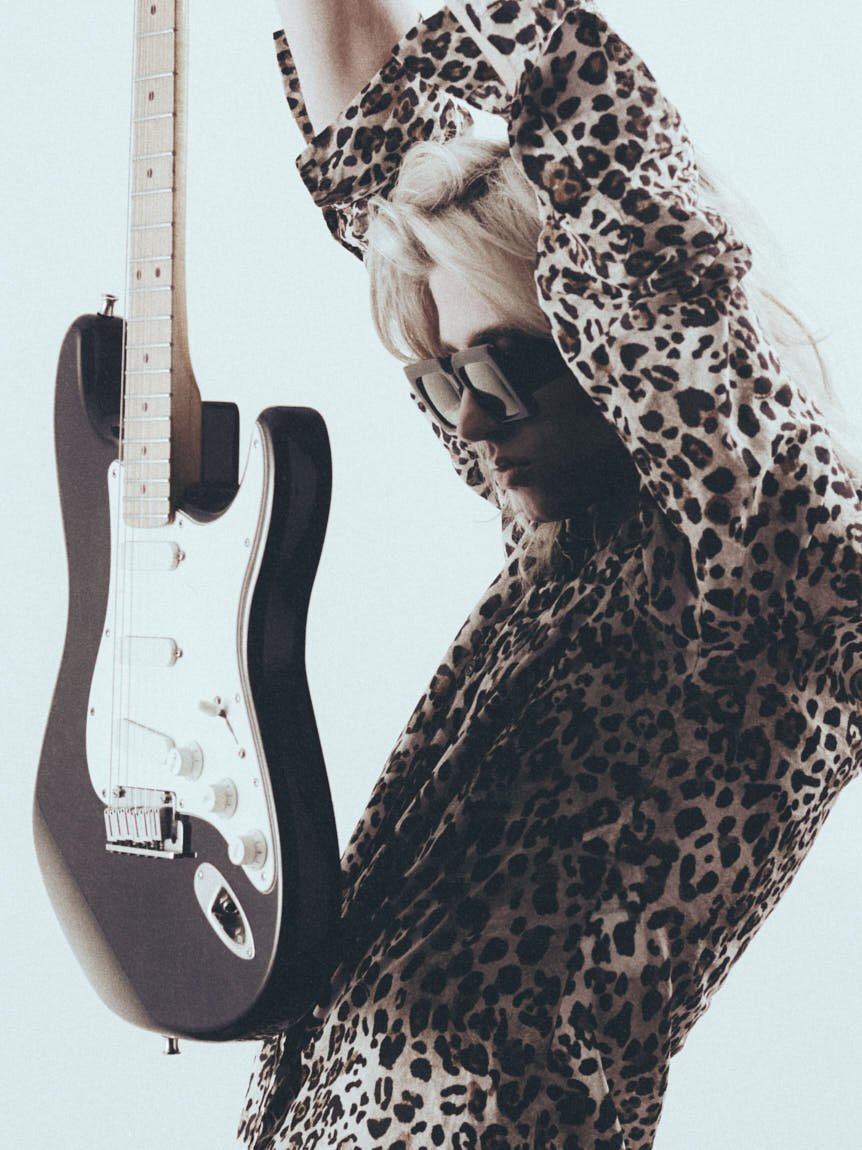
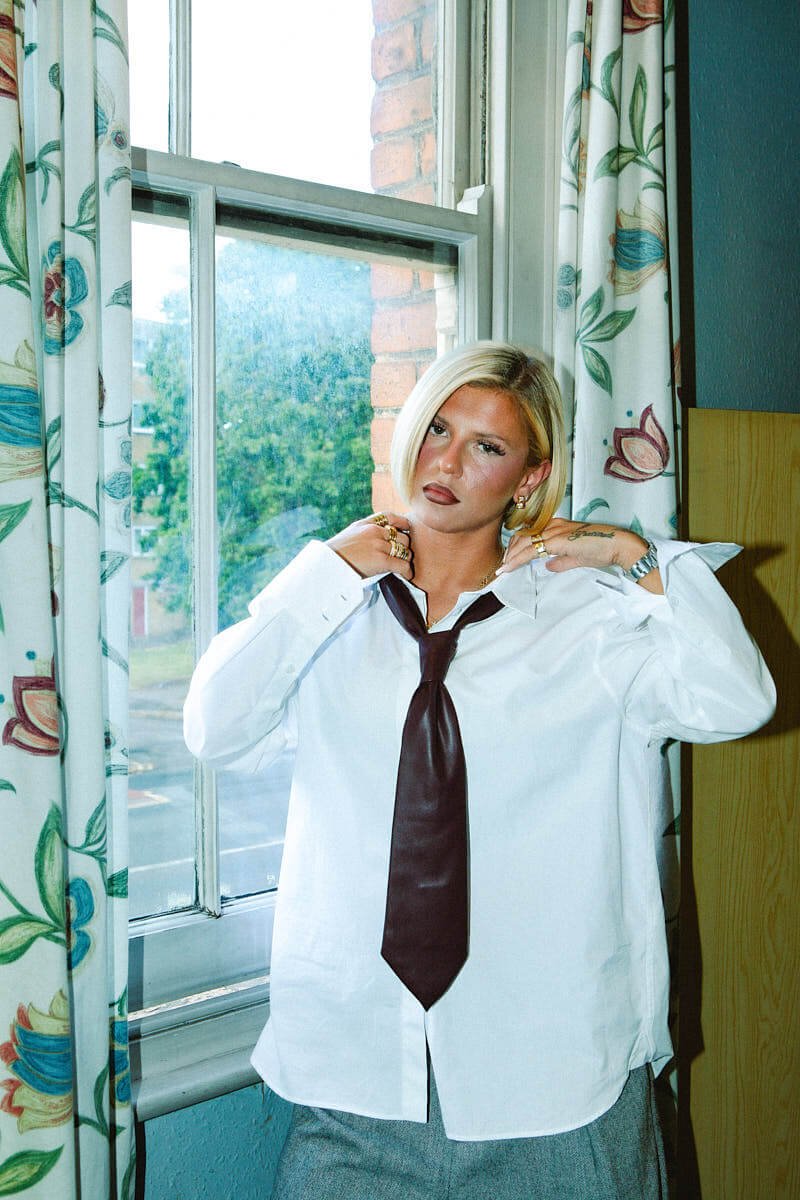
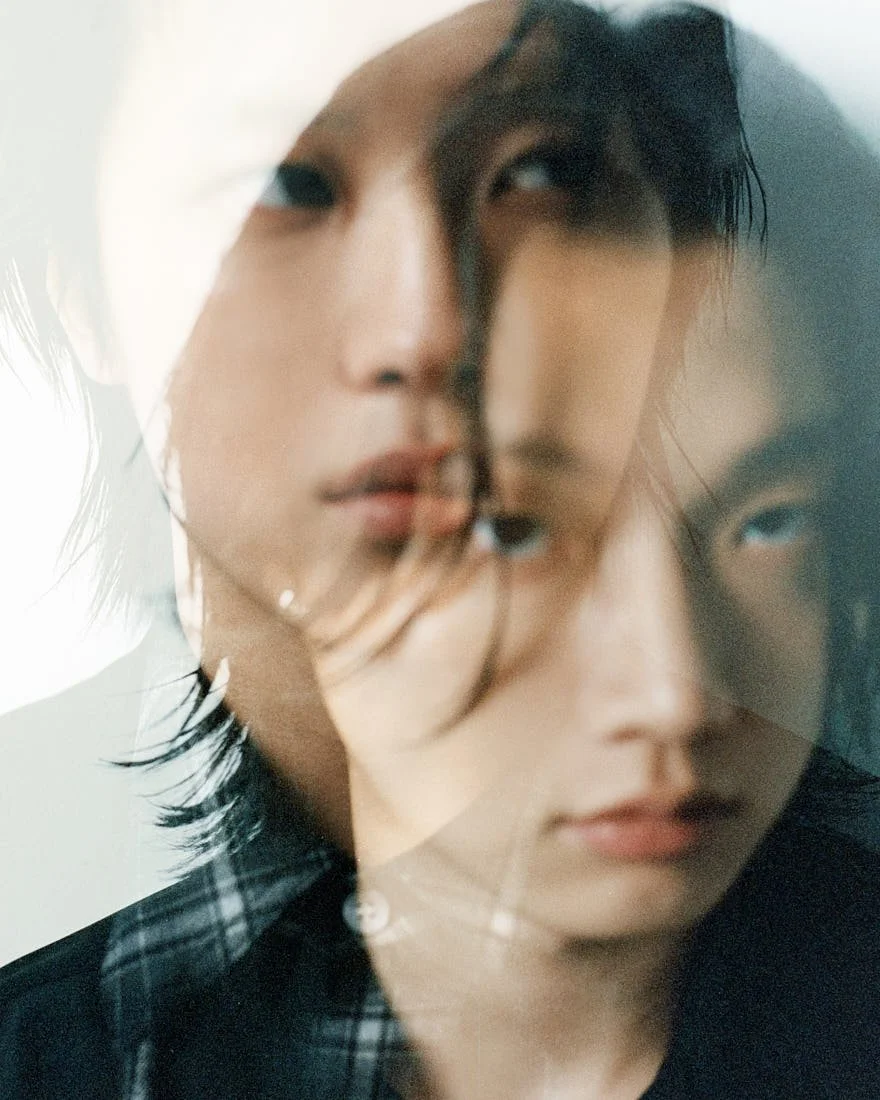
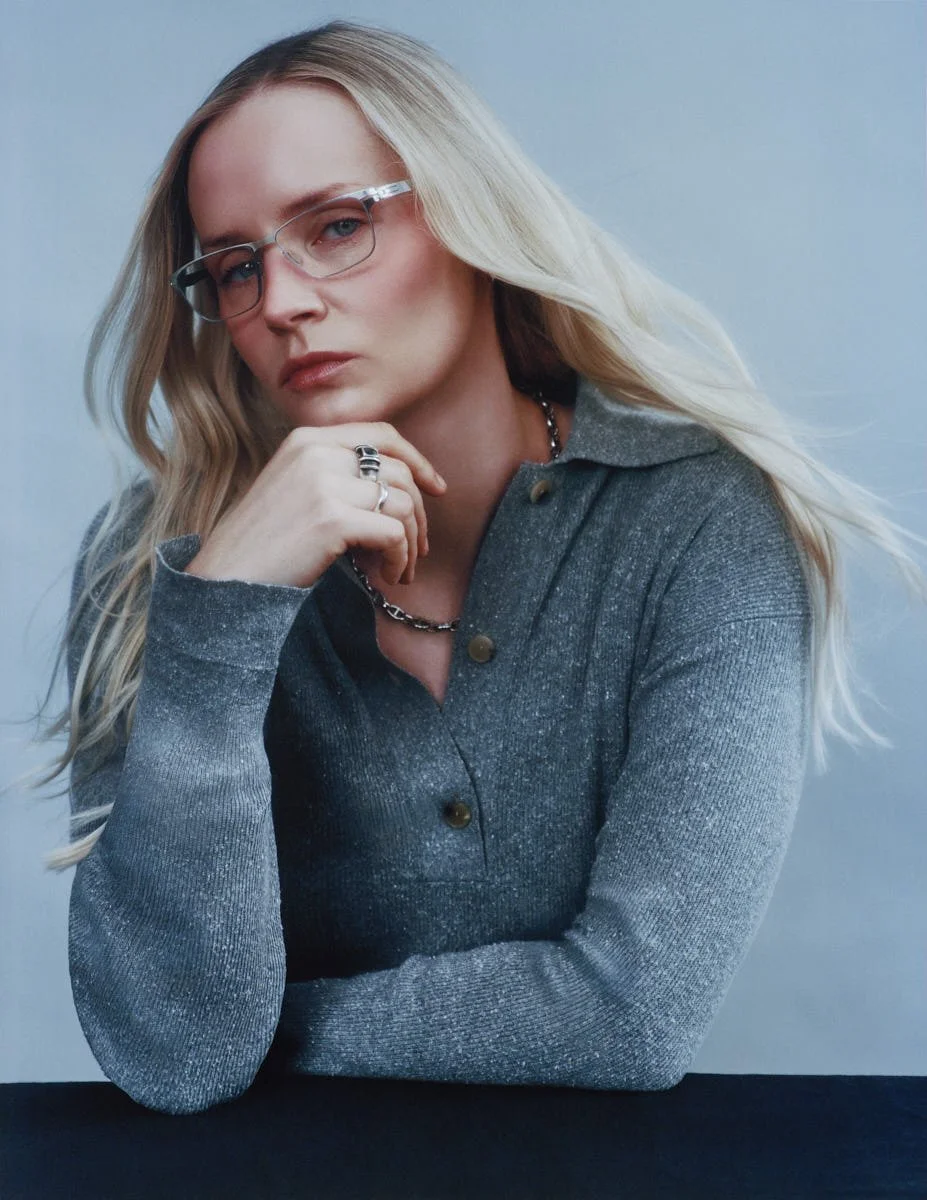
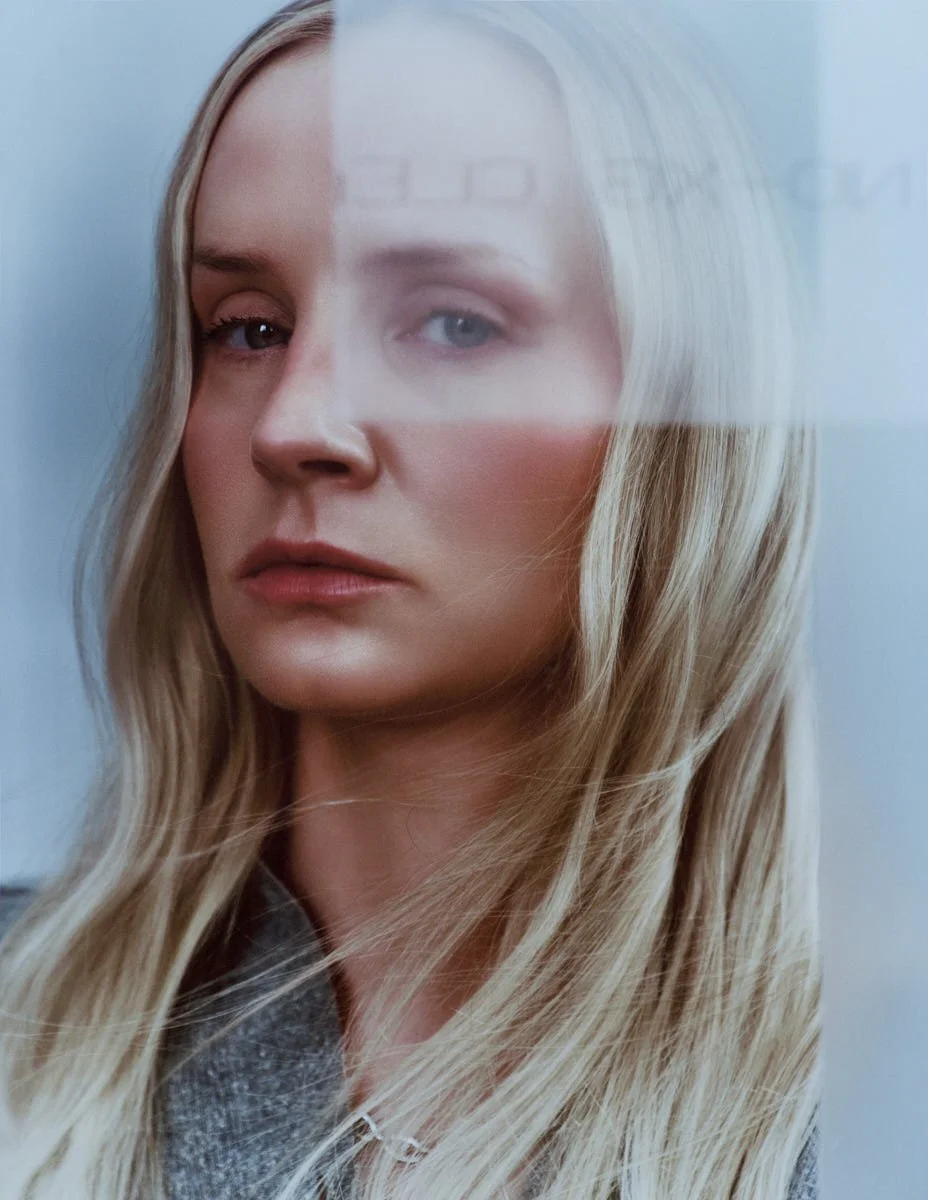
CHARLOTTE DAY WILSON LE MILE Magazine Digital Cover SS26 April Edition Charlotte wears a HELGA womens polo by CALVIN KLEIN COLLECTION and a necklace by GRISÉ

Charlotte wears a HELGA womens polo by CALVIN KLEIN COLLECTION and a necklace by GRISÉ

CHARLOTTE DAY WILSON LE MILE Magazine Digital Cover SS26 April Edition Charlotte wears a HELGA womens polo by CALVIN KLEIN COLLECTION and a necklace by GRISÉ
 
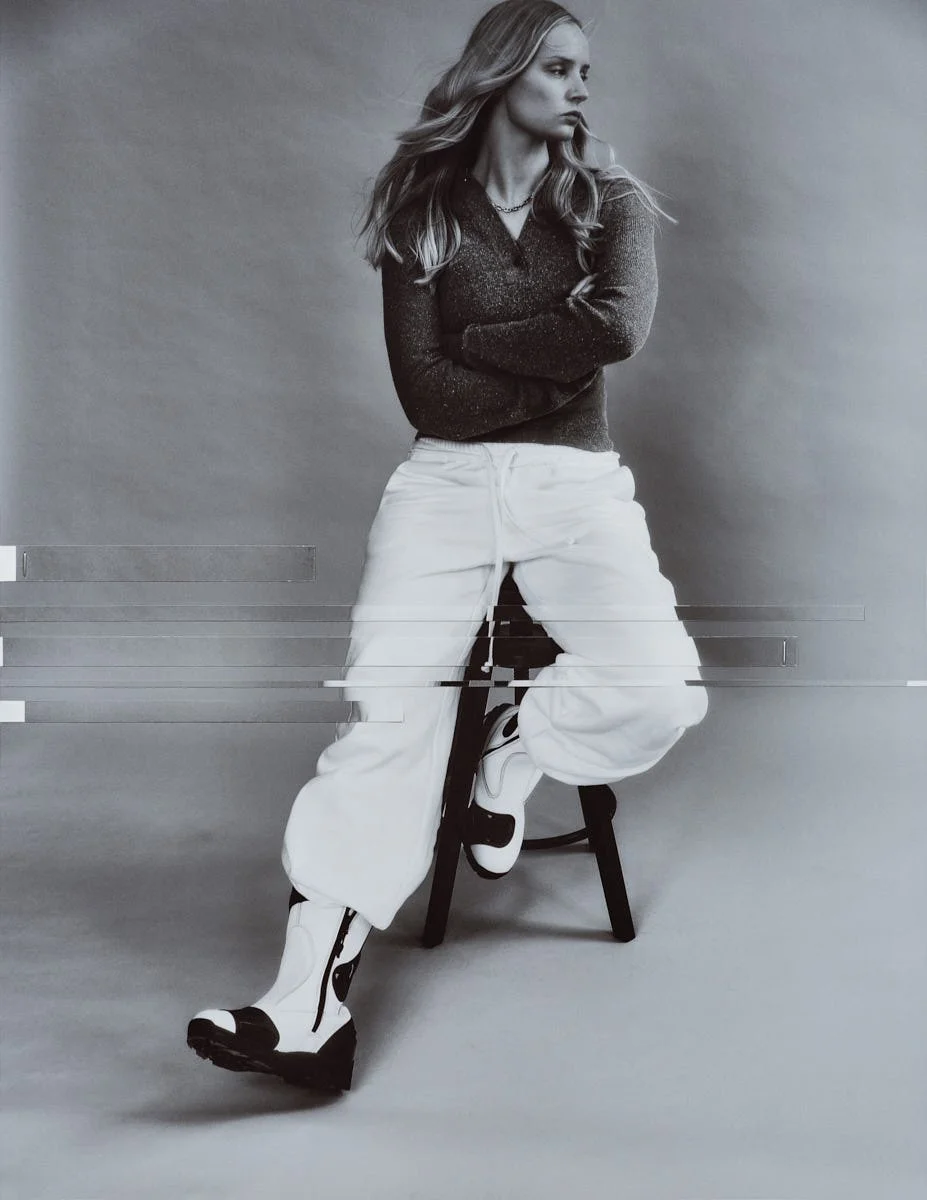
CHARLOTTE DAY WILSON LE MILE Magazine Digital Cover SS26 April Edition Charlotte wears a HELGA womens polo by CALVIN KLEIN COLLECTION, jogging pants by WANGDA, a necklace by GRISÉ, and Moto Boots 1.0 by SUNNI SUNNI

Charlotte wears a HELGA womens polo by CALVIN KLEIN COLLECTION, jogging pants by WANGDA, a necklace by GRISÉ, and Moto Boots 1.0 by SUNNI SUNNI


Alban E. Smajli
Looking back to the moment you started making songs alone in your room, what part of that early creative energy do you still try to protect today?

Charlotte Day Wilson
I think I still try to protect the aloneness of it. The feeling of uninterrupted exploration with oneself. It’s not always easy to truly be alone, even when you are alone. There are always creeping thoughts of other people, other music, texts and emails that need to be responded to, a friend you haven’t checked in on in a while. Tuning out all the noise and finding a flow state where none of that can penetrate your focus and it’s just you and the music.. I always hid who I was from the outside world so music became my sanctuary where I could express and discover myself. I protect that sanctuary with my life because I probably wouldn’t really have one if it weren’t for it.


Did you approach Patchwork differently than your earlier releases?

I approached Patchwork differently than the music I’d recently put out. I went back to the version that I was just talking about in the last question. Really indulging in myself, however long it takes. Deep focus, deep alone-ness, searching for magic and glorious lifts. On Cyan Blue, the approach was “first thought best thought” which was very fun. But this time I reconsidered a lot and repeated and repeated, adding slight variations, until I found the glory. If the glory never came, the song didn’t make the cut.


When you look back at CDW, Stone Woman, Alpha, Cyan Blue, and now Patchwork, what feels like the most important shift in your relationship with music?

I would say the most important shift in my relationship with music is my confidence as a producer. I needed this project to remind myself that I’m good at what I do. I lost the plot many times over the past few years, doubting that what I was making could possibly be good enough. I know now, that not only am I good enough, I am the best producer for my music.


What kind of creative chemistry do you look for when collaborating with artists like Kaytranada, BADBADNOTGOOD, or Saya Gray?

I look for ease. But most of all now, I look for people who empower me and I look for people who I want to empower. So much of the time our greatest critic is ourselves. Sometimes all you need is for someone like Saya to remind you you’re on the right track. A great producer knows when to intervene and when not to. This requires a tame ego, which is not always so present in this industry.


How do you feel when fragments of your music appear in songs by artists like Drake or John Mayer?

I think it’s incredible. Once my music is out in the world it takes on a life of its own and it always amazes me to see the unexpected places it goes.


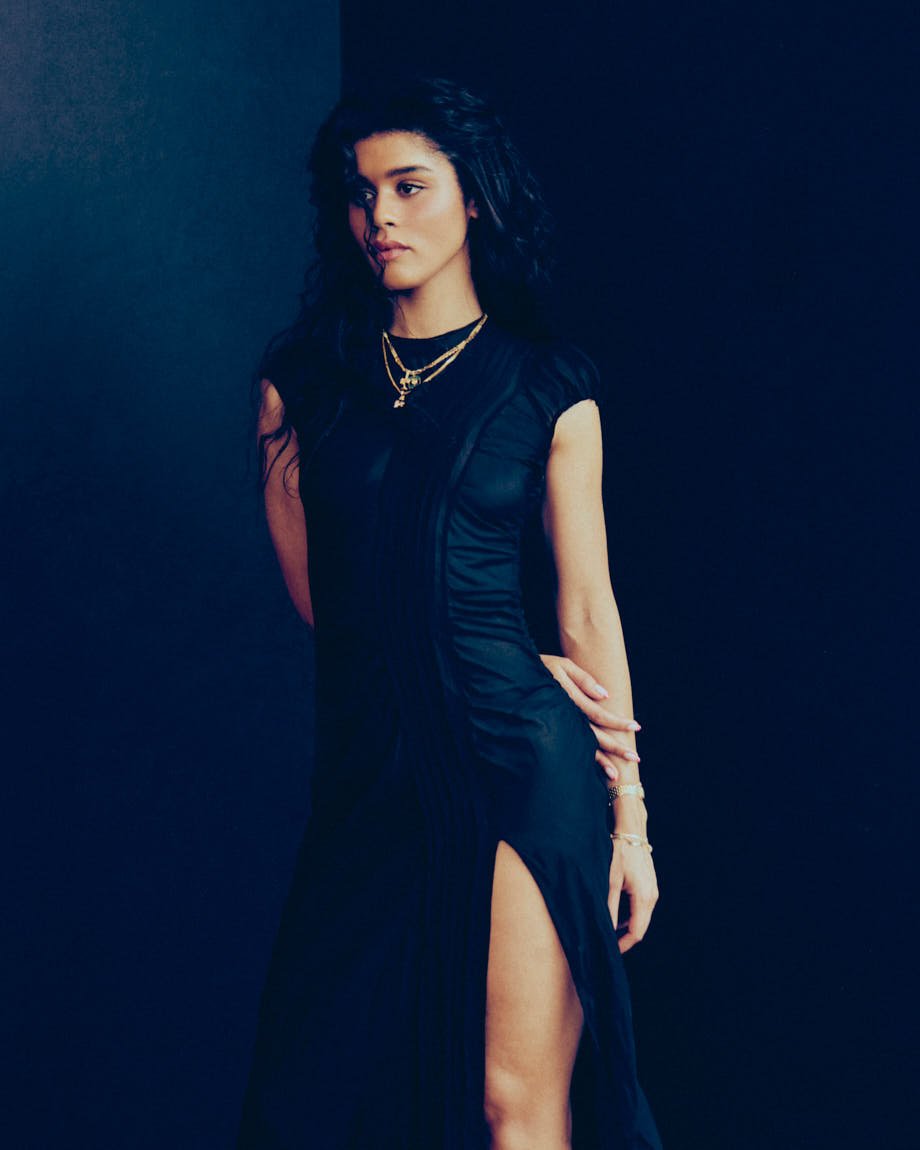
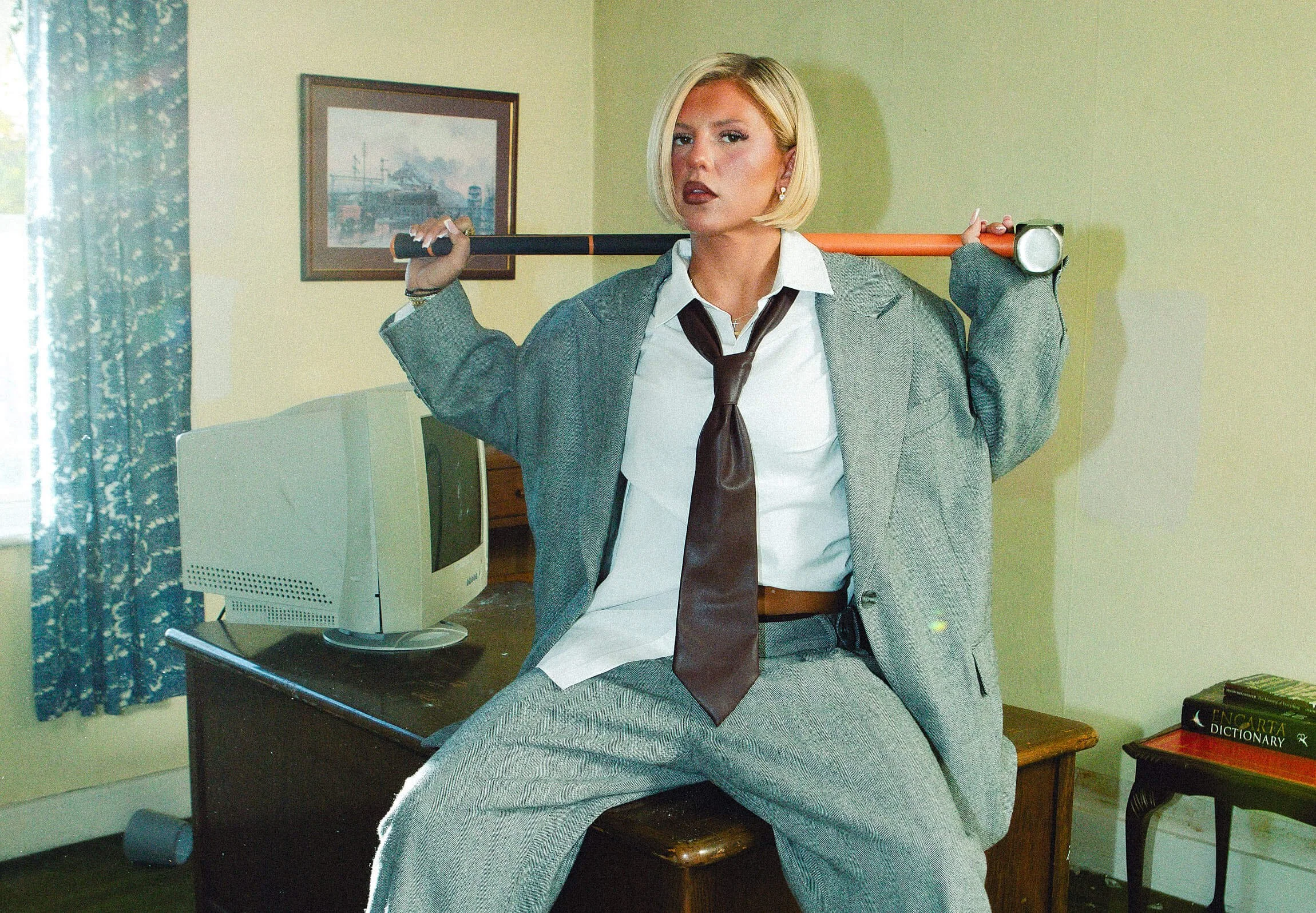
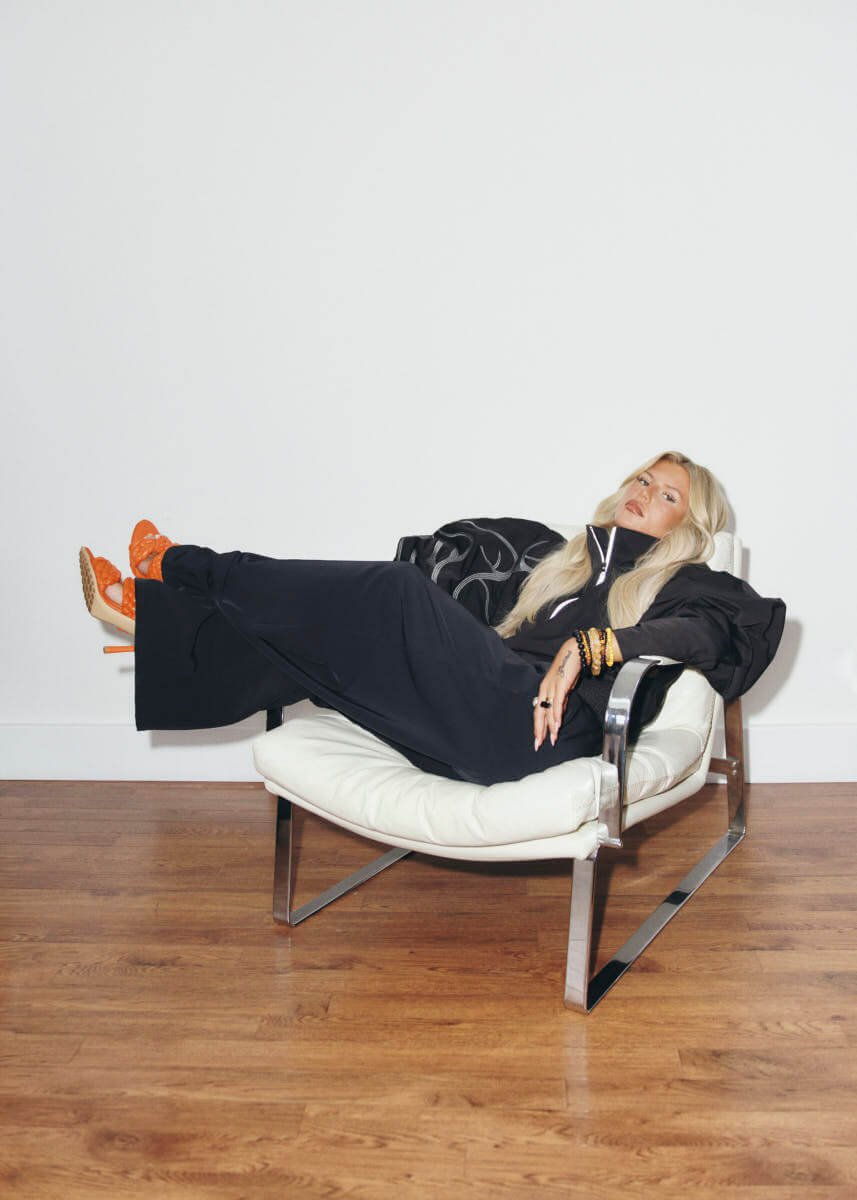
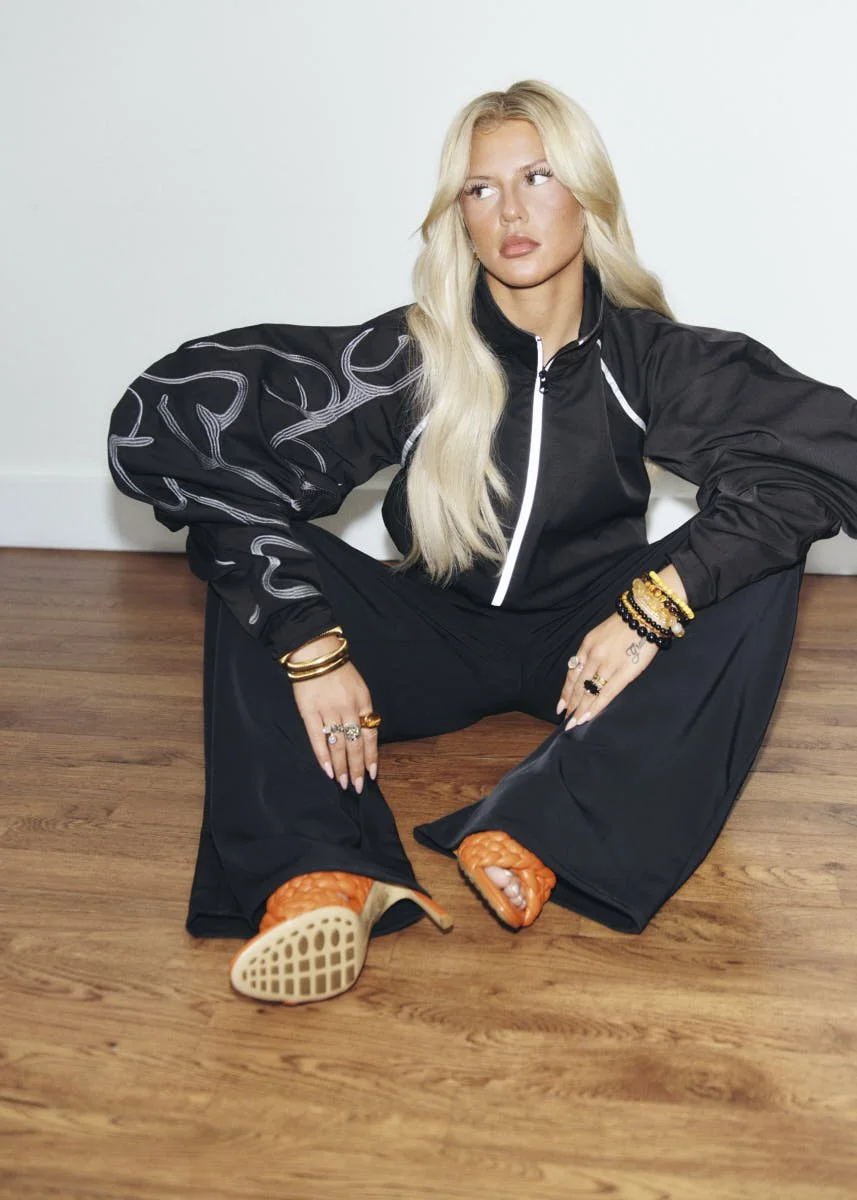
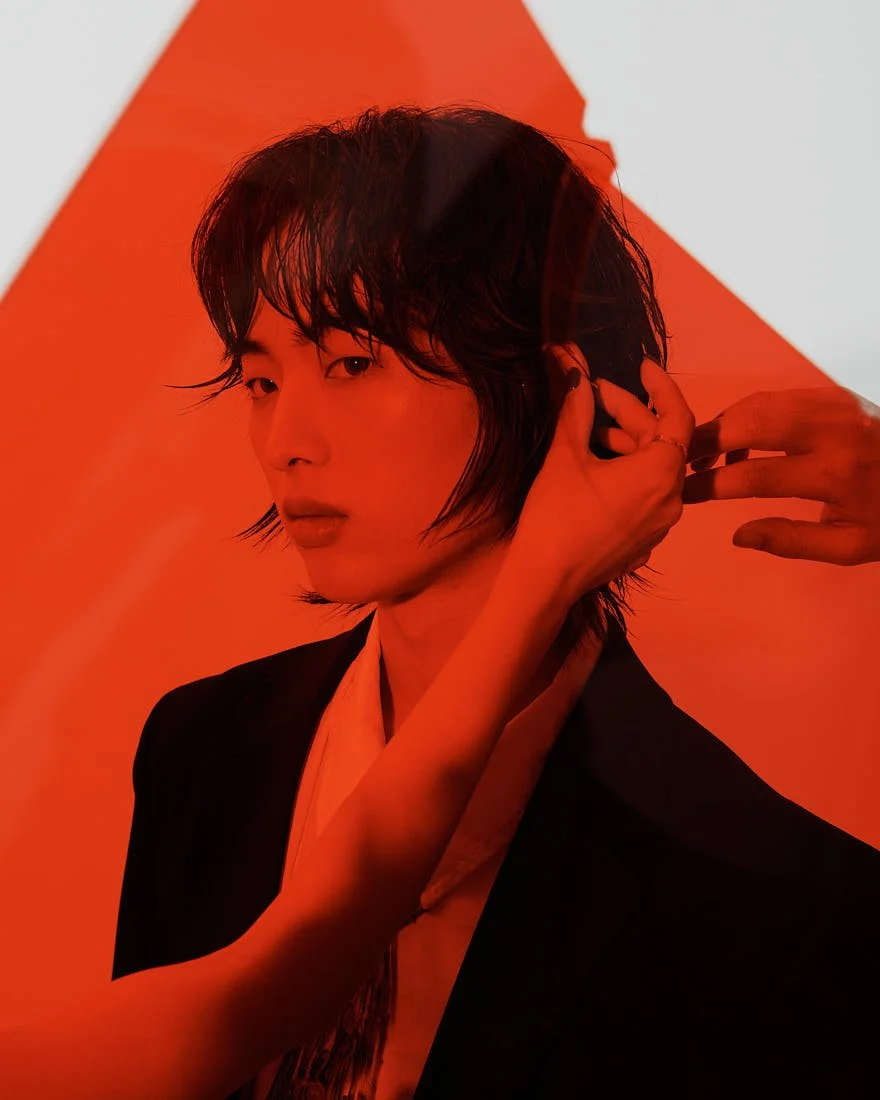
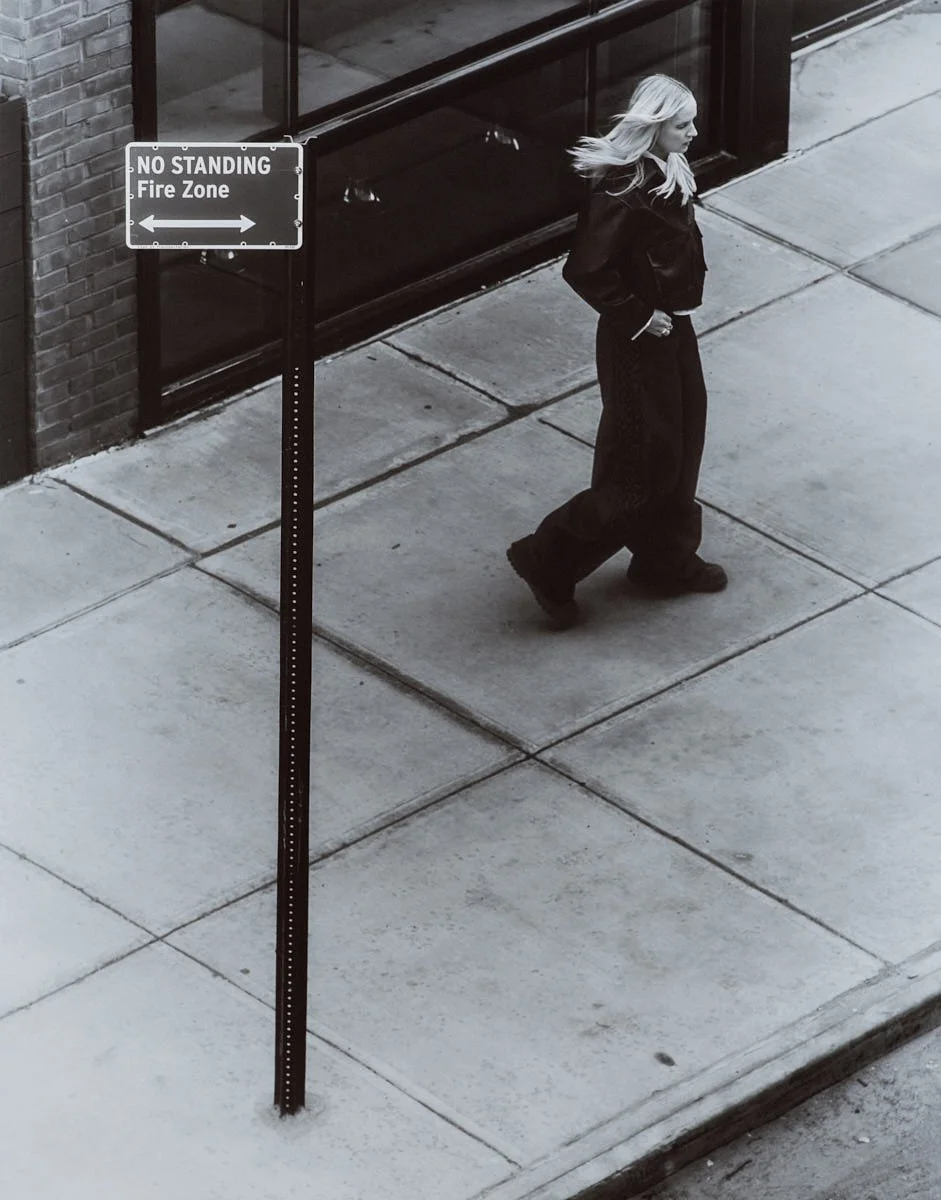
CHARLOTTE DAY WILSON LE MILE Magazine Digital Cover SS26 April Edition Charlotte wears a jacket by WANGDA, a cropped shirt by CALVIN KLEIN, Arco pants by CAMPILLO, and boots by STONE ISLAND

Charlotte wears a jacket by WANGDA, a cropped shirt by CALVIN KLEIN, Arco pants by CAMPILLO, and boots by STONE ISLAND


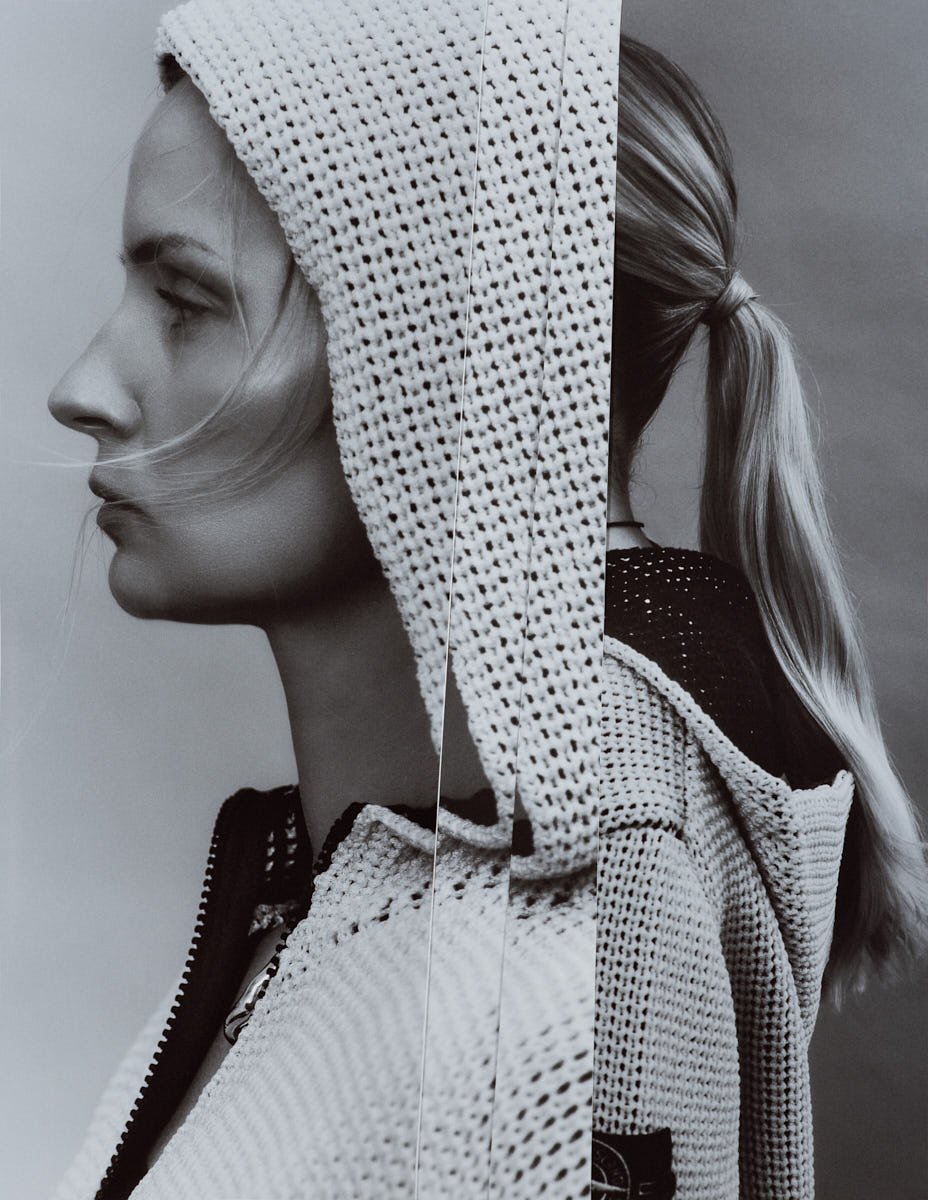
CHARLOTTE DAY WILSON LE MILE Magazine Digital Cover SS26 April Edition Charlotte wears a hoodie by STONE ISLAND and a necklace by AGMES

Charlotte wears a uv-reactive hoodie by STONE ISLAND and a necklace by AGMES


CHARLOTTE DAY WILSON LE MILE Magazine Digital Cover SS26 April Edition


If Only” circles around the idea of moments just out of reach. Are there experiences in your life that continue to shape your writing years later?

Yes of course. A lot of the time when I’m writing I don’t even know who or what I’m writing about. I let my subconscious do the talking. Sometimes I won’t even realize until years later what my subconscious was trying to tell me, or what memory I was revisiting. I learn a lot about myself in the unraveling after a song is pulled out of me.


How important is the visual world around your music when you begin shaping a new project?

It’s important but it’s not everything for me. The music can often provide an answer to a visual question but not the other way around.


What role does clothing or style play for you when performing or creating visuals?

Clothing is very important to me. Like music, it’s a language that not everyone speaks. How we present ourselves in public says so much about how we want to connect or not connect with others. I always think about the very human desire to be accepted and I think clothing plays such a huge role in how we can achieve acceptance. I think that’s something a lot of people have a hard time being honest about when it comes to clothing but I know deep down it’s true for so many of us. It’s an expression of gender, of “class”, cultural identity, and the relationship we have between our body and our mind. On the days where I feel tired and lacking in personality, I might try dress better so that even though I’m a dud of a person that day, my odds of acceptance are higher with a nice outfit on. I think when I’m 60 I’ll start dressing without any concern for how my outfits impact others but for now I’m engaged in the social conversation of it all and I find it fun.


When you imagine the next phase after Patchwork, what kind of sonic territory feels exciting or still unexplored for you?

I get excited about the idea of extreme minimalism. Lots of air in a recording, less stacks of sound. I don’t think I’ve quite approached music like that yet and I want to try.


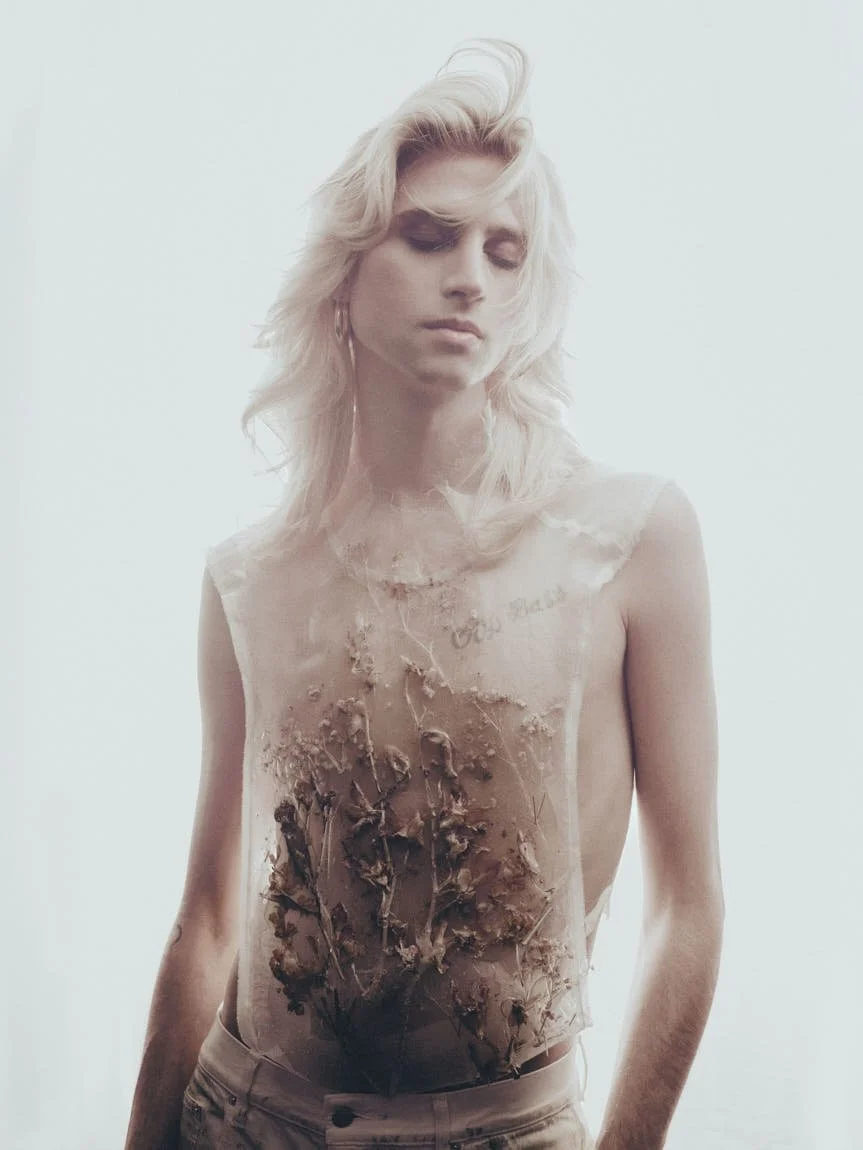
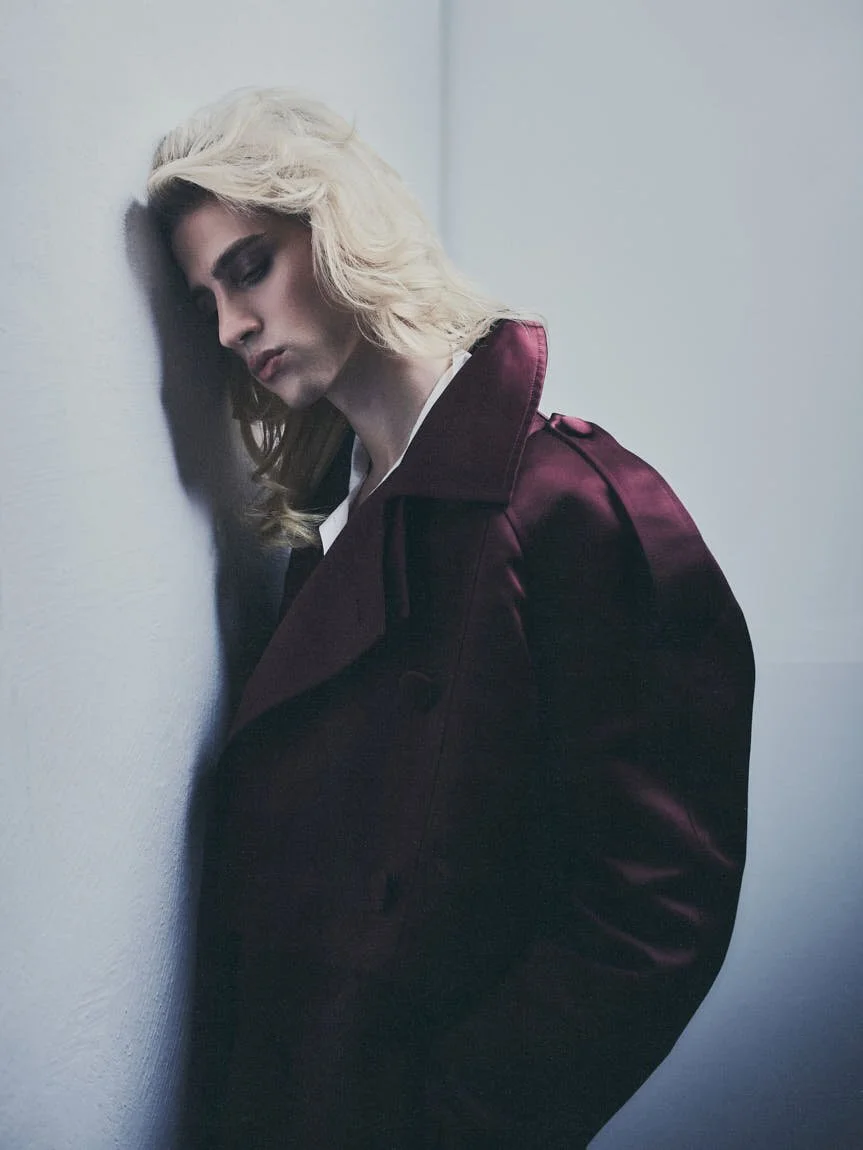
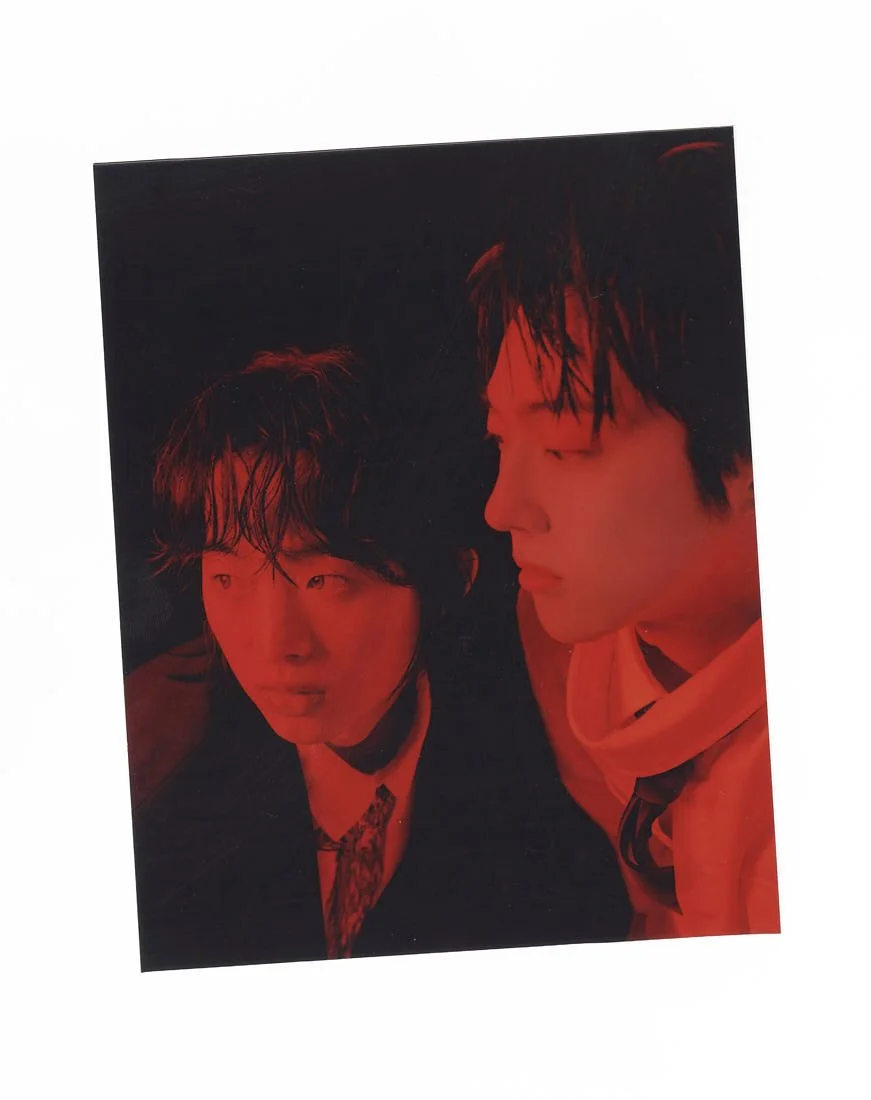
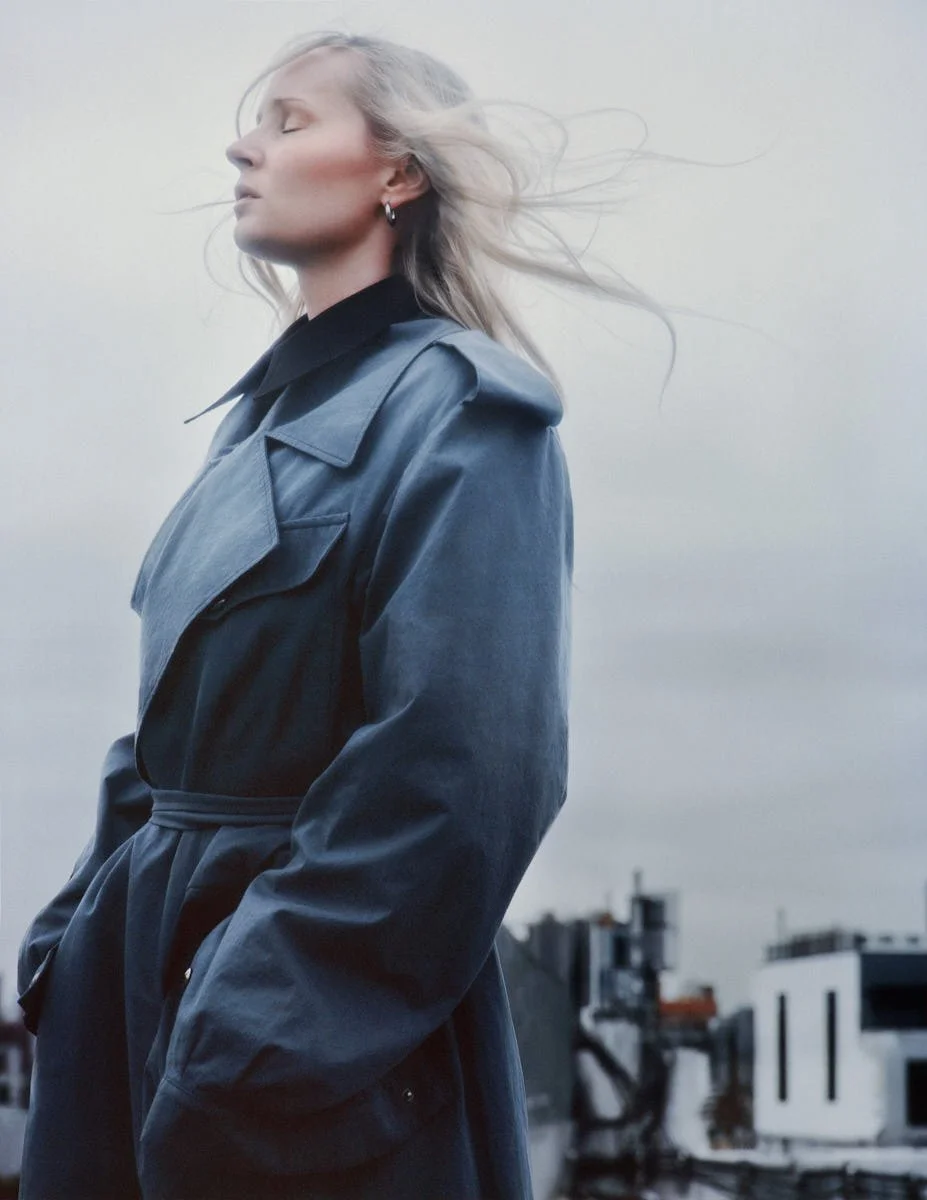
CHARLOTTE DAY WILSON LE MILE Magazine Digital Cover SS26 April Edition Charlotte wears an ASHLEY womens trench by CALVIN KLEIN COLLECTION, a shirt by WANGDA, and earrings by GRISÉ

Charlotte wears an ASHLEY womens trench by CALVIN KLEIN COLLECTION, a shirt by WANGDA, and earrings by GRISÉ


The Personal Edit of Krista Papista: During the Making of Euro Divas

The Personal Edit of Krista Papista: During the Making of Euro Divas

#ThePersonalEdit

Krista Papista Opens Her Camera Roll During the Making of Euro Divas


written LE MILE


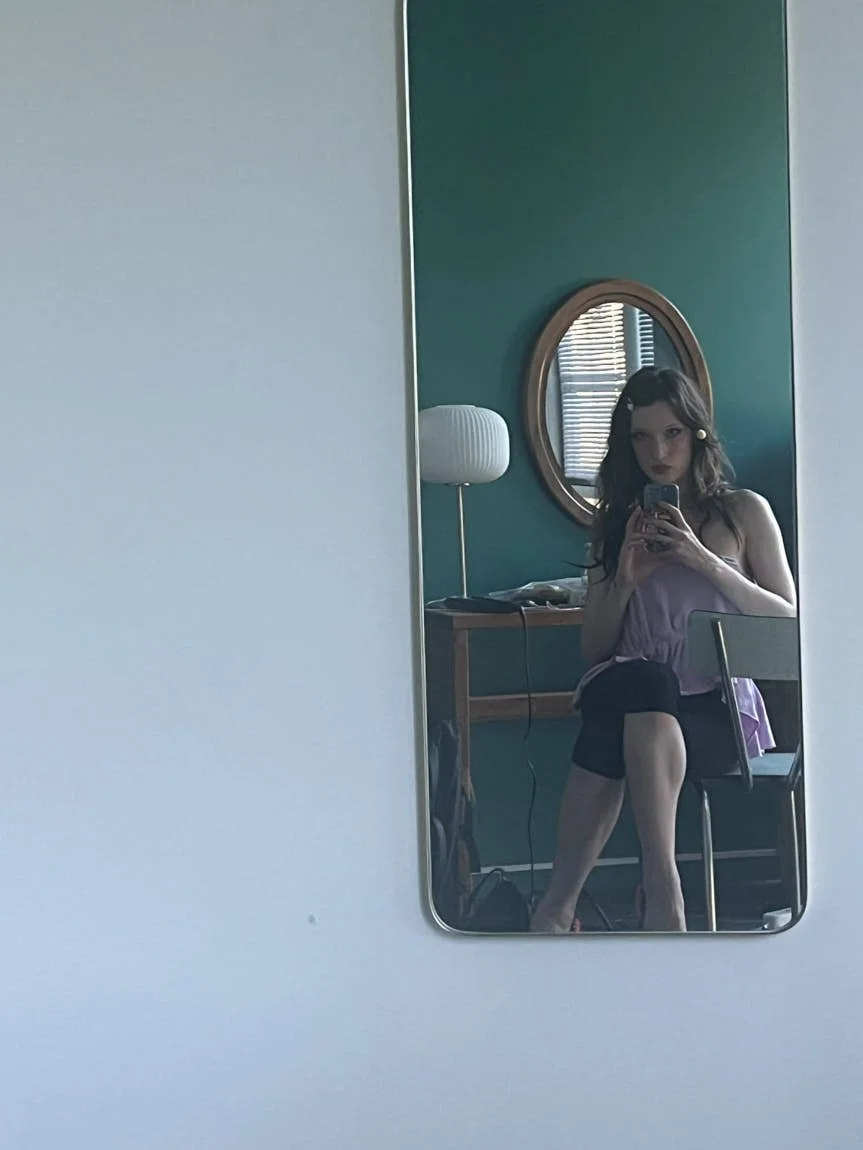
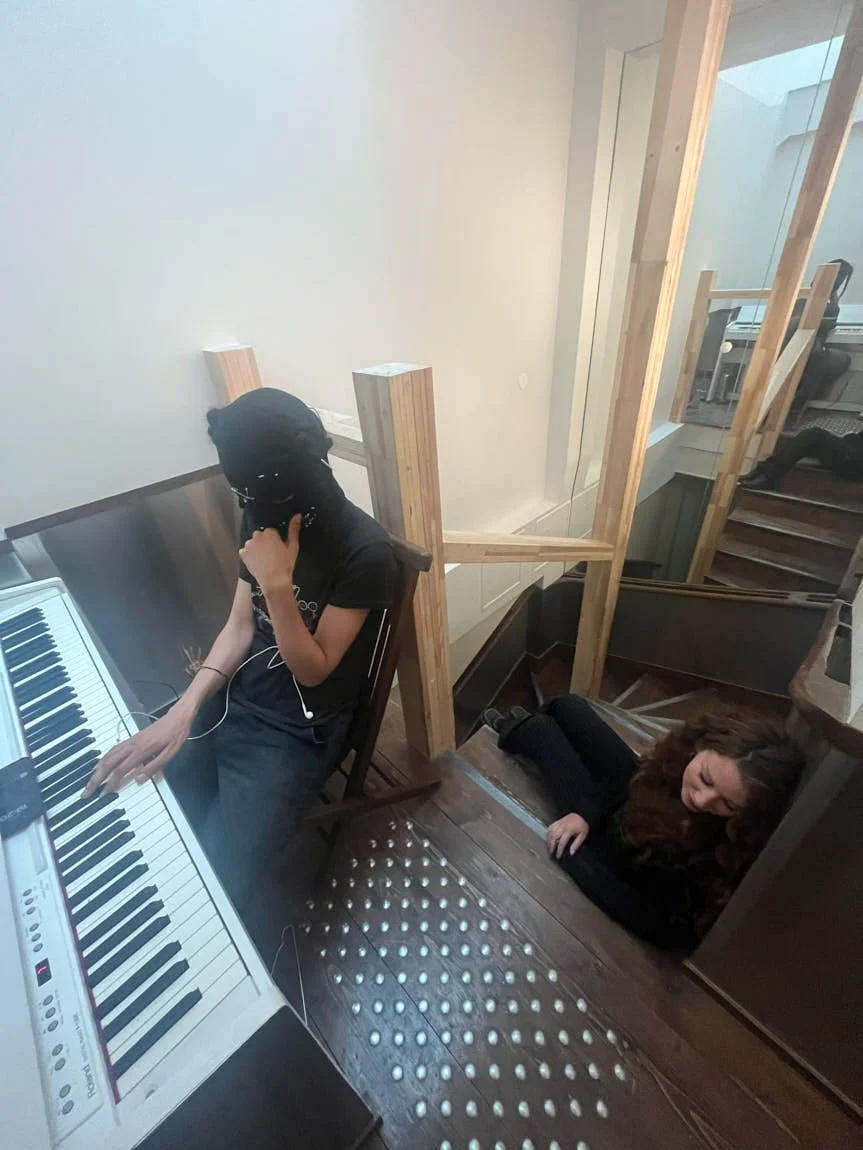
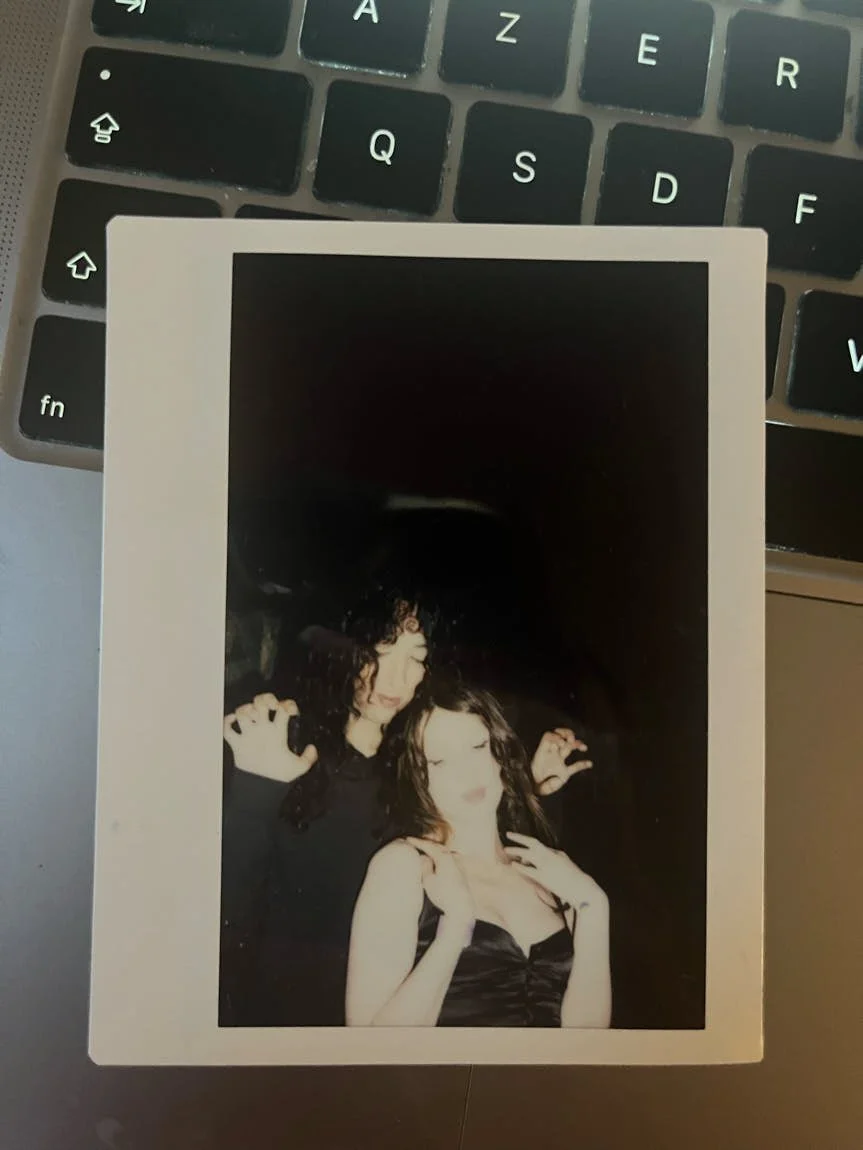
For this edition of The Personal Edit, Krista Papista shares fragments from her camera roll captured during the making of her recent album Euro Divas. Moving between a residency in the Czech Republic, travels across Asia, and the final stages in her Neukölln studio, her images trace a process moving across geographies, states of mind, and shifting identities.

Based between Berlin and Athens, Papista works across music, film, and performance, building a practice rooted in queer ritual, erotic mythology, and hybrid sound. Drawing from Cypriot, Greek, Middle Eastern, and Balkan influences, Euro Divas emerges as a layered world shaped by memory and transformation. Built from spontaneous snapshots and paired with her own reflections, The Personal Edit becomes a visual diary of creation — capturing the environments, bodies, and moments that fed into the album’s formation.


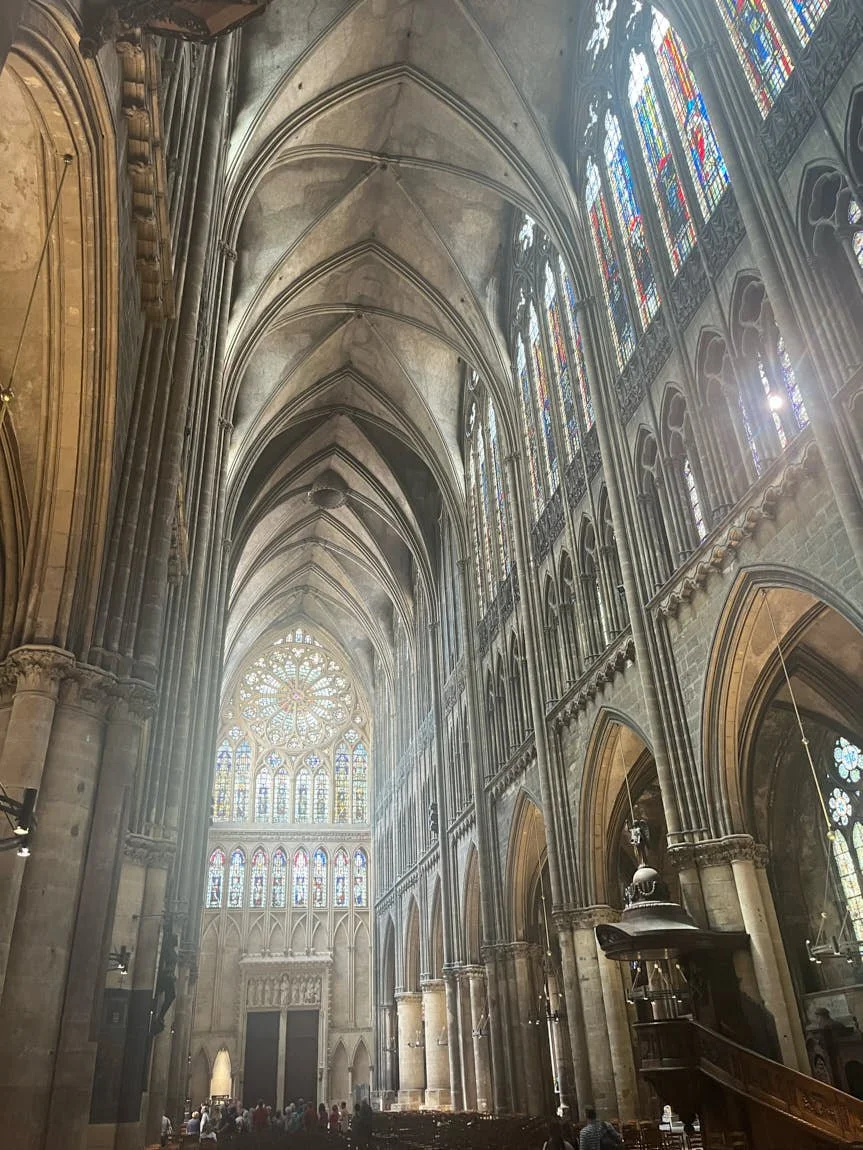
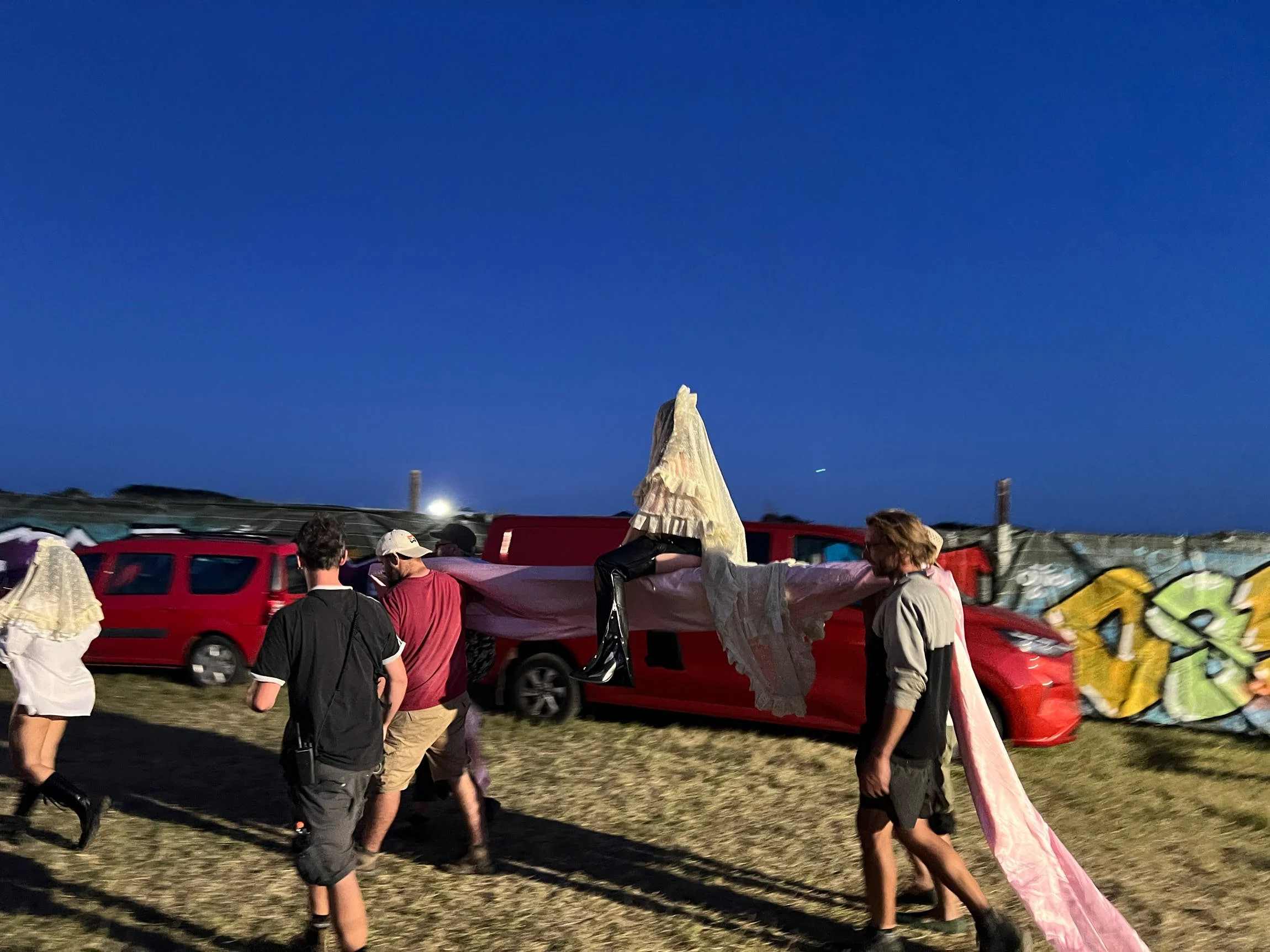
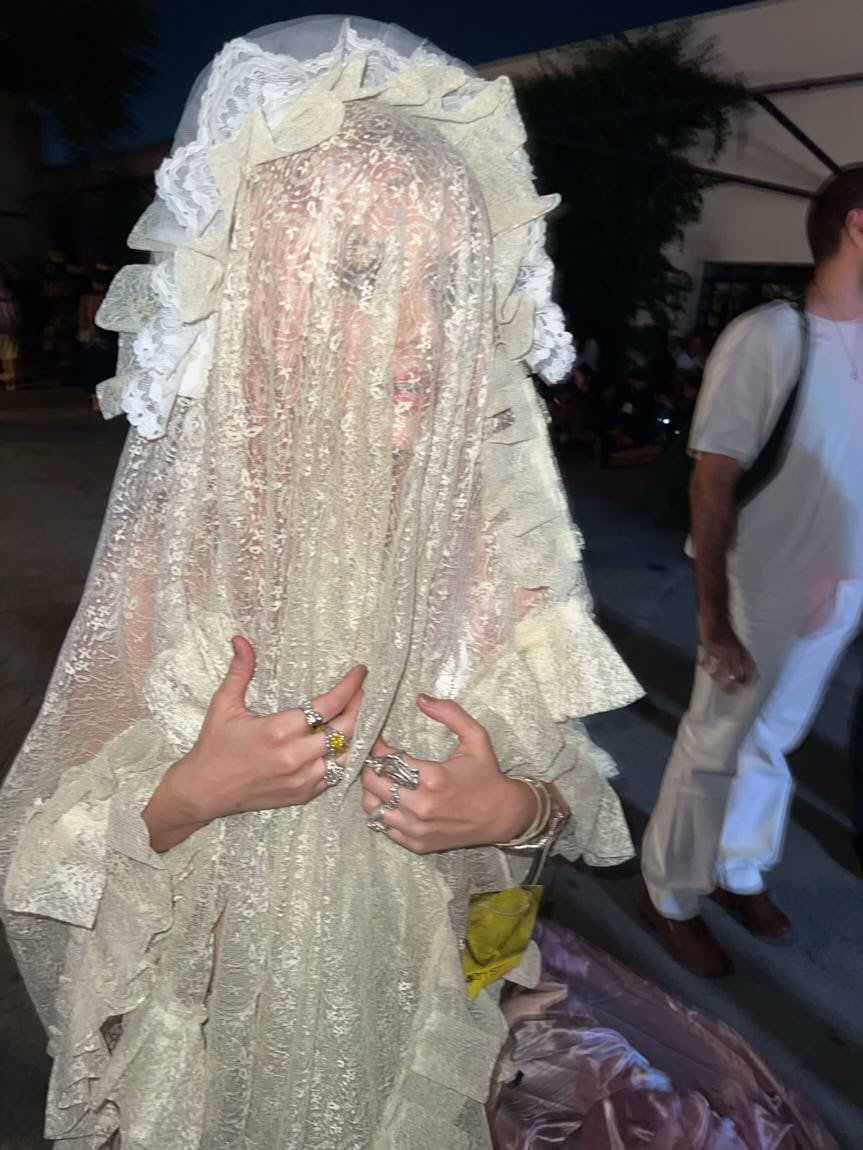
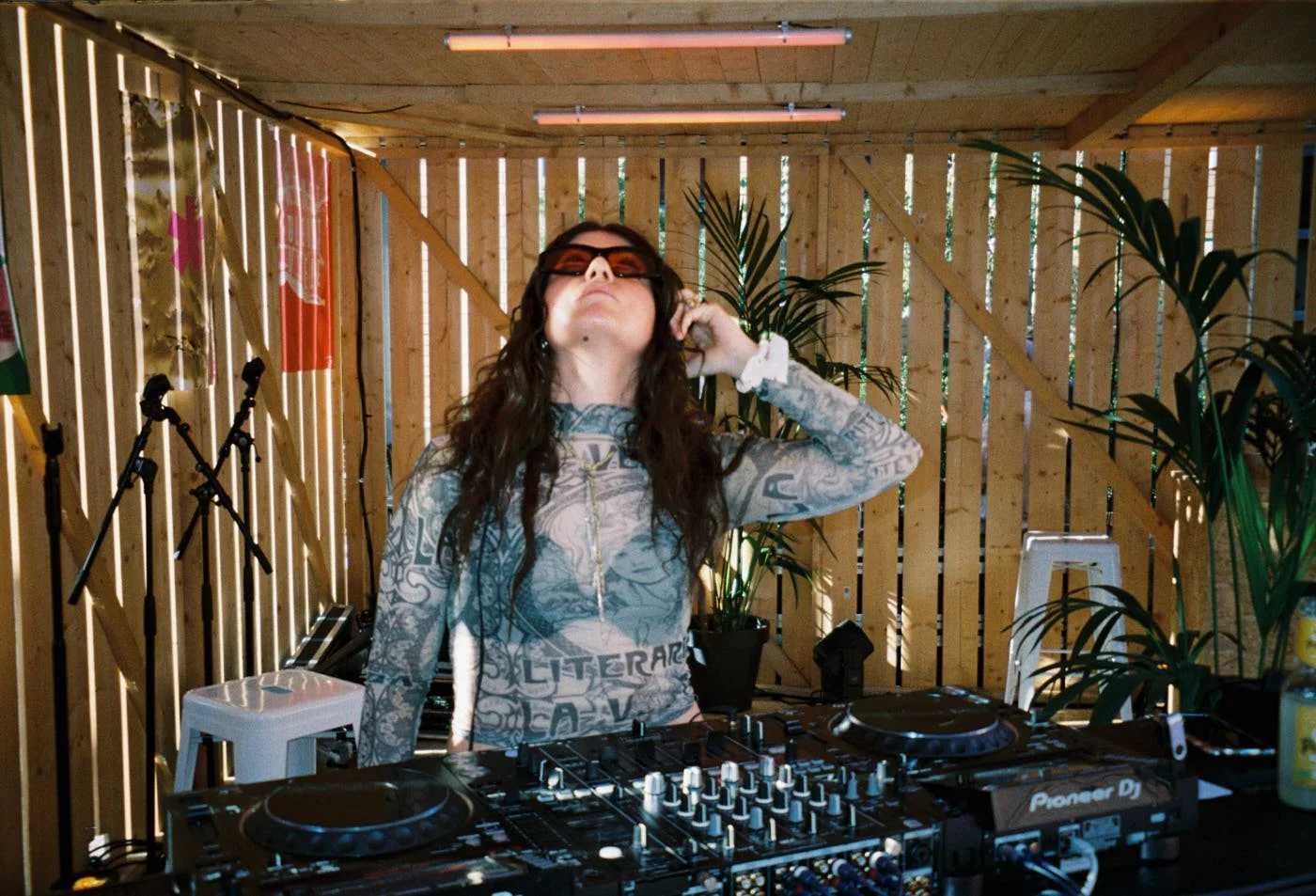
The Personal Edit Private Camera Roll of Krista Papista for LE MILE Magazine Live Journal of shows. Fusion festival, Art Explora, Schinkel Pavilion, Chauffer dans la Noirceur.

photo: Krista Papista


Journal of shows. Fusion festival, Art Explora, Schinkel Pavilion, Chauffer dans la Noirceur.

 
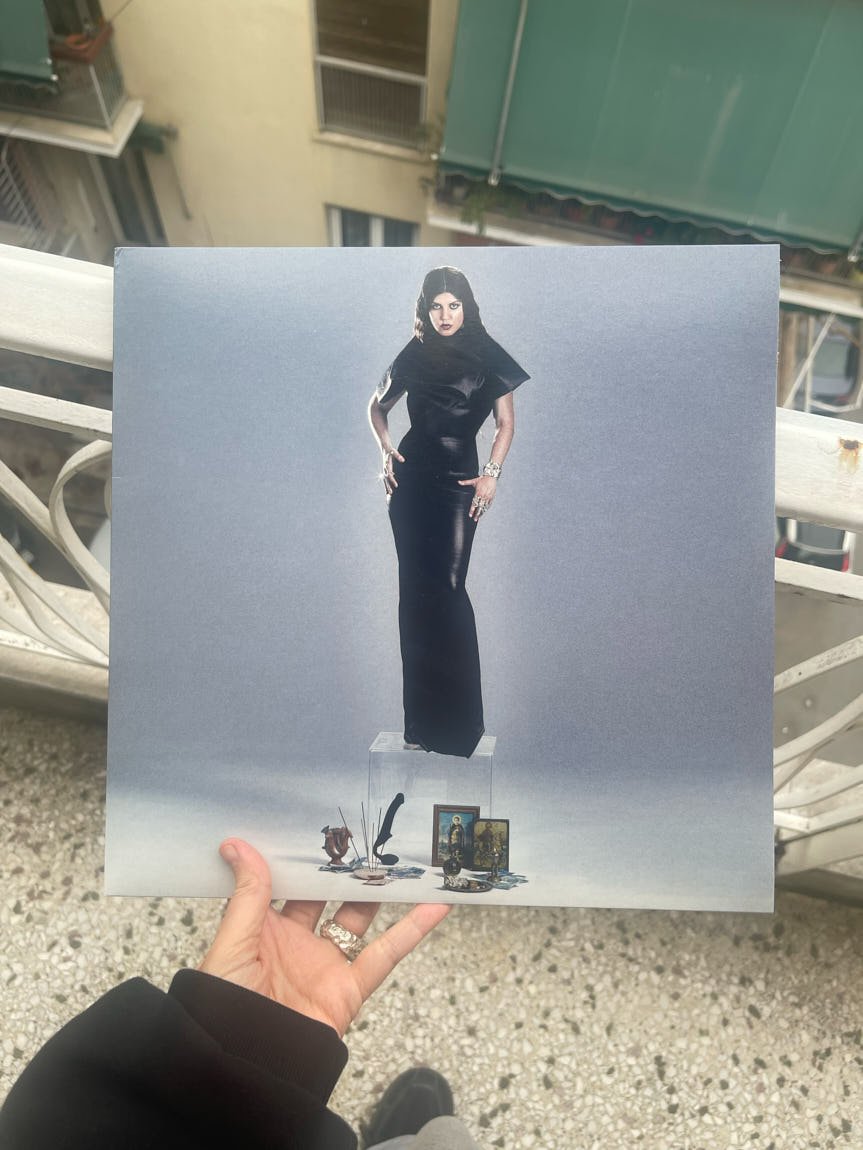
The Personal Edit Private Camera Roll of Krista Papista for LE MILE Magazine EURO DIVAS VINYLS ARE DONE AND SENT OVER TO ATHENS. Stalagmites in the neighborhood, and a photo of my mums’s village Kythrea.

photo: Krista Papista

Stalagmites in the neighborhood, and a photo of my mums’s village Kythrea.

 
The Personal Edit Private Camera Roll of Krista Papista for LE MILE Magazine EURO DIVAS VINYLS ARE DONE AND SENT OVER TO ATHENS. Stalagmites in the neighborhood, and a photo of my mums’s village Kythrea.

photo: Krista Papista

EURO DIVAS VINYLS ARE DONE AND SENT OVER TO ATHENS.


The Personal Edit Private Camera Roll of Krista Papista for LE MILE Magazine Residency at a monastery where the album got fully developed

photo: Krista Papista

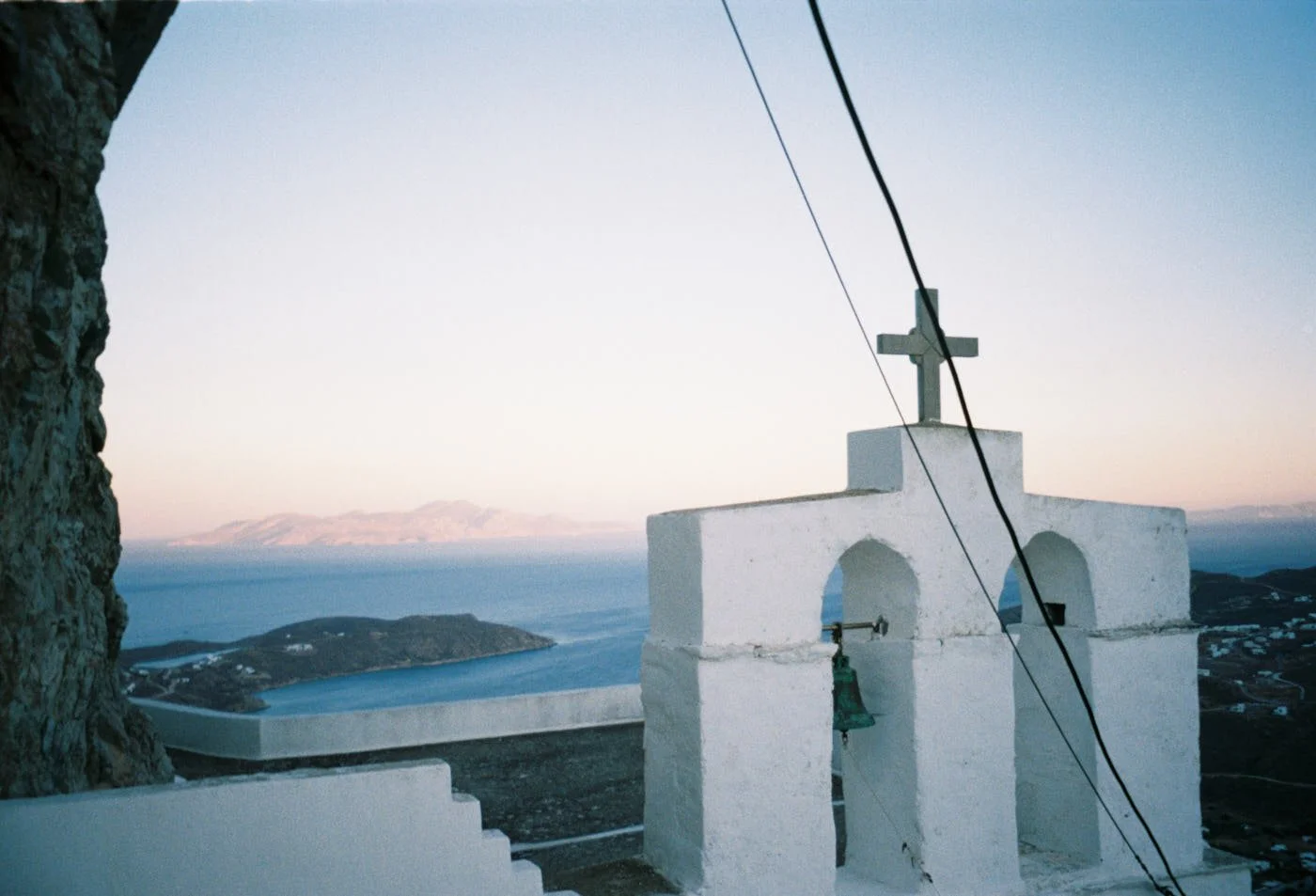
I started working on Euro Divas album in the Czech Republic. I did an art residency in the country side in the Czech Republic. The accommodation provided was in a monastery, I had the peace & privacy to devote myself to the album 100%. It was a sad little town, bordering Poland, some beautiful Baroque churches, I developed 40% of the album there. My track Heartmode was inspired by this fountain that I found on a wall in the monastery, they say you can only manifest what you want, when you are operating from Heartmode.


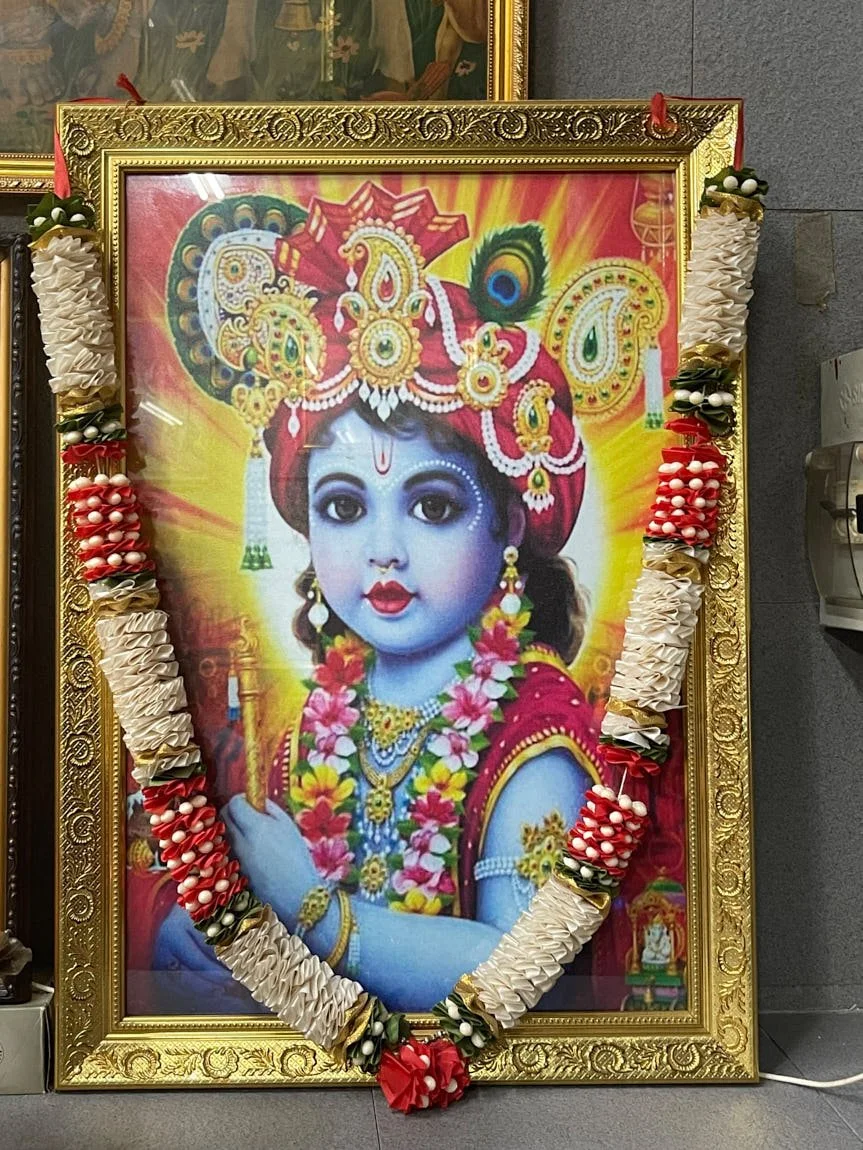
The Personal Edit Private Camera Roll of Krista Papista for LE MILE Magazine While traveling in Vietnam, I went in a Hare Krishna temple and found a photo of myself as baby goddess, I tried to get into it but I couldn’t. Vietnam was incredible.

photo: Krista Papista


While traveling in Vietnam, I went in a Hare Krishna temple and found a photo of myself as baby goddess, I tried to get into it but I couldn’t. Vietnam was incredible.

The Personal Edit Private Camera Roll of Krista Papista for LE MILE Magazine BRIDGE IN FISH VILLAGE , EL NIDO PHILIPPINES

photo: Krista Papista

BRIDGE IN FISH VILLAGE , EL NIDO PHILIPPINES.


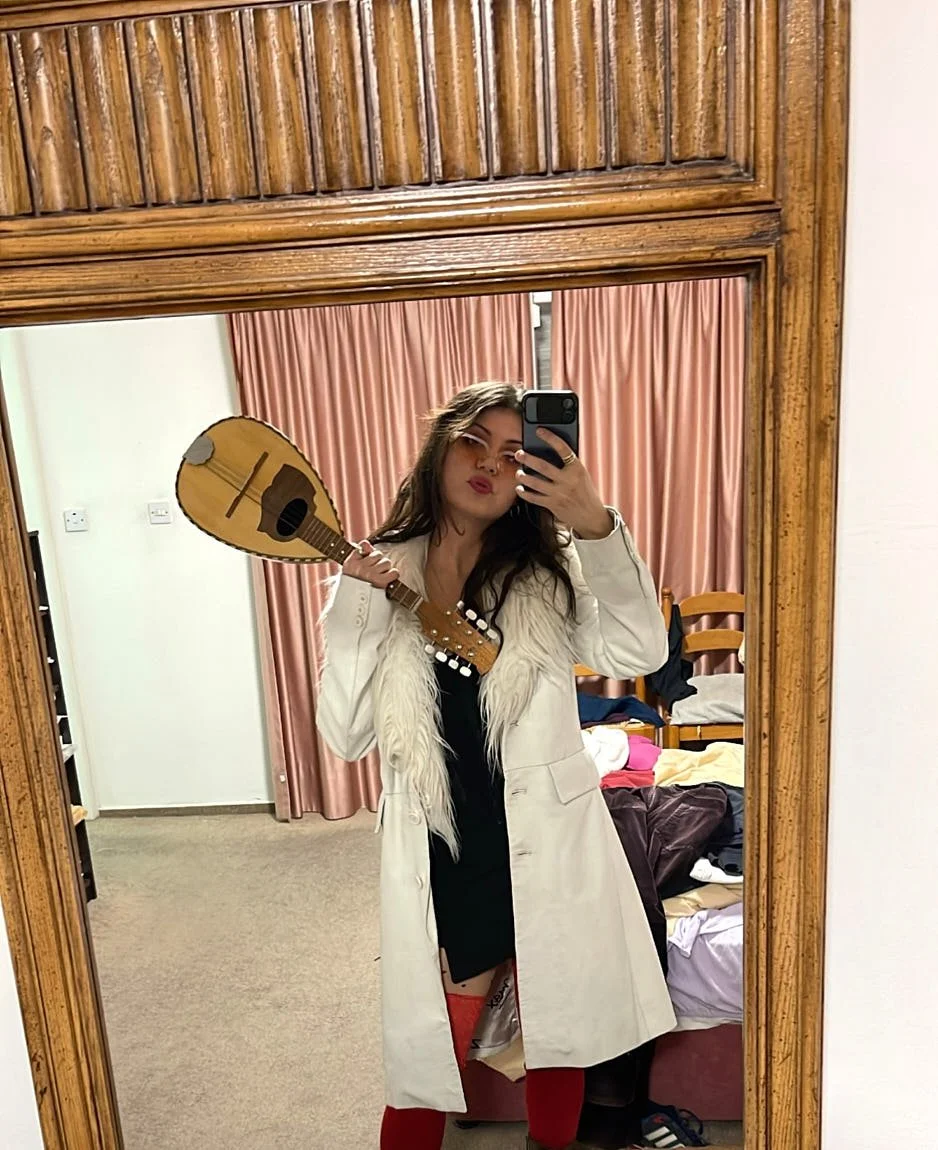
The Personal Edit Private Camera Roll of Krista Papista for LE MILE Magazine The mandolin I played on Eurotrash

photo: Krista Papista

The mandolin I played on Eurotrash.


The Personal Edit Private Camera Roll of Krista Papista for LE MILE Magazine Neukölln Studio

photo: Krista Papista

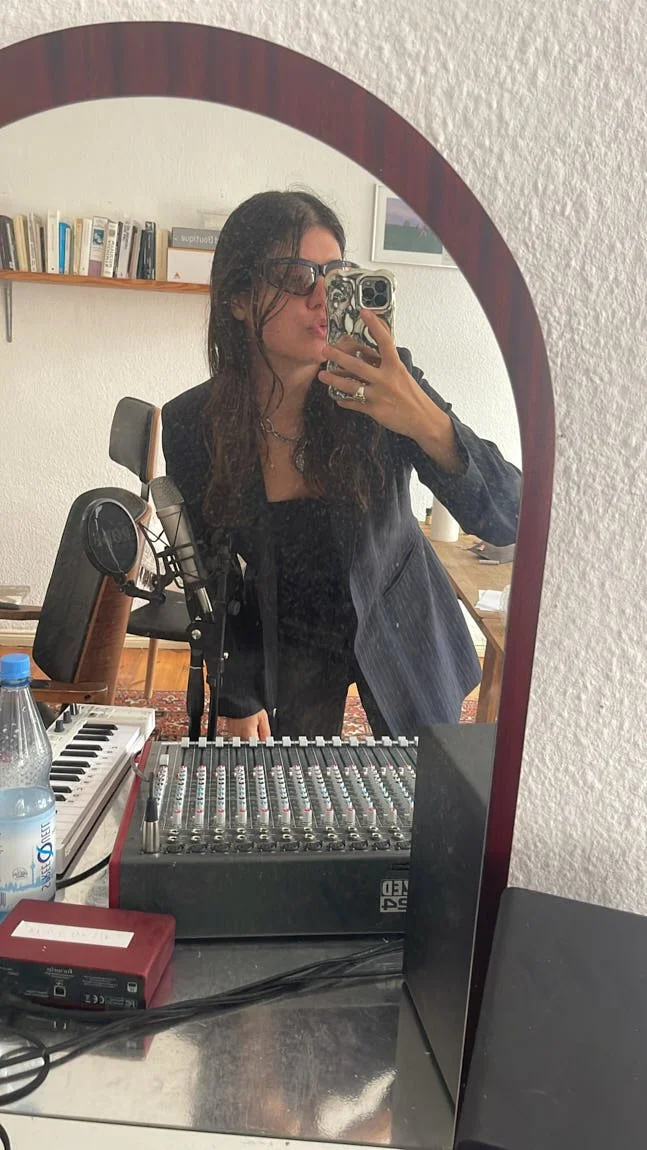
I came back from traveling and finalized the production and mixing of my album in my studio in Neukölln. I was drinking about 3 bottles of Nature Energy a day, they don’t produce them anymore :/ why? Final stages of mixing took place in November, the whole of Berlin turns yellow and red.

The Personal Edit Private Camera Roll of Krista Papista for LE MILE Magazine Neukölln Studio Live Festival

photo: Krista Papista

WHERE I'M I.

 
The Personal Edit Private Camera Roll of Krista Papista for LE MILE Magazine Neukölln Studio

photo: Krista Papista


BILL KAULITZ *That’s Bill Kaulitz: Offline, Unfiltered, and Entirely Present

BILL KAULITZ *That’s Bill Kaulitz: Offline, Unfiltered, and Entirely Present

That’s Bill Kaulitz
Offline, Unfiltered, and Entirely Present

The Algorithm Has Left the Chat—Bill, a Pink Swimsuit, and the Real Headline


interview + written ALBAN E. SMAJLI


Something about Bill Kaulitz disrupts all expectations about fame, he moves with a kind of impulsive certainty, always spinning a little outside the expected choreography. Once the ringleader of a hair-gel-fuelled teen frenzy, he now fills his days with dogs, spontaneous notes, late-night Instagram DMs, the second season of Kaulitz & Kaulitz playing out on Netflix, and the kind of wardrobe decisions that started early—long before anyone was watching, when he swapped trunks for a friend’s pink swimsuit on a crowded beach, discovering the addictive thrill of attention before he had words for performance.


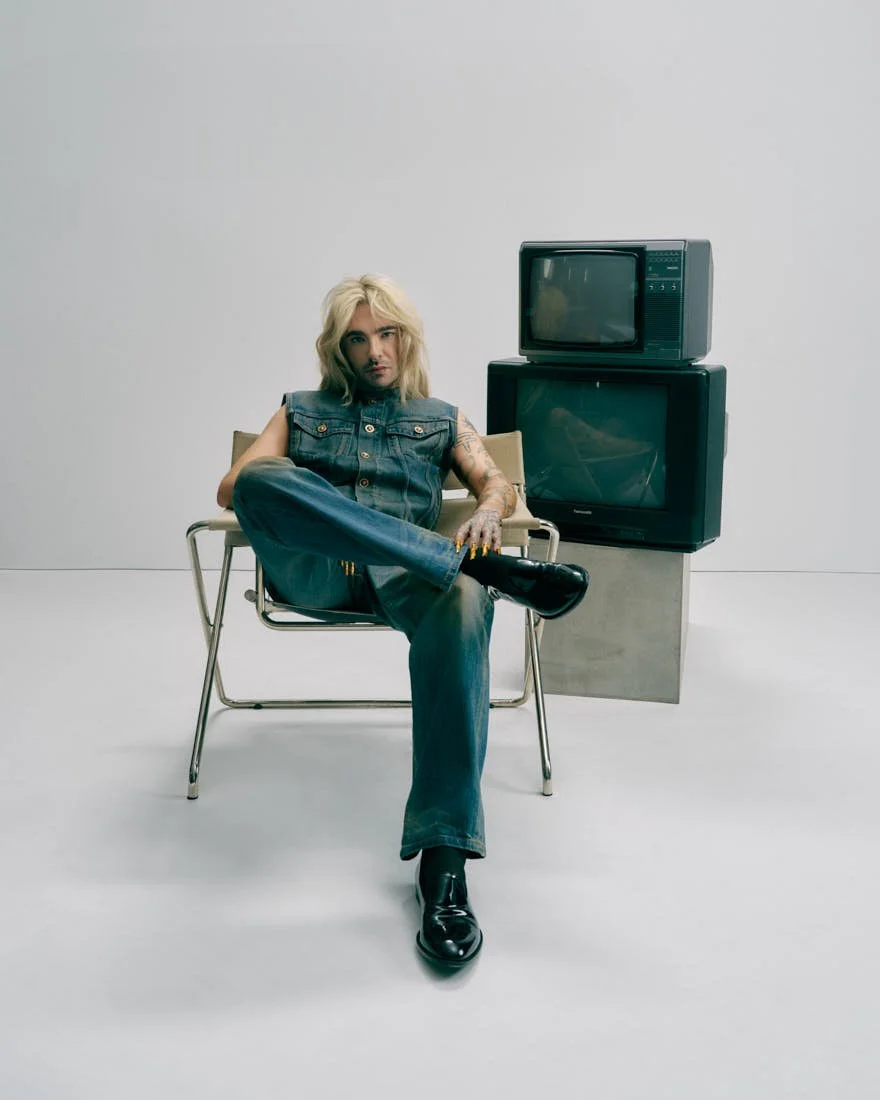
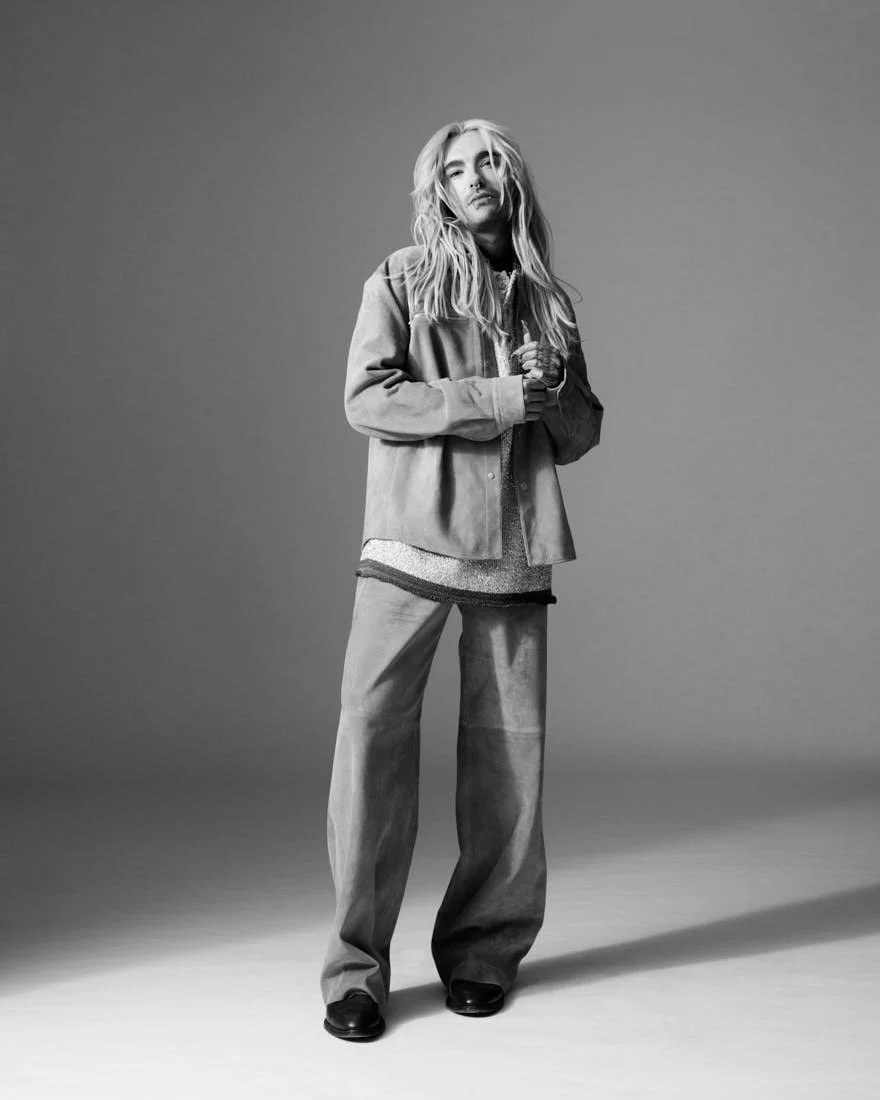
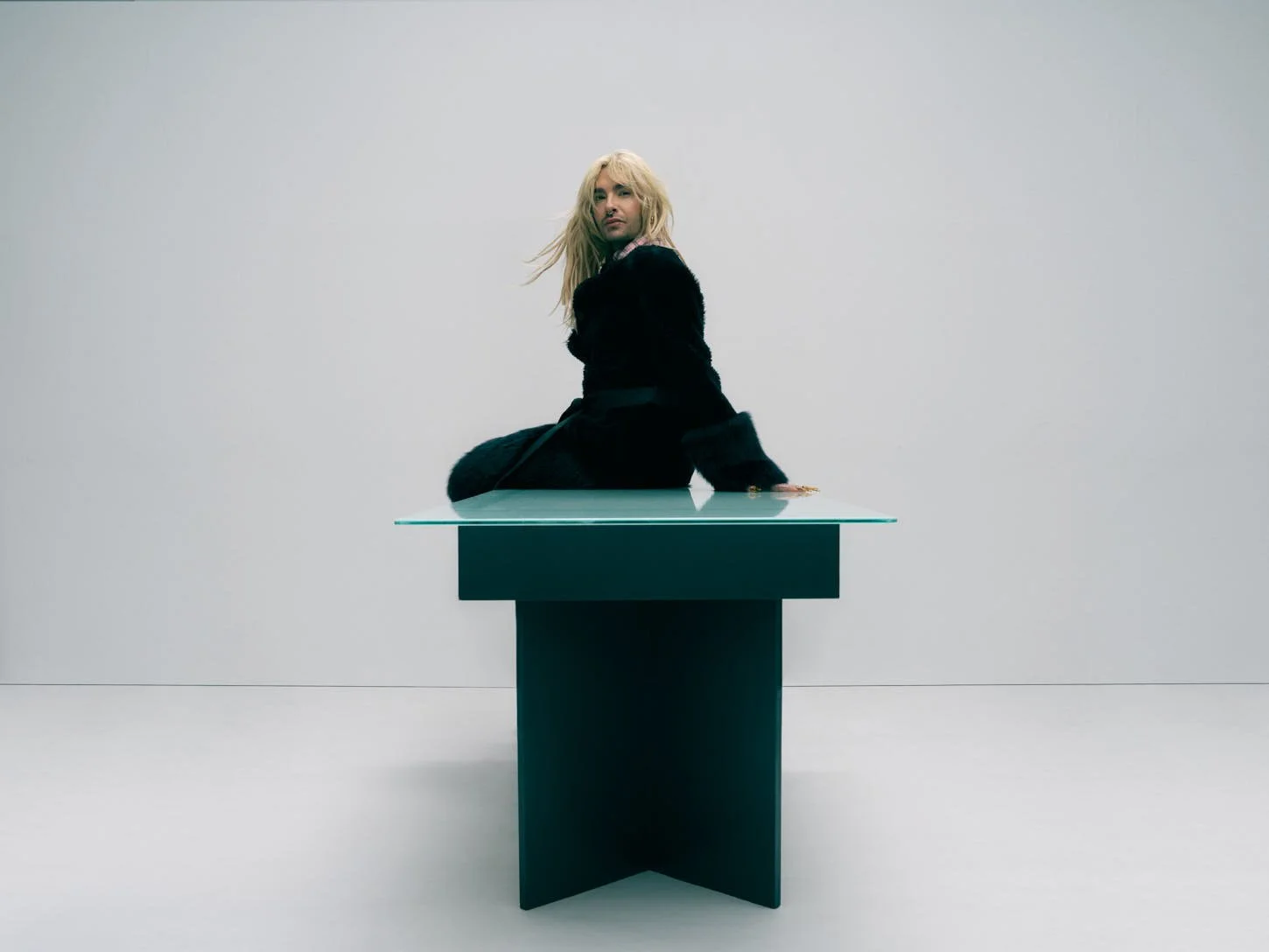
Bill Kaulitz Cover LE MILE Magazine photo Chris Puttins editor Alban E. Smajli image Bill wears total look VERSACE

Bill wears total look by VERSACE

Bill Kaulitz Cover LE MILE Magazine photo Chris Puttins editor Alban E. Smajli image Bill wears total look VERSACE

Bill wears a total look by VERSACE and shoes by SCAROSSO


If his closet could talk, it would offer up a mess of confessions about last-minute fashion choices, impulsive adventures, and those secret, tangled stories that happen only after the city has gone to sleep—always accomplice, each garment a collaborator in Bill’s ongoing refusal to blend in or apologize. Recklessness and vulnerability orbit together here, just as Bill embraces every emotion fully—choosing to feel loneliness, joy, and even loss in their sharpest forms, collecting experiences the way some people collect shoes.

Remove the endless scroll, mute the digital noise, and Bill remains someone searching for real connection, content to swap the feed for the company of friends, the calm of jazz, the comfort of champagne, and the gentle presence of his French bulldog, Alfia. There’s always another scribbled note or whispered Maus for the people who matter, secrets layered beneath eyeliner and tucked into diaries, never needing an audience, only the satisfaction of having lived every minute wide open. Bill drags his own weather with him, shrugs off nostalgia the way most people dodge last season’s trends, refuses to archive any version of himself unless it’s handwritten and hidden somewhere even the algorithm can’t reach. He exists in a loop of invention and desire, never looking back, never asking permission, just rerouting the atmosphere every time he walks into the room. Never watered down, never apologizing, so entirely present you half-suspect the world’s only just now learning to keep pace.


Bill Kaulitz Cover LE MILE Magazine photo Chris Puttins editor Alban E. Smajli image hermes sweater and bag, 032c belt, gloves and trousers shoes Scarosso

Bill wears a sweater and bag by HERMÈS, belts, gloves, and trousers by 032C, and shoes by SCAROSSO


Alban E. Smajli
If you had to live in a world without mirrors or cameras, how would you define your identity?


Bill Kaulitz
Just through instinct I guess! I've always trusted my instinct. Laughter too! I'm generally a very positive person. My biggest traits are being quirky, spontaneous and ambitious, I’d say. 


Do you remember the very first time a mirror winked back at you and said, “Yes, babe, this is it”? What were you wearing?


OMG. That could have been very early on. When I was about 5 years old and my mom took us to the beach, I decided to wear the pink swimsuit of my friend Katharina, instead of my boring trunks that every boy wears. So we swopped. I felt super alive and loved the attention from all the people starring at me. I always loved to stand out and break rules. I guess that started at a very young age.

If your closet could speak like a moody ex, what secrets would it spill about you?


That I don't doubt my fashion choices a lot, even if I maybe should. I don't think too much. I'm super fast and trust my gut when it comes to clothes. I'm really not a diva, even if sometimes i'd wanna be. It would probably also say that I've been in here with more than just one guy having sexy fun. When you're out of the closet it can be pretty fun to go back in ...hahaha.

How do you actually handle loneliness? The kind that doesn’t get filtered through reels or drowned in airport noise?

I don't! I give in to the feeling! I love to feel all the feels and loneliness can also make you feel alive. I think the worst feeling you can have, is to feel nothingness or jaded or numb. As long as you feel loneliness every once in a while, you know you are living and still have a fire burn inside you that has longing and a craving for connection and people. I gotta admit I'm doing pretty good on my own. I hardly ever feel lonely but I think that's because I have an identical twin. I even go on vacation alone all by myself. It's the best. 


Bill Kaulitz Cover LE MILE Magazine photo Chris Puttins editor Alban E. Smajli image sweater 032C, jacket and trousers HERMES, shoes MARSELL

Bill wears a sweater by 032C, a jacket and trousers by HERMÈS, and shoes by MARSÉLL

 
Bill Kaulitz Cover LE MILE Magazine photo Chris Puttins editor Alban E. Smajli image shirt ARKET, coat JOSEPH

Bill wears a shirt by ARKET and a coat by JOSEPH


What do you think you would miss the most if there were no social media or mobile networks today?

The inspiration that comes from it. I'm a very visual person so I love photography, architecture, fashion and the access to all of it with just a fingertip. Also I would miss my number one flirting and dating tool. Haha. Cause I date mostely through Instagram.


If you could ghost one memory forever, digitally and emotionally, what would you delete?


The death of my two doggies. That was very hard on me. I'm an animal lover and my dogs were like my kids. The way they both passed was very sudden, way too early and unexpected. That's a memory that I'd like to forget. But I'm not one who lives with regrets, so I can't really think of anything else I'd like to forget.

How would you go about dating if you had to do it completely offline today?

I would probably party even more than I do now. I love to go out and meet new people through mutual friends or just strangers at a rave. I love to have a good drink at a bar and make friends. Thats the best! I also love house parties, birthdays and my favorite are weddings. I always end up with someone at a wedding.

Bill, imagine being offline without any technology or social media, how do you cope with just being alone with yourself?

Could I still watch TV?

Of course, TV is still offline

I love movies and old TV shows. Thats like therapy for me and calms me a lot. If I wouldn’t have a TV either I would probably lay out by the pool with a good bottle of champagne, listen to jazz music and play with my doggie Alfia. I adopted her a year and a half ago. Shes a little merle frenchie and my absolute everything.

When was the last time you wrote something with your actual hand? Like pen, paper, no autocorrect?

Not that long ago. I wrote a love letter to fashion for a big magazine very recently. I love writing by hand. I do it every day. I have a little scribble book where I write in every day. Just notes and stuff I can't forget. Also all the notes for my weekly podcast are always handwritten and I keep all of them..

Let’s imagine you had kept a diary in 2006, what do you think would surprise people most if they read a page from it today?

That I was hiding a lot of secrets and pain behind those perfectly smokey eyes.

 
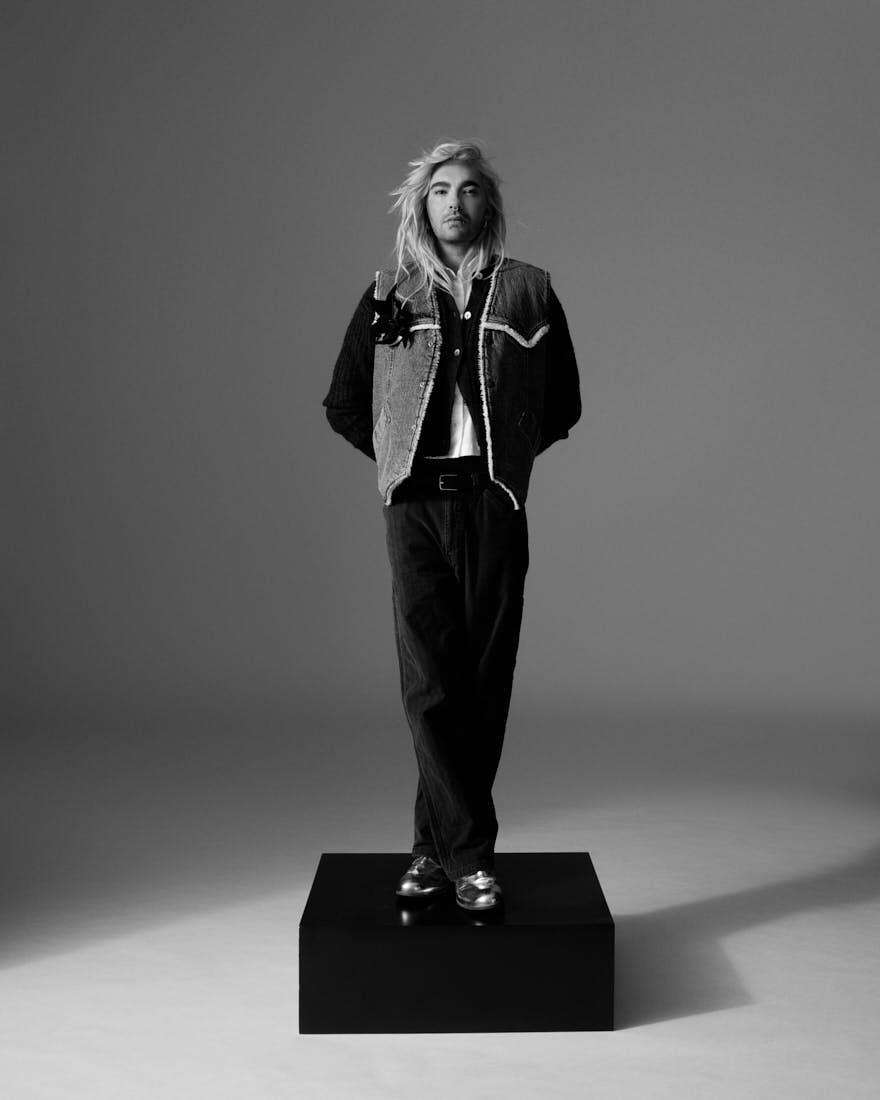
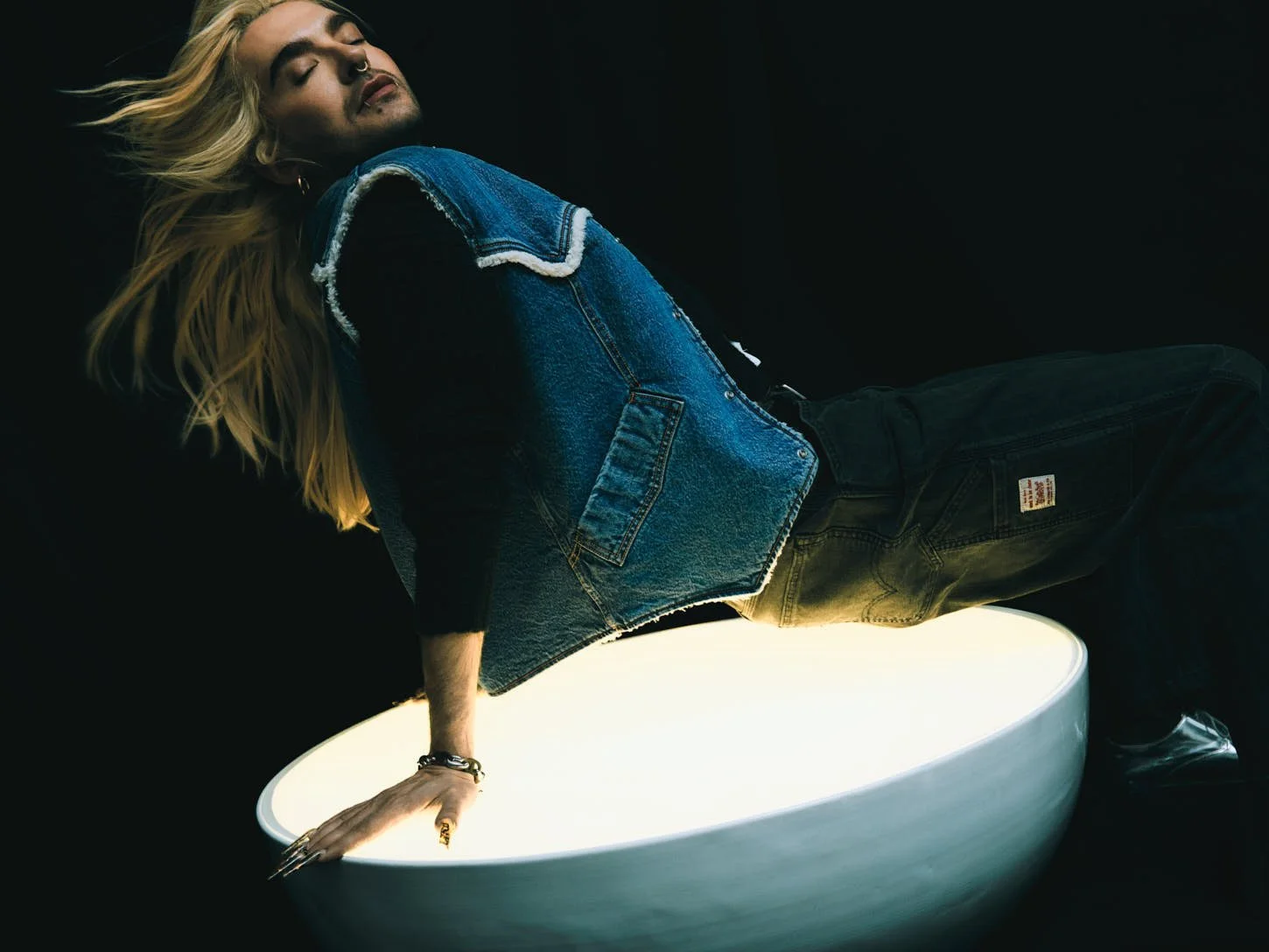
Bill Kaulitz Cover LE MILE Magazine photo Chris Puttins editor Alban E. Smajli image total look LEVI´S, broock JW ANDERSON, bracelet HERMES, shoes MARSELL
 
Bill Kaulitz Cover LE MILE Magazine photo Chris Puttins editor Alban E. Smajli image total look LEVI´S, broock JW ANDERSON, bracelet HERMES, shoes MARSELL

Bill wears a total look by LEVI’S, a brooch by JW ANDERSON, a bracelet by HERMÈS, and shoes by MARSÉLL


photography   CHRISTOPHER PUTTINS
stylist   ARKADIUSZ SWIETON
hair & make up artist   PATRICK GORRA
set stylist   NICI THEUERKAUF
photography assistant   MORITZ HILKER
styling assistant   LEA ISABELL UHLE

copyright LE MILE Magazine / Christopher Puttins for LE MILE Issue 39 "OFFLINE", FW2025/26 Edition

DEBORAH DE LUCA *Equality at 140 BPM

DEBORAH DE LUCA *Equality at 140 BPM

DEBORAH DE LUCA
*Equality at 140 BPM


written + interview ALBAN E. SMAJLI


Born in Scampia and wired for motion, Deborah de Luca takes the booth as a surveyor might seize a blueprint, her compass a strobe that scans the crowd.


She draws tempo across faces like lines of elevation, setting three instinctive tracks as a base layer, a quiet study before construction begins. From there she lifts the room piece by piece, each transition a new frame rising into place, until the set breathes as a structure of rhythm and light. Lately the final touch often glimmers with a Gigi D’Agostino refrain — a silver filament stretched through a contemporary shell, binding past and present in one luminous design.

Silence holds a private garden key for Deborah. Life surrounds her with music in studios, in clubs, in cars, so she seeks stillness and lets it refill the body. Between the first record and the last drop new selves appear and dissolve, across long marathons of four to seven hours, a full cycle of morning energy, afternoon charge, evening glow. One word: equality, a law for dance floors where categories melt and a single pulse writes a passport for everyone.


LE MILE Magazine Deborah de Luca Techno DJ Cover Digital 2025 wearing dress by VERSACE FW25
 
LE MILE Magazine Deborah de Luca Techno DJ Cover Digital 2025 wearing dress by VERSACE FW25

dress VERSACE
shoes LE SILLA


“In a techno club, it doesn’t matter if you’re white, Black, gray, yellow, Christian, Jewish, atheist—inside, we’re all of the same religion: techno.”

Deborah de Luca speaks with Alban E. Smajli
for LE MILE .Digital


Her faith moves through cosmic grammar. God equals the universe, a field of energy, color, and music that answers when addressed with intention. She runs her label since 2013, appetite vivid for sound, image, cinema, miles. Tastes shift like seasons of the tongue, sometimes heavy and hard, sometimes featherlight and melodic, especially in the final hour when the sun inside her sets leans toward amber. Craft sits on both shoulders during those passages, melody braiding with steel, her signature: hard pop, techno fluent.
Small rooms feed her with a certain charge, afters where the ceiling breathes and the floor talks back, like that morning in Florence when the dial locked into hard art techno and a new facet snapped into view. The ugliest sound in her memory came from plastic whistles pecking at the kick, a fashion that squealed and left a sour ring. Spin her catalog from end to start and a path appears, a gradual climb shaped by taste and by the sound of her city, a line that rises in small steps and keeps rising.


When the lights rise and the room exhales, a ritual follows. Fifteen minutes of fierce self audit, choices weighed and corners checked, then a homing current toward bed, toward two dogs, toward the sunset that washes the house in gold and resets the chest. Flights create a sealed capsule where the pilot drives and the grid fades into distance, films flicker, thoughts wander, and nerves surrender. She wants the work to live on, a structure that other hands can lift and carry, music that glows with memory and future. Deborah de Luca composes momentum and mercy in the same breath, a builder who treats crowds like cities and nights like blueprints, and across seven hour marathons or one hour transmissions the mission stays constant, read the room, raise the structure, leave them with a song that follows them home. For a long, long while. Always.

 
LE MILE Magazine Deborah de Luca Techno DJ Cover Digital deborah wears Top: Voft Knit
Skirt: Rick Owens

top VOFT KNIT
skirt RICK OWENS

 
LE MILE Magazine Deborah de Luca Techno DJ Cover Digital deborah wears Top: Voft Knit
Skirt: Rick Owens


Alban E. Smajli
Your sets feel like architecture. What’s the last thing that shattered your sense of control?

Deborah de Luca
I take “architecture” as a compliment, but honestly, there’s not much pre-built. The first three tracks I already know, because I need time to read the room and understand who’s in front of me. Those first 15 minutes are my time to analyze. From there, I build what comes next. Maybe that’s architecture, but it happens live, piece by piece. Only when I play a DJ set that’s streamed online, like for the Street Parade or my live shows from the Vele di Scampia or at Maradona Stadium those are the only sets I prepare at home. They’re not random but carefully studied since they’ll have media exposure. I decide on the tracks beforehand, or even create some pieces specifically for the occasion, but I never fix their order.

You grew up in Scampia. Now you tour the world pulsing through Funktion-Ones. Is there still a part of you that hears silence and gets suspicious?

Actually, I love silence, I don’t become suspicious. When I get in the car, I turn the music off; if a driver is with me, I turn it off; if I’m at a restaurant, I like silence. Because I live constantly with music—when I make it, when I listen to others, when I work in clubs, or when I hear someone play before or after me. So I need silence, I look for it, it regenerates me.

How many versions of you exist between the opening track and the last drop at 4:37 a.m.?

The first track is always mine, the last one is usually not, especially lately, when I like closing with a Gigi D’Agostino piece from the early 2000s. So no, I’m not the same from the first to the last track. I take a journey, especially if I play long sets of 4, 5, even 7 hours. I’m not the same person from the first to the last record. Sometimes I come back, then I drift away—it’s the same in life. You wake up one way in the morning, by afternoon you have different energy, and in the evening it changes again.

Do you believe in God? Or just in bass?

I believe, but not in the God most people think of—not that man with long hair and blue eyes, born in Jerusalem, who should have been darker-skinned anyway. I don’t believe in that. I believe in the universe. For me, God is the universe. When you ask for something, you ask the universe. The energy comes from the universe, you attract it. To me, that’s the same thing—God is the universe. But it has no human figure; it’s everything around us: energy, colors, music. That, for me, is God.


LE MILE Magazine Deborah de Luca Techno DJ Cover Digital deborah wears Top: Voft Knit
Skirt: ISZA, Lip ring: Ask & Embla

top VOFT KNIT
skirt ISZA
lip ring ASK & EMBLA


You run your own label. Do you still feel hunger, or is it something deeper now? Obsession maybe, or ritual?

I’ve managed my label alone since 2013. I’m always hungry, and that will never pass—whether for music, colors, friendships, films, travel. Hunger will never leave me. Sometimes I just change tastes—sometimes I want sweet, sometimes salty. In music, sometimes heavier, harder; other times softer, like in the last hour of long sets. But yes, the hunger never fades.

Do you miss the chaos of small clubs? The kind where the smoke machine breaks and the floor sweats back at you?

I miss the energy of small clubs a lot. Sometimes, when after a festival I play a little after-party in a small place, I’m really happy, because you’re closer to people. It also gives me a different idea of music, I play differently. For example, last time in Florence, in a club after a festival, I was much harder than usual—very art-techno. I discovered a new side of myself there.

What’s the worst sound you’ve ever heard on stage?

When the sound system isn’t as it should be and the monitor speaker starts crackling, it’s terrible — it breaks the magic.

If someone played your full discography backwards, what message would emerge?

You’d hear the journey. Where I started slowly, climbing step by step—not mountains, just hills. I evolved with my own taste, with people’s taste, with the sounds around me, with the influences of my city. You’d hear that it’s been a steady path upward—not of highs and lows, but always slowly rising.

Techno doesn’t need words, but if it did—what would yours be? Just one.

Equality. In a techno club, it doesn’t matter if you’re white, Black, gray, yellow, Christian, Jewish, atheist—nobody cares. Inside, we’re all of the same religion: techno. And that’s something very beautiful.

What keeps you OFFLINE when your whole life runs on voltage and signal? Or is OFFLINE just a myth sold to the unplugged?

My home, my dogs, the sunset at home. Also when I fly. Yesterday I had a 14-hour flight and could have connected, but I didn’t. On planes, I let the pilot drive, I rest, I disconnect completely. When I’m not flying, it’s still my dogs and my home that keep me offline.

You’ve built something—music, myth, a kind of feminine rage wrapped in steel. Do you ever worry it’ll outgrow you?

No, I don’t think it can become bigger than me. Music is understandable for everyone, and even if it grows, it remains something elementary. I never feared it could outgrow me.

When the lights come up and the bodies thin out, when it’s just sweat on the floor and silence in the booth, where does your mind go? Who do you become when the music stops?

Honestly, I’m very tough on myself. The first 15 minutes after a set I spend thinking I haven’t done my very best—that I should have played another track, that something was too easy, too commercial, or too hard. Even when everyone says it was great, I criticize myself. Then I can’t wait to get into bed, and to go home to my dogs.


Deborah de Luca Cover LE MILE Digital FW25 underwear


“For me, God is the universe. Energy, colors, music—that, for me, is God.”

Deborah de Luca speaks with Alban E. Smajli
for LE MILE .Digital

 
Deborah de Luca Cover LE MILE Digital FW25 underwear

top YVY LEATHER
panties MAISON CLOSE


photographer NICHOLAS FOLS
styling + production ANCA MACAVEI
styling assistants JYOTHSANA SELVAM + LESLIE GUERRA
assistant on set MELISSA RUSSO

NEMO *Fame, Freedom, and the Art of Doing Nothing

NEMO *Fame, Freedom, and the Art of Doing Nothing

NEMO
*Fame, Freedom, and the Art of Doing Nothing


written + interview Alban E. Smajli


Nemo’s world is a delicate line—fame on one side, fierce privacy on the other. Talking with LE MILE, Nemo is clear: silence is as essential as sound.


Fresh off the Eurovision win, Nemo is headed somewhere quieter, carving space for nothingness in Aix-en-Provence, where everything else can fall away. Nemo creates music as a universe—crafting worlds, experimenting with genre, and aligning their art with their wardrobe, where every stitch resonates with sound. Privacy, once blurred in the rush of recognition, is now an obsession.
In the spaces between spotlight and solitude, Nemo finds the balance—where the loud meets the quiet, where raw edges mix with crafted lines. Their art? Pure and boundless, spilling over into fashion, music, and a life that answers only to their own rhythm.

 
LE MILE Magazine NEMO Singer Julian Melzer lemilestudios wearing mcm

shirt MCM
pants NAMILIA
jewelry PANDORA


“I think I'm learning to do nothing in my downtime. I’m going to Aix-en-Provence in France, and my plan is to do absolutely nothing. If this works out, then I would say that what gets stripped away when the lights fade is, ideally, everything.”

Nemo speaks with Alban E. Smajli
for LE MILE .Digital


LE MILE Magazine NEMO Singer Julian Melzer lemilestudios PINKRAININTHEBRAIN

dress  RITUAL UNIONS


total look TOEBROCK
sunglasses MCM


Alban E. Smajli
How do you balance the rawness of your personal life with the glossy, sometimes artificial world of fame? What gets stripped away when the lights fade?

Nemo
I think I'm learning to do nothing in my downtime. I worked through my first vacation after, like, five months of working full-time every day. I’m going to Aix-en-Provence in France, and my plan is to do absolutely nothing. If this works out, then I would say that what gets stripped away when the lights fade is, ideally, everything. I work in cycles of full awareness, being fully present when working and giving it my all, then having days where I do nothing at all. I think that's a balance. I mean, I crave to create.

Your style is a statement on its own. How do fashion and your art collide? Is your wardrobe a mirror or a mask for the world to interpret?

I think my wardrobe aims to reflect my music in the best possible way. So, in that sense, it’s a mirror of my music, my art. It’s either a mirror or an extension of it, sometimes both. That’s what I strive for, from stage to street.


Where does your artistic identity end and your private self begin? Or is the concept of privacy already extinct in your universe?

No, privacy is really important to me. I’m realizing this as I become more exposed, both as a person and as a public figure. Through this, I’ve come to see how essential privacy is. I didn’t understand this at the start, as my public and private lives were intertwined—everyone in my public life was also part of my private life. But as I became more recognized, especially to the degree that happened this year, I began craving privacy, moments for myself and with friends, away from the public eye. I value being with people who don’t overanalyze or categorize everything I do. So yes, privacy has become very important to me.

Does the music industry’s obsession with genre labels suffocate creativity? How do you intend to break those constraints with your next moves?

I always aim to create something fresh, something that opens a door not many have stepped through—or maybe even one no one has. In a world where almost every sound has been explored, new genres rarely arise, so mixing elements—genres, moods, contrasts—is how something entirely new can emerge. The more daring you are with mixing, the more likely you are to hit those moments. That’s my goal in music, and I think it's there in many of the new songs I’m working on. This explosion of constraints. I might put that in my bio: 'I’m an exploder of constraints.'

 
LE MILE Magazine 2024 DIGITAL COVER LAYOUT NEMO
 

team credits

talent NEMO
seen JULIAN MELZER
styled KLAAS HAMMER
hair + make up LEO STERN
photo assistant YEONGHYEON KANG
fashion assistant KATHARINA PITTACK
production LIAM MONOT

post production lemilestudios


“Privacy is really important to me. I’m realizing this as I become more exposed, both as a person and as a public figure. [...] I value being with people who don’t overanalyze or categorize everything I do.”

Nemo speaks with Alban E. Smajli
for LE MILE .Digital


LE MILE Magazine NEMO Singer Julian Melzer lemilestudios PINKRAININTHEBRAIN


Are you craving a deeper integration between music and the fashion world in your future?

Definitely. I’ve been working closely with many designers recently and learning so much about fashion, especially in the UK. I’ve met some wonderful people, and I feel the urge to expand my vision through fashion. It’s a powerful way to express myself, alongside music, singing, and writing. Integrating fashion more closely feels essential. The experience over the last few months has been eye-opening, and I look forward to more collaborations, launching my own line, and possibly participating in Fashion Weeks. These are things I’d truly enjoy.

Your lyrics seem to hold the weight of entire worlds. What's the one theme you keep circling back to, even when you try to escape it?

A general theme in my music has been freedom—finding freedom in yourself and defining it personally. That’s at the core, and even when it’s not directly in the lyrics, it’s in the sounds I choose, the worlds I create, and the feel of my music. So, I’d say that’s the recurring theme.


The Eurovision crown is still yours. What’s next? What keeps you awake at night now that you’ve tasted this level of success?

I’ve learned a lot over the past half year. The main thing is that I love creating without limits and collaborating with musicians I admire. Recently, I’ve been working with people I hadn’t had the chance to work with before, and it’s opened a new world for me, pushing me beyond my comfort zone. That’s a feeling I love. My aim is to make music, release albums, play concerts for the rest of my life, and create work that deeply resonates with me and challenges the conventional views of music and art, as well as myself. Those are my goals.


LE MILE Magazine NEMO Singer Julian Melzer lemilestudios krisztian P namilia mcm

jacket + pants NAMILIA
shirt MCM
sunglasses KRISZTIAN P


“The experience over the last few months has been eye-opening, and I look forward to more collaborations, launching my own line, and possibly participating in Fashion Weeks. These are things I’d truly enjoy.”

Nemo speaks with Alban E. Smajli
for LE MILE .Digital


Agnes Obel *The Power and Poise

Agnes Obel *The Power and Poise

Agnes Obel
*The Power and Poise


written Chidozie Obasi

Denmark-born, Berlin-hailed multi-hyphenate artist Agnes Obel has an ability to walk a fine line creating records that are both emotive and raw. But the beauty of her work is that her entrancing, soul-laden voice also has the prowess to leap from alt-pop to indie, connecting the dots with emotional power.


“As a songwriter, I think the stuff I aim towards journey across a conscious level, turning into a quite subconscious state,” she details, with no signs of peacocking braggadocio on display. “So when I’m writing,” she explains, “I can see a pattern that isn’t planned: It’s sort of happens with a natural frequency, which ignites the longing of the most intimate emotions that run through my music.”

The singer’s impressive depth shines through the polarity of her practice—fear, love and grief are all in the picture, a canvas she meticulously curates by writing, recording and producing on her own terms—but it’s always by the sheer soulfulness and powerful ingenuity of the music, and the way Obel sings even the darkest lyrics with rhythmic and melodic daring. “I really like how language, when working metaphorically, can make the mind jump to different places,” she says, adding how “sometimes people wonder if my lyrics are truly about anything, but it's just how my imagination works.” Pure, gloomy and impactful, her vocals sit in the passenger seat of our consciousness, wrapping us in a comforting blanket of melodic thrills and poignant lyricism.


LE MILE Magazine Interview with Agnes Obel Interview shot by Christopher Puttins

Agnes Obel
seen by Christopher Puttins

blazer MARKE
dress AVENIR


total look WILLIAM FAN


“I think the stuff I aim towards when making music journey on an unconscious level, quite subconscious dare I say. So when writing, I can see a pattern, but not a planned one: It’s sort of what is happening on a naturally-driven flow, which makes longing the biggest emotion that runs through my music, and again it’s not done on purpose.”

Agnes Obel speaks with Chidozie Obasi
LE MILE Magazine TRANCE, Nr. 36


seen CHRISTOPHER PUTTINS
styled CHIDOZIE OBASI
hair + make up KATJA MAASSEN
coordination DENNIS CAPPABIANCA
photo assistant MORITZ HILKER
talent AGNES OBEL

special thanks to Chateau Royal Berlin
LE MILE shot Agnes Obel in the Apartment of Chateau Royal Berlin


Chidozie Obasi
I'd love to begin by taking a trip down memory lane. What's your earliest memory of music?
Agnes Obel
Well, you know what? I truly can't recall a particular memory or moment that made me fall in love with music, but I guess there’s a few. I don't even know what my first memory is [Laughs]. I started playing piano really early, and my piano teacher was a cellist, who also played the instrument. She quickly discovered that I loved a particular repertoire, and the one I was really into was that of Impressionist pianists. I was 10 at the time, and I bought a compact disc with a DVD that played Debussy’s Clair de Lune: I don’t exactly remember the version, but I still have the CD somewhere at home and every time I listen to it, it provides me this out-of-body musical experience. I somewhat realised this piece was the start of a journey.

Could you agree that growing up in Denmark has impacted your sound in a way?
Undoubtedly so. We are all a product of where we grew up, and I feel like my parents truly influenced me in many ways. Also, the media I was exposed to rendered my experience of music and the repertoire I liked as a kid. But I guess a lot of the music my parents played back in Denmark was a of a simple kind. If they played classical music, it was more instrumental, but when they played jazz, it was more of an upbeat kind. I feel like I got my candour and simplicity from them.

A large fraction of your repertoire sounds lyrically cathartic and poignant, with a somewhat mystic layer that punches right into the soul. What exactly are the emotions that you wish to express in your music?
I think the stuff I aim towards when making music journey on an unconscious level, quite subconscious dare I say. So when writing, I can see a pattern, but not a planned one: It’s sort of what is happening on a naturally-driven flow, which makes longing the biggest emotion that runs through my music, and again it’s not done on purpose.


Do you think that, aside from longing, loss is another component of your repertoire? Because there’s a blend of love and melancholy in Riverside, for example, which stretches to Familiar, and I trust there’s someone or something subconsciously hidden you’re referring to.
It’s fun to personify things that echo on in your mind, and I really like how language, when working metaphorically, can make the mind jump to different places. Here in Germany, there's a strong tradition for one-to-one lyrics. And that's when I made Familiar: I was working in a studio next to German pop songwriters, and I realised that everything I wrote was a metaphor. I'm completely aware it doesn't always work, and sometimes people wonder if my lyrics are truly about anything. But it's just how my imagination works.

Starting from the soft and honest lyricism of Philharmonics (your 2011 album), and then walking through the highways of the Aventine (your 2013 album), you round up with Myopia, creating an extraordinary sonic journey that blends emotion and execution. How do you keep feeding your sound?
I think all humans process the world through storytelling, and when stuff happens to us, we make stories about them in different ways. I’ve found my way of making stories. I try as hard as I can because I write on my own, and I develop avenues I have maybe traveled to or I try to avoid. So here's so many things I can do and try to repeat. In my studio, I have settings for each single song. On technical terms, I have a setting for various voices. So I can, of course, go down the same sound route if I want to. Sometimes I try, as I use literature a lot, to feed my mind with words and ideas by finding a way of expressing what I feel. For example, now I have kids I feel like being pregnant was really crazy. It's like you have this cycle of biology happening inside of you and you have no control. I thought it was very inspiring and also a little scary. And now this feeling I have from becoming a parent I believe is one that relates to universalism, where you kind of feel love for everything except yourself. I never really had anything like that before. It's a very strange thing, a weird phenomenon that happens to your brain. I tried to become familiar with that through literature.


What does the familiar mean to you? There’s so many ambiences in your songs, like the river, the curse, the Aventine. There’s also a wealth of emotional and physical places that are very familiar to you, which are recurrent in your pieces.
I feel like I can only sort of make music from a very calm place. There's an element of irritation. I think that in Familiar, there was some irritation, but it was a sort of fear. I was annoyed at that sort of this fearfulness of the transformation and of what that could be. In this case, it was love. It's like the idea of a love or a thing that could exist, but there's this fear of what the outside world would think.


“We are all a product of where we grew up, and I feel like my parents truly influenced me in many ways. Also, the media I was exposed to rendered my experience of music and the repertoire I liked as a kid. But I guess a lot of the music my parents played back in Denmark was of a simple kind. If they played classical music, it was more instrumental, but when they played jazz, it was more of an upbeat kind. I feel like I got my candour and simplicity from them.”

Agnes Obel speaks with Chidozie Obasi
LE MILE Magazine TRANCE, Nr. 36


LE MILE Magazine Interview with Agnes Obel Interview shot by Christopher Puttins

total look BOBKOVA


And was there a particular moment that you found lost in your music and went through a state of myopia that made you refrain from writing?
Absolutely. When I made Myopia, that's the only time I really had a hard time making an album. And I can also tell now when I listen to it: My father died in 2014, and I'm not able to process it yet. However, I said to myself that I’d just keep going and continue whatever I'm doing. And then I think grief and sorrow really hit me when I made Myopia. I was making music alone sitting in a little box by myself, and when you’re zoned out in your loneliness it hits you very hard, particularly when it’s someone so close that you’ll never going to see again. Even though this loss made the whole writing process difficult, it was also inspiring: I was trying to work by pitching down my voice again, like I've done with Familiar, to represent this feeling of an undercurrent of voices, people, spirits and characters who are part of our lives, but fade at some point. You can feel their presence in a way, and I was trying to represent that sound-wise and lyrically, endlessly experimenting with both.

What have you learned about your music over the years?
Well, I've realised there's a power in being able to do it on your own. So, of course, you never do anything really alone, which is also an illusion, but this thing of working intuitively with the process and not splitting it too much up into parts is something I learned a lot. I think has been working for me and makes it interesting for me to go back to it as kind of my own technique of making music.

And then in terms of next projects, you said you're working on new music, right?
Yes, I’m working on a new album and it’s feeling incredibly cathartic, yet again. And I’ll tell you: there’s something about the brain that believes that you've finished the process, but there’s a punchy beat that keeps pulsating inside, so now I'm like [pauses momentarily…] well, maybe I shouldn't give away too much.


follow artist @agnesobel
discover online www.agnesobel.com

all images (c) Christopher Puttins