
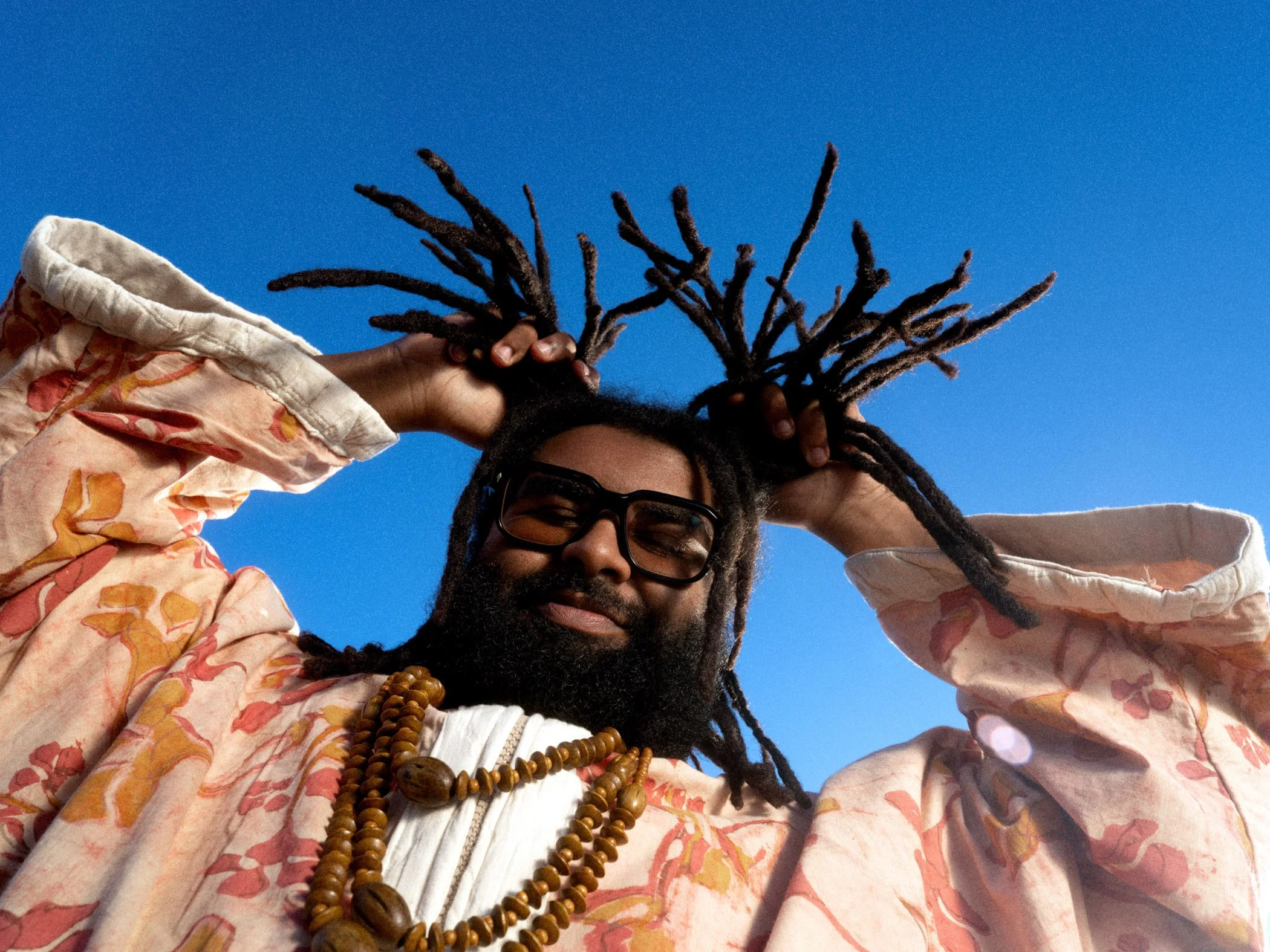
That’s How Elmiene Lets Songs Become Someone Else’s
interview + written KLAAS HAMMER
Elmiene proves that the future of neo-soul and contemporary R&B is in good hands. With his gentle voice, smooth production, and emotionally raw, poetic songwriting, the British-Sudanese artist blends modern sounds with a sense of nostalgia. His track “Someday” perfectly captures this signature style.
His rise began unexpectedly when a viral 2021 cover of D’Angelo’s “Untitled (How Does It Feel?)” caught the attention of producer Lil Silva, marking a turning point in his career. Since then, he has released several EPs and standout singles, earning recognition such as a top-five placement in the BBC Sound of 2024 poll and a BRIT Award nomination for Rising Star.
Following a steady stream of releases, including his 2026 single “Reclusive,” Elmiene now offers a first glimpse into the next chapter of his artistry with his debut album „sounds for someone“.
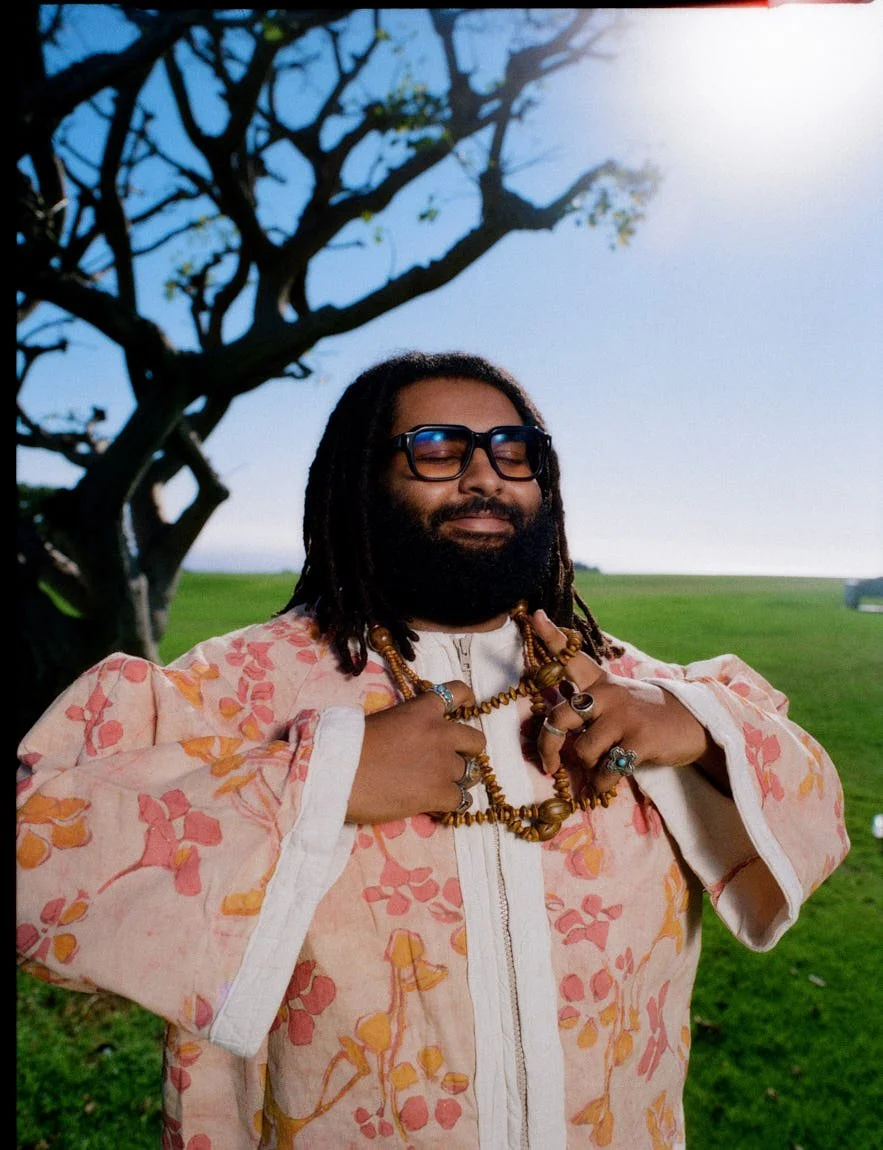
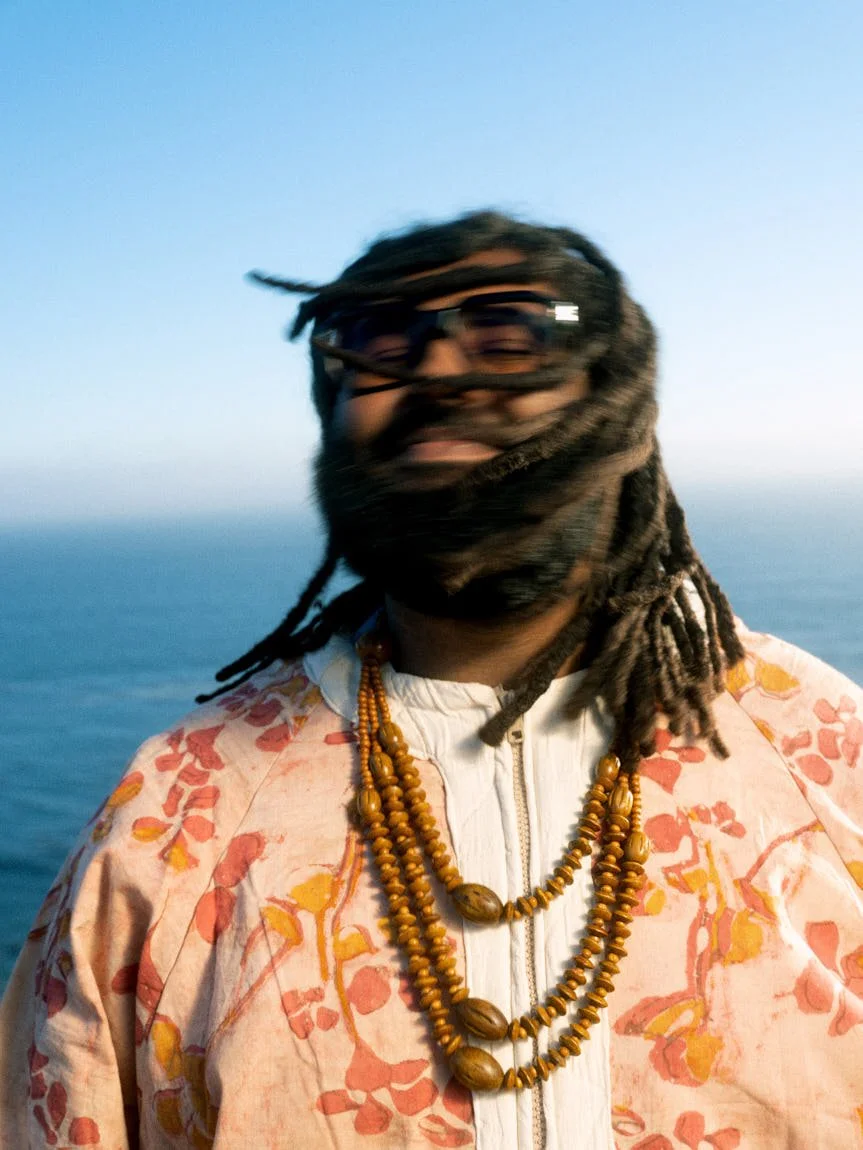
Elmiene / photographed by Andres Castillo
Klaas Hammer
The title of your album, “sounds for someone,” feels almost like an open-ended idea as if your music is speaking for or to someone specific. Who is that “someone” to you?
Elmiene
I don’t think it’s ever been one fixed person, you know. The songs feel like they belong to me at first, and then once they’re out, they don’t anymore—they become whoever needs them. So ‘someone’ could be anyone. It could be me at a certain time, it could be someone I’ve loved, or someone I’ve lost. I liked leaving it open, because I want the music to find people where they are, rather than telling them who it’s for.
You were born in Frankfurt, raised in Oxford and have Sudanese roots - three very different cultural spaces. How do these influences show up in your music and shape the way you create?
I think those different places show up more in how I feel than in anything obvious. Growing up in Oxford, I was quite internal, quite observant—I spent a lot of time in my own head, and that definitely shaped how I write. And then Sudan is more like memory and inheritance. It’s family, it’s stories, it’s emotion that’s been passed down. So the music becomes this mix of introspection and legacy—trying to understand what’s mine and what’s been given to me.
Listening to your recent work, there’s a strong sense of intimacy and introspection. What themes or inner tensions were you trying to explore or make sense of in this project? And can you tell us a bit about the recording process behind the album?
This project was me trying to sit with a lot of different emotions at once. I felt lonely sometimes, I felt loved sometimes, I felt guilty, I felt forgiven—it was quite overwhelming at points. A lot of it comes back to love and loss, especially around my dad, and just trying to make sense of memory. I wanted it to be really honest, even in the smallest moments, like zooming in on things that might seem insignificant but actually carry a lot. The recording process was quite instinctive—we weren’t chasing perfection, just trying to capture something real before it disappeared.
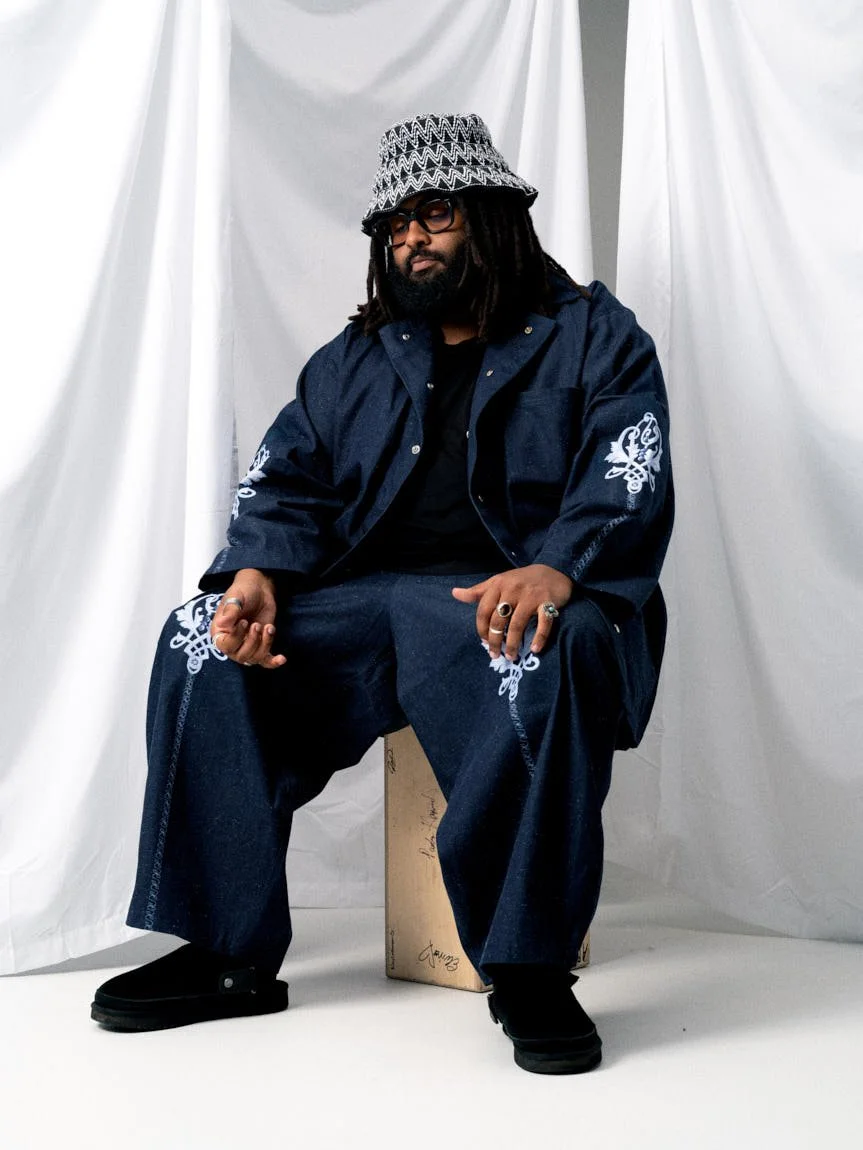
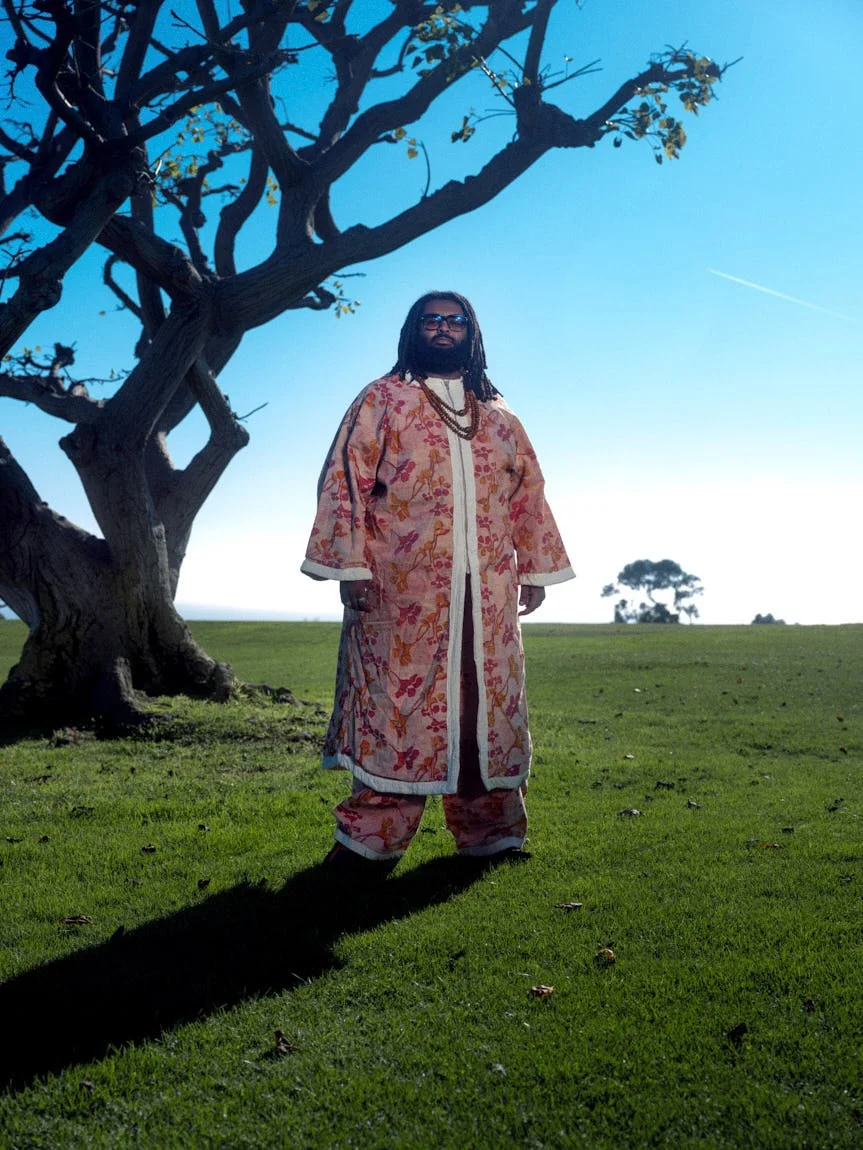
Elmiene / photographed by Andres Castillo
When watching you perform, what stands out is not only the warmth and emotion in your voice, but also a very natural stage presence. Did you always feel like the stage was where you belong, or is that something you grew into over time?
I think I grew into it over time. I never really saw myself as someone who was meant to be on stage—it felt quite distant at first. But then I realised performing is just an extension of the song. I’m not trying to be anything different up there, I’m just singing something that means a lot to me. And I think that’s what makes it feel natural now—there’s no performance on top of it, it’s just the feeling.
Your music often feels like a very direct emotional outlet, almost like a diary set to sound. Are there things you find you can only express through music, but not in conversation?
Yeah, definitely. There are things I wouldn’t know how to say in conversation, or maybe I just wouldn’t feel comfortable saying them. With music, you can sit in a feeling without having to explain it or resolve it. You can contradict yourself, you can be vulnerable in a way that doesn’t need to be justified. It’s the only place where I feel like I can be completely honest.
With your family roots in Sudan, a country currently facing significant challenges, how does that reality shape your perspective as an artist? Do you feel a responsibility to reflect or respond to it through your music?
It’s always present in some way. Even when I’m not speaking about it directly, it shapes how I see things—family, identity, everything really. I don’t feel like I have to make explicit statements all the time, but I do feel a responsibility to be honest and to carry that part of me properly. If I’m telling my story truthfully, then Sudan is already in it. And if that resonates with someone or makes them feel seen, then that’s important.