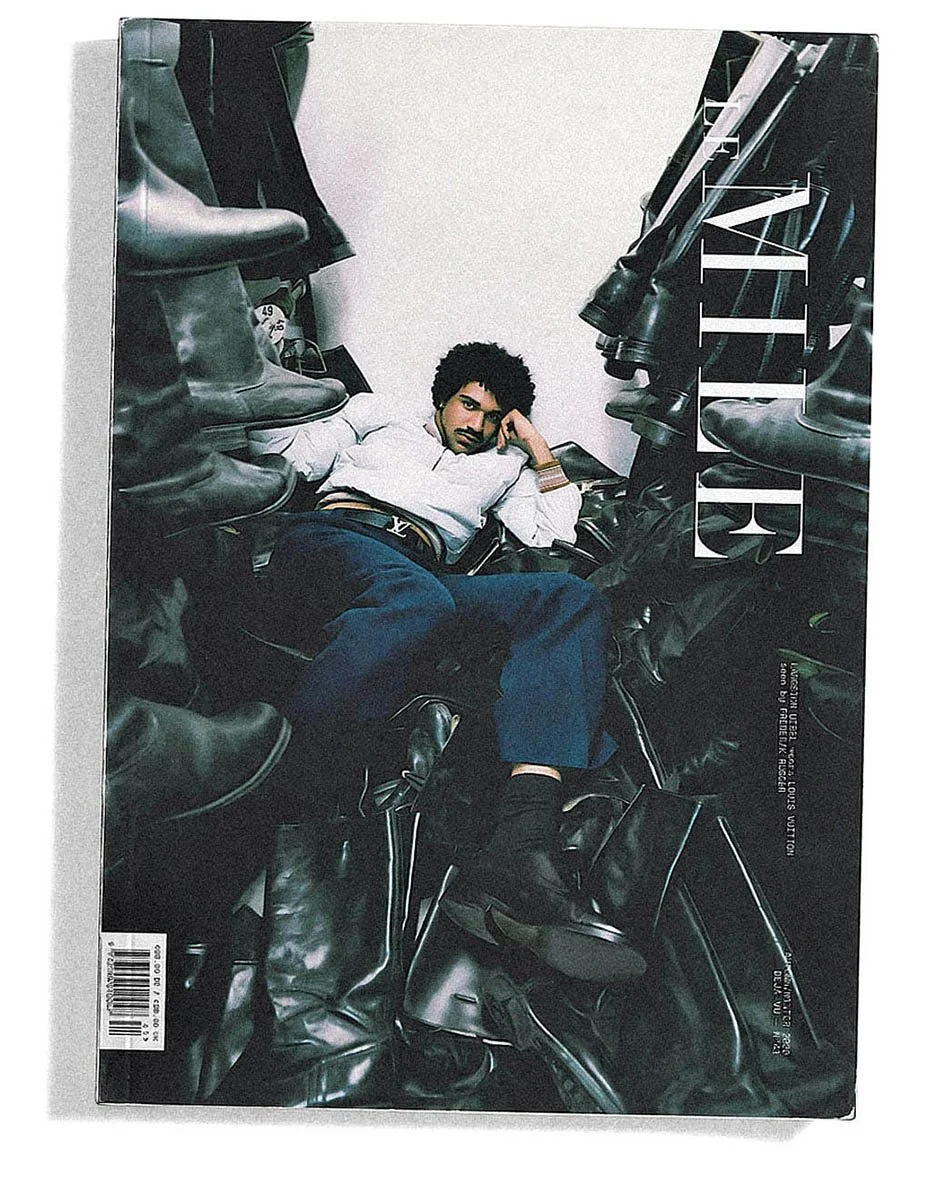
.cover story
Langston Uibel and the Reason Behind the Role
written + interview ALBAN E. SMAJLI
There is a moment in our conversation when Langston Uibel says that a project needs a clear reason to exist. He is speaking about the people behind the work, the perspective they bring and the commitment required to carry an idea through. The sentence lands almost casually, yet it explains much of the path he has taken across cinema, streaming and theatre, and his growing involvement in producing projects of his own.
At 28, Uibel is already testing how much responsibility an actor can take for the work around him. He speaks openly about early performances he would approach differently today, the assumptions that follow certain roles and the need to keep moving before a career begins to repeat itself. What emerges is an actor becoming increasingly precise about where he places his energy, and increasingly determined to help shape what comes next.
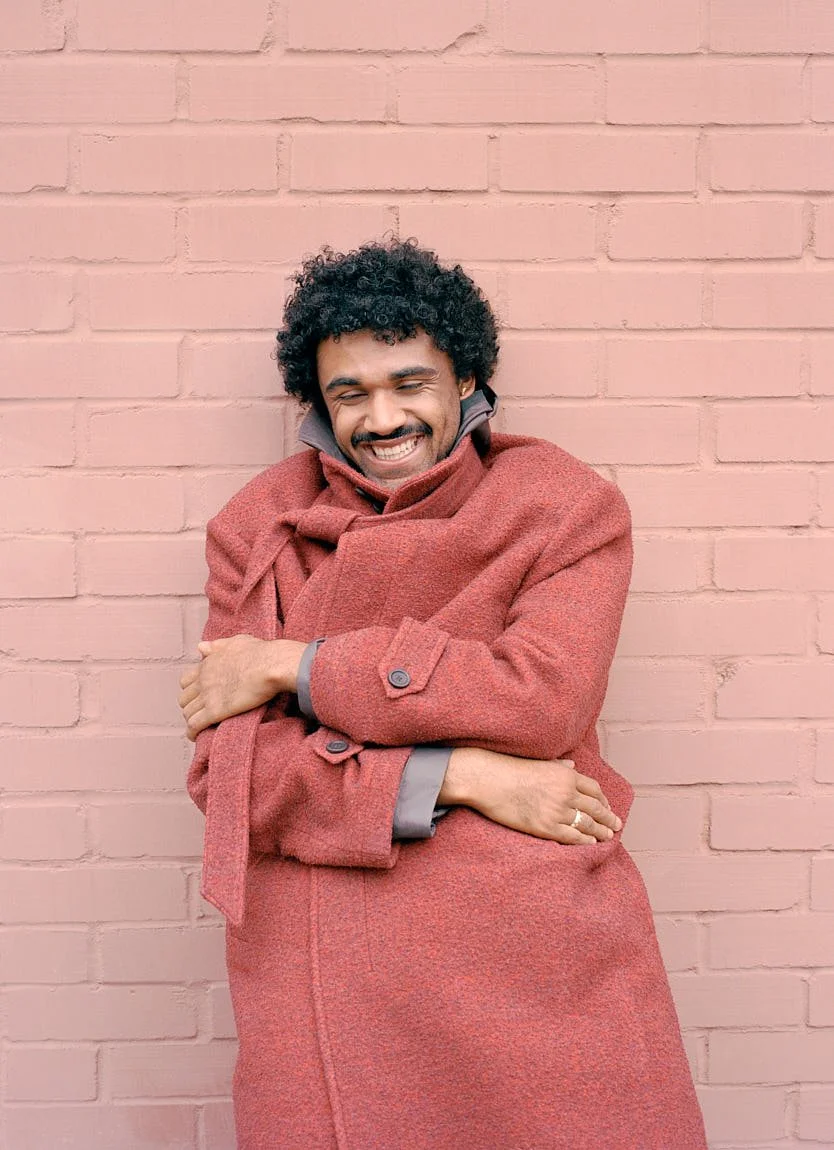
coat, jacket + ring LOUIS VUITTON
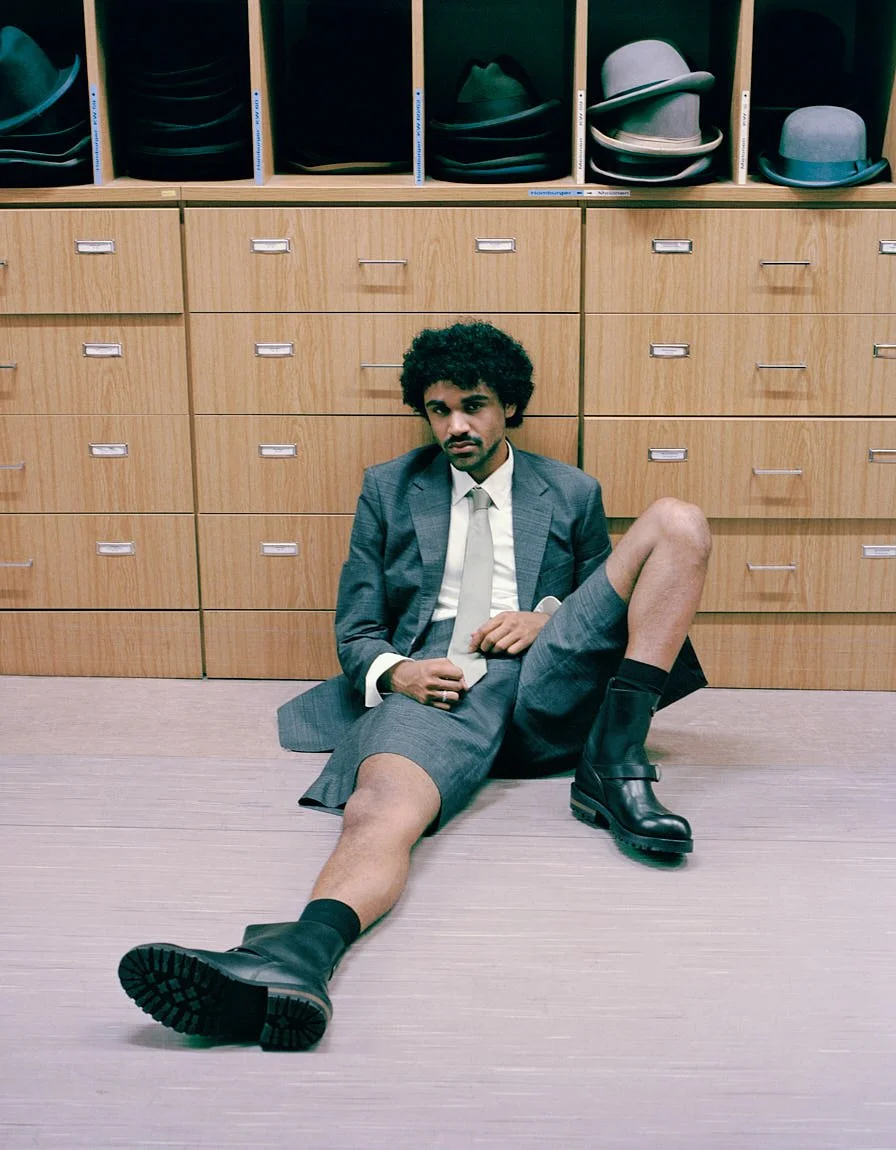
jacket, shirt, tie, shorts, socks, boots + ring LOUIS VUITTON
Alban E. Smajli
What holds your work together when every new project takes you into a completely different creative environment?
Langston Uibel
I had to learn on the job. I never had a classical education. So I was lucky enough to have these three Netflix shows: Dogs of Berlin, Unorthodox, and How to Sell Drugs Online Fast. I basically always had the opportunity to work with showrunners and creators who have a very distinguished approach to their respective projects.
And I think throughout my career, what holds everything together is that I’m always looking for somebody behind the project who has an absolute perspective and a concrete idea of what they want to do and a reason why they’re saying it. That’s always necessary for me. I don’t have to be on exactly the same page as everybody, but there has to be a subject to discuss. If somebody doesn’t know why we’re doing something, I’m not interested.
I always need to have people who feel like they need to do this, that there is a necessity behind this story and a necessity behind their vision. And that’s where collaboration starts, because that’s the way I approach it. I always come in with 150 percent. Nothing is ever blatant. There is nothing that doesn’t matter. Everything matters so much. And that’s what I need to have with the creators that I work with. At the moment, I feel like I’ve found that most in theatre and cinema. With Christian Petzold, but also with young directors like Jasmin Baumgartner and Romina Küper, as well as my mentor in theatre, Barbara Frey.
Has there ever been a role that felt like it completely disrupted the direction your career was taking?
Well, funny enough, I tend to see myself as quite a serious guy. I mean, I laugh with my friends, but in general I think people laugh way too easily. Everything is not always that fucking funny. Especially when people think they’re funny. Let the others be the judge of that. That also goes for comedies. If we’re talking about something disruptive, actually my next move is that I’m going to be in a children’s movie, Bibi Blocksberg. And I think these classic German children’s film productions have a certain vibe and a certain taste, which I really wanted to be part of.
One of my first film experiences was being an extra in the children’s movie Hanni & Nanni. And now to come back as a proper actor in Bibi Blocksberg, an absolutely legendary German children’s story, is a dream come true.
Have you ever thought twice about a role because of what it might lead to afterwards?
I feel like I grew up in a world where people would still say absolutely outrageous stuff, like you wouldn’t want to play a queer character too often because you would then only get cast as a queer person. I mean, even if that is true, I couldn’t care less. I try to have versatility in my characters, but people sometimes lack the concentration to really look at what makes a character different, the nuances of characters.
People will actually have the cheek to use things like skin colour, sexuality, or style as the differences between characters. Maybe my characters all happen to have a certain swagger, but underneath there are differences. I sometimes feel like that’s a problem in general. People have to understand that you are made of so many little particles and that you can be so many things at once.
After Roter Himmel, did you notice people expecting something different from you as an actor?
Well, working on Roter Himmel, English title Afire, was my absolute home run, because I knew I needed to exist within this kind of space. I needed to meet a director like Christian Petzold to be reassured that my take on art is valid and that it makes sense to dive even deeper and really find out. He gave me that last bit of self-esteem that I needed to know that I can create art and that I can be impactful. I want to develop my own taste.
That work was absolutely pivotal, and I took it into my work on Hijack now and also into everything I do in the future. For me, he will be a mentor. I hope we get to work together again, but even if not, this will be one of my most important experiences. The way he works and the way he sees art is just very similar to mine, and I’m absolutely thankful for that time in my life. But that was three years ago, and we have to move on.
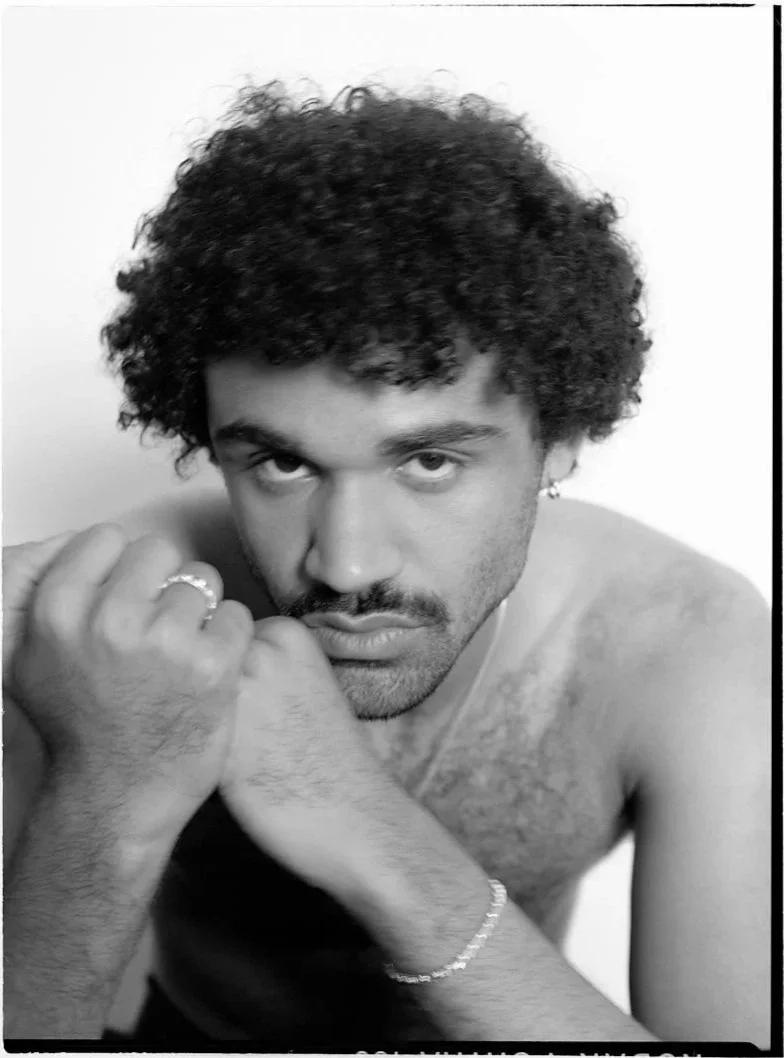
< earring, ring + bracelet LOUIS VUITTON
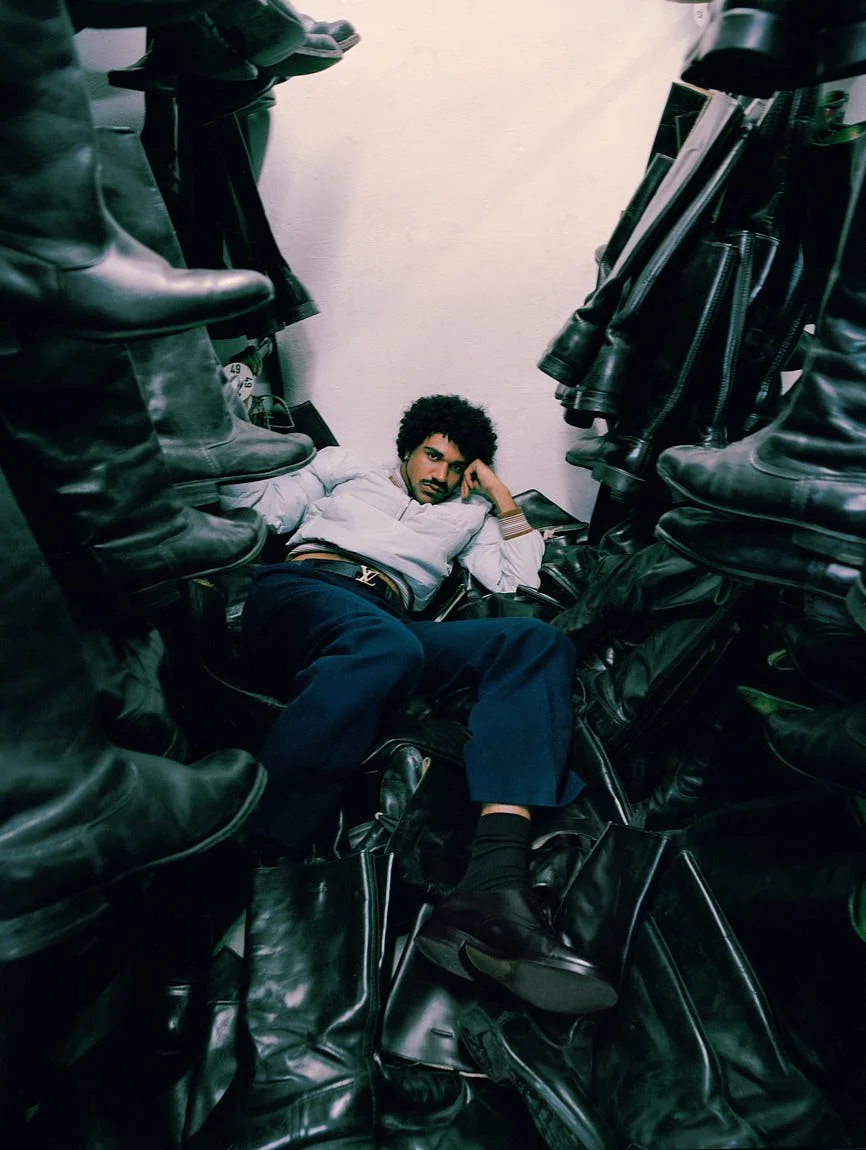
jacket, t-shirt, trousers, belt, socks, shoes + earring LOUIS VUITTON
What makes you trust a director enough to show them a side of your acting you haven’t explored yet?
One of my teachers in primary school said everybody’s best is different, but I think you should always try for the best. As long as everybody wants to try and people aren’t sloppy or lazy about things, things can happen. Things can go wrong. I’m 28, what do I know? But I’ve had experiences with directors who just don’t care, and I think it’s okay. In a capitalist society, you can have people who are not as ambitious, and it’s also fine to just do the bare minimum. I don’t judge that. But I just feel that if you’re only willing to do the bare minimum, then maybe being an artist doesn’t make that much sense.
What did your first season at the Burgtheater ask of you that film hadn’t prepared you for?
I just had to realise that film and theatre have more differences than similarities. In film, if you’re lucky enough, the director will be able to catch something while you’re living in the world that is set in front of the camera. The camera just passes by. The world should already exist. Theatre, for me, can only happen with the audience there. So you have to acknowledge the audience somehow. That doesn’t mean being loud and screaming and big, but you have to acknowledge the audience, even if it’s just through a thought.
I come from film. Film is the thing that I know more about. But I’m now about to do my second play with the same director, The Seagull by Chekhov at the Düsseldorfer Schauspielhaus. I just can’t wait to get back on stage. If I can do a play a year, that would be the perfect balance. And in general, the Burgtheater, where I’m still playing and where we’ve been renewed for a fourth season, has just reassured me that I can do it.
Did producing the KaDeWe film change the way you walk onto a set as an actor?
I just try to limit my commercial activities, but when I do something, I try to take it into my own hands and make sure that whatever I do, even if it’s commercial, shows my take on art, shows my perspective, and gives me the opportunity to express myself.
With KaDeWe, as well as now with the new film I’m about to release for Dr. Martens, which I executive produced, it has been a really nice school for me. It’s been preparation for my first feature film that I’m going to produce together with Jünglinge Film, where I will be playing one of the leads as well as being one of the executive producers. I think we’re looking to shoot in 2028 or 2029, so it will take a while. I am also working with C/O Berlin, where I’ll be producing an intervention performance for the exhibition of Carrie Mae Weems.
I have this notion that I want to take responsibility in the future as an actor, to bring these films into the world and to make my projects successful. Successful doesn’t only mean numbers. I want to make sure they’re relevant, connected to the zeitgeist, connected to debates, and that they make sense. I want to take that responsibility.
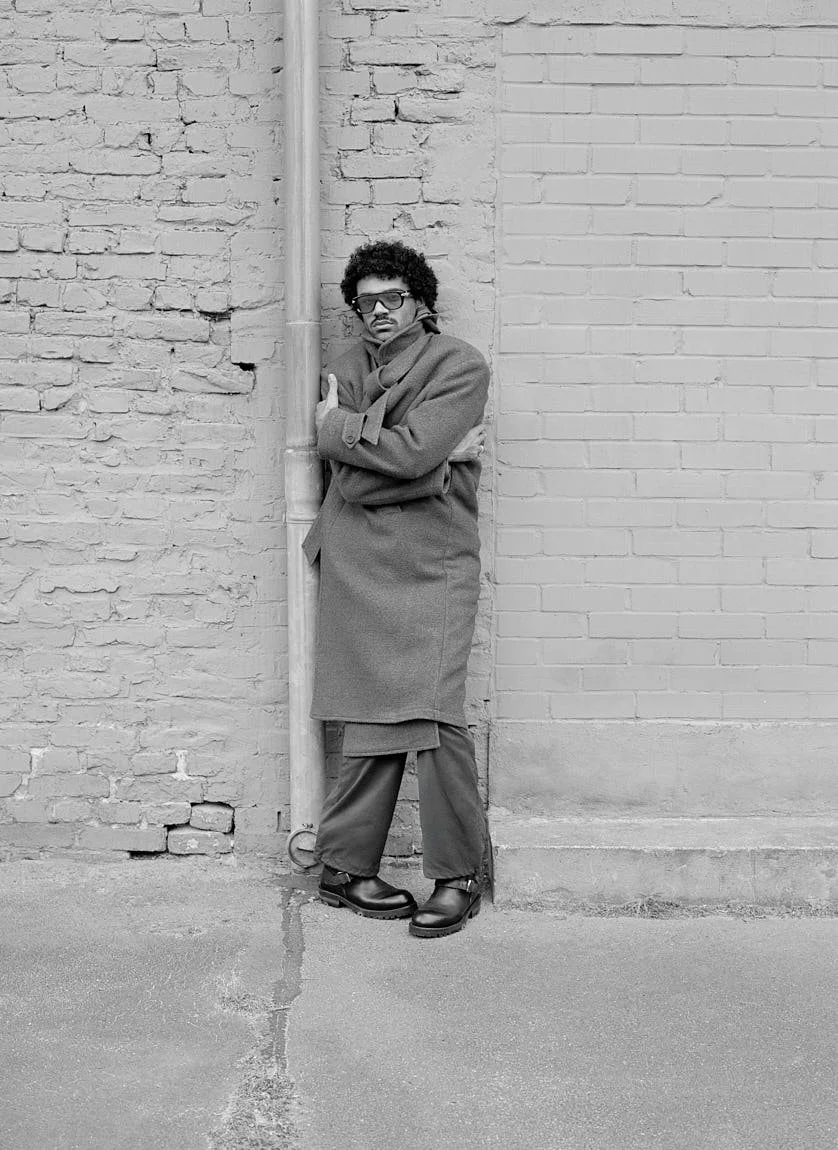
coat, jacket, trousers, shoes + eyewear LOUIS VUITTON
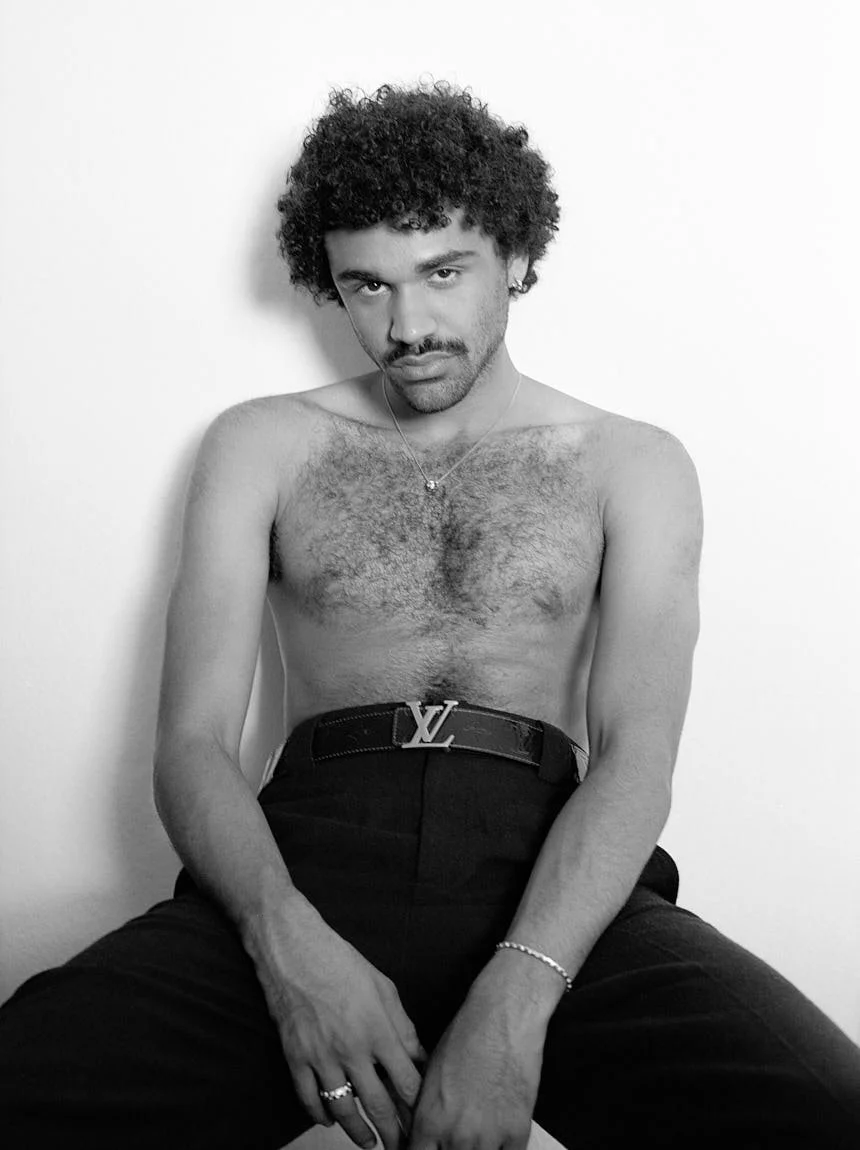
trousers, belt, earring, necklace, bracelet + rings LOUIS VUITTON
You work in both German and English. Does switching between the two change the rhythm of a character for you at all?
Oh, not really.
My main base is Berlin. My father has a bar called Dalston Jazz Bar in London, where I am a lot. I was incredibly lucky to shoot Hijack Season 2, the Apple TV series produced by Idris Elba, in London for around eight months last year, which was wonderful because I could work in my other home. For me, English and German are not something where I need to choose. I don’t need to choose one of these. Both are part of me.
Sometimes one language makes more sense. There are specific words that work better in one language, and I have people that I speak English with and use these specific words with, and then I have a German context where I speak German. I’m proud to be both, and I don’t have to choose.
When you look back at one of your earliest films, do you recognise anything in your acting that’s still there today?
No, sometimes I feel a little bit of shame because I started so young. I think I needed the time to understand the importance of my job. I never went to acting school, and my family doesn’t have any connection to the industry. You have to learn certain codes. You have to learn how to talk about it. And I wish I had given myself more time to learn before jumping into projects.
There are some projects where I feel I could have done better, and that hurts sometimes.
If we jump ten years ahead, what would you like audiences to say about the range of roles you chose?
Oh, I don’t know about the range.
In ten years, I just really want to make sure that the dreams I have and keep in my heart sometimes come true. It needs to work. I need this. And I hope that I can just play my part in this world somehow. Even if it’s a small one, I really hope that I can leave an impact.
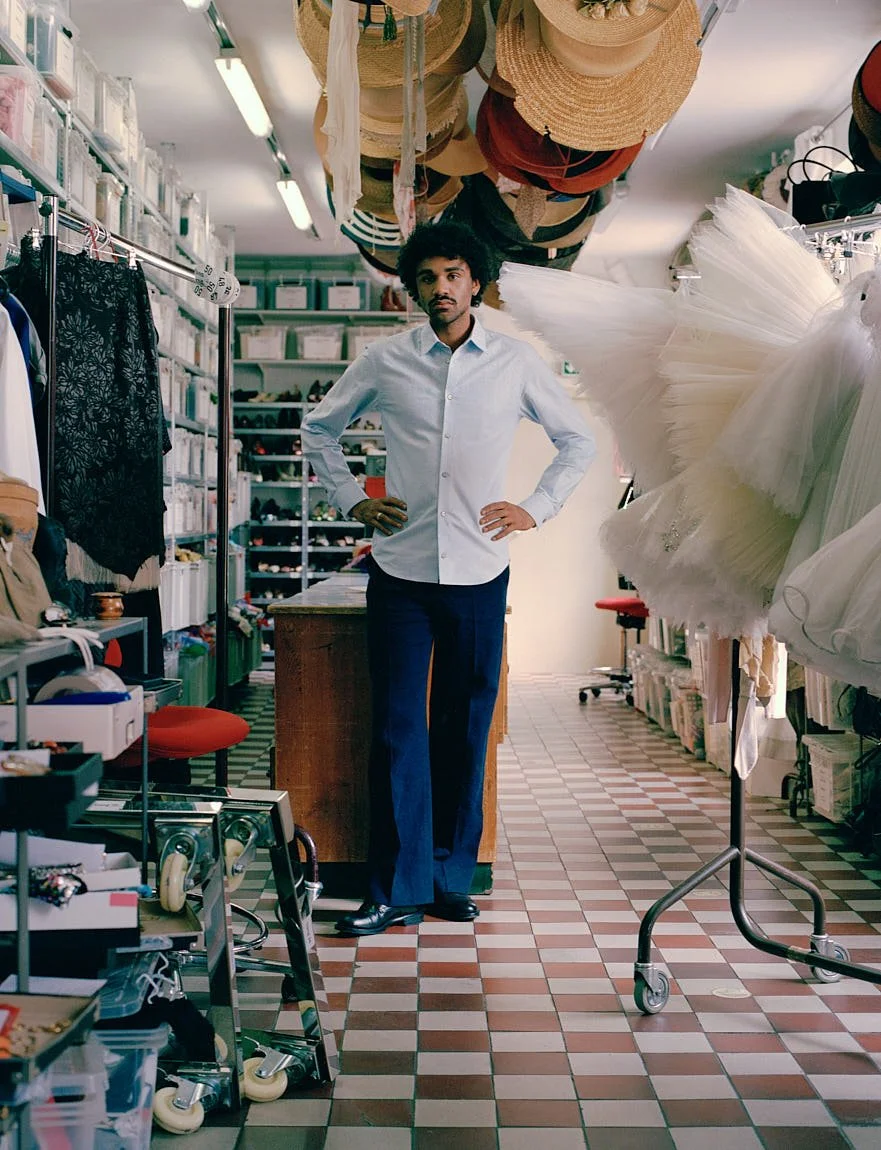
shirt, trousers, shoes, earring, bracelet + ring LOUIS VUITTON
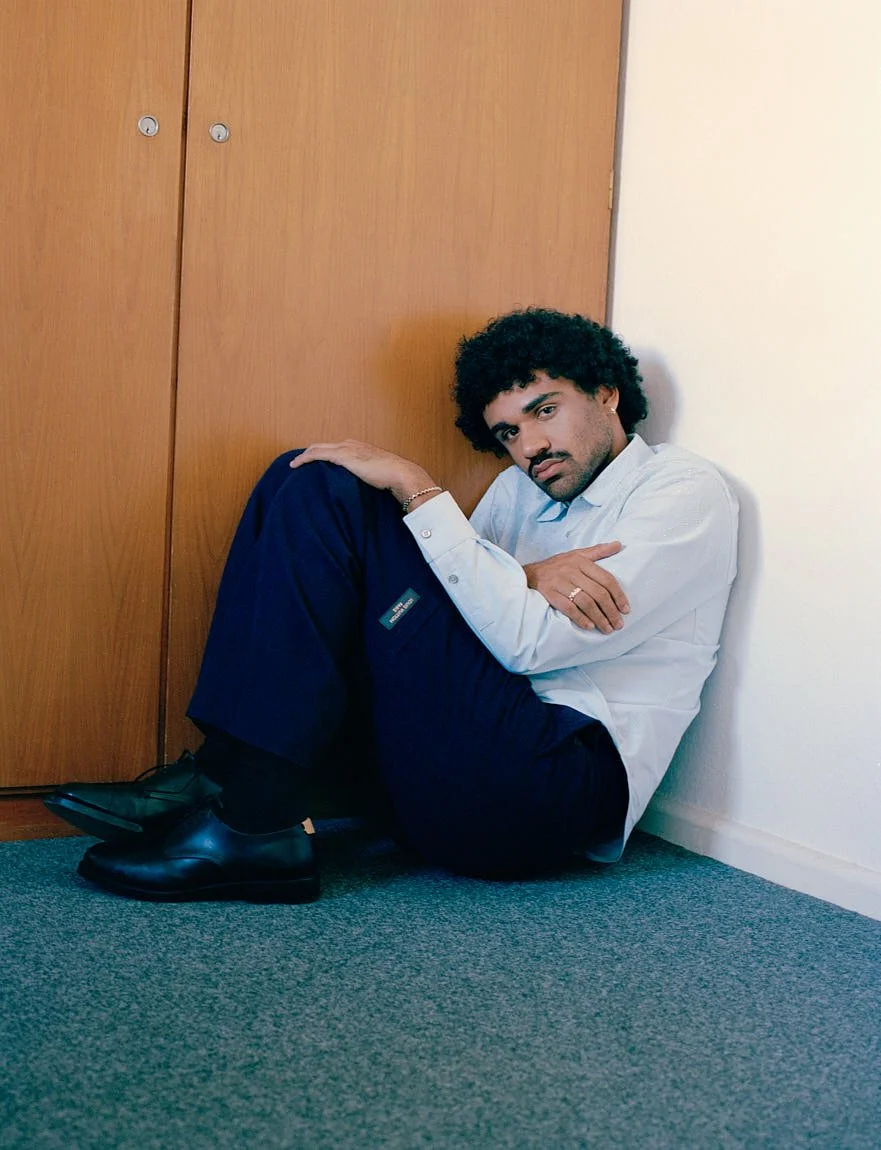
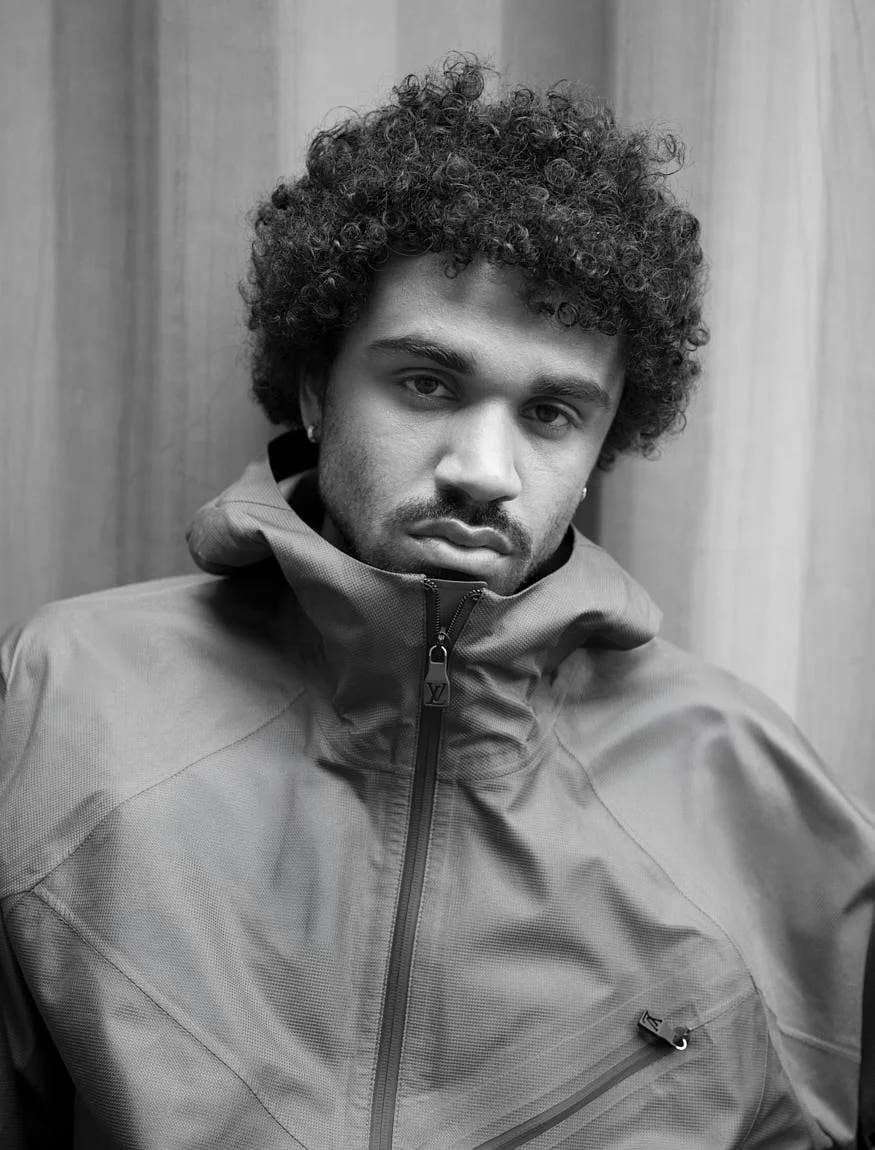
jacket + earring LOUIS VUITTON
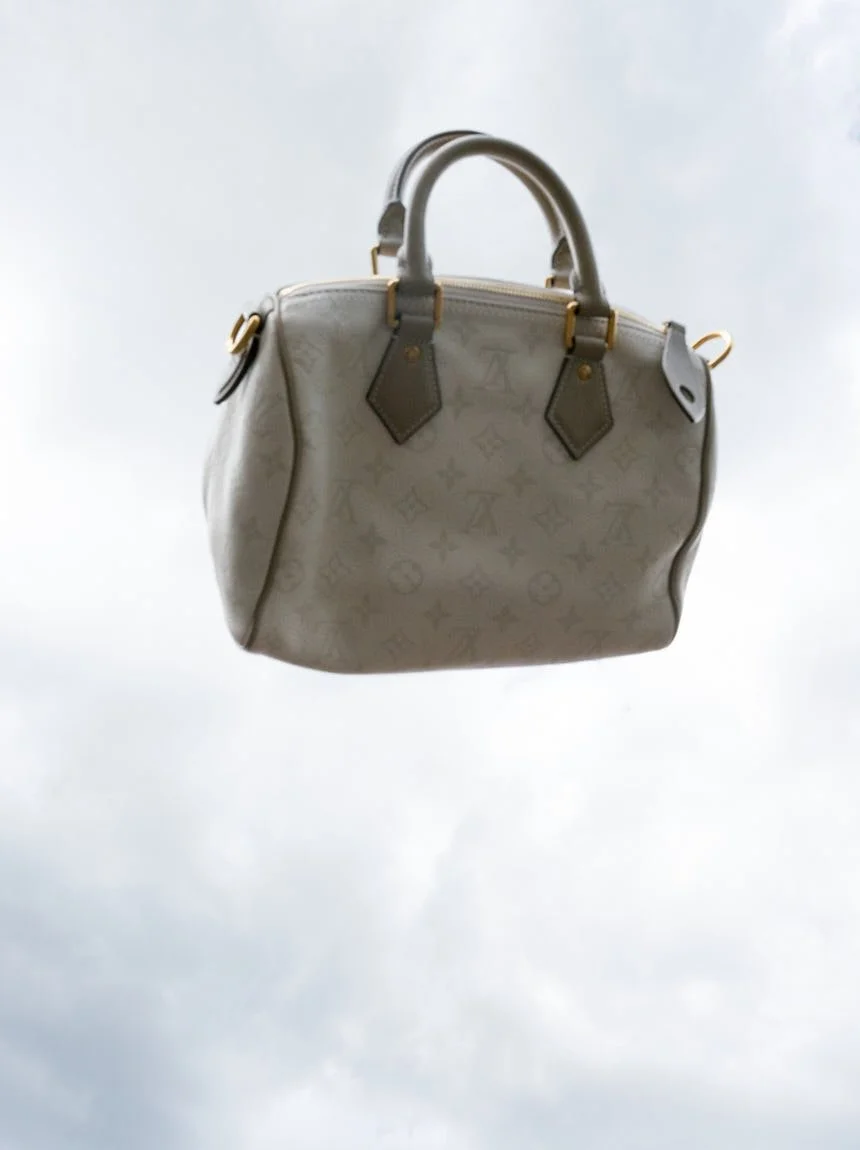
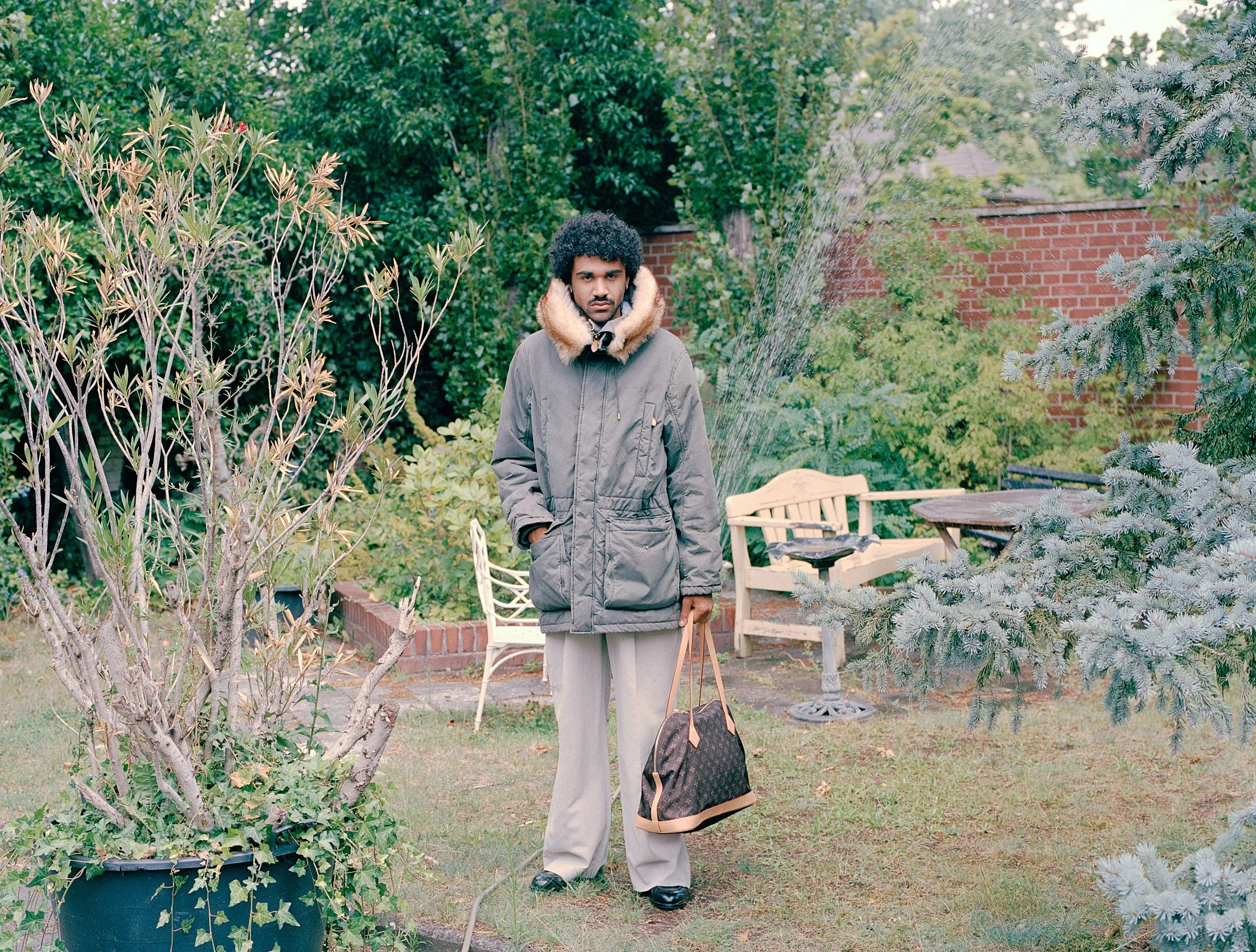
bag LOUIS VUITTON
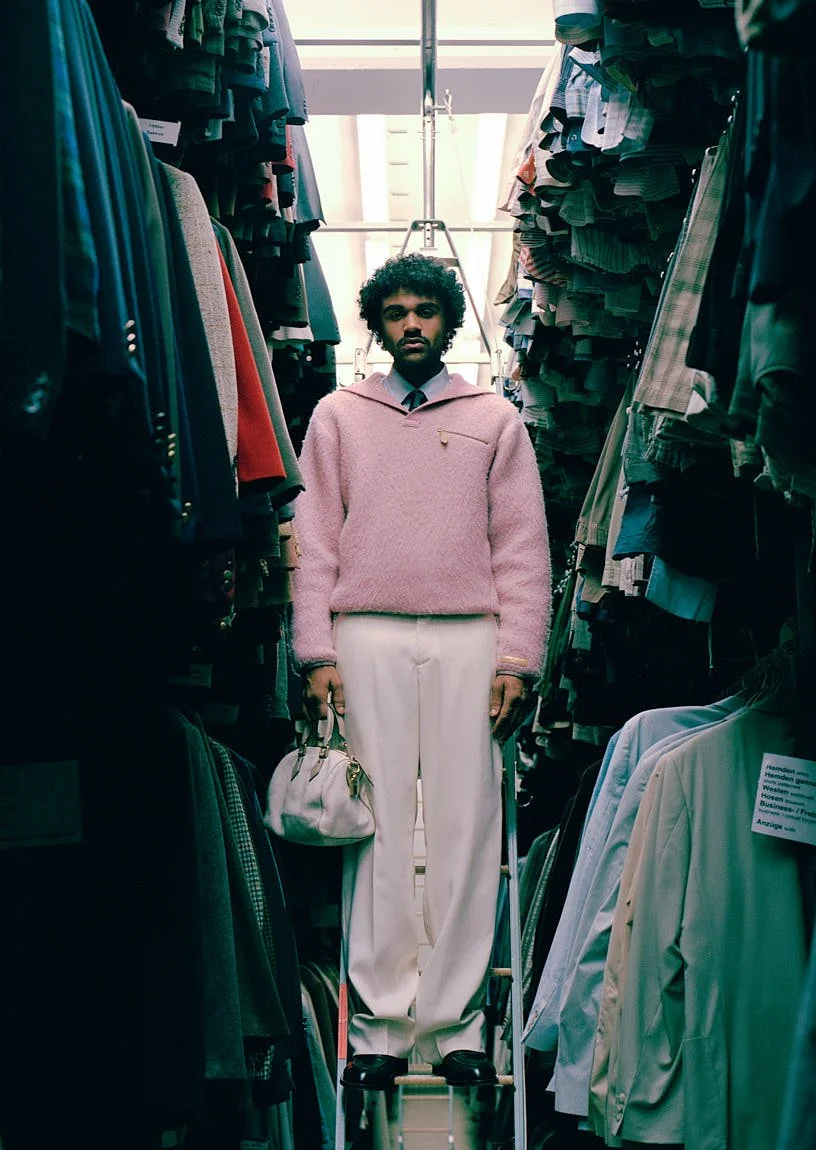
sweater, shirt, tie, trousers, shoes + bag LOUIS VUITTON
talent
LANGSTON UIBEL
photography FREDERIK RÜGGER
styling KLAAS HAMMER
hair + make up ILYA FESENKO
editor ALBAN E. SMAJLI
special thanks to THEATERKUNST
photography FREDERIK RÜGGER
styling KLAAS HAMMER
hair + make up ILYA FESENKO
editor ALBAN E. SMAJLI
special thanks to THEATERKUNST
credits
all Images (c) LE MILE
and Federik Rügger