Viewing entries tagged
campaign

London Fashion Week 2026 - Future Fashion Stars

London Fashion Week 2026 - Future Fashion Stars

Where Do Fashion's Future Stars Come From?

Inside London Fashion Week: The Established Rebels, the Fresh Graduates and the Programme That Launched Lee McQueen


written Justina Snow


New York started fall/winter´26 fashion week with a wonderful debut of Rachel Scott for Proenza Schouler. Milan brought us the highly anticipated first prêt-à-porter show by Demna's Gucci. And it all wrapped up in Paris with a bittersweet farewell to Pieter Mulier's successful time at Alaïa. And somewhere in between, there was something spectacular London gave us too - the future of fashion (quite literally).


This is the place where future McQueens and Erdems are not taking spaces on the outskirts of the city with a few square meters for a showroom. In London, fashion week's baked-fresh-out-of-school talents are a well-respected part of the official schedule. This year's London Fashion Week schedule was embedded with 19 talented brands of NEWGEN - an official initiative by the British Fashion Council supporting young designers financially as well as with mentorship. Since launching in 1993 - when the fashion world was going crazy for supermodels and glamour - this program was the first step for the later skyrocketing careers of designers like Alexander McQueen, J.W. Anderson, Simone Rocha, and many others who are now synonymous with London fashion. And while you might have seen a lot of conversations in the past two years about LFW dying, as I bumped into Kate Moss at 180 Strand studios (where the NEWGEN runways were taking place), I knew that those talks are so far from reality.


LE MILE Magazine YAKU AW26 Morgan Williams

YAKU AW26
seen by Morgan Williams

 
LE MILE Magazine YAKU AW26 Morgan Williams

YAKU AW26
seen by Morgan Williams


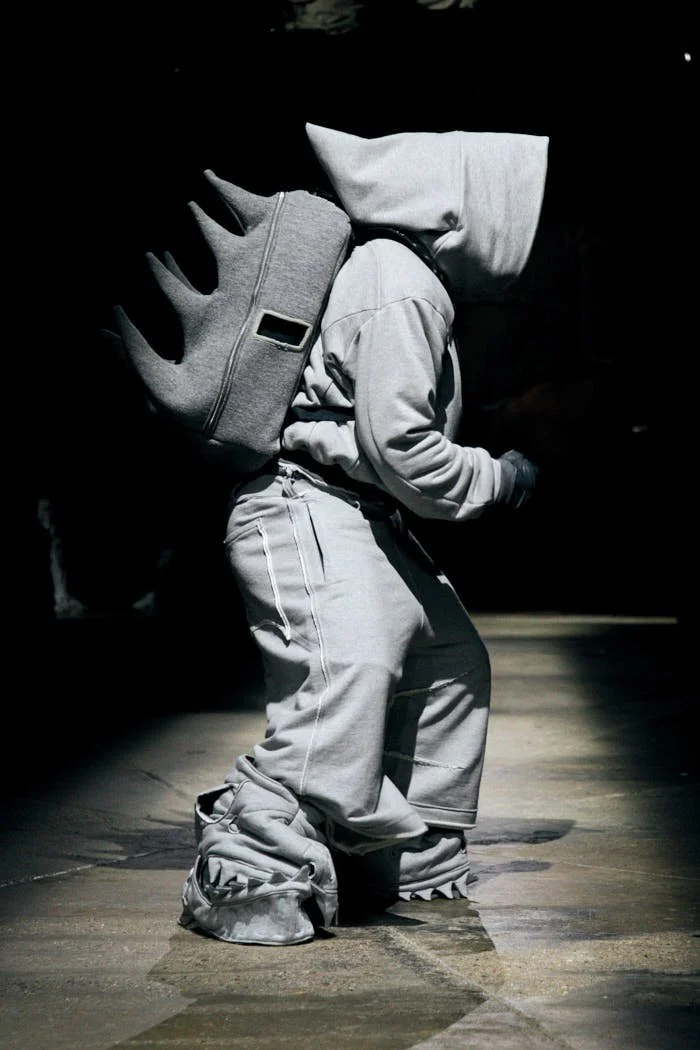
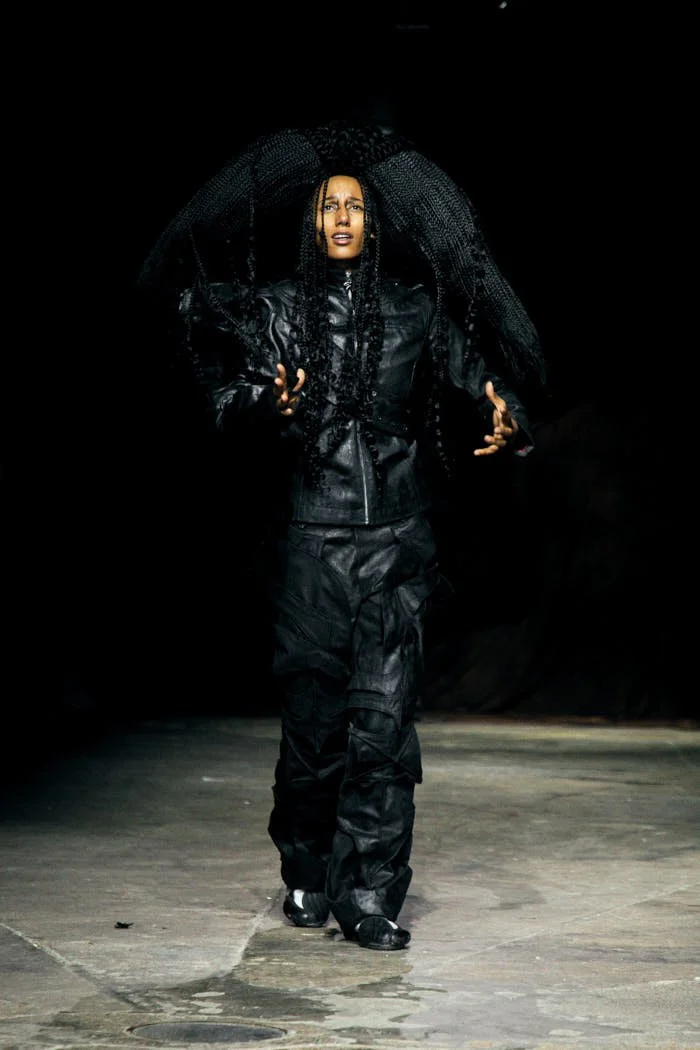
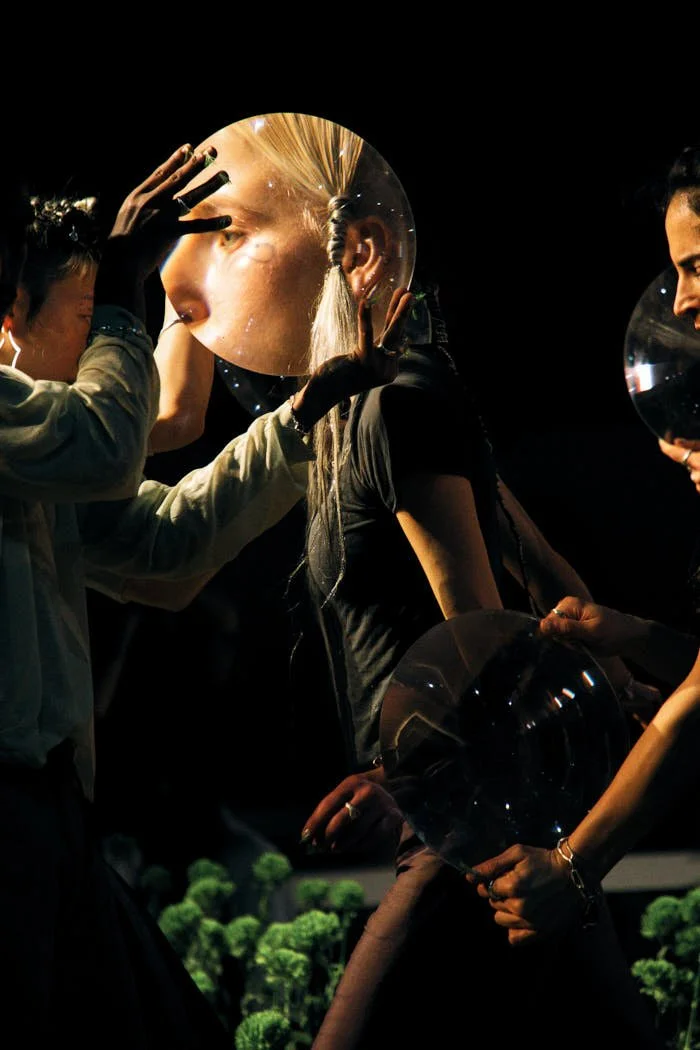
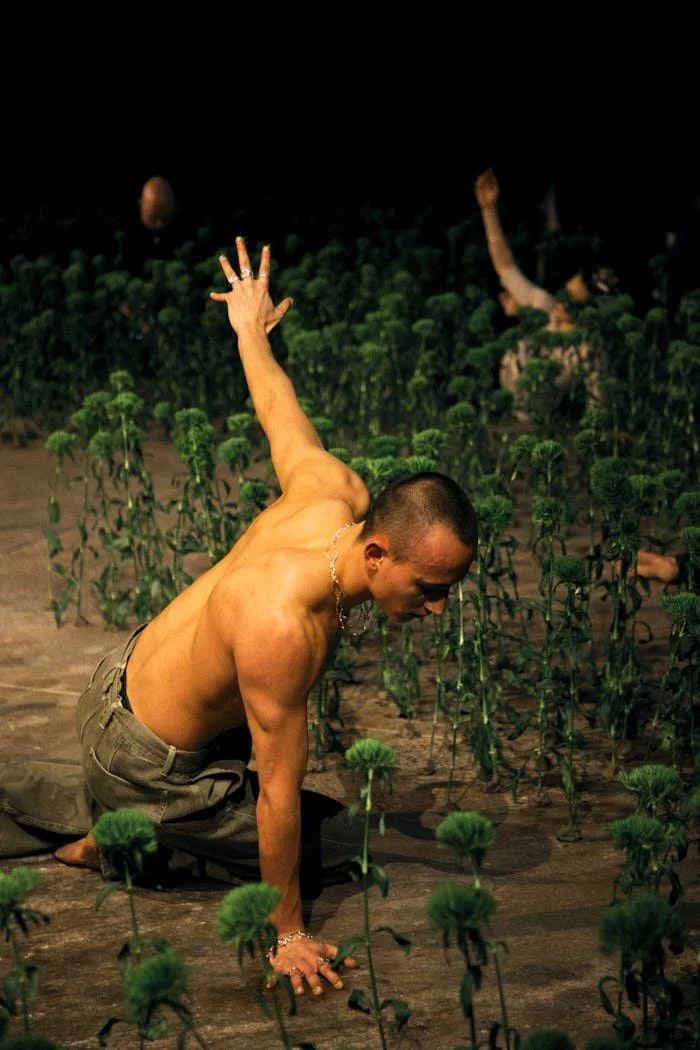
I spent a lot of time at the mentioned 180 Strand Studios this season, and I witnessed something opposite of fashion dying. I would maybe even call it a reincarnation. Fashion is definitely changing its shape. A big part of collections has become an experience in itself; presentations have become so much more interdisciplinary. One of the initiative´s brands, Yaku foreshadowed their somber mood with an installation of dark, shadow-like human figure statues, as if frozen in time. Yaku themselves said that "we're trying to make art that responds to the world rather than simply offering hope - exploring a negotiation with reality alongside the desire to evolve, because hope alone doesn't drive change." Given the state of the world, this hits close to home. And they translated this not into a runway show but into a performance of four acts, all circling around the concept of combat. And when the first model appears in choreographed movement, you know that the fashion - although very well executed - becomes part of the whole and helps translate the intention. And while flowing through martial-arts-inspired movements, the performers give so much personality to every garment they wear.


While personalisation and emotional charge remain important cornerstones this season, we also saw not only ready-to-wear collections but accessories as well. On a different occasion, when I entered the NEWGEN space (which had already become my third place by that point) for Octi's presentation, I saw a grass field. It was the opposite of a lush meadow: this field had a mysterious vibe, as the space itself is dark and concrete-dominated, yet I was face to face with nature there and then. Only after a while did I notice five bodies lying there motionless. Over time, their movements grew into a choreography that, according to the designer, illustrated the concepts of connection and "embody the fluidity and rigidity of the natural forms used in the collection." I could only describe this presentation as sensitive and magnetic - and hypnotizing, because I was sitting there staring at the choreography for almost an hour - and the designer, Octi Ransom, admitted that "I think sensitive and magnetic are also words I would use to describe the potential of jewellery." This is what we call great communication through presentation. And that's already a big achievement, as we are still largely focused on ready-to-wear collections. Octi also revealed that scale is a challenge in larger spaces: "Naturally, jewellery is physically much smaller than ready-to-wear. It usually takes up less space on the body, and becomes more of a challenge to communicate in larger spaces. But in the end I think this can work to an advantage, making room for new ideas on how this can be solved."


LE MILE Magazine Jiyuan Fan photo Han Yang

Jiyuan Fan
seen by Han Yang


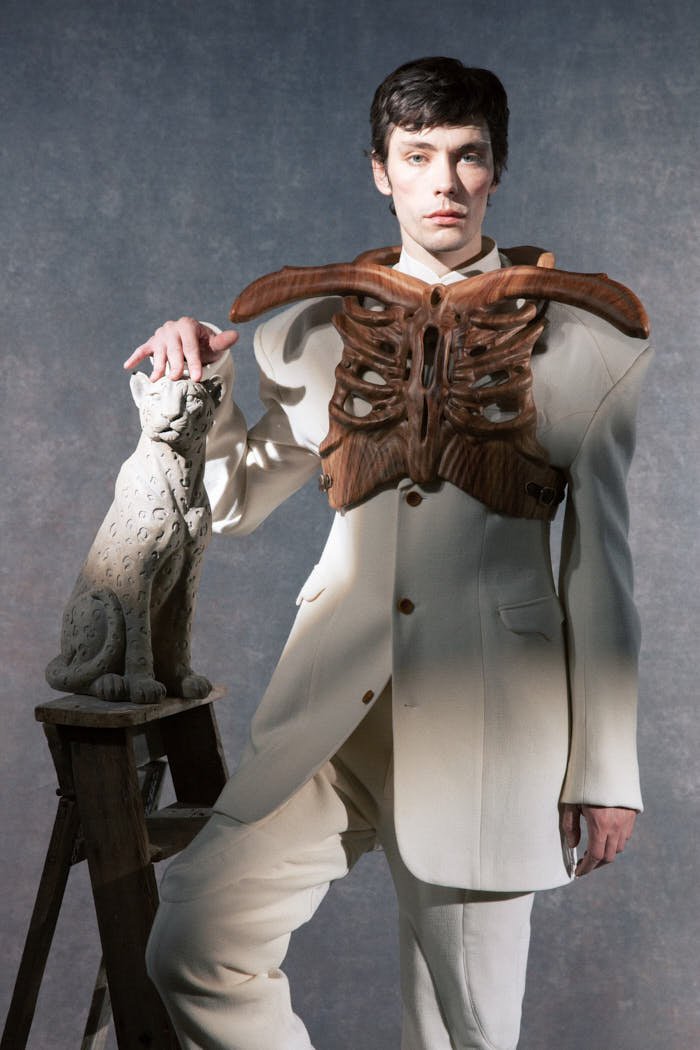
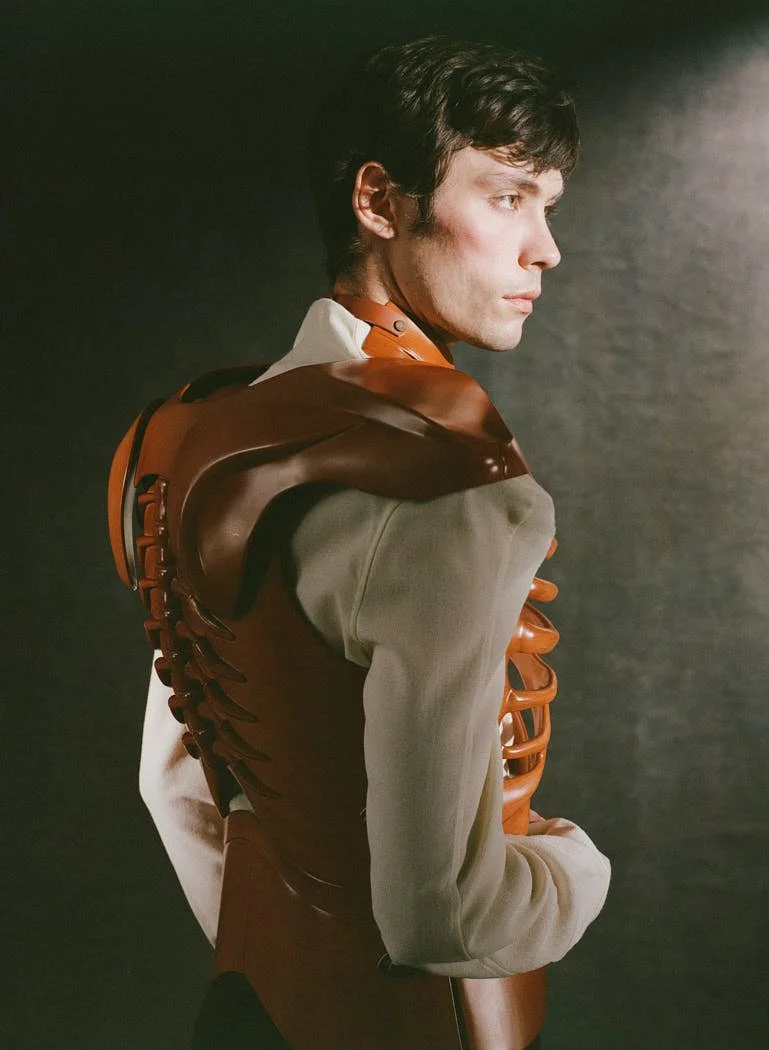
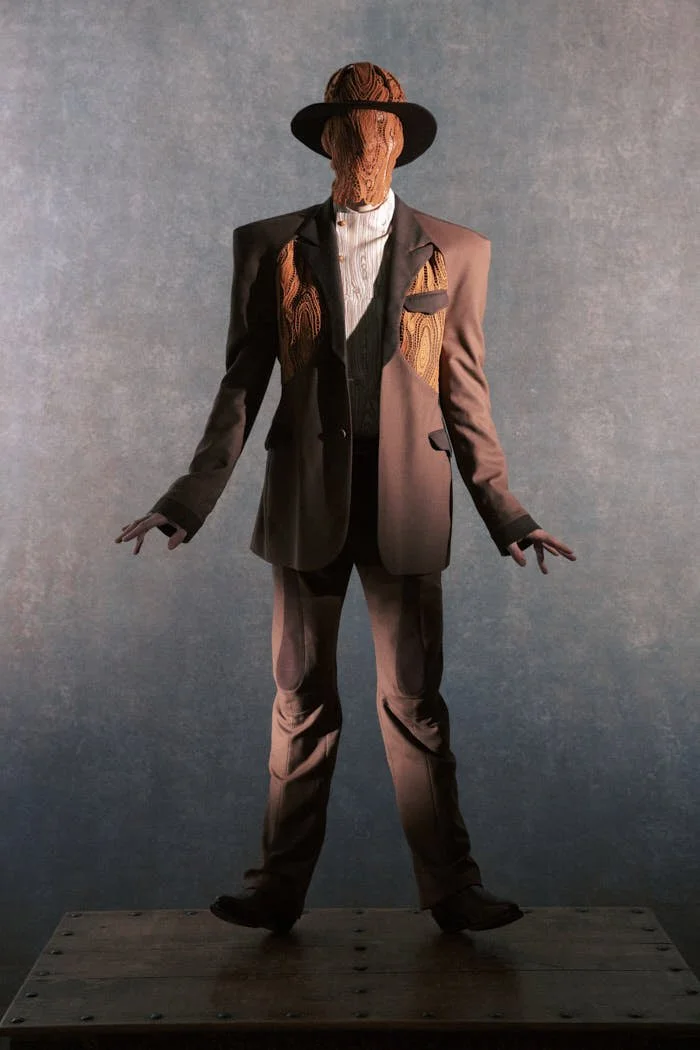
As much as NEWGEN designers steal the show, we cannot talk about fresh talents during London Fashion Week without covering the freshest of them all: MA student shows. There was one designer from London College of Fashion who stood out specifically - Jiyuan Fan. It didn't only catch my eye; it captivated me, and I felt like I was witnessing a scene from a very stylish body horror thriller - the models wore wooden-looking pieces representing skeleton parts and facial structures made out of lace, and I couldn't help but identify one more trend among young designers: alternative materials. Jiyuan himself reflected on this: "One important reason is that these materials allow designers to communicate their concepts more directly. ... I also thought about how people might remember my work. Fashion changes very quickly, and the use of materials always requires creativity and possibility. This is something every young designer has to think about." The designer's research began with hangers and human anatomy, and the project eventually raised a question about the visibility of support structures in garments. "In my collection some garments are cut according to the skeleton structure while others reveal the natural outline of the body once the structure is removed. The garments therefore have two states. One is supported by the Human Hanger structure and another exists without it. Through this process I developed my own visual language for menswear. It proposes what I describe as a new human body." - Jiyuan Fan explains.

 
LE MILE Magazine Jiyuan Fan photo Han Yang

Jiyuan Fan
seen by Han Yang

 
LE MILE Magazine Jiyuan Fan photo Han Yang

Jiyuan Fan
seen by Han Yang


Seeing so many young talents and a city supporting their growth, throughout London Fashion Week I had a lingering question in my mind: what does London have that other major fashion weeks don't? While we don't see behind the scenes, and knowing that the fashion industry is extremely competitive, the talents I got a chance to talk to - and the whole atmosphere during LFW - seem to be at ease. It's apparent that London has built something other cities haven't. At least not in this structure. While Paris has the LVMH Prize, which is a great opportunity, it requires you to already have at least two full ready-to-wear collections under your belt. New York also cannot offer the same; it usually relies on off-schedule events for young talent. So London truly seems to be more democratic in this sense. When talking about NEWGEN and London as a hub for young designers, Octi shared: "There are so many incredible young designers in London so it feels like a really special place to be creating, and I feel very grateful to be presenting as part of LFW amongst some of these people. I think presenting in this capacity anywhere as a jewellery designer is also something really exciting, and opens a door for people to be surprised by the possibilities of what this could look like."

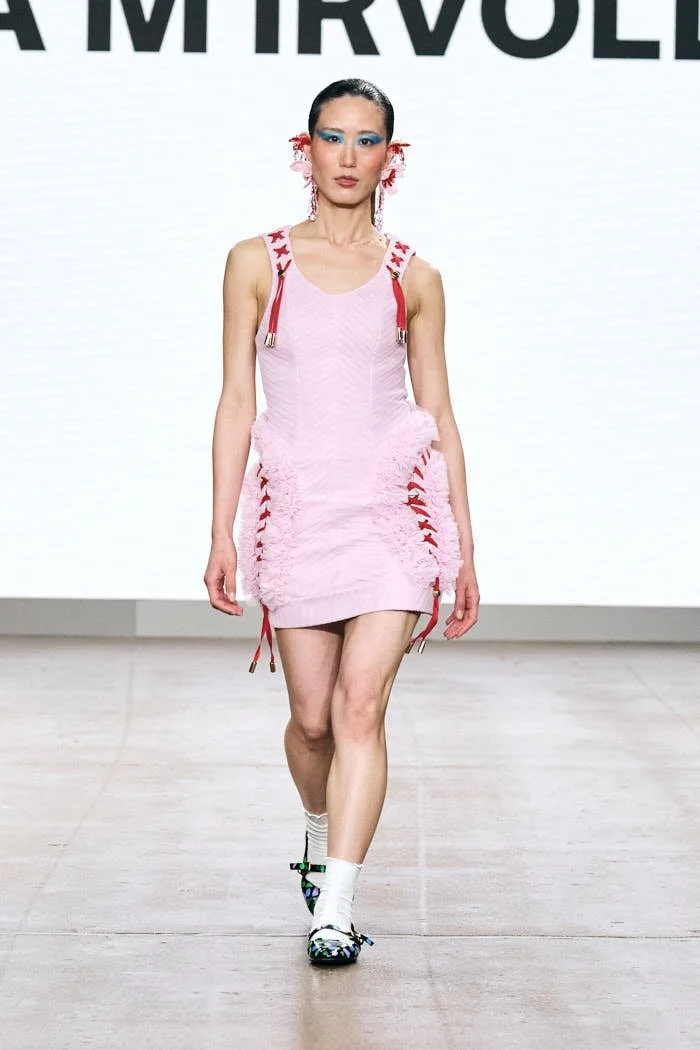
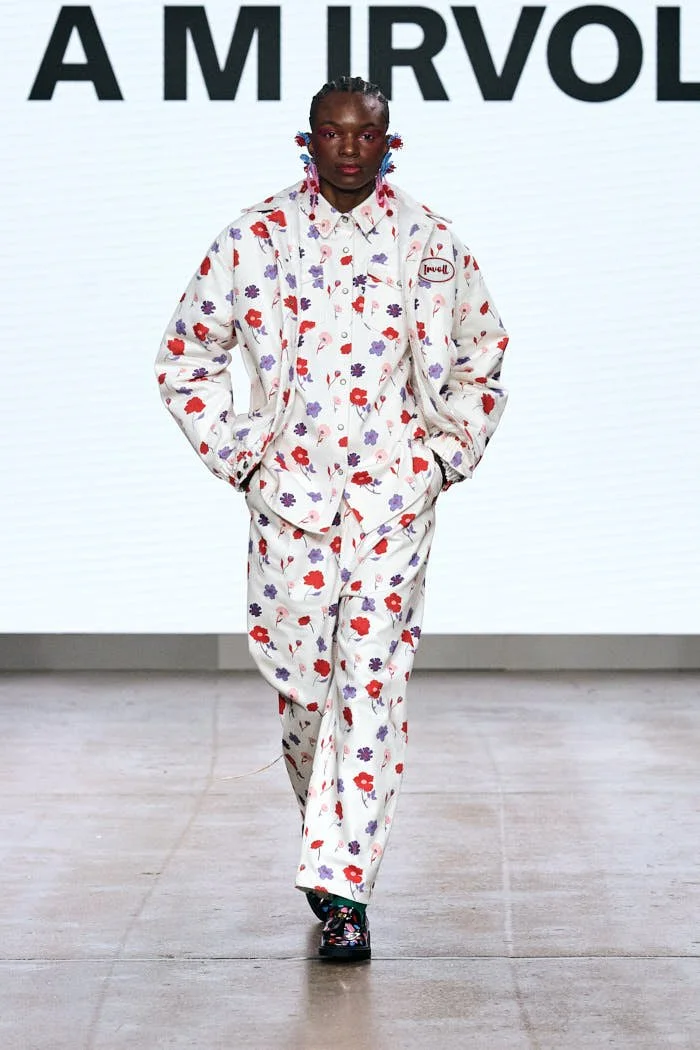
Aspirational observations also come from designers with different backgrounds who didn't get a chance to grow up in a fashion capital. Norwegian designer Fam Irvoll is one of them. If you look at her designs, you would never think this is a Nordic designer - it's something opposite of Scandinavian minimalism. Fam graduated from CSM, has designed for the likes of Lady Gaga and Rihanna, and this is the sixth time she's showing her collection during London Fashion Week. I was curious whether London as a city had been a building power for her aesthetic. Fam reflects: "In my country I don't really fit in. . . . London did inspire me while I lived here, I was very much into the rave scene. With a lot of students from CSM we would just go crazy, the drag queen scene is also big. I became who I am because of London and the gay scene."

 
LE MILE Magazine Fam Irvoll photo Olu Ogunshakin

Fam Irvoll
seen by Olu Ogunshakin

 
LE MILE Magazine Fam Irvoll photo Olu Ogunshakin

Fam Irvoll
seen by Olu Ogunshakin


Jiyuan Fan also makes no secret of the fact that living and creating in London specifically plays a big part: "Living in London for two years was also a very fulfilling experience. London offers many fashion opportunities. Designers such as Kiko Kostadinov, Aitor Throup and Charlie Constantinou have built strong identities here. If you walk around Soho you can easily feel the strong energy of many independent designer brands. Even if you do not buy anything, simply observing their craftsmanship and fabrics can teach you a lot." I can only confirm that London, especially during London Fashion Week, has a creative aura about it - even just people-watching or browsing through a vintage shop is a contagious experience for unconventional fashion inspiration.

And nowhere is that energy more visible than inside the shows themselves. You rarely see an empty space during a NEWGEN or fashion school show. Quite the opposite - you will see a wall of standing fashion lovers just trying to soak in everything a young designer has to offer. I tried to answer the question of why London attracts so much interest in young talent, and at the same time why the rumour had been circulating that London Fashion Week is dying. Maybe it's simply about the big brands, maybe people have grown fatigued by them? Maybe they lack something that young talent can offer? Octi didn't want to treat them as two separate categories: "I think it really depends on the brand. But something I personally love when I look around at this generation of creatives is how the stories of the designers themselves are such an important part of the work, and how it's communicated. I think this then leads to so many interesting new outcomes, which all feel very different to one another."

Talking to these young talents left me extremely uplifted and hopeful. London is as we like it: diverse, unconventional and open. We would all do well to watch these talent programmes very closely, because one thing is certain: we are witnessing the rise of future stars, and trust me, you'll want to say you knew them from the beginning.


LE MILE Magazine OCTI AW26 photo Morgan Layla Williams

OCTI AW26
seen by Morgan Layla Williams


LE MILE Magazine OCTI AW26 photo Morgan Layla Williams

OCTI AW26
seen by Morgan Layla Williams

DAGGER Spring/Summer 2026 - Luke Rainey

DAGGER Spring/Summer 2026 - Luke Rainey

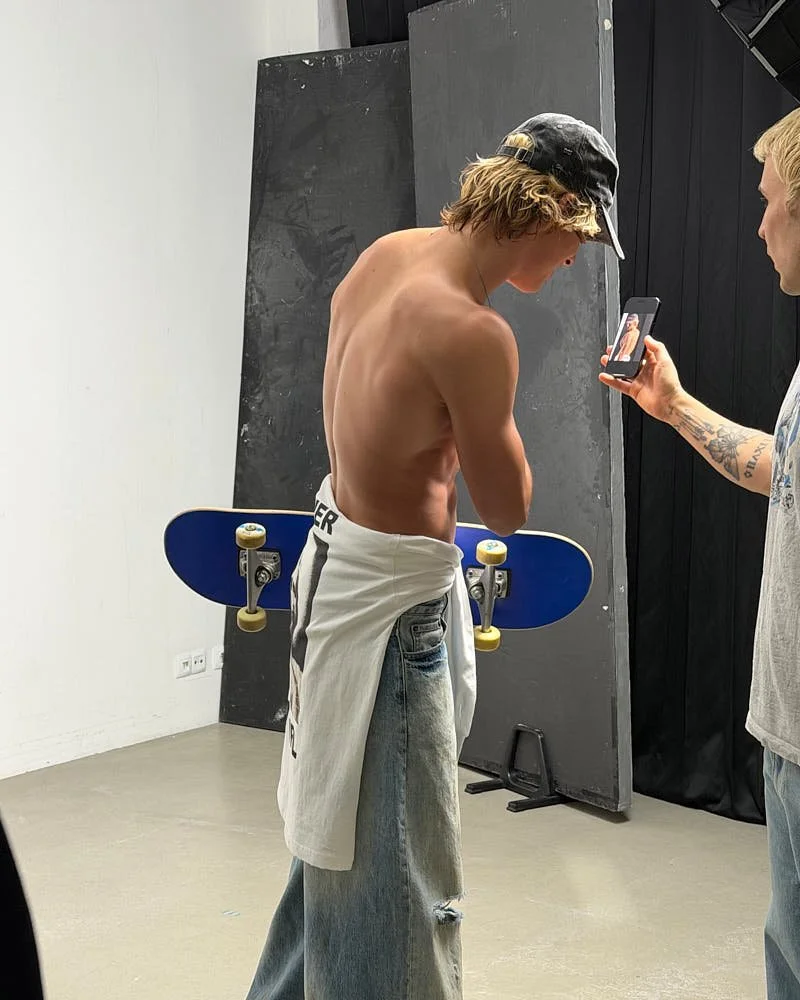
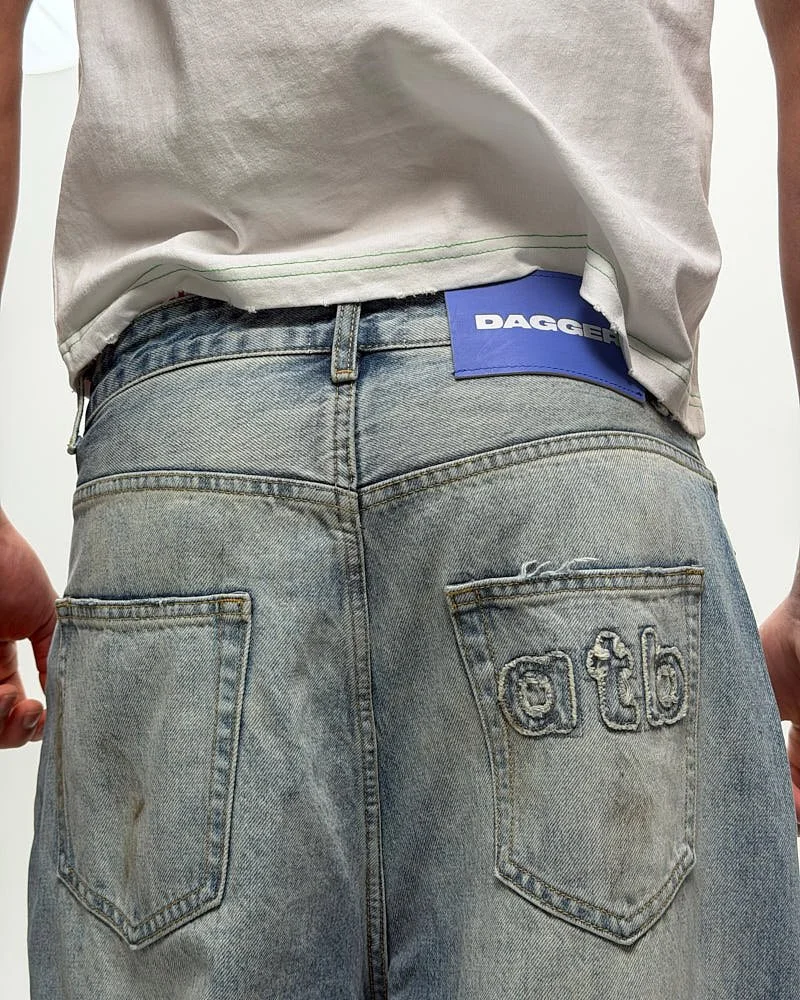
That’s Why DAGGER Spring Summer 2026 Feels Like a Love Letter to Skate Culture


written KLAAS HAMMER


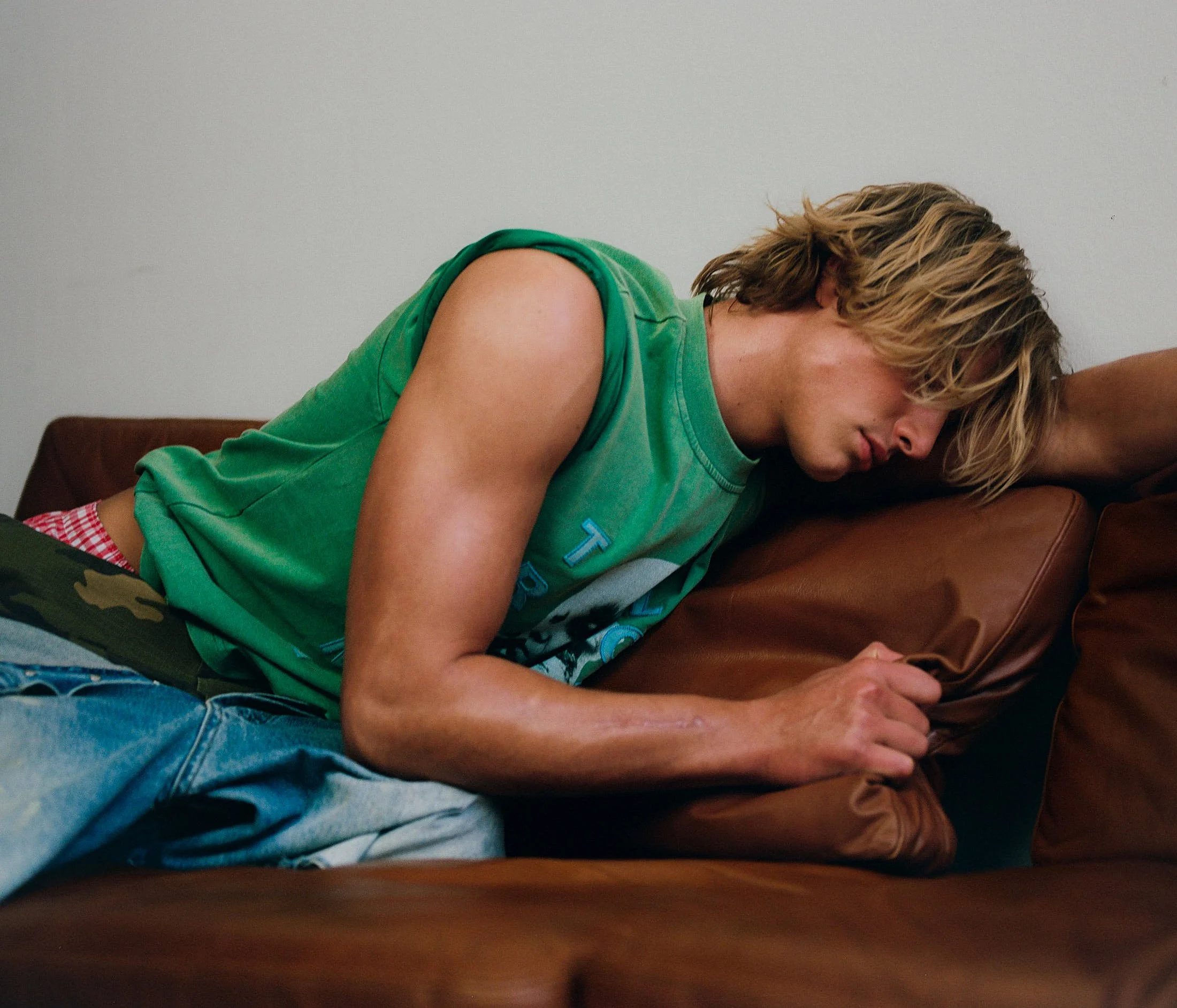
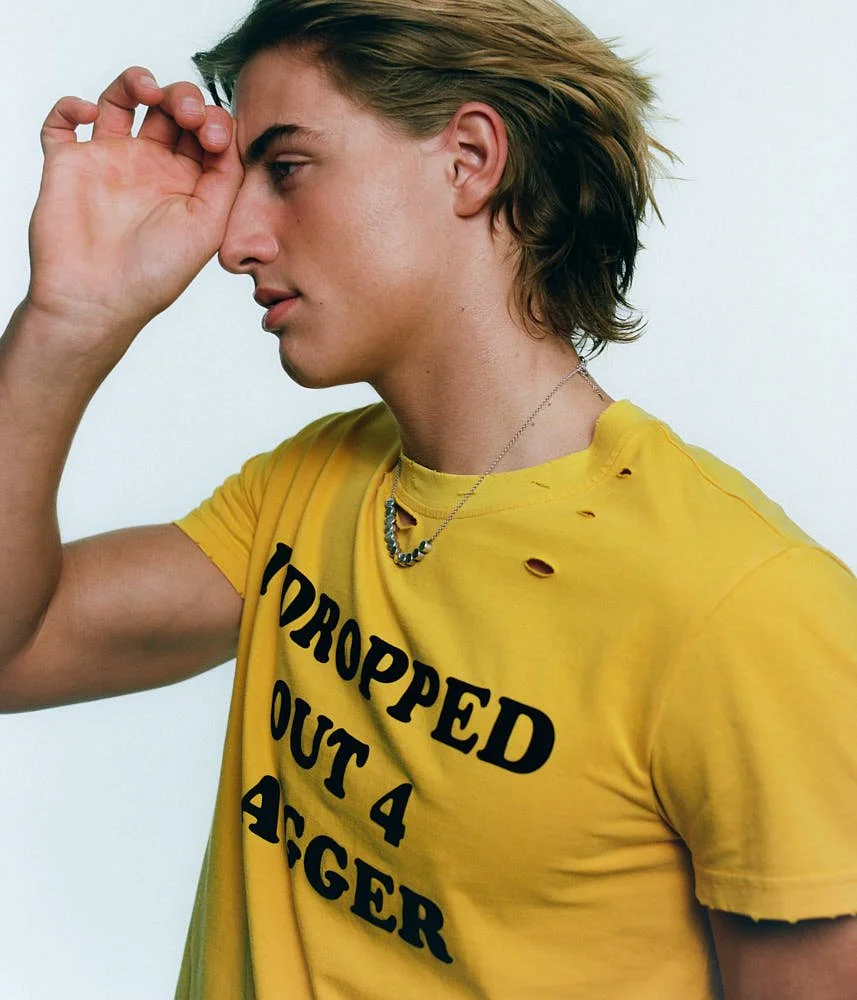
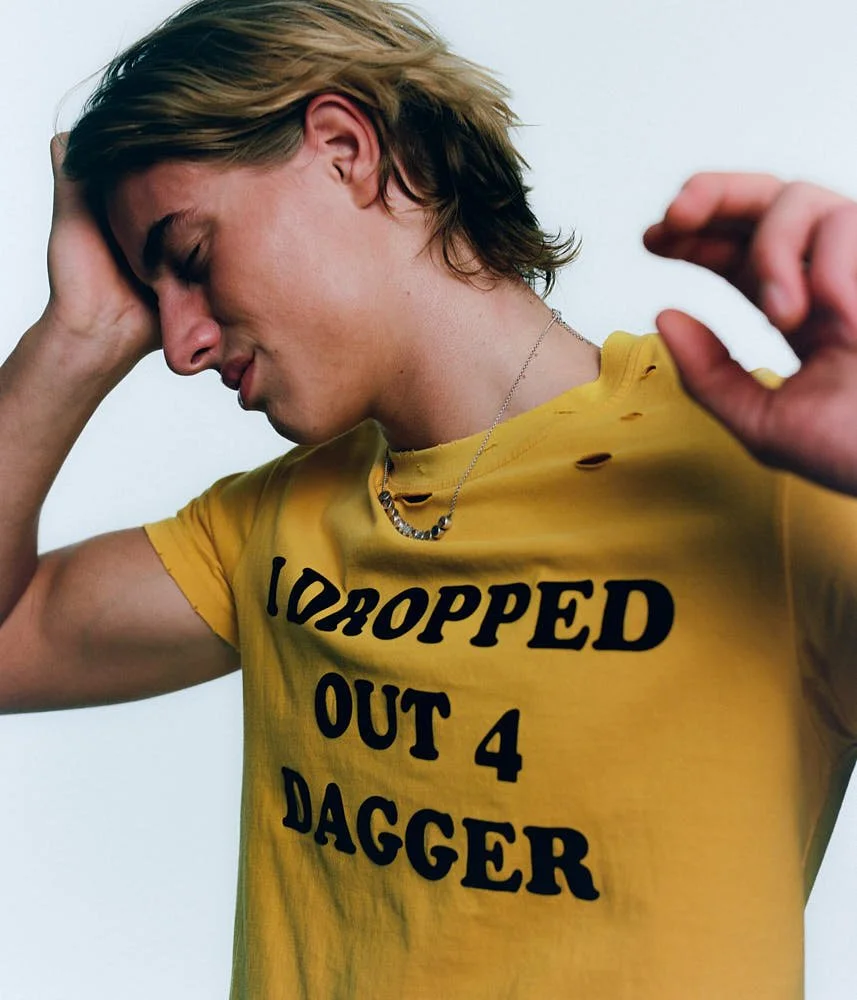
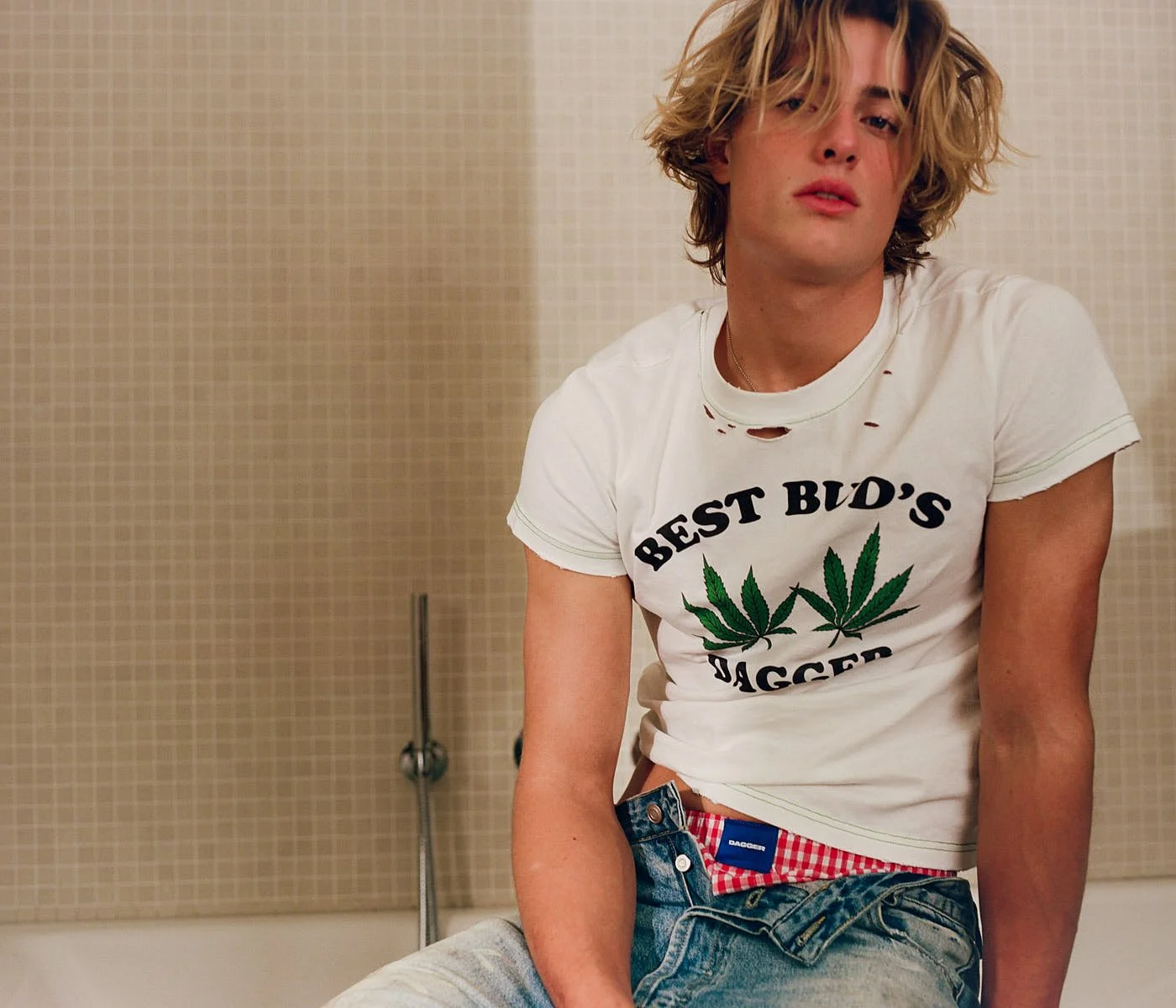
Berlin-based brand DAGGER takes its name from the ceremonial blade used in pagan rituals, a symbol of endings, beginnings, and transformation. The brand was founded in 2020 by Luke Rainey after an unexpected job loss left him with nothing but €300 in government benefits and a dream.


Le Mile Magazine DAGGER SS26 Campaign images lemilestudios

DAGGER
Spring/Summer 2026

 
Le Mile Magazine DAGGER SS26 Campaign images lemilestudios

DAGGER
Spring/Summer 2026


The aesthetic was forged in Luke’s rebellious teenage years, growing up in a small Northern Irish town in the early 2000s, a place where money was tight but skate was currency. That era’s rough-edged, DIY spirit runs through every stitch: clothes that wear like scraped knees, cracked pavement, and midnight missions.
Luke describes the brand as “a queer-coded Tony Hawk Pro Skater character.” When people who don’t know the brand hear this, they immediately understand. “We show the scene through a queer lens, which is for sure sexy.


Le Mile Magazine DAGGER SS26 Campaign images lemilestudios

DAGGER
Spring/Summer 2026


DROP OUT, the Spring/Summer 2026 collection, is inspired by misspent teenage years growing up in a skate town in the north of Ireland, as rough as it was beautiful. It is Luke’s love letter to the boys, the music, and the culture.

The label operates at the intersection of streetwear, subculture, and personal storytelling, deeply shaped by skate culture and an uncompromising DIY attitude. DAGGER has gained international recognition for its emotionally driven design language and is stocked globally, including at Dover Street Market Paris. Most recently, the brand presented its latest collection as part of INTERVENTION V during Berlin Fashion Week.
Berlin has given me so much, and I want to give something back. It changed my creative approach because I wanted to fuck it up.

 
Le Mile Magazine DAGGER SS26 Campaign images lemilestudios

DAGGER
Spring/Summer 2026 / making of

 
Le Mile Magazine DAGGER SS26 Campaign images lemilestudios

DAGGER
Spring/Summer 2026 / making of


all visuals
DAGGER SS26

Weekend Max Mara SS26 - A Weekend with an Artist

Weekend Max Mara SS26 - A Weekend with an Artist

How WEEKEND MAX MARA Brings Contemporary Artists Into The Language Of The Trench Coat


written LE MILE


For Spring/Summer 2026, WEEKEND MAX MARA expands its ongoing “Signature” capsule initiative with A Weekend with an Artist, a project that places contemporary artists at the center of the design process. The collection focuses on a single garment — the trench coat — and invites five internationally recognized artists to reinterpret the house’s Canasta trench as an individual artwork. The artists involved are Victoria Kosheleva, Paola Pivi, Tschabalala Self, Tai Shani, and Shafei Xia.


Their contributions form a small series of artist-designed pieces presented within the WEEKEND MAX MARA collection. The project was curated by art critic and curator Francesco Bonami, whose career includes directing the Venice Biennale, curating the Whitney Biennial, and serving as artistic director of BYArtmatters in Hangzhou. The collaboration reflects a long-standing relationship between fashion and contemporary art, one that has repeatedly reshaped the cultural position of clothing. Since the late twentieth century, fashion houses have increasingly invited artists into their design processes. The reasons vary, visual experimentation, cultural relevance, and the possibility of placing garments within a wider artistic conversation. Projects of this type also blur the boundaries between exhibition culture and fashion production. Garments circulate in retail spaces and on bodies, while simultaneously operating as artworks or limited objects shaped by artistic authorship.

The Max Mara project builds on this tradition by focusing on a single archetypal garment. The trench coat functions here as both product and canvas. Bonami describes the aim as offering “through an iconic garment, the opportunity for individual and personal expression.” The selection of artists follows curatorial logic. Distinct visual languages, generational diversity, and independence from market trends were central to the choice of participants.


Max Mara Weekend SS26 SIGNATURE COLLECTION A WEEKEND WITH AN ARTIST LE MILE Magazine

WEEKEND MAX MARA SS26 Signature Collection
A Weekend With An Artist, Tai Shani

 
Max Mara Weekend SS26 SIGNATURE COLLECTION A WEEKEND WITH AN ARTIST LE MILE Magazine

WEEKEND MAX MARA SS26 Signature Collection
A Weekend With An Artist, Tai Shani


Each artist approaches the trench through their existing artistic vocabulary. Russian artist Victoria Kosheleva worked directly on a prototype coat, painting motifs that later became the basis for printed reproductions. Her visual language merges contemporary imagery with references to classical painting, a direction she has described as “cyber expressionism.” For the trench project she imagined the garment as a theatrical surface. Checkerboard patterns, swirling lines, flowers, and a stylized eye spread across the coat, producing an image that resembles stage costume design as much as clothing.

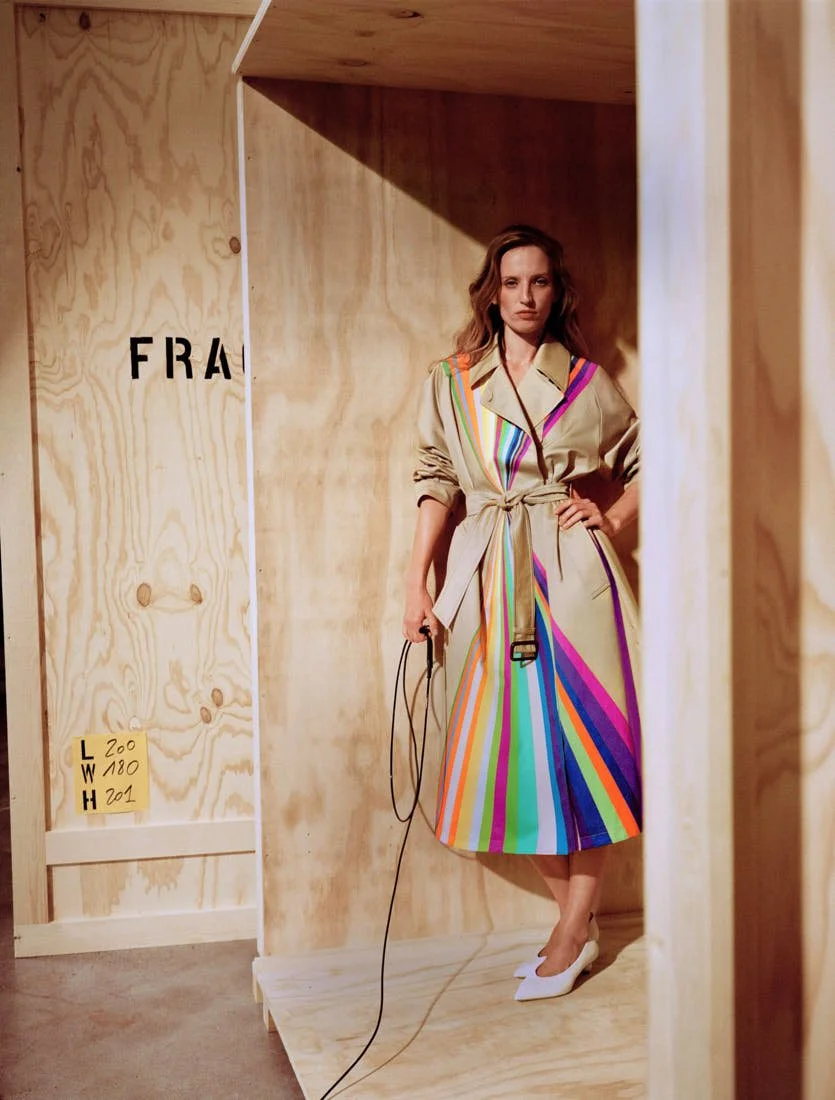
Italian artist Paola Pivi, known for installations that reframe everyday objects, introduced a palette influenced by the light and color of Hawaii, where she currently lives. Vertical rainbow stripes run across the coat, narrowing toward the waist and creating an hourglass structure. The pattern references the double rainbows frequently visible in the island’s sky, translating a natural optical phenomenon into a garment surface.


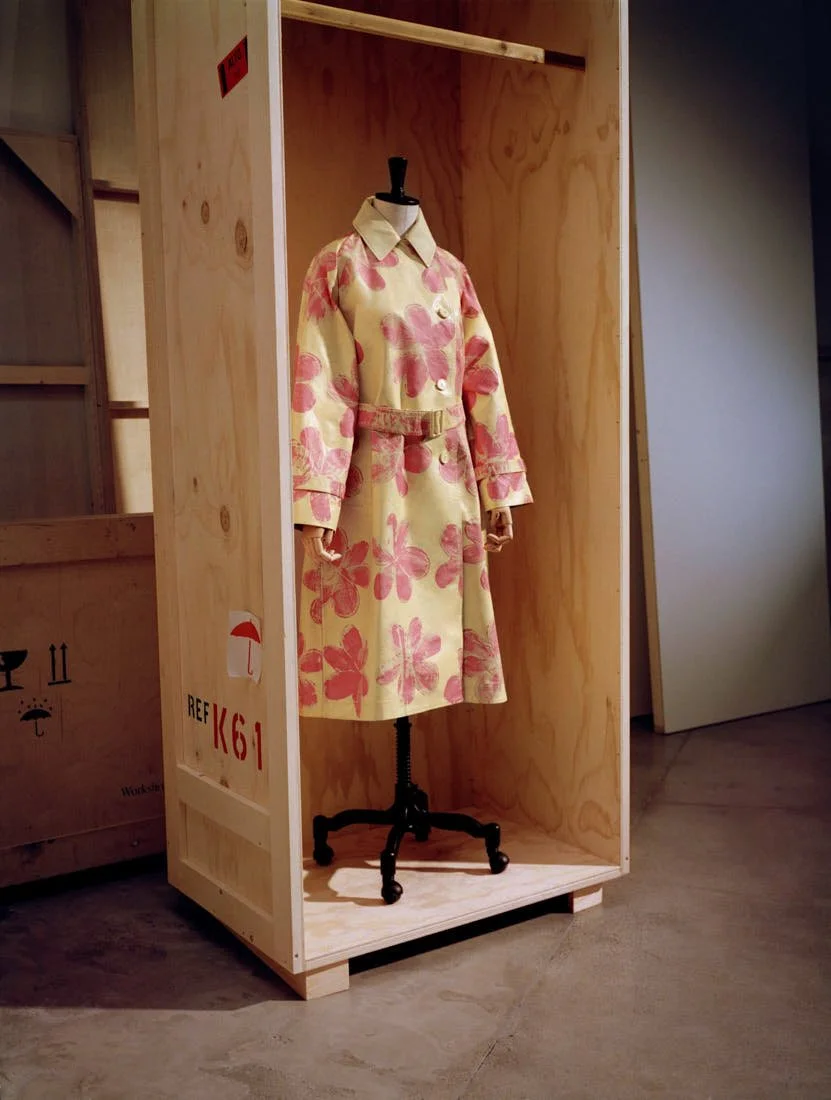
Tschabalala Self approaches the trench through her ongoing exploration of identity and symbolism. Born in Harlem, Self works across painting, sculpture, and installation. Her trench coat appears in lacquered pastel yellow and carries her recurring “Infinity Flower” motif. The flower refers to cyclical growth and transformation. The pattern is applied through a stamping technique inspired by batik dyeing processes, introducing a craft reference into the garment’s production.

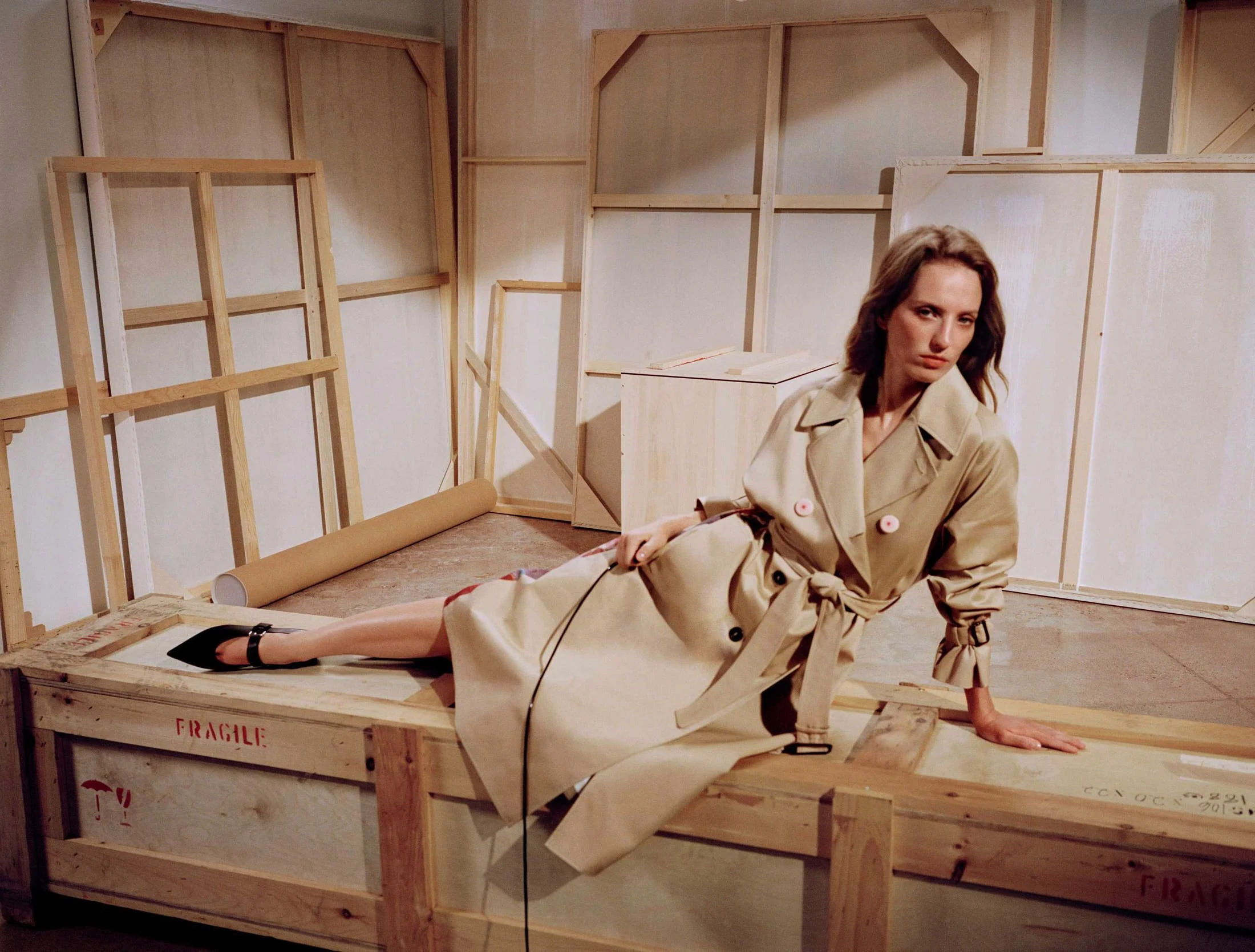
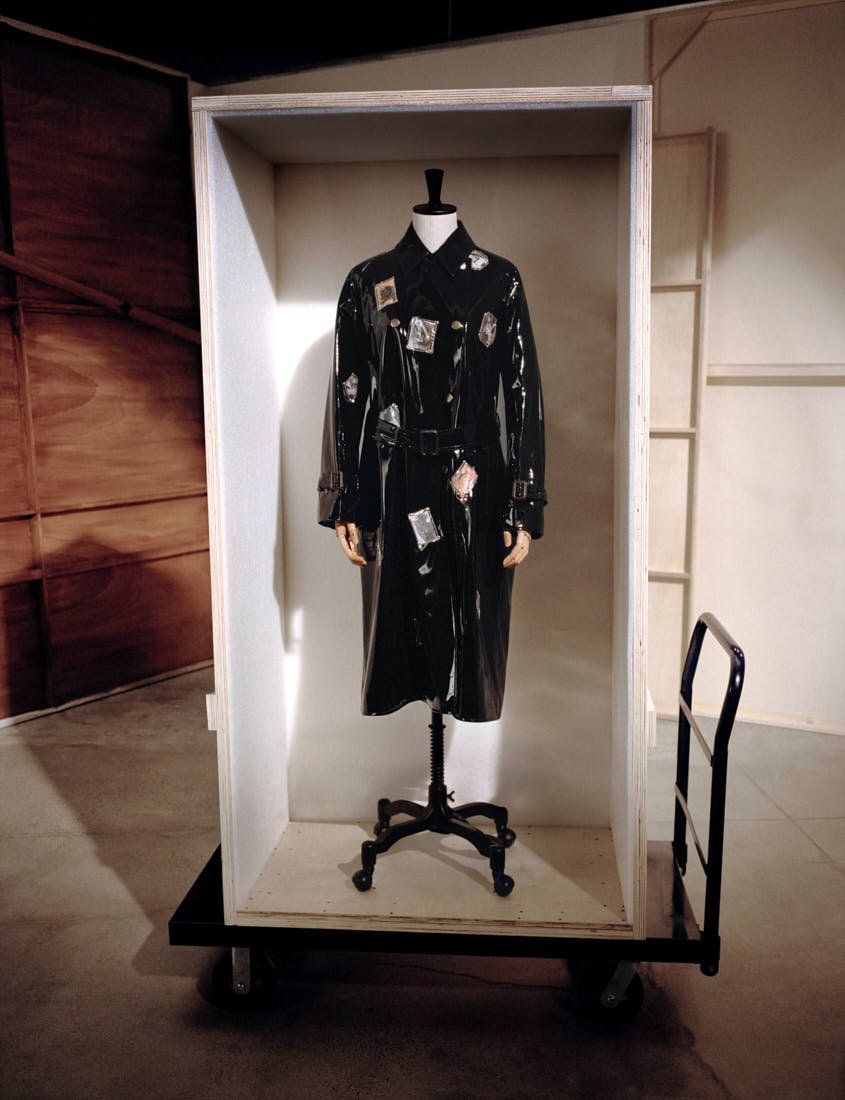
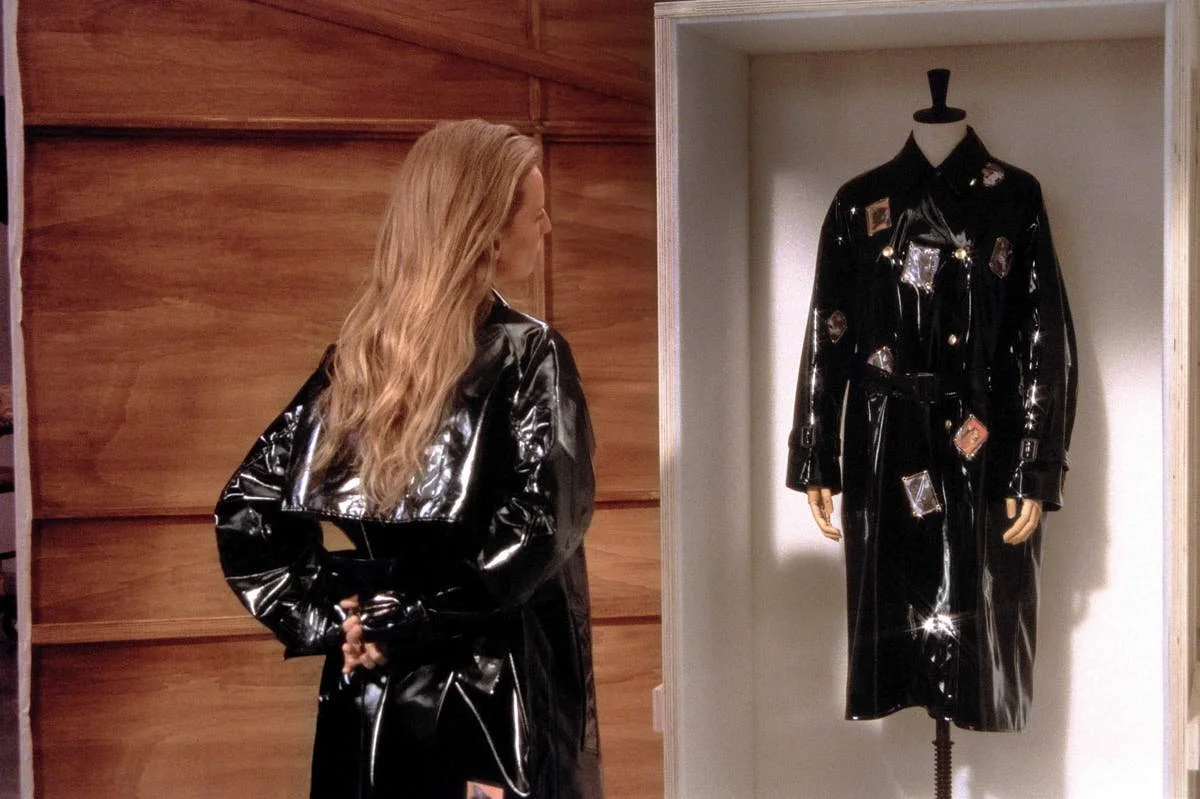
British artist Tai Shani brings a different aesthetic register. Her multidisciplinary practice spans film, performance, writing, and installation, often exploring feminist histories and collective structures. For the collection she designed a glossy black vinyl trench decorated with hand-drawn cat illustrations. The imagery references mid-century pin-up iconography while playing with the trench coat’s cultural associations with secrecy and disguise.


Max Mara Weekend SS26 SIGNATURE COLLECTION A WEEKEND WITH AN ARTIST LE MILE Magazine art work

WEEKEND MAX MARA SS26 Signature Collection
A Weekend With An Artist, Shafei Xia


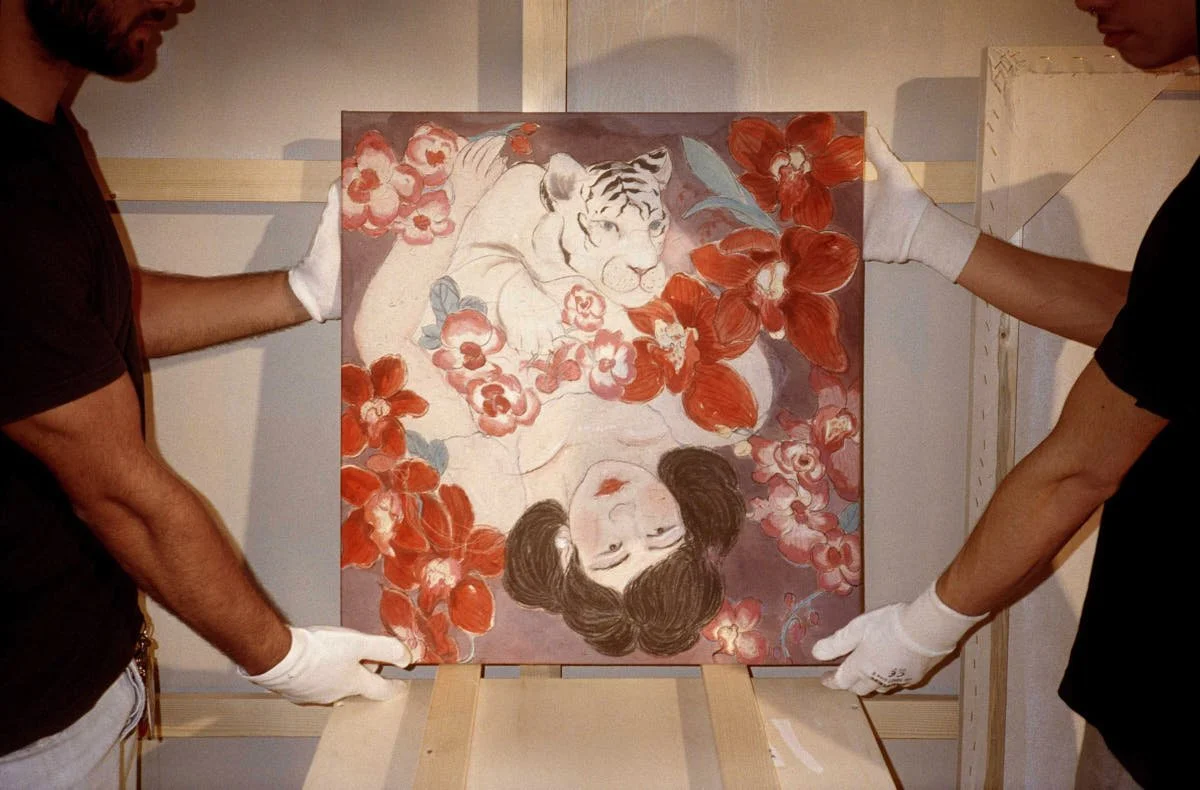
The youngest artist in the project, Bologna-based Chinese painter Shafei Xia, contributes a watercolor composition originally painted on sandalwood paper. Her image shows a woman merging with a white tiger, surrounded by floral forms that spread across the coat’s back. Xia’s work often draws on historical East Asian erotic painting traditions while incorporating references to European art figures such as Luigi Ontani. The trench translates this visual narrative into a wearable surface.

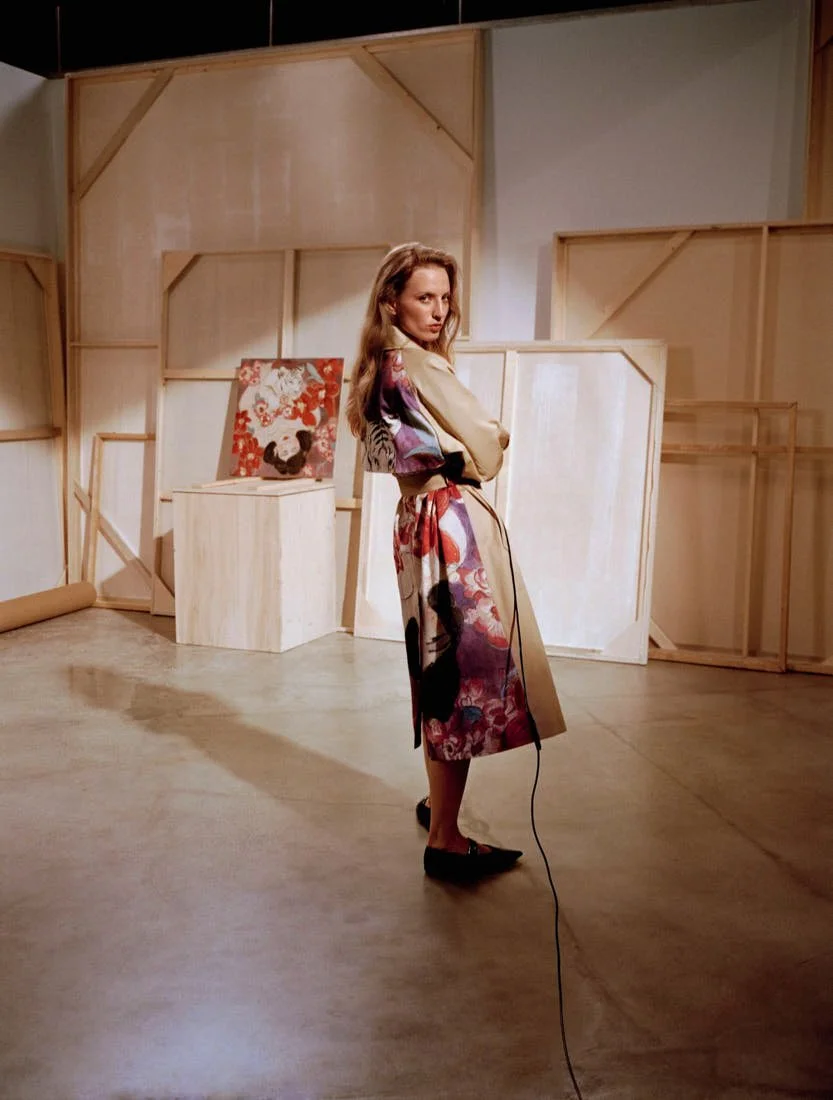
The campaign accompanying the project was photographed by Petra Collins, an artist and director whose photographic work helped define the visual language of the 2010s. Collins appears in the images herself, wearing the five trench coats in a studio environment that resembles a storage warehouse filled with artworks. The setting positions the garments within an exhibition-like space, reinforcing their identity as art objects as much as clothing pieces. Artist collaborations of this kind continue a broader pattern within fashion history. Yves Saint Laurent’s Mondrian dresses of 1965 translated modernist painting into couture construction. Louis Vuitton’s partnerships with Takashi Murakami and Yayoi Kusama transformed accessories into mobile artworks. Prada has long worked with artists and architects across installations and runway environments. These examples demonstrate how art collaborations can operate as genuine exchanges when artists maintain their visual language rather than adapting to brand aesthetics.

 
Max Mara Weekend SS26 SIGNATURE COLLECTION A WEEKEND WITH AN ARTIST LE MILE Magazine rainbow coat

WEEKEND MAX MARA SS26 Signature Collection
A Weekend With An Artist, Paola Pivi

Max Mara Weekend SS26 SIGNATURE COLLECTION A WEEKEND WITH AN ARTIST LE MILE Magazine coat with flower prints

WEEKEND MAX MARA SS26 Signature Collection
A Weekend With An Artist, Tschabalala Self

 
Max Mara Weekend SS26 SIGNATURE COLLECTION A WEEKEND WITH AN ARTIST LE MILE Magazine

WEEKEND MAX MARA SS26 Signature Collection
A Weekend With An Artist, Shafei Xia


Projects like A Weekend with an Artist sit within this lineage, they highlight how garments can function as cultural surfaces where artistic practice and fashion design intersect. In this context, the trench coat becomes more than an outerwear staple. It carries the visual vocabulary of five different artists, each using the same garment to explore form, symbolism, or narrative. A small series of wearable works moves between fashion production, artistic authorship, and collector culture, positioning clothing simultaneously as design object and artistic medium.


all visuals
WEEKEND MAX MARA SS26

Christian Louboutin - Colorful Summer 2026 Collection

Christian Louboutin - Colorful Summer 2026 Collection

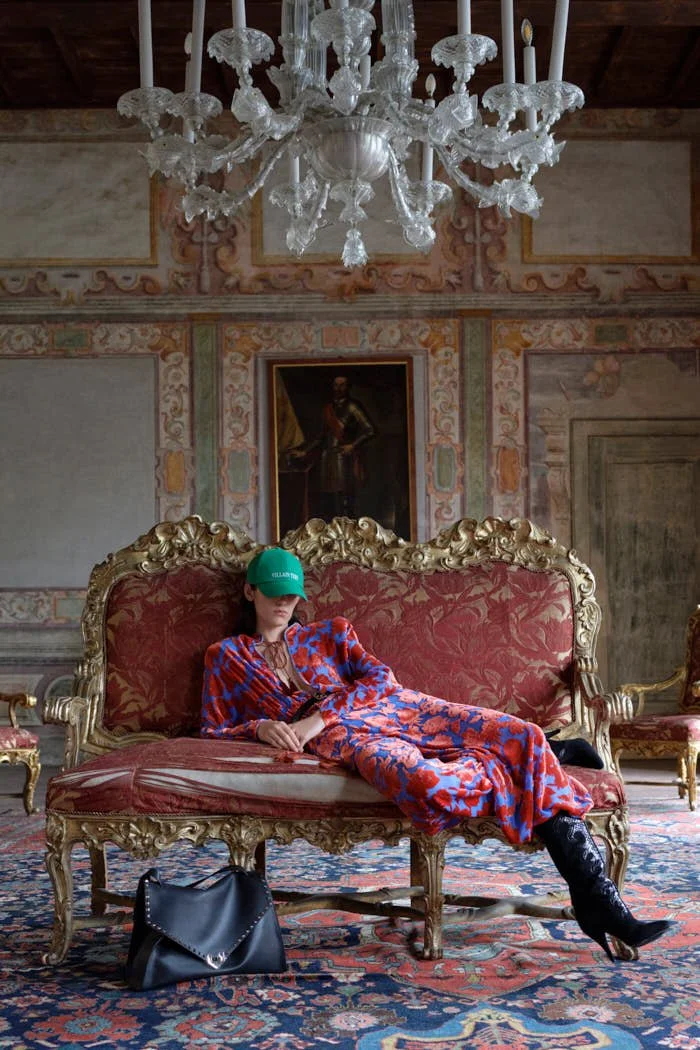
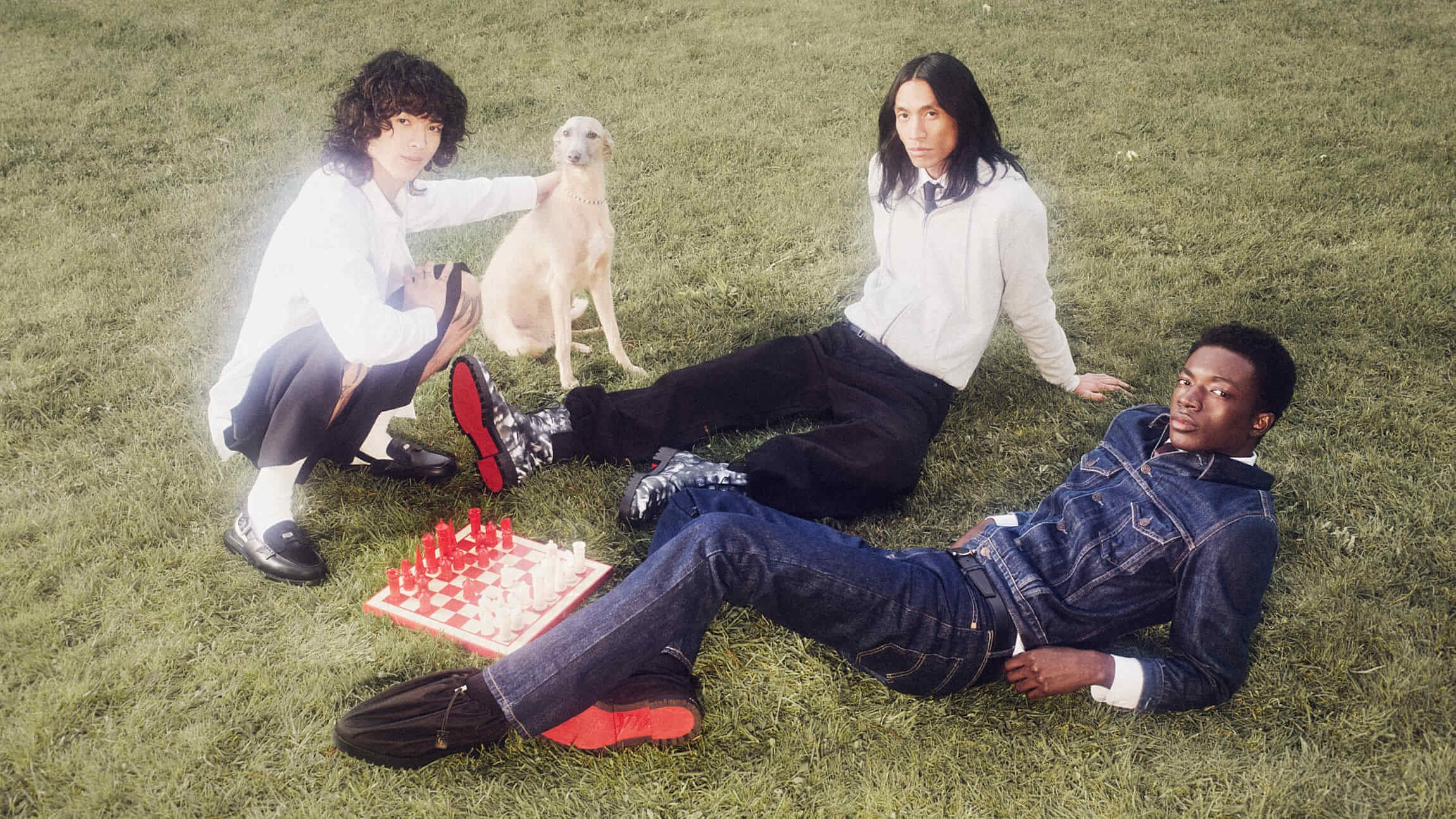
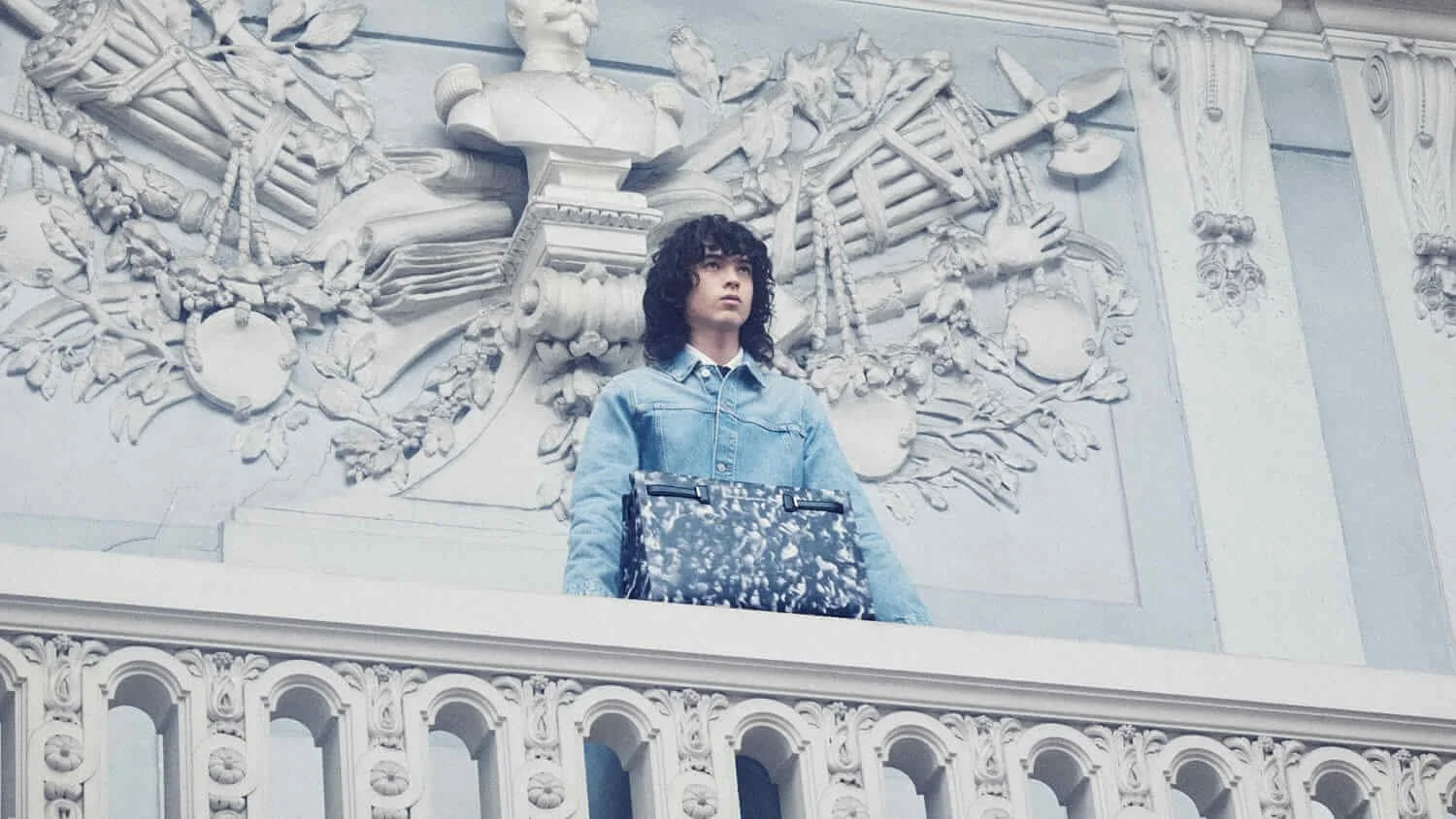
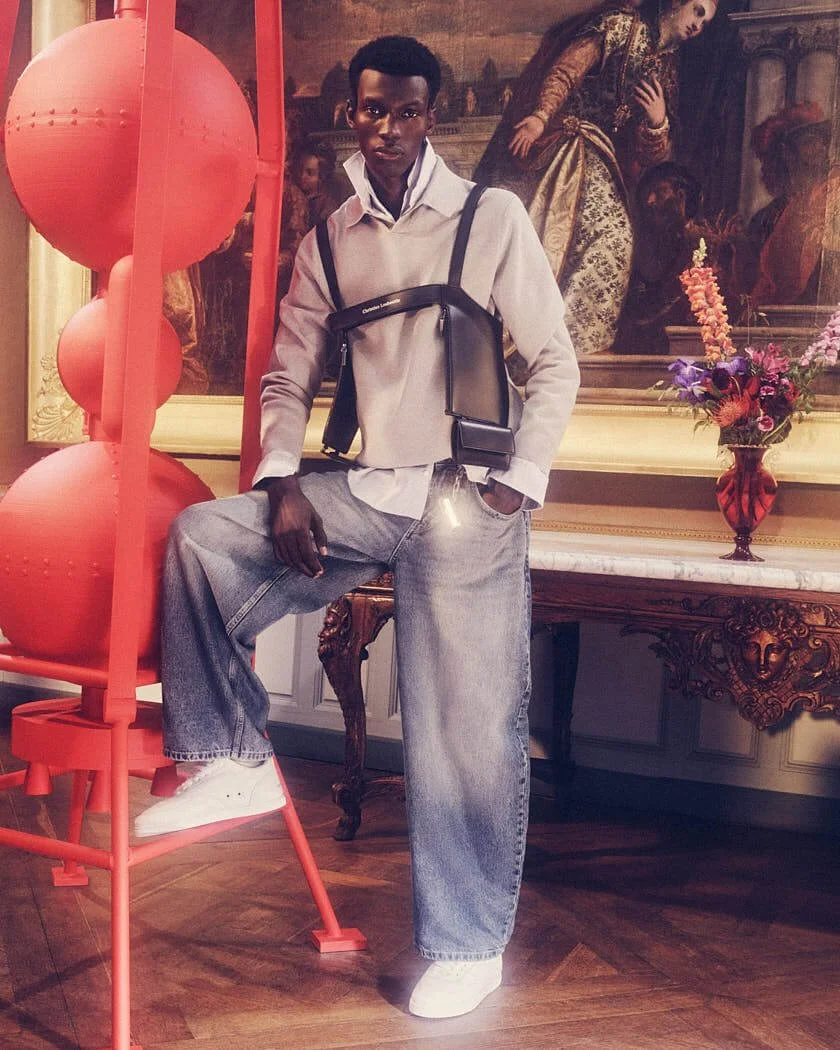
Christian Louboutin Unveils Colorful Summer 2026 Collection

A review of the Christian Louboutin Summer 2026 womenswear collection


written MALCOLM THOMAS


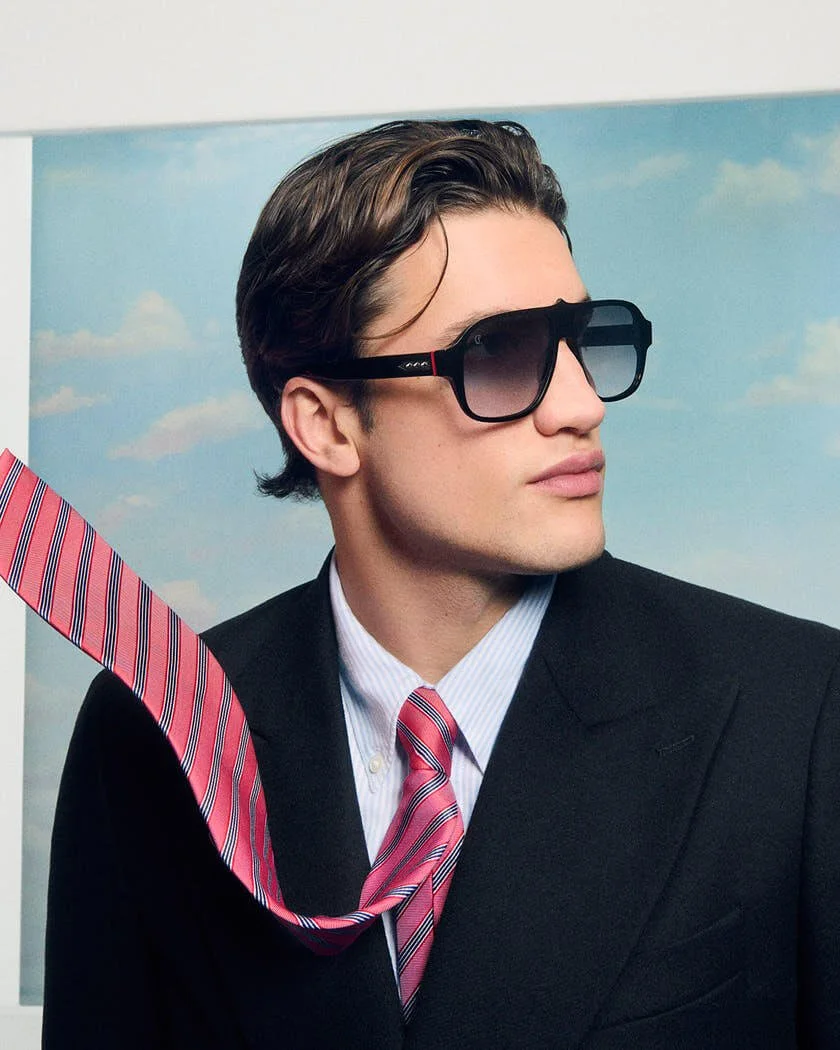
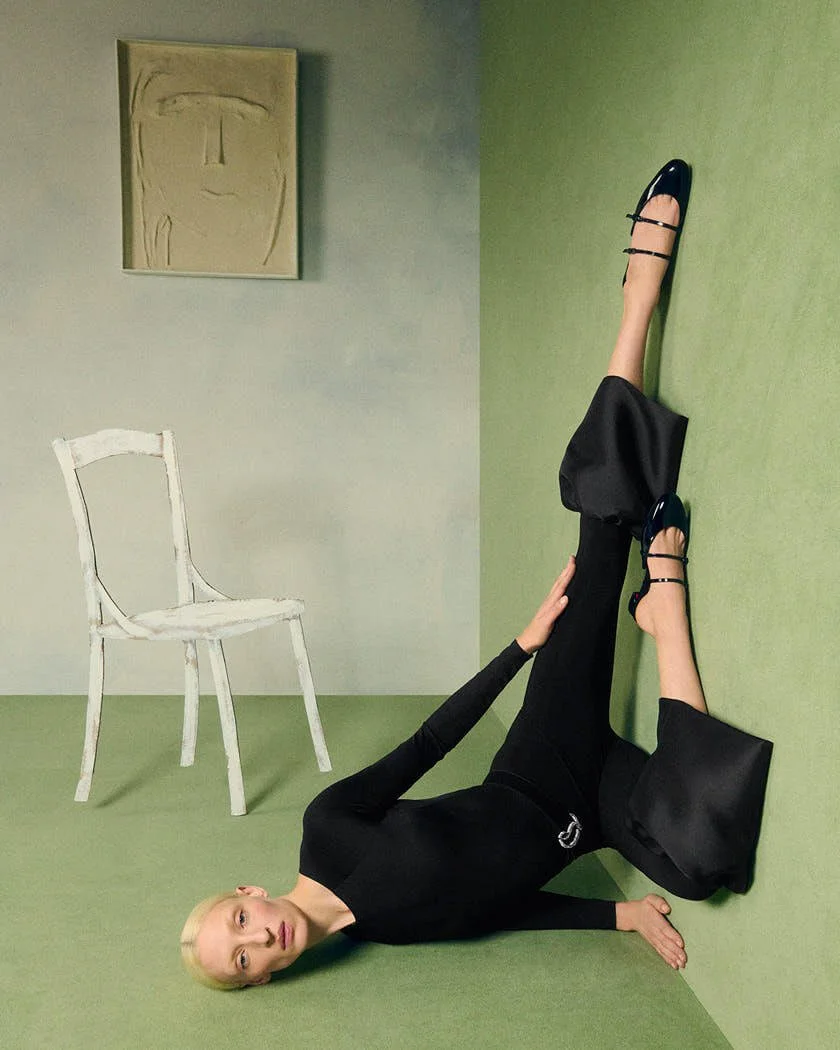
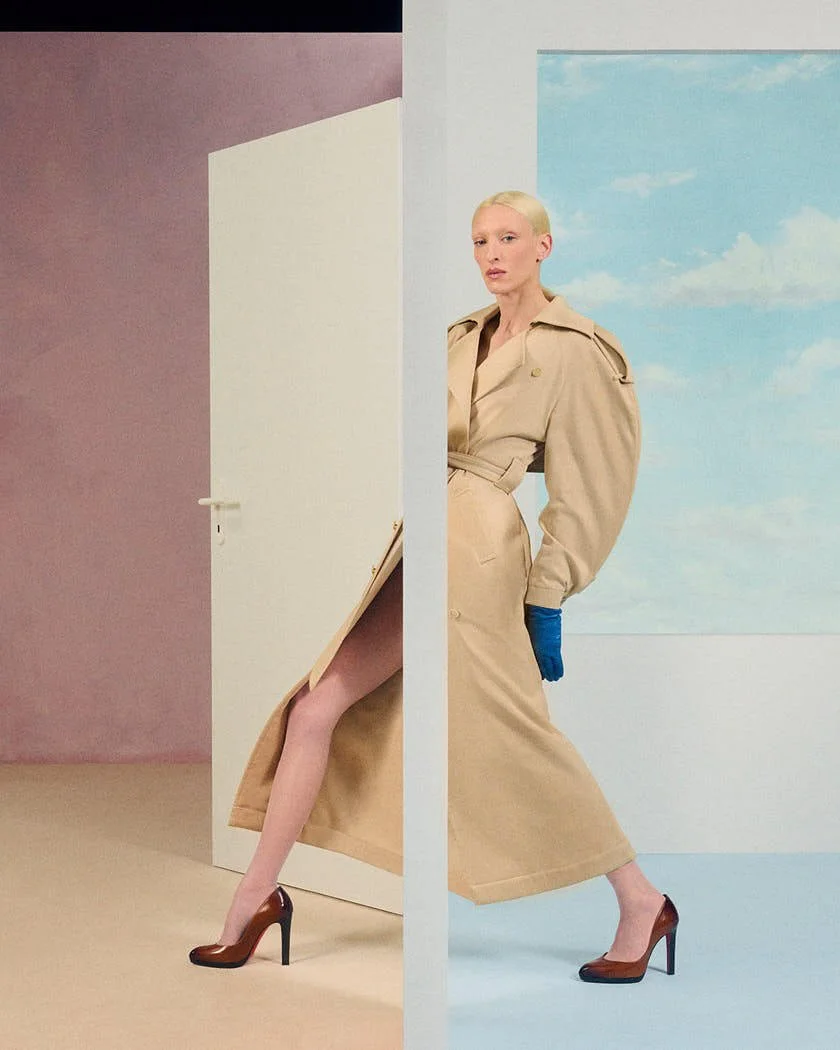
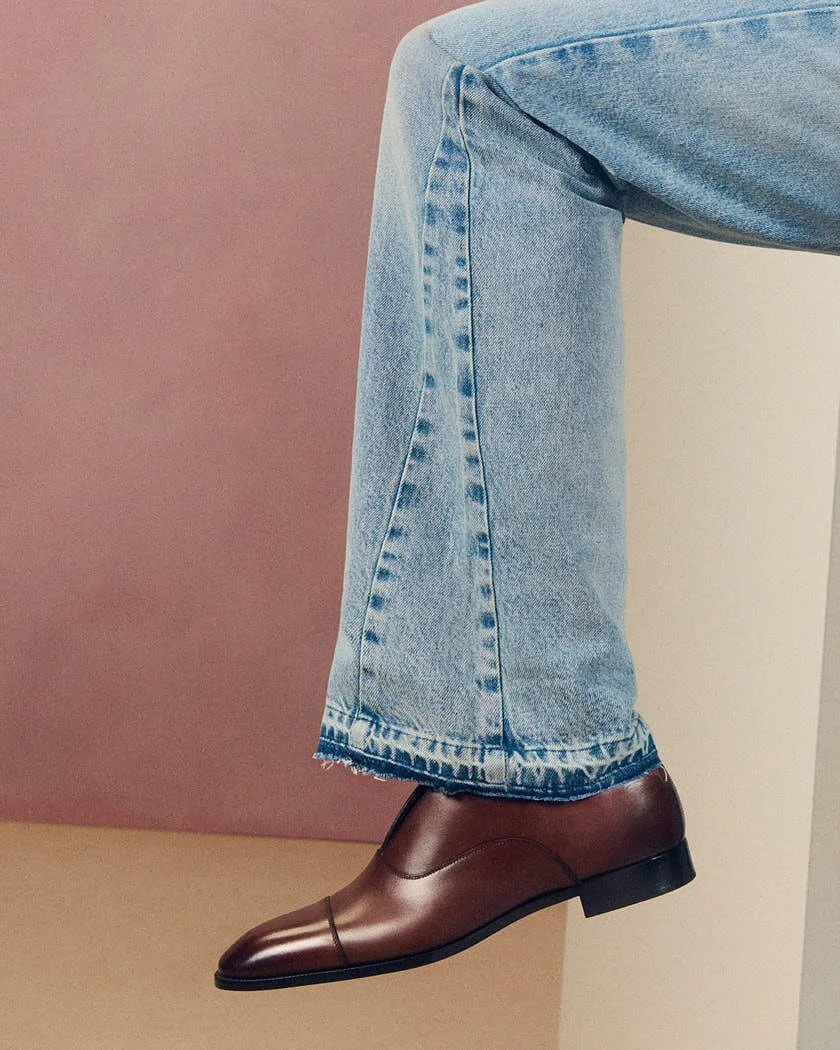
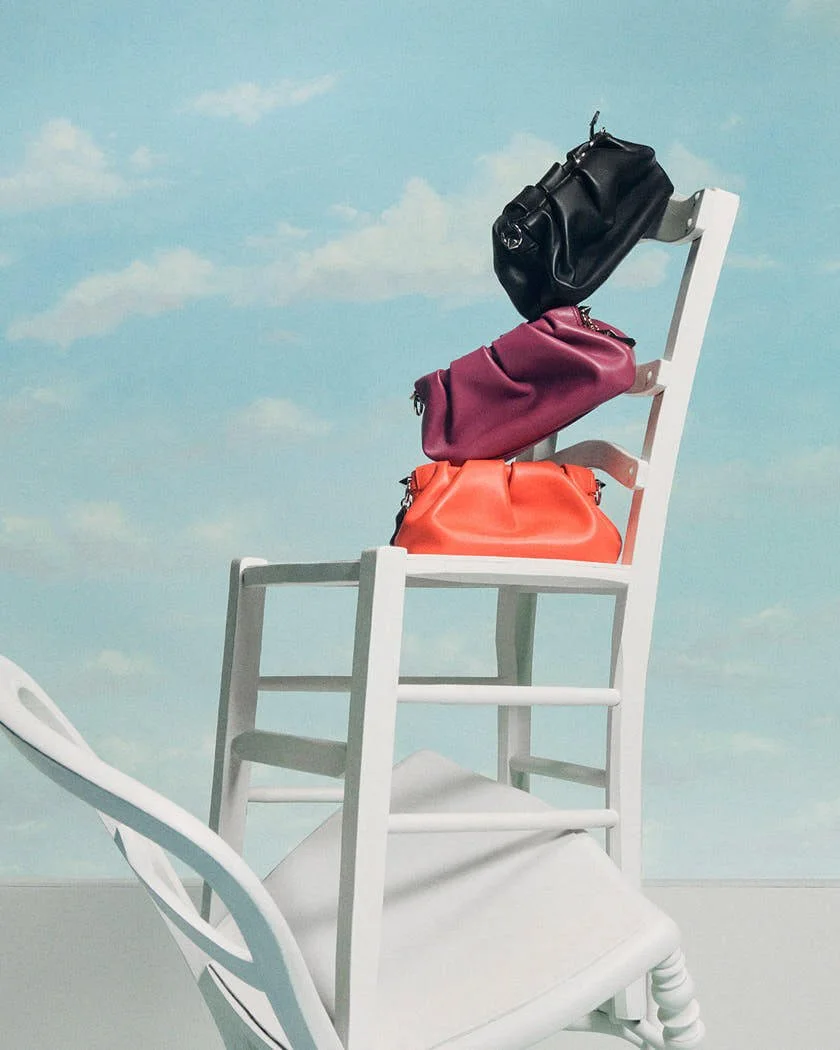
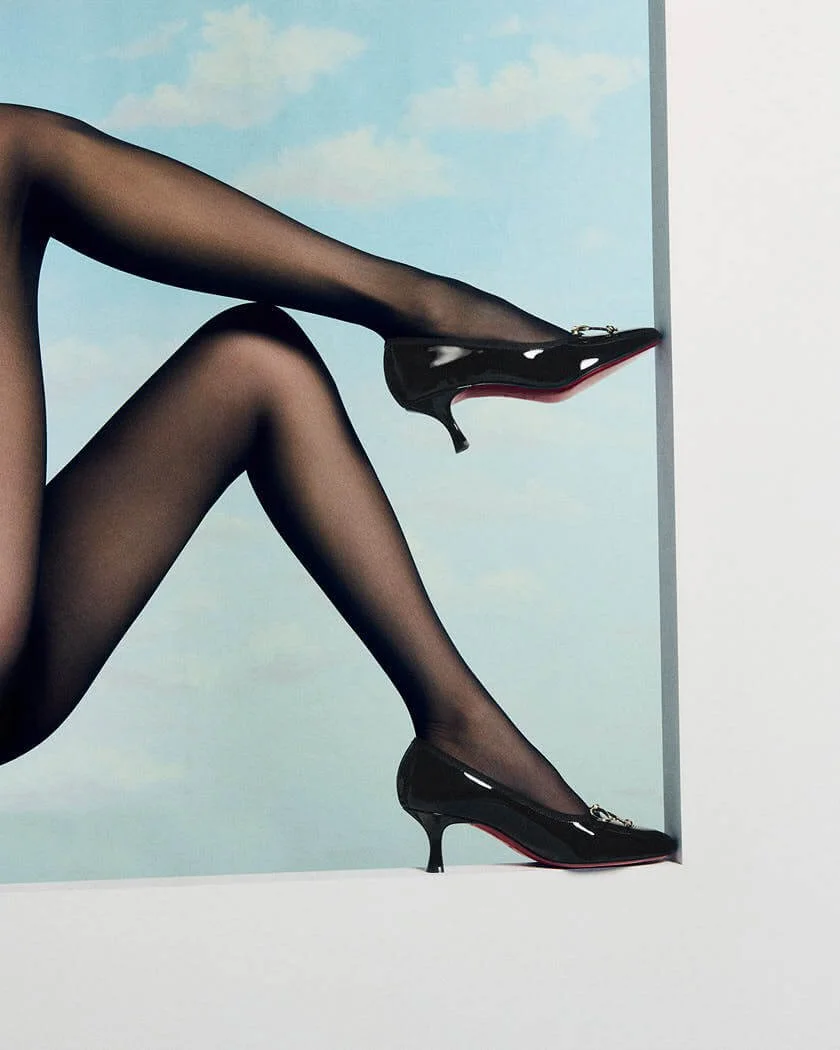
On Tuesday, Christian Louboutin unveiled its sunny summer 2026 collection. Inspired by Louboutin’s lifelong admiration for the stage—the set reminiscent of the interior of a René Magritte, supported models propped in playful poses in the candy-colored collection. 


Christian Louboutin Summer 2026 collection campaign LE MILE Magazine male model

CHRISTIAN LOUBOUTIN
Summer 2026 Collection

 
Christian Louboutin Summer 2026 collection campaign LE MILE Magazine

CHRISTIAN LOUBOUTIN
Summer 2026 Collection


Debuting a new line of bags, dubbed the Venus after the Greek goddess of love, a range of styles from tote to mini-crossbody, with a focus on timeless luxury and pragmatic functionality, are sure to add a bit of excitement to the everyday.

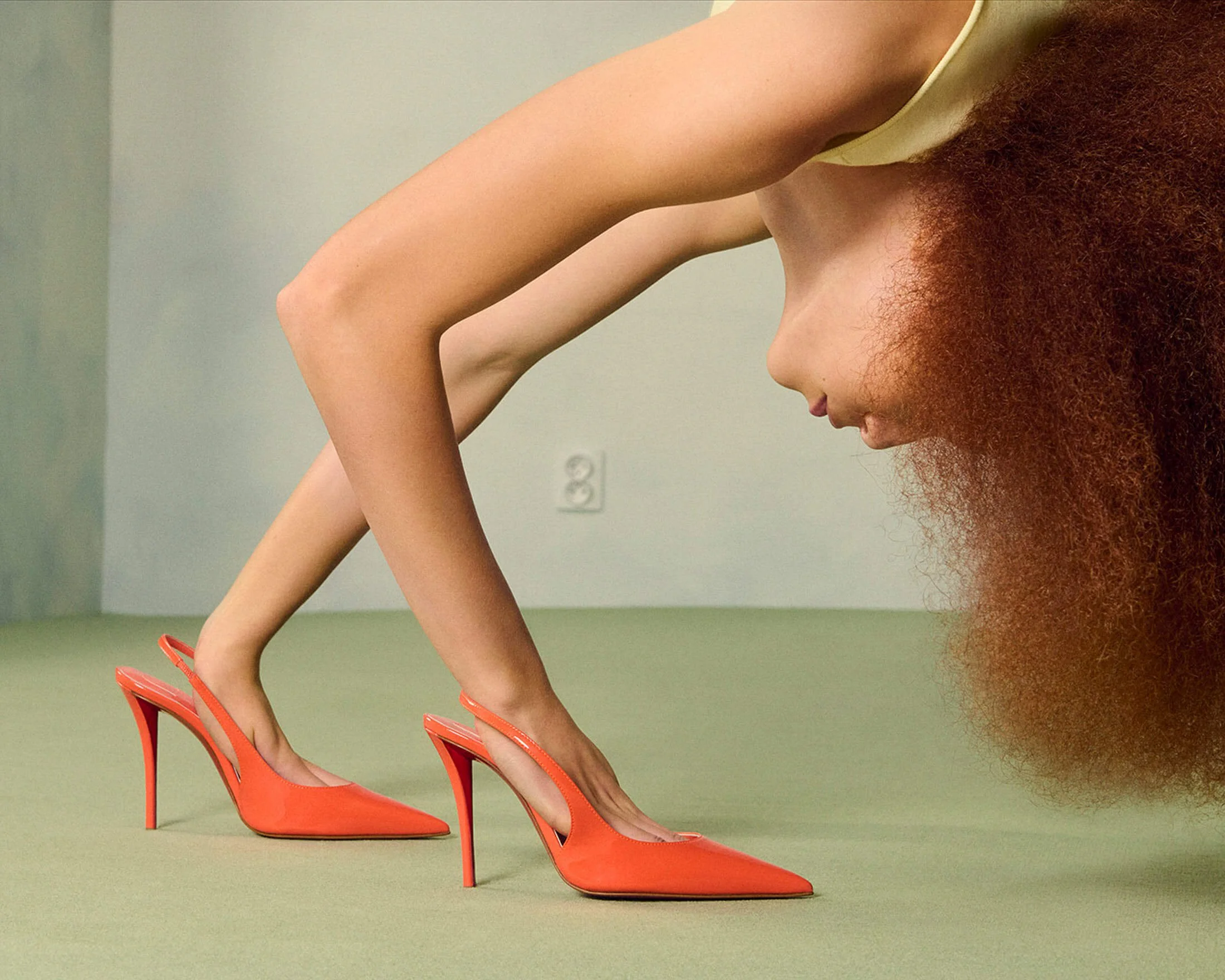
Just in time for high summer, Christian Louboutin’s new footwear offerings are abundant. Meet Mulazee, a taffeta kitten-heel mule featuring a delicate ton-sur-ton bow that highlights the feminine décolleté. It’s high-heeled cousin Cassia, and its ankle-boot counterpart Pavolva will also be making their debuts in leather and crepe satin, both complementary additions to smart eveningwear. 


Christian Louboutin Summer 2026 collection campaign LE MILE Magazine

CHRISTIAN LOUBOUTIN
Summer 2026 Collection


Christian Louboutin Summer 2026 collection campaign LE MILE Magazine mens shoe

CHRISTIAN LOUBOUTIN
Summer 2026 Collection

Christian Louboutin Summer 2026 collection campaign LE MILE Magazine female bags colorful

CHRISTIAN LOUBOUTIN
Summer 2026 Collection

 
Christian Louboutin Summer 2026 collection campaign LE MILE Magazine womens footwear shoes

CHRISTIAN LOUBOUTIN
Summer 2026 Collection


Finally, the classic Chambelimoc and Chambelimonk silhouettes return in embossed crocodile-style burgundy calf patina leather, rounding out a collection that promises bright days (and fun nights) ahead.  


all visuals
CHRISTIAN LOUBOUTIN SS26

A$AP Rocky x Ray-Ban - Presenting metal eyewear collection

A$AP Rocky x Ray-Ban - Presenting metal eyewear collection

Why A$AP Rocky expands Ray-Ban into Metal and Optical


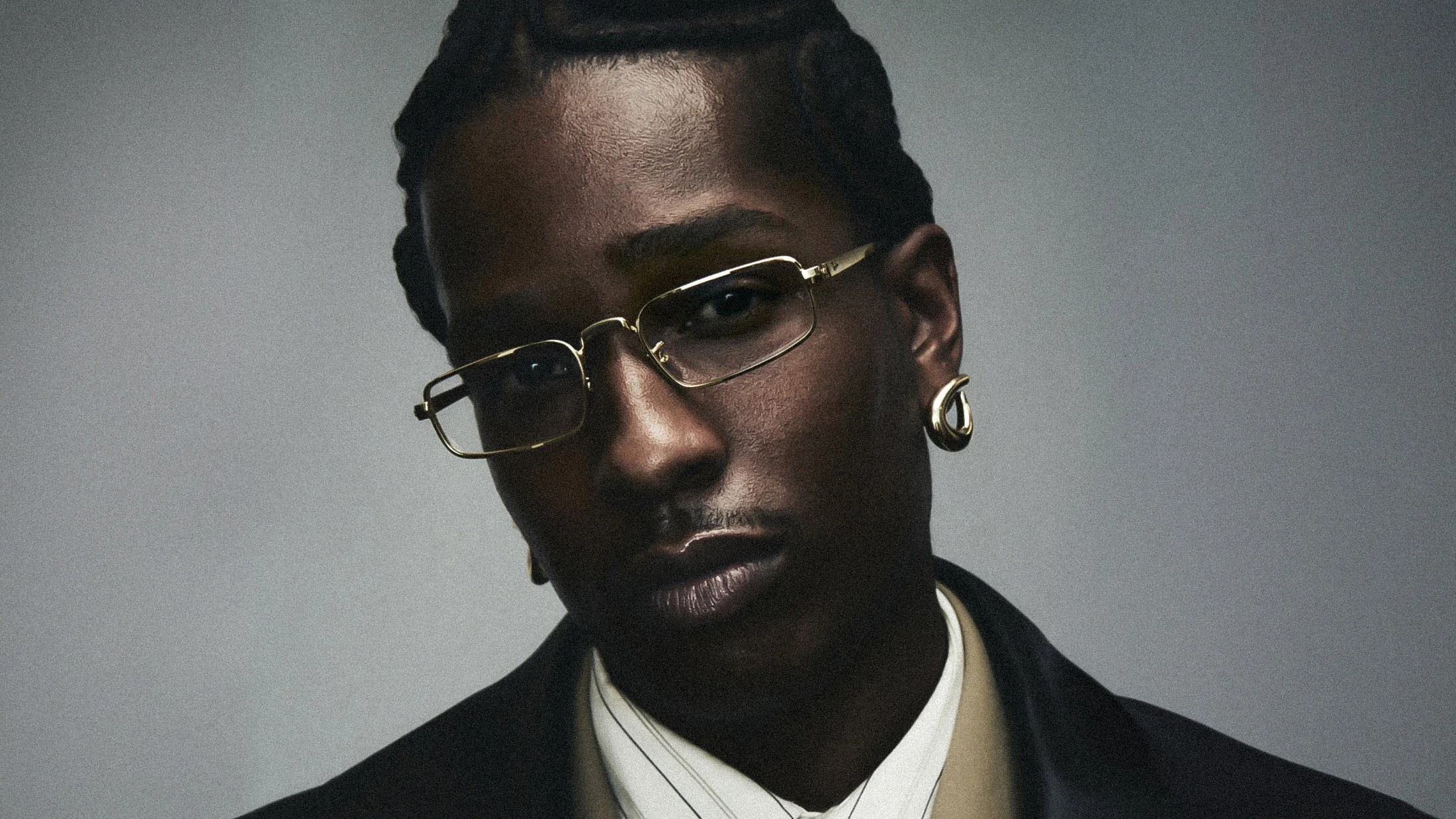
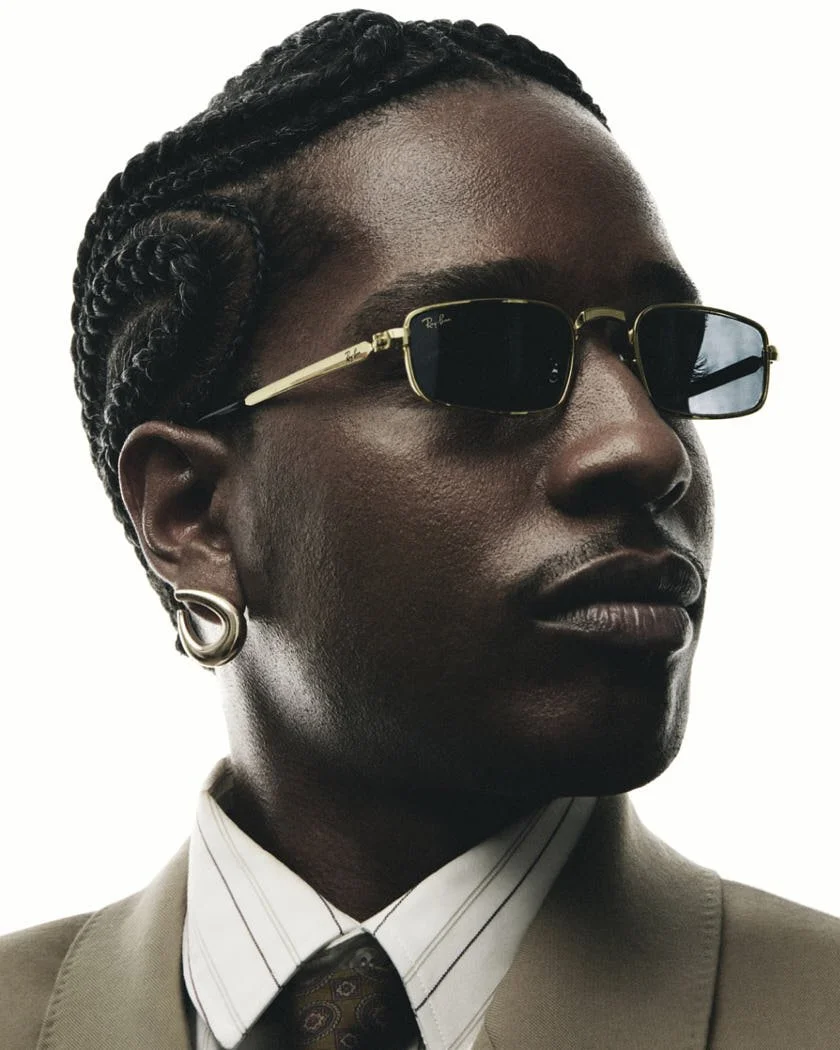
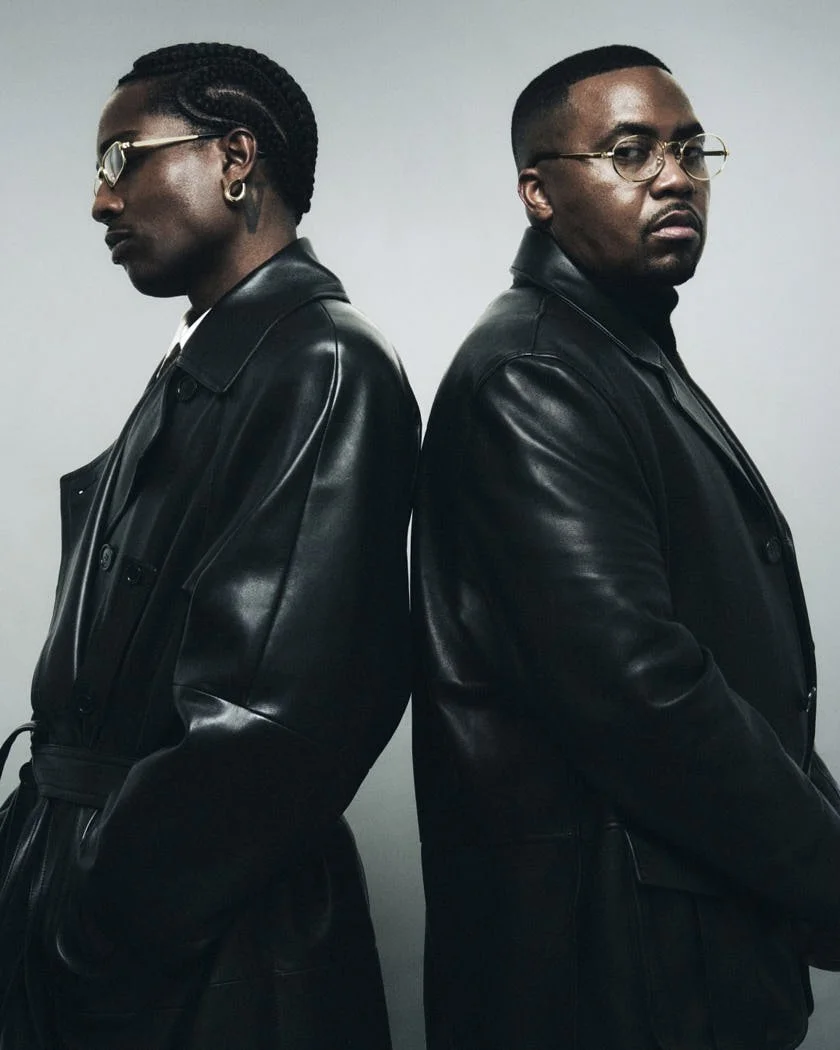
A$AP Rocky has presented his debut metal eyewear collection for Ray-Ban, marking one year since he became the brand’s first Creative Director. The release introduces both sunglasses and, for the first time under his direction, optical frames. It arrives with a campaign film co-starring Nas, staged in a late-night New York diner and built around an exchange between two figures from different eras of American rap.


Ray-Ban, founded in 1937, remains one of the few eyewear brands whose silhouettes have consistently crossed military use, Hollywood cinema, and music culture. Styles such as the Aviator and Wayfarer shaped decades of visual identity. Rocky’s appointment formalised a longer-term creative role that moves beyond capsule collaborations. His first full collection therefore carries structural weight: it signals how a musician with established influence in fashion translates an archive into product.


A$AP Rocky Ray Ban metal eyewear collection LE MILE Magazine optic glasses

RAY-BAN / A$AP ROCKY METAL COLLECTION
A$AP Rocky

 
A$AP Rocky Ray Ban metal eyewear collection LE MILE Magazine optic glasses

RAY-BAN / A$AP ROCKY METAL COLLECTION


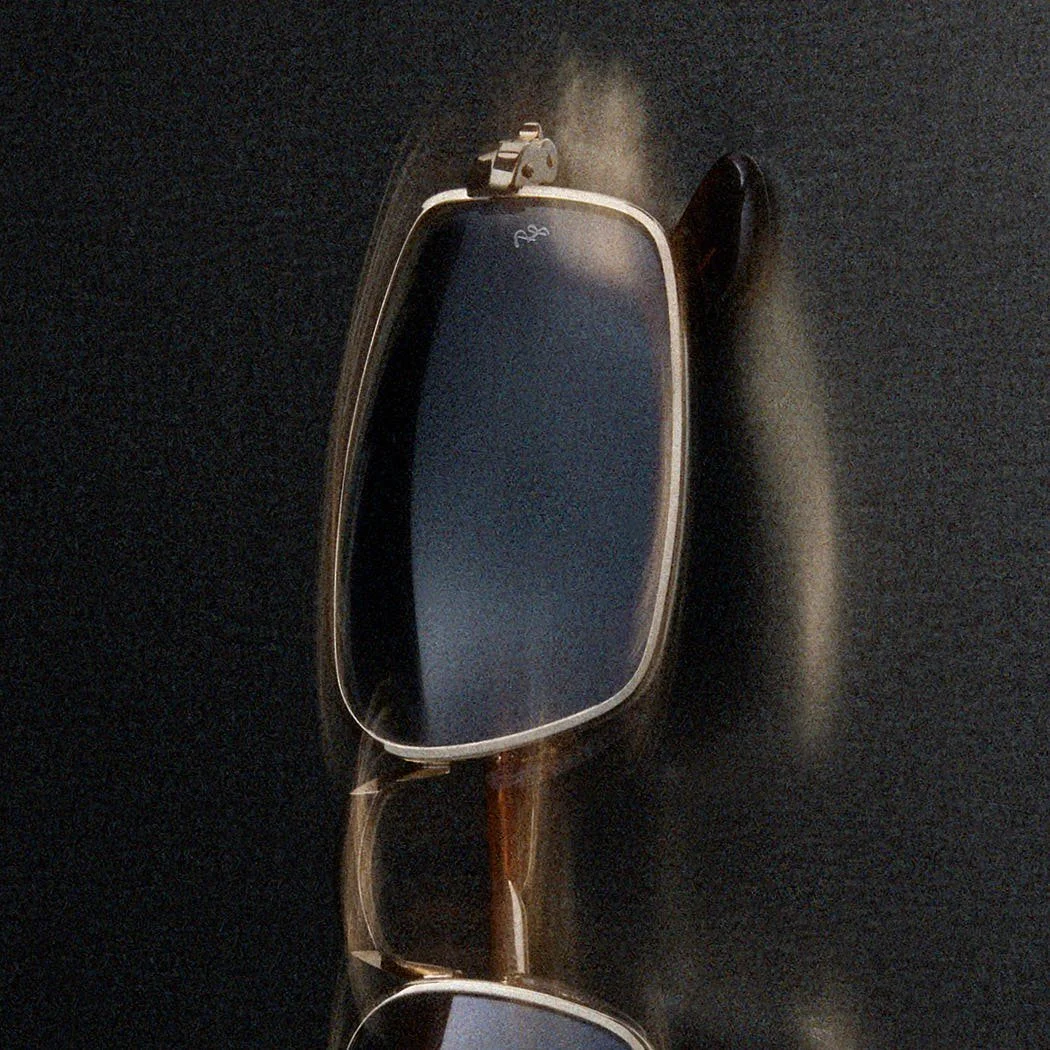
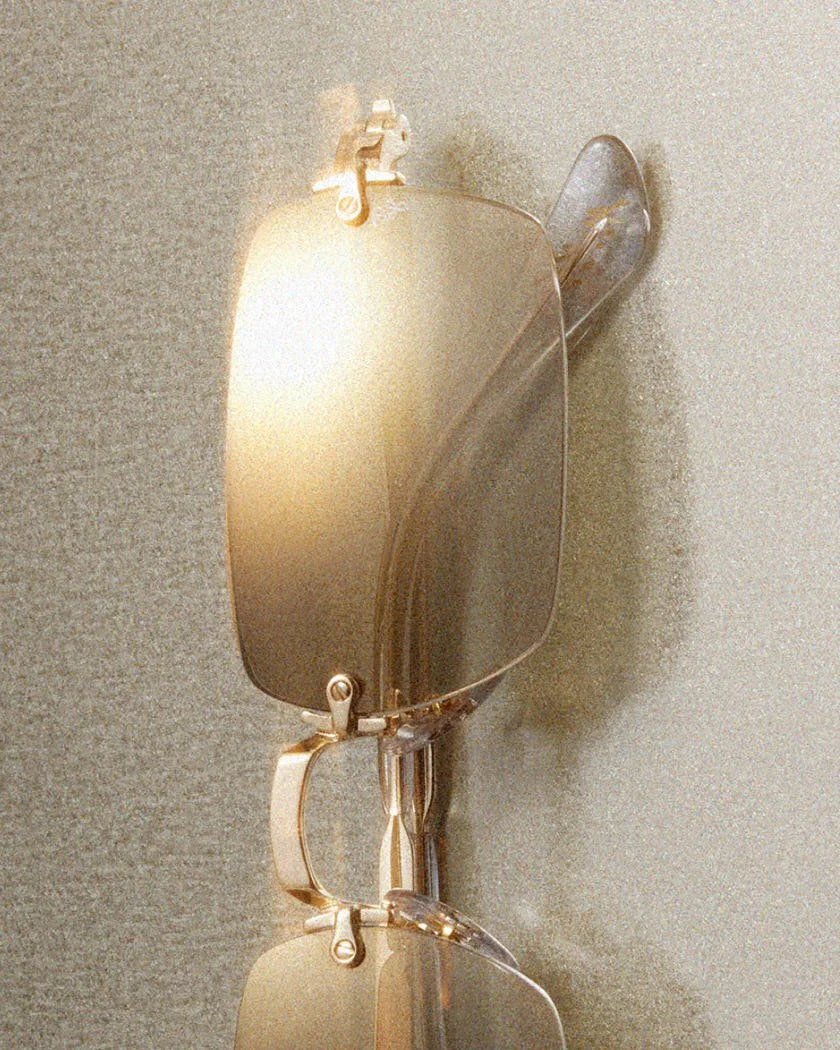
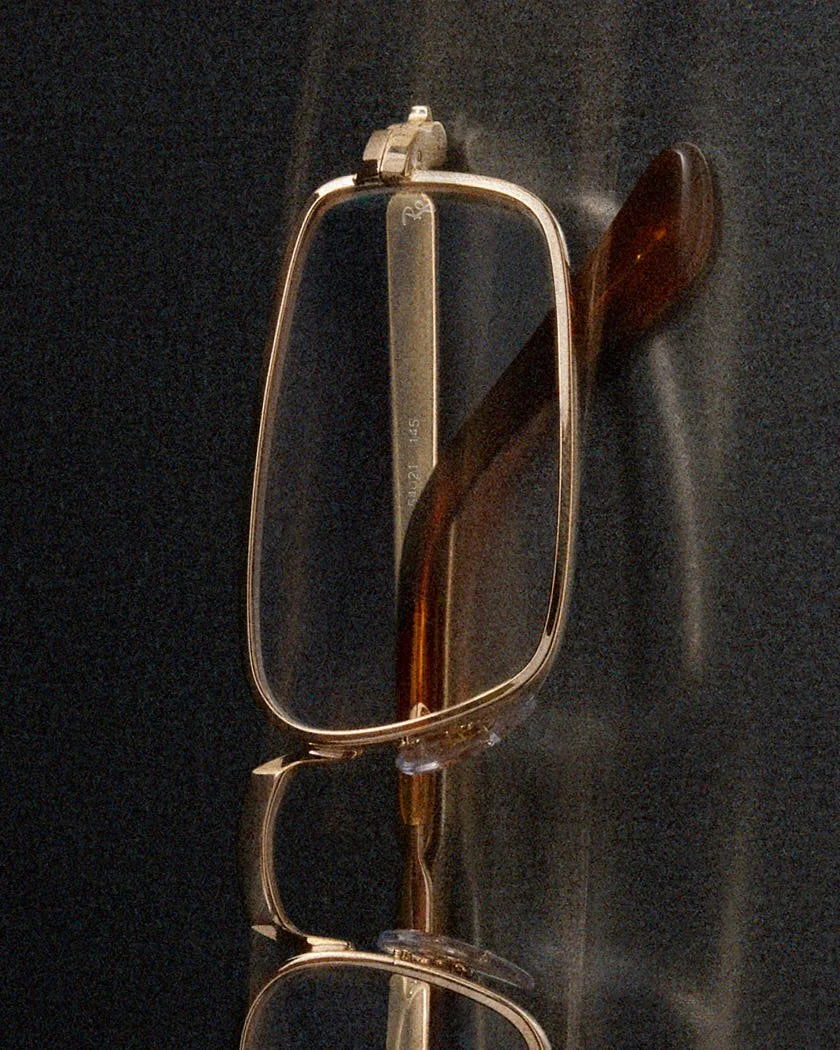
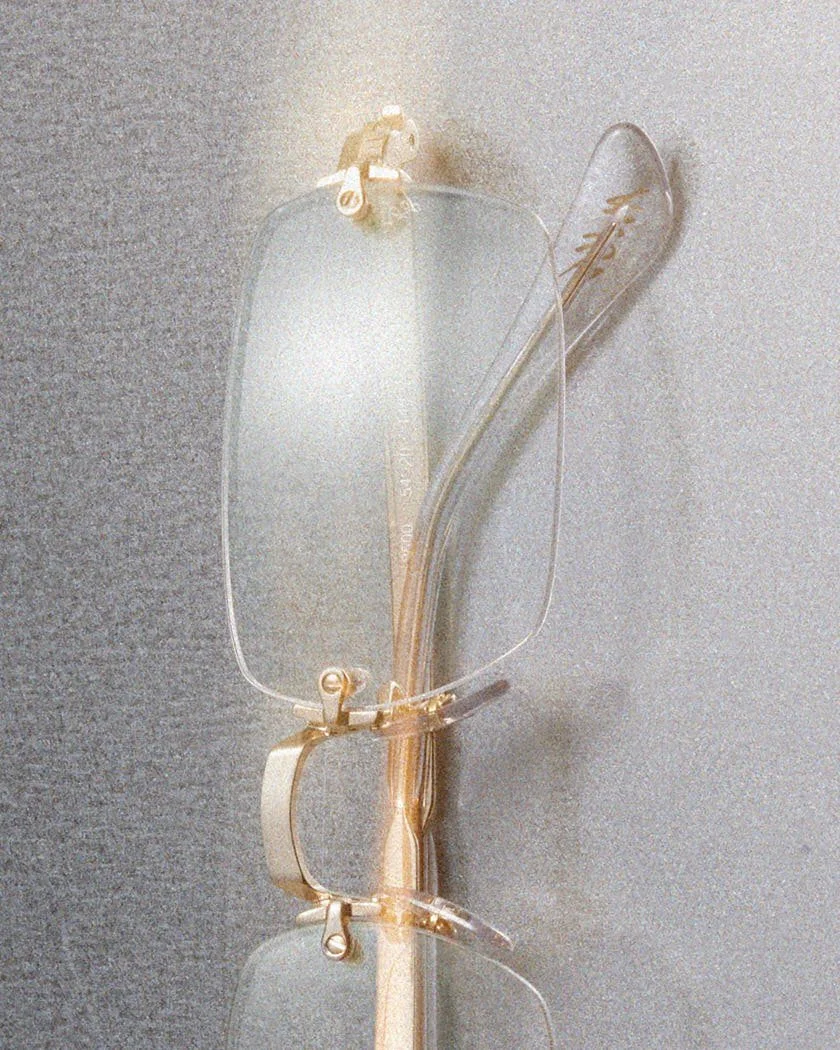
The metal collection draws directly from historic Ray-Ban shapes while adjusting proportion and construction. Soft oval frames sit alongside narrow rectangles, each rendered in classic metallic finishes. Several designs adopt rimless engineering, emphasising lens shape and reducing visible structure. A wraparound silhouette, available exclusively in selected stores, introduces a more futuristic line and extends the range into sport-informed territory. Material focus defines the collection. Metal frames replace acetate as the primary structural element, shifting the visual language toward sharper contours and lighter builds. In the rimless models, thick lenses heighten the geometry of the silhouette, creating a pronounced edge around otherwise minimal hardware. Across the line, the emphasis rests on proportion, lens thickness, and the tension between archival reference and present-day styling.

The campaign situates Rocky and Nas inside a New York diner, visually echoing 1990s iconography without turning the setting into nostalgia. Nas represents a generation that shaped East Coast rap’s visual and lyrical codes; Rocky has consistently revisited that era in his own fashion vocabulary. Placing both figures in dialogue positions the collection within a broader cultural lineage that connects Ray-Ban’s long-standing ties to music with contemporary authorship.


A$AP Rocky Ray Ban metal eyewear collection LE MILE Magazine optic glasses A$AP Rocky and Nas

RAY-BAN / A$AP ROCKY METAL COLLECTION
A$AP Rocky + Nas


A$AP Rocky Ray Ban metal eyewear collection LE MILE Magazine optic glasses gold

RAY-BAN / A$AP ROCKY METAL COLLECTION

A$AP Rocky Ray Ban metal eyewear collection LE MILE Magazine optic glasses optic

RAY-BAN / A$AP ROCKY METAL COLLECTION

 
A$AP Rocky Ray Ban metal eyewear collection LE MILE Magazine optic glasses

RAY-BAN / A$AP ROCKY METAL COLLECTION


The inclusion of optical frames expands the scope of Rocky’s direction. Prescription eyewear functions as a daily object, extending beyond seasonal styling into routine wear. Integrating optical designs signals that the collection is embedded in Ray-Ban’s ongoing catalogue rather than framed as a limited collaboration.
After a year in the role, Rocky’s first metal line establishes a clear trajectory. It engages the brand’s archive through material and proportion, anchors itself in music history through casting, and extends into optical territory with practical intent. The result is a collection that operates inside Ray-Ban’s legacy while marking a distinct authorial imprint.


all visuals
RAY-BAN SS26

LV Tilted Sneaker - Louis Vuitton’s Spring Summer 2026

LV Tilted Sneaker - Louis Vuitton’s Spring Summer 2026

This Is the LV Tilted Sneaker Leading Louis Vuitton’s Spring Summer 2026


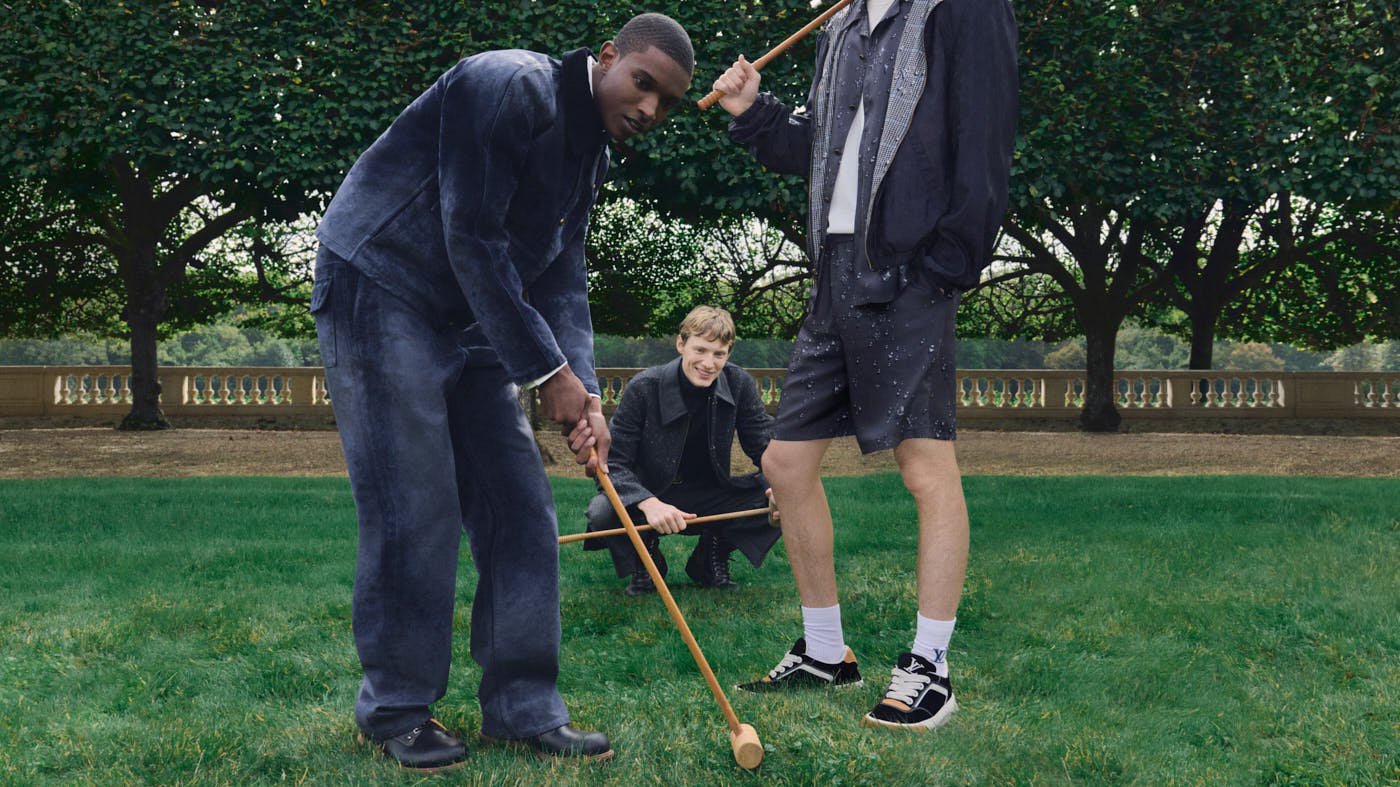
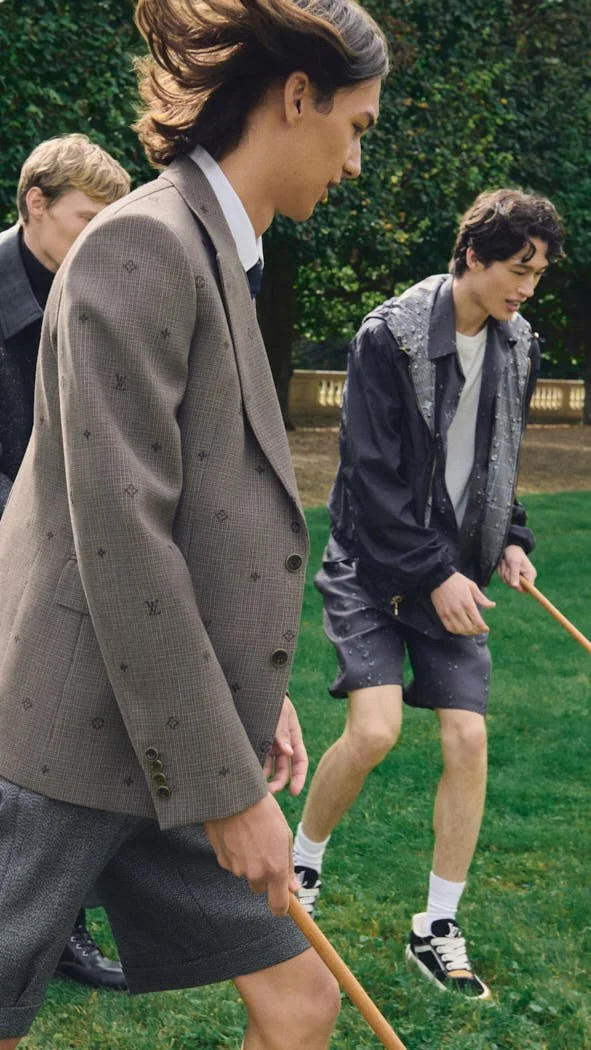
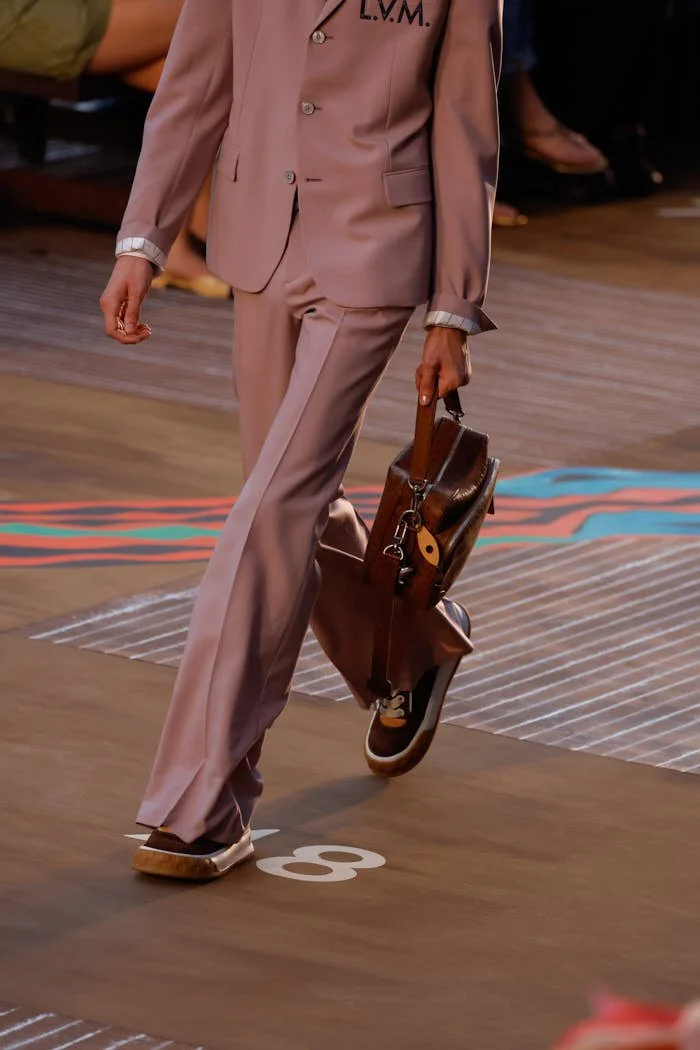
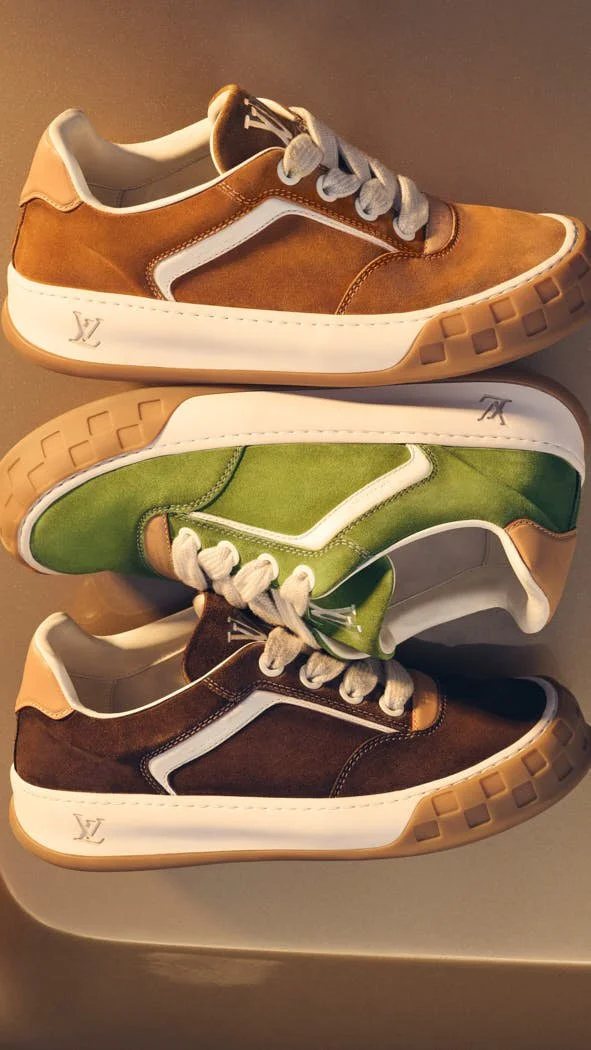
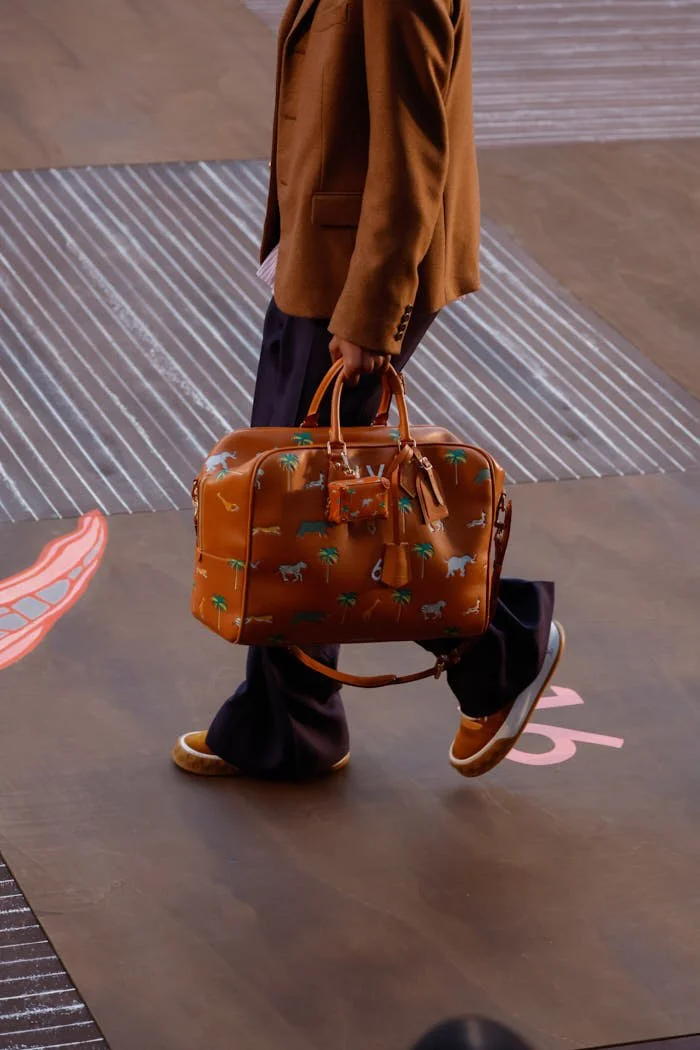
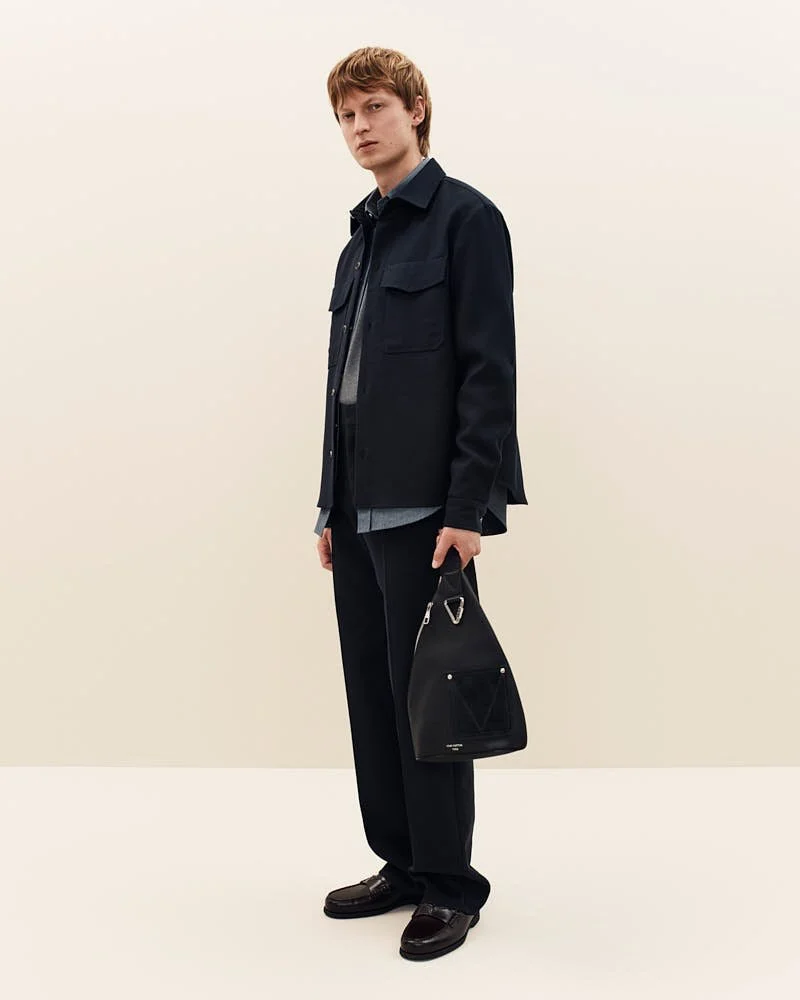
At Louis Vuitton’s Men’s Spring Summer 2026 show, the silhouette defined the atmosphere from the first look. Jackets carried volume through the shoulder, trousers moved with controlled ease, and the overall line of the collection held a steady, deliberate rhythm. Attention was placed on proportion and stance, on the way fabric settles on the body and how that body advances through space. Within this framework, the LV Tilted Sneaker anchored the season at ground level, shaping the posture of each look and reinforcing the calibrated balance that ran throughout the show.


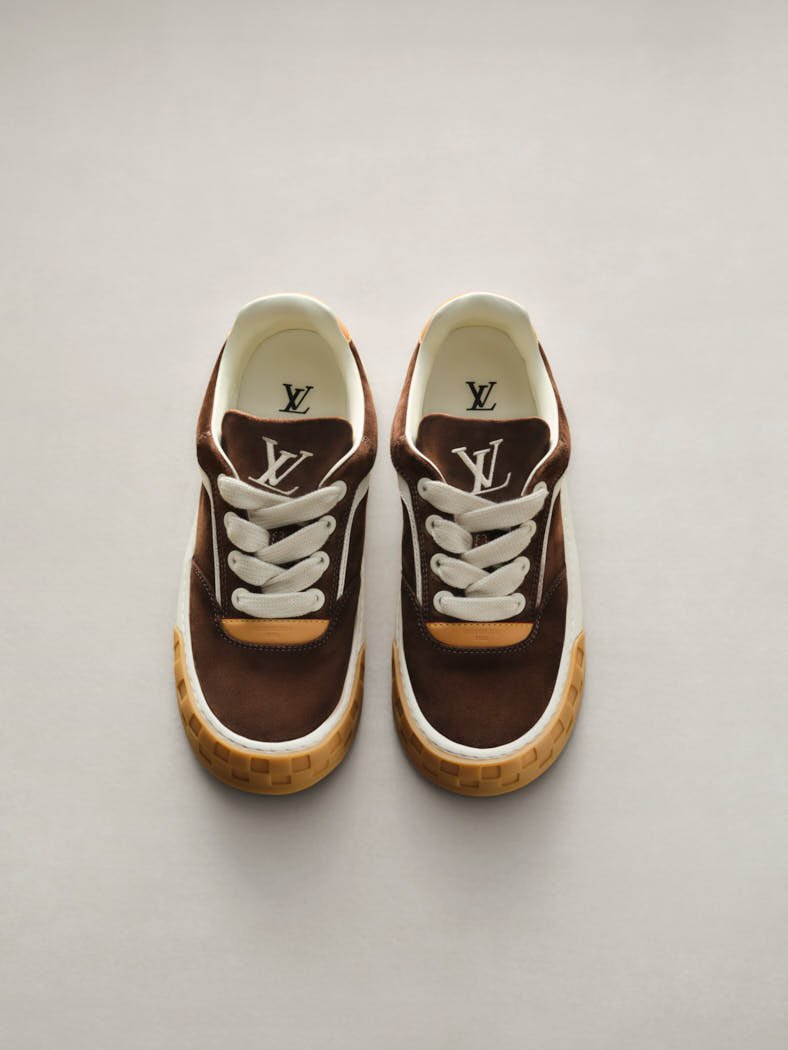
The LV Tilted entered the season during the Men’s Spring Summer 2026 Pre collection preview before taking its place on the runway as part of the collection’s full silhouette. Its reference to classic skate culture is visible in the padded tongue and overall profile, while the construction reflects the house’s attention to proportion and balance. The sole is widened and engineered so that right and left are dimensionally equal, making the pair initially interchangeable. This calibration shifts the stance of the wearer in motion, as the foot meets the ground evenly and the body settles into a more centered posture. Beneath the elongated tailoring and controlled volume of the Men’s Spring Summer 2026 collection, the LV Tilted subtly reshapes how the look carries itself from the ankle upward, influencing the way fabric falls and how the silhouette reads across the runway.


Louis Vuitton LV Tilted Sneaker MEN SS26 SHOW LE MILE Magazine Mens Fashion Week

LV Tilted Sneaker
MEN SS26 Campaign

 
Louis Vuitton LV Tilted Sneaker MEN SS26 SHOW LE MILE Magazine Mens Fashion Week

LV Tilted Sneaker


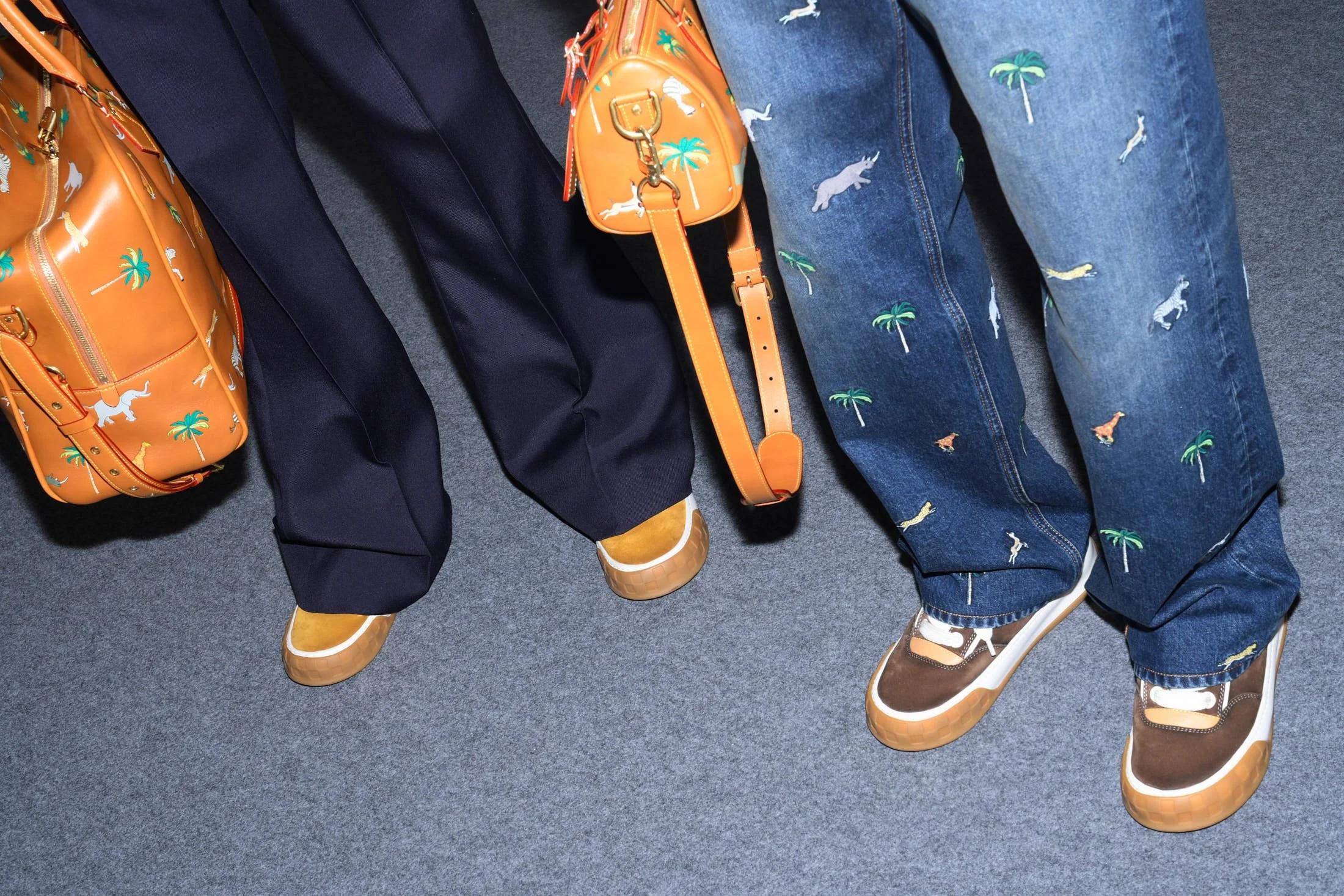
The LV Tilted carries its identity through a few deliberate gestures. The angled LV on the padded tongue introduces a slight visual shift that breaks the symmetry of the form, while the upper’s defined stitching keeps the construction clean and controlled. Underfoot, the sole carries Monogram and Damier codes in relief, making the house signature visible in motion. The materials feel considered and lightweight, giving the sneaker a composed presence that aligns naturally with the direction of the Men’s Spring Summer 2026 season.


Louis Vuitton LV Tilted Sneaker MEN SS26 SHOW LE MILE Magazine Mens Fashion Week

LV Tilted Sneaker
MEN SS26 Show

 
Louis Vuitton LV Tilted Sneaker MEN SS26 SHOW LE MILE Magazine Mens Fashion Week

LV Tilted Sneaker
MEN SS26 Show

Louis Vuitton LV Tilted Sneaker MEN SS26 SHOW LE MILE Magazine Mens Fashion Week

LV Tilted Sneaker

 
Louis Vuitton LV Tilted Sneaker MEN SS26 SHOW LE MILE Magazine Mens Fashion Week

LV Tilted Sneaker
MEN SS26 Show


The LV Tilted appears in multiple treatments this season, moving through worn denim, calf suede, woven Damier, plaid canvas and embroidered finishes with ease. Each material brings a different tone to the same silhouette, shifting its mood from understated to expressive while keeping its outline consistent. On the runway, those variations registered almost like subtle edits within the same sentence, small adjustments that altered the feel of the look without disturbing its balance.

Within Men’s Spring Summer 2026, the sneaker sits comfortably inside the collection’s language of controlled proportion and steady line. It feels resolved, considered, fully absorbed into the way the season presents itself on foot, giving the show a quiet coherence that holds from the first exit to the final walk.


all visuals
LOUIS VUITTON SS26

Louis Vuitton - Trunk Edition as a complete men’s wardrobe for FW 2026

Louis Vuitton - Trunk Edition as a complete men’s wardrobe for FW 2026

Why Louis Vuitton’s Fall-Winter 2026 Trunk Edition focuses on trans-seasonal menswear


written LE MILE


Louis Vuitton will launch the Fall-Winter 2026 Men’s Trunk Edition on 5 February 2026. The project is developed under Men’s Creative Director Pharrell Williams and introduced as a complete men’s wardrobe designed for extended use across seasons. The initiative arrives at a moment when large fashion houses are consolidating menswear around durability, material performance, and long-term relevance as central design priorities.

 
Louis Vuitton Fall-Winter 2026 Men’s Trunk Edition by Pharrell Williams LE MILE Magazine Alban E. Smajli
 
Louis Vuitton Fall-Winter 2026 Men’s Trunk Edition by Pharrell Williams LE MILE Magazine Alban E. Smajli
 

Since his appointment in 2023, Williams has overseen menswear at Louis Vuitton with an emphasis on coherence across product categories. His role operates at the scale of an institution, where creative direction intersects with manufacturing, global retail, and legacy product codes. The Trunk Edition sits within this framework, focusing on how menswear functions as a system of use.

The name Trunk Edition references the canvas trunk introduced by Louis Vuitton in 1854, the company’s first commercial product. Historically, the trunk was conceived as a modular object engineered for transport, storage, and repeated handling. Within the Fall-Winter 2026 collection, this reference establishes a functional lineage. The trunk serves as a model for organizing clothing and accessories around adaptability, construction, and sustained wear.


Louis Vuitton Fall-Winter 2026 Men’s Trunk Edition by Pharrell Williams LE MILE Magazine Alban E. Smajli


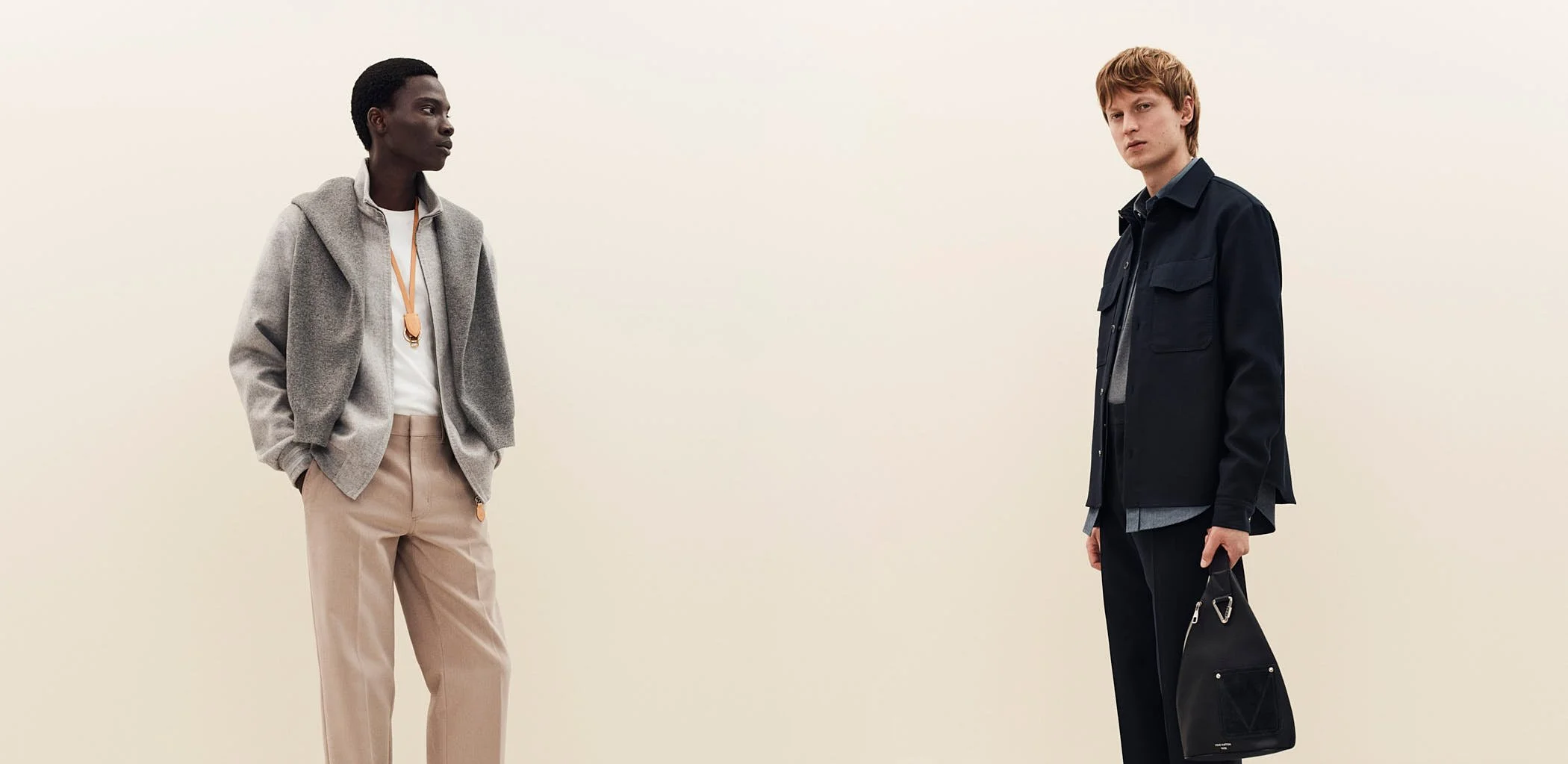
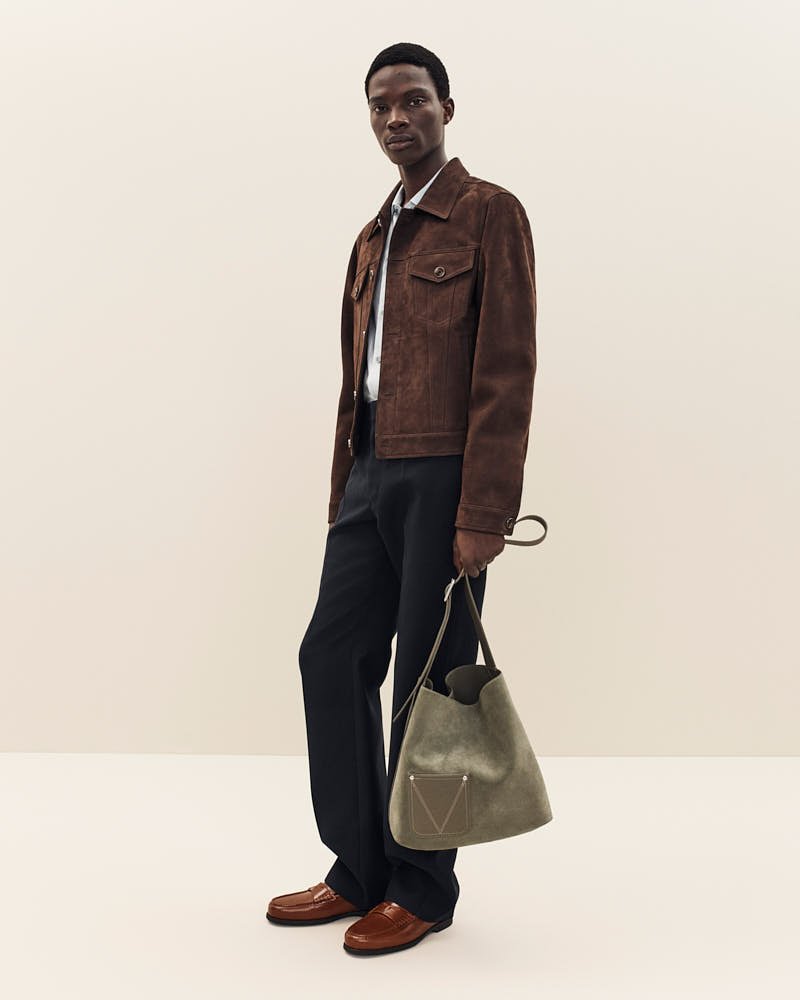
What Louis Vuitton proposes with the Trunk Edition is a deliberately finite wardrobe. Ready-to-wear, footwear, and leather goods are treated as interdependent elements, organized to cover daily use. The materials selected, silk-wool, cashmere blends, cotton-silk fabrics, nubuck, suede, signal an investment in textile behavior and wear over time. Construction choices such as double-face garments and unlined tailoring indicate an interest in how clothing moves, layers, and adapts across conditions. The muted palette of beige, blue, brown, black, and khaki reinforces this logic, limiting visual disruption within the wardrobe.

The same discipline applies to accessories. Footwear is restricted to three models, establishing a narrow but intentional range of use. Leather goods appear through the LV Touch line, where bags function as tools of movement. References to historical forms like the Steamer bag operate at the level of structure and purpose, anchoring contemporary formats in a long-standing logic of transport and daily carry.


Within contemporary menswear, the emergence of projects framed as complete wardrobes signals a shift in how value is articulated at the upper end of the market. Emphasis moves toward coherence, material decision-making, and garments designed to remain in circulation across multiple seasons. These priorities respond to practical changes in how menswear is bought, stored, and worn, particularly at the scale of global luxury houses, where continuity increasingly carries economic and cultural weight.

The Fall-Winter 2026 Men’s Trunk Edition enters this context as a concrete proposal. Its global release on 5 February 2026 positions it as a working wardrobe available through Louis Vuitton boutiques and retail channels, encompassing ready-to-wear, footwear, and leather goods within a single framework. At Louis Vuitton, this logic is implemented at institutional scale, where menswear, footwear, and accessories are planned together as a durable wardrobe. The Trunk Edition functions as a reference point for how the house structures menswear development beyond the seasonal cycle.


Louis Vuitton Fall-Winter 2026 Men’s Trunk Edition by Pharrell Williams LE MILE Magazine Alban E. Smajli
 
Louis Vuitton Fall-Winter 2026 Men’s Trunk Edition by Pharrell Williams LE MILE Magazine Alban E. Smajli


LOUIS VUITTON FALL–WINTER 2026 MEN’S TRUNK EDITION
collection by PHARRELL WILLIAMS / men’s creative director LOUIS VUITTON / launch 5 February 2026

content and imagery courtesy of LOUIS VUITTON Press

Prada Spring Summer 2026 campaign - Anne Collier

Prada Spring Summer 2026 campaign - Anne Collier

PRADA frames Fashion Advertising as an Object through Anne Collier’s Spring Summer 2026 Campaign


written LE MILE


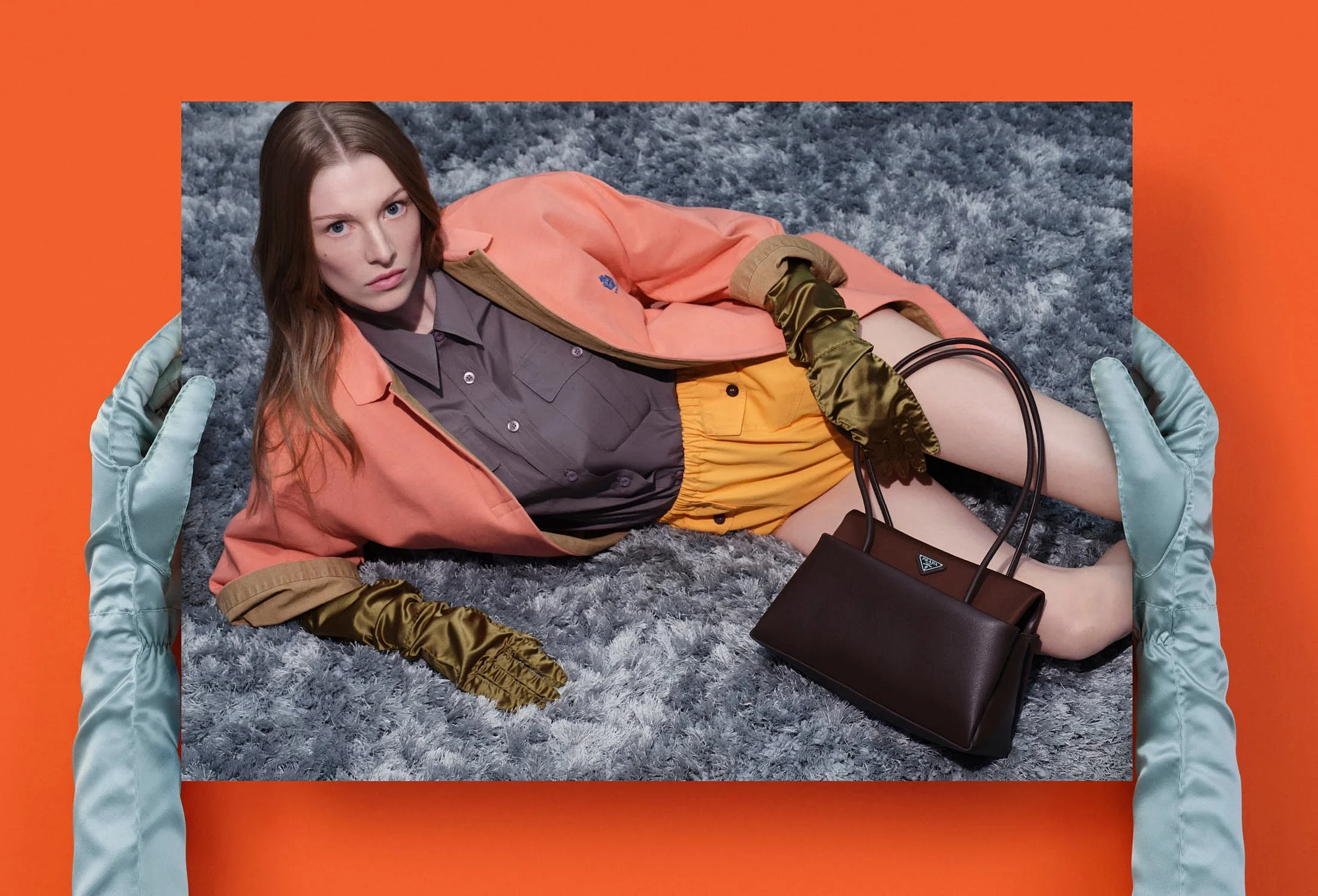
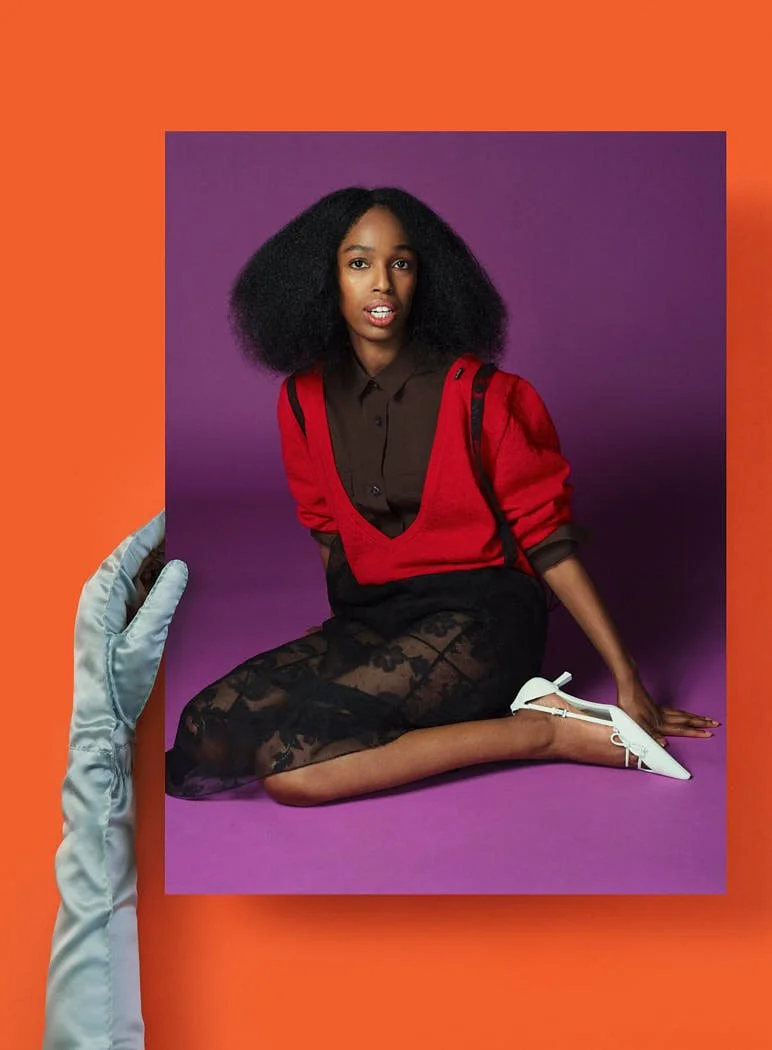
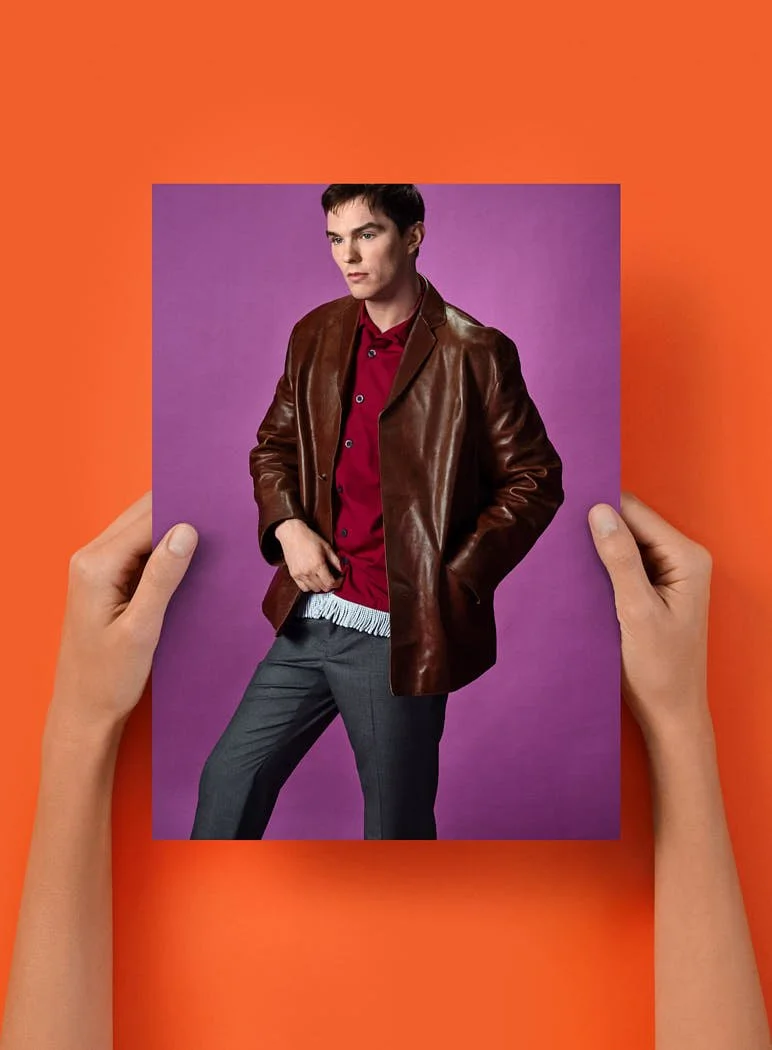
The Spring Summer 2026 Prada campaign marks a new collaboration between Prada, its creative directors Miuccia Prada and Raf Simons, and the American artist Anne Collier. Released for the Spring Summer 2026 season, the campaign examines the form and function of fashion advertising at a time when images circulate primarily through digital systems.

 
PRADA SS26 advertising campaign by MIUCCIA PRADA and RAF SIMONS photography ANNE COLLIER with images by OLIVER HADLEE PEARCH LE MILE Magazine
 
PRADA SS26 advertising campaign by MIUCCIA PRADA and RAF SIMONS photography ANNE COLLIER with images by OLIVER HADLEE PEARCH LE MILE Magazine
 

Collier’s work since the early 2000s has focused on re-photographed and appropriated imagery from magazines, record sleeves, and advertising, consistently questioning how images are handled, consumed, and recontextualised. Her work has been shown at institutions including the Museum of Modern Art in New York, Tate Modern in London, and LACMA. Prada’s commission places this practice directly inside a global fashion campaign, extending Collier’s long-standing inquiry into a commercial context without shifting its focus.

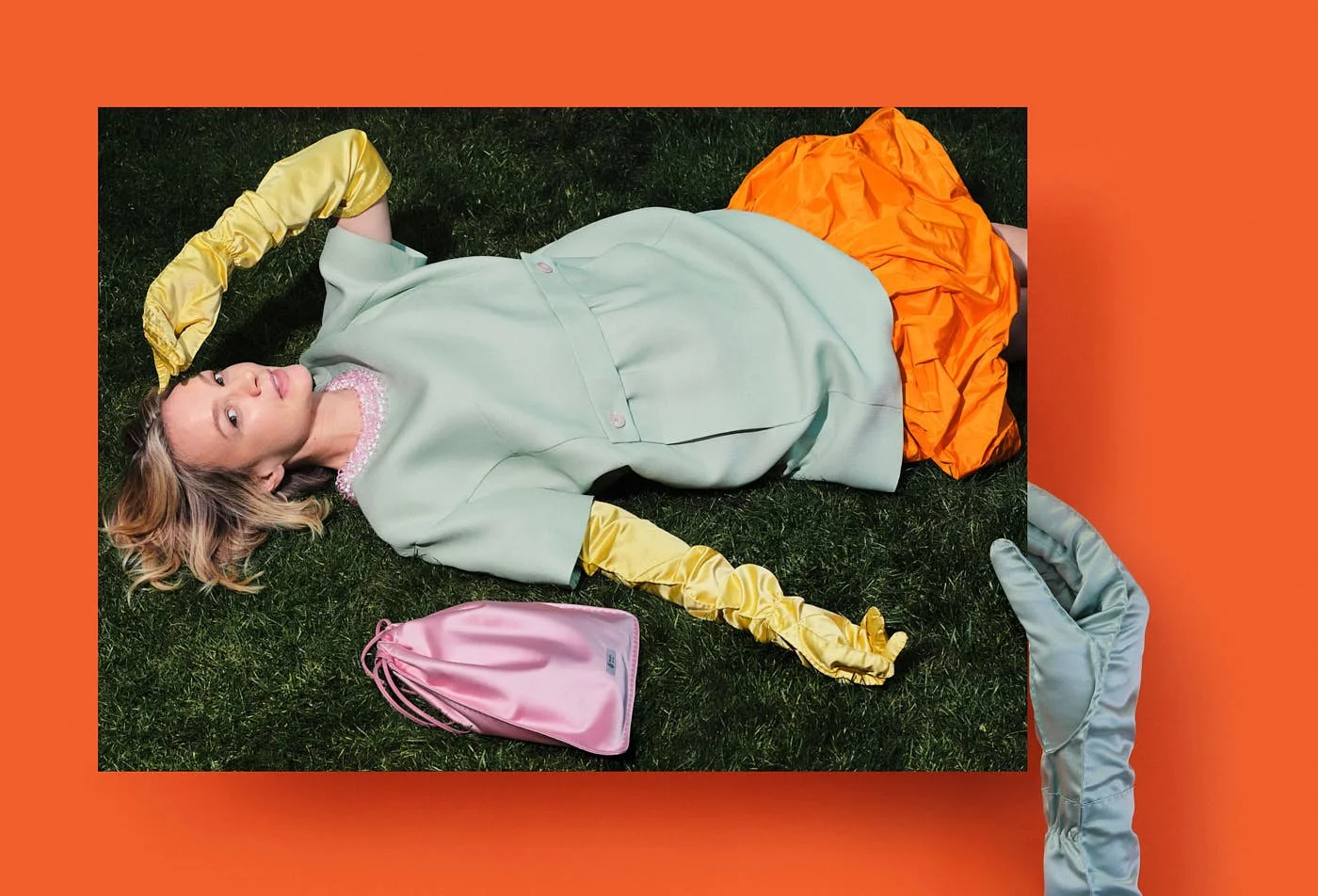
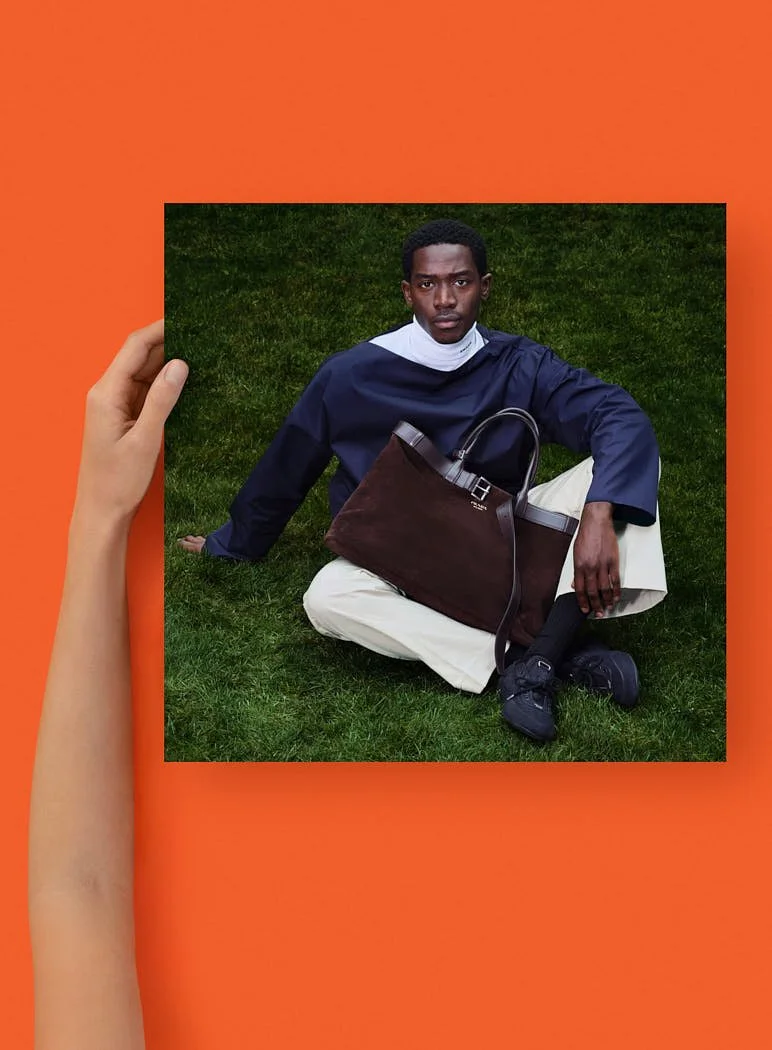
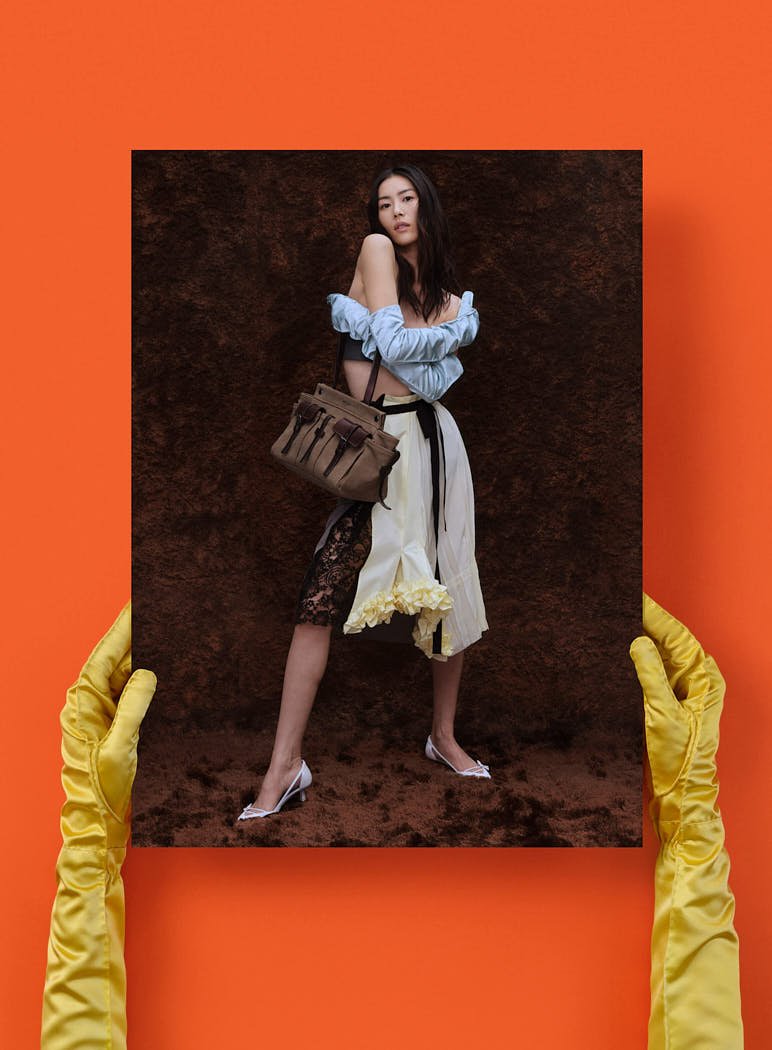
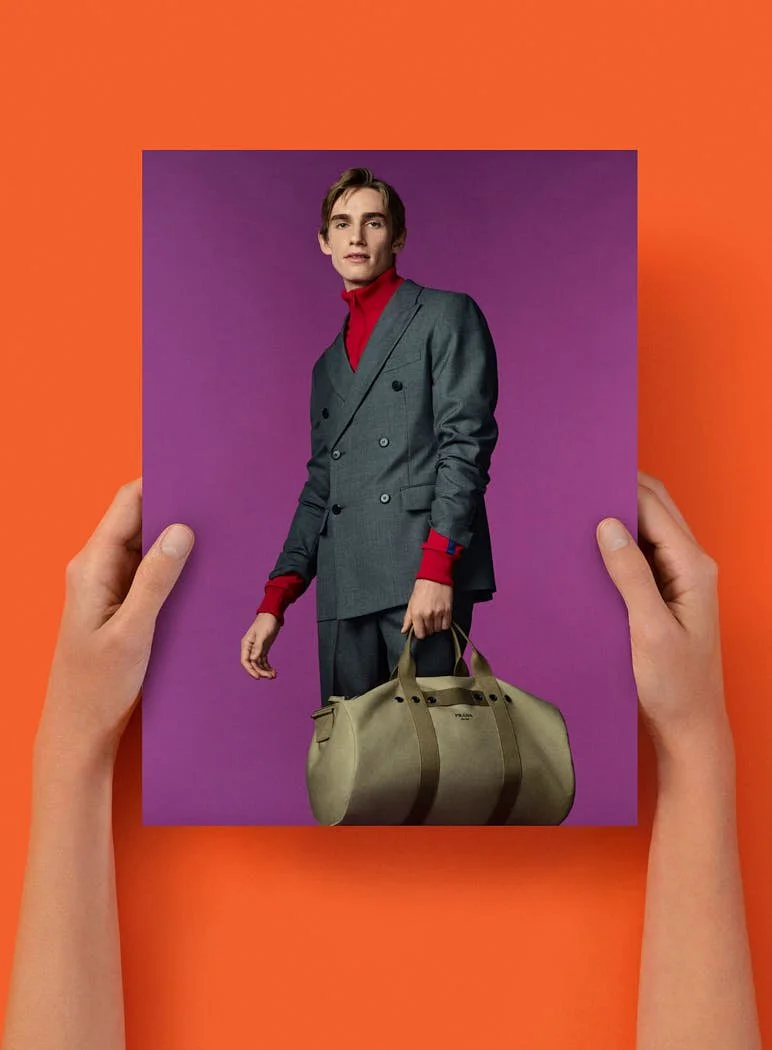
The campaign consists of still-life images in which physical photographs of the Prada collection are held by visible hands. These inner photographs, shot by Oliver Hadlee Pearch, depict Prada looks worn by a cast that includes Levon Hawke, Nicholas Hoult, Damson Idris, Carey Mulligan, Hunter Schafer, John Glacier, and Liu Wen. Collier’s outer image reframes these photographs as objects, introducing a second level of observation that foregrounds the act of looking itself.


PRADA SS26 advertising campaign by MIUCCIA PRADA and RAF SIMONS photography ANNE COLLIER with images by OLIVER HADLEE PEARCH LE MILE Magazine
 

This structure shifts attention away from immediacy and consumption toward materiality. The photograph appears as something held, examined, and mediated by another presence. The hands function as a proxy for the viewer, situating the audience alongside the image, so advertising becomes visible as a mechanism.
Within Prada’s wider cultural programme, the campaign aligns with the brand’s sustained engagement with contemporary art through exhibitions, commissions, and long-term collaborations. It also enters a broader industry moment shaped by image saturation, renewed interest in print, and questions around authorship and attention. By insisting on the photograph as a physical object, the campaign introduces friction into a system built on speed and circulation.


The Prada Spring Summer 2026 campaign is released globally across Prada’s platforms. Credits list creative direction by Ferdinando Verderi, photography by Anne Collier with images by Oliver Hadlee Pearch, and the named cast. The project positions advertising as a site of reflection, placing visual authorship and material presence at the centre of Prada’s seasonal communication.

 
PRADA SS26 advertising campaign by MIUCCIA PRADA and RAF SIMONS photography ANNE COLLIER with images by OLIVER HADLEE PEARCH LE MILE Magazine
 
PRADA SS26 advertising campaign by MIUCCIA PRADA and RAF SIMONS photography ANNE COLLIER with images by OLIVER HADLEE PEARCH LE MILE Magazine


PRADA SPRING SUMMER 2026 Campaign

campaign conceived by MIUCCIA PRADA and RAF SIMONS / photography ANNE COLLIER with images by OLIVER HADLEE PEARCH / campaign creative direction FERDINANDO VERDERI / talents JOHN GLACIER, LEVON HAWKE, NICHOLAS HOULT, DAMSON IDRIS, CAREY MULLIGAN, HUNTER SCHAFER, LIU WEN

(c) all images PRADA Press

Lady Dior Rewritten - Jonathan Anderson

Lady Dior Rewritten - Jonathan Anderson

Jonathan Anderson Rewrites the Lady Dior for Spring Summer 2026


written LE MILE


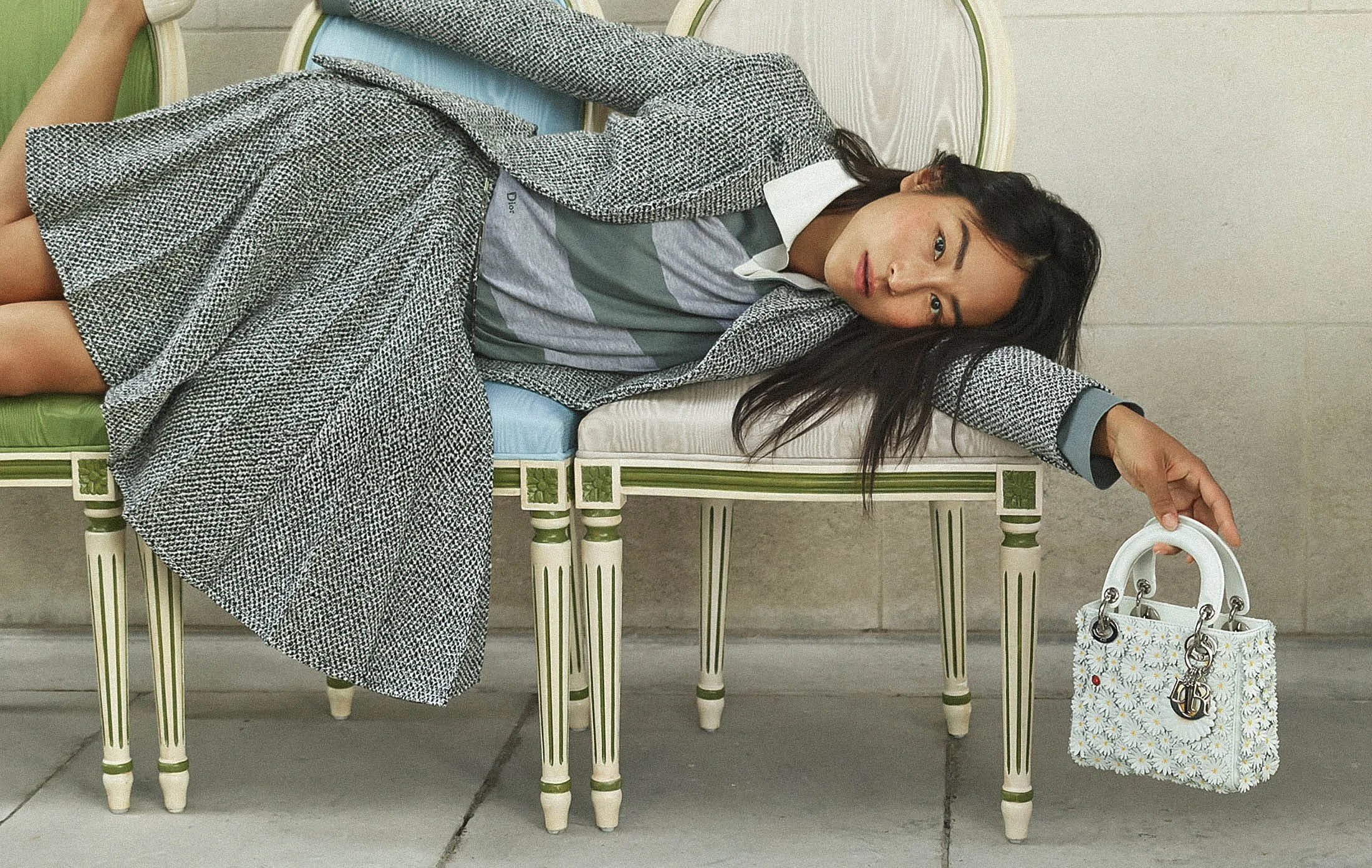
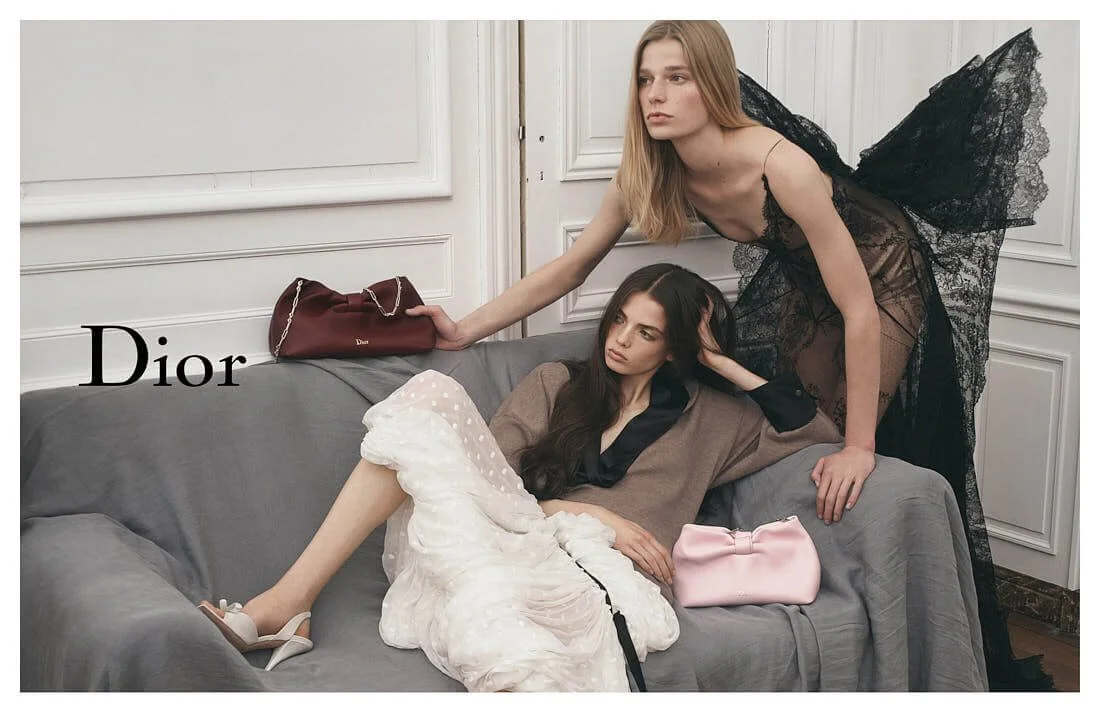
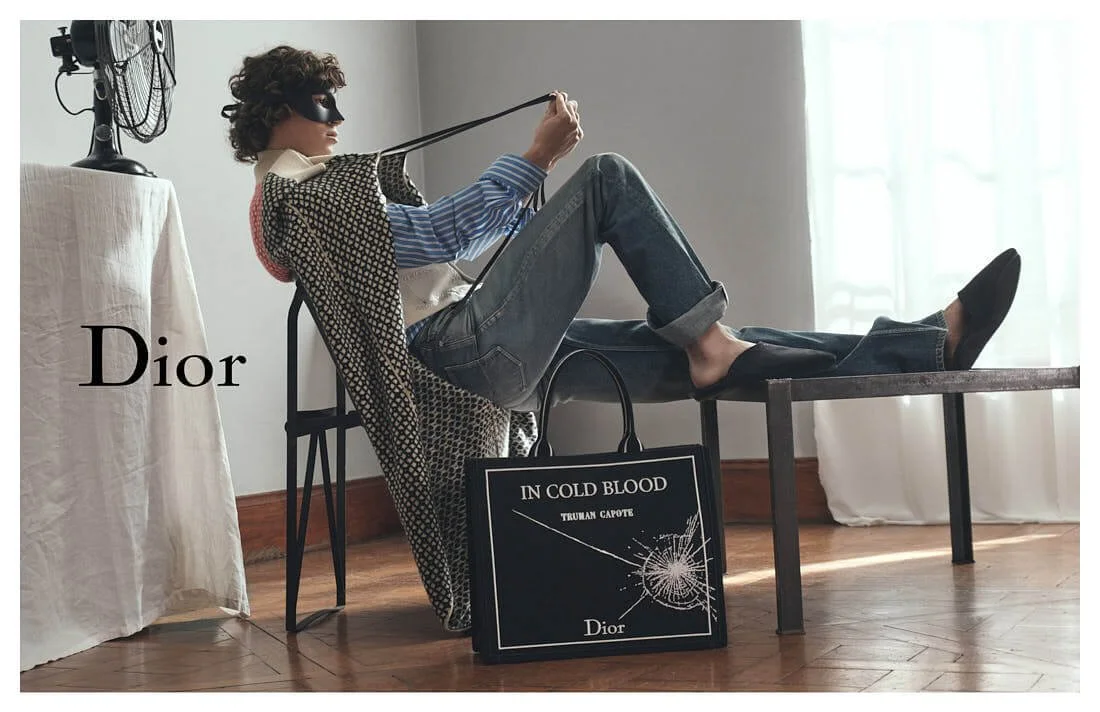
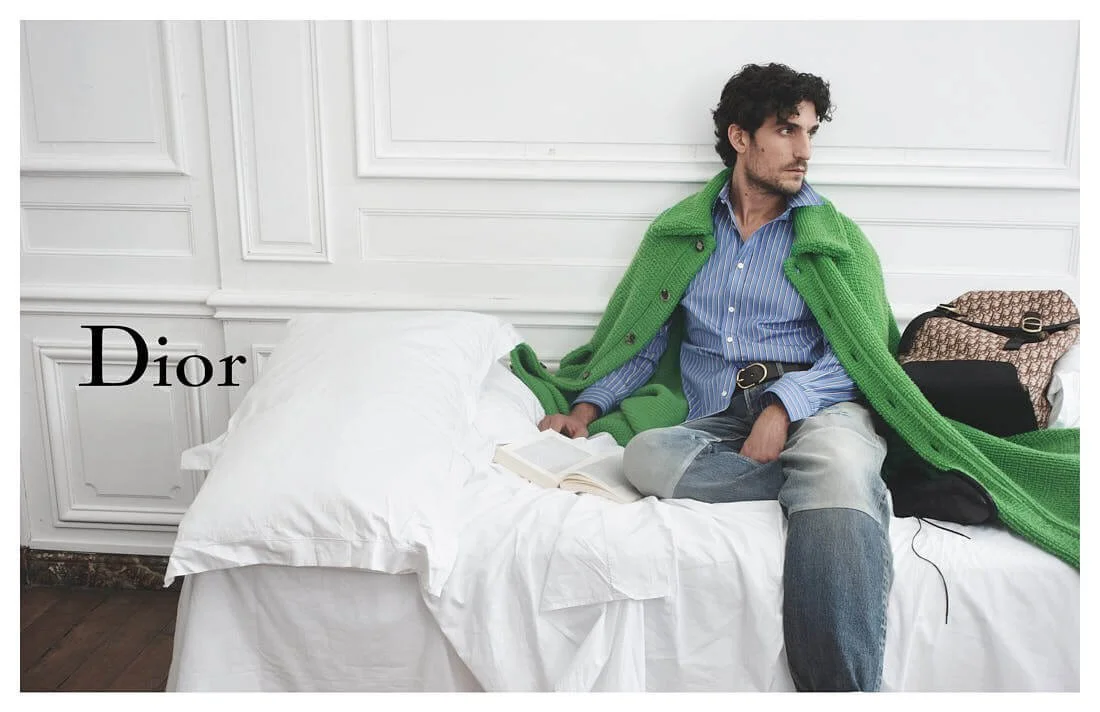
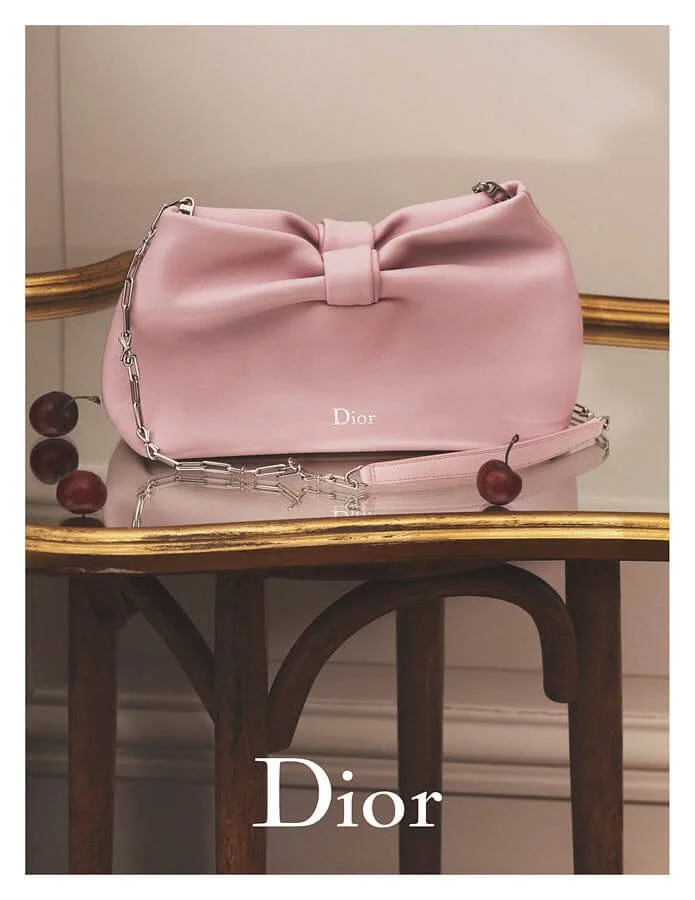
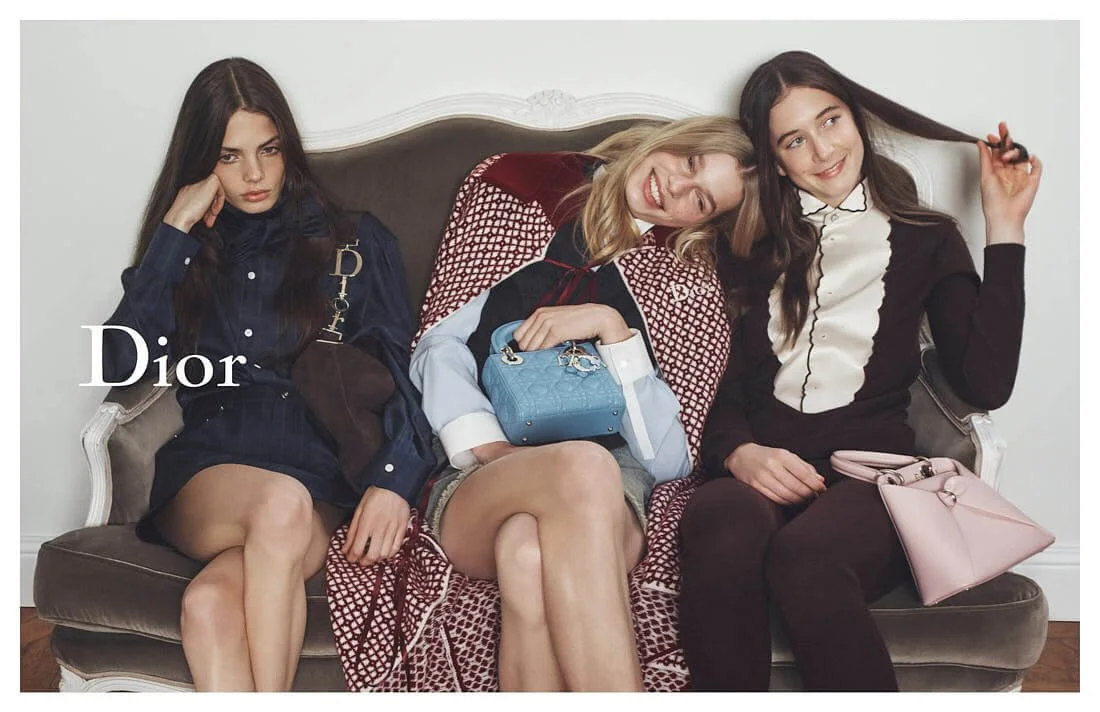
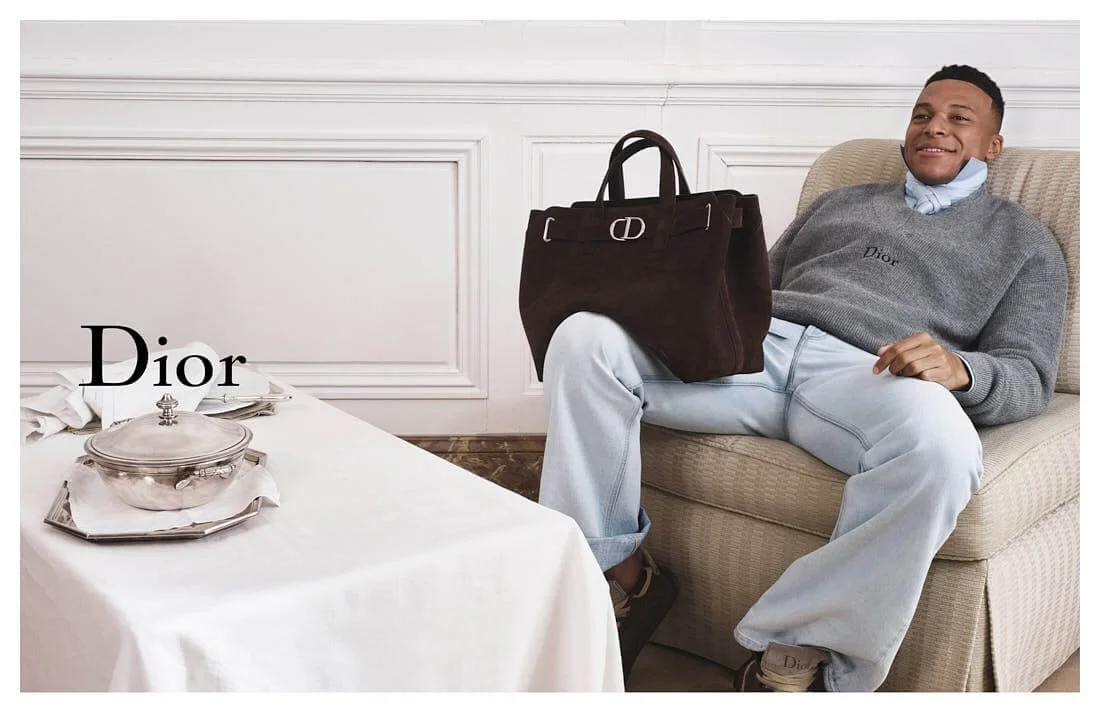
For Spring Summer 2026, Dior presents a new series of Lady Dior handbags designed by Jonathan Anderson, introduced alongside the House’s Spring Summer 2026 ready to wear collection. The bags are scheduled to arrive in Dior boutiques from January 2026 and form part of Anderson’s first full accessories proposition for the season. The release coincides with a broader repositioning of Dior’s codes under Anderson, who draws directly on specific elements of the brand’s founder Christian Dior’s personal symbolism and his own background.

 
LADY DIOR CAMPAIGN 2025 by DAVID SIMS LE MILE Magazine
 
LADY DIOR CAMPAIGN 2025 by DAVID SIMS LE MILE Magazine
 

Jonathan Anderson is a Northern Irish designer who founded JW Anderson in 2008 and became creative director of Loewe in 2013, where he led a sustained focus on craft, material research, and heritage references. He was appointed creative director at Dior with responsibility for women’s, men’s, and accessories collections, marking a structural shift within the House. The Lady Dior bag itself was introduced in 1995 and has since been repeatedly reinterpreted by successive creative directors as a fixed product line within Dior’s leather goods category.

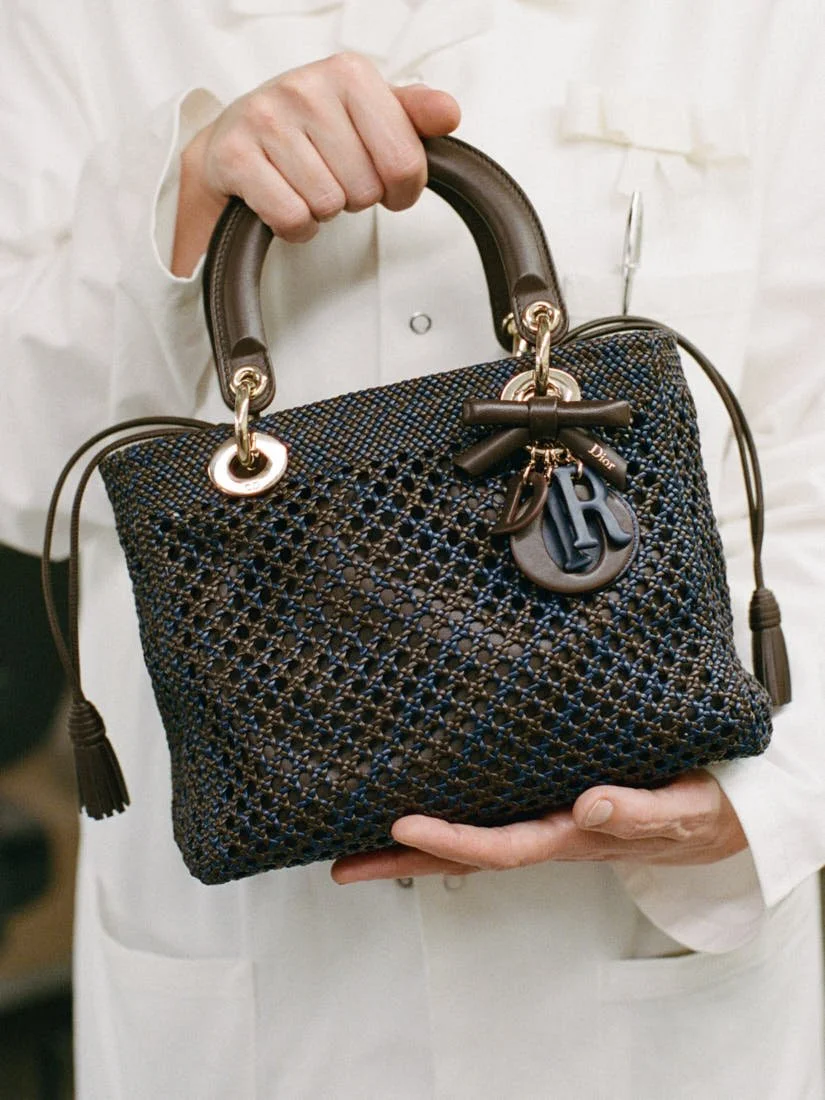
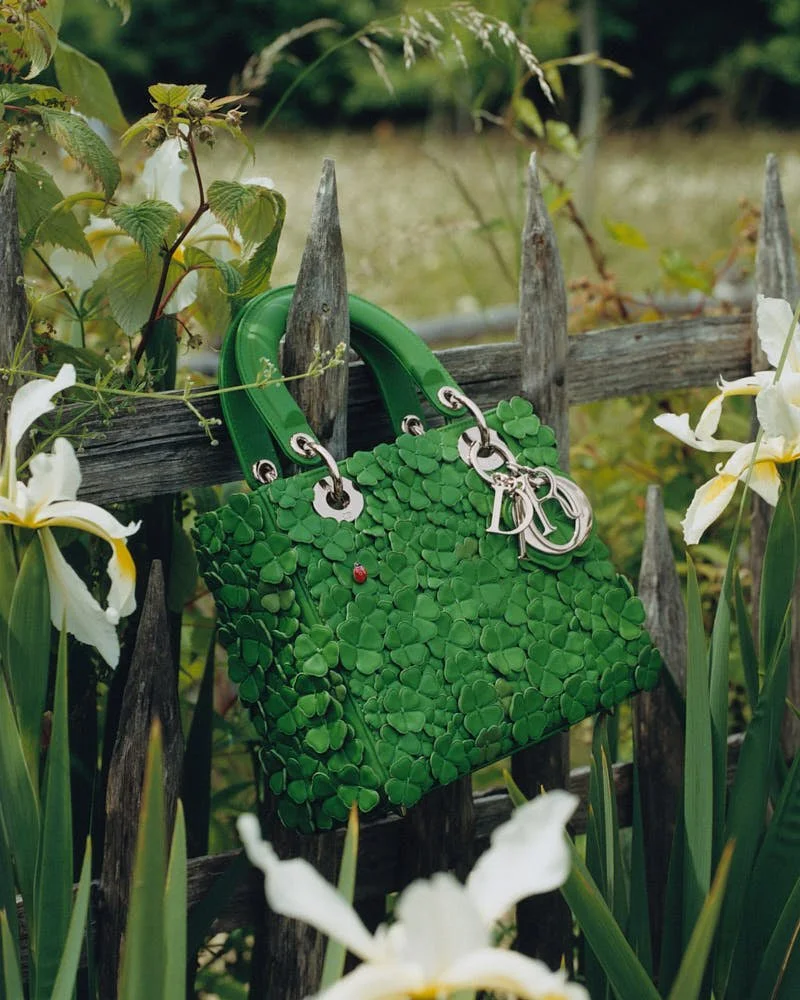
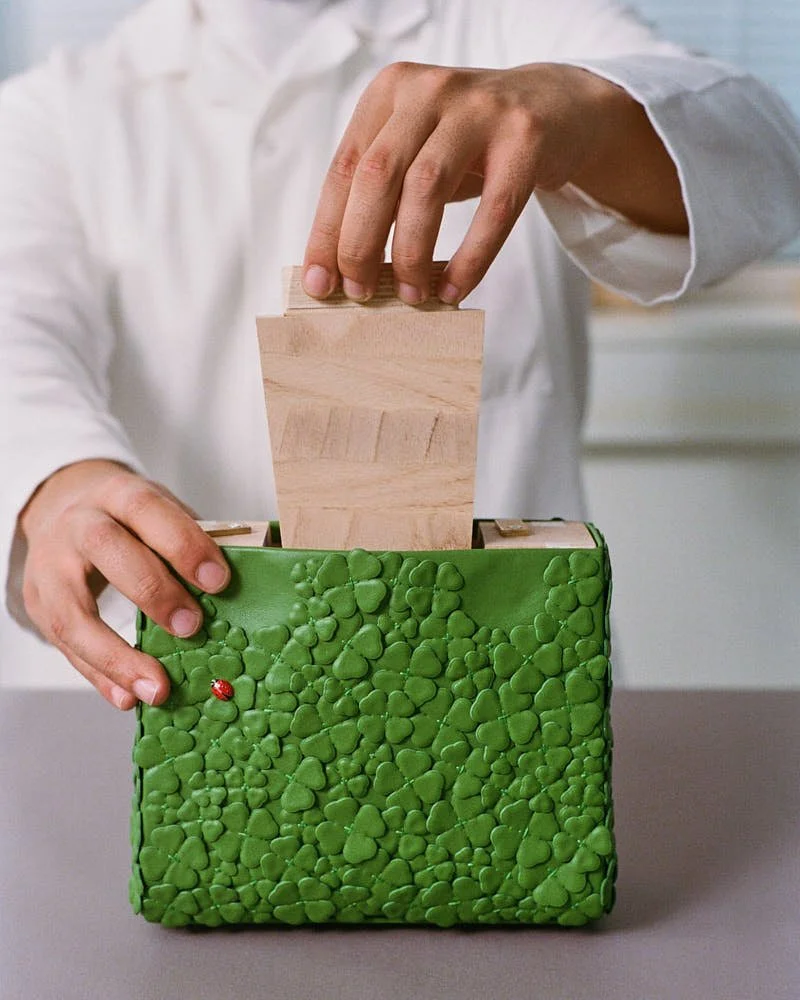
The Spring Summer 2026 Lady Dior proposals consist of two primary models: the Mini Lady Dior Clover and the Mini Lady Dior Buttercup. The Clover version is embroidered with four leaf clovers and incorporates a red ladybug motif, while the Buttercup version features three dimensional buttercup flowers in bright yellow tones, accompanied by a small bee detail. Both bags retain the Lady Dior’s architectural form and metal “D I O R” letter charms, with additional talisman shaped elements added to the hardware. The Clover model is produced in three colorways: green, black, and rose soupir.

 
LADY DIOR CAMPAIGN 2025 by DAVID SIMS LE MILE Magazine
 
Lady Dior Clover CAMPAIGN 2025 LE MILE Magazine


Christian Dior was known for personal superstitions, including the use of lucky charms such as four leaf clovers and symbolic animals, which appeared in his couture practice from the late 1940s onward. The Lady Dior itself became globally recognizable after being carried publicly by Diana, Princess of Wales, in 1995, establishing its association with formal elegance and public visibility. Anderson’s use of clovers and talismanic motifs places the Spring Summer 2026 bags within this established lineage of symbolic ornamentation rather than introducing a new product typology.


Within the wider Spring Summer 2026 collection, Dior positions history as a set of elements to be selectively retrieved and reorganized, rather than continuously displayed. The accessories operate as condensed carriers of this approach, concentrating narrative and craft within a portable object. The emphasis on embroidery, appliqué, and hand finishing reflects ongoing investment in Dior’s ateliers, while the overt symbolism aligns with a broader industry trend toward legible icons in luxury accessories, particularly in the mini bag segment, which remains commercially significant across global markets.

 
LADY DIOR CLOVER SS26 LE MILE Magazine
 
LADY DIOR CLOVER SS26 LE MILE Magazine
 

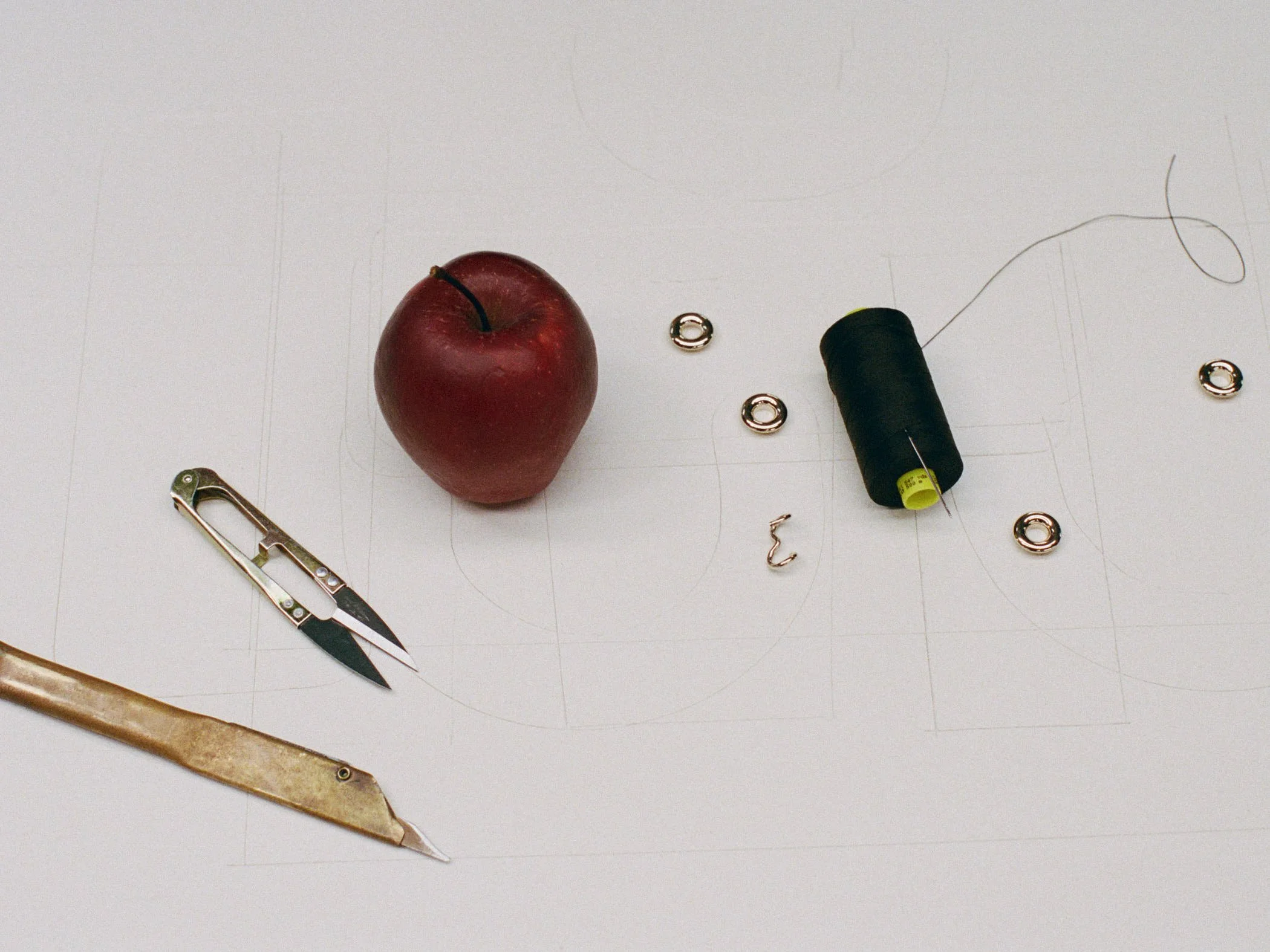
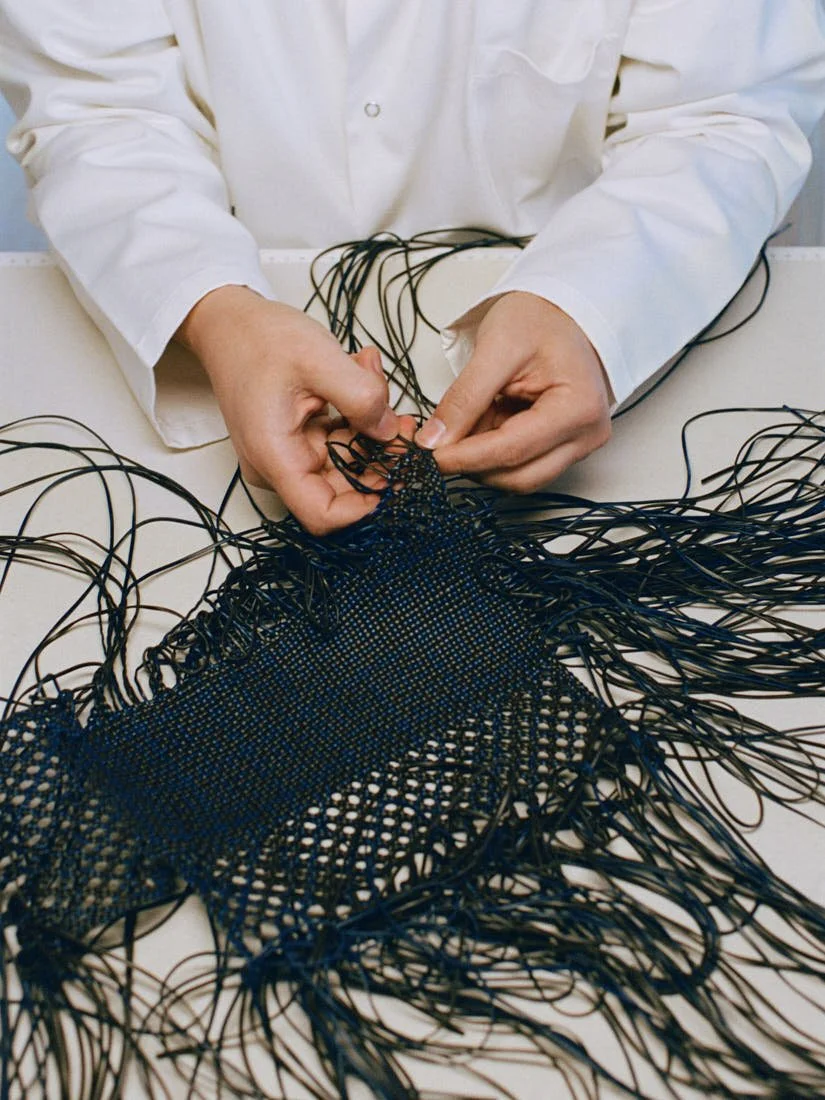
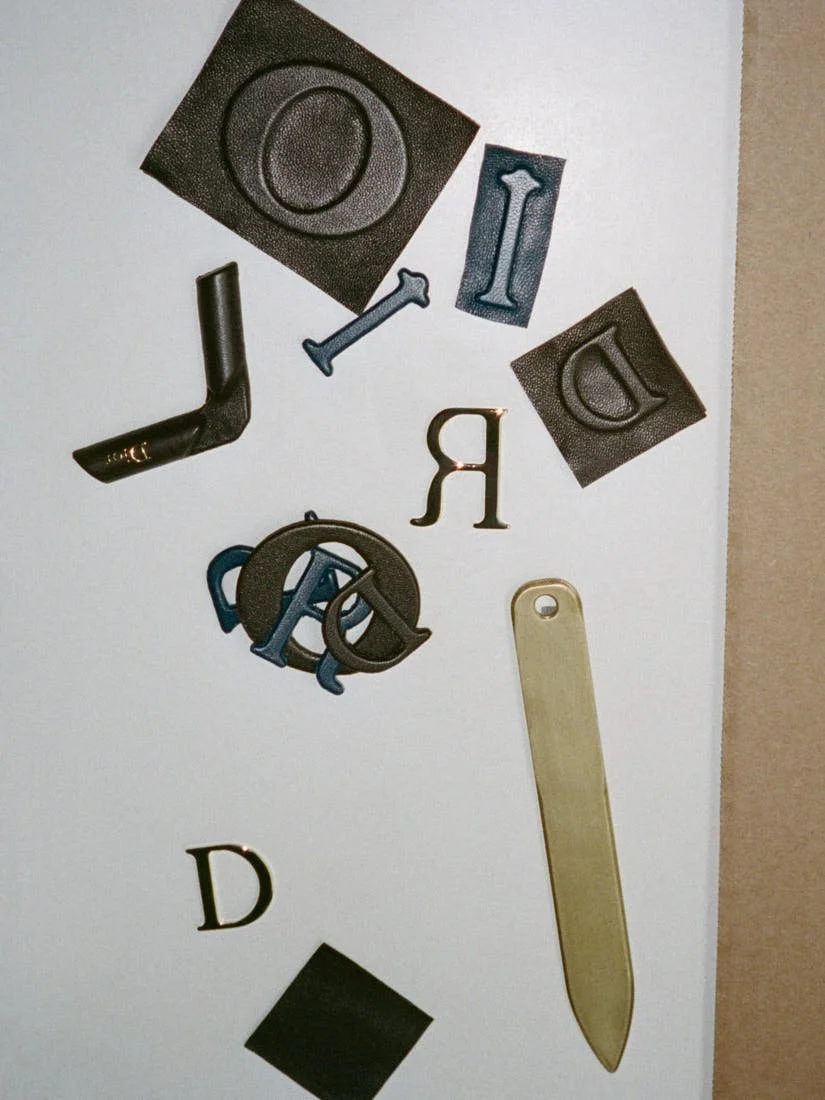
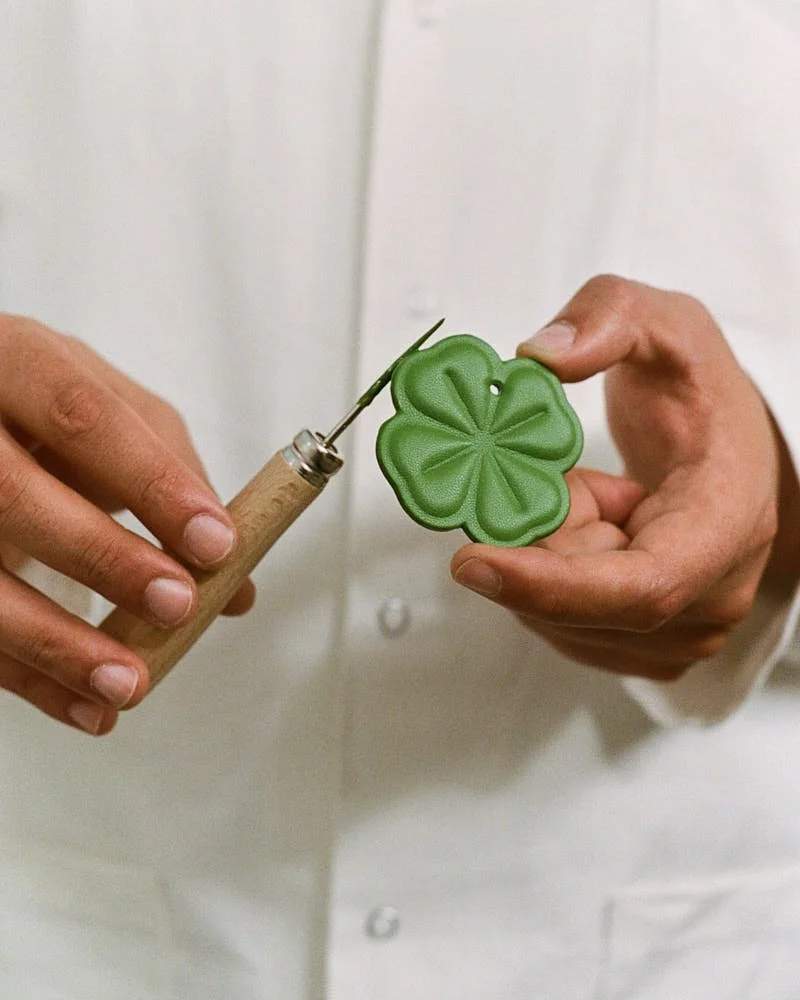
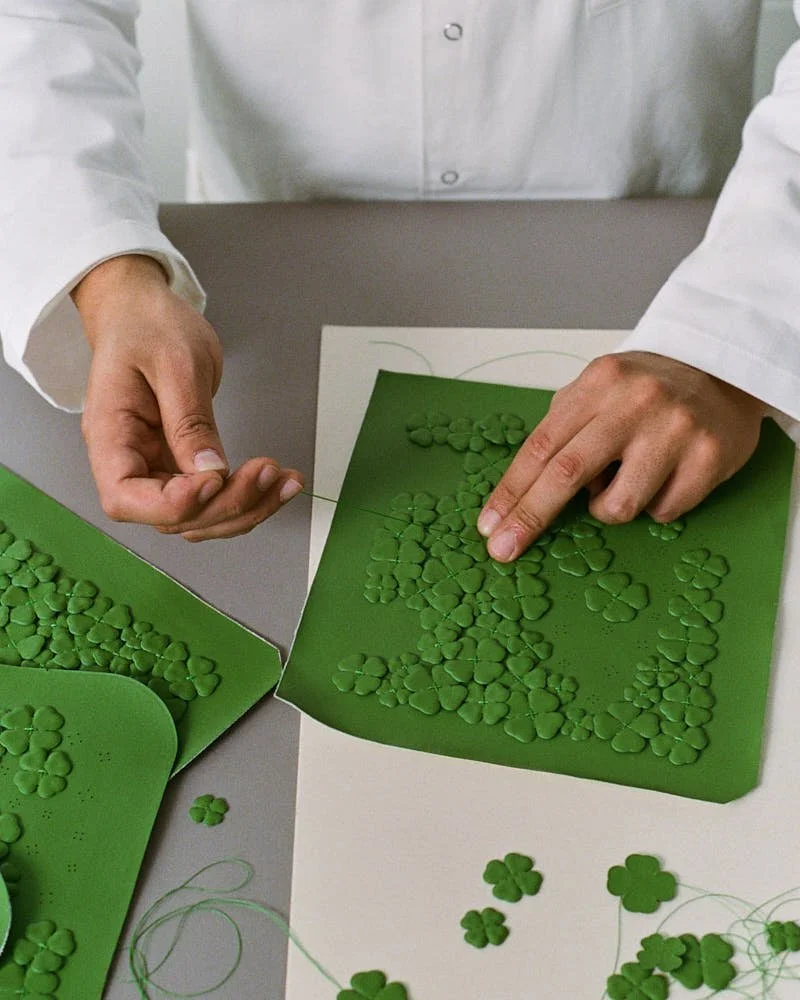
The Mini Lady Dior Clover and Mini Lady Dior Buttercup bags will be available in Dior boutiques worldwide from January 2026. Production involves hot stamping followed by individual hand embroidery of the clover motifs, with additional custom metal charms developed specifically for this release.

By grounding the Spring Summer 2026 Lady Dior in named symbols, documented craft processes, and an established product architecture, Dior under Jonathan Anderson reinforces continuity within the House. The resulting objects draw on identifiable references and labor intensive techniques, situating the Lady Dior as a deliberate extension of a long established luxury system.


DIOR SPRING SUMMER 2026 Campaign

LADY DIOR Campaign Images seen by DAVID SIMS

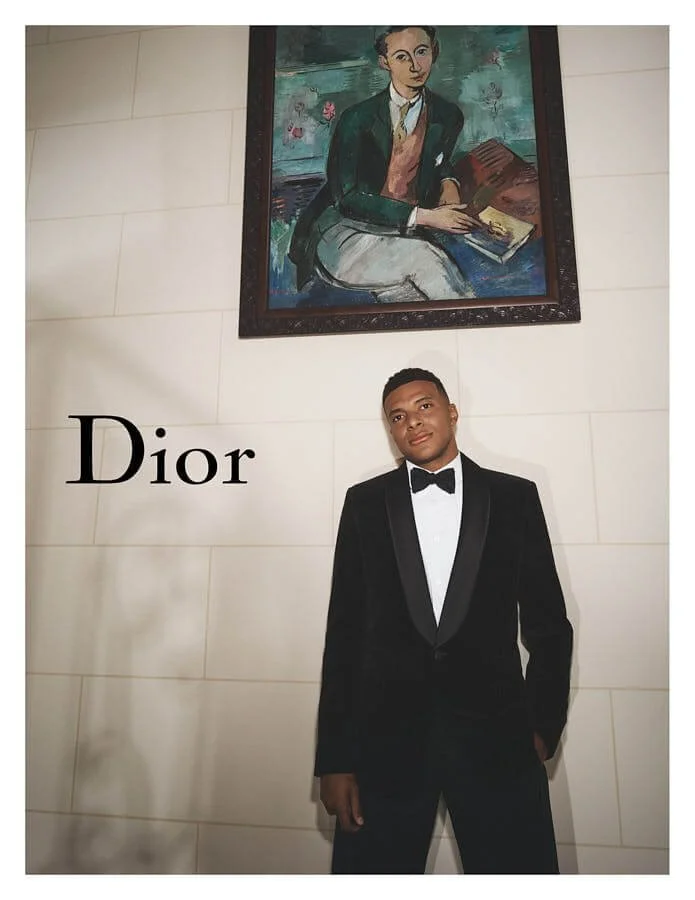
styled BENJAMIN BRUNO / set design POPPY BARTLETT / talents KYLIAN MBAPPÉ, LOUIS GARREL, PAUL KIRCHER, GRETA LEE / models LAURA KAISER, SAAR MANSVELT BECK, SUNDAY ROSE

(c) all images DIOR Press

Ludovic de Saint Sernin - Leather Chair

Ludovic de Saint Sernin - Leather Chair

.new collaboration
Ludovic de Saint Sernin Brings Intimacy Into the Room


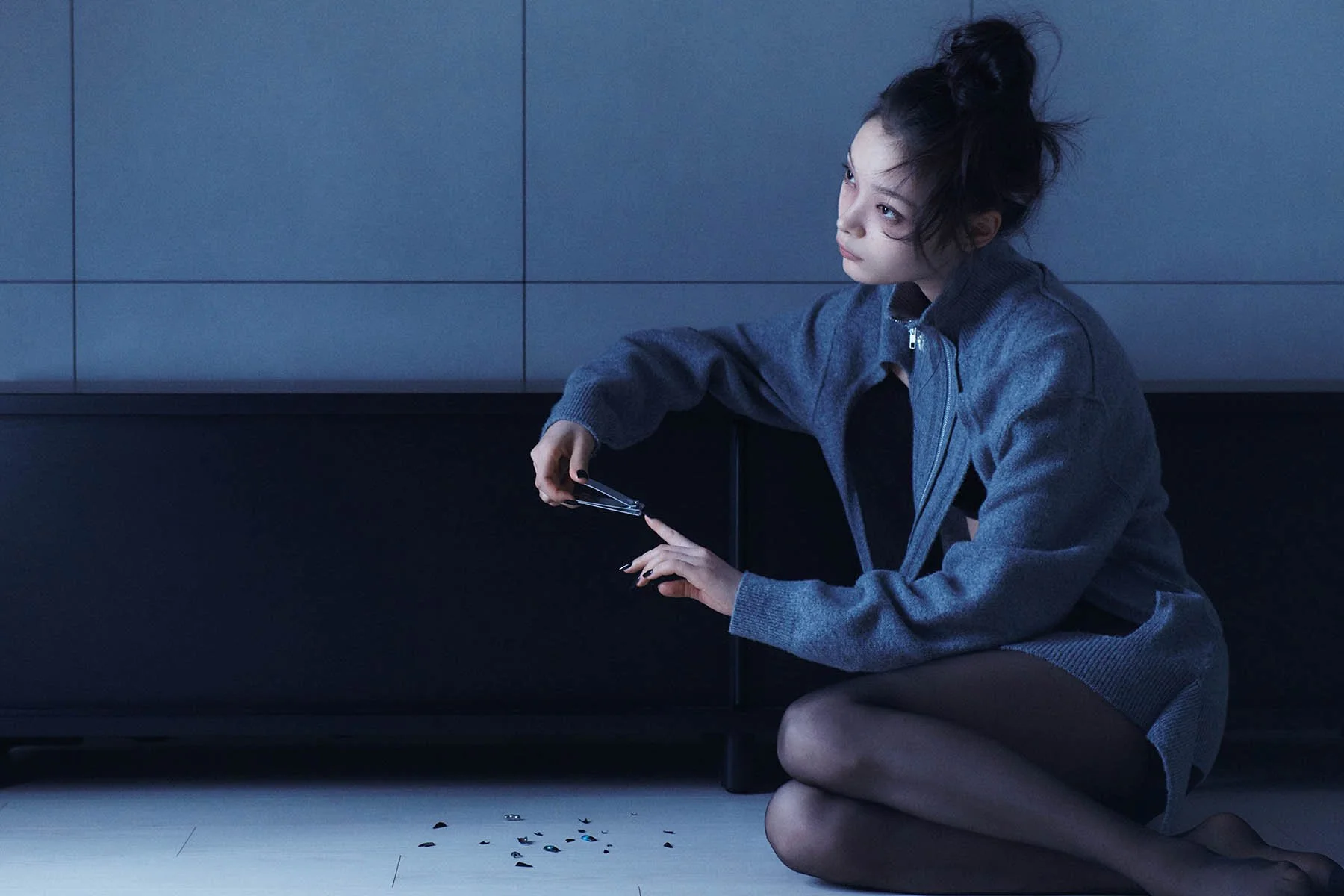
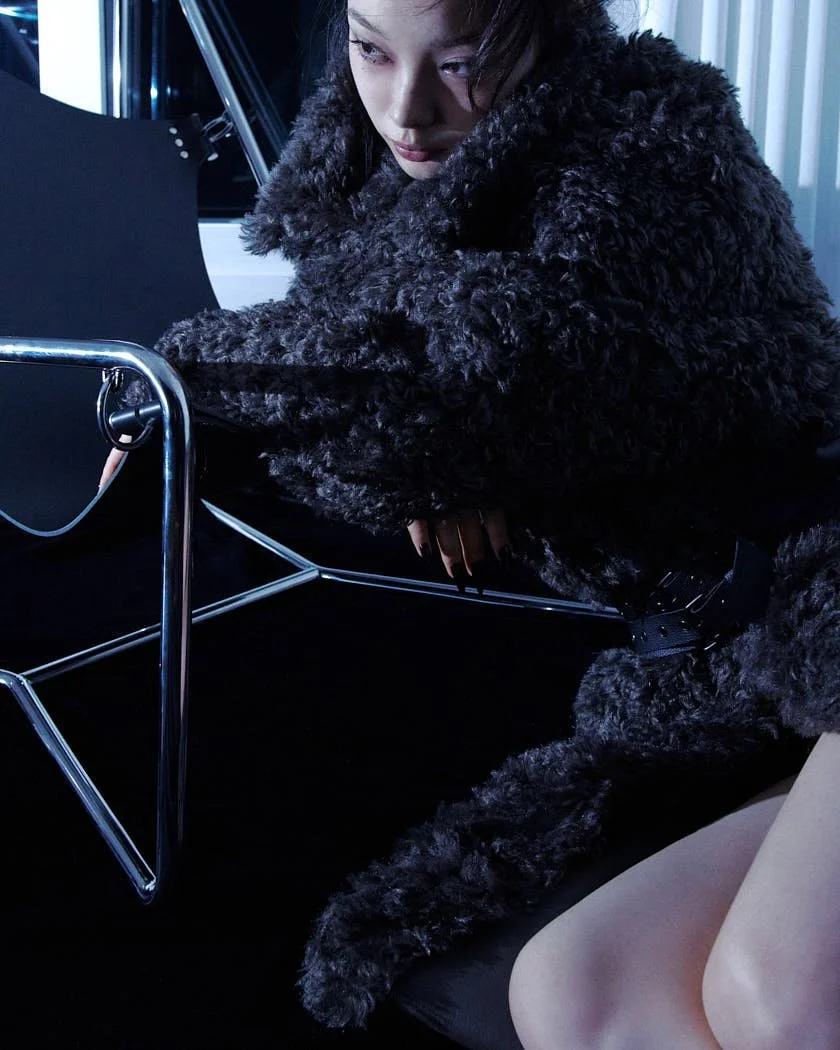
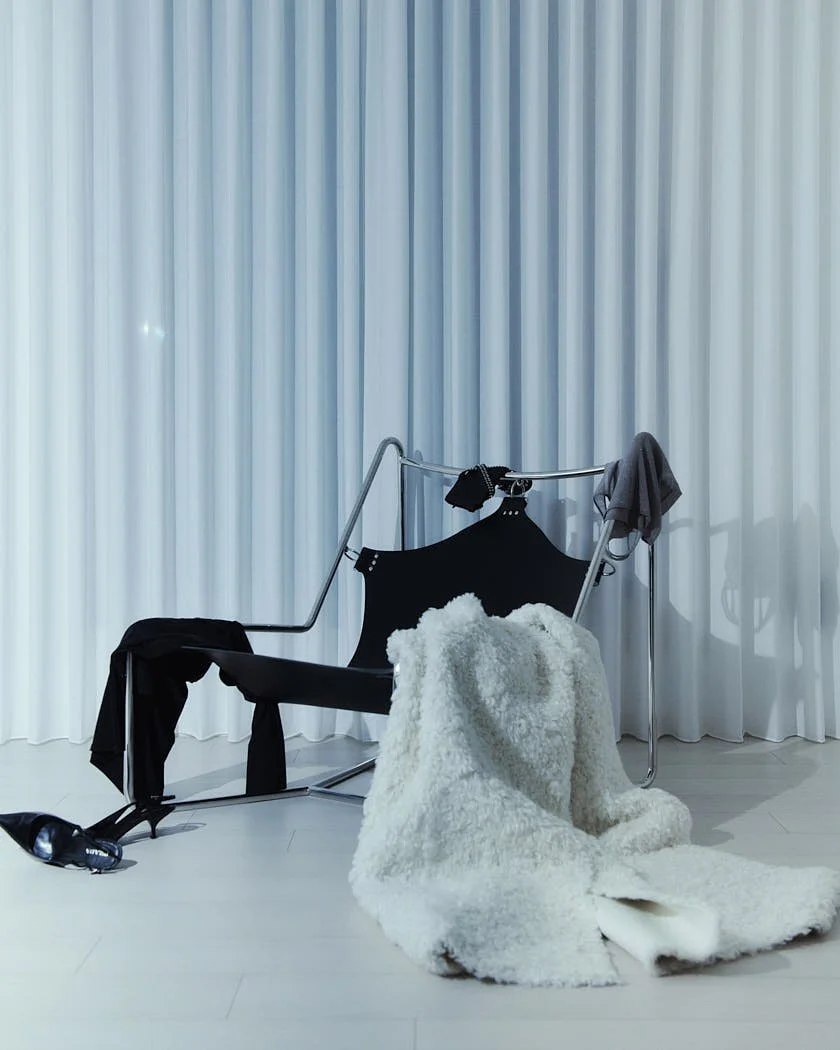
The first time you notice the chair, it sits in the room with quiet certainty, present without asking to be looked at, holding a kind of tension that registers before you understand why. Black leather curves into itself, suspended within a chromed frame, carrying an atmosphere familiar to anyone who knows and loves Ludovic de Saint Sernin’s work.

 
Ludovic de Saint Sernin Zara Leather Chair LE MILE Magazine dress LUDOVIC DE SAINT SERNIN X ZARA choker MEG KIM  jewerly BVLGARI
 
Ludovic de Saint Sernin Zara Leather Chair LE MILE Magazine Chen Zi wears a dress by LUDOVIC DE SAINT SERNIN x ZARA, a choker by MEG KIM and jewellery by BVLGARI

Chen Zi wears a dress by LUDOVIC DE SAINT SERNIN x ZARA, a choker by MEG KIM and jewellery by BVLGARI


De Saint Sernin has always worked close to the body, attentive to skin, exposure, and the emotional charge that gathers around them. His designs speak about intimacy without explaining it, allowing sensation and structure to do the work. Translating that language into an object feels like a natural progression, one that shifts the conversation from wearing to inhabiting.

 
Ludovic de Saint Sernin Zara Leather Chair LE MILE Magazine Chen Zi wears a total look by CFCL and a choker by LUDOVIC DE SAINT SERNIN x ZARA

Chen Zi wears a total look by CFCL and a choker by LUDOVIC DE SAINT SERNIN x ZARA


Spending time with the chair changes how it reads and sitting down slows the room, weight settles and posture becomes conscious. The object holds the body with clarity and intention. There is a sense of being aware of oneself, of how one occupies space, of how stillness can feel charged.


References to erotic culture are present, though they never announce themselves. They exist in the discipline of the form, in the way tension is maintained, in the quiet authority of restraint. Intimacy emerges through trust and what remains is an atmosphere, something that lingers longer than description.

 
Ludovic de Saint Sernin Zara Leather Chair LE MILE Magazine Chen Zi wears a total look by SIMONE ROCHA

Chen Zi wears a total look by SIMONE ROCHA

 
Ludovic de Saint Sernin Zara Leather Chair LE MILE Magazine Chen Zi wears gloves by SPORTMAX

Chen Zi wears gloves by SPORTMAX

Ludovic de Saint Sernin Zara Leather Chair LE MILE Magazine Chen Zi wears a coat by LUDOVIC DE SAINT SERNIN x ZARA

Chen Zi wears a coat by LUDOVIC DE SAINT SERNIN x ZARA


The chair resists behaving as an accessory, since it holds its place in a room the way certain garments hold their place in memory. It feels designed to be lived with, to gather time, to accumulate meaning slowly through use and proximity.
Each piece is signed by the designer in black ink on white, the line fluid and finished with a small heart. The gesture reads as disarmingly direct, a reminder that behind the discipline and control sits a human hand, a personal mark, an act of closeness. All profits from the limited collection support the Women’s Earth Alliance, an organization working at the intersection of environmental protection and women’s leadership. It is a quiet extension of the project’s logic, grounding intimacy in responsibility.


Seen in the context of an urban night, alongside a model dressed in black leather and denim, the chair feels at home. The scene suggests a world that understands presence, confidence, and self-awareness with no spectacle. The object belongs to that world naturally, carrying the same sense of calm intensity that defines de Saint Sernin’s universe.


Ludovic de Saint Sernin Zara Leather Chair LE MILE Magazine
creative direction PHOEBE LEE
seen SOJUNG LEE
styled PHOEBE LEE + YUNYEONG YANG
model CHEN ZI
production coordination YUNYEONG YANG
hair JUYEOP OH
make up JEONGIN LIM
make up assistant SOYEON KIM
nails SEOHYUN LEE
video ZHANG KE
special thanks SUNKYUNG HWANG
 

Adidas x Arte Antwerp - North African Football Style

Adidas x Arte Antwerp - North African Football Style

.new collection
Adidas x Arte Antwerp SS26
*Football Culture through the People of Marrakech


written MARK ASHKINS


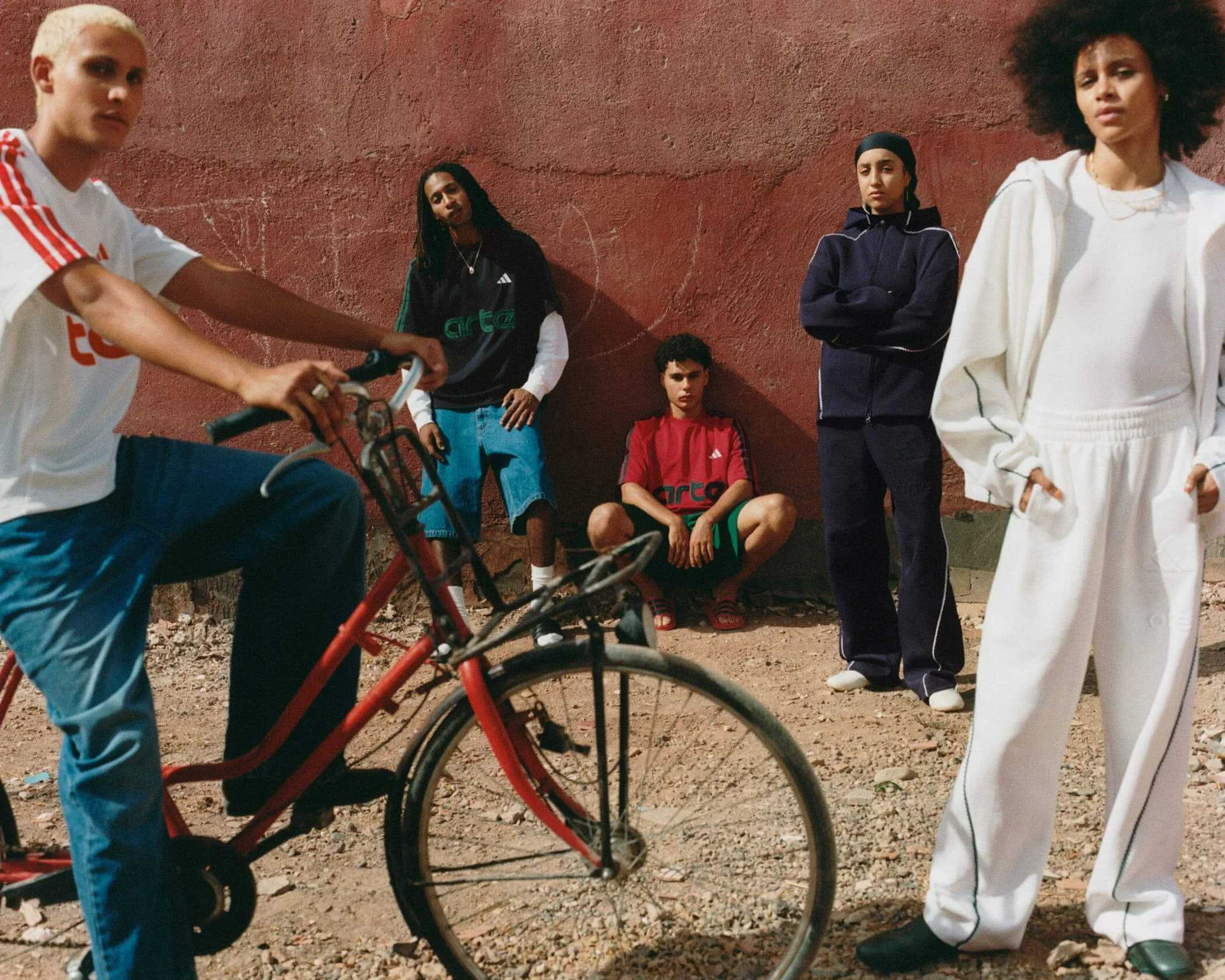
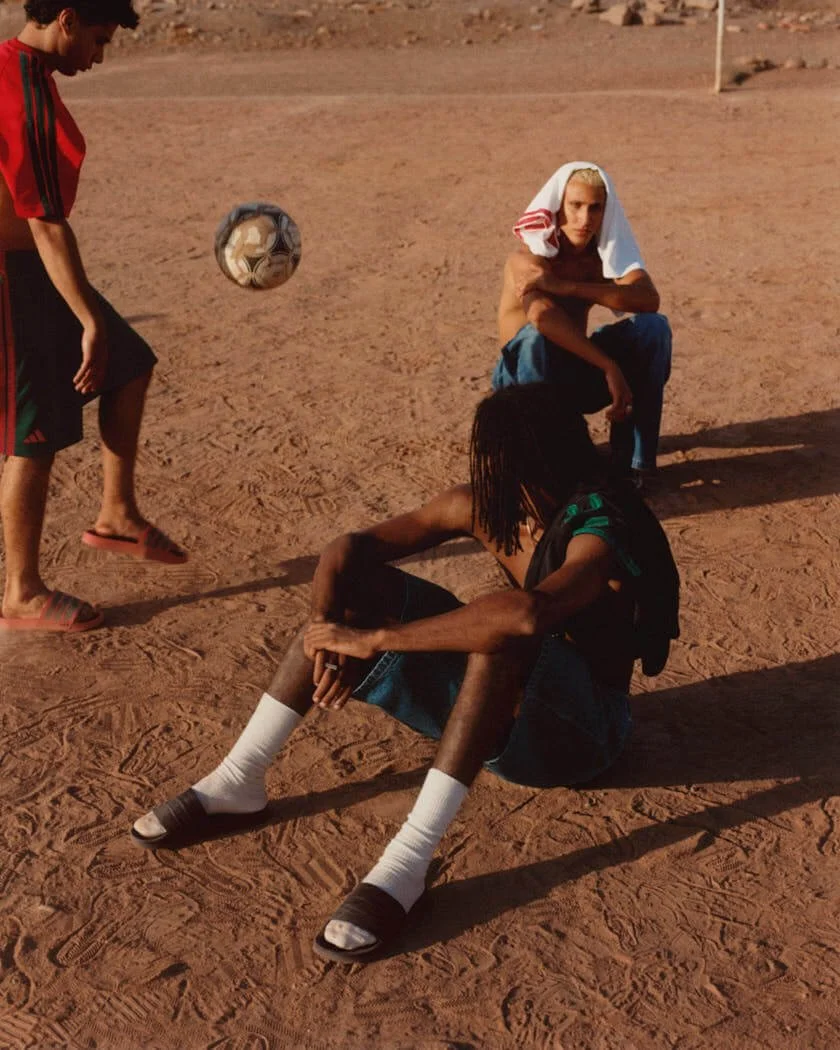
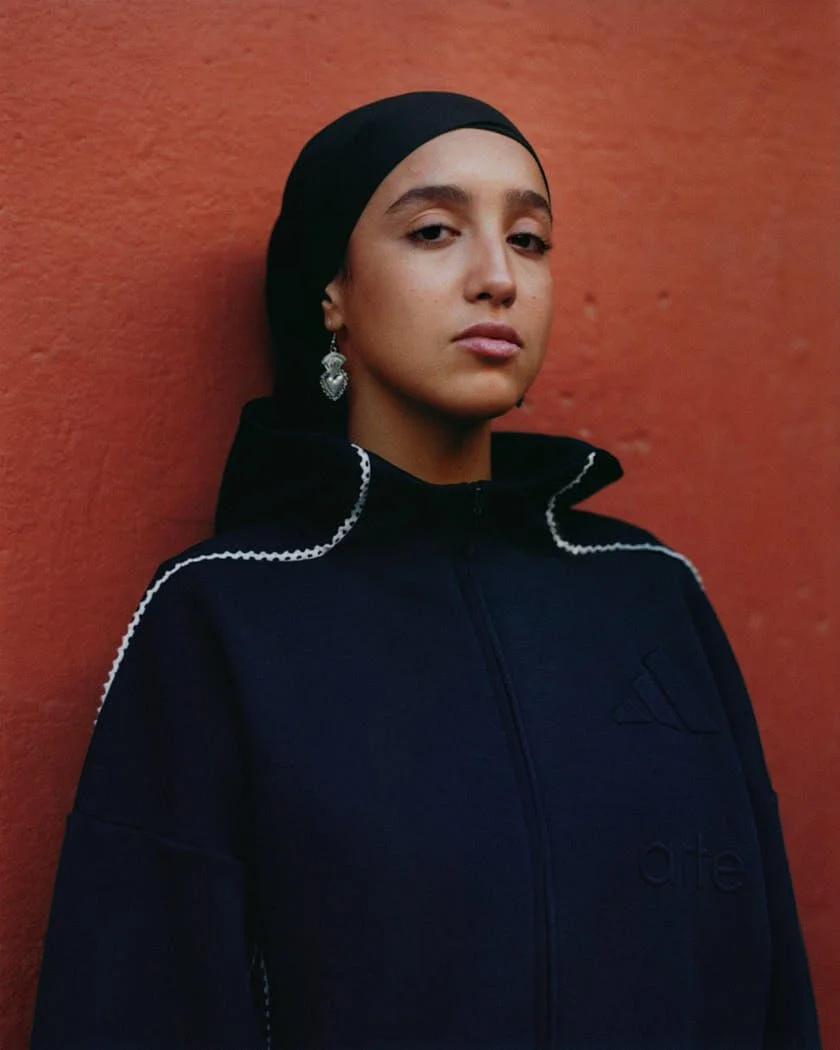
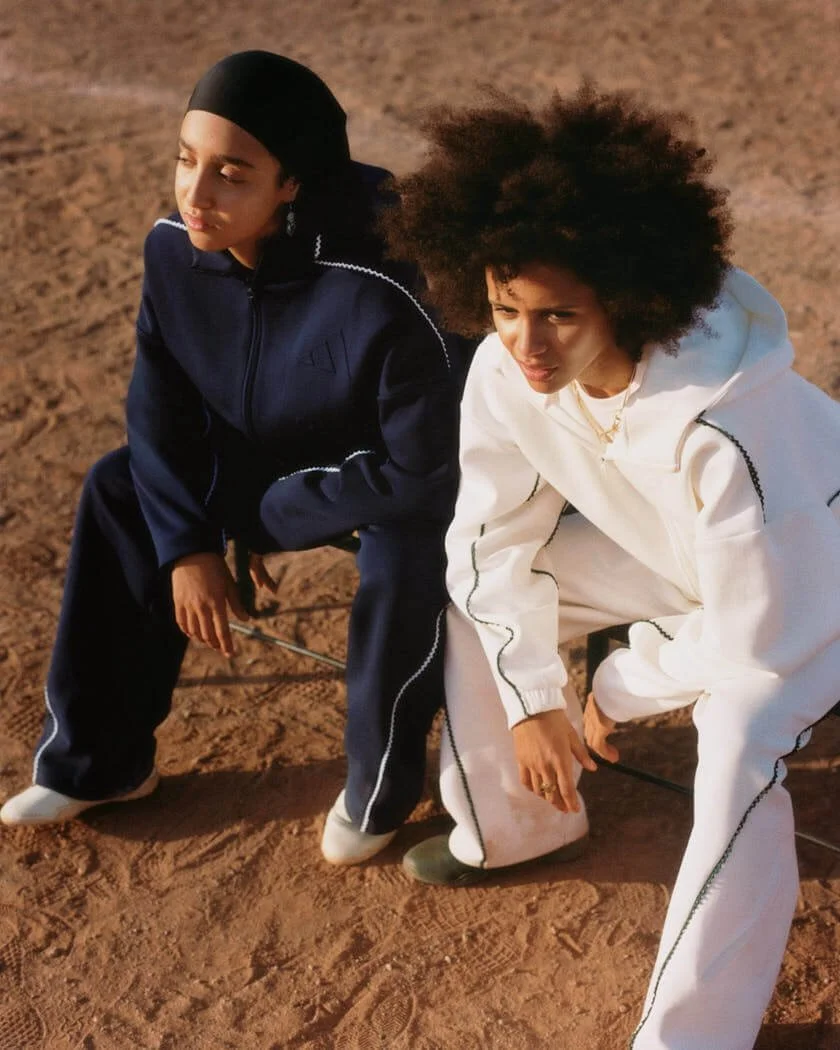
The new adidas x Arte Antwerp capsule turns toward North African football culture with a clarity that feels grounded in the everyday. Marrakech becomes the setting, not as a backdrop but as a place with its own tempo, its own logic, its own way of holding people together around the game.


Photographer Ilyes Griyeb moves through this environment with a steady eye, meeting the neighbourhood at its own pace and letting the surroundings speak through surfaces, faces and small movements that occur without performance.

 
SS26 ADIDAS X ARTE Antwerp CAMPAIGN LE MILE Magazine
 
SS26 ADIDAS X ARTE Antwerp CAMPAIGN LE MILE Magazine
 

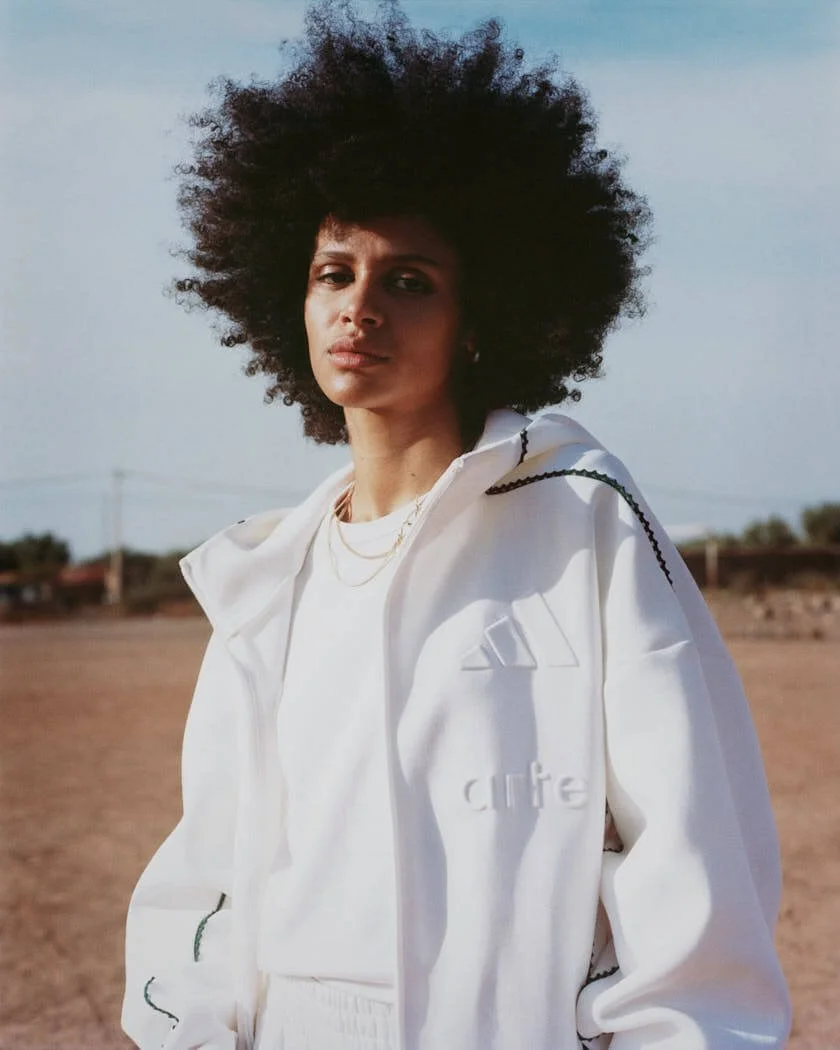
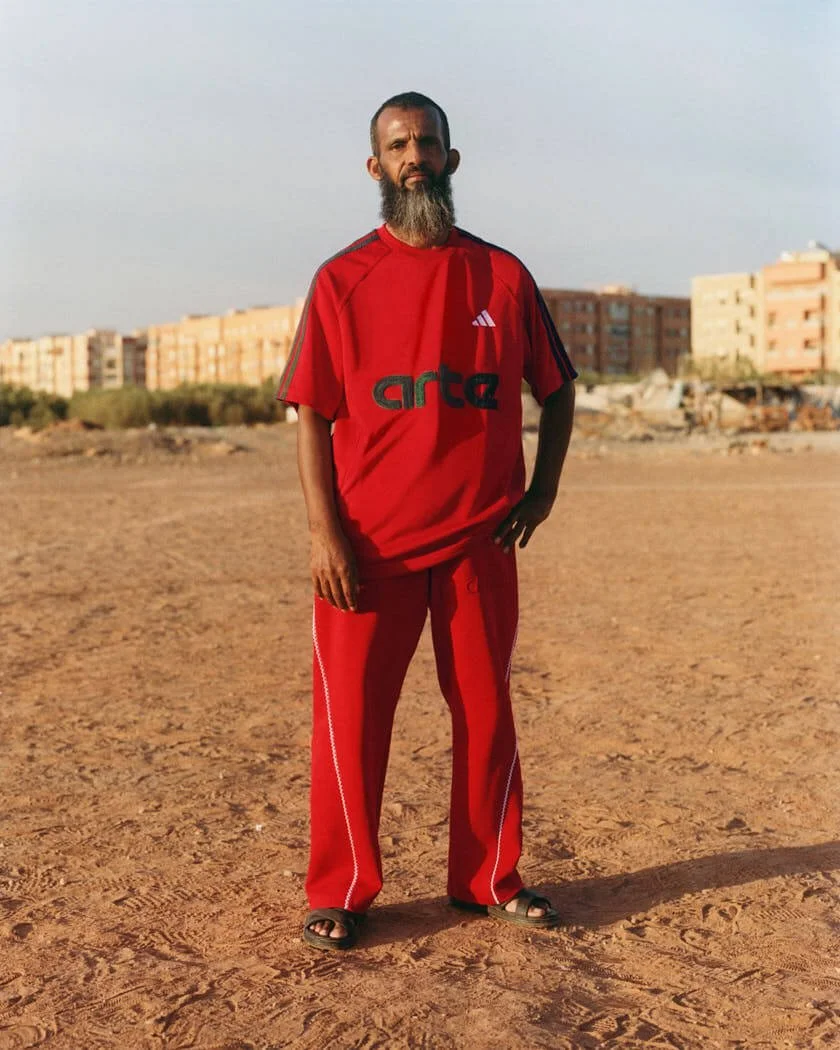
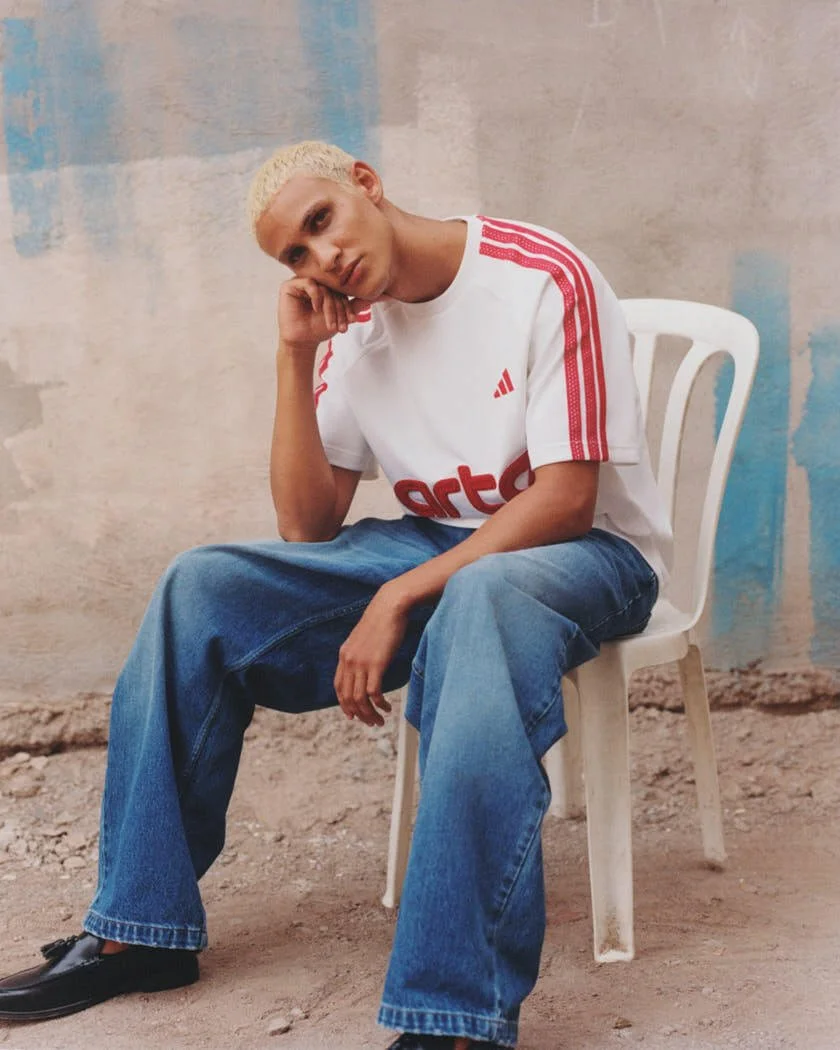
Arte Antwerp, shaped by the perspective of founder Bertony Da Silva, has always carried a sensitivity toward cultural intersections, and that undercurrent aligns naturally with adidas and its long engagement with football. The capsule reflects this shared ground. Red, green, white and black run through the pieces with a quiet confidence. Embroidery and lace trims bring texture without leaning into decoration.


Tracksuits, knit jerseys, loose trousers and graphic tops take their place within a vocabulary that feels purposeful. Arabic lettering translating to Sport Unites Africa appears on select garments and extends the conversation toward the communities that inspired the collection. Moving through the neighbourhood, Griyeb meets people whose presence gives the work its orientation. Groups gather near open fields, children pass through the frame as part of their routine, and moments of pause unfold in streets that hold the light in a particular way. The clothing settles into these scenes without seeking attention, becoming part of the environment. There is an ease in how bodies and garments share space, and that ease shapes the tone of the entire series.

 
SS26 ADIDAS X ARTE Antwerp CAMPAIGN LE MILE Magazine
 
SS26 ADIDAS X ARTE Antwerp CAMPAIGN LE MILE Magazine


Brahim Díaz appears in the extended visual material and quietly expands the field of reference. His Moroccan and European background reflects the cultural paths that define much of contemporary football, and his presence adds a subtle resonance. The project treats these layers with restraint, allowing them to take shape through observation, no explanation needed.
Footwear sits within the same framework. The Lightblaze POD ZIP, slides and upcoming sneaker silhouettes enter the visual rhythm without shifting its balance. Their forms respond to movement, dust, and the physicality of the setting, echoing the way the apparel interacts with the landscape. The progression of images feels continuous, guided by the structures, streets and open areas that hold the community together.


What remains is a capsule that finds its place within a lived environment where football is part of the day.

The collaboration between adidas and Arte Antwerp gains its strength from this proximity to real spaces and real routines, and the campaign keeps its focus there, letting the neighbourhood shape the story with a steady and unforced presence.


Campaign photography by Ilyes Griyeb, featuring members of the Marrakech community
all images courtesy of Adidas and Arte Antwerp, PR


CELINE Charms Collection - Personal Jewelry

CELINE Charms Collection - Personal Jewelry

CELINE Charms Collection
Sets a New Code for Personal Jewelry


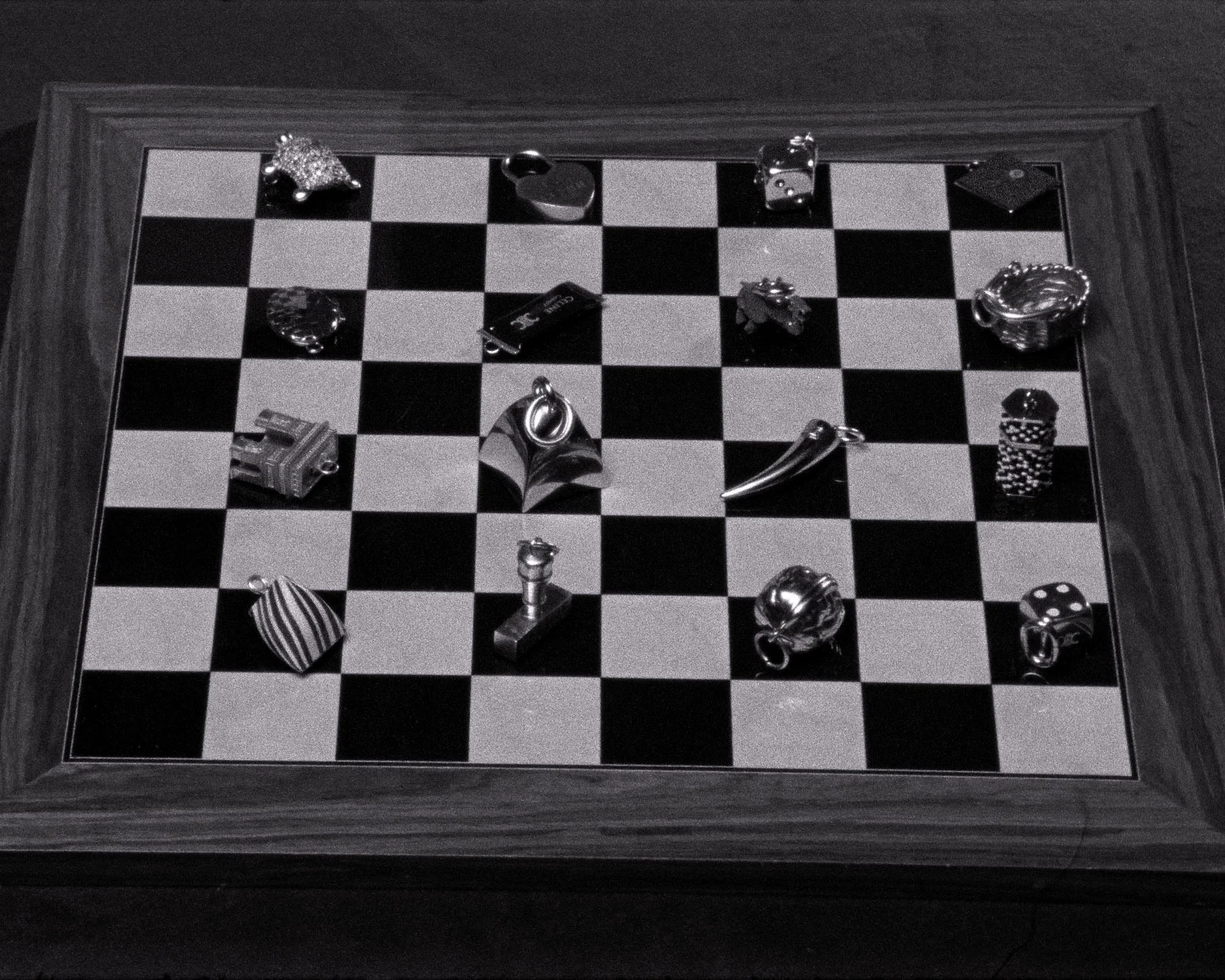
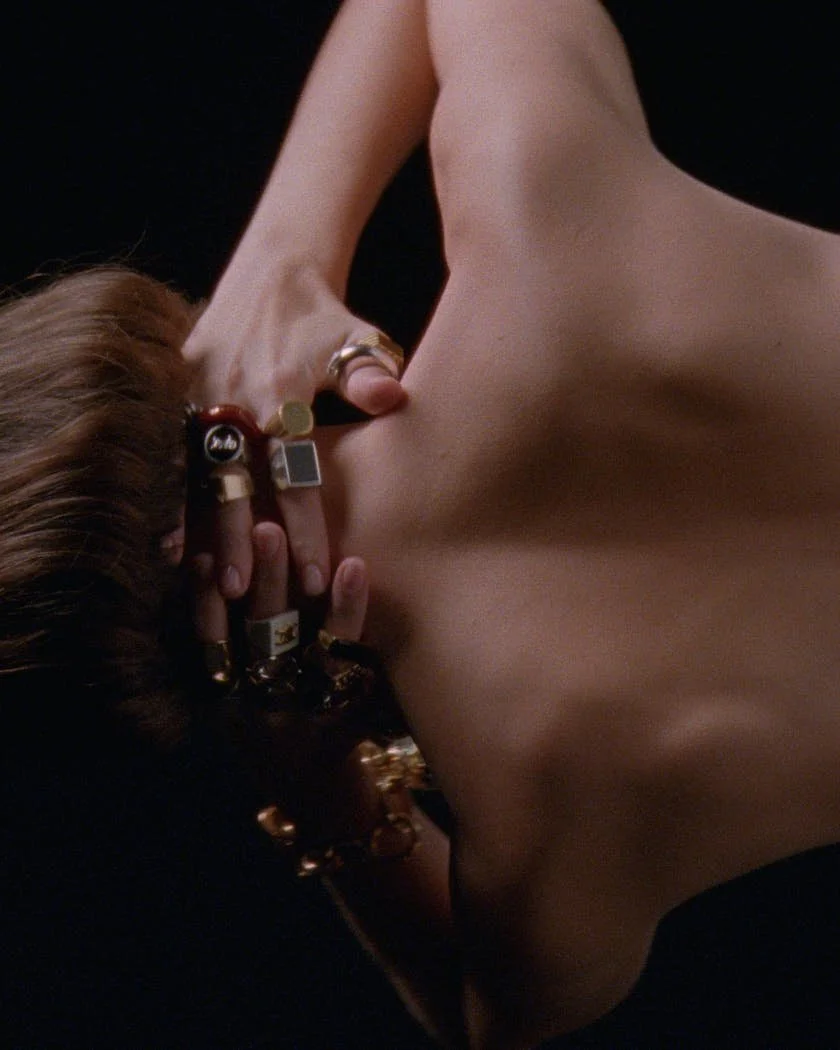
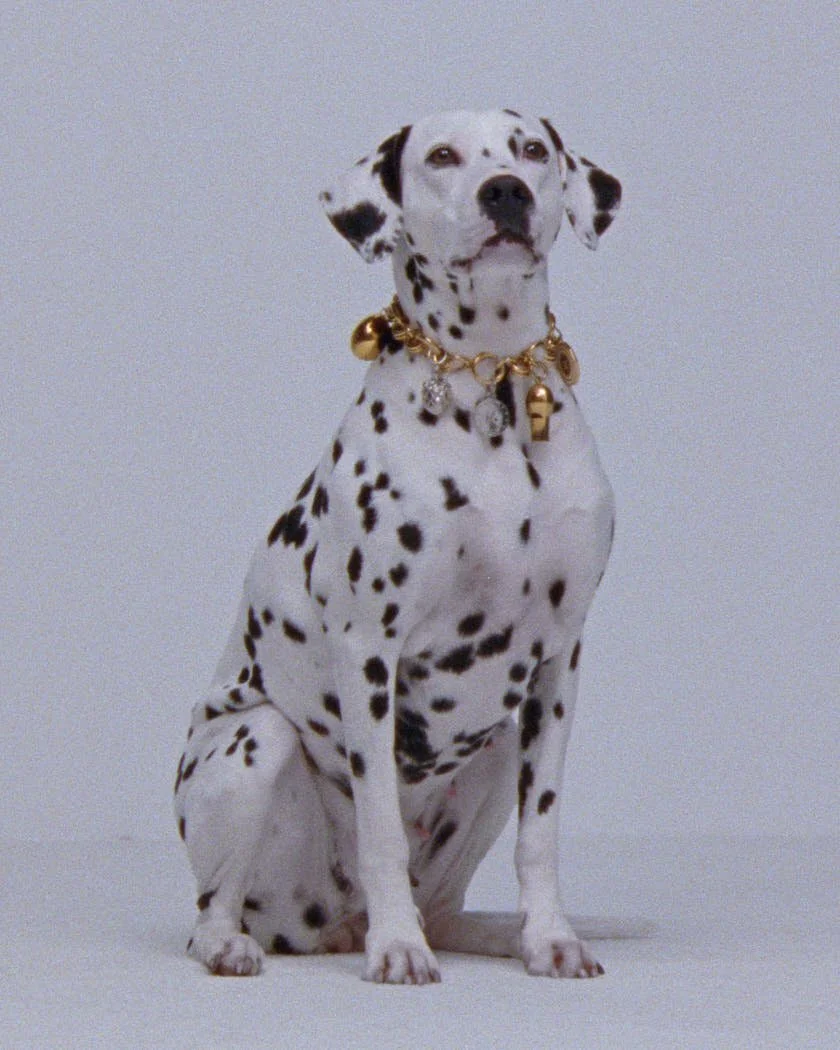
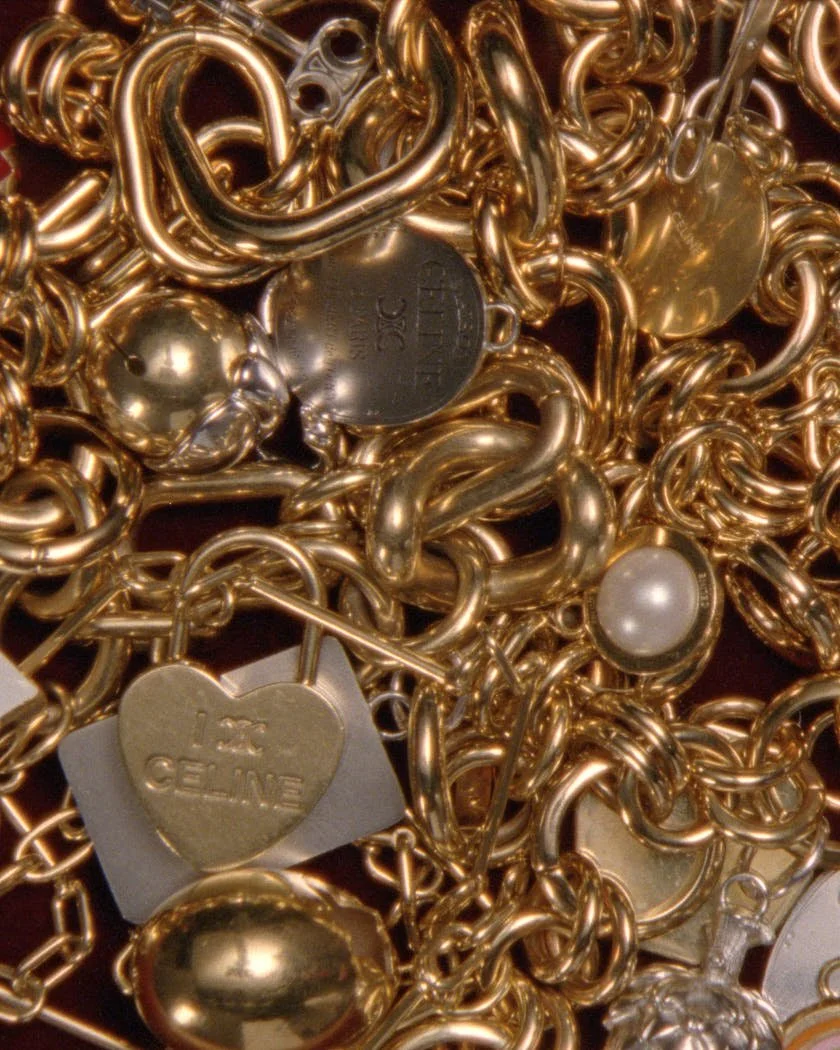
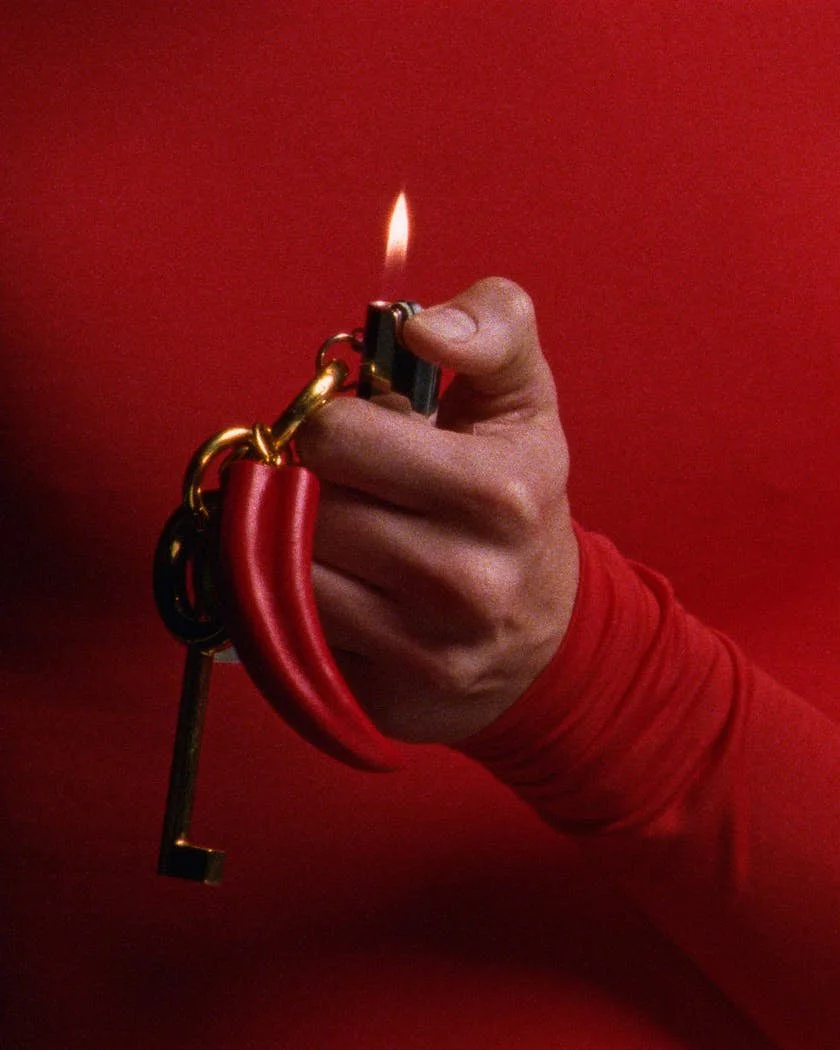
The CELINE Charms collection sits within the current vocabulary of the house, but it moves with its own logic. Seen on the runway in unapologetically dense clusters, the charms shift the attention toward how people build identity through small objects.

There is no single instruction for wearing them, only the suggestion that jewellery can function as a set of personal signals rather than a fixed decorative layer. The pieces carry a deliberate sense of weight. Some reference the Triomphe, the long-running CELINE code that has travelled across bags, buckles, and hardware. Others push into new shapes that feel more like found symbols than seasonal designs. Together they form an assortment that lends itself to mixing rather than categorising. CELINE frames them as collectibles in the press notes, and the idea fits. They work best when assembled gradually, when the accumulation starts to say something about the hands that put them together.


The collection stretches across gold and silver finishes, sometimes polished, sometimes softened. The tension between the metals gives the charms a lived-in presence, not in a nostalgic way but in a straightforward acknowledgment that jewellery gains meaning through constant use. It is easy to move them from a bracelet to a necklace or to pin them to a jacket, which turns the collection into something closer to a modular system. The wearers decide the scale, the noise, the density, CELINE keeps the structure open on purpose.

 
CELINE Charms Collection 2025 LE MILE Magazine lemilestudios
 
CELINE Charms Collection 2025 LE MILE Magazine lemilestudios dog wearing jewelry


As new motifs enter the collection each season, the line grows in a way that feels continuous. Designs shift, earlier symbols reappear, and the combinations evolve with the same casual logic people use when they pick up small objects over time. Some charms stay, others move from one piece of jewellery to another, and a few drift out of circulation entirely. The collection supports that slow accumulation, treating personal editing as an essential part of how the pieces function. It builds an aesthetic that comes together through repetition and daily use.

Placed within CELINE’s larger universe, the charms become a quiet extension of the house without slipping into the language usually tied to jewellery campaigns. Their scale keeps them close to the body in a practical way, allowing them to shift between bracelets, necklaces, and safety pins with no hierarchy in how they should be worn. That flexibility creates a more grounded form of expression. The pieces align with how people handle accessories they reach for constantly, moving them around until the arrangement feels right. In that sense, the relevance of the collection comes from its openness. The line continues without finality. New pieces enter, older ones remain in circulation, and the set adjusts through use. This movement keeps the collection active and connected to the person who builds it.


watch
campaign film


CELINE Charms Collection 2025 LE MILE Magazine lemilestudios
CELINE Charms Collection 2025 LE MILE Magazine lemilestudios SAY YES
 
CELINE Charms Collection 2025 LE MILE Magazine lemilestudios
 

all visuals
CELINE 2025

Polène Paris - Numéro Neuf East-West

Polène Paris - Numéro Neuf East-West

Holiday Edit
Polène’s Numéro Neuf East-West


written AMANDA MORTENSON


Polène entered the industry in 2016 with an unusual clarity of purpose. The three founding siblings, Elsa, Mathieu, and Antoine Mothay, built the brand around a conviction that design, craftsmanship, and material should form a single conversation.

They wanted a house that felt contemporary in its rhythm yet grounded in the discipline of artisanship. Within a few years, that direction resonated globally. Polène opened spaces in Paris, New York, Tokyo, Seoul, London, Copenhagen, and Hamburg, each reflecting their attitude toward calm precision and intuitive form. The growth felt fast, but inside the brand the focus stayed steady: refine, edit, and let the work speak. What shaped Polène’s rise is their close connection with Ubrique, the leather-making region in southern Spain. More than 2,200 craftspeople bring the designs to life, giving the brand a direct link to a long-standing tradition. The Paris design studio develops the visual language; the artisans translate it into structure, weight, and tactility. This exchange has defined Polène’s identity—clean silhouettes, sculpted leather, organic lines shaped by hand. Their collections show a consistency that comes from respect for the material and for the people who work it.


Polène also thinks in systems. Circularity became part of their process early on. They introduced the Plèi collection, where leftover leather from bag production becomes macramé surfaces, bead work, objects, and collaborative pieces with guest artisans. The intention is simple: use material fully and treat every offcut as something with potential. In 2023, the brand expanded into jewelry, produced by Italian specialists and plated with 24-carat gold. The pieces follow the same design instincts—shaping, folding, and texturing the metal with the same attention given to leather.

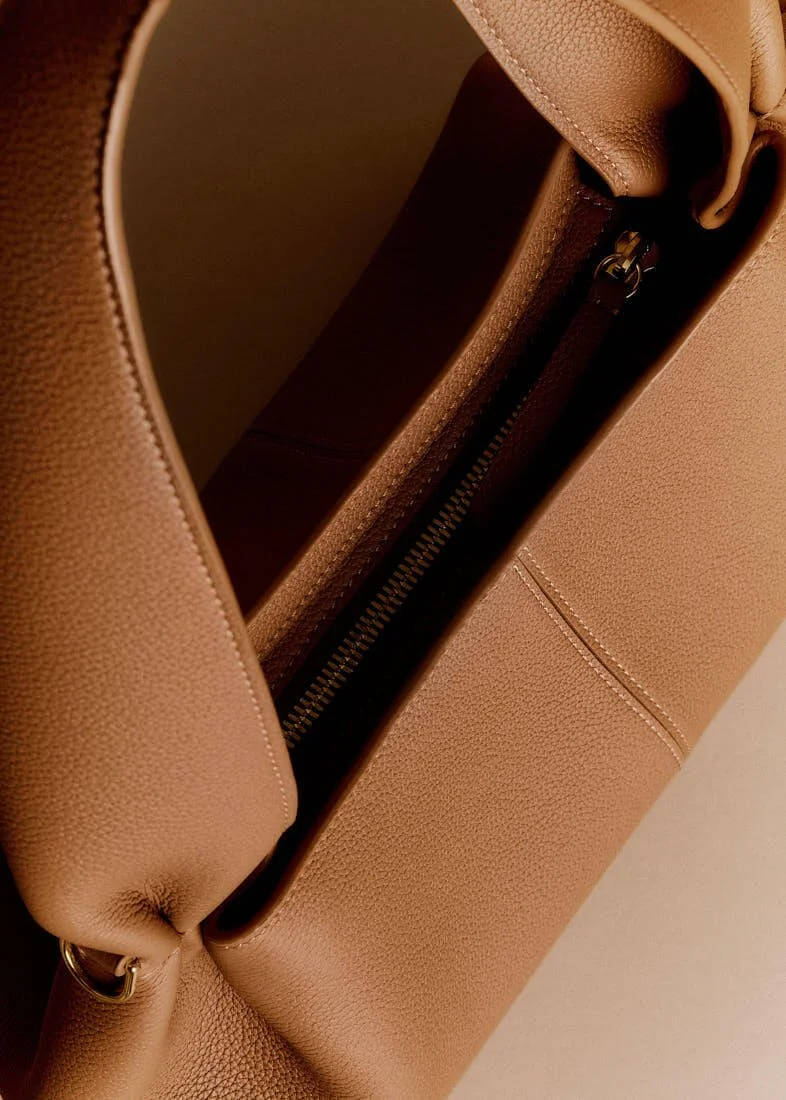
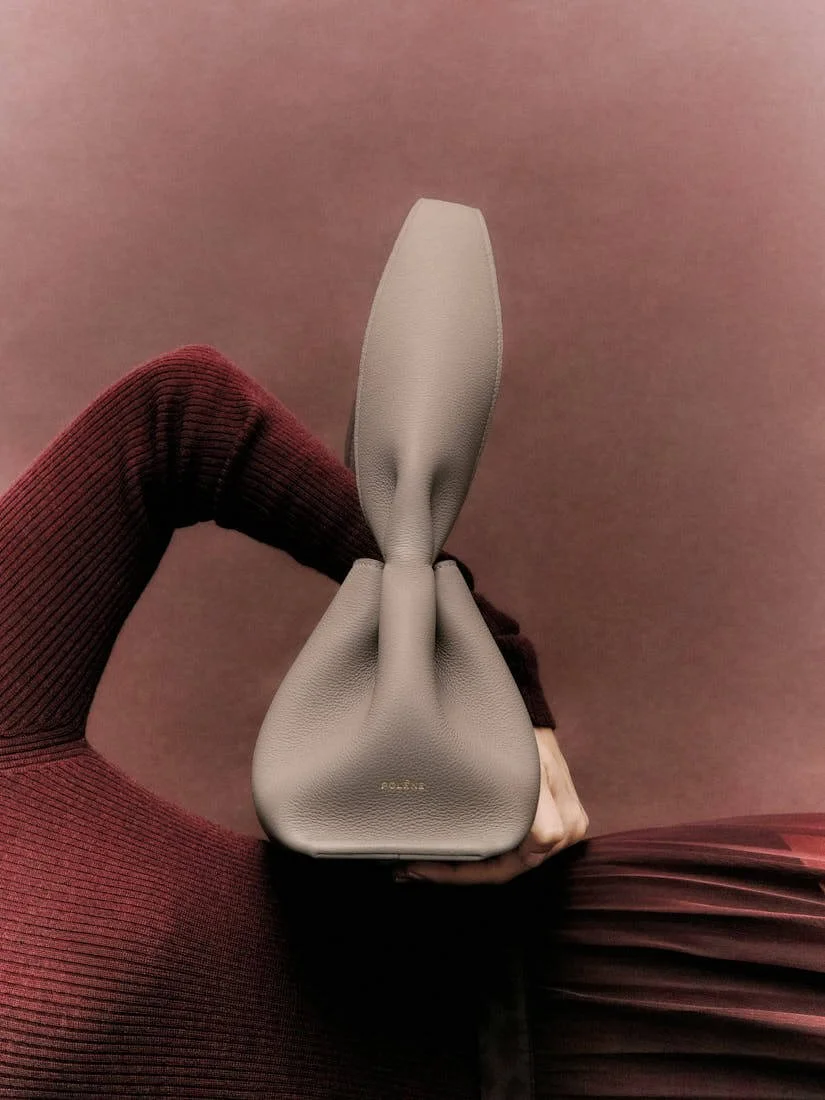
Among all lines, the Numéro Neuf collection has become a signature. First introduced in 2020, it reflects the house’s interest in structure softened by movement. Full-grain calfskin is molded, draped, stitched, and shaped until it carries volume and gentleness. It is one of the clearest expressions of Polène’s vision and a marker of how the brand approaches form.

 
Polène Numéro Neuf East West bag Camel LE MILE Magazine

Polène Paris
Numéro Neuf East West bag Camel

 
Polène Numéro Neuf East West bag Ebony LE MILE Magazine

Polène Paris
Numéro Neuf East West bag Ebony


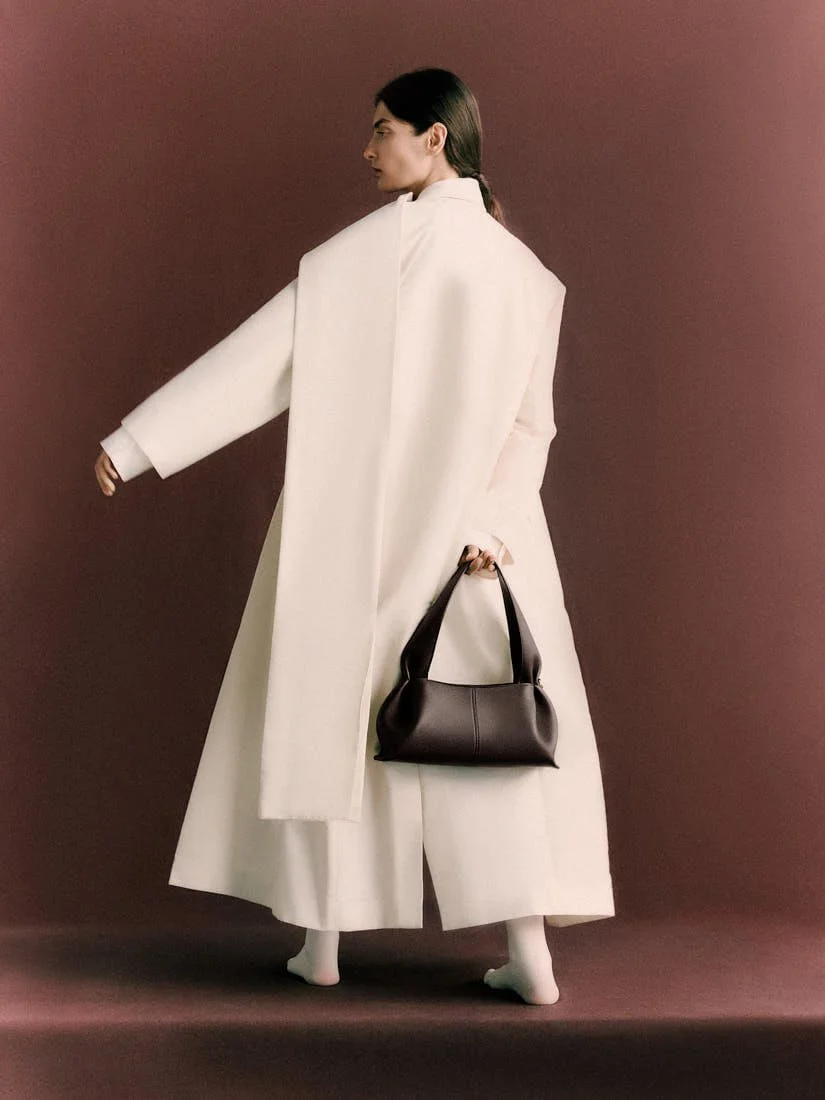
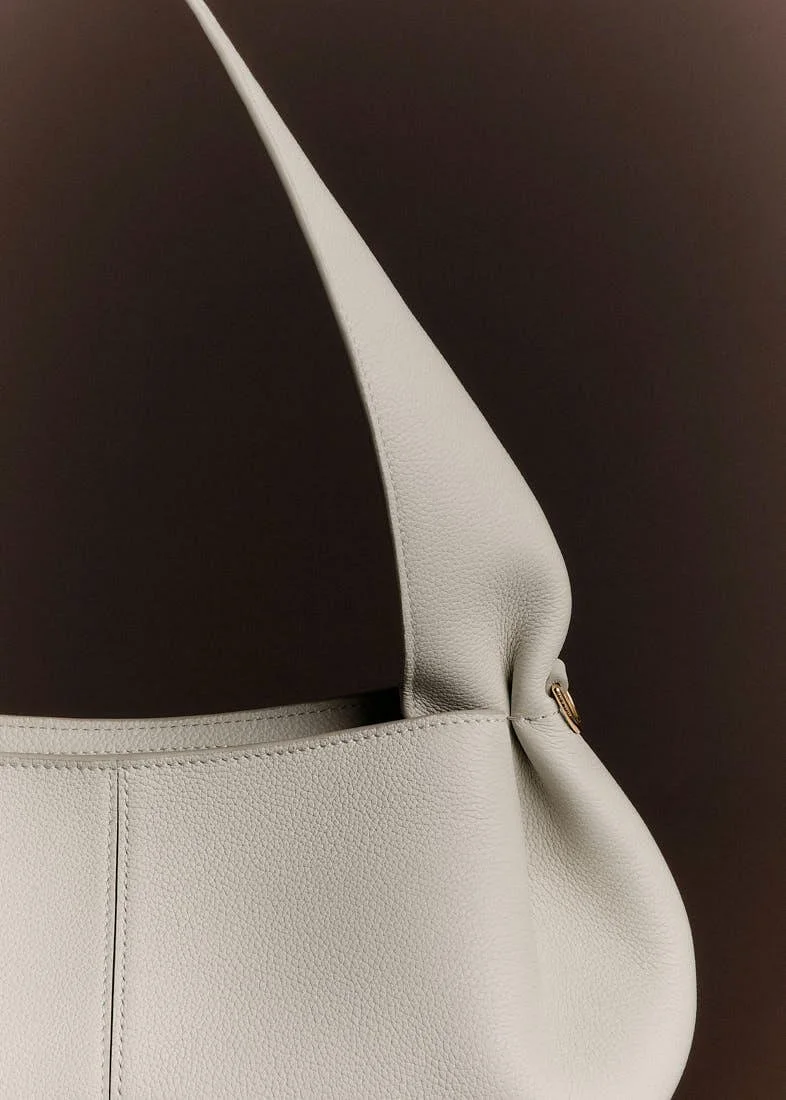
This season, the Numéro Neuf East-West marks a new chapter. The design extends the original silhouette into a long, horizontal format and introduces a shoulder-bag version for the first time. It reads as confident and composed, with a contemporary zip closure and an elongated profile that gives the piece a distinct attitude. Available in Black, Camel, Taupe, Chalk, Ebony, Black Cherry, and Sand, the model is crafted in Ubrique using the same meticulous process as the rest of the collection. Every detail shows intention, from the shaping of the leather to the precise seams that hold the draping in place.


Polène Numéro Neuf East West bag Taupe LE MILE Magazine

Polène Paris
Numéro Neuf East West bag Taupe


Polène Paris
www.polene-paris.com

based in Paris, France and creating handcrafted leather goods produced by skilled artisans in Ubrique, Spain

Polène Paris Numéro Neuf East-West price: 440 €


LE MILE selected the Numéro Neuf East-West for this year’s holiday season recommendations because it represents exactly what we look for: a design with clarity, a strong sense of identity, and craftsmanship that feels immediate when you hold the piece. It aligns with Polène’s broader story of thoughtful growth and with our interest in objects that carry aesthetic strength and quiet emotional presence. As the season approaches, this bag stands as one of the most grounded and assured releases of the year—an example of how contemporary leather goods can be relevant, refined, and deeply considered.

 
Polène Numéro Neuf East West bag Chalk LE MILE Magazine

Polène Paris
Numéro Neuf East West bag Chalke

Polène Numéro Neuf East West bag Chalk LE MILE Magazine

Polène Paris
Numéro Neuf East West bag Chalke

 
Polène Numéro Neuf East West bag Taupe LE MILE Magazine

Polène Paris
Numéro Neuf East West bag Taupe

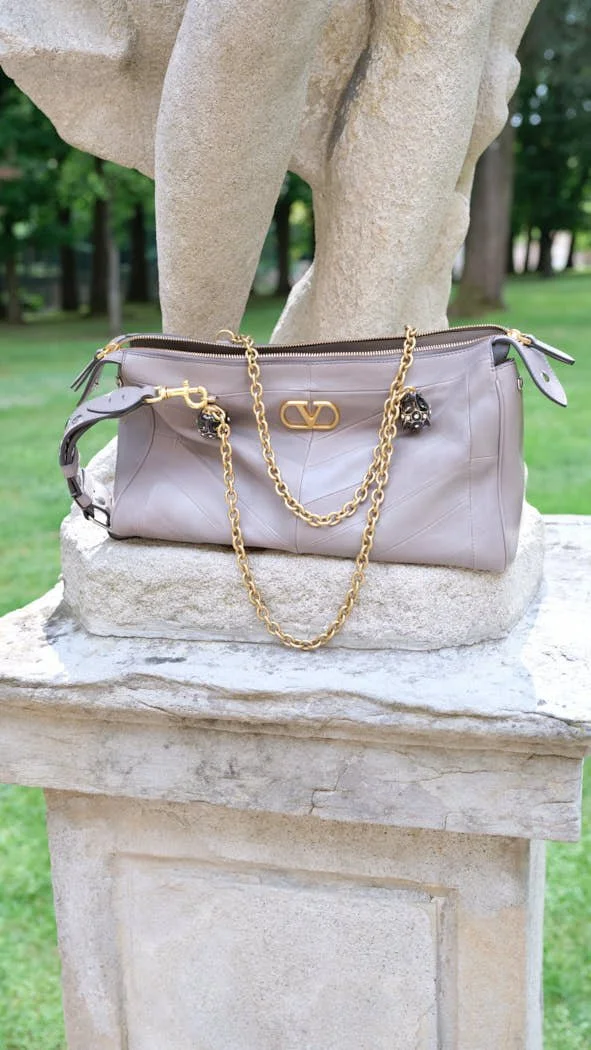
Valentino Garavani DeVain - Age of Electric Couture

Valentino Garavani DeVain - Age of Electric Couture

VALENTINO GARAVANI
*Craft, Code and the Curious Case of DeVain


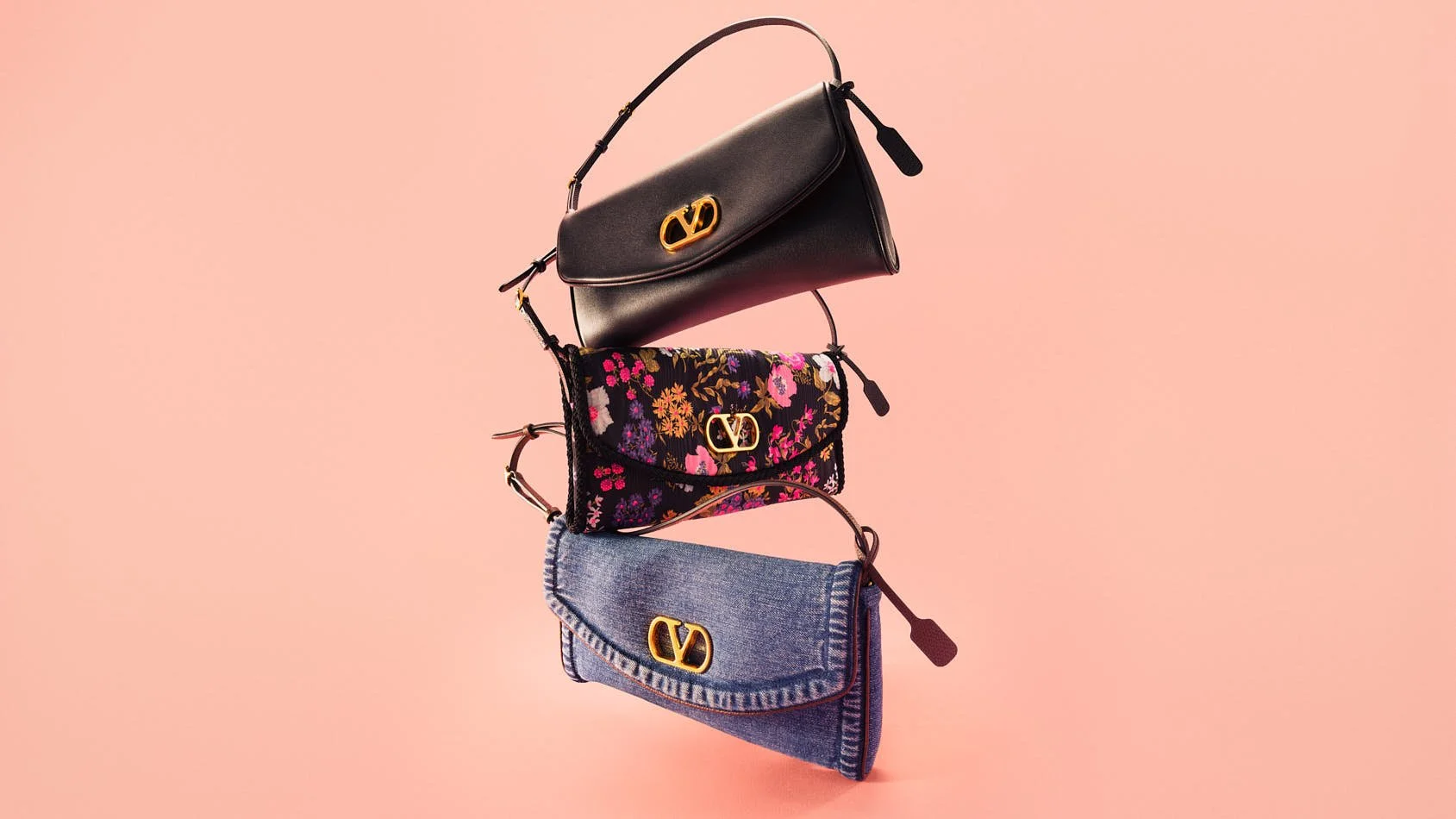
Valentino Garavani DeVain appears in the digital ether with a calm, almost ceremonial presence, occupying that peculiar zone where craft speaks to code and the instinct of the atelier leans toward the logic of algorithms. A quiet meeting unfolds between centuries of handwork and the cool hum of computational imagination. The maison’s dedication to gesture, material and emotional precision finds itself mirrored by an AI engine that renders its own forms of ornament and atmosphere, a pairing that feels unexpectedly harmonious and gently provocative, as if couture and circuitry were testing the edges of each other’s worlds without losing their sense of poise.


Thomas Albdorf opens the procession. In his mirrored chambers the bag performs a gentle act of multiplication, slipping between reflection and refraction with the calm confidence of an object aware of its own charisma. His studio becomes a small observatory where materials converse with their own silhouettes and symmetry grows its own contemplative pulse.

Enter The Void descends deeper, their world resembles a dream rescued from a half-remembered video game and dipped in an extraterrestrial ocean. Fishes drift between cacti, hotel chandeliers rise from dunes and the bag glows like a passerby who has wandered into someone else’s subconscious. This is surrealism with the autofill function humming quietly underneath, the kind that feels familiar and feverish at the same time.


Maison Valentino presents DeVain as the new protagonist in a sprawling visual experiment, inviting five artists to take the bag far from the usual marble floors and closer to the evolving frontier where images appear before they exist. In a cultural landscape that worships immediacy, this series arrives as an ode to crafted illusion, stretching the definition of what creative authorship can become when imagination merges with machine logic.

 
Paul Octavious VALENTINO GARAVANI DEVAIN DIGITAL ai art CREATIVE PROJECT LE MILE Magazine

Paul Octavious
still from the film below


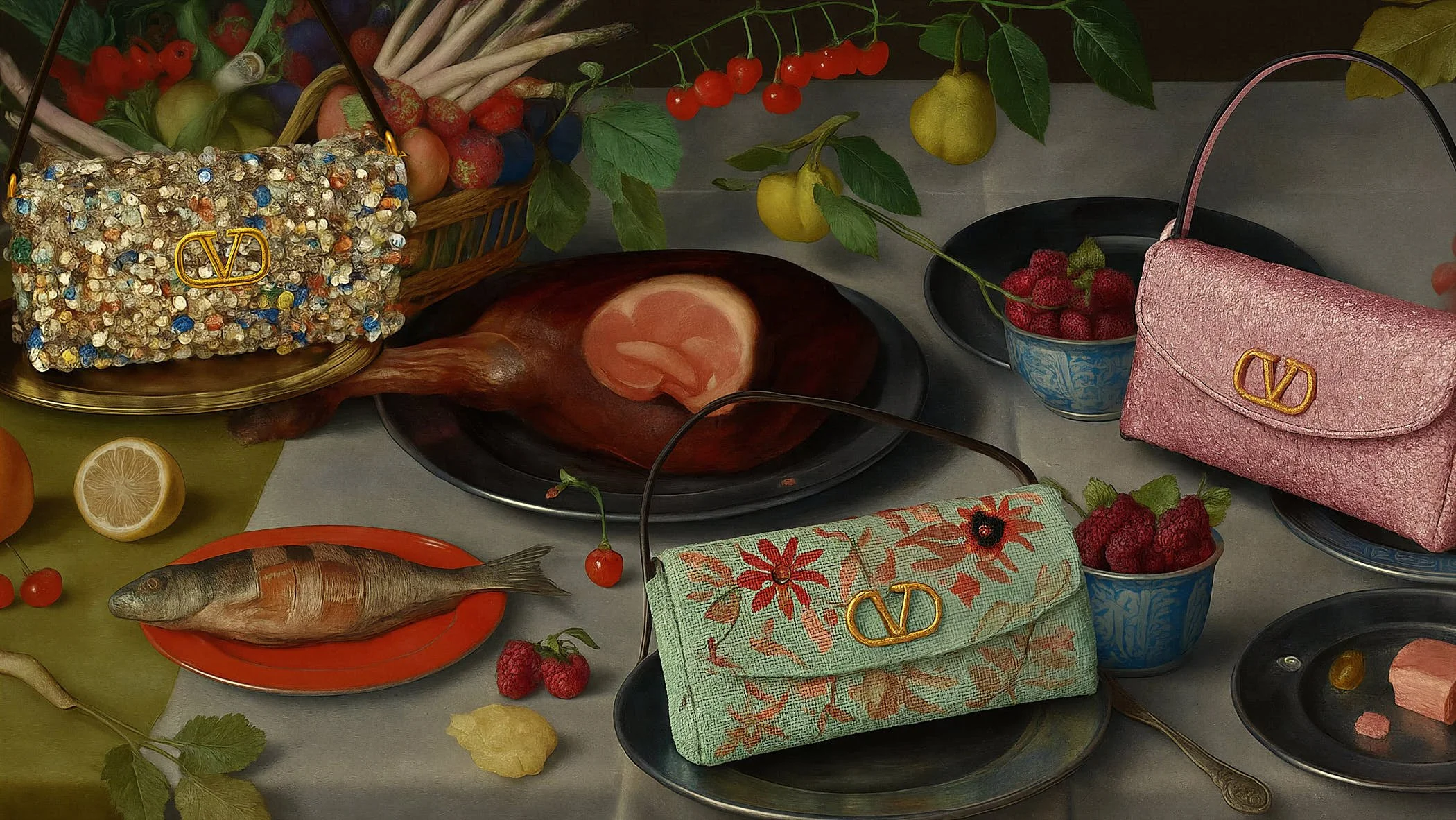
Paul Octavious transports DeVain into the long corridors of art history. Sixteenth-century still lifes breathe again, except this time they blink, shift and fold into layered animations. The bag perches among fruits and goblets like a visiting character who has slipped through a tear in a tapestry. Octavious choreographs a conversation between centuries without asking for permission, giving classical composition a sly digital pulse.

Annie Collinge builds a world where objects and cut-out figures share the same mischievous logic, creating a tableau that feels playful on the surface and quietly uncanny underneath. The bag appears among her colours and silhouettes like a character stepping through a handmade stage set, moving through scenes where humour and strangeness sit comfortably side by side. Her universe blurs reality just enough to remind viewers that imagination always has its own rules.

 
Valentino DeVain LE MILE Magazine video by Total Emotional Awareness screen

Total Emotional Awareness
still from the film below

Total Emotional Awareness leads DeVain through a landscape where pop forms stretch, multiply and reorganize themselves with dreamlike intent. Geometry expands, colours pulse and the bag moves through a vision that feels sculpted from pure imagination. Their world hovers between play and philosophy, creating a visual rhythm that absorbs DeVain into an ever-shifting field of possibility.


Z_Captures throws DeVain into sharp contrast with everyday pop objects, creating collisions that feel playful and deliberately disorienting. The bag sits among bold colours and unexpected pairings, adopting a presence shaped by tension and surprise. His compositions turn contrast into structure, allowing fantasy and pop culture to occupy the same vivid frame.


Tina Tona finishes the first chapter by exploding the visual field entirely. Her collages vibrate with color and hand-cut energy, weaving fragments of memory, culture and playful rebellion. The bag slips between viewpoints, blooming into countless versions of itself. Tona’s world has texture, movement and a joyful refusal to stay still.

Albert Planella approaches the bag as if it were an apparition. Here DeVain becomes mutable and cinematic, drifting between clarity and haze with a rhythm that feels borrowed from dreams. His images hold their breath while shifting into new states of being, as if the bag were quietly considering who it wants to become next.


For a house that reveres human craftsmanship, this digital series introduces a new tension. Energy-hungry algorithms sit beside centuries of artisanal knowledge. The contrast generates friction, and the friction generates light. The visuals shimmer with a strange kind of beauty, born from human impulse and computational curiosity. DeVain emerges from the experiment slightly transformed, carrying the patina of a bag that has travelled through mirrors, deserts, dreams, archives, memories and machine logic. The result feels like a quiet promise that creativity, in all its evolving shapes, still belongs to those who dare to stretch the image until it reveals something unexpected.


note
The video and image works in this project were created by nine participating artists: Thomas Albdorf, Enter The Void, Paul Octavious, Albert Planella, Tina Tona, Animus Pax, Annie Collinge, Total Emotional Awareness and Z_Captures. The AI-generated visuals were produced by Enter The Void, Paul Octavious, Albert Planella, Animus Pax and Total Emotional Awareness; all imagery by Enter The Void was created with the informed consent of the portrayed models and all participating talents.

KVRT STVFF - New Jeans Line

KVRT STVFF - New Jeans Line

.new collection
KVRT STVFF’s Debut Denim
*Denim as Body Frame


written AMANDA MORTENSON


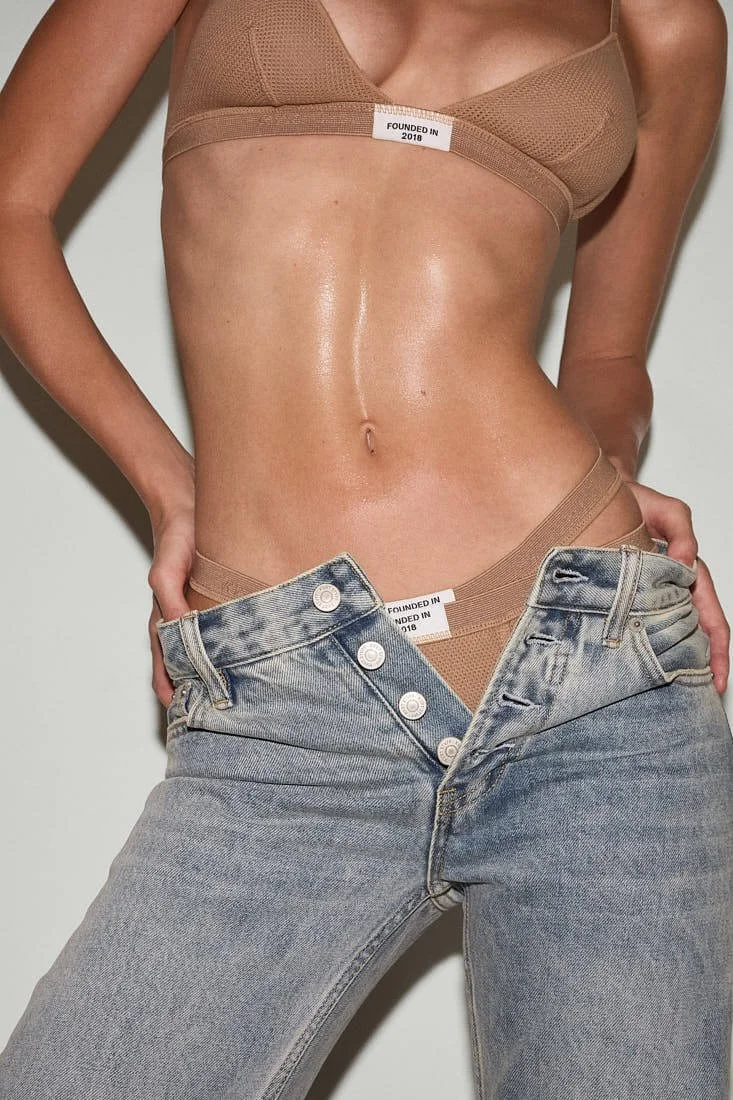
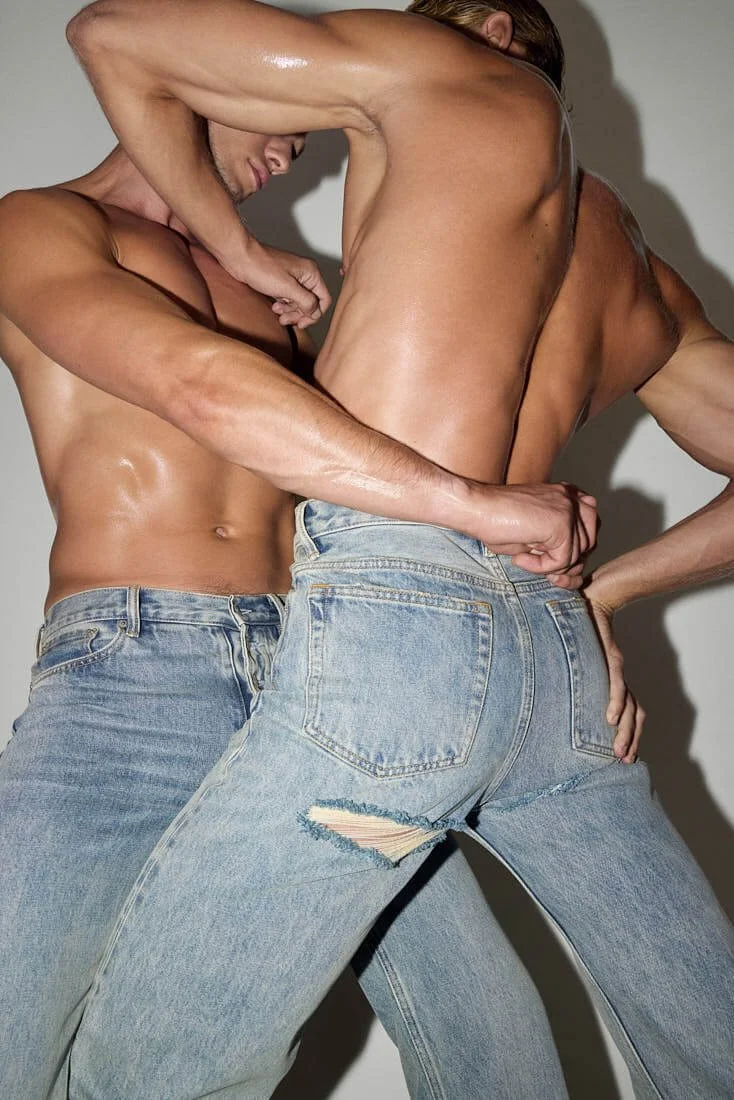
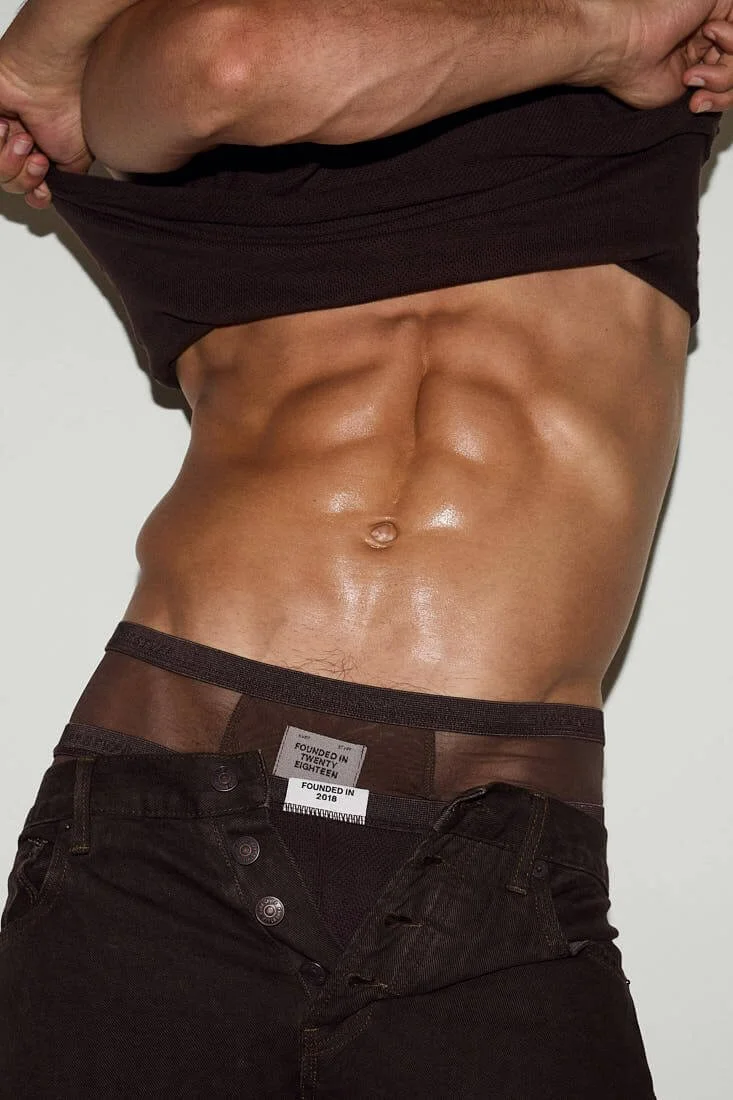
When a label born from the intimacy of underwear begins to work in denim, the move feels instinctive. KVRT STVFF’s debut jeans collection expands its vocabulary without changing tone. The body remains center stage, form and movement leading the design.


From its Barcelona STVDIO, KVRT STVFF introduces three silhouettes: Loose, Loose Bootcut, and Straight. Each with its own tempo, each holding quiet confidence. The Loose falls in measured flow, the Bootcut releases a soft curve, the Straight keeps a disciplined verticality. In all three, the human shape commands the rhythm.

 
KVRT STVFF Denim Loose Jeans Collection LE MILE Magazine white jeans
 
KVRT STVFF Denim Loose Jeans Collection LE MILE Magazine jeans
KVRT STVFF Denim Loose Jeans Collection LE MILE Magazine blue jeans
 

The palette is deliberate, Ecru, Espresso, washed Black, Indigo. Shades that refuse drama, relying instead on balance. Fabric becomes language and texture becomes punctuation. Logos stay nearly invisible; patches share the same denim, edges left raw, it all feels like a whisper of craftsmanship.

Inside, a concealed closure—signature to the brand’s design logic—invites openness. The jeans can be worn unfastened, undone, or sealed close. It’s a structural intimacy translated from the brand’s history with skin, nothing ornamental. Each detail exists because the body demands it.


The Straight model rests low, fits close at the seat, falls evenly through the leg. The Loose shape offers volume without weight. The Bootcut lets the hem drift outward in a controlled release. Across all cuts, the same raw-edged waistband patch and tonal restraint maintain unity. Everything begins and ends in the STVDIO. Patterns drawn, prototypes tested, adjustments repeated until balance arrives. Every seam tells of method, not machine, and luxury appears here as precision.
Since its founding in 2018, KVRT STVFF has moved through categories—underwear, swimwear, sportswear—without hesitation. Each step carries the same message: confidence as material. Every garment affirms the wearer’s shape, every proportion aligns with the body’s truth. Boldness is quiet here and strength wears minimalism like second skin.

 
KVRT STVFF Denim Loose Jeans Collection LE MILE Magazine wrestling men nude in jeans
KVRT STVFF Denim Loose Jeans Collection LE MILE Magazine jeans fighting men sexy
 
KVRT STVFF Denim Loose Jeans Collection LE MILE Magazine jeans men in denim gets undressed sixpack


The denim line follows that same current, clean cuts, technical clarity, human form as blueprint. The jeans sit at the intersection of discipline and sensuality, where structure becomes gesture. A wardrobe piece stripped of everything unnecessary. Sustainability, though never labeled, breathes through the process. Thoughtful sourcing, measured production, slow release. For KVRT STVFF, longevity exists in design that resists the noise of time. The future is already embedded in the present garment. There’s something meditative in how these jeans meet the body. Movement activates them; light changes them. The raw edges begin to fray, the denim softens, the skin writes its own pattern. The fabric records life, one crease at a time.


KVRT STVFF’s denim arrives without fanfare, it rests on the body with certainty, aware of its quiet power. The collection expands the brand’s language, but the tone remains unmistakable—precise, restrained, enduring. Denim becomes another surface for confidence. A continuation of what KVRT STVFF began years ago: redefining how clothing interacts with skin. A conversation between material and anatomy, designed not to cover, but to frame.

KVRT STVFF Jeans are available for Men and Women, priced at €290, via kvrtstvff.com and selected retailers.

GOT BAG Moon Bag Ruffle

GOT BAG Moon Bag Ruffle

GOATS GOT BAG Campaign
*A Herd Becomes a Headline


written AMANDA MORTENSON


Some campaigns arrive through strategy decks. But others fall from the sky. GOT BAG’s latest story started with a shepherd in Albania who typed four letters into Google. G-O-A-T B-A-G. A delivery went out, a herd received its new gear, and soon an email returned with photos of goats on the beach. Each animal carried a GOT BAG as if this was the natural order of things. The team packed cameras and went to see it firsthand. Their result is the brands new campaign called “GOATS GOT BAG.”


watch Film


The images feel like postcards from an unexpected runway. A black goat under the coastal sun wears a pale Moon Bag with complete ease. A taupe bag appears against limestone and tumbling lemons. A shepherd named Sherif, dressed in wool and holding a staff, lifts a hot coral Ruffle like an official badge of style. The herd moves together along a stone wall and Mediterranean light is washing the scene. The film that accompanies the visuals carries the same energy. Sherif speaks about his herd, the way he names them after his children, the way he sees them as family. He smiles, and the herd steps into fashion history.

GOT BAG’s identity has always circled around material, impact, and design. Since 2018, the label has worked under the line “From Trash to Treasure.” Their process starts with discarded matter such as ocean plastic, fishing nets, industrial scraps. Through recycling and refinement, this matter becomes yarn, then fabric, then a surface with style. From that surface, shapes arrive. Backpacks for commuters, shoppers for markets, rolltops for travel, crossbodies for urban rhythm, puffer bags for play. Each design carries a signature of clean lines, strong details, a feel for volume and curve.


LE MILE Magazine GOT BAG Moon Bag Ruffle

GOT BAG Wavy Puffer Moon Bag in oyster

 
LE MILE Magazine GOT BAG Moon Bag Ruffle goat wearing bag

GOT BAG Cloud Moon Bag in soft shell


The campaign shows this spectrum in action. On the goats you spot the Puffer Moon Bag in black, oyster, scallop. You see the Moon Bag Ruffle in hot coral, cobalt, soft shell. You recognize the way GOT BAG expands a family of products into a larger landscape. They form a catalogue that grows season by season, always linked to the same ethos of reuse and redesign.

What stands out is the tone, because “GOATS GOT BAG” is playful, clever, and confident. The visuals have humor, the mockumentary leans into irony, and the whole story carries a wink. At the same time, it signals reach. Fashion audiences see it, lifestyle audiences see it, and global followers share it. The herd becomes a symbol of how far a label can travel when it mixes creativity with a clear core.


Sherif appears in the campaign as a central figure, he lives with his herd by the Albanian coast, cares for them with devotion, and shares their daily rhythm. His story unfolds in the visuals and the film, where shepherd and herd move together through landscape and frame. His goats wear the bags, he tells his story, and the brand steps into new territory. The shepherd and the label stand side by side, each adding weight to the other.

Behind the campaign sits a company that has grown with purpose. GOT BAG operates as a B Corp™, meeting global standards for social and ecological responsibility. Their foundation in Indonesia collects plastic waste from rivers and coastal areas, builds waste systems with local communities, and channels material into new cycles. The impact is measurable, at the same time, the brand designs products that people want to carry. A backpack on a bike lane in Berlin, a crossbody on a weekend flight, and a Moon Bag carried by a goat along the coast.


LE MILE Magazine GOT BAG Moon Bag Ruffle man standing with orange bag

Sherif wears GOT BAG Cloud Shoulder Bag in hot coral


“GOATS GOT BAG” frames all of this with lightness. The images travel easily and the story sticks. A herd with bags moves across a landscape and suddenly a global audience pays attention. GOT BAG steps into 2025 with a narrative that feels surreal and direct. A shepherd, a herd, and a set of bags that embody design with responsibility. GOT BAG has always spoken through product and this new campaign speaks through image. Together they shape a brand that holds its line, carries its mission, and expands its world. From beaches in Albania to sidewalks in Tokyo, the bags move. They hold objects, they hold meaning, and now they hold a place in one of the most original campaigns of the year.


LE MILE Magazine GOT BAG Moon Bag Ruffle goats wearing bags from got bag

GOATS GOT BAG Campaign

 
LE MILE Magazine GOT BAG Moon Bag Ruffle

GOATS GOT BAG Campaign


discover the brand www.got-bag.com

Seoul’s New Perfume Vanguard

Seoul’s New Perfume Vanguard

SEOUL’S SCENT SCENE
*Inside Korea’s Rising Scent Scene


written LAURA DUNKELMANN


New notes. Untold stories. Visionary visuals. The world’s most restless perfume concepts are now rising from Seoul. To reduce them all to K-pop gloss would be a mistake: these young brands play in different registers – some eccentric, some tender, some unapologetically avant-garde. Always authentic. Always alive. A scent compilation of the city’s new vanguard.


On a small hill, tucked between housing blocks and the Leeum Museum, a thick red upside-down “U” pulses with bass – and base notes. Step through and you’re inside Borntostandout’s flagship, part gallery, part funhouse, part provocation. In one corridor: paintings, porcelain, sculpture. In another: mirrored walls, from whose ceilings hang matte-white flacons like ghostly fruit. The mood is loud, the gestures are bold. With creations like Fig Porn and Dirty Rice founder Jun Lim, once an investment banker, insists on friction. “Inspiration comes from the everyday. Sometimes from something as banal as old chewing gum,” he says. The vibe? More bar-night than boutique. Perfume as an attitude, not flattering accessory. It works – even the branded bags have become covetable objects. Founded in 2022, Borntostandout is already backed by L’Oréal and available in niche perfumeries globally.

 
LE MILE Magazine SEOUL SCENT SCENE by Laura Dunkelmann BORNTOSTANDOUT HANNAM FLAGSHIP HANNAM

Borntostandout, Hannam Flagship Store

 
LE MILE Magazine SEOUL SCENT SCENE by Laura Dunkelmann_BORNTOSTANOUT EXTRAIT EXTRÊME_BLACK GUAVA

Borntostandout
Black Guava


A short walk from Borntostandout down the hill, a different frequency: the dreamlike Pesade, with its hazy unisex blend Blue Eyeshadow and the London-inflected SW19, complete with gelato bar serving flavors that echo the scents, are nestled between internationally known names in the era most dense with scent stores. Few metres further, there’s minimalist Nonfiction, whose in-store-only Odorama Cities channels Korean herbs into an olfactory postcard. And then the city’s scent icon: Tamburins.

Its best seller Chamo is everywhere. A code, a secret handshake. Seoul’s answer to what Santal 33 once was in New York: understated but unmistakable, raw yet soft, a cult in the air. To leave Seoul without a Tamburins bag is almost impossible. Hand cream, balm, eau de parfum – they’re souvenirs as much as scents. Founded in 2017, part of the Gentle Monster universe, Tamburins now runs multiple flagships and pop-ups, Haus Nowhere being the latest dependance. But perfume is only half the story: retail is theatre. Abstract electronic art-pop plays, K-pop stars front the campaigns. In summer, Silent Beach filled a warehouse with sand, performance art, and a limited-edition vinyl tied to the scent. Perfume as gesamtkunstwerk.

From a Western gaze, such staging feels almost alien. And yet, despite the radical packaging and spectacle, most Korean brands still collaborate with French perfumers. The labels may read Made in Korea, but the tradition lingers in the base notes.

 
LE MILE Magazine SEOUL SCENT SCENE by Laura Dunkelmann_Tamburins_Store

Tamburins Store Seoul, new space at the recently opened Haus Nowhere


Not so at Sarangheyo. Here, founder Sung composes with Korean collaborators only. His collection is a memoir in molecules – journeys, encounters, stories refracted through a Korean lens. There’s nothing trendy here, the brand is a reflection of class and timlessness. His studio, hidden in a 1960s office block and far away from any shiny shopping area, it feels like an echo chamber of that heritage: oils he uses to experiment with, glass vials, a vintage hi-fi he implemented into the showrooms soundsystem, humming soft jazz. “My perfumes are a link to my origin,” he explains while putting on his iconic canvas apron. Clients can visit the space for intimate consultations as well. After years at LVMH, Sung left and launched Sarangheyo in 2020. “Everything I do now feels authentic,” he says, showing a traditional korean hanko ink pad – the smell of which inspired his next launch. Once conceived as men’s scents, his range now floats unisex: sweet-bitter contrasts in Chocolatic Nchnt; fragile florals in Flower, inspired by a painter living deep in the Seorak forest, where pine and musk drift together like mist.


LE MILE Magazine SEOUL SCENT SCENE by Laura Dunkelmann_Saranghaeyo_KOR_SRHY

Saranghaeyo
91. CHOCOLATIC NCHNT

 
LE MILE Magazine SEOUL SCENT SCENE by Laura Dunkelmann_Saranghaeyo_KakaoTalk

Saranghaeyo
Founder Sung in his showroom 


Also, Sisiology, founded by Nicole Park – a third-generation insider of South Korea’s beauty world – turns away from spectacle and toward the analogue. The language of the 2022 found brand is quieter, circling around moments of emotion and connection, like photographs held in scent. The perfumes feel like intimate captures, soft as memory. Nicole herself reflects that sensibility: her store sits inside a futuristic building whose architecture, from afar, resembles the silhouette of a face. Inside, the atmosphere is hushed. When she sprays Overflown onto delicately illustrated blotters, she doesn’t ask which notes I detect, but which emotions surface. With this clean, floral, luminous fragrance, a sense of enthusiasm and comfort rises — less a perfume, more a feeling suspended in air.


In contrast, CGS presents the avant-garde in its purest form. The 2025 perfume debut of avant-garde photographer Gi Seok Cho. The most niche of all – and the most otherworldly. A secret showroom above his studio in Gangnam. Appointment only. “How did you find this place?” asks the man at the door. Inside, you step into a surreal topography: photographic collages, sculpture fragments, brutalist concrete pierced by circular shafts of light. Flacons displayed like trophies from a parallel planet. On the rooftop, a massive white statue – fallen angel, street fighter, both. The perfumes themselves? Softer than the world they inhabit. Bad Dreams, one of the three perfumes, with its smoke of tobacco and cinnamon, is strangely tender against visuals of thorned hands and butterfly-winged heads.

 
LE MILE Magazine SEOUL SCENT SCENE by Laura Dunkelmann Sisology Overtlowing Eau de Parfum

Sisology
Overtlowing


Creativity. Authenticity. Otherness. That is the essence. And while these houses could be imagined in Paris, in London, in Tokyo – it makes absolute sense that they flourish here, now, in Seoul. A young city, in a country actively forging its identity, investing fiercely in its culture.
Through sound. Through scent. Through everything in between.

 
LE MILE Magazine SEOUL SCENT SCENE by Laura Dunkelmann_Sisology

Sisology
Photoenthusiast and Sisology founder Nicole Park


LE MILE Magazine SEOUL SCENT SCENE CGS sculpture at the showrooms rooftop terrace  by Laura Dunkelmann CGS avant-garde photographer Gi Seok Ch

CGS sculpture at the showrooms rooftop terrace 
seen by Cho Gi-Seok

 
LE MILE Magazine SEOUL SCENT SCENE by Laura Dunkelmann_CGS LOVE AND HATE_HANDY CUT

CGS
Love and Hate

Brioni - Les Extraits Collection

Brioni - Les Extraits Collection

BRIONI Les Extraits
*Bottled Obsessions, Hammered Glass


written AMANDA MORTENSON


Brioni insists on elegance as if it were oxygen. The house has been tailoring Rome’s whisper of power since 1945, and now it has chosen to let that whisper linger on skin, in air, in the memory of whoever dared to stand too close.


Les Extraits de Parfum is not a collection in the ordinary sense, more a disciplined experiment conducted in glass and essence, four variations on purity staged like chapters of a book that doesn’t explain itself.

Iris Exquis is iris stripped of politeness, set against lavender, suede, and a shadow of black tea that behaves like a sly accomplice. Encens Minéral glows with incense that refuses to play temple, green edges cut with pepper, a molecule named Mystikal humming like neon behind a curtain. Labdanum Brut moves in velvet, rose liquored up, musk that knows the language of skin better than its owner, a suggestion of vanillin running through it like a signature you can’t quite forge. Papyrus Éternel wears its black tea like a dinner jacket still warm from last night, papyrus rising like smoke, cardamom and vetiver drafted in to remind everyone that refinement also knows how to smolder.


LE MILE Magazine Brioni Les Extraits Iris Exquis 2025

Brioni
Les Extraits Collection / Iris Exquis


The bottles are less containers than geological events, heavy, octagonal, faceted like minerals that decided they preferred couture to caves. A block of glass beaten with hammer-texture until it catches light like a restless pool, ready to sit on a shelf as if permanence were still possible. They are too solid for vanity, too sculptural for bathroom clutter, designed to exist as much as to hold.

Brioni calls the project a symphony of purity and elegance, but it feels more like a private performance never intended for applause, four compositions sealed in silence until released by the warmth of skin. The perfumes breathe in their own tempo, neither asking nor offering permission. They simply are, and that is the luxury.

The house still speaks of sustainability, though here it arrives without the megaphone of trend. Vegan, cruelty-free, responsibly sourced, recyclable—words that have been stripped of their PR costume and pressed back into service as part of the tailoring. Nothing about Les Extraits performs morality; it wears it, like a lining you only notice when you run your hand inside.

Brioni has always operated as if style were less an act than a condition, and Les Extraits extends that condition into air. A suit might command presence, but a scent occupies absence. It lingers where the body has moved on, in the folds of an evening, in the silence after the door closes. Four fragrances, four monuments, four ways of saying the same thing: elegance leaves evidence. Enjoy yourself!

Available from 1 November in Brioni boutiques and select stores, each 80 ml flacon of Les Extraits de Parfum is offered at EUR 290.


LE MILE Magazine Brioni Les Extraits Iris Exquis 2025 bottle design

Brioni
Les Extraits Collection / Iris Exquis


DANIEL w. FLETCHER SS26

DANIEL w. FLETCHER SS26

.new campaign
The Thistle’s Whisper
*Spring’s Reckoning with Daniel w. Fletcher


written ALBAN E. SMAJLI


There’s a certain wetness to the Scottish Highlands that announces itself only when trousers surrender completely to the elements, the kind that hovers between rain and fog, an atmosphere born from nature’s own reluctance to hurry, pausing in the air, pressing against skin, gliding over shoulders, a presence Daniel w. Fletcher welcomes wholeheartedly for SS26—a collection conceived far from city grids and studio walls, placed deep in a landscape where thistles claim the horizon and sheep pay attention only to the subtle shift in grass and sky, unmoved by the artificial logic of seasons or palettes.

Hand-painted thistles bloom in reckless, botanical abandon, with each flower growing out from shirt sleeves and collars, each garment transforming into a half-wild meadow, an unmanageable flora arranged for the kind of person who ventures into the landscape and becomes indistinguishable from its restless green. Heather finds its way from hillside to fabric, moving across bodies, seeping into skin, with Fletcher’s colours bleeding mauves and mosses and that elusive purple-grey reserved for Sunday afternoons when the air feels heavy with promise and the sky rehearses for the next storm.


Tailoring enters, never content with restraint or ordinary smoothness—long-line jackets shape the silhouette, Edwardian waists emerge for the gentry and the bold, with military details carving sharp intervals in the softness, toggles and buttons murmuring stories of distant uniforms, each element inventing a wardrobe for escapists in waiting. Double-breasted and single-breasted jackets offer endless invitations, in a territory where rules drift across sheep tracks and lichen. Trousers billow, scarves wrap and spiral, silk chasing wind, lambswool berets balancing on heads, each one poised with the quiet confidence of a secret shared in a hushed room.

 
LE MILE Magazine Daniel w. Fletcher SPRING SUMMER 26 lemilestudios

Daniel w. Fletcher
SPRING SUMMER 26 Campaign

 
LE MILE Magazine Daniel w. Fletcher SPRING SUMMER 26 lemilestudios

Daniel w. Fletcher
SPRING SUMMER 26 Campaign


And the formality orchestrates its own quiet spectacle. Ballroom-wear emerges, tuxedos primed for a ceilidh high above the heather, crystal buttonholes glimmer through the mist, organza shirts breathe, drifting with their own internal weather. An urge arises to waltz, or simply to move with intention, carrying each garment across moorland and parquet, each piece calling for nerve, imagination, a willingness to lead it toward uncharted places.

DANIEL w. FLETCHER fills the scene with winks and sidelong gestures—stripes swell with volume, stepping boldly into the foreground, shorts carve themselves close to the edge, displaying knees as new protagonists. Corsets lace up, commanding presence and precision, every tie mapping out new lines for the body’s story. Faux fur overcoats settle across shoulders, weighty and resolute, built for winters that extend as long as one pleases. Each element declares its own prominence, every piece carrying the romance of tradition while responding to the pulse and rhythm of the world outside nostalgia’s reach.


LE MILE Magazine Daniel w. Fletcher SPRING SUMMER 26 lemilestudios

Daniel w. Fletcher
SPRING SUMMER 26 Campaign


Fabien Kruszelnicki’s photography seals the collection in filmic mist, Ruben McDowall flickers between silhouette and apparition, the Highlands rising as protagonist, the model inhabiting the landscape and the lambswool, styling shifting toward the realm of myth. Drama floods the images, comedy bubbles beneath—berets propose riddles, organza murmurs replies, thistles linger with prickly patience, always first to greet a visitor.

The collection drifts toward unsettled ground, finding comfort along the periphery, taffeta trousers sweeping up the grass, faux fur surrendering itself to the force of the wind. Resilience glimmers alongside lightness, each look blends the regal with the ridiculous, composing a wardrobe for those who flirt with romance and savor irony, an assembly of garments that welcomes the world, offers its hand, and releases a trace of heather and irreverence into the air. Art direction by James West, grooming by Sophie Jane Anderson, yet the narrative unfolds with greatest clarity out in the weather, cast across skin, carried forward on bodies in motion.


LE MILE Magazine Daniel w. Fletcher SPRING SUMMER 26 lemilestudios

Daniel w. Fletcher
SPRING SUMMER 26 Campaign

LE MILE Magazine Daniel w. Fletcher SPRING SUMMER 26 lemilestudios

Daniel w. Fletcher
SPRING SUMMER 26 Campaign

 
LE MILE Magazine Daniel w. Fletcher SPRING SUMMER 26 lemilestudios

Daniel w. Fletcher
SPRING SUMMER 26 Campaign

BDK Paris - IMPADIA

BDK Paris - IMPADIA

IMPADIA by BDK Parfums
*Rose Parade, Paris Bottled, Ego Included


written Monica de Luna


There are mornings in Paris when the light arrives late, hungover and still dressed for last night’s vernissage, spilling rosé and orange across rooftops as if trying to distract the city from whatever existential crisis it’s currently plotting.


BDK Parfums, always one step ahead and never underdressed, walks into this glowing mess and presents IMPADIA—one hundred milliliters of pure Parisian theatre, rehearsed, bottled, and capped like a miniature monument, ready to colonize wrists from Saint-Honoré to the last seat at Café de Flore.

 
LE MILE Magazine bdk Parfums IMPADIA rose new scent

(c) BDK Paris


Jordi Fernández, the nose with the hands of a botanist and the heart of a poet, assembles Bulgarian and Turkish roses, plucked at the peak of drama, flown in like VIP guests to a garden party where the guest list includes mandarin, bergamot, a pear who claims to have summered in the Marais, and vanilla who refuses to sit still. The result is a floral spectacle that does not whisper, does not hide behind a curtain, does not RSVP—simply arrives, luminous and overdressed, dripping with honeyed sunlight and edible secrets.

David Benedek, founder, ringmaster, and possibly Paris’s most enthusiastic fan, claims every sunrise as a personal gift and every sunset as a brand collaboration. He wanders the Palais-Royal and the Tuileries, collecting light as others collect receipts, then promptly instructs the world’s perfumers to bottle the entire scene. The bottle glows, the cap preens, the city sighs—IMPADIA enters the chat, leaving every garden in Paris checking its own scent profile in a pocket mirror.


LE MILE Magazine bdk Parfums IMPADIA rose emotion roses flying


A spritz of IMPADIA promises transformation; stone turns silk, pigeons turn art critics, lovers discover poetic purpose, and every passing stranger grows suddenly convinced you own the deeds to at least one Haussmann apartment. Rose, in this scenario, is queen, president, and maître d’, commanding attention with every breath, assembling fruit, blossom, praline, and wood as accessories. Each note is a handshake, a double-take, a well-timed shoulder pad in the crowded metro of olfactory ambition. Paris, with its manic energy and inability to ever be subtle, demands a perfume that lives as loudly. IMPADIA obliges, stepping out every day as if the city invented golden hour, layering sunlight over skin, rewriting the myth of the French garden in every atomized plume. Each bottle is a ticket to the performance, and every wearer a cameo in this endless, rose-colored parade. Experience yourself!


LE MILE Magazine bdk Parfums IMPADIA rose bottle design

(c) BDK Paris

LE MILE Magazine bdk Parfums IMPADIA rose new bottle

(c) BDK Paris


(c) BDK Paris