
.specials
Where Colour Holds
Maara Studio by Izabela Barbaric
written LE MILE
Maara Studio takes shape through a way of working that stays close to the garment itself and to how it is worn. Founded by Izabela Barbaric, the label develops through decisions that remain tied to the piece rather than building a fixed vocabulary.
Maara Studio
Maara Studio
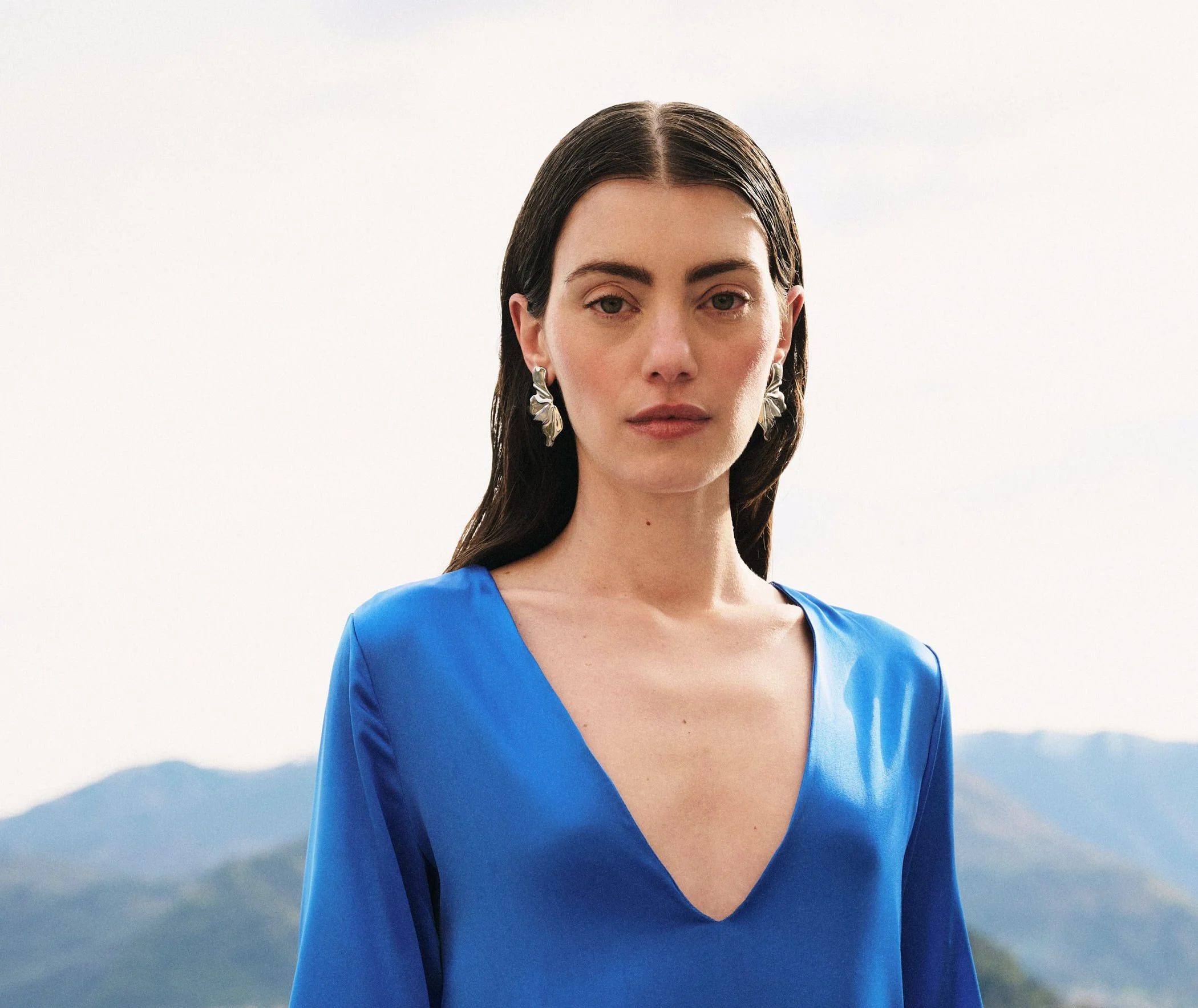
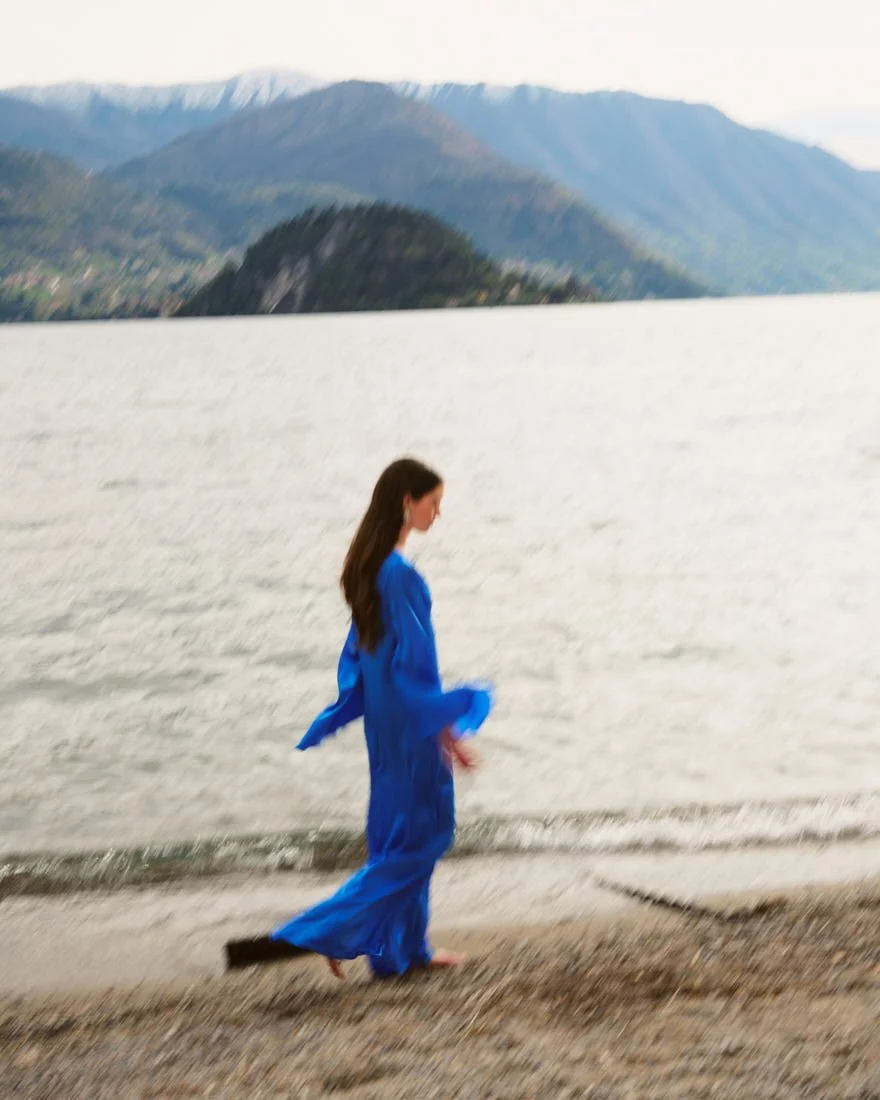
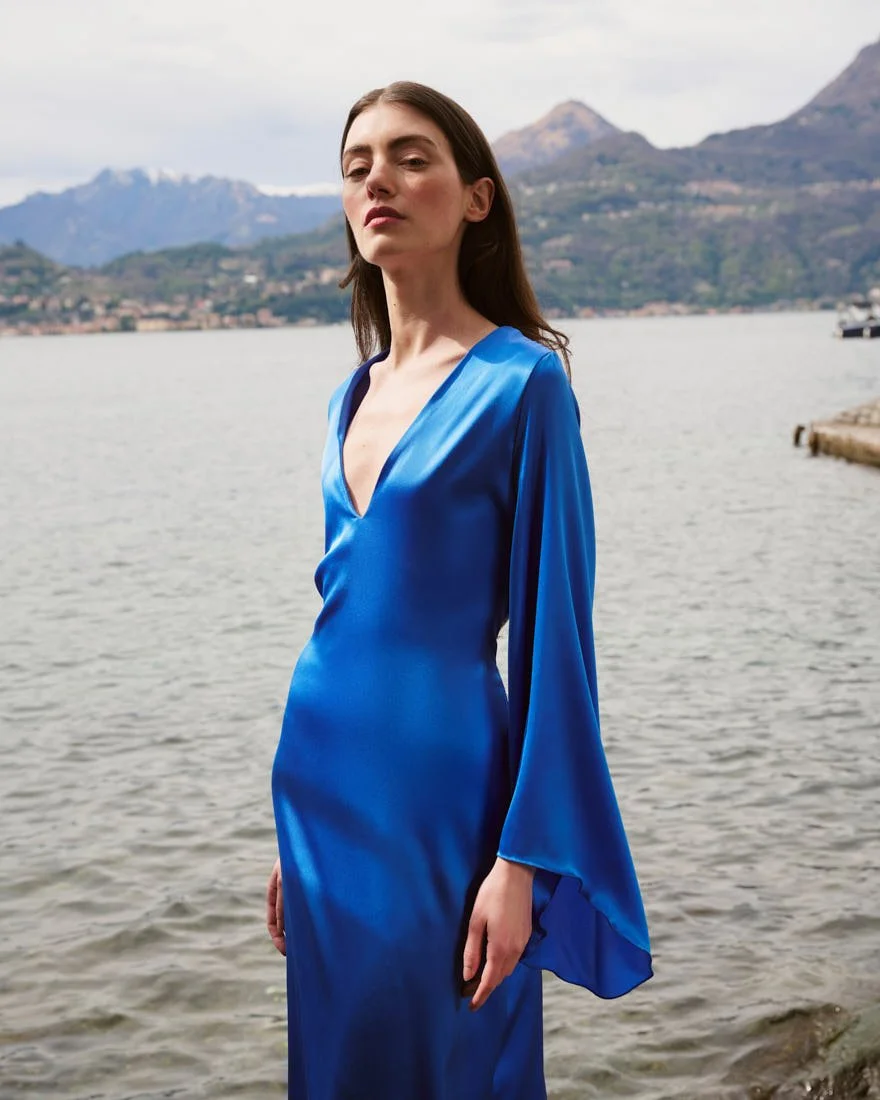
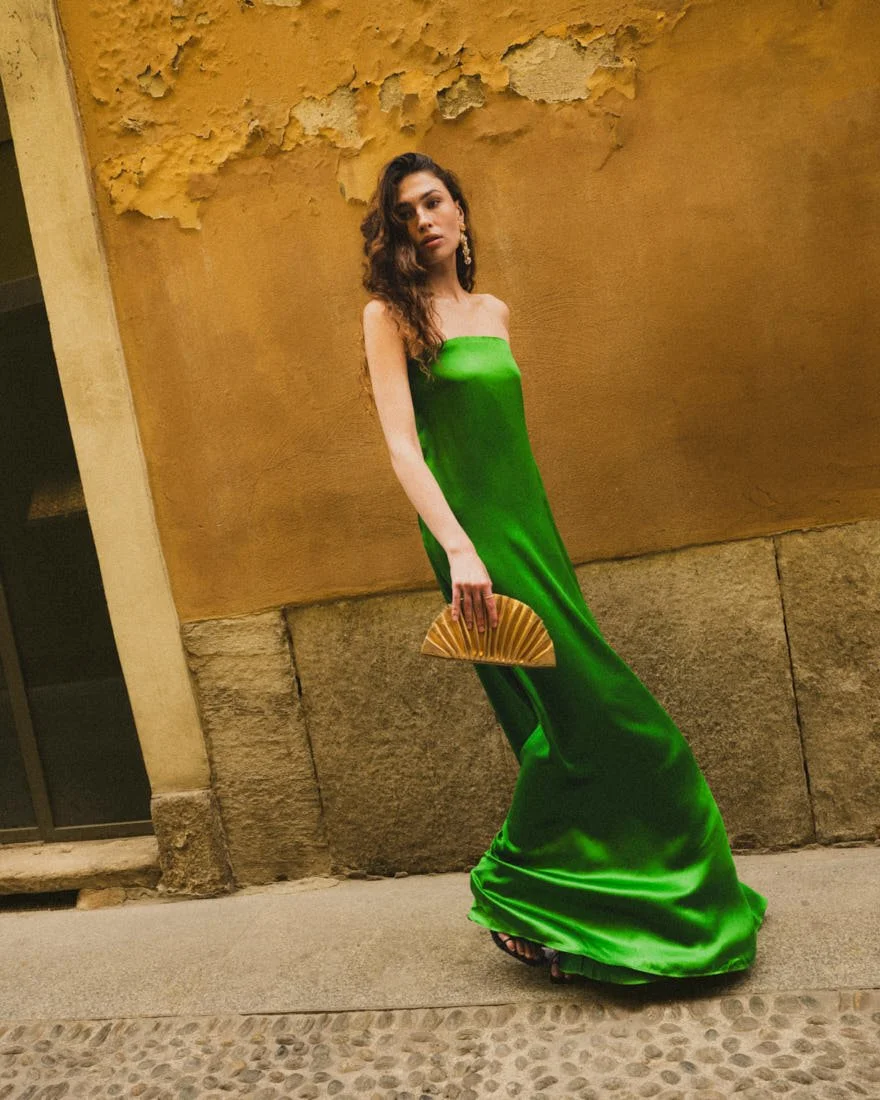
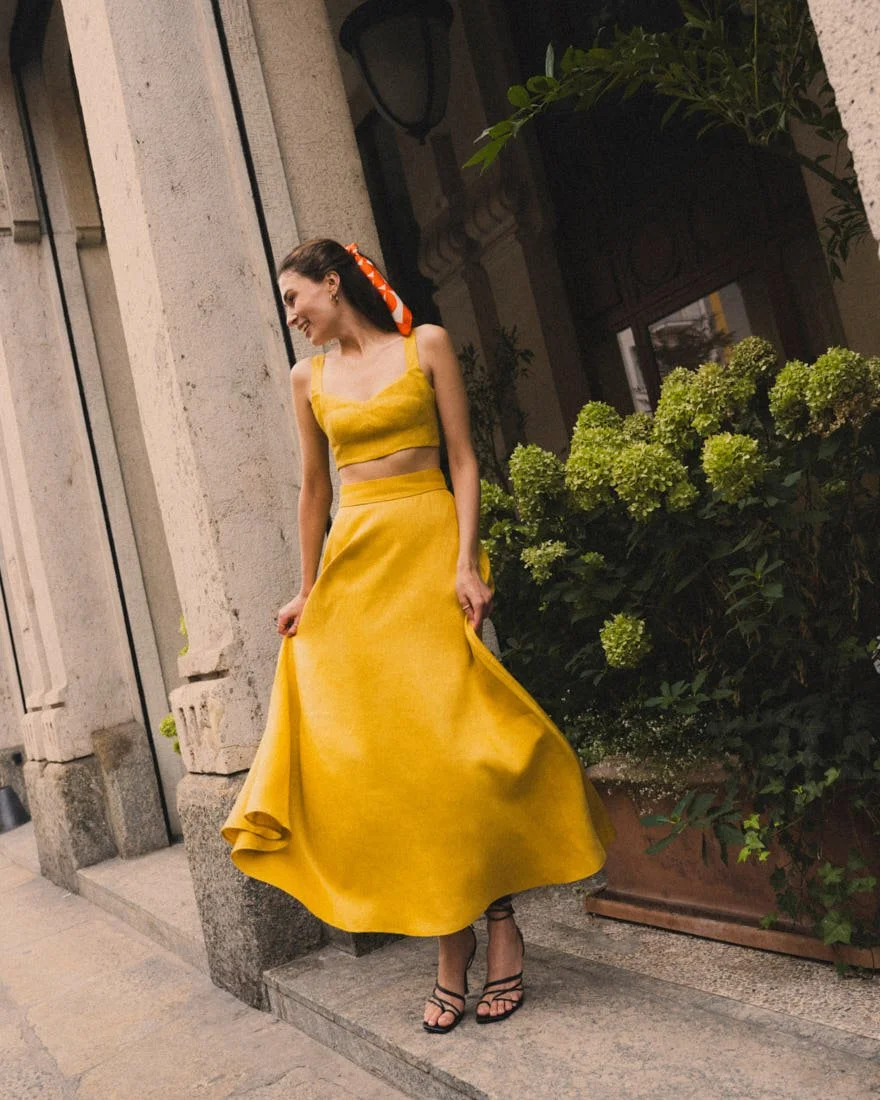
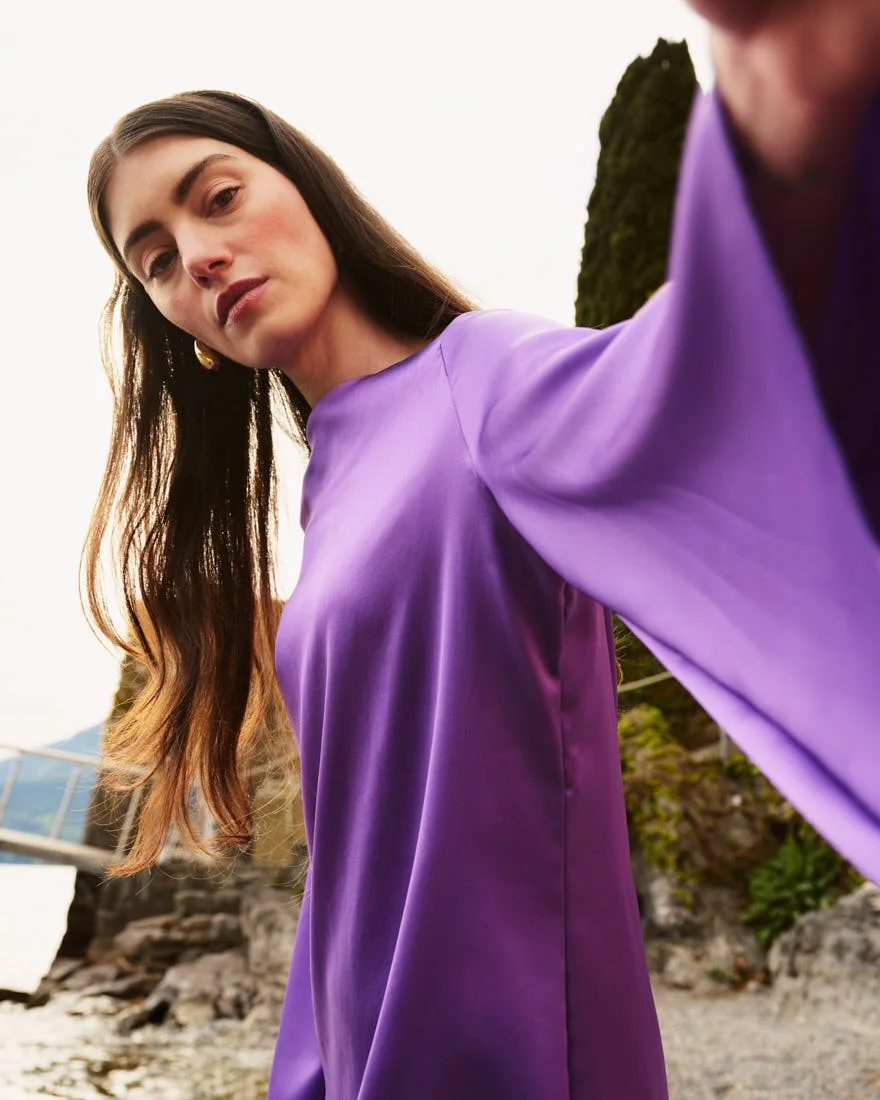
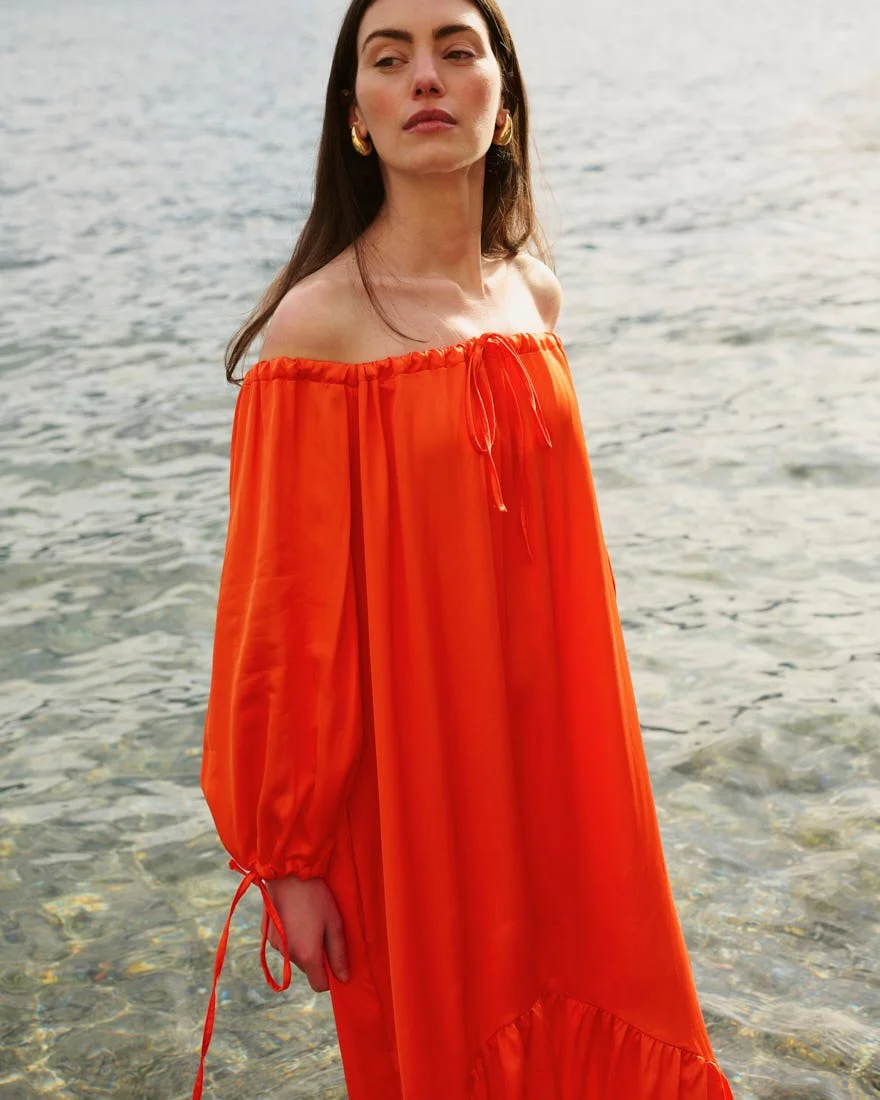
Colour enters the collections with a clarity rooted in presence. It holds the garment in place, allowing it to register immediately while remaining connected to the body wearing it. The effect is direct, with a controlled sense of staging.
A similar precision runs through the way garments are imagined in relation to specific people. Many pieces are connected to women from Barbaric’s own circle, as a way of thinking through posture, gesture and how a piece is carried. This thinking informs proportion, material and colour at a level that remains embedded in the garment itself, without resolving into fixed characters or narratives.
Material and production follow these conditions, with small editions produced through Italian ateliers keeping the process close to the object so adjustments remain traceable and decisions do not disappear in scale. Fabrics such as silk, cotton and linen are selected for how they respond in wear, how they hold shape without fixing it, and how they shift over time. What emerges is a way of approaching femininity that does not need to be defined in advance. It takes shape through use and through how a garment holds together while being worn. In the following conversation, Izabela Barbaric speaks about how this approach developed and how it continues to inform Maara Studio.
Maara Studio
Maara Studio
Maara Studio
LE MILE
When did your design language reach a point where it needed its own label? Was there a decisive moment, or did that step take shape gradually? And how closely is that founding impulse tied to the assured femininity your work expresses today?
Izabela Barbaric
The desire was there from an early age. As a child, I used to flip through catalogues and magazines and knew I wanted to be part of that world. At first, I took a different path, worked, gained experience, and saw a lot, but something creative was always missing.
During the pandemic, that thought became more concrete. The turning point came in a conversation with a friend who simply asked why I wasn’t doing it. I didn’t have an answer. In that moment, I realised there was no real reason not to, so I started. Confident femininity was never a concept to me, it was always a feeling. For me, it is less about an external image and more about an inner attitude: taking space, being present, and not adapting.
Over time, that feeling became more defined through the process itself, through making decisions, but also through moments of uncertainty. That attitude was always there, but it only became tangible through building my own label.
Looking back at your earlier years — before Maara existed — what did you believe fashion could give you that it perhaps couldn’t at the time? And has that belief changed?
Fashion has always been a way for me to express mood and personality. It is about feeling comfortable, moving freely, and dressing intuitively rather than according to expectations.
That sense of freedom is still at the core of my work today. If anything, it has become even stronger.
Colour plays a central role in your collections. It feels deliberate, almost defiant in its openness. What does that luminosity mean to you beyond its immediate visual impact?
Colour represents joy to me, but it is also a statement. It expresses presence, confidence, and a certain independence from the need to conform. Colour always carries an attitude. At the same time, it is a form of communication. It influences how a look is perceived, the mood it carries, and how present it feels.
Sometimes colour is an intuitive decision, sometimes it is used more consciously to create contrast or a sense of calm. It also helps structure my collections by creating connections or, in some cases, intentional breaks.
Much of contemporary fashion operates through irony or conceptual distance. Against that backdrop, Maara feels direct and sensual. Is that a conscious choice? And what does that directness allow you to express that might otherwise get lost?
Yes. I believe in honesty in expression. Clothing should connect and evoke something without needing explanation. That directness makes it accessible, while still remaining deeply personal.
Maara Studio
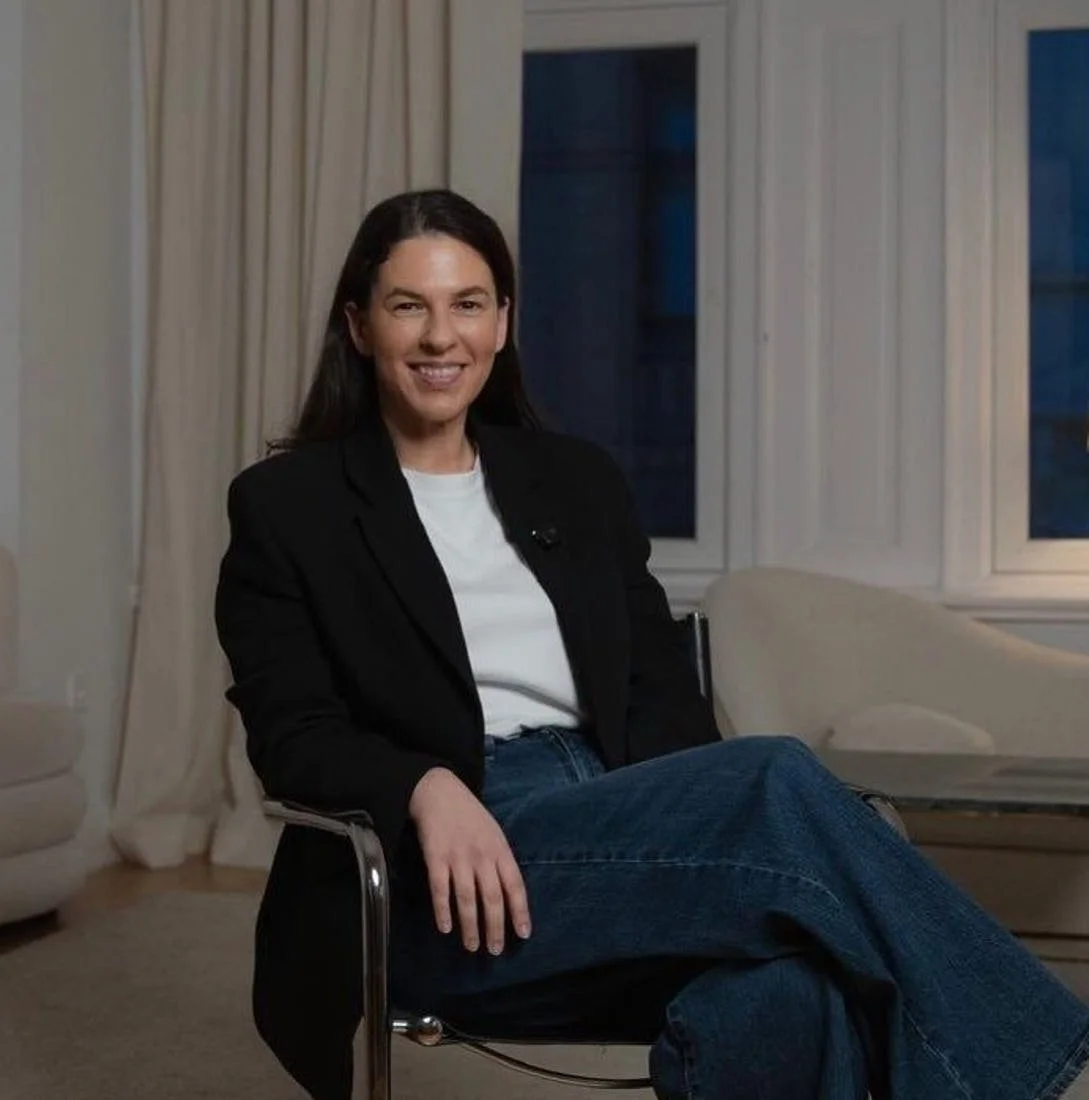
portrait of designer and founder Izabela Barbaric
Maara Studio
Who do you design for? And how does that presence — real or imagined — influence the way a piece takes shape?
I design for individuals. I often have a friend or an important woman in my life in mind, her presence, her way of living, the way she presents herself, how she wears colour, and how she wants to be perceived. Clothing should enhance that personality, not overshadow it. It is about presence, confidence, and a sense of joy.
This idea directly shapes my designs, especially in terms of silhouette and proportion. Colour and material also come from this, because each piece needs to adapt to the person, not the other way around.
When you design, how consciously are you thinking about the body? Is movement something you construct deliberately, or does it emerge intuitively as the piece develops?
The feeling on the body is essential. A piece needs to feel natural and move with the wearer. When that works, everything else follows almost automatically. I think about the body and movement very early in the process. It is not something that comes at the end, it accompanies the design from the beginning. There is always a moment where I test how a piece falls, how it moves, and whether it supports the body or restricts it. Many decisions are made at that point.
Several of your pieces carry the names of women from your own circle. What shifts in your process when a garment is connected to someone you know personally? For you, is friendship more a source of inspiration, a space of resonance — or at times even a form of corrective?
It makes the process more personal. I think about real characters, their energy, their presence, and shared memories that are meaningful to me. Friendship is a strong source of inspiration for me because it strengthens each person in their own identity. That is essential.
At the same time, these relationships create a kind of resonance. They influence how I see my designs, how I develop them further, and sometimes how I question them. It is less about direct feedback and more about a shared understanding that shapes the process.
What does working in small editions allow you to preserve? And when does limitation start to feel like a conscious choice rather than a constraint?
It keeps me close to the product. I can work more consciously, make more precise decisions, and preserve the uniqueness of each piece. This creates something more personal and less interchangeable.
When working with small Italian ateliers, where does quality become non-negotiable for you — in the material, in the cut, in the finishing, or in something less tangible?
Everything.
Quality reveals itself in the details, in the materials, the cut, the craftsmanship, and above all in the fit. That is where I take the time it needs. For me, it also means paying close attention to the construction of a garment, how it is built, how cleanly it is made, and how well it holds its shape over time. That is where the difference really lies.
Croatian roots, Italian production — how present is that duality in your thinking? And where does it surface most clearly in the design itself?
For me, Croatia represents boldness, freedom, and a very vivid understanding of fashion, a way of expressing oneself and embracing life.
Italy, on the other hand, stands for precision, craftsmanship, and uncompromising quality. Both cultures carry a strong female energy, as an attitude, as a presence, as something natural. A woman as the centre, as a driving force, as someone who shapes rather than follows. This duality also becomes visible in the design itself, in the interplay between strong colours and clear silhouettes, between expression and controlled construction. That tension defines my work.
— Explore the Full Collection at www.maara-studio.com
all images seen by Karolina Golis, beauty by Anna Winkel for Maara Studio