Viewing entries in
pr

SILVIA NEGRI FIRMAN from NEGRI FIRMAN PR *Inside Fashion PR

SILVIA NEGRI FIRMAN from NEGRI FIRMAN PR *Inside Fashion PR

#InsideFashionPR

Offline Prestige, Online Chaos, and the CEOs Who Call It All Just Another Day at Work

A Conversation with SILVIA NEGRI FIRMAN


interview + written CHIDOZIE OBASI


At a time when the creative industry keeps shifting at restless speed, the worlds of advertising, fashion communication and public relations are changing with it. Once anchored in print, physical presence and carefully built editorial relationships, the field now moves through digital platforms, social media strategies, data systems and the growing presence of Artificial Intelligence, all of which have accelerated the way stories are created, distributed and measured.


Still, the central task of communication has remained strangely consistent: to shape a story, to place it in the right context and to understand what gives a brand cultural relevance beyond visibility alone. Between printed pages and digital screens, between long-term image building and immediate online response, the industry continues to renegotiate its own language.

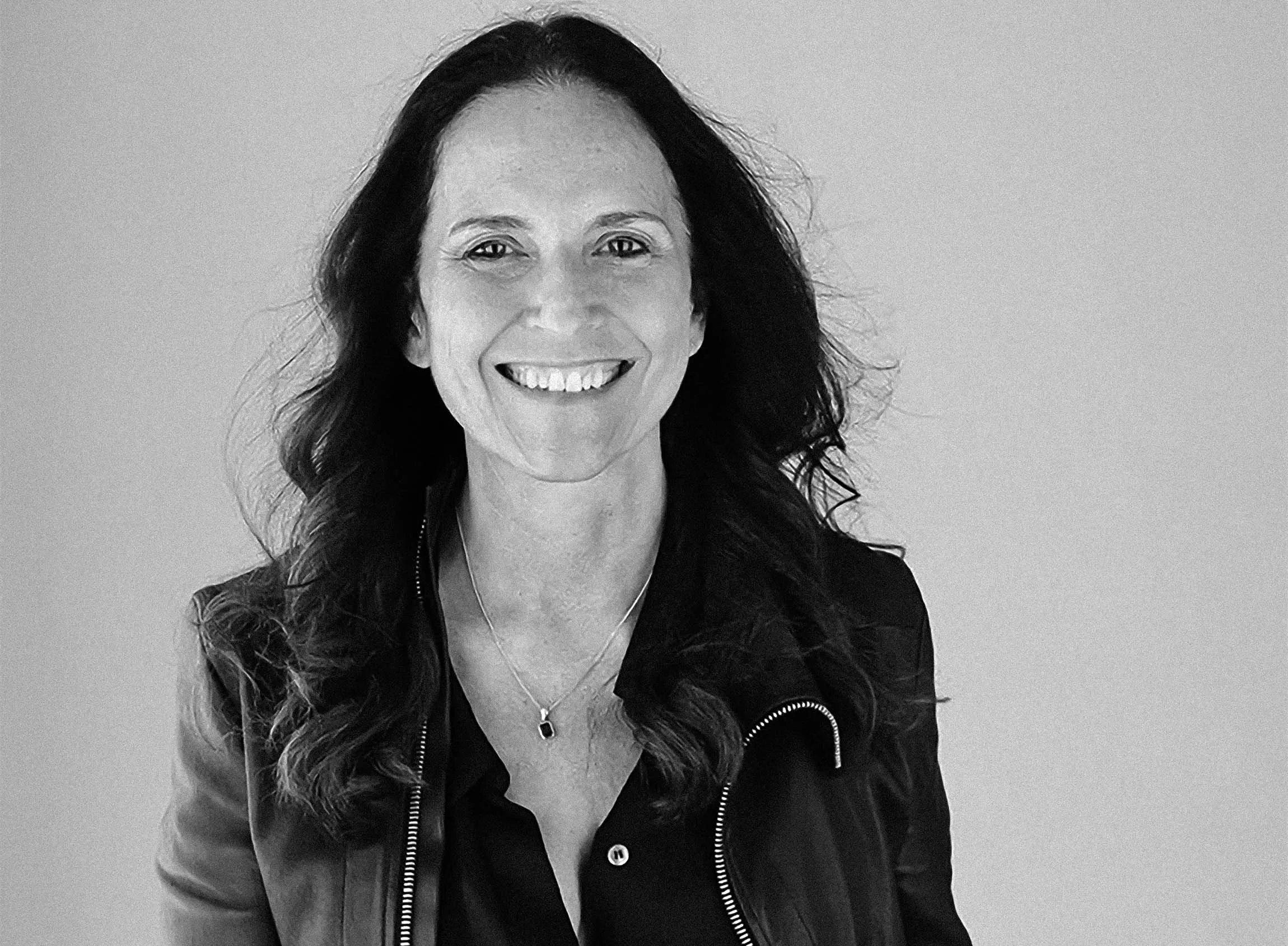
With this series, LE MILE speaks to industry insiders about the changing role of print, the pressure of digital speed, the use of AI, the value of storytelling and the future of fashion communication. This conversation continues with Silvia Negri Firman, Founder & Creative Director of Negri Firman PR, whose career began between styling, photography and the early years of Karla Otto before moving through Giorgio Armani and into her own agency. Her perspective is shaped by a long-standing understanding of image, reputation and communication as a practice that must evolve without losing depth, credibility or cultural intention.
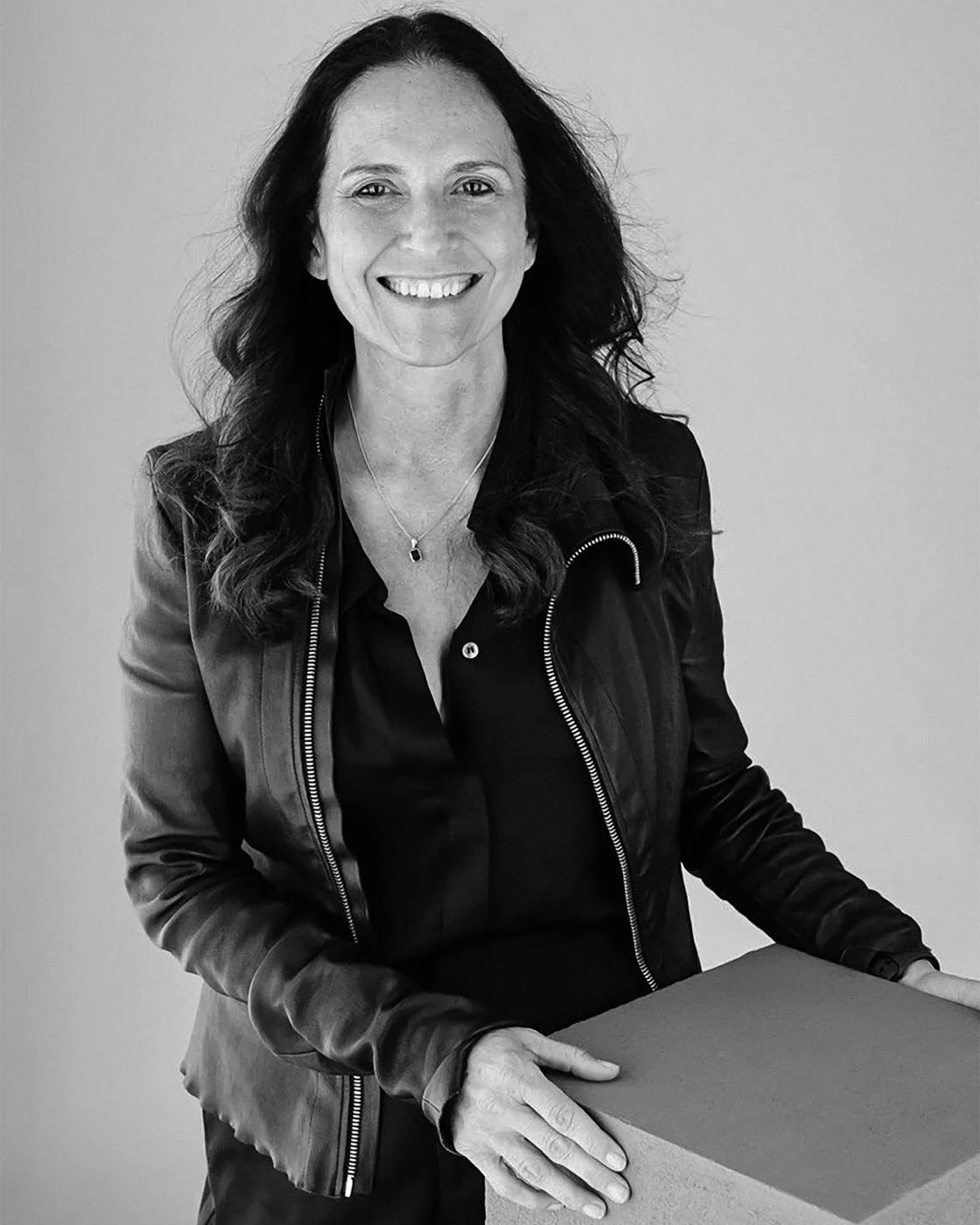
 
 
SILVIA NEGRI FIRMAN PR Interview LE MILE Magazine photo by Stefano Guindani

Silvia Negri Firman
Founder & Creative Director of Negri Firman PR / photographed by Stefano Guindani


Chidozie Obasi
First things first: I’d like to get acquainted with how your journey into the realm of fashion communications began. Could you unpack it for us?

Silvia Negri Firman
My journey started quite early, and rather by chance. I’ve always been passionate about fashion and initially thought I wanted to become a fashion designer. After high school, I enrolled in university and, at the same time, started attending a fashion school. But I also wanted to work, so I began assisting a photographer—both as his assistant and as a stylist.

Before long, I started freelancing as a stylist, which led me to collaborate with a number of brands and PR agencies. At one point, I was offered a job at Karla Otto, and I accepted. In a way, you could say it was Karla who chose my future. She was just starting out herself, and I was the third person to join the agency—literally one of three. But we were already working with the most cutting-edge brands at the time, and the agency kept growing. A few years later, I joined Giorgio Armani—and the rest is history. I’ve always worked with dedication and passion, never shied away from challenges, and embraced every opportunity to learn and grow professionally. I’m still learning, still working with passion, and I still love what I do.

How have you seen this industry sector develop over the years?

This industry has evolved significantly over the years, constantly adapting to societal and cultural shifts as well as the rise of new technologies. We've seen major changes in both strategies and working methods, with technological advancements offering us increasingly sophisticated and efficient tools. To be truly effective, communication must reflect these societal changes. It’s crucial not only to recognize but also to anticipate new trends and shifts in consumer behavior in order to design successful campaigns.

What, in your opinion, has been the biggest shift in this field?

The most significant shift has undoubtedly been the advent of the internet and digital technology. These developments have transformed the world at large and have had a profound impact on the communication industry. They've revolutionized the way we connect, create, and share content, reshaping both strategies and audience expectations.

Could you argue the benefits and disadvantages between traditional practices of communication and the digital facet of social media?

In my opinion, there are no real disadvantages on either side—what truly makes the difference is the integration between traditional communication and digital platforms. Traditional practices offer structure, credibility, and depth, which are essential for building long-term reputation and authority. On the other hand, digital tools and social media bring immediacy, interactivity, and the ability to engage directly with a wide and diverse audience. When used together strategically, they complement each other and enhance the overall effectiveness of a communication campaign. It’s not about choosing one over the other, but about leveraging the strengths of both to deliver consistent, impactful, and meaningful messages.

In a world where social and cultural innovations are changing at an increasingly ferocious pace, what are your thoughts on AI?

I’ve personally embraced the rise of AI with great interest and enthusiasm. I see it as a potentially powerful and valuable tool in the field of communication. Its arrival has undoubtedly accelerated the pace of change in our industry, pushing us to rethink processes and explore new creative possibilities. That said, I believe it's still too early to fully measure AI's real impact, as many people are using it in a limited and somewhat superficial way. However, if integrated thoughtfully with other tools and channels, I’m convinced AI can be a highly positive force—enhancing efficiency, insight, and innovation across the communication landscape.

Will we ever reach the point where it’ll replace the work of humans?

I don’t think so.

In your opinion, will print and traditional means of communications ever die, or will they somehow stay afloat?

In my opinion, print and traditional media are not destined to disappear—they are simply evolving to take on a different, perhaps even more valuable, role than in the past. The rise of digital and online platforms has certainly challenged traditional media, leading to a significant shake-up and a necessary selection process. However, this shift has also given new meaning to print: it’s now seen as more curated, more intentional, and often more prestigious. Integration between platforms is essential, and each channel has its own strength. Print remains highly appreciated in certain contexts, especially where depth, quality, and tangible presence are key. Rather than dying out, traditional media are being redefined—and still have a meaningful place in a well-rounded communication strategy.

What are your hopes for the future of the media industry?

I hope to see a media industry that continues to evolve without losing sight of quality, credibility, and depth. I believe the future lies in a balanced integration of traditional and digital platforms, where each medium plays to its strengths. My hope is that print and legacy media will continue to be valued for their reliability and depth, while digital tools and AI drive innovation, accessibility, and speed. I’d like to see a media landscape that is both dynamic and responsible—one that embraces change but remains grounded in thoughtful, meaningful communication.


This conversation is part of LE MILE’s series on print, fashion communications and the future of PR.
MARCO SCOMPARIN from MASC AGENCY *Inside Fashion PR

MARCO SCOMPARIN from MASC AGENCY *Inside Fashion PR

#InsideFashionPR

Offline Prestige, Online Chaos, and the CEOs Who Call It All Just Another Day at Work

A Conversation with MARCO SCOMPARIN


interview + written CHIDOZIE OBASI


At a time when the creative industry keeps shifting at restless speed, the worlds of advertising, fashion communication and public relations are changing with it. Once anchored in print, physical presence and carefully built editorial relationships, the field now moves through digital platforms, social media strategies, data systems and the growing presence of Artificial Intelligence, all of which have accelerated the way stories are created, distributed and measured.


Still, the central task of communication has remained strangely consistent: to shape a story, to place it in the right context and to understand what gives a brand cultural relevance beyond visibility alone. Between printed pages and digital screens, between long-term image building and immediate online response, the industry continues to renegotiate its own language.

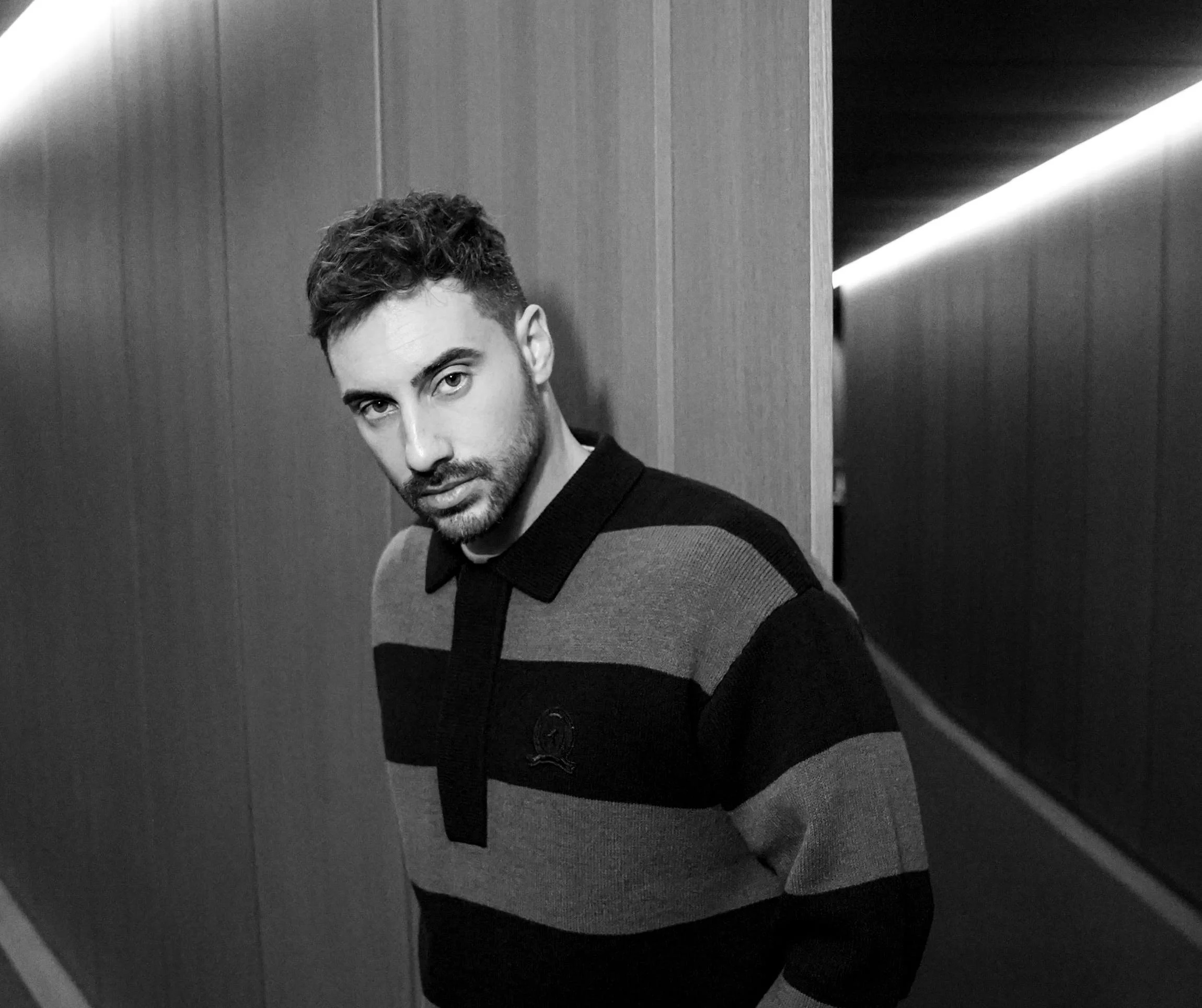
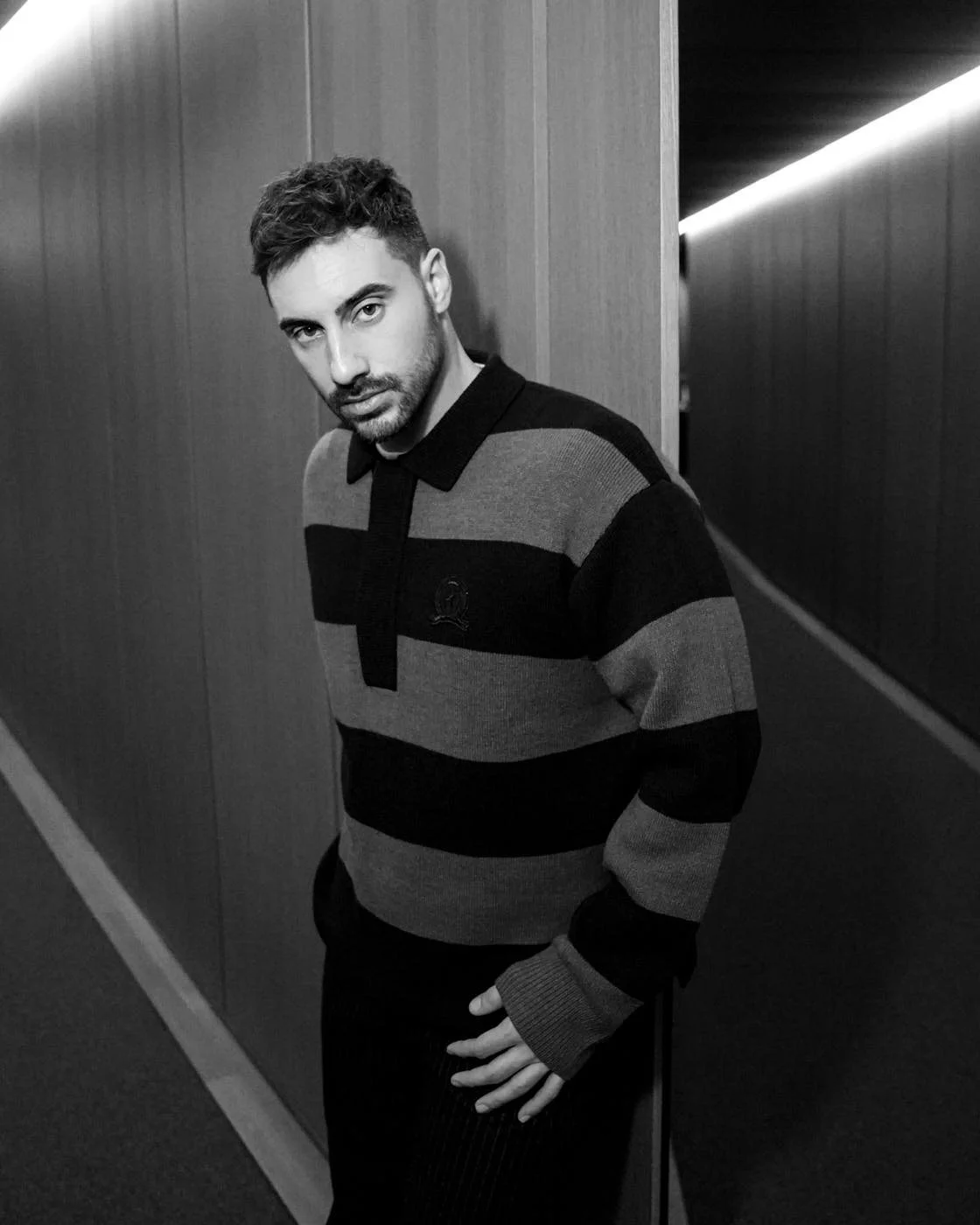
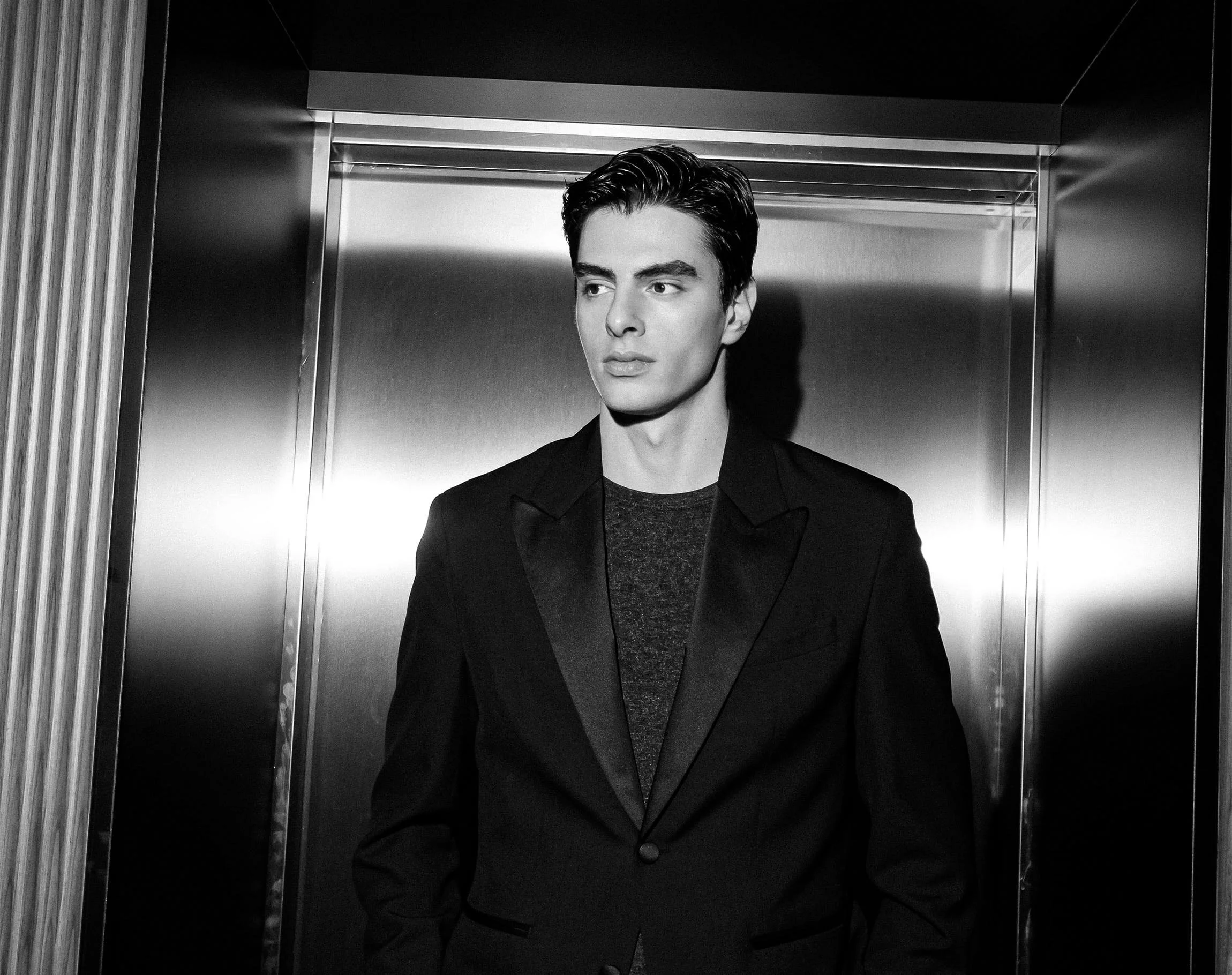
With this series, LE MILE speaks to industry insiders about the changing role of print, the pressure of digital speed, the use of AI, the value of storytelling and the future of fashion communication. This conversation continues with Marco Scomparin, CEO & Founder of MASC Agency, whose path into fashion communications began outside the industry before moving through New York, digital PR and talent representation. As the founder of an agency built around male talent and high-level brand positioning, his perspective is shaped by relationships, cultural timing and the shift from traditional gatekeepers to a media landscape led by audiences, algorithms and real-time influence.


MARCO SCOMPARIN OF MASC AGENCY Interview LE MILE Magazine

Marco Scomparin
CEO & Founder of MASC AGENCY


Chidozie Obasi
First things first: I’d like to get acquainted with how your journey into the realm of fashion communications began. Could you unpack it for us?

Marco Scomparin
It actually started far away from catwalks and red carpets; I was in the world of numbers and finance. I quickly discovered that it wasn’t for me—maybe because it felt too uncreative and, dare I say, a little too “old boys’ club” for my taste. So I took a sabbatical year and moved to New York, where I learned that PR wasn’t just the person selling you a ticket for nightclub entry; it could be so much more. That experience opened my eyes to the power of storytelling, brand positioning, and cultural influence. When I returned to Italy, I dove headfirst into fashion communications, working with brands across fashion, beauty, and lifestyle. Over time, I built MASC Agency—the first in Europe to represent only male talents—and became equally focused on high-level digital PR. At the heart of it all, my strength has always been relationships: I don’t just know who’s who; I know what makes them move.

How have you seen this industry sector develop over the years?

It has evolved from being an industry driven by glossy magazines and a small, elite group of people to one where a single Instagram story can shift brand perception overnight. We’ve moved from carefully curated, slow-burn campaigns to real-time, multi-platform storytelling. What’s interesting is that while tools and channels have changed, the core hasn’t: it’s still about influence—only now it’s in pixels. The power dynamic has also shifted: ten years ago, brands dictated the conversation, but today creators often lead it.

What, in your opinion, has been the biggest shift in this field?

The democratization of influence. In the past, the gatekeepers were editors, stylists, and PR directors. Now the gatekeepers are algorithms and audiences themselves. The most powerful shift is that credibility is earned in real time—you can’t fake authenticity for long. For agencies like mine, that means we have to be more agile, more transparent, and much more in tune with cultural timing. What works today won’t necessarily work tomorrow. You have to be brave enough to invest in the future (even if I don’t always fully understand it) and patiently trust the process.

Could you argue the benefits and disadvantages between traditional practices of communication and the digital facet of social media?

I often say that traditional communication was like a luxury cruise: steady, elegant, and predictable, while social media is a speedboat—fast, exciting, and sometimes a little chaotic. Traditional PR had authority, depth, and a certain timelessness, but it was slow to adapt and often accessible only to a select few. Social media changed all of that: suddenly anyone could be part of the conversation, and brands could have direct, real-time exchanges with their audience. The downside is that digital moves at such a pace that trends can burn out before a campaign is even over, and attention spans are shrinking dramatically. Personally, I believe the real magic happens when the two worlds meet—when you combine the prestige and storytelling depth of traditional media with the immediacy and interactivity of digital. That’s when communication becomes truly powerful.

In a world where social and cultural innovations are changing at an increasingly ferocious pace, what are your thoughts on AI?

AI is like having the world’s most efficient intern—brilliant at processing data, spotting patterns, and never asking for vacation. [Laughs.] But it’s still missing the human heartbeat that drives culture, emotion, and taste. In my field, AI can speed up research and analytics, but the magic happens in human decision-making, which will never be substituted by AI: knowing which influencer to pair with which brand because you’ve shared a dinner table with them, not just a spreadsheet. Often, clients give me a budget and I decide which influencers to include in the project. I choose not only those who are a good fit for the brand, but also the ones naturally suited to the activity and who connect well with each other. In 2025, there’s no room for a diva-like attitude anymore—not even international celebrities can get away with it, let alone influencers.

Will we ever reach the point where it’ll replace the work of humans?

AI might replace tasks, but it won’t replace taste and expertise like mine. It can simulate creativity, but it can’t live a night at the Venice Film Festival or sense the unspoken dynamics between a designer and a muse. My job is 50% strategy and 50% intuition—and intuition is born from lived experience, cultural awareness, and emotional intelligence. AI can be a phenomenal assistant, but in this industry, human nuance will always lead.

In your opinion, will print and traditional means of communications ever die, or will they somehow stay afloat?

Print will never fully die; it will just become more niche, more collectible, and more symbolic of prestige. Much like vinyl records, its value will lie in its tangibility and artistry. You might not buy a magazine every week anymore, but when you do, it feels like an occasion. For brands, print will remain a mark of legacy; for consumers, it will be a slower, more intentional way to engage.

What are your hopes for the future of the media industry?

I hope we move toward a media landscape that values depth as much as speed, that balances virality with substance, and that remembers audiences are smart—they can tell when they’re being sold to, and they appreciate honesty. My dream is for the industry to keep innovating technologically while doubling down on storytelling that’s truly human. In the end, trends fade, but stories—the good ones—last.


This conversation is part of LE MILE’s series on print, fashion communications and the future of PR.

LUCA CONTARTESE from PREMIUM ID AGENCY *Inside Fashion PR

LUCA CONTARTESE from PREMIUM ID AGENCY *Inside Fashion PR

#InsideFashionPR

Offline Prestige, Online Chaos, and the CEOs Who Call It All Just Another Day at Work

A Conversation with LUCA CONTARTESE


interview + written CHIDOZIE OBASI


At a time when the creative industry keeps shifting at restless speed, the worlds of advertising, fashion communication and public relations are changing with it. Once anchored in print, physical presence and carefully built editorial relationships, the field now moves through digital platforms, social media strategies, data systems and the growing presence of Artificial Intelligence, all of which have accelerated the way stories are created, distributed and measured.


Still, the central task of communication has remained strangely consistent: to shape a story, to place it in the right context and to understand what gives a brand cultural relevance beyond visibility alone. Between printed pages and digital screens, between long-term image building and immediate online response, the industry continues to renegotiate its own language.

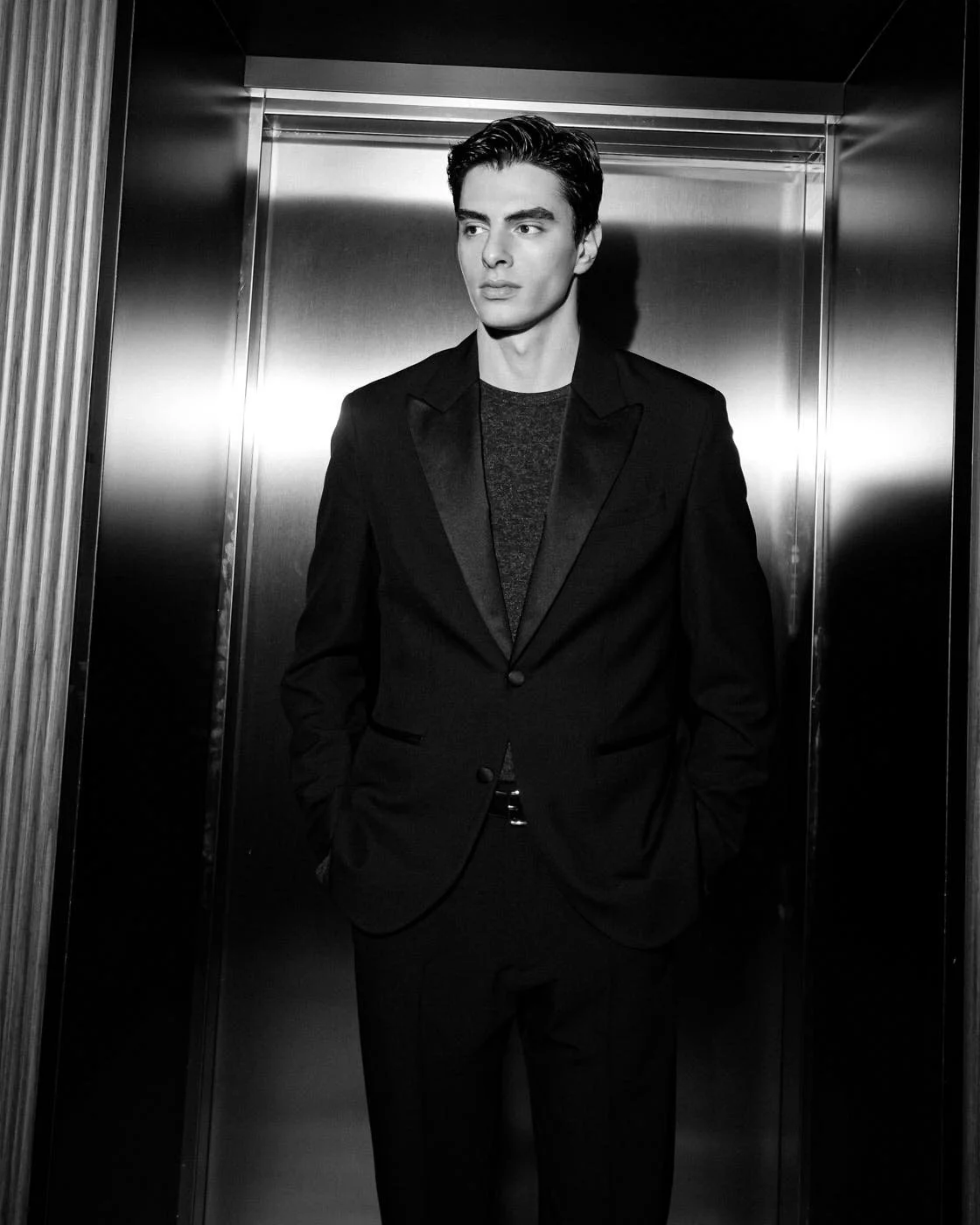
With this series, LE MILE speaks to industry insiders about the changing role of print, the pressure of digital speed, the use of AI, the value of storytelling and the future of fashion communication. This conversation continues with Luca Contartese, CEO & Founder of Premium ID Agency, whose path began inside the industry as a model before moving into marketing, communication and creator management. As the founder of an agency dedicated to content creators and influencers across fashion and beauty, his perspective is shaped by the rise of TikTok, the shift from audience to community and a media landscape where digital speed defines visibility, while print still holds symbolic weight within luxury.


LUCA CONTARTESE PREMIUM ID AGENCY Interview LE MILE Magazine

Luca Contartese
CEO & Founder Premium ID Agency


Chidozie Obasi
First things first: I’d like to get acquainted with how your journey into the realm of fashion communications began. Could you unpack it for us?

Luca Contartese
I started my journey as a model, learning from the internal dynamics of the industry and how brands think and perceive things. At the same time, I continued my studies in marketing and communication, combining my insider experience with what I was learning academically. This broader vision of the industry made me realize that a phase of change was approaching—one in which the prospects I had observed until then would undergo a major shift. It was the end of 2019, I was 20 years old, and that’s when I truly began to approach the world of fashion communication, working on a first project that later led me to create an influencer marketing agency. Just a few months later, Covid drastically accelerated this process: that was when I noticed how influencer marketing was becoming the most requested tool and the one with the greatest expressive potential for brands. This led me to found Premium ID, an agency dedicated exclusively to managing content creators and influencers, which today collaborates with key partner brands across fashion and beauty.

How have you seen this industry sector develop over the years?

The sector has changed significantly and continues to evolve—it is a highly dynamic environment where every month can bring incisive innovations. Transformations are many, but first and foremost, the way brands approach communication has shifted. We’ve moved from a detached style of communication to an era in which brands can no longer avoid showing behind-the-scenes moments and speaking to audiences in an open, direct way. For example, consider how social media has reshaped communication during key moments of the year, such as fashion week. In my first runway shows, the event was accessible only to those attending in person, whereas today it has become a global media event with thousands of viewers connected via livestream. This allows users to experience a much closer and more direct connection with the brand. This evolution has been largely facilitated by content creators, who in most cases have become the faces and spokespeople of brands, innovating communication in a more immediate way. The concept of community has become central: the client has transformed into a supporter, demanding greater attention from the brand, which can no longer simply provide a product but must deliver an experience that fosters a sense of belonging and loyalty. This makes it essential to focus on the quality of content and to maintain an updated communication style, choosing faces that can best represent the brand in both aesthetics and values.

What, in your opinion, has been the biggest shift in this field?

The most significant change, in my opinion, came with the arrival of TikTok. The platform created many of today’s key creators and, more importantly, reshaped users’ online habits, which until then had been focused more on photos than on videos. Today, video content is the pinnacle of communication and the primary tool brands use to promote their products through creators—and the only truly effective medium for building communities.

Could you argue the benefits and disadvantages between traditional practices of communication and the digital facet of social media?

There are substantial differences, and since I lean toward digital communication, I tend to emphasize its advantages. Digital communication has brought many benefits compared to traditional practices, such as greater speed and ease in spreading messages. Today, news is consumed live, often even before it appears in print or on television. Another major advantage is interactivity: audiences can directly express opinions and, in turn, influence the spread of content. The greatest advantage, in my view, is that communication was once reserved for a select few, while with digital, anyone can share content and potentially reach an audience as large—or even larger—than a media channel. The downside compared to traditional media is speed: content becomes outdated almost immediately, whereas print, for instance, has a longer-lasting influence.

In a world where social and cultural innovations are changing at an increasingly ferocious pace, what are your thoughts on AI?

AI is a tool with enormous potential. Even today, it is possible to create entire content from scratch without any on-site shooting, thereby reducing costs and production time. I believe it is already part of the present and represents a major opportunity to further innovate the sector.

Will we ever reach the point where it’ll replace the work of humans?

Honestly, I think so, but it will be a long process. Some jobs will inevitably be replaced, but at the same time new ones will emerge. I believe human input will remain essential, especially when it comes to creativity and relationships—areas where technology can support but cannot fully replicate human sensitivity.

In your opinion, will print and traditional means of communications ever die, or will they somehow stay afloat?

I believe print still carries a symbolic value and a fascination that digital cannot entirely replace, especially in the luxury sector. When it comes to news and information, however, I think digital has completely overtaken traditional formats. In some fields, print will remain relevant, while in others it will gradually disappear. As for television, I believe that over time it will be completely overtaken by more flexible, on-demand platforms.

What are your hopes for the future of the media industry?

I envision a future where communication will increasingly focus on the quality of content, with new technologies playing a crucial role in raising the standard. My hope is that transparency will be preserved in the use of these technologies, ensuring that consumers remain aware and informed. Ultimately, I hope the industry continues to innovate without losing the human connection that makes communication authentic.


This conversation is part of LE MILE’s series on print, fashion communications and the future of PR.

ALEXANDER WERZ from KARLA OTTO *Inside Fashion PR

ALEXANDER WERZ from KARLA OTTO *Inside Fashion PR

#InsideFashionPR

Offline Prestige, Online Chaos, and the CEOs Who Call It All Just Another Day at Work

A Conversation with ALEXANDER WERZ


interview + written CHIDOZIE OBASI


At a time when the creative industry keeps shifting at restless speed, the worlds of advertising, fashion communication and public relations are changing with it. Once anchored in print, physical presence and carefully built editorial relationships, the field now moves through digital platforms, social media strategies, data systems and the growing presence of Artificial Intelligence, all of which have accelerated the way stories are created, distributed and measured.


Still, the central task of communication has remained strangely consistent: to shape a story, to place it in the right context and to understand what gives a brand cultural relevance beyond visibility alone. Between printed pages and digital screens, between long-term image building and immediate online response, the industry continues to renegotiate its own language.

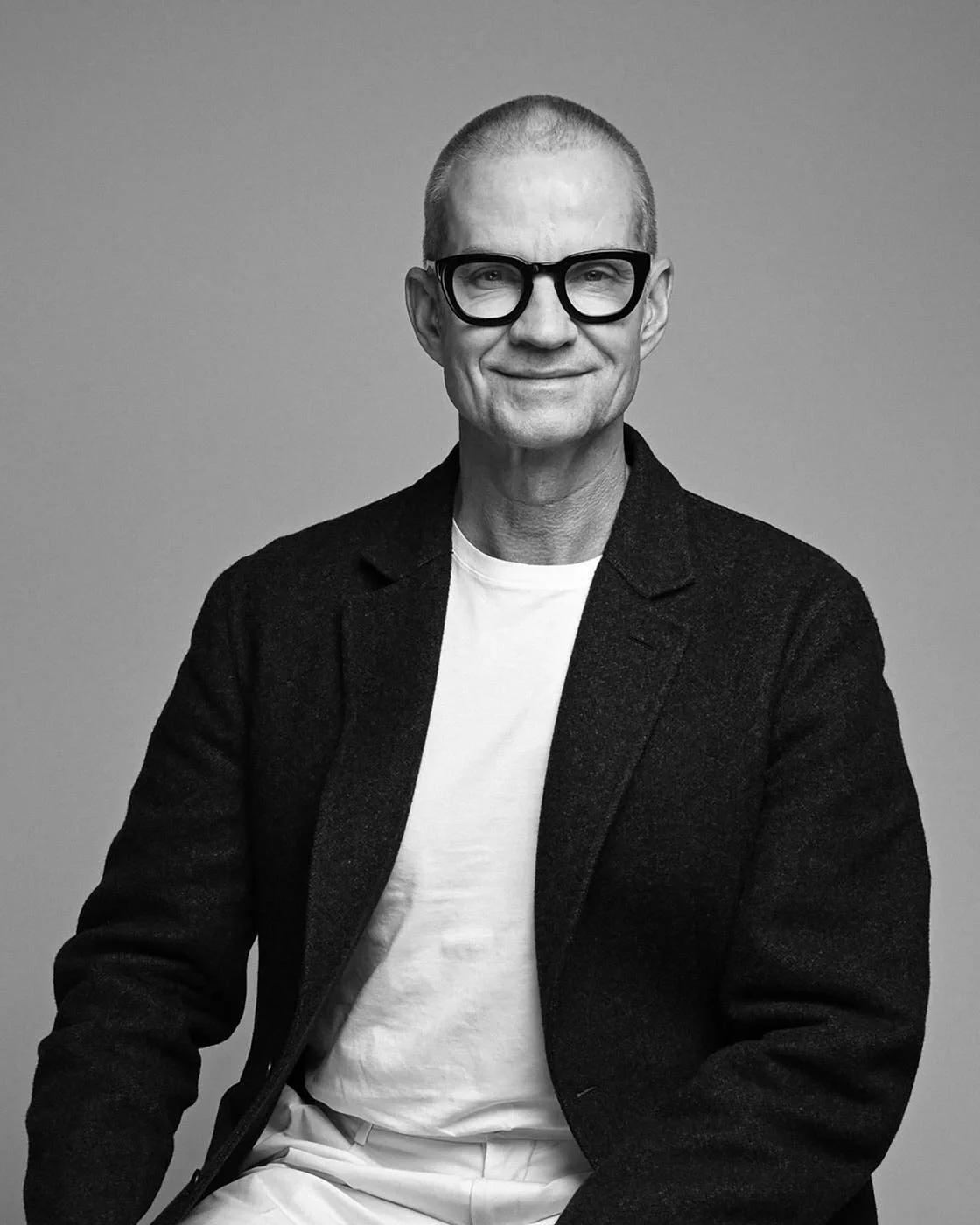
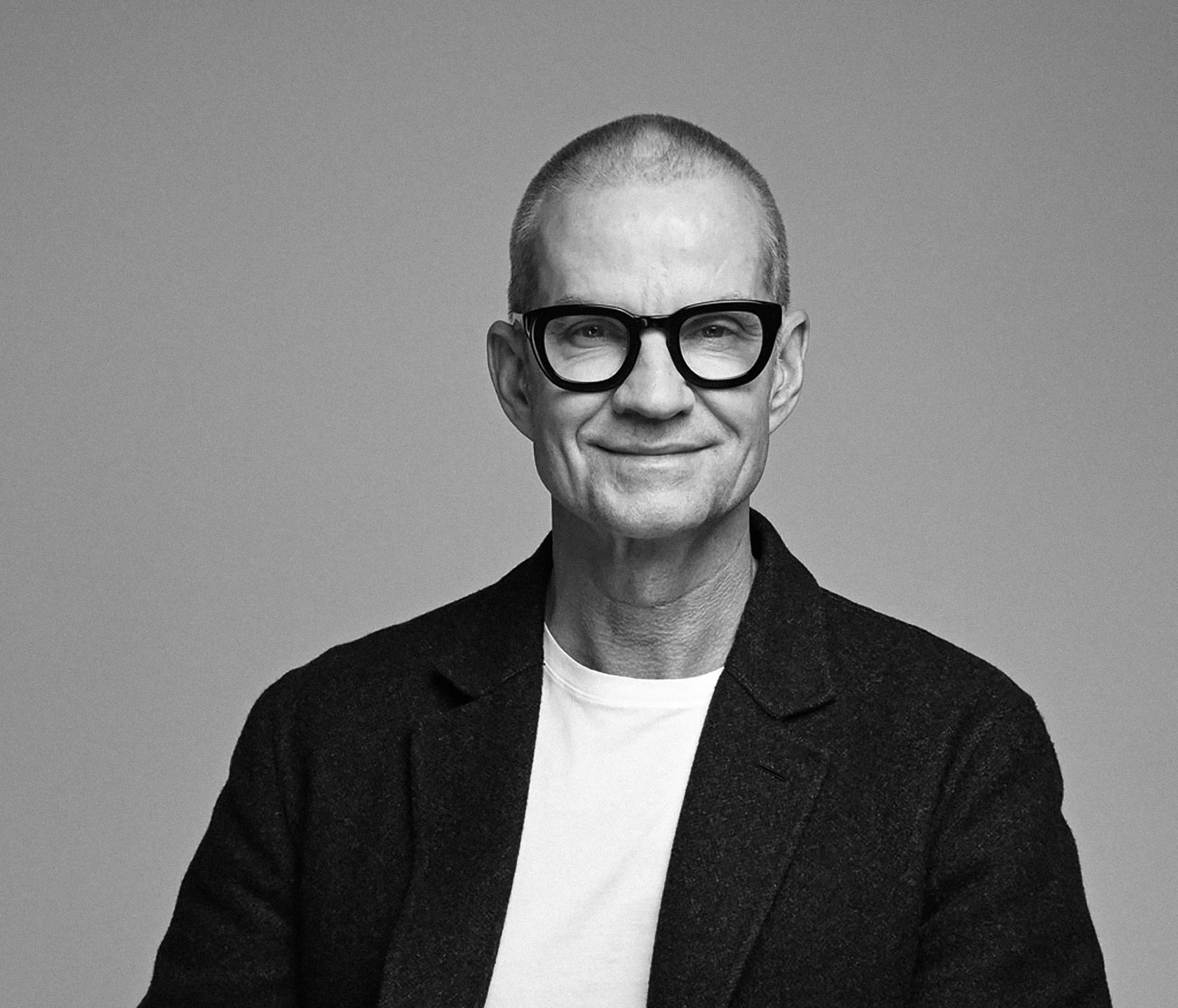
With this series, LE MILE speaks to industry insiders about the changing role of print, the pressure of digital speed, the use of AI, the value of storytelling and the future of fashion communication. We begin with Alexander Werz, whose career has moved from fashion design and show production into high-level communications, including his long-standing work with Karla Otto, where strategy, culture and brand identity sit at the centre of his practice.


Alexander Werz Karla Otto Interview with LE MILE Magazine

Alexander Werz
CEO & Partner, Karla Otto


Chidozie Obasi
First things first: I’d like to get acquainted with how your journey into the realm of fashion communications began. Could you unpack it for us?

Alexander Werz
I was fascinated during my childhood about fashion when I was about12. I had access to Vogue Italia through my father, and I was dreaming about a career in fashion, so I decided at age 14 to do everything to do a fashion school in Paris. 5 years later I started at Studio Berçot fashion design. My first path was working with designers in the design department, but I was always good in organizing fashion shows, press meetings etc. so I decided to go that path.
Many years later, with a serious experience in communication but also in production, I joined Karla Otto in 2010.

How have you seen this industry sector develop over the years?

Of course, the sector developed a lot over 20 years, especially with the arrival of digital platforms, but also thanks to the globalization of fashion and luxury. What we needed to do for strategy was to improve communication skills to its perfection. We are working in a highly competitive, yet also sensitive business, storytelling and strategy is a great combination to support brands in many sectors in luxury. But for me the biggest question today is culture, what do we really want and what does a brand stand for?

What, in your opinion, has been the biggest shift in this field?

Digitalization was and is key to support our brands, nevertheless we need always to keep in mind a strategy which is in place to support a brand in communication, but also talent support, influencer marketing and event support. We support our brands in a 360° degrees approach.

Could you argue the benefits and disadvantages between traditional practices of communication and the digital facet of social media?

What we need in communication, depending on the brand, is a combination of traditional communication, PR services, obviously balanced with a digital communication strategy, where we work on a social media strategy but also on talent which is key.

In a world where social and cultural innovations are changing at an increasingly ferocious pace, what are your thoughts on AI?

I like the arrival of AI to a certain degree, but I believe in human touch which we need to preserve and can’t be replaced to 100%. It should be a fair combination. AI is a very useful and creative tool to support communication in a very distinctive use, nevertheless in creative business sometimes nuances and even little mistakes can bring immediate success. Aiming perfection is a goal but only aiming.
AI is a powerful support.

Will we ever reach the point where it’ll replace the work of humans?

I don’t think so, as humans are sensible and sensitive and these are key elements also in communication. I really believe that we can learn a lot from AI but to use it as a replacement would be a mistake… But the future will talk.

In your opinion, will print and traditional means of communications ever die, or will they somehow stay afloat?

I believe that print and the traditional side of communication is a pillar and a great foundation to utilize but the digital side of communication, of course will give an immediate outreach and a great support to our brands. The fast pace of our brands needs immediate result, therefore we are using the digital side on a 360 approach.

What are your hopes for the future of the media industry?

My hope for the future is also not to over communicate and to really measure the way how to communicate.
We know that the commercial pressure asks us to be not only proactive, but always to anticipate.
We want to provide a perfect communication strategy which is meaningful, authentic and with cultural value.


This conversation is part of LE MILE’s series on print, fashion communications and the future of PR.