
#InsideFashionPR
Offline Prestige, Online Chaos, and the CEOs Who Call It All Just Another Day at Work
A Conversation with LUCA CONTARTESE
interview + written CHIDOZIE OBASI
At a time when the creative industry keeps shifting at restless speed, the worlds of advertising, fashion communication and public relations are changing with it. Once anchored in print, physical presence and carefully built editorial relationships, the field now moves through digital platforms, social media strategies, data systems and the growing presence of Artificial Intelligence, all of which have accelerated the way stories are created, distributed and measured.
Still, the central task of communication has remained strangely consistent: to shape a story, to place it in the right context and to understand what gives a brand cultural relevance beyond visibility alone. Between printed pages and digital screens, between long-term image building and immediate online response, the industry continues to renegotiate its own language.
With this series, LE MILE speaks to industry insiders about the changing role of print, the pressure of digital speed, the use of AI, the value of storytelling and the future of fashion communication. This conversation continues with Luca Contartese, CEO & Founder of Premium ID Agency, whose path began inside the industry as a model before moving into marketing, communication and creator management. As the founder of an agency dedicated to content creators and influencers across fashion and beauty, his perspective is shaped by the rise of TikTok, the shift from audience to community and a media landscape where digital speed defines visibility, while print still holds symbolic weight within luxury.
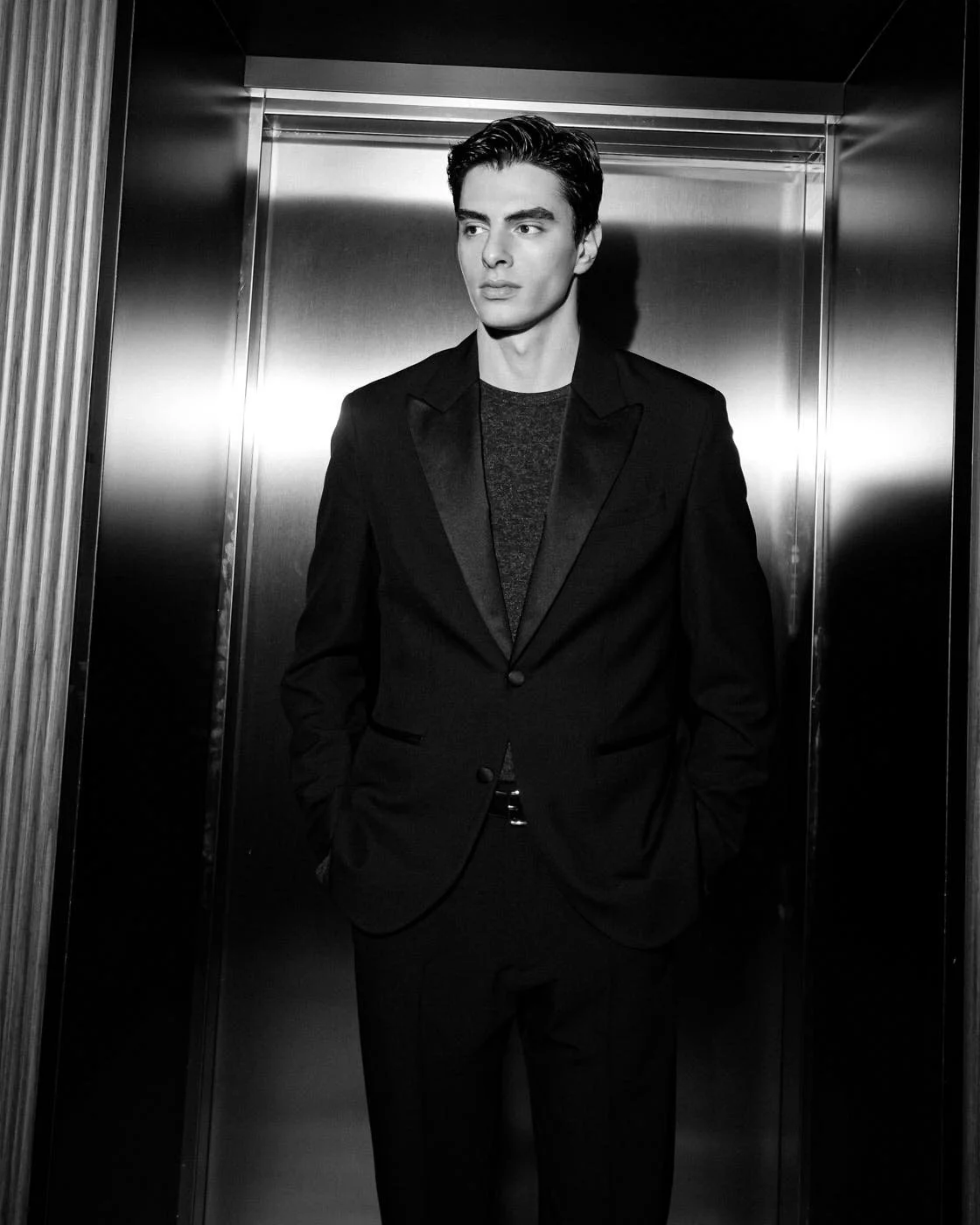
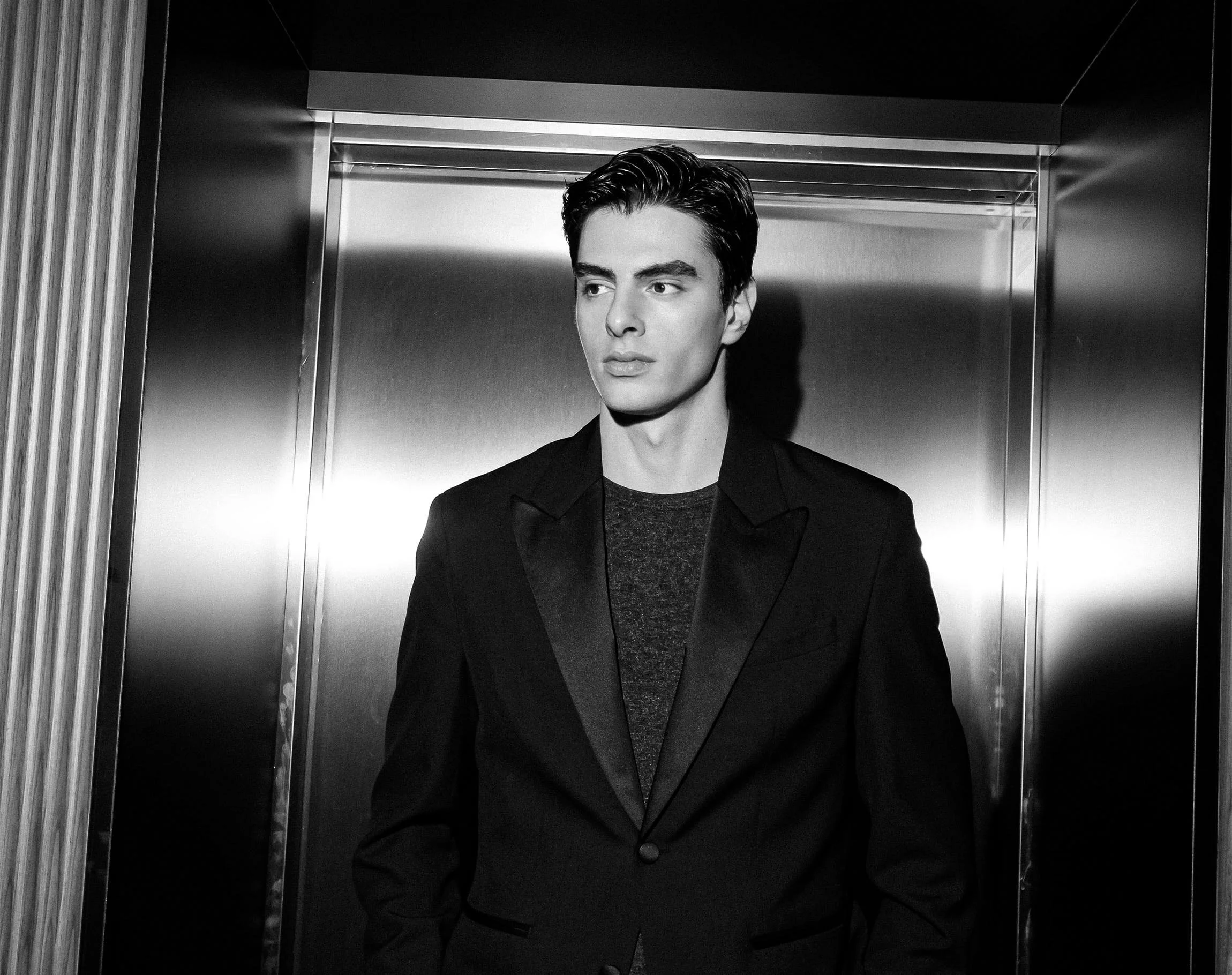
Luca Contartese
CEO & Founder Premium ID Agency
Chidozie Obasi
First things first: I’d like to get acquainted with how your journey into the realm of fashion communications began. Could you unpack it for us?
Luca Contartese
I started my journey as a model, learning from the internal dynamics of the industry and how brands think and perceive things. At the same time, I continued my studies in marketing and communication, combining my insider experience with what I was learning academically. This broader vision of the industry made me realize that a phase of change was approaching—one in which the prospects I had observed until then would undergo a major shift. It was the end of 2019, I was 20 years old, and that’s when I truly began to approach the world of fashion communication, working on a first project that later led me to create an influencer marketing agency. Just a few months later, Covid drastically accelerated this process: that was when I noticed how influencer marketing was becoming the most requested tool and the one with the greatest expressive potential for brands. This led me to found Premium ID, an agency dedicated exclusively to managing content creators and influencers, which today collaborates with key partner brands across fashion and beauty.
How have you seen this industry sector develop over the years?
The sector has changed significantly and continues to evolve—it is a highly dynamic environment where every month can bring incisive innovations. Transformations are many, but first and foremost, the way brands approach communication has shifted. We’ve moved from a detached style of communication to an era in which brands can no longer avoid showing behind-the-scenes moments and speaking to audiences in an open, direct way. For example, consider how social media has reshaped communication during key moments of the year, such as fashion week. In my first runway shows, the event was accessible only to those attending in person, whereas today it has become a global media event with thousands of viewers connected via livestream. This allows users to experience a much closer and more direct connection with the brand. This evolution has been largely facilitated by content creators, who in most cases have become the faces and spokespeople of brands, innovating communication in a more immediate way. The concept of community has become central: the client has transformed into a supporter, demanding greater attention from the brand, which can no longer simply provide a product but must deliver an experience that fosters a sense of belonging and loyalty. This makes it essential to focus on the quality of content and to maintain an updated communication style, choosing faces that can best represent the brand in both aesthetics and values.
What, in your opinion, has been the biggest shift in this field?
The most significant change, in my opinion, came with the arrival of TikTok. The platform created many of today’s key creators and, more importantly, reshaped users’ online habits, which until then had been focused more on photos than on videos. Today, video content is the pinnacle of communication and the primary tool brands use to promote their products through creators—and the only truly effective medium for building communities.
Could you argue the benefits and disadvantages between traditional practices of communication and the digital facet of social media?
There are substantial differences, and since I lean toward digital communication, I tend to emphasize its advantages. Digital communication has brought many benefits compared to traditional practices, such as greater speed and ease in spreading messages. Today, news is consumed live, often even before it appears in print or on television. Another major advantage is interactivity: audiences can directly express opinions and, in turn, influence the spread of content. The greatest advantage, in my view, is that communication was once reserved for a select few, while with digital, anyone can share content and potentially reach an audience as large—or even larger—than a media channel. The downside compared to traditional media is speed: content becomes outdated almost immediately, whereas print, for instance, has a longer-lasting influence.
In a world where social and cultural innovations are changing at an increasingly ferocious pace, what are your thoughts on AI?
AI is a tool with enormous potential. Even today, it is possible to create entire content from scratch without any on-site shooting, thereby reducing costs and production time. I believe it is already part of the present and represents a major opportunity to further innovate the sector.
Will we ever reach the point where it’ll replace the work of humans?
Honestly, I think so, but it will be a long process. Some jobs will inevitably be replaced, but at the same time new ones will emerge. I believe human input will remain essential, especially when it comes to creativity and relationships—areas where technology can support but cannot fully replicate human sensitivity.
In your opinion, will print and traditional means of communications ever die, or will they somehow stay afloat?
I believe print still carries a symbolic value and a fascination that digital cannot entirely replace, especially in the luxury sector. When it comes to news and information, however, I think digital has completely overtaken traditional formats. In some fields, print will remain relevant, while in others it will gradually disappear. As for television, I believe that over time it will be completely overtaken by more flexible, on-demand platforms.
What are your hopes for the future of the media industry?
I envision a future where communication will increasingly focus on the quality of content, with new technologies playing a crucial role in raising the standard. My hope is that transparency will be preserved in the use of these technologies, ensuring that consumers remain aware and informed. Ultimately, I hope the industry continues to innovate without losing the human connection that makes communication authentic.
This conversation is part of LE MILE’s series on print, fashion communications and the future of PR.