
#InsideFashionPR
Offline Prestige, Online Chaos, and the CEOs Who Call It All Just Another Day at Work
A Conversation with ALEXANDER WERZ
interview + written CHIDOZIE OBASI
At a time when the creative industry keeps shifting at restless speed, the worlds of advertising, fashion communication and public relations are changing with it. Once anchored in print, physical presence and carefully built editorial relationships, the field now moves through digital platforms, social media strategies, data systems and the growing presence of Artificial Intelligence, all of which have accelerated the way stories are created, distributed and measured.
Still, the central task of communication has remained strangely consistent: to shape a story, to place it in the right context and to understand what gives a brand cultural relevance beyond visibility alone. Between printed pages and digital screens, between long-term image building and immediate online response, the industry continues to renegotiate its own language.
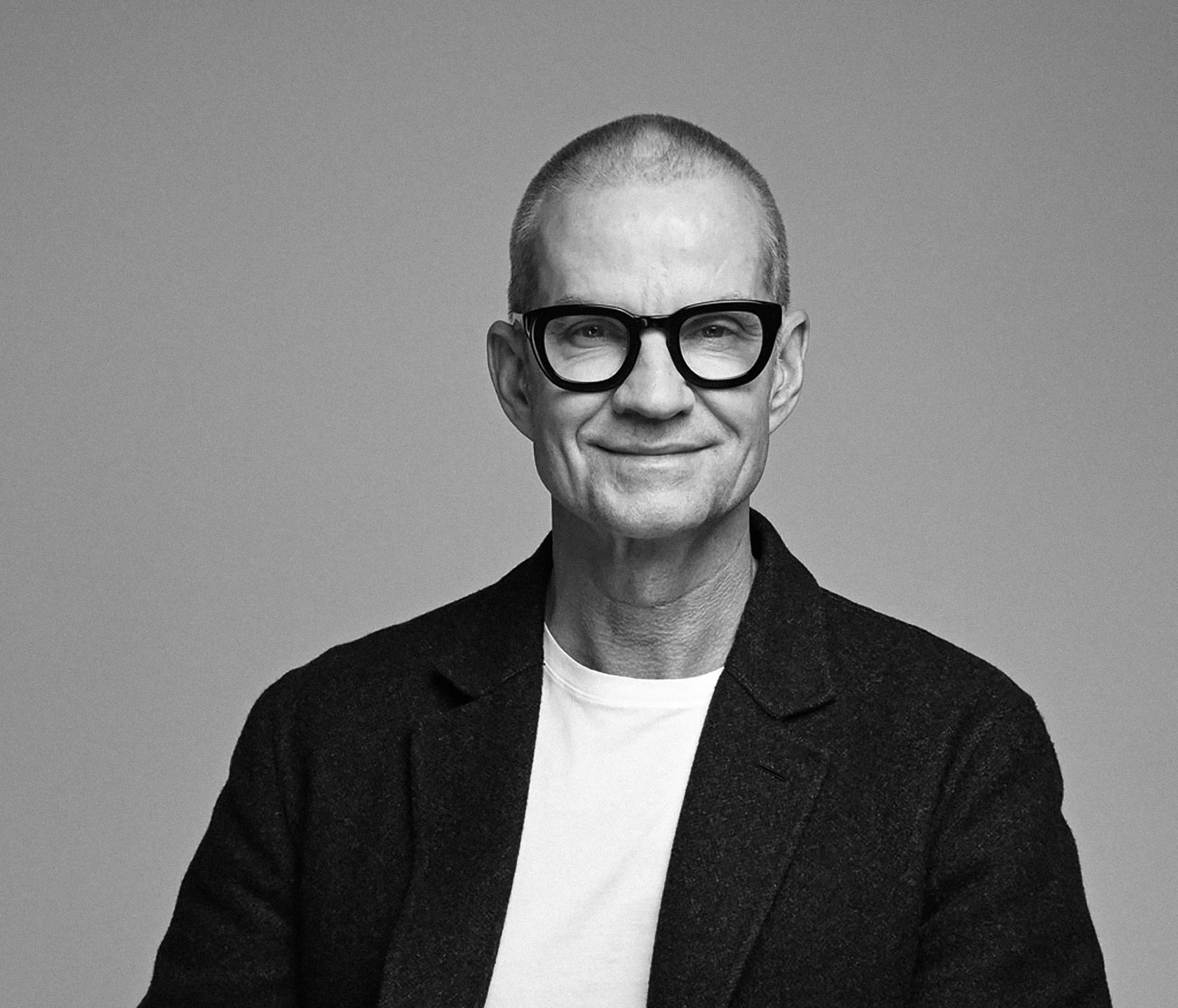
With this series, LE MILE speaks to industry insiders about the changing role of print, the pressure of digital speed, the use of AI, the value of storytelling and the future of fashion communication. We begin with Alexander Werz, whose career has moved from fashion design and show production into high-level communications, including his long-standing work with Karla Otto, where strategy, culture and brand identity sit at the centre of his practice.
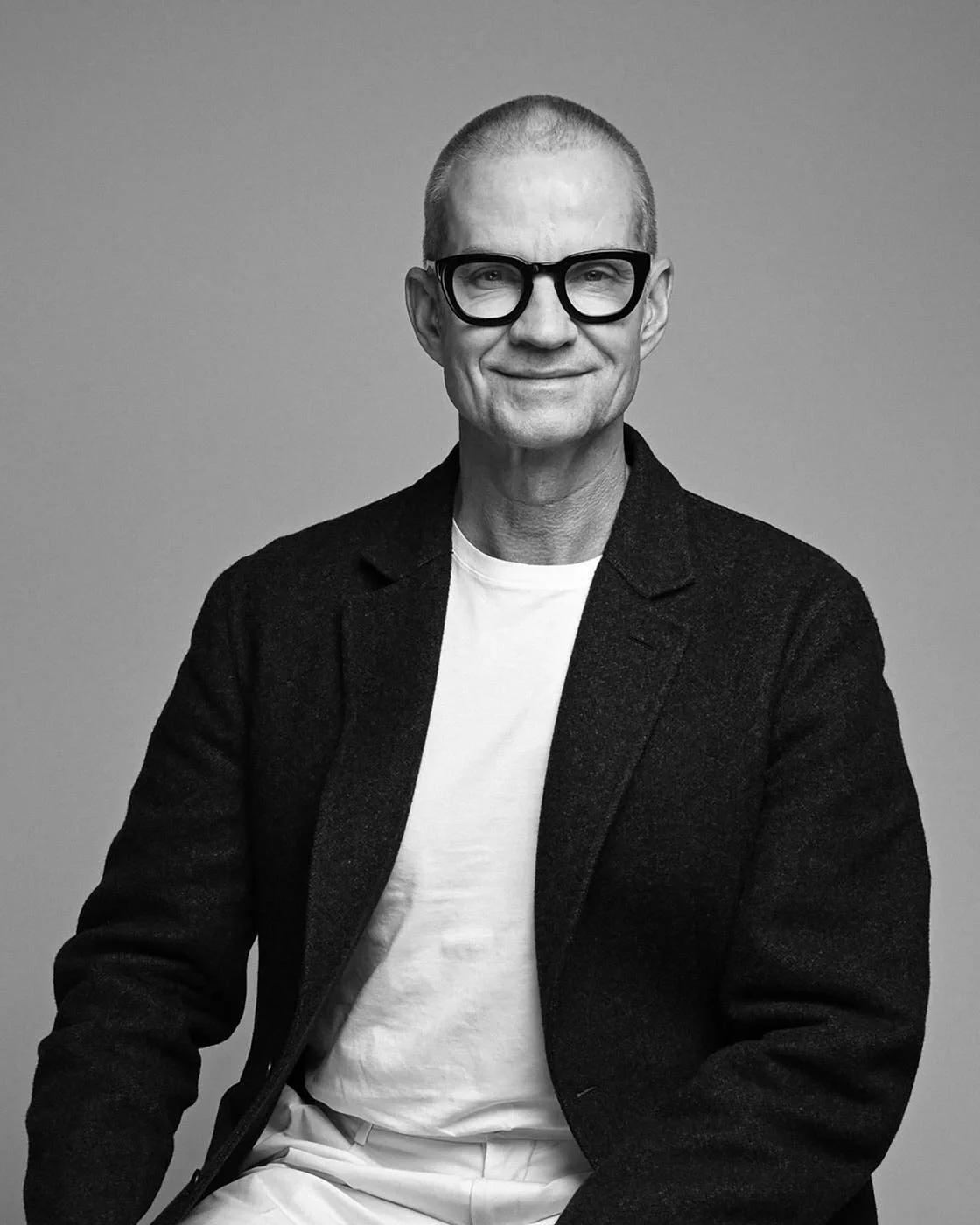
Alexander Werz
CEO & Partner, Karla Otto
Chidozie Obasi
First things first: I’d like to get acquainted with how your journey into the realm of fashion communications began. Could you unpack it for us?
Alexander Werz
I was fascinated during my childhood about fashion when I was about12. I had access to Vogue Italia through my father, and I was dreaming about a career in fashion, so I decided at age 14 to do everything to do a fashion school in Paris. 5 years later I started at Studio Berçot fashion design. My first path was working with designers in the design department, but I was always good in organizing fashion shows, press meetings etc. so I decided to go that path.
Many years later, with a serious experience in communication but also in production, I joined Karla Otto in 2010.
How have you seen this industry sector develop over the years?
Of course, the sector developed a lot over 20 years, especially with the arrival of digital platforms, but also thanks to the globalization of fashion and luxury. What we needed to do for strategy was to improve communication skills to its perfection. We are working in a highly competitive, yet also sensitive business, storytelling and strategy is a great combination to support brands in many sectors in luxury. But for me the biggest question today is culture, what do we really want and what does a brand stand for?
What, in your opinion, has been the biggest shift in this field?
Digitalization was and is key to support our brands, nevertheless we need always to keep in mind a strategy which is in place to support a brand in communication, but also talent support, influencer marketing and event support. We support our brands in a 360° degrees approach.
Could you argue the benefits and disadvantages between traditional practices of communication and the digital facet of social media?
What we need in communication, depending on the brand, is a combination of traditional communication, PR services, obviously balanced with a digital communication strategy, where we work on a social media strategy but also on talent which is key.
In a world where social and cultural innovations are changing at an increasingly ferocious pace, what are your thoughts on AI?
I like the arrival of AI to a certain degree, but I believe in human touch which we need to preserve and can’t be replaced to 100%. It should be a fair combination. AI is a very useful and creative tool to support communication in a very distinctive use, nevertheless in creative business sometimes nuances and even little mistakes can bring immediate success. Aiming perfection is a goal but only aiming.
AI is a powerful support.
Will we ever reach the point where it’ll replace the work of humans?
I don’t think so, as humans are sensible and sensitive and these are key elements also in communication. I really believe that we can learn a lot from AI but to use it as a replacement would be a mistake… But the future will talk.
In your opinion, will print and traditional means of communications ever die, or will they somehow stay afloat?
I believe that print and the traditional side of communication is a pillar and a great foundation to utilize but the digital side of communication, of course will give an immediate outreach and a great support to our brands. The fast pace of our brands needs immediate result, therefore we are using the digital side on a 360 approach.
What are your hopes for the future of the media industry?
My hope for the future is also not to over communicate and to really measure the way how to communicate.
We know that the commercial pressure asks us to be not only proactive, but always to anticipate.
We want to provide a perfect communication strategy which is meaningful, authentic and with cultural value.
This conversation is part of LE MILE’s series on print, fashion communications and the future of PR.