Viewing entries in
sport

From Dating Apps to Dance with Barnett Cohen

From Dating Apps to Dance with Barnett Cohen

An interview with Barnett Cohen

Barnett Cohen turns Queer Surveillance into Choreography


interview + written KLAAS HAMMER


Somewhere between a caress and a punch, between the desire to be seen and the instinct to disappear, lies the unsettling territory of pain is a cave. For New York-based artist and choreographer Barnett Cohen, the body is never simply a body. It is a site of negotiation, where intimacy and aggression, tenderness and resistance, become difficult to distinguish. His work moves through these contradictions with an urgency that refuses easy interpretation.
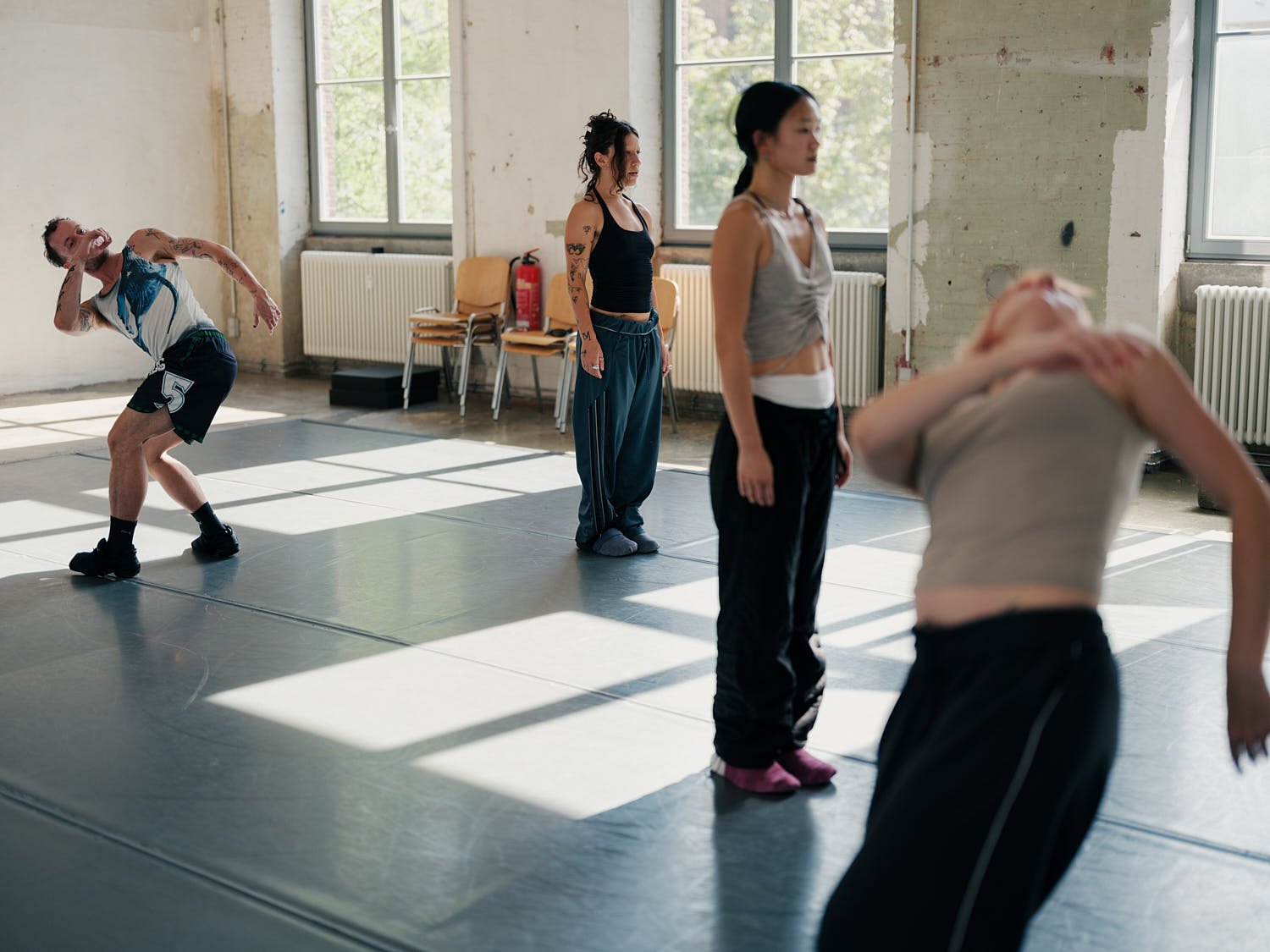
 
 
Dancers exploring contrasting movements and gestures during rehearsals for Barnett Cohen’s contemporary dance performance pain is a cave at Callie’s Berlin. Photography by Peteris Viksna.

/ during rehearsals for Barnett Cohen’s contemporary dance performance pain is a cave at Callie’s Berlin, photographed by Peteris Viksna.


Built from text-based scores that draw on everything from queer theory and speculative fiction to dating app exchanges and the language of everyday life, pain is a cave unfolds as a choreography of fragments, collisions, and fleeting moments of connection. Rather than offering a linear narrative, Cohen creates a world that is deliberately elusive - one in which meaning shifts, bodies evade categorization and vulnerability becomes both a political and physical condition. As the piece takes shape during a six-month residency at Callie’s in Berlin, its questions feel particularly resonant. In a world increasingly defined by surveillance, polarization or the spectacle of violence, Cohen turns towards the complexities of touch and the possibilities of collective experience. Performed in the round, pain is a cave challenges the distance between audience and performer, asking what it means to witness, to participate, and to care.


Ahead of its premiere at Sophiensæle on December 4 and 5, LE MILE meet Cohen to discuss the politics of intimacy, the productive chaos of their creative process, and the radical potential of remaining unreadable.
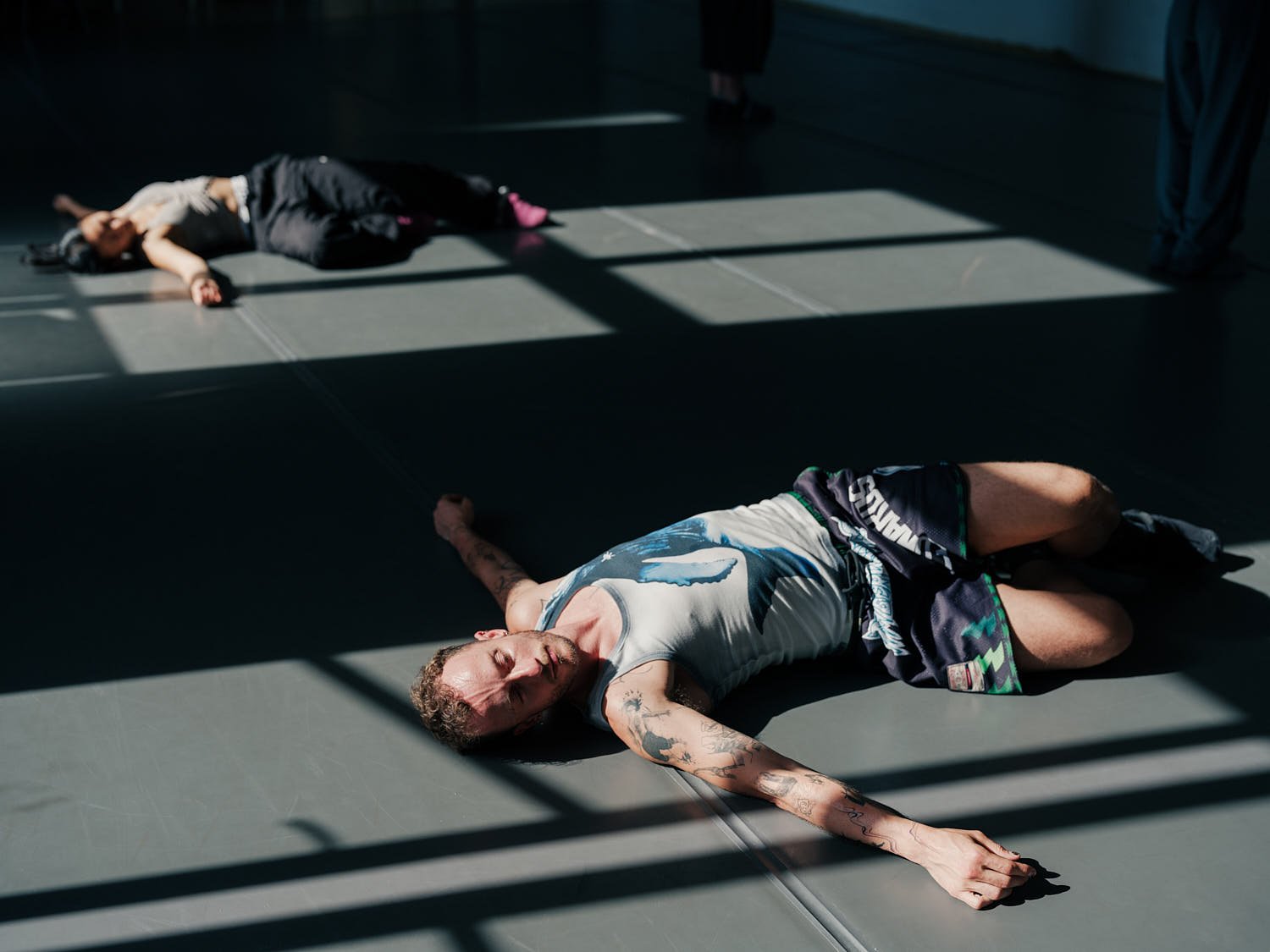
 
 
performer lies with arms outstretched on the studio floor during rehearsals for Barnett Cohen’s pain is a cave, illuminated by dramatic sunlight. Photography by Peteris Viksna.

/ dancers during rehearsals for Barnett Cohen’s contemporary dance performance pain is a cave at Callie’s Berlin, photographed by Peteris Viksna.


Klaas Hammer
Before „pain is a cave“ became a performance, what was the initial impulse behind it? Was there a particular image, feeling or question that you kept returning to while developing the work?

Barnett Cohen
I compose text-based scores for dance performances. Any performance I make begins with me writing, an act of summoning and of digging. There is never a singular idea or particular image that motivates me into action, but rather a perpetual desire to alchemize the strange totality of everyday life into language that is more intuited than arrived at a priori. This holds true for pain is a cave. The writing is a vast amalgamation of my many distracted thoughts and concerns, hybridized with found language I have accumulated from text messages, dating app exchanges, speculative fiction, queer theory, and poetry.

You work with text-based scores that eventually become choreography. How did the writing for pain is a cave evolve into movement, and were there moments when the bodies in the room took the piece somewhere your words hadn't anticipated?

The text and the choreography operate along separate chronologies and in distinct spheres: the desk, where the writing occurs, comes first. The rehearsal room, where the movement is generated, comes after. Once I am finished composing a score, I bring it into the rehearsal room where, through the repetition inherent in the process, I transfer ownership of the text to the performers. In that handover, the score becomes sonic material. It no longer retains my meaning. It belongs to the collective. Over a six-month residency at Callie’s in Wedding, we are building the performance second by second, minute by minute. As we make new material, I am invariably surprised by where we go. In one recent rehearsal, New York-based performer and frequent collaborator Sally Butin morphed a chunk of text about making out with someone at the rave into an arrangement of sound reminiscent of Philip Glass’s Einstein on the Beach. We have also opened rehearsals each week to invited guests, followed by a short conversation, so the presence of strangers folds into the work as well (anyone who would like to attend can DM me). 

The piece draws on a wide range of cultural references, from online conversations and speculative fiction to rave culture and TikTok. How did you decide which fragments belonged in this particular work, and what connects them beneath the surface?

No decision about what enters my work is fully conscious. I opt instead to create space in which ideas can emerge that are in conversation with whatever material precedes them. I do not, for example, say directly, “we need some of this and then some of that.” Rather, that results in this and this results in that. Recently, we pulled a sliver of choreography from a music video we found online into the work, and it immediately became weird and drippy, more reminiscent of a contorted body in the throes of food poisoning. I am, however, intentional when it comes to stitching the language and choreography together. Because my work is purposefully incoherent, it requires recurring choreographic elements (e.g. hard pauses, militaristic pivots, or anxious breaths) to suture its uncanny qualities together into one piece, into a total work.
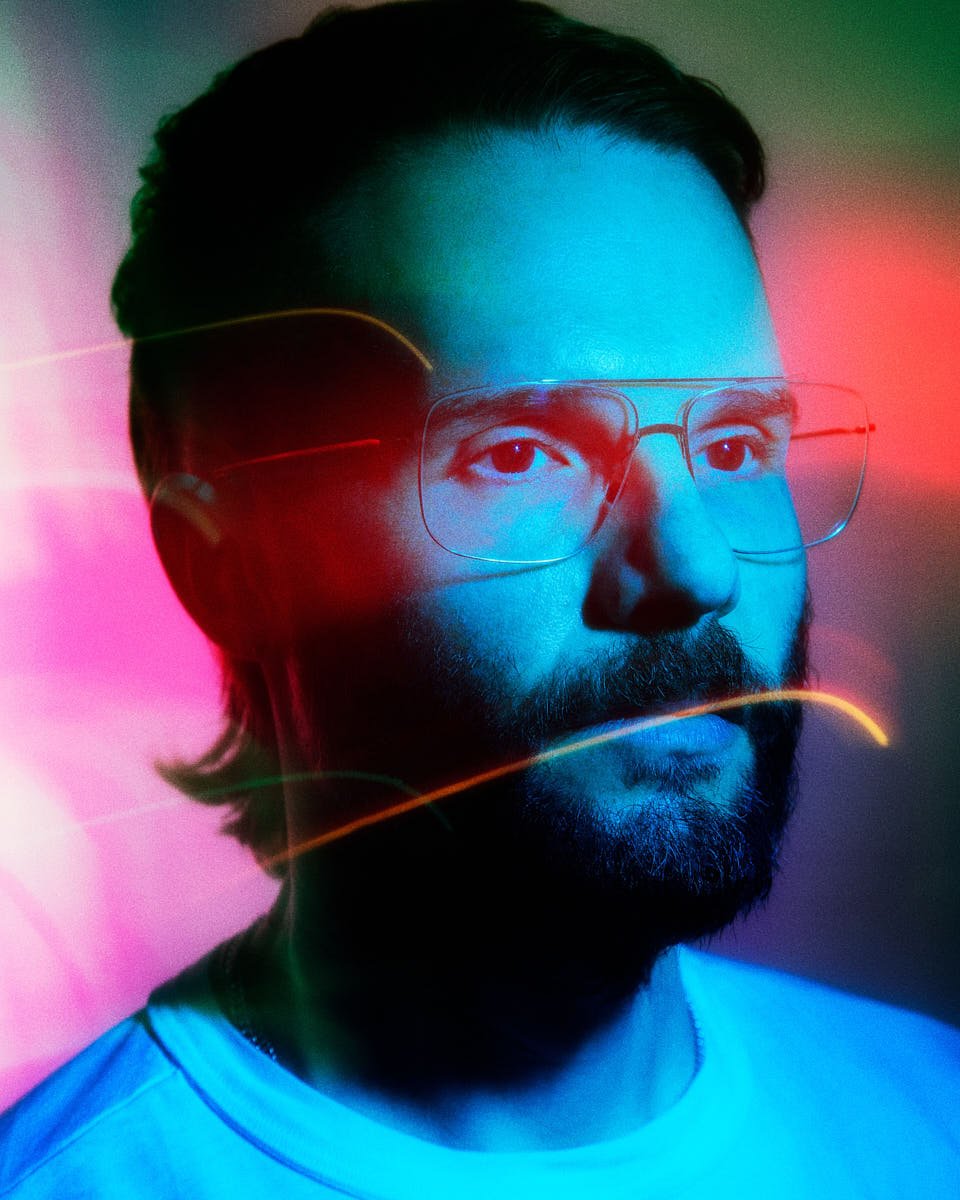
 
 
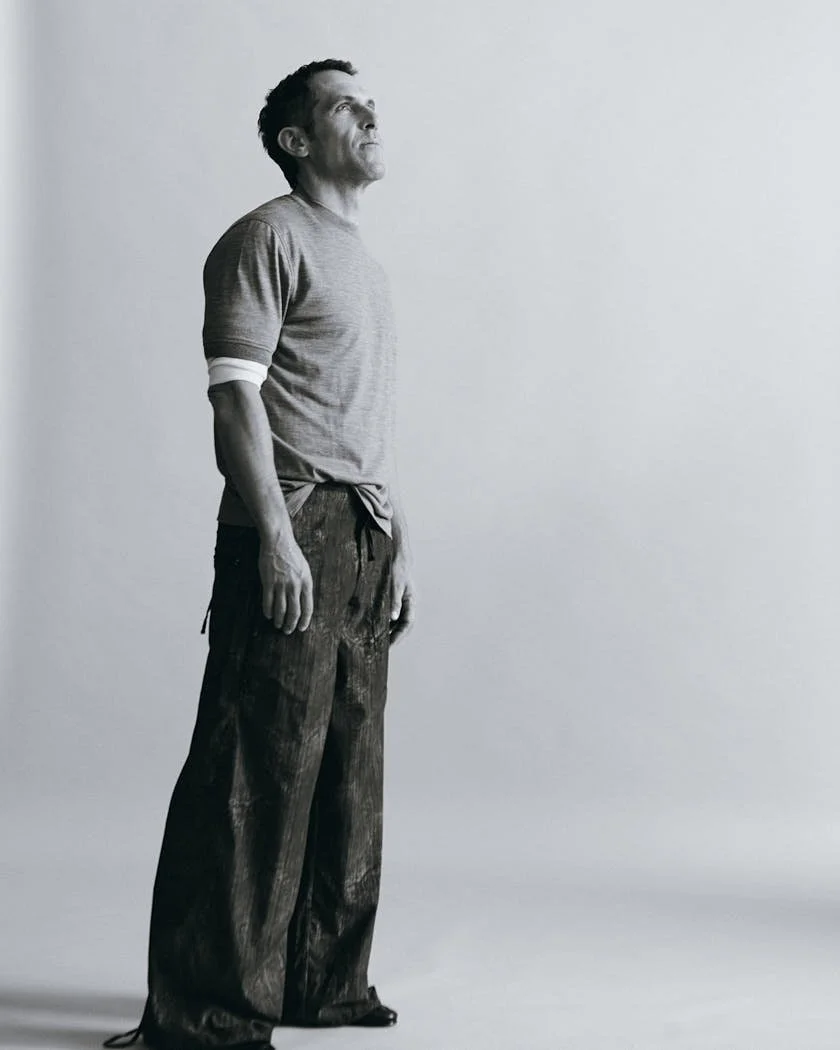
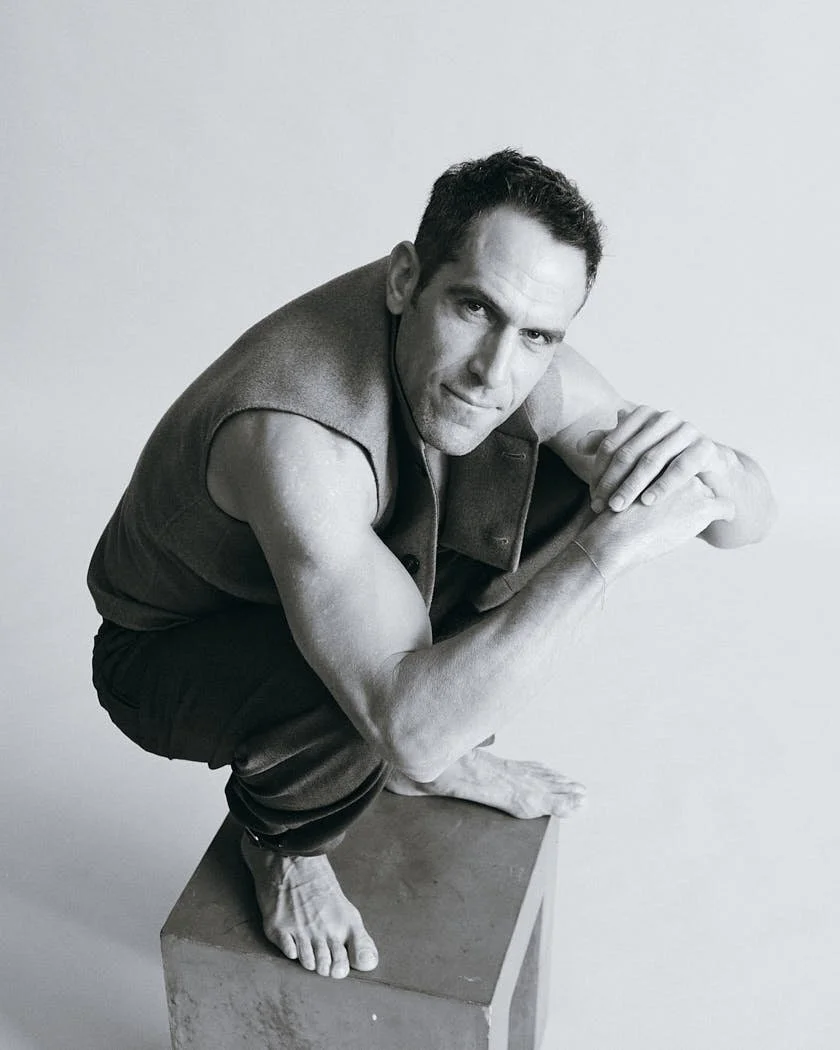
Portrait of artist and choreographer Barnett Cohen wearing glasses, illuminated by vivid blue, pink and red lighting with abstract light trails across his face. Photography by Andrew Hallinan for LE MILE.

/ portrait of artist and choreographer Barnett Cohen, photographed by Andrew Hallinan.


In pain is a cave, physical confrontation and intimacy exist alongside one another. What did you want to explore through this juxtaposition, and has its meaning shifted as the choreography has developed?

As a queer person living in a world on fire, I am politically and corporeally invested in the line between love and violence, care and hate, caress and punch. I am curious about what happens when we smudge the line between these light and dark forces, which results in an amorphous gradient of bodily shapes that evade legibility. When we hug someone hard whom we have not seen in years, when we become physically enmeshed with a stranger on the dancefloor, when we fuck, we might experience this sensation, a pressure that is neither wholly soft nor wholly hard. A fair amount of the physical coupling in pain is a cave, where performers make contact with each other, draws on a kind of experimental stage combat, a discipline that simulates harm through total care for one's partner.

The work engages with different ways of existing in a body, from the desire to be visible to the need to remain unseen. How do these tensions take shape in pain is a cave, and what do they reveal about the relationship between queerness and vulnerability?

I subscribe to the theory Bogna Konior articulates in The Dark Forest Theory of the Internet, which borrows from science fiction to describe an online world where to be seen is to become prey. I believe it is in the best interest of queer people to retain the possibility of illegibility, even when, here and there in a few cities, some of us feel momentarily safe. That safety is never guaranteed, as we see with astounding clarity in the US and here in Germany with the ascendancy of the AfD. Alongside this anxiety about visibility, I resist the transparency assumed of us by the very surveillance systems we use to promote ourselves and our work. In pain is a cave, this nervousness becomes choreography: the work moves with such agility and speed that it evades capture, refusing to be labeled and thus known. 

The performance places the audience close to the action, making spectators part of the world unfolding around them. How does this proximity change the experience of the piece, both for the performers and for the people watching?

Staged in the round, pain is a cave dispenses with the fourth wall implied in proscenium architecture. Performers speak directly to audience members or hold their gaze for long periods. On the level of the performative experience, this charges the work with energy, reduces passive spectatorship, and implicates the audience in the collective thrill of world-building. On a more subliminal yet political level, it challenges the default position of the bystander, the contemporary posture most of us inhabit as we watch mass death unfold on our phones.


As you prepare to bring pain is a cave to Berlin, is there something about the work that you still haven't fully resolved, or a question you hope the performance will leave open rather than answer?

Nothing in my work is ever fully resolved; it is only temporarily appeased.
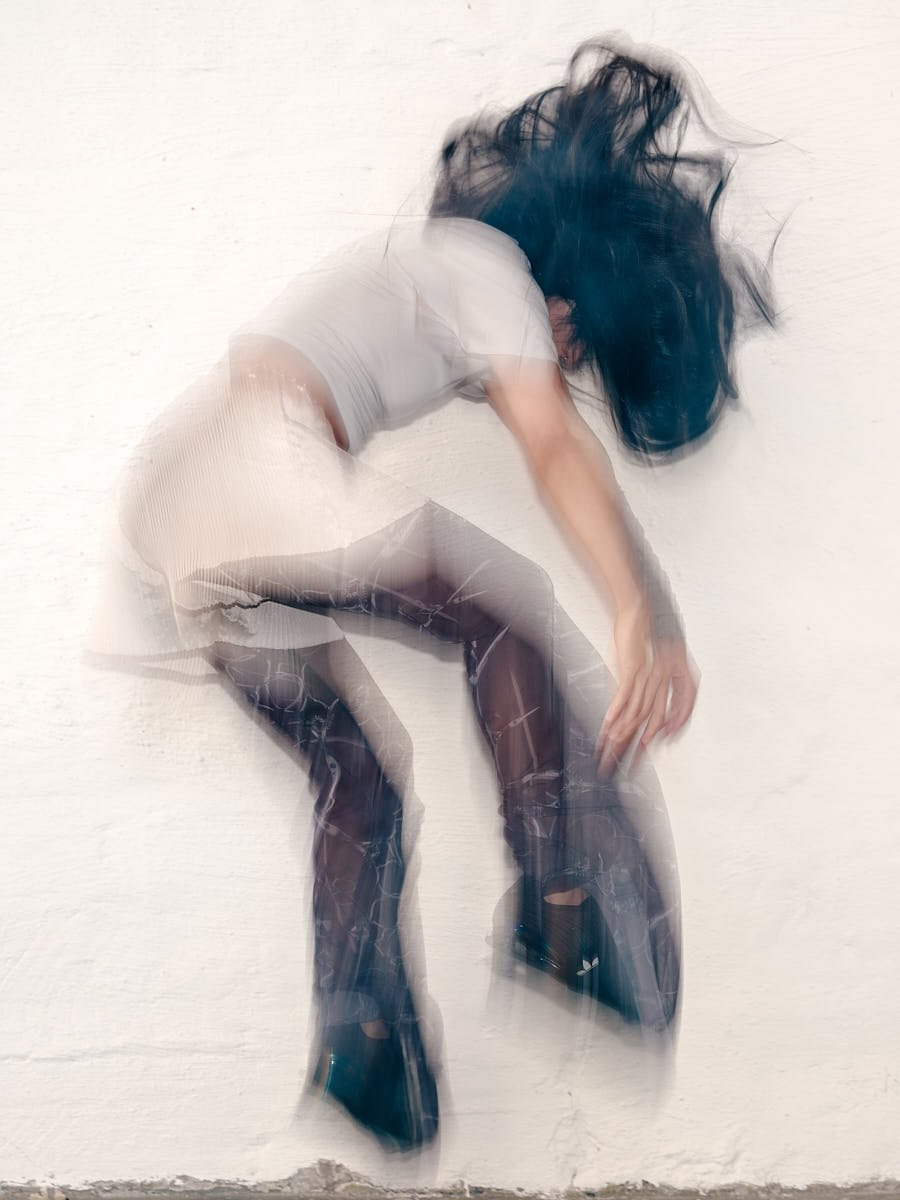
 
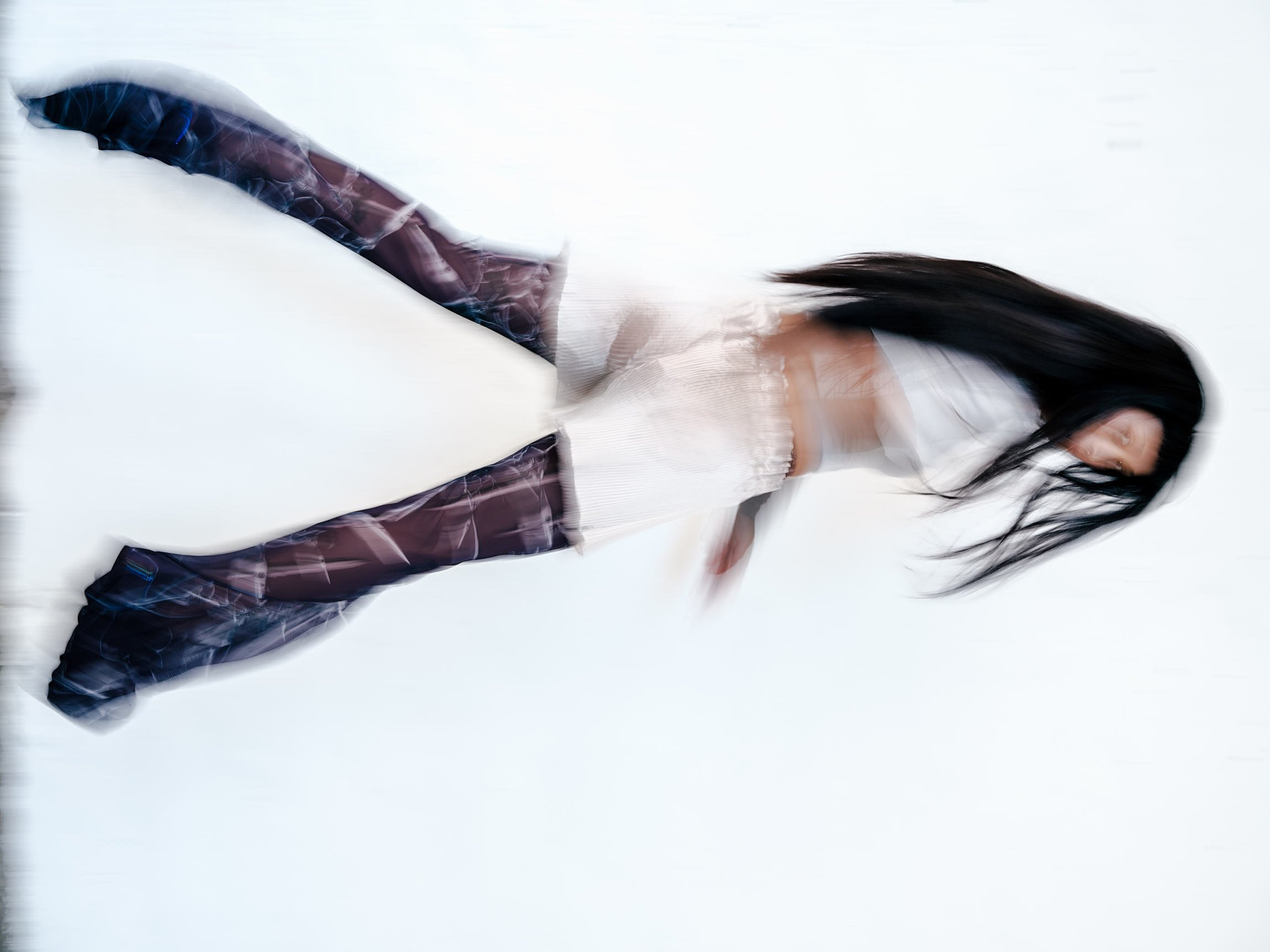
A dancer with long dark hair bends forward in a motion-blurred pose against a pale background for Barnett Cohen’s pain is a cave. Photography by Peteris Viksna.

/ Barnett Cohen’s pain is a cave, photographed by Peteris Viksna.
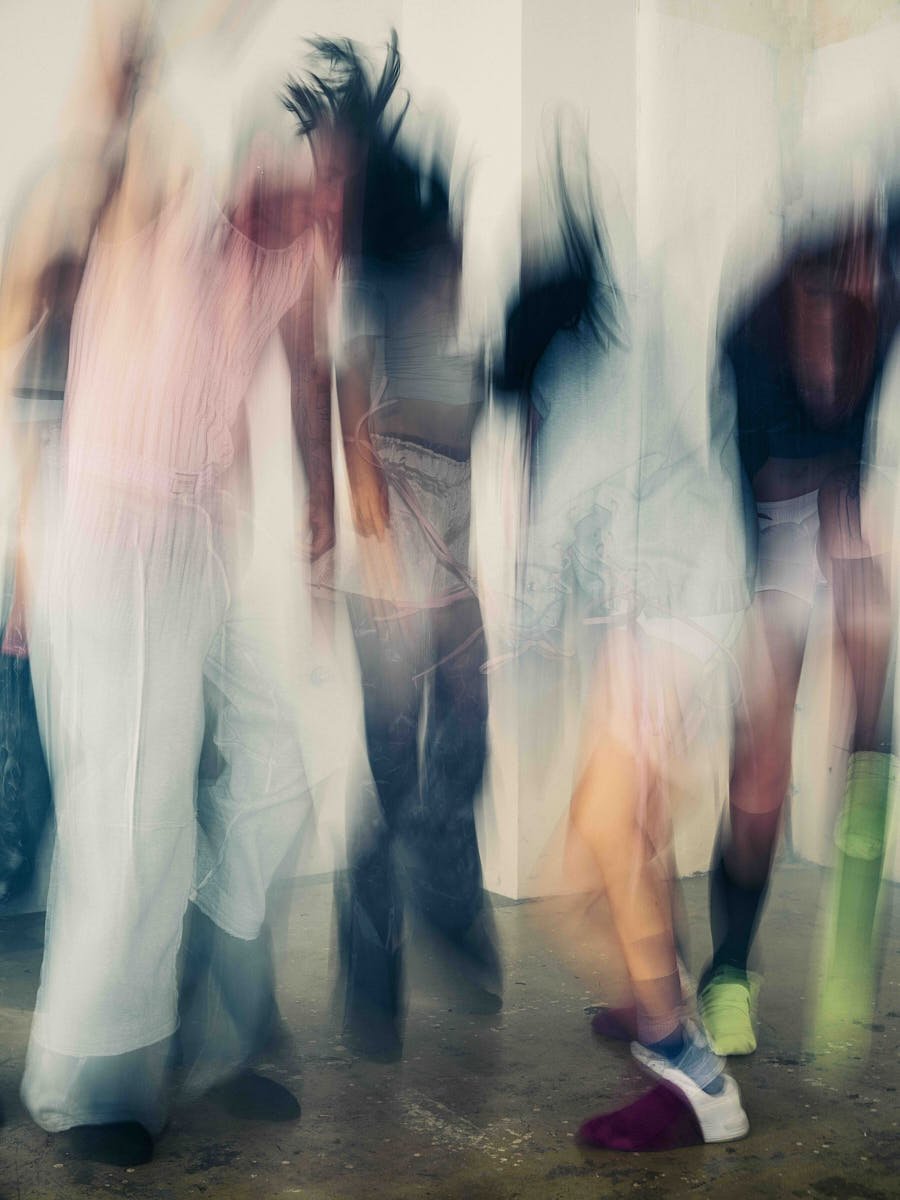
Performers captured in overlapping, motion-blurred movements during Barnett Cohen’s contemporary dance production pain is a cave. Photography by Peteris Viksna for LE MILE.

/ Barnett Cohen’s pain is a cave, photographed by Peteris Viksna.
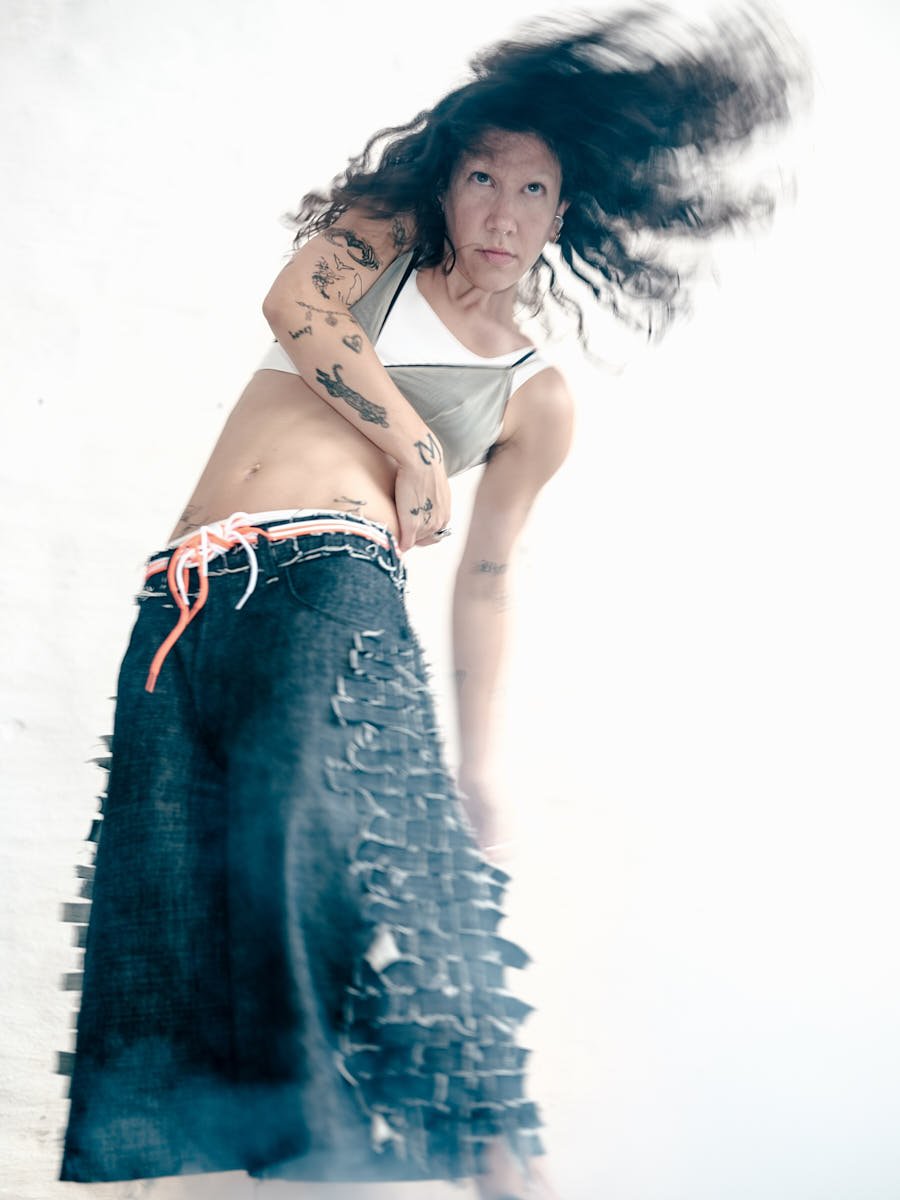
A tattooed performer with flowing dark hair wears a cropped top and textured denim skirt in a dynamic movement portrait for Barnett Cohen’s pain is a cave. Photography by Peteris Viksna.

/ Barnett Cohen’s pain is a cave, photographed by Peteris Viksna.


portrait   BARNETT COHEN
photography   ANDREW HALLINAN

pain is a cave, BARNETT COHEN, 2026
concept, score & choreography   BARNETT COHEN
photography   PETERIS VIKSNA
styling   JENNILEE & MANÉ BONAMIN
looks   MARIS+PYPER & NOWRUBI
performance   SALLY BUTIN, INA JIA GUO, TED LITTLEMORE, MAQUE PEREYRA & VERONIKA TIKHONOVA
production   MOIRA L SUNTER GAREE
intimacy coordination   FRIDA GIULIA FRANCESCHINI
location   CALLIE'S BERLIN
MANUEL LICCI — On Sport, Community and Wellness Culture

MANUEL LICCI — On Sport, Community and Wellness Culture

MANUEL LICCI
Body In Motion


interview + written CHIDOZIE OBASI


There’s no denying the influence fitness and sport have had through centuries and, more specifically, on the creative industry at large. Since the dawn of the Olympics and across further key tournaments across a wealth of disciplines, sports have been permeating the mainstream consciousness, with veterans and newcomers alike embracing and reacting positively to this acceptance of genre.


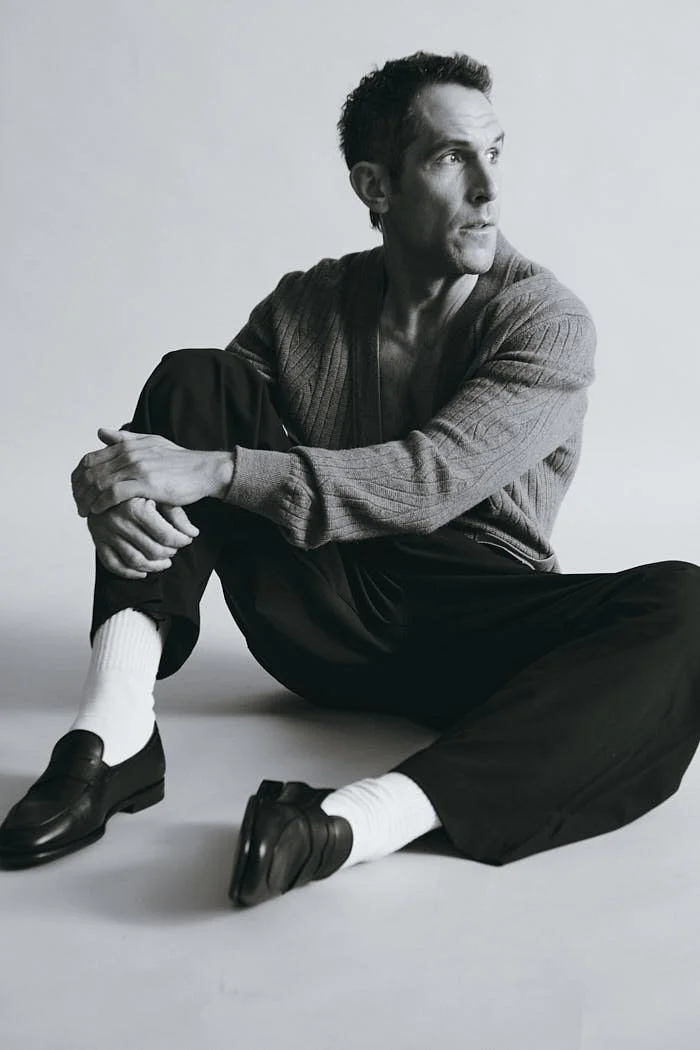
MANUEL LICCI LE MILE Magazine Interview photo Antonio Crotti  Manuel wears a cardigan by BRIONI, pants by FIVEFOURFIVE and shoes by SEBAGO

Manuel wears a cardigan by BRIONI, pants by FIVEFOURFIVE and shoes by SEBAGO


On the fashion spectrum, lines are becoming increasingly blurred between function and tailoring, tackling this field with a packed punch of offerings that infuse elements of wear-anywhere practicality with dashes of winsome elegance and breezy structure. With this in mind, LE MILE’s Fashion Director meets Manuel Licci — Sport and Lifestyle Director at Milan’s media agency Attila&Co — who unpacks the core values of his practice, the importance of community and future hopes. You’re welcome.

 
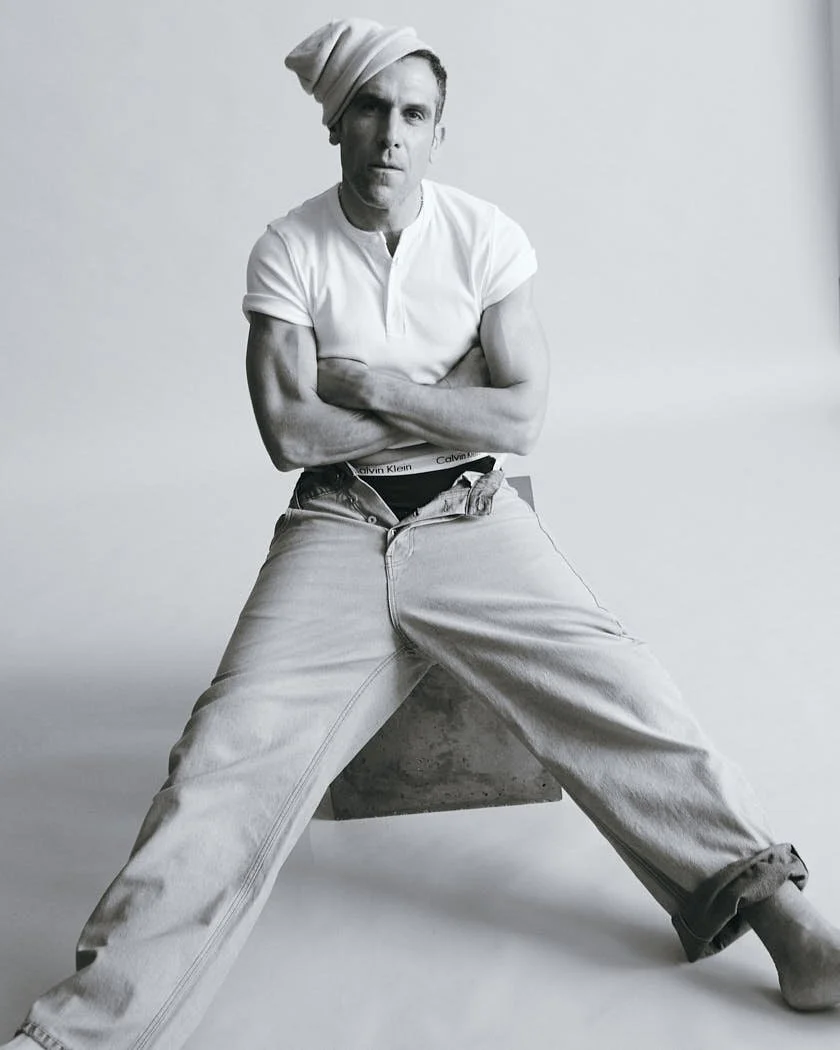
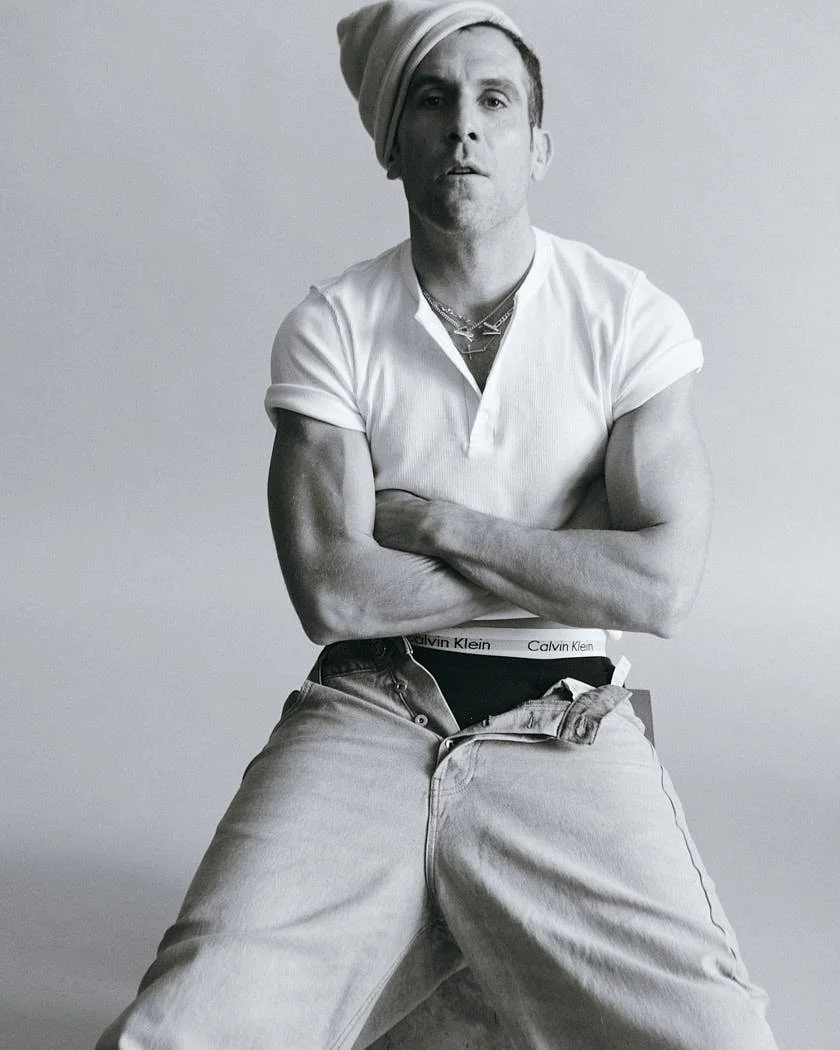
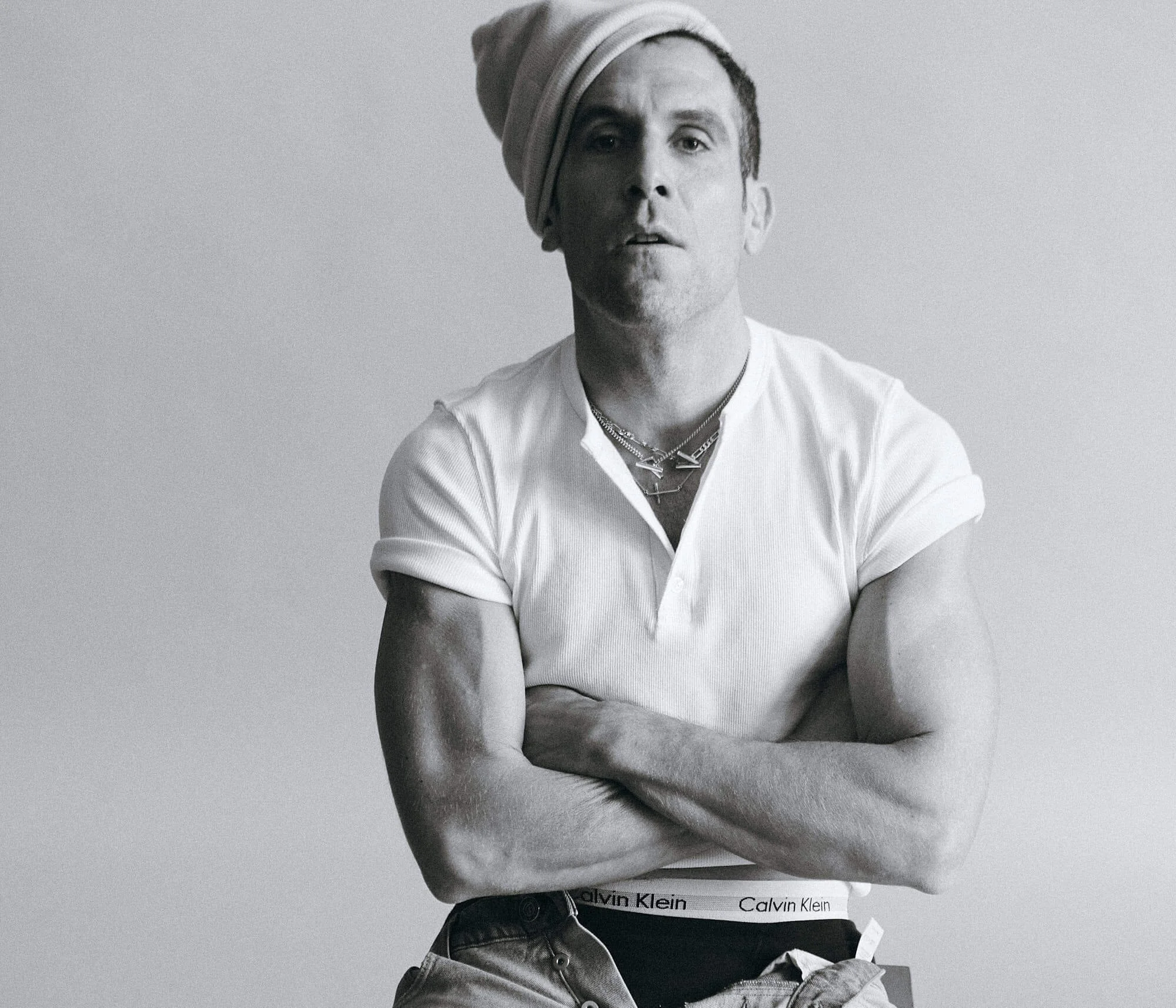
MANUEL LICCI LE MILE Magazine Interview photo Antonio Crotti Manuel wears a T-shirt, pants and hat by FIVEFOURFIVE, jewellery by LAG WORLD and underwear by CALVIN KLEIN
 
MANUEL LICCI LE MILE Magazine Interview photo Antonio Crotti Manuel wears a T-shirt, pants and hat by FIVEFOURFIVE, jewellery by LAG WORLD and underwear by CALVIN KLEIN

Manuel wears a T-shirt, pants and hat by FIVEFOURFIVE, jewellery by LAG WORLD and underwear by CALVIN KLEIN


Chidozie Obasi
First things first: could you introduce yourself to us?

Manuel Licci
I’m Manuel Licci, PR Director for the Sport and Lifestyle division at Attila&Co: a communications agency founded in Milan in the early 1980s. In my daily practice, I develop strategies for brands that operate mainly in the world of wellness and lifestyle. One of my goals is to create authentic connections between companies, talent, medi and communities, promoting stories of inspiration and rich in storytelling.

What’s your earliest memory of sport?

I’ve always been a sportsman, but I’ve never been a professional. I started playing sports at around the age of ten, when I tested swimming (almost forced by my mother, I must admit), then I moved on to basketball and finally soccer, where I played as a goalkeeper in my local team until I was twenty. When I started university and found myself lacking new stimuli, thus I decided to give up competitive sport, but I continued to play in various tournaments for several years. During that period, I also began training at the gym. Since then, sport has become part of my daily routine and has never left it, as I see it a source of energy, discipline, and balance. 

When did you realise that you wanted to pursue this practice as a full-time job?

When I started working in communications, I immediately realized that the world of sports was the field in which I could best express myself, even at a time when terms such as “hybrid athlete” or “running club” were not yet in use as they are today. After the Covid period, in particular, sport has become essential for many, not only as physical activity but also as a moment of socialising, mental well-being and connection with others, reaching an even more diverse audience in terms of age and gender. Sport unites community, values and storytelling: three elements that represent me perfectly.

And how has your journey been so far?

It’s been an intense yet stimulating journey, full of important connections that have enriched me both personally and professionally. I’ve had the opportunity to collaborate with different brands and people, tackling projects that have always pushed me to grow, innovate, and listen to those who work with me, consolidating my belief that sport is a powerful tool for communicating authentic values. 

Sport – and its wealth of facets - has had a significant yet impactful resonance over centuries: from the Greek epoch until the modern day. In your opinion, what have been the most drastic changes (and perhaps the challenges) in how people approach the training side of it, over the years?

n recent years, training has become more conscious, personalised and accessible. Technology has introduced new tools, from wearables to gamification, but the main challenge remains finding a balance between performance, well-being and enjoyment. Today, people are looking for meaningful experiences that connect body and mind, rather than mere results.

 
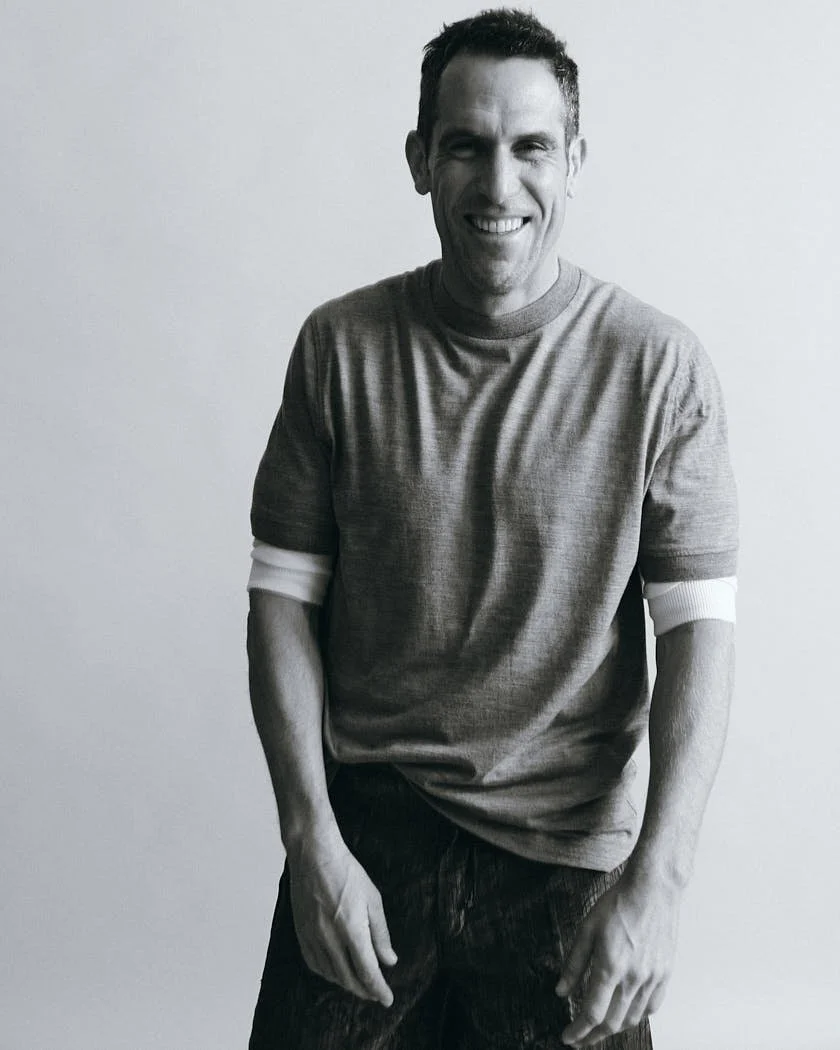
MANUEL LICCI LE MILE Magazine Interview photo Antonio Crotti Manuel wears a sweater and T-shirt by CANALI and pants by QUARTO ATTO

Manuel wears a sweater and T-shirt by CANALI and pants by QUARTO ATTO

 
MANUEL LICCI LE MILE Magazine Interview photo Antonio Crotti Manuel wears a sweater and T-shirt by CANALI and pants by QUARTO ATTO


What values do you look for when picking an athlete to partner with some of the brands in your agency portfolio?

Authenticity, consistency and the ability to communicate real values. An athlete or creator is a strategic partner: they must be credible, share the brand’s vision and be able to build a genuine relationship with their community. Talent is important, but integrity and storytelling are even more so. Only then can collaborations become true engagement experiences.

How important is team building and community in your day-to-day approach?

Fundamental. A good strategy always comes from discussion. At Attila&Co, we have always placed great value on teamwork and community relations. After all, sport is always a team effort: no project can truly succeed without a strong ecosystem to support it.

And tell me: are there any downsides or setbacks you encounter, in this field and in your routine?

As in any dynamic sector, there are challenges: tight deadlines, the need to adapt quickly to change and managing expectations. But these are aspects that fuel creativity and push you to find new solutions. It’s a fast-paced but extremely engrossing environment, where every obstacle can be turned into an opportunity.

Is mental health a theme that is dealt with in the sports sector, or would you argue that it is still a marginalised topic?

Mental health is much more central today than in the past, but it remains an issue where there’s still a long way to go. Fans and professionals are increasingly aware of the importance of psychological well-being. As communicators, we have a responsibility to give space to these conversations in a responsible manner, helping to create inclusive and supportive environments in equal measure.

What's next for you? Future hopes?

My hope is that the social trend that today involves Gen Z and millennials towards a healthy and sporty lifestyle will not fade away, but become a constant source of inspiration, especially in these turbulent times. I would like to see this trend turn into a real movement, capable of motivating more and more people to take care of themselves through sport and wellness. Personally, I want to continue to grow both as an amateur athlete and as a communications professional, developing projects that create credible connections between brands, athletes and communities and help to spread an inclusive, authentic and wellness-oriented sports culture. In my own small way, I want to help build a sports culture that truly inspires people, every day.


MANUEL LICCI LE MILE Magazine Interview photo Antonio Crotti Manuel wears a total look by LORO PIANA

Manuel wears a total look by LORO PIANA


credits
all Images (c) LE MILE / Antonio Crotti

seen ANTONIO CROTTI
fashion director + stylist CHIDOZIE OBASI
head of production JESSICA LOVATO
fashion coordinators ALBERTO MICHISANTI + EDWARD PUSCA
make up KIM GUTIERREZ via STUDIO REPÒSSI
hair ANGELICA DAVANZO via BLEND MANAGEMENT
model MANUEL LICCI
production assistant LORIS VOTTERO
fashion assistants ALESSANDRO GIANESIN + ANGELINA PERSIANI + CHARISSE ORDINARIA + VALENTINA INVERARDI

In The First Place with Chelsea Werner

In The First Place with Chelsea Werner

perspectives

In The First Place With CHELSEA WERNER


forward HANNAH ROSE PRENDERGAST
interview ALBAN E. SMAJLI


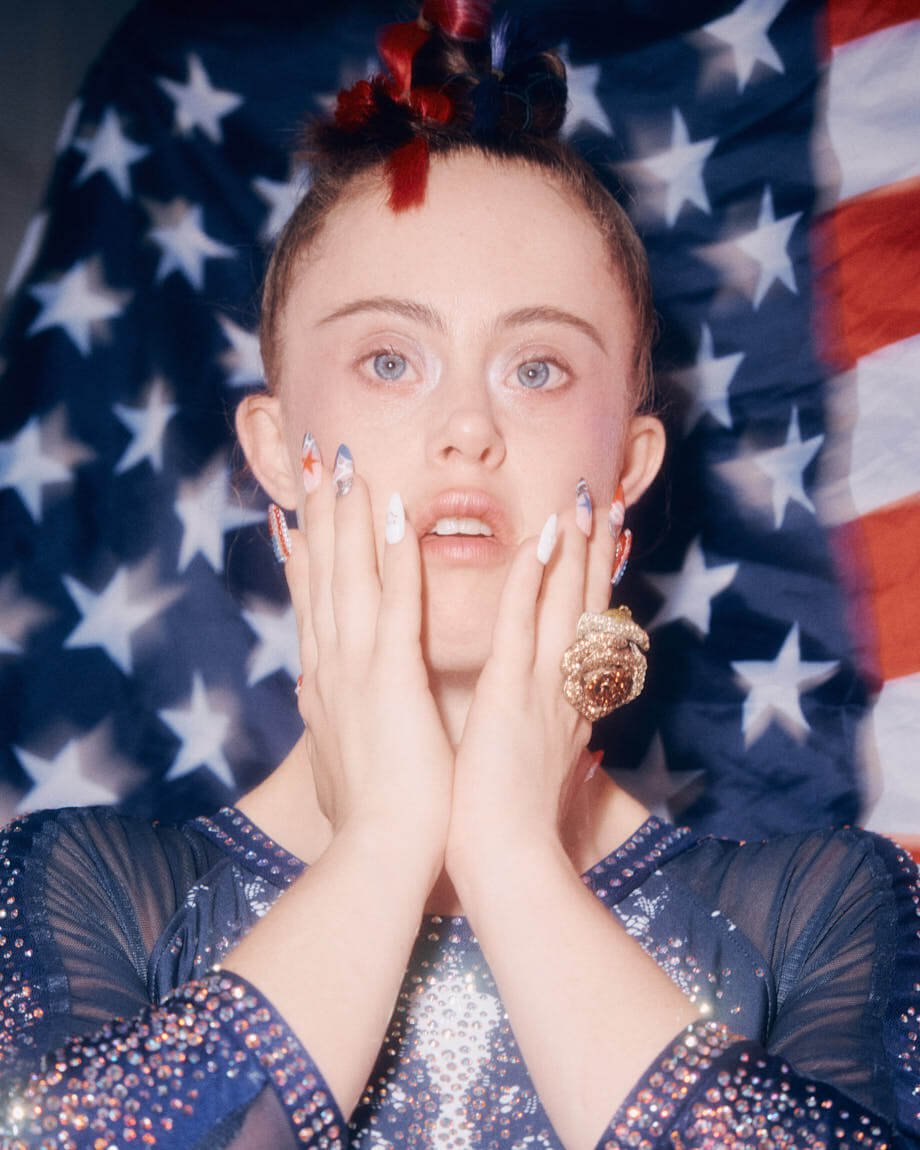
Chelsea Werner has a flair for gymnastics. By that, I mean she’s known to nail her routine in front of an audience, so much so that they call her “Showtime.”


Growing up in the Bay Area as part of an athletic family, Chelsea tried a few sports, but gymnastics was the one that stuck. Progress came gradually at first, though she ultimately thrived in the competitive environment, thanks to a coach who treated her like any other gymnast. In 2012, Chelsea won her first gold medal at the USA Special Olympics and claimed the title for four consecutive years. Naturally, it wasn’t long before the decorated athlete took a shine to modelling. With her bright blue eyes, beaming smile, and fearless attitude, it’s clear the camera loves Chelsea Werner as much as we do.

LE MILE Magazine Cover AGE OF CHANGE Chelsea Werner by Manon Clavelier

LE MILE Magazine, AGE OF CHANGE Nr. 37
Fall/Winter 2024-25

Chelsea Werner photographed by Manon Clavelier

 
LE MILE Magazine Chelsea Werner photo by Manon Clavelier lemilestudios top  KENZA LATRIDES  collar  AMBUSH shorts  ÖCTAGON bag  COPERNI shoes + earrings  FASHION ARCHIVE

top KENZA LATRIDES
collar AMBUSH
shorts ÖCTAGON
bag COPERNI
shoes + earrings FASHION ARCHIVE


“Every gymnastics skill I learn takes me much longer to achieve than other gymnasts. I require much more repetition to master any new skill. Some of my skills have taken five years to achieve.”

Chelsea and Lisa Werner speak with Alban E. Smajli
first published: LE MILE Magazine - AGE OF CHANGE, Issue Nr. 37


LE MILE Magazine Chelsea Werner photo by Manon Clavelier lemilestudios

sunglasses AMBUSH
boots FASHION ARCHIVE


top ÖCTAGON
shirt AMBUSH
coat HELMUT LANG


Alban E. Smajli
Chelsea, you have broken so many barriers in gymnastics and beyond. What initially inspired you to take up gymnastics, and did you ever imagine you'd achieve such heights?

Chelsea & Lisa Werner
I started Special Olympics gymnastics when I was 8. I loved being part of a team and having teammates. I especially loved the competitions and having the crowd cheering for me. I was just having fun and had no idea I would ever become a World Champion gymnast.

Winning the World Championships in gymnastics three times is an incredible feat. Congratulations on all the success! Can you walk us through what it felt like to stand on that podium for the first time?

For most of my gymnastics career, I have competed in USA Gymnastics. I train and compete with gymnasts who have no disabilities. For many years, I always took last place. I rarely ever got an award. It was usually only once a year that I got to compete in Special Olympics.
When I won my first World Championship in London, I felt like I was in a dream. I was very emotional when they raised the United States flag and played my national anthem.

Your journey is not just about winning medals but also about challenging perceptions. What has been the most significant challenge you’ve faced as an athlete with Trisomy 21, and how did you overcome it?

Individuals born with Down Syndrome have low muscle tone. We can improve it, but it takes a lot of work. Every gymnastics skill I learn takes me much longer to achieve than other gymnasts. I require much more repetition to master any new skill. Some of my skills have taken five years to achieve.


Gymnastics demands immense physical and mental strength. Can you share a particularly tough moment in your career and how you pushed through it?

My biggest challenge happened last year. I had my first mental block. This is not uncommon in gymnastics. Many gymnasts quit gymnastics when this happens. After tumbling for over 15 years, I couldn’t tumble at all.

It took many months to get over it. I had to go back and relearn how to do even the simplest tumbling. My coach was very patient and persistent with me. I got my tumbling back just in time for my third World Championship in South Africa.


You’ve become a role model for many. Your achievements have paved the way for future generations. What advice would you give to young athletes with disabilities who are just starting out?

I would say to be proud of every little accomplishment. Don’t compare yourself to anyone else. Focus on your own goals and find a coach who believes in your goals along with you.

The upcoming theme for LE MILE is "AGE OF CHANGE." How do you see your role in advocating for more inclusivity and recognition for athletes with disabilities?

Thanks to social media, athletes with disabilities are finally getting recognized. I get recognized all over the world as a result of social media. I am one example of what an individual with a disability can achieve as an athlete. Hopefully, I am opening some doors for up-and-coming athletes with disabilities. We all need and deserve the same opportunities to reach our full potential.

Aside from gymnastics, you’ve also pursued modeling and advocacy. How do these different aspects of your career complement each other?

I have been performing in front of cameras and crowds for a long time. I am very comfortable in front of a camera. The modeling world is becoming more diverse, but models with disabilities are still underrepresented. I am trying to change this and advocating for more representation.

If you could change one thing about the gymnastics world to make it more inclusive, what would it be?

I would love to see more individuals with disabilities included in gymnastics. When I compete in USA Gymnastics, I am always the only one with a disability. I am seeing and hearing that a wave of up-and-coming gymnasts with Down Syndrome is on their way! Many of the parents say that it is a result of seeing my achievements. That makes me so happy!


Looking ahead, what are your dreams and goals for the next phase of your career, both in and out of gymnastics?

I usually don’t think too far in advance. I live more in the present. For now, I still love gymnastics and modeling. In the future, I would love to help teach young girls gymnastics!


LE MILE Magazine Chelsea Werner photo by Manon Clavelier lemilestudios dress  KENZA LATRIDES others  FASHION ARCHIVE

dress KENZA LATRIDES
others FASHION ARCHIVE


“The modeling world is becoming more diverse, but models with disabilities are still underrepresented. I am trying to change this and advocating for more representation.”

Chelsea and Lisa Werner speak with Alban E. Smajli
first published: LE MILE Magazine - AGE OF CHANGE, Issue Nr. 37


LE MILE Magazine Chelsea Werner photo by Manon Clavelier lemilestudios

all FASHION ARCHIVE


credits

talent CHELSEA WERNER
seen MANON CLAVELIER
styled CLAUDE PAYEN DE LAPIERRE
produced MELANY COHEN
make up CHARLOTTE NGUYEN
hair MIWA MOROKI
nails MAËLWENN LOBBÉ

fashion assistant KATERYNA DUDCHENKO
light technician CAMERON KOSKAS
digital operator VASSILI BOCLÉ

fashion director GINEVRA VALENTE
artistic director ALBAN E. SMAJLI

Special thanks
Lisa Werner, Jéremy Charolais, Nathalie Dersoir, Bienvenu, and all the Stade Charléty staff

Enzo Lefort *Fancing Frontier

Enzo Lefort *Fancing Frontier

Enzo Lefort
*Fancing Frontier


written Sarah Arendts

Double-click to edit...

With a blend of skill and style, Enzo Lefort invites us into the intricate realm of his sport, where athleticism meets artistry in a symphony of movement. Lefort's journey to the forefront of fencing is a testament to dedication and innovation.


With each fluid motion, he challenges the status quo and pushes the boundaries of athletic expression. Engage with Enzo Lefort as he shares insights on its evolution, the fusion of athleticism and fashion, and his unwavering commitment to inspiring future generations of athletes. Learn all on the arena where passion ignites performance, and witness the extraordinary through the lens of a true visionary.


Enzo Lefort
seen by Jojo Harper

 
Enzo Lefort by Jojo Harper LE MILE Magazine TRANCE Issue 36


“Being able to compete at the Olympics at home is a once-in-a-lifetime chance! […] My goal is to make everyone who is going to watch me proud.”

Enzo Lefort speaks with Sarah Arendts
LE MILE Magazine TRANCE, Nr. 36


Sarah Arendts
Enzo, as a fencer who has reached the pinnacle of your sport, how do you balance the intense focus required in competition with relaxation and leisure in your personal life?
Enzo Lefort
Professional sport can be really challenging on a daily basis, as failure has a constant place in our journey. I personally try to always have side projects outside of fencing. These projects help me keep my head fresh and always be fulfilled. It is important as I need to put this mental energy into my competitions.

Your collaborations with Louis Vuitton and Nike merge the worlds of elite sport and high fashion. How do you see these partnerships influencing the perception of fencing within the fashion industry and among its followers?
Fencing is kind of a "niche" sport with a really poor representation on TV. I feel that being able to work with these two leaders in their industries proves that visibility isn’t everything. Nowadays, people often think about your number of followers and your reach. I personally think you can be more legitimate by being true to yourself, having a great image, and doing beautiful and useful things outside your sport.

During a match, athletes often describe entering a ‘zone’ or a state of flow that feels like a trance. Can you share an experience when you were completely absorbed in the moment? How does this mental state contribute to your performance?
This is a state of mind where your body moves by itself. You’re so in phase and in the present moment that you’re not thinking anymore. By instinct, you take all the good decisions during the action, leading you to see everything slower, as if you were outside your body! I’m lucky enough to have felt this feeling in the Olympic Games finals in Tokyo 2021 team event!

With the Paris 2024 Olympics on the horizon, what does competing in your home country mean to you personally and professionally? How are you preparing for this monumental event in your career?
Being able to compete at the Olympics at home is a once-in-a-lifetime chance! I like to think I train harder than ever to give my very best on the day of the competition! My goal is to make everyone who is going to watch me proud. I’m thinking about my wife, my daughter, my parents, my sister, my friends, and the whole French people! I’m also aware of the spotlight that will be pointed at the athletes during these months. And I try to use them to shed light on my personal projects such as my charity or my documentary about fencing in Guadeloupe that I wrote.


Fencing is a sport with deep historical roots. How do you think modern technology and training methods are changing the game, and where do you see the sport going in the next decade?

Modern technology and training methods help fencing become more spectacular, in a physical way and in terms of visual show for the spectators. I can see the sport evolving even further in these two directions during the next decade.

Working with brands like Louis Vuitton and Nike, how do you ensure that sponsorships align with your personal values and the essence of fencing? What do you look for in a partnership?
Fencing being an amateur sport, I need these sponsorships in order to make a living from it. But not at any cost. I am really paying attention to the brand I work with, matching my image in terms of values and positioning. I always make sure the brand I’m working with will help me with my side projects such as photography, my podcast, or my charity. Also, I pay attention to the brand being subtle when it communicates, especially using my image.

As a prominent figure in fencing, you have a unique platform. How do you hope to use your influence to impact the sport and inspire the next generation of athletes?
I always make sure that I share the values of sport such as hard work, resilience, fair play... I also try to show that we can be more than athletes, that there are other things we are good at. I reached a moment in my life and my career where I can give back to the younger ones and the ones in need. At my very own level, I try to help those in need, and if everyone is doing the same, things can change.

With your keen eye for fashion, how do you integrate style and functionality in your training and competition wear? How important is personal style in expressing yourself within the sport?
When it comes to fashion in training and competition, I am very functional. I tend to wear mostly black outfits, but I pay attention to the materials and the fit of my clothes. I personalize my outfit with my "jewelry," a thing that other fencers mostly don’t do. Fencing is a very normative sport, and the uniform is very codified. I like to keep my freedom wearing my personal jewels, in order to keep my personality.

 
Enzo Lefort by Jojo Harper LE MILE Magazine TRANCE Issue 36


“By instinct, you take all the good decisions during the action, leading you to see everything slower, as if you were outside your body! ”

Enzo Lefort speaks with Sarah Arendts
LE MILE Magazine TRANCE, Nr. 36


Enzo Lefort by Jojo Harper LE MILE Magazine TRANCE Issue 36


The mental aspect of sport is often as challenging as the physical. How do you maintain mental health and resilience during the highs and lows of your career?
My different projects outside of fencing help me to always be curious, to always learn new things. Doing this, my mind isn’t filled 100% of my time with fencing. Because when you win, everything is perfect, but when you lose, you see yourself as someone not capable. Doing other things outside my sport really helps me to relativize this.

Looking towards the future, what legacy do you hope to leave in the world of fencing and beyond? How do you want to be remembered both as an athlete and as a person?
In my sport, I would like to be remembered as an athlete who always played by the rules, who never cheated, and who respected every single one of his opponents. And then, I would like to be remembered as someone who marked the history of his sport. And then I will do my best effort to help and empower the next generation of athletes in sport.


follow talent @enzo_lefort

all images (c) Jojo Harper