
.specials
SIBAST Looks Beyond the Danish Modern Classics
LE MILE
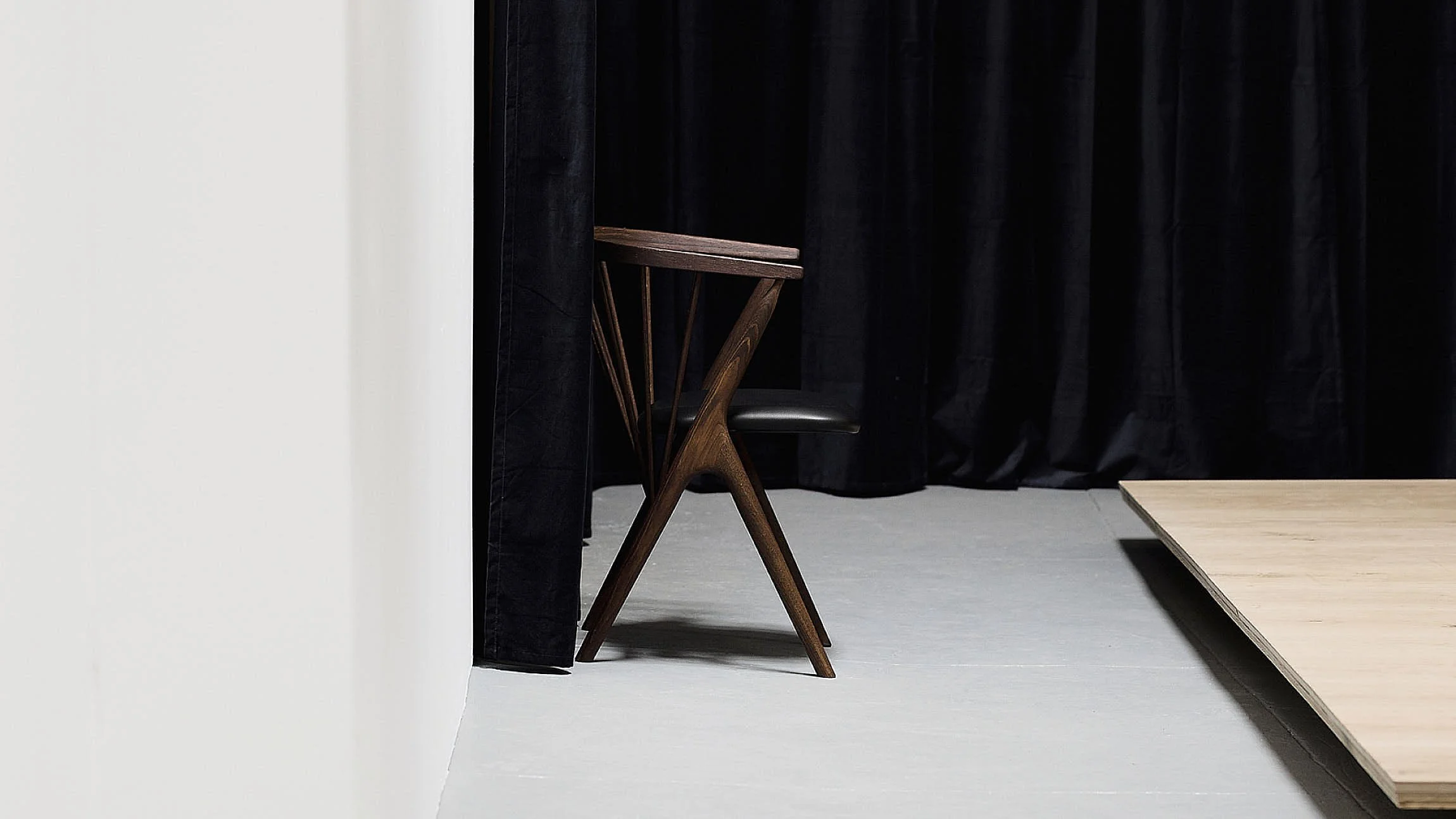
In 1908, Peder Olsen Sibast established a cabinetmaking workshop in Stenstrup, on the Danish island of Funen. His son Helge helped develop it into an internationally active furniture manufacturer, designing the No 7, No 8 and No 9 chairs in 1953. SIBAST also produced designs by Arne Vodder, with whom it worked for more than two decades during the international rise of Danish Modern.
SIBAST Furniture
No 7 Dining Chair, fully upholstered
No 7 Dining Table

SIBAST Furniture
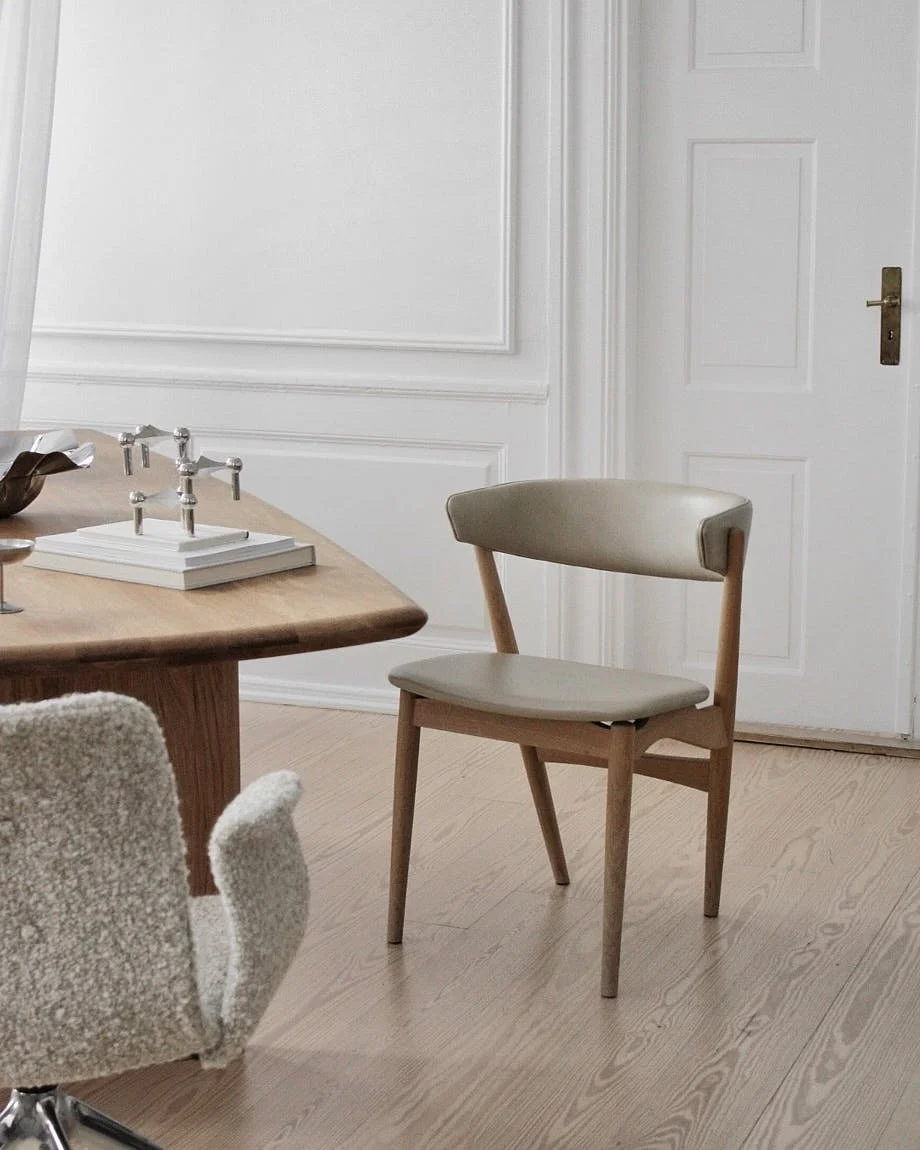
No 8 Dining Chair
No 7 Dining Table
The original business passed out of family ownership in the 1980s, but the rights to Helge Sibast’s designs remained with the family. In 2013, his grandson Ditlev and his wife Anna returned the No 8 to production, making it the starting point for the SIBAST Furniture they lead today. The collection has since expanded to include other historical designs, new work by contemporary designers and artists, and pieces developed by Anna and Ditlev themselves.
The acquisition of Bent Hansen in 2025 brought a separate upholstery tradition into a company historically associated with woodworking. At 3daysofdesign in Copenhagen in June 2026, SIBAST presented Designed to Matter, a four-room exhibition that placed The New SIBAST alongside its classic collection.
Anna and Ditlev now decide which inherited designs and new work belong together under the SIBAST name. Their own choices are becoming part of the history they originally set out to preserve.
SIBAST Furniture
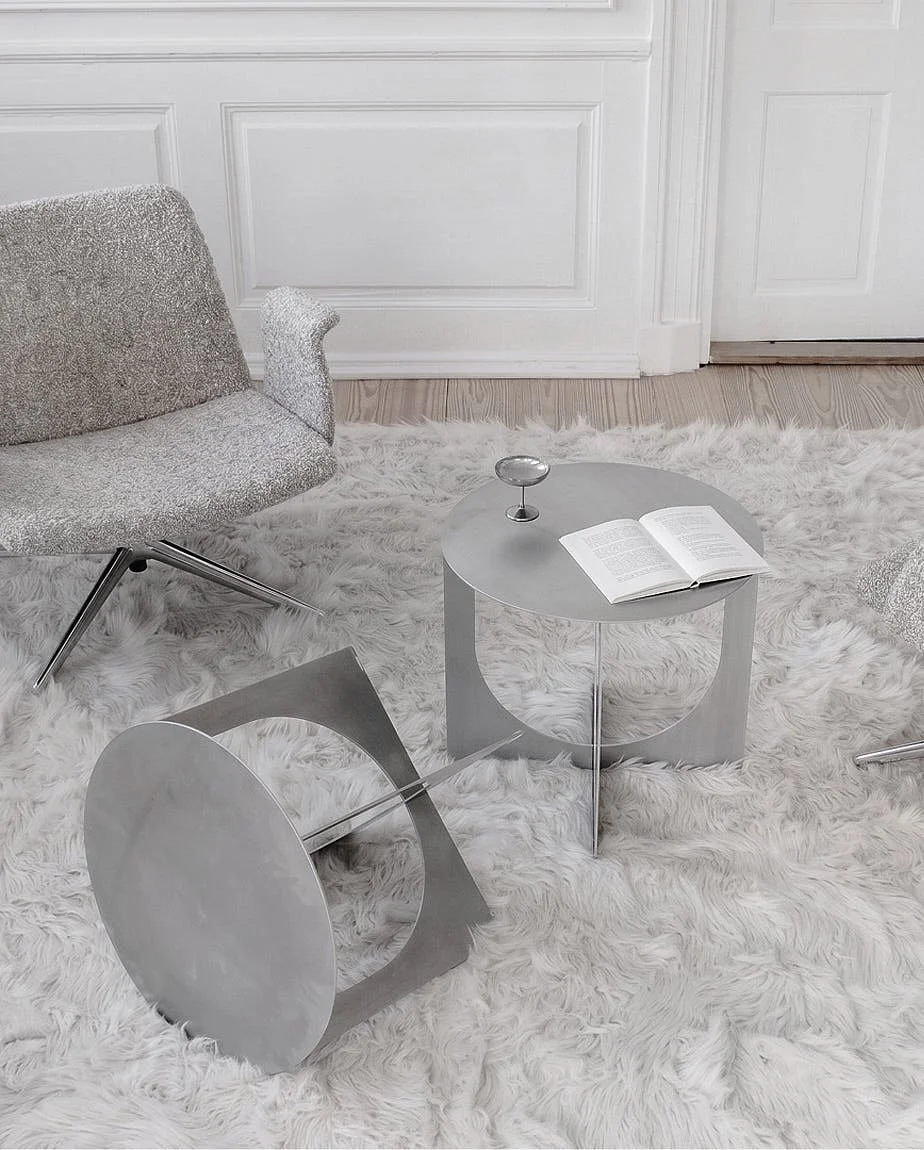
Inverse Side Table Aluminum
Primum Lounge Chair
SIBAST Furniture
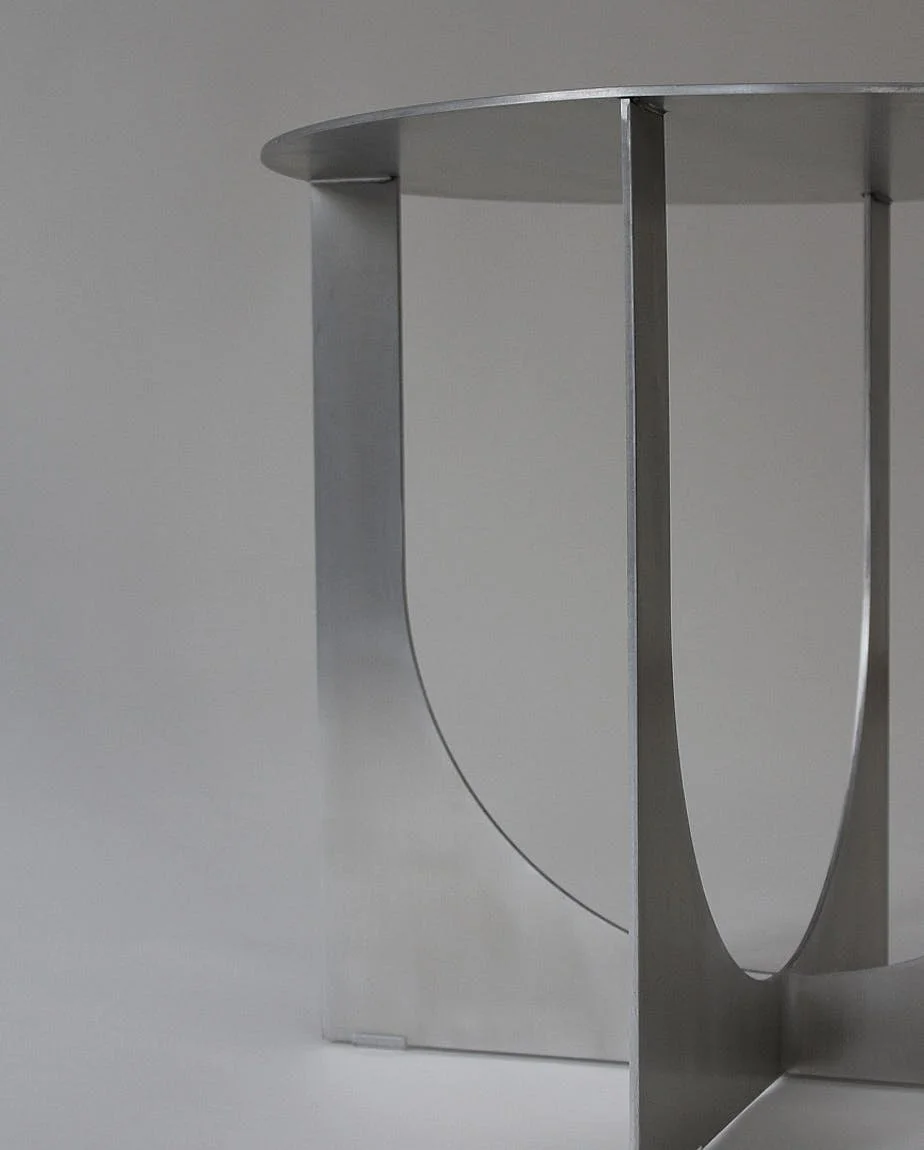
Inverse Side Table Aluminum by Steffensen & Würtz
LE MILE
You began by bringing the SIBAST No 8 back into production. What matters most to you about SIBAST Furniture today?
Anna + Ditlev Sibast
What matters most is that the furniture has a meaningful place in people’s lives today. Bringing the No 8 back into production gave us a very clear starting point: a chair we believed in, with a personal history behind it. Today, that care extends to a much wider collection and to the direction of the company itself.
We want someone to be drawn to a SIBAST piece through its proportions, its comfort or the way it feels to touch. Discovering the history can then add another dimension. There is something very rewarding about a design becoming part of someone else’s everyday life and gradually acquiring a history of its own.
At 3daysofdesign this June, you presented ‘The New SIBAST’ alongside the classic collection. What prompted you to look beyond the original idea of bringing Helge Sibast’s designs back into production?
Working with the original designs made us think more deeply about what we wanted to carry forward. There is the furniture itself, of course, but also an approach to design: curiosity, a close understanding of materials and the confidence to pursue an idea.
That has become central to the way we are developing SIBAST’s identity. We describe it through three words: Rooted, Cultivated, Bold. Rooted in our family history, craftsmanship and archive. Cultivated through an interest in architecture, art, fashion, publishing and the wider culture around us. Bold in the choices we make and the ideas we are willing to explore.
We want SIBAST to be as relevant to its own time as Helge’s work was to his. For us, that means giving contemporary ideas and new collaborations a meaningful place alongside the original designs.
Since Henrik Hvid Hansen and the Bent Hansen team became part of SIBAST, what has changed in the way you develop furniture together?
We have a broader range of knowledge to draw on. Henrik brings a deep understanding of upholstery and comfort: how a surface supports the body, how a material behaves and how those things influence the character of a piece. That adds an important dimension to SIBAST’s woodworking tradition.
It opens up possibilities in the relationship between structure, softness and form. It also encourages us to consider how different pieces work together within a room.
What interests us most is what can emerge from that exchange. Each of us brings experience and a point of view, and the collaboration gives us more ways to develop an idea.
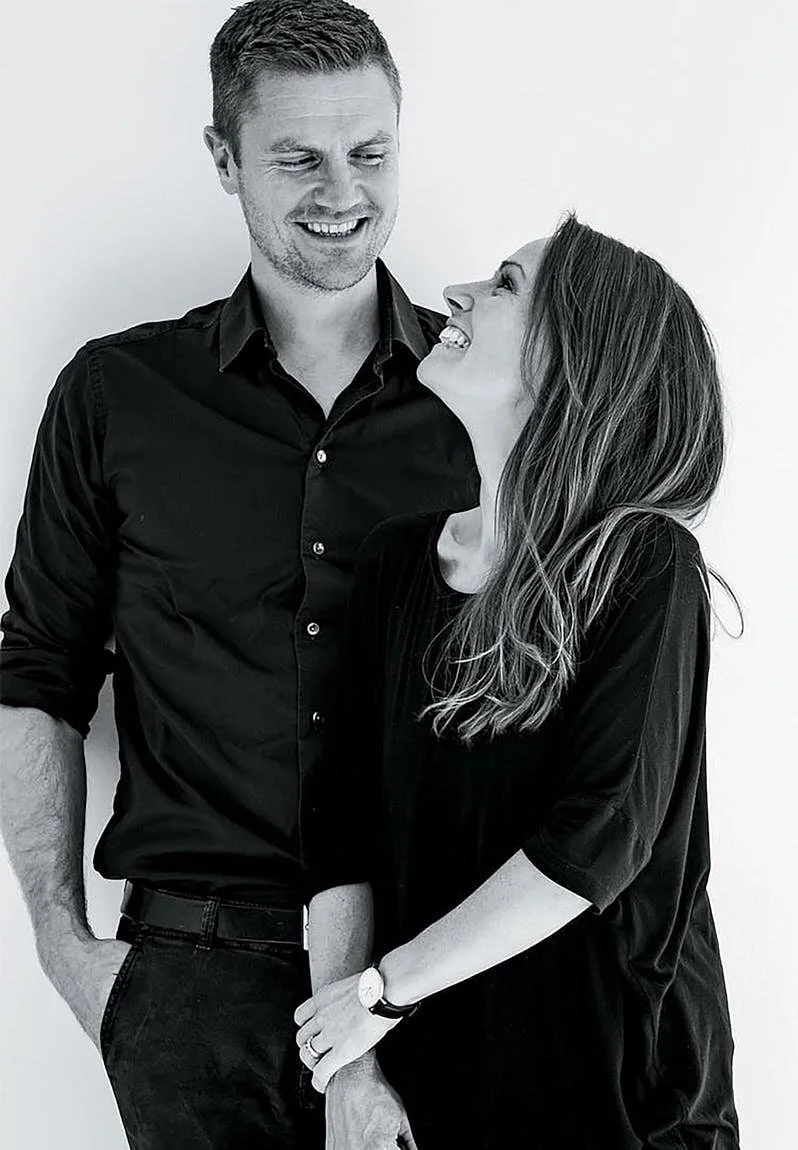
Anna and Ditlev Sibast
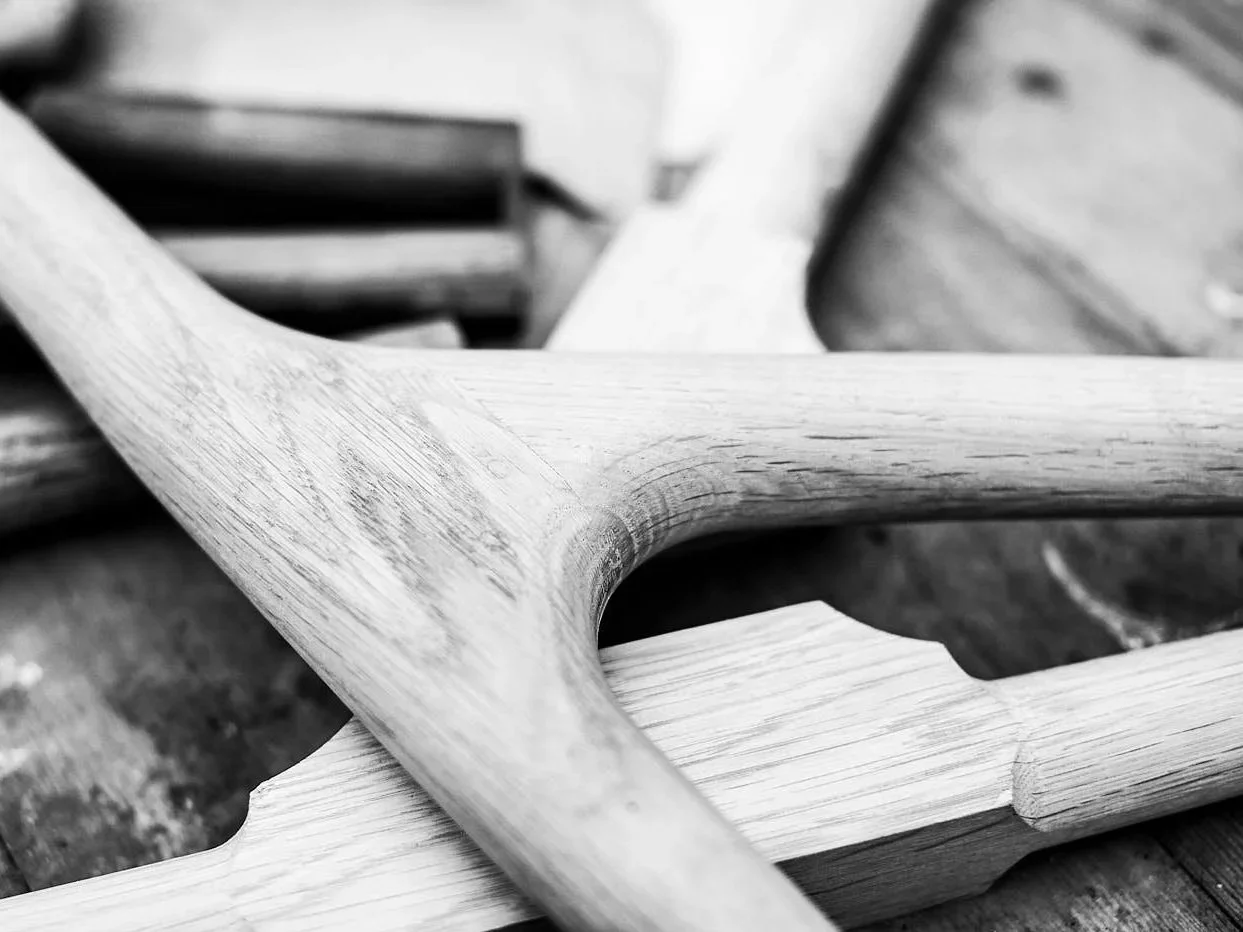
woodworking detail
The Primum Lounge Table was developed with you both as part of the new lounge collection. What did you spend the most time getting right in its design?
The character of the tabletop, and how it relates to the rest of the piece. Developing the table with Henrik gave us an opportunity to bring a recognisable SIBAST sensibility into the Primum collection.
The references to the No 7 family are present in the tabletop detailing and the expression of the materials. We wanted that connection to feel natural within a new design. The table also needed to sit comfortably alongside the upholstered lounge chair, with its own presence and a sense of ease between the two pieces.
For us, those relationships are where the design becomes interesting: the proportions, the materials and how a relatively small detail can give a piece its particular character.
What about SIBAST today would have surprised you most back in 2013, when you were relaunching the No 8?
What would have surprised us most is the opportunity to carry forward the work of designers such as Piet Hein and Arne Vodder, alongside collaborations with contemporary artists and designers such as Kasper Eistrup and Naja Utzon Popov. In 2013, our focus was on the No 8 and the design heritage within our own family. We could hardly have imagined that this would lead to working with such a remarkable range of creative voices.
We feel deeply grateful for the trust placed in us, both by the families who care for a designer’s legacy and by the artists and designers who choose to collaborate with us today.
That comes with a responsibility to understand the thinking behind each design and respect its character, quality and intentions. Whether we are bringing an existing design back into production or developing something new together, that commitment remains the same. Being able to carry important work forward and help new ideas take shape is one of the most meaningful parts of what we do.
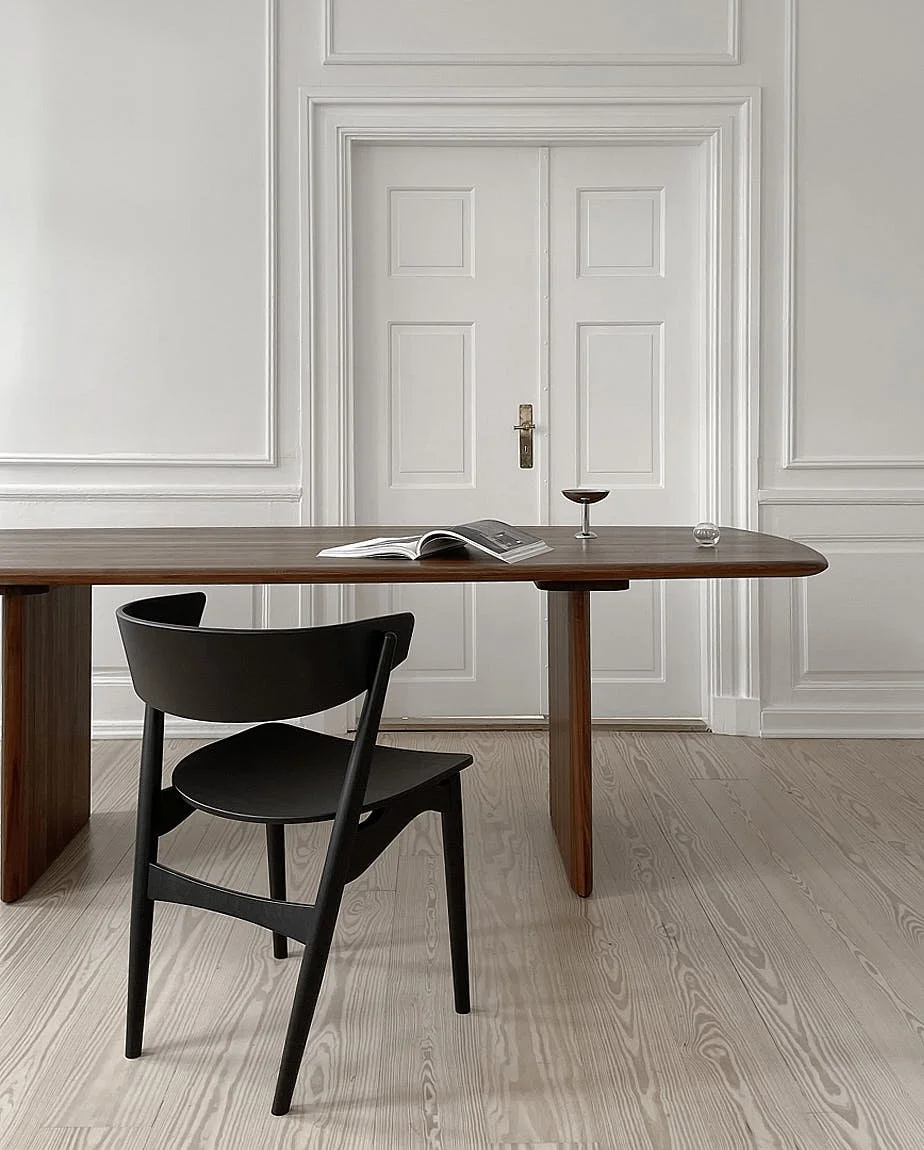
SIBAST Furniture
No 7 Dining Chair
No 7 Dining Table
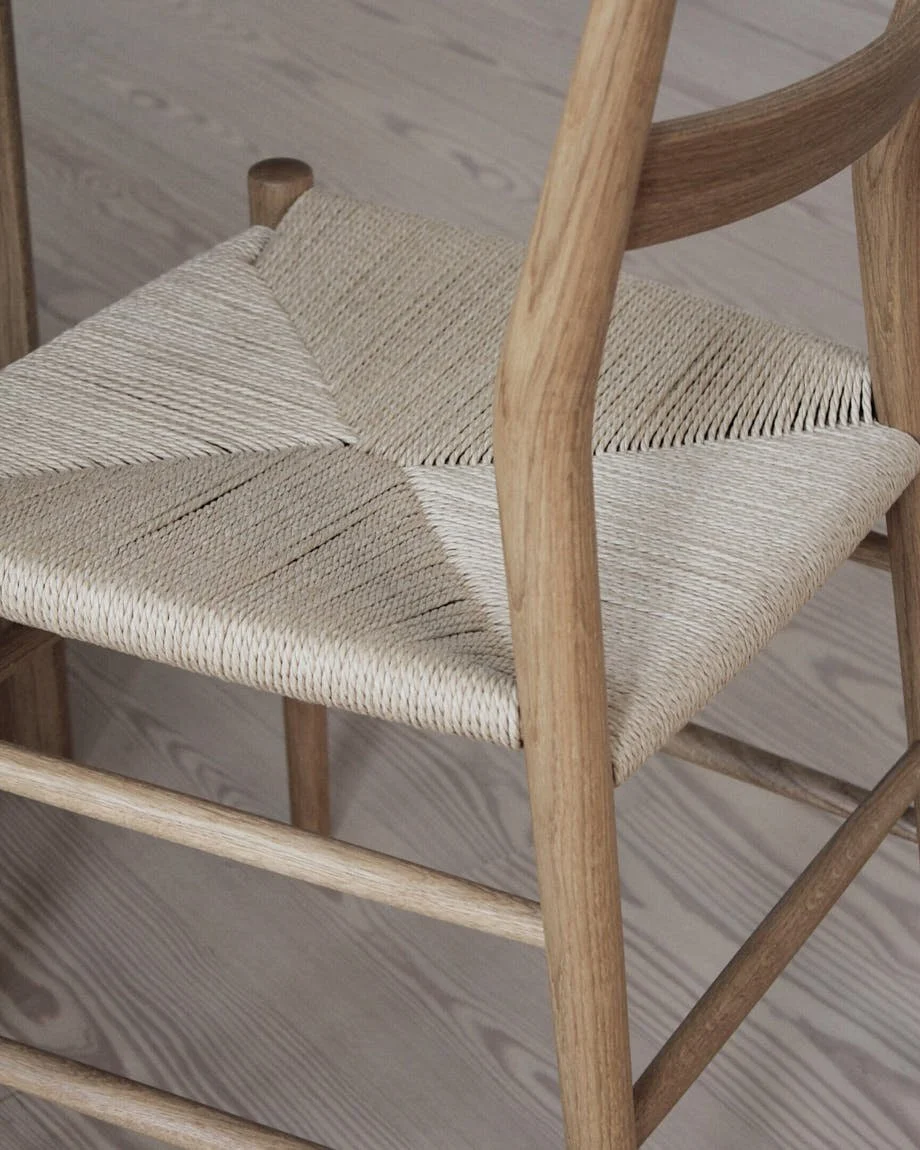
SIBAST Furniture
No 59 Dining Chair
SIBAST Furniture
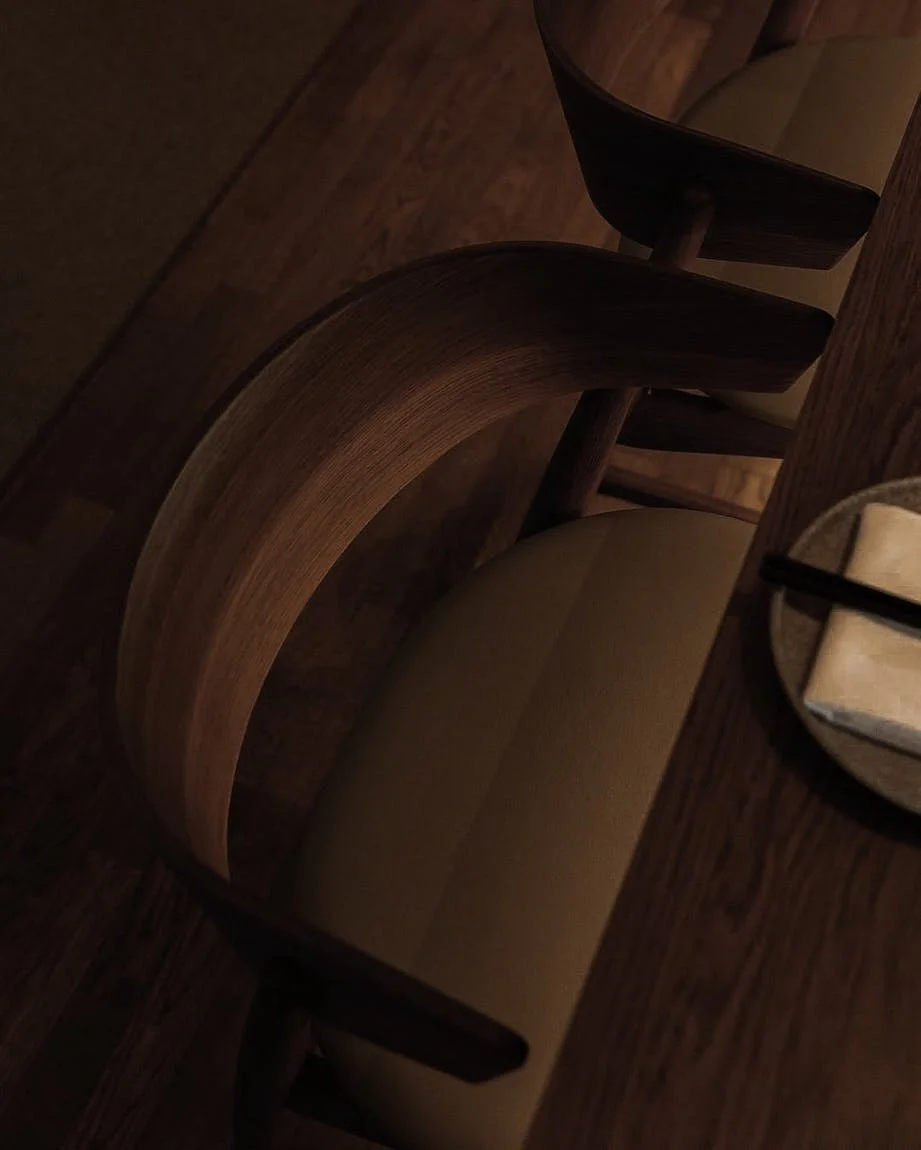
No 7 Bar Chair, Berns Salonger, Stockholm
Can you recall a time when one of you changed the other’s mind about a decision at SIBAST?
Anna Sibast
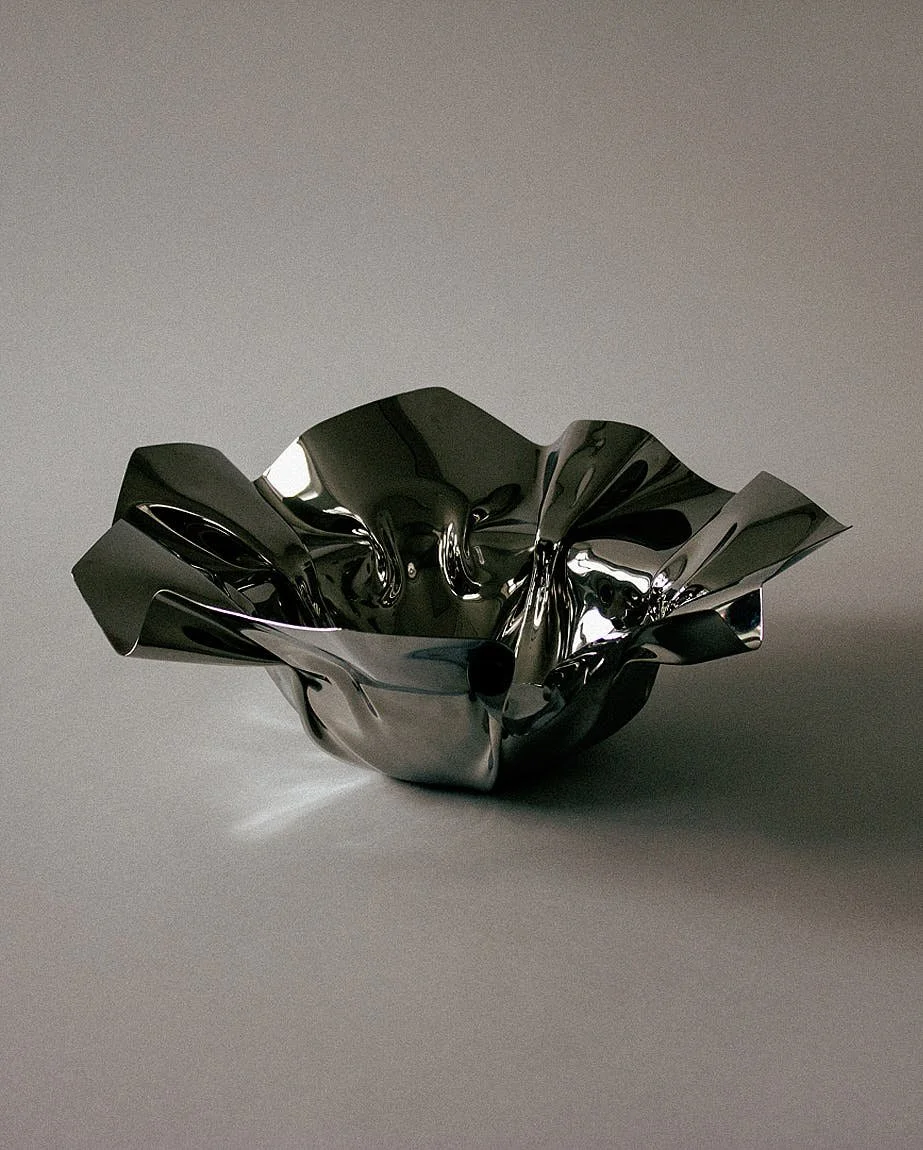
The Contour Steel Bowl is a good example. I wanted it to become part of the collection because I felt it could offer a broader design experience. A smaller object gives people another way to encounter SIBAST and brings our interest in form and materials into everyday life alongside the furniture.
For me, it was also about communicating a more complete picture of SIBAST. The relationship between furniture, objects and the spaces they become part of can express our taste, our values and the atmosphere we want to create. It allows us to present SIBAST as a design universe with its own point of view, where each piece contributes to a larger whole. That was the idea I wanted Ditlev to see.
Ditlev Sibast
Anna convinced me to consider what the bowl could contribute to the brand as a whole. She helped me see that the collection is also how we communicate who we are and what we believe good design should bring to everyday life. That can be expressed through a chair, a table or an object on a different scale.
Once I understood that role, it made sense to include it. It was a good reminder that the collection can develop in unexpected directions when a piece has a clear purpose and helps express what we stand for.
What have you been interested in lately outside furniture design?
Ditlev Sibast
We have three sons, and lately much of our attention has been on our eldest’s first backpacking trip to Japan. We have both been following his experiences with great interest, particularly how he discovers and responds to Japanese culture. We enjoy hearing what he notices, what surprises him and what makes an impression on him. As parents, it is very special to follow his journey as he explores the world independently and forms his own understanding of it.
Anna Sibast
His journey has also brought back memories of our own first visit to Japan. I remember being deeply moved by the respect and consideration people showed one another. That aspect of Japanese culture is something I find deeply inspiring. I think there is so much we can bring home from that experience: a greater awareness of the people around us, more consideration and care in the way we treat one another.
Danish design is still often associated internationally with the furniture classics of the mid-twentieth century. What do you feel is missing from that picture today?
Anna + Ditlev Sibast
What we feel deserves more attention is the thinking and discipline behind those classics. They give us a strong foundation and a sense of integrity in deciding what we choose to develop and launch. For us, every design should have a reason to exist. It should contribute something meaningful through its function, construction, comfort or expression.
The rhythm of development was different from today’s frequent cycles of collections and launches. There was a deep respect for detail, materials and the quality of the finished furniture. We see that way of thinking as an important part of our inheritance, and something we have a responsibility to carry forward.
That foundation should remain present in contemporary design. It encourages us to ask why a new piece is needed, what it contributes and whether it has been developed with the care it deserves. The ability to produce and launch something comes with a responsibility to consider whether it deserves to be made.
SIBAST Furniture
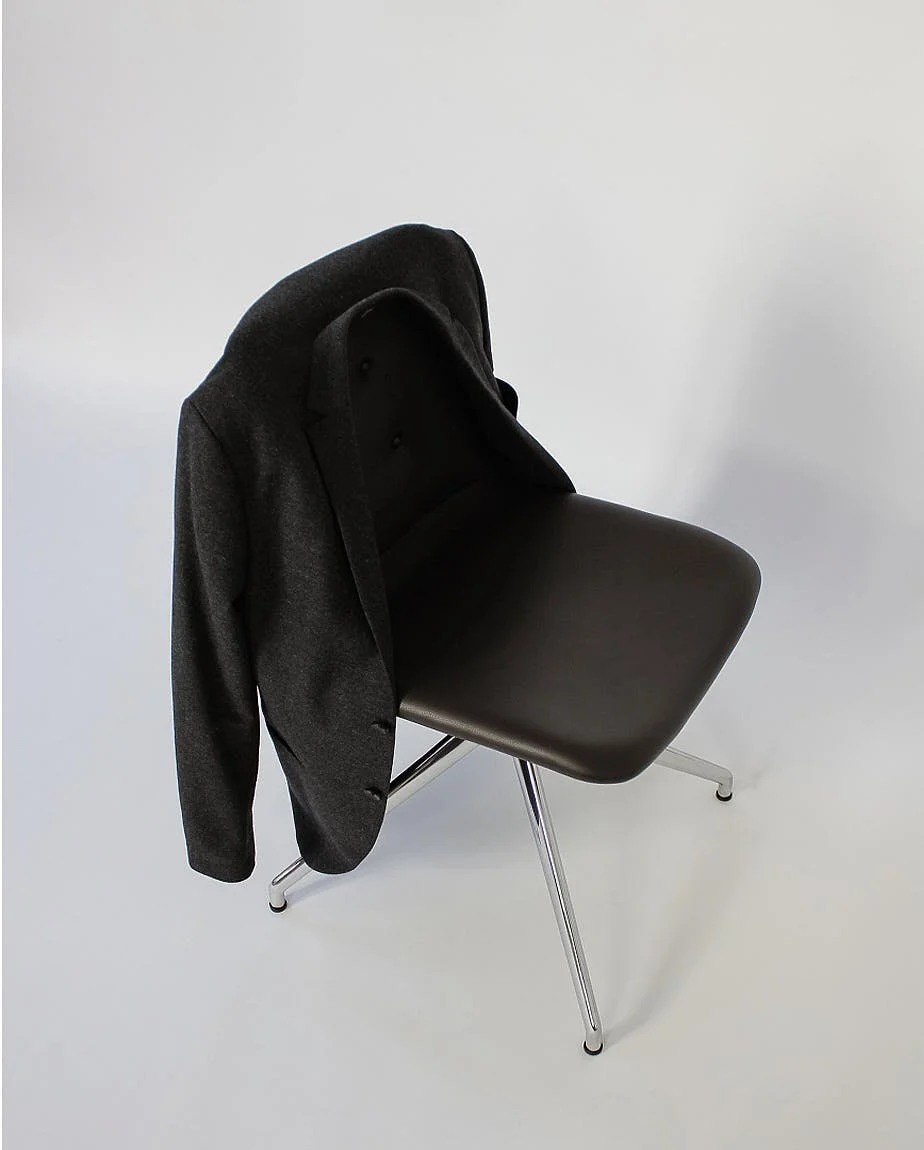
Primum Chair by Henrik Hvid Hansen
SIBAST Furniture
Contour Steel Bowl
images (c) SIBAST Furniture
DISCOVER MORE: www.sibast-furniture.com
Explore SIBAST Furniture’s collection, from Helge Sibast’s original Danish Modern designs to contemporary furniture, artist collaborations and the expanded collection with Bent Hansen.