
#InsideFashionPR
Offline Prestige, Online Chaos, and the CEOs Who Call It All Just Another Day at Work
A Conversation with MARCO SCOMPARIN
interview + written CHIDOZIE OBASI
At a time when the creative industry keeps shifting at restless speed, the worlds of advertising, fashion communication and public relations are changing with it. Once anchored in print, physical presence and carefully built editorial relationships, the field now moves through digital platforms, social media strategies, data systems and the growing presence of Artificial Intelligence, all of which have accelerated the way stories are created, distributed and measured.
Still, the central task of communication has remained strangely consistent: to shape a story, to place it in the right context and to understand what gives a brand cultural relevance beyond visibility alone. Between printed pages and digital screens, between long-term image building and immediate online response, the industry continues to renegotiate its own language.
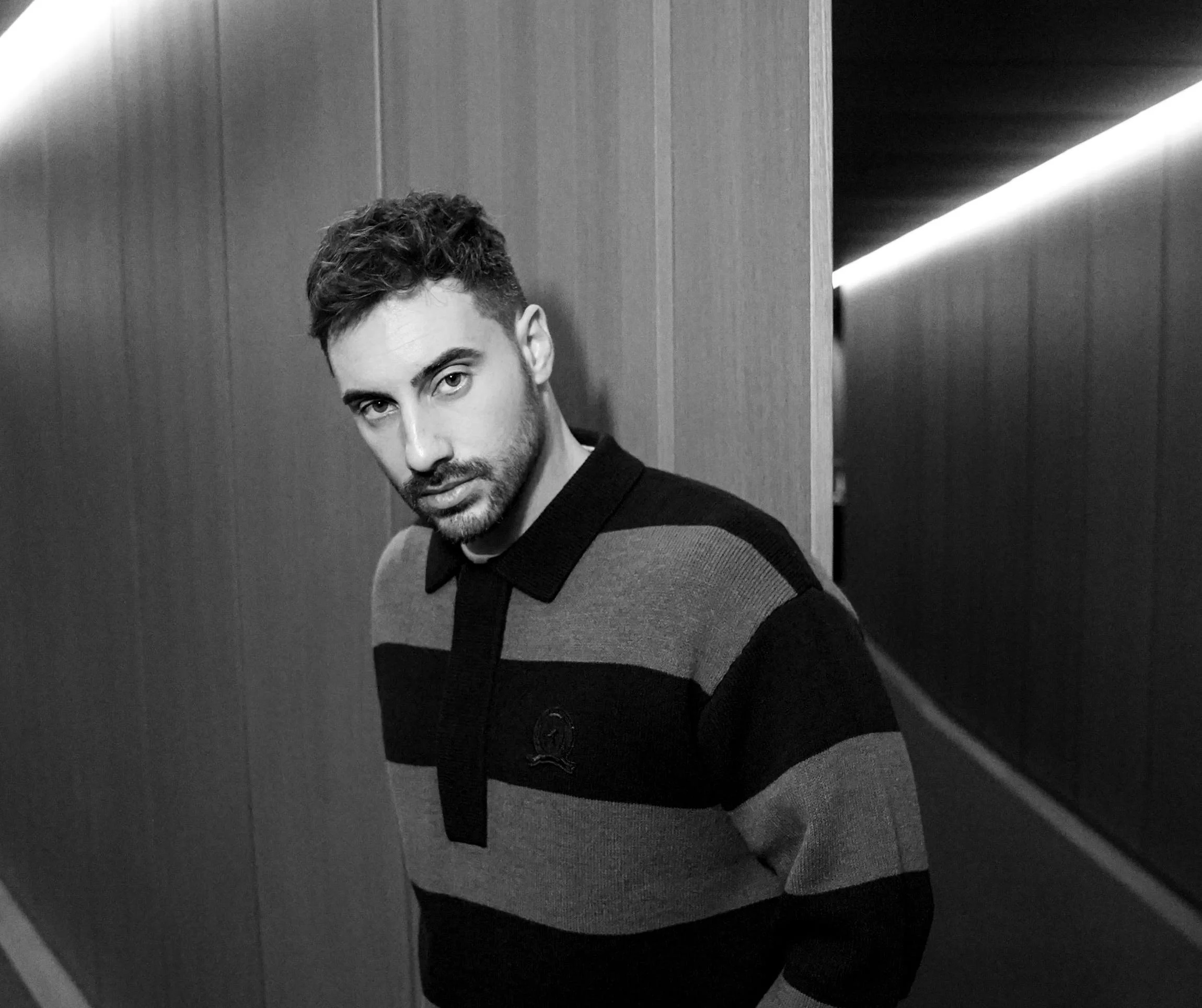
With this series, LE MILE speaks to industry insiders about the changing role of print, the pressure of digital speed, the use of AI, the value of storytelling and the future of fashion communication. This conversation continues with Marco Scomparin, CEO & Founder of MASC Agency, whose path into fashion communications began outside the industry before moving through New York, digital PR and talent representation. As the founder of an agency built around male talent and high-level brand positioning, his perspective is shaped by relationships, cultural timing and the shift from traditional gatekeepers to a media landscape led by audiences, algorithms and real-time influence.
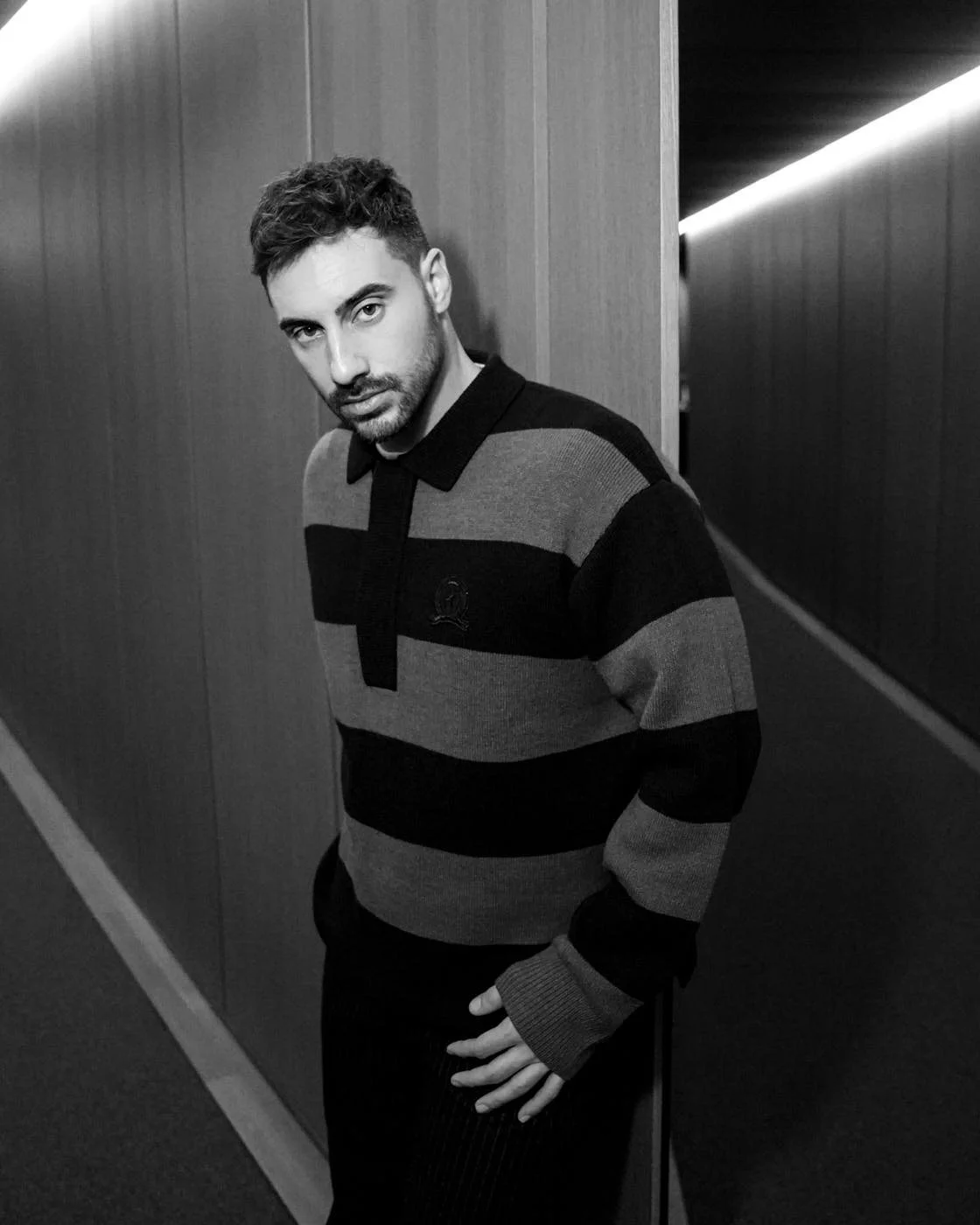
Marco Scomparin
CEO & Founder of MASC AGENCY
Chidozie Obasi
First things first: I’d like to get acquainted with how your journey into the realm of fashion communications began. Could you unpack it for us?
Marco Scomparin
It actually started far away from catwalks and red carpets; I was in the world of numbers and finance. I quickly discovered that it wasn’t for me—maybe because it felt too uncreative and, dare I say, a little too “old boys’ club” for my taste. So I took a sabbatical year and moved to New York, where I learned that PR wasn’t just the person selling you a ticket for nightclub entry; it could be so much more. That experience opened my eyes to the power of storytelling, brand positioning, and cultural influence. When I returned to Italy, I dove headfirst into fashion communications, working with brands across fashion, beauty, and lifestyle. Over time, I built MASC Agency—the first in Europe to represent only male talents—and became equally focused on high-level digital PR. At the heart of it all, my strength has always been relationships: I don’t just know who’s who; I know what makes them move.
How have you seen this industry sector develop over the years?
It has evolved from being an industry driven by glossy magazines and a small, elite group of people to one where a single Instagram story can shift brand perception overnight. We’ve moved from carefully curated, slow-burn campaigns to real-time, multi-platform storytelling. What’s interesting is that while tools and channels have changed, the core hasn’t: it’s still about influence—only now it’s in pixels. The power dynamic has also shifted: ten years ago, brands dictated the conversation, but today creators often lead it.
What, in your opinion, has been the biggest shift in this field?
The democratization of influence. In the past, the gatekeepers were editors, stylists, and PR directors. Now the gatekeepers are algorithms and audiences themselves. The most powerful shift is that credibility is earned in real time—you can’t fake authenticity for long. For agencies like mine, that means we have to be more agile, more transparent, and much more in tune with cultural timing. What works today won’t necessarily work tomorrow. You have to be brave enough to invest in the future (even if I don’t always fully understand it) and patiently trust the process.
Could you argue the benefits and disadvantages between traditional practices of communication and the digital facet of social media?
I often say that traditional communication was like a luxury cruise: steady, elegant, and predictable, while social media is a speedboat—fast, exciting, and sometimes a little chaotic. Traditional PR had authority, depth, and a certain timelessness, but it was slow to adapt and often accessible only to a select few. Social media changed all of that: suddenly anyone could be part of the conversation, and brands could have direct, real-time exchanges with their audience. The downside is that digital moves at such a pace that trends can burn out before a campaign is even over, and attention spans are shrinking dramatically. Personally, I believe the real magic happens when the two worlds meet—when you combine the prestige and storytelling depth of traditional media with the immediacy and interactivity of digital. That’s when communication becomes truly powerful.
In a world where social and cultural innovations are changing at an increasingly ferocious pace, what are your thoughts on AI?
AI is like having the world’s most efficient intern—brilliant at processing data, spotting patterns, and never asking for vacation. [Laughs.] But it’s still missing the human heartbeat that drives culture, emotion, and taste. In my field, AI can speed up research and analytics, but the magic happens in human decision-making, which will never be substituted by AI: knowing which influencer to pair with which brand because you’ve shared a dinner table with them, not just a spreadsheet. Often, clients give me a budget and I decide which influencers to include in the project. I choose not only those who are a good fit for the brand, but also the ones naturally suited to the activity and who connect well with each other. In 2025, there’s no room for a diva-like attitude anymore—not even international celebrities can get away with it, let alone influencers.
Will we ever reach the point where it’ll replace the work of humans?
AI might replace tasks, but it won’t replace taste and expertise like mine. It can simulate creativity, but it can’t live a night at the Venice Film Festival or sense the unspoken dynamics between a designer and a muse. My job is 50% strategy and 50% intuition—and intuition is born from lived experience, cultural awareness, and emotional intelligence. AI can be a phenomenal assistant, but in this industry, human nuance will always lead.
In your opinion, will print and traditional means of communications ever die, or will they somehow stay afloat?
Print will never fully die; it will just become more niche, more collectible, and more symbolic of prestige. Much like vinyl records, its value will lie in its tangibility and artistry. You might not buy a magazine every week anymore, but when you do, it feels like an occasion. For brands, print will remain a mark of legacy; for consumers, it will be a slower, more intentional way to engage.
What are your hopes for the future of the media industry?
I hope we move toward a media landscape that values depth as much as speed, that balances virality with substance, and that remembers audiences are smart—they can tell when they’re being sold to, and they appreciate honesty. My dream is for the industry to keep innovating technologically while doubling down on storytelling that’s truly human. In the end, trends fade, but stories—the good ones—last.
This conversation is part of LE MILE’s series on print, fashion communications and the future of PR.