
#InsideFashionPR
Offline Prestige, Online Chaos, and the CEOs Who Call It All Just Another Day at Work
A Conversation with SILVIA NEGRI FIRMAN
interview + written CHIDOZIE OBASI
At a time when the creative industry keeps shifting at restless speed, the worlds of advertising, fashion communication and public relations are changing with it. Once anchored in print, physical presence and carefully built editorial relationships, the field now moves through digital platforms, social media strategies, data systems and the growing presence of Artificial Intelligence, all of which have accelerated the way stories are created, distributed and measured.
Still, the central task of communication has remained strangely consistent: to shape a story, to place it in the right context and to understand what gives a brand cultural relevance beyond visibility alone. Between printed pages and digital screens, between long-term image building and immediate online response, the industry continues to renegotiate its own language.
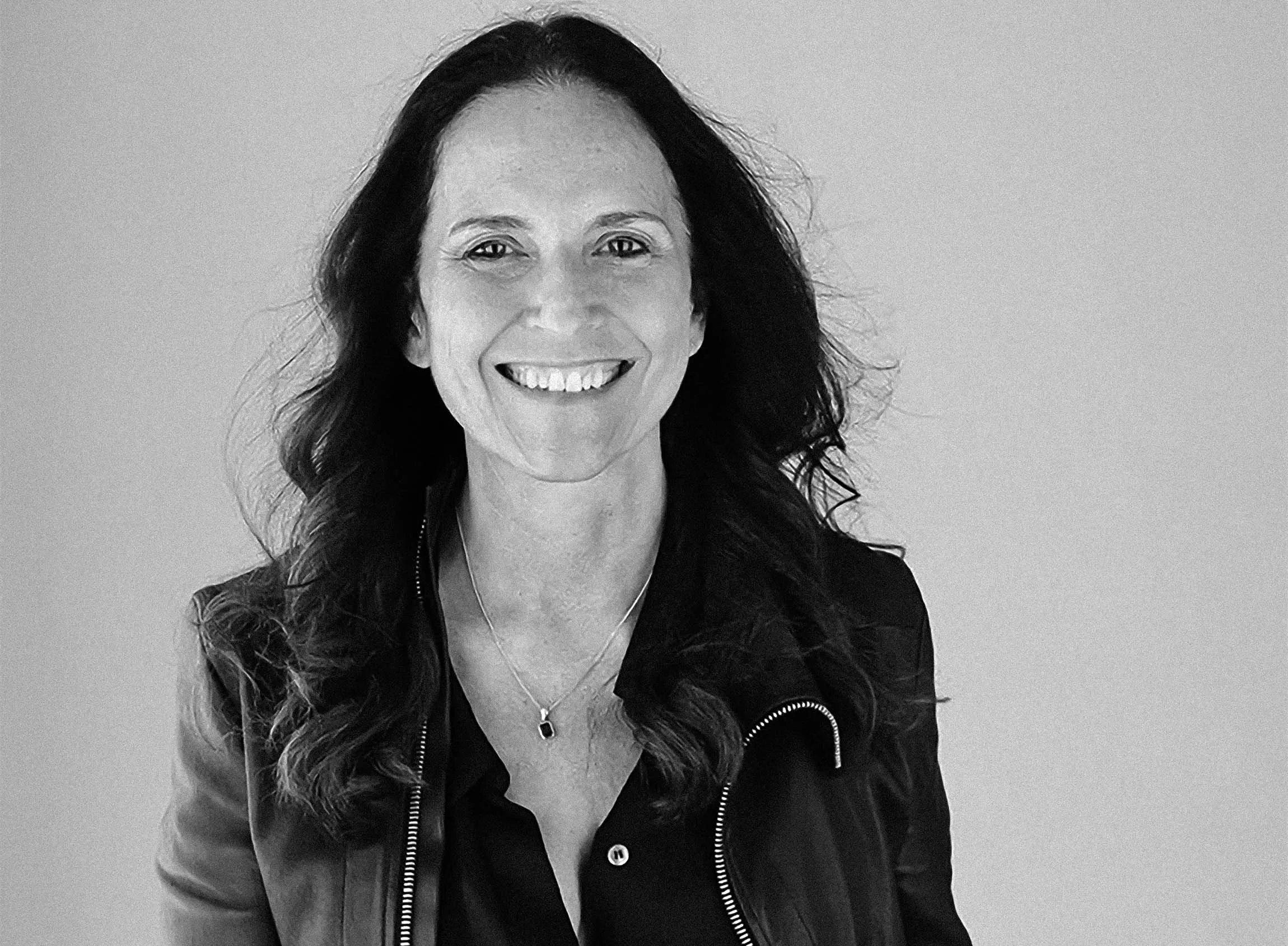
With this series, LE MILE speaks to industry insiders about the changing role of print, the pressure of digital speed, the use of AI, the value of storytelling and the future of fashion communication. This conversation continues with Silvia Negri Firman, Founder & Creative Director of Negri Firman PR, whose career began between styling, photography and the early years of Karla Otto before moving through Giorgio Armani and into her own agency. Her perspective is shaped by a long-standing understanding of image, reputation and communication as a practice that must evolve without losing depth, credibility or cultural intention.
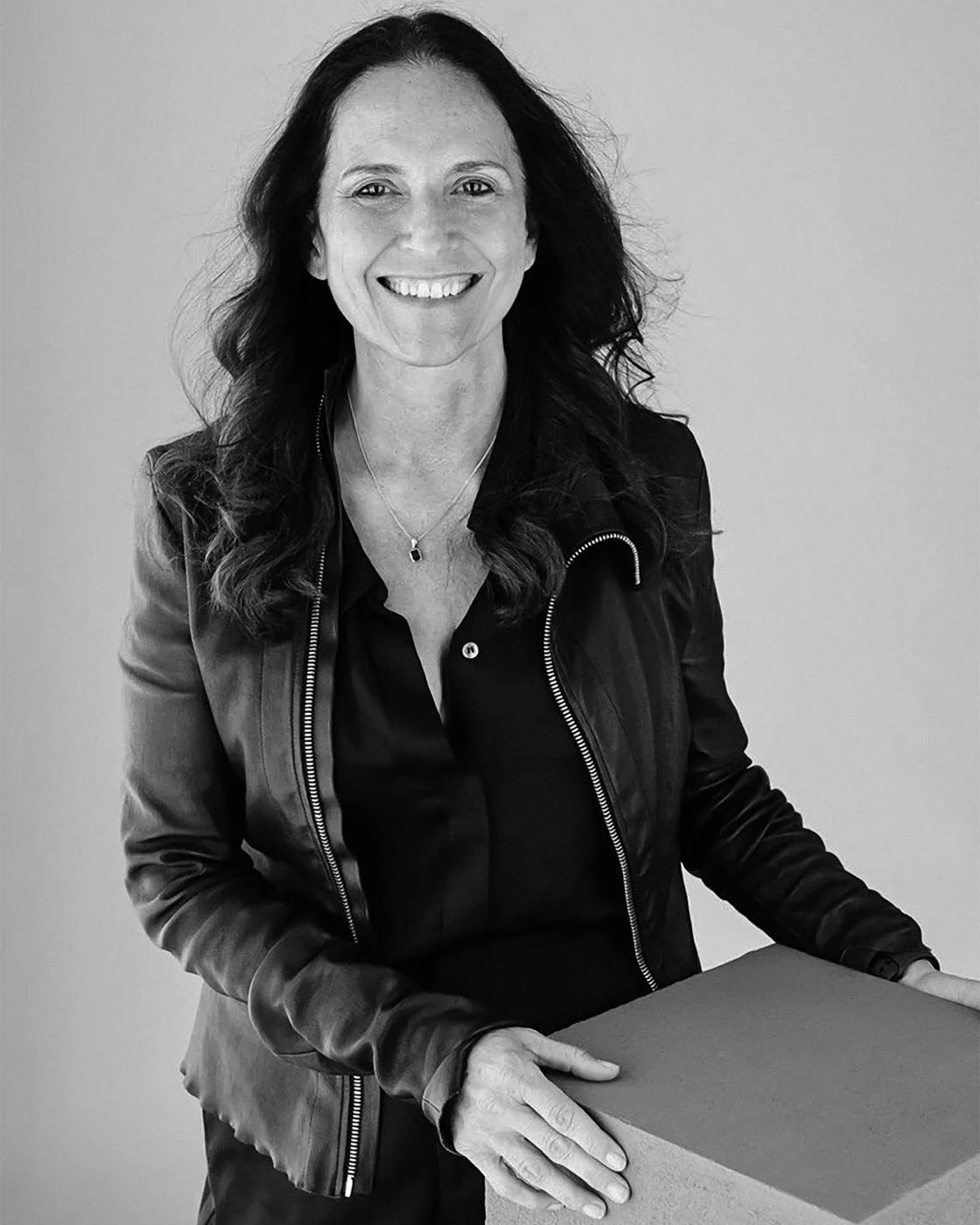
Silvia Negri Firman
Founder & Creative Director of Negri Firman PR / photographed by Stefano Guindani
Chidozie Obasi
First things first: I’d like to get acquainted with how your journey into the realm of fashion communications began. Could you unpack it for us?
Silvia Negri Firman
My journey started quite early, and rather by chance. I’ve always been passionate about fashion and initially thought I wanted to become a fashion designer. After high school, I enrolled in university and, at the same time, started attending a fashion school. But I also wanted to work, so I began assisting a photographer—both as his assistant and as a stylist.
Before long, I started freelancing as a stylist, which led me to collaborate with a number of brands and PR agencies. At one point, I was offered a job at Karla Otto, and I accepted. In a way, you could say it was Karla who chose my future. She was just starting out herself, and I was the third person to join the agency—literally one of three. But we were already working with the most cutting-edge brands at the time, and the agency kept growing. A few years later, I joined Giorgio Armani—and the rest is history. I’ve always worked with dedication and passion, never shied away from challenges, and embraced every opportunity to learn and grow professionally. I’m still learning, still working with passion, and I still love what I do.
How have you seen this industry sector develop over the years?
This industry has evolved significantly over the years, constantly adapting to societal and cultural shifts as well as the rise of new technologies. We've seen major changes in both strategies and working methods, with technological advancements offering us increasingly sophisticated and efficient tools. To be truly effective, communication must reflect these societal changes. It’s crucial not only to recognize but also to anticipate new trends and shifts in consumer behavior in order to design successful campaigns.
What, in your opinion, has been the biggest shift in this field?
The most significant shift has undoubtedly been the advent of the internet and digital technology. These developments have transformed the world at large and have had a profound impact on the communication industry. They've revolutionized the way we connect, create, and share content, reshaping both strategies and audience expectations.
Could you argue the benefits and disadvantages between traditional practices of communication and the digital facet of social media?
In my opinion, there are no real disadvantages on either side—what truly makes the difference is the integration between traditional communication and digital platforms. Traditional practices offer structure, credibility, and depth, which are essential for building long-term reputation and authority. On the other hand, digital tools and social media bring immediacy, interactivity, and the ability to engage directly with a wide and diverse audience. When used together strategically, they complement each other and enhance the overall effectiveness of a communication campaign. It’s not about choosing one over the other, but about leveraging the strengths of both to deliver consistent, impactful, and meaningful messages.
In a world where social and cultural innovations are changing at an increasingly ferocious pace, what are your thoughts on AI?
I’ve personally embraced the rise of AI with great interest and enthusiasm. I see it as a potentially powerful and valuable tool in the field of communication. Its arrival has undoubtedly accelerated the pace of change in our industry, pushing us to rethink processes and explore new creative possibilities. That said, I believe it's still too early to fully measure AI's real impact, as many people are using it in a limited and somewhat superficial way. However, if integrated thoughtfully with other tools and channels, I’m convinced AI can be a highly positive force—enhancing efficiency, insight, and innovation across the communication landscape.
Will we ever reach the point where it’ll replace the work of humans?
I don’t think so.
In your opinion, will print and traditional means of communications ever die, or will they somehow stay afloat?
In my opinion, print and traditional media are not destined to disappear—they are simply evolving to take on a different, perhaps even more valuable, role than in the past. The rise of digital and online platforms has certainly challenged traditional media, leading to a significant shake-up and a necessary selection process. However, this shift has also given new meaning to print: it’s now seen as more curated, more intentional, and often more prestigious. Integration between platforms is essential, and each channel has its own strength. Print remains highly appreciated in certain contexts, especially where depth, quality, and tangible presence are key. Rather than dying out, traditional media are being redefined—and still have a meaningful place in a well-rounded communication strategy.
What are your hopes for the future of the media industry?
I hope to see a media industry that continues to evolve without losing sight of quality, credibility, and depth. I believe the future lies in a balanced integration of traditional and digital platforms, where each medium plays to its strengths. My hope is that print and legacy media will continue to be valued for their reliability and depth, while digital tools and AI drive innovation, accessibility, and speed. I’d like to see a media landscape that is both dynamic and responsible—one that embraces change but remains grounded in thoughtful, meaningful communication.
This conversation is part of LE MILE’s series on print, fashion communications and the future of PR.