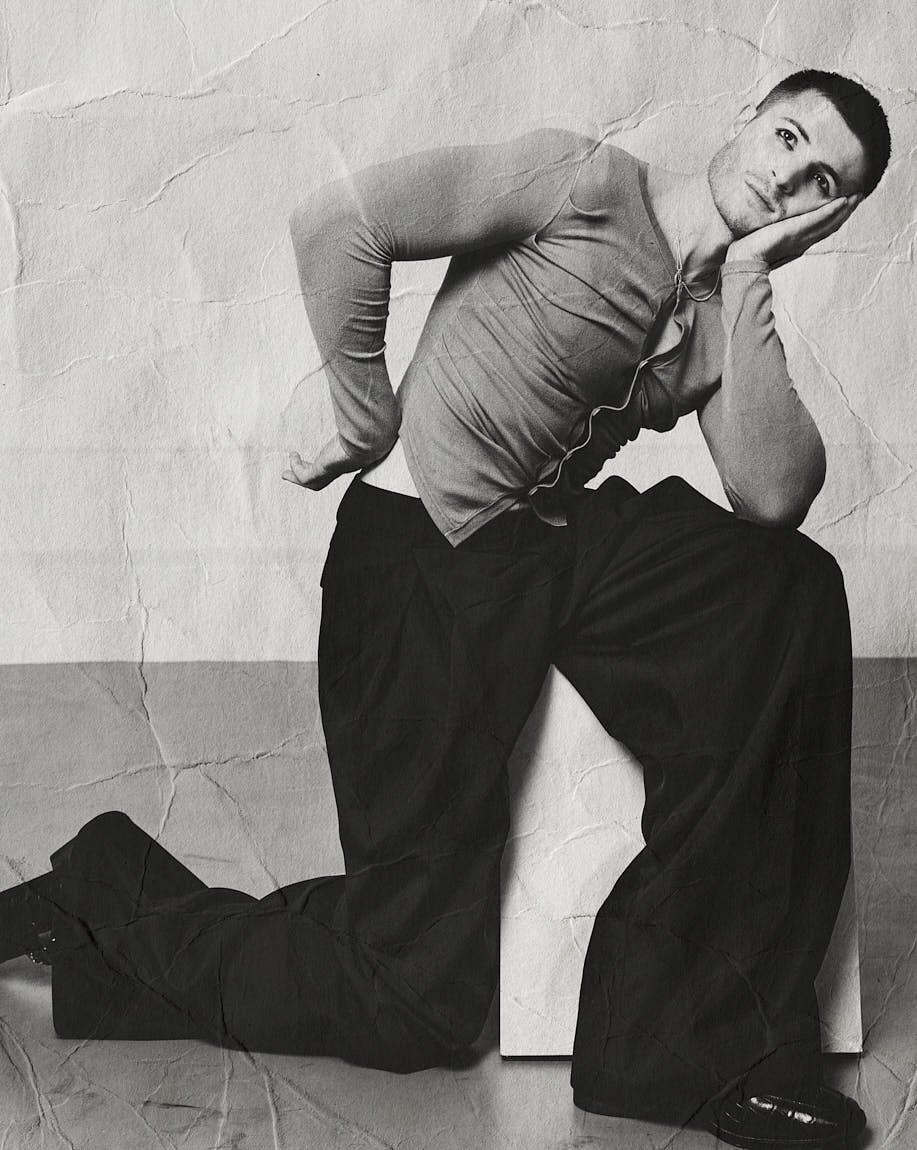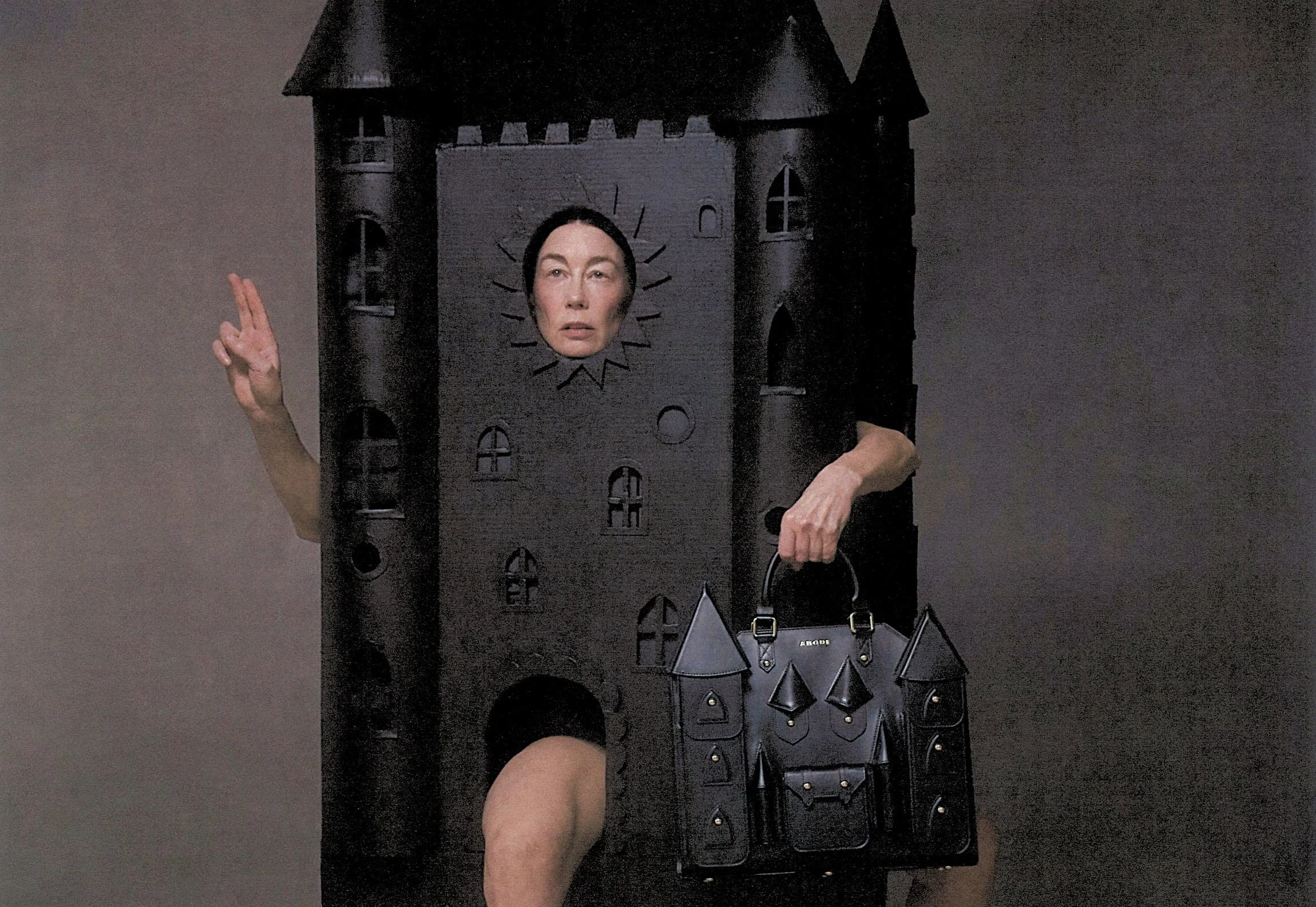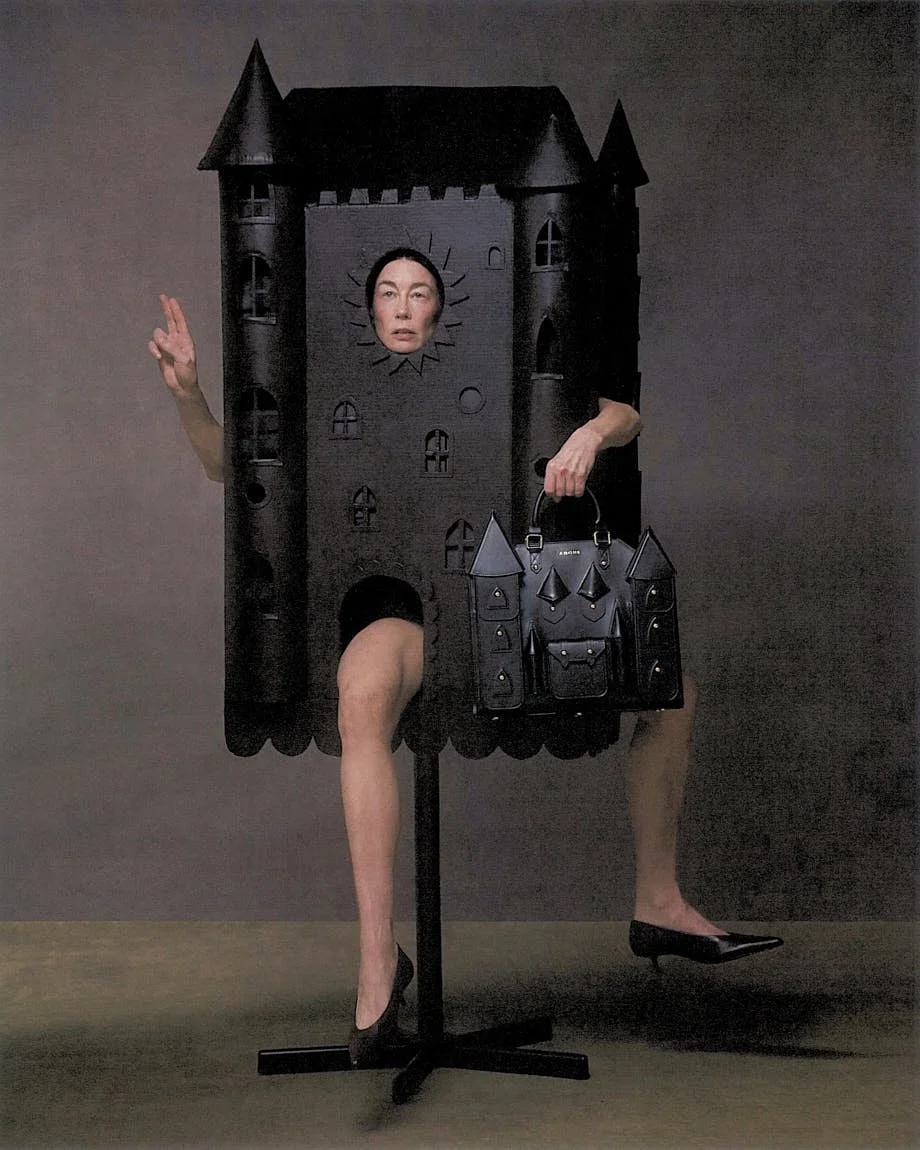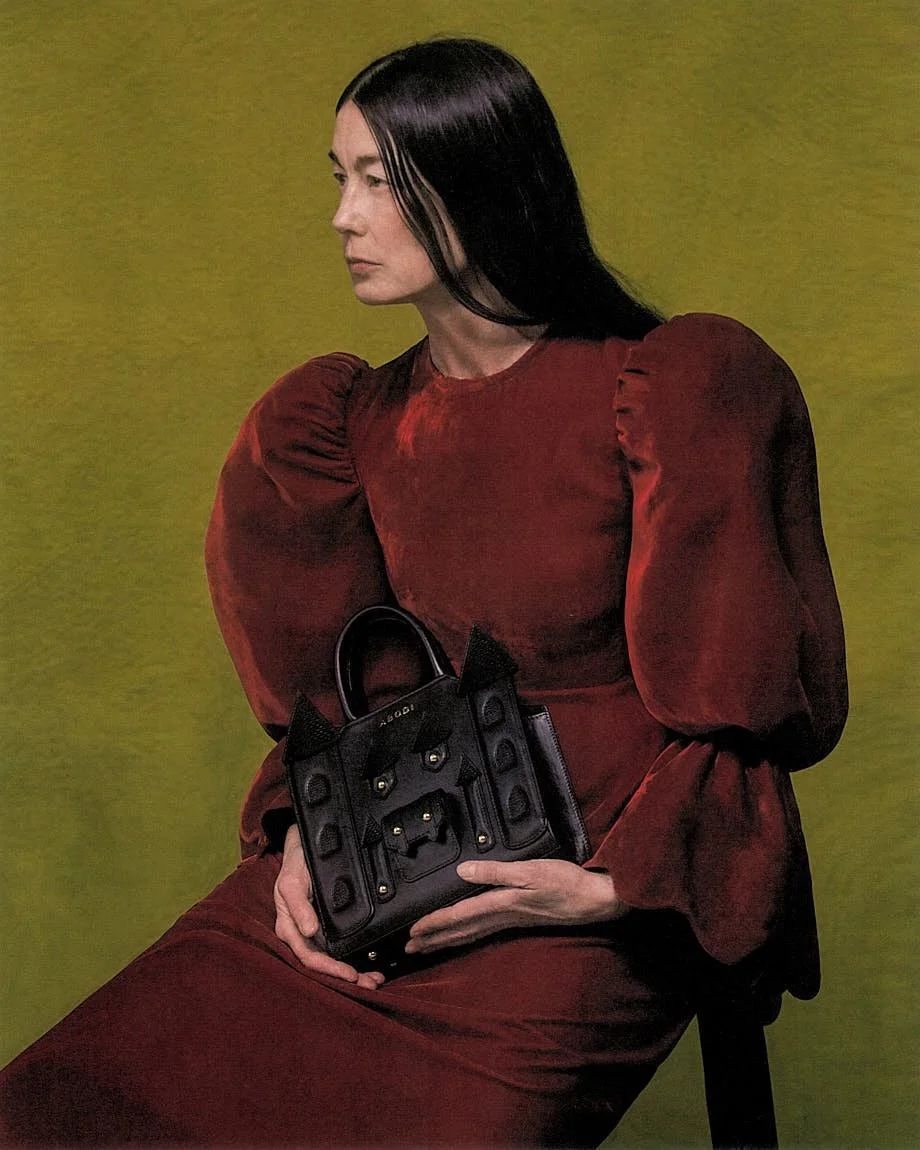
Lara Pulver On MobLand and The Riders

Lara Pulver On MobLand and The Riders

Lara Pulver on Why Bella Feels Different in MobLand Season 2


interview + written MONICA DE LUNA


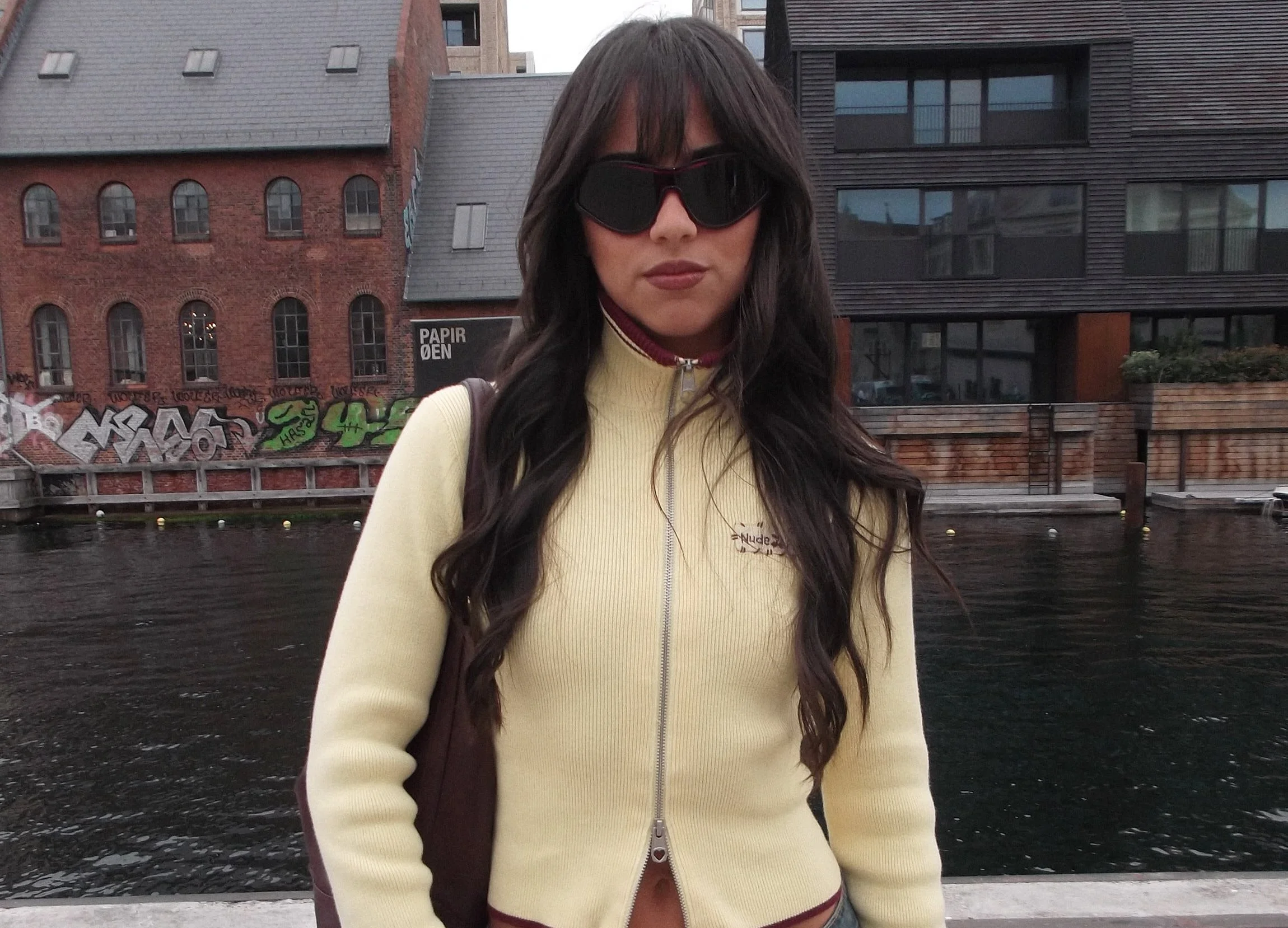
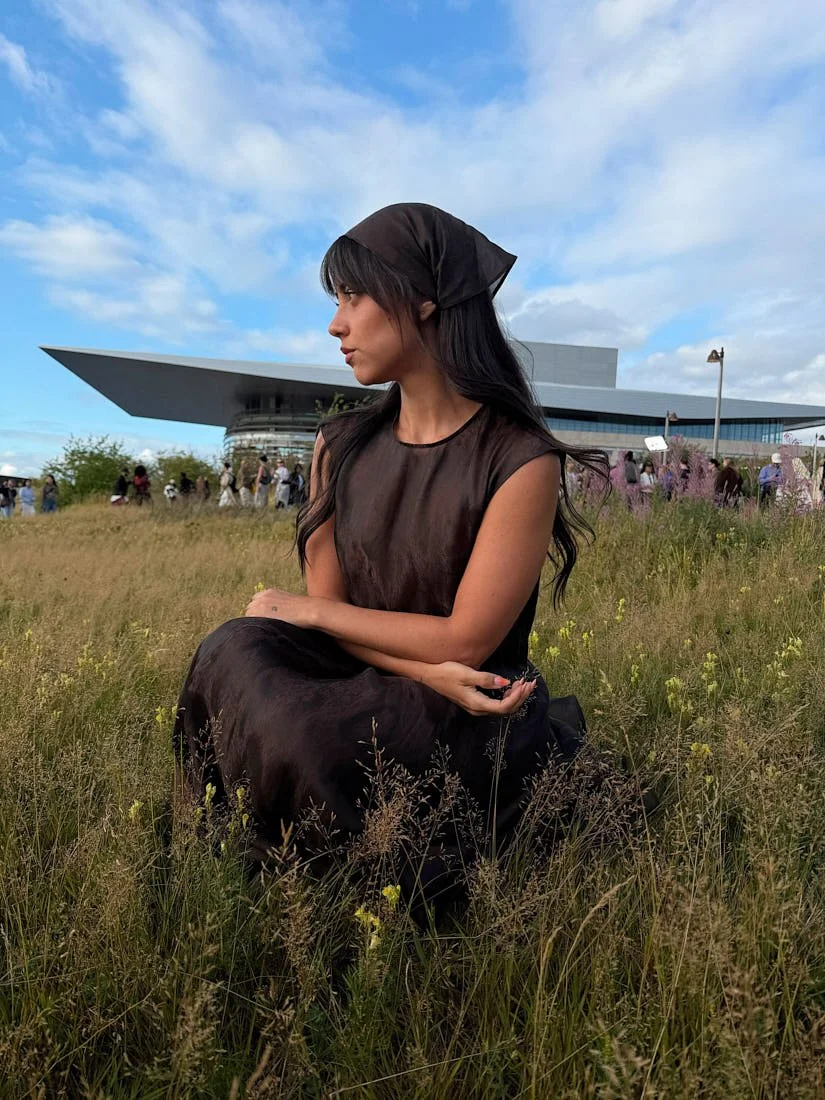
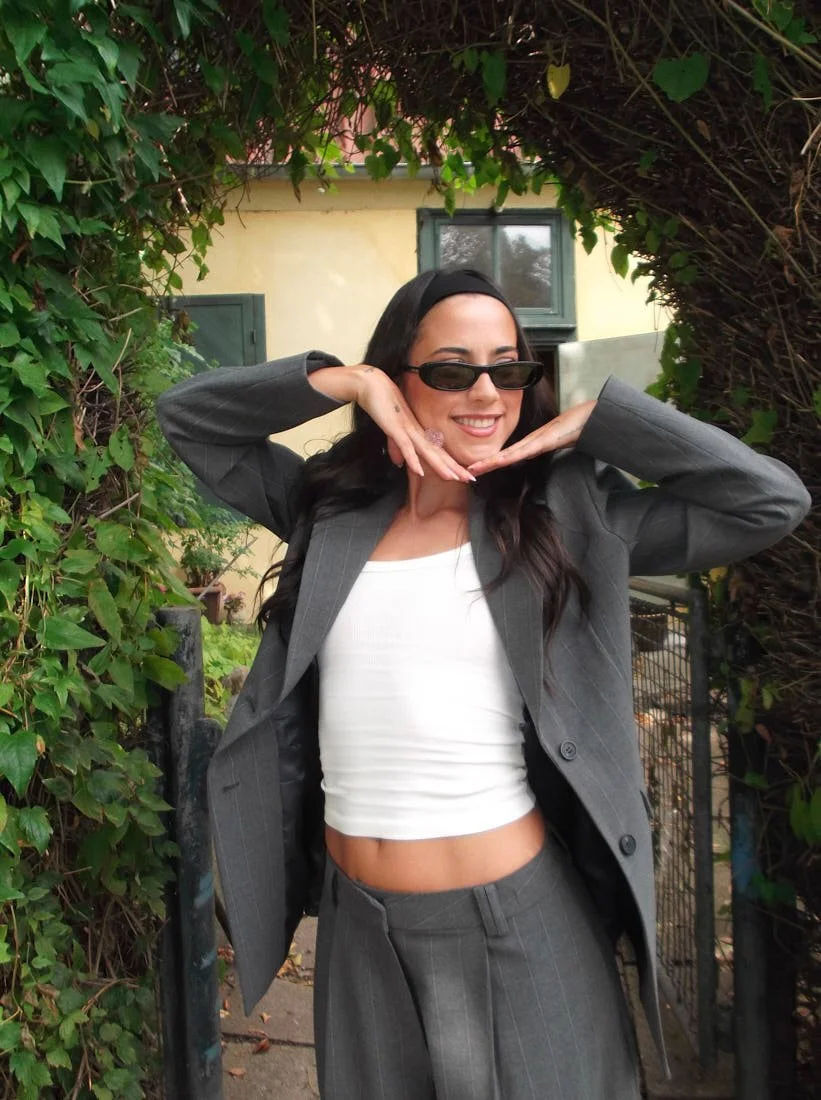
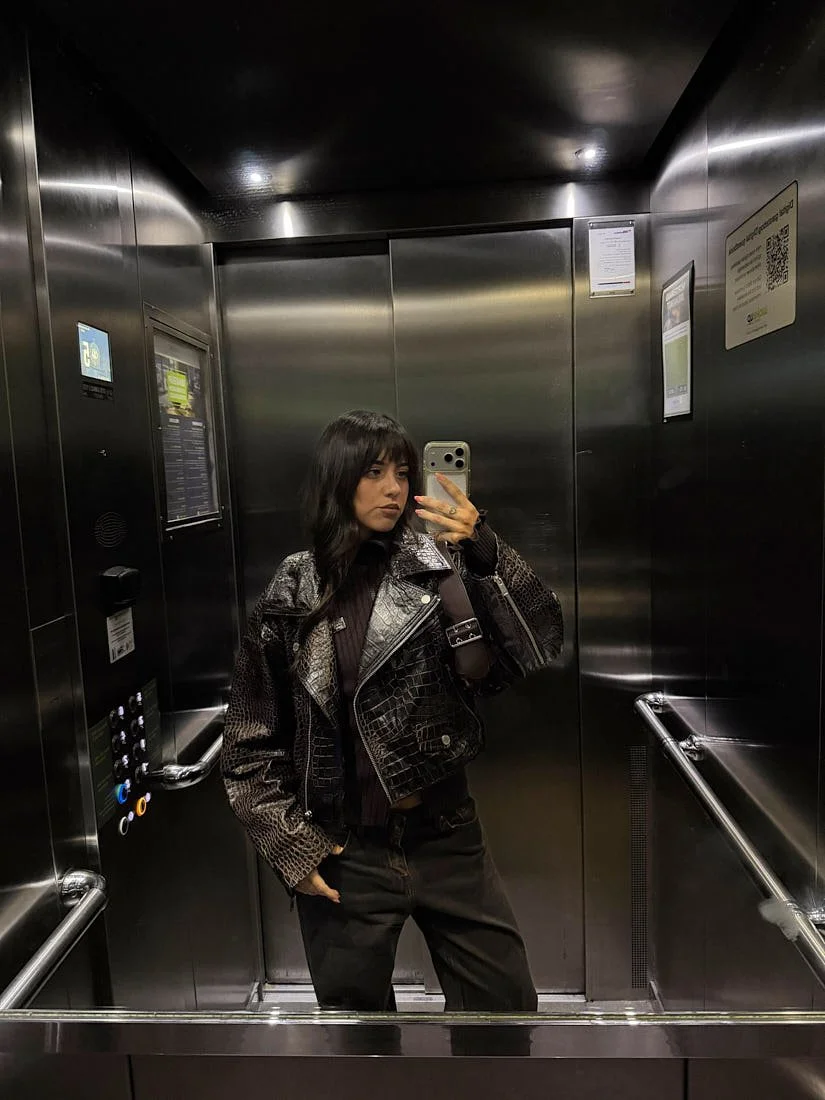
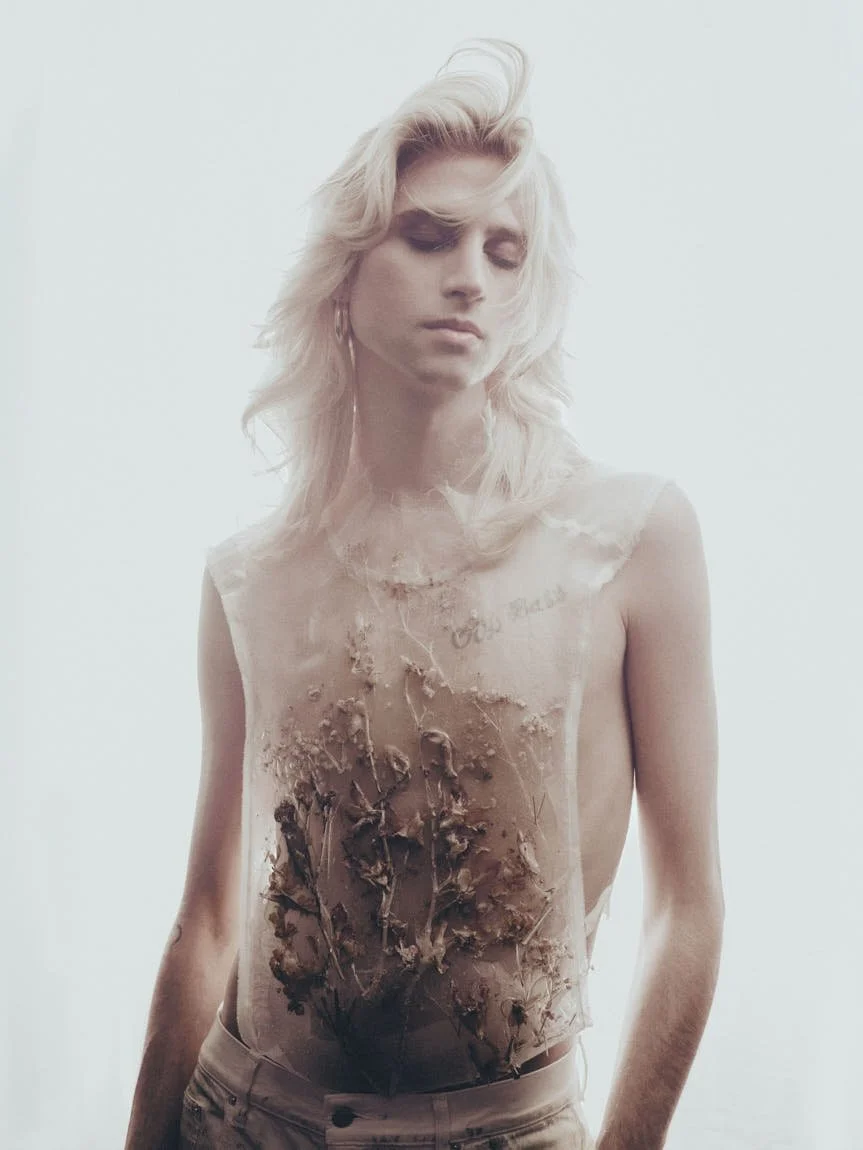
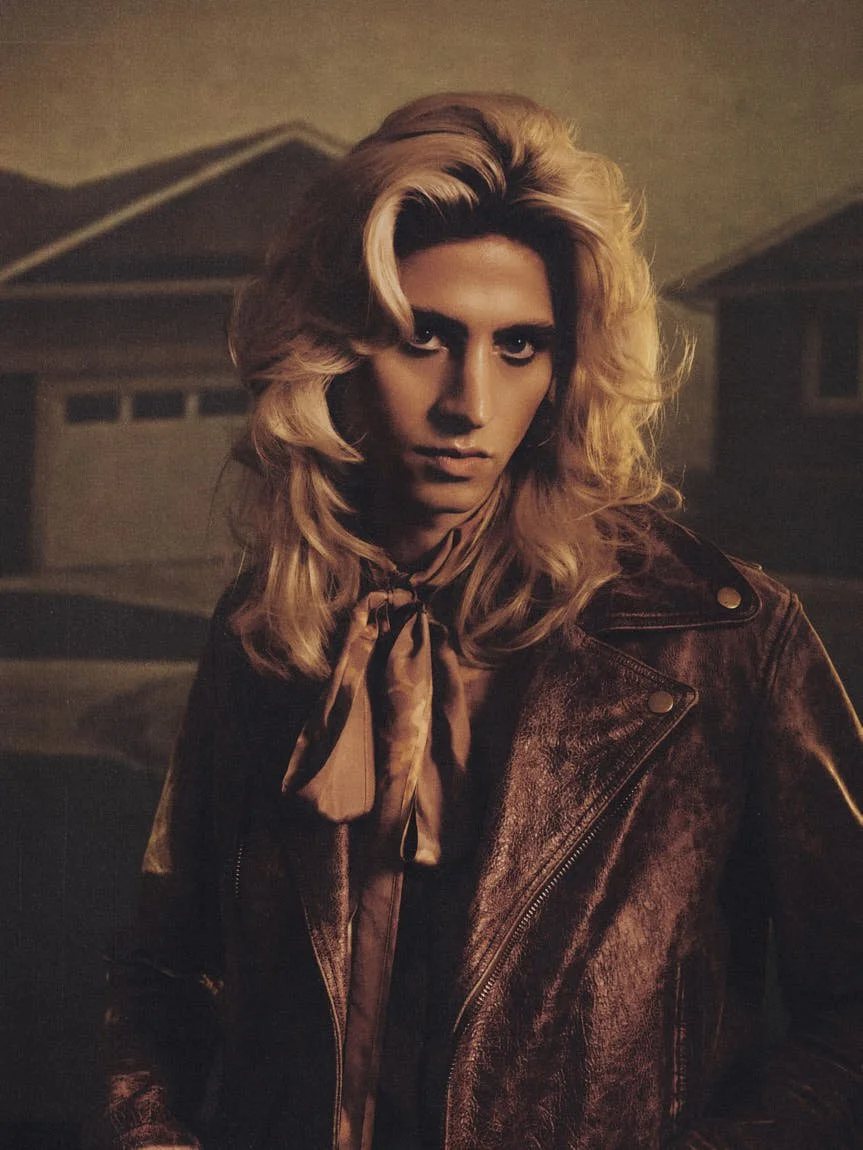
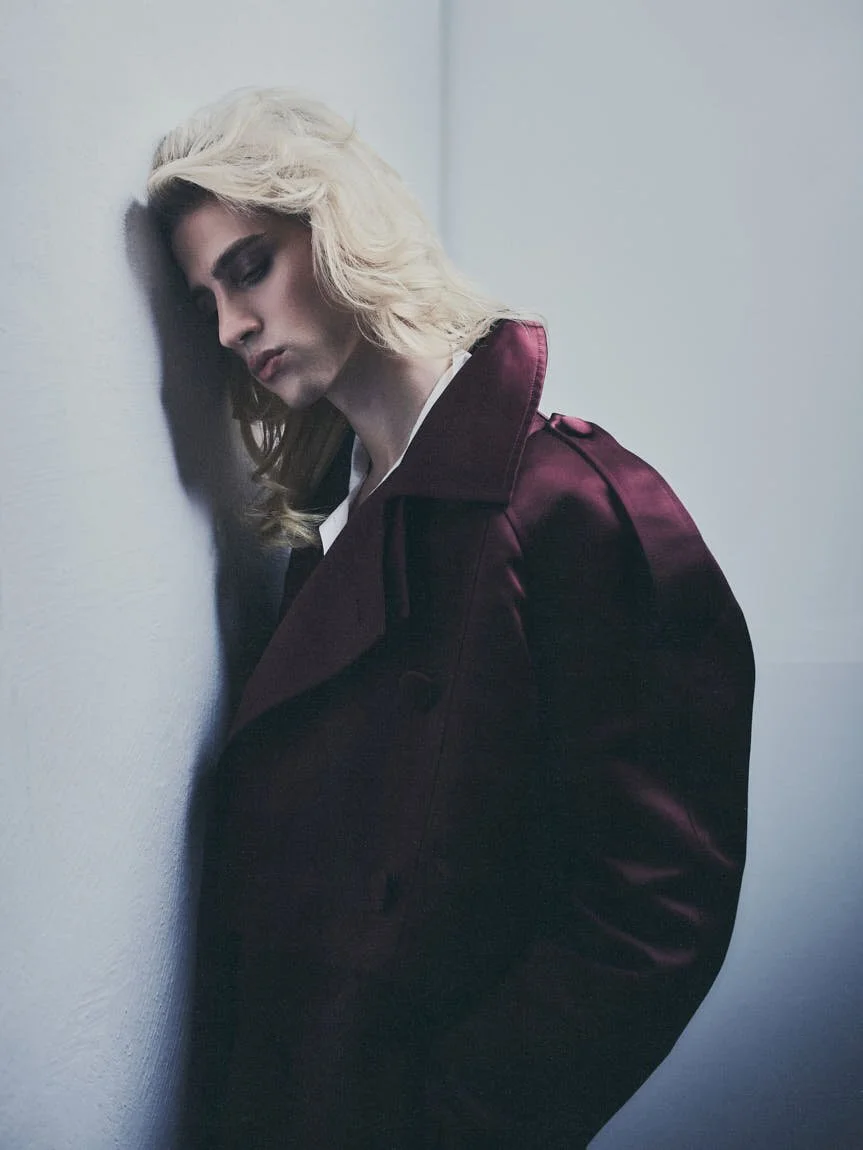
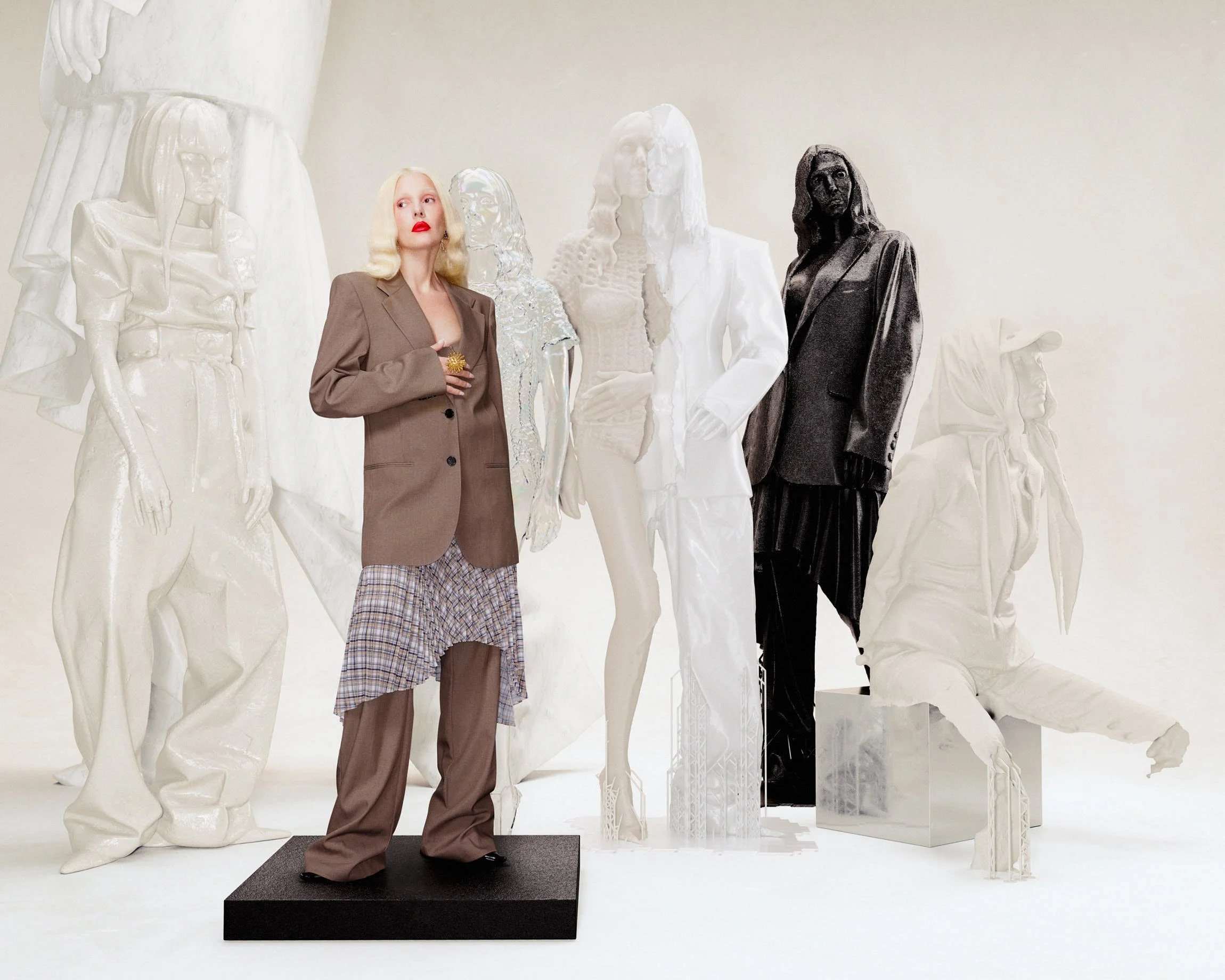
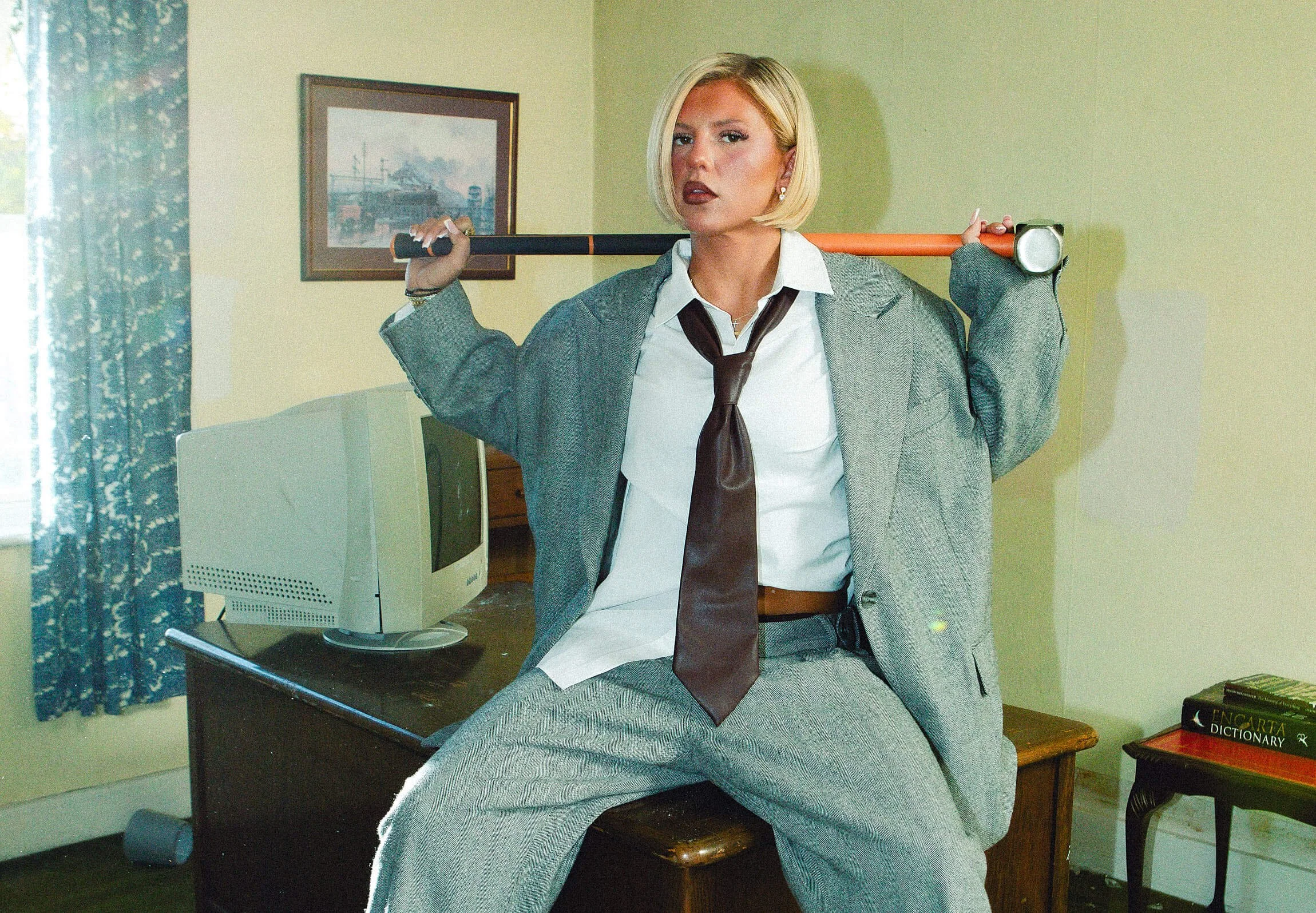
On MobLand, the first step back into Bella is usually a fitting with costume designer Rebecca Hale, literally getting back into the character’s shoes before her dry wit and directness follow. Season two gives Lara Pulver more time inside the larger ensemble, bringing her together more often with Helen Mirren, Pierce Brosnan, Tom Hardy and Paddy Considine. Those days, she says, are among the most enjoyable on set, while Guy Ritchie’s method keeps the work unusually precise. Scenes are rehearsed properly, he knows when he has what he needs, and very few takes are wasted.
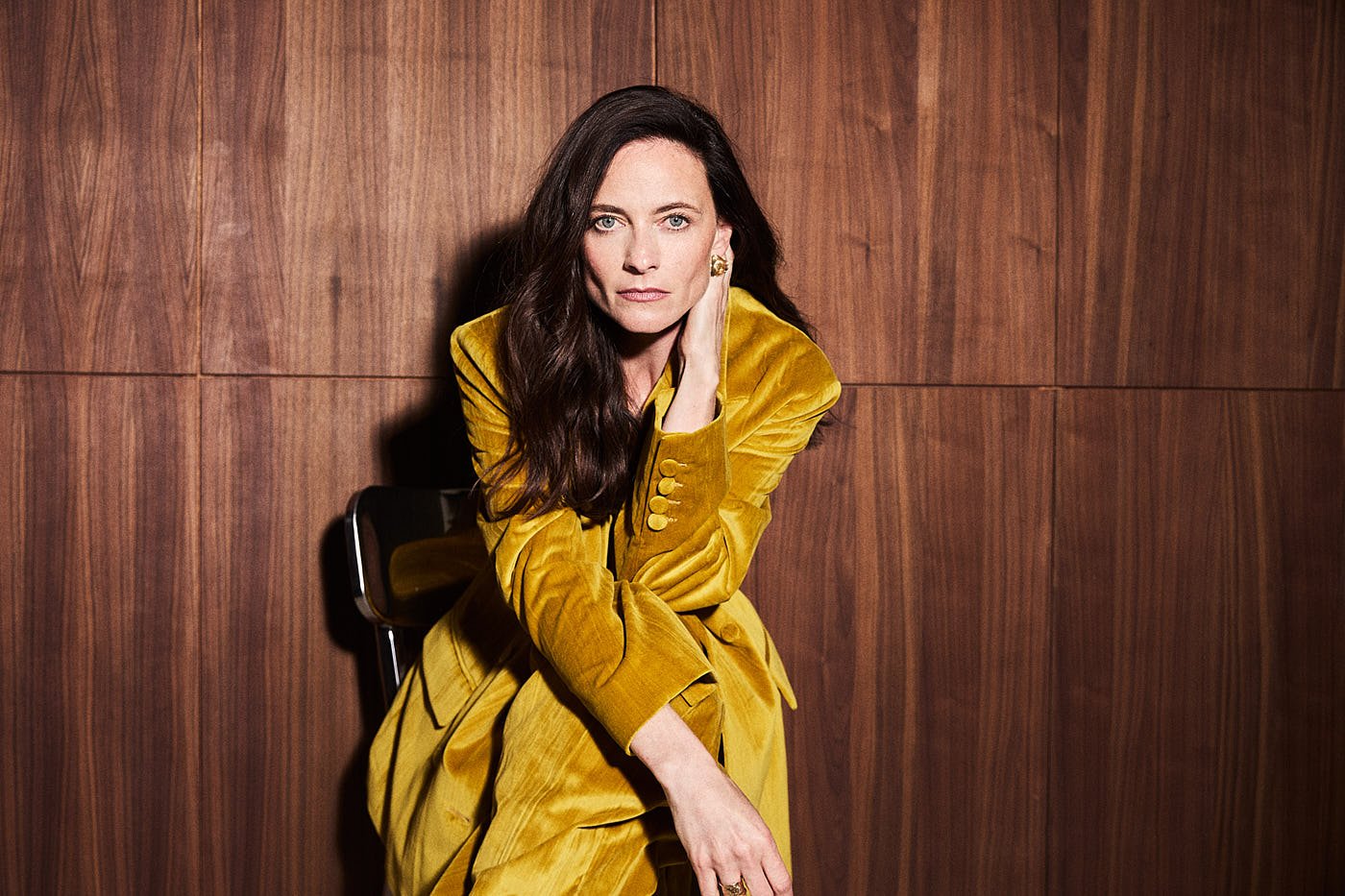
 
 
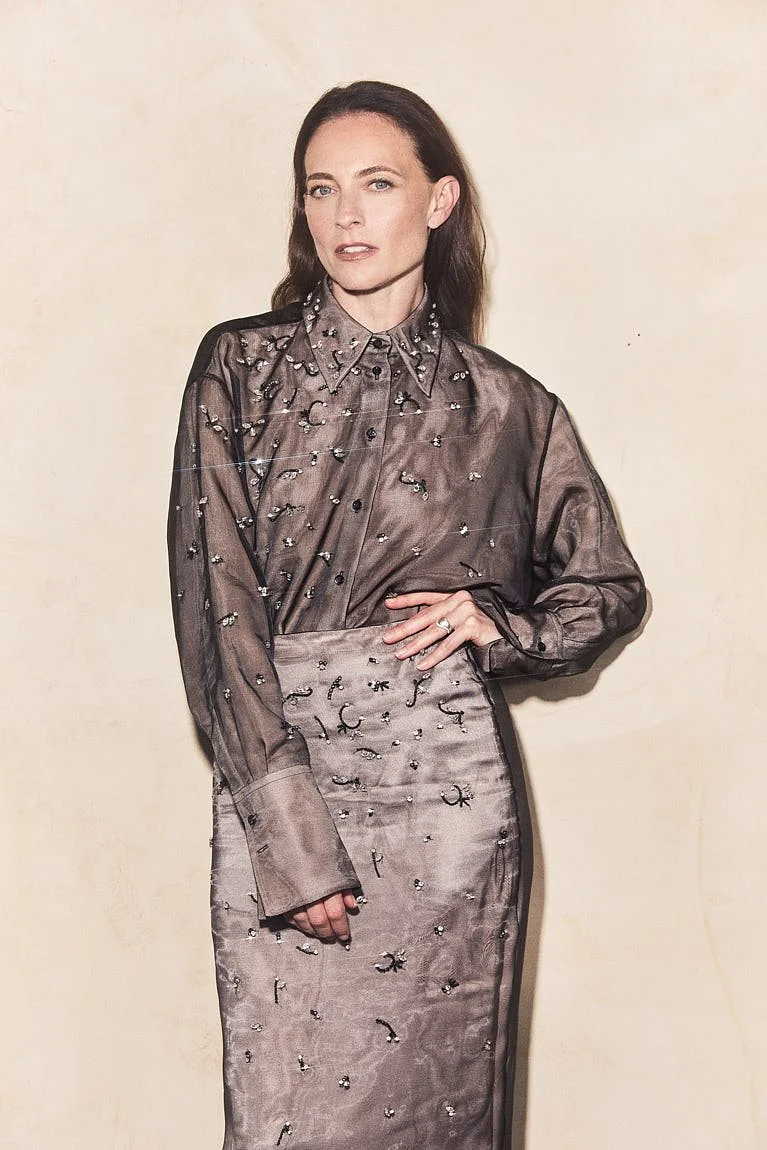
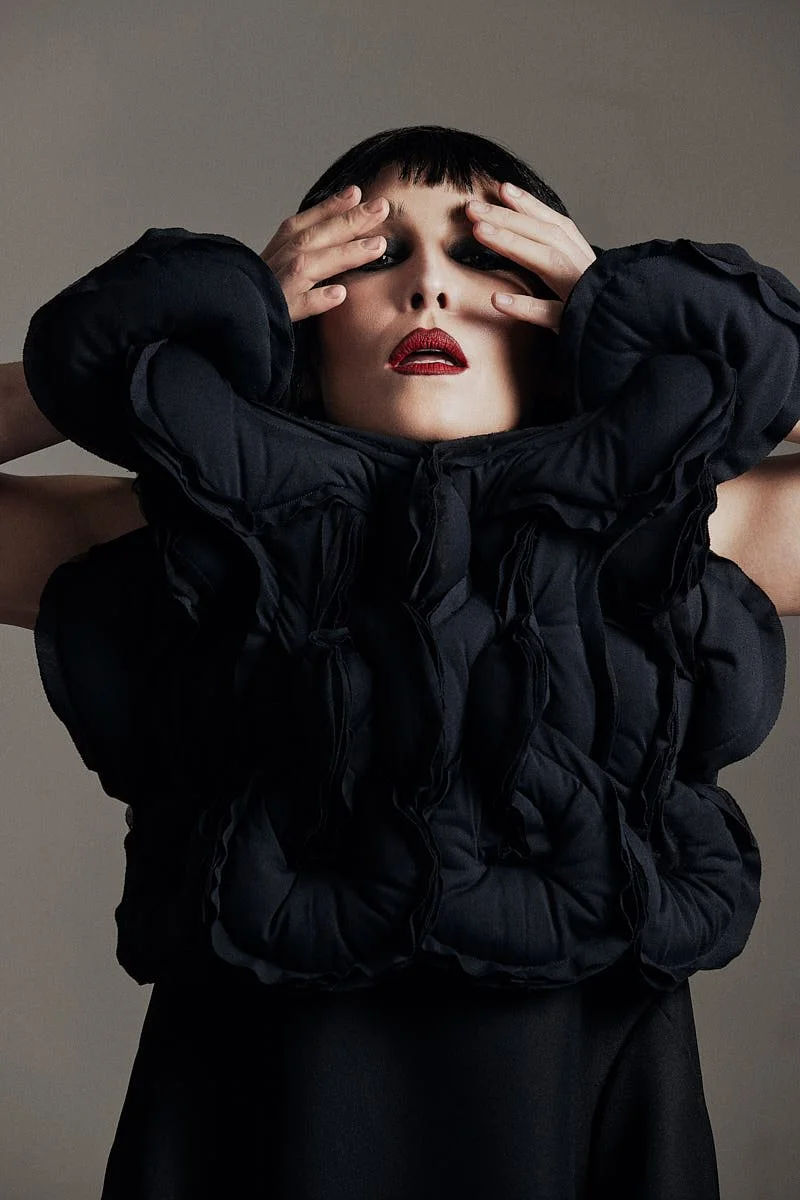
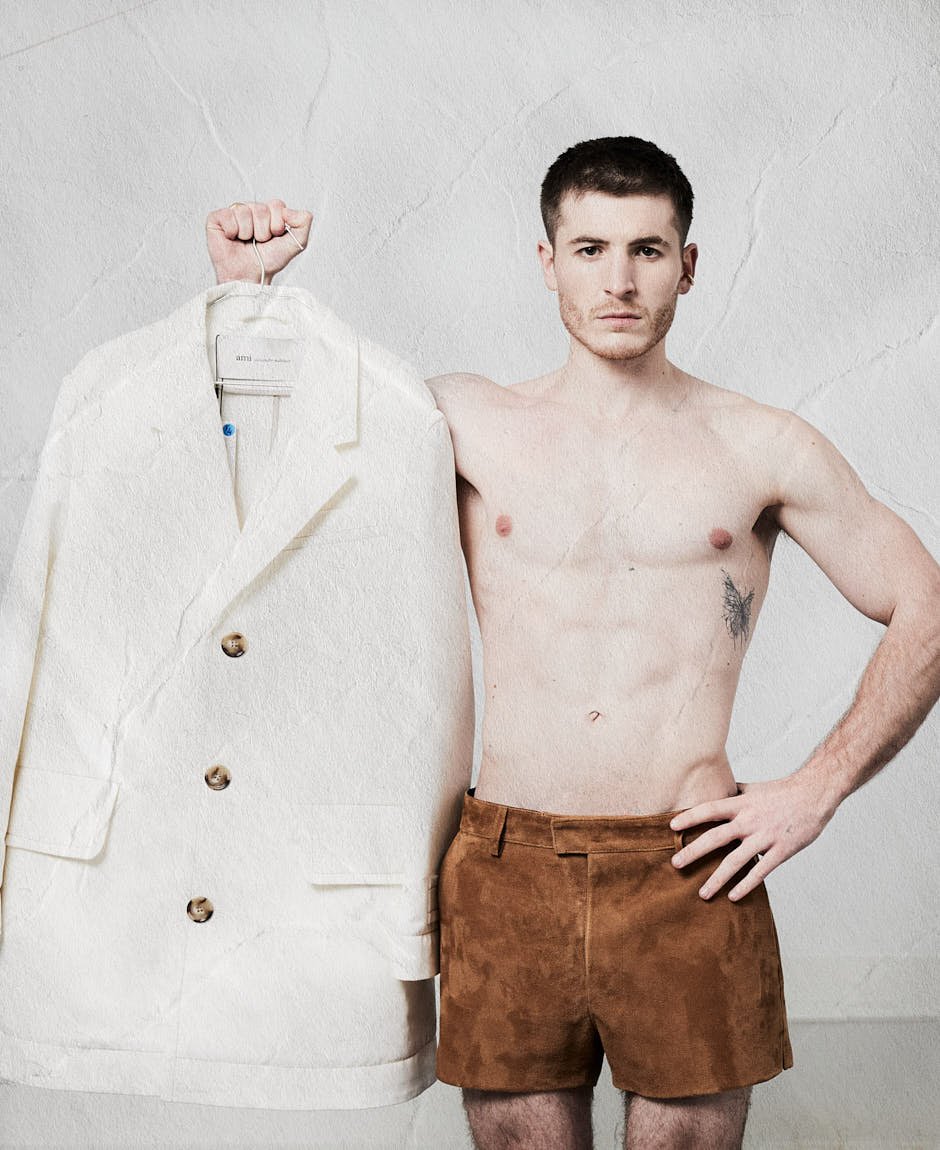
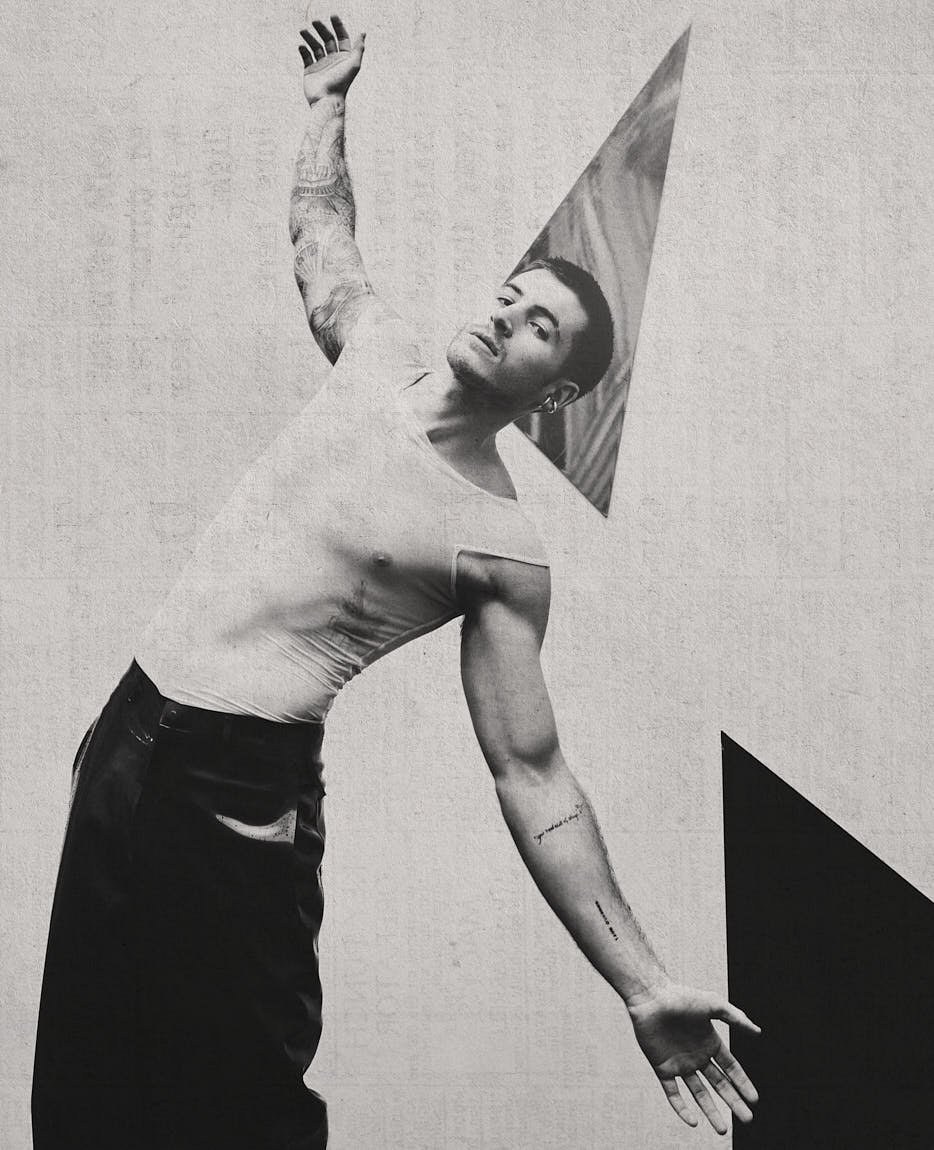
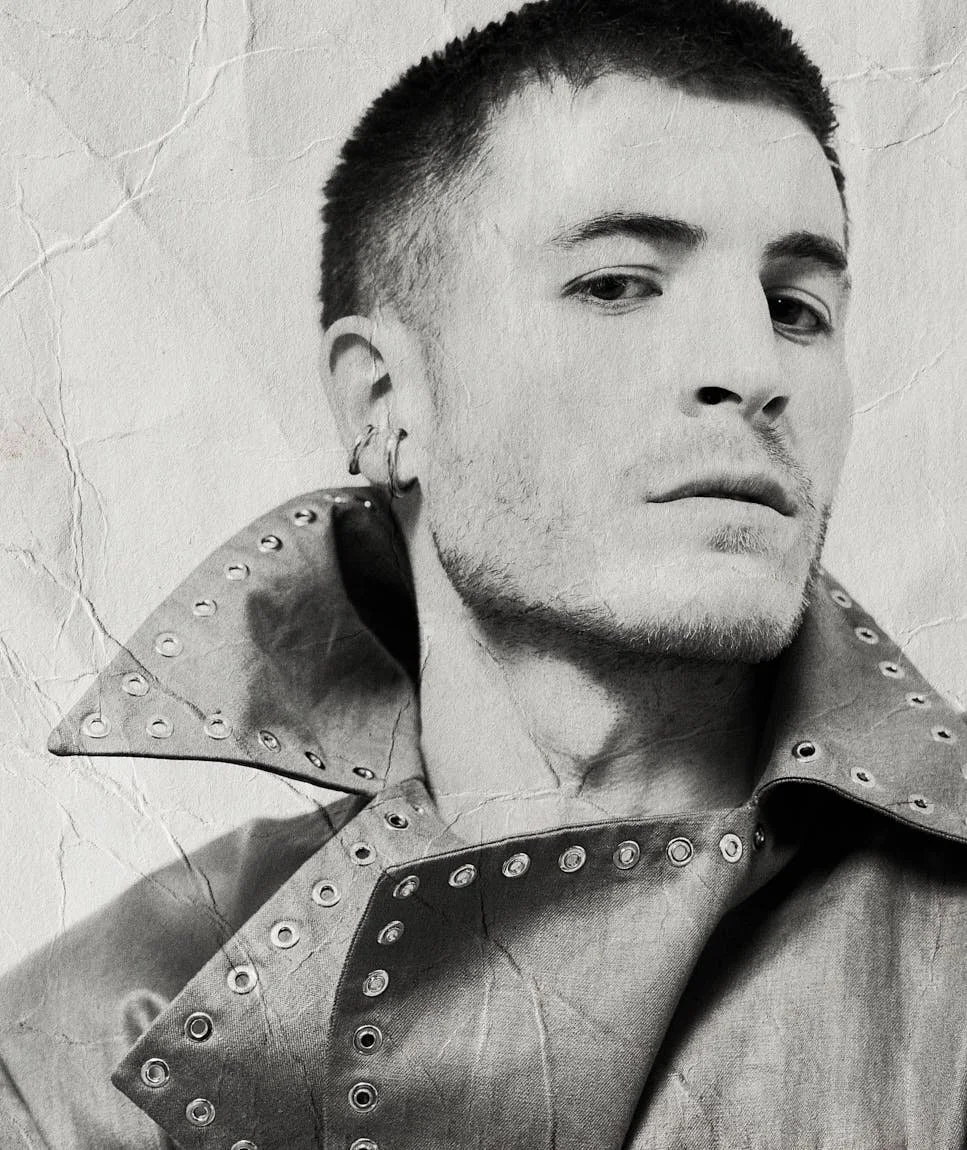
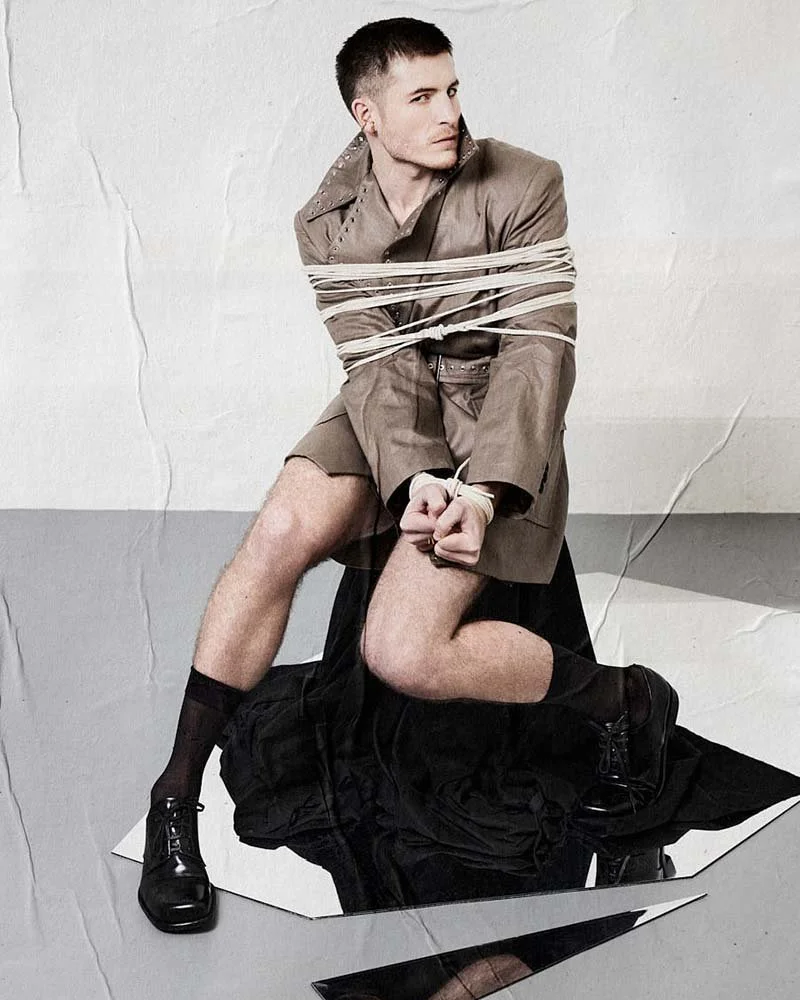
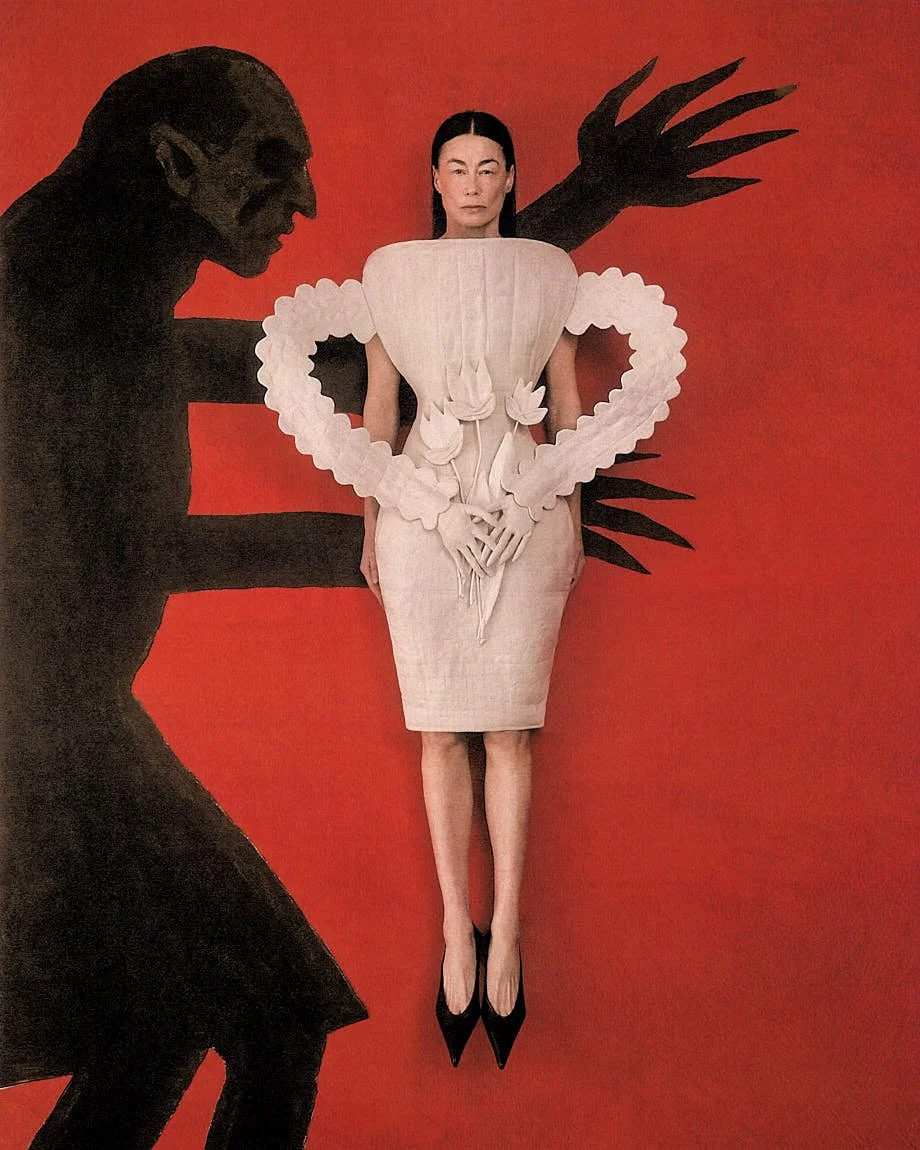
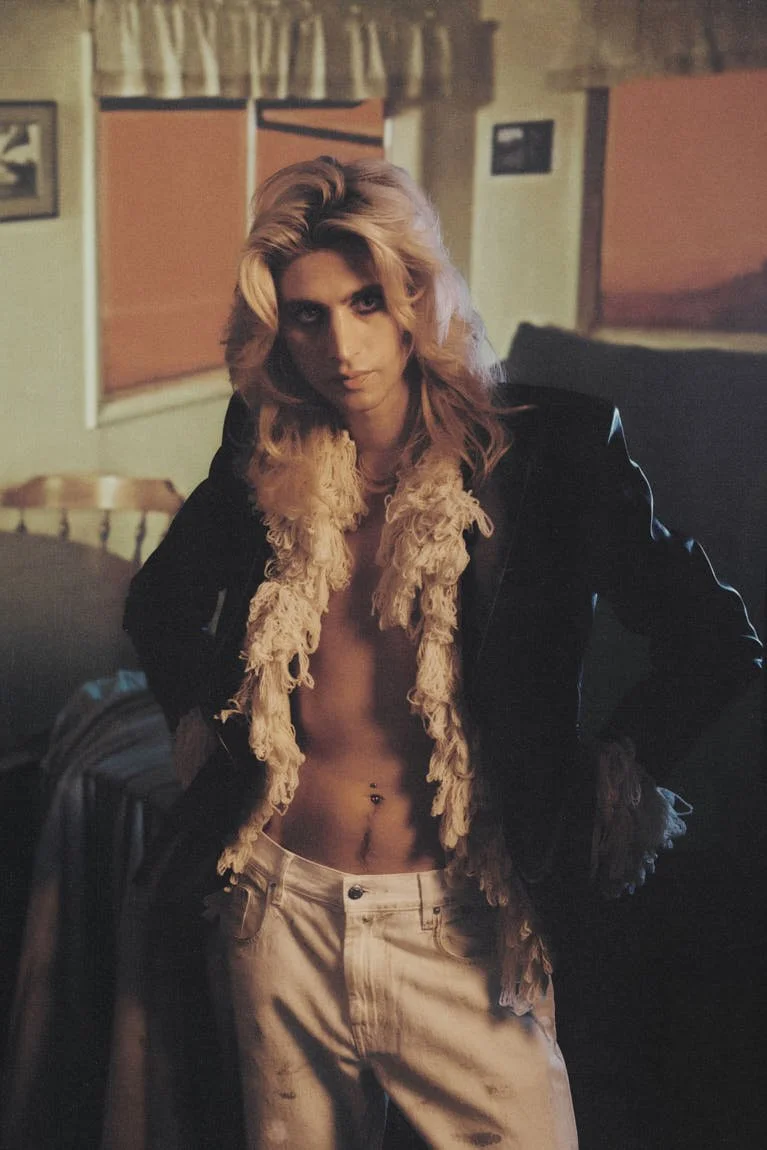
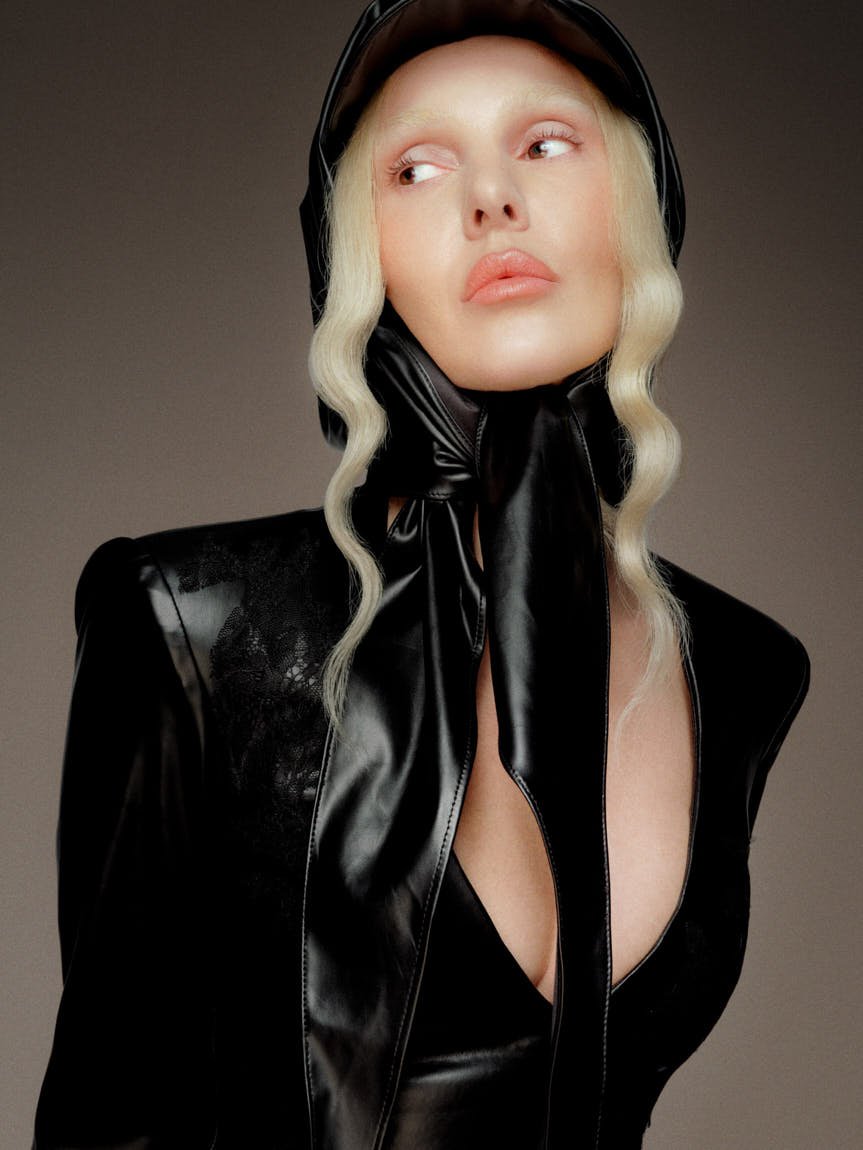
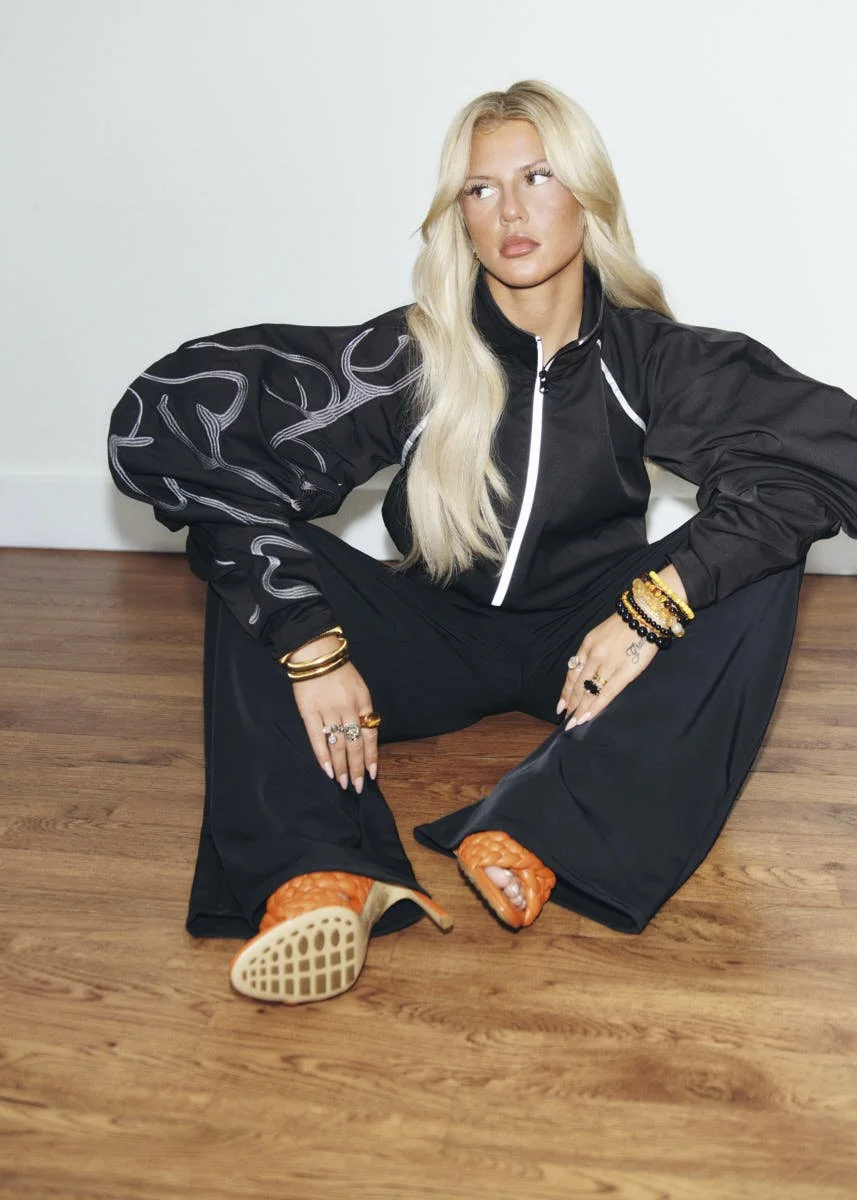
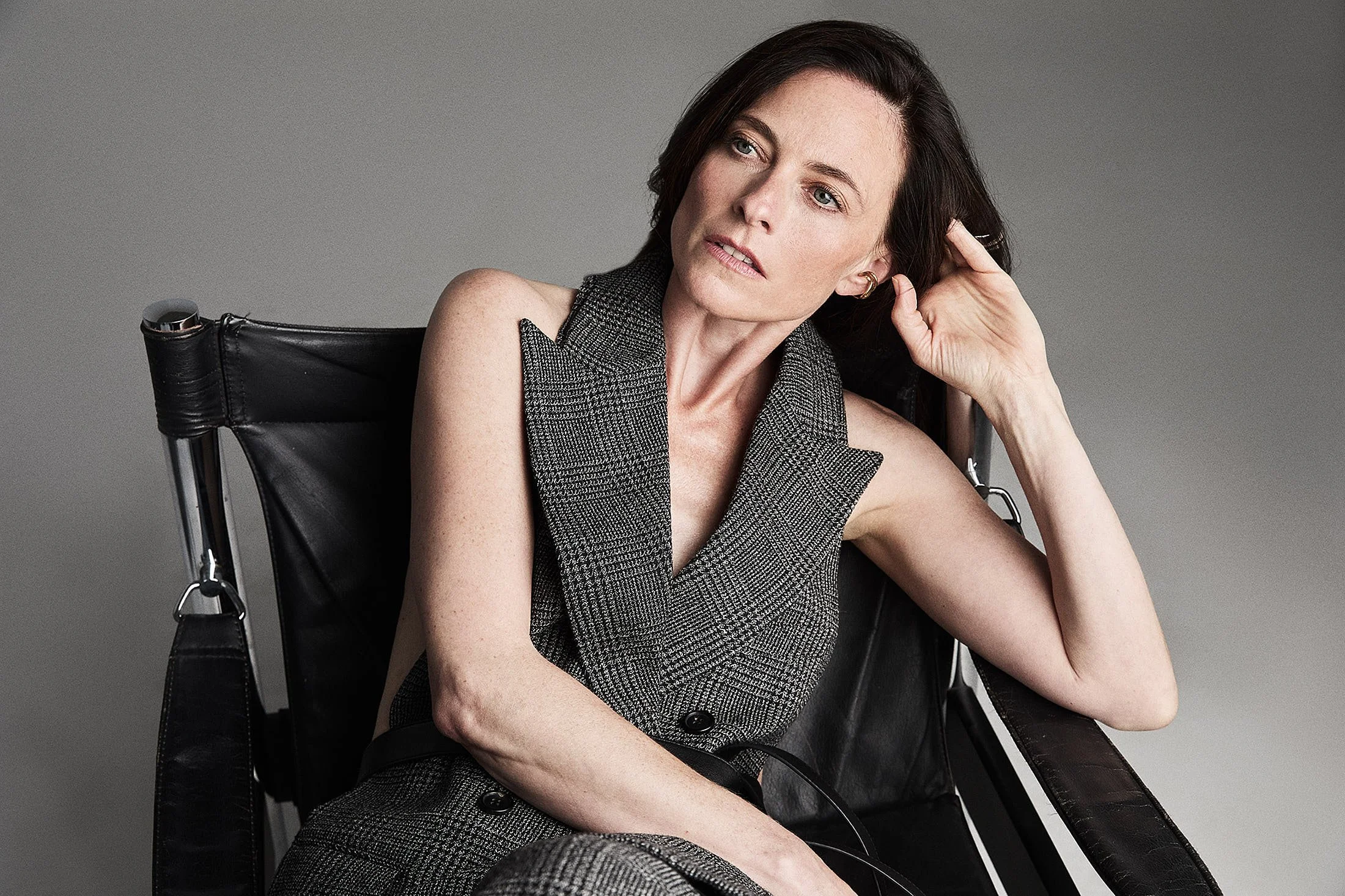
LARA PULVER from MOBLAND Season 2 for LE MILE Magazine seen David Reiss

Lara Pulver
/ seen by David Reiss


Eight performances a week as Golde in Fiddler on the Roof gave Pulver the stamina and concentration that later proved useful on long shooting days, although she sees a fundamental difference in how much control an actor keeps in each medium. A film, in her view, effectively exists three times, first on the page, then in what the actors and director make during filming, and finally in the edit, where the result can change considerably again. On stage, she remains responsible for the performance for the full length of the evening. That experience also feeds into new characters in less obvious ways. Sometimes an earlier role returns through physical memory, with a gesture or quality surfacing during preparation. Pulver describes all of those characters as still being somewhere inside her, available to draw from until the homework is finished and instinct takes over.


That process became particularly interesting with Jennifer in Edward Berger’s The Riders, a character Pulver describes as an enigma. Her task was to work out what could make Brad Pitt’s character spend an entire film trying to find her, without removing the uncertainty that makes Jennifer compelling in the first place. Pulver is equally unsentimental about what happens once the work is finished. The projects that become what she calls “golden nuggets,” creatively satisfying work that also connects far beyond expectations, are rare. And when asked what she would still like to be trusted with, she does not name another screen character. She wants to be back on stage, singing.
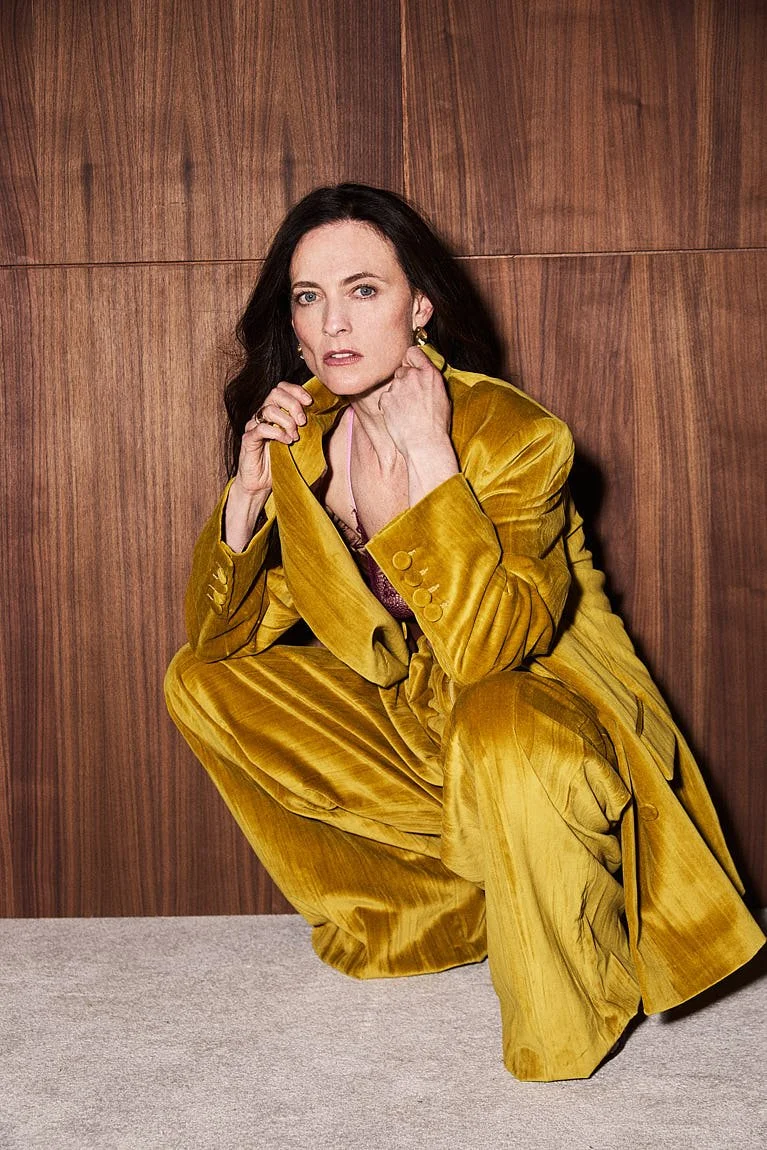
 
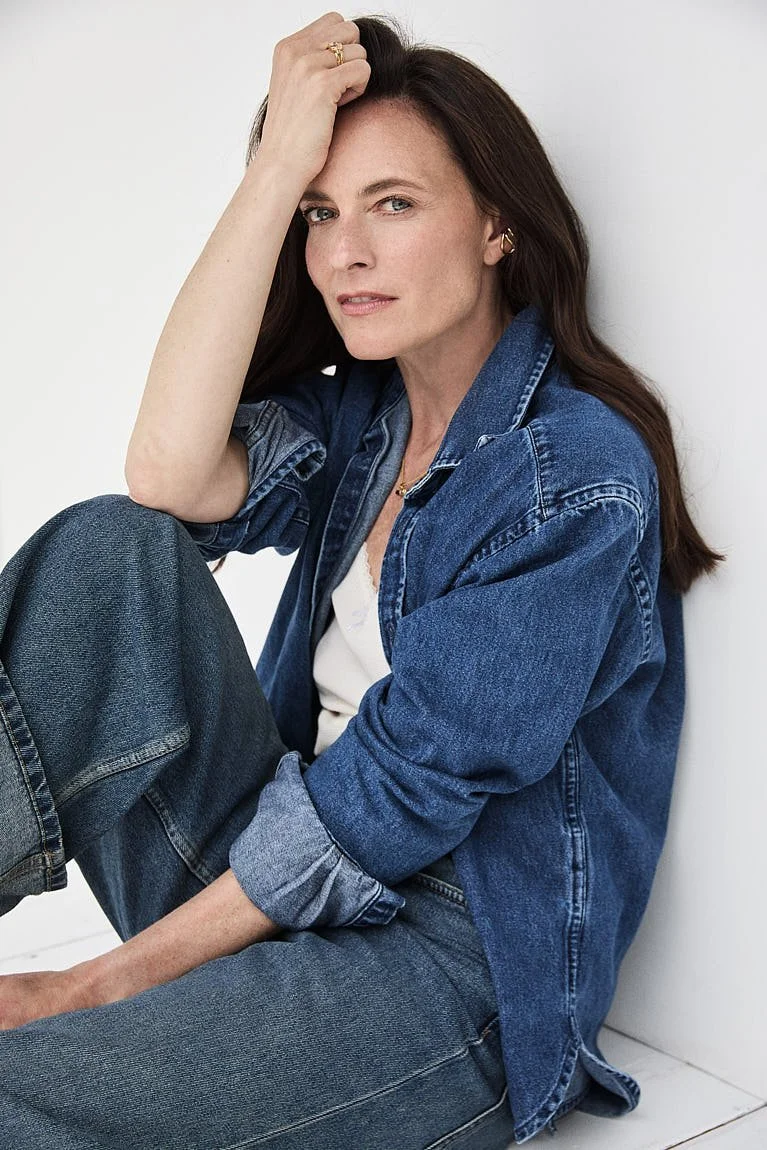
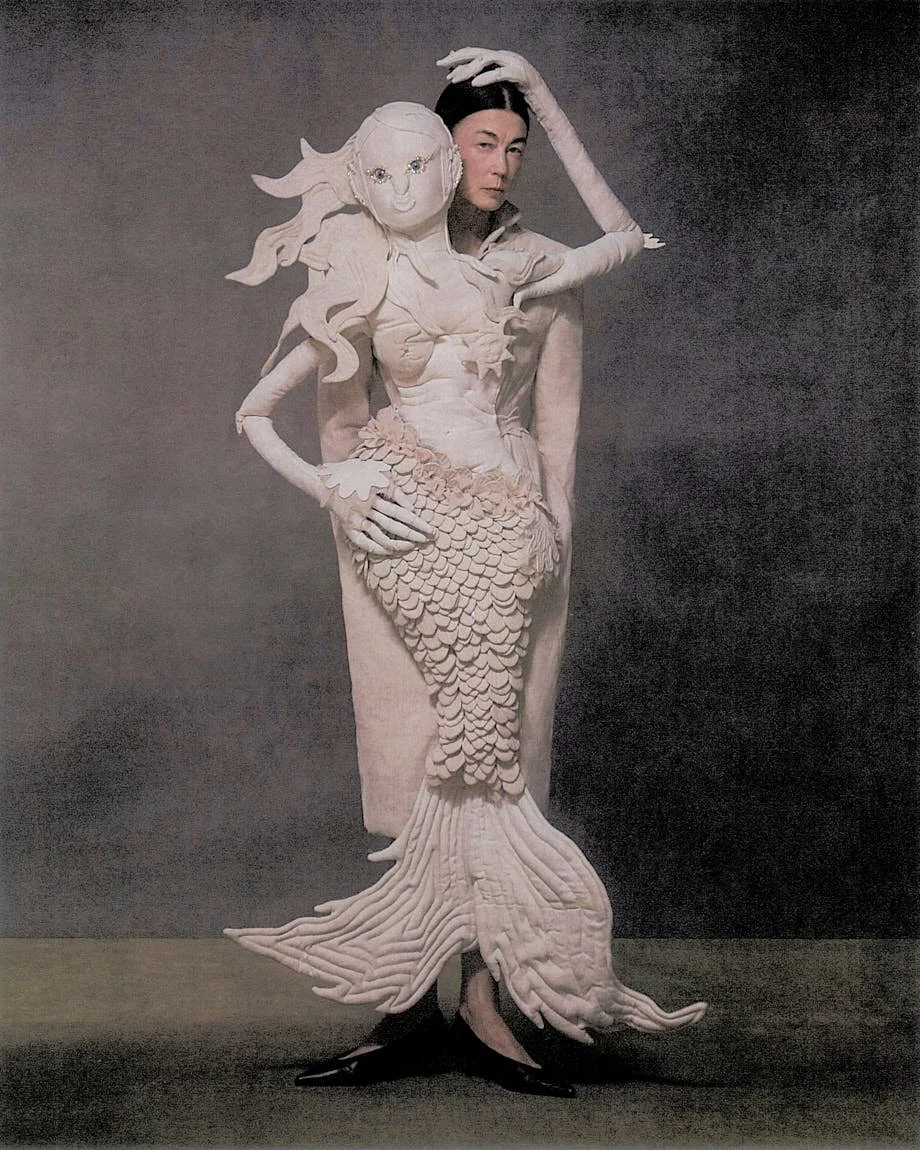
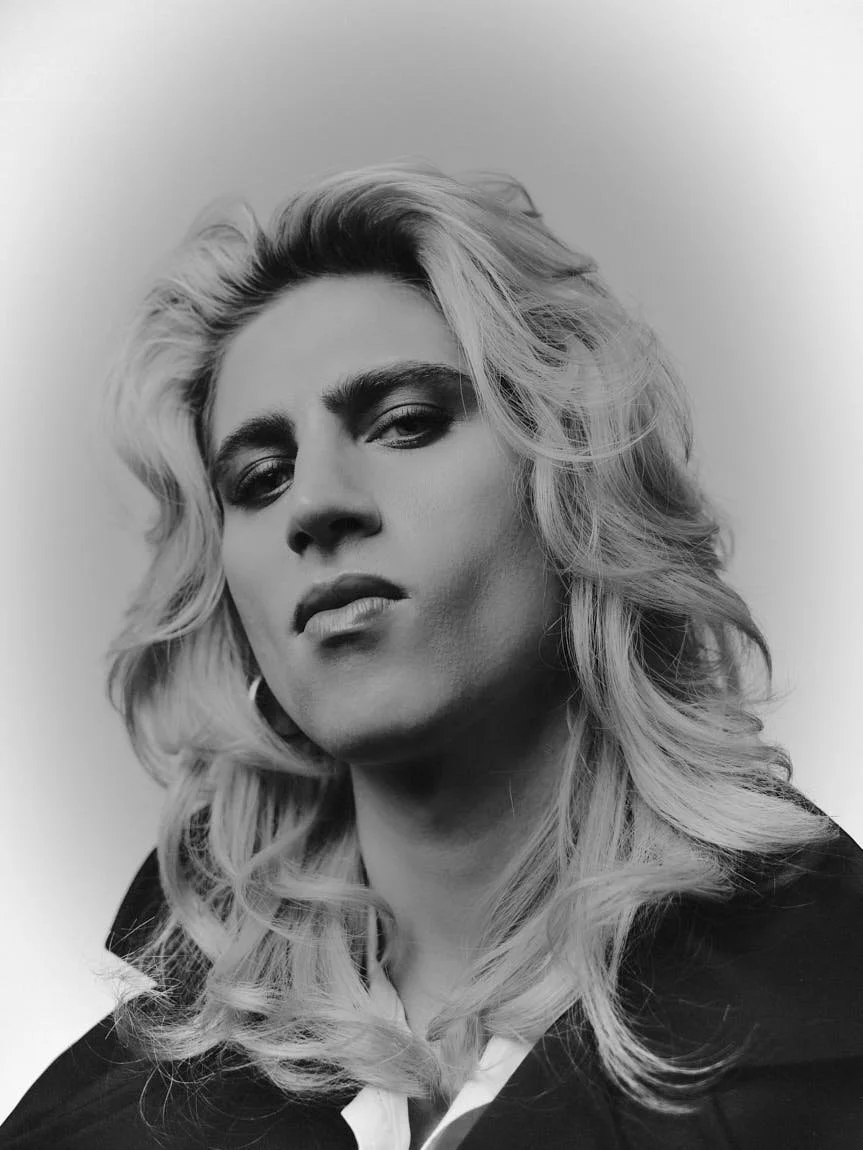
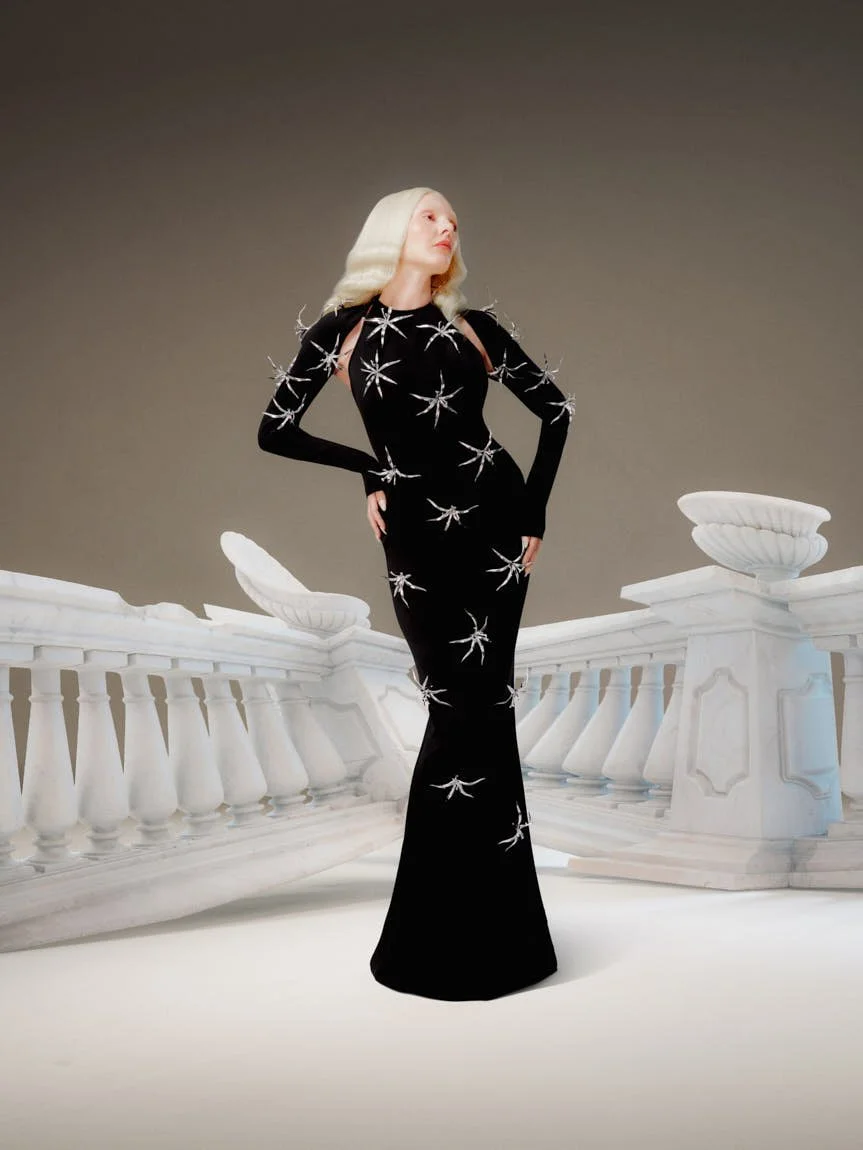
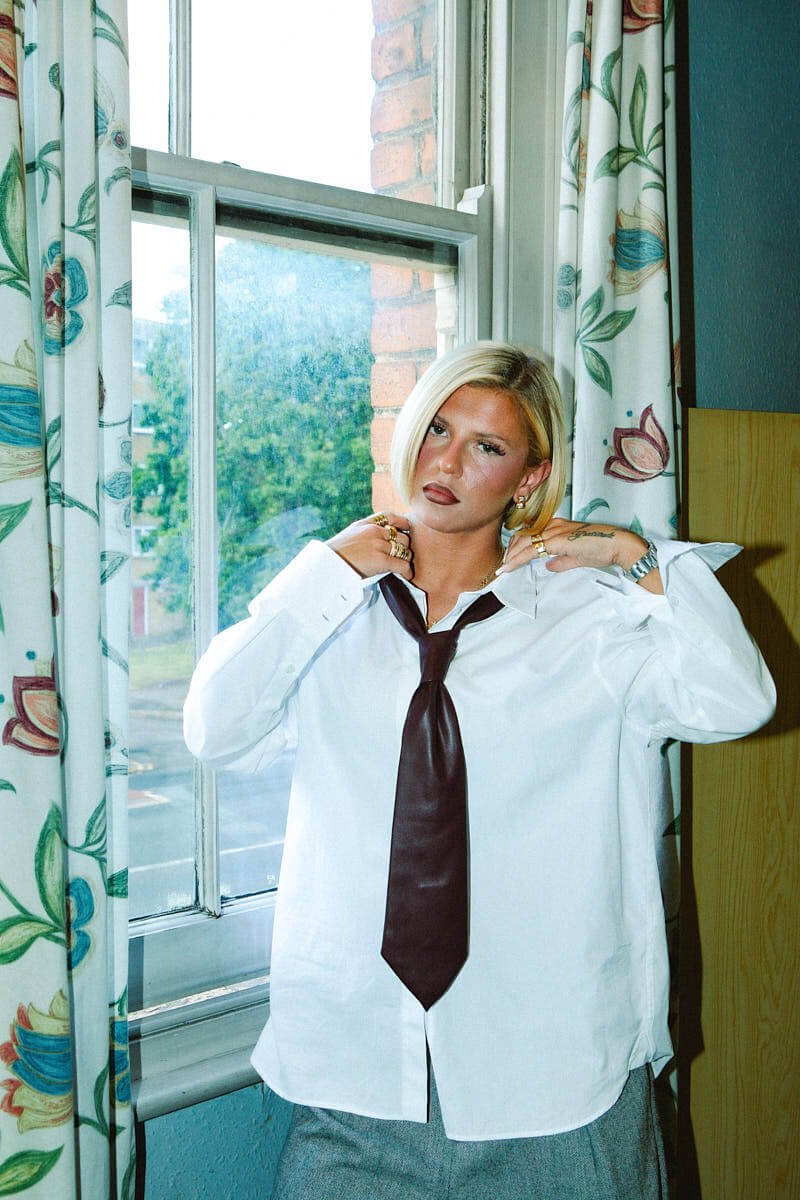
LARA PULVER from MOBLAND Season 2 for LE MILE Magazine seen David Reiss

Lara Pulver
/ seen by David Reiss

 
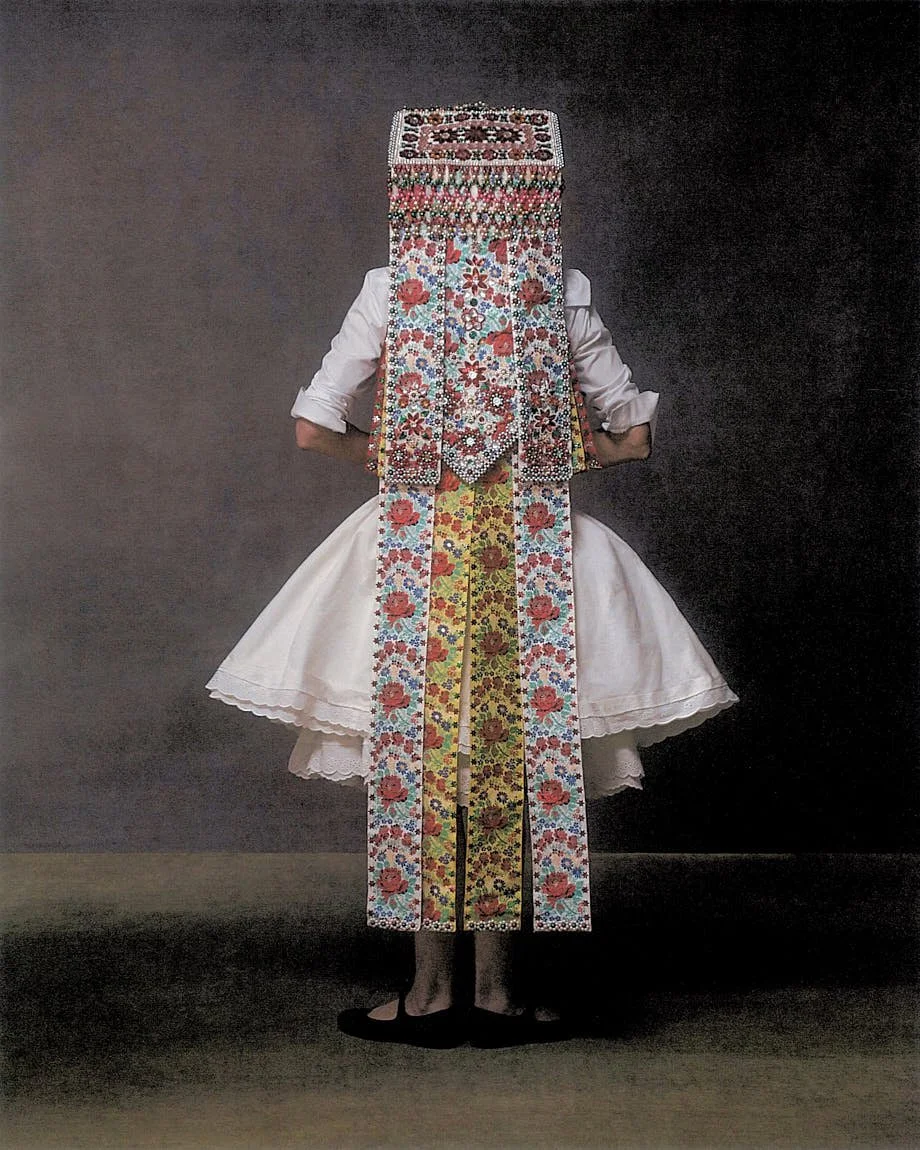
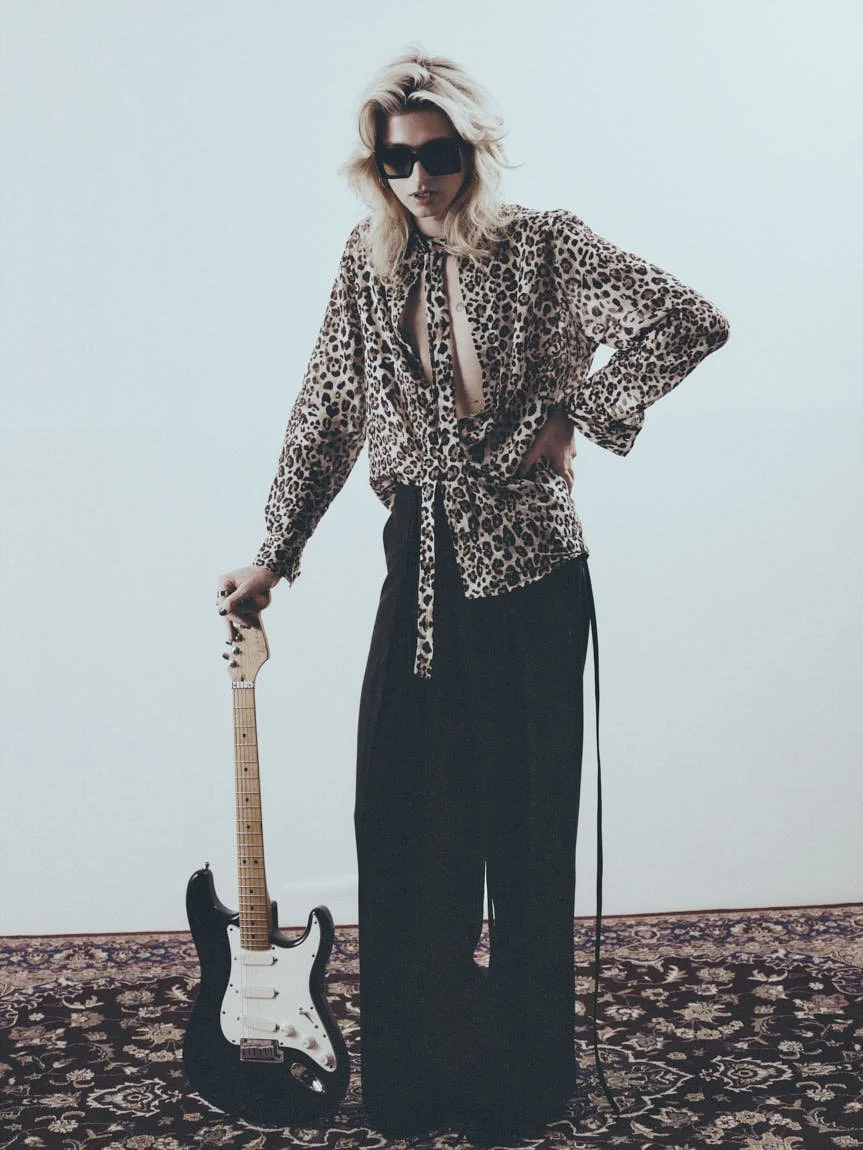
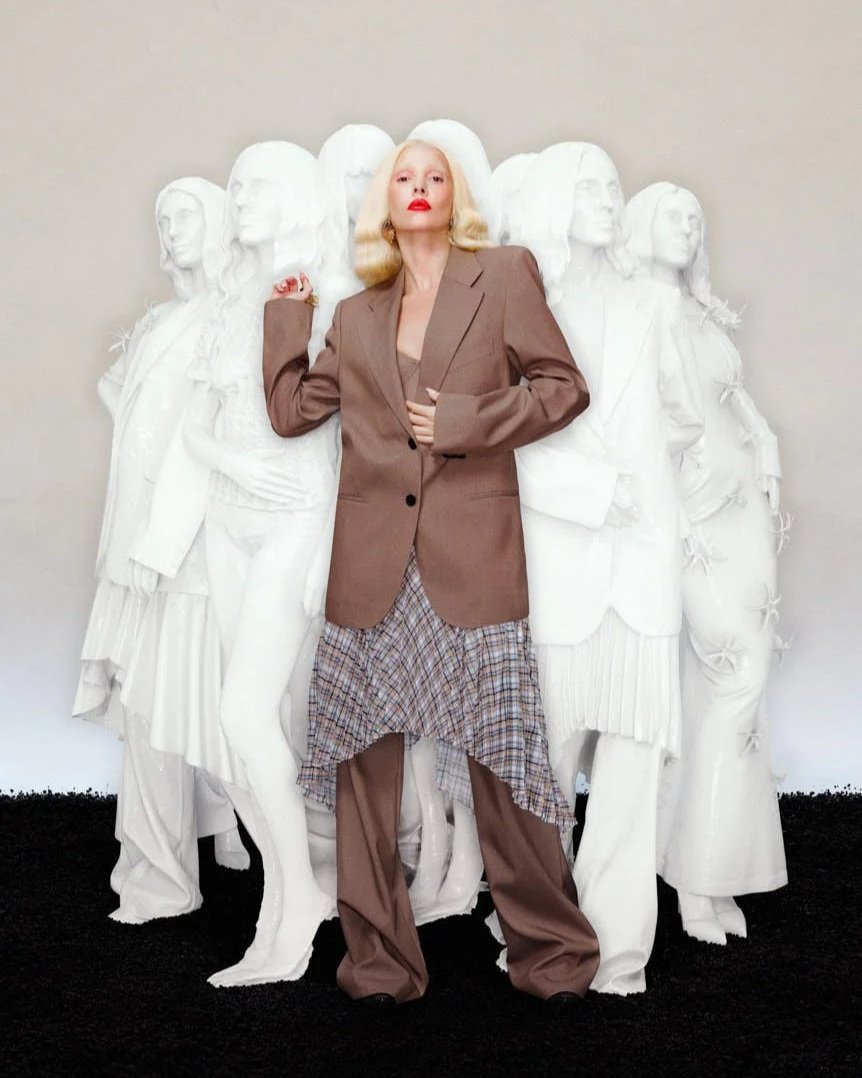
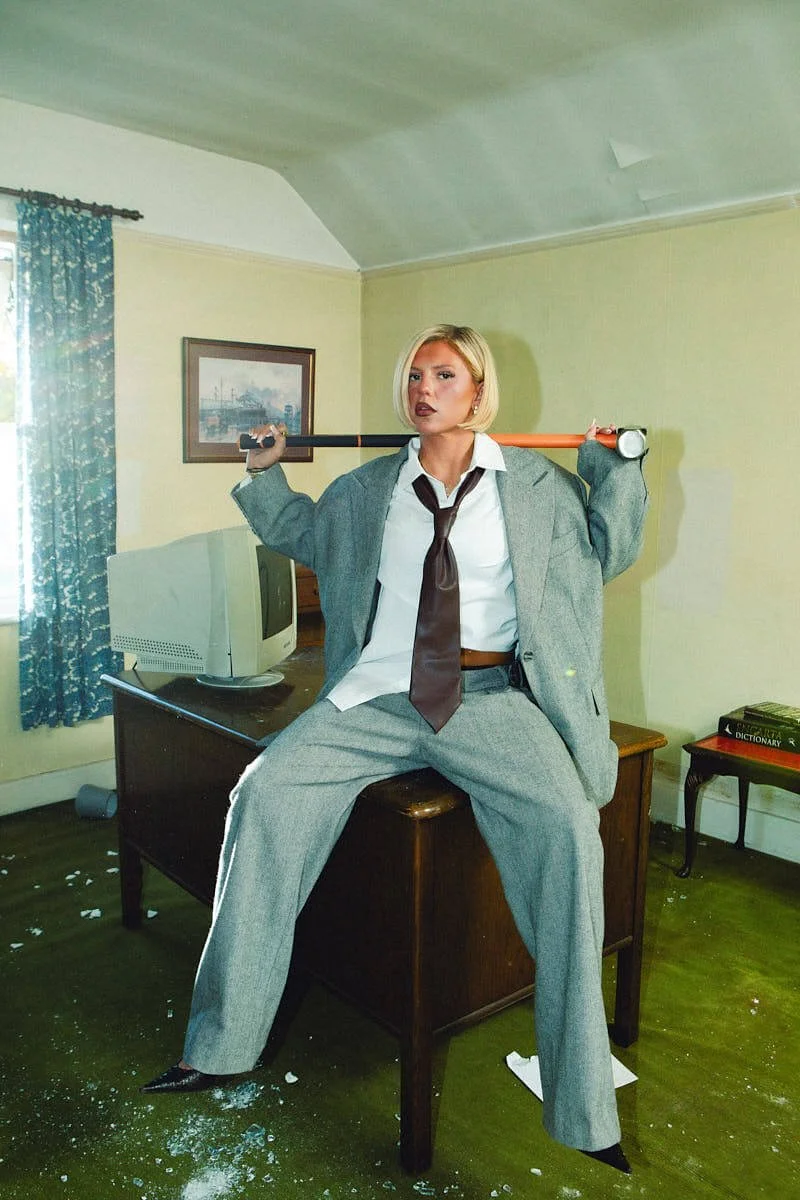
LARA PULVER from MOBLAND Season 2 for LE MILE Magazine seen David Reiss

Lara Pulver
/ seen by David Reiss


Monica de Luna
When you return to a character after time away, what comes back first?

Lara Pulver
First day back on MobLand, is usually for fittings with our costume designer Rebecca Hale which is hugely helpful to literally get back into Bella’s shoes. We have a lot of fun creating the character’s wardrobe for the show. Bella’s dry witted directness follows closer after! 

What have you learned about Guy Ritchie’s way of directing on MobLand by watching how he handles an ensemble this large?

Guy knows exactly what he wants/needs from a scene and he knows when he's got it. This often means it's well rehearsed, and then we do very few takes.

Working alongside Helen Mirren, Pierce Brosnan, Tom Hardy and Paddy Considine, what do you find yourself paying closest attention to between takes?

We laugh a lot as a group. It’s actually quite rare that we’re all in a scene together - more so in season two. We relish those big ensemble scenes. They’re enormously fun days.

Do characters from earlier in your career ever return to you unexpectedly when you’re preparing something new?

Sometimes a physical memory is triggered - like muscle memory.  I guess they’re all in me somewhere because they’re all essentially from me, just jumbled up inside. It can be useful to refer back to the quality or essence of a previous character. It’s like a receipe piecing a character together, and then once the homework is done, you let instinct take over.
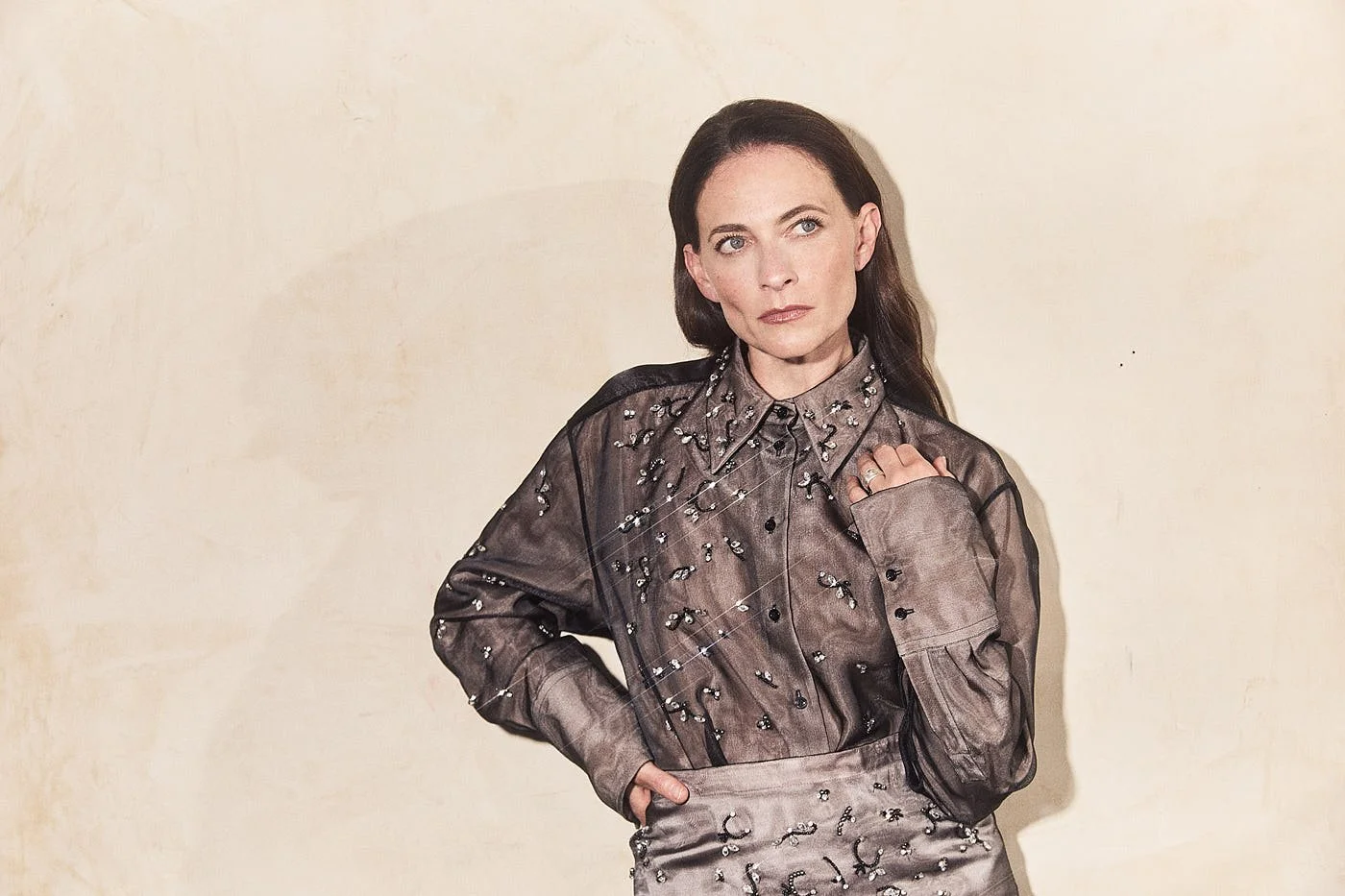
 
 
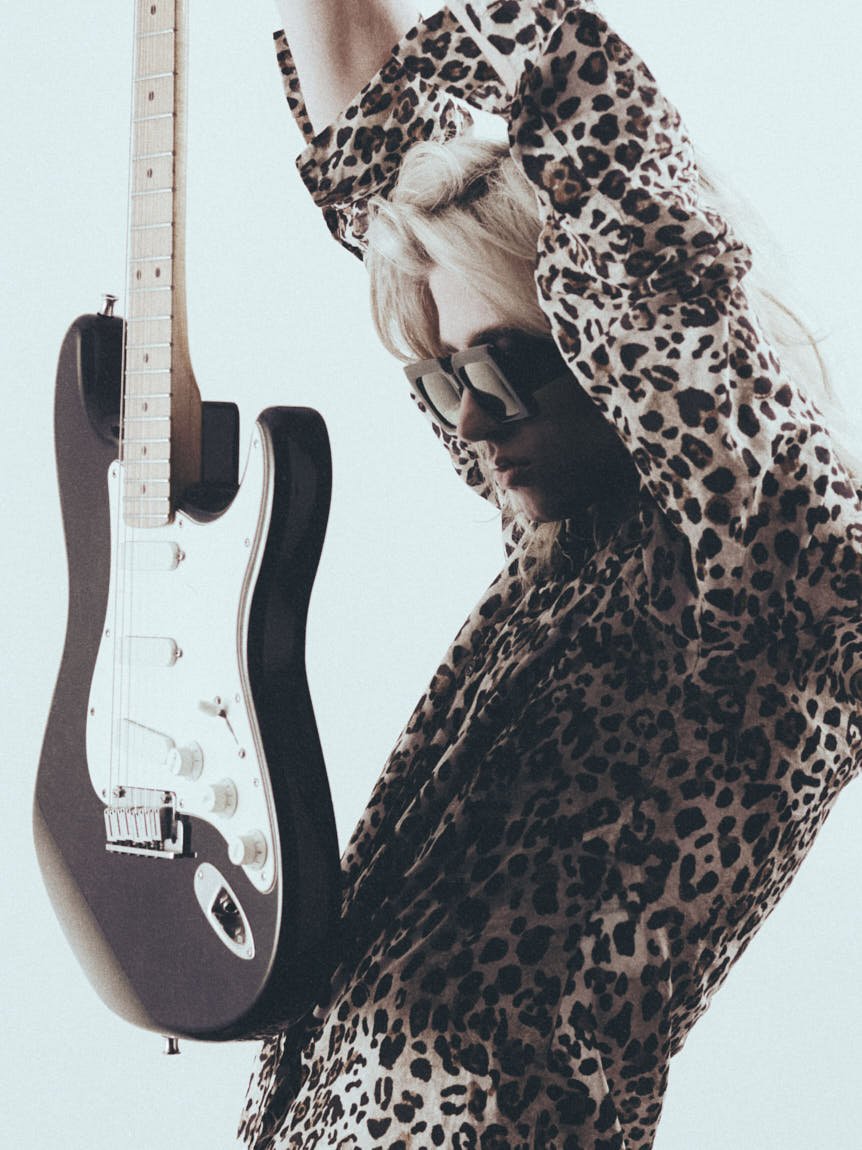
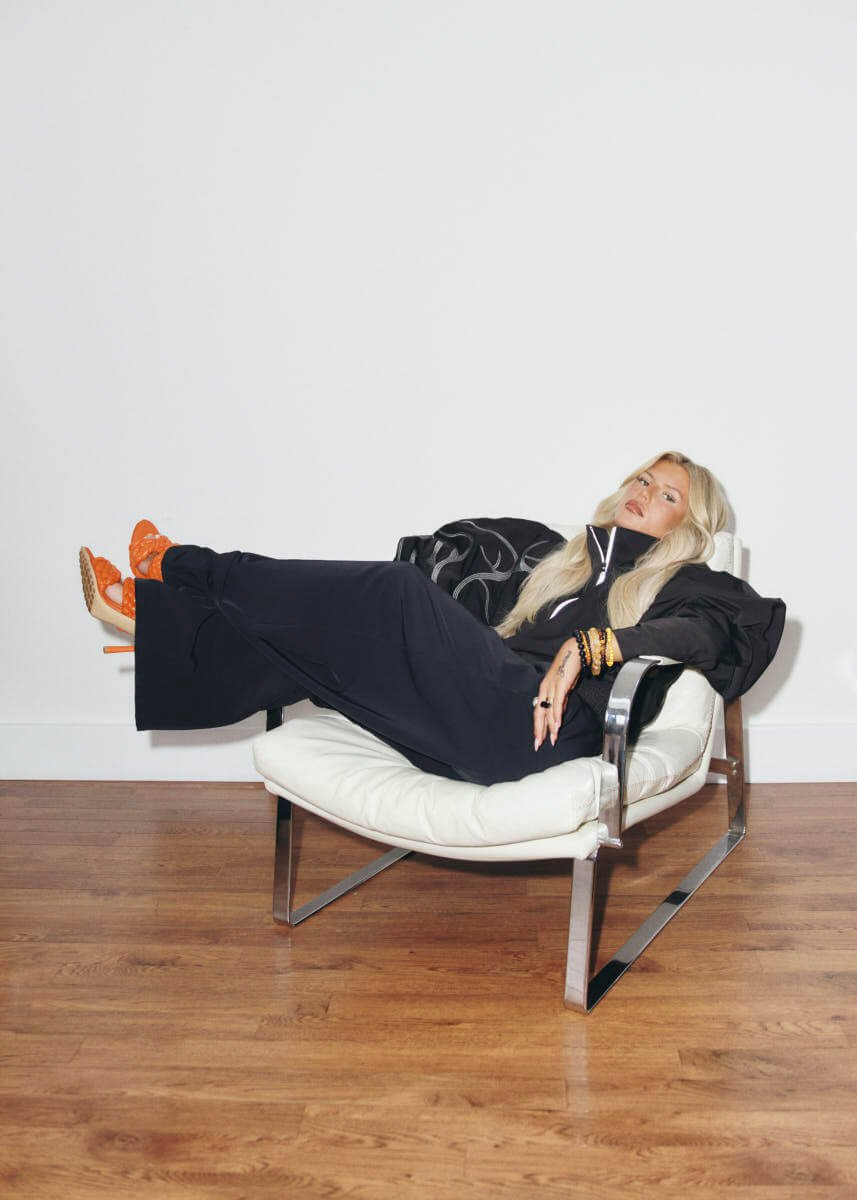
LARA PULVER from MOBLAND Season 2 for LE MILE Magazine seen David Reiss

Lara Pulver
/ seen by David Reiss


What did playing Golde in Fiddler on the Roof sharpen in you that you carried back to the camera?

It’s exhausting and exhilarating doing eight shows a week onstage in front of a live audience. The focus and discipline it requires and the stamina it takes - it sets you up well for long days on film sets. 

After moving so often between stage and screen, what part of acting still feels least controllable to you?

What ends up appearing on screen, is completely out of an actor's hands. There's essentially three movies made. The script is the first version - the writer’s vision. There’s the actor and director's combined interpretation, but that’s also dictated by what the camera actually captures and how, and then the final edited version which can change hugely from the previous two. On stage, for two and a half hours - or however long the play is - you are in complete control of how you tell that story every night. 

What interested you about the character you play in The Riders when you first encountered her on the page?

Jennifer is an enigma. It was up to me to decide what it was about her that would make Brad Pitt’s character go on a movie long odyssey to find her. 

What did you discover about Edward Berger’s way of directing once you were actually working together?

Edward is an artist. Enormously collaborative and an extraordinary film maker. He was all over every detail of The Riders movie. He is the ultimate caretaker of a story. 

Is there something you understand about acting now that you could only have learned by staying with it for this long?

Golden nuggets are rare. A golden nugget being, the combination of incredibly creatively fulfilling work that really lands with an audience… that just hits a moment, and is propelled into the zeitgeist. Exceeding any expectations. 

Which kind of role are you still waiting to be trusted with?

I can’t wait to get back on stage singing again.
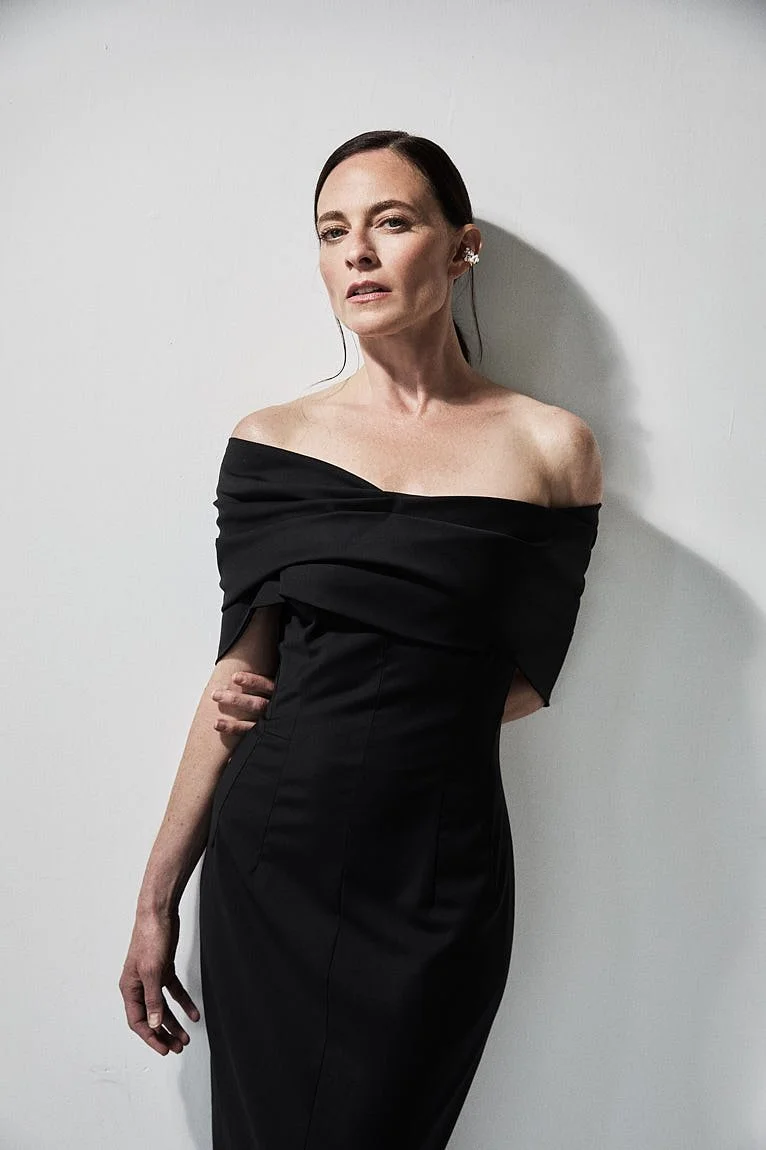
 
LARA PULVER from MOBLAND Season 2 for LE MILE Magazine seen David Reiss

Lara Pulver
/ seen by David Reiss

 
LARA PULVER from MOBLAND Season 2 for LE MILE Magazine seen David Reiss

Lara Pulver
/ seen by David Reiss


talent   LARA PULVER
photo   DAVID REISS
styling   ROSIE ARKELL PALMER
hair   LEWIS STANFORD
make up artist   NEIL YOUNG

copyright LE MILE Magazine / David Reiss
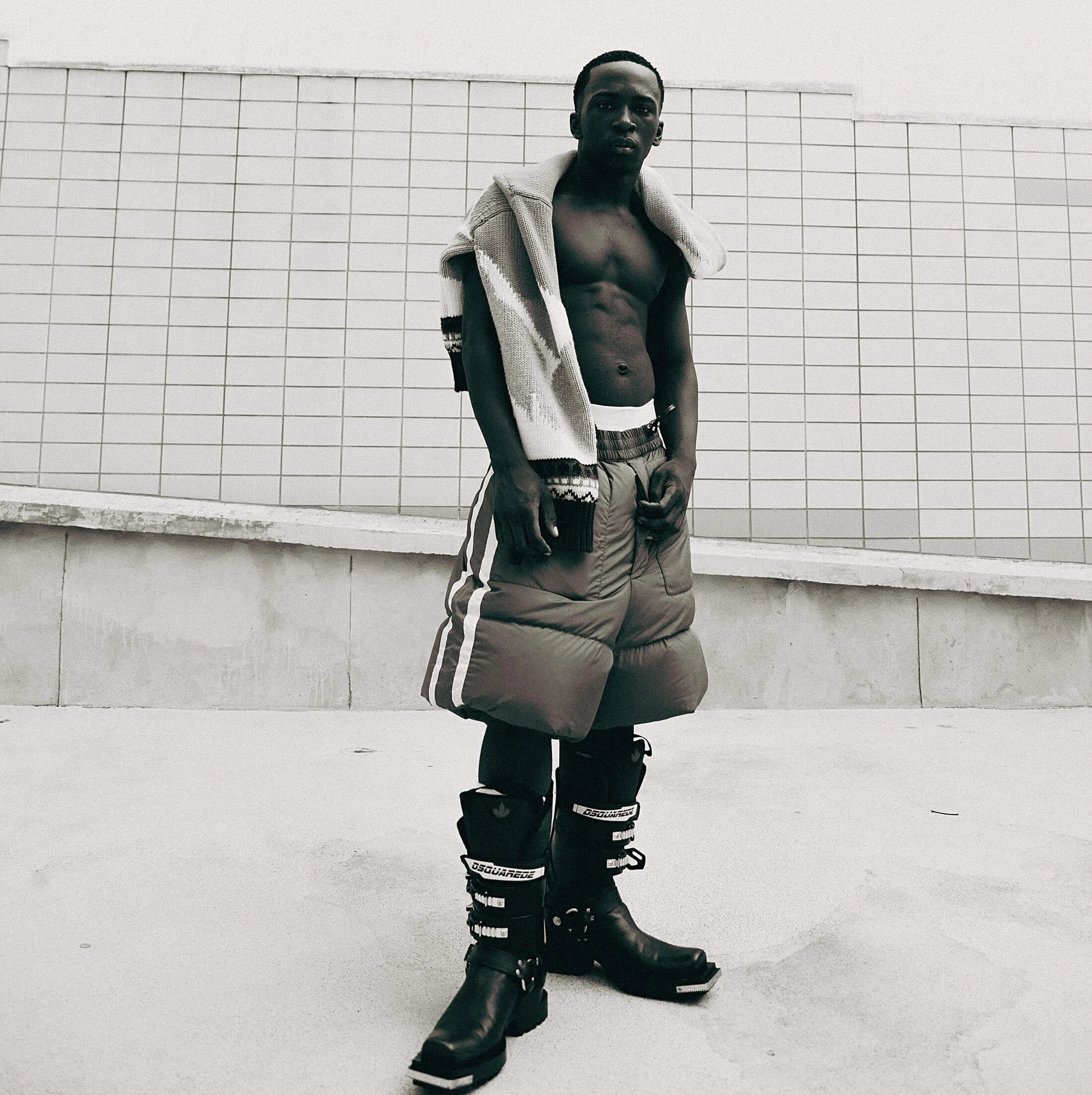
The Parts You Haven’t Met Yet with Araloyin Oshunremi

The Parts You Haven’t Met Yet with Araloyin Oshunremi

.digital

Araloyin Oshunremi and the Parts You Haven’t Met Yet


written LEMILE


Araloyin Oshunremi has spent the years since Top Boy making sure the role that introduced him does not become the one that defines him. At 22, that has already meant moving between sharply different registers: Heartstopper, Steve and, most recently, MOMO, Christian Ditter’s English-language adaptation of Michael Ende’s novel, in which Oshunremi plays Gino alongside Martin Freeman, Laura Haddock and Claes Bang.


For Oshunremi, that range begins with the idea that a character is never entirely foreign, he describes each role as a part of his own personality that has not yet been accessed, then builds outward from there through observation: speaking to people whose lives resemble the character’s, studying their mannerisms and mentality, and testing what can be carried into his own performance without losing its credibility.


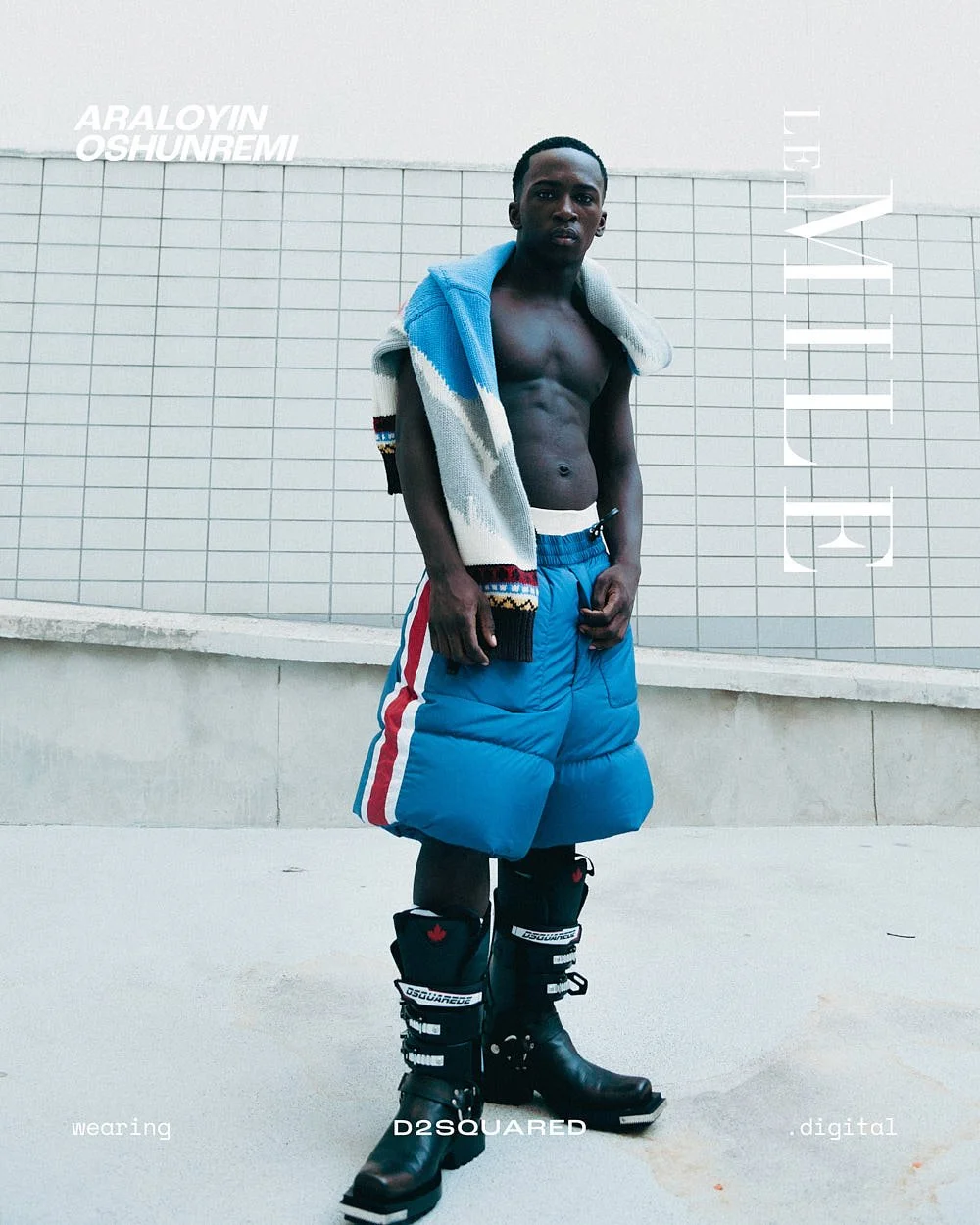
Araloyin Oshunremi for LE MILE Magazine Digital Cover


Voice, perhaps more than anything else, reveals how long those characters stay with him. Accents are the habit he finds hardest to leave behind, and they now sit at the centre of two very different challenges: mastering an American register as he prepares for Los Angeles, and speaking in a Nigerian accent for BBC production WAHALA, something that connects the work directly to the way he speaks with his mother at home. The next phase of his career is opening outward, but its most interesting question may be how much of home travels with him.


ARALOYIN OSHUNREMI for LE MILE Magazine Araloyin wears a shirt and shorts by VLISCO with a belt by HEREU STUDIO

Araloyin wears a shirt and shorts by VLISCO with a belt by HEREU STUDIO


LE MILE
Top Boy made people associate you with a very specific kind of realism; what did you have to do afterwards to avoid being placed in one lane?

Araloyin Oshunremi
I had to do roles completely different to Top boy after finishing top boy for example MoMo, heartstopper and Steve just to show my versatility. At the same time I’ve also made sure my fashion is completely outside the box and different from what people would expect showing range in my personality.

What did you understand about acting on Top Boy that no acting class could have taught you?
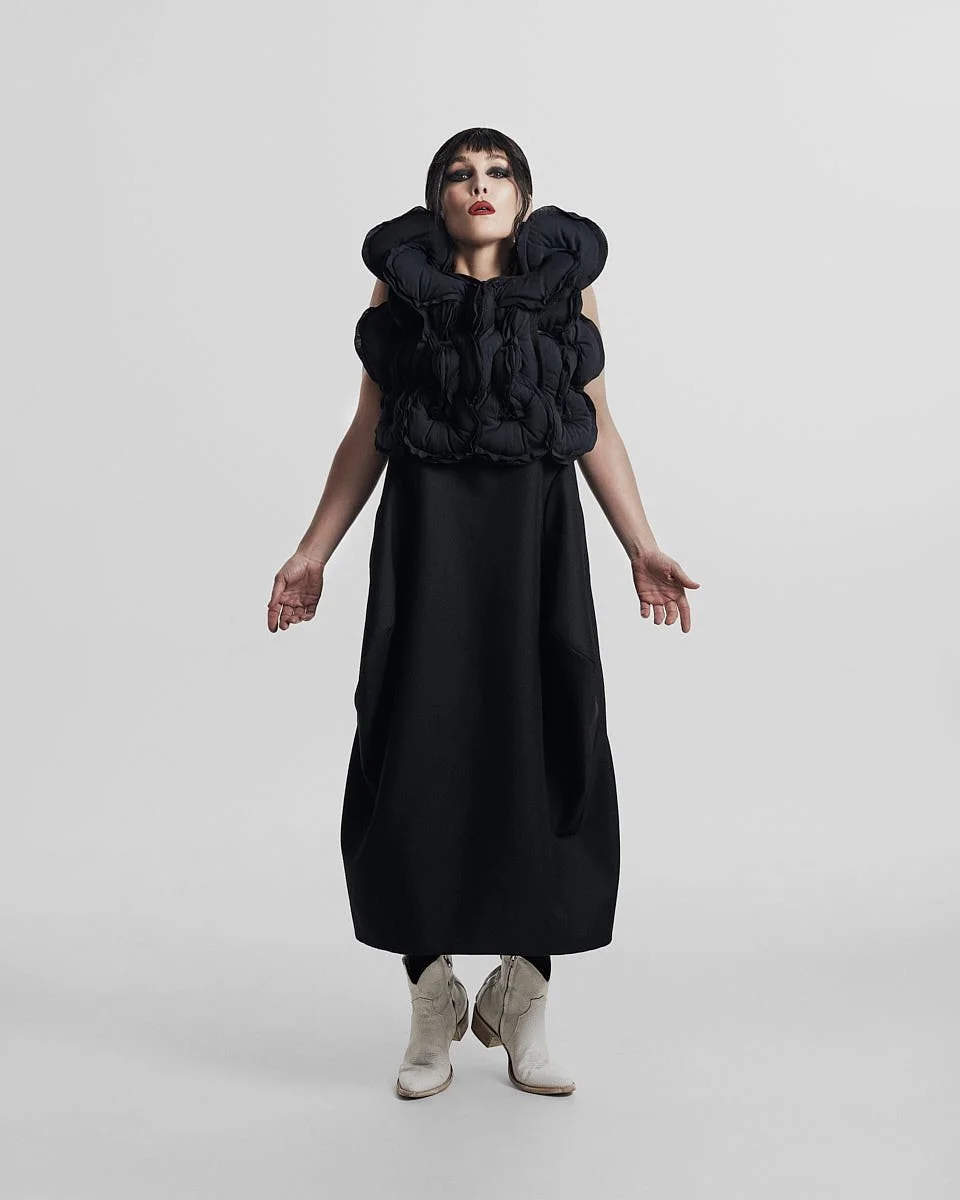
That each role or character you play is a part of you however you just haven’t unlocked it yet. So you’re never acting as someone else but instead unlocking another version of your personality you never knew you had.

When a role is far from your own life, what is the first practical thing you do to make it believable?

I do my research on people who have lived that role in real life, if some are close to home then I ask them questions just to understand how they would act in certain situations. I study them to see how their mannerisms are how their mentality is and then adopt that into my performance. But I also look within deep and see if I have any traits similar to the character.

What is the hardest habit to lose when you move from one character to the next?

The way the character talks for me is the hardest thing to lose only because your used to one accent for a long period of time that sometimes it sticks with you for a long time.

 
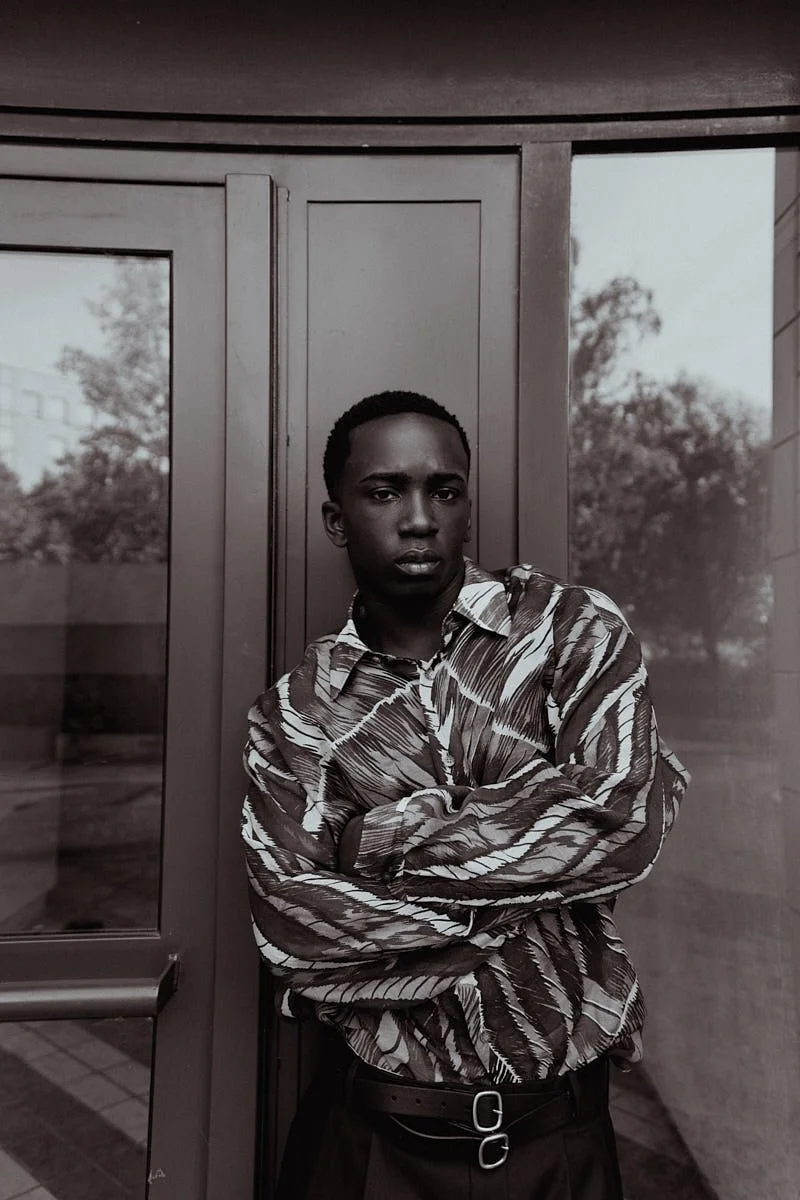
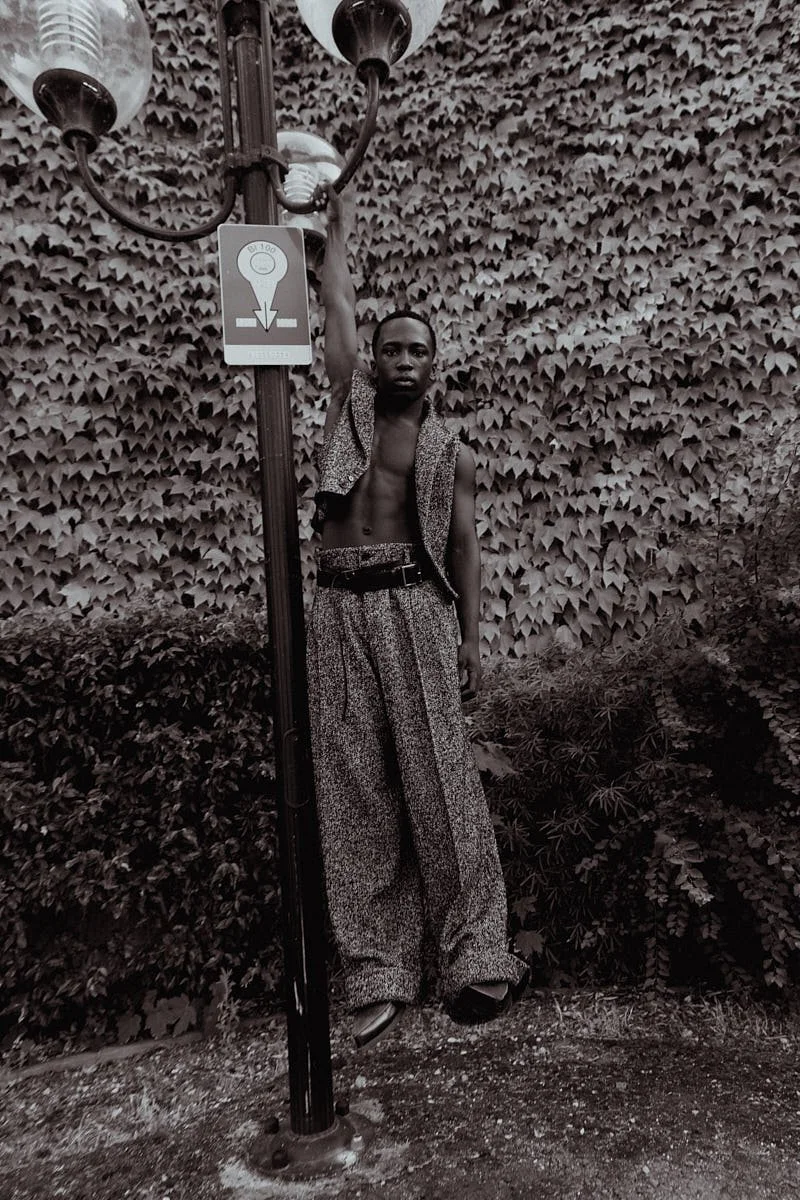
ARALOYIN OSHUNREMI for LE MILE Magazine Araloyin wears a vest, trousers and belt by DOLCE & GABBANA with shoes by DIESEL

Araloyin wears a vest, trousers and belt by DOLCE & GABBANA with shoes by DIESEL

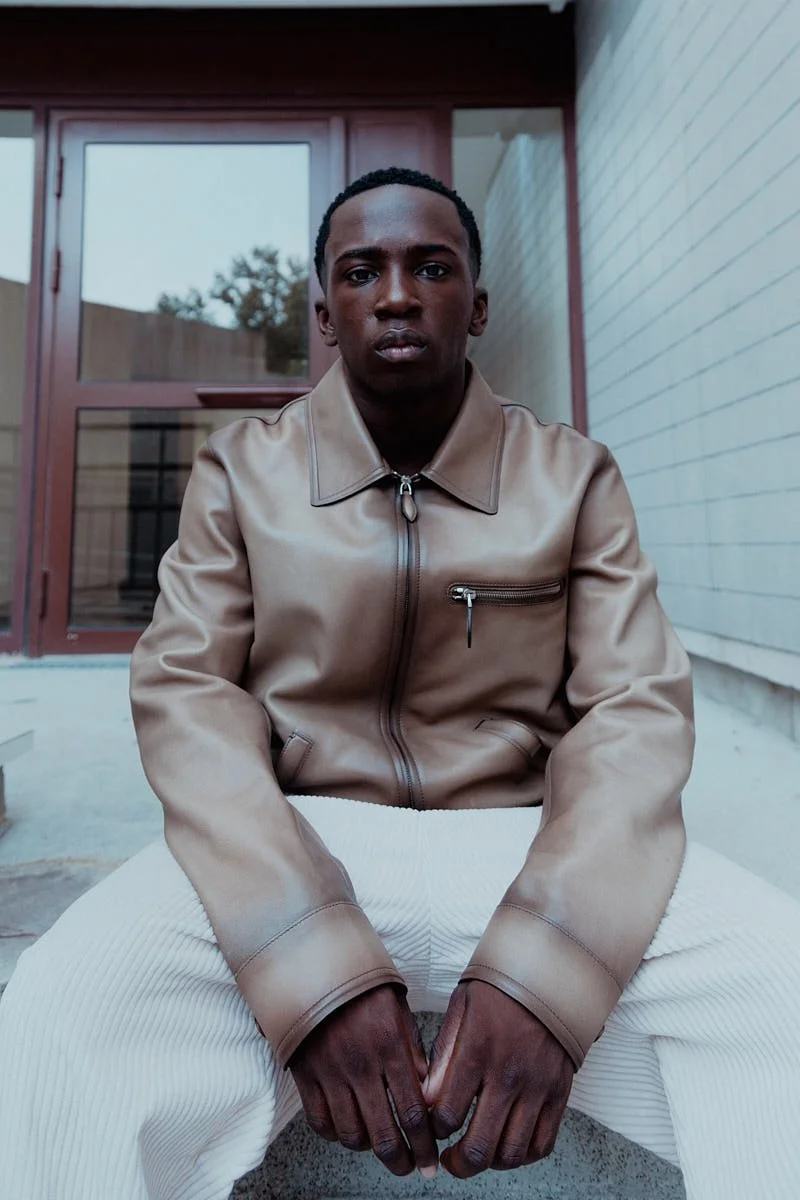
ARALOYIN OSHUNREMI for LE MILE Magazine Araloyin wears a leather jacket, cream trousers and black-and-brown shoes by BERLUTI

Araloyin wears a leather jacket, cream trousers and black-and-brown shoes by BERLUTI


Momo is a major shift in tone and scale; what felt unfamiliar about acting inside that kind of world?

Having to use my imagination to see things that wasn’t there but also having to have a young soul was quite hard for me. With Momo a lot of the world was fantasy and some of the things weren’t actually there in real life but got added in the edit so when acting I had to imagine it being there and genuinely believe it was there so the performance felt real and natural.

You are 22 and already moving between British TV, international film, and now Los Angeles; where do you feel most tested right now?

For me I feel more tested in LA I feel like it’s a whole different world of acting in America and as a Brit acting in America I feel like a lot of eyes are on us. But also having a good American accent so the audience don’t recognise we are a Brit is very important and hard to do but is needed.

When you work with actors who have much more experience, what do you watch most closely?

How they prepare for a role. The difference between experienced actors and new actors is the prep for a role. Experience actors are in character or in the mindset of the character a month before even entering rehearsals, they do their study on the character so that when they’re on set they don’t find it hard to get into character.

 
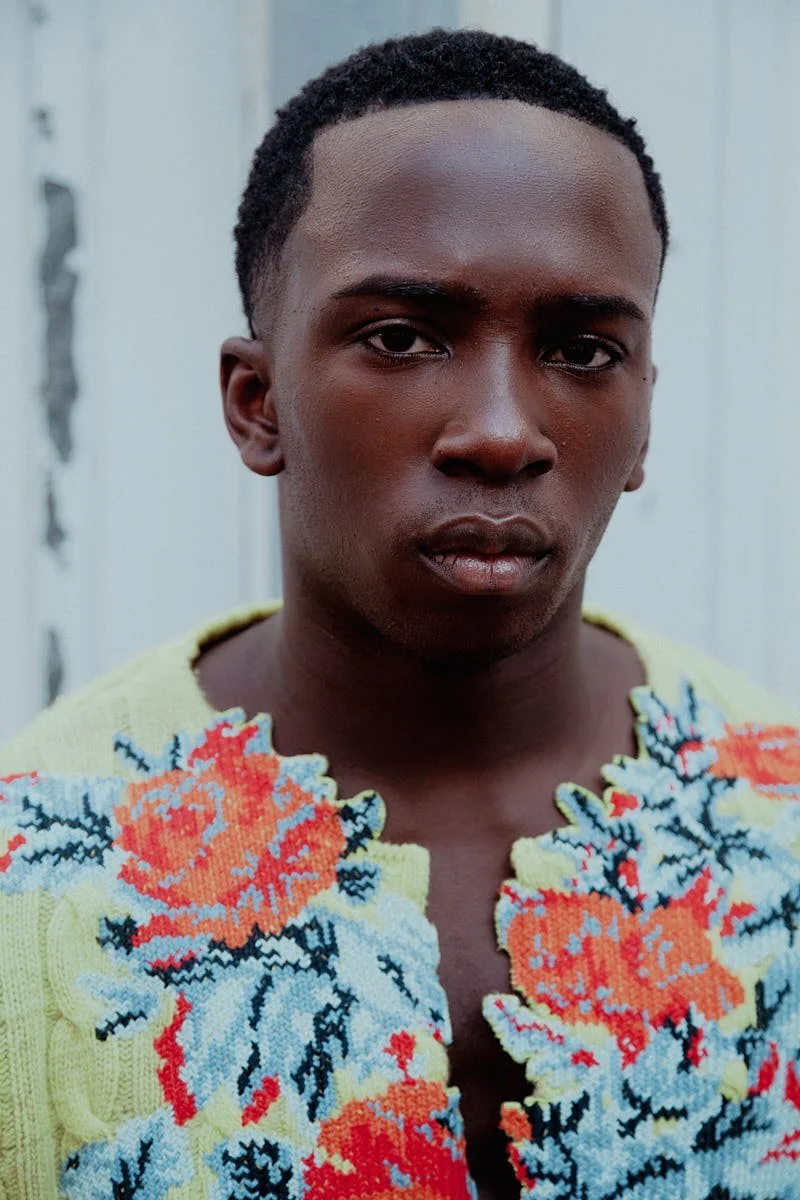
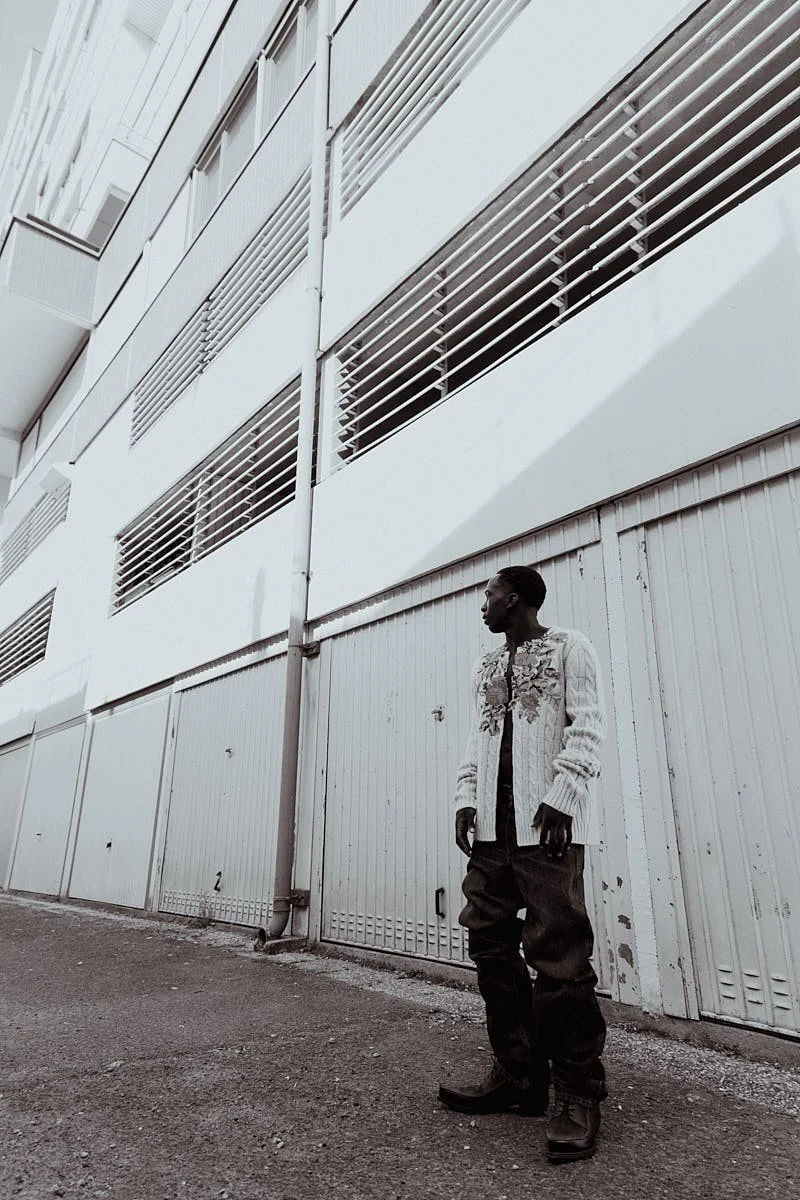
ARALOYIN OSHUNREMI for LE MILE Magazine Araloyin wears floral knitwear, blue denim and boots by DIESEL

Araloyin wears floral knitwear, blue denim and boots by DIESEL


What kind of note from a director actually helps you?

When a director tells me to be free and explore on the next take. Being told that pushes me to think in a different way but also take risks that I wouldn’t usually on a normal take and usually the risky takes are the best ones for the scene.

With WAHALA coming next, what are you interested in showing that audiences have not yet seen from you?

Me playing a character in a Nigerian accent, being from Nigeria getting to play a Nigerian is one of my dreams and because I speak in that accent when I’m with my mum at home it feels surreal to see it on screen.

What do you want your move to Los Angeles to change, and what do you not want it to change?

I want my move to LA to push me in my acting but also make me learn new styles of acting. I want it to have a positive change on my mindset on how I approach roles and hopefully I’m able to adopt skills from some LA actors. And what i don’t want it to change is my london culture I feel like being from london is an amazing thing because of how diverse and multicultured we are.


ARALOYIN OSHUNREMI for LE MILE Magazine Araloyin wears a jacket and vest by RALPH LAUREN

Araloyin wears a jacket and vest by RALPH LAUREN


talent ARALOYIN OSHUNREMI
photography JULIEN LENTIN
fashion WILOW DIALLO
hair SOLINE DE MEDEIROS
make up DIVINE M
casting director MARVIN LATOURNALD
casting MODELS LANE
fashion assistant WISSAL TOUMA
 

credits
all Images (c) LE MILE
and Julien Lentin

Tschabalala Self Takes Up Space

Tschabalala Self Takes Up Space

Tschabalala Self Takes Up Space


written HANNAH ROSE PRENDERGAST


Existing on canvas, through sculpture, functional art objects, and live performance pieces, Tschabalala Self’s work is a “testament to black beauty and power.”


Inspired by her birthplace of Harlem, Self’s eclectic painting and printmaking practice sews in well-rounded figures that feel at home. In homage to her mother, the artist’s female forms show skin rendered in repurposed fabric. Don’t take it politically; they’re just living their life grounded by a strong sense of self.

 
Tschabalala Self Interview Atelier LE MILE Magazine lemilestudios Christian DeFonte

Tschabalala Self seen by Christian Defonte


“The vandalism of 'Seated' was disheartening, but its restoration by the community united and healed us.”

Tschabalala Self
/speaking with Hannah Rose Prendergast for LE MILE


Hannah Rose Prendergast
How would you like your work to be perceived?

Tschabalala Self
My work is derived from my own lived experience because that is what I know best. I am always working to represent black women in a way that allows them to take up space, both physically and psychologically, within the collective consciousness. My figures are not there for the edification of the viewer. The idea of self-possession is fundamental in this concept and my practice. I just want to create a world where my figures exist for themselves — their own desire, pleasure, and contentment.

In a spiritual sense, what happens to the fabric in your paintings over time? Do you ever wash it?

The fabric in the paintings will remain, provided the paintings are kept and maintained appropriately. My studio is home to many scraps, fabrics, and textile pieces that have been sewn, cut, sewn, and cut again. Some of the fabric is painted canvas or old paintings, stripped from stretcher bars, and cannibalized to make new works. I believe each scrap is embedded with the energy of its own past experiences and origins.

What’s your process when it comes to titling shows?
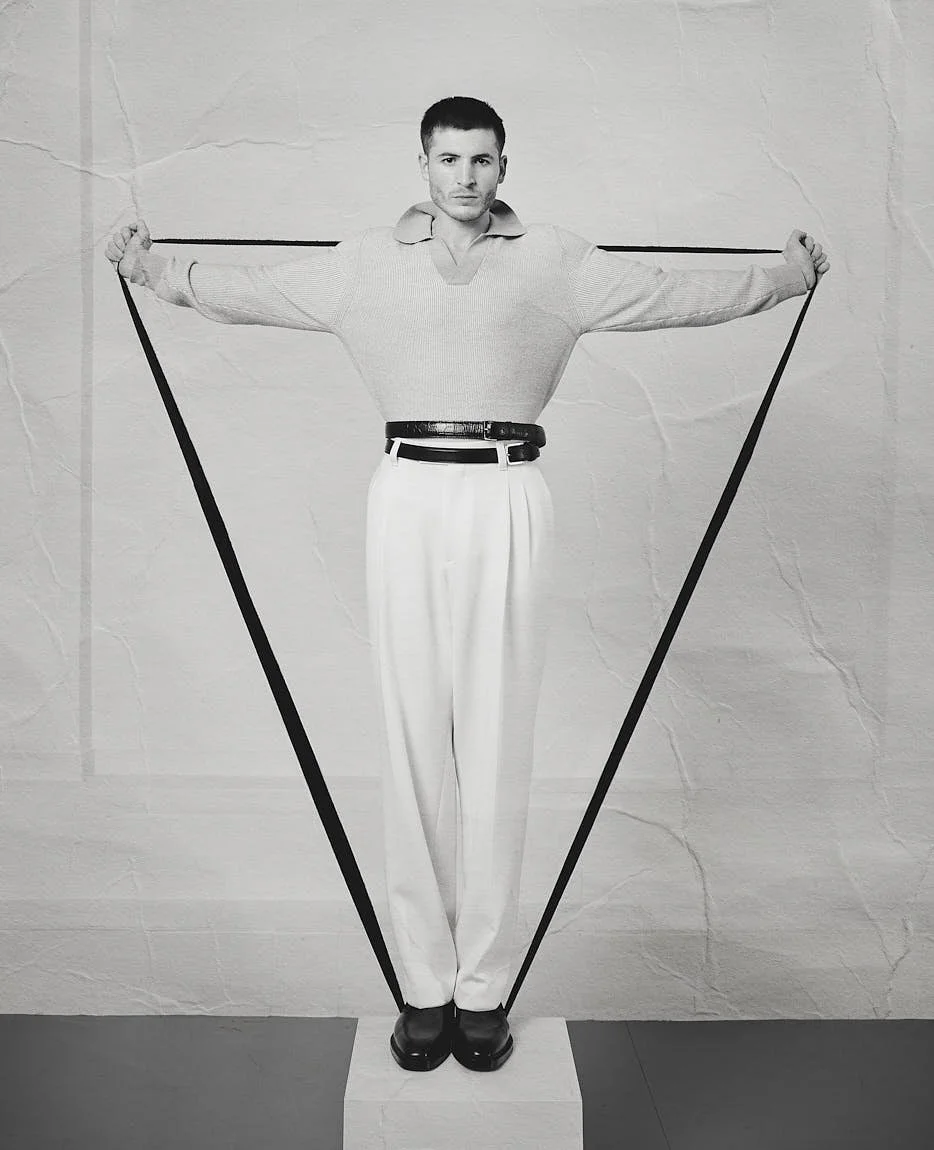
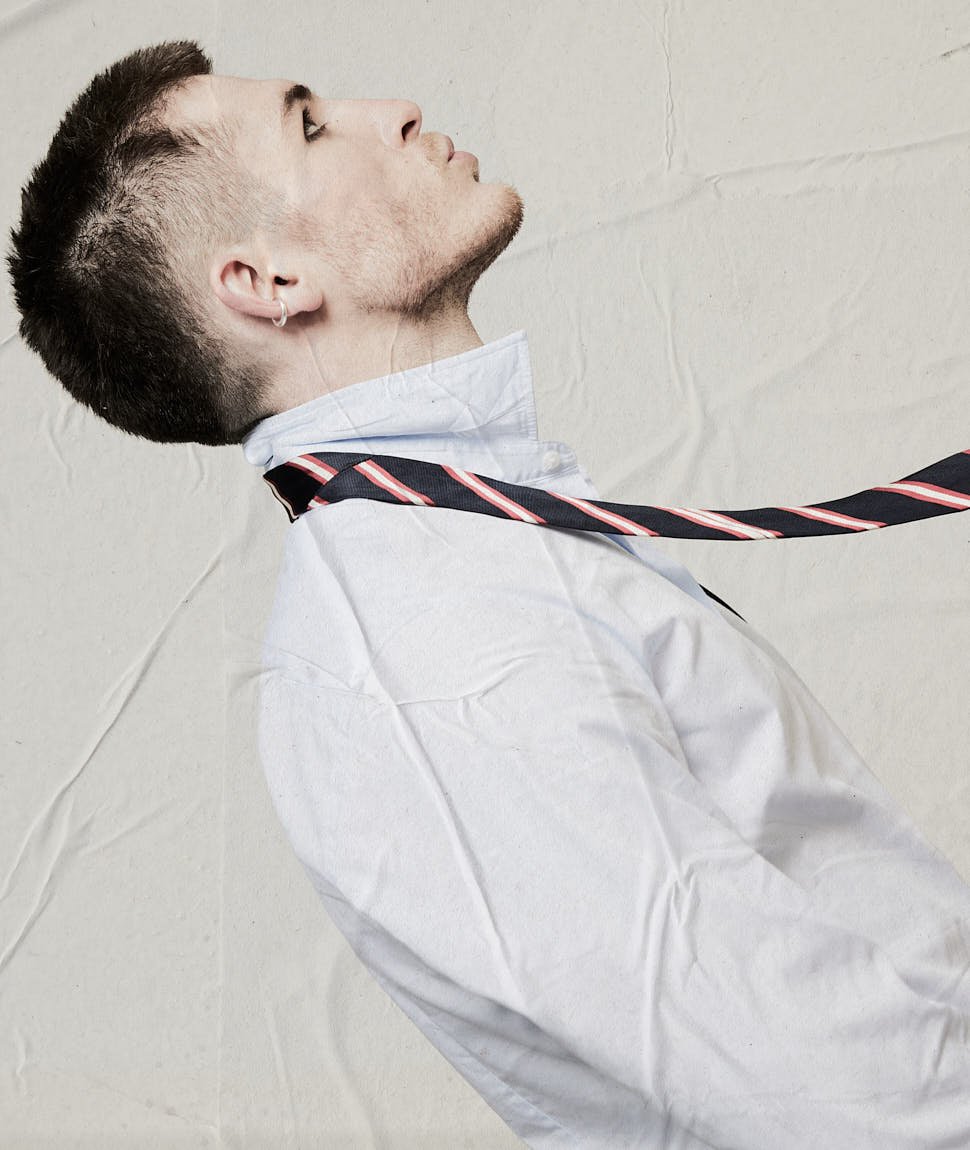
Before titling my shows, I like to have at least the first work for the exhibition completed. The first work for a show generally sets the tone and helps me clarify my initial thoughts. I like to find a word or a term that feels both familiar and distant – something that can instantly spark an emotion but not a clear thought.

What does Seated (2022) mean to you after being restored by the community of Bexhill? Did you see the sculpture in a new light during this experience?

Of course, I was very disheartened when I found out about the vandalism, but I soon realized there was potential in using this violent act to restore the figure and unite the community around her. Many have derived joy from Seated, and with the help and support of the community, she was restored to her former likeness. I felt terribly for individuals in Bexhill-on-Sea for whom the vandalism shocked and frightened. Hopefully, the community engagement and their collective efforts to restore the artwork provided some much-needed healing — I believe it did. It is amazing that so many restorative hands have now touched the work.


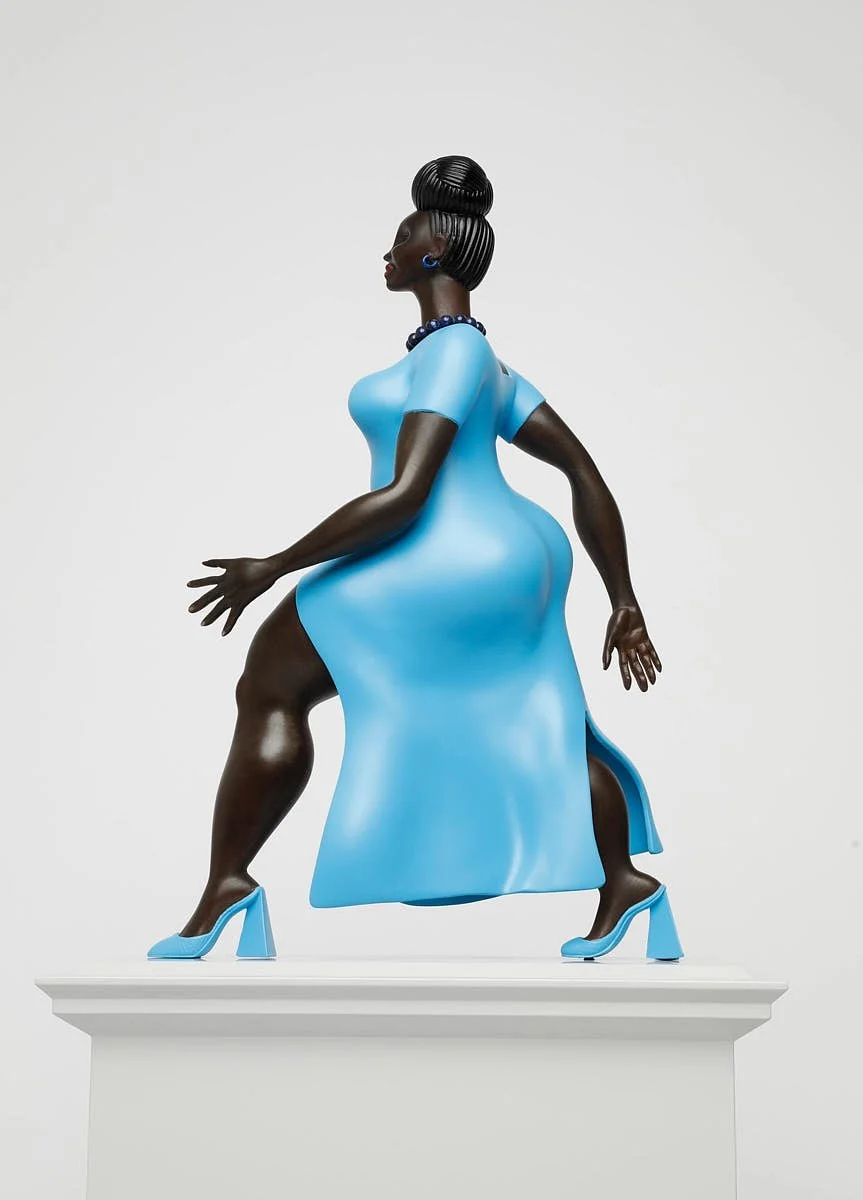
Maquette of *Lady in Blue *by Tschabalala Self. Photo: James O Jenkins LE MILE Magazine

Maquette of Lady in Blue, Tschabalala Self
seen by James O Jenkins


If you had to bring your painting ethos to a career in plastic surgery, how would you reconcile the two?

Plastic surgery is my career in an alternate universe. I love beauty, beautification, and balance, so if I had pursued such a career, I think I would have enjoyed it quite a lot. Also, my practice consists of a lot of cutting and rearranging — rearranging things and ideas is my great skill. I'm not sure if my painting aesthetic would translate too well into a plastic surgery career, but my ethos would integrate into one very smoothly.

How has your body image changed since you started painting these women?

My body image has changed mainly by nature of age, and in many ways, I have grown up while making my work. I started my current body of work when I was 23, and now, ten years later, I have gone through many physical, mental, and metaphysical changes.

In 2019, you collaborated with Louis Vuitton for their Artycapucines Collection, and last spring, Hermès unveiled your window display at their Madison Avenue location. What do you love about working with luxury brands?

I love the mutability of fashion houses. I appreciate how their identities can expand and contract without compromising the core culture of their brands. I admire and emulate this flexibility within my own practice.

Sounding Board (2021) was your first venture into live performance art. If you were to produce a feature film, what would that look like?

One of my dream projects would be to make a movie. What would that look like? Hopefully a blockbuster!

What’s something your mother always told you?

My mother was very wise and very emotionally intelligent. She would always talk to me and tell me so many things. Many of the thoughts I believe to be my own, I am sure, are actually from my mother. More than anything, my mother convinced me from a very young age that I was strong enough and bright enough to pursue what I wanted out of life. That was one of the many gifts and strengths that my mother gave me; she told me in so many ways to believe in myself.

What’s next for you, Tschabalala?

Next for me is more travel, work, and hopefully, some time off – time to spend with family, friends, and loved ones. More shows, more art, and hopefully more beauty in my life.

 
Tschabalala Self Interview Atelier LE MILE Magazine lemilestudios Christian DeFonte

Tschabalala Self seen by Christian Defonte


“I represent black women to allow them to take up space in the collective consciousness.”

Tschabalala Self
/speaking with Hannah Rose Prendergast for LE MILE

Beyond Maxton Hall With Harriet Herbig-Matten

Beyond Maxton Hall With Harriet Herbig-Matten

Harriet Herbig-Matten Beyond Maxton Hall


interview + written KLAAS HAMMER


Who am I when no one is watching? Am I myself when I’m grocery shopping or working? Do I adapt, perform, put on a role? There are countless theories of identity, from Leibniz to Locke to Kant. Kant, for example, describes identity as a distinction between the transcendental self, the one that gives structure, and the empirical self, shaped by experience. From the influences we are born with to those we encounter throughout life, everything contributes to shaping who we are.


Harriet Herbig-Matten by Frauke Joana for LE MILE Magazine Issue 40 Cover Story Harriet wears a dress by MORPHSTUDIO, shoes by SCAROSSO, rings by ALAN HAMILKO and earrings ARCHIVE

Harriet wears a dress by MORPHSTUDIO, shoes by SCAROSSO, rings by ALAN HAMILKO and earrings ARCHIVE


I sat down with actress Harriet Herbig-Matten to talk about identity.
I first met Harriet briefly five years ago at a Fashion Week event in Berlin. What stayed with me was a single thought: what a positive presence. In the years since, the young actress has worked her way up to become one of the most successful German actors of her generation, gaining international recognition through her leading role in the Amazon series Maxton Hall.


Has success, or the industry, changed her? No. When we meet again for this interview, her infectious smile is instantly there. Harriet knows what she wants and, more importantly, who she is. You sense her gratitude: for her success, but also for her family, who have supported her unconditionally from the very beginning.

The years ahead hold much to look forward to: new roles, new facets, while remaining unmistakably Harriet. She lives firmly in the present, yet one day, someday, she will turn her back on the big city. A farm, perhaps a few chickens, and still, without a doubt, a deep love for the profession she calls her own.


Harriet Herbig-Matten by Frauke Joana for LE MILE Magazine Issue 40 Cover Story Harriet wears a coat by YASPIS, tights by FALKE, shoes by AEYDE and jewelry by ALAN HAMILKO

Harriet wears a coat by YASPIS, tights by FALKE and jewelry by ALAN HAMILKO


Klaas Hammer
What does identity mean to you?

Harriet Herbig-Matten
Identity is a very big word for me. It’s about how you express yourself in different ways – through fashion, art, or the way you choose to live your life. Of course, what you receive from your family also plays a huge role. For me, identity is closely connected to experimenting and personal growth. It’s not something set, but something that constantly evolves.

You became well known at a very young age. Did being judged by others so early on influence how you see yourself?

Definitely, although I think much of it happened subconsciously. I started acting when I was twelve, and at that time it actually gave me a lot of confidence, because I already knew very early on what I wanted to do. So I don’t think it made me insecure in the beginning. Only now, with the increasing attention (especially through Maxton Hall) and with social media, I notice how easy it is to feel like you have to live up to a certain “image” people have of you. That’s why I believe social media can be dangerous for young people. When I was younger, I didn’t really notice it at all.
With every negative comment, you start doubting yourself and questioning things. That’s why having a strong support system is so important. I’m very lucky to have friends and family who support me and are there for me.

How much of Harriet is visible in the roles you play? Is that something you think about when reading a script?

I think you inevitably give every role a part of yourself. At the same time, you also take something away from each role. That’s what I love about my job – you get to live a character and give them your own interpretation.
On the other hand, I often feel like I learn something from every role. Right now, it’s actually a goal of mine to play characters that, at first glance, are completely different from who I am – to create more separation between myself and the role. That’s not a negative thing at all; I think it can be very enriching.

Fans often don’t see Harriet, but the characters you play. Does fully immersing yourself in a role make it harder to let go afterward?

Yes, absolutely. When we started shooting Maxton Hall, I was 18. If you’re filming for months and fully immerse yourself in that world, it becomes everything for that period of time. But that’s also something really beautiful – you get to escape into an almost unreal world for a while.


Harriet Herbig-Matten by Frauke Joana for LE MILE Magazine Issue 40 Cover Story Harriet wears a headpiece by THEATERKUNST

Harriet wears a headpiece by THEATERKUNST


Have there been roles where you felt you discovered a side of yourself you didn’t know before?

Honestly, with almost every project. You’re constantly pushed to different limits and learn how resilient you really are. You also meet new people every time. A film set is huge – from fellow actors to set design, hair and make-up, catering, production, and so on. All these different characters and energies come together. That makes it exciting, but also challenging. Actors are just human beings, and if someone is having a bad day, you can’t simply cancel everything.

With Schwarzes Gold, I felt a lot of respect for the role because it’s set in a completely different historical context – a time we can hardly comprehend in our privileged society, where people were fighting for survival every single day. The character was filled with a lot of rage, and understanding that rage – where it comes from and why it exists – taught me a lot.

Does it comfort you to already be so successful at the beginning of your career, or does it create pressure to live up to that success?

Somewhere in between. The paradox of being human is that you always want more and are rarely fully satisfied. But what is the actual goal, and where are you right now? I believe the journey itself should bring a sense of fulfillment, not just the destination.

I’ve moved away from the idea that everything I do has to be as successful as Maxton Hall. I want to takes on roles that genuinely interest and challenge me, regardless of the size of the project. I think that’s a healthy approach, and it can be very healing to focus on what a project gives you personally. Of course, I’m incredibly grateful that Maxton Hall reached so many people. But to truly realize what that means – that hasn’t fully sunk in yet.

When you look at yourself ten years from now, do you think identity will feel even more “settled,” or will it always remain a process?

I’ve always been pretty clear about what I want and who I am. I had that sense of stability quite early on, partly because my family always gave me a lot of support and encouraged me in everything I wanted to do. I grew up very protected, and I think that gives a child a lot – confidence and a strong sense of self.
For a long time, I didn’t take opinions outside my family too seriously – it was more of a “whatever happens, happens” attitude. That has changed now, and I find myself doubting more. But I think it’s healthy to accept life as it is. That can bring a lot of inner calm. I’m not a child anymore; I feel more settled in myself and in my life. Some things simply can’t be controlled. With success comes a growing respect for the next steps — for the roles you choose and the paths you take. Looking ten years ahead, I hope to have found my way back to more inner peace and a stronger trust in life.
Right now, everything feels very intense and fast, which is probably typical for your twenties – you’re caught in a whirlwind, trying to avoid certain things while also trying to control everything at the same time. And yet, there’s also this quiet longing inside me for a calmer life.

Maybe a farm one day, with chickens?

Exactly. Still doing the job I love, of course – but alongside that, I’d really like a simple life as well.


Harriet Herbig-Matten by Frauke Joana for LE MILE Magazine Issue 40 Cover Story Harriet wears a dress by VALENTINO and a ring by ALAN HAMILKO
Harriet Herbig-Matten by Frauke Joana for LE MILE Magazine Issue 40 Cover Story Harriet wears a dress and shoes by VALENTINO and a ring by ALAN HAMILKO

Harriet wears a dress and shoes by VALENTINO and a ring by ALAN HAMILKO

 
Harriet Herbig-Matten by Frauke Joana for LE MILE Magazine Issue 40 Cover Story Harriet wears a dress by Sylvio Giardina

Harriet wears a dress by Sylvio Giardina

Harriet Herbig-Matten by Frauke Joana for LE MILE Magazine Issue 40 Cover Story Harriet wears a dress by Ferragamo

Harriet wears a dress by Ferragamo

Harriet Herbig-Matten by Frauke Joana for LE MILE Magazine Issue 40 Cover Story Harriet wears a dress by ETRO and jewelry by TOM WOOD

Harriet wears a dress by ETRO and jewelry by TOM WOOD


talent   HARRIET HERBIG-MATTEN
photo + creative direction   FRAUKE JOANA
styling + interview   KLAAS HAMMER
production   MAXINE SCHALL
set design lead   EUGENIO PERAZZO
make up artist   PHILIPP VERHEYEN using TWEEZERMAN
hair   ATTILA KENYERES
light tech   EDGAR SCHERWINSKI
photo assistant   JOHANNA SUSTMANN
set assistants   NATHAN LEWI-LEVÉEL and NATALIA DNES
make up assistant   EVA HERBOHN
hair assistant   LOUISA BOCA
styling assistant   LOTTA MICHELS
talent management   MALVE FIEDLER

copyright LE MILE Magazine / Frauke Joana

A Lot of Feelings, No Solutions with Tove Lo

A Lot of Feelings, No Solutions with Tove Lo

.digital

TOVE LO
A Lot of Feelings, No Solutions


interview + written THINLEY WINGEN


Tove Lo is back with ESTRUS: her sixth studio album, born somewhere between instinct, anxiety, desire and a body that seems to have plans of its own. LE MILE spoke with the Swedish pop icon about having no answers, writing what you need, black cats and keeping the fire burning. There is something wonderfully inconvenient about wanting something your brain hasn’t agreed to yet. Tove Lo knows the feeling.


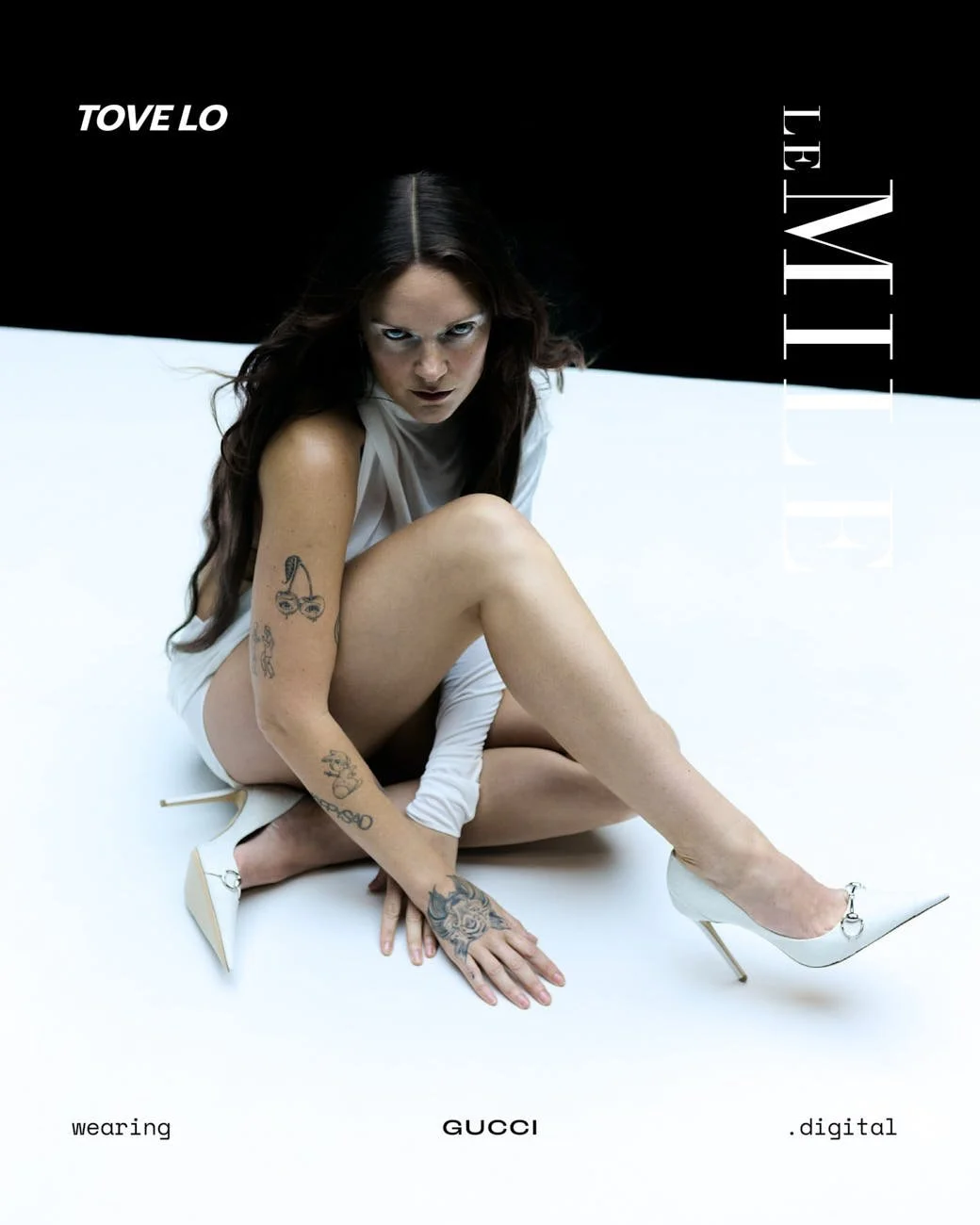
Tove Lo Cover for LE MILE Magazine wearing FW26 GUCCI dress and shoes all white


On ESTRUS, her sixth studio album arriving September 18, the body is loud, the mind is still catching up, and nobody seems particularly interested in pretending otherwise. The title itself is wonderfully unsubtle. Estrus is the biological term for the period when a female mammal is in heat. An animal ready to mate. Instinct taking over. Tove Lo takes that very physical idea and lets everything else rush in with it: anxiety, vulnerability, sex, doubt, appetite, fear, and all those feelings that tend to arrive at exactly the wrong time.
Some of the record took her back to a small Swedish fishing village where she spent her summers growing up and later worked on parts of Dirt Femme. Going back opened a few doors. Childhood. Depression. Her eating disorder. Breakups. Family drama. Loss. The younger, messier version of herself was apparently still there somewhere. The music looks backwards too, towards The Knife, Robyn and the Swedish indie dance she grew up with, then pushes those references through the sweaty electronic pop Tove Lo does so well. Longtime collaborator Ludvig Söderberg returns alongside Elvira Anderfjärd and Luka Kloser, with Stromae appearing on the album as well.


And then there is the cat.
While putting ESTRUS together, Tove Lo kept seeing a black cat in her head. Independent, nocturnal, unpredictable, happily uninterested in behaving. It became the starting point for the album’s cultish visual world: candles, ceremony, darkness, and just enough weirdness to make the whole thing feel slightly dangerous. She doesn't particularly care whether we read it the way she intended. Quite the opposite.

Maybe that is also the nicest way into ESTRUS. Don’t look for a lesson. The album literally opens with A Lot of Feelings, No Solutions. By the time we speak, Tove Lo hasn’t magically found any either. What she does have are questions, desires, and one piece of advice that sounds suspiciously close to a life philosophy: “If you don’t have desire in life, that’s when you get old. It should always be burning for something, whether you get it or not.”
Fair enough. Keep burning.

 
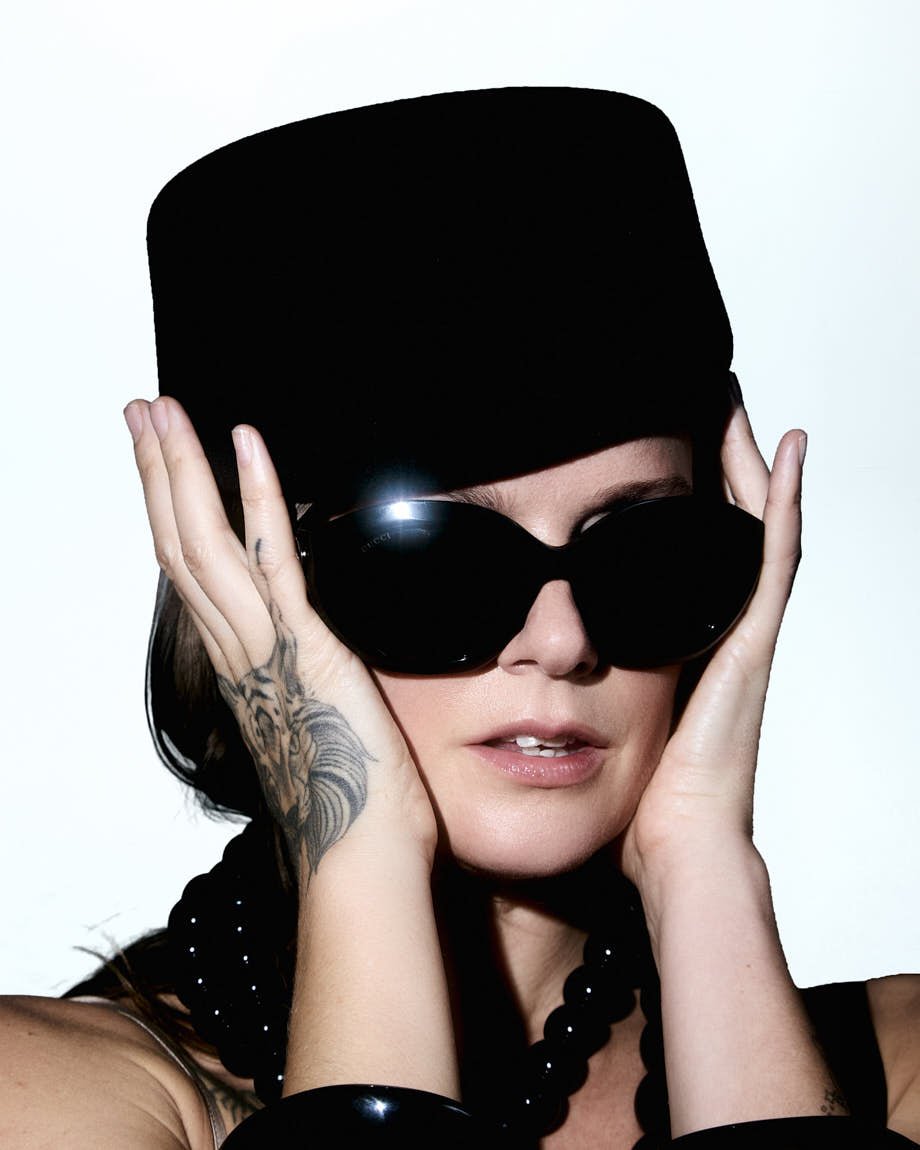
Tove Lo Cover for LE MILE Magazine wearing FW26 Tove Lo wears sunglasses by GUCCI, a hat by H&M and jewelry from FASHION ARCHIVE

Tove Lo wears sunglasses by GUCCI, a hat by H&M and jewelry from FASHION ARCHIVE

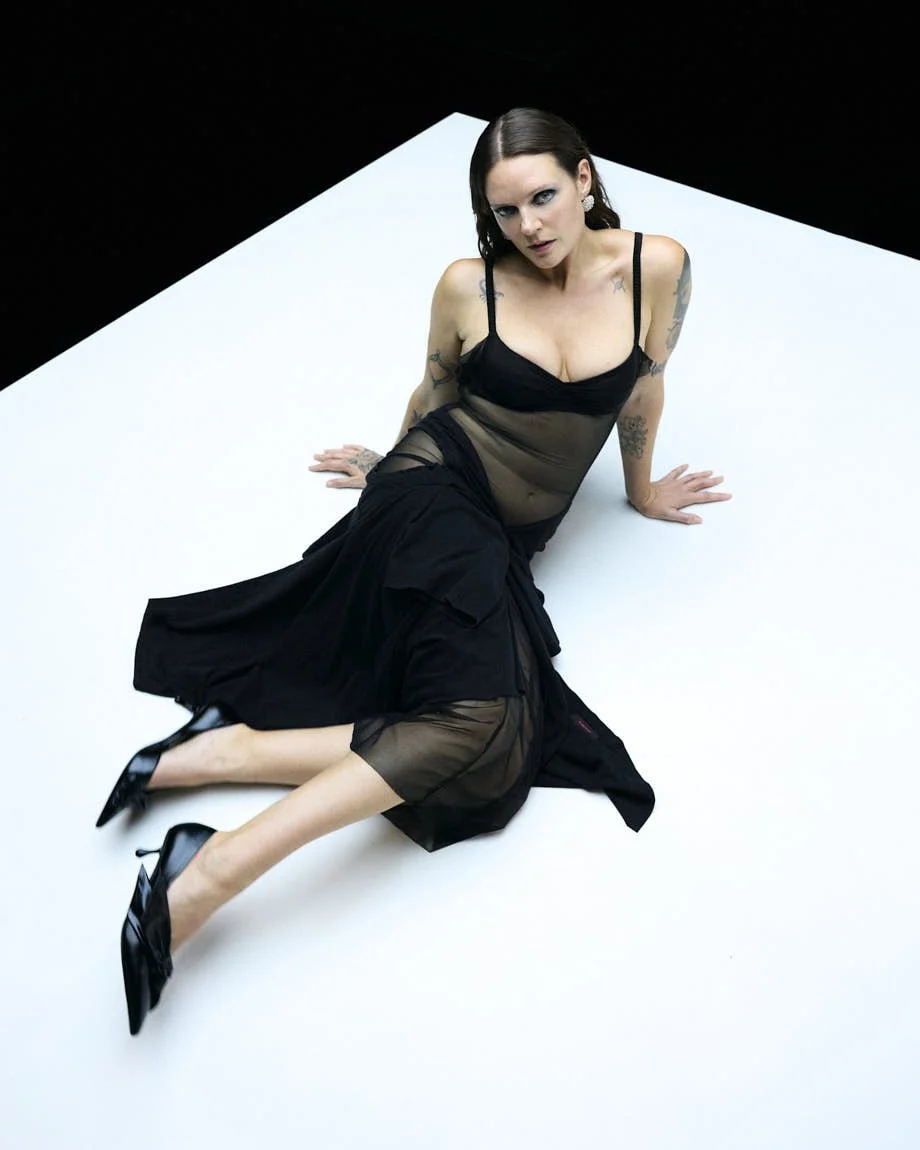
Tove Lo Cover for LE MILE Magazine wearing FW26 Tove Lo wears a dress by LAURA GERTE, shoes by JIMMY CHOO and earrings by ALAN HAMILKO

Tove Lo wears a dress by LAURA GERTE, shoes by JIMMY CHOO and earrings by ALAN HAMILKO


Thinley Wingen
The title Estrus carries biological, emotional, and cultural associations all at once. What did that word allow you to explore that another title couldn't?

Tove Lo
It’s funny because it’s a very biological term, but it really does include all the vulnerable, fragile, and anxious emotions that usually come with animalistic intensity, in my opinion. It really sums up the contradictory place I’ve been in the last year.

There seems to be a recurring tension between the body and the mind throughout your work. How has that relationship evolved while making Estrus?

I think with Estrus it’s the most aware I’ve been of my mind and body battle. It’s a different one than it’s been in the past, and it’s freaking me out a little bit. It’s my body calling for something my mind isn’t ready for.

The opening track is called A Lot of Feelings, No Solutions. What conversations were you hoping to open by starting the record there?

I think just the freedom in not having answers for everything and accepting that. Nothing in life is for certain or 100%; things and you are forever gonna change and that is okay.

Is there a song on the album that feels closest to your heart?

It changes every day, but right now F.A.M.T is hitting hard because I’m not doing what I’m supposed to be doing.


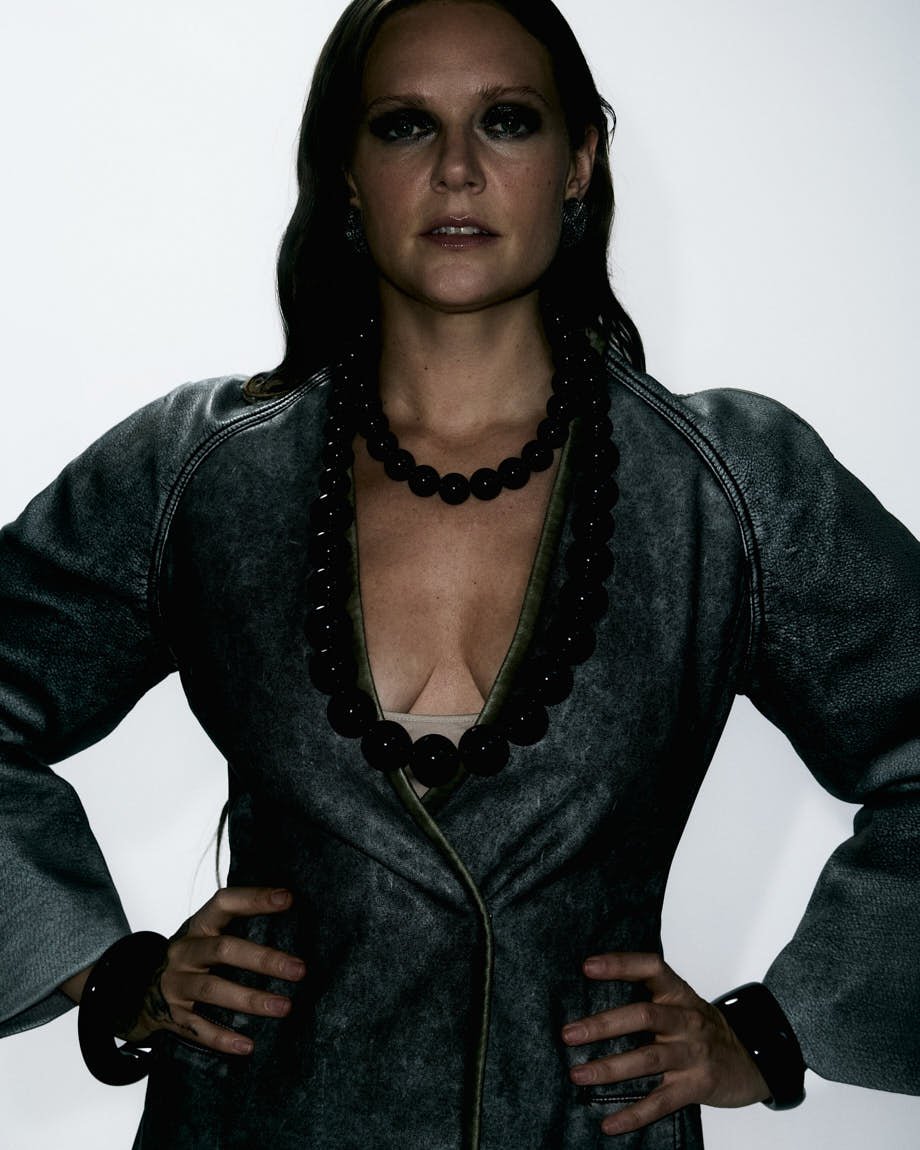
Tove Lo Cover for LE MILE Magazine wearing FW26 Tove Lo wears a jacket by DIESEL and accessories by H&M STUDIO

Tove Lo wears a jacket by DIESEL and accessories by H&M STUDIO


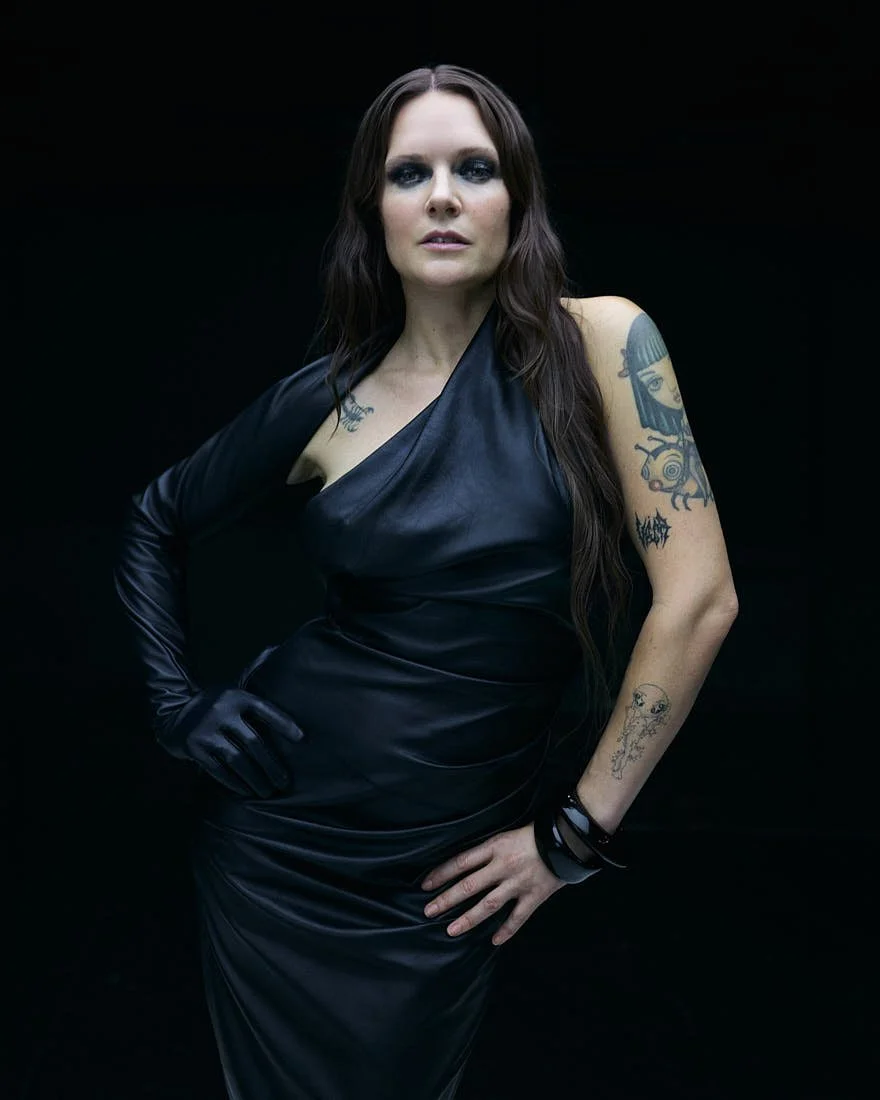
Tove Lo Cover for LE MILE Magazine wearing FW26 Tove Lo wears a dress by Vautrait

Tove Lo wears a dress by Vautrait, bracelet is ARCHIVE


Your songwriting has always felt remarkably unfiltered. Looking back today, what has changed about the way you're willing to reveal yourself through music?

I think I always fight my way back to “make sure you write what you need, not how you wanna be perceived”. It’s the weird thing about being so personal in your songs; every album process I have to shut out the thought that a bunch of people are gonna hear these very intimate stories. If I think about that while writing, I find it very hard to be authentic.

The visual world around Estrus feels almost ceremonial. How did the visual language of this record grow alongside the music?

It was a very fluid ongoing process as I put the album together. I kept seeing a black cat, like an independent, unpredictable night creature that had broken free from conformity. That’s where the cult imagery kinda sparked from. I love making the visuals this dark and a bit twisted; let people interpret it however they want, which might be very different from my intention. I love seeing it through different eyes.

You have spent more than a decade writing about desire from your own perspective. How has your understanding of desire changed over time?

If you don’t have desire in life, that’s when you get old. It should always be burning for something, whether you get it or not.

Looking back now, what feels different about the person who finished Estrus compared to the one who began it?

Honestly, the same. I still have no answers or good advice… only feelings, questions, and desires.

 
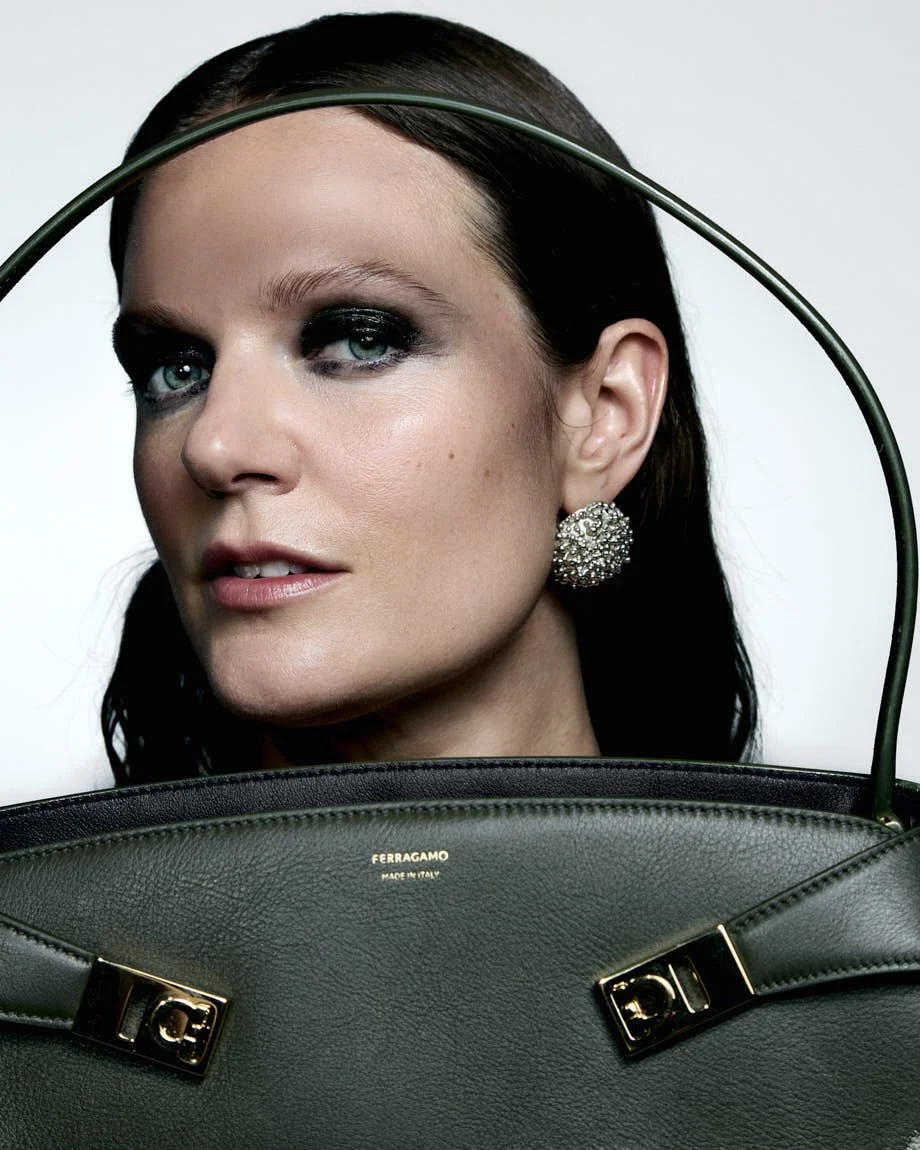
Tove Lo Cover for LE MILE Magazine wearing FW26 Tove Lo wears earrings by ALAN HAMILKO and carries a bag by FERRAGAMO

Tove Lo wears earrings by ALAN HAMILKO and carries a bag by FERRAGAMO

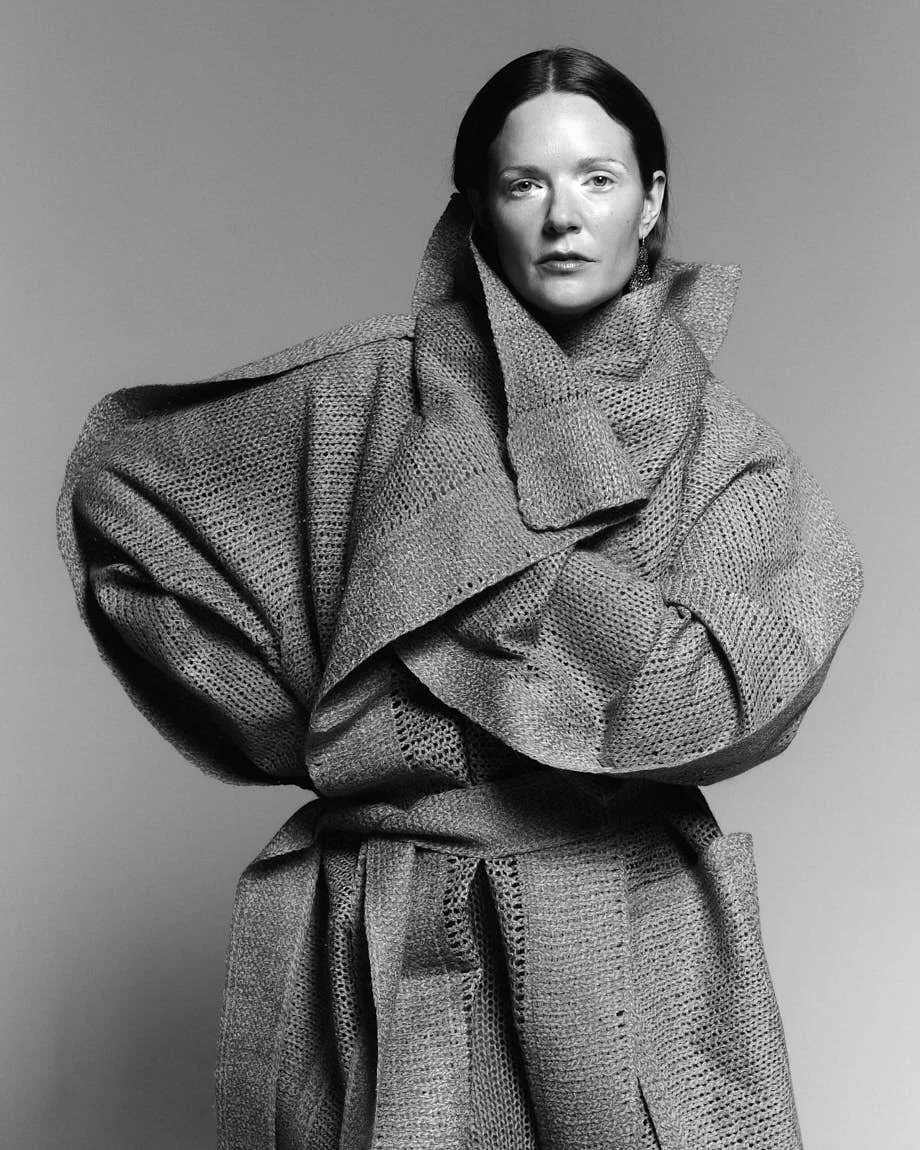
Tove Lo Cover for LE MILE Magazine wearing FW26 Tove Lo wears a coat by ISSEY MIYAKE and earrings by PORTUGAL JEWELS

Tove Lo wears a coat by ISSEY MIYAKE and earrings by PORTUGAL JEWELS


watch
behind the scene


photographer SZYMON STĘPNIAK
fashion editor KLAAS HAMMER
make up JOHANNA NORDLANDER
hair LEO STERN using ORIBE
light assistant ALEX FORREST
camera assistant FRANCISCO RAMOS
styling assistant LOUISA EDOGUN
BTS video SERGEY KUCHIN
interview THINLEY WINGEN
talent TOVE LO
 

credits
all Images (c) LE MILE
and Szymon Stepniak

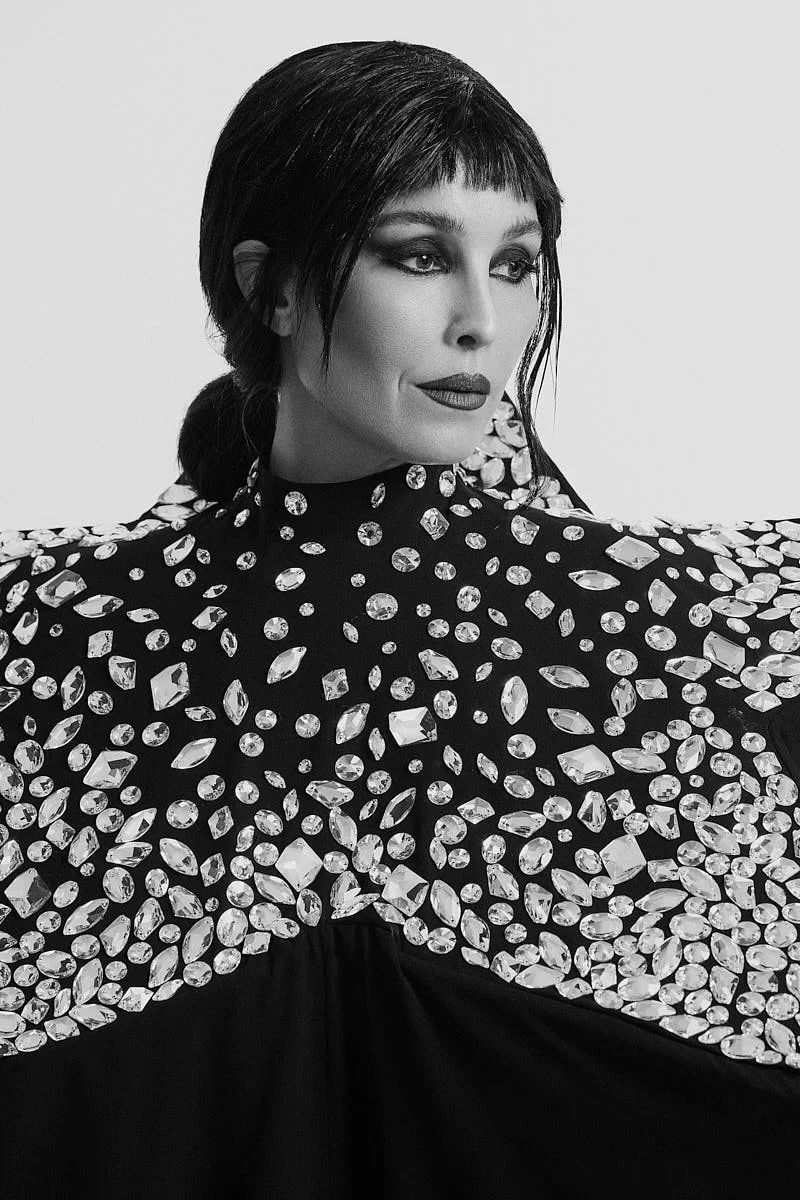
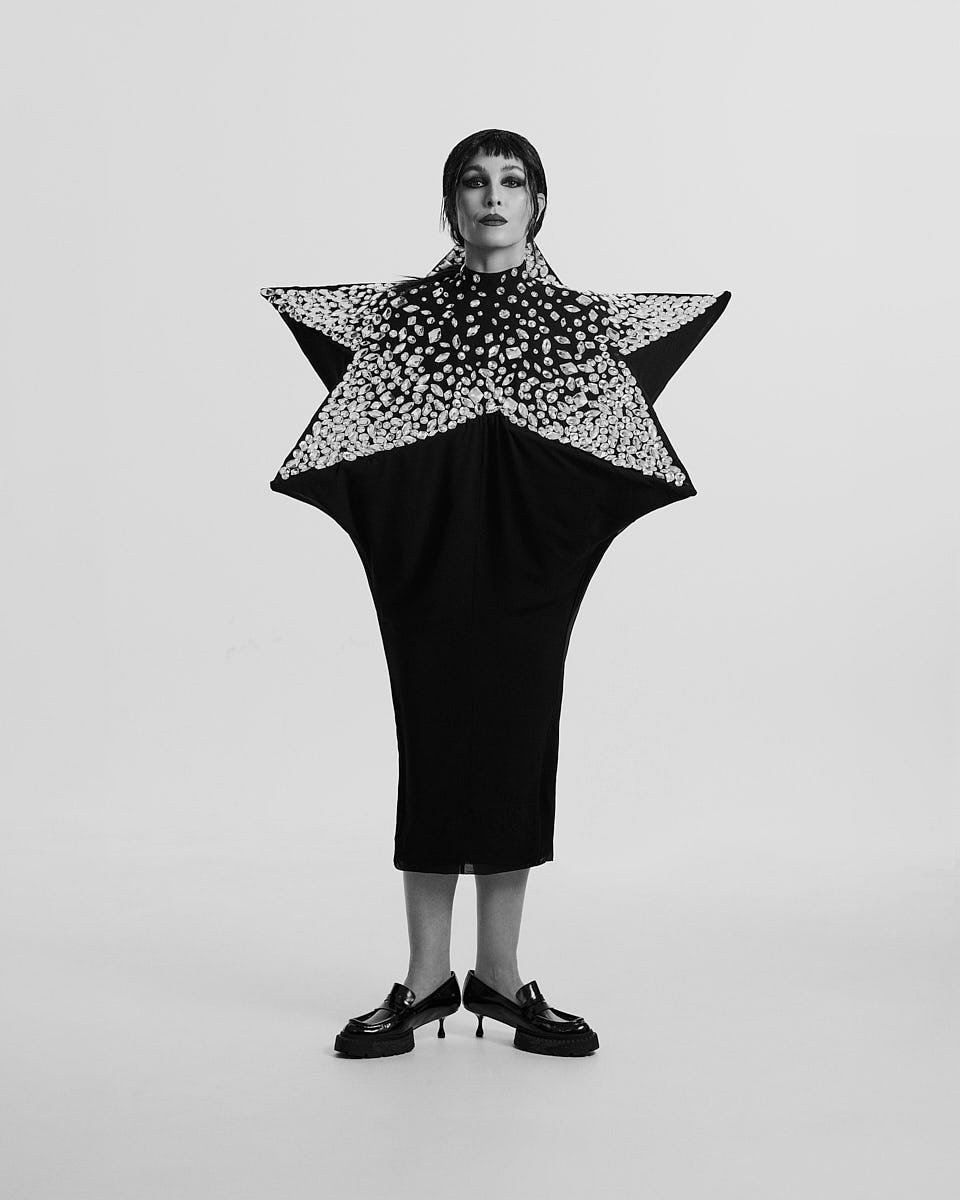
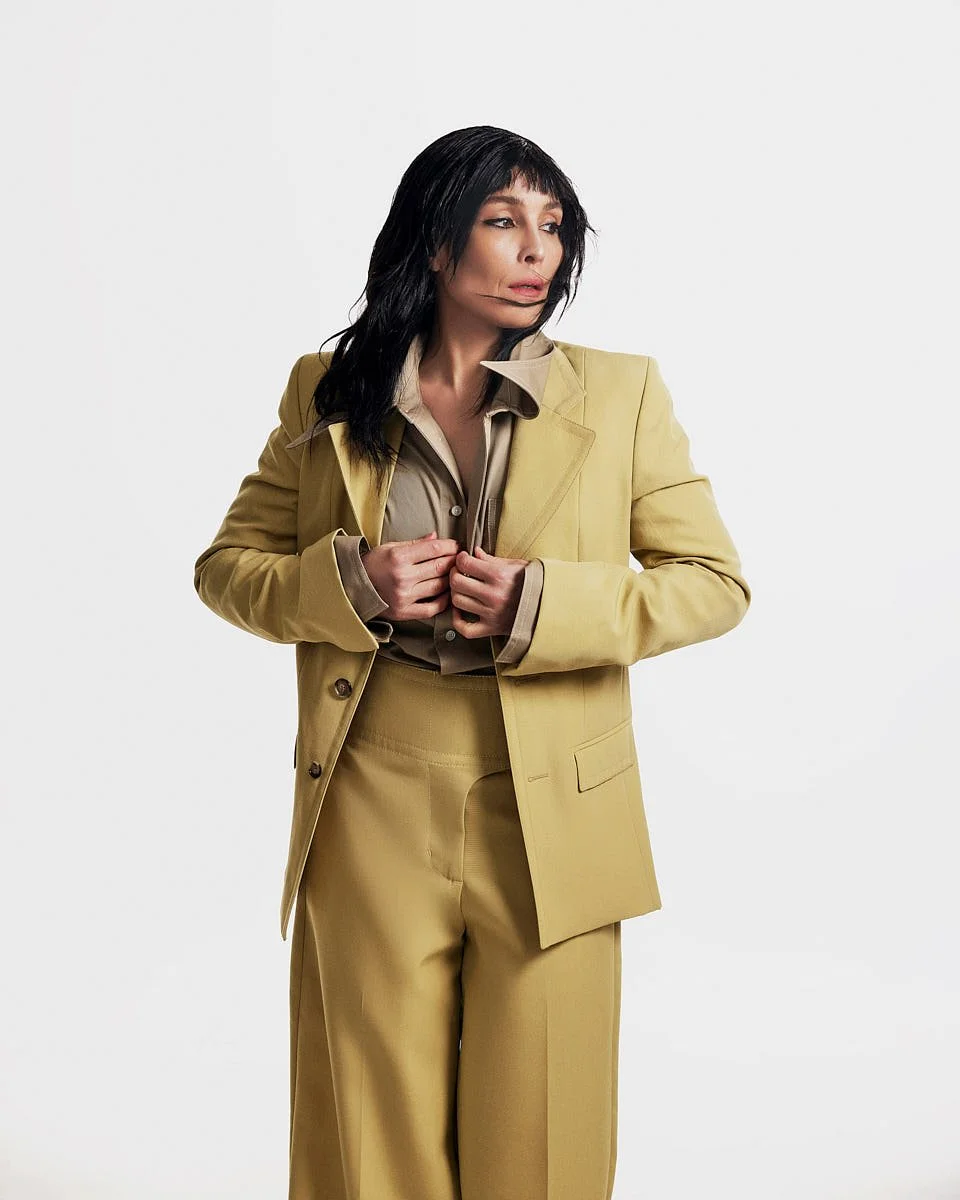
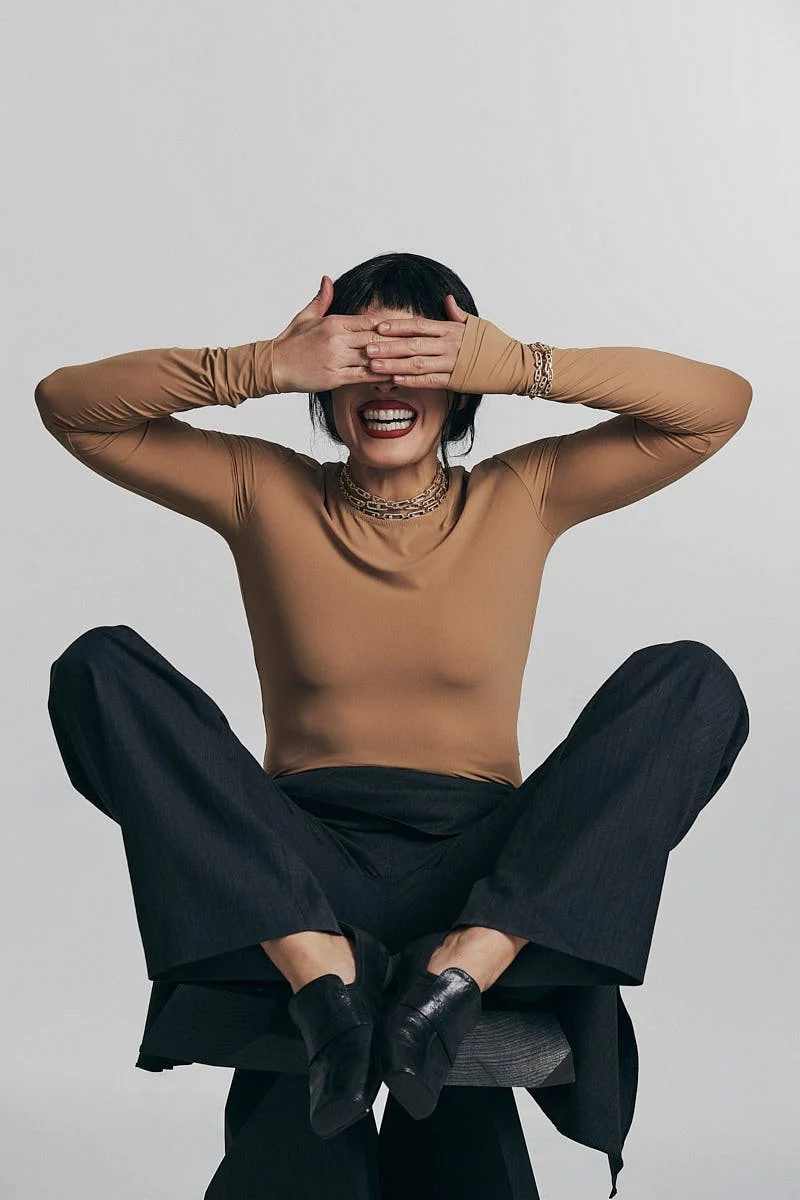
Acting, Folklore and the Dark Side With Noomi Rapace

Acting, Folklore and the Dark Side With Noomi Rapace

Noomi Rapace Has A Thing For The Underworld


interview + written ALBAN E. SMAJLI


We meet on Zoom. Noomi Rapace logs in from her London home — a former blacksmith in West London where horses were once shod. She has just come from training, preparing for her next role, and joins the call in a worn hoodie reading “TOPPER Baseball.” There is a physical alertness about her, even through the screen — as if she is already halfway inside another character.


Noomi Rapace Cover Story for LE MILE Magazine Interview with Alban E. Smajli Noomi wears a dress by COMME DES GARÇONS and shoes by COMME DES GARÇONS X MEXICANA

Noomi wears a dress by COMME DES GARÇONS and shoes by COMME DES GARÇONS X MEXICANA


She moves to a quieter room and settles at a desk. The house, she tells me, carries history. Growing up on a farm with horses in Sweden, she immediately felt connected to the space. “You always feel what’s been happening in a place before you came there,” she says. It’s a sentence that could describe her entire career — sensing what lingers beneath the surface.

Rapace has built her body of work on intensity. Women under pressure. Characters on the edge of survival, identity, transformation. There is something unguarded in the way she speaks — direct, curious, emotionally present. She meets discomfort directly. When I introduce myself as the founding Editor-in-Chief of LE MILE, she smiles and says she has followed the magazine for some time. “It feels consistent,” she notes. “It doesn’t feel like it’s selling out. In this era where everything feels controlled by big machineries and politics, that’s rare.”

With that, we begin.


Noomi Rapace Cover Story for LE MILE Magazine Interview with Alban E. Smajli Noomi wears a total look by AMI PARIS

Noomi wears a total look by AMI PARIS


Alban E. Smajli
Let’s start with a fun fact. In Germany, you’re voiced by Sandra Schwittau, also the German voice of Bart Simpson. Did you know that?

Noomi Rapace (laughs)
That’s amazing. Really?

Yes. It’s a sharp, slightly husky voice with cool intensity — very close to yours.

Bart Simpson and me. That’s amazing.

Have you ever watched yourself dubbed in another language and felt a voice was very close to you?

I once heard myself speaking Italian during interviews years ago. It was very girly and very different from my voice.

In Sweden we don’t dub — everything is original language with subtitles — so it’s not part of our culture. 

The first time I heard myself dubbed was with The Girl with the Dragon Tattoo. It was quite a shock. Now I’m used to it. And soon, with AI, there won’t even be a different voice. They’ll just use mine. That’s a bit frightening. I have a voice in Germany, one in France, one in Spain. It’s remarkable that an actress in each country interprets the whole performance.

If you could swap lives with one of your characters for a day, who would it be?

I loved playing the evil elf in Bright. She’s completely dark, a sociopath with magical powers. Embracing the dark side was fun. But on a deeper note, the character in Constellation. I would love to be an astronaut for a day — to be up in space and look down at my life.

Is there a place in Lisbon where you go to reconnect with yourself?

I go to the ocean. The beach is about 25 minutes from my house, and I go even if it’s windy or raining. For me, the ocean is really cleansing. I actually speak to it. I’m like, “Hello, I’m here again.”
There’s something about standing there, feeling the wind, the salt — it resets me. And I have a favorite beach club where I eat lunch and dinner, where I celebrate my birthday. It’s nothing spectacular, very low-key, but I love the owner. It’s right on the beach. That’s really my spot.

What part of your identity has most influenced your choice of roles?

Curiosity. I’m very curious about people. I love asking questions and going deep into people’s lives.

I also have this sense of not belonging to one place or language. I adapt easily. I can become whatever my surroundings are. A bit like a chameleon. That allows me to lend myself to many different characters. I can identify with many people because I have them in me.


Noomi Rapace Cover Story for LE MILE Magazine Interview with Alban E. Smajli Noomi wears a top and trousers by MAISON MARGIELA and a necklace and bracelet by MESSIKA. Sculpture by Jean-Guillaume Mathiaut.

Noomi wears a top and trousers by MAISON MARGIELA and a necklace and bracelet by MESSIKA. Sculpture by Jean-Guillaume Mathiaut.


You’ve worked across large productions and smaller films. What excites you most right now?

Directors excite me the most. It doesn’t really matter whether it’s a big studio production, a streaming production — which is the new studio — or a small German indie film. That part isn’t what drives me. It’s always about the people involved. And especially the director. I’m very director-driven. For me, it’s about who I’m collaborating with — who is leading the vision.

If you could direct your own film, no budget limits, what story would you tell?

I’m very intrigued by gods and half-gods, by the underworld — folklore, vampires, elves, trolls. I love that mythology. I’m fascinated by what happens when you mix folklore with the present day. Like Nordic gods living in London today. Or something ancient colliding with something very modern.
I’m drawn to contradictions. When things clash, when they’re not harmonious or perfectly synchronized — that tension is exciting to explore. That’s where something interesting can happen.

Have you ever taken a prop from a set?

When I did Prometheus in Iceland, I had all these armor pieces on me — loads of bits and details attached to the suit. One day we were shooting on a lava field. I was running up this hill, full speed, with a spaceship chasing me. And I lost one piece of the armor. We searched everywhere but couldn’t find it. It was just gone. Years later, when I came back to Iceland to shoot Lamb, the director, Valdimar Jóhannsson, came to me with a small package. He said, “This belongs to you.”

He had been part of the Icelandic visual effects team on Prometheus. He had found the missing piece and kept it all those years — and brought it back to me. It felt almost surreal. Like something completing a circle.

In Mother, what was the most emotionally challenging moment?

There were many difficult days. But there was one night in Kolkata — we were filming the train scene with hundreds of extras. It was around three in the morning. I was completely exhausted emotionally. We had been shooting for months, and I could feel how the environment, the poverty of the city — which hasn’t changed much — was affecting me deeply. I had never seen that level of poverty before. Seeing all the children, all the families… I felt very fragile.

We were waiting for the train for hours. When it finally came, we did a couple of takes. Then the director came to me and asked if I had one more take in me. And I just started crying. I said, “No. I don’t have anything left.” There were moments during that shoot where I felt like Mother Teresa had moved into me. There was no distance between me and her. No cushion. It felt like I was hitting hard surfaces with my emotions.

Some actors talk about “shedding” a role after filming. Have you struggled to leave characters behind?

After Prometheus, I remember sitting alone in a hotel in Iceland and not really knowing who I was. I felt quite lost. It was like I had been in space — and I hadn’t fully come back yet. It took about a week before I felt grounded again. After Lisbeth Salander, it was even harder. When we finished filming, the producers came with a big bottle of champagne to celebrate. And I just ran to the bathroom and started vomiting. It felt like my body was expelling the character. Almost like an exorcism. For weeks I was just walking around the city, feeling like I was in limbo — caught between something. Sometimes the landing is softer. Sometimes it’s brutal. I haven’t found one technique that works every time. Every character lives differently in me.

How do you reset?

I work out a lot. I have my routines. I meditate. I brush my body every day. It’s about reconnecting physically.

I try to stay close to people I feel safe with — my sister, my son, my family, my friends. I don’t travel. I don’t put myself into unknown situations the first couple of weeks after filming. I stay in my cocoon, with people who know me and allow me to be all these strange versions of myself. I’m normally quite emotional, so all the vulnerable reactions are embraced by them. I simplify my life after filming. The physical aspect is very important. Movement. Cold plunges. Shocking the system. Anything that brings me back into my body. That normally helps me reconnect.

Lastly, if you stepped into another profession for a month?

I’d probably run a ranch with loads of horses. Very Yellowstone style. I’d be out riding in big open fields, collecting the animals, living that farm life. I love horses. I grew up with them. There’s something about that life — being outdoors, being close to animals — that feels very grounding to me. So maybe I’d be a horse trainer.


Noomi Rapace Cover Story for LE MILE Magazine Interview with Alban E. Smajli Noomi wears a dress by COMME DES GARÇONS and shoes by COMME DES GARÇONS X MEXICANA

Noomi wears a dress by COMME DES GARÇONS and shoes by COMME DES GARÇONS X MEXICANA


talent   NOOMI RAPACE
image consultant   NICOLAS AKSIL
photography   ISMAËL NEBCHI
photography assistant   JACOPO MARCONI
stylist   AURORE DONGUY
styling assistant   SILOÉ
hair   HENRY OLIVIER with DYSON & ELEVEN AUSTRALIA
make up artist   JEANNE SCHNEIDER
edit   ABDEL KEBDANI
location   STUDIO A23
production   MEDIA UP PRODUCTION
production manager   YOUMNA BECHOUEL
sculptures   JEAN-GUILLAUME MATHIAUT

copyright LE MILE Magazine / Ismaël Nebchi

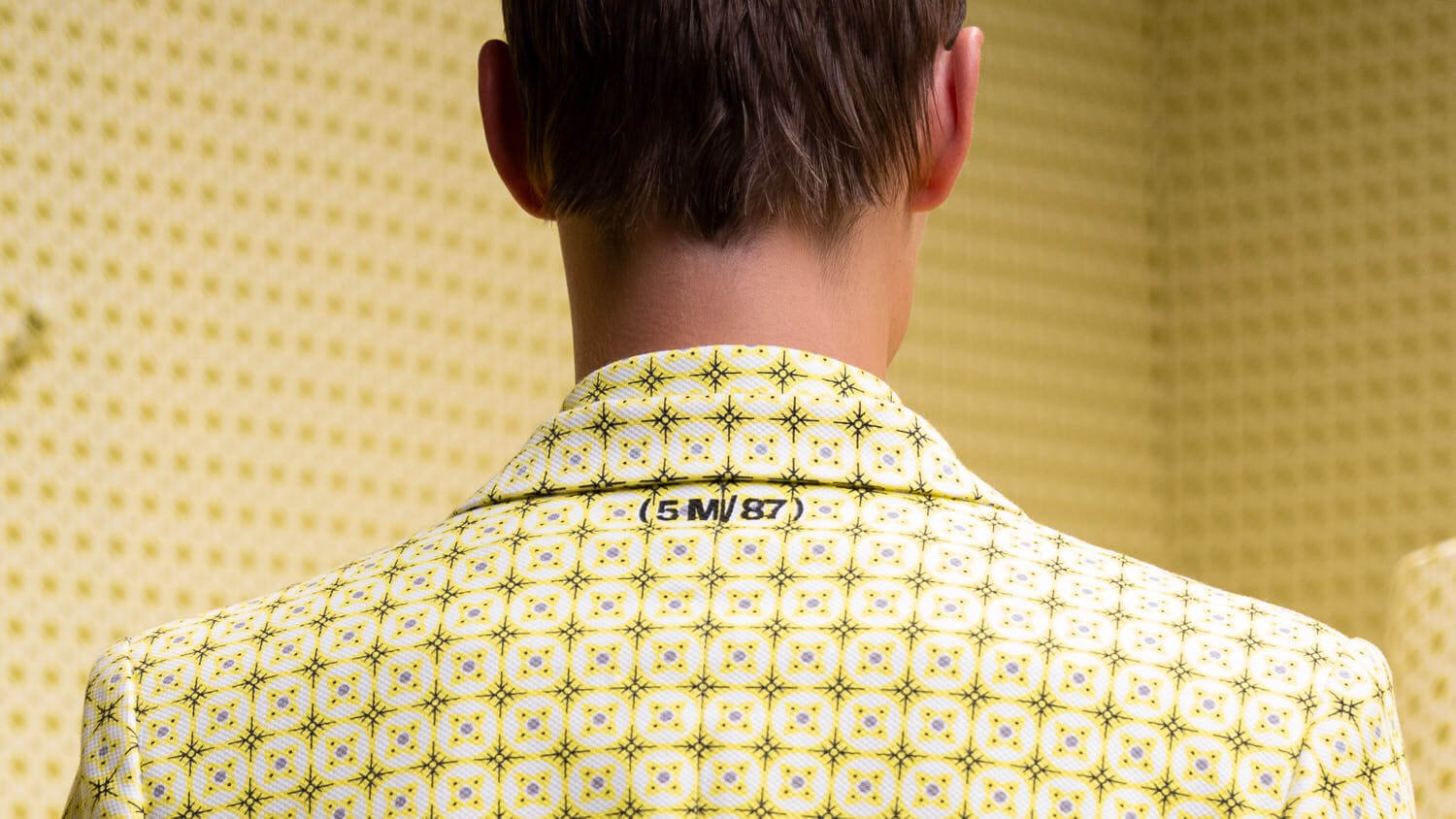
Jakob Wirtz — Deadstock Fashion and 87 Metres of Possibility with (1/1)SAMPLE

Jakob Wirtz — Deadstock Fashion and 87 Metres of Possibility with (1/1)SAMPLE

87 Metres of Possibility with (1/1)SAMPLE


interview KLAAS HAMMER


What would fashion be without its countless young creatives who constantly turn new ideas, sustainable concepts, and extraordinary designs into reality, often with limited resources (money!). LE MILE spoke to one such young creative. Jakob Wirtz, a fashion student at „Hochschule Pforzheim“ currently in his fifth semester, has already completed an internship at Adidas in Herzogenaurach.He tells us what inspires him, where the name of his own label, (1/1)Sample, comes from and all about his latest collection.


brand (1/1)SAMPLE by designer Jakob Wirtz interview with Klaas Hammer for LE MILE Magazine

(c) (1/1)SAMPLE


Klaas Hammer
What originally motivated you to study design, and what motivates you in your work today?

Jakob Wirtz
creating. I often set myself goals that scare me. I want to constantly evolve and push myself further. But in the end, it should always come back to a place where I feel comfortable and enjoy the process. Believing that the responsibility of introducing new fashion into today’s world should be approached with sensitivity, I think deeply beforehand about whether my work can live up to that responsibility, and then I give it everything I have.


What is the meaning behind the name of your brand?

A sample is an experiment, not something intended for sale. It is the first step an idea takes towards becoming reality. This is where you have to be brave, and where there is room to try things out. I like the perspective of also understanding the final garments of the brand as samples. Everything is a foundation for further development and something new that comes after it.


How would you describe your design (language) to someone discovering your work for the first time?

Simplicity and clarity are my top priorities. I strongly believe that the more general something is, the more personal it can become. I try to be creative within a very precisely defined framework set by the initial concept for a collection. My dream is to create something that a lot of different people can connect with. It doesn’t have to be the same connection. Creating inclusive access to fashion is a great challenge.

 
brand (1/1)SAMPLE by designer Jakob Wirtz interview with Klaas Hammer for LE MILE Magazine

(c) (1/1)SAMPLE

 
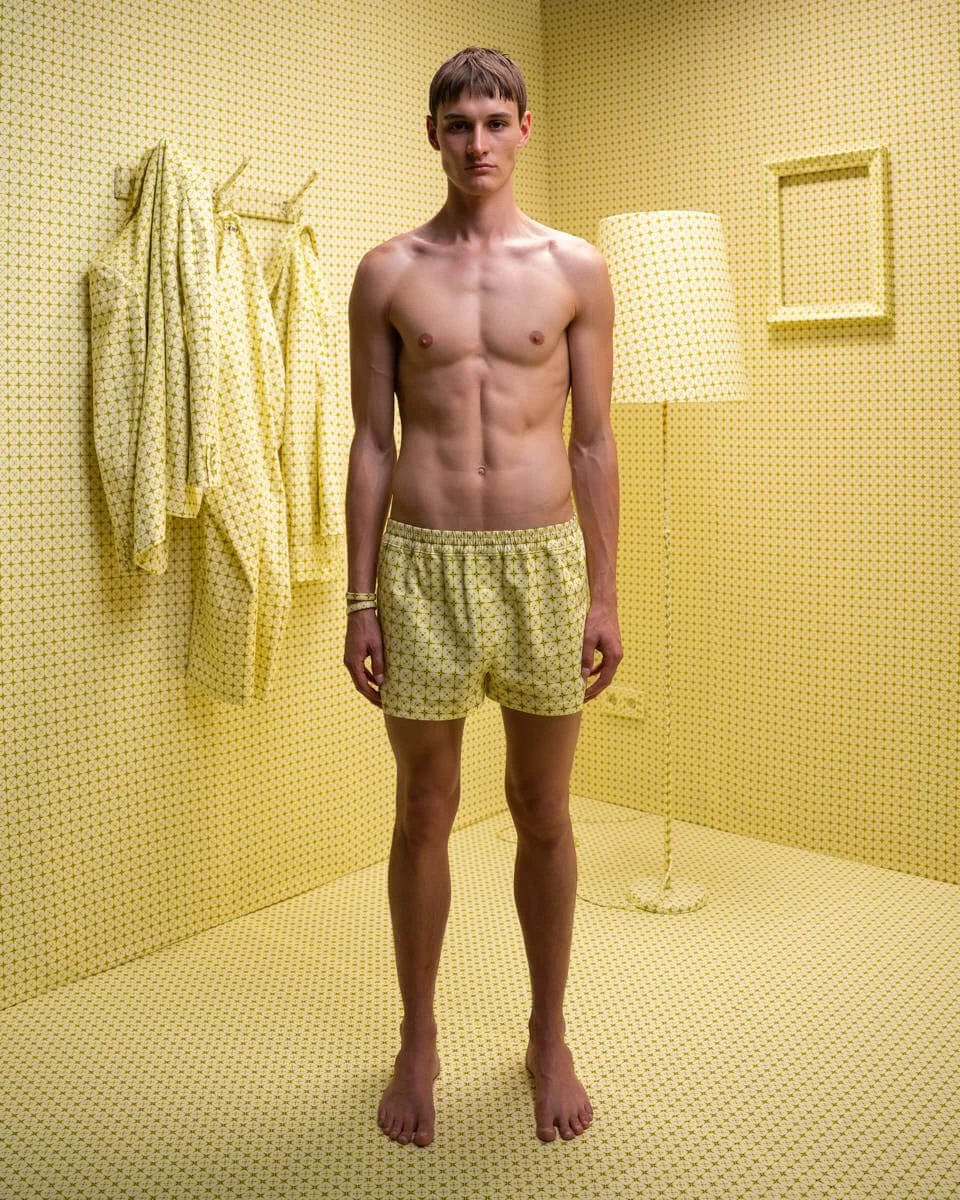
brand (1/1)SAMPLE by designer Jakob Wirtz interview with Klaas Hammer for LE MILE Magazine underwear yellow

(c) (1/1)SAMPLE


What was the starting point for your latest collection, and what idea or story do you want to convey through it?

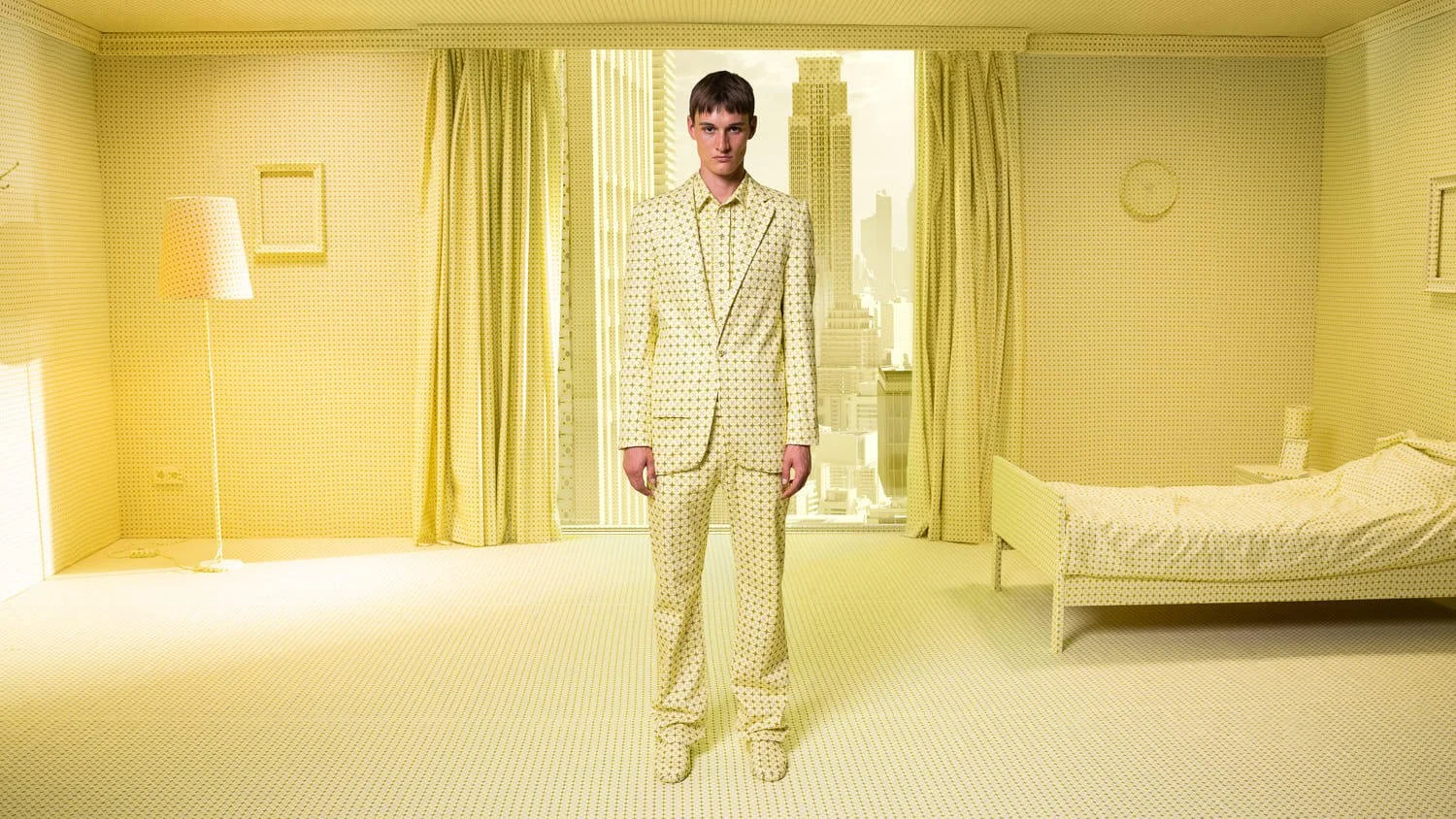
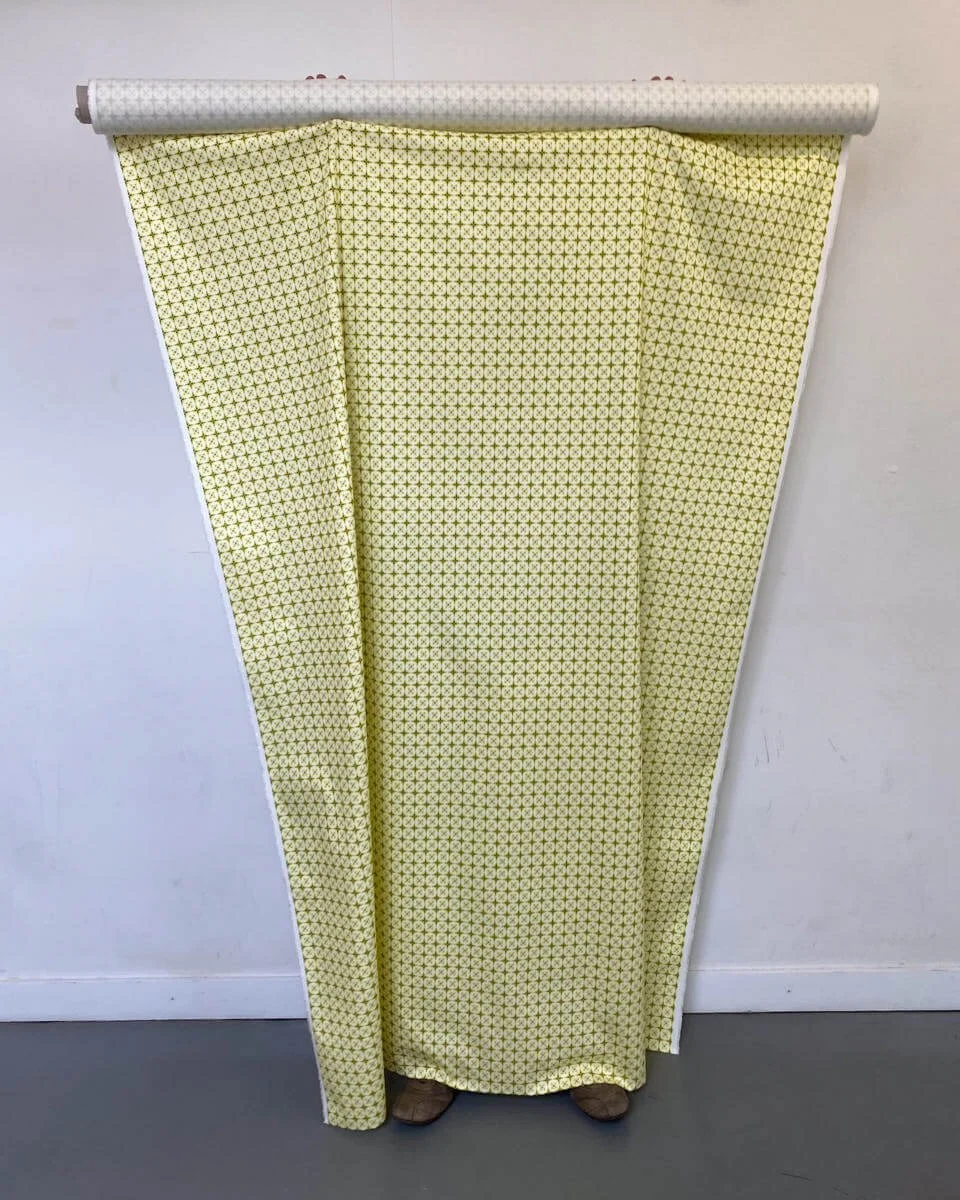
A reality made entirely from a single fabric. The only individuality comes from the subject itself. Maximum minimalism. Minimalist maximalism. An attempt to find something exciting in between. The material we used is the entire remaining 87 meters of one of the worst-selling deadstock fabrics from a large deadstock company I have worked with. Together with them, I searched for a suitable fabric that many people would initially have considered ugly and undesirable. This fabric is used for the collection, the interior, and the set for the presentation. The set is designed based on the width of the fabric, meaning the fabric did not have to be cut and can be used in its entirety to produce the collection. Each piece has a label indicating the amount of fabric used to make it. I wanted to prove to myself that context alone can be enough to turn surplus into something limited.

Who are your fashion role models and your biggest sources of inspiration?

The list of fashion designers I admire is long, and there’s no one I would single out above the others. Fashion is so multifaceted that there isn’t anyone who excels in every discipline at the same time. It’s the diversity that truly brings beauty. I’m constantly discovering new fashion role models from whom I can learn something.

Inspiration literally comes from everywhere. Often, the greatest sources of inspiration are the impressions I get from real life. It can be anything. That’s why I try to always stay attentive and notice every little detail in the moment. I also share ideas with my friends, most of whom are creatives as well, and we work on them together.


brand (1/1)SAMPLE by designer Jakob Wirtz interview with Klaas Hammer for LE MILE Magazine yellow suit

(c) (1/1)SAMPLE


Fola Adeleke — Building Worlds Through Art, Culture and Memory

Fola Adeleke — Building Worlds Through Art, Culture and Memory

Fola Adeleke Makes Home Public


interview by SARA DOUEDARI


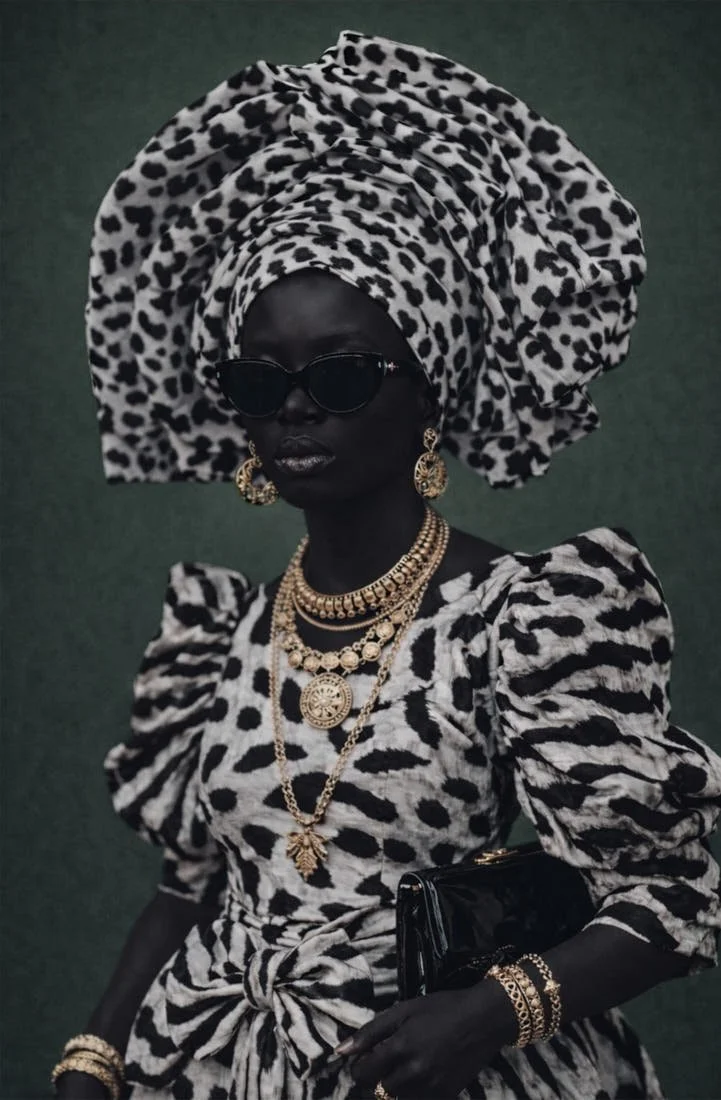
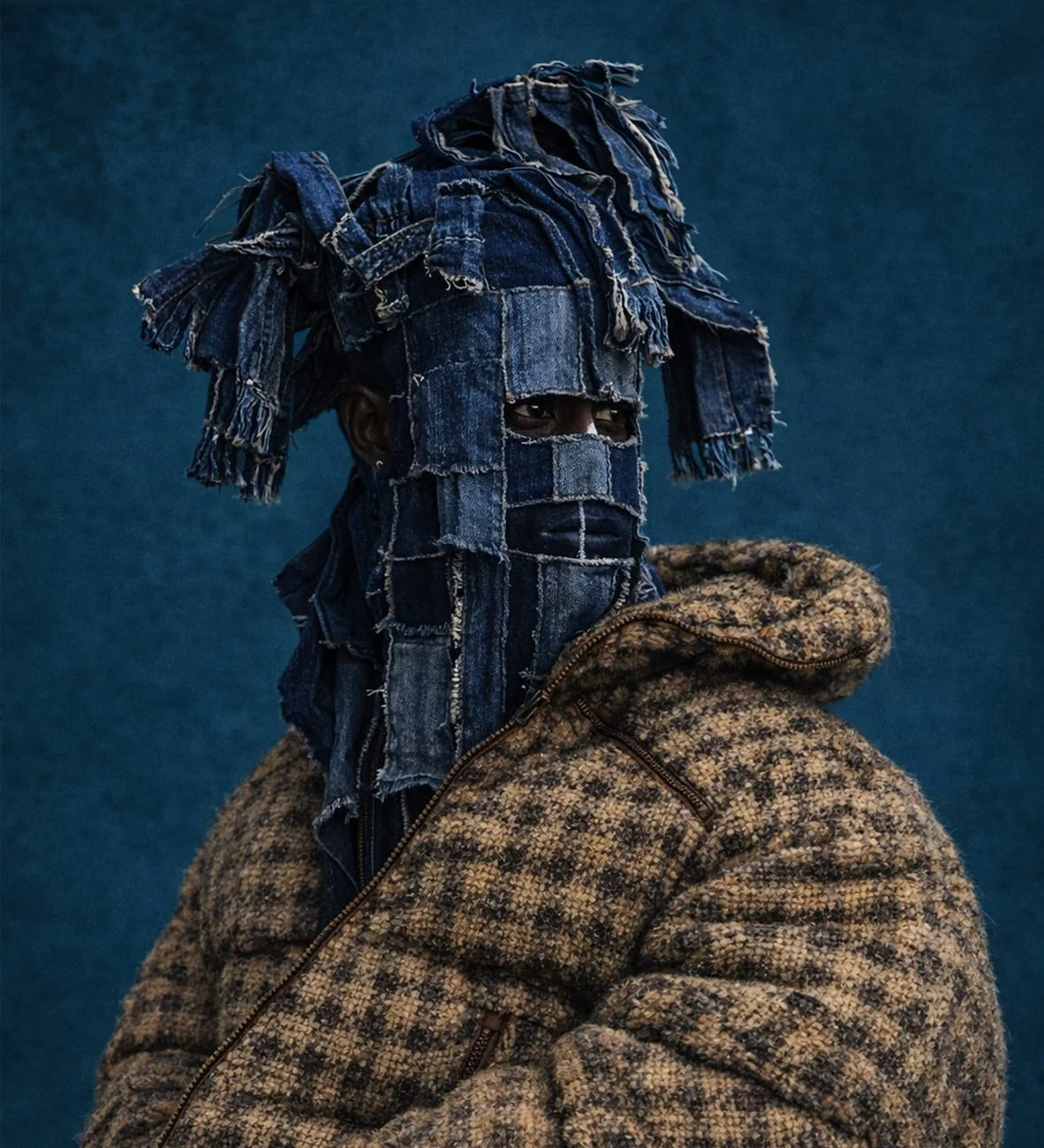
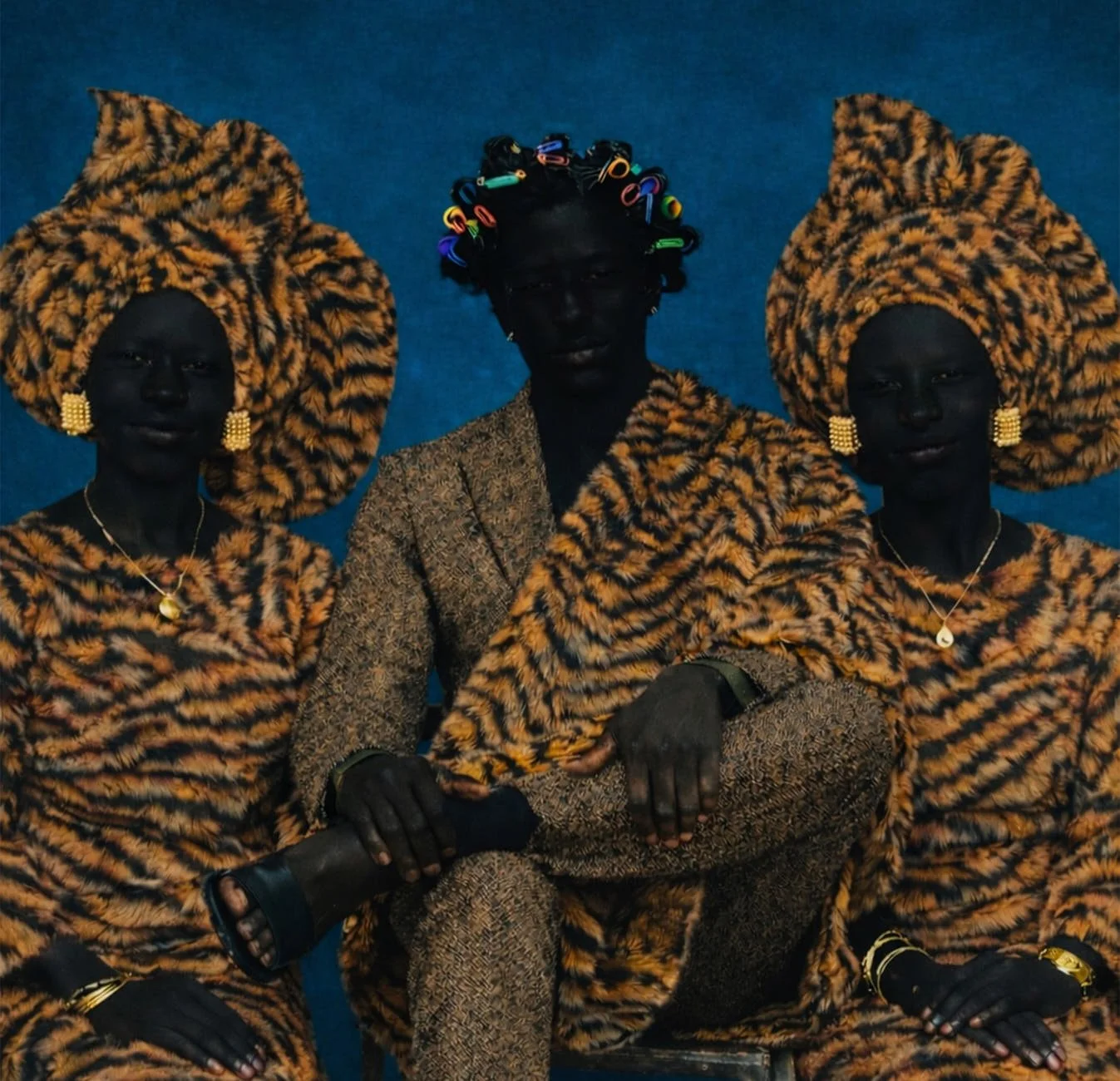
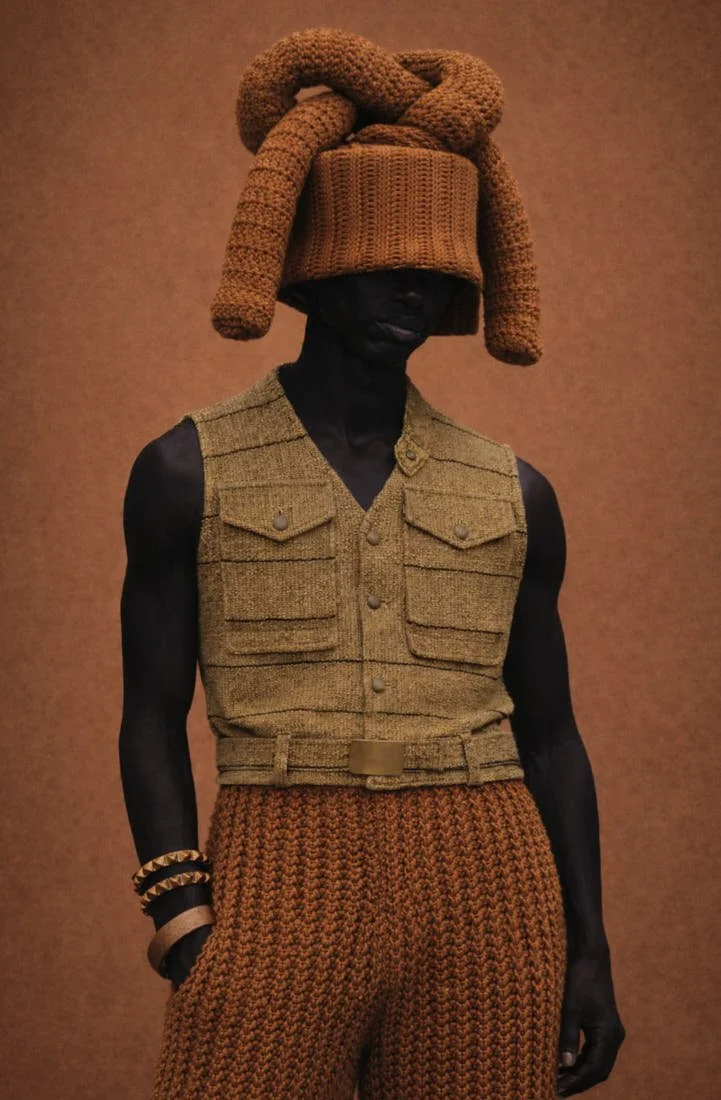
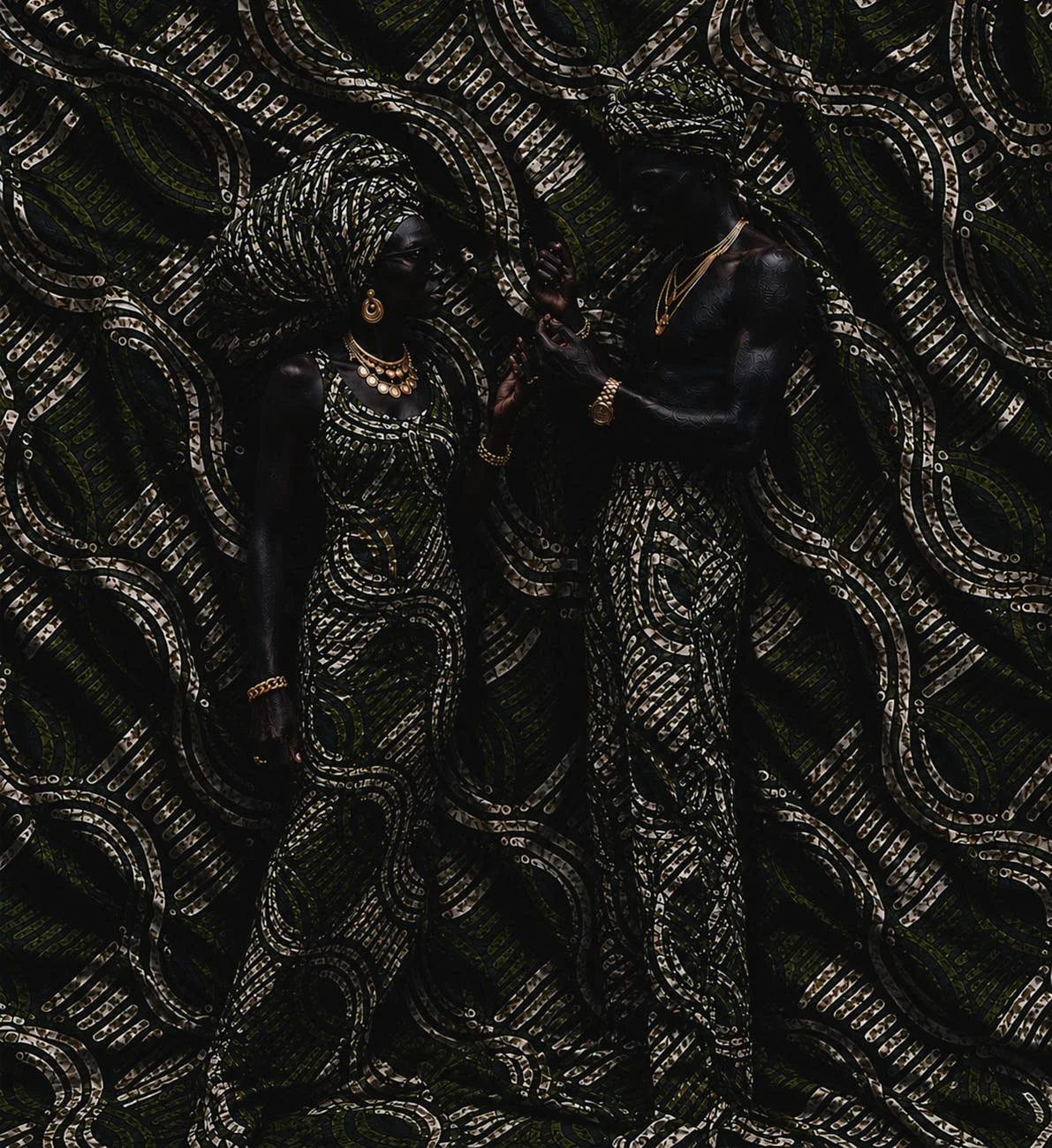
Fola Adeleke grew up learning early that the things that felt completely normal at home could look very different outside it. In East London, that meant Nigerian food, Yoruba, family functions, matching prints, gold and his mother’s gele existing alongside school, basketball and streetwear. Years later, those worlds meet again in his work. Adeleke builds images from memory, fashion, collage and digital tools, often returning to details he once tried to separate from his public self. What interests him now is the opposite. He wants African identity to occupy space without explanation, apology or adjustment, and to feel as natural in public as it does at home.


Fola Adeleke for LE MILE Magazine Generations

Fola Adeleke, Generations


Sara Douedari
How did you grow up in a Nigerian family in East London? What was home like?

Fola Adeleke
Home was, I believe, very cultured. I would say that about 80 per cent of the food in our fridge and cupboards was Nigerian. A fun fact I remember from growing up: I would see an ice cream container in the freezer and get really excited that there was ice cream at home. I’d get myself a plate, open it — and there would be soup inside. That kind of sums up how African the home was.

It was very cultured. The language my mother spoke to me and my siblings was Yoruba. The music was Nigerian. I think the main things that were really English were that we listened to hip-hop from an early age and watched UK television, from EastEnders to Neighbours and Home and Away. I think cereal was probably the most British thing we had. Beyond that, we had African home-cooked meals every single day. Whether it was lunch or dinner, it was always very Nigerian.


What traditions did your family keep alive?

We always ate together and prayed. That was something we always did. We also had our Saturday chores, which we all had to finish before breakfast. Mine was the bathroom. Once we had all collectively finished our chores, my mum would make what I would call an African breakfast — something really heavy — and we would eat together. While we were doing the chores, there was always music playing, usually Nigerian music. Even to this day, I don’t know which artists it was, but I remember it playing in the background.

Leaving the home, there was even more tradition. Saturdays were always a function. There was always someone’s birthday to go to, and there was always an outfit we were all meant to wear. My brother and I would, for some reason, always have the same thing on, even though we were four years apart. My mum always had an outfit that matched a bag — and she had several bags. I think she was a huge inspiration for what I do because she was the first powerful Black woman, or African woman, I saw. We followed her lead. It was a single-parent household, and I watched her just power through everything.


When did you first become aware of your cultural identity?

I think it was as early as school. I had an uncle who lived with us when I was really young, and he used to come and pick me up wearing open-toed brown sandals and a two-piece set of native clothing, always with prints, and a hat — the fila.

I used to be somewhat embarrassed because he was so different from everyone else who was picking up their kids. When he came to pick me up, I didn’t really want him to. I think I was around five at the time. That experience of being embarrassed by that difference made me aware that my culture was different from everyone else’s. Then, around the same time, my mum made me pack lunch for a school trip. It was beans with stew — quite a spicy stew — and plantain, which I loved at home. I never realised how different it was from what everyone else was going to bring. That was another embarrassing moment of being different. That was when I realised that my culture was different. At that time, there weren’t enough of us for that difference to feel positive. It often felt like we were somewhat alone in those spaces.


Fola Adeleke for LE MILE Magazine Rich in Culture, Spirit and Presence

Fola Adeleke, Rich in Culture, Spirit and Presence

Fola Adeleke for LE MILE Magazine Lagbaja

Fola Adeleke, Lagbaja


Did you ever feel caught between two cultures?

I would say I’ve always been caught between two cultures. Or at least I was. At this stage of my life, I blend both because I don’t believe I need to shape-shift to make anyone feel comfortable. I’ve come to understand that I don’t need to lower my tone, make myself smaller or adapt my culture to appease people or make them feel comfortable, because that’s not what the world is doing for anybody.

From a young age, I’ve always felt that anyone from Africa living in the Western world has to have a dual identity. It even shows in people’s names. Growing up, I knew a lot of people who were Oluwatosin or Oluwafemi, but all of a sudden one day their name was James or Peter. To me, that was them adapting and changing. I actually chose to shorten my own name because it was too hard and complicated for people to digest and say. I shortened it twice. Again, that was me being caught up in that, and I think a lot of people were caught up in it too.

I’m glad I never had an English name. I’m glad my mum never gave me one. But I think that can sometimes be an indication of families adapting to their surroundings so they can fit in rather than be seen as different. So, yes, I’ve always felt that way. But over the last few years, I’ve tried to blend both cultures because I should feel comfortable being who I am wherever I am.


What do you think the world still misunderstands about African culture?

There are so many things. I think the obvious one is the depiction of Africa that the Western world has created through adverts like Oxfam, showing areas of extreme poverty. There is extreme poverty in every country in the world. You can build a narrative that looks just as bad in any country where you see poverty. Maybe some places are more extreme, but that depiction of Africa is not the Africa that I know. Of course, there are places of poverty, but there are many more places of beauty, wealth and hardworking people across the whole continent.There is also this understanding that Africa needs help from everyone else. If we strip it back, Africa is extremely wealthy in minerals on its own. If it stood on its own two feet and was left alone by the colonial countries, I think Africa would be thriving amazingly.

On a lower level, people sometimes think we’re loud. I think we need to change that narrative. That loudness is actually confidence — extreme confidence in who we are. Africa is beautiful, and African culture is beautiful. There needs to be more said about the wealth and rich heritage of Africa. All of that is still misunderstood. And to link it back to my work, my biggest mission is to share the beautiful aspects of African culture and make sure they are seen. I actually believe the backbone of African culture is African women, and I need them to be seen in an amazing light. That’s my soul mission with the art I do.


Where does fashion enter that story?

For me, fashion has been around me before I even knew why I identified it as fashion. Every week, my mother, my siblings and I were off to another house party. Every week, my mother had another print, another gele, another outfit, matching shoes and a matching purse. I saw that all the time. But because, at a young age, there was no connection between African culture and coolness, there were these red threads of culture starting to bubble up in me without me really knowing. I created my own identity away from African culture. I played basketball. I travelled, represented England and travelled all over Europe playing basketball. That allowed me to see how different every culture was and made me curious from the age of 13. I travelled to Slovenia, Portugal, France, Italy, and eventually America.

I veered away from African culture through fashion, which is why I entered the realm of streetwear. But I think African culture was always close to my heart. It just took me away before it eventually brought me right back to where it all began, which is where I am now. I believe all of my pieces speak to different realms and practices. I see myself as a designer and a concept creator, and more so now as a composer — with art being the form of composition and storytelling.

I’m able to take one vision and put all of those things together to build a new world. I don’t think it was something I consciously meant to do. I just kept knocking on the door and scratching the surface until something started to form, which is what we see today. Every piece is more than the composition. It is aligned with storytelling that connects to my life, my fashion, my eye and my sense of composition.

When did you move from fashion into art?

That’s a good question. I don’t think I ever moved. By practice, I’m a designer. Art is a realm I’ve stepped into because I’ve created more and more concepts, and through creating those concepts, I started scratching the surface of an ongoing concept that has become a practice. Through that practice, art formed.I still consider myself a designer, an artist, a conceptual creator and a world builder. Sometimes I don’t feel worthy of the title artist because I still feel that I’m creating a world that exists. If I can create enough of that world, it will be seen from every angle, no matter what kind of collaboration it is. It will always be the same world.

I embarked on this journey about a year and a half ago. I had a conversation with a friend who told me, “I don’t know if you fit in the brief. You’ve given the client you were working for too much of who you are.” My thought was: the client came to me because they wanted my vision. That made me question what was better. Is it better to be a designer who can execute a brief, or is it better to be a designer who has refined his own ethos and aesthetic?

That one conversation led me to embark on my own vision wholeheartedly, without worrying about anyone’s opinion or trying to tread lightly to make people feel comfortable. That brought me to where I am today: storytelling from my own point of view through historical things, reference points, nostalgia, a conversational lens and world-building as a whole. So even though I am an artist, I believe there are lots of tiers to it. If anyone asked me what I am, I would say I’m a world builder.


What made you want to tell stories through images?

I think I have a lot to say. I have a lot in my mind. Part of my practice comes from my sporting background. I believe in reps. I believe that if you think something is the best idea, you need to do a hundred of them, and the best idea will come out at the hundredth one. So I’m trying to let out all of my ideas. And within letting those ideas out, I want conversations to happen. I feel like these conversations need to exist.

What I love about building stories through images is that I can show four different people and they can have four different conversations about the same work — about why something is the way it is. I remember creating a piece where one of my good friends said to me, “It doesn’t seem realistic because they look Nigerian but they’re wearing too much gold, and the amount of gold they’re wearing belongs to another culture.” I told him, “That’s fine.” We’re not trying to build a sense of reality. We’re trying to build something that intrinsically sparks conversation with people. There are a lot of conversations that need to happen in the creative space, and I believe I might be someone who can bridge that gap and help those conversations happen.


How would you describe your artistic language?

There are a number of words I would use to describe my artistic language: rich, African, proud and unapologetic. I would like to keep it as rich, loud and unapologetic.I think it’s very important not to be afraid to share your opinion and your point of view and to stand by it. It’s also important for me to share the beautiful aspects of Africa.

 
Fola Adeleke for LE MILE Magazine Aunty Funke, Ola’s Mum & Uncle Dele

Fola Adeleke, Aunty Funke, Ola’s Mum & Uncle Dele


Your work combines photography, texture, graphics and digital composition. How do you build a piece?

I build a piece starting with storytelling. What is it I want to tell? What dots am I trying to bring together? In fashion, I normally come from a place of nostalgia. I think nostalgia is no different from sampling in music. That’s usually where I begin. Then I ask, what is the story I’m trying to tell? Once I can moodboard — which is similar to design, throwing a few images together to storyboard the idea — I build from there. I start collaging, bringing all my images together digitally through Photoshop and Illustrator, grading them, and then moving towards the accessories and prints I need as part of the story. Once I’ve done that, I try to blend everything using AI tools. My hope is that people see the composition and see beyond the image — that they see some of the storytelling. It doesn’t mean I need to scream from a rooftop what the story is about. If five people see the image and see something different, but it moves all of them and sparks a memory, then I’ve achieved something.

I remember creating an art piece about growing up. If you ask people, especially people who grew up in the 90s, where they would get their drink from at an African party, a lot of us would have to think because we couldn’t remember where we got our drinks from. But we actually got them from a bathtub full of ice. I created a piece with that memory in mind, and so many people commented and messaged me personally saying, “Wow, you’ve helped me unlock a memory I never knew existed because it’s been so long.” For me, it’s about sparking that nostalgia and building through all of those digital platforms.

Where does an artwork usually begin — an idea, a memory or something else?

For the most part, it’s a memory. Sometimes it’s a memory I didn’t actually live. Sometimes it’s an idea. I’m working on a piece that I haven’t quite finished yet. It’s taken me a long time to finish because it’s about the era when a lot of Africans moved to the Western world — America, New York, Houston, London — that first wave. What did that look like? That memory doesn’t exist for me because I was born first-generation. I didn’t have to come over and understand the difference.

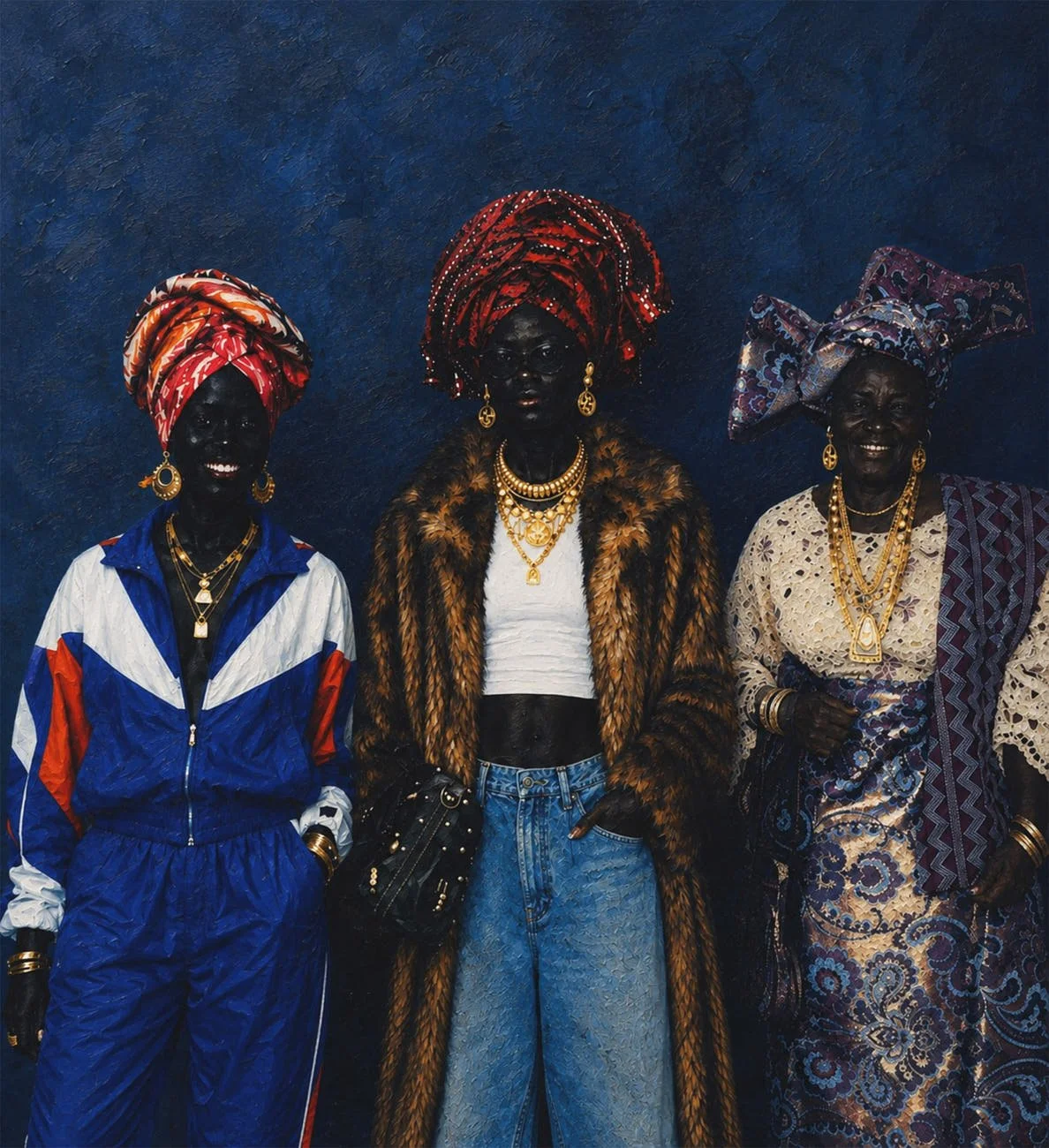
I have a collection called Unapologetic, where some of the models and figures are wearing Western clothes, like grey-mile tracksuits, alongside head wraps and gold. They are so far removed from each other, but that must have been something that happened when people were merging cultures. They had just come from wearing what they wore in Africa — for me and my family, that would have been Nigeria — but at that point they would naturally have started mixing Western clothing with their native clothing. What did that look like? That comes from a memory I don’t possess. It comes from imagination. Some ideas come from memory, some from a futuristic ideology or a thought about how things could be, and others simply come from deep imagination and dreaming.

You also use AI in your process. Where does AI enter, and where does your own hand take over?

Similar to how I described my process, I build my work through collage and reference points, understanding design and composition. I build the structure and layout of the scene I want in order to strengthen the idea and message I’m putting together. It could be a seat at a table with a family of African royalty. I put that together through collage and research, understanding what kind of lighting I need, what scene needs to take place and what angle needs to be used to make it the strongest possible idea. Once I get to a good place, I use AI to blend the research and make everything more cohesive. Once I’m happy with that, I take it out of AI and go into a photo-grading process. That gives the image an overarching lighting mood and allows me to make sure the gold remains the statement piece — that the gold and the skin tone are married with the pattern, or that they have a significant centre-stage presence within the image. So AI is a secondary tool. After that secondary process, I step away from it again and find the grade that feels intrinsically like me.


Where do art, fashion and culture meet for you?

I think it’s interesting because they’ve always been married. They’ve always existed together, especially when your culture is rich in celebration. My culture is African culture, and African culture in general is so rich in celebration. Every moment of success — whether it’s a marriage, a birthday or a christening — is rich in ceremony and dressing. It’s a marriage. It’s something that is deeply rooted together.

Growing up, I never knew that watching my mother get changed and matching her gold with her outfits was a process. I didn’t think anything of it. But that was fashion. That was culture. And that was art. The fabric was art. The pattern was art. The composition of everything together was beyond art. It was a statement, and it was effortless. It didn’t feel like it was trying too hard. It just felt intrinsically African. I think that intersection has always existed. I’m trying to make people aware that it exists. I want the pieces I’m creating to make more African women want to wear their gele with denim on a regular day. Some of these pieces aren’t only for African functions. Some of them can become part of everyday life. That intersection has always existed. The question is whether we have been ready and confident enough to own it in a Western society. And I think this is the time. They have always been joined at the hip.


What kind of future do you want to help create through your work?

I want an abundance of my work to be displayed everywhere and used as reference points — for music videos, art, films, collaborations, anything — beyond simply being defined by my country or my nationality as a Nigerian. I want my art to make everyone feel comfortable being African. I’ve had messages from people saying, “Thank you. You make me proud to be Nigerian.”

I want this normality of fashion and art being intrinsically African to push people to be themselves outside of their homes. I don’t want people to feel that they have to change the second they leave their house. I would love for African people living in the Western world to feel confident enough to take their food into their corporate offices and warm it up in the microwave. I want to normalise African beauty and richness so that people don’t have to experience this huge difference between who they are inside their home and who they are outside of it. Because, at the end of the day, living like that is crippling. That’s part of the mission and why I want to show the beautiful aspects of Africa — because there are a lot of people who don’t know Africa looks as beautiful as I portray it to.


Fola Adeleke for LE MILE Magazine African Elegance

Fola Adeleke, African Elegance

Fola Adeleke for LE MILE Magazine Husband and Wife

Fola Adeleke, Husband and Wife

Xander Zhou on Fashion, Identity and Possibility

Xander Zhou on Fashion, Identity and Possibility

No Such Zone with Xander Zhou


interview with Xander Zhou
by Hannah Rose Prendergast


Ancient comes from the past or is packaged as the future.
Xander Zhou works here.
Not to resolve anything, but to establish a point of reference.


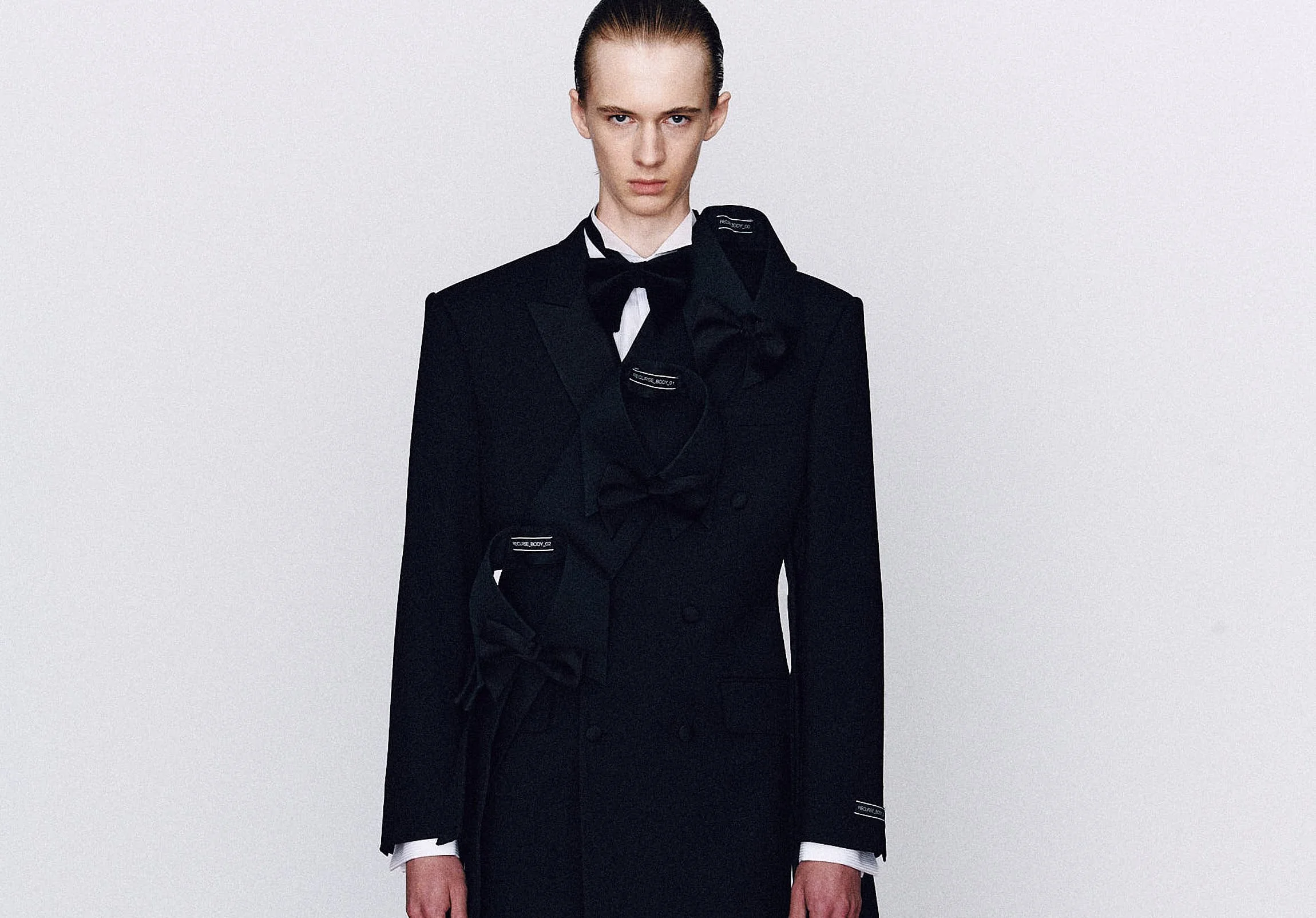
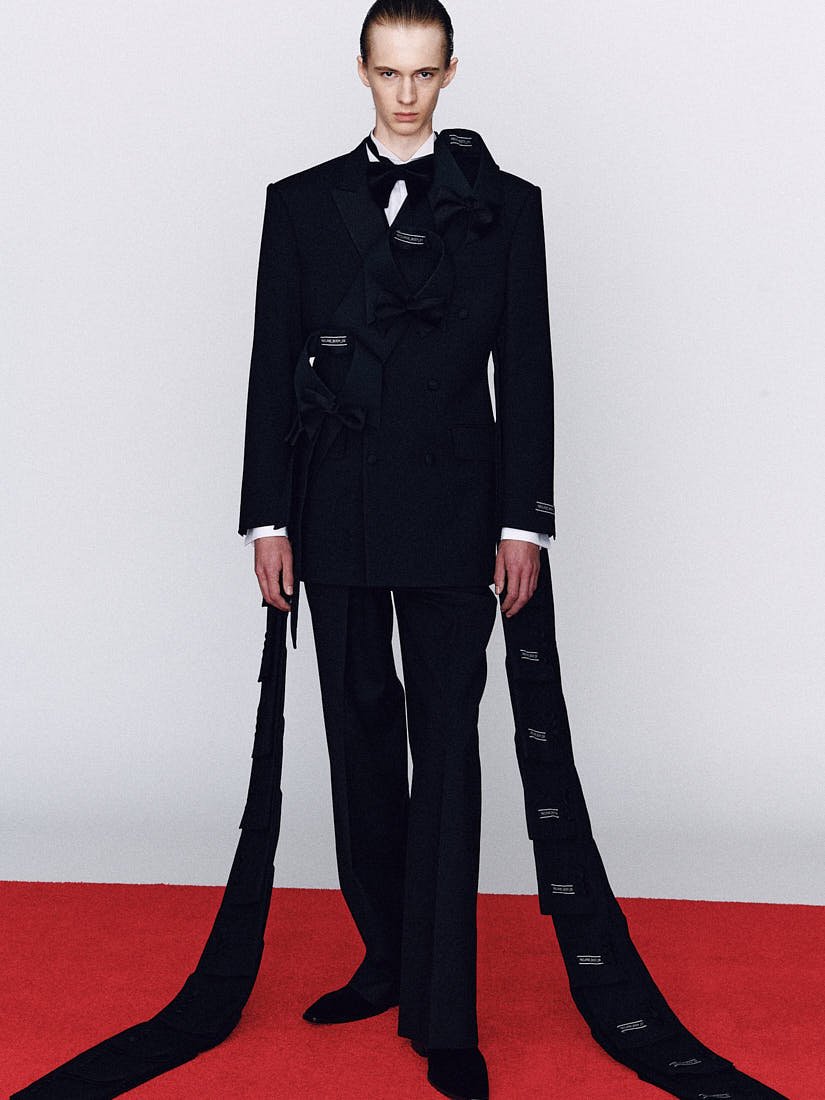
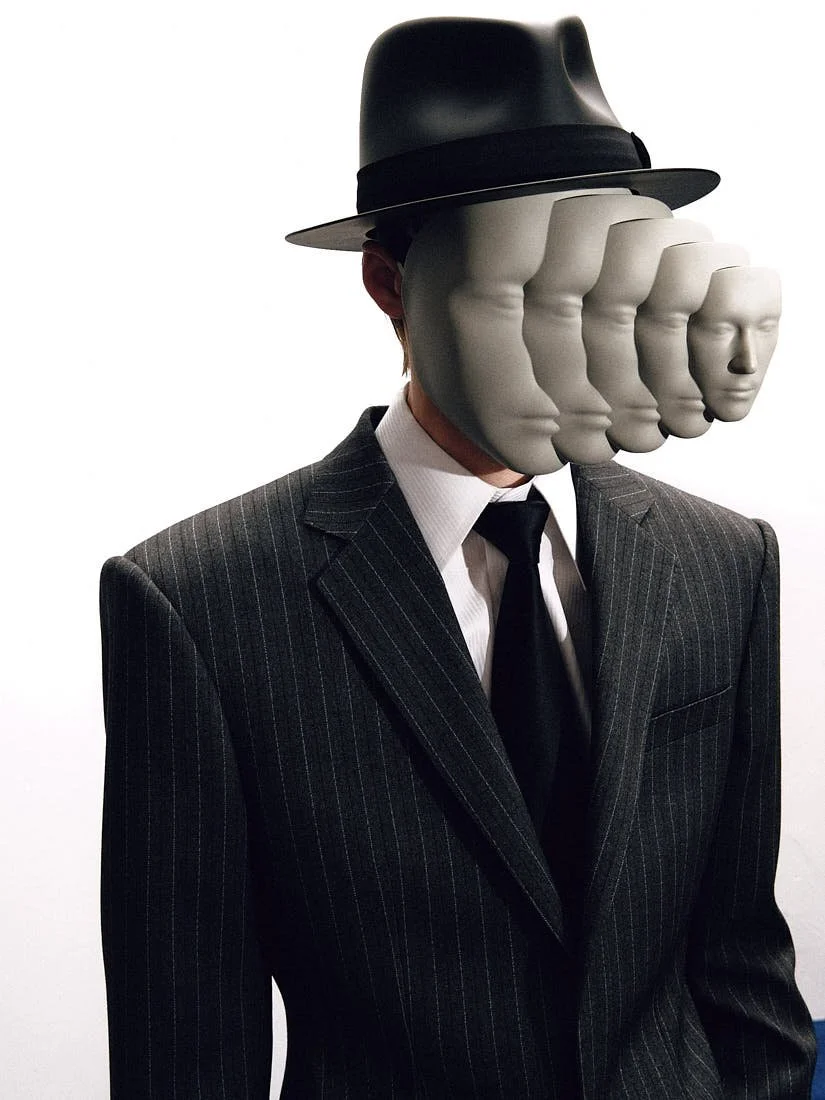
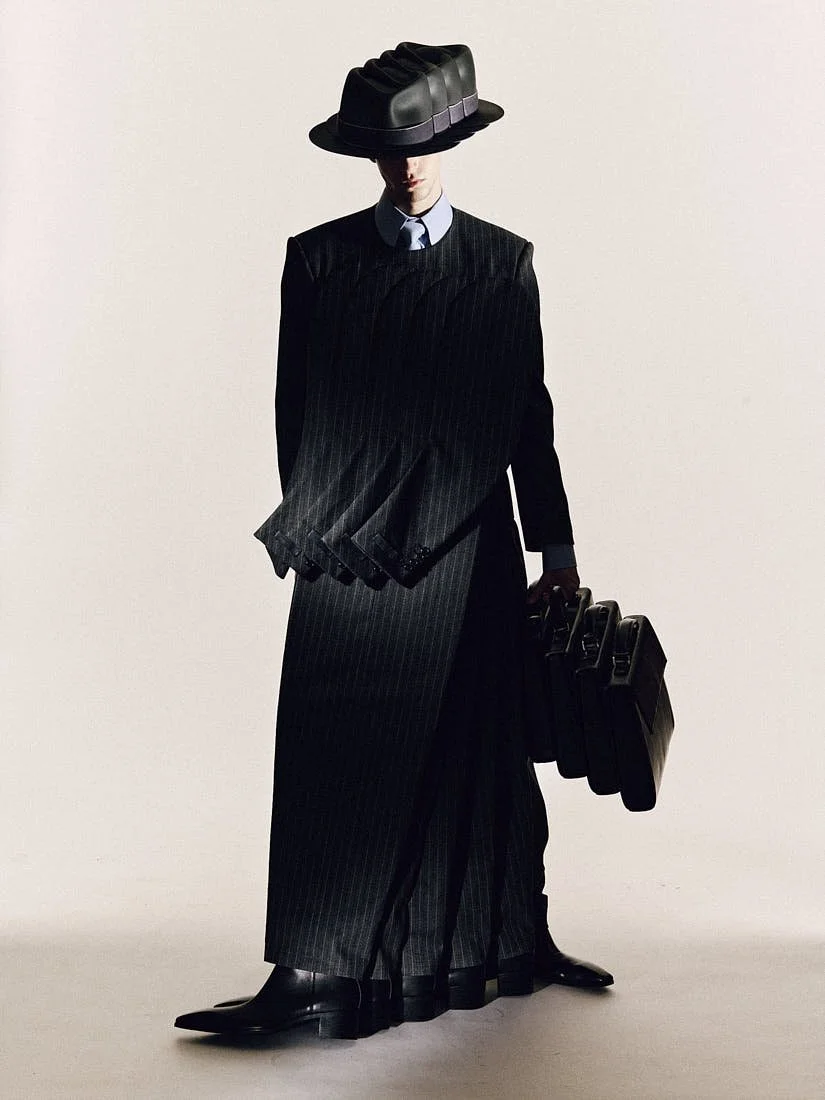
2026 SSAW XANDER ZHOU PRO SS26, All XANDER ZHOU PRO collection, ©Xander Zhou Fashion Company Limited for LE MILE Magazine

2026 SSAW XANDER ZHOU PRO SS26, All XANDER ZHOU PRO collection
/ (c) Xander Zhou


Pressure from reality, time, and my own doubt.

If a system stops responding to these pressures, it has already failed.


The body is an ongoing state of operation, not a destination.

It doesn’t belong to a fixed place or identity; it belongs to relationships as they unfold.
Thought forms through the body, and the body is continuously reshaped by thought.


Failure is not confrontation; it is knowing when to stop.

Ending what no longer holds is the most basic form of respect for both the system
and its development.


Some parts will always remain unlit.

Those unlit areas form the shadow.
They are not mistakes, nor something that needs to be eliminated; they are an inevitable
result of a system operating in reality.
I prefer to observe how the shadow shifts, and through that, reassess whether the structure
itself still holds.

 
2026 SSAW XANDER ZHOU PRO SS26, All XANDER ZHOU PRO collection, ©Xander Zhou Fashion Company Limited for LE MILE Magazine

2026 SSAW XANDER ZHOU PRO SS26, All XANDER ZHOU PRO collection
/ (c) Xander Zhou

 
2026 SSAW XANDER ZHOU PRO SS26, All XANDER ZHOU PRO collection, ©Xander Zhou Fashion Company Limited for LE MILE Magazine

2026 SSAW XANDER ZHOU PRO SS26, All XANDER ZHOU PRO collection
/ (c) Xander Zhou


Those who are willing to enter gradually take on its shape.

They are not being represented, but participating.
The work is not shaped by me alone; it forms through wearing, use, lived experience, and
new interpretations sparked by the images or concepts we put into the world.


Repetition often works like a cycle.

Sometimes it signals that a question has not yet completed its path; at other times it acts
as logic, emphasis, memory, or connection.
When conditions align again, certain structures naturally return into view.
These moments allow memories and images to be retested within new realities.


The materials that make me think differently create resistance.

It forces me to question whether I have become too comfortable with familiar design habits.
In this tension, a sense of freshness toward the unknown often leads to unexpected outcomes.


2026 SSAW XANDER ZHOU PRO SS26, All XANDER ZHOU PRO collection, ©Xander Zhou Fashion Company Limited for LE MILE Magazine

2026 SSAW XANDER ZHOU PRO SS26, All XANDER ZHOU PRO collection
/ (c) Xander Zhou


Without limitation, would gesture still carry meaning?

Gesture emerges through control, not as oppression but as a form of structural organization.
When the body is placed within limited space, when paths of movement are constrained,
gesture becomes necessary.
In a state of complete freedom, the body no longer needs to produce clear gestures.
Sometimes I ask myself: if one day consciousness could be uploaded, would we truly achieve
freedom?


The body is an ongoing state of operation, not a destination.

It doesn’t belong to a fixed place or a specific identity; it belongs to relationships as they are unfolding.
Thought forms through the body, and the body is continuously reshaped by thought.
Failure is not confrontation; it is knowing when to stop.
I let things fail when maintaining them goes against how they operate.
Ending what no longer holds is the most basic form of respect for both the system and its development.


It exists between order and reality.

In SSAW26, I focus on how formality, regulation, and identity are gradually losing their effectiveness.
We continue to act through these forms, but reality has already shifted.
The rift emerges in this misalignment: when structures keep functioning, yet can no longer truly
respond to the body, rhythm, or environment of the present.

2026 SSAW XANDER ZHOU PRO SS26, All XANDER ZHOU PRO collection, ©Xander Zhou Fashion Company Limited for LE MILE Magazine

2026 SSAW XANDER ZHOU PRO SS26, All XANDER ZHOU PRO collection
/ (c) Xander Zhou

 
2026 SSAW XANDER ZHOU PRO SS26, All XANDER ZHOU PRO collection, ©Xander Zhou Fashion Company Limited for LE MILE Magazine

2026 SSAW XANDER ZHOU PRO SS26, All XANDER ZHOU PRO collection
/ (c) Xander Zhou


Clarity does not come from the beginning.

It forms through continuous judgment, selection, reduction, and correction.
When unnecessary structures are removed, what truly works becomes visible.
Perhaps beneath every methodology, what ultimately matters is remaining honest with oneself
and the need to understand reality clearly.


“Possible” is a form of hope.

Real possibility does not come from unlimited choice, but from conditions that are still workable,
uncertain, yet full of the unknown.
As reality continues to shift, we need to preserve a belief in possibility.
It is not grand; it happens locally, within limits, perhaps moving closer to infinity
and maximum potential precisely because it is constrained.


2026 SSAW XANDER ZHOU PRO SS26, All XANDER ZHOU PRO collection, ©Xander Zhou Fashion Company Limited for LE MILE Magazine

2026 SSAW XANDER ZHOU PRO SS26, All XANDER ZHOU PRO collection
/ (c) Xander Zhou


credits
header image: 2026 SSAW XANDER ZHOU PRO SS26, All XANDER ZHOU PRO collection / (c) Xander Zhou

Nhu Xuan Hua at Fotomuseum Winterthrur

Nhu Xuan Hua at Fotomuseum Winterthrur

Nhu Xuan Hua in the Afterlife of Images


written LE MILE


Nhu Xuan Hua works with images much like others work with language, carefully and intuitively, aware that every gesture carries the weight of memory. Born in 1989 and based in Paris, the French–Vietnamese artist moves between fashion photography and an increasingly expansive artistic practice that investigates inherited histories, diaspora, and the fragile architecture of remembrance.


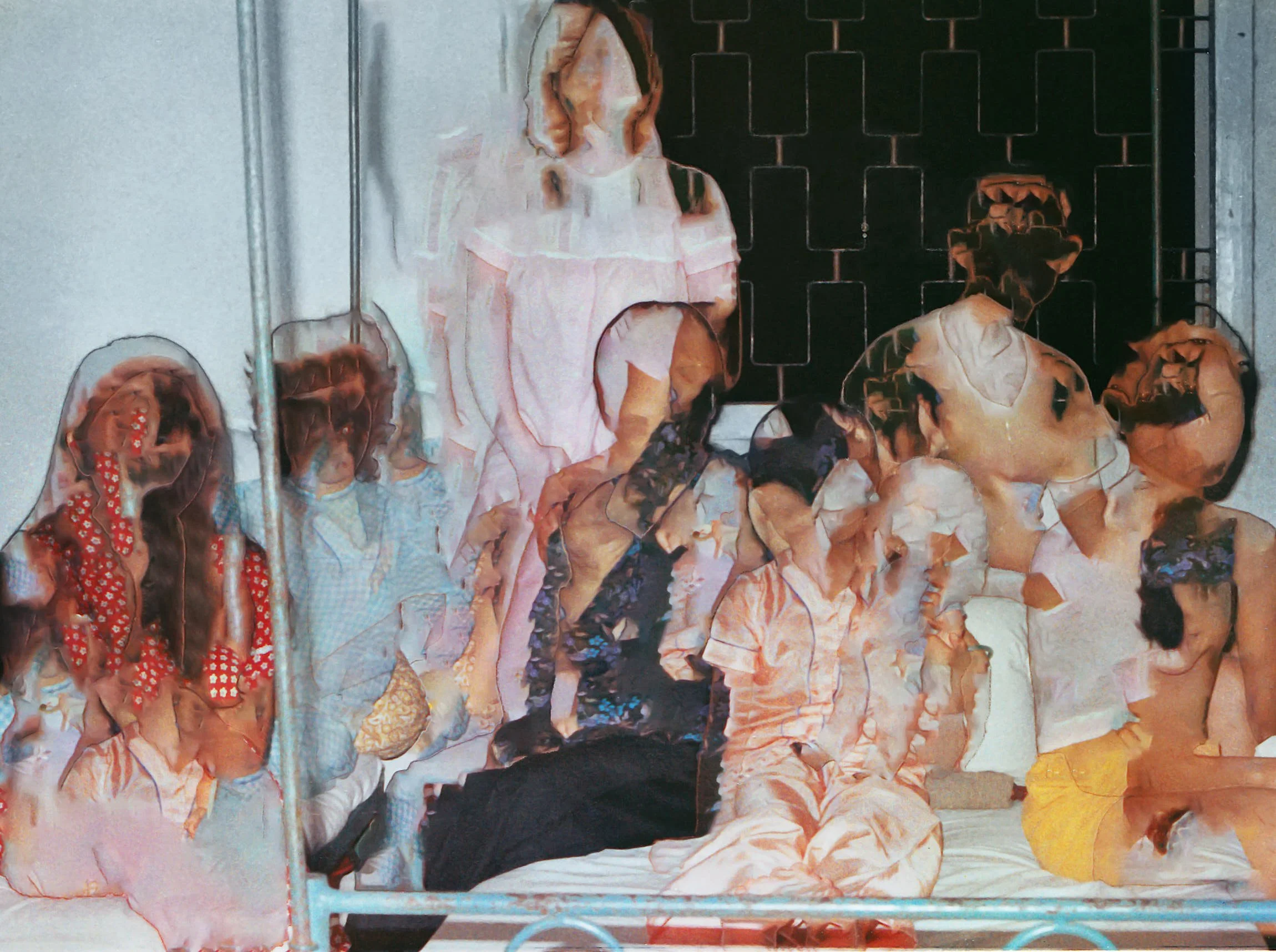
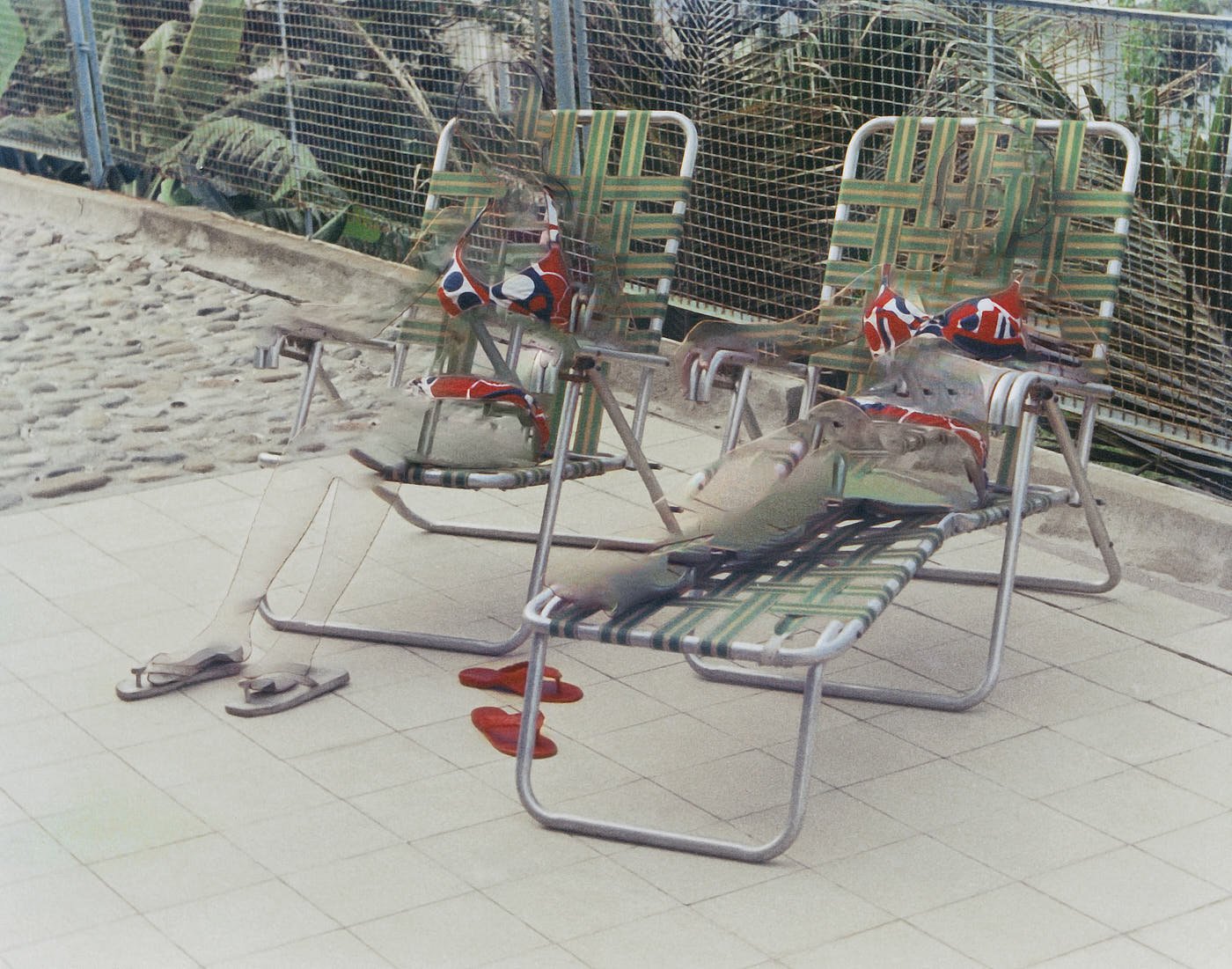
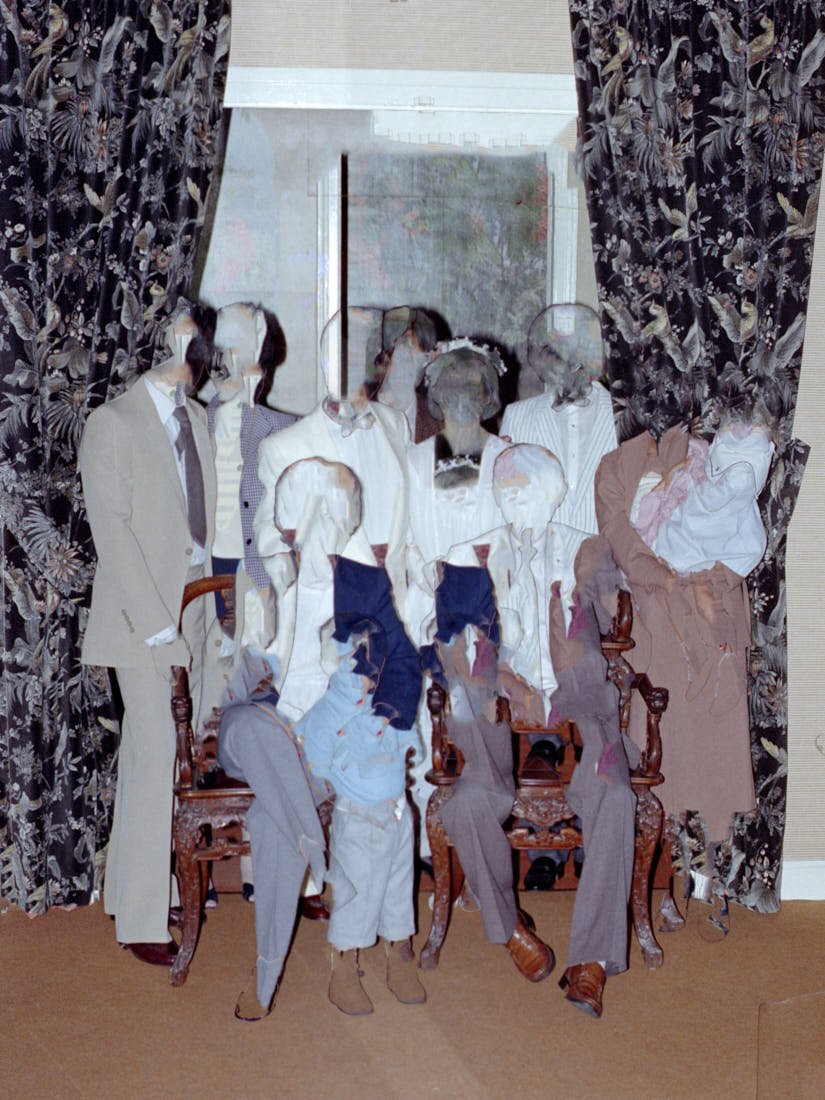
Nhu Xuan Hua Les oubliées - Archive from the year ’70, 2016-2021 for LE MILE Magazine Galerie Anne-Laure Buffard

Nhu Xuan Hua, Les oubliées, Archive from the year ’70, 2016-2021
(c) Nhu Xuan Hua, courtesy of the Galerie Anne-Laure Buffard


Her images often begin long before the shutter is pressed, as words, fragments of archives, gestures and symbols gather slowly until they form a constellation from which a photograph can emerge. In Hua’s work, memory appears as something unstable, a presence that returns, shifts, dissolves, and reappears in new forms.


Hua first became widely known through collaborations with international fashion houses such as Dior, Maison Margiela, Chanel and Gucci. Over the past years, her practice has moved steadily toward a more autonomous terrain where photography intersects with archives, mixed media, and conceptual storytelling. Her publication Tropism, Consequences of a Displaced Memory marked a pivotal moment. Built around photographs from her family albums, the project reflects on migration, distance and the ways history continues to echo across generations. Images become surfaces where personal memory and collective experience intersect.

This ongoing exploration now enters a new context in the exhibition One Another – Nhu Xuan Hua and the Collection of Fotomuseum Winterthur, where the artist’s work enters into dialogue with the museum’s photographic collection and expands toward broader questions of visual continuity, rupture and belonging.


Nhu Xuan Hua Singer "How much love can be repeated?", 2020 for LE MILE Magazine Galerie Anne-Laure Buffard

Nhu Xuan Hua, Singer "How much love can be repeated?", 2020
(c) Nhu Xuan Hua, courtesy of the Galerie Anne-Laure Buffard


LE MILE
Memory appears as a driving force in your work; where does it first enter your process?

Nhu Xuan Hua
It is always lingering. I believe the foundation of creativity lies in memory and emotional experience, at least this is true for me. I trust my emotions to guide me. Remembering is both something we can summon and something that arrives unannounced. That duality is what I find beautiful. It is also what moves me. Creating, however, is different. The mind and the heart must allow a passage from the spirit into the physical world. There needs to be an opening.

Depending on the project, memory enters differently. For Tropism, Consequences of a Displaced Memory, I wanted to let things come toward me. I worked with instinct, intuition, and the unknown. It was almost a surrender. With commissioned work, the process shifts. When I am given a departure point (a new collection for a brand, the theme of a magazine issue) I find pleasure in digging into memory from that anchor. A starting point calls memories forward immediately. Then the work becomes excavation: connecting fragments, layering meanings, building dialogues that become more and more complex.


What stays unresolved for you when working with family archives?

It is an infinite, multilayered journey. I think many children of immigrants from my generation are trying to bridge an emotional distance, with our parents, our family history, our homeland. There is often a silence. Working with archives becomes a way to open a dialogue with what was never said. I have realised that even when bridges are built, they remain fragile. Communication can be restored, but there will always be new moments of loss, new quests to hold everything close. With time, I learned to accept this incompleteness. What shapes us is not the answers but it is the search itself.

 
Nhu Xuan Hua, Family portrait at the wedding, Archive from the year 85, 2016-2021 for LE MILE Magazine Galerie Anne-Laure Buffard

Nhu Xuan Hua, Family portrait at the wedding, Archive from the year ’85, 2016-2021, (c) Nhu Xuan Hua, courtesy of the Galerie Anne-Laure Buffard

 
Nhu Xuan Hua, Swan, Archive from the year 2000, 2016-2021 for LE MILE Magazine Galerie Anne-Laure Buffard

Nhu Xuan Hua, Swan, Archive from the year 2000, 2016-2021
(c) Nhu Xuan Hua, courtesy of the Galerie Anne-Laure Buffard


Tropism, Consequences of a Displaced Memory draws from inherited material; what responsibility do you feel toward images that predate your own authorship?

It was strange to learn to see these images as objects rather than as the people they represent. There is something almost violent in that shift. When communication is fractured, you invent other ways of speaking. In French, we distinguish between langue and langage. La langue is the shared tongue- a structured system we are supposed to master to understand one another. Le langage is expression: poetic language, the language of the body, the language of silence.

In my family, we never fully shared the same langue,French, Vietnamese, or French Sign Language. None of us completely mastered the same communication system, so clarity was always slightly out of reach. I chose poetry as my language, the language of the heart. Because it is a space where we can meet beyond grammar.
I will never alter the original archives. They belong to family albums carefully assembled by my grandparents on quiet afternoons when they were still alive. My responsibility is not to transform the originals, but to create a parallel language around them. To author the passage I build for myself.

Displacement runs through your practice as an emotional condition; how do you keep it present without illustrating it?

Repetition is essential. I feel like I am drawing a map from one exhibition to another, reusing symbols and gestures to anchor my family’s history, the way you carry certain objects with you each time you move houses. When you are displaced, what you keep becomes more revealing than what you leave behind.

Displacement also has something ghostly about it. A lingering presence. You do not need to see the details of a face to feel the weight of its gaze. I try to work with that sensation rather than illustrating displacement directly. It is a shared human experience. Loss is universal. You do not need to name it for it to take shape. The mind recognises familiar traces instinctively. Memory is something we all carry, it allows absence to remain present without being described.

How does the act of editing reshape the meaning of memory for you?

In Beloved, Toni Morrison speaks about the concept of “rememory”, an image that lingers beyond the boundaries of a single mind. A recollection. A re-membering, gathering the scattered pieces of a body so it can walk again. Editing reshapes that idea in my process. In Tropism, Consequences of a Displaced Memory, editing becomes a way to resist forgetfulness. It feels like an excavation a slow unveiling that perhaps only ends when every colour has been revealed. I see post-production as painting. There is a subject, a color palette, textures. You move from an undefined contour toward clarity. From blur into vision.

In your studio practice, what usually comes first? Is it image, gesture, or concept?

Usually, the concept comes first. Especially in commissioned work. I create constellations of words and images that I live with for a while. They circulate in chaos on paper, on my computer desktop, in my phone notes. I let them breathe before forcing structure onto them. Gradually, a framework emerges. Only then do I begin to think concretely about the photograph itself: the staging, the gesture, the image. The concept becomes a container where the image can exist.

 
Nhu Xuan Hua, Selfportrait for LE MILE Magazine Galerie Anne-Laure Buffard

Nhu Xuan Hua, Selfportrait


Your work often carries a dreamlike logic; how do you leave space for the unconscious to operate?

You have to be gentle with the world you create for yourself especially if it was born out of survival. For me, it is both a coping and a healing mechanism. It is rooted in observing my household. My father, who is orally deaf, carried his world through paintings and drawings. My mother built a perfect home for her family, that was her form of art. They both constructed illusions that made life more bearable.

In my own way, I created a similar theatre, where scripted plays meet reality. When you have to interpret language without the proper tools, you invent your own. If my grammar is not strong enough, then I expand my visual language to replace words. The unconscious enters through that expansion, through looseness, through trust, through allowing images to form before fully understanding them.

What changes for you when an image leaves the personal realm and enters public circulation?

When I was working primarily in fashion photography and commercial projects, the emotional involvement ended once the project was released. At the end of the day, the work promoted or sold something, it was ultimately a service. I infused my research into it, but only my creative team might have known the deeper layers. I did not have to speak about them publicly.

With exhibitions, everything changed. People come not only to see the work but to understand the thinking and the emotional process behind it. Releasing Tropism, Consequences of a Displaced Memory was a turning point. It revealed to me the lack of representation of stories from the Vietnamese diaspora. There was a public demand and a community demand, to see and hear these narratives. I felt it too. I was also in demand of it. It was overwhelming. I felt a sort of responsibility to carry a voice not only for children of Vietnamese immigrants in France, but for anyone who experienced displacement. Family archive images create immediate familiarity. They allow viewers to connect with something ordinary that has been elevated into something sacred. Something comforting. Like a hug.

When my work entered national collections and prestigious private collections, alongside exhibitions in institutional spaces, I felt immense gratitude. It felt like building a pantheon for my family, for ordinary people who endured so that we could arrive at this moment. When my gallery told me about my first national acquisition, I shared it with my family because they are the ones in those photographs. They answered: “You made us eternal.” Something felt sealed that day.

How did engaging with the collection at Fotomuseum Winterthur influence the way you thought about continuity and rupture?

At first, I approached the collection intuitively. I projected my intimate experiences onto it, searching for emotional dialogues. Through conversations with Alessandra Nappo, who curated the exhibition, I realised that shared experience often begins in the heart. Visual familiarity plays a crucial role in my practice, especially because visual interpretation shaped how I communicated with my parents.

I observe posture, gesture, the position of a body, whether human, animal, natural, or inanimate, and transfer meaning into it. Feeling a living presence in animals, nature, or objects is essential in this exhibition. It creates this bond I seek between all existing forms. How rupture, separation, displacement, disconnection, loss forces you to create a familiar environment in order to survive those catastrophes that life brings.

At this moment in your practice, what feels most urgent to protect from disappearance?

We are living through a moment where images can be generated endlessly. With the rise of AI, the boundaries between constructed, manipulated, and lived realities are becoming increasingly fluid. I am not against these tools, I believe they can expand vision, open new territories, and help us explore imagination in ways we could not before. But what feels urgent to protect is the emotional chaos at the origin of an image. An authentic image does not come from perfection. It comes from friction. From doubt. From memory that resists clarity. From vulnerability. From something unresolved. If AI becomes a tool that polishes everything into seamless surfaces, then we risk losing the trembling part, the hesitation, the fragility, that makes an artwork human. For me, truth in image-making is not about documentary purity. It is about emotional sincerity. About allowing the image to carry the weight of lived experience, even if that experience is fragmented, distorted, or dreamlike. Technology can assist vision, but it should not replace the internal necessity to create. What I want to protect is the space where imperfection, memory, and emotional disorder can still shape an image. Because that disorder is not a flaw it is the proof that a human being stood behind it. And that presence matters.

 
Nhu Xuan Hua, Untitled, Archive from the year 72, 2016-2021 for LE MILE Magazine Galerie Anne-Laure Buffard

Nhu Xuan Hua, Untitled, Archive from the year ’72, 2016-2021
(c) Nhu Xuan Hua, courtesy of the Galerie Anne-Laure Buffard

 
Nhu Xuan Hua, Chen, 2016 for LE MILE Magazine Galerie Anne-Laure Buffard

Nhu Xuan Hua, Chen, 2016
(c) Nhu Xuan Hua, courtesy of the Galerie Anne-Laure Buffard


One Another – Nhu Xuan Hua and the Collection of Fotomuseum Winterthur is on view at Fotomuseum Winterthur to 11 October 2026.

credits
header image: Nhu Xuan Hua, Home, Archive from the year ’72, 2016-2021
(c) Nhu Xuan Hua, courtesy of the Galerie Anne-Laure Buffard

The Personal Edit of Paula Viana — Copenhagen Fashion Week

The Personal Edit of Paula Viana — Copenhagen Fashion Week

#ThePersonalEdit

Paula Viana Opens HER Camera Roll From Copenhagen Fashion Week


written LE MILE


For this edition of The Personal Edit, Paula Viana, aka @thebackstagetalks, opens her camera roll from Copenhagen Fashion Week, where days of shows, showroom visits and changing looks were mixed with friends, unexpected pauses and a little time away from the schedule.

As the voice behind The Backstage Talks, Viana has built her career around fashion communication, bringing an informed but accessible perspective to an industry she knows from the inside. More recently, she founded Spain Gallery, extending that work into a platform dedicated to connecting and promoting Spanish fashion and its creative community internationally. In Copenhagen, however, the commentary stays on her phone. From Collina Strada and showroom appointments to the outfits she wore, the people she spent the week with and the rainbow that sent her home, Viana shares the version of Fashion Week that existed around the shows.


Paula Viana LE MILE Magazine The Personal Edit Copenhagen Fashion Week 2026 Collina Strada Show

Collina Strada Show

 
Paula Viana LE MILE Magazine The Personal Edit Copenhagen Fashion Week 2026 FW mood

FW mood

 
Paula Viana LE MILE Magazine The Personal Edit Copenhagen Fashion Week 2026 Looks, looks and more looks.

Looks, looks and more looks.


Paula Viana LE MILE Magazine The Personal Edit Copenhagen Fashion Week 2026 Cool Kids in CPHFW

Cool Kids in CPHFW


Paula Viana LE MILE Magazine The Personal Edit Copenhagen Fashion Week 2026 Levi´s House

Levi´s House

 
Paula Viana LE MILE Magazine The Personal Edit Copenhagen Fashion Week 2026 Showroom visits every day

Showroom visits every day

 
Paula Viana LE MILE Magazine The Personal Edit Copenhagen Fashion Week 2026 The FW where I´ve loved my looks the most (until next time) Show Henri Viskov

The FW where I´ve loved my looks the most (until next time).
Show Henri Viskov


Paula Viana LE MILE Magazine The Personal Edit Copenhagen Fashion Week 2026 Sharing is more

Sharing is more

Paula Viana LE MILE Magazine The Personal Edit Copenhagen Fashion Week 2026 Heliot Emil party

Heliot Emil party


Paula Viana LE MILE Magazine The Personal Edit Copenhagen Fashion Week 2026 That´s how Copenhagen said goodbye to us

That´s how Copenhagen said goodbye to us.


all images
(c) Paula Viana

Loose Joints *Editing Photobooks, Materiality and Contemporary Photography

Loose Joints *Editing Photobooks, Materiality and Contemporary Photography

Editing the Language of Images at Loose Joints


written LE MILE


Around the world, photographers continue to return to the book as a place where images can gather, unfold and remain in conversation with one another over time. Within that landscape, Loose Joints has become one of the most attentive independent publishers shaping how contemporary photographic work enters the world as a physical object.


Daniel Arnold for Interview Magazine – You Are What You Do

You Are What You Do by Daniel Arnold
Published by Loose Joints
© Daniel Arnold, 2025. Courtesy of Loose Joints


Founded in 2014 by Lewis Chaplin and Sarah Piegay Espenon, Loose Joints emerged during a moment of renewed energy around independent publishing, when new forms of self-publishing, book fairs and specialist bookshops began creating momentum around the photobook again. Rather than responding to a defined gap, the project grew organically from that atmosphere. The ambition was simple and precise, to publish the kinds of books the founders themselves wanted to see in the world and to work closely with artists whose practices demanded a carefully considered editorial form.


At the centre of Loose Joints lies a sustained conversation with artists, with each publication developing through an extended process that moves from editing and sequencing to design, production and distribution, all handled within the publishing house itself. This continuity allows the structure of the book to emerge slowly, with the pacing of images, the scale of the format and the tactile qualities of paper and binding becoming part of the work’s meaning.

The photobook becomes a space where visual thinking takes shape across pages. The rhythm of the sequence carries the reader through a field of images that gradually reveals its internal logic. Chaplin and Espenon reflect on that editorial process through a selection of recent titles: Roe Ethridge’s Rude in the Good Way, Hicham Benohoud’s The Classroom, Daniel Arnold’s You Are What You Do and Tealia Ellis Ritter’s The Model Family. Each project approaches identity, memory and authorship from a different angle while revealing the quiet intensity with which Loose Joints continues to shape contemporary photographic publishing.


The Model Family by Tealia Ellis RitterPublished by Loose Joints© Tealia Ellis Ritter, 2021. Courtesy of Loose Joints

The Model Family by Tealia Ellis Ritter
Published by Loose Joints
© Tealia Ellis Ritter, 2021. Courtesy of Loose Joints


LE MILE
Loose Joints was founded in 2014, at a moment when photography books were already abundant but attention was fragmenting. Looking back, what gap did you feel urgently needed to exist then, and how has that original intuition shifted over time?

Loose Joints
I wouldn’t describe 2014 as a moment of fragmentation in a negative sense. If anything, it was a moment of expansion. From around 2010 onwards, there was a significant resurgence of interest in independent photographic publishing — driven by new models of self-publishing, greater online accessibility, and a network of bookfairs and bookshops that created momentum around the format. Loose Joints emerged organically from that context. We didn’t start with a mission to fill a gap, but rather to make the kinds of books we wanted to see in the world by artists whose work wasn’t always finding a home in mainstream publishing. That early experimental impulse has remained central, but the scale and depth of what we do has grown with time.


What does independence actually mean on an editorial level, in the day-to-day decisions around selection, sequencing, scale, and pacing?


For us, editorial independence means being closely involved at every stage of the process. We rarely work with external editors or designers. Every book is the result of a direct and sustained conversation with the artist. Beyond the editorial side, we also handle our own production, distribution, fulfilment and press, which allows us to remain flexible and responsive. Independence isn’t just about content. It’s about being able to adapt and make decisions quickly and thoughtfully, from concept through to delivery.

 
The Classroom by Hicham Benohoud Published by Loose Joints © Hicham Benohoud. Courtesy of Loose Joints

The Classroom by Hicham Benohoud
Published by Loose Joints
© Hicham Benohoud. Courtesy of Loose Joints

 
The Classroom by Hicham Benohoud Published by Loose Joints © Hicham Benohoud. Courtesy of Loose Joints

The Classroom by Hicham Benohoud
Published by Loose Joints
© Hicham Benohoud. Courtesy of Loose Joints


What signals tell you that a body of work is ready to become a book rather than remain an exhibition, an archive, or a loose constellation of images?

We rarely approach books as translations of exhibitions. Most of what we publish has never been shown in a gallery context, and if it has, the book tends to take a different form entirely. We’re interested in work that feels like it belongs on the page, where the rhythm of the book adds something to the experience of the images. That often means the project has a certain internal coherence or narrative potential, but we also respond to a sense of urgency or necessity in the artist’s voice.

How do you balance editorial authorship with restraint, especially when the work touches on identity, politics, or intimacy?

It’s about building trust. Some projects require more input from us, others are already quite fully formed. But we always take time to understand the artist’s perspective and what they’re trying to communicate. When the subject matter is personal or political, our role is often to help create space for the work to speak clearly and with intention, without over-framing or reducing its complexity. That balance comes from knowing when to support and when to step back.

What does the book still offer that digital circulation cannot, particularly in relation to memory and authorship?

Books and digital platforms serve different purposes, and we see them as complementary rather than oppositional. We invest heavily in how our books are communicated online, through press materials, photography, video, and digital previews, because the majority of people will encounter the work that way. But the book remains a unique medium. It offers a structure, a rhythm, and a physical experience that can’t be replicated digitally. It allows for a sustained engagement with the work, and for many photographers, it remains the most meaningful and durable way of presenting their ideas.

The Classroom by Hicham Benohoud revisits work made decades ago but reads as sharply contemporary. What drew you to this project now, and how do you approach reactivating historical material without flattening its original context?

We had seen a small selection from The Classroom years earlier and were immediately struck by its visual language, a bold use of performance, politics and the body that felt surprisingly current. The work was created in the 1990s in Morocco by a self-taught photographer working with his students, using a darkroom he built next to the classroom. It was ahead of its time in many ways. For this new edition, we worked closely with Hicham to access the full archive of negatives, many of which had never been printed. Sarah Chaplin Espenon edited directly from the contact sheets, allowing us to revisit the material at its source and present a fuller, more nuanced reading of the work.

 
You Are What You Do by Daniel Arnold Published by Loose Joints © Daniel Arnold, 2025. Courtesy of Loose Joints

You Are What You Do by Daniel Arnold
Published by Loose Joints
© Daniel Arnold, 2025. Courtesy of Loose Joints


Daniel Arnold’s You Are What You Do draws from an immense archive of street photography. When editing a body of work drawn from such an immense archive, how do you decide what ultimately shapes the book?

Daniel’s working method is compulsive and nonlinear — he doesn’t build in series, so it was important to establish an internal logic that felt true to the work. Sarah and Daniel went through thousands of images, looking for visual threads and emotional contrasts that could shape the structure of the book. The aim was to reflect the depth and spontaneity of Daniel’s photography, while creating a form that gave the reader room to breathe. Compared to his earlier work, this book feels more reflective. it shows the full range of his practice, from the loud and absurd to the quiet and intimate.

How do you think about taste, desire, and discomfort when editing Rude in the Good Way by Roe Ethridge, where commercial, personal, and art photography intersect?

Rude in the Good Way began as a small idea — a fourth book to sit alongside Roe’s three earliest self-published titles, which we were reissuing as a set (In the Beginning). But over time it expanded into a standalone project, as Roe began exploring themes of sexuality and desire and we encouraged him to take this further. The editing process was about embracing the friction in his work — between polished and lo-fi, humour and vulnerability, image and intent. Roe’s practice is inherently layered, and this book allowed us to surface a different register within it.

The Model Family by Tealia Ellis Ritter deals with proximity, family, and long-term looking. How does editing change when the photographer is so deeply entangled with their subject, and when time itself becomes the main material?

Tealia’s work is emotionally complex: it’s about family, but it doesn’t romanticise. The photographs span decades and blend personal material with more inscrutable images, so part of the challenge was finding a structure that could reflect that fluidity. We deliberately avoided a chronological approach. The captions, placed along the bottom edge of the pages, create a kind of fractured timeline that shifts across generations. The aim was to build a book that reflects the instability and ambiguity of memory without simplifying the work’s emotional landscape.


The Model Family by Tealia Ellis Ritter Published by Loose Joints © Tealia Ellis Ritter, 2021. Courtesy of Loose Joints

The Model Family by Tealia Ellis Ritter
Published by Loose Joints
© Tealia Ellis Ritter, 2021. Courtesy of Loose Joints


Across these four books, identity appears as something unstable, negotiated, and often unresolved. How do you approach projects where identity is central but resists clear definition?

The projects we respond to tend to hold tension, or ambiguity, or complexity. In those cases, our role is to ensure the book holds space for those qualities without flattening them. That requires time and sensitivity — and often means spending extended periods with the artist to understand how the work relates to their broader practice and background.

Your books are immediately recognisable as objects, so how early do material decisions such as format, binding, or paper enter your process, and how closely are they tied to the psychological register of the work?

Those decisions are made early, often in parallel with the edit. We begin each project by thinking through its material and tactile qualities, as well as practical questions like scale, pricing, and durability. We design all our books ourselves, and for us, production is never a decorative layer, it’s an extension of the concept. The format, binding, and finish should all deepen the reader’s experience and reflect something essential about the work.

Many younger photographers look to independent publishers as cultural gatekeepers, so how do you remain open to new voices without reproducing a fixed aesthetic or house style?

We keep our submissions open, and over half our projects each year are initiated by us reaching out to artists whose work we’ve discovered or admired. We’re not interested in cultivating a house aesthetic. Our list is diverse by design, and what links the books we publish is a sense of urgency, clarity, and commitment. We look for work that feels essential to the artist, and for artists who see the book as a meaningful stage in the life of the work, not just a credential or endpoint.

Finally, when you imagine Loose Joints ten years from now, what do you hope will feel continuous, and what do you actively hope will have changed?

What I hope remains is the focus: a number of carefully developed projects each year, produced with care and rigour. We do not believe that growth is a sustainable model for both the world and for a publisher. What I’d like to see change is the level of structural support available to publishers. Production costs have risen dramatically in recent years — we’ve seen increases of over 40% since 2019 — and these increases create more reliance on outside funding to make books happen at the level and scope we set for our releases. Meanwhile, the wider photography ecosystem continues to lean heavily on independent publishers to support emerging voices and take creative risks and reveal the artists of tomorrow, often without commensurate funding. If that doesn’t shift, we’ll start losing the very publishers that play crucial roles in making the contemporary photography landscape as rich as it is.


Rude in the Good Way by Roe Ethridge LuLu With Pink Bow Panties Published by Loose Joints © Roe Ethridge. Courtesy of Loose Joints

Rude in the Good Way by Roe Ethridge
LuLu With Pink Bow Panties
Published by Loose Joints
© Roe Ethridge. Courtesy of Loose Joints

 
Rude in the Good Way by Roe EthridgeLindesey Lohan at a Gas Station in Miami for Interview Magazine

Rude in the Good Way by Roe Ethridge
Lindesey Lohan at a Gas Station in Miami for Interview Magazine
Published by Loose Joints
© Roe Ethridge. Courtesy of Loose Joints


credits
header image: Rude in the Good Way by Roe Ethridge, Published by Loose Joints, ©Roe Ethridge, 2025. Courtesy of Loose Joints

The Personal Edit of Bass — Copenhagen Fashion Week

The Personal Edit of Bass — Copenhagen Fashion Week

#ThePersonalEdit

Bass Opens His Camera Roll From Copenhagen Fashion Week


written LE MILE


For this edition of The Personal Edit, Bass shares his camera roll from Copenhagen Fashion Week, taking us from the wait outside René’s show and showroom appointments to Henrik Vibskov and Paolina Russo — with a little time to sit down somewhere in between.

The Senegalese-born, Spain-based model and creative has built a world around fashion that extends well beyond getting dressed. Through his own platforms and projects, including TroubleMag and Barcelona creative collective Winner Circle, Bass has made style part of a wider conversation around culture, identity and creative independence. His Copenhagen pictures keep things much simpler. What he wore, where he went, the shows he wanted to see and the moments when Fashion Week briefly stopped being about fashion at all. This is CPHFW as it happened on his phone.


model Bass LE MILE Magazine The Personal Edit Copenhagen Fashion Week 2026 Waiting for René’s show

Waiting for René’s show.

 
model Bass LE MILE Magazine The Personal Edit Copenhagen Fashion Week 2026 Photos outside René’s show

Photos outside René’s show.

 
model Bass LE MILE Magazine The Personal Edit Copenhagen Fashion Week 2026 Showroom time

Showroom time


model Bass LE MILE Magazine The Personal Edit Copenhagen Fashion Week 2026 A little rest (needed)

A little rest (needed)

model Bass LE MILE Magazine The Personal Edit Copenhagen Fashion Week 2026 dining
 
 
model Bass LE MILE Magazine The Personal Edit Copenhagen Fashion Week 2026 At the Henrik Vibskov show

At the Henrik Vibskov show.

 
model Bass LE MILE Magazine The Personal Edit Copenhagen Fashion Week 2026 At the Paolina Russo show

At the Paolina Russo show.


model Bass LE MILE Magazine The Personal Edit Copenhagen Fashion Week 2026 A little rest pt 2

A little rest pt 2.


all images
(c) Bass

Kieron Moore Interview | From Boots to Poetry, Between Character and Self

Kieron Moore Interview | From Boots to Poetry, Between Character and Self

.perspectives

From Boots to Poetry With Kieron Moore


written + interview ALBAN E. SMAJLI


Kieron Moore begins 2026 with a sharpened profile. The British actor reached a wider global audience through Boots, the recent Netflix production in which he plays Slovacek, a volatile young American shaped by environment and impulse, marking his first on-screen American role at a moment when his career is expanding across genre. The series aligns with further shifts, including drama in Blue Film, horror in Crave, and an upcoming poetry publication that extends his practice beyond performance.


Born in England and trained through years of competitive boxing before fully committing to acting, Moore brings a physical discipline that continues to inform his work. Boxing, he has often said, structured his thinking. On screen, that control translates into characters who oscillate between restraint and eruption. In Boots, Slovacek operates through bravado and emotional bluntness, yet Moore anchors him in recognisable vulnerability. The role positions him within a lineage of young British actors crossing into American television at scale, navigating accent, cultural nuance, and expectation.

Across recent projects, Moore gravitates toward morally complex material. Blue Film explores ethically charged terrain; Crave leans into horror’s heightened emotional register. In parallel, his photography and poetry suggest a sustained interest in self-examination. A recurring thread runs through all of it, identity as construction, negotiation, and ongoing revision. His own words echo that stance. “Kieron is just an idea,” he reflects, framing the self as plural and in motion.


LE MILE Magazine Kieron Moore SS26 Identity Issue Cover Louis Teran SS26 interview with Alban E. Smajli


Alban E. Smajli
Let’s start with Boots. What was it about this role that made you say yes and who is your character in Boots at his core?

Kieron Moore
Boots was my first opportunity to play an American on screen. That in itself was quite the incentive. I had something to prove. If I want to have the career I desire, I have to reach audiences near and far. Boots was a real opportunity to deliver something people had not seen from me. It seems to have worked too, some of my favourite interactions are people mind blown that I’m British.

Slovacek was a misguided young man, moulded by his environment and upbringing. I fell in love with the idea of his unseen potential. What lurks beneath all that testosterone and bravado. So many young men are counted out, and disregarded of before they have a chance to shine. Sometimes all we need is a little bit of direction and discipline to find our footing, and above all, love. I think Boots gave us a real insight into how people from all walks of life can come together, and how our differences are outweighed by our human similarities, if we just pay attention and give them the space to bloom. Growing up where I grew up, in the environments I did, I knew first hand boys like Slovacek. I’m known for being quite sentimental, and I seek that in all my jobs, this one was kind of a healing experience for me, how to understand everyone that bullied me growing up.

Also, one of my best friends was already booked for the show, every job comes with memories to cherish but that made this one extra sweet.

What did the role in Boots ask you to question about yourself?

I don’t really know how to answer this, it’s unheard of for me to be at a loss for words aha, but answering in hindsight is tough. I’ve changed so much since we filmed Boots, and further since its release. Who was I when I played Slovacek?

I always say it’s impossible to play similarities with characters, if we have anything in common I don’t need to lean into it. So I focus on the differences, and with Slovacek there were a lot. What fascinated me was his wiring, this absolute balls to the wall brutishness, his ability to say what he was thinking regardless of consequence, yet underneath that was just a kid trying to make sense of it and survive.

When I review him now, it reminds me that somewhere deep in us all we have a desire to connect. We just go about it in different ways. And I question whether I am being patient and understanding enough to notice that in others. It also highlights how timid I can be. I do not desire to be anything like him, but a fraction of his confidence and fearlessness would be powerful at times.

 
Kieron Moore LE MILE Magazine Cover Interview with Alban E. Smajli Kieron wears jumper and trousers by BOSS, shoes by PAUL SMITH and belt stylist’s own

Kieron wears jumper and trousers by BOSS, shoes by PAUL SMITH and belt Fashion Archive

 
Kieron Moore LE MILE Magazine Cover Interview with Alban E. Smajli Kieron wears shirts and ties by FURSAC and ear cuffs by ALT PARIS

Kieron wears shirts and ties by FURSAC and ear cuffs by ALT PARIS


You’ve spoken about boxing shaping you for years. Did that physical discipline influence how you approached Boots?

The discipline I acquired from boxing has influenced everything that I do in life, and always will. It’s drilled into me. I approach my life through an athletes lens, and roles are no different.

With Slovacek though, I drew from less disciplined individuals I had been surrounded with in gyms growing up. The kids who had raw, undeniable talent but a defiance to them. An uncontainable roguishness. For the first half of Boots I got to be naughty, Slovacek is a naughty kid. And that was so fun, to break away from all the refinement I had been taught.

When you prepare for a role, do you work through language first, or through feeling?

I guess they fight, good wiring will always inspire deep feeling. But I have a lust for language and what works for me is reliance on the script. How much information can I gather from what is in front of me? I’ve found feelings can’t be trusted in preparation. They’re fleeting. I never want to arrive on set knowing how I should feel, it’s in the word isn’t it, feel. I want to feel it out as it’s happening.

I use the language to gather as much information as I can, to deepen my understanding. Then I hear action, surrender, and trust that the feelings will figure themselves out.

The words, the words, the words. ‘The limits of my language are the limits of my world’ — nothing can affect me when it matters if I don’t have a deep understanding of the text, and hopefully with that comes further emotional capacity.

Blue Film moves into uncomfortable territory, so what attracts you to stories that don’t offer easy moral ground?

Life is hard. The arts can offer consolation, an escape, or highlight the difficulties that exist. I believe we can develop without necessarily experiencing everything first hand, which is why empathy matters. In listening to others’ accounts and stepping into these characters, I broaden my horizons, test my boundaries, and pick at my conscience.

We only know the limits of our beliefs if we question them, and in my view the questions are more important than the answers. We do not grow in comfort. If we ignore things and leave them in the dark, they fester and become uncontrollable. We have to attack life’s difficulties head on. I’ve said this many times about Blue Film, but it’s the truth. I was terrified of the subject matter and scared of being insufficient in that role, but nothing scared me more than the idea of another actor doing it. That is attractive to me. Fear. You can’t be brave unless you’re scared.


watch film


Kieron Moore LE MILE Magazine Cover Interview with Alban E. Smajli Kieron wears full look by AMI and ear cuffs by ALT PARIS

Kieron wears full look by AMI and ear cuffs by ALT PARIS

Kieron Moore LE MILE Magazine Cover Interview with Alban E. Smajli Kieron wears total look by LOUIS GABRIEL NOUCHI and ear cuffs by ALT PARIS

Kieron wears total look by LOUIS GABRIEL NOUCHI and ear cuffs by ALT PARIS


What drew you toward horror in Crave?

I want to do all the genres. I read the script and fell in love with the idea of playing Eric. It’s always about the character for me, what can I bring to it, what does it give me in exchange? Horror gives a heightened sense of feeling, and I wanted to see if I had the minerals. Eric is less subtle, borderline immoral, and I wanted to see if I could make people sympathise with someone like him.

I also felt drawn to the directors, David and Justin. When we first connected, I felt seen. They believed in me immediately and gave me the space to make Eric my own. Hopefully audiences enjoy what we’ve created.

What happens to your own sense of self after inhabiting different identities again and again?

Not to sound crazy, but Kieron is just an idea. There are different versions of me in different perspectives, and all of them are right. I can’t control them, nor do I wish to. I’m changing day by day, each character just speeds that up.

All I know is my intention, to come out of this as a better person. A more understanding, patient, empathetic and kind human being. I’m getting to know myself, and that is a gift.

You also photograph to “capture time.” Does photography change the way you observe people when you’re preparing for a role?

I like trying to make moments tangible. That’s where my love for photography comes from. I take polaroids so I can hold a memory in my hands. Life is lived in the between, and a photograph can capture that and fill it with feeling. We project onto it. We make it ours.

I’ve never really drawn a link between photography and preparing for characters. Polaroids have always been a very Kieron thing, maybe an anchor for myself through it all. But acting is just anthropology, a deep interest in human beings. I’m a thief when it comes to preparing a character. If it’s an expression or a quirk in someone’s behaviour, whatever is interesting, whatever is human, I’m banking it for future use.

You’re preparing to publish your poetry — is there a poem you would be willing to share that connects to our theme of IDENTITY?

Ah, testing me … I’m keeping a lot of poems under wraps but I have attached two shorter ones that may or may not fit the theme, they aren’t very strong though. I can’t give the goodies away yet!

 
Kieron Moore LE MILE Magazine Cover Interview with Alban E. Smajli Kieron wears jacket and shorts by LUDOVIC DE SAINT SERNIN and ear cuffs by ALT PARIS
 
Kieron Moore LE MILE Magazine Cover Interview with Alban E. Smajli Kieron wears jacket and shorts by LUDOVIC DE SAINT SERNIN and ear cuffs by ALT PARIS

Kieron wears jacket and shorts by LUDOVIC DE SAINT SERNIN and ear cuffs by ALT PARIS


the red moon looks up at me tonight
i look down at myself
all the things I said no to
made me who I am
I used to think they made me little
but now I realise they make me Moore

I drift through clouds of colours again
street lights
car lights
that red moonlight
no lights inside the people
but i’m connected to them for once

I look at them with smiles
I don’t want to be held
or to hold
or to be close to anyone
i feel myself again

touch departed
significantly hardened
but soft again

something’s changed
or something has been reclaimed
I don’t know which I prefer to call it
I just try to feel it for once
i don’t try to coin it
for once I just feed it

falling forward my feet carve my way
down the road i’ve walked many times before
these new eyes see something
I wish I saw sooner

I see past
past myself
past all of the things I thought I wanted

poem by Kieron Moore


Kieron Moore LE MILE Magazine Cover Interview with Alban E. Smajli Kieron wears cardigan by CAMPER LAB, trousers and shoes by AMIRI and necklace by ALT PARIS

Kieron wears cardigan by CAMPER LAB, trousers and shoes by AMIRI and necklace by ALT PARIS


actor KIERON MOORE
photographer LOUIS TERAN
stylist SIMON NGO NDJOCK
set design EL MEHDI LARGO
make up NAFIK BOUCHAREB
nails MAHARA DIARTE-ZEROUALI
casting director MARVIN LATOURNALD with MODELS LANE
producer MARIA SHAKOLINA
special thanks to MEUTES STUDIO
 

credits
all Images (c) LE MILE
and Louis Teran

Dora Abodi — ABODI Transylvania and The Chronicles

Dora Abodi — ABODI Transylvania and The Chronicles

As It Stands
The Chronicles of Dora Abodi


interview with DORA ABODI
story by HANNAH ROSE PRENDERGAST


ABODI Transylvania Chronicles photographed by Szilveszter Mako LE MILE Magazine writer Hannah Rose Prendergast

ABODI Transylvania Wearable Art Collection: Chronicles 1


At the core of ABODI Transylvania is a world of stories.
Forms evolve, but the narratives endure.

My work has a literary dimension.
I create characters that inhabit each silhouette.

The Chronicles mirror the present.
Dracula embodies fear of the outsider and the cost of eternal youth.
Ancient gods represent natural forces we have lost touch with.

Antique hemp, handwoven fabrics, and vintage lace carry the passage of time.


ABODI Transylvania Chronicles photographed by Szilveszter Mako LE MILE Magazine writer Hannah Rose Prendergast

ABODI Transylvania Wearable Art Collection: Chronicles 1

ABODI Transylvania Chronicles photographed by Szilveszter Mako LE MILE Magazine writer Hannah Rose Prendergast

ABODI Transylvania Wearable Art Collection: Chronicles 1


The collection took a year and a half.
Two principal seamstresses and one pattern maker.
I sculpt the ceramic elements.

Wearable art is an autonomous object.
On the body, it transforms.

Elisabeth Báthory fascinates me.
She managed her own estates and was labelled a bloodthirsty monster.

When an idea feels right, I follow it, even if opinions differ.
I release only what I consider excellent, refusing to compromise on integrity.

Even the simplest garment, like a T-shirt, should be passed down through generations.


ABODI Transylvania Chronicles photographed by Szilveszter Mako LE MILE Magazine writer Hannah Rose Prendergast

ABODI Transylvania Wearable Art Collection: Chronicles 1

ABODI Transylvania Chronicles photographed by Szilveszter Mako LE MILE Magazine writer Hannah Rose Prendergast

ABODI Transylvania Wearable Art Collection: Chronicles 1


ABODI Transylvania Wearble art collection Chronicles 1
creative director at ABODI Transylvania Dora Abodi
photograper Szilveszter Makó
talent Ursula Wångander

set design + illustrations Obsidian Lune
executive producer Siyan Chen
grooming Chiara Giangrossi
strategic consultant Peter Szurszabo


Tom Ducarouge — Industrial Design and Craftsmanship

Tom Ducarouge — Industrial Design and Craftsmanship

Shaping the Future of Industrial Design with Tom Ducarouge


written + interview MELANIA MUSCI


Tom Ducarouge has shaped his creative identity between London and Paris. In the former, he began his studies and first approached the world of industrial design; in the latter, his birthplace, he returned to establish his own creative studio. Although several collaborations brought him back to London after his time at Central Saint Martins, Ducarouge found himself missing Paris’s decorative heritage. Those influences, combined with the professional network he had begun building in France before moving to London, became the springboard for a series of collaborations that positioned his name among the most notable in today’s international industrial design landscape.


Industrial Designer Fashion Tom Ducarouge Interview Talk LE MILE Magazine GUCCI show stools

stool design for GUCCI
/created by Tom Ducarouge


One of the defining traits of his work is the synergy between digital processes and craftsmanship. The world of craft and the stories it carries fascinates him more and more each day, pushing him to learn traditional techniques and explore how they can evolve to enhance the functionality of each object. Rimowa, On Running, New Balance, and many others are among the brands he has collaborated with so far, always managing to express his vision within each project. In a landscape where creating pieces for brand activations has become an increasingly compelling niche, Tom Ducarouge navigates it while remaining true to himself, designing pieces built to last.


Industrial Designer Fashion Tom Ducarouge Interview Talk LE MILE Magazine Portrait Tom Ducarouge photographed by Alfie Whiteman

portrait of Tom Ducarouge
/ photographed by Alfie Whiteman


Melania Musci
What sparked your initial interest in design, and what convinced you that this was the direction you wanted to pursue?

Tom Ducarouge
I trace my first real encounter with design back to the 2012 World Expo in Shanghai. It was the first time I understood how design could take shape within society. I remember being struck by the UK Pavilion designed by Thomas Heatherwick, a structure that combined thousands of seeds collected from around the world, each encased in optical fibers so that light passing through the building revealed them from within. It was an extraordinary fusion of architecture and design, and it remains one of my strongest memories of what creativity can achieve when supported by true technical mastery.

After that experience, I pursued a BA and then an MA in product and industrial design, which allowed me to explore the full spectrum of the discipline. Over time, I began to understand which direction within this world resonated most with me. Quite early, at the very beginning of my studies, I found myself naturally drawn toward design direction. Step by step, through specific installations and projects I encountered along the way, I reached the moment of clarity where I thought: this is exactly what I want to do.


After completing your studies in London, what ultimately drew you back to France? Was it a personal impulse, a professional opportunity, or something rooted in your creative identity?

Returning to France was, above all, a matter of identity. I grew up in Paris, and the city’s decorative heritage, its mouldings, parquet floors, and the way these classical elements can be reinterpreted through contemporary materials, has always been a strong source of inspiration for me. I’ve always felt a deeper connection to French decorative codes than to the British ones.
Paris was also where my personal and professional network was rooted. Even though our field increasingly operates across borders and new connections emerge in many cities, the community I felt most confident building my studio with was the one I already knew in France. Starting my practice in a place where I understood the ecosystem, and where people understood me, made the transition natural.
When I left London, I continued collaborating with the city for another year and a half through a project with Alexander McQueen, designing textile textures intended to support relaxation through breathing exercises. So I remained closely linked to London, and I still travel there often. I feel very connected to the city but my heart belongs to Paris.


What was the very first material you experimented with when you began designing? Do you still work with it today, or has your practice gradually shifted toward different material territories?

The first material I ever worked with was wood. It’s the most accessible starting point for any designer, because most workshops are equipped for woodworking, and it teaches the fundamentals: how to assemble and how to understand structure. At Central Saint Martins I spent a great deal of time in the wood workshop, learning those basics.
When I began working professionally, however, I shifted toward metal. It offered greater efficiency, shorter production times, and a level of strength and precision that allowed me to deliver projects within budget and with the clean finish I wanted. Wood is beautiful, but it’s more expensive and requires more time to handle properly. Metal became the practical solution, especially once I found an excellent workshop in France that I still collaborate with today.

Metal remains central to my practice, but over time our material palette has expanded. At my studio we now work with stone, glass, coloured glass, mirrors, and of course wood as well. Different materials coexist in our practice, each chosen for what it can express within a given project.

 
Industrial Designer Fashion Tom Ducarouge Interview Talk LE MILE Magazine Amel Bench reinterprets the classic Egyptian camel seat in an aluminum brutalist form secured with rivets, photographed by Charles Michalet.

Amel Bench
/created by Tom Ducarouge + photographed by Charles Michalet

 
Industrial Designer Fashion Tom Ducarouge Interview Talk LE MILE Magazine Amel Bench reinterprets the classic Egyptian camel seat in an aluminum brutalist form secured with rivets, photographed by Charles Michalet.

Amel Bench
/created by Tom Ducarouge + photographed by Charles Michalet


Your practice blends digital tools and handcraft in a remarkably fluid way. Digital processes come naturally to someone of your generation, but what about craftsmanship? Was it something passed down to you by someone, or did you seek it out independently?

For me, craftsmanship has always been tied to a love of learning. When I was a child, my favorite subject at school was history, because every day brought a new story. Working with craftsmen feels very similar: each encounter reveals a new story about a material or a technique that discovery process is what I enjoy most.

Industrial manufacturing is efficient, rational, and fast, and as professionals we rely on that. But I’ve always valued maintaining a balance between industry and craft. Taking the time to understand how things are made, meeting the people behind the techniques, and learning from them is a fundamental part of my practice.
Over the years I’ve built a kind of internal toolbox: the machines I like to use, the materials I know well, and others I’m still discovering. Working with recurring materials and techniques naturally creates a continuity in my design language. Whether I’m designing a small ring, a piece of packaging, or a large-scale installation for Louis Vuitton or New Balance, there are shared codes, finishes, shapes, gestures that come from that toolbox. In a way, that’s where my identity as a designer truly lies.

And which material from your toolbox do you find yourself returning to most often?

prefer not to single out one material, because every project has its own logic and its own constraints. Sometimes stone is the right answer: it’s heavy, stable, and ideal for outdoor pieces that need to remain in place and withstand time and weather. In other cases, aluminium becomes the most efficient solution, especially when a project requires a metal finish but must remain extremely lightweight, for example when it needs to be shipped by air or carried in a bag. In those situations, steel wouldn’t make sense, but aluminium would. So the choice always depends on the brief and on the final function of the object.

For your project with On Running, you created a heat‑sensitive table that shifts in tone upon touch, while your Jagged Chair was shaped through sand‑casting and surely you’ve explored many other techniques. Which process or method has been the most eye‑opening for you, the one that opened doors to new worlds?

There are many, but one of the first processes that truly struck me was hand‑riveting. It allowed me to assemble metal components without heavy machinery, just a simple rivet gun, which gave me a lot of freedom in the studio.

My work with heat‑sensitive materials also opened an entirely new field. Before the On Running table, I had already experimented with thermoreactive pigments for two commissions in London, creating cushions and seating pieces that changed tone upon touch. Translating that effect from fabric to metal, however, was a real challenge: fabric absorbs pigment, while metal doesn’t, so we had to develop a surface treatment that was durable, non‑scratch, and responsive despite the material’s natural temperature shifts. The On Table pushed the technique further than ever, and although it was demanding, the outcome and the feedback made the entire process incredibly rewarding.


You’ve already collaborated with major brands such as Gucci, Rimowa, New Balance, and Arc’teryx. These projects that exposed you to audiences and contexts far beyond traditional industrial design. Is there a field or world you haven’t explored yet that you would like to engage with in the future?

Absolutely. My long‑term goal has always been to work with proper furniture companies. Designing furniture is what I studied, and it’s what I still do every day in the studio. But when I entered the professional world, I quickly realised that the market for independent furniture designers is extremely small. Many brands rely on their existing catalogues, re‑editions, or simple colour updates, and they rarely take risks on new voices.

For a while, this was frustrating since I had imagined a different path after my studies. Then I found a niche that allowed me to keep designing furniture, but in a different context: creating pieces for brand activations. The stools we made for Gucci, the table for Louis Vuitton, the furniture for New Balance; these pieces are all kept, used, and circulated, which is incredibly rewarding, even if it’s not traditional retail design.
Still, my ambition remains the same: to collaborate with a furniture company like Vitra or Knoll and develop a line that enters production and stays in the world. That’s a life goal for me, and it’s the direction I’m actively working toward.

Industrial Designer Fashion Tom Ducarouge Interview Talk LE MILE Magazine LVMH prize 2025 tables design

LVMH prize 2025 tables design
/ created by Tom Ducarouge

 
Industrial Designer Fashion Tom Ducarouge Interview Talk LE MILE Magazine Louis Vuitton tables created by Tom Ducarouge for a cocktail event in Palma

Louis Vuitton tables for a cocktail event in Palma
/ created by Tom Ducarouge


This issue of LE MILE revolves around the theme of identity. When working with global brands - projects that inevitably involve broader commercial frameworks - how do you preserve your own design identity? How do you balance your personal signature with the narrative of a large‑scale client?

In the beginning it was more challenging, because I still had to prove that I could deliver something aligned with what these brands were looking for. But today the dynamic is very different. Clients come to my studio because they trust my team’s vision and mine. They want our creative input, and that’s the core of the collaboration. We handle the manufacturing, of course, but the creative direction is the main reason they reach out.

What matters most is understanding the brief with absolute clarity. We need to meet the functional expectations of the project, but creatively there is no real struggle. That part is actually the most enjoyable moment of the process: we receive the brief, we respond with several creative options, and the dialogue begins. The real challenge usually lies in producing the piece at the highest quality within very tight timelines.

In what ways does sustainability shape the identity of your projects? Do you have practical examples of how this dimension influences your design decisions?

Sustainability is part of our process, but we don’t present ourselves as a “sustainable studio”. If we were truly sustainable, we wouldn’t produce anything new at all. What we do instead is make conscious decisions at every stage. For events, for example, we often combine what we manufacture with vintage or rental pieces. Over time we’ve built a strong network of galleries across Europe, which allows us to avoid remaking furniture for every project.
As our studio grows, we also work with more recurring clients, which means we can design pieces to be dismantled, stored, and reused. A good example is the furniture we created for ROA Hiking, an Italian brand part of Slam Jam. It was first used in Paris, then reused in Munich, and it will be adapted again for their next showroom. Around 90% of that collection is reusable, and we can keep modifying elements as needed. We apply the same logic with New Balance, designing pieces that can travel from one activation to another.

Material choices follow the same mindset. We often use raw aluminium or untreated wood so that components can be easily recycled or repurposed after an event. For me, this isn’t a separate “sustainability strategy”; it’s simply part of designing responsibly and avoiding unnecessary production whenever possible.


How do you imagine the evolution of your design identity in the coming years?

In the next few years, I’d love to develop more retail projects. We already have a few in progress, and it’s a direction that feels very natural for us; designing pieces that are meant to stay, not just serve a temporary activation. At the same time, as the studio grows, it becomes harder to carve out time for our own experiments, but keeping that space alive is essential. I want us to continue developing our own objects every year, not only client work. Another important direction is working abroad. Designing only for France feels too limited. What I learned at Central Saint Martins, being surrounded by dozens of nationalities, showed me how much richer design becomes when it’s shaped by different cultures and perspectives. That’s something I want to keep applying to the way we build the studio.

So the evolution I imagine is this: more retail, more international collaborations, more local manufacturing close to each project, and always the possibility to experiment. That balance is what will keep our identity growing.


Industrial Designer Fashion Tom Ducarouge Interview Talk LE MILE Magazine Side table created for New Balance in Valencia as part of a custom furniture

Side table created for New Balance in Valencia as part of a custom furniture
/ created by Tom Ducarouge


WAVVYBOI — About Finding Beauty in the Dark

WAVVYBOI — About Finding Beauty in the Dark

wavvyboi Believes Darkness Tells the Truth


interview + written KLAAS HAMMER


Some artists write songs; wavvyboi builds entire worlds. Blending alternative rock, gothic romance, and unapologetic emotional honesty, the rising artist has created a universe where vulnerability and theatricality coexist. From vampire-inspired symbolism to the intimate connection with his online community, every visual and every lyric feels like part of a larger narrative. In conversation with LE MILE, wavvyboi opens up about identity, transformation, digital intimacy, and why darkness can be one of the most beautiful ways to tell the truth.


Arist Musician Wavvyboi LE MILE Magazine Interview Fashion Shooting SS26 Wavvyboi wears top by ROKH, jacket by HAN KJØBENHAVN, and pants by HELMUT LANG

wavvyboi wears top by ROKH, jacket by HAN KJØBENHAVN, and pants by HELMUT LANG

Arist Musician Wavvyboi LE MILE Magazine Interview Fashion Shooting SS26 Wavvyboi wears a total look by MARKE

wavvyboi wears a total look by MARKE


Klaas Hammer
Your music and visual world feel deeply connected — where did the “vampire” aesthetic come from, and what does it represent for you personally?

wavvyboi
I think the vampire thing started less as a conscious aesthetic decision and more as a feeling that I kept coming back to. Ever since I was a child I've always been drawn to those kinds of movies and books, the dark, romantic and dramatic stories where beauty and danger exist in the same place. There is something about vampires that feels very lonely, theatrical and wounded but also powerful so I’m very fascinated by those dualities and I see myself constantly going through those stages in my life. Vampires are the perfect metaphor for feeling different from the daylight version of the world and my music wants to give those feelings a place to exist. The world of wavvyboi is all about being sensitive but intense, soft but dangerous on stage, full of glam but always honest. My wish is to turn loneliness and grief into something beautiful and in a way, that’s exactly what vampires do.


Who has inspired you the most throughout your musical journey — not only musically, but also in terms of attitude, fashion, or storytelling?

’ve always been inspired by artists who build entire worlds around themselves. My dad introduced me to so many great rockstars when I was young, from Jimi Hendrix to David Bowie, Placebo and My Chemical Romance. David Bowie has definitely been a huge inspiration for me because he made transformation feel like an art form. He showed that being different, theatrical and constantly changing can be powerful instead of something you need to hide. Brian Molko also helped me feel seen as a queer person at a very young age, and Kurt Cobain made me want to practise my instruments more and understand how storytelling can live inside music. Nick Cave probably influenced my attitude a little too much, haha.

When I started playing with my band as a teenager, I was already obsessed with the whole world around music, fashion and art. Everyone needed the right outfits, the pictures had to look right, the lights had to feel right, I was annoying everyone around me because everything had to be connected. That is just how my brain works.
Also very important: While other people were out hanging with friends, I was at home studying music videos, interviews and Wikipedia pages of artists I loved. I think every one of those artists gave me another piece of the puzzle that eventually became wavvyboi.

 
Arist Musician Wavvyboi LE MILE Magazine Interview Fashion Shooting SS26 Wavvyboi wears shirt by DSQUARED2, pants by MILK OF LIME, FASHION ARCHIVE shoes, and sunglasses by BALENCIAGA

wavvyboi wears shirt by DSQUARED2, pants by MILK OF LIME, FASHION ARCHIVE shoes, and sunglasses by BALENCIAGA

Arist Musician Wavvyboi LE MILE Magazine Interview Fashion Shooting SS26 Wavvyboi wears shirt by DSQUARED2, pants by MILK OF LIME, FASHION ARCHIVE shoes, and sunglasses by BALENCIAGA


A lot of your fans connect with the emotional atmosphere of your music online, especially on TikTok. How do you experience the relationship between your digital community and your artistic identity?

I think my digital community has become a very important part of my universe over the last few years, and I’m very happy about that because it is something I always wished for when I was younger. I want my world to give a voice to people who maybe don’t feel like they have one, and I want them to feel seen inside this community. I give them a piece of my emotional world, and they give it back to me with their own meaning attached to it. That exchange makes the music feel so much more alive.
Of course, I also had to learn that having an online community comes with impact and responsibility. The things you share can really affect people, so there is always a double-edged sword when it comes to art and social media and my screen time is sadly not the best (there are too many good edits out there).

But there is always something beautiful happening in our community: A few weeks ago, I noticed someone creating an animatic for my latest single “wanderlust,” and it completely blew my mind. We loved it so much that we decided to hire her to create a full lyric video for the song. Moments like that are amazing to me, because it means the music is inspiring other people to create their own art too. I like to call myself a digital vampire sometimes.

Your sound moves between vulnerability and (soft) darkness. Do you consciously try to balance emotional honesty with creating a mysterious persona?

I love that thought but I don’t think I consciously try to balance those things, because for me they naturally belong together. The darkness is not there to hide my vulnerability, somehow it is there to give it all a shape.

I write about very honest feelings: grief, vulnerability, desire, loneliness, pride, being used, wanting to escape your own body sometimes. Those are very real things to me. But I don’t always want to present them in a plain or realistic way. I need a world around them. I need drama, symbols, beauty, a little bit of mystery. It’s funny I always tell the people on my Twitch streams that I should be more nonchalant but somehow I can’t be, also I’m pretty bad at playing the game "among us" because I can’t lie whenever I need to play as an imposter. Online I can be very open, silly and direct but as soon as I enter the world of my music or step on stage, something changes and I fall into a more theatrical version of myself. Sometimes it is easier to say something deeply honest when you dress it in glitter, soft-darkness and drama (at least for me).

 
Arist Musician Wavvyboi LE MILE Magazine Interview Fashion Shooting SS26 Wavvyboi wears top by THEATERKUNST and pants by HELMUT LANG

wavvyboi wears top by AUTEL and pants by HELMUT LANG


Social media often pushes artists to constantly reveal themselves. How do you maintain mystique while still staying connected to your audience?

You really need to get a feeling for it and I’m still searching for the perfect balance but somehow it is working fine for me the way I’m doing it right now. I try to share emotions more than explanations. I don’t need to show every private part of my life for people to feel close to me but I’ve developed a feeling for which things could be interesting and important. In the end you just need to be authentic and honest that's what it's all about.

I love being connected to my audience, and I’m very grateful that we can have such a direct conversation online. But I also think artists need shadows and times where they can study to become better artists. For example, when I’m in writing sessions or working in the studio, I might share a small glimpse of the process but the deeper emotional development is something I often keep to myself until the song is ready - people will discover it later through the music and not through the short sound on Tiktok.
There is a difference between being honest and being constantly available.

If someone entered the “world of wavvyboi” for the very first time — through one song, one visual, and one feeling — what would you want them to experience?

I want them to feel every emotion they were never allowed to feel before.
The song would probably be “black glitter,” because it feels like an entrance into my world and my emotions. It is the song that finally helped me shape my music and identity. All the dramatic guitars, all the honest emotions, it feels like an answer to all the people who did not accept me over the years. It tells them that I am not ashamed of the person I am, and that is what I want people to feel when they listen to it.

Visually, I would want them to see my “wanderlust” music video or live footage from one of my shows. The “wanderlust” music video shows the fragile, haunted and emotional side of my world, while the live footage shows who I become on stage, raw, theatrical, overdramatic, but still honest. I think those two sides together explain wavvyboi quite well: the fragile emotions and the dramatic guitars.
For the feeling: you are not too much here, and you are valid the way you are. If you feel different, wounded or unable to explain your emotions, there is a place for you in this world and hopefully my music can show you that. <3


Arist Musician Wavvyboi LE MILE Magazine Interview Fashion Shooting SS26 Wavvyboi wears shirt and jacket by DIESEL

wavvyboi wears shirt and jacket by DIESEL

Arist Musician Wavvyboi LE MILE Magazine Interview Fashion Shooting SS26 Wavvyboi wears a total look by MARKE

wavvyboi wears a total look by MARKE


talent WAVVYBOI
photography MARIO PALUFI
photography assistant NICOLAI SAUER
styling + interview KLAAS HAMMER
hair + make up PHILIPP VERHEYEN

credits
all Images (c) LE MILE and Mario Palufi

Tamta Rewrites Greek Pop

Tamta Rewrites Greek Pop

.digital

Tamta expands the Grammar of Greek Pop


written ALBAN E. SMAJLI


Tamta operates in a state of permanent transformation. The Georgian-born singer, who built her career in Greece after arriving there as a teenager, has spent years shifting the coordinates of what Greek pop can look and sound like. What began inside a commercial framework gradually moved toward a more self-directed practice where authorship, visual identity and sonic experimentation intersect.


Her recent albums Identity Crisis (2023) and The Villain Heroine (2025) mark a decisive turning point. Both projects step away from formula-driven pop and lean into instinct, control and narrative construction. Electronic textures, sharper visual codes and a willingness to occupy contradiction run through the work.
Tamta’s biography has often dominated the way her career is framed, particularly the story of leaving Georgia and rebuilding a life in Greece. The facts remain part of the context, yet her current work moves beyond origin stories. Identity here becomes a system in motion, shaped through cultural layering, instinct and experimentation.

 
Tamta for LE MILE Magazine photo by Pascal Schonlau Issue 40 SS26 Tamta wears a total look by MILÓ MARIA


Alban E. Smajli
What do people misunderstand about you because they think they already know your story?

Tamta
I see myself as someone who has always been in motion. Experimentation & curiosity have shaped both my life and my music for as long as I can remember. I don’t experience change as a rupture, it rather feels continuous, almost quiet.

What often gets misunderstood is that people read this evolution as a reaction, as if I woke up one day and decided to reinvent myself out of nowhere. In reality, I’ve been exploring quietly for years. The difference now is visibility. I’m allowing my instincts, my curiosity, and even my contradictions to exist out in the open. What appears sudden from the outside is simply me removing the filter.

Finish this sentence without thinking too long:
My identity collapses when...

My identity collapses when I stop listening to my instinct and I start performing to expectations. My instinct allows me to express my art as I see fit & be authentic. I think this authenticity is an element that is deeply appreciated by my fanbase.

When you made IDENTITY CRISIS (2023) and later THE VILLAIN HEROINE (2025), what changed most in how you saw yourself?

Both of these LPs mark a period where I stopped relying on commercial formulas as a way of survival and started following my own instincts instead. I allowed myself to explore what I personally love, what excites me, and what truly expresses me, without limits or expectations.
I took full creative control of my music and built a trusted team of passionate minds who share my drive. Through this process, I began to see myself more clearly, and that clarity translates into power and into music that can move people and spark emotion. What I’ve been doing over the past few years, without idealizing it, brings me genuine joy, fulfilment, and a sense of alignment that feels deeply personal.

Do you remember the first moment you realized reinvention could be a weapon?

I’ve always known there’s strength in reinvention. It’s not something exclusive to music, we all do it constantly, often without realizing it. That’s how we evolve and grow. For me, reinvention isn’t the weapon itself; it’s the power to decide when and how to use one to fight for your art and your personal evolution.
I don’t believe things are meant to stay the same for too long. Stagnation drains meaning, and I’m not someone who feels fulfilled by repeating what already exists.

If your next album had to erase one thing people associate with “Tamta,” what would it remove?

I wouldn’t want to erase anything. What people associate with “Tamta” forms the context through which my artistic vision is read. It’s all part of me, interconnected, and removing one part would inevitably shift the balance.

When you walk on stage, what do you want the audience to feel before the music starts?

Before anything else, I want to feel present myself. The stage is a safe space for me, a place where I can express parts of myself that don’t always have room in everyday life. I feel free there, unfiltered, able to move through emotion honestly and without effort. Everything begins from within, and once I’m grounded in that state, the rest can unfold naturally.
For the audience, I hope that translates into curiosity and openness, a sense that something real is about to happen. I want them to be fully in the moment with me. This isn’t meant to be consumed from a distance or behind a screen: it’s a shared experience that only exists while it’s happening.


Tamta for LE MILE Magazine photo by Pascal Schonlau Issue 40 SS26 Tamta wears dress by CRITTER and shoes by MAISON MARGIELA

Tamta wears dress by CRITTER and shoes by MAISON MARGIELA

 
Tamta for LE MILE Magazine photo by Pascal Schonlau Issue 40 SS26 Tamta wears dress by CRITTER


Silence, spectacle, or control — which one scares you most?

None of them truly scare me. Silence and control are both essential tools in my work, silence keeps me connected to my inner world, and control allows me to protect my vision. If I had to choose, I’d say spectacle is the one I approach with the most awareness. I don’t see it as something shallow or negative. Shock and intensity can be powerful ways to reach people, depending on the intention behind them. For me, spectacle only matters when it serves the emotion and the idea, not when it exists on its own.

Where did you feel more free to take risks — as the villain or the heroine?

As the Villain Heroine. The two aren’t opposites — they feed and complete each other. As long as I’m allowed to exist in both, risk becomes natural. That tension is where my freedom comes from.

Is there a genre or visual aesthetic that doesn’t feel right for you, even if they might work commercially?

I can’t quite pick a genre but what never felt right to me was a purely commercial approach: visually or musically. For many years, I was trying to balance my own creative instincts with the need to survive within a commercial system, without losing myself in the process.
Most of my discography is in the Greek language, while I have also worked in English at times—through fully English songs or by blending English lyrics into Greek ones. In recent years, I’ve allowed other elements that feel deeply personal to enter my work, especially Georgian influences, sometimes in the production, sometimes in the way I approach vocals, particularly when I sing in Georgian.
At the same time, the music I’ve been creating in Greek might not be considered disruptive on a global scale, but within the local context, I believe it represents something genuinely forward-thinking for the Greek pop scene. Now that I’m no longer creating from a place of survival, I feel freedom in my expression. That freedom has brought me a deeper sense of fulfilment, one that matters to me more than conventional ideas of success.

Which part of your biography comes up again and again in interviews?

The beginning of my story comes up again and again, especially my life in Georgia before moving to Greece, and then the moment of starting over in a new country. I understand why journalists return to it; the idea of someone arriving under difficult circumstances and building a place in the music industry is a compelling narrative.
At the same time, after so many years, returning to the same questions can feel limiting. I’m more interested in who I’m becoming now and where I’m headed. That’s why I appreciate interviews like this one, they allow space for evolution rather than repetition.

Imagine someone copying your aesthetic perfectly. What would they still get wrong?

In a world where images and sounds circulate constantly and are accessible to everyone, it’s natural that references overlap. We’re all exposed to the same stimuli, often unconsciously, and traces of existing work can surface without intention. That has always been the case, even before everything lived on a screen.
Of course, there are moments when imitation is intentional and obvious, and that can feel unfair to the depth of someone’s creativity and to the artist behind it. But for me, the real distinction isn’t about copying, it’s about approach. Inspiration can be respectful and even honouring, but it only becomes meaningful when it’s filtered through something personal. What matters is how you transform what you’ve absorbed, how much of yourself you allow into it, and whether it becomes something truly your own.

My aesthetic is rooted in spontaneity and instinct and it often comes together in the moment and reflects where I am emotionally at that time. By the time something could be replicated, I’ve already moved on. If my work ends up inspiring other artists, I see that as something positive. It can only be taken as a compliment.

If identity is a performance, who or what are you performing against right now?

I am performing against staticness. My work lives in movement, change, and constant reinvention, where nothing is meant to settle for too long.

Looking ahead to 2026, what can you say about the direction of your next album — and whether it will revolve around a new identity or character?

I’m very excited about what’s coming next. I can’t say much yet, but I can say that this time we’re going harder and more aggressive, while expanding into new genre territory. The next album will be primarily in English, but it will still carry elements that are deeply part of my Greek and Georgian influences, woven naturally into the sound.

It’s not about creating a new character as much as revealing more layers of myself.

 
Tamta for LE MILE Magazine photo by Pascal Schonlau Issue 40 SS26 Tamta wears top and briefs by ONATERI and shoes by MARTINE ROSE

Tamta wears top and briefs by ONATERI and shoes by MARTINE ROSE

 
Tamta for LE MILE Magazine photo by Pascal Schonlau Issue 40 SS26 Tamta wears total look by MILÓ MARIA

Tamta wears total look by MILÓ MARIA


Tamta for LE MILE Magazine photo by Pascal Schonlau Issue 40 SS26 Tamta wears dress by RAY CHU and shoes by MAISON MARGIELA

Tamta wears dress by RAY CHU and shoes by MAISON MARGIELA


Tamta wears top and trousers by ISSEY MIYAKE and shoes by MARTINE ROSE


Tamta wears a total look by ACNE STUDIOS


credits
all Images (c) LE MILE
and Pascal Schonlau

SKYE NEWMAN — SE9 Part 2, Healing, Identity and Taking Back Power

SKYE NEWMAN — SE9 Part 2, Healing, Identity and Taking Back Power

Why Skye Newman Had to Return to SE9


interview + written KLAAS HAMMER


With SE9 Part 2, available to stream on Spotify, Skye Newman delivers her most personal work to date. Exploring identity, inherited trauma, healing and self-discovery, the project transforms deeply intimate experiences into stories that resonate far beyond her own. In conversation with LE MILE, she reflects on the making of the record, the courage it takes to embrace vulnerability, the importance of setting boundaries, and the everyday inspirations that continue to shape her creative world.

 
Skye Newman Man Of The House Interview LE MILE Magazine 1 Sony Music

Skye Newman
/ Sony Music

Skye Newman Man Of The House Interview LE MILE Magazine 1 Sony Music

Skye Newman
/ Sony Music


Klaas Hammer
"SE9 Part 2" is named after the postcode that shaped your childhood. Looking back, what are the most important lessons and experiences from SE9 that still influence the artist and woman you are today?

Skye Newman
Looking back, the most important lessons and experiences from SE9 that still influence the artist and woman I am today are probably the ones I talk about in “Vicious Cycle” and “Too Far South.” Those two, in particular, really stand out to me because they’re about taking back my power, finding more strength in myself, and facing things that I didn’t necessarily feel comfortable facing a little while back.

I think they carry really important lessons in life. It’s about trying to do our best for the next generation and making sure we become better versions of ourselves before we have children. We need to be aware of how much the way we view ourselves affects our children. And “Too Far South” is also about being selfish with your life in the best way. I think so many people don’t realize that you need to put yourself first before you can be the best version of yourself for the people you love and the ones around you.

There are so many important messages throughout the project. You can definitely hear even more by just listening and really taking in the music.


Throughout the project, you explore themes such as inherited trauma, identity and emotional survival with remarkable honesty. Was there a particular song on the record that felt especially difficult—or liberating—to write?

There were definitely a few songs on the album that felt more difficult to write, but also incredibly freeing at the same time: “Too Far South,” “Traumatised,” “Vicious Cycle,” and I think “Family Matters” is a big one. I got to process a lot of emotion and heal so much through writing this album, which was such an incredible experience. That’s why I love music so much, and I’m so happy that my music has reached people and carried the message I wanted to share: that no matter where you come from or what you’re facing in life, you can do whatever you believe in. You just have to believe in yourself to get where you want to go.

So yeah, there were definitely times when I struggled in the studio. And I think “Woman I Am,” as beautiful as the song is, was definitely a turning point in my life. It was a moment where I realized how incredible women are and how amazing it is to have that love around me, but also to acknowledge the struggles I’ve had to go through in order to truly realize that.
But yeah, it was such a beautiful experience and such an amazing thing to be able to write about, so I’m very lucky.

Skye Newman Man Of The House Interview LE MILE Magazine 1 Sony Music

Skye Newman
/ Sony Music

Skye Newman Man Of The House Interview LE MILE Magazine 1 Sony Music

Skye Newman
/ Sony Music


One of your greatest strengths as a songwriter is transforming deeply personal experiences into stories that feel universally relatable. As your audience continues to grow, how do you balance vulnerability with the need to protect parts of your private life?

I would definitely say this is one of the hardest parts of my job: trying to balance vulnerability with the need to protect my private life and my own personal business. It can definitely be a struggle at times. Facing a lot of these issues in such a public space can be really, really scary, and I do get people overstepping boundaries or digging too deep into things. But I think you just have to trust the process, write your music, allow yourself to heal through it, and simply not answer questions you don’t feel comfortable with.

I’ve been in interviews where certain things have been said or questions have been asked, and I’ve just thought, “I’m not comfortable with that.” And I think that’s okay. It’s important to set boundaries. It’s definitely hard sometimes because there are certain subjects you may want to talk about more, but then it becomes a domino effect—more questions, more attention, and more people trying to get too deeply into your personal life.

I think you just have to set those boundaries and be aware that people are going to pry and people are going to want to know, but that doesn’t mean you have to tell them. Just do what you’re comfortable with.

Beyond music, what currently inspires you the most—whether it’s books, films, fashion, art or everyday moments—and how do those influences find their way into your creative world?

Beyond music, so many things influence and inspire me. That goes for films, clothing, my personal style, and fashion—I love it so much! I love putting an outfit together because it expresses how I’m feeling that day or the stage of life I’m currently going through. I definitely think all of that plays a part in creating my art. I think it all builds towards creating who you are as a brand and who you are as an artist to the world. I think a lot of people connect with my style and my love for fashion, and it allows me to share a little more of my story.

I also take so much inspiration from the people around me every day and from my experiences with them. Even a small conversation with a stranger can be inspiring. There’s so much inspiration in the world if you just step outside and talk to people. It’s crazy how much you can discover, and it’s such a beautiful experience that I then get to turn into music. So yeah, I’m very, very lucky. As I said, it’s amazing—and thank you guys for always giving me inspiration.


all images courtesy of Sony Music

Régina Demina Shares Her Camera Roll — During the Making of SCRT

Régina Demina Shares Her Camera Roll — During the Making of SCRT

#ThePersonalEdit

Régina Demina Opens Her Camera Roll During the Making of SCRT


written LE MILE


For this edition of The Personal Edit, Régina Demina shares a selection of personal images captured during the making of her EP SCRT. Recorded and developed between studio sessions, travels and moments away from the spotlight, the photographs offer a glimpse into the period that shaped her latest release.


Régina Demina Loup, my beloved friend and head of my label Hise, during the shooting of Osaka Yama, we edit and color graded the night after ; we did everything together all the time; I love her

Loup, my beloved friend and head of my label Hise, during the shooting of “Osaka Yama”. We edited and colour-graded it the night after. We did everything together during that period. I love her.


Based in Paris, Demina works across music, performance and visual art, building a sound that draws together pop, cloud rap, trap and witch house while reflecting influences from rave culture, suburban landscapes and her Eastern European roots. With SCRT, available to stream on Spotify, she approaches songwriting like a private diary, balancing intimacy with experimentation.

Shared directly from her camera roll and paired with her own captions, The Personal Edit follows the people, places and everyday moments surrounding the creation of SCRT, revealing the creative process through Demina's own perspective.


The original drawing I did in Japan last year, which I used for the cover of the SCRT EP. We reframed it and made it darker digitally with my friend Guillaume Hugon, Head of the creative agency Golgotha. We kept the original close-up for the alternative version of the EP, with slowed and sped-up versions.

 
The original versions of an other of my drawing,  I use the detail of the two face kissing, for the first single of the Ep, » OuI ou Oui ou Non »,that I record with Vialice that I meet in a rave in Paris.  He lives in Chicago

The original version of another drawing of mine. I used the detail of the two faces kissing for the first single of the SCRT EP, “Oui ou Oui ou Non”, which I recorded with Vialice, whom I met at a rave in Paris. He lives in Chicago.


Vialice during his gig ans Paris

Vialice during his gig ans Paris


In a hotel room in Switzerland, during a film festival. I was acting in a film called Une chambre à elle by Lucie Martinez Garcia. During this trip, I rewrote the lyrics for “Cursed Words”, the last song on the EP. The song was not directly linked to the trip. The text was originally written three years ago, but I enjoy the space and bored time alone in hotels to write.


Me and Loup working on a song during a concert in a church  Metz

Me and Loup working on a song during a concert in a church Metz

 
On the way to the Hise studio in Montmagny, I had to bring my Focusrite in my handbag because the one at the studio had crashed. We had to finish the masters and some mixes that day.

On the way to the Hise studio in Montmagny, I had to bring my Focusrite in my handbag because the one at the studio had crashed. We had to finish the masters and some mixes that day.

 
Inside the Cathédrale de Metz. We shot the music video for “Osaka Yama” outside because I love churches, gothic things and Yung Lean.

Inside the Cathédrale de Metz. We shot the music video for “Osaka Yama” outside because I love churches, gothic things and Yung Lean.


A selfie to check my makeup before a showcase. I tried to recreate the makeup my friend Jennifer Lecorre often does for me. It’s cute, but her pencils are unmatched, and I missed her that day. The cute top is from my friend Harmony Coryn. I like being dolled up by my favourite people.


Loup and Jennifer in my building, searching for melodies for the unplugged versions of the EP. I’m happy Jenny was there that day because she gave me very cute glam, and we shot some reels for Instagram. She is like my sister now and was one of my first loves when I was a teenager. Today, she feels like family.

My nails freshly done and my favourite bag, thrifted in Japan, on the day of the EP release. I needed a small treat after all the hard work.

My nails freshly done and my favourite bag, thrifted in Japan, on the day of the EP release. I needed a small treat after all the hard work.

My favourite picture together with Loup. My booker Florence took it with a Polaroid.

My favourite picture together with Loup. My booker Florence took it with a Polaroid.


all images
(c) Régina Demina