Nhu Xuan Hua in the Afterlife of Images
written LE MILE
Nhu Xuan Hua works with images much like others work with language, carefully and intuitively, aware that every gesture carries the weight of memory. Born in 1989 and based in Paris, the French–Vietnamese artist moves between fashion photography and an increasingly expansive artistic practice that investigates inherited histories, diaspora, and the fragile architecture of remembrance.
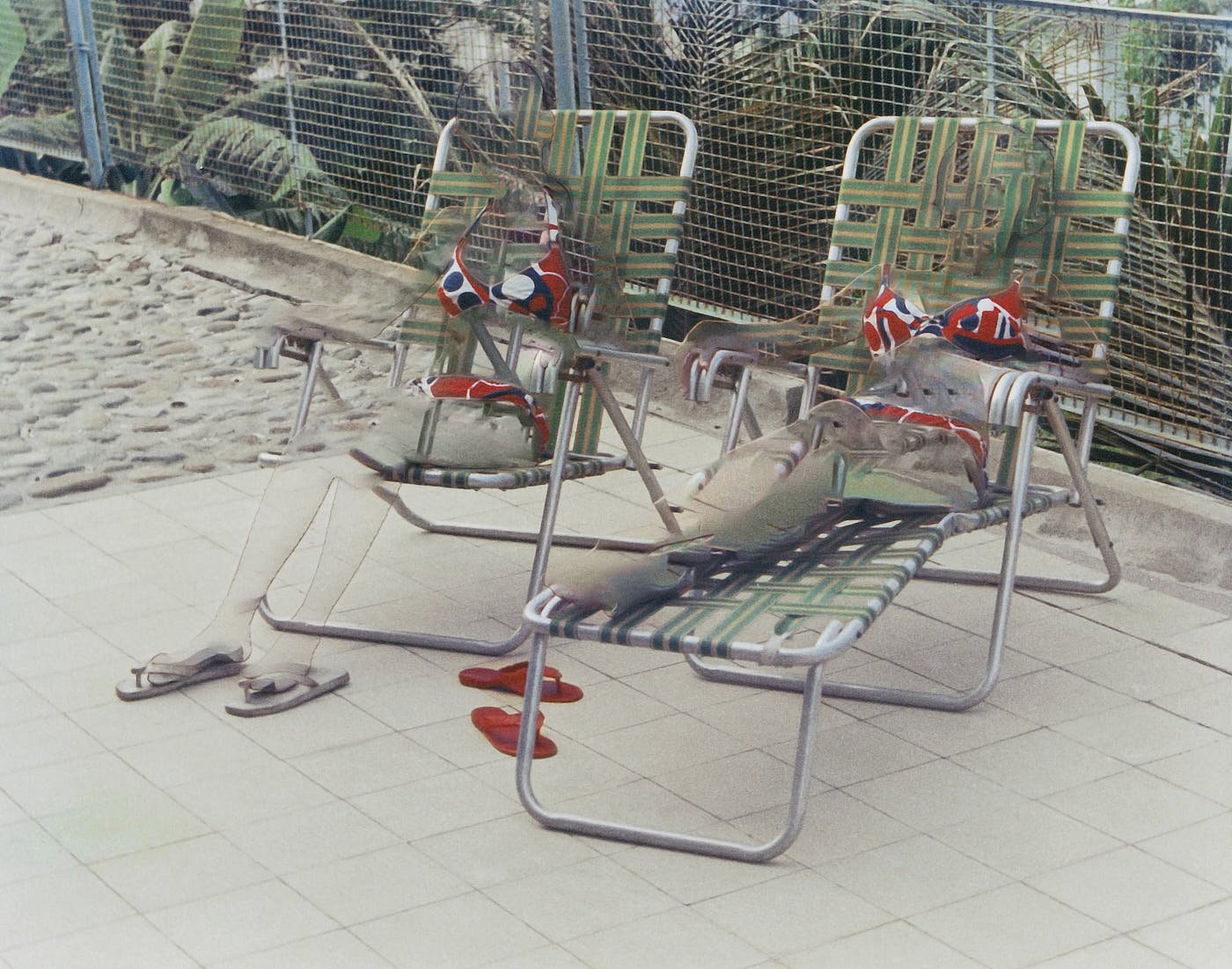
Nhu Xuan Hua, Les oubliées, Archive from the year ’70, 2016-2021
(c) Nhu Xuan Hua, courtesy of the Galerie Anne-Laure Buffard
Her images often begin long before the shutter is pressed, as words, fragments of archives, gestures and symbols gather slowly until they form a constellation from which a photograph can emerge. In Hua’s work, memory appears as something unstable, a presence that returns, shifts, dissolves, and reappears in new forms.
Hua first became widely known through collaborations with international fashion houses such as Dior, Maison Margiela, Chanel and Gucci. Over the past years, her practice has moved steadily toward a more autonomous terrain where photography intersects with archives, mixed media, and conceptual storytelling. Her publication Tropism, Consequences of a Displaced Memory marked a pivotal moment. Built around photographs from her family albums, the project reflects on migration, distance and the ways history continues to echo across generations. Images become surfaces where personal memory and collective experience intersect.
This ongoing exploration now enters a new context in the exhibition One Another – Nhu Xuan Hua and the Collection of Fotomuseum Winterthur, where the artist’s work enters into dialogue with the museum’s photographic collection and expands toward broader questions of visual continuity, rupture and belonging.
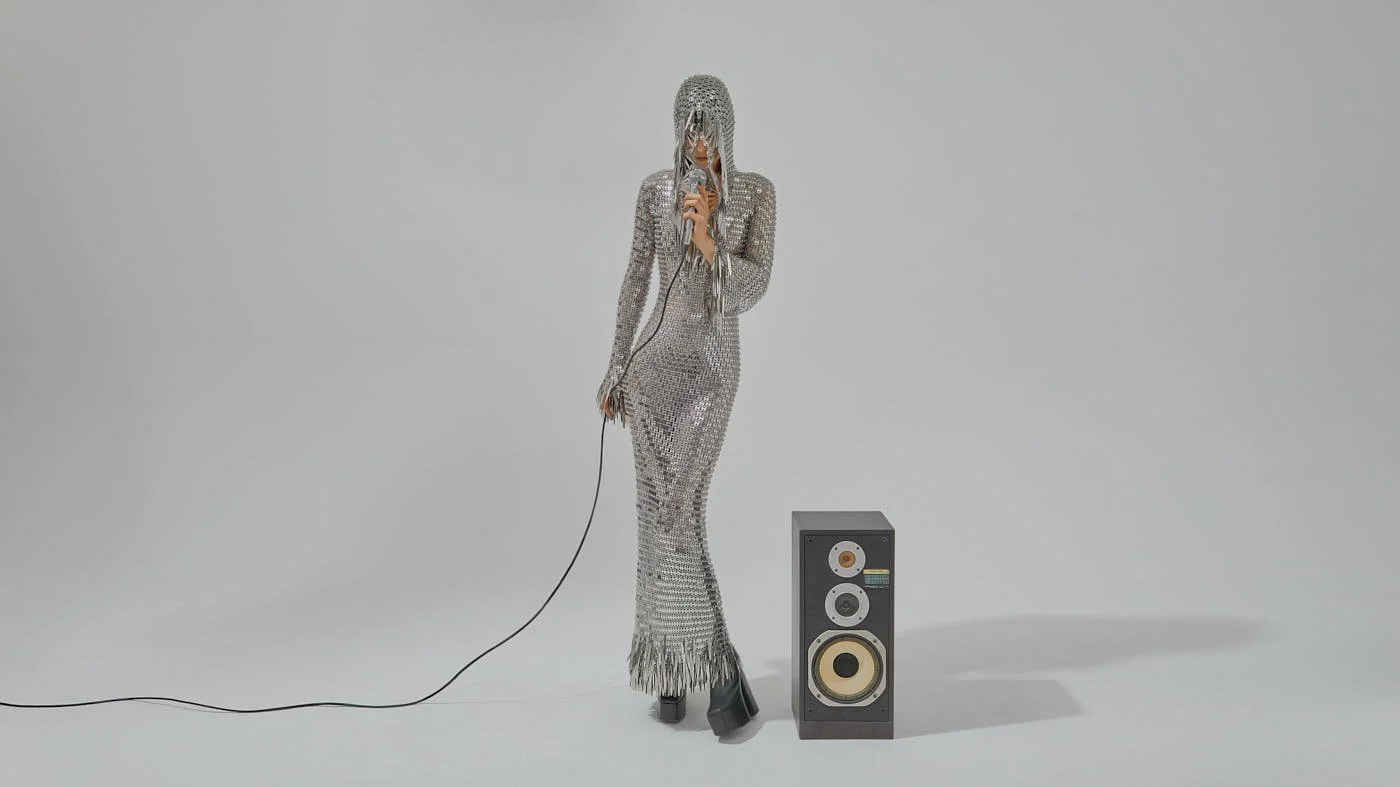
Nhu Xuan Hua, Singer "How much love can be repeated?", 2020
(c) Nhu Xuan Hua, courtesy of the Galerie Anne-Laure Buffard
LE MILE
Memory appears as a driving force in your work; where does it first enter your process?
Nhu Xuan Hua
It is always lingering. I believe the foundation of creativity lies in memory and emotional experience, at least this is true for me. I trust my emotions to guide me. Remembering is both something we can summon and something that arrives unannounced. That duality is what I find beautiful. It is also what moves me. Creating, however, is different. The mind and the heart must allow a passage from the spirit into the physical world. There needs to be an opening.
Depending on the project, memory enters differently. For Tropism, Consequences of a Displaced Memory, I wanted to let things come toward me. I worked with instinct, intuition, and the unknown. It was almost a surrender. With commissioned work, the process shifts. When I am given a departure point (a new collection for a brand, the theme of a magazine issue) I find pleasure in digging into memory from that anchor. A starting point calls memories forward immediately. Then the work becomes excavation: connecting fragments, layering meanings, building dialogues that become more and more complex.
What stays unresolved for you when working with family archives?
It is an infinite, multilayered journey. I think many children of immigrants from my generation are trying to bridge an emotional distance, with our parents, our family history, our homeland. There is often a silence. Working with archives becomes a way to open a dialogue with what was never said. I have realised that even when bridges are built, they remain fragile. Communication can be restored, but there will always be new moments of loss, new quests to hold everything close. With time, I learned to accept this incompleteness. What shapes us is not the answers but it is the search itself.
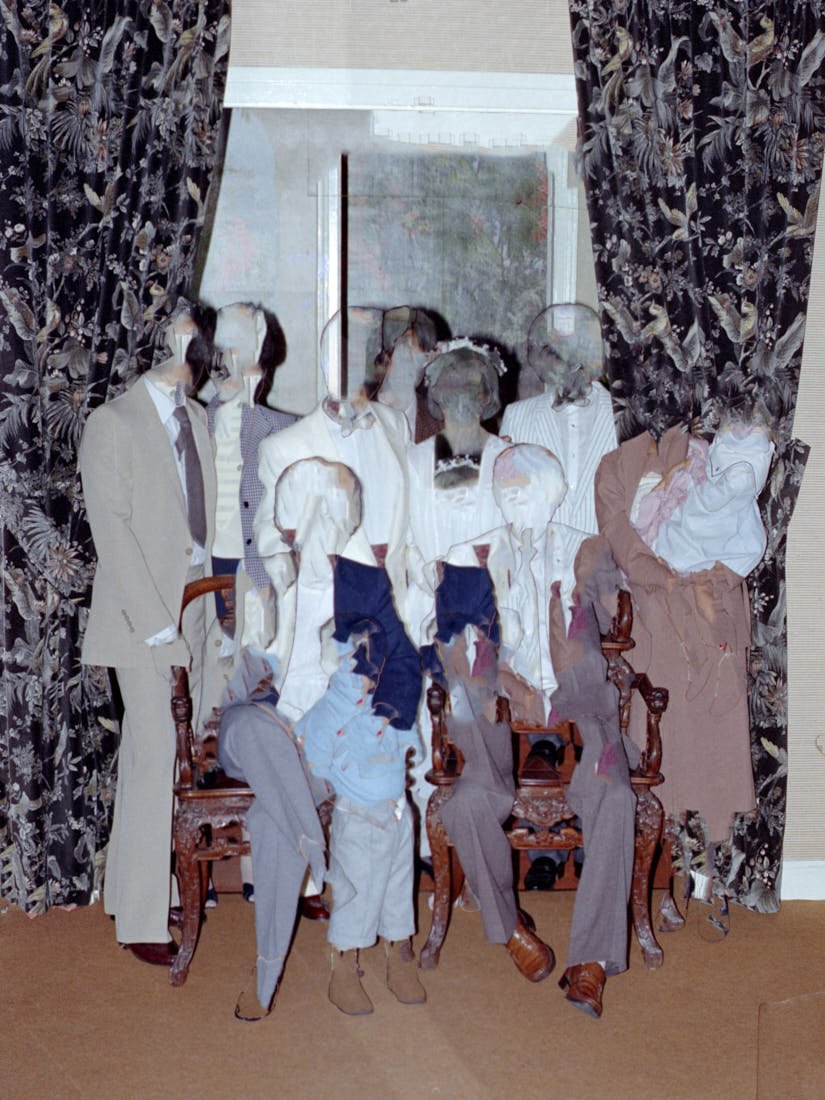
Nhu Xuan Hua, Family portrait at the wedding, Archive from the year ’85, 2016-2021, (c) Nhu Xuan Hua, courtesy of the Galerie Anne-Laure Buffard
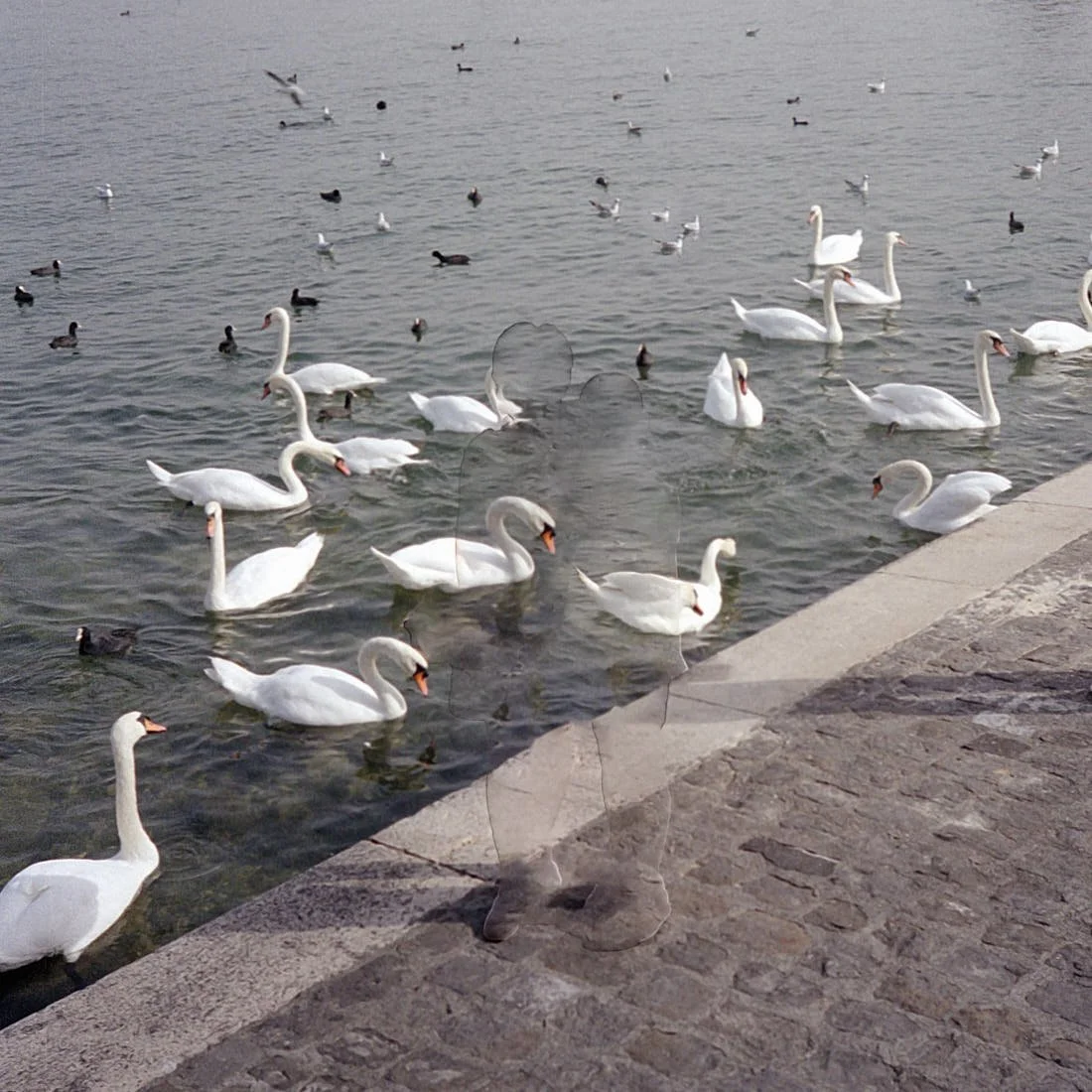
Nhu Xuan Hua, Swan, Archive from the year 2000, 2016-2021
(c) Nhu Xuan Hua, courtesy of the Galerie Anne-Laure Buffard
Tropism, Consequences of a Displaced Memory draws from inherited material; what responsibility do you feel toward images that predate your own authorship?
It was strange to learn to see these images as objects rather than as the people they represent. There is something almost violent in that shift. When communication is fractured, you invent other ways of speaking. In French, we distinguish between langue and langage. La langue is the shared tongue- a structured system we are supposed to master to understand one another. Le langage is expression: poetic language, the language of the body, the language of silence.
In my family, we never fully shared the same langue,French, Vietnamese, or French Sign Language. None of us completely mastered the same communication system, so clarity was always slightly out of reach. I chose poetry as my language, the language of the heart. Because it is a space where we can meet beyond grammar.
I will never alter the original archives. They belong to family albums carefully assembled by my grandparents on quiet afternoons when they were still alive. My responsibility is not to transform the originals, but to create a parallel language around them. To author the passage I build for myself.
Displacement runs through your practice as an emotional condition; how do you keep it present without illustrating it?
Repetition is essential. I feel like I am drawing a map from one exhibition to another, reusing symbols and gestures to anchor my family’s history, the way you carry certain objects with you each time you move houses. When you are displaced, what you keep becomes more revealing than what you leave behind.
Displacement also has something ghostly about it. A lingering presence. You do not need to see the details of a face to feel the weight of its gaze. I try to work with that sensation rather than illustrating displacement directly. It is a shared human experience. Loss is universal. You do not need to name it for it to take shape. The mind recognises familiar traces instinctively. Memory is something we all carry, it allows absence to remain present without being described.
How does the act of editing reshape the meaning of memory for you?
In Beloved, Toni Morrison speaks about the concept of “rememory”, an image that lingers beyond the boundaries of a single mind. A recollection. A re-membering, gathering the scattered pieces of a body so it can walk again. Editing reshapes that idea in my process. In Tropism, Consequences of a Displaced Memory, editing becomes a way to resist forgetfulness. It feels like an excavation a slow unveiling that perhaps only ends when every colour has been revealed. I see post-production as painting. There is a subject, a color palette, textures. You move from an undefined contour toward clarity. From blur into vision.
In your studio practice, what usually comes first? Is it image, gesture, or concept?
Usually, the concept comes first. Especially in commissioned work. I create constellations of words and images that I live with for a while. They circulate in chaos on paper, on my computer desktop, in my phone notes. I let them breathe before forcing structure onto them. Gradually, a framework emerges. Only then do I begin to think concretely about the photograph itself: the staging, the gesture, the image. The concept becomes a container where the image can exist.
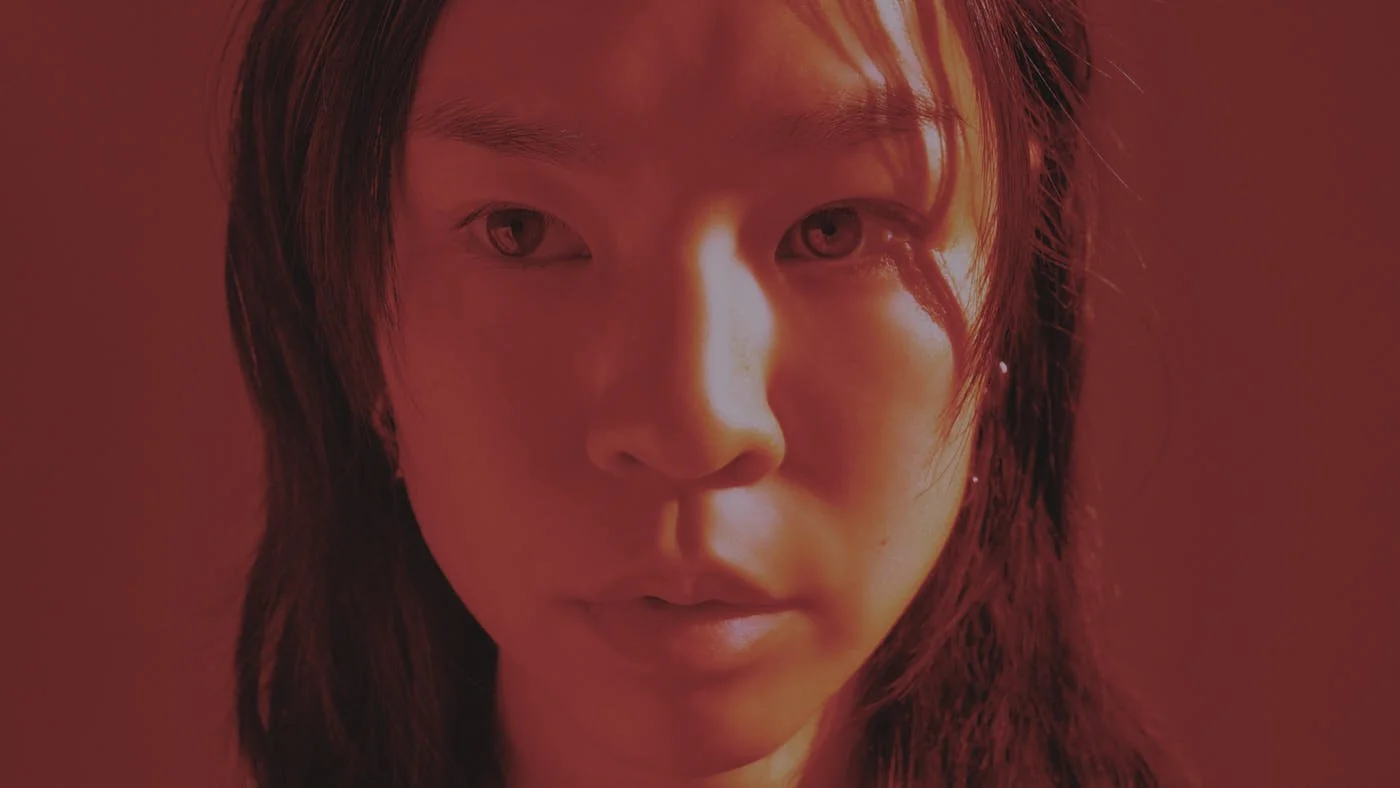
Nhu Xuan Hua, Selfportrait
Your work often carries a dreamlike logic; how do you leave space for the unconscious to operate?
You have to be gentle with the world you create for yourself especially if it was born out of survival. For me, it is both a coping and a healing mechanism. It is rooted in observing my household. My father, who is orally deaf, carried his world through paintings and drawings. My mother built a perfect home for her family, that was her form of art. They both constructed illusions that made life more bearable.
In my own way, I created a similar theatre, where scripted plays meet reality. When you have to interpret language without the proper tools, you invent your own. If my grammar is not strong enough, then I expand my visual language to replace words. The unconscious enters through that expansion, through looseness, through trust, through allowing images to form before fully understanding them.
What changes for you when an image leaves the personal realm and enters public circulation?
When I was working primarily in fashion photography and commercial projects, the emotional involvement ended once the project was released. At the end of the day, the work promoted or sold something, it was ultimately a service. I infused my research into it, but only my creative team might have known the deeper layers. I did not have to speak about them publicly.
With exhibitions, everything changed. People come not only to see the work but to understand the thinking and the emotional process behind it. Releasing Tropism, Consequences of a Displaced Memory was a turning point. It revealed to me the lack of representation of stories from the Vietnamese diaspora. There was a public demand and a community demand, to see and hear these narratives. I felt it too. I was also in demand of it. It was overwhelming. I felt a sort of responsibility to carry a voice not only for children of Vietnamese immigrants in France, but for anyone who experienced displacement. Family archive images create immediate familiarity. They allow viewers to connect with something ordinary that has been elevated into something sacred. Something comforting. Like a hug.
When my work entered national collections and prestigious private collections, alongside exhibitions in institutional spaces, I felt immense gratitude. It felt like building a pantheon for my family, for ordinary people who endured so that we could arrive at this moment. When my gallery told me about my first national acquisition, I shared it with my family because they are the ones in those photographs. They answered: “You made us eternal.” Something felt sealed that day.
How did engaging with the collection at Fotomuseum Winterthur influence the way you thought about continuity and rupture?
At first, I approached the collection intuitively. I projected my intimate experiences onto it, searching for emotional dialogues. Through conversations with Alessandra Nappo, who curated the exhibition, I realised that shared experience often begins in the heart. Visual familiarity plays a crucial role in my practice, especially because visual interpretation shaped how I communicated with my parents.
I observe posture, gesture, the position of a body, whether human, animal, natural, or inanimate, and transfer meaning into it. Feeling a living presence in animals, nature, or objects is essential in this exhibition. It creates this bond I seek between all existing forms. How rupture, separation, displacement, disconnection, loss forces you to create a familiar environment in order to survive those catastrophes that life brings.
At this moment in your practice, what feels most urgent to protect from disappearance?
We are living through a moment where images can be generated endlessly. With the rise of AI, the boundaries between constructed, manipulated, and lived realities are becoming increasingly fluid. I am not against these tools, I believe they can expand vision, open new territories, and help us explore imagination in ways we could not before. But what feels urgent to protect is the emotional chaos at the origin of an image. An authentic image does not come from perfection. It comes from friction. From doubt. From memory that resists clarity. From vulnerability. From something unresolved. If AI becomes a tool that polishes everything into seamless surfaces, then we risk losing the trembling part, the hesitation, the fragility, that makes an artwork human. For me, truth in image-making is not about documentary purity. It is about emotional sincerity. About allowing the image to carry the weight of lived experience, even if that experience is fragmented, distorted, or dreamlike. Technology can assist vision, but it should not replace the internal necessity to create. What I want to protect is the space where imperfection, memory, and emotional disorder can still shape an image. Because that disorder is not a flaw it is the proof that a human being stood behind it. And that presence matters.
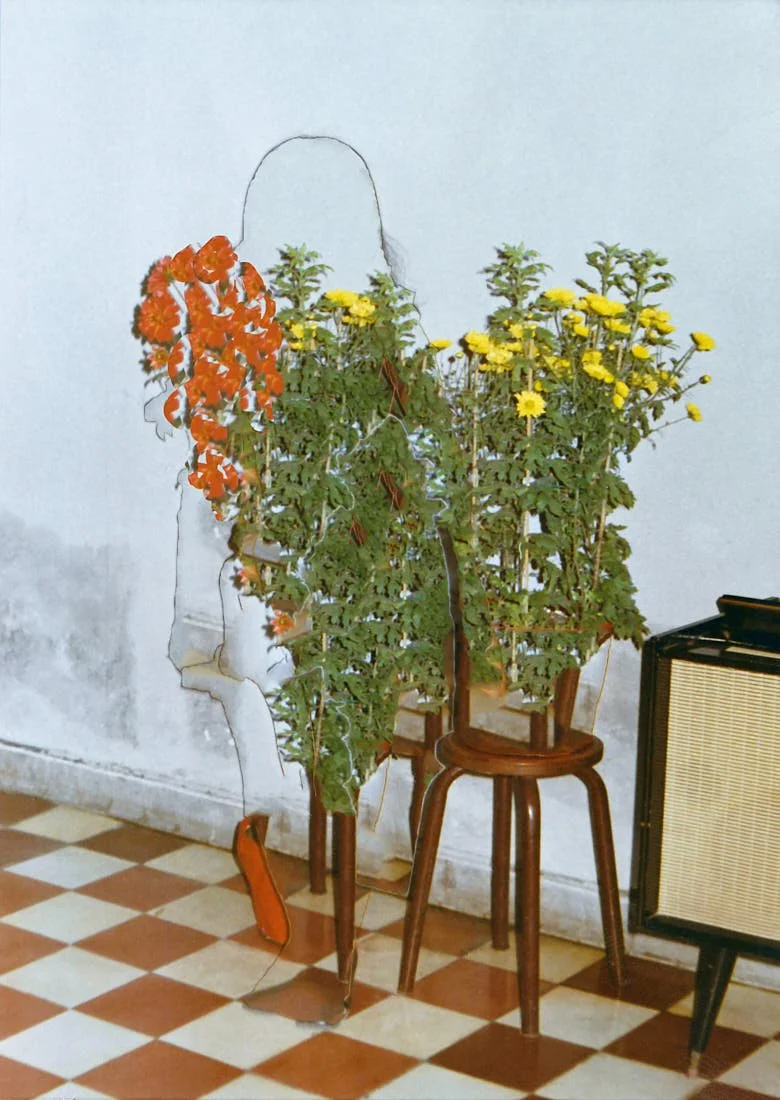
Nhu Xuan Hua, Untitled, Archive from the year ’72, 2016-2021
(c) Nhu Xuan Hua, courtesy of the Galerie Anne-Laure Buffard
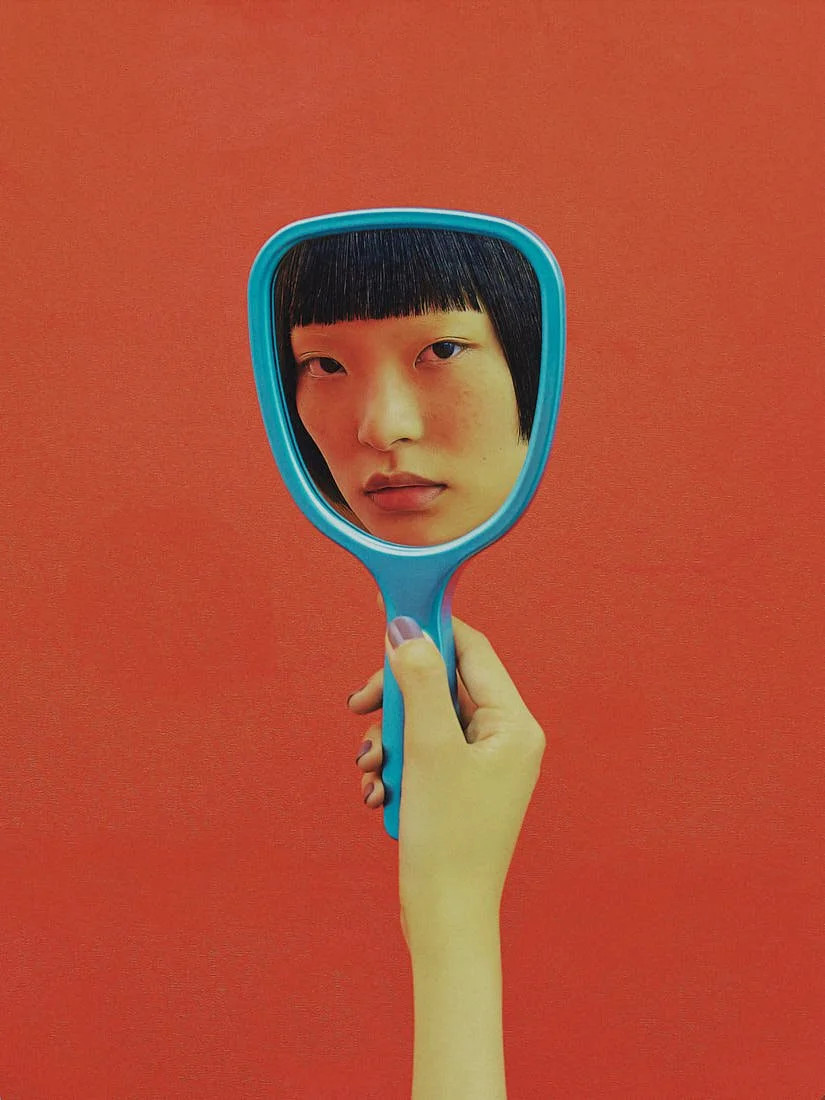
Nhu Xuan Hua, Chen, 2016
(c) Nhu Xuan Hua, courtesy of the Galerie Anne-Laure Buffard
One Another – Nhu Xuan Hua and the Collection of Fotomuseum Winterthur is on view at Fotomuseum Winterthur to 11 October 2026.
credits
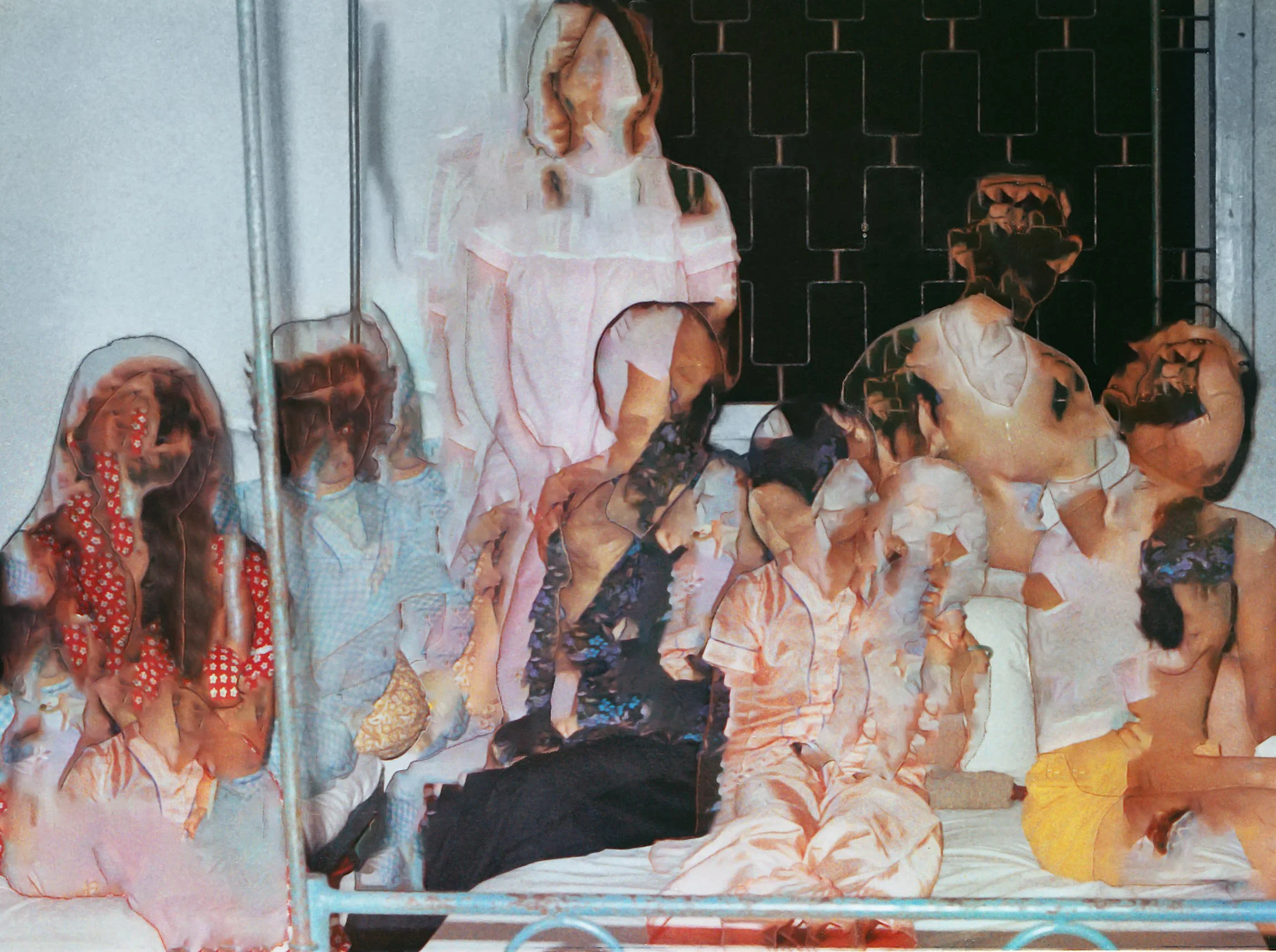
header image: Nhu Xuan Hua, Home, Archive from the year ’72, 2016-2021
(c) Nhu Xuan Hua, courtesy of the Galerie Anne-Laure Buffard