
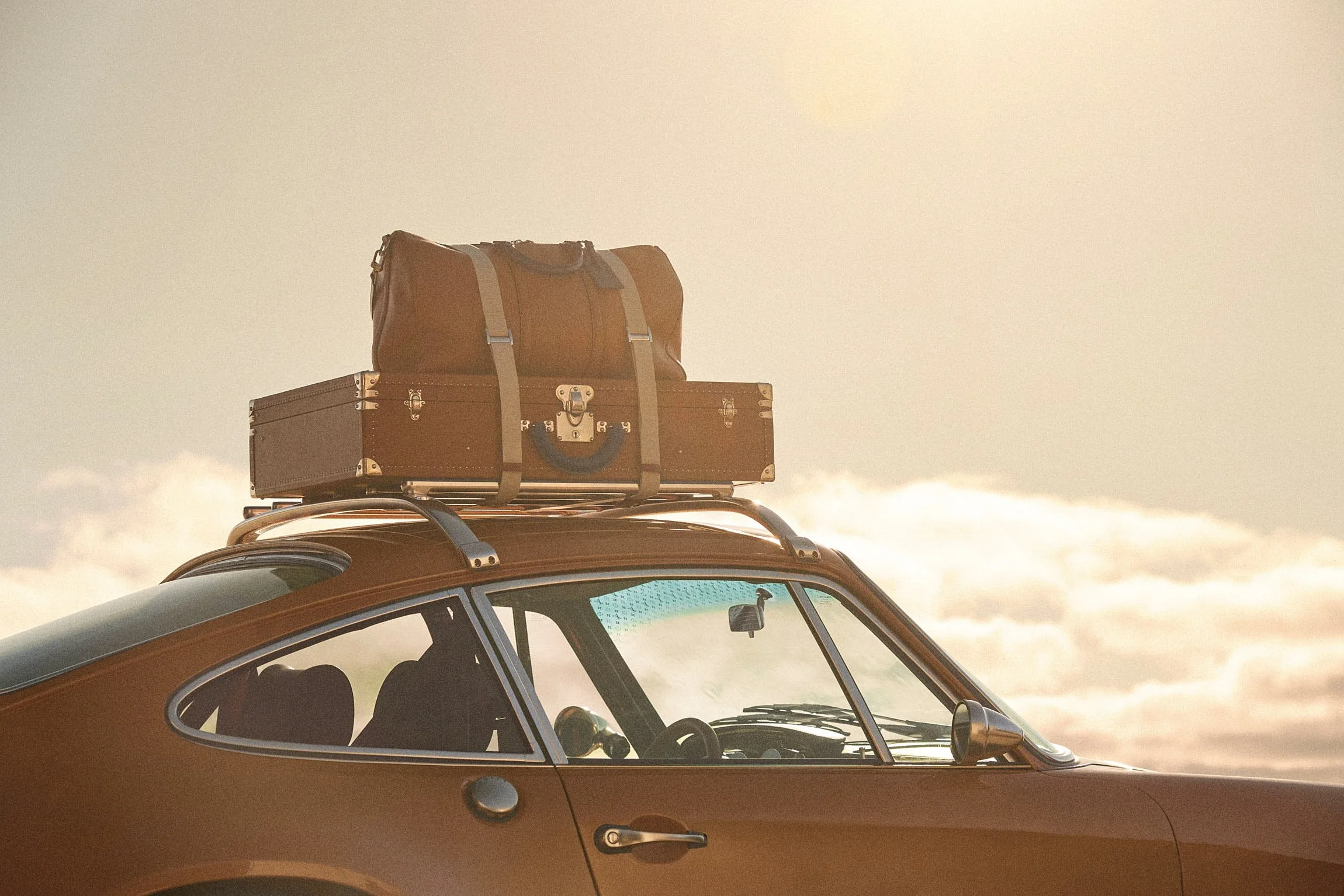
What Happens When Louis Vuitton Gets Behind the Wheel of a Porsche 911
written LE MILE
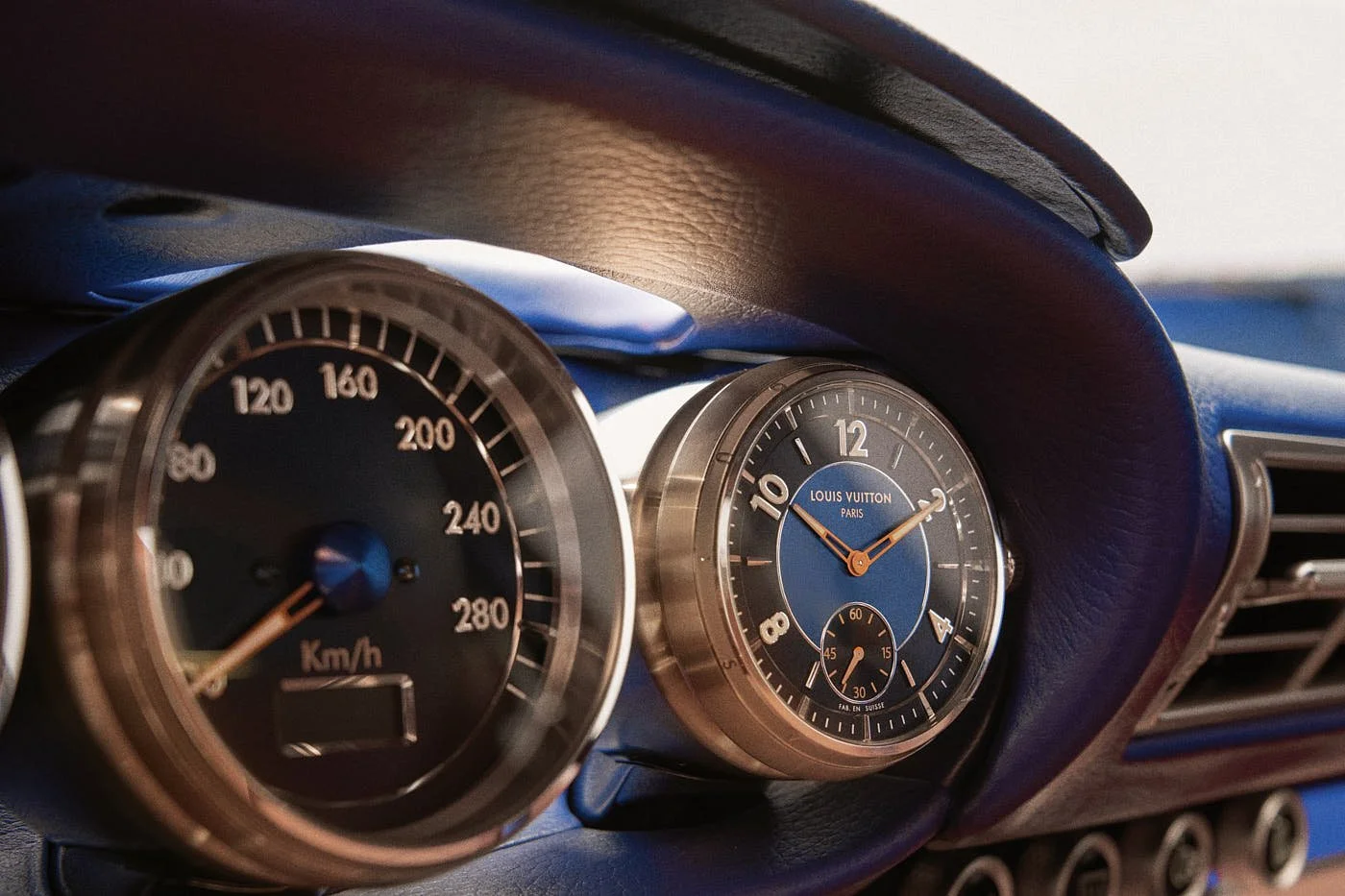
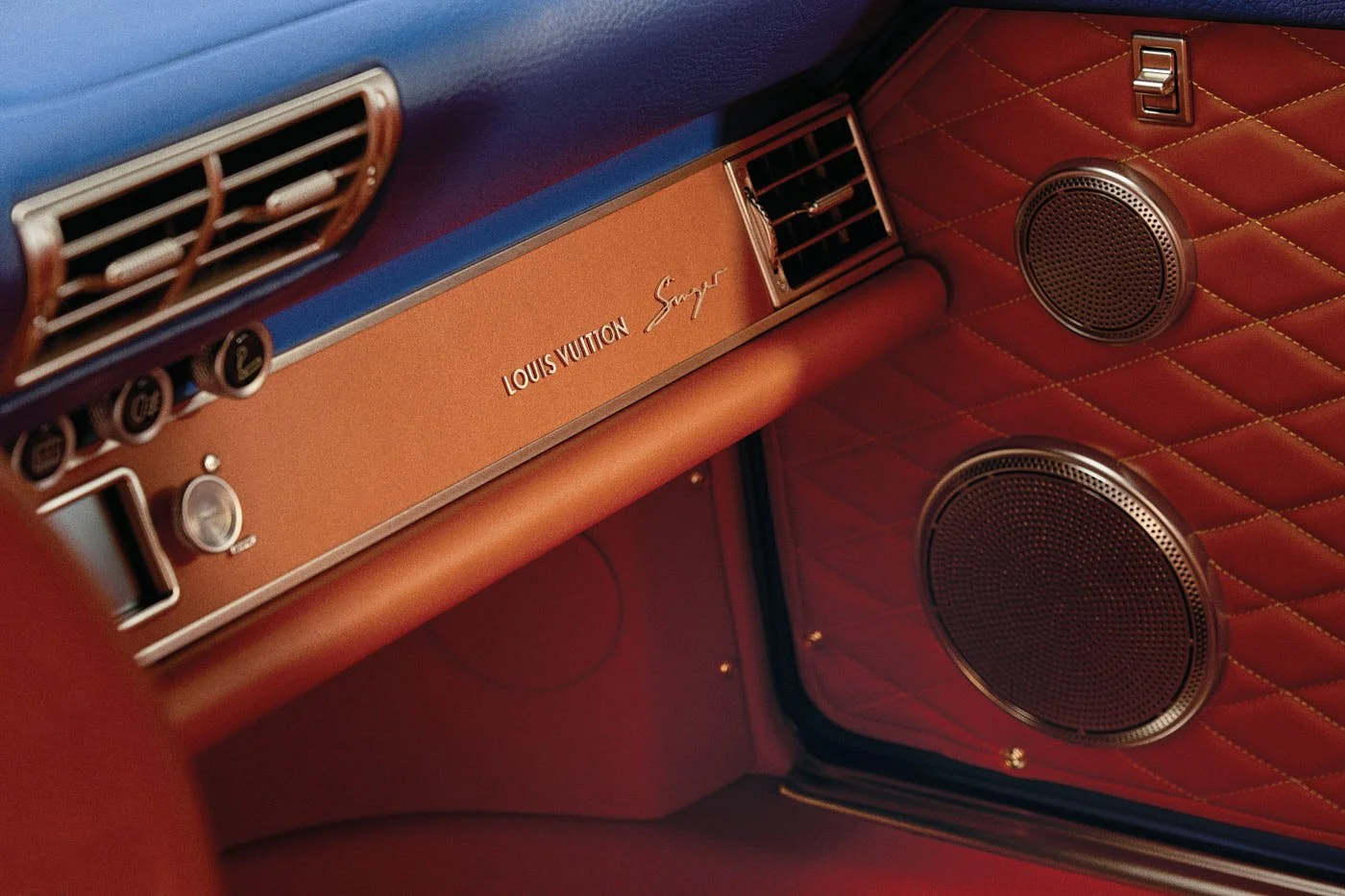
A mechanical clock that can be lifted from a dashboard and carried to a desk feels almost anachronistic in 2026, and that small act of removal is where the Louis Vuitton and Singer project becomes interesting. The collaboration began with a request for a dashboard timepiece made at La Fabrique du Temps Louis Vuitton. Once the clock entered the cockpit, the surrounding instruments demanded the same degree of attention. The speedometer, rev counter and gauges followed, with Tambour hands, indexes and typography translated into automotive scale. What started as one object gradually occupied an entire interior, and eventually two cars.
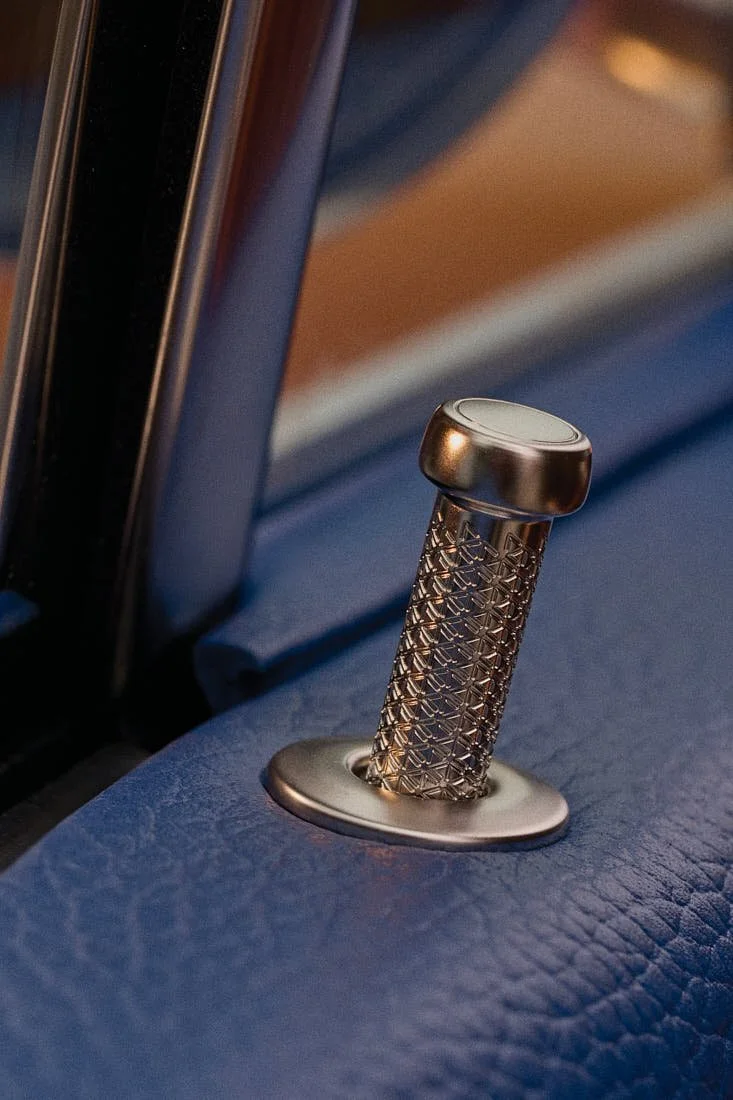
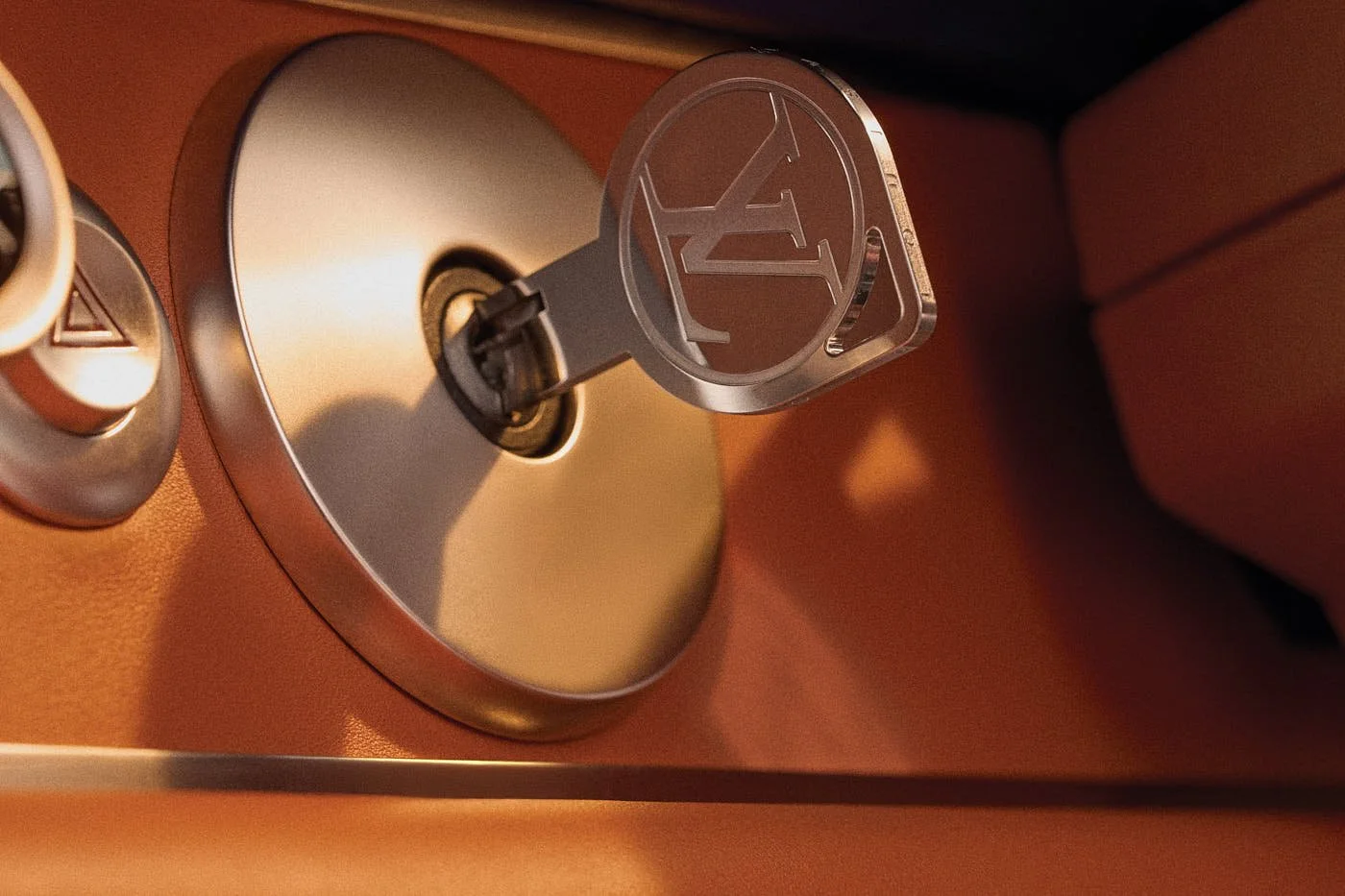
The progression says something about the peculiar attraction of objects whose value reveals itself slowly. Attention settles on a knurled switch, the reflection across a rhodium-plated vent, the feel of a leather pull tab, the mechanical clock continuing to run after the engine has stopped. Somebody has already spent time thinking about the moment a hand reaches for each of them. That kind of care gives an object intimacy and it also gives it a future, through wear, touch, patina and the small habits that form around living with something for years.
courtesy of LOUIS VUITTON
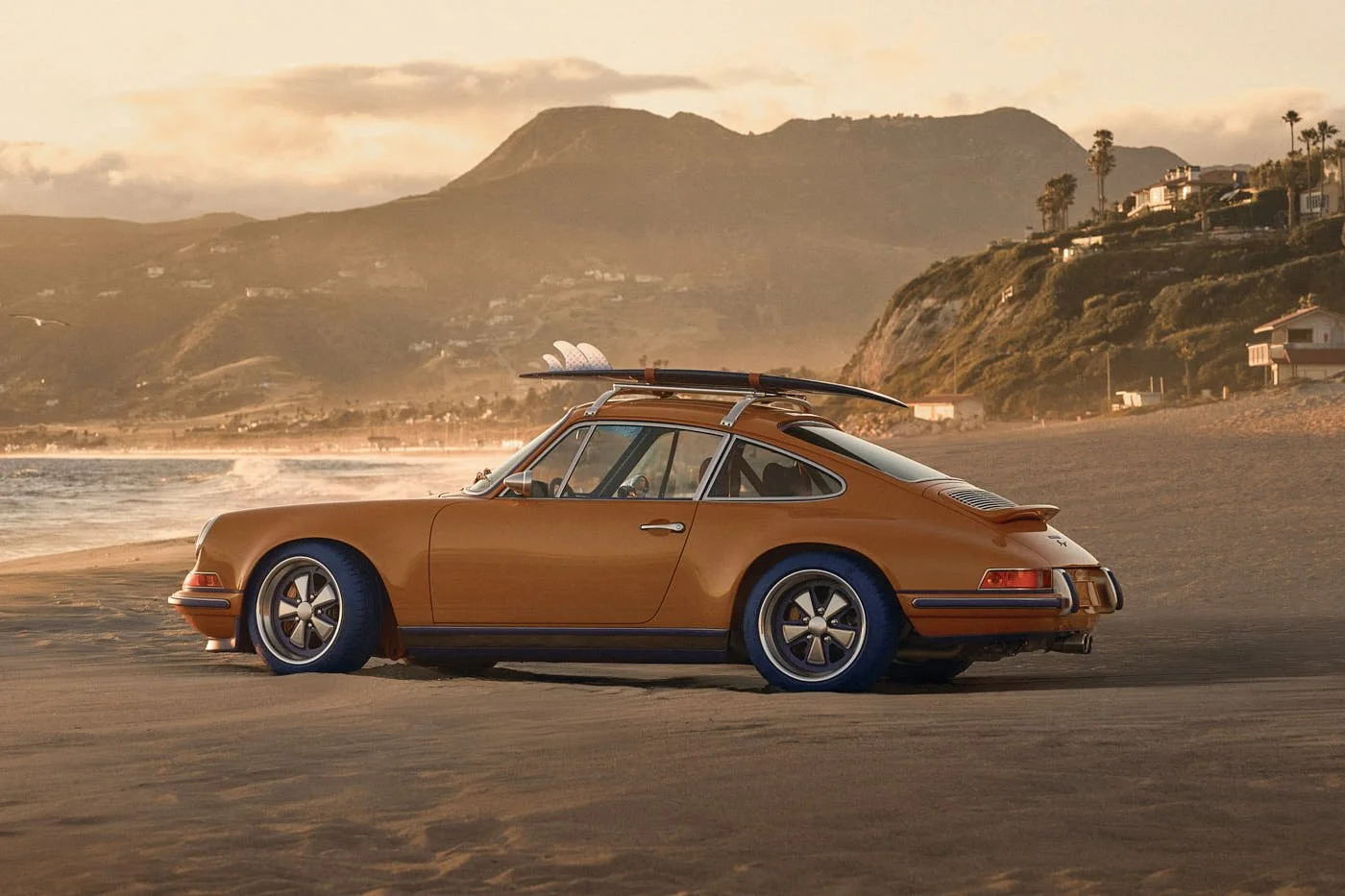
Singer’s work begins with the Porsche 911, a shape carrying decades of memory, obsession and personal mythology. The Californian atelier has made a practice of returning to that architecture and finding new possibilities within it. Louis Vuitton’s history with the road reaches back to the earliest years of motoring. Georges Vuitton was designing trunks specifically for automobiles by 1897, following their contours and developing luggage that could travel on their bodies. In 1909, Pierre and Jean Vuitton designed a car on a Stabilia sports chassis. Long before the automobile became another space for luxury branding, it was already changing the objects people needed and the way those objects were designed.
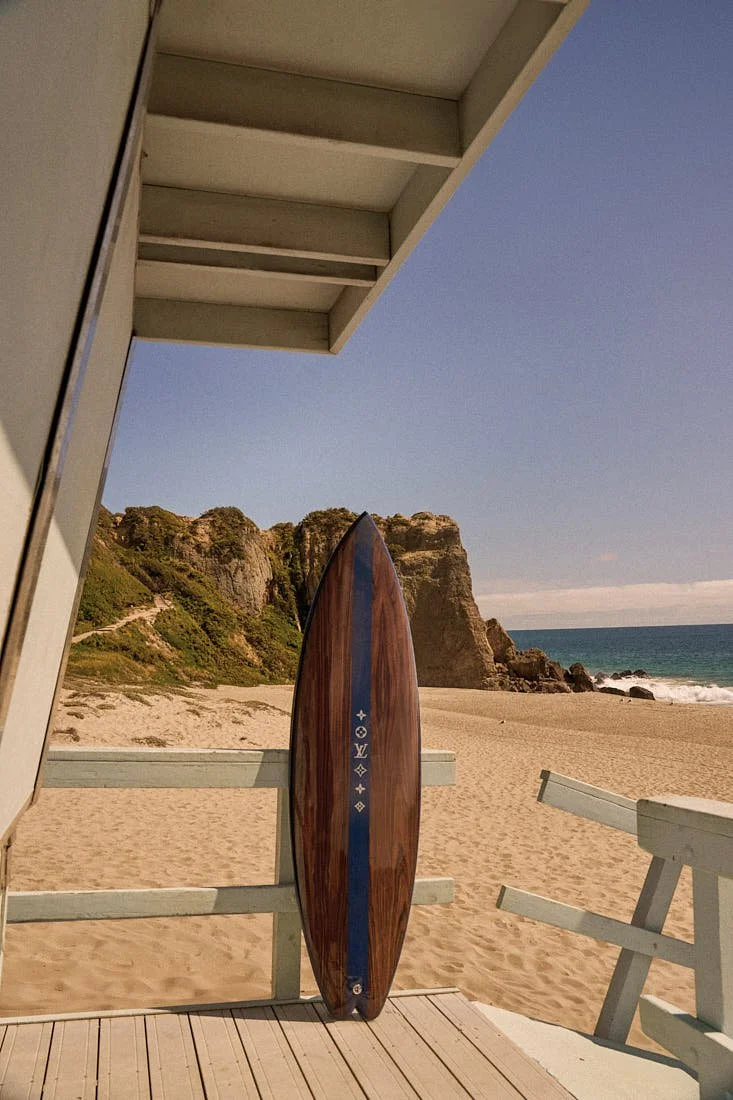
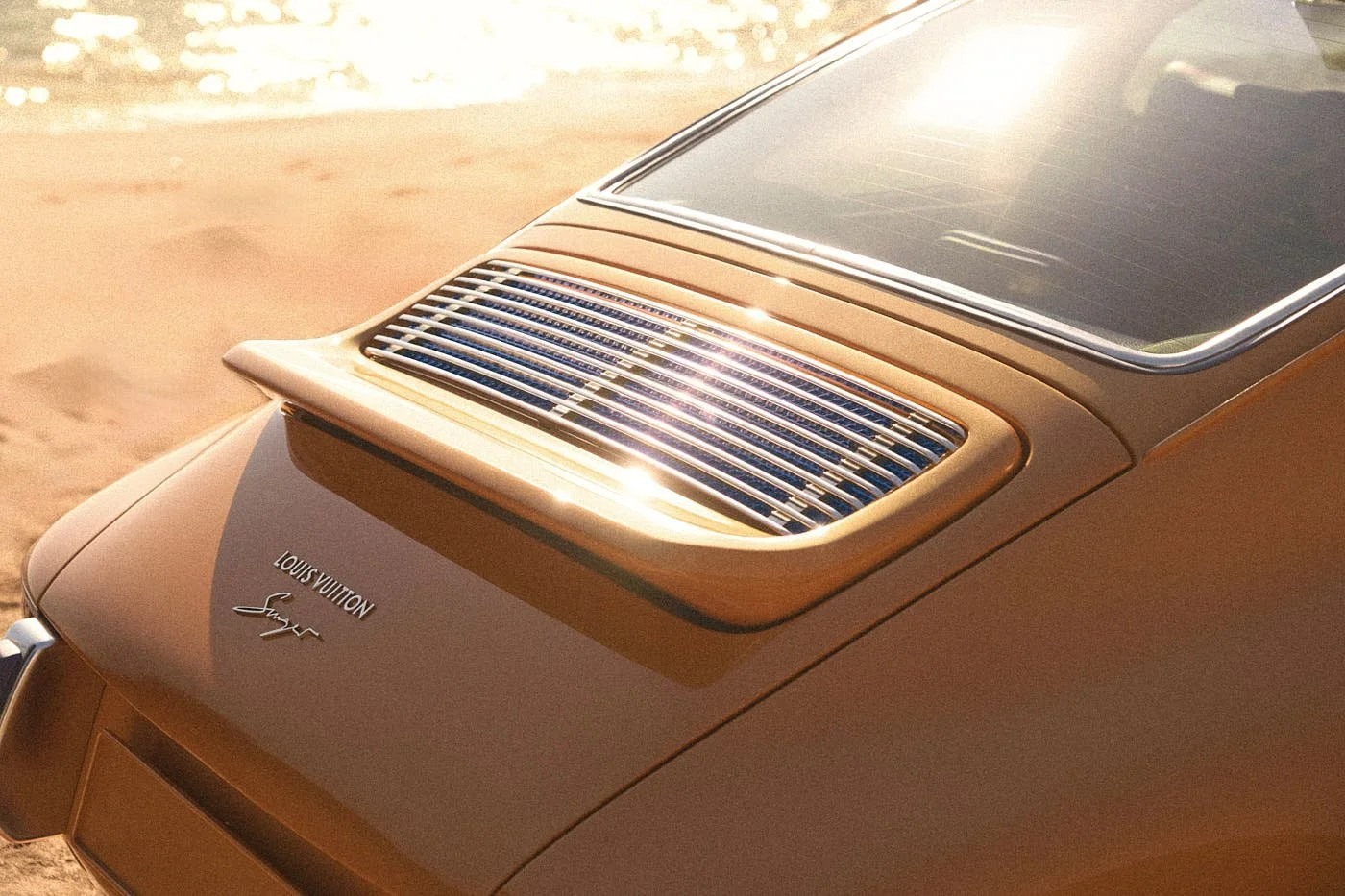
That history surfaces in the Porsche 911 Reimagined by Singer – Classic through decisions that carry their own memory. Saffron, cobalt blue and yellow draw from Vuitton’s visual archive, early Singer commissions and automobile trunks made for Citroën in 1924. Inside, natural leather, malletage quilting and hand-finished metal give the cabin the intimacy of something intended to age alongside its owner. Ventilation holes take the form of Monogram flowers. A roof rack accepts luggage, skis or a surfboard. Bags occupy the exact volumes available inside the car. There is an appealing certainty to objects made for one particular place.
/ courtesy of LOUIS VUITTON
/ courtesy of LOUIS VUITTON
/ courtesy of LOUIS VUITTON
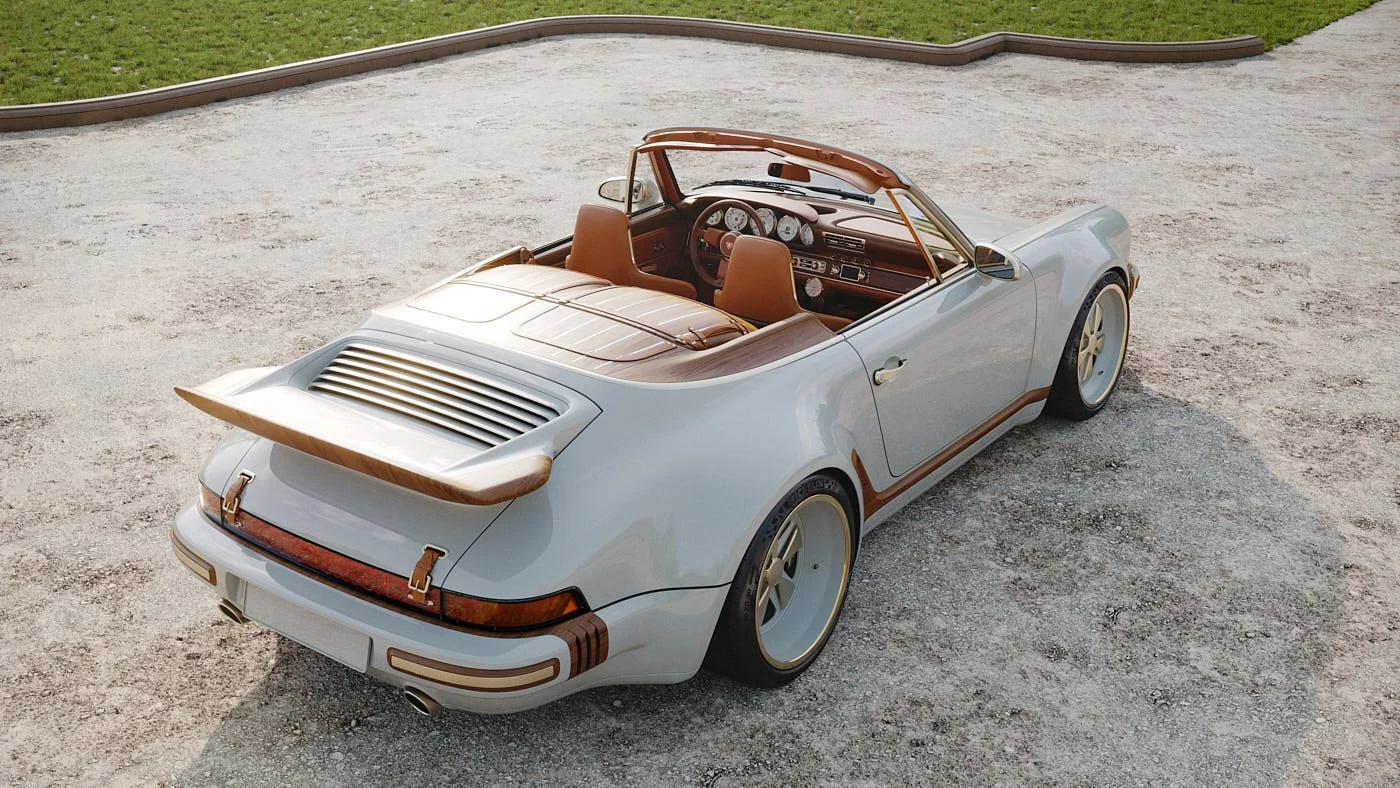
Nicolas Ghesquière develops another chapter of the project through a Porsche 911 Reimagined by Singer – Classic Turbo, conceived as a cabriolet in Calcaire Lutétien white with cognac leather, gold-toned details and American walnut. Classic motorboats inform the woodwork across the rear deck and luggage compartments, bringing the atmosphere of a runabout into the car. Ghesquière’s fascination with technical objects, futuristic surfaces and historical design finds an unusually physical setting here. Every idea eventually meets a hand, a body, the weather or the road. The luggage makes that relationship increasingly personal. A three-part trunk slots into the front boot. A garment bag folds into the cabin. The papers of the car travel in their own case. The key has a pouch. The dashboard clock leaves the vehicle and continues its life on a desk. The excess is part of the charm because it imagines travel as a sequence of rituals worth paying attention to: packing, fastening, opening, driving, stopping, unpacking, carrying something from one place into the next.
/ courtesy of LOUIS VUITTON
/ courtesy of LOUIS VUITTON
The emotional pull of a fitted suitcase lies in the way its empty space already anticipates what someone will bring, while its dimensions already know where the journey will place it. The same feeling runs through these cars. Materials are expected to acquire marks. Leather waits for patina. Mechanical movements continue keeping time. Wood and metal ask to be touched. The Porsche itself arrives with a history that every new owner inevitably adds to.
Louis Vuitton x Singer ultimately describes a fantasy in which every object seems to know where it belongs. The car becomes part of the rituals surrounding departure and return, filled with things designed to accompany a person through both. Perhaps that is why a clock was enough to start the whole project, time was already embedded everywhere else.
/ courtesy of LOUIS VUITTON
/ courtesy of LOUIS VUITTON
all images
/ courtesy of LOUIS VUITTON Press