
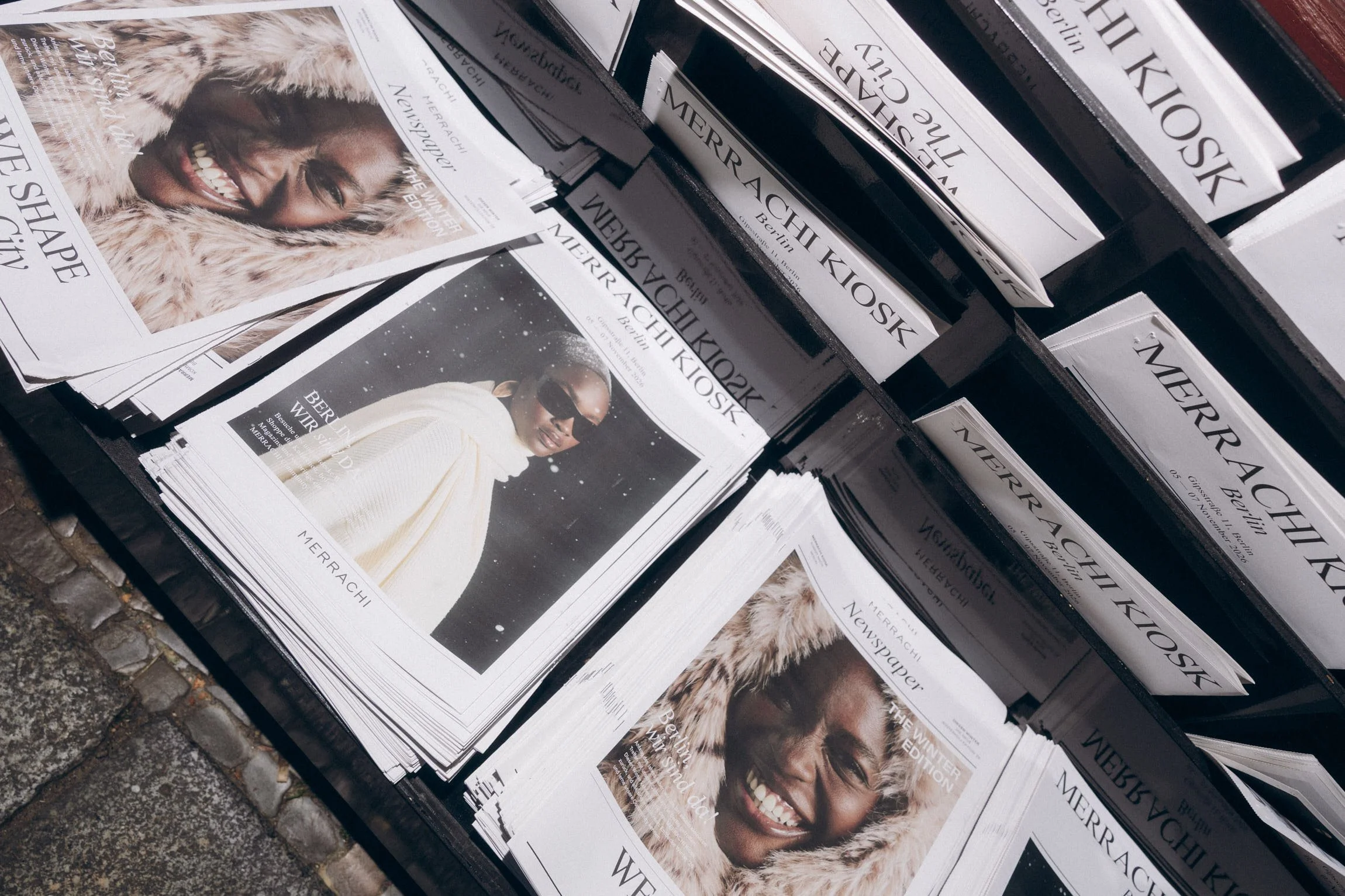
An interview with Wana Limar
MERRACHI’s “We Shape the City” in Berlin
interview + written KLAAS HAMMER
What we wear is never just about what we put on. It can be a reflection of where we come from, a way of claiming space or simply an expression of who we choose to be. With its Winter ’26 campaign “We Shape the City”, MERRACHI celebrates women who shape their surroundings on their own terms, embracing individuality, cultural identity and the freedom of self-expression.
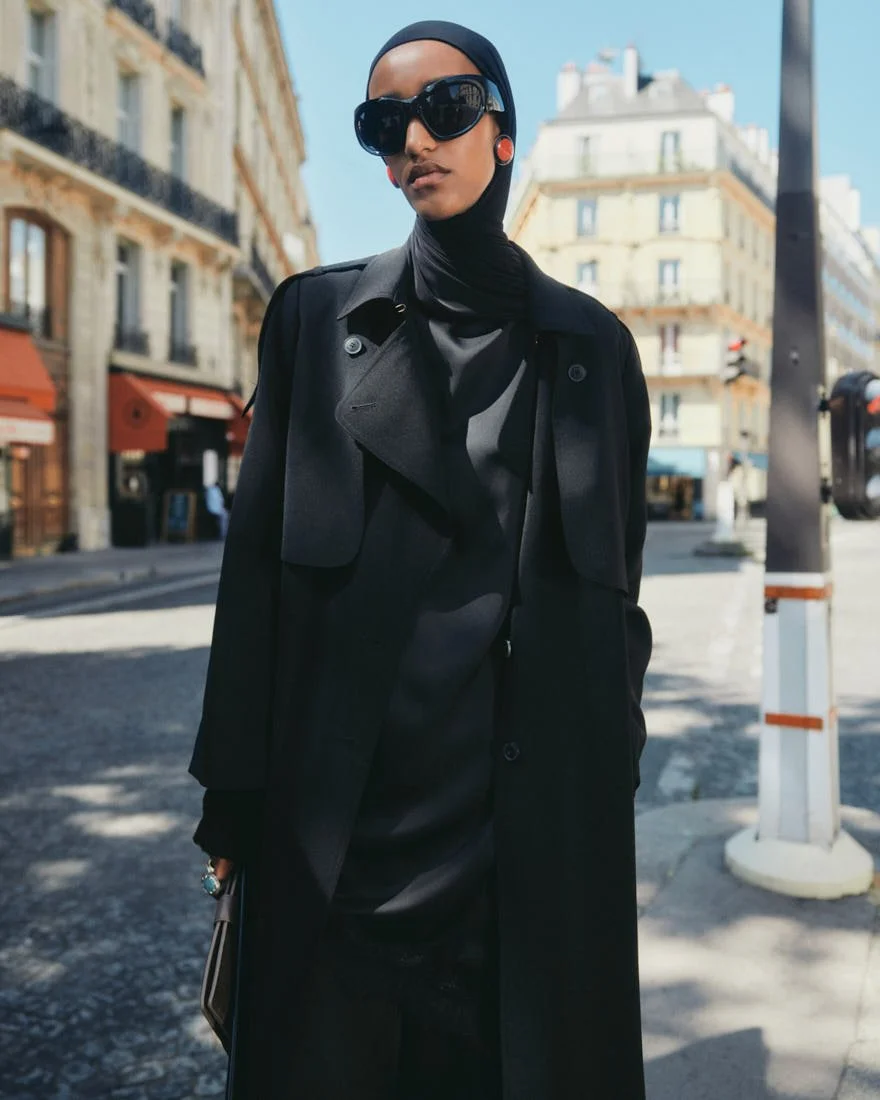
MERRACHI Autumn/Winter 2026 Collection
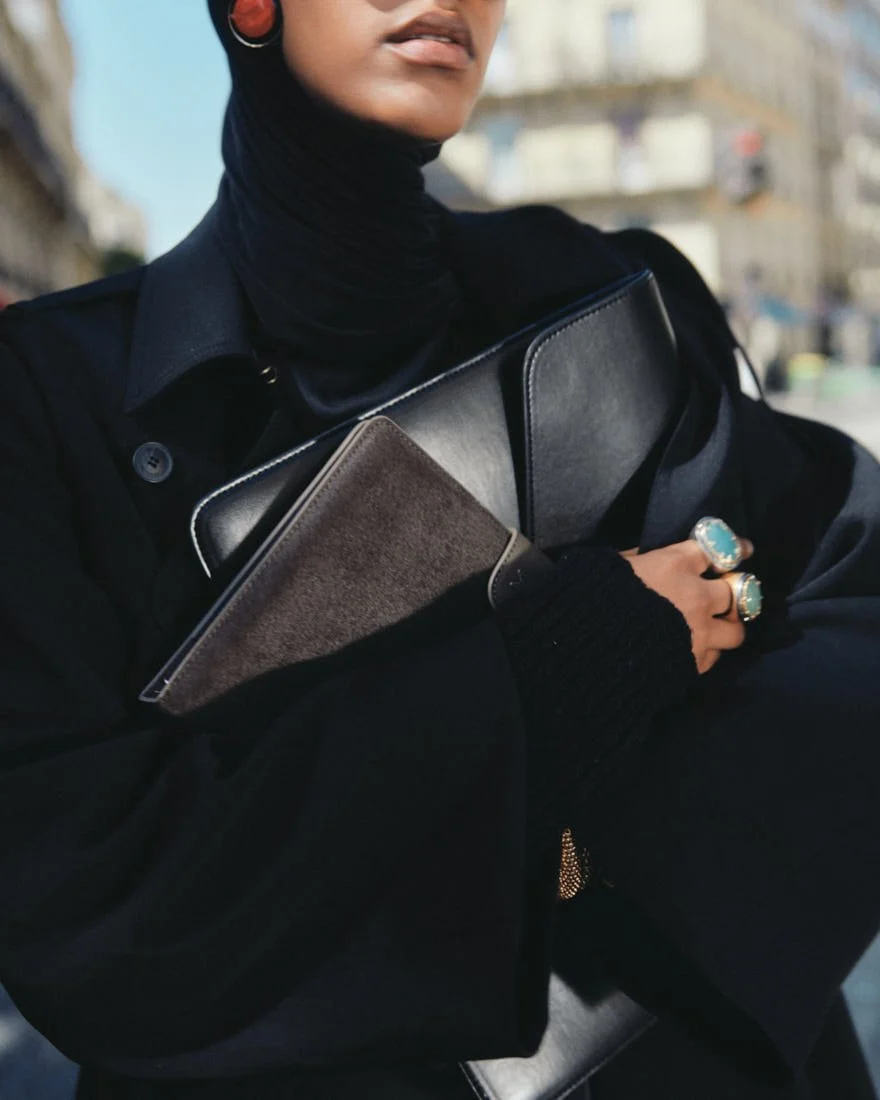
For Wana Limar, creative, designer and podcast host, personal style has always existed somewhere between two worlds. Growing up in Hamburg with Afghan parents, she found herself navigating contrasting ideas of dressing up, standing out and fitting in. From the glamour and extravagance of Afghan traditions to an appreciation for effortless silhouettes and timeless elegance, these influences continue to inform her perspective on fashion and identity.
In conversation with LE MILE, she discusses the cultural roots of personal style, the importance of preserving heritage beyond aesthetics, and why female empowerment must go beyond individual confidence. She also talks about reclaiming space through fashion, questioning conventional ideas of success and reconnecting with forms of knowledge that modern society may have left behind.
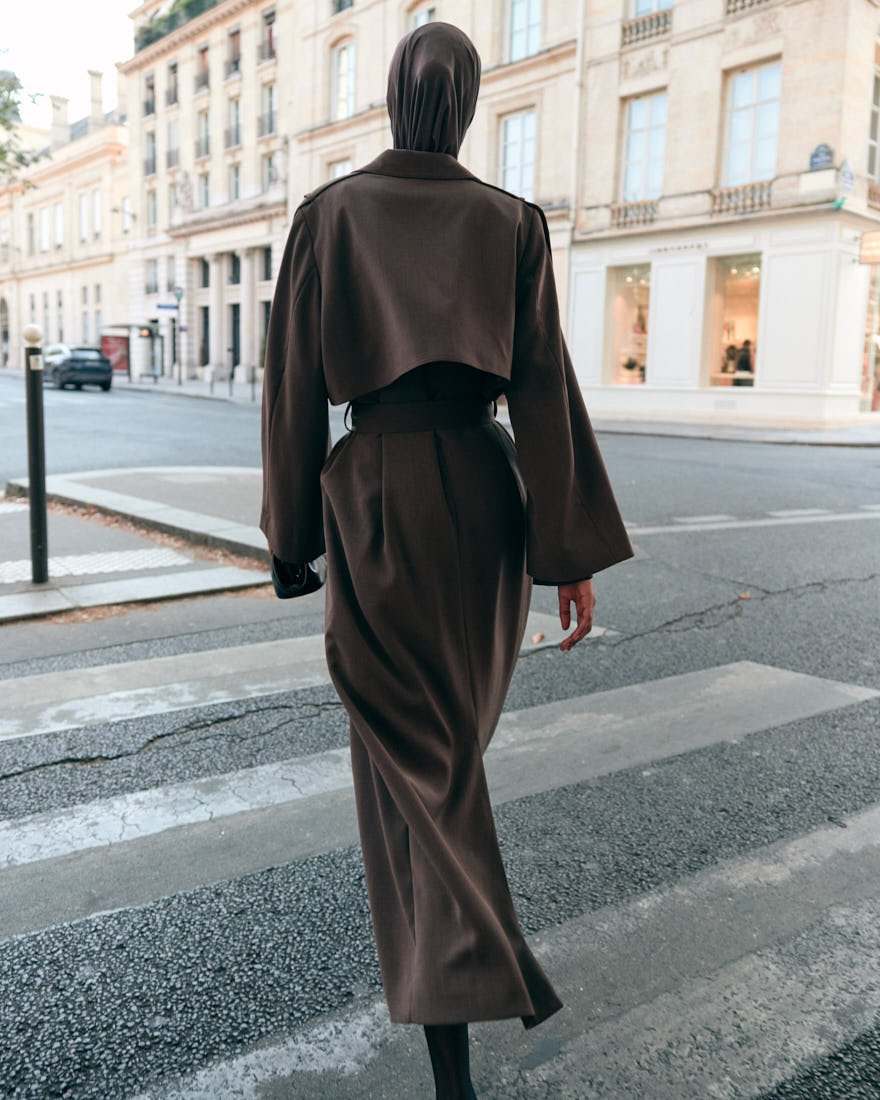
MERRACHI Autumn/Winter 2026 Collection
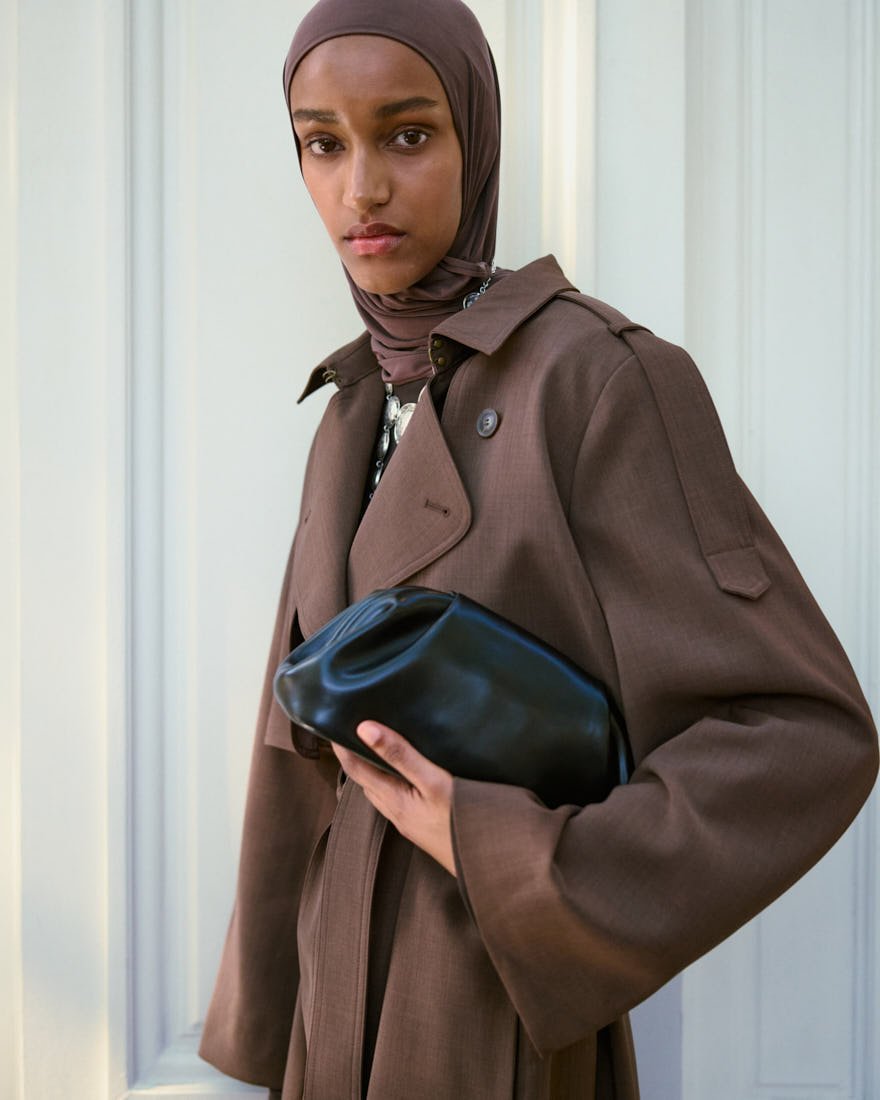
Klaas Hammer
How has your own identity shaped your personal style and the way you express yourself through fashion?
Wana Limar
I grew up in Hamburg with Afghan parents, and I feel like Germans have this almost cultural obsession with not showing off. Probably it has something to do with Germany’s history, like everything does. There’s this unwritten rule: don’t stand out, don’t show what you have. You could live in a million-euro villa and still drive a beat-up car. In the Afghan environment I grew up in, it was the complete opposite. More was more! Colors, glitter, sequins, big hair, full makeup. My uncle would literally wear a suit to go grocery shopping! And we grew up commenting on everyone’s looks, making fun of outfits and giving people nicknames based on their appearance. And making fun of how casually aka underdressed Germans dress for special occasions is practically a running gag in Afghan families. Like, what is this? Where is the outfit? You’re attending a wedding!
As a child, I loved dressing up in traditional Afghan clothes, stealing my mother’s red lipstick and staging little photoshoots. I think both worlds shaped my style. I love the glamour and playfulness of dressing up, but I’m equally drawn to simplicity, effortless silhouettes and timeless elegance. Trends can be inspiring, but I want my style to evolve with me, not with every trend.
MERRACHI brings together Moroccan heritage and contemporary design. What role do you think cultural heritage plays in shaping the future of fashion, and how can brands celebrate their roots while speaking to a global audience?
Fashion tells us so much about who we are, where we come from and how societies evolve. Understanding the history behind certain traditions, silhouettes or craftsmanship helps us understand our own identities.
With our jewelry brand SEVAR, we work with artisans in Afghanistan. For us, celebrating heritage means more than borrowing beautiful aesthetics. It’s about preserving craftsmanship, creating opportunities and making sure the communities behind these traditions actually benefit. Celebrating a culture also means valuing the people who keep it alive.
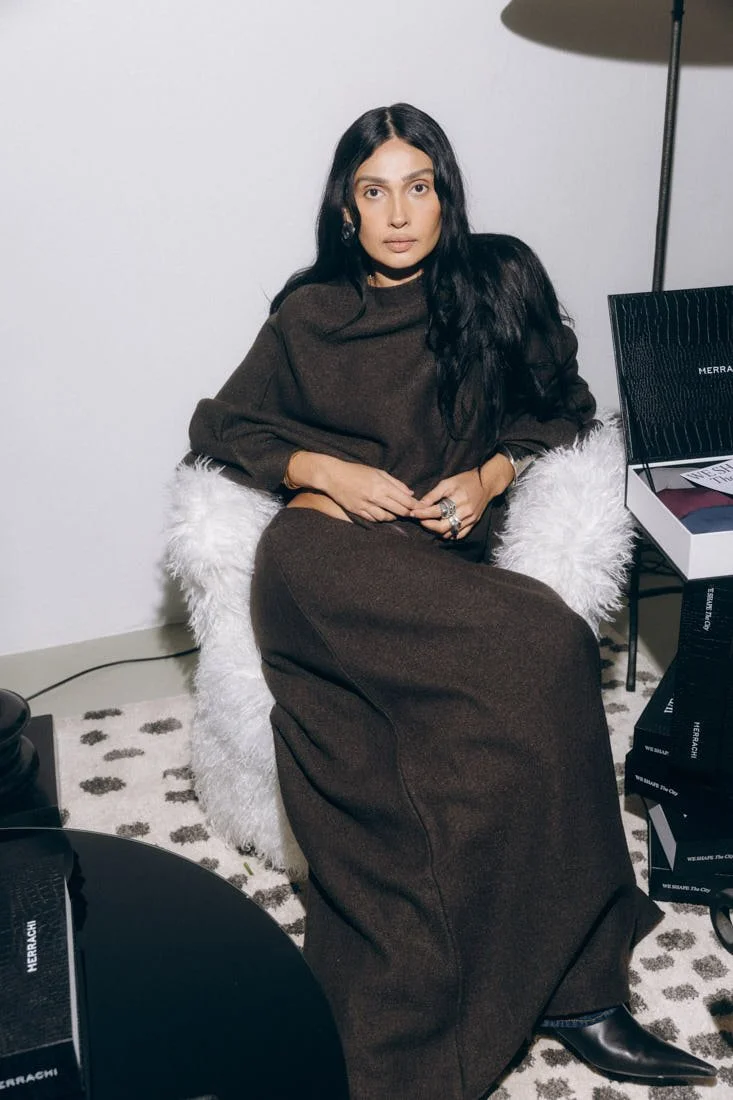
Wana Limar at the MERRACHI Berlin launch event
/photo Isabell Kessler
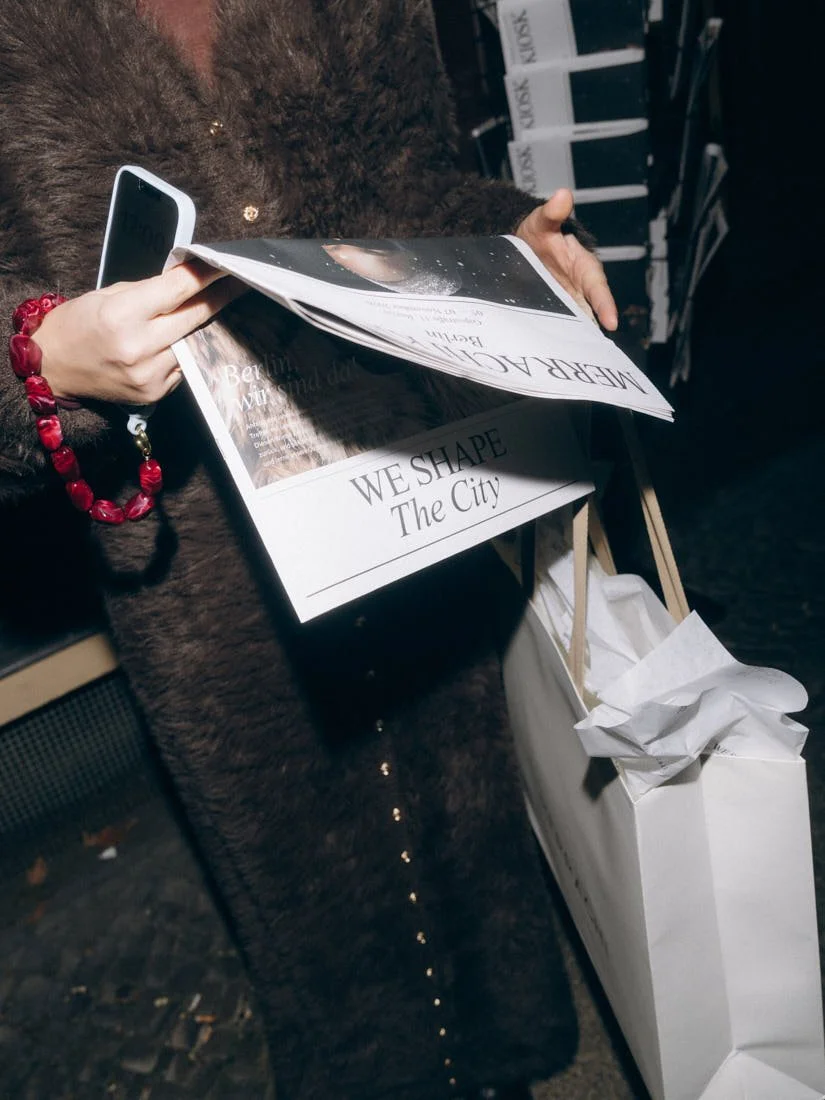
MERRACHI “We Shape the City” Berlin launch event
/photo Isabell Kessler
“But confidence doesn’t close the gender pay gap, and individual choices mean very little if the structures around you limit those choices.”
The campaign “We Shape the City” celebrates women who shape their environments in their own individual ways. What does female empowerment mean to you today, and how do you see women influencing culture beyond traditional definitions of success?
I think we sometimes talk about female empowerment as if it were simply a matter of confidence and personal ambition. But confidence doesn’t close the gender pay gap, and individual choices mean very little if the structures around you limit those choices. For me, empowerment starts with equal rights, equal opportunities and challenging the double standards women still face.
And women have always shaped our cities and societies far beyond traditional definitions of success: through education, care, community and creativity. We need to rethink not only who gets to succeed, but what we consider success and whose contributions we actually value.
Fashion can be a powerful tool for self-expression, but also for reclaiming space. Is there a particular piece, silhouette or styling choice that makes you feel most like yourself? And what do you think makes a look truly empowering?
To me, an empowering look is unapologetically you. People might not get it, they might not like it, they might think it’s ugly, that you don’t have taste or style whatsoever. But if you genuinely love it and feel confident wearing it, why should that matter? Sometimes simply being yourself means challenging what others expect from you.
My personal uniform would probably be an oversized shirt, an oversized blazer, wide trousers and flats. I love that timeless, effortless aesthetic, free from conventions about how a particular gender is supposed to dress. Of course, sometimes I also enjoy feeling desirable. But I don’t think those things contradict each other. The freedom to express yourself also means not having to be the same version of yourself every day.
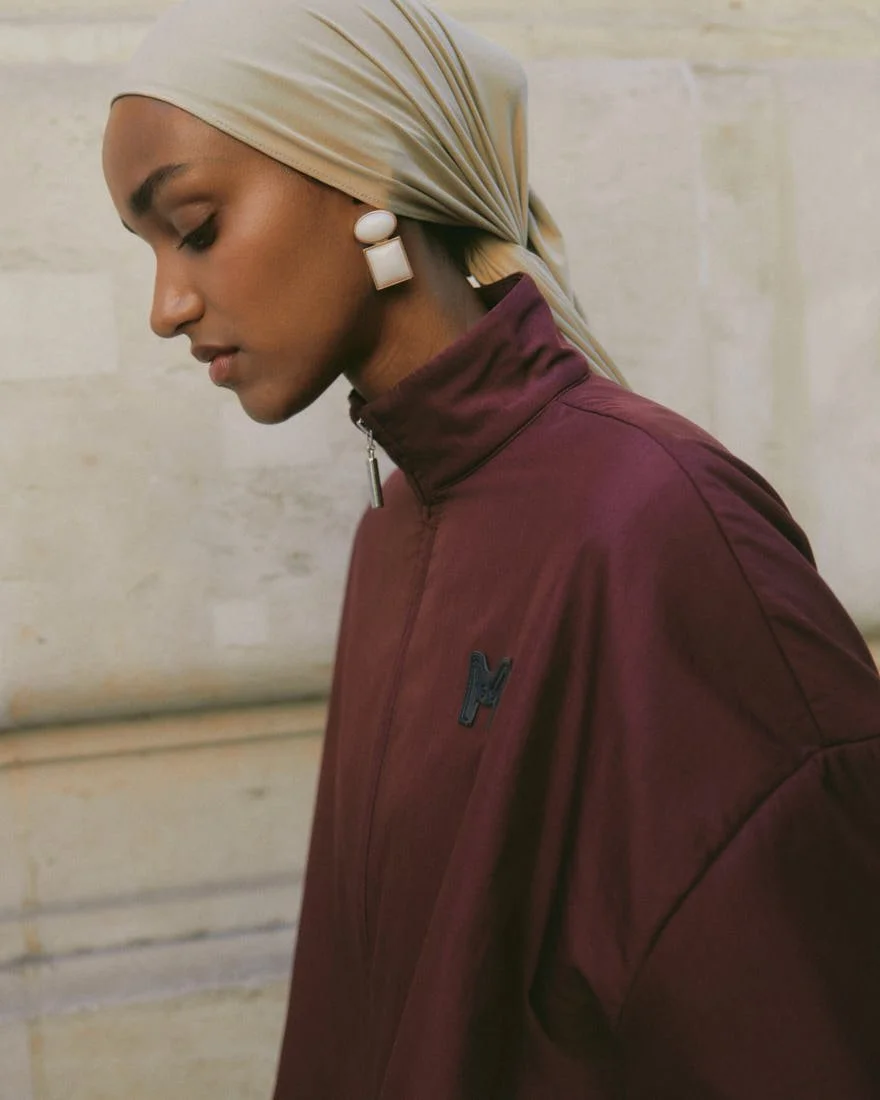
MERRACHI Autumn/Winter 2026 Collection
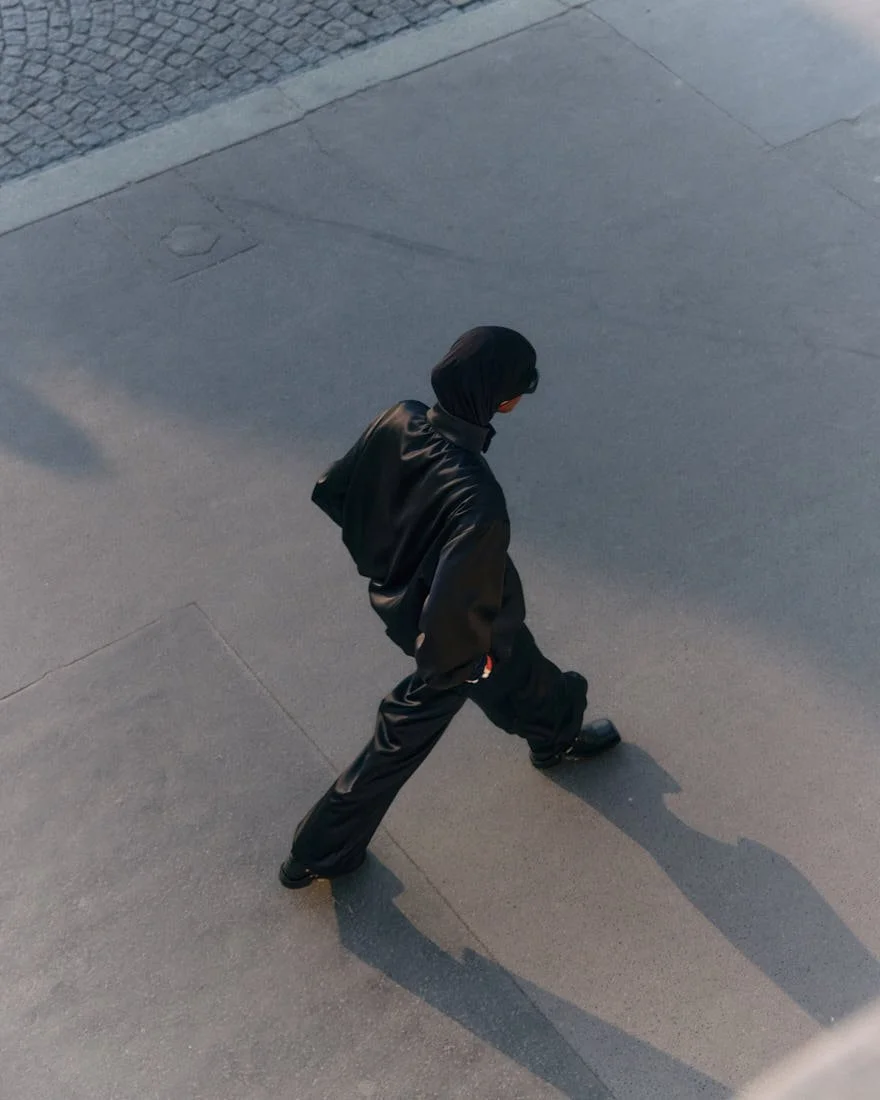
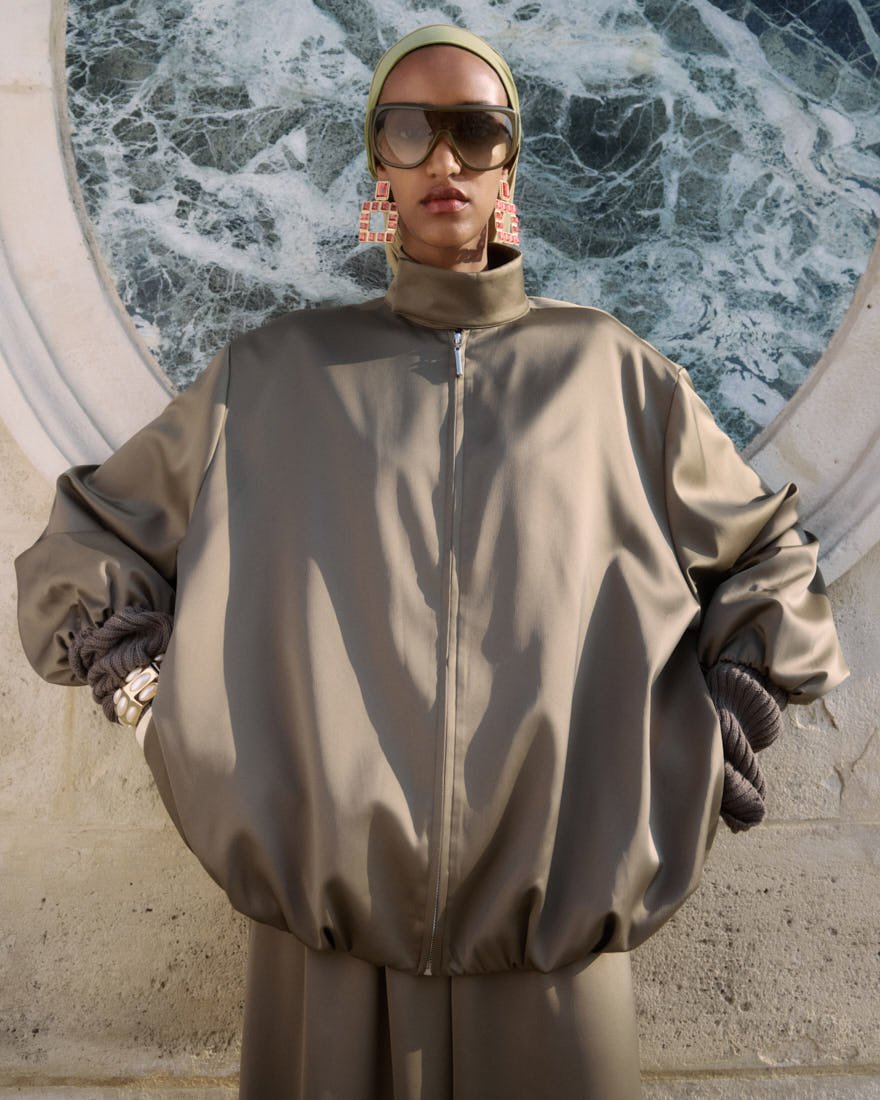
“And yet we assume we’re the most advanced civilization simply because we’ve made technological progress. But who actually defines progress? And what do we even consider knowledge?”
As a creative, designer and podcast host, you constantly explore new perspectives and ways of storytelling. What are you currently curious about, and what conversations around women, identity and creativity would you like to see more of?
I genuinely think we’ve become stupid as a civilization. We’re constantly busy, working, scrolling, consuming, completely disconnected from nature and from ourselves. We’re zombies. And yet we assume we’re the most advanced civilization simply because we’ve made technological progress. But who actually defines progress? And what do we even consider knowledge?
I honestly believe earlier civilizations were ahead of us in many ways, particularly in their understanding of nature, spirituality and how to live in harmony with their environment.
That’s what fascinates me about history and what I explore in my podcast GOTT & die welt, where science and spirituality meet. I’m interested in how different cultures understood the world, what they knew that we’ve forgotten, and how colonialism, racism and power shaped which knowledge survived. It’s also a way for me to reconnect with my cultural heritage and spiritual traditions. We’ve become obsessed with making life faster, easier and more efficient, but have we forgotten to ask what any of it is actually for?
images courtesy MERRACHI
DISCOVER MORE: www.merrachi.com
Explore MERRACHI’s Winter ’26 collection and the “We Shape the City” campaign.