
S.Pellegrino Sapori Ticino 2026 Celebrates Twenty Editions of Swiss Culinary Exchange
An Open Table in Ticino
written LE MILE
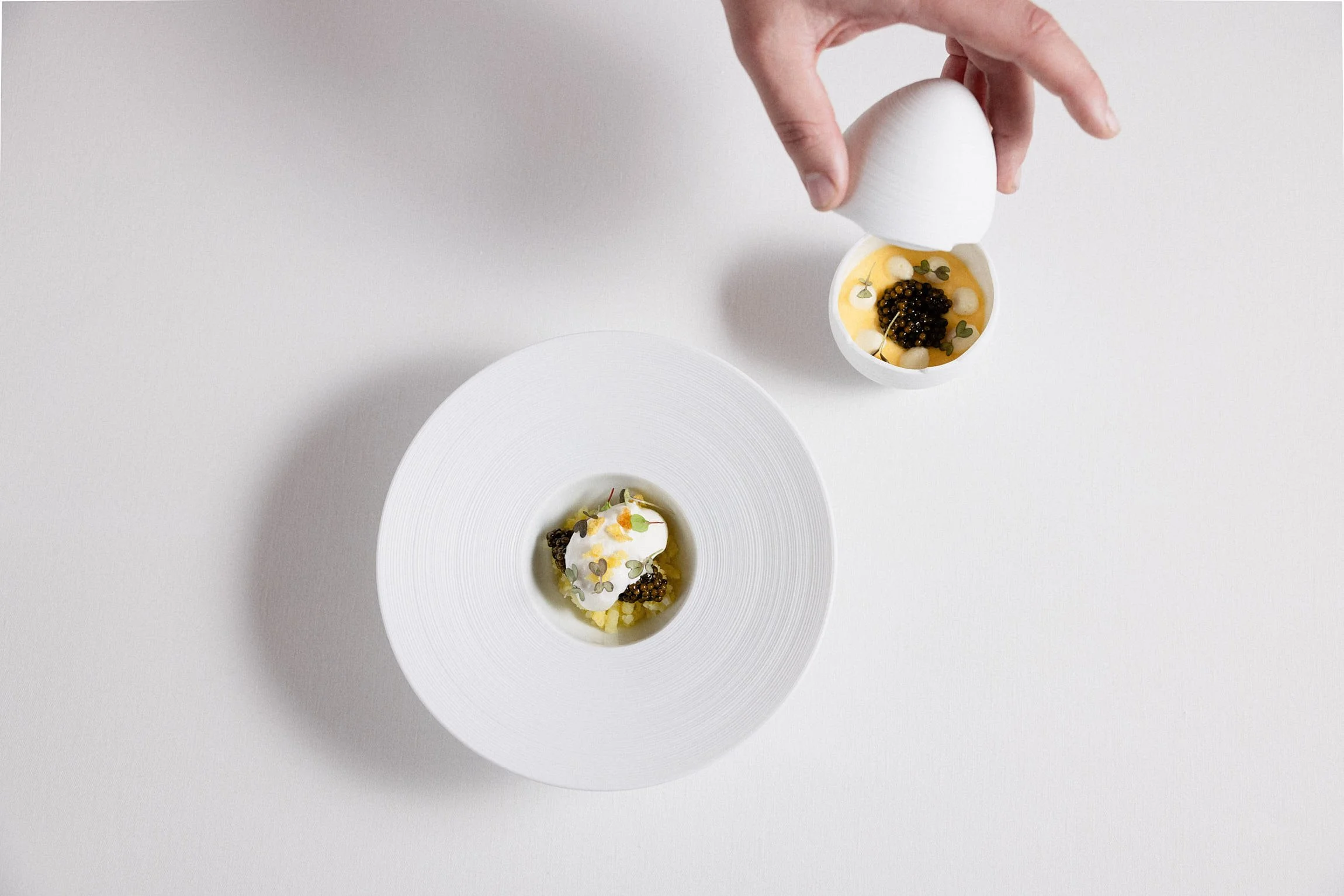
When S.Pellegrino Sapori Ticino opens its twentieth edition in Lugano on 13 September, the eleven chefs at the centre of the programme will come from kitchens across Switzerland, carrying 21 Michelin stars between them, yet little in their work suggests a single culinary language.
Tanja Grandits in Basel builds dishes around spices, herbs, flowers and influences extending from Asia to the Mediterranean; Stéphane Décotterd in Glion has committed his kitchen to ingredients sourced entirely from the surrounding region; in Vals, Marcel Koolen and his team gather herbs, mushrooms and berries in the alpine landscape while remaining open to ingredients and ideas from beyond the region. Their differences give an anniversary edition devoted to Switzerland itself one of its most interesting subjects.
S Pellegrino Sapori Ticino 2026
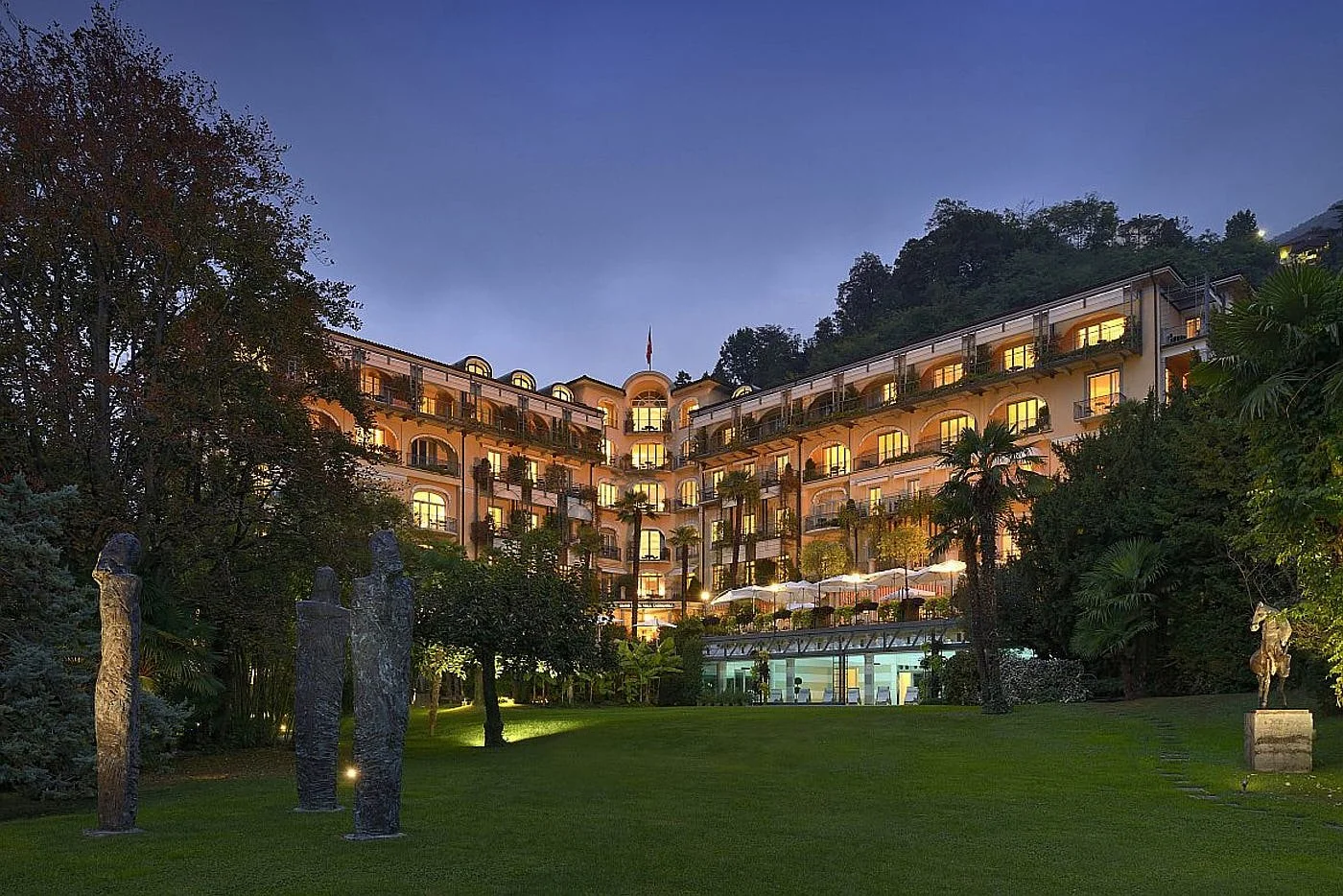
Villa Castagnola

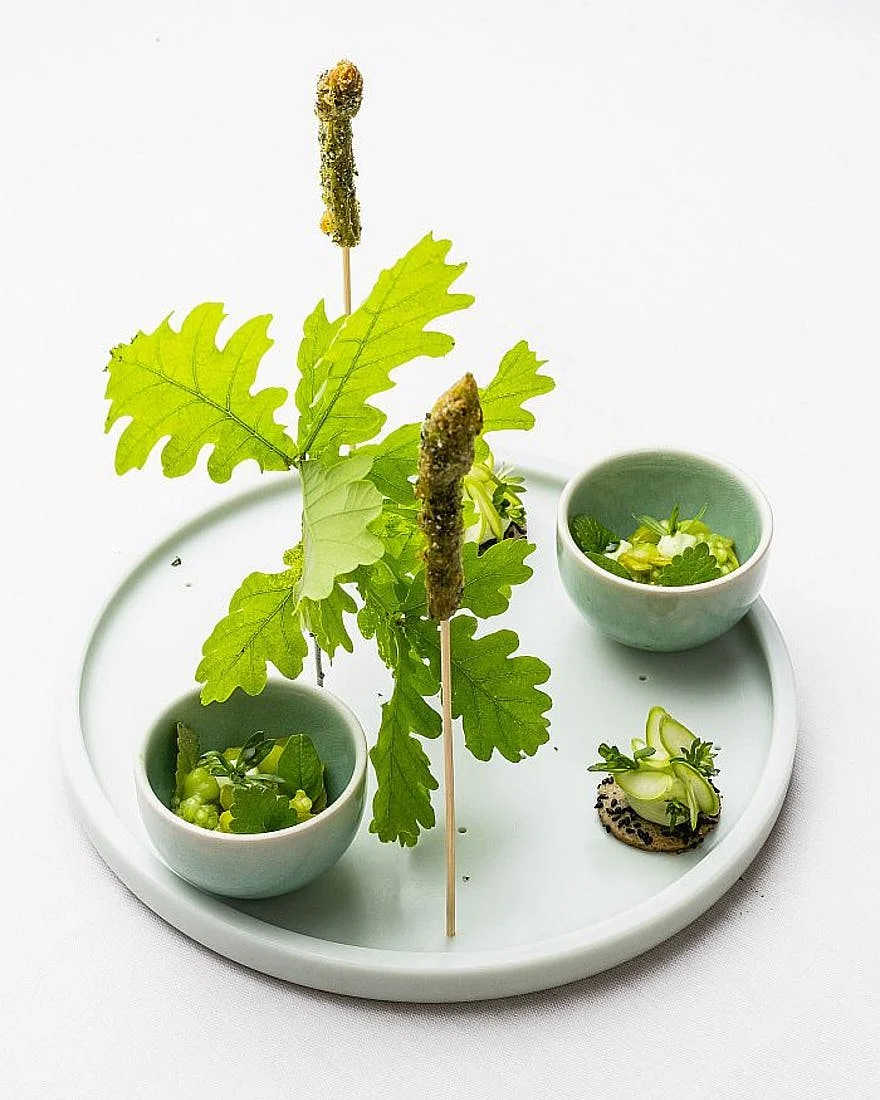
When Dany Stauffacher founded S.Pellegrino Sapori Ticino in 2007, the premise was relatively simple; accomplished chefs would come to Ticino and bring their cooking into contact with the hotels, restaurants and people of the region. International exchange became central to the festival, although Switzerland has repeatedly been part of its story as well. The national focus of the twentieth edition does little to narrow that culinary range. Pascal Steffen in Basel gives vegetables the leading role in his cooking, while Paolo Rota carries the Cerea family tradition of Da Vittorio into St. Moritz; elsewhere, French technique, Mediterranean references, alpine ingredients and strongly regional approaches coexist without settling into a common style. What connects these chefs is the specific relationship each has developed with the place from which they cook.
That relationship with place has always mattered to Sapori Ticino because the festival does not happen in a single dining room; its dinners move through hotels and restaurants across Lugano, Ascona, Locarno, Melide and the surrounding region. On 19 September the programme reaches Curzútt, a restored historic settlement 612 metres above Monte Carasso that can be accessed only on foot or by cable car. The setting immediately widens the idea of a gastronomic festival by placing the meal within the geography and history of the region. Running from September to mid-November, Sapori Ticino also falls within a season that Ticino is working to strengthen beyond the summer peak, with gastronomy, culture and events among the reasons to visit later in the year.
On 18 October, the programme moves to Tenuta Castello di Morcote for its Déjeuner au Château, a setting where the relationship between food, place and hospitality becomes particularly concrete. The family-run estate sits on the Arbostora promontory above Lake Lugano, with the medieval castle rising over terraced vineyards, olive groves, pasture and woodland. Its vines grow on steep south-facing slopes of pink porphyry, a volcanic rock that gives this part of Ticino an unusual terrain for winegrowing. The estate also holds a particular place in the modern history of winemaking in Italian-speaking Switzerland. In the early twentieth century, Giuseppe Paleari experimented on the terraces around the castle with grape varieties imported from France, including Merlot, and was among those who helped establish the variety in Ticino. Today, Gaby Gianini runs the estate with her husband Maurizio Merlo, continuing a family relationship with the land that spans four generations.
A few minutes away in Vico Morcote, the twelve-room Relais Castello di Morcote occupies a restored seventeenth-century patrician villa, while its restaurant La Sorgente brings the agricultural and winemaking life of the estate directly to the table. Chef Francesco Sangalli works with regional ingredients from small producers, using live fire, charcoal and smoking among his techniques; wines from the Tenuta can accompany the tasting menus. None of this needs the festival in order to exist, which is precisely what makes Morcote an interesting setting within it. The dinner enters an already functioning relationship between land, wine, cooking, architecture and hospitality. That relationship between local roots and wider culinary exchange runs much further back in Ticino, where Maestro Martino was born in the Blenio Valley before becoming one of the defining cooks of the Italian Renaissance.
S Pellegrino Sapori Ticino 2026
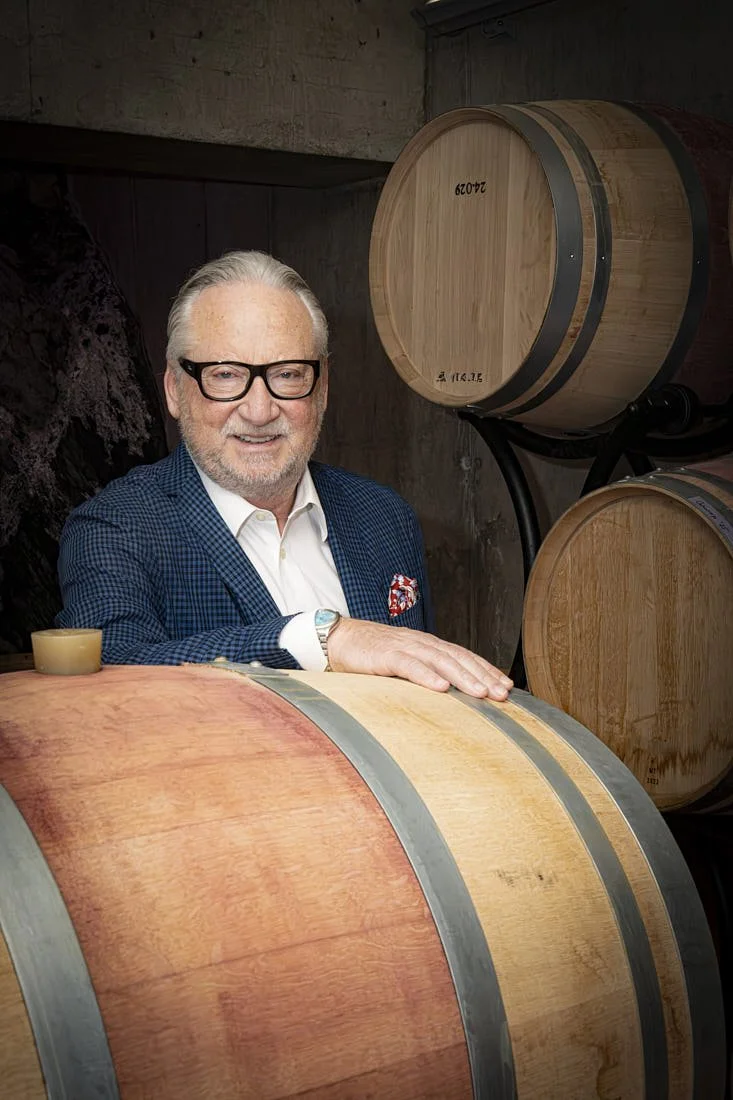
Dany Stauffacher
The same exchange moves beyond the Gotthard on 13 October, when teams of Ticino chefs travel to the EHL Hospitality Business School in Lausanne with regional products and wines. In Ascona, the Young Night places a younger group of local cooks on the programme alongside some of Switzerland’s more established names. Ticino receives cooks from elsewhere in Switzerland, then carries its own chefs, products and wines into other regions, making hospitality visible as a reciprocal practice.
The anniversary also marks the end of Sapori Ticino in its familiar form. Stauffacher has confirmed that the current format will conclude after 2026, following more than 400 dinners over two decades. He has said that the network and experience built around it will continue through new projects, although their shape has not yet been defined.
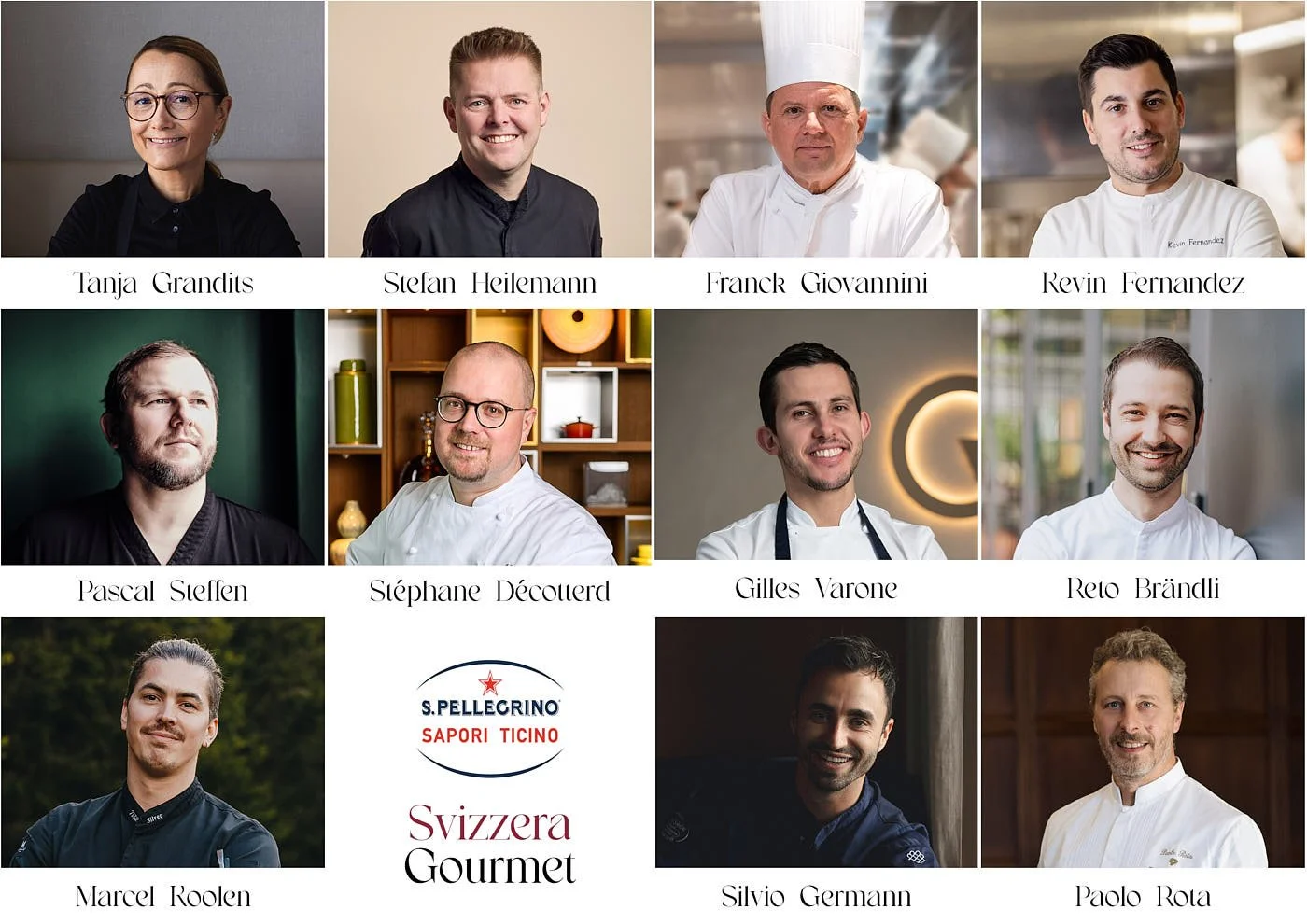
S Pellegrino Sapori Ticino 2026
Chef Svizzeri
The final evening on 15 November returns to Melide and to Dario Ranza, Martin Dalsass and Lorenzo Albrici, three Ticino chefs presented by the festival as figures who helped shape its history. By then, the twentieth edition will have brought markedly different approaches from across Switzerland into the restaurants, vineyards and hotels of Ticino without arriving at a single definition of the cuisine it set out to celebrate. Swiss gastronomy in 2026 can be deeply local without being culturally closed, shaped by alpine landscapes and Mediterranean influences, inherited traditions and personal biographies, while techniques and flavours travel before finding a particular expression in one place. Sapori Ticino has worked through a similar movement for twenty years, bringing people into the canton, carrying its own culinary culture outward and allowing local identity to develop through contact. As its familiar format reaches its conclusion, that exchange may be the strongest connection between what the festival has been and whatever comes next.