
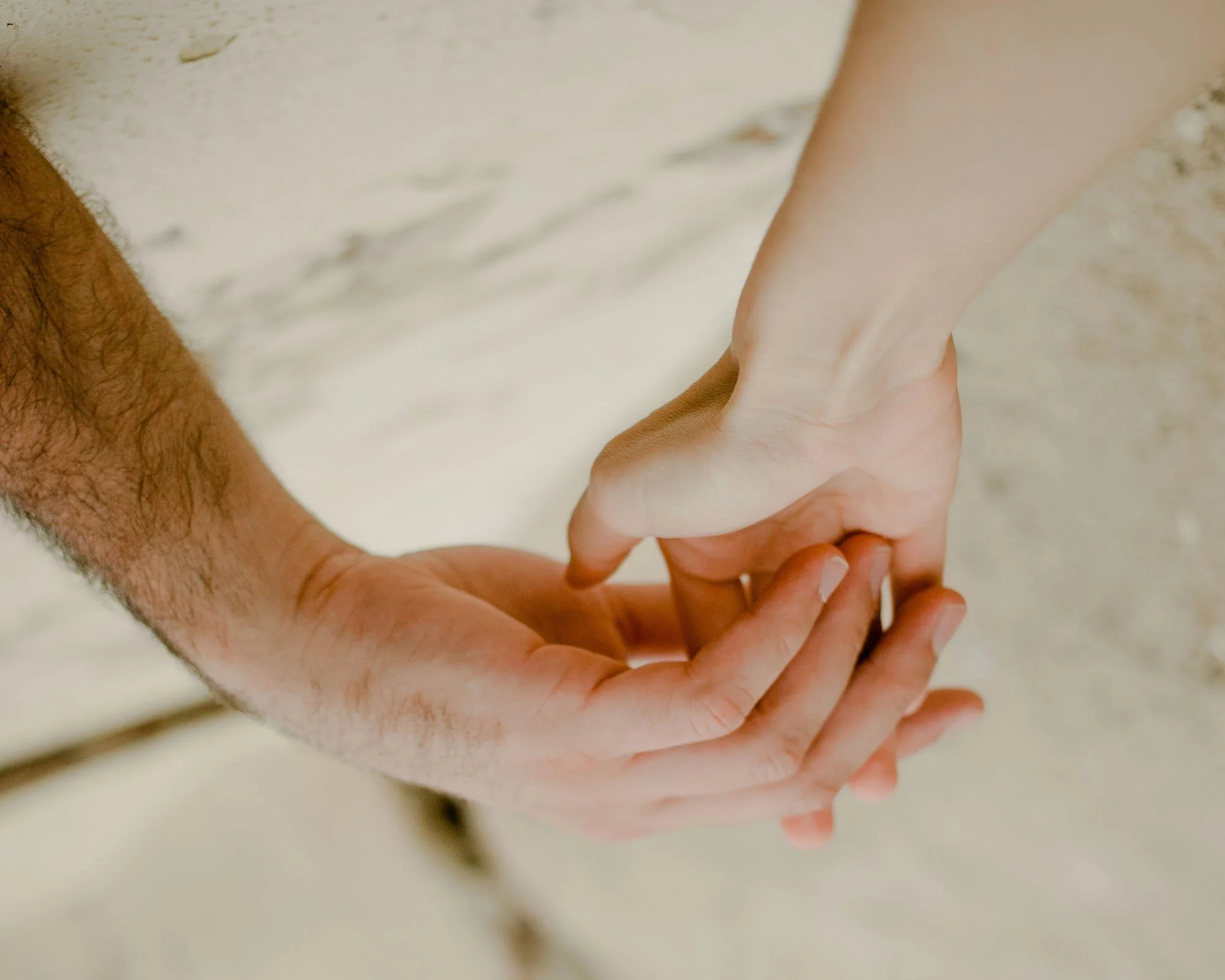
The Photographic Worlds of Myriam Boulos
Pas de mode d’emploi pour le chaos
interview + written ALBAN E. SMAJLI
A city simmers beneath its own legends, the flavor of diesel and cardamom mixing with the hum of aftershocks and the slow unfurling of light across battered facades, and it is here that Myriam Boulos lifts her camera, not in search of the dramatic or the picturesque but to gather the residue of touch, the quiet accumulation of moments that cling to walls, slip through open doors, and root themselves in skin.
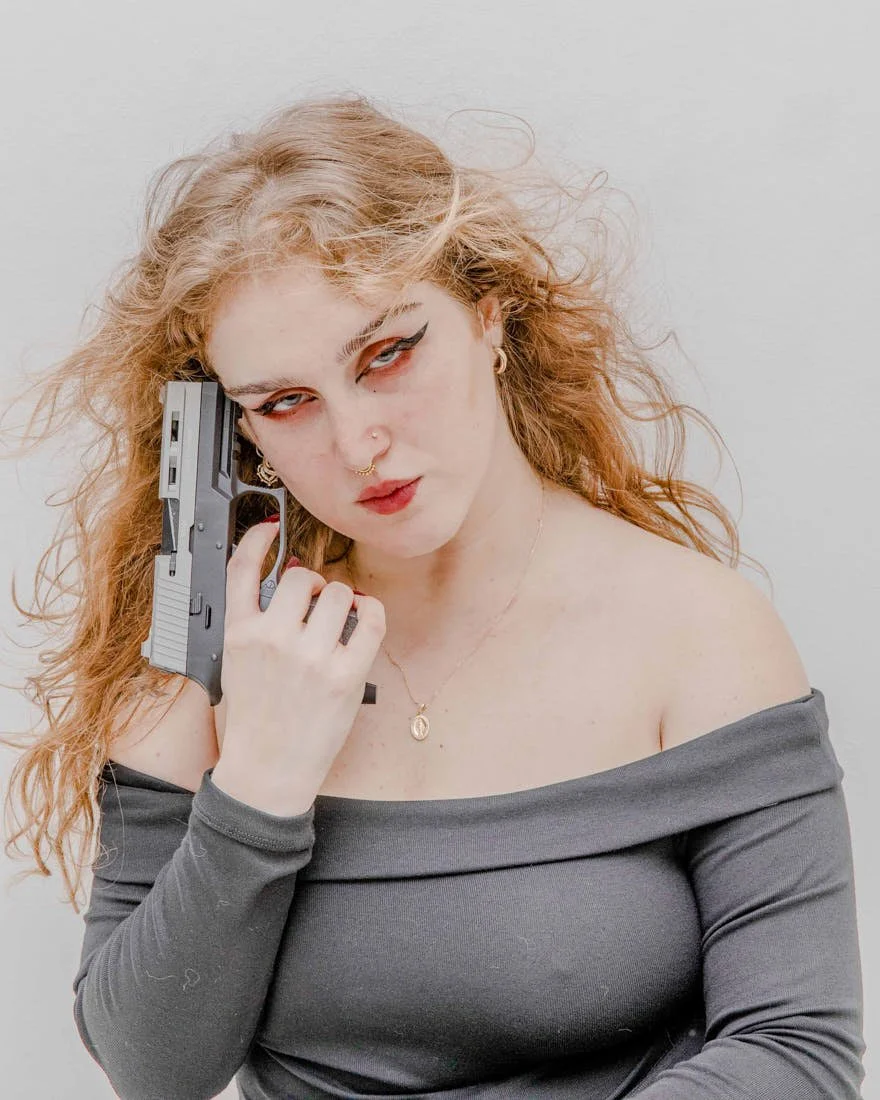
Myriam Boulos
Sexual Fantasies 2023
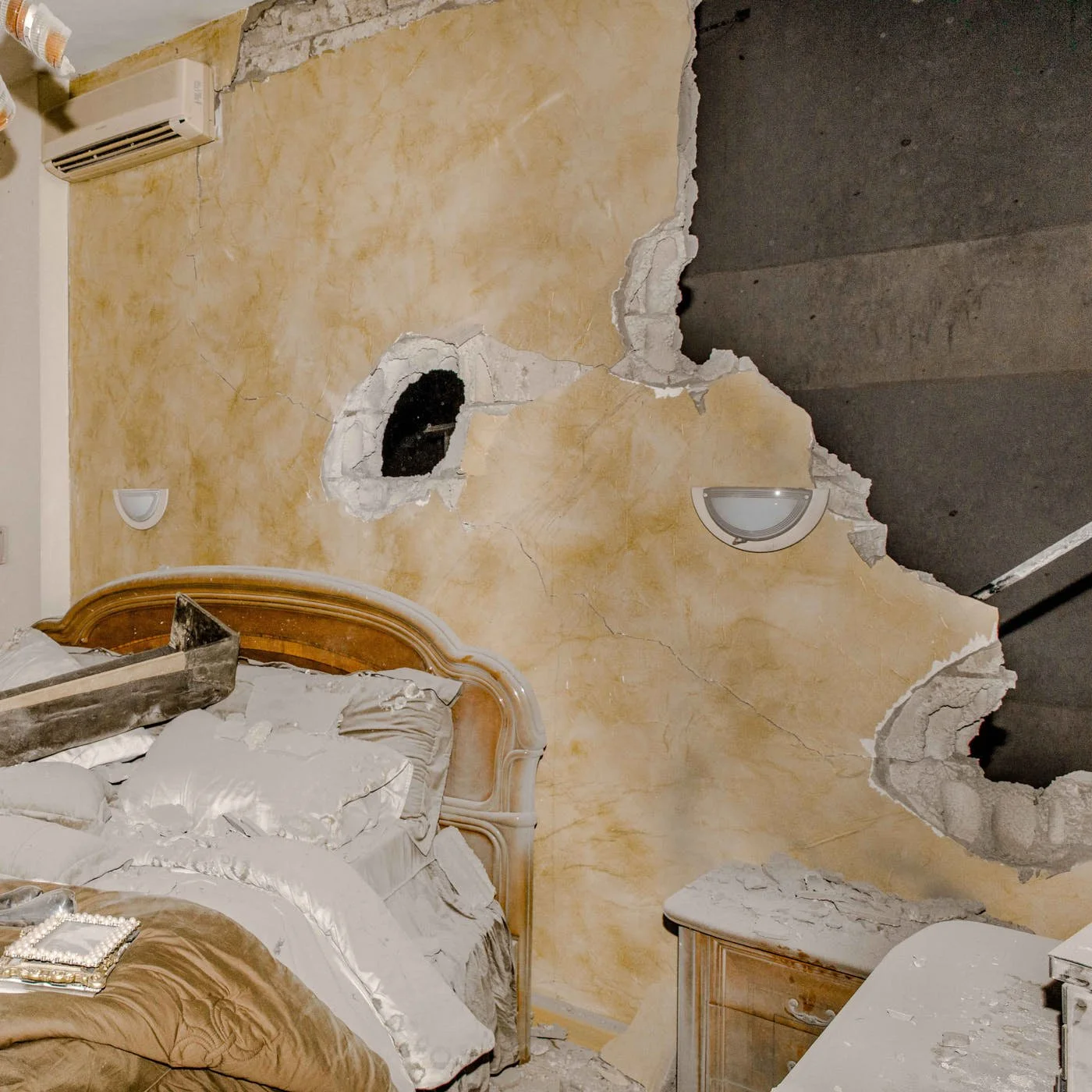
Myriam Boulos
Ongoing War, 2024
Beirut, compass and constant, shapes her visual language—a grammar built on light leaking around corners, voices echoing in courtyards, the thick air bending time, bodies weaving through memory and anticipation. Each photograph absorbs the density of this world, carrying the textures and temperatures of lived experience without the urge to isolate or resolve, every frame a continuous exchange, a movement toward feeling without the pressure of conclusion.
The Foam Paul Huf Award, long established as an amplifier for new photographic perspectives, acknowledges Boulos not through ceremony or simple recognition but by making space, a shift in the ongoing geography of the medium, allowing a current to pass from the streets of Beirut into the global bloodstream of image-making. The work circulates as a living archive, a collective diary shaped by encounters, complicity, and the urge to bear witness without reducing complexity to explanation.
Myriam Boulos moves with a certainty shaped by intuition, the city’s sound and temperature anchoring her practice even as the images begin to travel—entering new rooms, new languages, new ways of seeing. As she prepares her solo exhibition at Foam, the work assembles itself as an ecosystem, layering tenderness, unrest, desire, and refusal into a sequence that resists summary and insists on being felt. In these images, the right to feel is inhabited, lived, and sustained, and the city—her city—never steps outside the frame. The conversation that follows steps into this territory, unfolding through a landscape shaped by accumulation, intuition, and the enduring presence of feeling that moves steadily through each image and word.
Alban E. Smajli
You shoot in chaos, but your images feel calm. Is that contradiction intentional?
Myriam Boulos
Ouf, I never thought of my images as calm! It is funny because people also perceive me as a calm person, but in my head, things are anything but calm. Maybe my images are a way of exteriorizing and organizing my internal chaos?
Offline—does that word feel like a refuge, or a threat?
Both. It makes me dream of the idea of refuge, because I think most of us are addicted to the online world, but it also makes me think of the minutes right after the Beirut port explosion, when we were forcibly offline without understanding what was happening and without being able to reach our loved ones. It also makes me think of Gaza, which is forcibly offline on the worst nights of Israeli bombings during the ongoing genocide.
Offline can also suggest being disconnected from dominant systems or structures. Do you see your practice as a conscious step outside of what photography is "supposed" to be?
Honestly, I am not trying to fit or not fit into anything when I create images; I am just trying to be honest with myself. The images are encounters between my internal world and the universes of the people I photograph. But I do consciously and constantly deconstruct the medium of photography, which is historically colonial and patriarchal.
How do you decide what to show, and what to protect?
Being aware of the power of images and our responsibility as photographers, when I take risks, it is hand in hand with the people in the images: they are the ones who choose what they want to show or hide. From there, I usually follow my gut; I know when a picture is a big crush for me or not. I know if I want to share it with the world or not.
You mention that your images are also about the right to feel, to desire, and not be defined by normalized pain. What emotional truths are you most committed to revealing?
It is important for me to take space with our emotions in general. As a highly sensitive person, I always feel a lot, and this comes with the bad habit of trying to hide my emotions in order not to be “too much.” Photography is a way of channeling my emotions without feeling any shame. It is also important for me to document different types of emotions and realities as a way of defying Western media’s often stereotyped, reductive, and harmful representations of our region.
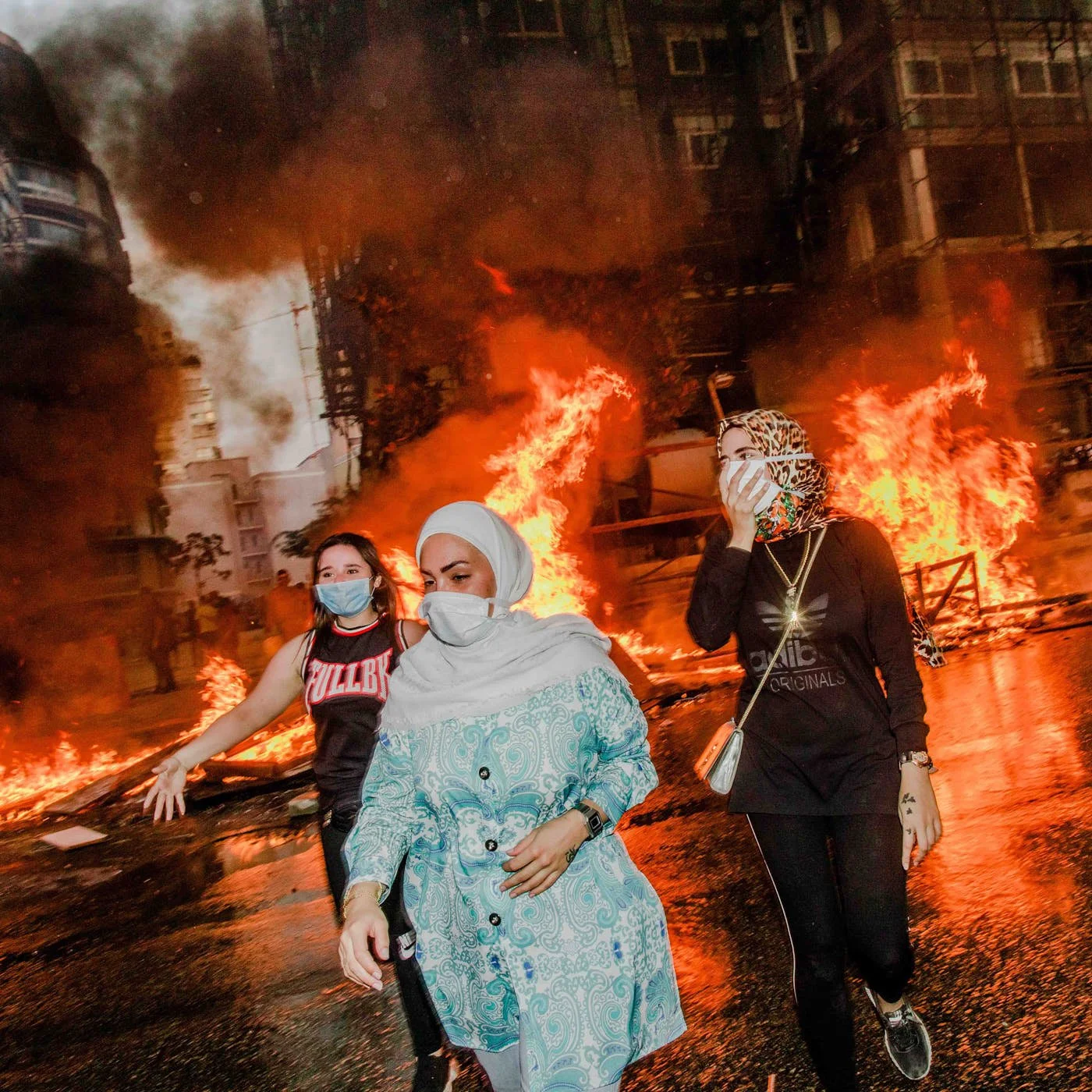
Myriam Boulos
Whats Ours 2019
Who are you photographing for?
For myself, for the people in the images, for people who will find themselves in these pictures, and for people who do not think like me.
Sexual fantasies, war, neuro divergence—your work isn’t afraid of complexity. What’s the one thing people always get wrong about it?
Complexity makes it difficult for people to put me in boxes. I think the person behind the images is one thing people tend to get wrong!
What’s the most fragile thing you’ve ever captured and what’s a picture you couldn’t take?
Wolfgang Tillmans said, “If one thing matters, everything matters.” I think everything is fragile and should be handled and photographed with care, tenderness, and consideration. The pictures I couldn’t take are the ones I take in my dreams. It is a particularly frustrating feeling to wake up and not have a trace or a proof. Max Kozloff said, “With photographs, we have concrete proof that we have not been hallucinating.” But dreams are real to me, and I wish I could keep pictures from this world, too.
Being the first artist from the Middle East to win the Foam Paul Huf Award is groundbreaking and makes you part of a global art conversation. Do you care about that? And what does it mean to take up space as a Lebanese artist—right now, in this global frame?
I am so grateful to be part of this global conversation. I think it’s the photography industry’s role to engage with as many photographers as possible from our region. There are so many talented photographers in the Middle East, and it is necessary to see our part of the world from different perspectives and not only through a few photographers.
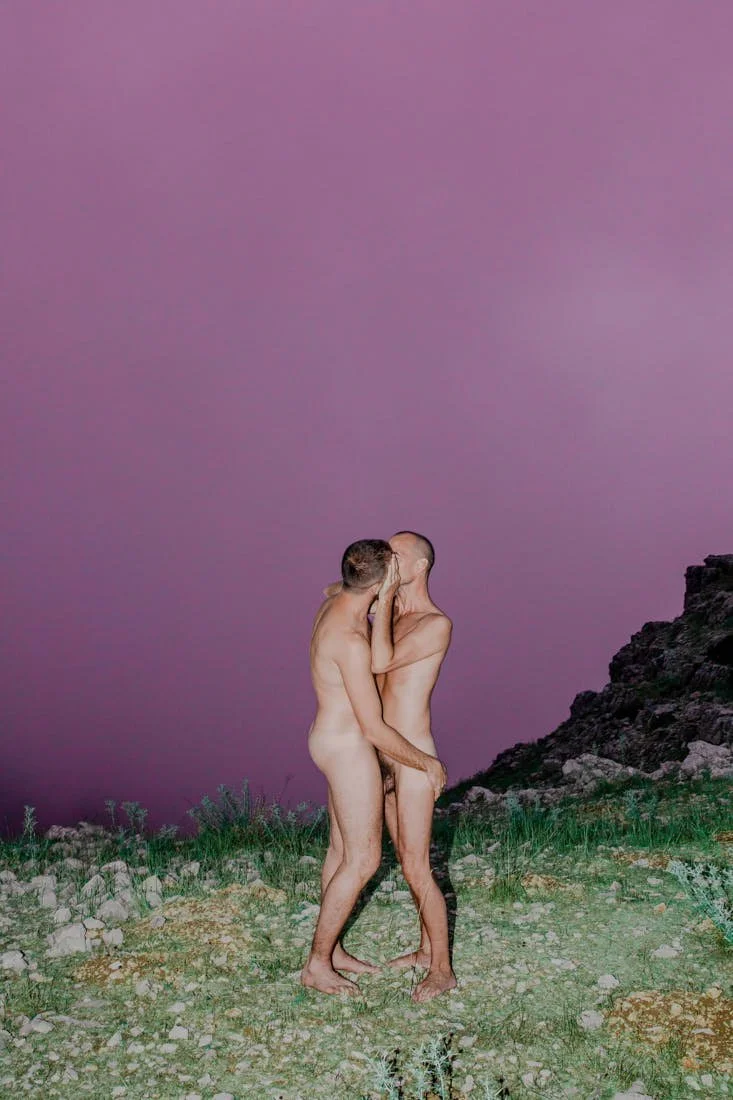
Myriam Boulos
Whats Ours 2019
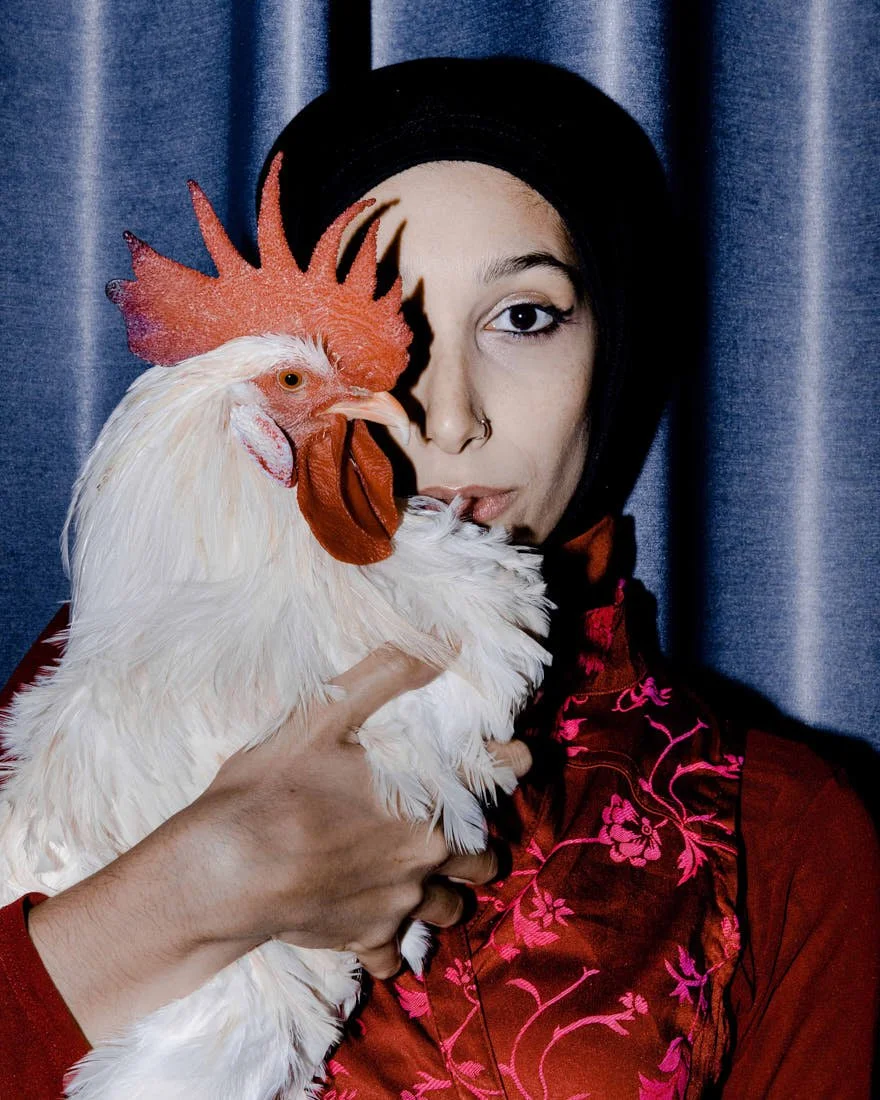
Myriam Boulos
Ongoing War 2023
Beirut is always present. Is it your subject, your background, or your collaborator?
I think Beirut is more like my anchor. I always feel like a little alien, but in Beirut I feel more grounded. The thick air, the contrasted light, the landmarks—my body feels at home here. I feel like this is where my roots are, this is where life is, and this is where I want to understand myself and share love with others.
You once said your photos are about tenderness. Has that changed?
I think tenderness is what I will always look for—in myself, in other people, in images.
You’ve been called a storyteller. Do you feel like one or more like a collector of moments?
I feel like I am more of a collective diary-teller, if that is a word! Or a collector of diaries in the context of collective histories and experiences. But I usually call myself a documentarist.
As you prepare for your solo exhibition at Foam in 2026, what kind of visual or emotional narrative are you hoping to construct?
I hope to put together already existing work in a new way, one that will make me learn things about myself, if that makes sense.
What do you hope someone 20 years from now will feel when they look at your work?
I just hope they will feel. Anything. I can’t choose what I provoke in people, but I would be sad if my images did not provoke anything. I also hope that it brings new perspectives to people who are not informed about some realities but still have preconceived ideas about them.
First published
LE MILE Offline Edition No. 39 FW25/26
courtesy for all images (c) Myriam Boulos
header image Ongoing War, 2024 photographed by Myriam Boulos