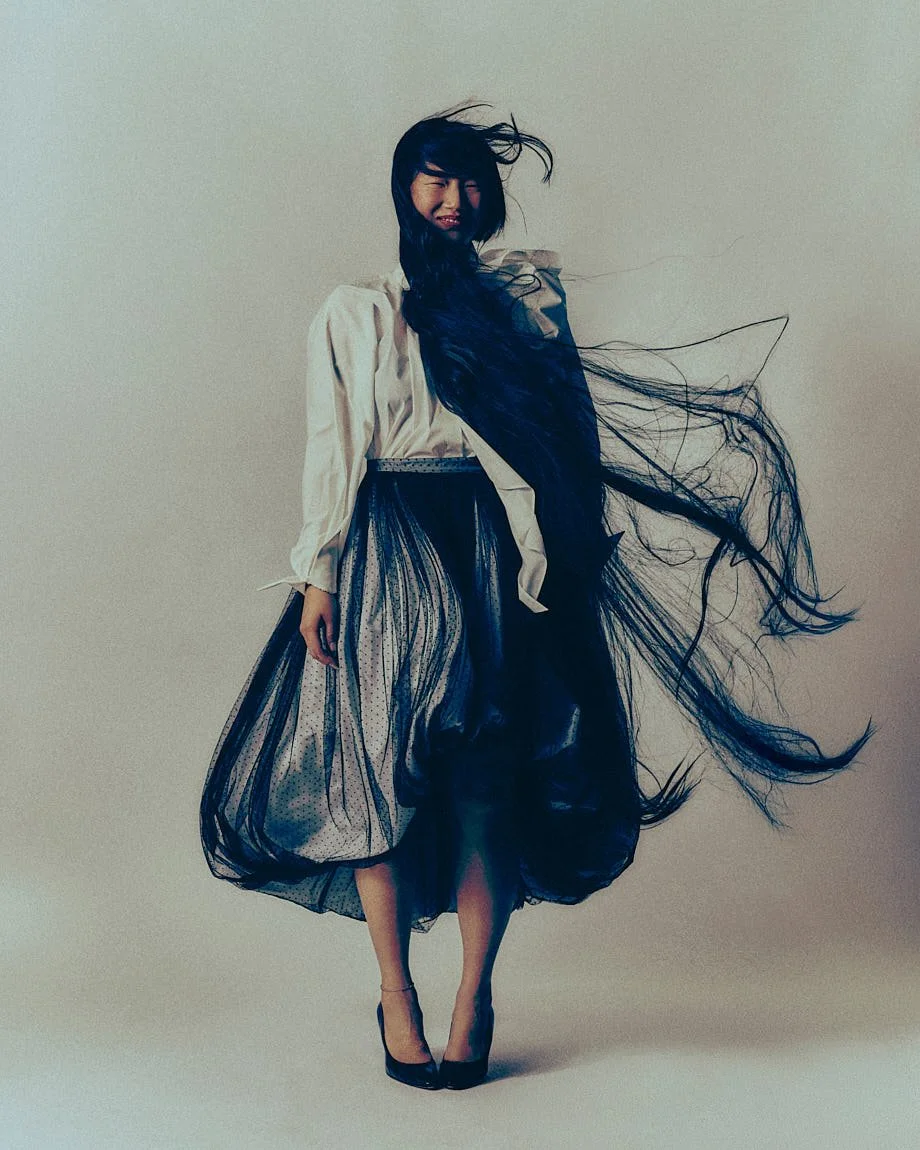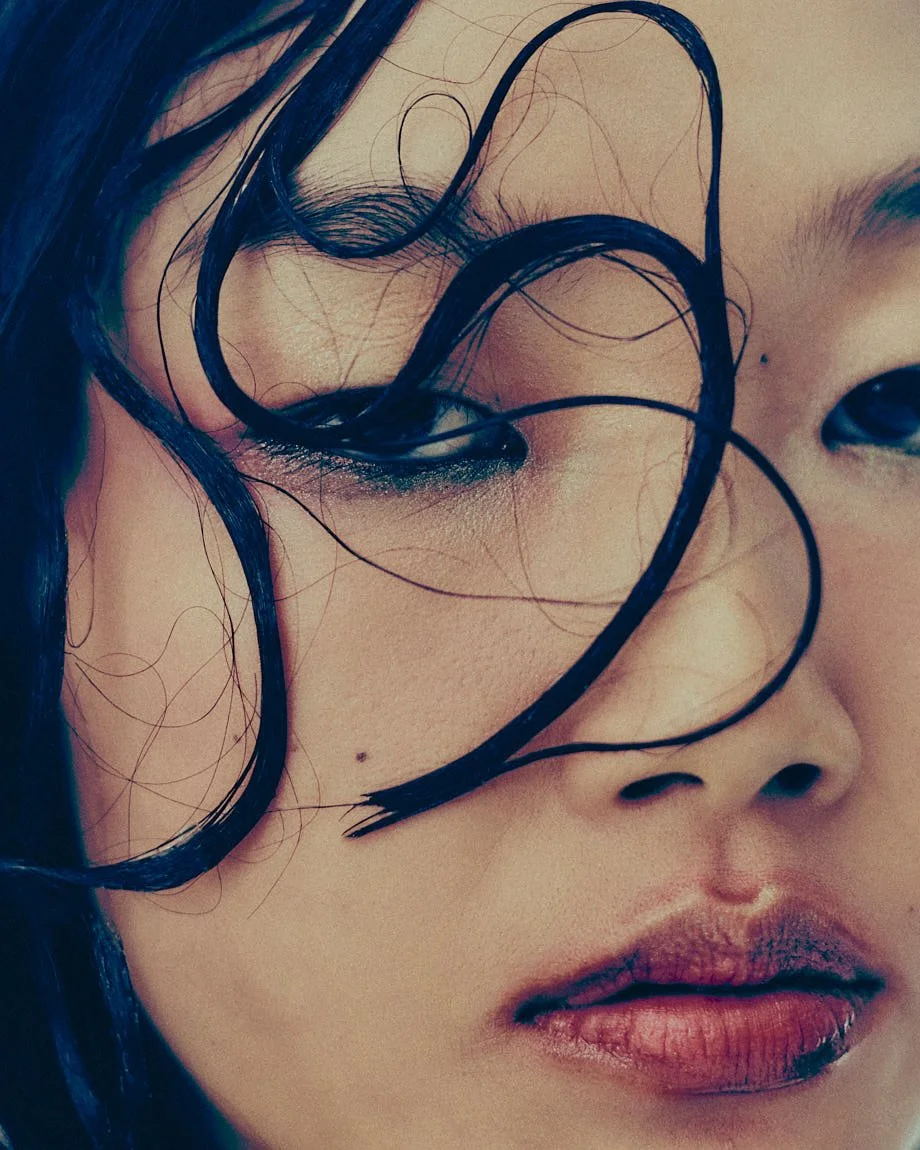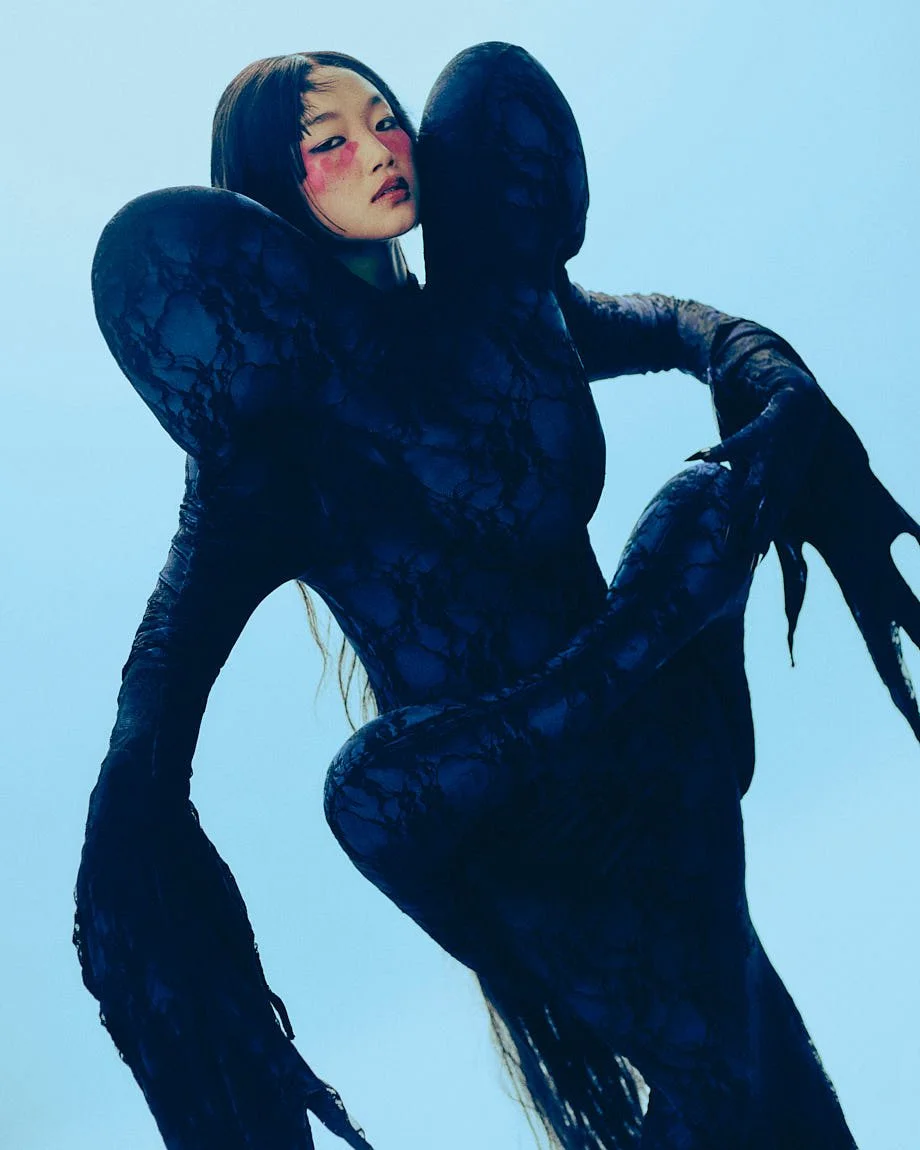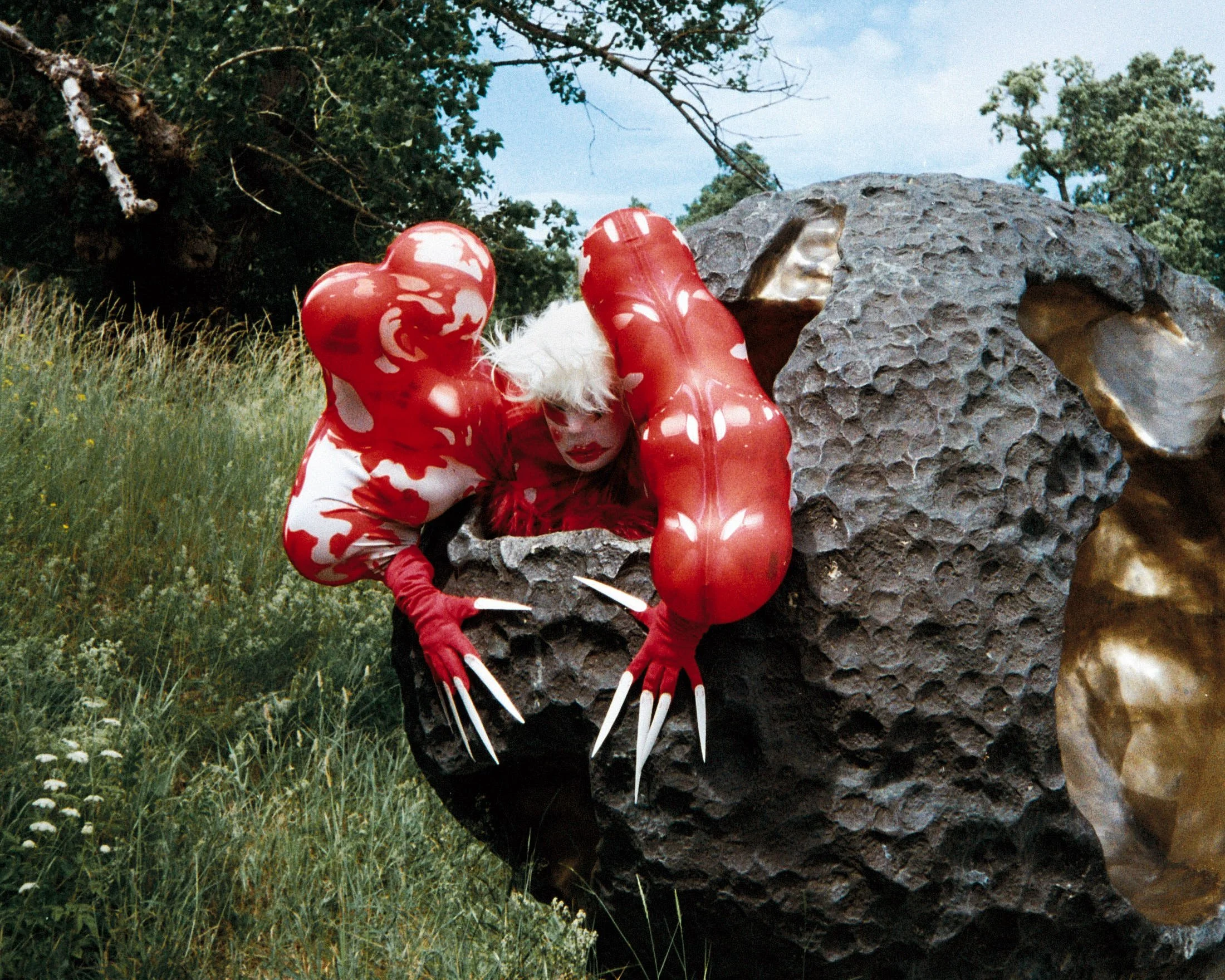
Viewing entries in
fashion

Corentin Fila on The White Lotus, Memory and Acting

Corentin Fila on The White Lotus, Memory and Acting

perspectives

Finally, Corentin Fila Is Just Acting


written + interview ALBAN E. SMAJLI


“Finally I’m just acting.” Corentin Fila remembers thinking it five minutes into his first day on The White Lotus, after months of hearing everyone else talk about the project before he had even started filming it. Fila came to the profession without much of a plan. At 24, after seeing a Peter Brook production with South African actors at the Bouffes du Nord, he enrolled at Cours Florent. Two years later, he was making his first film with André Téchiné. Before that came boxing, an injury, three years of economics he readily admits left him with very little knowledge of economics, and a long list of jobs including construction and bartending.
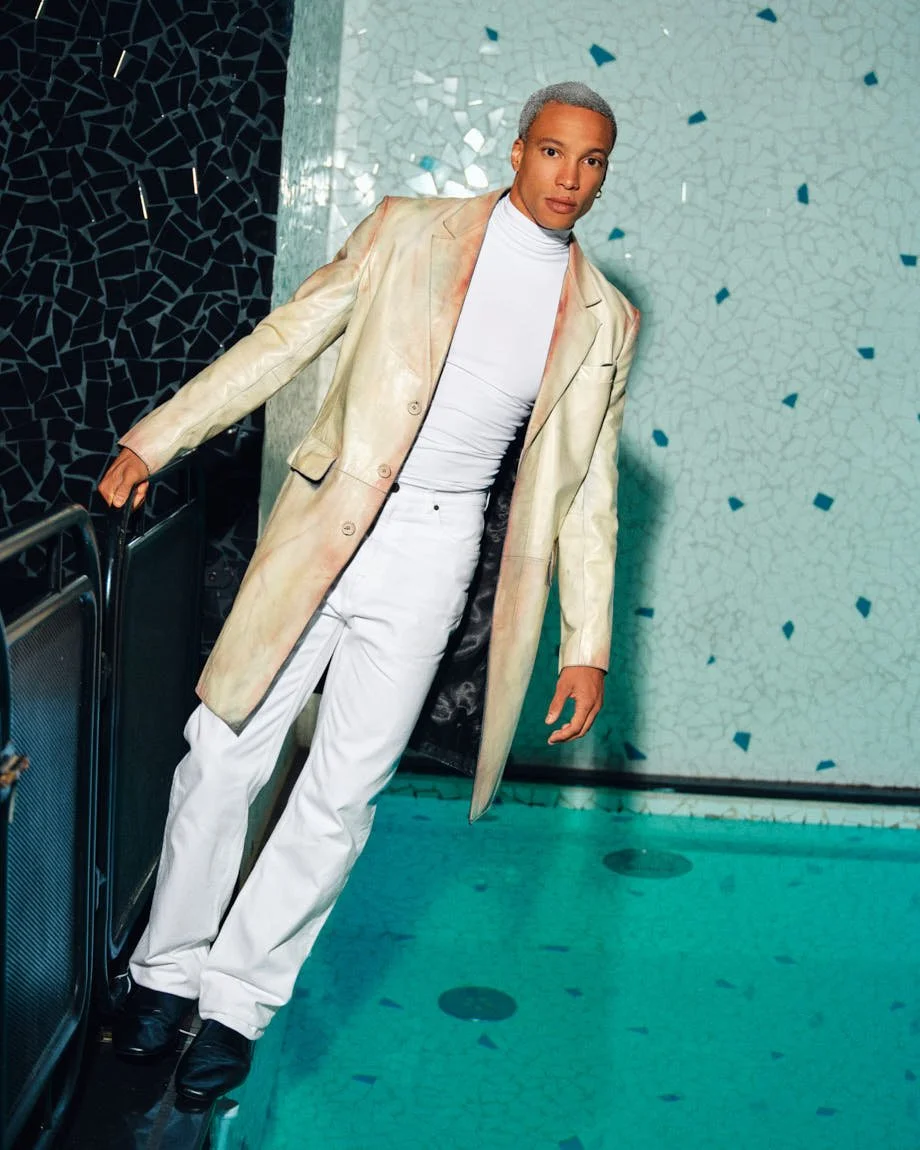
 
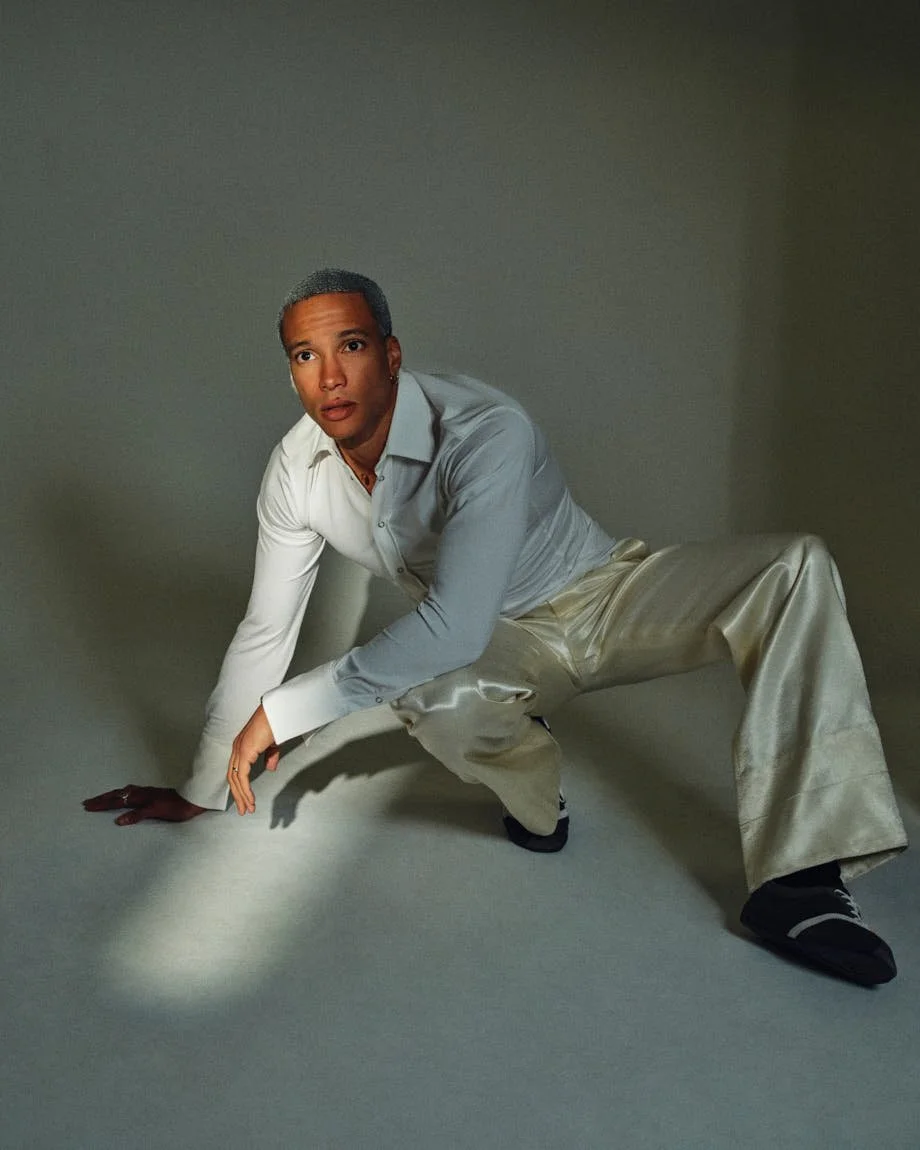
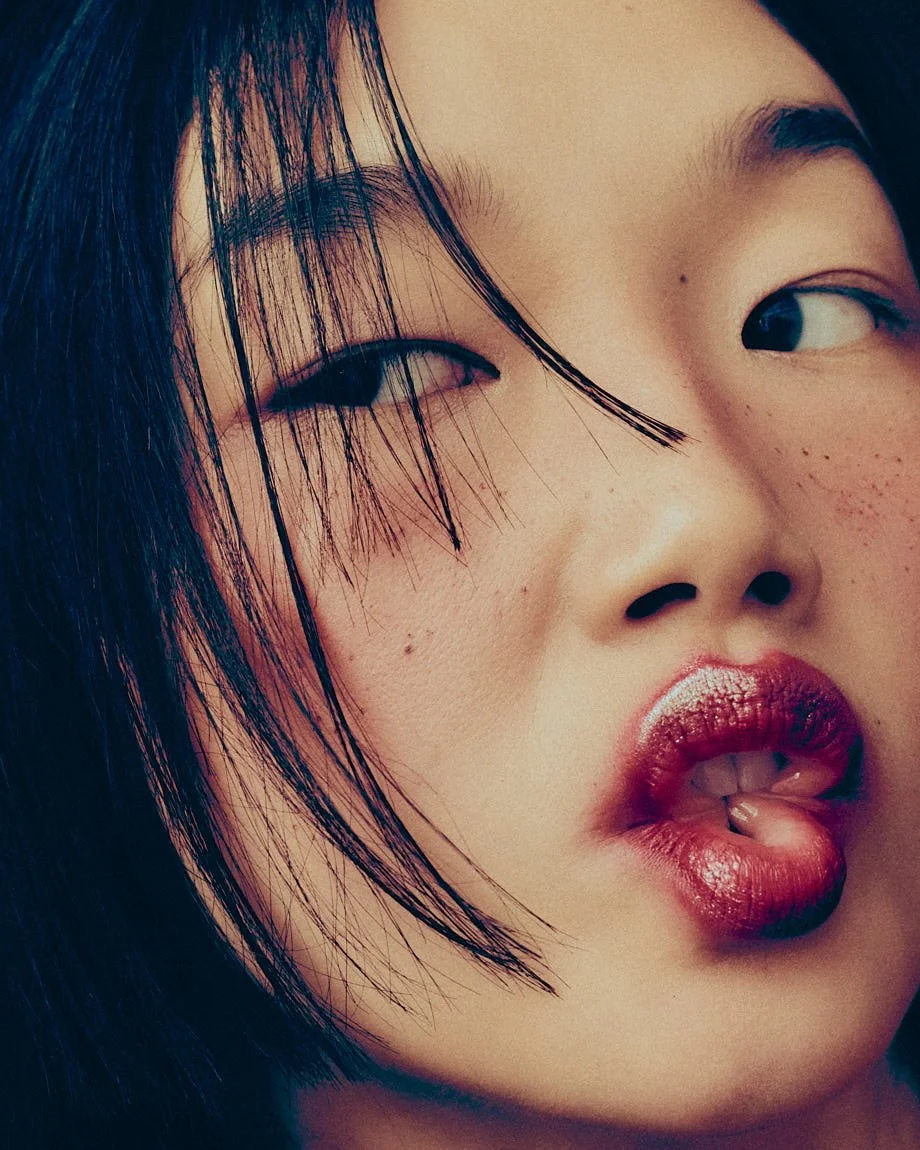
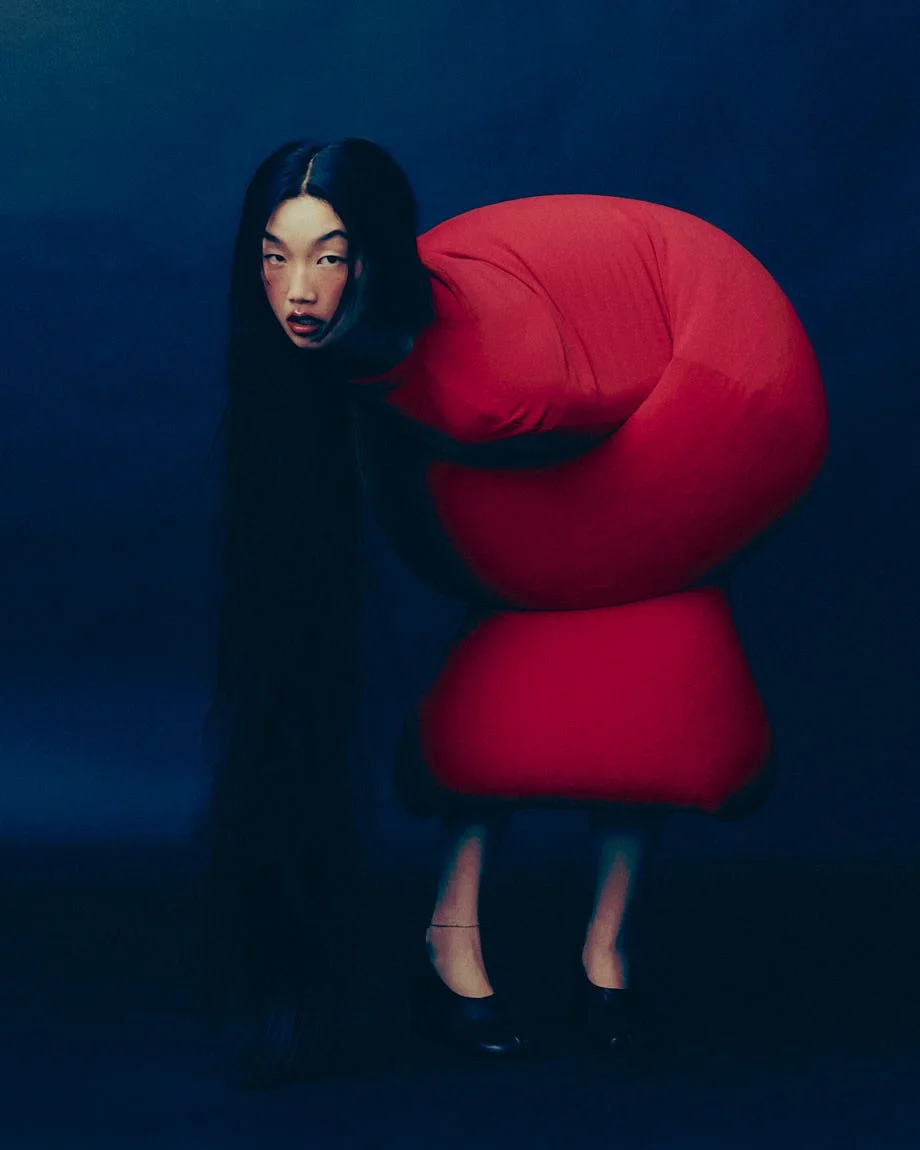
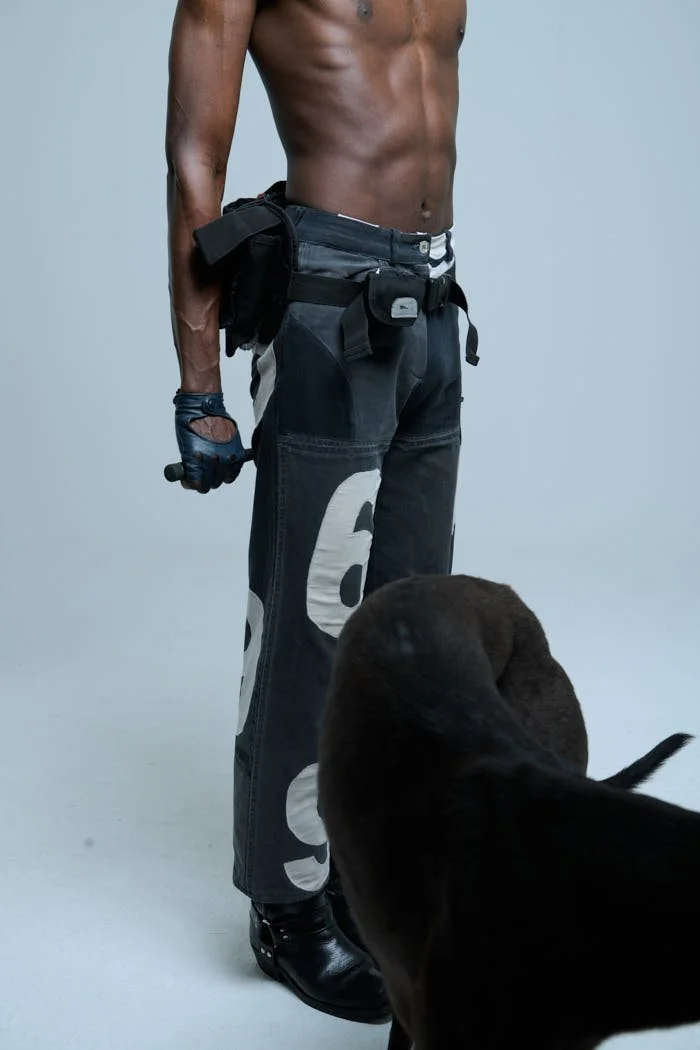
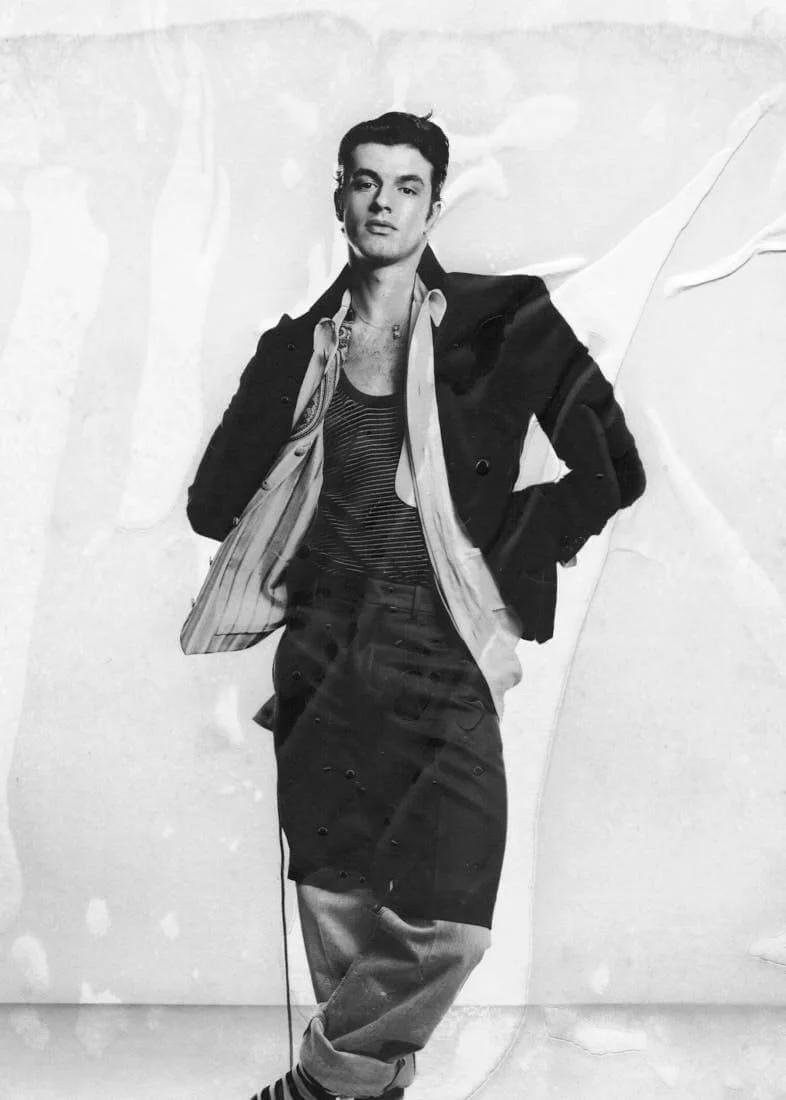
Actor Corentin Fila on The White Lotus Season 3 LE MILE Magazine FW26 Deja Vu Edition Nr41 Corentin wears a full look by GUCCI, a jacket by LA MASKARADE and a ring by TANT D’AVENIR
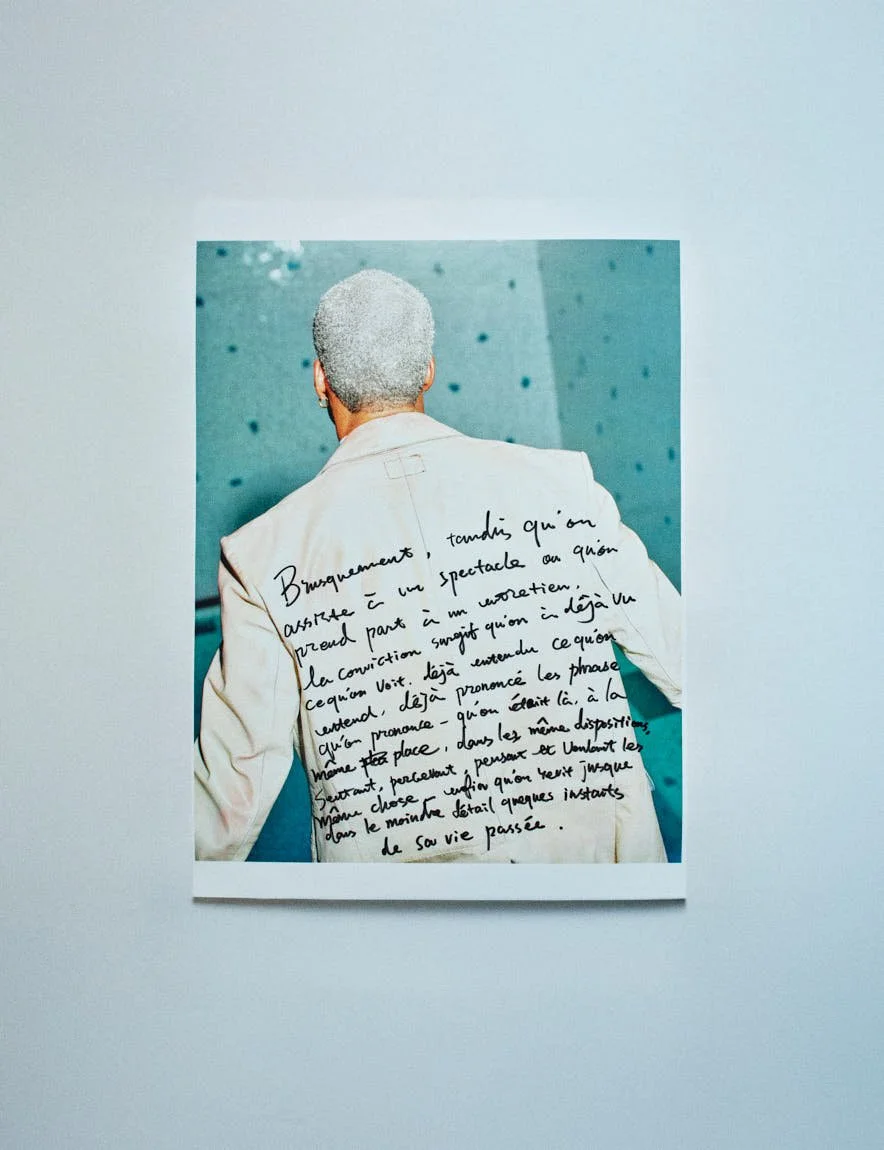
Corentin wears a full look by GUCCI, a jacket by LA MASKARADE and a ring by TANT D’AVENIR

 
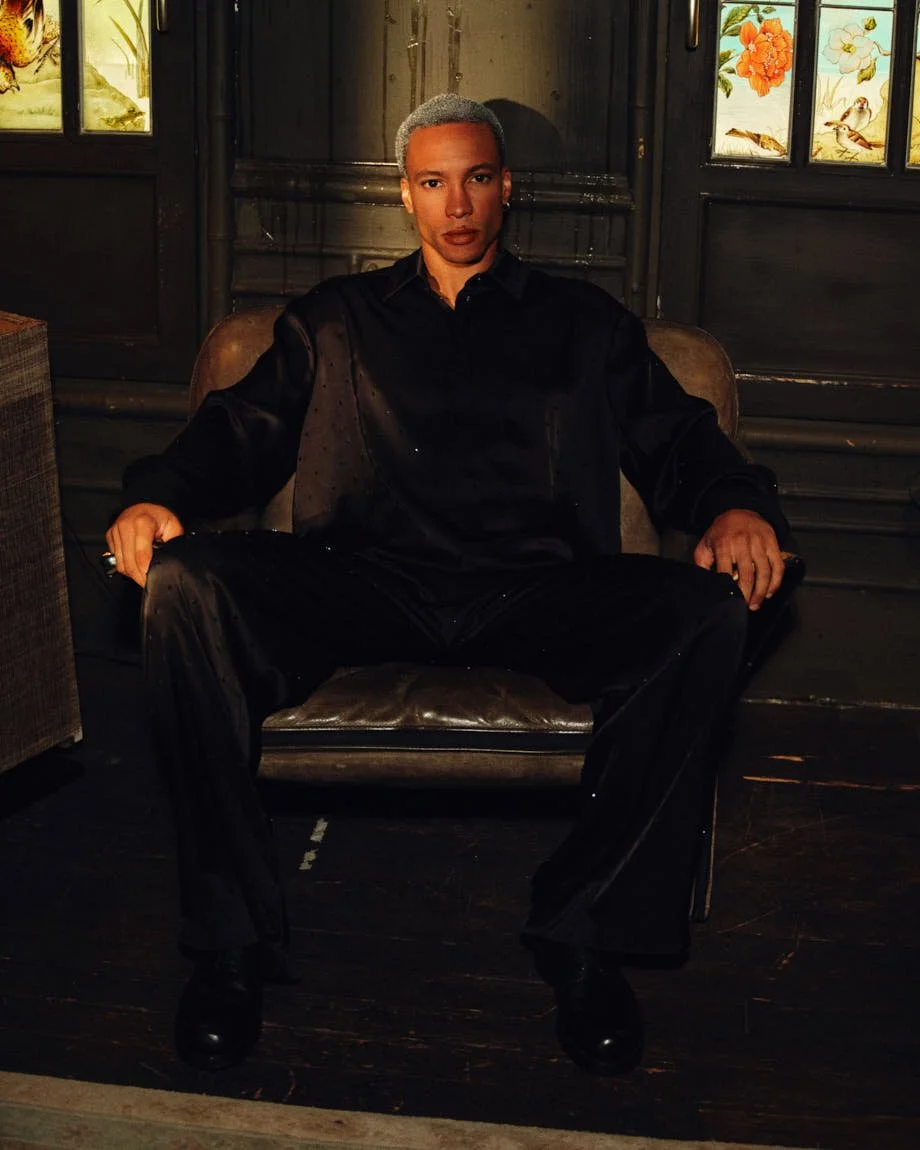
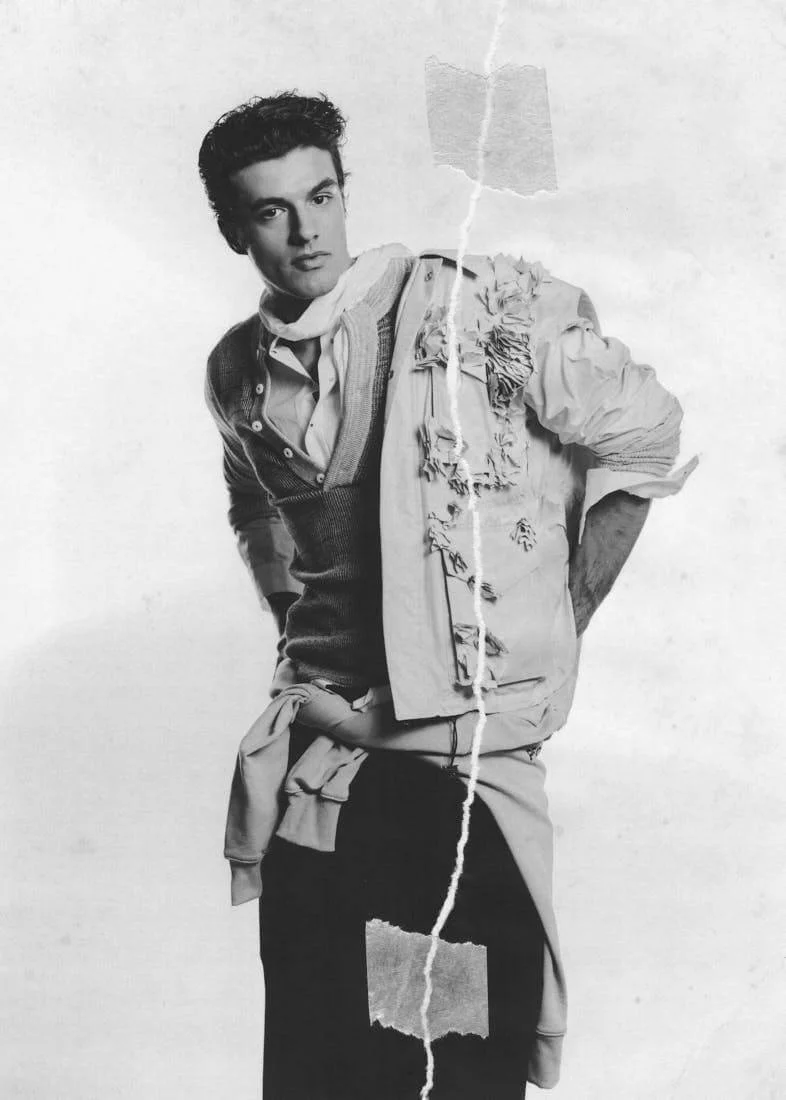
Actor Corentin Fila on The White Lotus Season 3 LE MILE Magazine FW26 Deja Vu Edition Nr41 Corentin wears a full look by GUCCI, a jacket by LA MASKARADE and a ring by TANT D’AVENIR

Corentin wears a jacket by LA MASKARADE


Fila prepares differently for every role, sometimes doing extensive research and sometimes deliberately leaving room for surprise. For The White Lotus, he met people who reminded him of his character, occasionally inviting friends of friends for coffee and observing their behaviour, their values and mood. He calls it “stealing” from them. Music is another tool: he can spend hours building playlists and using them to think through a character before filming begins.

Directors have repeatedly seen melancholy in Fila, even though his friends would not necessarily describe him that way. He recognises it too, tracing some of it back to childhood, and notes with some amusement that he has also been cast as “the object of desire” more than once. That overlap between performance and lived experience also shapes the way Fila thinks about DÉJÀ VU, with a breakup scene sometimes drawing on something he has actually lived and the feeling still being there hours later, when he goes to bed and thinks, “Wow, it feels like I’ve already lived this moment in my life.”
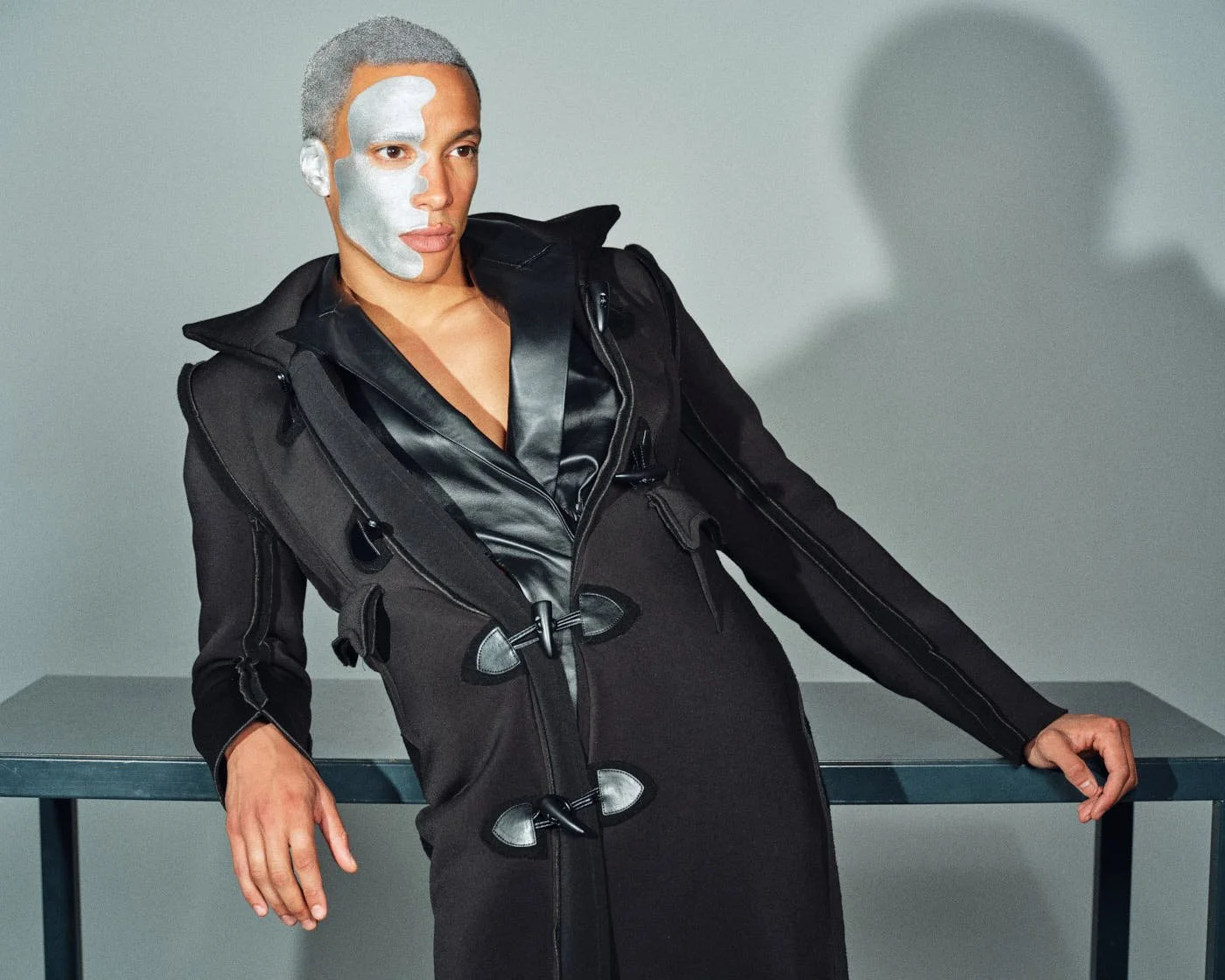
 
 
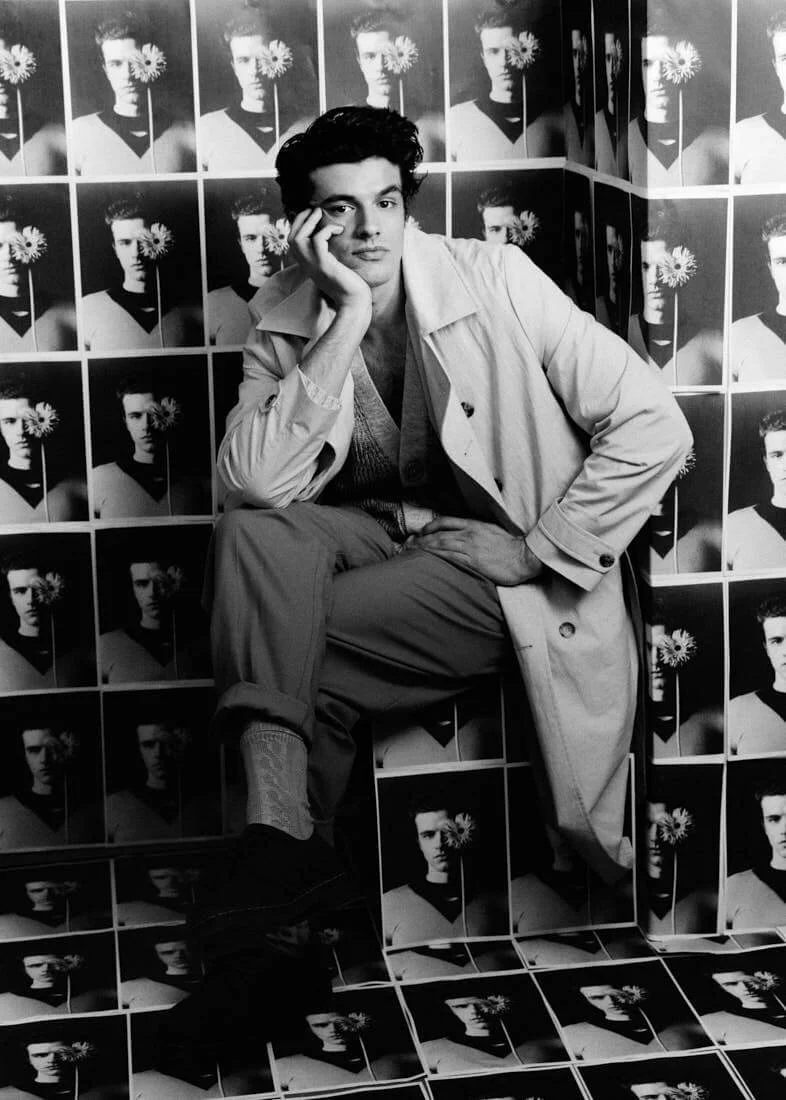
Actor Corentin Fila on The White Lotus Season 3 LE MILE Magazine FW26 Deja Vu Edition Nr41 Corentin wears a coat and blazer by OTTOLINGER

Corentin wears a coat and blazer by OTTOLINGER


Alban E. Smajli
You're currently filming The White Lotus. Without revealing too much, has there been a moment during production when you suddenly understood the scale of what you had stepped into?

Corentin Fila
I would say it started before production, months before I began to shoot it. It was everywhere because it’s such a big project. Every day, someone was talking to me about The White Lotus. And it was insane. It was the first time in my life that I had to talk about a project every day, months before filming. It was really, I would say, difficult to prepare for this role with this amount of pressure beforehand. And finally, after maybe five minutes on set on my first day, I thought, “Wow, finally I’m just acting, and it’s something I can do.” And now I’m part of this adventure. Before, it was just something really far from me that everyone was talking to me about. And now I’m really part of it.

When acting suddenly became a serious possibility for you, did it take longer to find the craft or to recognise yourself in it?

No, honestly, it didn’t. I think I’ve been really lucky because it was really quick and really natural for me. I was 24 when I saw a theatre play with Black actors from South Africa. It was a play by Peter Brook at the Bouffes du Nord. Before watching this play, becoming an actor was not in my mind. I saw this play, and then I decided to go to Cours Florent. And two years later, I was filming my first movie with André Téchiné. So it was very, very quick, I would say.

Before acting, you studied economics and worked a string of different jobs. What stayed with you from that period?

I studied economics, but it was kind of by mistake. I was in sports studies. I was really good at boxing and I wanted to become a coach or something of that kind. Then I got injured during my first year. And so that’s when I thought of doing something else at the same university. There was a possibility to switch to economics, and that’s how I got into it. But I’m really bad at economics and I have a degree. I did three years of it, but I was working while I was studying, doing small jobs, every kind of job. So I would say I know almost nothing about economics.

But the fact that I worked all those jobs — in construction, as a barman, and many, many different ones — was definitely a huge school of life, I would say.

Looking back at your first roles, do you notice recurring themes or character types that continue to find their way back to you?

Yes, I would say I’ve played many melancholic characters. And it’s funny because my friends and people don’t really know me for that. But I would say I have a big melancholic side to me since childhood. And it’s funny that I play so many melancholic characters because in my life it’s like a little secret, that I carry maybe some sadness from my childhood. And it looks like directors sometimes see it. So yeah, I would say melancholic characters. And I’ve also played “the object of desire” many times. I’ve had many sex scenes in my career.
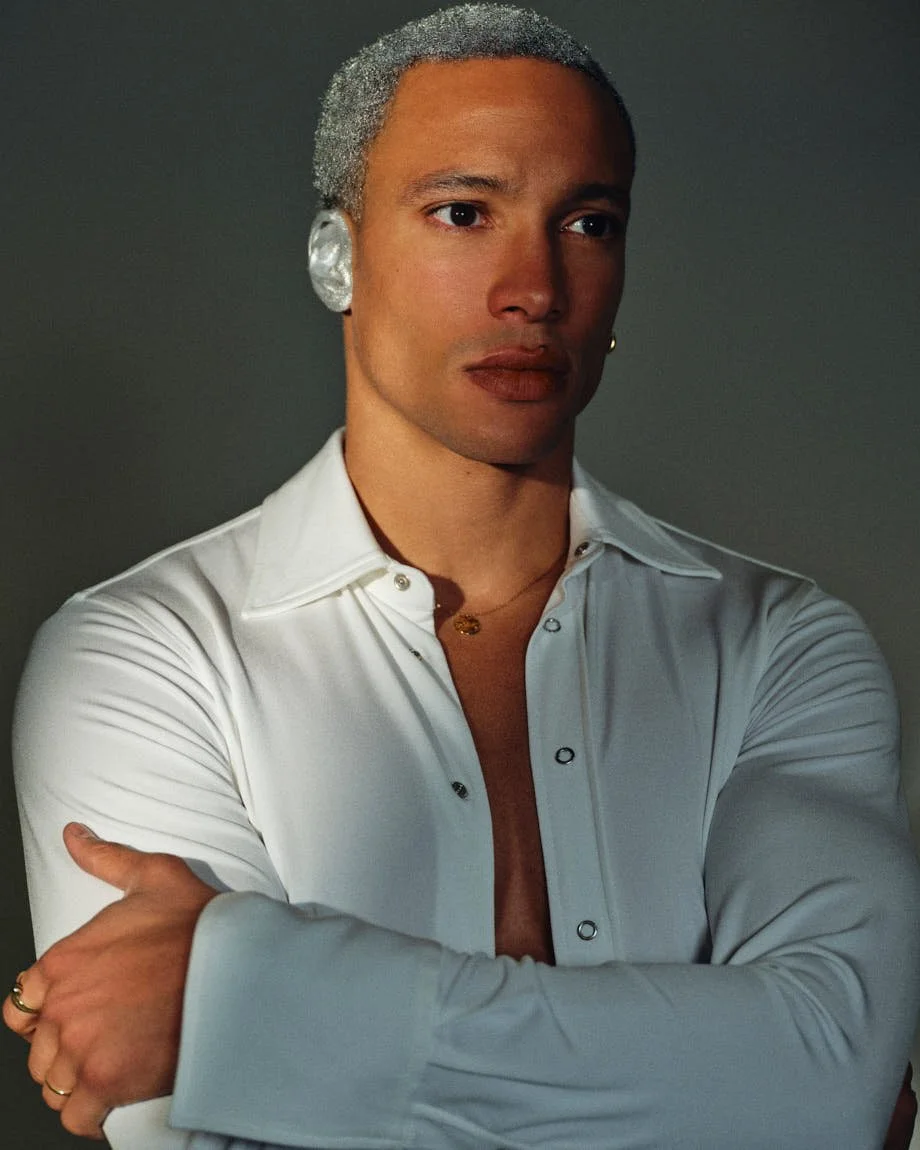
 
Actor Corentin Fila on The White Lotus Season 3 LE MILE Magazine FW26 Deja Vu Edition Nr41 Corentin wears a total look by CELINE

Corentin wears a shirt by CELINE

 
Actor Corentin Fila on The White Lotus Season 3 LE MILE Magazine FW26 Deja Vu Edition Nr41 Corentin wears a total look by CELINE

Corentin wears a total look by CELINE


Has all the waiting that comes with acting changed your relationship to patience?

I think it’s a job where you wait a lot, and I love it. I think you learn to live in the moment. I think there are two ways to be in this job. When you wait, many actors become nervous. They become really frustrated. And others take that time to cultivate some wisdom and enjoy the present moment.

hat do you usually do while you wait?

I’m just in my head. I’m watching the set, speaking to the team. I’m just in the moment.

Did your father’s work in film ever feel connected to your own path once you became an actor?

It’s very weird because I’m not close to my father as an adult. I grew up with him as a kid, but as an adult, I’m not. We’re not close. We don’t see each other. And I never had the feeling that I was living like my dad. But definitely, in a way, I am. And I have lots of admiration for him, and the artistic side of me, in my blood, comes from him. The first time I did a TV interview, my sister sent me a video of him doing one too, and we were moving the same way. Our faces looked the same. And I was like, “What the fuck? It’s so weird.” I’m definitely proud to be his son.

When you first read a script, what usually makes you want to spend months living with a character?

Usually, it’s not only the character. I think I need to be moved by the story and to think, “I want this story to exist and to be a part of it because I’m moved by it.” Even in a spiritual way, I want it to exist and to be part of it. And if you do it, it’s going to exist for the world to experience it.
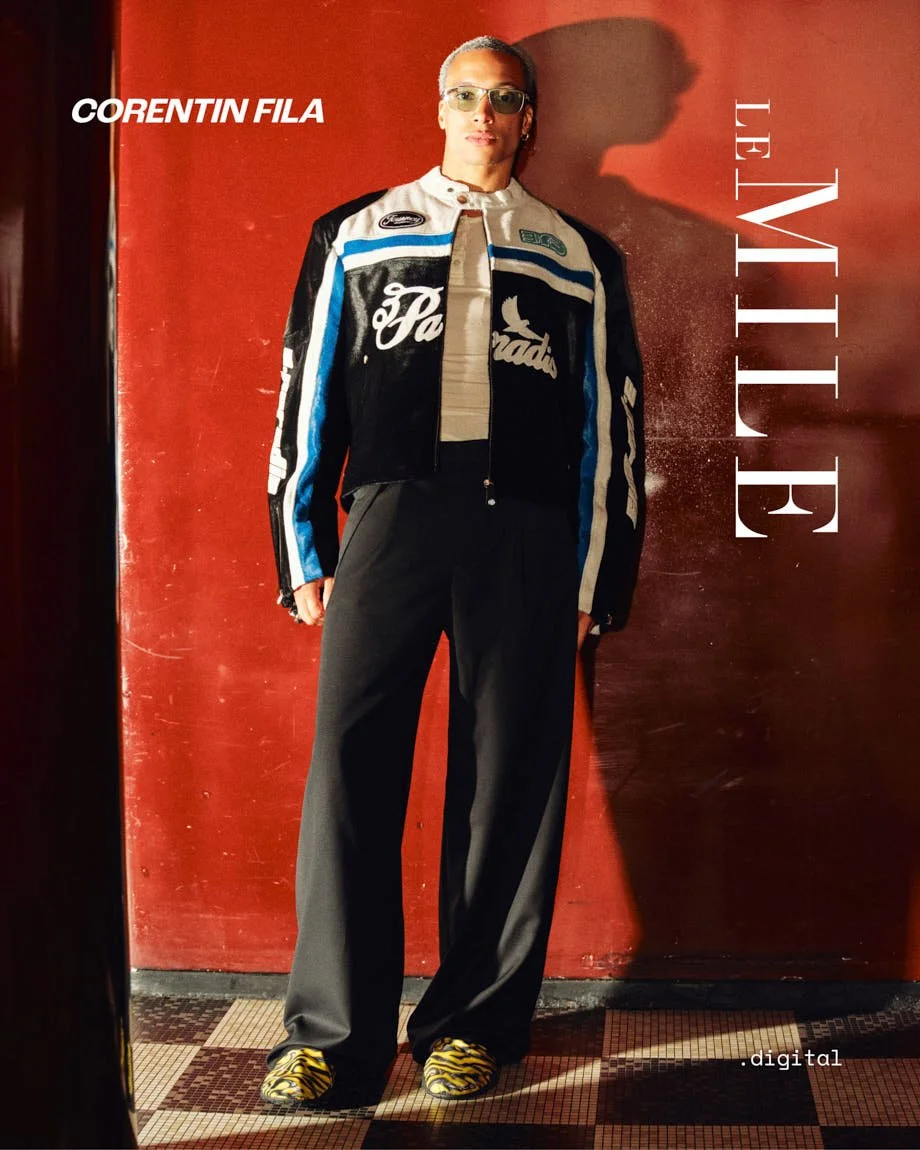
 
 
Actor Corentin Fila on The White Lotus Season 3 LE MILE Magazine FW26 Deja Vu Edition Nr41 Corentin wears trousers and a jacket by 3.PARADIS, a tank top by GMBH, shoes by ROMBAUT, a necklace and ring by D’HEYGERE and glasses by IC! BERLIN
Corentin wears trousers and a jacket by 3.PARADIS, a tank top by GMBH, shoes by ROMBAUT, a necklace and ring by D’HEYGERE and glasses by IC! BERLIN


Actor Corentin Fila on The White Lotus Season 3 LE MILE Magazine FW26 Deja Vu Edition Nr41 Corentin wears a total look by DIOR

Corentin wears a total look by DIOR

Actor Corentin Fila on The White Lotus Season 3 LE MILE Magazine FW26 Deja Vu Edition Nr41 Corentin wears a full look by DAVID KOMA, shoes by PRADA and a ring by D’HEYGERE

Corentin wears a total look by DAVID KOMA, shoes by PRADA and a ring by D’HEYGERE


And how do you prepare for one?

It depends on the project. I have so many different ways. Sometimes I don’t do a lot of preparation because I feel like I just want to be surprised on set. Sometimes it’s a really long preparation. I do research. I love to meet people and be inspired by them. I work a lot with music too. For hours and hours, I build playlists and I just like to dream while listening to them. Sometimes I read books, watch movies — many different ways.

How did you prepare for your character in The White Lotus without giving anything away?

It’s hard not to spoil anything, but I can say I met with many people. People who made me think about the character through the way they live their lives. And I was also really trying to rely on what I carry within me and where the character and I meet. Sometimes I would ask friends of friends to have coffee with me, without really explaining why. Other times I would tell them. I was trying to steal things from them — their mood, the way they are, their values — that I could see were similar to the character’s. And I thought to myself, “Wow, I want to be like that. I want to act like them.”

What's the worst advice young actors constantly receive?

It’s a good question. I think the worst advice is to pretend like there is one particular way to do this job. Like in life, there are so many different paths you can take, so many different ways to get there. There isn’t one way to do this job. It really depends on your personality, on who you are. So I think the wrong advice would be to say that it has to be done in one way.

Has a scene ever felt like DÉJÀ VU because it brought you back to something you had already lived?

I would say all the time because, as actors, we play with our emotions, and all those emotions are based on things we’ve lived through, experiences we’ve had in life. For example, if you’re acting in a scene where you’re breaking up with your wife or girlfriend, we all know that feeling, you know? And sometimes you go back to bed after set and you’re really sad. I would say on every project you have this kind of moment where you think, “Wow, it feels like I’ve already lived this moment in my life.”


watch the film
/ with Corentin Fila for LE MILE Digital by Artem Sadovnikov
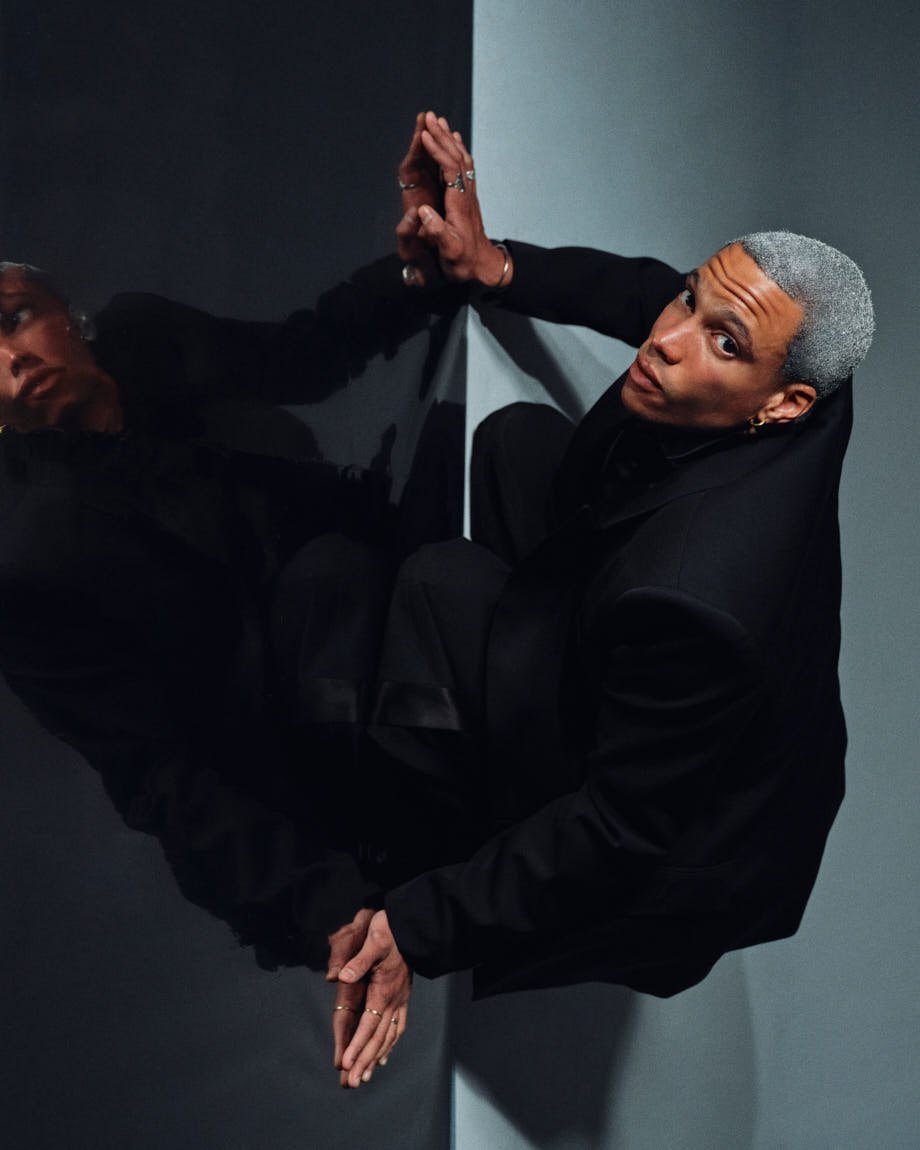
Actor Corentin Fila on The White Lotus Season 3 LE MILE Magazine FW26 Deja Vu Edition Nr41  Corentin wears a total look by JUUN.J and shoes by GMBH
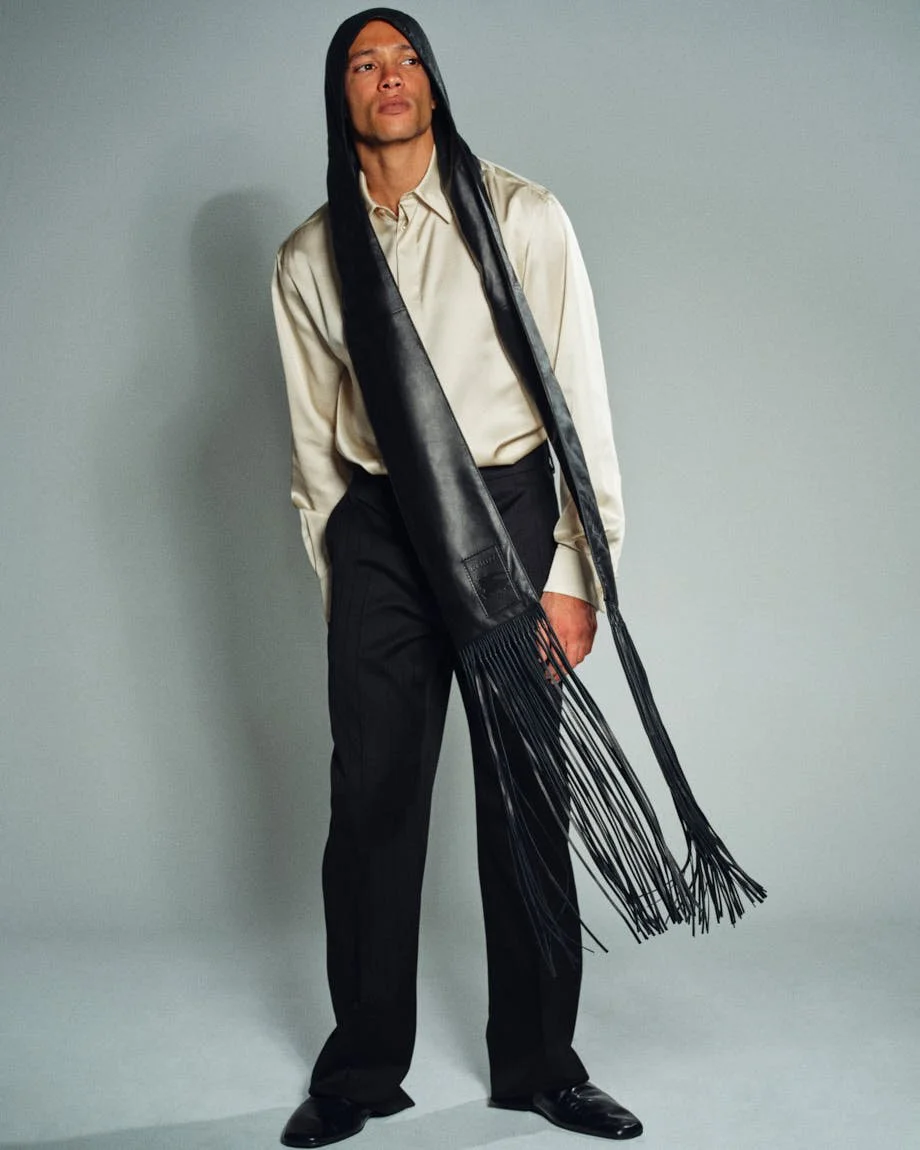
Corentin wears a total look by JUUN.J

 
Actor Corentin Fila on The White Lotus Season 3 LE MILE Magazine FW26 Deja Vu Edition Nr41 Corentin wears a total look by BURBERRY and shoes by GUCCI

Corentin wears a total look by BURBERRY and shoes by GUCCI


talent   CORENTIN FILA
photography   BOYAN LI
creative direction   BOYAN LI
styling   CHIARA BOTTIN
hair   PIERRE GINSBURG
make up artist   JINDIAN YANG using ARMANI BEAUTY
first photography assistant   THOMAS LAPORTE
second photography assistant   HAN ZIXU
styling assistant   JULIETTE TANGUY
video   ARTEM SADOVNIKOV
production   MARIA VICTORIA RUSSO
location   HOTEL LES BAINS PARIS
special thanks to   STUDIO LA BRIQUE ROUGE

copyright LE MILE Magazine / Boyan Li
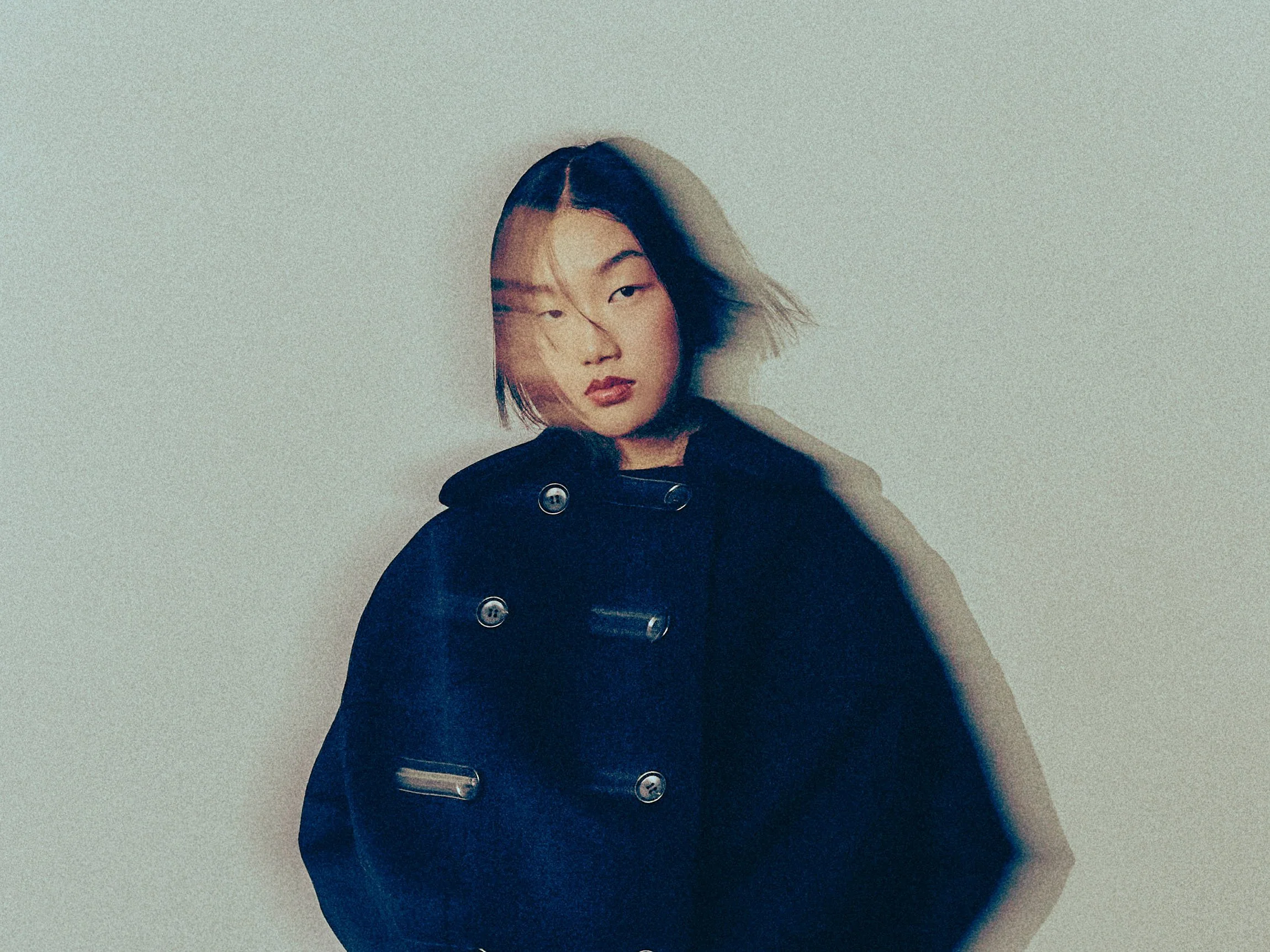
Audrey Nuna on KPop Demon Hunters

Audrey Nuna on KPop Demon Hunters

perspectives

A Little Birdie With Audrey Nuna


written + interview HANNAH ROSE PRENDERGAST


In hindsight, Courage the Cowardly Dog is such a funny cartoon for my dad to be watching. I think it’s just a fascination with humanness. There was a period when I felt disconnected from that, and it showed. My second album is an exploration of trying to remember who I am.

 
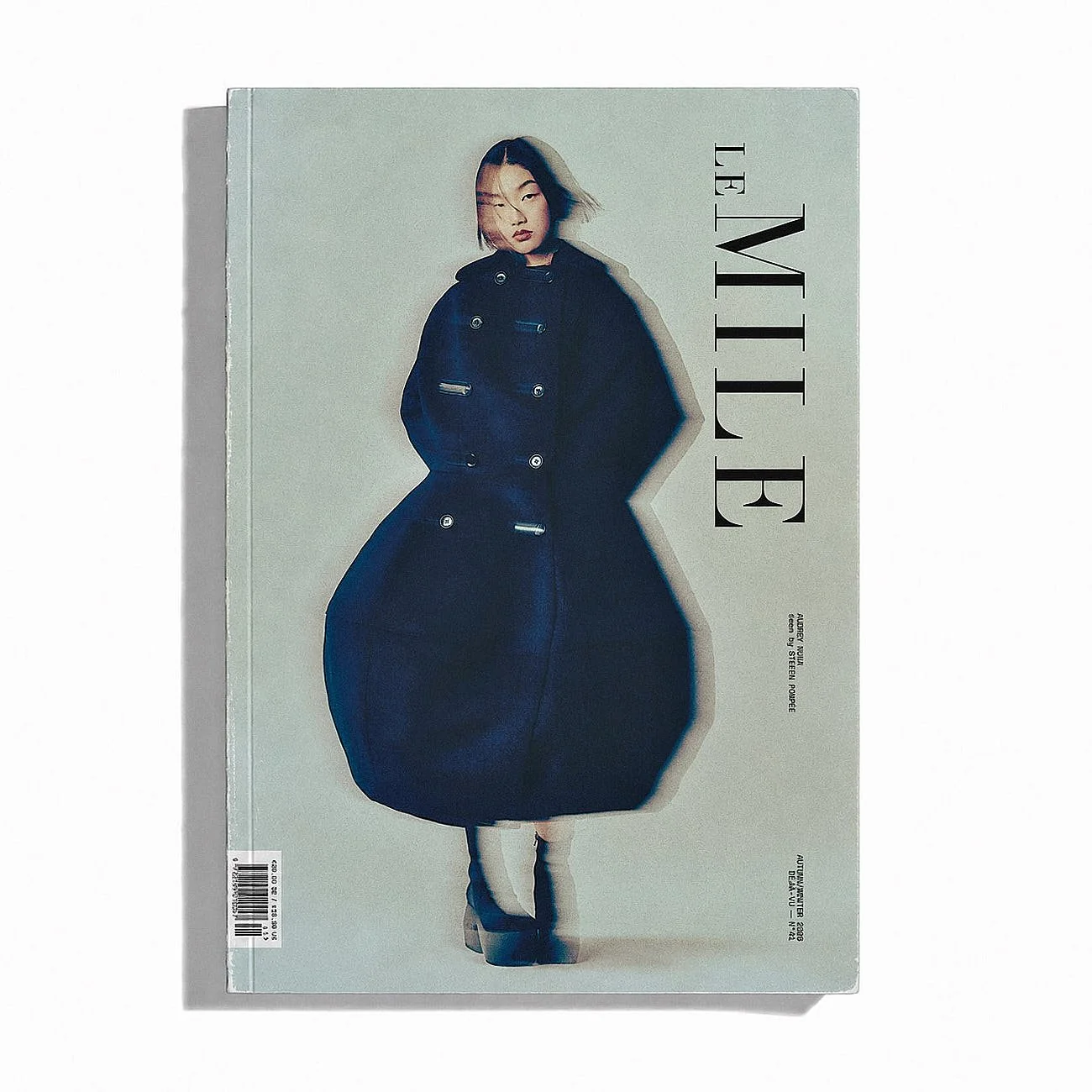
Audrey Nuna photographed by Stefen Pompée for her cover story A Little Birdie in LE MILE Magazine’s DÉJÀ-VU Issue 41

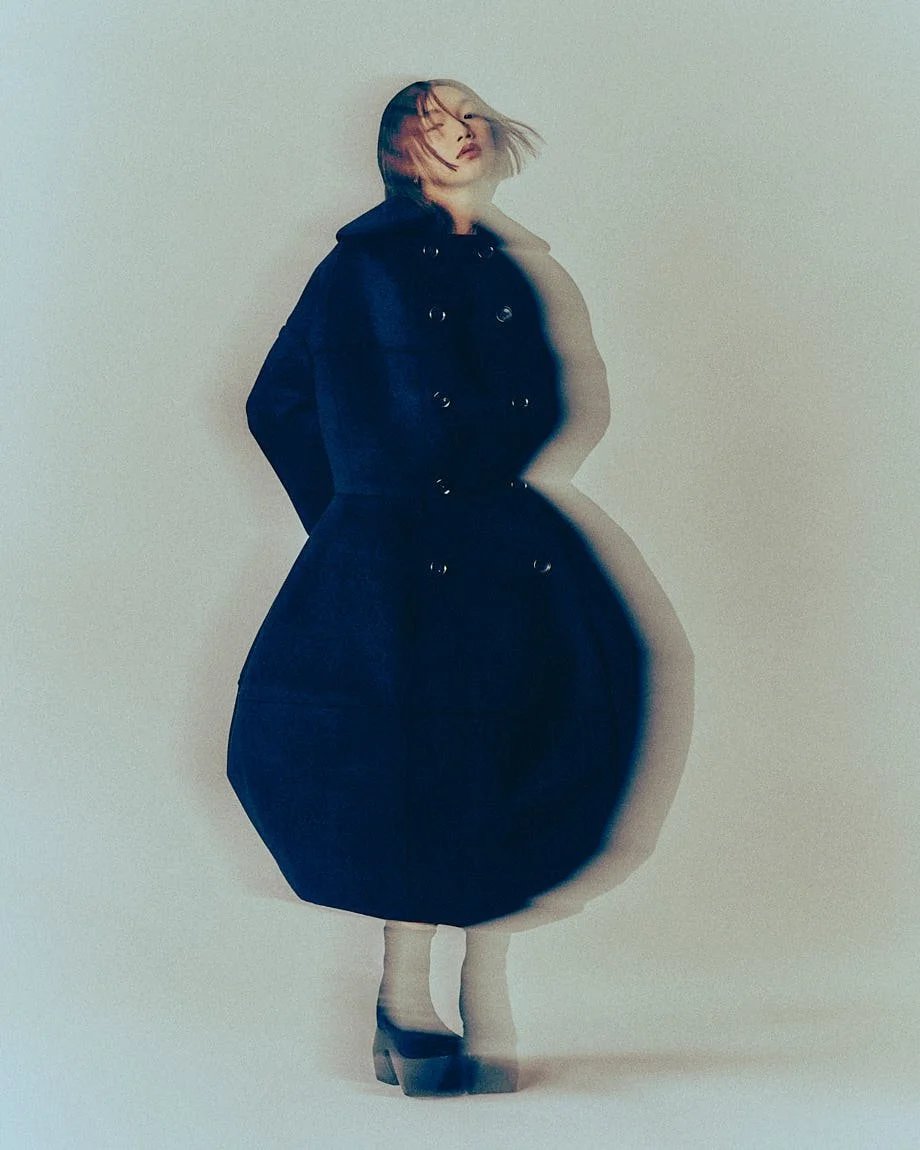
Audrey wears a coat by COMME DES GARÇONS and shoes by COMME DES GARÇONS x JOHN FLUEVOG


Audrey Nuna photographed by Stefen Pompée for her cover story A Little Birdie in LE MILE Magazine’s DÉJÀ-VU Issue 41


Growing up in suburban New Jersey, I felt ostracized for the way that I looked. Seeing everybody hop on Korean culture was redemptive for my inner child, like, ha. Kimbap is smelly, but it’s fire.

There are a lot of people who don’t believe in you, and being able to give them a wink feels good. I was proud of myself and everyone in KPop Demon Hunters who’s had to navigate an industry that didn’t really know where to place them. The film taught me how music can be a form of service. I want to be a better storyteller so that when someone hears my songs, it’s not about me, but it’s about them.

I always thought success was a huge crowd singing back your lyrics. But it should also be measured by how truthfully those words connect with people. I don’t want to have a massive career if I don’t mean it.


Audrey Nuna photographed by Stefen Pompée for her cover story A Little Birdie in LE MILE Magazine’s DÉJÀ-VU Issue 41


The most amazing things in life are the most ordinary things, like the joy of playing hwatu or Go-Stop. With the Thom Browne look for the Grammys, some of the fabric was muslin, which I saw so much of as a kid in my family’s garment factory. They also left the stitching exposed to speak to this idea of loving your craft even if it’s not perfect. In fashion, it’s the details I find compelling.

Even for the Met Gala, I wore a piece by Robert Wun about stains of the past and making something beautiful out of your pain. It’s such a democratizing and neutralizing human experience. What really makes a person is what they decide to do with that pain. You can juice it, you can prune it, you can bake it, you can flash fry it, you can do anything with it.

“superHuman” is about wanting to feel everything and being able to express it. A lot of my best work comes from feeling free to be curious and ask questions rather than answer correctly.

Serendipity actually comes from seasons of winter. It takes patience and belief that those moments belong to all of us. I also trust in the process and, to a certain extent, the vibes. I used to hate that word when I moved to LA.

I’m carrying every version of me on my head. I think there’s power in the way hair continues to grow. In the Joseon era, it was seen as a source of strength, so you didn’t cut it. For me, it’s about my ancestors. Our hair is probably very similar.I think you have to hold onto parts of yourself, not to let them weigh you down, but to remember where you came from. My mom is hoarding my baby teeth in a box somewhere, I’m pretty sure.

 
Audrey Nuna photographed by Stefen Pompée for her cover story A Little Birdie in LE MILE Magazine’s DÉJÀ-VU Issue 41

Audrey wears a dress by QUINE LI and shoes by MAISON MARGIELA

Audrey Nuna photographed by Stefen Pompée for her cover story A Little Birdie in LE MILE Magazine’s DÉJÀ-VU Issue 41

Audrey wears a dress by QUINE LI and shoes by MAISON MARGIELA

Audrey Nuna photographed by Stefen Pompée for her cover story A Little Birdie in LE MILE Magazine’s DÉJÀ-VU Issue 41

Audrey wears a top by KIDSUPER, a skirt by CURIEL and shoes by TAOTTAO

 
Audrey Nuna photographed by Stefen Pompée for her cover story A Little Birdie in LE MILE Magazine’s DÉJÀ-VU Issue 41

Audrey wears a shirt and skirt by CURIEL and shoes by MAISON MARGIELA

Audrey Nuna photographed by Stefen Pompée for her cover story A Little Birdie in LE MILE Magazine’s DÉJÀ-VU Issue 41
 
Audrey Nuna photographed by Stefen Pompée for her cover story A Little Birdie in LE MILE Magazine’s DÉJÀ-VU Issue 41

Audrey wears a dress by QUINE LI


talent   AUDREY NUNA
photography   STEFEN POMPÉE
styling   PACO LAMPECINADO
creative direction   PACO LAMPECINADO + AUDREY NUNA
hair   AKIHISA YAMAGUCHI
make up artist   MITCH YOSHIDA
assistant   VICTORIA GODELIVA
production   PACO LAMPECINADO + MUSICISMUSE
production assistant   HAL GOETZINGER
studio courtesy of   ANGELA KWON

copyright LE MILE Magazine / Stefen Pompée

Inside Grebnellaw’s Red-and-White Universe

Inside Grebnellaw’s Red-and-White Universe

perspectives

Grebnellaw Is Moving Into Prime Real Estate


LE MILE


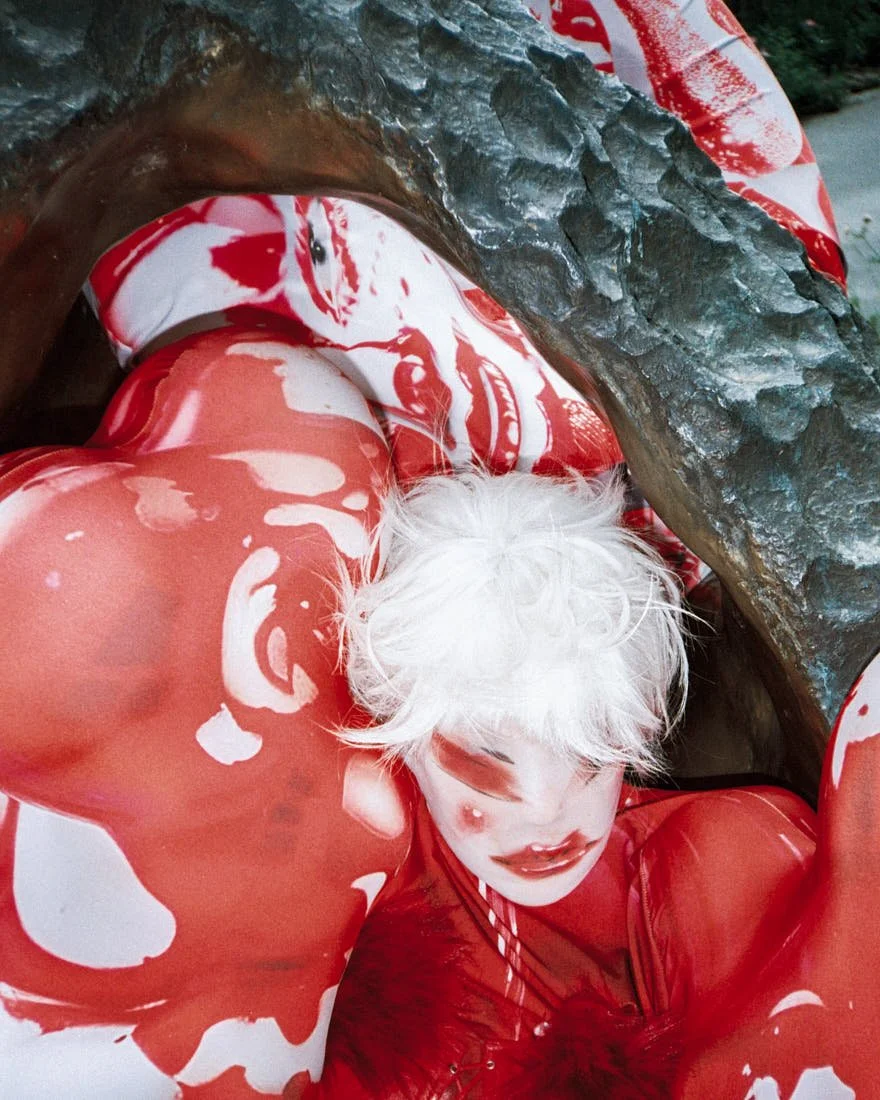
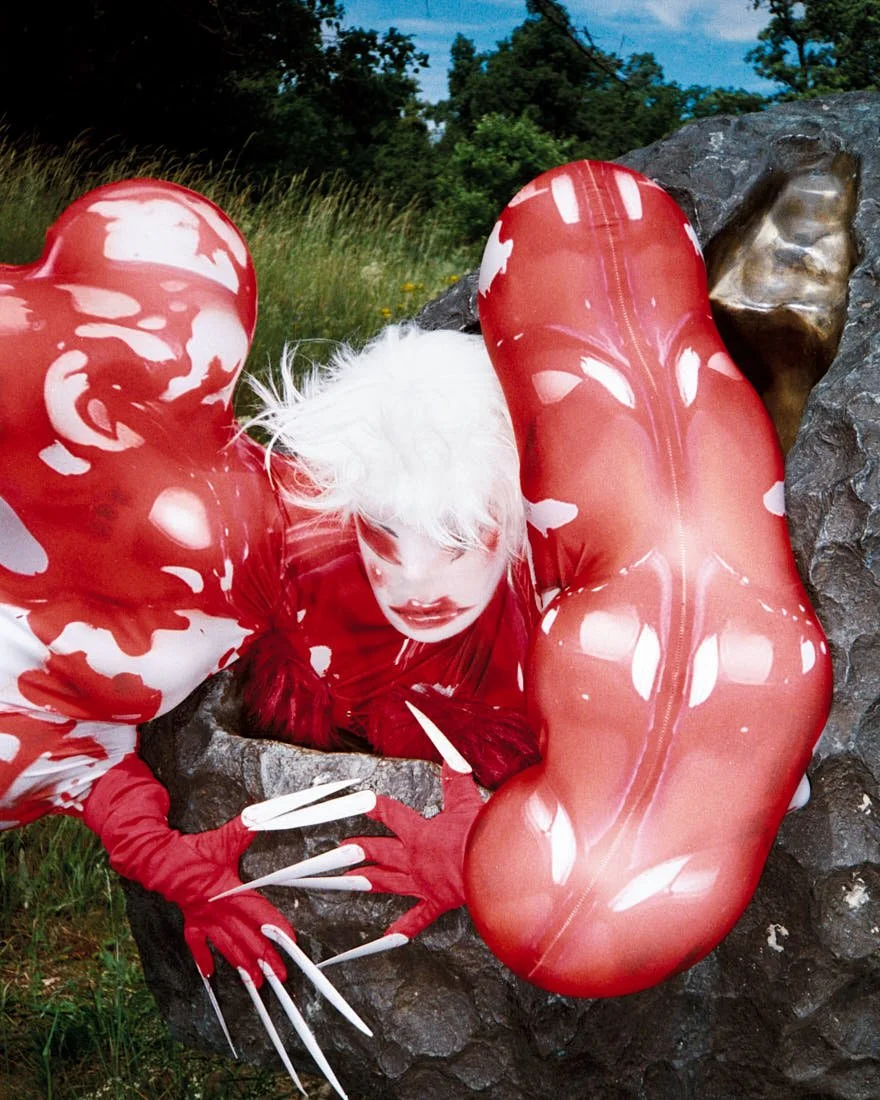
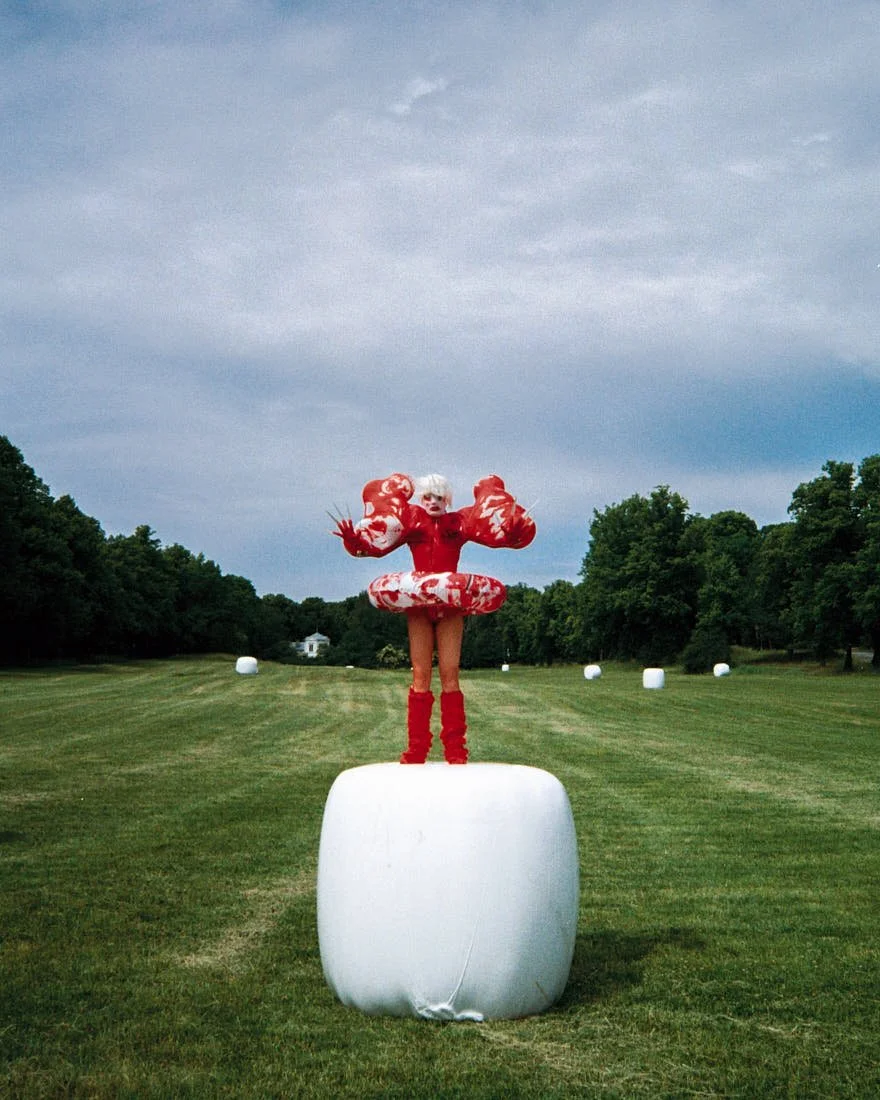
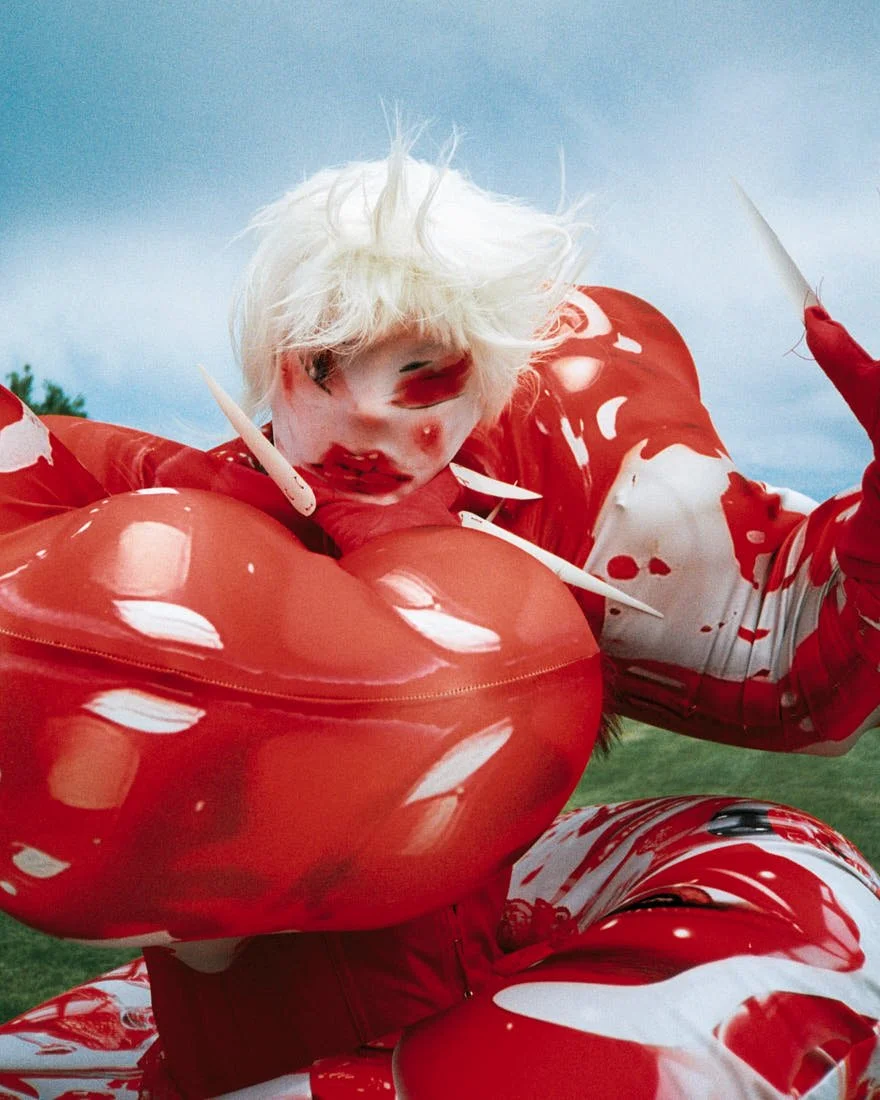
Grebnellaw has kept the work almost entirely red and white for years. The restriction began because too many choices were getting in the way, so a colour code became an obstacle that could force decisions and keep what Grebnellaw calls the “red thread” intact. It is starting to crack. Black, silver and gold were always part of the full system, and the two-colour period may now be nearing its end. The music has been equally difficult to pin down. Songs stayed off streaming because the instrumentals kept changing between performances, until SUPERSAVE THE WORLD broke the rule. Its first performance involved 25 people onstage; later it became a recording, and the version being played now has already changed again, slowed down enough for the lyrics to come further forward.

 
Grebnellaw photographed by Daniil Kudriavtcev for LE MILE Magazine Artist´s Interview

Grebnellaw
/ photographed by Daniil Kudriavtcev

 
Grebnellaw photographed by Daniil Kudriavtcev for LE MILE Magazine Artist´s Interview

Grebnellaw
/ photographed by Daniil Kudriavtcev


The early New Population began as digital portraits assembled from consumer debris and material found online, but their stillness eventually became frustrating. Grebnellaw wanted them to move and began building a population that other people could physically enter. Transsy can walk through Milan fascinated by gravity and the strange reliability of a coffee cup remaining where it was left, then feel completely misplaced on a drag-show stage. Pussy the Cat, meanwhile, has just returned from a large performance at Berns Salonger and is currently at home “recharging,” waiting for another reason to appear. In January, Grebnellaw plans to sleep inside Konstakademien, an old palace beside Rosenbad, surrounded by unfinished inflatable creatures and copies of classical sculpture. The home studio already contains deflated red vinyl skins, discarded textiles and electronic tracks sitting unfinished on hard drives. Grebnellaw does not always know whether a character is being made or discovered. Usually, the answer comes when it starts behaving like one.


Grebnellaw photographed by Daniil Kudriavtcev for LE MILE Magazine Artist´s Interview

Grebnellaw
/ photographed by Daniil Kudriavtcev


LE MILE
For years you deliberately kept most of the songs off streaming because they changed from performance to performance. Then you released SUPERSAVE THE WORLD. What made that particular song worth fixing into one version?

Grebnellaw
I think SUPERSAVE THE WORLD was a bit of an anomaly. There was an urgency to it. It felt like an anthem or protest song filtered through hyperpop, and it demanded to exist as a recording. Maybe it wanted to be something people could scream together in a mosh pit. The first time we played it was as part of a huge Grebnellaw performance with 25 people on stage. It was completely insane. At that point I was much more interested in letting the instrumentals mutate with every performance, but this song somehow overrode me. It basically overwrote my instructions.
And ironically, the instrumental version I’m performing now is completely different from the recording. It’s slower and more downtempo, which I love because it brings the lyrics forward: “Evil forces can’t catch us / we’re too savvy and smart for that.” It feels empowering.
Since then I’ve written a lot of new music. It takes me time to get the words right, but I’ve also started thinking about some kind of release. It doesn’t have to be the definitive version of something. It can just be another mutation.

Red and white began partly as a way of reducing too many choices, and you once described it as an experiment to see how long the system could last before it broke down. Has it ever come close to breaking?

The system has definitely cracked, but it hasn’t fallen apart. Nuances have started appearing, and I actually think they produce a better kind of chaos. Every time I explain the colour code, I discover another aspect of how it works. Of course, that’s the point.
I realised I needed an obstacle, so I turned the colour code into a limitation. A visual code to hold the chaos together.It has dictated almost every choice, forcing me to literally keep the red thread intact. Perhaps I need more obstacles. I think I do.
But the full colour code was always bigger: red, white, black, silver and gold. So far, red and white have been enough. The two-colour phase might be coming to an end. I have a feeling the rest of the spectrum is getting restless.

The early New Population was made from the debris of consumer culture, while the Grebnellaws were described as something more organic, almost like climate refugees. Do you still recognise that distinction when you look at the population now?

I have this strange population around me and I’m trying to figure out what it wants. It existed long before I had the language or tools to render it.
The early New Population were digital portraits made from the debris of human consumer culture and the internet. Literal trash transformed into identity. At first I thought my mission was simply to make portraits of them, but then their stillness started bothering me. I wanted them to move.
That desire was one of the things that opened the door to Grebnellaw. What had been images became bodies, costumes, music and performance. Other people could enter the population too, bringing their own bodies and interpretations into it. The work became something that could move between galleries, underground clubs, public spaces, fountains, shopping malls, empty streets, tunnels and botanical gardens.

Transsy went to Milan and became fascinated by gravity, stationary coffee cups, and the fact that ordinary clothes were not made for their body. When you write from inside a character like that, what do you notice about everyday life that you probably ignore as yourself?

Through Transsy’s eyes, everyday life becomes completely absurd. Guards and police tell me to leave, while on the next street someone wants to photograph me or assumes I’m a mascot or an eccentric ice-cream vendor. But Transsy is also fascinated by the physical world. The fact that a stationary coffee cup stays exactly where you leave it feels almost miraculous. Particles behave in ways that are completely alien to everyday experience, while a coffee cup just sits there, absolutely committed to one location.
There’s something of Prince Myshkin from Dostoevsky’s “The Idiot” in Transsy: a very bubbly saint dropped in the wrong dimension, perhaps. Performing from inside Transsy can actually be quite awkward because I experience them as very shy and innocent. They don’t have an extroverted energy. Walking the streets of Milan works beautifully, but putting Transsy on a stage can feel strangely unnatural. I once performed Transsy in a drag show and felt completely lost.

 
Grebnellaw photographed by Daniil Kudriavtcev for LE MILE Magazine Artist´s Interview

Grebnellaw
/ photographed by Daniil Kudriavtcev

 
Grebnellaw photographed by Daniil Kudriavtcev for LE MILE Magazine Artist´s Interview

Grebnellaw
/ photographed by Daniil Kudriavtcev


Pussy the Cat apparently became so beautiful that beauty itself was supposed to cause panic attacks and social-media storms. Where is Pussy now?

Pussy is thriving, obviously. She’s probably somewhere with very good lighting, taking another selfie with the Kitty Cunts. Mostly she’s recharging after last weekend’s monster-scale Grebnellaw performance at Berns Salonger in Stockholm. She had some serious competition in the diva department from the rising icon and real-life performer Beata Mona Lisa (BEA) who performed “La Vie en Rouge”, not “La Vie en Rose”. It gave us all goosebumps.
For a moment it looked like high drama was about to erupt: a brutal catfight between Pussy and Bea. Somehow it completely flipped into the sweetest friendship. So Pussy is currently in peaceful deactivation in my home studio, surrounded by the secret red-and-white holy grail, recharging her batteries and waiting for the perfect moment to completely deep-fry the timeline again.

You performed at Konstakademien’s official celebration in 2025. Now you’re returning with Butcherqueen and Leffe Crumlove to enter its collection as what the project calls an “infection.” What changed between those two invitations?

The first invitation was to perform at their annual celebration. This time we weren’t invited by the institution itself, but by 6film / Cinemaqueer. We took over the auditorium for a small performance with Butcherqueen and Leffe Crumlove, but I wrote a proper script for it. The building is so pristine and historically loaded that it almost tells you how you’re supposed to behave. I wanted to work against that. I wanted to trace the ghosts in those rooms: to read the collection, the marble, and the things deliberately left out.

Your January exhibition says you will “camp out” among unfinished inflatable creatures inside Konstakademien. Are you literally planning to live in the gallery?

Yes. I am literally planning to live in the gallery. We’re talking about prime real estate. Konstakademien is an old palace next to Rosenbad, where the Swedish Prime Minister works. So I thought: why not move in?
I love the idea of living there and having visitors hang out with me in my boudoir, where the boundary between studio, dream state and exhibition disappears. And, of course, being surrounded by copies of famous sculptures. But I don’t really think of myself as the person who created this whole population and then put it into the gallery. I feel more like one of its members who happens to have access to the space. By sleeping, breathing, and working inside the installation, the exhibition can remain alive. It stays an active event rather than something completed and frozen.

What is lying around your studio right now that has not become a character yet?

Right now my home is basically a crime scene of future characters. There are deflated skins of red vinyl, scraps of second-hand textiles, foam fragments, prototypes of inflatable bodies, and electronic tracks trapped inside hard drives. A tiny piece of shiny silver. Most of it isn’t a character or an object yet. It’s just raw matter waiting for something to happen.
Sometimes I don’t know whether I’m making a Grebnellaw or discovering one. I usually know something has become a Grebnellaw when it starts behaving like one.


Grebnellaw photographed by Daniil Kudriavtcev for LE MILE Magazine Artist´s Interview

Grebnellaw
/ photographed by Daniil Kudriavtcev


The Atanga Twins Come as a Set

The Atanga Twins Come as a Set

Carlsen and Curtis Atanga, Double Vision

One of Us Is a Meal, Together We’re the Banquet


LE MILE


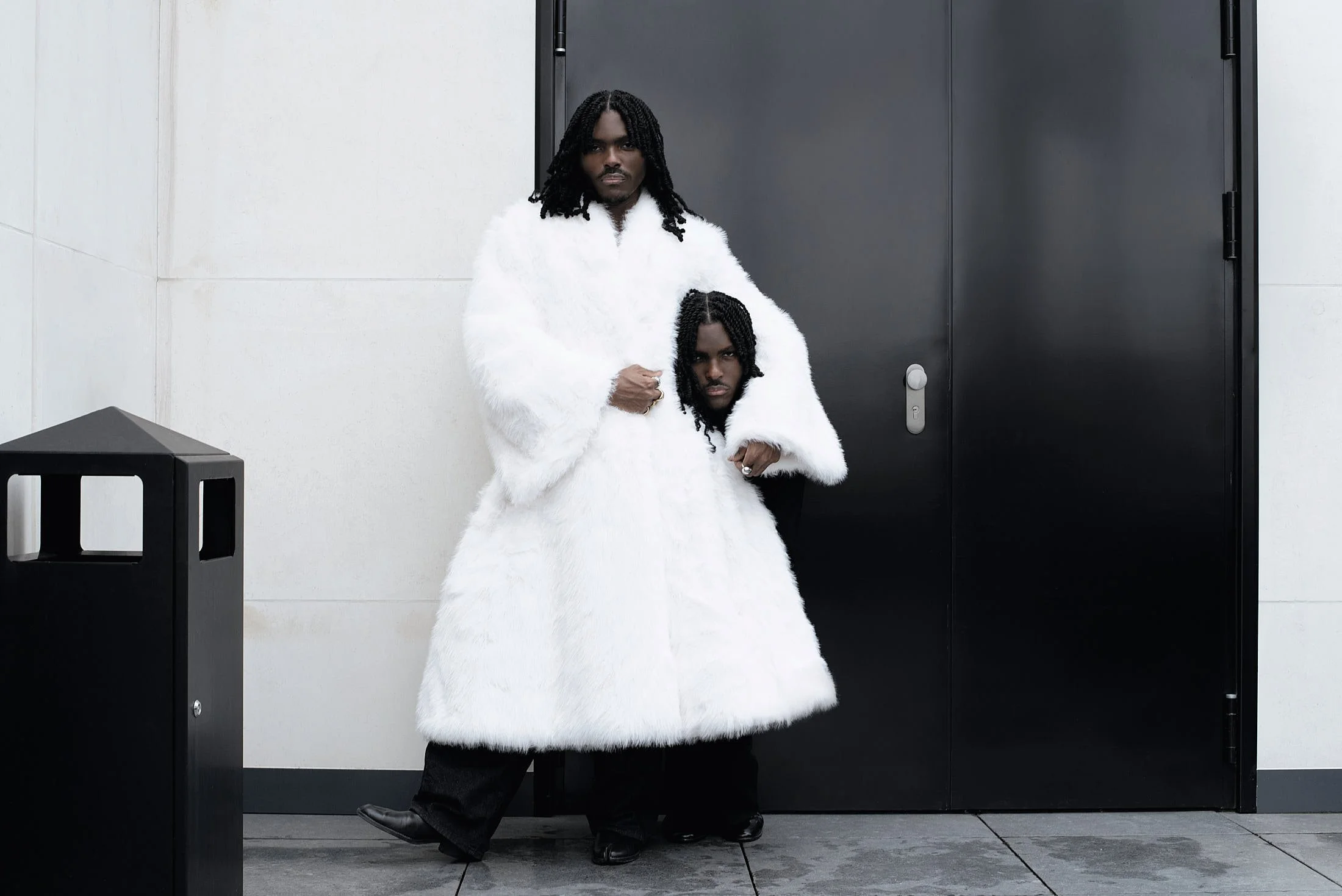
Carlsen and Curtis Atanga exist in stereo, two voices layered over each other, finishing sentences, finishing outfits, finishing the thought before it has even landed. Estate sales and anime, Gucci trenches and rooftop escapes, hopeless romance and twin telepathy, the catalogue of their world reads like a mood board spilled across the floor of a studio that never sleeps. They speak about fashion as if it were oxygen, something you exhale without noticing, something that signals identity before a word is spoken, and they step into every room aware that their presence carries charge, two Black twins moving through high fashion with looks that spark questions, disrupt stereotypes, amplify visibility.
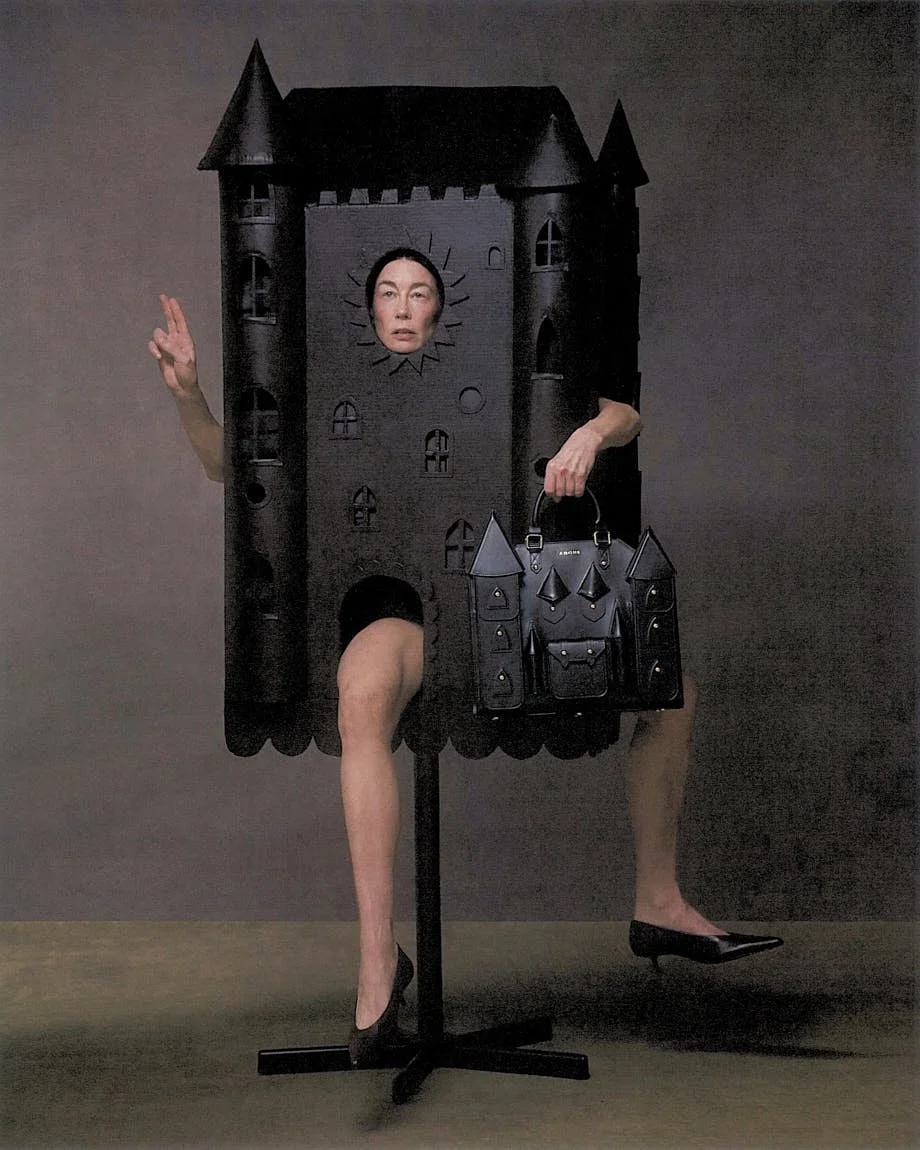
 
 
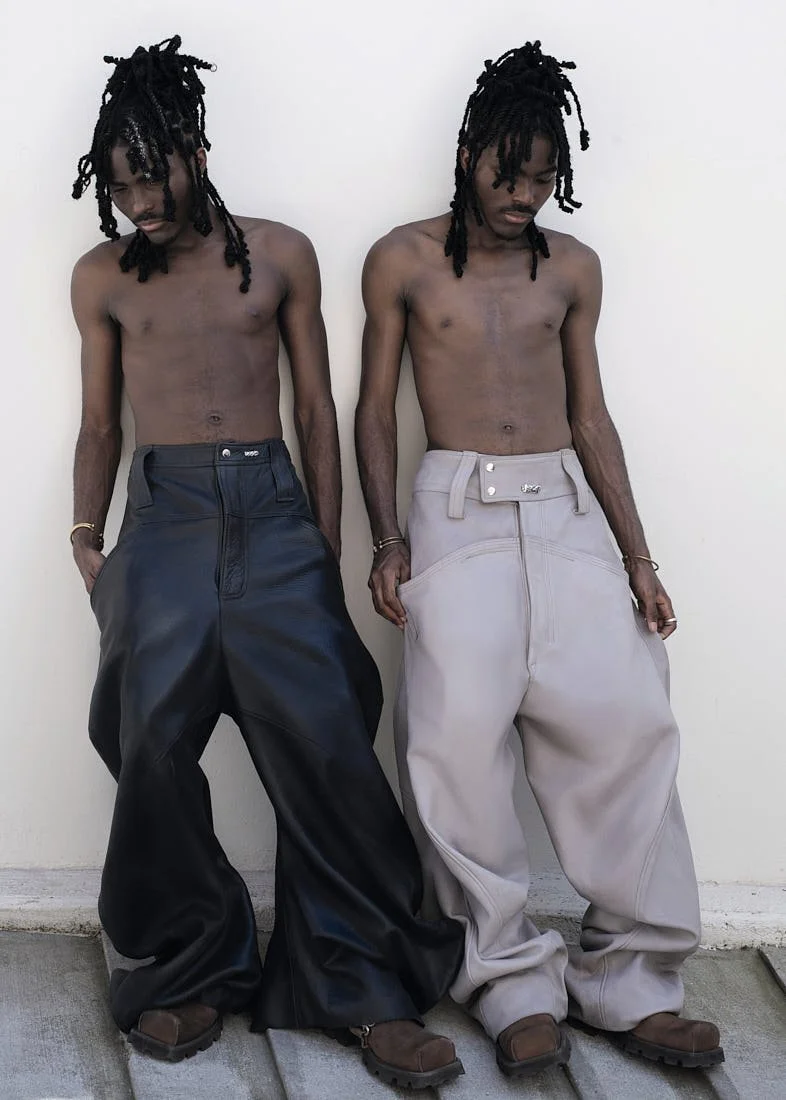
The Atanga Twins for LE MILE Magazine photo by-Olesya Parfenyuk Carlsen and Curtis Atanga wear coats by TAREET and boots by DSQUARED2

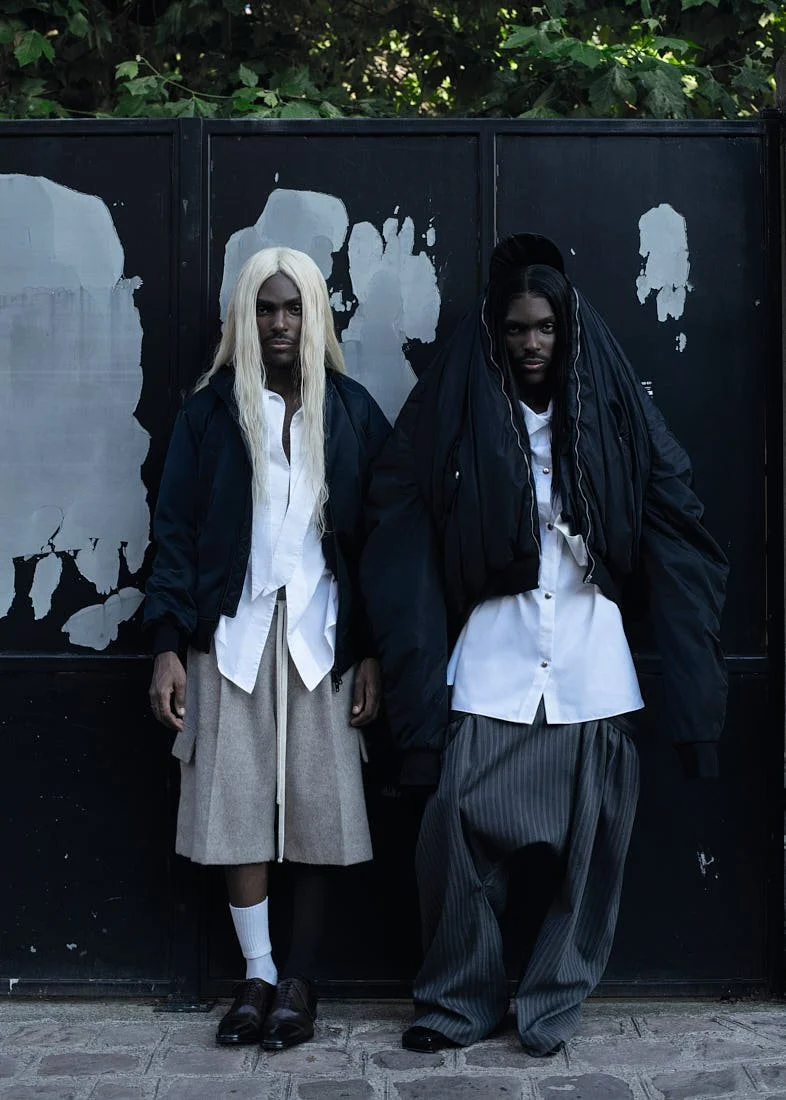
Carlsen and Curtis Atanga wear coats by TAREET and boots by DSQUARED2

The Atanga Twins for LE MILE Magazine photo by-Olesya Parfenyuk Carlsen and Curtis Atanga wear coats by TAREET and boots by DSQUARED2

Carlsen and Curtis Atanga wear coats by TAREET and boots by DSQUARED2


Carlsen builds rooms around vintage finds, entire atmospheres imagined from a single object, while Curtis folds lyrics into melodies he insists sound great even without an audience, claiming food or song as his fallback languages when the phone screen goes dark. Dreams drift into their daily reality with little ceremony, stories rehearsed in sleep and retold as memory, proof that their ideas are always half a step from manifestation. Atanga as a set, never as a single, a vibe that comes in doubles, meals that only make sense served as banquet, patience for nothing less.

They trade closets, steal archives, guard secrets, confess to coding in silence, the analog residue of their cybersecurity degrees lingering under the gloss of editorials. They joke about switching places on bookings, they joke about candy jars, they joke about walking out after five seconds, but the undercurrent is serious, a refusal to dilute the package. The Atanga Twins arrive together, leave together, live together in the mirrored rhythm of reflection and echo, a double vision that insists on being seen in full.


The Atanga Twins for LE MILE Magazine photo by-Olesya Parfenyuk Carlsen Atanga wears a wool coat by CHEN SIFAN, shorts by MOUTY and shoes by CHRISTIAN LOUBOUTIN. Curtis Atanga wears a coat by MOUTY and shoes by CHRISTIAN LOUBOUTIN.

Carlsen Atanga wears a wool coat by CHEN SIFAN, shorts by MOUTY and shoes by CHRISTIAN LOUBOUTIN. Curtis Atanga wears a coat by MOUTY and shoes by CHRISTIAN LOUBOUTIN.


LE MILE
Phones buried under socks and lost dreams, you breathe real air and maybe remember boredom. What do your hands do, suddenly jobless?

Carlsen
I’ve got a big passion for vintage interior décor. I’d probably be driving to an estate sale, because that’s where the real treasures hide. I spot a vintage piece and instantly start imagining a whole space built around it.

Curtis
Music has always been my second language. If I can’t scroll on my phone, I’d probably start creating and reinventing my own lyrics to a famous song. And not to brag, but I sound really good. If I’m not singing, I’m probably eating.

Somewhere in the real world, a stranger makes eye contact. Does your soul freeze, or do you wave back like nothing ever happened?

Wave back, for sure. We have this motto of putting out positive vibes everywhere we go. You never know how much that small moment can mean to someone.

Everyone’s busy career-ing, collecting jobs like stickers, but let’s talk about the one gig you’d take even if it meant showing up as just a single Atanga.

There’s no “single” Atanga gig. We’re a package deal. If one’s there, the other’s there. ALWAYS.

Dreams filed under D for “Double Vision.” Ever get them mixed up with reality, or is reality just what you make while nobody’s looking?

Curtis
I mix them up all the time. I’ll dream about something so vividly, like walking in a show or meeting someone, and a week later I’ll start telling the story like it actually happened. Carlsen’s always like, “Curtis… that was a dream.” But honestly, I think that’s why my reality feels so alive. I treat the wild ideas in my head like they’re just waiting their turn to happen.

Carlsen
Yes, always. You’ve got to dream first before you can make it real. That’s literally how most of our ideas start.

Is fashion your first language, or is it just the easiest one to shout in across a crowded room where everybody’s already pretending they can’t hear?

Our first language is definitely our twin telepathy, haha. Fashion is our most fluent one. We’ve been finishing each other’s sentences since we were kids, but now we finish each other’s outfits too. It’s the language that lets us represent exactly who we are before we even open our mouths. Being two Black twins in high fashion, we know that every look we put together can challenge a stereotype, spark curiosity, or make someone feel seen. Fashion is our way of saying, “We exist, and we exist loudly.”

Every day, new room, new mirror, same faces. Do you wink at your own reflection, or do you wait for your brother to go first?

Carlsen
Curtis always strikes first. I usually just follow his lead.

Curtis
That would probably be me because I know Carlsen will wait for me to go first, lol.


Carlsen Atanga wears a bomber jacket by Y-3, a shirt by NADAV PERLMAN, shorts by MOUTY and shoes by CHRISTIAN LOUBOUTIN. Curtis Atanga wears a bomber jacket and shirt by ZELIG DAVOULT, pants by EUGENIA ALONSO and moccasins by JACQUEMUS

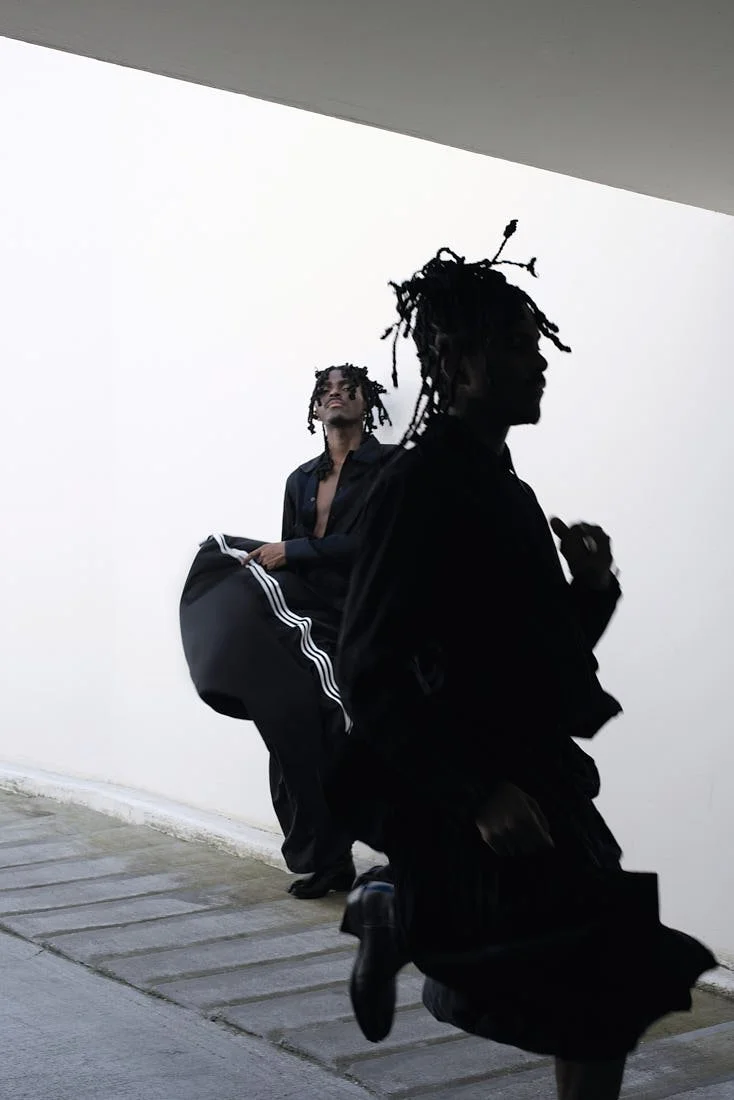
The Atanga Twins for LE MILE Magazine photo by-Olesya Parfenyuk Carlsen Atanga wears a jacket and skirt by Y-3 and Tabi boots by MAISON MARGIELA. Curtis Atanga wears a shirt and skirt by Y-3 and Tabi boots by MAISON MARGIELA
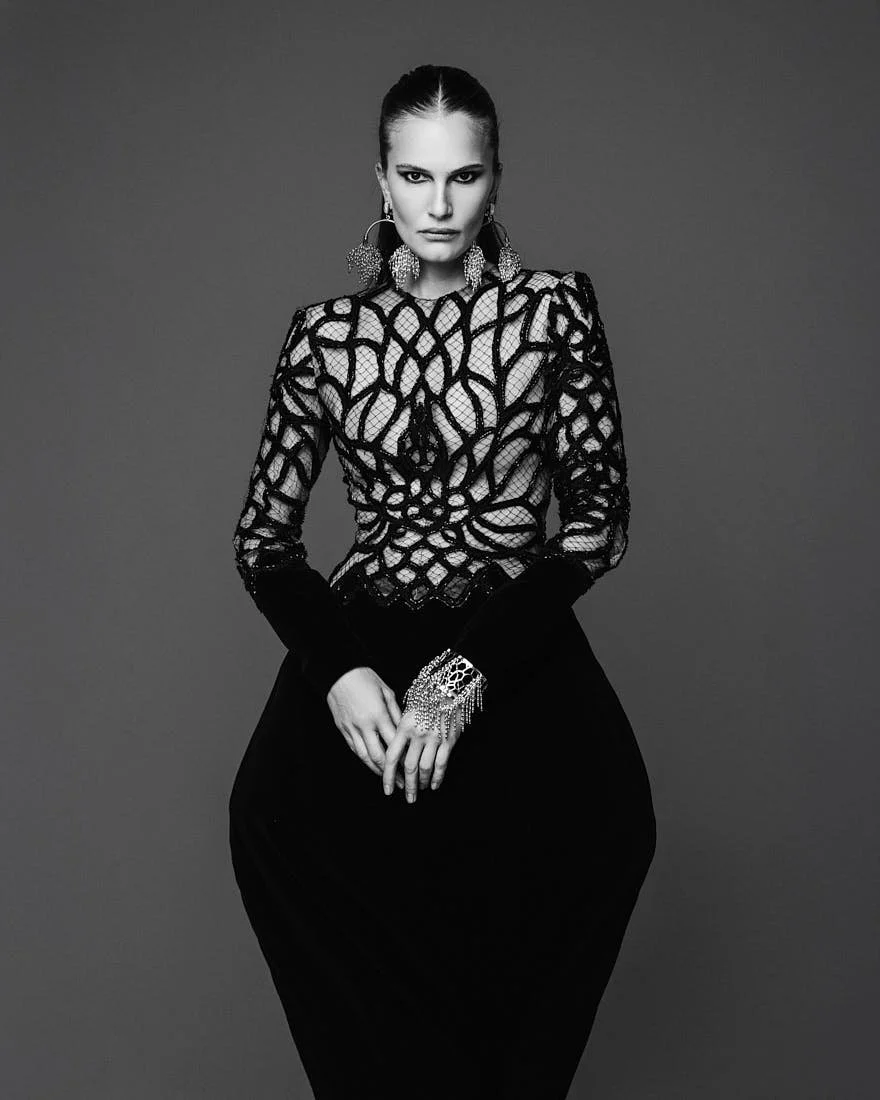
Carlsen Atanga wears a jacket and skirt by Y-3 and Tabi boots by MAISON MARGIELA. Curtis Atanga wears a shirt and skirt by Y-3 and Tabi boots by MAISON MARGIELA


Some say you can only wear one look at a time, some say twins double the fun. You say what, exactly, when someone asks for “the Atanga vibe” and only brings enough snacks for one?

The Atanga vibe only exists when we’re both in the room. If there’s only enough snacks for one, we’ll politely remind them they didn’t place the full order. The Atanga vibe comes as a set. One of us alone is a meal, but together we’re the full banquet. Why settle for a bite when you can have the whole feast?

What’s the movie you watch when you’re both pretending to sleep, lights off, volume down, the plot unravels like a really good outfit that almost gets away?

Carlsen
Call Me by Your Name. What can I say, I’m a hopeless romantic. The music, the scenery, the way it’s shot… it’s that perfect mix of slow, romantic, and unforgettable, like a summer you never want to end.

Curtis
To be honest, I would probably be watching anime instead of a movie. Either Black Clover or Hunter x Hunter. I love anime because it’s about worlds where you can reinvent the norms of a typical movie plot. Where are my anime lovers at?

Brand loyalty or brand mischief — who’s got the better archive in your closet, and are you ever going to let them in on the secret?

Carlsen
Me, no questions asked. Curtis can’t even argue, he’s always in my closet. He’s probably still jealous of my vintage Kendra Scott x Gucci trench, lol. The secret? Definitely estate sales. Everyone sleeps on those.

Curtis

Carlsen, for sure. I’m so jealous of some of his pieces. I don’t know how he always finds the best stuff.

A hobby that can’t be posted, a pleasure that leaves no digital trace — is there anything left for the analog gods, or have they all gone home?

Coding. I know, crazy! But we did graduate with a degree in cybersecurity. We’re secretly a bit of nerds.

Twins in the industry. Do you ever swap lives for a booking just to see if anyone’s awake?

Not yet. But one day we will, and no one will know until they see the behind-the-scenes years later.

Someone says, “We’ll take just one twin today, the other can wait outside.” How long do you let them think that’s an option before you both walk out?

Carlsen
Five seconds, max.

Curtis

If there’s a candy jar, I would grab some first, but five seconds MAX.


The Atanga Twins for LE MILE Magazine photo by-Olesya Parfenyuk Carlsen and Curtis Atanga wear pants by TAREET and mules by ACNE STUDIOS

Carlsen and Curtis Atanga wear pants by TAREET and mules by ACNE STUDIOS


creative direction + photography   OLESYA PARFENYUK
styling   TENWI ARCHIVE
talent   CARLSEN ATANGA + CURTIS ATANGA
agency   FORD MODELS
movement director   EXO BORGIAL
make up artist   SOPHIA GUNEV
hair   SUNDIA WEN
styling assistant   LUCAS LAURENT-CARUGE

copyright LE MILE Magazine / Olesya Parfenyuk

Jakob Wirtz — Deadstock Fashion and 87 Metres of Possibility with (1/1)SAMPLE

Jakob Wirtz — Deadstock Fashion and 87 Metres of Possibility with (1/1)SAMPLE

87 Metres of Possibility with (1/1)SAMPLE


interview KLAAS HAMMER


What would fashion be without its countless young creatives who constantly turn new ideas, sustainable concepts, and extraordinary designs into reality, often with limited resources (money!). LE MILE spoke to one such young creative. Jakob Wirtz, a fashion student at „Hochschule Pforzheim“ currently in his fifth semester, has already completed an internship at Adidas in Herzogenaurach.He tells us what inspires him, where the name of his own label, (1/1)Sample, comes from and all about his latest collection.


brand (1/1)SAMPLE by designer Jakob Wirtz interview with Klaas Hammer for LE MILE Magazine

(c) (1/1)SAMPLE


Klaas Hammer
What originally motivated you to study design, and what motivates you in your work today?

Jakob Wirtz
creating. I often set myself goals that scare me. I want to constantly evolve and push myself further. But in the end, it should always come back to a place where I feel comfortable and enjoy the process. Believing that the responsibility of introducing new fashion into today’s world should be approached with sensitivity, I think deeply beforehand about whether my work can live up to that responsibility, and then I give it everything I have.


What is the meaning behind the name of your brand?

A sample is an experiment, not something intended for sale. It is the first step an idea takes towards becoming reality. This is where you have to be brave, and where there is room to try things out. I like the perspective of also understanding the final garments of the brand as samples. Everything is a foundation for further development and something new that comes after it.


How would you describe your design (language) to someone discovering your work for the first time?

Simplicity and clarity are my top priorities. I strongly believe that the more general something is, the more personal it can become. I try to be creative within a very precisely defined framework set by the initial concept for a collection. My dream is to create something that a lot of different people can connect with. It doesn’t have to be the same connection. Creating inclusive access to fashion is a great challenge.

 
brand (1/1)SAMPLE by designer Jakob Wirtz interview with Klaas Hammer for LE MILE Magazine

(c) (1/1)SAMPLE

 
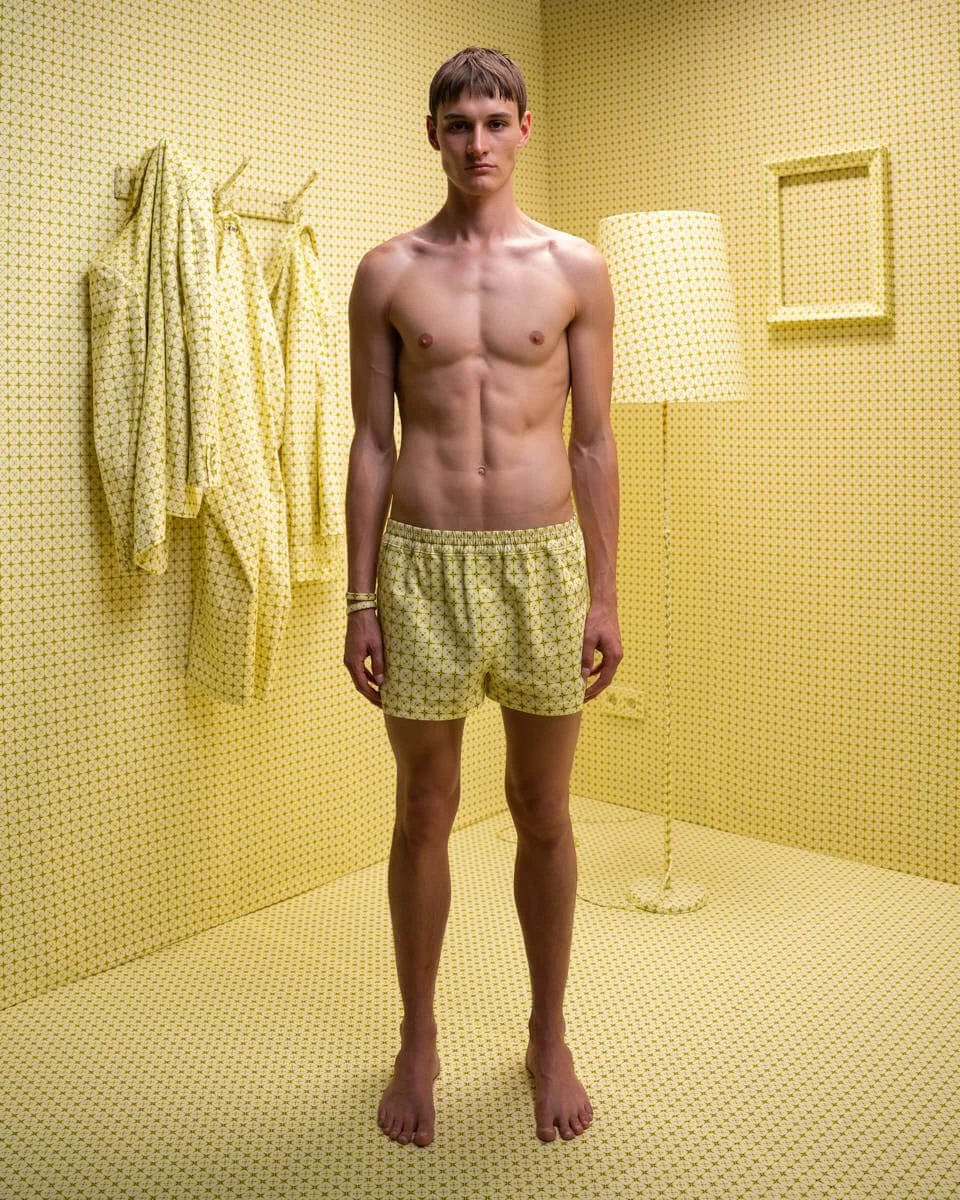
brand (1/1)SAMPLE by designer Jakob Wirtz interview with Klaas Hammer for LE MILE Magazine underwear yellow

(c) (1/1)SAMPLE


What was the starting point for your latest collection, and what idea or story do you want to convey through it?

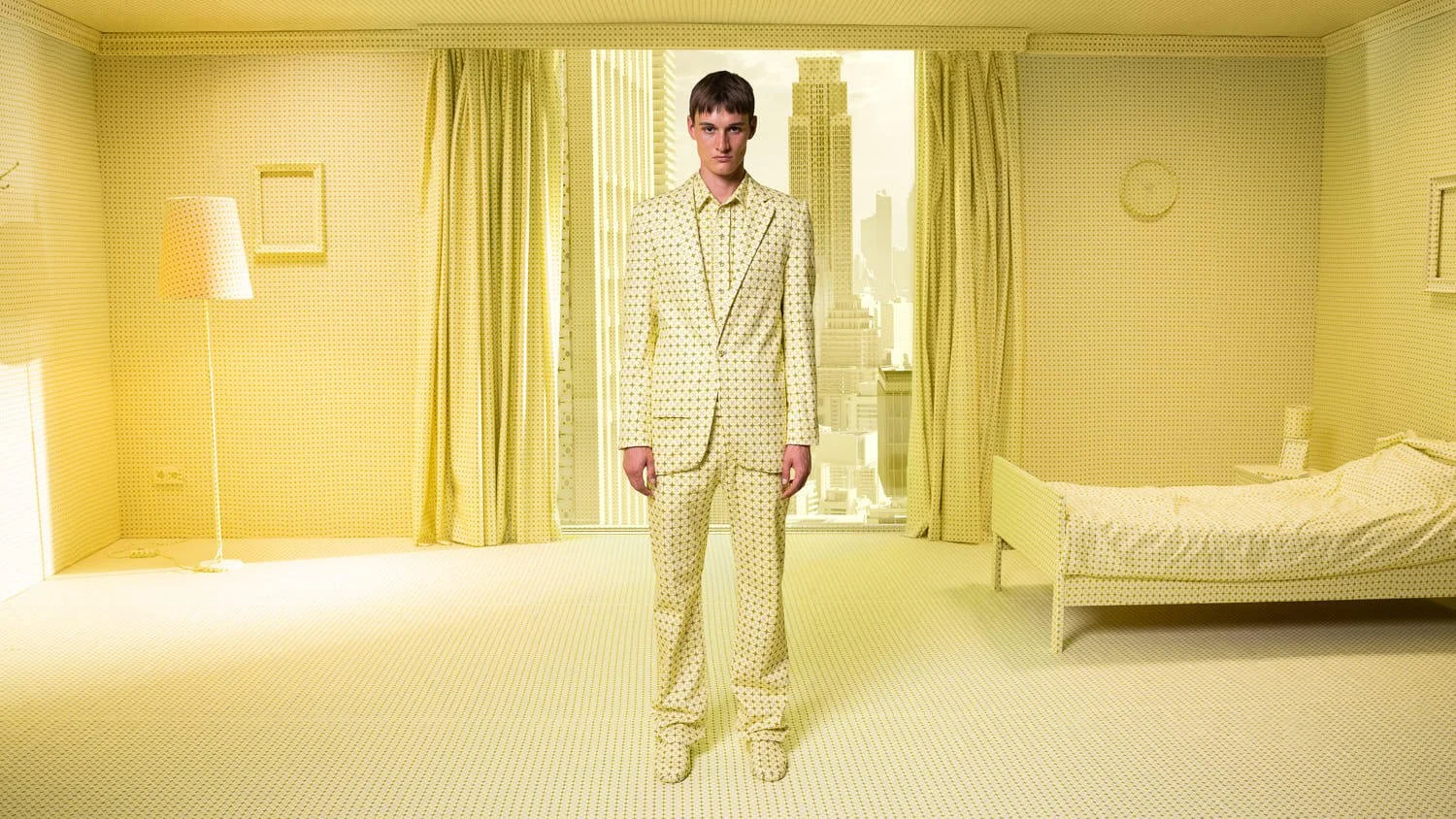
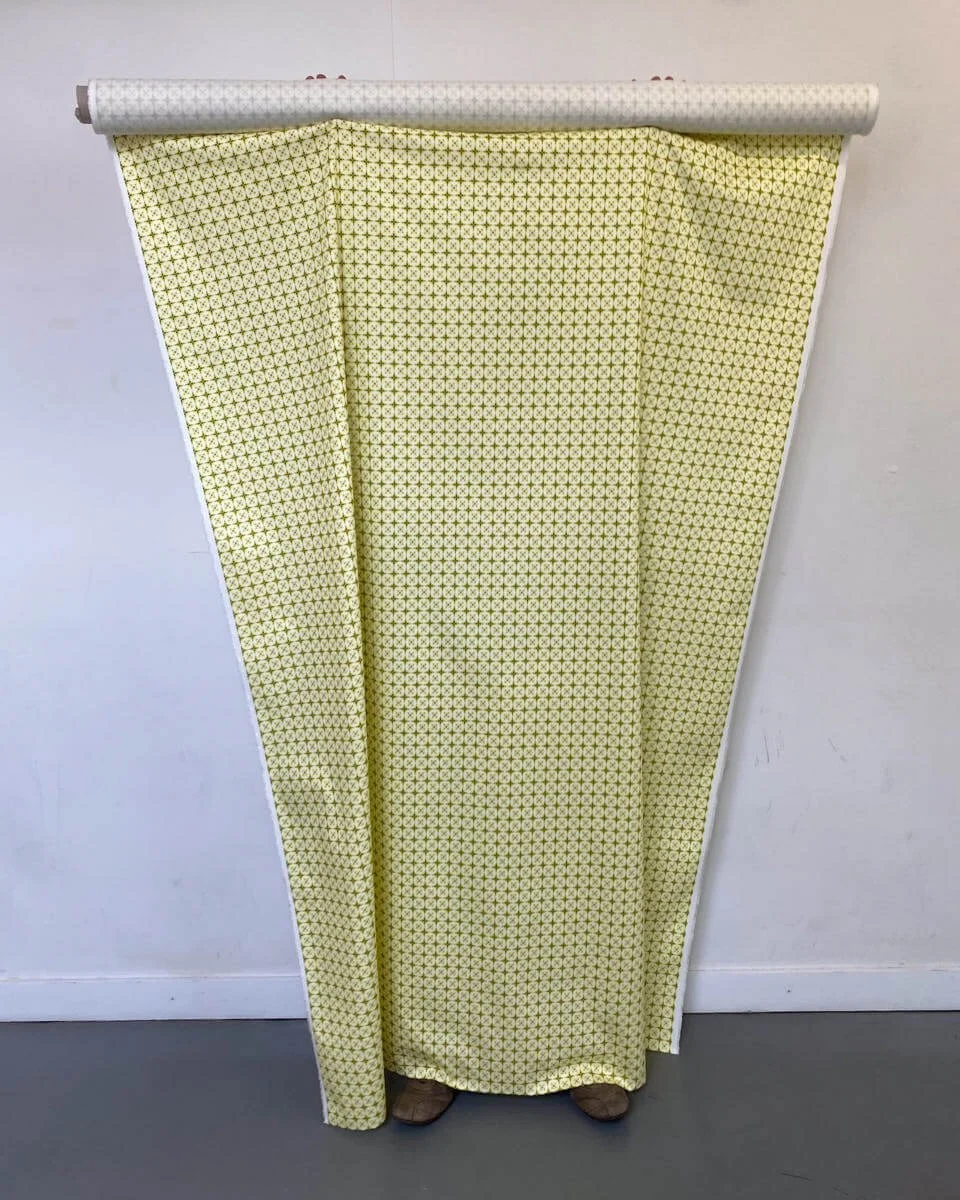
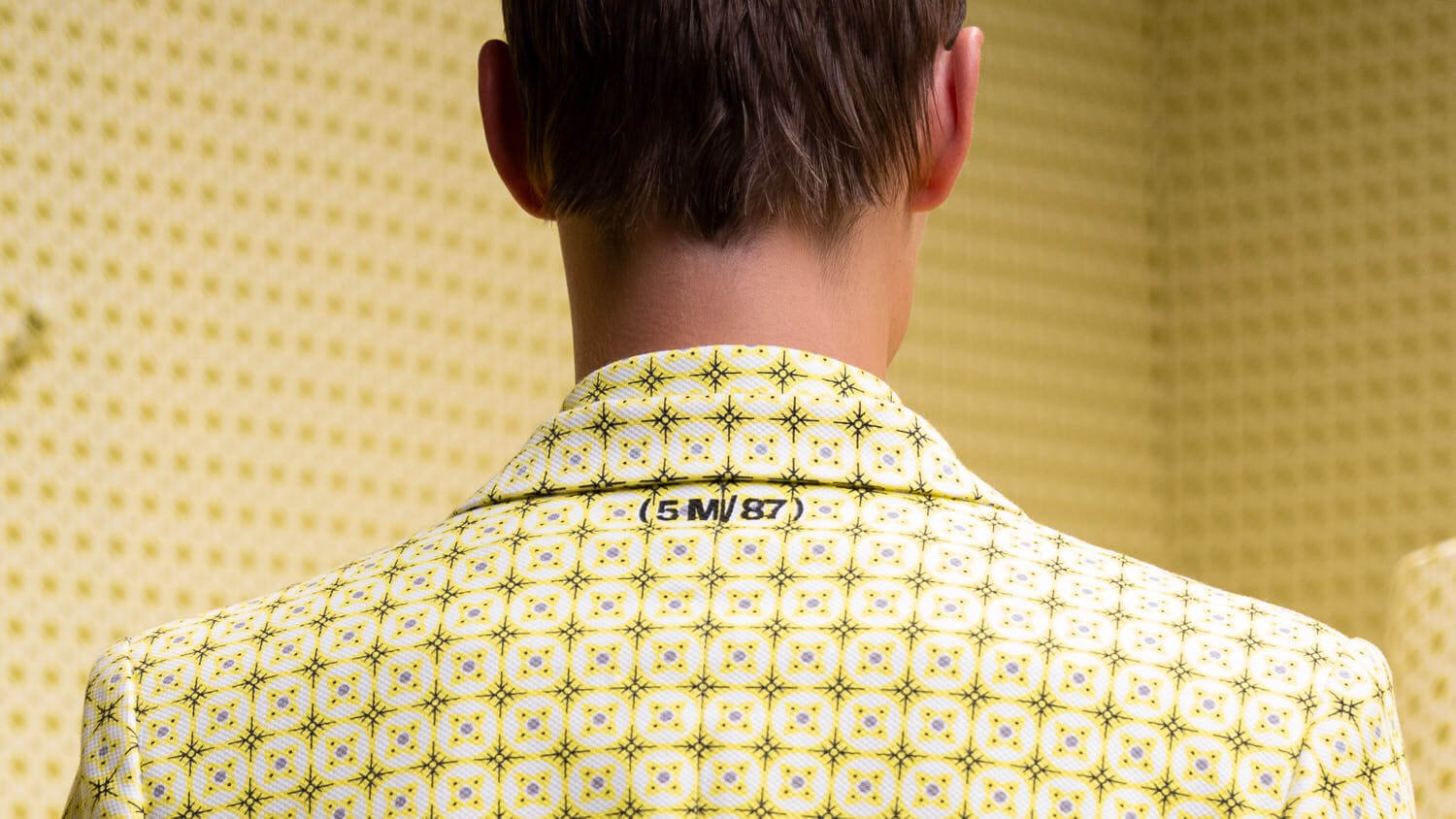
A reality made entirely from a single fabric. The only individuality comes from the subject itself. Maximum minimalism. Minimalist maximalism. An attempt to find something exciting in between. The material we used is the entire remaining 87 meters of one of the worst-selling deadstock fabrics from a large deadstock company I have worked with. Together with them, I searched for a suitable fabric that many people would initially have considered ugly and undesirable. This fabric is used for the collection, the interior, and the set for the presentation. The set is designed based on the width of the fabric, meaning the fabric did not have to be cut and can be used in its entirety to produce the collection. Each piece has a label indicating the amount of fabric used to make it. I wanted to prove to myself that context alone can be enough to turn surplus into something limited.

Who are your fashion role models and your biggest sources of inspiration?

The list of fashion designers I admire is long, and there’s no one I would single out above the others. Fashion is so multifaceted that there isn’t anyone who excels in every discipline at the same time. It’s the diversity that truly brings beauty. I’m constantly discovering new fashion role models from whom I can learn something.

Inspiration literally comes from everywhere. Often, the greatest sources of inspiration are the impressions I get from real life. It can be anything. That’s why I try to always stay attentive and notice every little detail in the moment. I also share ideas with my friends, most of whom are creatives as well, and we work on them together.


brand (1/1)SAMPLE by designer Jakob Wirtz interview with Klaas Hammer for LE MILE Magazine yellow suit

(c) (1/1)SAMPLE


Xander Zhou on Fashion, Identity and Possibility

Xander Zhou on Fashion, Identity and Possibility

No Such Zone with Xander Zhou


interview with Xander Zhou
by Hannah Rose Prendergast


Ancient comes from the past or is packaged as the future.
Xander Zhou works here.
Not to resolve anything, but to establish a point of reference.


2026 SSAW XANDER ZHOU PRO SS26, All XANDER ZHOU PRO collection, ©Xander Zhou Fashion Company Limited for LE MILE Magazine

2026 SSAW XANDER ZHOU PRO SS26, All XANDER ZHOU PRO collection
/ (c) Xander Zhou


Pressure from reality, time, and my own doubt.

If a system stops responding to these pressures, it has already failed.


The body is an ongoing state of operation, not a destination.

It doesn’t belong to a fixed place or identity; it belongs to relationships as they unfold.
Thought forms through the body, and the body is continuously reshaped by thought.


Failure is not confrontation; it is knowing when to stop.

Ending what no longer holds is the most basic form of respect for both the system
and its development.


Some parts will always remain unlit.

Those unlit areas form the shadow.
They are not mistakes, nor something that needs to be eliminated; they are an inevitable
result of a system operating in reality.
I prefer to observe how the shadow shifts, and through that, reassess whether the structure
itself still holds.

 
2026 SSAW XANDER ZHOU PRO SS26, All XANDER ZHOU PRO collection, ©Xander Zhou Fashion Company Limited for LE MILE Magazine

2026 SSAW XANDER ZHOU PRO SS26, All XANDER ZHOU PRO collection
/ (c) Xander Zhou

 
2026 SSAW XANDER ZHOU PRO SS26, All XANDER ZHOU PRO collection, ©Xander Zhou Fashion Company Limited for LE MILE Magazine

2026 SSAW XANDER ZHOU PRO SS26, All XANDER ZHOU PRO collection
/ (c) Xander Zhou


Those who are willing to enter gradually take on its shape.

They are not being represented, but participating.
The work is not shaped by me alone; it forms through wearing, use, lived experience, and
new interpretations sparked by the images or concepts we put into the world.


Repetition often works like a cycle.

Sometimes it signals that a question has not yet completed its path; at other times it acts
as logic, emphasis, memory, or connection.
When conditions align again, certain structures naturally return into view.
These moments allow memories and images to be retested within new realities.


The materials that make me think differently create resistance.

It forces me to question whether I have become too comfortable with familiar design habits.
In this tension, a sense of freshness toward the unknown often leads to unexpected outcomes.


2026 SSAW XANDER ZHOU PRO SS26, All XANDER ZHOU PRO collection, ©Xander Zhou Fashion Company Limited for LE MILE Magazine

2026 SSAW XANDER ZHOU PRO SS26, All XANDER ZHOU PRO collection
/ (c) Xander Zhou


Without limitation, would gesture still carry meaning?

Gesture emerges through control, not as oppression but as a form of structural organization.
When the body is placed within limited space, when paths of movement are constrained,
gesture becomes necessary.
In a state of complete freedom, the body no longer needs to produce clear gestures.
Sometimes I ask myself: if one day consciousness could be uploaded, would we truly achieve
freedom?


The body is an ongoing state of operation, not a destination.

It doesn’t belong to a fixed place or a specific identity; it belongs to relationships as they are unfolding.
Thought forms through the body, and the body is continuously reshaped by thought.
Failure is not confrontation; it is knowing when to stop.
I let things fail when maintaining them goes against how they operate.
Ending what no longer holds is the most basic form of respect for both the system and its development.


It exists between order and reality.

In SSAW26, I focus on how formality, regulation, and identity are gradually losing their effectiveness.
We continue to act through these forms, but reality has already shifted.
The rift emerges in this misalignment: when structures keep functioning, yet can no longer truly
respond to the body, rhythm, or environment of the present.

2026 SSAW XANDER ZHOU PRO SS26, All XANDER ZHOU PRO collection, ©Xander Zhou Fashion Company Limited for LE MILE Magazine

2026 SSAW XANDER ZHOU PRO SS26, All XANDER ZHOU PRO collection
/ (c) Xander Zhou

 
2026 SSAW XANDER ZHOU PRO SS26, All XANDER ZHOU PRO collection, ©Xander Zhou Fashion Company Limited for LE MILE Magazine

2026 SSAW XANDER ZHOU PRO SS26, All XANDER ZHOU PRO collection
/ (c) Xander Zhou


Clarity does not come from the beginning.

It forms through continuous judgment, selection, reduction, and correction.
When unnecessary structures are removed, what truly works becomes visible.
Perhaps beneath every methodology, what ultimately matters is remaining honest with oneself
and the need to understand reality clearly.


“Possible” is a form of hope.

Real possibility does not come from unlimited choice, but from conditions that are still workable,
uncertain, yet full of the unknown.
As reality continues to shift, we need to preserve a belief in possibility.
It is not grand; it happens locally, within limits, perhaps moving closer to infinity
and maximum potential precisely because it is constrained.


2026 SSAW XANDER ZHOU PRO SS26, All XANDER ZHOU PRO collection, ©Xander Zhou Fashion Company Limited for LE MILE Magazine

2026 SSAW XANDER ZHOU PRO SS26, All XANDER ZHOU PRO collection
/ (c) Xander Zhou


credits
header image: 2026 SSAW XANDER ZHOU PRO SS26, All XANDER ZHOU PRO collection / (c) Xander Zhou

Dora Abodi — ABODI Transylvania and The Chronicles

Dora Abodi — ABODI Transylvania and The Chronicles

As It Stands
The Chronicles of Dora Abodi


interview with DORA ABODI
story by HANNAH ROSE PRENDERGAST


ABODI Transylvania Chronicles photographed by Szilveszter Mako LE MILE Magazine writer Hannah Rose Prendergast

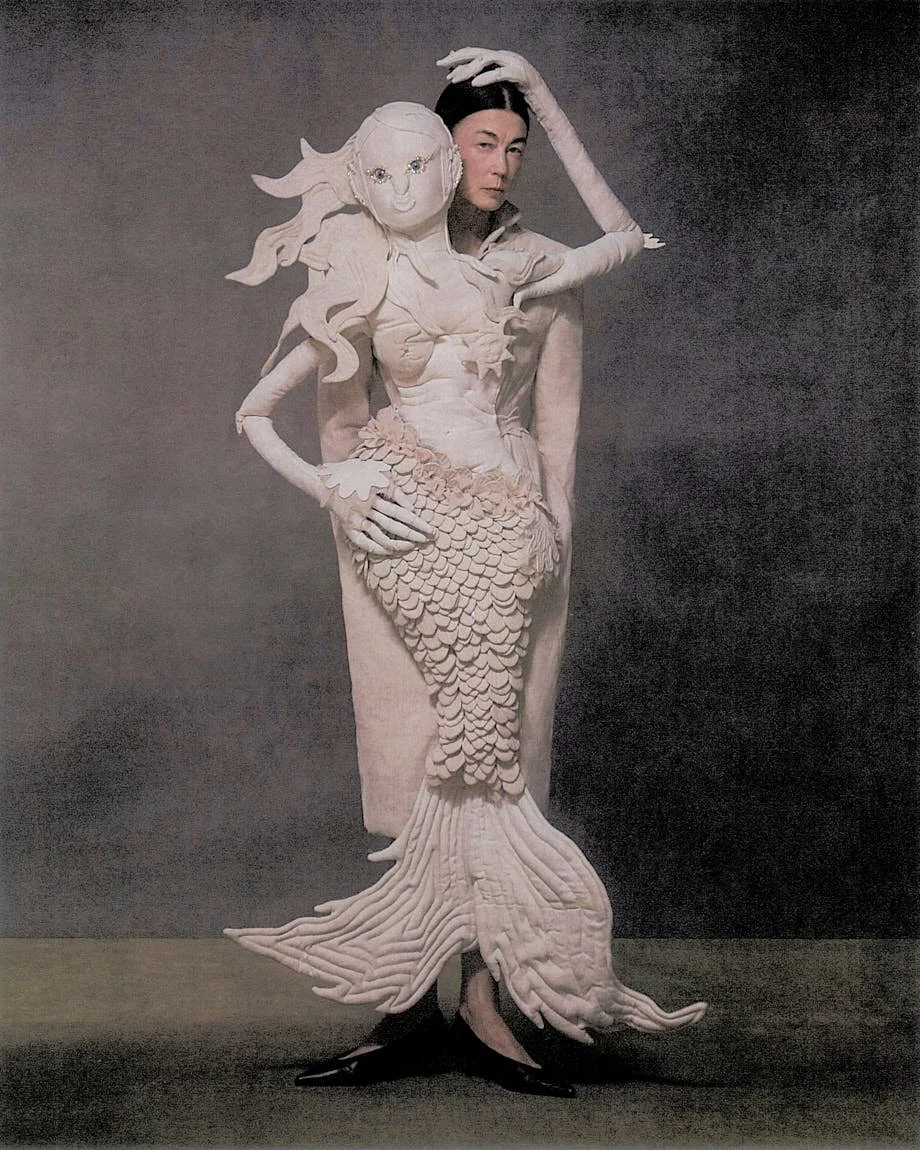
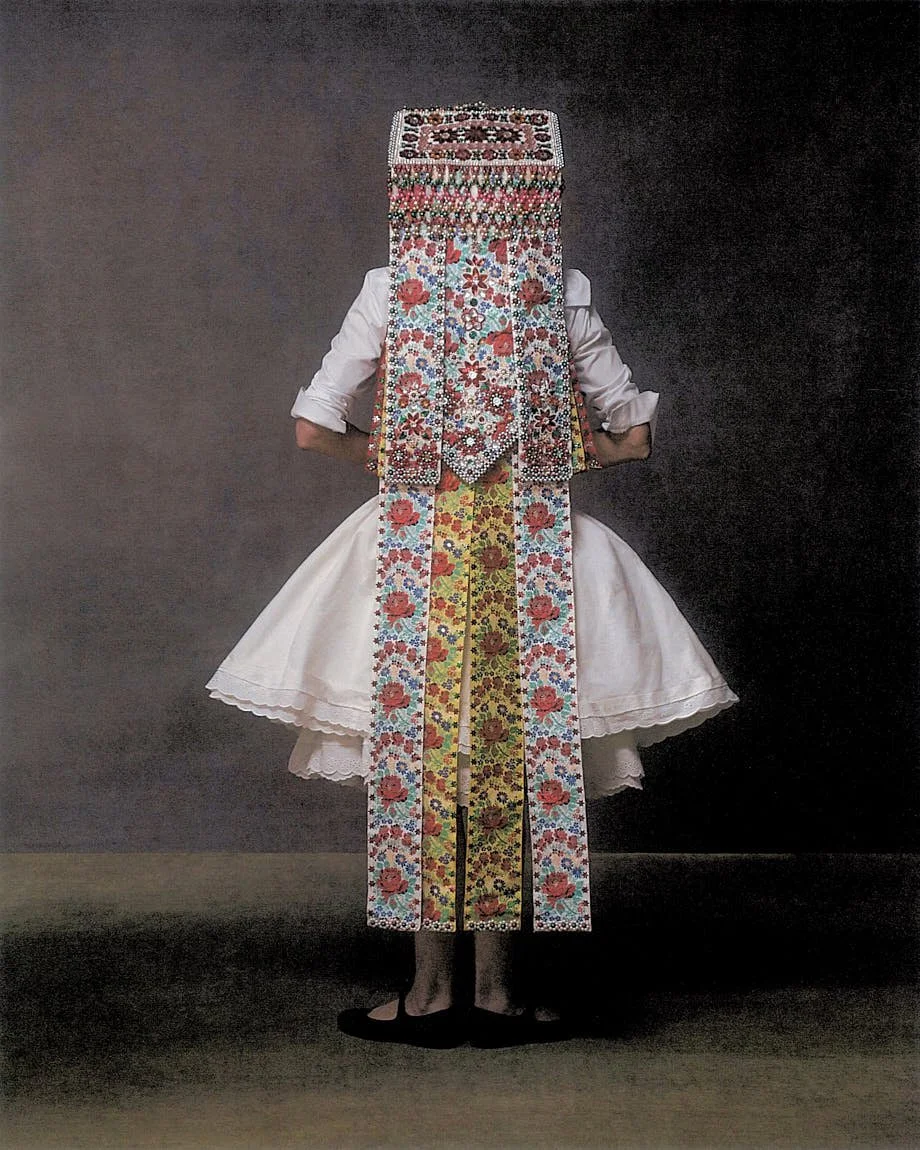
ABODI Transylvania Wearable Art Collection: Chronicles 1


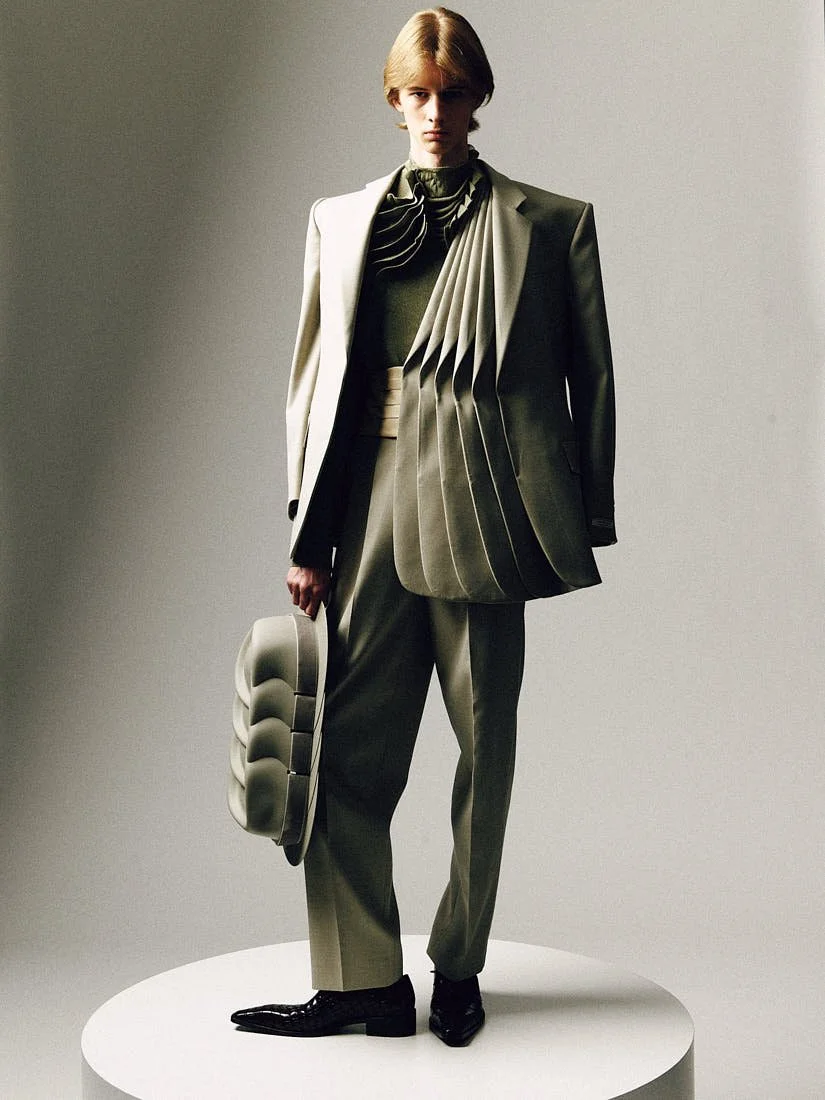
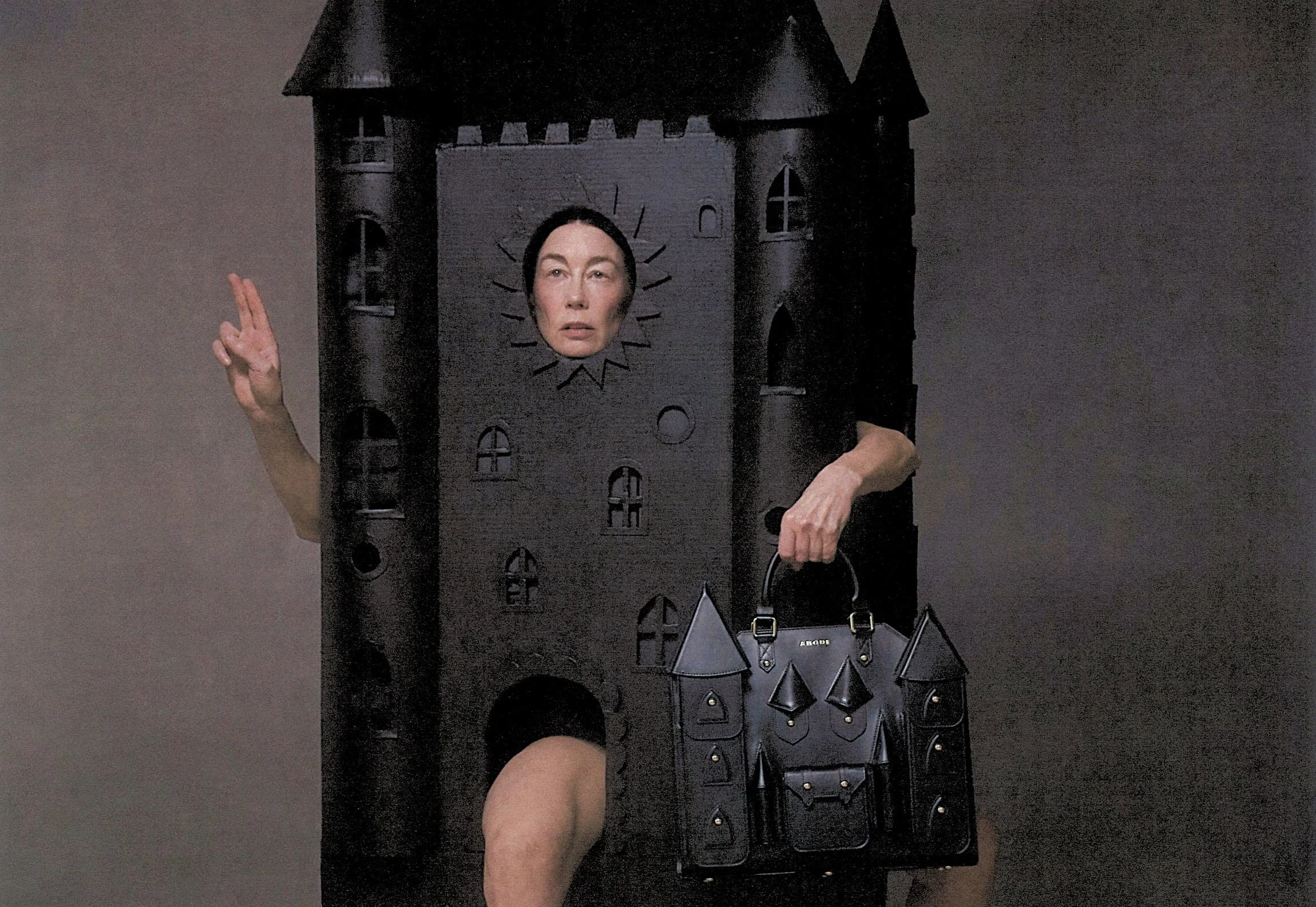
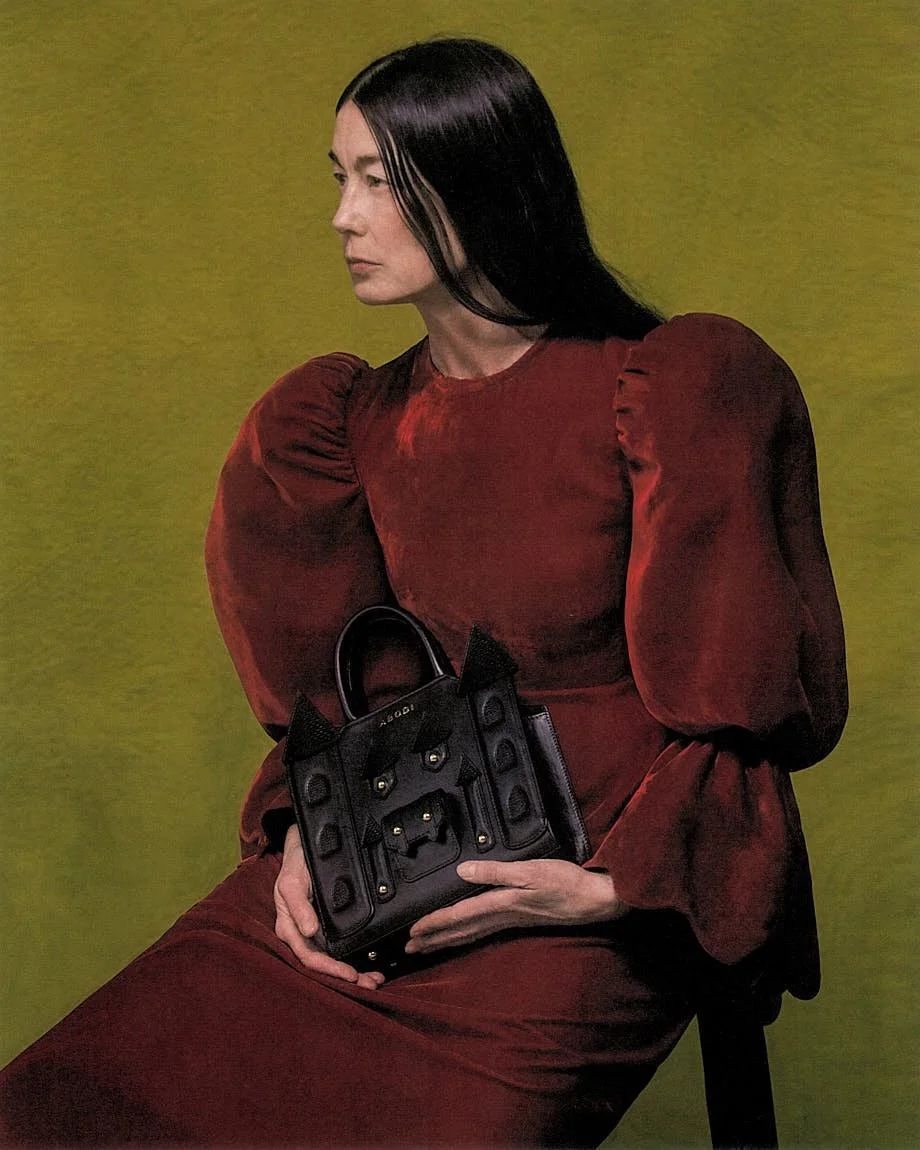
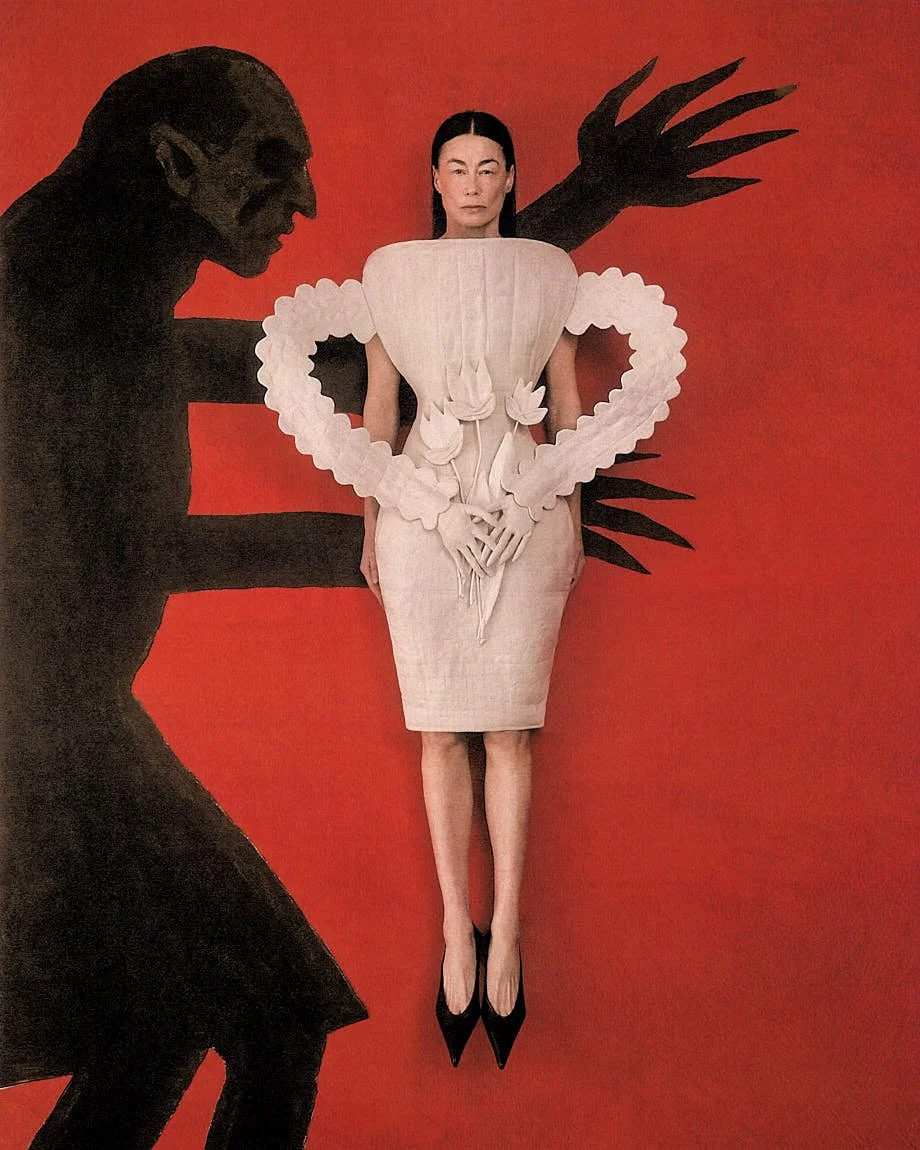
At the core of ABODI Transylvania is a world of stories.
Forms evolve, but the narratives endure.

My work has a literary dimension.
I create characters that inhabit each silhouette.

The Chronicles mirror the present.
Dracula embodies fear of the outsider and the cost of eternal youth.
Ancient gods represent natural forces we have lost touch with.

Antique hemp, handwoven fabrics, and vintage lace carry the passage of time.


ABODI Transylvania Chronicles photographed by Szilveszter Mako LE MILE Magazine writer Hannah Rose Prendergast

ABODI Transylvania Wearable Art Collection: Chronicles 1

ABODI Transylvania Chronicles photographed by Szilveszter Mako LE MILE Magazine writer Hannah Rose Prendergast

ABODI Transylvania Wearable Art Collection: Chronicles 1


The collection took a year and a half.
Two principal seamstresses and one pattern maker.
I sculpt the ceramic elements.

Wearable art is an autonomous object.
On the body, it transforms.

Elisabeth Báthory fascinates me.
She managed her own estates and was labelled a bloodthirsty monster.

When an idea feels right, I follow it, even if opinions differ.
I release only what I consider excellent, refusing to compromise on integrity.

Even the simplest garment, like a T-shirt, should be passed down through generations.


ABODI Transylvania Chronicles photographed by Szilveszter Mako LE MILE Magazine writer Hannah Rose Prendergast

ABODI Transylvania Wearable Art Collection: Chronicles 1

ABODI Transylvania Chronicles photographed by Szilveszter Mako LE MILE Magazine writer Hannah Rose Prendergast

ABODI Transylvania Wearable Art Collection: Chronicles 1


ABODI Transylvania Wearble art collection Chronicles 1
creative director at ABODI Transylvania Dora Abodi
photograper Szilveszter Makó
talent Ursula Wångander

set design + illustrations Obsidian Lune
executive producer Siyan Chen
grooming Chiara Giangrossi
strategic consultant Peter Szurszabo


Gizem Emre On Identity, Confidence, and Staying True to Yourself

Gizem Emre On Identity, Confidence, and Staying True to Yourself

Why Gizem Emre Is Done Measuring Herself Through Other People’s Eyes


interview + written THINLEY WINGEN


For years, Gizem Emre has been a familiar face on screens, red carpets, and across Germany’s cultural landscape. Yet despite growing up in the public eye, the actress describes herself as much quieter than many people might expect.


LE MILE Magazine Interview with Gizem Emre photographed by Nic Schoppet Gizem wears top, pants and jewelry by IOANNES, tights by FALKE and shoes by H&M Studio

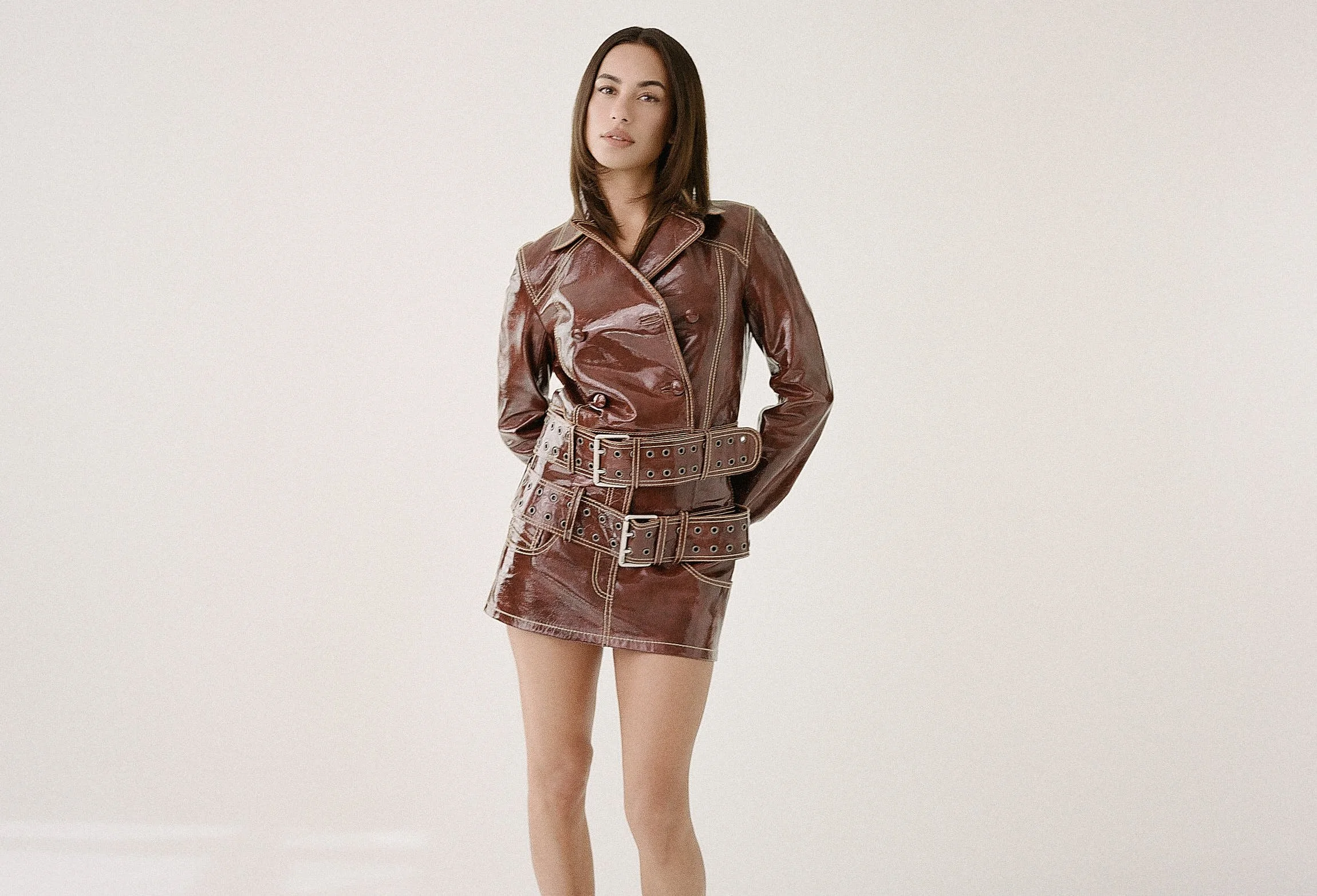
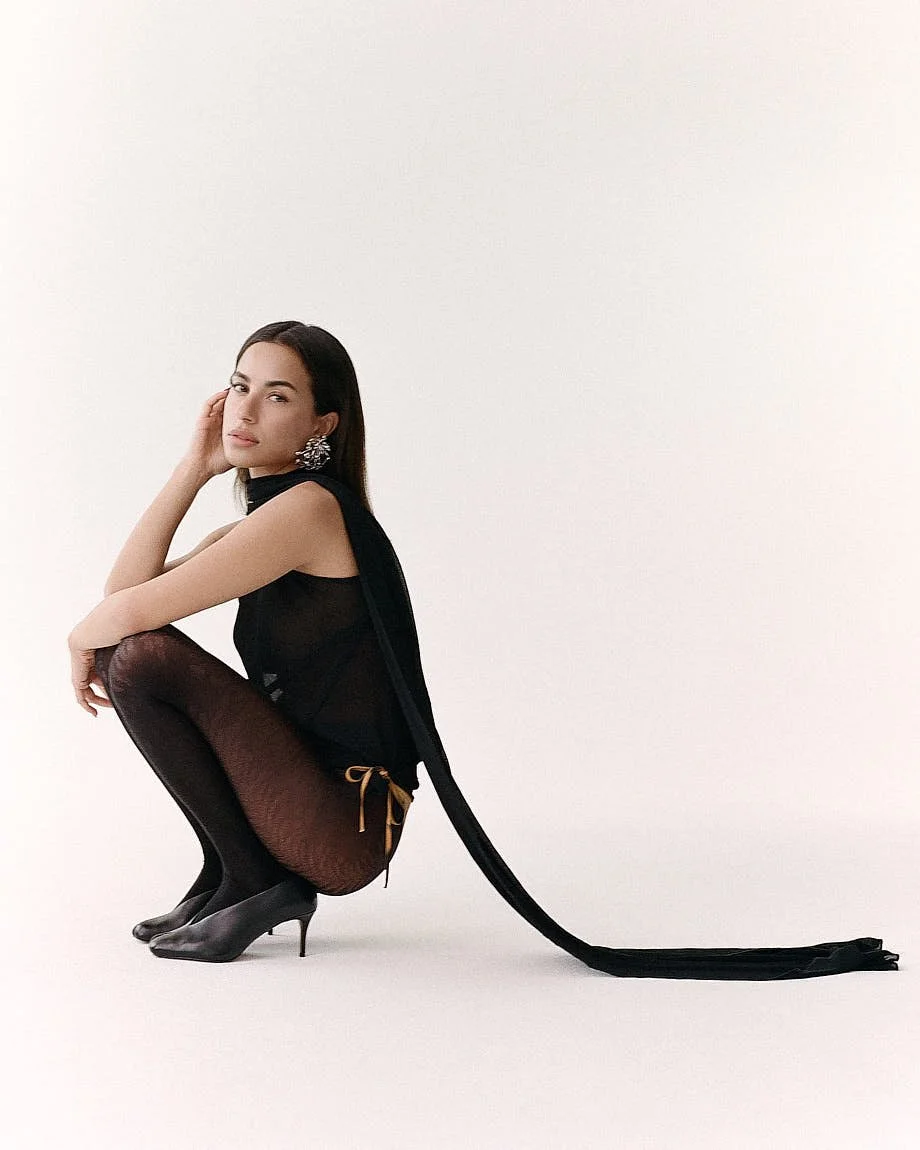
Gizem wears top, pants and jewelry by IOANNES, tights by FALKE and shoes by H&M Studio


"I think many people are surprised when they meet me in person because privately I'm much calmer and more reserved," she tells LE MILE. Born and raised in Berlin, Emre grew up between cultures and learned early on how to navigate different expectations while staying connected to herself. Over the years, she has developed a stronger sense of confidence, letting go of constant comparison and placing greater value on how she feels rather than how she is perceived. "I think the older you get, the more important it becomes how you feel about yourself instead of constantly thinking about how you appear to others." Below, the actress reflects on public perception, belonging, self-confidence, and finding moments of calm in an increasingly noisy world.

 
LE MILE Magazine Interview with Gizem Emre photographed by Nic Schoppet Gizem wears look by ELISABETTA FRANCHI and shoes by IOANNES

Gizem wears look by ELISABETTA FRANCHI and shoes by IOANNES

 
LE MILE Magazine Interview with Gizem Emre photographed by Nic Schoppet Gizem wears a dress by DIESEL

Gizem wears a dress by DIESEL


Thinley Wingen
Many people feel like they already know you before you've even said a word. How do you experience the difference between public perception and who you actually are?

Gizem Emre
Because I play many different roles and show different sides of myself through them, I’m not even sure if people have one specific image of me. I actually think many people are surprised when they meet me in person because, privately, I’m much calmer and more reserved than some might expect at first glance. As a viewer, you often only see fragments, a role, an appearance, or an interview, but not necessarily the person behind it.


You have been in the public eye for many years. What has changed about being a woman who is constantly seen and judged?

A lot has changed over the years. I’ve become much more confident, I know myself and my body better, and over time, I’ve learned not to compare myself to others all the time. You grow up with certain beauty ideals, and especially in the public eye, you are constantly being judged, consciously or unconsciously. It used to affect me more, but today I see things much more calmly. I think the older you get, the more important it becomes how you feel about yourself instead of constantly thinking about how you appear to others.


LE MILE Magazine Interview with Gizem Emre photographed by Nic Schoppet Gizem wears a dress by DIESEL

Gizem wears a dress by DIESEL


You often come across as very confident and present. Are there still moments when you feel misunderstood or reduced to a certain image?

Being able to speak freely also means allowing yourself to be seen without filters, and I think the fear of being misunderstood or not being taken seriously has been with me for a very long time. Especially when you enter the public eye at a young age, you quickly develop the feeling that you constantly have to prove yourself.


How has growing up in Berlin and as a Turkish-German woman shaped your understanding of belonging, strength, and identity?

I grew up between two cultures, and I see that as a gift. Of course, it can also come with a certain sense of being torn between different expectations or perspectives. But I was lucky enough to grow up in a very liberal family, which meant I never felt like I had to choose one side over the other.

What has helped you stay true to yourself over the years, despite public attention, social media, and outside expectations?

Above all, spending time with myself. I think it’s incredibly important to keep coming back to yourself and sorting through your own thoughts. Especially in a world where so much is constantly coming at you from the outside, you need that sense of calm to stay grounded.


LE MILE Magazine Interview with Gizem Emre photographed by Nic Schoppet Gizem wears top, pants and jewelry by IOANNES, tights by FALKE and shoes by H&M Studio

Gizem wears top, pants and jewelry by IOANNES, tights by FALKE and shoes by H&M Studio


talent GIZEM EMRE
photography NIC SCHOPPET
hair + make up FINA BOATENG
styling KLAAS HAMMER
interview THINLEY WINGEN
management BTA / CAROLINA DACHS

Aurelien Muller Shares His Camera Roll — Inside Aurelien Muller’s First Cannes Film Festival

Aurelien Muller Shares His Camera Roll — Inside Aurelien Muller’s First Cannes Film Festival

#ThePersonalEdit

Aurelien Muller Opens His Camera Roll From Cannes 2026


written LE MILE


For this edition of The Personal Edit, Aurelien Muller shares a glimpse into his personal camera roll from his first visit to the Cannes Film Festival. Moving between hotel moments on the Côte d’Azur, fittings, red carpets and late-night celebrations, the images document the rhythm and atmosphere surrounding one of cinema’s most visible annual gatherings.


The Personal Edit of Aurelien Muller at Cannes 2026 for Le Mile Magazine. Arriving in the sunny Riviera for my first ever Cannes Film Festival.

Arriving in the sunny Riviera for my first ever Cannes Film Festival.


Known for his recent appearance in Emily in Paris, Muller approached Cannes through a mix of film, fashion and personal observation. Across the festival, he attended events hosted by brands including Chopard, Ray-Ban and HFC Parfums, while stepping onto the Cannes red carpet for the very first time. Shot on his phone and paired with his own captions, The Personal Edit follows the days from arrival to closing night through Muller’s perspective.

 
The Personal Edit of Aurelien Muller at Cannes 2026 for Le Mile Magazine. A moment of peace at Chatea de Theoule before the excitement begins!

A moment of peace at Chatea de Theoule before the excitement begins!

 
The Personal Edit of Aurelien Muller at Cannes 2026 for Le Mile Magazine. A moment of peace at Chatea de Theoule before the excitement begins.
 
The Personal Edit of Aurelien Muller at Cannes 2026 for Le Mile Magazine. Looking out for any finishing touches before I walk the Cannes red carpet for the first time.

Looking out for any finishing touches before I walk the Cannes red carpet for the first time.

 
The Personal Edit of Aurelien Muller at Cannes 2026 for Le Mile Magazine. Then come those special Côte d'Azur nights. This evening celebrating HFC parfums was unforgettable.

Then come those special Côte d'Azur nights. This evening celebrating HFC parfums was unforgettable.


The Personal Edit of Aurelien Muller at Cannes 2026 for Le Mile Magazine. Talking all things HFC Parfums with this incredible team.

Talking all things HFC Parfums with this incredible team.

 
The Personal Edit of Aurelien Muller at Cannes 2026 for Le Mile Magazine. Talking all things HFC Parfums with this incredible team.
 
 
The Personal Edit of Aurelien Muller at Cannes 2026 for Le Mile Magazine. Another day of fittings, grooming, and a special night with Chopard ahead.

Another day of fittings, grooming, and a special night with Chopard ahead.


The Personal Edit of Aurelien Muller at Cannes 2026 for Le Mile Magazine. My view before heading into Chopard’s The Miracle Gala.

My view before heading into Chopard’s The Miracle Gala.

 
The Personal Edit of Aurelien Muller at Cannes 2026 for Le Mile Magazine. A memorable evening with great company.

A memorable evening with great company.


The Personal Edit of Aurelien Muller at Cannes 2026 for Le Mile Magazine. What a pleasant surprise!

What a pleasant surprise!


The Personal Edit of Aurelien Muller at Cannes 2026 for Le Mile Magazine. Back in the chair for a refresh ahead of a busy day at Cannes.

Back in the chair for a refresh ahead of a busy day at Cannes.

 
The Personal Edit of Aurelien Muller at Cannes 2026 for Le Mile Magazine. Celebrating Ray-Ban in an all-white ensemble.

Celebrating Ray-Ban in an all-white ensemble.

The Personal Edit of Aurelien Muller at Cannes 2026 for Le Mile Magazine. The glasses. Ray-Ban Meta.

The glasses.


The Personal Edit of Aurelien Muller at Cannes 2026 for Le Mile Magazine. A moment for the many outfits of Cannes!

A moment for the many outfits of Cannes!

The Personal Edit of Aurelien Muller at Cannes 2026 for Le Mile Magazine. A moment for the many outfits of Cannes!
 
The Personal Edit of Aurelien Muller at Cannes 2026 for Le Mile Magazine. One of the final outfits of the trip, for a very special closing night!

One of the final outfits of the trip, for a very special closing night!

 
The Personal Edit of Aurelien Muller at Cannes 2026 for Le Mile Magazine. A special moment on the carpet with Daria Strokous for EE72’s celebration of Film and Fashion.

A special moment on the carpet with Daria Strokous for EE72’s celebration of Film and Fashion.


all images
(c) Aurelien Muller

COSIMA KAIBEL — Three Stripes and the Codes of a Generation

COSIMA KAIBEL — Three Stripes and the Codes of a Generation

Three Stripes and the Codes of a Generation
From Neukölln to Canvas with Cosima Kaibel


interview + written ALBAN E. SMAJLI


Adidas appears in contemporary painting with a frequency that would have seemed unlikely a generation ago. The three stripes have moved beyond sportswear and entered the visual vocabulary of a younger generation of artists. Tracksuits and sneakers circulate through studios and canvases in cities like Berlin, London or New York as a shared cultural code, carrying references to belonging, migration histories, street culture and urban identity. For many painters today, these garments carry a particular duality. They are instantly recognizable yet deeply ordinary.


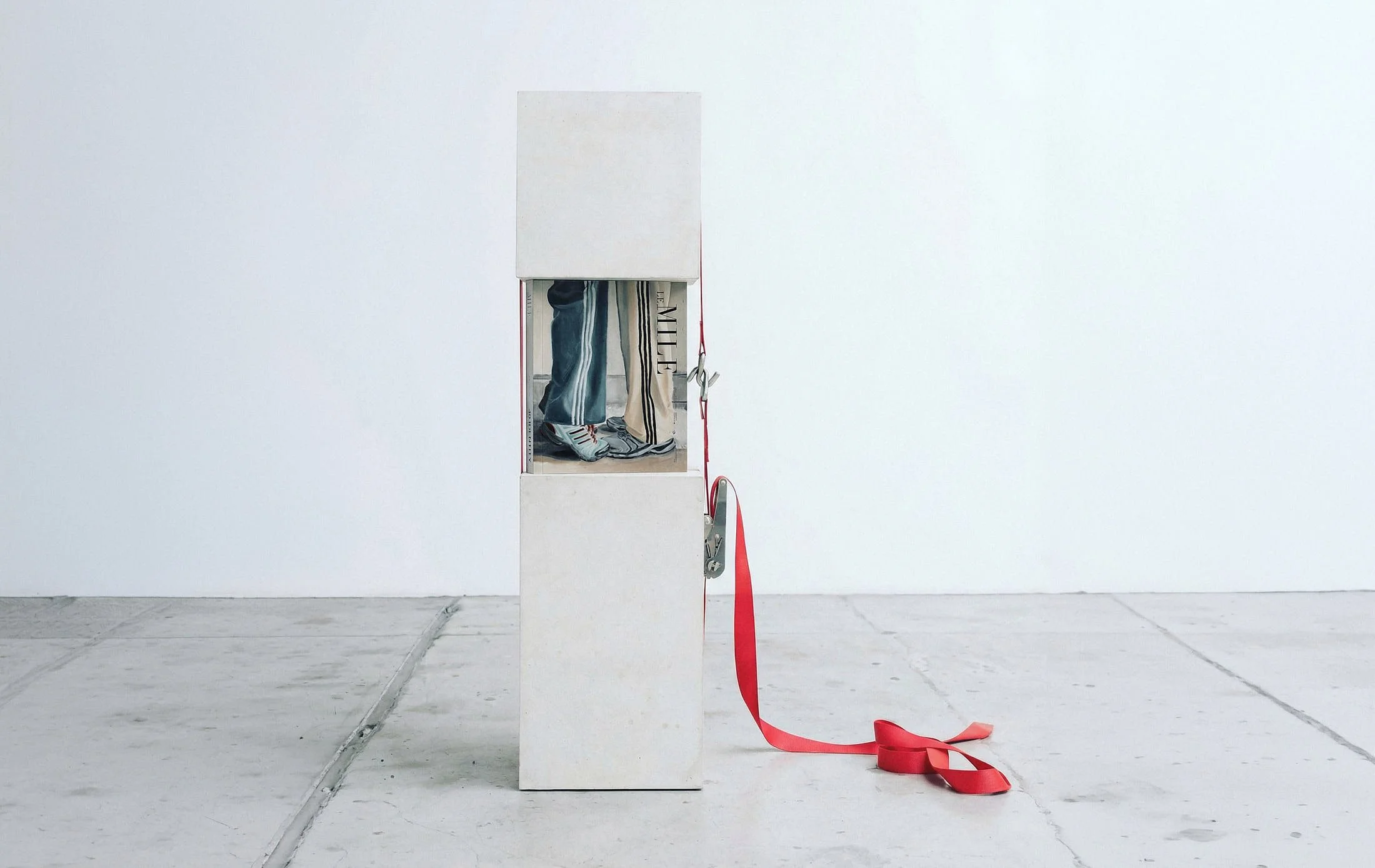
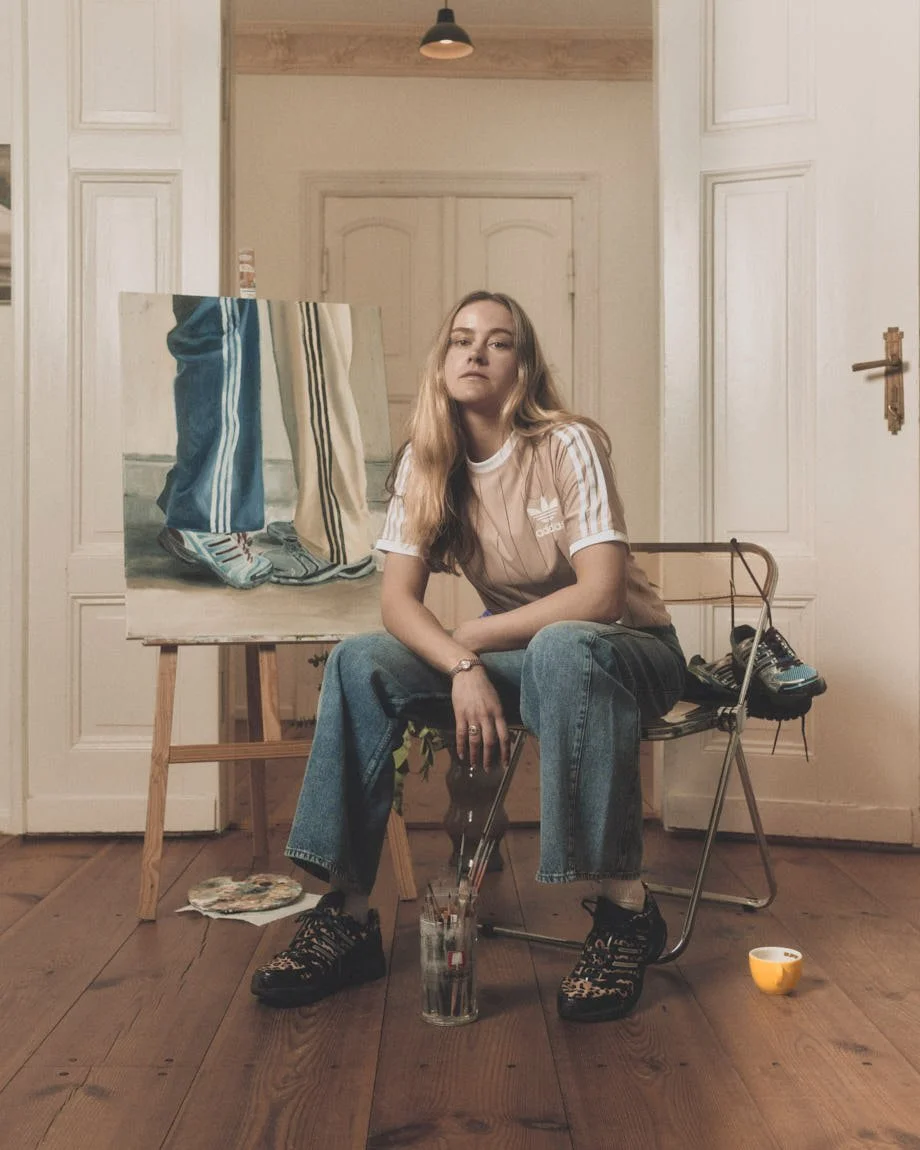
Cosima Kaibel first painted Cover for adidas adistar Control 5 with LE MILE Magazine photo Nicolai Sauer magazine identity issue 40 ss26 Alban E. Smajli Albina Imeri

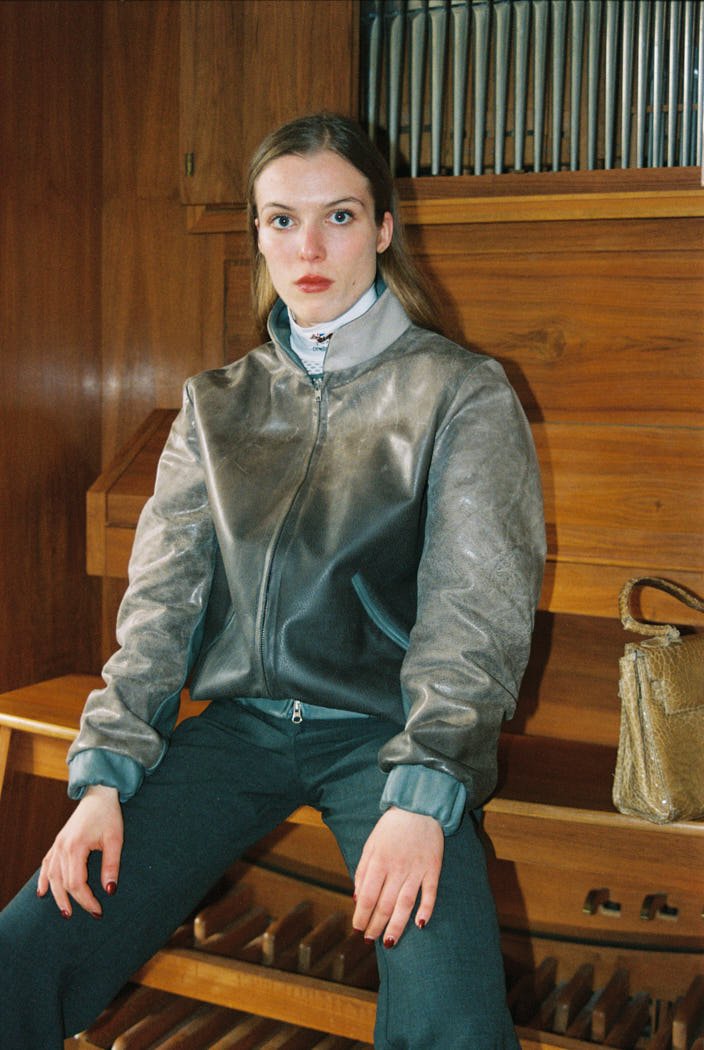
leather bomber jacket by ESRA VON KORNATZKI


A tracksuit can signal attitude, nostalgia, irony or intimacy depending on how it is framed. Adidas has quietly become part of the visual language through which contemporary identity is read and expressed.

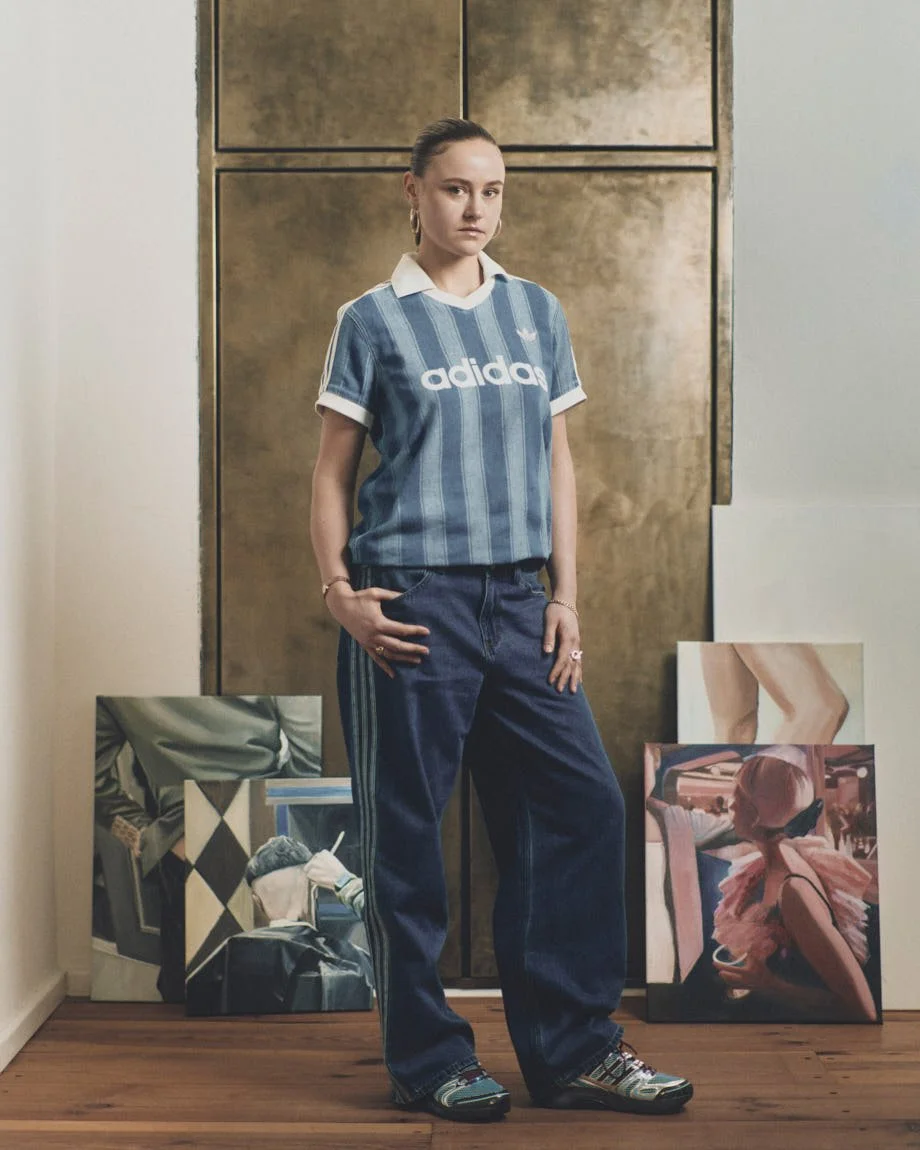
Berlin-based artist Cosima Kaibel approaches this language from within the environment that shaped her. After years abroad, she returned to Berlin, where her work continues to circle around Neukölln and the subtle social codes embedded in everyday scenes.

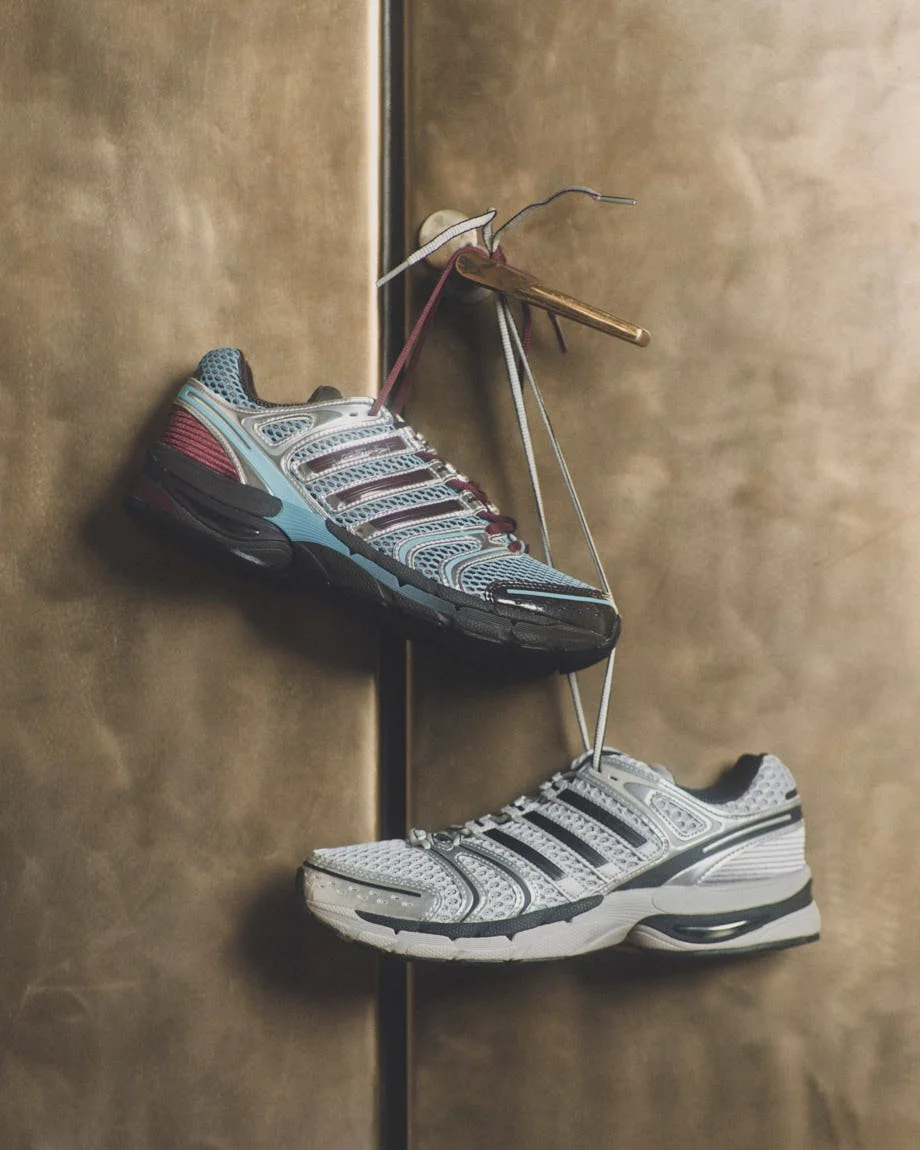
For this collaboration with Adidas, Kaibel condenses the scene into a fragment where two figures meet, visible only from the legs down, Adidas trousers falling into Adistar Control 5 sneakers as the three stripes trace quiet lines along the bodies. Everything above the frame remains open. Without faces, identity unfolds through posture, fabric and proximity, allowing the viewer to complete the moment while reflecting Kaibel’s wider interest in how bodies are framed and interpreted in contemporary visual culture.

 
Cosima Kaibel first painted Cover for adidas adistar Control 5 with LE MILE Magazine photo Nicolai Sauer magazine identity issue 40 ss26 Alban E. Smajli Albina Imeri
 
Cosima Kaibel first painted Cover for adidas adistar Control 5 with LE MILE Magazine photo Nicolai Sauer magazine identity issue 40 ss26 Alban E. Smajli Albina Imeri
 
Cosima Kaibel first painted Cover for adidas adistar Control 5 with LE MILE Magazine photo Nicolai Sauer magazine identity issue 40 ss26 Alban E. Smajli Albina Imeri
 
 
Cosima Kaibel first painted Cover for adidas adistar Control 5 with LE MILE Magazine photo Nicolai Sauer magazine identity issue 40 ss26 Alban E. Smajli Albina Imeri
 
Cosima Kaibel first painted Cover for adidas adistar Control 5 with LE MILE Magazine photo Nicolai Sauer magazine identity issue 40 ss26 Alban E. Smajli Albina Imeri


Alban E. Smajli
You lived in the UK, China, Uruguay, India, France and Italy before coming back to Berlin. Did leaving make you see the city more clearly, and why did you decide to return and paint it again? How does place shape identity for you?

Cosima Kaibel
Leaving and coming back definitely changed my perspective on the city. It made it feel much more like home. Exploring different places made me realize what’s special about Berlin to me and see the magic in things I thought were normal before, like the mix of cultures on Sonnenallee or the Queer culture here, the rough down-to-earth attitude of Berliners and the way all of these shape the whole energy of the city. Seeing things that are different helped me realize that there is no universal ‘normal’, but that ‘normal’ is always relative. That was freeing.

I believe that places are a big part of identity. They determine our experiences, what we learn, what we see, values people hold up around us. All of that eventually shapes who we become. Even if you try to live in your own bubble, you still move through streets, hear languages, deal with people. That does something to you, even if it means rejecting your direct environment. Traveling made me realize how much I do identify as a Berliner, if not a Neuköllner. (44 Represents! - That’s the number of the part of the district where my school was.)

Painting scenes from the city and my district is a way for me to show my appreciation for this place and the things it stands for in my view. I paint it because it formed me. 


What does identity mean to you right now?

To me identity means knowing who I am, which is rather an ongoing process than a fixed definition. It’s about understanding what matters to you and why. When I look at the people and places I grew up with, I understand myself better. Shared experiences stick. School friends, old memories, stupid stories you still laugh about - that creates belonging. Even if everyone came from different backgrounds and went in different directions later on.
Identity isn’t just how you see yourself. It’s also who you experienced things together with. I’m also interested in how identity is performed.
Through clothes, posture, the way someone stands or moves. You don’t just have an identity - you show it. Sometimes consciously, sometimes not. That’s something I explore in my Neukölln series and in my newer series „Anything Butt Dates“ - Bodies carry projection, control, vulnerability, stories, and power. 


For our first ever painted cover, you decided to show only the lower body, from the thighs down. Why did you leave out the faces? What changes when identity is told through posture, fabric and sneakers?

Omitting faces is something I often do in my work, because they often don’t matter for what I want to show. Posture, fabric and sneakers are carriers of cultural meaning and stories. A tracksuit, for example, is never just sportswear; in Neukölln it becomes part of a shared visual language. When faces disappear, the image becomes less about “this person” and more about structures: belonging, subculture, class, gender expression - which is what I’m more interested in, when I choose to paint this way.
At the same time, leaving out faces creates space for projection. The viewer completes the image, fills in what is missing, invents a story beyond the frame. I’m interested in that openness. I don’t want to over-explain or resolve everything. I want to provoke a certain unresolved tension, a friction that keeps the image alive. 


watch the making of
/ directed and filmed by FURKAN CETIN


And what do you imagine is happening beyond what we see (We only see part of the scene and everything above the frame is open)? Is that anonymity protective, political or simply poetic for you?

For me, it’s just a love scene. Two people kissing. Whether they’re men, women, or something else doesn’t matter. If that becomes political, that says more about society than about the image.


Also, in general I like to omit details in the stories I write and the images I create, when they’re not necessary. In this image it’s about two people in a moment of affection. It doesn’t matter which gender they identify with or what skin color they have. I also find it boring to be too explicit.
In “Anything Butt Dates,” anonymity has a protective dimension. The project deals with male bodies as carriers of social role models, beauty ideals, and power structures, but also as vulnerable and relational beings. In a digital culture shaped by dating apps and photographic self-exposure, the act of showing and withholding becomes charged. Omitting details protects the privacy of the models and shifts attention to the politics of the gaze itself. 


When you paint Adidas, do you think of it as a brand, or more as a shared cultural code for your generation?

Both - but primarily as a cultural code. In Neukölln, certain brands function almost like dialects. A three-stripe tracksuit carries references to migration histories, masculinity, street culture, aspiration. It can signal belonging or stereotype at the same time. I’m interested in that ambiguity. When I paint something like that, I’m not advertising a brand - I’m painting a social symbol. It’s similar to how Renaissance painters depicted fabric folds to signify status. Today, a tracksuit can communicate just as much.

That’s also why, in the painting with the tracksuit, I gave so much attention and care to the material itself. I treated it with a kind of tenderness - to show the texture, the shine, the weight of the fabric. By rendering it with that level of detail and affection, I elevate something often dismissed as ordinary or stereotypical and show how it carries dignity, complexity, and beauty. Even if the cover isn’t officially part of the Neukölln series, it speaks the same language.
Cropped bodies, sneakers close to each other, stripes running down the legs. You don’t see faces but you immediately read identity, generation, intimacy. Clothes tell the story.

In this image, the brand almost disappears.
The stripes become lines connecting the bodies.
It’s less about a logo, more about proximity and shared code.


Cosima Kaibel first painted Cover for adidas adistar Control 5 with LE MILE Magazine photo Nicolai Sauer magazine identity issue 40 ss26 Alban E. Smajli Albina Imeri
 
 
Cosima Kaibel first painted Cover for adidas adistar Control 5 with LE MILE Magazine photo Nicolai Sauer magazine identity issue 40 ss26 Alban E. Smajli Albina Imeri


You’ve often explored who is looking and who is being seen (especially in your series "Anything Butt Dates"). In this cover, without faces, who really holds the power of the image?

Me and the viewer. The models I work with agree to be directed by me. That way I create the image but every viewer has their own experience with it. They can notice different aspects of it and are free to let their own imagination interpret and judge it. It’s something that’s out of my control. Once I let an image go, it’s with everyone who sees it.


What does a typical day in your studio look like right now, and what kinds of images or moments in everyday life tend to catch your attention?

Sometimes I lock myself in, put on music, and paint for hours without talking to anyone. Other times I invite friends over. I like noise in the background and life happening while I work. I also host events here. Art shouldn’t sit in a white cube pretending it’s above everything. It’s part of society. So people come, we talk, we argue, we drink, we think.
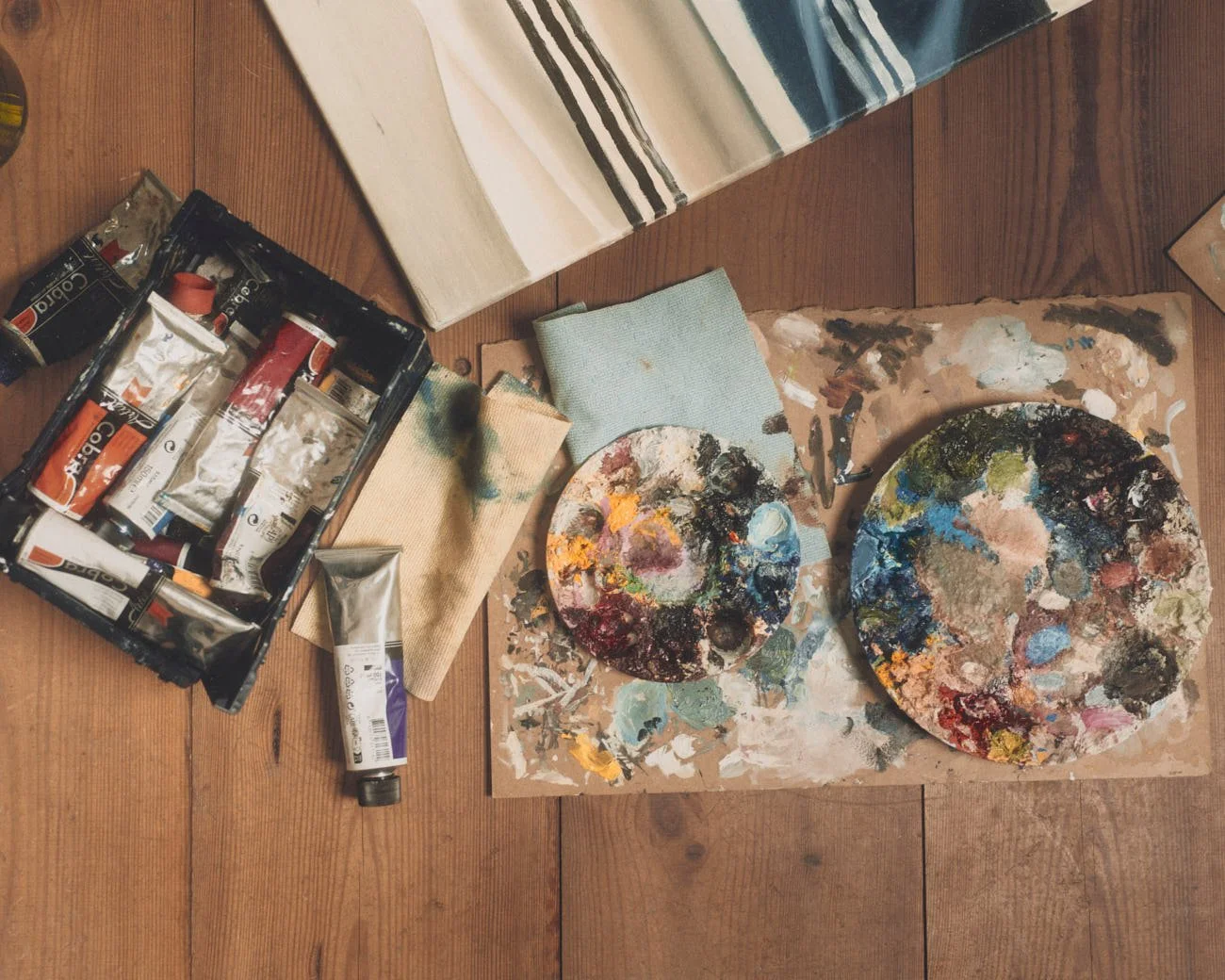
Some days I feel like I have to go outside. Walk around. Call people. See what’s changing. Other days I don’t leave until something on the canvas finally makes sense. The beginning of a painting is usually messy, vague, like trying to remember a dream. I often don’t know what I think until I paint it. Sometimes I photograph models, sometimes I sculpt, sometimes I write. I like having a plan - and then ignoring it. Structure is good. Something to push against.

I’m drawn to things that feel slightly off. An old car overloaded with watermelons. Trash on the street, a bridal shop next to a men’s café, a male butt. Things people don’t consider “important” are usually the most interesting. They carry more story than they admit.


There is often a quiet tension in your work, between glamour and absurdity, closeness and distance. Where does that tension sit in this cover motif?

I think, in a sense, it has something voyeuristic about it, although there is nothing explicit and it’s entirely anonymous. However, it’s not me who is to judge. If I wanted to explain everything in words, I wouldn’t paint. I think the tension exists because something remains unresolved, and that’s where an image begins to breathe.

 
Cosima Kaibel first painted Cover for adidas adistar Control 5 with LE MILE Magazine photo Nicolai Sauer magazine identity issue 40 ss26 Alban E. Smajli Albina Imeri
 
 
Cosima Kaibel first painted Cover for adidas adistar Control 5 with LE MILE Magazine photo Nicolai Sauer magazine identity issue 40 ss26 Alban E. Smajli Albina Imeri
 
Cosima Kaibel first painted Cover for adidas adistar Control 5 with LE MILE Magazine photo Nicolai Sauer magazine identity issue 40 ss26 Alban E. Smajli Albina Imeri


Has growing up in Berlin shaped your sense of humor and irony in your work?

Berlin has a very specific dryness.
If you don’t develop a sense of humor here, you won’t last long. So you learn to laugh at things, including yourself. People will insult you and help you in the same breath. You either learn to find that funny or you suffer.
In Berlin, a grandmother might yell at someone in Arabic while two queer guys in crop tops walk past at 8 a.m. after a club night. No one blinks. That coexistence shapes your humor. You stop taking a lot of things seriously.

I use humor as a way in. Otherwise people shut down. I’m not interested in moralizing or lecturing people. I’d rather make them look twice.


What are you curious about exploring next in your practice?

When I was painting places, I was already dealing with power. Space shows you everything: Who takes it, who avoids it, who feels safe, who doesn’t.
A city isn’t neutral, it reflects how we live together.
Now I’m focusing more on bodies. But it’s the same question. Bodies are also shaped by power, by media, by art history, by what was idealized and what was excluded. The way we’ve learned to look at bodies affects how we look at ourselves and others, how we interact, how we judge, how much space we believe we’re supposed to take up and where.

In that sense I’m not really changing the topic, I’m just zooming in.


seen NICOLAI SAUER
styled + fashion editor KLAAS HAMMER
make up + hair LEO STERN
talent COSIMA KAIBEL
male model MERLIN FINN BARBER
head of production ALBAN E. SMAJLI
production LEMILESTUDIOS
film + direction FURKAN CETIN
in collaboration with adidas

ESRA VON KORNATZKI *Developing Garments from Existing Materials and Process

ESRA VON KORNATZKI *Developing Garments from Existing Materials and Process

Esra von Kornatzki Works with Worn Materials and Fixed Surfaces in Contemporary Fashion


interview + written SARAH ARENDTS
seen JULIAN MELZER


Esra von Kornatzki is a Berlin-based designer whose work develops from a background in sculpture and fine art studies at Universität der Künste. Her focus lies in constructing garments directly on and for the body, using methods that stem from mold-making, draping and surface treatment. Pattern cutting functions as a way of shaping the body, with each piece defined through proportion, weight and material resistance.


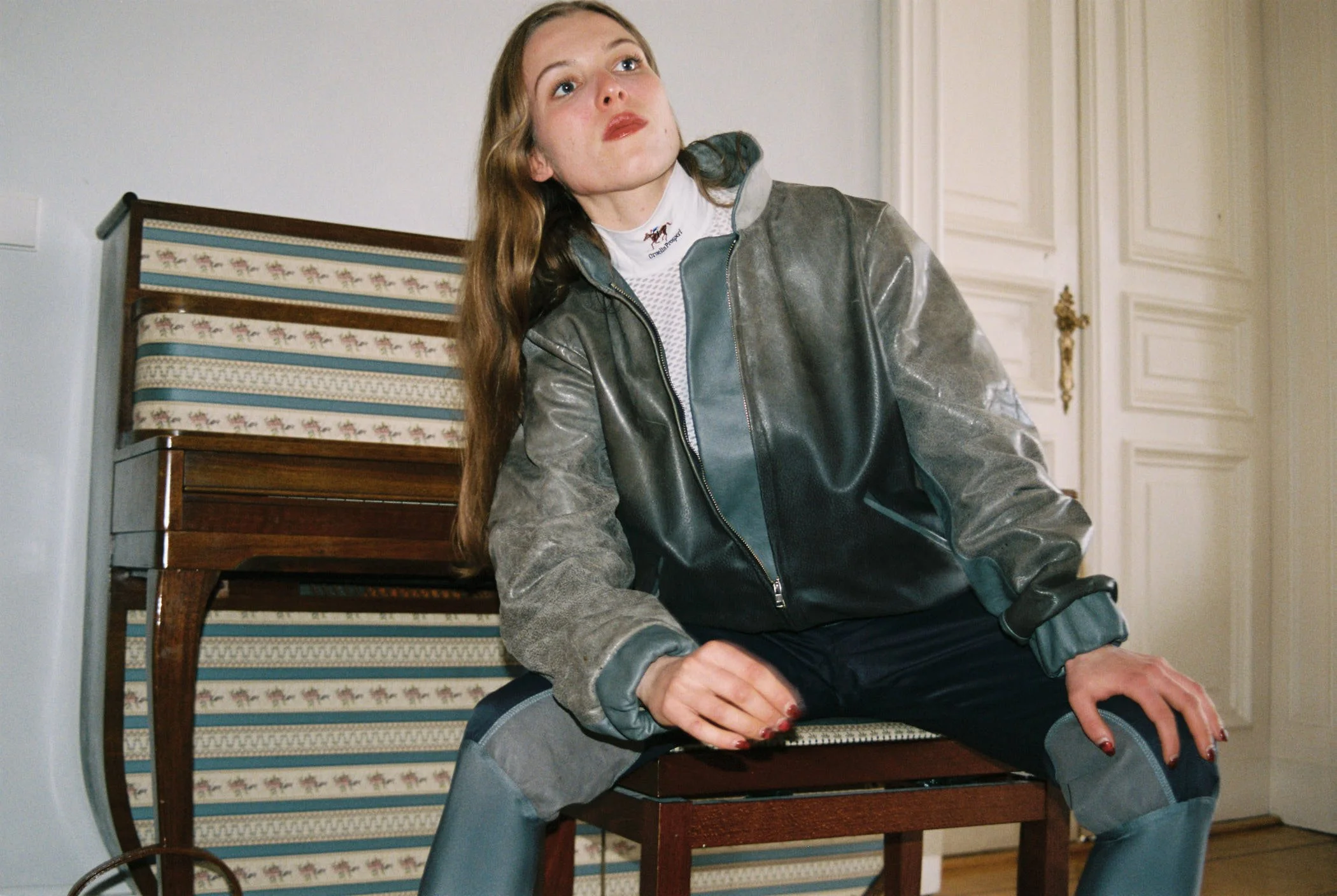
Esra von Kornatzki LE MILE Magazine photo Julian Melzer

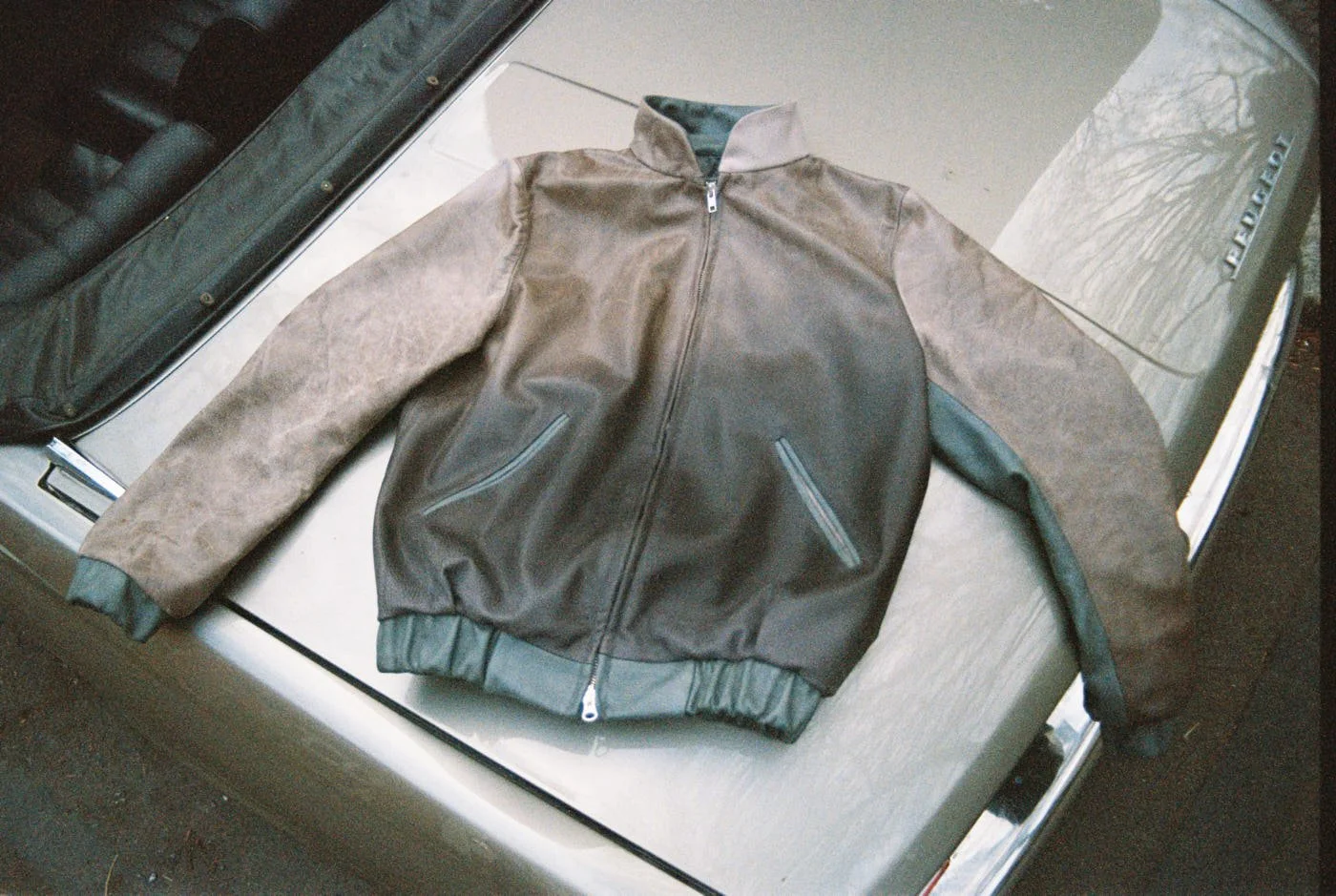
leather bomber jacket by ESRA VON KORNATZKI


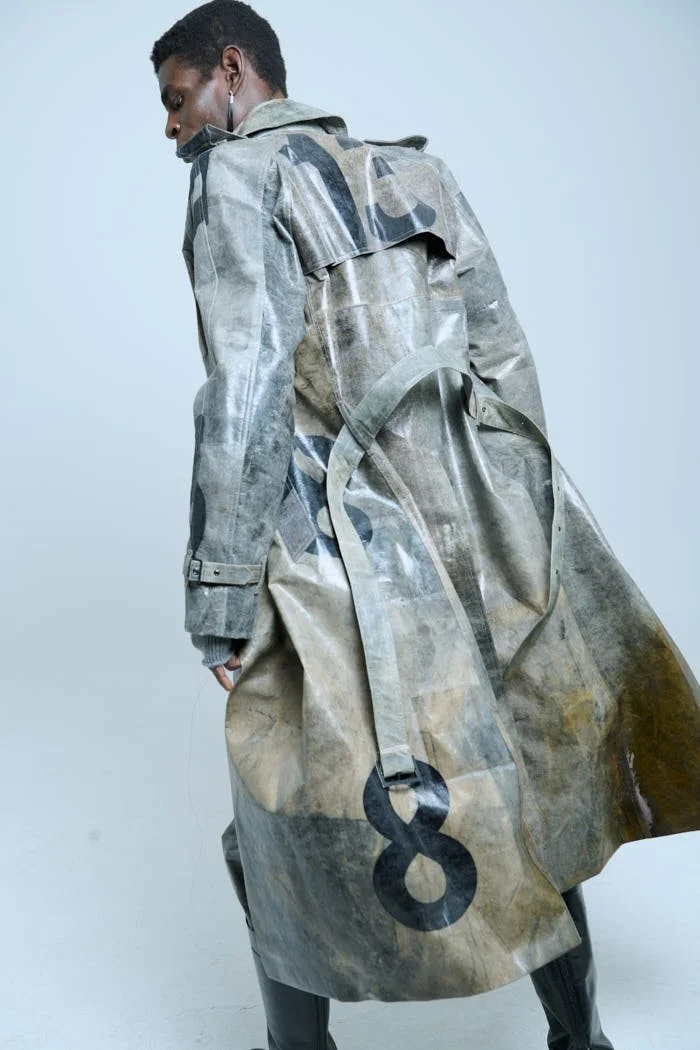
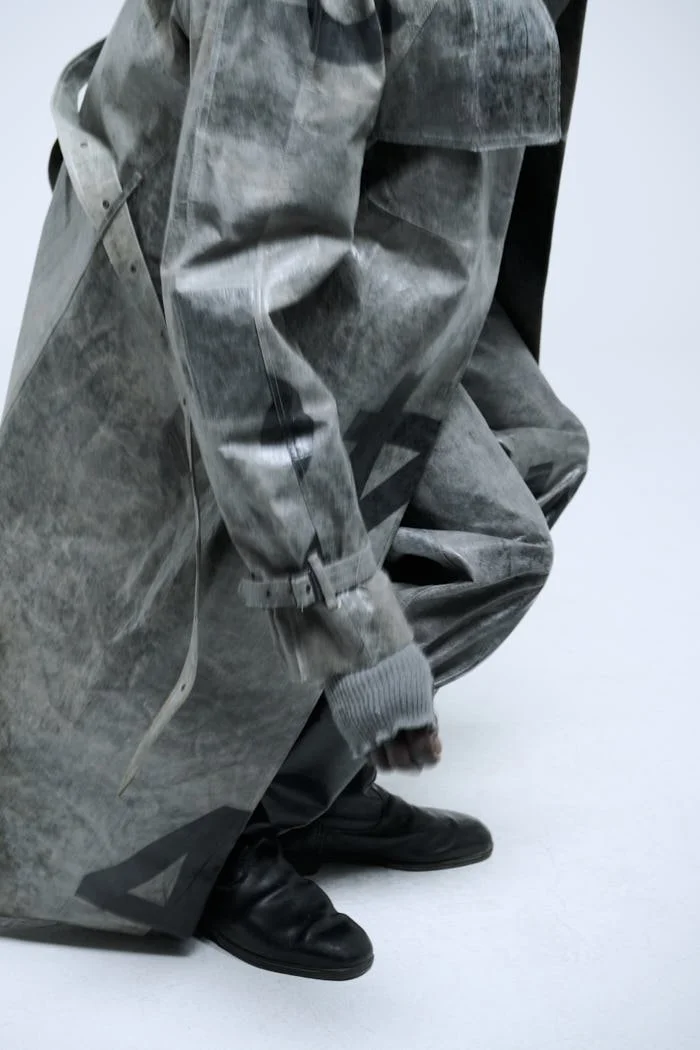
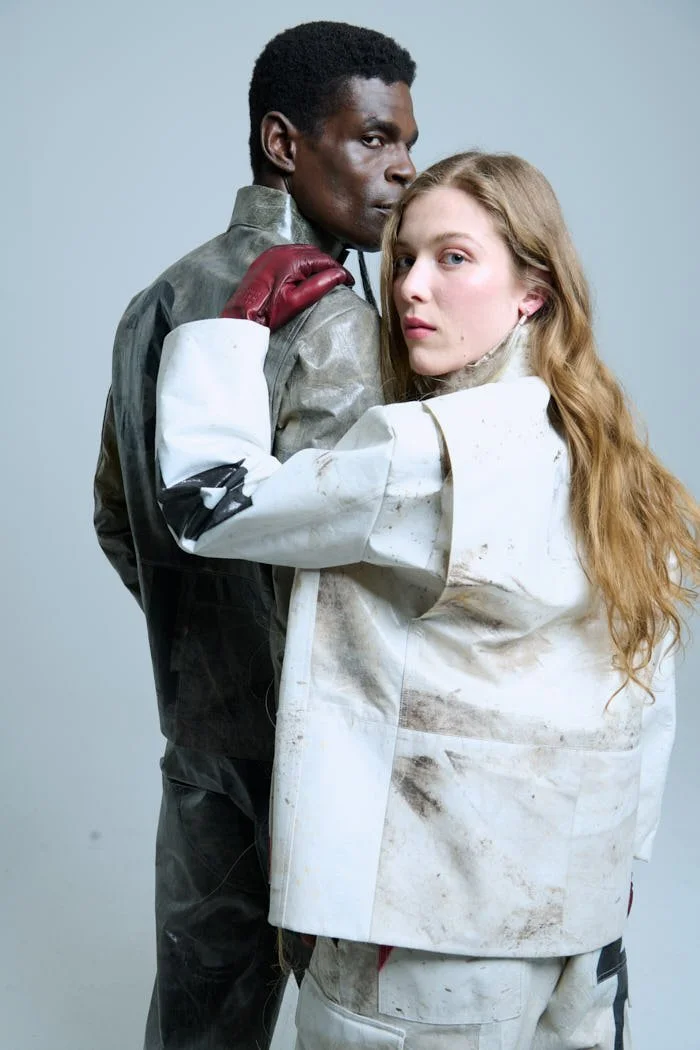
She uses existing materials such as discarded leather, inherited fabrics and used saddle blankets sourced from racetracks. These materials are chosen for their surface condition and durability. Signs of wear such as creases, dirt, sweat or discolouration are not removed. Instead, they are fixed into the garment through technical processes. Saddle blankets, for example, are treated with a water-based transfer glue, silk-screen printed and then fused with a transparent foil using heat, sealing the surface and preserving the traces underneath.

Esra von Kornatzki works directly with the material rather than outsourcing production, allowing the properties of each fabric to influence the final shape. Many of the materials resist standard sewing techniques, which results in firm, structured silhouettes.

Her parallel involvement in horse racing informs the way she works with time and preparation. Materials often come from that environment, and the process of developing a garment follows a similar logic of pacing and control. The garments retain visible information about their origin and a sofa becomes a bomber jacket, saddle blankets become coats and trousers. The previous use remains present through the surface, while the function changes through construction.

 
Esra von Kornatzki LE MILE Magazine photo Julian Melzer

Sekou is wearing a trenchcoat from ESRA VON KORNATZKI, GDR military boots from FASHION ARCHIVE, and knitted gloves from FASHION ARCHIVE

Esra von Kornatzki LE MILE Magazine photo Julian Melzer
 
Esra von Kornatzki LE MILE Magazine photo Julian Melzer

Sekou is wearing a grey suit, and Esra is wearing a white suit from ESRA VON KORNATZKI and red leather gloves from MAISON MARGIELA


Sarah Arendts
What led you from sculpture into fashion design?

Esra von Kornatzki
Sculpture has a tendency to be very removed from the body, an object in space, but I wanted to get closer to the human body and have that as my point of reference. Fashion design feels more urgent and relatable, as it implies everyday usage and thus becomes part of a new physical reality rather than something to look at. There is an intense, passionate relationship between people and their clothes that I find compelling. 


How does your fine art training influence the way you construct garments?

My background in fine art shapes the way I look at and construct garments. My studies were conceptual and that translates into the way I approach fashion design. There is the symbolic meaning a material carries but also its physical abilities. My first professor was a sculptor and the second a painter. You will find both influences in the garments I make in the way I stress the three dimensional aspect of clothing, treating the body like a canvas that the clothing wraps around. During my fine art studies I became an expert in mold making. Pattern making and drapage is an extension of that skill, molding the body and changing its properties, using the garment as a medium. I like to transform the fabrics and materials I find, treating the surface using dye and methods of coating like laminating. I tend to work with stubborn materials that resist being sown, but it gives them their strong sculptural quality and firmness in the silhouettes. 


What role does manual work play in your process? 

I think through making. That’s another reason why I place so much value on craftsmanship, which has always caused some residual tension between me and my conceptual art training. But I think of this tension as a strength and driving force, it's part of my identity as an artist and designer. As a designer I don’t like handing over the production part of the design process. Technology has detached many from manual work and I think certain ideas and refinement gets lost in this disconnect. For example, the stubbornness of the material I work with pushes me to find creative solutions and incidentally teaches me to be patient, which definitely hasn’t been my strong suit. I like to joke that I don’t have any impulse control, which can be a source of creative output, but also needs to be channeled carefully. Time is an important factor, manual work takes time, a rare commodity in our society, but something you see and feel, when you wear the garment. For me, manual work is more than a means to an end, it's a dialogue based on the material and the vision of the form it should take. 


What criteria do you use when selecting materials for a piece?

At art university it's a common notion that sculptors have a material fetish and I think it’s true for fashion designers as well. I have this obsession with the physical and symbolic qualities of certain materials that I’m intuitively drawn to and I think that materials age like fine wine. My selection process is a mixture of purpose and chance. I’m a nostalgic 90’s girl. I usually use worn materials, because I love a good story and worn materials are more likely to tell one. It started when my grandmother passed away and I inherited all her fabrics. Oftentimes I know an opportunity, when I see one. For example, I had to rework an old leather sofa for a client, the old leather was too gorgeous (showing off everybody who’s ever sat on it and every sunray that shown on it) to throw away and I came up with a piece, which is the bomber jacket, that suited the thick discarded leather of the sofa. It's the unused potential I see. For the other garments in this editorial, I sourced the material from a racetrack near me, each saddle blanket had been used once on a rainy day, meaning they were full of dirt and sweat, bearing witness to a specific moment in time, which made them interesting to me. However, I knew the material had to be modified in order to become desirable, which led me to coating it. In most cases I look for durability as well, functional, high quality materials that could last a lifetime, even if signs of usage add to their given patina, essentially continuing the story. 


What changes when a worn object like a sofa or saddle blanket is turned into clothing?

The context changes. The original object disappears physically, but remains conceptually present. The new garment gives clues to its origin through traces and marks on its surface, which aren’t immediately decodable for the audience, but felt anyhow by them. 


Esra von Kornatzki LE MILE Magazine photo Julian Melzer

Esra is wearing a top from INTIMISSIMI, nylon shorts and boots from PRADA (via @velvetknife.archive), and Romeo Ultra is wearing a leather collar by ESRA VON KORNATZKI


Esra von Kornatzki LE MILE Magazine photo Julian Melzer

Esra is wearing a top from ORNELLA PROSPERI, a jacket from ESRA VON KORNATZKI, and pants and bag from FASHION ARCHIVE


Esra von Kornatzki LE MILE Magazine photo Julian Melzer

Sekou is wearing jeans from ESRA VON KORNATZKI, gloves and a waist bag from FASHION ARCHIVE


How do you technically preserve traces such as dirt, sweat or hair when coating materials?

For the saddle blankets I used a water based transfer glue (TRANSLAC BOND 55) that I silk screen printed onto the material and then fused with a glossy transparent foil using a heat press at 16o °C, essentially laminating the material and trapping the dirt, sweat and hair underneath.


What information do you want the material to retain once it becomes a garment?

I want the material to retain its history—where it came from, even if in an abstract sense—and its symbolic meaning. I’m interested in what a material carries physically and conceptually, and how that can continue to inform the garment once it is transformed.


How do you position your work within current discussions around material-driven design?

Generally speaking, material does come first in my design process and informs the outcome. I relate to practices like Martin Margiela or even Joseph Beuys, where material isn’t neutral but holds memory and meaning before it becomes form. The material has been exposed to time and happenings, which shape its physical and aesthetic reality, making it a witness and narrating agent. I hold a deep sensitivity for texture, fabric behavior, and tactility. Intuitively exploring and engineering materials while also respecting what they are rather than forcing them to fit a preconceived idea. It's a hybrid practice of a material-led, but conceptually-charged design approach.


What kind of relationship should exist between the garment and the body?

An emotionally charged one - somewhere between love, desire, mystery and comfort. A garment should be an extension of the body and soul. Fashion needs to be felt. My muses that I tailor the garments to, are often people close to me and how I feel about them shapes the garments they inspire me to make. It's another conversation: that between garment and body and I’m in a feedback loop with my muses during the design process in order to modify the garment based on their experience. 


How do you ensure your work is not reduced to sustainability or upcycling?

Sustainability is not my primary motivation. I work with materials sourced outside fashion’s conventional system, rethinking their use and making them desirable for clothes, giving them a stage to tell their own story. The focus is on aesthetic and conceptual value, quality and functionality, as well as sustainability. Although I would describe myself as somewhat of a hoarder, making it a coping mechanism to repurpose materials into polished and clean garments in order to declutter—literally and metaphorically.


What are the next steps for your work within fashion?

To expand the dialogue and deepen the narrative dimension—through collaboration, new contexts, and material experimentation —while exploring accessories as an extension of the practice.


Esra von Kornatzki LE MILE Magazine photo Julian Melzer

Esra is wearing a top from ORNELLA PROSPERI and a jacket from ESRA VON KORNATZKI


photography JULIAN MELZER
designer ESRA VON KORNATZKI
styling XUAN
talent SEKOU + ESRA VON KORNATZKI + ROMEO ULTRA
hair + make up JANETTE PETERS
assistant YEONGHYEON KANG

Alla Kostromichova *In Her Element

Alla Kostromichova *In Her Element

IN HER ELEMENT
*
Alla Kostromichova on Beauty and the Energy That Endures


interview + written SARA DOUEDARI


There is a certain intensity that follows her — not loud, but unmistakably present.


In conversation, she moves with the same awareness she brings on set: attentive, sincere, and luminous without effort. Alla Kostromichova has built a career on resilience, discipline, instinct — and a deep respect for the creative process. Here, she speaks about growth, purpose, and the rare alignment that occurs when the right people meet on set.


LE MILE Magazine photo Stefan Kokovic Alla Kostromichova interview

Alla wears a dress by DIEGO GULLIEN and shoes by EMPTY BEHAVIOR


“When I’m given real artistic freedom — not just showing garments, but becoming something — that’s when the magic happens.”

Alla Kostromichova speaks with Sara Douedari
for LE MILE .Digital


LE MILE Magazine photo Stefan Kokovic Alla Kostromichova interview

dress by DIEGO GULLIEN

 
LE MILE Magazine photo Stefan Kokovic Alla Kostromichova interview

lla wears a dress by R.L.E and shoes by EMPTY BEHAVIOR


Sara Douedari
How has growing up in Ukraine shaped the way you move through the fashion world?

Alla Kostromichova
I grew up in a small city on the Crimean seashore, in a 40-square-meter apartment with my parents and grandfather. I was born in the USSR and came of age in the 90s, when life was extremely difficult. There was uncertainty, chaos, and very little stability. That environment taught me to rely on myself early. It made me adaptable and alert — which is exactly what you need to survive in fashion.

We didn’t have fashion magazines then — only Burda or Make It Yourself, which people shared because they were impossible to find. I remember looking at those models like they were angels from another universe. I didn’t dare believe I could belong there. My father was a musician, sometimes he painted, and we always had music playing at home — Pavarotti, Joe Cocker — even if it was recorded in terrible quality. When he passed away, I was 13, and I started working during every school vacation. Hard work became part of me. So when I entered fashion and people complained about 14-hour days, I felt lucky — because I knew what real struggle looked like.
Growing up like that made me humble, hungry, appreciative, ambitious. And, yes — I wanted to prove something. To others. But also to myself..


What was the first moment you realized your career would truly become international?

The beginning of my career was mostly rejection. I had been seen by major agencies many times — and always heard no. I walked Armani in Milan, but nothing followed. I finished university with a degree in medical engineering, but I knew I couldn’t live a 9-to-5 lab life. Two weeks after graduation, I went to Paris — to a small, unknown agency. Months later, I was confirmed as a fit model at Givenchy. Riccardo Tisci was preparing a couture collection. I spent long days in the atelier, watching a collection being created from scratch. One day, I was standing there in a gown they were adjusting on me. The window behind me opened slightly and I saw the Eiffel Tower reflected in the mirror — and then it began to sparkle. My reflection and the tower side by side.

In that moment, a quiet voice inside me said: You did it. What changed was simple: I felt relief. Relief that I wouldn’t have to return to the uncertainty I came from. Relief that I could finally help my mother. Those were the two things that mattered most..


Fashion demands constant evolution. What has helped you stay resilient — and relevant?

I think there are several personalities inside me — and one of them is a wild, creative performer who comes alive on set. When I’m given real artistic freedom — not just showing garments, but becoming something — that’s when the magic happens. It’s an exchange of creative energy, and for me, that exchange is one of the core values of my life.

Not every model can bring that slightly strange, almost otherworldly, performative energy. But when I’m on set, I feel alive. People can sense that. Discipline, professionalism, and love for the craft matter — but that energy is what keeps me here. And I felt that deeply during the shoot with Stefan. At one moment, it was like we tuned into the same frequency — instantly. That alignment is rare, and you can see it in the images.

 
LE MILE Magazine photo Stefan Kokovic Alla Kostromichova interview

Alla wears a headpiece by JEROME BLIN, bottoms by WOLFORD, accessories by MEL + MARIE, and shoes by RAMI AL ALI


LE MILE Magazine photo Stefan Kokovic Alla Kostromichova interview

headpiece by JEROME BLIN


Through Ukraine’s Next Top Model, you became a mentor to new talent. How did teaching change you?

It changed me completely. We filmed seven seasons, and during that time I gained a large audience — with that comes responsibility. Around the same time, I opened my mother agency KModels. Teaching felt natural to me — as a child, I used to “play school” with my dolls.

Later, I started a summer model camp for teenage girls — not only to teach modeling skills, but to help them build self-esteem. Talking to them, supporting them — that opened a new part of me. It gave my career a deeper purpose. Unfortunately, the camp had to close during Covid, and the war ended it completely. But that experience made me stronger and more responsible — and it showed me the impact my voice can have.


Today, when you think about beauty, what matters more — image or presence?

Presence. Sincerity. Depth. We live in a world where content is everywhere. Beauty that is only visual doesn’t mean much anymore. What matters to me is the feeling behind it — a real connection.
In my agency, I see beauty in potential — in watching girls grow into strong, independent, self-aware women. In coaching, I see beauty when someone allows themselves to be authentic, vulnerable, real.

A truly beautiful person is someone who gives themselves the freedom to be sincere. Not perfect — sincere. Especially now, with AI and everything becoming more artificial, the value of real human presence has only grown.For me, the most beautiful thing is sincerity.

 
LE MILE Magazine photo Stefan Kokovic Alla Kostromichova interview

Alla wears a headpiece by SANDRINE BOURGMODISTE, a top by MAISON MOGHARAB, and shoes by RAMI AL ALI


talent ALLA KOSTROMICHOVA

all Images (c) LE MILE / Stefan Kokovic

 
LE MILE Magazine photo Stefan Kokovic Alla Kostromichova interview

Alla wears earrings and bracelets by MELISSA + MARIE and a dress by JUANA MARTIN


“A truly beautiful person is someone who gives themselves the freedom to be sincere. Not perfect — sincere.”

Alla Kostromichova speaks with Sara Douedari
for LE MILE .Digital


seen   STEFAN KOKOVIC
hair + make up   MARYSE KANARELLIS
stylist   STEPHEN BARRINGTON via STUDIO CTRL
bts   ANGEL FERRER BOSCAN
photo assistant   YANA LAUMONIER
beauty assistant   BEATRICE ROSE FATIER
interview   SARA DOUEDARI

Paloceras Method with Mika Matikainen

Paloceras Method with Mika Matikainen

The Paloceras Method

Eyewear That Remembers Your Dreams


written + interview MONICA DE LUNA


Paloceras spreads across the table as frames bloom from sketches and colors press against translucent daylight. At the center, Mika Matikainen, co-founder and creative force behind the brand, shapes eyewear that grows in his hands, each form a quiet hallucination, a new skin for identity.


The old stable turned studio gathers objects with stories—large sheets of paper, bamboo handles, a loyal Olivetti typewriter humming, sculptures from vanished journeys. Every shelf leans toward experiment, every corner pulses with possibility. Lines gather mythic form, softening at the edges while lenses shimmer with the quiet promise of change. Mika drifts between drafts, old ideas, bursts of color, textures pulled from the edges of the seasons. Candlelight flickers next to stacked books, loose archives of obsession and plans. Pebble, Velvet Rouge VX, translucent blue, wild honey—each frame gives off a subtle current, a pulse charging the everyday.

Paloceras, named for butterflies and lost afternoons, gathers light and memory in a single gesture. The process moves at its own rhythm, tuned to curiosity and the feel of weight and absence. Limited editions drift out of the stable-studio, carried by collaborations and the slow choreography of design, always searching for a new edge, another fiction, another face. Mika’s practice fills space with resonance, objects settling in the psyche and gently nudging the face toward the unreal. Frames move past accessory, falling into ritual, calling for a new kind of gaze at the reflection in glass. Paloceras skips across language and function, alive in the space between hand and dream, echo and artifact. Eyewear dreams up its own mythology and writes new bodies, all in the flash it takes for a stranger to see themselves—shifted, for a moment, by the promise of another form.


Paloceras Mika Matikainen photographed by Carl Bergman

Mika Matikainen
seen by Carl Bergman


“It’s in our DNA. We imagined something magnetic without limitations, then found ways to make it real.”

Mika Matikainen speaks with Monica de Luna
for LE MILE Offline Edition - FW 2025 Nr. 39

 
LE MILE Magazine Paloceras Eyewear Red


LE MILE Magazine Paloceras Eyewear Red


Monica de Luna
You design objects that sit on people’s noses and rewrite their entire sense of self in under four seconds. At what point did you realise that glasses are less about vision and more about fiction?

Mika Matikainen
Straight from the beginning, so I would say it’s in our DNA. When it comes to eyewear, it’s all just repeating the same, and to us as outlier designers it felt appalling, so we took a step back, imagined something magnetic without any physical limitations, then scratched our heads finding ways to make it physically possible. But I believe it was worth the hassle for the good of people’s excitement. I really like that you paired fiction and vision, because that’s exactly what it is: believing in magical self-transformative distortion in the ordinary. If you feel it, you go for it.

There’s something about your frames that feels allergic to branding, or drama, even allergic to anything that moves too fast. How do you keep things quiet without making them disappear?

What a question! Maybe by revisiting older drafts, ideas, and concepts quite occasionally with Alexis, my co-founder, and trying to intuitively embrace or focus on details that feel relevant after they’ve had a beauty nap in our design archives. When it comes to a physical design object like eyewear, there are some limitations (that we don’t respect) that set the table for something in which a few creative key decisions define the product. If you just nail the details, it’s not enough.


Do you believe good design should leave a mark, or is it more like perfume, something people can’t quite name but keep turning their heads for anyway?

I’m not a big fan of perfumes, even though I love the conceptual thinking behind them, so yes, definitely a perfume-like floating shadow that absorbs into your psyche when you least expect it.


LE MILE Magazine Paloceras Eyewear Marble


“Anything that comes from within is genuine and interesting. Time is a subjective pocket of life for each person. Focus on what resonates instead of seeking validation. Resonance to the max.”

Mika Matikainen speaks with Monica de Luna
for LE MILE Offline Edition - FW 2025 Nr. 39


A Paloceras customer walks past their own reflection and forgets it’s them for a second. Is that the point?

Exactly, the whole point is about embracing the paradox of multiple realities simultaneously. I see this as a bigger societal issue when people rationalise themselves into their fact-based truth bubbles. We need imaginary spikes piercing the imaginary bubbles between individuals, thus making life less imaginary through real presence. Those spikes can and should be used also on yourself. PUFF!

Walk us through your studio, what’s always within reach? What’s broken but never thrown out? And what’s there just to remind you that not everything needs a purpose?


Recently, a journalist who visited my studio called this space a Stable Studio, since this used to be a stable for three racehorses. Now, more boringly, it’s a set of two large desks with a lot of shelf space for objects of interest, a repository for ideas. Always within reach: large sheets of paper, ink, brushes, markers, pencils, candles, books. An old, fully functional Olivetti typewriter that just inspires by its presence. A bit broken but not thrown away is a set of bamboo handles and their parts for a bag project that’s been way too long on a to-do list. Objects without purpose are small statues or sculptures from adventures; they light up something in me even though I can’t remember the origins of all of them.


People keep romanticising analog, but most of them still refresh their inbox with two fingers. What’s your relationship with being unreachable/offline?


Love it. Still waiting for the era when it’s possible to transform sensations more directly into something tangible. A small, bitter forest cherry into a frame, or the feeling of wet moss after rain under bare feet as the haptic feel for a product. When you think about it, using digital devices is basically tapping glass or plastic with your fingers for hours. Numbing. Anything else is easily more interesting as a sensory experience. Respecting offline moments alone and with friends, and always having Do Not Disturb mode on.


LE MILE Magazine Paloceras Eyewear Blue


Do you think your glasses look better on people who don’t smile?

Whatever makes people more themselves is desirable; then it’s up to them if they feel like smiling, writing, observing, or whatever connects them more with themselves. Our dopamine systems are so entertained by external stimuli that we should wear eyewear with mirrors on the inside of lenses to highlight what’s in there. Not AR but AS—as in augmented self.

How do you feel about people calling things “timeless”? It usually sounds like something you say when you’re afraid of death or passing trends. What do you call it instead?

If one is after trends then it’s acceptable to be afraid of death. Anything that comes from within is more genuine and interesting and “timeless”. What is timeless, or time, is a different thing. It’s a subjective pocket of life on each person’s own timeline and means something different for each individual. Briefly, our time is limited so why settle for something ordinary? But to answer the question, I’d focus on sensing what resonates on an individual level instead of relying on external validation points. Resonance to the max!


You live in Finland, does the weather there teach you anything about surfaces?

I’ve also lived elsewhere in Europe—in the UK, Switzerland, Portugal—and what I really appreciate back here in Finland is the stillness, especially outside the urban areas in real connection with nature. Maybe because Finland has one of the oldest bedrocks on the planet, more than three billion years old. Maybe it’s the silent grounding effect it evaporates if one’s open to it. Weather-wise, we have all the seasons quite clearly, so there’s the possibility of experiencing all surfaces with different additions such as water, slush, ice, snow, all in different light and air density conditions. I believe it’s the layer of details and conditions paired with experiences of similar things in other places, through different cultural and climatic lenses.

What do your eyes look for when they’re tired of being fed?

As far as possible, looking at the horizon, the sky, the sea, the leaves of trees. Also just looking around and pausing auto-labeling of what the eyes communicate, and sensing visual surfaces just as they are.


all visuals (c) PALOCERAS

RAPHAEL DIOGO *Five Days Under Lights

RAPHAEL DIOGO *Five Days Under Lights

RAPHAEL DIOGO
*Five Days Under Lights


interview CHIDOZI OBASI
written ALBAN E. SMAJLI


Raphael Diogo grew up between waves and asphalt, with Venice Beach feeding a body in constant movement, Jiu-Jitsu classes, soccer drills, skateboards, surfboards, mornings in Gold’s Gym where sweat turned into chance, a scout stopping, a conversation beginning, the kind that opens a door without announcing itself.


Modeling was already part of his family’s vocabulary, both parents carrying it as a lived memory, so when the first steps came it felt less like invention and more like continuation, though with the restless energy of someone who wants to carve out his own form.

 
Raphael Diogo LE MILE Magazine digital cover fw25 photo Anka Garbowska
 
Raphael Diogo LE MILE Magazine digital cover fw25 photo Anka Garbowska wearing Valentino on cover

total VALENTINO


“Getting the call for Jean Paul Gaultier’s Le Male campaign brought tears of joy, a moment of true fulfillment.”

Raphael Diogo speaks with Chidozie Obasi
for LE MILE .Digital


The notebooks filled with sketches, the hours of training, the steady rhythm of curiosity all folded into the way Raphael speaks about patience, about humility, about the strange elasticity of time inside this industry. He insists on gratitude as foundation, on respect as gesture, on presence as currency, and in that insistence there is no trace of calculation, only the sense of someone who has already faced enough uncertainty to know that the ground beneath him shifts constantly.


Jean Paul Gaultier’s Le Male campaign marked the rupture, five days in Bulgaria under lights and choreography, a job that required preparation of body and mind and delivered the quiet shock of tears when confirmation arrived, not from insecurity but from the sudden weight of arrival. That moment stretched into confidence, into a sense of place, into a reminder that careers are built in accumulations, in the way encounters layer upon each other, in how journeys fold back and expand again. Now in New York, Raphael continues the unfolding. Work, relationships, lessons, always the search for what comes next without a rush to define it too quickly. The horizon remains open, and with it the possibility of passing on everything he has gathered since 2019, the small fragments of knowledge, discipline, and energy that shape him in this present moment.

 
Raphael Diogo LE MILE Magazine digital cover fw25 photo Anka Garbowska cap  POLO RALPH LAUREN shirt, sweater, coat + trousers  PAUL SMITH ring  TITLE OF WORK sneaker  VANS

cap POLO RALPH LAUREN
shirt, sweater, coat + trousers PAUL SMITH
ring TITLE OF WORK
sneaker VANS

 
Raphael Diogo LE MILE Magazine digital cover fw25 photo Anka Garbowska total look EMPORIO ARMANI custom eyewear KAT & PAUL AOUN

total EMPORIO ARMANI
custom eyewear KAT & PAUL AOUN


Chidozi Obasi
First things first: could you introduce yourself to us?

Raphael Diogo
My name is Raphael Diogo. I’m an American/Brazilian model, born and raised in Venice Beach, CA. I grew up staying active—whether it was Brazilian Jiu-Jitsu, playing soccer for the LA Galaxy Academy, or skating and surfing with friends. I’ve also always had a creative side, spending free time painting and sketching. I now live in New York City, where I’m continuing to pursue my modeling career.

What made you venture into modelling?

Funny enough, both of my parents used to be models. I never gave it much thought until I was scouted while working out at Gold’s Gym in Venice one morning. At first, I was a bit skeptical, but then I realized I had nothing to lose—so why not take the risk? It really helped having the support of my parents when I was taking those first steps.

When did you realize you wanted to make a career out of it?

I’ve always taken pride in giving my best in anything I do. After being scouted, I spent the first few months learning everything I could about the industry. What kind of jobs are out there? Who’s doing them? Can people really support themselves financially doing this? How do I get to the top? I became obsessed with the opportunities and how much creativity the industry allowed me to express. The spontaneity of it all—every day being different—kept me excited about what could come next.

What has been the most challenging aspect of modeling?

The hardest part has been staying patient with myself and my journey. It’s so easy to compare yourself to others, especially with social media. My self-belief is strong, but there are times when I forget how far I’ve come—especially when things don’t go the way I hoped. I’ve learned that timing is everything. We all want to be part of amazing experiences and hit certain milestones, but we have to trust that the time will come.


Raphael Diogo LE MILE Magazine digital cover fw25 photo Anka Garbowska blazer FEAR OF GOD tank top CALVIN KLEIN leather pants RHUDE shoes RALPH LAUREN jewelry TITLE OF WORK

blazer FEAR OF GOD
tank top CALVIN KLEIN
leather pants RHUDE
shoes RALPH LAUREN
jewelry TITLE OF WORK

 
Raphael Diogo LE MILE Magazine digital cover fw25 photo Anka Garbowska short + vest ISSEY MIYAKE bracelet + necklace TITLE OF WORK sneakers VANS

short + vest ISSEY MIYAKE
bracelet + necklace TITLE OF WORK


 And how about your biggest pinch-me experiences?

That would definitely be getting the call that I was confirmed as the lead in Jean Paul Gaultier’s Le Male fragrance campaign. I flew to Bulgaria to shoot five days of TV commercials, print, and digital assets. It was the first time I really had to prepare myself—both physically and mentally—for a job. That experience gave me a level of confidence I hadn’t tapped into before. There were definitely tears of joy. It was a moment of true fulfillment.

 Is there anything you’d change about your career?

Absolutely nothing. I’m incredibly grateful for every moment that has brought me to where I am today. To everyone who has believed in and supported me since day one—thank you from the bottom of my heart. There were plenty of tough times, but I’ve been fortunate to have a support system that encouraged me to keep striving for greatness.

What have been your biggest lessons?

The importance of humility and gratitude. It doesn’t matter who you are or what you’ve accomplished—what matters is how you present yourself and how you treat others. I aim to show up with a positive and professional attitude and to treat everyone with respect. We’re all human, and our time is valuable. I feel lucky to work with such talented individuals, and I’ll always do my best to spread love and positivity.

Final hopes?

I want to continue this journey for as long as possible. Building relationships and creating memories—that’s what it’s all about. Since starting in 2019, I’ve learned so much, and I’d love to pass that knowledge on to anyone just getting started.


Raphael Diogo LE MILE Magazine digital cover fw25 photo Anka Garbowska shirt, blazer + trousers ZEGNA necklace TITLE OF WORK sneakers VANS

shirt, blazer + trousers ZEGNA
necklace TITLE OF WORK
sneakers VANS


Raphael Diogo LE MILE Magazine digital cover fw25 photo Anka Garbowska
Raphael Diogo LE MILE Magazine digital cover fw25 photo Anka Garbowska beret  EMPORIO ARMANI tank top  CALVIN KLEIN leather pants  RHUDE jewelry  TITLE OF WORK

beret EMPORIO ARMANI
tank top CALVIN KLEIN
leather pants RHUDE
jewelry TITLE OF WORK


“I want to continue this journey for as long as possible. Building relationships and creating memories—that’s what it’s all about.”

Raphael Diogo speaks with Chidozie Obasi
for LE MILE .Digital


Raphael Diogo LE MILE Magazine digital cover fw25 photo Anka Garbowska neck scarf HERMÈS coat + jacket BRIONI trousers DRIES VAN NOTEN jewelry TITLE OF WORK sneakers VANS

neck scarf HERMÈS
coat + jacket BRIONI
trousers DRIES VAN NOTEN
jewelry TITLE OF WORK
sneakers VANS


YULIA PAVLEN *When You´re Strange

YULIA PAVLEN *When You´re Strange

YULIA PAVLEN
*When You´re Strange


written + interview HANNAH ROSE PRENDERGAST


POV: You embrace who you are, learn to laugh at yourself, and never fear standing out. —a friendly reminder from Yulia Pavlen.


Born in the early years of Ukraine’s independence, she grew up during a time of radical transformation. Ever the optimist, she carried bright, artful memories of home when she moved to Berlin in 2022.
In this new city, where being strange felt less like an exception and more like a shared language, her TikTok became an extension of how she moved through the world. If you see Yulia doing her makeup on the subway, the best thing you can do is be her mirror.


Shooting outdoors in 40°F (5°C) weather was one of my most challenging experiences. I wore five looks, most of which were lightweight—one was just a skirt and bra. I was freezing the whole time but didn’t say anything. I knew it wouldn’t be easy, so I focused on giving my best.
The team was amazing, checking in regularly, which I really appreciated.
I also faced my fear of heights: sitting on a subway exit railing, standing in a second-floor windowsill, and posing on an electrical box.
Despite the challenges, I’m incredibly grateful for the experience. I love stepping out of my comfort zone. My motto is, 'This scares me, but let’s try it. ' Taking risks and pushing myself are just who I am.
When I’m doing what I love, I forget about the discomfort. It feels like leaving the world behind and stepping into a space where I can express myself freely.

—Yulia Pavlen


Yulia Pavlen
Coverstory LE MILE Ephemeral Edition Nr. 38 / 01/2025
seen by Per Appelgren, wearing CELINE


“I was always Daddy’s little girl … riding on his motorcycle gave me my first real taste of freedom.”

Yulia Pavlen speaks with Hannah Rose Prendergast
for LE MILE Issue 38 / Ephemeral Edition SS25


LE MILE Magazine photo Per Appelgren direction Studio Nonsens Talent Yulia Pavlen lemilestudios coat Joshua Sengespeick

coat JOSHUA SENGESPEICK

 
LE MILE Magazine photo Per Appelgren direction Studio Nonsens Talent Yulia Pavlen lemilestudios Top: Celine Panties: MIU MIU Shoes: Aeyde coat Joshua Sengespeick

top CELINE
panties MIU MIU
shoes AEYDE
coat JOSHUA SENGESPEICK


Hannah Rose Prendergast
What inspired you to start your Get Ready With Me series on the subway?

Yulia
When creating new content, I always ask myself, ‘Would this idea hook me?’ The GRWM concept came to me almost by accident as I reflected on what would genuinely captivate me. I love makeup and often do it in public spaces, so the idea feels natural. Moving forward, I want to improve the quality of my content, especially in terms of lighting and video production. I’m always brainstorming new ideas. On TikTok, you can never be sure if an idea will succeed—you have to try it out and see how viewers respond.

How do you and your camerawoman work together to bring your vision to life?

My camerawoman, Valeria Shelihova, is also a close friend. Although we’re both from Ukraine, we met in Berlin. We have a great connection and often communicate without speaking. I provide the creative direction, and Valeria captures it all as it unfolds.

What do you find therapeutic about creating content?

It sounds odd, but I thrive on not being accepted by everyone. Not everyone rejects me for wearing makeup, but many people do. That energy of rejection, rather than breaking me, fuels my determination. I’ve learned to stand firm and not let others’ opinions affect me. When you stand your ground and refuse to let negativity define you, that’s when you truly win—and there’s no better feeling than that.

How has your artist name changed over time, and what does it mean to you now?

As a teenager, I went by 'Autistic' and even got it tattooed. I chose the name because I was reserved, shy, and had no friends. People thought something was wrong with me. At the time, I was studying in art college, immersing myself in painting and classical literature. I saw myself as a strange, lyrical character named 'Autistic.'

When I moved to Berlin, I was set to collaborate with a designer, but he declined because of my name. That’s when I realized it might be holding me back professionally. I wanted a name that feels more like me—timeless, elegant, and strong. Yulia Pavlen aligns more with where I’m heading, both creatively and professionally.


LE MILE Magazine photo Per Appelgren direction Studio Nonsens Talent Yulia Pavlen lemilestudios Top: Celine Panties: MIU MIU Shoes: Aeyde

top CELINE
panties MIU MIU
shoes AEYDE

 
LE MILE Magazine photo Per Appelgren direction Studio Nonsens Talent Yulia Pavlen lemilestudios total look  SPORTMAX     shoes  AEYDE

total look SPORTMAX
shoes AEYDE


“Moving to Berlin wasn’t easy, but thanks to the kindness of strangers, I never felt alone.”

Yulia Pavlen speaks with Hannah Rose Prendergast
for LE MILE Issue 38 / Ephemeral Edition SS25


LE MILE Magazine photo Per Appelgren direction Studio Nonsens Talent Yulia Pavlen lemilestudios top  NICKLAS SKOVGAARD  tights  FALKE necklace  PEARL OCCTOPUSS.Y

top NICKLAS SKOVGAARD
tights FALKE
necklace PEARL OCCTOPUSS.Y

LE MILE Magazine photo Per Appelgren direction Studio Nonsens Talent Yulia Pavlen lemilestudios top  NICKLAS SKOVGAARD  tights  FALKE necklace  PEARL OCCTOPUSS.Y


What was your experience growing up in Ukraine and then moving to Berlin?

I’m from Kharkiv, Ukraine’s first capital—a beautiful yet industrial city with a unique charm. I grew up in the Saltovka neighborhood, which endured heavy shelling due to its proximity to the Russian border. Soviet-era panel housing shaped much of my early years, but despite everything, I love Kharkiv and its people—they are kind, resilient, and have an incredible sense of humor.

Moving to Berlin wasn’t easy, but I was fortunate to meet incredible people who helped me with housing and paperwork and made me feel like family despite being strangers. Thanks to their kindness, I never felt alone or afraid of not knowing German. They were always there to support me. Living in Europe changed me. People here are much more supportive than in Ukraine. Back home, I often felt misunderstood or ridiculed. I guess I was a bit too different. Now, I’m excited to collaborate with talented professionals in the fashion industry from around the world.

Who introduced you to the world of art?

As an artist, my father exposed me to art from a young age. He often took me to exhibitions and museums and filled our home with books on classical and modern art. He also gave me many of his art materials, which became my first tools for creativity. I’m deeply grateful to him for immersing me in this world. I always knew I would become an artist—it was never a question. I dedicated myself to studying academic art, including drawing, painting, composition, and anatomy. I was incredibly passionate, and art became a way to express my thoughts and feelings. Although I’m not currently drawing, I may return to it someday.

How did you learn to ‘own your glow’?

The modeling industry values uniqueness and a distinctive edge more than conventional beauty. Many incredibly beautiful people struggle to present themselves. This skill comes from knowing who you are and embracing what sets you apart. Owning your glow is essential—it will shine through your work and light up the space around you.

Why should you believe in the kindness of strangers?

I always choose to believe in the good—it is a mindset that works best for me. The same goes for people I don’t know. I don’t dwell on whether they’re good or not; instead, I prepare myself mentally and emotionally to believe nothing bad will happen to me.

What change do you want to see in yourself and the world?

I want world peace. War is the worst thing that can happen. Personally, I want to be more patient with myself in achieving my goals. Good results take time.

What’s one of your core memories from childhood?

I was always Daddy’s little girl, spending most of my time by his side. He often took me on motorcycle rides, and I especially loved the thrill of racing down the expressway with him. Those moments gave me my first real taste of freedom.


LE MILE Magazine photo Per Appelgren direction Studio Nonsens Talent Yulia Pavlen lemilestudios top  CULT FORM skirt  NICKLAS SKOVGAARD tights  WOLFROD shoes  AEYDE accessoires  CELINE

top CULT FORM
skirt NICKLAS SKOVGAARD
tights WOLFORD
shoes AEYDE
accessoires CELINE

 
LE MILE Magazine photo Per Appelgren direction Studio Nonsens Talent Yulia Pavlen lemilestudios top  CULT FORM skirt  NICKLAS SKOVGAARD tights  WOLFROD shoes  AEYDE accessoires  CELINE


photographer PER APPELGREN
creative + art direction STUDIO NONSENS / STEFANIE SCHELLWIES + LISANNE KURTH
talent YULIA PAVLEN
styling NESSIE
hair MASAYUKI YUASA using Less is More Organic Cosmetic
make up LEE HYANGSOON using Gucci Beauty
production ENLIL via AVEC NOUS BERLIN
moving image METTE NORDVIG
light LIAM MULLIGAN
digi TOBIAS ORTMANN
social KARLA SCHRADI
retouch ROMARIO MAHEER

production coordination + booking lemilestudios


first published
LE MILE Ephemeral Edition Nr. 39 (2025)

PiTA *Sacred Territories

PiTA *Sacred Territories

PiTA
*Sacred Territories


written + interview MARK ASHKINS


PiTA’s work is a current, an unseen force moving through space, unbound by time. Her process is a pulse, a frequency felt in the marrow, where every action is a spell cast in movement and form. There is no arrival, only the endless unfolding of what has already begun.


Her hands know the weight of inheritance. Walking barefoot on sun-scorched mountains, mapping invisible lines between body and land, she stitches the air with numerology’s unseen architecture. Symbols dictate rhythm, thread extends beyond the edge, fabric refuses to end. The act of making is the act of knowing, of returning to a knowledge that has never left.

Each piece, each ceremony, each moment is a gesture—a call and an answer, happening in the same breath. The body is an archive, a site of memory and inscription, absorbing and releasing. The loom moves, the body bends, the weave extends beyond its last stitch. PiTA opens a space where time moves differently, where the act of creation is simply what must be done.


LE MILE Magazine Pita Antonio Velasco shot by Tatsumi Milori for Ephemeral Edition nr. 38 SS25 indegenious model mexico


“My stories have never been easy—marked by violence, discrimination, and pain. But my body, unlike any other love, taught me how to love.”

PiTA speaks with Mark Ashkins
for LE MILE Ephemeral Edition - SS 2025 Nr. 38


LE MILE Magazine Pita Antonio Velasco shot by Tatsumi Milori for Ephemeral Edition nr. 38 SS25 indegenious model mexico


LE MILE Magazine Pita Antonio Velasco shot by Tatsumi Milori for Ephemeral Edition nr. 38 SS25


Mark Ashkins
From curating events to creating designs—where does the pulse of your creativity hit hardest? In the planning, the making, or that fleeting moment it al comes alive?

PiTA
When a baby was born in our family, my maternal great-grandmother always gifted a gold jewel to the newborn, believing that gold repels bad energies. That jewel became an amulet of protection and good fortune. I return to that symbolic act as a reminder of the power of intention, of the way objects carry energy. I feel deeply connected to creation through my body—my uterus, my chest. Each project, whether it’s shaping the atmosphere of a ceremony, weaving a sculpture from two hundred meters of cempasúchil flowers, or walking, unclothed in soul and skin, through the mountains to be photographed, becomes a small birth. I rest, live, and nourish myself in these moments.


Your connection to the land and community in Oaxaca feels like the heartbeat of your work. How does that bond weave itself into your creative world?

To help my body form the arch of my feet, my father took me every afternoon to walk across mountains of hot earth. That was my initiation, my connection to the land, my integration into the rituals of my community. My work is self-referential. I open what is inside me, decontextualizing what has always existed in a fixed place.


Numerology feels like a hidden map. How do its patterns and symbols shape the way you see or create?

Inherited wisdom and the numbers of my birth date form a path that guides my intuition. I also find guidance in textiles—their numerical patterns, sequences, and rhythms. I work with a weaving technique that restores the soul, a symbol of second chances. In Oaxaca’s prisons, this technique is taught to those deprived of liberty. From behind bars, they weave bags that their families sell to sustain themselves. Traditionally called the ‘basket weaving technique,’ I call it ‘infinite weaving’ because it is a spiral with no true end. The illusion of completion exists, but in reality, the weave always has the potential to continue.


Magnetic stone choker: 80´s by lodepech Mineral neck lace: by lodepech LE MILE Magazine Pita Antonio Velasco shot by Tatsumi Milori for Ephemeral Edition nr. 38 SS25 image

jewelry LODEPECH


“Each project, whether it’s shaping the atmosphere of a ceremony, weaving a sculpture from two hundred meters of cempasúchil flowers, or walking, unclothed in soul and skin, through the mountains to be photographed, becomes a small birth.”

PiTA speaks with Mark Ashkins
for LE MILE Ephemeral Edition - SS 2025 Nr. 38


Using your body as a canvas and a voice—what have you learned about the stories it holds and the spaces it occupies?

My nature provokes. It reveals what others carry within them while expanding what I carry inside myself. My stories have never been easy—marked by violence, discrimination, and pain. But my body, unlike any other love, taught me how to love. Through loving myself, I came to understand all bodies as sacred territories, deserving of honor, dignity, freedom, and respect.


Your events are caled ‘unrepeatable experiences.’ How do you create something that leaves a permanent mark?

Life is an unrepeatable experience—shifting, filled with characters, emotions, scenarios, loves. If I had to illustrate the surreal, fleeting nature of the human universe, I would point to a painting by the Oaxacan artist Rodolfo Morales, where all realities coexist, happening simultaneously. I open my own universe with love and honesty, stepping with respect and without judgment into the open universe of others.


How do you create space for stillness and generosity amid the constant rush and noise?

I come from a family of farmers. Cultivating plants instilled patience, the wisdom of giving, and the humility of receiving. Living alongside plants, following their cycles, develops an intuition aligned with the rhythm of the earth—one that mirrors our own human cycles. From my family, I’ve learned that there is a time and a season for everything, that nature dictates when to move forward and when to pause, and that to understand what is inside, one must observe what is outside.


Your designs carry the soul of tradition, but they slip effortlessly into the now. How do you move between these two worlds without losing their essence?

My grandfather and father passed down a gift to me—the ability to walk without getting lost. They travel from town to town, mountain to mountain, guided only by intuition. I walk constantly. My feet are my preferred mode of transport, carrying me into the unknown. I find joy in what is unfamiliar, spending much of my time there, in the other. Yet, I always find my way back to my own.


Art often walks the line between rebelion and preservation. Where does your work sit in that conversation?

Being and doing are woven from the same thread—the one that connects past and future through the present. I have always been rooted, untamed, and free. These traits shaped my childhood and continue to define my existence. Nothing should take away our freedom.

Which designer or brand feels like a mirror to your vision—timeless, but alive in the moment?

Salo Shayo—friend, visionary, and resident designer of Mexico City. His last collection, New Ode, was a love letter to pre-Hispanic and contemporary Mexico. Through ten symbolic outfits, he captured the fusion of all of Mexico’s eras—those that have passed, the one we live in now, and, seductively, a glimpse of those yet to come.

What’s a recent fashion show, colection, or creative moment that made you stop and feel something real?

A Lucha Libre presentation at the iconic San Francisco Arena in Oaxaca. Lucha Libre is a ritual, a spectacle—martial arts fused with acrobatics, theater, and maximalist fashion. When the wrestlers enter the ring, they walk a perfect balance on the ropes, wearing masks that conceal their identity, costumes that radiate vibrancy—sequins, iridescent fabrics, bold colors. But these garments mean nothing without the force, the character, the life the fighters infuse them with. Choosing a mask and costume is a profound decision. Every shape, texture, and symbol is selected with care, for they will accompany the wrestler throughout their career. That level of intention, that search for something so deeply aligned with one's true self, moves me. Even as time passes and things change, that essence remains, unwavering in its truth.


model PITA ANTONIO VELASCO
photography TATSUMI MILORI
styling + creative direction EVA BERNAL

FRANCESCO RUGGIERO *New World Order

FRANCESCO RUGGIERO *New World Order

FRANCESCO RUGGIERO
*New World Order


written Chidozie Obasi

Double-click to edit...

At a time when the climate of the global fashion industry is changing with an increasingly ferocious pace, there’s no doubting Francesco Ruggiero’s credentials are a welcome respite: the Padova-born, Milan-hailed multihyphenate knows how to swoon, surprise and stun with his arresting look, as a creative of great poise and drive; no mean feat in a world shaped by downturns.


Ruggiero, who moved to Santorini with his family aged one and then to Athens a few years later, has been on a restless pursuit to discover himself far beyond the highly-coveted fixtures of the modeling system, dwelling between joyful thrills and punchy feels in equal measure. “I've always been very open hearted and kind to people, even if I couldn't really tell if they just wanted things from me or not,” he freely admits, with no signs of peacocking braggadocio on display. Chronicling a career that could spark pangs of envy to many of his peers, Ruggiero has graced campaigns and runways of brands like Calvin Klein, Zara, Moncler, Giorgio Armani, Oliver Peoples, to name a few. But there’s more to the story, which you’ll possibly read here first. You’re welcome.

 
total look PRADA LE MILE Magazine Marcello Junior Dino SS25 Menswear Luxury Editorial

total look PRADA

 
jacket ANTONIO MARRAS, blazer DOLCE & GABBANA, gilet & tank top ETRO, denim TOD’S, shorts JIL SANDER by Lucie and Luke Meier, necklace SWAROVSKI LE MILE Magazine Marcello Junior Dino SS25 Menswear Luxury Editorial

jacket ANTONIO MARRAS
blazer DOLCE & GABBANA
gilet + tank top ETRO
denim TOD’S
shorts JIL SANDER by Lucie and Luke Meier
necklace SWAROVSKI


“I started giving more attention to my mental health through the whole process of growing up and the difficulties... now it's so much clearer on how to approach things and how to maintain my stability.”

Francesco Ruggiero speaks with Chidozie Obasi
LE MILE Magazine EPHEMERAL, Nr. 38


dark blazer THE FRANKIE SHOP, white blazer TAGLIATORE, shirt PAUL SMITH, pants THE LATEST, tie CELINE, loafers SEBAGO LE MILE Magazine Marcello Junior Dino SS25 Menswear Luxury Editorial

dark blazer THE FRANKIE SHOP
white blazer TAGLIATORE
shirt PAUL SMITH
pants THE LATEST
tie CELINE
loafers SEBAGO


Chidozie Obasi
First things first: How did you venture into modelling?
Francesco Ruggiero
I started in 2020, right before COVID struck. My sister had this crazy idea to go into an agency alone and sometimes, as they say, one never has to bring friends to castings and jobs. They ended up signing me and my sister, but she’s someone who hates the modeling process. After COVID, I quit my two jobs as a salesman and as a barman, and I understood that this industry had way more potential for me.

Where did you begin such a venture?
I started modelling in Greece, and I must admit I had a couple of wrong people that managed me at the beginning. I didn’t feel represented in the way I wanted, even though at the beginning it was very exciting. So when I came across the right people and the right conditions were met, it was a way to cope and do the things I wanted to do while being myself: I felt happy. I struggled a lot at the start because I did things I didn't care about for cheap prices as I didn't have money for the second part of COVID; I was in Milan, with three people in one bed, which was insane, but I would do it all over again. I'm now very grateful to be comfortable and carefree.


What does fashion mean to you?
It's a very distinct and specific way to express yourself. There's a big misconception that if one is a model, he doesn’t really care about style and fashion, or about the things around. For example, I caught myself buying cheap stuff like Zara, H&M or garments that don't last. I realised that it's my job to actually feel good in clothes. I want to be, to be represented by fashion as I represent it through the images I feature in, you know. So it's a tough gig, but at the same time I understood the value of spending more money and time to research the right pieces that made me feel even more connected to the product.

How has its significance changed for you over the years?
At the beginning, it was something very ephemeral, but then it evolved into this thing that's more and more compelling to use to learn, know, feel and see garments. For example, I was watching a movie the other day (Memories of Murder) and the clothes they wore were so important, an element which can be sometimes brushed aside in the cinema industry sometimes. But that's what separates the greatest people of the world.

 
coat & socks PAUL SMITH, sweater FEDERICO CINA, pants ACT N1, belt VERSACE, shoes DR MARTENS LE MILE Magazine Marcello Junior Dino SS25 Menswear Luxury Editorial

coat + socks PAUL SMITH
sweater FEDERICO CINA
pants ACT N1
belt VERSACE
shoes DR MARTENS

 
blazers & ties PAUL SMITH, top EXTREME CASHMERE, pants MOSCHINO, loafers SEBAGO LE MILE Magazine Marcello Junior Dino SS25 Menswear Luxury Editorial

blazers + ties PAUL SMITH
top EXTREME CASHMERE
pants MOSCHINO
loafers SEBAGO


“I've always been very open hearted and kind to people, even if I couldn't really tell if they just wanted things from me or not.”

Francesco Ruggiero speaks with Chidozie Obasi
LE MILE Magazine EPHEMERAL, Nr. 38


jacket CASCINELLI, sweater FEDERICO CINA, shirt TAKATURNA, waist sweater CATERPILLAR, pants SETCHU LE MILE Magazine Marcello Junior Dino SS25 Menswear Luxury Editorial

jacket CASCINELLI
sweater FEDERICO CINA
shirt TAKATURNA
waist sweater CATERPILLAR
pants SETCHU

What's the biggest pinch me moment of your career and journey?
I think it hasn't happened yet, I don't know why. Actually, I feel there’s been a couple, but it was never something I’d consider major, maybe because it's not the career I want to pursue for the rest of my life. I know I want to do it as well as possible, but I don’t want to be solely remembered for my beauty. I think seeing myself in a very different position would be super, like doing a fashion brand or a campaign. I think the biggest ones I would like would be either Bottega or Prada, because they’re not very me and it would be great to explore their aesthetic.

How about your most complex time?
When I was younger, because I had a very specific set of parents who are non-politically correct, as they grew up in difficult times. They all had to do their own thing in their own way. My mom had her first tattoo at 13. And so basically she was like the black sheep of the family and on the streets doing her own thing: growing up, she had to survive to get where she is. And my dad, on the other hand, was the opposite: he comes from a very wealthy family, but then just decided to do whatever and throw everything, whatever they gave him, and he became the black sheep, too. My dad is someone who moved to Mexico and lived there for 15 years. He was never there in a sense, but that's his personality. I met him better when I got older and I went there, at a time when I didn't see him for nearly a decade. But then on the other hand, my mom always loved us, because she changed a lot when she had us. However, she didn't have the means and it was even more difficult, because growing up, we wanted things that maybe we didn't have. But we adjusted and we were kind, especially to our mom, because she was alone; now she's like the most adorable, full of tattoos mom ever.

Any advice you'd give your younger self?
I would have loved to understand the people coming to me, what they actually need or what I could tell them differently.

How do you juggle mental health?
I started giving more attention to my mental health through the whole process of growing up and the difficulties. I had to meet my girlfriend three years ago to understand how important mental health was, especially for things that involve love and trust, because that's when it gets more serious trusting someone when you're so in love and you try to give everything. So I started psychology sessions and now I don't almost don't do them anymore. I only attend therapy sessions when I feel like I have to, but it has gotten me to a point where now it's so much clearer when on how to approach things and how to talk myself through things and how to maintain my stability or don't get angry, don't think too far ahead. I don’t overthink things because that was my main issue about everything.

So now tell me about the book. How did it come about?
The idea started around a couple of years ago, and it was a collection of pictures I had on my phone of lost things and randomly found objects from all over the world, from Los Angeles, Brazil, Mexico, to Iceland where I went for the first time. Objects include the likes of gloves, hats and whatever you can think of. One night I was scrolling through this album of 60-ish pictures with a friend who's a photographer, and we began writing down all the coordinates of where we found these objects - given the through line of my gallery is predominantly consumerist and materialistic. For every picture, we wrote a story of who might have lost the object, and every picture has a different writing. It then translated into more things, like a movie for the book in which the protagonist loses himself across time.

Any future hopes?
I think my biggest hope is to be wealthy enough to be comfortable. I would like to be comfortable in the way that nobody around me has to feel like a burden. At this moment and time, I’m here trying to figure out what I like exactly. And when I find that out, I would like to transition from being just a model. I don't think modelling will ever actually go away, because I like the idea and I like the retribution, obviously, and that I have to take care of myself, because I always like training. But I would like for my creative process to become the centre. Then all the rest is more than welcome to step in, as and when it wishes.


seen COSIMO BUCCOLIERI
fashion director + stylist CHIDOZIE OBASI
head of production JESSICA LOVATO
assistant editor DAVIDE BELOTTI
editorial coordinator NICOLÒ BATTISTINI
make up DIANA DJURDJEVSKI
hair DAVIDE PERFETTI
set designer IRENE COVERI
talent FRANCESCO RUGGIERO

production assistant Anja Menegon
photography assistant Antonio Crotti
set design assistant Giulia Pettinelli
fashion assistants Anna Sarr, Cloe Rubinato, Hamin Lee, Loris Vottero, Maria Teresa Jurado, Gaia Cirillo

ALI GUTY *Action of Becoming

ALI GUTY *Action of Becoming

ALI GUTY
*Action of Becoming


written + interview MARK ASHKINS


Ali Guty arrives in a way that makes arrival feel like an outdated concept, because she’s already in the room before she steps into it, already occupying the gaze before the lens has the nerve to blink, already shaping the air before the stylists even begin to fuss with the hem of anything, because presence doesn’t begin or end, it spills, it stretches, it slips under doors and over walls and between the seams of whatever someone once tried to call fashion, or work, or image, or identity.


There is a pace to her, the kind that folds time in on itself, the kind that turns a set into a stage into a space into a world where cameras become guests and nothing—absolutely nothing—is static, because static things break and Ali doesn’t do broken, she does bending, reshaping, reworking, reappearing, again and again and again, in forms that flicker just long enough to be felt but never long enough to be held.

Fashion loves a narrative but she refuses punctuation, lets the story spill out of her limbs, her shoulders, her neck, the angle of her jaw in late afternoon shadow, and there is always shadow, and there is always light, and between the two she moves like she invented both, like someone who doesn’t need costume or cue because expression lives in the body, and hers writes paragraphs in silk, in denim, in latex and cotton, in things you forgot were supposed to be clothes because they start to feel more like skin or muscle or the inside of a thought that never needed words.


model wears Dress ONRUSH LE MILE Magazine ALI GUTY by Arden styled Sergi Padial lemilestudios

dress ONRUSH


There was Jean Paul Gaultier, of course there was, because some people spot truth without needing it explained, because identity comes to some as intuition and others through decades of misdirection, and Ali holds it with the kind of grip that just rests firm, like someone who’s never had to borrow power because hers came with a fuse already lit.

There are shoots, there are rooms, there are teams and tables and call sheets and sponsored water bottles, but also—there’s motion, breath, the way her hand interrupts the air and tells it to pay attention, and it does, and so does everyone else, because rhythm doesn’t require music and energy doesn’t request permission, and when presence hums, everything else becomes chorus. So she moves—forward, outward, upward, inward, all at once, without a map, without a pause, into the spaces that recognise her even before she’s named them, because naming is for those who need labels, and Ali has already lived the thing.


candle holder with sherry LE MILE Magazine ALI GUTY by Arden styled Sergi Padial lemilestudios


model in red dress with candle holder on ground LE MILE Magazine ALI GUTY by Arden styled Sergi Padial lemilestudios

dress LARHHA


Mark Ashkins
What’s the frst fashion moment that made you stop and think—this is where I belong?

Ali Guty
Refecting on my journey in the fashion industry, there was a moment that made me think, “This is where I belong.” It was the realization of how beauty standards are manipulated, and how, depending on the prevailing trends, one’s body type can be in Vogue or sidelined. The resurgence of 2000s fashion has brought back the ultra-thin ideals of that era, sidelining curvier fgures that once gained acceptance. I don’t like to see how our bodies are treated as mere trends, leading to a draining experience where opportunities diminish for those who don’t ft the “regular” model mold.

The cyclical nature of fashion trends often leads to the resurgence of past styles. The return of Y2K aesthetics brings back not only the fashion but also the body ideals associated with that era. This can perpetuate a narrow standard of beauty, sidelining those who don’t conform to these ideals. It’s essential to challenge these patterns and advocate for a more inclusive approach that celebrates all body types. Our presence and voices are essential in challenging these standards, advocating for genuine representation, and ensuring that fashion celebrates diversity in all its forms.

You move between high fashion and commercial work efortlessly. Is there one space where you feel most challenged?

I honestly enjoy both high fashion and commercial work, and I think they both bring something valuable to my experience as a model. Commercial work is very structured, there’s a clear order to follow, and everything is carefully planned to appeal to a specifc audience. I appreciate that because it teaches me discipline, adaptability, and how to work within a well-defned framework. It’s a great learning experience.
That being said, I feel more at home in high fashion. It’s where I feel the most creative freedom, where I can move, express myself, and contribute my voice. There are fewer limitations, and it’s not necessarily about making something that “makes sense” for a broad audience—it can be abstract, experimental, or even purely artistic. That level of creative expression is something I truly love.

So while I enjoy both worlds, I’d say I feel the most comfortable and fulflled in high fashion and editorial work.

If you could only wear one designer for the rest of your life, who would it be and why?

Jean Paul Gaultier is the frst high fashion brand that truly believed in me. I love the team, their values, and the community they’ve built. It’s a brand that feels full of life, authenticity, and meaning. JPG vibes deeply with the way I express myself and how I experience love, friendship, strength, and the divinity within me. There’s an undeniable sense of empowerment in everything the brand represents, and that’s exactly why I love it. If I had to choose one brand to wear for the rest of my life, it would be Jean Paul Gaultier, without a doubt. It gives me that strength and confdence that makes me feel like the woman I am.


shoes coperni black heels and burning book LE MILE Magazine ALI GUTY by Arden styled Sergi Padial lemilestudios

shoes COPERNI


“Our bodies are treated as mere trends, leading to a draining experience where opportunities diminish for those who don’t fit the ‘regular’ model mold.”

Ali Guty speaks with Mark Ashkins
for LE MILE Ephemeral Edition - SS 2025 Nr. 38


Fashion thrives on the ephemeral. Do you see that as liberating or unsettling?

Both. The feeting nature of things can feel unsettling because nothing is permanent, but at the same time, it’s incredibly liberating. It reminds us that nothing is ever too serious everything fades, shifts, and transforms. Life itself is ephemeral. We try to hold on to control, to certainty, but the truth is, everything around us is constantly evolving: fashion, culture, our personal lives… Instead of resisting change, I think there’s power in embracing it, in letting it inspire us rather than unsettle us. Fashion is a refection of this fuidity, an invitation to play, reinvent, and move with the rhythm of time.

What’s a trend you loved but knew wouldn’t last?

The clean girl look, with glossy skin, laminated eyebrows, and polished buns dominate but fashion always oscillates between the immaculate and the maximalist. Life as trends are cyclical as we already mentioned, so what’s next?

The industry is fast, demanding, sometimes unforgiving. What keeps you grounded in it?

I know it's easy for me because I'm the same person in my personal life and working as a model, I have fun working while creating timeless art and memories that last forever. It's the way I express myself and I don't take everything so seriously, but the most important thing for me is to connect with others while working and inspire others along the way. The industry can be demanding, but I choose to see it as a moving space where there's always something new to discover. It anchors me in the idea that at the end of the day, the most important thing is to enjoy the process. I have friends who work in the industry and friends who have nothing to do with the fashion world, and I find balance in the people around me as well because they keep me connected to both realities.

People assume modeling is just about being in front of the camera. What’s the part of the job that no one sees?

What many don't see is the connection you build with people on set. It's not just about being in front of the camera, but about contributing creatively. Every day it feels frst day at work and also I love that. Sometimes, you're given the freedom to add ideas and be part of the creative process because, as the main character, you also have a voice. You're more than just a body; you have personality, opinions, and things to say. That’s how I experience modeling because of who I am and the way I approach it.
But there’s also a lot that goes on behind the scenes. The time spent alone, the rejection, the uncertainty. You never really know what will happen until the last moment in your life plans, and the idea of long-term planning in this industry is almost impossible. It’s an unpredictable journey, where you have to embrace the unknown and trust that each step leads to something new, even if you can’t always see the bigger picture. A LOOOOOOT of faith in the process.

If you weren’t in fashion, where would your creativity take you?

TV host, actress, casting director, model agent…There are things I still think about today. But most of my thoughts are still around the fashion industry.

Social media can turn a face into a brand overnight. How do you define success beyond the numbers?

For me, expressing yourself in a way that both inspires and allows you to be inspired is everything. It’s the heart of why I love social media and connecting with others. Social media gave me a lot of opportunities to be seen frst that model agencies for example did, it was where all it began. The true reward comes from using your success to create something meaningful that positively impacts those around you. It's about using your power and your voice for good and making a diference.

Is there something next already planned, or are you letting the moment decide?

This year, I decided to surrender to the process and let life take me a little, without planning too much, leaving many doors open to new possibilities. A few months ago, I started an acting course, and I’m excited about it. Nobody knows what will happen tomorrow, but I always have new concerns and new things to learn that will help me grow both as a person and as a professional. There is a saying in Spain: “Caminante, no hay camino, se hace camino al andar.” This refects the idea that life doesn’t come with a pre-determined path; it’s created through the actions we take, the choices we make, and the steps we choose to follow.


COPERNI high heels ss25 LE MILE Magazine ALI GUTY by Arden styled Sergi Padial lemilestudios

coat NEXT COUTURE
shoes COPERNI

 
heels creative editorial image LE MILE Magazine ALI GUTY by Arden styled Sergi Padial lemilestudios

shoes COPERNI


model ALICIA GUTIÉRREZ via JAG MODELS
photography + creative direction ARDEN
styling SERGI PADIAL
styling assistant PAULA SÁNCHEZ
retouch ISMAEL VILLAR
set design JORGE GARCÍA

set assistant BLANCA DE LA CIERVA
film developing + scanning CUARTO COLOR LAB
photo assistant NANO HERNÁNDEZ
second photo assistant MARINNA BORHAN
location RUGE STUDIO

MAAYAN SOPHIA WEISSTUB *She Cuts the Body, Stitches the House, Feeds the Silence

MAAYAN SOPHIA WEISSTUB *She Cuts the Body, Stitches the House, Feeds the Silence

MAAYAN SOPHIA WEISSTUB
*She Cuts the Body, Stitches the House, Feeds the Silence


written + interview JONATHAN BERGSTRÖM


As a multidisciplinary artist, Maayan Sophia Weisstub’s work examines the relationship between identity, space, and the broader human experience.


Based in the United Kingdom and a graduate of the Royal College of Art, Maayan works in sculpture, collage, and kinetic art, often centering on themes such as domesticity, gender, sexuality, and mortality. Her works have been exhibited internationally and have earned her recognition as a finalist for prestigious awards like the Robert Walters Group UK New Artist of the Year Award.

In this interview we speak with Maayan about her current projects, her approach to materials, and how she brings together the body, home, and identity in her artistic practice.


LE MILE Magazine Maayan Sophia Weisstub. Courtesy of the artist

Maayan Sophia Weisstub
Courtesy of the Artist


LE MILE Magazine The Bed, 2022, wood, foam, silicone, 95 x 123 x 198 cm. Courtesy of the artist

The Bed, 2022
wood, foam, silicone
95 x 123 x 198 cm
Courtesy of the Artist

 
LE MILE Magazine The Bed, 2022, wood, foam, silicone, 95 x 123 x 198 cm. Courtesy of the artist

The Bed, 2022
wood, foam, silicone
95 x 123 x 198 cm
Courtesy of the Artist


Jonathan Bergström

Themes of domesticity, gender, mortality, and sexuality seem to be central to a lot of your work. What initially drew you to these subjects?

Maayan Sophia Weisstub
Sexuality, domesticity, gender, and death occupy my thoughts and are an inseparable part of my life, as they are an inseparable part of the universal human experience. The home represents a safe and protective environment- from the primal womb, through the family home and its transformations, to the final home where we will reside. It is a familiar and safe space on one hand, and on the other hand, it holds secrets and traumas.

As you’ve mentioned yourself, the domestic space has historically been seen as a place that restricts women. How does your work respond to or reframe that idea?

For example, in my sculpture The Bed, I give space to the traumas and violence that occur within our domestic environment. The bed, usually covered in our sheets, appears as battered skin, covered with bruises, scratches, and scars. In another work, Dine with Me, I present a dyadic configuration which embraces the concept of oneness between man and woman, symbiotic-patriarchal relationships, and the problematic nature of such dynamics.

What’s your process for creating one of your collages?

The process of creating a collage is relatively simple, at least once I have an idea. Once I have an idea, I either photograph or search for images as similar as possible to the visual concept I envisioned in my mind. Then, I combine the images and edit them into a collage on Photoshop.

What role do materials play in your practice, and how do you select those that enhance the emotional or conceptual impact of your work?

Usually, when I have an idea for a new piece, the concept appears intertwined with the material in its final form, and I can "see it" in my mind. This is why I work with and create in a variety of different media.
At the same time, there are the limitations of reality, and for some works that I would like to see in a particular material, I choose a more creative and practical solution.

How do you approach the creation of kinetic works, like your lightbulb sculptures?

Kinetic sculptures are technically complex, so when I have an idea for a kinetic sculpture, I develop the concept, create sketches and simulations, and when it comes to the technical execution phase, I work closely with technicians and professionals, guiding the process every step of the way.


“The home represents a safe and protective environment—on one hand. On the other, it holds secrets and traumas.”

Maayan Sophia Weisstub speaks with Jonathan Bergström

for LE MILE Issue 38 / Ephemeral Edition SS25


LE MILE Magazine Familiar Fracture, The Vase. Courtesy of the artist

Familiar Fracture
The Vase
Courtesy of the Artist


LE MILE Magazine Familiar Fracture, The Plate. Courtesy of the artist white plate broken

Familiar Fracture
The Vase
Courtesy of the Artist


What do you want viewers to take away from the way you deconstruct and reassemble body parts and everyday objects?

I don’t want anything specific to be taken from my work; my creations are not didactic. I do, however, hope that my works evoke emotions, imagination, and creativity, connecting viewers with new ideas in the hope that they will resonate within them.

Your piece The Weeping Tap started as a video on Instagram. How does social media impact the way you create your art?

The Weeping Tap started as a video and was later uploaded to Instagram—it wasn’t originally conceived with Instagram in mind. Social media doesn’t have a conscious influence on my creative process; however, there is an acknowledgment of the dialogue that forms after the work is created. I feel its influence more in how I share my work—the immediacy and openness with which I expose my sketches or thoughts.

Duality is also a recurring theme in your work. How do you balance contrasting ideas, such as vulnerability and audacity?

Duality is an inherent part of reality, such as light and shadow. Whether the duality is overt or hidden, it will always exist, and it is what allows for depth. I don't aim to balance it but rather to give it space, to make the differences present, and through that, to reveal complexity and multiple layers.

How do you decide when to leave something open to interpretation versus when to make it more literal or explicit?

Even when the message is simple and literal, there is always room for interpretation, and anyone who experiences a work of art brings their personal perspective, which, in my eyes, enriches and enlivens it. Some works have a more straightforward and immediate concept, such as the video collage works on sexuality, which are playful and clear to the viewer. Other works, like 'The Breathing Table,' have a quieter concept and message, dealing with loss and memory, and require more patience as they are not immediate.

In addition to your visual work, do you have any interest in exploring other mediums, such as performance or sound art?

I am always curious about other and new mediums, and sound is very interesting to me. I really love sound, but unfortunately, I don't have much experience in the field. However, I would love to experiment and collaborate with more experienced creators. I also love and appreciate performance, but I don't see myself creating in this medium, at least not in the foreseeable future.

Are there any new directions or creative concepts you're planning to explore in your next body of work?

These days, I am very interested in the concept of the 'other' in society. As I delve deeper into understanding the meaning of the 'other' and its place in society, both culturally and socially, it naturally expands my awareness of the hidden parts within the depth of my unconscious.


Video Credit
The Weeping Tap
Courtesy of the Artist

ILONA *Always The Bride

ILONA *Always The Bride

ILONA
*Always The Bride


written + interview HANNAH ROSE PRENDERGAST


"In some way, I always knew," ILONA says of her call to fashion. Born in Paris and raised in LA, the odds were set. In 2022, she made it official, launching her label on home soil.


Each piece is handmade with love, guided by self-taught haute couture techniques and the meticulous instinct of a Virgo. After all, psychological armor is heavy; the wearer must feel unbridled, deranged, and somewhat aggressive.

In this spirit, ILONA’s second collection, Psychosis, recounts her time as a teenager in a psychiatric hospital. Rather than relying on the darker, more literal tones often tied to mental illness, she stains warm off-whites and soft pastels for a more poignant touch.

The mood exists somewhere between frayed cotton, silk linings, weathered lambskin, distressed tulle—and lots of sparkle. Ask Esther. Here, ILONA emerges from under her rock, roaming the streets of Carroll Avenue in her own creation—a pink and gold lamé bridal gown with Calais lace.


LE MILE Magazine Ilona by Miriam Marlene speaking with Hannah Rose Prendergast

ILONA seen by Miriam Marlène


nurse LE MILE Magazine Ilona by Miriam Marlene speaking with Hannah Rose Prendergast

ILONA seen by Miriam Marlène

 
nurse model LE MILE Magazine Ilona by Miriam Marlene speaking with Hannah Rose Prendergast

ILONA seen by Miriam Marlène


Hannah Rose Prendergast
AS OF LATE

Ilona
I’ve been in LA planning some exciting future projects and taking a small break since the release of my latest collection.


LA EXPORTS

I brought back Betty Crocker fudge brownies and a sunny attitude, both lacking in Paris.

SHUTTER MEMORY

I got my first film camera when I was 16. It was a manual Nikon FM2, and I wanted to figure out how to use it. I had a photography teacher in high school who was really influential and taught me the ins and outs of the darkroom. It helps me today because I still shoot film occasionally and sometimes incorporate it into my work.

PLAY BY EAR

Music inspires me during the design process and keeps me going during the sometimes tedious sewing stages. I also always listen to music during my cigarette breaks and come up with new ideas.

BERLIN BRAIN

I moved to Berlin when I was 20 and knew only one person there. On a gloomy winter day, I decided to study neuropsychology. It was an enriching experience for which I’m grateful. I love Berlin and cherish my time there.


LE MILE Magazine Ilona by Miriam Marlene speaking with Hannah Rose Prendergast

ILONA seen by Miriam Marlène


“After all, psychological armor is heavy; the wearer must feel unbridled, deranged, and somewhat aggressive.”

Ilona speaks with Hannah Rose Prendergast
for LE MILE Issue 38 / Ephemeral Edition SS25


NOBLE CAUSE

In the past, I struggled with the idea of working in fashion, thinking it was a selfish or superficial profession that didn’t contribute much to the world. As I’ve grown older, I’ve realized that the creative process of making garments makes me happy. Some people resonate with the clothes, and I’m okay with it being my calling.


CASTELLUCCI’S PARSIFAL

It inspires me to this day. The colors, costumes, and set design are insane. Castellucci creates a world like no other.

DEADSTOCK VALUE

I’ll continue using deadstock fabrics, as there is way too much waste in the world. I can also source unique couture fabrics I don't believe are made anymore. I like the individuality they bring to the garments.

NEVER THE BRIDESMAID

Most of all, I love the couture looks that take weeks to make. I included some more ready-to-wear elements for my second collection, which I hadn’t done in the first. I wanted some garments to be wearable every day. But I’ll always include a bride because I love to do it and think it really ties a collection together.

THE GOOD NURSE

I included quite a few nurses who were definitely my saviors during that time, as well as my friends who stuck with me through that traumatic period. I usually name my garments after my friends and people I love.

LAMB OF GOD

I sent Brodie Kaman pictures of all my stuffed animals, and we decided the lamb made the most sense. There’s a stuffed bunny that I've had since I was born, which I also included in some of the imagery for the collection.

LIGHTEN UP

Now, people think goth has more colors..

HAPPY IS

Iced coffee, puppies, cake, books, palm trees, my family, and my friends

NEXT LEVEL

I’m in a transitional phase of my life, figuring out where I might relocate as I plot my next collection.

LIFE ADVICE

Be delusional.


LE MILE Magazine Ilona by Miriam Marlene speaking with Hannah Rose Prendergast

ILONA seen by Miriam Marlène