
RIMOWA Design Prize 2026
How Young Designers Are Reframing Mobility
written KLAAS HAMMER
The future of German design is in good hands - a fact once again proven by this year’s RIMOWA Design Prize 2026. On May 11, seven finalists from universities across Germany presented their projects to an international audience in Berlin, showcasing a new generation of designers driven by innovation, purpose, and social impact.
First launched in 2023, the RIMOWA Design Prize was created to support emerging creative talent and champion the future of German design. Rooted in values such as innovation, inclusivity, and global transformation, the award once again centered this year around the theme of mobility - encouraging young designers to translate visionary ideas into tangible projects capable of creating lasting, sustainable impact on global challenges. And the finalists delivered. Their concepts demonstrated that mobility is about far more than movement alone; it is deeply connected to freedom, accessibility, resilience, and human connection. At the same time, the projects reflected the core principles long associated with RIMOWA - durability, excellence, and purposeful design.
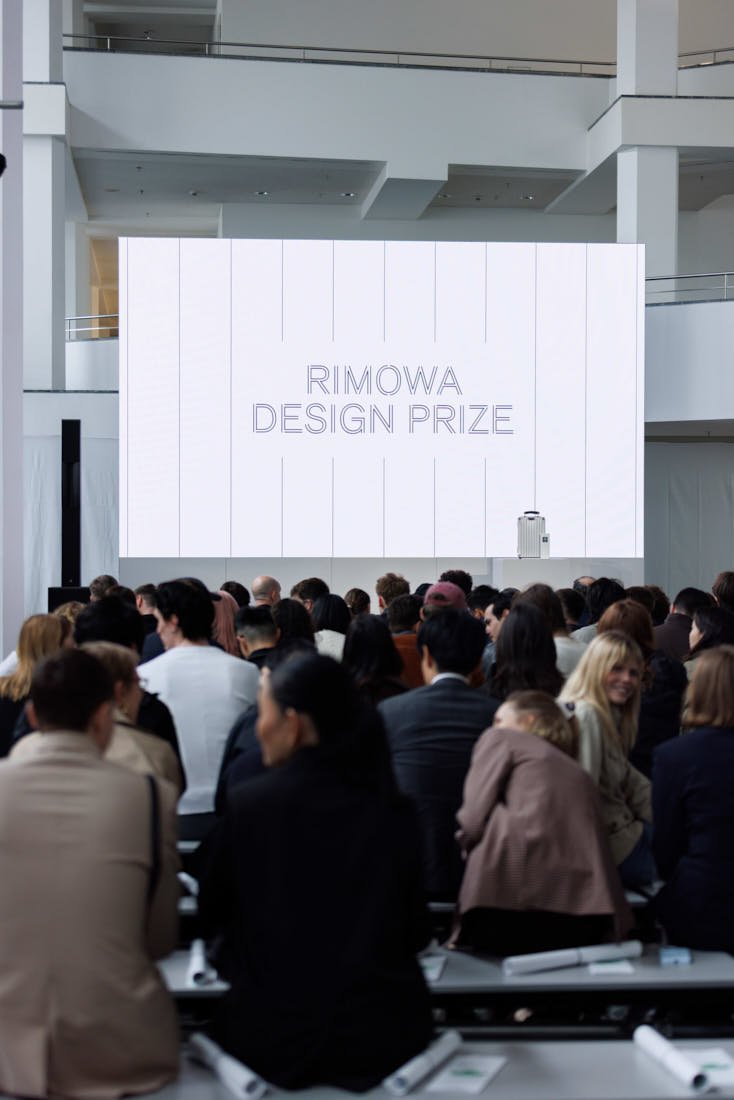
Guests at the RIMOWA Design Prize 2026 ceremony in Berlin
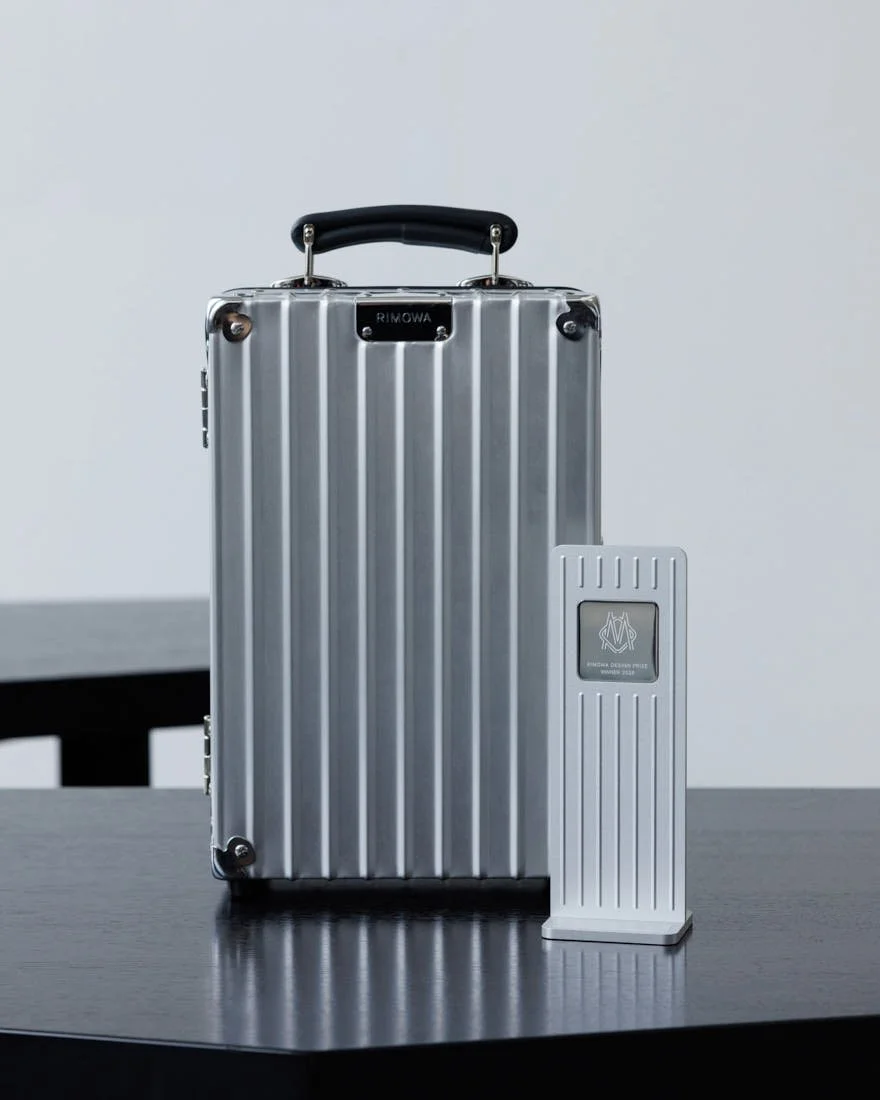
The award presentation at the RIMOWA Design Prize 2026
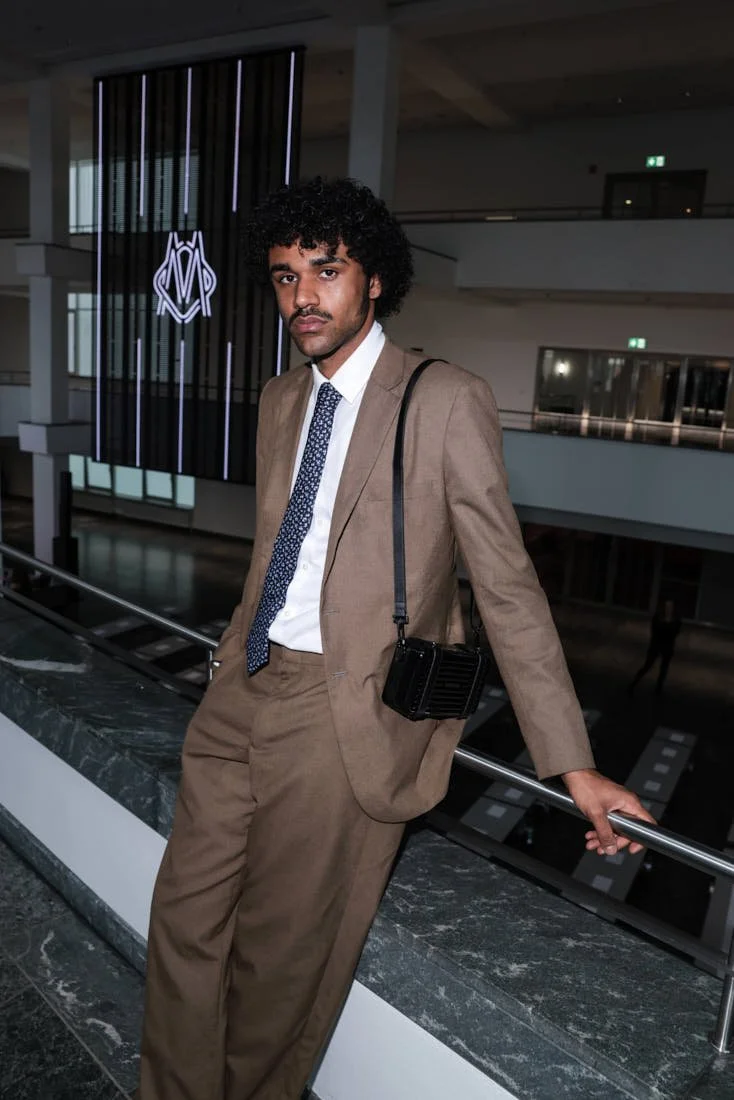
Langston Uibel at the RIMOWA Design Prize 2026
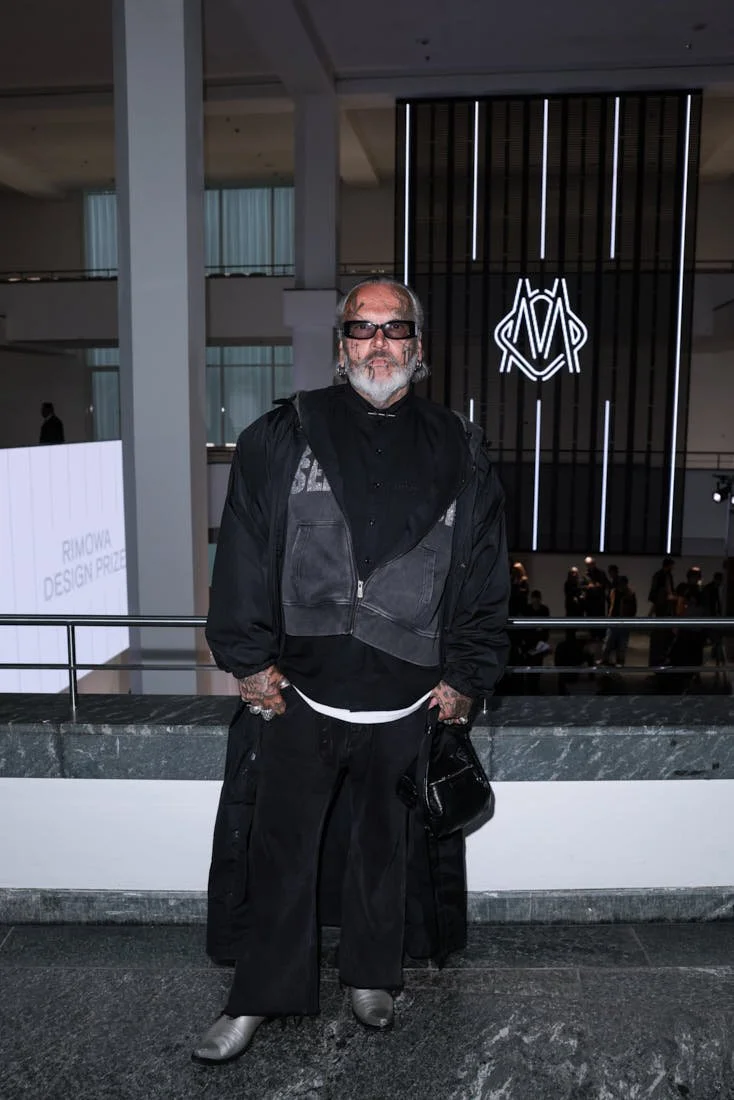
Sven Marquardt at the RIMOWA Design Prize 2026
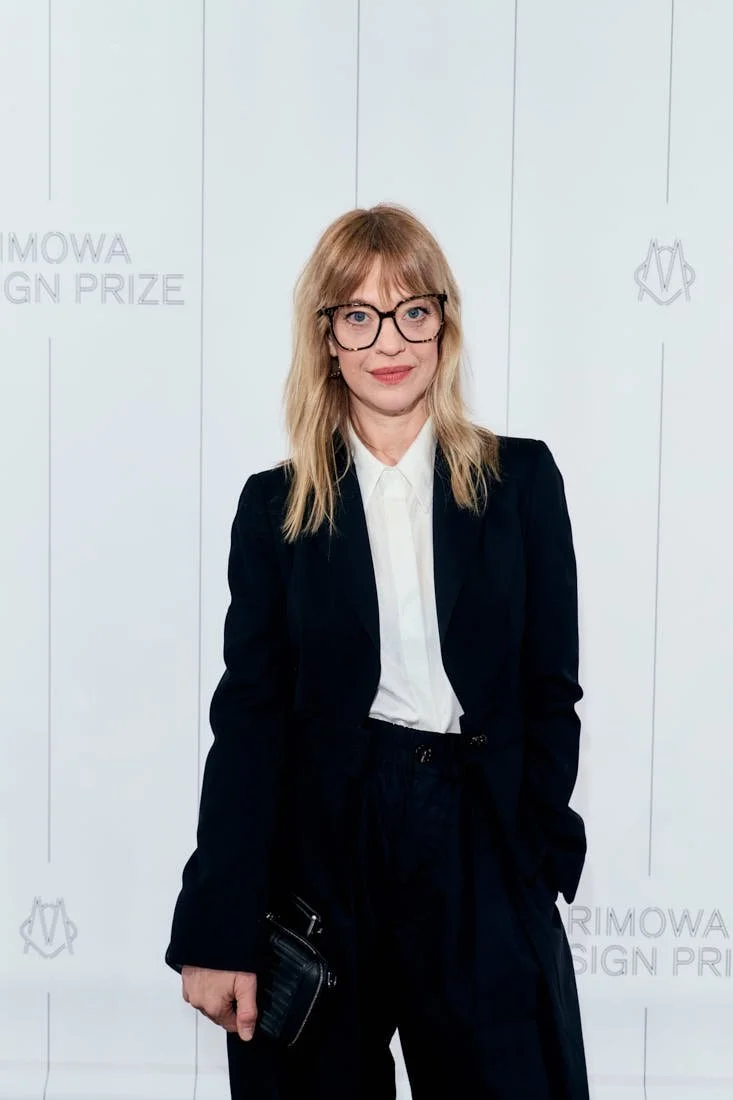
Heike Makatsch at the RIMOWA Design Prize 2026
Set against the striking backdrop of Berlin’s Kulturforum, journalist Valerie Präkelt guided guests through both the press preview and the evening’s award ceremony, attended by Berlin creatives, talents such as Heike Makatsch, Langston Uibel, Justus Riesner, Paula Hartmann, industry professionals, and members of the international press. Also present was newly appointed RIMOWA CEO Beatrice Monguidi, who described the event as a meaningful introduction to her new role at the company, one that celebrates young creative voices and offers them real opportunities to shape the future. Monguidi, previously President of Louis Vuitton for Europe, the Middle East and Africa, succeeds Hugues Bonnet-Masimbert, who is stepping down after leading the company since 2021.
The finalists’ projects spanned a remarkable range of disciplines and ideas. Valerio Sampognaro, for example, presented ultra-lightweight furniture inspired by kite construction. Using sailcloth and aluminum tubing, he transformed principles of aerodynamics into functional everyday objects designed for a more mobile lifestyle. Meanwhile, Jakob Schlenker introduced “PIP,” a portable bird-shaped companion created for elderly people experiencing loneliness. Supported by AI technology, PIP encourages movement and social interaction through subtle prompts and emotional engagement. One of the evening’s most discussed projects, particularly due to its urgent real-world relevance, came from Tobias Kremer and Yannick Stilgenbauer. Their concept, A.R.C., proposes a portable cooling system for food and medicine designed for use in hot, arid crisis regions where infrastructure has collapsed.
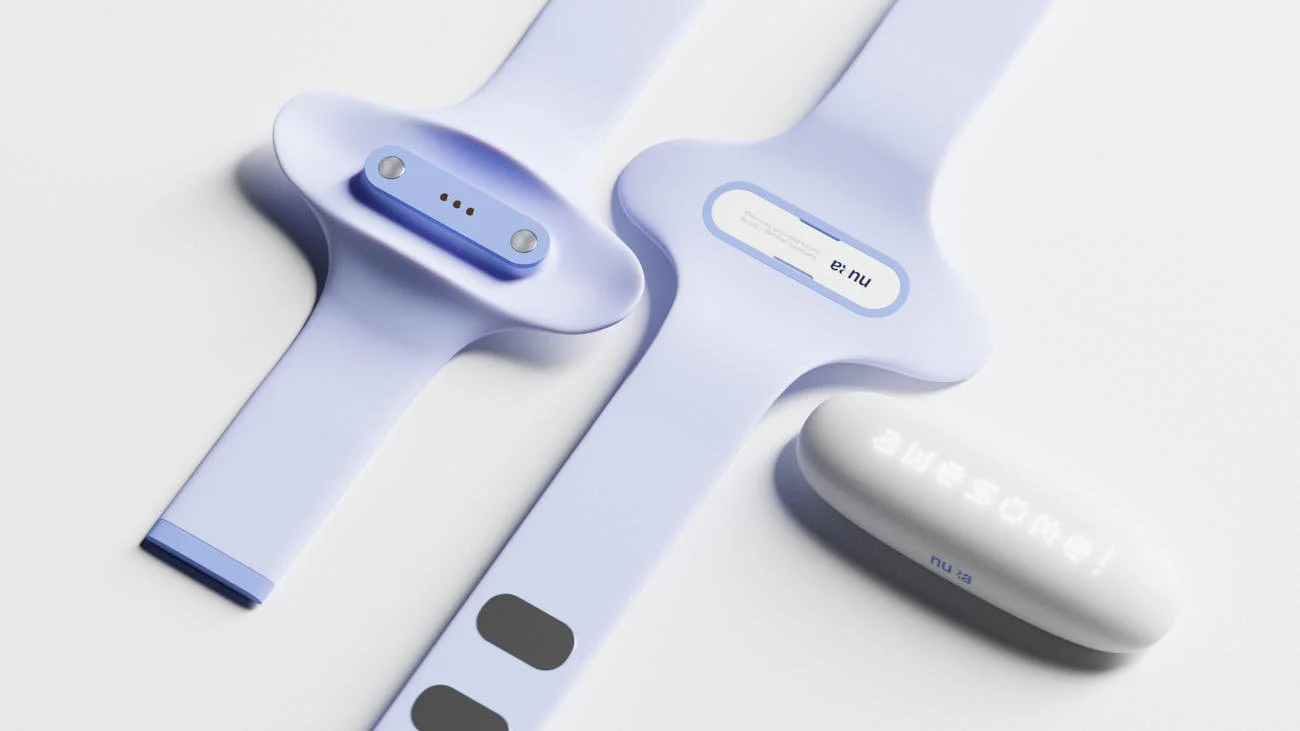
Samuel Nagel and Paul Feiler with their project NURA for the RIMOWA Design Prize 2026
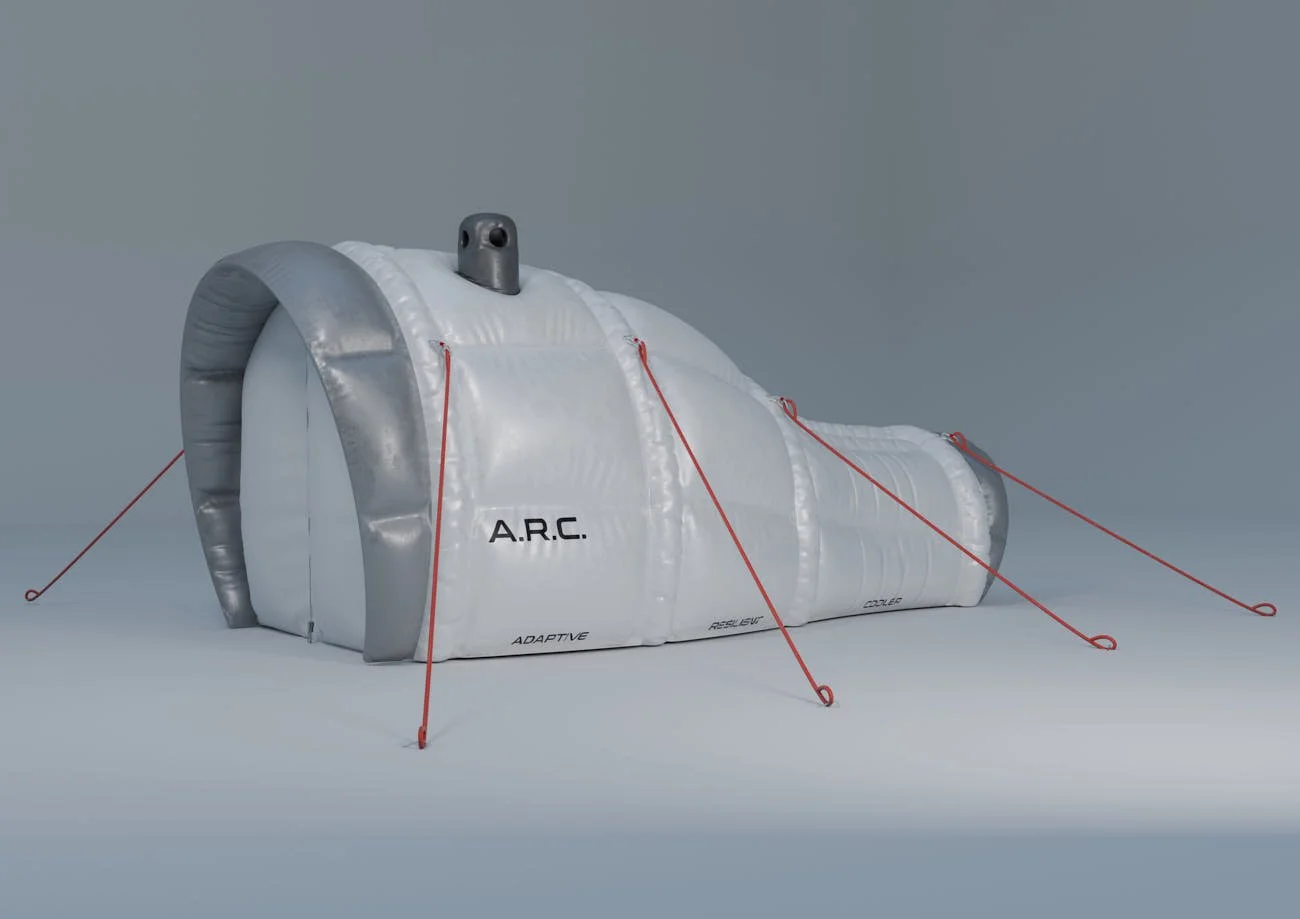
Tobias Kremer and Yannick Stilgenbauer’s A.R.C. project for the RIMOWA Design Prize 2026
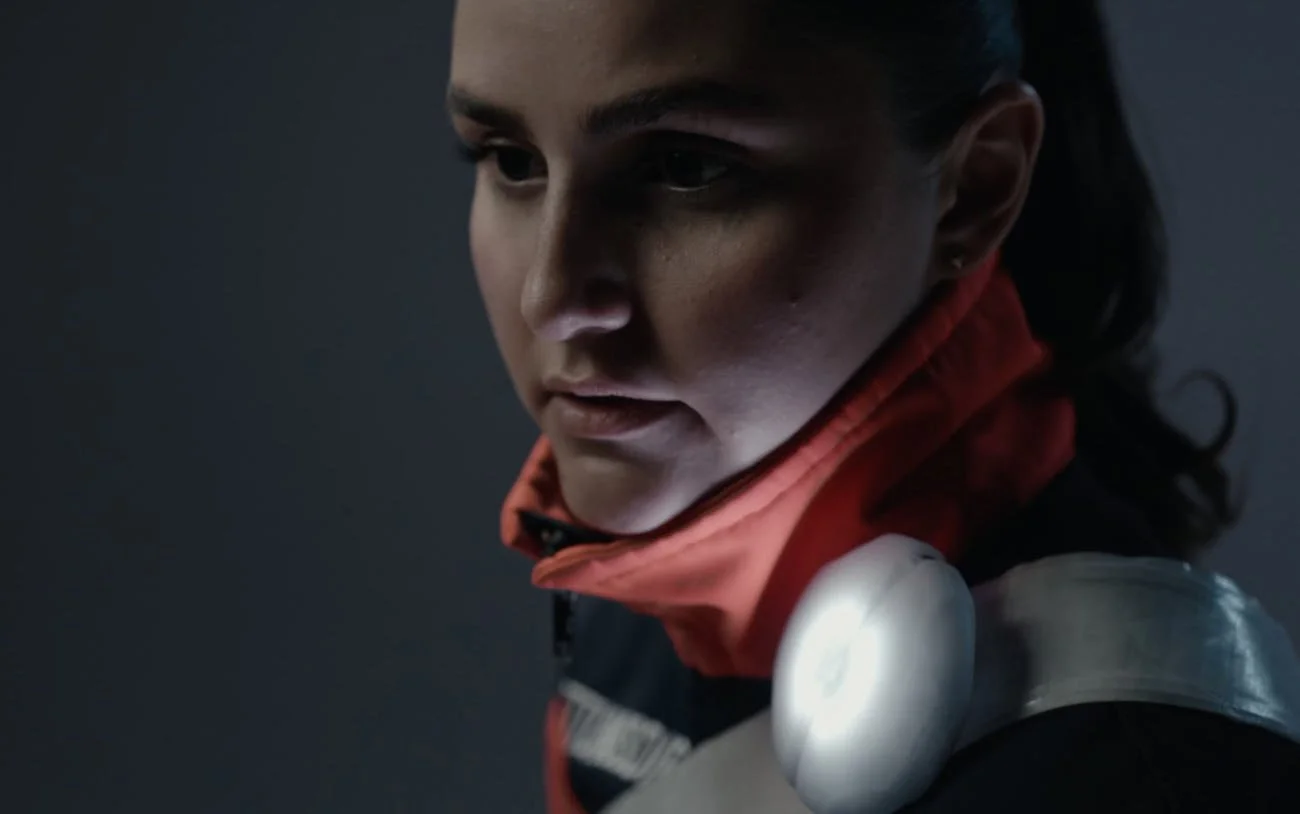
Tim Kipper and John Roller’s Compassion Aid project for the RIMOWA Design Prize 2026
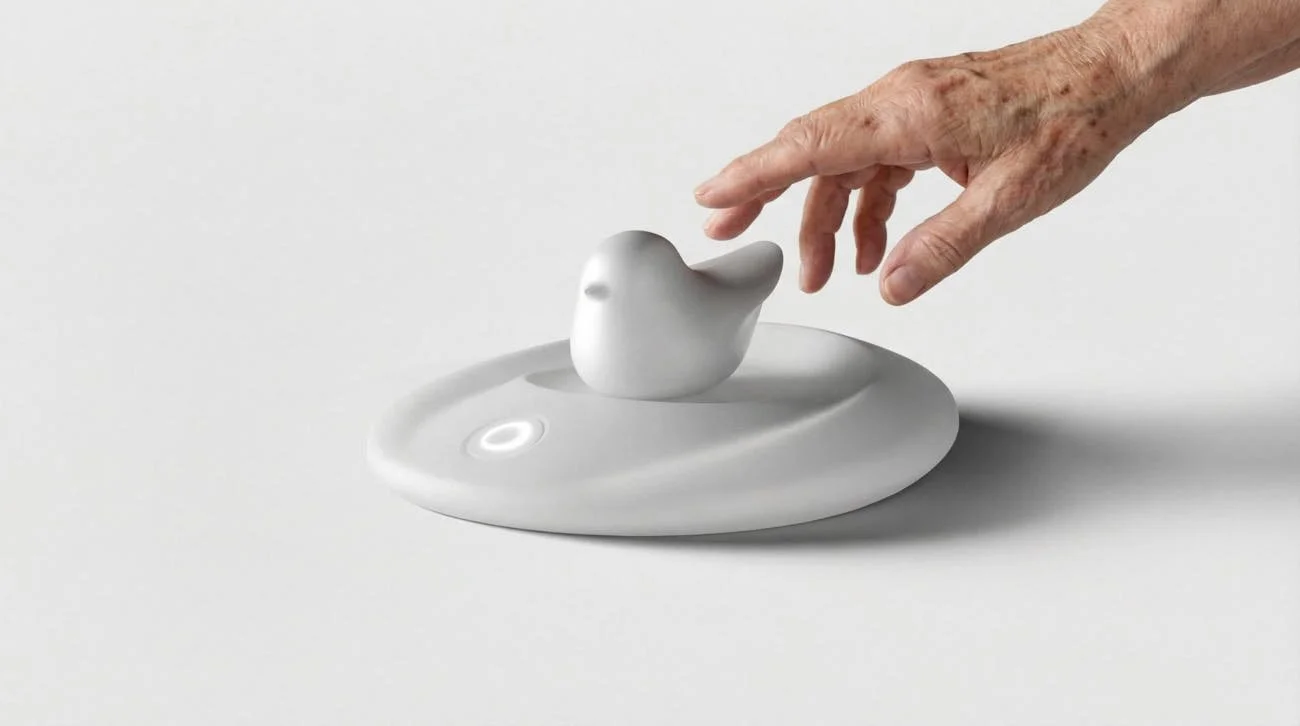
Jakob Schlenker’s PIP project for the RIMOWA Design Prize 2026
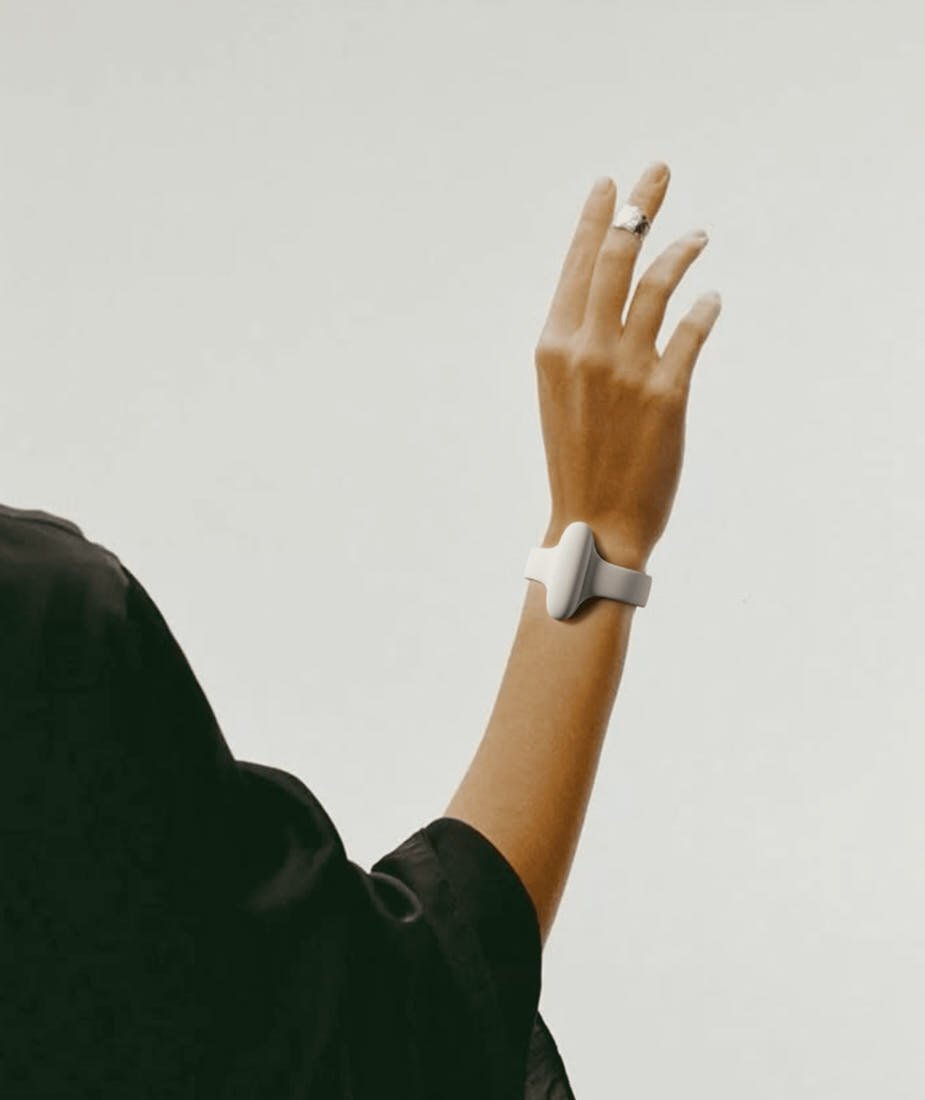
Samuel Nagel and Paul Feiler’s NURA project for the RIMOWA Design Prize 2026
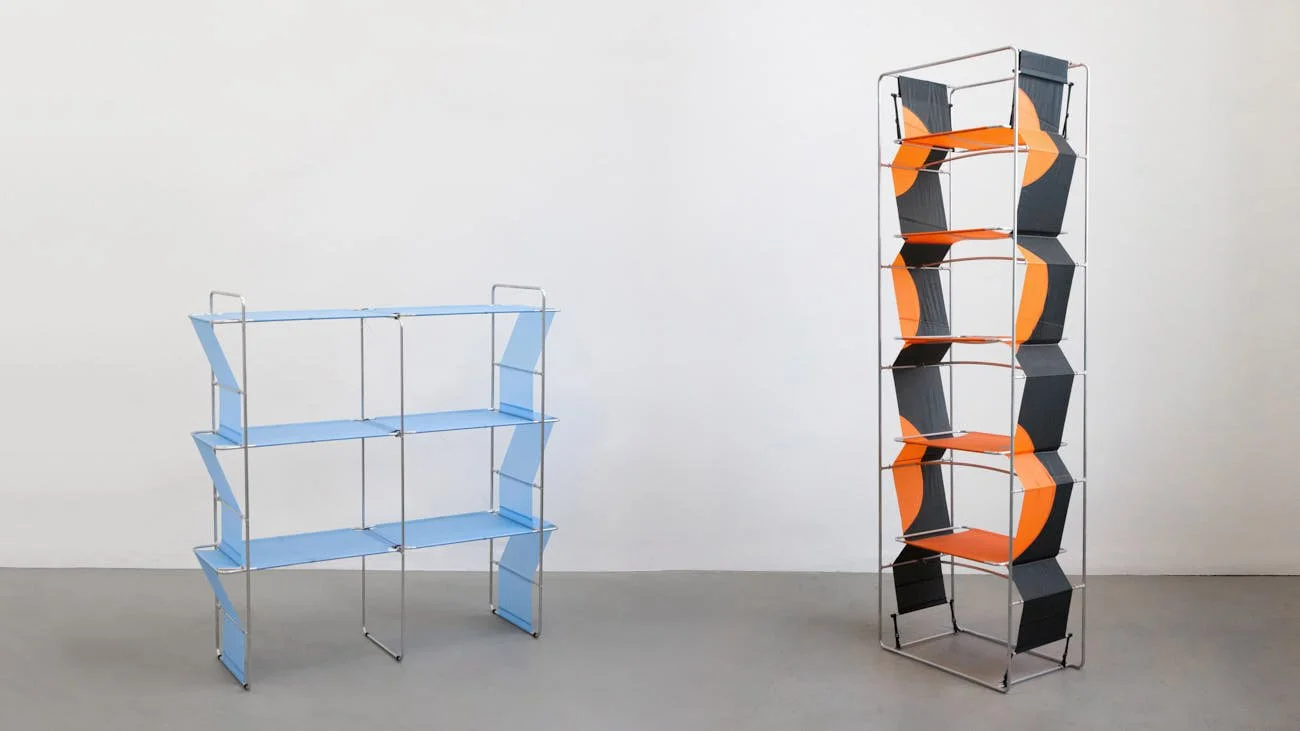
Valerio Sampognaro’s Aerodomestics project for the RIMOWA Design Prize 2026
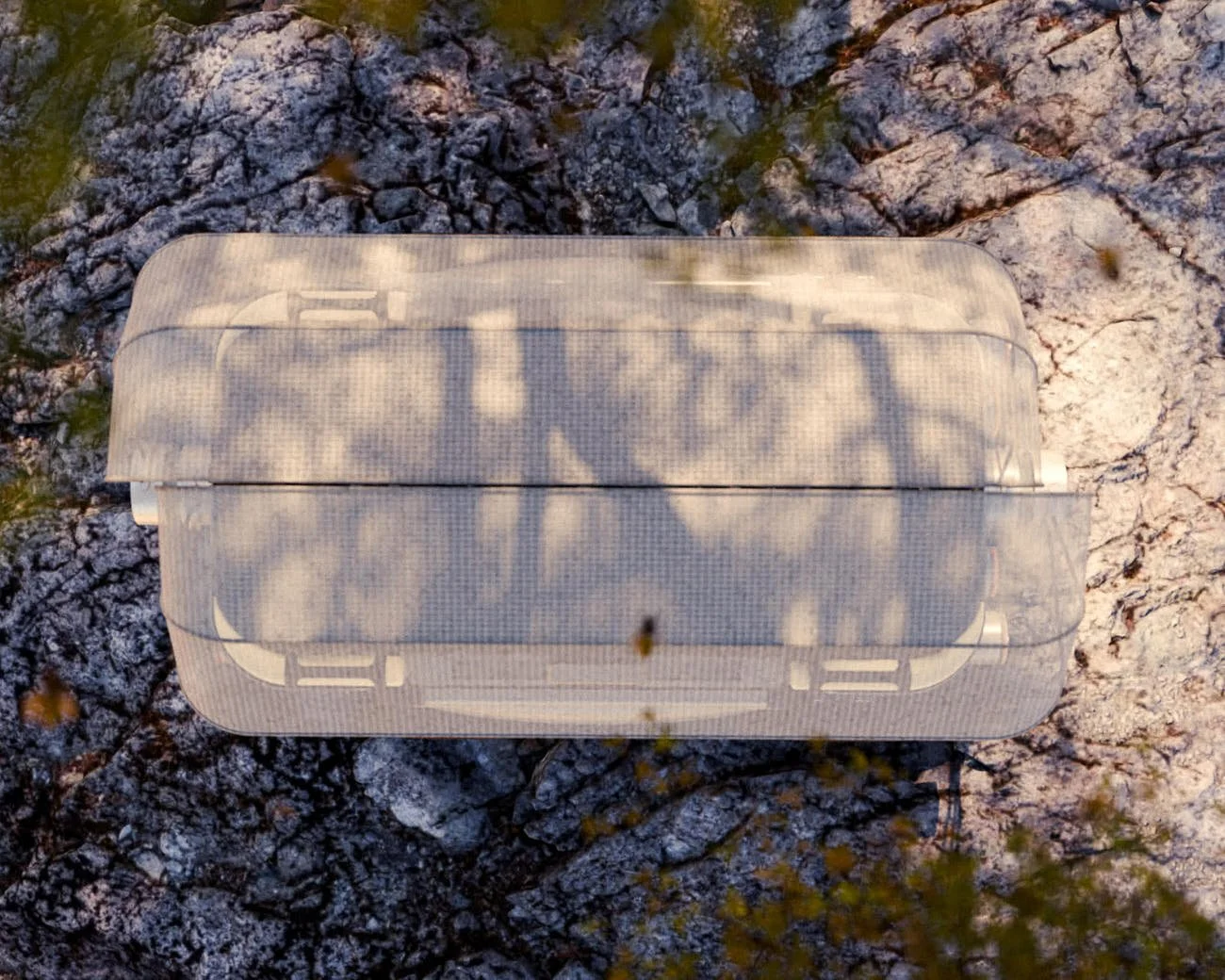
Nicolas Nielsen’s HYVE project for the RIMOWA Design Prize 2026
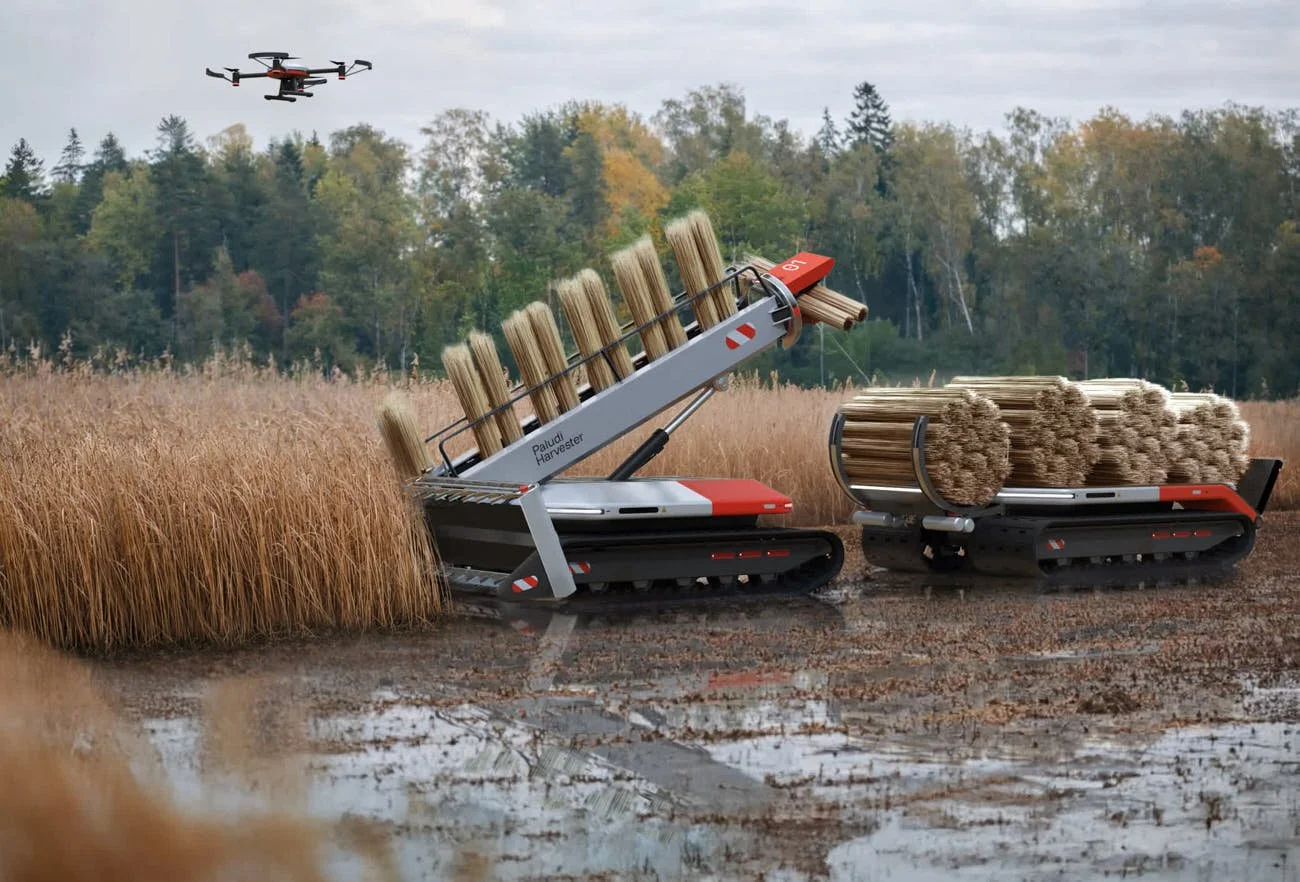
Niklas Henning’s Paludi Harvesters project for the RIMOWA Design Prize 2026
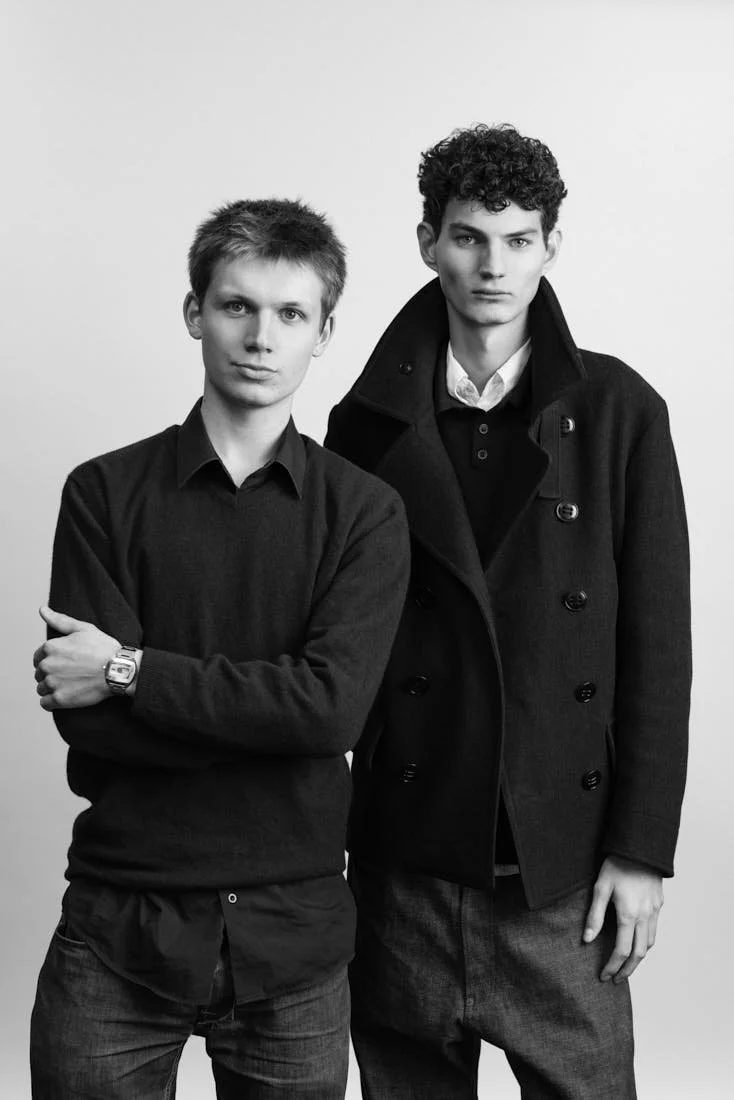
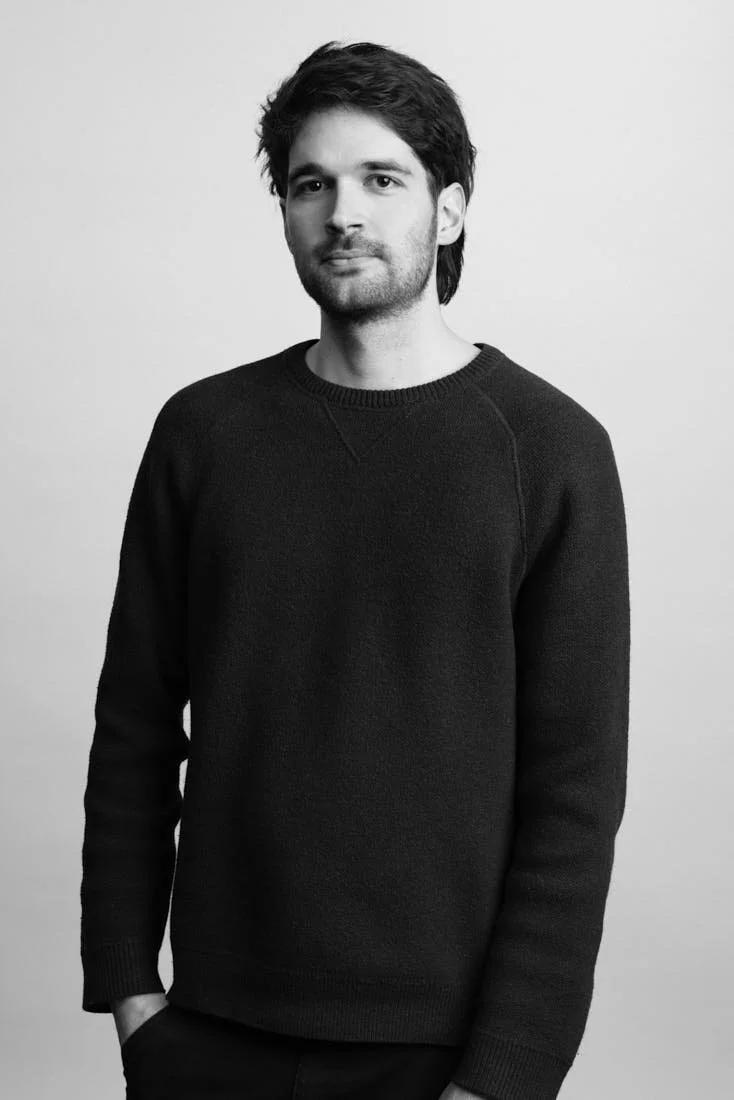
meet the finalists
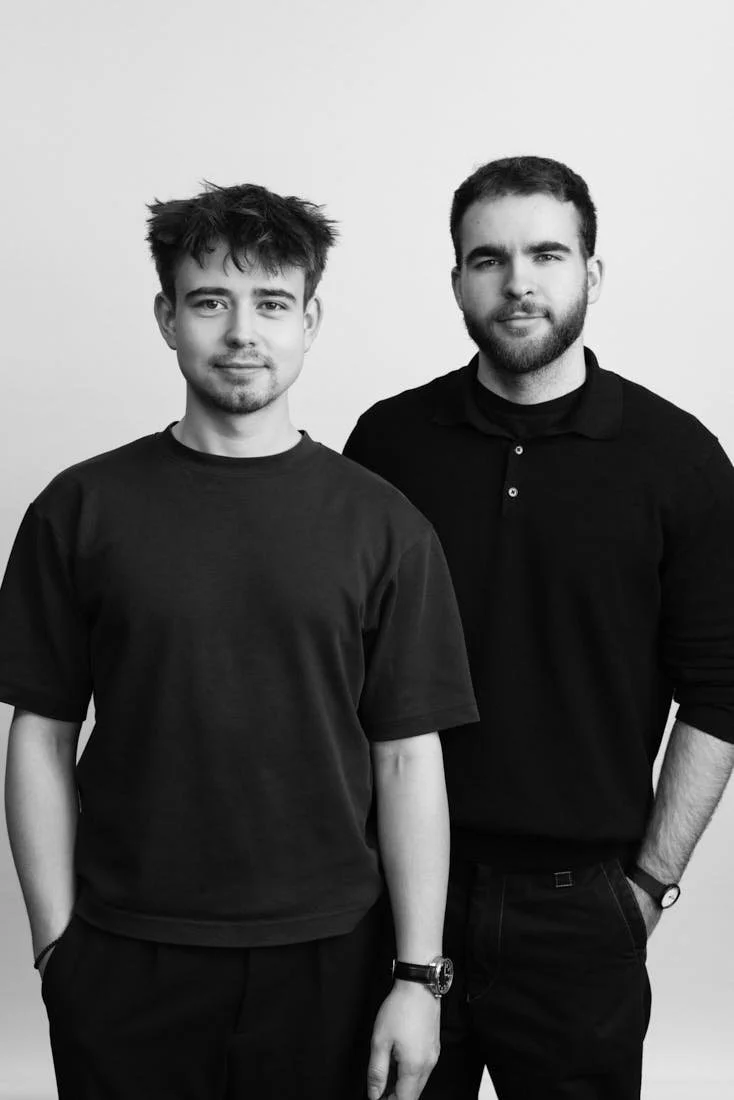

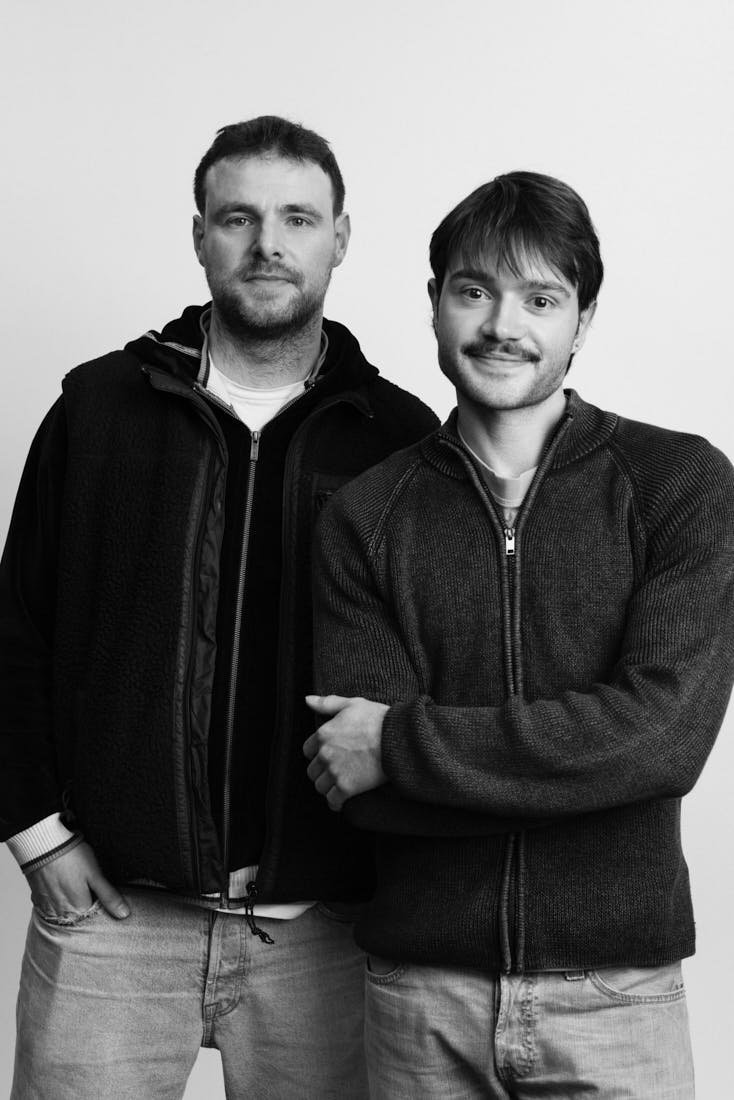


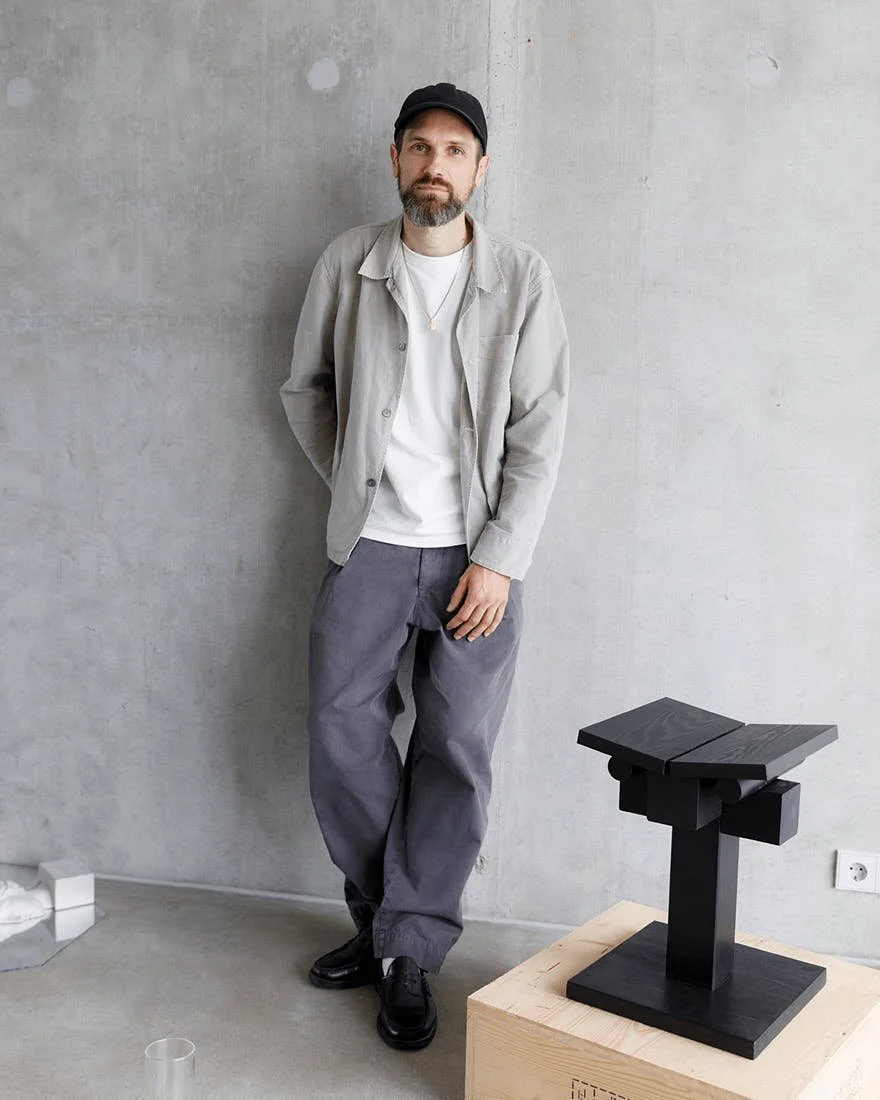
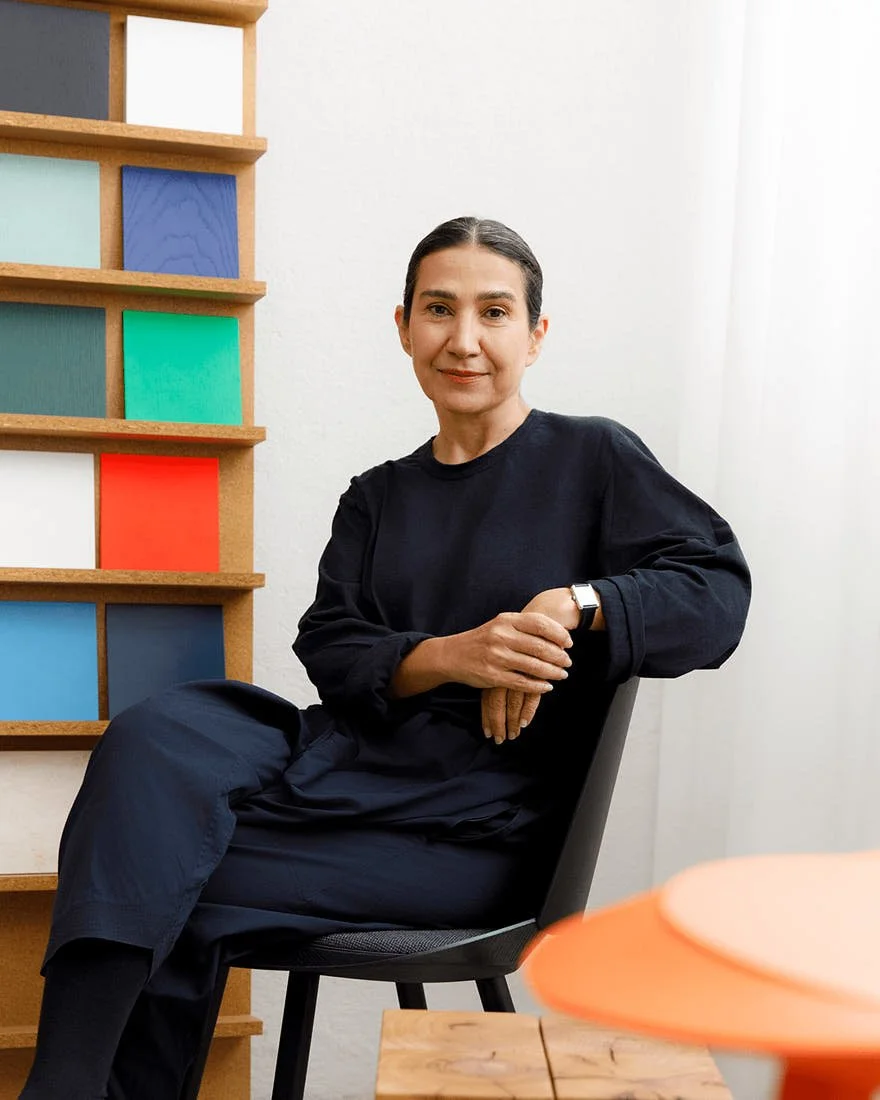
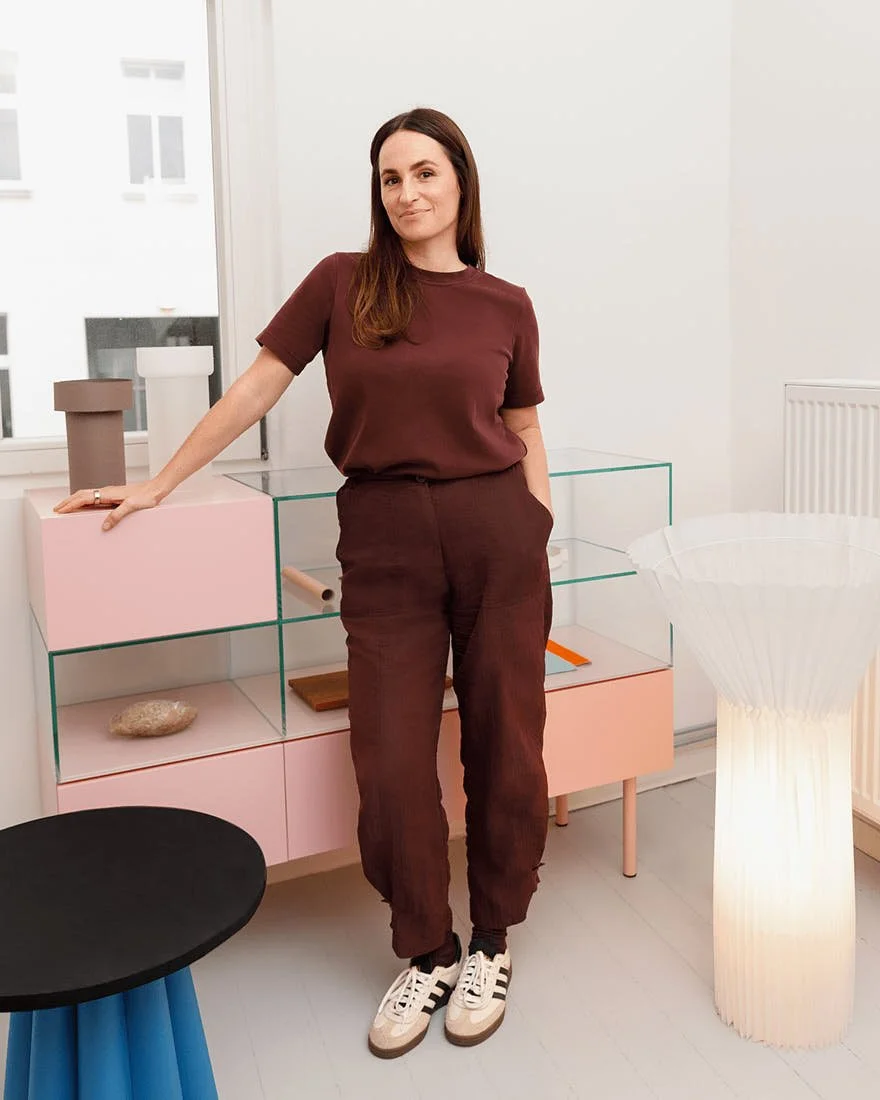
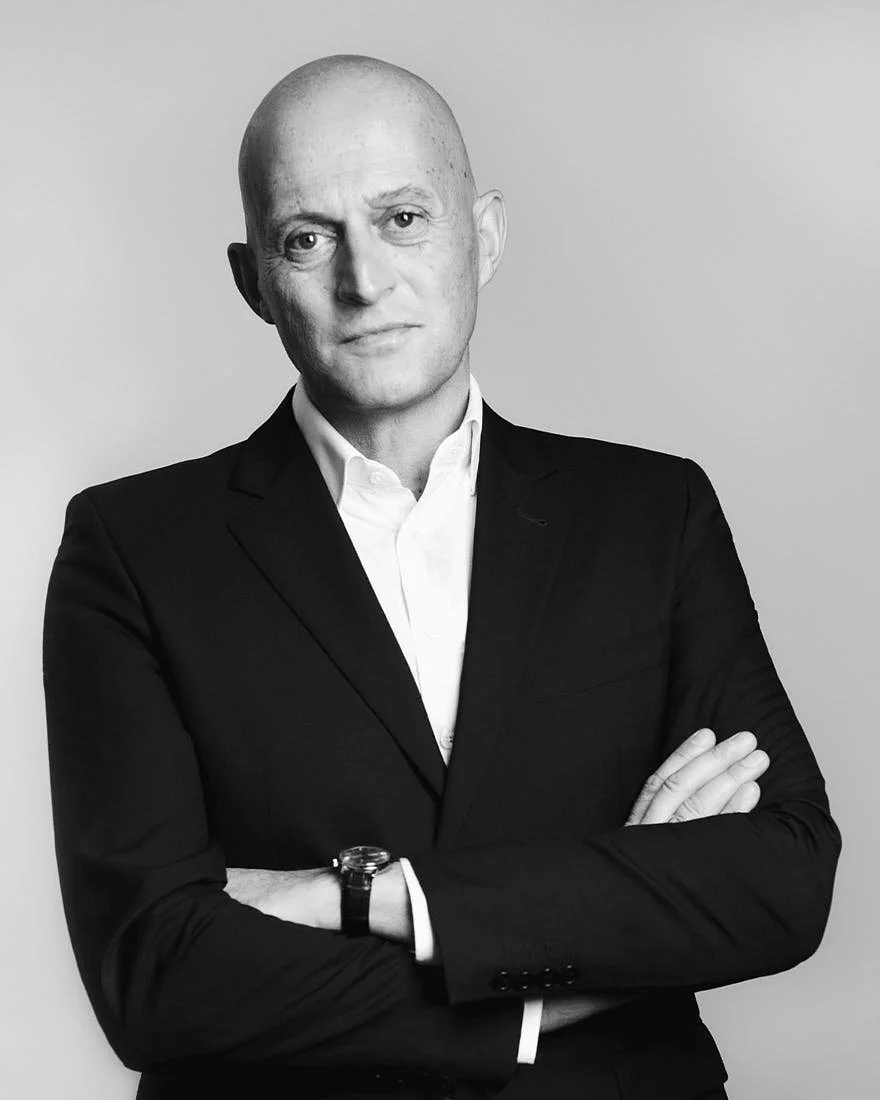
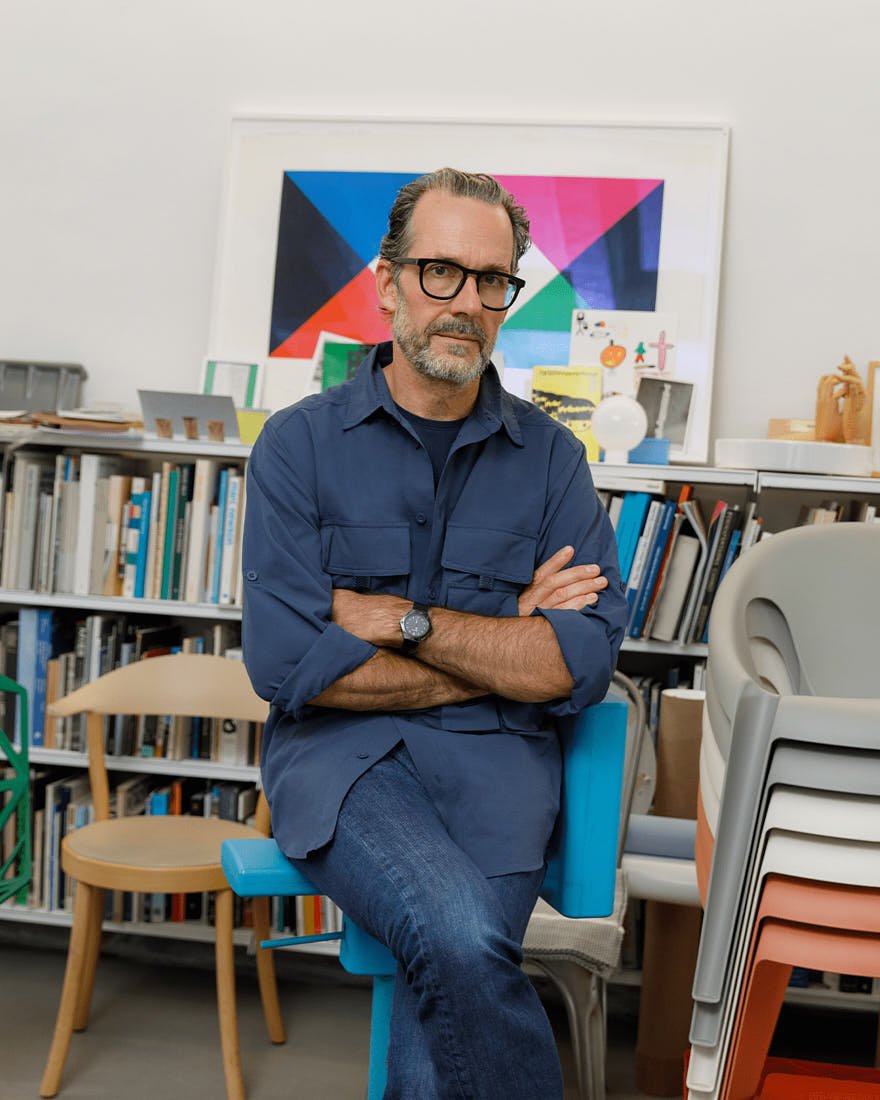
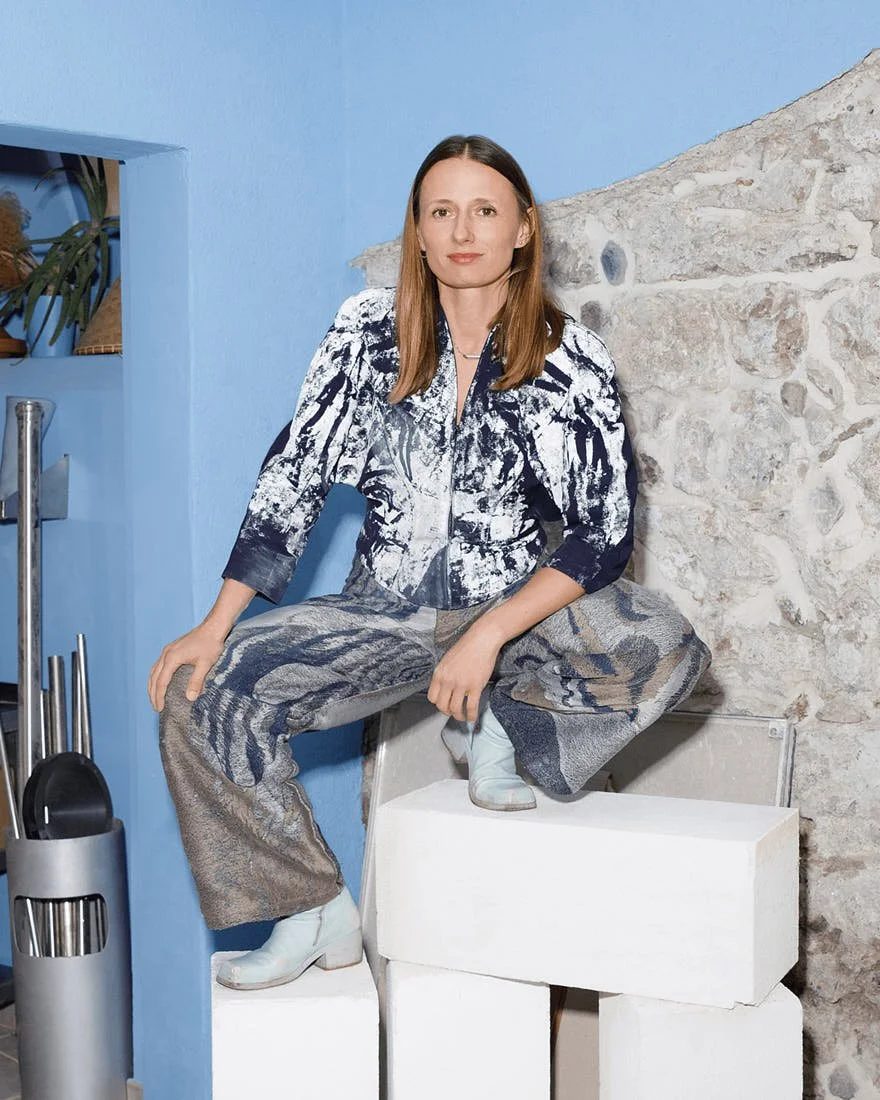
meet the jury

Designers Tim Kipper and John Roller developed an intuitive communication device for emergency responders. Combining voice and visual input, the system enables clearer communication between rescue teams and patients in dense urban environments. Another standout was “HyVe,” created by Nicolas Nielsen, a nomadic home for bees aimed at restoring urban biodiversity. By reconnecting isolated green spaces, HyVe helps reactivate pollination systems and strengthen ecological networks within cities.
The evening’s first award, the “Special Mention,” went to Niklas Henning for “Paludi Harvesters,” an autonomous reed-harvesting machine designed for climate-positive agriculture. The project contributes to peatland preservation while simultaneously creating sustainable sources of income through ecological insulation materials.
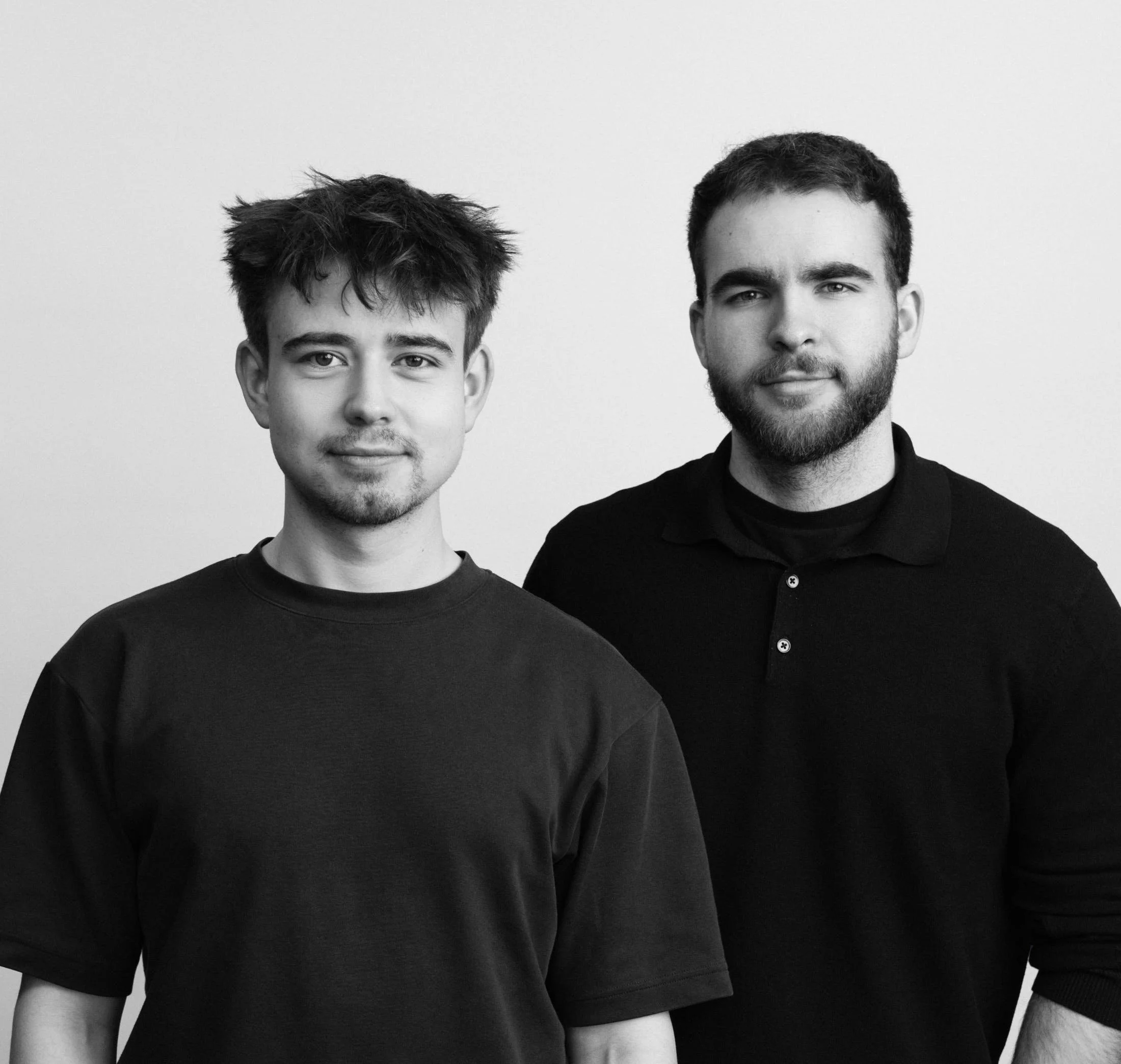
The overall winners of the 2026 RIMOWA Design Prize, and recipients of €20,000 in funding, were Samuel Nagel and Paul Feiler with their invention “Nura.” The wearable device uses EMG technology to translate sign language into speech and spoken language into text in real time. With Nura, the students aimed to create an elegant accessory that empowers rather than stigmatizes its users. According to the Deutscher Gehörlosen-Bund, approximately 0.1 percent of Germany’s population - around 83,000 people - are deaf. Innovations like Nura therefore have the potential to significantly improve communication and accessibility in everyday life. Nura is undoubtedly a deserving winner. Yet perhaps the true success of the evening lies in the fact that every finalist had already been given something invaluable: the opportunity to develop their ideas, present them on an international stage, and collaborate with renowned mentors through the support of RIMOWA.
What remains now is the exciting question of where these projects will go next and whether the concepts presented in Berlin may soon become part of our everyday lives and working environments.