Viewing entries tagged
interview

SKYE NEWMAN *SE9 Part 2, Healing, Identity and Taking Back Power

SKYE NEWMAN *SE9 Part 2, Healing, Identity and Taking Back Power

Why Skye Newman Had to Return to SE9


interview + written KLAAS HAMMER


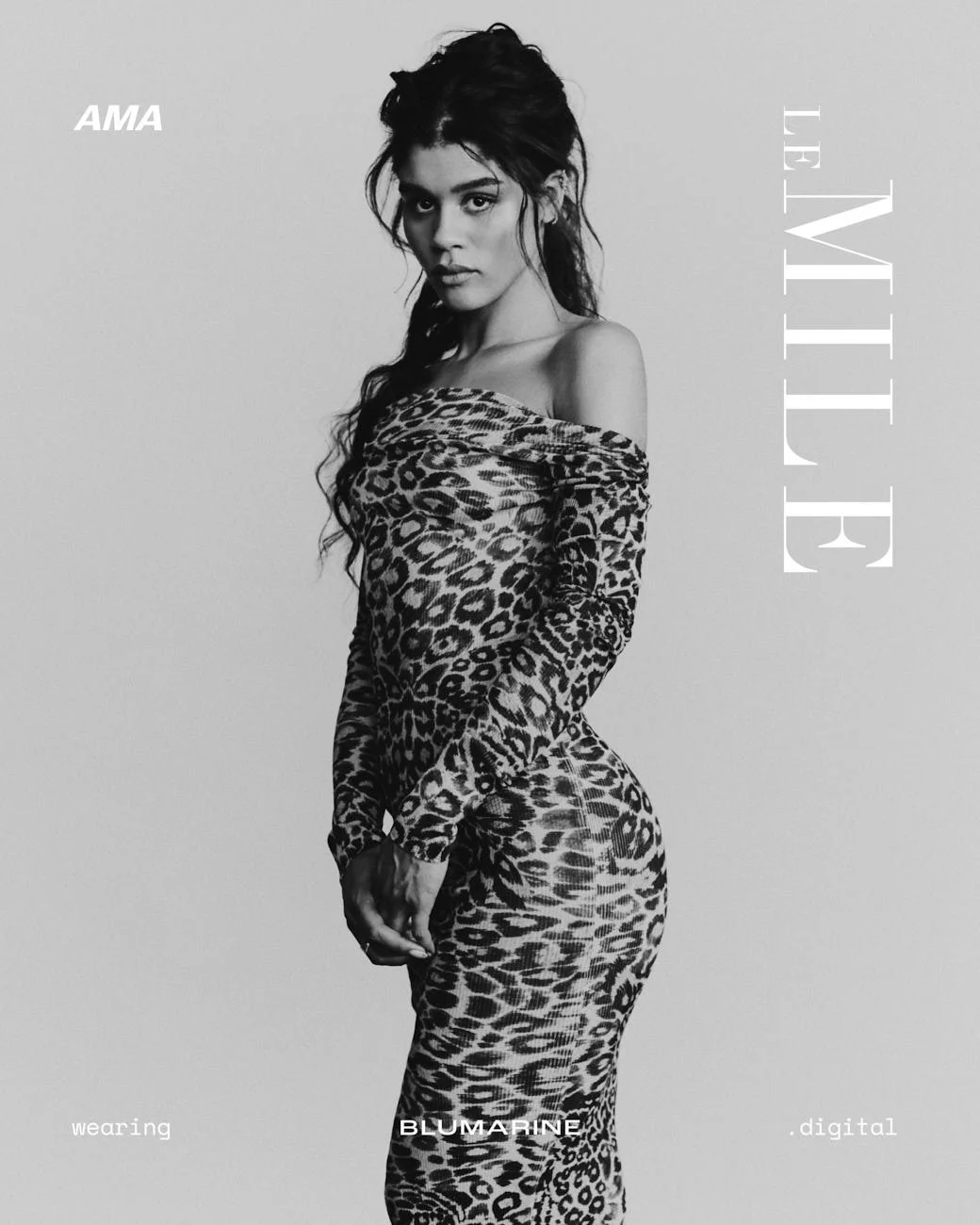
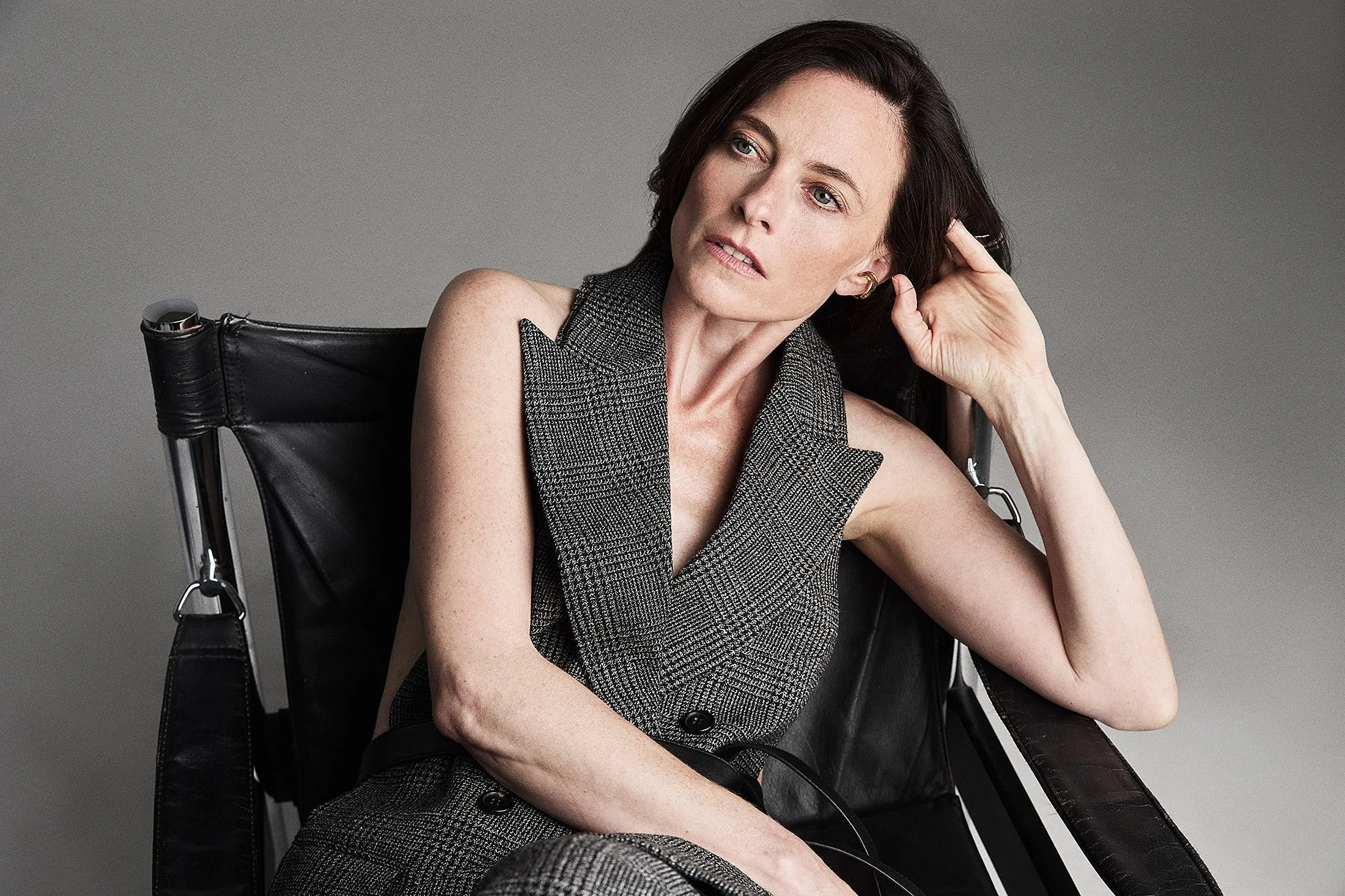
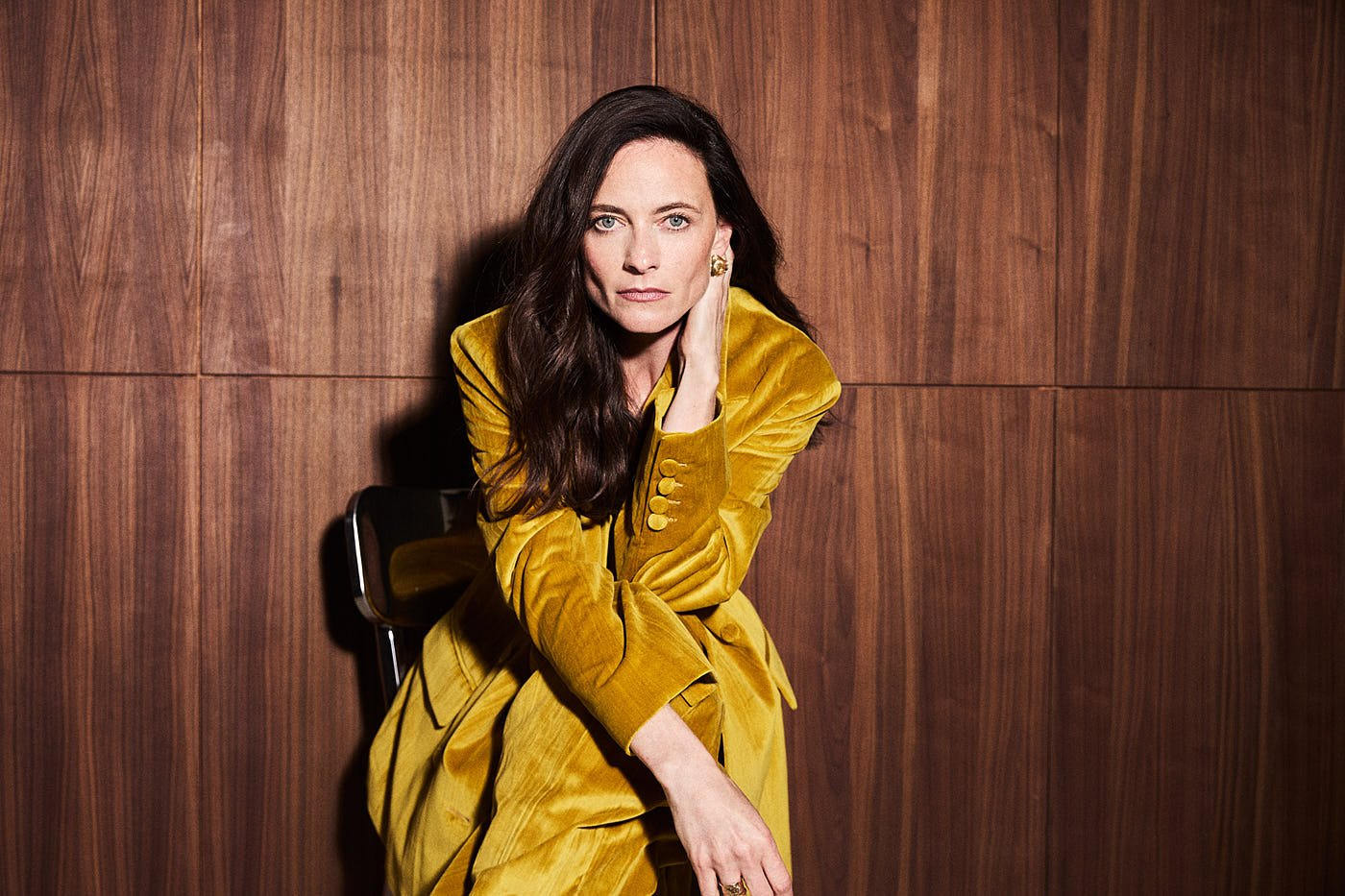
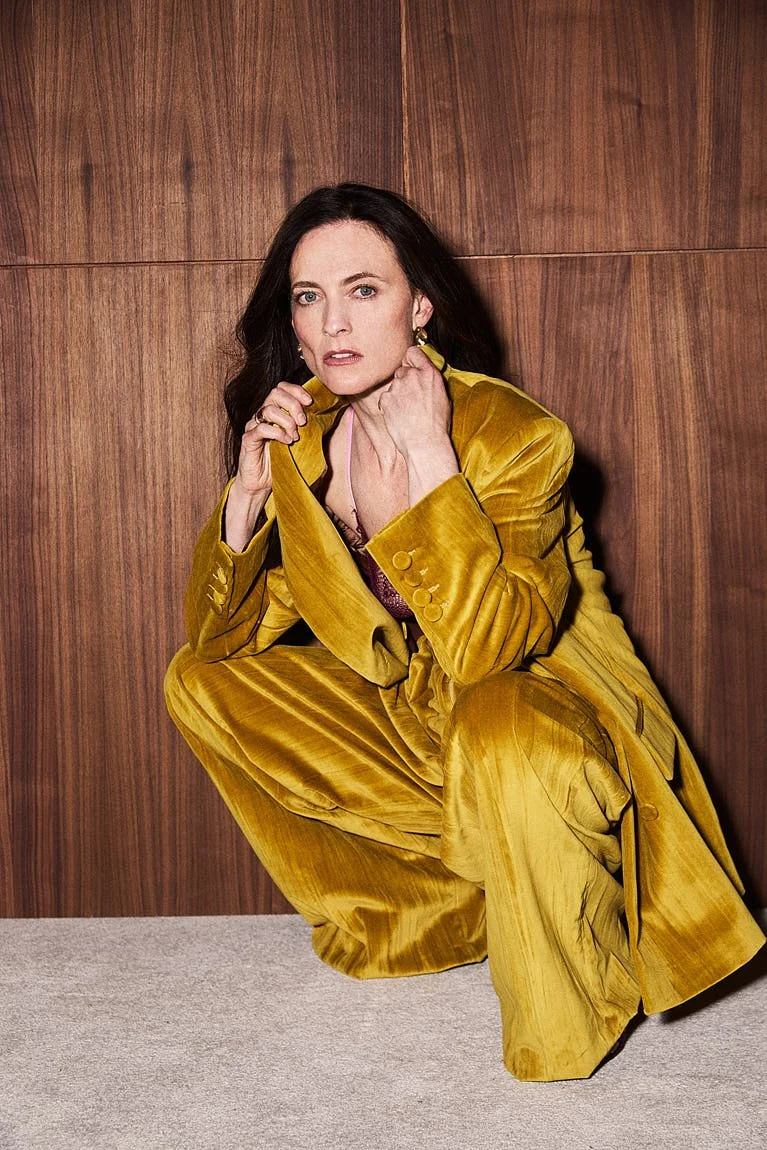
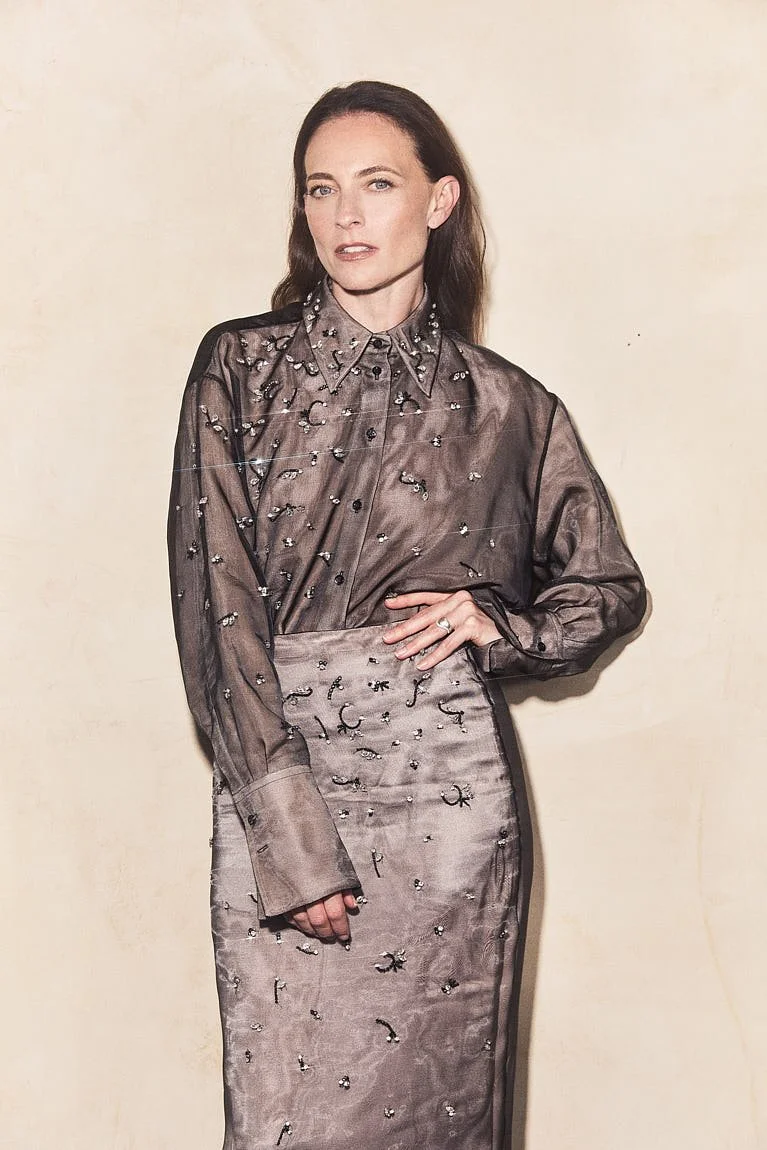
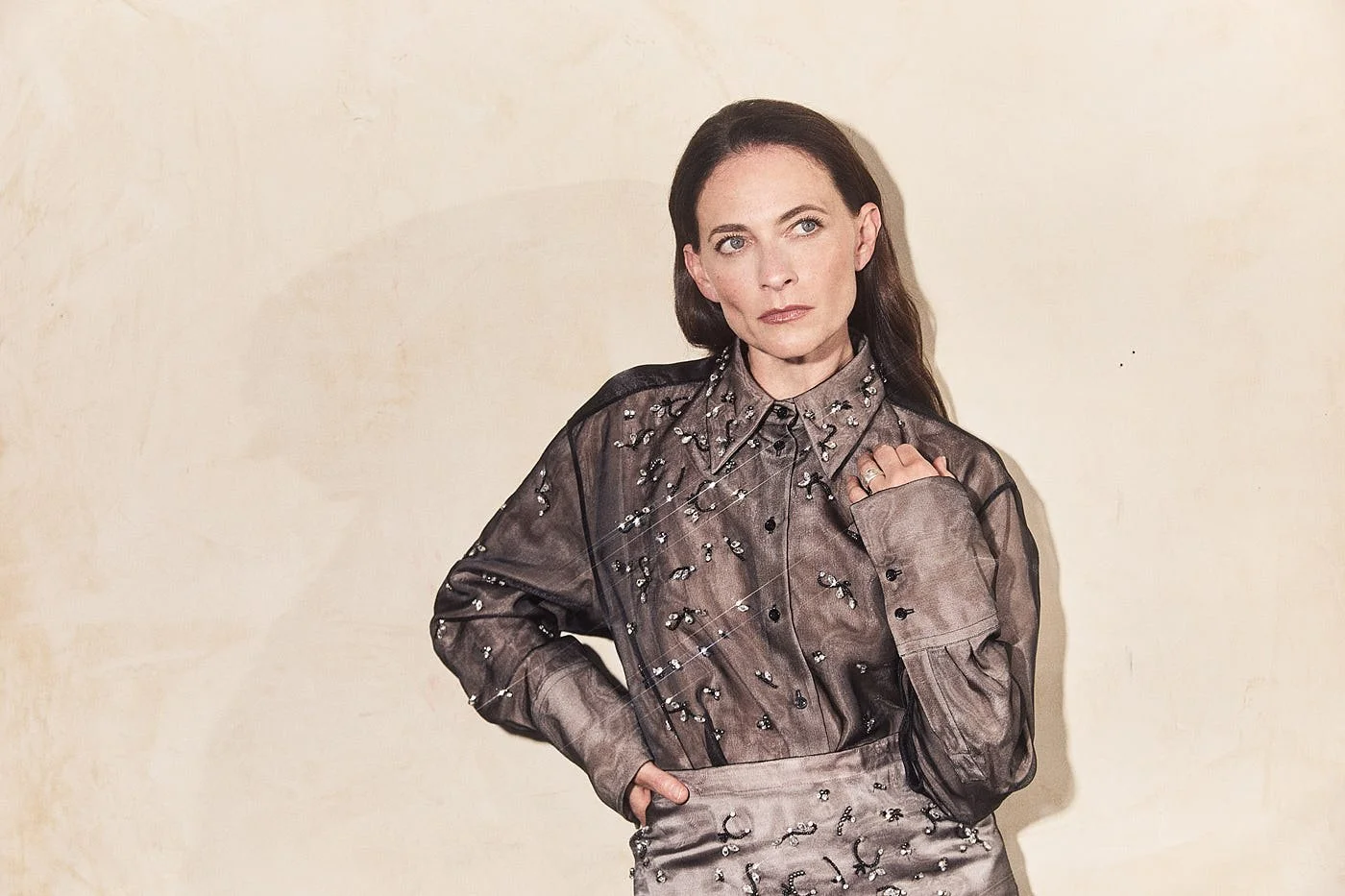
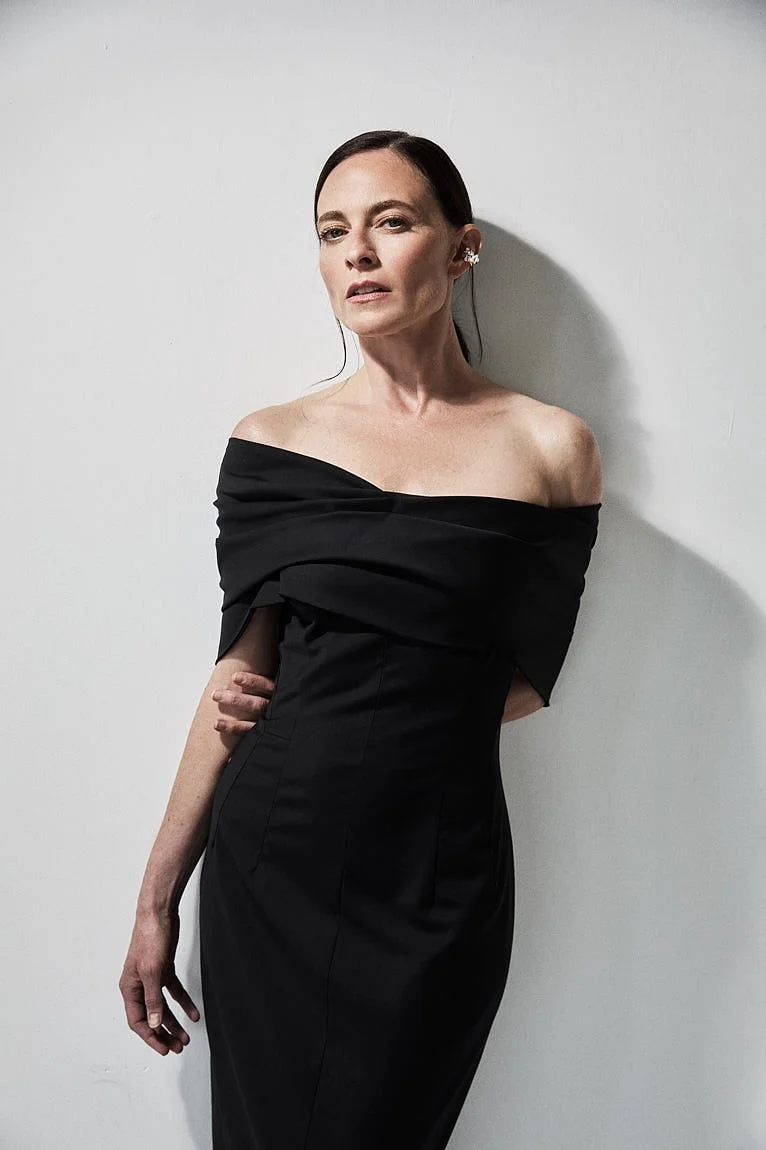
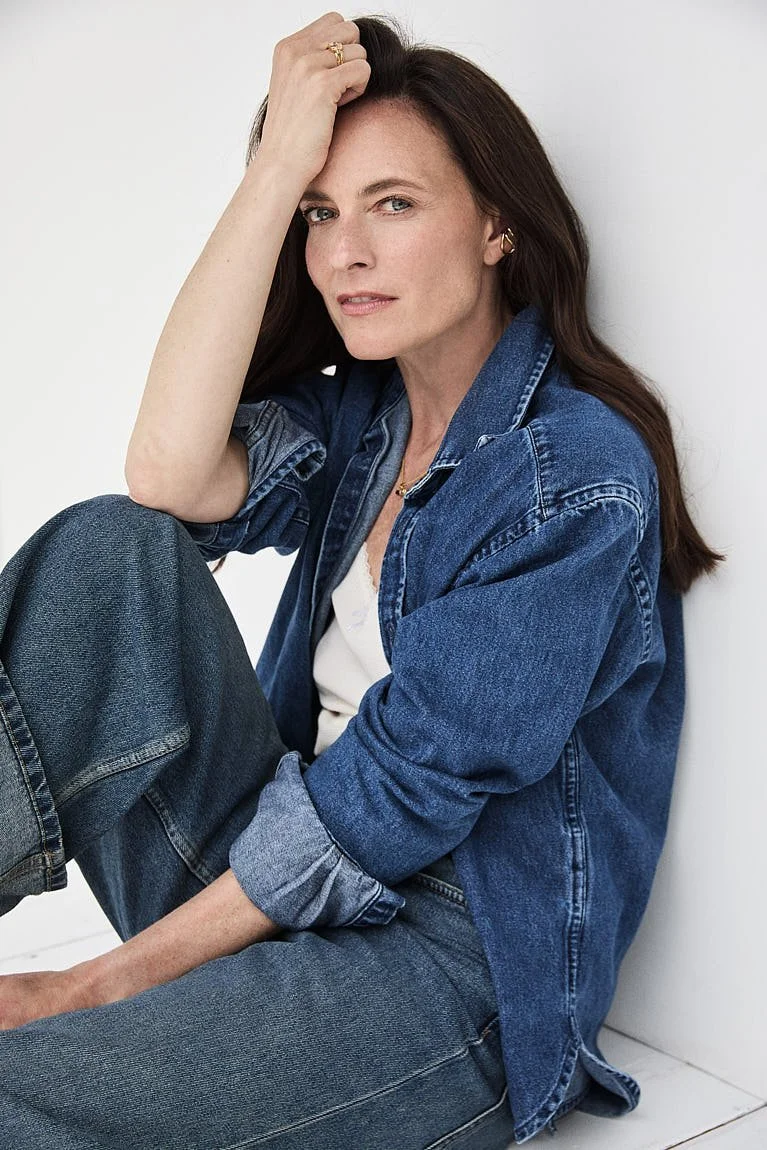
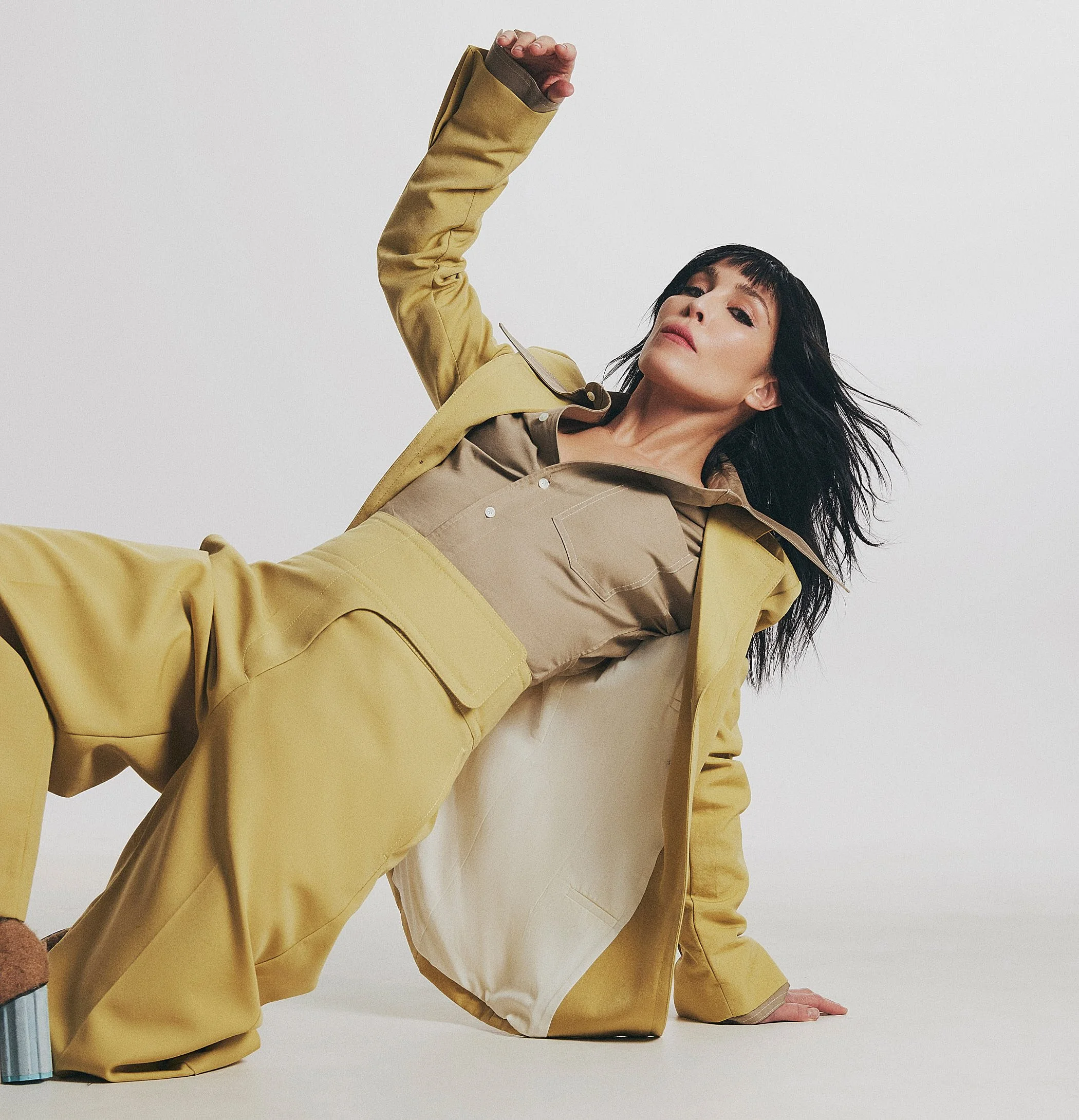
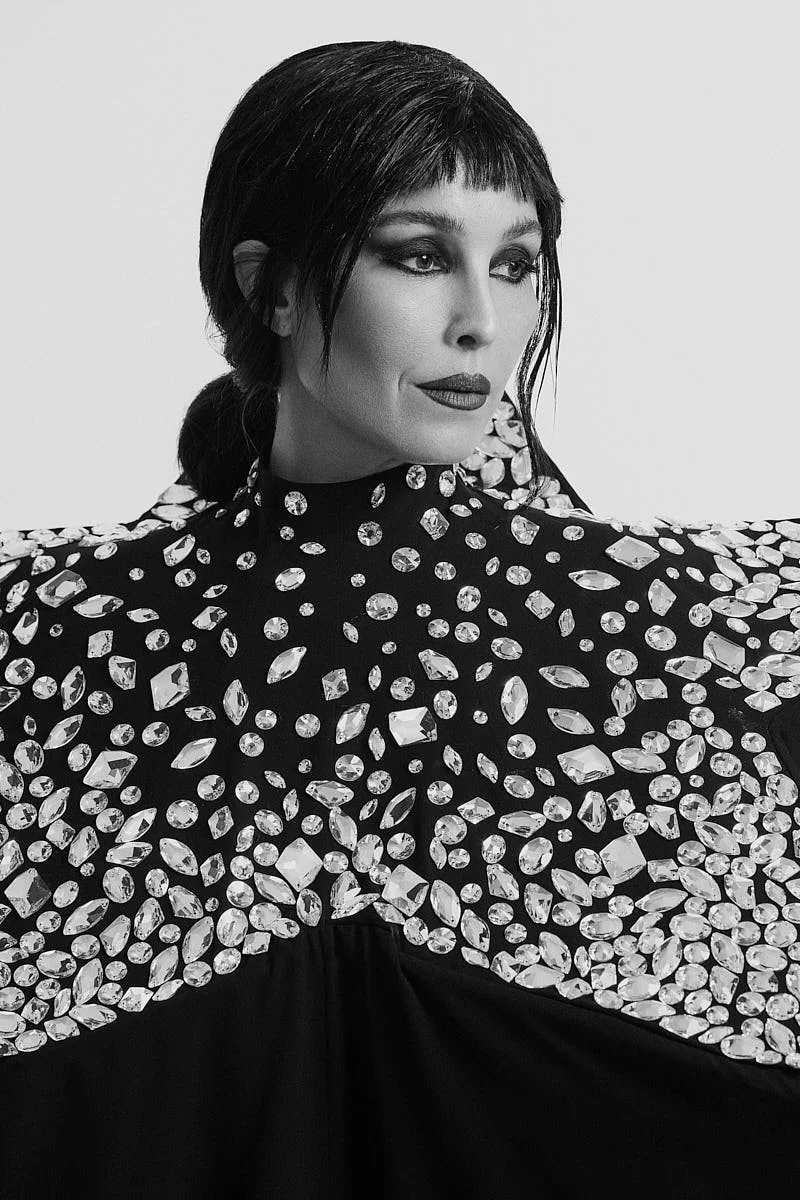
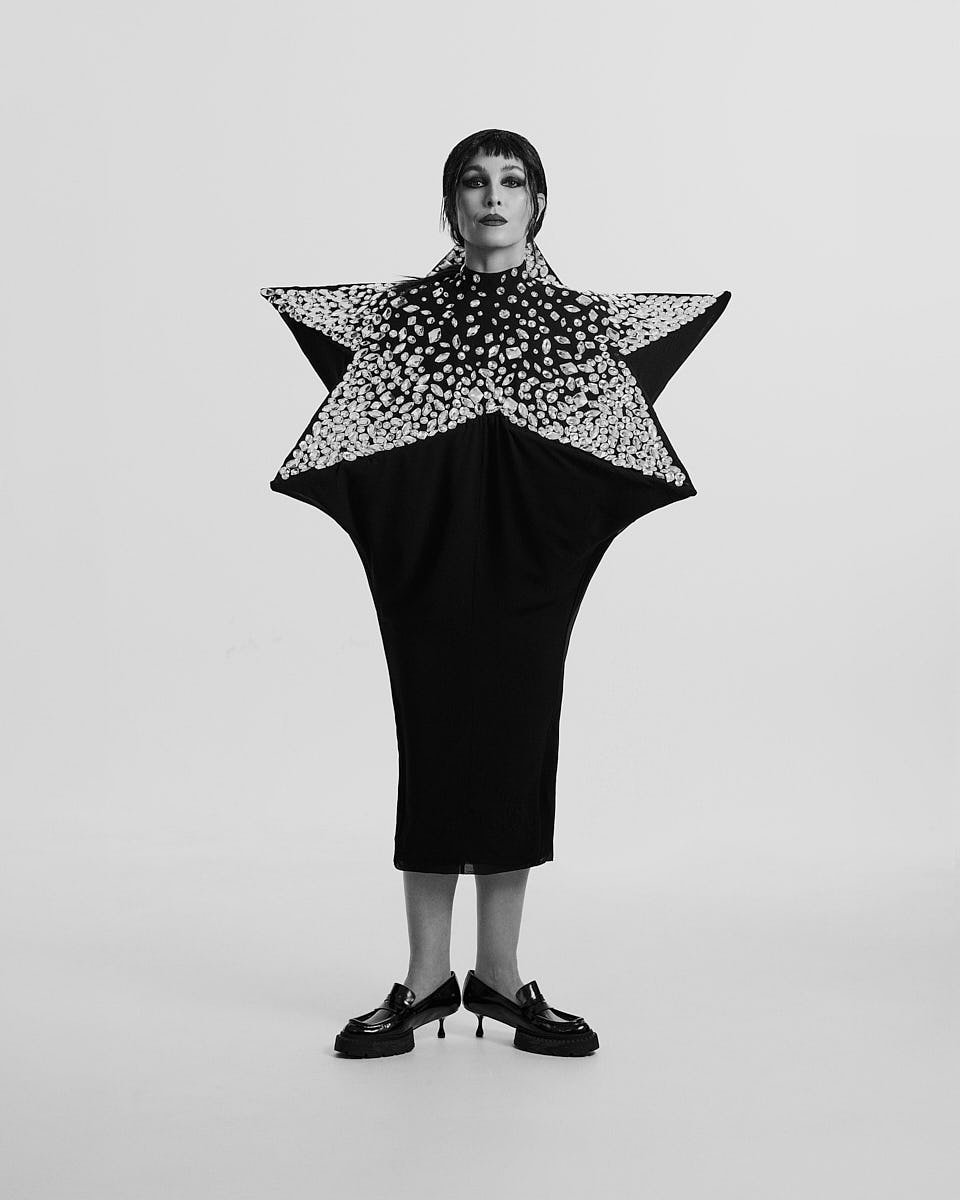
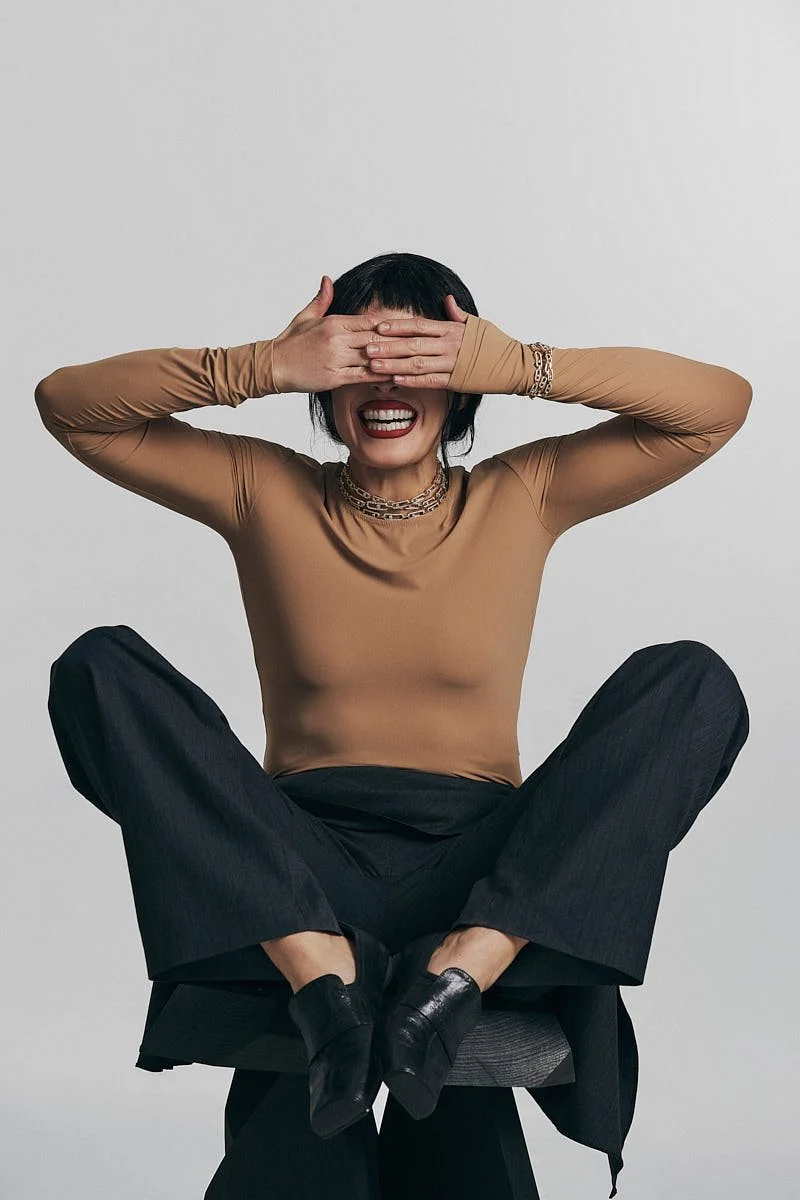
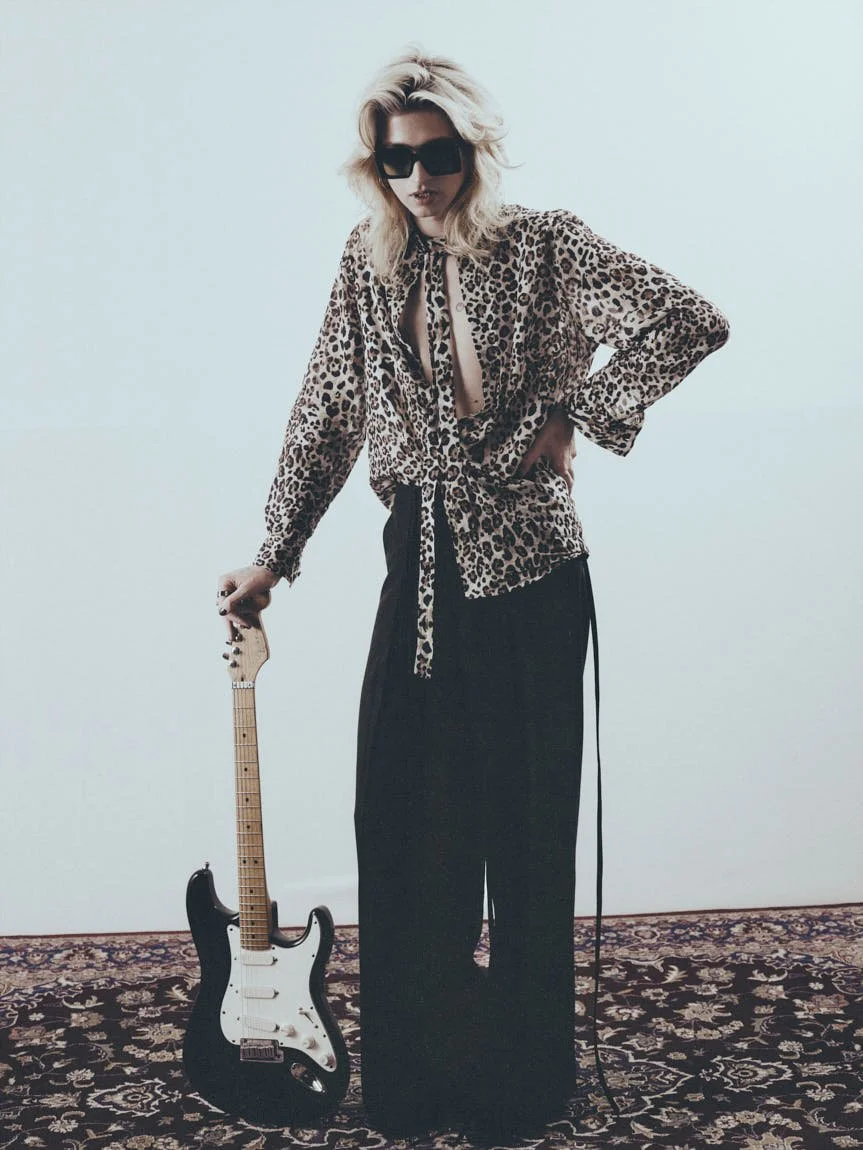
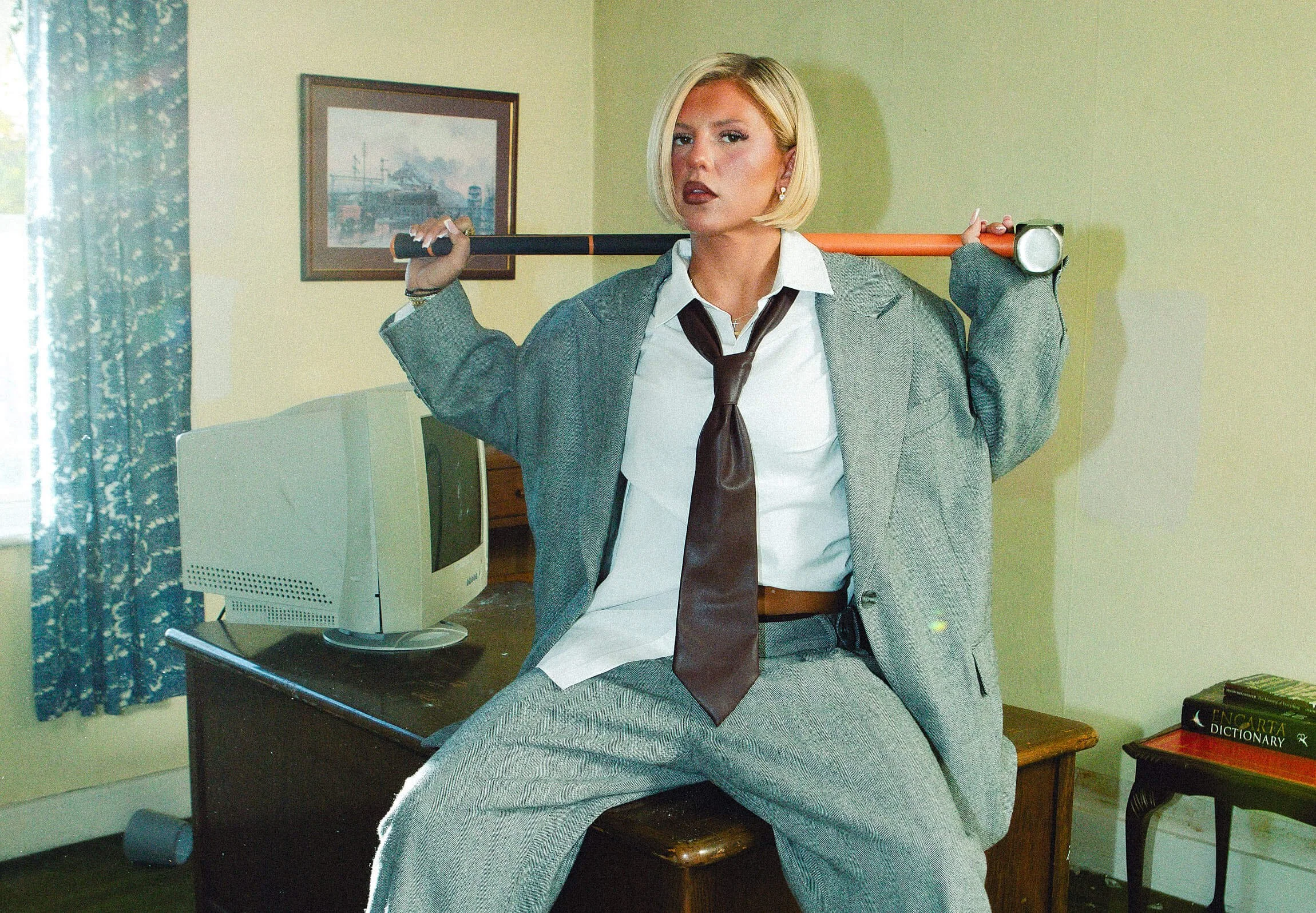
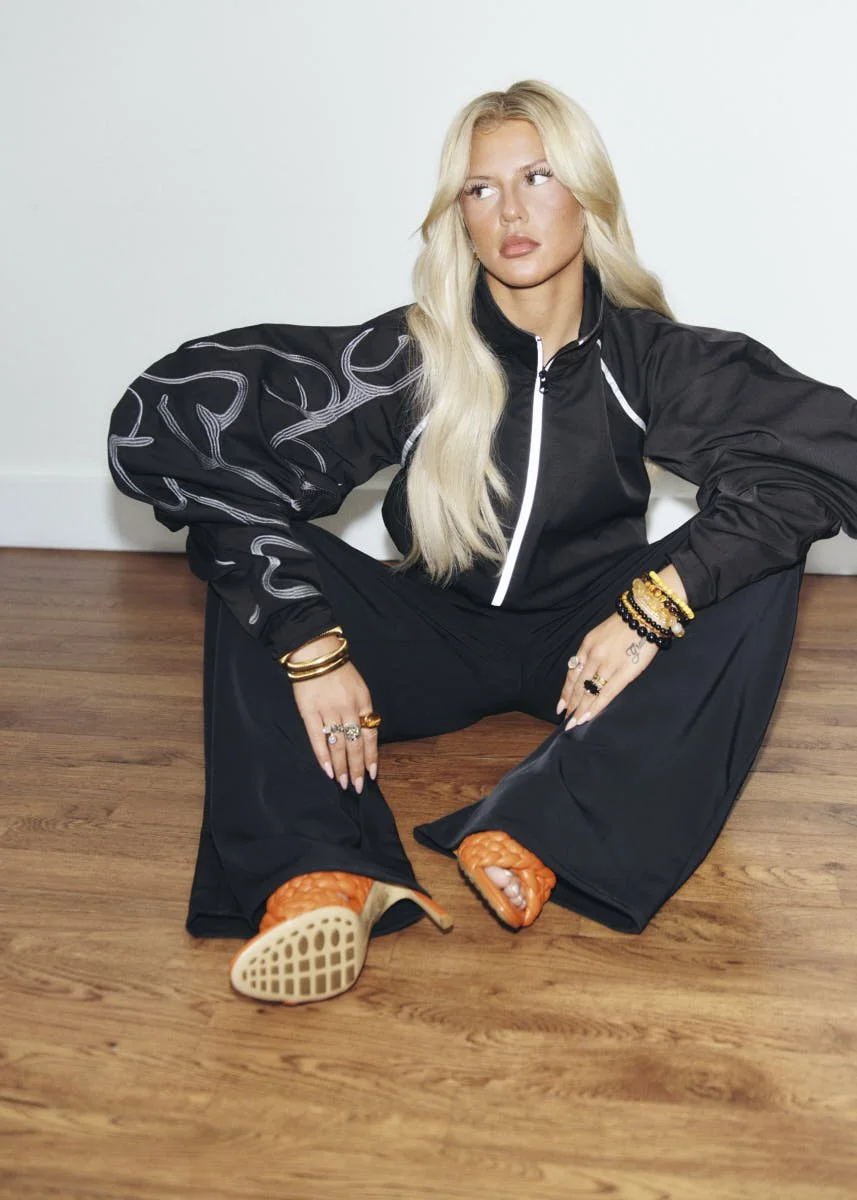
With SE9 Part 2, available to stream on Spotify, Skye Newman delivers her most personal work to date. Exploring identity, inherited trauma, healing and self-discovery, the project transforms deeply intimate experiences into stories that resonate far beyond her own. In conversation with LE MILE, she reflects on the making of the record, the courage it takes to embrace vulnerability, the importance of setting boundaries, and the everyday inspirations that continue to shape her creative world.

 
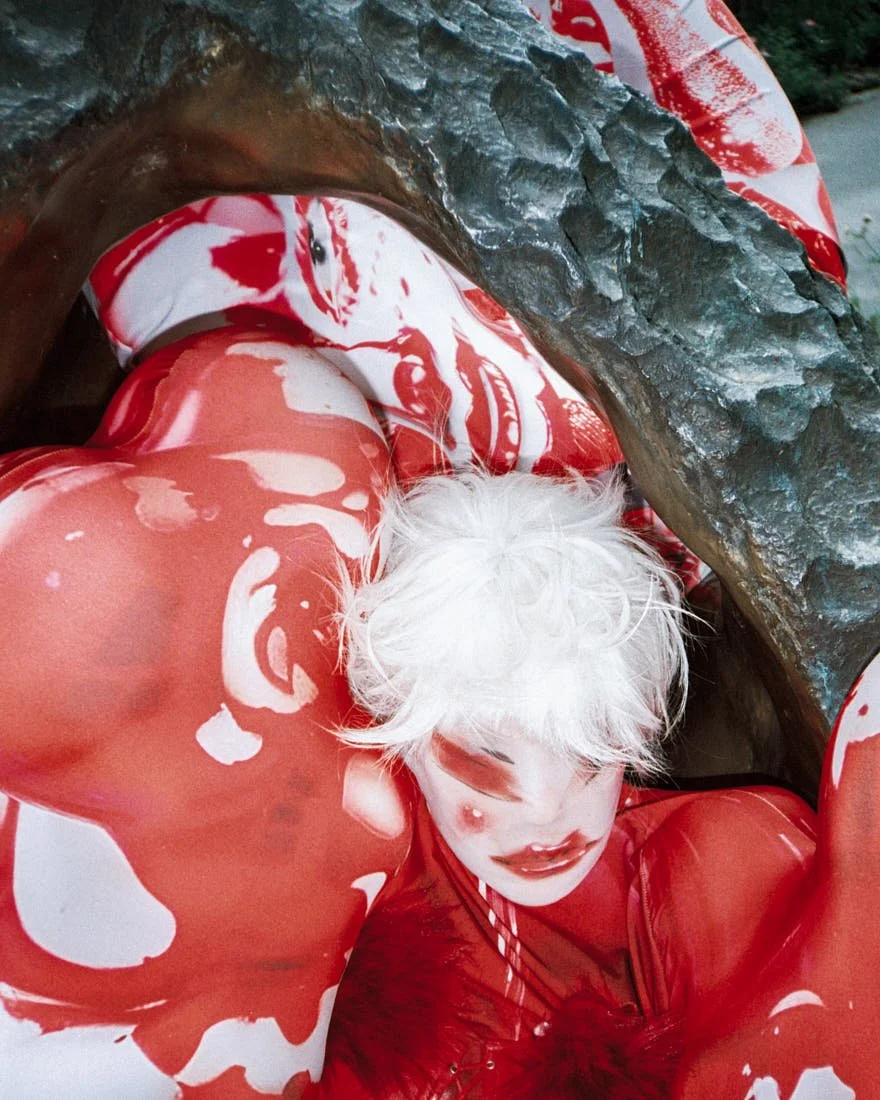
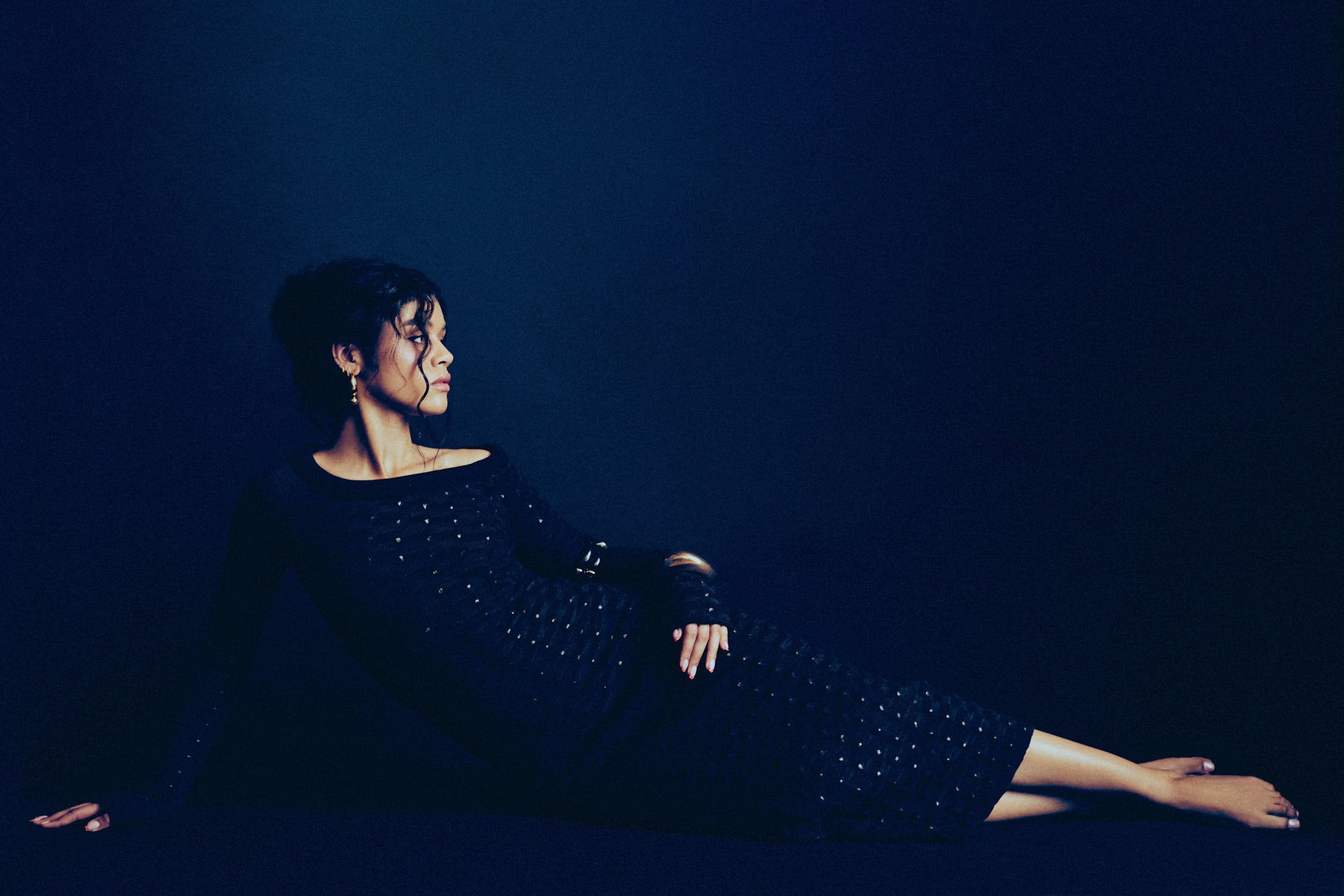
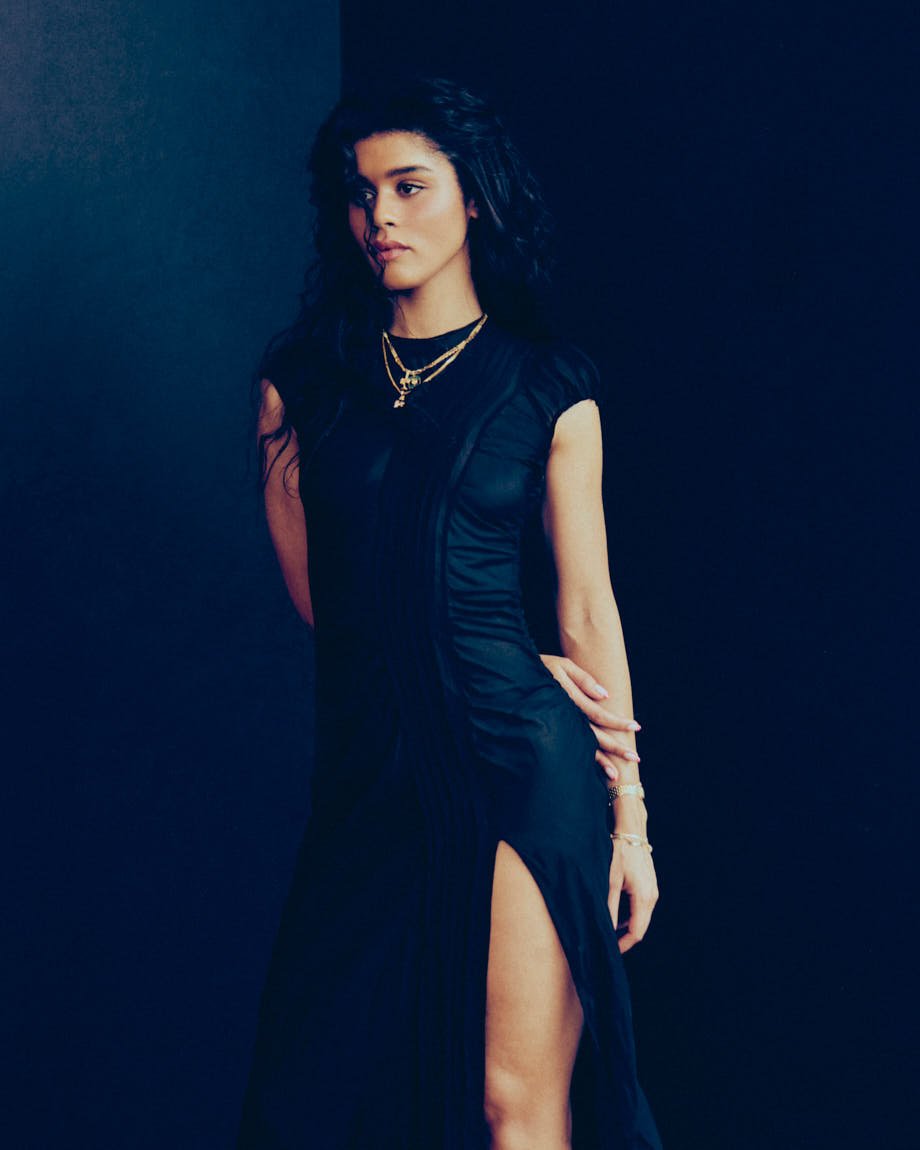
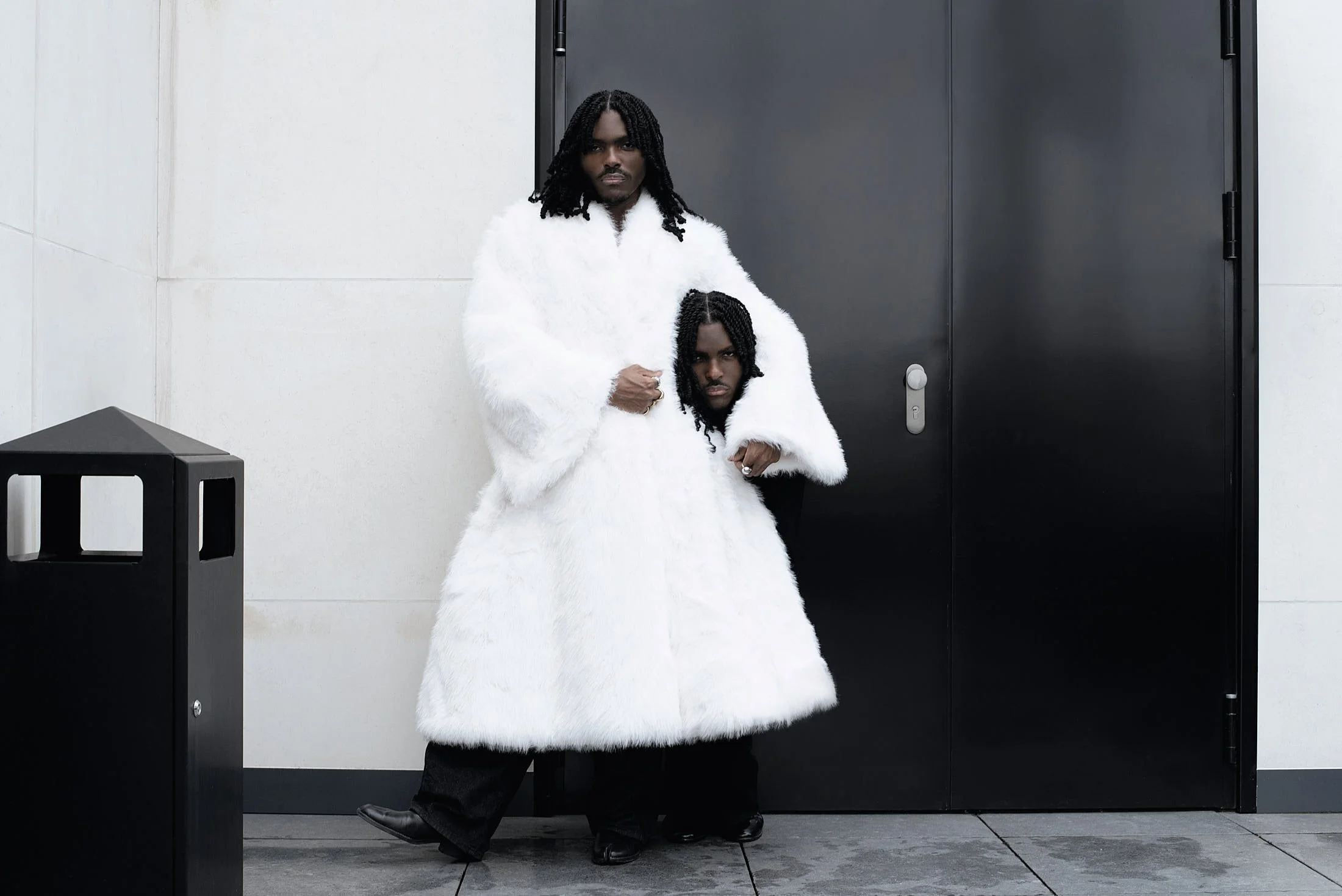
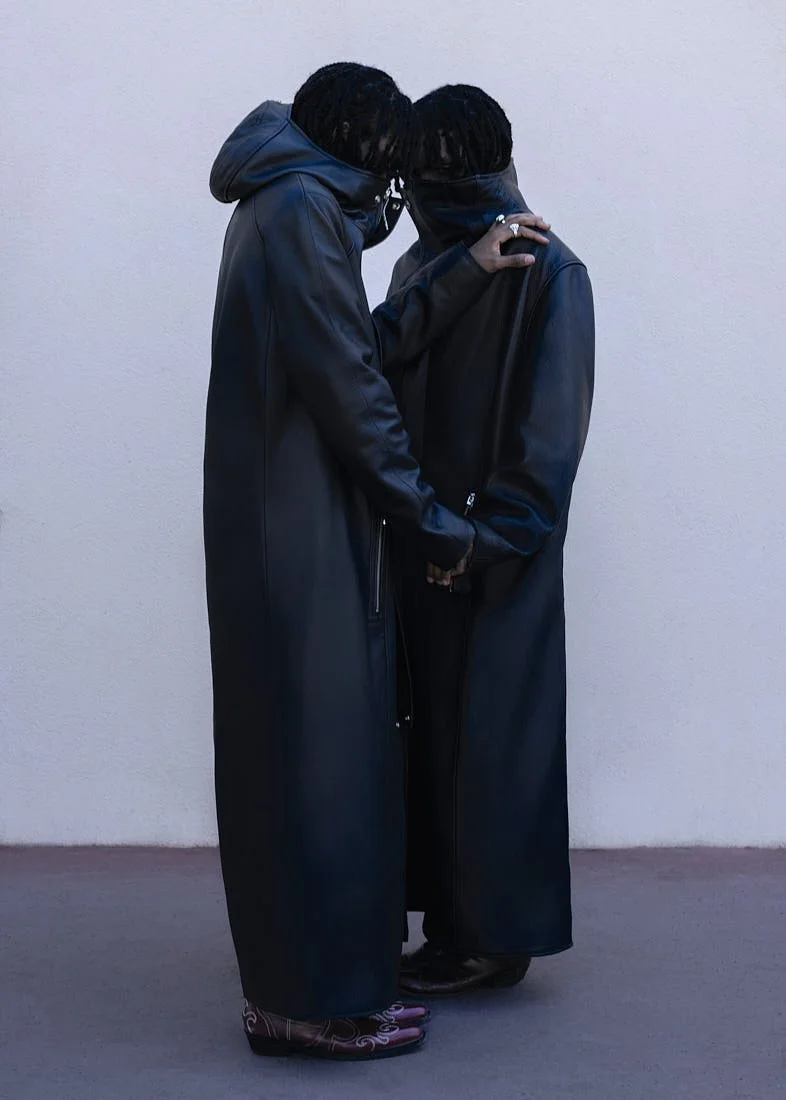
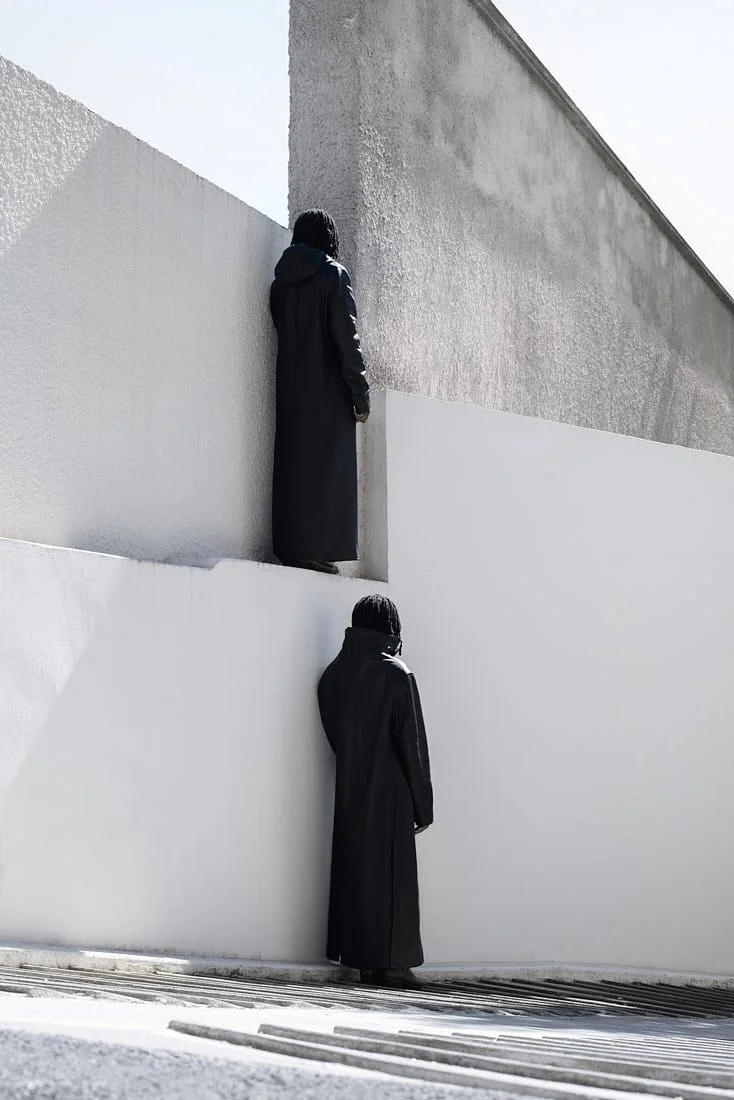
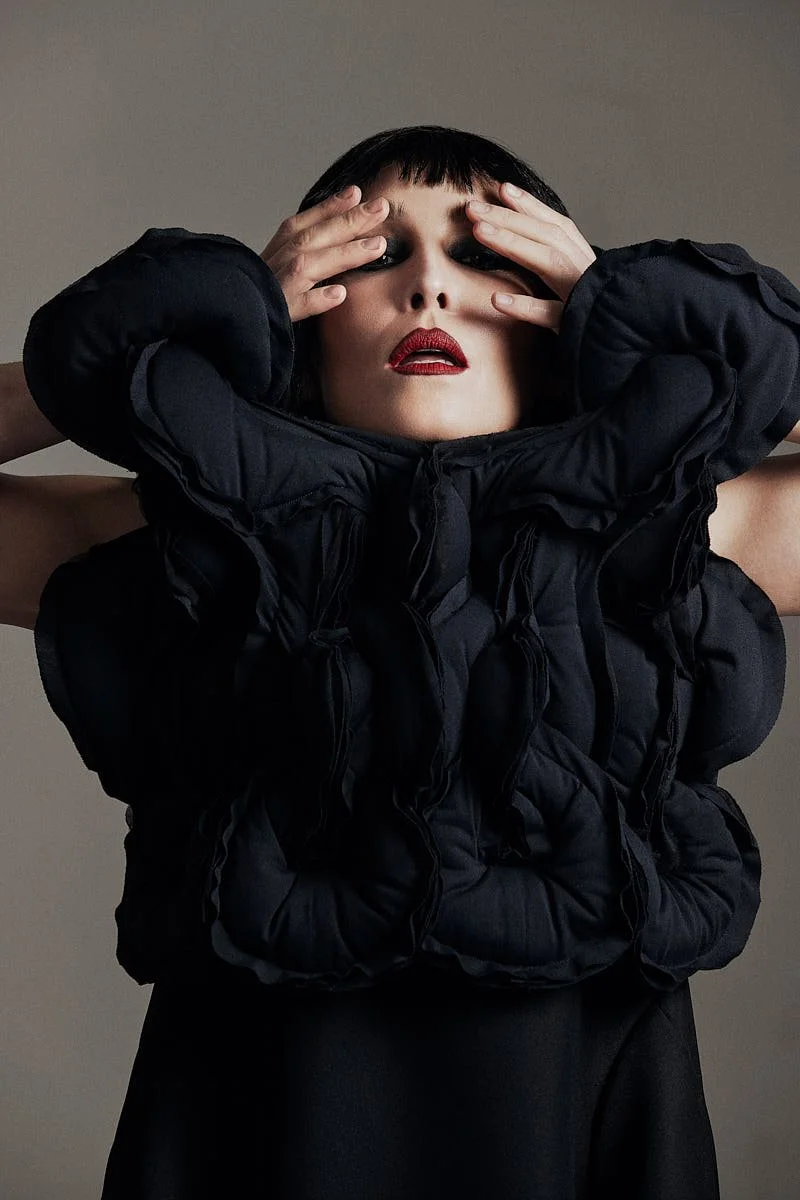
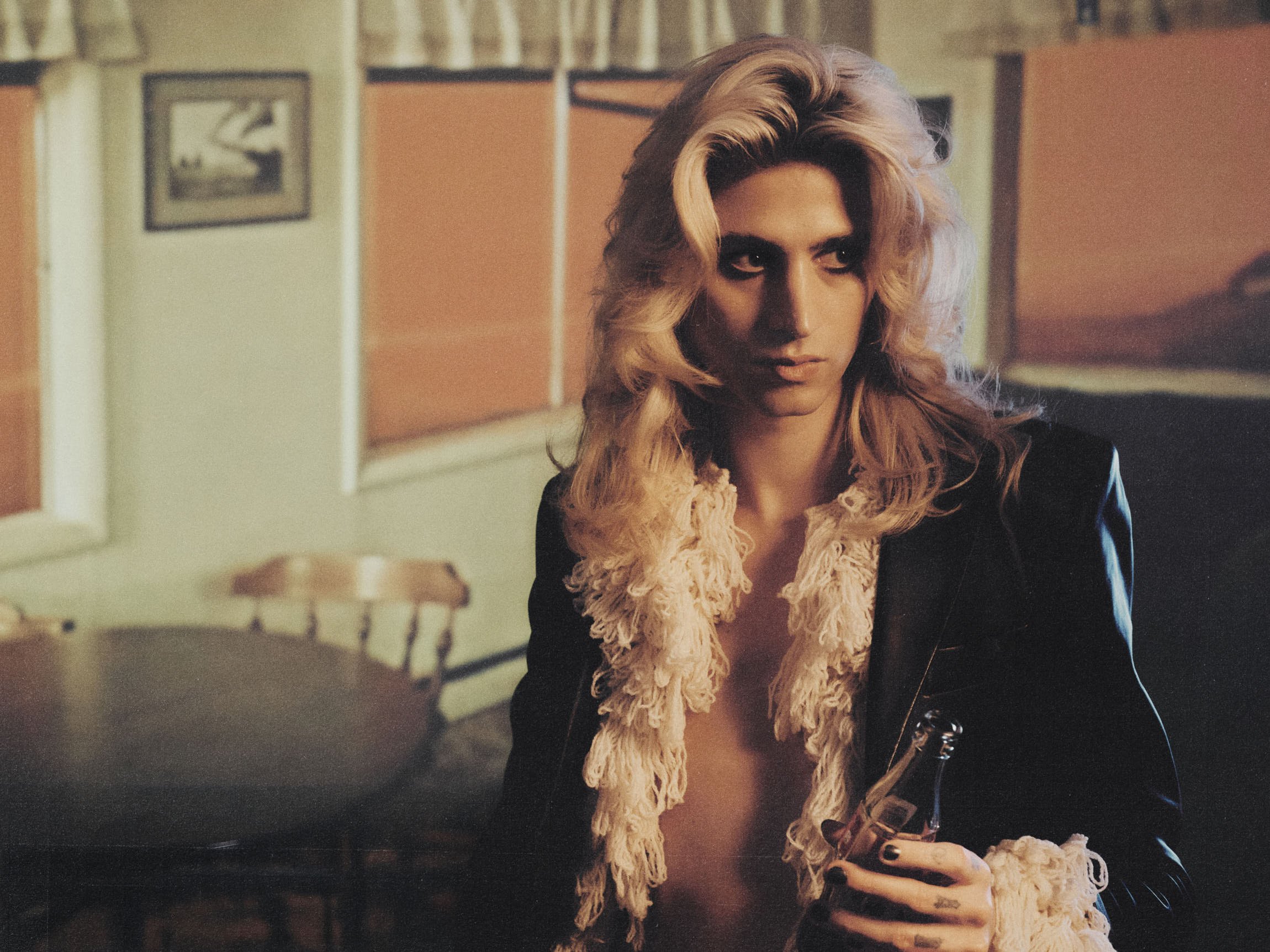
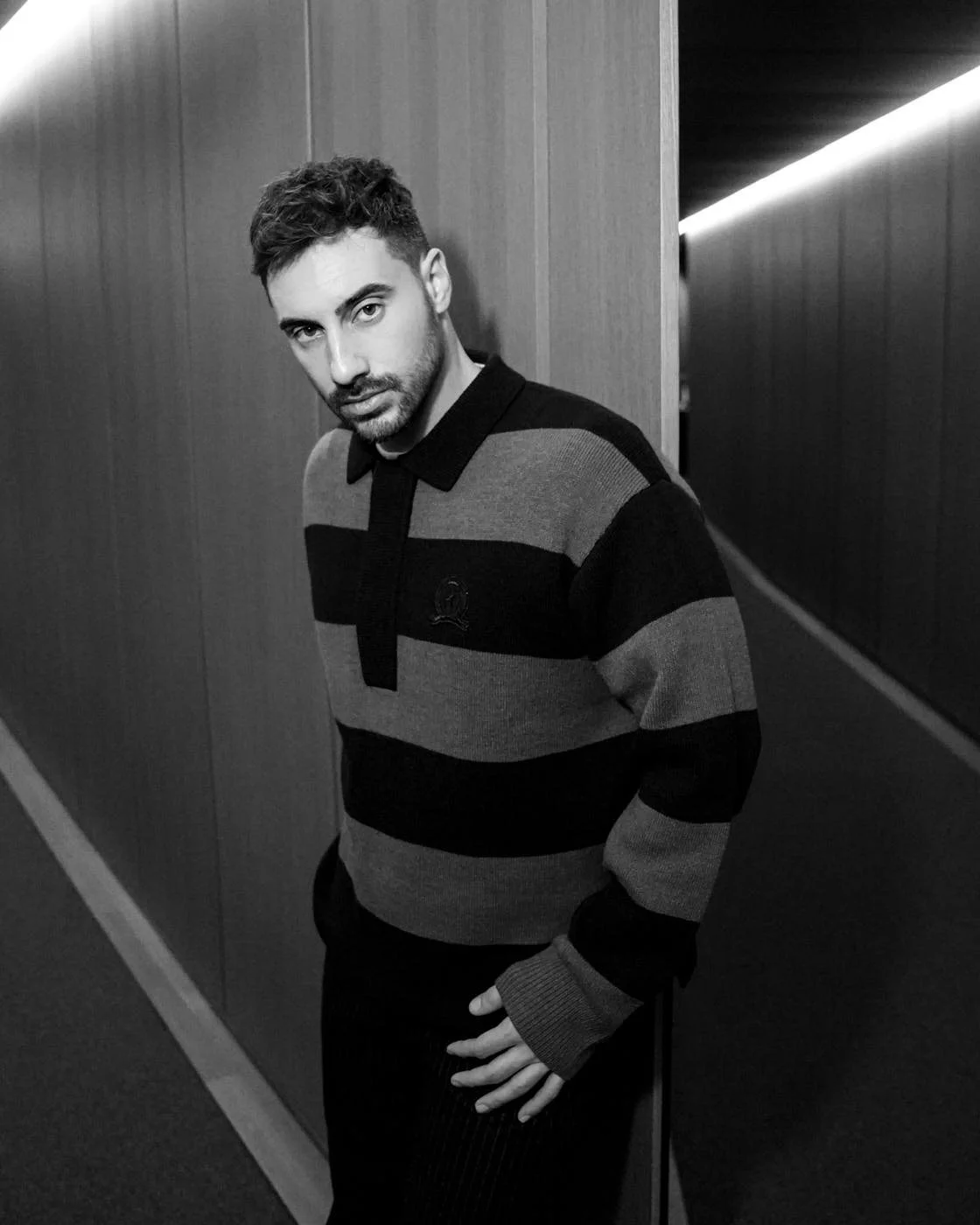
Skye Newman Man Of The House Interview LE MILE Magazine 1 Sony Music

Skye Newman
/ Sony Music

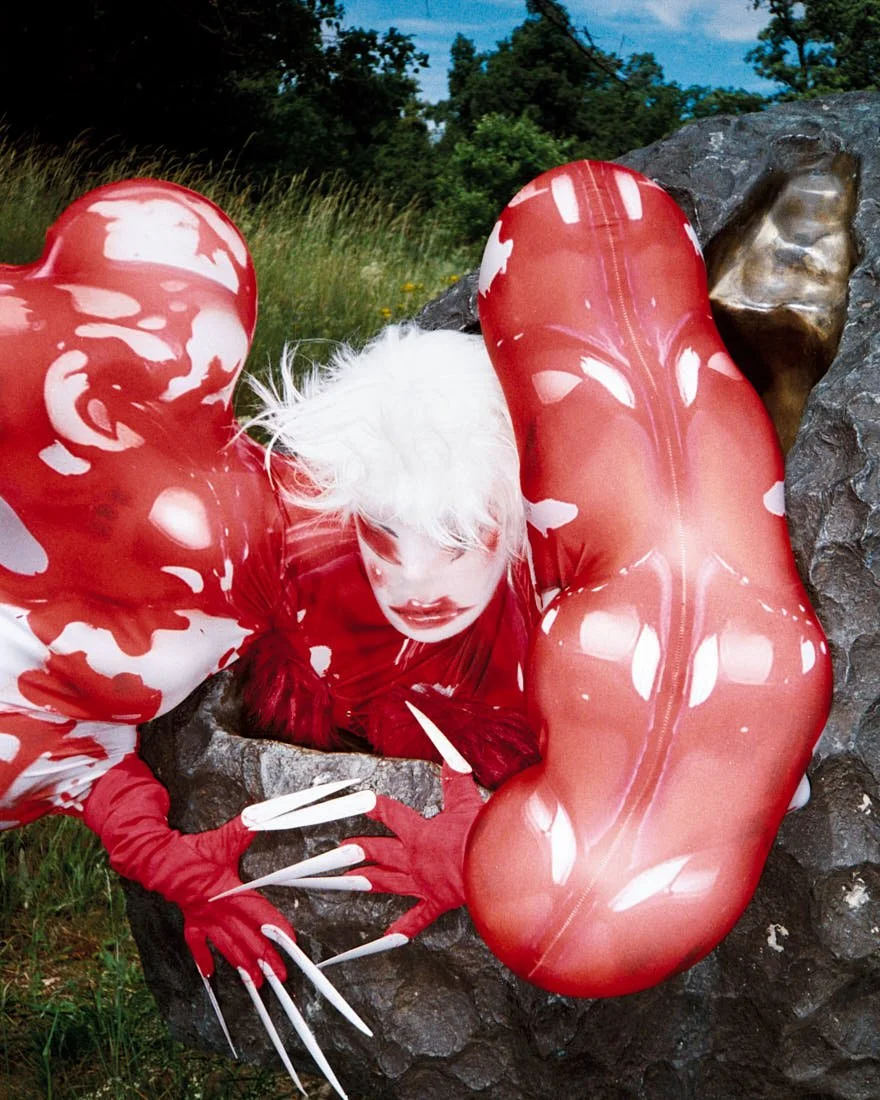
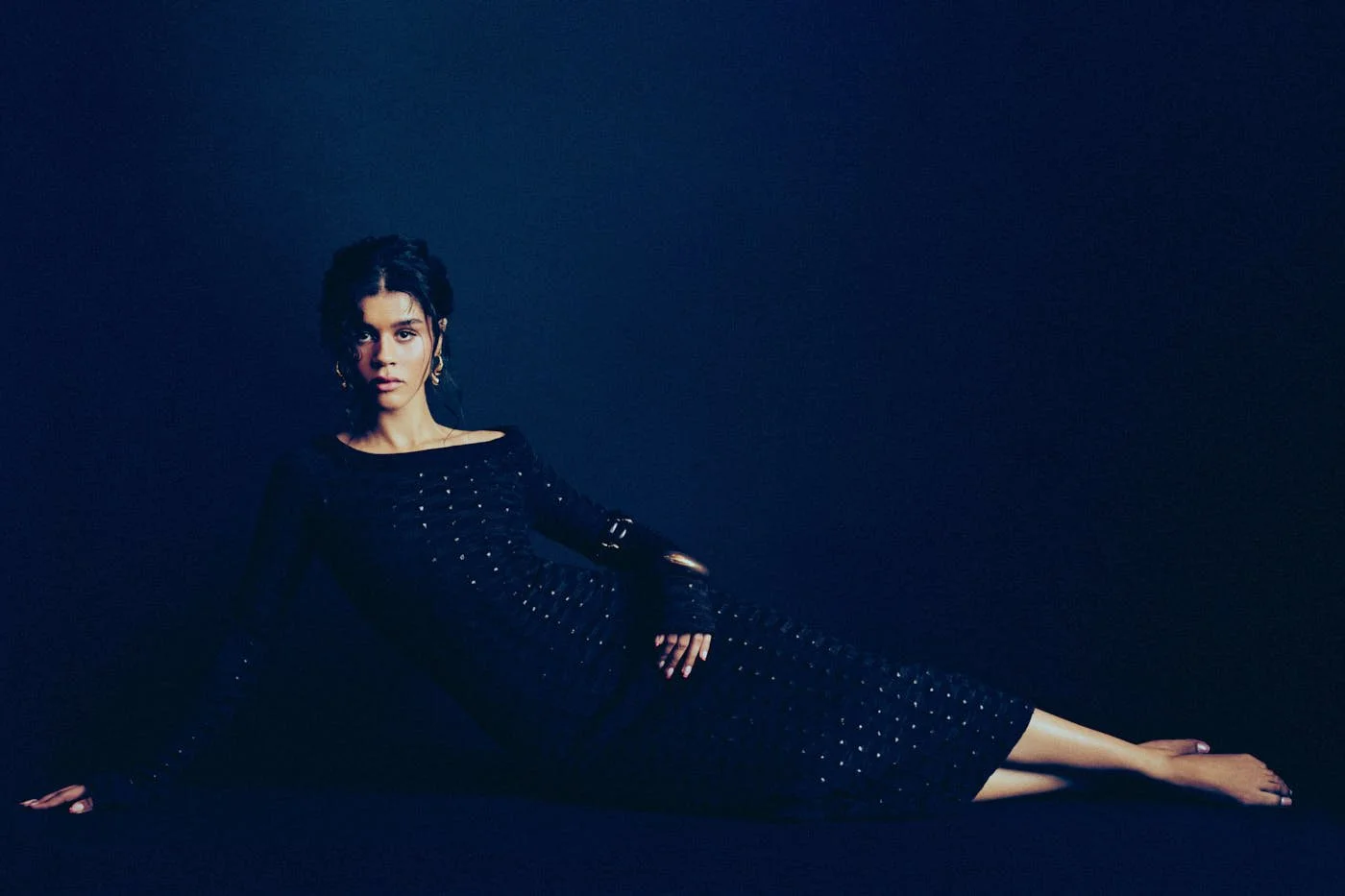
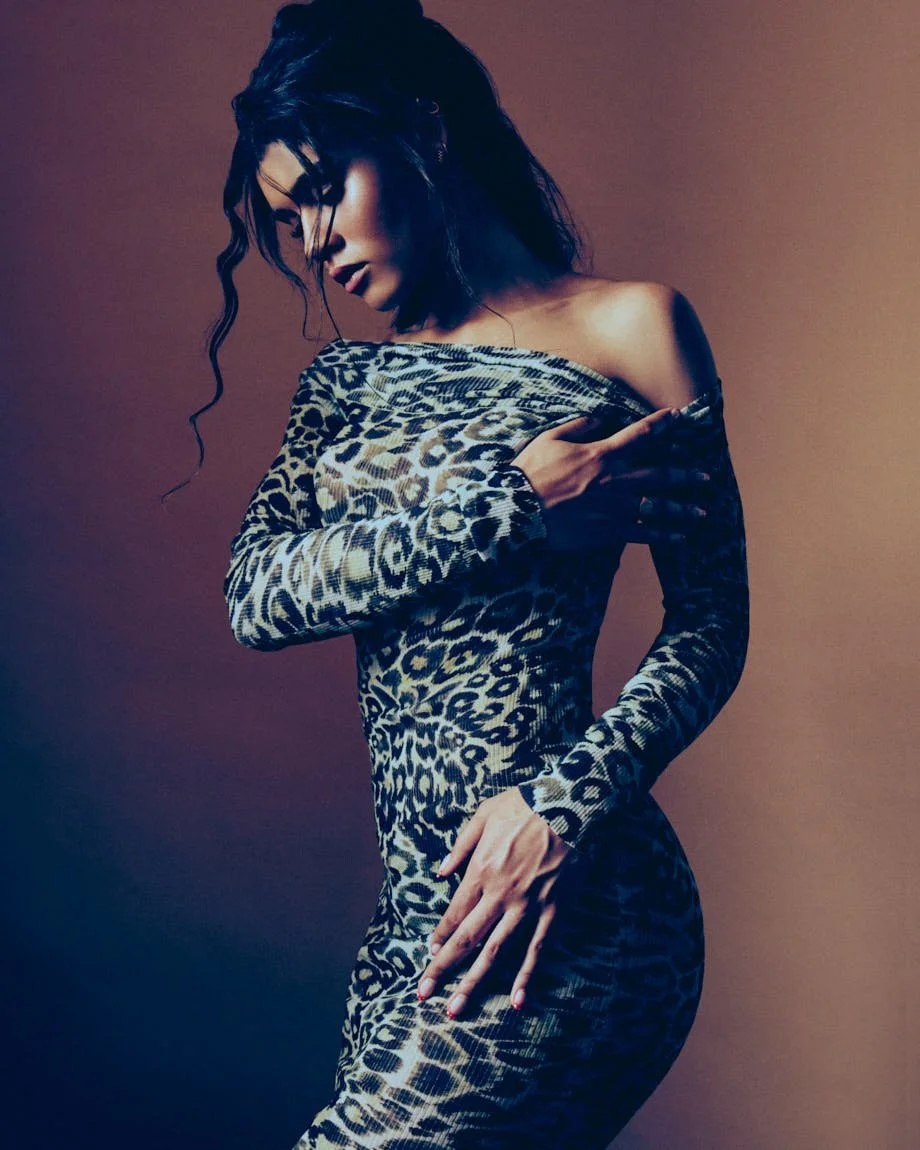
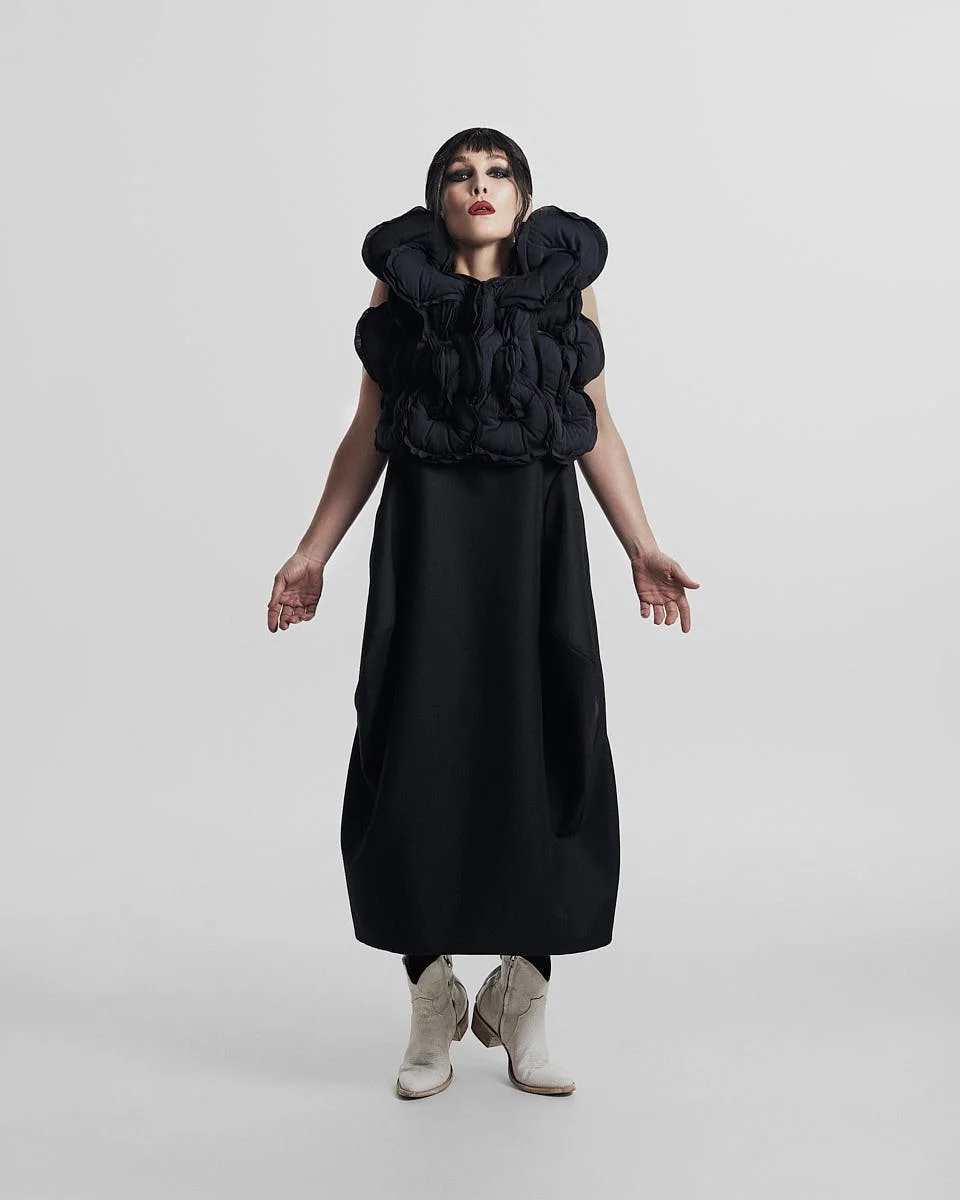
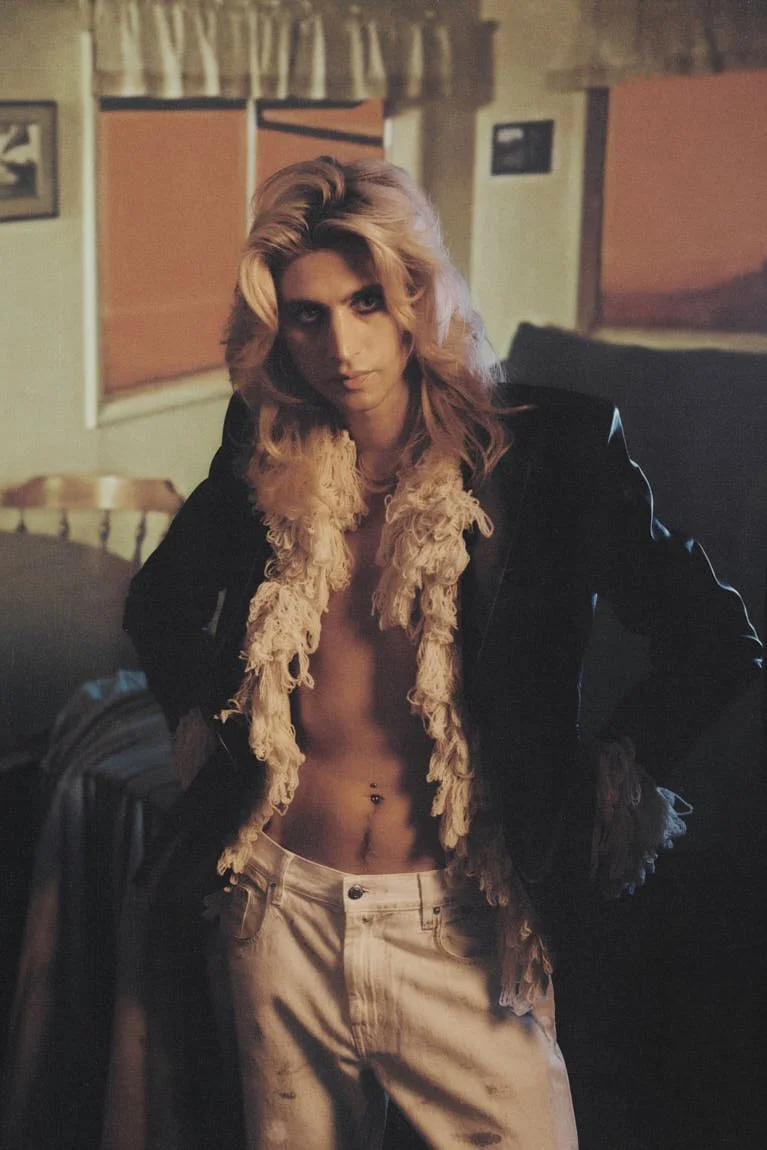
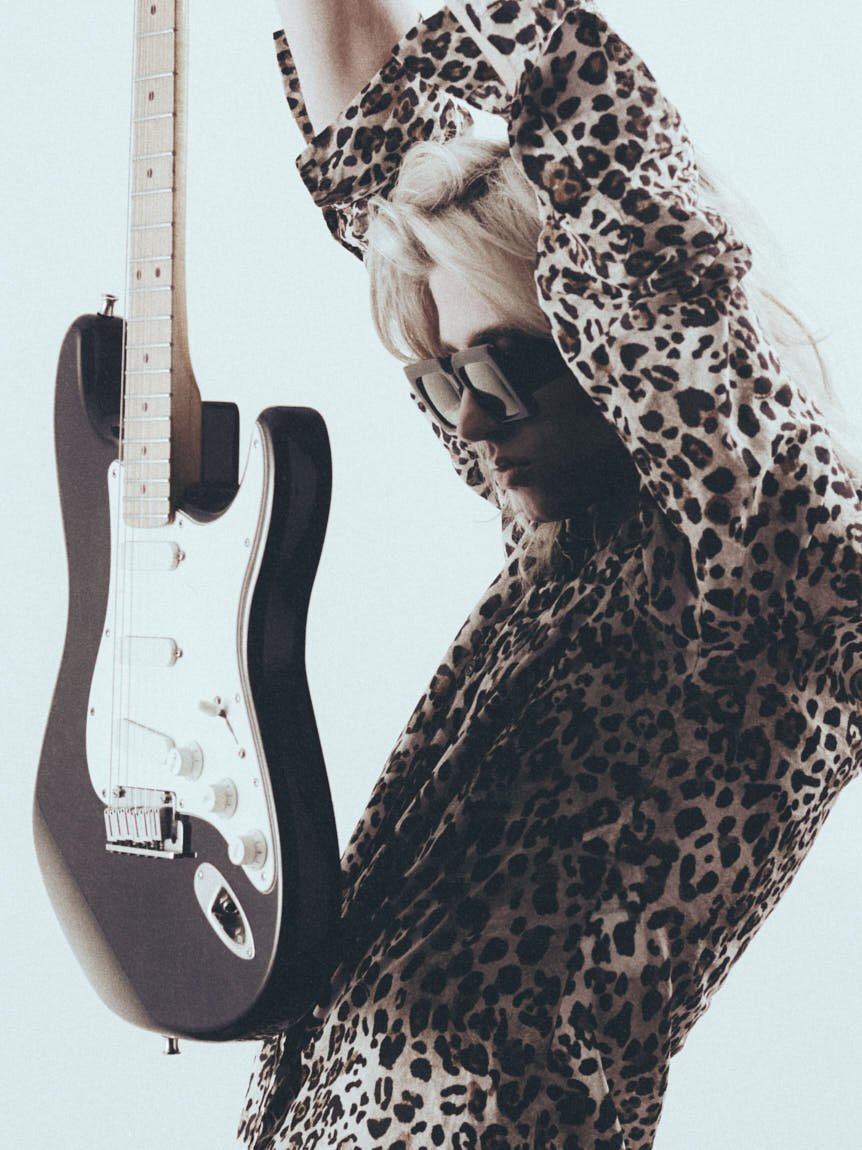
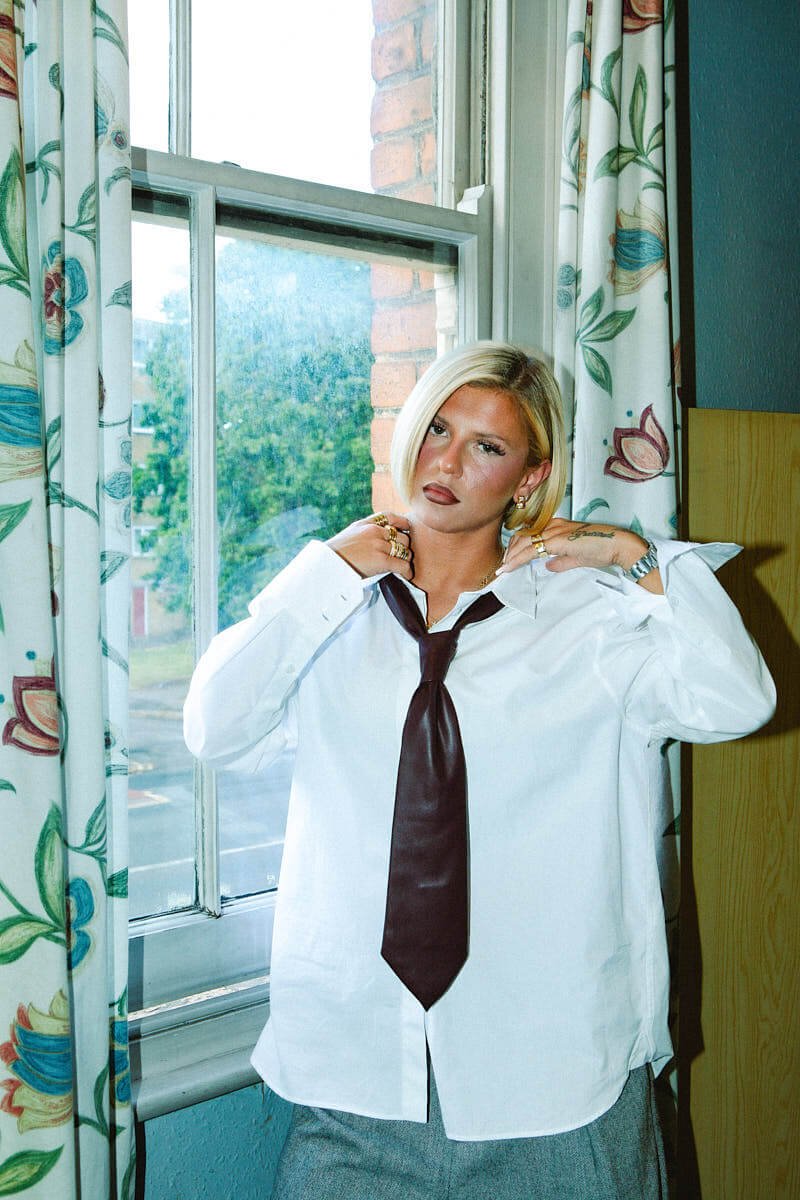
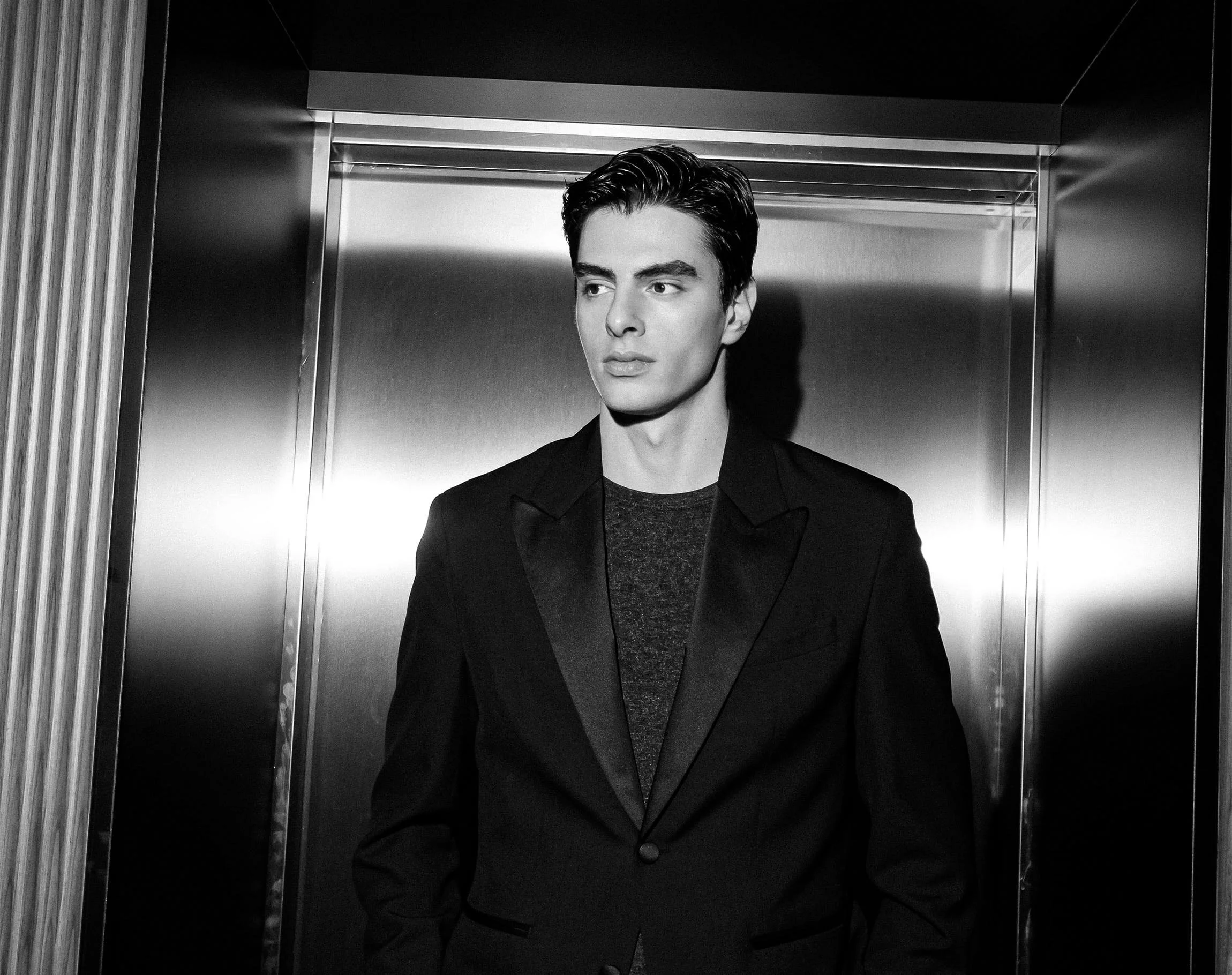
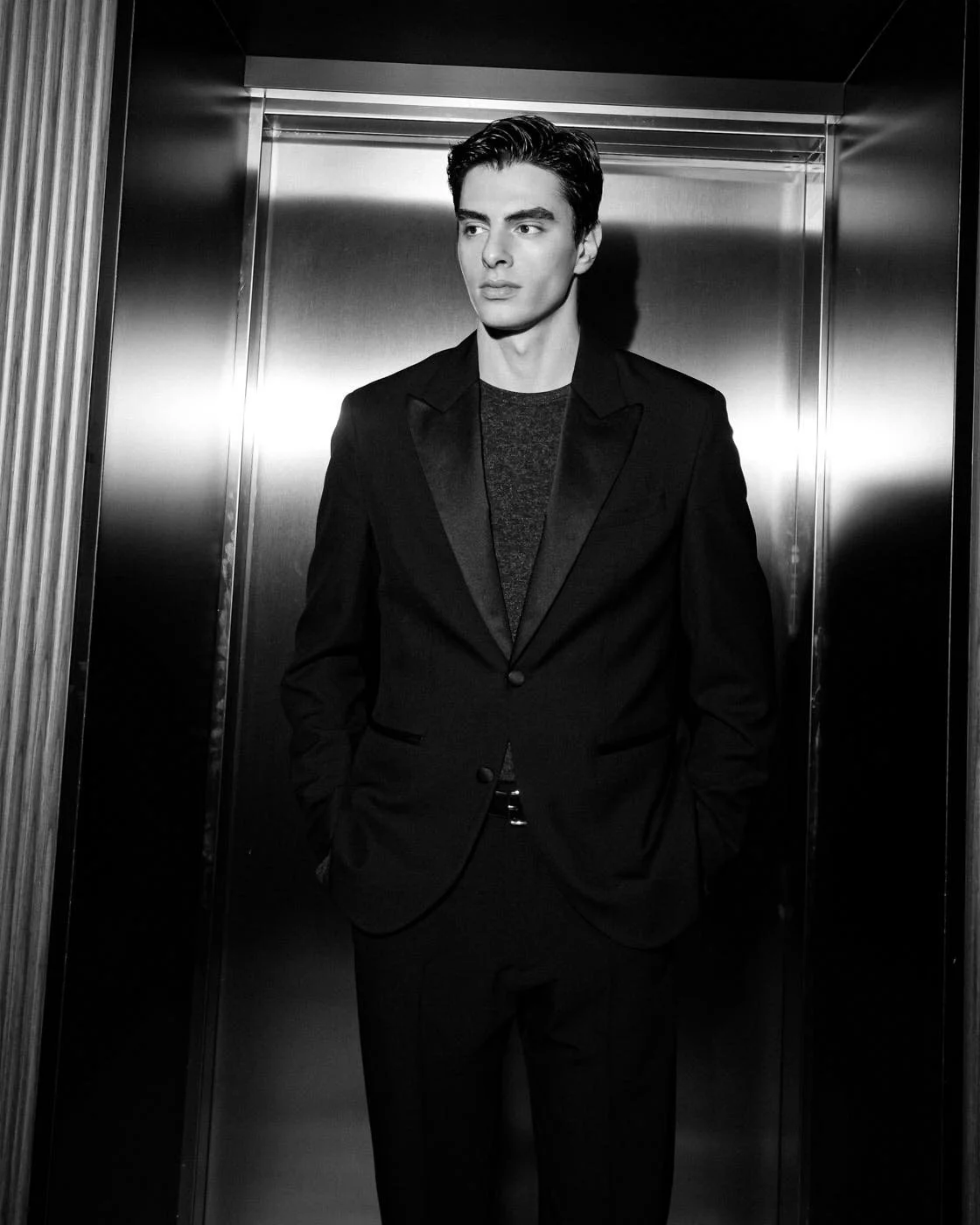
Skye Newman Man Of The House Interview LE MILE Magazine 1 Sony Music

Skye Newman
/ Sony Music


Klaas Hammer
"SE9 Part 2" is named after the postcode that shaped your childhood. Looking back, what are the most important lessons and experiences from SE9 that still influence the artist and woman you are today?

Skye Newman
Looking back, the most important lessons and experiences from SE9 that still influence the artist and woman I am today are probably the ones I talk about in “Vicious Cycle” and “Too Far South.” Those two, in particular, really stand out to me because they’re about taking back my power, finding more strength in myself, and facing things that I didn’t necessarily feel comfortable facing a little while back.

I think they carry really important lessons in life. It’s about trying to do our best for the next generation and making sure we become better versions of ourselves before we have children. We need to be aware of how much the way we view ourselves affects our children. And “Too Far South” is also about being selfish with your life in the best way. I think so many people don’t realize that you need to put yourself first before you can be the best version of yourself for the people you love and the ones around you.

There are so many important messages throughout the project. You can definitely hear even more by just listening and really taking in the music.


Throughout the project, you explore themes such as inherited trauma, identity and emotional survival with remarkable honesty. Was there a particular song on the record that felt especially difficult—or liberating—to write?

There were definitely a few songs on the album that felt more difficult to write, but also incredibly freeing at the same time: “Too Far South,” “Traumatised,” “Vicious Cycle,” and I think “Family Matters” is a big one. I got to process a lot of emotion and heal so much through writing this album, which was such an incredible experience. That’s why I love music so much, and I’m so happy that my music has reached people and carried the message I wanted to share: that no matter where you come from or what you’re facing in life, you can do whatever you believe in. You just have to believe in yourself to get where you want to go.

So yeah, there were definitely times when I struggled in the studio. And I think “Woman I Am,” as beautiful as the song is, was definitely a turning point in my life. It was a moment where I realized how incredible women are and how amazing it is to have that love around me, but also to acknowledge the struggles I’ve had to go through in order to truly realize that.
But yeah, it was such a beautiful experience and such an amazing thing to be able to write about, so I’m very lucky.

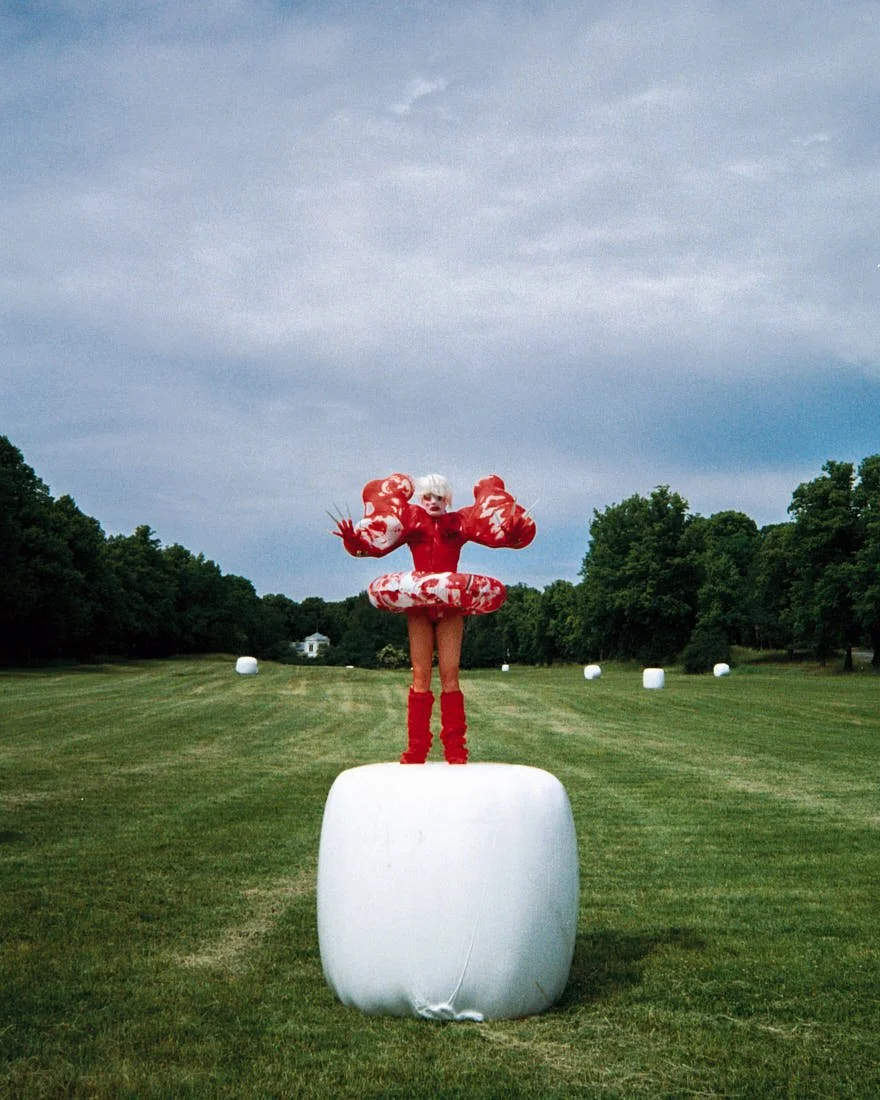
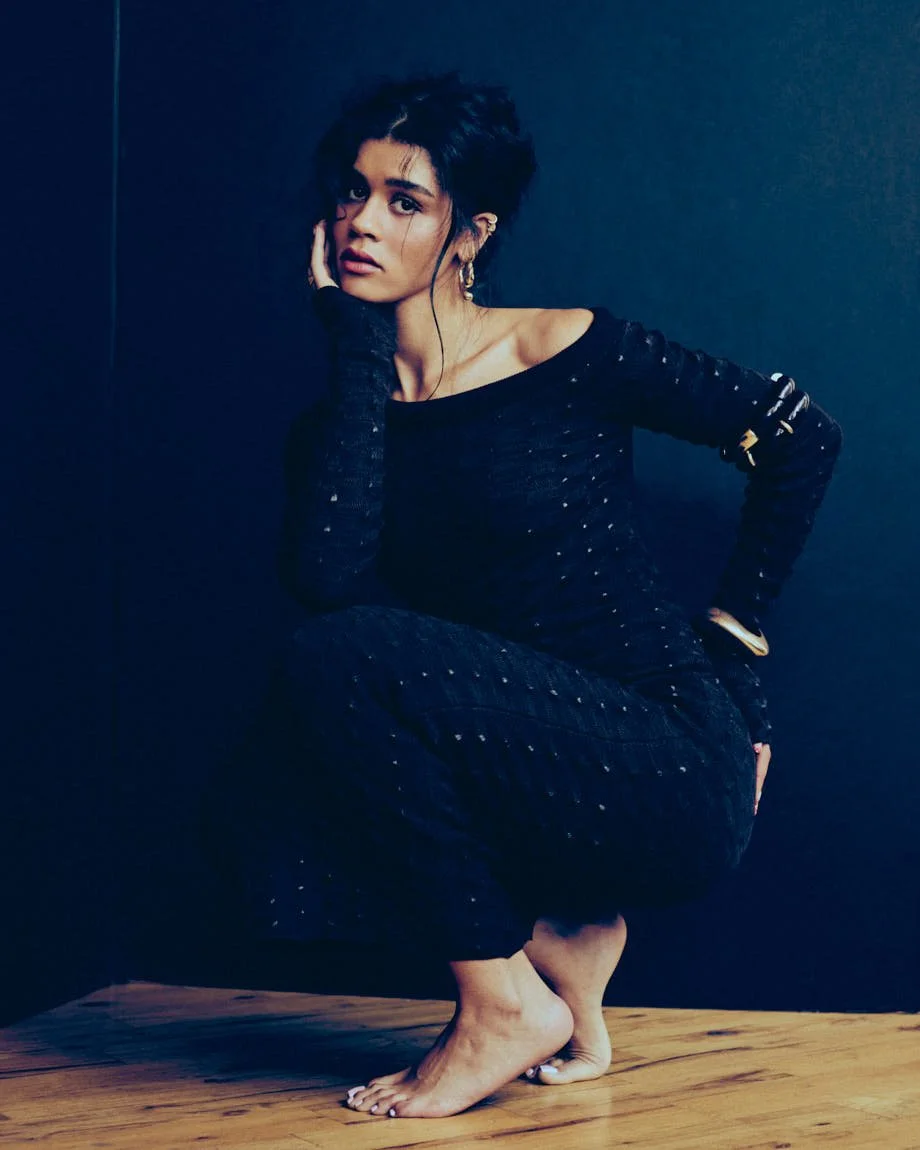
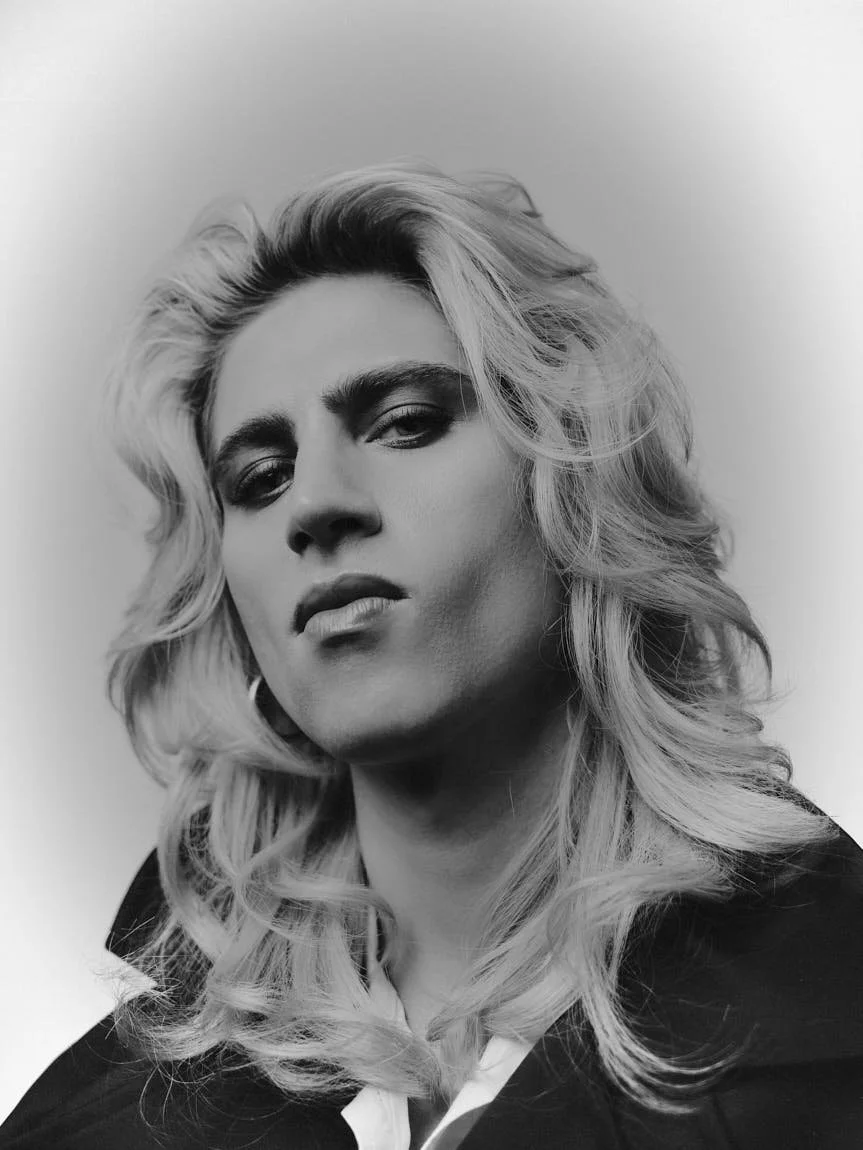
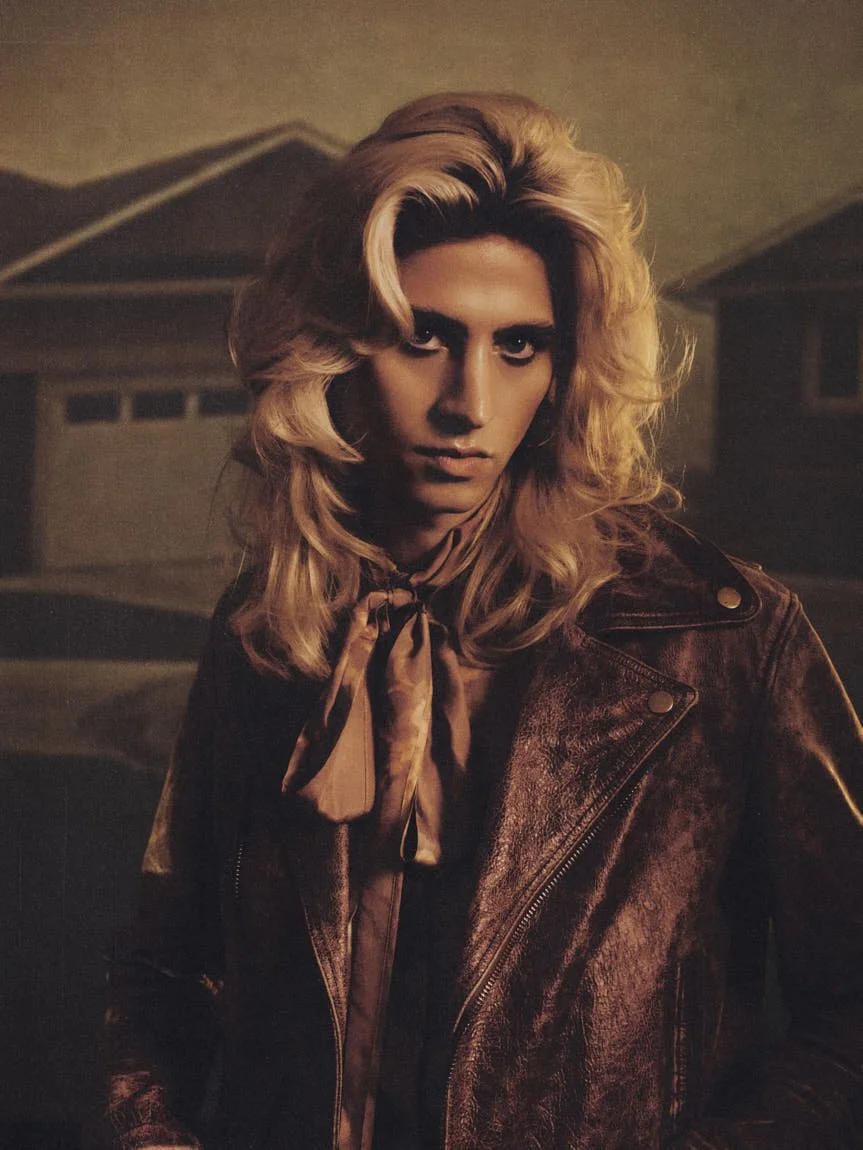
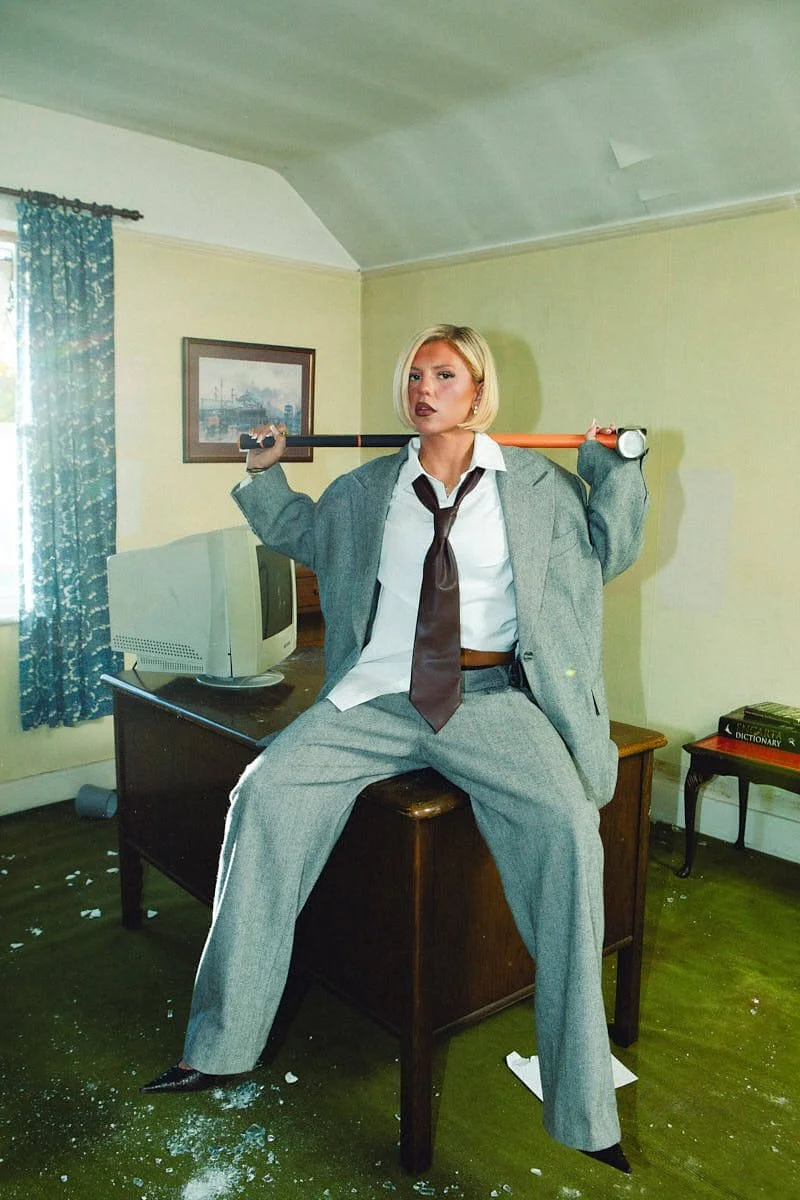
Skye Newman Man Of The House Interview LE MILE Magazine 1 Sony Music

Skye Newman
/ Sony Music

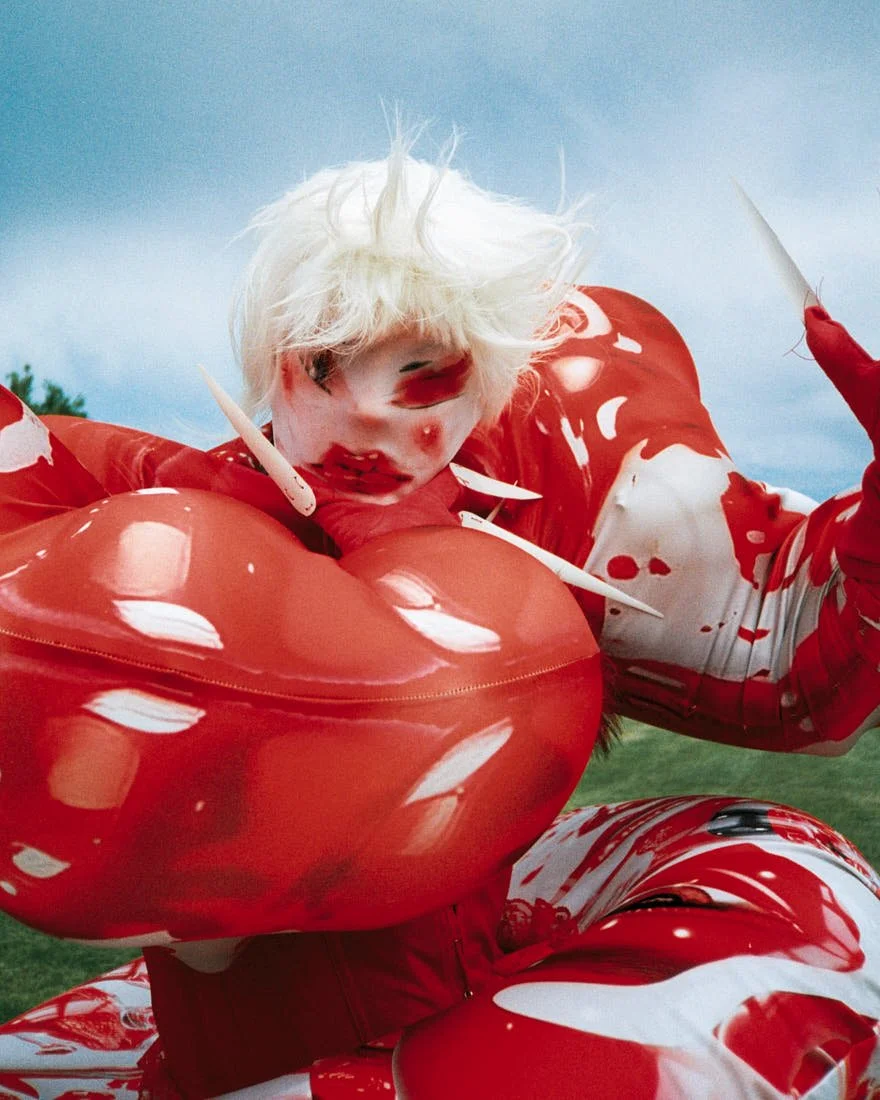
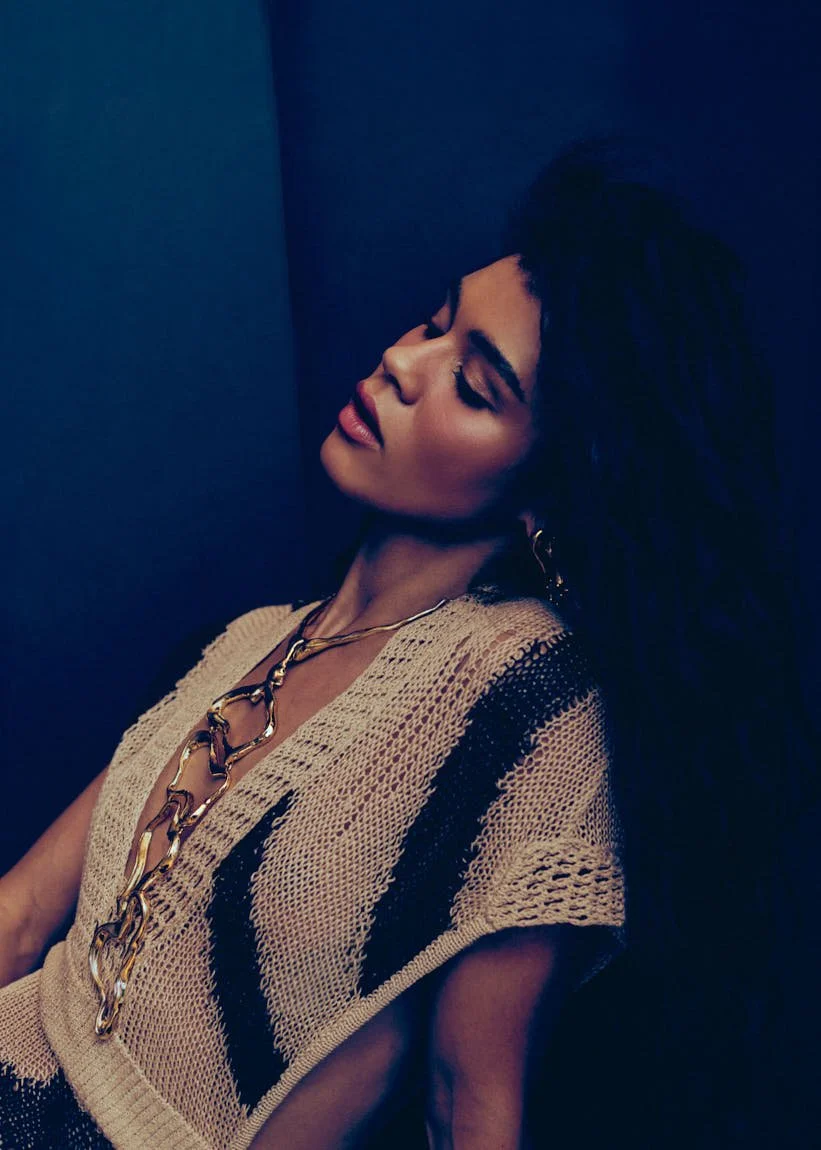
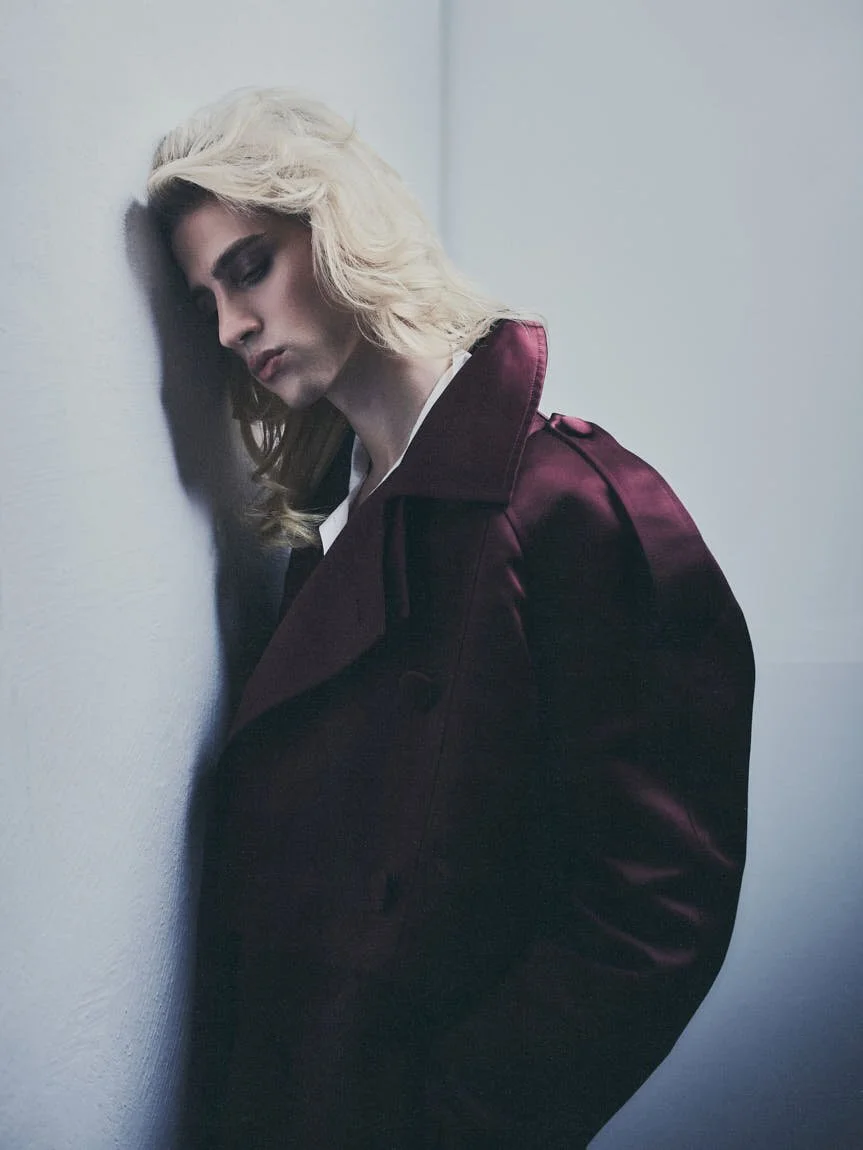
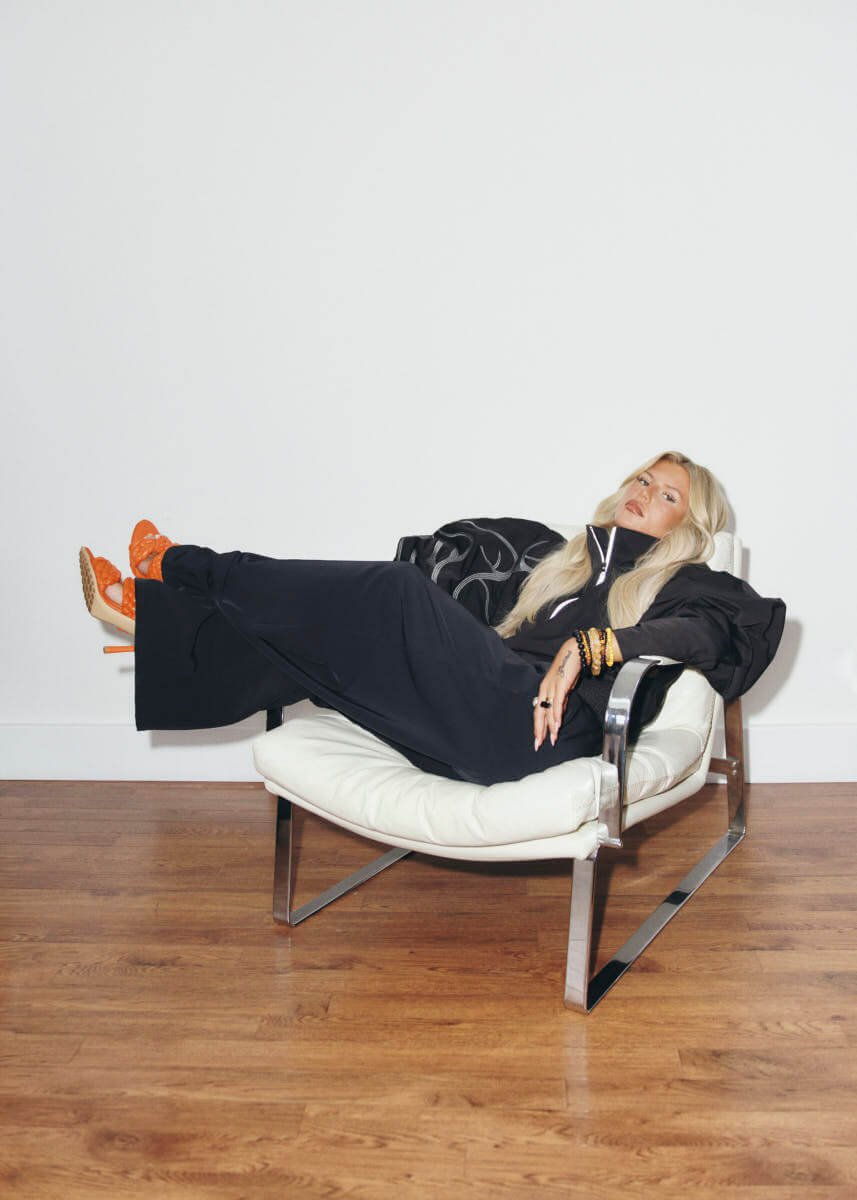
Skye Newman Man Of The House Interview LE MILE Magazine 1 Sony Music

Skye Newman
/ Sony Music


One of your greatest strengths as a songwriter is transforming deeply personal experiences into stories that feel universally relatable. As your audience continues to grow, how do you balance vulnerability with the need to protect parts of your private life?

I would definitely say this is one of the hardest parts of my job: trying to balance vulnerability with the need to protect my private life and my own personal business. It can definitely be a struggle at times. Facing a lot of these issues in such a public space can be really, really scary, and I do get people overstepping boundaries or digging too deep into things. But I think you just have to trust the process, write your music, allow yourself to heal through it, and simply not answer questions you don’t feel comfortable with.

I’ve been in interviews where certain things have been said or questions have been asked, and I’ve just thought, “I’m not comfortable with that.” And I think that’s okay. It’s important to set boundaries. It’s definitely hard sometimes because there are certain subjects you may want to talk about more, but then it becomes a domino effect—more questions, more attention, and more people trying to get too deeply into your personal life.

I think you just have to set those boundaries and be aware that people are going to pry and people are going to want to know, but that doesn’t mean you have to tell them. Just do what you’re comfortable with.

Beyond music, what currently inspires you the most—whether it’s books, films, fashion, art or everyday moments—and how do those influences find their way into your creative world?

Beyond music, so many things influence and inspire me. That goes for films, clothing, my personal style, and fashion—I love it so much! I love putting an outfit together because it expresses how I’m feeling that day or the stage of life I’m currently going through. I definitely think all of that plays a part in creating my art. I think it all builds towards creating who you are as a brand and who you are as an artist to the world. I think a lot of people connect with my style and my love for fashion, and it allows me to share a little more of my story.

I also take so much inspiration from the people around me every day and from my experiences with them. Even a small conversation with a stranger can be inspiring. There’s so much inspiration in the world if you just step outside and talk to people. It’s crazy how much you can discover, and it’s such a beautiful experience that I then get to turn into music. So yeah, I’m very, very lucky. As I said, it’s amazing—and thank you guys for always giving me inspiration.


all images courtesy of Sony Music

SILVIA NEGRI FIRMAN from NEGRI FIRMAN PR *Inside Fashion PR

SILVIA NEGRI FIRMAN from NEGRI FIRMAN PR *Inside Fashion PR

#InsideFashionPR

Offline Prestige, Online Chaos, and the CEOs Who Call It All Just Another Day at Work

A Conversation with SILVIA NEGRI FIRMAN


interview + written CHIDOZIE OBASI


At a time when the creative industry keeps shifting at restless speed, the worlds of advertising, fashion communication and public relations are changing with it. Once anchored in print, physical presence and carefully built editorial relationships, the field now moves through digital platforms, social media strategies, data systems and the growing presence of Artificial Intelligence, all of which have accelerated the way stories are created, distributed and measured.


Still, the central task of communication has remained strangely consistent: to shape a story, to place it in the right context and to understand what gives a brand cultural relevance beyond visibility alone. Between printed pages and digital screens, between long-term image building and immediate online response, the industry continues to renegotiate its own language.

With this series, LE MILE speaks to industry insiders about the changing role of print, the pressure of digital speed, the use of AI, the value of storytelling and the future of fashion communication. This conversation continues with Silvia Negri Firman, Founder & Creative Director of Negri Firman PR, whose career began between styling, photography and the early years of Karla Otto before moving through Giorgio Armani and into her own agency. Her perspective is shaped by a long-standing understanding of image, reputation and communication as a practice that must evolve without losing depth, credibility or cultural intention.


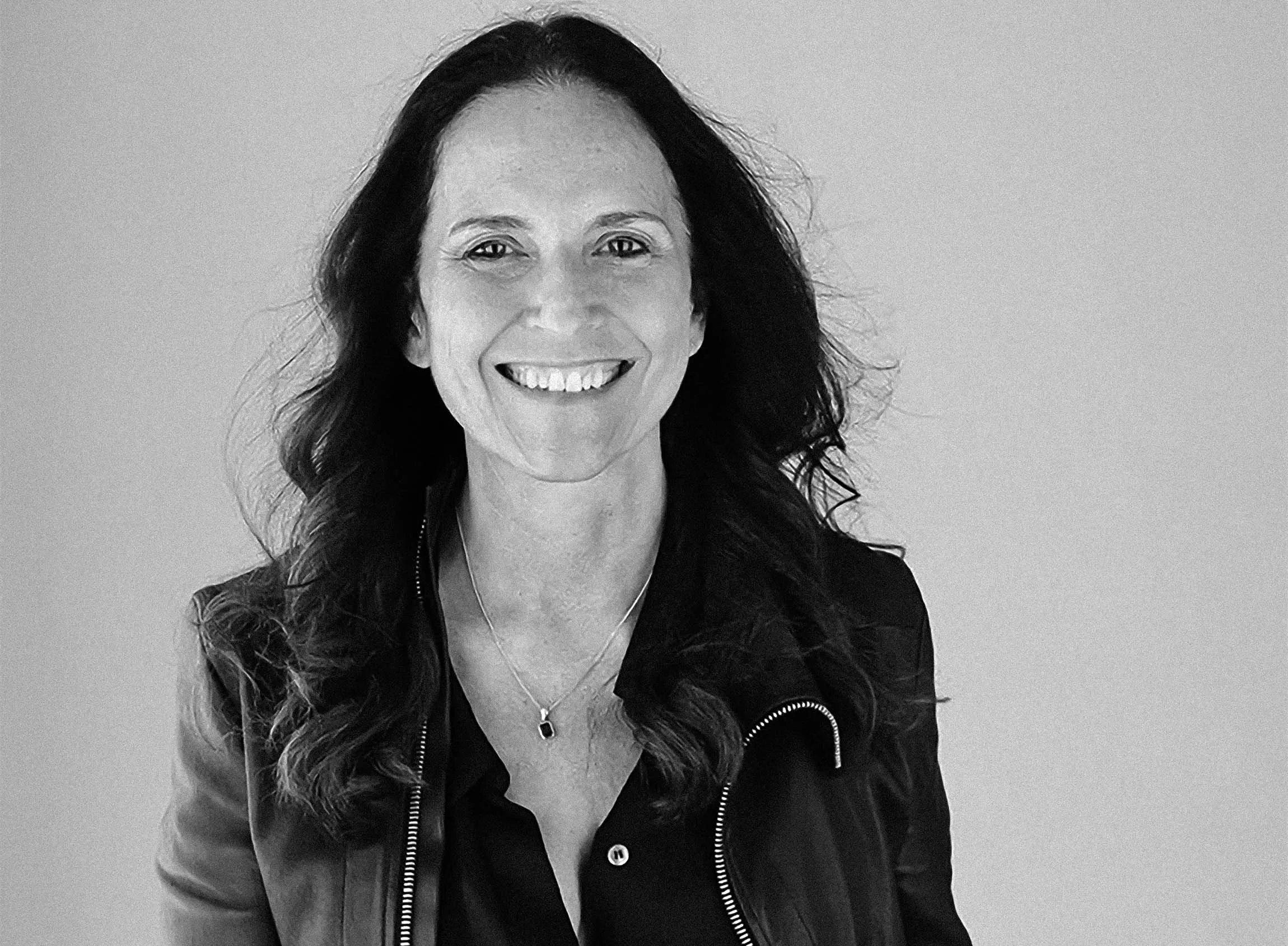
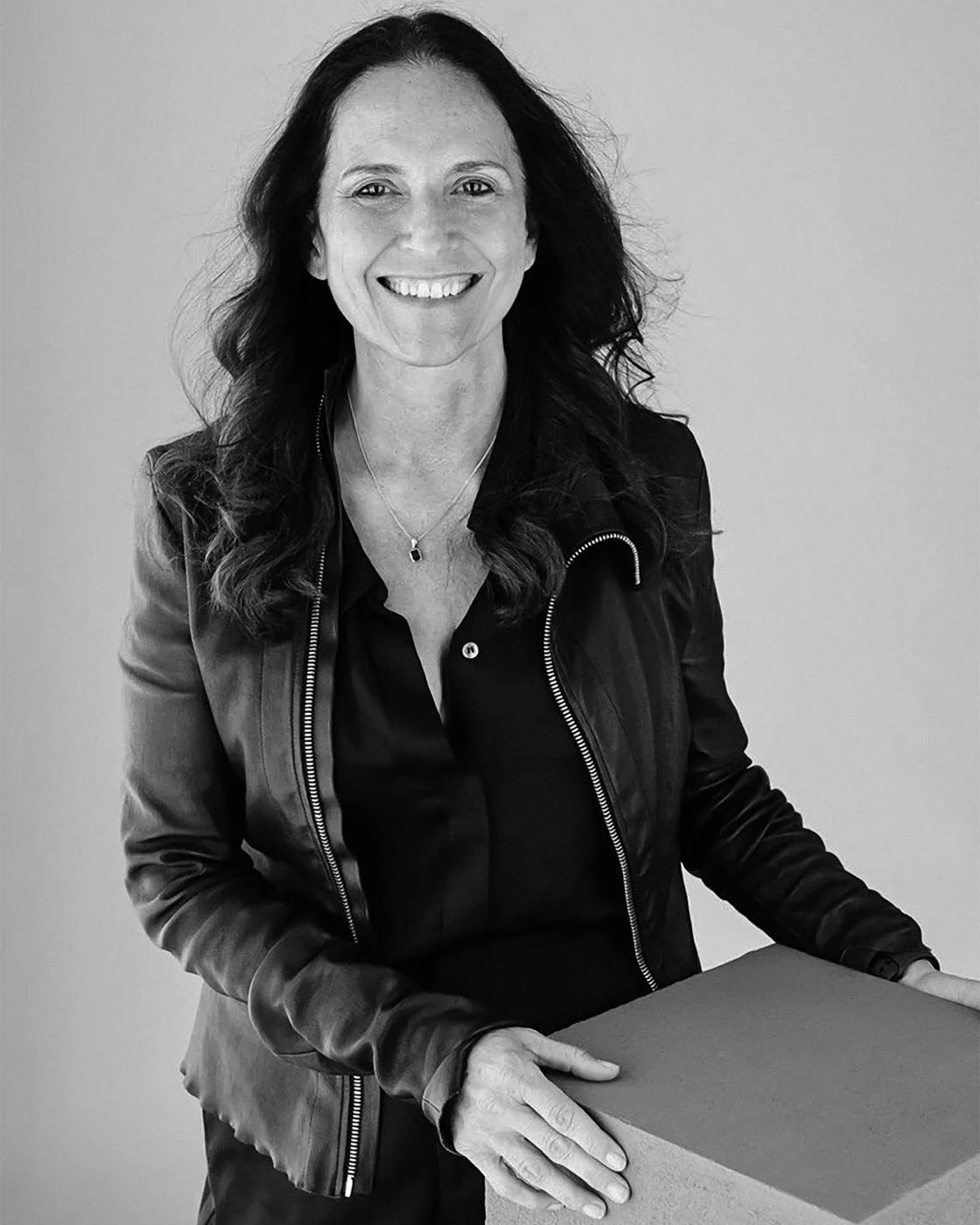
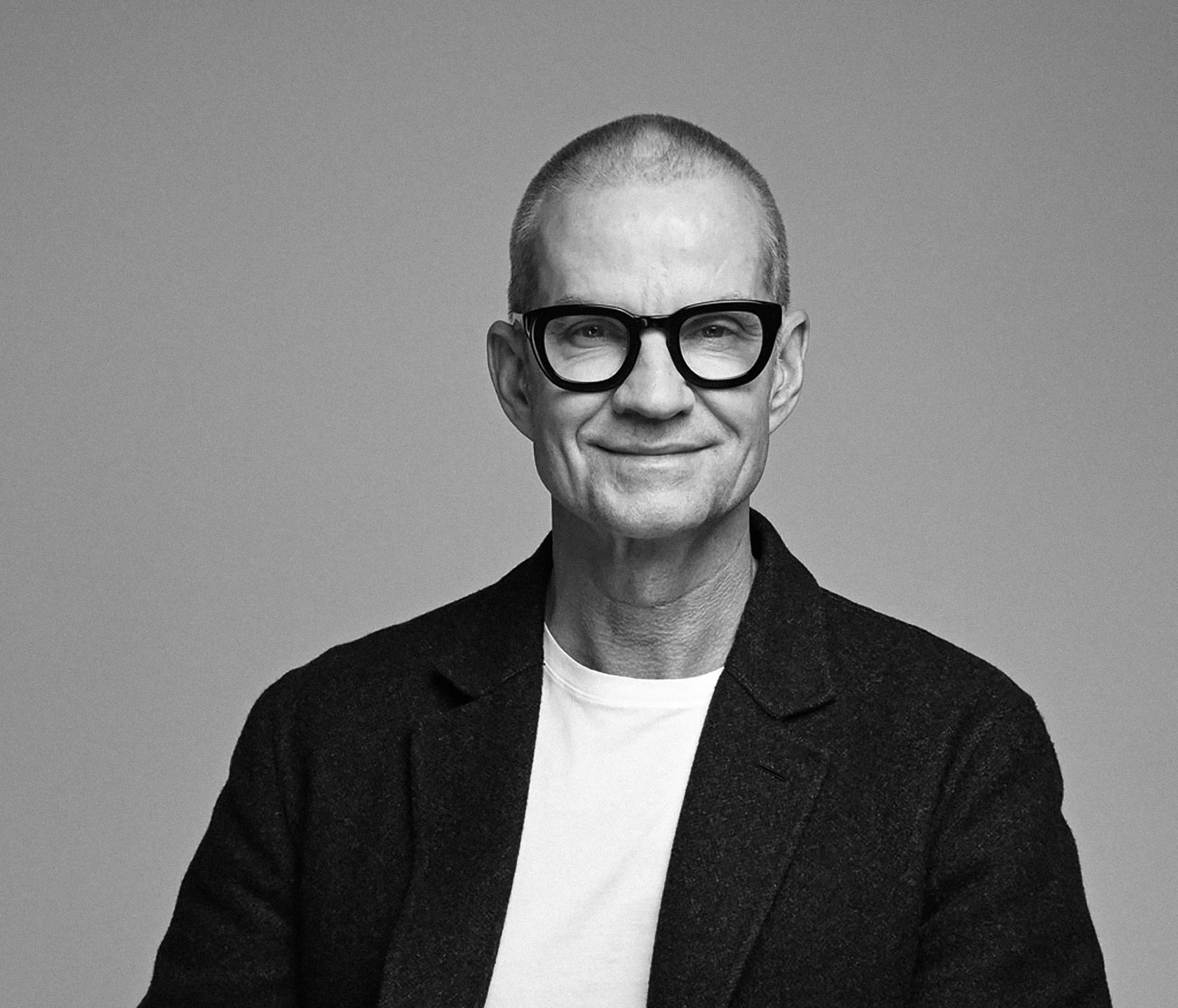
SILVIA NEGRI FIRMAN PR Interview LE MILE Magazine photo by Stefano Guindani

Silvia Negri Firman
Founder & Creative Director of Negri Firman PR / photographed by Stefano Guindani


Chidozie Obasi
First things first: I’d like to get acquainted with how your journey into the realm of fashion communications began. Could you unpack it for us?

Silvia Negri Firman
My journey started quite early, and rather by chance. I’ve always been passionate about fashion and initially thought I wanted to become a fashion designer. After high school, I enrolled in university and, at the same time, started attending a fashion school. But I also wanted to work, so I began assisting a photographer—both as his assistant and as a stylist.

Before long, I started freelancing as a stylist, which led me to collaborate with a number of brands and PR agencies. At one point, I was offered a job at Karla Otto, and I accepted. In a way, you could say it was Karla who chose my future. She was just starting out herself, and I was the third person to join the agency—literally one of three. But we were already working with the most cutting-edge brands at the time, and the agency kept growing. A few years later, I joined Giorgio Armani—and the rest is history. I’ve always worked with dedication and passion, never shied away from challenges, and embraced every opportunity to learn and grow professionally. I’m still learning, still working with passion, and I still love what I do.

How have you seen this industry sector develop over the years?

This industry has evolved significantly over the years, constantly adapting to societal and cultural shifts as well as the rise of new technologies. We've seen major changes in both strategies and working methods, with technological advancements offering us increasingly sophisticated and efficient tools. To be truly effective, communication must reflect these societal changes. It’s crucial not only to recognize but also to anticipate new trends and shifts in consumer behavior in order to design successful campaigns.

What, in your opinion, has been the biggest shift in this field?

The most significant shift has undoubtedly been the advent of the internet and digital technology. These developments have transformed the world at large and have had a profound impact on the communication industry. They've revolutionized the way we connect, create, and share content, reshaping both strategies and audience expectations.

Could you argue the benefits and disadvantages between traditional practices of communication and the digital facet of social media?

In my opinion, there are no real disadvantages on either side—what truly makes the difference is the integration between traditional communication and digital platforms. Traditional practices offer structure, credibility, and depth, which are essential for building long-term reputation and authority. On the other hand, digital tools and social media bring immediacy, interactivity, and the ability to engage directly with a wide and diverse audience. When used together strategically, they complement each other and enhance the overall effectiveness of a communication campaign. It’s not about choosing one over the other, but about leveraging the strengths of both to deliver consistent, impactful, and meaningful messages.

In a world where social and cultural innovations are changing at an increasingly ferocious pace, what are your thoughts on AI?

I’ve personally embraced the rise of AI with great interest and enthusiasm. I see it as a potentially powerful and valuable tool in the field of communication. Its arrival has undoubtedly accelerated the pace of change in our industry, pushing us to rethink processes and explore new creative possibilities. That said, I believe it's still too early to fully measure AI's real impact, as many people are using it in a limited and somewhat superficial way. However, if integrated thoughtfully with other tools and channels, I’m convinced AI can be a highly positive force—enhancing efficiency, insight, and innovation across the communication landscape.

Will we ever reach the point where it’ll replace the work of humans?

I don’t think so.

In your opinion, will print and traditional means of communications ever die, or will they somehow stay afloat?

In my opinion, print and traditional media are not destined to disappear—they are simply evolving to take on a different, perhaps even more valuable, role than in the past. The rise of digital and online platforms has certainly challenged traditional media, leading to a significant shake-up and a necessary selection process. However, this shift has also given new meaning to print: it’s now seen as more curated, more intentional, and often more prestigious. Integration between platforms is essential, and each channel has its own strength. Print remains highly appreciated in certain contexts, especially where depth, quality, and tangible presence are key. Rather than dying out, traditional media are being redefined—and still have a meaningful place in a well-rounded communication strategy.

What are your hopes for the future of the media industry?

I hope to see a media industry that continues to evolve without losing sight of quality, credibility, and depth. I believe the future lies in a balanced integration of traditional and digital platforms, where each medium plays to its strengths. My hope is that print and legacy media will continue to be valued for their reliability and depth, while digital tools and AI drive innovation, accessibility, and speed. I’d like to see a media landscape that is both dynamic and responsible—one that embraces change but remains grounded in thoughtful, meaningful communication.


This conversation is part of LE MILE’s series on print, fashion communications and the future of PR.


MARCO SCOMPARIN from MASC AGENCY *Inside Fashion PR

MARCO SCOMPARIN from MASC AGENCY *Inside Fashion PR

#InsideFashionPR

Offline Prestige, Online Chaos, and the CEOs Who Call It All Just Another Day at Work

A Conversation with MARCO SCOMPARIN


interview + written CHIDOZIE OBASI


At a time when the creative industry keeps shifting at restless speed, the worlds of advertising, fashion communication and public relations are changing with it. Once anchored in print, physical presence and carefully built editorial relationships, the field now moves through digital platforms, social media strategies, data systems and the growing presence of Artificial Intelligence, all of which have accelerated the way stories are created, distributed and measured.


Still, the central task of communication has remained strangely consistent: to shape a story, to place it in the right context and to understand what gives a brand cultural relevance beyond visibility alone. Between printed pages and digital screens, between long-term image building and immediate online response, the industry continues to renegotiate its own language.

With this series, LE MILE speaks to industry insiders about the changing role of print, the pressure of digital speed, the use of AI, the value of storytelling and the future of fashion communication. This conversation continues with Marco Scomparin, CEO & Founder of MASC Agency, whose path into fashion communications began outside the industry before moving through New York, digital PR and talent representation. As the founder of an agency built around male talent and high-level brand positioning, his perspective is shaped by relationships, cultural timing and the shift from traditional gatekeepers to a media landscape led by audiences, algorithms and real-time influence.


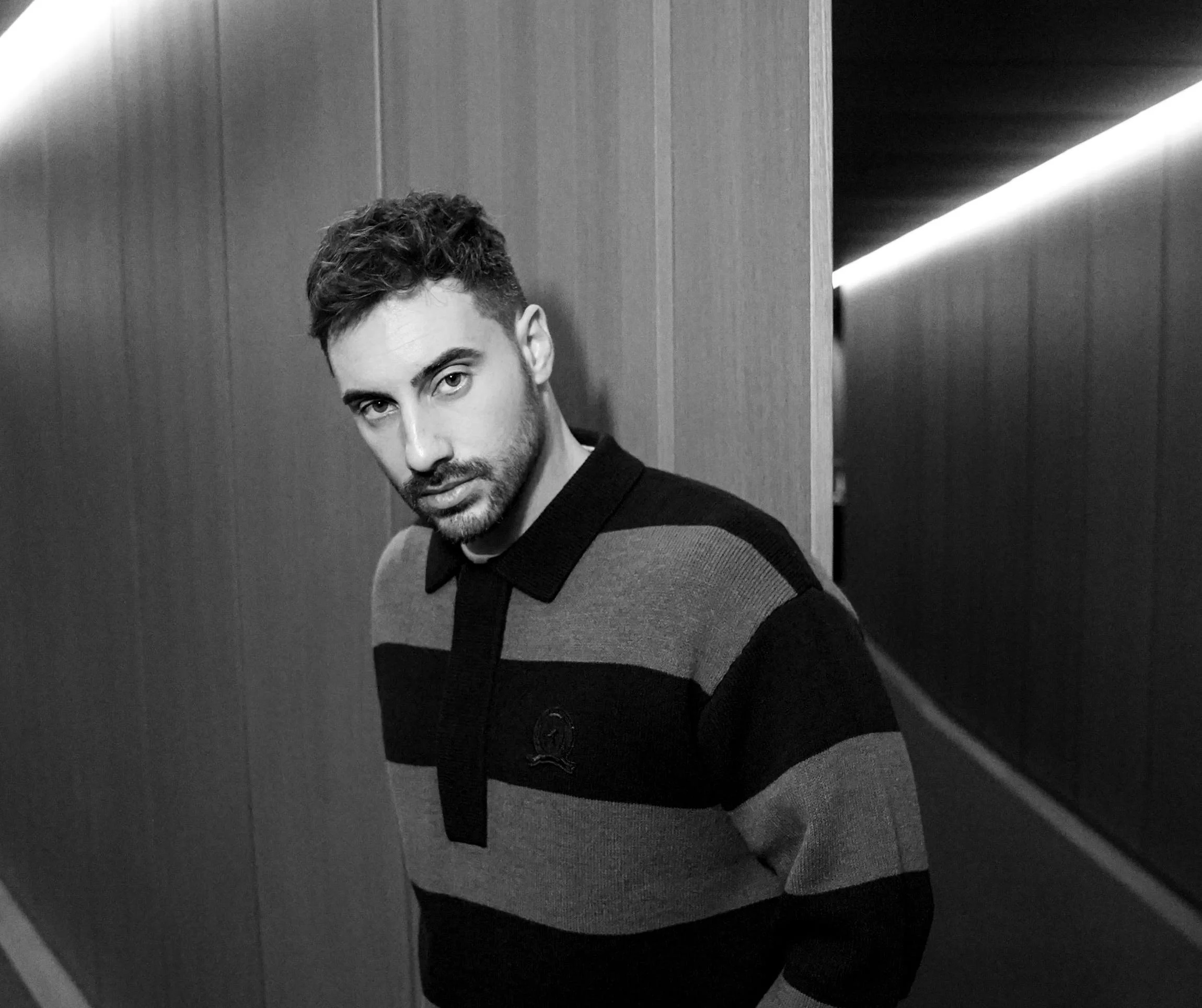
MARCO SCOMPARIN OF MASC AGENCY Interview LE MILE Magazine

Marco Scomparin
CEO & Founder of MASC AGENCY


Chidozie Obasi
First things first: I’d like to get acquainted with how your journey into the realm of fashion communications began. Could you unpack it for us?

Marco Scomparin
It actually started far away from catwalks and red carpets; I was in the world of numbers and finance. I quickly discovered that it wasn’t for me—maybe because it felt too uncreative and, dare I say, a little too “old boys’ club” for my taste. So I took a sabbatical year and moved to New York, where I learned that PR wasn’t just the person selling you a ticket for nightclub entry; it could be so much more. That experience opened my eyes to the power of storytelling, brand positioning, and cultural influence. When I returned to Italy, I dove headfirst into fashion communications, working with brands across fashion, beauty, and lifestyle. Over time, I built MASC Agency—the first in Europe to represent only male talents—and became equally focused on high-level digital PR. At the heart of it all, my strength has always been relationships: I don’t just know who’s who; I know what makes them move.

How have you seen this industry sector develop over the years?

It has evolved from being an industry driven by glossy magazines and a small, elite group of people to one where a single Instagram story can shift brand perception overnight. We’ve moved from carefully curated, slow-burn campaigns to real-time, multi-platform storytelling. What’s interesting is that while tools and channels have changed, the core hasn’t: it’s still about influence—only now it’s in pixels. The power dynamic has also shifted: ten years ago, brands dictated the conversation, but today creators often lead it.

What, in your opinion, has been the biggest shift in this field?

The democratization of influence. In the past, the gatekeepers were editors, stylists, and PR directors. Now the gatekeepers are algorithms and audiences themselves. The most powerful shift is that credibility is earned in real time—you can’t fake authenticity for long. For agencies like mine, that means we have to be more agile, more transparent, and much more in tune with cultural timing. What works today won’t necessarily work tomorrow. You have to be brave enough to invest in the future (even if I don’t always fully understand it) and patiently trust the process.

Could you argue the benefits and disadvantages between traditional practices of communication and the digital facet of social media?

I often say that traditional communication was like a luxury cruise: steady, elegant, and predictable, while social media is a speedboat—fast, exciting, and sometimes a little chaotic. Traditional PR had authority, depth, and a certain timelessness, but it was slow to adapt and often accessible only to a select few. Social media changed all of that: suddenly anyone could be part of the conversation, and brands could have direct, real-time exchanges with their audience. The downside is that digital moves at such a pace that trends can burn out before a campaign is even over, and attention spans are shrinking dramatically. Personally, I believe the real magic happens when the two worlds meet—when you combine the prestige and storytelling depth of traditional media with the immediacy and interactivity of digital. That’s when communication becomes truly powerful.

In a world where social and cultural innovations are changing at an increasingly ferocious pace, what are your thoughts on AI?

AI is like having the world’s most efficient intern—brilliant at processing data, spotting patterns, and never asking for vacation. [Laughs.] But it’s still missing the human heartbeat that drives culture, emotion, and taste. In my field, AI can speed up research and analytics, but the magic happens in human decision-making, which will never be substituted by AI: knowing which influencer to pair with which brand because you’ve shared a dinner table with them, not just a spreadsheet. Often, clients give me a budget and I decide which influencers to include in the project. I choose not only those who are a good fit for the brand, but also the ones naturally suited to the activity and who connect well with each other. In 2025, there’s no room for a diva-like attitude anymore—not even international celebrities can get away with it, let alone influencers.

Will we ever reach the point where it’ll replace the work of humans?

AI might replace tasks, but it won’t replace taste and expertise like mine. It can simulate creativity, but it can’t live a night at the Venice Film Festival or sense the unspoken dynamics between a designer and a muse. My job is 50% strategy and 50% intuition—and intuition is born from lived experience, cultural awareness, and emotional intelligence. AI can be a phenomenal assistant, but in this industry, human nuance will always lead.

In your opinion, will print and traditional means of communications ever die, or will they somehow stay afloat?

Print will never fully die; it will just become more niche, more collectible, and more symbolic of prestige. Much like vinyl records, its value will lie in its tangibility and artistry. You might not buy a magazine every week anymore, but when you do, it feels like an occasion. For brands, print will remain a mark of legacy; for consumers, it will be a slower, more intentional way to engage.

What are your hopes for the future of the media industry?

I hope we move toward a media landscape that values depth as much as speed, that balances virality with substance, and that remembers audiences are smart—they can tell when they’re being sold to, and they appreciate honesty. My dream is for the industry to keep innovating technologically while doubling down on storytelling that’s truly human. In the end, trends fade, but stories—the good ones—last.


This conversation is part of LE MILE’s series on print, fashion communications and the future of PR.


LUCA CONTARTESE from PREMIUM ID AGENCY *Inside Fashion PR

LUCA CONTARTESE from PREMIUM ID AGENCY *Inside Fashion PR

#InsideFashionPR

Offline Prestige, Online Chaos, and the CEOs Who Call It All Just Another Day at Work

A Conversation with LUCA CONTARTESE


interview + written CHIDOZIE OBASI


At a time when the creative industry keeps shifting at restless speed, the worlds of advertising, fashion communication and public relations are changing with it. Once anchored in print, physical presence and carefully built editorial relationships, the field now moves through digital platforms, social media strategies, data systems and the growing presence of Artificial Intelligence, all of which have accelerated the way stories are created, distributed and measured.


Still, the central task of communication has remained strangely consistent: to shape a story, to place it in the right context and to understand what gives a brand cultural relevance beyond visibility alone. Between printed pages and digital screens, between long-term image building and immediate online response, the industry continues to renegotiate its own language.

With this series, LE MILE speaks to industry insiders about the changing role of print, the pressure of digital speed, the use of AI, the value of storytelling and the future of fashion communication. This conversation continues with Luca Contartese, CEO & Founder of Premium ID Agency, whose path began inside the industry as a model before moving into marketing, communication and creator management. As the founder of an agency dedicated to content creators and influencers across fashion and beauty, his perspective is shaped by the rise of TikTok, the shift from audience to community and a media landscape where digital speed defines visibility, while print still holds symbolic weight within luxury.


LUCA CONTARTESE PREMIUM ID AGENCY Interview LE MILE Magazine

Luca Contartese
CEO & Founder Premium ID Agency


Chidozie Obasi
First things first: I’d like to get acquainted with how your journey into the realm of fashion communications began. Could you unpack it for us?

Luca Contartese
I started my journey as a model, learning from the internal dynamics of the industry and how brands think and perceive things. At the same time, I continued my studies in marketing and communication, combining my insider experience with what I was learning academically. This broader vision of the industry made me realize that a phase of change was approaching—one in which the prospects I had observed until then would undergo a major shift. It was the end of 2019, I was 20 years old, and that’s when I truly began to approach the world of fashion communication, working on a first project that later led me to create an influencer marketing agency. Just a few months later, Covid drastically accelerated this process: that was when I noticed how influencer marketing was becoming the most requested tool and the one with the greatest expressive potential for brands. This led me to found Premium ID, an agency dedicated exclusively to managing content creators and influencers, which today collaborates with key partner brands across fashion and beauty.

How have you seen this industry sector develop over the years?

The sector has changed significantly and continues to evolve—it is a highly dynamic environment where every month can bring incisive innovations. Transformations are many, but first and foremost, the way brands approach communication has shifted. We’ve moved from a detached style of communication to an era in which brands can no longer avoid showing behind-the-scenes moments and speaking to audiences in an open, direct way. For example, consider how social media has reshaped communication during key moments of the year, such as fashion week. In my first runway shows, the event was accessible only to those attending in person, whereas today it has become a global media event with thousands of viewers connected via livestream. This allows users to experience a much closer and more direct connection with the brand. This evolution has been largely facilitated by content creators, who in most cases have become the faces and spokespeople of brands, innovating communication in a more immediate way. The concept of community has become central: the client has transformed into a supporter, demanding greater attention from the brand, which can no longer simply provide a product but must deliver an experience that fosters a sense of belonging and loyalty. This makes it essential to focus on the quality of content and to maintain an updated communication style, choosing faces that can best represent the brand in both aesthetics and values.

What, in your opinion, has been the biggest shift in this field?

The most significant change, in my opinion, came with the arrival of TikTok. The platform created many of today’s key creators and, more importantly, reshaped users’ online habits, which until then had been focused more on photos than on videos. Today, video content is the pinnacle of communication and the primary tool brands use to promote their products through creators—and the only truly effective medium for building communities.

Could you argue the benefits and disadvantages between traditional practices of communication and the digital facet of social media?

There are substantial differences, and since I lean toward digital communication, I tend to emphasize its advantages. Digital communication has brought many benefits compared to traditional practices, such as greater speed and ease in spreading messages. Today, news is consumed live, often even before it appears in print or on television. Another major advantage is interactivity: audiences can directly express opinions and, in turn, influence the spread of content. The greatest advantage, in my view, is that communication was once reserved for a select few, while with digital, anyone can share content and potentially reach an audience as large—or even larger—than a media channel. The downside compared to traditional media is speed: content becomes outdated almost immediately, whereas print, for instance, has a longer-lasting influence.

In a world where social and cultural innovations are changing at an increasingly ferocious pace, what are your thoughts on AI?

AI is a tool with enormous potential. Even today, it is possible to create entire content from scratch without any on-site shooting, thereby reducing costs and production time. I believe it is already part of the present and represents a major opportunity to further innovate the sector.

Will we ever reach the point where it’ll replace the work of humans?

Honestly, I think so, but it will be a long process. Some jobs will inevitably be replaced, but at the same time new ones will emerge. I believe human input will remain essential, especially when it comes to creativity and relationships—areas where technology can support but cannot fully replicate human sensitivity.

In your opinion, will print and traditional means of communications ever die, or will they somehow stay afloat?

I believe print still carries a symbolic value and a fascination that digital cannot entirely replace, especially in the luxury sector. When it comes to news and information, however, I think digital has completely overtaken traditional formats. In some fields, print will remain relevant, while in others it will gradually disappear. As for television, I believe that over time it will be completely overtaken by more flexible, on-demand platforms.

What are your hopes for the future of the media industry?

I envision a future where communication will increasingly focus on the quality of content, with new technologies playing a crucial role in raising the standard. My hope is that transparency will be preserved in the use of these technologies, ensuring that consumers remain aware and informed. Ultimately, I hope the industry continues to innovate without losing the human connection that makes communication authentic.


This conversation is part of LE MILE’s series on print, fashion communications and the future of PR.


ALEXANDER WERZ from KARLA OTTO *Inside Fashion PR

ALEXANDER WERZ from KARLA OTTO *Inside Fashion PR

#InsideFashionPR

Offline Prestige, Online Chaos, and the CEOs Who Call It All Just Another Day at Work

A Conversation with ALEXANDER WERZ


interview + written CHIDOZIE OBASI


At a time when the creative industry keeps shifting at restless speed, the worlds of advertising, fashion communication and public relations are changing with it. Once anchored in print, physical presence and carefully built editorial relationships, the field now moves through digital platforms, social media strategies, data systems and the growing presence of Artificial Intelligence, all of which have accelerated the way stories are created, distributed and measured.


Still, the central task of communication has remained strangely consistent: to shape a story, to place it in the right context and to understand what gives a brand cultural relevance beyond visibility alone. Between printed pages and digital screens, between long-term image building and immediate online response, the industry continues to renegotiate its own language.

With this series, LE MILE speaks to industry insiders about the changing role of print, the pressure of digital speed, the use of AI, the value of storytelling and the future of fashion communication. We begin with Alexander Werz, whose career has moved from fashion design and show production into high-level communications, including his long-standing work with Karla Otto, where strategy, culture and brand identity sit at the centre of his practice.


Alexander Werz Karla Otto Interview with LE MILE Magazine

Alexander Werz
CEO & Partner, Karla Otto


Chidozie Obasi
First things first: I’d like to get acquainted with how your journey into the realm of fashion communications began. Could you unpack it for us?

Alexander Werz
I was fascinated during my childhood about fashion when I was about12. I had access to Vogue Italia through my father, and I was dreaming about a career in fashion, so I decided at age 14 to do everything to do a fashion school in Paris. 5 years later I started at Studio Berçot fashion design. My first path was working with designers in the design department, but I was always good in organizing fashion shows, press meetings etc. so I decided to go that path.
Many years later, with a serious experience in communication but also in production, I joined Karla Otto in 2010.

How have you seen this industry sector develop over the years?

Of course, the sector developed a lot over 20 years, especially with the arrival of digital platforms, but also thanks to the globalization of fashion and luxury. What we needed to do for strategy was to improve communication skills to its perfection. We are working in a highly competitive, yet also sensitive business, storytelling and strategy is a great combination to support brands in many sectors in luxury. But for me the biggest question today is culture, what do we really want and what does a brand stand for?

What, in your opinion, has been the biggest shift in this field?

Digitalization was and is key to support our brands, nevertheless we need always to keep in mind a strategy which is in place to support a brand in communication, but also talent support, influencer marketing and event support. We support our brands in a 360° degrees approach.

Could you argue the benefits and disadvantages between traditional practices of communication and the digital facet of social media?

What we need in communication, depending on the brand, is a combination of traditional communication, PR services, obviously balanced with a digital communication strategy, where we work on a social media strategy but also on talent which is key.

In a world where social and cultural innovations are changing at an increasingly ferocious pace, what are your thoughts on AI?

I like the arrival of AI to a certain degree, but I believe in human touch which we need to preserve and can’t be replaced to 100%. It should be a fair combination. AI is a very useful and creative tool to support communication in a very distinctive use, nevertheless in creative business sometimes nuances and even little mistakes can bring immediate success. Aiming perfection is a goal but only aiming.
AI is a powerful support.

Will we ever reach the point where it’ll replace the work of humans?

I don’t think so, as humans are sensible and sensitive and these are key elements also in communication. I really believe that we can learn a lot from AI but to use it as a replacement would be a mistake… But the future will talk.

In your opinion, will print and traditional means of communications ever die, or will they somehow stay afloat?

I believe that print and the traditional side of communication is a pillar and a great foundation to utilize but the digital side of communication, of course will give an immediate outreach and a great support to our brands. The fast pace of our brands needs immediate result, therefore we are using the digital side on a 360 approach.

What are your hopes for the future of the media industry?

My hope for the future is also not to over communicate and to really measure the way how to communicate.
We know that the commercial pressure asks us to be not only proactive, but always to anticipate.
We want to provide a perfect communication strategy which is meaningful, authentic and with cultural value.


This conversation is part of LE MILE’s series on print, fashion communications and the future of PR.


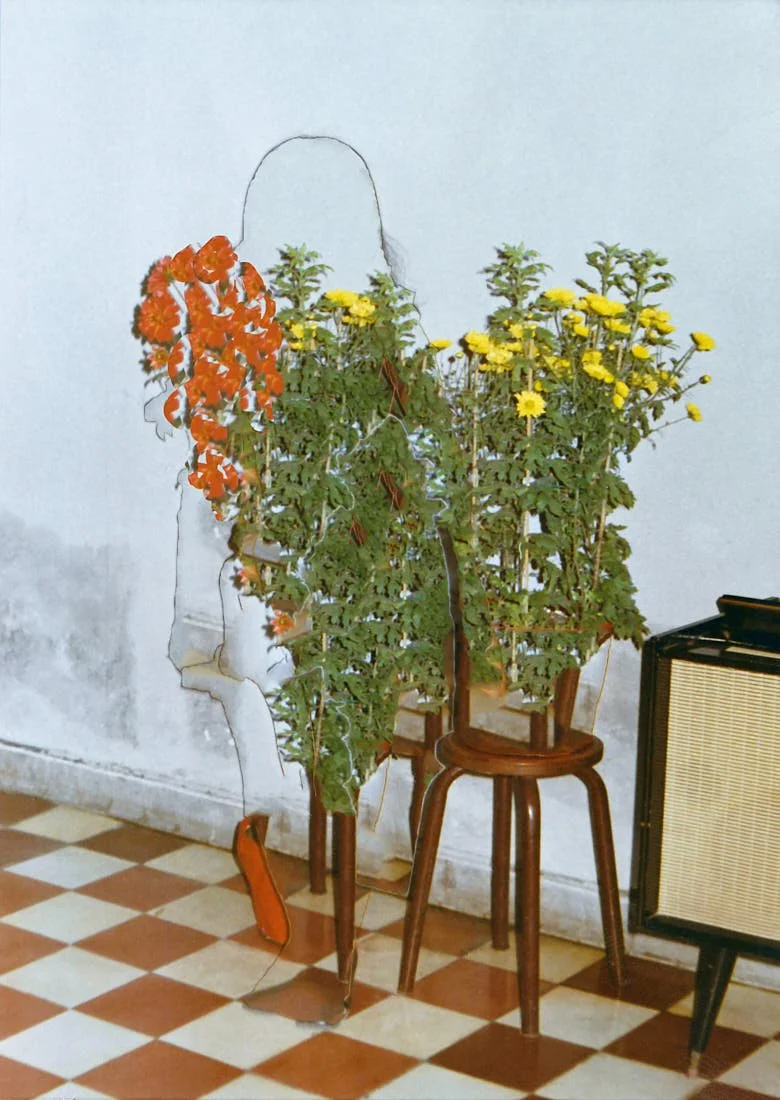
VERONIKA GEORGIEVA *On Paper Surgery, Deconstruction and Memory

VERONIKA GEORGIEVA *On Paper Surgery, Deconstruction and Memory

Ctrl + X
IT’S ABOUT THE CUT, THE WOUND AND THE IMAGE


interview + written HANNAH ROSE PRENDERGAST


Destruction isn’t more natural. Just easier.

Deconstruction, on the other hand, is Veronika Georgieva’s native language.

With her trusty scissors, she frees photographs, slides, and film from an eternity of official events. This version feels truer to how it actually happened.

Paper Surgery is a delicate operation to restore the soul; it’s also an SS 2010 ad campaign for Comme des Garçons.

Pulled from her own archive and that of complete strangers, the source material stings the same. The rest is just recovery.

No need to name the wound or explain the cut—the light will get to it. If not, a fashion magazine will.

 
Paper Surgery Series. image courtesy of Veronika Georgieva

Paper Surgery Series, Hannibal
Image courtesy of Veronika Georgieva

 
I Loved You For So Long. from Paper Surgery Series. image courtesy of Veronika Georgieva

I Loved You For So Long. from Paper Surgery Series.
Image courtesy of Veronika Georgieva


Hannah Rose Prendergast
What’s lost when you try to replicate Paper Surgery digitally in Photoshop?

Veronika Georgieva
The imperfections in my work aren’t just visual; they’re conceptual. They challenge ideas of control. The accidental tears and unpredictable folds from physically manipulating paper are essential to the series. When you try to replicate this digitally, even with the most skilled attempts, the result feels too precise. It loses the raw touch that defines this aesthetic. And I’m just not interested in doing that. I love accidents too much.

All my works exist on the threshold between control and surprise, even for myself. Otherwise, I’d be bored by my own creativity. There’s good boredom and bad boredom—like good and bad cholesterol. I need the material to surprise me. I’m deeply annoyed when there’s no excitement of the unknown, no “accidental mistake.” I need a physical dialogue with the material, with its resistance, to feel that I’m an artist alive.


Why does deconstruction feel so natural to your creative process?

There’s absolutely no rule. But it’s important to distinguish between destruction and deconstruction. Destroying isn’t more natural—just easier. Deconstruction is harder because it’s analytical. Its goal is creation: building something new. I’d like to think creation is ultimately more natural for humans than destruction. At least, I want to believe that, even though recent years seem determined to prove the opposite.Deconstruction may look like destruction to anyone unwilling to engage with the process. People often ask, “Why did you ruin this dress?” or “Why cut up those photographs?” But I adore deconstruction. My methods break habitual perceptions of ordinary things, sometimes pushing them to the point of unrecognizability.

What are the risks of starting with a political message?

The risk isn’t politics in art, it’s politics as art’s predetermined script. The strength of art lies in interpretation. When it begins with a fixed political premise, it can end up privileging the artist’s authority over the viewer’s freedom to engage. A didactic mural about climate change, for instance, might dictate a single correct reading. But a more ambiguous work, like Anselm Kiefer’s scorched landscapes, leaves space for multiple, active interpretations.

True subversion doesn’t force the world to understand—it lets people feel and outspeak. Overtly political art can be easily co-opted. When power meets dissent, it often inoculates itself by sanitizing and selling it back. Think of Banksy’s anti-capitalist murals, auctioned off for millions. Starting with politics risks turning art into a gesture absorbed by the market as “radical chic.”

How does photography influence our collective memory and perception of truth?

Truth? What truth? Personal and collective memories are both unreliable. Photography has joined the club, thanks to Photoshop and AI. Even eyewitnesses can’t be trusted. Just look at the Rashomon effect, where the same event is recalled in contradictory ways by different people. Memories depend on identity and interests. Take the myth of George Washington cutting down the cherry tree—'I cannot tell a lie'—a story invented after his death to portray him as virtuous. Isn’t it symbolic? A story about honesty that's itself a lie.

Is there an image that becomes stronger by resisting capture?

Absolutely. Like gods or monsters left unseen in horror films, the viewer’s imagination always eclipses the reveal. But this principle extends beyond horror. Any image grows stronger by resisting fixation. The moment you try to pin it down, in a photograph, a painting, even in words, it loses its spectral charge. That’s why Resnais never showed the traumatic event in Last Year at Marienbad, and why Borges described the Aleph as “a point in space that contains all other points.” The most potent visions remain unfinished, demanding the mind’s collaboration to exist at all.

This is exactly why the hidden folds in Paper Surgery, or the dark voids built from layered slides, matter more than what’s visible. Meaning crumples into layers, interpretation becomes a dance between surface and depth. The unseen isn’t absence—it’s the image’s engine.


page 9 from Paper Surgery Series. image courtesy of Veronika Georgieva

Page 9 from Paper Surgery Series.
Image courtesy of Veronika Georgieva


Do you see more character in fashion magazines today?

I don’t think so. It’s just a new grammar of control. To ask whether faces have “more character” implies we’ve agreed on what character is. Unpredictability? The marks of lived experience? Fashion magazines today reflect a cultural hunger for authenticity but deliver it as a product. Modern retouching tools simulate character (a freckle left intact, a wrinkle allowed to stay), but it’s a calculated rebellion—a corporate nod to realness.

Compare that to Corinne Day’s raw Polaroids of Kate Moss in the ’90s, where the awkwardness was unplanned—and therefore revolutionary. Today’s “flaws” are often focus-grouped: an illusion of imperfection.

How do you embrace conflict or tension in your work?

I’m currently working on a video installation for a ballet performance centered on barocco, a theme that deeply resonates with me. Barocco isn’t just a historical period; it’s a state of mind. It emerges when old systems fail—when something bursts beyond its frames, rupturing space, scale, and meaning. The ballet will unfold on an unconventional stage: a circular platform rotating around a massive metal cylinder. The venue, a former bread factory, offers almost no space for traditional scenery. The dancers appear like butterflies pinned to the cylinder, with no room to fly.
My idea is to deconstruct the cylinder with multi-channel video projections, puncturing it with virtual trompe l’œil corridors, expanding it through illusion. These corridors will stretch into receding depths, pulling viewers inward.

For inspiration, I revisited Last Year at Marienbad, those haunting black-and-white corridors shot in a German Rococo castle, that endless hall of mirrors. For weeks now, I’ve been losing myself in those imagined passageways. I want to go there, to see that place. Though I know reality could never match the film. Some inspiring places are better left unvisited, preserved only in the mind.

In a world where authorship is fragmented, what still truly belongs to the artist?

The process. The moment. The thrill. Love and death.
Everything belongs to the artist.
The decision to designate it as art.
The vulnerability of offering it to the world, knowing it will be rewritten, reclaimed, or erased.
The act of bravery belongs to the artist.

 
Page 57 from Paper Surgery Series. image courtesy of Veronika Georgieva

Page 57 from Paper Surgery Series.
Image courtesy of Veronika Georgieva

 
Page 55 from Paper Surgery Series. image courtesy of Veronika Georgieva

Page 55 from Paper Surgery Series.
Image courtesy of Veronika Georgieva


What image will you always return to?

Martin Kippenberger’s self-portrait. He stands with a crudely made sign around his neck, something you might expect to see on a lost child, a drunk, or an Alzheimer’s patient. Instead of a name or instructions, he scrawls: “Please, don’t send me home.” To me, it encapsulates the artist’s eternal paradox: the simultaneous search for home and flight from it—the dull comforts of the familiar. It’s desire rooted in impossibility: a lost paradise, forever out of reach, yet perpetually pursued.

A chaotic journey without a map.
The purpose of purposelessness.
Unfiltered traces of a personal destiny.
Moments of raw emotional gesture.
The coveted “mistakes.”
That time before morning arrives with its regrets and clean-ups.
The choice-free, guilt-free, unfiltered ride.

Can an image that wounds also offer healing?

I don’t know about healing, but I can tell you about the wound. In Camera Lucida, the French philosopher Roland Barthes introduces punctum—a term I adore. Punctum is an accidental detail in a photograph that “pricks” or “bruises” the viewer, creating a deeply personal, often painful resonance. As Barthes writes: “The punctum is a sting, speck, cut, little hole—it is also a cast of the dice. It wounds” me.

That’s why it remains elusive: punctum doesn’t reside in the image itself but in the collision between image and life. Barthes describes how a photograph of his mother evoked profound sorrow in him, though to others, it was just an ordinary snapshot. Punctum can’t be planned or manufactured; it arises spontaneously, unique to each observer, tethering emotion to image.

I suppose if you understand why an image reopens a wound, healing follows naturally. It lies in refusing to let pain stagnate. Like champagne, best drunk once opened, or it sours into vinegar and poisons you. As Rumi wrote: “The wound is the place where the Light enters you.”

Is there something you’ve cut that you wish you hadn’t?

Scissors are a girl’s best friend. They’ve never betrayed me. Not yet. Everything I’ve cut—and I’ve cut a lot—I’ve never regretted. When I was a young girl growing up in the Soviet Union, stores had limited clothing, and what they did have was usually ugly. But I always wanted to be stylish, so I learned to sew. I sewed everything, fromraincoats to pants, shorts to dresses, even a summer suit for my mom. I once designed and sewed an entire fashion collection.

With my architecture degree, paper models and cutting were already part of my routine. But after becoming a mother twice over, I only had time to cut. By then, I was living in New York City, surrounded by secondhand stores filled with more clothes than I’d ever dreamed of. To create unique designs that fit my figure, I cut endlessly.

Once, my dear friend Renata was shocked to learn where I’d gotten such a lovely belt. I’d started by cutting up a whole dress, but ended up trimming it down until only the belt remained—perfect for my vision.

When should you go offline?

I can tell you when not to go online: when you’re bored. Boredom is the mother of creativity—those who get bored turn to something new, something unique. It’s a huge problem, especially for kids today, who are never bored. They can fill every second with social media, immersed in the lives of others, forgetting their own. To create, you need a vacuum. Being online offers everything except a vacuum.

In his essay In Praise of Boredom, one of my favorite poets, Joseph Brodsky, frames boredom as a portal to self-awareness and existential clarity: “When hit by boredom, let yourself be crushed by it; submerge, hit bottom. In general, with things unpleasant, the rule is: the sooner you hit bottom, the faster you surface. The idea here … is to exact a full look at the worst. The reason boredom deserves such scrutiny is that it represents pure, undiluted time in all its repetitive, redundant, monotonous splendor.”

The notion of time is important for the artist. And when you’re online, time flies. The sad thing is, it flies unnoticed.


Comme des Garçons campaign. collaboration with Stephen j Shanabrook. image courtesy of the artists & CdG

Comme des Garçons campaign. collaboration with Stephen j Shanabrook
Image courtesy of the artists & CdG


GIZEM EMRE *On Identity, Confidence, and Staying True to Yourself

GIZEM EMRE *On Identity, Confidence, and Staying True to Yourself

Why Gizem Emre Is Done Measuring Herself Through Other People’s Eyes


interview + written THINLEY WINGEN


For years, Gizem Emre has been a familiar face on screens, red carpets, and across Germany’s cultural landscape. Yet despite growing up in the public eye, the actress describes herself as much quieter than many people might expect.


LE MILE Magazine Interview with Gizem Emre photographed by Nic Schoppet Gizem wears top, pants and jewelry by IOANNES, tights by FALKE and shoes by H&M Studio

Gizem wears top, pants and jewelry by IOANNES, tights by FALKE and shoes by H&M Studio


"I think many people are surprised when they meet me in person because privately I'm much calmer and more reserved," she tells LE MILE. Born and raised in Berlin, Emre grew up between cultures and learned early on how to navigate different expectations while staying connected to herself. Over the years, she has developed a stronger sense of confidence, letting go of constant comparison and placing greater value on how she feels rather than how she is perceived. "I think the older you get, the more important it becomes how you feel about yourself instead of constantly thinking about how you appear to others." Below, the actress reflects on public perception, belonging, self-confidence, and finding moments of calm in an increasingly noisy world.

 
LE MILE Magazine Interview with Gizem Emre photographed by Nic Schoppet Gizem wears look by ELISABETTA FRANCHI and shoes by IOANNES

Gizem wears look by ELISABETTA FRANCHI and shoes by IOANNES

 
LE MILE Magazine Interview with Gizem Emre photographed by Nic Schoppet Gizem wears a dress by DIESEL

Gizem wears a dress by DIESEL


Thinley Wingen
Many people feel like they already know you before you've even said a word. How do you experience the difference between public perception and who you actually are?

Gizem Emre
Because I play many different roles and show different sides of myself through them, I’m not even sure if people have one specific image of me. I actually think many people are surprised when they meet me in person because, privately, I’m much calmer and more reserved than some might expect at first glance. As a viewer, you often only see fragments, a role, an appearance, or an interview, but not necessarily the person behind it.


You have been in the public eye for many years. What has changed about being a woman who is constantly seen and judged?

A lot has changed over the years. I’ve become much more confident, I know myself and my body better, and over time, I’ve learned not to compare myself to others all the time. You grow up with certain beauty ideals, and especially in the public eye, you are constantly being judged, consciously or unconsciously. It used to affect me more, but today I see things much more calmly. I think the older you get, the more important it becomes how you feel about yourself instead of constantly thinking about how you appear to others.


LE MILE Magazine Interview with Gizem Emre photographed by Nic Schoppet Gizem wears a dress by DIESEL

Gizem wears a dress by DIESEL


You often come across as very confident and present. Are there still moments when you feel misunderstood or reduced to a certain image?

Being able to speak freely also means allowing yourself to be seen without filters, and I think the fear of being misunderstood or not being taken seriously has been with me for a very long time. Especially when you enter the public eye at a young age, you quickly develop the feeling that you constantly have to prove yourself.


How has growing up in Berlin and as a Turkish-German woman shaped your understanding of belonging, strength, and identity?

I grew up between two cultures, and I see that as a gift. Of course, it can also come with a certain sense of being torn between different expectations or perspectives. But I was lucky enough to grow up in a very liberal family, which meant I never felt like I had to choose one side over the other.

What has helped you stay true to yourself over the years, despite public attention, social media, and outside expectations?

Above all, spending time with myself. I think it’s incredibly important to keep coming back to yourself and sorting through your own thoughts. Especially in a world where so much is constantly coming at you from the outside, you need that sense of calm to stay grounded.


LE MILE Magazine Interview with Gizem Emre photographed by Nic Schoppet Gizem wears top, pants and jewelry by IOANNES, tights by FALKE and shoes by H&M Studio

Gizem wears top, pants and jewelry by IOANNES, tights by FALKE and shoes by H&M Studio


talent GIZEM EMRE
photography NIC SCHOPPET
hair + make up FINA BOATENG
styling KLAAS HAMMER
interview THINLEY WINGEN
management BTA / CAROLINA DACHS

DRAGON PONY *South Korea’s Rising K-Pop Band

DRAGON PONY *South Korea’s Rising K-Pop Band

DRAGON PONY
When Four Players Collapse Into One Sound


interview + written AMANDA MORTENSON


Dragon Pony belong to a generation of South Korean bands quietly reopening the space for guitars, drums and collective noise inside a musical ecosystem famous for precision pop engineering. Formed by Ahn Tae-gyu, Kwon Se-hyuk, Pyun Sung-hyun and Ko Gang-hun, the four-piece operates within a musical landscape long dominated by tightly produced pop systems. Their work moves in a different direction, built around live instrumentation, collective songwriting and the physical intensity of performance, Dragon Pony position the band itself as the central creative unit.

 
Le Mile Magazine SS26 Dragon Pony K-POP Band Identity Edition photographer Kang Minje total look OKIIO LOUNGE

total look OKIIO LOUNGE

 
Le Mile Magazine SS26 Dragon Pony K-POP Band Identity Edition photographer Kang Minje shirt FOURONESIXZERO tie + jacket ARCHIVE

shirt FOURONESIXZERO tie + jacket ARCHIVE


Each member brings a distinct role into that structure. Tae-gyu’s voice anchors the group’s melodic direction, Se-hyuk’s guitar frames its tonal identity, Sung-hyun’s bass provides the gravitational core, while Gang-hun’s drumming defines the band’s rhythmic architecture. Together, these elements produce a sound shaped as much by chemistry as by composition.

The band’s thinking about music often extends beyond technical language and performance becomes a shared environment where stage and audience collapse into a single moment of exchange. In this conversation with LE MILE, Dragon Pony reflect on sound, time, collaboration and the subtle mechanics that allow four musicians to merge into one evolving presence.


Le Mile Magazine SS26 Dragon Pony K-POP Band Identity Edition photographer Kang Minje total looks MONTSENU

total looks MONTSENU


Amanda Mortenson
When the four of you walk into a room together, what kind of silence follows you — quiet curiosity, anticipation, or something else entirely?

Ahn Tae-gyu
Before a show, I think it’s a “silence of preparation and excitement,” where anticipation and nervousness coexist - hoping that everything we’ve prepared will be delivered well to everyone who came to see us. And after the show, it feels like a “silence of reflection,” as we slowly let the heat and energy from the stage settle and look back on whether Dragon Pony’s message and energy truly came through.


Tae-gyu, if your voice could melt and take a new shape, what would it become when it cools again?

Ahn Tae-gyu
If I borrow the idea of melting and taking on a new form, I think when it solidifies again it would become something like an even harder metal. The stories and emotions that melt and flow through me would eventually become stronger, more solid.


Ko Gang-hun, drummers often speak through impact. What’s the most delicate sound you’ve ever tried to create — and did anyone notice?

Ko Gang-hun
I don’t think the sounds I make are very close to “delicacy,” so I haven’t had many experiences like that! But one thing comes to mind. When I fall for a drummer, I tend to try to imitate everything about him very meticulously - their motions, gestures, even the tone of their kit.
There was a time when I was completely captivated by Thomas Hedlund, the session drummer for the band Phoenix, and I was trying to copy everything about his playing. During that period, a fan once told me that my snare tone reminded them of Thomas’s snare, and I still remember that.

 
Le Mile Magazine SS26 Dragon Pony K-POP Band Identity Edition photographer Kang Minje total looks OKIIO LOUNGE

total looks OKIIO LOUNGE

Le Mile Magazine SS26 Dragon Pony K-POP Band Identity Edition photographer Kang Minje total looks ARCHIVE

total looks ARCHIVE

Le Mile Magazine SS26 Dragon Pony K-POP Band Identity Edition photographer Kang Minje total look ERREUNO

total look ERREUNO


What’s the most unexpected sound you’ve ever decided to keep in a song?

Pyun Sung-hyun
Before recording bass, I once accidentally captured some noise. I liked the feel of it, so I sampled it and used it as an FX sound.


Sung-hyun, you once said the bass feels like gravity. What happens when you want to escape it?

Pyun Sung-hyun
Whenever I want to escape that gravity, I do my own personal work - taking photos or videos, or trying to make new music. I step away from what’s familiar for a moment and do the things I personally want to do.


Imagine Dragon Pony performing for someone who’s never experienced music before. How would you describe what’s about to happen — without using words like song, beat, or emotion?

Kwon Se-hyuk
(Dragon Pony = 4 / The people joining the show = X)
(4 + X) = 1
Thump thump thump, boom boom boom, waaaah ÷ (4 + X) = ♡

(Interpretation: When Dragon Pony and the audience come together, they become one - and when that show ends, what remains is love.)


Le Mile Magazine SS26 Dragon Pony K-POP Band Identity Edition photographer Kang Minje total look FOURONESIXZERO

total look FOURONESIXZERO


Se-hyuk, if your guitar suddenly refused to play anything “beautiful,” where would you take it to make peace?

Kwon Se-hyuk
I’d take the guitar to the cinema, into nature, to see people - and to meet the people who’ve been waiting for our music - and then come back.


Who in the band has the best relationship with time and who’s always challenging it?

Ko Gang-hun The person who gets along best with time - and the one who has to - is probably me, the drummer. Because drums are tempo itself.
And the person who goes against time - and has to do it well - is Tae-gyu, our vocalist. Sometimes it’s amazing when sounds are played precisely and meticulously inside the tempo, but there are also times when what feels best is playing freely and comfortably without being obsessed with tempo - and I think that’s something unique to the human voice.


There’s always one instant on stage when you stop being four people and turn into one sound. What triggers that moment for you?

Kwon Se-hyuk
I think the time we’ve spent playing together and living together is what allows us to come together as one. That collective synergy is the band’s identity, and depending on what kinds of times we continue to share, we’ll keep growing and changing.

 
Le Mile Magazine SS26 Dragon Pony K-POP Band Identity Edition photographer Kang Minje total look ARCHIVE

total look ARCHIVE

 
Le Mile Magazine SS26 Dragon Pony K-POP Band Identity Edition photographer Kang Minje total look ARCHIVE
 

When your fans sing louder than you, does it feel like letting go or expanding together?

Ahn Tae-gyu
It’s a feeling that’s hard to put into words. In that moment, it’s not just our performance anymore - it expands to include the audience, and it becomes a moment where everyone is playing together. It’s one of the moments that makes me truly happy.


Looking ahead — five, ten, maybe twenty years — what kind of story do you hope people will tell about Dragon Pony: a quiet legend, or a vivid one?

Ahn Tae-gyu
In the end, I want to be remembered as a vivid story. But at the same time, I hope that everything we leave behind through the stage and our music stays with people - and that when time has passed, it might also become a kind of legend someone can quietly take out and revisit.

Pyun Sung-hyun
I want Dragon Pony to be remembered with the image of “a band that burned hot.”

Kwon Se-hyuk
I hope we can simply be Dragon Pony as we are - and that, in our own way, that can shine fiercely.

Ko Gang-hun
It still feels far away for me to imagine, since we haven’t been a band for long. But if I think about it, the bands I respect - like Foo Fighters and Oasis - have all expressed their stories vividly to the world, and they still are. So I think it would be amazing if we could become like that too.

 
Le Mile Magazine SS26 Dragon Pony K-POP Band Identity Edition photographer Kang Minje total look OKIIO LOUNGE

total look OKIIO LOUNGE

 
Le Mile Magazine SS26 Dragon Pony K-POP Band Identity Edition photographer Kang Minje total look ERREUNO

total look ERREUNO


photography KANG MINJE
photo assistants LEE AHREUM + LEE JAEHO + YOO JIHOON
videography CHOI SEUNGWON
1st ac PARK HWANPIL
b cam KIM DONGHEE
fashion KIM HYUNJEONG
fashion assistant PARK CHEOLBEEN
fashion pr KIM HEEWON
hair LEE SEUNGJOON
make up LEE JEONGWON
band DRAGON PONY
talents AN TAEGYU + PYUN SUNGHYUN + KWON SEHYUK + KO GANGHUN

ADRIAN KISS  *Keeping the Comfort Complicated

ADRIAN KISS *Keeping the Comfort Complicated

Objects Don’t Rest, They Plot

Adrian Kiss Keeps the Comfort Complicated


interview + written ALBAN E. SMAJLI


There’s a duvet folded in half in Adrian Kiss’s memory, heavy with wool and childhood, a private weather system pressed close in the dark. Long before anyone started calling it sculpture, there were mattresses, blankets, the stubborn geometry of safety and sleep, objects that promised comfort and ended up complicating it. Adrian grew up negotiating softness and weight, inventing worlds under covers that protected and sometimes trapped, learning early that the line between body and object is a moving target.


Dunyha Firka 1, 2021, quilted leather and canvas with acrylic spheres, 200 × 140 cm, presented as part of Dunyha Tomorrow at acb Gallery, Budapest, Hungary, 2021. Image by Dávid Tóth

Dunyha Firka 1, 2021, quilted leather and canvas with acrylic spheres, 200 × 140 cm, presented as part of Dunyha Tomorrow at acb Gallery, Budapest, Hungary, 2021 / Image by Dávid Tóth

 
Leather Hole 1, 2021, leather on metal structure, 185 × 150 cm, presented as part of Dunyha Tomorrow at acb Gallery, Budapest, Hungary, 2021. Image by Dávid Tóth

Leather Hole 1, 2021, leather on metal structure, 185 × 150 cm, presented as part of Dunyha Tomorrow at acb Gallery, Budapest, Hungary, 2021 / Image by Dávid Tóth


His work never hides its seams. Materials arrive marked, stained, scarred by use or time, sometimes freshly buried, sometimes coaxed into new shapes by the hands of collaborators or by gravity itself. Duvets and tyres, stitched suns and industrial leftovers, everything carrying traces of its past life, everything drafted into the ongoing drama of care and disruption. Nostalgia and hypermodernity don’t compete here. They mingle in the form of a quilt dragged across a concrete floor or a basket woven to hold more than bread.

The studio is both laboratory and cul-de-sac, a place where tools outnumber screens and the slow work of listening shapes every decision. When things risk getting too polished, Adrian ruins the surface, lets chaos in, or simply walks away until time itself gets bored and leaves its mark. He’s learned to trust whatever’s at hand, scrap, memory, silence, and to keep the choreography open, the outcome unresolved. 
Every object in the room wants to speak, but the story keeps shifting, between sleep and vigilance, labor and leisure, skin and structure. That’s the paradox Adrian returns to inhabit, over and over, until the work feels as alive and restless as the hand that made it.


Moto 3, 2021, quilted synthetic leather, 190 × 135 cm, presented as part of Dunyha Tomorrow at acb Gallery, Budapest, Hungary, 2021. Image by Dávid Biró


Alban E. Smajli
Your work thrives on physical materials. How do you decide which medium becomes the “skin” of your next piece?

Adrian Kiss
For me, the “skin” of the work is often where the human body is, as that has been at the centre of my practice. My relationship with materials is intuitive, a safe space that forms the foundation of my artistic language.
In my earlier work, I struggled to translate my positionality and material intuition into larger narratives, often compelling me to symbolically bury my pieces for transformation and “curing”. This analogy became a guiding methodology for understanding the performativity of materials and the transformative potential of forces. I began investigating how the non-living can act as a performer, embodying time-based processes, under and beyond the influence of the human. When deciding what becomes the 'skin' of a work, I think about its capacity to resist or welcome the passing of time.


Tell us about your childhood obsession with duvets, why does that heavy comfort keep showing up in your installations?

I’m drawn to everyday gestures and the object culture associated with them. I’m especially interested in the things we all must do, like sleeping, but which, sadly, we’re not all allowed to do equally. We all need sleep, but are we given the right to rest? Mattresses, blankets, pillows, and duvets represent the care of home and the comfort of safety. In my installations and sculptures, they often appear without the human figure, and in that absence, they start to become the body. I use them to create a sense of insecurity by juxtaposing their softness and familiarity with more brutal or unstable surroundings.
I only started working with bedding a few years ago, after a long period of engaging with jackets and garments. Duvets, in particular, carry intimate traces, stains, scents, marks, subtle forms of memory and presence. They’re comforting, but they also speak of vulnerability. At my grandparents’, their duvet was filled with thick wool, making it very heavy. As a child, under its heavy-comfort, I often felt trapped and safe.


Say your studio suddenly went analog. No screens or signal, just tools and silence. How might that reshape the way you create, or even the way you think inside your space?

Answering this question tells much about how I work. I haven’t always been in the privileged position to do art full time, I’ve worked alongside my studio practice most of my life. This really shaped what I had access to, time and money-wise. So I often worked by collaborating with other creators to produce parts of my work. This meant I didn’t need much of a studio; much of the experimentation at the start was done on paper. With time, I reconnected with making, and that was a revelation, I found a new purpose in it. But havint this experience, I’m also comfortable working with whatever space and tools I have access to.
No screens and signals, just tools and silence, would mean I am a child again, probably getting bored soon, and through that, entertaining myself through creative explorations of what I have and what I know. Sounds exciting.

 
Is It Big? Is It Small? How Does It Smell?, 2024, textile objects with clay, sand, straw and wooden pallets, dimensions vary. Image by Adrian Kiss

Is It Big? Is It Small? How Does It Smell?, 2024, textile objects with clay, sand, straw and wooden pallets, dimensions vary / Image by Adrian Kiss

 
Is It Big? Is It Small? How Does It Smell?, 2024, textile objects with clay, sand, straw and wooden pallets, dimensions vary. Image by Adrian Kiss

Is It Big? Is It Small? How Does It Smell?, 2024, textile objects with clay, sand, straw and wooden pallets, dimensions vary / Image by Adrian Kiss


Your inspirations range from brutalist architecture in Romania to internet visuals. How do you balance nostalgia with hyper-modernity?

These seemingly opposite sources of influence are not so far from each other. My work exists both in the countryside and the city, because that’s where I’m from. I live and work in the memory and nostalgia of my time spent in Romania and Hungary, but I’m constantly inspired by my surroundings. Having studied in the UK and the Netherlands, always being on the move, I’m constantly challenged to question my learnings.

It’s true that in my early work, right after graduating, I was very much a post-internet artist, deeply engaged with digital aesthetics. But over time, that shifted and I became more present in my physical surroundings and also began mingling more with memory, especially memories of my childhood in Coșnea.
I spent many summers in that cul-de-sac village, isolated in the Romanian mountains, at my grandparents’ home. It was largely untouched by urbanisation. The small rural working-class community, where folk traditions were still lived and performed through material culture, gave me a deep sensitivity to how objects carry meaning, and agency. Now, after living in two post-socialist countries, and then in London and the Netherlands, I see how the city is present in the village, and the village in the city. What seems like a contrast, between nostalgia and hyper-modernity, often overlap. I move between them intuitively.


When things get too polished, do you ever feel the urge to ruin them a little, just to keep the chaos alive?

Yeah, that is exactly what happened when I lost contact with the making. I felt like my works were coming out of a factory, and I’d been removed from them emotionally. It wasn’t an urge to create chaos that I felt, but an urge to “age” my work. This is how I came up with the idea of burying my early pieces and allowing them to cure. I’ve tackled this question frequently in the past years through different experimentations where I extended the making to forces outside my control. I dropped sculptures from my studio window in an improvised but directed sequence, a performance that lasted 16 minutes. The “final compositions” were shaped by gravity and inertia. The audience’s experience was guided by the expectation, what will fall next, and when?
On another occasion, in the performance titled Mom, Why Didn’t You Tell Me?, I wished to juxtapose the care embodied by six quilted wool blankets with the brutality of soil and the everyday. I demonstrated these tensions by disassembling a 500 kg adobe sculpture in front of an audience, and carrying the adobe’s weight down to the garden using the blankets..


How does physical context—like the sunken pool at VUNU or decaying industrial spaces—shape the way your work behaves in the real world?

I usually organise my studio time around larger projects that often respond to the spaces where the works will be shown. That was the case with my solo show at VUNU, Satin, Soil, Stomach, curated by Lilla Lipusz. When we first visited the space and submerged ourselves in the concrete basin of the former swimming pool, we were transported elsewhere, the space had a particular vibration that had to be respected.

It became a question of listening, of learning how to be in dialogue with both the space and the materials. Listening, arguably, has been suppressed today, whether through the silencing of others, the deliberate creation of noise and disinformation, or through our own disconnection from listening itself. The work created for VUNU would have a different dialogue in another space. Equally meaningful, but a different story.


Untitled (bonnet), 2014, acrylic paint on car bonnet, 97 × 128 × 6 cm, presented as part of MMM at art quarter budapest, Budapest, Hungary, 2020. Image by Dávid Biró

Untitled (bonnet), 2014, acrylic paint on car bonnet, 97 × 128 × 6 cm, presented as part of MMM at art quarter budapest, Budapest, Hungary, 2020 / Image by Dávid Biró


Roll Me, Squeeze Me, Say My Name (detail), 2025, quilted wool blankets, tires, ratchet straps and wire on metal structure, 544 × 400 × 150 cm, presented as part of Restless Dislocations at Ján Koniarek Gallery, Trnava, Slovakia, with Radovan Čerevka, 2025 / Image by Dávid Biró


Your moodboards often feel like industrial scraps meet sci-fi: what’s your trick for transforming found objects into uncanny-human extensions?

I’m compelled to juxtapose materials, shapes, and concepts with polar values. There’s a kind of specificity that emerges when you intersect them. Through their contradictions, something precise is revealed, often oddly familiar, rooted in the everyday. Like the harshness of quilted black leather paired with soft padding. Or the weight of an old used tyre placed beside a woven basket. Or the intimacy of a stitched sun on a wool blanket, a material usually meant to protect the body, now used to carry remains from a “burial site.” Care and brutality in the quotidian are not opposites, but entangled, complicating any clear notion of what care even means.


When do you feel the work is alive? Is it the moment you stitch it together, exhibit it, or let it sit and transform with time?

Most of my stitchwork is done by my fantastic colleague Eszter Előd, she gets to experience the slow catharsis of a quilt coming together, step by step. I often work as a producer, collaborating with others to create something together. Like Sándor Végh, a third-generation basket weaver, or Zoltán Ónodi, an incredible welder and metalworker. And more recently, I’ve been collaborating with the agency of time and chance itself. In other instances, I do the labour myself, because it’s conceptually important that I endure the weight of the soil, or because I technically can, and want to.
That said, while the process of making is always fascinating, what I enjoy most isn’t the making, it’s the human connections that come with it. I get to meet and work with talented people, to share stories and trust.


What’s the next paradox you want to explore? Organic vs. synthetic is “vintage Kiss.” Where do you go after that?

I’ve recently leapt into time-based media, and I’m enjoying the new challenges and the broader visual vocabulary it allows. Rather than seeking new paradoxes, I want to deepen the ones I’ve already been working with, exploring them in depth and more situated.
Lately, I’ve realised how much material has been right in front of me that I’ve overlooked, like the social interactions with my collaborators, the physical labour of preparing adobe for my sculptures. These aren’t just background processes, or invisible work, they’re part of the work.


header image
Adrian Kiss
Dunyha Tomorrow, installation view, acb Gallery, Budapest, Hungary, 2021 / Image by Dávid Tóth

COSIMA KAIBEL *Three Stripes and the Codes of a Generation

COSIMA KAIBEL *Three Stripes and the Codes of a Generation

Three Stripes and the Codes of a Generation
From Neukölln to Canvas with Cosima Kaibel


interview + written ALBAN E. SMAJLI


Adidas appears in contemporary painting with a frequency that would have seemed unlikely a generation ago. The three stripes have moved beyond sportswear and entered the visual vocabulary of a younger generation of artists. Tracksuits and sneakers circulate through studios and canvases in cities like Berlin, London or New York as a shared cultural code, carrying references to belonging, migration histories, street culture and urban identity. For many painters today, these garments carry a particular duality. They are instantly recognizable yet deeply ordinary.


Cosima Kaibel first painted Cover for adidas adistar Control 5 with LE MILE Magazine photo Nicolai Sauer magazine identity issue 40 ss26 Alban E. Smajli Albina Imeri

leather bomber jacket by ESRA VON KORNATZKI


A tracksuit can signal attitude, nostalgia, irony or intimacy depending on how it is framed. Adidas has quietly become part of the visual language through which contemporary identity is read and expressed.

Berlin-based artist Cosima Kaibel approaches this language from within the environment that shaped her. After years abroad, she returned to Berlin, where her work continues to circle around Neukölln and the subtle social codes embedded in everyday scenes.

For this collaboration with Adidas, Kaibel condenses the scene into a fragment where two figures meet, visible only from the legs down, Adidas trousers falling into Adistar Control 5 sneakers as the three stripes trace quiet lines along the bodies. Everything above the frame remains open. Without faces, identity unfolds through posture, fabric and proximity, allowing the viewer to complete the moment while reflecting Kaibel’s wider interest in how bodies are framed and interpreted in contemporary visual culture.

 
Cosima Kaibel first painted Cover for adidas adistar Control 5 with LE MILE Magazine photo Nicolai Sauer magazine identity issue 40 ss26 Alban E. Smajli Albina Imeri
 
Cosima Kaibel first painted Cover for adidas adistar Control 5 with LE MILE Magazine photo Nicolai Sauer magazine identity issue 40 ss26 Alban E. Smajli Albina Imeri
 
Cosima Kaibel first painted Cover for adidas adistar Control 5 with LE MILE Magazine photo Nicolai Sauer magazine identity issue 40 ss26 Alban E. Smajli Albina Imeri
 
 
Cosima Kaibel first painted Cover for adidas adistar Control 5 with LE MILE Magazine photo Nicolai Sauer magazine identity issue 40 ss26 Alban E. Smajli Albina Imeri
 
Cosima Kaibel first painted Cover for adidas adistar Control 5 with LE MILE Magazine photo Nicolai Sauer magazine identity issue 40 ss26 Alban E. Smajli Albina Imeri


Alban E. Smajli
You lived in the UK, China, Uruguay, India, France and Italy before coming back to Berlin. Did leaving make you see the city more clearly, and why did you decide to return and paint it again? How does place shape identity for you?

Cosima Kaibel
Leaving and coming back definitely changed my perspective on the city. It made it feel much more like home. Exploring different places made me realize what’s special about Berlin to me and see the magic in things I thought were normal before, like the mix of cultures on Sonnenallee or the Queer culture here, the rough down-to-earth attitude of Berliners and the way all of these shape the whole energy of the city. Seeing things that are different helped me realize that there is no universal ‘normal’, but that ‘normal’ is always relative. That was freeing.

I believe that places are a big part of identity. They determine our experiences, what we learn, what we see, values people hold up around us. All of that eventually shapes who we become. Even if you try to live in your own bubble, you still move through streets, hear languages, deal with people. That does something to you, even if it means rejecting your direct environment. Traveling made me realize how much I do identify as a Berliner, if not a Neuköllner. (44 Represents! - That’s the number of the part of the district where my school was.)

Painting scenes from the city and my district is a way for me to show my appreciation for this place and the things it stands for in my view. I paint it because it formed me. 


What does identity mean to you right now?

To me identity means knowing who I am, which is rather an ongoing process than a fixed definition. It’s about understanding what matters to you and why. When I look at the people and places I grew up with, I understand myself better. Shared experiences stick. School friends, old memories, stupid stories you still laugh about - that creates belonging. Even if everyone came from different backgrounds and went in different directions later on.
Identity isn’t just how you see yourself. It’s also who you experienced things together with. I’m also interested in how identity is performed.
Through clothes, posture, the way someone stands or moves. You don’t just have an identity - you show it. Sometimes consciously, sometimes not. That’s something I explore in my Neukölln series and in my newer series „Anything Butt Dates“ - Bodies carry projection, control, vulnerability, stories, and power. 


For our first ever painted cover, you decided to show only the lower body, from the thighs down. Why did you leave out the faces? What changes when identity is told through posture, fabric and sneakers?

Omitting faces is something I often do in my work, because they often don’t matter for what I want to show. Posture, fabric and sneakers are carriers of cultural meaning and stories. A tracksuit, for example, is never just sportswear; in Neukölln it becomes part of a shared visual language. When faces disappear, the image becomes less about “this person” and more about structures: belonging, subculture, class, gender expression - which is what I’m more interested in, when I choose to paint this way.
At the same time, leaving out faces creates space for projection. The viewer completes the image, fills in what is missing, invents a story beyond the frame. I’m interested in that openness. I don’t want to over-explain or resolve everything. I want to provoke a certain unresolved tension, a friction that keeps the image alive. 


watch the making of
/ directed and filmed by FURKAN CETIN


And what do you imagine is happening beyond what we see (We only see part of the scene and everything above the frame is open)? Is that anonymity protective, political or simply poetic for you?

For me, it’s just a love scene. Two people kissing. Whether they’re men, women, or something else doesn’t matter. If that becomes political, that says more about society than about the image.


Also, in general I like to omit details in the stories I write and the images I create, when they’re not necessary. In this image it’s about two people in a moment of affection. It doesn’t matter which gender they identify with or what skin color they have. I also find it boring to be too explicit.
In “Anything Butt Dates,” anonymity has a protective dimension. The project deals with male bodies as carriers of social role models, beauty ideals, and power structures, but also as vulnerable and relational beings. In a digital culture shaped by dating apps and photographic self-exposure, the act of showing and withholding becomes charged. Omitting details protects the privacy of the models and shifts attention to the politics of the gaze itself. 


When you paint Adidas, do you think of it as a brand, or more as a shared cultural code for your generation?

Both - but primarily as a cultural code. In Neukölln, certain brands function almost like dialects. A three-stripe tracksuit carries references to migration histories, masculinity, street culture, aspiration. It can signal belonging or stereotype at the same time. I’m interested in that ambiguity. When I paint something like that, I’m not advertising a brand - I’m painting a social symbol. It’s similar to how Renaissance painters depicted fabric folds to signify status. Today, a tracksuit can communicate just as much.

That’s also why, in the painting with the tracksuit, I gave so much attention and care to the material itself. I treated it with a kind of tenderness - to show the texture, the shine, the weight of the fabric. By rendering it with that level of detail and affection, I elevate something often dismissed as ordinary or stereotypical and show how it carries dignity, complexity, and beauty. Even if the cover isn’t officially part of the Neukölln series, it speaks the same language.
Cropped bodies, sneakers close to each other, stripes running down the legs. You don’t see faces but you immediately read identity, generation, intimacy. Clothes tell the story.

In this image, the brand almost disappears.
The stripes become lines connecting the bodies.
It’s less about a logo, more about proximity and shared code.


Cosima Kaibel first painted Cover for adidas adistar Control 5 with LE MILE Magazine photo Nicolai Sauer magazine identity issue 40 ss26 Alban E. Smajli Albina Imeri
 
 
Cosima Kaibel first painted Cover for adidas adistar Control 5 with LE MILE Magazine photo Nicolai Sauer magazine identity issue 40 ss26 Alban E. Smajli Albina Imeri


You’ve often explored who is looking and who is being seen (especially in your series "Anything Butt Dates"). In this cover, without faces, who really holds the power of the image?

Me and the viewer. The models I work with agree to be directed by me. That way I create the image but every viewer has their own experience with it. They can notice different aspects of it and are free to let their own imagination interpret and judge it. It’s something that’s out of my control. Once I let an image go, it’s with everyone who sees it.


What does a typical day in your studio look like right now, and what kinds of images or moments in everyday life tend to catch your attention?

Sometimes I lock myself in, put on music, and paint for hours without talking to anyone. Other times I invite friends over. I like noise in the background and life happening while I work. I also host events here. Art shouldn’t sit in a white cube pretending it’s above everything. It’s part of society. So people come, we talk, we argue, we drink, we think.
Some days I feel like I have to go outside. Walk around. Call people. See what’s changing. Other days I don’t leave until something on the canvas finally makes sense. The beginning of a painting is usually messy, vague, like trying to remember a dream. I often don’t know what I think until I paint it. Sometimes I photograph models, sometimes I sculpt, sometimes I write. I like having a plan - and then ignoring it. Structure is good. Something to push against.

I’m drawn to things that feel slightly off. An old car overloaded with watermelons. Trash on the street, a bridal shop next to a men’s café, a male butt. Things people don’t consider “important” are usually the most interesting. They carry more story than they admit.


There is often a quiet tension in your work, between glamour and absurdity, closeness and distance. Where does that tension sit in this cover motif?

I think, in a sense, it has something voyeuristic about it, although there is nothing explicit and it’s entirely anonymous. However, it’s not me who is to judge. If I wanted to explain everything in words, I wouldn’t paint. I think the tension exists because something remains unresolved, and that’s where an image begins to breathe.

 
Cosima Kaibel first painted Cover for adidas adistar Control 5 with LE MILE Magazine photo Nicolai Sauer magazine identity issue 40 ss26 Alban E. Smajli Albina Imeri
 
 
Cosima Kaibel first painted Cover for adidas adistar Control 5 with LE MILE Magazine photo Nicolai Sauer magazine identity issue 40 ss26 Alban E. Smajli Albina Imeri
 
Cosima Kaibel first painted Cover for adidas adistar Control 5 with LE MILE Magazine photo Nicolai Sauer magazine identity issue 40 ss26 Alban E. Smajli Albina Imeri


Has growing up in Berlin shaped your sense of humor and irony in your work?

Berlin has a very specific dryness.
If you don’t develop a sense of humor here, you won’t last long. So you learn to laugh at things, including yourself. People will insult you and help you in the same breath. You either learn to find that funny or you suffer.
In Berlin, a grandmother might yell at someone in Arabic while two queer guys in crop tops walk past at 8 a.m. after a club night. No one blinks. That coexistence shapes your humor. You stop taking a lot of things seriously.

I use humor as a way in. Otherwise people shut down. I’m not interested in moralizing or lecturing people. I’d rather make them look twice.


What are you curious about exploring next in your practice?

When I was painting places, I was already dealing with power. Space shows you everything: Who takes it, who avoids it, who feels safe, who doesn’t.
A city isn’t neutral, it reflects how we live together.
Now I’m focusing more on bodies. But it’s the same question. Bodies are also shaped by power, by media, by art history, by what was idealized and what was excluded. The way we’ve learned to look at bodies affects how we look at ourselves and others, how we interact, how we judge, how much space we believe we’re supposed to take up and where.

In that sense I’m not really changing the topic, I’m just zooming in.


seen NICOLAI SAUER
styled + fashion editor KLAAS HAMMER
make up + hair LEO STERN
talent COSIMA KAIBEL
male model MERLIN FINN BARBER
head of production ALBAN E. SMAJLI
production LEMILESTUDIOS
film + direction FURKAN CETIN
in collaboration with adidas

ESRA VON KORNATZKI *Developing Garments from Existing Materials and Process

ESRA VON KORNATZKI *Developing Garments from Existing Materials and Process

Esra von Kornatzki Works with Worn Materials and Fixed Surfaces in Contemporary Fashion


interview + written SARAH ARENDTS
seen JULIAN MELZER


Esra von Kornatzki is a Berlin-based designer whose work develops from a background in sculpture and fine art studies at Universität der Künste. Her focus lies in constructing garments directly on and for the body, using methods that stem from mold-making, draping and surface treatment. Pattern cutting functions as a way of shaping the body, with each piece defined through proportion, weight and material resistance.


Esra von Kornatzki LE MILE Magazine photo Julian Melzer

leather bomber jacket by ESRA VON KORNATZKI


She uses existing materials such as discarded leather, inherited fabrics and used saddle blankets sourced from racetracks. These materials are chosen for their surface condition and durability. Signs of wear such as creases, dirt, sweat or discolouration are not removed. Instead, they are fixed into the garment through technical processes. Saddle blankets, for example, are treated with a water-based transfer glue, silk-screen printed and then fused with a transparent foil using heat, sealing the surface and preserving the traces underneath.

Esra von Kornatzki works directly with the material rather than outsourcing production, allowing the properties of each fabric to influence the final shape. Many of the materials resist standard sewing techniques, which results in firm, structured silhouettes.

Her parallel involvement in horse racing informs the way she works with time and preparation. Materials often come from that environment, and the process of developing a garment follows a similar logic of pacing and control. The garments retain visible information about their origin and a sofa becomes a bomber jacket, saddle blankets become coats and trousers. The previous use remains present through the surface, while the function changes through construction.

 
Esra von Kornatzki LE MILE Magazine photo Julian Melzer

Sekou is wearing a trenchcoat from ESRA VON KORNATZKI, GDR military boots from FASHION ARCHIVE, and knitted gloves from FASHION ARCHIVE

Esra von Kornatzki LE MILE Magazine photo Julian Melzer
 
Esra von Kornatzki LE MILE Magazine photo Julian Melzer

Sekou is wearing a grey suit, and Esra is wearing a white suit from ESRA VON KORNATZKI and red leather gloves from MAISON MARGIELA


Sarah Arendts
What led you from sculpture into fashion design?

Esra von Kornatzki
Sculpture has a tendency to be very removed from the body, an object in space, but I wanted to get closer to the human body and have that as my point of reference. Fashion design feels more urgent and relatable, as it implies everyday usage and thus becomes part of a new physical reality rather than something to look at. There is an intense, passionate relationship between people and their clothes that I find compelling. 


How does your fine art training influence the way you construct garments?

My background in fine art shapes the way I look at and construct garments. My studies were conceptual and that translates into the way I approach fashion design. There is the symbolic meaning a material carries but also its physical abilities. My first professor was a sculptor and the second a painter. You will find both influences in the garments I make in the way I stress the three dimensional aspect of clothing, treating the body like a canvas that the clothing wraps around. During my fine art studies I became an expert in mold making. Pattern making and drapage is an extension of that skill, molding the body and changing its properties, using the garment as a medium. I like to transform the fabrics and materials I find, treating the surface using dye and methods of coating like laminating. I tend to work with stubborn materials that resist being sown, but it gives them their strong sculptural quality and firmness in the silhouettes. 


What role does manual work play in your process? 

I think through making. That’s another reason why I place so much value on craftsmanship, which has always caused some residual tension between me and my conceptual art training. But I think of this tension as a strength and driving force, it's part of my identity as an artist and designer. As a designer I don’t like handing over the production part of the design process. Technology has detached many from manual work and I think certain ideas and refinement gets lost in this disconnect. For example, the stubbornness of the material I work with pushes me to find creative solutions and incidentally teaches me to be patient, which definitely hasn’t been my strong suit. I like to joke that I don’t have any impulse control, which can be a source of creative output, but also needs to be channeled carefully. Time is an important factor, manual work takes time, a rare commodity in our society, but something you see and feel, when you wear the garment. For me, manual work is more than a means to an end, it's a dialogue based on the material and the vision of the form it should take. 


What criteria do you use when selecting materials for a piece?

At art university it's a common notion that sculptors have a material fetish and I think it’s true for fashion designers as well. I have this obsession with the physical and symbolic qualities of certain materials that I’m intuitively drawn to and I think that materials age like fine wine. My selection process is a mixture of purpose and chance. I’m a nostalgic 90’s girl. I usually use worn materials, because I love a good story and worn materials are more likely to tell one. It started when my grandmother passed away and I inherited all her fabrics. Oftentimes I know an opportunity, when I see one. For example, I had to rework an old leather sofa for a client, the old leather was too gorgeous (showing off everybody who’s ever sat on it and every sunray that shown on it) to throw away and I came up with a piece, which is the bomber jacket, that suited the thick discarded leather of the sofa. It's the unused potential I see. For the other garments in this editorial, I sourced the material from a racetrack near me, each saddle blanket had been used once on a rainy day, meaning they were full of dirt and sweat, bearing witness to a specific moment in time, which made them interesting to me. However, I knew the material had to be modified in order to become desirable, which led me to coating it. In most cases I look for durability as well, functional, high quality materials that could last a lifetime, even if signs of usage add to their given patina, essentially continuing the story. 


What changes when a worn object like a sofa or saddle blanket is turned into clothing?

The context changes. The original object disappears physically, but remains conceptually present. The new garment gives clues to its origin through traces and marks on its surface, which aren’t immediately decodable for the audience, but felt anyhow by them. 


Esra von Kornatzki LE MILE Magazine photo Julian Melzer

Esra is wearing a top from INTIMISSIMI, nylon shorts and boots from PRADA (via @velvetknife.archive), and Romeo Ultra is wearing a leather collar by ESRA VON KORNATZKI


Esra von Kornatzki LE MILE Magazine photo Julian Melzer

Esra is wearing a top from ORNELLA PROSPERI, a jacket from ESRA VON KORNATZKI, and pants and bag from FASHION ARCHIVE


Esra von Kornatzki LE MILE Magazine photo Julian Melzer

Sekou is wearing jeans from ESRA VON KORNATZKI, gloves and a waist bag from FASHION ARCHIVE


How do you technically preserve traces such as dirt, sweat or hair when coating materials?

For the saddle blankets I used a water based transfer glue (TRANSLAC BOND 55) that I silk screen printed onto the material and then fused with a glossy transparent foil using a heat press at 16o °C, essentially laminating the material and trapping the dirt, sweat and hair underneath.


What information do you want the material to retain once it becomes a garment?

I want the material to retain its history—where it came from, even if in an abstract sense—and its symbolic meaning. I’m interested in what a material carries physically and conceptually, and how that can continue to inform the garment once it is transformed.


How do you position your work within current discussions around material-driven design?

Generally speaking, material does come first in my design process and informs the outcome. I relate to practices like Martin Margiela or even Joseph Beuys, where material isn’t neutral but holds memory and meaning before it becomes form. The material has been exposed to time and happenings, which shape its physical and aesthetic reality, making it a witness and narrating agent. I hold a deep sensitivity for texture, fabric behavior, and tactility. Intuitively exploring and engineering materials while also respecting what they are rather than forcing them to fit a preconceived idea. It's a hybrid practice of a material-led, but conceptually-charged design approach.


What kind of relationship should exist between the garment and the body?

An emotionally charged one - somewhere between love, desire, mystery and comfort. A garment should be an extension of the body and soul. Fashion needs to be felt. My muses that I tailor the garments to, are often people close to me and how I feel about them shapes the garments they inspire me to make. It's another conversation: that between garment and body and I’m in a feedback loop with my muses during the design process in order to modify the garment based on their experience. 


How do you ensure your work is not reduced to sustainability or upcycling?

Sustainability is not my primary motivation. I work with materials sourced outside fashion’s conventional system, rethinking their use and making them desirable for clothes, giving them a stage to tell their own story. The focus is on aesthetic and conceptual value, quality and functionality, as well as sustainability. Although I would describe myself as somewhat of a hoarder, making it a coping mechanism to repurpose materials into polished and clean garments in order to declutter—literally and metaphorically.


What are the next steps for your work within fashion?

To expand the dialogue and deepen the narrative dimension—through collaboration, new contexts, and material experimentation —while exploring accessories as an extension of the practice.


Esra von Kornatzki LE MILE Magazine photo Julian Melzer

Esra is wearing a top from ORNELLA PROSPERI and a jacket from ESRA VON KORNATZKI


photography JULIAN MELZER
designer ESRA VON KORNATZKI
styling XUAN
talent SEKOU + ESRA VON KORNATZKI + ROMEO ULTRA
hair + make up JANETTE PETERS
assistant YEONGHYEON KANG

ELMIENE *That’s How Elmiene Lets Songs Become Someone Else’s

ELMIENE *That’s How Elmiene Lets Songs Become Someone Else’s

That’s How Elmiene Lets Songs Become Someone Else’s


interview + written KLAAS HAMMER


Elmiene proves that the future of neo-soul and contemporary R&B is in good hands. With his gentle voice, smooth production, and emotionally raw, poetic songwriting, the British-Sudanese artist blends modern sounds with a sense of nostalgia. His track “Someday” perfectly captures this signature style.

His rise began unexpectedly when a viral 2021 cover of D’Angelo’s “Untitled (How Does It Feel?)” caught the attention of producer Lil Silva, marking a turning point in his career. Since then, he has released several EPs and standout singles, earning recognition such as a top-five placement in the BBC Sound of 2024 poll and a BRIT Award nomination for Rising Star.

Following a steady stream of releases, including his 2026 single “Reclusive,” Elmiene now offers a first glimpse into the next chapter of his artistry with his debut album „sounds for someone“.


Elmiene photo by Andres Castillo LE MILE Magazine Klaas Hammer

Elmiene / photographed by Andres Castillo

 
Elmiene photo by Andres Castillo LE MILE Magazine Klaas Hammer


Klaas Hammer
The title of your album, “sounds for someone,” feels almost like an open-ended idea as if your music is speaking for or to someone specific. Who is that “someone” to you?

Elmiene
I don’t think it’s ever been one fixed person, you know. The songs feel like they belong to me at first, and then once they’re out, they don’t anymore—they become whoever needs them. So ‘someone’ could be anyone. It could be me at a certain time, it could be someone I’ve loved, or someone I’ve lost. I liked leaving it open, because I want the music to find people where they are, rather than telling them who it’s for.


You were born in Frankfurt, raised in Oxford and have Sudanese roots - three very different cultural spaces. How do these influences show up in your music and shape the way you create?

I think those different places show up more in how I feel than in anything obvious. Growing up in Oxford, I was quite internal, quite observant—I spent a lot of time in my own head, and that definitely shaped how I write. And then Sudan is more like memory and inheritance. It’s family, it’s stories, it’s emotion that’s been passed down. So the music becomes this mix of introspection and legacy—trying to understand what’s mine and what’s been given to me.


Listening to your recent work, there’s a strong sense of intimacy and introspection. What themes or inner tensions were you trying to explore or make sense of in this project? And can you tell us a bit about the recording process behind the album?

This project was me trying to sit with a lot of different emotions at once. I felt lonely sometimes, I felt loved sometimes, I felt guilty, I felt forgiven—it was quite overwhelming at points. A lot of it comes back to love and loss, especially around my dad, and just trying to make sense of memory. I wanted it to be really honest, even in the smallest moments, like zooming in on things that might seem insignificant but actually carry a lot. The recording process was quite instinctive—we weren’t chasing perfection, just trying to capture something real before it disappeared.


Elmiene photo by Andres Castillo LE MILE Magazine Klaas Hammer

Elmiene / photographed by Andres Castillo


When watching you perform, what stands out is not only the warmth and emotion in your voice, but also a very natural stage presence. Did you always feel like the stage was where you belong, or is that something you grew into over time?

I think I grew into it over time. I never really saw myself as someone who was meant to be on stage—it felt quite distant at first. But then I realised performing is just an extension of the song. I’m not trying to be anything different up there, I’m just singing something that means a lot to me. And I think that’s what makes it feel natural now—there’s no performance on top of it, it’s just the feeling.


Your music often feels like a very direct emotional outlet, almost like a diary set to sound. Are there things you find you can only express through music, but not in conversation?

Yeah, definitely. There are things I wouldn’t know how to say in conversation, or maybe I just wouldn’t feel comfortable saying them. With music, you can sit in a feeling without having to explain it or resolve it. You can contradict yourself, you can be vulnerable in a way that doesn’t need to be justified. It’s the only place where I feel like I can be completely honest.


With your family roots in Sudan, a country currently facing significant challenges, how does that reality shape your perspective as an artist? Do you feel a responsibility to reflect or respond to it through your music?

It’s always present in some way. Even when I’m not speaking about it directly, it shapes how I see things—family, identity, everything really. I don’t feel like I have to make explicit statements all the time, but I do feel a responsibility to be honest and to carry that part of me properly. If I’m telling my story truthfully, then Sudan is already in it. And if that resonates with someone or makes them feel seen, then that’s important.


seen by Andres Castillo
talent Elmiene
thanks to Cherry

GIULIO UGOLINI *Want to Learn About Love?

GIULIO UGOLINI *Want to Learn About Love?

Want to Learn About Love? Talk to Him.
*GIULIO UGOLINI


interview + written CHIDOZIE OBASI


Love, ay? We all feel it, think about it, and are hurt by it in one way or another. For 29-year-old lifestyle consultant Giulio Ugolini, this swirling, poignant emotion lays at the crux of his creative journey. But before we dive deep within, let’s look back at his early stints. After a path in political science, Ugolini decided to make his foray into the fashion world during his first year of university. He later modeled for nearly seven years.


LE MILE MAGAZINE Giulio Ugolini podcast Dillo a Giulio photo by Cosimo Buccolieri total look PRADA

Giulio wears a total look by PRADA

 
LE MILE MAGAZINE Giulio Ugolini podcast Dillo a Giulio photo by Cosimo Buccolieri total look PRADA


“I've always found it an interesting job, but simultaneously felt that I was missing something, because other than being able to express the aesthetic side of things I wanted to convey something more,” he says. Beyond the fixtures of the fashion industry, he then got engaged for the first time in 2021, and when he was trying to build a more serene and peaceful life, Ugolini came to terms with the fact that the industry never poured in a fixed economic or mental stability, which led him back to Florence with his girlfriend and study. “I took a master's degree in food and beverage management,” he says. And then, in the middle of the masters, my relationship with this person ended. “It was my first relationship, so with me being a very emotional person and someone with strong feelings, I suffered a lot myself,” he confesses. “Despite everything, I finished my studies and began working as a manager in Florence.”

During such a path, he was taking everything that the past relationship brought along the way. “It didn’t end very well, so I started to expose these shreds of fragility on social media,” he says. “When I started doing it, I saw that a lot of people saw themselves in this pain post-relationship,” he opines. “I saw that the hope within love was always less for most people, and my numbers started growing quite drastically.” But there’s more to the story.

Upon moments of deep introspection and wishful thinking, Ugolini decided to start a soft healing process with a podcast, titled Dillo a Giulio (Italian for ‘Tell Giulio’). “When I chose to embark on this journey, I noticed that love was always seen as an elite element, something only a few people have and that those who work across social media make it look just like a beautiful thing,” he says. “There were never weaknesses or frailties, so I wanted to bring the voices of all the people in order for them to be able to express themselves and tell their stories, to show that love is not always beautiful and that it is made up of more bumps and difficulties than straight lines.”

 
LE MILE MAGAZINE Giulio Ugolini podcast Dillo a Giulio photo by Cosimo Buccolieri total look PRADA

Giulio wears a total look by PRADA

 
LE MILE MAGAZINE Giulio Ugolini podcast Dillo a Giulio photo by Cosimo Buccolieri Giulio wears a coat by TELA, a shirt by MICHAEL KORS, and shorts by THE LATEST

Giulio wears a coat by TELA, a shirt by MICHAEL KORS, and shorts by THE LATEST


The more he went on with it, the more letters came through, marking a point of discernment for the podcaster: “I fully realised that love unites us all,” he tells me, his head tilting with joy. “Everyone's story is different and lives in their own way, but we’re all involved in this great feeling that unites us,” he says. “I’ve seen that people are afraid of showing themselves as fragile and vulnerable, but the moment they show it, they become even stronger than they were before.” Ugolini also understood the importance of freedom of expression within masculinity. “Men shouldn't feel powerless if they show themselves weak in front of others,” he says. “Everything was born from a break-up, and now I consider this format as a guide for all the people who want to state their story.”The podcast currently drops on YouTube, but there’s hope for expansion. “Everything is written and ready to be broadcasted on other platforms, because it's an idea that even listening to it without seeing it conveys a lot,” he says. “In fact, I'm a radio lover for this reason.” Ugolini is also eager to bring the format to the cinema spectrum, as a drama student, because of his curiosity to compare stories of real people to those of movie-related characters.

“The current format is between eleven and eighteen minutes, but I’m hoping to stretch it to perhaps half an hour and invite guests in the podcast such as psychologists and industry people,” he says. Ugolini’s well aware that he doesn’t want to tell anybody how to love. “I don't have a degree in that,” he grins. “I want advice and add tips about stuff I’ve experienced first-hand,” he concludes, adding his willingness to “analyse things in a neutral way, while giving advice that doesn't hurt but uplifts.”


LE MILE MAGAZINE Giulio Ugolini podcast Dillo a Giulio photo by Cosimo Buccolieri Giulio wears a coat by TELA, a shirt by MICHAEL KORS, and shorts by THE LATEST

Giulio wears a coat by TELA, a shirt by MICHAEL KORS, and shorts by THE LATEST


LE MILE MAGAZINE Giulio Ugolini podcast Dillo a Giulio photo by Cosimo Buccolieri Giulio wears a sweater by RANDOM IDENTITIES by Stefano Pilati, a T-shirt by MANUEL RITZ, and pants by HED MAYNER

Giulio wears a sweater by RANDOM IDENTITIES by Stefano Pilati, a T-shirt by MANUEL RITZ, and pants by HED MAYNER


LE MILE MAGAZINE Giulio Ugolini podcast Dillo a Giulio photo by Cosimo Buccolieri Giulio wears a sweater by RANDOM IDENTITIES by Stefano Pilati, a T-shirt by MANUEL RITZ, and pants by HED MAYNER
 

credits
all Images (c) LE MILE
and Cosimo Buccolieri

photography COSIMO BUCCOLIERI via STUDIO REPOSSI
fashion market director + stylist CHIDOZIE OBASI
head of production JESSICA LOVATO
fashion coordinators ALBERTO MICHISANTI + EDWARD PUSCA
make up CHIARA GUIZZETTI via THE GREEN APPLE ITALIA
hair FUJIWARA TAKAHASHI via MKS MILANO
talent GIULIO UGOLINI
photography assistant ANTONIO CROTTI
fashion assistants SIMONA VERNAZZA + ANGELINA PERSIANI + SOFIA FARINA + CHARISSE ORDINARIA + LUIZA ANGELOVA + CHIARA DE BONIS

CHARLOTTE DAY WILSON
 *That Version that Stays Untouched

CHARLOTTE DAY WILSON
 *That Version that Stays Untouched

That Version of Charlotte Day Wilson that Stays Untouched


interview + written ALBAN E. SMAJLI


Charlotte Day Wilson continues to work from a place that remains closely connected to how she began, building songs in isolation and protecting that condition as a necessary part of her process. What started as a private space to explore her voice and identity without interruption still defines how she approaches music, requiring a level of focus where outside noise, expectations, and constant communication are pushed aside in order to reach a state where decisions come from within.


CHARLOTTE DAY WILSON LE MILE Magazine Digital Cover SS26 April Edition Charlotte wears a Vector jacket by CAMPILLO, a shirt and pants by WANGDA, a ring by AGMES, earrings by GRISÉ, and shoes by TWOGAA

Charlotte wears a Vector jacket by CAMPILLO, a shirt and pants by WANGDA, a ring by AGMES, earrings by GRISÉ, and shoes by TWOGAA


For Patchwork, this way of working becomes more deliberate through repetition and revision, moving away from immediacy and toward a process that involves returning to songs multiple times, adjusting details, and testing whether they reach a point that feels fully resolved. Her earlier releases, including CDW, Stone Woman, Alpha, and Cyan Blue, already established a clear direction, but the most significant shift comes through her role as a producer, where growing confidence replaces previous doubt and allows her to define structure, pacing, and final decisions without relying on external validation. This position enables her to recognise that she is best suited to produce her own work, reinforcing a process that remains internally guided.

Collaboration stays part of her process, grounded in ease, mutual awareness, and working with people who know when to contribute and when to step back, creating a space where trust supports the work. Visual elements follow the music, with imagery and clothing developing from its tone, turning style into an extension of her language shaped by identity, perception, and the way she chooses to present herself in public. Her current direction moves toward a more reduced approach, with an interest in creating space within recordings and limiting the number of elements involved, allowing each sound to carry more weight without relying on density. This shift continues the logic that has defined her work so far, refining it through a more concentrated and controlled use of sound.

 
CHARLOTTE DAY WILSON LE MILE Magazine Digital Cover SS26 April Edition Charlotte wears a HELGA womens polo by CALVIN KLEIN COLLECTION and a necklace by GRISÉ

Charlotte wears a HELGA womens polo by CALVIN KLEIN COLLECTION and a necklace by GRISÉ

CHARLOTTE DAY WILSON LE MILE Magazine Digital Cover SS26 April Edition Charlotte wears a HELGA womens polo by CALVIN KLEIN COLLECTION and a necklace by GRISÉ
 
CHARLOTTE DAY WILSON LE MILE Magazine Digital Cover SS26 April Edition Charlotte wears a HELGA womens polo by CALVIN KLEIN COLLECTION, jogging pants by WANGDA, a necklace by GRISÉ, and Moto Boots 1.0 by SUNNI SUNNI

Charlotte wears a HELGA womens polo by CALVIN KLEIN COLLECTION, jogging pants by WANGDA, a necklace by GRISÉ, and Moto Boots 1.0 by SUNNI SUNNI


Alban E. Smajli
Looking back to the moment you started making songs alone in your room, what part of that early creative energy do you still try to protect today?

Charlotte Day Wilson
I think I still try to protect the aloneness of it. The feeling of uninterrupted exploration with oneself. It’s not always easy to truly be alone, even when you are alone. There are always creeping thoughts of other people, other music, texts and emails that need to be responded to, a friend you haven’t checked in on in a while. Tuning out all the noise and finding a flow state where none of that can penetrate your focus and it’s just you and the music.. I always hid who I was from the outside world so music became my sanctuary where I could express and discover myself. I protect that sanctuary with my life because I probably wouldn’t really have one if it weren’t for it.


Did you approach Patchwork differently than your earlier releases?

I approached Patchwork differently than the music I’d recently put out. I went back to the version that I was just talking about in the last question. Really indulging in myself, however long it takes. Deep focus, deep alone-ness, searching for magic and glorious lifts. On Cyan Blue, the approach was “first thought best thought” which was very fun. But this time I reconsidered a lot and repeated and repeated, adding slight variations, until I found the glory. If the glory never came, the song didn’t make the cut.


When you look back at CDW, Stone Woman, Alpha, Cyan Blue, and now Patchwork, what feels like the most important shift in your relationship with music?

I would say the most important shift in my relationship with music is my confidence as a producer. I needed this project to remind myself that I’m good at what I do. I lost the plot many times over the past few years, doubting that what I was making could possibly be good enough. I know now, that not only am I good enough, I am the best producer for my music.


What kind of creative chemistry do you look for when collaborating with artists like Kaytranada, BADBADNOTGOOD, or Saya Gray?

I look for ease. But most of all now, I look for people who empower me and I look for people who I want to empower. So much of the time our greatest critic is ourselves. Sometimes all you need is for someone like Saya to remind you you’re on the right track. A great producer knows when to intervene and when not to. This requires a tame ego, which is not always so present in this industry.


How do you feel when fragments of your music appear in songs by artists like Drake or John Mayer?

I think it’s incredible. Once my music is out in the world it takes on a life of its own and it always amazes me to see the unexpected places it goes.


CHARLOTTE DAY WILSON LE MILE Magazine Digital Cover SS26 April Edition Charlotte wears a jacket by WANGDA, a cropped shirt by CALVIN KLEIN, Arco pants by CAMPILLO, and boots by STONE ISLAND

Charlotte wears a jacket by WANGDA, a cropped shirt by CALVIN KLEIN, Arco pants by CAMPILLO, and boots by STONE ISLAND


CHARLOTTE DAY WILSON LE MILE Magazine Digital Cover SS26 April Edition Charlotte wears a hoodie by STONE ISLAND and a necklace by AGMES

Charlotte wears a uv-reactive hoodie by STONE ISLAND and a necklace by AGMES


CHARLOTTE DAY WILSON LE MILE Magazine Digital Cover SS26 April Edition


If Only” circles around the idea of moments just out of reach. Are there experiences in your life that continue to shape your writing years later?

Yes of course. A lot of the time when I’m writing I don’t even know who or what I’m writing about. I let my subconscious do the talking. Sometimes I won’t even realize until years later what my subconscious was trying to tell me, or what memory I was revisiting. I learn a lot about myself in the unraveling after a song is pulled out of me.


How important is the visual world around your music when you begin shaping a new project?

It’s important but it’s not everything for me. The music can often provide an answer to a visual question but not the other way around.


What role does clothing or style play for you when performing or creating visuals?

Clothing is very important to me. Like music, it’s a language that not everyone speaks. How we present ourselves in public says so much about how we want to connect or not connect with others. I always think about the very human desire to be accepted and I think clothing plays such a huge role in how we can achieve acceptance. I think that’s something a lot of people have a hard time being honest about when it comes to clothing but I know deep down it’s true for so many of us. It’s an expression of gender, of “class”, cultural identity, and the relationship we have between our body and our mind. On the days where I feel tired and lacking in personality, I might try dress better so that even though I’m a dud of a person that day, my odds of acceptance are higher with a nice outfit on. I think when I’m 60 I’ll start dressing without any concern for how my outfits impact others but for now I’m engaged in the social conversation of it all and I find it fun.


When you imagine the next phase after Patchwork, what kind of sonic territory feels exciting or still unexplored for you?

I get excited about the idea of extreme minimalism. Lots of air in a recording, less stacks of sound. I don’t think I’ve quite approached music like that yet and I want to try.


CHARLOTTE DAY WILSON LE MILE Magazine Digital Cover SS26 April Edition Charlotte wears an ASHLEY womens trench by CALVIN KLEIN COLLECTION, a shirt by WANGDA, and earrings by GRISÉ

Charlotte wears an ASHLEY womens trench by CALVIN KLEIN COLLECTION, a shirt by WANGDA, and earrings by GRISÉ


MYRIAM BOULOS *The Photographic Worlds

MYRIAM BOULOS *The Photographic Worlds

The Photographic Worlds of Myriam Boulos
Pas de mode d’emploi pour le chaos


interview + written ALBAN E. SMAJLI


A city simmers beneath its own legends, the flavor of diesel and cardamom mixing with the hum of aftershocks and the slow unfurling of light across battered facades, and it is here that Myriam Boulos lifts her camera, not in search of the dramatic or the picturesque but to gather the residue of touch, the quiet accumulation of moments that cling to walls, slip through open doors, and root themselves in skin.


Sexual Fantasies 2023 photographed by Myriam Boulos LE MILE Magazine

Myriam Boulos
Sexual Fantasies 2023

 
Ongoing War, 2024 photographed by Myriam Boulos LE MILE Magazine

Myriam Boulos
Ongoing War, 2024


Beirut, compass and constant, shapes her visual language—a grammar built on light leaking around corners, voices echoing in courtyards, the thick air bending time, bodies weaving through memory and anticipation. Each photograph absorbs the density of this world, carrying the textures and temperatures of lived experience without the urge to isolate or resolve, every frame a continuous exchange, a movement toward feeling without the pressure of conclusion.

The Foam Paul Huf Award, long established as an amplifier for new photographic perspectives, acknowledges Boulos not through ceremony or simple recognition but by making space, a shift in the ongoing geography of the medium, allowing a current to pass from the streets of Beirut into the global bloodstream of image-making. The work circulates as a living archive, a collective diary shaped by encounters, complicity, and the urge to bear witness without reducing complexity to explanation.

Myriam Boulos moves with a certainty shaped by intuition, the city’s sound and temperature anchoring her practice even as the images begin to travel—entering new rooms, new languages, new ways of seeing. As she prepares her solo exhibition at Foam, the work assembles itself as an ecosystem, layering tenderness, unrest, desire, and refusal into a sequence that resists summary and insists on being felt. In these images, the right to feel is inhabited, lived, and sustained, and the city—her city—never steps outside the frame. The conversation that follows steps into this territory, unfolding through a landscape shaped by accumulation, intuition, and the enduring presence of feeling that moves steadily through each image and word.


Alban E. Smajli
You shoot in chaos, but your images feel calm. Is that contradiction intentional?

Myriam Boulos
Ouf, I never thought of my images as calm! It is funny because people also perceive me as a calm person, but in my head, things are anything but calm. Maybe my images are a way of exteriorizing and organizing my internal chaos?

Offline—does that word feel like a refuge, or a threat?

Both. It makes me dream of the idea of refuge, because I think most of us are addicted to the online world, but it also makes me think of the minutes right after the Beirut port explosion, when we were forcibly offline without understanding what was happening and without being able to reach our loved ones. It also makes me think of Gaza, which is forcibly offline on the worst nights of Israeli bombings during the ongoing genocide.

Offline can also suggest being disconnected from dominant systems or structures. Do you see your practice as a conscious step outside of what photography is "supposed" to be?

Honestly, I am not trying to fit or not fit into anything when I create images; I am just trying to be honest with myself. The images are encounters between my internal world and the universes of the people I photograph. But I do consciously and constantly deconstruct the medium of photography, which is historically colonial and patriarchal.

How do you decide what to show, and what to protect?

Being aware of the power of images and our responsibility as photographers, when I take risks, it is hand in hand with the people in the images: they are the ones who choose what they want to show or hide. From there, I usually follow my gut; I know when a picture is a big crush for me or not. I know if I want to share it with the world or not.

You mention that your images are also about the right to feel, to desire, and not be defined by normalized pain. What emotional truths are you most committed to revealing?

It is important for me to take space with our emotions in general. As a highly sensitive person, I always feel a lot, and this comes with the bad habit of trying to hide my emotions in order not to be “too much.” Photography is a way of channeling my emotions without feeling any shame. It is also important for me to document different types of emotions and realities as a way of defying Western media’s often stereotyped, reductive, and harmful representations of our region.


Whats Ours 2019 photographed by Myriam Boulos LE MILE Magazine

Myriam Boulos
Whats Ours 2019


Who are you photographing for?

For myself, for the people in the images, for people who will find themselves in these pictures, and for people who do not think like me.

Sexual fantasies, war, neuro divergence—your work isn’t afraid of complexity. What’s the one thing people always get wrong about it?

Complexity makes it difficult for people to put me in boxes. I think the person behind the images is one thing people tend to get wrong!

What’s the most fragile thing you’ve ever captured and what’s a picture you couldn’t take?

Wolfgang Tillmans said, “If one thing matters, everything matters.” I think everything is fragile and should be handled and photographed with care, tenderness, and consideration. The pictures I couldn’t take are the ones I take in my dreams. It is a particularly frustrating feeling to wake up and not have a trace or a proof. Max Kozloff said, “With photographs, we have concrete proof that we have not been hallucinating.” But dreams are real to me, and I wish I could keep pictures from this world, too.

Being the first artist from the Middle East to win the Foam Paul Huf Award is groundbreaking and makes you part of a global art conversation. Do you care about that? And what does it mean to take up space as a Lebanese artist—right now, in this global frame?

I am so grateful to be part of this global conversation. I think it’s the photography industry’s role to engage with as many photographers as possible from our region. There are so many talented photographers in the Middle East, and it is necessary to see our part of the world from different perspectives and not only through a few photographers.

 
Whats Ours 2019 photographed by Myriam Boulos LE MILE Magazine

Myriam Boulos
Whats Ours 2019

 
Ongoing War 2023 photographed by Myriam Boulos LE MILE Magazine

Myriam Boulos
Ongoing War 2023


Beirut is always present. Is it your subject, your background, or your collaborator?

I think Beirut is more like my anchor. I always feel like a little alien, but in Beirut I feel more grounded. The thick air, the contrasted light, the landmarks—my body feels at home here. I feel like this is where my roots are, this is where life is, and this is where I want to understand myself and share love with others.

You once said your photos are about tenderness. Has that changed?

I think tenderness is what I will always look for—in myself, in other people, in images.

You’ve been called a storyteller. Do you feel like one or more like a collector of moments?

I feel like I am more of a collective diary-teller, if that is a word! Or a collector of diaries in the context of collective histories and experiences. But I usually call myself a documentarist.

As you prepare for your solo exhibition at Foam in 2026, what kind of visual or emotional narrative are you hoping to construct?

I hope to put together already existing work in a new way, one that will make me learn things about myself, if that makes sense.

What do you hope someone 20 years from now will feel when they look at your work?

I just hope they will feel. Anything. I can’t choose what I provoke in people, but I would be sad if my images did not provoke anything. I also hope that it brings new perspectives to people who are not informed about some realities but still have preconceived ideas about them.


First published
LE MILE Offline Edition No. 39 FW25/26

courtesy for all images (c) Myriam Boulos
header image Ongoing War, 2024 photographed by Myriam Boulos

IZZY MEIKLE-SMALL * Between Television and Independent Film


IZZY MEIKLE-SMALL * Between Television and Independent Film


Izzy Meikle-Small
Between Television and Independent Film


interview + written SARAH ARENDTS


Joining Outlander in its penultimate season places Izzy Meikle-Small inside a production that has been running for years, with an established cast, a fixed workflow on set, and an audience that follows the series closely. She appears as Rachel Murray, a character whose decisions are guided by her Quaker faith, which led Meikle-Small to spend time researching the community in detail and understanding how belief informs everyday behaviour. That work translates directly into the performance, shaping how the character speaks, how she reacts in conflict, and how she holds her position within scenes that carry multiple timelines and intersecting storylines.


Izzy Meikle-Small Outlander actress interview with LE MILE Magazine portraits of actor
 
Izzy Meikle-Small Outlander actress interview with LE MILE Magazine portraits of actor
 

Alongside this role, Meikle-Small continues to develop her own projects through producing. EMIKO JONES, a short film she produced, combines a bilingual narrative with elements of musical storytelling and was developed together with writer and director Hanako Footman. The production process required close involvement in creative and practical decisions, from structuring dialogue across two languages to managing the limitations of a low-budget shoot, resulting in a project that reflects her growing interest in shaping stories from the ground up.

This direction extends into her plans to direct her own short film while continuing to act, with a clear focus on independent productions where she can remain closely involved in performance and development. Feature-length work is part of that trajectory, with the intention to build projects that allow for sustained creative control across all stages of production.

Outlander episodes are being released weekly on Starz and MGM+.


Sarah Arendts
Looking back at your early years as a child actor, which experiences from that time still shape the way you approach your work today?

Izzy Meikle-Small
I think that stepping on your first set at such a young age inherently changes how you experience it. As a kid you still see acting as ‘going to work’ but it’s ultimately much more playful and less self conscious. Something in that remains in how I work. I wouldn’t say I was an unselfconscious person, but when I’m on set I do feel like that falls away in a specific way. I think that must be because of how I first experienced the environment.

With the eighth season of Outlander marking the end of a very long cultural phenomenon, how did it feel to step into such an established world and find your own space within it?

It’s definitely a little daunting to join later on in a series. They already had six seasons in the can so you know everyone will have very established relationships in the cast and crew, and that fans are very engaged and will have specific expectations. But to be honest, it couldn’t have been a better experience for me, on both sides. On set I was welcomed in with open arms, and made to feel at home very quickly, and the fans have been incredibly supportive, even from my casting announcement. It’s been a real privilege to get to join such an iconic show and be part of that story. 

What aspects of Rachel Murray’s worldview were most interesting for you to explore as an actor?

Rachel’s faith is hugely important to her character. It’s the core of who she is, how she makes her decisions, how she chooses to move through life. I didn’t know much about Quakers before starting the show, so getting to dig into researching the community was really interesting. Quakers are very cool! They were very progressive. Ultimately I think that her faith and her moral compass define her, almost moment-to-moment, and I’d never played a character who had such an external force influencing their decision making, so that was very interesting to balance.

With your upcoming guest lead appearance in Call the Midwife, what continues to draw you toward historical storytelling and period drama?

I think period dramas seem to choose me! I do love them, but I would love to wear a pair of jeans for a job one day… No but seriously, for Call the Midwife, I actually was drawn in by my character, Thelma. Her story arc is pretty gnarly, but ultimately ends in hope. I think that’s generally what draws me to a job, the character and their specific emotional arc. Call The Midwife is amazing at having guest roles that are very well rounded with very satisfying pay off.

Beyond acting, you are actively producing your own projects. At what point did you start feeling the need to shape stories from behind the camera as well?

I think it links back to me being a child actor. I grew up on sets, surrounded by all these people who were experts at their various crafts. I was in awe of them all, but didn’t really understand what any of them did. I wanted to understand filmmaking at every level, and I decided the best way to do that was to start making projects myself. While I was at University I helped out some friends on a couple of short films and then really got addicted. In the end, acting or producing, its all storytelling - it’s just different input & output.


Izzy Meikle-Small Outlander actress interview with LE MILE Magazine portraits of actor
 
Izzy Meikle-Small Outlander actress interview with LE MILE Magazine portraits of actor


With your short film Emiko Jones exploring a musical format across two languages, what interests you about projects that experiment with form or cultural perspective?

Emiko Jones got sent to me while I was filming the final season of Outlander. I remember thinking that I’d never read a short like it, and I had to do it. I knew it would be an ambitious short, especially on a low budget, but I just had to make it. Growing up I loved watching old school musicals, and I loved that this story was reclaiming that traditional genre for a more inclusive take. Bilingual films are becoming more and more popular, which I think is amazing. Being able to showcase different cultures in the mainstream is very important - and this film is all about feeling seen and understood, even if imperfectly. But for me the main draw to make this film, was the writer/director, Hanako Footman. She’s become a very close friend, and I think she’s a special talent. 

With Bedcrumbs approaching a failing relationship through queer comedy, what do you think humour can reveal about emotional situations that drama sometimes cannot?

Ross O’Donnellan the writer, is very good at black comedy and acerbic wit. His scripts fling dialogue back and forth like a tennis match. However, left in the wake of that humour is a very particularly sense of vulnerability. I think it’s well known that people use humour to deflect - whether that be sadness, insecurity, whatever! I think that the use of humour in this particular story, reveals more honesty of emotion than if it had been a straight drama. I always think it’s more interesting to let an audience figure out how they feel about something, rather than being told how to feel - and I think comedy is the perfect tool for that. Make them laugh, and then deliver a real gut punch.

As someone who moves between acting and producing, do you feel that one role changes the way you approach the other on set?

Definitely. I think now that I understand how a set runs, I can feel much more settled in my role as an actor. Sometimes it’s hard in the business of set to understand what’s happening - why we are delayed, why a camera change is taking a long time, why we’ve done 20 takes of the wide - and often in the not knowing you end up thinking it’s your fault - especially as a kid! It’s very freeing to understand when it is and isn’t you to blame. And then with producing, I’m made to think of the whole production from a perspective of serving the creative. It’s about the story, and telling it right. Rather than putting budget first, it’s always the creative for me (and also obviously coming in on budget!).

What kinds of stories or creative collaborations are currently exciting you the most as you think about the next phase of your work?

I’m looking to direct a short this year. It’s been on my mind for a while, and I feel like I’m ready to make that jump. I have another short I’m set to produce that we are currently seeking funding for too. But ideally I’d love to level up to something bigger scale. I’m not sure what that looks like yet. Maybe a feature? We will have to see. On the acting front, I’d love to do an independent feature. I think that’s where my heart lies as an actor and  as a producer. I started in films as a kid - long form TV has been an amazing learning curve, and I’d love to continue to do more - but I would really love to do a feature sometime soon.


talent   IZZY MEIKLE-SMALL
photography   BRENNAN BUCANNAN
styling   GRACE RADHAKRISHNAN
make up   NOHELIA REYES
pr   PROSPER PR

copyright LE MILE Magazine / Brennan Bucannan

Lamin LAMIN LEROY GIBBA *on The Twins at Maxim Gorki Theater and representation in Film and Theatre

Lamin LAMIN LEROY GIBBA *on The Twins at Maxim Gorki Theater and representation in Film and Theatre

Lamin Leroy Gibba Reframes Storytelling as a Question of Power and Inclusion


interview + written KLAAS HAMMER


Lamin Leroy Gibba stepped into the spotlight with „Schwarze Früchte“, a series he wrote himself and in which he also played the lead. Honest & Radical. „Schwarze Früchte“ is exactly that. With remarkable ease, it portrays what is still too often treated as an exception: queer and black lived realities.


Lamin Leroy Gibba stylist Klass Hammer photo Leon Nevill Gallagher LE MILE Magazine Lamin wears a total look by Juun.J with shoes by COS

Lamin wears a total look by Juun.J

Lamin Leroy Gibba stylist Klass Hammer photo Leon Nevill Gallagher LE MILE Magazine Lamin wears a total look by Juun.J with shoes by COS
 

Yet as effortless as it may appear on screen, the journey behind it was anything but simple. The series was the result of years of planning, patience, and an almost obsessive perfectionism - the kind of dedication only someone who truly feels their art can sustain. Sadly, the acclaimed show will not return for another season. But Lamin is far from standing still. Telling stories that create connection — between people, perspectives, and experiences. Yet despite his enthusiasm, he remains realistic about the industry. Representation is important, he says, but inclusion is even more important. “Who produces, who writes, who casts — all of that is crucial.” Diversity in front of the camera alone is not enough if the same decisions are still being made behind the scenes. “It’s about not only showing lived realities, but truly understanding them.”


Lamin Leroy Gibba stylist Klass Hammer photo Leon Nevill Gallagher LE MILE Magazine Lamin wears a total look by GmbH

Lamin wears a total look by GmbH


Klaas Hammer
Your new play The Twins is currently running at Berlin’s Maxim Gorki Theater. What is it about, and what kind of response were you hoping to evoke in the audience?

Lamin Leroy Gibba
The play centers on the murder between twin brothers and a screenwriter who becomes fascinated by the case. She wants to turn it into a film because she sees in it an allegory for structural violence. Beyond my interest in the characters themselves, I wanted to explore questions of truth and fiction — how both are constructed, artistically and socially. The play also looks at ideas around interpretive authority and regimes of perception.

With everything I make, I try to create spaces where audiences can engage with themselves and larger questions, while hopefully feeling both challenged and entertained by it. I’m not aiming for one specific reaction. Ideally, there are as many interpretations as there are audience members.

You were part of the “Jury of the Berlinale Talents Mastercard Enablement” at the Berlinale — what was that experience like for you, especially considering that you’re still very young and, in a sense, a talent yourself?

It felt very special to be part of this year's jury. The selected filmmakers are all building pathways for change within their communities, through educational programs, improving access to resources, or film production opportunities.

Meeting them and learning about their projects was a reminder of how naturally storytelling, organizing, and community-building intersect. Both the projects and the program itself also highlight the profound inequalities that many communities around the world are affected by.

What do you hope for in 2026 — personally and for society as a whole?

In a time marked by multiple global crises, I believe the work and voices of artists are evermore important. Storytelling and art have always been ways to reflect on the world, to question oppressive structures, and to imagine alternative futures. Showing up and engaging in that work to the best of my ability feels meaningful to me.

As for society — that’s a big question. I’m wary of sounding cliché. But in the face of increasing division and dehumanizing rhetoric, I think it’s vital to remind ourselves of our shared humanity. To stay curious about experiences and realities that differ from our own. Art — both creating it and experiencing it — can be a powerful tool in that process.

 
Lamin Leroy Gibba stylist Klass Hammer photo Leon Nevill Gallagher LE MILE Magazine Lamin wears a coat by Juun.J, a blazer and pants by Karl Lagerfeld, and gloves by H&M Studio

Lamin wears a coat by Juun.J, a blazer and pants by Karl Lagerfeld, and gloves by H&M Studio

 
Lamin Leroy Gibba stylist Klass Hammer photo Leon Nevill Gallagher LE MILE Magazine Lamin wears a coat by Juun.J, a blazer and pants by Karl Lagerfeld, and gloves by H&M Studio
 
 
photography   LEON NEVILL GALLAGHER
styling + words   KLAAS HAMMER
talent   LAMIN LEROY GIBBA
assistant   IVA COŞKUN

copyright LE MILE Magazine / Leon Nevill Gallagher for LE MILE Magazine

BILL KAULITZ *That’s Bill Kaulitz: Offline, Unfiltered, and Entirely Present

BILL KAULITZ *That’s Bill Kaulitz: Offline, Unfiltered, and Entirely Present

That’s Bill Kaulitz
Offline, Unfiltered, and Entirely Present

The Algorithm Has Left the Chat—Bill, a Pink Swimsuit, and the Real Headline


interview + written ALBAN E. SMAJLI


Something about Bill Kaulitz disrupts all expectations about fame, he moves with a kind of impulsive certainty, always spinning a little outside the expected choreography. Once the ringleader of a hair-gel-fuelled teen frenzy, he now fills his days with dogs, spontaneous notes, late-night Instagram DMs, the second season of Kaulitz & Kaulitz playing out on Netflix, and the kind of wardrobe decisions that started early—long before anyone was watching, when he swapped trunks for a friend’s pink swimsuit on a crowded beach, discovering the addictive thrill of attention before he had words for performance.


Bill Kaulitz Cover LE MILE Magazine photo Chris Puttins editor Alban E. Smajli image Bill wears total look VERSACE

Bill wears total look by VERSACE

Bill Kaulitz Cover LE MILE Magazine photo Chris Puttins editor Alban E. Smajli image Bill wears total look VERSACE

Bill wears a total look by VERSACE and shoes by SCAROSSO


If his closet could talk, it would offer up a mess of confessions about last-minute fashion choices, impulsive adventures, and those secret, tangled stories that happen only after the city has gone to sleep—always accomplice, each garment a collaborator in Bill’s ongoing refusal to blend in or apologize. Recklessness and vulnerability orbit together here, just as Bill embraces every emotion fully—choosing to feel loneliness, joy, and even loss in their sharpest forms, collecting experiences the way some people collect shoes.

Remove the endless scroll, mute the digital noise, and Bill remains someone searching for real connection, content to swap the feed for the company of friends, the calm of jazz, the comfort of champagne, and the gentle presence of his French bulldog, Alfia. There’s always another scribbled note or whispered Maus for the people who matter, secrets layered beneath eyeliner and tucked into diaries, never needing an audience, only the satisfaction of having lived every minute wide open. Bill drags his own weather with him, shrugs off nostalgia the way most people dodge last season’s trends, refuses to archive any version of himself unless it’s handwritten and hidden somewhere even the algorithm can’t reach. He exists in a loop of invention and desire, never looking back, never asking permission, just rerouting the atmosphere every time he walks into the room. Never watered down, never apologizing, so entirely present you half-suspect the world’s only just now learning to keep pace.


Bill Kaulitz Cover LE MILE Magazine photo Chris Puttins editor Alban E. Smajli image hermes sweater and bag, 032c belt, gloves and trousers shoes Scarosso

Bill wears a sweater and bag by HERMÈS, belts, gloves, and trousers by 032C, and shoes by SCAROSSO


Alban E. Smajli
If you had to live in a world without mirrors or cameras, how would you define your identity?


Bill Kaulitz
Just through instinct I guess! I've always trusted my instinct. Laughter too! I'm generally a very positive person. My biggest traits are being quirky, spontaneous and ambitious, I’d say. 


Do you remember the very first time a mirror winked back at you and said, “Yes, babe, this is it”? What were you wearing?


OMG. That could have been very early on. When I was about 5 years old and my mom took us to the beach, I decided to wear the pink swimsuit of my friend Katharina, instead of my boring trunks that every boy wears. So we swopped. I felt super alive and loved the attention from all the people starring at me. I always loved to stand out and break rules. I guess that started at a very young age.

If your closet could speak like a moody ex, what secrets would it spill about you?


That I don't doubt my fashion choices a lot, even if I maybe should. I don't think too much. I'm super fast and trust my gut when it comes to clothes. I'm really not a diva, even if sometimes i'd wanna be. It would probably also say that I've been in here with more than just one guy having sexy fun. When you're out of the closet it can be pretty fun to go back in ...hahaha.

How do you actually handle loneliness? The kind that doesn’t get filtered through reels or drowned in airport noise?

I don't! I give in to the feeling! I love to feel all the feels and loneliness can also make you feel alive. I think the worst feeling you can have, is to feel nothingness or jaded or numb. As long as you feel loneliness every once in a while, you know you are living and still have a fire burn inside you that has longing and a craving for connection and people. I gotta admit I'm doing pretty good on my own. I hardly ever feel lonely but I think that's because I have an identical twin. I even go on vacation alone all by myself. It's the best. 


Bill Kaulitz Cover LE MILE Magazine photo Chris Puttins editor Alban E. Smajli image sweater 032C, jacket and trousers HERMES, shoes MARSELL

Bill wears a sweater by 032C, a jacket and trousers by HERMÈS, and shoes by MARSÉLL

 
Bill Kaulitz Cover LE MILE Magazine photo Chris Puttins editor Alban E. Smajli image shirt ARKET, coat JOSEPH

Bill wears a shirt by ARKET and a coat by JOSEPH


What do you think you would miss the most if there were no social media or mobile networks today?

The inspiration that comes from it. I'm a very visual person so I love photography, architecture, fashion and the access to all of it with just a fingertip. Also I would miss my number one flirting and dating tool. Haha. Cause I date mostely through Instagram.


If you could ghost one memory forever, digitally and emotionally, what would you delete?


The death of my two doggies. That was very hard on me. I'm an animal lover and my dogs were like my kids. The way they both passed was very sudden, way too early and unexpected. That's a memory that I'd like to forget. But I'm not one who lives with regrets, so I can't really think of anything else I'd like to forget.

How would you go about dating if you had to do it completely offline today?

I would probably party even more than I do now. I love to go out and meet new people through mutual friends or just strangers at a rave. I love to have a good drink at a bar and make friends. Thats the best! I also love house parties, birthdays and my favorite are weddings. I always end up with someone at a wedding.

Bill, imagine being offline without any technology or social media, how do you cope with just being alone with yourself?

Could I still watch TV?

Of course, TV is still offline

I love movies and old TV shows. Thats like therapy for me and calms me a lot. If I wouldn’t have a TV either I would probably lay out by the pool with a good bottle of champagne, listen to jazz music and play with my doggie Alfia. I adopted her a year and a half ago. Shes a little merle frenchie and my absolute everything.

When was the last time you wrote something with your actual hand? Like pen, paper, no autocorrect?

Not that long ago. I wrote a love letter to fashion for a big magazine very recently. I love writing by hand. I do it every day. I have a little scribble book where I write in every day. Just notes and stuff I can't forget. Also all the notes for my weekly podcast are always handwritten and I keep all of them..

Let’s imagine you had kept a diary in 2006, what do you think would surprise people most if they read a page from it today?

That I was hiding a lot of secrets and pain behind those perfectly smokey eyes.

 
Bill Kaulitz Cover LE MILE Magazine photo Chris Puttins editor Alban E. Smajli image total look LEVI´S, broock JW ANDERSON, bracelet HERMES, shoes MARSELL
 
Bill Kaulitz Cover LE MILE Magazine photo Chris Puttins editor Alban E. Smajli image total look LEVI´S, broock JW ANDERSON, bracelet HERMES, shoes MARSELL

Bill wears a total look by LEVI’S, a brooch by JW ANDERSON, a bracelet by HERMÈS, and shoes by MARSÉLL


photography   CHRISTOPHER PUTTINS
stylist   ARKADIUSZ SWIETON
hair & make up artist   PATRICK GORRA
set stylist   NICI THEUERKAUF
photography assistant   MORITZ HILKER
styling assistant   LEA ISABELL UHLE

copyright LE MILE Magazine / Christopher Puttins for LE MILE Issue 39 "OFFLINE", FW2025/26 Edition

INDIRA VARMA *on Characters, Control, and Creative Trust

INDIRA VARMA *on Characters, Control, and Creative Trust

That’s Where INDIRA VARMA Finds the Energy of a Character


interview + written ALBAN E. SMAJLI


Indira Varma has built a career defined by curiosity, risk, and an instinctive pull toward complexity. Across film, television, and theatre, her performances gravitate toward characters shaped by tension rather than certainty—figures who carry contradictions, secrets, and unresolved pressure. Whether navigating the quiet authority of a contemporary spy thriller or grounding emotion within worlds of heightened scale, Varma consistently seeks out work that resists ease and demands engagement.


Indira Varma LE MILE Magazine photo Will Aldersley lemilestudios digital cover ss26 wearing Palmer Harding


That instinct is especially visible in her recent and forthcoming projects. In the return of The Night Manager, she steps into a new axis of power as Mayra Cavendish, a senior intelligence figure whose composure conceals shifting allegiances. Alongside this, Coldwater places her at the centre of a tightly wound domestic drama, where isolation and intimacy steadily collapse into something far more dangerous. Later this year, she enters the Austen universe in The Other Bennet Sister, before expanding into epic terrain as a major series lead in Dune: Prophecy.


Indira Varma LE MILE Magazine photo Will Aldersley lemilestudios digital cover ss26 EDELINE LEE

Indira Varma wears a coat and dress by EDELINE LEE


In conversation, Varma speaks about process, collaboration, trust, and the pleasure of unpicking a character’s knots. Moving fluidly between genres and forms, she reflects on ambition, play, and an enduring attraction to roles shaped by complexity and open-ended tension.


Alban E. Smajli
When you think about the roles that have stayed with you longest, do they share anything in common?

Indira Varma
I think they’ve generally been the ones where I’ve had a knot to unpick. A struggle. Whether it’s with the writing, a challenging character that holds conflicting experiences, or whether there’s been something like prosthetics or weather to contend with.
The knottier the better of course. But I do prefer the knots to be character related. Challenging work is exciting.

You’ve so many exciting projects releasing and on the horizon, from spy thrillers like The Night Manager to sci-fi dramas like Dune: Prophecy. Do you have any particular standout moments or favourite takeaways from each project?

With The Night Manager - I loved working with Georgie, the director, who found ways to make even what seemed like a couple of lines of exposition into a rooted game. Hayley Squires and I had a great spar together where we got to improv around our scene to keep each other on our toes. But everyone is so brilliant and brings a unique flavour to the project.
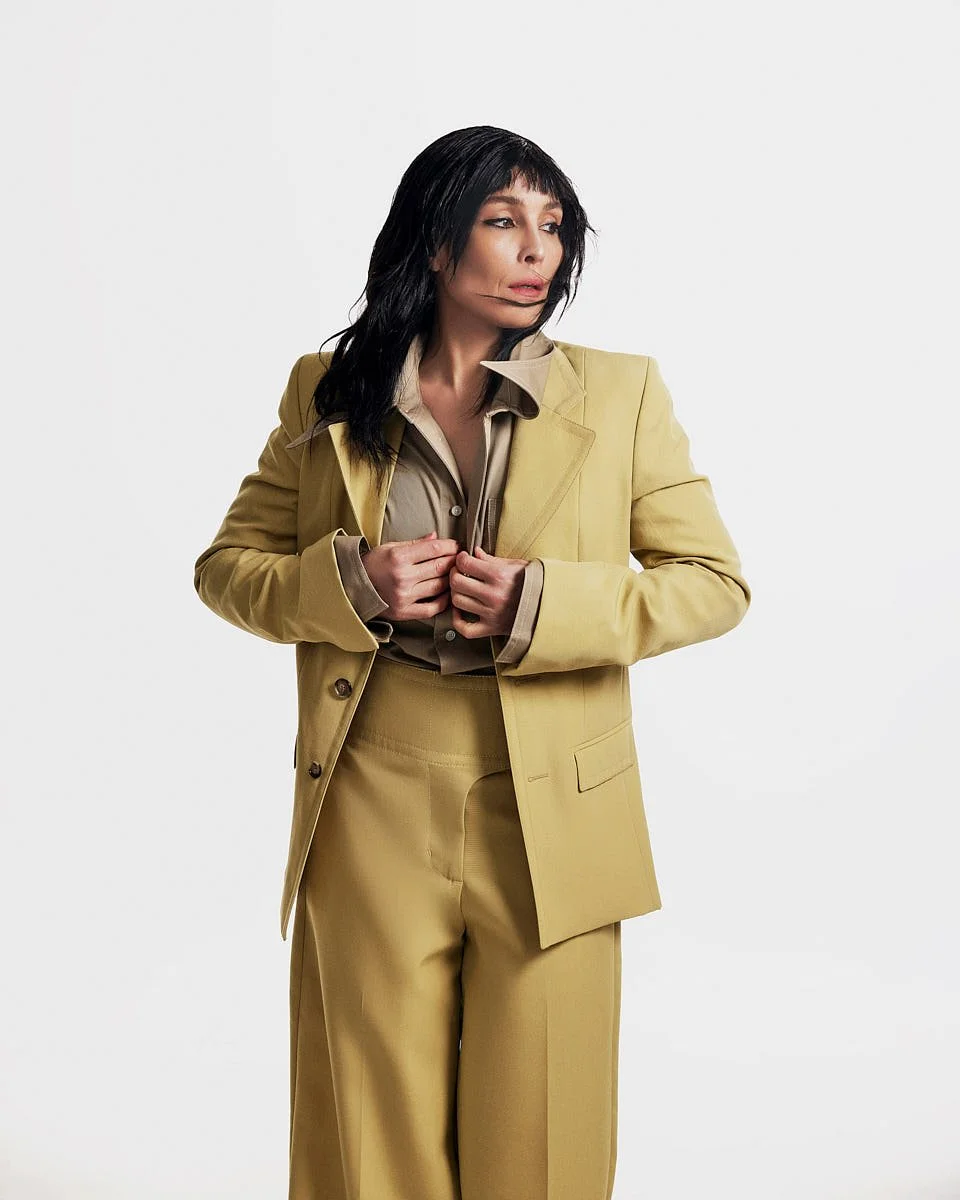
It was also such a treat to work with Olivia Coleman. It was a night shoot in Tenerife and we spent the night playing heads up, dancing and ended with our producer bringing us a cocktail at about three in the morning on wrap.
Dune has been full of sets you walk into for the first time and your jaw just drops, and then you have to find a way to make your story feel real and grounded in these vast spaces. I get to work with the amazing Emily Watson - so that’s been pretty damn good!

And then with The Other Bennet Sister, while it’s smaller in scale of production but has the most gorgeous, talented cast. Ella Bucc

In The Night Manager, you play 'Mayra Cavendish’ who is shown to hold an almost quiet authority. How did you find stepping into this role in such a beloved genre of spy thriller, particularly given it's in such a huge project of an immensely beloved series?

It’s always a bit intimidating joining an established show as popular as The Night Manager. I sort of just watch how the regulars play and then slip in under the radar and see what happens. Georgie made sure no matter how big or small your role within the story, your character had to be deeply and personally invested in what was going on. The higher the stakes, the more there is to lose. Mayra is also layered with lies. Who is she? Who does she really work for? It’s fun to have to hide things.

The Other Bennet Sister sees you immersed in British society of the 1800s. What is it about this kind of setting that fascinates you most? Have you always wanted to tackle a project within the wider universe of Jane Austen, and what other British classic novels would you love to be a part of, if you could pick?

Growing up in Bath, I’ve been surrounded by the obsession with Austen. For the first 15-20 years of my early career, all the young actors had their big breaks in some sort of period adaptation and casting was very conventional back then so there was zero diversity. Now things have changed and at last I get to be in an Austen spin off!

I always wanted to be Tess of the Durbevilles. And I’d love to be in some Dickens. Don’t care which one. Actually… maybe the Russian novels appeal even more.


Indira Varma LE MILE Magazine photo Will Aldersley lemilestudios digital cover ss26 Indira Varma wears a dress by PALMER HARDING

Indira Varma wears a dress by PALMER HARDING

 
Indira Varma LE MILE Magazine photo Will Aldersley lemilestudios digital cover ss26 Indira Varma wears the Winchester coat dress by SUZANNAH LONDON

Indira Varma wears the Winchester coat dress by SUZANNAH LONDON


In Coldwater, you star opposite Andrew Lincoln, having known each other since you were teenagers while individually carving out your own careers. What was it like suddenly playing husband and wife in a remote part of the Scottish countryside? How did you develop that particular on-screen relationship given that you know each other so well?

Having history and a friendship with another actor is so useful. The trust and communication is already there and so you can try things more boldly. It’s a total joy, and an advantage of having been in the industry a while now. Richard Coyle and I played characters about to have a baby almost 20 years ago, and now we’re married with 3 kids in The Other Bennet Sister!

Can we expect a return to the stage for you soon, or what kind of play or role would instantly draw you back to the theatre?

I hope so. I miss it so much. I’d love to do some new writing - something challenging, not conventional. There are loads of great new writers and directors I’d love to work with.

I’d also love to do more physical work. Having worked with Hofesh Schechter for Oedipus and done some voice work for Simon MacBurney and seeing Crystal Pite’s amazing new work, I’d love to do more of that kind of experimental stuff.
But there are still tons of classics I’d love to tackle. Including Chekhov and Shakespeare and the great American writers. And Pinter. I want to revisit Pinter.
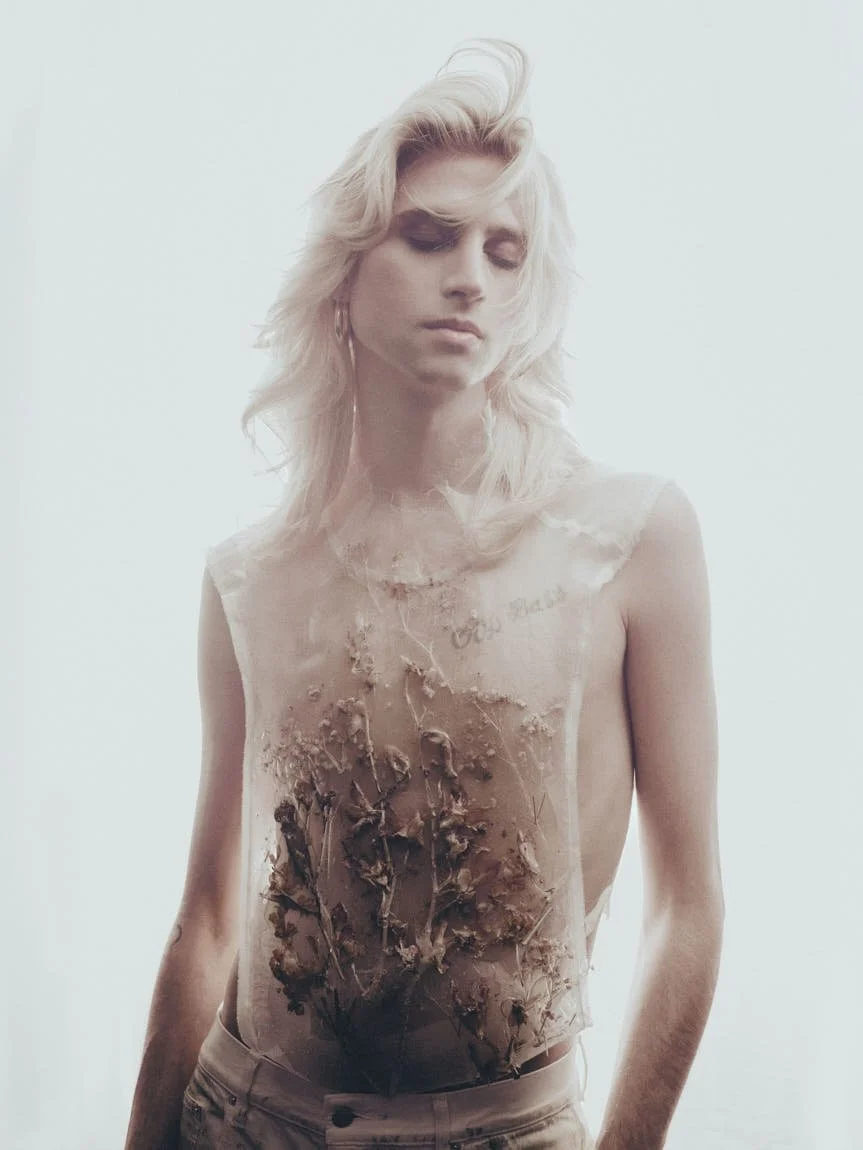
Is there anything you’re actively searching for in your next roles? What would your next dream role or project look like for you?

I’d like to do some more independent film work. Something experimental. Small and heartfelt. I want to be outside my comfort zone.

Out of all the roles that you’ve played in your career, both on screen and stage, which four would you invite to a dinner party together and why?

I think Lady Macbeth could do with getting out of that castle and meeting a few women. They might persuade her to get a grip about this whole ´I want to be king’ thing. Just to complicate things, I’d invite the alien from Dr Who, Lady Pemberton, I think she’d have fun shape shifting into each of the characters.

Why not Ellaria Sands too? I’m seeing a pattern of slightly obsessed, mad women willing to kill. Maybe they just need to have a few drinks and a laugh. I think the woman I played in Present Laughter is so down to earth and used to massive egos that she’d be a great host.


Indira Varma LE MILE Magazine photo Will Aldersley lemilestudios digital cover ss26 Indira Varma wears a coat, rollneck, and trousers by JOSEPH, and shoes by JIMMY CHOO

Indira Varma wears a coat, rollneck, and trousers by JOSEPH, and shoes by JIMMY CHOO

 
Indira Varma LE MILE Magazine photo Will Aldersley lemilestudios digital cover ss26 Indira Varma wears a brown trenchcoat by LURLINE, a top and skirt by EDELINE LEE, and brown suede boots by KALDA

Indira Varma wears a brown trenchcoat by LURLINE, a top and skirt by EDELINE LEE, and brown suede boots by KALDA


talent   INDIRA VARMA
photography   WILL ALDERSLEY via EIGHTEEN MANAGEMENT
styling   NATALIE BREWSTER
make up   NOHELIA REYES using LISA ELDRIDGE
hair   PAUL DONOVAN
jewellery   TILLY SVEAS
special thanks to location   THE PRINCE ARTHUR BELGRAVIA

copyright LE MILE Magazine / Will Aldersley

SAMUEL WATSON *discusses Career Formation, Pressure, and Long-term Orientation in Fashion

SAMUEL WATSON *discusses Career Formation, Pressure, and Long-term Orientation in Fashion

That´s How Samuel Watson Manages Pressure, Rejection, and Forward Momentum


interview + written CHIDOZIE OBASI


When it comes to fashion, the emergence of a promising new talent still carries weight. In an industry shaped by saturation and accelerating cycles, it takes discipline, persistence, and clarity to sustain attention.


Samuel Watson by Cosimo Buccolieri for OFFLINE Issue 39 LE MILE Magazine Alban E. Smajli Sam wears a total look by MOSCHINO

Sam wears a total look by MOSCHINO


Following campaigns for Emporio Armani and Alan Crocetti, and most recently appearing as the face of Calvin Klein’s global underwear campaign, Samuel Watson continues to define his position within a system he has long been committed to. Yet visibility alone is not the endpoint. “I’m someone who deeply values having a home base, and the more I grow, the more owning a place of my own would mean the whole world to me,” he reflects, fully aware that professional affirmation rarely follows a straight line.

In conversation with LE MILE’s Fashion Director Chidozie Obasi, Watson discusses modeling, personal pressure, mental health, and the longer trajectory he is working toward.


Samuel Watson by Cosimo Buccolieri for OFFLINE Issue 39 LE MILE Magazine Alban E. Smajli Sam wears a total look by LORO PIANA

Sam wears a total look by LORO PIANA

Samuel Watson by Cosimo Buccolieri for OFFLINE Issue 39 LE MILE Magazine Alban E. Smajli Sam wears a total look by ZEGNA

Sam wears a total look by ZEGNA


Chidozie Obasi
Could you kindly introduce yourself to us?

Samuel Watson
I’m Samuel Watson, aged 22 from Sydney, Australia.

Who were the biggest inspirations you had while growing up?

My biggest inspiration would definitely have to be my parents. They’re the hardest working people I know, and watching their dedication and resilience growing up really shaped how I approach life. I try to carry that same work ethic into everything I do, both personally and professionally. Another major source of inspiration came from the online fitness space. When I started high school, I was naturally very skinny and felt insecure about my body. That pushed me to dive deep into learning how to build and transform the human body. I became obsessed with self-education—reading, experimenting, and training consistently. Over time, it became not just a passion but a skill I still use today in my career as a model.

How did you venture into the fashion industry?

While I was studying psychology at university in Australia, my partner at the time was working as a model. I saw how much fun she was having and the incredible experiences she was gaining. When she suggested that I could model too, I decided to give it a shot. She referred me to her agent, who signed me—and from there, the rest is history!

What have been your biggest pinch-me moments so far?

The biggest pinch-me moment has to be my first Emporio Armani Underwear campaign. I had just returned from a week away at a music festival with friends when I got a call from my agent telling me I was flying to Milan in four days to shoot the campaign. I was absolutely ecstatic—this was my first major job. To make it even more surreal, a friend sent me a photo a few weeks ago showing my campaign image painted on the side of a building in the middle of Milan. Needless to say, I was speechless.

 
Samuel Watson by Cosimo Buccolieri for OFFLINE Issue 39 LE MILE Magazine Alban E. Smajli Sam wears a grey coat by CELINE, a blazer by BRUNELLO CUCINELLI, a shirt by BRIONI, pants by DOLCE & GABBANA

Sam wears a grey coat by CELINE, a blazer by BRUNELLO CUCINELLI, a shirt by BRIONI, and pants by DOLCE & GABBANA

Samuel Watson by Cosimo Buccolieri for OFFLINE Issue 39 LE MILE Magazine Alban E. Smajli Sam wears a grey coat by CELINE, a blazer by BRUNELLO CUCINELLI, a shirt by BRIONI, pants by DOLCE & GABBANA
Samuel Watson by Cosimo Buccolieri for OFFLINE Issue 39 LE MILE Magazine Alban E. Smajli Sam wears a total look by PRADA

Sam wears a total look by PRADA


How do you deal with rejection and downfalls?

Rejection is a constant in this industry. After nearly three years of modeling, I’ve become so used to it that it doesn’t really affect me anymore. From a professional standpoint, I never take it personally. If an option falls through, I shift my focus to what’s next.

I genuinely believe that setbacks are opportunities to grow. You pick yourself up, learn from the experience, and move forward stronger. Spiritually, I often take rejection as a sign from the universe that something else is meant for me.

In an industry shaped by complexities, how do you maintain positivity and protect your mental health?

Thankfully, I’ve managed to maintain a healthy mental state throughout my career. I credit that to keeping things simple—sticking to a consistent workout routine, eating nutritious whole foods, and living a balanced lifestyle, even while traveling. The fashion industry constantly puts you in situations where you need to make big decisions, and it can feel isolating since modeling is such a unique job. When I find myself stressed, I go for a walk and mentally play out scenarios. It helps me gain perspective and simplify whatever I’m facing.

What is your biggest aspiration right now?

Right now, my main goal is to grow within the fashion industry. I’m fully focused on modeling and excited by the momentum I’ve built so far this year. There are a few projects yet to be released that I can’t wait to share. Outside of modeling, one of my dreams is to own a small cottage in my hometown. I’m someone who deeply values having a home base, and owning one of my own would mean the world to me. It goes hand-in-hand with achieving success in my career, so I’ll continue working hard to get there.

Any final thoughts you’d like to share?

I’d like to thank the team for creating such an incredible piece of work and for the amazing experience I had throughout the process. It’s a true honor to be featured in the print issue of this magazine and to have collaborated with such a talented group of people. Honestly, this shoot pushed me out of my comfort zone. I’m naturally a pretty mellow person, so “going mad” in front of the camera didn’t come naturally. But with the encouragement and creative energy on set, I was inspired to step into the story—and together, we created something truly beautiful.


Sam wears a chequered skirt by INSTITUTION, a pleated skirt by JIL SANDER by Lucie and Luke Meier, jewellery by VOODOO JEWELS, shoes by SEBAGO, and socks by CELINE

Samuel Watson by Cosimo Buccolieri for OFFLINE Issue 39 LE MILE Magazine Alban E. Smajli Sam wears a blazer by GABRIELE PASINI, a black shirt by ALESSANDRO GHERARDI, a denim shirt by DIESEL, pants by ACT N1, and shoes by DR. MARTENS

Sam wears a blazer by GABRIELE PASINI, a black shirt by ALESSANDRO GHERARDI, a denim shirt by DIESEL, pants by ACT N1, and shoes by DR. MARTENS


photography   COSIMO BUCCOLIERI via STUDIO REPOSSI
fashion director + stylist   CHIDOZIE OBASI
head of production   JESSICA LOVATO
contributing editor   LUCA ROSEI
fashion coordinator   ALBERTO MICHISANTI
copy editor   EDWARD PUSCA
make up + hair   SARA BERGAGLIO via MKS MILANO using MAC COSMETICS
set designer   THALA BELLONI
model   SAMUEL WATSON via WW MGMT
photography assistant   ANTONIO CROTTI
fashion assistants    LORIS VOTTERO + CLOE RUBINATO + ANNA REGGAZZONI + MARTINA MANENTI + ALESSANDRA DI MUGNO + ANGELICA GUAMAN + REBECCA ASTORINO

copyright LE MILE Magazine / ACosimo Buccolieri